WESTMINSTER VILLAGE HEALTH
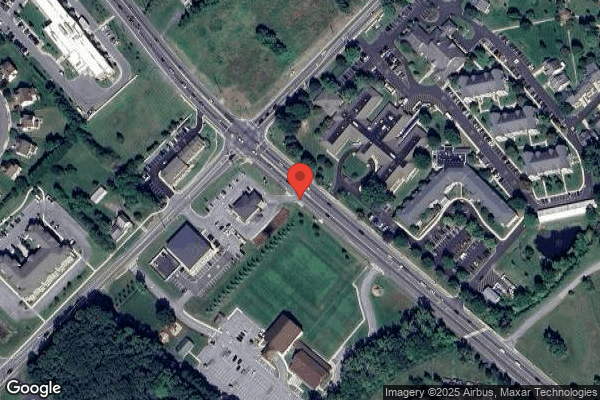
1175 MCKEE ROAD, DOVER, DE 19904 (302) 744-3527
Non profit - Corporation 75 Beds PRESBYTERIAN SENIOR LIVING Data: November 2025 1 Immediate Jeopardy citation
Trust Grade
61/100
#10 of 43 in DE
Last Inspection: October 2024

Within standard 12-15 month inspection cycle. Federal law requires annual inspections.

Overview

Westminster Village Health in Dover, Delaware has a Trust Grade of C+, indicating it is decent and slightly above average compared to other facilities. Ranking #10 out of 43 nursing homes in Delaware places it in the top half, while being #2 out of 7 in Kent County means only one other local option is rated higher. The facility is showing an improving trend, with issues decreasing from 11 in 2023 to 9 in 2024. Staffing is a strong point, rated 5/5 stars, with a turnover rate of 31% that is below the state average, indicating that staff are familiar with the residents. However, there are concerning incidents reported, including a critical failure to protect residents from sexual abuse by another resident with a history of inappropriate behavior, as well as a serious incident where a resident suffered a broken neck due to inadequate supervision. While the home shows strengths in staffing and overall ratings, these serious incidents highlight significant areas that need urgent attention.

Trust Score
C+
61/100
In Delaware
#10/43
Top 23%
Safety Record
High Risk
Review needed
Inspections
Getting Better
11 → 9 violations
Staff Stability
○ Average
31% turnover. Near Delaware's 48% average. Typical for the industry.
Penalties
✓ Good
$15,593 in fines. Lower than most Delaware facilities. Relatively clean record.
Skilled Nurses
✓ Good
Each resident gets 68 minutes of Registered Nurse (RN) attention daily — more than 97% of Delaware nursing homes. RNs are the most trained staff who catch health problems before they become serious.
Violations
⚠ Watch
27 deficiencies on record. Higher than average. Multiple issues found across inspections.
★★★★★
5.0
Overall Rating
★★★★★
5.0
Staff Levels
★★★☆☆
3.0
Care Quality
★★★★☆
4.0
Inspection Score
Stable
2023: 11 issues
2024: 9 issues

The Good

  • 5-Star Staffing Rating · Excellent nurse staffing levels
  • Full Sprinkler Coverage · Fire safety systems throughout facility
  • No fines on record
  • Staff turnover below average (31%)

    17 points below Delaware average of 48%

Facility shows strength in staffing levels, fire safety.

The Bad

Staff Turnover: 31%

15pts below Delaware avg (46%)

Typical for the industry

Federal Fines: $15,593

Below median ($33,413)

Minor penalties assessed

Chain: PRESBYTERIAN SENIOR LIVING

Part of a multi-facility chain

Ask about local staffing decisions and management

The Ugly 27 deficiencies on record

1 life-threatening 1 actual harm
Oct 2024 7 deficiencies
CONCERN (D)

Potential for Harm - no one hurt, but risky conditions existed

Assessment Accuracy (Tag F0641)

Could have caused harm · This affected 1 resident

Based on record review and interviews, it was determined for three (R16, R32, and R217) out of eighteen residents in the investigative sample, the facility failed to ensure the MDS was accurate. Findi...

Read full inspector narrative →
Based on record review and interviews, it was determined for three (R16, R32, and R217) out of eighteen residents in the investigative sample, the facility failed to ensure the MDS was accurate. Findings include: 1. Review of R16's clinical record revealed: 9/28/24 - R16 was admitted to the facility. 10/4/24 - An admission MDS documented that R16 had restraints. These restraints included bilateral bed rails. 10/21/24 - An observation of R16 in bed with bilateral side rails in place, used as an enabler bar for turning and repositioning. 10/25/24 1:48 PM - An interview with E6 (RNAC), E7 (RNAC) and E1 (NHA) revealed that the MDS was miscoded for R16 and discovered when surveyors requested the Matrix. E1 stated that E7 is in training and miscoded the MDS. E1 provided evidence that the MDS was corrected. 2. Review of R32's clinical record revealed: 10/2/24 - R32 was admitted to the facility. 10/4/24 - An admission MDS documented that R32 had restraints. These restraints included bilateral bed rails. 10/22/24 - An observation of R32 in bed with bilateral side rails in place, used as an enabler bar for turning and repositioning. 10/25/24 1:48 PM - An interview with E6 (RNAC), E7 (RNAC) and E1 (NHA) revealed that the MDS was miscoded for R32 and discovered when surveyors requested the Matrix. E1 stated that E7 is in training and miscoded the MDS. E1 provided evidence that the MDS was corrected. 3. Review of R217's clinical record revealed: 9/20/24 - R217 was admitted to the facility. 9/26/24 - An admission MDS documented that R217 had restraints. These restraints included bilateral bed rails. 10/22/24 - An observation of R217 in bed with bilateral side rails in place, used as an enabler bar for turning and repositioning. 10/25/24 1:48 PM - An interview with E6 (RNAC), E7 (RNAC) and E1 (NHA) revealed that the MDS was miscoded for R217 and discovered when surveyors requested the Matrix. E1 stated that E7 is in training and miscoded the MDS. E1 provided evidence that the MDS was corrected. 10/31/24 3:00 PM - Findings were reviewed with E1 (NHA) , E2 (DON), and E4 (Executive Director) at the exit conference.
CONCERN (D)

Potential for Harm - no one hurt, but risky conditions existed

Deficiency F0657 (Tag F0657)

Could have caused harm · This affected 1 resident

Based on record review and interview, it was determined that for one (R37) out of eighteen residents reviewed in the investigative sample, the facility failed to ensure that the required interdiscipli...

Read full inspector narrative →
Based on record review and interview, it was determined that for one (R37) out of eighteen residents reviewed in the investigative sample, the facility failed to ensure that the required interdisciplinary team (IDT) members participated in the care plan meetings. Findings include: Review of R37's clinical record revealed: 10/3/24 - R37 was admitted to the facility. 10/16/24 - A careplan meeting interdisciplinary note revealed that the following attendees were present: R37, family member, nursing, therapy, CNA, Social worker, and dietary. 10/25/24 9:22 AM - An interview with E6 (RNAC) confirmed that physician or physician's representative did not participate in R37's care plan conferences. E6 stated the physician reviews residents monthly but not in coordination with the care plan meetings. 10/31/24 3:00 PM - Findings were reviewed with E1 (NHA) , E2 (DON), and E4 (Executive Director) at the exit conference.
CONCERN (D)

Potential for Harm - no one hurt, but risky conditions existed

Quality of Care (Tag F0684)

Could have caused harm · This affected 1 resident

2. Review of R27's clinical record revealed: 12/5/22 - R27 was admitted to the facility. 12/21/22 - A physician's order was written for midodrine HCL 2.5 mg one tablet by mouth three times a day befor...

Read full inspector narrative →
2. Review of R27's clinical record revealed: 12/5/22 - R27 was admitted to the facility. 12/21/22 - A physician's order was written for midodrine HCL 2.5 mg one tablet by mouth three times a day before meals. Alert please note parameters: hold for systolic blood pressure (SBP) greater than 130. 11/2023 - A review of the November 2023 MAR revealed that on 11/5/23 R27 documented a blood pressure listed of 152/81 and a signature indicating midodrine medication was administered. 11/1/23 - 11/16/23 - A consultant pharmacist's medication regimen review documented that R27 recommendation to read parameters closely for holding midodrine. Order is to hold midodrine for SBP greater than 130 but dose is documented as administered on November 5 at 9:00 AM when blood pressure is 152/81. 10/24/24 2:31 PM - An interview with E14 (LPN) confirmed that midodrine was signed off on 11/5/23 at 9:00 AM, even though parameters indicated to not administer. The facility lacked evidence that the aforementioned irregularity was addressed. The progress notes lacked evidence of monitoring related to medication being administered outside of the parameters. 10/31/24 3:00 PM - Findings were reviewed with E1 (NHA) , E2 (DON), and E4 (Executive Director) at the exit conference. Based on record review and interview, it was determined that for two (R1 and R27) out of six residents reviewed for unnecessary medication review, it was determined that the facility failed to follow physician orders. Findings include: 1. Review of R1's clinical record revealed: 10/22/18 - R1 was admitted to the facility with diagnoses including diabetes mellitus. 8/12/21 - A physician's order documented Lantus 100 units/ml, administer 30 units subcutaneously in the evening (hold for finger stick blood sugar less than 100). 2/17/24 4:01 PM - Review of the MAR revealed R1's glucose was 78 ml/dl. Although R1's glucose was less than 100, E5 (LPN) administered the Lantus. 10/24/24 11:41 AM - During an interview, E5 (LPN) revealed if the doctor writes a parameter to hold insulin for low blood sugars, then E5 holds the insulin. E5 further revealed if the blood sugar was excessively high or low, the doctor is notified and then E5 would document the blood sugar level in the MAR. 10/24/24 12:17 PM - An interview with E3 (LPN) confirmed that she documented a blood sugar of 78 and that Lantus 30 units was administered subcutaneously.
CONCERN (D)

Potential for Harm - no one hurt, but risky conditions existed

Incontinence Care (Tag F0690)

Could have caused harm · This affected 1 resident

Based on observation, interview and record review it was determined that for two (R21 and R37) out of two residents reviewed for incontinence, the facility failed to provide services to restore bowel ...

Read full inspector narrative →
Based on observation, interview and record review it was determined that for two (R21 and R37) out of two residents reviewed for incontinence, the facility failed to provide services to restore bowel and bladder continence. Findings include: 1. Review of R21's clinical record revealed: 12/22/23 - A policy titled Bowel and Bladder training documented the objective is to retrain a formerly continent resident or reduce incontinence in residents with stress or urge incontinence.Procedure 1. determine eligibility for retraining program using the Bowel and Bladder UDA. A bowel or bladder UDA is assigned with each new admission, quarterly, annually and with each resident significant change. Upon completion the bowel and bladder evaluation is reviewed to determine if voiding diaries are needed in order to ascertain resident toileting plans. 3. Establish scheduled toileting program. 4. Determine appropriate incontinence aids to assist in obtaining continence. 6. Establish an individualized bowel or bladder program for each resident. 7. Place approaches on the individual resident's care plan. 8/29/24 - R21 was admitted to the facility. 8/29/24 6:40 PM - A bowel and bladder evaluation documented that R21 was totally dependent for toileting with one staff assistance. It also documented that R21 had an indwelling catheter and frequently incontinent of bowel. 8/30/24 - A care plan was initiated for R21 for continence issues with a goal to regain bowel control within ninety days. Interventions were to assist R21 with bedpan use upon rising, before and after meals, at bedtime and every two hours on overnight shift; use of incontinence products; and voiding diary as needed. 8/2024 - The CNA task flow sheet for August 2024 revealed that R21 was incontinent of bowel two times. R21 was continent of bowel one time. The CNA flow sheet lacked evidence of following the individualized interventions for R21 listed in the care plan. The flow sheet documented bowel function, control, appliances, and consistency every shift. 9/2024 - The CNA task flow sheet for September 2024 revealed that R21 was incontinent of bowel seventeen times. R21 was continent of bowel three times. The CNA flow sheet lacked evidence of following the individualized interventions for R21 listed in the care plan. The flow sheet documented bowel function, control, appliances, and consistency every shift. 9/4/24 - An admission MDS assessment documented R21 was dependent for toileting with one staff assistance. The MDS also documented that R21 was always incontinent of bowel and that R21 was not on a toileting program. 10/2024 - The CNA task flow sheet for October 2024 revealed that R21 was incontinent of bowel seventeen times. R21 was continent of bowel zero times. The CNA flow sheet lacked evidence of following the individualized interventions for R21 listed in the care plan. The flow sheet documented bowel function, control, appliances, and consistency every shift. 10/21/24 10:56 AM - In an interview R21 stated that she uses a bedpan and is able to verbalize the need for elimination. R21 stated that prior to admission she used the toilet until her increased difficulty walking. 10/24/24 11:04 AM - In an interview with E15 (NP) stated that the expectation is for nurses and CNA's to monitor for changes in continence and report changes to the provider if any occur. 10/24/24 11:35 AM - In an interview with E14 (LPN) revealed that the facility does not have a set toileting program and that staff should be consistently monitoring resident's for bowel and bladder changes. E14 indicated that the CNA's do check and change every two hours and that is the toileting program. E14 stated that R21 is not on a toileting program other than the every two hours check and change. 10/29/24 1:40 PM - During an interview, E16 (CNA) stated that R21 does not use a bed pan and that she does not offer one to R21. There was no evidence that the facility attempted to restore bowel function for R21. 2. Review of R37's clinical record revealed. 10/3/24 - R37 was admitted to the facility. 10/3/24 - A care plan was initiated for R37 to remain continent of bowel and bladder through ninety days with interventions of using incontinence products (briefs, fracture pan), voiding diary as needed, and assist to bedpan/ toilet per request. 10/9/24 - An admission MDS documented R37 was dependent for toileting with one assist, frequently incontinent of bladder and always incontinent of bowel. 10/2024 - The CNA task flow from 10/3/24 to 10/31/24 documented R37 was incontinent of urine fifty four times out of eighty four opportunities, which was 63% of the time throughout the month. R37 was continent of urine seven times. The CNA flow sheet lacked evidence of following R37's individualized interventions listed in the care plan. The CNA flow sheet documented bladder function, voiding, toilet use or appliances, incontinence products, and control. 10/21/24 1:40 PM - An interview with R37 revealed that she is continent and able to voice when she has to use the bathroom. R37 stated that at times she becomes incontinent waiting for staff assistance to the toilet. 10/24/24 11:35 AM - During an interview, E14 (LPN) revealed that the facility does not have a set toileting program and that staff should be consistently monitoring resident's for bowel and bladder changes. E14 indicated that the CNA's do check and change every two hours and that is the toileting program. E14 stated that R37 is not on a toileting program other than the every two hours check and change. 10/29/24 1:40 PM - During an interview, E16 (CNA) stated that R37 does not use a bed pan and that R37 is not on a toileting program. 10/31/24 3:00 PM - Findings were reviewed with E1 (NHA) , E2 (DON), and E4 (Executive Director) at the exit conference.
CONCERN (D)

Potential for Harm - no one hurt, but risky conditions existed

Menu Adequacy (Tag F0803)

Could have caused harm · This affected 1 resident

Based on observation and interviews, it was determined that for one (R47) out of eight residents sampled for food the facility failed to follow menu requests. Findings include: 10/21/24 10:11 AM - A r...

Read full inspector narrative →
Based on observation and interviews, it was determined that for one (R47) out of eight residents sampled for food the facility failed to follow menu requests. Findings include: 10/21/24 10:11 AM - A random observation of R47's breakfast tray revealed oatmeal, cheerios, scrambled eggs, raisin toast and hot tea. The meal ticket showed R47 was supposed to have apple juice, oatmeal, fresh whole apple, fried egg, cinnamon wheat toast, 2% milk and coffee or hot tea. The tray was missing apple juice and a fresh whole apple. The meal ticket showed R47's dislikes as: chocolate, gravy, apples, eggs, milk or pork and to serve soft fruits. R47 stated they bring her food that she doesn't like. 10/21/24 10:20 AM - An interview with E8 (CNA) confirmed that R47 did not have apple juice or a substitute and did not have a fresh whole apple or any substitute. E8 stated that there was no apple juice left and offered to give R47 cranberry juice. E8 stated that the kitchen makes up the tray and we bring the trays to the resident rooms. 10/22/24 9:32 AM - A random observation of R47's breakfast tray revealed cranberry juice, cheerios, bacon, sausage and hot tea. The meal ticket showed R47 was supposed to have apple juice, cream of wheat, fresh whole orange, scrambled eggs with onions, wheat toast, 2% milk and coffee or hot tea. The tray was missing a fresh whole orange and scrambled eggs with onions. The meal ticket showed R47's dislikes as: chocolate, gravy, apples, eggs, milk or pork and to serve soft fruits. R47 stated that she cannot eat pork and would not be able to eat the bacon or the sausage and would only eat the cheerios. 10/22/24 9:37 AM - An interview with E9 (RN) confirmed that R47 did not have a fresh orange or a substitute and confirmed the rest of the items on the breakfast tray. E9 offered sliced oranges to give to R47. E9 confirmed that R47's dislike of pork on the meal ticket and that R47 received bacon and sausage. 10/23/24 10:03 AM - An interview with E10 (Dietary Regional Support) revealed that the kitchen staff follow the meal ticket and plates the items according to the meal ticket. If a food item is a disliked item, it is not to be plated on the tray. If something is not available, we are to offer a substitution of the same nutritional value. E10 stated that the staff who plated R47's tray was filling in from the independent living side and had not plated trays before. 10/23/24 10:21 AM - An interview with E11 (Dietician) confirmed that if a food item is not available a substitute that is nutritionally equivalent is needed. 10/31/24 3:00 PM - Findings were reviewed with E1 (NHA) , E2 (DON), and E4 (Executive Director) at the exit conference.
CONCERN (E)

Potential for Harm - no one hurt, but risky conditions existed

Food Safety (Tag F0812)

Could have caused harm · This affected multiple residents

Based on observation and interview it was determined that the facility failed to ensure food was stored, prepared, and served in a manner that prevents food borne illness to the residents. Findings in...

Read full inspector narrative →
Based on observation and interview it was determined that the facility failed to ensure food was stored, prepared, and served in a manner that prevents food borne illness to the residents. Findings include: 10/21/24 9:14 AM - During the initial tour of the kitchen, there were no buckets containing sanitizing solution for storing wet wiping clothes used for sanitizing food preparation surfaces. 10/21/24 9:38 AM - During a tour of the kitchen, E12 (Cook) tested the sanitizing solution in the three compartment sink, directly at the source two times. Both attempts indicated the level of chemical concentration was not at a sufficient level to provide proper sanitization. An interview with E12 later that day revealed the facility had been using the incorrect type of chemical test strips when testing the sanitizer levels in the kitchen. 10/21/24 9:42 AM - During a tour of the kitchen, there were three compromised food cans with dented sides, which were not separated from the cans of food being served to the residents. 10/21/24 10:23 AM- During a tour of the kitchen, the ice scoop was being stored inside the ice machine laying on top of the ice exposing the ice to contaminants from the handle. 10/21/24 11:35 AM During a review of the food temperature logs, the facility kitchen records had no food temperatures recorded for twenty-three (23) meals out of three-hundred thirty-six (336) meals sampled. Temperatures of cooked foods and cold ready to eat foods were not being consistently recorded prior to being served. Fish, meat, and poultry must be heated to an appropriate specific temperature depending on the type of food and the method used to prepare it. Vegetables must be heated to one hundred thirty-five (135) degrees Fahrenheit (F), and cold ready to eat foods must be held below forty-one (41) degrees (F) to maintain food safety. 10/21/24 3:23 PM - Findings were confirmed with E12 (Cook). 10/31/24 3:00 PM - Findings were reviewed with E1 (NHA) , E2 (DON), and E4 (Executive Director) at the exit conference.
MINOR (C)

Minor Issue - procedural, no safety impact

Drug Regimen Review (Tag F0756)

Minor procedural issue · This affected most or all residents

Based on record review and interview, it was determined that the facility failed to develop policies and procedures for the monthly MRR (Medication Regimen Review) that included time frames for differ...

Read full inspector narrative →
Based on record review and interview, it was determined that the facility failed to develop policies and procedures for the monthly MRR (Medication Regimen Review) that included time frames for different steps in the MRR process. Findings include: 12/05/23 12:50 PM - A review of the facilities policy titled, Consultant Pharmacist Reports, lacked information regarding the time frames for a pharmacist response for urgent medication recommendations. The MRR policy did not meet the expected time frame requirements. 10/31/24 - An interview during exit conference with E1 (NHA) confirmed the MRR policy did not meet the expected requirements for urgent medication response times. 10/31/24 9:45 AM - Findings were reviewed with E1 (NHA) , E2 (DON), and E4 (Executive Director) at the exit conference.
Sept 2024 2 deficiencies
CONCERN (D) 📢 Someone Reported This

A family member, employee, or ombudsman was alarmed enough to file a formal complaint

Potential for Harm - no one hurt, but risky conditions existed

Abuse Prevention Policies (Tag F0607)

Could have caused harm · This affected 1 resident

**NOTE- TERMS IN BRACKETS HAVE BEEN EDITED TO PROTECT CONFIDENTIALITY** Based on record review and interviews, it was determined that for one (R1) out of three residents reviewed for Abuse, the facili...

Read full inspector narrative →
**NOTE- TERMS IN BRACKETS HAVE BEEN EDITED TO PROTECT CONFIDENTIALITY** Based on record review and interviews, it was determined that for one (R1) out of three residents reviewed for Abuse, the facility failed to implement their written abuse policy by failing to notify R1's physician of the abuse allegation. Findings include: Facility Policy- .Abuse, Neglect or Exploitation .Guidelines: .3. In health care centers, alleged violation of abuse .the facility MUST report the allegation to the Department of Health IMMEDIATELY but no later than 2 hours after the allegation is made . 10. In the health centers, assisted living/personal care staff will notify the resident's attending physician, medical director and family member or designated person of all allegations of abuse, neglect or misappropriation of property . 9/9/24 11 PM - The facility's incident report documented that R1, who was diagnosed with profound dementia, allegedly made a claim to E5 (RN) that a man raped her. Of note, 9/9/24 was a Monday. 9/10/24 11:32 AM - Review of text conversation between E7 (MD) and E8 (Medical director) provided in screenshots provided by E7 (MD) revealed: - E7 (MD) texted, Have you heard the latest RE: [R1]? - E8 (Medical Director) replied, No! I'll go to [facility on-call service computer reporting system]. -E7 (MD) replied, I put details there. 9/10/24 1:18 PM - The State agency received a report from the facility stating, Incident Date/Time: 9/10/24 @11:00 .Incident Description: [AGE] years old female resident with diagnosis of dementia with inappropriate behaviors reported to a nurse that she was sexually assaulted by a caregiver . [town] PD (police department) notified . 9/10/24 2:13 PM - The facility's investigation statement from E5 documented that after receiving report and checking her patients on 9/9/24 night shift, E5 (RN) went to the other nursing unit to find the nursing supervisor, who was not available at that time. It was documented that E5 left a message with another staff member stating that E5 needed to speak with E6 (RN Nursing supervisor). 9/11/24 10:25 AM - The facility's interview/statement form from E6 (RN nursing supervisor) documented that at approximately 1:00AM on 9/10/24 while dropping off a specimen in the LTC (long term care) unit, E6 approached E5 (RN) and was informed about R1's allegation. 9/12/24 9:15 AM - Review of text conversation between E7 (MD) and E8 (Medical Director) revealed: -E8 (Medical Director) texted, Hey! Did you see [R1] for the evaluation of 'the allegation'? -E7 (MD) replied, Yes, I did (check out my last note- Tuesday). -E8 replied, I saw a lot of talk about the SI (suicidal ideation) but not the other. I'll read it in more detail. -E7 replied, You might note my frustration in that note but I have [hospital] backing on it when they said she's low risk for carrying out a plan. -E8 then replied, Did you address the rape allegation? -E7 replied, Indirectly- I asked her if she remembers anything that happened a few days back. New text stated, she said, 'no'. -E8 replied, I don't see that documented. The state is here to investigate. -E7 then replied, Didn't want to asking a leading W. Next text said Q. Then the next text stated, Best one to answer is [staff]- she got the initial issue. Of note, W is located right next to Q on a mobile phone text keyboard. -E8 then replied, Nobody from nursing leadership called me. Nobody. Her response was '[E7] was here and assessed her'. 9/12/24 10:31 AM - E7 documented in R1's electronic medical record (EMR) as a Late Entry Addendum to 9/10/2024 Progress Note, .[R1] allegedly made a statement a few days back (just received information on 9/10/24 aroun (sic) noon after I finished my notes that day) that she was allegedly raped. I sought her out and saw her at the lunch table at the Dining Hall, and before she had companions with her at the table, I asked her if she recalls if something happened a few days back. Her forehead furrowed in a questioning manner, so I redirected the questions- I asked again- 'did anyone harm you a few days ago?' She answere (sic) no. so I did not pursue it. With the alleged incident, if there was high suspicion, a pelvic exam would be warranted (and, ideally within a few hours of the incident- i.e. - E.R (emergency room) evaluation with a rape kit), but with a negative response, a pelvic would be disastrous to her mental state. 9/16/24 9:50 AM - During a telephone interview, E7 (MD) stated, I was writing my notes. I had already seen R1 to assess her for a follow up after her suicidal ideation admission from the previous week. I overheard the [staff] discussing [R1]'s allegation that she had been raped. After questioning the staff, I went back to see [R1] again and spoke with [R1] and her husband in the dining room . [R1] has advanced dementia and a lot of hallucinations .Where is the connection with the provider? I had not even been informed of this allegation by the facility. They (the staff) did not even write it in the blue doctor communication book. The doctor communication book is over on the other nursing unit. It is where the staff write down any concerns that the nurses/staff want the providers to address when they see the resident. I texted [E8 (Medical Director)] to see if she knew about this rape allegation . During this interview, E7 clarified that the Q in this text series refers to the word question. E7 also stated that he only works part-time. He works in the facility on Tuesdays and Thursdays. E7 further explained that E9 (NP) works in the facility on Monday, Wednesday, and Friday and that [medical practice] provides on-call service for off hours overnight and on weekends. He added that E8 is the Medical Director and she was not notified of the allegation until I told her. 9/16/24 11:25 AM - During an interview, E9 (NP) stated, I was never told about R1's allegation by the facility . The doctor's communication book is on that table there. 9/16/24 11:27 AM - Review of the Doctor's communication book revealed that there were no entries regarding R1 in the log between the dates of 9/8/24 and 9/15/24 (two pages of the logbook). 9/16/24 11:50 AM - During a telephone interview, E8 (Medical Director) stated, I was notified (of the allegation) by E7 (MD) on Tuesday (9/10/24) around midday. R1 is demented and has behavioral challenges. She can be physically and verbally aggressive. She has been a challenge. She was recently sent to the hospital for a psychiatry evaluation after making an allegation that she was going to hurt herself. That was why E7 was seeing her on Tuesday to follow up after her hospital admission . I am new to this facility .have been the medical director for a few months. Typically, I am on-site on Thursdays . The medical practice has an on-call NP (nurse practitioner) who keeps a log of all the incoming calls. I did review the call log from that night. There was no indication that the facility called. I did not see anything from on-call that it was called into on-call. The facility lacked evidence that the staff had notified the medical team or the facility's medical director of R1's abuse allegation for more than twelve hours after the initial allegation was made. 9/16/24 12:35 PM - The findings were reviewed with E1 (NHA), E2 (DON), E3 (ADON) and E4 (Executive Director) at the exit conference.
CONCERN (D) 📢 Someone Reported This

A family member, employee, or ombudsman was alarmed enough to file a formal complaint

Potential for Harm - no one hurt, but risky conditions existed

Report Alleged Abuse (Tag F0609)

Could have caused harm · This affected 1 resident

**NOTE- TERMS IN BRACKETS HAVE BEEN EDITED TO PROTECT CONFIDENTIALITY** Based on record review and interviews, it was determined that for two (R1, R3) out of three residents reviewed for Abuse, the fa...

Read full inspector narrative →
**NOTE- TERMS IN BRACKETS HAVE BEEN EDITED TO PROTECT CONFIDENTIALITY** Based on record review and interviews, it was determined that for two (R1, R3) out of three residents reviewed for Abuse, the facility failed to report an allegation of abuse within the 2 hour time frame. For R1, the incident alleging sexual assault was reported to staff on 9/9/24 at approximately 11 PM but was not reported to the State Agency until 9/10/24 at 1:18 PM. For R3, the incident alleging emotional abuse was reported to the facility on 4/4/24 at 11 AM but was not reported to the State Agency until 4/8/24 5:18 PM. Findings include: 1. Review of R1's clinical record revealed: 9/9/24 approximately 11 PM - R1, who was diagnosed with profound dementia, allegedly made a statement to E5 (RN) that a man raped her. 9/9/24 approximately 11:35 PM - After counting the narcotics and checking her patients, E5 (RN) went to the other nursing unit to find the nursing supervisor, who was not available at that time. 9/10/24 approximately 1 :00 AM - E6 (RN nursing supervisor) approached E5 (RN) on the dementia unit and was informed about R1's allegation. 9/10/24 1:18 PM - The State agency received a report from the facility stating, Incident Date/Time: 9/10/24 @11:00 .Incident Description: [AGE] years old female resident with diagnosis of dementia with inappropriate behaviors reported to a nurse that she was sexually assaulted by a caregiver . [town] PD (police department) notified . Of note, the incident date/time reported to the state agency was the time that the facility's nursing leadership became aware of R1's allegation. The allegation was actually made known to facility staff members, who were agents of the facility, on 9/9/24 at approximately 11 PM. 9/12/24 12:34 PM - During a telephone interview, E5 (RN) stated, I punched in at 10:53 PM. As I walked into the unit, R1 was in the TV room (a community room on the right-hand side of the building) in a recliner. R1 was calling out so I went over to her. R1 calls out a lot. When I leaned down to talk with her, R1 said, 'A man raped me.' I asked, Are you hurt?' and R1 responded, 'Not hurt but I am scared.' I told her that I was with her tonight and she did not need to be afraid .After counting narcs (narcotics) and checking my patients, I went to TCU (the other nursing unit) to talk with E6 (RN nursing supervisor) but she had patients and was busy giving meds (medications). So I asked the other staff to tell her to come down to dementia unit to see me when she was able . E6 did come over to the dementia unit around 1 AM and I told her that R1 had alleged that a man raped her. This is my first job in long-term care. I started working here in May 2024. I worked for 38 years in the hospital setting. I assumed E6 would tell the day shift supervisor. Then I got busy in the early morning. I had a 6 AM transfer to the hospital and found a wound. When I got home, I realized that I had not told the day shift supervisor so I called into the unit and left a message for her to call me. Sometime around 9:30- 10 AM, [day shift supervisor] called me and told her what R1 had said .They [the facility] wanted me to come in to write aa statement but I had had two glasses of wine so we agreed that I would sleep for a few hours and come in around 2 PM to make a statement. 9/13/24 10:56 AM - During a telephone interview, E6 (RN Nursing supervisor) stated, .Around 1 AM, I went over to that side (the dementia unit across the lobby from the unit E6 was working on) as I was told that E5 (RN) wanted to talk with me . All I was told was there was an incident involving R1 and she was uncomfortable with male caregivers . that word was never used. When asked for clarification what was meant by that word, E6 stated rape. If that word had been used, I would have called [E2]. But since it was night shift and R1 was asleep and had 2 female aides, I would report it to the day shift supervisor. When asked if E6 clarified what was meant by an incident, E6 responded, No, I didn't. E6 also stated that she started as the night shift nursing supervisor on April 9, 2024 but prior to that she worked for years at [facility] as a supervisor. 9/13/24 12:10 PM - During an interview, E1 (NHA) stated, The supervisors have access to the State website. There is no facility sign on needed in order to make a report on the State agency website. They also can call the Administrator on-call. We are available 24/7. 9/13/24 1:20 PM - During a telephone interview, E10 (CNA) stated, .When E5 (RN) came in that night (9/9/24), she went over to R1 and kissed her on the face. They had a conversation that we (the CNAs standing across the room) could not hear. E5 came up to the group of us (CNAs) and stated that R1 had said that someone raped her. We all went 'What?? She (R1) has been in the common area the whole shift.' E5 then told E13 (CNA) that he should not care for R1 without witnesses. That bothered me . She (E5) should not have said that in front of all the CNAs. It was not professional . E5 was going to talk to the nursing supervisor. 9/13/24 2 :17 PM - During a telephone interview, E11 (LPN) stated that she had worked evening shift on 9/9/24 and gave report on the residents at the nurses' station to E5 (RN) who had come in for night shift. E11 (LPN) stated, R1 spends most of her time in the common area with he TV in a recliner because she screams and has behaviors. Usually we can settle her with snacks or cookies. That night she had been hollering until about 9:30 PM but then she settled down after we gave her some cookies. When E5 (RN) came in to get report, she stopped in the common area to talk with R1. E5 sat on the arm of R1's recliner and they (R1 and E5) had a close conversation that no one else could hear . A little bit later, E10 (CNA) came up to me and asked, 'Do you know what [E5] is saying about [R1]?' I told E10 that I would hear about it during report with E5. E5 never told me what R1 had said to her. E5 usually tells you every little thing during report. If I knew, I would have reported it the supervisor immediately. An incident report has to be done . 9/13/24 3:02 PM - During a telephone interview, E12 (CNA), who had worked on evening shift on 9/9/24, stated, E5 (RN) walked onto the unit and went straight for R1, who was in a recliner in the common area. At that time, R1 was not screaming; she was kind of sleeping. E5 then came up to the group and said that R1 was talking about rape. I thought 'Wow' and I asked 'When?' but E5 did not answer. Sometimes E5 jokes around, I was not sure if it was a joke. 9/13/24 4:09 PM - During a telephone interview, E13 (CNA) stated, We (CNAs) were standing around the dining table (in the common area). E5 (RN) came up and asked who was caring for R1. She said that she [R1] claimed that she was raped by a man. I said, No, no. no. I just changed her shirt to a nightgown in the common area bathroom. R1 had told me that she was dry so I did not even change her brief. E5 stated that she was going to talk to the nursing supervisor. 9/16/24 9:55 AM - During a telephone interview, E14 stated, After coming out of morning meeting, there was a message for me to call E5 (RN). It was around 9:30- 10 AM. I called her back and E5 told me that she wanted to be sure that E15 (LPN) the day shift supervisor got the message that R1 said she was raped. I had the phone on speaker. I told E5 that I needed to let Administration know and that I would call her back . I also called E6 (night shift supervisor) and left a message for her to call the facility . I went with E15 (LPN) and a CNA and we completed a total body assessment of R1 in the common area shower room. We checked her upper body and then with R1 standing holding onto a grab bar, we checked her vaginal, anal and bilateral thigh areas with a flashlight. I had E15 check too. There were no secretions or drainage, and no markings that looked like trauma. She [R1] was cooperative . From 11 PM on 9/9/24 (the time of the initial allegation) until approximately 9/10/24 9:30 AM, six staff members (2 RNs, 1 LPN and 3 CNAs) were aware of an incident involving R1, with the term rape being admitted as used in conversations with four of these staff members ( 1 RN, 3 CNAs). The facility failed to report this allegation until 9/10/24 at 1:18 PM, approximately twelve hours after the initial allegation. 2. Review of R3's clinical record revealed: 3/20/24 - R3 was admitted to the facility with diagnoses including but not limited to, congestive heart failure, obesity and walking problems. 4/4/24 11:00 AM - R3's daughter complained to the facility that E16 (CNA) was disrespectful and rude to her mother (R3). The facility responded to this allegation by initiating an investigation and placing E16 on Administrative leave for the duration of the investigation. 4/8/24 5:18 PM - E1 (NHA) submitted a facility reported incident to the State agency (web intake #84760) regarding this allegation that stated, Incident Type: Abuse, Incident Subtype: Emotional, Accused: Staff . This report was filed five (5) days after the facility was made aware of the allegation. 9/16/24 12:35 PM - The findings were reviewed with E1 (NHA), E2 (DON), E3 (ADON) and E4 (Executive Director) at the exit conference.
Nov 2023 11 deficiencies 1 IJ
CRITICAL (J) 📢 Someone Reported This

A family member, employee, or ombudsman was alarmed enough to file a formal complaint

Immediate Jeopardy (IJ) - the most serious Medicare violation

Free from Abuse/Neglect (Tag F0600)

Someone could have died · This affected 1 resident

**NOTE- TERMS IN BRACKETS HAVE BEEN EDITED TO PROTECT CONFIDENTIALITY** Based on observation, interview and record review, it was determined that for three (R71, R68 and R43) out of six residents revi...

Read full inspector narrative →
**NOTE- TERMS IN BRACKETS HAVE BEEN EDITED TO PROTECT CONFIDENTIALITY** Based on observation, interview and record review, it was determined that for three (R71, R68 and R43) out of six residents reviewed for abuse, the facility failed to ensure that R71, R68 and R43 were free of sexual abuse by R16, a resident with a history of sexually inappropriate behavior. The facility's failure to monitor R16 allowed the sexual abuse of R71 on 9/14/22, R68 on 11/16/22 and R43 on 12/16/22. An Immediate Jeopardy (IJ) was identified starting 9/14/22. Due to the facility's corrective measures following the last incident, this is being cited as immediate jeopardy, past non-compliance with an abatement date of 12/16/22. Findings include: A facility policy and procedure titled, Abuse, Neglect or Exploitation, revised 10/24/22, documented, Policy .each resident is provided with a safe environment where they are not subject to mental, physical .and sexual abuse .Objective: Residents are protected from real or perceived abuse .Standard: The facility is committed to ensuring that each resident is free from verbal .or sexual abuse Review of R16's clinical record revealed: 3/15/21 - R16 was admitted to the facility with diagnoses including depression, anxiety, mood disorder and dementia. 3/21/21 - R16's admission MDS assessment revealed that R16 had severe cognitive impairment. During the seven-day review period R16 was exhibiting behavioral symptoms of the sexual nature directed towards himself. In addition, R16 wandered during the seven-day review period. R16 required supervision and setup help only for transfer and required supervision during walking and locomotion. 2/16/22 - A care plan was developed for R16's inappropriate sexual behaviors related to dementia. R16's interventions included but not limited to monitor and document episodes of behavior, psych evaluation and offer early breakfast. R16 had physician's orders for: -2/18/22 behavior documentation every shift for sexually inappropriate behavior. -2/21/22 psych consult for sexually toward behavior; -2/23/22 divalproex (Depakote) increased from 125 mg 1 capsule twice a day to 2 capsules twice a day for mood disorder. A review of R16's CNA Daily Charting from February through April 2022 revealed that R16 was being monitored by the CNAs every shift from 2/18/22 through 4/25/22. From 4/26/22 through 4/30/22, R16 was monitored by the CNAs hourly and every shift. 4/22/22 7:04 AM - A psychiatry note by P3 revealed that on 4/21/22, R16 was seen for follow up psychotropic medication adjustment - lexapro initiated .monitor and notify provider of any change in condition or ongoing behavior escalation. A. R71 9/1/22 - R71's quarterly MDS assessment revealed that R71 had severe cognitive impairment. R71 required supervision and setup help only during transfer, walking and locomotion. 9/14/22 - A facility incident report submitted to the State Agency documented that, Staff member observed (R16) with his hands inside the waistband of (R71)'s pants. Per witness it appeared that R16 was attempting to fondle R71. R16 was redirected at which time he removed his hand from R71's pants, he continued to pet her hand and forearm in an affectionate manner. Residents were redirected into separate areas of the unit. (Police) were notified. R16 had a new physician's orders for: 9/14/22 - psychiatry consult for worsened sexual behaviors. 9/14/22 - laboratory CBC, BMP 9/16/22 1:02 PM - A psychiatry note by P3 revealed that on 9/15/22, R16 was seen secondary to staff witnessing R16 inappropriately touching a female resident (R16) . engages easily in conversation .discussed concern with (R16's) inappropriate behavior - touching female residents. (R16) acknowledges behavior and states ok when advised not to repeat behavior .No new pharmacological recommendation 9/19/22 - A facility follow up report submitted to the State revealed that R16 was cognitively impaired with poor decision making. R16 had a referral for placement in the dementia unit and the female resident (R71) was moved to a different unit. Review of R16's records revealed that R16 was on every 15 minutes checks on 9/14/22 from 10:30 AM until 10:30 PM daily. A review of R16's CNA Daily Charting from 9/1/22 through 9/15/22 revealed that R16 was monitored by the CNAs hourly and every shift. Although the facility had monitoring in place for R16, the facility failed to protect R71 from sexual abuse. B. R68 9/18/22 - R68's quarterly MDS assessment revealed that R68 had severe cognitive impairment. R68 required extensive assist of one staff member for transfer, non-ambulatory and required extensive assist of one staff member for locomotion on the unit. A review of R16's CNA Daily Charting (electronic) from 9/16/22 through 11/15/22 revealed that R16 was monitored by the CNAs every shift. 11/16/22 - A facility incident report submitted to the State Agency documented that, Staff witnessed (R16) with his hand inside (R68's) shirt rubbing her breasts as she was sleeping in a chair in a common area TV room. Staff immediately intervened and redirected R16, separating residents .police report filed Review of R16's records revealed that the licensed nurses monitored R16: - every 15 minutes check on 11/16/22 from 8:50 AM until 11/17/22 9:00 AM. - every 30 minutes check on 11/17/22 from 10:30 AM until 11:00 PM. - every hour check from 11/17/22 11:00 PM until 11/18/22 7:00 AM. Review of R16's CNA flowsheet revealed that R16 was also monitored by the CNAs hourly from 11/16/23 11:00 PM until 11/17/23 6 PM. R16 had physicians' orders for: -11/16/22 trazodone 50 mg tablet give 1/2 tablet (25 mg) by mouth three times a day for anxiety disorder; -11/16/22 Depakote level in am (11/17/22) notify (psych MD) of result; -11/17/22 psych consult; -11/17/22 referral to psych unit; -11/18/22 laboratory urinalysis to rule out urinary tract infection; -11/18/22 olanzapine 5 mg 1 tablet at bedtime for delusional disorders; -11/16/22 behavioral monitoring every hour and to document sexual inappropriate behavior; -11/25/22 behavioral monitoring and to document behaviors and any side effects for psychotropic medications: antianxiety, antidepressant, antipsychotic, mood change, crying, withdrawn, target behaviors: wandering, pacing, resisting care, sexually inappropriate behavior, delusions .monitor and document for suicidal ideation; -12/2/22 escitalopram 10 mg dose was decreased back to 5 mg 1 tablet daily. 11/17/22 10:05 PM - R16's nurse progress note by E25 (LPN) documented, MD (physician) in facility and assessed resident due to .inappropriate behavior, new order received for CMP, progressive UA (urinalysis) and CBC to be done in AM (morning) .psych consult, which was done this day, refer to psyche unit, and if needed, 1:1 supervision, per MD all was discussed with DON and ADON 11/21/22 8:54 AM - A psychiatry note by P3 revealed that on 11/17/22, R16 was seen secondary to inappropriately touching a female resident and psychotropic medication use review .(R16) .not a great conversationalist today; discussed concern with (R16's) inappropriate sexual behavior - touching female resident earlier in the week. R16 does not elaborate on incident but begins to cry .has exhibited similar behavior in the past - last noted .behavior is impulsive yet resident is typically aware of wrong doing .No new pharmacological recommendation .is a recurrent behavior unfortunately for (R16) likely due to progressing cognitive decline and impulsivity. 11/21/22 - A facility follow up report submitted to the State revealed that R16 had a diagnosis of dementia with behavioral disturbance and advance impairment in cognition. R16's medications were reviewed and adjusted. R16 was on hourly safety checks and behavior monitoring. Although the facility had monitoring in place for R16, the facility failed to protect R68 from sexual abuse. C. R43 9/22/22 - R43's quarterly MDS assessment revealed that R43's cognition was severely impaired. R43 required extensive assist with one staff member for transfer, walking on unit and locomotion. 12/16/22 - A facility incident report submitted to the State Incident Reporting Center documented that R16 who was confused, placed his hands inside the upper chest area/clothing of a female resident (R43) but was immediately redirected. R16 had a physician's order for: -12/16/22 1:1 supervision for sexual inappropriate behavior; -12/19/22 obtain Depakote level in am (12/20/22), then LFT (liver function test) in 2 weeks; -12/19/22 if Depakote level is less than 50, then increase Depakote to 375 mg by mouth two times a day and repeat Depakote level and LFT in 2 weeks; -12/19/22 olanzapine 2.5 mg 1 tablet by mouth every morning - administer only if Depakote level is therapeutic (50-100); -12/19/22 follow up with psych services at next visit to facility. 12/16/22 - Review of R16's care plan interventions related to his sexually inappropriate behavior included R16 placed on one-to-one supervision and referrals made to psych facilities. 12/20/22 - A facility follow up report submitted to the State revealed that R16 had advanced dementia and had exhibited sexually inappropriate behavior. R43 was immediately removed from the area. R16 was placed on 1:1 supervision 24 hours a day, family members and police were notified .and an order to consult inpatient psych for evaluation and treatment. R16 was transferred to a (psych hospital) on 12/20/22. Although the facility had monitoring in place for R16, the facility failed to protect R43 from sexual abuse. Further review of R16's records revealed that 1:1 supervision continued 24 hours a day upon his readmission to the facility on 1/6/23 through March 2023. From March 2023 through April 2023 R16's 1:1 supervision was decreased to day shifts and evening shifts. From April 2023 to 5/31/23 the 1:1 supervision was decreased to just day shift until 5/31/23. After 5/31/23 R16's monitoring was decreased to hourly monitoring and remains on the hourly monitor through the present. 10/12/23 9:55 AM - In an interview, E5 (LPN) stated, resident is being monitored hourly for inappropriate sexual behaviors like touching female residents. He used to be in the LTC unit but since his re-admission early this year, they moved him here in the short-term unit. He has been behaving well and there have been no incidents of inappropriate behavior. He has been calm. 10/18/23 8:30 AM - In an interview, E6 (CNA) stated that resident (R16) is currently being monitored hourly and that resident did not have any sexually inappropriate behavior. 10/18/23 11:19 AM - An immediate jeopardy (IJ) was called and reviewed with the facility leadership, including E1 (NHA), E2 (DON) and E24 (Corporate Clinical Nurse Consultant). During this conference, both E1 and E2 confirmed that there had been no other incidents of sexually inappropriate contact by R16 with other residents after the 12/16/22 incident. 10/18/23 - E1 (NHA) presented to surveyor an acceptable documentation of corrective action plan that was fully abated on 12/16/22. The facility's corrective actions at the time of the incident included: -R16 on 1:1 supervision and then was sent to a psych hospital on [DATE]. -R16 was maintained on 1:1 supervision upon his return to the facility on 1/6/23. -All residents had potential to be affected and reviewed. -Any resident identified as an accused perpetrator will be relocated or have frequent monitoring. -Ongoing monitoring of corrective actions to ensure behaviors did not occur. This was verified by review of facility documents and interview with facility staff and residents. 10/18/23 11:19 AM - Findings were reviewed with E1 (NHA), E2 (DON) and E24 (Corporate Clinical Nurse Consultant).
CONCERN (D)

Potential for Harm - no one hurt, but risky conditions existed

Assessment Accuracy (Tag F0641)

Could have caused harm · This affected 1 resident

Based on record review and interview, it was determined that for one (R5) out of forty (40) sampled residents for resident assessment, the facility failed to accurately assess an unstageable pressure ...

Read full inspector narrative →
Based on record review and interview, it was determined that for one (R5) out of forty (40) sampled residents for resident assessment, the facility failed to accurately assess an unstageable pressure ulcer/injury due to an eschar on R5's left lateral heel. Findings include: Review of R5's clinical record revealed: 6/20/23 - R5 was admitted to the facility. 6/26/23 - Review of R5's admission MDS (Minimum Data Set) assessment on skin condition revealed that R5 had one unhealed stage 2 pressure ulcer injury present upon admission, and other wounds and skin problems including a surgical wound and MASD (Moisture Associated Skin Damage). 9/20/23 - Review of R5's Discharge MDS assessment revealed that R5 was discharged to an acute hospital and that R5 had an unhealed stage 2 pressure ulcer injury present upon admission. 10/31/23 - Review of R5's facility Skin Evaluation form dated 9/19/23 documented a pressure injury measuring 4.5 cm in length, 4.0 cm width and 0 cm depth with 100% necrotic/eschar to the left heel. 11/1/23 11:18 AM - In an interview, E22 (RNAC) stated that her review period of gathering clinical data for the discharge MDS was from 9/14/23 through 9/20/223. E22 confirmed and stated, I looked at the notes that another nurse competed on the skin section of the MDS. I am the one doing the MDS, when I go into the system, I gather the information. I would think all the information in the system is correct. I do not go to the floor and check the residents to validate if information is correct. 11/1/23 11:20 AM - In a follow up interview, E22 confirmed that the information on R5's 9/20/23 discharge MDS assessment did not reflect the accurate skin condition to include R5's unhealed and unstageable pressure ulcer/injury due to an eschar. Findings were reviewed with E1 (NHA), E2 (DON), E3 (ED) and E28 (Regional Operational Services) at the exit conference on 11/1/23 starting at 1:05 PM.
CONCERN (D)

Potential for Harm - no one hurt, but risky conditions existed

PASARR Coordination (Tag F0644)

Could have caused harm · This affected 1 resident

**NOTE- TERMS IN BRACKETS HAVE BEEN EDITED TO PROTECT CONFIDENTIALITY** 2. Review of R10's clinical record revealed: 6/23/22 - Review of R10's PASARR Level I screen outcome documented . 1. No level II...

Read full inspector narrative →
**NOTE- TERMS IN BRACKETS HAVE BEEN EDITED TO PROTECT CONFIDENTIALITY** 2. Review of R10's clinical record revealed: 6/23/22 - Review of R10's PASARR Level I screen outcome documented . 1. No level II required . 2. No SMI (serious mental illness), ID (intellectual disability) or RC (related condition). In addition, R10's PASARR Level I screen documented R10 did not have a diagnosis and or neurocognitive disorder. 6/28/22 - A review of R10's medical diagnosis sheet revealed R10 was admitted with a diagnosis of psychosis, anxiety, and dementia. 10/18/23 11:07 AM - E4 (SW) was interviewed and stated, R10 had a PASARR dated 6/23/22 and was admitted on [DATE]. E4 revealed I'm not sure if a PASARR Level II was done, I'll need to check. 10/18/23 1:55 PM - E4 presented a preadmission PASARR Level I screen for R10 and stated, I don't know why another PASARR had not been done, it just slipped off the radar. The facility lacked evidence that R10 a resident with a mental disorder was referred to the state agency for a PASARR Level II evaluation and determination. 10/20/23 12:30 PM - Findings was were reviewed with E1 (NHA), E2 (DON) and E3 (ED) at the Exit Conference. Based on interview and record review, it was determined that for two (R38 and R10) out of three residents reviewed for PASARR (preadmission screening and resident review), the facility failed to ensure a referral for a PASARR screening was done for a new mental health diagnoses. Findings include: 1. Review of R38's clinical record revealed: 11/12/19 - A PASARR for R38 revealed a Level 1.5 determination. 6/18/20 - R38 was readmitted to the facility with diagnoses including dementia and conduct disorder. Review of R38's records revealed the following diagnosis identified: 9/1/21 - bipolar disorder 1/28/22 - major depressive disorder, recurrent, severe with psych symptoms 1/28/22 - restlessness and agitation 10/18/23 9:40 AM - An interview with E4 (SW) confirmed that an updated PASARR evaluation was not completed for R38. The facility failed to ensure that a referral for a PASARR screening was completed following the new diagnosis of bipolar and major depressive disorders.
CONCERN (D)

Potential for Harm - no one hurt, but risky conditions existed

Pressure Ulcer Prevention (Tag F0686)

Could have caused harm · This affected 1 resident

Based on interview and record review it was determined that for two (R5 and R36) out two residents reviewed for pressure ulcers (PU), the facility failed to provide necessary treatment and services to...

Read full inspector narrative →
Based on interview and record review it was determined that for two (R5 and R36) out two residents reviewed for pressure ulcers (PU), the facility failed to provide necessary treatment and services to promote healing. For R5, the facility failed to remove an orthopedic boot that was identified as a possible cause of preventing the healing of a pressure ulcer. For R36, the facility failed to apply the air-filled heel off-loading boots. Findings include: 1. Review of R5's clinical record revealed: 6/20/23 - R5 was admitted to the facility from an acute hospital for rehabilitation with diagnoses including a left femur (thigh bone) fracture, difficulty walking, disorientation, dementia. On admission, R5's skin evaluation documented that the left heel had a fluid filled blister with blanchable redness to surrounding skin measuring (L) length 4.0 (cm) centimeters, (W) width 2.7 cm, (D) depth 0.0 cm, and pain level zero. The cause of the left heel wound was noted as pressure. 7/10/23 - The Physician's progress note from E11 (Medical Director) documented that R5 had a fall on Friday 7/7/23 and was diagnosed with a left ankle fracture is now non-weight bearing and in a boot. R5 does have a known stage 2 PU on that same heel. Continue with good skin checks and continue with current wound care. 7/18/23 - P2's wound care note documented that [R5] presented in an CAM boot today. The physical examination showed a wound on the left lateral heel, fully regressed blood-filled blister The analysis was noted as [R5] was status post a fall with left ankle fracture, placed in a CAM per the orthopedic doctor, and the CAM boot did not have heel padding or a cut-out and likely exacerbated the existing partial thickness wound - deterioration of the site was felt to be unavoidable. 7/25/23 - P2's wound care physical examination revealed a full thickness wound of the left lateral heel intact fully regressed blood-filled blister . unstageable pressure ulcer/injury of the left lateral heel due to DTI-wound evolving.patient was status post a fall with left ankle fracture, was placed in a CAM per the orthopedic doctor, and the CAM boot did not have heel padding or a cut-out and likely exacerbated the existing partial thickness wound - deterioration of the site was felt to be unavoidable. 8/1/23 - The wound care note from P2 documented 8/1/23 nursing please send wound care note to the orthopedic surgeon-discussed with nursing and rehabilitation. [R5] is non-weight bearing and there is not clinical indication for the CAM boot which has caused a pressure injury on [R5's] skin and is continuing to exacerbate the site, preventing it from healing - recommending substitution of Multi Podus boot with kickstand that has heel cut out for offloading - please consult orthopedics for the okay to make this change. 8/8/23 - The physical examination by P2 revealed the full thickness wound of the left lateral heel measuring 3.8 x 4.1 x 0.0 centimeters, wound base 100% intact dry forming eschar (a slough or piece of dead tissue that sheds off from the surface of the skin after an injury). Analysis: status post fall with left ankle fracture; orthopedic Dr. put in CAM boot which does not have heel padding or a cut out and likely exacerbated existing partial thickness wound deterioration of site felt to be unavoidable. 8/8/23 - P2's wound care note documented per the nursing and rehabilitation staff, orthopedics agreed to the patient only wearing the CAM boot while out of bed; while in bed patient does not need this device and heel can be sufficiently offloaded. Although wound care had presented to the wound team and documented in the note that the CAM boot was likely exacerbating the pressure injury it was 15 days before the facility communicated with orthopedics to change the treatment order to wearing the CAM boot only when out of bed. 2. Review of R36's clinical record revealed: 9/19/17 - R36 was admitted to the facility with diagnoses including CVA (stroke), aphasia (a disorder that affects how you communicate), and spastic hemiplegia (paralysis on one side of the body) affecting the left side. 5/26/20 - A physician order documented that the resident was to wear air-filled heel off-loading boots all the time (in bed and wheelchair as tolerated). 10/15/23 - R36 was care planned for ADL's (activities of daily living)/Functional Status/Rehabilitation interventions including R36 was to wear air-filled heel off-loading boots all the times (in bed and in wheelchair (as tolerated). 10/15/23 - A care plan for R36's skin conditions documented interventions that included air-filled heel protector boots to be worn on both feet at all times as tolerated except for hygiene care. 10/20/23 at 10:13 AM - R36 was observed in bed without air-filled heel protector boots on both feet. 10/20/23 at 10:13 AM - E15 (CNA) confirmed that R36 was not wearing the heel protector boots to both feet. 10/20/23 at 12:30 PM - Findings were reviewed with NHA (E1), E2 (DON) and E3 (ED) at the exit conference. 11/1/23 at 1:05 PM - Findings were reviewed with NHA (E1), E2 (DON) E23 (ADON) and E3 (ED) at the exit conference. Findings were reviewed with E1 (NHA), E2 (DON), E3 (ED) and E28 (Regional Operational Services) at the exit conference on 11/1/23 starting at 1:05 PM.
CONCERN (D)

Potential for Harm - no one hurt, but risky conditions existed

Deficiency F0688 (Tag F0688)

Could have caused harm · This affected 1 resident

Based on interview and record review, it was determined that for one (R57) out of three residents reviewed for range of motion, the facility failed to ensure R57 received services to maintain function...

Read full inspector narrative →
Based on interview and record review, it was determined that for one (R57) out of three residents reviewed for range of motion, the facility failed to ensure R57 received services to maintain functional ability and to prevent contractures. Findings include: A facility policy (last revised 2/4/22) titled Restorative Care Program included: Presbyterian Senior Living Facilities will provide restorative services which prevent slow functional decline and/or maintain the resident highest practicable level functioning in accordance with state and federal regulations. The restorative nursing care program includes .range of motion program - active and passive. Review of R57's clinical record revealed: 6/9/23 - R57 was admitted to the facility after having a stroke which left him with left-sided hemiplegia. 6/29/23 - R57's restorative nursing care plan included: -Active range of motion for fifteen minutes two times a day to right side extremities. -Passive range of motion for fifteen minutes two times a day to left side extremities. 9/15/23 - A quarterly MDS assessment documented that R57 was cognitively intact and had not been rejecting care. 10/10/23 10:31 AM - During an interview, R57 reported that the staff were not providing him with range of motion exercises. R57 stated that staff were not allowed to do his range of motion yet. Review of the CNA daily charting revealed that the facility lacked evidence that R57 was provided his scheduled range of motion exercises on the following dates and times: -8/31/23, 9/10/23 9/11/21, 9/30/23, 10/7/23, 10/16/23 and 10/17/23 at 7:00 AM; 9/7/23, 9/30/23, 10/9/23, 10/14/23 and 10/17/23 at 3:00 PM. 10/13/23 10:57 AM - During an interview, E12 (Therapy Director) confirmed that the facility has a restorative nursing program and it is the responsibility of the assigned CNA to provide the services. E12 also stated that R57 should be getting range of motion on that (left) hand and that it should be in the care plan for restorative services. 10/13/23 11:25 AM - During an interview with R57 and E12, R57 stated that the nursing staff are not providing him with his range of motion. R57 stated that he feels that the nurses and aides (CNA's) are not trained to do it. 10/17/23 11:35 AM - During an interview, E2 (DON) confirmed that the facility lacked evidence of consistent range of motion being provided to R57. 10/18/23 9:40 AM - During an interview, E6 (CNA) stated that he does not do anything with R57's left hand because therapy did not give him any instructions on how to do it (the range of motion). 10/20/23 - Findings were reviewed with E1 (NHA), E2 (DON), and E3(ED) at the exit conference beginning at 12:30 PM.
CONCERN (D) 📢 Someone Reported This

A family member, employee, or ombudsman was alarmed enough to file a formal complaint

Potential for Harm - no one hurt, but risky conditions existed

Accident Prevention (Tag F0689)

Could have caused harm · This affected 1 resident

Based on record review and interview, it was determined that for one (R368) out of six residents reviewed for accidents, the facility failed to provide adequate supervision during a mechanical lift tr...

Read full inspector narrative →
Based on record review and interview, it was determined that for one (R368) out of six residents reviewed for accidents, the facility failed to provide adequate supervision during a mechanical lift transfer. Findings include: A facility policy titled Transferring a Resident (last approved 5/31/23) included: Full body mechanical lift - always have 2 staff members when completing a transfer with a full body mechanical lift (Hoyer lift). Review of R368's clinical record revealed: 11/30/22 - R368 was admitted to the facility with dementia. 12/6/22 - An admission MDS assessment documented that R368 was cognitively impaired and required assistance of two staff members to be transferred. 1/27/23 - R368 care plan included: Transfers: total assist x 2 (staff members) with Hoyer (mechanical) lift. 3/5/23 12:45 PM - A facility incident report documented CNA stated while transferring resident with Hoyer (mechanical lift), (R368) left leg got caught behind wheelchair (there was no other CNA staff present at the time). (R368 sustained a) vertical skin tear measuring 3.6 cm x 6 cm. 3/5/23 12:45 PM - A statement written by E26 (CNA) documented: Residents left shin was positioned crooked. When shin was straightened, bumped against wheelchair which caused skin tear. 3/5/23 2:42 PM - A nursing progress note documented Resident skin tear evaluated and noted to be a large skin tear on the left shin with a mostly intact skin flap .Skin tear occurred during transfer . 3/10/23 - A 5-day follow-up submitted to the State agency documented Staff member did not follow policy of 2 staff members to use mechanical lift. Staff member previously been educated to the policy. Additional staff members were on the unit for assistance, but were not asked. (E26, CNA) Education/Counseled at the time of the incident. Staff member placed on administrative leave until investigation is complete. Staff are being educated on proper use of mechanical lift and policy. 10/20/23 11:05 AM - During an interview, E1 NHA confirmed the unsafe mechanical lift transfer with only one staff member. 10/20/23 - Findings were reviewed with E1 (NHA), E2 (DON), and E3 (ED) at the exit conference beginning at 12:30 PM.
CONCERN (D) 📢 Someone Reported This

A family member, employee, or ombudsman was alarmed enough to file a formal complaint

Potential for Harm - no one hurt, but risky conditions existed

Incontinence Care (Tag F0690)

Could have caused harm · This affected 1 resident

Based on record review and interview it was determined that for one (R56) out of one resident reviewed for incontinence the facility failed to respond to or provide services to restore bladder contine...

Read full inspector narrative →
Based on record review and interview it was determined that for one (R56) out of one resident reviewed for incontinence the facility failed to respond to or provide services to restore bladder continence after a decline in bladder continence was identified. Findings include: The facility policy for bowel and bladder training last updated 5/31/23 indicated, .Determine eligibility for retraining program using the bowel and bladder evaluation. Upon completion of the bowel and bladder evaluation is reviewed to determine if voiding diaries are needed in order to ascertain resident toileting plans. Review of R56's clinical record revealed: 6/23/23 - A quarterly MDS assessment documented R56 as mentally intact, requiring extensive assistance of one staff member for toileting and frequently incontinent of bladder with no toileting plan. 6/29/23 - R56's care plan for continence issues was reviewed with no revisions since the 10/8/22 revision. 8/1/23 - A toileting plan was created for R56. The clinical record lacked evidence a voiding diary or similar tool was completed to assist in creating a personalized toileting plan for R56. 9/23/23 - An annual MDS assessment documented R56 as mentally intact, requiring extensive assistance of one staff member for toileting and always incontinent of bladder. This assessment identified a decline in bladder continence for R56. 9/26/23 - R56's care plan for continence issues was revised to include a raised toilet seat. Review of R56's clinical record lacked evidence of completion of a voiding diary or similar tool to determine changes and patterns of R56's continence. R56's toileting plan was not revised to include any modifications related to R56's decline in continence from occasionally to always incontinent of bladder. During an interview on 10/16/23 at 11:56 AM R56 was asked whether her bladder continence has declined and R56 responded, It's changed a lot. I used to tell them when I had to go. It depends on how much staff whether they help you and take you. R56 then confirmed that she is aware of when she needs to be toileted, and stated, They just let me urinate in the brief. They don't ask if I want to go to the bathroom during the day. Only E6 (CNA) ask's me when I need to go and takes me. R56 also reported that staff at night will offer a bed pan for toileting. R56 denied knowledge of staff attempting to assess habits and patterns for using the bathroom. During an interview on 10/13/23 at 2:41 PM E6 (CNA) confirmed that R56 has had a decline in continence. E6 explained that R56 ask to be toileted, uses the bathroom when toileted and that E6 also offers toileting. During an interview on 10/13/23 at 2:52 PM E16 (NC) confirmed that the facility did not complete additional assessments such as a voiding diary, nor make modifications to R56's toileting plan following the residents decline in bladder continence from frequently to always incontinent of bladder between the most two recent MDS assessments. E16 stated the facility did not respond because they implemented a toileting plan in August. E16 stated, We could have done another bladder diary following R56's decline captured on the most recent MDS assessment. 10/20/23 12:30 PM - Findings were reviewed during the Exit Conference with E1 (NHA), E2 (DON) and E3 (ED).
CONCERN (D)

Potential for Harm - no one hurt, but risky conditions existed

Deficiency F0730 (Tag F0730)

Could have caused harm · This affected 1 resident

Based on interview and review of facility documentation, it was determined that the facility failed to ensure that a performance review was completed at least every 12 months for three (E8, E9 and E10...

Read full inspector narrative →
Based on interview and review of facility documentation, it was determined that the facility failed to ensure that a performance review was completed at least every 12 months for three (E8, E9 and E10) out of five sampled employees. Findings include: 1. E8 (CNA) had a hire date of 2/21/17. A record review revealed that the last annual performance was completed on 10/17/23. There was a lack of evidence of a performance evaluation from the past year. 2. E9 (CNA) had a hire date of 1/22/19. A record review revealed that the last annual performance was completed on 10/11/23. There was a lack of evidence of timely completion of current performance evaluation. 3. E10 (CNA) had a hire date of 5/5/14. A record review revealed that the last annual performance was completed on 5/20/22. There was a lack of evidence of timely completion of current performance evaluation. 10/19/23 9:05 AM - The above findings confirmed in interview with E1 (NHA). 10/20/23 - Findings were reviewed with E1 (NHA), E2 (DON) and E3 (ED) during the exit conference starting at 12:30 PM.
CONCERN (D)

Potential for Harm - no one hurt, but risky conditions existed

Deficiency F0761 (Tag F0761)

Could have caused harm · This affected 1 resident

Based on observation and interview, it was determined that the facility failed to ensure that medications were stored and labeled properly in two out of three medication carts reviewed. Finding's incl...

Read full inspector narrative →
Based on observation and interview, it was determined that the facility failed to ensure that medications were stored and labeled properly in two out of three medication carts reviewed. Finding's include: The facility policy on storage of medications, last updated May 2018 indicated, .Medications and biologicals are stored safely, securely, and properly, following manufacturers' recommendations or those of the supplier . 10/16/23 12:14 PM - During a medication storage review of the 200 hall the following was observed inside the 200 hallway medication cart: - One opened bottle of laxative with no open date. - One opened vial/pen of insulin labeled 'discard unused after 28 days' with no open date. 10/16/23 12:24 PM - E14 (LPN) confirmed the findings. 10/16/23 12:39 PM - During a medication storage review of the 400 hall the following was observed inside the 400 hallway medication cart: - Three vials/pens of opened insulin with no open dates. - Two nasal inhalers in use with no open date. E13 (LPN) immediately confirmed the finding. 10/20/23 12:30 PM - Findings were reviewed during the Exit Conference with E1 (NHA), E2 (DON) and E3 (ED).
CONCERN (E) 📢 Someone Reported This

A family member, employee, or ombudsman was alarmed enough to file a formal complaint

Potential for Harm - no one hurt, but risky conditions existed

Food Safety (Tag F0812)

Could have caused harm · This affected multiple residents

Based on observation and interview it was determined that the facility failed to ensure safe, sanitary storage of food and maintain food preparation equipment in a sanitary and safe operating conditio...

Read full inspector narrative →
Based on observation and interview it was determined that the facility failed to ensure safe, sanitary storage of food and maintain food preparation equipment in a sanitary and safe operating condition. Findings include: 10/10/23 8:26 AM - During a kitchen tour, several food items in the reach-in refrigerator including numerous individual portions of peach pie and individual servings of chocolate pudding were missing the date stamp required for safe food storage. Several condiments including grape jelly and strawberry flavored syrup were missing the required date stamp for food safety. The reach-in refrigerator contained several plastic cups of orange slices with expired use by dates. 10/10/23 9:48 AM - The ice scoop was stored on top of the ice machine, there was a large puddle of water under the ice machine, the door of the ice machine remained open more than twenty (20) minutes, and one of the front panels of the ice machine was missing exposing the wiring behind it. 10/10/23 9:52 AM - Outdated fruit cups were discovered in the snack refrigerator located behind the counter in the dining area. 10/10/23 11:42 AM - A large, dried spill was noted on the bottom shelf to the left of the door in the dry storage room. 10/10/23 11:56 AM - A significant amount of rust was observed on all of the shelving in the walk-in refrigerator. 10/19/23 2:35 PM - Findings were confirmed with E19 (Director of Dining Services). 10/20/23 12:30 PM - Findings were reviewed during the Exit Conference with E1 (NHA), E2 (DON) and E3 (ED).
CONCERN (F) 📢 Someone Reported This

A family member, employee, or ombudsman was alarmed enough to file a formal complaint

Potential for Harm - no one hurt, but risky conditions existed

Drug Regimen Review (Tag F0756)

Could have caused harm · This affected most or all residents

3. May 2018 - A review of the facility's policy titled Consultant Pharmacist Services Provider Requirements, lacked information of the facility's time frame to respond to the pharmacy recommendations ...

Read full inspector narrative →
3. May 2018 - A review of the facility's policy titled Consultant Pharmacist Services Provider Requirements, lacked information of the facility's time frame to respond to the pharmacy recommendations based on identified irregularities. 10/16/23 1:30 PM - In an interview, E1 (NHA) stated that the facility completes a Monthly Medication Review (MRR) for each resident. The pharmacy will submit the recommendations and the MD will review it. E1 further revealed that the facility follows the consultant pharmacy's procedure for findings and recommendations to be acted upon by the facility at least monthly. E1 reviewed the policy and confirmed that the policy lacked information on timeframes for the steps of the MRR process. 10/29/23 12:30 PM - Findings were reviewed with E1 (NHA), E2 (DON) and E3 (ED) at the Exit Conference. Based on interview and record review, it has been determined that for two (R10 and R21) out of five residents sampled for unnecessary medication review, the facility failed to ensure the physician reviewed and signed the consultant pharmacist communication. In addition, the facility failed to develop policies and procedures for the monthly MRR (Medication Regimen Reviews) that included time frames for different steps in the MRR process. Findings include: 1. Review of R10's clinical record revealed: 6/28/22 - R10 was admitted to the facility with diagnosis of depression, vascular dementia, psychosis, and repeated falls. 5/17/23 - A consultant pharmacist communication to the physician documented . 1. Per CMS guidelines, all PRN (as needed) psychotropic medications require a stop date . 1. Please provide a stop date for PRN clonazepam order . 2. Note order was updated May 9 but no stop date was included. Further review of the communication to the physician lacked a required response and physician signature. 6/20/23 - A consultant pharmacist communication to the physician documented . 1. Per CMS guidelines, all PRN (as needed) psychotropic medications require a stop date . 1. Please provide a stop date for PRN clonazepam order . 2. Note order was updated May 9 but no stop date was included. Further review of the communication to the physician lacked a required response and physician signature. 7/17/23 - A consultant pharmacist communication to the physician documented 1. I am required to review patients experiencing falling episodes for contributing medications . 2. Receives multiple medications which may increase risk for falls . 3. Please evaluate potential role in falls on June 23 and July 4 . 4. Assess for dose reductions . clonazepam 0.5 mg (Milligrams) three times a day . 5. risperidone 0.25 mg . 6. sertraline 75 mg daily . 7. trazadone 50 mg at bedtime (also gabapentin and ropinirole may increase fall risk) consider assessment for orthostatic hypotension. Further review of the communication to the physician lacked a required response response and physician signature. 10/18/23 12:01 PM - During an interview, E11 (MD) said, I am the medical director, my partners are responding to the consultant pharmacist communications. 10/18/23 12:32 PM - During an interview E1 (NHA) revealed the consultant pharmacist had emailed R10's recommendations to E1, E2 (DON) and E11 (MD). In addition, E11 confirmed the consultant pharmacist's communication to the physician had been emailed directly to E11. 10/18/23 12:45 PM - During another interview E11 confirmed the consultant pharmacist communication to the physician for R10 needed a response and signature from the attending and or primary care provider for 5/17/23, 6/20/23 and 7/17/23. 10/18/23 12:57 PM - During an interview E2 said, I was not aware that the physician was required to document a response and signature on R10's consultant pharmacist communication to the physician. 2. Review of R21's clinical record revealed: 4/21/23 - R21 was admitted to the facility with a diagnosis of diabetes, major depressive disorder, and hypertension. 5/16/23 - A consultant pharmacist communication to the physician documented . 1. Novolog Flex pen (Insulin Pen) order reads twice daily before meals and at bedtime but is listed as four times a day . 2. Please clarify the frequency and times for novolog. Further review of the communication to the physician lacked a required response and physician signature. 5/16/23 - A consultant pharmacist communication to the physician documented . 1. Please review current labs and renal function to assess appropriate dose for Eliquis . 2. Renal dosing of 2.5 mg twice a day is recommended of serum creatinine is less than 1.5 and patient is 80 years (sic) or weighs less than 60 kg (kilograms) . 3. Note increased bleeding with Eliquis plus SSRI (Selective Serotonin Reuptake Inhibitor) . 4. Please evaluate escitalopram dose of 20 mg (Milligrams) daily and consider dose reduction when appropriate. 10/18/23 12:01 PM - During an interview E11 (MD) said, I am the medical director, my partners are responding to the consultant pharmacist communications. 10/18/23 12:32 PM - During an interview E1 revealed the consultant pharmacist had emailed R21's recommendations to E1 (NHA), E2 (DON) and E11 (MD). In addition, E11 confirmed the consultant pharmacist's communication to the physician had been emailed directly to E11. 10/18/23 12:45 PM - During another interview E11 confirmed the consultant pharmacist communication to the physician for R21 needed a response and signature from the attending and or primary care provider for 5/16/23. 10/18/23 12:57 PM - During an observation and interview E2 said, I was not aware that the physician was required to document a response and signature on R21's consultant pharmacist communication to the physician.
Dec 2021 7 deficiencies 1 Harm
SERIOUS (G)

Actual Harm - a resident was hurt due to facility failures

Accident Prevention (Tag F0689)

A resident was harmed · This affected 1 resident

Based on record review, interview, observation and review of other facility documentation, it was determined, for one (R19) out of four residents sampled for accidents, that the facility failed to ens...

Read full inspector narrative →
Based on record review, interview, observation and review of other facility documentation, it was determined, for one (R19) out of four residents sampled for accidents, that the facility failed to ensure the resident received adequate supervision and fall prevention measures appropriate for a resident with severe cognitive impairment. R19's fall on 9/18/21 resulted in harm when R19 broke his neck, resulting in pain and limited use of his right arm affecting the ability to feed himself. Findings include: The facility policy entitled Falls Management (revised 8/10/21) identified that interventions are to be re-evaluated after each fall. When changes are added to the care plan involving new interventions these new interventions need to be dated. Any occurrence of falls along with interventions will be documented in the nursing notes. The assessment process will include an investigation using the Fall Investigation analysis sheet. This is to help identify the root cause and whether or not the fall was avoidable or unavoidable. Review of R19's clinical record revealed: 12/28/20 - R19 was admitted to the facility with diabetes and dementia (brain disorder with memory loss, poor judgement, personality changes, disorientation, loss of mental functions such as memory and reasoning that interferes with a person's daily functioning). 1/21/21 - A care plan for falls was initiated (last updated 8/5/21) and included fall prevention interventions: answer calls, anticipate needs, keep call bell within reach, provide [verbal] safety reminders, keep room well lit and clutter free, therapy to evaluate and treat, non-slip socks/shoes at all times, perimeter mattress (mattress with raised sides to help reduce rolling out of bed), soft touch call bell, visual sign to remind him to call for assistance before transfer, vital signs as needed for dizziness or lightheadedness due to medications. Encourage / remind [verbally] to use rolling walker (3/20/21 after fall). Therapy evaluate for balance, intermittent [verbal] reminders to use walker and call for assistance with transfers, medication review, restorative ambulation program (4/28/21 after fall). Offer toileting / bedpan around 11:30 PM, Physical Therapy to evaluate (5/17/21 after fall). Interventions of providing verbal reminders to call for help as well as physical therapy evaluations were repeated in response to falls in April and May 2021. 1/21/21 - A care plan for ADLs (Activities of Daily Living) included that R19 needed limited assist with one staff person for transfers, used a rolling wheeled walker with limited assistance from one staff member and was independent for eating. 6/24/21 - A fall risk assessment documented that R19 was a moderate risk for falls with a score of nine (ten or more indicated a high risk for falls). 6/27/21 - A Quarterly MDS assessment was completed and revealed R19 had severe cognitive impairment with a BIMS (Brief Interview for Mental Status) score of 4 (0-7 equals severe impairment). July - August 2021 - Review of facility fall investigations revealed that R19 experienced multiple falls: 7/12/21 (8:40 PM): R19 stated he fell, skin tear sustained. The care plan was updated on 7/13/21 to include recent room move, staff will continue to offer verbal reminders and cue resident to use call bell. R19 had dementia with severe cognitive impairment which affected his short term memory, reasoning and judgement. The facility added verbal reminders for R19 to call for help, which had already been included several times in the care plan. A person with severe cognitive impairment cannot remember verbal reminders. 7/17/21 (4:00 PM): Seated on the floor with his back against the bed, no injury, room door closed, not wearing non-slip footwear as in care plan. Care plan updated 7/18/21 to offer toileting around 3:30 PM. Interventions included signs to call for help before getting up which was previously in the care plan. The facility added written reminders (signs) to call for help. A person with dementia and severe cognitive impairment cannot understand the written reminders. There was no evidence that the facility verified that R19 could read the written reminders where they were posted or understand the meaning of the wording. 7/18/21 (6:45 PM): Seated on the floor with his back against the wall, skin tear. Interventions included to offer [verbal] reminders to call for help. The facility added verbal reminders to call for help, which had already been included several times in the care plan. It was clear that this severely cognitive impaired resident with dementia could not remember the verbal reminders as he had fallen three times within one week. 8/4/21 (12:15 PM): Laying on the floor on his back, re-opened previous skin injury. Care plan updated 8/5/21 with PT/OT evaluation for balance strengthening and gait training, orthostatic blood pressure checks (checking BP and heart rate when sitting and standing to see if the BP drops which can cause dizziness). Elastic compression stockings to legs to help keep the BP from dropping when standing) was added on 8/11/21. There was a lack of thorough fall investigation to determine the root cause of the falls as evidenced by incomplete and inaccurate information related to the medications R19 received that could have contributed to his falls: - 7/12/21: blood pressure medication, insulin and anticoagulant. - 7/18/21: antidepressant, insulin and anticoagulant medications. - 8/4/21: insulin. Review of fall risk assessments found that after the 7/12/21 fall, R19 was at high risk for falling. 8/10/21 - A Physician Progress Note documented falls with a reduction of BP (blood pressure) when standing leading to dizziness . recommended trial of elastic stockings to legs. August 2021 - The pharmacy consultant's medication regimen review recommended to check glucose (blood sugar) with falls. The physician response was to defer the recommendation until the following month. 9/17/21 10:42 PM - A nursing progress note documented [R19] found lying near bathroom door as if he was trying to go there, lying on left side at approx (approximately) 2140 (9:40 PM), minimal injury noted with skin tear to right arm, resident able to move all extremities and had complaint of minimal pain, PRN (as needed) tylenol given with good effect. VS (vital signs) stable and neuro checks WNL (within normal limits). [R19] unable to specify what he was trying to do . stated he didn't (sic) hit his head . assessed by 2 nurses and supervisor, able to move all extremities . assisted back to bed with education to use call bell if needing assistance. MD made aware via teamhealth book (book where notes are written for the medical team), POA will need to be updated in the morning. 9/17/21 - Review of the facility fall investigation and written statements obtained during the investigation included: R19 was in the middle of treatment for low glucose when he fell at 9:40 PM. E13 (CNA) assisted [R19] back to bed at 9:15 PM after taking the resident to the toilet and that E13 helped R19 get into bed 3 times in around 30 minutes. After the fall R19 was verbally educated to use the call bell if needing assistance. R19 had severe cognitive impairment which affected his memory, reasoning and judgement. There was no evidence that the facility implemented additional interventions or increased supervision after the 9/17/21 fall. This severely cognitive impaired resident with dementia could not remember the verbal reminders to call for help before getting up. 9/18/21 - Review of a facility fall investigation revealed that around 4:45 AM during rounds, found [R19] on his left side on the floor. He was alert, verbally responsive and able to make needs known. Assisted up from floor, able to move all extremities and new neuro check initiated and brought to the dining room for close observation. Able to ambulate on his own with assist of his walker. Sustained skin tear on his left hand and dressing applied. No acute distress. [R19] was [verbally] encouraged to call for help at all times. 9/18/21 - Review of E16's (CNA) written statement about the fall included that the CNA last toileted R19 at 2:30 AM when he walked to bathroom using his walker with staff assistance. E16 last saw R19 at 4:10 AM. When I returned back from my lunch break nurse told me [R19] was on the floor. 9/18/21 7:36 AM - A nursing progress note documented POA was updated on falls and skin tears, no questions at this time, reassured POA that staff is monitoring resident and will keep POA updated on any changes. resident sitting comfortably in dining area at this time. 9/18/21 9:57 AM - A nursing progress note documented This nurse was called . resident had 2 fall (sic) one on 3-11 last evening on one on 11-7 last night. Resident now stating neck and back are hurting and . resident not able to ambulate as usual d/t (due to) pain. Team Health called and notified of the same that stated to give tylenol 325 mg (2 tabs) 3 times a day and if there is no improvement then call back. R19's eMAR revealed he received tylenol at 8:30 AM. 9/18/21 12:49 PM - A nursing progress note documented [R19] was medicated for pain but stated that he was still having pain, resident noted to not being able to stand freely, needed two staff members to assist with standing, after standing, resident could not self ambulate with his rolling walker as usual, resident cont (continued) to c/o(complaint of) neck and back pain, resident also noted with raspy voice and difficulty swallowing and difficulty in holding his head up, this nurse called his daughter and a message was left. On call MD was called and new order received to send resident to the ER for evaluation. 9/18/21 6:51 PM - A nursing progress note documented that R19 was being admitted due to a fracture to his C7 and pneumonia, residents daughter is aware, nursing supervisor and [physician] made aware. 12/8/21 9:03 AM - During a random breakfast observation, staff was feeding R19 his breakfast. 12/9/21 9:00 AM - During a random observation two signs were visible hanging in R19's room to remind him to use the call bell and wait for help to get up. One sign was on the wall across from the foot of the bed and the other to the right of the closet across from R19's lounge chair. 12/9/21 9:10 AM - During an observation staff was encouraging R19 to feed himself, but the resident just sat, stared and did not attempt to self feed. 12/17/21 at approximately 10:55 AM - During an interview E29 (OT) stated that she had been working with R19 to improve his right arm movement and strength since he had impairment after he broke his neck. 12/20/21 10:05 AM - During an interview, E15 (LPN) stated that before the fall R19 could take himself to the toilet using his walker and use the call bell. Now, he was more confused. 12/20/21 10:59 AM - During an interview with E1 (NHA in Training) and E2 (DON), the Surveyor to reviewed R19's falls and the incomplete fall investigations. The Surveyor pointed out that many interventions added in response to a fall, were previously in the care plan, including non-skid footwear and reminders to use the call bell E2 stated that she understood that interventions to be added should not already be included in the care plan. The Surveyor explained that when current interventions were not effective then additional measures would be warranted. E2 offered no further information. The facility continued to remind R19 verbally and with signs to call for assistance prior to getting up. R19 had severe cognitive impairment which affected his memory, reasoning and judgement. A person with dementia who was severely cognitive impaired cannot understand written reminders or remember the verbal reminders to call for help before getting up. There was no evidence that the facility identified the reasons for R19's falls or implemented additional interventions or increased supervision when the current fall prevention measures were ineffective. After the 9/18/21 fall, R19 was diagnosed with a broken neck, experienced pain and developed the limited ability to use his right arm. R19's residual right arm impairment affected his ability self feed and to ambulate due to not being able to use his wheeled walker. Findings were reviewed during the exit conference on 12/20/21 at 4:05 PM with E1 (NHA in Training), E2 (DON), E3 (Executive Director), E4 (Medical Director), and E5 (ADON), E9 (Regional Nurse), and E30 (Ombudsman) participated by telephone.
CONCERN (D)

Potential for Harm - no one hurt, but risky conditions existed

Safe Environment (Tag F0584)

Could have caused harm · This affected 1 resident

**NOTE- TERMS IN BRACKETS HAVE BEEN EDITED TO PROTECT CONFIDENTIALITY** Based on random facility observations it was determined that the facility failed to provide a clean and homelike environment in ...

Read full inspector narrative →
**NOTE- TERMS IN BRACKETS HAVE BEEN EDITED TO PROTECT CONFIDENTIALITY** Based on random facility observations it was determined that the facility failed to provide a clean and homelike environment in two out of twenty-nine rooms (301 and 305) on the long term care unit and for two residents on the transitional care unit (R45 and R59). Findings include: The following observations were made on the long term care unit: 1. room [ROOM NUMBER] 12/8/21 11:00 AM - A chair was observed in room [ROOM NUMBER] with a dark brown unidentified stain on it. 12/14/21 10:09 AM - A chair was observed in room [ROOM NUMBER] that had a dark brown unidentified stain on it. 12/14/21 10:15 AM - An interview with E8 (CNA) confirmed that the chair stain was unidentifiable and that a work order would be submitted to maintenance to address the problem. 2/14/21 10:41 AM - An observation revealed an unidentified staff member removing the chair from room [ROOM NUMBER]. 2. room [ROOM NUMBER] 12/8/21 11:05 AM - The dividing curtain in room [ROOM NUMBER] had a large stain with an unidentified substance stuck on it. 12/14/21 10:10 AM - The curtain in room [ROOM NUMBER] had a stain with an unidentified material stuck on it. 12/14/21 10:15 AM - E8 (CNA) confirmed that the curtain in room [ROOM NUMBER] was stained and had an unidentifiable substance on it and a work order to clean the curtain would be placed to maintenance. 12/14/21 10:41 AM - An observation revealed an unidentified staff member removing the curtain from 305. 3. Dining Room On 12/10/21 12:45 PM, 12/14/21 9:02 AM, and 12/20/21 1:25 PM - During random dining observations, R45 and R59 were in the 100 unit dining room and were served their meals on institutional trays. Findings were reviewed during the exit conference on 12/20/21 at 4:05 PM with E1 (NHA in Training), E2 (DON), E3 (Executive Director), E4 (Medical Director) and E5 (ADON). E9 (Regional Nurse) and E30 (Ombudsman) participated by telephone.
CONCERN (D)

Potential for Harm - no one hurt, but risky conditions existed

ADL Care (Tag F0677)

Could have caused harm · This affected 1 resident

Based on record review, observation and interview, it was determined that, for two (R1 and R19) out of four residents sampled for bladder and bowel incontinence, the facility failed to provide inconti...

Read full inspector narrative →
Based on record review, observation and interview, it was determined that, for two (R1 and R19) out of four residents sampled for bladder and bowel incontinence, the facility failed to provide incontinent care to a dependent resident. Findings include: Cross Refer F686, Example 1 and F690, Example 2. 1. Review of R19's clinical record revealed: 9/28/21 - A Significant Change MDS assessment documented that R19 was always incontinent and was dependent on staff for toileting and transfer with a mechanical lift (Hoyer lift). Observations of R19 being up in his wheelchair without incontinence care or being offered to use a urinal: - 12/8/21: 9:00 AM - 1:55 PM (4 hours and 55 minutes). - 12/9/21: 9:10 AM - 2:00 PM (4 hours and 50 minutes). - 12/10/21: 8:55 AM - 1:18 PM 4 hours and 23 minutes). - 12/15/21: 8:50 AM - 1:50 PM (5 hours). - 12/16/21: 8:59 AM - 1:44 PM (4 hours and 45 minutes). - 12/17/21: 9:25 AM - 1:35 PM (4 hours and 10 minutes). 10/8/21 - R19's care plan for ADLs documented that R19 was that dependent on staff for toileting. 10/8/21 - A care plan for altered bowel and bladder elimination included the intervention to provide incontinence care as needed, to keep clean and dry and to apply barrier cream. Offer urinal on routine rounds and as needed was added 11/22/21. 12/17/21 1:35 PM - During an observation of R19's incontinent care revealed that when the disposable brief was removed, it was extremely wet with urine along with soft bowel movement (BM) on his bottom. 12/17/21 2:17 PM - During an interview with E22 (MDS Nurse) and E9 (Corporate Nurse) to describe observations of R19 being up in the wheelchair from before breakfast until after lunch without incontinent care, E9 said, I understand. I know what you mean. 2. Review of R1's clinical record revealed: 6/10/21 - R1's care plan for ADLs included the intervention for two staff to use the mechanical lift for transfer and to turn an reposition around every 2 hours as tolerated. 6/10/21 - The care plan for alteration in bowel and bladder elimination included to check and change as needed, and to change soiled linen, clothes and briefs promptly as needed to maintain dignity and comfort. 8/31/21 - A Quarterly MDS assessment documented that R1 was dependent on staff for toileting and was always incontinent. Observations of R1 being in her wheelchair without incontinent care. - 12/08/21: 9:55 AM - 2:00 PM (4 hours and 5 minutes). - 12/15/21: 9:35 AM - 2:09 PM (4 hours and 34 minutes). 12/17/21 2:17 PM - During an interview with E22 (MDS Nurse) and E9 (Corporate Nurse) to describe observations of R1 being up in the wheelchair from before breakfast until after lunch without incontinent care, E9 said, I understand. I know what you mean. Findings were reviewed during the exit conference on 12/20/21 at 4:05 PM with E1 (NHA in Training), E2 (DON), E3 (Executive Director), E4 (Medical Director) and E5 (ADON). E9 (Regional Nurse) and E30 (Ombudsman) participated by telephone.
CONCERN (D)

Potential for Harm - no one hurt, but risky conditions existed

Deficiency F0679 (Tag F0679)

Could have caused harm · This affected 1 resident

2. Review of 45's clinical record revealed: 8/4/21 - R45 was admitted to the facility with dementia. 10/28/21 - R45's activity care plan included: Present interest: watching tv (television) like Weste...

Read full inspector narrative →
2. Review of 45's clinical record revealed: 8/4/21 - R45 was admitted to the facility with dementia. 10/28/21 - R45's activity care plan included: Present interest: watching tv (television) like Westerns, Little House on the Prairie, and [NAME] Texas Ranger. Past interest: dancing, traveling and working. 12/7/21 - A quarterly MDS assessment documented that R45 was severely cognitively impaired. 12/8/21 2:52 PM - During an observation and interview, R45 was noted dozing in a chair in front of the television playing on the 100 unit. During an interview, E27 (CNA) reported that they do not really have activities on the 100 unit. E27 stated that the activities department can come and get the residents to go to the long term care unit where they have more activities, but R45 is a wander and fall risk, and that there is not enough supervision for R45 to participate safely. 12/10/21 11:11 AM; 12/10/21 11:38 AM; 12/14/21 11:00 AM; 12/14/21 11:47 AM; 12/14/21 1:33 PM; 12/15/21 10:19 AM; 12/15/21 1:25 PM - During random observations R45 was noted in a chair in front of the television playing on the 100 unit. R45 did not appear engaged in the program. The facility failed to engage R45 in her activities of interest. Findings were reviewed during the exit conference on 12/20/21 at 4:05 PM with E1 (NHA in Training), E2 (DON), E3 (Executive Director), E4 (Medical Director) and E5 (ADON). E9 (Regional Nurse) and E30 (Ombudsman) participated by telephone. Based on record review, observation and interview, it was determined that, for two (R1 and R45) out of eight residents investigated for activities, the facility failed to support residents in their activities of interest. Findings include: 1. Review of R1's clinical record revealed: 6/13/20 - A Significant Change MDS assessment documented R1's Responsible Party (F2) responses for R1's preferences including listening to music (very important), doing things with groups of people and going outside when weather is good (somewhat important). 3/6/21 - A Significant Change MDS documented staff assessment of R1's preferences included listening to music, participating in favorite activities and going outside when weather is good. 8/31/21 - A Quarterly MDS assessment identified R1 had dementia with severe cognitive impairment and was dependent on staff to transfer in and out of bed and to move about the unit (needed to be pushed in the wheelchair). 12/8/21 12:51 PM - During a family interview, when asked if the staff encourages R1 to attend activities, F2 said, Yes they do, but not as often as I would like I have a care conference Thursday (12/9/21) and will talk about it. 12/10/21 - R1's care plan for activities was revised to bring the resident out of the room to be around other people. The Resident Care Sheet which provided guidance for the CNAs found the addition of bringing R1 out of her room. 12/10/21 12:40 PM - During an interview, F2 explained that he brought up at the care conference that he wants staff to get [R1] out of the room and see other people. F2 did not specify a time frame for getting R1 out of her room, just that R1 should not be in the room all the time. 12/14/21 10:28 AM - During a random observation, F2 was present and looking for staff to get R1 out of bed to attend the music program that was starting at 10:30 AM. F2 said, If I wasn't here, they would not do it. By 10:40 AM, R1 was lifted into her wheelchair with the mechanical lift and F2 pushed R1 to the music activity. December 2021 - Observations during the survey revealed staff did not take R1 out of her room in the morning or afternoons on December 14, 15, 16 and 17. 12/17/21 10:06 AM - During an interview, when asked how she was informed about changes in the care plan, E17 (CNA) said, The nurse tells me.
CONCERN (D)

Potential for Harm - no one hurt, but risky conditions existed

Pressure Ulcer Prevention (Tag F0686)

Could have caused harm · This affected 1 resident

2. Review of R25's clinical record revealed: 4/13/2020 - A facility wound care prevention policy (last revised 4/13/2020) included: Float heels to prevent any further pressure. 8/3/21 - R25 was admitt...

Read full inspector narrative →
2. Review of R25's clinical record revealed: 4/13/2020 - A facility wound care prevention policy (last revised 4/13/2020) included: Float heels to prevent any further pressure. 8/3/21 - R25 was admitted to the facility after a stroke. 8/9/21 - An admission MDS assessment documented that R25 was severely cognitively impaired, dependent on staff for ADLs, and was admitted with pressure ulcers / injuries and wounds from poor circulation. 10/6/21 - R25's care plan documented that R25 was at risk for developing further pressure injuries and identified the following risk factors: incontinence with diarrhea and stroke with right sided weakness. Interventions included: Prevent skin area from prolonged contact, air mattress, turn and reposition around every two hours side to side as tolerated and bilateral heel float boots. R25's care plan did not include the need for offloading of the heels (raising heels off the mattress). 12/10/21 11:54 AM and 12/14/21 11:44 AM - During random observations, R25 was noted in bed with bilateral protective heel boots on, but heels were not offloaded. 12/16/21 3:12 PM - During an observation R25's heels were not offloaded. 12/17/21 9:03 AM - During an additional random observation, R25 was in bed wearing heel boots and turned toward the right side. The outer side of R25's left foot was pressed into the bed and not offloaded. 12/17/21 11:40 AM - During an interview with E31 (OT) to discuss offloading R25's heels, E31 stated that she offloading heels was not needed with an air mattress. October - December 2021 - Review of CNA documentation revealed the lack of evidence that R25 was turned due to numerous blanks or No responses to the task to turn and reposition Q 2 hrs (every two hours) as tolerated, side to side on the following dates on the day, evening and night shifts: a. No - October: Nights - 10 - November: Days - 5. Evenings 13 and 27. Nights 3, 6, 19, 20, 21 and 29. b. Blank - October: Days 8, 9, 10, 18 and 31. Nights 11, 13, 15 and 16. - November: Days 4, 10 and 25. Nights 7, 22, and 25. - December: Days 8, 17 and 18. Nights 2, 4, 8, 9, 10, 13 and 18. 12/20/21 12:17 PM - During an interview, E16 (NHA in Training) and E22 (MDS Nurse) confirmed the lack of evidence of consistent pressure injury prevention measures were implemented for R25. Findings were reviewed during the exit conference on 12/20/21 at 4:05 PM with E1 (NHA in Training), E2 (DON), E3 (Executive Director), E4 (Medical Director), and E5 (ADON), E9 (Regional Nurse), and E30 (Ombudsman) participated by telephone. Based on record review, observation and interview it was determined that, for two (R19 and R25) out of three residents sampled for pressure ulcer/injury, the facility failed to provide services to prevent further development of pressure injuries. In addition, for R19, the facility failed to accurately perform pressure ulcer assessments. Findings include: National Institute of Health defined a pressure injury as the breakdown of skin integrity from some types of unrelieved pressure and a prolonged period of repeated friction and shearing pressure of the skin overlying the bony prominence's along with loss of skin fragility, decreased blood flow, poor nutrition and moisture from bowel and/or urinary incontinence. https://www.ncbi.nlm.nih.gov/books/NBK532897/ (Accessed 12/28/21). 2019 - National Pressure Injury Advisory Panel (NPIAP) documented that a patient sitting in the chair for a really long time, was at risk for developing a pressure injury on the coccyx bone (tailbone) by exerting upward pressure on bottom skin layers. Prevention strageties include to reposition weak or immobile individuals in chairs hourly . avoid positioining the indivudal on body areas with pressure injury . ensure that the heels are free from the bed . continue to reposition an individual when placed on any support surface . use heel offloading devices or polyurethane foam dressings on individuals at high-risk for heel ulcers. https://cdn.ymaws.com/npiap.com/resource/resmgr/events/NPIAP_Permobil_WC_Seating_Po.pdf (Accessed 12/28/21). https://npiap.com/page/PreventionPoints (Accessed 1/5/21). Cross Refer F677, Example 1 and F689. 1. Review of R19's clinical record revealed: Review of Braden Scale assessments showed prior to going to the hospital on 9/18/21 R19 was not at risk for developing a pressure injury. It was not until he returned from the hospital on 9/22/21 that R19 was assessed as being at high risk for the development of pressure injury. 9/28/21 - A Significant Change MDS assessment after hospitalization for a broken neck documented that R19 was always incontinent and was dependent on staff for toileting and transfer with a mechanical lift (Hoyer lift). 10/8/21 - A care plan for being at risk for pressure injury was developed and included interventions to turn and reposition around every 2 hours as tolerated, to apply barrier cream to peri (perineal, between the thighs, external genitals and anus) area with every incontinence episode and as needed, to keep skin clean and dry and to float heels (elevate off f the mattress) when in bed. Air mattress added 10/25/21. Body pillows/ wedge for turning/positioning when in bed added 10/26/21. a. Positioning Observations of R19 being up in his wheelchair without repositioning, pressure relief or incontinence care. During these time frames staff fed R19 breakfast and lunch and he attended OT for right arm strengthening. - 12/8/21: 9:00 AM - 1:55 PM (4 hours and 55 minutes). - 12/9/21: 9:10 AM - 2:00 PM (4 hours and 50 minutes). - 12/10/21: 8:55 AM - 1:18 PM 4 hours and 23 minutes). - 12/15/21: 8:50 AM - 1:50 PM (5 hours). - 12/16/21: 8:59 AM - 1:44 PM (4 hours and 45 minutes). - 12/17/21: 9:25 AM - 1:35 PM (4 hours and 10 minutes). 12/14/21 8:30 AM - R19 was observed in bed laying on his back until he was gotten out of bed around 11:00 AM. 12/17/21 1:35 PM - During an observation of R19 receiving incontinent care revealed when his disposable brief was removed, it was extremely wet with urine and R19 had had a soft bowel movement (BM) on his bottom. R19 required total assistance by two staff to turn him on his side. After incontinent care, no barrier cream was applied prior to placement of a new brief. Only three thin pillows were available for floating (lifting) heels and positioning. R19 was positioned on his back with all three thin pillows piled on each other to lift R19's heels off the mattress. 12/17/21 2:17 PM - During an interview with E22 (MDS Nurse) and E9 (Corporate Nurse) to describe observations of R19 being up in the wheelchair from before breakfast until after lunch without pressure relief or incontinent care, E9 said, I understand. I know what you mean. The Surveyor explained about observing incontinent care and how R19's brief was extremely wet with urine and the presence of BM. E22 stated that R19 could barely move when he came back from the hospital. The Surveyor discussed the observation of three thin pillows and no wedges available for positioning R19 off of his back. E22 offered no additional information. b. Inaccurate Wound Assessment 10/8/21 - A care plan for behaviors was initiated and included resisting ADL care, refusing meals, and becoming combative and agitated. 10/11/21 - Review of a facility incident report revealed R19 developed a sheared area due to pressure on the coccyx measuring 2.5 cm by 2.0 cm. October 2021 - November 2021 - Review of E6's (ADON) Wound Round assessment notes revealed the following regarding the pressure injury to R19's coccyx (tailbone): - 10/13/21: The area is not pressure, it presents as a superficial skin shearing, partial thickness wound, wound bed red and visible. The wound should have been assessed as a Stage 2 pressure injury. - 10/20/21 (late note for 10/19/21): no depth (how deep was the wound), 75% thin slough, partial thickness wound. The wound should have been assessed an an unstageable pressure injury since the depth could not be measured. - 10/27/21 (late note for 10/26/21): no depth, 75% thin slough, partial thickness wound. The wound should have been assessed as an unstageable pressure injury. Vesicles (blisters) erupted on the right and left buttocks. Blisters (intact or open) over bony areas should have been assessed as Stage 2 pressure injuries. - 11/3/21 (late note for 11/2/21): 100% slough, full thickness wound. Left and right buttocks now with three areas, all with 100% slough. All wounds should have been assessed as unstageable pressure injuries. - 11/14/21 (late note for 11/9/21): 100% slough, full thickness wound, healing Stage 3. There were four open areas on buttocks, none of the wound beds were visible due to slough. All wounds should have been assessed as unstageable pressure injuries. - 11/18/21 (late note for 11/17/21): full thickness wound, healing Stage 3, 100% slough. Buttocks with four wounds with 100% slough. All wounds should have been assessed as unstageable pressure injuries. - 11/26/21 (late note for 11/23/21): full thickness wound, healing Stage 3. Buttocks with three wounds, one area had healed. All open areas with 100% slough. All wounds should have been assessed as unstageable pressure injuries. - 12/1/21 (late note for 11/30/21): buttock areas healed, coccyx with 100% slough, full thickness wound, healing Stage 3. The wound should have been assessed as unstageable pressure injury. - 12/8/21 (late note for 12/7/21): full thickness wound, healing Stage 3, 100% slough. The wound should have been assessed as unstageable pressure injury. 12/20/21 10:46 AM - During an interview, E6 (ADON) confirmed R19's wound that started on his coccyx (tailbone) which she assessed as not being pressure on her 10/13/21 wound assessment. When asked, What was it? E6 had no response. E6 confirmed the facility contracted with an outside company for wound assessment and management. The Surveyor explained that the NPIAC identified wounds over a bony prominence should be assessed as a pressure ulcer and that friction, shearing and moisture just makes the skin more likely to open. The Surveyor asked when E6 identified the coccyx wound with 100% slough as a healing Stage 3, why was it labeled as full thickness wound. E6 confirmed it should have been assessed as an unstageable pressure injury. 12/20/21 - Review of the wound assessment, dated 12/14/21, by the NP from the contracted company revealed it was the only assessment that accurately identified the unstageable pressure injury with incontinence as a contributing factor.
CONCERN (D)

Potential for Harm - no one hurt, but risky conditions existed

Incontinence Care (Tag F0690)

Could have caused harm · This affected 1 resident

Based on observation, interview, and record review it was determined that, for two (R19 and R48) out of four residents sampled for bowel and bladder incontinence, the facility failed to assess and pro...

Read full inspector narrative →
Based on observation, interview, and record review it was determined that, for two (R19 and R48) out of four residents sampled for bowel and bladder incontinence, the facility failed to assess and provide services to monitor and/or restore bladder continence. Findings include: In the Presbyterian Senior Living (PSL) Policy dated 2/18/19, the steps involved in bladder retraining do not specifically address residents who would not meet the criteria for retraining based on bladder evaluations but may benefit from a toileting plan. 1. Review of R48's clinical record revealed: 12/6/18 - R48 was admitted to the facility. 12/919 - A review of R48's continence care plan revealed an intervention to offer and assist with a urinal around every 3 hours when awake. 5/28/20 - A quarterly MDS assessment documented R48 was frequently incontinent of urine and on a toileting program. A review of MDS assessments 8/25/20 through 11/13/21 documented R48 was not on a toileting program. 2/17/21 - A bladder and bowel elimination evaluation were provided by the facility that stated the resident can communicate needs and was always incontinent. There was no indication the facility conducted a three-day toileting assessment or that a toileting program was initiated. 8/14/21 - A bladder evaluation stated that the resident was always incontinent but can communicate needs for toileting, ask for assistance, and participate in training. There was evidence R48 was restarted on a toileting program. 8/16/21 - An annual MDS assessment documented that the resident was always incontinent of bladder, and no toileting plan in place. 11/11/21 - A bladder elimination evaluation incorrectly stated the resident was unable to communicate his needs. 11/13/21 - An annual MDS evaluation documented that a toileting program had not been attempted and that R48 was always incontinent of bladder. R48 was cognitively intact. 12/1/21 - A physician progress note documented that the resident was alert to self and answers questions with 2-3 words at time. 12/9/21 9:50 AM - During an interview R48 indicated he could use a urinal to manage his bladder incontinence. 12/14/21 10:30 AM - During an observation, E8 (CNA) bathed, dressed, and assisted R48 to his wheelchair with a mechanical lift with another unidentified CNA. E8 did not offer R48 a urinal to void. 12/14/21 2:36 PM - During an interview E8 (CNA) stated that a urinal was not offered to R48 because he is incontinent. 12/17/21 9:11 AM - During an interview E23 (CNA) stated that in her experience no CNA's offer R48 a urinal because R48 is incontinent. 12/17/21 11:00 AM - A review of CNA documentation revealed that a urinal was not offered to R48 on any shift from 12/1/21 through 12/13/21. 12/17/21 11:43 AM - During an interview E22 (MDS) stated R48 should be re-evaluated with a new toileting program to assess if the resident was able to use a urinal to reduce incontinence. If the program was unsuccessful then the plan to use a urinal to maintain continence should be discontinued. 12/18/21 - Documentation provided by the facility showed the facility added an order for a three-day voiding diary to R48's plan. 12/20/21- A review of CNA voiding documentation from 12/18/21 through 12/20/21 revealed R48 was always incontinent. The facility failed to maintain a toileting program for R48 to maintain or reduce urinary incontinence. CNA documentation and interviews support evidence that toileting with a urinal was not being done despite a care plan with that intervention and the resident stated he could use a urinal. No documentation was provided by the facility with the results of the toileting program or why it was no longer being conducted.2. Review of R19's clinical record revealed: 12/28/20 - R19 was admitted to the facility. 1/21/21 - A care plan for alteration in bowel and bladder elimination was developed and included R19 ambulated with limited assistance of one staff person with rolling walker, a toileting schedule: Offer and encourage toilet/urinal around 6:30 AM, around 9:30 AM, around 11:30 AM, around 2:00 PM, around 3:0 PM, around 6:00 PM, at bedtime and around 11:30 PM. Provide incontinence care as needed. Ask/encourage resident to use call light or request assistance for toileting. Complete a Bladder and Bowel (B&B) Assessment quarterly and as needed for change in condition. 6/27/21 - A Quarterly MDS assessment documented that R19 was frequently incontinent of urine and bowel. 9/28/21 - The Significant Change MDS assessment identified that R19 was now always incontinent of bowel and was on a toileting program. 10/8/21 - A care plan was developed for alteration in bowel and bladder elimination was created and included to encourage R19 to use the call light or request assistance for toileting / urinal and incontinence care as needed. 12/17/21 2:17 PM - During an interview, E22 (MDS Nurse) confirmed a Bladder and Bowel Assessment was not performed after the decline in bowel continence. E22 confirmed offering the urinal was in the care plan. The Surveyor informed E22 that offering the urinal was not seen during the survey and that R19 was extremely wet with urine and bowel movement after being up in the wheelchair from before breakfast until after lunch. 12/20/21 9:35 AM - During a follow-up interview, E22 stated they did a B & B Assessment, and started a voiding diary over the weekend. The facility failed to reassess R19's bladder and bowel functioning after he became always incontinent of bowel on the 9/28/21 Significant Change MDS assessment until after Surveyor inquiry. Findings were reviewed during the exit conference on 12/20/21 at 4:05 PM with E1 (NHA in Training), E2 (DON), E3 (Executive Director), E4 (Medical Director), and E5 (ADON), E9 (Regional Nurse), and E30 (Ombudsman) participated by telephone.
CONCERN (D)

Potential for Harm - no one hurt, but risky conditions existed

Medical Records (Tag F0842)

Could have caused harm · This affected 1 resident

Based on record review and interview, it was determined that, for one (R19) out of four residents sampled for accidents, the facility failed to ensure records were accurate, complete and recorded time...

Read full inspector narrative →
Based on record review and interview, it was determined that, for one (R19) out of four residents sampled for accidents, the facility failed to ensure records were accurate, complete and recorded timely. Findings include: Cross Refer F686, Example 1 and F689. The facility Falls Management Policy (revised 8/10/21) included, Any fall that involves a potential/actual head injury will include follow-up neurological checks unwitnessed falls will need to have neurological checks implemented. Review of R19's clinical record revealed: 7/12/21 - 12/9/21 - R19 had nine unwitnessed falls, all requiring neurological checks. a. 12/17/21 2:46 PM - During an interview to request neurological checks for all nine falls, E1 (NHA in Training) stated they were paper forms that should have been scanned into the computerized record. E1 added that they would need to locate the forms and provide them on Monday (12/20/21). 12/20/21 - Review of the neurological check documents provided by the facility revealed seven neurological checks were found, but two neuro check forms were not able to be located: - 10/20/21 (8:45 AM) - 11/17/21 (2:55 PM) b. Review of the Nursing Progress Notes corresponding with each of R19's nine falls revealed it was unclear as to the actual time of the fall and / or the specific location in the room where R19 was found. 12/20/21 10:59 AM - During an interview with E1 (NHA in Training) and E2 (DON) to review R19's nine falls and the facility fall investigations, the Surveyor explained that the Nursing Progress Notes often did not provide the time of the actual fall and / or the specific location in the room where R19 was found on the floor. No additional information was offered. c. 11/14/21 - Wound Assessment note described findings from the 11/9/21 assessment, five days after the assessment was completed. 12/20/21 10:46 AM - During an interview to determine why a 11/9/21 wound assessment note was not entered into the computerized chart until 11/14/21, E6 (ADON) explained that, I try to get to them the next day, but it depends on what is going on here. Findings were reviewed during the exit conference on 12/20/21 at 4:05 PM with E1 (NHA in Training), E2 (DON), E3 (Executive Director), E4 (Medical Director), and E5 (ADON), E9 (Regional Nurse), and E30 (Ombudsman) participated by telephone.
Understanding Severity Codes (click to expand)
Life-Threatening (Immediate Jeopardy)
J - Isolated K - Pattern L - Widespread
Actual Harm
G - Isolated H - Pattern I - Widespread
Potential for Harm
D - Isolated E - Pattern F - Widespread
No Harm (Minor)
A - Isolated B - Pattern C - Widespread

Questions to Ask on Your Visit

  • "What changes have you made since the serious inspection findings?"
  • "Can I speak with families of current residents?"
  • "What's your RN coverage like on weekends and overnight?"

Our Honest Assessment

Strengths
  • • 31% turnover. Below Delaware's 48% average. Good staff retention means consistent care.
Concerns
  • • Multiple safety concerns identified: 1 life-threatening violation(s), 1 harm violation(s). Review inspection reports carefully.
  • • 27 deficiencies on record, including 1 critical (life-threatening) violation. These warrant careful review before choosing this facility.
  • • $15,593 in fines. Above average for Delaware. Some compliance problems on record.
Bottom line: Mixed indicators with Trust Score of 61/100. Visit in person and ask pointed questions.

About This Facility

What is Westminster Village Health's CMS Rating?

CMS assigns WESTMINSTER VILLAGE HEALTH an overall rating of 5 out of 5 stars, which is considered much above average nationally. Within Delaware, this rating places the facility higher than 99% of the state's 100 nursing homes. This rating reflects solid performance across the metrics CMS uses to evaluate nursing home quality.

How is Westminster Village Health Staffed?

CMS rates WESTMINSTER VILLAGE HEALTH's staffing level at 5 out of 5 stars, which is much above average compared to other nursing homes. Staff turnover is 31%, compared to the Delaware average of 46%. This relatively stable workforce can support continuity of care.

What Have Inspectors Found at Westminster Village Health?

State health inspectors documented 27 deficiencies at WESTMINSTER VILLAGE HEALTH during 2021 to 2024. These included: 1 Immediate Jeopardy (the most serious level, indicating potential for serious harm or death), 1 that caused actual resident harm, 24 with potential for harm, and 1 minor or isolated issues. Immediate Jeopardy findings are rare and represent the most serious regulatory concerns. They require immediate corrective action.

Who Owns and Operates Westminster Village Health?

WESTMINSTER VILLAGE HEALTH is owned by a non-profit organization. Non-profit facilities reinvest revenue into operations rather than distributing to shareholders. The facility is operated by PRESBYTERIAN SENIOR LIVING, a chain that manages multiple nursing homes. With 75 certified beds and approximately 65 residents (about 87% occupancy), it is a smaller facility located in DOVER, Delaware.

How Does Westminster Village Health Compare to Other Delaware Nursing Homes?

Compared to the 100 nursing homes in Delaware, WESTMINSTER VILLAGE HEALTH's overall rating (5 stars) is above the state average of 3.3, staff turnover (31%) is significantly lower than the state average of 46%, and health inspection rating (4 stars) is above the national benchmark.

What Should Families Ask When Visiting Westminster Village Health?

Based on this facility's data, families visiting should ask: "What changes have been made since the serious inspection findings, and how are you preventing similar issues?" "Can I visit during a mealtime to observe dining assistance and food quality?" "How do you handle medical emergencies, and what is your hospital transfer rate?" "Can I speak with family members of current residents about their experience?" These questions are particularly relevant given the facility's Immediate Jeopardy citations.

Is Westminster Village Health Safe?

Based on CMS inspection data, WESTMINSTER VILLAGE HEALTH has documented safety concerns. Inspectors have issued 1 Immediate Jeopardy citation (the most serious violation level indicating risk of serious injury or death). The facility has a 5-star overall rating and ranks #1 of 100 nursing homes in Delaware. Families considering this facility should ask detailed questions about what corrective actions have been taken since these incidents.

Do Nurses at Westminster Village Health Stick Around?

WESTMINSTER VILLAGE HEALTH has a staff turnover rate of 31%, which is about average for Delaware nursing homes (state average: 46%). Moderate turnover is common in nursing homes, but families should still ask about staff tenure and how the facility maintains care continuity when employees leave.

Was Westminster Village Health Ever Fined?

WESTMINSTER VILLAGE HEALTH has been fined $15,593 across 1 penalty action. This is below the Delaware average of $33,235. While any fine indicates a compliance issue, fines under $50,000 are relatively common and typically reflect isolated problems that were subsequently corrected. Families should ask what specific issues led to these fines and confirm they've been resolved.

Is Westminster Village Health on Any Federal Watch List?

WESTMINSTER VILLAGE HEALTH is not on any federal watch list. The most significant is the Special Focus Facility (SFF) program, which identifies the bottom 1% of nursing homes nationally based on persistent, serious quality problems. Not being on this list means the facility has avoided the pattern of deficiencies that triggers enhanced federal oversight. This is a positive indicator, though families should still review the facility's inspection history directly.