STONEGATES

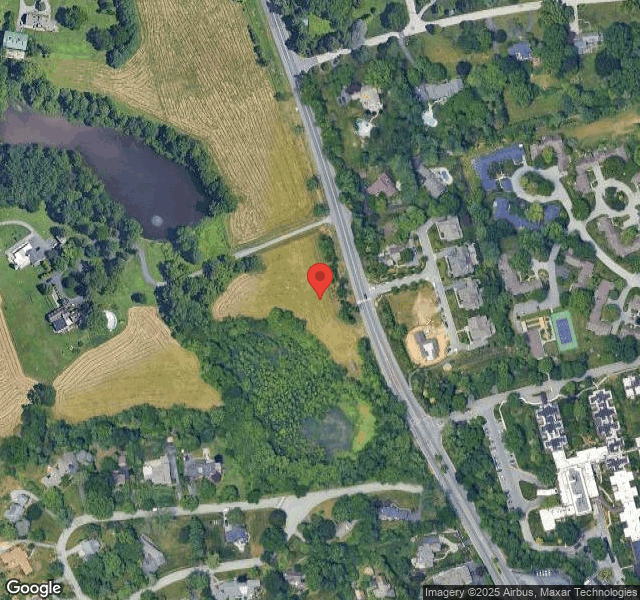
4031 KENNETT PIKE, GREENVILLE, DE 19807 (302) 658-6200
For profit - Partnership 49 Beds Independent Data: November 2025 1 Immediate Jeopardy citation
Trust Grade
61/100
#21 of 43 in DE
Last Inspection: December 2024

Within standard 12-15 month inspection cycle. Federal law requires annual inspections.

Overview

Stonegates nursing home in Greenville, Delaware has a Trust Grade of C+, indicating it's slightly above average but not without concerns. It ranks #21 out of 43 facilities in Delaware, placing it in the top half, and #11 of 25 in New Castle County, meaning there are only a few local options better than this facility. The facility's condition is improving, having reduced issues from 9 in 2023 to 5 in 2024, but it has also faced $48,696 in fines, which is higher than 81% of Delaware facilities, suggesting ongoing compliance problems. Staffing is a strength here, with a perfect rating of 5 out of 5 stars and a turnover rate of just 26%, well below the state average, which helps maintain continuity in care. However, there have been serious incidents, including a cognitively impaired resident who wandered outside unsupervised and another resident who fell multiple times due to inadequate fall prevention measures, highlighting some significant areas of concern despite the facility's strong staffing levels.

Trust Score
C+
61/100
In Delaware
#21/43
Top 48%
Safety Record
High Risk
Review needed
Inspections
Getting Better
9 → 5 violations
Staff Stability
✓ Good
26% annual turnover. Excellent stability, 22 points below Delaware's 48% average. Staff who stay learn residents' needs.
Penalties
✓ Good
$48,696 in fines. Lower than most Delaware facilities. Relatively clean record.
Skilled Nurses
✓ Good
Each resident gets 123 minutes of Registered Nurse (RN) attention daily — more than 97% of Delaware nursing homes. RNs are the most trained staff who catch health problems before they become serious.
Violations
⚠ Watch
17 deficiencies on record. Higher than average. Multiple issues found across inspections.
★★★★☆
4.0
Overall Rating
★★★★★
5.0
Staff Levels
★★★★☆
4.0
Care Quality
★★★☆☆
3.0
Inspection Score
Stable
2023: 9 issues
2024: 5 issues

The Good

  • 5-Star Staffing Rating · Excellent nurse staffing levels
  • 4-Star Quality Measures · Strong clinical quality outcomes
  • Low Staff Turnover (26%) · Staff stability means consistent care
  • Full Sprinkler Coverage · Fire safety systems throughout facility
  • No fines on record
  • Staff turnover is low (26%)

    22 points below Delaware average of 48%

Facility shows strength in staffing levels, quality measures, staff retention, fire safety.

The Bad

Federal Fines: $48,696

Above median ($33,413)

Moderate penalties - review what triggered them

The Ugly 17 deficiencies on record

1 life-threatening
Dec 2024 5 deficiencies
CONCERN (D)

Potential for Harm - no one hurt, but risky conditions existed

Resident Rights (Tag F0550)

Could have caused harm · This affected 1 resident

Based on a random observation and interview it was determined that four (R13, R15, R17 and R19) residents observed during dining, food service employees utilized gloves while in the dining room to ser...

Read full inspector narrative →
Based on a random observation and interview it was determined that four (R13, R15, R17 and R19) residents observed during dining, food service employees utilized gloves while in the dining room to serve residents and nursing staff utilized gloves in the dining room to feed residents violating resident's dignity in their home environment. Findings include: 9/25/24 - A significant change MDS documented R17 as dependent for eating and severely cognitively impaired. 10/27/24 - An annual MDS documented R15 as dependent for eating and severely cognitively impaired. 11/10/24 - A quarterly MDS documented R19 as dependent for eating and severely cognitively impaired. 11/20/24 - A significant change MDS documented R13 as dependent for eating and severely cognitively impaired. 12/3/24 12:00 PM - An observation during dining of one E12 (Dietary Aid) was observed wearing gloves in the dining room while delivering plated food to the tables. E4 (ADON), E18 (RN) and E19 (RN) three staff members in the dining room utilized gloves while feeding R13, R15, R17 and R19. 12/3/24 Approximately 12:15 PM - During an interview with E12, E4, E18 and E19 findings were confirmed. It was reported that gloves have been in use for serving and feeding residents since the COVID pandemic. 12/6/24 at 1:00 PM - Findings were reviewed during the exit conferences with E1 (NHA), E2 (DON), and E3 (ADON).
CONCERN (D)

Potential for Harm - no one hurt, but risky conditions existed

Deficiency F0849 (Tag F0849)

Could have caused harm · This affected 1 resident

**NOTE- TERMS IN BRACKETS HAVE BEEN EDITED TO PROTECT CONFIDENTIALITY** Based on interview, record review and review of other documentation, it was determined that for one (R17) out of one resident re...

Read full inspector narrative →
**NOTE- TERMS IN BRACKETS HAVE BEEN EDITED TO PROTECT CONFIDENTIALITY** Based on interview, record review and review of other documentation, it was determined that for one (R17) out of one resident reviewed for hospice, the facility failed to collaborate with the hospice provider in the development of a written plan of care. Findings include: The Nursing Facility Services Agreement, dated 1/27/17, stated: 1.i Hospice and Facility will jointly develop and agree upon a coordinated, interdisciplinary plan of care . The plan of care will identify which provider is responsible for performing the respective functions that have been agreed upon and included in the Plan of Care . 2.d.ii Facility shall ensure that each hospice patient's care plan includes both the most recent Hospice Plan of Care and a description of the Facility Services furnished by the Facility to attain or maintain the Hospice Patient's highest practicable physical, mental and psychosocial well-being as required by federal regulations. Review of R17's clinical record revealed: 9/18/24 - R17 was admitted to hospice with a diagnosis of cerebrovascular disease. R17's facility hospice care plan, initiated on 9/17/24, included the following interventions: -Comfort measures as indicated (back rubs, turning and repositioning); -O2 (oxygen) if indicated .; -d/c (discontinue) weights; -DNR (do not resuscitate); -Monitor for s/sx (signs/symptoms) of pain; -Provide emotional support as indicated; and -Provide spiritual support as indicated. 11/13/24 - Review of R17 ' s current Hospice Provider ' s care plan documented the following interventions: -Hospice nurse to assess effectiveness of cardiopulmonary symptom relief measures including oxygen treatment and comfort modalities; -Hospice nurse to instruct regarding cardiopulmonary symptom relief measures; -Hospice nurse to instruct regarding the safe use of oxygen and monitor its effectiveness; -Hospice nurse to coordinate plan of care with facility staff; -Hospice nurse to provide instructions/reinforcement related to urinary continence; -Hospice nurse for assessment of patient safety, instruct safety measures as applicable; -Hospice nurse to obtain O2 sats via pulse oximeter prn; -Hospice nurse to assess medication response and instruct on schedule, actions, purpose, side effects, compliance and need to report side effects to hospice staff; -Hospice nurse to assess for signs/symptoms of anxiety/terminal agitation and provide instruction regarding origin and management; -Chaplain to evaluate patient/family/caregiver and develop a plan of care; -Medical social worker to evaluate social, emotional and financial factors related to the patient's illness. Need for additional care/resources, adjustment to care and develop a plan of care; -Home Health Aide service for assistance with personal are, hygiene and activities of daily living. The facility failed to ensure that the current Hospice Provider ' s care plan approaches were included in R17 ' s facility ' s care plan. There was no order in R17's electronic medical record to monitor for pain at scheduled intervals. A review of R17's electronic medical record between 9/18/24 and 12/6/24 revealed only one instance (11/13/24) of Facility staff contacting Hospice regarding R17's change in condition where they presented with labored breathing and crackles (an abnormal lung sound). A review of R17's electronic medical record, dated 11/14/24, revealed that the lab contacted the Facility regarding critical lab values (BNP 1318) (BNP or B-type natriuretic peptide test is a blood test that indicates how well or how poorly the heart is working. Higher BNP levels can indicate heart failure and a normal BNP level for someone over age [AGE] is 450 pg/ML). R17's chart reveals a call placed by the Facility nurse to the primary care physician who provided new orders. There was no evidence in R17's electronic medical record that the Hospice Provider was made aware of this lab result. 11/26/24 - The Hospice IDG (Interdisciplinary Group) Comprehensive Assessment and Plan of Care Update Report documented that the Hospice RN visited R17 on 9/18/24, 11/13/24, 11/14/24 and 11/20/24. The facility lacked evidence of communication between the Hospice RN and the facility staff in R17's electronic medical record. There was no evidence that the Hospice nurse provided any of the education outlined in the hospice care plan to facility staff. 12/4/24 at approximately 1:30 PM - An observation of resident's hospice binder located in the nurse's station revealed the absence of a sign in sheet for hospice staff (Hospice RN, Home Health Aide, or Medical Social Worker) between 9/18/24 through 12/6/24 and the absence of the latest Hospice IDG Comprehensive Assessment and Plan of Care Update Reports. 12/4/24 at approximately 2:00 PM - During an interview, E3 (ADON) revealed that the hospice nurse usually comes on Thursdays, but they don't check in with us and sometimes if there is a replacement, we don't know they have been here and we have to call them to ask if the hospice nurse is coming. The nurse aide comes weekly, but their schedule changes and we can't wait for them to do care, so they just assist facility staff as they can. 12/4/24 at approximately 2:15 PM - During an interview, E10 (LPN) stated, we talk to the hospice nurse about the resident's status when she comes, but we don't chart that. 12/5/24 - In response to the Surveyor's request with the facility management, the Hospice Provider furnished the Hospice IDG Comprehensive Assessment and Plan of Care Update Reports from 11/12/24 and 11/26/24. 12/6/24 at 1:00 PM - Findings were reviewed during the exit conference with E1 (NHA), E2 (DON) and E3.
CONCERN (D)

Potential for Harm - no one hurt, but risky conditions existed

Deficiency F0943 (Tag F0943)

Could have caused harm · This affected 1 resident

Based on interview and review of other facility documentation it was determined that the facility failed to ensure that two (E13 and E14) out of five sampled employees received training on dementia ma...

Read full inspector narrative →
Based on interview and review of other facility documentation it was determined that the facility failed to ensure that two (E13 and E14) out of five sampled employees received training on dementia management. Findings include: Review of facility training records for dementia training revealed two staff members without evidence of dementia training: - E13 was hired on 8/19/15. The facility lacked evidence of dementia training for E13. - E14 was hired on 3/28/18. The facility lacked evidence of dementia training for E14. 12/5/24 PM - An interview with E15 (HR Director) confirmed that the above two employees did not have the required dementia training. 12/6/24 at 1:00 PM - Findings were reviewed during the exit conferences with E1 (NHA), E2 (DON) and E3 (ADON).
CONCERN (F)

Potential for Harm - no one hurt, but risky conditions existed

Food Safety (Tag F0812)

Could have caused harm · This affected most or all residents

Based on observation and interview it was determined that the facility failed to ensure food was stored, prepared and served in a manner that prevents food borne illness to the residents. Findings inc...

Read full inspector narrative →
Based on observation and interview it was determined that the facility failed to ensure food was stored, prepared and served in a manner that prevents food borne illness to the residents. Findings include: 12/3/24 9:30 AM - Observations in the kitchen: - The walk-in refrigerator had opened food items stored in facility containers labeled and dated as follows: tartar 10/8/24, mandarins 11/23/24, and cherries 11/18/24. There were no dates to indicate when it should be consumed, sold or discarded. In addition, bread slices and sesame buns located inside did not include any dates. The dry storage area contained a bag of tortilla chips, a bag of grits, and a pan of almonds that were not dated when they were opened or prepared. During the above observation an interview with E10 (Food Service Assistant) confirmed these findings. - The walk-in refrigerator, contained raw animal foods that were not organized and stored separately to prevent contamination of other foods. Raw fish was observed next to a container of red beans and above a container of tomato paste. In addition, raw pork was stored above a container of precooked rice and a container of mushrooms. - The ice machine scoop was observed lying on the counter next to the ice machine outside of its protective container. - The walk-in refrigerator and freezer had a case of water and a large container of ice cream on the floor. During the above observation, an interview with E11 (Dietary Aide) confirmed these findings. 12/3/24 10:00 AM - An observation of the refrigerator next to the ice machine, revealed juice containers were not dated when opened. During the above observation an interview with E12 (Dietary Aide) confirmed the juice containers were opened and had not been dated. E12 immediately removed the juice containers. 12/6/24 at 1:00 PM - Findings were reviewed during the exit conference with E1 (NHA), E2 (DON), and E3 (ADON).
CONCERN (F)

Potential for Harm - no one hurt, but risky conditions existed

Infection Control (Tag F0880)

Could have caused harm · This affected most or all residents

Based on observation and interview it was determined that for two random observations of the laundry room, the facility failed to handle, store and process linens to prevent the spread of infection. 1...

Read full inspector narrative →
Based on observation and interview it was determined that for two random observations of the laundry room, the facility failed to handle, store and process linens to prevent the spread of infection. 12/4/24 9:30 AM - The following was observed in the laundry area: - The door from the washer room to the dryer (clean) room was open. -The room with the washing machines had blue rags on the floor to the right of the washer and a cell phone was plugged in and laying on top of a washer. -The soiled room contained an office desk, resident emergency water supply, a cell phone on the desk and a cart with clean linen that had a cover on it. 12/4/24 9:35 AM - In an interview E16 (Laundress) confirmed the door was open. 12/4/24 9:45 AM - In an interview with E14 (Supply Supervisor), the open doors were discussed and it was confirmed that the door between the soiled and clean are to be closed at all times. 12/05/24 8:32 AM - The following was observed in the laundry area: - The door from the washer room to the dryer (clean) room was propped open with a large linen cart. - The soiled room contained an office desk, small bag of soiled laundry, resident emergency water source and clean linen that had a cover on it. 12/5/24 8:35 AM - In an interview E17 (Laundress), confirmed the location of the soiled linen room and the contents. The stack of residents emergency water source and a cart of covered clean linen that is not used anymore. 12/6/24 12:15 PM - During an interview and observation with with E14 of the open laundry room doors, emergency water source for residents and the cart containing the clean linen it was confirmed that the doors between clean and soiled can not be open and the water and clean linen can not be stored in the soiled linen room. 12/6/24 at 1:00 PM - Findings were reviewed during the exit conferences with E1 (NHA), E2 (DON), and E3 (ADON).
Dec 2023 9 deficiencies 1 IJ
CRITICAL (J) 📢 Someone Reported This

A family member, employee, or ombudsman was alarmed enough to file a formal complaint

Immediate Jeopardy (IJ) - the most serious Medicare violation

Accident Prevention (Tag F0689)

Someone could have died · This affected 1 resident

Revised post IDR Based on interview and record review, it was determined that for two (R14 and R38) out of two residents reviewed for accidents, the facility failed to ensure residents received adequa...

Read full inspector narrative →
Revised post IDR Based on interview and record review, it was determined that for two (R14 and R38) out of two residents reviewed for accidents, the facility failed to ensure residents received adequate supervision and assistive devices to prevent accidents. R14, a cognitively impaired resident with dementia and identified as high risk for wandering, eloped from the building on 2/18/23 and was found outside on the community grounds by a bystander. R14 was at risk of a severe adverse outcome. An IJ (immediate jeopardy) was identified on 12/4/23 at 2:17 PM and abated on 12/4/23 at 11:59 PM. For R38, a cognitively impaired resident who was at high risk for falls upon admission, the facility failed to implement appropriate person-centered fall interventions taking into consideration her continued impulsivity, lack of safety awareness and her diagnosis of a urinary tract infection (UTI). R38 had four falls (9/18/22, 10/5/22, 10/6/22 and 10/8/22). After each fall, the facility failed to reassess the effectiveness of the fall interventions. R38's fourth fall on 10/8/22 resulted in her being emergently transferred to the hospital where she was diagnosed with a right-sided subdural hematoma. As a result of the facility's failure, R38 was harmed. Findings included: The facility's policy and procedure on Elopements and Wandering Residents, policy explanation and compliance guidelines dated 2023 stated, The facility is equipped with wander guard system to help avoid elopements; residents will be assessed for risk of elopement and unsafe monitoring upon admission and throughout their stay by the interdisciplinary care plan team; and adequate supervision will be provided to help prevent accidents or elopements. 1. Review of R14's clinical record revealed: 9/10/22 - R14 was admitted to the facility with dementia and history of stroke. 9/10/22 - The Wandering Risk Assessment score was 14 indicating high risk. The Wandering Risk Assessment also documented R14 was a known wanderer/history of wandering. 9/16/22 - The admission MDS for R14 documented a BIMS score of 8. A score of 8 to 12 suggests a moderate cognitive impairment. The was no evidence of a care plan to address the risk of wandering. 12/14/22 - The quarterly MDS documented a BIMS score of 8. 12/22/22 - R14 had a readmission to the facility from the hospital. 12/23/22 - A Wandering Risk Assessment incorrectly scored a 5 indicating moderate risk. The assessment did not include the diagnoses of dementia and history of wandering. 12/29/22 - R14's discharge MDS documented a memory problem and some diffculty in new situations only. 1/1/23 - R14 was readmitted to the facility from the hospital. 1/4/23 - A Wandering Risk Assessment was conducted that incorrectly scored a 8 indicating moderate risk. The assessment did not include the diagnoses of dementia and history of wandering. 2/18/23 - During an interview with E2 (DON) it was revealed that while self-propelling in a wheelchair, R14 eloped from the facility and staff did not appear to know that he was gone. 2/18/23 - A statement from E5 (RN, supervisor) documents that when F1 (family member of resident) was notified of the elopement, F1 stated (R14) had done it multiple times at the condominium and (F1) wasn't surprised. Per the Statement Form, E5 notes a Wander Guard was placed on (R14's) wheelchair. Per the facility's documentation of the incident report and staff statements, at 3:30 PM, R14 exited from the Health Center onto the driveway, passing through the employee parking lot. R14 was found by a bystander (I1) and brought to the main entrance of the community where Health Center staff were notified that R14 was at the receptionist's desk. 2/18/23 - The temperature was approximately 38 degrees at 2:51 PM and 39 degrees at 3:51 PM, according to www.timeanddate.com. 2/18/23 - An order obtained from E3 (Medical Director) to ensure the Wander Guard was in place on patient wheelchair every shift due to the outside wandering incident. 2/20/23 - A review by E25 (former NHA) dated 2/20/23 about R14's 2/18/23 incident identified the following results: supervisors should not leave desk uncovered unless responding to an emergency, meeting with family concerned about incident, to be included, and consider wander guard on all wheelchairs that resident can self-propel in an effort to avoid any resident attempting to navigate the hill in a chair. 2/20/23 - The facility's findings of R14's exit from the Health Center documented that the receptionist in the main lobby asked something about how did you get here, [R14] replied, I am bored, and my hands are cold. The facility's conclusion of findings revealed E1 (NHA) viewed the cameras on 2/20/23. The camera indicated that [R14] exited the Health Center by wheeling himself in his wheelchair through the main entrance of the Health Center at 3:30 PM. The camera then indicated [I1] (independent living resident) pushing [R14] up the ramp to the main entrance of Stonegates. They were coming from the employee parking location. [I1] (independent living resident) confirmed picking up [R14] at the garage. He was pushed past the employee entrance and towards the main entrance to Stonegates. The Health Center was notified that [R14] was in the lobby and the Health Center responded and assisted [R14] back to his room in the Health Center. A wander guard was placed on [R14's] wheelchair to prevent him from exiting the Health Center. 3/13/23 - R14's quarterly Wandering Risk Assessment score was 12 indicating high risk for wandering. 11/30/23 10:45 AM - An interview with E2 (DON) revealed the elopement occurred on Saturday 2/18/23 on the evening shift. R14 was in a self-propelled wheelchair and went out the door. The nurse on duty saw [R14] coming down the hall. The nurse was stopped by someone or something, continued to pursue the resident but R14 had turned down the hall in a different direction. R14 had gone outside and another resident who was outside walking saw [R14] who was then wheeled to the front reception area and the receptionist called staff. When asked what interventions were in place prior to the elopement, E2 replied, No he wasn't known to be a wanderer. When asked what interventions were put in place after the elopement E2 stated, Wander Guard was placed on [R14's] wheelchair and it alarms at the door and at the nurse's station. 12/1/23 10:35 AM - During an interview with E5 regarding the elopement, on 2/18/23 revealed R14 was sitting in the wheelchair talking with staff. Staff then began attending to other residents then E5 (RN, supervisor) asked where was R14. We started looking for him. Then I got a call from the front office saying [R14] was here. I was out looking near where our cars are parked. Wander guard was placed as soon as we brought [R14] in. 12/1/23 12:51 PM - E7 (RN) was interviewed and stated that (R14) was out in the hall in his wheelchair. [E7] found [R14] in the hall and asked [R14] 'do you know what you're doing?'. [R14] didn't answer. E7 then answered a call light and other staff were talking to a family, then E7 answered another call bell. E7 had not seen R14 for a while then they received a call from the main entrance saying R14 was there and to come get him. 12/1/23 1:24 PM - An interview with E8 (RN) revealed the incident happened around 3:30 PM and .he was outside for about 15 minutes. 12/4/23 2:17 PM - During an interview with E1 (NHA) and E2 were advised that R14's admission Wandering Risk Assessment had identified him as being high risk and the lack of interventions to ensure the prevention of R14's elopement was an Immediate Jeopardy. 12/4/23 4:03 PM - The facility's abatement plan included: 1. All residents will be audited for wandering. This will be completed by 12/4/23 at 11:59 PM. 2. All residents identified during the audit with a score representing wandering potential will have interventions and care planning in place by 12/4/23 at 11:59 PM. 3. Education of all nurses on wandering assessment for accuracy and completion, to include care planning implementation of interventions and documentation of exit seeking behaviors will be completed by 12/4/23 at 11:59 PM. 12/5/23 - Reviewed list of audit findings. The facility census was 35 with 7 residents identified as risks for wandering. The interventions and care planning were documented. 12/5/23 - Reviewed list of RN and LPN staff who received education on Wandering/Elopement Assessment and Care Planning conducted with staff on 12/4/23 in-person, or via phone call or via text message. Training content included: Wandering assessments should be completed on admission, quarterly and with any significant change; the assessment must be accurate and complete; any resident with a score that represents wandering should have interventions and care plan in place; notify immediate supervisor of any resident whose score indicates at risk for wandering; assessments must be completed timely; and document any exit seeking behaviors. 12/5/23 10:56 AM - Interviewed E6 (ADON) regarding in-service 12/4/23 on the Wandering Risk Assessment, and care planning. Per E6 (DON), The training reviewed elopement, wandering and scoring, to make sure we're doing accurate and complete assessments. Making sure it's looked at. If a resident is at risk then making sure interventions are put into place. Would update the care plan if interventions are put into place. If there's any score at all you need to do a care plan. Would decide as a team what to do with interventions. For high risk, would do hourly checks. A care plan is in place if at risk at all. At least wander guard is needed if at moderate risk. 12/5/23 - The abatement plan was validated with staff interviews, and review of care plans and interventions for those residents identified as a risk for elopement/wandering during auditing. 12/5/23 3:00 PM - Findings were reviewed during the exit conference with E1 (NHA), E2 (DON) and E6 (ADON). 2. Review of facility's Fall policies and procedures revealed: The facility's policy entitled Fall Prevention Program, (undated) stated, . 2. Upon admission, the nurse will complete a fall risk assessment along with the admission assessment to determine the resident's level of fall risk. 3. The nurse will initiate interventions on the resident's baseline care plan, in accordance with the resident's level of risk. 4. The nurse will refer to the facility's High Risk or Low/Moderate Risk protocols when determining primary interventions . 6. High Risk Protocols: a. Implement interventions from Low/Moderate Risk Protocols. b. Provide interventions that address unique risk factors measured by the risk assessment tool: medications, psychological, cognitive status, or recent change in functional status. c. Provide additional interventions as directed by the resident's assessment, including but not limited to: . Assistive devices . Increased frequency of rounds . Fall alarms (chair, bed, or clip alarm) . Fall mat . Sitter, if indicated . Medication regimen review . Low bed . Alternate call system access . Scheduled ambulation or toileting assistance . Family/caregiver or resident education . Therapy services referral . 8. Each resident's risk factors and environmental hazards will be evaluated when developing the resident's comprehensive plan of care. a. Interventions will be monitored for effectiveness. b. The plan of care will be revised as needed. 9. When any resident experiences a fall, the facility will: a. Assess the resident. b. Complete a post-fall assessment. c. Complete an incident report. d. Notify physician and family. e. Review the resident's care plan and update as indicated. f. Document all assessments and actions. g. Obtain witness statement in the case of injury. The facility's Fall Risk Assessment policy, dated 2023, stated, . 2. The risk assessment will contain the following components: a. Identify environmental hazards and individual risk, including the need for supervision. b. Evaluate and analyze hazards and risks. 3. An 'At Risk for Falls' care plan will be completed for each resident to address each item identified on the risk assessment and will be updated accordingly. 4. The 'At Risk for Falls' care plan will include interventions, including adequate supervision, consistent with a resident's needs, goals, and current standards of practice in order to reduce the risk of an accident. 5. Monitor the effectiveness of the care plan interventions, and modify the interventions as necessary, in accordance with current standards of practice. R38's clinical record revealed: 9/10/22 - R38 was admitted to the facility from the hospital after a fall where she sustained a cervical (neck) fracture requiring a neck brace, right-sided subarachnoid hemorrhage (bleeding in the space that surrounds the brain) and a fracture of the left hand fifth finger. 9/10/22 - The baseline care plan documented, . History of falls: fall . (neck) fx (fracture) . Alarm: bed alarm once available . mild confusion/early dementia. admitted for a fall resulting in (neck) fx and subarachnoid hemorrhage (stable) . Res (resident) able to transfer in bed independently & (and) an assist of walker to walk, transfer to BR (bathroom). Res is a fall risk and proper bed alarms/fall mats to be placed when available . 9/10/22 at 4:10 PM - The Morse Fall Scale assessment score was 85, which identified R38 as a high risk for falling upon admission to the facility. Nurse's notes documented the following: - 9/11/22 at 1:03 AM - R38 was a fall risk and will have a fall alarm mat and bed alarm placed. - 9/11/22 at 9:01 PM - R38 was . confused . She continues to get out of bed without using the call bell which in reach . has been redirected to use call bell when she has to get up to use the restroom or if she needs help with anything . states that she understands but, she is very forgetful. Clip alarm in place and fall mat with alarm next to bed . was seen by CNA taking her clip alarm off. Supervisor continue to educate her on the importance of using the call bell system due to her having her C-collar (neck brace) in place and how she needs to be very careful not to fall again. Supervisor will alert oncoming shift about her behavior at this time. - 9/12/22 at 2:19 AM - R38 was . confused, continues to get oob (out of bed) unassisted without ringing. staff alerted by fall mat alarm . - 9/13/22 at 1:32 AM - R38 was . confused, continues to get frequently oob (out of bed) unassisted and not ringing prior to getting up . 9/13/22 - An occupational therapy daily note documented . Pt (Patient) displayed (decreased) safety awareness while with COTA (Certified Occupational Therapy Assistant). Pt attempted to walk to bathroom c (with) pants down. COTA explained fall risk to Pt. Pt reluctantly pulled pants up to walk to bathroom. Poor rollator safety c mod (moderate) v/c (verbal cues) for placement and locking of brakes. 9/14/22 at 3:33 AM - A nurse's note documented that R38 continues to get oob unassisted without ringing. also removing her clip alarm. reminded to ring prior to getting up. resident expressed understanding. 9/14/22 - A physical therapy note documented that R38 . Advised Pt that she should always ask for assistance as she is high risk for falls. Pt will need continued reminders, also spoke to nsg (nursing) re (regarding) Pt is getting up by herself in room . Pt requires almost constant cues to decrease shuffling and increase foot floor clearance. 9/15/22 at 11:05 PM - A nurse's note documented that R38 and R14 (husband) have very short memories are very forgetful. 9/16/22 - The admission MDS assessment documented R38 as having a BIMS (Brief Interview for Mental Status) score of 4, which identified R38 as cognitively impaired. In addition, the assessment documented that R38 required supervision with one staff person assist for transfers, walking in the room/corridor and toileting; and limited assistance with one staff person assist for dressing. R38's first fall on 9/18/22 at 8:01 PM: - The incident report documented: CNA called nurse reporting resident (R38) was on the floor sitting cross-legged. A chair alarm was implemented as an immediate intervention. - 9/18/22 at 8:49 PM - A nursing note documented that R38 was found to be seated on the ground outside of her bathroom by CNA . Spoke with pt (patient) and husband they both stated that she did not hit her head, neck or back. After the pt was toileted Nurse completed a skin check and neuro check found pt to be WNL (within normal limits). Spoke with (family) and (physician). He (physician) had no new orders and just asked us to keep him posted if (sic) any changes. Will continue to monitor pt closely. While a chair alarm was implemented after the 9/18/22 fall, this intervention was never added to R38's care plan nor was it captured in R38's clinical record where nursing staff were required to sign off that it was consistently in place and check the alarm functioning every shift during her time in the facility. In addition, the facility failed to complete a Post-Fall assessment as per their policy and procedure. 9/19/22 - R38's comprehensive care plan for at risk for falls related to dementia, deconditioning, gait/balance problems listed the following interventions: - Be sure the resident's call light is within reach and encourage the resident to use it for assistance as needed. The resident needs prompt response to all requests for assistance. - Ensure bed exit alarm is in place. - Ensure fall mat is at bedside at bedtime. - Ensure that the resident is wearing appropriate footwear shoes/non-skid socks when ambulating or transferring. -PT (physical therapy) evaluate and treat as ordered or PRN (as needed). Nursing notes documented the following: - 9/19/22 at 11:09 AM - . Alert and oriented to name and place only. Resident did not remember falling yesterday. Ambulates to the BR (bathroom) with stand-by assist . Keep reminding resident to use call bell for staff assists when getting up. Resident has a chair alarm on now and call bell in reach . - 9/19/22 at 10:15 PM - R38 was reminded to use call bell when ambulating. 9/20/22 - An Occupational Therapy Screen documented that R38 was currently receiving OT/PT at this time with encouragement to use rollator in room. In addition, resident has bed & (and) chair alarms placed on furniture in room to (increase) safety alert when resident getting up to move. Nursing notes documented the following: - 9/20/22 at 1:44 PM - . Resident still gets up without calling for help, however chair and bed alarms in use and call bell within reach . - 9/21/22 at 3:06 PM - . Ambulating around the room and to the bathroom without ringing. Chair and bed alarm in place with call light in reach. - 9/22/22 at 10:45 PM - Resident non-compliant with call bell use. Continuously ambulating to BR (bathroom) unassisted, forgets to use call bell, alarms in place . - 9/24/22 at 3:13 AM - Resident up most of the night, transferring from bed to recliner x (times) 4. Forgetful of call bell use when needing any assistance . R38's eMAR revealed the following documented notes by nursing under the fall intervention to Ensure fall mat in place every evening and night shift for safety. Make sure fall mat is in place at bedtime. - 9/24/22 at 11:15 PM - Unable to locate mat at this time. - 9/25/22 at 9:56 PM - No fall mat in patient room. - 9/26/22 at 2:35 AM - not in use. 9/26/22 at 3:40 AM - The physician order for Ensure fall mat in place every evening and night shift for safety . was discontinued with the reason being not in use. Review of R38's clinical record lacked evidence of a progress note as to why the fall mat was not being used and discontinued. 10/1/22 - A physician order was obtained to perform a urine analysis to determine if R38 had a urinary tract infection (UTI). 10/2/22 - R38's at risk for falls care plan was revised to remove the intervention: Ensure fall mat is at bedside at bedtime. The facility never implemented placement of a fall mat as an intervention after discontinuing it on 9/26/22. 10/5/22 - R38's urine analysis was positive for a UTI and she was ordered an antibiotic. 10/5/22 - An occupational therapy note documented, . Pt required v/c (verbal cues) to pull her pants down closer to toilet as pt started to pull pants down in doorway to bathroom. Pt was able to toilet self . again required v/c to pull pants all the way up. Pt walked away from toilet c (with) pants 1/2 down. Pt did not notice pants were not up all the way . R38's second fall on 10/5/22 at 10:30 PM: - The incident report documented: Nurse supervisor was at the desk watching the monitor in the (resident's) room . I was at the desk and saw (R38) was lying on her right side and went to reach for something on the floor with her left hand and then she slid out of the bed head and torso first. Then her legs and feet followed. I immediately made the nurses around me aware she fell and we ran into the room. We saw her laying on her left side on the floor next to her bed. Her head never made contact with the floor. Myself, and 3 other staff members were in the room and got her back onto a seated position on the bed. Pts (Patient's) speech was garbled and she was very confused. She had a small skin tear to left elbow and left 5th finger was swollen . Pt went to bathroom . Assisted back to bed but preferred to be in chair. Safety measures in place, clip alarm on. Speech improved. Will continue to monitor. Handwritten at the bottom of the report was . Just Dx (diagnosed) c (with) UTI on 10/5/22 and started antibiotics. Fall was witnessed & (and) safety measures in place. Would not have prevented fall. There was no evidence in the clinical record that R38's family and the physician were notified of this fall and informed of R38's change of condition, including the garbled speech and injuries that may have needed further evaluation. In addition, there was no evidence in R38's clinical record and care plan that a monitor was being used in the resident's room to observe her. - 10/5/22 - While R38's at risk for falls care plan was revised with interventions for request for concave mattress bed with 1/4 side rails for mobility and transfers were added, these interventions were never implemented on R38's bed. - 10/6/22 at 12:05 AM - A Post Fall Analysis form for R38's second fall documented, . 3. Ask the resident OR DETERMINE what was different this time? n/a (not applicable) . Was the resident incontinent, was the visibility poor? yes and yes . What was the floor like? (checked) shiny . Was a safety alarm in place? if so, which alarm and was it sounding at the time of the fall? (checked) bed (alarm) . Additional information: pt has no side rails on bed. Despite R38's fall out of bed on to the laminate floor which was witnessed by a staff member watching the monitor from the nurse's station at a distance and an clip alarm on, the facility failed to reassess the effectiveness of the current interventions and implement person-centered interventions taking into consideration R38's impaired cognitive status, her impulsivity and the current diagnosis of a UTI requiring her to use the bathroom frequently and urgently. Nurse's notes documented the following: - 10/6/22 at 1:50 PM - . Resident continues to up and down oob (out of bed) every 5 minutes ambulating in room. Going in and out of the bathroom into hallway. Resident redirectable with short lasting effects. Remains on (antibiotic) for UTI . - 10/6/22 at 4:38 PM - R38's family expressed concern regarding (R38's) right knee, resident expressed discomfort with ambulation . pain resolved at rest. The facility lacked evidence of a follow-up assessment of R38's right knee pain. R38's third fall on 10/6/22 at 7:30 PM: - 10/6/22 at 8:40 PM - A Post Fall Analysis for R38's third fall documented, . 2. Ask the resident, what were trying to do? go to the bathroom . 3. Ask the resident OR DETERMINE what was different this time? n/a (not applicable) . 11. Was a safety alarm in place? . (checked) chair . 12. Additional information: resident will not use call bell or walker. - 10/6/22 at 8:49 PM - An incident note documented that Pt was found by staff member sitting on the floor in front of her recliner her feet out in front of her and one hand by side the other was holding her husbands hand. Husband was seated in the recliner right next to the pts (patients) . Pt stated she was trying to go to the bathroom and she slipped. Fall was unwitnessed. Pt offered no complaints of pain and no injuries noted. Family called and . is looking into a sitter for the pt due to the fact she will not use walker or call bell for assistance and continues to fall . Chair and bed alarms in place. Clip alarms in room but pt (R38) removes them herself. Will continue to monitor and coach pt to use walker and call bell. R38's at risk for falls care plan was revised and an intervention for Orthostatic BP (blood pressure) x3 days was added. Despite implementing orthostatic BP monitoring, the facility failed failed to reassess the effectiveness of the current fall interventions and implement person-centered interventions taking into consideration R38's continued impaired cognitive status, her impulsivity and the current diagnosis of a UTI requiring her to use the bathroom frequently and urgently. 10/7/22 at 1:51 AM - A nurse's note documented that R38 continues on (antibiotic) for UTI . Continues with frequency and urgency. Up and down oob every 10 minute (sic) to go into the bathroom. 10/7/22 at 1:45 PM - A nurse's note documented that R38 . at baseline with using the walker and walking to the bathroom frequently. Continue to be supervision (sic). This was the only nurse's note that mentioned supervision, but lacked details regarding what supervision was being performed. 10/7/22 at 3:34 PM - A physical therapy (PT) note documented that R38 ambulated to and from bathroom with rollator x (times) 5 SBA (stand by assist), shuffling type gait with BLE (bilateral lower extremities) externally rotated worsening . falls in the last two days-fall screens completed. PT discussed these issues with family. Nurse's notes documented the following: - 10/7/22 at 10:53 PM - . incessantly gets up to use restroom . - 10/8/22 at 1:00 AM - . continues to ambulate self to the toilet intermittently this shift . One of (sic) one activity was provided by nurse and nurse educated on the importance of more fluid intake to help with UTI and to practice safe perineal hygiene when toileting by wiping front to back to prevent further UTI infections from occurring . - 10/8/22 at 6:10 AM - . Resident is constantly ambulating from bed to the bathroom this shift. Resident . is incontinent with multiple brief changes this shift . Safety checks in place bed at the lowest position with call bell and belongings within reach. Assistive device walker is close to bed. Nurse observed resident using assistive device walker incorrectly and educated resident on how to properly use the walker when walking . R38's fourth fall on 10/8/22 at 8:00 AM: - A nurse's note (10:39 AM) documented, Residents (sic) call bell activated and husband was coming toward the doorway to hall to alert staff that his wife was on the floor. Staff responded, including this nurse who found resident to be laying in supine position next to her bed. She was alert and responsive. Denied any pain or discomfort. She had on gripper socks and she was wearing her (neck brace). She was able to move all extremities without any pain or discomfort. Resident stated that she was unsure how she fell. She stated 'I don't know what happened, i just ended up on the floor.' States that she was trying to go sit on her husband's bed (she was laying next to her bed, not her husbands). Asked if she hit her head and she stated 'Im (sic) not sure' and then when asked again she stated 'I think so.' No obvious visible injuries to her head noted. Sat resident up for a few minutes and tolerated well, then assisted to her feet with x 2 assist. Resident able to stand and bear weight without difficulties. Resident did note with unsteady gait, more than her baseline. Upon further assessment, resident noted with right sided weakness, including decreased strength to right arm and leg, smile asymmetrical and tongue not midline. Speech was clear and appropriate, no drooling noted. Residents (family) . made aware. Placed call to (physician) . 911 called and resident transported to . ER (emergency room). - 10/8/22 at 10:58 AM - A Post Fall Analysis for R38's fourth fall documented: . What was the floor like? (unanswered) . Was the resident using an assistive device? (checked) N/A . Additional information: call bell activated from chair alarm . 10/8/22 - An occupational therapy discharge note documented . Resident has not met goals (secondary) to reluctance to participate in therapy. Status unchanged from original eval as of last being seen on 10/5/22. Resident having difficulty carrying out any safety measures ( . use of RW [rolling walker]) due to impulsivity. 10/8/22 at 7:09 PM - The hospital record documented that R38 was diagnosed with a acute on chronic left-sided subdural hematoma measuring 1.1 cm with 0.6 cm midline shift and admitted to surgical ICU (Intensive Care Unit) for close monitoring and evaluation pending family discussion with neurosurgery and determination of next steps. 10/13/22 at 11:58 AM - The hospital discharge summary documented that neurosurgery was consulted and recommended nonoperative/conservative management. Palliative care was consulted and family decided to pursue hospice services. 12/1/23 - In response to the Surveyor's request about grievances involving R38, E1 (NHA) provided a typed note from E25 (former NHA) regarding communications with R38's family, which stated: Date 10/7/22 at 11:00 a.m. 1) Discussed private duty suggestions. Concern regarding falls . (R38) non-compliant with using call bell . 12/1/23 at 1:36 PM - During an interview, E24 (CNA) stated that the facility had three CNAs during the day shift on 10/8/22 as one CNA called out. E24 stated that she remembered it was breakfast time when R38 fell. E24 also stated that she responded to the room and the nurses were already in the room. 12/1/23 at 3:40 PM - During an interview, E22 (PT) stated that R38 was not participating in therapy. When asked about supervision, E22 stated that supervision of residents occurred at the nurses station or in the living room with activities and this could be done even at night. The facility failed: - to implement appropriate person-centered fall interventions and reassess the effectiveness of the current interventions for a cognitively impaired resident who was at high risk for falls upon admission and had four falls in the facility within six weeks; and - to take into consideration R38's continued impaired cognitive status, her impulsivity and the current diagnosis of a UTI requiring her to use the bathroom frequently and urgently. 12/5/23 at 8:10 AM - Finding was reviewed and discussed with E1 (NHA) and E2 (DON) that this would be brought forth as a harm. 12/5/23 at 3:00 PM - Finding was reviewed during
CONCERN (D) 📢 Someone Reported This

A family member, employee, or ombudsman was alarmed enough to file a formal complaint

Potential for Harm - no one hurt, but risky conditions existed

Notification of Changes (Tag F0580)

Could have caused harm · This affected 1 resident

Based on record review and interview, it was determined that for one (R38) out of three residents reviewed for hospitalization, the facility failed consult with the resident's physician and notify R38...

Read full inspector narrative →
Based on record review and interview, it was determined that for one (R38) out of three residents reviewed for hospitalization, the facility failed consult with the resident's physician and notify R38's resident representative of a fall on 10/5/22 which resulted in an injury and had the potential for requiring physician intervention. Findings include: R38's clinical record revealed: 10/5/22 at 10:30 PM - An incident report documented that R38 fell out of bed head and torso first and R38 was noted with garbled speech, small skin tear to left elbow and left 5th finger was swollen. Two nurses' statements (E19 and E18) documented that R38's speech was garbled/unintelligible . Unable to identify names/surroundings ~ (approximately) 50% when asked and Her speech was garbled. Review of R38's clinical record and incident report lacked evidence that the physician and family representative were notified of R38's fall that may have needed further evaluation. 12/5/23 at 8:10 AM - During an interview regarding R38's falls, finding was reviewed with E1 (NHA) and E2 (DON). 12/5/23 at 3:00 PM - Finding was reviewed during the exit conference with E1, E2 and E6 (ADON).
CONCERN (D) 📢 Someone Reported This

A family member, employee, or ombudsman was alarmed enough to file a formal complaint

Potential for Harm - no one hurt, but risky conditions existed

Deficiency F0635 (Tag F0635)

Could have caused harm · This affected 1 resident

Based on record review and interview, it was determined that for one (R38) out of three residents sampled for hospitalization, the facility failed to have an admission order for R38's immediate care o...

Read full inspector narrative →
Based on record review and interview, it was determined that for one (R38) out of three residents sampled for hospitalization, the facility failed to have an admission order for R38's immediate care of her fractured finger. Findings include: R38's clinical record revealed: 9/10/22 - The hospital discharge instructions stated, . recommendations for your pinky fracture: Continue with buddy taping, okay to remove tape for cleaning the hand. Would re-apply buddy tape after cleaning . 9/10/22 - R38 was admitted to the facility with a diagnosis of a fractured finger on her left hand. Review of R38's physician orders recap report lacked evidence of treatment for her fractured finger. 12/4/23 at 9:20 AM - During an interview, E2 (DON) confirmed the finding. 12/5/23 at 3:00 PM - Finding was reviewed during the exit conference with E1 (NHA), E2 (DON) and E6 (ADON).
CONCERN (D)

Potential for Harm - no one hurt, but risky conditions existed

Assessment Accuracy (Tag F0641)

Could have caused harm · This affected 1 resident

Based on interview and record review, it was determined that for one (R6) out of seventeen residents reviewed for assessments, the facility failed to ensure the accuracy of R6's Resident Assessment In...

Read full inspector narrative →
Based on interview and record review, it was determined that for one (R6) out of seventeen residents reviewed for assessments, the facility failed to ensure the accuracy of R6's Resident Assessment Instrument (RAI). Findings include: Review of R6's clinical record revealed: 8/17/21 - R6 was admitted to the facility with multiple diagnoses including sepsis and dementia, after being hospitalized for the treatment of sepsis (a potentially deadly condition with whole-body inflammation). 8/31/21 -A Physician admission History and Physical documented revealed that R6 received treatment for sepsis while hospitalized . A review of R6's 10/22/23 quarterly Resident Assessment Instrument (RAI) revealed that septicemia (sepsis) was coded as a current diagnosis. 11/28/23 - A review of R6's current diagnoses in the electronic medical record (EMR) revealed that R6 still had an active diagnosis of sepsis. A review of R6's medications revealed that R6 was not receiving medications for a sepsis infection. A review of R6's 10/22/23 Quarterly Resident Assessment Instrument (RAI) revealed that septicemia (sepsis) was coded as a current diagnosis. 11/30/23 11:45 AM - During an interview, E2 (DON) confirmed that R6's 10/23/23 quarterly MDS listed septicemia (sepsis) as an active diagnosis and that the diagnosis should have been removed from the list of current diagnoses when R6 completed her treatment for Sepsis in 2021. Findings were reviewed with E1 (NHA) and E2 (DON).
CONCERN (D) 📢 Someone Reported This

A family member, employee, or ombudsman was alarmed enough to file a formal complaint

Potential for Harm - no one hurt, but risky conditions existed

Deficiency F0655 (Tag F0655)

Could have caused harm · This affected 1 resident

Based on record review and interview, it was determined that for one (R38) out of three residents reviewed for hospitalization, the facility failed to develop and implement a baseline care plan for R3...

Read full inspector narrative →
Based on record review and interview, it was determined that for one (R38) out of three residents reviewed for hospitalization, the facility failed to develop and implement a baseline care plan for R38's fractured finger. Findings include: R38's clinical record revealed: 9/10/22 - R38 was admitted to the facility from the hospital with a diagnosis of a fractured finger. Review of R38's baseline care plan, dated 9/10/22, lacked evidence of R38's fractured finger diagnosis and the treatment recommended per the hospital discharge instructions. 12/4/23 at 9:20 AM - During an interview, E2 (DON) confirmed the finding. 12/5/23 at 3:00 PM - Finding was reviewed during the exit conference with E1 (NHA), E2 and E6 (ADON).
CONCERN (D) 📢 Someone Reported This

A family member, employee, or ombudsman was alarmed enough to file a formal complaint

Potential for Harm - no one hurt, but risky conditions existed

Deficiency F0657 (Tag F0657)

Could have caused harm · This affected 1 resident

Based on record reviews and interviews, it was determined that for one (R2) out of one resident sampled for pressure ulcers and one (R38) out of three residents sampled for hospitalizations, the facil...

Read full inspector narrative →
Based on record reviews and interviews, it was determined that for one (R2) out of one resident sampled for pressure ulcers and one (R38) out of three residents sampled for hospitalizations, the facility failed to revise each residents' care plan. Findings include: Review of R2's clinical record revealed: 1/11/19 - R2 was admitted to the facility with multiple diagnosis including depression and peripheral vascular disease (disease of arteries and veins with reduced blood flow to arms/legs). 11/7/23 - A Physician order was written for wound care for R2's right foot heel: to apply skin prep (dressing for intact skin to form protective film) to the right heel every day shift. 11/22/23 - A Physician order was written to clean the wounds on right and left lower legs daily and as needed until healed; to apply Vaseline gauze, and to cover with a protective pad and then to wrap the legs in rolled gauze. 11/28/23 - A review of R2's care plan revealed the lack of evidence of a care plan problem, interventions or goals for R2's right and left lower leg and right foot heel wound. 11/29/23 1:45 PM - During an interview E4 (RN) confirmed that R2's care plan did not contain the above care plan elements. 2. R38's clinical record revealed: 9/18/22 at 8:01 PM - The incident report documented that R38 fell and in response an intervention was initiated for a chair alarm. 10/5/22 at 10:30 PM - The incident report documented that a nurse supervisor observed R38 fall out of bed by watching a (baby) monitor positioned in the nurse's station that was being used in R38's room. Review of R38's comprehensive care plan lacked evidence of the two new interventions: chair alarm and (baby) monitor. The facility failed to revise R38's care plan. 12/4/23 at 9:20 AM - During an interview, findings were briefly discussed with E2 (DON). 12/5/23 at 3:00 PM - Findings were reviewed during the exit conference with E1 (NHA), E2 and E6 (ADON).
CONCERN (D)

Potential for Harm - no one hurt, but risky conditions existed

Deficiency F0730 (Tag F0730)

Could have caused harm · This affected 1 resident

Based on record review and interview, it was determined that for two (E27 and E28) out of five CNAs reviewed for performance reviews, the facility failed to ensure each CNA had an annual performance r...

Read full inspector narrative →
Based on record review and interview, it was determined that for two (E27 and E28) out of five CNAs reviewed for performance reviews, the facility failed to ensure each CNA had an annual performance review. Findings include: 1. E27 was hired on 10/2/18. The facility lacked evidence of a recently completed performance evaluation of E27. 2. E28 was hired on 5/9/18. The last performance evaluation of E28 was dated 4/18/22. The facility lacked evidence of a recently completed performance evaluation. 12/5/23 - During an interview, E1 (NHA) confirmed the findings. 12/5/23 at 3:00 PM - Findings were reviewed during the exit conference with E1 (NHA), E2 (DON) and E6 (ADON).
CONCERN (D)

Potential for Harm - no one hurt, but risky conditions existed

Deficiency F0883 (Tag F0883)

Could have caused harm · This affected 1 resident

**NOTE- TERMS IN BRACKETS HAVE BEEN EDITED TO PROTECT CONFIDENTIALITY** Based on record review and interviews, it was determined that for one (R26) out of five residents reviewed for immunizations the...

Read full inspector narrative →
**NOTE- TERMS IN BRACKETS HAVE BEEN EDITED TO PROTECT CONFIDENTIALITY** Based on record review and interviews, it was determined that for one (R26) out of five residents reviewed for immunizations the facility failed to offer the recommended pneumococcal vaccine. Findings include: Pneumococcal Vaccine Timing for Adults- Adults >/= [AGE] years old Complete pneumococcal vaccine schedules . PCV13 only at any age- Option A: >/= 1 year, give PCV20, Option B: >/= 1 year, give PPSV23. U.S. Department of Health and Human Services, Centers for Disease Control and Prevention. Pneumococcal Vaccine (Series) Policy: Each resident will be offered a pneumococcal immunization unless it is medically contraindicated or the resident has already been immunized . The type of pneumococcal vaccine (PCV15, PCV20, or PPSV23/PPSV) offered will depend upon the recipient's age and susceptibility to pneumonia, in accordance with current CDC guidelines and recommendations. A pneumococcal vaccination is recommended for all adults 65 years' and older and based on the following recommendations: . For adults 65 years' or older who have only received PCV13: give PPSV23 as previously recommended . (Stonegates policy dated 9/9/22) Review of R26's clinical record revealed: 12/15/21 - R26,aged [AGE] years, admitted to the facility with diagnoses of dementia and atrial fibrillation. Review of R26's electronic medical record Immunization tab revealed that R26 had received pneumococcal conjugate vaccine (PCV13) on 1/1/93 and 4/18/16. 11/19/23 - R26's annual Minimum Data Set (MDS) assessment documented a Basic Inventory of Mental Status (BIMS) score of 3, which was indicative of severe cognitive impairment. 12/1/23 8:05 AM - During an interview, E1 (NHA) confirmed that the facility lacked evidence that R26 had ever received the pneumococcal 20 valent conjugate vaccine (PCV20) or pneumococcal polysaccharide vaccine (PPSV23) vaccine to complete the pneumococcal vaccine series. E1 confirmed there was no evidence that R26 or his representative person was offered the opportunity to consent and obtain either the PCV20 or PPSV23 vaccine to complete the pneumococcal vaccine series. There was no evidence of R26 receiving a PCV20 or PPSV23 vaccine in DelVAX, the State electronic vaccination record. 12/1/23 3:29 PM - During an interview, E1 stated that the facility did not have declination paperwork from R26 or his representative person stating that he had been educated about and offered the PCV20 vaccine and that he had refused it. E1 stated that the facility is having a vaccine clinic in February 24 and that the pneumococcal vaccines will be added to it.
CONCERN (E)

Potential for Harm - no one hurt, but risky conditions existed

Deficiency F0947 (Tag F0947)

Could have caused harm · This affected multiple residents

Based on record review and interview, it was determined that for four (E13, E21, E26 and E27) out of seven Certified Nursing Assistants (CNAs) reviewed for in-service education, the facility failed to...

Read full inspector narrative →
Based on record review and interview, it was determined that for four (E13, E21, E26 and E27) out of seven Certified Nursing Assistants (CNAs) reviewed for in-service education, the facility failed to ensure each CNA received at least twelve hours of in-service training per year. Findings included: 1. E13 had a hire date of 11/21/22. A course transcript list was not available. Review of her course certificate of completion on abuse, neglect and exploitation was dated 12/1/23 and revealed she received 0.75 hours of in-service training. E2 verified E13 had not received 12 hours of in-service training in the last year of her employment. 2. E21 had a hire date of 11/3/22. Review of her course transcript list revealed 8.5 hours of in-service training. E2 verified E21 had not received 12 hours of in-service training in the last year of her employment. 3. E26's hire date was 8/17/19. The facility lacked evidence of E26's most recently completed 12 hours of in-service education. 4. E27's hire date was 10/2/18. Review of E27's recently completed in-service education provided by the facility revealed that she only completed 2.75 hours. 12/5/23 - During an interview with E1 (NHA), findings were confirmed with E1 (NHA). 12/5/23 at 3:00 PM - Findings were reviewed during the exit conference with E1 (NHA), E2 (DON) and E6 (ADON).
Nov 2021 3 deficiencies
CONCERN (D)

Potential for Harm - no one hurt, but risky conditions existed

Comprehensive Care Plan (Tag F0656)

Could have caused harm · This affected 1 resident

Based on record review and interview it was determined that the facility failed to develop a care plan for sleeplessness for one (R16) out of five residents reviewed for unnecessary medication review....

Read full inspector narrative →
Based on record review and interview it was determined that the facility failed to develop a care plan for sleeplessness for one (R16) out of five residents reviewed for unnecessary medication review. Findings include: Review of R16's clinical record revealed: 6/30/21 - R16 was prescribed a supplement for sleeplessness. 11/21/21 - Review of R16's care plans did not reveal a care plan for R16's sleeplessness. During an interview on 11/22/21 at 10:50 AM, E2 (DON) confirmed there was no care plan to address R16's sleeplessness. These findings were reviewed during the exit conference on 11/23/21 at 3:29 PM with E1 (NHA) and E2.
CONCERN (D)

Potential for Harm - no one hurt, but risky conditions existed

Drug Regimen Review (Tag F0756)

Could have caused harm · This affected 1 resident

Based on record review and interview it was determined that for one (R6) out of five residents reviewed for unnecessary medication review, the facility failed to ensure recommendations by the pharmaci...

Read full inspector narrative →
Based on record review and interview it was determined that for one (R6) out of five residents reviewed for unnecessary medication review, the facility failed to ensure recommendations by the pharmacist were reviewed by the physician. Findings include: The facility policy on Medication Regimen Review (MRR) and Reporting, last updated November 2017, indicated, 6. Resident specific MRR recommendations and findings are documented and acted upon by the nursing care center and /or physician. 12/11/2020- A monthly MRR for R6 documented a recommendation from the pharmacist and lacked evidence of physician review or response. The MRR section for physician response was left unchecked, blank, and without a physician signature. During an interview on 11/22/21 at 12:45 PM, E2 (DON) confirmed that the facility was unable to locate a physician response to R6's 12/11/2020 MRR. Findings were reviewed during the exit conference on 11/23/21 at 3:29 PM with E1 (NHA) and E2.
CONCERN (D)

Potential for Harm - no one hurt, but risky conditions existed

Deficiency F0757 (Tag F0757)

Could have caused harm · This affected 1 resident

Based on record review and interview it was determined that for one (R16) out of five residents reviewed for necessary medications, the facility failed provide evidence of adequate monitoring for slee...

Read full inspector narrative →
Based on record review and interview it was determined that for one (R16) out of five residents reviewed for necessary medications, the facility failed provide evidence of adequate monitoring for sleeplessness. Findings include: Review of R16's clinical record revealed: 6/30/21 - R16 was prescribed a supplement for sleeplessness. 11/21/21 - Review of R16's behavior monitoring sheets lacked evidence of monitoring for sleeplessness. During an interview on 11/22/21 at 10:50 AM, E2 (DON) confirmed the facility was not monitoring R16's sleeplessness and lacked evidence of the effectiveness of R16's supplement for sleep. Findings were reviewed during the exit conference on 11/23/21 at 3:29 PM with E1 (NHA) and E2.
Understanding Severity Codes (click to expand)
Life-Threatening (Immediate Jeopardy)
J - Isolated K - Pattern L - Widespread
Actual Harm
G - Isolated H - Pattern I - Widespread
Potential for Harm
D - Isolated E - Pattern F - Widespread
No Harm (Minor)
A - Isolated B - Pattern C - Widespread

Questions to Ask on Your Visit

  • "What changes have you made since the serious inspection findings?"
  • "Can I speak with families of current residents?"
  • "What's your RN coverage like on weekends and overnight?"

Our Honest Assessment

Strengths
  • • 26% annual turnover. Excellent stability, 22 points below Delaware's 48% average. Staff who stay learn residents' needs.
Concerns
  • • Multiple safety concerns identified: 1 life-threatening violation(s), $48,696 in fines. Review inspection reports carefully.
  • • 17 deficiencies on record, including 1 critical (life-threatening) violation. These warrant careful review before choosing this facility.
  • • $48,696 in fines. Higher than 94% of Delaware facilities, suggesting repeated compliance issues.
Bottom line: Mixed indicators with Trust Score of 61/100. Visit in person and ask pointed questions.

About This Facility

What is Stonegates's CMS Rating?

CMS assigns STONEGATES an overall rating of 4 out of 5 stars, which is considered above average nationally. Within Delaware, this rating places the facility higher than 99% of the state's 100 nursing homes. This rating reflects solid performance across the metrics CMS uses to evaluate nursing home quality.

How is Stonegates Staffed?

CMS rates STONEGATES's staffing level at 5 out of 5 stars, which is much above average compared to other nursing homes. Staff turnover is 26%, compared to the Delaware average of 46%. This relatively stable workforce can support continuity of care.

What Have Inspectors Found at Stonegates?

State health inspectors documented 17 deficiencies at STONEGATES during 2021 to 2024. These included: 1 Immediate Jeopardy (the most serious level, indicating potential for serious harm or death) and 16 with potential for harm. Immediate Jeopardy findings are rare and represent the most serious regulatory concerns. They require immediate corrective action.

Who Owns and Operates Stonegates?

STONEGATES is owned by a for-profit company. For-profit facilities operate as businesses with obligations to shareholders or private owners. The facility operates independently rather than as part of a larger chain. With 49 certified beds and approximately 30 residents (about 61% occupancy), it is a smaller facility located in GREENVILLE, Delaware.

How Does Stonegates Compare to Other Delaware Nursing Homes?

Compared to the 100 nursing homes in Delaware, STONEGATES's overall rating (4 stars) is above the state average of 3.3, staff turnover (26%) is significantly lower than the state average of 46%, and health inspection rating (3 stars) is at the national benchmark.

What Should Families Ask When Visiting Stonegates?

Based on this facility's data, families visiting should ask: "What changes have been made since the serious inspection findings, and how are you preventing similar issues?" "Can I visit during a mealtime to observe dining assistance and food quality?" "How do you handle medical emergencies, and what is your hospital transfer rate?" "Can I speak with family members of current residents about their experience?" These questions are particularly relevant given the facility's Immediate Jeopardy citations.

Is Stonegates Safe?

Based on CMS inspection data, STONEGATES has documented safety concerns. Inspectors have issued 1 Immediate Jeopardy citation (the most serious violation level indicating risk of serious injury or death). The facility has a 4-star overall rating and ranks #1 of 100 nursing homes in Delaware. Families considering this facility should ask detailed questions about what corrective actions have been taken since these incidents.

Do Nurses at Stonegates Stick Around?

Staff at STONEGATES tend to stick around. With a turnover rate of 26%, the facility is 20 percentage points below the Delaware average of 46%. Low turnover is a positive sign. It means caregivers have time to learn each resident's needs, medications, and personal preferences. Consistent staff also notice subtle changes in a resident's condition more quickly. Registered Nurse turnover is also low at 6%, meaning experienced RNs are available to handle complex medical needs.

Was Stonegates Ever Fined?

STONEGATES has been fined $48,696 across 1 penalty action. The Delaware average is $33,566. While any fine indicates a compliance issue, fines under $50,000 are relatively common and typically reflect isolated problems that were subsequently corrected. Families should ask what specific issues led to these fines and confirm they've been resolved.

Is Stonegates on Any Federal Watch List?

STONEGATES is not on any federal watch list. The most significant is the Special Focus Facility (SFF) program, which identifies the bottom 1% of nursing homes nationally based on persistent, serious quality problems. Not being on this list means the facility has avoided the pattern of deficiencies that triggers enhanced federal oversight. This is a positive indicator, though families should still review the facility's inspection history directly.