COMPLETE CARE AT BRACKENVILLE LLC
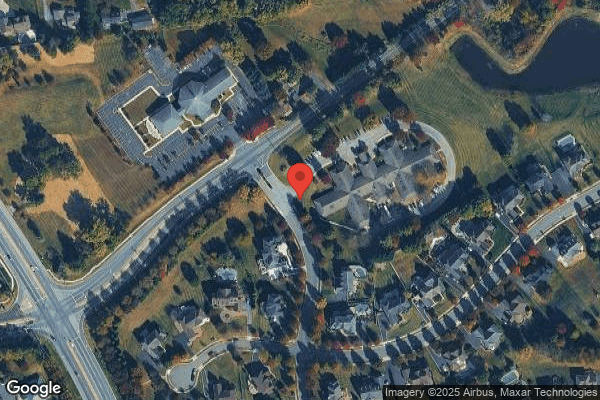
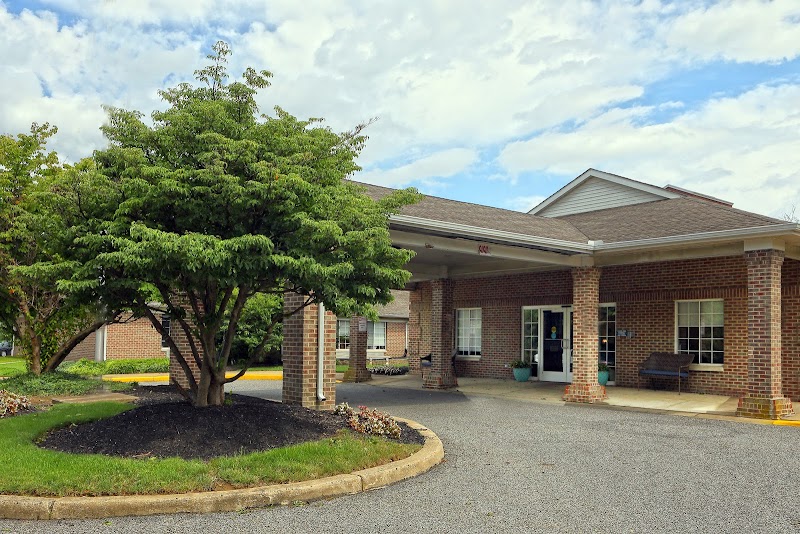
100 ST. CLAIRE DRIVE, HOCKESSIN, DE 19707 (302) 234-5420
For profit - Limited Liability company 104 Beds COMPLETE CARE Data: November 2025
Trust Grade
68/100
#2 of 43 in DE
Last Inspection: February 2025

Within standard 12-15 month inspection cycle. Federal law requires annual inspections.

Overview

Complete Care at Brackenville LLC has a Trust Grade of C+, indicating it is slightly above average in quality but not exceptional. It ranks #2 out of 43 nursing homes in Delaware, placing it in the top half of facilities in the state, and is #1 of 25 in New Castle County, showing it offers one of the best local options. The facility is improving, having reduced the number of issues from 16 in 2024 to 8 in 2025. Staffing is average with a rating of 3 out of 5 stars, but the turnover rate is concerning at 55%, which is higher than the state average. While the nursing home has an average amount of RN coverage, there have been serious incidents, including a resident suffering a subdural hematoma after being left unattended and another resident developing a pressure ulcer due to inadequate care. Additionally, there were concerns about infection control practices, indicating areas needing improvement alongside their strengths.

Trust Score
C+
68/100
In Delaware
#2/43
Top 4%
Safety Record
Moderate
Needs review
Inspections
Getting Better
16 → 8 violations
Staff Stability
⚠ Watch
55% turnover. Above average. Higher turnover means staff may not know residents' routines.
Penalties
○ Average
$16,801 in fines. Higher than 66% of Delaware facilities. Some compliance issues.
Skilled Nurses
✓ Good
Each resident gets 48 minutes of Registered Nurse (RN) attention daily — more than average for Delaware. RNs are trained to catch health problems early.
Violations
⚠ Watch
40 deficiencies on record. Higher than average. Multiple issues found across inspections.
★★★★★
5.0
Overall Rating
★★★☆☆
3.0
Staff Levels
★★★★★
5.0
Care Quality
★★★★☆
4.0
Inspection Score
Stable
2024: 16 issues
2025: 8 issues

The Good

  • 5-Star Quality Measures · Strong clinical quality outcomes
  • Full Sprinkler Coverage · Fire safety systems throughout facility
  • No fines on record

Facility shows strength in quality measures, fire safety.

The Bad

Staff Turnover: 55%

Near Delaware avg (46%)

Higher turnover may affect care consistency

Federal Fines: $16,801

Below median ($33,413)

Minor penalties assessed

Chain: COMPLETE CARE

Part of a multi-facility chain

Ask about local staffing decisions and management

The Ugly 40 deficiencies on record

2 actual harm
Sept 2025 3 deficiencies
CONCERN (D) 📢 Someone Reported This

A family member, employee, or ombudsman was alarmed enough to file a formal complaint

Potential for Harm - no one hurt, but risky conditions existed

Comprehensive Care Plan (Tag F0656)

Could have caused harm · This affected 1 resident

Based on record review and interview, it was determined that for one (R2) out of three residents sampled for care plans, the facility failed to develop a person-centered care plan for the refusal of m...

Read full inspector narrative →
Based on record review and interview, it was determined that for one (R2) out of three residents sampled for care plans, the facility failed to develop a person-centered care plan for the refusal of medications. Findings include:6/27/25 - R2 was admitted to the facility with diagnoses including but not limited to muscle weakness, bladder cancer and ocular myasthenia gravis. R2's admission medications included pyridostigmine bromide oral tablet 60 mg two times a day for the treatment of ocular myasthenia gravis.7/1/25 - R2's clinical records documented a BIMS score of 15, indicating a completely cognitive intact status.6/28/25 - 7/22/25 - R2's clinical records documented twenty-eight (28) episodes of refusal of pyridostigmine bromide tablets out of forty-nine (49) opportunities.9/12/25 11:30 AM - A review of R2's clinical records lacked evidence of a care plan for the refusal of medications.9/12/25 1:00 PM - During an interview, finding was confirmed with E2 (DON).9/15/25 3:15 PM - Findings were reviewed during the exit conference with E1 (NHA), E2 (DON) and E3 (RN).
CONCERN (D) 📢 Someone Reported This

A family member, employee, or ombudsman was alarmed enough to file a formal complaint

Potential for Harm - no one hurt, but risky conditions existed

Deficiency F0658 (Tag F0658)

Could have caused harm · This affected 1 resident

Based on record review and interview, it was determined that for one (R5) out of three residents sampled for acceptable standards of clinical practice, the facility failed to ensure that R5's medicati...

Read full inspector narrative →
Based on record review and interview, it was determined that for one (R5) out of three residents sampled for acceptable standards of clinical practice, the facility failed to ensure that R5's medication was administered according to the physician's order. Findings include:An undated facility document entitled, Rights of Medication Administration, included:Right PersonRight MedicationRight DoseRight TimeRight RouteRight ReasonRight Documentation. 7/14/25 - R5 was admitted to the facility with diagnoses including but not limited to infection of the right lower leg, right heel pressure ulcer, and resistance to multiple antibiotics.7/14/25 6:34 PM - R5's medications included, Daptomycin-sodium chloride intravenous solution, give 800 mg intravenously daily.7/15/25 - R5's clinical record documented a BIMS score of 15, indicating a cognitively intact status.7/21/25 11:00 AM - R5's clinical record documented, .Resident was ordered Daptomycin 800mg IV 1xday, Nurses were administering Daptomycin 850mg IV daily with wrong patient identifiers on IV bag as sent by pharmacy despite not matching order.9/12/25 11:30 AM - During an interview E2 (DON) stated, I received a telephone call from the supervisor on Sunday 7/20/25, that the pharmacy called and said that medication meant for another patient at another facility was delivered to our facility. The supervisor stated that there were two bags of daptomycin 850mg/ml were in the fridge. I told the staff to remove the medication bags from the fridge. The supervisor sent me pictures of the medication bags. I saw that the original name on the bags was crossed out and our patient's name was written on them. I also saw that the dose of medication was different from our resident's order. We identified three nurses involved in the medication error. All three of them were educated and counseled on the rights of medication administration.9/12/25 12:00 PM - During a telephone interview P1 (IV Pharmacist) stated, On 7/15/25, we sent out 3 bags of iv daptomycin to be used for Tuesday, Wednesday and Thursday [for R5]. On 7/18/25, we sent 4 more bags for Friday, Saturday, Sunday and Monday. On Sunday 7/20/25, we received a call from another facility asking for their medications. Our investigation revealed that the courier had inadvertently delivered the 4 bags to the wrong facility. We asked this facility to check and remove the incorrect bags from their fridge. We are working on quality control to prevent this from happening again. 9/12/25 12:30 PM - E2 provided the Surveyor with documentation of counseling for E4 (former weekend RN supervisor) and E5 (former RN.) The Surveyor asked for evidence of counseling for the third nurse involved in the medication error. E2 stated, She said she gave the correct medication, and I have no way of proving that she did not. During an interview, the Surveyor asked E7 (RN) about the medication that was administered to R5 on 7/18/25. E7 stated, I don't remember what he got.9/12/25 12:45 PM - A review of pharmacy medication delivery receipt revealed that four bags of iv daptomycin were prepared to be delivered to the facility on 7/18/25 at 4:28 AM (doses for the next 4 days.) R5's counseling documented medication errors for 7/17/25 and 7/19/25. The surveyor asked E2 if the facility's investigation revealed how many doses of the incorrect medication was administered to R5. E2 stated, We think it was one incorrect dose but there were two remaining bags that were removed from the fridge. A review of R5's medication administration records revealed that iv daptomycin was administered on 7/18/25 and one on 7/19/25.The facility failed to thoroughly investigate the medication error incident to determine exactly how many doses of the incorrect medication was administered and how many nurses were involved in the incident.9/12/25 1:00 PM - During a telephone interview E5 stated, I saw that the medication was labeled with another patient's name, but I thought it would be okay if scratched out that name and put my resident's name on it. I asked the supervisor to initial her name next to mine on the bag. I did not realize that the dosage was incorrect until later when I was told by the DON.9/12/25 1:30 PM - During an interview, the Surveyor asked E2 about the facility's process of accepting medications from the pharmacy. E2 stated, The nurse must sign for any narcotics. If the iv medications must be refrigerated, they are put in the fridge and checked before they are administered. The pills are checked before they are put on the medication carts.The facility failed to ensure that R5's iv medication was administered according to accepted standards of clinical practice.9/12/25 2:30 PM - During an interview, finding was confirmed with E2 (DON). 9/15/25 3:15 PM - Findings were reviewed during the exit conference with E1 (NHA), E2 (DON) and E3 (RN).
CONCERN (D) 📢 Someone Reported This

A family member, employee, or ombudsman was alarmed enough to file a formal complaint

Potential for Harm - no one hurt, but risky conditions existed

Deficiency F0760 (Tag F0760)

Could have caused harm · This affected 1 resident

Based on record review and interview, it was determined that for one (R5) out of three residents sampled for medication administration, the facility failed to ensure that R5's medication was administe...

Read full inspector narrative →
Based on record review and interview, it was determined that for one (R5) out of three residents sampled for medication administration, the facility failed to ensure that R5's medication was administered per the physician's order. Findings include:Based on record review and interview, it was determined that for one (R5) out of three residents sampled for medication administration, the facility failed to ensure that R5's medication was administered per the physician's order. Findings include:3/13/23 - A facility documented entitled, Medication Administration, and updated 6/3/24, documented, Medications are administered by licensed nurses, or other staff who are legally authorized to do so in this state, as ordered by the physician and in accordance with professional standards of practice.7/14/2025 - R5 was admitted to the facility with diagnoses including but not limited to infection of the right lower leg, right heel pressure ulcer, and resistance to multiple antibiotics.7/14/25 6:34 PM - R5's medications included, Daptomycin-sodium chloride intravenous solution, give 800 mg intravenously daily.7/15/25 - R5's clinical record documented a BIMS score of 15, indicating a cognitively intact status.7/21/25 11:00 AM - R5's clinical record documented, .Resident was ordered Daptomycin 800mg IV 1xday, Nurses were administering Daptomycin 850mg IV daily with wrong patient identifiers on IV bag as sent by pharmacy despite not matching order.9/12/25 11:30 AM - During an interview E2 (DON) stated, I received a telephone call from the supervisor on Saturday, 7/20/25 that the pharmacy called and said that medication meant for another patient at another facility was delivered to our facility. The supervisor stated that there were two bags of daptomycin 850mg/ml were in the fridge and sent me pictures of the medication bags. I saw that the previous name on the bags was crossed out and our patient's name was written on them. We identified three nurses involved in the medication error. All three of them were educated and counseled on the rights of medication administration.9/12/25 12:00 PM - During a telephone interview P1 (IV Pharmacist) stated, On 7/15/25, we sent out 3 bags of iv daptomycin to be used for Tuesday, Wednesday and Thursday [for R5]. On 7/18/25, we sent 4 more bags for Friday, Saturday, Sunday and Monday. On Sunday 7/20/25, we received a call from another facility asking for their medications. Our investigation revealed that the courier had inadvertently delivered the 4 bags to the wrong facility. We asked this facility to check and remove the incorrect bags from their fridge. We are working on quality control to prevent this from happening again. 9/12/25 12:30 PM - E2 provided the surveyor with documentation with counseling for E4 (former weekend supervisor) and E5 (former RN.) The Surveyor asked for evidence of counseling for the third nurse involved in the medication error. E2 stated, She said she gave the correct medication, and I have no way of proving that she did not. During an interview, the Surveyor asked E7 (RN) about the medication that was administered to R5 on the previous day. E7 stated, I don't remember what he got.9/12/25 12:45 PM - A review of pharmacy medication delivery receipt revealed that four bags of iv daptomycin were prepared to be delivered to the facility on 7/18/25 at 4:28 AM (doses for the next 4 days.) R5's counseling documented medication errors for 7/17/25 and 7/19/25. The surveyor asked E2 if the facility's investigation revealed how many doses of the incorrect medication was administered to R5. E2 stated, We think it was one incorrect dose but there were two remaining bags that were removed from the fridge. A review of R5's medication administration record revealed that iv daptomycin was administered on 7/18/25 and one on 7/19/25.9/12/25 1:00 PM - During a telephone interview E5 stated, I saw that the medication was labeled with another patient's name, but I thought it would be okay if scratched out that name and put my resident's name on it. I asked the supervisor to initial her name next to mine on the bag. I did not realize that the dosage was incorrect until later when I was told by the DON.The facility failed to ensure that R5's iv antibiotic medication was administered according to the physician's order when they administered 850mg of daptomycin instead of 800mg for two or three doses. 9/12/25 2:30 PM - During an interview, finding was confirmed with E2 (DON). 9/15/25 3:15 PM - Findings were reviewed during the exit conference with E1 (NHA), E2 (DON) and E3 (RN).
Feb 2025 5 deficiencies
CONCERN (D)

Potential for Harm - no one hurt, but risky conditions existed

Deficiency F0554 (Tag F0554)

Could have caused harm · This affected 1 resident

**NOTE- TERMS IN BRACKETS HAVE BEEN EDITED TO PROTECT CONFIDENTIALITY** Based on observation, record review, interviews, and facility policy review, the facility failed to determine if one of one resi...

Read full inspector narrative →
**NOTE- TERMS IN BRACKETS HAVE BEEN EDITED TO PROTECT CONFIDENTIALITY** Based on observation, record review, interviews, and facility policy review, the facility failed to determine if one of one resident (Resident (R) 66) was assessed as clinically appropriate to self-administer medications of 38 sample residents. The failure of the facility to leave medications at the bedside unattended prior to an assessment, created an unsafe environment for the residents and other residents in the area. Findings include: Review of the facility's undated policy titled, Resident Self Administration of Medications revealed It is the policy of this facility to support each resident's right to self-administer medication. A resident may only self-administer medications after the facility's interdisciplinary team has determined which medications may be self-administered safely .11. The care plan must reflect resident self-administration and storage arrangements for such medications. Review of R66's electronic medical record (EMR) undated admission Record located under the Profile tab, indicated the resident was admitted to the facility on [DATE] with diagnoses of diabetes mellitus, arteriosclerotic heart disease, spinal stenosis, and hypertension. Review of R66's EMR quarterly Minimum Data Set (MDS) with an Assessment Reference Date (ADR) of 12/03/24 indicated the resident had a Brief Interview for Mental Status (BIMS) score of 15 out of 15 which revealed the resident was cognitively intact. The assessment indicated the resident did not demonstrate any upper extremity impairment and required only set up assistance with oral hygiene and eating. Review of R66's EMR Care Plan located under the Care Plan tab, indicated a care plan for the resident to self-administer her medications had not been developed. Review of R66's EMR revealed no assessments were conducted related to self-administration of medications. During an observation on 02/11/25 at 10:09 AM, Licensed Practical Nurse (LPN) 4 walked out of R66's room. The resident's overbed table had two medicine cups. One cup contained approximately eight pills, and the other cup contained approximately 20 cc's (cubic centimeters) of red liquid. The resident was removing the pills and placing them on top of her overbed table. She was able to identify what each pill was as she removed them from the medication cup. She stated that most of the nurses left them for her to take except the agency nurses, they always waited until she took them all before they left. During an interview on 02/11/25 at 10:15 AM, LPN4 stated that the resident liked to take her own medications. LPN4 stated R44 would pour them out, identify them and let them know if anything was missing. She stated she typically did not leave the residents medications; she watched her take them. LPN4 stated R44 just did not like anyone hovering over her. She stated she was not sure if the resident was assessed, or care planned to take her own medications. During an interview on 02/13/25 at 10:44 AM, the Director of Nursing (DON) stated the nurse should have stayed nearby until the resident took all of her medications. DON stated the resident was capable and preferred to take her own medicine. DON stated she did not keep her medication in her room, the nurse had to give it to her.
CONCERN (D)

Potential for Harm - no one hurt, but risky conditions existed

Deficiency F0578 (Tag F0578)

Could have caused harm · This affected 1 resident

**NOTE- TERMS IN BRACKETS HAVE BEEN EDITED TO PROTECT CONFIDENTIALITY** Based on interview, record review, document review, and facility policy review, the facility failed to ensure the accurate code ...

Read full inspector narrative →
**NOTE- TERMS IN BRACKETS HAVE BEEN EDITED TO PROTECT CONFIDENTIALITY** Based on interview, record review, document review, and facility policy review, the facility failed to ensure the accurate code status was documented and available for reference for two of 36 sampled residents, (Resident (R)49 and R38). This deficient practice could result in not following the specific residents' wishes documented in the advanced directive. Findings include: Review of R49's Admission record located in the electronic medical record (EMR) under the Profile tab revealed an admission date of [DATE]. The Brief Interview for Mental Status (BIMS) assessment, dated [DATE] and located under the Documents tab, revealed R49 scored nine of 15, indicating R49 was moderately cognitively impaired. The documented code status, Full Code, was found in EMR, Resident Profile tab, Face Sheet but no documentation was identified to support the resident's decision. Review of R38s Admission record located in the electronic medical record (EMR) under the Profile tab, revealed an admission date of [DATE]. The BIMS assessment, dated [DATE] and located under the Documents tab, revealed R38 scored five of 15, indicating R38 has severe cognitive impairment. R38's documented code status, Full Code, was found in EMR, Resident Profile tab, Face Sheet but no documentation was identified to support the resident's decision. During an interview on [DATE] at 1:49 PM, the Administrator said that he was responsible for acquiring advanced directives for each resident. He stated the facility had been cited in the past for not having advance directives for all residents. He said his plan of correction for the [DATE] survey included educating/asking the residents about their Advance Directives if they had a BIMS score of 13 of 15 or greater, indicating cognitively intact. If the BIMS score is less than 13 of 15, indicating the resident is cognitively impaired, the facility would contact the family. The Administrator said he was responsible for obtaining the Advance Directive from the resident or the family. He stated he had not acquired the advanced directive from the family member of R38 and R49. He said when an advanced directive is not acquired and is not documented in the EMR, the default code status is Full Code, indicating Cardiopulmonary Resuscitation (CPR) would be administered to the resident. During an interview on 02//12/25 at 2:10 PM, Licensed Practical Nurse (LPN) 2 stated without a code status or advanced directive, CPR would be administered to a resident in an emergency. She stated the Code Status of each resident was located in the EMR, Profile header and defaulted to Full Code if the advanced directive or Do Not Resuscitate (DNR) form was missing from the EMR. A policy was not provided prior to survey exit.
CONCERN (D)

Potential for Harm - no one hurt, but risky conditions existed

Deficiency F0700 (Tag F0700)

Could have caused harm · This affected 1 resident

**NOTE- TERMS IN BRACKETS HAVE BEEN EDITED TO PROTECT CONFIDENTIALITY** Based on observation, interview, and record review, the facility failed to ensure residents received alternative measures prior ...

Read full inspector narrative →
**NOTE- TERMS IN BRACKETS HAVE BEEN EDITED TO PROTECT CONFIDENTIALITY** Based on observation, interview, and record review, the facility failed to ensure residents received alternative measures prior to installation of side rails for one of one resident reviewed for side rails (Resident (R) 9) of 38 sampled residents. The lack of alternate side rail measures could lead to potential safety concerns related to bed rail use for residents with bed rails. Findings include: Review of R9's Face Sheet, located in the electronic medical record (EMR) under the Profile tab revealed the resident was re-admitted to the facility on [DATE] with diagnoses which included legal blindness and gout. Review of R9's annual Minimum Data Set (MDS) with an Assessment Reference Date (ARD) of 01/14/25 and located in the resident's EMR under the MDS tab, revealed a Brief Interview for Mental Status (BIMS) score of seven out of 15, which indicated the resident's cognition was severely impaired. Review of R9's Care Plan, dated 06/05/23 and located in the resident's EMR under the Care Plan tab, revealed The resident required assistance and was dependent with ADL [activities of daily living] care related to bed mobility. Interventions in place were 1/4 side rails per physician orders for safety during care and to assist with bed mobility. Review of R9's Bed Rail Evaluation, dated 10/09/23 and located in the EMR under the Assessments tab, revealed no alternates were attempted prior to the placement of the siderails. Further review revealed the outcome for failed alternatives was bedrails requested. During an observation on 02/11/25 at 10:24 AM R9 was lying in the bed with head of bed upright. Side rails in place on both sides of the bed. During an interview on 02/14/25 at 8:18 AM the Director of Rehab (DOR) said therapy had no role in determining if a resident required the use of bed rails. She also stated that therapy did not access R9 for the need of bed rails. During an interview on 02/14/25 at 8:34 AM, the Assistant Director of Nursing (ADON) stated she completed R9's bed rail assessment in July 2024. She stated all residents were assessed on admission for bedrail use and thereafter on a routine basis, but she was unsure how often. She thought every three to six months. She said she was unsure what alternates were attempted prior to using the bedrails and that the family probably requested them to be used for the resident. During an interview on 02/14/25 at 2:31 PM, the Director of Nursing (DON) stated bed rail assessments were completed on admission and that all residents were asked if they wanted bedrails. She stated that it was a resident's right to have the bedrails if they requested them and she did not know that regulation required alternates to be explored prior to their use. Review of the facility's policy titled ''Use of Bed Rails'' revised 03/14/23 revealed it is the policy of the facility to utilize a person-centered approach when determining the use of bed rails. Appropriate alternative approaches are attempted prior to installing or using bed rails.
CONCERN (D) 📢 Someone Reported This

A family member, employee, or ombudsman was alarmed enough to file a formal complaint

Potential for Harm - no one hurt, but risky conditions existed

Deficiency F0725 (Tag F0725)

Could have caused harm · This affected 1 resident

**NOTE- TERMS IN BRACKETS HAVE BEEN EDITED TO PROTECT CONFIDENTIALITY** Based on observations, interviews, record reviews, and facility policy review, the facility failed to ensure call lights were an...

Read full inspector narrative →
**NOTE- TERMS IN BRACKETS HAVE BEEN EDITED TO PROTECT CONFIDENTIALITY** Based on observations, interviews, record reviews, and facility policy review, the facility failed to ensure call lights were answered timely for one of 38 sample residents (Resident (R) 44) reviewed for staffing. This failure had the potential to put the residents at risk. Findings include: Review of R44's admission Record located in the electronic medical record (EMR) under the Profile tab, revealed an admission date of 03/03/23. Review of R44's admission Minimum Data Set (MDS) located in the EMR under the MDS tab with an Assessment Reference Date (ARD) of 11/20/24, revealed R44 had a Brief Interview for Mental Status (BIMS) score of 15 out of 15 which indicated the resident was cognitively intact. She was dependent on staff for toileting, bathing, and dressing. During a continuous observation on 02/13/25 from 9:16 AM until 9:54 AM, R44's call light remained on. During this time, Licensed Practical Nurse (LPN) 1 stood by the medication cart from 9:16 AM to approximately 9:35 AM, which was parked by R44's room. Certified Nurse Aide (CNA) 9 walked down the hall and donned personal protective equipment (PPE) and entered another resident's room. R44's call light remained on. At 9:36 AM, CNA8 donned PPE, while standing in front of room [ROOM NUMBER]. She entered room [ROOM NUMBER] at this time and came out of the room at 9:39 AM. While standing near room [ROOM NUMBER], CNA7 said to CNA 8 to let CNA9 know that R44's call light was on. During an interview at 9:46 AM, CNA7 stated CNA9's assignment included R44. He said even though a CNA may be assigned to a section, CNAs would help other CNAs. At 9:50 AM, LPN1 returned to her cart, which remained parked next to R44's room. During the continuous observation, the Activities Director (AD) walked by R44's room twice without answering the call light. At 9:54 AM, two housekeepers stood outside the room, and did not answer the call light. During an observation on 02/13/25 at 9:56 AM, CNA9 and LPN1 entered R44's room and turned off the call light. LPN1 stated a call light should not be left on for 38 minutes. She stated they tried to have call lights answered in less than five minutes. LPN1 stated all staff should answer call lights, even if they could not help the residents, they could get staff who could. CNA9 said he was assigned to R44's room but was helping another resident who had an appointment. CNA9 agreed the call light had been left on for too long. During an interview on 02/13/25 at 10:20 AM, R44 stated it was pretty common that I have to wait for call lights to be answered. She stated this time she needed her phone plugged in. She said while she was waiting, she tried to do it herself, but she almost fell so she had to wait. She stated when she had to wait a long time to get her light answered and she had to go to the bathroom, it really made her angry. During an interview on 02/13/25 at 10:18 AM, Registered Nurse (RN) 3, who was observed sitting at the nurses' station during the continuous observation, approximately four feet from the visual call light monitoring system, stated everyone was responsible for answering lights, even if they could not help the resident, they could pass the message on to the appropriate staff. She stated, we have the intercom system right here, so we know [which resident is calling]. During an interview on 02/14/25 at 4:00 PM, the Director of Nursing (DON) stated call lights should be answered by all staff, even if they could not help the residents, they could get someone who could. She stated if call lights go unanswered for too long, the resident may have an emergency situation which could put the resident at risk. Review of the facility's policy titled, Call Lights: Accessibility and Timely Response, dated 03/14/23, revealed All staff members who see or hear an activated call light are responsible for responding. If the staff member cannot provide what the resident desires, the appropriate personnel should be notified.
CONCERN (E)

Potential for Harm - no one hurt, but risky conditions existed

Deficiency F0565 (Tag F0565)

Could have caused harm · This affected multiple residents

Based on interview and record review, the facility failed to act promptly on the grievances and recommendations of the resident council group for seven of 12 months of resident council minutes reviewe...

Read full inspector narrative →
Based on interview and record review, the facility failed to act promptly on the grievances and recommendations of the resident council group for seven of 12 months of resident council minutes reviewed and to the extent practicable, the facility staff failed to revise or develop new policies related to resident rights, life, and care. These failures resulted in resident concerns going unaddressed. Findings include: During a group meeting on 02/12/25 at 3:51 PM with five residents (R), R298, R12, R65, R18, and R57, each resident attending the group meeting was listed on previous month's resident council meeting notes list of attendees. The group of residents indicated they reported the same concerns at every monthly meeting but did not receive an explanation or resolution to their concerns and continued complaints. The group also reported in agreement that the administrator took over in the monthly resident council meeting and was rude to the residents during the meeting. Resident council meeting notes dated March 2024 documented that a resident complained that the towels smell bad and have stains on them when returned from the laundry. No documentation could be provided that the grievance had been addressed or resolved. Residents wanted to know why their grievances and concerns were never addressed or resolved. The Activity Director stated it was out of her hands and that the grievance officer, the Administrator, would let them know. Resident council meeting notes dated May 2024 documented several residents reported the towels smell bad when returned from the laundry. No documentation was provided to indicate the grievance was resolved. Subsequent grievance regarding laundry were reported during the meetings. Resident council meeting notes dated June 2024 documented a grievance that the CNA staff were no longer hanging up clean clothes that returned from the laundry staff that has resulted in piles of clothing on a chair instead of placed in drawers are their closet. No documentation could be provided that indicated the grievance was resolved. Review of resident council meeting notes dated July 2024, voiced complaints of clothing being returned with stains. No documentation was provided to indicate the issue was resolved. Review of resident council meeting notes dated September 2024, documented complaints that resident's towels came back from the laundry looking dirty, smelly, and scratchy. One unnamed resident said she has complained for several months about her toilet leaking under the ring seal, not flushing properly, and running all the time. A complaint regarding the slamming of the kitchen door during council meetings is distracting and would like for ''something to be done.'' A complaint regarding the broken TV in the east dining room and would like for it to be fixed to be used for activities in the dining room. No documentation could be provided that indicated these grievances and concerns had been resolved. Review of resident council meeting notes dated 10/28/24 documented complaints from residents that their laundry is returned with bleach stains and that towels had a bad smell. No evidence was provided of a written response to address the complaints discussed. This grievance was not discussed in subsequent resident council meetings. Resident council meeting notes dated 01/27/25 documented the concerns of the group regarding transportation problems, specifically cancelled appointments due to late pickup/arrivals, and that transportation van staff drop her off outside of the building for medial appointments, and she can't always gain entry to the building with her motorized wheelchair. The resident council meeting minutes documented that the concern had been resolved, however, the grievance officer provided no evidence of a written response to the concerned resident, not identified. During an interview on 02/14/25 at 6:30 PM, the Activity Director stated she was not familiar with the rules, policies, or regulations regarding resident council meetings and/or how to handle grievances in the facility. She said she has been the activity director in the facility for about 5 weeks and was in the process of learning the role and the expectations of the activity program in the facility. She said she was aware that the resident council was a time for residents to have discussions in a safe environment without fear and intimidation. When asked if she thought the resident council currently being facilitated by the facility administrator appeared to be a safe environment for the residents to discuss concerns or issues, she responded that somebody needs to be in there to take notes of the meeting. She said it needed to be a staff member. When asked if she had been invited to the resident council in January 2025. She said that she was not actually invited and that she assumed she was supposed to be there along with the administrator. She said she made notes of the discussions in the January 2025 resident council meeting and was aware of the issues regarding transportation. She said that after the meeting, the notes were kept by the Administrator, and she did not know who was responsible for following up with the residents' concerns and finding a resolution or accommodation to meet the needs of the residents. During an interview on 02/14/25 at 6:45 PM, the Administrator stated he was the grievance officer for the facility and he thought it was his responsibility to facilitate the monthly resident council meetings. He stated that concerns/grievances reported during the resident council meeting were documented and given to the department director to resolve the grievance. He stated he did not follow-up to ensure the grievance has been resolved or that the outcome was communicated to the residents. During an interview on 02/14/25 at 6:58 PM, the Regional Operations Manager said she was not aware the Administrator facilitated the resident council meeting each month for the past 11 months, as indicated on the monthly resident council meeting notes. She stated she would provide training to the Administrator and to the Activity Director regarding her expectations and about the regulations for the monthly resident council meeting. She said that she would ensure staff members could only attend the resident council meeting if they were invited to attend and that her expectation of concerns and grievances discussed in the resident council meeting were documented on a concern/grievance form and formally addressed by department mangers with a written response to the group attendees regarding the process or resolution within three days of the complaint/grievance. Review of the facility policy Resident and Family Grievances, dated 04/05/23, provided by the Administrator, stated it was the policy to support each resident's right to voice grievances without discrimination, reprisal or fear of discrimination or reprisal. The policy documented the administrator was responsible for overseeing the grievance process with prompt efforts to resolve grievances including acknowledgment of the complaint/grievance and actively working toward a resolution, issuing written grievance decisions to the resident, and coordinating with state and federal agencies as necessary in light of specific allegations. The policy stated grievances may be voiced in various forums including verbal complaints to a staff member, written complaint to a staff member or grievance official, written complaint to an outside party, and verbal complaints during resident council meetings, may be filed anonymously. The policy stipulated that the grievance official will keep the resident appropriately appraised of progress towards a resolution of the grievance and in accordance with the resident's right to obtain a written decision regarding his or her grievance.
Feb 2024 16 deficiencies 1 Harm
SERIOUS (G) 📢 Someone Reported This

A family member, employee, or ombudsman was alarmed enough to file a formal complaint

Actual Harm - a resident was hurt due to facility failures

Accident Prevention (Tag F0689)

A resident was harmed · This affected 1 resident

**NOTE- TERMS IN BRACKETS HAVE BEEN EDITED TO PROTECT CONFIDENTIALITY** Based on interview, record review, and review of facility policy, the facility failed to ensure that supervision to prevent acci...

Read full inspector narrative →
**NOTE- TERMS IN BRACKETS HAVE BEEN EDITED TO PROTECT CONFIDENTIALITY** Based on interview, record review, and review of facility policy, the facility failed to ensure that supervision to prevent accidents for one Resident (R) 297 out of four sampled residents reviewed for accidents. This failure caused actual harm, when R297 sustained a subdural hematoma after a fall when Certified Nursing Assistant (CNA)1 left the resident sitting on the bedside, unattended, while gathering supplies for the resident's personal care. Findings include: Review of a policy provided by the facility titled Fall Prevention Program, dated 09/05/23 indicated .Each resident will be assessed for fall risk and will receive care and services in accordance with their individualized level of risk to minimize the likelihood of falls.The facility utilizes a standardized risk assessment for determining a resident's fall risk. The risk assessment categories (sic) residents according to low, moderate, or high risk .Upon admission, the nurse will complete a fall risk assessment along with the admission assessment to determine the resident's level of fall risk.Low/Moderate Risk Protocols.Bed is locked and lowered to a level that allows the resident's feet to be flat on the floor when the resident is sitting on the edge of the bed .Call light within reach.Adequate lighting.Implement routine rounding schedule.Monitor for changes in resident's cognition, gait, ability to rise/site, and balance. Review of R297's electronic medical record (EMR) titled admission Record located under the Profile tab indicated the resident was admitted to the facility on [DATE] with a diagnosis of Lewy Body (a form of dementia). Review of R297's EMR titled Nursing Admission/ Readmission/Annual/Sig [Significant] Change Assessment dated 10/20/22 indicated the resident scored 14 and was considered to be at moderate risk for falls. Review of R297's EMR titled Care Plan located under the Care Plan tab dated 10/20/22 indicated the resident had impairments in activities of daily living and was totally dependent on one staff member for toileting. The care plan indicated the resident was at risk for falls related to deconditioning and directed the staff to keep the call light within reach for the resident and to anticipate the needs of the resident. The care plan indicated physical therapy (PT) was to assess and treat the resident as needed. The care plan dated 10/24/22 indicated the resident had a diagnosis of Lewy Body and had impaired cognition due to this dementia diagnosis. There were no interventions which identified the unpredictable behaviors associated (poor safety awareness and impulsivity) with the resident with Lewy Body or the Parkinson's related movement (rigidity) associated with Lewy Body and the interventions to prevent falls, and safety risks associated. Review of a document provided by the facility referred to as [NAME] (directs the CNA on how to provide resident care), dated 10/20/22 indicated R297's call light was to be within reach, and to follow the facility fall protocol. For bed mobility, the [NAME] indicated the resident required extensive assistance of one staff to turn and reposition in bed. Review of R297's EMR titled nursing Progress Notes, dated 10/21/22 indicated the resident was difficult to redirect, had poor safety awareness, and would attempt to get out of her wheelchair/bed unaided. Review of a document provided by the facility titled Physical Therapy [PT] Evaluation & Plan of Care, dated 10/21/22 indicated R297 was moderate assistance for transfers. The PT evaluation indicated the resident's trunk strength moved through full range against gravity and needed slight to moderate assistance. The assessment indicated the resident had symmetrical posture but indicated the resident had impaired gross motor coordination. The PT evaluation provided a section titled Assessment Summary which revealed the resident required skilled PT services to minimize falls, decrease complaints of pain, evaluate need for assistive device. Review of R297's EMR titled admission Minimum Data Set [MDS] with an Assessment Reference Date (ARD) of 10/26/22 indicated the resident had a Brief Interview for Mental Status [BIMS] score of four out of 15 which revealed the resident was severely cognitively impaired. The assessment indicated the resident required extensive assistance of two staff members for bed mobility and was totally dependent on two staff for transfers. The assessment revealed the resident had a history of falls without injury prior to her admission. Under the Care Area Assessment the resident triggered for falls and directed the staff to develop a care plan. Review of a document provided by the facility titled Occupational Therapy [OT] dated 11/03/22 indicated R297's goal was to reach/retrieve cones stand by assistance to increase dynamic sitting balance; the precautions identified the resident was a fall risk and had a diagnosis of Lewy Body dementia. Review of a document provided by the facility titled OT, dated 11/04/22 indicated R297 was able to sit upright at edge of bed with supervision. The OT notes indicated the resident had fall precautions for being a fall risk and again identified the resident had a diagnosis of Lewy Body dementia. Review of a document provided by the facility titled Change in Condition Evaluation dated 11/04/23 indicated R297 indicated the resident had an increase in agitation and restlessness during the night shift. The document indicated the resident sustained a fall and sustained a contusion to the scalp which measured approximately four inches with copious amounts of bleeding. The document revealed the resident attempted to get out of bed on her own when the CNA briefly left the room. The resident was found on the floor with her face down and next to her bed. The resident's representative and medical provider were notified. The medical provider ordered the resident to be immediately transferred to the local hospital for evaluation and treatment. Licensed Practical Nurse (LPN)3 completed the note but is no longer employed at the facility. Review of the facility's investigation dated 11/04/22 indicated R297 sustained a fall, and the fall was unwitnessed with injuries. The investigation confirmed the resident sustained a laceration to the left temporal area and was on heparin. The facility investigation confirmed the medical provider ordered R297 to be sent to the hospital. The investigation indicated CNA1 was previously in the resident's room and the resident was on safety monitoring due to increased agitation and the report revealed the resident was alert and oriented times one (the higher the number the more alert the resident was to person, place, surroundings, and time). The investigation indicated a root cause analysis was completed and determined the resident was supervised throughout the day due to her level of confusion and impulsive behaviors secondary to her diagnosis of Lewy Body dementia. The investigation revealed the resident appeared to be getting tired and a CNA took the resident to her room, provided personal care, and toileted the resident. The investigation revealed the resident was then placed into bed by a CNA. The investigation indicated the CNA and a nurse and left the room. During this time the resident attempted to get out of her bed. The CNA returned and the resident refused to lay down in bed. The CNA reported she left the resident sitting on the bed when she left to gather supplies needed to care for the resident. When the CNA returned, approximately five minutes later, she found the resident on the ground and immediately called for assistance. As part of the investigation, the facility indicated therapy deemed the resident safe to sit on the edge of the bed without the need of physical support. However, the above investigation did not include the level of supervision needed to keep R297 safe. Review of a document provided by the facility titled Witness Statement dated 11/04/22 and written by LPN1 indicated she had monitored R297 on her entire shift since the resident made several attempts to get up out of her wheelchair and walk and she was unable to redirect the resident. LPN1 was no longer an employee at the facility. Review of a document provided by the facility titled Witness Statement dated 11/04/22 and written by LPN3 indicated R297 was on safety monitoring during his shift due to an increase in anxiety and restlessness. LPN3 wrote that within a short period of time the resident got up on her own and attempted to walk and was found face down. Review of a document provided by the facility titled Witness Statement dated 11/04/22 indicated CNA1 stated R297 was left sitting on the side of her bed, when she and the nurse walked away. CNA1 indicated she was gone for approximately five minutes and when she returned the resident had fallen. CNA1 stated the resident had on anti-slid socks on. A request was made to the facility to contact CNA1 for an interview, and this was not successful prior to the end of the survey. Review of a document provided by the facility titled CT [computerized tomography] Scan without Contrast, dated 11/05/22 indicated R297 sustained head trauma with moderate to severe subdural hematoma. Review of a type written document provided by the facility untitled and dated 11/16/22 indicated LPN3 wrote a statement which indicated R297 was observed to be highly agitated and restless and was repeatedly attempting to get up from her wheelchair. The statement indicated that staff were concerned for the safety of the resident and every effort was made to provide one on one supervision for her. The statement revealed the resident was left sitting upright on her bed with both feet on the ground when the CNA stepped outside of the room briefly to gather supplies and when the CNA returned the resident had fallen. During an interview on 02/01/24 at 8:40 AM, the Director of Rehabilitation (DOR) stated a resident with a diagnosis of Lewy Body was considered to be at risk for falls. The DOR stated typically there would be interdisciplinary notes or mention of recommendations in the therapy notes, but verified there were none. The DOR stated the resident should not have been left alone by the staff since the resident required supervision. During an interview on 02/01/24 at 11:12 AM, the DON confirmed CNA1 sat R297 on the side of the bed and the resident then fell. The DON stated supervision did not mean to have a staff member's hand on the resident. The DON stated therapy did not meet with the staff to discuss the resident's need for supervision with the diagnosis of Lewy Body. The DON confirmed the resident was left alone when CNA1 left the resident alone to gather supplies to complete the resident's personal care. The DON stated the process was for staff to gather supplies before care was rendered to a resident. The DON stated she did not have access to the remaining hospital records other than the CT scan from 11/04/22. The Regional Clinical Consultant was present during this interview.
CONCERN (D) 📢 Someone Reported This

A family member, employee, or ombudsman was alarmed enough to file a formal complaint

Potential for Harm - no one hurt, but risky conditions existed

Resident Rights (Tag F0550)

Could have caused harm · This affected 1 resident

**NOTE- TERMS IN BRACKETS HAVE BEEN EDITED TO PROTECT CONFIDENTIALITY** Based on observations, record review, interviews, and facility policy review, the facility failed to ensure elopement risks and ...

Read full inspector narrative →
**NOTE- TERMS IN BRACKETS HAVE BEEN EDITED TO PROTECT CONFIDENTIALITY** Based on observations, record review, interviews, and facility policy review, the facility failed to ensure elopement risks and wander guard assessments were updated to promote dignity for one Resident (R) 301 of two reviewed for elopement risk and wander guard use. The facility failed to ensure Certified Nursing Assistant (CNA)3 closed the privacy curtain while providing personal care to R39. R39's breasts and brief were exposed to public view. Additionally, R89 was not provided an opportunity for dignity when she sat in her wheelchair, while wearing a brief for over an hour. Findings include: 1. Review of a policy provided by the facility titled Resident Alarms dated 03/14/23 indicated, .It is the policy of this facility to utilize residents' alarms in limited circumstances, in accordance with the resident's needs, goals, and preferences, so that the resident will be able to attain or maintain his or her highest practicable level of physical, mental, and psychosocial well-being.Wander/elopement alarms-includes devices such as bracelets.The facility shall establish and utilize a systemic approach for the safe and appropriate use of resident alarms, including efforts to identify risk; evaluate and analyze risk. Review of R301's electronic medical record (EMR) titled admission Record, located under the Profile tab indicated the resident was admitted to the facility on [DATE] with a diagnosis of anxiety disorder. Review of R301's EMR titled admission Minimum Data Set [MDS] with an Assessment Reference Date (ARD) of 05/01/23 indicated the resident had a Brief Interview for Mental Status [BIMS] score of 15 out of 15 which revealed the resident was cognitively intact. The assessment indicated the resident did not wander. The assessment indicated the resident was able to ambulate with supervision. Review of R301's EMR titled Elopement Evaluation located under the tab Assessments dated 05/02/23 indicated the resident scored a two which revealed the resident was at low risk for elopement. Review of R301's EMR titled Care Plan located under the Care Plan tab failed to include the resident was at risk for elopement and required the use of a Wanderguard. Review of R301's EMR titled nursing Progress Notes, located under Prog [Progress] Notes tab dated 05/02/23 indicated the resident's elopement score was eight. Review of R301's Psychiatric Consultant Note located under Prog Notes dated 05/15/23 indicated the resident had no elopement attempts. Review of R301's nursing Progress Notes located under the Prog Note tab dated 06/02/23 indicated the resident left at 8:20 AM in her own vehicle and later returned at 8:42 AM. The progress notes revealed the resident left the facility without informing the facility. During an interview on 02/01/24 at 11:12 AM, the Director of Nursing (DON) stated the facility did not use consents for the use of a wanderguard. The DON stated the best she could remember was R301 would leave the facility and not inform the staff. The DON stated the resident then agreed to wear the wanderguard device for approximately two weeks. The Regional Clinical Consultant was present during this interview. During an interview on 02/02/24 at 12:42 PM, the Director of Social Services (DSS) stated the resident was not considered an elopement risk but did have her car parked in the facility's parking lot. DSS stated the resident was alert and oriented and could go and do as she pleased. During an interview on 02/02/24 at 1:54 PM, the DON stated the use of the wanderguard should have been placed in the resident's care plan. A request was made to interview the staff member who determined the use of the wanderguard. No staff member was identified by the end of the survey. 2. Review of a document provided by the facility titled Promoting/Maintaining Resident Dignity dated 03/14/23 indicated .It is the practice of this facility to protect and promote resident rights and treat each resident with respect and dignity as well as care for each resident in a manner and in an environment, that maintains or enhances resident's quality of life by recognizing each resident's individuality.All staff members are involved in providing care to residents to promote and maintain resident dignity and respect resident rights.Maintain resident privacy. Review of R39's EMR titled admission Record located under the Profile tab indicated the resident was admitted to the facility on [DATE] with a diagnosis of Alzheimer's disease. Review of R39's EMR titled Care Plan located under the Care Plan tab dated 12/13/19 indicated the resident was totally dependent on staff for activities of daily living due to her diagnosis of Alzheimer's disease. Review of R39's EMR titled annual MDS with an ARD of 01/23/24 indicated the resident had a BIMS score of six out of 15 which revealed the resident was severely cognitively impaired. An observation was conducted on 02/01/24 at 5:42 AM, CNA3 was observed to provide personal care to R39 and failed to pull the privacy curtain in the semi-private room. R39 had a roommate (R6) who was up in her wheelchair and facing R39 and CNA3 during the provision of care. R39 had her breasts exposed and observed CNA3 place an adult brief on the resident. During an interview on 02/01/24 at 5:45 AM, Registered Nurse (RN)2 who was also the unit manager for the night shift stated her expectation was for the privacy curtain to be pulled between two residents for privacy and dignity reasons. During an interview on 02/01/24 at 6:06 AM, CNA3 confirmed she did not pull the privacy curtain between R39 and R6. During an interview on 02/01/24 at 6:09 AM, the DON stated the reason why there was a privacy curtain in a semi-private room was to be pulled during the provision of care and this would be her expectation as well. 3. Review of the facility policy titled, Promoting/Maintaining Resident Dignity revised on 03/14/23, revealed, .It is the practice of this facility to protect and promote resident rights and treat each resident with respect and dignity as well as care for each resident in a manner and in an environment, that maintains or enhances resident's quality of life by recognizing each resident's individuality .Respond to requests for assistance in a timely manner . Review of R89's Face Sheet located in the EMR under the Profile tab, revealed R89 was admitted to the facility on [DATE] with diagnoses that included dementia and Alzheimer's disease. Review of the MDS located in the EMR under the MDS tab with an ARD of 12/13/23 revealed a BIMS score of six out of 15 that indicated R89 had moderate cognitive impairment. This MDS also revealed R89 required substantial/maximal assistance for dressing the lower body. Review of the Care Plan dated 12/21/23, located in the EMR under the Care Plan tab, revealed R89 had a self-care performance deficit related to limited mobility and required moderate assistance of one member of staff to dress. Observation on 02/01/24 at 6:30 AM revealed R89 was sitting in a wheelchair in the doorway of her room. R89 was dressed in a shirt and a brief with both legs exposed from the upper thigh to the feet. R89 had a pair of slacks in her hand and asked RN2 if she would take the slacks and dry them. RN2 took the slacks, put them in a plastic bag, and put the bag into a hamper in the closet. RN2 did not put another pair of slacks on the resident and did not offer to provide coverage to R89's exposed legs. RN2 when exiting the room, called out to CNA7 to go in and help the resident. Observation on 02/01/24 at 7:20 AM identified R89 was sitting in a wheelchair in the doorway of her room wearing a brief and her entire legs exposed. R89 was heard asking, Are my pants dry, are my pants dry? Observation revealed RN2 was at the medication cart across from R89's room preparing medications and did not provide any assistance to R89. During an interview on 02/01/24 at 7:45 AM, CNA7 stated she was assigned to provide care to R89 on 02/01/24 for the 11:00 PM -7:00 AM shift. CNA7 stated she heard RN2 ask her to help R89, but she was providing care to other residents and did not go to help R89. CNA7 stated she told RN2 she was busy and could not help the resident. Observation on 02/01/24 at 7:50 AM revealed R89 was sitting in a wheelchair in the doorway of her room with only a brief on and her entire legs exposed. Multiple staff were observed to walk by R89's room without intervening. During an interview on 02/01/24 at 8:30 AM, RN2 stated she asked CNA7 to help R89 to put on new slacks. RN2 stated she did not know CNA7 did not assist R89 because she was doing a medication pass and was monitoring a resident after a fall. RN2 stated she asked CNA7 at least twice to provide assistance to R89 but did not know until later she did not assist the resident. During an interview on 02/02/24 at 2:15 PM, the DON stated she would expect staff not to leave a resident exposed in a visible area. The DON stated RN2 and the other staff that were on the unit should have stopped and provided assistance to R89.
CONCERN (D) 📢 Someone Reported This

A family member, employee, or ombudsman was alarmed enough to file a formal complaint

Potential for Harm - no one hurt, but risky conditions existed

Deficiency F0554 (Tag F0554)

Could have caused harm · This affected 1 resident

**NOTE- TERMS IN BRACKETS HAVE BEEN EDITED TO PROTECT CONFIDENTIALITY** Based on observations, interview, record review, and facility policy review, the facility failed to assess one of one sampled re...

Read full inspector narrative →
**NOTE- TERMS IN BRACKETS HAVE BEEN EDITED TO PROTECT CONFIDENTIALITY** Based on observations, interview, record review, and facility policy review, the facility failed to assess one of one sampled resident (Resident (R) 65) for self-administration of medications. This failure led to medications being left at the bedside where they could be accessed by other residents. Findings include: Review of a policy provided by the facility titled Resident Self-Administration of Medications dated 2022 indicated .It is the policy of this facility to support each resident's rights to self-administrator medications after the facility's interdisciplinary team has determined which medication's may be self-administered safely.When determining if self-administration of medication will be documented is clinically appropriate for a resident, the interdisciplinary team should at a minimum consider the following.The medications appropriate and safe for self-administration.The resident's ability to ensure that medication is stored safely and securely.The care plan must reflect resident self-administration and storage arrangements for such medications. Review of R65's electronic medical records (EMR) titled admission Record located under the Profile tab indicated the resident was admitted to the facility on [DATE] with a diagnosis of polyosteoarthritis. Review of R65's EMR titled quarterly Minimum Data Set [MDS] with an Assessment Reference Date (ARD) of 11/28/23 indicated the resident had a Brief Interview for Mental Status [BIMS] score of 13 out of 15 which revealed the resident was cognitively intact. Review of R65's EMR titled Care Plan located under the Care Plan dated 03/29/23 indicated the resident had a physician order for the self-administration of Latanoprost. Review of R65's EMR titled Physician Orders located under the Order tab dated 03/29/23 indicated an order for Latanoprost ophthalmic solution to administer one drop in each eye. There were no orders for the administration of erythromycin ointment. During an observation on 01/30/24 at 9:15 AM, R65 was seated in her wheelchair in her room. On the resident's over the bedside table, there was an unopened box which contained erythromycin dye drops and dated 03/10/23. In addition, there was a container of Latanoprost ophthalmic eye drops. At 12:13 PM, the erythromycin ointment was still on the resident's over the bedside table. During an observation on 01/31/24 at 8:28 AM, R65 was in her room. On the resident's over the bedside table was the box which contained erythromycin eye drops. During an interview on 01/31/24 at 8:29 AM, Licensed Practical Nurse (LPN) 2 stated R65 had a physician's order for Latanoprost ophthalmic eye drops. LPN 2 stated the eye drops were kept at the resident's bedside. LPN 2 then entered R65's room and confirmed the box of erythromycin and stated the medication should have been tossed since it was not approved for the self-administration by the resident. During an interview on 02/01/24 at 11:12 AM, the Director of Nursing (DON) stated the facility was unaware R65 had the erythromycin ointment at her bed side.
CONCERN (D) 📢 Someone Reported This

A family member, employee, or ombudsman was alarmed enough to file a formal complaint

Potential for Harm - no one hurt, but risky conditions existed

Free from Abuse/Neglect (Tag F0600)

Could have caused harm · This affected 1 resident

**NOTE- TERMS IN BRACKETS HAVE BEEN EDITED TO PROTECT CONFIDENTIALITY** Based on interview, record review, and policy review, the facility failed to ensure residents were protected from verbal abuse b...

Read full inspector narrative →
**NOTE- TERMS IN BRACKETS HAVE BEEN EDITED TO PROTECT CONFIDENTIALITY** Based on interview, record review, and policy review, the facility failed to ensure residents were protected from verbal abuse by staff for one resident (R)59 of seven residents reviewed for abuse in a total sample of 22 residents. Findings include: Review of the Abuse, Neglect & Misappropriation policy dated May 2021 revealed, Each resident has the right to be free from abuse . Abuse means the willful infliction of injury, unreasonable confinement, intimidation, or punishment with resulting physical harm, pain or mental anguish . Verbal abuse means the use of oral, written, gestured language that willfully includes disparaging and derogatory terms to residents . Review of the undated admission Record in the electronic medical record (EMR) under the Profile tab revealed R59 was admitted to the facility on [DATE] with diagnoses which included anxiety disorder, mild dementia, and major depressive disorder. Review of the quarterly Minimum Data Set (MDS) with an Assessment Reference Date (ARD) of 11/10/23 in the EMR under the MDS tab revealed R59 was intact in cognition with a Brief Interview for Mental Status (BIMS) score of 15 out of 15. During an interview on 02/01/24 at 1:49 PM, R59 stated Certified Nursing Assistant (CNA)12 was the worst of the worst. R59 stated CNA12 screamed at him one time when he was trying to talk to a nurse. R59 stated CNA12 told the nurse not to bother with him. R59 indicated CNA12 was verbally abusive towards him, it was upsetting, and he had reported the incident. The facility's investigation into the allegation of emotional abuse by CNA12 towards R59 that occurred on 11/16/23 was reviewed. Review of the Incident Report for Web Intake #83112 dated 11/16/23 and provided by the facility revealed the allegation of Resident [R59] reported CNA [CNA12] was screaming at him while he was talking to a nurse [Licensed Practical Nurse (LPN)9] at the end of the hall. Review of a witness statement dated 11/16/23 by LPN9 revealed, On 11/16/23 the writer was having a private conversation with [R59] in the nutrition rm [room]. The CNA [CNA12] gets up from desk and starts shouting at resident that his opinion does not matter and he should not be upset about his friend in 401 moving halls because she hated him. Several resident [names], 305 family member, and additional residents and their family members have heard this argument. My resident [R59] was so upset he was given a prn [as needed] Ativan [antianxiety medication] the first time in weeks. When he went up to the desk to ask her name [CNA12], she refused to give her name at all, reported to DON [Director of Nursing]. Review of a witness statement dated 11/17/23 by CNA13 revealed, I [CNA13] witness (sic) on 11/16/23 [R59] having a conversation with the charge nurse on 300 cart about another resident's medical record. The nurse was trying to explain to [R59] that she couldn't discuss another resident's medical record with him as the nurse was having this conversation with [R59], [CNA12] started screaming at [R59] another resident's medical record isn't your business, you need to learn to mind your business. [CNA12] went back and forth with [R59] arguing with him for 5 mins [minutes]. As [R59] left the conversation rolling down the hallway, [CNA12] started antagonizing him laughing loudly. Additional staff statements were similar and/or did not contradict the statements of CNA13 and LPN9. During an interview on 02/02/24 at 1:54 PM, the Administrator stated CNA12 was terminated on 11/29/23 due to the investigation results of the incident between CNA12 and R59. The Administrator stated the allegation of verbal abuse was substantiated.
CONCERN (D) 📢 Someone Reported This

A family member, employee, or ombudsman was alarmed enough to file a formal complaint

Potential for Harm - no one hurt, but risky conditions existed

Report Alleged Abuse (Tag F0609)

Could have caused harm · This affected 1 resident

**NOTE- TERMS IN BRACKETS HAVE BEEN EDITED TO PROTECT CONFIDENTIALITY** Based on interview, record review, and review of facility policy, the facility failed to ensure that an allegation of neglect wa...

Read full inspector narrative →
**NOTE- TERMS IN BRACKETS HAVE BEEN EDITED TO PROTECT CONFIDENTIALITY** Based on interview, record review, and review of facility policy, the facility failed to ensure that an allegation of neglect was reported to the State Survey Agency (SSA) in a timely manner for one resident (Resident (R) 297) reviewed for abuse/neglect in a total sample of seven residents. This failure had the potential for other allegations of abuse/neglect to not be reported in a timely manner. (Cross Reference F689) Findings include: Review of a policy provided by the facility titled Abuse, Neglect & Misappropriation, dated 05/21 indicated .Response and Reporting of Abuse, Neglect and Exploitation - Anyone in the facility can report suspected abuse to the abuse agency hotline. When abuse, neglect or exploitation is suspected, the Licensed Nurse should.Contact the State Agency.Each covered, individual shall report immediately, but not later than 2 hours after forming the suspicion, if the events that cause the suspicion result in serious bodily injury, or not later than 24 hours if the events that cause the suspicion do not result in serious bodily injury. Review of R297's electronic medical record (EMR) titled admission Record indicated the resident was admitted to the facility on [DATE]. Review of R297's EMR titled admission Minimum Data Set [MDS] with an Assessment Reference Date (ARD) of 10/26/22 indicated the resident had a Brief Interview for Mental Status [BIMS] score of four out of 15 which revealed the resident was severely cognitively impaired. The assessment indicated the resident required extensive assistance of two staff members for bed mobility and was totally dependent on two staff for transfers. Review of R297's EMR titled nursing Progress Notes located under the Prog [Progress] Notes tab indicated the resident sustained a fall on 11/04/22. The progress notes indicated the resident was found, face down, on the floor next to her bed. Review of a hospital document provided by the facility titled CT [computerized tomography] Scan without Contrast, dated 11/05/22 indicated R297 sustained head trauma with moderate to severe subdural hematoma. Review of the facility's investigation provided by the facility titled Incident Report, dated 11/14/22 indicated R297 sustained a fall on 11/04/22. The investigation revealed the facility's submitted their completed investigation on 11/14/22. During an interview on 02/02/24 at 1:58 PM, the Director of Nursing (DON) stated a nurse called her to notify her of R297's fall. The DON stated she completely forgot about notifying the SSA. The DON stated the SSA notified her of the late reporting and requested she submit the investigation.
CONCERN (D) 📢 Someone Reported This

A family member, employee, or ombudsman was alarmed enough to file a formal complaint

Potential for Harm - no one hurt, but risky conditions existed

Investigate Abuse (Tag F0610)

Could have caused harm · This affected 1 resident

**NOTE- TERMS IN BRACKETS HAVE BEEN EDITED TO PROTECT CONFIDENTIALITY** Based on interview, record review, and review of the facility policy, the facility failed to ensure that a thorough investigatio...

Read full inspector narrative →
**NOTE- TERMS IN BRACKETS HAVE BEEN EDITED TO PROTECT CONFIDENTIALITY** Based on interview, record review, and review of the facility policy, the facility failed to ensure that a thorough investigation of an allegation of staff-to-resident verbal abuse for one resident (R)346 of seven residents reviewed for abuse in a total sample of 22 residents. Findings include: Review of a policy provided by the facility titled Abuse, Neglect & Misappropriation, dated 05/21 indicated .Investigation of Alleged Abuse, Neglect and Exploitation. When suspicion of abuse, neglect, or exploitation, or reports of abuse, neglect or exploitation occur, an investigation is immediately warranted. Once the resident is cared for and initial reporting has occurred, an investigation should be conducted. Components of an investigation may include.Interview the involved resident, if possible, and document all responses. If resident is cognitively impaired, interview the resident several times to compare responses.Interview all witnesses separately. Included roommates, residents in adjoining rooms, staff members in the area, and visitors in the area. Obtain witness statements, according to appropriate policies. All statements should be signed and dated by the person making the statement. Review of the undated admission Record in the electronic medical record (EMR) under the Profile tab revealed R346 was admitted to the facility on [DATE] with diagnoses including epilepsy and history of cerebral infarction (stroke). Review of the admission Minimum Data Set (MDS) with an Assessment Reference Date (ARD) of 09/30/23 in the EMR under the MDS tab revealed R346 was intact in cognition with a Brief Interview of Mental Status (BIMS) score of 15 out of 15. Review of the Incident Report for Web Intake #83118 dated 11/17/23 revealed an allegation of mistreatment as follows, Resident [346] reported that the 11 - 7 nurse [Registered Nurse (RN)3] told her I can not (sic) take care of you anymore, I can not (sic) deal with your crying. Review of a follow up statement with R346 dated 11/17/23 revealed, [R346] tells this nurse that she went out to the nursing station to request Tylenol and [RN3] stated she did not have time to take care of her and told her to go back to bed. [R346] left the area crying and returned to her room at the time. Review of RN3's statement dated 11/19/23 regarding the incident with R346 revealed that, at approximately 0510 [5:10 AM] [R346] was at the nursing station getting ready to smoke. I asked her if she could please not go, and if she could wait until later. I advised her that it wasn't safe for her to go outside, that I could not watch her, and I had no one there to go outside with her . There were no additional statements in the investigation file. There were no statements in the investigation file from other residents. The Director of Nursing (DON) confirmed the investigation file provided to the survey team was the complete investigation. Review of the five-day investigation titled, Incident Report for Web Intake #83118, dated 11/21/23, revealed, [R346] came out of her room and proceeded to the nurses station around 5 am requesting to go smoke. [R346] reported that the 11 - 7 nurse [RN3] told her she did not want to take care of her anymore and was mean to her. When [R346] was interviewed by DON [Director of Nursing] she reported the 11 - 7 nurse was not mean, but abrupt in the way she spoke at times. Result of Investigation: [RN3] reported that the resident was requesting to go outside to smoke every few hours on the 11 - 7 shift. [RN3] told [R346] no one could go with her at that time and it was not safe for her to go outside alone at 5 am. [R346] reported to the nurse that she had just received some bad news and was crying, this is why she wanted to go outside. The nurse states the resident was upset that she told her she could not go outside to smoke at that time. During an interview with the DON the resident stated she did not have any issues with [RN3] providing care for her in the future. She just did not like the way the nurse spoke to her that evening. During an interview on 02/02/24 at 3:21 PM, the DON stated R346 had reported that she had asked for medication and RN3 had stated she did not have time or something like that. The DON stated she spoke with R346 and the resident did not mention anything about the medication. She stated she did not like how RN3 spoke to her. The DON indicated R346 stated RN3 was abrupt and R346 did not like it. The DON verified R346 did not say anything to her about wanting to go outside and smoke.
CONCERN (D) 📢 Someone Reported This

A family member, employee, or ombudsman was alarmed enough to file a formal complaint

Potential for Harm - no one hurt, but risky conditions existed

Assessment Accuracy (Tag F0641)

Could have caused harm · This affected 1 resident

**NOTE- TERMS IN BRACKETS HAVE BEEN EDITED TO PROTECT CONFIDENTIALITY** Based on record review, staff interview, and review of the Resident Assessment Instrument (RAI) Manual, the facility failed to e...

Read full inspector narrative →
**NOTE- TERMS IN BRACKETS HAVE BEEN EDITED TO PROTECT CONFIDENTIALITY** Based on record review, staff interview, and review of the Resident Assessment Instrument (RAI) Manual, the facility failed to ensure two (Resident (R) 70 and R26) out of 40 sampled residents had an accurate Minimum Data Set (MDS) assessment. Failure to code the MDS correctly could potentially lead to inaccurate assessment and care planning of the resident. Findings include: Review of the RAI Manual, dated 10/01/19, indicated, . It is important to note here that information obtained should cover the same observation period as specified by the Minimum Data Set (MDS) items on the assessment and should be validated for accuracy (what the resident's actual status was during that observation period) by the IDT (Interdisciplinary Team) completing the assessment. 1. Review of R70's electronic medical records (EMR) titled admission Record located under the Profile tab indicated the resident was admitted to the facility on [DATE] with a diagnosis of amyotrophic lateral sclerosis (ALS) disease. Review of R70's EMR titled quarterly MDS with an Assessment Reference Date (ARD) dated 11/02/23 indicated the resident had a Brief Interview for Mental Status [BIMS] score of 15 out of 15 which revealed the resident was cognitively intact. The assessment indicated the resident had clear speech. During an interview with R70 on 01/30/24 at 9:24 AM, the resident had no concerns about her care. During the interview, the resident was observed to use a program which has been applied to a laptop computer and she could move her eyes on the application to write out words to communicate. The resident did not use her voice to speak during this interview. During an interview on 02/01/24 at 2:53 PM, the MDS Coordinator (MDSC) stated the MDS was to be accurate. The MDSC stated R70 did not have clear speech, but he did not complete the communication section of the MDS assessment. During an interview with Social Services (SS) on 02/01/24 at 2:56 PM, the SS stated R70 was clear most of the time, but there were times she was not. During an interview on 02/02/24 at 2:00 PM, the Director of Nursing (DON) stated the MDS was to be accurate. The DON stated she had conversations with R70, but her voice was low. 2. Review of R26's Face Sheet located in the EMR under the Profile tab, revealed R26 was admitted to the facility on [DATE] with diagnoses that included dementia. Review of the Nursing Admission/Readmission/Annual/Sig [significant] Change Assessment dated 01/02/24, located in the EMR under the Assessment tab indicated, .Teeth/dentures unable to examine. Review of the annual MDS located in the EMR under the MDS tab with an ARD of 01/04/24 revealed a BIMS score of three out of fifteen that indicated R26 had severe cognitive impairment and no obvious or likely cavity or broken natural teeth. Review of the Report of Consultation- Dental dated 07/11/23, located in the paper medical record revealed, .missing #13, #20 and #21 root tips, and #8 fractured extensively . Observation of R26 on 01/30/24 at 10:21 AM, revealed R26 had a broken front tooth and missing teeth from the lower gum. During an interview on 02/02/24 at 12:40 PM, the MDSC stated the MDS did not include R26 had broken and missing teeth because the assessment that was completed by nursing prior to the annual MDS revealed an assessment of R26's teeth could not be completed. The MDSC stated he did not review the dental consultation dated 07/11/23 that identified R 26 had broken and missing teeth prior to coding the annual MDS.
CONCERN (D) 📢 Someone Reported This

A family member, employee, or ombudsman was alarmed enough to file a formal complaint

Potential for Harm - no one hurt, but risky conditions existed

Quality of Care (Tag F0684)

Could have caused harm · This affected 1 resident

**NOTE- TERMS IN BRACKETS HAVE BEEN EDITED TO PROTECT CONFIDENTIALITY** Based on interviews, clinical record review, and facility policy review, the facility failed to ensure that a biopsied specimen ...

Read full inspector narrative →
**NOTE- TERMS IN BRACKETS HAVE BEEN EDITED TO PROTECT CONFIDENTIALITY** Based on interviews, clinical record review, and facility policy review, the facility failed to ensure that a biopsied specimen for one Resident (R) 298 of one residents reviewed for surgical procedure in a total sample of 22 residents was handled properly after a surgical procedure and not destroyed prior to analysis by pathology. Findings include: Review of the facility policy, provided by the facility, titled Biohazard Labeling dated 01/19 indicated .Any container used to store, transport, or ship blood or other potentially infectious materials must be properly labeled with a biohazard warning before it is transported within, or removed from, the premises. Review of R298's electronic medical record (EMR) titled admission Record located under the Profile tab indicated the resident was admitted to the facility on [DATE], with diagnoses of muscle weakness and morbid obesity. Review of R298's EMR titled admission Minimum Data Set [MDS] with an Assessment Reference Date (ARD) of 02/16/23 indicated the resident had a Brief Interview for Mental Status [BIMS] score of 15 out of 15 which indicated the resident was cognitively intact. Review of R298's EMR titled nursing Progress Notes located under the Prog [Progress] Notes tab dated 02/28/23 indicated the resident returned from a dermatology appointment and was scheduled to have a skin tag evaluated on the resident's right buttock. The progress notes indicated the family member had a picture to show the dermatologist. The picture was sent to the wound surgeon and recommendations were received to excise the area. Review of R298's EMR titled nursing Progress Notes, located under the Prog Notes tab dated 03/02/23 indicated the wound doctor met with the resident and the resident indicated he was amicable to have the skin tag biopsied by the wound doctor. Review of R298's EMR titled nursing Progress Notes, located under the Prog Notes tab dated 03/08/23 indicated the wound surgeon completed a skin biopsy on the resident's skin tag. The progress notes indicated the specimen would be sent to the lab for testing. Review of the employee file for Licensed Practical Nurse (LPN)5 indicated the staff member received corrective action on 03/09/23 due to LPN5 discarding a specimen due to a lack of a date on the container. The document indicated R298's name was on the specimen container. The document indicated there was evidence of the resident's procedure in the clinical records and LPN5 did not follow up with the previous shift nor the supervisor regarding this specimen prior to discarding this specimen. During an interview on 02/02/24 at 12:32 PM, the Director of Nursing (DON) stated the specimen container should have the order, date, resident's date of birth , staff initials and the date the specimen was collected. The DON stated a special specimen container had to be ordered to accommodate the procedure and the collection of the specimen. An attempt was made to contact LPN5, and contact was not successful prior to the end of the survey. A request was made to speak with the wound surgeon, and contact was not successful prior to the end of the survey.
CONCERN (D) 📢 Someone Reported This

A family member, employee, or ombudsman was alarmed enough to file a formal complaint

Potential for Harm - no one hurt, but risky conditions existed

Respiratory Care (Tag F0695)

Could have caused harm · This affected 1 resident

**NOTE- TERMS IN BRACKETS HAVE BEEN EDITED TO PROTECT CONFIDENTIALITY** Based on record review, observations, and interviews, the facility failed to provide respiratory care per standards of practice ...

Read full inspector narrative →
**NOTE- TERMS IN BRACKETS HAVE BEEN EDITED TO PROTECT CONFIDENTIALITY** Based on record review, observations, and interviews, the facility failed to provide respiratory care per standards of practice for two of two sampled residents (Resident (R) 91 and R16). Specifically, the facility failed to ensure respiratory equipment was stored properly for R91 and R16. The failure to store respiratory equipment consistent with professional standards had the potential to cause contamination and damage to the respiratory equipment. Findings include: Review of a undated policy provided by the facility titled CPAP [Continuous Positive Airway Pressure], CPAP-AUIO [continuous positive Airway pressure with Auto-titration], BiPAP [Bilevel Positive Airway Pressure], AUIO-PAP [Auto-titration Bilevel positive Airway pressure], & [and] BiPAP ST [Bilevel Positive Airway pressure with spontaneous/timed rate] indicated . When not in use, store clean machine in drawstring back in the respiratory closet. The policies did not address the storage of a nebulizer machine face mask between use. 1. Review of R91's electronic medical record (EMR) titled admission Record located under the Profile tab indicated the resident was admitted to the facility on [DATE] with a diagnosis of chronic obstructive pulmonary disease (COPD). Review of R91's EMR titled Care Plan located under the Care Plan tab dated 01/10/24 indicated the goal was to improve the resident's pulmonary function related to his COPD diagnosis. Review of R91's EMR titled Physician Orders located under the Order tab dated 01/12/24, to administer Arformoterol tartrate (a bronchodilator) 15 micrograms (mcg)/2 milliliters (ml) twice a day to treat the resident's COPD. Review of R91's EMR titled admission Minimum Data Set [MDS] with an Assessment Reference Date (ARD) of 01/13/24 indicated the resident had a Brief Interview for Mental Status [BIMS] score of 11 out of 15 which revealed the resident was moderately cognitively impaired. During an observation and interview on 01/30/24 at 10:05 AM, R91 was in his wheelchair and his nebulizer machine was observed on his bedside table. The resident stated he used the nebulizer machine twice a day. The mask, which was attached to the hose, which was connected to the nebulizer, machine was uncovered. During subsequent observations on 01/30/24 at 2:13 PM and 01/31/24 at 8:15 AM, R91 was in his room. The mask, which was attached to the hose, which was connected to the nebulizer machine, remained uncovered. During an interview on 01/31/24 at 8:25 AM, Licensed Practical Nurse (LPN)2 stated the facility's process for respiratory equipment and storage was to clean the mask with soap and water and then place the mask in a plastic bag. LPN 2 stated placing the mask in a plastic bag was to prevent infections and this was the standard of practice for respiratory equipment. 2. Review of R16's Physician Orders dated 01/06/24, located in the EMR under the Orders tab revealed, CPAP: Personal machine from home, ok to use preset settings from home (Bleed in 2 L[liters] O2 [oxygen] (concentrator to top of machine)) on HS [hours of sleep] /off AM [morning] for sleep apnea. During observations on 01/30/24 at 9:25 AM, 01/30/24 at 2:00 PM, and 01/31/24 at 9:00 AM revealed R16's CPAP tubing and nasal sponges were lying on top of the CPAP machine on the nightstand uncovered. During an interview on 01/31/24 at 8:30 AM, Registered Nurse (RN)1 stated respiratory equipment should be placed in a plastic bag when not in use. RN1 stated it was the responsibility of the charge nurses to ensure respiratory equipment is placed in a plastic bag when not in use. RN1 confirmed R16's CPAP nasal sponges were on top of the CPAP machine on the bedside stand uncovered. During an interview on 02/02/24 at 2:15 PM, the Director of Nursing (DON) stated the facility practice is to store the residents' respiratory equipment in a plastic bag when not in use.
CONCERN (D) 📢 Someone Reported This

A family member, employee, or ombudsman was alarmed enough to file a formal complaint

Potential for Harm - no one hurt, but risky conditions existed

Deficiency F0726 (Tag F0726)

Could have caused harm · This affected 1 resident

Based on record review, observations, interviews, and review of the facility assessment, the facility failed to ensure one Certified Nursing Assistant (CNA)3 was competently trained to provide one Res...

Read full inspector narrative →
Based on record review, observations, interviews, and review of the facility assessment, the facility failed to ensure one Certified Nursing Assistant (CNA)3 was competently trained to provide one Resident (R)39 personal care in a dignified manner (Cross Reference F550). Additionally, the facility failed to ensure one Licensed Practical Nurse (LPN) 5 was competent to handle a biopsied specimen and not to destroy it prior to analysis by a pathologist (Cross Reference F684). Findings include: Review of a document provided by the facility titled Facility Assessment Tool, dated 06/06/23 indicated . [Name of the facility] has an extensive library of clinical policies and procedures that are developed through a Governing body, Regional Clinical Staff and at the center level. Policies and procedures are based on federal and state regulations, standards from professional organizations and professional clinical resources, an annual review is performed by the Practice Councils and the center Quality improvement Committee to determine if updates are needed. However, policies and procedures are updated throughout the year if practice standards change. New policies and procedures are developed as new population trends and needs are identified. [Name of the facility] has established a set of Standards and procedures for Licensed Independent Practitioners. All providers credentialed to provide care in our centers receive a copy of this detailed document, as do our center leaders. Topics covered by this are broad, including expectations around patient evaluation, visit frequency, documentation, care planning, laboratory testing.inter-professional communication and medical orders. 1. Review of CNA3's employee record indicated the staff member was hired on 10/13/23. Review of a document provided by the facility titled Job Description/Competency indicated the CNA position was .To provide each of your assigned residents with routine daily nursing care and services in accordance with the resident's assessment and care plan and as may be directed by your supervisor in accordance with current federal, state, and local standards governing the facility.Ensure that all residents are treated with.dignity and respect. Review of a document provided by the facility titled Relias for CNA3 indicated on 10/17/23 CNA3 took a training on Essentials of Resident Rights. During an observation on 02/01/24 at 5:42 AM, the surveyor knocked on closed R39 and R6's room door and was told to enter by CNA3. CNA3 was observed next to the bed of R39. R39 was observed with her breasts exposed and her brief being changed by CNA3. The privacy curtain was not pulled. R39's roommate, R6, was up in her wheelchair facing CNA3 and R39. The curtain of the window was up one quarter of the way and faced the facility's parking lot. CNA3 was asked why the privacy curtain was not pulled and CNA3 then pulled the curtain between the two residents. During an interview with CNA3 on 02/01/24 at 6:06 AM, she said that she had been a CNA for the past seven years and made a mistake by not providing privacy between R39 and R6. During an interview on 02/01/24 at 3:55 PM, the Director of Nursing (DON) stated CNA3 needs to have re-education on privacy and dignity. 2. Review of LPN5's employee filed indicated the staff member was hired on 08/21/18. Review of a document provided by the facility titled Job Description/Competency indicated the purpose of the LPN position was .To provide direct nursing care to residents under the medical direction and supervision of the residents' attending physicians, the Director of Nursing Services, and the Medical Director of the facility. Review of R298's clinical records indicated the resident had a biopsy of a skin tag on 03/08/23. During an interview on 02/02/24 at 12:32 PM, the DON stated LPN5 reported he had thrown out the specimen taken from R298's skin. The DON stated specimens should be in the appropriate container, labeled and dated, and the initials of the nurse should be on the container. The DON stated LPN5 reported the specimen container did not have the correct label on it and therefore tossed it in a biohazard container. The DON stated her expectation for LPN5 was to look up the procedure the resident had, verify, and label the container correctly. The DON stated the nurse should have contacted the lab to have them collect the item. The DON stated this was a standard of practice. An attempt was made to contact LPN5 and it was not successful prior to the end of survey.
CONCERN (D) 📢 Someone Reported This

A family member, employee, or ombudsman was alarmed enough to file a formal complaint

Potential for Harm - no one hurt, but risky conditions existed

Deficiency F0761 (Tag F0761)

Could have caused harm · This affected 1 resident

Based on observation, interview, and facility policy review, the facility failed to ensure one of two medication rooms was secured by closing and locking the door to the room. This failure had the pot...

Read full inspector narrative →
Based on observation, interview, and facility policy review, the facility failed to ensure one of two medication rooms was secured by closing and locking the door to the room. This failure had the potential of permitting unauthorized individuals access to the medication storage room. Findings include: Review of the facility policy titled, Medication Storage revised on 03/13/23 indicated, It is the policy of this facility to ensure that all medications housed on our premises will be stored in the. medication rooms according to the manufacturer's recommendations . and security.All drugs and biologicals will be stored in locked . medication rooms. Observation on 02/01/24 at 5:47 AM revealed the door to the medication storage room propped open by a plastic milk crate. Registered Nurse (RN)2 was then observed to push the crate out of the way and allow the door to close. During an interview at 5:47 AM on 02/01/24 RN2 confirmed the medication room door had been propped open and stated, So I shut it. She stated it should not be propped open. During an interview with the Director of Nursing (DON) on 02/02/24 at 6:12 AM she stated her expectation was for staff to ensure the medication room door was closed to secure the medications stored inside.
CONCERN (D) 📢 Someone Reported This

A family member, employee, or ombudsman was alarmed enough to file a formal complaint

Potential for Harm - no one hurt, but risky conditions existed

Infection Control (Tag F0880)

Could have caused harm · This affected 1 resident

**NOTE- TERMS IN BRACKETS HAVE BEEN EDITED TO PROTECT CONFIDENTIALITY** Based on record review, observation, interviews, and policy review for four of 11 (Residents (R) 22, 91, 400, and 401) reviewed ...

Read full inspector narrative →
**NOTE- TERMS IN BRACKETS HAVE BEEN EDITED TO PROTECT CONFIDENTIALITY** Based on record review, observation, interviews, and policy review for four of 11 (Residents (R) 22, 91, 400, and 401) reviewed for medication administration, the facility failed to ensure the Evencare G3 glucometer used for diabetic monitoring was cleaned and disinfected per the manufacturer's instructions, failed to ensure hand hygiene was performed by one staff per facility policy, failed to store trash and personal belongings per infection control practices, and failed to wear Personal Protective Equipment (PPE) per facility policy for three staff. This failure puts residents and staff at potential risk of developing infections. Findings include: Review of the Evencare G3 glucometer manufacturer guidelines revised on 02/18 indicated .The EVENCARE G3 Meter should be cleaned and disinfected between each patient .To disinfect your meter, clean the meter surface with one of the approved disinfecting wipes .Allow the surface of the meter to remain wet at room temperature for the contact time listed on the wipe's directions for use . Review of the instructions located on the PDI Sani-cloth bleach germicidal disposable wipe label revealed, .Disinfects in 4 minutes . Review of a facility policy titled Glucometer Disinfection revised on 03/14/23 indicated, .Retrieve (2) disinfectant wipes from the container .Using first wipe, clean first to remove heavy soil, blood and/or other contaminants left on the surface of the glucometer. After cleaning, use the second wipe to disinfect the glucometer thoroughly with the disinfectant wipe, following the manufacturer's instructions. Allow the glucometer to air dry . 1. Review of R91's Face Sheet located in the electronic medical record (EMR) under the Profile tab revealed R91 was admitted to the facility on [DATE] with diagnosis of type 2 diabetes mellitus. Review of the Physician Orders located in the EMR under the Orders tab revealed, .Fingerstick blood glucose . Observation on 02/01/24 at 7:40 AM, revealed Registered Nurse (RN) 2 went into R91's room to perform a fingerstick using the Evencare G3 glucometer. RN2 inserted a test strip in the glucometer, then took an alcohol wipe and wiped R91's' finger. RN2 then took a lancet and pricked his finger, applied the test strip to the tip of the finger and obtained a blood sample. After obtaining the fingerstick, RN2 went to the medication cart and opened a PDI Sani-cloth to clean the Evencare G3 glucometer. RN2 wiped the entire glucometer, took a tissue from off the medication cart and dried the entire glucometer. The glucometer was placed into an alcohol prep box on top of the medication cart to store. During an interview on 02/01/24 at 7:45 AM, RN2 stated she cleaned the glucometer with one PDI wipe and then used a tissue to dry the glucometer. RN2 stated she used the same procedure to clean the Evencare G3 glucometer after obtaining R22, R400, and R401's fingerstick this morning. RN2 stated she was not aware of the facility policy directed to use two wipes to clean the glucometer. RN2 stated she did not know the glucometer should air dry before the next use. During an interview on 02/01/24 at 10:00 AM, the Director of Nursing (DON) stated the facility policy requires to wipe the glucometer with two wipes if the glucometer is visibly soiled with debris or blood. The DON stated the facility is currently using the PDI Bleach Sani-cloth to clean the Evencare G3 glucometer and with this product the glucometer should dwell to air dry for four minutes. Review of R22's Physician's Order dated 01/11/24, located in the EMR under the Orders tab revealed, .Check blood sugar one time a day .every Monday and Thursday . Review of R400's Physician Orders dated 01/28/24, located in the EMR under the orders tab revealed, .Check blood sugar two times a day . Review of R401's physicians Orders dated 01/03/24, located in the EMR under the Orders tab revealed, .Check blood sugar once a day . Review of residents on the 600 unit revealed R22, R91, R400, and R401 have physician orders for fingerstick glucose checks and did not have a blood-borne pathogen diagnosis. 2. Review of the facility policy titled, Hand Hygiene, revised on 03/14/23 revealed, .Hand hygiene is indicated and will be performed under the conditions listed in, but not limited to, the attached hand hygiene table .Before and after removing personal protective equipment (PPE), including gloves . Observation on 02/01/24 at 6:10 AM, revealed RN2 went into R401's room to disconnect the (Intravenous) IV tubing from the Peripheral Inserted Central Catheter (PICC) line. RN2 performed hand hygiene and donned gloves. RN2 disconnected the IV tubing from the lumen of the PICC line and flushed the line with ten cubic centimeters (cc) of normal saline and placed a cap on the line. RN2 removed the glove from her left hand and carried the soiled IV tubing down the hall to the medication cart with the gloved right hand and disposed of the IV tubing in the trash on the side of the medication cart. After disposing of the soiled IV tubing, RN2 removed the glove from her right hand and walked to R401's bathroom, opened the door and began to wash her hands. RN2 did not perform hand hygiene after removing her gloves and before touching the bathroom doorknob. During an interview at the time, RN2 stated she should have performed hand hygiene before touching the bathroom doorknob, but she forgot. During an interview on 02/02/24 at 2:15 PM, the DON stated the facility policy indicates for staff to perform hand hygiene or hand washing after removing gloves and before touching other surfaces. 3. Observation on 02/01/24 at 6:00 AM of the 600 unit with RN2 revealed a sweatshirt hanging from a hook on the side of the Personal Protection Equipment (PPE) cart that was in the hallway and an aluminum water bottle on a shelf in the clean linen cart. During an interview at the time, RN2 stated the sweatshirt and water bottle belonged to Certified Nursing Assistant (CNA) 7 who was working on the unit. RN2 stated for infection control reasons, personal belongings should be stored in the employee lounge area and not on a PPE cart or linen cart. During an interview on 02/01/24 at 6:10 AM, CNA7 stated she put her sweatshirt on the PPE cart and the water bottle inside the clean linen cart when she came on duty. CNA7 stated her sweatshirt and water bottle should have been left in the staff locker room area. During an interview on 02/02/24 at 2:15 PM, the DON stated staff's personal belongings should be kept in the staff locker room area for infection control purposes. 4. Observation on 02/01/24 at 6:10 AM revealed RN2 went into the East unit soiled utility room to dispose of the plastic bag with the soiled IV tubing. Observation of the room revealed seven bags of soiled trash on the floor in front of a large grey trash bin. The trash bin was filled with soiled trash bags that were above the sides of the bin. During an interview at the time, RN2 stated the bags must have fallen out of the trash bin because it was over full. During an interview on 02/01/24 at 6:15 AM, the DON stated housekeeping is responsible to empty the trash bins when they are full. The DON confirmed the trash bags should not be on the floor of the soiled utility room and should be contained in the trash bin. During an interview 02/01/24 at 3:45 PM, the Environmental Director (ED) stated housekeepers leave work for the day at 3:00 PM and it was the facility practice for housekeepers to empty the trash bins in the soiled utility rooms round 2:30 PM before they left for the day. The ED stated if staff need the trash bins emptied after hours, the nursing supervisor has her number and can call her to come back to the facility. The ED stated if the trash bins were not large enough on a unit, she could order larger ones for the facility. During an interview on 02/02/24 at 2:15 PM, the DON stated the nurse supervisors are responsible to respond to issues after hours which would include contacting a department head if necessary. 5. Review of the undated Center for Disease Control and Prevention (CDC) educational material for donning and doffing personal protection equipment (PPE) stated, . 2. Mask or Respirator . secure ties or elastic bands at middle of head and neck . The Director of Nursing (DON) stated staff were educated using the CDC instructions for donning and doffing PPE. Observation on 1/30/24 at 12:40 PM revealed RN1 was wearing an N95 mask that was below her nose and the two elastic straps used to secure the mask on the face and form a seal were both at the base of her neck. Observation on 1/30/24 at 12:44 PM of the East nurses' station revealed LPN5 and LPN2 were seated at the station. LPN5 had both elastic straps at the base of her neck, LPN2 had only one elastic strap on her mask that was placed around the crown of her head, there was no visible second elastic strap. Interview with RN1 on 1/30/24 at 12:41 PM stated her mask was not on correctly but she had to wash her hands before she adjusted her mask. Interview with LPN5 and LPN2 at 12:45 PM at the nurses' station revealed both nurses knew they did not have their masks on correctly. LPN5 immediately repositioned her straps so that one was at the crown of her head and the other at the base of her neck. LPN2 stated it was difficult to get a strap over her hair to the base of her neck, but she immediately obtained a new mask and applied the elastic straps correctly. Interview with the Director of Nursing (DON) on 2/02/24 at 2:03 PM revealed all staff had been fit tested for wearing N95 masks. She stated her expectation was that staff wore the mask correctly if they were going to wear one.
CONCERN (E) 📢 Someone Reported This

A family member, employee, or ombudsman was alarmed enough to file a formal complaint

Potential for Harm - no one hurt, but risky conditions existed

Deficiency F0725 (Tag F0725)

Could have caused harm · This affected multiple residents

**NOTE- TERMS IN BRACKETS HAVE BEEN EDITED TO PROTECT CONFIDENTIALITY** Based on record review and interviews the facility failed to have sufficient staff on a 24-hour basis to care for residents' nee...

Read full inspector narrative →
**NOTE- TERMS IN BRACKETS HAVE BEEN EDITED TO PROTECT CONFIDENTIALITY** Based on record review and interviews the facility failed to have sufficient staff on a 24-hour basis to care for residents' needs, as identified through the facility assessment staff-to-resident ratios and the Payroll Based Journal (PBJ) Staffing Data Report supplied from the Centers for Medicare and Medicaid Services (CMS), resident council minutes, and views from the resident group. Additionally, the facility failed to respond in a timely manner to the needs of six residents (R)1, R44, R59, R33, R50, and R89 reviewed out of a total sample of 22. Findings include: Review of the Payroll Based Journal (PBJ) Staffing Data Report for fiscal year quarter four for 2023 [July 2023 through September 2023] and supplied by CMS revealed the facility triggered for excessively low weekend staffing as determined by information submitted by the facility. Review of the Facility Assessment Tool reviewed 07/24/23 and supplied by the facility, revealed the nurse to resident ratios for different shifts to be 1:15 [nurse to resident] for 7:00 AM to 3:00 PM; 1:23 for 3:00 PM to 11:00 PM; and 1:20 for 11:00 PM to 7:00 AM. The indicated Certified Nursing Assistant (CNA) to resident ratios to be 1:8 for 7:00 AM to 3:00 PM; 1:10 for 3:00 PM to 11:00 PM; and 1:20 for 11:00 PM to 7:00 AM. Review of staffing schedules supplied by the facility for July 2023 through September 2023 revealed multiple weekends with different shifts falling below the intended ratios determined by the facility. In an interview on 02/02/24 at 3:20 PM the CNA-Staffing Coordinator (CNA-SC) stated the information submitted to CMS for the fourth quarter was correct. The CNA-SC stated the ratios determined in the facility assessment are the standard for staffing and the facility strives to meet that standard. The CNA-SC stated there were many call-ins during that time. 1. Review of the quarterly Minimum Data Set (MDS) with an assessment reference date (ARD) of 11/08/23 in the electronic medical record (EMR) under the MDS tab revealed R1 was admitted to the facility on [DATE]. Review of the Brief Interview for Mental Status (BIMS) revealed that R1 was moderately impaired in cognition with a score of 11 out of 15. During an interview on 01/30/24 at 11:27 AM, R1 was observed to be lying in bed in a hospital gown. Her breakfast tray remained on the over bed table which was placed over the bed. R1 stated, Today is supposed to be bingo. R1 stated she wanted to go but was dependent on staff to get out of bed, dressed, and into the wheelchair. R1 stated the staff used the Hoyer lift to get her out of bed which required two staff. R1 stated staff left her in bed when she would like to get up early. R1 stated she woke up early and would like to go to breakfast in the dining room. R1 stated staffing was a problem, especially on the weekends. She stated there was, no one around and there was, not enough staff. R1 stated she had been wet at night and not been changed for the whole night. During an interview on 01/30/24 at 12:59 PM, R1 continued to be in bed in her gown and had been served lunch. R1 stated the staff had not gotten her up or bathed her (bed bath). R1 stated she had informed the staff she wanted to get up to go to bingo this afternoon. 2. Review of the undated admission Record in the EMR under the Profile tab revealed R44 was admitted to the facility on [DATE]. Review of the quarterly MDS with an ARD of 01/08/24 in the EMR under the MDS tab revealed R44 was intact in cognition with BIMS score of 15 out of 15. During an interview on 01/30/24 at 3:09 PM, R44 stated there were not enough staff, especially on the weekends. He stated his essential needs might be met but there were not enough staff to take care of the details. R44 stated he had waited a long time for his call light to be answered on weekends or at night. He stated at night it was quiet, like a [NAME]. R44 stated staff flitted in and out and were busy with other residents. R44 stated he tried to get his incontinence brief changed by 9:45 PM because if he waited longer, the staff might not come and his brief might not be changed. 3. Review of the undated admission Record in the EMR under the Profile tab revealed R59 was admitted to the facility on [DATE]. Review of the quarterly MDS with an ARD of 11/10/23 in the EMR under the MDS tab revealed R59 was intact in cognition with a BIMS score of 15 out of 15. During an interview on 01/30/24 at 3:37 PM, R59 stated it was hard to get PRN (as needed) pain medication on the evening shift. R59 stated he asked and asked and had to wait for the night nurse to give it to him, indicating there was not enough staff at night. 4. Review of the undated admission Record in the EMR under the Profile tab revealed R33 was admitted to the facility on [DATE]. Review of the admission MDS with an ARD of 12/12/23 in the EMR under the MDS tab revealed R33 had a BIMS score of 14 out of 15 indicating she was cognitively intact. During an interview on 01/30/24 at 11:27 AM, R33 stated the facility was, short on help. R33 stated when she used her call light there had been times when she waited an hour for it to be answered. R33 stated, Weekends are terrible and nights. R33 stated she needed staff assistance to change her incontinence brief. R33 stated there was a recent incident in which she had urinated three times in her brief before staff came to change her. 5. Review of the undated admission Record in the EMR under the Profile tab revealed R50 was admitted to the facility on [DATE]. Review of the annual MDS with an ARD of 11/20/23 in the EMR under the MDS tab revealed R50 was intact in cognition with a BIMS of 15 out of 15. During an interview on 01/30/24 at 10:11 AM, R50 stated the agency nurses were not good and they were not familiar with what her needs were. R50 stated there were delays in getting her seizure medications when the facility was short staffed. R50 stated staffing was more problematic on the weekends. Review of the Resident Council Minutes from June 2023 through December 2023 revealed concerns with staffing. a. June 2023 Resident Council Meeting minutes included the following comments: Nursing: Being shorthanded is a problem, the nurse should tell you what medicines that are in your cup if you ask, and you should receive your list of medications upon request, a resident stated she stays wet too long, low pay is causing staff to leave . some of the new CNAs have attitudes when you try to talk to them, new staff need to know their patients issues, CNAs say they will be back and you never see them again . b. August 2023 Resident Council meeting minutes included the following comments: Nursing: Not enough aides on the floor, Nurses come in and are told to go home, several staff have left . Aides are not coming in to pick up trays and beds are not being made. c. October 2023 Resident Council meeting minutes included the following comments: A resident stated she was giving medication and am medication was very late . On weekends the dining rooms are being closed forcing the residents who enjoy eating in the dining rooms to eat in their rooms. d. Resident Council November 2023 meeting minutes included the following comments: The agency CNAs seem to not know their residents and treat several residents as if they were a burden on 3-11 and 11-7 [shifts] . Agency CNAs will not give their name .No back up on 3-11 shift if someone calls out. Call bells ringing too long. 3-11/11-7. e. Resident Council December 2023 meeting minutes included the following comments: Nursing: 3-11/11-7 call bells ringing too long . Weekends are shorthanded . Resident group meeting was held on 1/31/24 at 10:30 AM where eight of nine residents R42, R50, R55, R61, R67, R73, R77, and R78) stated there was not enough CNAs, licensed practical nurses (LPNs), and registered nurses (RNs) working. The residents stated staff would respond to a call light by entering their room, turn off the light, state they would return, leave the room, and never come back. The group stated the weekends, and the night shift were the worst. 5. Review of R89's Face Sheet located in the EMR under the Profile tab, revealed R89 was admitted to the facility on [DATE] with diagnoses that included dementia and Alzheimer's disease. Review of the MDS located in the EMR under the MDS tab with an ARD of 12/13/23, revealed a BIMS score of six out of 15 that indicated R89 had moderate cognitive impairment and required substantial/maximal assistance for dressing the lower body. Observation on 02/01/24 at 6:30 AM revealed R89 was sitting in a wheelchair in the doorway of her room. R89 was dressed in a shirt and a brief with both legs exposed from the upper thigh to the feet. R89 had a pair of slacks in her hand and asked RN2 if she would take the slacks and dry them. RN2 took the slacks, put them in a plastic bag, and put the bag into a hamper in the closet. RN2 when exiting the room, called out to CNA7 to go in and help the resident. Observation on 02/01/24 at 7:20 AM identified R89 was sitting in a wheelchair in the doorway of her room wearing a brief and her entire legs exposed. R89 was heard asking, Are my pants dry, are my pants dry. Observation revealed RN2 was at the medication cart across from R89's room preparing medications and did not provide any assistance to R89. During an interview on 02/01/24 at 7:45 AM, CNA7 stated she was assigned to provide care to 12 residents on the 600 unit on 02/01/24 for the 11:00 PM -7:00 AM shift. CNA7 stated she heard RN2 ask her to help R89, but she was providing care to the other residents on the unit and could not go to help R89. CNA7 stated she told RN2 she was busy providing end of shift care to the other residents and could not assist R89. CNA7 stated, There was no one else to ask for help. Observation on 02/01/24 at 7:50 AM revealed R89 was sitting in a wheelchair in the doorway of her room with only a brief on and her entire legs exposed. Multiple staff were observed to walk by R89's room without intervening. During an interview on 02/01/24 at 8:30 AM, RN2 stated she asked CNA7 to help R89 to put on new slacks. RN2 stated she did not know CNA7 did not assist R89, RN2 stated she asked CNA7 at least twice to provide assistance to R89 but did not know until later that CNA7 was too busy to assist the resident. During an interview on 02/02/24 at 2:15 PM, the Director of Nursing (DON) stated the nurse should help the CNA when they ask for assistance to provide care to residents. The DON stated RN2 should have reported to the Unit Manager when she came on duty at 6:30 AM that she needed help with getting care completed for residents.
CONCERN (E) 📢 Someone Reported This

A family member, employee, or ombudsman was alarmed enough to file a formal complaint

Potential for Harm - no one hurt, but risky conditions existed

Deficiency F0804 (Tag F0804)

Could have caused harm · This affected multiple residents

**NOTE- TERMS IN BRACKETS HAVE BEEN EDITED TO PROTECT CONFIDENTIALITY** Based on observation, interview, record review and policy review, the facility failed to ensure the food was palatable for four ...

Read full inspector narrative →
**NOTE- TERMS IN BRACKETS HAVE BEEN EDITED TO PROTECT CONFIDENTIALITY** Based on observation, interview, record review and policy review, the facility failed to ensure the food was palatable for four of 22 sampled residents (Resident (R)1, R59, R33, and R65) and residents attending Food Committee meetings. The food was not at a palatable temperature when residents received their meals; condiments were not consistently provided, and food was not flavorful/prepared properly. Findings include: Review of the Food: Quality and Palatability policy dated February 2023 revealed, Food will be prepared by methods that conserve nutritive value, flavor, and appearance. Food will be palatable, attractive and served at a safe and appetizing temperature. 1. Resident interviews with R1, R59, R33, and R65 revealed concerns with food palatability: a. During an observation and interview on 01/30/24 at 11:27 AM, R1 was observed with her breakfast tray (scrambled eggs, toast, orange juice) remaining on the overbed table in front of her untouched. R1 stated the eggs were cold when she received them, and she had not eaten them. R1 stated dinner was the worst meal and it usually consisted of sandwiches and stale bread. During an observation on 01/30/24 12:59 PM, R1 was served her lunch which included a hot dog with mustard. When asked if she liked ketchup with her hot dog, R1 stated the only condiment she received was mustard. R1 stated she had her own salt and pepper packets because she did not receive it with meals. Review of the quarterly Minimum Data Set (MDS) with an assessment reference date (ARD) of 11/08/23 in the electronic medical record (EMR) under the MDS tab revealed R1 was moderately impaired in cognition with a Brief Interview for Mental Status (BIMS) score of 11 out of 15 (score of 8 - 12 indicates moderate impairment). b. During an interview on 01/30/24 at 3:37 PM, R59 stated the meat was always overcooked. R59 stated the food was cold when he received his tray in his room. He stated his room was the last one at the end of the hall and he was served last. R59 stated he often asked staff to reheat his meal. Review of the undated admission Record in the electronic medical record (EMR) under the Profile tab revealed Resident (R)59 was admitted to the facility on [DATE]. Review of the quarterly MDS with an ARD of 11/10/23 in the EMR under the MDS tab revealed R59 was intact in cognition with a BIMS score of 15 out of 15. c. During an interview on 01/30/24 at 11:27 AM, R33 stated the, food is lousy, never warm and always cold. Review of the undated admission Record in the EMR under the Profile tab revealed R33 was admitted to the facility on [DATE]. Review of the admission MDS with an ARD of 12/12/23 in the EMR under the MDS tab revealed R33 had a BIMS score of 14 out of 15 indicating she was cognitively intact. d. During an interview on 01/30/24 at 9:08 AM, R65 stated she had concerns about the food. R65 stated the temperature of the food was a problem and the food was not cooked properly. Review of the admission Record in the EMR under the Profile tab revealed R65 was admitted to the facility on [DATE]. Review of the quarterly MDS with an ARD of 11/28/23 in the EMR under the MDS tab revealed R65 was cognitively intact with a BIMS score of 13. 2. Review of the Food Committee Meeting Minutes from June 2023 through December 2023 revealed concerns with the food. a. June 2023 Food Committee Meeting Minutes included the following comments: Rolls become soft under the warmer tops. Veggies are cooked too long . b. July 2023 Food Committee Meeting Minutes included to following comments: Several residents stated the kitchen is not using the hot bases to keep the food warm. A resident stated no relish, sugar, applesauce, available . c. Food Committee Meeting Minutes 08/10/23 included the following comments: The food this week was horrible (sic) she received under cooked potato wedges. No lettuce and tomato on her sandwich for dinner . Does not like the angel food cake says its dry and [NAME]. d. Food Committee Notes 11/09/23 included the following comments: Too much moisture in the vegetables. Overcooked vegetables. Residents state the (sic) don't like the coffee. e. Food Committee 12/14/23 minutes included the following comment: Eggs cold. 3. The posted menu in the hallway outside the dining room revealed lunch on 01/30/23 consisted of smothered chicken thigh, whole kernel corn, oven brown potatoes, corn bread, and sliced pears or the alternate of hot dogs on bun, baked beans, and coleslaw. On 01/30/24 at 12:21 PM, staff went into the dining room where residents were sitting and passed out drinks. There were approximately 15 residents in the dining room. Meal service began at 12:26 PM. Meal service was observed continuously through 1:01 PM and none of the residents were served margarine with the corn bread. In addition, the only condiment served with the hot dogs was mustard, except for one resident who specifically asked for ketchup. None of the residents were offered or had salt and pepper available. 4. On 02/01/24 two test trays were evaluated by the Dietary Manager (DM), the Regional Dietary District Manager (RDDM) and the surveyor. The first test tray was a regular diet on the 200-hall meal cart and the second test tray was a pureed diet on the 100-hall meal cart. a. On 02/01/24 at 8:38 AM, staff pushed the 200-hall cart down to the 200 hall. On 02/01/24 at 8:52 AM, all the residents had received their meals. The test tray consisting of scrambled eggs, an apple muffin, and juice was evaluated. The temperature of the scrambled eggs was adequately hot; however, the eggs had an unappealing spongy texture. The DM verified the eggs were cooked in the steamer which contributed to the unusual texture. The cranberry juice was cool at 56 degrees Fahrenheit (F); it was not cold. The DM stated the goal for cold beverages was under 41 degrees. b. On 02/01/24 at 9:05 AM, staff pushed the 100-hall cart down to the 100 hall. On 02/01/24 at 9:34 AM, staff came and removed the last resident's tray. The test tray was evaluated at this time. The test tray consisted of pureed eggs, pureed apple muffin, oatmeal, milk, coffee, and apple juice. The pureed muffin was pasty in texture and salty. The RDDM tasted the pureed muffing and agreed the texture was not right. The RDDM stated the texture became gummy if the bread product was pureed too long. The apple juice was cool but not cold at 59 degrees F and the milk was cool but not cold at 56 degrees F. The coffee was lukewarm and bitter; it was 112 degrees F and the RDDM stated coffee should be between 140 - 160 degrees F. 5. During an interview on 02/02/24 at 11:37 AM the Registered Dietitian (RD) stated she completed meal tray assessment audits. One concern was that residents stated the food was not hot enough. The RD stated a lot of the cold foods (beverages, fruits, puddings) she audited were above temperature and were too warm. The RD stated she had suggested to dietary staff to refrigerate cold foods ahead of time; however, this had not been consistently implemented. The RD stated her audits showed the hot food temperatures had improved but the cold food temperatures were a work in progress. During an interview on 02/02/24 at 4:34 PM the Administrator stated the dietary department had been working on cold food temperatures to ensure foods such as fruit and desserts were cold enough when served to residents. He stated the meal tray audits showed mixed results as far as foods being refrigerated the night before and being sufficiently cold when residents received their meals.
CONCERN (E) 📢 Someone Reported This

A family member, employee, or ombudsman was alarmed enough to file a formal complaint

Potential for Harm - no one hurt, but risky conditions existed

Deficiency F0809 (Tag F0809)

Could have caused harm · This affected multiple residents

Based on observation, interview, record review and policy review, the facility failed to ensure there was not more than a 14-hour time span between dinner and breakfast the next day. This failure affe...

Read full inspector narrative →
Based on observation, interview, record review and policy review, the facility failed to ensure there was not more than a 14-hour time span between dinner and breakfast the next day. This failure affected approximately 19 residents out of 99 total residents, who ate in the west dining room. The extended time between dinner and breakfast had not been approved by the resident group. Findings include: Review of the Frequency of Meals policy dated October 2022 revealed, The time between a substantial evening meal and breakfast the following day will not exceed 14 hours, except when a nourishing snack is served at bedtime. Up to 16 hours may elapse between a substantial evening meal and breakfast the following day if a resident group agrees to this meal span and a nourishing snack is provided. 1. Review of the undated [Name of facility] Meal Service Times provided by the facility and posted on the wall near the dining room revealed a 14-and-a-half-hour gap between dinner and breakfast for residents eating the dining rooms: Breakfast Cart service for hallways begins at 8:00 am Dining room opens at 8:00 am Lunch Cart service for hallways begins at 12:00 PM Dining room service begins at 12:00 PM Dinner Cart service for hallways begins at 5:15 PM Dining rooms open at 5:30 PM 2. Review of the Resident Council May 2023 meeting minutes revealed, Beginning April 3rd, cart service will begin at 5:15 pm. Dining rooms will be served at 5:30 pm. Regulations state that there cannot be more than fourteen hours between dinner and breakfast. The change puts us at fourteen hours and 30 minutes. 3. Review of the undated, West Dining Room list revealed there were 19 residents who customarily ate their meals in the dining room. 4. During an interview on 02/01/24 at approximately 7:30 AM, the Regional Dietary District Manager (RDDM) stated the 14 and a half hour time lapse between dinner and breakfast the next day applied to residents eating in the dining room. The RDDM stated they had been trying to come up with the best timing for meal service but the timing was tricky. They had tried to serve residents in the dining room breakfast first, but there were late risers and it worked better to serve them after the meal carts which contributed to the longer lapse between dinner and breakfast. During an interview on 02/01/24 at 7:42 AM, the Dietary Manager (DM) stated the dining rooms were served last after the 600 hall, 300 hall, 200 hall, 500 hall, and 100 hall carts. 5. During a meal observation for breakfast on 02/01/24 at 8:56 AM, only two out of the 12 residents in the main dining room had received their meals. There were 10 residents in the main dining room waiting for breakfast. Several of the residents waiting for their meals, including R17 and R50, stated they were hungry. R50 stated breakfast was typically served by 8:45 AM. Observation revealed the last resident was served breakfast at 9:17 AM, making the time span more than 15 hours from dinner the day before. 6. During an interview on 02/02/24 at 12:21 PM, the Activity Director (AD) stated she took minutes at the resident council meetings. She stated a change had been made in the mealtimes and it had been communicated to residents in the resident council meeting (May 2023). The AD stated she was not aware of the resident group approving the time more than 14 hours. During an interview on 02/02/24 at 11:37 AM, the Registered Dietitian (RD) stated the facility had changed the dinner time and previously had changed the breakfast time. She stated the time span between dinner and breakfast should not be more than 14 hours. During an interview on 02/02/24 at 1:54 PM, the Administrator stated the facility had discussed the greater than 14-hour time span between dinner and breakfast with the residents; however, did not get approval from the resident group.
CONCERN (E) 📢 Someone Reported This

A family member, employee, or ombudsman was alarmed enough to file a formal complaint

Potential for Harm - no one hurt, but risky conditions existed

Food Safety (Tag F0812)

Could have caused harm · This affected multiple residents

Based on observation, interview, record review, policy review, and review of the US (United States) Food Code, the facility failed to ensure the kitchen was maintained in a sanitary condition to preve...

Read full inspector narrative →
Based on observation, interview, record review, policy review, and review of the US (United States) Food Code, the facility failed to ensure the kitchen was maintained in a sanitary condition to prevent the potential spread of foodborne illness to 97 out of 99 residents. Specifically, the facility failed to maintain a sanitary kitchen; label, date, and store food properly; use the handwashing sink for handwashing only and ensure a garbage can was in place; ensure equipment was clean; ensure staff followed hand hygiene/glove use standards; and ensure staff had their hair covered. The facility failed to ensure proper infection control practices were maintained for a sugar and a flour container which held scoops previously used by the kitchen staff. The facility failed to ensure Dietary Aide (DA)1 removed his personal disposable cup from a reach in refrigerator which could potentially contaminate food items which were then served to residents. Findings include: US Food Code 2022-- Indicated .Explaining correct procedures for cleaning and sanitizing utensils and food-contact surfaces of equipment.Employees are properly sanitizing cleaned multiuse equipment and utensils before they are reused.an employee shall eat, drink.only in designated areas where the contamination of exposed food, clean equipment, utensils, and linens.During pauses in food preparation or dispensing, food preparation and dispensing utensils shall be stored.In food that is not time/temperature control for safety food with their handles above the top of the food within containers or equipment that can be closed, such as bins of sugar, flour, or cinnamon.refrigerated, ready-to eat, time/temperature control for food safety food is prepared and held in a food establishment for more than 24 hours shall be clearly marked to indicate the date or day by which the food shall be consumed on the premises, sold, or discarded when held at a temperature of 5º[degrees] C[Celsius] (41ºF [Fahrenheit]) or less for a maximum of 7 days. The day of preparation shall be counted as Day 1. Review of the Food Preparation policy dated February 2023 revealed, 1. All staff will practice hand washing techniques and glove use. 2. Dining services staff will be responsible for food preparation procedures that avoid contamination by potentially harmful physical, biological, and chemical contamination. 3. All utensils, food contact equipment, and food contact surfaces will be cleaned and sanitized after every use . All staff will use serving utensils appropriately to prevent cross contamination . All refrigerated, ready-to-eat . prepared foods . will be labeled and dated with a prepared date (Day 1) and a use by date (Day 7). Review of the dietary department Staff Attire policy dated October 2023, All staff members will have their hair off the shoulders, confined in a hair net or cap . Review of the Foods Brought by Family/Visitors policy dated October 2019 revealed, Food brought to the facility by visitors and family is permitted . Food brought by family/visitors that is left with the resident to consume later will be labeled and stored in a manner that it is clearly distinguishable from facility-prepared food . Perishable foods must be stored in re-sealable containers with tightly fitting lids in a refrigerator. Containers will be labeled with the resident's name, the item and the use by date. 1. During the initial tour conducted on 01/30/24 at 8:30 AM, the Dietary Manager (DM) provided a tour of the kitchen. At 8:35 AM, observed a container of sugar and a container of flour with scoops inserted into both the sugar and the flour. The DM stated this was improper use of scoops to leave them in the containers and it was a potential infection control issue. At 8:36 AM, the DM opened a reach-in refrigerator, and he confirmed the food inside was a meal from the previous night's meal. The following items were observed in separate containers covered with plastic wrap with no date when the items were either served or last date to be used by: peas, chicken, rice, and peas and carrots. Finally, there was a disposable cup, with no lid and filled with a reddish liquid. DA1 stated the juice was his and did not respond when asked why he stored it in a refrigerator that contained food that potentially could be served to residents. The DM confirmed that all the food identified in the refrigerator was undated and should have been dated. 2. During kitchen observations on 02/01/24 from 7:24 AM - 8:28 AM the following concerns were noted: a. There was a piece of pineapple in the handwashing sink. The Regional District Dietary Manager (RDDM) verified the presence of the pineapple, removed it, and stated the handwashing sink should be used for handwashing only and not for food preparation. In addition, there was no garbage can in the proximity of the handwashing sink for disposal of paper towels. The RDDM guided the surveyor to the dish machine room to a garbage can to dispose of the used paper towels. The RDDM verified there should be garbage can in the handwashing sink area. b. The commercial slicer was observed with a large plastic bag covering it. When the bag was removed the back side of the slicing blade had food/grease residue present on the edge of the blade ½ inch wide. The RDDM stated the plastic bag covering the slicer indicated the slicer had been cleaned and was ready to be used. The RDDM stated the slicer would need to be cleaned prior to use, verifying the presence of the grease/food residue. c. There were three floor drains in the kitchen. There were deteriorated/missing tiles around each of the three floor drains. The RDDM stated he habitually noted on his monthly inspection reports for the tile around the floor drain in the area between the walk-in refrigerator and freezers. The RDDM verified the condition of the tile floor for all three drains and indicated repair was needed. d. The base board behind the handwashing sink was partially affixed and there was a section of approximately three feet coming away from the wall. A section of approximately three feet of the base board near the door into kitchen from dining room was also not affixed and was coming away from the wall. There was accumulated grime along the baseboard/floor at the dining room/kitchen entrance. e. DA2 was observed in the kitchen with long braids that were not covered with a hair covering. DA2 was observed assisting with tray line during lunch meal service. Only the top of DA2's hair was covered with a hair net. The DM verified DA2's hair was not adequately covered during an interview on 02/01/24 8:38 AM. f. Cook1 was observed to dish up residents' meals for the 600 cart, the 300 cart, and the 200 cart from 8:01 AM - 8:38 AM using a gloved hand to put toast on the plates. There were no utensils present and Cook1 touched multiple other items with the same gloved hand. Cook1 touched plates, bowls, utensils, the counter, etc. with the same gloved hands. The DM stated in an interview on 01/01/24 at 8:38 AM that Cook1 should not be using the same gloves to touch ready to eat food and other items due to the potential for cross contamination. During an observation on 02/01/24 at 6:48 AM, the unit refrigerator in the east side nourishment room was noted with large brown/beige food spills and beverage spills on the shelves and bottom surface of the refrigerator. There were a variety of general snacks, and beverages as well as items for specific residents. There was a croissant sandwich in a box without a name or date. There was chicken with a resident's name noted but no date. The interior of the microwave in the nourishment room was covered with food spills/spatters. 3. Review of the RDDM's monthly Unit Inspection Food Reports for a six-month period preceding the survey revealed similar concerns to those found during the survey: a. Review of the Unit Inspection Food Report dated 08/18/23 revealed unsatisfactory markings for: Floors clean and dry/tiles unbroken in dishwashing area and floors clean and dry/tiles unbroken in walk-ins with a notation floor in between walk-in and doors.; Equipment properly stored when not in use with a notation ensure slicer and mixer detail cleaned after each use and covered when not in use.; Food products are used or discarded by the expiration date with a notation ensure all items labeled and dated, opened items dated for expiration .; and Proper Snack/nourishment refrigerator temperatures are maintained and food items are dated and labeled with a notation inspect daily. b. Review of the Unit Inspection Food Report dated 09/25/23 revealed unsatisfactory markings for: Floors clean and dry/tiles unbroken in dishwashing area and floors clean and dry/tiles unbroken in walk-ins with a notation floor in between walk-ins.; and Foods in the refrigerator/freezer are covered, labeled, dated, and shelved to allow circulation with a notation of, monitor labeling and dating for 100% accuracy.; c. Review of the Unit Inspection Food Report dated 10/22/23 revealed unsatisfactory markings for: Floors clean and dry/tiles unbroken in dishwashing area and floors clean and dry/tiles unbroken in walk-ins with a notation floor in between walk-in and freezer. d. Review of the Unit Inspection Food Report dated 11/29/23 revealed unsatisfactory markings for: Floor clean and dry/tiles unbroken in walk ins with a notation floor between walk-in and freezer.; Foods in the refrigerator/freezer are covered, labeled, dated, and shelved to allow circulation with a notation of, monitor labeling and dating for 100% accuracy.; Snack/nourishment refrigerators on the unit (s) are maintained to prevent the potential for foodborne illness with a notation continue to monitor.; and Proper snack/nourishment refrigerator temperatures are maintained and food items are dated and labeled with a notation continue to monitor. e. Review of the Unit Inspection Food Report dated 12/21/23 revealed unsatisfactory markings for: Floor clean and dry/tiles unbroken in walk ins with a notation floor between walk-in and freezer.; and Foods in the refrigerator/freezer are covered, labeled, dated, and shelved to allow circulation with a notation of, monitor labeling and dating for 100% accuracy. f. Review of the Unit Inspection Food Report dated 01/26/24 revealed unsatisfactory markings for: Food in the refrigerator/freezer are covered, labeled, dated, and shelved to allow circulation with a notation, all prepped items need to be labeled with production and expiration date .; Staff are following . policy for food storage and leftovers with a notation of, storage of partially used items - need to be properly covered and dated with expiration also.; Proper snack/nourishment refrigerator temperatures are maintained and food items are dated and labeled with a notation need to inspect on a daily basis.; and Under Comments a notation read, scoop in pudding container, container not labeled. 4. Review of all the work orders for the kitchen for the past six months showed the deteriorated tiles around the floor drains and baseboard coming away from the wall had not been reported or slated for repair. 5. During an interview on 02/02/24 at 11:37 AM, the Registered Dietitian (RD) stated she completed monthly inspections of the kitchen and had identified a concern with an employee's open beverage in the kitchen. The RD stated utensils should be used for serving toast and not gloved hands due to the potential for cross contamination due to it being a ready to eat food. The RD stated there should be a garbage can designated to be in the handwashing sink area. The RD stated she had identified concerns with the cleanliness of the nourishment rooms; however, the dietary department was not responsible for maintaining/cleaning them.
Jul 2022 16 deficiencies 1 Harm
SERIOUS (G)

Actual Harm - a resident was hurt due to facility failures

Pressure Ulcer Prevention (Tag F0686)

A resident was harmed · This affected 1 resident

**NOTE- TERMS IN BRACKETS HAVE BEEN EDITED TO PROTECT CONFIDENTIALITY** Based on interview and record review, it was determined that for two (R57 and R352) out of five sampled residents reviewed for p...

Read full inspector narrative →
**NOTE- TERMS IN BRACKETS HAVE BEEN EDITED TO PROTECT CONFIDENTIALITY** Based on interview and record review, it was determined that for two (R57 and R352) out of five sampled residents reviewed for pressure ulcer (PU), the facility failed to ensure PU care, treatment and services, consistent with professional standards of practice, were provided to the residents. For R352, a newly admitted resident who was at risk for developing PUs, the facility failed to ensure that R352 received care to prevent a new left heel PU from developing. R352's left heel PU was identified on 6/25/21 by F1 (R352's POA) and subsequently worsened, which required R352 to be evaluated in the emergency room (ER). R352 was admitted to the hospital and diagnosed with a left heel Deep Tissue Injury (DTI), resulting in harm. For R57, the facility failed to assess R57's sacral PU from 5/20/22 - 6/1/22. Findings include: 10/2019 (revision) - The facility's policy and procedure entitled Pressure Ulcers/Skin Breakdown - Clinical Protocol stated: Assessment and Recognition 1. The nursing staff and practitioner will assess and document an individual's significant risk factors for developing pressure ulcers; for example, immobility, recent weight loss, and a history of pressure ulcer(s). 2. In addition, the nurse shall describe and document/report the following: a. Full assessment of pressure sore including location, stage, length, width and depth, presence of exudates or necrotic tissue; b. Pain assessment; c. Resident's mobility status; d. Current treatments, including support surfaces; and e. All active diagnoses . 1. Cross refer F655 Review of R352's clinical record revealed: 6/1/21 - R352 was admitted to the facility for wound care and rehabilitation status post hospitalization for burns with diagnoses that included, but were not limited to, Peripheral Vascular Disease (PVD) and Diabetes Mellitus (DM). 6/1/21 (untimed) - The facility's admission nursing assessment documented: - R352 was alert and oriented to person and place; - no redness, maceration or breakdown of R352's heels were observed; - a Braden assessment documented R352's score was a 14, which documented that she was a moderate risk for developing a pressure ulcer. 6/1/21 (untimed) - The facility's admission Skin Check documented that R352 had skin breakdown, specifically burns on her left thigh and buttocks. There were no PUs identified. 6/1/21 (untimed) - The facility's Bed Rail Evaluation documented that R352 was unable to turn and reposition herself. 6/1/21 through 6/8/21 - Review of R352's clinical record revealed that the facility failed to develop a baseline care plan to address her immediate care needs. 6/8/21 - The admission MDS assessment documented that R352 had burns and no pressure ulcers, but she was at risk of developing pressure ulcers. The facility checked the following skin treatments: pressure reducing device for chair and bed; turning and repositioning. R352 required extensive assist of one staff person physical assistance for bed mobility. R352 was dependent with two staff person physical assist for transfers. 6/8/21 - R352 had two care plans initiated: 1. Actual skin breakdown related to scold burns. Interventions included: -assess site of impaired tissue integrity and its condition; -consult C1 (Wound Care Consultant Physician); -monitor site of impaired tissue integrity daily and prn (as needed) for color changes, redness, swelling, warmth, pain, or other signs of infection; -provide skin tissue care as needed. 2. At risk for skin impairment related to advanced age and decreased mobility. Interventions included: -assist with general hygiene and comfort measures; -encourage to offload (heels off bed to reduce risk of skin breakdown) heels; -monitor/document location, size and treatment of skin injury. Report abnormalities, failure to heal, signs/symptoms of infection, maceration etc. to MD (Medical Doctor); -skin will be assessed on a weekly basis on scheduled bath day and document findings on a weekly skin assessment; -report any skin redness/impaired integrity areas to the nurse; -use a draw sheet or lifting device to move resident; -use caution during transfers and bed mobility to prevent striking arms, legs, and hands against any sharp or hard surface. Although the 6/8/21 at risk care plan stated to encourage R352 to offload heels, the facility lacked individualized interventions on how nursing staff could assist with offloading the resident's heels as a preventative measure. R352 required extensive assist of one staff person for bed mobility. 6/10/21 at 9:00 AM - A skin check noted no new pressure ulcers. 6/17/21 at 9:00 AM - A skin check noted no new pressure ulcers. 6/19/21 at 4:45 PM - A nurse's note documented that R352's heels were offloaded. 6/24/21 at 1:28 PM - A skin check noted no new pressure ulcers. 6/25/21 at 11:17 AM - The CNA Documentation Survey Report documented that R352 received a scheduled bed bath. 6/25/21 at 8:00 PM - A eINTERACT SBAR Summary for Providers note documented a change in condition . Resident's (POA) reported that she has noticed a blister on resident's left heel . Provider . recommendations: apply skin prep to blister. R352's clinical record lacked evidence of a description/characteristics of R352's left heel blister and surrounding skin and an immediate intervention to offload the resident's heels. 6/26/21 at 10:35 AM - A physical therapy treatment note documented that R352 was seen at the bedside and noticed R352's left heel blister. The therapist documented that she made nursing aware and to offload BLE (bilateral lower extremities) . There was no evidence that an individualized intervention for nursing staff to assist offloading R352's heels was added to the care plan and consistently implemented. 6/26/21 at 4:45 PM - A nursing note documented that R352's had bilateral lower extremity pitting edema. Despite facility nursing staff being notified of R352's left heel blister by F1 (R352's POA) during the evening shift of 6/25/21 and then during day shift of 6/26/21 by the physical therapist, the facility failed to do a thorough assessment of R352's left heel blister. 6/28/21 - R352's Occupational Therapy Discharge Evaluation documented that she had no functional improvement while on therapy caseload and remained maximal assistance for bed mobility. 6/28/21 at 11:14 AM - A physical therapy treatment note documented that R352 had a left heel blister and the resident's heels were offloaded. 6/28/21 at 2:50 PM - A progress note by E26 (NP) lacked evidence of an assessment and plan for R352's new left heel blister identified on 6/25/21. 6/29/21 at 9:45 AM - A progress note by E26 (NP) documented that R352 was seen for a left heel blister and the blister now has a darker appearance and is fluid filled. R352 complained of some tenderness when the skin prep is applied . Increased in size overnight. C1 (Wound Care Consultant Physician) following. Monitor and continue with skin prep. 6/29/21 at 11:33 AM - A nurse's note documented Resident was noted with a big blister on her left heel. E14 (Wound Care Consultant Physician) was consulted about the blister and orders were received to send pt (patient) to ED (Emergency Department) for vascular eval (evaluation). E26 (NP) was notified also F1 (R352's POA). 6/29/21 at 5:45 PM - The hospital record documented that R352 had a left ankle/heel blister and consulted WOC (wound, ostomy and continence nurse). 6/29/21 at 6:02 PM - The hospital record documented that R352 had a doppler ultrasound of her legs, groin and ankles. R352's diagnostic results revealed her left lower extremity had full compression and no blood clots. 6/30/21 at 11:31 AM - The hospital record WOC consult documented that R352 had a left heel DTI presenting as ruptured blister with intact roof. DTI may evolve into open wound. Boggy darker discolored area noted over bony prominence. Patient states that she has not been very mobile for the past month . Skin Care Recommendations: Suspend heels with pillow or Heelzup, Inspect bony prominences & under devices at least Q8hr & PRN, Maintain dry and clean skin, Turn and reposition at least Q2H, Limit sitting intervals to a maximum of 2 hours, Patient unable to shift own weight in chair, reposition Q1H, Elevate head of bed <(less than) 30 degrees unless contraindicated, Maintain sling under patient to move & reposition patient, Pillows between knees to prevent skin to skin contact, Elevate legs, Meplix for prevention . R352's clinical record from her admission on [DATE] until her discharge to the hospital on 6/29/2 lacked evidence of offloading the heels until after R352 developed a left heel PU on 6/25/21 and lacked evidence of turning and repositioning for ten (10) shifts, specifically eight (8) night shifts and two (2) evening shifts. 7/2/21 - R352 was readmitted to the facility. 7/2/21 at 6:27 PM - A nursing note documented that R352 had an open area on the left heel and heels were inspected. R352's clinical record lacked evidence of further description/characteristics of her left heel PU upon readmission to the facility. In addition, R352's care plan lacked individualized interventions to address the new left heel PU and for facility staff to assist the resident with offloading the heels. 7/3/21 (untimed) - The facility's Skin Integrity Report documented that R352's left heel was an Unstageable PU, measuring 2.0 cm x 3.0 cm x utd with deep purple/maroon surrounding tissue. 7/7/21 at 8:00 PM - A nursing note documented that R352's heels were offloaded. 7/8/21 - A progress note by E26 (NP) documented that when R352 was recently hospitalized , Hematology was consulted, but not Vascular as they felt it was a blister related to DTI. 7/8/21 at 2:23 PM - A nursing note by E3 (ADON) documented that R352 was seen by C1 (Wound Care Consultant Physician). Wound to left heel assessed, per E14 (Wound Care Consultant Physician) wound presents more as acute vascular injury vs. pressure, resident recently hospitalized for blood clot. Wound measures 6.4 x 7.1 x utd (unable to determine) and is 100% intact purple tissue. Continue skin prep and foam dressing as well as to offload. Despite having been diagnosed with a left heel DTI pressure ulcer and a care plan for being at risk of PUs, R352's clinical record from her readmission on [DATE] until her discharge on [DATE], lacked evidence of nursing staff providing assistance to offload the heels as R352 required extensive assistance of one staff person with bed mobility. 7/25/21 at 10:16 AM - During an interview, E3 (ADON) and the Surveyor reviewed R352's clinical record and the lack of care plan interventions, specifically offloading the resident's heels. E3 was unable to provide evidence of an initial assessment on 6/25/21 when R352's left heel blister was identified. 7/25/21 at 3:20 PM - Finding was reviewed with E1 (NHA) and E2 (DON) during the Exit Conference. 2. The facility policy on pressure ulcer protocol, last updated 10/2019, indicated in the assessment section, The nurse shall describe and document/report the following: full assessment of the pressure sore including location, stage, length, width and depth, presence of exudates or necrotic (dead) tissue. Review of R57's clinical record revealed: 6/24/21- A Braden scale assessment to determine risk of pressure ulcer development was completed that resulted in a score of 16 indicative of mild risk. The clinical record lacked evidence of subsequent Braden scale assessment completions. 6/6/22 - A quarterly MDS assessment documented R57 was at risk for pressure ulcer development and as having a stage three pressure ulcer. An undated care plan for actual skin breakdown, stage three pressure ulcer to the sacrum [tailbone], included the intervention to complete weekly wound assessments. 7/15/22 1:39 PM - The facility provided wound care documentation of assessments of R57's wound from the initial reopening on 5/11/22 - 7/7/22. The wound care documentation lacked evidence of an assessment from 5/20/22 - 6/1/22. During an interview on 7/18/22 at 9:49 AM, E3 (ADON) stated the wounds were expected to be assessed at least weekly. During an interview on 7/18/22 at 10:22 AM, E3 (ADON) confirmed the findings of absent documentation from 5/20/22 - 6/1/22. Findings were reviewed during the exit conference on 7/25/22 at 3:20 PM with E1 (NHA) and E2 (DON).
CONCERN (D)

Potential for Harm - no one hurt, but risky conditions existed

Deficiency F0561 (Tag F0561)

Could have caused harm · This affected 1 resident

Based on interview and record review, it was determined that the facility failed to ensure for one (R347) out of three (3) residents investigated for choices, that R347's bathing preference was honore...

Read full inspector narrative →
Based on interview and record review, it was determined that the facility failed to ensure for one (R347) out of three (3) residents investigated for choices, that R347's bathing preference was honored. Findings include: Review of R347's clinical record revealed: 2/24/22 - R347 was admitted to the facility. 3/3/22 - The 5 day MDS Assessment documented that it was important for R347 to choose between a tub bath, shower, and bed or sponge bath. In addition, R347 required extensive assistance of staff for bathing. 3/9/22 - The care plan for Activities of Daily Living (ADL) documented that R347 was dependent on staff for bathing and showers. 3/2022 - The Documentation Survey Report, where CNA's documented care and services to R347 indicated that R347 was scheduled for a shower during the 3:00 PM to 11:00 PM shift on Mondays and Thursdays. The report documented that R347 was scheduled for nine (9) showers during this period of time. R347 was showered on 3/3/22 and 3/24/22. For the remainder of the seven (7) scheduled shower days, R347 was given a bed bath for six (6) and refused a shower on 3/28/22. There was lack of evidence that R347's preference for showers twice a week were offered, refused, or declined for six (6) out of nine (9) scheduled showers in 3/2022. 7/25/22 1:15 PM - An interview with E16 (Licensed Practical Nurse, Unit Manager) confirmed the above findings. Findings were reviewed during the Exit Conference on 7/25/22, beginning at 3:20 PM, with E1 (Nursing Home Administrator) and E2 (Director of Nursing).
CONCERN (D)

Potential for Harm - no one hurt, but risky conditions existed

Assessment Accuracy (Tag F0641)

Could have caused harm · This affected 1 resident

Based on clinical record review and interview, it was determined that for one (R2) out of two sampled residents for position/mobility and one (R60) out of seven sampled residents for unnecessary medic...

Read full inspector narrative →
Based on clinical record review and interview, it was determined that for one (R2) out of two sampled residents for position/mobility and one (R60) out of seven sampled residents for unnecessary medications, the facility failed to accurately reflect the residents' status on MDS assessments. Findings include: Cross refer F656, Example 1a and 1b Cross refer F688, Example 2 1. Review of R2's clinical record revealed: a. 10/9/21 - R2 was admitted to the facility. 10/11/21 - The Initial Occupational Therapy (OT) Evaluation documented impaired range of motion (ROM) of bilateral upper (shoulders, elbows, wrists, and hands) and lower (hips, knees, ankles, and feet) extremities. 10/15/21 - The 5 day MDS assessment incorrectly coded that R2 had no impairment of both upper and lower extremities with respect to functional limitation in ROM. b. 2/2/22 - The subsequent Initial OT Evaluation documented impaired ROM of left upper extremity (LUE) and bilateral LE (lower extremity), however, the right lower extremity (RLE) had no impaired functional ROM limitations. 4/14/22 - The Quarterly MDS assessment incorrectly coded that R2 had functional ROM limitation of the RLE. 7/25/22 11:45 AM - An interview with E15 (Minimum Data Set Coordinator) revealed that he/she did not review the above OT Evaluation when completing the above MDS assessments and confirmed the inaccuracies. Findings were reviewed during the Exit Conference on 7/25/22, beginning at 3:20 PM, with E1 (Nursing Home Administrator) and E2 (Director of Nursing). 2. R60's clinical record revealed: 11/24/21 - R60 was admitted to the facility with a diagnosis of Bipolar Disorder. R60 was ordered Zyprexa, an antipsychotic medication, daily. a. 1/20/22 - A care plan note documented that a gradual dose reduction (GDR) meeting was held. R60 was stable and there were no recommended changes at this time. 3/1/22 - The quarterly MDS assessment incorrectly coded that a Physician did not document a GDR as clinically contraindicated. b. 4/12/22 - A nursing note documented that a GDR meeting was held. R60 was stable and no (medication) changes were required at this time. 5/24/22 through 5/30/22 - The eMAR documented that R60 received an antipsychotic medication daily. 5/30/22 - The quarterly MDS assessment incorrectly coded that R60 received antianxiety medication for seven days instead of an antipsychotic medication for seven days. In addition, the assessment incorrectly coded that a Physician did not document a GDR as clinically contraindicated. 7/20/22 at 10:55 AM - During an interview, E15 (MDSC) confirmed the findings. 7/25/22 at 3:20 PM - Findings were reviewed during the Exit Conference with E1 (NHA) and E2 (DON).
CONCERN (D)

Potential for Harm - no one hurt, but risky conditions existed

PASARR Coordination (Tag F0644)

Could have caused harm · This affected 1 resident

Based on record review and interview, it was determined that for one (R49) out of two sampled residents reviewed for PASARR (Preadmission Screening and Resident Review), the facility failed to refer R...

Read full inspector narrative →
Based on record review and interview, it was determined that for one (R49) out of two sampled residents reviewed for PASARR (Preadmission Screening and Resident Review), the facility failed to refer R49 to the appropriate State - designated authority for a Level II PASARR evaluation and determination after R49 had a new diagnosis and medication that would require or trigger a new PASARR. Findings include: Review of R49's clinical record revealed: 3/28/19 - R49 was admitted to the facility with diagnoses including psychomotor deficit (slowing down of mental or physical activities), one of the main features of Major Depressive Disorder (MDD). 3/29/19 - A care plan was developed for R49's risk for complications related to the use of psychotropic drugs for depression with interventions including obtaining psychiatry evaluations as ordered. 4/9/19 - The PASARR Level 1.5 Screen stated that R49 did not require a Level II evaluation due to the absence of a documented serious mental illness. 6/23/20 - On R49's readmission to the facility, the PASARR screening stated that R49 did not have an indication of mental illness. 7/2/20 - R49 was care planned for distressed and fluctuating mood symptoms related to sadness and depression. 12/09/20 - R49 had a physician's order for fluoxetine one time a day for depression. 3/15/21 - R49 was diagnosed with an Unspecified Psychosis Not Due to a Substance or Known Physiological Condition (commonly used if there is inadequate information to make the diagnosis of a specific psychotic disorder). 7/5/21 - A psychiatric consultant note documented that R49 was seen in order to verify original diagnostic impressions. The documentation stated, . (R49) was initially diagnosed with Adjustment Disorder with Depressed Mood . however depression has continued unabated . generally controlled at a mild level via psychotropic medication Fluoxetine and Remeron . depression has become chronic and persistent to the point where a categorization of Adjustment Disorder no longer captures the essence of underlying condition . diagnostic status will be changed to MDD. 3/9/22 - R49 had an additional diagnosis of Mild, Recurrent MDD. 7/13/22 10:21 AM - During an interview, E8 (SW) confirmed that R49 did not have a PASARR Level II screening and determination when R49 started receiving psychoactive medication and after being diagnosed with Unspecified Psychosis and Major Depressive Disorder. Findings were reviewed during the Exit Conference on 7/25/22, beginning at 3:20 PM, with E1 (NHA) and E2 (DON).
CONCERN (D)

Potential for Harm - no one hurt, but risky conditions existed

Deficiency F0655 (Tag F0655)

Could have caused harm · This affected 1 resident

**NOTE- TERMS IN BRACKETS HAVE BEEN EDITED TO PROTECT CONFIDENTIALITY** Based on interview and record review, it was determined that for two (R196 and R352) residents, out of one resident reviewed for...

Read full inspector narrative →
**NOTE- TERMS IN BRACKETS HAVE BEEN EDITED TO PROTECT CONFIDENTIALITY** Based on interview and record review, it was determined that for two (R196 and R352) residents, out of one resident reviewed for dialysis and five residents reviewed for pressure ulcers, the facility failed to develop and implement a baseline care plan within 48 hours of a resident's admission that included instructions for person-centered care. Findings include: Review of the facility's policy and procedure titled Care Plans - Baseline, dated 10/2019, stated, .A baseline plan of care to meet the resident's immediate needs shall be developed for each resident within forty-eight (48) hours of admission . 1. R196's clinical record revealed: 6/8/22 - R196 was admitted to the facility and was receiving outpatient hemodialysis. Record review lacked evidence that a baseline care plan was developed within 48 hours after R196's admission. 7/19/22 12:11 PM - An interview with E8 (Social Services) confirmed that a baseline care plan was not developed within 48 hours after R196's admission on [DATE]. Findings were reviewed during the Exit Conference on 7/25/22, beginning at 3:20 PM, with E1 (Nursing Home Administrator) and E2 (Director of Nursing). 2. Cross refer to F686, example 1 R352's clinical record revealed: 6/1/21 - R352 was admitted to the facility for wound care and rehabilitation status post hospitalization for 2nd degree burns to her left front and back of her thigh and her buttocks. Record review lacked evidence that a baseline care plan was developed within 48 hours after R352's admission. 7/22/22 at approximately 3:00 PM - During an interview, E2 (DON) confirmed that R352 did not have a baseline care plan. 7/25/22 at 3:20 PM - Finding was reviewed during the Exit Conference with E1 (NHA) and E2.
CONCERN (D)

Potential for Harm - no one hurt, but risky conditions existed

Deficiency F0661 (Tag F0661)

Could have caused harm · This affected 1 resident

**NOTE- TERMS IN BRACKETS HAVE BEEN EDITED TO PROTECT CONFIDENTIALITY** Based on record review and interview, it was determined that for two (R350 and R353) out of four residents reviewed for discharg...

Read full inspector narrative →
**NOTE- TERMS IN BRACKETS HAVE BEEN EDITED TO PROTECT CONFIDENTIALITY** Based on record review and interview, it was determined that for two (R350 and R353) out of four residents reviewed for discharge, the facility's discharge summary failed to accurately capture and document each residents post-discharge plan of care. Findings include: 1. Review of R353's clinical records revealed the following: 9/9/21 - R353 was admitted to the facility from the hospital. 10/11/21 - R353 was discharged home with a family member. 10/11/21 - Review of the form titled Physician/Mid-Level Provider Discharge Summary incorrectly documented R353's admission date as 3/31/22. Additionally, under the Final Diagnoses section, E17 (Nurse Practitioner) documented diagnoses numerical codes and not narrative diagnoses. For the following three (3) sections, Pertinent Physical and Laboratory Findings, Course of Treatment, and Condition on Discharge, the facility documented See Note. In reviewing the undated Discharge Note by E17, there was lack of recapitulation of the residents stay, that included course of illness/treatment and therapy services. Findings were reviewed during the Exit Conference on 7/25/22, beginning at 3:20 PM, with E1 (NHA) and E2 (DON). 2. Review of R350's clinical records revealed the following: a. 10/13/21 - R350 was admitted to the facility from the hospital. 10/11/21 - Review of the form titled Physician/Mid-Level Provider Discharge Summary revealed lack of documentation of R350's admission date. The discharge was documented as 11/18/21. Additionally, under the Final Diagnoses section, E17 (Nurse Practitioner) documented diagnoses numerical codes and not narrative diagnoses. Brief Section was without any documentation. For the following three (3) sections, Pertinent Physical and Laboratory Findings, Course of Treatment, and Condition on Discharge, the facility documented See Note. In reviewing the Discharge Note dated 11/18/21 by E17, there was lack of recapitulation of the residents stay, that included course of illness/treatment and therapy services. 11/8/21 - A nurse progress note documented that R350 was discharged to home with a family member. b. 10/14/21 - R350 had a dietary order for consistent carbohydrate, regular texture, thin consistency and low potassium diet with no salt packets. 11/8/21 - Review of the facility form titled Discharge Plan Documentation revealed R350's recommendation for a regular diet. 7/25/22 11:17 AM - In an interview, E6 (RD) stated that R350's diet recommendation upon discharge on [DATE] continued to be consistent carbohydrate, regular texture, thin consistency and low potassium with no salt packets. 7/25/22 11:27 AM - In an interview, E3 (ADON) stated that during the actual discharge, the resident or family member affix their dated signature to acknowledge receipt of the Discharge Plan Documentation. When asked if R350 or his family received the correct prescribed dietary order instruction on discharge, E3 confirmed that the facility lacked evidence that the correct prescribed dietary order was given to R350 or his family upon discharge on [DATE].
CONCERN (D)

Potential for Harm - no one hurt, but risky conditions existed

ADL Care (Tag F0677)

Could have caused harm · This affected 1 resident

Cross refer F656 ex. 3a & b Cross refer F688 2. Review of R12's clinical records revealed the following: 7/30/18 (revised) 4/30/21) - A care plan documented that R12 required assistance and was depen...

Read full inspector narrative →
Cross refer F656 ex. 3a & b Cross refer F688 2. Review of R12's clinical records revealed the following: 7/30/18 (revised) 4/30/21) - A care plan documented that R12 required assistance and was dependent for ADL (Activities of Daily Living) care in bathing, grooming, and personal hygiene related to Multiple Sclerosis with a goal to anticipate and meet R12's ADL care needs. R12's interventions included shaving R12's face on shower days (Wednesdays) and upon request. 7/12/22 11:28 AM - During screening, R12 was observed with facial hair and long fingernails on her left hand. R12 stated that she wants her facial hair shaved and her fingernails trimmed short and further stated, They (staff) are not doing them. I will be getting a shower tomorrow (Wednesday) and I hope that they will shave my facial hair and trim my fingernails. 7/18/22 - An Annual Minimum Data Set assessment coded R12 as totally dependent with one staff person for bathing and extensive assist with one staff person for personal hygiene and grooming. 7/21/22 9:00 AM - Review of the CNA (Certified Nurse Assistant) flowsheets revealed that R12 had a shower/bathing schedule for Wednesdays and Saturdays on day shift with nail care and to shave R12's face on Wednesdays. Further review of R12's July 2022 CNA flowsheets revealed that R12 received a shower on 7/16/22 (Saturday). There was no documentation of nail care provided to R12. On 7/20/22, R12 was showered, but lacked evidence that R12's facial hair was shaved and that R12's fingernails were trimmed. 7/21/22 11:15 AM - A follow up observation revealed that R12 still had unshaved facial hair and the fingernails on her left hand remained long and untrimmed. 7/21/22 11:20 AM - During an interview, R12 stated that she received showers the past Saturday and Wednesday. R12 further stated, The aide did not trim my fingernails and also did not shave my facial hair. 7/21/22 11:26 AM - In an interview, E24 (CNA) stated that the Nurse told her earlier in the shift to shave resident's facial hair and to trim the fingernails. E24 confirmed that R12's facial hair was growing long and R12's fingernails were long with debris. 7/25/22 10:00 AM - An interview with E9 (OT) revealed that E9 came to see R12 last week to assess the range of motion of R12's right hand and E9 noticed the long untrimmed fingernails. E9 further stated that he notified nursing that R12's fingernails needed clipping. Findings were reviewed during the Exit Conference on 7/25/22, beginning at 3:20 PM, with E1 (NHA) and E2 (DON).
CONCERN (D)

Potential for Harm - no one hurt, but risky conditions existed

Quality of Care (Tag F0684)

Could have caused harm · This affected 1 resident

Based on interview and record review, it was determined that for two (R6 and R98) out of ** sampled residents for ___________, the facility failed to ensure that each resident received treatment and c...

Read full inspector narrative →
Based on interview and record review, it was determined that for two (R6 and R98) out of ** sampled residents for ___________, the facility failed to ensure that each resident received treatment and care in accordance with their comprehensive person-centered care plans and professional standards of practice. For R98, the facility failed to notify the Physician when R98 had a blood sugar level below the physician ordered parameters and when she continued to have behaviors even after being treated for a urinary tract infection (UTI). For R6, the facility failed to complete a U/A C&S lab per the care plan. Findings include: 1. R98's clinical record revealed: 3/17/2020 - R98 was admitted to the facility with diagnoses of Diabetes, Major Depressive Disorder and Anxiety Disorder. 3/22/22 at 12:15 PM - A physician progress note documented that R98's blood sugars fluctuate and that nursing reports no new concerns. 3/23/22 at 2:54 PM - R98 had a new physician's order to perform accuchecks (fingersticks to assess blood sugar) every morning (timed for 6:00 AM) and at bedtime (timed for 5:00 PM) and to notify the provider if her blood sugar level was less than 90 or greater than 350. 4/3/22 at 1630 - A nursing note documented that R98 was very confused and hallucinating. A new physician's order stated to obtain labs and a urine analysis. 4/4/22 at 12:23 - A progress note by E31 (NP) documented that R98's hallucinations have stopped and she was back to baseline now. If lab/urine results are positive for infection, E31 will treat R98. 4/11/22 at 10:12 AM - A progress note by E31 (NP) documented that R98 continued to have hallucinations and the urine analysis was positive for a urinary tract infection (UTI). E31 was ordered an antibiotic twice a day for five days. 4/16/22 at 9:00 AM - The eMAR documented that R98 received her last dose of antibiotic for a UTI. 4/17/22 at 6:53 AM - E27 (LPN), the night shift nurse, checked R98's blood sugar level and documented the level as 84 on the eMAR. The clinical record lacked evidence that E27 notified the provider when her blood sugar was less than 90, as per R98's 3/23/22 physician's order. 4/17/22 at 8:00 AM - CNA documentation of R98's breakfast consumption was blank. 4/17/22 at 9:12 AM - E28 (LPN), the day shift nurse, administered R98's three (3) diabetic medications: Levemir insulin 18 units, Metformin 500 mg (milligrams) tablet and Tradjenta 5 mg tablet. 4/17/22 at 9:18 AM - E28 documented that R98's vital signs were within normal limits. 4/17/22 at 11:03 AM - E28 (LPN) documented on R98's eMAR under behaviors for psychotherapeutic medication use that Resident was trying to throw herself out of the bed multiple times. Screaming for help even after we had been in the (sic) 2 minutes earlier. Despite having completed treatment the prior day for a UTI, there was no evidence that the Physician was notified of R98's continued behaviors. 4/17/22 at 2:15 PM - A nursing note, by E28 (LPN), documented that R98 Took all medications as ordered this AM, but kept trying to get out of bed and we were concerned that she was going to end up falling so we put her in the chair to keep her safe. She wasn't talking much, but was responding appropriately this AM. Around 1:30 PM CNA caring for the resident asked me to check her because she was breathing funny . 7/21/22 at 3:45 PM - During an interview, E30 (CNA) confirmed that she assisted R98 with lunch. E30 stated that R98 did not eat breakfast that morning. E30 stated that R98 typically can eat by herself, but on this day (4/17/22) she was assisting R98 to eat lunch. E30 stated that R98 ate about 25% of her lunch and was attempting to get out of the geri-chair (recliner type chair), but then stopped moving and eating. E30 stated that R98 did not look right and E30 called E28 (LPN) into the resident's room. 7/21/22 at 4:03 PM - During an interview, E29 (CNA) confirmed that she was R98's assigned CNA on 4/17/22 day shift. E29 stated on the morning of 4/17/22, R98 was very confused and that normally the resident could feed herself. E29 stated that R98 refused to eat breakfast and when E29 offered R98 something to drink (juice/coffee), R98 refused. E29 stated that she told E28, the day shift nurse, that R98 did not eat breakfast. E29 stated that she was assigned to cover the dining room during lunch and E30 assisted R98 with lunch. 7/21/22 at 4:24 PM - During an interview, E28 (LPN) stated she could not remember if E27 (LPN), the night-shift nurse, informed her of R98's blood sugar level of 84 on the morning of 4/17/22. When asked if R98's CNA told her that the resident did not eat breakfast, she could not remember. E28 stated that R98 became unresponsive during lunch and the CNA told her. E28 stated that she checked R98's blood sugar and administered glucagon twice to increase her blood sugar, however, she passed away. 7/21/22 at 10:36 AM - During an interview, E31 (NP) was asked if she was notified the morning of 4/17/22 of R98's blood sugar level of 84. E31 stated that she would check the call log to see if the facility nurse called the service that morning to report R98's blood sugar level taken at 6:53 AM. No further information was received by the Surveyor. While R98 had an acute medical change of condition during the afternoon of 4/17/22, the facility missed opportunities for interventions when nursing staff failed to notify and consult the Physician regarding her blood sugar level below the physician ordered parameters, her refusal to eat breakfast when diabetic medications were administered and her continued behaviors and confusion despite completing treatment for UTI the prior day. 7/25/22 at 3:20 PM - Findings were reviewed during the Exit Conference with E1 (NHA) and E2 (DON). 2. Review of the facility policy for lab and diagnostic tests, last updated 1/2022, indicated in the assessment section, The physician will identify and order diagnostic and lab testing based on the residents diagnostic monitoring needs. The staff will process the test requisitions and arrange for test. Review of R6's clinical record revealed: A care plan for Foley catheter care, last updated 6/4/21, had an intervention that included to monitor for signs and symptoms of infection and report to physician. A care plan for history of [and] or risk factors for sepsis, last updated 6/4/21, included the intervention to obtain labs/cultures/x-rays as ordered and report results to physician as indicated. 11/10/21 - An order for Hiprex, a medication to prevent UTI's [urinary tract infections] was started for R6. 11/18/21 1:38 PM - A progress note in R6's clinical record documented, The resident was seen today for a complaint of burning with urination. 11/19/21 2:03 PM - A progress note in R6's clinical record documented, Follow up complaint of burning with urination. According to nursing report, resident complains of burning with urination. 11/19/21 2:45 PM - A progress note in R6's clinical record documented, Resident complain of dysuria [difficulty urinating] to this nurse . Resident states . he wants a urinalysis and culture done . Order placed for U/A C&S [urine test to check for infection] . Urine to be collected on next shift. 11/19/21 - A laboratory order was written for Urinalysis and Culture one time only for dysuria. 11/19/21 - An order for Pyridium to treat dysuria was started for R6. Review of R6's laboratory results revealed the absence of a urinalysis from the 11/19/21 order. 11/24/21 4:24 PM - A progress note in R6's clinical record documented, Resident complain of pain above his penis . 11/24/21 6:00 PM - A progress note in R6's clinical record documented that R6 Complained of bladder spasms with urination. 11/27/21 5:12 PM - A progress note in R6's clinical record documented, Resident complained of pain to his groin and penis, pain medications were provided and resident complained the medications were not effective and requested to be discharged to the hospital . The resident was transferred out to the ER . 11/28/21 1:42 AM - A progress note in R6's clinical record documented, Resident returned from ER with an indwelling Foley catheter and an order for [antibiotic] with a diagnosis of UTI . During an interview on 7/12/22 at 1:38 PM, R6 stated, That was a one time occurrence. I had a UTI. I don't think they realized. So I went to the hospital, they fixed it right away. I haven't had any problems since. I had a bladder full of blood and the hospital fixed it under in 8 hours they gave me the antibiotics. During an interview on 7/19/22 at 1:23 PM, E20 (RN) confirmed that R6's order for a U/A C&S was not completed. E20 explained that the order was not placed in the eMAR orders so staff would be aware to obtain the U/A C&S. During an interview on 7/21/22 at 10:07 AM, E2 (DON) reported she was the Infection Control Nurse in November 2021. E2 confirmed that R6's ordered U/A C&S was not completed. When asked whether R6 presented signs and/or symptoms of infection, E2 stated, The only thing I can remember at the time was he was treated [for a UTI] the month before. R6 had a Foley and he had just finished antibiotics and we didn't want to put him on [an] antibiotic so she [E17 (NP)] tried Pyridium then she tried Hiprex instead. R6 experienced delayed treatment and services for a UTI due to failure to obtain ordered laboratory tests. Findings were reviewed during the exit conference on 7/25/22 at 3:20 PM with E1 (NHA) and E2 (DON).
CONCERN (D)

Potential for Harm - no one hurt, but risky conditions existed

Deficiency F0685 (Tag F0685)

Could have caused harm · This affected 1 resident

**NOTE- TERMS IN BRACKETS HAVE BEEN EDITED TO PROTECT CONFIDENTIALITY** Cross refer F656 Ex. 4 Based on record review and interview, it was determined that for one (R25) out of one sampled resident re...

Read full inspector narrative →
**NOTE- TERMS IN BRACKETS HAVE BEEN EDITED TO PROTECT CONFIDENTIALITY** Cross refer F656 Ex. 4 Based on record review and interview, it was determined that for one (R25) out of one sampled resident reviewed for hearing/vision, the facility failed to ensure that R25 received proper treatment and an assistive device to maintain hearing abilities. Findings include: Review of R25's clinical record revealed: 4/28/22 - A nurse progress note documented that R25 went to (clinic) hearing department and had a hearing evaluation. R25 had a hearing aid ordered and was to return in 5 weeks for a fitting. 5/16/22 - A physician's progress note documented that R25 was recently fitted for a right hearing aid. 6/2/22 - A review of the Report of Consultation revealed .New hearing aid and right ear fitting today . moderate hearing loss in right ear. 6/2/22 - A nurse progress note documented that R25 .returned from ear dr (doctor) with new hearing aids . (The resident had only one hearing aid). 7/12/22 11:05 AM - R25 was observed in the hallway ambulating with the use of a rolling walker outside of her room holding a piece of a hearing aid and calling out for staff asking, Where is everybody? I need help! R25 approached the Surveyor and asked the Surveyor if she could apply the hearing aid on her ear as she was pointing the hearing aid to her right ear. 7/12/22 11:06 AM - The Surveyor intervened and notified the nurse regarding R25 who needed assistance with her hearing aid. 7/12/22 11:10 AM - Review of R25's physician orders lacked a physician's treatment order to ensure R25's hearing aid placement to her right ear. 7/12/22 11:21 AM - R25 had a physician order which stated , Pt (patient) and family prefer hearing aid be kept at bedside. Check every shift to make sure that pt has hearing aid in her room. 7/12/22 11:30 AM - Review of R25's careplan and CNA (Certified Nurse Aid) [NAME] revealed no information regarding R25's use of the hearing aid. 7/19/22 11:15 AM - During an interview, E23 (RN) stated R25 has been wearing the hearing aid since she got fitted in June of this year. E23 confirmed that a physician's order was not written until 7/12/22 when the Surveyor intervened and notified nursing of R25's need for assistance with hearing aid placement. The facility failed to ensure that applying R25's right ear hearing aid was in place to help address R25's communication problem related to her hearing deficit. Findings were reviewed during the Exit Conference on 7/25/22, beginning at 3:20 PM, with E1 (NHA) and E2 (DON).
CONCERN (D)

Potential for Harm - no one hurt, but risky conditions existed

Dental Services (Tag F0791)

Could have caused harm · This affected 1 resident

Cross Refer F656, Ex. 3a & 3b Cross Refer F677, F688 Based on observation, interview, and record review, it was determined that for one (R12) out of two sampled residents reviewed for dental, the faci...

Read full inspector narrative →
Cross Refer F656, Ex. 3a & 3b Cross Refer F677, F688 Based on observation, interview, and record review, it was determined that for one (R12) out of two sampled residents reviewed for dental, the facility failed to assist R12 in obtaining follow up dental services. Findings include: Review of R12's clinical record revealed the following: 6/2/20 - R12 had a dental consult recommendation for crowns and for an impression for a full lower denture and R12 needed 3-4 follow up appointments. According to Cleveland Clinic's website, dental impressions are imprints of the teeth, gums and surrounding oral structures. They are used to create diagnostic models of the mouth as well as dental restorations. Dental crowns are caps placed on top of damaged teeth. 7/12/22 11:42 AM - R12 was observed with missing upper teeth and no bottom teeth. When interviewed, R12 stated that she would like to see the dentist again to follow up on her dentures. R12 added that the last time she saw the dentist was back in 2020. 7/18/22 - An Annual MDS (Minimum Data Set) assessment revealed no dental concerns. 7/20/22 12:10 PM - In an interview, E8 (SW) revealed that R12 was last seen by the dentist on 2/11/20 and confirmed that R12 was not seen by the dentist for follow up appointments after the 2/11/20 visit. 7/22/22 8:30 AM - During an interview, E2 (DON) stated that R12 was seen by the dentist yesterday (7/21/22). The facility failed to assist in obtaining follow up dental services for R12's crowns and impression for a full lower denture since 2/11/20 until the Surveyor intervened. Findings were reviewed during the Exit Conference on 7/25/22, beginning at 3:20 PM, with E1 (Nursing Home Administrator) and E2 (Director of Nursing).
CONCERN (D)

Potential for Harm - no one hurt, but risky conditions existed

Menu Adequacy (Tag F0803)

Could have caused harm · This affected 1 resident

Based on observations and staff interview, it was determined that the facility failed to ensure a planned menu item was substituted with an item of the same nutritional value for four (4) randomly sam...

Read full inspector narrative →
Based on observations and staff interview, it was determined that the facility failed to ensure a planned menu item was substituted with an item of the same nutritional value for four (4) randomly sampled residents (R70, R77, R78, and R196). Findings include: A random lunch observation was conducted on 7/18/22, beginning at approximately 12:40 PM and concluding at approximately 12:52 PM, revealed the following: 1. R77's meal ticket (a form used by the facility where residents make meal selections) stated dinner roll/bread with margarine, however, these items were not on the tray. A comparison of R77's lunch tray and R77's meal ticket did not match. 2. R78's meal ticket stated dinner roll/bread with margarine, however, these items were not on the tray. A comparison of R78's lunch tray and R78's meal ticket did not match. 3. R70's meal ticket stated dinner roll/bread with margarine, however, these items were not on the tray. A comparison of R70's lunch tray and R70's meal ticket did not match. 4. R196's meal ticket stated dinner roll/bread with margarine, however, these items were not on the tray. A comparison of R196's lunch tray and R196's meal ticket did not match. 7/18/22 12:55 PM - An interview with E6 (Registered Dietician - RD) confirmed that the above residents lunch trays did not match their meal tickets, as it relates to the dinner roll/bread with margarine. 7/18/22 12:59 PM - An interview with E7 (Dining Services) in the presence of E6 (RD) was conducted. The Surveyor advised E7 of the above lunch observations in which the lunch trays and meal tickets did not match and the residents did not receive a dinner roll/bread with margarine. E7 stated that the facility did not receive a supply of dinner rolls and bread with butter was to be provided. 7/19/22 9:40 PM - An interview with E6 (RD) confirmed that when the dinner roll with margarine was not available, the facility failed to ensure that bread with margarine was offered as a substitute, providing nutritional adequacy. Findings were reviewed during the Exit Conference on 7/25/22, beginning at 3:20 PM, with E1(Nursing Home Administrator) and E2 (Director of Nursing).
CONCERN (D)

Potential for Harm - no one hurt, but risky conditions existed

Deficiency F0943 (Tag F0943)

Could have caused harm · This affected 1 resident

Based on interview and review of facility documentation as indicated, it was determined that the facility failed to ensure that required training on abuse, neglect, exploitation and misappropriation o...

Read full inspector narrative →
Based on interview and review of facility documentation as indicated, it was determined that the facility failed to ensure that required training on abuse, neglect, exploitation and misappropriation of resident property was completed for two (E38 and E41) out of 22 randomly sampled staff members. Findings include: 1. Review of E38 (LPN) personnel records revealed: 10/29/21 - E38, an agency Nurse was assigned to work in the facility. 10/29/21 - E38 was involved in a facility reported incident for allegations of abuse and neglect to a resident (R19). 11/9/21 - A 5 day follow up submitted by the facility to the State Reporting Agency revealed that E38 was not to work at the facility again. 7/25/22 at 11:00 AM - Review of E38's employee file revealed lack of evidence of E38's 2021 abuse, neglect and exploitation training. 7/25/22 at 12:45 PM - A written statement from E42 (HR) stated that E38's agency owner has no other information available regarding E38's 2021 abuse, neglect and exploitation training. The facility was unable to provide evidence of E38's 2021 abuse, neglect and exploitation training. 2. Review of E41's (CNA) personnel records revealed: 8/8/21 - The first day of assignment at the facility for E41 (CNA) as agency staff. 7/25/22 at 12:45 PM - A written statement from E41 (HR) stated that the facility had no available information regarding E41's record of abuse, neglect and exploitation training. Findings were reviewed during the Exit Conference on 7/25/22, beginning at 3:20 PM, with E1 (NHA) and E2 (DON).
CONCERN (E)

Potential for Harm - no one hurt, but risky conditions existed

Comprehensive Care Plan (Tag F0656)

Could have caused harm · This affected multiple residents

Based on clinical record reviews and interviews, it was determined that the facility failed to develop and implement comprehensive person-centered care plans for six (R2, R3, R12, R25, R347 and R352) ...

Read full inspector narrative →
Based on clinical record reviews and interviews, it was determined that the facility failed to develop and implement comprehensive person-centered care plans for six (R2, R3, R12, R25, R347 and R352) out of 29 residents sampled. Findings include: Cross refer F641, Example 1a and 1b Cross refer F688, Example 2 1. Review of R2's clinical record revealed the following: a. 10/9/21 - R2 was admitted to the facility. 10/11/21 - The Initial Occupational Therapy (OT) Evaluation documented impaired range of motion (ROM) of bilateral upper (shoulders, elbows, wrists, and hands) and lower (hips, knees, ankles, and feet) extremities. 10/15/21 - The 5 day MDS assessment incorrectly coded that R2 had no impairment of both upper and lower extremities with respect to functional limitation in ROM. There was lack of evidence of a comprehensive care plan related to R2's limited ROM and prevention of contractures. b. 2/2/22 - The subsequent Initial OT Evaluation following a referral for a left hand contracture documented impaired ROM of LUE (left upper extremity) and BLE (bilateral lower extremities). The RLE (right lower extremity) had no impairment. 2/7/22 - A physician's order was written to place a rolled up gauze in the palm of R2's left hand to keep fingers extended as much as possible and to remove for hygiene and skin checks. Although R2 was referred for an OT evaluation for a potential left hand contracture, there was lack of evidence of a comprehensive care plan related to limited ROM and/or prevention of contracture. 7/25/22 11:45 AM - An interview with E15 (Minimum Data Set Coordinator - MDSC) confirmed that the above comprehensive care plans were not developed. 2. Review of R347's clinical records revealed the following: 2/24/22 - R347 was admitted to the facility and had no pressure ulcers (PUs). 3/2/22 - The 5 day MDS Assessment stated R347's BIMS was 12, indicating mild cognitive impairment, R347 required limited assistance of one staff for bed mobility, was continent of both bowel and bladder, had no PU, however, R347 was assessed as being at risk for the development of a PUs. There was lack of evidence of the development of a comprehensive care plan for the prevention of PUs. 7/25/22 11:50 AM - An interview with E15 (MDSC) confirmed that the facility failed to develop a comprehensive care plan for the prevention of PUs. Findings were reviewed during the Exit Conference on 7/25/22, beginning at 3:20 PM, with E1 (Nursing Home Administrator) and E2 (Director of Nursing). 5. R352's clinical record revealed: 6/1/21 - R352 was admitted to the facility for wound care and rehabilitation. R352's comprehensive person-centered care plan lacked evidence of the following being addressed: - Diagnosis of chronic Atrial Fibrillation and the use of Digoxin, a medication with a narrow therapeutic level, which required close monitoring. The 6/1/21 hospital discharge instructions specified that R352's Digoxin goal level was <1.0. - Presence of a cardiac pacemaker. - Foley catheter use and care: R352 was admitted with an indwelling foley for wound healing. - At risk for bleeding: R352 was ordered a blood thinning medication. 7/25/22 at 3:20 PM - Finding was reviewed during the Exit Conference with E1 (DON) and E2 (NHA). 6. R3's clinical record revealed: 5/1/21 - R3's Activities of Daily Living (ADL) care plan listed an intervention that R3 desired to care of her own hearing aides. 1/27/22 - R3's annual MDS assessment documented that her hearing was highly impaired and she wore hearing aides. R3's clinical record lacked evidence of a comprehensive person-centered care plan for her hearing deficit and use of hearing aides. 7/20/22 at 12:22 PM - During an interview, E16 (LPN) confirmed the finding. The facility failed to develop a hearing deficit care plan. 7/25/22 at 3:20 PM - Finding was reviewed during the Exit Conference with E1 (NHA) and E2 (DON). Cross refer F677, F688, F791 3. Review of R12's clinical record revealed: a. 7/30/18 - R12 was admitted to the facility with diagnoses including multiple sclerosis (MS). 7/30/18 (revised 12/21/21) - A care plan was developed for R12's risk for alterations in functional mobility related to MS prevention and treatment - no contracture seen at this time. Interventions included monitoring for pain and stiffness. 6/24/22 - A physician's progress note documented R12's stiff extremities and right wrist /hand contracture. 7/19/22 10:49 AM - Review of R12's June and July 2022 Treatment Administration Record lacked evidence of staff monitoring R12's extremities for stiffness 7/20/22 11:15 AM - In an interview, E23 (RN) confirmed that the facility did not have any documentation in R12's records of staff monitoring R12's extremities, including R12's right hand for stiffness. When asked about R12's contracture to the right hand/wrist, E23 stated that he was not aware and that he would have to check with rehab. There was lack of evidence of a comprehensive care plan related to R12's limited Range of Motion and right wrist/hand contracture. b. 7/30/18 - R12 had a physician's order for a dental consult and treatment as needed for patient health and comfort. 2/14/19 - R12 was care planned for being at risk for oral health or dental care problems with interventions including obtaining a dental consult as ordered. 2/11/20 - R12 was seen by the dentist with recommendations for 3-4 more follow up appointments. 7/20/22 - In an interview, E8 (SW) confirmed that R12 did not have any follow up dental appointments after 2/11/20. The facility failed to implement the care plan intervention to obtain follow up dental appointments for R12 as ordered. Cross refer F685 4. Review of R25's clinical record revealed: 1/27/22 - R25 was admitted to the facility. 5/16/22 - A physician's progress note documented that R25 was hard of hearing. 7/12/22 10:49 AM - Review of R25's care plan lacked evidence that the facility identified R12's communication problem related to hearing deficit. 7/19/22 11:15 AM - During an interview, E23 (RN) confirmed that the facility did not have a comprehensive care plan related to R25's hard of hearing. Findings were reviewed during the Exit Conference on 7/25/22, beginning at 3:20 PM, with E1 (NHA) and E2 (DON).
CONCERN (E)

Potential for Harm - no one hurt, but risky conditions existed

Deficiency F0688 (Tag F0688)

Could have caused harm · This affected multiple residents

Cross refer F641, Example 1a and 1b Cross refer F656, Example 1a and 1b 2. Review of 2's clinical record revealed the following: 10/9/21 - R2 was admitted to the facility. 10/11/21 - The Initial Occu...

Read full inspector narrative →
Cross refer F641, Example 1a and 1b Cross refer F656, Example 1a and 1b 2. Review of 2's clinical record revealed the following: 10/9/21 - R2 was admitted to the facility. 10/11/21 - The Initial Occupational Therapy (OT) Evaluation documented impaired range of motion (ROM) of bilateral upper (shoulders, elbows, wrists, and hands) and lower (hips, knees, ankles, and feet) extremities. 2/2/22 - The subsequent Initial OT Evaluation following a referral for a left hand contracture documented impaired ROM of the left upper extremity and bilateral lower extremities. The right lower extremity had no impairment. 2/7/22 - A physician's order was written to place a rolled up gauze in the palm of the left hand to keep fingers extended as much as possible and to remove for hygiene and skin checks. 7/1/22 through 7/14/22 - CNA documentation lacked the above intervention for the rolled up gauze to be placed in R2's left hand. 7/1/22 through 7/14/22 - The Treatment Administration Record (TAR) revealed that the assigned nurses documented that the intervention of the rolled gauze to the left palm was implemented. 7/12/22 11:27 AM to 7/14/22 2:40 PM - Multiple observations of R2's left hand revealed that R2 did not have the rolled gauze in the palm of her left hand, although the TAR documented that the intervention was in place during the Surveyor's observations. 7/14/22 11:56 AM - An interview with E10 (Certified Nurse's Aide- CNA) revealed that E10 was uncertain of any device for the left hand to be placed by the CNA. 7/14/22 2:45 PM - A subsequent interview with E10 (CNA) revealed that the CNA checks the facility's EMR system related to care needs of the residents. A joint observation of the EMR system with E10 was conducted and E10 stated It is there now, referring to the intervention of placing the rolled up gauze in the palm of the left hand to keep fingers extended as much as possible and to remove for hygiene and skin checks. Findings were reviewed during the Exit Conference on 7/25/22, beginning at 3:20 PM, with E1 (Nursing Home Administrator) and E2 (Director of Nursing). Based on record reviews, interviews and review of facility documentation, it was determined that for two (R2 and R12) out of four sampled residents with limited ROM (Range of Motion) and limited mobility, the facility failed to ensure appropriate treatment, equipment and services were provided to prevent further decrease in range of motion when R12's resting hand splint was not applied on her right hand for five months from February 2022 through July 2022. For R2, the facility failed to ensure that a rolled up gauze was placed in the palm of R2's left hand to keep the fingers extended. Findings include: Cross refer F656 Ex, 3a & 3b Cross refer F671 1. Review of R12's clinical record revealed the following: 7/30/18 - R12 was admitted to the facility with diagnoses including Multiple Sclerosis (MS). 7/30/18 (revised 12/21/21) - R12 was care planned for being at risk for alterations in functional mobility related to MS. Interventions included PROM (Passive Range Of Motion) to bilateral (both sides) upper and lower extremities two times daily for fifteen minutes each time. 12/19/21 - R12's transitional evaluation and plan of care developed by occupational therapy (OT) revealed a long term goal of precautions for R12's right hand contracture and to establish RNP (Restorative Nursing Program) with patient (resident) and patient's caregiver in preparation for discharge. 2/1/22 - R12 was discharged from skilled OT services as she had reached the highest functional level. R12 was placed on a RNP for R12 to wear a resting hand splint on her right hand daily for six hours during the day. 7/12/22 11:25 AM - R12's right hand was observed in a closed fist. R12 stated that she could not open her right hand and extend her fingers. R12 also stated that the staff used to put something on her right hand to keep it from closing but They stopped doing it. I don't know why. 7/19/22 10:00 AM - Review of R12's clinical record lacked evidence that she received restorative services, specifically application of the resting hand splint on her right hand daily for six hours during the day. 7/19/22 11:15 AM - During an interview, E23 (RN UM) confirmed the findings. The facility failed to provide R12, a resident with limited ROM, with appropriate treatment and services for her upper extremities to increase the ROM and/or to prevent a further decrease in ROM. 7/21/22 11:02 AM - In an interview, E24 (CNA) stated that she was not aware that R12 was supposed to have a splint applied on her right hand. 7/25/22 10:00 AM - When interviewed, E9 (OT) confirmed that he received a referral from nursing on 7/21/22 to assess and evaluate R12's decreased right hand ROM and to re-establish a splint wearing schedule with R12 and R12's caregivers (nursing). 7/25/22 11:10 AM - Findings were reviewed with E2 (DON). Findings were reviewed during the Exit Conference on 7/25/22, beginning at 3:20 PM, with E1 (NHA) and E2.
CONCERN (E)

Potential for Harm - no one hurt, but risky conditions existed

Food Safety (Tag F0812)

Could have caused harm · This affected multiple residents

2. During a dining observation of the 300 hall on 7/12/22 at 12:48 PM, E19 LPN was observed removing a food item from packaging with bare hands. E19 then placed the food item on the tray for the resid...

Read full inspector narrative →
2. During a dining observation of the 300 hall on 7/12/22 at 12:48 PM, E19 LPN was observed removing a food item from packaging with bare hands. E19 then placed the food item on the tray for the resident to eat and walked out of the residents room. E19 immediately confirmed the finding, returned to the resident's room and discarded the food item. Findings were reviewed during the exit conference on 7/25/22 at 3:20 PM with E1 (NHA) and E2 (DON). Based on observations and interview, it was determined that the facility failed to store, prepare, distribute and serve food in accordance with professional standards for food service safety. Findings include: 1. The following were observed on 7/12/22 during the initial kitchen tour from 9:45 AM through 11:00 AM: - There was a lot of stagnant water on the floor of the facility near the walk-in refrigerator, the dishwashing machine, and the 3 compartment sink; - The fume hood above the cooking stove was not serviced and had significant oil build up; - The east wing dining room hand washing sink did not have soap. Findings were reviewed and confirmed with E7 (Food Service Director) on 7/12/22 at approximately 11:00 AM.
CONCERN (F)

Potential for Harm - no one hurt, but risky conditions existed

Infection Control (Tag F0880)

Could have caused harm · This affected most or all residents

Based on observation and interview, it was determined that for two (R47 and R196) the facility failed to ensure adherence to infection control practices for glucometer use and insulin administration. ...

Read full inspector narrative →
Based on observation and interview, it was determined that for two (R47 and R196) the facility failed to ensure adherence to infection control practices for glucometer use and insulin administration. Additionally, the facility failed to ensure the laundry room adhered to standards of practice to prevent infection. Findings include: The facility policy on hand hygiene, last revised 5/2021, indicated, If hands are not visibly soiled, use an alcohol based hand rub for routinely decontaminating hands before putting on clean gloves, after contact with residents skin, after contact with medical equipment, after removing gloves. The facility policy for glucometer cleaning, last revised 5/2021, indicated, It is the policy of this facility that glucometer's that are shared between more than one resident are disinfected between each resident use. If one resident use, clean per protocol after each use . Disinfect the glucometer after each use even if there is no visible blood. The facility policy on insulin administration, last updated 10/2019, indicated, Step one in the procedure, wash hands dispose of the needle in a designated container, wash hands. 1a. During a medication observation on 7/20/22 at 11:07 AM, E18 (RN) was observed retrieving a glucometer from the medication cart, then entering R196's room. E18 donned gloves and obtained R196's blood sugar. E18 then removed the gloves, discarded them and placed the glucometer in the right pocket of her uniform. E18 was not observed cleaning the glucometer prior to or after using it to obtain R196's blood sugar. E18 did not perform hand hygiene at any time during the observation. 1b. At 11:11 AM, E18 was observed retrieving the glucometer from her pocket, entering R47's room, donning gloves and obtaining R47's blood sugar. E18 then removed the gloves, placed the glucometer in the right pocket of her uniform and returned to the medication cart. E18 was not observed cleaning the glucometer prior to or after using it to obtain R47's blood sugar. E18 did not perform hand hygiene at any time during the observation. 2a. During a medication observation on 7/20/22 at 11:15 AM, E18 (RN) returned to R196's room to administer insulin to the resident. E18 donned gloves at the door, administered the insulin, then removed the gloves and exited the room. E18 did not perform any hand hygiene during any point prior, during or after the administration. 2b. At 11:17 AM E18 entered R47's room to administer insulin to the resident. E18 donned gloves at the door, administered the insulin, removed the gloves and exited the room. E18 did not perform any hand hygiene during any point of the observation. After administering insulin to both residents, E18 returned to the medication cart, removed the glucometer from her pocket and placed it in the drawer of the medication cart without cleaning the glucometer. During an interview on 7/20/22 at 11:21 AM, E18 (RN) confirmed the findings. E18 stated that she cleans the glucometer Once a day at the start of my shift and answered No when asked whether cleaning the glucometer between residents was indicated. During the same interview, E18 confirmed that no hand hygiene was performed during the observations. Findings were reviewed during the exit conference on 7/25/22 at 3:20 PM with E1 (NHA) and E2 (DON). 3. The following were observed during the laundry room observation on 7/18/22 from 11:00 AM to 11:45 AM: - The soiled linen room did not have hand washing soap in the soap dispenser; - The soiled linen room did not have adequate negative pressure in the room to prevent contaminants from leaving the room. The facility lacked adequate ventilation and pressurization in the laundry facility to ensure infection control. Findings were reviewed and confirmed by E22 (Facility Maintenance Director) on 7/18/22 at approximately 11:45 AM.
Understanding Severity Codes (click to expand)
Life-Threatening (Immediate Jeopardy)
J - Isolated K - Pattern L - Widespread
Actual Harm
G - Isolated H - Pattern I - Widespread
Potential for Harm
D - Isolated E - Pattern F - Widespread
No Harm (Minor)
A - Isolated B - Pattern C - Widespread

Questions to Ask on Your Visit

  • "Can I speak with families of current residents?"
  • "What's your RN coverage like on weekends and overnight?"

Our Honest Assessment

Strengths
  • • Licensed and certified facility. Meets minimum state requirements.
Concerns
  • • 40 deficiencies on record, including 2 serious (caused harm) violations. Ask about corrective actions taken.
  • • $16,801 in fines. Above average for Delaware. Some compliance problems on record.
Bottom line: Mixed indicators with Trust Score of 68/100. Visit in person and ask pointed questions.

About This Facility

What is Complete Care At Brackenville Llc's CMS Rating?

CMS assigns COMPLETE CARE AT BRACKENVILLE LLC an overall rating of 5 out of 5 stars, which is considered much above average nationally. Within Delaware, this rating places the facility higher than 99% of the state's 100 nursing homes. This rating reflects solid performance across the metrics CMS uses to evaluate nursing home quality.
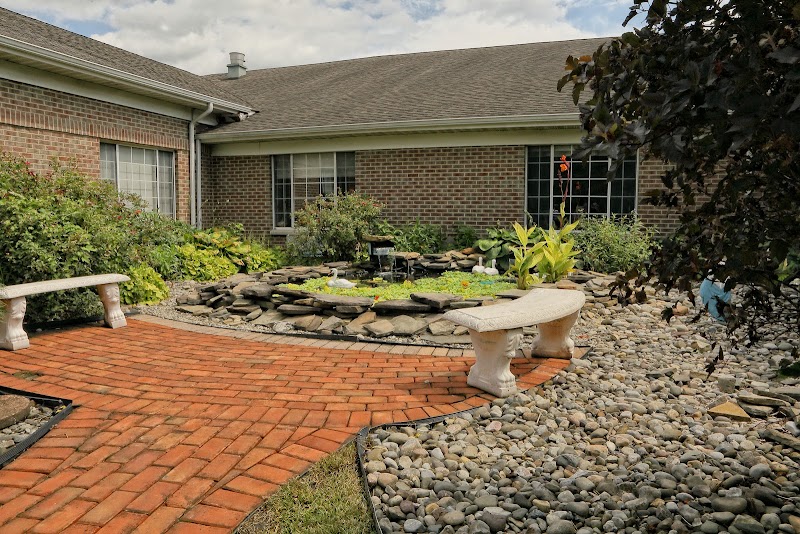
How is Complete Care At Brackenville Llc Staffed?

CMS rates COMPLETE CARE AT BRACKENVILLE LLC's staffing level at 3 out of 5 stars, which is average compared to other nursing homes. Staff turnover is 55%, compared to the Delaware average of 46%.

What Have Inspectors Found at Complete Care At Brackenville Llc?

State health inspectors documented 40 deficiencies at COMPLETE CARE AT BRACKENVILLE LLC during 2022 to 2025. These included: 2 that caused actual resident harm and 38 with potential for harm. Deficiencies causing actual harm indicate documented cases where residents experienced negative health consequences.
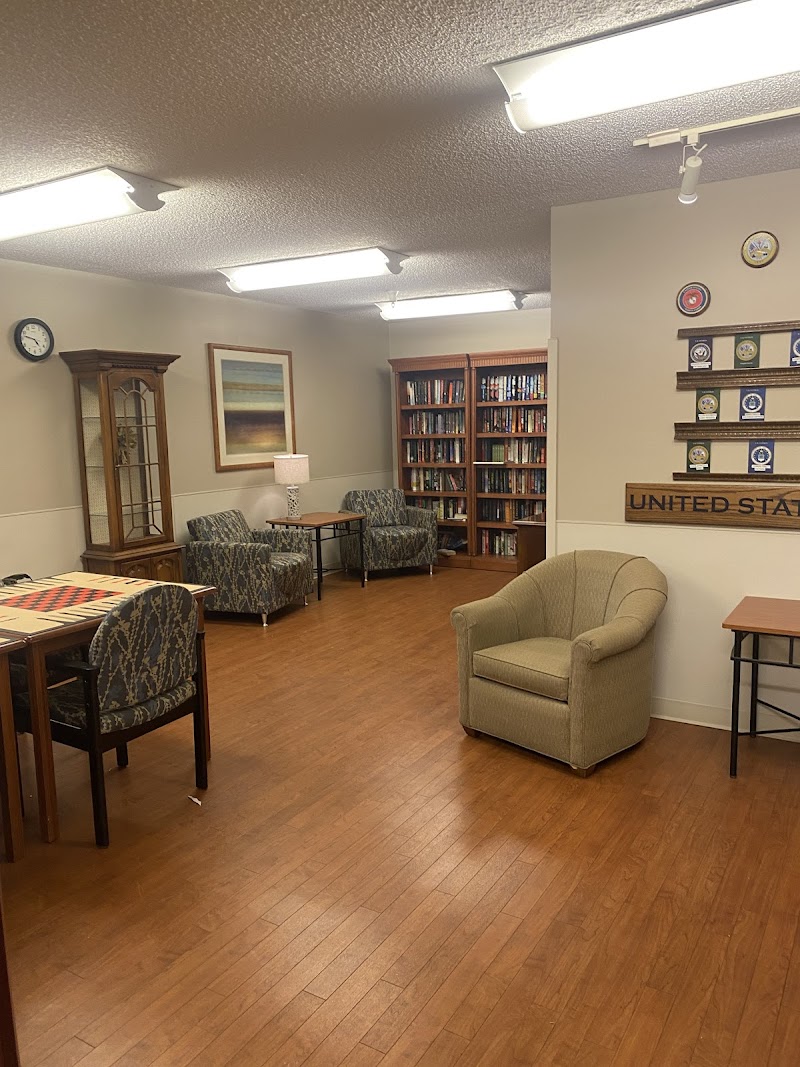
Who Owns and Operates Complete Care At Brackenville Llc?

COMPLETE CARE AT BRACKENVILLE LLC is owned by a for-profit company. For-profit facilities operate as businesses with obligations to shareholders or private owners. The facility is operated by COMPLETE CARE, a chain that manages multiple nursing homes. With 104 certified beds and approximately 97 residents (about 93% occupancy), it is a mid-sized facility located in HOCKESSIN, Delaware.

How Does Complete Care At Brackenville Llc Compare to Other Delaware Nursing Homes?

Compared to the 100 nursing homes in Delaware, COMPLETE CARE AT BRACKENVILLE LLC's overall rating (5 stars) is above the state average of 3.3, staff turnover (55%) is near the state average of 46%, and health inspection rating (4 stars) is above the national benchmark.

What Should Families Ask When Visiting Complete Care At Brackenville Llc?

Based on this facility's data, families visiting should ask: "Can I visit during a mealtime to observe dining assistance and food quality?" "How do you handle medical emergencies, and what is your hospital transfer rate?" "Can I speak with family members of current residents about their experience?"

Is Complete Care At Brackenville Llc Safe?

Based on CMS inspection data, COMPLETE CARE AT BRACKENVILLE LLC has a clean safety record: no substantiated abuse findings (meaning no confirmed cases of resident harm), no Immediate Jeopardy citations (the most serious violation level indicating risk of serious injury or death), and is not on the Special Focus Facility watch list (a federal program monitoring the lowest-performing 1% of nursing homes). The facility has a 5-star overall rating and ranks #1 of 100 nursing homes in Delaware. While no facility is perfect, families should still ask about staff-to-resident ratios and recent inspection results during their visit.

Do Nurses at Complete Care At Brackenville Llc Stick Around?

COMPLETE CARE AT BRACKENVILLE LLC has a staff turnover rate of 55%, which is 9 percentage points above the Delaware average of 46%. Moderate turnover is common in nursing homes, but families should still ask about staff tenure and how the facility maintains care continuity when employees leave.

Was Complete Care At Brackenville Llc Ever Fined?

COMPLETE CARE AT BRACKENVILLE LLC has been fined $16,801 across 1 penalty action. This is below the Delaware average of $33,247. While any fine indicates a compliance issue, fines under $50,000 are relatively common and typically reflect isolated problems that were subsequently corrected. Families should ask what specific issues led to these fines and confirm they've been resolved.

Is Complete Care At Brackenville Llc on Any Federal Watch List?

COMPLETE CARE AT BRACKENVILLE LLC is not on any federal watch list. The most significant is the Special Focus Facility (SFF) program, which identifies the bottom 1% of nursing homes nationally based on persistent, serious quality problems. Not being on this list means the facility has avoided the pattern of deficiencies that triggers enhanced federal oversight. This is a positive indicator, though families should still review the facility's inspection history directly.