WILLOWBROOKE COURT AT COKESBURY VILLAGE
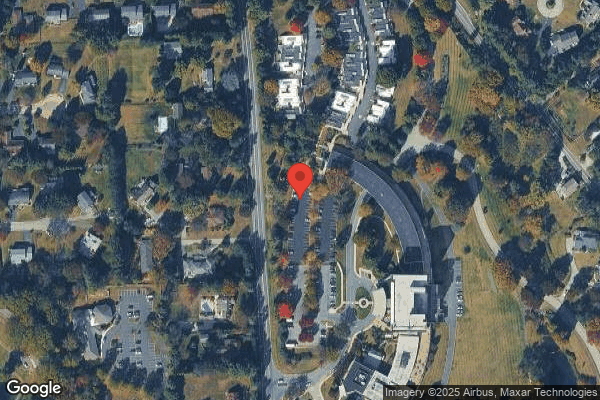

726 LOVEVILLE ROAD, HOCKESSIN, DE 19707 (302) 234-4444
Non profit - Corporation 10 Beds ACTS RETIREMENT-LIFE COMMUNITIES Data: November 2025
Trust Grade
90/100
#11 of 43 in DE
Last Inspection: September 2024

Within standard 12-15 month inspection cycle. Federal law requires annual inspections.

Overview

Willowbrooke Court at Cokesbury Village in Hockessin, Delaware, has earned an excellent Trust Grade of A, indicating it is highly recommended compared to other facilities. Ranked #11 out of 43 in Delaware, it falls in the top half of state nursing homes, and #6 out of 25 in New Castle County, meaning only five local options are better. The facility is improving, with issues decreasing from four in 2023 to three in 2024. Staffing is a strong point, boasting a perfect 5/5 rating and 0% turnover, which is well below the state average, indicating that staff are experienced and familiar with residents. On the downside, there have been some concerns, such as food safety violations; for instance, moldy strawberries were found in the refrigerator, and unlabeled food items were improperly stored. Additionally, the facility failed to properly implement infection control measures for residents with specific medical needs. However, there have been no fines reported, and RN coverage is above average, which is a positive aspect for resident care. Overall, while there are areas for improvement, the strengths of this facility make it a solid choice for families considering nursing home options.

Trust Score
A
90/100
In Delaware
#11/43
Top 25%
Safety Record
Low Risk
No red flags
Inspections
Getting Better
4 → 3 violations
Staff Stability
○ Average
Turnover data not reported for this facility.
Penalties
✓ Good
No fines on record. Clean compliance history, better than most Delaware facilities.
Skilled Nurses
✓ Good
Each resident gets 95 minutes of Registered Nurse (RN) attention daily — more than 97% of Delaware nursing homes. RNs are the most trained staff who catch health problems before they become serious.
Violations
○ Average
7 deficiencies on record. Average for a facility this size. Mostly minor or procedural issues.
★★★★★
5.0
Overall Rating
★★★★★
5.0
Staff Levels
★★★★★
5.0
Care Quality
★★★★☆
4.0
Inspection Score
Stable
2023: 4 issues
2024: 3 issues

The Good

  • 5-Star Staffing Rating · Excellent nurse staffing levels
  • 5-Star Quality Measures · Strong clinical quality outcomes
  • Full Sprinkler Coverage · Fire safety systems throughout facility
  • No fines on record

Facility shows strength in staffing levels, quality measures, fire safety.

The Bad

Chain: ACTS RETIREMENT-LIFE COMMUNITIES

Part of a multi-facility chain

Ask about local staffing decisions and management

The Ugly 7 deficiencies on record

Sept 2024 3 deficiencies
CONCERN (D)

Potential for Harm - no one hurt, but risky conditions existed

Drug Regimen Review (Tag F0756)

Could have caused harm · This affected 1 resident

Based on record review and interview, it was determined that for one (R1) out of two residents reviewed for medications, the facility failed to ensure that the admission pharmacy review of medications...

Read full inspector narrative →
Based on record review and interview, it was determined that for one (R1) out of two residents reviewed for medications, the facility failed to ensure that the admission pharmacy review of medications identified the correct route of medication administration. Findings include: Review of R1's clinical record revealed: A review of a facility policy titled Resident Health Services Manual, Policies and Procedures, Subject: Drug Regimen Review, revised 2/19 revealed: Policy: . Drug Regimen Review Includes: .A review of the drug regimen to identify, and if possible, to prevent potentially clinically significant medication adverse consequences. Clinically significant medication issues may include, but are not limited to: . Medication dose, frequency, route, or duration not consistent with resident's condition . 8/16/24 - R1 was admitted to the facility directly from a hospitalization after an acute stroke. R1's hospital discharge records revealed that R1 now had swallowing difficulties resulting from the stroke and that R1 was not to have anything by mouth because R1 could not swallow safely. R1 had a gastrostomy tube (tube for liquid nutrition, fluids and medications) inserted into her stomach during her hospitalization and the tube was in place at R1's facility admission. R1's facility admission diet was ordered as nothing by mouth diet and with an Enteral (stomach) Feed Order for nutrition. R1's admission medications were ordered to be administered via her feeding tube. The following medication was ordered on 8/16/24: Aspirin Tablet Chewable 81 mg, Give 1 tablet by mouth once a day for CVA. 8/19/24 - A pharmacy medication review was completed by P1 (Consulting Pharmacist). The report revealed Based upon the information .the resident's medication regimen contained no new irregularities . 8/29/24 3:15 PM - During an interview, E6 (RN) confirmed the aspirin 81mg was ordered to be given to R1 by mouth. 9/3/24 12:15 PM - During an interview, P2 (Consulting Pharmacy Clinical Manager) confirmed that the route of medication administration is a component of a pharmacy medication regimen review and that R1's 8/19/24 review of medications did not identify the incorrect oral route for the aspirin order. The pharmacy review did not identify the incorrect medication route of admistration for the aspirin. 9/3/24 2:00 PM - Findings were reviewed with E1 (ED), E2 (NHA), E3 (DON) and E4 (ADON) at the exit conference.
CONCERN (E)

Potential for Harm - no one hurt, but risky conditions existed

Infection Control (Tag F0880)

Could have caused harm · This affected multiple residents

Based on record review and interview, it was determined that for two (R1and R109) out of three residents reviewed for infection control, the facility failed to establish and maintain an infection cont...

Read full inspector narrative →
Based on record review and interview, it was determined that for two (R1and R109) out of three residents reviewed for infection control, the facility failed to establish and maintain an infection control program using enhanced barrier precautions. For R1, the presence of an indwelling feeding tube was criteria for Enhanced Barrier Precautions (EBP). R109 was admitted with PICC (percutaneously inserted central catheter) line and was diagnosed as colonized with enterococcus faecium VRE; both of which are criteria for EBP. Also the facility line listing did not specify the name of the pathogen. Findings include: As per CDC (Centers for Disease Control and Prevention) definition (6/28/24), Enhanced Barrier Precautions are an infection control intervention designed to reduce transmission of multidrug-resistant organisms (MDROs) in nursing homes. Enhanced Barrier Precautions involve gown and glove use during high-contact resident care activities for residents known to be colonized or infected with a MDRO as well as those at increased risk of MDRO acquisition (e.g., residents with wounds or indwelling medical devices). 1. Review of R1's clinical record revealed: 8/16/24 - R1 was admitted to the facility after being hospitalized for a stroke, which included the insertion of a gastrostomy tube. 8/28/24 12:15 PM and 8/29/24 12:20 PM - During observations, E6 (RN) administered medications to R1 by way of her gastrostomy tube, and E6 did not wear a gown to adhere to Enhanced Barrier Precautions. 8/29/24 12:30 PM - During an interview E6 confirmed that she did not wear a gown for Enhanced Barrier Precautions while administering medications to R1 by way of her gastrostomy tube. 2. Review of R109's clinical record revealed: 5/23/24 - E12 (MD) completed R109's admission history and physical (H&P). 6/5/24 - R109's urine culture was reported to the facility as colonized (75,000 organism count) with enterococcus faecium VRE (vancomycin resistant enterococcus), which was a CDC-targeted MDRO. 6/5/24 - E13 (NP) ordered in R109's EMR, .Enhanced Barrier precautions (EBP) every shift for prevention of transmission of MDRO infections. Use for when infected or colonized with an MDRO or for wounds and/or indwelling medical devices even if the resident is not known to be infected or colonized with MDRO . 6/6/24 - E5 (NP) documented her initials on the lab report to acknowledge her awareness of the lab results. 6/20/24 - R109's Enhanced Barrier Precautions were discontinued. 6/27/24 - R109 was re-admitted to the facility from the hospital. 6/27/24 - E5 (NP) ordered in R109's EMR, .PICC dressing change weekly .every Tuesday . 6/27/24 - E5 (NP) ordered in R109's EMR, .Enhanced Barrier Precautions every shift for prevention of transmission of MDRO infections. Use for when infected or colonized with an MDRO or for wounds and/or indwelling medical devices even if the resident is not known to be infected or colonized with MDRO . 7/1/24 - R109's Enhanced Barrier Precautions were discontinued. Enhanced Barrier Precautions were still necessary for R109 due to his known history of urine colonization with enterococcus faecium VRE, a CDC-targeted MDRO. 7/3/24 - E5 (NP) ordered in R109's EMR, . Foley catheter .Reason/DX (diagnosis): neurogenic bladder. Placement of a indwelling foley catheter was a second indication that R109 required enhanced barrier precautions. 8/9/24 - R109 was transferred to the hospital. At the time of R109's transfer back to the hospital, R109 spent 39 days (from 7/2/24 to 8/9/24) in the facility without the required Enhanced Barrier Precautions. 8/28/24 - A review of the facility Infection Surveillance Monthly report revealed that the facility failed to provide the name of the specific pathogen that the resident was infected or colonized with. 9/3/24 2:00 PM - The findings were reviewed with E1 (ED), E2 (NHA), E3 (DON) and E4 (ADON) at the exit conference.
CONCERN (F)

Potential for Harm - no one hurt, but risky conditions existed

Food Safety (Tag F0812)

Could have caused harm · This affected most or all residents

Based on observation, interview, and review of other facility documentation it was determined that the facility failed to store, prepare, distribute and serve food in accordance with professional stan...

Read full inspector narrative →
Based on observation, interview, and review of other facility documentation it was determined that the facility failed to store, prepare, distribute and serve food in accordance with professional standards for food service safety. Findings include: 8/28/24 9:30 AM thru 9:45 AM - An initial observation of the facility kitchen revealed the following: -Dry food storage area: uncovered graham cracker crumbs. -Walk in refrigerator: unlabeled pies, a large unlabeled casserole, uncovered potatoes and carrots. -Walk in freezer: an unidentified frozen portion of meat was stored in the freezer. Additionally, the gasket to the freezer was not completely sealed, which allowed outside air to flow into the freezer and caused ice to buildup on the floor and shelving at the entrance to the freezer. -Environment: the paint was peeling from the wall in the chemical storage area. 8/28/24 12:30 PM - A cooling fan in use in the dish washing area was noted to have dust and debris. The wall positioned to the right side of the fan also contained dust and debris. 9/3/24 2:00 PM - Findings were reviewed with E1 (ED), E2 (NHA), E3 (DON) and E4 (ADON) at the exit conference.
Oct 2023 4 deficiencies
CONCERN (D)

Potential for Harm - no one hurt, but risky conditions existed

Deficiency F0635 (Tag F0635)

Could have caused harm · This affected 1 resident

Based on record review, observation, and interviews, it was determined that for one (R4) out of one resident reviewed for dialysis, the facility failed to ensure that R4's admission physician's orders...

Read full inspector narrative →
Based on record review, observation, and interviews, it was determined that for one (R4) out of one resident reviewed for dialysis, the facility failed to ensure that R4's admission physician's orders dated 8/8/23 included hemodialysis treatments for Tuesday, Thursday and Saturday. Findings include: 8/8/23 - R4 was admitted to the facility with diagnoses including but limited to: atrial fibrillation (irregular heart rhythm that increases risk for blood clots) and chronic kidney disease (stage 5) with R4 being dependent on renal dialysis. 8/9/23 - R4 was care planned for hemodialysis with interventions including; encourage me to go to my scheduled dialysis appointments and monitor for dressing site on my right chest wall. Dressing is changed at dialysis. 9/28/23 11:15 AM - This surveyor observed R4's bed was empty and was unable to find R4. During an interview, E6 (LPN) stated that R4 was at his hemodialysis appointment and usually arrives back at the facility around 4:30 PM. 9/29/23 9:14 AM - During an interview, R4 confirmed that he leaves the facility to go to an off-site hemodialysis unit every Tuesday, Thursday and Saturday. R4 stated that his wife drives him to the dialysis center and that his chair time is 11 AM. 10/2/23 1:25 PM - During an interview, E2 (DON) confirmed that there was not an order for hemodialysis treatments on Tuesday, Thursday and Saturday on R4's EMR. 10/3/23 2:44 PM - Findings were reviewed during the Exit conference with E1 (NHA), E2, E3 (ADON), E4 (ED) and E5 (DAL).
CONCERN (D)

Potential for Harm - no one hurt, but risky conditions existed

Medication Errors (Tag F0758)

Could have caused harm · This affected 1 resident

Based on record review and interview, it was determined that for one (R307) out of three (3) residents sampled for the use of Unnecessary Medications, the facility failed to ensure that R307 received ...

Read full inspector narrative →
Based on record review and interview, it was determined that for one (R307) out of three (3) residents sampled for the use of Unnecessary Medications, the facility failed to ensure that R307 received adequate monitoring for the use of a psychoactive medication. Findings include: 9/23/23 - R307 was admitted to the facility with diagnoses including but not limited to atrial fibrillation (irregular heart rhythm that increases risk for blood clots), vascular dementia without behavioral, psychotic or mood disturbance, and walking difficulty. 9/24/23 - E7 (NP) ordered Trazadone 150 mg (antidepressant) and melatonin 3 mg (sleep aid) daily at bedtime for the diagnosis of insomnia. 9/24/23 - R307's care plan documented, I use the psychotropic medication Trazadone (antidepressant) related to my insomnia. The goals included but not limited to, .remain free of psychotropic drug related complications, including movement disorder, discomfort, low blood pressure . The interventions included administer the psychotropic medications as ordered and monitor for side effects and effectiveness every shift. Review of the record lacked evidence of monitoring sleep for insomnia that required the use of medication. Additionally the facility failed to have evidence that the potential side effects of the Trazadone were being monitored. 10/3/23 2:44 PM - Findings were reviewed during the Exit Conference with E1 (NHA), E2 (DON), E3 (ADON), E4 (ED) and E5 (DAL).
CONCERN (D)

Potential for Harm - no one hurt, but risky conditions existed

Medical Records (Tag F0842)

Could have caused harm · This affected 1 resident

Based on record review and interview, it was determined that for one (R4) out of three residents reviewed for Unnecessary Medications, the facility failed to ensure that R4's medical record met with a...

Read full inspector narrative →
Based on record review and interview, it was determined that for one (R4) out of three residents reviewed for Unnecessary Medications, the facility failed to ensure that R4's medical record met with accepted professional standards and practices with regards to the anticoagulation order. Findings include: 8/8/23 - R4 was admitted to the facility with diagnoses including but limited to: atrial fibrillation (irregular heart rhythm that increases the risk for blood clots) and chronic kidney disease (stage 5) with R4 being dependent on renal dialysis. 8/8/23 - R4's electronic medical record (EMR) documented a verbal order from E7 (Nurse Practitioner) for Eliquis oral tablet 5 mg (milligrams) (Apixiban)- give one tablet by mouth two times a day for anticoagulation (the process of preventing the clotting of blood). Anticoagulation is not a medical diagnosis; it is a physiologic state. The medical diagnosis, which required that R4 be in a state of anticoagulation, was R4's diagnosis of atrial fibrillation. Therefore, atrial fibrillation should have been the medical diagnosis for the use of the drug, Eliquis. 10/2/23 1:25 PM - During an interview, E2 (DON) confirmed that the documented medical reason for the Eliquis order stated anticoagulation. E2 also confirmed that anticoagulation was not a medical diagnosis. 10/3/23 2:44 PM - Findings were reviewed during the Exit conference with E1 (NHA), E2, E3 (ADON), E4 (ED) and E5 (DAL).
CONCERN (F)

Potential for Harm - no one hurt, but risky conditions existed

Food Safety (Tag F0812)

Could have caused harm · This affected most or all residents

Based on observation and interview, it was determined that the facility failed to ensure that food was stored and prepared in a sanitary manner. Findings include: The initial kitchen tour on 9/28/23 f...

Read full inspector narrative →
Based on observation and interview, it was determined that the facility failed to ensure that food was stored and prepared in a sanitary manner. Findings include: The initial kitchen tour on 9/28/23 from 9:00 AM - 9:45 AM revealed that two moldy boxes of strawberries were found in the walk-in refrigerator. 10/3/23 2:44 PM - Findings were reviewed during the Exit Conference with E1 (NHA), E2 (DON), E3 (ADON), E4 (ED) and E5 (DAL).
Understanding Severity Codes (click to expand)
Life-Threatening (Immediate Jeopardy)
J - Isolated K - Pattern L - Widespread
Actual Harm
G - Isolated H - Pattern I - Widespread
Potential for Harm
D - Isolated E - Pattern F - Widespread
No Harm (Minor)
A - Isolated B - Pattern C - Widespread

Questions to Ask on Your Visit

  • "Can I speak with families of current residents?"
  • "What's your RN coverage like on weekends and overnight?"

Our Honest Assessment

Strengths
  • • Grade A (90/100). Above average facility, better than most options in Delaware.
  • • No major safety red flags. No abuse findings, life-threatening violations, or SFF status.
  • • No fines on record. Clean compliance history, better than most Delaware facilities.
Concerns
  • • No significant concerns identified. This facility shows no red flags across CMS ratings, staff turnover, or federal penalties.
Bottom line: Generally positive indicators. Standard due diligence and a personal visit recommended.

About This Facility

What is Willowbrooke Court At Cokesbury Village's CMS Rating?

CMS assigns WILLOWBROOKE COURT AT COKESBURY VILLAGE an overall rating of 5 out of 5 stars, which is considered much above average nationally. Within Delaware, this rating places the facility higher than 99% of the state's 100 nursing homes. This rating reflects solid performance across the metrics CMS uses to evaluate nursing home quality.
How is Willowbrooke Court At Cokesbury Village Staffed?

CMS rates WILLOWBROOKE COURT AT COKESBURY VILLAGE's staffing level at 5 out of 5 stars, which is much above average compared to other nursing homes.

What Have Inspectors Found at Willowbrooke Court At Cokesbury Village?

State health inspectors documented 7 deficiencies at WILLOWBROOKE COURT AT COKESBURY VILLAGE during 2023 to 2024. These included: 7 with potential for harm.

Who Owns and Operates Willowbrooke Court At Cokesbury Village?

WILLOWBROOKE COURT AT COKESBURY VILLAGE is owned by a non-profit organization. Non-profit facilities reinvest revenue into operations rather than distributing to shareholders. The facility is operated by ACTS RETIREMENT-LIFE COMMUNITIES, a chain that manages multiple nursing homes. With 10 certified beds and approximately 3 residents (about 30% occupancy), it is a smaller facility located in HOCKESSIN, Delaware.

How Does Willowbrooke Court At Cokesbury Village Compare to Other Delaware Nursing Homes?

Compared to the 100 nursing homes in Delaware, WILLOWBROOKE COURT AT COKESBURY VILLAGE's overall rating (5 stars) is above the state average of 3.3 and health inspection rating (4 stars) is above the national benchmark.

What Should Families Ask When Visiting Willowbrooke Court At Cokesbury Village?

Based on this facility's data, families visiting should ask: "Can I visit during a mealtime to observe dining assistance and food quality?" "How do you handle medical emergencies, and what is your hospital transfer rate?" "Can I speak with family members of current residents about their experience?"

Is Willowbrooke Court At Cokesbury Village Safe?

Based on CMS inspection data, WILLOWBROOKE COURT AT COKESBURY VILLAGE has a clean safety record: no substantiated abuse findings (meaning no confirmed cases of resident harm), no Immediate Jeopardy citations (the most serious violation level indicating risk of serious injury or death), and is not on the Special Focus Facility watch list (a federal program monitoring the lowest-performing 1% of nursing homes). The facility has a 5-star overall rating and ranks #1 of 100 nursing homes in Delaware. While no facility is perfect, families should still ask about staff-to-resident ratios and recent inspection results during their visit.

Do Nurses at Willowbrooke Court At Cokesbury Village Stick Around?

WILLOWBROOKE COURT AT COKESBURY VILLAGE has not reported staff turnover data to CMS. Staff turnover matters because consistent caregivers learn residents' individual needs, medications, and preferences. When staff frequently change, this institutional knowledge is lost. Families should ask the facility directly about their staff retention rates and average employee tenure.

Was Willowbrooke Court At Cokesbury Village Ever Fined?

WILLOWBROOKE COURT AT COKESBURY VILLAGE has no federal fines on record. CMS issues fines when nursing homes fail to meet care standards or don't correct problems found during inspections. The absence of fines suggests the facility has either maintained compliance or corrected any issues before penalties were assessed. This is a positive indicator, though families should still review recent inspection reports for the full picture.

Is Willowbrooke Court At Cokesbury Village on Any Federal Watch List?

WILLOWBROOKE COURT AT COKESBURY VILLAGE is not on any federal watch list. The most significant is the Special Focus Facility (SFF) program, which identifies the bottom 1% of nursing homes nationally based on persistent, serious quality problems. Not being on this list means the facility has avoided the pattern of deficiencies that triggers enhanced federal oversight. This is a positive indicator, though families should still review the facility's inspection history directly.