CADIA REHABILITATION BROADMEADOW
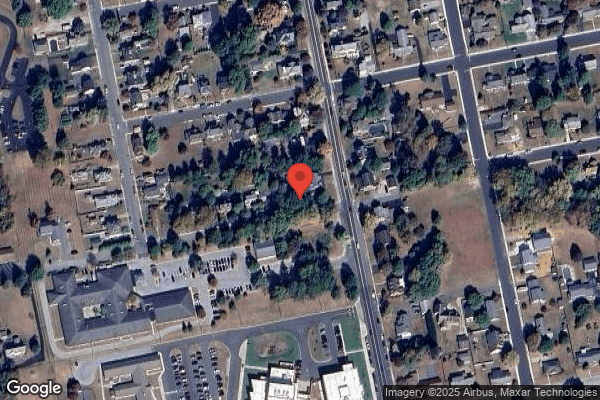

500 SOUTH BROAD STREET, MIDDLETOWN, DE 19709 (302) 449-3400
For profit - Individual 120 Beds CADIA HEALTHCARE Data: November 2025 2 Immediate Jeopardy citations
Trust Grade
0/100
#28 of 43 in DE
Last Inspection: January 2025

Within standard 12-15 month inspection cycle. Federal law requires annual inspections.

Overview

Cadia Rehabilitation Broadmeadow in Middletown, Delaware, has received a Trust Grade of F, indicating significant concerns and overall poor performance. It ranks #28 out of 43 facilities in Delaware, placing it in the bottom half, and #16 out of 25 in New Castle County, suggesting limited local options are better. Unfortunately, the facility is worsening, with issues increasing from 16 in 2021 to 24 in 2025. Staffing is rated at 4 out of 5 stars, which is a strength, as turnover is at 38%, lower than the state average, showing that staff tends to stay. However, the facility has faced serious issues, including a critical incident where staff failed to initiate CPR for a resident who was choking, leading to their death, highlighting severe deficiencies in emergency response. Additionally, another resident experienced dehydration due to inadequate fluid intake, resulting in a hospitalization. While there are some areas of good staffing, these alarming incidents raise significant red flags for families considering this facility.

Trust Score
F
0/100
In Delaware
#28/43
Bottom 35%
Safety Record
High Risk
Review needed
Inspections
Getting Worse
16 → 24 violations
Staff Stability
○ Average
38% turnover. Near Delaware's 48% average. Typical for the industry.
Penalties
⚠ Watch
$61,516 in fines. Higher than 75% of Delaware facilities, suggesting repeated compliance issues.
Skilled Nurses
✓ Good
Each resident gets 50 minutes of Registered Nurse (RN) attention daily — more than average for Delaware. RNs are trained to catch health problems early.
Violations
⚠ Watch
40 deficiencies on record. Higher than average. Multiple issues found across inspections.
★★☆☆☆
2.0
Overall Rating
★★★★☆
4.0
Staff Levels
★★★★★
5.0
Care Quality
★☆☆☆☆
1.0
Inspection Score
Stable
2021: 16 issues
2025: 24 issues

The Good

  • 4-Star Staffing Rating · Above-average nurse staffing levels
  • 5-Star Quality Measures · Strong clinical quality outcomes
  • Full Sprinkler Coverage · Fire safety systems throughout facility
  • No fines on record
  • Staff turnover below average (38%)

    10 points below Delaware average of 48%

Facility shows strength in staffing levels, quality measures, fire safety.

The Bad

2-Star Overall Rating

Below Delaware average (3.3)

Below average - review inspection findings carefully

Staff Turnover: 38%

Near Delaware avg (46%)

Typical for the industry

Federal Fines: $61,516

Above median ($33,413)

Moderate penalties - review what triggered them

Chain: CADIA HEALTHCARE

Part of a multi-facility chain

Ask about local staffing decisions and management

The Ugly 40 deficiencies on record

2 life-threatening 1 actual harm
Jul 2025 4 deficiencies 2 IJ
CRITICAL (J) 📢 Someone Reported This

A family member, employee, or ombudsman was alarmed enough to file a formal complaint

Immediate Jeopardy (IJ) - the most serious Medicare violation

Deficiency F0678 (Tag F0678)

Someone could have died · This affected 1 resident

Based on observation, interview, record review and review of other documentation as indicated, it was determined for one (R1) out of three residents reviewed for change of condition, the facility fail...

Read full inspector narrative →
Based on observation, interview, record review and review of other documentation as indicated, it was determined for one (R1) out of three residents reviewed for change of condition, the facility failed to initiate CPR for R1, who was choking and became hypoxic and unresponsive. The RN supervisor did not assess R1's airway or respiratory status after choking and only delegated applying a non-rebreather mask and preparing for transfer without initiating CPR or further emergency intervention. The facility's failure resulted in R1 death. Due to this failure an Immediate Jeopardy (IJ) was called at 1:58 PM on 7/3/25. Findings include: Cross Refer F726A facility policy last reviewed 1/3/25 for Code Status Policy documented. Staff will initiate CPR when cardiac or respiratory arrest occurs for residents who have requested CPR on their Code Status Form. Review of R1's clinical record revealed:6/6/25 - R1 was admitted to the facility with diagnoses including, but were not limited to, stroke with right-sided paralysis, chronic respiratory failure with hypoxia (low oxygen concentration), and dysphagia (trouble swallowing).6/12/25 - R1's admission MDS revealed R1 was cognitively intact. 6/20/25 - R1's facility resuscitation form for CPR revealed. Full code means use CPR to attempt resuscitation. The form was signed and dated by R1 on 6/20/25. 6/29/25 3:35 PM - E8 (LPN) was notified by R1's F1(wife) the resident was choking. 6/29/25 3:43:20 PM - Review of a prehospital paramedic report revealed upon arrival to the facility on patient contact BLS (Basic Life Support) advised staff member was holding the head of R1 in a neutral sniffing position and R1 was gasping for air. CPR was started R1 was placed on monitor and found to be in asystole. A tube was attempted to be placed in R1's throat and was met with resistance then chewed up food was observed coming up the tube.7/2/25 10:03 AM - During a phone interview E9 (Paramedic) revealed and confirmed. EMT's arrived a minute, before the Paramedics. R1 was sitting up in the wheelchair in the chin to chest position, very pale and did not appear to be breathing. A nurse standing behind R1 and no CPR was being performed. R1 was transferred to the stretcher took a gasping breath and was pulseless and in cardiac arrest (heart stops beating) Paramedics started CPR. 7/2/25 1:03 PM - During a phone interview, F1 revealed. The family brought food in from a restaurant and R1 had cheesesteak. R1 was eating the meat out of the bread so she could have more meat and less bread, R1 choked and inhaled after coughing and somehow inhaled part of the cheesesteak. F1 stated, I told [E8] [R1] was choking. The RN supervisor came and looked at her and talked to her, and then [E7 (RN Supervisor)] called 911. F1 confirmed, [R1] was not able to speak words. 7/2/25 1:14 PM - During a phone interview, E7 stated, I was notified that [R1] had choked while eating and was hypoxic, [R1] exhibited signs of respiratory distress and was not verbally responsive I instructed [E8] to put a non-rebreather mask on [R1], I went to call 911. E7 confirmed and stated, No I did not listen to [R1's] lungs.7/2/25 1:30 PM - During a phone interview, E8 reported that the nurse was notified R1 was choking on food. R1 was unable to speak in full sentences and was slow to respond. At the time, R1 was receiving continuous oxygen at 3/lpm via nasal cannula, with an oxygen saturation of 64% and a heart rate ranging from 149 - 150 bpm. R1 was brought back to the room and switched to an oxygen concentrator; however, the non-rebreather mask was not inflating. R1 was then placed back on the oxygen tank at a flow rate of 15/lpm. R1's oxygen saturation improved slightly to around 77%, with respirations noted at 10 per minute. E8 stated, Typically [R1'] s oxygen saturation is 92% or higher. E8 also confirmed, I did not listen to [R1's] lungs during this time.The RN supervisor and other staff did not assess R1's airway or respiratory status, nor did they take appropriate emergency measures such as listening to lung sounds or abdominal thrusts. The facility also failed to initiate CPR for R1 who was hypoxic and unresponsive, despite R1's documented full code status. 7/3/25 1:58 PM - The facility's response to abatement for R1's incident was reviewed. All staff in the facility and staff reporting for scheduled shifts were provided with In-service education on responding appropriately to clinical emergencies inclusive of conducting thorough assessments and initiating appropriate interventions, for airway management, complete physical assessments and the initiation of life-saving interventions presented by the staff educator. A clinical tool was created Rapid Response Team/Code Blue. The RN Supervisor will utilize this form to document the residents' clinical situation, background, assessment, intervention (staff member to stay with resident until condition resolves or transfer to hospital, code and outcome.) Facility staff interviews were conducted starting 7/3/25 to verify in-service education, staff interviews concluded on 7/7/25 at 2:30 PM. Staff training records were reviewed; the facility's date of abatement is 7/5/25 at 4:00 PM. 7/7/25 2:45 PM - Findings were reviewed with E1(NHA), E2 (DON), E3 (ADON) and E4 (CNO) at the exit conference.
CRITICAL (J) 📢 Someone Reported This

A family member, employee, or ombudsman was alarmed enough to file a formal complaint

Immediate Jeopardy (IJ) - the most serious Medicare violation

Deficiency F0726 (Tag F0726)

Someone could have died · This affected 1 resident

Based on observation, interview, and record review it was determined that for one (R1) out of three residents reviewed for change in condition the facility failed to ensure that licensed nursing staff...

Read full inspector narrative →
Based on observation, interview, and record review it was determined that for one (R1) out of three residents reviewed for change in condition the facility failed to ensure that licensed nursing staff had the skill set to recognize an emergent situation. R1 had a choking episode that progressed to respiratory distress which compromised R1's breathing. Nursing staff failed to provide competent nursing care for R1 that included assessments and interventions for a resident that had a change in respiratory status. Additionally, R1 was a full code and staff failed to initiate CPR on R1's behalf. The facility's failure resulted in R1's in death. Due to this failure an Immediate Jeopardy (IJ) was called at 2:20 PM on 7/3/25. Findings include:Cross Refer F678A facility policy last reviewed 1/23/25 for Provider Notification of Resident Change in Medical Condition documented. That a resident experiencing a significant change in condition is monitored continuously until the resident is stable or transferred to another level of care. A review of R1's clinical record revealed:6/6/25 - R1 was admitted to the facility with a diagnosis including, but were not limited to, stroke with right sided paralysis, chronic respiratory failure with hypoxia (low oxygen concentration) trouble swallowing. 6/20/25 - R1's facility resuscitation form for CPR revealed. Full code means use CPR to attempt resuscitation. The form was signed and dated by R1 on 6/20/25. 6/29/25 1:22 PM - A review of R1's vital signs documented. Oxygen saturation of 95% via nasal cannula. 6/29/25 3:35 PM - E8 (LPN) was notified by R1's F1 (wife) the resident was choking. E8 reported R1 was in respiratory distress. R1's oxygen saturation was 64% on 3 Liters of oxygen and heart rate was 149 - 150 beats a minute. 6/29/25 3:40 PM - Facility video surveillance revealed R1 was taken back to the room in the wheelchair with her head down and chin to chest. 6/29/25 3:48 PM - A review of R1's vital signs documented. Oxygen saturation of 77% via oxygen mask. 6/29/25 3:50:14 PM - Facility video surveillance revealed EMT's arrived to R1's room.PM Paramedics entered [R1's] room at 3:51:12 PM. 7/2/25 10:03 AM - A phone interview, with E9 (Paramedic) revealed upon entering the room R1 was in the wheelchair chin to chest, very pale and did not appear to be breathing. E9 confirmed R1 was pulseless and in asystole in (cardiac arrest) and no CPR had been performed. 7/2/25 1:30 PM - During a phone interview E8 reported that the nurse was notified R1 was choking on food. R1 was unable to speak in full sentences and was slow to respond. At the time, R1 was receiving continuous oxygen 2 liters per minute via nasal cannula, with an oxygen saturation of 64% and a heart rate ranging from 149 to 150 beats per minute. R1 was brought back to the room and switched to an oxygen concentrator; however, the non-rebreather mask was not inflating. R1 was then placed back on the oxygen tank at a flow rate of 15 liters per minute. R1's oxygen saturation improved slightly to 77%, with respirations noted at 10 per minute. E8 stated, Typically R1's oxygen saturation is 92% or higher. E8 also confirmed, I did not listen to [R1's] lung's during this time.7/2/25 9:22 AM - During an interview, E2 (DON) stated, Staff stated R1 was responsive, and she was not choking.7/3/25 1:58 PM - The facility's response to abatement for R1's incident was reviewed. All staff in the facility and staff reporting for scheduled shifts were provided with In-service education on responding appropriately to clinical emergencies inclusive of conducting thorough assessments and initiating appropriate interventions, for airway management, complete physical assessments and the initiation of life - saving interventions presented by the staff educator. A clinical tool was created Rapid Response Team/Code Blue the RN Supervisor will utilize this form to document the residents' clinical situation, background, assessment, intervention (staff member to stay with resident until condition resolves or transfer to hospital, code and outcome.) 7/3/25 4:55 PM - An interview with E8 confirmed, In-service training and education had been provided prior to the start of the 3PM - 11PM shift. 7/5/25 - Review of the facility's attendance in-service training record for Recognizing and Responding to Medical Emergencies confirmed, E7 had been provided in-service training and education prior to the start of the shift.Facility staff interviews were conducted starting 7/3/25 to verify in-service education, staff interviews concluded on 7/7/25 at 2:30 PM. Staff training records was reviewed; the facility's date of abatement is 7/5/25 at 4:00 PM. 7/7/25 2:45 PM -Findings were reviewed with E1 (NHA), E2 (DON), E3 (NHA) and E4 (CNO) at the exit conference.
CONCERN (D) 📢 Someone Reported This

A family member, employee, or ombudsman was alarmed enough to file a formal complaint

Potential for Harm - no one hurt, but risky conditions existed

Report Alleged Abuse (Tag F0609)

Could have caused harm · This affected 1 resident

**NOTE- TERMS IN BRACKETS HAVE BEEN EDITED TO PROTECT CONFIDENTIALITY** Based on record review and interview, it was determined that for one (R1) out of three residents reviewed for Neglect, the facil...

Read full inspector narrative →
**NOTE- TERMS IN BRACKETS HAVE BEEN EDITED TO PROTECT CONFIDENTIALITY** Based on record review and interview, it was determined that for one (R1) out of three residents reviewed for Neglect, the facility failed to identify and report an allegation of neglect when on [DATE], R1 had a choking episode and the present staff failed to provide essential services (airway clearance, assess lung air movement and initiate CPR) required to intervene on behalf of R1. Findings include: Cross refer F678 and F726Facility's Abuse, Neglect. policy stated, Neglect is the failure of the facility, its employees or service providers to provide goods and services to a resident that are necessary to avoid physical harm, pain, mental anguish or emotional distress and includes: lack of attention to physical needs of the resident; . Identification- Abuse may be identified through assessment of residents with unexplained changes in behavior and/or suspicious injuries and review of grievances and events for patterns and trends. Reviewed [DATE]. [DATE] - R1 was admitted to the facility with diagnoses including, but were not limited to, stroke with right-sided paralysis, chronic respiratory failure with hypoxia (low oxygen concentration), and dysphagia (trouble swallowing)XXX[DATE] approximately 3:41 PM - From the paramedic records, E9 (paramedic) arrived at the facility and found R1 pulseless with agonal (irregular, gasping breaths that occur when the body is not receiving enough oxygen) respirations. The report documented that staff provided no life-saving interventions for the patient and failed to recognize the patient was in cardiac arrest. [DATE] 1:30 PM - During a telephone interview, E8 (LPN) stated that F1 (R1's wife) approached him around 4:30 PM (sic) stating, [R1] is choking. Come here, hurry up. E8 stated that he obtained vital signs and R1's pulse oximetry was 64% with a heart rate of 149 or 150. E8 stated that he checked R1's supplemental oxygen flow and increased it. When asked about lung sounds, E8 stated, I did not listen to her lungs. E8 stated that the paramedics took over once they were on the scene and the paramedics were the people who initiated CPR (cardio-pulmonary resuscitation) on R1. The facility failed to identify and report of an allegation of neglect when staff failed to provide lifesaving servicesXXX[DATE] 9:30 AM - During an interview, E2 (DON) stated that the facility did not report the incident to the State as he was unaware that of any allegations of inappropriate care.The facility failed to identify and report that nursing staff failed to perform an essential assessment of R1's airway after a choking incident. [DATE] - Findings were reviewed at the exit conference with E1 (NHA), E2 (DON), E3 (ADON) and E4 (CNO).
CONCERN (D) 📢 Someone Reported This

A family member, employee, or ombudsman was alarmed enough to file a formal complaint

Potential for Harm - no one hurt, but risky conditions existed

Deficiency F0838 (Tag F0838)

Could have caused harm · This affected 1 resident

Based on record review and interview, it was determined that for one (R1) out three residents reviewed for emergency care, the facility failed to ensure that the facility's assessment included nursing...

Read full inspector narrative →
Based on record review and interview, it was determined that for one (R1) out three residents reviewed for emergency care, the facility failed to ensure that the facility's assessment included nursing staff competencies, and the skill sets necessary to provide the level and types of care that are needed for the resident population. Findings include: Cross Refer to F678 and F726. A review of R1's records revealed:6/29/25 4:30 PM - E7 (RN) documented in R1's clinical records, Upon entering the (sic) unit at approximately 3:35 PM, E8 (LPM) stated he needed assistance and motioned towards dining room. Resident was in wheelchair with her wife at her side. Resident 66% on 2L of O2, instructed nurse to put on non-rebreather (NRB) and this writer called 911 at approximately 3:40 PM. Nurse took resident by wheelchair to her room. I entered behind them and adjusted the NRB. oxygen between 77% - 79% .EMT's arrived at approximately 3:50 PM.transported patient to ED (emergency department via stretcher at 4:21 PM.The facility's staff failed to identify and intervene when they were informed that R1 was experiencing respiratory distress after she had choked on her food, had decreased oxygen levels and became unresponsive.7/7/25 12:00 PM - A review of a facility document entitled, Facility Assessment Broadmeadow 2024-2025 lacked evidence of staff training and interventions for residents in a medical emergency including but not limited to choking with respiratory distress.7/7/25 2:45 PM - Findings were reviewed with E1 (NHA), E2 (DON), E3 (ADON) and E4 (CNO) at the exit conference.
Jan 2025 20 deficiencies 1 Harm
SERIOUS (G) 📢 Someone Reported This

A family member, employee, or ombudsman was alarmed enough to file a formal complaint

Actual Harm - a resident was hurt due to facility failures

Deficiency F0692 (Tag F0692)

A resident was harmed · This affected 1 resident

**NOTE- TERMS IN BRACKETS HAVE BEEN EDITED TO PROTECT CONFIDENTIALITY** Based on record review, observation and interview, it was determined that for two (R97 and R114) out of two residents reviewed f...

Read full inspector narrative →
**NOTE- TERMS IN BRACKETS HAVE BEEN EDITED TO PROTECT CONFIDENTIALITY** Based on record review, observation and interview, it was determined that for two (R97 and R114) out of two residents reviewed for hydration, the facility failed to offer R97 sufficient fluid intake in an accessible manner for her to maintain proper hydration. For R114, the facility failed to ensure that R114 received sufficient fluids to maintain proper hydration or provide additional interventions when R114's oral intake significantly dropped. This failure resulted in harm with R114 being transferred to the hospital on 2/28/24 with a BUN of 100. Findings include: The BUN (blood urea nitrogen) lab measures the amount of urea nitrogen in the blood. The BUN is directly related to the metabolic function of the liver and the excretory function of the kidney . BUN levels also may vary according to the state of hydration, with increased levels seen in dehydration and decreased levels seen in overhydration. Mosby's Diagnostic and Laboratory Test Reference 2023 1. Review of R114's clinical record revealed: 6/17/22 - R114 was admitted to the facility with diagnoses including but were not limited to, dementia and stroke with resultant difficulty swallowing and language/speech deficits. 6/20/22 - R114 was care planned for several problems including: has nutritional problem d/t (due to) . hx (history) need for feeding assistance, advanced age, .poor intake .Interventions for this problem included: . Monitor intake and record q (every) meal .provide assistance cueing meals as needed . 6/29/22 - R114's care plan was updated with several additional problems including: .(1) has the potential for pressure ulcers, decreeased functional mobility .Interventions for this problem included : .encourage adequate nutrition/hydration . (2) has an ADL (activities of daily living) self- care performance deficit r/t (related to) weakness . Interventions for this problem included: . Eating- [R114] is supervision of one person with feeding . 6/19/23 - E33 (dietician) documented in R114's EMR, . [Facility] Nutrition Risk Assessment . Estimated fluids - ml (milliliter) -1200 - 1440 . Feeding status - Needs some assistance with meal set up or eating . Assessment - .[R114] is able to feed herself after set up with some cueing . [R114] meets criteria for malnutrition d/t (due to) dementia and variable intake . 8/10/23 - E27 (MD) ordered in R114's EMR, .Med Pass (medication pass) three times a day 120 ml (additional water) . This order added 360 mls of additional water that R114 consumed each day. 1/19/24 - E34 (NP) documented in R114's EMR a follow up progress note, .History of present illness: Pt (patient) appears clinically stable . Labs 8/2/23 . Na (sodium) 141 mmol (millimole)/L (liter) (normal range 137-145) . BUN 20.0 mg (milligram) /dL (deciLiter) (normal range 7.0-17.0), creatinine 0.70 mg/dL (normal range 0.52 - 1.04) . Plan: weight stable: appetite variable but mostly acceptable . Continue Remeron .and encourage fluids . R114's BUN at the time of this encounter was elevated at 20.0, which was reflective of R114 being intravascularly dry or dehydrated. Of note, this note was not signed by the provider until 5/2/24, which was five and a half months after the encounter. The notes are only available to be read in the resident's EMR after they are signed off by the provider so this note was not available to be read until 5/2/24. 2/1/24 - E22 (NP) reviewed R114's labs, which documented a sodium level of 141, a BUN of 18 and a creatinine level of 0.90. The BUN was slightly elevated at 18, where the normal range was 7.0 to 17.0. The daily totals of R114's oral intake was: 2/18/24 - 1560 mls, 51-75% consumption of meals for 2 out of 3 meals, dinner was 0 - 25% consumed, 2/19/24 - 1440 mls, 51-75% consumption of meals for 2 out of 3 meals, dinner was 0 - 25% consumed, 2/20/24 - 1320 mls, 51-75% consumption of meals for 2 out of 3 meals, dinner was 76 -100% consumed, 2/21/24 - 1320 mls, 26- 50% consumption of 2 out of 3 meals, dinner was 76 - 100% consumed. 2/21/24 - E35 (RN supervisor) documented in R114's EMR, [R114] is asymptomatic. Roommate with positive results [COVID]. Resident with room change to [room number] and contact/droplet isolation precautions initiated per protocol . 2/22/24 - 1380 mls, 26 - 50% consumption of breakfast, lunch and dinner were 0-25% consumed, 2/23/24 - 1080 mls, 0 - 25% consumption of breakfast and lunch, dinner was 26-50% consumed. CNA documented under ADL - Eating Self performance task that the Activity (eating) did not occur for lunch. 2/24/24 - 960 mls, 0 - 25 % consumption of all 3 meals, 2/25/24 - 880 mls, 0 - 25 % consumption of breakfast and lunch, dinner was 26-50% consumed. CNA documented under ADL - Eating Self performance task that the Activity (eating) did not occur for lunch. 2/26/24 - 1080 mls, 0 - 25 % consumption for all 3 meals. CNA documented under ADL - Eating Self performance task that the Activity (eating) did not occur for breakfast. 2/27/24 - 780 mls, 0 - 25 % consumption for breakfast, lunch and dinner were 26-50% consumed. Of note, R114's oral intake dramatically dropped after she was placed on isolation precautions for a COVID exposure on 2/21/24. R114's oral intake for the four days prior to the isolation precautions all fell within R114's normal oral intake range. For the seven days that R114 was on isolation precautions prior to her transfer tot he hospital, on six of those days R114's oral intake was documented to be significantly lower then normal. Additionally from 2/22/24 to 2/28/24, out of the twenty meals offered during these seven days, R114 was documented as not eating an entire meal five times. R114 failed to eat twenty-five percent of her meals during this period. The facility failed to ensure R114 met her stated hydration goals by supervising, cueing and monitoring R114's intake at meals. R114's EMR lacked evidence that the facility notified the providers of R114's decrease in oral intake. 2/28/24 6:17 AM- E22 gave a verbal telephone order entered into R114's EMR, CBC (complete blood count) CMP (complete metabolic panel) one time only for increase in lethargy for 1 day. 2/28/24 6:23 AM - E36 (LPN) documented in R114's EMR progress note, Noted with increase lethargy. Hydration unsuccessful. New order for CBC, CMP . Until this 2/28/24 note, despite five days (2/23 to 2/27/24) of R114 poor oral intake, the facility lacked evidence that this decrease in R114's oral intake was acknowledged by the staff and/or reported to the providers. 2/28/24- 300 mls, 0 - 25 % consumption of breakfast and lunch prior to transfer to the hospital. CNA documented under ADL - Eating Self performance task that the Activity (eating) did not occur for both breakfast and lunch. 2/28/24 12:58 PM - Per the [county paramedic's] Prehospital Care Report, R114 was transferred to the hospital for an altered mental status . patient is noted to be in Atrial fibrillation at a rate of 170 bpm (beats per minute). Patient is also tachypnic (sic) (rapid breathing) at a rate of about 40. Patient is an obligate mouth breather and her oral cavity is noted to be dry . 2/28/24 2:27 PM - R114's facility lab results documented a sodium of 158 mmol/dL (normal range 137-145), creatinine 1.80 mg/dL (normal range 0.52- 1.04). There was no reported BUN value on this lab report. 2/28/24 2:01 PM - [Hospital] laboratory report documented R97's admission/emergency room labwork with a BUN result of 101mg/dL, with this lab's normal range as 8- 22 mg/dL. From 2/1/25 to 2/28/25, R114's BUN elevated from 18 (2/1/25 lab work) to 100 (2/28/25 hospital lab work). 2/29/24 00:25 AM - C2's [hospital] history and physical documented in R114's hospital EMR, . [R114]'s lab work was significant for sodium of 157 and a creatinine of 2.21 from a baseline of 0.9, and a BUN of 101 .Assessment/Plan: Sepsis, unspecified organism- unclear source but patient has mulit-organ failure including her kidneys, her liver as well as evidence of new onset A-fib . 2/29/24 - R114 expired at [hospital] on hospice service. 1/21/25 11:45 AM - Review of R114's EMR progress notes lacked evidence of any notation regarding R114's decreased oral fluid intake or any notification of R114's providers regarding her decreased oral intake until 2/28/24 6:23 AM progress note in which E36 (LPN) documented, .Hydration unsuccessful . 1/21/25 2:33 PM - During an interview, E4 (RN/unit manager) stated, It was not unusual for [R114] to ignore you if she did not want to deal with you. She played possum. She often refused her meds. Her vital signs were normal but as the day [2/28/25] progressed she became tachycardic and her breathing changed so we sent her out. She had had labs drawn that morning but they were not back when we sent her out. 1/22/25 8:16 AM - During an interview, E36 (LPN) stated, . [R114] was her normal self. (neurologically) I was trying to give her water to drink because I was worried about dehydration. Cross refer F656 and F810. 2. Review of R97's clinical record revealed: 12/19/24 - R97 was admitted to the facility with diagnoses including but were not limited to, dementia and difficulty swallowing. 12/20/24 9:56 AM - E13 (dietician) documented on the [facility] Nutrition Risk Assessment in R97's EMR, . Estimated fluids- ml (milliliter) - 1500 - 1800 ml (25-30 ml/kg) (kilogram) . Feeding status - Needs some assistance with meal set up or eating . Assessment - .Daughter reports good oral intake but has had to assist with meals . 12/20/24 10:05 AM - E13 (dietician) ordered in R97S EMR, Regular diet .Adaptove equipment: please issue divided plate, built up utensils ands [NAME] cup with straw at all meals. 12/20/24 1:00 PM - E27 (MD) ordered in R97's EMR, Med Pass one time a day 120 mls and Juven two times a day for 4 weeks. Mix with 240 mls water. These two orders accounted for 600 mls of R97's documented oral intake during this time period. 12/20/24 - R97 was care planned for several problems including: .(1) a potential nutritional problem r/t (related to) advanced age, . self-feeding difficulty requiring adaptive equipment . Interventions for this problem included: provide adaptive equipment for feeding as needed .Monitor intake and record .[R97] has an ADL (activities of daily living) self-care performance deficit r/t limited mobility . (2) has impaired cognitive function/dementia . Interventions for this problem included: Cue, reorient and supervise as needed . (3) has an ADL (activities of daily living) self-care performance deficit r/t (related to) limited mobility .Interventions for this problem included: Assist with eating as needed . The daily totals of R97's fluid intake were: 1/2/25 - 1440 mls 1/3/25 - 1200 mls. 1/4/25 - 1680 mls. 1/5/25 - 1080 mls. 1/6/25 - 1800 mls. 1/7/25 - 1410 mls. 1/8/25 - 1800 mls. 1/9/25 - 1760 mls. 1/10/25 - 1560 mls. 1/10/25 1:31 PM - R97's lab revealed a BUN (blood urea nitrogen) level of 61.0 mg(milligrams)/ dL (deciliter). The BUN normal reference level for this lab was 7.0 to 17.0 mg/dL so R97's BUN result of 61.0 was elevated and reflective of a state of dehydration. 1/10/25 2:32 PM - E29 (NP) documented in R97's EMR reviewing these lab results. R97's EMR lacked evidence of E29 addressing R97's elevated BUN in either a progress note or with any new orders. 1/11/25 - 1920 mls. 1/12/25 - 1680 mls. 1/13/25 - 1320 mls. 1/13/25 4:06 PM- The surveyor observed R97's bedside table with a full, white styrofoam cup with a straw and ice water in it. 1/14/25 10:30 AM - The surveyor observed R97's bedside table with a full, white styrofoam cup with a straw and ice water in it 1/14/25 - 1310 mls. 1/15/25 - 1430 mls R97's stated hydration goals were 1500 - 1800 mls per day. From 1/2/25 to 1/14/25, there were seven out of fourteen days, where it was documented that R97's oral fluid intake was less than her documented minimum fluid goal. The facility failed to ensure R97 met her stated hydration goal by failing to provide bedside water in a Kennedyadaptive cup that R97 could independently consume, failing to assist and cue R97 to drink her bedside water, and failing to address R97's decreased oral fluid intake with R97's provider. From 1/2/25 to 1/14/25, the CNA staff documented in R97's CNA tasks list report under Eating Self-performance- How resident eats and drinks, regardless of skill? that for twenty-nine times of the thirty-nine recorded entries, R97 was Total dependence - full staff performance with regards to this task. 1/15/25 10:30 AM - Review of R97's EMR progress notes lacked evidence of any notation regarding R97's decreased oral fluid intake or any notification of R97's providers regarding her decreased oral intake. 1/15/25 1:01 PM - During an interview, E30 (LPN) stated, [R97] gets an adaptive cup on her meal trays. But I have never seen one on her bedside tray during non-mealtimes. She usually gets her bedside water in a white styrofoam cup . 1/15/25 1:07 PM - During an Interview, E32 (OT) stated, [R97] is ordered specialized dining utensils. it is part of the diet order . She [R97] is ordered a Kennedy cup because the handle allows her to pick the cup up independently. 1/16/25 1:35 PM - Review of R97's orders and CNA tasks list report lacked evidence of an order related to R97 utilizing a [NAME] adaptive cup outside of her meal tray. 1/16/25 2:45 PM - During an interview, E24 (CNA) stated, When we pass the [bedside] water, we use the white styrofoam cups for [R97]. There is no any documentation in the tasks regarding specialty cups. There is not an order. If there3 is a specialty cup on her bedside table, I would pour the water from the styrofoam cup to the specialty cup. Most times, the specil cups come on the food trays. 1/21/25 3:28 PM - E15 (CNO) presented the surveyor with a copy of a new order for R97 stating offer water in Kennedy cup q (every) shift. E15 also provided a copy of R97's CNA tasks list report with a new task Provide Q (every) shift water in Kennedy cup. 1/22/25 3:04 PM - Findings were reviewed during the exit conference with E1 (NHA), E2 (DON), E3 (ADON), E8 (Staff Educator), E14 (COO) and E15 (CNO).
CONCERN (D)

Potential for Harm - no one hurt, but risky conditions existed

Resident Rights (Tag F0550)

Could have caused harm · This affected 1 resident

Based on observation and interview, it was determined that that for one (R1) out of four residents reviewed for ______,the facility failed to ensure residents were treated with respect and dignity. Fi...

Read full inspector narrative →
Based on observation and interview, it was determined that that for one (R1) out of four residents reviewed for ______,the facility failed to ensure residents were treated with respect and dignity. Findings include: Review of R1's clinical record revealed the following: 9/1/22 - R1 was admitted to the facility with diagnoses including traumatic brain injury and hemiplegia (half - body paralyzed). 9/2/22 - R1's activity care plan documented that R1 was independent/dependent with meeting activity preferences related to physical limitations with interventions including R1's preference to socialize with loved ones, caregivers and peers as tolerated. 9/9/22 - R1 was care planned for adjustment to her stay in the long term care facility. Interventions included providing R1 with as many situations as possible, with control over her environment and health care delivery. 9/14/22 - R1 had a care plan developed for ADL (Activities of Daily Living) self care performance deficit related to right sided weakness. R1's interventions included but were not limited to R1's use of a power chair (motorized wheelchair) with back cushion on her wheelchair to maximize safety, comfort, and independence in mobility throughout the facility. 11/12/24 - R1's quarterly MDS (Minimum Data Set) assessment revealed that R1's cognition was moderately impaired with a BIMS score of 11. R1 used a motorized wheelchair to make turns and wheel in corridors. 1/17/25 11:07 AM - R1 was observed operating the motorized wheelchair in the hallway and slowed down to navigate a right turn. E20 (Activity Staff) was heard and observed calling to R1. Keep going, slow poke. There were other residents present when this comment was made. 11/17/24 11:08 AM - When asked how R1 felt about the interaction, R1 stated, I'm okay. 1/17/25 11:12 AM - In an interview, E1 (NHA) confirmed that it was not acceptable for the staff be calling R1 a slowpoke as it was disrespectful. 1/22/25 at 3:04 PM - The finding was reviewed during the exit conference with E1 (NHA), E2 (DON), E3 (ADON), E8 (Staff Educator), E14 (COO) and E15 (CNO).
CONCERN (D) 📢 Someone Reported This

A family member, employee, or ombudsman was alarmed enough to file a formal complaint

Potential for Harm - no one hurt, but risky conditions existed

Free from Abuse/Neglect (Tag F0600)

Could have caused harm · This affected 1 resident

Based on interview, record review and review of other facility documents, it was determined that for one (R66) out of six residents reviewed for abuse, the facility failed to ensure that that R66 was ...

Read full inspector narrative →
Based on interview, record review and review of other facility documents, it was determined that for one (R66) out of six residents reviewed for abuse, the facility failed to ensure that that R66 was free from resident to resident physical abuse by R78. Findings include: A review of the facility's abuse policy titled, Abuse, Neglect, Mistreatment, Misappropriation, Exploitation, and Reasonable Suspicions of Crime, revised January 12, 2023, indicated, . It is the policy of Cadia Healthcare to protect residents and prevent occurrences of abuse . Cross refer F657 A review of R78's clinical record revealed the following: 2/22/23 - R78 was admitted to the facility with diagnoses including but not limited to dementia, depression, and anxiety disorder. 3/6/23 - R78 was care planned for impaired cognition and interventions included to cue, reorient and supervise as needed and to .monitor/document/report when necessary any changes in cognitive function, .changes in: .difficulty expressing self, difficulty understanding others . 4/25/23 - R78 was care planned for potential physically aggressive behaviors as evidenced by yelling, kicking, hitting, slapping, striking out, etc. Interventions included: allowing R78 10 - 15 minutes to calm down and then reapproach, redirecting when visibly irritated and speaking in a calm voice to keep R78 calm and feel non threatened. 1/25/24 - A review of R66's quarterly MDS assessment revealed that R66's cognition was moderately intact and had used a manual wheelchair for mobility during the review period. 2/15/24 - R78's annual MDS assessment revealed that R78's cognition was moderately impaired, had physical and verbal behaviors occurring 1 to 3 days and had used a manual wheelchair for mobility during the review period. 3/25/24 9:37 PM - A facility incident report submitted to the State Agency documented that on 3/25/24 at 6:20 PM, .After dinner resident [R66] reported to the charge nurse that another resident [R78] hit her on the face and found redness on the left eyelid. 4/2/24 - A facility 5 day follow up summary submitted to the State Agency documented, Were changes made to Care Plan? Yes . Medication changes; Q 1 hr (hour) safety check. 1/16/25 4:00 PM - Finding was discussed with E1 (NHA) and E2 (DON). The facility failed to ensure that R66 was free from physical abuse by R78 when R66's face was hit by R78 on 3/24/24. 1/22/25 at 3:04 PM - Findings were reviewed during the exit conference with E1 (NHA), E2 (DON), E3 (ADON), E8 (Staff Educator), E14 (COO) and E15 (CNO).
CONCERN (D)

Potential for Harm - no one hurt, but risky conditions existed

Assessment Accuracy (Tag F0641)

Could have caused harm · This affected 1 resident

2. R98's clinical record revealed: 12/16/24 - R98 was admitted to the facility with diagnoses, including but were not limited to, stroke, swallowing difficulties and S/P percutaneous gastrostomy tube...

Read full inspector narrative →
2. R98's clinical record revealed: 12/16/24 - R98 was admitted to the facility with diagnoses, including but were not limited to, stroke, swallowing difficulties and S/P percutaneous gastrostomy tube (PEG) in place. 12/22/24 - R98's admission MDS in Section L Oral/Dental Status, in which option A is Broken or loosely fitting full or partial denture, documented Z. None of the above were present. 1/13/25 2:09 PM - During an interview, F5 (R98's daughter) stated, [R98] is on a pureed diet. When she had a stroke, she lost weight and her dentures don't fit well anymore. I tried to take her to get new dentures . 1/21/25 11:59 AM - During an interview, E9 (RNAC) stated, The nurses' assessments did not document any problems with her teeth. So I didn't know there was an issue . [R98] has two teeth so she is not edentulous. I spoke with her daughter and did let Social Work know to put her to be seen by the dentist once she converts to long term care. 1/22/25 3:04 PM - Findings were reviewed during the exit conference with E1 (NHA), E2 (DON), E3 (ADON), E8 (Staff Educator), E14 (COO) and E15 (CNO). Based on interview and record review, it was determined that for two (R69 and R98) out of 27 sampled residents reviewed for assessments, the facility failed to accurately reflect each residents' status. Findings include: 1. R69's clinical record revealed: 12/19/24 - R69 was admitted to the facility. 12/24/24 7:00 AM - A physician's order stated, Skin prep bilateral heels every shift for redness bilateral heels and DTI (deep tissue injury) right heel. 12/24/24 3:00 PM - A physician's order stated, green or blue boots ON at all times while in bed every shift for redness bilateral heels and DTI right heel. Review of the December 2024 eMAR revealed that nursing staff were signing off that the two aforementioned physician orders were completed as ordered. 12/26/24 - The admission MDS assessment, under Section M - Skin Conditions, documented that R69 had no unhealed pressure ulcers and/or unstageable - deep tissue injury. The facility failed to accurately reflect R69's status regarding the right heel DTI on the assessment. 1/22/24 1:00 PM - Finding was reviewed with E2 (DON) and E15 (CNO).
CONCERN (D)

Potential for Harm - no one hurt, but risky conditions existed

Deficiency F0646 (Tag F0646)

Could have caused harm · This affected 1 resident

Based on record review and interview, it was determined that for two (R39, R62) out of two residents reviewed for PASARR, the facility failed to notify the appropriate state-designated authority when ...

Read full inspector narrative →
Based on record review and interview, it was determined that for two (R39, R62) out of two residents reviewed for PASARR, the facility failed to notify the appropriate state-designated authority when the resident's new diagnosis of mental disorder was identified. For R62, the facility failed to request a new PASARR after R62 was diagnosed with visual hallucinations. Additionally, for R39, the facility failed to notify the state-designated authority of a new order for an antipsychotic medication. Findings include: 1. Review of R62's clinical record revealed: 12/4/19 - R62's Preadmission Screening and Resident Review (PASARR) documented, .This patient does not require a Level II PASARR . The individual does have a documented serious mental illness (SMI) or a mental illness other than SMI but further review of level of impairment, recent treatment history, or other circumstances demonstrates a full level II is not required by 42 CRF 483.102 standards . 12/6/19 - R62 was admitted to the facility, with diagnoses including but not limited to, multiple sclerosis, bipolar disorder and anxiety disorder. 3/28/24 - R62 hospitalized for an infection. 4/5/24 - R62's PASARR documented, . Level I Outcome: Convalescence Categorical .Rational: 60 Day Convalescent Care Approval - a 60 day or less stay in the NF (nursing facility) is authorized. Re-screening must occur by or before the 60 day if the individual is expected to remain in the NF beyond the authorization timeframe. 5/8/24 - R62's care plan updated to include, .[R62] has socially inappropriate behavior as evidenced by hallucinations and delusion; claiming there are bugs crawling all over her . 6/6/24 - R62 was diagnosed with delusional disorder. 6/13/24 - R62 hospitalized at [geropsychiatric hospital] for management of her delusions/hallucinations. 6/20/24 - R62 re-admitted to the facility. R62's PASARR stated, . Date Short Term Approval Ends: July 18, 2024 . Due to this being a remote PASARR assessment, your admitting nursing facility must submit a Resident Review to [PASARR company] so you may have an in-person PASARR review . At this time, you meet PASARR inclusion criteria. You have a Level II PASARR condition of Bipolar disorder, mixed with psychotic features . Level I Outcome: Refer for Level II Onsite. Rationale: A PASARR level II evaluation must be conducted. That evaluation will occur as an onsite/face-to-face evaluation. 1/15/24 7:02 AM - During an email correspondence, C1 (DHSS DMMA nursing supervisor) stated, .[R62] should have had a resident review PASARR prior to the expiration of the PASARR on 7/20/24. She was only given a short-term approval NF stay by PASARR. The facility is out of PASARR compliance. You have a resident residing at the facility without a current PASARR on file. 2. Review of R39's clinical records revealed: R39's admission PASSAR dated 2/23/23 documented, Level 1 PASSAR, no PASSAR Level 2 recommended. 4/10/23 - R39 was admitted to the facility with diagnoses including anxiety disorder, major depressive disorder, and dementia. 4/20/23 - R39's admission MDS documented, No dx [diagnoses] of bipolar disorder. 5/19/23 - R39's clinical records documented, Aripiprazole [antipsychotic medication] oral tablet 5 mg, give 1 tablet by mouth daily for Bipolar/severe anxiety. 6/24/23 - R39's quarterly MDS documented, Yes bipolar dx [diagnoses.] 6/26/23 - R39's care plan documented, . Uses antipsychotic medications r/t [related to] bipolar disorder . 10/1/23 - R39's quarterly MDS documented, Yes bipolar dx [diagnoses.] 1/9/24 - R39's quarterly MDS documented, Yes bipolar dx [diagnoses.] 4/9/24 - R39's annual MDS documented, Yes bipolar dx [diagnoses.] 7/24/24 - R39's quarterly MDS documented, Yes bipolar dx [diagnoses.] 9/26/24 - R39's quarterly MDS documented, Yes bipolar dx [diagnoses.] 12/26/24 - R39's significant change MDS documented, Yes bipolar dx [diagnoses.] 1/16/25 2:00 PM - A review R39's clinical records lacked evidence that a referral was made to the state mental health authority for an updated PASSAR to reflect the new diagnosis of bipolar disorder, and the use of aripiprazole (anti-psychotic medication). 1/17/25 1:00 PM - Findings were confirmed with E8 (RNAC). 1/22/25 3:04 PM - Findings were reviewed during the exit conference with E1 (NHA), E2 (DON), E3 (ADON), E8 (Staff Educator), E14 (COO) and E15 (CNO).
CONCERN (D)

Potential for Harm - no one hurt, but risky conditions existed

Comprehensive Care Plan (Tag F0656)

Could have caused harm · This affected 1 resident

3. R165's clinical record revealed: 12/23/24 - R165 was admitted to the facility. 12/23/24 - R165 was ordered PRN Oxycodone every four hours for moderate pain and Tylenol every six hours for pain. 12/...

Read full inspector narrative →
3. R165's clinical record revealed: 12/23/24 - R165 was admitted to the facility. 12/23/24 - R165 was ordered PRN Oxycodone every four hours for moderate pain and Tylenol every six hours for pain. 12/24/24 - R165's was care planned for acute/chronic pain related to osteoarthritis to right knee, osteoporosis, fall and decreased mobility. R165's interventions included: -Administer analgesia as per orders; - Evaluate the effectiveness of pain interventions; - Monitor/document for side effects of pain medication. Report occurrences to the physician. - Monitor/record/report to Nurse any s/sx (signs/symptoms) of non-verbal pain .; - Notify physician if interventions are unsuccessful or if current complaint is a significant change from residents past experience of pain. - Pain evaluation on admission, quarterly, and with significant change. Review of R165's pain care plan revealed that the facility failed to include non-pharmacological interventions in R165's pain care plan. 1/22/24 at 1:00 PM - Finding was reviewed with E2 (DON) and E15 (CNO). 1/22/25 at 3:04 PM - Finding was reviewed during the exit conference with E1 (NHA), E2 (DON), E3 (ADON), E8 (Staff Educator), E14 (COO) and E15 (CNO). 2. R28's clinical records revealed: 6/14/24 - R28 was admitted to the facility with diagnoses including major depressive disorder and anxiety. 6/14/24 - R28's care plan documented, . [R28] uses anti-anxiety medications r/t [related to] anxiety disorder . The interventions included. Administer ANTI-ANXIETY medications as ordered by physician Monitor for side effects and effectiveness 12/10/24 - R28's quarterly MDS assessment documented a BIMS score of 00, indicating severe cognitive impairment. 12/24/24 - R28's clinical records documented, . Lorazepam [antianxiety medication] 0.5 mg/ 1 ml Gel Apply 1 mg transdermally [on the skin] every 6 hours as needed for GAD [general anxiety disorder.] 1/17/25 12:30 PM - A review of R28's anti-anxiety care plan lacked evidence of non-pharmacological interventions prior to the use of the anti-anxiety medication. 1/17/25 1:00 PM - Findings were confirmed with E2 (DON). Based on interview and record review, it was determined that for two (R28, R97 and R165) out of twenty seven residents reviewed for care plans, it was determined that the facility failed to develop and implement comprehensive, person centered care plans. For R97, the facility failed to implement R97's need for an adaptive cup during non-meal times. For R28 and R165 the facility failed to ensure care plans included non pharmacological interventions prior to the use of PRN antianxiety medication. Findings include: 1. R97's clinical record revealed: Cross refer F692 and F810 12/19/24 - R97 was admitted to the facility with diagnoses including but were not limited to, dementia and difficulty swallowing. 12/20/24 10:05 AM - E13 (dietician) ordered in R97's EMR, Regular diet .Adaptive equipment: please issue divided plate, built up utensils and Kennedy cup with straw at all meals. 12/20/24 - R97 was care planned for .a potential nutritional problem r/t (related to) advanced age . self-feeding difficulty requiring adaptive equipment .[R97] has an ADL (activities of daily living) self-care performance deficit r/t limited mobility. 1/15/25 1:01 PM - During an interview, E30 (LPN) stated, [R97] gets an adaptive cup on her meal trays. 1/15/25 1:07 PM - During an interview, E32 (OT) stated, [R97] is ordered specialized dining utensils. It is part of the diet order . She is ordered a Kennedy cup because the handle allows her to pick the cup up independently .
CONCERN (D) 📢 Someone Reported This

A family member, employee, or ombudsman was alarmed enough to file a formal complaint

Potential for Harm - no one hurt, but risky conditions existed

Deficiency F0657 (Tag F0657)

Could have caused harm · This affected 1 resident

Based on record review and interview, it was determined that for one (R78) out of twenty seven sampled residents, the facility failed to ensure that R78's comprehensive care plan was reviewed and revi...

Read full inspector narrative →
Based on record review and interview, it was determined that for one (R78) out of twenty seven sampled residents, the facility failed to ensure that R78's comprehensive care plan was reviewed and revised based on preferences and needs of the resident and in response to current interventions. Findings include: Cross refer F600 R78's clinical record revealed: 4/25/23 - R78 was care planned for potential physically aggressive behaviors as evidenced by yelling, kicking, hitting, slapping, striking out, etc. Interventions included: - allowing R78 10-15 minutes to calm down then reapproach, - redirecting when visibly irritated and, - speaking in a calm voice to keep R78 calm, and feel non threatened. 3/25/24 9:37 PM - A facility incident report submitted to the State Agency documented that R78 hit R66 on the face. 4/2/24 - A facility 5 day follow up summary documented, Were changes made to Care Plan? Yes . Medication changes; Q 1 hr (hour) safety check. 1/16/23 11:05 AM - A review of R78's potential for physical aggression care plan revealed that it was not revised to include the new safety check interventions. 1/16/2 1:46 PM - In an interview, E2 (DON) confirmed that R78's care plan for physical aggression was not revised and updated after the 3/25/24 resident - to - resident physical altercation between R78 and R66. 1/22/25 at 3:04 PM - Finding was reviewed during the exit conference with E1 (NHA), E2 (DON), E3 (ADON), E8 (Staff Educator), E14 (COO) and E15 (CNO).
CONCERN (D)

Potential for Harm - no one hurt, but risky conditions existed

Deficiency F0661 (Tag F0661)

Could have caused harm · This affected 1 resident

Based on record review and interview, it was determined that for one (R113) out of one resident reviewed for discharge, the facility failed to have a discharge summary that included a reconciliation o...

Read full inspector narrative →
Based on record review and interview, it was determined that for one (R113) out of one resident reviewed for discharge, the facility failed to have a discharge summary that included a reconciliation of medications. Findings include: Review of R113's clinical record revealed: 11/6/24 - R113 was admitted to the facility with diagnoses, including but were not limited to, dementia, heart failure and difficulty walking. 11/13/24 9:21 AM - E10 (Director of Social Work) documented in a progress note in R113's EMR, DON (Director of Nursing) from [assisted living facility (ALF)] contacted SSD (social services director) to inform that resident is at baseline and is able to be re-admitted to ALF setting. DON requested d/c (discharge) for Thursday 11/14/24 . Resident will return to [ALF] with her spouse using [home health agency] for HHC (home health care) . ** SSD explained to new DON at [ALF] that [nursing facility] request 48 hours notice for all d/c's. IDT (interdisciplinary team) made aware SS (social Services) will remain available. 11/14/24 10:00 AM - R113 was discharged back to [ALF]. 11/14/24 11:06 AM - E31 (LPN) documented in a progress note in R113's EMR, Resident discharged with her belongings, medication, prescriptions and discharge summary. Reviewed mediation administration, prescriptions and discharge instructions with resident/ daughter [F4] and she verbalized understanding. 12/8/24 11:16 AM - E22 (NP) completed R113's Discharge Summary in R113's EMR documenting, . Medication List: see D/C medication list .Plan: .Discharge mediations - see discharge instructions; prescriptions provided . Of note, this provider discharge summary was completed and accessible in R113's EMR twenty-four days after her discharge from the facility. 1/21/25 10:15 AM - Surveyor reviewed the [facility] Discharge Summary V6 completed by E31 (LPN). The facility discharge summary provided the name and contact information for the home health agency and the community based primary care physician. [Facility] discharge summary documented that Medications given to resident or resident's representative, reviewed directions of use and drug storage with resident or residents (sic) representative, prescriptions sent and care plans given to resident or resident's representative. The [facility's] discharge summary lacked evidence of R113's list of medications and a reconciliation of all pre-discharge medications with R113's post- discharge medications. 1/22/25 3:15 PM - E2 (DON) stated that the facility provided R113's daughter with a printout of R113's active medication orders at the time of discharge, which included escitalopram 5 mg by mouth daily, ferrous sulfate 325 mg by mouth daily, omeprazole 40 mg by mouth daily, pregabalin 75 mg by mouth daily and calcium + vitamin D3 600-5 mg- mcg by mouth daily. Of note, neither the facility discharge summary nor the provider discharge summary documented the names, doses and routes of R113's discharge medications. 1/22/25 3:04 PM - Findings were reviewed during the exit conference with E1 (NHA), E2 (DON), E3 (ADON), E8 (Staff Educator), E14 (COO) and E15 (CNO).
CONCERN (D)

Potential for Harm - no one hurt, but risky conditions existed

Quality of Care (Tag F0684)

Could have caused harm · This affected 1 resident

Based on record review and interview, it was determined that for one (R31) out of three residents reviewed for quality of care, the facility failed to treat a urinary tract infection for twenty hours,...

Read full inspector narrative →
Based on record review and interview, it was determined that for one (R31) out of three residents reviewed for quality of care, the facility failed to treat a urinary tract infection for twenty hours, after receiving a positive result of infection. Findings include: Cross refer F692 and F773 Review of R31's clinical record revealed: 11/3/23 - R31 was admittied to the facility. 3/6/25 12:45 AM - A physician's order documented to obtain a urinalysis, if the urinalysis was positve send for culture and sensitivity for increased confusion and lethargy. 3/9/25 8:03 PM - A lab result report received in the facility EMR system documented that R31's urinalysis noted culture growth of escherichia coli (e coli) with a colony count greater than 100,000 cfu/mL indicating a postive result for urinary tract infection. 3/10/25 9:01 AM - A time stamp noted in the EMR that E6 (NP) reviewed the urine results on the lab result report. The was 11 hours after the facility received the results of a positive UTI. 3/10/25 4:00 PM - A physician's order documented ceftriaxone (antibiotic) one gram inject one gram intramuscularly every twenty four hours for UTI (urinary tract infection) for five days. Give with lidocaine 2.1 mL. This was seven hours after the provider reviewed the positive lab results for a UTI. 3/10/25 4:27 PM - A review of R31's MAR documented that ceftriaxone was administered. 3/10/25 7:00 PM - A change in condition assessment documented R31 was having mental status changes, unable to respond properly to questions asked, lethargy, and neurological changes, and not able to focus. The assessment documented a recommendation of the primary clinician that R31 to be sent to the emergency room for further evaluation. 3/27/25 3:00 PM - An interview with E6 confirmed that R31 had a positive urine culture and that E6 ordered antibiotics. E6 confirmed that she instructed the 3:00 PM to 11:00 PM shift to send R31 to the emergency room due to change in condition. E6 further revealed that staff did not call the urine results to her on 3/9/25. 3/28/25 9:15 AM - An interview with E6 confirmed that she reviewed R31's urine results at 9:00 AM on 3/10/25 and confirmed that R31 needed antibiotics to treat the UTI. E6 stated that she did not need to wait on R31's lab results collected on 3/10/25 to initiate the antibiotics for the UTI. The facility failed to treat a UTI for 20 hours after the facility received a positive lab result. 3/28/25 3:21 PM - Findings were reviewed with E1 (NHA) and E2 (DON) during the exit conference.
CONCERN (D) 📢 Someone Reported This

A family member, employee, or ombudsman was alarmed enough to file a formal complaint

Potential for Harm - no one hurt, but risky conditions existed

Deficiency F0685 (Tag F0685)

Could have caused harm · This affected 1 resident

Based on record review, observation and interview, it was determined that for one (R101) out of three sampled residents, the facility failed to ensure that care was provided to support R101's hearing ...

Read full inspector narrative →
Based on record review, observation and interview, it was determined that for one (R101) out of three sampled residents, the facility failed to ensure that care was provided to support R101's hearing loss. Findings include: Review of R101's clinical records revealed: 9/17/24 - R101 was admitted to the facility with diagnoses including stroke, cognitive communication deficit and major depressive disorder. 9/23/24 - R101's admission MDS documented, Minimum hearing difficulty. 9/30/24 - R101's admission BIMS documented a score of 15, indicating a cognitively intact status. 9/30/24 - R101's communication care plan documented, .[R101] has a communication problem r/t [related to] hearing deficit The interventions included, Allow adequate time to respond, repeat as necessary, do not rush, request clarification from the resident to ensure understanding, face when speaking, make eye contact, turn off tv/radio to reduce environmental noise, ask yes/no questions if appropriate, use simple, brief, consistent words/cues, use alternative communication tools as needed . 11/16/24 - R101 clinical records documented, Seen by audiologist - recommendation for debrox [ear wax softening medication] 5 drops to both ears x 7 days. 12/18/24 - R101's clinical records documented, .Seen by audiologist - [wax] was removed from ears. 12/19/24 - R101's quarterly MDS documented a BIMS score of 14, indicating a cognitively intact status. 12/19/24 - R101's clinical document titled, Cadia Social Services Assessment documented, [E101] declined dentist, hygienist, hearing, sight this quarter R101's clinical records documented eye doctor and audiologist visits in November and December 2024. 12/24/24 - R101's quarterly MDS documented, Moderate hearing difficulty follow up with audiology. 1/14/25 9:00 AM - During an interview the Surveyor attempted to speak with R101, but she pointed to both of her ears and shook her head. The surveyor wrote the questions on paper and asked R101 if she could hear what was being said. R101 wrote, No and pointed to her right ear and, little for her left hear. The surveyor further inquired if R101 had any tools e.g. white board or writing paper to communicate with staff, R101 shook her head from side to side, and wrote No. I asked for hearing aids but did not hear back. I would really like to hear a little better. R101's room lacked evidence of writing paper, white board, or any other type of communication devices. 1/15/25 9:10 AM - The Surveyor communicated with R101 using pen and paper. R101 wrote that she was not offered any type of communication tools and denied refusal of hearing aids or medical appointments. R101's room lacked evidence of any type of communication devices. 1/17/25 11:10 AM - During an interview R4 (UM) stated, [R101] was offered hearing aids but she refused. She would say she wants them but refuses when offered. 1/21/25 8:07 AM - R101 was observed in her room, no evidence of communication tools or devices were seen in the room. 1/21/25 9:30 AM - During an interview E18 (CNA) stated, I have to get very close to [R101] and talk loudly to her in her left ear. It's hard because her roommate sometimes think I am talking to her. 1/21/25 10:30 AM - During a telephone interview F3 (Family member) stated, I had brought an amplifier to use during the admission in September. They [the facility] had asked me and my aunt about getting her hearing aids. We said yes but I did not hear anything back about it since then. I would like her to be able to hear better. 1/22/25 at 3:04 PM - Finding was reviewed during the exit conference with E1 (NHA), E2 (DON), E3 (ADON), E8 (Staff Educator), E14 (COO) and E15 (CNO).
CONCERN (D) 📢 Someone Reported This

A family member, employee, or ombudsman was alarmed enough to file a formal complaint

Potential for Harm - no one hurt, but risky conditions existed

Incontinence Care (Tag F0690)

Could have caused harm · This affected 1 resident

**NOTE- TERMS IN BRACKETS HAVE BEEN EDITED TO PROTECT CONFIDENTIALITY** Based on record review, observation and interview, it was determined that for two (R73 and R66) out of three residents reviewed ...

Read full inspector narrative →
**NOTE- TERMS IN BRACKETS HAVE BEEN EDITED TO PROTECT CONFIDENTIALITY** Based on record review, observation and interview, it was determined that for two (R73 and R66) out of three residents reviewed for bowel and bladder, the facility failed to provide appropriate treament and services to achieve or maintain as much nomal bladder function as possible. For R73, the facility failed to ensure that R73's urinary catheter care was monitored in a manner to prevent infection. For R66, the facility failed to maintain or restore continence. Findings include: 1. Review of R73's clinical record revealed: 2/20/22 - R73 was admitted to the facility with diagnoses including obstructive and reflux uropathy (blockage in the tubes that carry urine to the bladder), and retention of urine. 9/24/23 - R73's clinical records documented, .Catheter Care q [every] shift. 10/26/23 - R73's urinary care plan documented, [R73] has an indwelling catheter . The interventions included, .Position catheter bag and tubing below the level of the bladder . R73's [NAME] (electronic document for the residents' care) documented, Position catheter bag and tubing below the level of the bladder. 1/9/25 - R73's annual MDS documented a BIMS score of 13, indicating a cognitively intact status. 1/13/25 10:30 AM - R73 was observed sitting in the wheelchair in his room. The urinary collection bag was hanging above the bladder, below the left arm rest of the wheelchair. 1/13/25 12:00 PM - R73 was observed sitting in the wheelchair in the dining room eating lunch. The urinary collection bag was hanging above the bladder, below the left arm rest of the wheelchair. 1/13/25 12:45 PM - R73 was observed sitting the wheelchair in the dining room eating lunch. The urinary collection bag was hanging above the bladder, below the left arm rest of the wheelchair. 1/13/25 1:00 PM - Findings were confirmed with E8 (UM.) 2. A review of R66's clinical records revealed the following: 10/19/23 - R66 was admitted to the facility. 11/1/23 - R66 was care planned for the potential for falls related to .incontinence .with interventions including education on call bell use and calling for help prior to attempting transfer .(12/12/23) and keeping pathway to the bathroom clear and clutter free (12/11/23). 11/1/23 - R66 was care planned for bladder incontinence with interventions including on toileting program as ordered (1/30/24). 1/25/24 - R66's quarterly MDS revealed that R66's cognition was moderately impaired and was occasionally incontinent of urine. 4/25/24 - R66's quarterly MDS revealed that R66 had intact cognition and was occasionally incontinent of urine. 7/23/24 - R66's quarterly MDS revealed that R66's cognition was moderately impaired and was occasionally incontinent (loss of control of bladder) of urine. 1/17/25 - A review of R66's fall incident reports from January 2024 through December 2024 revealed the following: - 3/2/24 6:30 AM - Patient found sitting on floor next to her bed .states she was trying to go to the bathroom - just toileted at 5:00 AM - 5/8/24 12:12 AM - Patient found sitting on the floor next to her bed and stated I was going to the bathroom - 7/2/24 11:30 AM - Patient found lying prone on the floor in her room - bed to floor .patient toileted and assisted back to bed . - 8/16/24 1:29 AM - Patient found sitting on the floor next to the toilet in her bathroom - back leaning against the toilet. Last toileted 12:00 AM. toilet after fall. 1/17/25 - A review of Fall Risk Evaluations from January 2023 through January 2025 revealed that R66 needed assistance with toileting. 1/17/25 3:06 PM - During an interview E24 (CNA) stated that, [R66] is a limited assist with toilet, has fallen a lot. She is continent of bladder and she would ask me to take her to the bathroom. She tells me when she wants me to take her to the bathroom. 1/21/25 9:54 AM - In an interview E23 (LPN) stated that [R66] is mostly continent and she transfers herself to the bathroom. We toilet her .sometimes every hour but she also lets us know if she wants to use the bathroom. 1/21/25 2:35 PM - During an interview, E2 (DON) confirmed that R66's person centered toileting program was not revised. E2 presented to the surveyor a copy of R66's incontinence care plan with interventions reviewed and revised on 1/17/25. The facility failed to ensure R66's person centered care plan interventions and a personalized toileting program were reviewed to address R66's falls related to R66's need to use the bathroom. 1/21/25 2:40 PM - Findings were discussed with E1 (NHA) and E2. 1/22/25 at 3:04 PM - Finding was reviewed during the exit conference with E1 (NHA), E2 (DON), E3 (ADON), E8 (Staff Educator), E14 (COO) and E15 (CNO).
CONCERN (D)

Potential for Harm - no one hurt, but risky conditions existed

Deficiency F0712 (Tag F0712)

Could have caused harm · This affected 1 resident

Based on record review and interview, it was determined that for one (R91) out of twenty-seven residents reviewed for physician services, the facility failed to ensure that R91's required visits were ...

Read full inspector narrative →
Based on record review and interview, it was determined that for one (R91) out of twenty-seven residents reviewed for physician services, the facility failed to ensure that R91's required visits were coordinated and alternated between the physician and the NP. Findings include: Review of R91's clinical record revealed: 9/18/23 - R91 was admitted to the facility with diagnoses including, but were not limited to, dementia and anxiety disorder. 12/21/23 - E27 (MD) assessed and wrote a progress note for R91. 5/20/24 - E28 (NP) assessed and wrote a progress note for R91. R91 went 151 days without being seen by a provider at the facility. This reflected R91 missing two required 60 day visits by a provider. 6/20/24 - E29 (NP) assessed and wrote a progress note for R91. Based on the 5/20/24 encounter was provided by a nurse practitioner, R91 was required to be seen by the physician by 7/20/24. The facility was not able to provide evidence of R91 being seen by a physician on or around 7/20/24. 7/31/24 - E29 (NP) assessed and wrote a progress note for R91. 8/7/24 - E29 (NP) assessed and wrote a progress note for R91. 8/8/24 - E27 (MD) assessed and wrote a progress note for R91. R91 went 231 days between physician visits. 1/22/25 3:04 PM - Findings were reviewed during the exit conference with E1 (NHA), E2 (DON), E3 (ADON), E8 (Staff Educator), E14 (COO) and E15 (CNO).
CONCERN (D)

Potential for Harm - no one hurt, but risky conditions existed

Drug Regimen Review (Tag F0756)

Could have caused harm · This affected 1 resident

2. R90's clinical record revealed: 10/21/24 - R90 was admitted to the facility. 10/21/24 - The Consultant Pharmacist admission Review recommended that R90 have an apical pulse parameter with the admin...

Read full inspector narrative →
2. R90's clinical record revealed: 10/21/24 - R90 was admitted to the facility. 10/21/24 - The Consultant Pharmacist admission Review recommended that R90 have an apical pulse parameter with the administration of Amiodarone medication. The undated handwritten response on the 10/21/24 pharmacist recommendation was signed by E22 (NP) and documented, (Will refer to cardiology). Review of R90's clinical record lacked evidence that this recommendation for cardiology were carried out and the documented action that was taken. 1/17/24 at 8:55 AM - During an interview, E6 (UM/RN) confirmed that the recommendation was signed but not dated by E22 (NP). E6 reviewed R90's cardiology consultant notes from 10/22/24 and 10/29/24 and confirmed that this pharmacy recommendation was not addressed in either of those notes. 1/22/25 at 3:04 PM - Finding was reviewed during the exit conference with E1 (NHA), E2 (DON), E3 (ADON), E8 (Staff Educator), E14 (COO) and E15 (CNO). Based on record review and interview, it was determined that for two (R78 and R90) out of five residents reviewed for medication review, the facility failed to ensure the provider documented that irregularities were reviewed. In addition, the facility failed to ensure the Drug Regimen Review policy included all of the time frame requirements. Findings include: 1. Review of R78's clinical record revealed: a. 2/25/24 - Review of R78's drug regimen reviews found the pharmacist identified an irregularity and asked if a repeat TSH (Thyroid Stimulating Hormone) test be of benefit at this time since R78's TSH drawn on 1/10/23 was high at 12.911 but improved from prior level on 12/11/23. There was no evidence that the physician reviewed this pharmacy concern. 1/16/25 10:00 AM - In an interview, E2 (DON) confirmed that the 2/25/24 pharmacy recommendation was not signed off by the physician and that a signed copy of the facility's response could not be found on R78's medical records. b. 1/16/25 8:42 AM - A review of the facility's policy titled, Consultant Pharmacist Chart Review Reports and Records, revealed a lack of information of the facility's time frame to respond to the pharmacy recommendations based on identified irregularities. 1/16/25 9:49 AM - In an interview, E15 (CNO) confirmed that facility's time frame to respond to the pharmacy recommendations based on identified irregularities was not identified in the current policy and that the policy will be reviewed and revised. 1/21/25 2:40 PM - Findings were discussed with E1 (NHA) and E2.
CONCERN (D)

Potential for Harm - no one hurt, but risky conditions existed

Medication Errors (Tag F0758)

Could have caused harm · This affected 1 resident

Based on interview and record review, it was determined that for one (R28) out of five residents sampled for unneccary medication review, it was determined that the facility failed to ensure that the ...

Read full inspector narrative →
Based on interview and record review, it was determined that for one (R28) out of five residents sampled for unneccary medication review, it was determined that the facility failed to ensure that the targeted behaviors were documented and non- pharmacological interventions were implemented prior to the use administration of PRN antianxiety medication. Findings include: Review of R28's clinical records revealed: 6/14/24 - R28 was admitted to the facility with diagnoses including major depressive disorder and anxiety. 6/14/24 - R28's care plans documented, . [R28] uses anti-anxiety medications r/t [related to] anxiety disorder . The interventions included. Administer ANTI-ANXIETY medications as ordered by physician Monitor for side effects and effectiveness R28's care plan lacked evidence of non-pharmacological interventions prior to the use of the PRN antianxiety medication. 11/26/24 - R28's MAR documented, .Target behavior: sad, withdrawn, teary-eyed, restlessness, combative, agitation, At the end of each shift note: Frequency - #times behavior occurred; Interventions - A= Redirected, B= Activity provided, C= Refer to Nurses note, D=Toilet, E=Gave food, F=Gave fluids, G= Changed position, H= Back rub. 12/10/24 - R28's quarterly MDS assessment documented a BIMS score of 00, indicating severe cognitive impairment. 12/24/24 - R28's clinical records documented, . Lorazepam 0.5 mg/ 1 ml Gel Apply 1 mg transdermally [on the skin] every 6 hours as needed for GAD [general anxiety disorder.] 1/17/25 12:30 PM - A review of R28's Medication Administration Records (MAR) revealed a lack of documentation of the number of times that the targeted behaviors occurred, and non-pharmacological implemented for the following dates and times the PRN Ativan [lorazepam] 0.5mg gel was used: 12/4/24 at 1:34 PM 12/7/24 at 2:15 AM 12/26/24 at 2:48 PM 1/1/25 at 3:27 AM 1/3/25 at 8:03 AM 1/8/25 at 9:00 AM 1/9/25 at 8:32 AM 1/13/25 at 9: 00 AM 1/14/25 at 1:44 AM The facility failed to document the number of targeted behaviors and non-pharmacological interventions for nine out of sixteen opportunities for the use of PRN anti-anxiety medications. 1/17/25 1:30 PM - Findings were confirmed with E8 (RN). 1/22/25 at 3:04 PM - Finding was reviewed during the exit conference with E1 (NHA), E2 (DON), E3 (ADON), E8 (Staff Educator), E14 (COO) and E15 (CNO).
CONCERN (D)

Potential for Harm - no one hurt, but risky conditions existed

Deficiency F0773 (Tag F0773)

Could have caused harm · This affected 1 resident

Based on record review and interview, it was determined that for one (R90) out of five residents reviewed for unnecessary medications, the facility failed to ensure that laboratory services were obtai...

Read full inspector narrative →
Based on record review and interview, it was determined that for one (R90) out of five residents reviewed for unnecessary medications, the facility failed to ensure that laboratory services were obtained only when ordered by a provider. Findings include: R90's clinical record revealed: 12/28/24 - R90 had a blood draw performed for three labs (CBC, CMP, Mg). Review of R90's clinical record lacked evidence of a physician order for the 12/28/24 labs. The facility failed to obtain laboratory services only when ordered by a provider. 1/22/24 at 1:00 PM - Finding was reviewed with E2 (DON) and E15 (CNO). 1/22/25 at 3:04 PM - Finding was reviewed during the exit conference with E1 (NHA), E2 (DON), E3 (ADON), E8 (Staff Educator), E14 (COO) and E15 (CNO).
CONCERN (D)

Potential for Harm - no one hurt, but risky conditions existed

Deficiency F0810 (Tag F0810)

Could have caused harm · This affected 1 resident

**NOTE- TERMS IN BRACKETS HAVE BEEN EDITED TO PROTECT CONFIDENTIALITY** Based on record review, observation and interview, it was determined that for one (R97) out of four residents reviewed for ADLs ...

Read full inspector narrative →
**NOTE- TERMS IN BRACKETS HAVE BEEN EDITED TO PROTECT CONFIDENTIALITY** Based on record review, observation and interview, it was determined that for one (R97) out of four residents reviewed for ADLs (activities of daily living), the facility failed to supply R97's bedside water in a [NAME] adaptive cup. Findings include: Facility Adaptive Feeding Equipment policy: It is the policy of [facility] that residents requiring adaptive feeding equipment will receive such equipment. Cross refer F656 and F692 A Kennedy cup is an adaptive cup that prevents liquid from spilling even when turned upside down and has an ergonomic handle for ease of holding. Review of R97's clinical record revealed: 12/19/24 - R97 was admitted to the facility with diagnoses including but were not limited to, dementia and difficulty swallowing. 12/20/24 10:05 AM - E13 (dietician) ordered in R97's EMR, Regular diet .Adaptive equipment: please issue divided plate, built up utensils and Kennedy cup with straw at all meals. 12/20/24 - R97 was care planned for .a potential nutritional problem r/t (related to) advanced age . self-feeding difficulty requiring adaptive equipment .[R97] has an ADL (activities of daily living) self-care performance deficit r/t limited mobility. 12/31/24 - R97 was care planned for .[R97] has actual contracture .decreased functional mobility . 1/13/25 4:06 PM - During an interview, F6 (R97's daughter) stated that her mom [R97] needs her bedside water in an adaptive cup. F6 stated, The staff gives her water every shift in a Styrofoam white cup and she [R97] cannot pick it up due to her stroke. So only when the family or staff offer to hold her water cup can she drink it. She likes water and will drink it, if she could pick up the cup. 1/13/25 4:06 PM - The surveyor observed R97's bedside table with a full, white Styrofoam cup with a straw and ice water in it. 1/14/25 10:30 AM - The surveyor observed R97's bedside table with a full, white Styrofoam cup with a straw and ice water in it. 1/15/25 1:07 PM - During an interview, E32 (OT) stated, [R97] is ordered specialized dining utensils. It is part of the diet order. The ([NAME]) cup is not left at the bedside because it has to be cleaned. Usually, I talk to the family and have them buy another ([NAME]) cup for the resident to use for their water cup. The facility failed to provide R97 with an adaptive cup that she could independently drink from during non-meal times. 1/22/25 3:04 PM - Findings were reviewed during the exit conference with E1 (NHA), E2 (DON), E3 (ADON), E8 (Staff Educator), E14 (COO) and E15 (CNO).
CONCERN (D)

Potential for Harm - no one hurt, but risky conditions existed

Medical Records (Tag F0842)

Could have caused harm · This affected 1 resident

Based on record review and interview, it was determined that for one (R109) out of twenty seven residents reviewed, the facility failed to ensure that the electronic health record was complete and rea...

Read full inspector narrative →
Based on record review and interview, it was determined that for one (R109) out of twenty seven residents reviewed, the facility failed to ensure that the electronic health record was complete and readily accessible. Findings include: R109's clinical record revealed: 11/27/24 - R109 was admitted to the facility for a principal diagnosis of a fracture and short term therapy. 12/16/24 - R109 was diagnosed with clostridium difficile (Cdiff) and was placed on an antibiotic for 10 days. 12/27/24 at 2:21 PM - A Physician progress note documented, Pt seen and examined. Progress note to follow. 1/16/25 - Review of R109's clinicial record lacked evidence of the detailed 12/27/24 Physician progress note. 1/17/25 - R109 was discharged from the facility. 1/22/25 at 1:51 PM - During an interview, E27 (Physician) was asked about the 12/27/24 progress note. E27 stated that since the resident was discharged , she was unable to access it at the time of the interview on her cell phone. When asked about how the resident's Physician progress notes are included into the facility's electronic clinical record, E27 stated that the progress notes migrate over to the facility's clinical record after they are electronically signed by the Provider. E27 stated that she was not aware how often the migration occurs. 1/22/25 at 3:04 PM - Finding was reviewed during the exit conference with E1 (NHA), E2 (DON), E3 (ADON), E8 (Staff Educator), E14 (COO) and E15 (CNO).
CONCERN (D)

Potential for Harm - no one hurt, but risky conditions existed

Deficiency F0847 (Tag F0847)

Could have caused harm · This affected 1 resident

Based on record review and interview, it was determined that for two (R3 and R31) out of five residents reviewed for arbitration agreements, the facility failed to ensure that R3 and R31 were capable ...

Read full inspector narrative →
Based on record review and interview, it was determined that for two (R3 and R31) out of five residents reviewed for arbitration agreements, the facility failed to ensure that R3 and R31 were capable of understanding the arbitration agreement prior to signing it. Findings include: Basic Interview for Mental Status (BIMS) test is a standardized cognitive assessment tool mandatory in long-term care facilities in accordance with the Centers for Medicare and Medicaid Services (CMS). The BIMS score interpretation categorizes scores into groups by cognitive status. Any score of 13 to15 is classified as intact indicating normal cognitive response. The moderate impairment classification describes a score from 8 to 12 and suggests that the resident may need assistance with daily activities and may be in cognitive decline. The Severe impairment score indicates that the resident will have significant trouble with cognitive tasks and will likely need extensive help to navigate daily life. A BIMS score from 0 to 7 falls within this classification. CMS website, 2025 1. Review of R3's clinical record revealed: 5/1/24 - R3 was admitted to the facility with diagnoses including, but were not limited to, dementia, anxiety disorder and cognitive communication deficit. R3's Resident Information sheet named F1 (R3's son) as emergency contact #1. 5/1/24 - E16 (admission representative) completed the facility admission documents with R3. R3 signed the legally binding arbitration agreement, which stated, . The parties understand and agree that by signing this arbitration agreement, they are giving up and waiving their statutory and constitutional rights to have any claim, including malpractice and wrongful death claims, decided in a court of law before a judge and jury . If this Agreement is not rescinded within thirty (30) days of the date upon which it is signed, it is binding upon the parties in all matters regarding care and services provided to the resident by the Facility, regardless of subsequent discharges and readmissions . This agreement does not terminate upon the end of the facility's provision of health care or other services to the Resident or upon termination of any other contract or agreement . Despite having a diagnosis of dementia, the facility had R3 sign multiple documents, including her Resident admission agreement, Consent for Treatment and the binding arbitration agreement. 5/8/24 - R3's admission MDS assessment revealed a Brief Interview for Mental Status (BIMS) score of seven, which was reflective of severe cognitive impairment. The facility was unable to provide evidence of approaching R3's emergency contact [F1] to review the binding arbitration agreement after determining R3 had a severe cognitive impairment. This determination occurred just seven days after R3's admission to the facility and was still within the 30 day window for the binding arbitration agreement to be rescinded. 2. Review of R31's clinical record revealed: 7/3/24 - R31 was admitted to the facility with diagnoses including, but were not limited to, atrial fibrillation, cognitive communication deficit and adjustment disorder with anxiety. R31's Resident Information sheet named F2 (R31's daughter) as her emergency contact #1. 7/5/24 - E17 (admission assistant representative) completed the facility admission documents with R31. R31 signed the legally binding arbitration agreement, which stated, . The parties understand and agree that by signing this arbitration agreement, they are giving up and waiving their statutory and constitutional rights to have any claim, including malpractice and wrongful death claims, decided in a court of law before a judge and jury . If this Agreement is not rescinded within thirty (30) days of the date upon which it is signed, it is binding upon the parties in all matters regarding care and services provided to the resident by the Facility, regardless of subsequent discharges and readmissions . This agreement does not terminate upon the end of the facility's provision of health care or other services to the Resident or upon termination of any other contract or agreement . The facility had R31 sign multiple documents including the Resident admission agreement, Consent for Treatment and the binding arbitration agreement. 7/10/24 - R31's admission MDS assessment revealed a BIMS score of ten, which was reflective of moderate cognitive impairment. The facility was unable to provide evidence of approaching R31's emergency contact [F2] to review the binding arbitration agreement after determining R31 had a moderate cognitive impairment. This determination occurred just 7 days after R31's admission to the facility and was still within the 30 day window for the binding arbitration agreement to be rescinded. 1/22/24 - 11:15 AM - During an interview, E1 (NHA) stated that the facility did not have a policy regarding the process/procedure of obtaining consents from resident with impaired cognition/below normal BIMS scores. E1 did confirm that all facility employees must complete training annually on compliance and ethics as part of the facility's corporate compliance program. 1/22/25 3:04 PM - Findings were reviewed during the exit conference with E1 (NHA), E2 (DON), E3 (ADON), E8 (Staff Educator), E14 (COO) and E15 (CNO).
CONCERN (D)

Potential for Harm - no one hurt, but risky conditions existed

Infection Control (Tag F0880)

Could have caused harm · This affected 1 resident

Based on record review, observation and interview, it was determined that for one (R98) out of four residents reviewed for medication administration, the facility failed to ensure the staff wore appro...

Read full inspector narrative →
Based on record review, observation and interview, it was determined that for one (R98) out of four residents reviewed for medication administration, the facility failed to ensure the staff wore appropriate PPE while administering R98's medications via her PEG tube. Findings include: Facility's Infection Prevention and Control Policy Program: It is the policy of [facility] to maintain an Infection Prevention and Control program (IPCP) to provide a safe and sanitary environment and to help prevent the development and transmission of communicable diseases and infections . Prevention/Isolation: Individuals with suspected or diagnosed communicable disease are placed on the appropriate precaution for that disease, as recommended by the Centers for disease Control and prevention (CDC). Review date: January 2, 2025 3/20/24 - CMS Memorandum (ref QSO-24-08-NH) stated, .In 2019, CDC introduced a new approach to the use of personal protective equipment (PPE) called Enhanced Barrier Precautions (EBP) as a strategy in nursing homes to decrease the transmission of CDC-targeted and epidemiologically important MDROs (multi-drug resistant organisms) when contact precautions do not apply . EBP are used in conjunction with standard precautions and expand the use of PPE to donning of gown and gloves during high-contact resident care activities that provide opportunities for transfer of MDROs to staff hands and clothing . EBP are indicated for residents with any of the following: infection or colonization with CDC-targeted MDRO when contact precautions do not otherwise apply; or wounds and/or indwelling medical devices even if the resident is not known to be infected or colonized with a MDRO .Indwelling medical device examples include central lines, urinary catheters, feeding tubes and tracheostomies . 12/16/24 - R98 was admitted to the facility with diagnoses, including but were not limited to, stroke, swallowing difficulties and S/P percutaneous gastrostomy tube (PEG) in place. 12/18/24 - E27 (MD) ordered in R98's electronic medical record (EMR), .Enhanced Barrier precautions r/t (related to) presence of enteral (pertaining to small intestines) tube, history of VRE (vancomycin resistant enterococcus, a MDRO bacteria) and ESBL (extended spectrum beta-lactamase, a MDRO bacteria) . The indwelling medical device (feeding tube) and the two CDC-targeted MDROs require the use of PPE for Enhanced Barrier precautions. 1/14/25 11:30 AM - the facility was unable to provide evidence of a specific Enhanced Barrier Precaution policy when requested by the surveyor. 1/15/25 10:11 AM - Surveyor observed E30 (LPN) administer nine medications to R98 via R98's PEG feeding tube during med pas facility task. E30 failed to don the required yellow isolation gown while accessing R98's indwelling medical device (PEG feeding tube). 1/15/25 10:35 AM - During an interview, E30 (LPN) stated, .That was high-contact care. You're right. I should have had a yellow gown on . 1/22/25 3:04 PM - Findings were reviewed during the exit conference with E1 (NHA), E2 (DON), E3 (ADON), E8 (Staff Educator), E14 (COO) and E15 (CNO).
CONCERN (F)

Potential for Harm - no one hurt, but risky conditions existed

Food Safety (Tag F0812)

Could have caused harm · This affected most or all residents

Based on observation and interview, it was determined that the facility failed to ensure food was stored and served in a manner that prevents food borne illness to the residents. Findings include: 1. ...

Read full inspector narrative →
Based on observation and interview, it was determined that the facility failed to ensure food was stored and served in a manner that prevents food borne illness to the residents. Findings include: 1. 1/13/25 9:03 AM - An observation in the dry storage room revealed several food item bags that were opened but not dated. There were three bags of bread and a bag of cake mix powder. The findings were confirmed with E25 (Assistant Food Service Director) on site. 2. 1/13/25 9:11 AM - An observation in the walk-in freezer revealed some food debris on the floor. An opened bag of shrimp did not have a date. The findings were confirmed with E25 on site. 3. 1/13/25 9:15 AM - An observation in the walk-in refrigerator revealed a dated half bag of poultry meat stored together with two bags of un-opened same type of poultry meat without dates. The surveyors were not certain whether they belonged to the same batch. There were also a bottle of apple juice and a grape jelly undated, and a discolored vegetable salad dated 1/3/25 which was removed by E25 upon noticed. 4. 1/14/25 2:17 PM - A review of the three-month food temperature log from October to December, 2024 revealed that the temperature of 22 out of 279 (7.9%) meals were not recorded in the log. 1/15/25 11:20 AM - Findings were discussed and confirmed with E12 (Food Service Director), E25 and E13 (Registered Dietitian). 1/15/25 11:55 AM - Findings were discussed with E1 (NHA) and E2 (DON). 1/22/25 at 3:04 PM - Findings were reviewed during the exit conference with E1, E2, E3 (ADON), E8 (Staff Educator), E14 (COO) and E15 (CNO).
Nov 2021 16 deficiencies
CONCERN (D)

Potential for Harm - no one hurt, but risky conditions existed

Resident Rights (Tag F0550)

Could have caused harm · This affected 1 resident

Based on observation and interview it was determined that the facility failed to ensure care was provided in a way that promoted dignity during dining for one (R103) randomly observed residents. Findi...

Read full inspector narrative →
Based on observation and interview it was determined that the facility failed to ensure care was provided in a way that promoted dignity during dining for one (R103) randomly observed residents. Findings include: 1. Random lunch meal observation revealed the following: 11/1/21 12:16 PM - Dietary cart arrived in the unit with the lunch meals for the residents. 11/1/21 12:27 PM - R59 was provided her meal. 11/1/21 12:42 PM - R103, R59's roommate received her meal, approximately 15 minutes after R59 was provided her meal. 11/1/21 12:51 PM - An interview with E24 (RN), upon completion of the last lunch tray to a resident revealed that she was uncertain how the trays were organized in the cart, thus, staff had to pull multiple trays to locate a tray for a specific resident. E24 stated that the trays are not organized in the cart in a manner to allow for orderly distribution of the meals.
CONCERN (D)

Potential for Harm - no one hurt, but risky conditions existed

Deficiency F0563 (Tag F0563)

Could have caused harm · This affected 1 resident

**NOTE- TERMS IN BRACKETS HAVE BEEN EDITED TO PROTECT CONFIDENTIALITY** Based on observation, interview and record review it was determined that the facility failed to ensure the residents right to re...

Read full inspector narrative →
**NOTE- TERMS IN BRACKETS HAVE BEEN EDITED TO PROTECT CONFIDENTIALITY** Based on observation, interview and record review it was determined that the facility failed to ensure the residents right to receive visitors by placing signs at entrances denying all visitor entry. Additionally, after being cleared post COVID-19 outbreak, the facility failed to reopen for indoor visitation for 10 days. Findings include: CMS QSO 9/17/20 Memo regarding nursing home visitation indicated, Facilities should allow indoor visitation at all times and for all residents (regardless of vaccination status), except for a few circumstances when visitation should be limited due to a high risk of COVID-19 transmission (note: compassionate care visits should be permitted at all times). The facility policy, last revised on 5/18/21, indicated, Purpose: To promote safety of our residents during the COVID-19 pandemic by decreasing the risk of exposure to illness by limiting visitation to the facility .The facility will accommodate and support indoor visitation .When a single COVID-19 infection in a facility is identified, a facility should immediately begin outbreak testing and suspend indoor visitation until at least one round of facility wide testing can be completed. Visitation can resume based on the following criteria: If the first round of outbreak testing reveals no additional COVID-19 cases in other areas of the facility, then visitation can resume for residents in areas/units with no COVID -19 cases .If no additional cases are identified within the initial round of outbreak testing, unaffected areas of the facility may resume indoor visitation. 10/25/21 - A COVID-19 facility activity notification letter addressed to (facility) residents, dated and signed by E1 (NHA) on 10/25/21, stated, Effective today (10/25/21), our facility will re-open for scheduled Outdoor and Indoor visitations. 1. 11/1/21 through 11/4/21- Upon entry into the facility the Surveyor observed signs, one on each of the four entrance doors, printed in capital letters with bold red and black ink, NO ENTRY. ATTENTION ALL VISITORS. WE ARE NOT ACCEPTING ANY VISITORS [any visitors was underlined] AT THIS TIME. WE ARE TRYING TO PROTECT OUR RESIDENTS FROM ANY POSSIBLE COVID-19 OUTBREAKS IN OUR AREA. PLEASE BE PATIENT WITH US, AND FEEL FREE TO CONTACT ANY OF OUR STAFF FOR UPDATES ON YOUR LOVED ONES. During an interview on 11/5/21 at 12:37 PM, E2 (DON) confirmed the presence of the NO ENTRY . signs located on two sets of entry doors to the facility were placed At the beginning of the pandemic and removed on 1/5/21; the intent of the signs was From when we [the facility] were closed. 11/4/21 10:27 AM to 11:05 AM - During the Resident Council Meeting with the Surveyor and nine Residents, in response to the question Have you been informed of the rules at the facility (such as are there restrictions on visiting hours)? One Resident stated a concern that there is no indoor visitation allowed and it is getting colder outside. The Residents were informed that E2 (DON) told the Surveyor team that indoor visitation is allowed. Residents expressed they were sure indoor visits are not allowed and that there is also a rule if visitors have not been vaccinated. The Surveyor informed the group that there is no government recommendation that unvaccinated visitors cannot visit indoors and the Surveyor will ask facility staff to communicate with Residents and families that indoor visitation is allowed. During an interview on 11/4/21 at 11:52 AM, E4 (ICP) confirmed the facility's last outbreak was due to a COVID-19 positive employee tested on [DATE] with no further COVID positive employees or residents and that since 10/14/21 all visitation was shut down except for compassionate visits. When asked when will indoor visits resume, E4 stated, After our NHA returns. E1 (NHA) returned to the facility on [DATE]. During an interview on 11/4/21 at 1:40 PM with E9 (Activities Director) it was reported that the facility closed all visitation Mid October. During an interview on 11/5/21 at 9:33 AM, E2 (DON) was asked the facility's current visitation status and replied, We are doing indoor and outdoor visits, if they want indoor, they have to request and that is as long as there are no COVID-19 positive residents in the building, except there are some on compassionate and nursing schedules. Sometimes we have to have breaks due to active COVID. Our administrator [E1 NHA] will send out a robocall and it will let everyone know what our status is at that time. We have been open for indoor visits since November first, outdoor maybe a week prior to that. There was no evidence that residents were allowed indoor visitors from 10/25/21 - 11/8/21. 2. Interviews and R24's record review revealed the following: : 10/1/21 - 10/31/21 - Review of the facility visitation appointments revealed no scheduled visitation appointments for R24. During a telephone interview on 11/3/21 at 10:49 AM, FM2, an immediate family member of R24, reported, We were having issues scheduling visits on patio . one Saturday on an afternoon, sometime last month [October] at 3:00 PM they wouldn't let us in. We then spoke to the Visitation Coordinator [E9 (AD)] and she said they shouldn't have done that. Later on that week he got a call from the Visitation Coordinator stating you can now come in as a compassion visit. Just come in, let them know and there shouldn't be a problem. Then we got the announcement that a staff member was COVID-19 positive and they shut the facility again. I was then told she [E9] was instructed to remove the compassion visits, R24 no longer qualified. I called and spoke to E1 (NHA) and he said once the facility re-opened that we would be fine to come back in. But my brother came and they wouldn't let him, they said it was late, but we were never told visiting hours and they didn't let us get an appointment. During an interview on 11/4/21 at 11:52 AM, E4 (ICP) confirmed the facility's last outbreak was due to a COVID-19 positive employee tested on [DATE] with no further COVID positive employees or residents and that since 10/14/21, all visitation was shut down except compassionate visits. When asked when will indoor visits resume, E4 stated, After our NHA returns. E1 (NHA) returned to the facility on [DATE]. During an interview on 11/4/21 at 12:00 PM, E2 (DON) confirmed that After one week of outbreak testing, we resumed outdoor visitation. We are fully open, we established that on 11/1/21, we started with outside first then we resumed indoor visits. During an interview on 11/4/21 at 1:40 PM with E9 (AD), it was reported that the facility closed all visitation Mid October. During the same interview, E9 confirmed that R24's family expressed concerns regarding visitation. E9 stated, We have documentation in the progress note that FM2 wanted to come in a couple times. FM2 said he was granted compassionate care visit(s), but I don't know who did [approved] that. So, I waited to talk to the Director, but FM2 still tried to come in. One time three weeks ago he came in at 9:00 PM or 10:00 PM and he told them he wanted to come in due to a compassionate visit and he hadn't called me. The Nurse said R24 was sleeping and that he can come tomorrow and that was that, we just don't let people come in and he didn't call he just showed up. During an interview on 11/5/21 at 9:33 AM, E2 (DON) was asked the facility's current visitation status and replied, We are doing indoor and outdoor visits, if they want indoor, they have to request and that is as long as there are no COVID-19 positive residents in the building, except there are some on compassionate and nursing schedules. Sometimes we have to have breaks due to active COVID. Our Administrator [E1 NHA] will send out a robocall and it will let everyone know what our status is at that time. We have been open for indoor since November first, outdoor maybe a week prior to that. The facility failed to ensure R24's right to receive indoor visitation was accommodated when the facility was not in an outbreak status on 11/1/21. 3. Interviews and R17's record review revealed the following: R17's care plan for potential for psychosocial isolation secondary to COVID-19 restrictions, updated 6/16/20, included the intervention that the resident will use alternative means of communication (e.g., telephone) to reach their loved ones when it is deemed necessary for no visit/limited visitation. 10/1/21 - 10/31/21 - Review of the facility visitation appointments revealed one outdoor/patio visit scheduled for R17 on 10/27/21 and no indoor visitation. 10/25/21 - A COVID-19 facility activity notification letter addressed to (facility) residents, dated and signed by E1 (NHA) on 10/25/21 stated, Effective today (10/25/21), our facility will re-open for scheduled Outdoor and Indoor visitations. During an interview on 11/1/21 at 11:04 AM, R17 was asked if there were any concerns and R17 stated, They keep closing the building. He [E1 NHA] claims he's protecting us. I have a supportive family they can't come inside. Or they get here and get turned away. I need my family to come inside because she can do things the Aides don't have time to do like switch out my summer and winter clothes. During an interview on 11/4/21 at 1:40 PM, E9 (AD) was asked whether R17 expressed concerns regarding visitation. E9 stated, Yes, before we'd opened for visits indoors, she wanted family to come inside and visit. The facility failed to ensure R17's right to receive indoor visitation was accommodated when the facility was not in an outbreak status on 11/1/21. 4. Interviews and R78's's record review revealed the following: 11/2/21 at 9:07 AM - During a telephone interview, FM1 (R78's family member) revealed concerns about facility visitations that were limited to outdoor visits only. FM1 stated that she spoke to the Nurse in (unit) on 11/1/21 in the morning and asked if she could visit R78 indoors on 11/1/21 at 1:00 PM. FM1 further stated that she was told by the Nurse that she could only do an outdoor visit. 11/4/21 at 1:36 PM - In an interview, E25 (RN UM) stated that FM1 was here for an outdoor visit with R78 on 11/1/21 in the early afternoon. E25 further stated, Only E9 (Activities Director) can tell what type of visits are available based on the appointments with family members that are already being set up. I know for right now we are still doing outdoor visitations. 11/4/21 at 2:46 PM - Review of the facility's Visitation Appointments for 11/1/21 prepared by E9 revealed that R78 was scheduled to receive a patio (outdoor)/Private Dining (indoor) visit by FM1 on 11/1/21 at 4:00 PM. The facility failed to ensure R78's right to receive indoor visitation was accommodated when the facility was not in an outbreak status on 11/1/21. Findings were reviewed with E1 (NHA) and E2 (DON) on 11/9/21 during Exit Conference, beginning at 2:30 PM.
CONCERN (D)

Potential for Harm - no one hurt, but risky conditions existed

Notification of Changes (Tag F0580)

Could have caused harm · This affected 1 resident

Based on interview and record review, it was determined that for one (R72) out of three (3) residents reviewed for pressure ulcer investigation, the facility failed to immediately consult the resident...

Read full inspector narrative →
Based on interview and record review, it was determined that for one (R72) out of three (3) residents reviewed for pressure ulcer investigation, the facility failed to immediately consult the resident's Physician when R72 had a significant change in condition as evidenced by a new wound in the sacral region (large triangular bone at base of spine). In addition, the facility failed to promptly notify R72's representative of the new wound. Findings include: The facility's manual titled Skin Integrity Program (undated), stated the following: . Initial Wound Assessment .Clarify individualized treatment plan with Attending Provider . Review of R72's clinical record revealed the following: 10/11/21 9:20 PM - A Nursing Progress Note documented an open wound in the sacral region. There was lack of evidence that R72's Attending Physician was consulted immediately of the new wound of the sacral region. 11/5/21 9:43 AM - An interview with E18 (RN UM) revealed that after the identification of a new wound, the Resident's Attending Physician must be notified and treatment orders obtained. In addition, if applicable, the resident's responsible party should be notified of the new wound. E18 confirmed that the facility was unable to provide evidence that the Attending Physician or R72's responsible party were notified. Findings were reviewed with E1 (NHA) and E2 (DON) on 11/9/21 during the Exit Conference, beginning at 2:30 PM.
CONCERN (D)

Potential for Harm - no one hurt, but risky conditions existed

Assessment Accuracy (Tag F0641)

Could have caused harm · This affected 1 resident

Based on interview and clinical record review, it was determined that for one (R104) out of 36 Residents sampled for care plan review, the facility failed to ensure that the MDS assessment accurately ...

Read full inspector narrative →
Based on interview and clinical record review, it was determined that for one (R104) out of 36 Residents sampled for care plan review, the facility failed to ensure that the MDS assessment accurately reflected the residents status. Findings include: Cross-refer F692. Review of R104's clinical record revealed the following: 8/8/14 - R104 was admitted to the facility. January - November 2021 - In a review of R104's orders there was no order for a prescribed weight-loss regimen or diet. 10/19/21 - The Annual MDS Assessment documented that R104 had a significant weight loss, but was on a physician-prescribed weight-loss regimen. 11/5/21 11:06 AM - During an interview, E19 (NP) confirmed that R104 does not have a prescribed weight-loss program, does not need to lose weight and She has never expressed to me that she wants to lose weight. Findings were reviewed with E1 (NHA) and E2 (DON) on 11/9/21 during Exit Conference, beginning at 2:30 PM.
CONCERN (D)

Potential for Harm - no one hurt, but risky conditions existed

Deficiency F0655 (Tag F0655)

Could have caused harm · This affected 1 resident

Based on record review and interview it was determined that for two (R106 and R409) out of three (3) newly admitted residents reviewed, the facility failed to ensure that the baseline care plan was de...

Read full inspector narrative →
Based on record review and interview it was determined that for two (R106 and R409) out of three (3) newly admitted residents reviewed, the facility failed to ensure that the baseline care plan was developed within 48 hours of the resident's admission and failed to have evidence that the resident was provided the baseline care plan summary. Findings include: 1. Review of R106's record review revealed: 10/14/21 - R106 was admitted to the facility. 10/14/21 12:57 AM - The Baseline Care Plan document included names of E11 (Dietician), E12 (Rehabilitation Director), and E18 (RN UM), however, there was lack of evidence of the date when the baseline care plan was completed by these staff members. In addition, the document indicated that the baseline care plan was provided to R106's spouse, however, there was lack of evidence when the summary was provided to the spouse. 11/3/21 2:45 PM - An interview with R106 revealed that she has not received a baseline care plan summary. 11/3/21 3:30 PM - An interview with E18 (RN UM) revealed that the facility's expectation was to complete the baseline care plan within 48 hours after the resident's admission to the facility. In addition, to provide the summary to the resident and if applicable, to the resident's designated representative. E18 confirmed that the above baseline care plan document did not include when the baseline care plan was completed. In addition, E18 was unable to provide a reason for R106 not being provided the summary. 2. Review of R409's record review revealed: 10/30/21 - R409 was admitted to the facility. 10/30/21 6:32 PM - The Baseline Care Plan document included names of E11 (Dietician), E12 (Rehabilitation Director), and E18 (RN UM), however, there was lack of evidence of the date when the baseline care plan was completed by these staff members. In addition, the document indicated that R409 received the baseline care plan summary, however, there was lack of evidence of the date in which R409 was provided these documents. 11/3/21 9:30 AM - An interview with R409 revealed that he has not received a baseline care plan summary since admission. 11/3/21 10 AM - During an interview with E18 (RN UM), E18 revealed that R409 was provided the baseline care plan summary on 11/2/21. During this interview, the Surveyor verbalized to E18 that R409 stated that he has not received the baseline care plan summary. E18 stated that she will follow-up with R409. Findings were reviewed with E1 (NHA) and E2 (DON) on 11/9/21 during the Exit Conference, beginning at 2:30 PM.
CONCERN (D)

Potential for Harm - no one hurt, but risky conditions existed

Comprehensive Care Plan (Tag F0656)

Could have caused harm · This affected 1 resident

Based on record review and interview, it was determined that, for two (R72 and R160) out of 36 residents sampled for care plan review, the facility failed to develop and implement a comprehensive pers...

Read full inspector narrative →
Based on record review and interview, it was determined that, for two (R72 and R160) out of 36 residents sampled for care plan review, the facility failed to develop and implement a comprehensive person-centered care plan. Findings include: Cross refer F684, Example #1. 1. Review of R160's clinical record revealed the following: 4/21/21 - R160 was admitted to the facility with multiple diagnoses including anemia. 4/29/21 - A Physician's Order was written for blood work for an indication for anemia. 11/8/21 4 PM - An interview with E18 (RN UM) confirmed that she was unable to locate a care plan for anemia. Cross-refer F677. 2. Review of R72's clinical record revealed: 9/22/21 - R72 was admitted to the facility. 9/29/21 - The admission MDS Assessment documented that R72 was moderately impaired for daily decision making, was independent with eating, however, relied on staff to set-up her meals. 11/1/21 12:51 PM - The Surveyor notified E18 (RN UM) that R72 requested assistance of staff to cut her meat and E18 confirmed that R72 required set-up for her meals, which would include cutting the meat. 11/2/21 4 PM - An interview with E18 (RN UM) confirmed that she was unable to locate a care plan for activities of daily living which included that R72 required set-up of her meal. E18 stated she will check with E3 (ADON). 11/3/21 10:46 AM - An interview with E2 (DON) revealed that his understanding was that R72 was independent with eating and was currently receiving therapy services. At the conclusion of this interview, the Surveyor requested the facility's evidence of a comprehensive care plan for activities of daily living, which included that R72 required set-up of her meal to eat. No further information was provided during the survey. Findings were reviewed with E1 (NHA) and E2 (DON) on 11/9/21 during Exit Conference, beginning at 2:30 PM.
CONCERN (D)

Potential for Harm - no one hurt, but risky conditions existed

Deficiency F0657 (Tag F0657)

Could have caused harm · This affected 1 resident

Based on record review and interview it was determined that the facility failed to review and revise the care plan for two (R99 and R104) out of 36 residents sampled for care plan review. For R99, the...

Read full inspector narrative →
Based on record review and interview it was determined that the facility failed to review and revise the care plan for two (R99 and R104) out of 36 residents sampled for care plan review. For R99, the facility failed to revise the fluid restriction amount of 1,200 ml per day, as ordered on 10/8/21. The facility failed to revise R104's nutrition care plan for prescribed weight loss program and failed to ensure the required interdisciplinary team members (Attending Physician or designee and the CNA with responsibility for the Resident) provided input for the comprehensive care plan. Findings include: Cross refer F684, Example #2. 1. Review of R99's clinical record revealed the following: 10/7/21- R99 was readmitted to the facility and was on hemodialysis (procedure that removes waste and extra fluid from the body through the blood) due to kidney disease. 10/8/21 - A Physician's Order was written for a 1,200 ml per day fluid restriction with 720 ml from dietary and 480 ml from nursing. 10/13/21 (Last revision date) - The care plan for fluid restriction included interventions to encourage food intake and fluid intake up to the fluid restriction of 1,500 ml per day. There was lack of evidence that the facility reviewed and revised the above care plan, thus, they failed to revise the fluid restriction amount to 1,200 ml per day, as ordered on 10/8/21. 11/9/21 10:45 AM - An interview with E18 (RN UM) confirmed that the above care plan failed to include the 1,200 ml fluid restriction. 2. Cross-refer F692. Review of R104's clinical record revealed the following: 8/8/14 - R104 was admitted to the facility. a. Lack of Care Plan Revision: 4/1/21 (last revised) - A care plan was initiated on 2/26/20 that R104 Maintains nutrition and hydration on a therapeutic diet d/t [due to] elevated blood sugar and hx [history] of CHF [congestive heart failure] with the goal of weight loss. An intervention was initiated on 3/3/20 for Resident is on a planned weight change program (safe weight loss of 1-2# per week to resident goal of 150#), but it has not been revised. 10/19/21 - The Annual MDS Assessment documented that R104 had a significant weight loss, but was on a physician-prescribed weight loss regimen. R104 was cognitively intact for decision making. 11/5/21 11:06 AM - During an interview, E19 (NP) confirmed that R104 does not have a prescribed weight-loss program, does not need to lose weight and She has never expressed to me that she wants to lose weight. b. Input into the Care Plan by the required interdisciplinary team members: 11/5/21 8:55 AM - During an interview when reviewing R104's Care Conference notes, E29 (SSA) confirmed that E11 (RD) has not attended the meetings and she obtains the nutrition information for the notes from E11's notes, not direct verbal communication. When asked if input was obtained from the Physician or CNA, E29 stated the Unit Manager was responsible for obtaining their input for the care plan. 11/5/21 9:30 AM - During an interview, E32 (CNA) stated that she was aware of the care plan meetings and has never been asked for input about her residents. E32 added that she thinks they use the information she documents in the chart about residents for the care plans. 11/5/21 9:50 AM - During an interview, E34 (CNA) said she has never attended any care plan meetings or been asked for input. 11/5/21 10:20 AM - During an interview, E31 (RN UM) stated that she obtains input for the care plan meetings by reviewing the physician notes and orders, reviewing the CNA documentation, and asking the CNAs and Nurses for any updates, but confirmed that this input was not specifically documented. 11/5/21 11:06 AM - E19 stated that she had not attended any of R104 care plan meetings since she began working at the facility in January of 2021, but she does attend some residents' meetings who are having concerns or a family requests. The facility failed to update R104's nutrition care plan and include input from R104, E19 (NP), and E28 (MD) in the plan of care and goals. Findings were reviewed with E1 (NHA) and E2 (DON) on 11/9/21 during Exit Conference, beginning at 2:30 PM.
CONCERN (D)

Potential for Harm - no one hurt, but risky conditions existed

ADL Care (Tag F0677)

Could have caused harm · This affected 1 resident

Based on observation, interview, and clinical record review, it was determined that the facility failed to provide the necessary services for one (R72) out of five (5) sampled residents dependent with...

Read full inspector narrative →
Based on observation, interview, and clinical record review, it was determined that the facility failed to provide the necessary services for one (R72) out of five (5) sampled residents dependent with activities of daily living. Findings include: Cross-refer F656, Example #2. Review of R72's clinical record revealed: 9/22/21 - R72 was admitted to the facility. 9/29/21 - The admission MDS assessment documented that R72 was moderately impaired for daily decision making, was independent with eating, however, she relied on staff to set-up her meals. 11/1/21 12:50 PM - During a random lunch meal observation, R72 was in her room and verbalized that she was not able to cut her mushroom swiss steak. 11/1/21 12:51 PM - The Surveyor notified E18 (RN UM) that R72 requested assistance of staff to cut her meat and E18 confirmed that R72 required set-up for her meals, which would include cutting meat. Findings were reviewed with E1 (NHA) and E2 (DON) on 11/9/21 during the Exit Conference, beginning at 2:30 PM.
CONCERN (D)

Potential for Harm - no one hurt, but risky conditions existed

Quality of Care (Tag F0684)

Could have caused harm · This affected 1 resident

Cross refer F692. 3. Review of R104's clinical record revealed the following. 8/8/14 - R104 was admitted to the facility. 1/5/21 - A Physician's Order was written for a 2,000 ml per day fluid restr...

Read full inspector narrative →
Cross refer F692. 3. Review of R104's clinical record revealed the following. 8/8/14 - R104 was admitted to the facility. 1/5/21 - A Physician's Order was written for a 2,000 ml per day fluid restriction with 1,320 ml from dietary (divided by meal as 360 ml breakfast, 480 ml lunch, 480 ml dinner) and 680 ml from nursing (divided by shift as 7-3: 270 ml, 3-11: 270 ml, 11-7: 140 ml). 1/6/21 - A Physician's Order was written for CHF (congested heart failure) Protocol. 10/19/21 - The Annual MDS Assessment documented that R104 had a BIMS score of 14 indicating she was cognitively intact. 11/1/21 4:59 PM - During an interview, R104 stated, I stated my heart doctor put me on a fluid restriction, and they [the staff] split it up for me for each shift. I'm always so thirsty, I beg for drinks and the nurses give me extra sometimes. 11/5/21 9:25 AM - During an interview with R104's regular CNA, E30 stated that when R104 goes into the bathroom to brush her teeth she takes a cup and drinks as much water out of the facet as possible. 11/5/21 9:45 AM - During an interview with R104's regular day shift nurse, E35 (LPN) stated that she signs off on the TAR (Treatment Administration Record) that R104 got only the amount of fluids ordered for each shift and if she wants more, she can have ice chips (that are not accounted for on the intake amounts). When asked if R104 was compliant with her fluid restriction, E23 said no, and we try to educate her on how important it is because of her CHF and edema (swelling), but we do not account for the fluid intake from ice chips or the amount she drinks when noncompliant. 11/5/21 10:20 AM - During an interview, E31 (RN UM) was asked where the total intake was documented for each day/24 hours so staff can monitor if R104 was following her fluid restriction (2,000 ml a day). E31 stated there was not a daily total documented, but the CNAs document the fluids R104 drinks at each meal and her meals are served with only the allowed amounts. E31 added that the nurses document that E104 received the allowed amount of fluids each shift on the TAR. When reviewing the Treatment Administration Record (TAR) with E31, she confirmed that the nurses are only signing that R104 received the exact amount of fluids ordered per shift assigned to nursing (7-3: 270 ml, 3-11: 270 ml, 11-7: 140 ml), but does not account for R104 drinking more or less than this amount and there is no place to keep a running tally of intake throughout the shift. In addition, E31 explained that R104 frequently sneaks and hoards fluids, but these are not accounted for as intake, but the CNA's document on a behavioral form Drinking water from the bathroom sink or requesting water from staff on other units. E31 said that the staff on other units call her when R104 asks for water and E31 will offer her ice chips or candy. There was lack of evidence that the facility was monitoring R104's fluid restriction on an ongoing basis. Findings were reviewed with E1 (NHA) and E2 (DON) on 11/9/21 during Exit Conference, beginning at 2:30 PM. Based on record review, interview, and review of the facility's policy and procedure, it was determined that the facility failed to ensure that three (R99, R104, and R160) out of 27 residents reviewed for care areas. R160 had a history of anemia and the facility failed to ensure that the laboratory tests ordered were performed. For R99 and R104, the facility failed to monitor fluid restrictions. Findings include: Cross refer F656, Example #1. LABORATORY TEST: 1. Review of R160's clinical record revealed the following: 4/21/21 - R160 was admitted to the facility with multiple diagnoses including anemia. 4/29/21 - A Physician's Order was written for blood work, a Complete Blood Count (CBC) for an indication for anemia. 5/3/21 - A review of the Treatment Administration Record lacked evidence that the CBC was completed as ordered. 11/08/21 1:54 PM - An interview with E3 (ADON) confirmed that the facility had no evidence that the CBC was completed as ordered on 5/3/21. FLUID RESTRICTIONS: The facility policy titled Fluid Restriction, with a revision date of 1/11/21, stated that the Dietary and Nursing departments would work together to ensure compliance with the Practitioner's order for fluid restrictions. Cross refer F657, Example # 1. 2. Review of R99's clinical record revealed the following: 10/7/21- R99 was readmitted to the facility and was on hemodialysis due to kidney disease. 10/8/21 - A Physician's Order was written for a 1,200 ml per day fluid restriction with 720 ml from dietary and 480 ml from nursing. 10/13/21 (Last revision date) - The care plan for fluid restriction included interventions to encourage food intake and fluid intake up to fluid restriction of 1,500 ml per day (this was an inaccurate amount as the 10/8/21 order indicated 1,200 ml per day). 10/9/21 through 11/3/21 - Review of the Treatment Administration Record by Licensed Nursing Staff consistently documented that R99 was administered the ordered fluids per shift for a total of 480 ml per day. Review of the CNA documents titled Nutrition-Fluids documented varied amounts per shift. The Surveyor totaled the two amounts documented on the above records which revealed that for eight out of 26 days, R99 exceeded the 1,200 ml restriction. The amounts exceeding the restriction were as follows in ml; 1,660, 1,260, 1,500, 1,660, 1,400, 1,560, 1,360, and 1,320. There was lack of evidence that the facility was monitoring R99's fluid restriction on an ongoing daily basis. 11/4/21 1:35 PM - An interview with E11 (RD) revealed that she was not monitoring R99's fluid restriction and it was her understanding the Nursing Department was responsible for monitoring the compliance with fluid restrictions. 11/4/21 3 PM - An interview with E18 (RN UM) revealed it was her understanding that the Dietary Department would monitor the fluid restriction compliance. The Surveyor and E18 totaled the 24 hours fluids taken by R99 from 11/1/21 through 11/3/21 and E18 confirmed that R99 exceeded his restrictions on 11/3/21 by 120 ml and E18 was not aware until the Surveyor totaled the intake. E18 revealed that she was uncertain who was responsible to monitor R99's fluid restriction compliance.
CONCERN (D)

Potential for Harm - no one hurt, but risky conditions existed

Accident Prevention (Tag F0689)

Could have caused harm · This affected 1 resident

Based on observation, interview, and review of other facility documentation, it was determined that the facility failed to ensure that the resident environment remained free of accident hazards for on...

Read full inspector narrative →
Based on observation, interview, and review of other facility documentation, it was determined that the facility failed to ensure that the resident environment remained free of accident hazards for one (R64) resident out of six residents sampled for accidents. Findings include: Review of R64's clinical record revealed: 10/6/20 - R64 was admitted to the facility. 9/28/21 - A Quarterly MDS assessment documented that R64 had a BIMS (Brief Interview for Mental Status) score of 14 indicating she was cognitively intact and needed only supervision of staff for bed mobility, transfers from bed to wheelchair, and locomotion on and off the unit. 11/5/21 9:40 AM - During a random observation, R64 was heard telling E40 (Maintenance) that since her right upper bed rail was removed, her mattress slides to the right and she must frequently ask staff to readjust it. E40 was then observed notifying E35 (LPN) of this information, but the slipping mattress was not addressed by staff. 11/8/21 8:30 AM - During an interview and observation with E3 (ADON), R64 showed us how her mattress has been sliding to the right side, she has had to stuff a pillow between the left side rail and mattress to fill in a five-inch gap created by the mattress sliding, and how when she transfers from bed to her wheelchair, her legs rub on the exposed left bed frame. R64 stated she has told many staff because she asks staff to readjust her mattress frequently. E3 said he will have a Dycem Non-Slip grip (grips on both sides to prevent movement) put under mattress. The facility failed to address the sliding mattress until the Surveyor showed E3 three days after the rails were removed on 11/5/21. Findings were reviewed with E1 (NHA) and E2 (DON) on 11/9/21 during Exit Conference, beginning at 2:30 PM.
CONCERN (D)

Potential for Harm - no one hurt, but risky conditions existed

Deficiency F0692 (Tag F0692)

Could have caused harm · This affected 1 resident

Based on clinical record review and interview, it was determined that for one (R104) out of six residents for nutrition review, the facility failed to identify and reassess R104 who had a significant ...

Read full inspector narrative →
Based on clinical record review and interview, it was determined that for one (R104) out of six residents for nutrition review, the facility failed to identify and reassess R104 who had a significant weight loss. Findings include: Cross-refer F641 and F657. Review of R104's clinical record revealed the following: 8/8/14 - R104 was admitted to the facility. January - November 2021 - In a review of R104's physician orders there was no order for a prescribed weight-loss regimen or diet. 1/5/21 (Last diet order) - Concentrated Carbohydrate Diet, No added salt diet, regular texture, thin consistency. 4/1/21 (last revised) - A care plan was initiated on 2/26/20 that R104 Maintains nutrition and hydration on a therapeutic diet d/t [due to] elevated blood sugar and hx [history] of CHF [congestive heart failure] with the goal of weight loss. 10/19/21 - The Annual MDS (Minimum Data Set) Assessment documented that R104 was cognitively intact for decision making and had a significant weight loss, but incorrectly documented she was on a physician-prescribed weight-loss regimen. The significant weight loss of 10.8% in the last six months was from a weight of 205 lbs. on the 4/27/21 quarterly MDS to 185 lbs. on the 10/19/21 annual MDS. 11/1/21 4:59 PM - During an interview, R104 revealed I stated last week they [facility staff] told me I lost 11 pounds. I'm not sure why I'm losing weight. I do have Therapy cause I'm trying to walk again. After I had COVID last year I lost my ability to walk. 11/3/21 1:00 PM - During an interview, E11 (RD) stated that she has not discussed a weight loss goal with R104 since she started working at the facility (about a year ago), and the goal of 150 lbs. was entered into the care plan by the previous Registered Dietician. In addition, E11 stated that she had not attended any of R104 care plan meetings. 11/5/21 11:06 AM - During an interview, E19 (NP) confirmed that R104 does not have a prescribed weight-loss program, does not need to lose weight and She has never expressed to me that she wants to lose weight. E19 added that, in the beginning of 2021, R104 complained of fatigue, lab tests showed she needed a thyroid supplement, and that since this medication was added she has been losing weight. After reviewing documentation that R104 usually eats 100% of her meals, E19 stated that R104 has been taking in sufficient nutrients and calories to meet her needs. There was no evidence that R104 was on a prescribed weight-loss program. There was no evidence that the facility assessed R104's significant weight loss identified on 10/19/21. Findings were reviewed with E1 (NHA) and E2 (DON) on 11/9/21 during Exit Conference, beginning at 2:30 PM.
CONCERN (D)

Potential for Harm - no one hurt, but risky conditions existed

Deficiency F0761 (Tag F0761)

Could have caused harm · This affected 1 resident

Based on record review, interview, and observations, it was determined that the facility failed to discard expired medications from one out of three medication carts that were reviewed for medication ...

Read full inspector narrative →
Based on record review, interview, and observations, it was determined that the facility failed to discard expired medications from one out of three medication carts that were reviewed for medication storage. Findings include: 11/05/21 9:15 AM - 9:36 AM - Review of Medication Cart 3 with E17, (RN) revealed: - R34's Humalog injection (insulin) had the date: 10/5/2021 handwritten on the medication packaging. E17 confirmed that the medication should have been discarded based on instructions written on the packaging to discard after 28 days. - R262's Humulin Injection (insulin) had no open date written on the medication, therefore the expiration of the insulin could not be confirmed. - Multiple packs of protein powder were stamped use by April 7, 2021 and use by January 31, 2021. E17 confirmed the protein powder was expired and it will be discarded. Interview with E17 (RN) confirmed that the facility's practice is to discard and reorder new supplies from the pharmacy when expired items are located. Findings were reviewed with E1 (NHA) and E2 (DON) on 11/9/21 during the Exit Conference, beginning at 2:30 PM.
CONCERN (D)

Potential for Harm - no one hurt, but risky conditions existed

Dental Services (Tag F0791)

Could have caused harm · This affected 1 resident

Based on observation, interview, and record review, it was determined that for one (R91) out of four sampled residents reviewed for dental, the facility failed to assist R91 in obtaining dental servic...

Read full inspector narrative →
Based on observation, interview, and record review, it was determined that for one (R91) out of four sampled residents reviewed for dental, the facility failed to assist R91 in obtaining dental services. Findings include: Review of R91's clinical records revealed the following: The facility's policy entitled, Dental Services Available to Residents, effective 6/2013 and last revised on 2/25/21, included, Social Services/Nursing is responsible for making necessary dental appointments .all requests for routine and emergency dental services are initially directed to Social Services to ensure that appointments are made timely. 1/8/21 - R91 was admitted to the facility. 10/12/21 - A Quarterly MDS assessment revealed no dental concerns. 10/19/21 - R91 had a physician's order for a dental consult to evaluate and treat her bottom dentures. 11/121 at 1:27 PM - During an interview, R91 revealed that she was never seen by the dentist since her admission in January 2021. R91 also stated that she would like to have her bottom dentures made so she can eat and bite corn on a cob again. 11/8/21 at 9:05 AM - In an interview, E8 (SW) revealed referrals usually come from the nursing department for residents that need dental consults. E8 confirmed that R91 was not on her list to be seen by the dentist. 11/8/21 at 9:15 AM - During an interview, E25 (RN UM) revealed that she saw R91 for her quarterly dental assessment on 10/12/21. E25 further revealed that R91 was on the list for a dental consult referral and R91's need for bottom dentures. 11/8/21 at 9:25 AM - E25 confirmed that the facility lacked evidence that R91's dental consult referral for treatment and evaluation of her bottom dentures was forwarded to the Social Worker for an appointment set up after the need was identified by the Surveyor. 11/8/21 at 10:05 AM - Findings were discussed with E2 (DON). Findings were reviewed with E1 (NHA) and E2 on 11/9/21 during Exit Conference, beginning at 2:30 PM.
CONCERN (E)

Potential for Harm - no one hurt, but risky conditions existed

Deficiency F0558 (Tag F0558)

Could have caused harm · This affected multiple residents

**NOTE- TERMS IN BRACKETS HAVE BEEN EDITED TO PROTECT CONFIDENTIALITY** Based on observation, record review, and interview it was determined that the facility failed to provide services for all reside...

Read full inspector narrative →
**NOTE- TERMS IN BRACKETS HAVE BEEN EDITED TO PROTECT CONFIDENTIALITY** Based on observation, record review, and interview it was determined that the facility failed to provide services for all residents' needs with reasonable accommodations and preferences, when upper bed rails were removed for three residents (R18, R35, and R64) out of 27 current residents sampled for a care area. R18, R35, and R64 complained that they needed both upper bed rails as enablers for bed mobility and without them they fear of falling out of bed. Findings include: 10/6/21 - E1 (NHA) wrote a letter to the facility residents and responsible parties that stated Effective October 6, 2021, [the facility] will no longer allow bed rail[s] on resident beds. Studies have shown that bed rails can be a potential safety risk to residents. To best serve and protect all our residents our facility is now a Bed Rail Free Facility. Our maintenance staff have been instructed to remove all bed rails effective immediately. Please feel free to contact me at [phone number] if you have any questions. 11/2/21 7:30 AM - During an interview, E2 (DON) stated, The facility is bed rail free. Newly admitted residents will not have bed rails or enablers placed on their beds until and only if Therapy evaluated the resident and approved them for bed rails / enablers. Some residents have had enablers on their beds for many years, so they are being evaluated by Therapy. If not approved, many residents are upset that their enablers / bed rails have been removed. 11/3/21 3:04 PM - During an interview, E41 (Corporate Therapy Director) said A couple of months ago, corporate-wide, all of their facilities became side-rail and enabler free [upper ¼ bed length bed rails]. So, no newly admitted residents have side rails placed on their beds. The residents that have side rails are being evaluated by Therapy and the enablers are removed if the resident is not independent with bed mobility and getting out of bed. We try other alternatives, like a trapeze, but the bottom line is that the risk of entrapment or injury is not worth the benefit. When asked how resident rights are addressed if a resident wants to have siderails, E41 said We do not allow side rails or enablers. When asked if a resident could sign a waiver to say they understand the risks and still want siderails or enablers, E41 said The corporation will not allow a waiver. When asked how the residents are evaluated, E41 said There is a screening form in the electronic medical record. When asked if the facility has a procedure or guideline related to bed rails and/or the evaluation, E41 responded No. We are a bed rail free facility, so we do not need a policy. 1. Review of R64's clinical record revealed: 10/6/20 - R64 was admitted to the facility. 9/28/21 - A Quarterly MDS assessment documented that R64 was cognitively intact and needed only supervision of staff for bed mobility and transfers from bed to the wheelchair. 11/4/21 10:27 AM to 11:05 AM - During the Resident Council Meeting with the Surveyor and nine Residents, R64 complained that [E12 Rehab Director] took away my right side handrail off my bed a couple weeks ago. I have spine degeneration and a lot of back pain, so I have to turn myself side to side frequently to relieve pain at night when I'm in bed. I still have the left rail, but I need the right rail back because I can't turn myself to the right side without the bedrail to hold onto. I'm afraid I will fall out of the bed too, without this siderail. [E1 NHA] sent out a letter and the next thing I know they took my bedrails off. R64 added that if she puts her call bell on it takes too long for staff to arrive to assist her at night. There was no evidence that the facility provided an accommodation to replace the right bed rail R64 used as an enabler. 11/8/21 8:30 AM - During an interview and observation with E3 (ADON), E2 (DON) told R64 he will have rehabilitation staff reevaluate her. 2. Review of R35's clinical record revealed: 8/1/20 - R35 was admitted to the facility. 8/21/21 - An Annual MDS assessment documented that R35 was cognitively intact and needed extensive assistance for bed mobility and transfers. 11/4/21 10:27 AM to 11:05 AM - During the Resident Council Meeting with the Surveyor, R35 complained that her upper bed rails were removed a couple of weeks ago and now she cannot turn herself in bed and is afraid of falling out of bed. There was no evidence that the facility provided an accommodation to replace the upper bed rails R35 used as an enabler and to address her fear of falling out of bed prior to removing her bed rails. 11/8/21 9:00 AM - During an interview, E3 (ADON) said that today R35 was being reevaluated by therapy for the need for upper bedrails. 3. Review of R18's clinical record revealed: 8/10/17 - R18 was admitted to the facility. 8/17/21 - A Quarterly MDS assessment documented that R18 had moderate cognitive impairment and needed extensive assistance of staff for bed mobility. 11/1/21 4:59 PM - During an interview and observation, R18 stated, I am so upset because they removed the side rails that I hold onto to stay on my side while they change my dressings. R18 was lying flat in bed with no bed rails. The bed was in the highest position from the floor. 11/8/21 11:00 AM - During an interview and observation with E3 (ADON), R18 complained that both of his upper bed rails were removed a couple of weeks ago and now he feels like he is going to fall out of bed. R18 stated, This is crazy! Two nights ago, I caught myself falling halfway off the side of the bed. E3 told R18 that he would ask rehabilitation staff to reevaluate him. The facility failed to provide a reasonable accommodations and acknowledge R18's fear, when the bed rails were removed. Findings were reviewed with E1 (NHA) and E2 (DON) on 11/9/21 during Exit Conference, beginning at 2:30 PM.
CONCERN (E)

Potential for Harm - no one hurt, but risky conditions existed

Deficiency F0568 (Tag F0568)

Could have caused harm · This affected multiple residents

Based on record review, interview, and observation, it was determined that the facility failed to provide quarterly statements of personal funds accounts for two (R48 and R104) out of two residents re...

Read full inspector narrative →
Based on record review, interview, and observation, it was determined that the facility failed to provide quarterly statements of personal funds accounts for two (R48 and R104) out of two residents reviewed for personal funds. Findings include: August 2021 - The facility's admission packet stated, On a quarterly basis the Business Office provides each Resident with a statement which included: balance at the beginning of the statement period, total deposits and withdrawals, interest earned, if any, and ending balance. The statement is mailed to the Resident's Patient Representative or Legal Representative or delivered to the Resident if s/he has no Patient Representative or Legal Representative. 1. Review of R48's clinical record revealed the following: 10/11/19 - R48 was admitted to the facility. 9/14/21 - The Annual MDS Assessment documented that R48 was cognitively intact for decision making. 11/1/21 5:40 PM - During an interview, R48 stated, I don't get a statement. I don't know how much money I have, but I go to the office and take out 15 or 20 dollars pretty often. 11/9/21 11:00 AM - During an interview, R48 stated that she did not remember agreeing to have her brother receive her personal funds statements. 2. Review of R104's clinical record revealed the following: 8/8/14 - R104 was admitted to the facility. 10/19/21 - The Annual MDS Assessment documented that R104 was cognitively intact for decision making. 11/1/21 4:59 PM - During an interview, R104 stated, I do have an account here, but I don't ever get a statement. I have to ask the people who give me the cash how much money I have available. 11/9/21 10:27 AM - During a phone interview, E33 (Billing Manager) stated, None of the residents at the facility receive personal funds statements. Even when they are alert and oriented, we mail the quarterly personal funds statements attached to the monthly billing statements to the residents' Representative. When asked, E33 stated, We do not keep copies of these or send them certified mail, so there is no record that they were sent. 11/9/21 11:00 AM - During an interview, R104 stated that she did not remember agreeing to have her brother receive her personal funds statements. Findings were reviewed with E1 (NHA) and E2 (DON) on 11/9/21 during Exit Conference, beginning at 2:30 PM.
CONCERN (E)

Potential for Harm - no one hurt, but risky conditions existed

Food Safety (Tag F0812)

Could have caused harm · This affected multiple residents

Based on observations and interviews, it was determined that the facility failed to ensure that food was stored, prepared, and served in a sanitary manner. Findings include: The following were reveale...

Read full inspector narrative →
Based on observations and interviews, it was determined that the facility failed to ensure that food was stored, prepared, and served in a sanitary manner. Findings include: The following were revealed during the initial kitchen tour on 11/1/21 from 8:45 AM to 9:20 AM: - The ice machine scoop holder was dirty; - The Microwave interior was dirty; - The red sani bucket had no sanitizer; - The walk-in refrigerator box had rotten tomatoes; - The walk-in refrigerator had mold/dirt on the cart cover and the laminate paper; - The walk-in refrigerator had no date marked on shredded cheese and lettuce; - The turkey had a date label over 8 days old. Findings were reviewed and confirmed with E27 (Food Service Director) on 11/1/21 at approximately 9:30 AM. Findings were reviewed with E1 (NHA) and E2 (DON) on 11/9/21 during Exit Conference, beginning at 2:30 PM.
Understanding Severity Codes (click to expand)
Life-Threatening (Immediate Jeopardy)
J - Isolated K - Pattern L - Widespread
Actual Harm
G - Isolated H - Pattern I - Widespread
Potential for Harm
D - Isolated E - Pattern F - Widespread
No Harm (Minor)
A - Isolated B - Pattern C - Widespread

Questions to Ask on Your Visit

  • "What changes have you made since the serious inspection findings?"
  • "Can I speak with families of current residents?"
  • "What's your RN coverage like on weekends and overnight?"

Our Honest Assessment

Strengths
  • • 38% turnover. Below Delaware's 48% average. Good staff retention means consistent care.
Concerns
  • • Multiple safety concerns identified: 2 life-threatening violation(s), Special Focus Facility, 1 harm violation(s), $61,516 in fines. Review inspection reports carefully.
  • • 40 deficiencies on record, including 2 critical (life-threatening) violations. These warrant careful review before choosing this facility.
  • • $61,516 in fines. Extremely high, among the most fined facilities in Delaware. Major compliance failures.
  • • Grade F (0/100). Below average facility with significant concerns.
Bottom line: This facility is on CMS's Special Focus list for poor performance. Consider alternatives strongly.

About This Facility

What is Cadia Rehabilitation Broadmeadow's CMS Rating?

CMS assigns CADIA REHABILITATION BROADMEADOW an overall rating of 2 out of 5 stars, which is considered below average nationally. Within Delaware, this rating places the facility higher than 0% of the state's 100 nursing homes. A rating at this level reflects concerns identified through health inspections, staffing assessments, or quality measures that families should carefully consider.
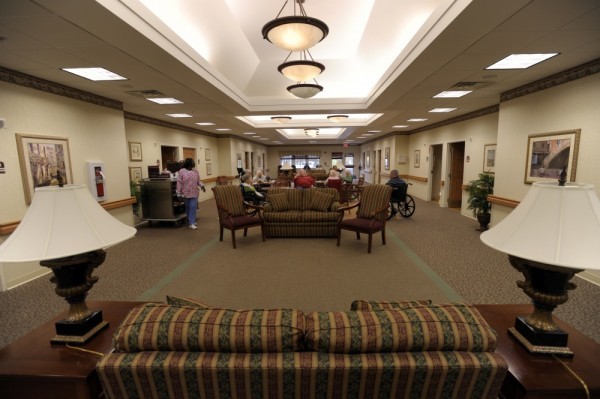
How is Cadia Rehabilitation Broadmeadow Staffed?

CMS rates CADIA REHABILITATION BROADMEADOW's staffing level at 4 out of 5 stars, which is above average compared to other nursing homes. Staff turnover is 38%, compared to the Delaware average of 46%. This relatively stable workforce can support continuity of care.

What Have Inspectors Found at Cadia Rehabilitation Broadmeadow?

State health inspectors documented 40 deficiencies at CADIA REHABILITATION BROADMEADOW during 2021 to 2025. These included: 2 Immediate Jeopardy (the most serious level, indicating potential for serious harm or death), 1 that caused actual resident harm, and 37 with potential for harm. Immediate Jeopardy findings are rare and represent the most serious regulatory concerns. They require immediate corrective action.
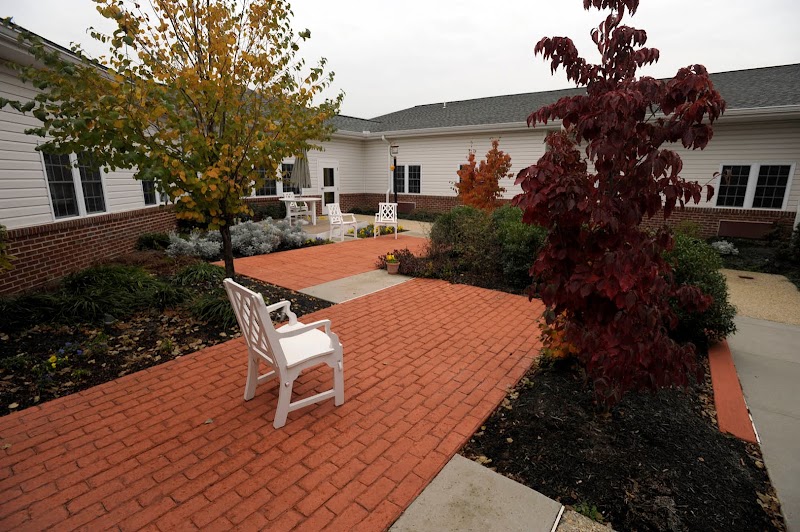
Who Owns and Operates Cadia Rehabilitation Broadmeadow?

CADIA REHABILITATION BROADMEADOW is owned by a for-profit company. For-profit facilities operate as businesses with obligations to shareholders or private owners. The facility is operated by CADIA HEALTHCARE, a chain that manages multiple nursing homes. With 120 certified beds and approximately 111 residents (about 92% occupancy), it is a mid-sized facility located in MIDDLETOWN, Delaware.
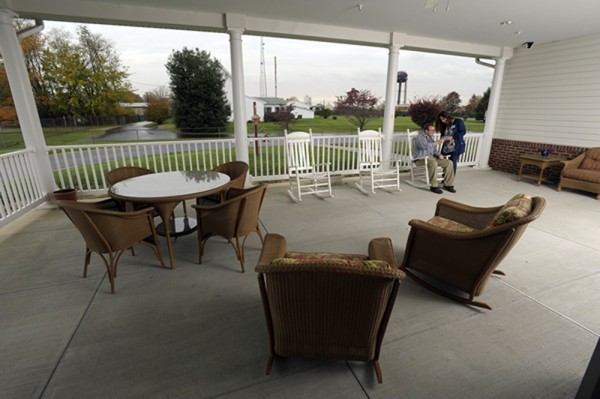
How Does Cadia Rehabilitation Broadmeadow Compare to Other Delaware Nursing Homes?

Compared to the 100 nursing homes in Delaware, CADIA REHABILITATION BROADMEADOW's overall rating (2 stars) is below the state average of 3.3, staff turnover (38%) is near the state average of 46%, and health inspection rating (1 stars) is much below the national benchmark.

What Should Families Ask When Visiting Cadia Rehabilitation Broadmeadow?

Based on this facility's data, families visiting should ask: "What changes have been made since the serious inspection findings, and how are you preventing similar issues?" "Can I visit during a mealtime to observe dining assistance and food quality?" "How do you handle medical emergencies, and what is your hospital transfer rate?" "Can I speak with family members of current residents about their experience?" These questions are particularly relevant given the facility's Immediate Jeopardy citations.

Is Cadia Rehabilitation Broadmeadow Safe?

Based on CMS inspection data, CADIA REHABILITATION BROADMEADOW has documented safety concerns. Inspectors have issued 2 Immediate Jeopardy citations (the most serious violation level indicating risk of serious injury or death). The facility is currently on the Special Focus Facility watch list (a federal program monitoring the lowest-performing 1% of nursing homes nationwide). The facility has a 2-star overall rating and ranks #100 of 100 nursing homes in Delaware. Families considering this facility should ask detailed questions about what corrective actions have been taken since these incidents.

Do Nurses at Cadia Rehabilitation Broadmeadow Stick Around?

CADIA REHABILITATION BROADMEADOW has a staff turnover rate of 38%, which is about average for Delaware nursing homes (state average: 46%). Moderate turnover is common in nursing homes, but families should still ask about staff tenure and how the facility maintains care continuity when employees leave.

Was Cadia Rehabilitation Broadmeadow Ever Fined?

CADIA REHABILITATION BROADMEADOW has been fined $61,516 across 1 penalty action. This is above the Delaware average of $33,694. Fines in this range indicate compliance issues significant enough for CMS to impose meaningful financial consequences. Common causes include delayed correction of deficiencies, repeat violations, or care failures affecting resident safety. Families should ask facility leadership what changes have been made since these penalties.

Is Cadia Rehabilitation Broadmeadow on Any Federal Watch List?

CADIA REHABILITATION BROADMEADOW is currently an SFF Candidate, meaning CMS has identified it as potentially qualifying for the Special Focus Facility watch list. SFF Candidates have a history of serious deficiencies but haven't yet reached the threshold for full SFF designation. The facility is being monitored more closely — if problems continue, it may be added to the official watch list. Families should ask what the facility is doing to address the issues that led to this status.