NEW CASTLE HEALTH AND REHABILITATION CENTER
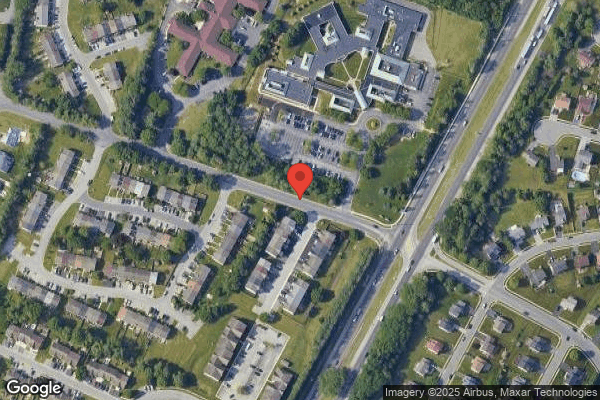
32 BUENA VISTA DRIVE, NEW CASTLE, DE 19720 (302) 328-2580
For profit - Limited Liability company 120 Beds SABER HEALTHCARE GROUP Data: November 2025 1 Immediate Jeopardy citation
Trust Grade
38/100
#34 of 43 in DE
Last Inspection: November 2024

Within standard 12-15 month inspection cycle. Federal law requires annual inspections.

Overview

New Castle Health and Rehabilitation Center has received a Trust Grade of F, indicating significant concerns about the facility's overall quality and care. It ranks #34 out of 43 nursing homes in Delaware, placing it in the bottom half of facilities in the state. Although the facility is improving, with issues decreasing from 29 in 2024 to just 5 in 2025, there are still critical concerns, including a recent incident where a resident at risk of aggression did not receive the necessary 1:1 observation, which could lead to safety issues. Staffing is a relative strength, with a rating of 4 out of 5 stars, but the 45% turnover rate is average, meaning staff changes are common. On a positive note, the facility has not incurred any fines, which is encouraging, but there have been issues such as failure to properly label and store food, raising potential health risks for residents.

Trust Score
F
38/100
In Delaware
#34/43
Bottom 21%
Safety Record
High Risk
Review needed
Inspections
Getting Better
29 → 5 violations
Staff Stability
○ Average
45% turnover. Near Delaware's 48% average. Typical for the industry.
Penalties
✓ Good
No fines on record. Clean compliance history, better than most Delaware facilities.
Skilled Nurses
✓ Good
Each resident gets 48 minutes of Registered Nurse (RN) attention daily — more than average for Delaware. RNs are trained to catch health problems early.
Violations
⚠ Watch
45 deficiencies on record. Higher than average. Multiple issues found across inspections.
★★☆☆☆
2.0
Overall Rating
★★★★☆
4.0
Staff Levels
★★★★☆
4.0
Care Quality
★★☆☆☆
2.0
Inspection Score
Stable
2024: 29 issues
2025: 5 issues

The Good

  • 4-Star Staffing Rating · Above-average nurse staffing levels
  • 4-Star Quality Measures · Strong clinical quality outcomes
  • Full Sprinkler Coverage · Fire safety systems throughout facility
  • No fines on record
  • Staff turnover below average (45%)

    3 points below Delaware average of 48%

Facility shows strength in staffing levels, quality measures, fire safety.

The Bad

2-Star Overall Rating

Below Delaware average (3.3)

Below average - review inspection findings carefully

Staff Turnover: 45%

Near Delaware avg (46%)

Typical for the industry

Chain: SABER HEALTHCARE GROUP

Part of a multi-facility chain

Ask about local staffing decisions and management

The Ugly 45 deficiencies on record

1 life-threatening
May 2025 5 deficiencies 1 IJ
CRITICAL (J) 📢 Someone Reported This

A family member, employee, or ombudsman was alarmed enough to file a formal complaint

Immediate Jeopardy (IJ) - the most serious Medicare violation

Accident Prevention (Tag F0689)

Someone could have died · This affected 1 resident

**NOTE- TERMS IN BRACKETS HAVE BEEN EDITED TO PROTECT CONFIDENTIALITY** 2. Cross refer to F610, F658 example 2 Review of R5's clinical record revealed: 1/20/23 - R5 was admitted to the facility for lo...

Read full inspector narrative →
**NOTE- TERMS IN BRACKETS HAVE BEEN EDITED TO PROTECT CONFIDENTIALITY** 2. Cross refer to F610, F658 example 2 Review of R5's clinical record revealed: 1/20/23 - R5 was admitted to the facility for long term care. 1/18/25 - R5's care plan for Behavioral Symptoms. Resident is a threat to self and/or others R/T (related to) episodes of aggression and elopement attempts was updated with an intervention for 1:1 observation for safety. 2/11/25 - The quarterly MDS assessment documented that R5 was cognitively impaired with a BIMS score of 5; independent for toileting/showering/dressing/ambulating; active diagnoses included, but were not limited to: dementia, seizure disorder and depression; history of falls; current medications include antipsychotic, antidepressant and anticonvulsant; and the use of a wander/elopement alarm. 3/20/25 3:53 PM - A nurse's note by E4 (LPN) documented, this writer was made aware by staff that resident fell and got himself back to sit in his chair. Pt (Patient) assess (sic) no apparent injury noted. Resident stated he was trying to sit on his chair. Pt denies injury upon assessment . It should be noted that there was no documented evidence that R5 had another fall in the facility after 3/20/25. Review of the facility's 1:1 documentation for R5 that was provided to the surveyor lacked documented evidence of R5 being supervised by a staff person on Sunday, 3/23/25, from 7:00 AM through 3:00 PM and on Monday, 3/24/25, from 12 AM through 7:30 AM. 3/24/25 9:03 AM - A social services note documented, Resident observed attempting to leave the building by pushing and banging on the door. Resident continues to state to not like it her (sic) and wants to leave. Resident alert and verbal able to make needs known however has impaired cognition with a dx (diagnosis) of dementia. Resident was redirected by staff and brought back to his room where he remains on 1:1 for supervision. 3/24/25 9:59 AM - A progress note by E5 (NP) documented, . Patient was seen and examined . nursing staff concerned due to altered mental status and bloody drainage from the left ear. He is status post fall. No visible injury apart from bloody ear, which nursing staff reported that he scratched himself. He is unable to answer my questions at this time. Awake and sitting on a WC (wheelchair) . Plan: Perforated eardrum/ bloody drainage- Acute, suspected otoscopic exam revealed perforated eardrum . Since patient is post fall with AMS (altered mental status), will transfer to ED (emergency department) to more immediate imaging . Altered mental status- Acute . He is unable to answer and follow verbal commands . 3/24/25 10:25 AM - A nurse's note by E6 (UM/LPN) documented, Resident noted with increased confusion, need additional assist with adls (activities of daily living) and unsteady gait. Also note blood to right ear. Resident is s/p (status post) fall. [E5, NP] in house to evaluate with new order to send resident to ER for further eval (evaluation) . 3/24/25 11:04 AM (arrival time) - The hospital record documented, . Patient . presenting with AMS . was unable to answer orientation questions . ED provider called [facility] . Reported that since this AM he has not been acting like himself, reportedly able to ambulate although dragging his right leg . They stated he has been compliant on all his seizure medications and no seizure activity was noted today. Denied significant head trauma . Reportedly noted to have slurred speech . He was noted to have bleeding from his right ear, at which point a trauma alert was called . Dried blood in and around the R (right) ear . Head CT [CT scan results]: 1. Right temporal hemorrhagic contusion. 2. Right temporal bone fracture . with 7 mm epidural hematoma . and traumatic pneumocephalus . 3/25/25 10:37 AM - A progress note by E6 (UM/LPN) documented, IDT (Interdisciplinary team) met to review residents (sic) plan of care. Resident . with comorbities than (sic) include seizure disorder . dementia . alert and oriented with a BIMs of 5 . continent of bowel and bladder, self propels wheelchair and requires supervision for ADLs. On 3/20/25 resident sustained a witnessed fall during attempt to transfer from wheelchair. Per witness statement resident stood from wheelchair and fell to knees. Resident was able to independently get up from floor. No apparent injuries observed at this time . 3/25/25 6:49 PM - An IDT note by E2 (DON) documented, . Long-term care resident . past medical history of weakness, vascular dementia, MDD, CKD, Seizures, Neuropathic intracranial hemorrhage and hypotension. He is alert and orient (sic) he is able to make his needs known. He self-propels on a wheelchair. He is independed (sic) for ADLs. On 3/24/25 he was noted with blood and tissue in his ear, and he stated that he had scratched his ear. He was also noted with a change in condition, slurred speech with increased weakness. He was assessed by the NP who gave orders to send [R5] out to the hospital for further evaluation. Resident had a CT scan completed which indicated Right temporal hemorrhagic contusion . 5/2/25 2:49 PM - During an interview, E6 (UM/LPN) stated that she did not recall any complaints or issues with R5 on Friday, 3/21/25, the day after he fell (3/20/25). E6 stated that she did not work over the weekend. E6 stated on Monday dayshift, 3/24/25, when I came in, R5's 1:1 [E8, assigned CNA] pulled me into his room saying R5 was erratic and trying to hit her. E6 stated that R5 was on the toilet and he could not get up on his own, which is not how he normally is. E6 stated, I knew something was wrong. E6 stated that she was trying to put him in his wheelchair and she noticed blood on his ear. E6 stated that R5 told me that it was a scratch. E6 stated that R5 participated in the scheduled smoking breaks and he did not go out for the 8:30 AM scheduled smoking break. E6 stated Between us trying to get him settled and [E5, NP] seeing him and sending him out, R5 did not have time to got to the smoking break. Normally he went to every smoking break. That day he was not asking to go to the smoking break. Review of the facility's timecard records revealed that E6 (UM/LPN) clocked in on Monday, 3/24/25, at 8:19 AM. The offgoing nightshift nurse, E9 (LPN), worked a double shift and was assigned to a different hallway for 3/24/25 dayshift. According to the facility's 7-3 C.N.A. Assignment Sheet Date: 3/24/25, E6 was the assigned nurse for the entire hallway where R5's room was located. 5/5/25 12:41 PM - During an interview, E8 (CNA) confirmed that she was the assigned 1:1 CNA for R5 on Monday dayshift, 3/24/25. E8 stated that she did not talk to anyone when she took over his care nor received report from previous CNA or a nurse. E8 stated there was nobody sitting outside his room from night shift. E8 stated that when R5 got up, he was kind of not himself and she noted his ear was bleeding. It was dried blood. E8 stated that From the beginning, he was talking about [name of country] . he wants to go home. E8 stated that [R5] walked to the front door by pushing his wheelchair. When he got to the front door, [R5] went off. [R5] threw the wheelchair at me. Someone opened the front door because they did not see him. Then three of us pulled the door closed and [R5] came back at me. E8 stated that [R5] was not himself . he was out of it and aggressive. E8 stated that after the front door, he walked himself back and sat down on his bed. The nurse [E6, UM/LPN] cleaned his ear again. Then the [NP] came and saw him and sent him out. E8 stated that the first time [R5] had his ear cleaned up was before the door incident and the second time it was cleaned up was after the door incident. E8 stated that when [R5] acts up, he kicks and uses his hands. E8 stated that she has never seen him bang his head. According to the facility's timecard records, E7 (assigned 1:1 CNA for Sunday nightshift, 3/23/25-3/24/25) clocked out on Monday, 3/24/25, at 7:00 AM. E8 (assigned 1:1 CNA for dayshift) clocked in on Monday, 3/24/25, at 7:21 AM. The facility lacked evidence that R5 had 1:1 supervision. 5/5/25 12:02 PM - Finding was reviewed with E1 (NHA) and E2 (DON). 5/6/25 1:40 PM - Findings were reviewed at the exit conference with E1 (NHA), E2 (DON) and E3 (RUPO). Based on interview and review of clinical records, hospital records and facility documentation as indicated, it was determined that for two (R1 and R5) out of five residents reviewed for accidents, the facility failed to ensure the environment remained as free of accident hazards as was possible and each resident received adequate supervision. For R1, the facility failed to ensure R1, a resident with cognitive impairment and care planned to wear a wandering device, received adequate supervision and assistive devices to prevent an elopement. On 4/21/25 at approximately 9:30 PM, R1 eloped from the facility via the facility front door. R1 remained unaccounted for until 10:20 PM when the police located and returned R1 to the facility. An IJ was called on 5/1/25 at 1:30 PM. The IJ was abated on 5/1/25 at 3:54 PM For R5, the facility failed to supervise a cognitively impaired resident who was on 1:1 (one to one) supervision for safety/behaviors. On 3/24/25, R5 was emergently transferred to the hospital for a change in condition and upon examination was identified with multiple injuries of unknown origin, including a non-displaced temporal bone fracture and small epidural hematoma. R5 was harmed. Findings include: 1. The facility's Elopement/Unauthorized Absence Policy: The facility will identify residents with potential and/or actual risk factors for elopement and protect the resident through development and implementation of safety interventions. In the event of a resident elopement, the facility will implement its policies and procedures promptly to locate the resident in a timely manner . Assessment: 1. All residents will be assessed for the risk of elopement using the Elopement Observation on admission, quarterly and as needed. The facility's Resident Observation Policy, last revised 5/28/21, stated, . B) DON will assign a staff member to complete appropriate observation/interventions which may include but are not limited to: every 15 or 30 minutes checks or 1:1 monitoring. Staff members will complete the observation/monitoring tool as follows: . C) If resident is on 1:1 monitoring, additional staff member assigned will remain with the resident in view at all times. Should the assigned staff member need to leave the area they are responsible to ensure the resident is directly observed during their absence by another staff member. Interim staff member will utilize observation/monitoring tool as above . [Manufacturer] Code Alert Wander Management User Manual - Resident Generated Alarms - Do not rely exclusively on resident generated alarms for resident care and safety . The most reliable method of resident monitoring combines close personal surveillance with correct operation of monitoring equipment .The transmitter is placed on the wrist or ankle of the resident. If a transmitter is detected in an Exit Alarm Zone and the door is open, an alarm sounds at the exit. Depending upon which equipment you have installed, the Wander management Solution can automatically lock doors and deactivate elevators . The Wander management solution, by itself, cannot prevent the elopement of residents .Signal Strength 2. An alarm must occur when the transmitter is within 4-feet of the monitored door. If applicable, the door should also lock . [Manufacturer's] Technology, 2018. 1. Review of R1's clinical record revealed: Cross refer F658 example 1 and F842. 11/6/24 - R1 was admitted to the facility with diagnosis including but not limited to, dementia. 11/6/24 11:35 AM - E10 (LPN) documented on the admission elopement observation, No- clinically not at risk for elopement .No identified risks for elopement. 11/7/24 1:56 PM - R1's admission Minimum Data Set (MDS) assessment documented a Basic Inventory of Mental Status (BIMS) score of 9, which was reflective of moderate cognitive impairment. 11/19/24 - R1's baseline care plan documented Problem- Resident experiences wandering . Approach - . Safety/Wanderguard: electronic bracelet for safety - check placement every shift . 12/2/24 10:35 AM - E11 (MD) and E12 (Social Work Director) completed the DSAMH (Division of Substance Abuse and Mental Health) 24-hour Emergency Detention form on behalf of R1 stating that R1 was dangerous to self as evidenced by .exhibiting increasing delusions paranoia. He believes he has been kidnapped by the Russians. He refers to the staff as [NAME] .frequently combative. Physically aggressive with staff . The facility failed to complete a re-assessment of R1's elopement risk at this time. 1/19/25 9:21 PM - E17 (RN) documented in R1's EMR progress notes, Pt (patient) was seeing (sic) holding security band cut and in hand. Pt keeps band in closet in dirty clothes bin. Pt is refusing to wear band. Writer is unsure how pt was able to remove band. Incoming nurse to be informed, hopefully band can be reapplied during sleep . 2/3/25 -R1's quarterly MDS assessment documented a BIMS score of 00, which reflected severe cognitive impairment. Review of the March 2025 MAR (Medication Administration Record) on nineteen different occasions E18 (RN), E19 (RN) and E20 (RN) (out of a potential ninety-three shifts) documented that R1 had removed his wander guard during the month of March. 3/13/25 - The Court of Chancery (a Delaware court of equity that assigns guardianships) assigned R1 a guardian, stating R1 was a person with a disability by reason of mental or physical incapacity . and is in danger of substantially endangering his health . The facility failed to complete a re-assessment of R1's elopement risk at this time. Review of the April 2025 MAR on five different occasions E18 (RN) (out of a potential sixty-two shifts) documented that R1 had removed his wander guard prior to the 4/21/25 elopement. 4/21/25 at approximately 9:30 PM - R1 eloped from the facility by exiting via the unattended, alarmed front door of the facility per the report that the facility filed with the State Agency. Review of the facility's abatement plan revealed that the facility took the following immediate measures: - 4/21/25 9:30 PM - facility immediately initiated Code Green- elopement protocol. Staff searched the facility both inside and outside the facility. - 4/21/25 9:45 PM - the local police were called and made aware of the missing resident. Staff members continued searching the area by car. - 4/21/25 10:20 PM - R1 was located and returned to the facility by the [local] Police. R1 was found seated on the ground on the adjacent complex parking lot behind the facility. - 4/21/25 10:20 PM - Once in the facility, R1 placed on 1:1 supervision indefinitely. NP and Guardian notified of the elopement. - 4/21/25 - R1's care plan was updated for elopement. - 4/21/25 10:30 PM - DON (E2) entered the facility and checked exit doors ensuring that the door locking mechanism was properly functioning. A head count of all residents in the facility was also completed by the DON. - 4/21/25 10:45 PM - House wide education was initiated regarding elopement was initiated by the DON and continued until all staff were educated. - 4/22/25 2:30 PM- The Staff development nurse called all staff not scheduled and provided elopement education via the telephone. This was completed by 2:30 PM. - 4/22/25 - Elopement drills were completed on all 3 shifts. - 4/22/25 - Maintenance director audited all exit doors. - 4/22/25 - R1 evaluated by NP and Psych provider. - 4/22/25 - An Ad Hoc QAPI meeting to discuss the elopement incident was held. - 4/23/25 6:30 AM -The last elopement drill was completed with night shift. 4/22/25 6:12 PM - E2 (DON) reported to the State Agency, On 4/21/25 at approximately 9:30 PM, staff noticed that the front door alarm was going off. Staff immediately responded to the alarm and noted the wheelchair of [R1] in the lobby; staff quickly looked outside and did not note the resident. Elopement protocol initiated; the staff immediately completed a house wide search of the resident and he was not located. External search of the facility initiated and police were notified to assist in the search . Police officers located the resident in the neighboring apartment complex compound, seated on the ground and was returned to the facility by officers at approximately 10:20 PM . The facility failed to provide adequate supervision of R1 to prevent an elopement. R1 was outside the facility without supervision at night for approximately 50 minutes. 4/23/25 6:30 AM - The last elopement drill was completed with the night shift. 4/29/24 8:24 AM - During an interview, E13 (front desk receptionist) stated, The (front) door is locked 24/7. You have to be buzzed to be let in. 4/29/25 10:10 AM - During an interview, E2 stated that the facility does not have video footage of the elopement incident at the front doorway. 4/29/25 11:10 AM - During an interview, E14 (receptionist) stated, You need a code to get in and out. I work day shift. I typically arrive around 6:30 AM and stay until 3 PM. Then there is a part-time worker who is here until 7 PM. After 7 PM, to get in a person has to ring the doorbell and then a nurse or aide has to let them in. To get out you have to have the code to open the door. 4/29/25 7:02 PM - During a telephone interview, E15 (RN/ evening shift supervisor) stated, I was working as the supervisor. I was on the southside unit. The resident was on the northside unit. Two CNAs told me that he [R1] had eloped. I started a search. I told everyone to search the rooms. One of the nurse aides saw that the wheelchair was in the main lobby and that he [R1] was missing. I notified the police and then the DON. A couple of the CNAs got in their cars and drove around looking for him. One of the CNAs went to the Wawa area. The police came and I gave a description. We did not have picture because he refused a picture. Within 40 minutes he was located. When he was back in the building, he was really agitated. He did say that he fell. He refused everything. [E16, LPN] is regularly assigned to him. He was very disrespectful to her and he got in her space. No I don't remember hearing the alarm, I was in a little office on the Southside . I had no idea that he could walk that fast. Every time I saw him, he was pushing a WC. He is up walking at all times. He did have a Wanderguard on. Wanderguard should be checked every shift. I believe it was on his ankle. 4/30/25 10:26 AM - During an interview, E6 (LPN/unit manager) stated, [R1] had an order for the Wanderguard device . He would take it off a lot. He was not an exit seeker prior to that night. 5/1/25 11:39 AM - The surveyor with E1 (NHA) and E2 (DON) performed a demonstration of the front door locking system. Without a Wanderguard device, when the surveyor put pressure on the door handle, an alarm had an immediate two beeps and then beep approximately every second for 15 seconds continuously. Then at 15 seconds, the door lock released and the door could be opened. With the Wanderguard device, when the surveyor put pressure on the door handle, an alarm had an immediate two beeps and then beep approximately every second for 20 seconds continuously. Then at 20 seconds, the door lock released and the door could be opened. For this demonstration , E2 (DON) held the Wanderguard device and E1 (NHA) timed the alarm. Of note, the door alarm did not trigger an alarm when the Wanderguard device came within four feet of the sensors on the door. 5/1/25 1:30 PM - An IJ was called. 5/1/25 3:54 PM - The abatement plan that the facility would have staff at the front door 24 hours until the door locks could be adjusted, was accepted by the State Agency. 5/2/25 11:30 AM - The surveyor confirmed the abatement by reviewing the schedule and interviewing the day shift front desk personnel.
CONCERN (D) 📢 Someone Reported This

A family member, employee, or ombudsman was alarmed enough to file a formal complaint

Potential for Harm - no one hurt, but risky conditions existed

Investigate Abuse (Tag F0610)

Could have caused harm · This affected 1 resident

Based on interview and review of a clinical record and other documentation as indicated, it was determined that for one (R5) out of five residents reviewed for accidents, the facility failed to have e...

Read full inspector narrative →
Based on interview and review of a clinical record and other documentation as indicated, it was determined that for one (R5) out of five residents reviewed for accidents, the facility failed to have evidence of a thorough investigation for a cognitively impaired resident who was identified at the hospital with multiple injuries of unknown origin. Findings include: Cross refer to F658 example 1 and F689 example 2 Review of R5's clinical record revealed: 3/20/25 - E4 (LPN) documented in a nurse's note that R5 fell while trying to sit on his chair in his room and had no injury. It should be noted that R5's 3/20/25 fall was witnessed and reported to the nurse by the assigned 1:1 CNA. R5's clinical record revealed that there were no other falls reported and documented after the 3/20/25 fall. 3/25/25 at 1:34 PM - The facility reported the following to the State Agency: On 3/24/25 [R5] was noted with a blood and tissue in his ear and he stated that he had scratched his ear. He was also noted with a change of condition, slurred speech with increased weakness. He was assessed by the NP [E5, contracted] who gave orders to send him out to the hospital for further evaluation. Resident had a CT scan completed which indicated Right temporal hemorrhagic contusion . 4/4/25 - The facility's five day follow-up report to the State Agency documented the following: - Describe any additional outcomes to the resident . No signs of psychological distress. [R5] was noted to have blood and tissue in his ear but did not express any psychological harm or distress. Resident scratched his ear. No additional mention is made regarding his perspective on any psychological distress. - Provide summary of information of investigation related to the incident from the resident's clinical record . The resident, [R5], was noted to have blood and tissue in his ear and a change of condition (slurred speech, increased weakness). After assessment, he was sent to the hospital, where a CT scan showed a Right temporal hemorrhagic contusion. - Description of conclusion: The investigation concluded that the incident likely resulted from [R5] fall a few days prior. The CT scan showed a Right temporal hemorrhagic contusion. It should be noted that the facility failed to inform the State Agency in the five day follow-up report all of R5's injuries identified in his hospital records, including a right temporal hemorrhagic contusion, right temporal bone fracture, small epidural hematoma and right hip bruise. Upon request of the facility's investigation in response to R5's injuries of unknown origin, the surveyor was provided the following documents: - 3/20/25 Event Report for the witnessed fall and two statements from E4 (LPN) and E13 (assigned CNA for 1:1); and - Typed statements from eight staff, dated 3/25/25, from phone interviews. There was no evidence that the facility's investigation included: - interviews/statements from other staff present on the shift and/or who relieved the 1:1 CNAs when they were on their breaks/lunch from 3/20/25 through 3/24/25; - review of timecards to ensure 1:1 staff were present and observing R5 during the timeframe; and - review and identification of the lack of CNA documentation, including the Point of Care Report and the 1:1 Observation/Monitoring Tool, from the 3/20/25 fall through 3/24/25 when R5 was transferred to the hospital. 5/1/25 at 3:01 PM - During an interview, E4 (LPN) confirmed that E13 (CNA) told her that R5 had fallen on 3/20/25 and it was witnessed. E4 said she was told that R5 was trying to get out of his wheelchair and fell to his knees. E4 stated that R5 did not have any injury. E4 stated, There was no blood or injury. 5/5/25 at 5:15 PM - During an interview, E13 (CNA) confirmed that she was the assigned 1:1 CNA when R5 fell on 3/20/25. E13 stated that she never saw him hit his head against anything. 5/5/25 at 12:02 PM - Reviewed findings with E1 (NHA) and E2 (DON). The facility failed to thoroughly investigate R5's injuries of unknown origin after a change of condition and emergent transfer to the hospital on 3/24/25. 5/6/25 1:40 PM - Findings were reviewed at the exit conference with E1 (NHA), E2 (DON) and E3 (RUPO).
CONCERN (D) 📢 Someone Reported This

A family member, employee, or ombudsman was alarmed enough to file a formal complaint

Potential for Harm - no one hurt, but risky conditions existed

Deficiency F0627 (Tag F0627)

Could have caused harm · This affected 1 resident

**NOTE- TERMS IN BRACKETS HAVE BEEN EDITED TO PROTECT CONFIDENTIALITY** Based on record review and interview, it was determined that for one (R5) out of three residents reviewed for discharge, the fac...

Read full inspector narrative →
**NOTE- TERMS IN BRACKETS HAVE BEEN EDITED TO PROTECT CONFIDENTIALITY** Based on record review and interview, it was determined that for one (R5) out of three residents reviewed for discharge, the facility failed to allow R5 to return to the facility and also failed provide a 30 day discharge to his family representative. Findings include: The facility's Bed Hold Letter Policy - It is the policy of the facility to track Medicaid bed hold days and notify appropriate parties via Medicaid Bed Hold letter. Updated [DATE] The facility's admission Agreement- N. Bed Hold and Leave of Absence- . If Resident's primary pay source is Medicaid, and if the State within which the facility is located provides for paid hold/ leave days, the facility will hold the bed for the Resident up to ____________. If the resident's absence from the facility exceeds the days provided during a calendar year or the State does not provide for paid hold/leave days, the facility shall not hold the bed and the Resident will be discharged from the facility effective the first day following the last paid Medicaid hold/leave or in-house day . Where a Resident's paid leave days for a calendar year have been exhausted or the State does not provide for paid hold/leave days, the Resident will be entitled to re-admission to the facility, if desired, to the Resident's previous room if available or immediately upon the first availability of a bed in a semi-private room, if the Resident: a). requires the services provided by the facility; and b). is eligible for Medicare skilled nursing facility services or Medicaid nursing facility services. Last revised [DATE] Review of R5's clinical record revealed: [DATE] - R5 was admitted to the facility with diagnoses including but not limited to vascular dementia with psychotic disturbances. [DATE] - R5's care plan for Behavioral Symptoms. Resident is a threat to self and/or others R/T (related to) episodes of aggression and elopement attempts was updated with an intervention for 1:1 observation for safety. [DATE] 10:25 AM - E6 (UM/LPN) documented in R5's EMR progress notes, Resident noted with increased confusion, need additional assist with ADLs and unsteady gait. Also note blood to right ear . [E5 NP] in house to evaluate with new order to send resident to ER for further eval (evaluation) . [DATE] 11:43 AM - E22 (hospital MD) documented in [hospital] ED (emergency department) Physician Record, XXX[AGE] year old male .presenting with altered mental status . [DATE] - The facility mailed copies of R5's Return to Facility Anticipated form dated [DATE] and Bed Hold Notice to F2 (R5's brother who lived in Puerto Rico). The Return to Facility form stated that the reason for R5's transfer was an immediate transfer or discharge is required by the resident's urgent medical needs. The facility provided the surveyor with copies of the addressed envelope and postage for this mailing to Puerto Rico. [DATE] 10:55 AM - C4 documented in R5's hospital EMR, Pt off restraints since 4/1 at 2345 (11:45 PM) . once 24 hours without restraints pt able to return to [facility]. [DATE] 11:30 AM - C5 (hospital case manager) documented in R5's hospital EMR, As per rounds, pt has a safety sitter at this time and is not in restraints. Patient's psych medications were adjusted .As per facility, patient will need insurance auth (authorization) and PASRR prior to return. [DATE] 12:48 PM - C5 (hospital case manager) documented in R5's hospital EMR, As per rounds, pt agitated and now has wrist restraints . [DATE] 3:19 PM - C5 documented in R5's hospital EMR, Spoke with Admissions at [facility], pt does not need to be sitter free for return to their facility, he needs to be out of restraints for 24 hours .PASRR approved and uploaded to facility via Ensocare. [DATE] 8:56 AM - C5 documented in R5's hospital EMR, .Spoke with [facility] yesterday, pt needs to be restraint free X 24 hours prior to acceptance. Received Ensocare message from [facility] Just to reiterate, patient has no bed hold and currently I don't have a bed . [DATE] 11:08 AM - C5 documented in R5's hospital EMR, As per rounds, pt has been restraint free since 1400 (2 PM) yesterday. Updates sent to [facility] with inquiry about bed availability later today vs tomorrow if pt remains restraint free . [DATE] 1:08 PM - C5 documented in R5's hospital EMR, [Facility] declined patient at this time . [DATE] 3:20 PM - C5 documented in R5's hospital EMR, Spoke with Admission, they report they declined pt because they do not have a bed available at this time and will contact this writer when a bed becomes available. Called DE (Delaware) Ombudsman office at [phone number]. [DATE] 8:12 Am - C5 documented in R5's hospital EMR stating that the facility staff said, I have no idea when we will have a bed available . This patient requires a private room and a room close to the nursing station, which we do not have available. C5 also documented, F/u (follow up) with DE Ombudsman today due to facility declining pt return . [DATE] 2 :44 PM - C5 documented in R5's hospital EMR, CM (case management) received return call from Ombudsman's office, [C7] [phone number]. He reports he spoke with [facility]. Pt's bed hold expired and pt is planned for next available bed. [DATE] 10:49 AM - C5 documented in R5's hospital EMR, .Discussed during rounds, pt is back in restraints. Updates sent to [facility], no bed available at this time. Pt will need to be restraint free for 24 hours and will need room near nurse's station in order for facility to accept him back . [DATE] 10:33 AM - C5 documented in R5's hospital EMR, Discussed during rounds, pt will be out of restraints for 24 hours at 1400 (2 PM) today and is otherwise medically stable for return to [facility]. Updates sent to facility, facility continues to decline pt return due to no bed being available near the nurse's station. Called pt's LTSS case manager, she reports she is going to [facility] today and is requesting public guardianship for pt. [DATE] - R5's PASRR documented PASRR level I with no PASRR level II evaluation required. [DATE] 1:55 PM - This surveyor identified that there were two empty male beds in the facility XXXB [room number] and XXXB [room number]. Additionally, XXXA [room number] bed was a private room near the nurse's station but was currently under a bed hold. [DATE] 3:28 PM - C8 (complex cases case manager) documented in R5's hospital EMR, .Per Liaison, they [facility] are not accepting the patient back as they cannot meet his care needs and feel he is a danger to the other residents. Per Liaison, Administrator [E1] spoke with Ombudsman [C9] regarding this patient and was advised that this patient was not appropriate for their facility. Per Liaison, Administrator states the Ombudsman [C9] advised that [hospital] work with the LTSS CM (case manager) to place patient in an out of state facility. CM to submit OSEC referral as [facility] is the patient's residence . [DATE] 4:14 PM - This surveyor informed E1(NHA) and E3 (RUPO) at the request of the State Agency that the facility would need to accept R5 back and proceed with the 30 day discharge notice process. [DATE] 2 29 PM - C8 documented in R5's hospital EMR, CM received call from [facility] Liaison asking, if per the request of the building, she can come in and have the patient sign the 30 day notice. CM stated that she would have to follow up with manager .However the patient has vascular dementia compounded with a TBI (traumatic brain injury) and that he is unable to sign. CM also stated to her knowledge, a 30 day notice cannot be given to a patient while they are in the hospital . [DATE] 11:23 AM - During an interview, E21 (business office manager) confirmed that Medicaid was R5's payor source. [DATE] 2:38 PM - During an interview, E1 (NHA) confirmed that envelope mailed to F2 (R5's brother) on [DATE] contained R5's DMOST, the bed hold policy and all the transfer paperwork. E1 stated that there was no discharge paperwork contained in the [DATE] mailing packet. E1 stated the facility's policy for Medicaid residents was a seven day bed hold. [DATE] 5:38 PM - C2 (hospital psychiatry NP) documented in R5's hospital EMR progress note, .From a psychiatric standpoint, there are no barriers to discharge back to a long-term care facility. [DATE] - Upon conclusion of the survey, R5 remained in the hospital. [DATE] 1:40 PM- Findings were reviewed at the exit conference with E1 (NHA), E2 (DON) and E3 (RUPO).
CONCERN (D) 📢 Someone Reported This

A family member, employee, or ombudsman was alarmed enough to file a formal complaint

Potential for Harm - no one hurt, but risky conditions existed

Deficiency F0658 (Tag F0658)

Could have caused harm · This affected 1 resident

Based on interview and record review, it was determined that for two (R1 and R5) out of five residents sampled for accidents, the facility failed to meet professional standards of the Delaware Board o...

Read full inspector narrative →
Based on interview and record review, it was determined that for two (R1 and R5) out of five residents sampled for accidents, the facility failed to meet professional standards of the Delaware Board of Nursing Scope of Practice by failing to have a registered nurse (RN) complete and document an RN admission assessment and post-fall assessment. Findings include: Delaware State Board of Nursing - RN, LPN and NA/UAP Duties 2024 . RN . admission Assessments . Post Fall Assessment & Documentation . updated 10/11/24. 1. Review of R1's clinical record revealed: 11/6/24 - R1 was admitted to the facility with diagnosis including dementia. 11/6/24 11:35 AM - E10 (LPN) initiated R1's admission observations in the EMR. 11/6/24 12:30 PM - E10 (LPN) completed R1's admission observations in the EMR. 11/6/24 12:31 PM - E10 (LPN) completed R1's functional abilities assessment in the EMR. 11/6/24 12:39 PM - E10 (LPN) completed R1's TB (tuberculosis) screen in the EMR. 11/6/24 1:05 PM - E6 (LPN) completed R1's baseline care plan checklist in the EMR. 5/2/25 11:40 AM- A review of the EMR admission observations revealed the following information for each newly admitted resident were reviewed, assessed and documented on: language, hearing, speech and vision, nervous system, respiratory system, cardiovascular system, gastrointestinal system, genitourinary system, and musculoskeletal system, pain assessment, skin, infectious disease and resident preferences. Any section that included the word system had both a history and physical observation as part of the documentation. The facility failed to meet the professional standards of the Delaware State Board of Nursing by allowing LPNs to work outside of their scope of practice and complete R1's admission assessments. 5/2/25 2:15 PM - During an interview, E2 (DON) confirmed that the above listed documentation was all part of the admission assessment and that for R1's 11/6/24 admission, there was not an RN involved in R1's admission assessment process. 5/2/25 2:202 PM - E1 (NHA) stated, Those are not assessments. They are labeled in the EMR as observations. The facility was unable to provide evidence of any other documentation that could be identified as an admission assessment that was performed by an RN. 2. Review of R5's clinical record revealed: 3/20/25 3:23 PM - A nurse's note by E4 (LPN) documented, this writer was made aware by staff that resident fell and got himself back to sit in his chair. Pt (Patient) assess (sic) no apparent injury noted. Resident stated he was trying to sit on his chair. Pt denies injury upon assessment . 3/20/25 6:01 PM - The facility's event report for R5's fall was completed by E4 and documented the fall details, observations of pain and R5's body, neurological check, review of other body systems, possible contributing factors, interventions, therapy referral and vital signs. 5/2/25 at 2:19 PM - During an interview, E4 confirmed that after R5's 3/20/25 fall she completed the post fall assessment and documentation. The facility failed to ensure an RN performed and documented R5's 3/20/25 post-fall assessment. 5/6/25 1:40 PM - Findings were reviewed at the exit conference with E1 (NHA), E2 (DON) and E3 (RUPO).
CONCERN (D) 📢 Someone Reported This

A family member, employee, or ombudsman was alarmed enough to file a formal complaint

Potential for Harm - no one hurt, but risky conditions existed

Medical Records (Tag F0842)

Could have caused harm · This affected 1 resident

Based on record review and interview, it was determined that for one (R1) out of four residents reviewed for accidents, the facility failed to have his advanced directive and copy of his DPOA (Durable...

Read full inspector narrative →
Based on record review and interview, it was determined that for one (R1) out of four residents reviewed for accidents, the facility failed to have his advanced directive and copy of his DPOA (Durable Power of Attorney) readily accessible on his EMR during his 11/6/24 admission. Findings include: Review of R1's clinical record revealed: 6/21/23 - During a previous Facility admission, E5 (NP) completed the DMOST (Delaware Medical Orders for Scope of Treatment) form with R1, which stated Do not attempt resuscitation/DNAR. 11/6/24 - R1 was admitted to the facility with diagnosis including dementia. 11/6/24 11:48 AM - E6 (LPN) entered into R1's EMR a DNR (do not resuscitate) order. 11/7/24 9:44 AM - E11 (MD) signed the DNR order in R1's EMR. 11/7/24 1:56 PM - R1's admission Minimum Data Set (MDS) assessment documented a Basic Inventory of Mental Status (BIMS) score of 9, which was reflective of moderate cognitive impairment. 4/30/25 9:10 AM - A review of R1's EMR revealed no evidence of the DMOST form or the financial power of attorney document in R1's EMR. 4/30/25 10:35 AM - During an interview, E12 (SW director) stated, At admission, we were notified that R1 had a financial PO [person's name]. We did not get a copy of the Advanced Directive from the hospital or assisted living facility. 4/30/25 10:47 AM - During an interview, E21 (business office manager) stated, We never got a copy of the POA (power of attorney) since [financial POA] was paying the bill. He told us that he was applying for guardianship. The facility failed to obtain proof of R1's financial POA and R1's completed DMOST form. 5/6/25 1:40 PM - Finding was reviewed at the exit conference with E1 (NHA), E2 (DON) and E3 (RUPO).
Nov 2024 10 deficiencies
CONCERN (D)

Potential for Harm - no one hurt, but risky conditions existed

Deficiency F0554 (Tag F0554)

Could have caused harm · This affected 1 resident

Based on observation, record review, and interviews, the facility failed to assess a resident for self-administration of medication for one of one resident (Resident (R) 7) reviewed for self-administr...

Read full inspector narrative →
Based on observation, record review, and interviews, the facility failed to assess a resident for self-administration of medication for one of one resident (Resident (R) 7) reviewed for self-administration of medication of 37 sample residents. This had the potential to affect resident medication safety at the facility. Findings include: Review of R7's admission Record in the Profile tab of the electronic medical record (EMR) revealed an admission date of 05/26/23. The admission Record also revealed a diagnosis of chronic obstructive pulmonary disease, cognitive communication deficit, and dementia. Review of R7's quarterly Minimum Data Set (MDS) with an Assessment Reference Date (ARD) of 08/26/24 and located in the MDS tab, revealed a Brief Interview for Mental Status (BIMS) score of three out of 15 which indicated the resident was severely cognitively impaired. Review of a completed Self-Administration of Meds Assessment located under the Observations tab of the EMR and with observation date of 11/12/24, revealed that the resident made the determination of not wanting to self-administer her own meds and that the facility would deliver meds to the resident. No further evaluation was completed in the assessment. During an observation and interview on 11/24/24 at 11:05 AM, the observation revealed R7 lying in bed awake with a medicine cup containing four to five pills on top of bedside table next to bed. R7 stated, That's my medicine. I don't know what medicine that is or what it's for, but I was going to take them when I got ready too. I don't know how long they've been there. I just tell them to leave my medicine there and I'll take them when I want. When asked how often she had her medicine brought and left on her table for her R7 responded, Oh I don't remember if they leave my medicine there everyday or not. If they're there, I know they're mine. During an observation and interview on 11/24/24 at 11:10 AM, the Assistant Director of Nursing (ADON) entered R7's room with this surveyor and the medicine cup containing medicine was sitting on top of R7's bedside table next to her. ADON told R7, I'm going to take these from you and give them back to your nurse because you're not supposed to have them. The nurse will come back with your meds and tell you what they are and give them to you to take. R7 stated, I don't know what they're for. I don't know why she left them here, but I need to take them. ADON told her, That's why the nurse is going to come back to your room and give them to you, so that she can tell you what they are for and watch you take them. ADON stated, We're not supposed to be leaving meds at the bedside. She is cognitive but does have confusion. I don't know what her BIMS is. I'm sure she doesn't have a self-administration of medication assessment done. She's not supposed to have them. I will take these to the nurse and re-educate her. During an interview on 11/24/24 at 11:15 AM, Registered Nurse (RN) 5 stated, I'm new here, but I'm an old nurse. So, I knew better than to leave meds at the bedside. I'm not sure what her BIMS is. She does have a self-administration of medication assessment done, but we still don't allow anyone to keep meds at bedside because another resident can roll themselves into her room and get those meds. So, we don't allow them to self-administer for safety reasons or other reasons. The meds were Zoloft, Prednisone, and Acetaminophen. During an interview on 11/26/24 at 2:20 PM, the Director of Nursing (DON) stated, [R7] should never have had meds. Staff know this. R7 isn't capable of self-administering her own meds. She has low BIMS. We educated nursing staff that day and still doing it as they come on shift. During an interview on 11/26/24 at 2:35 PM, the Administrator stated, [R7] never have been allowed to self-administer her own meds. Our process is to do a self-administration of meds assessment on anyone that expresses their need to, or they're observed capable, get a doctor order for her to be allowed to, care plan it with the appropriate interventions, and then nursing would follow up and make sure she is taking all her meds and if she was still capable. We are providing an in-service on this to make sure nursing is reeducated on that and that this isn't allowed.
CONCERN (D) 📢 Someone Reported This

A family member, employee, or ombudsman was alarmed enough to file a formal complaint

Potential for Harm - no one hurt, but risky conditions existed

Deficiency F0558 (Tag F0558)

Could have caused harm · This affected 1 resident

**NOTE- TERMS IN BRACKETS HAVE BEEN EDITED TO PROTECT CONFIDENTIALITY** Based on observations, record review, and interviews, the facility failed to ensure residents had access to call lights when nee...

Read full inspector narrative →
**NOTE- TERMS IN BRACKETS HAVE BEEN EDITED TO PROTECT CONFIDENTIALITY** Based on observations, record review, and interviews, the facility failed to ensure residents had access to call lights when needing assistance from staff for one of three residents (Resident (R) 73) reviewed for call lights out of 37 sample residents. This failure had the potential to affect resident safety. Findings include: Review of the quarterly Minimum Data Set (MDS) located under the Resident Assessment Instrument (RAI) tab of the electronic medical record (EMR) with an Assessment Reference Date (ARD) of 11/04/24 revealed a Brief Interview for Mental Status (BIMS) of nine out of 15 which indicated the resident was moderately cognitively impaired. The resident was admitted on [DATE] with diagnoses which included atrioventricular block, muscle weakness, and osteoarthritis. During an observation and interview on 11/24/24 at 2:05 PM, the call light was observed on the opposite side of the bed. The call light was not within R73's reach. When R73 was asked if she needed to call for assistance, how would she call for help. R73 stated was not able to reach the call light. During an observation and interview on 11/24/24 at 2:28 PM the DON said, The call light should be where she can reach it. The DON proceeded to attach R73's call light to her lapel.
CONCERN (D) 📢 Someone Reported This

A family member, employee, or ombudsman was alarmed enough to file a formal complaint

Potential for Harm - no one hurt, but risky conditions existed

Free from Abuse/Neglect (Tag F0600)

Could have caused harm · This affected 1 resident

**NOTE- TERMS IN BRACKETS HAVE BEEN EDITED TO PROTECT CONFIDENTIALITY** Based on observations, interviews, record review, and facility policy review, the facility failed to protect two of four residen...

Read full inspector narrative →
**NOTE- TERMS IN BRACKETS HAVE BEEN EDITED TO PROTECT CONFIDENTIALITY** Based on observations, interviews, record review, and facility policy review, the facility failed to protect two of four residents right to be free from physical abuse, Resident (R) 218 from physical abuse by R26, and R316 from physical abuse by R42 of 37 sample residents. This failure could lead to the potential of physical abuse towards other residents throughout the facility. Findings include: Review of the facility's policy titled, Delaware Resident Abuse policy: Abuse, Neglect and Exploitation, revised [DATE], indicated, under the section Policy: This Facility will not tolerate abuse, neglect, mistreatment, exploitation of residents, and misappropriation of resident property by anyone. The section Definitions: Abuse - includes actions such as the willful infliction of injury unreasonable confinement, intimidation, or punishment with resulting physical harm, pain or mental anguish. Abuse also includes the deprivation by an individual, including a caretaker, of goods or services that are necessary to attain or maintain physical, mental, and psychosocial well-being. It includes verbal abuse, sexual abuse, physical abuse, mental abuse including abuse facilitated or enabled through the use of technology, misappropriation of resident property, exploitation, involuntary seclusion and injuries of unknown source, physical and chemical restraints. Physical abuse - includes hitting slapping, pinching, and kicking. It also includes controlling behavior through corporal punishment. 1. a. Review of R26's admission Record located in the Profile tab of the electronic medical record (EMR) revealed an initial admission date of [DATE]. The admission Record revealed diagnoses of vascular dementia, unspecified severity, without behavioral disturbance, psychotic disturbance, mood disturbance, and anxiety. R26 was transferred and admitted to a hospital on [DATE] for a change in condition due to decreased responsiveness and multiple vomiting episodes. Review of R26's annual Minimum Data Set (MDS) with an Assessment Reference Date (ARD) of [DATE], located in the EMR under the MDS tab, revealed a Brief Interview for Mental Status (BIMS) score of six out of 15 which indicated the resident was severely cognitively impaired. Review of the facilities document titled, Incident/Accident or Injury of Unknown Origin, revealed a witness statement from CNA3 [Certified Nurse Aide] signed and dated [DATE] stated, While assisting another patient, I heard fighting in an adjacent room. I ran to the room and saw [R26] with both hands around [R218's] throat. [R218] had his cane hitting [R26]. I quickly stepped in and stopped the altercation and asked [R26] to leave the room. Review of R26's Focused Head to Toe Observation Note located in the EMR Progress Notes tab, dated [DATE] at 12:01 AM by Registered Nurse (RN) 3 revealed, [CNA3] was providing care to a resident when she heard loud voices from resident's shared room. Upon responding, [CNA3] reported observing [R26] standing over his roommate, [R218], with his hands around his neck, squeezing tightly. The roommate, [R218], had grabbed a cane and was waving it in the air in an attempt to defend himself. [CNA3] was able to separate the two and called for [RN3]. Upon responding, [RN3] observed [R26] standing in the hallway looking agitated with reddened face. Upon asking [R26] what happened, [R26] responded, Yeah I did it. I just snapped. He knows what buttons to push. [R26] would not elaborate further. [R26] was provided with alternate room assignment and is receiving 1:1 observation. Resident now sitting in wheelchair in private room with [CNA3] at bedside maintaining 1:1 surveillance. b. Review of R218's undated admission Record in the Profile tab of the EMR revealed latest admission date of [DATE] and diagnosis of atrioventricular block, second degree, diastolic (congestive) heart failure, end stage renal disease with dependence on renal dialysis, and adult failure to thrive. R218 was a hospice patient and transferred to hospital on [DATE] at the request of daughter for abdominal breathing and audible gurgling and rales in upper lower lobes. R218 admitted for congestive heart failure and expired during hospitalization. Review of R218's Significant change in status assessment MDS with an ARD of [DATE], located in the EMR MDS tab, revealed a BIMS score of three out of 15 which indicated R218 was severely cognitively impaired. Review of R218's Heath Status Note located in the EMR Progress Notes tab, dated [DATE] at 9:56 PM by RN4, revealed It was brought to my attention by [CNA3] that she witnessed [R218's] roommate on top of him with his hands around his neck attempting to squeeze. [R218] attempted to reach his cane in an attempt to fight back. The aggressive patient, [R26], was immediately removed from the situation and placed in another room on the North side. [R218] was assessed for injury and none was found. This nurse notified the responsible party of the incident with all questions addressed at time of notification. During an interview on [DATE] at 12:38 PM Assistant Director of Nursing (ADON) stated, Right after the incident with [R26] and [R218], we did do abuse and neglect training for a few days after to make sure we got everyone in the facility. Those that were here received the training right away. During an interview on [DATE] at 2:20 PM, the Director of Nursing (DON) stated, The abuse altercation was reported to me. We did an investigation and called it into the state. [R26] did not have any behaviors like that previously and hasn't had any since. It was an isolated incident. Our process is to report abuse to the state immediately, investigate, do necessary interventions, reeducate, and turn our 5-day report into the state. During an interview on [DATE] at 2:35 PM, the Administrator stated, I wasn't here during the altercation involving [R26] and [R218], but all reports of abuse or neglect would automatically be reported to the state. We make sure residents are safe, notify responsible parties, do interventions and care plan, reeducate staff, do a thorough investigation, and follow up with the 5-day report to the state. 2. a. Review of R42's admission Record located under the Profile tab revealed the resident was admitted to the facility on [DATE] with diagnosis of Alzheimer's disease, cerebral infarction, and dysphagia. Review of R42's annual MDS with an ARD of [DATE] revealed the facility had assessed the resident with a BIMS of 10 out of 15 indicating moderate cognitive impairment. b. Review of R316's Face sheet located under the Resident tab of the EMR revealed the resident was admitted to the facility on [DATE] with diagnoses to include dementia, anxiety disorder, major depressive disorder, and unspecified lump in the right breast. Review of R316's quarterly MDS located under the MDS tab of the EMR with an ARD of [DATE] revealed R361 had been assessed to have a BIMS score of 00 out of 15 indicating the resident was severely cognitively impaired. Review of R316's Progress Note located under the Progress Notes tab of the EMR, dated [DATE] at 10:01 PM, entered by Licensed Practical Nurse (LPN) 2, revealed the resident was aimlessly wandering in the hallways throughout the facility, and it was reported that another resident physically assaulted the above written resident. Review of Progress Note located under the resident Progress Notes tab of the EMR, dated [DATE] at 11:00 PM, entered by LPN3, revealed she overheard a resident call for help and found that R42 was sitting in his wheelchair at the feet of another resident who was on the floor in front of him. The resident who had called for help asserted that R42 had been hitting another resident and had pushed her, which had resulted in her fall. The resident on the floor was R316. R42 was asked about it but he denied hitting the resident. R42 was redirected to his room and monitored while staff alerted the doctor, and pertinent personnel. Messages left for on call doctor and R316's Responsible Party (RP). During an interview on [DATE] at 4:30 PM, LPN2 stated she was on the 200 Hall on [DATE] when LPN3 from the 500 Hall came and told her R42 hit and pulled R316 down to the ground. LPN2 stated she reported the incident to the nurse supervisor on duty and to the DON that night. LPN2 stated she called R316's son and he came into the facility that night and stated he wanted the police called. LPN2 stated the police came and completed a report that night. LPN stated R42 as placed on 1:1 monitoring and R316 required redirection and placed on every 30-minute checks to ensure her safety. During an interview on [DATE] at 5:45 PM, the DON stated she had been called by LPN2 and made aware of the incident involving R42 and R316. She stated she immediately conducted an investigation, and the Administrator notified the appropriate reporting agencies. The DON stated she and the Administrator were responsible for reporting incidents of abuse to the state agency within 24 hours. She stated all staff were trained on the facility's abuse policy on hire and are provided with additional training anytime there is an incident involving abuse. She stated she expected staff to notify her and the Administrator immediately of any allegations of abuse. The DON stated the nurse on duty should notify the police and begin interviewing all staff involved so a thorough investigation could be conducted immediately. The DON further stated all staff should follow the facility's Resident Abuse policy to ensure the safety of residents. During an interview on [DATE] at 6:00 PM with the Administrator she stated she expected staff to follow the facility's Abuse policy to ensure resident safety.
CONCERN (D) 📢 Someone Reported This

A family member, employee, or ombudsman was alarmed enough to file a formal complaint

Potential for Harm - no one hurt, but risky conditions existed

Report Alleged Abuse (Tag F0609)

Could have caused harm · This affected 1 resident

**NOTE- TERMS IN BRACKETS HAVE BEEN EDITED TO PROTECT CONFIDENTIALITY** Based on interviews, record review, and review of the facility's policy, the facility failed to report allegations of abuse to t...

Read full inspector narrative →
**NOTE- TERMS IN BRACKETS HAVE BEEN EDITED TO PROTECT CONFIDENTIALITY** Based on interviews, record review, and review of the facility's policy, the facility failed to report allegations of abuse to the appropriate reporting authority for two of four residents (Residents (R) 316 and R216) reviewed for abuse of 37 sample residents. This failure had the potential to affect resident safety at the facility. Findings include: Review of the facility's policy titled, Delaware Resident Abuse, revised on 09/28/22, revealed facility staff must immediately report all such allegations to the Administrator/Abuse Coordinator. The Administrator/Abuse Coordinator would immediately begin an investigation and notify the applicable local and state agencies in accordance with the procedures in this policy. 1. Review of R316's Face sheet located under the Resident tab of the electronic medical record (EMR) revealed the resident was admitted to the facility on [DATE] with diagnoses to include dementia, anxiety disorder, major depressive disorder, and unspecified lump in the right breast. Review of R316's quarterly Minimum Data Set (MDS) located under the Resident Assessment Instrument (RAI) tab with an Assessment Reference Date (ARD) of 06/10/24 revealed R316 had a Brief Interview for Mental Status (BIMS) score of 00 out of 15 which indicated the resident was severely cognitively impaired. Review of R316's Progress Note located under the Resident tab of the EMR, dated 06/19/24 at 10:21 PM and entered by Licensed Practical Nurse (LPN) 1 revealed the resident had purple discolorations to the right and left posterior thighs measuring 4.0 centimeters (cm) by 4.0 cm and 2.0 cm by 2.0 cm long. Upon assessment the resident had no apparent pain with walking in the facility and range of motion was performed with no pain noted. LPN1 notified the Advanced Practice Registered Nurse (APRN), and the resident's son was made aware. A new order was received to monitor the sites of bruising every shift for 14 days. Review of R316's Progress Note located under the Resident tab of the EMR, dated 06/20/24 and entered by the Director of Nursing (DON) revealed the Interdisciplinary Team (IDT) met to discuss R316's plan of care. The resident was noted with bouts of pacing throughout the halls ambulating independently with no report or observation of incidents causing trauma. Continued review revealed on 06/19/24 she was observed with bruising to both posterior thighs and upon assessment there were no signs and symptoms of pain or discomfort, and no evidence of abuse noted. New interventions included dressing the resident in long sleeve shirts and pants, protecting the extremities, keeping the skin lubricated, monitoring, and recording any complaints of pain (location, duration, quantity, quality, alleviating factors, aggravating factors). The was no documentation to support the facility reporting the incident to the state agency or the police. During an interview on 11/26/24 at 7:45 AM, DON stated she did not report or investigate the bruising to R316 bilateral posterior thighs because she had determined the root cause of the bruising was from her pants being bunched up behind her legs. During a follow-up interview on 11/26/24 at 5:45 PM, the DON stated she and the Administrator were responsible for reporting incidents of abuse to the state agency within 24 hours. She stated all staff were trained on the facility's abuse policy on hire and were provided with additional training anytime there was an incident involving abuse. She stated she expected staff to notify her and the Administrator immediately of any allegations of abuse to include injuries of unknown origin. The DON stated the nurse on duty should notify the police and begin interviewing all staff involved so a thorough investigation could be conducted immediately. The DON further stated all staff should follow the facility's Resident Abuse policy to ensure the safety of residents. During an interview on 11/26/24 at 6:00 PM, the Administrator stated she expected staff to follow the facility's abuse policy to ensure resident safety. 2. Review of R216's admission MDS with an ARD of 08/21/24 revealed R216 was admitted on [DATE] and discharged on 09/07/24. R216's BIMS score was three out of 15 which indicated the resident was severely cognitively impaired. Diagnoses included metabolic encelphalopathy, dementia, difficulty walking, weakness, sepsis, type two diabetes, atrial fibrillation, anxiety, and mood disturbance. Review of the Resident Concern Log dated 08/22/24 and provided by the facility, revealed Staff reported observing resident (R216) being hit by his wife with a hanger. Review of facility follow-up revealed the wife was spoken to by SS (Social Services) and DON (Director of Nursing). The wife was educated not to hit or yell at the resident. The staff would provide the care resident needs when needed which she was concerned. Resolution of Concerns documented Resident was discharged to hospital on [DATE]. Concern form was signed by the Administrator with no date. During an interview on 11/26/24 at 3:50 PM, the Administrator stated she was told she did not have to report this allegation of abuse. The Administrator provided a copy of the resident concern form, dated 08/22/24, which reported an allegation of abuse of R216 by his wife.
CONCERN (D) 📢 Someone Reported This

A family member, employee, or ombudsman was alarmed enough to file a formal complaint

Potential for Harm - no one hurt, but risky conditions existed

Investigate Abuse (Tag F0610)

Could have caused harm · This affected 1 resident

**NOTE- TERMS IN BRACKETS HAVE BEEN EDITED TO PROTECT CONFIDENTIALITY** Based on record review, interviews, and facility policy review, the facility failed to ensure a thorough investigation was compl...

Read full inspector narrative →
**NOTE- TERMS IN BRACKETS HAVE BEEN EDITED TO PROTECT CONFIDENTIALITY** Based on record review, interviews, and facility policy review, the facility failed to ensure a thorough investigation was completed related to an allegation of physical abuse for one of four residents (Resident (R) 216) reviewed for abuse of 37 sample residents. This failure created the potential for R216 to experience further abuse. Findings include: Review of the facility's policy titled, Abuse, Neglect, Mistreatment, Exploitation of Resident Property, dated 09/28/22, read in part, The Facility will not tolerate abuse, neglect, mistreatment, exploitation, of residents, and misappropriation of resident property by anyone. It is the facility's responsibility to investigate all allegations, suspicions and incidents of abuse, neglect, involuntary seclusion, exploitation of residents, misappropriation of resident property and injuries of unknown source. The facility staff must immediately report all such allegations to the Administrator/Abuse Coordinator. The Administrator/Abuse Coordinator will immediately being an investigation and notify the applicable local and state agencies in accordance with the procedures and policy. Review of R216's admission Minimum Data Set (MDS) with an Assessment Reference Date (ARD) of 08/21/24 revealed R216 was admitted on [DATE] and discharged on 09/07/24. R216's Brief Interview for Mental Status (BIMS) score was three out of 15 which indicated the resident was severely cognitively impaired. Diagnoses included metabolic encelphalopathy, dementia, difficulty walking, weakness, sepsis, type two diabetes, atrial fibrillation, anxiety, and mood disturbance. Review of the Resident Concern Log dated 08/22/24 and provided by the facility, revealed staff reported observing resident (R216) being hit by his wife with a hanger. Review of facility follow-up revealed the wife was spoken to by SS (Social Services) and DON (Director of Nursing). The wife was educated not to hit or yell at the resident. The staff would provide the care resident needs when needed where she was concerned. Resolution of Concerns documented Resident was discharged to hospital on [DATE]. Concern form was signed by the Administrator with no date. During an interview on 11/26/24 at 3:50 PM, the Administrator stated she was told she did not have to report this allegation of abuse. The Administrator provided a copy of the resident concern form, dated 08/22/24, which reported an allegation of abuse of R216 by his wife. The facility failed to provide a copy of an investigation of the allegation of abuse related to R216.
CONCERN (D)

Potential for Harm - no one hurt, but risky conditions existed

Deficiency F0657 (Tag F0657)

Could have caused harm · This affected 1 resident

**NOTE- TERMS IN BRACKETS HAVE BEEN EDITED TO PROTECT CONFIDENTIALITY** Based on observation, record review, interview, and facility policy review, the facility failed to ensure the care plan was upda...

Read full inspector narrative →
**NOTE- TERMS IN BRACKETS HAVE BEEN EDITED TO PROTECT CONFIDENTIALITY** Based on observation, record review, interview, and facility policy review, the facility failed to ensure the care plan was updated to reflect the use of a palm guard to address contractures for one of two residents (Resident (R) 89) reviewed for contractures of 37 sample residents. This failure placed R89 at risk for inconsistent use of the palm guards which could lead to pain and skin breakdown related to hand contractures. Findings include: Review of the facility's policy titled, Splint Issuance Policy, dated 03/11/22, revealed Patient splint schedule will be communicated to the multidisciplinary team and documented in the care plan. Review of the facility's policy titled, Comprehensive Care Planning Policy, dated 03/02/21, revealed The MDS [Minimum Data Set] Coordinator develops the current care plan .by addressing all unresolved problems from the previous care plan and/or noting on the care plan all new problems, approaches and target dates as they are identified in the: (1) current Resident Assessment (annual or quarterly MDS), (2) the CAAs [Care Area Assessments], (3) Medical Record, (4) Resident Contact, and (5) Staff input. Review of R89's Face Sheet tab of the electronic medical record (EMR) revealed he was admitted to the facility on [DATE] with diagnoses including traumatic subdural hemorrhage (condition that occurs when a head injury causes blood to pool between the brain and its covering) and left- and right-hand contractures. Review of R89's quarterly MDS with an Assessment Reference Date (ARD) of 09/04/24 and located under the RAI [Resident Assessment Instrument] tab of the EMR, revealed the Brief Interview for Mental Status (BIMS) score was zero out of 15 which indicated R89 was severely cognitively impaired. He did not exhibit mood or behavioral symptoms. R89 had an impaired range of motion in both upper and lower extremities. During observations on 11/24/24 at 10:35 AM and 12:18 PM, R89 was observed lying in bed. Both of his hands were contracted into fists and the resident was unable to open his hands. There were no splints or devices in his hands. There were two palm guards on the nightstand next to the bed. During an observation on 11/24/24 at 2:26 PM, R89 was observed seated in his reclining wheelchair in his room with both hands contracted into fists. There were no splints or devices in his hands. There were two palm guards on the nightstand next to the bed. During observations on 11/25/24 12:08 PM and 3:50 PM, R89 was observed seated in his reclining wheelchair in his room. There were palm guards in both hands. Review of R89's Physiatry Record of Consultation, dated 08/09/24 and located in the Documents tab of the EMR, revealed Botulinum toxin injections for spasticity r/t [related to] TBI [traumatic brain injury], continue PROM [passive range of motion], bil [bilateral] palm protectors. Review of R89's EMR under the Orders tab revealed no physician order for the use of palm guards. Review of R89's Care Plan, dated 03/24/24 and located under the RAI tab, revealed Problem: Increasing and/or maintaining ROM [range of motion]. Prevention or reduction of contracture and deformity. Alteration in musculoskeletal status r/t reduced ROM to all extremities. The approaches included providing passive range of motion exercises daily for 15 minutes, encouraging the resident to participate in the program, providing therapy consults as needed, and assessing pain. The Care Plan did not address the use of palm protectors. Review of R89's undated Profile, provided by the facility, revealed it did not include information regarding the use of palm protectors. During an interview on 11/26/24 at 3:25 PM, Certified Nurse Aide (CNA) 2 stated R89 should have his palm protectors in at all times, every day. When asked how she knew they were to be used, CNA2 stated she would look on the resident Profile, which told her all the needs of the resident. During an interview on 11/26/24 3:29 PM, the Clinical Reimbursement Coordinator (CR) stated when a resident used splints or palm protectors, this was communicated to her via therapy staff so she could put in an order and include its use on the Care Plan, and Profile. The CR stated she had not received any communication regarding splints or palm protectors for R89 and he was not on the list of current device use. The CR stated she would check with therapy for current recommendations, as she did not have any information. The CR stated the use of palm guards for R89 was not included in his Orders, Care Plan, or Profile. During an interview of 11/26/24 at approximately 5:00 PM, the CR stated therapy recommended use of the palm protectors at all times and added she would put in the order and include this information on the Care Plan and Profile.
CONCERN (D)

Potential for Harm - no one hurt, but risky conditions existed

Deficiency F0691 (Tag F0691)

Could have caused harm · This affected 1 resident

**NOTE- TERMS IN BRACKETS HAVE BEEN EDITED TO PROTECT CONFIDENTIALITY** Based on observations, interviews, and record reviews, the facility failed to ensure proper nephrostomy tube care for one of thr...

Read full inspector narrative →
**NOTE- TERMS IN BRACKETS HAVE BEEN EDITED TO PROTECT CONFIDENTIALITY** Based on observations, interviews, and record reviews, the facility failed to ensure proper nephrostomy tube care for one of three residents (Resident (R) 367) reviewed for ostomy care of 37 sample residents. This failure has potential to cause residents to have urine back flow and cause blockage and infection. Findings include: Review of the Face Sheet located under the Face Sheet tab of the electronic medical record (EMR) revealed the resident was admitted on [DATE] with diagnoses which included dysphagia, gastric ulcer disease, immobility, incontinence, colostomy, and sepsis. Review of R367's EMR Orders tab revealed an order, dated 11/21/24, Monitor output from nephrostomy. During an observation and interview on 11/24/24 at 12:24 PM, R367 was unable to speak. R367's unidentified Family Member (FM) 1 was visiting her and sat at the bedside. FM1 stated R367 was admitted for kidney stone that was not passing at the hospital. She stated they put in a stint for R367, but it (kidney stone) had not passed yet. At 12:30 PM, the resident nephrostomy bag was observed in R367's bed near her arm and was not covered. The urine was yellow and clear. During an observation and interview on 11/24/24 at 12:30 PM, the Assistant Director of Nursing (ADON) entered R367's room. The ADON stated she was not the nurse for R367 but could answer a question regarding R374's nephrostomy bag. The ADON said, the urine bag should be hanging at the level of the bed. The ADON gloved up and proceeded to hang the bag from the bed rail below the resident's waist but noticed that a clip was needed to hang the nephrostomy bag. ADON returned to the resident's room with a clip and hung the nephrostomy bag from the bed rail. During an interview on 11/24/24 at 5:40 PM, the Director of Nursing (DON) stated that residents with nephrostomy bags should have the bag placed below the resident's waist. She expected the nurses to hang the nephrostomy bag on resident's bed side frame, so it hung lower than resident's waist. DON stated this would ensure the urine drained properly.
CONCERN (D)

Potential for Harm - no one hurt, but risky conditions existed

Infection Control (Tag F0880)

Could have caused harm · This affected 1 resident

Based on observation, interviews, record review, and review of the facility's policy, the facility failed to ensure personal protective equipment (PPE) was utilized properly with proper hand hygiene d...

Read full inspector narrative →
Based on observation, interviews, record review, and review of the facility's policy, the facility failed to ensure personal protective equipment (PPE) was utilized properly with proper hand hygiene during wound care for one of one resident (Resident (R) 92) reviewed for transmission-based or enhanced barrier precautions of 37 sample residents. This failure had the potential to contribute to the spread of infection among staff and residents. Findings include: Review of the facility's policy titled, Infection Prevention and Control Program, revised 05/11/23, revealed employees participated in performance improvement activities related to infection prevention (i.e., improved hand hygiene, respiratory hygiene/cough etiquette protocols, use of PPE) and participated in performance improvement activities by promoting enhanced hand hygiene. Review of the facility's policy titled, Transmission-Based Precautions and Isolation, revised 04/15/24, revealed Enhanced Barrier Precautions (EBP) - EBP were intended to prevent the transmission of multi-drug-resistant organisms (MDROs) via contaminated hands and clothing of healthcare workers to high-risk residents. EBP were indicated for high contact care activities for residents with chronic wounds and indwelling devices (such as central lines, urinary catheters, and trachs) and for all those colonized or infected with a MDRO currently targeted by the CDC (Centers for Disease Control and Prevention). Further review revealed PPE recommended included: a. Gloves - whenever touching the resident's intact skin or surfaces and articles near the resident. b. Gowns - whenever anticipating that clothing will have direct contact with the patient or potentially contaminated environmental surfaces or equipment near the resident. Review of R92's Face sheet located under the Resident tab of the electronic medical record (EMR) revealed the facility admitted the resident on 04/27/24 with diagnoses to include pressure ulcer of right hip, stage four, unspecified protein-calorie malnutrition, and schizoaffective disorder. Review of R92's quarterly Minimum Data Set (MDS) located under the Resident Assessment Instrument (RAI) tab of the EMR with an Assessment Reference Date (ARD) of 09/17/27 revealed the facility assessed the resident as having a Brief Interview for Mental Status (BIMS) score of nine out of 15 which indicated the resident was moderately cognitively impaired. Review of R92's Orders, dated 10/22/24 and located under the Resident tab of the EMR, revealed cleanse left hip wound with Normal Saline Solution (NSS), Pat dry, apply silver alginate and dry dressing. Review of R92's Care Plan, dated 05/02/24 and located under the RAI tab of the EMR, revealed he was on Enhanced Barrier Precautions (EBP) due to the resident requiring a feeding tube related to dysphagia. During observation of R92's wound care on 11/26/24 at 5:11 PM, Registered Nurse (RN) 2 entered R92's room with EBP and wound care supplies in her hand. She placed the EBP supplies on R92's dresser located at the bedside and the wound care supplies on the residents rolling bedside table. She donned (put on) a gown and gloves without washing or sanitizing her hands, opened a small bottle of normal saline solution (NSS), took her ink pen, and labeled and dated the NSS bottle and then dated and initialed the wound dressing. She then opened a bag of 4x4 gauze pads, picked up the bottle of NSS, and poured the solution onto the 4x4 gauze pads, all without washing or sanitizing hands, or changing gloves. She then reached up and pulled the string turning on the overbed light. RN2 then pulled back R92's bed linens, removed the adhesive strips from his adult brief, rolled the resident to his right side, and removed the old dressing from his left hip. RN2 picked up the wet NSS 4x4 gauze and cleansed the left hip wound and threw the wet gauze in the nearby trash can. She then picked up a clean dry 4x4 gauze and patted the left hip wound dry and applied the new dated and initial dressing laying on the rolling bedside table. RN2 removed her gloves, threw them in the nearby trash can, and put on a clean pair of gloves and performed peri care to R92 and applied a clean dry adult brief. RN2 did not wash or sanitize her hands when donning or doffing (taking off) her gloves and did not change her gloves at any point when touching the overbed light string, removing the bed linens, removing the adult brief, or prior to performing wound care. During an interview on 11/26/24 at 5:20 PM, RN2 stated R92 was on EBP because he had wounds and a Peg Tube. She stated the proper procedure for residents on EBP was to don PPE in the room if staff were going to be providing direct care to the residents. She further stated PPE did not have to be put on outside the room prior to entering the room. Per interview, she stated it was OK to wear the same gloves when changing the dressing because she was not going back and forth between different wounds. She stated she should have washed and sanitized hands and changed gloves when having contact with the ink pen, light switch, bed linens, adult brief, and when she removed the old dressing. During an interview on 11/26/24 at 5:33 PM, the Infection Preventionist (IP) stated all staff were trained in EBP and infection control practices and she expected staff to follow the infection control and EBP policies for the safety of the resident and staff and to prevent the spread of infection from one resident to another and to protect staff from potential infections. During an interview on 11/26/24 at 5:45 PM, the Director of Nursing (DON) stated she expected staff to follow the facility's infection control policy to ensure resident safety and to prevent the spread of infection. She expected staff to wear the appropriate PPE and to wash and sanitize hands per policy. During an interview on 11/26/24 at 6:00 PM, the Administrator stated she expected staff to follow the facility's infection control policy to ensure residents and staff safety and to prevent the spread of infection throughout the facility.
CONCERN (E)

Potential for Harm - no one hurt, but risky conditions existed

Menu Adequacy (Tag F0803)

Could have caused harm · This affected multiple residents

Based on observation, document review, and interview, the facility failed to ensure all pureed foods on the menu were served to the seven residents who received pureed diets out of a total census of 1...

Read full inspector narrative →
Based on observation, document review, and interview, the facility failed to ensure all pureed foods on the menu were served to the seven residents who received pureed diets out of a total census of 115 residents. This failure placed the residents on pureed diets at risk for hunger, dissatisfaction with meals, unplanned weight loss, and malnutrition. Findings include: Review of the undated Diet Counts (Census), provided by the facility, revealed there were seven residents who received a pureed diet. Review of the undated Fall Winter 24125 Diet Guide Sheet, provided by the facility, revealed lunch meal for a pureed diet on 11/26/24 consisted of pureed roast beef, pureed creamed spinach, pureed egg noodles, pureed bread, and pureed spice cake. During observations of meal service in the kitchen on 11/26/24 beginning at 11:44 AM, there were no pureed noodles or pureed bread observed on the tray line. All seven residents who received a pureed diet were served a meal of only pureed roast beef, pureed creamed spinach, and pureed cake. During an interview on 11/26/24 at 11:59 AM, the Dietary Manager (DM) confirmed there were no pureed noodles or pureed bread on the tray line or on the plates prepared for residents on puree diets. The DM stated [NAME] (CK) 1 had prepared the pureed foods. During an interview on 11/26/24 at 12:00 PM, CK1 stated he had not prepared any pureed noodles or pureed bread for the lunch meal and had served only pureed meat, pureed spinach, and pureed cake to the residents on pureed diets. During an interview on 11/26/24 at 12:00 PM, the DM stated he needed to provide additional training for CK1 since he was new to the position and typically did not work the breakfast and lunch shift. The DM stated the pureed noodles, and bread should have been prepared and served according to the menu.
CONCERN (F)

Potential for Harm - no one hurt, but risky conditions existed

Food Safety (Tag F0812)

Could have caused harm · This affected most or all residents

Based on observation, interview, and facility policy review, the facility failed to ensure foods were labeled, dated, sealed, and stored according to professional standards for food service safety in ...

Read full inspector narrative →
Based on observation, interview, and facility policy review, the facility failed to ensure foods were labeled, dated, sealed, and stored according to professional standards for food service safety in one of one kitchen. This failure had the potential to cause the spread of foodborne illness to all 115 census residents. Findings include: Review of the facility's policy titled, Equipment Cleaning and Sanitation Policy, dated 08/25/20, revealed The food and nutrition services staff will maintain a clean and sanitary environment in food service areas. The policy did not address food storage policies and procedures. During initial observations of the kitchen on 11/24/24 beginning at 8:47 AM, the following was observed: -In the dry storage, there was a box with a plastic bag inside containing powdered thickener. The bag was sealed at the top; however, there was a large hole ripped in the bag. Pieces of debris and food wrappers were observed inside the box. There was no date to indicate when the package had been opened. -In the dry storage, there was a package of prepared tart crusts that was left open and unsealed. The crust was directly exposed at the top of the package. -In the dry storage, there was a large bag of panko breadcrumbs that were folded at the top but not sealed. -In the dry storage, there was a can of applesauce on the fourth shelf of the can rack that had a large dent near the top seal. -In the walk-in refrigerator, there were packages of croissants, sliced provolone cheese, and sliced ham that were left open and unsealed. -In the food preparation area, there were two squirt bottles of yellow liquid that were not labeled or dated. [NAME] (CK) 2 stated the squirt bottles contained oil and were not labeled or dated. -In the food preparation area, there were two boxes of corn starch that were opened and not sealed. CK2 stated the boxes were opened and unsealed. During follow-up observation of the kitchen with the Dietary Manager (DM) on 11/26/24 beginning at 12:18 PM, the following were observed: -In the dry storage, there was a box containing an open, undated bag of thickener. The DM confirmed the bag was left open and unsealed and did not contain an open date. He stated he would throw out the thickener. -In the dry storage, there was a tart crust package left open and unsealed. The DM confirmed the package was left open and unsealed and stated he would throw it out. -In the dry storage, there was a bag of panko breadcrumbs folded and unsealed. The DM confirmed the bag was not sealed and stated he would seal it in a plastic bag. -In the dry storage, there was a dented can of applesauce on the fourth shelf of the can rack. The DM stated the dented cans were to be stored on the top shelf of the can rack to be returned to the supplier. He stated the dented can of applesauce should not have been in the middle of the rack for use. The DM stated all foods were to be sealed and contain labels and dates as to when they were opened.
Feb 2024 19 deficiencies
CONCERN (D)

Potential for Harm - no one hurt, but risky conditions existed

Resident Rights (Tag F0550)

Could have caused harm · This affected 1 resident

Based on observation and record review, it was determined that the facility failed to promote R2's dignity by keeping R2's urinary collection bag in a privacy bag. Findings include: 7/1/15 - R2 was a...

Read full inspector narrative →
Based on observation and record review, it was determined that the facility failed to promote R2's dignity by keeping R2's urinary collection bag in a privacy bag. Findings include: 7/1/15 - R2 was admitted to the facility. 10/12/23 - R2 's care plan documented, Requires urinary catheter for the diagnosis of retention with incomplete bladder emptying and obstructive uropathy. 12/28/23 - R2's physicians orders documented, Ensure the Foley bag (urinary collection bag) is covered every shift. 1/17/24 - R2 was observed lying in her bed at 8:30 AM, 10:30 AM, 12:30 PM. The urinary collection bag was not in the privacy bag and was visible from the hallway. 1/17/23 12:45 PM - Findings were confirmed with E52 (UM). 1/29/24 2:37 PM - Findings were reviewed E1 (NHA) and E2 (DON).
CONCERN (D) 📢 Someone Reported This

A family member, employee, or ombudsman was alarmed enough to file a formal complaint

Potential for Harm - no one hurt, but risky conditions existed

Deficiency F0561 (Tag F0561)

Could have caused harm · This affected 1 resident

Based on interview and record review it was determined that for one (R474) out of one resident reviewed for choices, the facility failed to ensure the right to self-determine when R474's preference fo...

Read full inspector narrative →
Based on interview and record review it was determined that for one (R474) out of one resident reviewed for choices, the facility failed to ensure the right to self-determine when R474's preference for showers were not completed. Findings include: 1. Review of R474's clinical record revealed: 8/2/22 - A significant change MDS assessed R474 as cognitively intact and the preference to choose type of bathing as very important. Review of facility shower schedule revealed that R474 was scheduled to receive two showers a week initially on Tuesdays/Fridays then a change to Monday/Thursday on evening shift. Review of CNA Point of Care [POC] record revealed R474 had the following: June 2022 - Three showers received. July 2022 - One shower received. August 2022 - Two showers received. During an interview on 1/25/24 at 3:18 PM, E2 (DON) explained that residents are supposed to receive two showers a week based on their room location. E2 then confirmed that R474 had not received at least two showers a week. 1/29/24 2:37 PM - Findings were reviewed E1 (NHA) and E2 (DON).
CONCERN (D)

Potential for Harm - no one hurt, but risky conditions existed

Deficiency F0604 (Tag F0604)

Could have caused harm · This affected 1 resident

**NOTE- TERMS IN BRACKETS HAVE BEEN EDITED TO PROTECT CONFIDENTIALITY** Based on observation, interview, and record review, it was determined that the facility failed to ensure that R106 was free from...

Read full inspector narrative →
**NOTE- TERMS IN BRACKETS HAVE BEEN EDITED TO PROTECT CONFIDENTIALITY** Based on observation, interview, and record review, it was determined that the facility failed to ensure that R106 was free from side rails that were not required to treat the resident's medical condition. A facility policy titled, Bed rail policy, dated 3/10, and revised 4/24/23 documented, The use of bed rails will be limited to circumstances where they are used to treat a medical condition and enhance the residents' functional abilities. 11/7/22 - R106 was admitted to the facility with diagnoses including muscles weakness, and seizure disorder. 11/7/22 - R106's admission side rail assessment documented, No medical needs, and resident does not benefit from the use of side rails. 4/27/23 - R106's quarterly nursing side rail assessment documented, No medical needs for bed rails, and resident does not benefit from side rails. 12/27/23 - R106's quarterly MDS assessment documented that R106 was completely dependent on staff for bed mobility and transfers. 1/1/24 R106's quarterly MDS documented, No bed rails. 1/16/24 9:30 AM - R106 was observed lying in his bed with two long bed rails in the raised position. 1/16/24 11:30 AM - R106 was observed lying in his bed with two long bed rails in the raised position. 1/17/24 10:15 AM - R106 was observed lying in his bed with two long bed rails in the raised position. 1/24/24 9: 15 AM - A review of R106's physician's orders, and [NAME] lacked documentation of physician's orders for the two side rails. 1/24/24 10:15 AM - During an interview, E52 (UM) stated, R106 does not use the side rails for bed motility or transfers. He is completely dependent on staff for all his care. E52 (UM) confirmed the presence of the bed rails. 1/24/24 10:30 AM - During an interview E1 (NHA), stated that R106 does not use the bed rails for bed mobility. 1/29/24 2:37 PM - Findings were reviewed E1 (NHA) and E2 (DON).
CONCERN (D)

Potential for Harm - no one hurt, but risky conditions existed

Assessment Accuracy (Tag F0641)

Could have caused harm · This affected 1 resident

Based on observation, interview, and record review, it was determined for one (R106) out of three residents review for resident assessment the facility failed to accurately document R106's side rails ...

Read full inspector narrative →
Based on observation, interview, and record review, it was determined for one (R106) out of three residents review for resident assessment the facility failed to accurately document R106's side rails on the MDS assessments. 11/7/22 - R106 was admitted to the facility with diagnoses including muscles weakness, and seizure disorder. 1/24/23 11:29 AM - R106's medical records documented, .[R106's] sister requested that side rails be placed on the bed .care plan updated, nurse practitioner made aware. 1/24/24 9:00 AM - A review of R106's MDS assessments for the dates of 2/7/23, 2/24/23, 5/23/23, 7/25/23, 10/19/23, and 1/1/24 documented, No bed rails. During an interview E52 (UM) stated, I have been working here for about one and a half year, and he [R106] has had those side rails. During an interview with the E53 (LPN RNAC) stated, I did not know that he [R106] had side rails. 1/29/24 2:37 PM - Findings were reviewed E1 (NHA) and E2 (DON).
CONCERN (D)

Potential for Harm - no one hurt, but risky conditions existed

PASARR Coordination (Tag F0644)

Could have caused harm · This affected 1 resident

Based on interview and record review it was determined that for one (R84) out of three residents reviewed for PASARR, the facility failed to ensure a referral for a new PASARR screening after changes ...

Read full inspector narrative →
Based on interview and record review it was determined that for one (R84) out of three residents reviewed for PASARR, the facility failed to ensure a referral for a new PASARR screening after changes to R84's mental health diagnoses. Findings include: Review of R84's clinical record revealed: 10/8/20 - A Level II PASARR was completed for R84. 10/2/22 - A progress noted documented that R84 was being seen by psych for new mental health diagnoses including adjustment disorder with depressed mood, major depressive disorder severe with recurrent symptoms and delusional disorders. 1/24/24 1:00 PM - In an interview, E7 (SW) stated that R84 did not have an updated PASARR evaluation. 1/24/24 1:30 PM - During an interview, E1 (NHA) stated that E7 just started doing her PASARR audits. 1/24/23 4:03 PM - In an email correspondence, P1 (PASARR State Authority) confirmed that the facility should have submitted a resident review for R84. 1/29/24 2:37 PM - Findings were reviewed E1 (NHA) and E2 (DON).
CONCERN (D)

Potential for Harm - no one hurt, but risky conditions existed

Comprehensive Care Plan (Tag F0656)

Could have caused harm · This affected 1 resident

Based on observation, interview and record review for one (R106) out of three residents reviewed for careplans, it was determined that the facility failed to accurately develop and implement a compreh...

Read full inspector narrative →
Based on observation, interview and record review for one (R106) out of three residents reviewed for careplans, it was determined that the facility failed to accurately develop and implement a comprehensive person-centered care plan for R106's use of bed rails. Findings include: 11/7/22 - R106 was admitted to the facility with diagnoses including muscles weakness, and seizure disorder. 1/24/23 11:29 AM - R106's medical records documented, .R106's sister requested that side rails be placed on the bed .care plan updated, nurse practitioner made aware. 1/16/24 9:30 AM - R106 was observed laying on a concave mattress in bed with two long bed rails in the raised position. 1/16/24 11:30 AM - R106 was observed laying on a concave mattress in bed with two long bed rails in the raised position. 1/17/24 10:15 AM - R106 was observed laying in a concave mattress in bed with two long bed rails in the raised position. 1/24/24 9:15 AM - A review of R106's care plans lacked evidence for the use of the bed rails. During an interview E52 (UM) stated, I have been working here for about one and a half year, and he (R106) has had those side rails. During an interview with the E53 (LPN RNAC) stated, I did not know that he (R106) had side rails. 1/29/24 2:37 PM - Findings were reviewed E1 (NHA) and E2 (DON).
CONCERN (D) 📢 Someone Reported This

A family member, employee, or ombudsman was alarmed enough to file a formal complaint

Potential for Harm - no one hurt, but risky conditions existed

Deficiency F0660 (Tag F0660)

Could have caused harm · This affected 1 resident

Based on record review, interview and review of facility documentation, it was determined that for one (R524) out of two residents reviewed for discharge, the facility failed ensure that R524's discha...

Read full inspector narrative →
Based on record review, interview and review of facility documentation, it was determined that for one (R524) out of two residents reviewed for discharge, the facility failed ensure that R524's discharge needs regarding his wound care were identified. Findings include: Review of R524's clinical record revealed: 8/20/23 - R524 was admitted to the facility for a five (5) day respite stay. 8/23/23 - The following orders and notes were written: - A progress note was written by E50 (RN) that the resident had a skin tear under his right 3rd toe while he was self-ambulating with non-skid socks on. - 9:25 AM - A physician order was written by E51 (Wound MD) for wound care that was to cleanse the right 3rd toe, pat dry, apply bacitracin (an antibiotic ointment) and leave open to air, every day shift. 8/25/23 7:53 AM - A discharge summary note was written by E7 (SW) that documented under the nursing section that no nursing education was provided, that a skin tear wound was currently present, and with the current wound care as described above. 1/18/24 3:00 PM - During an interview, E10 (RN) stated that according to the documentation in the EMR, R524's daughter was not shown R524's skin tear at the time of discharge. 1/24/24 3:00 PM - During an interview F2 (daughter/caregiver) stated that she was not shown the foot wound at the time of discharge. F2 stated that she took R524 to the hospital on 8/26/23 because the foot wound was swollen and painful. R524 was prescribed antibiotic medication for the foot wound. R524's wound was not shown to F2 and nursing education at the time of discharge to F2 about the wound care was not documented. 1/29/24 11:00 AM - Findings were reviewed E1 (NHA) and E2 (DON).
CONCERN (D) 📢 Someone Reported This

A family member, employee, or ombudsman was alarmed enough to file a formal complaint

Potential for Harm - no one hurt, but risky conditions existed

Accident Prevention (Tag F0689)

Could have caused harm · This affected 1 resident

**NOTE- TERMS IN BRACKETS HAVE BEEN EDITED TO PROTECT CONFIDENTIALITY** Based on record review and interview it was determined that for one (R476) out of three residents reviewed for accidents the fac...

Read full inspector narrative →
**NOTE- TERMS IN BRACKETS HAVE BEEN EDITED TO PROTECT CONFIDENTIALITY** Based on record review and interview it was determined that for one (R476) out of three residents reviewed for accidents the facility failed to ensure R476 received adequate supervision during a transfer. Findings include: Review of R476's clinical record revealed: R476' care plan for falls last reviewed 3/17/22 included the intervention to transfer the resident with assistance of two staff members. 4/4/22 - A physical therapy discharge summary documented, Staff reports consistent one person transfers, on average moderate assist fluctuates depending on patients level of motivation for the task. There was no documented change in R476's clinical record to change to one person assistance transfers. 8/29/22 - A quarterly MDS assessment documented R476 as being cognitively impaired and requiring total assistance of two staff members for transfers with impairment to one side. 11/21/22 - A quarterly MDS assessment documented R476 as being cognitively impaired and requiring extensive assistance of two staff members for transfers with impairment to one side. 11/30/22 - The facility reported an incident to the State Agency that, On 11/28/22 resident complained of pain in right knee. Area noted to be swollen NP made aware ordered x-ray. Transfer was appropriate per staff who assisted him .Aides suspended pending rule out abuse . 1/25//24 - A Review of the CNA [NAME] [undated] indicated R476's transfer status as requiring assistance of two staff members. During an interview on 1/25/24 at 3:22 PM, E20 (CNA) confirmed that on 11/28/22 he transferred R476 from the wheelchair to the bed alone, without the assistance of another staff. E20 denied any fall or other adverse circumstance occurred during the transfer. E20 stated, that R476, was a one person assist. He just stood cried then sat on the bed. I changed him then I notified the nurse about it. During an interview on 1/25/24 at 1:31 PM, E2 (DON) confirmed R476's orders and care plan documented R476 required assistance of two staff members for transfers. During an interview on 1/29/24 at 8:56 AM, E12 (PT) stated residents should be transferred consistent with what the [NAME] and careplan's. 1/29/24 2:37 PM - Findings were reviewed E1 (NHA) and E2 (DON).
CONCERN (D)

Potential for Harm - no one hurt, but risky conditions existed

Incontinence Care (Tag F0690)

Could have caused harm · This affected 1 resident

**NOTE- TERMS IN BRACKETS HAVE BEEN EDITED TO PROTECT CONFIDENTIALITY** Based on observation, interview and record review, it was determined that for one (R31) out of three residents reviewed for bowe...

Read full inspector narrative →
**NOTE- TERMS IN BRACKETS HAVE BEEN EDITED TO PROTECT CONFIDENTIALITY** Based on observation, interview and record review, it was determined that for one (R31) out of three residents reviewed for bowel and bladder, the facility failed to ensure that R31 was appropriately assessed on admission to ensure that treatment and services were provided to promote continence of bladder and bowel to the extent possible. 10/31/23 - R31 was admitted to the facility with diagnoses including muscle weakness gait abnormality and diabetes. 10/31/23 - R31's admission bowel and bladder assessment lacked documentation of whether she was continent or incontinent of bowel. R31's bladder assessment documented, no altered bladder elimination. 10/31/23 - R31's [NAME] (electronic record for care givers for resident's care) documented, Assist of one (1) with mobility, provide incontinence care as needed. 11/3/23 - R31's admission MDS documented a BIMS score of 13 indicating cognitively intact. 11/7/23 - R31's urinary care plan documented, [R31] is incontinent of bowel and bladder, with interventions including, Check and change as needed. 1/7/24 - R31's admission MDS documented, No trial toileting program .has a trial of a toileting program (e.g., scheduled toileting, prompted voiding, or bladder training) been attempted on admission? (No) and frequently incontinent of bowel and bladder. 1/17/24 11:30 AM - During an interview with R31 in her room about bowel and bladder continence, R31 stated, I did not wear this kind of thing (pulling at her pants and pointing to the top of a plastic brief) when I was at home. I used to go on the toilet when I wanted to pee. Sometimes I did not make it to the toilet to poop on time, but I am wet a lot now. Look, I am wet now. During an interview with E54 (CNA) stated she was not aware of any residents on a toileting program. E54 stated, I check them during my shift and change them if they are wet. During another interview with E55 (CNA) stated, I don't know anything about a toileting program. I check to see if they are wet and change them. 1/18/24 12:15 PM - During an interview E2 (DON) stated, the facility does not have a policy for bowel and bladder assessment for new residents, and residents that might have had a change in continence status. E2 stated, The nurses use the bowel and bladder records to evaluate the residents' toileting for the first 3 days after admission, and a care plan is formed based on that information. 1/23/24 8:15 AM - A review of R31's bowel records from 12/25/23 -1/20/24 (a total of twenty- seven days) revealed 14 episodes of continence, and 42 episodes of incontinence. R31's bladder records revealed 23 episodes of continence, and 58 episodes of incontinence. 1/24/24 10:15 AM - During an interview with E53 (MDS LPN) stated, The nurses do the assessments on the floors, and I do the MDS assessments, and care plans based on the flowsheets. 1/29/24 2:37 PM - Findings were reviewed E1 (NHA) and E2 (DON).
CONCERN (D) 📢 Someone Reported This

A family member, employee, or ombudsman was alarmed enough to file a formal complaint

Potential for Harm - no one hurt, but risky conditions existed

Deficiency F0692 (Tag F0692)

Could have caused harm · This affected 1 resident

Based on record review and interview it was determined that for one ( R475) out of four residents reviewed for nutrition the facility failed to implement interventions related to risk for weight loss ...

Read full inspector narrative →
Based on record review and interview it was determined that for one ( R475) out of four residents reviewed for nutrition the facility failed to implement interventions related to risk for weight loss when the weekly weights were missed and percentage of supplement consumed was not documented. Findings include: The facility policy on Resident weights, last updated 12/12/23 indicated, Weights will be obtained routinely in order to monitor national health over time. Each residents weight will be determined upon admission/readmission to the facility, weekly for the first four weeks after admission/readmission and monthly or more often if risk is identified, or as ordered. Nursing is responsible for obtaining weights. Review of R475's clinical record revealed: 2/6/23 - 2/16/23 - Hospital records documented, Weight 122.75 pounds [55.8 KG] history and physical reports poor appetite and decreased intake .nutrition problem related to increased nutrient needs. readmission risk moderate. 2/16/23 - R475 was admitted to the facility with multiple diagnosis including dementia and dysphagia. 2/17/23 - An admission MDS assessment documented R475 as having a poor appetite, weighing 118 pounds and receiving a mechanically altered therapeutic diet. 2/21/23 - A care plan for risk of nutrition was created that included interventions to monitor weight per protocol, monitor intakes, and Boost supplement nightly. 2/22/23 - A physicians order was written for weight on admission and then weekly for four weeks. 2/24/23 - A physicians order was written for house supplement 90 milliliters with meals. 3/3/23 - A physicians order was written for Boost supplement in the evening with dinner tray. Review of R475's weight's revealed the following: 2/16/23 - 118. 2/22/23 - 110. 3/2/23 - No weekly weight obtained. 3/6/23 - 101. February 2023 - Review of R475's MAR revealed amount of supplements consumed was not recorded. During an interview on 1/26/23 at 11:35 AM, E21 (RD) confirmed that supplement intakes for R475 should have been recorded and that one weekly weight was not obtained. 1/29/24 2:37 PM - Findings were reviewed E1 (NHA) and E2 (DON).
CONCERN (D) 📢 Someone Reported This

A family member, employee, or ombudsman was alarmed enough to file a formal complaint

Potential for Harm - no one hurt, but risky conditions existed

Deficiency F0697 (Tag F0697)

Could have caused harm · This affected 1 resident

Based on interview, record review and review of other facility documentation, it was determined that for two (R525 and 274) out of five residents reviewed for pain, the facility failed to ensure that ...

Read full inspector narrative →
Based on interview, record review and review of other facility documentation, it was determined that for two (R525 and 274) out of five residents reviewed for pain, the facility failed to ensure that that adequate pain management was provided for R525 and R274 pain assessments were not conducted with a consistent scale for pre and post pain assessments. Findings include: The pain management standards were approved by the American Geriatrics Society in April 2002 which included: appropriate assessment and management of pain; assessment in a way that facilitates regular reassessment and follow-up; same quantitative pain assessment scales should be used for initial and follow up assessment; set standards for monitoring and intervention; and collect data to monitor the effectiveness and appropriateness of pain management. According to The National Library of Medicine (2008) pain should be reassessed after each intervention to evaluate the effect and determine whether modification is needed. Review of R525's clinical record revealed: 8/4/22 - R525 was admitted to the facility with multiple diagnoses including osteoarthritis and severe kidney disease. A physician's order was written for Tylenol 325 mg two tablets by mouth every six hours for pain. R525 did not have any other pain medications ordered. 8/5/22 - A review of R525's care plan revealed that R525 had the potential for pain and to notify the physician if the medication given was not effective. Review of R525's electronic medical record (EMR) medication administration record for August 2022 revealed that R525 had the following pain levels for which R525 received Tylenol: 8/6/22 7:49 AM - 6 out of 10. Tylenol was given and the post pain scale was assessed as unchanged. A post pain scale number was not documented. 8/6/22 8:30 PM - 9 out of 10. Tylenol was given and the post pain scale was assessed as effective. A post pain scale number was not documented. 8/7/22 3:30 AM - 8 out of 10. Tylenol was given and the post pain scale was assessed as effective. A post pain scale number was not documented. R525 experienced pain on 8/6/22 through 8/7/22 and her pain was not controlled as evidenced by the description of her pain levels as described above. Additionally, R525's pain was not assessed using a number scale after she was given Tylenol for pain. Tylenol was the only pain-relieving medication that R525 had ordered during her facility stay. A review of R525's EMR progress notes revealed the lack of documentation that the facility contacted the medical provider about R525's pain levels on 8/6/22 through 8/7/22, and to obtain further guidance for R525's uncontrolled pain. 1/29/24 2:37 PM - Findings were reviewed E1 (NHA) and E2 (DON). 2. Review of R274's clinical record revealed: 10/30/21 - R274 was admitted to the facility with a diagnoses of cervical disc degeneration (a general term for age-related wear and tear affecting the spinal disks in your neck), wedge compression fracture of thoracic vertebra, and chronic low back pain. 11/2/21 - A baseline care plan initiated for potential for pain with a goal of pain to be controlled to an acceptable level. Interventions included: assess/ document pain per routine and prn, administer pain medications for pain prior to attending therapy sessions, procedures, dressing changes as needed; report and document complaints of pain and/or nonverbal signs of pain; reposition as needed for comfort; administer pharmacological interventions as indicated per physician; and non-pharmacological interventions such as distraction techniques, breathing and relaxation exercises, and music therapy. The baseline care plan failed to identify an acceptable pain level or pain scale to determine pain level. 11/5/21 - An admission MDS assessment documented that R274 was alert and oriented with a BIMS score of 15. Additionally, the MDS documented R274 had pain, that occurred frequently, limiting day to day activities, pain scale 7 (very severe) out of 10 over the last five days. November and December 2021 - R274's MAR revealed that a total of 197 doses of PRN pain medications were administered with a pre pain scale numerically and post scale noted as effective, ineffective, or unchanged. January 2022 - R274's emar revealed that 66 doses of PRN pain medication were administered with a pre pain scale numerically and the post scale noted as effective, ineffective, or unchanged. 2/1/24 11:32 AM - An interview with E27 (LPN) confirmed that a pain assessment records the numerical value for pre pain and effective, ineffective, or unchanged post pain. The review of R274's medical record revealed that the facility failed to monitor pain with a consistent scale. 2/1/24 3:40 PM - Findings were reviewed E1 (NHA) and E2 (DON).
CONCERN (D)

Potential for Harm - no one hurt, but risky conditions existed

Deficiency F0700 (Tag F0700)

Could have caused harm · This affected 1 resident

**NOTE- TERMS IN BRACKETS HAVE BEEN EDITED TO PROTECT CONFIDENTIALITY** Based on observation, interview, and record review, the facility failed to accurately assess R106's medical condition for the ne...

Read full inspector narrative →
**NOTE- TERMS IN BRACKETS HAVE BEEN EDITED TO PROTECT CONFIDENTIALITY** Based on observation, interview, and record review, the facility failed to accurately assess R106's medical condition for the necessary use of two (2) bed rails. Additionally, the facility failed to ensure the bed rail padding was provided on the bed rails as documented in R106's medical records. Findings include: A facility policy titled, Bed rail policy, dated 3/10, and revised 4/24/23 documented, The use of bed rails will be limited to circumstances where they are used to treat a medical condition and enhance the residents' functional abilities. 11/7/22 - R106 was admitted to the facility with diagnoses including muscles weakness, and seizure disorder. 11/7/22 - R106's admission side rail assessment documented, No medical needs, and resident does not benefit from the use of bed rails. 4/27/23 - R106's quarterly nursing side rail assessment documented, No medical needs for bed rails, and resident does not benefit from bed rails. 6/29/23 - R106's [NAME], and care plan documented, Bed rail padding. 12/27/23 - R106's quarterly MDS assessment documented that R106 was completely dependent on staff for bed mobility and transfers. 1/1/24 - R106's quarterly MDS documented, No bed rails. 1/16/24 9:30 AM - R106 was observed lying on a concave mattress in bed with two long bed rails in the raised position. The bed rails padding was not observed. 1/16/24 11:30 AM - R106 was observed lying on a concave mattress in bed with two long bed rails in the raised position. The bed rails padding was not observed. 1/17/24 10:15 AM - R106 was observed lying in a concave mattress in bed with two long bed rails in the raised position. The bed rails padding was not observed. 1/24/24 9:15 AM - A review of R106's physician's orders lacked documentation of orders for bed rails, the bed rails padding, and the concave mattress. R106's [NAME] lacked documentation of the two bed rails. 1/24/24 10:15 AM - During an interview, E52 (UM) stated, R106 does not use the bed rails for bed motility or transfers. He is completely dependent on staff for all his care. E52 (UM) confirmed the presence of the bed rails, and the lack of the bed rail padding. 1/24/24 10:30 AM - During an interview E1 (NHA), stated that R106 does not use the bed rails for bed mobility. E1 confirmed the absence of padding on the bed rails. 1/29/24 2:37 PM - Findings were reviewed E1 (NHA) and E2 (DON).
CONCERN (D) 📢 Someone Reported This

A family member, employee, or ombudsman was alarmed enough to file a formal complaint

Potential for Harm - no one hurt, but risky conditions existed

Pharmacy Services (Tag F0755)

Could have caused harm · This affected 1 resident

**NOTE- TERMS IN BRACKETS HAVE BEEN EDITED TO PROTECT CONFIDENTIALITY** Based on record review and interview, it was determined for one (R274) out of five sampled residents for pain the facility faile...

Read full inspector narrative →
**NOTE- TERMS IN BRACKETS HAVE BEEN EDITED TO PROTECT CONFIDENTIALITY** Based on record review and interview, it was determined for one (R274) out of five sampled residents for pain the facility failed to provide routine pharmaceutical services for acquiring and receiving medication. Findings include: Review of R274's clinical record revealed: [DATE] - R274 was admitted to the facility with a diagnoses of cervical disc degeneration, wedge compression fracture of thoracic vertebra, and chronic low back pain. [DATE] - An updated physician order was written for hydromorphone (narcotic pain medication) 2 mg give one tablet every eight hours as needed for severe pain. [DATE] 6:33 PM - A shipment detail form confirmed delivery of hydromorphone (15 tablets) by pharmacy to the facility. [DATE] 10:20 PM - A controlled substance log revealed that R274 received a dose of hydromorphone and the count resulted of zero of quantity. [DATE] 9:45 AM - A progress note revealed that R274 was out of hydromorphone 2 mg. E9 (LPN) notified pharmacy that medication was not available and requested to remove medication from the back up. The progress note revealed that the hydromorphone in the back up was expired. The pharmacy was to deliver medication during the evening delivery. [DATE] 6:35 PM - A shipment detail form confirmed delivery of hydromorphone (15 tablets) by pharmacy to the facility. [DATE] 6:06 PM - A controlled substance log revealed that R274 received a dose of hydromorphone and the count resulted of zero of quantity. [DATE] 11:04 AM - A shipment detail form confirmed delivery of hydromorphone (15 tablets) by pharmacy to the facility. [DATE] 9:30 AM - An interview with E8 (Pharmacist) confirmed the pharmacy delivered the medications on [DATE], [DATE], and [DATE]. E8 also confirmed the hydromorphone was expired in the back up pharmacy and was replaced on [DATE]. [DATE] 12:31 PM - An interview with E9 (LPN) confirmed R274 did not have hydromorphone available from [DATE] 10:30 PM utill [DATE] 6:30 PM. [DATE] 3:05 PM - An interview with E2 (DON) confirmed the hydromorphone was unavailable from [DATE] through [DATE]. The facility failed to order and receive a medication to meet resident's needs. [DATE] 3:40 PM - Findings were reviewed E1 (NHA) and E2 (DON).
CONCERN (D)

Potential for Harm - no one hurt, but risky conditions existed

Medication Errors (Tag F0758)

Could have caused harm · This affected 1 resident

Based on interview and record review, it was determined that for two (R54, R98) out of five residents (R2, R43, R54, R98, R106) reviewed for unnecessary medications, the facility failed to ensure that...

Read full inspector narrative →
Based on interview and record review, it was determined that for two (R54, R98) out of five residents (R2, R43, R54, R98, R106) reviewed for unnecessary medications, the facility failed to ensure that R54's PRN for Lorazepam Gel 1 mg for anxiety was limited to 14 days, and R98's PRN order for Alprazolam 1 mg for anxiety was limited to 14 days. Findings include: 1. 11/20/23 - R54 was admitted to the facility with diagnosis including muscle weakness, dementia, and major mood disorder. 12/22/23 - R54's physician's orders included, lorazepam gel, apply to skin topically every twelve (12) hours as needed for agitation. 1/18/24 - A review of R54's physician's orders revealed that the PRN order for lorazepam gel was still active for a total of twenty-seven (27) days. 1/22/24 8:30 AM - During an interview E2 (DON), confirmed that R54's clinical record lacked the fourteen (14) days stop date for the use of the PRN antianxiety medication. 2. 12/22/23 - R98 was admitted to the facility with diagnoses including anxiety disorder and depression. 12/26/23 - R98's physician's orders included, alprazolam, give one (1) milligram tablet by mouth every twenty-four hours as needed for anxiety. 1/18/24 11:30 AM - A review of R98's physician's orders revealed that the PRN order for alprazolam one (1) milligram tablet was still active for a total of twenty-three (23) days. 1/22/24 8:30 AM - During an interview E2 (DON), confirmed that R98's physician's orders lacked the fourteen (14) days stop date for the use of the PRN antianxiety medication. 1/29/24 2:37 PM - Findings were reviewed E1 (NHA) and E2 (DON).
CONCERN (E)

Potential for Harm - no one hurt, but risky conditions existed

Deficiency F0578 (Tag F0578)

Could have caused harm · This affected multiple residents

Based on interview and record review, it was determined that for six (R25, R29, R31, R43, R56 and R119) out of six residents reviewed for advance directive, the facility failed to offer the opportunit...

Read full inspector narrative →
Based on interview and record review, it was determined that for six (R25, R29, R31, R43, R56 and R119) out of six residents reviewed for advance directive, the facility failed to offer the opportunity to formulate an advance directive for each resident. Findings include: 1. R25's clinical record revealed: 5/4/23 - R25 was admitted to the facility. 5/11/23 - R25's admission MDS assessment documented the resident's BIMS as 11. While R25's initial mental status upon admission to the facility was moderately impaired, R25's BIMS was re-evaluated as a 14 on 8/1/23, 14 on 10/24/23 and 13 on 1/3/24, which reflected the resident was cognitively intact. Review of R25's clinical record lacked documented evidence that the resident was offered to formulate an advance directive. 1/25/24 at 10:58 AM - During an interview with E6 (Regional) and E7 (SW), E6 stated that they (the facility) are not doing it (offering residents to formulate an advance directive). 2. R29's clinical record revealed: 5/19/23 - R29 was admitted to the facility. 5/24/23 - R29's admission MDS assessment documented the resident's BIMS as 13. Review of R29's clinical record lacked documented evidence that the resident was offered to formulate an advance directive. 1/25/24 at 10:58 AM - During an interview with E6 (Regional) and E7 (SW), E6 stated that they (the facility) are not doing it (offering residents to formulate an advance directive). 3. R31's clinical record revealed: 10/31/23 - R31 was admitted to the facility. 11/3/23 - R31's admission MDS assessment documented the resident's BIMS as 13. Review of R31's clinical record lacked documented evidence that the resident was offered to formulate an advance directive. 1/25/24 at 10:58 AM - During an interview with E6 (Regional) and E7 (SW), E6 stated that they (the facility) are not doing it (offering residents to formulate an advance directive). 4. R43's clinical record revealed: 3/20/23 - R43 was readmitted to the facility. 7/11/23 - R43's annual MDS assessment documented the resident's BIMS as 15. Review of R43's clinical record lacked documented evidence that the resident was offered to formulate an advance directive. 1/25/24 at 10:58 AM - During an interview with E6 (Regional) and E7 (SW), E6 stated that they (the facility) are not doing it (offering residents to formulate an advance directive). 5. R119's clinical record revealed: 11/10/23 - R119 was admitted to the facility. 11/17/23 - R119's admission MDS assessment documented the resident's BIMS as 14. Review of R119's clinical record lacked documented evidence that the resident was offered to formulate an advance directive. 1/25/24 at 10:58 AM - During an interview with E6 (Regional) and E7 (SW), E6 stated that they (the facility) are not doing it (offering residents to formulate an advance directive). 6. R56's clinical record revealed: 8/1/23 - R56 was admitted to the facility. 8/8/23 - R56's admission MDS assessment documented the resident's BIMS as 15. 1/25/24 at 9:55 AM - During an interview, R56 stated that she was not offered to formulate an advance directive. 1/25/24 at 10:03 AM - During an interview and when asked if she offered R56 to formulate an advance directive, E7 (SW) stated that she completed a DMOST form with R56. E7 stated that she does not coordinate with the Ombudsman's office regarding formulating advance directives for residents. 1/25/24 at 10:58 AM - During an interview with E6 (Regional) and E7 (SW), E6 stated that they (the facility) are not doing it (offering residents to formulate an advance directive). 1/29/24 2:37 PM - Findings were reviewed E1 (NHA) and E2 (DON).
CONCERN (E)

Potential for Harm - no one hurt, but risky conditions existed

Deficiency F0712 (Tag F0712)

Could have caused harm · This affected multiple residents

Based on record review and interview, it was determined that for three (R29, R43 and R99) out of six residents reviewed for physician services, the facility failed to ensure each resident was seen for...

Read full inspector narrative →
Based on record review and interview, it was determined that for three (R29, R43 and R99) out of six residents reviewed for physician services, the facility failed to ensure each resident was seen for the required physician visits. Findings include: 1. R29's clinical record revealed: 5/19/23 - R29 was admitted to the facility. 5/25/23 - R29 was seen by E4 (Physician) for the initial comprehensive visit. Review of R29's physician visits revealed that the resident was seen on 7/26/23 by E5 (NP) and the next documented visit was on 11/8/23 by E5 (NP), approximately 104 days later. The nineth day visit was missed. 1/29/24 at 12:01 PM - During an interview with E4 (Physician), E5 (NP) and E1 (NHA), E4 stated that they are catching up on their visits and that going forward they are going to keep a log to ensure that the required visits are completed. 2. R43's clinical record revealed: 1/5/18 - R43 was admitted to the facility. 12/14/22 at 4:28 PM - A progress note documented that R43 was seen by E17 (Physician) for a routine visit. This was the last documented Physician visit until 11/3/23, approximately 324 days later. 3/15/23 to 3/20/23 - R43 was hospitalized for COPD exacerbation and urinary tract infection. Review of R43's clinical record lacked documented evidence that he was seen by the physician for a comprehensive visit upon readmission to the facility on 3/20/23. While R43 was seen and evaluated by E5 (NP) on 5/22/23, 6/14/23, 8/9/23 and 10/4/23, he was not seen by a Physician on every 120 days. 10/23/23 to 10/31/23 - R43 was hospitalized for pulmonary embolism. R43 was seen by E4 (Physician) on 11/3/23 upon his readmission to the facility. 1/29/24 at 12:01 PM - During an interview with E4 (Physician), E5 (NP) and E1 (NHA), E4 stated that they are catching up on their visits and that going forward they are going to keep a log to ensure that the required visits are completed. 3. R99's clinical record revealed: 2/11/22 - R99 was admitted to the facility. 6/23/23 at 8:43 AM - A progress note documented that R99 was seen by E5 (NP) for follow-up of mood and Parkinson's. This note was the last time R99 was seen for the required visits until 12/11/23 by E4 (Physician), approximately 170 days later. R99 missed two 60 day visits: one in August 2023 and one in October 2023. 1/29/24 at 12:01 PM - During an interview with E4 (Physician), E5 (NP) and E1 (NHA), E4 stated that they are catching up on their visits and that going forward they are going to keep a log to ensure that the required visits are completed. 1/29/24 2:37 PM - Findings were reviewed E1 (NHA) and E2 (DON).
CONCERN (E)

Potential for Harm - no one hurt, but risky conditions existed

Deficiency F0730 (Tag F0730)

Could have caused harm · This affected multiple residents

Based on record review and interview it was determined that for five (E19, E22, E23, E24 and E25) out of five CNAs (certified nurse's aides) reviewed, the facility failed to provide proof of annual pe...

Read full inspector narrative →
Based on record review and interview it was determined that for five (E19, E22, E23, E24 and E25) out of five CNAs (certified nurse's aides) reviewed, the facility failed to provide proof of annual performance reviews. Findings included: 1. E19 was hired on 6/27/22. The facility lacked evidence of a yearly performance evaluation. 2. E22 was hired on 8/1/22. The facility lacked evidence of a yearly performance evaluation. 3. E23 was hired on 7/12/22. The facility lacked evidence of a yearly performance evaluation. 4. E24 was hired on 8/1/18. The facility lacked evidence of a yearly performance evaluation. 5. E25 was hired on 8/3/22. The facility lacked evidence of a yearly performance evaluation. 1/26/24 3:45 PM - During an interview, E1 (NHA) and E2 (DON) confirmed the findings. 1/29/24 2:37 PM - Findings were reviewed E1 (NHA) and E2 (DON).
CONCERN (E)

Potential for Harm - no one hurt, but risky conditions existed

Deficiency F0761 (Tag F0761)

Could have caused harm · This affected multiple residents

Based on observation, interview and record review, it was determined that the facility failed to ensure that the start dates were documented when over the counter medications (bottles) were opened in ...

Read full inspector narrative →
Based on observation, interview and record review, it was determined that the facility failed to ensure that the start dates were documented when over the counter medications (bottles) were opened in four out of four medication carts reviewed during medication administration. 1/22/24 8:25 AM - During the medication administration observations, this surveyor observed multiple opened bottles of over-the-counter medications in the medication drawers. The bottles lacked the dates when they were opened. During an interview, E56 (LPN) stated, I did not know we had to put start dates on the medications. 1/23/24 11:30 AM - During a phone interview E53 (pharmacist) stated, I reviewed the medications carts this month, and gave the report to the administration to take care of. A review of E53's report revealed documentation of medications without start dates on all four medication carts. 1/29/24 2:37 PM - Findings were reviewed E1 (NHA) and E2 (DON).
CONCERN (E) 📢 Someone Reported This

A family member, employee, or ombudsman was alarmed enough to file a formal complaint

Potential for Harm - no one hurt, but risky conditions existed

Medical Records (Tag F0842)

Could have caused harm · This affected multiple residents

Based on record review and interview, it was determined that for eight (R25, R29, R31, R50, R56, R99, R123 and R276) out of thirty (30) residents clinical records reviewed, the facility failed to ensu...

Read full inspector narrative →
Based on record review and interview, it was determined that for eight (R25, R29, R31, R50, R56, R99, R123 and R276) out of thirty (30) residents clinical records reviewed, the facility failed to ensure that each residents' record was complete, accurately documented and readily accessible. Findings include: 1. R25's clinical record revealed: 8/21/23 at 11:20 AM - E4 (Physician) documented in a note, Patient seen and examined. Progress note to follow. As of 1/29/24, R25's clinical record lacked documented evidence of E4's 8/21/23 Physician completed progress note. 1/29/21 at 12:01 PM - During an interview with E4 (Physician), E5 (NP) and E1 (NHA), findings were reviewed regarding the incomplete and inaccurate clinical record. 2. R29's clinical record revealed: 12/8/23 at 11:14 AM - E4 (Physician) documented in a note, Patient seen and examined. Progress note to follow. As of 1/29/24, R29's clinical record lacked documented evidence of E4's 12/8/23 Physician progress note. 1/29/21 at 12:01 PM - During an interview with E4 (Physician), E5 (NP) and E1 (NHA), findings were reviewed regarding the incomplete and inaccurate clinical record. 3. R31's clinical record revealed: 11/3/23 at 9:53 AM - E4 (Physician) documented in a note, Patient seen and examined. Progress note to follow. Despite this note in R31's clinical record, review by the Surveyor on 1/29/24 revealed that R31's clinical record lacked documented evidence of R31's initial comprehensive note dated 11/3/23. 1/29/21 at 12:01 PM - During an interview with E4 (Physician), E5 (NP) and E1 (NHA), findings were reviewed regarding the incomplete and inaccurate clinical record. 4. R50's clinical record revealed: 1a. On the following dates/times, E4 (Physician) documented in R50's clinical notes, Patient seen and examined. Progress note to follow. - 4/18/23 at 10:42 AM; - 7/24/23 at 1:34 PM. As of 1/29/24, R50's clinical record lacked documented evidence of both E4's 4/18/23 and 7/24/23 Physician progress notes. 1b. 8/3/23 - R50's physician orders by E4 (Physician) documented to discontinue INR (lab) check twice a week; and start INR check once a week. Review of R50's progress notes revealed that E5 (NP) documented to continue INR checks twice a week in three progress notes: 8/9/23, 9/22/23 and 11/27/23; and E4 (Physician) documented to continue INR checks twice a week in the 12/22/23 progress note. 1/29/21 at 12:01 PM - During an interview with E4 (Physician), E5 (NP) and E1 (NHA), findings were reviewed regarding the incomplete and inaccurate clinical record. 5. R56's clinical record revealed: On the following dates/time, E4 (Physician) documented in the clinical notes, Patient seen and examined. Progress note to follow. - 10/19/23 at 10:49 AM; - 12/2/23 at 11:30 AM. As of 1/29/24, R56's clinical record lacked documented evidence of both E4's 10/19/23 and 12/2/23 Physician's progress notes. 1/29/21 at 12:01 PM - During an interview with E4 (Physician), E5 (NP) and E1 (NHA), findings were reviewed regarding the incomplete and inaccurate clinical record. 6. R99's clinical record revealed: 6/5/23 at 2:03 PM - E4 (Physician) documented in a note, Patient seen and examined. Progress note to follow. As of 1/29/24, R99's clinical record lacked documented evidence of E4's 6/5/23 Physician progress note. 1/29/21 at 12:01 PM - During an interview with E4 (Physician), E5 (NP) and E1 (NHA), findings were reviewed regarding the incomplete and inaccurate clinical record. 7. Review of R276 clincal record revealed: 6/2/23 - R276 was admitted to the facility. 6/2/23 9:31 PM - An evalutation for continence and retraining schedule was completed for R276 indicating the need for a bowel and bladder diary to be completed. 8/29/23 3:36 PM - An evaluation for continence and retraining schedule was initiated for R276 with no outcome or score noted. 1/29/24 11:35 AM - An interview with E10 (RN) confirmed the evaluation was incomplete and inaccurate. 8. R123's clinical record revealed: 10/31/23 - R123 was admitted to the facility with diagnoses including, but not limited to, stroke and diabetes. 11/1/23 - E4 (MD) ordered Rivaroxaban (anti-coagulation medicine) 2.5 mg (milligrams)- give 1 tablet by mouth two times a day for DVT (deep vein thrombosis) and Plavix (platelet aggregate inhibitor) oral tablet 75 mg- give 1 tablet by mouth one time a day for ischemic stroke. 11/19/23 5:00 AM - Incident report documented that R123 was found sitting on the floor with both feet resting on the bed and back against the wall and that he was getting stuff from his wheelchair. Resident was assessed for injury, none noted . Neuro check initiated . Due to a low blood sugar and the inability to effectively correct the blood sugar, R123 was transferred to the hospital at approximately 7:36 AM on 11/19/23. 11/19/23 7:36 AM - R123's Change in Condition evaluation stated that R123 was not on coumadin. In response to the statement, Resident/patient is on other anticoagulant (direct thrombin inhibitor or platelet inhibitor), the staff responded No. At the time, R123 was on both rivaroxaban and clopidogrel, a platelet aggregate inhibitor medicine. 1/29/24 2:37 PM - Findings were reviewed E1 (NHA) and E2 (DON).
Sept 2021 11 deficiencies
CONCERN (D)

Potential for Harm - no one hurt, but risky conditions existed

Deficiency F0561 (Tag F0561)

Could have caused harm · This affected 1 resident

Based on interview and record review, it was determined that the facility failed to promote and facilitate self determination for one (R100) out of one resident investigated for choices. Review of the...

Read full inspector narrative →
Based on interview and record review, it was determined that the facility failed to promote and facilitate self determination for one (R100) out of one resident investigated for choices. Review of the CNA records from 5/20/2021 through 9/13/2021 revealed that the facility failed to honor R100's choice of showers twice a week, on Mondays and Thursdays. In addition, during the survey, R100 was not offered a shower on Monday, 9/20/21. Findings include: Cross refer F677. Review of R100's clinical record revealed: 1/13/2020 - A care plan for activities of daily living documented that R100 required total assistance of staff for hygiene and bathing. Interventions included to provide R100 hygiene and bathing to the extent required. 12/12/2020 - The Annual MDS Assessment stated R100 was independent with daily decision making, required total assistance of one staff person for bathing and it was somewhat important for him to choose between tub bath, bed bath, shower, or a sponge bath. 5/1/2021 through 9/13/2021 - The Documentation Survey Report (CNA documentation) revealed the following number of shower(s) offered and provided to R100 who was to receive his choice of shower twice a week on Mondays and Thursdays. - 5/2021: There was lack of evidence that any showers were offered, refused, and/or provided to R100 during the 31 day period. - 6/2021: One shower was offered and provided to R100 during this 30 day period. - 7/2021: One shower was offered and provided during this 31 day period. - 8/2021: One shower was offered and provided to R100 during this 31 day period. - 9/1/21 through 9/13/2021: Two showers were offered and provided during this 13 day period. Although R100 was receiving baths, his preference was for a shower twice a week. 9/15/21 10:30 AM - A random observation revealed R100 in bed, with facial hair and matted hair. R100 conveyed to the Surveyor that he was scheduled for a shower twice a week on Mondays and Thursdays. 9/21/21 1:21 PM - An interview with E7 (CNA) revealed that R100 was not offered a shower on 9/20/21 as E7 incorrectly thought R100 was scheduled for a shower on a different date. 9/22/21 9:43 AM - An interview with E5 (LPN) revealed that it was identified yesterday (Tuesday), 9/21/21, that R100 was not offered a shower on 9/20/21 (Monday), R100's scheduled shower day after the Surveyor's inquiry on 9/21/21 at 1:21 PM with E7 (CNA). Subsequently, R100 was offered and was showered on 9/21/21 during day shift. The facility's process to ensure residents are offered their choice of showers was unclear. Findings were reviewed during the exit conference on 9/23/21 at 2:42 PM with E1 (NHA) and E2 (DON).
CONCERN (D)

Potential for Harm - no one hurt, but risky conditions existed

Notification of Changes (Tag F0580)

Could have caused harm · This affected 1 resident

Based on interview and clinical record review, it was determined that the facility failed to immediately consult with the resident's physician for one (R100) out of five residents sampled for nutritio...

Read full inspector narrative →
Based on interview and clinical record review, it was determined that the facility failed to immediately consult with the resident's physician for one (R100) out of five residents sampled for nutrition investigation. The facility failed to immediately consult R100's physician when R100 tested positive for COVID-19 on 5/15/2020 and on 6/4/2020, and when R100 was documented as having a significant weight (wt.) loss on 6/4/2020 based on a weight obtained on 6/2/2020 which indicated a weight change of minus (-) 24.4 pounds (#). Findings include: Review of the facility's policy titled Weights Policy, with a revision date of February 2020, stated, . 3. All significant weight changes must be communicated to the resident, if appropriate, the attending physician and responsible party . Cross refer F637. Cross refer F692, Example #1. Review of R100's clinical records revealed the following: 1/9/2020 - R100 was admitted to the facility with a weight of 150.9 pounds (#). 4/6/2020 - R100's wt. was 148.2#. 5/15/2020 2:45 PM - A Progress Note by E2 (DON) documented that R100's COVID-19 rapid test was positive. There was lack of evidence of an immediate consultation with R100's physician when R100 was positive for COVID-19. 6/2/2020 - R100's wt. was 123.8# (a weight change of -24.4#). 6/4/2020 10:31 AM - The weight note by E6 (RD) documented that R100 was noted with a significant weight loss of 24.4# from 4/6/2020 to 6/2/2020. The note concluded . Resident's meal/supplement intake seems to exceed resident's calorie/protein needs. Will monitor next weight prior to recommending any new interventions. Will continue to monitor . There was lack of evidence that R100's attending physician was consulted regarding the significant weight loss of 24.4# as documented in the above 6/4/2020 note by E6 (RD). 6/8/2020 - R100's wt. was 122.6#. 6/10/2020 - Review of a progress note by E10 (NP) documented . review of stable weight ., despite the fact that on 6/4/2020, E6 (RD) documented a significant weight loss of 24.4#. It was unclear from this note if E10 was aware of the continued significant weight loss. 6/11/2020 7:50 AM - A weight note by E6 (RD) documented R100's wt. of 122.6# on 6/8/2020 resulting in loss of 17.3% or 25.6# from the 4/2/2020 weight. The note documented, .Weight on 6/8 confirmed resident's weight on 6/2 . Resident's nutritional needs appear to be met by current regimen. Recommend weekly weights on Tuesdays x (times) 4 to continue to monitor resident's weight closely s/p (status post) significant change . There was lack of evidence that R100's attending physician was consulted regarding the confirmed significant weight loss as documented in the above note by E6 (RD). 9/20/2021 11:30 AM - An interview with E6 (RD) was conducted and the Surveyor inquired when the significant weight loss was identified and who was to notify R100's physician. E6 replied it was the responsibility of the nursing department to notify the physician and confirmed that she did not notify R100's physician. 9/20/2021 11:58 AM - An interview with E4 (LPN, UM) was conducted. E4 was asked when a resident has a significant weight loss, who would notify R100's physician. E4 stated she was uncertain, however, she would say that the Registered Dietician would notify the physician. E4 confirmed that the facility was unable to provide evidence that R100's physician was consulted when R100 had a confirmed weight loss of 24.4# on 6/8/2020. 9/23/2021 11 AM - An interview with E3 (ADON), also the facility's Infection Control Preventionist revealed that when a resident's COVID-19 test result was positive, the resident's physician was to be immediately notified. The Surveyor requested evidence that R100's physician was notified following R100's positive COVID-19 result on 5/15/2020. The Surveyor was not provided evidence of the notification during the survey. Findings were reviewed during the exit conference on 9/23/2021 at 2:42 PM with E1(NHA) and E2 (DON).
CONCERN (D)

Potential for Harm - no one hurt, but risky conditions existed

Deficiency F0637 (Tag F0637)

Could have caused harm · This affected 1 resident

Based on interview and clinical record review, it was determined that the facility failed to identify the need for a Significant Change in Status Assessment (SCSA) for one (R100) out of five sampled r...

Read full inspector narrative →
Based on interview and clinical record review, it was determined that the facility failed to identify the need for a Significant Change in Status Assessment (SCSA) for one (R100) out of five sampled residents for nutrition investigation. R100 had a confirmed significant weight (wt.) loss on 6/8/2020 and the facility failed to complete a SCSA. Findings include: Cross refer F580. Cross refer F692, Example #1. Review of R100's clinical records revealed the following: 1/9/2020 - R100 was admitted to the facility and weighed 150.9 pounds (#). 4/6/2020 - R100's wt. was 148.2#. 6/2/2020 - R100's wt. was 123.8# (a weight change of -24.4# from wt. of 148.2# on 4/6/2020). 6/4/2020 10:31 AM - The weight note by E6 (RD) documented that R100 was noted with a significant weight loss of 24.4# from 4/6/2020 to 6/2/2020. 6/8/2020 - R100's wt. was 122.6#. 6/11/2020 7:50 AM - A weight note by E6 (RD) documented that R100's wt. of 122.6# on 6/8/2020 resulting in loss of 17.3% or 25.6# from the 4/6/2020 weight. The Note documented, .Weight on 6/8 confirmed resident's weight on 6/2 . There was lack of evidence that the facility completed a Significant Change in Status Assessment due to R100's significant weight loss. 9/22/21 2:21 PM - An interview with E9 (LPN MDS Assessment Coordinator) confirmed that the facility failed to complete the Significant Change assessment and responded I do not know how we missed completing the assessment. Findings were reviewed during the exit conference on 9/23/2021 at 2:42 PM with E1 (NHA) and E2 (DON).
CONCERN (D)

Potential for Harm - no one hurt, but risky conditions existed

Quality of Care (Tag F0684)

Could have caused harm · This affected 1 resident

Based on observations, interviews and record reviews, it was determined that for one (R60) out of six sampled residents for medication administration observation, the facility failed to ensure to veri...

Read full inspector narrative →
Based on observations, interviews and record reviews, it was determined that for one (R60) out of six sampled residents for medication administration observation, the facility failed to ensure to verify and administer R60's correct physician's order for a stool softener. Findings include: 9/21/21 at 9:16 AM - During a medication (med) pass observation in the 500 South hallway, E14 (RN) was observed administering R60's crushed oral medications. E14 told the surveyor that R60 had an order for Colace liquid (stool softener) and that E14 was going to check the medication room for house stock and would be right back. 9/21/21 at 9:18 AM - The surveyor observed E14 (RN) walking back in the hallway towards the medicine cart carrying approximately 15 ml (milliliters; unit of measurement) of dark green solution. The surveyor asked E14 what the solution was and E14 replied, This is Lactulose, a laxative (an oral solution used to treat constipation) and I can use it as a substitute for resident's constipation. The surveyor asked E14 to show where she got the solution from and E14 led the surveyor to the 600 South hallway medication cart where another nurse, E16 (LPN) was dispensing medications. 9/21/21 at 9:20 AM - The surveyor asked both E14 (RN) and E16 (LPN) what the dark green medication was inside the medicine cup. E14 pulled a bottle of the Lactulose Solution from the med cart drawer, pointed at the label and said, Lactulose, a laxative. The surveyor asked E14 and E16 to show the contents inside of the Lactulose Solution bottle which was labeled with another resident's name (R30). E16 confirmed that E14 had dispensed 15 ml of Lactulose from R30's stock. 9/21/21 at 9:21 AM - The surveyor stopped E14 to intervene and asked if R60 had a physician's order for Lactulose. E14 said, This is a laxative and I can give it to her as a substitute. Despite the surveyor intervening, E14 continued to administer 15 ml of Lactulose to R60. 9/21/21 at 9:22 AM - Review of R60's medication orders revealed that R60 has a physician order for Colace 50 mg/ 5ml and to give 20 ml by mouth daily for constipation. R60 did not have a physician's order for Lactulose Solution. The facility failed to ensure that R60 received the right medication, 20 ml of Colace 50 mg/5ml when E14 instead incorrectly administered 15 ml of Lactulose as a substitute. 9/21/21 at 9:50 AM - Findings were discussed with E2 (DON). 9/22/21 - A copy of the facility's incident and investigation report regarding the medication error was provided to the surveyor. Findings were reviewed with E1 (NHA), E2 (DON) and E3 (ADON) during the Exit Conference on 9/23/21 at approximately 2:42 PM.
CONCERN (D)

Potential for Harm - no one hurt, but risky conditions existed

Drug Regimen Review (Tag F0756)

Could have caused harm · This affected 1 resident

Based on record review, interview, and review of the facility's policy and procedure, it was determined that the facility failed to implement policies and procedures for the monthly Medication Regimen...

Read full inspector narrative →
Based on record review, interview, and review of the facility's policy and procedure, it was determined that the facility failed to implement policies and procedures for the monthly Medication Regimen Review (MRR) regarding the time frames for different steps in the MRR process for one (R3) out of five residents reviewed for unnecessary medication review. Findings include: The pharmacy policy, last updated 1/30/18, indicated the following: Timeliness of Medication Regimen Review Reports: -The consultant will provide MRR reports addressed to the MD, DON, and attending physician within 15 days of completion . Review of R3's MRR's revealed the following: 10/6/2020 - No recommendations. 11/2020 - No MRR was provided for this month. 12/3/2020 - No recommendations. 1/7/21- No recommendations. 2/8/21 - The MRR documented, Repeated recommendation from 11/10/2020 please monitor fasting lipid panel on the next convenient lab day and every 12 months thereafter. The physician response was signed on 4/14/21, over two month's after the MMR was conducted. During an interview on 9/20/21 at 3:30 PM, E2 (DON) confirmed the facility was unable to locate R3's November 2020 MRR with the original recommendation referenced in the 2/8/21 MRR. During an interview on 9/22/21 at 2:19 PM, E2 confirmed that the facility failed to ensure R3's MRR was reviewed timely by the physician. Findings were reviewed during the exit conference on 9/23/21 at 2:42 PM with E1 (NHA) and E2 (DON).
CONCERN (D)

Potential for Harm - no one hurt, but risky conditions existed

Medication Errors (Tag F0758)

Could have caused harm · This affected 1 resident

Based on clinical record review and interview, it was determined that for one (R3) out of five sampled residents for unnecessary medication review, the facility failed to ensure R3's PRN antianxiety m...

Read full inspector narrative →
Based on clinical record review and interview, it was determined that for one (R3) out of five sampled residents for unnecessary medication review, the facility failed to ensure R3's PRN antianxiety medication order included a duration for use. Findings include: Review of R3's clinical revealed: 9/3/2020- An order was written for R3 to receive antianxiety medication applied to the surface of her wrist topically every four hours as needed (prn) for anxiety. R3's order for this medication is still active. 9/17/2020 - A consult note from E27 (psychiatrist) documented, Plan: antianxiety medication PRN. The pt (patient) is wheelchair bound, confused and disoriented and aggressive at times. Memory is impaired. Pt is seen for increased aggression, agitation and irritability. Unpredictable in behavior . starts arguing with people .throwing stuff. She is very aggressive, agitated, does not follow commands and very angry irrational and irritable. During an interview on 9/22/21 at 2:19 PM, E2 (DON) confirmed that R3's clinical record lacked a duration for R3's PRN antianxiety medication. Findings were reviewed during the exit conference on 9/23/21 at 2:42 PM with E1 (NHA) and E2 (DON).
CONCERN (D)

Potential for Harm - no one hurt, but risky conditions existed

Deficiency F0806 (Tag F0806)

Could have caused harm · This affected 1 resident

Based on observation, interviews and record review, it was determined that the facility failed to accommodate a food preference for one (R88) out of 41 sampled residents. Findings include: 9/14/21 at ...

Read full inspector narrative →
Based on observation, interviews and record review, it was determined that the facility failed to accommodate a food preference for one (R88) out of 41 sampled residents. Findings include: 9/14/21 at 10:55 AM - In an interview during the initial screen, R88 told the surveyor that she once told the staff that she wanted her red tomato sauce back in her meals. R88 further stated that she has not been having tomato sauce in her meals up until the present. R88 added that she has to ask nursing staff to get ketchup for her when she wants it on her food. 9/16/21 at 12:21 PM - Review of R88's lunch meal ticket for the day (undated) revealed tomato and tomato products listed under her dislikes list. 9/16/21 at 12:23 PM - In an interview, E12 (CNA) confirmed that R88 would ask her for ketchup sometimes during lunch and dinner and that she (E12) had to call the kitchen and request it. E12 stated that kitchen staff have R88's meal ticket with tomato and tomato products on the dislike list. 9/16/21 at 2:40 PM - Review of R88's Dietary History/Preference Review, dated 12/26/19, documented, Resident .spoke with someone previously about not getting red sauces and or gravy and now would like them; also updated preferences with resident. 9/116/21 at 3:13 PM - During an interview, E13 (Food Service Director) confirmed that R88's food preference to have red sauce and tomato sauce added back into her meals was not updated on the meal ticket. Findings were reviewed with E1 (NHA), E2 (DON) and E3 (ADON) during the Exit Conference on 9/23/21 at approximately 2:42 PM.
CONCERN (E)

Potential for Harm - no one hurt, but risky conditions existed

ADL Care (Tag F0677)

Could have caused harm · This affected multiple residents

Based on observations, interviews, and record review, it was determined that the facility failed to ensure activities of daily living (ADL) related to showers and/or baths were provided to one (R100) ...

Read full inspector narrative →
Based on observations, interviews, and record review, it was determined that the facility failed to ensure activities of daily living (ADL) related to showers and/or baths were provided to one (R100) dependent resident out of eight sampled residents for ADL investigations. Findings include: Cross refer F561. Review of R100's clinical record revealed: 1/13/2020 - A care plan for ADL's documented that R100 required total assistance of staff for hygiene and bathing. The interventions included to provide R100 hygiene and bathing to the extent required. 3/15/2021 - The Quarterly MDS Assessment stated R100 required total assistance of one staff person for bathing. 5/1/2021 through 9/13/2021 - The Documentation Survey Report (CNA documentation) revealed lack of evidence that R100 was offered and received daily bathing, as evidenced by N/A (Not Applicable) documented and/or the report was left blank: - 5/2021: Three (3) out of 31 days. - 6/2021: Two (2) out of 30 days, - 7/2021: Nine (9) out of 31 days. - 8/2021: 15 out of 31 days. - 9/1/2021 through 9/13/2021: Three (3) out of 13 days. 9/15/2021 10:30 AM - A random observation revealed R100 in bed, with facial hair and matted hair. 9/23/2021 11:45 AM - An interview with E4 (LPN, UM) was conducted. The above findings were reviewed and confirmed with E4.
CONCERN (E)

Potential for Harm - no one hurt, but risky conditions existed

Deficiency F0692 (Tag F0692)

Could have caused harm · This affected multiple residents

**NOTE- TERMS IN BRACKETS HAVE BEEN EDITED TO PROTECT CONFIDENTIALITY** Based on observations, record review, interviews and review of facility policy, it was determined that the facility failed to ma...

Read full inspector narrative →
**NOTE- TERMS IN BRACKETS HAVE BEEN EDITED TO PROTECT CONFIDENTIALITY** Based on observations, record review, interviews and review of facility policy, it was determined that the facility failed to maintain nutritional status for three (R15, R40 and R100) ) out of five (5) residents sampled for nutrition investigation. The facility failed to identify a significant weight (wt.) loss timely for R100 when R100 had a weight change of minus (-) 24.4 pounds (#) on 6/2/2020. In addition, the facility failed to verify a weight change timely when R100 had a weight change of - 5.9# on 2/3/2021. For R40, the facility failed to obtain a readmission weight after R40 was readmitted to the facility after abdominal surgery on 7/15/2021. For R15, the facility failed to verify the weight loss and analyze weight changes in a timely manner when R40 had a weight variance of - 16.4# on 6/3/2021. Findings include: Review of the facility's policy titled Weights Policy, with a revision date of February 2020 stated weights will be obtained routinely in order to monitor parameters of nutrition over time and that each individual's weight will be determined upon admission/readmission to the facility, weekly for the first four weeks after admission/readmission, and monthly or more often if risk is identified. The policy further stated, . (B) Monthly weights: . 2.the weights will be monitored by the DON or designee to ensure weights are being completed timely as well as addressing any re-weights that are required per policy . (D) Re-weighs: 1. For residents who weigh > 100#, all weight changes showing a gain or loss of 5# or more from the previous weight requires a re-weigh within 24 hours . 3. All significant weight changes must be communicated to the resident, if appropriate, the attending physician and responsible party . Cross refer F580. Cross refer F637. 1. Review of R100's clinical records revealed the following: 1a. 1/9/2020 - R100 was admitted to the facility and R100 weighed 150.9#. 1/14/2020: R100's weight was 148.3#. 2/6/2020 - R100's monthly wt. was 149.4# 3/5/2020 - R100's monthly wt. was 148.9#. 4/6/2020 - R100's wt. was 148.2#. 4/13/2020 - A Physician's Order stated, May suspend routine wt. taking times 45 days effective 4/13/20. 4/16/2020 - The Quarterly dietary assessment documented the plan was to continue to monitor R100's weight when available and meal intake. 6/2/2020 - R100's wt. after resumption of the 45 day weight suspension was 123.8 #, a wt. change of minus 24.4#. There was lack of evidence of a re- weight to verify the weight when there was a weight variance. 6/4/2020 10:31 AM - The weight note by E6 (RD) documented that R100 was noted with a significant weight loss of 24.4# from 4/6/2020 to 6/2/2020. The note concluded, . Resident's meal/supplement intake seems to exceed resident's calorie/protein needs. Will monitor next weight prior to recommending any new interventions. Will continue to monitor . There was lack of evidence that R100's physician was consulted regarding the significant weight loss of 24.4#. 6/8/2020 - R100's wt. was 122.6#. 6/11/2020 7:50 AM - A weight note by E6 (RD) documented R100's wt. of 122.6# on 6/8/2020 resulting in loss of 17.3% or 25.6# from the 4/2/2020 weight. The note documented, .Weight on 6/8 confirmed resident's weight on 6/2 . Resident's nutritional needs appear to be met by current regimen. Recommend weekly weights on Tuesdays x 4 to continue to monitor resident's weight closely s/p (status post) significant change . 6/11/2020 - A physician's order was written for weekly weights for four weeks. 6/16/2020 - R100's wt. was 124.8#. 6/24/2020 - R100's wt. was 124.2#. 7/2/2020 - R100's wt. was 124#. There was a lack of evidence of the 4th weekly weight. 1b. R100's monthly weights: 1/13/2021 - R100 's wt. was 124.3#. 2/3/2021 - R100's wt. was 118.4# (wt. change of - 5.9#). There was lack of evidence of a re- weight to verify the weight when there was a weight variance. 2/4/2021 - A weight note by E6 (RD) documented a weight change of - 5.9# or minus 4.7% in one month. The note documented, .At present time, current meal/supplement intake seems more than adequate to meet resident's nutritional needs. Will review re-weight when available . 2/7/2021 - A Physician's order was written for large meal portions for R100 for meals, with a regular diet with ground texture and nectar consistency of liquids. 2/8/2021 - R100's wt. was 117.4#. 2/15/2021 - A weight note by E6 (RD) documented, .Re-weight [2/8/21] confirmed resident's significant weight loss . Despite R100's history of significant weight loss, the facility failed to timely complete re-weights to verify weight loss. 9/20/2021 11:30 AM - An interview with E6 (RD) was conducted. E6 confirmed that it was E6's understanding that a re-weight was to be completed within 24 hours for a weight variance of 5# or more for a resident who weighed 100# or more. E6 confirmed that on 6/2/2020 and on 2/3/21, R100 had a variance of greater than 5#, however, there was lack of evidence that re-weights were completed to verify the weight changes. The Surveyor inquired when significant weight loss was identified, who was to notify the attending physician, the resident and if applicable, the resident's responsible party. E6 replied it was the responsibility of the nursing department to notify all the required parties and E6 confirmed that she did not notify R100's attending physician, the resident, or if applicable, R100's responsible party. It was unclear what E6's role was to ensure that re-weights were completed timely to verify weight changes. 9/20/2021 11:58 AM - An interview with E4 (LPN, UM) confirmed that a re-weight was not completed within 24 hours after the 6/2/2020 documented weight variance of 24.4#. E4 was asked when R100 had a significant weight loss, who would notify the attending physician and R100. E4 stated she was uncertain, however, she would say that the Registered Dietician would complete the notification. Additionally, E4 confirmed that a re-weight was not completed per the facility's policy when R100's weight on 2/3/21 had a variance of greater than 5# weight loss and the next weight was completed on 2/8/21. 9/22/2021 1 PM - A subsequent interview with E6 (RD) revealed that although weights were suspended for 45 days beginning on 4/13/20 due to the pandemic, E6 was monitoring R100's meal intake. Despite there being a slight decrease in meal consumption for the week of 5/28/2020 as documented in the 6/4/20 note, it was her opinion that it was not significant. E6 was asked whether the attending physician was notified of the significant weight loss in the 6/4/2020 note and E6 stated she could not say for certain as it was the responsibility of the nursing staff. 2. Review of R40's clinical record review revealed the following: 7/15/2021 - R40 was readmitted from the hospital following surgical repair of a gastrointestinal obstruction. R40 had a history of poor oral intakes and significant weight (wt.) loss. There was lack of evidence of a readmission weight. 7/21/2021 - R40's wt. was 96.2#. The facility failed to obtain a readmission weight when R40 was readmitted to the facility on [DATE] and the weight was obtained 6 days later on 7/21/21. 9/21/2021 1:16 PM - An interview with E4 (LPN, UM) confirmed the lack of a readmission weight. 3. Review of R15's clinical records revealed the following: 5/12/2021 through 7/6/21 - The following are R15's weights: - 5/12/2021 R15's wt. was 143.0#. - 5/19/2021 R15's wt. was 143.0#. - 6/3/2021 R15's wt. was 126.6# (a weight change of -16.4#). There was lack of evidence of a re- weight to verify the weight when there was a weight variance. 6/7/2021 - A weight note by E6 (RD) documented a weight change of - 16.4# or -11.5% from 5/12/2021 to 6/3/2021. The note documented, .Resident's nutritional needs are being exceeded by meal/supplement intake. No changes recommended to plan of care at this time; will review next weight when available prior to recommending any changes . It was unclear what the role of the Registered Dietician was in ensuring re-weights were completed timely to verify weight loss. 7/6/2021 - R15's wt. was 141.8#. 9/22/2021 10:48 AM - An interview with E4 (LPN UM) confirmed lack of reweight within 24 hours when R15 had a weight change of -16.4# on 6/3/2021. 9/22/2021 1 PM - An interview with E6 (RD) confirmed there was lack of re-weigh when R15 had a weight change of -16.4# on 6/3/2021 and R15's subsequent wt. on 7/6/2021 was 141.8#. Findings were reviewed during the exit conference on 9/23/2021 at 2:42 PM with E1(NHA) and E2 (DON).
CONCERN (E)

Potential for Harm - no one hurt, but risky conditions existed

Deficiency F0761 (Tag F0761)

Could have caused harm · This affected multiple residents

Based on observation and staff interviews it was determined that three out of three medication carts reviewed contained improperly stored medications. Findings include: 9/21/21 9:45 AM - Medication c...

Read full inspector narrative →
Based on observation and staff interviews it was determined that three out of three medication carts reviewed contained improperly stored medications. Findings include: 9/21/21 9:45 AM - Medication cart #1 observation and interview with E25 (LPN) revealed that two inhaled medications were undated and belonged to discharged residents. Findings were confirmed with E25. 9/21/21 10:25 AM - Review of Medication cart #2 revealed that an insulin pen issued for R43 had been written on and the expiration date was smudged. E26 (LPN) was unable to accurately determine the expiration date. Findings were confirmed with E26. 9/21/21 10:40 AM - Medication cart #3 observation revealed that Acidophilus (probiotic for gut health) was stored outside of the refrigerator. The product label read refrigerate after opening. Findings were reviewed with E16 (LPN). 9/21/21 10:42 AM - Further review of Medication cart #3 revealed that an antibiotic for R30 labeled as discontinued on 6/15/21 was still in the cart. E16 confirmed the medication had been discontinued. Findings were reviewed during the exit conference on 9/23/21 at 2:42 PM with E1 (NHA) and E2 (DON).
CONCERN (F)

Potential for Harm - no one hurt, but risky conditions existed

Grievances (Tag F0585)

Could have caused harm · This affected most or all residents

Based on observation, resident council interview and other resident interviews, it was determined for 103 residents the facility failed to provide an option to file a grievance anonymously. Findings i...

Read full inspector narrative →
Based on observation, resident council interview and other resident interviews, it was determined for 103 residents the facility failed to provide an option to file a grievance anonymously. Findings include: The facility policy entitled Resident Grievances and Concerns Policy, was last updated August 2018. The policy stated that The facility will make available to all residents via posting in a prominent location in the facility, information of the right to file grievances orally or in writing; the right to file grievances anonymously. 9/15/21 2:30 PM - During the resident council meeting it was revealed that of the nine residents in attendance they were unaware of how to file a grievance without asking for assistance from facility staff. The residents did not know how to file an anonymous grievance. 9/22/21 11:00 AM - An interview with R1 confirmed residents are not able to submit complaints or concerns anonymously, but they can take concerns to E1 (NHA) who will address the residents' concerns. R1 revealed there was no form, to her knowledge that the residents can fill out to file a grievance. 9/22/21 11:17 AM - During an interview with R64, R64 revealed that her concerns are handled directly through E1. R64 further revealed that she could write down her concerns on a piece of paper if she wanted to and put them under E1's door. 9/22/21 12:31 PM - An interview with E24 (SW) revealed that E24 was responsible for facilitating the complaint/grievance process. E24 pointed out the grievance box is located right outside of E24's office. The box is unlabeled and about shoulder-height for a standing person of 63 inches, too high for all residents to access the box. E24 further revealed the Forms to fill out for a grievance are just across from the nurse's station unmarked and it was too high for all residents to access. E24 also revealed that if the resident needed to put a complaint in the box and can't reach it, they can have a staff member put it in the box and if they need a form, they can ask a staff member to get the form. 9/22/21 3:47 PM - An observation and interview with R11 revealed that R11 did not know how to file a grievance and did not know where the grievance forms were kept. Once R11 was told where the grievance box was located, R11 was unable to reach in and get a grievance form from the unlabeled box. After R11 retrieved the form, R11 was then unable to locate the grievance concern form box to submit the anonymous grievance/concern form. R11 was also unable to fold the form small enough to fit into the grievance concern form slot in the box. Findings were reviewed during the exit conference on 9/23/21 at 2:42 PM with E1 (NHA) and E2 (DON).
Understanding Severity Codes (click to expand)
Life-Threatening (Immediate Jeopardy)
J - Isolated K - Pattern L - Widespread
Actual Harm
G - Isolated H - Pattern I - Widespread
Potential for Harm
D - Isolated E - Pattern F - Widespread
No Harm (Minor)
A - Isolated B - Pattern C - Widespread

Questions to Ask on Your Visit

  • "What changes have you made since the serious inspection findings?"
  • "Can I speak with families of current residents?"
  • "What's your RN coverage like on weekends and overnight?"

Our Honest Assessment

Strengths
  • • No fines on record. Clean compliance history, better than most Delaware facilities.
  • • 45% turnover. Below Delaware's 48% average. Good staff retention means consistent care.
Concerns
  • • Multiple safety concerns identified: 1 life-threatening violation(s). Review inspection reports carefully.
  • • 45 deficiencies on record, including 1 critical (life-threatening) violation. These warrant careful review before choosing this facility.
  • • Grade F (38/100). Below average facility with significant concerns.
Bottom line: Trust Score of 38/100 indicates significant concerns. Thoroughly evaluate alternatives.

About This Facility

What is New Castle Center's CMS Rating?

CMS assigns NEW CASTLE HEALTH AND REHABILITATION CENTER an overall rating of 2 out of 5 stars, which is considered below average nationally. Within Delaware, this rating places the facility higher than 0% of the state's 100 nursing homes. A rating at this level reflects concerns identified through health inspections, staffing assessments, or quality measures that families should carefully consider.
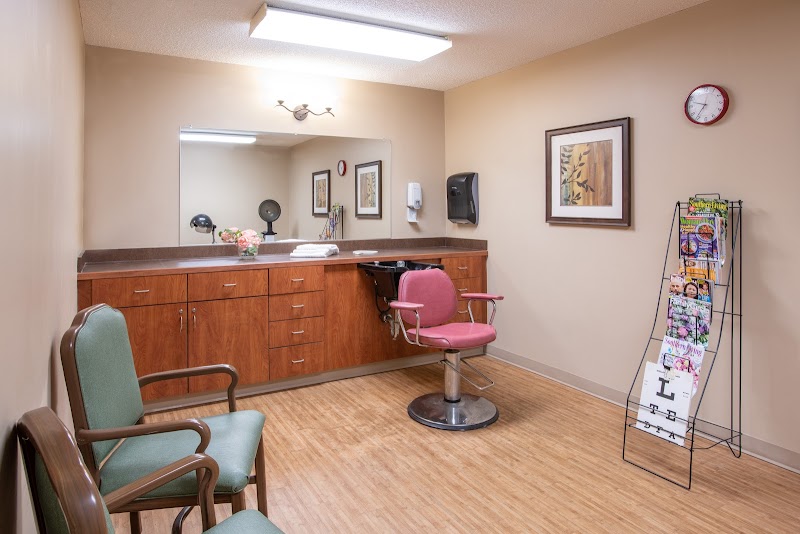
How is New Castle Center Staffed?

CMS rates NEW CASTLE HEALTH AND REHABILITATION CENTER's staffing level at 4 out of 5 stars, which is above average compared to other nursing homes. Staff turnover is 45%, compared to the Delaware average of 46%. This relatively stable workforce can support continuity of care. RN turnover specifically is 70%, which is notably high. RNs provide skilled clinical oversight, so turnover in this role can affect medical care quality.

What Have Inspectors Found at New Castle Center?

State health inspectors documented 45 deficiencies at NEW CASTLE HEALTH AND REHABILITATION CENTER during 2021 to 2025. These included: 1 Immediate Jeopardy (the most serious level, indicating potential for serious harm or death) and 44 with potential for harm. Immediate Jeopardy findings are rare and represent the most serious regulatory concerns. They require immediate corrective action.
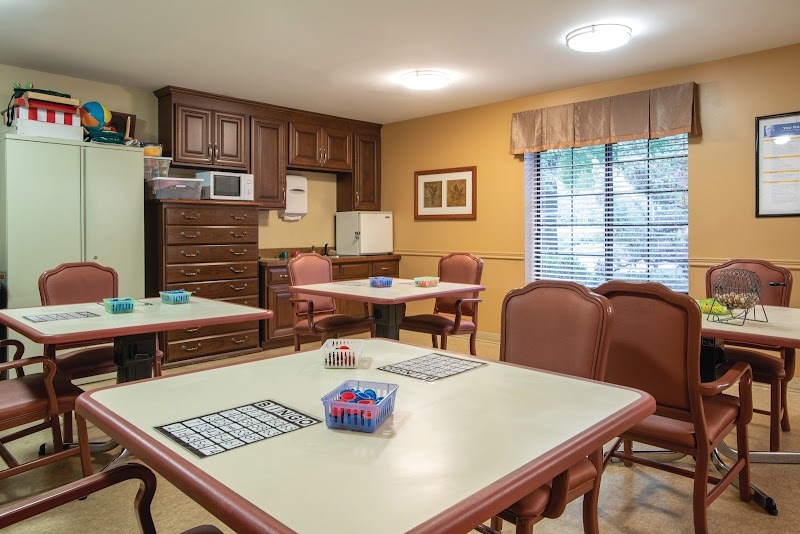
Who Owns and Operates New Castle Center?

NEW CASTLE HEALTH AND REHABILITATION CENTER is owned by a for-profit company. For-profit facilities operate as businesses with obligations to shareholders or private owners. The facility is operated by SABER HEALTHCARE GROUP, a chain that manages multiple nursing homes. With 120 certified beds and approximately 114 residents (about 95% occupancy), it is a mid-sized facility located in NEW CASTLE, Delaware.
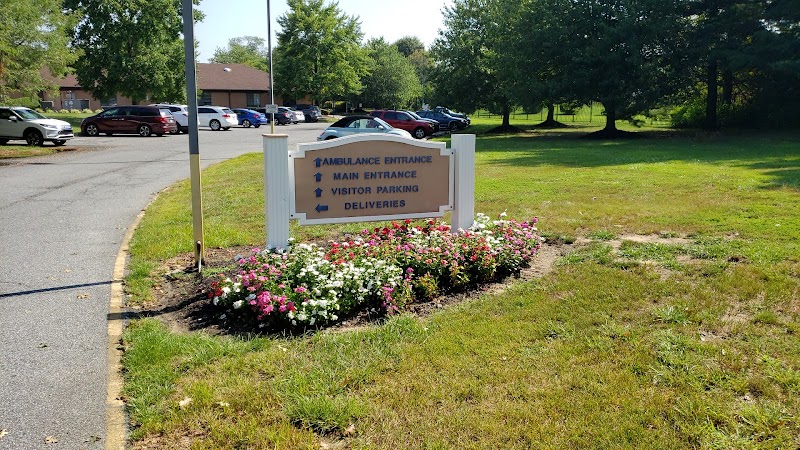
How Does New Castle Center Compare to Other Delaware Nursing Homes?

Compared to the 100 nursing homes in Delaware, NEW CASTLE HEALTH AND REHABILITATION CENTER's overall rating (2 stars) is below the state average of 3.3, staff turnover (45%) is near the state average of 46%, and health inspection rating (2 stars) is below the national benchmark.

What Should Families Ask When Visiting New Castle Center?

Based on this facility's data, families visiting should ask: "What changes have been made since the serious inspection findings, and how are you preventing similar issues?" "Can I visit during a mealtime to observe dining assistance and food quality?" "How do you handle medical emergencies, and what is your hospital transfer rate?" "Can I speak with family members of current residents about their experience?" These questions are particularly relevant given the facility's Immediate Jeopardy citations.

Is New Castle Center Safe?

Based on CMS inspection data, NEW CASTLE HEALTH AND REHABILITATION CENTER has documented safety concerns. Inspectors have issued 1 Immediate Jeopardy citation (the most serious violation level indicating risk of serious injury or death). The facility has a 2-star overall rating and ranks #100 of 100 nursing homes in Delaware. Families considering this facility should ask detailed questions about what corrective actions have been taken since these incidents.

Do Nurses at New Castle Center Stick Around?

NEW CASTLE HEALTH AND REHABILITATION CENTER has a staff turnover rate of 45%, which is about average for Delaware nursing homes (state average: 46%). Moderate turnover is common in nursing homes, but families should still ask about staff tenure and how the facility maintains care continuity when employees leave.

Was New Castle Center Ever Fined?

NEW CASTLE HEALTH AND REHABILITATION CENTER has no federal fines on record. CMS issues fines when nursing homes fail to meet care standards or don't correct problems found during inspections. The absence of fines suggests the facility has either maintained compliance or corrected any issues before penalties were assessed. This is a positive indicator, though families should still review recent inspection reports for the full picture.

Is New Castle Center on Any Federal Watch List?

NEW CASTLE HEALTH AND REHABILITATION CENTER is not on any federal watch list. The most significant is the Special Focus Facility (SFF) program, which identifies the bottom 1% of nursing homes nationally based on persistent, serious quality problems. Not being on this list means the facility has avoided the pattern of deficiencies that triggers enhanced federal oversight. This is a positive indicator, though families should still review the facility's inspection history directly.