NEWARK MANOR NURSING HOME
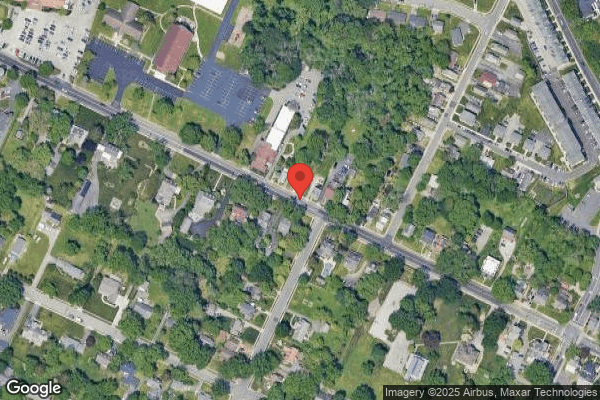
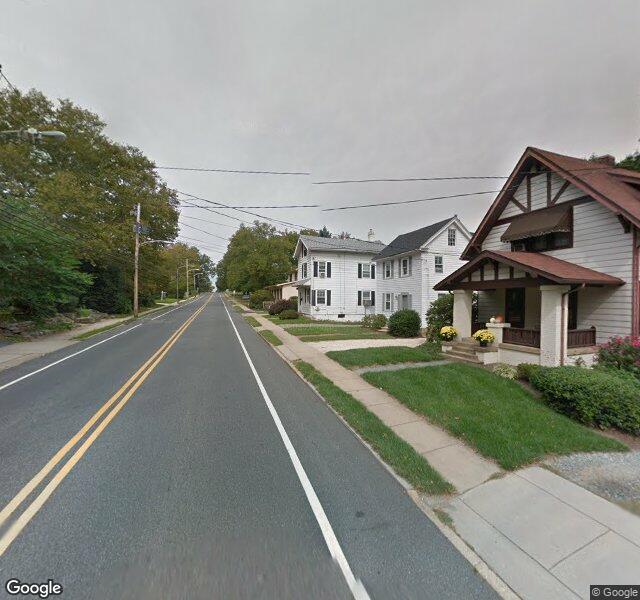
254 WEST MAIN STREET, NEWARK, DE 19711 (302) 731-5576
For profit - Individual 67 Beds Independent Data: November 2025
Trust Grade
35/100
#35 of 43 in DE
Last Inspection: January 2024

Within standard 12-15 month inspection cycle. Federal law requires annual inspections.

Overview

Newark Manor Nursing Home has received a Trust Grade of F, indicating significant concerns about the facility's quality and care. It ranks #35 out of 43 nursing homes in Delaware, putting it in the bottom half of the state, and #20 out of 25 in New Castle County, meaning only a few local options are worse. The facility shows an improving trend, as it reduced its issues from three in 2024 to two in 2025, but it still has serious concerns, including one incident of physical abuse that resulted in harm to a resident. While staffing is a strength with a 4 out of 5 star rating and lower turnover than the state average, there is less RN coverage than 93% of other facilities, which could impact the quality of care. Notably, the facility has not incurred any fines, which is a positive sign, but recent inspector findings highlight issues such as a lack of regular care plan meetings and inadequate monitoring of medication for one resident.

Trust Score
F
35/100
In Delaware
#35/43
Bottom 19%
Safety Record
High Risk
Review needed
Inspections
Getting Better
3 → 2 violations
Staff Stability
○ Average
37% turnover. Near Delaware's 48% average. Typical for the industry.
Penalties
✓ Good
No fines on record. Clean compliance history, better than most Delaware facilities.
Skilled Nurses
⚠ Watch
Each resident gets only 29 minutes of Registered Nurse (RN) attention daily — below average for Delaware. Fewer RN minutes means fewer trained eyes watching for problems.
Violations
⚠ Watch
19 deficiencies on record. Higher than average. Multiple issues found across inspections.
★★☆☆☆
2.0
Overall Rating
★★★★☆
4.0
Staff Levels
★★☆☆☆
2.0
Care Quality
★★☆☆☆
2.0
Inspection Score
Stable
2024: 3 issues
2025: 2 issues

The Good

  • 4-Star Staffing Rating · Above-average nurse staffing levels
  • Full Sprinkler Coverage · Fire safety systems throughout facility
  • No fines on record
  • Staff turnover below average (37%)

    11 points below Delaware average of 48%

Facility shows strength in staffing levels, fire safety.

The Bad

2-Star Overall Rating

Below Delaware average (3.3)

Below average - review inspection findings carefully

Staff Turnover: 37%

Near Delaware avg (46%)

Typical for the industry

The Ugly 19 deficiencies on record

1 actual harm
Feb 2025 2 deficiencies 1 Harm
SERIOUS (G) 📢 Someone Reported This

A family member, employee, or ombudsman was alarmed enough to file a formal complaint

Actual Harm - a resident was hurt due to facility failures

Free from Abuse/Neglect (Tag F0600)

A resident was harmed · This affected 1 resident

**NOTE- TERMS IN BRACKETS HAVE BEEN EDITED TO PROTECT CONFIDENTIALITY** Based on interview, record review and review of other documentation as indicated, it was determined that for one (R462) out of t...

Read full inspector narrative →
**NOTE- TERMS IN BRACKETS HAVE BEEN EDITED TO PROTECT CONFIDENTIALITY** Based on interview, record review and review of other documentation as indicated, it was determined that for one (R462) out of three residents reviewed for abuse, the facility failed to ensure that R462 was free from physical abuse by R461 resulting in harm when R462 obtained a broken nose and laceration to the bridge of nose. Due to the facility's corrective measures completed on 5/28/24, the facility was notified that R462's incident was a harm past non-compliance. Findings include: Cross refer F684 The facility's undated policy, titled, Freedom from Abuse, Neglect, Mistreatment, Serious Injury, Misappropriation of Property, Exploitation, Injury of Unknown Origin and Crime documented, .Definitions: 1. Abuse - the infliction of injury .with resulting physical harm, pain or mental anguish .and includes .a. Physical abuse - the unnecessary infliction of pain or injury . to a . resident . includes hitting, kicking, slapping . Review of R462's record revealed: 3/6/24 - R462 was admitted to the facility with diagnoses including dementia. 3/15/24 - R462's admission MDS assessment revealed that R462's cognition was severely impaired with a BIM's score of 6. R462 had no mood or behavioral symptoms exhibited during the review period. Review of R461's record revealed: 5/6/24 - R461 was admitted to the facility with diagnoses including depression, insomnia and adult personality and behavior disorder. 5/6/24 - R461 had a physician's order for safety checks every 2 hours every shift. 5/7/24 - R461 was care planned for impaired thought process related to dementia with interventions including administering medications as ordered, cuing, reorienting and supervising as needed. 5/10/24 - R461 was care planned for verbal and physical aggressive behavior towards staff related to dementia. R461's interventions included: - R461's triggers for physical aggression are night shift hours .R461's behaviors are de-escalated by snacks and activities like using fidget books; - analyze times of day, places, circumstances, triggers, and what de-escalates behavior and document; - assess and address for contributing sensory deficits; - assess and anticipate R461's needs for food, thirst, toileting needs, comfort level, body positioning, pain, etc. - give the resident as many choices as possible about care and activities; - modify environment such as adjusting room temperature to comfortable level, reducing noise, dimming lights, placing familiar objects in room, keeping door closed, etc. and; - assess resident's coping skills and support system. - assess R461's understanding of the situation .allow time to express self and feelings towards the situation 5/10/24 - R461's care plan interventions for behavioral problems of paranoia and making false accusations included: - anticipate and meet the resident's needs; - assist R461 to develop more appropriate methods of coping and interacting . encourage the resident to express feelings appropriately; - caregivers to provide opportunity for positive interaction, attention .stop and talk with him when passing by; - explain all procedures to R461 before starting and allowing the residents a few minutes to adjust to changes; - if reasonable, discuss the resident's behavior . explain/reinforce why behavior is inappropriate and/or unacceptable to the resident; - intervene as necessary to protect the rights and safety of others .approach/speak in a calm manner. divert attention .remove from situation and take to alternate location as needed. - praise any indication of the resident's progress/improvement in behavior and; - provide a program of activities that is of interest and accommodates residents' status. 5/16/24 - R461's admission MDS revealed that R461 had a BIMS score of 6 with severe cognition impairment, was feeling down and depressed, tired and having little energy for 7-11 days. In addition, R461 displayed physical and verbal behavioral symptoms occurring 1-3 days and had significant risk of physical illness or injury interfering with his care, putting others at significant risk of physical injury and intrusion on the privacy or activity of others during the review period. 5/16/24 - R461 had a physician's order for safety checks every 30 minutes while in bed . If resident awakes, allow him to exit room and offer preferred activities. 5/16/24 - R461's physical aggression care plan intervention was updated to include safety checks every 30 minutes while resident is in bed .if [R461] wakes (sic), allow [R461] to get dressed if he desires to do so and allow [R461] to enter common area with preferred activities. 5/18/24 11:20 PM - A nurse progress note documented, . (Registered Nurse) called (sic) to (room #) for resident [R462] altercation and noted to be seated in chair actively bleeding from face with roommate [R461] in front of him. Residents easily separated and this resident (sic) assessed. No c/o (complaints of pain) nose very swollen and bruised and lacerations noted on bridge of nose and below left eye . 5/19/24 3:04 AM - A facility incident report submitted to the State Agency documented that on 5/18/24 at 11:20 PM, .found residents in altercation . CNA called for help and residents were separated. Both residents were sent to ED (Emergency Department) for further evaluation. 5/19/24 12:25 AM - A hospital ED (Emergency)Teaching Physician Note documented, 82 - year old white male with dementia .now status post traumatic injury to his face by a punch from his roommate .has an injury to the nose .he did feel somewhat woozy (dizzy) . Impression: Laceration to the bridge of the nose/nasal fracture. 5/23/24 - A facility 5 day follow up summary submitted to the State Agency documented, .the alleged perpetrator [R461] was striking the alleged victim and stated, 'You were stealing my stuff' .Upon assessment .[R461] was actively bleeding from his face .Lacerations noted to the bridge of the nose and under the left eye. 2/18/25 2:00 PM - In an interview, E2 (DON) stated that some information about R461's aggressive behaviors from outside facility was not relayed to them prior to R461's admission on [DATE]. The facility failed to ensure that R462 was free from physical abuse by R461 when R461 struck 462 on the face which resulted in R462's broken nose and laceration to the bridge of nose. 2/18/25 3:00 PM - During interview, FM1 (Family Member) stated, They (facility) advertised that they have a memory care unit. We checked the place before [R461's] admission and we were told that they will have somebody sit outside of the room and leave the door open to keep an eye on him specially when [R461] gets up and goes near the roommate. I don't know what the circumstance was when the hitting happened but I guess nobody was out there to keep an eye on him when he got up and became physically aggressive to his roommate . 2/19/25 10:00 AM - Findings were discussed with E1 (NHA) and E2 (DON). 2/19/2 3:47 PM - In an email correspondence, E1 submitted to the Surveyor documentation of the corrective action plan with correction completed 5/28/24 at 3:00 PM. Corrective Actions: 1. Education for staff began on 5/20/24 on Resident - to - Resident Mistreatment (RRM), which included risk factors of RRM, ways to de-escalate residents, documentation of behaviors, monitoring and provider notification. 2. QAPI 2nd quarter review. 3. Strengthen of the admission screening process: Evaluating each potential resident for: - History of aggression, violence and other behavioral issues. - Psychiatric diagnosis and treatments. - History of substance abuse or withdrawal symptoms. - Prior incidents of resident - to - resident aggression in other facilities. Interdisciplinary Review Process: - admission team (including DON and social services) must review hospital discharge summaries, psychiatric evaluations, and legal history before approval or the last 6 months, or if potential admission has been in their current facility for < (less) 6 months, all notes available. - History of assault, involuntary psychiatric hospitalizations require further discussion before acceptance. Enhanced admission Documentation and Communication - Improved Handoff Communication: Require detailed behavioral history reports from referral sources before admission approval, at least 6 months of notes or all notes available if resident at current facility < 6 months. -admission Care Plan Implementation: Within 48 hours of admission, develop an individualized care plan that includes safety interventions for at - risk residents. Monitoring and Compliance - admission Audits: Review 100% of admission, focusing on behavioral risk assessments and compliance with the new process. No immediate action required related to facility correction and no further occurrences after the incident on 5/18/24. This was verified by interviews with staff about resident - to - resident physical abuse education, spot inspection for resident interactions and inspection of the facility abuse incident reports. 2/19/25 10:30 AM - Findings were reviewed with E1 (NHA) and E2 (DON) during the Exit Conference.
CONCERN (D) 📢 Someone Reported This

A family member, employee, or ombudsman was alarmed enough to file a formal complaint

Potential for Harm - no one hurt, but risky conditions existed

Quality of Care (Tag F0684)

Could have caused harm · This affected 1 resident

Based on record review and interview, it was determined that for one (R461) out of one sampled resident, the facility failed to ensure the physician's order to administer tamsulosin HCL, aripiprazole ...

Read full inspector narrative →
Based on record review and interview, it was determined that for one (R461) out of one sampled resident, the facility failed to ensure the physician's order to administer tamsulosin HCL, aripiprazole and escitalopram oxalate. Findings include: Cross refer F600 5/6/24 - R461 had a physician's order for tamsulosin HCL give 2 capsules to equal 0.8 mg in the evening for enlarged prostrate. 5/6/24 (discontinued 5/13/24) - R461 had a physician's order for aripiprazole 5 mg give 2.5 mg (1/2 tablet) in the evening for depression. 5/7/24 - R461 had a physician's order for escitalopram oxalate 10 mg 1 tablet in the morning for depression. 5/13/24 - R461 had a physisian's order for aripiprazole 5 mg 1 tablet by mouth at bedtime for depression. 2/18/25 10:00 AM - A review of R461's May 2024 Medication Administration Record revealed the following missing medication doses: 6 pm - tamsulosin HCL 0.8 mg - one out of 12 missed dose on 5/8/24; 6 pm - aippirazole 2.5 mg - four out of seven missed doses on 5/6/24-5/9/24; 8 pm - aripiprazole 5 mg - five out of six missed doses on 5/13/24 - 5/17/24; 8 am - escitalopram oxalate - two out of 11 missed doses on 5/15-17/24. 2/18/25 10:20 AM - A review of nurse progress notes from 5/6/24 through 5/19/24 revealed the following: - 5/6/24 7:39 PM - awaiting delivery from pharmacy, pharmacy notified; - 5/7/24 7:45 PM - awaiting pharmacy delivery; - 5/8/24 7:26 PM - awaiting delivery; - 5/8/24 7:29 PM - awaiting delivery; - 5/9/24 6:14 PM - awaiting delivery; - 5/13/24 7:55 PM - awaiting delivery; - 5/14/24 8:00 PM - awaiting delivery; - 5/15/24 8:57 AM - not available; - 5/15/24 10:08 PM - unavailable; - 5/16/24 8:58 AM - none available, attempted to order; - 5/16/24 6:05 PM - on order; - 5/17/24 7:35 PM - awaiting order. 2/18/25 10:47 AM - In an interview, E3 (ADON) confirmed that R461 missed all those doses on the dates and times identified by the surveyor. E3 further stated that R461's son [FM1] signed a facility Pharmacy Services Agreement on 5/6/24 that R461's medications will be filled by the facility and that the facility pharmacy provider was not able to fill the medications as indicated. 2/18/25 1:18 PM - During interview, E5 (RN, SW) stated that during R461's admission to the facility, .We were not aware that [R461's] prescriptions were to come from [Pharmacy 2], another provider with insurance issues which caused the delay in obtaining the scripts and availing the medications. I was calling [Pharmacy 2] almost everyday to follow up on [R461's] prescriptions because [Pharmacy 1], our facility pharmacy provider, could not fill due to insurance . [Pharmacy 2] finally sent the prescriptions to us by mail on 5/15/24 .When asked if the facility notified the attending physician regarding the delay in R461's medication delivery and that R461 was missing multiple doses, E5 stated, I spoke to the NP (E9) about it for the first time on 5/8/24. I asked her to write a script for [R461's] meds to be faxed to [Pharmacy 2]. When her script was sent over, we learned from the (Pharmacy 2] that the scripts were not accepted because the meds had to be prescribed by their [Pharmacy 2] physician [Physician 1] - so it was another cause of the delay because we had to look for [Physician 1] to write the scripts. 2/19/25 10:00 AM - Findings were discussed with E1 (NHA) and E2 (DON). 2/19/25 10:30 AM - Findings were reviewed with E1 (NHA) and E2 (DON) during the Exit Conference.
Jan 2024 3 deficiencies
CONCERN (D) 📢 Someone Reported This

A family member, employee, or ombudsman was alarmed enough to file a formal complaint

Potential for Harm - no one hurt, but risky conditions existed

Free from Abuse/Neglect (Tag F0600)

Could have caused harm · This affected 1 resident

**NOTE- TERMS IN BRACKETS HAVE BEEN EDITED TO PROTECT CONFIDENTIALITY** Based on interviews, record review, review of facility reported incidents (FRI), and review of the facility's policy, the facili...

Read full inspector narrative →
**NOTE- TERMS IN BRACKETS HAVE BEEN EDITED TO PROTECT CONFIDENTIALITY** Based on interviews, record review, review of facility reported incidents (FRI), and review of the facility's policy, the facility failed to ensure residents were free from abuse for one of two residents reviewed for abuse (Resident (R) 2) out of a total sample of 26 residents. Findings include: Review of facility's policy titled, Freedom from Abuse, Neglect, Mistreatment, Serious Injury, Misappropriation of Property, Exploitation, Sexual Abuse, Injury of unknown origin and crime, dated 05/2022, revealed [name of the facility] affirms that all persons admitted to the facility shall be treated with dignity and respect. Each resident is entitled to and shall receive appropriate and quality care, free of adverse preventable risks, consistent with their assessed needs and available resources. Staff shall be assured that resident care and treatment is administered in a safe, professional, and humane manner. Any instances of suspected, alleged, or witnessed resident abuse neglect mistreatment, serious injury, misappropriation of property, exploitation, sexual abuse, injury of unknown origin, and reasonable suspected crime must be reported by the covered individuals (owner, operator, employee, manager, agent or contractor of such long term care (LTC) facility) to facility administration or State survey agency and local law enforcement agency in the jurisdiction of the facility. Furthermore, not later than two hours after forming the suspicion if the event that causes the suspicion results in serious bodily injury, or not later than 24 hours if the events that cause the suspicion do not result in serious bodily injury. The nurse on duty at the time of the incident, or supervisor will submit an incident report to the office of long-term care residents' protection (OLTCRP) via their online portal. 1. Review of R312's undated Face Sheet, located in the resident's electronic medical record (EMR) under the Profile tab revealed R312 was admitted to the facility on [DATE] with diagnoses which included Alzheimer's disease and anxiety. Review of an Incident Note (facility provided) dated [DATE] revealed Called to R312's room because he was very agitated, and staff reported he struck his roommate [R2] on the right side of his cheek. R312 continued to strike out at staff who finally calmed R312 and removed his roommate [R2] from the room. Review of the facility provided Incident/Accident Report dated [DATE] revealed R312 noted with aggression and was reported that he hit his roommate [R2] on the face. 2. Review of R2's undated Face Sheet, located in the resident's EMR under the Profile tab revealed R2 was re-admitted to the facility on [DATE] with a diagnosis including dementia and major depressive disorder (MDD). Review of R2's Progress Note (facility provided) dated [DATE] revealed R2 was struck by R312 on the right cheek while sitting in his wheelchair at 07:15 AM [7:15 AM]. Staff immediately moved R2 to a safe location. Right cheek is reddened but R2 denied pain at the time. Team health notified through voicemail and are awaiting a call back. Review of facility provided Incident/Accident Report dated [DATE] revealed R2 was sitting in his wheelchair when R312 became agitated and struck him on right cheek. Area was reddened. Interview with R2 on [DATE] at 09:00 AM, alert yet confused, said that nobody has hit him while he has been at the facility. He had no evidence of bruising on his skin. Review of Incident Reporting Application (initial reporting) dated [DATE] revealed Received report R312 noted with physical aggression towards R2. R312 noted hitting R2 on his right cheek and mouth. Residents were separated, redirected, and given snacks to calm down. R312 was later sent to the hospital for further evaluation and treatment. R2 was noted with abrasion on the right check and bruise to the lip. First aid administered, R2 denied pain and stated he was okay. Review of Witness Statement for Registered Nurse (RN) 1, dated [DATE], revealed Called to resident's room after resident hit R2 on left cheek. R312 very agitated and trying to hit staff who were trying to calm him down. Review of Witness Statement for Certified Nursing Assistant (CNA) 1 dated [DATE] revealed At 07:15 AM [7:15 AM], I was in the dining room when I heard the R2 from room [R2's room] calling for help, help me, help me. I ran to see what was going on with the resident. As I got to the room door, I saw the nurse and another CNA trying to calm and redirect R312 who was being aggressive hitting his roommate [R2] in the face. I asked R2 why he was calling for help and he said that his roommate [R312] was hitting him. R312's face was read (sic). I, the nurse, and another CNA redirected R312 to his bed and offered him snacks while we took his R2 to the dining room for breakfast. The charge nurse/supervisor was notified. Review of Investigation Follow-Up dated [DATE] revealed R2 was dressed and ready to be sent to the dining room when R312 struck him on his face. R2 was asked what happened he stated I do not know, R312 just hit me. R312 is noted with a red mark on right cheek, no other injuries observed. R2 denied pain and stated that I am fine. Separate R312 from R2 and room change. Review of Follow Up (5-day report) dated [DATE] revealed Resident altercation between R312 and R2-not issues prior to the incident-one resident hit another with a one two punch. R312 who punched other R2 had behavior concerns and had demonstrated aggressive, hitting behaviors. R312 with aggressive behaviors sent to the hospital for evaluation and medical management (remains in the hospital at this time). R2 who was hit in face has no complaints of discomfort or pain. Currently investigating room change to separate the two residents. Resident rounding and rooms change when necessary. Interview with Administrator on [DATE] at 10:30 AM, he said that R312 was sent out to the hospital for further evaluation after he hit R2 in the face. While R312 was at the hospital, R312 expired. Interview with CNA1 on [DATE] at 3:08 PM, she said that she did witness the incident when R312 hit R2. Said that R312 was walking on R2's side of the bedroom, staff redirected him several times without success, and R312 hit R2. Unable to recall where R2 was hit at. Said that R312 had a history of aggressive behavior toward staff, but not residents. During an interview on [DATE] at 3:15 PM, the Director of Nursing (DON) stated if there was a resident-to-resident altercation, she expected staff to intervene and separate the residents. After separating the residents, she expected staff to assess residents and give treatment to any resident that is hurt. The DON also stated she expected staff to send out the aggressive resident for evaluation. The DON further stated staff would notify her, so she could notify the appropriate agencies within two hours.
CONCERN (D)

Potential for Harm - no one hurt, but risky conditions existed

Transfer Notice (Tag F0623)

Could have caused harm · This affected 1 resident

**NOTE- TERMS IN BRACKETS HAVE BEEN EDITED TO PROTECT CONFIDENTIALITY** Based on record review, interview and facility policy review, the facility failed to provide the resident and/or their responsib...

Read full inspector narrative →
**NOTE- TERMS IN BRACKETS HAVE BEEN EDITED TO PROTECT CONFIDENTIALITY** Based on record review, interview and facility policy review, the facility failed to provide the resident and/or their responsible party a written transfer notice at the time the resident was transferred to the hospital; and failed to send a copy of the notice to the Long Term Care (LTC) Ombudsman for two residents (Resident (R) 54, and R312) of two reviewed for hospitalizations in a total sample of 26 residents. Findings include: Review of facility's updated policy titled, Discharge to Hospital/Another Long-Term Care (LTC) Facility, revealed To assure that comprehensive information regarding a resident's plan of care is communicated between facilities. Policy: 1. Obtain transfer or discharge order from the physician. 2. Notify the family and administration. 3. Complete Interagency Form B. Place in an envelope with the resident's name and the name of the receiving facility. When a resident is being transferred to another LTC facility. Send a copy of the immunization record. 4. Arrange for transport (unless accepting facility has arranged). 5. Notify the receiving facility of the resident's transfer and explain the resident's condition. 6. When determination is made that the resident is to be admitted to another facility: a. Notify administration b. Notify dietary c. Notify pharmacy d. Notify housekeeping 7. Contact the business office: a. Bed being held-put resident's belongings away neatly in room b. Bed not being held-Certified Nursing Assistant (CNA) to pack resident's belongings and check with the clothing sheet. Label all boxes, bags, suitcases with the resident's name and have maintenance put in storage until the family comes for the items. The policy did not entail being given written notices. 1. Review of R54's undated Face Sheet, located under the Profile tab of the electronic medical record (EMR) revealed R54 was admitted to the facility on [DATE]. Review of R54's Progress Notes located in the Progress Notes tab of the EMR revealed R54 was sent to the hospital on [DATE]. Review of R54's EMR revealed no documented evidence that written notification regarding R54's transfer to the hospital was sent to R54's responsible party or sent to the Ombudsman. During an interview on 01/10/24 at 12:03 PM, the Long Term Care Ombudsman confirmed she had not received any notifications of the resident's transfer from the facility or any other resident transfer for the past year. During an interview on 01/10/24 at 1:00 PM, the Social Services Director (SSD) confirmed residents and/or resident's responsible party were not provided a written notice of transfer upon transfer to the hospital. During an interview on 01/10/24 at 1:50 PM, the Director of Nursing (DON) was asked about written notification of transfer being provided to R54's responsible party and the Ombudsman. The DON stated, upon resident transfer, nursing notified the resident's responsible party by telephone. The DON stated she was not aware of written resident transfer notifications being sent to the ombudsman. The DON said she did not know written notification of transfer needed to be completed and provided to the residents' responsible party and the ombudsman. 2. Review of R312's undated Face Sheet, provided by the facility, revealed R312 was admitted to the facility on [DATE] with diagnoses which included Alzheimer's disease and anxiety. Review of Incident Reporting Application (initial reporting) dated 12/09/22 revealed Received report R312 noted with physical aggression towards R2 .R312 was later sent to the hospital for further evaluation and treatment. Review of R312's electronic medical record (EMR) and thinned medical record revealed no documented evidence that a written transfer notice was provided to R312, R312's family, and/or Ombudsman. During an interview on 01/10/24 at 1:00 PM, the Social Service Director (SSD) confirmed the resident, family, and/or resident representative (RP) were not given a written notice of transfer. The SSD also indicated the Ombudsman is not notified of residents' transfers to the hospital. During an interview on 01/10/24 at 1:50 PM, the Director of Nursing (DON) confirmed that the facility's policy did not address providing written notification of transfer to the resident, family and/or RP. The DON also confirmed the policy did not address notification to the Ombudsman.
CONCERN (D)

Potential for Harm - no one hurt, but risky conditions existed

Deficiency F0625 (Tag F0625)

Could have caused harm · This affected 1 resident

**NOTE- TERMS IN BRACKETS HAVE BEEN EDITED TO PROTECT CONFIDENTIALITY** Based on record review, interview, and facility policy review, the facility failed to provide written information regarding the ...

Read full inspector narrative →
**NOTE- TERMS IN BRACKETS HAVE BEEN EDITED TO PROTECT CONFIDENTIALITY** Based on record review, interview, and facility policy review, the facility failed to provide written information regarding the facility's bed hold policy to the resident and the resident's responsible party at the time of transfer or within 24 hours of the transfer for two of three residents (Resident (R) 54 and 312) reviewed for hospitalizations of a total sample of 26 residents. Findings include: Review of facility policy titled, Bed Hold (BH) Policy, (admission package) undated, revealed, A. Medical Assistance/Medicaid Residents. If the resident is transferred to a hospital by the order of a physician, [name of facility] will hold resident's bed for up to seven days commencing on the first day of leave, in accordance with Medicaid bed-hold policy. If a patient or resident is transferred out of a facility to an acute care facility or other specialized treatment facility, the facility must accept the patient or resident back into the facility when the resident no longer needs acute or specialized care and there is space available in the facility. If no space is available, the resident shall be accepted into the next available bed. B. Private Pay Residents. BH payment will be $150.00 per day. 1. Review of R312's undated Face Sheet, provided by the facility revealed R312 was admitted to the facility on [DATE] with diagnoses including Alzheimer's disease and anxiety. Review of Incident Reporting Application (initial reporting) dated 12/09/22 revealed Received report R312 noted with physical aggression towards R2 .R312 was later sent to the hospital for further evaluation and treatment. No evidence in the electronic medical record (EMR) and/or thinned chart revealed that a bed hold notice was given to R312 and/or R312's family upon transfer to the hospital on [DATE]. 2. Review of R54's undated Face Sheet located under the Profile tab of the electronic medical record (EMR) revealed R54 was admitted to the facility on [DATE]. Review of R54's Progress Notes located in the Progress Notes tab of the EMR revealed R54 was sent to the hospital on [DATE]. Review of R54's EMR revealed no documented evidence that the facility provided written information regarding the facility's bed hold policy to the resident and the resident's responsible party at the time of transfer or within 24 hours of the transfer. During an interview on 01/10/24 at 12:03 PM, the Long-Term Care Ombudsman stated she had concerns regarding the facility not sending her bed hold notices for the past year. Interview with Social Services Director (SSD) on 01/10/24 at 1:00 PM, confirmed no bed hold notices were given at time of transfer or within 24 hours of the transfer. During an interview on 01/10/24 at 1:50 PM, the Director of Nursing (DON) stated residents and their responsible parties were provided written information regarding the facility's bed hold policy upon admission. The DON stated information about the facility's bed hold policy had not been provided to residents and their responsible parties upon the resident's transfer to the hospital. At 2:30 PM, the DON stated the facility was using the bed hold policy for 30 days, not seven.
Dec 2021 4 deficiencies
CONCERN (D)

Potential for Harm - no one hurt, but risky conditions existed

Assessment Accuracy (Tag F0641)

Could have caused harm · This affected 1 resident

2. Review of R19's clinical record revealed: 12/2/19 - R19 was admitted to the facility. 12/4/19 - Review of R19's inventory list documented that R19 had a partial denture on admission. 12/2/19 - An ...

Read full inspector narrative →
2. Review of R19's clinical record revealed: 12/2/19 - R19 was admitted to the facility. 12/4/19 - Review of R19's inventory list documented that R19 had a partial denture on admission. 12/2/19 - An admission MDS assessment documented no missing teeth and no full or partial dentures. 9/17/21 - A quarterly MDS assessment documented R19 did not have a full or partial denture or difficulty chewing. 12/17/21 12:25 PM - Interview with E5 (MDS Coordinator) revealed that she had no knowledge that R19 had a partial denture. E5 comfirmed that the facility failed to accurately assess R19 as having a partial denture. Findings were reviewed during the exit conference on 12/22/21 at 4:10 PM with E1 (NHA) and E2 (DON). Based on interview and record review, it was determined for two (R19 and R44) out of nine residents reviewed for the sample, the facility failed to complete an accurate MDS assessment. Findings include: 1. Review of R44's clinical record revealed: 1/20/21 - R44 was admitted to the facility on an antipsychotic medication which remains actively prescribed. 2/1/21- An admission MDS assessment documented that R44 did not receive antipsychotic medications. 11/3/21- A quarterly MDS assessment documented that R44 did not receive antipsychotic medications. During an interview on 12/20/21 at 12:07 PM, E5 (RNAC) confirmed the facility failed to accurately assess R44 for taking antipsychotic medication.
CONCERN (D)

Potential for Harm - no one hurt, but risky conditions existed

Deficiency F0868 (Tag F0868)

Could have caused harm · This affected 1 resident

Based on review of facility documentation and interview, it was determined that the facility's quality assurance performance improvement (QAPI) committee failed to meet at least quarterly. Findings in...

Read full inspector narrative →
Based on review of facility documentation and interview, it was determined that the facility's quality assurance performance improvement (QAPI) committee failed to meet at least quarterly. Findings include: Review of facility documentation on the quarterly QAPI meetings revealed the following: 1/2021 - The facility failed to provide a quarterly QAPI meeting sign-in sheet. 10/2021 - The facility failed to provide a quarterly QAPI meeting sign-in sheet. 12/21/2021 2:19 PM - During an interview, E1 (NHA) confirmed the facility's quality assurance committee failed to meet at least quarterly. Findings were reviewed with E1 and E2 (DON) during the Exit Conference on 12/21/2021 at 4:10 PM.
CONCERN (E)

Potential for Harm - no one hurt, but risky conditions existed

Deficiency F0657 (Tag F0657)

Could have caused harm · This affected multiple residents

3. Review of R55's clinical record and interviews revealed: R55 had an annual MDS assessment on 2/18/21 and quarterly MDS assessments on 5/21/21, 8/21/21 and 11/21/21. 12/15/21 11:45 AM - During an in...

Read full inspector narrative →
3. Review of R55's clinical record and interviews revealed: R55 had an annual MDS assessment on 2/18/21 and quarterly MDS assessments on 5/21/21, 8/21/21 and 11/21/21. 12/15/21 11:45 AM - During an interview with FM1, it was revealed that they had never participated in any care plan meetings. 12/18/21 10:12 AM - During an interview with E2 (DON), it was confirmed that the facility has not been holding care plan meetings for some time. Per E2 We are focused on resident care. The facility was unable to provide evidence that R55's care plan meetings were attended by the required IDT members. Findings were reviewed during the exit conference on 12/22/21 at 4:10 PM with E1 (NHA) and E2 (DON). Based on record review and interview it was determined that for three (R19, R40 and R55) out of 31 residents reviewed for care plans, the facility failed to ensure that care plan meetings included the required IDT (interdisciplinary team) attended. Findings include: 1. Review of R19's clinical record and interviews revealed: There were three quarterly MDS assessments completed for R19 on 3/17/21, 6/17/21 and 9/17/21. 12/15/21 12:34 PM - During an interview, FM2 stated that I have never been involved in any care plan meetings, they notify me of changes in condition or medications either over the phone or in person when I'm visiting my (R19). 12/18/21 10:12 AM - During an interview with E2 (DON), it was confirmed that the facility has not been holding care plan meetings for some time. Per E2 We are focused on resident care. The facility was unable to provide evidence that R19's care plan meetings were attended by the required IDT members. 2. Review of R40's clinical record and interviews revealed: 1/14/21 - R40 was admitted to the facility. 12/15/21 11:00 AM - Record review lacked evidence that care plan meetings were held following the annual MDS assessment on 1/27/21 and three quarterly MDS assessments on 4/29/21, 7/30/21, and 10/30/21. The facility lacked evidence that R40's care plan meetings were attended by the required IDT members.
CONCERN (E)

Potential for Harm - no one hurt, but risky conditions existed

Deficiency F0757 (Tag F0757)

Could have caused harm · This affected multiple residents

Based on observation, interview and record review it was determined that for one (R19) out of five residents for medication review, the facility failed to monitor and have an adequate indication for u...

Read full inspector narrative →
Based on observation, interview and record review it was determined that for one (R19) out of five residents for medication review, the facility failed to monitor and have an adequate indication for use of an antipsychotic drug Zyprexa. Findings include: 12/2/19 - R19 was admitted to the facility. 12/15/20 - An annual MDS assessment did not document any behaviors of wandering or delusions (misconceptions or beliefs that are firmly held, contrary to reality) present. 1/4/21 - A physician's order was written for Remeron for depression 7.5 mg by mouth one time a day. 3/17/21 and 6/17/21 - A quarterly MDS assessment did not document any behaviors of wandering or delusions. 7/7/21 - A physician's order was written for Zyprexa, an antipsychotic drug for a diagnosis of delusions 2.5 mg in the morning and 5 mg at bedtime. A care plan, last revised on 11/30/21, did not include any delusional behaviors or monitoring of antipsychotics. 12/16/21 - Random observations of R19 did not include any delusional behaviors. 12/17/21 10:28 AM - R19 was observed in bed with no behaviors present. 12/17/21 11:28 AM - R19 was observed in the dining room with no behaviors present. 12/17/21 11:52 AM - The Surveyor requested the facilities documentation of R19's monitoring of delusional behaviors and monitoring of side effects for the antipsychotic medication. 12/20/21 1:55 PM - During an interview with E5 (MDS Coordinator), a document was provided that only included R19's wandering behavior that was being monitored by the facility. E5 further revealed that the delusional behaviors and side effects might be in the chart. 12/20/21 3:24 PM - A review of Psychiatric notes from December of 2020 through September of 2021 did not include any delusional behaviors. 12/20/21 - A review of the chart and the progress notes from March to December 2021 lacked evidence that R19 was having delusions. Also, during the review there was a lack of evidence that the facility was doing the required side effect monitoring on R19 for the antipsychotic medication Zyprexa. 12/21/21 - The facility was not able to produce any documentation that R19 experienced delusional behaviors for which the antipsychotic drug was prescribed. Furthermore, the facility failed to monitor R19 for side effects when taking Zyprexa. 12/21/21 12:20 PM - During an interview, E7 (Medical Director) revealed that R19 probably had a diagnosis of dementia with behavioral disturbance for the Zyprexa. E7 told this Surveyor she would check her records to confirm. 12/22/21 5:02 PM - An email communication revealed that E7 (Medical Director) did not have any additional information on R19's antipsychotic Zyprexa that was ordered by E18 (Psychiatric MD). E7 said she thought it was more for a behavior disorder/dementia than delusions. The facility used an antipsychotic medication without an adequate indication for use and in the absence of side effect monitoring. Findings were reviewed during the exit conference on 12/22/21 at 4:10 PM with E1 (NHA) and E2 (DON).
Jul 2019 10 deficiencies
CONCERN (D)

Potential for Harm - no one hurt, but risky conditions existed

Safe Environment (Tag F0584)

Could have caused harm · This affected 1 resident

Based on observation and interview it was determined that the facility failed to provide a home-like environment with comfortable sound levels in one (the third floor) out of three dining rooms. Findi...

Read full inspector narrative →
Based on observation and interview it was determined that the facility failed to provide a home-like environment with comfortable sound levels in one (the third floor) out of three dining rooms. Findings include: 6/27/19 2:30 PM - 3:15 PM - Observations during the Resident Council Meeting with 11 residents (R44, R30, R20, R45, R3, R15, R61, R53, R48, R4, R8) in attendance in the third floor activities/dining room revealed more than six screeching overhead intercom announcements that were so loud that the group discussion had to stop during these announcements. R44 was observed holding his/her hands over his/her ears during each overhead announcement. E24 (Activities Director) who was present in the beginning and end of this meeting had to stop speaking during these loud overhead announcements. 7/1/19 12:30 PM - During an interview, R15 (Resident Council President) confirmed that the third floor activities/dining room overhead intercom announcements were too loud and very disruptive. Findings were reviewed with E1 (NHA) and E2 (DON) on 7/1/19 during the exit conference beginning at 3:00 PM.
CONCERN (D)

Potential for Harm - no one hurt, but risky conditions existed

Assessment Accuracy (Tag F0641)

Could have caused harm · This affected 1 resident

Based on record review and interview it was determined that the facility failed to ensure an annual MDS assessment was accurate for one (R37) out of 37 residents sampled for investigations. Findings i...

Read full inspector narrative →
Based on record review and interview it was determined that the facility failed to ensure an annual MDS assessment was accurate for one (R37) out of 37 residents sampled for investigations. Findings include: Review of R37's clinical record revealed the following; 11/6/18 - An annual MDS assessment, in the area for Medications, documented R37 as not having received antipsychotic medications since admission, entry, reentry or the prior assessment. November 2018 - Review of R37's MAR revealed that R37 was receiving an antipsychotic at that time for behaviors since 6/9/18. During an interview on 6/27/19 at 3:31 PM with E9 (RNAC) it was confirmed there was an error in the area of Medications on R37's 11/6/18 annual MDS Assesement. Findings were reviewed with E1 (NHA) and E2 (DON) on 7/1/19 during the exit conference beginning at 3:00 PM.
CONCERN (D)

Potential for Harm - no one hurt, but risky conditions existed

PASARR Coordination (Tag F0644)

Could have caused harm · This affected 1 resident

Based on record review and interview it was determined that for one (R12) out of one resident reviewed for Preadmission Screening and Resident Review (PASRR) the facility failed to make a referral to ...

Read full inspector narrative →
Based on record review and interview it was determined that for one (R12) out of one resident reviewed for Preadmission Screening and Resident Review (PASRR) the facility failed to make a referral to the state authority when a newly evident mental disorder was identified. Findings include: Review of R12's clinical record revealed: 4/12/18 - A PASRR 1.5 was completed and revealed that R12's diagnosis does not meet the criteria for a serious mental illness and R12 does not require a Level II PASRR. 4/19/18 - R12 was admitted to the facility. 6/21/19 - A quarterly MDS revealed an active diagnosis of Schizophrenia. 7/1/19 - A care plan listed OTHER SCHIZOPHRENIA as a diagnosis. 7/1/19 10:58 AM - During an interview E4 (RN) confirmed that the facility did not refer R12 for PASRR review when the newly evident mental disorder was identified. Findings were reviewed with E1 (NHA) and E2 (DON) on 7/1/19 during the exit conference beginning at 3:00 PM.
CONCERN (D)

Potential for Harm - no one hurt, but risky conditions existed

Deficiency F0685 (Tag F0685)

Could have caused harm · This affected 1 resident

**NOTE- TERMS IN BRACKETS HAVE BEEN EDITED TO PROTECT CONFIDENTIALITY** Based on record review and interview, it was determined that for one (R312) out of one sampled resident reviewed for hearing/vis...

Read full inspector narrative →
**NOTE- TERMS IN BRACKETS HAVE BEEN EDITED TO PROTECT CONFIDENTIALITY** Based on record review and interview, it was determined that for one (R312) out of one sampled resident reviewed for hearing/vision, it was determined that the facility failed to ensure that R312 received proper treatment and assistive device to maintain hearing abilities. Findings include: Review of R312's clinical record revealed: 5/31/19 - Resident was admitted to the facility from the hospital with a diagnosis of HOH (Hard of Hearing). 5/31/19 - A baseline careplan completed at admission identified R312's hearing impairment and that R312 uses hearing appliances. 5/31/19 - An admission summary note documented that R312 is HOH and wears aides. L (left) is currently broken and family is in the process of fixing . 5/31/19 - The CNA (Certified Nurse Aide) [NAME] stated under resident care that R312 is HOH 6/3/19 - A physician order documented to place hearing aide to right ear every morning and to place right hearing aid in the case at the bedside every evening. Order was timed in the evening shift for hearing impairment. 6/3/19 - Another physician order documented to place hearing aide in right ear every morning and to place right hearing aid in the case at the bedside every evening. Order was timed for 8:00 in the morning shift for hearing impairment. 6/3/19 - A care plan was developed for ADL (Activities of Daily Living) self - care deficit related to limited mobility . with a goal for R312 to maintain current level of function in assisting with care through the review date. Interventions included, .hearing aid to right ear with charger to remain in room. Left is broke pending replacement (sic) . is HOH . 6/13/19 - An admission MDS (Minimum Data Set) assessment identified R312 to have adequate ability to hear with hearing aide if normally used and that R312 uses a hearing aid. 6/25/19 at 12:11 PM - During an interview with R312, the resident requested the surveyor to get his/her hearing aide placed inside bedside drawer so he/she can put it on. 6/26/19 at 2:12 PM - When asked if hearing aide was place in right ear, R312 replied No, they keep them. Not been using it a lot lately . No hearing aide was observed in R312's right ear. Observations revealed no hearing aide was noted placed on R312's right ear on 6/26/19 at 4:28 PM and on 6/27/19 at 9:55 AM respectively. 6/27/19 at 4:41 PM - In an interview, E4 (RN/Social Worker) stated that R312 was admitted with hard of hearing and wears right hearing aide as the left one is broken and family is working on it. Further stated that a .physician order was obtained for the right hearing aide so that the nurses can sign off on it and for the hearing aid to not get lost. 6/28/19 at 8:35 AM - During the interview, E2 (DON) confirmed that E4 documented hard of hearing in the baseline careplan but a person centered careplan on R312's hearing impairment was not developed. 6/28/19 at 8:40 AM - Review of the June 2019 TAR (Treatment Administration Record) revealed that the nurses working in the morning shifts documented placing the hearing aid in R312's right ear at 8:00 every morning. 6/28/19 at 9:59 AM - When asked again about the right hearing aide, R312 stated, I put it on by myself whenever I think about it - or whenever I remember to put it on. 6/28/19 at 10:06 AM - In an interview, E13 (LPN) stated that, Resident wears hearing aide to her right ear. Resident is able to put the hearing aide on. The CNA would take the hearing aide from the drawer and offer it to the resident to apply. 6/28/19 at 12:00 PM - During an interview, E14 (CNA) stated, I offer the hearing aide for R312 to apply to her right ear. Sometimes she refuses to wear it. I can not force her. 6/28/19 at 1:13 PM - During an interview, E6 (Staff Development Coordinator) explained that R312's right hearing aid is kept in his/her drawer for recharging in the evening after being used during the day. E6 further confirmed that the nurses are responsible for putting on the hearing aids as they are signing it off in the treatment administration record and to ensure function and secure placement. The facility failed to ensure that R312 received proper treatment and assistive device to maintain hearing abilities when the facility failed to place the hearing aid in R312's right ear which resulted to R312's difficulty in hearing when his/her right hearing aid was not in use and not checked for placement during the survey observation period. During exit conference on 7/1/19 at approximately 3:00 PM, findings were reviewed with E1 (NHA) and E2 (DON).
CONCERN (D)

Potential for Harm - no one hurt, but risky conditions existed

Drug Regimen Review (Tag F0756)

Could have caused harm · This affected 1 resident

Based on record review and interview it was determined that the facility failed to develop a policy that included time frames for all steps of the monthly drug regimen review process and failed to res...

Read full inspector narrative →
Based on record review and interview it was determined that the facility failed to develop a policy that included time frames for all steps of the monthly drug regimen review process and failed to respond to pharmacist recommendations for one (R60) out of five residents reviewed for medication review. Findings include: 1. The facility's policy titled Medication Regimen Review did not include a time frame for the facility to respond to the recommendations of the pharmacist. The facility's policy for Consult Pharmacist Services Provider Requirements (revised November 2018) included: .Specific activities that the consultant pharmacist performs includes, but is not limited to: -Reviewing the medication regimen of each resident at least monthly, or more frequently under certain conditions . -Communicating to the responsible prescriber and the facility leadership potential or actual problems detected and other findings relating to medication therapy orders including recommendations for changes in medication therapy and monitoring of medication therapy as well as regulatory compliance issues at least monthly . 2. The following was reviewed in R60's clinical record: 8/27/18 - The Consultant Pharmacist Report recommendations to the physician/prescriber: Periodic dose reductions of Seroquel should be attempted to establish the lowest effective dose and/or the need to continue treatment. Please consider a gradual dose reduction of Seroquel to 25 mg twice a daily. If a GDR (gradual dose reduction) is contraindicated, please provide rationale, citing specific behaviors or potential risks to resident associated with a GDR. 8/30/18 - Physician/Prescriber Response: Disagree - I do not want to make changes and will provide a brief rationale - Patient has behavior issues. Will f/u (follow up) in 1 month. 3/28/19 - The Consultant Pharmacist Report recommendations to the physician/prescriber: Please consider a gradual dose reduction (GDR) of Trazadone if appropriate. This resident has been receiving the current dose of 25 mg twice daily and 100 mg at bedtime for some time now. CMS guidelines require antidepressants to be periodically considered for GDR's to evaluate the lowest effective dose for treatment. If a GDR is contraindicated, please provide rationale, citing specific behaviors or potential risks to resident associated with a GDR. 4/9/19 - Physician/Prescriber Response: Disagree - I do not want to make changes and will provide a brief rationale - Family does not want to GDR - feels resident currently stable. 5/16/19 - The Consultant Pharmacist Report recommendations to the physician/prescriber: CMS requires Seroquel to be periodically considered for dose reductions to establish the lowest effective dose and/or the need to continue treatment. Please consider a gradual dose reduction of Seroquel 50 mg twice a daily. If a reduction would be inappropriate, please document such for compliance of nursing home regulations. If a GDR (gradual dose reduction) is contraindicated, please provide rationale, citing specific behaviors or potential risks to resident associated with a GDR. Physician/Prescriber Response (not dated): Please refer to psychiatry. 7/1/19 9:00 AM - During an interview, E6 (Staff Educator, LPN) confirmed that the prescriber did not followed up in one month on the 8/27/18 recommendation, that the there was not additional justification (than the family wishes) to not follow the 3/28/19 and that the 5/16/19 recommendation was not referred to psychiatry. Findings were reviewed with E1 (NHA) and E2 (DON) on 7/1/19 during the exit conference beginning at 3:00 PM.
CONCERN (D)

Potential for Harm - no one hurt, but risky conditions existed

Deficiency F0761 (Tag F0761)

Could have caused harm · This affected 1 resident

Based on observation and interview it was determined that for one out of two medication carts, the facility failed to date medications appropriately. Findings include: 6/25/19 11:48 AM - An observatio...

Read full inspector narrative →
Based on observation and interview it was determined that for one out of two medication carts, the facility failed to date medications appropriately. Findings include: 6/25/19 11:48 AM - An observation and inspection of the third floor medication cart revealed two opened bottles of liquid oral medications that were untimed and undated. The undated medications expiration dates were 12/12/19 and 6/12/20. This finding was immediately confirmed by E12 (RN). Findings were reviewed with E1 (NHA) and E2 (DON) on 7/1/19 during the exit conference beginning at 3:00 PM.
CONCERN (D)

Potential for Harm - no one hurt, but risky conditions existed

Food Safety (Tag F0812)

Could have caused harm · This affected 1 resident

Based on a random dining observation it was determined that the facility failed to prepare and serve food in accordance with professional standards for food service safety in one (2nd floor dining are...

Read full inspector narrative →
Based on a random dining observation it was determined that the facility failed to prepare and serve food in accordance with professional standards for food service safety in one (2nd floor dining area) out of three dining areas. Finding include: 1. Observations were made in 2nd floor dining area, during lunch between 12:26 PM and 1:13 PM on 6/25/19: -Wearing gloves, E15 (dietary aide) touched the refrigerator door, milk cartons and then the drinking edge of 3 glasses. Then E15 prepared the beverages and served these glasses to residents. -Wearing clean gloves, E15 touched a cabinet knob and door, then the drinking edge of a glass retrieved from the cabinet. Then E15 poured soda in the glass and served it to a resident. -E15 used the same gloves as above to touch the drinking edge of another glass, poured a house shake in the glass and served it to a resident. 2. Observations were made in 2nd floor dining area, during lunch between 12:15 PM and 1:00 PM on 6/25/19: 6/25/19 12:25 PM - Wearing gloves, E15 (dietary aide) touched a cabinet knob and door and removed a plastic tub from the cabinet. Then, while wearing these contaminated gloves, E15 directly touched the bread several times while making peanut butter and jelly sandwiches. The sandwiches were served by E18 (CNA) to R6. Findings were reviewed with E1 (NHA) and E2 (DON) on 7/1/19 during the exit conference beginning at 3:00 PM.
CONCERN (E)

Potential for Harm - no one hurt, but risky conditions existed

Grievances (Tag F0585)

Could have caused harm · This affected multiple residents

Based on group resident and staff interviews, observations and review of facility documentation, it was determined that the facility failed to have an established grievance policy or process of having...

Read full inspector narrative →
Based on group resident and staff interviews, observations and review of facility documentation, it was determined that the facility failed to have an established grievance policy or process of having information on how to file grievances anonymously. In addition, the facility's grievance postings failed to list the name and contact information of the Grievance Officer. Facility policy entitled: Resident - Family Concern / Grievance Procedure (signed & approved 12/14/16) did not include the following required information: - notification of postings in prominent locations throughout the facility of the right to file grievances orally or in writing; - the right to file grievances anonymously; - the contact information of the grievance official with whom a grievance can be filed; - the right to obtain a written decision regarding his or her grievance; - the contact information of independent entities with whom grievances may be filed, i.e. State Agency, Ombudsman. March - May 2019 - Review of the Resident Council meeting minutes revealed no evidence regarding information on how to file an anonymous grievance. This process was not discussed with the residents. 6/27/19 2:30 PM - During the Resident Council Meeting, when asked if they knew how to file an anonymous grievance, the 11 residents (R44, R30, R20, R45, R3, R15, R61, R53, R48, R4, R8) attending the meeting answered no. 6/27/19 4:30 PM - Review of the facility's admission packet revealed no information on filing an anonymous grievance or contacting the grievance officer. 7/1/19 11:15 AM - During an interview, E4 (RN, Social Services) confirmed that the policy was missing the above listed requirements, there was no system in place to ensure residents can file a grievance anonymously and the facility did not have postings with information on how to file an anonymous grievance or the grievance officer with contact information. Findings were reviewed with E1 (NHA) and E2 (DON) on 7/1/19 during the exit conference beginning at 3:00 PM.
CONCERN (E)

Potential for Harm - no one hurt, but risky conditions existed

Deficiency F0730 (Tag F0730)

Could have caused harm · This affected multiple residents

Based on interview and review of facility documentation, it was determined that the facility failed to ensure performance evaluations were completed at least every 12 months for four (E14, E19, E20 an...

Read full inspector narrative →
Based on interview and review of facility documentation, it was determined that the facility failed to ensure performance evaluations were completed at least every 12 months for four (E14, E19, E20 and E22) out of five sampled CNAs and that the facility failed to provide the required in-service training based on the outcome of the CNA's performance review for one (E21) out five CNAs sampled. Findings include: 6/29/19 1:30 PM - During an interview, E6 (Staff Educator, LPN) stated the facility did not have a policy for CNA performance evaluations. 7/1/19 10:00 AM - The latest performance evaluations for five randomly selected CNAs were provided by E3 (ADON) and reviewed by the surveyor. The following was revealed: - E14 (CNA) was hired on 6/9/15. The latest performance review was dated 3/15/19, but not signed by the employee or the supervisor who wrote the evaluation. - E19 (CNA) was hired on 5/16/17. No supervisor performance review was provided by the facility. A self-evaluation written by the employee was dated 3/10/19, but not signed by a supervisor. - E20 (CNA) was hired on 3/14/16. The latest performance review was dated 2/26/19, but not signed by the employee. - E21 (CNA) was hired on 2/4/02. The latest performance review was dated 3/1/19 and was signed by both the employee and the supervisor who wrote the evaluation. The supervisor who completed evaluation (E9, MDS Coordinator) identified that E21 needed improvement in engaging more with residents during down time and time management while providing care. - E22 (CNA) was hired on 2/25/86. The latest performance review was dated 2/21/19, but not signed by the employee. 7/1/19 11:00 AM - During an interview, E6 (Staff Educator, LPN) confirmed he/she was not able to provide documentation that E21 (CNA) received education on the above areas identified as needing improvement. The surveyor was unable to determine if the performance evaluations were reviewed with E14 (CNA), E19 (CNA), E20 (CNA) and E22 (CNA) by their supervisors. 7/1/19 1:00 PM - During an interview, E3 (ADON) confirmed the above findings. Findings were reviewed with E1 (NHA) and E2 (DON) on 7/1/19 during the exit conference beginning at 3:00 PM.
MINOR (C)

Minor Issue - procedural, no safety impact

Infection Control (Tag F0880)

Minor procedural issue · This affected most or all residents

Based on review of facility documents and interview it was determined that the facility failed to conduct an annual review of their Infection Control and Prevention Policies, and to update the program...

Read full inspector narrative →
Based on review of facility documents and interview it was determined that the facility failed to conduct an annual review of their Infection Control and Prevention Policies, and to update the program as necessary. Findings include: 6/28/19 and 7/1/19 - Review of the Infection Prevention and Control Program policies and procedures revealed: 1. The following policies and procedures had no documented review since signed by E2 (DON) on 11/28/17: - Assessment of Facility Strengths and Weaknesses to Initiate and Maintain an Antimicrobial Stewardship program; - Engagement of Residents and Family members in Antimicrobial Use; - Establishment of an Antibiotic Stewardship Program; - Measurement of Antibiotic Use and Antibiotic Stewardship Activities; - Microbiology Testing; - Communication of Resident Condition and Treatment with Antimicrobial Orders. 2. The following policies and procedures had no documented review/revision since February 2018: - Infection Reporting System; - Prevention and Control of Tuberculosis; - Infection Control Influenza and Pneumococcal Disease Immunization Program; - Infection Control Recommendations for Employee Health; - Prevention of Blood-Borne Diseases; - Management of Accidental Exposures to Blood-Borne Pathogens. 3. The written protocol for prescribing specific antibiotics was not dated. 7/1/19 11:00 AM - During an interview, E3 (ADON) confirmed that the above policies had not been review/revised in the past year. Findings were reviewed with E1 (NHA) and E2 (DON) on 7/1/19 during the exit conference beginning at 3:00 PM.
Understanding Severity Codes (click to expand)
Life-Threatening (Immediate Jeopardy)
J - Isolated K - Pattern L - Widespread
Actual Harm
G - Isolated H - Pattern I - Widespread
Potential for Harm
D - Isolated E - Pattern F - Widespread
No Harm (Minor)
A - Isolated B - Pattern C - Widespread

Questions to Ask on Your Visit

  • "What safeguards are in place to prevent abuse and neglect?"
  • "Can I speak with families of current residents?"
  • "What's your RN coverage like on weekends and overnight?"

Our Honest Assessment

Strengths
  • • No fines on record. Clean compliance history, better than most Delaware facilities.
  • • 37% turnover. Below Delaware's 48% average. Good staff retention means consistent care.
Concerns
  • • Multiple safety concerns identified: Federal abuse finding, 1 harm violation(s). Review inspection reports carefully.
  • • 19 deficiencies on record, including 1 serious (caused harm) violation. Ask about corrective actions taken.
  • • Grade F (35/100). Below average facility with significant concerns.
Bottom line: This facility has a substantiated abuse finding. Extreme caution advised. Explore alternatives.

About This Facility

What is Newark Manor's CMS Rating?

CMS assigns NEWARK MANOR NURSING HOME an overall rating of 2 out of 5 stars, which is considered below average nationally. Within Delaware, this rating places the facility higher than 0% of the state's 100 nursing homes. A rating at this level reflects concerns identified through health inspections, staffing assessments, or quality measures that families should carefully consider.

How is Newark Manor Staffed?

CMS rates NEWARK MANOR NURSING HOME's staffing level at 4 out of 5 stars, which is above average compared to other nursing homes. Staff turnover is 37%, compared to the Delaware average of 46%. This relatively stable workforce can support continuity of care.

What Have Inspectors Found at Newark Manor?

State health inspectors documented 19 deficiencies at NEWARK MANOR NURSING HOME during 2019 to 2025. These included: 1 that caused actual resident harm, 17 with potential for harm, and 1 minor or isolated issues. Deficiencies causing actual harm indicate documented cases where residents experienced negative health consequences.

Who Owns and Operates Newark Manor?

NEWARK MANOR NURSING HOME is owned by a for-profit company. For-profit facilities operate as businesses with obligations to shareholders or private owners. The facility operates independently rather than as part of a larger chain. With 67 certified beds and approximately 60 residents (about 90% occupancy), it is a smaller facility located in NEWARK, Delaware.

How Does Newark Manor Compare to Other Delaware Nursing Homes?

Compared to the 100 nursing homes in Delaware, NEWARK MANOR NURSING HOME's overall rating (2 stars) is below the state average of 3.3, staff turnover (37%) is near the state average of 46%, and health inspection rating (2 stars) is below the national benchmark.

What Should Families Ask When Visiting Newark Manor?

Based on this facility's data, families visiting should ask: "What safeguards and monitoring systems are in place to protect residents from abuse or neglect?" "Can I visit during a mealtime to observe dining assistance and food quality?" "How do you handle medical emergencies, and what is your hospital transfer rate?" "Can I speak with family members of current residents about their experience?" These questions are particularly relevant given the substantiated abuse finding on record.

Is Newark Manor Safe?

Based on CMS inspection data, NEWARK MANOR NURSING HOME has documented safety concerns. The facility has 1 substantiated abuse finding (meaning confirmed case of resident harm by staff or other residents). The facility has a 2-star overall rating and ranks #100 of 100 nursing homes in Delaware. Families considering this facility should ask detailed questions about what corrective actions have been taken since these incidents.

Do Nurses at Newark Manor Stick Around?

NEWARK MANOR NURSING HOME has a staff turnover rate of 37%, which is about average for Delaware nursing homes (state average: 46%). Moderate turnover is common in nursing homes, but families should still ask about staff tenure and how the facility maintains care continuity when employees leave.

Was Newark Manor Ever Fined?

NEWARK MANOR NURSING HOME has no federal fines on record. CMS issues fines when nursing homes fail to meet care standards or don't correct problems found during inspections. The absence of fines suggests the facility has either maintained compliance or corrected any issues before penalties were assessed. This is a positive indicator, though families should still review recent inspection reports for the full picture.

Is Newark Manor on Any Federal Watch List?

NEWARK MANOR NURSING HOME is not on any federal watch list. The most significant is the Special Focus Facility (SFF) program, which identifies the bottom 1% of nursing homes nationally based on persistent, serious quality problems. Not being on this list means the facility has avoided the pattern of deficiencies that triggers enhanced federal oversight. This is a positive indicator, though families should still review the facility's inspection history directly.