COMPLETE CARE AT HILLSIDE LLC
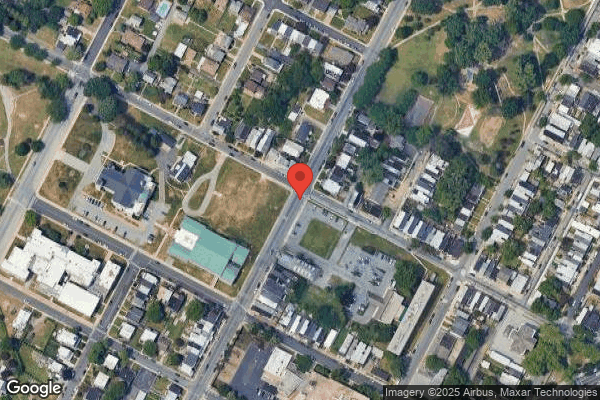
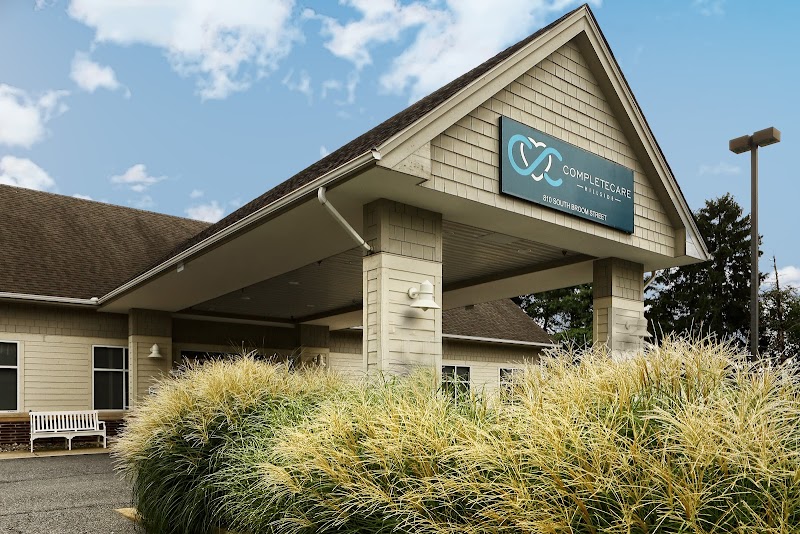
810 SOUTH BROOM STREET, WILMINGTON, DE 19805 (302) 652-1181
For profit - Limited Liability company 106 Beds COMPLETE CARE Data: November 2025
Trust Grade
70/100
#15 of 43 in DE
Last Inspection: February 2025

Within standard 12-15 month inspection cycle. Federal law requires annual inspections.

Overview

Complete Care at Hillside LLC has a Trust Grade of B, indicating it is a good choice for families, but not the top option available. It ranks #15 out of 43 nursing homes in Delaware, placing it in the top half, and #9 out of 25 in New Castle County, meaning only eight local facilities are better. Unfortunately, the facility’s trend is worsening, with issues increasing from 6 in 2024 to 16 in 2025. Staffing is a relative strength, with a 4/5 star rating and a turnover rate of 40%, which is below the state average. There have been no fines, which is a positive sign. However, the facility has faced some concerning issues, including improper food storage practices that could affect nearly all residents, and failures in infection control procedures that could lead to the spread of diseases. While the nursing home has good staffing levels and no fines, families should weigh these strengths against the rising number of health and safety concerns.

Trust Score
B
70/100
In Delaware
#15/43
Top 34%
Safety Record
Low Risk
No red flags
Inspections
Getting Worse
6 → 16 violations
Staff Stability
○ Average
40% turnover. Near Delaware's 48% average. Typical for the industry.
Penalties
✓ Good
No fines on record. Clean compliance history, better than most Delaware facilities.
Skilled Nurses
✓ Good
Each resident gets 45 minutes of Registered Nurse (RN) attention daily — more than average for Delaware. RNs are trained to catch health problems early.
Violations
⚠ Watch
31 deficiencies on record. Higher than average. Multiple issues found across inspections.
★★★★☆
4.0
Overall Rating
★★★★☆
4.0
Staff Levels
★★★★★
5.0
Care Quality
★★★☆☆
3.0
Inspection Score
Stable
2024: 6 issues
2025: 16 issues

The Good

  • 4-Star Staffing Rating · Above-average nurse staffing levels
  • 5-Star Quality Measures · Strong clinical quality outcomes
  • Full Sprinkler Coverage · Fire safety systems throughout facility
  • No fines on record
  • Staff turnover below average (40%)

    8 points below Delaware average of 48%

Facility shows strength in staffing levels, quality measures, fire safety.

The Bad

Staff Turnover: 40%

Near Delaware avg (46%)

Typical for the industry

Chain: COMPLETE CARE

Part of a multi-facility chain

Ask about local staffing decisions and management

The Ugly 31 deficiencies on record

Feb 2025 16 deficiencies
CONCERN (D)

Potential for Harm - no one hurt, but risky conditions existed

Deficiency F0554 (Tag F0554)

Could have caused harm · This affected 1 resident

**NOTE- TERMS IN BRACKETS HAVE BEEN EDITED TO PROTECT CONFIDENTIALITY** Based on observation, record review, interview, and policy review, the facility failed to ensure medications were not left at be...

Read full inspector narrative →
**NOTE- TERMS IN BRACKETS HAVE BEEN EDITED TO PROTECT CONFIDENTIALITY** Based on observation, record review, interview, and policy review, the facility failed to ensure medications were not left at bedside for a resident that was not assessed to self-administer medications for two resident (Resident (R) 24 and R298) out of 47 residents in the sample. This had the potential to affect all residents who received medications. Findings include: Review of the facility's policy titled, Resident Self-Administration of Medication, undated, indicated, It is the policy of this facility to support each resident's right to self-administer medication. A resident may only self-administer medications after the facility's interdisciplinary team has determined which medication may be self-administered safely .Bedside medication storage is permitted only when it does not present a risk to confused residents who wander into the other resident's rooms or to confused roommates of the resident who self-administers medication .All nurses and aides are required to report to the charge nurse on duty any medication found at the bedside not authorized for bedside storage . 1. During an observation and interview on 02/03/25 at 3:26 PM of R24's room revealed two inhalation aerosols lying on the bedside table. The resident stated that they had been left there since the night before when the nurse brought in the treatment. Review of the Face Sheet located in the Profile tab of the electronic medical record (EMR) revealed R24 was admitted to the facility on [DATE] with diagnosis of stroke affecting the right dominant side and unspecified asthma. Review of R24's annual Minimum Data Set (MDS), located in the EMR under the MDS tab with an Assessment Reference Date of 12/15/24, revealed a Brief Interview for Mental Status (BIMS) score of 15 out of 15, which indicated no cognitive impairment. Review of R24's Orders located in the Orders tab of the EMR revealed the inhaler Beclomethasone Diprop HFA Inhalation Aerosol Breath Activated 80 MCG/ACT, to be given two times a day (one puff) for asthma. The other inhaler was Olodaterol HCI Inhalation Aerosol Solution 2.5 MCG/ACT, to be given (two puff) one time a day for asthma. There were not orders for self-administration. On 02/03/25 at 4:02 PM, the Director of Nursing (DON) observed the two inhalers on R24's bedside table. The resident again told the DON that they had been left since the night before by the nurse. The DON stated, R24 does not have orders to have these at bedside. I am removing these and putting them back on the medication cart. 2. Review of R298's Face Sheet, located in the electronic medical record (EMR) under the Profile tab revealed the resident was re-admitted to the facility on [DATE] with diagnoses which included muscle weakness, and polyneuropathy. Review of R298's admission Minimum Data Set (MDS) with an Assessment Reference Date (ARD) of 01/23/25 and located in the resident's EMR under the MDS tab, revealed a Brief Interview for Mental Status (BIMS) score of 15 out of 15, which indicated the resident's cognition was not impaired. Review of R298's Care Plan, dated 01/23/25 and located in the resident's EMR under the Care Plan tab, revealed the resident was not care planned for self-administration of medications. Review of R298's Physician Order Summary, dated 01/23/25 and located in the resident's EMR under the Orders tab revealed, resident MAY NOT administer own medications. During an observation on 02/04/25 at 9:35 AM and again on 02/05/25 at 9:50 AM, R298 had an inhaler lying on the bedside table that was in plain sight. R298 stated he has had the inhaler since he was admitted , and that staff were aware. During an interview on 02/05/25 at 9:55 AM, Registered Nurse (RN)1 stated R298 was assessed to self-administer medications, but she was unaware he had an inhaler. She asked R298 if he had an inhaler, and he lifted the inhaler up that was lying on the bedside table. She said he should not have the inhaler and corrected herself and stated he was not assessed to self-administer medications. RN1 stated again that he should not have the inhaler at all. During an interview on 02/05/25 at 10:27 AM, the Infection Preventionist (IP) said she was made aware of the inhaler on Monday by a nurse. The IP said she spoke with R298, and he agreed to put the inhaler away, but she did not document anything about the conversation. During an interview on 02/06/25 at 12:33 PM, the Director of Education stated any medications a resident is admitted with would have had to be checked in by the nurses and that staff should be observing anything in the room and removing any medications they find in the resident's room.
CONCERN (D)

Potential for Harm - no one hurt, but risky conditions existed

Deficiency F0558 (Tag F0558)

Could have caused harm · This affected 1 resident

**NOTE- TERMS IN BRACKETS HAVE BEEN EDITED TO PROTECT CONFIDENTIALITY** Based on observations, interviews, and facility policy review, the facility failed to ensure call lights were within reach for o...

Read full inspector narrative →
**NOTE- TERMS IN BRACKETS HAVE BEEN EDITED TO PROTECT CONFIDENTIALITY** Based on observations, interviews, and facility policy review, the facility failed to ensure call lights were within reach for one(Residents (R)85) out of a sample of 47 residents reviewed for accommodation of needs and preferences. Specifically, the facility failed to ensure residents had access to their call lights to best assist the residents in maintaining and/or achieving their independent functioning, dignity, and well-being to the extent possible. Findings include: 1. Review of R85's admission Record, found in the Profile tab of the electronic medical record (EMR), revealed he was originally admitted on [DATE], with diagnoses including diabetes mellitus type two, polyneuropathy, epilepsy, and acquired absence of left leg below the knee. Review of R85's quarterly Minimum Data Set (MDS) assessment located in the MDS tab in the EMR, with an Assessment Reference Date (ARD) of 12/04/24, revealed a Brief Interview for Mental Status (BIMS) assessment with no recorded score due to the resident refused to participate in the BIMS portion of the MDS. R85's quarterly MDS with an ARD of 09/04/24 revealed a BIMS score of 15 out of 15 indicating that R85 was cognitively intact. R85 was dependent for toileting hygiene, shower/bathing, dressing, and personal hygiene. R85 was observed on 02/04/25 at 9:01 AM in bed with the call light button clipped to the call system on the wall behind the resident, out of reach. He stated he could not reach it from his bed and was able to use the call light. Additional observations on 02/04/25 at 4:50 PM and 02/05/25 at 8:59 AM, revealed R85 in bed with his call light button again clipped to the call system on the wall behind him out of reach. During an interview on 02/05/25 at 9:00 AM, Licensed Practical Nurse (LPN 4 stated that call lights should be kept in close reach of residents when they were in their bed. LPN4 observed R85's call light attached to the call system on the wall and stated it should be attached and within his reach. LPN4 moved the call light to within reach of R85. She said that she was not sure why his call light had not been placed appropriately. She confirmed the resident was alert and oriented and able to use the call light. During an interview on 02/06/25 at 10:20 AM, the Administrator stated that call lights should be answered as promptly as possible. If the residents were in their room, the call light should be reachable. The Administrator stated R85 was an interviewable resident. She stated she would want the resident to have access to his call light. During an interview on 02/06/25 at 10:40 AM, Infection Preventionist/Educator Nurse Practice (IP/ENP) stated that the call lights should always be in reach of the resident when they were in their room.
CONCERN (D)

Potential for Harm - no one hurt, but risky conditions existed

Investigate Abuse (Tag F0610)

Could have caused harm · This affected 1 resident

**NOTE- TERMS IN BRACKETS HAVE BEEN EDITED TO PROTECT CONFIDENTIALITY** Based on record review, interview, and facility policy review, the facility failed to investigate misappropriation of property f...

Read full inspector narrative →
**NOTE- TERMS IN BRACKETS HAVE BEEN EDITED TO PROTECT CONFIDENTIALITY** Based on record review, interview, and facility policy review, the facility failed to investigate misappropriation of property for two of four residents (Resident (R)84 and R108), This failure has the potential to affect all residents who choose to keep money and/or personal property in their rooms. Findings include: Review of the facility policy titled Abuse, Neglect, Exploitation, dated 09/12/24 indicated Investigation. the facility will investigate all allegations and types of incidents as listed above in accordance with facility procedure for reporting/response as described below.the facility will perform an investigation that focuses on whether abuse or neglect occurred and to what extent, clinical evaluation for any signs of injury, causative factors, and interventions to prevent further injury. 1. Review of R84's admission Record located in the electronic medical records (EMR) under the Profile tab indicated the resident was admitted to the facility on [DATE]. 2. Review of R108's admission Record located in the EMR under the Profile tab indicated the resident was admitted to the facility on [DATE]. Review of the Facility Reported Incident (FRI) dated 05/01/24 which revealed R84 had informed the Administrator that Certified Nurse Aide (CNA)1 took cigarettes from him and in addition, took money from R108. The FRI failed to contain evidence of interviews with other residents or potential staff as witnesses. During an interview on 02/06/25 at 12:32 PM, the Administrator stated she did not remember how CNA1 accessed R108's secured drawer. The Administrator stated she typically does interview other residents and staff during the investigation. The Administrator was provided with an opportunity to identify additional information on the investigations of theft that involved R84 and R108, and no further information was provided by the end of the survey.
CONCERN (D)

Potential for Harm - no one hurt, but risky conditions existed

Comprehensive Care Plan (Tag F0656)

Could have caused harm · This affected 1 resident

**NOTE- TERMS IN BRACKETS HAVE BEEN EDITED TO PROTECT CONFIDENTIALITY** Based on interview, record review, and facility policy review, the facility failed to develop comprehensive care plans related t...

Read full inspector narrative →
**NOTE- TERMS IN BRACKETS HAVE BEEN EDITED TO PROTECT CONFIDENTIALITY** Based on interview, record review, and facility policy review, the facility failed to develop comprehensive care plans related to nebulizer treatment for one resident (Resident (R) 12) out of a total sample of 47 residents. This failure had the potential to negatively impact the resident's quality of life, as well as the quality of care and services received. Findings include: Review of the facility-provided policy titled Care Plans, Comprehensive Person-Centered, dated 10/2019, revealed A comprehensive, person-centered care plan that includes measurable objectives and timetables to meet the resident's physical, psychosocial and functional needs is developed and implemented for each resident .Assessments of residents are ongoing and care plans are revised as information about the residents and residents condition change . Review of the Face Sheet located in the Profile tab of the Electronic Medical Record (EMR) revealed R12 was admitted to the facility on [DATE] with diagnosis of heart failure, diabetes, and cancer of the left breast. Review of the Orders located in the Orders tab of the EMR revealed R12 had an order for Ipratropium-Albuterol Solution 0.5-2.5 MG/3ML orally via nebulizer two times a day for wheeze/cough. Review of the Care Plan located in the Care Plan tab of the EMR revealed R12 did not have a Comprehensive Care Plan for nebulizer treatment and care. Interview with the Assistant Director of Nursing (ADON) on 02/05/25 at 2:40 PM revealed Myself and nursing document care plans. I do not know why this was not care planned. It should have been.
CONCERN (D)

Potential for Harm - no one hurt, but risky conditions existed

ADL Care (Tag F0677)

Could have caused harm · This affected 1 resident

**NOTE- TERMS IN BRACKETS HAVE BEEN EDITED TO PROTECT CONFIDENTIALITY** Based on observations, record reviews and interviews, the facility failed to ensure two residents of five residents (Resident (R...

Read full inspector narrative →
**NOTE- TERMS IN BRACKETS HAVE BEEN EDITED TO PROTECT CONFIDENTIALITY** Based on observations, record reviews and interviews, the facility failed to ensure two residents of five residents (Resident (R) 31 and R200) who were unable to carry out activities of daily living (ADLs) received the necessary services to maintain good personal hygiene (showers per personal preference) out of a total sample of 47 residents. Findings include: Review of a facility policy Resident Showers dated 03/14/23 indicated .It is the practice of this facility to assist residents with bathing to maintain proper hygiene, stimulate circulation and help prevent skin issues as per current standards of practice. 1. Review of R31's admission Record located in the electronic medical records (EMR) under the Profile tab indicated the resident was admitted to the facility on [DATE] a stroke which affected the right side. Review of R31's Care Plan located in the EMR under the Care Plan tab dated 06/13/24 indicated that the resident identified it was important for her to take showers. Review of R31's annual Minimum Data Set (MDS) located in the EMR with an Assessment Reference Date (ARD) of 12/12/24 indicated the resident had a Brief Interview for Mental Status (BIMS) score of 15 out of 15 which revealed the resident was cognitively intact. The assessment indicated the resident identified it was extremely important for her to decide whether she received a bath, shower, or a bed bath. The assessment indicated that the resident was dependent on staff for baths/showers. Review of a document provided by the facility titled Shower/Bathing/Personal Care Shower Monday and Thursday 7-3 and as needed for the month of 12/24. The document failed to show that the resident received a shower on 12/09/24, 12/16/24, 12/23/24, 12/26/24, and on 12/30/24. Review of a document provided by the facility titled Shower/Bathing/Personal Care Shower Monday and Thursday 7-3 and as needed for the month of 01/25. The document failed to show that the resident received a shower on 01/06/25 and on 01/27/25. During an interview on 02/03/25 at 10:55 AM, R31 stated she has not had a shower in one week. The resident also stated she receives bed baths but prefers to have a shower instead. During an interview on 02/04/25 at 12:47 PM, Certified Nurse Aide (CNA)5 stated that R31 preferred showers instead of bed baths and verified on the shower/bath document that the resident did not receive showers on her assigned days. CNA5 stated R31 rarely refuses showers. During an interview on 02/04/25 at 12:50 PM, the Resource Nurse confirmed the shower/bath document had gaps in the documentation. During an interview on 02/05/25 at 10:14 AM, the Resource Nurse stated that she has been addressing the documentation aspect with CNAs to reflect cares. During an interview on 02/05/25 at 10:55 AM, the Director of Nursing (DON) stated residents should be offered a shower twice a week. 2. Review of R200's admission Record, dated 02/06/25 and found in the EMR under the Admissions tab, indicated the resident was admitted to the facility on [DATE]. The resident's diagnoses included spinal stenosis and type 2 diabetes. Review of R200's admission MDS assessment, with an ARD of 01/16/25 and found in the EMR under the MDS tab, indicated a BIMS score of 12 out of 15, which indicated the resident was mildly cognitively impaired. The assessment indicated R200 required partial/moderate assistance from staff to complete her bathing. Review of R200's ADL Care Plan, dated 01/16/25 and found in the EMR under the Care Plan tab, indicated the resident was at risk for a decline in her ADLs related to activity intolerance, fatigue and impaired balance. The care plan indicated R200 was to receive baths/showers twice weekly on Wednesdays and Saturdays on the evening shift. Interventions included, The resident requires assistance by (1) staff with bathing/showering as necessary. Review of R200's bathing records, dated 01/10/25 through 02/05/25 and found in the EMR under the Tasks tab revealed the resident received a bath/shower only once during that time, on 01/18/25. There was nothing in the resident's record to indicate the resident refused to bathe during that period of time. During an interview with R200 on 02/05/25 at 9:10 AM, she stated she had only been bathed once since her admission to the facility on [DATE]. She stated she would like to be bathed. During an interview with CNA6 on 02/06/25 at 11:43 AM, she confirmed she was familiar with R200 and stated the resident was supposed to be bathed twice weekly on the evening shift. CNA6 stated she usually worked on the day shift and staff tried to keep up with showers on that shift, but it was not uncommon for residents to report they had not been showered on the evening shift. During an interview with the Administrator on 02/06/25 at 12:51 PM, she stated her expectation was residents would be bathed according to their plan of care and bathing was to be documented in the EMR. The Administrator stated refusals to bathe were also expected to be documented in the EMR.
CONCERN (D)

Potential for Harm - no one hurt, but risky conditions existed

Pressure Ulcer Prevention (Tag F0686)

Could have caused harm · This affected 1 resident

**NOTE- TERMS IN BRACKETS HAVE BEEN EDITED TO PROTECT CONFIDENTIALITY** Based on observation, record review, interview, and review of the facility policy, the facility failed to ensure one of three re...

Read full inspector narrative →
**NOTE- TERMS IN BRACKETS HAVE BEEN EDITED TO PROTECT CONFIDENTIALITY** Based on observation, record review, interview, and review of the facility policy, the facility failed to ensure one of three residents (R)85 reviewed for prevention of skin breakdown, received treatment and interventions according to physician orders out of a total sample of 47 residents. This failure placed the resident at an increased risk for a worsening pressure ulcer, pain, and a decrease in quality of life. Findings include: Review of the facility's policy titled, Pressure Injury Prevention and Management, revised 05/26/23, revealed, This facility is committed to the prevention of avoidable pressure injuries, unless clinically unavoidable, and to provide treatment and services to heal the pressure ulcer/injury, prevent infection and the development of additional pressure ulcers/injuries .The facility shall establish and utilize a systematic approach for pressure injury prevention and management, including prompt assessment and treatment; intervening to stabilize, reduce or remove underlying risk factors; monitoring the impact of the interventions; and modifying the interventions as appropriate . Evidence-based interventions for prevention will be implemented for all residents who care assessed at risk or who have a pressure injury present. Basic or routine care interventions could include .redistribute pressure (such as repositioning, protecting, and/or offloading heels .provide appropriate, pressure-redistributing, support surfaces .Compliance with interventions will be documented in the weekly summary charting. Review of R85's admission Record, found in the Profile tab of the electronic medical record (EMR), revealed he was originally admitted on [DATE], with diagnoses including diabetes mellitus type two, polyneuropathy, epilepsy, and acquired absence of left leg below the knee. Review of R85's quarterly Minimum Data Set (MDS) assessment located in the MDS tab in the EMR, with an Assessment Reference Date (ARD) of 12/04/24, revealed a Brief Interview for Mental Status (BIMS) assessment with no recorded score due to the resident refused to participate in the BIMS portion of the MDS. R85's quarterly MDS with an ARD of 09/04/24 revealed a BIMS score of 15 out of 15 indicating that R85 was cognitively intact. R85 received pressure reducing devices to his chair and bed. R85 was dependent for toileting hygiene, shower/bathing, dressing, and personal hygiene. A review of a Progress Note by the Wound Care Nurse Practitioner on 01/08/25 documented that R85 has a pressure injury. Recommend ongoing pressure reduction and turning/repositioning precautions per protocol, including pressure reduction to the heels and all bony prominences. All prevention measures were discussed with the staff at the time of the visit. The patient is incontinent of urine and stool and is at an increased risk of skin breakdown. Recommend continuing ongoing interventions and protocol for incontinence management . New Recommendations: Recommend an alternating air/low air loss mattress for pressure redistribution. Ensure settings are maintained at an appropriate level based on the patient's needs and body habitus. Review of R85''s Care Plan, located in the EMR under the Care Plan tab and initiated 11/18/23, revealed R85 had impaired tissue or potential for impaired skin tissue lower abdomen redness. It was revised 01/03/25 for a scrotum unstageable pressure injury and converted to stage three on 01/14/25. Interventions included air mattress to bed check function and placement every shift, initiated on 11/20/23; offload heels while in bed, initiated on 11/20/23; treatment as ordered, initiated 11/18/23; and turn and reposition every 2 hours and as needed with skin checks, last revised 01/26/24. During an observation and interview on 02/04/25 at 9:04 AM, R85 said he had a sore on his bottom and now had a catheter because of it. He was observed lying in bed on a regular mattress, which he confirmed was the only mattress he used. Review of R85's Physician Order, dated 11/20/23, located in the EMR under the Orders tab revealed R85 had an order for an air mattress to bed, check function and placement every shift. This was discontinued 02/13/24. During an observation on 02/04/25 at 1:51 PM, it was again confirmed the mattress for R85 was a regular mattress. During additional observations on 02/04/25 at 4:50 PM and 02/05/25 at 8:59 AM, R85 was again observed lying on a regular mattress in his room. During an interview on 02/05/25 at 3:20 PM, Licensed Practical Nurse (LPN)4 said that the wound nurse went around with the wound doctor. LPN4 stated the doctor would document notes and orders, and the wound care nurse would put those recommendations in the system directly. LPN4 stated the other floor nurses would not place the orders. During an interview on 02/06/25 at 9:20 AM, LPN5 stated that R85 did not use an air mattress, but that the facility had a lot of them available. LPN5 said that an air mattress would be a good idea, but she had not heard of R85 being offered one. During an additional interview with 02/06/25 at 9:25 AM, R85 stated no one had offered him an air mattress for his wound healing. During an interview on 02/06/25 at 9:41 AM, the Resource Nurse said that the wound care nurse would write in her progress notes when she did rounds with the wound doctor. She stated the wound doctor would put in their notes and recommendations and should put in their own orders. She said the wound nurse should also note the concern. The Resource Nurse said if the resident had a history or risk of pressure ulcers, an air mattress would have been appropriate. During an observation on 02/06/25 at 10:01 AM with LPN5 and IP/ENP, R85 was observed resting on a regular mattress. During an interview on 02/06/25 at 10:40 AM, Infection Preventionist/Educator Nurse Practice (IP/ENP) stated that the wound care team went around the facility and a nurse that went with them would write in the notes and the orders into the EMR. She stated R85 had been using the same Broda chair since admission, and he was not currently using an air mattress. IP/ENP said the facility had plenty of air mattresses, and one was going to be taken to him. IP/ENP confirmed the wound care team made a request for an air mattress on 01/08/25, but the nurse had forgotten to write the order to get the new mattress placed for him. Review of R85's Physician Order, dated 01/14/25, located in the EMR under the Orders tab revealed a treatment order for Santyl External Ointment 250 Unit/GM (gram), apply to posterior scrotum topically everyday shift for stage three wound. Cleanse open area posterior scrotum with soap and water, dry and apply Santyl ointment and cover with dry dressing daily and as needed. During a treatment observation on 02/06/25 at 12:01 PM, LPN5 was observed applying Santyl to the scrotum of R85. Per LPN5, she put the Santyl on the whole scrotum, which was observed. During an interview on 02/06/25 at 12:42 PM, the Director of Education stated that the wound care team came to the facility once a week to review residents. She said the team looked at all wounds, and that a nurse went with them who would do the dressings as they went along, as well as take measurements. She stated that at the end of the day the administration received a wound tracker to indicate if there were any changes or if there were any order changes that needed to go into the EMR before they left. The Director of Education stated that the nurse providing the treatment should not put Santyl all over the scrotum. She confirmed that the wound tracker would go to the Director of Nursing, and she would get it at the regional level, which would be how the facility would ensure they catch the order if it was missed initially.
CONCERN (D)

Potential for Harm - no one hurt, but risky conditions existed

Incontinence Care (Tag F0690)

Could have caused harm · This affected 1 resident

**NOTE- TERMS IN BRACKETS HAVE BEEN EDITED TO PROTECT CONFIDENTIALITY** Based on observations, interviews, record review, and policy review, the facility failed to ensure that a resident with a urinar...

Read full inspector narrative →
**NOTE- TERMS IN BRACKETS HAVE BEEN EDITED TO PROTECT CONFIDENTIALITY** Based on observations, interviews, record review, and policy review, the facility failed to ensure that a resident with a urinary catheter bag was properly positioned in a manner to prevent potential urinary tract infections due to contamination for one of two residents (R)85 reviewed for urinary catheters and urinary tract infections out of a total sample of 47 residents. Findings include: Review of the facility's policy titled, Indwelling Catheter Care, revised 08/11/24, revealed It is the policy of this facility to ensure that residents with indwelling catheters receive appropriate catheter care and maintain their dignity and privacy when indwelling catheters are in use .Catheter care will be performed every shift and as needed by nursing personnel .Privacy bags will be available and catheter drainage bags will be covered at all times while in use .Ensure drainage bag is located below the level of the bladder to discourage backflow of urine .Assist resident to a comfortable, appropriate position .Document care and report any concerns noted to the nurse on duty. Review of R85's admission Record, found in the Profile tab of the electronic medical record (EMR), revealed he was originally admitted on [DATE], with diagnoses including diabetes mellitus type two, polyneuropathy, epilepsy, and acquired absence of left leg below the knee. Review of R85's quarterly Minimum Data Set (MDS) assessment located in the MDS tab in the EMR, with an Assessment Reference Date (ARD) of 12/04/24, revealed a Brief Interview for Mental Status (BIMS) assessment with no recorded score due to the resident refused to participate in the BIMS portion of the MDS. R85's quarterly MDS with an ARD of 09/04/24 revealed a BIMS score of 15 out of 15 indicating that R85 was cognitively intact. R85 was dependent on toileting hygiene. He was documented always incontinent of urine and bowel. Review of the Physician Orders located in the EMR under the Orders tab revealed a 01/13/25 order for Foley catheter 16 French .for diagnosis: Wound healing. The resident's goal was to be free from catheter-related trauma. Interventions included positioning the catheter bag and tubing below the level of the bladder and away from the entrance room door, and providing catheter care every shift. During an observation 02/04/25 at 8:58 AM, the catheter bag was observed lying directly on the floor on the left side of the resident's bed. During an observation on 02/04/25 at 11:30 AM, the resident was observed in the common area of the unit, resting in his Broda chair. The catheter tubing was observed lying across his lap and over the left arm rest of his chair. The catheter bag was observed hanging freely with gravity approximately 18 inches off the floor, visibly weighted down with urine. The catheter bag was not supported. During a concurrent interview on 02/04/25 at 11:35 AM, Licensed Practical Nurses (LPN) 6 and LPN5 stated that the catheter bag should be attached to R85's Broda chair when the resident was up in his chair and should be off the ground. LPN5 stated she was going to find something to lift the catheter bag off the left arm rest and give it support. LPN5 returned with a clip to attach the catheter bag to the side of the Broda chair. Both LPN5 and LPN6 said that the catheter bag should not be left unsupported when R85 was in his chair. During an interview on 02/06/25 at 10:23 AM, the Administrator stated that catheter bags should not be placed onto the facility floors for proper catheter care. During an interview on 02/06/25 at 10:40 AM, Infection Preventionist/Educator Nurse Practice (IP/ENP) said that catheter bags should always be hanging off of the floor and with a hook to the side of the resident bed or the chair they are using. During an additional observation on 02/06/25 at 12:01 PM, R85's catheter bag was observed in contact with the floor upon entrance to his room during wound care. During an interview on 02/06/25 at 12:42 PM, the Director of Education stated that she would not want to see catheters placed onto the floor.
CONCERN (D)

Potential for Harm - no one hurt, but risky conditions existed

Respiratory Care (Tag F0695)

Could have caused harm · This affected 1 resident

**NOTE- TERMS IN BRACKETS HAVE BEEN EDITED TO PROTECT CONFIDENTIALITY** Based on observation, interview, record review, and facility policy review, the facility failed to ensure that one resident (Res...

Read full inspector narrative →
**NOTE- TERMS IN BRACKETS HAVE BEEN EDITED TO PROTECT CONFIDENTIALITY** Based on observation, interview, record review, and facility policy review, the facility failed to ensure that one resident (Resident (R) 12) out of 47 sampled residents was provided with the necessary respiratory care and services in accordance with professional standards. This failure had the potential to impact the residents treatment and interventions. Findings include: Review of the facility-provided policy titled Nebulizer Therapy, dated 03/13/23, revealed, It is the policy of this facility for nebulizer treatments, once ordered, to be administered by nursing staff as directed using proper technique and standard precautions .Correctly assemble the tubing, nebulizer cup, and mouthpiece and ensure connections are secured tightly .Observe the resident during the procedure for any change in condition .When medication delivery is complete, turn the machine off .Disassemble and rinse the nebulizer with sterile or distilled water and allow to air dry .Air dry on an absorbent towel .Once completely dry, store the nebulizer cup and the mouthpiece in a zip lock bag .Change the nebulizer tubing every seven days or per facility policy .Periodically disinfect unit per manufacturer's recommendations . Review of the Face Sheet located in the Profile tab of the Electronic Medical Record (EMR) revealed R12 was admitted to the facility on [DATE] with diagnosis of heart failure, diabetes, and cancer of the left breast. Review of R12's annual Minimum Data Set (MDS) with an Assessment Reference Date (ARD) of 01/10/25 located in the EMR under the MDS tab revealed R12 had a Brief Interview for Mental Status (BIMS) score of 15/15, which indicated the resident was cognitively intact. Observation on 02/03/25 at 2:30 PM of R12's room revealed the residents nebulizer sitting on the nightstand beside the bed. The mouthpiece was wrapped in paper towels. The nebulizer unit was dirty with white, crusty debris. The inside of the tubing was wet. The tubing and mouthpiece were not in a plastic bag. Interview with observation with R12 revealed This nebulizer is old. I wrap the mouthpiece in paper towels when I am done with it. Nursing does not turn it off when finished, I do. I have no idea the last time the tubing or mouthpiece was changed. Observation and interview with the Director of Nursing (DON) on 02/04/25 at 11:54 AM revealed This nebulizer is filthy, and the mouthpiece is wrapped in paper towels. I am going to get the resident a new system. The DON confirmed the nebulizer should have been cleaned after each use. Interview with Licensed Practical Nurse (LPN)3 on 02/04/25 at 11:57 AM revealed I gave R12 her treatment this morning. When asked if she saw anything wrong with the nebulizer, LPN 3 stated The mouthpiece and tubing is not in a bag and the machine is dirty. When asked if she saw the machine was dirty when she gave the treatment, LPN 3 stated I didn't look. I did not stay in the room while the machine was on. When asked if she turned the machine off and cleaned it, LPN 3 stated I wiped the mouthpiece off. During an interview with the Administrator on 02/06/25 at 10:44 AM revealed, We need to take a look at nebulizers and see what is going on. This should not have happened.
CONCERN (D)

Potential for Harm - no one hurt, but risky conditions existed

Deficiency F0700 (Tag F0700)

Could have caused harm · This affected 1 resident

**NOTE- TERMS IN BRACKETS HAVE BEEN EDITED TO PROTECT CONFIDENTIALITY** Based on observation, interview, and record review, the facility failed to ensure residents received alternative measures prior ...

Read full inspector narrative →
**NOTE- TERMS IN BRACKETS HAVE BEEN EDITED TO PROTECT CONFIDENTIALITY** Based on observation, interview, and record review, the facility failed to ensure residents received alternative measures prior to installation of side rails for two residents reviewed for side rails (Resident (R) 83 and R298) of 31 sampled residents. The lack of alternate side rail measures could lead to potential safety concerns related to bed rail use for residents with bed rails. Findings include: 1. Review of R83's Face Sheet, located in the electronic medical record (EMR) under the Profile tab revealed the resident was re-admitted to the facility on [DATE] with diagnoses which included paraplegia, and complete traumatic amputation of right shoulder and upper arm. Review of R83's annual Minimum Data Set (MDS) with an Assessment Reference Date (ARD) of 10/05/24 and located in the resident's EMR under the MDS tab, revealed a Brief Interview for Mental Status (BIMS) score of 15 out of 15, which indicated the resident's cognition was not impaired. Review of R83's Care Plan, dated 10/09/23 and located in the resident's EMR under the Care Plan tab revealed, The resident required assistance and was dependent with ADL care related to bed mobility. Interventions in place were bed rails as an enabler. Observation on 02/03/25 at 11:15 AM R83 sitting in bed with head of bed upright and side rail were in the up position on both sides of bed. Review of R83's Bed Rail Evaluation dated 10/09/23 and located in the EMR under the Assessments tab revealed no alternates were attempted prior to the placement of the siderails. Further review revealed the determination was no bed rails should be used. 2. Review of R298's Face Sheet, located in the electronic medical record (EMR) under the Profile tab revealed the resident was re-admitted to the facility on [DATE] with diagnoses which included muscle weakness, and polyneuropathy. Review of R298's admission Minimum Data Set (MDS) with an Assessment Reference Date (ARD) of 01/23/25 and located in the resident's EMR under the MDS tab, revealed a Brief Interview for Mental Status (BIMS) score of 15 out of 15, which indicated the resident's cognition was not impaired. Review of R298's Care Plan, dated 01/23/25 and located in the resident's EMR under the Care Plan tab revealed, The resident required assistance and was dependent with ADL care related to impaired balance. Interventions in place were ¼ side rails to assist with bed mobility. Observation on 02/04/25 at 9:35 AM R298 sitting up in bed with head of bed upright and side rails were in the up position on both sides of bed. Review of R298's Bed Rail Evaluation dated 01/23/25 and located in the EMR under the Assessments tab revealed no alternates were attempted prior to the placement of the siderails. Further review revealed the determination was no bed rails should be used. During an interview on 02/05/25 at 1:10 PM Licensed Practical Nurse (LPN)6 said during admission on all residents are provided with a bed rail use consent form to sign and all residents have bedrails unless they sign refusing. Staff do not discuss alternatives and alternatives are not explored prior to bedrail use but the form they sign discusses risk versus benefits. Staff only complete the bedrail assessment on admission and not again after that. He stated they do complete ongoing reassessment for continued bedrail use. He was not aware that the residents' bed rail assessment indicated not to use bed rails. He stated when he completes the assessment that it is not what he sees. But he stated he was unsure what the assessment was supposed to say. During an interview on 02/06/25 at 12:33 PM the Director of Education stated that bed rail assessments should be completed on admission and yearly after that. She also stated that staff should always be looking at bed rail alternates prior to bed rail use. She was unaware that both residents bed rail assessments indicated bed rails should not bed used. A review of the facility's policy titled Use of Bed Rails revised 01/14/23 revealed, it is the policy of this facility to utilize a person-centered approach when determining the use of bed rails. Appropriate alternative approaches are attempted prior to installing or using bed rails.
CONCERN (D)

Potential for Harm - no one hurt, but risky conditions existed

Medication Errors (Tag F0758)

Could have caused harm · This affected 1 resident

**NOTE- TERMS IN BRACKETS HAVE BEEN EDITED TO PROTECT CONFIDENTIALITY** Based on record review and staff interviews, the facility failed to ensure the medical necessity of psychotropic medication admi...

Read full inspector narrative →
**NOTE- TERMS IN BRACKETS HAVE BEEN EDITED TO PROTECT CONFIDENTIALITY** Based on record review and staff interviews, the facility failed to ensure the medical necessity of psychotropic medication administration for one Resident (R)48 of five residents reviewed for Psychotropic Medication Administration and a total of 47 residents reviewed in the sample. Informed consent was not obtained from the resident and/or resident's representative related to administration of psychotropic medication. This failure created the potential for the resident to receive unwanted medications. The findings include: Review of the facility's policy titled Use of Psychotropic Medications, revised in 07/11/24 read, in pertinent part, Residents and/or representatives shall be educated on the risks and benefits of psychotropic drug use, as well as alternative treatments/non-pharmacological interventions. Review of R48's admission Record, dated 02/06/25 and found in the EMR under the Admissions tab, revealed the resident was admitted to the facility on [DATE]. The resident's diagnoses included End Stage Renal Disease (ESRD), depression and anxiety. Review of R48's annual Minimum Data Set (MDS) assessment, with an Assessment Reference Date (ARD) of 10/16/24 and found in the EMR under the MDS tab, indicated a Brief Interview for Mental Status (BIMS) score of six out of 15, which indicated the resident was severely cognitively impaired. The assessment indicated R48 did not exhibit any behaviors during the assessment reference period, however the document revealed R48 did exhibit signs and symptoms of depression nearly every day of the assessment reference period. Review of R48's physicians orders, dated 02/06/24 and found in the EMR under the Orders tab, revealed an order, with an original order date of 11/02/24, for Trazadone (an antidepressant medication) 50 MG (milligrams) by mouth twice daily for sedation and an order, with an original order date of 10/30/24, for hydroxyzine (an antianxiety medication) 50 MG by mouth one time daily on Monday, Wednesday and Friday before dialysis for anxiety. Review of R48's undated Psychotropic Medication Care Plan, found in the EMR under the Care Plan tab, revealed the resident was receiving psychotropic medications for anxiety and depression. Interventions included giving medications as ordered and Discuss with MD (Medical Doctor), family regarding ongoing need for use of medication. Review behaviors/interventions and alternate therapies attempted and their effectiveness as per facility policy. Review of R48's Medication Administration Record (MAR) dated 01/01/25 through 02/05/25 and found in the EMR under the Orders tab, revealed the resident was receiving her psychotropic medication as ordered. Review of R48's comprehensive record revealed nothing to show risks and benefits of the resident's Trazadone or hydralazine were discussed with the resident and/or her representative or that informed consent had been obtained for the administration of the medication. During an interview with the Director of Nursing (DON) on 02/05/25 at 03:04 PM, she confirmed she was not able to locate R48's informed consent for her psychotropic medications in the resident's record. During an interview with the Administrator on 02/06/25 at 12:55 PM, she stated her expectation was informed consent was to be obtained for any psychotropic medication administered to a resident.
CONCERN (D)

Potential for Harm - no one hurt, but risky conditions existed

Deficiency F0760 (Tag F0760)

Could have caused harm · This affected 1 resident

**NOTE- TERMS IN BRACKETS HAVE BEEN EDITED TO PROTECT CONFIDENTIALITY** Based on interview, observations, record review, and review of facility policy, the facility failed to ensure one Resident (R)20...

Read full inspector narrative →
**NOTE- TERMS IN BRACKETS HAVE BEEN EDITED TO PROTECT CONFIDENTIALITY** Based on interview, observations, record review, and review of facility policy, the facility failed to ensure one Resident (R)201 of seven residents reviewed during medication pass observations was free from a significant medication error. The resident's insulin (a medication used to control blood sugar) was not properly administered, creating the potential for the resident to receive an inaccurate dose. A total of 47 residents were reviewed in the sample. Findings include: Review of the facility's policy titled Insulin Pen Procedure, dated 03/13/23 read, in pertinent part, j. Injecting the insulin: v. While still pressing the plunger, keep the needle in the skin for up to 6 to 10 seconds and then remove the needle from the skin. Review of R201's admission Record, dated 02/05/25 and found in the EMR under the Profile tab, revealed the resident was admitted to the facility on [DATE]. The resident's diagnoses included type 2 diabetes. Review of R201's admission Minimum Data Set (MDS) assessment, with an Assessment Reference Date (ARD) of 02/03/25 and found in the EMR under the MDS tab, indicated a Brief Interview for Mental Status (BIMS) score of 13 out of 15, which indicated the resident was mildly cognitively impaired. Review of R201's Order Summary Report, dated 02/05/25 and found in the EMR under the Orders tab, indicated an order for Humulin Insulin inject five units subcutaneously twice daily. Review of R201's Medication Administration Record (MAR), dated 02/01/25 through 02/06/25 and found in the EMR under the Orders tab, indicated the insulin was being administered routinely per physician's orders. Licensed Practical Nurse (LPN)7 was observed administering R201's insulin on 02/05/25 at 12:27 PM. LPN7 dialed up five units of insulin and then injected the insulin into the resident's left arm, holding the needle into the resident's subcutaneous tissue for approximately two seconds before removing the needle. During an interview with LPN7 on 02/05/25 at 12:31 PM, he stated he had never been told the insulin pen needle should remain in the resident's skin for six to 10 seconds after injecting the medication. During an interview with the Administrator and the Infection Preventionist and Educator (IP/ENP) on 02/06/25 at 1:00 PM, the IP/ENP stated the insulin pen needle was expected to be left in the resident's skin for 10 seconds after administration of the insulin.
CONCERN (D)

Potential for Harm - no one hurt, but risky conditions existed

Deficiency F0761 (Tag F0761)

Could have caused harm · This affected 1 resident

**NOTE- TERMS IN BRACKETS HAVE BEEN EDITED TO PROTECT CONFIDENTIALITY** Based on interview, observations, record review, and review of facility policy, the facility failed to ensure resident medicatio...

Read full inspector narrative →
**NOTE- TERMS IN BRACKETS HAVE BEEN EDITED TO PROTECT CONFIDENTIALITY** Based on interview, observations, record review, and review of facility policy, the facility failed to ensure resident medication stored in facility medication carts was appropriately labeled to indicate the open date of the medication for three Residents (R)47, R110, and R298 out of a total resident sample of 47. This failure created the potential for residents to experience negative effects related to the administration of expired and/or out-of-date medication. Findings include: Review of the facility's procedure titled Insulin Pen Procedure, dated [DATE] read, in pertinent part, Insulin pens must be clearly labeled with the resident name, physician name, date dispensed, type of insulin, amount to be given, frequency, and expiration date; and Insulin pens should be disposed of after 28 days or according to manufacturer's recommendation. The medication cart on the facility's third floor was observed with Licensed Practical Nurse (LPN)8 on [DATE] at 9:20 AM. Open insulin glargine pens were found in the cart for R110 and R298. Neither of the insulin pens had an open date or a discard by date indicated on the pen to alert staff about when the insulin needed to be discarded. During an interview with LPN8 on [DATE] at 9:25 AM, she confirmed the insulin pens did not have open/discard dates indicated on them and stated the pens should have been dated to indicate when the pens needed to be discarded. The medication cart on the facility's fourth floor was observed with LPN9 on [DATE] at 09:45 AM. An open Lantus insulin pen was found in the cart for R47. The insulin pen did not have an open date or a discard by date indicated on the pen to alert staff about when the insulin needed to be discarded. During an interview with LPN9 on [DATE] at 9:50 AM, she confirmed the insulin pen did not have open/discard date indicated on it and stated the pen should have been dated to indicate when the pen needed to be discarded. During an interview with the Administrator and the Infection Preventionist and Educator (IP/ENP) on [DATE] at 1:00 PM, the IP/ENP stated insulin pens were expected to be labeled to indicate the date the insulin was opened so staff was able to determine when the insulin needed to be discarded.
CONCERN (D)

Potential for Harm - no one hurt, but risky conditions existed

Deficiency F0883 (Tag F0883)

Could have caused harm · This affected 1 resident

**NOTE- TERMS IN BRACKETS HAVE BEEN EDITED TO PROTECT CONFIDENTIALITY** Based on interview, record review, facility policy review, the facility failed to ensure that one (Resident (R) 9) of five resid...

Read full inspector narrative →
**NOTE- TERMS IN BRACKETS HAVE BEEN EDITED TO PROTECT CONFIDENTIALITY** Based on interview, record review, facility policy review, the facility failed to ensure that one (Resident (R) 9) of five residents, reviewed for influenza and pneumococcal vaccinations were provided risks verses benefits prior to the administration of the pneumococcal vaccine. Findings include: Review of a facility policy titled Pneumococcal Vaccine, dated 08/02/24, indicated .It is our policy to offer residents and staff immunization against pneumococcal disease in accordance with current CDC guidelines and recommendations.Prior to offering the pneumococcal immunization, each resident or the resident's representative will receive education regarding the benefits and potential side effects of the immunization with the education documented in the clinical record. Review of R9's admission Record, located in the electronic medical records (EMR) under the Profile tab indicated the resident was admitted to the facility on [DATE]. The resident was over the age of [AGE] years old. Review of the Medication Administration Record (MAR) for the month of 10/23, provided by the facility, indicated R9 was administered the pneumococcal 20-valent (Prevnar 20) vaccine. Review of R9's EMR failed to contain evidence the risks verses benefits were explained to the resident and/or her representative and documented in the clinical record. During an interview on 02/04/25 at 1:06 PM, the Infection Preventionist confirmed that R9 had no risks verses benefits or consent to receive the Prevnar 20 vaccine.
CONCERN (D)

Potential for Harm - no one hurt, but risky conditions existed

Deficiency F0919 (Tag F0919)

Could have caused harm · This affected 1 resident

**NOTE- TERMS IN BRACKETS HAVE BEEN EDITED TO PROTECT CONFIDENTIALITY** Based on observation, interview, record review, and facility policy review, the facility failed to ensure that the room for one ...

Read full inspector narrative →
**NOTE- TERMS IN BRACKETS HAVE BEEN EDITED TO PROTECT CONFIDENTIALITY** Based on observation, interview, record review, and facility policy review, the facility failed to ensure that the room for one resident (Resident (R) 54) of 47 sampled residents was equipped with a functioning call light. This failure had the potential to result in a delayed response to the needs of the resident. Findings include: Review of the facility-provided policy titled Call Lights: Accessibility and Timely Response, dated [DATE], revealed The purpose of this policy is to assure the facility is adequately equipped with a call light at each residents' bedside, toilet, and bathing facility to allow residents to call for assistance .Staff will report problems with a call light or the call system immediately to the supervisor and/or maintenance director and will provide immediate or alternative solutions until the problem can be remedied . Review of the Face Sheet located in the Profile tab of the Electronic Medical Record (EMR) revealed R54 was admitted to the facility on [DATE] with diagnosis of heart failure, chronic bronchitis, and chronic kidney disease. Review of R54's quarterly Minimum Data Set (MDS) with an Assessment Reference Date (ARD) of [DATE] located in the EMR under the MDS tab revealed R54 had a Brief Interview for Mental Status (BIMS) score of 09/15, which indicated the resident was moderately cognitively impaired. Observation on [DATE] at 2:12 PM in R54's room revealed the call light was not working. R54 asked the surveyor to get him help due to wheezing and coughing. The call light was pressed twice and did not work. The light outside the room did not work and the call light did not register at the nurse's desk. The Director of Nursing (DON) was notified immediately and came to R54's room. The DON pressed the call light several times and it came on but would not shut off. Interview with the DON on [DATE] at 2:20 PM in R54's room revealed I am calling maintenance now and getting this fixed. R54 is wheezing and coughing and needs to be able to use his call light. Observation on [DATE] at 1:43 PM in R54's room revealed the call light working when pressed. Review of the logbook for the call system testing was provided by the facility. The call lights are randomly checked on each of the three floors. Interview with the Administrator on [DATE] at 10:38 AM revealed Our call lights are checked monthly. If a call light is reported as non-functioning, a work order is placed and fixed immediately. I am not sure why this was not reported.
CONCERN (E)

Potential for Harm - no one hurt, but risky conditions existed

Infection Control (Tag F0880)

Could have caused harm · This affected multiple residents

**NOTE- TERMS IN BRACKETS HAVE BEEN EDITED TO PROTECT CONFIDENTIALITY** Based on review of facility policy, record review, observations and interviews, the facility failed to ensure facility infection...

Read full inspector narrative →
**NOTE- TERMS IN BRACKETS HAVE BEEN EDITED TO PROTECT CONFIDENTIALITY** Based on review of facility policy, record review, observations and interviews, the facility failed to ensure facility infection control procedures were followed related to Transmission Based Precautions (TBP)/Isolation for four Residents (R) R48, R93 and R199 of a total of 47 residents reviewed in the sample. This failure created the potential for residents to become ill related to facility outbreak of infection. The findings include: The facility's Transmission-Based (Isolation) Precautions Policy most recently revised 03/14/23 read, in pertinent part, It is our policy to take appropriate precautions to prevent transmission of pathogens' modes of transmission; and Facility staff will apply Transmission Based Precautions, in addition to standard precautions, to residents who are known or suspected to be infected or colonized with certain infectious agents requiring additional controls to prevent transmission. 1. Review of R48's admission Record, dated 02/06/25 and found in the EMR under the Admissions tab, revealed the resident was admitted to the facility on [DATE]. The resident's diagnoses included End Stage Renal Disease (ESRD) and history of stroke. Review of R48's annual Minimum Data Set (MDS) assessment, with an Assessment Reference Date (ARD) of 10/16/24 and found in the EMR under the MDS tab, indicated a Brief Interview for Mental Status (BIMS) score of six out of 15, which indicated the resident was severely cognitively impaired. Review of R48's Physicians Orders, found in the EMR under the Orders tab, revealed an order, with an original order date of 02/01/25, for Guaifenesin (a cough syrup medication) give ten milliliters (MLs) every four hours as needed for cough and an order, with an original order date of 02/03/25, for the resident to be placed on isolation for her diagnosis of influenza. There was no order for isolation (Transmission Based Precautions) entered for the resident related to her respiratory symptoms prior to that date. Review or R48's progress note, dated 01/31/25 and found in the EMR under the Notes tab, revealed, Constant coarse cough. COVID-19 test done and is negative. Review or R48's Physician Encounter Progress Note, dated 02/03/25 and found in the EMR under the Notes tab, revealed, Patient seen today per nurse request secondary to positive influenza swab with wheezing and cough. The note indicated the resident was to remain on isolation for flu and was to receive her as needed Guaifenesin as well as Tamiflu related to her symptoms. During an interview with Licensed Practical Nurse (LPN7) on 02/03/25 at 9:00 AM, he stated R48 had not been feeling well and had been experiencing upper respiratory symptoms (cough, congestion, and runny nose) for the last couple of days. LPN7 stated, She really doesn't feel well. There was no signage on the resident's door to indicate the resident had been placed on isolation/TBP of any kind related to her symptoms as of that time. LPN7 stated he thought R48 should be on isolation related to her symptoms and advised the surveyor to wear a mask when entering the resident's room. During an interview with R48 in her room on 02/03/25 at 9:10 AM, she confirmed she had a cough and congestion and stated she had not been feeling well for two days. During an interview with the Infection Preventionist (IP) on 02/03/25 at 1:20 PM, she stated R48 had been tested for influenza and the test results were positive. The IP stated R48 had been placed on isolation (Droplet TBP) as of that date related to the flu diagnosis. 2. Review of R93's admission Record, dated 02/06/25 and found in the EMR under the Admissions tab, revealed the resident was admitted to the facility on [DATE]. The resident's diagnoses included fracture of the right lower leg. Review of R93's admission MDS assessment, with an ARD of 01/06/25 and found in the EMR under the MDS tab, indicated a BIMS score of 13 out of 15, which indicated the resident was cognitively intact. Review of R93's Physicians Orders, found in the EMR under the Orders tab, revealed an order, with an original order date of 01/31/25, for resident to receive Guaifenesin Liquid (cough suppressing syrup) 100 milligrams per 5 milliliters (MG/5ML) give 10 milliliter by mouth every 4 hours as needed for Cough for 10 Days and an order, with an original order date of 02/04/25, for the resident to be placed on isolation related to her respiratory symptoms as of that date. Review of R93's Physician Encounter Note, dated 01/31/25 and found in the EMR under the Notes tab, revealed, Chief Complaint / Nature of Presenting Problem: Cough; and History Of Present Illness: Resident with cough and runny nose x 1 day. Resident reports she does have seasonal allergies and she takes an allergy pill . states the cough has been here for 1 day. Her COVID test was negative. She denies a sore throat, fever, aches or chills. During an interview with R93 on 02/04/25 at 9:17 AM, she stated, I'm congested, and I don't feel good. They did a COVID test last Friday so I guess I have been congested since then. She stated she thought the results of the COVID test had been negative. R93 had a wet cough and appeared flushed and was weepy during the interview. There was no TBP signage on the resident's door and there was no PPE at or near the resident's door. During an observation of R93 on 02/04/25 at 12:01 PM, the resident was sleeping in her bed. She continued to have a wet cough. There was still no TBP signage on door or PPE available next to or near the resident's room. During an interview with the Director of Nursing (DON) and the IP on 02/04/25 at 1:07 PM, the IP stated R93 was being placed on isolation related to her respiratory symptoms. She stated the resident had not yet tested positive for any infection; however, the facility's process was to place symptomatic residents on isolation if there was suspected infection (such as influenza or COVID). The DON confirmed R93 should have been placed on isolation earlier based on her symptoms and the confirmation of influenza and COVID residents in the facility. 3. Review of R199's admission Record, dated 02/06/25 and found in the EMR under the Admissions tab, revealed the resident was admitted to the facility on [DATE]. The resident's diagnoses included chronic kidney disease and colon cancer. Review of R199's admission MDS assessment, with an ARD of 02/04/25 and found in the EMR under the MDS tab, indicated a BIMS score of 15 out of 15, which indicated the resident was cognitively intact. Review of R199's Physicians Orders, found in the EMR under the Orders tab, revealed an order, with an original order date of 02/04/25, for resident to receive Guaifenesin Liquid give 10 ML by mouth every 4 hours as needed for Cough for 10 Days and an order, with an original order date of 02/04/25, for the resident to be placed on isolation related to his respiratory symptoms as of that date. Review of R199's Nursing Progress Note, dated 02/03/25 and found in the EMR under the Notes Tab, revealed the resident had anew order for Guaifenesin due to his complaint of having a cough. During an interview with R199 in his room on 02/04/25 at 9:06 AM he was observed to have a frequent wet cough. R199 stated he had been coughing and had not felt well for two days. He stated, Last night they gave me a COVID test because of my cough. R199 stated he thought the COVID test results had been negative. There was no TBP signage on R199's door or PPE located in or near the resident's room. R199 was observed in his room on 02/04/25 at 12:01 PM. The resident still had a productive wet cough. There was no TBP signage on the resident's door. R199 was observed in his room as above on 02/04/25 at 2:00 PM. The resident continued to cough and stated he did not feel well. Signage to indicate the resident was on isolation (Droplet TBP) had been placed on the resident's door and PPE was placed at the entrance to the resident's room. During an interview with the IP on 02/06/25 at 9:35 AM, she confirmed R199 had not been placed on TBP related to his respiratory symptoms until the afternoon of 02/04/24. She stated R199 had been tested for COVID again that morning and the result of the COVID test was positive. She confirmed R199 remained on isolation as of the time of the interview. During an interview with the DON and IP on 02/04/25 at 1:07 PM, the DON stated they were testing everyone in the facility with respiratory symptoms for COVID and influenza as of that time. She stated respiratory screening had been initiated for all residents as of the night of 02/03/25 after the survey team began inquiring about residents with respiratory symptoms. The DON confirmed testing was expected to be done for any resident with respiratory symptoms and confirmed her expectation was the facility policy indicating any resident with known or suspected infection was to be placed on isolation precautions. The DON confirmed R48, R93 and R199 had not been placed on isolation precautions timely related to their symptoms and this had created the potential for the spread of infection including flu and COVID. During an interview with the Administrator on 02/06/25 at 12:57 PM, she confirmed her expectation was symptomatic residents with suspected or confirmed infection were to be placed on isolation precautions immediately.
MINOR (C)

Minor Issue - procedural, no safety impact

Deficiency F0680 (Tag F0680)

Minor procedural issue · This affected most or all residents

Based on interviews and record review, the facility failed to ensure that a qualified activity professional was hired. This has the potential to affect the 96 residents' quality of life who currently ...

Read full inspector narrative →
Based on interviews and record review, the facility failed to ensure that a qualified activity professional was hired. This has the potential to affect the 96 residents' quality of life who currently reside in the facility. Findings include: Review of an undated facility document titled Activities Director Job Description indicated . The activities program must be directed by a qualified professional who is a qualified therapeutic recreation specialist or an activities professional who .Is licensed or registered, if applicable, by the state in which practicing.Eligible for certification as a therapeutic recreation specialist or as an activities professional by a recognized accrediting body on or after October l, 1990; or o Has 2 years of experience in a social or recreational program within the last 5 years, one of which was full-time in a therapeutic activities program; or o Is a qualified occupational therapist or occupational therapy assistant; or o Has completed a training course approved by the State. Review of a facility document titled Employee Action Form, dated 11/24/24, indicated the Activity Assistant had a change in pay status to the Activity Director. During an interview on 02/03/25 at 12:20 PM, the Activity Director (who was the previous Activity Assistant) stated she was currently working on her certification, and the certification would be completed in March 2025. The Activity Director stated she would be sitting for the federal exam after completion of her courses. During an interview on 02/05/25 at 8:49 AM, the Administrator said her expectation was to have a qualified activity professional, but the previous Activity Director had unexpectedly passed away. The Administrator stated after recruiting for the past two months she decided to give the current acting Activity Director the opportunity to complete her training to become a qualified Activity Director.
Feb 2024 6 deficiencies
CONCERN (D)

Potential for Harm - no one hurt, but risky conditions existed

Deficiency F0558 (Tag F0558)

Could have caused harm · This affected 1 resident

**NOTE- TERMS IN BRACKETS HAVE BEEN EDITED TO PROTECT CONFIDENTIALITY** Based on observations, interviews, and facility policy review, the facility failed to ensure call lights were within reach for t...

Read full inspector narrative →
**NOTE- TERMS IN BRACKETS HAVE BEEN EDITED TO PROTECT CONFIDENTIALITY** Based on observations, interviews, and facility policy review, the facility failed to ensure call lights were within reach for three residents (Residents (R) 45, 55, and 34) out of a sample of 40 residents reviewed for accommodation of needs and preferences. Specifically, the facility failed to ensure residents had access to their call lights to best assist the resident in maintaining and/or achieving their independent functioning, dignity, and well-being to the extent possible. Findings include: 1. Review of R45's Face Sheet, located under the Profile tab of the electronic medical record (EMR), revealed R45 was admitted to the facility on [DATE] with diagnoses which included hemiplegia and hemiparesis following unspecified cerebrovascular disease affecting right dominant side, hypertensive heart and chronic kidney disease without heart failure, and epilepsy. Review of R45's Annual Minimum Data Set (MDS), with an Assessment Reference Date (ARD) of 12/07/23, located under the RAI (Resident Assessment Instrument) tab, showed a Brief Interview for Mental Status (BIMS) score of 00 out of 15, indicating severe cognitive impairment. Nursing notes on 01/23/24 documented the resident as alert and oriented to person and place. R45 was assessed to have upper and lower extremity impairment on one side and was dependent on staff for transfers. R45 was observed on 01/29/24 at 10:36 AM in bed with the call light button looped around the call system on the wall behind the resident, out of reach. She stated that she did not know where the call light button was. R45 was observed on 01/31/24 at 9:10 AM in bed. The call light button was stuck underneath the left side of the bed rail system and the mattress, out of reach of the resident. On 01/31/24 at 9:11 AM, Licensed Practical Nurse (LPN) 13 observed the call light button for R45, pulled it through the bed rail system, where it lodged, and clipped it to the resident. LPN13 stated that the call light button should be in reach of the resident and confirmed it had not been accessible for R45. 2. Review of R55's Face Sheet, located under the Profile tab of the electronic medical record (EMR), revealed R45 was admitted to the facility on [DATE] with diagnoses which included hemiplegia and hemiparesis following cerebral infarction affecting right dominant side, dysphagia, and diabetes mellitus. Review of R55's Quarterly Minimum Data Set (MDS), with an Assessment Reference Date (ARD) of 01/03/24, located under the RAI (Resident Assessment Instrument) tab, showed a Brief Interview for Mental Status (BIMS) score of 14 out of 15, indicating cognitively intact. R55 was assessed to require partial/moderate assistance for mobility to roll left and right. R55 was observed on 01/29/24 at 10:59 AM in bed with the call light button hanging down the side of the bed out of reach of the resident. R55 was observed on 01/30/24 at 2:05 PM in bed, leaning on his right side. The call light button was observed hanging down over the left side of the bed out of reach of the resident. R55 was observed on 01/31/24 at 8:50 AM in bed, leaning on his right side. The call light button was observed tucked down on the left side of the bed between the mattress and the bed rail. The resident pulled on his bed control but could not reach his call light button. 3. Review of R34's Face Sheet, located under the Profile tab of the electronic medical record (EMR), revealed R34 was admitted to the facility on [DATE] with diagnoses which included hemiplegia and hemiparesis following cerebral infarction unspecified cerebrovascular disease affecting right dominant side, diabetes mellitus, and dysphagia Review of R34's Quarterly Annual Minimum Data Set (MDS), with an Assessment Reference Date (ARD) of 11/16/23, located under the RAI (Resident Assessment Instrument) tab, showed a Brief Interview for Mental Status (BIMS) score of 9 out of 15, indicating moderate cognitive impairment. R34 was assessed to have upper and lower extremity impairment on one side and was dependent on staff for transfers. R34 was observed on 01/29/24 at 10:57 AM in bed with the call light button hanging down the right side of the resident's bed out of reach. R34 was observed on 01/31/24 at 8:50 AM in bed with the call light button hanging down on the right side of the bed out of reach of the resident. During a concurrent interview on 01/31/24 at 8:55 AM with Certified Nursing Assistants (CNA) 6 and 9, they stated that call light buttons should always be in close proximity to each facility resident so they could always reach them. CNA6 and CNA9 said that they could use touch pad call lights if they were needed. During an interview on 01/31/24 at 9:03 AM, LPN11 said that the aides should keep the call light buttons in easy access for all residents. LPN11 observed R55 and R34 and confirmed the call lights were not accessible to the residents. During an interview on 01/31/24 at 12:15 PM, the Director of Nursing stated that call lights should always be within easy reach of residents. Director of Nursing confirmed that call lights tucked between the bed rail and a resident mattress would not be considered accessible to residents. Review of the 03/14/23 policy titled, Call Lights: Accessibility and Timely Response, revealed, The purpose of this policy is to assure the facility is adequately equipped with a call light at each residents' bedside, toilet, and bathing facility to allow residents to call for assistance. Call lights will directly relay to a staff member or centralized location to ensure appropriate response . Staff will encourage the call light is within reach of resident and secured, as needed .
CONCERN (D)

Potential for Harm - no one hurt, but risky conditions existed

Comprehensive Care Plan (Tag F0656)

Could have caused harm · This affected 1 resident

Based on record review, review of facility policy, review of the Resident Assessment Instrument (RAI) manual, and staff interviews, the facility failed to develop and implement a person-centered compr...

Read full inspector narrative →
Based on record review, review of facility policy, review of the Resident Assessment Instrument (RAI) manual, and staff interviews, the facility failed to develop and implement a person-centered comprehensive plan of care with measurable goals and plans for one of 40 sampled residents (Resident (R) R87) reviewed for care plans. Specifically, R87 did not have a Care Plan to address Post Traumatic Stress Disorder (PTSD). Findings include: Review of R87's admission Record, located in the electronic medical record (EMR) under the Profile tab, revealed an admission date of 01/05/24 with admitting diagnoses of post-traumatic stress disorder (PTSD), diabetes, and other disorders of gait and mobility. Review of R87's admission Minimum Data Set (MDS), with an Assessment Reference Date (ARD) of 01/11/24 and located under the MDS tab of the EMR, revealed R87 had a Brief Interview of Mental Status (BIMS) score of 15 out of 15, indicating R87 was cognitively intact. Review of R87's Care Plan, located in the EMR under the Care Plan tab, revealed there was not a care plan for PTSD. On 01/29/24 at 1:47 PM, R87 stated he suffered from PTSD. R87 stated, I have PTSD from the Gulf War. I take medication for this to control my anxiety. R87 stated, The war was terrible. I was in the Army. During an interview on 01/30/24 at 1:35 PM, the Assistant Director of Nursing (ADON) stated, I do all the care plans for residents. When asked who does the care plans if she was on vacation, the ADON stated, Honestly, no one. I do the best I can. The ADON was asked if she knew R87 had PTSD. She stated, I do not remember. The ADON was asked if R87's PTSD should have been care planned since it was on the admitting diagnosis from 01/05/24. The ADON confirmed, Yes. During an interview on 01/30/24 at 2:03 PM, the Director of Nursing (DON) stated, I know what the ADON told you, but I also do care plans. We do chart review every morning and [R87]'s care plan for PTSD should have been picked up. Interview with Certified Nursing Assistant (CNA) 2 on 01/30/24 at 2:34 PM revealed, I do not know of any triggers for [R87]. I do not see the care plan. I did not know [R87] had PTSD. Review of the Minimum Data Set (MDS) 3.0 RAI Manual, dated 10/19, indicated, . Care Area Assessment (CAA) Process. This process is designed to assist the assessor to systematically interpret the information recorded on the MDS . The CAA process helps the clinician to focus on key issues identified during the assessment process so that decisions as to whether and how to intervene can be explored with the resident . Specific components of the CAA process include: - Care Area Triggers (CATs) are specific resident responses for one or a combination of MDS elements. The triggers identify residents who have or are at risk for developing specific functional problems and require further assessment . The MDS does not constitute a comprehensive assessment. Rather, it is a preliminary assessment to identify potential resident problems, strengths, and preferences. Care Areas are triggered by MDS item responses that indicate the need for additional assessment based on problem identification, known as triggered care areas, which form a critical link between the MDS and decisions about care planning . Review of the facility policy Care Plans, Comprehensive Person-Centered, stated, A comprehensive, person-centered care plan that includes measurable objectives and timetables to meet the resident's physical, psychosocial and functional needs is developed and implemented for each resident . Areas of concern that are identified during the resident assessment will be evaluated before interventions are added to the care plan . Care plan interventions are chosen only after careful data gathering, proper sequencing of events, careful consideration of the relationship between the resident's problem areas and their causes, and relevant clinical decision making .
CONCERN (D) 📢 Someone Reported This

A family member, employee, or ombudsman was alarmed enough to file a formal complaint

Potential for Harm - no one hurt, but risky conditions existed

Accident Prevention (Tag F0689)

Could have caused harm · This affected 1 resident

**NOTE- TERMS IN BRACKETS HAVE BEEN EDITED TO PROTECT CONFIDENTIALITY** Based on record review and staff interview, the facility failed to accurately assess one resident after an unwitnessed fall and ...

Read full inspector narrative →
**NOTE- TERMS IN BRACKETS HAVE BEEN EDITED TO PROTECT CONFIDENTIALITY** Based on record review and staff interview, the facility failed to accurately assess one resident after an unwitnessed fall and failed to put additional interventions in place to prevent future falls for one of three (Resident 10 (R10)) sampled residents reviewed for falls. Findings include: Review of R10's Diagnosis tab of the electronic medical record (EMR) revealed R10 was admitted to the facility on [DATE] with diagnoses that included dementia, psychotic disturbance, mood disturbance, anxiety, and glaucoma. Review of R10's quarterly Minimum Data Set (MDS), located under the MDS tab of the EMR and with an Assessment Reference Date (ARD) of 12/19/23, revealed R10 was identified as moderately cognitively impaired, having functional limitations on one side of her upper and lower extremities, frequently incontinent of urine, and always incontinent of bowel. Review of R10's Plan of Care (POC), located under the POC tab of the EMR and with a revision date of 05/24/23, revealed the resident was dependent for activities of daily living in bathing, grooming, personal hygiene, dressing, bed mobility, transfers, locomotion, and toileting. R10's plan of care for falls, with a revision date of 05/24/23, recorded she would have no falls with injuries in the next 90 days. The interventions included bilateral bolsters to bed, with an initiation date of 05/18/23; to encourage to wear shoes or socks with nonskid soles with ambulating, with an initiation date of 03/16/23; to monitor for and assist toileting needs, with an initiation date of 03/16/23; and to place the call light within reach, initiated on 03/16/23. Review of R10's Nursing Progress Note, dated 05/13/23 at 1:40 AM and located under the Progress Notes tab of the EMR, revealed the nurse was called to the resident's room by the certified nursing assistant, and the resident was found on the floor on her back, under her bed, using the bed remote, and the bed was being raised to the high position. The note recorded the nurse took the remote from R10 and assisted her back to bed after being assessed for injury. The note was signed by Registered Nurse (RN) 15. According to the nursing notes, R10 was assessed as having no visible injuries but did complain of right hip and shoulder pain. X rays of the right hip and shoulder were obtained and showed R10 had no injury to the right hip or shoulder related to the fall. Review of R10's Fall Risk Assessment, dated 05/13/23 at 4:53 AM and located under the Assessment tab of the EMR, revealed the resident was assessed for falls after this fall and was determined to be at moderate risk for falls. The assessment recorded the resident attempted to get out of bed at times. Review of R10's General Progress Note, located in the Progress Notes tab of the EMR and dated 05/18/23 at 6:04 PM, revealed bilateral bolsters were placed on the resident's bed and the intervention was added to the fall plan of care. Review of R10's Progress Note, located under the Progress Notes tab of the EMR, dated 12/22/23 a t3:29 AM, and written by Licensed Practical Nurse (LPN) 14 revealed the resident was found on the floor, on her back, and under her bed. According to the note, R10 denied hitting her head, denied pain, and was able to move all her extremities. According to the note, R10 was assisted back to bed by the nurse and the nursing assistant. On 01/31/24 at 3:33 PM, LPN 14 was interviewed via telephone. LPN 14 stated she was passing by the room and found R10 on the floor. She stated the resident was in bed with the bolsters in place prior to her fall. LPN 14 stated staff completed checks on the residents at least every two hours. LPN 14 stated the resident had been checked on less than an hour prior to the fall on 12/22/23 and was in bed. She stated she routinely worked the 11:00 PM to 7:30 AM shift on the unit, and R10 usually slept through the night, but she did have a habit of stating she wanted to go home. LPN 14 stated when she found R10 on the floor, the resident stated she was getting up to go somewhere. Review of the Fall Risk Assessment, located in the Assessment tab of the EMR, revealed there was a fall risk assessment completed by LPN 14 on 12/22/23 at 1:45 AM. Review of the assessment revealed LPN 14 wrote R10 was at low risk for falls and inaccurately marked the resident as not having any psychiatric or cognitive conditions. The assessment asked if the resident had any problems with mobility, standing, and sitting, and LPN 14 marked the resident did not. On 01/31/24 at 3:07 PM, the Director of Nursing (DON) was interviewed about the fall. The DON verified the fall on 12/22/23 occurred the same way as the fall on 05/13/23 and stated R10 had said she was getting up to go somewhere. The DON stated she did not change any of the interventions to prevent future falls because she felt the fall was attributed to the low air loss mattress being slick, and she felt the benefits outweighed the risks; therefore, she did not add any additional interventions. The DON reviewed the Fall Risk assessment dated [DATE] and confirmed the assessment was not accurate. Review of the facility's Fall Prevention Program policy, with a revised date of 09/05/23, revealed, . When any resident experiences a fall, the facility will complete a post-fall assessment and review the resident's care plan and update as indicated .
CONCERN (D)

Potential for Harm - no one hurt, but risky conditions existed

Respiratory Care (Tag F0695)

Could have caused harm · This affected 1 resident

**NOTE- TERMS IN BRACKETS HAVE BEEN EDITED TO PROTECT CONFIDENTIALITY** Based on observation, interview, record review, and policy review, the facility failed to obtain a physician's order for the use...

Read full inspector narrative →
**NOTE- TERMS IN BRACKETS HAVE BEEN EDITED TO PROTECT CONFIDENTIALITY** Based on observation, interview, record review, and policy review, the facility failed to obtain a physician's order for the use of oxygen for one of four residents (Resident (R) 2) reviewed for oxygen therapy out of a total sample of 40 residents. Findings include: Review of R2's Face Sheet, located under the Profile tab of the electronic medical record (EMR), revealed R2 was admitted to the facility on [DATE] with diagnoses which included chronic obstructive pulmonary disease, cervical disc disorder with myelopathy, chronic diastolic (congestive) heart failure, and acute and chronic respiratory failure with hypoxia. Review of R2's Quarterly Minimum Data Set (MDS), with an Assessment Reference Date (ARD) of 12/27/23, located under the RAI (Resident Assessment Instrument) tab, showed a Brief Interview for Mental Status (BIMS) score of 15 out of 15, indicating R2 was cognitively intact. R2 was documented to be on oxygen while a resident. Review of R2's EMR under the Orders tab revealed a 06/27/23 physician order for O2 [oxygen] Sats[saturation]/Pulse every shift. Review of R2's EMR under the Orders tab revealed a 06/27/23 physician order for Oxygen tubing change weekly Label each component with date and initials. Review of R2's EMR under the Orders tab revealed a 06/28/23 physician order to ensure foam padding is on oxygen tubing for ear protection every shift. Review of R2's EMR under the Orders tab revealed there was no physician order for the actual oxygen, liters per minute, or expected parameters regarding the administration of oxygen. Review of R2's Care Plan, initiated on 06/28/23 and located in the EMR under the Care Plan tab, included oxygen therapy related to congestive heart failure and ineffective gas exchange. Interventions included to give medications as ordered by physician and to monitor/document side effects and effectiveness. During an observation on 01/29/24 at 4:10 PM, R2 was observed using oxygen from the room concentrator while in bed. The oxygen concentrator was set at 2.5 LPM (liters per minute). During an observation on 01/30/24 at 2:10 PM, R2 was observed in his bed with the oxygen concentrator in use, set at 3 LPM. R2 stated that he had been on oxygen for a very long time, all day, and his oxygen was always set at 3 LPM. Oxygen was again observed in use on 01/30/24 at 6:14 PM. During a concurrent interview on 01/31/24 at 8:55 AM with Certified Nursing Assistants (CNA) 6 and 9, they stated that only nurses managed resident oxygen. They said that the CNAs could remove the oxygen cannula while cleaning up the resident, but they could not adjust the oxygen LPM, or anything else. If there was a problem, they would inform a nurse. CNA6 and CNA9 both agreed that R2 was regularly on oxygen. During an interview on 01/31/24 at 9:03 AM, Licensed Practical Nurse (LPN) 11 said that nurses did all the oxygen monitoring at the facility. LPN11 confirmed that R2 was on oxygen, and upon observation confirmed that he was currently on 3 LPM. LPN11 reviewed the physician orders for R2 and said that there were no current orders in place for oxygen. LPN11 said that somehow the physician order for oxygen must have not been placed back on the resident's chart after a hospital discharge. During an interview on 01/31/24 at 12:15 PM, the Director of Nursing said that R2 was definitely on oxygen. The Director of Nursing confirmed that there should have been a physician order in place for the use of oxygen for R2 and was not sure why it was not in place. The Director of Nursing said that the physician order might not have been put back on his chart after a hospital visit and said that the order would be corrected. Review of the facility's 2022 policy titled, Oxygen Administration, revealed, Oxygen is administered to residents who need it, consistent with professional standards of practice, the comprehensive person-centered care plans, and the resident's goals and preferences . 1. Oxygen is administered under orders of a physician, except in the case of an emergency .
CONCERN (F)

Potential for Harm - no one hurt, but risky conditions existed

Food Safety (Tag F0812)

Could have caused harm · This affected most or all residents

**NOTE- TERMS IN BRACKETS HAVE BEEN EDITED TO PROTECT CONFIDENTIALITY** Based on observations, staff interviews, and record review, the facility failed to ensure the resident food stored in the refrig...

Read full inspector narrative →
**NOTE- TERMS IN BRACKETS HAVE BEEN EDITED TO PROTECT CONFIDENTIALITY** Based on observations, staff interviews, and record review, the facility failed to ensure the resident food stored in the refrigerators in the nourishment rooms on 3 of 3 units was stored in a sanitary manner. This involved 3 of 3 units and had the potential to affect 96 of 98 residents residing in the facility. Findings include: 1.On 01/24/24 at 9:28 AM the refrigerator/freezer in the nourishment rooms on the 100 unit was inspected with the assistance of Corporate Dietary Manager 27 (CDM27). The refrigerator contained the following: Oikes yogurt with a use by date of 05/03/24. The container was not labeled with a name. An unlabeled and undated Styrofoam cup half full of a tan colored food substance. An open and half used 16-ounce bottle of Gatorade with no name or open date on it. A [NAME] donut bag with a breakfast sandwich in it with no name or date. A whole pizza in a pizza box with no name or date on it. A 4-ounce Sysco Imperial nutrition supplement with no date on it to indicate when it was thawed out. The instructions on the side of the carton stated to keep frozen and to use within 14 days of thawing. A plastic quart container of wonton soup with no label, name, or date on it. An undated and open 8-ounce container of mustard with the use by date worn off of it. On 01/24/24 at 9:34 AM, License Practical Nurse (LPN) 3 stated the refrigerator was for the residents' food; however, staff did put their food in it sometimes.ir 2. On 01/29/24 at 9:36 AM, Certified Nursing Assistant (CNA) 4 stated the third-floor nourishment refrigerator was for the residents, and the staff did not normally put their food in it. The third-floor nourishment room refrigerator contained the following items: A quart container of rice pudding with a resident name and room number. The container had a label on it stating it was packed in the deli on 01/23/24. It did not have a date to indicate when it was opened and placed in the refrigerator. CDM 27 stated it should have been discarded. A half-gallon size unlabeled/undated container of a red beverage. An unidentified container of food with no date or label. An opened and partially used quart container of Imperial brand thickened lemon water with no open date on it. It was three quarters full. CDM27 stated it should have been labeled with the open date and discarded within 7 days of it being opened. A partially used quart container of Chobari Greek Yogurt. The container was not labeled with a name or open date, and it was past the use by date of 1/14/24. A half-gallon container half full of mushy looking strawberries with no date on it. A quart size container of Cool Whip with no name or open date on it and no date to indicate when it was thawed out. The manufacturer's instructions on the side of the container stated to use within 2 weeks of thawing. The Cool Whip was past the use by date of 01/24/24. An undated/unlabeled quart size container of what appeared to be beans. An open 8-ounce carton of Hormel thick and easy honey consistency dairy beverage with no open date. An open 16-ounce bottle of strawberry preserves with no open date and a use by date of 12/12/23. A sandwich with some type of meat salad (tuna or chicken) in a bag with a date of 01/08/24. An undated/unlabeled quart container of what appeared to be rice and meat. An undated 20-ounce bottle of open Welches sparking pineapple juice. Tuna sandwich in a bag dated 01/20/24. A 16-ounce plastic container of what appeared to be lasagna. The container was dated 01/21/24. An unlabeled/undated 8-ounce plastic container of what appeared to be macaroni and cheese. An unlabeled/undated 8-ounce plastic container of what appeared to be collard greens. An unlabeled/undated bag with a baked potato and a half stick of margarine in it. Two breakfast pastries wrapped in aluminum foil. The food items were not labeled or dated. A plastic container of what appeared to be macaroni and cheese dated 12/23/23. The sign on the refrigerator recorded, Remember to label and date all food and monitor all pass dates. 3. On 01/29/24 at 9:57 AM, the fourth-floor nourishment room refrigerator/freezer contained the following items: Three 4-ounce containers of berry Magic Dessert Cup with no thaw date. The label on the product stated to use within 5 days of thawing. Two 4-ounce containers of Sysco Imperial vanilla shake with no thaw date. The label on the container recorded to use within 14 days of thawing. An undated/unlabeled piece of cake. A container of Great Value Greek vanilla yogurt with a resident's name on it and use by date of 11/1/23. An opened quart container of Sysco Imperial honey consistency thickened lemon flavored water with a date of 01/10/24 on it. The DM stated she did not know if the date was the date it was opened or the date it came into the facility. An opened half-quart container of cream cheese with no open date and an expiration date of 01/11/24. A package of hot dog buns with an expiration date of 12/12/23 and no resident's name. An open 8-ounce bottle of mayonnaise with an expiration date of 10/25/23. A hard peanut butter and jelly sandwich in a bag with a date of 01/06/24 on it. An undated plastic container with what appeared to be cranberry sauce. An undated/unlabeled plastic container of what appeared to be mashed potatoes and gravy. An undated/ unlabeled bag containing three hot dogs. The freezer contained: An unlabeled Styrofoam cup half full of what appeared to be ice cream. The cup had the date of 11/10/23 written on it; and A Lean Cuisine Salisbury steak and macaroni and cheese frozen dinner with a use by date of 08/13/23. The dinner was not labeled with a name. The refrigerator was soiled with a sticky substance on the shelves and bottom, and the freezer was soiled with a brown substance on the top, bottom, and sides. CDM27 was present during each observation and verified all the items listed above and threw the items away as they were verified. CDM27 stated she did not know who was responsible for cleaning and checking the refrigerators. The facility 's policy titled, Use and Storage of Food Brought in by Family or Visitors, revised 03/29/23, recorded the facility may refrigerate labeled and dated prepared items for the residents in the nourishment refrigerator on the unit. It was recorded that the prepared food must be consumed by the resident within 3 days and if not consumed within 3 days, the food would be thrown away by facility staff. The facility's Food Storage: Cold Foods policy, with a revised date of April 2018, recorded all foods would be labeled and dated and stored in a manner to prevent cross contamination.
CONCERN (F) 📢 Someone Reported This

A family member, employee, or ombudsman was alarmed enough to file a formal complaint

Potential for Harm - no one hurt, but risky conditions existed

Infection Control (Tag F0880)

Could have caused harm · This affected most or all residents

**NOTE- TERMS IN BRACKETS HAVE BEEN EDITED TO PROTECT CONFIDENTIALITY** Based on observations, record review, interviews, and facility policy review, the facility failed to establish and maintain an i...

Read full inspector narrative →
**NOTE- TERMS IN BRACKETS HAVE BEEN EDITED TO PROTECT CONFIDENTIALITY** Based on observations, record review, interviews, and facility policy review, the facility failed to establish and maintain an infection prevention and control program designed to provide a safe, sanitary, and comfortable environment and to help prevent the development and transmission of communicable diseases and infections. Specifically, the facility failed to ensure donning and doffing procedures, hand hygiene, and isolation precautions were followed according to facility processes to prevent the potential spread of infection to facility residents and staff. This had the potential to affect 98 of 98 residents who resided at the facility. Findings include: 1. An observation on 01/29/24 at 10:41 AM revealed R7's COVID-19 positive isolation room with an isolation cart and a doffing bin outside the room. The doffing bin label read, Yellow isolation gowns . Please take to laundry at the end of each shift. The sign on the door read, Stop, Contact and Droplet Precaution. You must perform hand hygiene before entering room and [NAME] proper PPE [personal protective equipment]. Doff PPE and perform hand hygiene before you exit. See nurse if you have any questions. Please keep this door closed. The Doffing sign posted above the isolation cart read, Remove all PPE before exiting the patient room except a respirator, if worn. The PPE isolation signs showed symbols for gown, glove, mask, and face shield. There were no face shields or goggles in the isolation cart. An observation on 01/29/24 at 12:48 PM revealed lunch being served to R7 in a COVID-19 isolation room. Certified Nurse Aide (CNA) 20 looked in the isolation cart outside the resident room, and then went to the nurse station to retrieve a pair of goggles. CNA20 then returned to the isolation cart, donned a gown, gloves, goggles, and the N95 mask, entered the room with the lunch tray, and closed the door. CNA20 opened the door, took off her gloves, and hand sanitized. CNA20 then exited the resident room completely, shut the door, doffed, and rolled up the gown with bare hands, lifted the lid on the doffing bin in the hallway, and placed the gown inside. She then removed the goggles, wiped them down with an alcohol wipe, and placed them on the isolation cart. CNA20 then removed the N95 mask and placed it into a small white bag that was dropped onto the floor. She put on a new mask, went down the hallway to the other side of the unit, leaving the white bag on the floor. During an interview on 01/29/24 at 12:58 PM, Licensed Practical Nurse (LPN) 11 confirmed the small white bag was still on the floor outside R7's COVID-19 isolation room. She said she believed CNA20 had gone to find a trash can to put the bag in, since there was none by the resident room. LPN11 donned gloves and picked up the untied bag and took it down the hallway to a trash room. An observation on 01/29/24 at 4:15 PM revealed R7 opened her door to leave the isolation room. Infection Preventionist (IP) spoke with the resident and stated she would go into the resident's room to speak with her. IP confirmed that the trash can was again placed outside the COVID-19 room, but that R7 often pushed it out of their room. She confirmed that doffing bins were regularly placed outside resident rooms and in common hallways during infection control processes. An observation on 01/31/24 at 1:15 PM revealed CNA6 entered R7's COVID-19 isolation room to bring her lunch. CNA6 donned PPE, entered the resident's room, and provided the resident their lunch. CNA6 stood in the doorway, doffed her gloves, and then wadded them up in her hand. CNA6 then doffed her gown with her bare hands and closed the door with the bare hand still holding the gloves. CNA6 tossed the gown into the doffing bin in the hallway, tossed the gloves into the trash can in the hallway, sanitized her hands, and then left. 2. An observation on 01/29/24 at 9:38 AM revealed a contact precaution sign on resident room door 312. A doffing bin was observed outside the resident room. An observation on 01/29/24 at 10:25 AM on the 4th floor unit revealed an enhanced barrier precaution sign on resident room [ROOM NUMBER], with a doffing isolation bin placed in the resident hallway outside the room. The bin label read, Please take to laundry at the end of each shift. Gown sleeves were hanging outside the lid of the bin. Observations on 01/30/24 at 1:50 PM revealed doffing isolation bins stationed outside resident rooms [ROOM NUMBERS]. Enhanced isolation precaution signs were placed on resident rooms 201, 212, 214, 219, and 232. Residents were regularly observed in the common hallways. 3. During an interview on 01/29/24 at 10:33 AM, LPN13 said that an N95 mask and full personal protective equipment (PPE) was required when entering a COVID-19 positive room, but a surgical mask was all that was required for the staff to wear in the rest of the facility. An observation on 01/29/24 at 12:25 PM revealed three CNAs sitting at tables in the resident communal area of the 4th floor doing paperwork. One CNA was observed with an N95 mask around their chin, one CNA had the mask off their nose and mouth and hung around their chin, and the third CNA had only one strap in place while wearing their N95 mask. Residents were observed in the 4th floor communal area. During an interview on 02/01/24 at 1:08 PM, IP stated that she provided infection control education with donning and doffing competencies during outbreaks or when educating staff. She said that during the infection control training, she would demonstrate donning and doffing, and then the staff member would demonstrate. She said she educated staff and agency both. She said the last outbreak in March 2023 was the last time she did donning and doffing competencies. IP said she also performed regular audits for compliance. She said that currently only R7 was COVID-19 positive and on contact and droplet precautions. IP said that all supplies were kept in front of the resident's door. She confirmed that one COVID-19 case was considered an outbreak, so staff were all required to wear a mask. She said that for staff going into a COVID-19 positive room, they should put on an N95 mask, gown, gloves, and goggles or a face shield before going into the room. IP said that to leave the room, staff should doff at the door. The staff should remove their gloves, and then they would remove the gown from the back and then roll it inside out. The staff would perform hand hygiene and then place the gown into a bag. They should then perform hand hygiene again. IP said they would then remove their mask, then perform hand hygiene, remove goggles, and wipe them with an infection control wipe. She said the gown should go into a bag and then the bag was to be thrown into the bin in the hallway for reusable gowns, the mask and gloves would be doffed and go into the trash can. IP confirmed that the doffing bins for PPE products used in isolation rooms were usually kept outside the resident rooms and in the facility hallways. She said that she had been aware that the staff should be doing a better job being compliant with mask use in the facility, that it was a constant battle, and they tried to educate in the moment. IP said they did need to tighten up their donning and doffing PPE process, bare hands, and disposing of trash. 4. Review of R64's admission Record, located in the electronic medical record (EMR) revealed R64 was admitted to the facility on [DATE] with diagnoses that included hypertension and depression. Review of R64's clinical record revealed that R64 had a diagnosis of Clostridioides difficile (C.diff, a highly contagious inflammation of the colon) and was on contact precautions. During an observation on 01/29/24 at 12:24 PM, Transmission Based Precaution signage was noted on R64's door. The signage indicated R64 was on contact precautions. signage Certified Nursing Assistant (CNA) 2 entered R64's room with a lunch tray. R64 had two urinals on the side table. CNA2 put the lunch tray on the bed and proceeded to empty the urinals with no gloves on. CNA2 then put the lunch tray on the resident's bedside table and opened the packets on his tray. CNA2 exited the room with no hand hygiene, retrieved another lunch tray from the cart, and delivered it to another resident room. During an interview on 01/29/24 at 12:30 PM, CNA2 stated, I used hand sanitizer when I emptied [R64]'s urinal. This is the last day [R64] is on precautions. When asked if gloves should have been worn, CNA2 stated, No. During an interview on 01/29/24 at 12:45 PM, the Director of Nursing (DON) revealed, If a resident is on C.diff precautions, then gloves should be worn when a urinal is emptied. That is the purpose of contact precautions of bodily fluids.
Nov 2023 3 deficiencies
CONCERN (D) 📢 Someone Reported This

A family member, employee, or ombudsman was alarmed enough to file a formal complaint

Potential for Harm - no one hurt, but risky conditions existed

Deficiency F0657 (Tag F0657)

Could have caused harm · This affected 1 resident

Based on record review of one (R1) out three residents sampled for care plans, the facility failed to implement a care plan for R1's use of oxygen. Findings include: 10/12/23 - R1 was admitted to the...

Read full inspector narrative →
Based on record review of one (R1) out three residents sampled for care plans, the facility failed to implement a care plan for R1's use of oxygen. Findings include: 10/12/23 - R1 was admitted to the facility with diagnoses including acute respiratory failure with hypoxia (not enough oxygen reaching body tissues). R1's physician's orders included oxygen at 2-3 liters continuously every shift via nasal cannula (medical device used to provide supplemental oxygen therapy to people who have lower oxygen levels). 11/17/23 10:30 AM - A review of R1's care plans failed to show evidence of a care plan for the use of oxygen. The facility failed to implement a care plan for R1's continuous use of oxygen. Findings were reviewed with E1 (NHA), E2 (DON) E5 (Staff Educator) and E4 (Regional Clinical Consultant) on 11/17/23 at 5:00 PM.
CONCERN (D) 📢 Someone Reported This

A family member, employee, or ombudsman was alarmed enough to file a formal complaint

Potential for Harm - no one hurt, but risky conditions existed

Quality of Care (Tag F0684)

Could have caused harm · This affected 1 resident

Based on interview and record review it was determined that for one (R1) out of three residents reviewed for care, the facility failed to ensure that R1 received treatment and care in accordance with ...

Read full inspector narrative →
Based on interview and record review it was determined that for one (R1) out of three residents reviewed for care, the facility failed to ensure that R1 received treatment and care in accordance with professional standards of practice and physician orders. On the evening of 11/14/23 R1 had a change in condition and became unresponsive in the facility and was transported to an acute care hospital without a nursing assesment including vital signs. Findings include: A review of R1's clinical record revealed: 10/12/23 - R1 was admitted to the facility with multiple diagnoses including acute respiratory failure with hypoxia, anemia, high blood pressure, diabetes and congestive heart failure, and R1 took daily medications to address those diagnoses. 10/12/23 - A physician's order was written for low blood sugar protocol: if the resident became symptomatic and was difficult to arouse or unconscious . remain with patient., monitor vital signs, perform blood glucose, if blood glucose is above 70, notify practitioner of symptoms. If blood glucose equal to or below 70 immediately administer Glucagon (medication to raise blood sugar) . 10/12/23 - A Physician's order was written for Do Not Resuscitate (DNR). 10/16/23 - A Physician's order was written for oxygen at 2-3 L/min via nasal cannula continuously. 11/14/23 1:30 PM - A progress note was written by E8 that revealed that R1's vital signs assessment, including blood pressure (121/78), pulse (80), temperature (97 F), respirations (18) blood sugar (123) and pulse ox (97%) were all within normal limits. 11/15/23 12:12 AM - A progress note was written by E3 (RN Supervisor) that revealed that at about 10:30 PM on 11/14/23 a CNA reported to her that R1 was not waking up; E3 rushed to R1's room, and R1 was found unresponsive. E3 attempted to get R1's blood pressure, but the blood pressure machine signaled error for the blood pressure reading. E3 then called 911 to send R1 to the hospital. 11/17/23 3:00 PM - During an interview, E3 stated that she checked on R1 at the beginning of her 3-11 shift, when R1 was sitting in the chair, and R1 interacted verbally with E3. At 5:00 PM, E3 gave R1 her 5:00 PM oral medications. E3 stated that she next saw R1 at 9:00 PM to administer R1 her bedtime medications, but that R1 was too sleepy to take the oral medications. Later in the evening, the CNA told E3 that R1 was not waking up, E3 then tried to get R1's blood pressure but could not as the machine kept saying error. E3 stated that R1's pulse ox was low and her pulse was very weak, so E3 called 911. E3 stated that she knew R1 was a DNR, but she decided to call 911 because R1 needed help with her breathing. E3 stated that she did not utilize the facility's Emergency Cart. Observations to the three Emergency Carts in the facility revealed that each cart had the folllowing equipment to use in an emergency situations: - Oxygen delivery supplies, including a non-rebreather mask (mask used to deliver a higher concentration of oxygen) to use when a person with nasal cannula oxygen needs additional oxygen. - Manual blood pressure measuring equipment to be able to obtain a blood pressure without the use of a machine. Review of facility documentation on the evening of 11/14/23 revealed the lack of assessments for blood pressure, pulse, blood sugar, temperature and lung sounds after R1 was found unresponsive. Findings were reviewed with E1 (NHA), E2 (DON) E5 (Staff Educator) and E4 (Regional Clinical Consultant) on 11/17/23 at 5:00 PM.
CONCERN (D) 📢 Someone Reported This

A family member, employee, or ombudsman was alarmed enough to file a formal complaint

Potential for Harm - no one hurt, but risky conditions existed

Deficiency F0726 (Tag F0726)

Could have caused harm · This affected 1 resident

**NOTE- TERMS IN BRACKETS HAVE BEEN EDITED TO PROTECT CONFIDENTIALITY** Based on record review and interview, it was determined that for one (R1) out of three residents reviewed for Staffing, the faci...

Read full inspector narrative →
**NOTE- TERMS IN BRACKETS HAVE BEEN EDITED TO PROTECT CONFIDENTIALITY** Based on record review and interview, it was determined that for one (R1) out of three residents reviewed for Staffing, the facility failed to provide competent nursing care that included assessments and interventions for a resident who experienced a change in respiratory condition. Findings include: A review of R1's clinical record revealed: 10/12/23 - R1 was admitted to the facility with multiple diagnoses including acute respiratory failure with hypoxia, anemia and congestive heart failure. R1 was hospitalized from [DATE] - 10/12/23 which included the treatment of respiratory wheezing, and R1 was started on oxygen at that time. 10/12/23 - A Physician's order was written for Do Not Resuscitate. 10/16/23 - A Physician's order was written for Oxygen at 2-3 L/min via nasal cannula continuously. 11/9/23 - A Physician's order was written for 02 sats to keep oxygen saturation greater than or equal to 92%. Every Shift. 11/14/23 1:30 PM - A progress note was written by E8 that revealed that R1's blood pressure, and breathing were within normal limits and that R1's pulse ox measured 97% with oxygen being supplied by nasal cannula (plastic tubing with prongs that are placed at the nasal openings). 11/15/23 12:12 AM - A progress note was written by E3 (RN) that revealed that at about 10:30 PM a CNA reported to her that R1 was not waking up; E3 rushed to R1's room and R1 was not responsive. E3 attempted to get R1's blood pressure, but the blood pressure machine signaled error for the blood pressure reading. E3 then called 911 to send R1 to the hospital. 11/16/23 9:10 AM - Observations were made to the Emergency Carts on the three floors of the facility. Emergency respiratory supplies (non-rebreather masks) and manual blood pressure equipment were present on every cart. 11/16/23 3:10 PM - During an interview, E3 stated that when she was assessing R1, she could not get a blood pressure using the blood pressure machine. E3 stated that she was able to feel that R1 had a weak pulse, and R1 was still breathing, so E3 called 911 for additional emergency support. E3 stated that she did not utilize the facility's Emergency Cart prior to R1 leaving the facility.When E3 was questioned about her facility orientation and the use of the facility's Emergency Cart, E3 stated that she was aware of the contents of the Emergency Cart but that her orientation did not include a hands-on practical use of the facility Emergency Cart. E3 also stated that she had two new resident admissions on her 3-11 shift on 11/14/23. E3 stated that she has been a nurse for three months. 11/17/23 - A review of the staffing schedule for 11/14/23 revealed that E3 was the only RN in the building on the 3-11 shift. 11/17/23 4:00 PM - During an interview, E1 stated that the facility did not have a policy/procedure for the role of Registered Nurse Supervisor. E1 stated that during a work shift, if there are multiple RNs scheduled, that the RN with the most seniority would assume the RN Supervisor role for the building. If there was only one RN only on a shift, that RN would assume the role of RN Supervisor for the building. A review of the facility's Assessment Tool revealed: Other, 1.7 - Describe other pertinent facts or descriptions of the resident population that must be taken into account when determining staffing and resource needs . We have daily discussions on unit-by-unit staffing . The conversation is revisited throughout the day based on planned admissions as well. E3, as the RN supervisor on the night of 11/14/23 and during R1's significant change in condition, did not receive complete training by the facility prior to E3 independently providing services to residents in her role of an RN supervisor. 11/17/23 - A review of facility documentation revealed a lack of evidence that R1 was provided any additional assessments or respiratory interventions, specifically in the form of a manual blood pressure assessment or the placement of a non-rebreather mask, which would have supplied a higher oxygen flow to support R1's respiratory comfort. 11/17/23 10:00 AM - During an interview, E5 (RN Staff Educator) stated that the facility's nursing orientation process does not include a hands-on practical review of the facility's emergency cart and the use of the equipment that the cart contains. Findings were reviewed with E1 (NHA), E2 (DON) E5 (Staff Educator) and E4 (Regional Clinical Consultant).
Jan 2022 6 deficiencies
CONCERN (D)

Potential for Harm - no one hurt, but risky conditions existed

Comprehensive Care Plan (Tag F0656)

Could have caused harm · This affected 1 resident

Based on record review and interview, it was determined that for one (R28) out of 19 resident in the investigative sample, the facility failed to develop comprehensive care plans for identified reside...

Read full inspector narrative →
Based on record review and interview, it was determined that for one (R28) out of 19 resident in the investigative sample, the facility failed to develop comprehensive care plans for identified resident care areas. Findings include: 1a. Review of R28's clinical records revealed the following: 8/12/18 - R28 was admitted to the facility with an indwelling suprapubic (SP) catheter for a diagnosis of neurogenic bladder. 8/13/18 - The care plan for the SP catheter included a goal that R28 would have no signs or symptoms (s/s) of urinary tract infection. Interventions included to monitor for s/s of infection and report to Physician, catheter care twice a day and prn (as needed), keep catheter off of the floor, and provide privacy and comfort. 3/10/19 through 10/27/20 - The following physician's orders were written and initiated related to the care and maintenance of the SP catheter: - 9/19/19 Cleanse SP site daily with soap and water and to Z-Guard with foam drain sponge every night shift. - 10/27/20 Change supra pubic (sic) catheter with 22 FR (french- the catheter size) and 10 ml (milliliters- how much fluid to use to fill the balloon to hold the catheter in place) prn. R28's comprehensive care plan did not include the nursing care for the SP catheter. 1b. 12/18/20 - R28 had a physician's order for oxygen at 2 liters per minute via nasal cannula and to maintain an oxygen level at 92% or greater every shift. R28's comprehensive care plan did not include the use of oxygen or interventions to maintain an oxygen saturation level at of 92% or greater. 1/18/22 12:50 PM - An interview with E3 (ADON) confirmed there was no care plan for the use of oxygen. Findings were reviewed on 1/19/22 during the Exit Conference, beginning at 3:20 PM, with E1 (NHA), E6 (NPE/Staff Developer), E10 (Regional Clinical Consultant), and E11 (Complete Care Representative).
CONCERN (D)

Potential for Harm - no one hurt, but risky conditions existed

Quality of Care (Tag F0684)

Could have caused harm · This affected 1 resident

Based on record review and interview, it was determined that the facility failed to ensure that for one (R60) out of two residents reviewed for hospitalizations received medication as ordered by the p...

Read full inspector narrative →
Based on record review and interview, it was determined that the facility failed to ensure that for one (R60) out of two residents reviewed for hospitalizations received medication as ordered by the physician. Findings include: Review of R60's clinical records revealed the following: 10/8/21 - Review of hospital records and nurse progress notes revealed that R60 was diagnosed with a urinary tract infection (UTI) after being sent to the emergency room for an evaluation. R60 returned to the facility with a prescription for the antibiotic medication Keflex. 10/13/21 1:43 PM - Review of nurse progress notes revealed that E9 (RN) received an order from the hospital for R60 to begin a different antibiotic, Bactrim, to be given twice a day for seven days due to the Keflex being an ineffective option for treatment of the UTI. 10/13/21 2:50 PM - E9 (RN) transcribed R60's order for Bactrim. 10/13/21 2:55 PM - E9 (RN) discontinued the Keflex order for R60. 10/13/21 9:00 PM - Review of the facility's electronic Medication Administration Record (eMAR) revealed that R60 did not receive the first dose of the new antibiotic Bactrim. 10/13/21 10:28 PM - Review of nurse progress notes revealed that the Bactrim was not available, and the pharmacy was notified, however, E8 (LPN) did not document if the Physician or designee was made aware that the medication was not available. 10/14/21 at 4:35 AM - Review of the pharmacy delivery logs revealed that R60's Bactrim was received by the facility. 10/14/21 9:00 AM - Review of the facility's eMAR revealed that R60 received the first dose of Bactrim, approximately 12 hours later than it should have been given; R60 missed one dose of Bactrim. 1/17/22 12:30 PM - Review of the facility's pharmacy procedures revealed that when a medication was not available, staff should notify the Physician or designee, or request that the medication be sent immediately (STAT) from the pharmacy. 1/18/22 1:46 PM - Review of pharmacy information provided by E1 (NHA) revealed that no STAT requests were made by the facility between 10/12/21-10/14/21. 1/18/22 3:22 PM - Interview with E6 (Infection Control Nurse/Staff Developer) revealed that she had been tracking R60's infection, but that she was unaware that R60 did not receive the first dose of the Bactrim due on 10/13/21. E6 confirmed that the expectation of staff was that when a medication was not available, the Provider (Physician or designee) needed to be made aware. E6 also confirmed that Bactrim was not available in the facility's back-up medication supply. 1/18/22 3:48 PM - Interview with E8 (LPN) revealed that she was uncertain if she notified the Provider when R60's Bactrim was not available. 1/19/22 12:47 PM - During an interview with E12 (Nurse Practitioner), E12 confirmed that the expectation was that when a medication was not available, the nurses notify her or another Provider to determine what to do next. Findings were reviewed on 1/19/22 during the Exit Conference, beginning at 3:20 PM, with E1 (NHA), E6 (NPE/Staff Developer), E10 (Regional Clinical Consultant), and E11 (Complete Care Representative).
CONCERN (D)

Potential for Harm - no one hurt, but risky conditions existed

Deficiency F0773 (Tag F0773)

Could have caused harm · This affected 1 resident

Based on interview and review of the clinical record and the facility's policy and procedure, it was determined that for one (R80) out of two residents sampled for Coumadin medication review, the faci...

Read full inspector narrative →
Based on interview and review of the clinical record and the facility's policy and procedure, it was determined that for one (R80) out of two residents sampled for Coumadin medication review, the facility failed to ensure that R80's 1/3/22 lab result was received and reviewed by the physician. Findings include: 5/21 (revised) - The facility's Coumadin Anticoagulant Therapy policy and procedure stated, . Policy: All residents requiring Coumadin administration will have a . INR drawn as ordered by the physician to determine effectiveness of therapy and subsequent dosages. Licensed nurses will monitor the required lab work completion . Procedure: 1. Obtain physician's order for . INR drawing . 2. Post . INR results on flow sheet or EHR (electronic health record), indicating date . 4. Prior to administering the dose of Coumadin nurse will be required to check and document date and results of last INR for current dose of Coumadin . Review of R80's clinical record revealed: 1/3/22 - A physician order documented, . INR one time only until 1/3/2022 . 1/3/22 - The January 2022 electronic Medication Administration Record (eMAR) revealed that a facility nurse signed off that R80's INR lab draw was completed. 1/18/22 at 1:15 PM - During an interview, E4 (RN) was asked for the 1/3/22 INR lab result. E4 could not locate the lab result and immediately called the lab company. E4 informed the Surveyor that the lab company sent R80's lab result to another (unidentified) account. E4 received a faxed copy of R80's 1/3/22 lab result 15 days later, which revealed an INR level of 1.47. 1/19/22 at 3:20 PM - Findings were reviewed during the Exit Conference with E1 (NHA), E6 (NPE/Staff Developer), E10 (Regional Clinical Consultant), and E11 (Complete Care Representative). The facility failed to ensure R80's 1/3/22 INR lab result was received and reviewed by the physician.
CONCERN (D)

Potential for Harm - no one hurt, but risky conditions existed

Deficiency F0808 (Tag F0808)

Could have caused harm · This affected 1 resident

Based on observations, clinical record review and interviews, it was determined that the facility failed to ensure that the physician's order for one resident (R79) was followed during a random dining...

Read full inspector narrative →
Based on observations, clinical record review and interviews, it was determined that the facility failed to ensure that the physician's order for one resident (R79) was followed during a random dining observation. Findings include: Review of R79's clinical record revealed the following: 11/23/21- R79 was originally admitted to the facility. 11/26/21 - The admission MDS Assessment documented that R79 was independent in daily decision making. 12/17/21 - A physician's order was written for regular, low lactose and low fiber diet and to avoid diary such as milk and ice cream. 1/10/22 12:45 PM - During a random dining observation, R79's lunch tray and comparison of the meal ticket (a form used by the facility in which residents check their meal selection) did not match. R79's meal ticket stated .NO DIARY/lactose intolerance, LOW FIBER .NO ENTREE, GIVE instead meat sandwich (no cheese) .Give bag of chips. The tray did not contain the sandwich with chips and incorrectly contained an entree of fettuccini alfredo (contains butter, heavy cream and parmesan cheese which are all diary products). 1/13/22 1 PM - An interview with E7 (RD) confirmed that R79 should have been provided a sandwich and the bag of chips instead of the entree. 1/19/22 11:20 AM - An interview with E5 (FSD) confirmed the [NAME] sauce served to R79 contained diary products. The facility failed to follow R79's physician prescribed diet of low lactose diet to include avoidance of dairy products and the facility failed to provide the sandwich and chips instead of fettuccini alfredo for lunch on 1/10/22. Findings were reviewed on 1/19/22 during the Exit Conference, beginning at 3:20 PM, with E1 (NHA), E6 (NPE/Staff Developer), E10 (Regional Clinical Consultant), and E11 (Complete Care Representative).
CONCERN (F)

Potential for Harm - no one hurt, but risky conditions existed

Food Safety (Tag F0812)

Could have caused harm · This affected most or all residents

Based on observations and interviews, it was determined that the facility failed to ensure that food was stored, prepared, and served in a sanitary manner. Findings include: The following were observe...

Read full inspector narrative →
Based on observations and interviews, it was determined that the facility failed to ensure that food was stored, prepared, and served in a sanitary manner. Findings include: The following were observed during the kitchen tour on 1/10/22 from 9:35 AM to 10:15 AM: - The paper towel dispenser at the cooking area hand sink had clean paper towels dispensing into the hand washing splash zone. The splash zone is an area around a sink in which contamination could occur. CMS identifies it as 3 feet apart; - The fume hood was greasy; - The hand sink by the dishwashing area was inaccessible. Findings were reviewed and confirmed by E5 (FSD) on 1/10/22 at approximately 10:15 AM. Findings were reviewed on 1/19/22 during the Exit Conference, beginning at 3:20 PM, with E1 (NHA), E6 (NPE/Staff Developer), E10 (Regional Clinical Consultant), and E11 (Complete Care Representative).
MINOR (B)

Minor Issue - procedural, no safety impact

Transfer Notice (Tag F0623)

Minor procedural issue · This affected multiple residents

**NOTE- TERMS IN BRACKETS HAVE BEEN EDITED TO PROTECT CONFIDENTIALITY** 2. Review of R60's medical records revealed the following: 1/14/22 11:00 AM - A review of R60's nurse progress notes revealed th...

Read full inspector narrative →
**NOTE- TERMS IN BRACKETS HAVE BEEN EDITED TO PROTECT CONFIDENTIALITY** 2. Review of R60's medical records revealed the following: 1/14/22 11:00 AM - A review of R60's nurse progress notes revealed that R60 was transferred to the hospital on the following dates: 8/13/21, 9/16/21, 9/25/21, 10/8/21 and 11/8/21. 1/14/22 11:54 AM - During an interview with E1 (NHA), it was confirmed that the facility had not notified the Office of the State Long-Term Care Ombudsman of hospital transfers since June 2021. Findings were reviewed on 1/19/22 during the Exit Conference, beginning at 3:20 PM, with E1 (NHA), E6 (NPE/Staff Developer), E10 (Regional Clinical Consultant) and E11 (Complete Care Representative). Based on interview and record review, it was determined that the facility failed to ensure that the Ombudsman was notified of a hospital transfer or facility discharge for two (R60 and R92) out of two residents sampled for hospitalization. Findings include: 1. Review of R92's clinical record revealed a lack of evidence that the facility notified the Office of the State Long-Term Care Ombudsman when R92 was transferred to the hospital on [DATE]. During an interview on 1/13/22 at 12:34 PM, E1 (NHA) confirmed that the facility failed to notify the Ombudsman that R92 was transferred to the hospital on [DATE]. Findings were reviewed with E1 (NHA) and E2 (DON) on 1/19/22 during the Exit Conference, beginning at 3:20 PM.
Understanding Severity Codes (click to expand)
Life-Threatening (Immediate Jeopardy)
J - Isolated K - Pattern L - Widespread
Actual Harm
G - Isolated H - Pattern I - Widespread
Potential for Harm
D - Isolated E - Pattern F - Widespread
No Harm (Minor)
A - Isolated B - Pattern C - Widespread

Questions to Ask on Your Visit

  • "Can I speak with families of current residents?"
  • "What's your RN coverage like on weekends and overnight?"

Our Honest Assessment

Strengths
  • • No major safety red flags. No abuse findings, life-threatening violations, or SFF status.
  • • No fines on record. Clean compliance history, better than most Delaware facilities.
  • • 40% turnover. Below Delaware's 48% average. Good staff retention means consistent care.
Concerns
  • • 31 deficiencies on record. Higher than average. Multiple issues found across inspections.
Bottom line: Mixed indicators with Trust Score of 70/100. Visit in person and ask pointed questions.

About This Facility

What is Complete Care At Hillside Llc's CMS Rating?

CMS assigns COMPLETE CARE AT HILLSIDE LLC an overall rating of 4 out of 5 stars, which is considered above average nationally. Within Delaware, this rating places the facility higher than 99% of the state's 100 nursing homes. This rating reflects solid performance across the metrics CMS uses to evaluate nursing home quality.
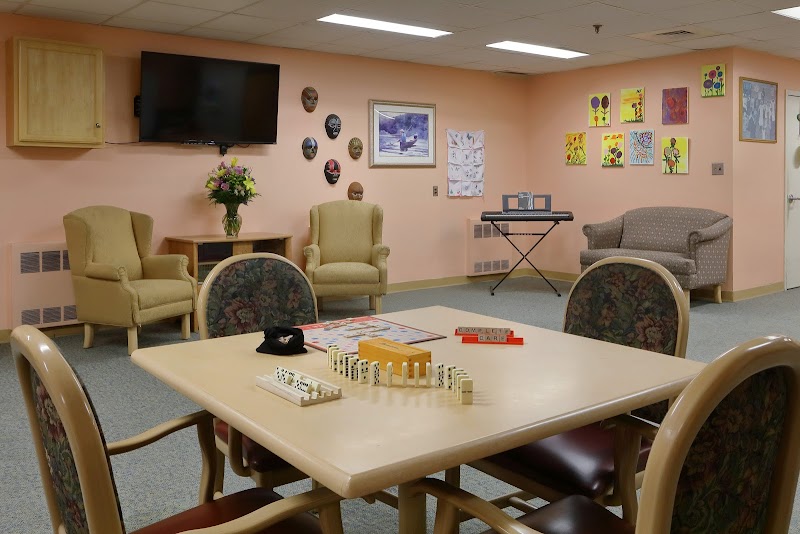
How is Complete Care At Hillside Llc Staffed?

CMS rates COMPLETE CARE AT HILLSIDE LLC's staffing level at 4 out of 5 stars, which is above average compared to other nursing homes. Staff turnover is 40%, compared to the Delaware average of 46%. This relatively stable workforce can support continuity of care.

What Have Inspectors Found at Complete Care At Hillside Llc?

State health inspectors documented 31 deficiencies at COMPLETE CARE AT HILLSIDE LLC during 2022 to 2025. These included: 29 with potential for harm and 2 minor or isolated issues.
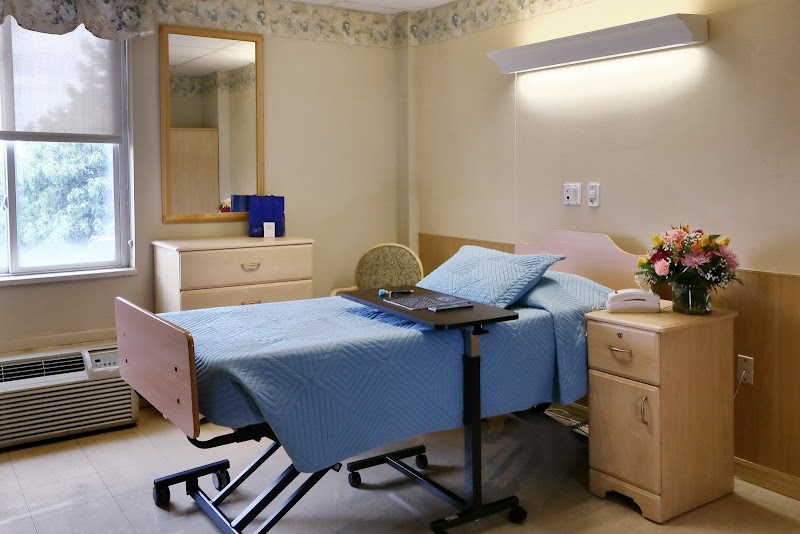
Who Owns and Operates Complete Care At Hillside Llc?

COMPLETE CARE AT HILLSIDE LLC is owned by a for-profit company. For-profit facilities operate as businesses with obligations to shareholders or private owners. The facility is operated by COMPLETE CARE, a chain that manages multiple nursing homes. With 106 certified beds and approximately 95 residents (about 90% occupancy), it is a mid-sized facility located in WILMINGTON, Delaware.
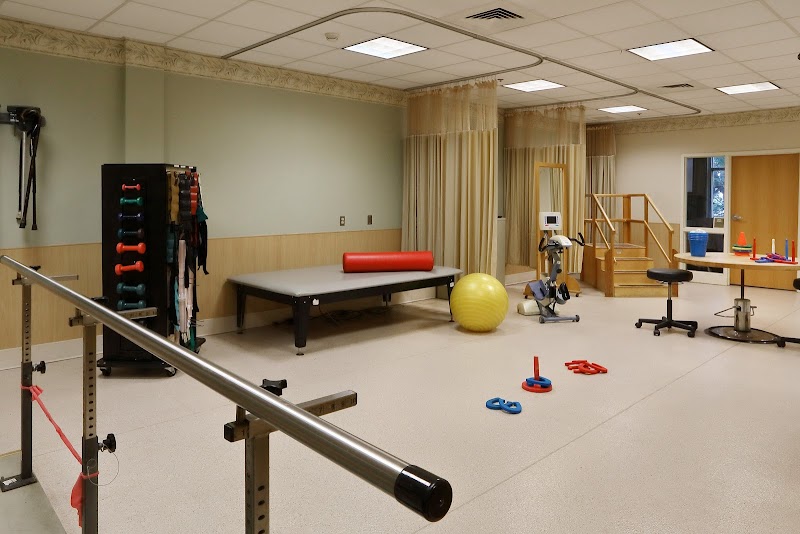
How Does Complete Care At Hillside Llc Compare to Other Delaware Nursing Homes?

Compared to the 100 nursing homes in Delaware, COMPLETE CARE AT HILLSIDE LLC's overall rating (4 stars) is above the state average of 3.3, staff turnover (40%) is near the state average of 46%, and health inspection rating (3 stars) is at the national benchmark.

What Should Families Ask When Visiting Complete Care At Hillside Llc?

Based on this facility's data, families visiting should ask: "Can I visit during a mealtime to observe dining assistance and food quality?" "How do you handle medical emergencies, and what is your hospital transfer rate?" "Can I speak with family members of current residents about their experience?"

Is Complete Care At Hillside Llc Safe?

Based on CMS inspection data, COMPLETE CARE AT HILLSIDE LLC has a clean safety record: no substantiated abuse findings (meaning no confirmed cases of resident harm), no Immediate Jeopardy citations (the most serious violation level indicating risk of serious injury or death), and is not on the Special Focus Facility watch list (a federal program monitoring the lowest-performing 1% of nursing homes). The facility has a 4-star overall rating and ranks #1 of 100 nursing homes in Delaware. While no facility is perfect, families should still ask about staff-to-resident ratios and recent inspection results during their visit.

Do Nurses at Complete Care At Hillside Llc Stick Around?

COMPLETE CARE AT HILLSIDE LLC has a staff turnover rate of 40%, which is about average for Delaware nursing homes (state average: 46%). Moderate turnover is common in nursing homes, but families should still ask about staff tenure and how the facility maintains care continuity when employees leave.

Was Complete Care At Hillside Llc Ever Fined?

COMPLETE CARE AT HILLSIDE LLC has no federal fines on record. CMS issues fines when nursing homes fail to meet care standards or don't correct problems found during inspections. The absence of fines suggests the facility has either maintained compliance or corrected any issues before penalties were assessed. This is a positive indicator, though families should still review recent inspection reports for the full picture.

Is Complete Care At Hillside Llc on Any Federal Watch List?

COMPLETE CARE AT HILLSIDE LLC is not on any federal watch list. The most significant is the Special Focus Facility (SFF) program, which identifies the bottom 1% of nursing homes nationally based on persistent, serious quality problems. Not being on this list means the facility has avoided the pattern of deficiencies that triggers enhanced federal oversight. This is a positive indicator, though families should still review the facility's inspection history directly.