EXCELCARE AT WILMINGTON LLC
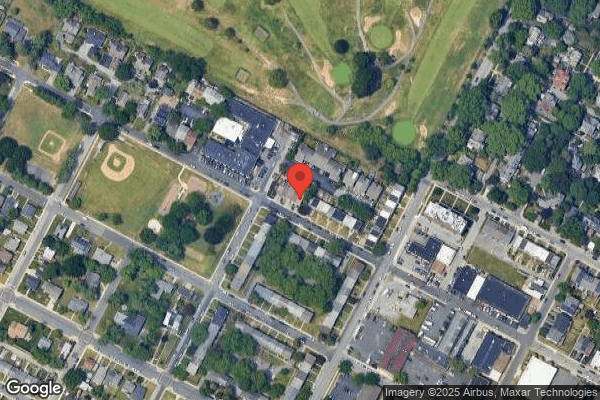

2801 W. 6TH STREET, WILMINGTON, DE 19805 (302) 655-6135
For profit - Limited Liability company 150 Beds EXCELCARE Data: November 2025 1 Immediate Jeopardy citation
Trust Grade
28/100
#23 of 43 in DE
Last Inspection: March 2024

Within standard 12-15 month inspection cycle. Federal law requires annual inspections.

Overview

ExcelCare at Wilmington LLC has received a Trust Grade of F, indicating significant concerns about the quality of care provided. Ranking #23 out of 43 nursing homes in Delaware places this facility in the bottom half, and #12 out of 25 in New Castle County suggests only a few local options are better. While the facility is showing improvement in its issues, with a reduction from 12 in 2023 to 7 in 2024, it still reported a critical incident involving resident-to-resident abuse, highlighting serious safety concerns. Staffing is a relative strength with a rating of 4 out of 5 stars and a turnover rate of 34%, which is better than the state average, while RN coverage is average. However, the facility has incurred fines totaling $38,290, which raises questions about compliance with standards. Specific incidents reveal failures in infection control measures, such as improperly stocked isolation carts and unsafe water temperatures in resident bathrooms, indicating areas needing urgent attention.

Trust Score
F
28/100
In Delaware
#23/43
Bottom 47%
Safety Record
High Risk
Review needed
Inspections
Getting Better
12 → 7 violations
Staff Stability
○ Average
34% turnover. Near Delaware's 48% average. Typical for the industry.
Penalties
✓ Good
$38,290 in fines. Lower than most Delaware facilities. Relatively clean record.
Skilled Nurses
✓ Good
Each resident gets 51 minutes of Registered Nurse (RN) attention daily — more than average for Delaware. RNs are trained to catch health problems early.
Violations
⚠ Watch
21 deficiencies on record. Higher than average. Multiple issues found across inspections.
★★★☆☆
3.0
Overall Rating
★★★★☆
4.0
Staff Levels
★★★★★
5.0
Care Quality
★★☆☆☆
2.0
Inspection Score
Stable
2023: 12 issues
2024: 7 issues

The Good

  • 4-Star Staffing Rating · Above-average nurse staffing levels
  • 5-Star Quality Measures · Strong clinical quality outcomes
  • Full Sprinkler Coverage · Fire safety systems throughout facility
  • No fines on record
  • Staff turnover below average (34%)

    14 points below Delaware average of 48%

Facility shows strength in staffing levels, quality measures, fire safety.

The Bad

3-Star Overall Rating

Near Delaware average (3.3)

Meets federal standards, typical of most facilities

Staff Turnover: 34%

12pts below Delaware avg (46%)

Typical for the industry

Federal Fines: $38,290

Above median ($33,413)

Moderate penalties - review what triggered them

Chain: EXCELCARE

Part of a multi-facility chain

Ask about local staffing decisions and management

The Ugly 21 deficiencies on record

1 life-threatening
Mar 2024 7 deficiencies 1 IJ
CRITICAL (J) 📢 Someone Reported This

A family member, employee, or ombudsman was alarmed enough to file a formal complaint

Immediate Jeopardy (IJ) - the most serious Medicare violation

Free from Abuse/Neglect (Tag F0600)

Someone could have died · This affected 1 resident

**NOTE- TERMS IN BRACKETS HAVE BEEN EDITED TO PROTECT CONFIDENTIALITY** Based on record review, interviews, and facility policy review, the facility failed to ensure residents were free from physical ...

Read full inspector narrative →
**NOTE- TERMS IN BRACKETS HAVE BEEN EDITED TO PROTECT CONFIDENTIALITY** Based on record review, interviews, and facility policy review, the facility failed to ensure residents were free from physical abuse from: 1. one resident (Resident (R) 95) who demonstrated repeated acts of physical violence towards multiple other residents to include residents R24 and R109; and 2. R128's wandering behavior resulted in a resident-to-resident abuse between R128 and R6. The facility's Administrator was informed on 02/29/24 at 3:40 PM that Immediate Jeopardy (IJ) existed at F600-K Freedom from Abuse and Neglect when the facility failed to implement effective interventions to ensure residents were free from abuse from R95. The facility provided an acceptable removal plan for the Immediate Jeopardy on 03/01/24 at 12:21 AM. The survey team validated that the Immediate Jeopardy was removed on 03/01/24 at 1:45 PM. The removal was validated by observations, interviews, record review, and review of training records. The removal plan included training for all disciplines recognizing signs and symptoms of abuse and neglect, along with reporting and preventing abuse and neglect. All residents with known behaviors were reviewed and care plans were reviewed for effectiveness. Abuse policies were reviewed and updated to include resident to resident interactions. After removal of the Immediate Jeopardy, the deficiency remained at an E scope and severity for pattern with a potential for more than minimal harm. Findings include: 1. a. Review of R95's admission Record, located in the Profile tab of the electronic medical record (EMR) revealed admission to the facility on [DATE] with diagnoses of traumatic subdural hemorrhage, irritability and anger, delusional disorders, and anxiety disorder. Review of R95's quarterly Minimum Data Set (MDS) under the MDS tab of the EMR with an Assessment Reference Date (ARD) of 08/31/23, revealed a Brief Interview for Mental Status (BIMS) score of 13 out of 15 which indicated the resident was cognitively intact. Further review revealed R95 had physical behavior symptoms directed at others. Review of R95's Care Plan, located under the Care Plan tab of the EMR and dated 06/09/23, revealed The resident has the potential to be physically aggressive related to poor impulse control as evidenced by swinging fist at others. Interventions in place were to calmly explain or reinforce why behavior was inappropriate or unacceptable. Intervene as necessary to protect the rights and safety of others. Provide programs of activities that were of interest and accommodated the resident's status. Review of a Nurse's Note, located under the Notes tab in the EMR and written by Registered Nurse (RN) 2, dated 08/24/23 at 1:46 AM, indicated R95 was combative and verbally aggressive toward staff who were unable to redirect him. R95 became verbally aggressive toward both of his roommates waking them both up. Staff were unsuccessful at redirecting R95 out of the room and R95 attempted to hit staff. Staff offered snacks but R95 refused and wheeled (himself) to a different unit. Review of a Nurse's Note, located under the Notes tab in the EMR and written by Assistant Director of Nursing (ADON), dated 08/24/23 at 3:15 AM (one and a half hours later) indicated R95 was found in R24's room swinging his arms at R24. R95 told staff he hit R24 in the face. Coffee was provided to R95 as requested which calmed him down for a short period of time but R95 became more aggressive and difficult to redirect by the staff. The physician was notified and R95 was sent out to the emergency room (ER). Review of a Nurse's Note, located under the Notes tab in the EMR and written by RN9, dated 08/24/23 at 1:09 PM, indicated R95 returned from the ER at 9:00 AM and was moved to another unit and the Psychiatrist (PSYD) reviewed R95's medications and there was a new order for Ativan (anti-anxiety medication) 0.5mg (milligram) tab one dose and for Ativan IM (intramuscular) 1mg every six hours PRN (as needed). During an interview on 02/28/24 at 5:39 AM, RN2 stated R95 was combative and noncompliant towards both staff and other residents. She stated staff tried redirection, keeping him by the nurse's station, offering fluids, snacks, and general safety checks every two hours. RN2 stated R95 was moved to another unit after hitting R24 in the face but she was unsure of any changes to his care plan for aggressive behaviors. During an interview on 02/29/24 at 9:24 AM, RN7 stated R95 was very aggressive, and staff tried calming him down and were aware of some things that worked such as offering coffee or Pepsi. RN7 stated was not aware of changes made to his plan of care when he was readmitted . During an interview on 02/29/24 at 10:17 AM, the Social Services Director (SSD) 1 stated R95 was very authoritative, and thought he was the boss. SSD1 stated it was best for them to walk away and reapproach later. She stated the interdisciplinary team (IDT) met a lot to discuss him and tried to have consistent staff provide care since he liked consistency. b. Review of a Nurse's Note, located under the Notes tab in the EMR and written by Licensed Practical Nurse (LPN) 1, dated 09/27/23 at 1:26 AM, indicated R95 was exhibiting very aggressive behaviors and went into a female residents' room and was touching their feet and both residents yelled at R95 to get out of the room. R95 got up off his wheelchair and sat down on one of the female resident's wheelchairs. R95 could not be redirected and started kicking and punching at female staff members. A male nurse from another unit came and picked R95 up and placed him in his own wheelchair and he eventually self-propelled to another unit. No change in plan of care. During an interview on 02/28/24 at 10:58 AM, LPN1 stated R95 was very aggressive and argumentative to staff, but he was much more aggressive towards other residents at the facility. She stated staff tried to keep him away from other residents and he was moved to other areas of the facility, but staff were unable to redirect him during the 11:00 PM to 7:00 AM shift. LPN1 stated staff tried to stay out of his range. LPN1 stated they would provide fluids, and sometimes he accepted but there was a skeleton crew at nighttime which made it more difficult to redirect or intervene. On 09/27/23, she stated she remembered R95 very inappropriate and calling out racial names and attempting to hit staff before he went into a female resident's room and was touching their feet c. Review of a Nurse's Note, located under the Notes tab in the EMR and written by LPN1, dated 10/19/23 at 7:53 PM, indicated R95 became physically aggressive throwing punches and kicking at staff and struck R109 on the arm. No change in plan of care. Review of a Nurse's Note, located under the Notes tab in the EMR and written by LPN1, dated 10/22/23 at 3:38 AM, indicated R95 continued with behaviors and wandering in and out of female resident rooms and calling two female aides [derogatory language]. R95's roommate complained that R95 kept purposely running into his bed with his wheelchair to wake him up. At 3:45 AM, R95 continued being aggressive and kicked a nurse in the leg twice and hit her in the face. During an interview on 02/28/24 at 10:58 AM, LPN1 stated that on 10/19/23, R95 was in the hallway in his wheelchair and when R109 passed by and attempted to speak to R95, R95 punched R109 in the face. LPN1 stated she witnessed R95 hit R109 in the face.LPN1 stated a few days later, on 10/22/23, R95 could not be redirected and went into another room of female residents. and while attempting to redirect R95, he kicked her in the knees multiple times and punched her in the face. She stated R95's medications were changed, and he was moved off her unit to another unit, but she was unsure what, if any additional changes in his plan of care were put into place after these incidents. d. Review of a Nurse's Note, located under the Notes tab in the EMR and written by the ADON and dated 10/23/23 at 1:46 PM, indicated the IDT team met and requested a room change and another psychological evaluation to be completed for R95. The resident was moved to another unit. Review of a Nurse's Note, located under the Notes tab in the EMR and written by LPN10, dated 10/26/23 at 4:25 PM, indicated at 4:25 PM, a psychological evaluation was completed on R95. Medications were reviewed and new orders for Depakote (mood stabilizer) 125mg BID (twice a day) one day, Ativan 0.5 mg tab BID and discontinue mirtazapine (anti-depressant medication). On 10/27/23, a new order for Depakote 250 mg QD (once a day). During an interview on 02/28/24 at 2:00 PM, the Administrator stated there were no psychological evaluations completed on R95, but the PSYD completed a medication review. e. Review of a Nurse's Note, located under the Notes tab in the EMR and written by RN7, dated 10/31/23 at 5:53 AM, indicated R95 was physically aggressive throwing punches, kicking at staff and attempting to hit a fellow resident, but staff intervened and redirected the resident away from the other resident. R95 continued to be aggressive and attempted to hit any staff that passed by. The staff's attempts to redirect were unsuccessful. R95 had another room change and was moved to a different unit. No other changes in the plan of care. During an interview on 02/29/24 at 9:24 AM, RN7 stated she did not remember who the resident was that R95 tried to hit on 10/31/23, but that R95 had multiple behaviors during that time. She stated R95 was sitting in his wheelchair and tried to punch the nurse and the staff were attempting to calm him down, but he could not be redirected. RN7 stated he was kicking at staff who tried offering him coffee or snacks, but he continued to refuse that along with his medications f. Review of a Nurse's Note, located under the Notes tab in the EMR and written by RN1, dated 11/03/23 at 10:28 PM, indicated R95 was being resistive to care, and staff attempted to provide reassurance to R95 who appeared to calm down. However, after care was provided R95 punched a nurse on the cheek and struck another nurse in the left eye. R95 was sent out to the ER for further evaluation. He came back to the facility on [DATE] at 1:27 AM. At 11:10 AM, the physician gave an order for one time Ativan 0.5mg by mouth. No other changes in the plan of care. During an interview on 02/27/24 at 4:25 PM, RN1 stated R95 would wander the halls and staff tried to redirect by offering coffee or food. But she was unsure if there were specific interventions on R95's care plan that listed things staff should do to effectively redirect or engage him. During the incident that occurred on 11/03/23, she stated R95 punched one of the nurses in the head and she called 911 and she thought R95 was transported to ER. RN1 stated when he returned, he was moved to another unit, but she was unsure if there were any changes made to his plan of care. Review of a Nurse's Note, located under the Notes tab in the EMR and written by RN5, dated 11/04/23 at 2:37 PM, indicated R95 continued to be agitated and running into other residents with his wheelchair and kicking door of nurse's station. Re-direction unsuccessful but staff continued to re-direct. Review of a Nurse's Note, located under the Notes tab in the EMR and written by the Director of Nursing (DON), dated 11/06/23 at 1:18 PM, indicated the IDT team met and R95 medications were reviewed and there was a new order to discontinue Lorazepam (anti-anxiety medication) and start Ativan gel. During an interview on 02/29/24 at 9:24 AM, ADON stated R95 could be very aggressive, and at times redirected. The ADON stated they sent him out to the ER to get him psychiatric treatment, but the ER would send him right back to the facility. She stated they tried to address his aggressive and violent behavior by moving him to other rooms but that was only effective for a short period of time. She stated that the facility was not protective of other residents since R95 was able to physically assault other residents on multiple occasions She stated his behavior only stopped due to his physical decline. During an interview on 02/29/24 at 10:36 AM, the PSYD stated he was at the facility every Thursday seeing residents. He stated when he made rounds, he physically saw each resident and reviewed their medical record along with their medications. He stated R95 had some behaviors and was on every Thursday list to be seen. anytime there was physical altercation the residents' medications were reviewed and adjusted and he followed-up within a week He stated R95 was a chronic patient, but he did not document that anywhere in the EMR because he kept his own notes. During an interview on 02/29/24 at 10:36 AM, the DON stated R95's behavior depended on the day. She stated staff tried redirecting him. She stated they offered him coffee or activities of his choice like football, which he liked. The DON stated there were some staff he really took to, so they tried assigning those staff to provide his care. She stated they tried finding the right room/unit in the facility and PSYD made several medication adjustments. During an interview on 03/01/24 at 10:08 AM, the Administrator stated staff attempted to address R95's aggressive behaviors by sending him out to the ER in hopes the hospital would send him for psychiatric treatment. But she stated they would send him back to the facility. She stated staff tried redirection, offering coffee, putting on football. But R95's aggression was out of control no matter what staff did. Further review of the Care Plan revealed no updates to the care plan since it was implemented on 06/09/23 despite R95's multiple abusive behaviors towards other residents. One intervention, not documented on the care plan, was to transfer R95 to different units of the facility where the abusive behaviors continued. 2. Review of R6's admission Record located in the EMR under the Profile tab, indicated the resident was admitted to the facility on [DATE]. Diagnoses included dementia, psychotic disturbance, mood disturbance, and anxiety. Review of R6's MDS with an ARD of 04/05/23, revealed a BIMS score of ten out of 15 which indicated moderate cognitive impairment. R6 was independent with ambulation and was documented as wandering for one to three days of the assessment period. Review of R6's Care Plan located in the EMR under the Care Plan tab, dated 04/25/23, indicated Resident is/has potential to be verbally aggressive r/t [related to] Dementia. Interventions were revised 07/28/23, STOP sign initiated at the door. Review of R128's admission Record, located in the EMR under the Profile tab, indicated the resident was admitted initially to the facility on [DATE]. Diagnoses included dementia with behavioral disturbances, restlessness and agitation, schizoaffective disorder, mood disorder, and generalized anxiety. Review of R128's MDS with an ARD of 05/30/23 revealed a BIMS score of 99 which indicated severe cognitive impairment. R128 required one person supervision for ambulation and was documented as wandering daily. R128 expired on 09/14/23. Review of R128's Care Plan, located in the EMR under the Care Plan tab, dated 06/09/23, indicated resident had Socially inappropriate behavior: inappropriate touching AEB [as evidence by]: touching other's hair and/or rubbing others' head. Interventions were revised on 08/01/23 to include, Intervene and redirect when inappropriate behavior is observed. Review of the Investigation Report of resident-to-resident physical abuse provided by the facility, dated 07/23/23, revealed on 07/23/23 at 12:10 PM, RN10 and CNA9 heard R6 yelling for help and immediately responded to the resident. R128 was observed by CNA9 trying to grab and swing at R6, and R6 was trying to push the resident out of her room. CNA9 separated the residents. RN4 documented that R6 told the nurse that R128 had come into her room, and she told him to get out, but R128 continued and then grabbed her on the shoulder. R6 then told RN10 that R128 hit her on the left side of her face, but not hard. R128 sustained a small skin tear to the left upper arm, right forearm, and chest. R6 had no visible injuries. R128 was difficult to redirect. Upon the facility becoming aware of the incident on 07/23/23, the facility placed a stop sign on R6's room doorway to redirect R128 away from her room. During an interview on 02/28/24 at 10:10 AM, CNA9 stated that she could not recall the incident but did recall R128 wandered up and down the hallway with his walker and was difficult to redirect. She stated that he did not like to stand still and would wander into other residents' rooms. She stated R6 preferred to stay in her room and could be easily agitated when someone tried to come in. During an interview on 02/28/24 at 10:45 AM, ADON stated that R128 was a wanderer and had behaviors with touching other people. During an interview on 02/28/24 at 12:50 PM, RN10 stated that R128 had entered R6's room and she only saw that R6 had pushed R128. She stated that R128 was a wanderer and liked to get into the personal space of other residents. She stated that he had not shown signs of aggressive behavior, but due to his constant shadowing of other residents and getting into their space, the other residents would become upset and that would lead to altercations. She stated they continued to try new interventions such as one on one, keeping him in the dining room with activities, and adjustments to his medication. During an additional interview on 02/28/24 at 1:33 PM, the ADON stated the facility had used stop signs to keep him from visiting other resident rooms and had also tried to keep him engaged. Further review of R6's Care Plan located in the EMR under the Care Plan tab, revealed interventions were revised on 07/28/23 to place STOP sign initiated at the door. Review of the facility's policy titled, Abuse, Neglect, and Exploitation, dated 04/01/22 and 07/25/22, revealed It is the policy of this facility to provide protections for the health, welfare and rights of each resident by developing and implementing written policies and procedures that prohibit and prevent abuse, neglect, exploitation and misappropriation of resident property. The policy revealed appropriate corrective action should be done once abuse was identified and the care plans should be revised.
CONCERN (D)

Potential for Harm - no one hurt, but risky conditions existed

Resident Rights (Tag F0550)

Could have caused harm · This affected 1 resident

**NOTE- TERMS IN BRACKETS HAVE BEEN EDITED TO PROTECT CONFIDENTIALITY** Based on observation, interview, record review, and facility policy review, the facility failed to ensure one resident (Resident...

Read full inspector narrative →
**NOTE- TERMS IN BRACKETS HAVE BEEN EDITED TO PROTECT CONFIDENTIALITY** Based on observation, interview, record review, and facility policy review, the facility failed to ensure one resident (Resident (R)106) out of a total sample of 41 residents was treated with dignity in toileting. Findings include: Review of R106's Face Sheet, located in the hard chart, revealed he was admitted to the facility on [DATE], from the hospital, with diagnoses of toxic encephalopathy (brain dysfunction) and sepsis (infection of the organs). Review of R106's admission Minimum Data Set (MDS) assessment located in the MDS tab of the electronic medical record (EMR) with an Assessment Reference Date (ARD) of 01/02/24, revealed R106 had a Brief Interview for Mental Status (BIMS) of 15 out of 15 which indicated the resident had intact cognition. Review of this MDS revealed R106 was dependent on staff assistance of two for care. Review of the Bowel and Bladder section of this MDS revealed R106 was on a toileting program for bowel and bladder incontinence. Review of the admission comprehensive care plan, located in the EMR under the Care Plan tab, with an initiated date of 12/27/23 and revised on 01/04/24, revealed a care plan for incontinence of bowel and bladder. A toileting program was not one of the interventions. During an observation and interview on 02/26/24 at 11:00 AM, R106 stated he could tell when he needed to go to the bathroom but he wore a brief and the staff changed him. During an interview on 02/29/24 at 4:32 PM, R106 revealed it sucked to have to go in a brief. R106 further revealed that when he had asked staff to take him to the bathroom, the staff told him to just go in his brief. During an interview on 02/26/24 at 9:40 AM, Certified Nursing Assistant (CNA) 8, who was providing care to R106, stated R106 was not on a toileting program but was a check and change (the brief) every two to three hours. CNA confirmed R106 went to the bathroom in his brief. During an interview on 02/28/24 at 9:43 AM, Licensed Practical Nurse (LPN) 4 revealed that the CNA task page indicated R106 was on a toileting program before meals, bedtime, and as needed. LPN4 further revealed the CNAs changed R106's brief after urinating or having a bowel movement because staff used a [mechanical] lift to get him up out of bed. LPN4 confirmed that R106 was alert and oriented and could make his needs known including when he had to use the bathroom. During an interview on 02/29/24 at 3:00 PM, the Director of Nursing (DON) revealed a toileting program was supposed to promote quality of life for those residents requiring assistance to and from the bathroom. During an interview on 03/01/24 at 8:28 AM, the Administrator revealed it was not appropriate for staff to say just go in your brief when a resident asked to be toileted. The Administrator further revealed it was a dignity issue and not acceptable. During an interview on 03/01/24 at 9:01 AM, the DON revealed it was not acceptable for staff to say, just go in your brief and it was a dignity issue. Record review of the facility's policy titled, Promoting/Maintaining Resident Dignity, with a date of 04/01/20, revealed it was the practice of the facility to promote and protect residents' rights with respect and dignity in a manner that maintained or enhanced the resident's quality of life. The policy further revealed all staff involved in providing resident care was to promote resident dignity.
CONCERN (D) 📢 Someone Reported This

A family member, employee, or ombudsman was alarmed enough to file a formal complaint

Potential for Harm - no one hurt, but risky conditions existed

Report Alleged Abuse (Tag F0609)

Could have caused harm · This affected 1 resident

**NOTE- TERMS IN BRACKETS HAVE BEEN EDITED TO PROTECT CONFIDENTIALITY** Based on record review, interview, and facility policy review, the facility failed to timely report to the state survey agency m...

Read full inspector narrative →
**NOTE- TERMS IN BRACKETS HAVE BEEN EDITED TO PROTECT CONFIDENTIALITY** Based on record review, interview, and facility policy review, the facility failed to timely report to the state survey agency multiple incidents of abusive behavior of one resident (Resident (R) 95) out of a total sample of 41 residents. Findings include: Review of R95's admission Record, located in the Profile tab of the electronic medical record (EMR) revealed admission to the facility on [DATE] with diagnoses of traumatic subdural hemorrhage, irritability and anger, delusional disorders, and anxiety disorder. Review of R95's quarterly Minimum Data Set (MDS) under the MDS tab of the EMR, with an Assessment Reference Date (ARD) of 08/31/23, revealed a Brief Interview for Mental Status (BIMS) score of 13 out of 15 which indicated the resident was cognitively intact. Further review revealed R95 had physical behavior symptoms directed at others. Cross Reference: F600-Free from Abuse and Neglect. 1. Review of a Nurse's Note, located under the Notes tab in the EMR and written by Licensed Practical Nurse (LPN) 1, dated 09/27/23 at 1:26 AM, indicated R95 was exhibiting aggressive behaviors and went into a female residents' room and was touching their feet and both residents yelled at R95 to get out of the room. R95 got up off his wheelchair and sat down on one of the female resident's wheelchairs. R95 could not be redirected and started kicking and punching at female staff members. 2. Review of a Nurse's Note, located under the Notes tab in the EMR and written by LPN1, dated 10/19/23 at 7:53 PM, indicated R95 became physically aggressive throwing punches and kicking at staff and struck R109 on the arm. During an interview on 02/28/24 at 10:58 AM, LPN1 stated she reported the incidents that occurred on 09/27/23 and 10/19/23 to her supervisor, but she could not remember who that was. 3. Review of a Nurse's Note, located under the Notes tab in the EMR and written by Registered Nurse (RN) 7, dated 10/31/23 at 5:53 AM, indicated R95 was physically aggressive throwing punches, kicking at staff and attempting to hit a fellow resident, but staff intervened before R95 struck the other resident. During an interview on 02/29/24 at 9:24 AM, RN7 stated all incidents on 10/31/23 were reported to the oncoming staff through the shift-to-shift report but that she did not report the incident to a supervisor as abuse since R95 attempted but wasn't able to hit the other resident. 4. Review of a Nurse's Note, located under the Notes tab in the EMR and written by RN5, dated 11/04/23 at 2:37 PM, indicated R95 continued to be agitated and running into other residents with his wheelchair and kicking the door of nurse's station. During an interview on 02/29/24 at 10:36 AM, the Director of Nursing (DON) stated any abusive behaviors should have been reported to a supervisor who would notify the DON and Administrator. The DON confirmed, as the abuse coordinator, that the incidents of abuse on 09/27/23, 10/19/23, 10/31/23, and 11/04/23 were not reported to the state survey agency within two hours or at all. During an interview on 03/01/24 at 10:08 AM, the Administrator stated she expected all incidents of aggression or abuse to be reported to the state survey agency within two hours. Review of facility's policy titled, Abuse, Neglect and Exploitation, revised 07/25/22, revealed . VII. Reporting/Response A. The facility will have written procedures that include: 1. Reporting of all alleged violations to the Administrator, stage agency, adult protective services and to all other required agencies (e.g., law enforcement when applicable) within specified timeframes: a. the allegation involves abuse or results in serious bodily injury, note all alleged abuse will be reported to licensing not later than two hours. b. Not later than 24 hours if the events that cause the allegation do not involve abuse and do not result in serious bodily injury.
CONCERN (D) 📢 Someone Reported This

A family member, employee, or ombudsman was alarmed enough to file a formal complaint

Potential for Harm - no one hurt, but risky conditions existed

Investigate Abuse (Tag F0610)

Could have caused harm · This affected 1 resident

**NOTE- TERMS IN BRACKETS HAVE BEEN EDITED TO PROTECT CONFIDENTIALITY** Based on record review, interview, document review, and policy review, the facility failed to conduct a thorough investigation f...

Read full inspector narrative →
**NOTE- TERMS IN BRACKETS HAVE BEEN EDITED TO PROTECT CONFIDENTIALITY** Based on record review, interview, document review, and policy review, the facility failed to conduct a thorough investigation for multiple incidents of abusive behavior of one resident (Resident (R) 95) out of a total sample of 41 residents. Findings include: Review of R95's admission Record, located in the Profile tab of the electronic medical record (EMR) revealed admission to the facility on [DATE] with diagnoses of traumatic subdural hemorrhage, irritability and anger, delusional disorders, and anxiety disorder. Review of R95's quarterly Minimum Data Set (MDS) under the MDS tab of the EMR, with an Assessment Reference Date (ARD) of 08/31/23, revealed a Brief Interview for Mental Status (BIMS) score of 13 out of 15 which indicated the resident was cognitively intact. Further review revealed R95 had physical behavior symptoms directed at others. Cross Reference: F600-Free from Abuse and Neglect. 1. Review of a Nurse's Note, located under the Notes tab in the EMR and written by Registered Nurse (RN) 2, dated 08/24/23 at 1:46 AM, indicated R95 became verbally aggressive toward both of his roommates waking them both up. This incident of verbal abuse was not investigated. 2. Review of a Nurse's Note, located under the Notes tab in the EMR and written by Assistant Director of Nursing (ADON), dated 08/24/23 at 3:15 AM, indicated R95 was found in R24's room swinging his arms at R24 while R95 was in his wheelchair and told staff he hit R24 in the face. Review of the facility's Incident Report for Web Intake, provided by the facility, revealed investigation of the incident on 08/24/23 at 3:15 AM consisted of one staff's statement. There were no statements by any residents or additional staff. 3. Review of a Nurse's Note, located under the Notes tab in the EMR and written by Licensed Practical Nurse (LPN) 1, dated 09/27/23 at 1:26 AM, indicated R95 was exhibiting aggressive behaviors and went into a female residents' room, was touching their feet, and both residents yelled at R95 to get out of the room. R95 got up off his wheelchair and sat down on one of the female resident's wheelchairs. R95 could not be redirected and started kicking and punching at female staff members. A male nurse from another unit came and picked R95 up and placed him in his own wheelchair and he eventually self-propelled to another unit. Review of the facility's Incident Report for Web Intake, provided by the facility, revealed the incident that occurred on 09/27/23 at 1:26 AM was not investigated by the facility. 4. Review of a Nurse's Note, located under the Notes tab in the EMR and written by LPN1, dated 10/19/23 at 7:53 PM, indicated R95 became physically aggressive throwing punches, kicking at staff, and struck R109 on the arm. Review of the facility's Incident Report for Web Intake, provided by the facility, revealed the incident that occurred on 10/19/23 at 4:58 AM consisted on one staff's statement. There were no statements by any residents or additional staff. 5. Review of a Nurse's Note, located under the Notes tab in the EMR and written by RN7, dated 10/31/23 at 5:53 AM, indicated R95 was physically aggressive, throwing punches, kicking at staff and attempting to hit a fellow resident. Review of the facility's Incident Report for Web Intake, provided by the facility, revealed the incident that occurred on 10/31/23 at 5:53 AM was not investigated by the facility. 6. Review of a Nurse's Note, located under the Notes tab in the EMR and written by RN5, dated 11/04/23 at 2:37 PM, indicated R95 was agitated and running into other residents with his wheelchair and kicking the door of nurse's station. Review of the facility's Incident Report for Web Intake, provided by the facility, revealed the incident that occurred on 11/04/23 at 2:37 PM was not investigated by the facility. During an interview on 02/29/24 at 10:36 AM, the Director of Nursing (DON) stated the incidents on 08/24/23 and 10/19/23 were investigated but agreed there should have been more staff and residents interviewed. The DON stated the incidents that occurred on 09/27/23, 10/31/23, and 11/04/23 were not investigated because staff did not report the incidents to her as the Abuse Coordinator. During an interview on 03/01/24 at 10:08 AM, the Administrator stated staff should have ensured staff and residents involved in an incident were all interviewed who may have had exposure or knowledge. Review of the facility's policy titled, Abuse, Neglect, and Exploitation, dated 07/25/22, revealed an immediate investigation was warranted when suspicion of abuse neglect or exploitation, or reports of abuse, neglect or exploitation occur. Written procedures for investigations include identifying staff responsible for the investigation; . investigating different types of alleged violations; identifying and interviewing all involved persons, including the alleged victim, alleged perpetrator, witnesses, and others who might have knowledge of the allegations; focusing the investigation on determining if abuse, neglect exploitation and/or mistreatment has occurred, the extent, and cause; and providing complete and thorough documentation of the investigation.
CONCERN (D)

Potential for Harm - no one hurt, but risky conditions existed

Incontinence Care (Tag F0690)

Could have caused harm · This affected 1 resident

**NOTE- TERMS IN BRACKETS HAVE BEEN EDITED TO PROTECT CONFIDENTIALITY** Based on observations, interviews, record review, and facility policy review, the facility failed to ensure one of one resident ...

Read full inspector narrative →
**NOTE- TERMS IN BRACKETS HAVE BEEN EDITED TO PROTECT CONFIDENTIALITY** Based on observations, interviews, record review, and facility policy review, the facility failed to ensure one of one resident (Resident (R) 106) was on a toileting program to enhance his continence out of 41 sampled residents Findings include: Review of R106's Face Sheet located in the hard chart revealed he was admitted to the facility on [DATE], from the hospital, with diagnoses of toxic encephalopathy, sepsis, atrial fibrillation, disorder of prostate, acute respiratory failure, depression, and anxiety. Review of R106's admission Minimum Data Set (MDS) located in the MDS tab of the electronic medical record (EMR) with an Assessment Reference Date (ARD) of 01/02/24, revealed R106 had a Brief Interview for Mental Status (BIMS) of 15 out of 15 which indicated intact cognition. Review of the Bowel and Bladder section of the MDS revealed R106 was on a toileting program for bowel and bladder incontinence due to being incontinent of bowel and bladder. Further review revealed a toileting program could include scheduled toileting, prompted voiding, and bowel and bladder retraining. R106 was dependent on staff for care with the assistance of two staff. Review of the admission comprehensive care plan, located in the EMR under the Care Plan tab, with an initiated date of 12/27/23, targeted date of 03/22/24, and revised on 01/04/24, revealed a care plan for incontinence of bowel and bladder. Interventions included cleaning the peri area after incontinence and monitoring for any causes of incontinence. Toileting program was not one of the interventions. Review of the Task for Certified Nursing Assistants (CNAs) in the EMR under the Task tab, revealed R106 was on a toileting program that consisted of toileting after meals, at bedtime, and as needed. During an observation and interview on 02/26/24 11:00 AM, R106 was lying in bed in his room. R106 revealed he was incontinent, but he could tell when he needed to go to the bathroom. R106 revealed he wore a brief, and the staff changed him. During an interview on 02/26/24 at 9:40 AM, CNA8, who provided care to R106 that day, revealed R106 was not on a toileting program, but was a check and change every two to three hours. CNA8 revealed R106 could not tell ahead of time when he had to go but would be able to tell after he had urinated or had a bowel movement. During an interview on 02/28/24 at 9:43 AM Licensed Practical Nurse (LPN) 4 revealed, after reviewing the task page for the CNA, which told them how to care for a resident, that R106 was on a toileting program before meals, bedtime, and as needed. LPN4 further revealed the task probably should have been a check and change because he was using a [mechanical] lift to get up. LPN4 stated therapy was working with him and now he was a two-person physical assist. LPN4 further revealed R106 could still be on a toileting program and use a urinal and bedpan even if a [mechanical] lift was used. Interview with LPN4 further revealed the CNA task for nights did not show where the task of toileting had been done. LPN4 revealed R106 was alert and oriented and could make his needs known. LPN4 revealed being able to utilize a toileting program would give R106 more control, independence, and increase quality of life for him. During an interview on 02/29/24 at 3:00 PM, the Director of Nursing (DON) revealed a resident was assessed for incontinence on admission, quarterly, annually, and as needed. The DON stated that they would determine the level of the resident's continence status. She further revealed either a toileting program or a check and change program would be initiated and it would be assigned as a task for the CNA on the computer. The DON further revealed if a resident was on a toileting program, proper staff should have offered toileting, a urinal, use a bedside commode, or taken them to the bathroom, if the resident was able. The DON further revealed if the resident needed a lift, they may have needed a bedside commode. The DON revealed that just because the resident used a [mechanical] lift did not mean they could not be toileted. She stated a toileting program was supposed to promote continence, as much as possible, quality of life and try to preserve as much function for the resident as they could. The DON revealed staff were trained on toileting programs and how to care for continence. She stated the unit manager was the person responsible for documenting the care plan over to the Task, so the CNAs knew what care to provide for the resident. During an interview on 02/29/24 at 4:32 PM, R106 revealed he had asked staff to take him to the bathroom, but they told him to just go in his brief. During an interview on 02/29/24 at 5:56 PM, LPN4 revealed she did the task for the CNAs under bowel and bladder. LPN4 revealed if R106 could tell when he had to have a bowel movement then staff should have put him on bedpan or used a urinal. LPN4 revealed she thought the CNAs were just changing him. During an interview on 03/01/24 at 8:25 AM, the Administrator revealed staff followed the policy on toileting. The Administrator further revealed all CNAs were trained on the toileting program and provided appropriate care to the resident. The Administrator revealed if a resident told a staff member that they had to go to the bathroom then staff should have, at least, attempted to assist them. During an interview on 03/01/24 at 11:02 AM the Director of Rehabilitation (DOR) revealed R106 had been receiving occupational therapy for about a month that included positioning and a splint to the left elbow. She revealed R106's right hand was okay. The DOR further revealed R106 would be able to use a urinal with the help of someone positioning him first and handing him the urinal. She stated he then would be able to do his business and hand the urinal back to the staff when he was finished. The DOR revealed R106 could also be put on a bedpan with assistance with rolling over to put it under him and removing it. The DOR further revealed R106 was able to tell you when he had to have a bowel movement or urinate. Record review of the facility's policy titled, Bowel and Bladder Management version one, effective 04/01/20, revealed the purpose of the policy was to address residents' individual needs with respect to bowel and bladder. The policy revealed each resident would be assessed for bowel and bladder functioning on admission, each quarterly MDS, and any change in condition. The policy revealed a plan of care would be developed and may include a bladder retraining program.
CONCERN (D) 📢 Someone Reported This

A family member, employee, or ombudsman was alarmed enough to file a formal complaint

Potential for Harm - no one hurt, but risky conditions existed

Deficiency F0757 (Tag F0757)

Could have caused harm · This affected 1 resident

**NOTE- TERMS IN BRACKETS HAVE BEEN EDITED TO PROTECT CONFIDENTIALITY** Based on observation, record review, interviews, review of facility provided incident (FRI), and review of facility policy, the ...

Read full inspector narrative →
**NOTE- TERMS IN BRACKETS HAVE BEEN EDITED TO PROTECT CONFIDENTIALITY** Based on observation, record review, interviews, review of facility provided incident (FRI), and review of facility policy, the facility failed to ensure that one of five residents (Resident (R) 32) reviewed for unnecessary medications out of 41 sampled residents, were free from unnecessary medications. R32 was administered another resident's (R9) medications resulting in a potential for R32 to have an adverse effect. In addition, two of five residents (R30 and 44) observed during medication administration, were not identified using two of four identifiers. Findings include: 1. Review of R32's Face Sheet, provided by the facility, revealed that R32 was admitted to the facility on [DATE] with diagnoses of Alzheimer's disease, anxiety, major depressive disorder (MDD), and mood disorder. Review of Incident Report [Number], (initial reporting) provided by the facility and dated 08/25/23, revealed On 08/24/23, an agency nurse on dementia unit administered medications to the wrong resident. Resident [R32] immediately assessed and physician notified. The physician orders to monitor blood pressure every four hours for 24 hours and to hold trazodone (anti-depressant medication) dose for today. [R32's] vital signs have remained stable. Investigation in progress. Review of Event Investigation Interview Record, provided by the facility and dated 08/25/23, for Licensed Practical Nurse (LPN) 8, revealed When giving medication, [R9] was in the dining room with other residents. Prior to giving medication, I asked another nurse who [R9] was because the resident's do not appear as the photos on EMAR [electronic medication administration record] and [R9] was not in the room to identify which bed [R9] was in. The nurse described [R9] with the blanket. So, I approached [R32] with the blanket and gave medication. Review of LPN3's Event Investigation Interview Record, provided by the facility and dated 08/25/23, revealed Med nurse approached me and told me that she gave the medication to the wrong resident [R32]. I questioned her as to what happened. She stated the other nurse said the resident with the blanket. I checked [R9's] picture on EMAR, the photo looked the same as the resident. Informed the nurse that there is a photo (clear) on the EMAR. Review of the Assistant Director of Nursing (ADON) Event Investigation Interview Record, provided by the facility and dated 08/25/23, revealed Followed up [R9's] identifier on the EMAR. [R9's] photo appeared the same as the resident in person. Review of LPN9's Event Investigation Interview Record, provided by the facility and dated 08/31/23, revealed [LPN8] asked me who is [R9], and I said [R9] has the blanket over her head. [R32] has blanket on her lap. Review of facility provided Incident Report [Number], (5-day summary) dated 08/31/23, revealed Root Cause Analysis: [R32] is an [AGE] year-old long term care female resident in the dementia unit. Has a diagnosis Alzheimer Disease, type 2 diabetes mellitus (DM), anxiety disorder, mood disorder, insomnia, dementia with behavior disturbance, bipolar disorder, osteoarthritis to hip, pain right ankle/joints, chronic kidney disease (CKD), gastroesophageal reflux disease (GERD), hypotension, myoclonus, atherosclerotic heart disease and vitamin deficiency. Medications include aspirin (ASA), sertraline, nitroglycerin, Lantus, trazodone, Humalog insulin, isosorbide mononitrate. Has a Brief Interview for Mental Status (BIMS) score of three (severely cognitive impairment). R32 has multiple behavior care plans in place such as unsafe transfers, attempting to put self on the floor to pray, asking repetitive questions, hoarding, physical aggression, and verbal aggression. Uses a wheelchair for locomotion and independently wanders around in her wheelchair. Requires one person assist with transfers. She passively participates in activity, 1:1 and requires invitation to activity of choice. Her favorite activities: visit from Deacon, church service, music, folding items and socializing with others. Result of Investigation: On 08/24/23 at 09:28 AM, a resident [R32] was inadvertently given another resident [R9] medication of Amlodipine (blood pressure medication) 10 milligrams (mg) and Risperdal (anti-psychotic medication) .5 mg. Nurse A [LPN 8] who was involved with the medication variance stated that R9 was in the dining room with other residents on the dementia unit. Prior to administering the medications, Nurse A [LPN8] asked Nurse B [LPN9] to verify the residents [R9] identify. Nurse B [LPN9] described the resident [R9] as the one with the blanket. Nurse A [LPN8] then approached a resident [R32] with a blanket and gave the medication. After administering the medications Nurse A [LPN8] realized that there were two residents in the dining room who had blankets. In fact, [R32] was administered [R9's] medications. Once the variance was identified [R32] was immediately assessed. Vital signs were within normal limits and [R32] was in no apparent distress. The physician was immediately notified, an order was obtained to monitor blood pressure (BP) every four hours for 24 hours. [R32's] BP and pulse remained stable, with no signs or symptoms of distress/discomfort, along with good fluid intake within the monitoring period. Additionally, an order was provided to hold [R32's] trazodone for 24 hours. The family was informed of the variance and physicians orders. A drill down of the event indicated that Nurse A [LPN8] to identify did use two identifiers prior to administering the medications (picture in electronic health record (EHR) and confirming the resident's identity with [LPN9]). However, the descriptor provided by Nurse B [LPN9] the one with the blanket was not specific enough for Nurse A [LPN8] to identify the correct resident. Nurse A [LPN8] should have asked Nurse B [LPN9] to verify the resident's identity by physically approaching the resident vs [versus] a generalized description the one with the blanket. Nurse A [LPN8] was immediately educated on the seven rights of medication administration. Emphasis was placed on the right individual and two sources required to ensure that the medication is administered to the right resident. What is considered a two-patient identifier? 1. Resident's photo on EMAR. 2. If the resident is alert and oriented ask the resident to identify him/herself and cross reference to picture on EMAR. 3. If the resident is not alert and oriented ask another staff member to verify. This is accomplished by walking up to the resident then confirming identity with another staff member and not using general descriptors such as resident with gray hair, the resident wearing a blanket to identify a resident. 4. Use resident's arm name band if they use one. A medication administration competency was completed for Nurse A [LPN8] before her next scheduled shift. A facility wide education for licensed nurses was initiated on the day of the medication variance. Education was provided emphasizing the correct of two identifiers during medication administration. Additionally, the education was placed on the dashboard in the electronic health record (EHR) for all nurses to view when in the EHR. A further drill down indicated that on the [name of unit] unit (the dementia unit) identifier (ID) bands were not being utilized due to resident's being nonadherent. The facility implemented a system change on the [name of unit] unit. Residents on the [name of unit] unit will now wear name ID bands. An order to check placement of ID band every shift has been implemented. Residents that are identified as nonadherent will be care planned and the second identifier will be another staff member physically identifying the resident vs a generalized statement the resident with the blanket. Were changes made to the care plan? Yes. If yes, please explain: vital signs monitored as ordered. Medication reviewed with on hold medication order. Were system changes put into place? Yes. If yes, please explain: The facility will have the Staff Developer/designee complete one random medication administration competency for agency nurses weekly x four, then monthly x three, then quarterly x three until 100% compliance is achieved. Results of audit will be reported and discussed in quality assurance (QA). During an interview on 02/26/24 at 4:05 PM, the Staffing Development Coordinator (SD) stated that after the incident, the nurse [LPN8] that gave the wrong medication to the wrong resident was immediately in-serviced and a medication observation was observed on her. The staffing coordinator Indicated that prior to the medication error, all nurses, including agency nurses, were in-serviced on appropriate identifiers to be used. Review of Medication Administration Inservice, provided by the facility and dated 08/07/23, revealed LPN8 attended the in-service. The in-service included a medication error scenario and talked about the seven rights of medication administration. Review of undated Seven Rights of Medication Administration for Nurses, provided by the facility, revealed Let's look at the rights of Medical Administration: 1. Right Individual: You need to check at least two sources to make sure you are giving the medication to the right person. Even if you know the patient well, it is possible to make a mistake and to give the medication to the wrong person. This can happen particularly when you are doling out medications to more than one patient at the same time. You can avoid errors by collecting medication for only one individual at a time. Do not hold onto the medication but instead give the medication to the patient immediately. Do not talk to anyone from the time you take the medication out of the locker and the time you give it to the patient. When you are giving out medications, focus on that task alone and do not do anything from the time you first have contact with the medication and the time the patient is given the medication. If there is any doubt that you are giving a medication to the wrong person, do not give the medication until you are sure you are giving it to the correct individual. 2. During medication administration observation on 02/27/24 at 8:34 AM while gathering R44's medication, LPN6 looked at R44's picture, but while administering medications, LPN6 did not use another source of identifier to appropriately identify R44. During medication administration observation on 02/27/24 at 9:46 AM while gathering R30's medication, LPN5 looked at R30's picture, but while administering medications, LPN5 did not use another source of identifier to appropriately identify R30. During an interview on 02/27/24 at 1:50 PM, LPN8 indicated that she had to write a statement for an incident that occurred while she was passing medication on the dementia unit. She stated that she had not worked in that unit before the day of the incident. She stated that most of the residents did not wear armbands, nor did their pictures in the EMAR look like them. She stated that the pictures on the EMAR were so old, she told the Director of Nursing (DON) that residents should have armbands on, and pictures should be updated. She stated that day she had to ask another staff member as to which resident was which. She stated that she did ask another nurse [LPN9] who the resident was; however, did not get a particular description of the resident [R9]. LPN8 stated the other nurse said that this resident was the one with a blanket and gray hair, as she was pointing in the direction of two residents [R9 and R32] but not being specific which resident was who. She claimed that she did not ask for further clarification. She claimed that the other nurse did not go over to either resident or say who was who. She stated that she was re-educated and worked at the facility after this incident. During an interview on 02/27/24 at 4:15 PM, the Staffing Development Coordinator stated that she gave all nurses an in-service on medication administration on 08/07/23. She stated that she went over the four resident identifiers, which were photos in the EMR, asked the resident their name, looked at their arm bands, and/or asked another staff to verify the resident, that nurses needed to follow during medication administration. She confirmed that these were the resident identifiers that were currently being used by nurses administering medication. She confirmed that LPN8 attended this in-service on 08/07/23. During an interview on 02/28/24 at 5:15 PM, LPN9 stated that the issue was identifying the residents at the time to give medication. She indicated that she described R9 and R32 to LPN8. She stated these two residents were African American, gray hair, females, sitting in the dementia unit's dining room. LPN9 stated she did not recall if R32 and R9 were sitting close together. She stated that LPN8 did not work on the dementia unit, so she was not familiar with the residents. She indicated that sometimes in the EMR, the pictures are old and did not reflect the resident's appearance at that time. She stated in addition, not every resident wore wrist bands. During an interview on 02/28/24 at 6:00 PM, the Director of Nursing (DON) stated that she expected staff who were administering mediation to use at least two identifiers to ensure that the medication was being given to the correct resident. She stated that nurses could use another staff member to identify the resident, asked residents their name if there was no cognitive impairment, using pictures in the EHR, and the nurse could use the resident's name band. During an interview on 02/29/24 at 12:38 PM, the ADON stated that the unit manager reported to her that LPN8 had made a medication error. She confirmed that R32 received R9's medications. She stated that she followed up with LPN8, asking her what happened, and LPN8 stated that the other staff said that R9 was the one with a blanket. During further interview, she stated that LPN8 recognized the medication error right away because there were two residents with blankets. The ADON stated that R32 liked her blanket on her lap and R9 liked the blanket over her head. She stated that LPN8 completed training afterwards. She stated in addition, pictures were discussed about being updated. During an interview on 02/29/24 at 3:20 PM, LPN6 confirmed that back in August 2023, she was trained over the phone about the necessary identifiers when administering medication. LPN6 stated these were wrist band, photo, asking resident their name, and/or getting another staff member. During an interview on 02/29/24 at 3:45 PM, LPN5 confirmed that she should have used at least two identifiers when administering R30's medication. She stated that R30 had an arm band on his wheelchair; however, she did not look at it. She stated that she received training upon hire regarding this. Review of facility's policy titled,. Resident Identification, revised 12/26/22, revealed The law requires nursing home to promote and protect the rights of each resident and places a strong emphasis on individual dignity and self-determination. To meet federal guidelines the facility will identify the residents to provide care. Procedure: 1. All residents' information will be entered in the EMAR once admitted to the facility and will be updated as needed. 2. Information from the referral sources will be used in conjunction with the family/resident interview. 3. Identification of residents prior to all tasks rendered to the residents. 4. The facility will update the resident's picture as needed. Resident Identifier: A. When asking the resident for their name, cross reference resident name with EMAR. B. May use residents' photo from the EMAR. C. May use residents name band/bracelet. D. May resource other staff. Review of facility's policy titled, Medication Administration, dated 04/01/20, revealed Medications are administered by licensed nurses, or other staff who are legally authorized to do so in this state, as ordered by the physician and in accordance with professional standards of practice, in a manner to prevent contamination or infection. Policy Explanation and Compliance Guidelines . 3. Identify resident by photo in the medication administration record (MAR).
CONCERN (E)

Potential for Harm - no one hurt, but risky conditions existed

Infection Control (Tag F0880)

Could have caused harm · This affected multiple residents

**NOTE- TERMS IN BRACKETS HAVE BEEN EDITED TO PROTECT CONFIDENTIALITY** Based on observations, interview, record reviews, and facility policy review, the facility failed to ensure four out of four iso...

Read full inspector narrative →
**NOTE- TERMS IN BRACKETS HAVE BEEN EDITED TO PROTECT CONFIDENTIALITY** Based on observations, interview, record reviews, and facility policy review, the facility failed to ensure four out of four isolation carts were fully stocked with the supplies needed to promote infection control, Resident (R) 30 did not consume a pill dropped on the ground, and staff utilized proper hand hygiene after wiping R116's nose of 41 sampled residents. Findings include: 1. During an observation on 02/26/24 at 10:30 AM, room [ROOM NUMBER] had signage on the door showing that the room was an isolation room and isolation carts were outside the door. The signage included contact precautions and droplet precautions and indicated a face shield, or goggles were to be donned (put on) when entering the room. During an observation on 02/26/24 at 10:30 AM, there were no face shields or goggles noted to be on the isolation cart of room [ROOM NUMBER]. Observation further revealed when Licensed Practical Nurse (LPN) 4, who was also the unit manager, went to get a face shield from the other three isolation carts, she could not find any on the other carts. Observation further revealed LPN4 had to go to central supply to get the face shields and put them on all the carts. During an interview on 02/26/24 at 10:35 AM, LPN4 revealed it was okay to go into an isolation room if you had glasses on as long as your eyes were covered. During an interview on 02/26/24 at 10:35 AM Certified Nursing Assistant (CNA) 8 revealed she did not know the facility had face shields to use but she had glasses on when she went into room [ROOM NUMBER]. During observation on 02/26/24 at 12:15 PM, the isolation cart outside room [ROOM NUMBER] did not have any gloves in it. During an interview on 02/26/24 at 12:17 PM, in the hallway by room [ROOM NUMBER], the Housekeeping Director (HSKPD) revealed there were no gloves in the isolation cart. The HSKPD revealed she was responsible for restocking the linens and bags and if she had gloves on her cart, she would restock them as well. The HSKPD further revealed the CNAs and nurses would restock the gloves and masks. During an interview on 02/28/24 at 8:51 AM, LPN4 revealed the isolation carts should have had gowns, N95 masks, face shields, red bio bags, yellow bio bags, vinegar bags, trash bags, gloves, and hand sanitizer stored on them. Interview with LPN4 further revealed after looking in the isolation cart outside room [ROOM NUMBER] there were no gloves in it, and she went and got some for the cart. During an interview on 02/28/24 at 8:55 AM, LPN4 revealed the isolation cart outside of room [ROOM NUMBER] did not have any N95 masks in it. LPN4 revealed the isolation carts should be fully stocked and supplies should be fully available to help stop the spread of whatever was going around. LPN4 revealed she did not know why the face shields were not on the isolation cart and she was not sure where the system failed. LPN4 revealed she monitored the supplies by making rounds and it was everyone's responsibility to make sure the isolation carts were stocked. During an interview on 02/28/24 at 10:11 AM, the Infection Preventionist/Staff Development (IP/SD) revealed she made rounds to ensure staff used PPE appropriately and to make sure the isolation carts were stocked. IP/SD further revealed sometimes she would just visualize the isolation carts and not actually open them to make sure they were stocked. IP/SD further revealed she and the unit manager were ultimately responsible for the carts to be stocked. IP/SD revealed each isolation cart should have been stocked with face shields especially if a resident was on droplet precautions. IP/SD revealed the staff should have had the supplies available right then when they needed them. The IP/SD revealed glasses did not stop the spread of germs and that was why face shields were utilized. During an interview on 02/28/24 at 1:45 PM, the Director of Nursing (DON) revealed there was not just one particular person responsible for stocking the isolation cart daily and that included opening the isolation carts and looking inside for supply stock. During an interview on 03/01/24 at 8:18 AM, the Administrator revealed isolation carts were to be stocked and sanitized by housekeeping. The Administrator further revealed that the unit manager and the nurses were to make sure the isolation carts stayed stocked. The Administrator revealed she also made rounds on the unit and randomly would inspect the isolation carts. The Administrator revealed it was not a good idea to gown up with the PPE and then have to go get supply. She revealed it was an infection control issue. The Administrator further revealed that housekeeping would stock the carts with gloves, gowns, booties, face shields, yellow bags, and red bags when they went to the floor. 2. During medication pass observation on 02/27/24 at 9:46 AM, Licensed Practical Nurse (LPN) 5 gathered R30's medication and went to the sunroom where R30 was sitting by himself. LPN5 handed R30 a cup of medications, and while taking pills out one by one, one pill dropped onto the floor. After the pill dropped on the floor, R30 picked up the pill and placed it in his mouth without LPN5 intervening. Review of R30's Face Sheet, provided by the facility, revealed R30 was admitted to the facility on [DATE] with diagnoses that included hypertension, seizure, anemia, and overactive bladder. During an interview on 02/29/24 at 3:45 PM, LPN5 confirmed that she should have intervened when R30 dropped his medication on the floor, and discarded that one, and obtained another one. 3. During an observation on 02/26/24 at 10:30 AM Certified Nursing Assistant (CNA) 7, wiped R116's right nostril that had yellowish unknown substance coming out of it with a Kleenex. After CNA7 wiped R116's nose, CNA7 did not wash her hands and/or sanitize her hands. Review of R116's Face Sheet, provided by the facility, revealed R116 was admitted to the facility on [DATE] with diagnoses of dementia, schizophrenia, anxiety, and major depressive disorder (MDD). During an interview on 02/28/24 at 6:00 PM, the DON stated that if a pill fell onto the floor during medication pass, she would have expected the nurse to pick it up, identify the medication, discard that current medication, and get the resident another pill. The DON stated in addition, if a staff member was providing care to a resident, such as wiping a resident's nose, then she would have expected afterwards that staff washed their hands and/or used hand sanitizer. Review of the facility's policy titled, Infection Prevention and Control Program, dated 4/1/20, 11/1/21. 5/2023, and 2/13/24, revealed the facility had established and maintained an infection prevention and control program to help prevent the development of and transmission of communicable diseases and infections. The policy revealed all staff would use personal protective equipment (PPE) according to facility policy. The policy revealed the IP [Infection Preventionist] was responsible for the oversight of the program and served as a consultant to the staff for implementation of isolation precautions. Review of facility's policy titled Hand Hygiene, dated 04/01/20, revealed All staff will perform proper hand hygiene procedures to prevent the spread of infection to other personnel, residents, and visitors. This applies to all staff working in all locations within the facility. Hand hygiene is a general term for cleaning your hands by handwashing with soap and water or the use of an antiseptic hand rub, also known as alcohol-based hand rub (ABHR). Policy Explanation and Compliance Guidelines: 1. Staff will perform hand hygiene when indicated, using proper technique consistent with accepted standards of practice. 2. Hand hygiene is indicated and will be performed under the conditions listed in, but not limited to, the attached hand hygiene table. 3. Alcohol-based hand rub with 60 to 95% alcohol is the preferred method for cleaning hands in most clinical situations. Wash hands with soap and water whenever they are visibly dirty, before eating, and after using the restroom .Hand Hygiene Table . After handling items potentially contaminated with blood, body fluids, secretions, or excretions .Before preparing or handling medications .After sneezing, coughing, and/or blowing or wiping nose either soap and water or alcohol-based hand rub (ABHR is preferred).
Mar 2023 12 deficiencies
CONCERN (D)

Potential for Harm - no one hurt, but risky conditions existed

Deficiency F0557 (Tag F0557)

Could have caused harm · This affected 1 resident

Based on observation and interview, it was determined that for one (R107) out of six residents reviewed for ADL's, the facility failed to ensure dignity when a soiled blanket was observed on the resid...

Read full inspector narrative →
Based on observation and interview, it was determined that for one (R107) out of six residents reviewed for ADL's, the facility failed to ensure dignity when a soiled blanket was observed on the resident. Findings include: 3/6/23 12:30 PM - R107 was observed in bed covered by a blanket with four moderately sized areas of a brown crusted and smeared substance visible on the blanket. During an interview on 3/6/23 at 12:45 PM, E20 (CNA) confirmed the areas and stated she will remove the blanket and place it in the laundry. Findings were reviewed during the exit conference on 3/10/23 at 12:30 PM with E1 (NHA) and E2 (DON).
CONCERN (D)

Potential for Harm - no one hurt, but risky conditions existed

Deficiency F0582 (Tag F0582)

Could have caused harm · This affected 1 resident

Based on interview and review of facility documentation, it was determined that for one (R98) out of three Medicare Part A discharges reviewed, the facility failed to provide notice to R98's financial...

Read full inspector narrative →
Based on interview and review of facility documentation, it was determined that for one (R98) out of three Medicare Part A discharges reviewed, the facility failed to provide notice to R98's financial Power of Attorney (POA) regarding the discontinuation of his Medicare Part A coverage for skilled services. Additionally, the Notice of Medicare Non-Coverage (NOMNC) and the Skilled Nursing Facility Advance Beneficiary Notice (SNFABN) forms were left unsigned with a handwritten note that stated the resident refused to sign. Findings include: Review of R98's clinical record revealed: 11/23/22 - R98 was admitted to the facility with a past medical history of bleeding inside the skull. R98's face sheet or personal profile revealed that he was assigned a financial POA. R98 started Medicare Part A skilled services on this date. 11/29/22 - R98's admission Minimum Data Set (MDS) assessment documented that R98 had a Brief Interview of Mental Status (BIMS) of 12 meaning moderate cognitive impairment with poor decision making and requiring cues and supervision. 1/4/23 - R98 was discharged from Medicare Part A skilled care services and remained living in the facility as a long-term care resident. 3/3/23 - A review of R98's SNF Beneficiary Notification documented by E5 (Social Service Director - SSD) and E25 (Social Service Worker), dated 1/2/23, revealed, Resident presented (with) NOMNC & ABN. Refused to sign both. 3/7/23 2:02 PM - During an interview, R98 stated that he did not recall being presented with any Medicare forms or refusing to sign such forms. R98 further stated, I don't remember refusing to sign anything. 3/7/23 3:01 PM - In an interview, E5 (SSD) stated, The resident is his own responsible party, but has a financial POA. When asked if R98's POA was notified of the Medicare Part A discharge forms, E5 stated, He [R98] is a BIMS of 12, he is his own responsible party. I did not notify his POA because it was about his own personal care and his therapy ending, but I get it, best practice .the POA should have been notified. Findings were reviewed with E1 (NHA), E2 (DON), and E7 (ADON) during the Exit Conference on 3/10/23, beginning at 12:30 PM.
CONCERN (D)

Potential for Harm - no one hurt, but risky conditions existed

Safe Environment (Tag F0584)

Could have caused harm · This affected 1 resident

**NOTE- TERMS IN BRACKETS HAVE BEEN EDITED TO PROTECT CONFIDENTIALITY** Based on observation and interview it was determined that for two (100 and 200) out of three units toured, the facility failed t...

Read full inspector narrative →
**NOTE- TERMS IN BRACKETS HAVE BEEN EDITED TO PROTECT CONFIDENTIALITY** Based on observation and interview it was determined that for two (100 and 200) out of three units toured, the facility failed to ensure areas were in good repair. Findings include: 1. 3/3/23 8:13 AM - During an observation on the 100's unit, room [ROOM NUMBER] was observed with the wall nearest to the window having peeled paint and separation of the base board from the wall. 2. 3/3/23 11:05 AM - During an observation on the 200's unit, room [ROOM NUMBER]'s bathroom sink was observed with a missing faucet handle on the left side, the faucet was still operational. During an interview on 3/8/23 at 11:20 AM, E26 (Maintenance Director) confirmed the findings. Findings were reviewed during the exit conference on 3/10/23 at 12:30 PM with E1 (NHA) and E2 (DON).
CONCERN (D)

Potential for Harm - no one hurt, but risky conditions existed

Grievances (Tag F0585)

Could have caused harm · This affected 1 resident

Based on interview, record review and review of other facility documentation, it was determined that for one (R7) out of one sampled resident reviewed for grievances, the facility failed to ensure tha...

Read full inspector narrative →
Based on interview, record review and review of other facility documentation, it was determined that for one (R7) out of one sampled resident reviewed for grievances, the facility failed to ensure that concerns received by the facility included prompt efforts to resolve the problems. Findings include: A facility policy and procedure titled, Grievance Concern Process (updated 4/1/20) documented: Procedure: 5. Upon identification of a resident or resident representative concern, complete the grievance-concern form identifying the issue and forward the form to the Grievance Officer. Review of R7's clinical records revealed: 12/20/22 - R7 was admitted to the facility. 12/26/22 - R7's admission MDS Assessment documented that R7 had a BIMS score of 13. 3/2/23 10:05 AM - During an interview, R7 stated, Another resident (R22) is asking me to marry her. I don't like that. In addition, R7 was observed to have a distressed facial expression and was tearful. 3/3/23 2:38 PM - In a follow up interview, R7 revealed he had spoken to his family about R22 making unwanted comments. R7 was distressed and tearful during the interview. 3/6/23 9:50 AM - In an interview R7 reported (R22) was throwing kisses at me on the weekend. I was crying. I was trying to stay away from her. It was after dinner. I told the nurse at the desk, she talked to (R22). 3/6/23 12:21 PM - During an interview, R7's RP1 (Responsible Party) stated, I have already told them (the facility) it really upsets him and my brother told them about it too. I talked to E4 (LPN) about this. 3/6/23 12:45 PM - During an interview, E4 stated, If a family member called and I am the Nurse who took the concern, I fill out a grievance form, notify the Social Worker and the Administrator. Additionally, E4 stated, If it's a nursing concern, I will make sure that I listen to the concern and let the DON (Director of Nursing) know. 3/6/23 1:00 PM - During a follow up interview, E4 stated I was told that it was not an enjoyable visit and that (R22) was very disruptive during the visit. E4 further confirmed and stated, I know that I dropped the ball with this and I know that I should have followed up with the grievance process. 3/7/23 - A review of the facility's grievance-concern log lacked evidence that a grievance concern was submitted for R7 and RP1's concern. The facility failed to promptly act on a concern, additionally no actions were taken to work towards resolution for the grievance involving R7. 3/10/23 Findings were reviewed with E1 (NHA), E2 (DON) and E3 (ADON) during the Exit Conference, beginning at 12:30 PM.
CONCERN (D)

Potential for Harm - no one hurt, but risky conditions existed

Assessment Accuracy (Tag F0641)

Could have caused harm · This affected 1 resident

Based on record review and interview, it was determined that for one (R47) out of 33 sampled residents, the facility failed to have a MDS (Minimum Data Set) assessment that accurately reflected R47's ...

Read full inspector narrative →
Based on record review and interview, it was determined that for one (R47) out of 33 sampled residents, the facility failed to have a MDS (Minimum Data Set) assessment that accurately reflected R47's oral cavity assessment when her use of the upper partial denture was not accurately coded. Findings include: Review of R47's clinical record revealed: 5/8/20 - R47 was admitted to the facility. 2/14/23 - R47's Quarterly Oral Cavity Assessment revealed that R47 had a partial upper denture. 2/21/23 - R47's Quarterly MDS Assessment revealed that R47 had no broken or loosely fitting full or partial denture. 3/2/23 1:52 PM - An interview with R47 revealed that she used to have an upper denture, but stopped wearing it when it went missing. 3/10/23 9:36 AM - During an interview, E6 (RNAC) confirmed that she did not know that R47 didn't know that R47 had a partial upper denture. E6 stated, I see these are not correct, I will make whoever did this aware. 3/10/23 - Findings were reviewed with E1 (NHA), E2 (DON) and E3 (ADON) during the Exit Conference, beginning at 12:30 PM.
CONCERN (D)

Potential for Harm - no one hurt, but risky conditions existed

Deficiency F0657 (Tag F0657)

Could have caused harm · This affected 1 resident

Based on record review and interview, it was determined that for one (R53) out of 33 sampled residents for care plan investigations, the facility failed to ensure that the required interdisciplinary t...

Read full inspector narrative →
Based on record review and interview, it was determined that for one (R53) out of 33 sampled residents for care plan investigations, the facility failed to ensure that the required interdisciplinary team (IDT) members participated in the care plan meetings. Findings include: Review of the facility's policy entitled Comprehensive Care Plan, with an effective date of 4/1/20, stated, .The comprehensive care plan must be prepared with input from the IDT (includes but not limited to): - attending physician; - a registered nurse with the responsibility for the patient, - a nurse aide with responsibility for the patient, - a member of food and nutrition services staff . - other appropriate staff or professionals in disciplines as determined by the residents . The following was reviewed in R53's clinical record: 5/24/21 - R53 was admitted to the facility. 5/25/22 - An Annual MDS Assessment was completed. 6/2/22 - Review of the Multidisciplinary Care Conference (Care Plan Meeting) documentation lacked evidence of participation by the CNA and RN assigned to R53. For the Physician Summary section, E23 (LPN, UM) electronically signed for R53's Attending Physician (AP), E3. 8/24/22 - A Quarterly MDS Assessment was completed. 9/1/22 - Review of the Care Plan Meeting documentation lacked evidence of participation by the CNA and RN assigned to R53. For the Physician Summary section, E23 (LPN, UM) electronically signed for E3 (AP). 1/18/23 - A Quarterly MDS Assessment was completed. 3/1/23 - Review of the Care Plan Meeting documentation lacked evidence of participation by the CNA and RN assigned to R53. For the Physician Summary section, E23 (LPN, UM) electronically signed for E3 (AP). 3/7/23 10:32 AM - An interview with E5 (Social Services Director) revealed that for the above care plan meetings, E5 confirmed that the facility was unable to provide evidence that the RN and the CNA responsible for R53 participated in the meetings. E5 confirmed that R53's Attending Physician, E3 did not attend the meetings. 3/7/23 10:36 AM - An interview with E24 (CNA), who intermittently was assigned to provide care to R53, revealed that she was not invited to participate in the care plan meetings and does not recall being asked to provide information regarding care for R53. 3/8/23 11:54 AM - An interview with E23 (LPN) revealed that she was made aware of upcoming Care Plan Meetings for R53 following completion of the MDS assessments and she completed the Nursing and Physician Summary Sections of the Care Plan Meeting documentation. E23 verbalized that in completing the Nursing section, she would interview non-CNA staff and confirmed that the CNA responsible for R53 did not participate in completing this section nor the RN responsible for R53. For the Physician section, she completed the section by reviewing and documenting the most recent recertification progress note and electronically signs the Physician Summary Section with her name and title. 3/10/23 beginning at 12:30 PM - Findings were reviewed during the Exit Conference with E1 (NHA) and E2 (DON).
CONCERN (D)

Potential for Harm - no one hurt, but risky conditions existed

ADL Care (Tag F0677)

Could have caused harm · This affected 1 resident

Based on observation, interview and record review, it was determined that for one (R88) out of six residents reviewed for ADL (Activities of Daily Living), the facility failed to provide nail care. Fi...

Read full inspector narrative →
Based on observation, interview and record review, it was determined that for one (R88) out of six residents reviewed for ADL (Activities of Daily Living), the facility failed to provide nail care. Findings include: A facility policy and procedure titled, Activities of Daily Living (ADLS) - Maintain Abilities, updated 4/1/2020, documented: The facility will provide care and services for the following activities of daily living: a. Hygiene-bathing, dressing, grooming and oral care. Review of R88's clinical record revealed: 5/27/21 - R88 was admitted to the facility with a diagnosis of a stroke and left sided weakness. 5/27/22 - R88's Annual MDS Assessment documented R88 as totally dependent with physical assistance of one staff for personal hygiene and bathing. 11/25/22 - R88's Quarterly MDS Assessment documented R88 as totally dependent with physical assistance of one staff for personal hygiene and bathing. Review of R88's ADL care plan initiated on 3/29/22 (revised 2/28/23), revealed a lack of interventions to include the need for assistance with personal hygiene, bathing, dressing, grooming, and nail care for a totally dependent resident. 3/6/23 9:04 AM - A random observation of R88's hands revealed dried dark debris encrusted underneath each fingernail on the right hand. Additionally, R88's fingernails needed to be trimmed on both hands. 3/6/23 9:34 AM - During an interview, E20 (CNA) stated, We do nail care when it's needed and on their bath days. If the resident refuses, we tell the Nurse. 3/7/23 10:04 AM - R88 was observed and continued to have dry dark debris underneath each fingernail on the right hand, R88's fingernails on the right and left hands had not been trimmed. 3/7/23 10:06 AM - During an interview, E9 (RN) stated, Residents are given nail care when it is needed and on their shower days. 3/7/23 12:37 PM - During an interview, E21 (CNA) stated that R88 was totally dependent and that she gave (R88) a complete bed bath. When asked if E21 provided R88 nail care, E21 confirmed, No, I have not done her nail care yet. 3/7/23 12:48 PM - During an interview, E4 (LPN) stated, I will make sure they get cleaned and trimmed. 3/10/23 Findings were reviewed with E1 (NHA), E2 (DON) and E3 (ADON) during the Exit Conference, beginning at 12:30 PM.
CONCERN (D)

Potential for Harm - no one hurt, but risky conditions existed

Deficiency F0688 (Tag F0688)

Could have caused harm · This affected 1 resident

Based on observation, interviews, and record review, it was determined that for one (R1) out of two residents sampled for ROM (Range of Motion), the facility failed to ensure that bilateral palm prote...

Read full inspector narrative →
Based on observation, interviews, and record review, it was determined that for one (R1) out of two residents sampled for ROM (Range of Motion), the facility failed to ensure that bilateral palm protectors were used to prevent a further decrease in ROM. Findings include: Review of R1's clinical revealed the following: 8/12/13 - R1 was admitted to facility. 1/1/22 - A Physicians order documented bilateral palm protectors with foam inserts provided for daily use. Check placement every shift. Apply bilateral palm protectors with inserts to both hands, on at all times except for hygiene, therapy, and skin inspections. 1/1/22 - A Physicians order documented to ensure palm protectors are received back from laundry, every day shift Friday. 4/14/22 - A care plan for R1's contractures of the fingers related to decreased mobility included interventions of bilateral palm protectors to be on at all times, off with hygiene care, as tolerated. Also, wear palm protectors to hands every shift, check skin underneath the palm protector every shift, and report to Nurse any signs of skin breakdown, as tolerated. 4/14/22 - A care plan for potential skin impairment related to palm protectors to bilateral hands included an intervention to clean the palm protectors every Friday. 3/2/23 11:37 AM - R1 was observed sitting in a wheelchair with no palm protectors in place. 3/2/23 1:02 PM - R1 was observed sitting in the dayroom with no palm protectors in place. 3/3/23 9:25 AM - R1 was observed in bed with no palm protectors in place. 3/7/23 10:06 AM - An interview with E16 (LPN, UM) confirmed if palm protectors are unavailable, nursing staff may apply alternatives such as a rolled washcloth or carrot. 3/7/23 12:48 PM - An interview with E17 (Therapy Director) revealed that if orthoses (R1's palm protectors) are in laundry, it was acceptable to use alternatives. E17 was unaware that R1 did not have orthoses on 3/2/23 or 3/3/23. E17 stated that therapy offers palm protectors or carrots to replace the orthoses and keeps extra palm protectors in place if needed. 3/7/23 1:04 PM - An interview with E18 (CNA) confirmed that R1's palm protectors were in laundry on 3/2/23 and E18 was unable to recall if alternatives were used. 3/7/23 1:06 PM - An interview with E16 (LPN, UM) confirmed that R1's palm protectors were in laundry on 3/2/23. Findings were reviewed with E1 (NHA) and E2 (DON) during an exit conference on 3/10/23 at 12:30 PM.
CONCERN (D)

Potential for Harm - no one hurt, but risky conditions existed

Dental Services (Tag F0791)

Could have caused harm · This affected 1 resident

Based on observation, interview, and record review, it was determined that the facility failed to provide routine dental services for two (R47 and R51) out of two sampled residents reviewed for dental...

Read full inspector narrative →
Based on observation, interview, and record review, it was determined that the facility failed to provide routine dental services for two (R47 and R51) out of two sampled residents reviewed for dental services. Additionally, the facility failed to identify in the policy and procedure circumstances for when the loss or damage of dentures is the facility's responsibility. Findings include: A facility policy and procedure titled, Dental Services, updated 4/1/20, documented, 1. The facility will assist residents in obtaining routine and 24-hour emergency dental care .4. If any resident is unable to pay for dental services, the facility will attempt to find alternative funding sources or delivery systems so that the resident may receive the services needed to meet their dental needs and maintain his or her highest practicable level of well-being. This can include finding other providers of dental services, such as a dental school or the provision of dental hygiene services at a site. The facility failed to have a policy that identified when it was the facility's responsibility to pay for and not charge the resident when loss or damage of dentures and/or partials were determined to be the facility's responsibility. 1. Review of R47's clinical record revealed: 5/8/20 - R47 was admitted to the facility. 8/24/21 - A Grievance/Concern form submitted by the facility for R47 documented that the resident reported a missing upper partial. Resolution of the concern, dated 8/27/21, revealed that R47 agreed to wait to be seen by the facility Dentist. 11/9/21 - A dental appointment notification form documented R47 was scheduled to see the Dentist on 11/11/21. 2/15/22 - A dental consultation note lacked evidence of R47's missing upper partial. 3/30/22 - A care plan for potential for alteration in oral status due to oral hygiene and periodontal disease with a revision date of 2/13/23, documented, . dental consults as ordered and indicated. 3/6/23 9:35 AM - An interview with E4 (LPN-UM) revealed that she was not aware that R47's upper partial was lost. 3/2/23 1:58 PM - During an interview, R47 revealed that the upper partial was lost when R47 was in another room in the facility. 3/6/23 10:20 AM - During an interview, E5 (Social Services Director) revealed that R47 was her mother. E5 stated, I can tell you that she had a partial, she wanted to be seen by the Dentist. In addition, E5 revealed that R47 had a tooth that needed to be pulled before R47 could be fitted for a new upper partial. E5 stated, My mother did not want to get the tooth pulled, she didn't want all those needles and things done. E5 revealed that her mother stated, No, I'm eating without them, I don't want those needles. 3/9/23 1:10 PM - In a follow up interview, E5 revealed that the facility was behind in getting their residents scheduled to be seen by the Dentist. E5 stated, My mother was not seen by the Dentist on 11/11/21 because there were so many residents to be seen, but she saw him on 2/15/21. 3/10/23 9:04 AM - During an interview with E1 (NHA) she stated, There is no documentation from the E28 (Dentist) that R47 refused to have the partial replaced. E1 revealed that R47 was going back and forth with whether or not she wanted the work done so no, the Dentist did not document her refusal. The facility failed to ensure that R47 obtained needed dental services after R47's upper partial was lost until six months later on 2/15/22. 2. Review of R51's record revealed the following: 10/10/19 - R51 was admitted to the facility. 4/1/20 - The Annual MDS Assessment documented that R51 did not have any broken or chipped teeth. 3/26/21 - A dental service invoice documented that routine dental services were performed on R51 on 3/26/21. There was lack of evidence of any routine dental consultation since 3/26/21. 3/2/23 2:11 PM - During an interview, R51 revealed that she has a chipped tooth and has not had a routine dental evaluation for over a year. 3/6/23 12:27 PM - An interview with E5 (Social Service Director) confirmed that R51's dental consultation was in 2021 and added that arrangements for routine dental services were behind due to changes in the dental provider. E5 confirmed that routine dental consult are to be offered minimally on an annual basis and E5 confirmed that R51 was not offered a routine dental consult in 2022 nor was R51 scheduled for an upcoming consultation. 3/10/23 beginning at 12:30 PM - Findings were reviewed during the Exit Conference with E1 (NHA) and E2 (DON).
CONCERN (D)

Potential for Harm - no one hurt, but risky conditions existed

Deficiency F0806 (Tag F0806)

Could have caused harm · This affected 1 resident

Based on observation, record review, and interview, it was determined that the facility failed to adhere to a food preference for one (R53) out of two residents sampled for food investigation. Finding...

Read full inspector narrative →
Based on observation, record review, and interview, it was determined that the facility failed to adhere to a food preference for one (R53) out of two residents sampled for food investigation. Findings include: Review of R53's clinical record revealed the following: 5/24/21 - R53 was admitted to the facility. 1/4/22 - A Physician's Order was written for a regular diet with double portions of protein. 3/6/23 - R53's Food Preference Assessment documented food dislikes that included bean groups with baked beans listed twice. 3/7/23 beginning at 12:30 PM - A random lunch observation was conducted of R53's meal tray which revealed that R53 was served hot dog casserole, which contained baked beans and hot dogs. R53 verbalized that he does not like baked beans and he's reported this to the Registered Dietician (RD) on multiple occasions. 3/7/23 12:45 PM - An interview with E22 (RD) confirmed that R53 dislikes baked beans and that R53 was served hot dog casserole that contained baked beans. 3/7/23 1:21 PM - An interview with E13 (Food Service Director) confirmed that R53 should not have been served baked beans as this food item was on R53's Food Preference Assessment as a food item that R53 disliked. E13 verbalized that with the entree name of hot dog casserole, his staff who prepared the lunch tray would not have known that it contained baked beans and that staff would not have known that baked beans were on R53's dislike list. 3/10/23 beginning at 12:30 PM - Finding was reviewed during the Exit Conference with E1 (NHA) and E2 (DON).
CONCERN (E)

Potential for Harm - no one hurt, but risky conditions existed

Accident Prevention (Tag F0689)

Could have caused harm · This affected multiple residents

**NOTE- TERMS IN BRACKETS HAVE BEEN EDITED TO PROTECT CONFIDENTIALITY** Based on observation and interview, it was determined that the facility failed to maintain safe water temperatures for the sinks...

Read full inspector narrative →
**NOTE- TERMS IN BRACKETS HAVE BEEN EDITED TO PROTECT CONFIDENTIALITY** Based on observation and interview, it was determined that the facility failed to maintain safe water temperatures for the sinks in resident bathrooms and a shower room on one out of three resident units. Additionally, one out of four of the facility's boilers was set to 141 degree's. Findings include: 3/3/23 - Following initial pool observations of hot to touch water temperatures, the following water temperatures were obtained by E26 (Maintenance Director): 10:13 AM - room [ROOM NUMBER] bathroom sink water temperature was 122 F. 10:15 AM - Unit 300 shower room sink water temperature 131.5 F. 10:29 AM - room [ROOM NUMBER] bathroom sink water temperature 137.8 F. 10:31 AM - room [ROOM NUMBER] bathroom sink water temperature 125.0 F. During an interview on 3/3/23 at 10:35 AM, E26 reported that expected water temperatures for resident safety should be, Between 110 -115 degrees. E26 then went into the facility basement to do visual inspections of facility pipes. 3/3/23 11:14 AM - The Surveyor accompanied E26 to the facility boiler room. The temperature gauges of one of the facility's four boilers was set at 141 degrees. E26 reported he would adjust the boiler to a reduced temperature for resident safety. 3/3/23 2:11 PM - 2:20 PM - The Surveyor accompanied E26 to measure the water temperatures for the bathroom sinks for rooms, 303, 311, 317 and the 300 unit shower room. All of the sinks had returned to safe water temperatures of less than 115 degrees. 3/7/23 - E1 (NHA) provided the Surveyor a copy of an email from an outside contractor's report that indicated, Rooms closer to your water heater were getting hot .recommend replacement of the mixing valve needs for more uniform dispersal of hot water to all rooms. Findings were reviewed during the exit conference on 3/10/23 at 12:30 PM with E1 (NHA) and E2 (DON).
MINOR (C)

Minor Issue - procedural, no safety impact

Drug Regimen Review (Tag F0756)

Minor procedural issue · This affected most or all residents

Based on record review and interview, it was determined that the facility failed to develop policies and procedures for the monthly MRR (Medication Regimen Reviews) that included time frames for diffe...

Read full inspector narrative →
Based on record review and interview, it was determined that the facility failed to develop policies and procedures for the monthly MRR (Medication Regimen Reviews) that included time frames for different steps in the MRR process. Findings include: 3/7/23 11:33 AM - Review of the facility's policy titled, Pharmacy Services - Drug Regimen Review, lacked of information of the facility's time frame to respond to the pharmacy recommendations based on identified irregularities. 3/7/23 4:00 PM - During an interview, E2 (DON) stated the pharmacy conducts monthly MRR's and sends the irregularities or recommendations to the facility. E2 stated that E3 (MD) reviews the recommendations and responds within 7 days. E2 also stated that should there be a need to act on the pharmacy recommendations sooner than the 7 days, E3 will have to be notified. E2 further confirmed that the facility's policy and procedure on Pharmacy Services - Drug Regimen Review lacked the information that stated that the facility responds to the pharmacy recommendation/s in 7 days. 3/10/23 - Findings were reviewed with E1 (NHA) and E2 during the exit conference at approximately 12:30 PM.
Aug 2019 2 deficiencies
CONCERN (D)

Potential for Harm - no one hurt, but risky conditions existed

Report Alleged Abuse (Tag F0609)

Could have caused harm · This affected 1 resident

3. Review of R49's clinical record revealed: 12/10/18 6:30 PM- An interview done as part of a facility investigation stated that R71 hit R49 on the face two times. R49's face was slightly red. R49 sai...

Read full inspector narrative →
3. Review of R49's clinical record revealed: 12/10/18 6:30 PM- An interview done as part of a facility investigation stated that R71 hit R49 on the face two times. R49's face was slightly red. R49 said he/she was in R71's room trying to get his/her chair out when R71 struck him/her. 12/10/18 6:58 PM- An incident statement from an event, stated that R71 punched R49 on the right side of his/her face. R49 was in R71's room getting his/her chair. R49 removed himself/herself from R71's room immediately after the attack. R71 denied attacking R49 12/13/18 A facility care plan evaluation note documented that R71 was involved in a resident to resident altercation. On 8/6/19 at 12:17 PM, review of the State of Delaware DHCQ Incident Reporting Program revealed no evidence that the incident between R71 and R49 was reported to the state agency. 8/7/19 at 2:30 PM - Findings were reviewed during the Exit Conference with E1 (NHA) and E2 (DON). Based on record review, interview and review of the State of Delaware Division of Healthcare Quality (DHCQ) Incident Reporting Program, it was determined that for three (R47, R49, R56) out of four sampled residents, the facility failed to notify the state agency within 2 hours of alleged violations of potential abuse involving resident to resident altercations. Findings include: The facility's policy entitled Freedom from Abuse, Neglect, and Exploitation, Version #4 effective date 6/25/17, stated, .Reporting and Response: . 2. The facility will report all alleged violations .to the state agency . 1. Review of R56's clinical record revealed: 2/15/19 at 12:25 PM - A facility event report stated, .Resident to Resident/Aggressive/Combative Behavior .Resident (R56) grabbed onto another resident (R47), resulting on (sic) a physical altercation with (sic) other resident (R47) . Review of the State Survey Agency's report of incidents revealed that the alleged violation of abuse involving a resident to resident altercation between R56 and R47 on 2/15/19 was not reported by the facility. 8/7/19 at 1:47 PM - During an interview, findings were reviewed with E2 (DON). E2 stated that the facility was following a past directive from the State Survey Agency on reporting requirements. 2. Review of R47's clinical record revealed: 2/22/19 at 2:57 PM - A nurse's note stated, Resident (R47) went in another resident's room (R56) and took stuffed animal off resident (sic) table. Fellow resident (R56) attempted to grab item back, . resident (R47) pushed fellow resident (R56) to the floor in a sitting position . 3/11/19 at 9:36 PM - A nurse's note stated, Resident (R47) became physically aggressive with another resident (R56) tonight; the resident (R47) was found in another resident's room (R56) by a CNA, the CNA reported that the resident (R47) took a cup from the other resident (R56) and pushed that resident (R56) down to the floor; the resident (R47) was kicked by the other resident (R56) . Review of the State Survey Agency's report of incidents revealed that the two alleged violations of abuse involving resident to resident altercations between R47 and R56 on 2/22/19 and 3/11/19 were not reported by the facility. 8/7/19 at 1:47 PM - During an interview, findings were reviewed with E2 (DON). E2 stated that the facility was following a past directive from the State Survey Agency on reporting requirements. 8/7/19 at 2:30 PM - Findings were reviewed during the Exit Conference with E1 (NHA) and E2 (DON).
CONCERN (E)

Potential for Harm - no one hurt, but risky conditions existed

Resident Rights (Tag F0550)

Could have caused harm · This affected multiple residents

**NOTE- TERMS IN BRACKETS HAVE BEEN EDITED TO PROTECT CONFIDENTIALITY** Based on observations and interviews, it was determined that for 11 (R24, R33, R41, R89, R130, R1, R73, R36, R58, R107, R129) ou...

Read full inspector narrative →
**NOTE- TERMS IN BRACKETS HAVE BEEN EDITED TO PROTECT CONFIDENTIALITY** Based on observations and interviews, it was determined that for 11 (R24, R33, R41, R89, R130, R1, R73, R36, R58, R107, R129) out of 52 sampled residents, the facility failed to treat each resident with respect and dignity and care for each resident in a manner and in an environment that promotes maintenance or enhancement of his or her quality of life, recognizing each resident's individuality. Findings include: 8/6/19 from 12:40 PM to 12:51 PM - Observations during lunch revealed the following residents were served beverages in disposable plastic cups and/or styrofoam cups: - five (5) residents (R24, R33, R41, R89 and R130) in the [NAME] assisted dining room; - two (2) residents (R1 and R73) in their rooms in the Greenville unit; and - four (4) residents (R36, R58, R107 and R129) in the Westover dining room. 8/6/19 at 12:42 PM - During a combined interview with E5 (Acting Food Service Director) and E6 (CNA) in the [NAME] assisted dining room, E5 was asked why the residents were served beverages in disposable cups and E5 stated to ask nursing. E6 (CNA) was asked why the residents were served beverages in disposable cups and E6 stated there were no beverage glasses present on the meal trays when they were delivered from the kitchen to the dining room. 8/6/19 at 12:51 PM - During an interview, E4 (Unit Manager) acknowledged that 4 residents in the Westover dining room were served beverages in disposable plastic cups and/or styrofoam cups. 8/7/19 at 2:30 PM - Findings were reviewed during the Exit Conference with E1 (NHA) and E2 (DON).
Understanding Severity Codes (click to expand)
Life-Threatening (Immediate Jeopardy)
J - Isolated K - Pattern L - Widespread
Actual Harm
G - Isolated H - Pattern I - Widespread
Potential for Harm
D - Isolated E - Pattern F - Widespread
No Harm (Minor)
A - Isolated B - Pattern C - Widespread

Questions to Ask on Your Visit

  • "What changes have you made since the serious inspection findings?"
  • "What safeguards are in place to prevent abuse and neglect?"
  • "Can I speak with families of current residents?"
  • "What's your RN coverage like on weekends and overnight?"

Our Honest Assessment

Strengths
  • • 34% turnover. Below Delaware's 48% average. Good staff retention means consistent care.
Concerns
  • • Multiple safety concerns identified: Federal abuse finding, 1 life-threatening violation(s), $38,290 in fines. Review inspection reports carefully.
  • • 21 deficiencies on record, including 1 critical (life-threatening) violation. These warrant careful review before choosing this facility.
  • • $38,290 in fines. Higher than 94% of Delaware facilities, suggesting repeated compliance issues.
  • • Grade F (28/100). Below average facility with significant concerns.
Bottom line: This facility has a substantiated abuse finding. Extreme caution advised. Explore alternatives.

About This Facility

What is Excelcare At Wilmington Llc's CMS Rating?

CMS assigns EXCELCARE AT WILMINGTON LLC an overall rating of 3 out of 5 stars, which is considered average nationally. Within Delaware, this rating places the facility higher than 0% of the state's 100 nursing homes. This mid-range rating indicates the facility meets federal standards but may have areas for improvement.
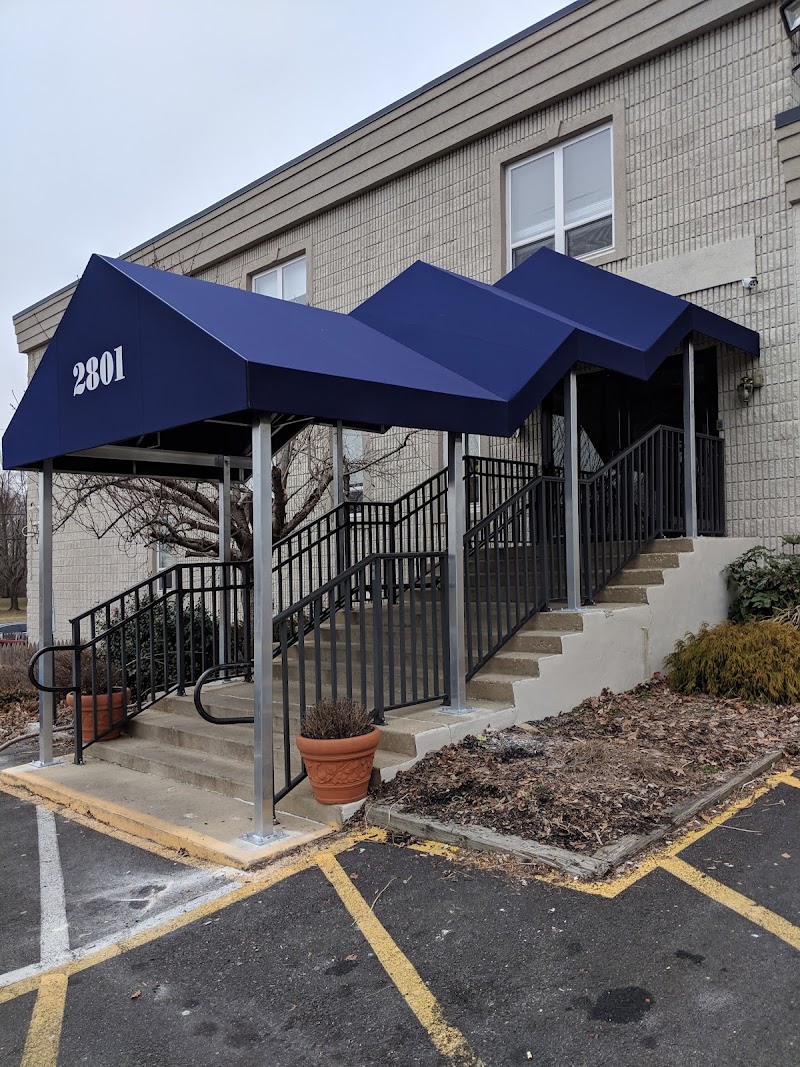
How is Excelcare At Wilmington Llc Staffed?

CMS rates EXCELCARE AT WILMINGTON LLC's staffing level at 4 out of 5 stars, which is above average compared to other nursing homes. Staff turnover is 34%, compared to the Delaware average of 46%. This relatively stable workforce can support continuity of care.

What Have Inspectors Found at Excelcare At Wilmington Llc?

State health inspectors documented 21 deficiencies at EXCELCARE AT WILMINGTON LLC during 2019 to 2024. These included: 1 Immediate Jeopardy (the most serious level, indicating potential for serious harm or death), 19 with potential for harm, and 1 minor or isolated issues. Immediate Jeopardy findings are rare and represent the most serious regulatory concerns. They require immediate corrective action.
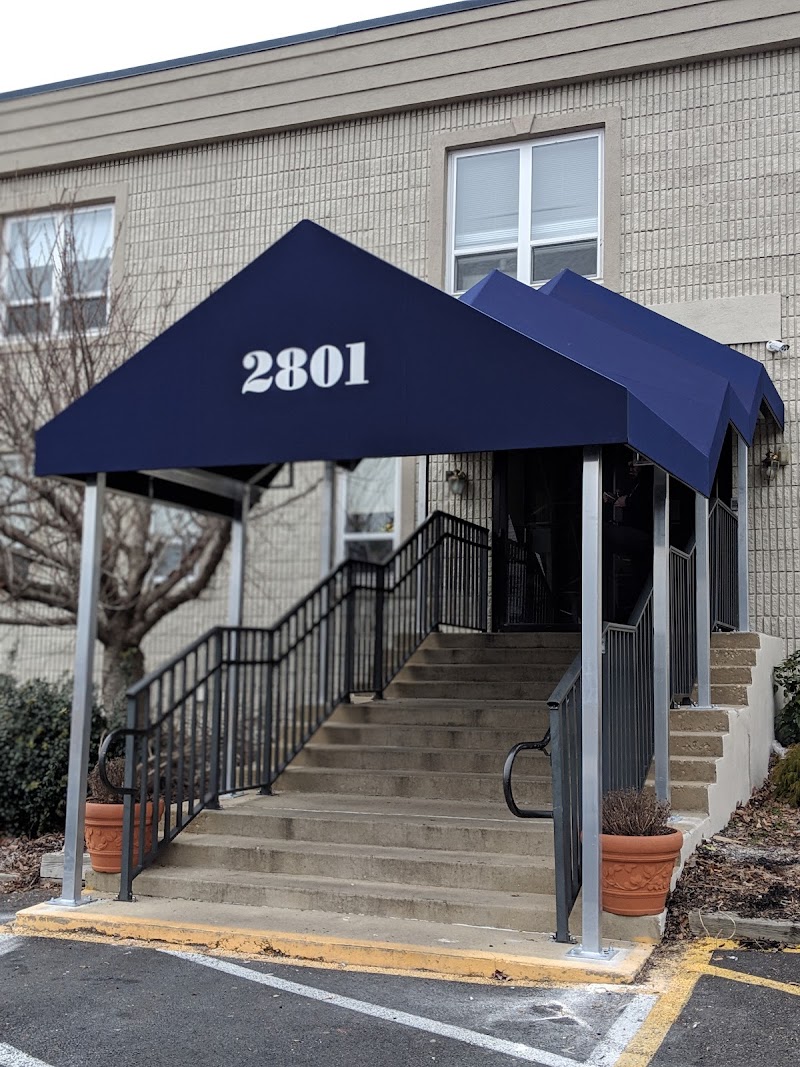
Who Owns and Operates Excelcare At Wilmington Llc?

EXCELCARE AT WILMINGTON LLC is owned by a for-profit company. For-profit facilities operate as businesses with obligations to shareholders or private owners. The facility is operated by EXCELCARE, a chain that manages multiple nursing homes. With 150 certified beds and approximately 136 residents (about 91% occupancy), it is a mid-sized facility located in WILMINGTON, Delaware.

How Does Excelcare At Wilmington Llc Compare to Other Delaware Nursing Homes?

Compared to the 100 nursing homes in Delaware, EXCELCARE AT WILMINGTON LLC's overall rating (3 stars) is below the state average of 3.3, staff turnover (34%) is significantly lower than the state average of 46%, and health inspection rating (2 stars) is below the national benchmark.

What Should Families Ask When Visiting Excelcare At Wilmington Llc?

Based on this facility's data, families visiting should ask: "What changes have been made since the serious inspection findings, and how are you preventing similar issues?" "What safeguards and monitoring systems are in place to protect residents from abuse or neglect?" "Can I visit during a mealtime to observe dining assistance and food quality?" "How do you handle medical emergencies, and what is your hospital transfer rate?" These questions are particularly relevant given the facility's Immediate Jeopardy citations and the substantiated abuse finding on record.

Is Excelcare At Wilmington Llc Safe?

Based on CMS inspection data, EXCELCARE AT WILMINGTON LLC has documented safety concerns. The facility has 1 substantiated abuse finding (meaning confirmed case of resident harm by staff or other residents). Inspectors have issued 1 Immediate Jeopardy citation (the most serious violation level indicating risk of serious injury or death). The facility has a 3-star overall rating and ranks #100 of 100 nursing homes in Delaware. Families considering this facility should ask detailed questions about what corrective actions have been taken since these incidents.

Do Nurses at Excelcare At Wilmington Llc Stick Around?

EXCELCARE AT WILMINGTON LLC has a staff turnover rate of 34%, which is about average for Delaware nursing homes (state average: 46%). Moderate turnover is common in nursing homes, but families should still ask about staff tenure and how the facility maintains care continuity when employees leave.

Was Excelcare At Wilmington Llc Ever Fined?

EXCELCARE AT WILMINGTON LLC has been fined $38,290 across 1 penalty action. The Delaware average is $33,462. While any fine indicates a compliance issue, fines under $50,000 are relatively common and typically reflect isolated problems that were subsequently corrected. Families should ask what specific issues led to these fines and confirm they've been resolved.

Is Excelcare At Wilmington Llc on Any Federal Watch List?

EXCELCARE AT WILMINGTON LLC is not on any federal watch list. The most significant is the Special Focus Facility (SFF) program, which identifies the bottom 1% of nursing homes nationally based on persistent, serious quality problems. Not being on this list means the facility has avoided the pattern of deficiencies that triggers enhanced federal oversight. This is a positive indicator, though families should still review the facility's inspection history directly.