KENTMERE REHABILITATION AND HEALTHCARE CENTER
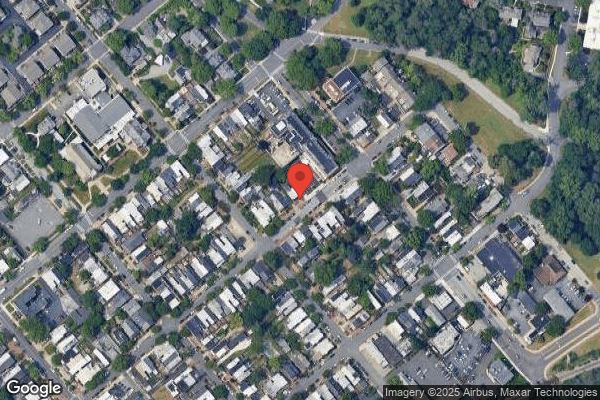
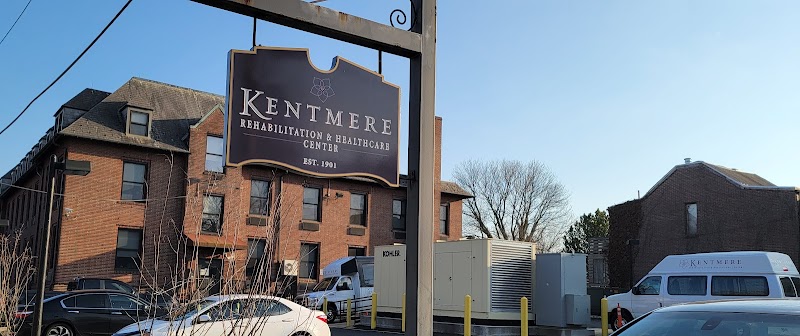
1900 LOVERING AVENUE, WILMINGTON, DE 19806 (302) 652-3311
Non profit - Other 104 Beds Independent Data: November 2025 1 Immediate Jeopardy citation
Trust Grade
38/100
#33 of 43 in DE
Last Inspection: November 2024

Within standard 12-15 month inspection cycle. Federal law requires annual inspections.

Overview

Kentmere Rehabilitation and Healthcare Center received a Trust Grade of F, indicating significant concerns about the quality of care provided. Ranking #33 out of 43 facilities in Delaware places it in the bottom half, and #18 out of 25 in New Castle County suggests limited local options for better care. The facility is worsening, with issues increasing from 12 in 2023 to 16 in 2024. Staffing is a strength, rated 4 out of 5 stars, with a turnover rate of 37%, which is lower than the state average, indicating that staff are more stable and familiar with the residents. However, there are serious concerns highlighted by recent inspections, including failures in infection control during a COVID-19 outbreak and issues with proper documentation of narcotic counts, which could lead to drug diversion, as well as food safety violations that risk contamination.

Trust Score
F
38/100
In Delaware
#33/43
Bottom 24%
Safety Record
High Risk
Review needed
Inspections
Getting Worse
12 → 16 violations
Staff Stability
○ Average
37% turnover. Near Delaware's 48% average. Typical for the industry.
Penalties
✓ Good
No fines on record. Clean compliance history, better than most Delaware facilities.
Skilled Nurses
✓ Good
Each resident gets 49 minutes of Registered Nurse (RN) attention daily — more than average for Delaware. RNs are trained to catch health problems early.
Violations
⚠ Watch
40 deficiencies on record. Higher than average. Multiple issues found across inspections.
★★☆☆☆
2.0
Overall Rating
★★★★☆
4.0
Staff Levels
★★★★☆
4.0
Care Quality
★★☆☆☆
2.0
Inspection Score
Stable
2023: 12 issues
2024: 16 issues

The Good

  • 4-Star Staffing Rating · Above-average nurse staffing levels
  • 4-Star Quality Measures · Strong clinical quality outcomes
  • Full Sprinkler Coverage · Fire safety systems throughout facility
  • No fines on record
  • Staff turnover below average (37%)

    11 points below Delaware average of 48%

Facility shows strength in staffing levels, quality measures, fire safety.

The Bad

2-Star Overall Rating

Below Delaware average (3.3)

Below average - review inspection findings carefully

Staff Turnover: 37%

Near Delaware avg (46%)

Typical for the industry

The Ugly 40 deficiencies on record

1 life-threatening
Nov 2024 16 deficiencies
CONCERN (D)

Potential for Harm - no one hurt, but risky conditions existed

Deficiency F0552 (Tag F0552)

Could have caused harm · This affected 1 resident

**NOTE- TERMS IN BRACKETS HAVE BEEN EDITED TO PROTECT CONFIDENTIALITY** Based on interview and record review, the facility failed to ensure risks vs (versus) benefits, for the use of psychotropic medi...

Read full inspector narrative →
**NOTE- TERMS IN BRACKETS HAVE BEEN EDITED TO PROTECT CONFIDENTIALITY** Based on interview and record review, the facility failed to ensure risks vs (versus) benefits, for the use of psychotropic medications, were obtained for one of five residents (Resident (R) 3) reviewed for unnecessary medications of 40 sample residents. This failure placed residents at risk of not being informed of proposed care and treatment options. Findings include: Review of an undated facility's policy titled, Resident Rights, revealed, .The Resident has the right to exercise his or her rights as provided herein. The Facility shall ensure that the Resident can exercise his or her rights without interference, coercion, discrimination, or reprisal from the Facility. The Facility will protect and promote the rights of the Resident and support the exercising of such rights .The right to be informed of and participate in, his or her treatment, including .The right to be fully informed of his or her total health status, including diagnosis, treatment, and prognosis . Review of R3's admission Record located in the Profile tab of the electronic medical record (EMR) revealed R3 was admitted to the facility on [DATE] with diagnoses that included major depressive disorder. Review of a Physician Order, 09/12/24 and located in the Orders tab of the EMR, revealed Escitalopram Oxalate (an antidepressant medication) give 15 mgs [milligrams] by mouth one time a day for Depression. Review of a Physician Order, 09/12/24 and located in the Orders tab of the EMR revealed, Trazadone (an antidepressant medication) give 50 mgs by mouth at bedtime related to Insomnia. Review of the quarterly Minimum Data Set (MDS) assessment located in the MDS tab of the EMR with an Assessment Reference Date (ARD) of 09/18/24 revealed that R3 had a Brief Interview for Mental Status (BIMS) score of 15 out of 15 which indicated R3 was cognitively intact for daily decision-making and was administered antidepressant medications during the seven-day observation period. During an interview on 11/22/24 at 12:08 PM, the Director of Nursing (DON) was asked if there was documentation that R3 had been provided with the risks vs benefits for the use of the antidepressant medications, prior to being administered the medication. The DON stated, I will look for them and get back to you. At 1:15 PM, the DON was again asked if there was documentation of the risks vs benefits for the antidepressant medications for R26. The DON stated, Not yet, but still looking.
CONCERN (D)

Potential for Harm - no one hurt, but risky conditions existed

Deficiency F0554 (Tag F0554)

Could have caused harm · This affected 1 resident

**NOTE- TERMS IN BRACKETS HAVE BEEN EDITED TO PROTECT CONFIDENTIALITY** Based on record review, interviews, and review of facility policy, the facility failed to ensure one of one resident (Resident (...

Read full inspector narrative →
**NOTE- TERMS IN BRACKETS HAVE BEEN EDITED TO PROTECT CONFIDENTIALITY** Based on record review, interviews, and review of facility policy, the facility failed to ensure one of one resident (Resident (R) 26) of 40 sample residents was allowed to self-administer cough drops per the physician order. This failure placed the resident at risk of having his right to self-administer medications violated. Findings include: Review of a facility's undated policy titled, Resident Rights, revealed .The Resident has the right to exercise his or her rights as provided herein. The Facility shall ensure that the Resident can exercise his or her rights without interference, coercion, discrimination, or reprisal from the Facility. The Facility will protect and promote the rights of the Resident and support the exercising of such rights .The right to self-administer medication if determined that such practice is clinically appropriate . Review of R26's admission Record located in the Profile tab of the electronic medical record (EMR) revealed R26 was admitted to the facility on [DATE] with diagnoses that included chronic bronchitis and chronic obstructive pulmonary disease. Review of a Physician Order dated 03/28/23 and located in the Orders tab of the EMR, revealed Resident may keep (name withheld) cough drops at bedside and self-administer one every four hours. Review of a quarterly Minimum Data Set (MDS) assessment located in the MDS tab of the EMR with an Assessment Reference Date (ARD) of 09/19/24, revealed R26 had a Brief Interview for Mental Status (BIMS) score of 15 out of 15 which indicated R26 was cognitively intact for daily decision-making. Review of the Care Plan, initiated on 04/06/23 and revised on 10/01/24, located in the Care Plan tab of the EMR, revealed [R26] has a physician's order for unsupervised self-administration of the following medications: (name withheld) cough drops. During an interview on 11/19/24 at 10:30 AM, R26 stated, Up in the cabinet at the nurses' station, I have a tin of over-the-counter cough drops, I have to ask the nurses to get them for me. R26 was asked if he had been assessed for safety by the nursing staff in order to have these cough drops in his room and administer them for himself. R26 stated, No, they haven't. Review of the Assessments tab and the Miscellaneous tab in the EMR did not show documentation of a self-administration assessment having been done for R26 to administer the cough drops independently. During an interview on 11/20/24 at 2:25 PM, Unit Manager (UM) 1 was asked if R26 had a tin of cough drops in the cabinet at the nurses' station. UM1 stated, Yes, they are here in the cabinet. UM1 was asked if R26 was able to self-administer the cough drops independently. UM1 stated, Yes, he is able to take the cough drops independently. He comes to me and asks for them occasionally. UM1 was asked if a self-administration assessment had been done so R26 could keep the cough drops in his room. UM1 stated, No, there has been no assessment done.
CONCERN (D) 📢 Someone Reported This

A family member, employee, or ombudsman was alarmed enough to file a formal complaint

Potential for Harm - no one hurt, but risky conditions existed

Free from Abuse/Neglect (Tag F0600)

Could have caused harm · This affected 1 resident

**NOTE- TERMS IN BRACKETS HAVE BEEN EDITED TO PROTECT CONFIDENTIALITY** Based on record review, interviews, and review of facility policy, the facility failed to ensure three of six residents (Residen...

Read full inspector narrative →
**NOTE- TERMS IN BRACKETS HAVE BEEN EDITED TO PROTECT CONFIDENTIALITY** Based on record review, interviews, and review of facility policy, the facility failed to ensure three of six residents (Resident (R) 103, R39, R105) reviewed for abuse was free from abuse. Findings include: Review of the facility's undated policy titled, Abuse, Neglect, Mistreatment, Misappropriation, Exploitation and Reasonable Suspicions of Crime, revealed abuse was defined as the willful infliction of injury, unreasonable confinement, intimidation, deprivation of goods or services, or punishment with resulting physical harm' pain or mental anguish, including such conduct facilitated or enabled through the use of technology. Physical abuse was unnecessarily inflicting pain or injury on a resident. 1. Review of R103's Resident Profile located under the Resident tab of the electronic medical record (EMR) revealed the resident was admitted on [DATE] with diagnoses that included hemiplegia and hemiparesis following cerebral infarction affecting right dominant side, dysphagia, acute embolism and thrombosis of left femoral vein, chronic obstructive pulmonary disease unspecified, other symptoms and signs involving cognitive functions following cerebral infarction. Review of the quarterly Minimum Data Set (MDS) with an Assessment Reference Date (ARD) of 12/15/23 revealed a Brief Interview for Mental Status (BIMS) score of six out of 15 which indicated the resident had severely impaired cognition. Review of a facility reported incident, dated 11/24/23 and provided by the facility, revealed that R103 stated that when she got her nebulizer treatment the morning of 11/23/23 she informed the male nurse RN6 administering it that the mask was too tight, it was hurting her, and she felt like she couldn't breathe. R103 stated RN6 told her to shut up and be quiet and proceeded to hold the mask on her face for the duration of the treatment. Review of R103's EMR Medication Administration Record (MAR), dated November 2023, indicated the R103 had received the nebulizer treatment from RN6 on 11/23/23 during the 11-7 shift. During the next shift on 11/23/23 at 6:12 PM, R103's daughter reported to the Licensed Practical Nurse (LPN) 8 that R103 received medication via the nebulizer mask which was very tight on R103s face and left red marks where the mask was. R103 and R103's daughter were crying and R103's daughter stated that R103 was afraid to stay at the facility due to the occurrence. A review of the facility incident report, provided by the facility, revealed that it was submitted to the state agency on 11/24/23 and indicated that R103 was found with red scratches/marks to her face and was fearful of RN6. RN6 failed to appropriately assess and recognize signs and symptoms of pain/discomfort and continued to provide care despite R103 attempting to resist. RN6 failed to follow physician's orders for care and did not discontinue treatment or switch to another treatment modality when R103 started to resist care. RN6 was suspended on 11/24/23 prior to working another shift and was eventually terminated on 11/29/23 at the conclusion of the facility investigation. During an interview on 11/22/24 at 10:00 AM, the Director of Nursing (DON) stated that she remembered the incident and that RN6 was immediately suspended while the facility was investigating what happened. The DON also stated that during the course of the investigation RN6 was interviewed on a couple of occasions and the description of what happened was inconsistent. The DON stated on 11/29/23, RN6 was terminated for the alleged abuse. 2. Review of R39's annual MDS located under the MDS tab of the EMR with an ARD of 10/25/23, revealed the resident had a BIMS score of 15 out of 15 which indicated the resident was cognitively intact. The resident received hospice care and passed away on 11/16/24. Review of R39's written statement, dated 10/14/24 and provided by the facility, revealed that R39 has had multiple altercations with CNA [Certified Nurse Aide (CNA) 12] but we always make up. R39 stated that they could hear CNA treat other patients and was scared to say anything to get CNA in trouble. I used the call bell around 8:30 AM and told CNA that I had a bowel movement. CNA stated I'm busy and will come back later. I waited 20 or 30 minutes. Ring the call bell again. CNA stated, Why did you hit the call bell again, I told you I was coming back-I'm buried. Could hear CNA screaming in the hallway but could not make out what was being said. I was very upset; I did keep hitting the call bell because CNA would not change me. Stated that she was too busy. During an interview on 11/21/24 at 12:45 PM, CNA9 agreed that the written statement (The email regarding CNA12), dated 10/15/24, about the involvement with R39 and CNA12 was accurate and truthful. CNA9 stated that CNA12 did state Somebody better come and get resident before I punch resident in the face. During the interview on 11/21/24 at 1:05 PM, LPN7 confirmed an investigative report, dated 10/12/24, into the involvement with R39 and CNA12 was accurate and truthful. LPN7 stated CNA12 told her Somebody better come and get resident before I punch resident in the face. She stated that CNA12 further stated I didn't mean anything. LPN7 stated the allegation was substantiated. She stated the disciplinary action was termination, but CNA12 resigned via email on 10/15/24. LPN7 stated R39 was informed of the outcome of the investigation and answered all questions. During the phone interview on 11/21/24 at 1:38 PM, CNA12 confirmed that the written statement, dated 10/15/24, about the involvement with R39 was accurate and truthful. CNA12 explained: I was just frustrated and lashing out. I was little burnt out, and I take full responsibility for my actions. I wasn't even by the resident's room. During an interview on 11/21/24 at 1:00 PM, the Social Services Director (SSD) stated that R39 had periods where CNA12 was not kind. SSD stated that R39 said CNA12 asked to be taken off his assignment. 3. Review of R105's admission Record located in the Profile tab of the EMR revealed R105 was admitted to the facility on [DATE] with diagnoses that included a urinary tract infection, lumbar (lower spine) fracture, and seizures. Review of the admission MDS located in the MDS tab of the EMR with an ARD of 02/04/24 revealed R105 had a BIMS score of 15 out of 15 which indicated she was cognitively intact for daily decision-making. Review of a Progress Note, dated 02/22/24 and located in the Progress Notes tab of the EMR, revealed .Discharge Plan: SW (social worker) met with resident, Resident requesting to go home. Resident stated she feels like her mental health cannot get better in rehab. Rehab director explained that resident could use additional time, resident refused. SW spoke with resident caregivers who agreed to discharge for 2/23/24 . Review of a Facility Abuse Investigation, dated 02/23/24 and provided by the DON, revealed .02/22/2024 @ 10:30 AM .Abuse, Mistreatment .Accused: Staff .Resident stated her cna (sic) disrespected her made her feel demoralized and throws clothing at her when it is time to get dress (sic). Resident stated cna (sic) points her finger (does not speak) and motions when she want (sic) resident to turn over. Also stated cna (sic) is loud in the hallways (shouting). Resident stated its not good for my mental health. Resident afraid of retaliation. The resident is clear and consistent in naming [CNA13] as the cna. Outcome of the investigation revealed, [CNA13] was suspended pending investigation on 02/22/24 and was terminated on 02/28/24, for interfered (sic) with an ongoing resident concern investigation, disrespectful conduct on nursing unit in front residents, staff, and family (towards administrator) and inappropriate interactions considered verbal intimidation. [R105] was informed of the outcome of the investigation. During an interview on 11/22/24 at 11:23 AM, Human Resources (HR) was asked to define verbal intimidation in the investigation. HR stated, Verbal intimidation is considered verbal abuse in our eyes. During an interview on 11/22/24 at 1:02 PM, the DON stated she hadn't looked at the investigation in some time, but the allegation of abuse was substantiated.
CONCERN (D) 📢 Someone Reported This

A family member, employee, or ombudsman was alarmed enough to file a formal complaint

Potential for Harm - no one hurt, but risky conditions existed

Deficiency F0602 (Tag F0602)

Could have caused harm · This affected 1 resident

**NOTE- TERMS IN BRACKETS HAVE BEEN EDITED TO PROTECT CONFIDENTIALITY** Based on record review, interview, and facility policy review, the facility failed to protect two of two residents (Residents (R...

Read full inspector narrative →
**NOTE- TERMS IN BRACKETS HAVE BEEN EDITED TO PROTECT CONFIDENTIALITY** Based on record review, interview, and facility policy review, the facility failed to protect two of two residents (Residents (R) 17 and R95) from misappropriation of property of 40 sample residents. This failure has the potential to affect all residents who choose to keep money and/or credit cards in their rooms. Findings include: Review of the facility's policy titled, Abuse, Neglect, Mistreatment, Misappropriation, Exploitation and Reasonable Suspicions of Crime indicated the following: .Misappropriation of resident property is the deliberate misplacement, exploitation, or wrongful, temporary, or permanent use of a resident's belongings or money without the resident's consent. 1. Review of R17's Resident Profile located in the electronic medical record (EMR) under the Resident tab, indicated R17 was admitted to the facility on [DATE] with diagnoses of hemiplegia and hemiparesis following cerebral infarction affecting left non-dominant side, obstructive sleep apnea, diabetes mellitus due to underlying condition with diabetic chronic kidney disease, and muscle weakness. Review of the annual Minimum Data Set (MDS) with an Assessment Reference Date (ARD) of 09/09/24 revealed R17 had a Brief Interview for Mental Status (BIMS) score of 11 out of 15 which indicated the resident was moderately cognitively impaired. During an interview on 11/19/24 at 1:55 PM, the Director of Nursing (DON) stated R17 received her credit card statement for July 2024 with charges on it that she didn't make. She reported this to the state and police. She stated a Certified Nurse Aide (CNA) 16 who worked at the facility stole the card. The DON stated an investigation was completed and CNA16 was terminated. During an interview on 11/19/24 at 3:45 PM, R17 stated she believed the credit card number was taken off the bill she had on her dresser. She stated there were eight to 10 unauthorized charges on the bill. She stated she did not know who took the credit card number and used it. R17 stated the facility administrative staff reported this issue to her about her card being used. She denied any further issues since that time. Review of the [Facility Name] General Orientation Record provided by the Administrator, revealed CNA16 received education on 06/20/24 regarding abuse, neglect, exploitation, and misappropriation of resident property. 2. Review of R95's admission Record located under the Resident tab of the EMR revealed R95 was admitted on with diagnoses of malignant neoplasm of colon, cellulitis, secondary malignant neoplasm of liver and intrahepatic bile duct, and major depressive disorder. Review of the significant change MDS with an ARD of 08/27/24, revealed R95 had a BIMS of eight out of 15 indicating the resident was moderately cognitively impaired. During an interview on 11/19/24 at 11:56 AM, R95 stated a credit card was stolen and a charge for $45 was on the card that he did not make. He stated the card was locked by the bank. Review of CNA16's employee file revealed she was observed on camera picking up the food she purchased with stolen credit cards from the residents. On 07/22/24, the Administration team was informed a resident was missing a sum of money from a bank account. Purchases were made on 07/19/24 and 07/20/24 from the restaurant in question and delivered to the facility. Review of CNA16's termination letter revealed the following: Under Delaware Title 16, this is defined as Financial exploitation' [ .] the illegal or improper use of a patient's or resident's resources for financial rights by another person, whether for profit or other advantage. Review of the facility Incident Report, dated 10/03/24 and provided by the facility, revealed video recordings of CNA16 picking up the food. During an interview on 11/19/24 at 1:55 PM, the DON stated the perpetrator used R95's debit card on two separate occasions 07/19/24 and 07/20/24. She stated the resident, and his sister confirmed there were unauthorized charges on the debit card. The DON stated the facility had completed an investigation and reported the incident to the police. Review of CNA16's written statement, dated 07/31/24 and provided by the facility, indicated CNA16 stated the food items were ordered and her phone number was used. During an interview on 11/22/24 at 7:43 AM, The DON stated residents could secure their money, credit cards, and valuables in their nightstands. She stated maintenance could put a lock on the drawer and provide a key to the residents.
CONCERN (D) 📢 Someone Reported This

A family member, employee, or ombudsman was alarmed enough to file a formal complaint

Potential for Harm - no one hurt, but risky conditions existed

Report Alleged Abuse (Tag F0609)

Could have caused harm · This affected 1 resident

**NOTE- TERMS IN BRACKETS HAVE BEEN EDITED TO PROTECT CONFIDENTIALITY** Based on interview, record review, and review of facility policy, the facility failed to ensure that an allegation of potential ...

Read full inspector narrative →
**NOTE- TERMS IN BRACKETS HAVE BEEN EDITED TO PROTECT CONFIDENTIALITY** Based on interview, record review, and review of facility policy, the facility failed to ensure that an allegation of potential abuse was reported to the State Survey Agency (SSA) in a timely manner for one of five residents (Resident (R) 108) reviewed for abuse/neglect of 40 sample residents. This failure had the potential for other allegations of abuse/neglect not to be reported in a timely manner. (Cross Reference F741) Findings include: Review of a facility's policy titled, Abuse, Neglect, Mistreatment, Misappropriation, Exploitation and Reasonable Suspicions of Crime dated 10/19 indicated .Witnessed or suspected incidents of abuse are to be reported immediately .neglect, mistreatment . Allegations of resident abuse shall be reported to the appropriate state regulatory authority within 2 hours . Review of R108's electronic medical record (EMR) titled admission Record located under the Profile tab indicated the resident was admitted to the facility on [DATE] with a diagnosis of dementia. Review of R108's EMR quarterly Minimum Data Set (MDS) with an Assessment Reference Date (ARD) of 07/26/23 indicated the facility staff could not determine the resident's Brief Interview for Mental Status (BIMS) score and revealed the resident had short-and-long-term memory problems. The assessment indicated the resident had no behavior during this assessment period. The assessment indicated the resident required one staff member's assistance for toileting. Review of R108's EMR Care Plan located under the Care Plan tab, dated 12/04/21, indicated the resident had a self-care deficit related to dementia. The care plan interventions revealed when the resident was incontinent, she required partial/moderate assistance from staff with hygiene. Review of a document provided by the facility titled, Alleged Abuse, dated 10/13/23, indicated Certified Nurse Aide (CNA) 1 informed the MDS Coordinator (MDSC) that R108 sustained a skin tear during the provision of care. The MDSC identified skin tears and multiple bruised areas on the resident's bi-lateral arms and wrists. Review of a document provided by the facility titled, Delaware Health & Social Services Division of Health Care Quality, dated 10/13/23, revealed the facility determined on 10/13/23 at 7:30 PM the incident between CNA1 and R108 was a potential allegation of mistreatment. The document indicated the allegation was reported to the SSA on 10/13/23 at 11:14 PM. During an interview on 11/20/24 03:12 PM, the MDSC confirmed she was the staff member who completed the initial skin assessment of R108. The MDSC stated she escalated the staff to resident incident due to potential abuse and reported the allegation immediately to the Director of Nursing (DON). The MDSC stated the allegation was to be reported to the SSA within two hours but failed to do so. During an interview on 11/22/24 at 1:06 PM, the Administrator stated any allegation of abuse/mistreatment was to be reported to the SSA within two hours.
CONCERN (D)

Potential for Harm - no one hurt, but risky conditions existed

Assessment Accuracy (Tag F0641)

Could have caused harm · This affected 1 resident

**NOTE- TERMS IN BRACKETS HAVE BEEN EDITED TO PROTECT CONFIDENTIALITY** Based on record review, interview, and review of the Resident Assessment Instrument (RAI) Manual, the facility failed to ensure ...

Read full inspector narrative →
**NOTE- TERMS IN BRACKETS HAVE BEEN EDITED TO PROTECT CONFIDENTIALITY** Based on record review, interview, and review of the Resident Assessment Instrument (RAI) Manual, the facility failed to ensure one of one resident (Resident (R) 36) of 40 sample residents had an accurate Minimum Data Set (MDS) assessment. Failure to code the MDS correctly could potentially lead to inaccurate federal reimbursements and inaccurate assessment and care planning of the residents. Findings include: Review of the RAI manual, dated 10/24 and located at Minimum Data Set (MDS) 3.0 Resident Assessment Instrument (RAI) Manual | CMS, revealed .It is important to note here that information obtained should cover the same observation period as specified by the MDS items on the assessment, and should be validated for accuracy (what the resident's actual status was during that observation period) by the IDT [Interdisciplinary] completing the assessment. As such, nursing homes are responsible for ensuring that all participants in the assessment process have the requisite knowledge to complete an accurate assessment . Review of R36's electronic medical records (EMR) admission Record located under the Profile tab indicated the resident was admitted on [DATE]. Review of R36's EMR nursing Incident Report progress note located under the Prog (Progress) Note tab, dated 07/18/24, indicated that a Certified Nurse Aide (CNA) alerted the nurse that R36 sustained a fall from her wheelchair. According to the progress note, the CNA informed the nurse that she was getting the resident ready for bed and before she could get to the resident, the resident tossed a pillow and fell from her wheelchair and hit her head. The nurse notified the physician, and the physician informed the nurse to have the resident transported to the local hospital. Review of R36's EMR nursing Incident progress notes, located under the Prog Note dated 7/18/24, indicated a CNA alerted the nurse that the resident fell from her wheelchair onto the floor. The progress notes indicated the resident sustained swelling to her forehead. The physician was notified and ordered that the resident be sent to the local hospital for evaluation and treatment. Review of R36's EMR nursing Admission progress notes, located under the Prog Note tab, dated 07/24/24, indicated the resident returned from the hospital. Review of R36's EMR significant change MDS with an Assessment Reference Date (ARD) of 08/08/24 indicated the resident had a Brief Interview for Mental Status (BIMS) score of zero out of 15 which revealed the resident was severely cognitively impaired. The assessment failed to address that the resident sustained a fall during this assessment period. During an interview on 11/21/24 at 12:25 PM, the MDS Coordinator (MDSC) verified that the significant change MDS did not reflect R108's fall sustained on 07/18/24. The MDSC stated the purpose of the resident's significant change MDS was related to the fall that the resident sustained.
CONCERN (D)

Potential for Harm - no one hurt, but risky conditions existed

ADL Care (Tag F0677)

Could have caused harm · This affected 1 resident

**NOTE- TERMS IN BRACKETS HAVE BEEN EDITED TO PROTECT CONFIDENTIALITY** .Based on observations, interviews, and record review, the facility failed to ensure activities of daily living (ADLs) were prov...

Read full inspector narrative →
**NOTE- TERMS IN BRACKETS HAVE BEEN EDITED TO PROTECT CONFIDENTIALITY** .Based on observations, interviews, and record review, the facility failed to ensure activities of daily living (ADLs) were provided consistently according to the plan of care for two of six residents (Residents (R) 93 and R23) reviewed for ADLs of 40 sample residents. The facility failed to ensure R23 was provided with oral hygiene and R93 was provided with consistent showers twice weekly. This failure placed the residents at risk of a diminished quality of life. Findings include: 1. Review of R93's admission Record located in the Profile tab of the electronic medical record (EMR) revealed R93 was admitted to the facility on [DATE] with diagnoses that included dementia. Review of the annual Minimum Data Set (MDS) located in the MDS tab of the EMR with an Assessment Reference Date (ARD) of 10/26/24 revealed that R93 had a Brief Interview for Mental Status (BIMS) score of zero out of 15 which indicated R93 was severely impaired in cognition. Review of the ADL Care Plan located in the Care Plan tab of the EMR, initiated on 04/17/24 and revised on 05/04/24, revealed [R93] has an ADL self-care performance deficit r/t [related to] dementia and functional quadriplegia (complete immobility due to severe disability or frailty). Review of the Point of Care (POC-Certified Nurse Aide (CNA) documentation located in the Tasks tab of the EMR, revealed that R93's showers were not documented as having been done or if the resident had refused on the following dates: 08/22/24, 09/02/24, 09/19/24, 10/03/24, 10/10/24, 10/14/24, 11/04/24, 11/07/24, 11/11/24 and 11/14/24. There was no documentation of the resident receiving or refusing bed baths. During an interview on 11/21/24 at 12:48 PM, Licensed Practical Nurse (LPN) 4 was asked how she monitored resident showers to ensure they were being given, according to the Plan of Care. LPN4 stated, When a shower is not given, the nurse is to be informed. If a shower is refused, we would go to the residents and ask why they are refusing. If they continue to refuse, it is documented, and the family is notified. LPN4 further stated that R93's shower days were Monday and Thursday on the 3:00 PM to 11:00 PM shift. During an interview on 11/21/24 at 3:12 PM, CNA13 was asked what her process was with regards to making sure residents received their showers. CNA13 stated, I get my shower assignment when I come on duty which is in the assignment book. If a resident takes the shower and/or refuses, I tell the nurse, and it's documented in the POC. I can't answer as to why his showers were not done. During an interview on 11/22/24 at 10:29 AM, Unit Manager (UM) 1 stated, I went over the showers that were documented for [R93] and found the days he did not get his showers, this was a problem. UM1 was asked what her expectation was regarding ensuring residents received their showers according to the Care Plan. UM1 stated, My expectation is that residents receive their showers according to the schedule and the nurses are informed when there is a refusal. During an interview on 11/22/24 at 12:45 PM, the Director of Nursing (DON) stated, The resident showers are to be documented if given and if there is a refusal, to let the nurse know so they can speak to the resident. 2. Review of R23's admission Record located in the Profile tab of the EMR revealed R23 was admitted to the facility on [DATE] with diagnoses that included a stroke with right-sided paralysis and vascular dementia. Review of the quarterly MDS assessment located in the MDS tab of the EMR with and ARD of 10/11/24 revealed, R23 had a BIMS score of 15 out of 15 which indicated she was cognitively intact for daily decision-making. In addition, R23 had limited range of motion on both upper and lower extremities on one side. Review of the Dental Care Plan located in the Care Plan tab of the EMR, dated 10/15/22 and revised on 04/22/23, revealed [R23] has own natural teeth with breakdown and is at risk for complications. She had a tooth extracted on 03/29/23. A 10/15/22 approach revealed Provide mouth care as per ADL personal hygiene. Review of the ADL Care Plan located in the Care Plan tab of the EMR, dated 07/14/22 and revised on 06/27/24, revealed [R23] has an ADL self-care performance deficit r/t Dementia, Impaired balance, Limited Mobility, Stroke. There were no documented approaches for oral hygiene on the ADL Care Plan. During an observation and interview on 11/19/24 at 1:34 PM, R23 was observed to have a significant amount of brown coating across both her upper and lower teeth. R23 was asked if staff assisted her to brush her teeth. R23 stated, Sometimes they do. Review of the POC Response History-Oral Hygiene located in the Task tab of the EMR, revealed that R23 was dependent on staff (Dependent is defined as Helper does all of the effort and resident does none of the effort to complete the activity) in order to meet her oral hygiene needs. Documentation showed that from 07/21/24 to 11/21/24 (124 days) R23 required only set up assistance once, required supervision for four opportunities, partial or moderate assistance for four opportunities, extensive assistance for seven opportunities, and was dependent on staff for oral hygiene for 208 opportunities. During an observation and interview on 11/22/24 at 10:33 AM, UM1 observed R23's teeth. UM1 confirmed that her teeth had not been brushed and there was a coating on her teeth. UM1 further stated, It's been a while since her teeth were brushed. During an interview on 11/22/24 at 12:52, the DON stated, [R23] can brush her own teeth after staff put the toothpaste on her electric toothbrush. The DON was informed that the documentation in POC revealed that R23 was dependent on staff for oral hygiene. The DON stated, She should be extensive assistance and not dependent on staff.
CONCERN (D)

Potential for Harm - no one hurt, but risky conditions existed

Quality of Care (Tag F0684)

Could have caused harm · This affected 1 resident

**NOTE- TERMS IN BRACKETS HAVE BEEN EDITED TO PROTECT CONFIDENTIALITY** Based on observation, interview, record review, and facility policy review, the facility failed to ensure one Licensed Practical...

Read full inspector narrative →
**NOTE- TERMS IN BRACKETS HAVE BEEN EDITED TO PROTECT CONFIDENTIALITY** Based on observation, interview, record review, and facility policy review, the facility failed to ensure one Licensed Practical Nurse (LPN) 1, who identified a skin alteration for one of two residents (Resident (R) 36's) reviewed for wound care, notified the Primary Care Physician (PCP) for treatment orders. In addition, the facility failed to ensure a physician ordered blood pressure was obtained prior to administering a hypertensive medication for one of five residents (Resident (R) 109) observed during the medication pass of 40 sample residents. This failure placed residents at risk for health complications. Findings include: Review of the facility's policy titled, Provider Notification of Resident Change in Medical Condition, dated 04/17, indicated .It is the policy of [Facility Name] Rehabilitation and Healthcare Center that staff communicate changes in a resident's medical condition to providers in a timely and accurate manner . Review of the facility's undated policy titled, Pressure Ulcer Identification indicated .Resident will be assessed for timely identification and interdisciplinary intervention for the care and treatment of pressure ulcers.New wound alert form will be completed by the nurse identifying the wound and forward as indicated . Review of the facility's policy titled, Medication Administration, dated 2023, revealed .Medications are administered by licensed nurses, or other staff who are legally authorized to do so in this state, as ordered by the physician and in accordance with professional standards of practice, in a manner to prevent contamination or infection .Obtain and record vital signs, when applicable or per physician orders. When applicable, hold medication for those vital signs outside the physician's prescribed parameters .Compare medication source (bubble pack, vial, etc.) with MAR (Medication Administration Record) to verify resident name, medication name, form, dose, route, time . 1. Review of R36's electronic medical record (EMR) admission Record indicated the resident was admitted to the facility on [DATE]. Review of R36's EMR Care Plan located under the Care Plan tab, dated 09/19/24, indicated the resident had an unstageable pressure ulcer on the right heal related to the disease process, poor nutritional intake, and immobility. No mention of the right ankle abrasion. Review of R36's EMR significant change Minimum Data Set (MDS) with an Assessment Reference Date (ARD) of 07/12/24 indicated the staff could not determine the resident's Brief Interview for Mental Status (BIMS) score and determined the resident had short-and-long-term memory problems. The assessment indicated the resident had no impairments on her upper and lower body extremities. The assessment revealed R36 was dependent on staff for activities of daily living. Review of R36's EMR Order Note, dated 11/19/24, revealed LPN1 noted a new wound to the resident's right ankle. Review of R36's EMR physician Orders located under the Orders tab failed to indicate orders were obtained to treat the new wound on the resident's right ankle. Review of a document provided by the facility titled Physician Communication Record for R36 failed to indicate LPN1 communicated to the resident's primary care physician (PCP) the new wound identified on the resident's right ankle. During an interview on 11/21/24 at 8:25 AM, Registered Nurse (RN) 4 stated R36's boot was taken off daily for hygiene. During an observation and interview on 11/21/24 at 8:30 AM, RN5 (who was the facility's wound nurse) and the Wound Doctor entered R36's room. The resident was in her bed. The Wound Doctor lifted the blankets from the resident's lower leg and removed a white removeable splint from the right leg. The Wound Doctor treated the resident's right. After the dressing was applied to the resident's right ankle, the Wound Doctor stated there was a skin abrasion on the resident's right ankle and was not aware of the abrasion. The Wound Doctor stated the abrasion was caused by the leg splint. There was no dressing observed on the resident's right ankle. The Wound Doctor stated he was going to treat the resident's right ankle like it was a wound. During an interview on 11/21/24 at 11:29 AM, RN5 confirmed she was notified of R36's abrasion of her right ankle today and was informed of the area by the Director of Nursing (DON). RN5 went through the resident's EMR and confirmed there were no orders to treat the right ankle abrasion. RN5 stated the expectation for a new skin area was to notify the physician and begin treatment. During an interview on 11/21/24 at 11:49 AM, R36's PCP was interviewed, and she stated she did not remember being notified of the resident's right ankle abrasion. During an interview on 11/21/24 at 4:02 PM, LPN1 stated she just completed a skin assessment and did not make the resident's PCP or the wound team aware of the resident's right ankle. The DON was present during this interview and after the interview with LPN1, the DON stated LPN1 missed a few steps and did not notify the physician and the family, in addition, the DON stated a wound alert form was not completed. The DON stated the facility only had pressure ulcer policies and not general skin policies. 2. Review of the admission Record located in the Profile tab of the electronic medical record (EMR) revealed that R109 was admitted to the facility on [DATE] with diagnoses that included hypertension and an irregular heart rhythm. Review of the Physician Orders, dated 11/08/24 and located in the Orders tab of the EMR revealed, Olmesartan [a blood pressure medication] give 20mg every day. Hold if SBP [systolic blood pressure] <120. During a medication pass observation on 11/21/24 at 8:50 AM, LPN7 was observed to have punched out the medication from a bubble pack, and along with her other medications, proceeded to enter R109's room to administer the medication. LPN7 was stopped and asked if she had obtained R109's blood pressure prior to administration per the label on the bubble pack. LPN7 stated, It's not on her MAR [medication administration record] and does not pop up to alert us not to give the medication without obtaining a blood pressure. Review of the blood pressures documented in the Weights and Vitals tab of the EMR from admission, with LPN7, revealed no documented blood pressures had been obtained at the time the medication was administered on nine occasions. The blood pressures had been obtained on the night shift however, it was not taken on the day shift when the medication was administered. LPN7 confirmed that the blood pressures had not been obtained prior to administration on the day shifts. During an interview on 11/21/24 at 9:38 AM, the DON stated, The Physician Order does indicate holding the medication if the SBP <120 as well as on the MAR. The DON confirmed that the heart icon on the MAR was missing which would have allowed the nurses to document the blood pressure prior to administration. The DON further stated that after the physician entered the medication into the system, RN7 would have to confirm the order however, she did not include the supplemental documentation to include blood pressure. During an interview on 11/21/24 at 3:47 PM, RN7 confirmed that she did not include the supplemental documentation in the system to include holding the medication if the SBP was <120. During an interview on 11/22/24 at 9:51 AM, the Pharmacist stated that R109 was a new admission, so her medication review had not been done. The Pharmacist further stated, When I do my medication cart rounds and see the discrepancies, I would bring that information to administration via my reports.
CONCERN (D)

Potential for Harm - no one hurt, but risky conditions existed

Deficiency F0687 (Tag F0687)

Could have caused harm · This affected 1 resident

**NOTE- TERMS IN BRACKETS HAVE BEEN EDITED TO PROTECT CONFIDENTIALITY** Based on observations, record review, interviews, and facility policy review, the facility failed to ensure nail care was provid...

Read full inspector narrative →
**NOTE- TERMS IN BRACKETS HAVE BEEN EDITED TO PROTECT CONFIDENTIALITY** Based on observations, record review, interviews, and facility policy review, the facility failed to ensure nail care was provided to one of one resident (Resident (R) 1) reviewed for nail care of 40 sample residents. This had the potential to limit mobility for R1 or cause R1 pain if the nails were left untreated. Findings include: Review of the facility's policy titled, Nails, Care of Finger and Toe, dated May 2023, indicated . PURPOSE . To provide cleanliness . To prevent spread of infection . Review of an undated Face Sheet, provided by the facility, indicated R1 was admitted to the facility on [DATE], with diagnoses of abnormalities gait, muscle weakness, and lack of mobility. Review of the five day Minimum Data Set (MDS) with an Assessment Reference Date (ARD) of 10/24/24 revealed a Brief Interview for Mental Status (BIMS) score of 15 out of 15 which indicated R1 was cognitively intact. The assessment revealed R1 required limited assistance of one staff member for personal hygiene. During an observation conducted on 11/20/24 at 11:05 AM, R1 removed bed sheets to expose lower extremities, including the feet. On both feet, the toenails were uncut, and the nails extended beyond the tip of the R1's toes. During an interview on 11/20/24 at 11:23 AM, R1 stated that since being admitted to the facility, she had been requesting a podiatry appointment. She could not remember who she asked, but R1 stated that she had asked several staff members. During an observation and interview conducted on 11/21/24 at 9:15 AM, R1's bed sheets were removed to expose lower extremities, including the feet. On both feet, toenails were uncut, and the nails extended beyond the tip of the R1's toes. Registered Nurse (RN) 5 was unaware that both left and right foot nails were uncut to where they extended beyond the tips of the R1's toes. During an interview on 11/21/24 at 9:15 AM, RN5, stated staff would ask if residents required podiatry care and gave the referrals to her. RN5 stated she would make podiatry appointments at that time. She stated the facility used podiatry because staff did not cut toenails. RN5 stated that R1 did not complain about her toenails, nor did any staff member tell her about R1 needing podiatry. RN5 stated if a resident needed to have their toenails done, she would make the appt. During an interview on 11/21/24 at 7:29 AM, Certified Nurse Aide (CNA) 17 confirmed staff could not trim a resident's toenails. CNA17 stated she informed RN5 when a resident needed their toenails trimmed, and RN5 would make the appointment. CNA17 also stated that R1 told her that an appointment had been made for her toenails. She stated that it was about two weeks ago. CNA17 stated she did not tell anybody about the conversation or follow up if this was done. During an interview on 11/21/24 at 7:45 AM, CNA18 who had completed personal care for R1 confirmed not knowing R1's toenails needed trimming. During an interview on 11/21/24 at 8:05 AM, CNA19 who had completed personal care for R1 confirmed not knowing R1's toenails needed trimming. During an interview on 11/22/24 at 12:21 PM, the Director of Nursing (DON) stated the facility made appointments for podiatry. She stated the facility required all residents to be seen by a podiatrist. She also stated the facility audited skin frequently and the goal for nail care was to prevent infection.
CONCERN (D)

Potential for Harm - no one hurt, but risky conditions existed

Deficiency F0688 (Tag F0688)

Could have caused harm · This affected 1 resident

**NOTE- TERMS IN BRACKETS HAVE BEEN EDITED TO PROTECT CONFIDENTIALITY** Based on observations, record reviews, interviews, and review of facility policies, the facility failed to ensure one resident (...

Read full inspector narrative →
**NOTE- TERMS IN BRACKETS HAVE BEEN EDITED TO PROTECT CONFIDENTIALITY** Based on observations, record reviews, interviews, and review of facility policies, the facility failed to ensure one resident (Resident (R) 36) was provided adaptive equipment (padded footrest) that was attached to her wheelchair and failed to ensure one of two residents (R23) was consistently provided with a physician ordered splint to her right arm/hand of 40 sample residents. This failure placed the residents at risk of improper support, positioning, and at risk of further decreased range of motion (ROM) and worsening contractures (a condition of shortening and hardening of muscles, tendons, and other tissue, often leading to deformity and rigidity of joints). Findings include: Review of the facility's policy titled, Repositioning, dated 03/16, indicated .Lifting/handling and other assistive devices will be used whenever determined based on the practitioner order . Review of the facility's policy titled, Splints and Position Devices, dated 05/16, indicated .All residents are screened by therapy on admission for contractures and/or limitations in range of motion.Based on evaluation, specialized devices, such as, knee immobilizers or custom splinting may be requested through the Rehabilitation Department. Rehab will obtain these devices and provide instructions on application . 1. Review of R36's electronic medical record (EMR) admission Record located under the Profile tab of the EMR indicated the resident was admitted to the facility on [DATE]. Review of R36's EMR Incident Note located under the Prog Notes tab, dated 07/25/24, revealed the resident was identified with a fracture of her right tibia/fibula. The resident was sent to the local hospital and returned back to the facility on the same date, with conservative treatment ordered (no surgical repair per family request). Review of a document provided by the facility titled Physical Therapy Treatment Encounter Note, dated 07/29/24, indicated R36 was seen sitting in her wheelchair and her leg rests were adjusted and it was noted by the physical therapist, that the resident would take her legs off the leg rests and recommended a calf and foot board to allow relaxation of her legs on the leg rests and to avoid further trauma to the resident's lower extremity. Review of a document provided by the facility titled, Occupational Therapy Treatment Encounter Note, dated 07/29/24, indicated R36 was provided with a high back reclining wheelchair with elevating leg rests and seat cushion to promote proper positioning and postural alignment during out of bedtime . Review of R36's EMR Care Plan located under the Care Plan tab, dated 10/28/24, indicated the resident had limited physical mobility related to muscle weakness. The care plan failed to address the resident required the use of a high back wheelchair and a padded footrest to assist the resident with positioning. During an observation on 11/19/24 at 3:46 PM, R36 was sleeping in her high back wheelchair. There was a Roho cushion on the seat of the wheelchair, and there were padded footrests attached to the feet of the wheelchair. During an observation on 11/20/24 at 1:55 PM, R36 was observed sitting in a standard wheelchair and no padded footrests were attached to the feet of the wheelchair. During an observation and interview on 11/20/24 at 5:06 PM the Director of Rehabilitation (DOR) stated R36 was picked up for skilled therapy by Physical and Occupational therapies after her fracture was identified. The DOR confirmed the therapy department recommended a padded footrest for the resident after her hospital stay. At 5:17 PM, the DOR and surveyor went up to the Dementia Unit and observed the resident in the main dining room, sitting in a standard wheelchair and confirmed the resident did not have padded footrests attached. The resident was observed with a brace on her right lower leg, and it was resting on one of the footrests. The left foot had dropped between the two footrests. At 5:18 PM, Certified Nurse Aide (CNA) 2 (day shift) confirmed she did not have R36 placed in a high back wheelchair and did not place the padded footrests on the standard wheelchair. The DOR was present during this interview. Registered Nurse (RN) 4 was present during this observation and interview. An interview was conducted at 5:18 PM, with CNA3 (works the evening shift) and stated the resident typically had footrests on the wheelchair but did not know why they were not presently on the resident. At 5:19 PM, DOR and the surveyor entered R36's room and found her high back wheelchair in the bathroom along with the padded footrests. During an interview conducted on 11/20/24 at 5:23 PM, the DOR stated the padded footrests were for positioning as well as the high back wheelchair. During an interview on 11/20/24 at 5:27 PM, RN2 stated R36 required the use of padded footrests. RN2 went into R36's EMR and verified that there was no reference in the Treatment Administration Record (TAR) which would potentially track placement of the resident's padded footrests. During an interview on 11/20/24 at 6:03 PM, the DOR stated R36's high back wheelchair allowed the resident for a more comfortable position. The DOR stated the padded footrests would prevent the resident's feet from slipping past the footrests and allowed the resident to have proper sitting and positioning with the ankle and foot. 2. Review of R23's admission Record located in the Profile tab of the EMR revealed R23 was admitted to the facility on [DATE] with diagnoses that included a cerebral vascular accident (CVA-stroke) with right-sided paralysis. Review of a Physician Order dated 03/04/24 and located in the Orders tab of the EMR revealed, Right hand splint to be applied at HS [hour of sleep] and worn throughout the night-if resident complains of pain or discomfort, it is ok to remove splint A and apply splint B. If splint A needs to be removed for comfort, the splint should be sent to her OT [occupational therapist] for any modifications that might need to be made. Review of a Physician Order dated 03/05/24 and located in the Orders tab of the EMR, revealed Splint A to be worn 6-8 hours during the day. Apply Splint A in the morning at 0900 [9:00 AM]. Remove Splint A at 1700 [5:00 PM] and perform a skin check to area. Notify MD [Medical Doctor] of any redness or irritation caused by the splint. Review of the quarterly Minimum Data Set (MDS) located in the MDS tab of the EMR with an Assessment Reference Date (ARD) of 10/11/24 revealed R23 had a Brief Interview for Mental Status (BIMS) score of 15 out of 15 which indicated R23 was cognitively intact for daily decision-making and had limited range of motion on one side involving both upper and lower extremities. Review of the ROM Care Plan located in the Care Plan tab of the EMR with an initiated date of 08/04/22 and revised on 10/14/24, revealed [R23] has a moderate limitation of her right shoulder and right elbow. She also has moderate limitation of her right wrist and right ankle. Resident is at risk of developing new and/or worsening contractures and/or limitation in motion secondary to CVA and muscle weakness. Rehab assessment last completed on 09/17/24. During an observation on 11/19/24 at 1:48 PM, R23 was sitting up in the recliner. There was no splint observed to her right arm and hand. During an observation on 11/20/24 at 9:00 AM, R23 was in bed, and being assisted to eat. There was no splint on her right arm or hand. During an interview on 10/21/24 at 10:21 AM, R23 was asked if the splint to her right arm/hand was applied consistently every morning. R23 stated, Sometimes yes, sometimes no. R23 was asked if her nighttime splint was applied nightly. R23 stated, Sometimes. Review of the Treatment Administration Record (TAR) dated November 2024 and located in the Orders tab of the EMR, revealed from 11/19/24 to 11/22/24, Splint A was not documented as having been applied on 11/19/24 at 9:00 AM however, it was documented that Splint A was removed at 9:00 PM. On 11/20/24, 11/21/24, and 11/22/24, the documentation showed that Splint A was applied at 9:00 AM and removed at 9:00 PM. During an interview on 11/22/24 at 10:44 AM, Unit Manager (UM) 1 was asked what her expectation was regarding splint placement. UM1 stated, My expectation is that if there is a physician order for a splint/brace, then it needs to be applied. UM1 and this surveyor went to R23's room. UM1 confirmed that R23 did not have the splint on, as ordered. During an interview on 11/22/24 at 12:52 PM, the Director of Nursing (DON) was told about the observations with R23 not having her splint on, as ordered. The DON stated, My expectation is that nursing is to put the splint on, but she does refuse sometimes.
CONCERN (D) 📢 Someone Reported This

A family member, employee, or ombudsman was alarmed enough to file a formal complaint

Potential for Harm - no one hurt, but risky conditions existed

Deficiency F0741 (Tag F0741)

Could have caused harm · This affected 1 resident

**NOTE- TERMS IN BRACKETS HAVE BEEN EDITED TO PROTECT CONFIDENTIALITY** Based on observations, record review, interviews, facility document review, and facility policy review, the facility failed to e...

Read full inspector narrative →
**NOTE- TERMS IN BRACKETS HAVE BEEN EDITED TO PROTECT CONFIDENTIALITY** Based on observations, record review, interviews, facility document review, and facility policy review, the facility failed to ensure residents were provided with appropriate dementia care interventions from one of one Certified Nurse Aide (CNA) 1 resulting in one of one resident (Resident (R) 108) sustaining harm with visible bruising, skin tears, and complaints of pain of 40 sample residents. This failure had the potential to affect resident safety at the facility. Findings include: Review of a facility's document titled Facility Assessment, dated 10/22/24 and provided by the facility, indicated under a section titled Staff Competencies revealed .Competencies for Certified Nurse's Aides (CNA) include the following .Behavioral Management . Review of a facility's policy titled, Dementia Care, dated 2023, indicated .It is the policy of this facility to provide the appropriate treatment and services to every resident who has signs of, or is diagnosed with dementia, to meet his or her highest practicable physical, mental, and psychosocial well-being .The care plan will be achievable and the facility will provide resources necessary for the resident to be successful in meeting their goals .Care and services will be person-centered and reflect each resident's individual symptomology .All staff will be trained on dementia and dementia care practices upon hire, annually, and as needed to ensure they have the appropriate competencies and skill set to ensure residents' safety and help resident's attain or maintain the highest practicable physical, mental, and psychosocial well-being . Review of R108's electronic medical record (EMR) titled admission Record located under the Profile indicated the resident was admitted to the facility on [DATE] with diagnoses that included dementia, mood disturbance, and anxiety. Review of R108's EMR quarterly Minimum Data Set (MDS) with an Assessment Reference Date (ARD) of 07/26/23 indicated the facility staff could not determine the resident's Brief Interview for Mental Status (BIMS) score and revealed the resident had short-and-long-term memory problems. The assessment indicated the resident had no behavioral issues during this assessment period. The assessment indicated the resident required one staff member's assistance for toileting. Review of R108's EMR Care Plan located under the Care Plan tab, dated 10/14/22, indicated the resident had a history of becoming physically aggressive with staff during the provision of care. The interventions of the care plan included attempting to provide an alternate time to provide care if refused, to remove the resident from the situation if she became agitated and utilize diversion techniques as needed. Review of a document provided by the facility titled Alleged Abuse, dated 10/13/23, indicated Certified Nurse Aide (CNA) 1 informed the MDS Coordinator (MDSC) that R108 sustained a skin tear during the provision of care. The MDSC was the previous nurse supervisor on this date. According to the facility's investigation, R108 told the MDSC that she was grabbed and hurt. The MDSC documented the following injuries after CNA1's previous encounter: on the right upper arm the resident sustained a skin tear which measured 1.2 centimeters (cm) by 0.3 cm; on the left hand the resident sustained two small skin tears which measured 0.5 cm by 0 cm and 0.5 cm by 0.1 cm; the resident sustained bruising on her right upper arm which measured 4.5 cm by 5 cm; the resident sustained bruising on her right forearm which measured 5 cm by 4.5 cm; the resident sustained bruising on her right wrist which measured 15 cm by 10.2 cm; and the resident sustained bruising on her left arm which measured 18 cm by 10.5 cm. The facility's investigation included a written statement provided by the facility from Licensed Practical Nurse (LPN) 1, dated 10/13/23. LPN1 documented she had returned from her lunch break and was asked by the MDSC to accompany her to R108's room. LPN1 documented both she and the MDSC assessed the resident's skin. LPN1 noted that the resident had bruising on her right and left wrists and her skin was red. LPN1 noted that R108 had a skin tear to her left wrist and complained of being in pain while the resident pointed to her bruises. LPN1 stated she medicated the resident with acetaminophen for her pain. As part of the facility's investigation, the MDSC asked CNA1 to complete a Skin Tear Investigation, dated 10/13/23. CNA1 documented she held R108's wrists so she could clean between her legs. CNA1 wrote in her statement that the resident was confused, combative and slapped and hit her. CNA1 wrote that she was the one who caused the resident's skin tear during the provision of care. The facility immediately suspended CNA1 and began to interview multiple other staff about the incident. A review of CNA1's employee record, provided by the facility, was conducted. The file indicated CNA1 was hired on 08/03/23. Review of a document provided by the facility titled, Employee Status Change Notice revealed CNA1 was terminated by the facility due to failure to provide R108, who had dementia, with proper dementia care as directed by the dementia care training she received from the facility. The document also indicated the resident sustained bruising on both arms and a skin tear. During an interview on 11/20/24 at 12:49 PM, Registered Nurse (RN) 4, stated if a resident was aggressive during cares, the CNAs were directed to make sure the resident was safe and to step away and approach the resident at another time. During an interview on 11/20/24 at 1:03 PM, CNA2 stated she remembered R108 and stated she was very sweet with staff who would speak to her in a kind manner. CNA2 stated if a resident was aggressive during care, the CNAs were directed to give her a break. CNA2 stated the resident was able to move around and stand with stand-by assistance. During an interview on 11/20/24 at 3:12 PM, the MDSC stated she was the staff member who CNA1 reported the skin tear to. The MDSC confirmed the resident was in pain and the bruises and the skin tear were evident. The MDSC stated R108 reported to her that a woman grabbed her, and the resident stated she did not know who the woman was. The MDSC stated residents with dementia could be pleasant or not so pleasant and require more patience from the staff. The MDSC stated that when a resident had dementia, we see their physical disabilities and we need caregivers who are understanding. The MDSC stated if a resident became combative during care, the staff were to ensure the resident was safe, leave, and then reapproach at a later time. The MDSC stated she had CNA1 demonstrate what happened, and per the MDSC, CNA1 grabbed her wrists to show this was what she did with R108. During an interview on 11/21/24 at 4:05 PM, the Director of Nursing (DON) stated CNA1 was trained in dementia care and worked with difficult behaviors. During an interview on 11/22/24 at 12:38 PM with the Administrator and DON, the Administrator stated it was important to have the caregiving staff trained in dementia care since that was the majority of the population in the facility. The Administrator stated CNA1 should have stopped care for R108 and walked away.
CONCERN (D)

Potential for Harm - no one hurt, but risky conditions existed

Room Equipment (Tag F0908)

Could have caused harm · This affected 1 resident

**NOTE- TERMS IN BRACKETS HAVE BEEN EDITED TO PROTECT CONFIDENTIALITY** Based on observation, record review, interviews, and review of facility policy, the facility failed to ensure one of one residen...

Read full inspector narrative →
**NOTE- TERMS IN BRACKETS HAVE BEEN EDITED TO PROTECT CONFIDENTIALITY** Based on observation, record review, interviews, and review of facility policy, the facility failed to ensure one of one resident's (Resident (R) 36) wheelchair was functioning properly. This had the potential for the resident to use a wheelchair that might not properly fit her body. Findings include: Review of a facility's policy titled, Maintenance Service, dated 12/09, indicated . Maintenance service shall be provided to all areas of the building, grounds, and equipment . Review of R36's electronic medical record (EMR) admission Record located under the Profile tab, indicated the resident was admitted to the facility on [DATE]. During an observation on 11/19/24 at 3:46 PM, R36 was seated in a high back wheelchair. During an observation on 11/20/24 at 1:55 PM, R36 was seated in a standard wheelchair. During an observation on 11/20/24 at 5:19 PM with the Director of Rehabilitation (DOR) R36's high back wheelchair was in the resident's bathroom. The DOR stated this was the resident's original wheelchair. During an interview on 11/20/24 at 5:21 PM, Certified Nurse Aide (CNA) 2 stated R36's wheelchair was broken. During an interview on 11/20/24 at 5:23 PM, the DOR stated if resident equipment was broken the staff were to contact the receptionist who in turn would report it to the Maintenance Director via TELS (an electronic web-based program to alert staff of repairs needed). During an interview on 11/20/24 at 5:27 PM, Registered Nurse (RN) 2, stated she was unaware the high back wheelchair was broken for R36. RN2 stated if she was aware she would have alerted the therapy department. During an interview on 11/20/24 at 5:34 PM, the Maintenance Director stated he had not received any reports of R36's high back wheelchair being broken through TELS. The Maintenance Director stated the CNAs could report the broken equipment to the nurse supervisor and in turn report to the receptionist who then could place a work order in the TELS system. During an interview on 11/20/24 at 5:36 PM, CNA2 stated she missed reporting the broken wheelchair to the Maintenance Director and typically did report. CNA2 revealed that the removeable arm rest on the right side of the wheelchair was broken.
CONCERN (E) 📢 Someone Reported This

A family member, employee, or ombudsman was alarmed enough to file a formal complaint

Potential for Harm - no one hurt, but risky conditions existed

Accident Prevention (Tag F0689)

Could have caused harm · This affected multiple residents

**NOTE- TERMS IN BRACKETS HAVE BEEN EDITED TO PROTECT CONFIDENTIALITY** Based on observation, interview, record review, and facility policy review, the facility failed to provide adequate assistance t...

Read full inspector narrative →
**NOTE- TERMS IN BRACKETS HAVE BEEN EDITED TO PROTECT CONFIDENTIALITY** Based on observation, interview, record review, and facility policy review, the facility failed to provide adequate assistance to ensure accidents were avoided for one of one resident (Resident (R) 102) reviewed for accident hazards of 40 sample residents. This failure had the potential to elevate the hazard/accident risk for all residents residing in the facility. Findings include: Review of the facility's policy titled, Mechanical Lift (Hoyer and Stand), dated January 2017 and provided by the facility, revealed two staff members must be present to utilize a mechanical lift. Review of R102's admission Record located in the electronic medical record (EMR) under the Resident tab, indicated R102 admitted on [DATE] with diagnoses of major depressive disorder, recurrent, mild, muscle weakness, abnormal weight loss, unspecified dementia, anorexia, muscle wasting and atrophy. Review of the quarterly Minimum Data Set (MDS) with an Assessment Reference Date (ARD) of 05/11/24 located in the EMR under the Resident tab, indicated R102 had a Brief Interview for Mental Status (BIMS) score of five out of 15 which indicated the resident was severely cognitively impaired. Review of the Physician Orders, dated June 2024 and located under the Resident Tab did not indicate how R102 should be transferred. Review of the Care plan dated 05/03/24 and located under the Care Plan tab of the EMR, indicated R102 was dependent assistance x2 staff members via Hoyer lift. Review of the facility Incident Report dated 05/09/24 and provided by the facility, indicated Certified Nurse Aide (CNA) 6 transferred the resident alone and the resident's knees buckled. No injuries were sustained from the fall. R102 was care planned to be transferred via two persons using a Hoyer lift. CNA6 was suspended pending investigation. CNA6 was reported for neglect and was terminated from the facility. During an interview on 11/20/24 at 1:29 PM, the Director of Nursing (DON) stated R102 was supposed be transferred via Hoyer lift. She stated any transfer requiring a mechanical lift should have two people present during the transfer. During an interview on 11/22/24 at 11:05 AM, Licensed Practical Nurse (LPN) 4 stated she walked into R102's room and observed the resident on the fall mat. She stated R102 denied hitting her head and, CNA6 confirmed R102 did not hit her head. LPN4 stated the resident was assessed and no injuries were noted. LPN4 and CNA6 assisted R102 to the chair using a Hoyer lift. LPN4 stated R102 was supposed to be transferred using a Hoyer lift. LPN4 reported the incident to her supervisor.
CONCERN (E)

Potential for Harm - no one hurt, but risky conditions existed

Menu Adequacy (Tag F0803)

Could have caused harm · This affected multiple residents

**NOTE- TERMS IN BRACKETS HAVE BEEN EDITED TO PROTECT CONFIDENTIALITY** Based on observation, interview, record review, and facility policy review, the facility failed to ensure menus were followed re...

Read full inspector narrative →
**NOTE- TERMS IN BRACKETS HAVE BEEN EDITED TO PROTECT CONFIDENTIALITY** Based on observation, interview, record review, and facility policy review, the facility failed to ensure menus were followed related to portion size for four of four residents (Resident (R) 76, R84, R88, and R62) who were on a mechanical soft diet and residents receiving regular texture diets of 40 sample residents. This failure had the potential to affect the residents on the dementia unit and could result in unintentional weight loss for those residents who were nutritionally at risk without providing the appropriate meal portions. Findings include: Review of an undated document provided by the facility titled Portion Control Chart indicated the following information for scoop sizes: dark gray handle scoop capacity held one half cup; and a light gray handle scoop capacity held two thirds of a cup. 1. Review of R76's electronic medical record (EMR) titled admission Record located under the Profile tab indicated the resident was admitted to the facility on [DATE]. Review of R76's EMR quarterly Minimum Data Set (MDS) with an Assessment Reference Date (ARD) of 09/25/24 indicated the resident had a Brief Interview for Mental Status (BIMS) score of zero out of 15 which revealed the resident was severely cognitively impaired. Review of an untitled document provided by the facility for R76 referring to the resident's meal ticket indicated the resident was to receive DDSI (dysphasia diet standardization initiative) Level 5: Minced and Moist diet which indicated soft, moist, and easy to chew food items. 2. Review of R84's EMR titled admission Record located under the Profile tab indicated the resident was admitted to the facility on [DATE]. Review of R84's EMR significant change MDS with an ARD dated 09/29/24 with a BIMS score of zero out of 15 which revealed the resident was severely cognitively impaired. Review of an untitled document provided by the facility for R84 referring to the resident's meal ticket indicated the resident was to receive DDSI Level 5: Minced and Moist diet. 3. Review of R88's EMR admission Record located under the Profile tab indicated the resident was admitted to the facility on [DATE]. Review of R88's EMR admission MDS with an ARD of 07/17/24 indicated the resident had a BIMS score of zero out of 15 which revealed the resident was severely cognitively impaired. Review of an untitled document provided by the facility for R88 referring to the resident's meal ticket indicated the resident was to receive the DDSI Level 5: Minced and Moist diet. 4. Review of R62's EMR admission Record located under the Profile tab indicated the resident was admitted to the facility on [DATE]. Review of R62's EMR quarterly MDS with an ARD of 10/27/24 indicated the resident had a BIMS score of zero out of 15 which revealed the resident was severely cognitively impaired. Review of an untitled document provided by the facility for R62 referring to the resident's meal ticket indicated the resident was to receive DDSI Level 5: Minced and Moist diet. 5. Review of a document provided by the facility titled, Fall/Winter Menu for 2024-2025 Week One lunch meal for 11/19/24 indicated the residents, who were on mechanical soft diets, were to be served one half cup of sautéed mushrooms and onions. In addition, the residents with an order for a mechanical diet were to receive polenta, half cup. During an observation of the lunch tray line and interview on 11/19/24 at 12:39 PM, Dietary Aide (DA) 2 began to serve mechanical diets for R76, R84, R88, and R62, who resided on the Dementia unit. Each resident received one half portion of the light gray handled scoop for the polenta which was placed on the plates for the four residents. In addition, DA2 used a tong to pick up the sauteed onions and mushrooms instead of half a cup as indicated on the menu. Certified Nurse Aide (CNA) 2 stated none of the four residents were on a small portion diet. In addition, DA2 served the remaining residents, using tongs to pick up the sauteed onion and mushrooms from the serving pan and placed onto the residents' plates. Review of a document provided by the facility titled, Fall/Winter Menu for 2024-2025 Week One dinner meal for 11/19/24 indicated the residents, who were on a regular texture diet, were to be served one- and one-half cups of ravioli. During an observation and interview on 11/19/24 at 5:08 PM, DA1 was observed standing behind the steam table located on the Dementia Unit. DA1 stated residents on the mechanical soft diet were served chopped raviolis and she used a light gray scoop to serve the residents on the mechanical soft diet. DA1 then stated the residents who were on regular texture were served from a silver serving spoon and stated she served them four raviolis. During an interview on 11/21/24 at 11:04 AM, the Dietary Manager (DM) stated he had been in his position for the past three weeks. The DM stated the scoop sizes for the light gray handle scoop was one half cup instead of the designated portion size of two thirds per the Portion Control Chart. The DM stated the raviolis should have been served with an eight-ounce spoodle and given two servings. The DM presented a gray handled scoop and stated it did not have one half cup identified on the scoop. During an interview on 11/21/24 at 12:49 PM, the Registered Dietician (RD) stated the portion sizes would have come from the RD. The RD stated the scoops and spoodles were to be standardized to ensure appropriate portion size. The RD stated the residents on the Dementia unit were to have their lunch meal served with a dark gray handle, instead of the light gray handled scoop since the dark gray handled scoop served one half a cup of food. The RD stated it was important to serve the residents the appropriate serving sizes to monitor the residents' intake to ensure the residents' weights remain stable. During an interview on 11/21/24 at 3:42 PM, the Director of Nursing (DON) stated she would expect the kitchen staff to ensure the correct portion size for meals to the residents and did not want to see any residents lose weight.
CONCERN (F)

Potential for Harm - no one hurt, but risky conditions existed

Pharmacy Services (Tag F0755)

Could have caused harm · This affected most or all residents

Based on interviews, record review, and review of the facility policy, the facility failed to ensure the narcotic count sheets on each medication cart for the oncoming nurse and off going nurse were d...

Read full inspector narrative →
Based on interviews, record review, and review of the facility policy, the facility failed to ensure the narcotic count sheets on each medication cart for the oncoming nurse and off going nurse were documented prior to finishing the narcotic count to ensure accuracy of the narcotics for five of five medication carts reviewed of 40 sample residents. This failure had the potential for drug diversion. Findings include. Review of an undated facility's policy titled, Controlled Medication Storage and Accountability, revealed .Medications included in the Drug Enforcement Administration (DEA) classification as controlled substances are subject to special handling, storage, disposal and recordkeeping in the facility in accordance with federal, state and other applicable laws and regulations . 1. Review of the third floor 300-medication cart narcotic sheet with Licensed Practical Nurse (LPN) 1 on 11/19/24 at 4:19 PM, revealed the following missing initials on the narcotic count sheet: -11/07/24 at 3:00 PM, the oncoming nurse did not initial the form. -11/07/24 at 11:00 PM, the off going nurse did not initial the form. -11/10/24 at 11:00 PM. -11/10/24 at 11:00 PM the off going nurse did not initial. -11/12/24 at 11:00 PM the off going nurse did not initial. -11/13/24 at 11:00 PM the off going nurse did not initial. -11/16/24 at 3:00 PM the oncoming nurse did not initial. -11/16/24 at 11:00 PM the oncoming nurse did not initial. -11/17/24 at 11:00 PM the on coming nurse did not initial. During an interview on 11/19/24 at 4:30 PM, LPN1 confirmed that there were missing initials on the narcotic sheet. She stated, I am aware that we are required to initial before coming on shift and after the shift. 2. Review of the second-floor medication cart front hall narcotic sheet with Registered Nurse (RN) 1 on 11/19/24 at 4:43 PM, revealed the following missing initials on the narcotic sheet: -11/01/24 at 7:00 AM, the off going nurse did not initial. -11/07/24 at 3:00 PM, the off going nurse did not initial. -11/11/24 the oncoming and off going nurse did not initial. -11/11/24 at 11:00 PM, the off going nurse did not initial. -11/12/24 at 7:00 AM the oncoming nurse did not initial. -11/12/24 at 3:00 PM, the off going nurse did not initial. -11/16/24 at 3:00 PM, the oncoming nursing did not initial. -11/16/24 at 11:00 PM, the off going nurse did not initial. During an interview on 11/19/24 at 4:45 PM, RN1 stated, I am aware that there needs to be sign in/sign out initial on the narcotic sheets. During an interview on 11/19/24 at 4:47 PM, Unit Manager (UM) 1 stated, I don't monitor the narcotic sheets as this is the nurses' responsibility, but they should be initialing when they come on and go off shift. 3. Review of the second-floor medication cart back hall narcotic sheet with RN2 on 11/19/24 at 4:52 PM, revealed the following missing initials on the narcotic sheet: -11/01/24 at 7:00 AM, the oncoming nurse did not initial. -11/01/24 at 3:00 PM, the off going nurse did not initial. -11/03/24 at 3:00 PM the oncoming nurse did not initial. -11/03/24 at 11:00 PM the off going nurse did not initial. -11/04/24 at 7:00 AM, the oncoming nurse did not initial; -11/04/24 at 3:00 PM the oncoming and off going nurses did not initial. -11/04/24 at 11:00 PM, the off going nurse did not initial. -11/06/24 at 11:00 PM, the off going nurse did not initial. -11/08/24 at 7:00 AM, the oncoming nurse did not initial. -11/08/24 at 3:00 PM, the oncoming and off going nurses did not initial. -11/08/24 at 11:00 PM, the off going nurse did not initial. -11/15/24 at 7:00 AM, the oncoming nurse did not initial. -11/15/24 at 3:00 PM, the oncoming nurse did not initial. -11/15/24 at 11:00 PM, the off going nurse did not initial. -11/16/24 at 3:00 PM, the off going nurse did not initial. -11/17/24 at 3:00 PM, the oncoming nurse did not initial. -11/17/24 at 11:00 PM, the off going nurse did not initial. In addition, a review of the narcotic sheet, dated 11/19/24 at 11:00 PM, RN2 had pre-signed out that the narcotic sheet was accurate despite the time not being 11:00 PM but 5:01 PM. RN2 was asked why she pre-signed out the narcotic sheet. RN2 stated, Since I am the only one who has the keys I went ahead and signed out. RN2 was asked what the standard of nursing practice dictates at the time the narcotic count was done, when you sign in/out. RN2 stated, Well, I am aware of this, but I am the only one who has the keys. During an interview on 11/19/24 at 5:01 PM, UM1 confirmed that there were missing initials on the narcotic sheets and that no pre-initialing should be done. Review of the first-floor medication cart back hall with RN3 on 11/19/24 at 5:04 PM revealed the following initials were missing from the narcotic sheet: -11/05/24 at 7:00 AM, the oncoming nurse did not initial. -11/09/24 at 11:00 PM, the oncoming nurse did not initial. -11/10/24 at 3:00 PM, the oncoming nurse did not initial. -11/18/24 at 11:00 PM, the oncoming nurse did not initial. -11/19/24 at 7:00 AM, the off going nurse did not initial. During an interview on 11/19/24 at 5:05 PM, RN3 stated, I am aware that initials are needed when coming on and going off. I don't know why there are blanks. Review of the first-floor mediation cart front hall with LPN3 on 11/19/24 at 5:06 PM revealed the following initials were missing from the narcotic sheet: -11/05/24 at 7:00 AM, the off going nurse did not initial. -11/05/24 at 3:00 PM, the oncoming nurse did not initial. -11/07/24 at 7:00 AM, the oncoming nurse did not initial. -11/07/24 at 11:00 PM, the off going nurse did not initial. -11/10/24 at 11:00 PM, the off going nurse did not initial. -11/11/24 at 7:00 AM the oncoming nurse did not initial. -11/11/24 at 3:00 PM, the off going nurse did not initial. -11/13/24 at 3:00 PM, the oncoming nurse did not initial. -11/13/24 at 11:00 PM, the oncoming and off going nurses did not initial. During an interview on 11/19/24 at 5:06 PM, LPN3 stated, I am aware that you should initial when coming on and going off. I don't know why there are no initials on the narcotic sheet. During an interview on 11/19/24 at 5:10 PM, UM2/RN5 stated, As a standard of nursing practice each nurse needs to initial after the narcotic count is done. During an interview on 11/19/24 at 5:20 PM, the Director of Nursing (DON) reviewed all of the narcotic sheets and stated, The nursing staff should be signing in/out as it's a standard of nursing practice. The DON further stated, I was not aware of the problem. Pharmacy comes in and reminds them to sign in/out, but apparently this is a problem. During an interview on 11/22/24 at 9:48 AM, the Pharmacist stated, I definitely look at the narcotic sheets, but have not done so for November yet, as I am here today to do the medication reviews. The Pharmacist further stated, It has been something I have identified in the past, and when I do, I send a report to administration. The Pharmacist was asked if pre-signing out on the narcotic sheet is acceptable. She stated, It is not acceptable practice.
CONCERN (F)

Potential for Harm - no one hurt, but risky conditions existed

Food Safety (Tag F0812)

Could have caused harm · This affected most or all residents

Based on observation, interview, and facility policy review, the facility failed to ensure beard guards were worn during food production in accordance with professional standards for food service safe...

Read full inspector narrative →
Based on observation, interview, and facility policy review, the facility failed to ensure beard guards were worn during food production in accordance with professional standards for food service safety with the potential to affect 89 of 89 residents who consumed food from the kitchen. This failure had the potential for physical contamination of the food in the facility. Findings include: Review of the facility's undated policy and procedure titled, Food Safety and Preparation, revealed sanitary food preparation staff must wear gloves, hair net and beard net for facial hair if this applies to staff that has a beard . During observation of the noon meal preparation on 11/19/24 at 11:30 AM, two male kitchen staff members with beards did not have beard nets covering their beard at the food preparation station. During observation of the dinner meal preparation on 11/19/24 at 4:30 PM, two male kitchen staff members with beards did not have beard nets covering their beard at the food preparation station. During observation of the breakfast meal preparation on 11/20/24 at 7:45 AM, two male kitchen staff members with beards did not have beard nets covering their beard at the food preparation station. During observation of the noon meal preparation on 11/20/24 at 11:15 AM, while accompanied by the Dietary Manager (DM), two male kitchen staff members with beards did not have beard nets covering their beard at the food preparation station. During an interview on 11/20/24 at 11:20 AM, the DM stated that staff with beards must wear a beard net to cover their beard. I did not observe the two male kitchen staff members not wearing beard nets until I observed them today. During an interview on 11/20/24 at 11:25 AM, the Dietary Aide (DA) 3 stated, Yes, I know that I must wear a beard guard when I'm in the kitchen. I just forgot. During an interview on 11/20/24 at 11:30 AM, DA4 stated: Yes I know that I must wear a beard guard when I'm in the kitchen. I just forgot.
Oct 2023 12 deficiencies
CONCERN (D)

Potential for Harm - no one hurt, but risky conditions existed

Transfer Notice (Tag F0623)

Could have caused harm · This affected 1 resident

**NOTE- TERMS IN BRACKETS HAVE BEEN EDITED TO PROTECT CONFIDENTIALITY** Based on record review, interview, and policy review, the facility failed to ensure two of three residents (Rs) and/or their rep...

Read full inspector narrative →
**NOTE- TERMS IN BRACKETS HAVE BEEN EDITED TO PROTECT CONFIDENTIALITY** Based on record review, interview, and policy review, the facility failed to ensure two of three residents (Rs) and/or their representatives (RR) (R 17 and R79) reviewed for facility initiated emergent hospital transfer were provided with written notice of transfer that contained all required information. This failure had the potential to affect the resident and their RR by not having the knowledge of where and why a resident was transferred. Findings include: 1. Review of the Minimum Data State (MDS) tab of R17's electronic medical record (EMR) revealed she had a quarterly MDS assessment with an assessment reference date (ARD) of 07/12/23 with a Brief Mental Status Interview (BIMS) score of nine out of 15 indicating she was moderately cognitively impaired. Review of the Progress Notes tab of the EMR revealed she had a Nursing Note dated 06/30/23 and timed 11:26 PM stating the resident was unresponsive and she was transferred to the hospital. Review of the Progress Note dated 07/06/23 and timed 10:12 PM revealed R17 was readmitted to the facility. The resident's EMR was silent for a written transfer notice being issued to R17 and/or the RR. During an interview on 10/09/23 at 1:39 PM R17 stated she had been in the hospital for a few days recently. She stated she did not remember getting a written discharge notice. During an interview on 10/11/23 at 6:16 PM the Administrator confirmed that no written discharge notice was given to R17 or the RR. 2. Review of R79's admission Record from the EMR Profile tab showed a facility admission date of 05/19/22. Review of R79's quarterly MDS with an ARD of 08/22/23 showed a BIMS score of 14 out of 15, indicative of being cognitively intact. Review of R79's EMR Progress Notes tab showed R79 was transported to the hospital on [DATE] at 5:35 PM to be evaluated after a fall resulting in a right forehead hematoma and complaints of her head hurting. During an interview on 10/11/23 at 6:50 PM with R79 stated, Nobody give me nothing that I know of. I don't have no paper. Maybe they gave it to [son's name]. Call [son's name] and ask him. A voicemail message was left for R79's son on 10/11/23 at 7:59 PM. No return call was received. In an interview on 10/11/23 at 6:56 PM Registered Nurse (RN) 1 stated, No I don't remember ever giving the resident anything. During an interview on 10/11/23 at 6:17 PM, the Administrator revealed we're not giving them [transfer/discharge notice or written bed hold notice] we normally tell the resident and we call the family about the transfer and we hold their bed. We don't give anything in writing. During an interview on 10/11/23 at 6:24 PM the Director of Admissions (AD) stated she did not provide the resident or the family with a transfer/discharge notice because the resident was Medicaid, and she was only providing the discharge notices to residents on Medicaid if they had been out of the facility over seven days. She stated she was not aware she had to issue a written transfer/discharge notice on the day the resident was transferred/discharged . Review of the facility policy titled Transfer and Discharge Criteria dated May 2018 was reviewed. The policy was silent to when a written discharge/transfer notice was supposed to be provided to the resident and/or responsible party.
CONCERN (D)

Potential for Harm - no one hurt, but risky conditions existed

Deficiency F0625 (Tag F0625)

Could have caused harm · This affected 1 resident

**NOTE- TERMS IN BRACKETS HAVE BEEN EDITED TO PROTECT CONFIDENTIALITY** Review of R64's clinical record revealed: 12/17/21 - R64 was admitted to the facility. 9/26/23 -10/2/23 - R64 was hospitalized f...

Read full inspector narrative →
**NOTE- TERMS IN BRACKETS HAVE BEEN EDITED TO PROTECT CONFIDENTIALITY** Review of R64's clinical record revealed: 12/17/21 - R64 was admitted to the facility. 9/26/23 -10/2/23 - R64 was hospitalized for treatment of an abscess of the scrotum. 10/10/23 - A review of R64's clinical record revealed that a written notification of the facility's bed hold policy was not communicated to R64's representative for R64's 9/26/23 -10/2/23 hospitalization. 10/11/23 9:30 AM - During an interview, the Director of Admissions (DA) stated that for R64's 9/26/23 -10/2/23 hospitalization, that she verbally told R64's nephew that the facility would hold the resident's bed until he returned from the hospital, but that she did not send a written bed hold notice through the mail. 10/11/23 0615 - During an interview, the ED stated her understanding from the AD that a bed hold notification was was not sent to R64's representative when R64 was hospitalized [DATE] -10/2/23. 10/12/23 8:00 PM - The findings were reviewed with the ED and DON. Based on record review, interview, and facility policy review, the facility failed to notify the resident and the resident's representative of the bed hold policy upon transfer/discharge to the hospital. This involved two (Residents (R17 and R64) of three residents reviewed for hospitalization. Findings include: 1. Review of R17's Minimum Data Set (MDS) tab of R17's electronic medical record (EMR) revealed she had a quarterly MDS with an assessment reference date (ARD) of 07/12/23 with a Brief Mental Status Interview (BIMS) score of nine out of 15 indicating she was moderately cognitively impaired. Review of R17's Progress Notes tab of the EMR revealed she had a Nursing Note dated 06/30/23 and timed 11:26 PM revealing the resident was unresponsive and she was transferred to the hospital. Review of R17's Nursing Progress Note dated 07/06/23 and timed 10:12 PM revealed the resident was readmitted to the facility. Review of R17s' entire EMR revealed it was silent for a written bed-hold notice being issued when she was transferred to the hospital. During an interview on 10/09/23 at 1:39 PM R17 stated she had been in the hospital for a few days recently. She stated she did not remember getting a written bed-hold notice when she went to the hospital. During an interview on 10/11/23 at 6:16 PM the Administrator stated that no written bed-hold notice was given to the resident or family member when she was transferred to the hospital. During an interview on 10/11/23 at 6:24 PM the Director of Admissions (AD) revealed she did not provide the resident or the family with a written bed-hold notice because the resident was Medicaid, and she was only providing the bed-hold notice to residents on Medicaid if they had been out of the facility over seven days. She stated she was not aware she had to issue a written bed-hold notice on the day the resident was transferred/discharged . Review of the facility's policy titled, Bed Holds Bed Hold policy with an effective date of April 2017 stated if a resident left the facility for emergency treatment at a hospital the admission Director would call the resident's family member or legal representative that the written notice will be mailed to them for review.
CONCERN (D)

Potential for Harm - no one hurt, but risky conditions existed

Assessment Accuracy (Tag F0641)

Could have caused harm · This affected 1 resident

Based on staff interview, record review, and review of the Resident Assessment Instrument (RAI) Manual, the facility failed to provide an accurate resident assessment regarding a Level II screening of...

Read full inspector narrative →
Based on staff interview, record review, and review of the Resident Assessment Instrument (RAI) Manual, the facility failed to provide an accurate resident assessment regarding a Level II screening of a Pre-admission Screening and Annual Resident Review (PASARR) on an admission Minimum Data Set (MDS) assessment for one (Resident (R) 67) out of 28 residents reviewed. Findings include: Review of R67's admission Record from the electronic medical record (EMR) Profile tab showed a facility admission date of 08/25/23 with medical diagnoses that included bipolar disorder - severe with psychotic features, panic disorder (episodic paroxysmal anxiety), suicidal ideations, depression, and cognitive communication deficit. Review of R67's EMR MISC (Miscellaneous) tab showed a Level II PASARR was completed on 08/15/23. Review of R67's admission MDS with an assessment reference date (ARD) of 08/31/23 (along with an 08/31/23 modification sent the same day) showed R67 was coded for not having a Level II PASARR completed. During a telephone interview on 10/12/23 at 11:06 AM, the covering MDS Coordinator (MDSC) reviewed R67's admission MDS and stated, The prior RNAC [Registered Nurse Assessment Coordinator] completed that one. MDSC reviewed the 08/31/23 admission MDS and confirmed the PASARR screening was a level II, then confirmed it was not coded on the MDS accurately. In an interview on 10/12/23 11:27 AM with the Director of Nursing (DON), the DON revealed we use the RAI Manual for MDS assessment, but I'll check my policy book. During an interview on 10/12/23 at 5:50 PM, the DON stated an expectation that MDS assessments would be accurate and timely. Review of the facility policy titled, MDS/Care Plan Process, effective July 2016 revealed the policy did not address the need for the MDS to be accurate. Review of the October 2019 RAI Manual, page 1-8 read in pertinent part, .In addition, an accurate assessment requires collecting information from multiple sources, some of which are mandated by regulations. It is important to note here that information obtained should cover the same observation period as specified by the MDS items on the assessment, and should be validated for accuracy (what the resident's actual status was during that observation period) by the IDT [Inter-Disciplinary Team] completing the assessment. As such, nursing homes are responsible for ensuring that all participants in the assessment process have the requisite knowledge to complete an accurate assessment.
CONCERN (D)

Potential for Harm - no one hurt, but risky conditions existed

PASARR Coordination (Tag F0644)

Could have caused harm · This affected 1 resident

Based on interview, record review, and facility policy review, the facility failed to ensure of one (Resident (R) 14) of 28 sampled residents reviewed had a Pre-admission Screening and Resident Review...

Read full inspector narrative →
Based on interview, record review, and facility policy review, the facility failed to ensure of one (Resident (R) 14) of 28 sampled residents reviewed had a Pre-admission Screening and Resident Review (PASARR) re-submitted upon a new mental health diagnosis. This had the potential to place the resident at risk for unmet care needs and not receiving appropriate mental health support/services as needed. Findings include: Review of R14's admission Record located in the electronic medical record (EMR) under the Profile tab showed a facility admission date of 04/11/22. Review of R14's Miscellaneous tab of the EMR revealed a PASARR dated 06/04/22. Review of R14's Diagnosis tab located in the EMR revealed medical diagnoses were input with the effective dates of: Schizoaffective Disorder - 06/08/23 Bipolar Disorder- 06/08/23 Review of R14's Minimum Data Set (MDS) located in the EMR under the MDS tab with an Assessment Review Date (ARD) of 08/17/23 included psychiatric/mood disorder to include schizophrenia (e.g., schizoaffective, and schizophreniform disorders). Review of R14's Care Plan located in the EMR under the Care Plan tab revised on 08/26/23 included use of psychotropics for schizophrenia and bipolar disorder. During an interview on 10/12/23 at 4:38 PM, the Social Services Director (SSD) was asked to provide R14's PASARR for the new mental health diagnoses dated 06/08/23. The SSD confirmed that R14 did not have a PASARR resubmitted and should have.
CONCERN (D)

Potential for Harm - no one hurt, but risky conditions existed

Deficiency F0700 (Tag F0700)

Could have caused harm · This affected 1 resident

Based on record review, interview, and facility policy review, the facility failed to ensure that one of two residents (Resident (R) 441) reviewed for bed rail use had documented safety assessment for...

Read full inspector narrative →
Based on record review, interview, and facility policy review, the facility failed to ensure that one of two residents (Resident (R) 441) reviewed for bed rail use had documented safety assessment for the use of bed rails and the Resident or Resident Representative (RR) were advised of the risks and/or benefits of rail use. This failure had the potential for the resident or the RR to be uninformed of the risks associated with bed rail use. Findings include: Review of R441's admission Record from the facility electronic medical record (EMR) Profile tab showed a facility admission date of 09/20/23 with medical diagnoses that included hemiplegia and hemiparesis (paralysis) following a cerebral infarction (stroke), muscle wasting and atrophy. A review of R441's EMR Assessments, MISC [Miscellaneous], and Progress Notes tabs on 10/11/23 at 9:40 AM did not reveal any assessments, risk/benefit advisements, or signed consents for the use of the bedrails. Observation and interview on 10/09/23 at 12:05 PM, with R441's RR was asked about the bilateral upper side rails on R441's bed and if they had been advised of the risks and/or benefits for having the rails or an informed consent signed, the RR stated, No not really. I've signed a lot of papers but not sure if I signed a consent for side rails. In an interview on 10/11/23 at 4:39 PM, the Administrator stated, [R441's name] confirmed R441 did not have a side rail assessment. Review of the undated, untitled, facility policy regarding mobility bars revealed in pertinent part, Policy: It is the policy of this facility to utilize a person-centered approach when determining the use of enablers. Purpose: To ensure residents have full mobility; Procedure: 2. If a resident requests siderails upon admission, it will be explained to them that the facility uses enablers and offer education if needed. 4. Therapy will assess the resident for ability to use enablers and make recommendations. 5. If the resident is able to demonstrate that they can use enablers, they will be placed on the bed by maintenance.
CONCERN (D)

Potential for Harm - no one hurt, but risky conditions existed

Deficiency F0730 (Tag F0730)

Could have caused harm · This affected 1 resident

Based on documentation review and staff interview, the facility failed to ensure a performance review was completed every 12 months for five (Certified Nursing Assistants (CNA)4, CNA7, CNA5, CNA8, CNA...

Read full inspector narrative →
Based on documentation review and staff interview, the facility failed to ensure a performance review was completed every 12 months for five (Certified Nursing Assistants (CNA)4, CNA7, CNA5, CNA8, CNA1) of five nurse aide performance reviews reviewed. Findings include: On 10/11/23 at 9:07 AM the personnel files and the performance reviews of five CNAs were reviewed with the Human Resources/Payroll Coordinator (HR). Review of the performance reviews revealed the following: 1. CNA4 had a hire date of 05/20/20. The last performance review in her personnel file was a 90-day evaluation dated 08/27/20. 2. CNA7 had a hire date of 12/16/20 and the last performance review was dated 02/05/22. 3. CNA5 had a hire date of 12/15/21 and the last performance review was dated 10/07/19. The HR stated CNA5 was a rehire and she had not had a performance review since she was rehired on 12/25/21. 4. CNA8 had a hire date of 02/05/20 and her last performance review was dated 03/30/22. 5. CNA1 had a hire date of 12/19/21 and her last performance review was dated 04/08/22. During an interview on 10/11/23 at 9:07 AM the HR verified each of the CNAs had not had a yearly performance review. He stated it was the facility policy to complete an annual performance review for each of the CNAs and the facility had not completed them.
CONCERN (D)

Potential for Harm - no one hurt, but risky conditions existed

Deficiency F0761 (Tag F0761)

Could have caused harm · This affected 1 resident

**NOTE- TERMS IN BRACKETS HAVE BEEN EDITED TO PROTECT CONFIDENTIALITY** Based on observation, interview, record review, and policy review, the facility failed to ensure there were no loose pills in th...

Read full inspector narrative →
**NOTE- TERMS IN BRACKETS HAVE BEEN EDITED TO PROTECT CONFIDENTIALITY** Based on observation, interview, record review, and policy review, the facility failed to ensure there were no loose pills in the medication carts and failed to properly store medication for one (Resident (R) 79) that was located in another resident's room (R16). This had the potential for unauthorized residents or staff to access the medications. Findings include: 1.Review of R79's Order Summary Report located in the EMR under the Orders tab included an order for Voltaren Gel 1% (Diclofenac Sodium) to be applied to the left thumb base topically two times a day for thumb pain as of [DATE]. During an observation on [DATE] at 3:10 PM revealed Voltaren Gel (Diclofenac Sodium) 1% was on R16's over the bed table with a medication label for R79. Review of R16's Order Summary Report located in the EMR under the Orders tab did not include Voltaren Gel (Diclofenac Sodium) 1% (percent) (arthritic pain reliever). During an interview on [DATE] at 3:10 PM with R16 stated she was not aware of the cream on her over the bed table and that the overnight nurse must have left it there. The resident confirmed that her name was not R79, and that the diclofenac cream was not hers. During an interview on [DATE] at 4:07 PM with Registered Nurse (RN)1 confirmed that Volatren Gel was located in R16's room and belonged to R79. RN1 did not know how the medication was left in the wrong resident's room but should have been secured in the medication cart. 2.During an observation and interview on [DATE] at 11:09 AM revealed the medication cart for the second-floor rooms 201-209 and 232-239 in use by Licensed Practical Nurse (LPN)2 had three loose tablets in the medication cart. LPN2 confirmed loose pills were located in the cart and should have been removed. During an observation and interview on [DATE] at 11:22 AM revealed the medication cart for the second-floor rooms 211-230 in use by LPN1 had three loose capsules, 17 loose tablets, and three half tablets loose in the medication cart. LPN1 confirmed loose capsules/pills were located in the cart and should have been removed. During an interview on [DATE] at 5:20 PM with the Director of Nursing (DON) confirmed that the facility policy was that the medication carts were supposed to be cleaned out when nursing staff visualize loose pills. Additionally, the pharmacist visits once monthly and should have noticed the loose pills and removed them. Review of facility's policy titled Storage and Expiration Dating of Medications, Biologicals dated [DATE] stated in part .Facility should destroy and reorder medications and biologicals with soiled, illegible, worn, makeshift, incomplete, damaged or missing labels or cautionary instructions .Facility should destroy or return all discontinued, outdated/expired, or deteriorated medications or biologicals in accordance with the Pharmacy return/destruction guidelines
CONCERN (E)

Potential for Harm - no one hurt, but risky conditions existed

Medical Records (Tag F0842)

Could have caused harm · This affected multiple residents

**NOTE- TERMS IN BRACKETS HAVE BEEN EDITED TO PROTECT CONFIDENTIALITY** 5. Review of R65's clinical record revealed: 5/14/21 - R65 is admitted to the facility with multiple diagnoses including a strok...

Read full inspector narrative →
**NOTE- TERMS IN BRACKETS HAVE BEEN EDITED TO PROTECT CONFIDENTIALITY** 5. Review of R65's clinical record revealed: 5/14/21 - R65 is admitted to the facility with multiple diagnoses including a stroke with hemiparesis (weakness or paralysis on one side of the body). 10/21/21 - A Physician's order was written for R65 to receive range of motion activity to both shoulders, elbows, wrists, hands knees and ankles twice a day, every day and evening shift. 10/11/23 - A review of R65's CNA task list in the facility Electronic Medical Record (Emr) revealed the task to perform range of motion activity to both shoulders, elbows, wrists, hands knees and ankles twice a day every day and evening shift. The Range of motion task was not documented as done on the day shift on the following days: 10/2/23, 10/3/23, 10/4/23, 10/6/23, 10/7/23, 10/8/23 and 10/10/23. 10/11/23 1:20 PM - During an interview, CNA6 confirmed that that the CNA range of motion documentation was not present for the day shifts on the following days: 10/2/23, 10/3/23, 10/4/23, 10/6/23, 10/7/23, 10/8/23 and 10/10/23. 10/11/23 1:30 PM - During an interview, RN3 confirmed that that the CNA range of motion documentation was not present for the day shifts on the days: 10/2/23, 10/3/23, 10/4/23, 10/6/23, 10/7/23, 10/8/23 and 10/10/23. RN3 stated that he looked in the EMR to possibly find a reason that the documentation was not done, such a resident refusal perhaps, but that there was no reason for the lack of documentation that he saw documented. 10/12/23 8:00 PM - The findings were reviewed with the ED and DON. Based on interviews, record review, and policy review, the facility failed to maintain an accurate medical record for four residents (Residents (R) R10, R23, R30, and R90) of four reviewed for nursing documentation related to laboratory findings and activities of daily living (ADLs) task documentation. Findings include: 1. Review of R10's admission Record located in the electronic medical record (EMR) under the Profile tab showed a facility admission date of 07/19/19. Review of R10's Orders located in the EMR under the Orders tab included urinalysis with culture and sensitivity dated 09/28/23. Review of R10's Urinalysis located in the EMR under the Results tab, dated 09/28/23 indicated she had a mixed culture with greater than three organisms including gram negative rods (bacteria), with a note to repeat the urinalysis per laboratory recommendation. During an interview on 10/11/23 at 9:54 AM with Licensed Practical Nurse (LPN)1 stated that he was not aware of R10's abnormal urinalysis results. LPN1 stated that the facility protocol was for the nurse on duty to receive the laboratory results from the computer or the fax machine, then call the physician, receive orders, and place the laboratory results in the physician binder book. Additionally, the laboratory sometimes calls the facility with abnormal results, the results are then passed on to the physician, and the nurse would document any new orders and results in the progress notes. During an interview on 10/11/23 at 10:03 AM, the Assistant Director of Nursing (ADON)1 confirmed R10 had an order for urinalysis with culture and sensitivity on 09/28/23 and had abnormal results. The ADON stated that normally the nurses would write a progress note indicating lab results, and any communication with the physician. After reviewing R10's progress notes, ADON1 confirmed there was no documentation that the abnormal results had been reviewed with or by the physician. It was confirmed that the physician had been made aware of the abnormal results. 2. Review of R23's admission Record located in the EMR under the Profile tab showed a facility admission date of 12/03/14 with a primary medical diagnosis of hemiplegia and hemiparesis following cerebral infarction (stroke) affecting left non-dominant side. Review of R23's Orders located in the EMR under the Orders tab dated 09/26/21 included PROM (passive range of motion) to bilateral shoulders, elbows wrists, hands, knees and ankles BID x [times]15 minutes on contracture management program. Review of R23's Care Plan located in the EMR under the Care Plan tab, initiated 12/17/21 indicated R23 was to receive passive range of motion (PROM) exercises to bilateral shoulders, elbows, wrists, hands, knees, and ankles twice daily for 15 minutes related to contractures. Review of R23's Quarterly Minimum Data Set (MDS) located in the EMR under the MDS tab had an Assessment Review Date (ARD) of 09/04/23 revealed that R23 had no limitation to range of motion to the upper extremities, and that he had impairment on both sides of lower extremities. R23's Brief Interview of Mental Status (BIMS) score was 15 out of 15 indicating he was cognitively intact. Review of R23's POC (Point of Care) Response History located in the EMR under the Tasks tab indicated it was not documented that R23 had restorative nursing (PROM) exercises twice daily on 09/01/23, 09/16/23, 09/21/23, 09/24/23, 09/28/23, 09/29/23, 09/30/23, 10/01/23, 10/03/23, 10/05/23, and 10/07/23. 3. Review of R30's admission Record located in the EMR under the Profile tab showed a facility admission date of 01/23/20. Review of R30's Orders located in the EMR under the Order tab dated 09/26/21 included active range of motion (AROM) to bilateral shoulders, elbows, wrists, hands, knees, and ankles twice daily for 15 minutes on contracture management program. Review of R30's Care Plan located in the EMR under the Care Plan tab, initiated 12/21/21 indicated R30 was to receive PROM exercises to bilateral shoulders, elbows, wrists, hands, knees, and ankles twice daily for 15 minutes contracture management program. Review of R30's Quarterly Minimum Data Set (MDS) located in the EMR under the MDS tab had an Assessment Review Date (ARD) of 09/21/23 indicating R30 was receiving restorative nursing program services. Additionally, the MDS indicated that R30 had no limitation to range of motion to the upper extremities, and that she had impairment on both sides of lower extremities. R30's Brief Interview of Mental Status (BIMS) score was four out of 15 indicating she was severely cognitively impaired. Review of R30's POC (Point of Care) Response History located in the EMR under the Tasks tab indicated R30 did not documentation that she received restorative nursing AROM exercises BID [twice a day] on 10/03/23 and 10/06/23, or PROM exercises twice daily on 10/03/23 and 10/06/23. During an interview on 10/11/23 at 9:54 AM with LPN2 confirmed that R23 and R30 were on a restorative nursing program and should be receiving PROM for 15 minutes twice daily. During an interview on 10/11/23 at 10:25 AM with the ADON1 confirmed that R23 and R30 were on a restorative nursing program, and that if the resident refused the restorative services then the Certified Nursing Assistant's (CNAs) should document the refusal. During an interview on 10/12/23 at 11:45 AM with the Director of Nursing (DON) confirmed that R23 and R30 did not have documentation indicating that the residents received restorative nursing services twice daily as ordered. 4. Review of R90's admission Record from the EMR Profile tab showed a facility admission date of 10/14/22. Review of R90's November 2022 (up to discharge date ) Certified Nursing Assistant (CNA) documentation from the EMR Reports tab showed missing documentation for the following: Bathing: 1 of 8 scheduled baths Bed Mobility: 11 of 64 shifts Dressing: 9 of 43 shifts Locomotion off unit: 9 of 43 shifts Locomotion on unit: 9 of 43 shifts Personal Hygiene 9 of 43 shifts Toilet Use: 11 of 64 shifts Transfers: 9 of 43 shifts Walk in Corridor: 9 of 43 shifts Walk in room [ROOM NUMBER] of 43 shifts Bowel and Bladder: 11 of 64 shifts Eating: 16 of 64 shifts Turn and Reposition: 10 of 64 shifts Nutrition (amount consumed): 15 of 64 shifts In an interview on 10/12/23 at 3:00 PM with CNA4 stated, We chart ADLs, like bathing, changing, toileting, and eating. We're expected to chart at the end of each shift, or during the shift if you have the time. During an interview on 10/12/23 at 5:50 PM regarding CNA documentation, the Director of Nursing (DON) stated an expectation that it would be charted every shift. Review of a policy provided by the facility titled, Documentation in Medical Records, revised 07/05/17, indicated the policy was in place To assure that residents' medical records are documented in an accurate manner and maintained by the facility . Review of the undated facility policy titled Documentation Guidelines showed: Procedure: . 6. By the end of each scheduled shift, CNA's will document their shift duties and observations on the ADL Flow Sheets established for each resident. 7. Flow Sheets will be filled out using the accepted abbreviations as written on the form. Numbers will be used where needed. 8. Late entries to the Activity of Daily Living form (ADL Flow Sheet) can only be made within 48 hours of care given.
CONCERN (E)

Potential for Harm - no one hurt, but risky conditions existed

Deficiency F0847 (Tag F0847)

Could have caused harm · This affected multiple residents

Based on interview, review of facility admission paperwork, and facility policy review, the facility failed to ensure that Residents and/or Resident Representatives (RRs) who signed the Arbitration Ag...

Read full inspector narrative →
Based on interview, review of facility admission paperwork, and facility policy review, the facility failed to ensure that Residents and/or Resident Representatives (RRs) who signed the Arbitration Agreement would be allowed 30 days to rescind their signature, and failed to ensure the Arbitration Agreement was fully explained. This affected 34 (Residents (R)2,R7,R9, R10, R12, R14, R15, R17, R19, R20, R24, R28, R30, R31, R37, R44, R46, R49, R58, R64, R68, R69, R70, R74, R75, R77, R78, R79, R83, R85, R92, R93, R94, and R442 of 99 residents who had signed the Arbitration Agreement, and had the potential to affect any future residents who might sign the agreement. Findings include: Review of the facility admission paperwork that included an Arbitration Agreement showed: .The Resident understands that (1) the Resident should seek legal counsel concerning this Agreement, (2) the Resident does not have to sign this Agreement as a precondition to the Facility providing services to the Resident, and (3) this Agreement may be rescinded by written notice sent to the other party via Certified Mail, return receipt requested, within twenty-one (21) days of the date upon which it is signed. Rescission or waiver of this Agreement can only be affected in writing. If this Agreement is not rescinded within twenty-one (21) days of the date upon which it is signed, it is binding upon the parties in all matters regarding care and services provided to the Resident by the Facility, regardless of subsequent discharges and readmissions. Review of a list of residents provided by the Director of Nursing (DON) revealed 34 residents (R2, R7, R9, R10, R12, R14, R15, R17, R19, R20, R24, R28, R30, R31, R37, R44, R46, R49, R58, R64, R68, R69, R70, R74, R75, R77, R78, R79, R83, R85, R92, R93, R94, and R442) of the 99 residents had signed an Arbitration Agreement. During an interview with the Director of Admissions (DA) on 10/12/23 at 12:27 PM regarding the Arbitration Agreement, the DA stated she explains to the residents, if they have a claim against the facility, we don't go and you don't go, it's the lawyers that go, and then I give bits and pieces of the agreement and that it could be revoked in 21 days. The DA further revealed she didn't always read the agreement to the residents. She said if they had questions she encouraged them to call, and we would go over anything. I do tell them they're giving up the right to trial and that it's optional to sign and not to sign if they didn't understand. During an interview with the Administrator on 10/12/23 at 2:40 PM he confirmed the agreement only allowed 21 days to rescind and said he was aware it was wrong. Review of the undated facility policy titled Binding Arbitration Agreements showed: Policy Explanation and Compliance Guidelines: 1. When explaining the arbitration agreement, the facility shall: a. Explicitly inform the resident or his or her representative of his or her right not to sign the agreement as a condition of admission to, or as a requirement to continue to receive care at, this facility. b. Explain to the resident and his or her representative in a form and manner that he or she understands, including in a language the resident and his or her representative understands. c. Ensure the resident or his or her representative acknowledges that he or she understands the agreement.
CONCERN (E)

Potential for Harm - no one hurt, but risky conditions existed

Deficiency F0848 (Tag F0848)

Could have caused harm · This affected multiple residents

Based on interview, review of the Arbitration Agreement, and facility policy review, the facility failed to ensure that the Arbitration Agreement presented to Residents (Rs) and Resident Representativ...

Read full inspector narrative →
Based on interview, review of the Arbitration Agreement, and facility policy review, the facility failed to ensure that the Arbitration Agreement presented to Residents (Rs) and Resident Representatives (RR) during admission included a clause that a mutually convenient venue for the Arbitration would be selected. This had the potential to affect the 34 residents (R2, R7,R9, R10, R12, R14, R15, R17, R19, R20, R24, R28, R30, R31, R37, R44, R46, R49, R58, R64, R68, R69, R70, R74, R75, R77, R78, R79, R83, R85, R92, R93, R94, and R442) of 99 residents who had signed the Arbitration Agreement and any future resident who might the agreement. Findings include: Review of the facility provided Arbitration Agreement showed: .Notice that the Resident or the Facility wishes to arbitrate a dispute (''Notice) shall be provided to the other party in writing setting forth the basis of the dispute, including relevant dates, the alleged harm, and the requested relief, via Certified Mail, return receipt requested. The parties shall, within three (3) weeks of receipt of the Notice, mutually agree on an arbitrator or, if the parties cannot so agree, shall each select an arbitrator, and the selected arbitrators shall agree on a third arbitrator. All arbitrators must be a retired state or federal court judge or a member of the state bar with at least ten (10) years of experience as an attorney. The parties shall request from the arbitrator(s) an estimate of the arbitrator(s)' proposed fees and expenses, and arbitration shall proceed, in accordance with the rules and conditions for the arbitration process established by the arbitrator(s), only upon the parties' acceptance of the estimate. The decision of the arbitrator(s) shall be final and binding. Judgment may be entered upon the decision of the arbitrator(s) in any court of competent jurisdiction. The arbitrator(s)' fees and expenses shall be paid directly to the arbitrator(s), and shall be paid equally by the parties, except to the extent the arbitrator(s) may award fees in accordance with applicable law. Nothing in the agreement addressed a mutually convenient venue for arbitration. Review of a list of residents provided by the Director of Nursing (DON) revealed 34 residents (R2, R7, R9, R10, R12, R14, R15, R17, R19, R20, R24, R28, R30, R31, R37, R44, R46, R49, R58, R64, R68, R69, R70, R74, R75, R77, R78, R79, R83, R85, R92, R93, R94, and R442) of the 99 residents had signed an Arbitration Agreement. During an interview on 10/12/23 with the Administrator at 2:40 PM regarding the mutually convenient venue inclusion confirmed he was aware this was missing in the Arbitration Agreement. Review of the undated facility policy titled Binding Arbitration Agreements showed: Policy Explanation and Compliance Guidelines: .2. The agreement must: a. Provide for the selection of a neutral arbitrator agreed upon by both parties. b. Provide for selection of a venue that is convenient to both parties.
CONCERN (E)

Potential for Harm - no one hurt, but risky conditions existed

Deficiency F0947 (Tag F0947)

Could have caused harm · This affected multiple residents

Based on documentation review and staff interview, the facility failed to ensure each Certified Nursing Aide (CNA) received at least 12 hours of in-service training per year. This involved three CNA5,...

Read full inspector narrative →
Based on documentation review and staff interview, the facility failed to ensure each Certified Nursing Aide (CNA) received at least 12 hours of in-service training per year. This involved three CNA5, CNA7, and CNA8 of five CNAs education records reviewed. Findings include: On 10/11/23 at 4:32 PM the training records of five certified nursing assistants (CNA) were reviewed with the Staff Development Coordinator (SD). Review of the training records revealed the following: 1.CNA4 had a hire date of 12/16/20. Review of her untitled list of training dated 12/16/21 through 12/16/22 revealed she received 10 hours of in-service training. The SD Coordinator verified CNA7 had not received 12 hours of in-service training in the last year of her employment. 2. CNA5 had a hire date of 12/15/21. Review of her untitled list of training dated 12/15/21 to 12/15/22 revealed she received four hours of in-service training. The SD Coordinator verified CNA5 had not received 12 hours of in-service training in the last year of her employment. 3. CNA8 had a hire date of 02/05/20. Review of her untitled list of training dated 02/05/22 to 02/05/23 revealed she received 11.3 hours of in-service training. The SD Coordinator verified CNA8 had not received 12 hours of in-service training in the last year of her employment.
CONCERN (F)

Potential for Harm - no one hurt, but risky conditions existed

Food Safety (Tag F0812)

Could have caused harm · This affected most or all residents

Based on observation, staff interview, documentation review, and facility policy review, the facility failed to ensure food was stored in a sanitary manner; failed to ensure the dishwasher was at the ...

Read full inspector narrative →
Based on observation, staff interview, documentation review, and facility policy review, the facility failed to ensure food was stored in a sanitary manner; failed to ensure the dishwasher was at the correct temperature level to sanitize the residents' dishes; failed to ensure sanitizer was at the correct level, and failed to ensure a food storage container was maintained in a clean and sanitary manner. This had the potential to affect 98 of the 99 residents who receive meals from the kitchen. The facility identified one resident who received nothing by mouth (NPO). Findings include: 1. Observation on 10/09/23 at 9:15 AM revealed there was an undated/unlabeled plate of food (a bun with chopped meat on it and some other item) covered with another plate and a bag from a restaurant with leftover food that was not dated or labeled in the third-floor resident refrigerator. The Dietary Manager (DM) was present and verified the observation and stated the items should have been dated and labeled. 2. Observation on 10/09/23 at 9:18 AM revealed the second-floor resident refrigerator contained a quart size container of macaroni and cheese. The store label on the container stated it was packaged on 09/19/23. The container was not labeled with a resident name or the date the container was opened and/or placed in the refrigerator. There was also a clear container with six, four-ounce cups of melted ice cream. At 9:20 AM observation of the first-floor resident refrigerator contained a container of unidentified unlabeled food dated 09/15/23; a container of soup with no label or date; a quart baggie with unidentified food with a resident's name on it and dated 09/15/23; a container of green whip cream looking food no date or label; a container of undated unlabeled food. The DM stated the food in the container looked moldy. The refrigerator also contained a cup of red juice and a cup of orange juice neither of the beverages were dated or labeled; and an open pizza box with 2 pieces of pizza in it dated 05/07/23; two undated and unlabeled pint size containers of a red food item; an opened undated quart size container of nectar thickened milk; an open bottle of ranch dressing with a use-by-date of 08/31/23. The DM was present and verified the observations and stated the items should have been dated and labeled and disposed of before the use by date or within three days of being placed in the refrigerator. Review of the facility policy titled Food brought into the Facility with an effective date of April 2017 revealed perishable food items must be labeled with the resident's name and date and discarded after three days. 4. Observation on 10/09/23 at 9:06 AM and on 10/11/24 at 10:30 AM revealed the lid of the flour container located under the food preparation counter in the salad preparation area of the kitchen was soiled with dried food residue and a Styrofoam plate was laying in the flour. On 10/11/24 at 10:30 AM Sous-Chef 1 verified the top of the container was soiled and verified the Styrofoam plate was laying in the flour. He stated the employees used the plate to scoop the flour out of the container because they did not have a scoop for it. 5. On 10/11/23 at 10:37 AM Dietary Aide 1 (DA1) and DA2 were observed running the dishes through the dishwasher from the breakfast meal. The wash and sanitizer water temperatures of the dishwasher were checked multiple times as the staff were running the soiled dishes through the dishwasher. The temperatures obtained were 136 to 141 degrees Fahrenheit (F) for the wash and 175 to 177 degrees F for the rinse. DA1 was queried about what the temperature was supposed to be, and she stated the wash should be 150 degrees F, and the rinse should be 180 degrees F, or higher. She verified the temperature of the dishwasher was not reaching those temperatures. The employees continued running the dishes through the dishwasher without it reaching the proper temperature to ensure the dishes were being sanitized and DA2 continued to stack the dishes from the clean end of the dishwasher and put them away. On 10/11/23 at 10:38 AM the DM was notified the dishwasher temperature was not reaching the proper temperatures to ensure the dishes were sanitized. She stated she was aware the temperatures were too low, and she put in a work order a couple of days ago to have the dishwasher serviced because of the low temperature levels. When asked if they were continuing to use it to wash the dishes she stated yes. She stated she had no alternate method (such as heat changing test strips) to test the temperature of the dishwasher water. She was asked what date the work order was submitted. She asked the Maintenance Director (MD), and he stated it was on Friday 10/06/23. He stated he called the service company and they had not come to the facility to look at or service the dishwasher. He stated he would put in a second call. Observation on 10/11/23 at 10:46 AM of the dish washer temperature log hanging on the wall revealed the wash temperature on the log was recorded as being between 156 and 164 degrees F, and the rinse temperature was recorded as being between 180 and 185 degrees F or the dates of 10/06/23 through 10/10/23. Each of the temperatures logged for breakfast and lunch were initialed by DA2. On 10/12/23 9:30 AM the temperature log and the schedule were reviewed with the DM. Review of the schedule revealed DA2 was not working on Monday 10/09/23, however he recorded on the dishwasher temperature log that the wash temperature of the dishwasher was 160 degrees F, and the rinse was 180 degrees F for both the breakfast and the lunch meals. The DM stated she did not know whose initials were on the log for the water temperatures for the evening meal, but she would check into it. A request was made to interview both employees who documented the dishwasher water temperatures from 10/06/23 to 10/11/23. The surveyor was never informed of who recorded the dishwasher temperatures for the evening meal for 10/06/23 through 10/11/23. During an interview on 10/12/23 at 9:49 AM DA2 stated he just writes down the temperature after all the dishes have been washed. He stated that the dishwasher did reach 160 degrees F and 180 degrees F at times, however, it will drop down five degrees and he continues to remove the dishes and they are used for the next meal. He verified he did not work on 10/09/23 but he wrote down the temperature of 160 degrees F and 180 degrees F because he knew all the spaces needed to be completed. Observations on 10/11/23 at 11:33 AM the staff continued running the dishes through the dishwasher and then putting them away for the next meal without any alternate method to sanitize them. At that time, the wash was 130 degrees F, and the rinse was 175 degrees F. During an interview on 10/11/23 at 6:41 PM the Administrator 6:41 PM the Administrator stated she was not aware of the temperature of the dishwasher and rinse temperatures not reaching the proper temperatures until 4:00 PM when the surveyor brought it to her attention. She stated she should have been told and the staff should have immediately stopped using the dishwasher. On 10/11/23 at 6:57 PM the Administrator stated she told the staff there were to chemically sanitize the dishes starting tonight until the dishwasher was repaired. She stated the technician from the company had not come to the facility yet and she informed the MD to call any emergency company that could come to the facility to repair the dishwasher. Review of the facility policy titled Recording of Dish Machine Temperatures with an issued date of 05/01/19 revealed the dishwasher water temperatures were to be recorded on the Dish Machine Temperature Log and the temperatures should be 150 degrees F or greater for the wash and 180 degrees F or greater for the rinse. The policy stated, to report the temperatures that are below the required levels to the DM immediately and convert to paper service until the temperature is corrected. 6. On 10/11/23 at 11:03 AM the sanitizer in the red wiping cloth container was tested by the DM and measured zero parts per million (PPM). Cook1 stated she made it about an hour ago and was using it to wipe off her food preparation counters. The water was visibly soiled. The DM verified the sanitizer in the red sanitizer container should have been maintained at 200 PPM. Review of the policy titled Red Sanitizer and [NAME] Clean buckets with an issued date of 05/01/19 stated the quaternary sanitizer solution should have been maintained at 200 PPM. Review of the manufacturer's information titled Sani-T-10 Plus food contact sanitizer stated the sanitizer should be maintained at a range of 150 to 200 PPM.
Dec 2021 12 deficiencies 1 IJ (1 affecting multiple)
CRITICAL (K)

Immediate Jeopardy (IJ) - the most serious Medicare violation

Infection Control (Tag F0880)

Someone could have died · This affected multiple residents

**NOTE- TERMS IN BRACKETS HAVE BEEN EDITED TO PROTECT CONFIDENTIALITY** Based on observations, interviews, reviews of facility documentation and resources from national and state public health agencie...

Read full inspector narrative →
**NOTE- TERMS IN BRACKETS HAVE BEEN EDITED TO PROTECT CONFIDENTIALITY** Based on observations, interviews, reviews of facility documentation and resources from national and state public health agencies as indicated, the facility failed to maintain a safe environment by not implementing the appropriate infection control practices as directed by the Centers for Disease Control and Prevention (CDC), the State of Delaware's Division of Public Health (DPH) and the State Health Operations Center (SHOC) during a COVID-19 outbreak in the facility. As a result of the facility's noncompliance, the likelihood of a serious adverse outcome of COVID-19 spreading to additional residents could have occurred if not corrected. The facility was notified of the Immediate Jeopardy (IJ) on Friday, 12/3/21, at 3 PM with an additional finding on Monday, 12/6/21 at 1:35 PM. The IJ was abated on Tuesday, 12/7/2021, at 2 PM. Findings include: Cross refer to F835 1. Earlier this year during the COVID-19 pandemic, the following national and state public health agencies, including the CDC, DPH and SHOC, provided infection control guidance to nursing home facilities as documented below: 4/9/21 (updated) - On the CDC website, the document entitled, COVID-19 Strategies for Optimizing the Supply of N95 Respirators stated, Situational update as of May 2021: The supply and availability of NIOSH-approved respirators have increased significantly over the last several months. Healthcare facilities should not be using crisis capacity strategies at this time and should promptly resume conventional practices. Check the NIOSH Certified Equipment List to identify all NIOSH-approved respirators. Healthcare facilities should stop purchasing non-NIOSH approved respirators for use as respiratory protection and consider using any that have been stored for source control where respiratory protection is not needed . Healthcare facilities should return to using only NIOSH-approved respirators where needed . It is important that HCP (Healthcare Personnel) be trained on indications for use and the proper use of N95 respirators. The OSHA Respiratory Protection standard requires employers to provide respirator training to an employee prior to use in the workplace . Proper use of respirators, including putting on and removing them, limitations on their use, and maintenance, is essential for effective use of respiratory protection. HCP should be thoroughly trained before they are fit tested to ensure they are comfortable donning (putting on) the respirator and know how to conduct a user seal check. HCP should be trained on the respirator they are expecting to use at work . Personal Protective Equipment: Respiratory Protection . Proper use of respiratory protection by HCP requires a comprehensive program (including medical clearance, training, and fit testing) that complies with OSHA's Respiratory Protection Standard and a high level of HCP involvement and commitment. The program should also include provisions for the cleaning, disinfecting, inspection, repair, and storage of respirators used by HCP on the job according to manufacturer's instructions . (https://www.cdc.gov) 4/20/21 - According to the SHOC Call Minutes, the following information was documented and emailed to all healthcare facilities: Core Principles of COVID-19 Infection Prevention: . Appropriate staff use of Personal Protective Equipment (PPE); Effective cohorting of residents (e.g. separate areas dedicated to COVID-19 care) . The DHCQ Medical Director (S4) addressed the following on the conference call: . The CDC came up with this guidance because N95's are much more available . the standard is used for both red & yellow zones. We want to make sure you all understand what the minimal standards are . With new guidance coming in, the CDC is saying when you know someone is at a significant risk of COVID, staff workers should be utilizing N95 masks . I encourage you to look up the CDC guidance . 5/28/21 (last update) - On the Delaware Coronavirus website, the DPH document entitled Cohorting Plan for Long Term Care Facilities, stated, . The most effective way to prevent spread of COVID-19 in congregate settings is to create 'zones' of similarly dispositioned patients by cohorting them in physically designated areas . Cohorting is most effective . when there are dedicated staff and equipment for each cohort . Red (COVID-19 Positive/Isolation) Zone . Healthcare workers should wear full personal protective equipment (PPE) (gloves, gown, N-95 mask and eye protection) when taking care of these patients . the priority is that the Red Zone have a separate breakroom for staff . (https://coronavirus.delaware.gov) Undated - According to the Delaware Coronavirus website, a DPH document entitled, Staff PPE for Different Zones outlined the required PPE in the Red Zone (COVID positive on Transmission Based Precautions): Gown, Gloves, Surgical Mask, Face shield/eye protection and N-95 Mask Required**** . ***During an outbreak [NAME] zones should also be in Gowns/gloves/mask unless unit is discrete, and staff are dedicated to the unit. ****Refer to CDC guidance: Strategies for Optimizing the Supply of N95 Respirators. Observations revealed the following: 12/1/21 from 10:30 AM to 11:20 AM - Observations of the three resident floors revealed that all staff were wearing face masks. Outside of the COVID-19 unit on the first floor, which was separated by a plastic barrier, a box of disposable KN95 face masks were observed sitting on top of the isolation cart for staff to use. 12/1/21 - The facility's COVID-19 line listing revealed that three residents (R2, R31 and R62) tested positive for COVID-19 and were in the COVID-19 unit, rooms 106, 107 and 108. 12/1/21 - The facility's staffing assignments on the 7 AM - 3 PM shift revealed that E23 (RN) and E20 (CNA) were assigned to provide direct care to both COVID-19 positive residents and COVID negative residents. 12/3/21 at 10 AM - An observation on the first floor in the hallway where the COVID-19 unit was located revealed E20 (CNA) entering the COVID-19 unit through the zippered plastic barrier wearing only a surgical face mask. E10 (RNAC) was immediately informed of the observation as she was the closest staff person in the hallway at the time. At 10:05 AM, E1 (NHA) and E4 (ICP) were walking towards the COVID-19 unit and were notified of the observation. At 10:25 AM, E4 (ICP), E21 (Staff Educator) and the Surveyor (S1) observed E20 (CNA) exit from the COVID-19 unit through the plastic barrier wearing a surgical mask and carrying a clear plastic bag containing linen from the COVID-19 unit down the hallway to the opposite end to dispose of the bag of linen in the soiled utility room. The facility failed to ensure that staff were wearing appropriate PPE in the COVID-19 unit; that the COVID-19 unit was separate, distinct and discrete; and the COVID-19 unit had a separate receptacle for soiled linen located within the unit itself. 12/3/21 at 10:31 AM - During an interview in the presence of E4 (ICP) and E21 (Staff Educator), E20 (CNA) confirmed that she was assigned to provide direct care to both COVID-19 positive residents and COVID negative residents. When E20 was asked if she wore a N95 mask in the COVID-19 unit, E20 stated, No, it was too heavy. E20 confirmed that she wore a surgical mask when she provided direct care to a COVID positive resident. E20 stated that she removed her PPE after leaving the resident's room, changed her surgical mask and hand sanitized. 12/3/21 at 12:25 PM - During discussion with the State Agency, it was determined that the facility was not following guidance from the CDC and DPH with respect to the COVID-19 outbreak. The DPH guidance for COVID-19 outbreaks located on the Delaware Coronavirus website stated that unless the COVID-19 unit was discrete and staff were dedicated to the unit, the facility's staff should also be in gowns, gloves and masks in the [NAME] zones where non-COVID residents reside. [Face shield/eye protection was not required, but to strongly consider if the community positivity rates are in yellow or red.] The facility did not have a separate, distinct and discrete COVID-19 unit, which included and was not limited to, dedicated staff, a separate entrance/exit for staff with screening procedures for dedicated staff upon entrance, and a separate breakroom and bathroom for dedicated staff. The facility failed to have neither infection control practice in place during a COVID-19 outbreak from the first day of the survey on 12/1/21. 12/3/21 at 1:15 PM - During a follow-up interview by S2 and S3 (Surveyors), E20 (CNA) stated that she was assigned to the COVID-19 positive residents in rooms 106, 107 and 108. E20 was observed wearing a surgical mask as she was walking around the first floor nurse's station, two and a half hours after providing direct care to a COVID-19 positive resident while wearing a surgical mask, and not the required N95 face mask. According to E20's Time Card Report on 12/3/21, E20 worked the entire day shift from 6:59 AM to 3:31 PM. 12/3/21 at 1:20 PM - During an interview by S2 and S3 (Surveyors), E22 (AA) stated that she was assigned to provide activities to all of the residents on the first floor, including the COVID-19 positive residents in rooms 106, 107 and 108. E22 was observed wearing a KN95 mask during the interview. E22 stated that before entering the closed off COVID-19 area, she would apply gloves, a gown, a KN95 mask and eye protection. Before she leaves the closed off area, she would remove all PPE, sanitize her hands upon exit and don a new KN95 mask. 12/3/21 at 1:27 PM - During an interview by S2 and S3 (Surveyors), E13 (LPN) stated that she was assigned to residents from rooms 101 through 115, which included the COVID-19 positive residents in rooms 106, 107 and 108. E13 was observed wearing a KN95 mask during the interview. E13 stated that before entering the closed off COVID-19 area, she would apply gloves, a gown, a KN95 and eye protection. Before she leaves the closed off area, she would remove all PPE, sanitize her hands upon exit and don a new KN95 mask. 12/3/21 at 3:03 PM - The survey team met with E1 (NHA), E2 (DON) and E4 (ICP). The facility was notified of an Immediate Jeopardy due to lack of implementing appropriate infection control practices during a COVID-19 outbreak. 12/3/21 at 5:22 PM - The facility's IJ abatement plan included: -At 4 PM, education sessions of staff were initiated and covered the PPE required in the Red Zone (COVID unit), the utilization of designated staff in the COVID-19 unit, including the use of a separate entrance/exit and a designated staff breakroom in the COVID unit, including a bathroom. The designated staff will be educated that they are not to go into any non-COVID areas of the facility, entering and exiting through the designated entrance only. -At 5 PM, the facility placed Red Zone signage to the COVID-19 unit; -At 5 PM, the facility immediately designated staff to the COVID-19 unit. The COVID-19 unit was redesigned to include a separate entrance and exit, an empty room to be utilized as the designated staff break area which includes bathroom; and -At 5 PM, the facility supplied N95 masks for use on the COVID-19 unit. 12/3/21 at 5:35 PM - S1 and S2 (Surveyors) with E2 (DON) observed the separate, distinct and discrete COVID-19 unit. E24 (LPN) was designated to provide all of the direct care to the COVID-19 positive residents. 12/6/21 at 8:57 AM - An observation through the window on the entrance/exit door to the COVID-19 unit revealed that E24 had her own personal respirator. 12/6/21 at 9:30 AM - During an interview, E1 (NHA) was asked to provide more information on E24's (LPN) personal face mask being worn in the COVID-19 unit. In response, E2 (DON) provided E24's personal face mask information: Advantage 200LS Respirator Facepiece #815448. 12/6/21 from 12:00 PM to 1:15 PM - Multiple interviews conducted with direct floor staff revealed: -E13 (LPN) was observed wearing an N95, however, it was not fitted as there was an opening below her chin. E13 confirmed that she had not been trained nor fit-tested for the N95. E13 stated that she was told to wear them in the COVID-19 unit. -E16 (LPN) stated that the facility provided KN95's and surgical blue masks. E16 confirmed that she had not been trained nor fit-tested for the N95. -E28 (Housekeeping) stated that she has never been fitted for the N95. -E29 (CNA) stated that she received an in-service to wear a N95 around the COVID-19 positive residents. However, she was not aware of the fit-testing requirement. -E30 (CNA) was observed wearing an N95, however, she had not received any N95 training or been fit tested. -E31 (LPN) stated that he had not received any N95 training or been fit tested. -E32 (CNA) stated that she was not aware of the fit testing requirement for N95. -E24 (LPN) stated that she was fit tested with her personal mask, Advantage 200LS Respirator, at her other job about four months ago. She stated that she was requested to remove her personal mask and wear a facility-provided N95. E24 confirmed that she had not received any N95 training or been fit tested in the facility. 12/6/21 at 1:30 PM - During an interview, E4 (ICP) confirmed that the facility was following CDC guidance for infection control prevention. E4 also confirmed that the facility had not provided training and fit testing of N95's for the staff. 12/6/21 at 1:35 PM - During an interview, E1 (NHA) and E4 (ICP) were informed that an additional finding was added to the Immediate Jeopardy and the facility's abatement plan will need to address the lack of training and fit-testing of N95s for staff. 12/6/21 at 3:34 PM - The facility amended their Immediate Jeopardy Abatement Plan to include: . At 2 PM, the facility's Infection Control Consultant was contacted to discuss a plan to get all staff trained and fit-tested on the appropriate type of N95 required to be worn when providing direct care to a COVID-19 positive resident . will be sending the contact information of fit testing resources by the close of business on 12/6/2021. Upon receipt of the contact information, arrangement will be made for the Fit testing trainer to come onsite as soon as possible. All staff will be fit tested and educated within seven business days. 12/7/21 at 2 PM - The facility's revised Immediate Jeopardy Abatement Plan with documented evidence addressing the lack of training and fit-testing on the appropriate type of N95 required to be worn when providing direct care to COVID-19 positive residents included the following: . On 12/6/2021, at approximately 1400 (2 PM), . (the facility's) Infection Control Consultant was contacted to discuss a plan to get all staff trained and fit tested . (Company name) will be on site at Kentmere 12/7/2021 to begin to fit test some of Kentmere staff. (Company name) will also be on site at Kentmere on 12/9/2021 at 11:00am through 5:00pm and 12/10/2021 at 6:00am through 2:00pm to Fit Test Kentmere employees. They will also be Training the Trainer of Kentmere staff to ensure that any staff not Fit Tested by them and future new hire staff, can be Fit Tested. To correct the immediacy of the situation, on 12/6/2021 at 1630 (4:30 PM) Kentmere ensured there was a fit tested nursing staff member on schedule throughout the 3-11 and 11-7 shift to care for the COVID-19 positive resident. A Fit Tester, (name), came into the facility on [DATE] and Fit Tested (E33, RN) at approximately 1730 (5:30 PM). (E33), RN worked the 3-11 and 11-7 shift on 12/7/2021. On 12/7/2021, (company name) was on site and fit tested 7 Kentmere employees. The employees Fit tested on [DATE] include: E4 (ICP), E2 (DON), E3 (ADON), E13 (LPN), E15 (RN, UM), E10 (RNAC), E21 (Staff Educator). Until all staff are Fit Tested, Kentmere will ensure that a staff member that is Fit Tested is on shift to care for any future COVID-19 positive resident. 2. An observation on 12/1/21 at 1:18 PM, during a COVID-19 outbreak in the facility, revealed three (R42, R69 and R301) residents sitting close together (within 6 feet) in the second floor TV lounge. All three residents were not wearing face masks. R42 and R301 were talking to each other, while R69 was sleeping in between them. Finding was immediately confirmed with E19 (LPN). 12/9/21 at 10:48 AM - Finding was reviewed with E1 (NHA), E2 (DON) and E4 (ICP). The facility failed to ensure that source control, specifically maintaining physical distance, was followed as part of their infection prevention and control program. 12/9/21 at 1 PM - Findings were reviewed during the exit conference with E1 (NHA), E2 (DON) and E4 (ICP).
CONCERN (D)

Potential for Harm - no one hurt, but risky conditions existed

Deficiency F0561 (Tag F0561)

Could have caused harm · This affected 1 resident

Based on interview and record review it was determined that for one (R41) out of one resident reviewed for choices, the facility failed to ensure the resident's right to make choices about aspects of ...

Read full inspector narrative →
Based on interview and record review it was determined that for one (R41) out of one resident reviewed for choices, the facility failed to ensure the resident's right to make choices about aspects of their life in the facility that were significant to R41. Findings include: Review of R41's clinical record revealed: 12/22/20 - An annual MDS assessment documented R41 as being alert and oriented, requiring supervision and set up help for bathing and the preference to choose between a tub bath, shower, bed bath and sponge bath were very important. R41's care plan for bathing/showering last updated 10/7/21, indicated the resident required supervision with set up by one staff member with showering twice a week and as necessary. Review of the CNA task documentation for R41 revealed bathing preferences documented as showers with R41 receiving a shower twice a week during day shift on Wednesdays and Saturdays. During an interview on 12/1/21 at 1:43 PM, R41 stated, I wish I could get more showers, like daily. I asked and they said 'dream on'. 12/8/21 9:42 AM - R41 was observed sitting in a wheelchair wearing a bathrobe. R41 confirmed he was waiting for staff to shower him and stated, I like it every day or every other day, but they only allow it twice a week. During an interview on 12/8/21 at 9:50 AM, E17 (CNA) confirmed that R41 received a shower twice a week. When asked if R41 could receive daily showers, E17 replied I'm not sure. During an interview on 12/8/21 at 10:02 AM, E16 (LPN) confirmed that residents received showers twice a week and were not offered additional showers. During an interview on 12/8/21 at 10:10 AM E15 (RN unit manager for R41's unit) confirmed that the facility lacked a system for assessing residents preferences for the frequency of showers. E15 stated, They are offered a shower twice a week. If they asked for more it could be discussed at care plan meeting. Findings were reviewed with E1 (NHA) and E2 (DON) during the Exit Conference on 12/9/21, beginning at 1:00 PM.
CONCERN (D)

Potential for Harm - no one hurt, but risky conditions existed

Report Alleged Abuse (Tag F0609)

Could have caused harm · This affected 1 resident

**NOTE- TERMS IN BRACKETS HAVE BEEN EDITED TO PROTECT CONFIDENTIALITY** 2. The facility's Abuse policy, effective October 2019, stated under Reporting and Response .Allegations of resident abuse shall...

Read full inspector narrative →
**NOTE- TERMS IN BRACKETS HAVE BEEN EDITED TO PROTECT CONFIDENTIALITY** 2. The facility's Abuse policy, effective October 2019, stated under Reporting and Response .Allegations of resident abuse shall be reported to the appropriate state regulatory authority within 2 hours. 12/3/21 - Review of the facility's Incident Report, dated 5/24/21 at 3:09 PM, submitted by E5 (previous ADON), revealed that on 5/22/21 at 12:00 AM Resident A (R14) was witnessed pushing resident B (R65) which caused resident B (R65) to fall while ambulating with a rollator (a rolling walker with a seat). There were no apparent injuries to either resident. Further review of facility documentation revealed that both R14 and R65 had a diagnosis of dementia. According to the facility's records, the incident occurred at midnight on 5/22/21 when R14 self-propelled her wheelchair into R65's room and began taking R65s belongings. When R65 attempted to stop R14, R14 pushed R65 which caused R65 to fall. 12/3/21 - The facility's Incident Report was sent to the State agency on 5/24/21 at 3:09 PM, approximately 63 hours after the incident occurred. 12/3/21 1:40 PM - Interview with E4 (RN Infection Control), who was the DON at the time of the incident, confirmed that the facility's Incident Report was prepared on 5/22/21, but the incident was reported to the State Agency after the two hour required reporting time. Based on interview, record review, and review of other facility documentation as indicated, it was determined that the facility failed to identify and report an allegation of neglect or abuse to the State Agency for two (R65 and R299) out of three (3) sampled residents reviewed for abuse/neglect. Findings include: October 2019 - Review of the facility policy entitled Abuse, Neglect, Mistreatment, Misappropriation, Exploitation and Reasonable Suspicions of Crime, stated, .Neglect is the failure of the facility, its employees or services to a resident that are necessary to avoid physical harm, pain, mental anguish, or emotional distress and include lack of attention to physical needs of the resident . Cross refer F585, Example #4. Cross refer F677, Example #1. 1. Review of R299's clinical records and staff interview revealed the following: 12/24/20 - R299 was admitted to the facility. 7/1/21 - The Quarterly MDS Assessment stated that R299 was independent with daily decision making and required extensive assistance of two plus staff persons for toileting. 8/6/21 through 9/7/21 - Email provided by the facility during the survey revealed: - 8/6/21 11:12 AM: An email from R299's family member (FM1) to E6 (DSS) documented concerns for lack of toileting assistance, lack of a shower and lack of prompt assistance to remove R299 from a bedpan the evening of 8/5/21. - 8/6/21 11:41 AM: An email response from E6 to FM1 documented that E6 forwarded the concerns to E12 (PDON) and E5 ([NAME]) and that E12 and E5 would investigate the concerns and follow-up with FM1. - 8/23/21 11:09 AM: An email from FM1 indicated that R299's family had not heard anything in reference to the facility's investigation. - 8/23/21 11:21 AM: An email from E6 (DSS) to FM1 stated that she communicated the concerns to E12 (ADON) and E6 and was waiting for a response. -8/24/21 2:00 PM: An email from FM1 to E6 (DSS) included FM1's telephone number for the facility to contact him. - 9/3/21 12:26 PM: An email from FM2 (R299's Family Member 2) was sent to the State of Delaware Long Term Care Ombudsman (LTCO) requesting assistance from LTCO regarding the concerns communicated to the facility on 8/6/21 since the facility did not follow up with FM1. In addition, FM2 stated earlier during the week, R299 was left in a dirty adult brief for an extended period of time. 12/8/21 12:50 PM - During an interview with E6 (DSS), the Surveyor reviewed the above policy and procedure and asked E6 if she would consider the complaint made by R299's family as an allegation of neglect. E6 stated that she would have to review the complaint and follow-up with the Surveyor. E6 did not follow-up with the Surveyor during the survey. The facility failed to identify and immediately report an allegation of neglect on 8/6/21 when R299's family member (FM1) emailed E6 (DSS) a grievance in which R299 was not provided incontinence care, a shower, and delayed removing R299 from the bedpan on 8/5/21. Despite E6 receiving an email dated 9/7/21 from the State of Delaware LTCO regarding the above complaint and an additional complaint by FM2 for lack of incontinence care during the week of 9/7/21, the facility failed to identify and immediately report an allegation of neglect. 12/9/21 Approximately 10:00 AM - During an interview with E2 (DON), the above findings were reviewed and E2 confirmed that lack of incontinence care and a shower would be considered allegations of neglect, thus, the facility failed to identify and report this to the State Agency.
CONCERN (D)

Potential for Harm - no one hurt, but risky conditions existed

Deficiency F0655 (Tag F0655)

Could have caused harm · This affected 1 resident

**NOTE- TERMS IN BRACKETS HAVE BEEN EDITED TO PROTECT CONFIDENTIALITY** Based on record review and interview it was determined that for two (R91 and R152) out of two newly admitted residents reviewed,...

Read full inspector narrative →
**NOTE- TERMS IN BRACKETS HAVE BEEN EDITED TO PROTECT CONFIDENTIALITY** Based on record review and interview it was determined that for two (R91 and R152) out of two newly admitted residents reviewed, the facility failed to ensure that the baseline care plan was developed within 48 hours of the resident's admission and failed to have evidence that the resident/responsible party was provided the baseline care plan summary. Findings include: 1. Review of R91's clinical record revealed: 11/2/21 - R91 was admitted to the facility. 12/3/21 - Review of R91's care plans lacked evidence of completion of a baseline care plan within 48 hours of admission. Initial comprehensive care plans were created on 11/12/21 and 11/13/21, 10 days after R91's admission. During an interview on 12/6/21 at 11:47 AM, E10 (RNAC) confirmed that the facility lacked evidence the baseline care plan was completed for R91 and the earliest care plan created was 11/12/21. 2. Review of R152's clinical records revealed the following: 11/25/21 - R152 was admitted to the facility with diagnoses including dementia and was alert and oriented to herself only. 12/7/21 2:10 PM - Review of R152's records revealed a lack of evidence that a baseline care plan was developed within 48 hours after R152's admission to the facility on [DATE]. 12/7/21 2:16 PM - During an interview, E10 (RNAC)confirmed that the facility lacked evidence that a baseline care plan was developed within 48 hours after R152's admission to the facility on [DATE]. 12/8/21 9:00 AM - Findings were discussed with E2 (DON). Findings were reviewed with E1 (NHA) and E2 (DON) during the Exit Conference on 12/9/21, beginning at 1:00 PM.
CONCERN (D)

Potential for Harm - no one hurt, but risky conditions existed

Deficiency F0657 (Tag F0657)

Could have caused harm · This affected 1 resident

Based on interview and record review, it was determined that for one (R53) out of two sampled residents for care plan review, the facility failed to ensure that the care plan was prepared by an IDT (I...

Read full inspector narrative →
Based on interview and record review, it was determined that for one (R53) out of two sampled residents for care plan review, the facility failed to ensure that the care plan was prepared by an IDT (Interdisciplinary Team) that included the Attending Physician or his/her designee, the Nurse's Aide with responsibility for the resident and a staff member from Nutrition/Food Service. Findings include: The following was reviewed in R53's clinical record: 7/7/21- R53 was admitted to the facility. 7/22/21 - Review of the Care Plan Meeting Progress Note lacked evidence that R53's Attending Physician or designee, the Nurse's Aide responsible for the resident and a staff member from Nutrition/Food Service participated in the IDT care planning process. 7/22/21 & 10/25/21 - Review of the Care Plan Meeting Progress Note lacked evidence that R53's Attending Physician or designee, the Nurse's Aide responsible for the resident and a staff member from Nutrition/Food Service participated in the IDT care planning process. 12/3/21 12:03 PM - An interview with E10 (RNAC) confirmed that R53's Attending Physician (E9), the Registered Dietician or staff from Food Services, and the CNA assigned to R53 were not invited, thus, did not attend the care plan meeting. 12/3/21 12:30 PM - An interview with E6 (DSS) revealed that R53's Attending Physician (E9) and E11 (RD) were invited to the 7/22/21 IDP Care Plan meeting, but were unable to attend. The CNA assigned to R53 was not invited. 12/3/21 1:00 PM - An interview with E11 (RD) revealed that upon request, she attends the IDT Care Plan meetings, but does routinely receive invitations for the meetings. E11 stated it may be because she does not work full time at the facility. Findings were reviewed with E1 (NHA) and E2 (DON) during the Exit Conference on 12/9/21, beginning at 1:00 PM.
CONCERN (D)

Potential for Harm - no one hurt, but risky conditions existed

Accident Prevention (Tag F0689)

Could have caused harm · This affected 1 resident

Based on record review and interview it was determined that the facility failed to ensure the environment remained free of accident hazards for one (R299) out of three (3) sampled residents reviewed f...

Read full inspector narrative →
Based on record review and interview it was determined that the facility failed to ensure the environment remained free of accident hazards for one (R299) out of three (3) sampled residents reviewed for Accidents. R299 was assessed to require two staff person assistance for toileting. On 4/1/21, R299 fell out of the bed while receiving toileting care by one staff member. In addition, the facility failed to thoroughly investigate R299's fall on 4/2/21 by failing to identify that R299 required two staff persons when performing toileting. Findings include: Review of R299's clinical records revealed the following: 12/24/20 - R299 was admitted to the facility. 12/29/20 - The admission MDS Assessment documented that R299 was independent with daily decision making and required extensive assistance of one staff for both bed mobility and toileting. In addition, R299 had a history of a fall prior to admission to the facility. 1/6/21 (Most recent review date 4/6/21) - A care plan for assistance with daily living documented that R299 required extensive assistance of one with bed mobility, toileting, and hygiene related to impaired mobility and weakness. Interventions included the assist of one person for turning and repositioning, assist with toileting as necessary and to provide assistance with bed mobility. 3/31/21 - The Quarterly MDS Assessment stated that R299 was independent with daily decision making and required extensive assistance of one person for bed mobility and extensive assistance of two staff persons for toileting. 4/1/21 12:52 AM - A Nurse's Progress Note documented that at 11:10 PM on 4/1/21, R299 was found on the floor by E7 (CNA). R299 was assessed and complained of mild back pain. No additional complaints or injury was assessed and R299 was assisted back to bed. 4/2/21 1:43 AM - A Nurse's Progress Note documented that R299 had new complaints of pain in the rib cage area (both sides) and a chest x-ray was ordered. 4/2/21 11:57 AM - A Nurse's Progress Note documented that R299 continued with rib cage area pain and total body soreness. Bruising and swelling was noted to the left knee and right hand. Medication to treat the pain was administered for pain and body soreness with effective results. 4/3/21 10:48 AM - A Nurse's Progress Note documented that x-ray results of the right wrist and rib cage was negative for broken bones. 4/1/21 through 4/3/21 - The facility's investigative file, including the Post Fall Assesement were reviewed. The Witnessed Occurrences/Incident, dated 4/1/21, completed by E7 (CNA) stated that E7 was providing care and R299 was lying on her side with her back to E7. While E7 was reaching for ointment to put on R299's back side and as E7 turned her head, E7 heard R299 make a sound and as E7 looked, E7 saw R299 sliding off the bed. E7 grabbed across the bed, held onto R299 and lowered R299 to the floor. The facility's investigation documented that E7 was providing incontinence care at the ordered level of care with supplies at the bedside. The investigation lacked evidence that the facility identified that R299 required the assistance of two staff members for toileting, not one. The facility failed to ensure while toileting R299 that two staff were performing this activity. R299 rolled out of the bed onto the floor while one CNA (E7), turned away to obtain a tube of ointment. 12/9/21 10:32 AM - During an interview with E2 (DON), the above findings were reviewed. E2 responded, I understand where you are coming from related to the toileting requirement for two staff persons as R299 was being toileted. Findings were reviewed with E1 (NHA) and E2 (DON) during the Exit Conference on 12/9/21, beginning at 1:00 PM.
CONCERN (D)

Potential for Harm - no one hurt, but risky conditions existed

Respiratory Care (Tag F0695)

Could have caused harm · This affected 1 resident

Based on observations, interview, and record review, it was determined that for one (R71) out of two sampled residents reviewed for respiratory care services, the facility failed to provide appropriat...

Read full inspector narrative →
Based on observations, interview, and record review, it was determined that for one (R71) out of two sampled residents reviewed for respiratory care services, the facility failed to provide appropriate respiratory care in accordance with professional standards of practice. The facility failed to ensure R71's (O2) oxygen tubing and humidifier bottle were changed weekly. Findings include: Review of R71's clinical records revealed the following: 9/9/21 - R71 was re-admitted to the facility with diagnoses including respiratory failure. 9/30/21 - R71 had a physician's order for oxygen. Random observations on 12/1/21 at 11:05 AM, 12/2/21 at 4:15 PM and 12/7/21 at 12:10 PM revealed R71's oxygen tubing and humidifier bottle was undated. 12/7/21 12:16 PM - In an interview, E13 (LPN) confirmed the surveyor's observation that R71's oxygen tubing and humidifier bottle were not dated. 12/8/21 1:00 PM - Review of R71's December 2021 Treatment Administration Record (TAR) revealed the facility lacked evidence of a physician's order to change oxygen tubing and humidifier bottle weekly. 12/8//21 12:10 PM - During interview, E2 (DON) confirmed that the facility lacked evidence that R71 had a physician's order to change oxygen tubing and humidifier bottle weekly. Findings were reviewed with E1 (NHA) and E2 (DON) during Exit Conference on 12/9/21 beginning at 1:00 PM.
CONCERN (D)

Potential for Harm - no one hurt, but risky conditions existed

Deficiency F0868 (Tag F0868)

Could have caused harm · This affected 1 resident

Based on interview and review of facility documentation as indicated, it was determined that the facility failed to ensure attendance of required members at the quarterly meetings. Findings include: ...

Read full inspector narrative →
Based on interview and review of facility documentation as indicated, it was determined that the facility failed to ensure attendance of required members at the quarterly meetings. Findings include: The facility QAPI plan, last updated 8/1/21, indicated, .Meeting at a minimum on a quarterly basis . E1 (NHA) administrator/owner/board member other leader. 12/3/21 - Review of the facility quarterly QA meeting sign in sheets revealed that during the 11/10/21 meeting all required members were not present. The facility administrator, owner or board member was not present. During an interview on 12/9/21 at 9:48 AM E1 (NHA) confirmed that she was not in attendance at the 11/10/21 quarterly QA meeting and stated that she did not appoint a designee for the meeting. E1 did state that she reviewed the QA in advance, and discussed the meeting minutes with E4(quality assurance administrator) during time of meeting and currently the infection control preventionist. Findings were reviewed with E1 (NHA) and E2 (DON) during Exit Conference on 12/9/21, beginning at 1:00 PM.
CONCERN (E)

Potential for Harm - no one hurt, but risky conditions existed

Grievances (Tag F0585)

Could have caused harm · This affected multiple residents

**NOTE- TERMS IN BRACKETS HAVE BEEN EDITED TO PROTECT CONFIDENTIALITY** 4. Review of R299's clinical records, the facility's email record, and staff interview revealed the following: 12/24/20 - R299 ...

Read full inspector narrative →
**NOTE- TERMS IN BRACKETS HAVE BEEN EDITED TO PROTECT CONFIDENTIALITY** 4. Review of R299's clinical records, the facility's email record, and staff interview revealed the following: 12/24/20 - R299 was admitted to the facility. 7/1/21 - The Quarterly MDS Assessment stated that R299 was independent with daily decision making and required extensive assistance of two plus staff persons for toileting. 8/6/21 through 9/7/21 - Email provided by the facility during the survey revealed: - 8/6/21 11:12 AM: An email from R299's family member (FM1) to E6 (DSS) documented concerns for lack of toileting assistance, lack of a shower and lack of prompt assistance to remove R299 from a bedpan the evening of 8/5/21. - 8/6/21 11:41 AM: An email response from E6 to FM1 documented that E6 forwarded the concerns to E12 (PDON) and E5 ([NAME]) and that E12 and E5 would investigate the concerns and follow-up with FM1. - 8/23/21 11:09 AM: An email from FM1 indicated that R299's family had not heard anything in reference to the facility's investigation. - 8/23/21 11:21 AM: An email from E6 (DSS) to FM1 stated that she communicated the concerns to E12 (ADON) and E6 was waiting for a response. -8/24/21 2:00 PM: An email from FM1 to E6 (DSS) included FM1's telephone number for the facility to contact him. - 9/3/21 12:26 PM: An email from FM2 (R299's Family Member 2) was sent to the State of Delaware Long Term Care Ombudsman (LTCO) requesting assistance from LTCO regarding the concerns communicated to the facility on 8/6/21 since the facility did not follow up with FM1. 12/8/21 9:25 AM - An interview with E6 (DSS) revealed that she was the designated Grievance Officer. E6 confirmed that although the facility was aware of the concerns by R299's family members on 8/6/21 and the family subsequently communicated to the LTCO on 9/7/21, the facility failed to act promptly to the grievance. Findings were reviewed with E1 (NHA) and E2 (DON) during the Exit Conference on 12/9/21, beginning at 1:00 PM. Based on record review, interview, observation, and review of facility policies, it was determined that the facility failed to make prompt efforts to resolve grievances for two (R101 and R299) out of four residents investigated for grievances. In addition, it was determined that the facility failed to implement a grievance policy and postings that included a process for residents and families to file anonymous grievances and to identify the Grievance Official. Findings include: 1. Grievance Policy: September 2020 (last revised) - Review of the facility's Grievance policy revealed The facility will make information on how to file a grievance or complaint available to residents .shall include: .the right to file grievances anonymously; the contact information for the grievance official . however, the following required information was not included: - the procedures for filing resident grievances anonymously, and - the current Grievance Official's name (E6 DSS) and contact information with whom a grievance can be filed. 12/7/21 2:45 PM - During an interview, the above findings were reviewed with E1 (NHA). 2. Postings: 12/7/21 2:10 PM to 2:40 PM - An observational inspection of the facility lobby, hallways, resident units, and common areas of all four floors revealed the absence of postings of the procedure for filing resident grievances anonymously and the current Grievance Official's name (E6 DSS) and contact information. 12/7/21 2:45 PM - During an interview with E1 (NHA) and E6 (DSS and Grievance Officer), E1 confirmed the above required information was not posted in the facility. E1 stated they were updating the information and will post it today. 3. Cross refer to F558. Review of R101's clinical record revealed: 9/15/21 - R101 was admitted to the facility for rehabilitation. 9/15/21 - Baseline care plans were initiated for Bowel and Bladder Incontinence and Fall, Safety, and Elopement Risk and both included an intervention to keep the call bell within reach. In addition, The fall care plan included an intervention to encourage the resident to utilize the call bell and wait for staff assistance. 9/22/21 - An admission MDS (Minimum Data Set) assessment documented that R101 was cognitively intact and needed extensive assistance for bed mobility, transfers, and toileting. 9/30/21 - An Interdisciplinary admission Care Conference note documented that R101 .is ambulating 150 feet with a rolling walker with supervision. She transfers with contact guard/min [minimal] assistance .She had a UA [urine lab test to check for infection] completed and is waiting for the results. E6 (DSS and Grievance Officer), E12 (PDON), E18 (Director of Rehabilitation), R101 attended the meeting at the facility and FM4 (family member) attended by phone. 10/27/21 - R101 was discharged from the facility to home. 12/7/21 9:30 AM - During an interview, E6 (DSS and Grievance Officer) stated the facility had no record of any grievances, incidents, or medication errors for R101. 12/8/21 2:45 PM - During a phone interview, R101 stated: a. In the beginning of her stay at the facility, she accidentally dropped the pills E25 (LPN) had given her, then E25 picked the pills up off the floor and gave them to her to take. Although she was shocked and concerned, she swallowed the pills. Later she reported it to E6. Because it did not happen again, R101 said she assumed it was addressed, but she never received any feedback from E6. b. R101 reported to E6 (DSS and Grievance Officer), E12 (PDON), and E18 (OT, Director of Rehabilitation) in the 9/30/21 interdisciplinary care plan meeting that several of the CNAs were wiping back to front while doing incontinence care and the team agreed to provide education on incontinence care to all CNAs on her unit. c. On October 2, 2021 (Saturday) she reported that her call bell was not working to E12 and to one of the nurses on her unit. E12 told R101 that Someone would check on her every hour and that he would put in a maintenance ticket. On Monday morning (October 4, 2021) her call bell not been fixed, so she called E26 (Maintenance Director) herself. E26 fixed the call bell immediately and told her that he was glad she called him because not one reported it to him. E26 stated that he would have come in on Saturday to fix the broken call bell if he'd known. 12/8/21 4:07 PM - E1 (NHA), E2 (DON), and E6 (DSS and Grievance Officer) were asked to provide any evidence that the facility documented and acted on R101's three complaints, however, they did not provide any further documentation.
CONCERN (E)

Potential for Harm - no one hurt, but risky conditions existed

ADL Care (Tag F0677)

Could have caused harm · This affected multiple residents

Based on observations, interviews and record reviews, it was determined that the facility failed to ensure that activities of daily living (ADL) related to showers and/or baths, including nail care we...

Read full inspector narrative →
Based on observations, interviews and record reviews, it was determined that the facility failed to ensure that activities of daily living (ADL) related to showers and/or baths, including nail care were provided to two (R91 and R299) dependent residents out of six (6) sampled residents for ADL investigations. Findings include: Cross refer F585, Example #4. Cross refer F609, Example #1. 1. Review of R299's clinical records and staff interview revealed the following: 12/24/20 - R299 was admitted to the facility. 4/6/21 - A care plan for assistance with daily living documented that R299 required extensive assistance of one staff person with bed mobility, toileting and hygiene related to impaired mobility and weakness. Interventions included to provide assistance with daily sponge baths and twice a week tub baths/showers and to assist with toileting as necessary. 7/1/21 - The Quarterly MDS Assessment stated that R299 was independent with daily decision making, required total assistance of two staff persons for bathing and required extensive assistance of two staff persons for toileting. a. 7/2021- Review of the CNA Documentation Record for Bathing documented that one shower was provided on 7/5/21, although scheduled on Mondays and Thursdays each week. There was lack of evidence that the facility offered remaining seven (7) scheduled showers were offered to R299. In addition, record review lacked evidence of any bathing provided to R299, including sponge baths for this period of time. 8/2021- Review of the CNA Documentation Record for Bathing documented that one bed bath was provided on 8/2/21, although scheduled on Mondays and Thursdays each week. There was lack of evidence that the facility offered showers for the month of 2021. In addition, record review lacked evidence of any bathing provided to R299, including sponge baths for this period of time. 8/6/21 - A copy of an email was provided by the facility to the Surveyor during the survey which revealed that R299's family member (FM1) sent an email to E6 (DSS), the facility's Grievance Officer, which documented concern of lack of shower on 8/5/21. 12/9/21 10:32 AM - During an interview with E2 (DON), the above findings were reviewed. E2 responded if showers were offered and refused, it would be documented in the progress notes. Otherwise, documentation of R299 being showered would be documented on the CNA Documentation Record and confirmed the findings of lack of evidence of showers as noted above in 7/2021 and 8/2021. The Surveyor stated there were no refusals of showers documented in the progress notes. b. 7/2021 - Review of the CNA Documentation Record for Bladder Continence revealed lack of evidence that assistance with toileting was provided for six (6) out of 31 days (7/7/21, 7/11/21, 7/22/21, 7/23/21, 7/24/21 and 7/29/21). 8/2021 - Review of CNA Documentation Record for Bladder Continence revealed lack of evidence that assistance with toileting was provided for six (6) out of 30 days (8/3/21, 8/10/21, 8/11/21, 8/18/21, 8/21/21 and 8/29/21). In addition, there was lack of evidence that toileting assistance was provided on 8/5/21, during the day shift from 7:00 AM to 3:00 PM, the date and shift that R299's family members, FM1 and FM2 alleged that R299 was not provided the necessary care. 8/6/21 - A copy of an email was provided by the facility to the Surveyor during the survey which revealed that R299's family member (FM1) sent an email to E6 (DSS) that documented concerns for lack of toileting assistance during day shift on 8/5/21, as well as lack of prompt assistance to remove R299 from a bedpan on the evening of 8/5/21. 12/9/21 10:32 AM - During an interview with E2 (DON), E2 confirmed the lack of evidence that R299 was toileted during day shift (7:00 AM to 3:00 PM) on 8/5/21 and E2 stated the facility was unable to determine which CNA was assigned to R299 during this shift. Additionally, E2 confirmed that there was lack of evidence that R299 was toileted on the above six (6) dates in both July 2021 and August 2021. 2. Review of R91's clinical record revealed: 11/9/21- An admission MDS assessment documented R91 required extensive assistance of one staff member for dressing and hygiene, which included nail care. 11/13/21 - A care plan for assistance with ADL's due to dementia and limited mobility that indicated R91 required extensive assist of one staff with personal hygiene and dressing. 12/1/21 1:37 PM - R91 was observed in the common area with long fingernails with dark brown debris underneath the nails. Also food debris (corn flakes cereal) was observed on R91's clothing. 12/2/21 10:02 AM - R91 was observed in the common area with long fingernails with dark debris underneath the nails and dried white droplets on R91's shirt. 12/2/21 2:18 PM - R91 was observed in the common area with long fingernails with dark debris underneath the nails and dried white droplets on the same shirt that R91 had on during the previous observation at 10:02 AM. During an interview on 12/2/21 at 2:39 PM, E14 (CNA) confirmed R91's soiled nails and clothing. E14 stated, I just didn't notice. Findings were reviewed with E1 (NHA) and E2 (DON) during Exit Conference on 12/9/21, beginning at 1:00 PM.
CONCERN (E)

Potential for Harm - no one hurt, but risky conditions existed

Food Safety (Tag F0812)

Could have caused harm · This affected multiple residents

Based on observations and interviews, it was determined that the facility failed to ensure that food was stored, prepared, and served in a sanitary manner. Findings include: The following was observed...

Read full inspector narrative →
Based on observations and interviews, it was determined that the facility failed to ensure that food was stored, prepared, and served in a sanitary manner. Findings include: The following was observed on 12/6/21 at approximately 10:04 AM during the kitchen tour: -The ice machine filter was covered in biofilm. The finding was confirmed by the (Food Service Director) on 12/6/21 at approximately 10:45 AM. The finding was reviewed with E1 (NHA) and E2 (DON) during Exit Conference on 12/9/21, beginning at 1:00 PM.
CONCERN (F)

Potential for Harm - no one hurt, but risky conditions existed

Administration (Tag F0835)

Could have caused harm · This affected most or all residents

Based on survey investigative findings, review of facility job descriptions and interviews, it was determined that the facility failed to be administered in a manner that enabled it to use its resourc...

Read full inspector narrative →
Based on survey investigative findings, review of facility job descriptions and interviews, it was determined that the facility failed to be administered in a manner that enabled it to use its resources effectively and efficiently during a COVID-19 outbreak where the facility failed to implement appropriate infection control practices, despite having access to current guidance from the Centers of Disease Control and Prevention (CDC), the State of Delaware's Division of Public Health (DPH) and the State Health Operations Center (SHOC), in addition to other resources. Findings include: Cross refer to F880 The facility's job descriptions were: - Administrator: The primary purpose of your job position is to direct the day-to-day functions in accordance with current federal, state, and local standards, guidelines, and regulations that govern long-term care facilities to assure that the highest degree of quality care can be provided to our residents at all times. - Infection Control Coordinator: The primary purpose of your job position is to plan, organize, develop, coordinate, and direct our infection control program and its activities in accordance with current federal, state, and local standards, guidelines, and regulations that govern such programs, and as may be directed by the Administrator and the Infection Control Committee to ensure that an effective infection control program is maintained at all times. 12/9/21 at approximately 10:30 AM - During an interview, E1 (NHA) stated that she keeps up with the changing COVID-19 guidance by: - participating in the SHOC conference calls; - receiving emails sent out from the Director of DHCQ; - receiving updates from E4 (ICP) during 9 AM daily meetings with the facility's management staff; - participating in the State's Long-Term Care Association; - retention of infection control consulting services for the past year; - monitoring CMS updates; and - through visits (3 to 4) from the State of Delaware's Incidence Response Team in the past year. 12/9/21 at approximately 10:40 AM - During an interview, E4 (ICP) stated that she keeps up with the changing COVID-19 guidance by: - participating in the SHOC conference calls; - receiving emails and participating in Zoom meetings with the State's Long Term Care Association to learn all the new guidance and to understand new verbiage; - receiving CMS updates; - receiving CDC emails and reviewing the CDC website and the Delaware Coronavirus website; and - participating in daily 9 AM meetings to discuss and review changes to make sure staff are educated on everything. Despite numerous Focused Infection Control (FIC) surveys (5/19/20, 10/13/20, 7/7/21 and 8/26/21) and participation by the facility in non-regulatory Incident Response Team visits for support and guidance with COVID-19 outbreaks, the facility failed to be administered in a manner utilizing all accessible resources to maintain appropriate infection control practices during a COVID-19 outbreak. 12/9/21 at 1 PM - Findings were reviewed during the exit conference with E1 (NHA), E2 (DON) and E4 (ICP).
Understanding Severity Codes (click to expand)
Life-Threatening (Immediate Jeopardy)
J - Isolated K - Pattern L - Widespread
Actual Harm
G - Isolated H - Pattern I - Widespread
Potential for Harm
D - Isolated E - Pattern F - Widespread
No Harm (Minor)
A - Isolated B - Pattern C - Widespread

Questions to Ask on Your Visit

  • "What changes have you made since the serious inspection findings?"
  • "Can I speak with families of current residents?"
  • "What's your RN coverage like on weekends and overnight?"

Our Honest Assessment

Strengths
  • • No fines on record. Clean compliance history, better than most Delaware facilities.
  • • 37% turnover. Below Delaware's 48% average. Good staff retention means consistent care.
Concerns
  • • Multiple safety concerns identified: 1 life-threatening violation(s). Review inspection reports carefully.
  • • 40 deficiencies on record, including 1 critical (life-threatening) violation. These warrant careful review before choosing this facility.
  • • Grade F (38/100). Below average facility with significant concerns.
Bottom line: Trust Score of 38/100 indicates significant concerns. Thoroughly evaluate alternatives.

About This Facility

What is Kentmere Rehabilitation And Healthcare Center's CMS Rating?

CMS assigns KENTMERE REHABILITATION AND HEALTHCARE CENTER an overall rating of 2 out of 5 stars, which is considered below average nationally. Within Delaware, this rating places the facility higher than 0% of the state's 100 nursing homes. A rating at this level reflects concerns identified through health inspections, staffing assessments, or quality measures that families should carefully consider.

How is Kentmere Rehabilitation And Healthcare Center Staffed?

CMS rates KENTMERE REHABILITATION AND HEALTHCARE CENTER's staffing level at 4 out of 5 stars, which is above average compared to other nursing homes. Staff turnover is 37%, compared to the Delaware average of 46%. This relatively stable workforce can support continuity of care.

What Have Inspectors Found at Kentmere Rehabilitation And Healthcare Center?

State health inspectors documented 40 deficiencies at KENTMERE REHABILITATION AND HEALTHCARE CENTER during 2021 to 2024. These included: 1 Immediate Jeopardy (the most serious level, indicating potential for serious harm or death) and 39 with potential for harm. Immediate Jeopardy findings are rare and represent the most serious regulatory concerns. They require immediate corrective action.

Who Owns and Operates Kentmere Rehabilitation And Healthcare Center?

KENTMERE REHABILITATION AND HEALTHCARE CENTER is owned by a non-profit organization. Non-profit facilities reinvest revenue into operations rather than distributing to shareholders. The facility operates independently rather than as part of a larger chain. With 104 certified beds and approximately 94 residents (about 90% occupancy), it is a mid-sized facility located in WILMINGTON, Delaware.

How Does Kentmere Rehabilitation And Healthcare Center Compare to Other Delaware Nursing Homes?

Compared to the 100 nursing homes in Delaware, KENTMERE REHABILITATION AND HEALTHCARE CENTER's overall rating (2 stars) is below the state average of 3.3, staff turnover (37%) is near the state average of 46%, and health inspection rating (2 stars) is below the national benchmark.

What Should Families Ask When Visiting Kentmere Rehabilitation And Healthcare Center?

Based on this facility's data, families visiting should ask: "What changes have been made since the serious inspection findings, and how are you preventing similar issues?" "Can I visit during a mealtime to observe dining assistance and food quality?" "How do you handle medical emergencies, and what is your hospital transfer rate?" "Can I speak with family members of current residents about their experience?" These questions are particularly relevant given the facility's Immediate Jeopardy citations.

Is Kentmere Rehabilitation And Healthcare Center Safe?

Based on CMS inspection data, KENTMERE REHABILITATION AND HEALTHCARE CENTER has documented safety concerns. Inspectors have issued 1 Immediate Jeopardy citation (the most serious violation level indicating risk of serious injury or death). The facility has a 2-star overall rating and ranks #100 of 100 nursing homes in Delaware. Families considering this facility should ask detailed questions about what corrective actions have been taken since these incidents.

Do Nurses at Kentmere Rehabilitation And Healthcare Center Stick Around?

KENTMERE REHABILITATION AND HEALTHCARE CENTER has a staff turnover rate of 37%, which is about average for Delaware nursing homes (state average: 46%). Moderate turnover is common in nursing homes, but families should still ask about staff tenure and how the facility maintains care continuity when employees leave.

Was Kentmere Rehabilitation And Healthcare Center Ever Fined?

KENTMERE REHABILITATION AND HEALTHCARE CENTER has no federal fines on record. CMS issues fines when nursing homes fail to meet care standards or don't correct problems found during inspections. The absence of fines suggests the facility has either maintained compliance or corrected any issues before penalties were assessed. This is a positive indicator, though families should still review recent inspection reports for the full picture.

Is Kentmere Rehabilitation And Healthcare Center on Any Federal Watch List?

KENTMERE REHABILITATION AND HEALTHCARE CENTER is not on any federal watch list. The most significant is the Special Focus Facility (SFF) program, which identifies the bottom 1% of nursing homes nationally based on persistent, serious quality problems. Not being on this list means the facility has avoided the pattern of deficiencies that triggers enhanced federal oversight. This is a positive indicator, though families should still review the facility's inspection history directly.