KUTZ REHABILITATION AND NURSING
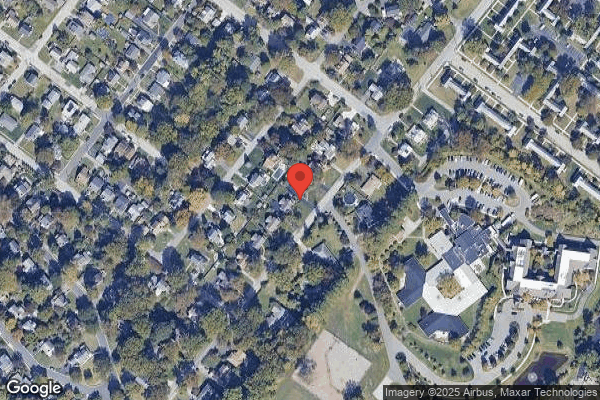
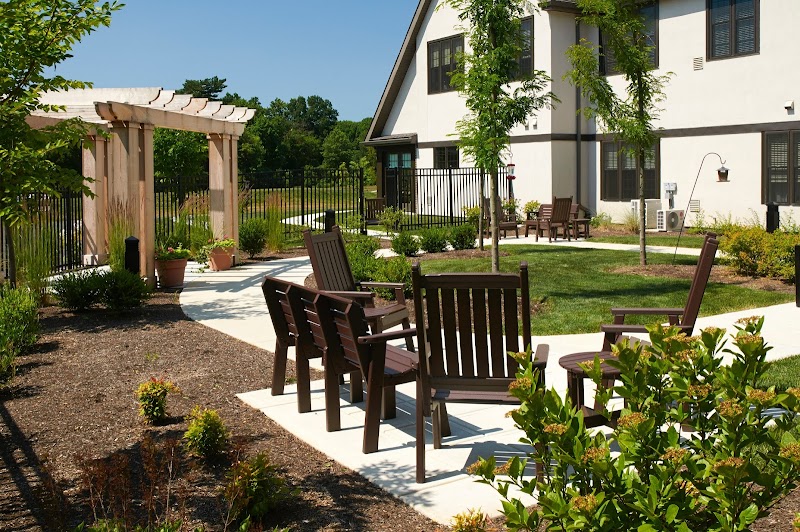
704 RIVER ROAD, WILMINGTON, DE 19809 (302) 764-7000
Non profit - Corporation 90 Beds Independent Data: November 2025
Trust Grade
0/100
#39 of 43 in DE
Last Inspection: February 2024

Within standard 12-15 month inspection cycle. Federal law requires annual inspections.

Overview

Kutz Rehabilitation and Nursing has received a Trust Grade of F, indicating significant concerns and a poor reputation among nursing homes. It ranks #39 out of 43 facilities in Delaware and #23 out of 25 in New Castle County, placing it in the bottom half of local options. The facility's performance is worsening, with issues increasing from 14 to 20 over the past year. While staffing is a strength with a 4/5 star rating and a turnover rate of 33%-better than the state average-there are concerning aspects, including $168,019 in fines, which is higher than 93% of Delaware facilities. Serious incidents include a resident being harmed due to improper transfer methods and another resident suffering a concussion from a fall that could have been prevented, highlighting both staffing strengths and significant weaknesses in care protocols.

Trust Score
F
0/100
In Delaware
#39/43
Bottom 10%
Safety Record
High Risk
Review needed
Inspections
Getting Worse
14 → 20 violations
Staff Stability
○ Average
33% turnover. Near Delaware's 48% average. Typical for the industry.
Penalties
○ Average
$168,019 in fines. Higher than 68% of Delaware facilities. Some compliance issues.
Skilled Nurses
⚠ Watch
Each resident gets only 28 minutes of Registered Nurse (RN) attention daily — below average for Delaware. Fewer RN minutes means fewer trained eyes watching for problems.
Violations
⚠ Watch
59 deficiencies on record. Higher than average. Multiple issues found across inspections.
★☆☆☆☆
1.0
Overall Rating
★★★★☆
4.0
Staff Levels
★★☆☆☆
2.0
Care Quality
★☆☆☆☆
1.0
Inspection Score
Stable
2024: 14 issues
2025: 20 issues

The Good

  • 4-Star Staffing Rating · Above-average nurse staffing levels
  • Full Sprinkler Coverage · Fire safety systems throughout facility
  • No fines on record
  • Staff turnover below average (33%)

    15 points below Delaware average of 48%

Facility shows strength in staffing levels, fire safety.

The Bad

1-Star Overall Rating

Below Delaware average (3.3)

Significant quality concerns identified by CMS

Staff Turnover: 33%

13pts below Delaware avg (46%)

Typical for the industry

Federal Fines: $168,019

Well above median ($33,413)

Significant penalties indicating serious issues

The Ugly 59 deficiencies on record

4 actual harm
Mar 2025 20 deficiencies 2 Harm
SERIOUS (G) 📢 Someone Reported This

A family member, employee, or ombudsman was alarmed enough to file a formal complaint

Actual Harm - a resident was hurt due to facility failures

Quality of Care (Tag F0684)

A resident was harmed · This affected 1 resident

**NOTE- TERMS IN BRACKETS HAVE BEEN EDITED TO PROTECT CONFIDENTIALITY** 3. A review of R11's clinical record revealed: 3/24/21 - R11 was admitted to the facility. 11/16/24 - R11 was admitted to hospic...

Read full inspector narrative →
**NOTE- TERMS IN BRACKETS HAVE BEEN EDITED TO PROTECT CONFIDENTIALITY** 3. A review of R11's clinical record revealed: 3/24/21 - R11 was admitted to the facility. 11/16/24 - R11 was admitted to hospice care. 3/12/25 - A review of the medications on the 2/26/25 hospice plan of care document in the electronic medical record (EMR) compared to the medications that the facility had profiled for R11 in the facility EMR revealed the following discrepancies: -Ativan 0.5 mg by mouth every four hours as needed for agitation that was ordered by hospice on 11/16/24 was on the hospice medication list but not on the current facility medication list. -Miralax 17 grams, 1 scoop daily by mouth for constipation, was ordered by the facility on 11/1/24 was on the facility medication profile, but not on the hospice list of medications. -Omeprazole 40 mg, 1 capsule daily for reflux, was ordered by hospice on 11/16/24 was on the hospice medication list, but not on the current facility medication list. 3/11/25 1:50 pm - During an interview, E17 (RN/UM) confirmed that the hospice medications on R11's 2/26/25 hospice plan of care did not match the current medications that the facility was administering to R11. 4. A review of R18's clinical record revealed: 2/1/23 - R18 was admitted to the facility. 1/4/24 - R18 was admitted to hospice care. 3/12/25 - A review of the medications on the 2/26/25 hospice plan of care document in the R18's chart compared to the medications that the facility had profiled in R18's EMR revealed the following discrepancies: -Sertaline 50 mg, give by mouth daily, was ordered by the facility on 2/2/23, but it was not on the 2/26/25 hospice plan of care medication list. Sertaline is a medication to help mood disorders. -Trazodone 50 mg, give 100 mg by mouth daily at bedtime, was ordered by the facility on 12/12/24, but the dosage was different, it was listed on the 2/26/25 medication list as Trazodone 150mg by mouth daily at bedtime. Trazodone treats sleeping problems and depression. 3/14/25 9:20 AM - During an interview, E2 (DON) confirmed that the hospice medications on the R18's 2/26/25 hospice plan of care did not match the current medications that the facility was administering to R18. 5. A review of R54's clinical record revealed: 12/16/24 - R54 was admitted to the facility, already under the care of hospice. 3/12/25 - A review of the medications on the hospice plan of care document in the R54's chart compared to the medications that the facility had profiled in R54's EMR revealed the following discrepancies: - Trazodone 50 mg ½ tab by mouth daily, ordered by the facility on 12/17/24, was not on the hospice medication list. 3/14/25 9:25 AM - During an interview, E2 (DON) confirmed that the hospice medications on R54's hospice plan of care in the chart did not match the current medications that the facility was administering to R54. The facility failed to ensure that the most recent hospice plan of care included the services furnished by the facility. The most recent hospice care plan medication list for R11, R18 and R54 did not match the medications that R11, R18 and R54 were receiving from the facility.The medication discrepancies between the facility and hospice medications as described above could lead to a delay in symptom treatment for R11, R18 and R54. The facility and the hospice medications should match so that the end-of-life care is seamless and without potential care delays. Based on record review and interview, it was determined that for seven (R7, R11, R18, R24, R54, R63, R80) out of fifteen residents reviewed for quality of care, the facility failed to provide the residents' care in accordance with the professional standards of practice. For R7, the facility failed to monitor R7's vital signs after noting a change in physical status on 10/16/24; failed to ensure the Provider ordered lab work to check R7's phenytoin levels and serum sodium orders were completed. The facility failed to identify and notify the Provider about the low heart rate, which resulted in a delay in care of R7 obtaining the appropriate level of care. The failure to monitor R7's phenytoin level resulted in in a harm as R7 was admitted to the hospital on [DATE] for lethargy and change in mental status with a critically high phenytoin level of 38.5 mg/L. For R63, the facility failed to monitor timely and accurately document the resident's vitals signs after an unwitnessed fall. For R11 and R54, the facility failed to ensure that each residents' most recent hospice plan of care included the services furnished by the facility. For R24, the facility failed to ensure the resident's skin discoloration was identified and assessed. Findings include: 1. Review of R7's clinical record revealed: Cross refer F580, F726, F755 and F760 Desmopressin: The major adverse effect of desmopressin for which to monitor is hyponatremia . Hyponatremia is an absolute contraindication to the administration of desmopressin . The National Library of Medicine, 2025. www.ncbi.nlm.nih.gov Phenytoin, a seizure disorder drug, has a narrow therapeutic range. Therapeutic range is defined as between 10-20 mg/L. Routine monitoring of serum phenytoin levels is not recommended. However, in clinical suspicion of drug toxicity, serum phenytoin levels should be measured. Clinical signs of phenytoin toxicity include: nystagmus, slurred speech, lethargy and confusion among other symptoms . National Library of Medicine, Phenytoin Toxicity 2022 [DATE]:15 (11): e253250. Temperature - may vary with the time of day and method used (axillary slightly lower) 98.6 F (37 C) is considered normal oral temperature, but range is 96.4 F (35.8C) to 99.1 F (37.3C). Pulse - Normal adult pulse (heart rate) is 60 to 80 beats/minute; regular in rhythm. Lippincott Manual of Nursing Practice 11th edition, 2019. 1/10/20 - R7 was admitted to the facility with diagnoses including but were not limited to, seizure disorder, diabetes insipidus and hypopituitarism. 11/16/23 - E4 (contracted MD) ordered in R7's EMR, Dilantin oral capsule 100 mg (phenytoin sodium extended)- give 100 mg by mouth three times a day for seizure disorder. 2023 - R7 had phenytoin levels drawn on 1/24/23, 4/11/23 and 8/3/23. 2/5/24 - E4 ordered in R7's EMR, CBC with diff, phenytoin free blood level, Vitamin D25-OH, total blood level. Fax results to Neurology . The facility failed to provide evidence that these labs were obtained. 8/24/24 - E4 ordered in R7's EMR, Phenytoin (anti-seizure medication) oral capsule 100 mg- give 1 capsule by mouth three times a day for seizures. 8/25/24 - E4 ordered in R7's EMR, Desmopressin Acetate oral tablet 0.1 mg- give 0.5 mg tablet by mouth in the morning for diabetes insipidus. 8/26/24 - The quarterly Minimum Data Set (MDS) documented R7's BIMS (basic Inventory of Mental Status) score as 15, which reflected normal cognition. 9/11/24 - E4 ordered in R7's EMR, BMP, TSH, free T4 one time for hyponatremia, hypothyroid. 9/19/24 12:52 PM - The facility laboratory reported R7's serum sodium level as 132 mmol/L. The normal serum sodium level is 135 to 145 mmol/L. 10/16/24 12:22 AM - E24 (RN/Shift supervisor) documented in R7's EMR progress note, Fall details: Date/Time of fall: 10/15/24 11:50 PM fall was not witnessed .Provider: [E4] Time notified 10/16/24 Notified of: fall . Resident found sitting on the floor legs facing the head board of the bed .Resident stated she was self transferring from wheelchair to the bed, when she fell. VS (vital signs) 154/66, p (pulse) 43, 97.6 T (temperature), 18 rr (respirations), bs (blood sugar) 89 . 10/16/24 1:13 AM - R7's heart rate was documented in the EMR as 43 bpm (beats per minute) (irregular- new onset) and temperature of 97.6 F (Fahrenheit). 10/16/24 3:36 AM - R7's heart rate was documented in the EMR as 43 bpm and temperature 97.7 F. The facility failed to identify that R7's heart rate was low and notify the provider of this change. 10/16/24 6:45 AM - E10 (LPN) documented in R7's EMR progress note, Resident rang at 2350h (11:50 PM hour), employee went into the room and found the resident sitting on her buttocks on the floor . VS were obtained BP (blood pressure) 154/66, HR 43 SPO2 97%, . 10/16/24 10:45 PM - R7's heart rate was documented in the EMR as 41 bpm and temperature 97.2 F. There were no documented vital signs after 10/16/24 10:45 PM until 10/17/24 1:20 PM, which was thirty-six hours later, despite R7's heart rate being documented as bradycardic at 41 bpm. It should also be noted that the vital signs documented in the hospital transfer note did not include a temperature, respirations, and pulse oximetry. Additionally, the facility failed to monitor R7 with a full set of vital signs including temperature, pulse ox and blood pressure after R7 was documented as having a low heart rate. 10/17/24 1:20 PM - E17 (RN/UM) documented in R7's EMR progress note, resident had a sudden change in mental status. 148/43 BP, 44 HR and extremely lethargic. MD was called, new order to send to ED (emergency department) for evaluation . Resident left the facility at 1320 (1:20 PM) on a stretcher with 2 EMTS (emergency medical technicians) . R7 was transferred to the hospital thirty-six hours after being documented as bradycardic with a heart rate in the 40's. 10/17/24 to 10/28/24 - For eleven days, R7 was hospitalized for mental status change and visual changes. R7's hospital admission diagnoses included: hyponatremia (low serum sodium level) and phenytoin toxicity. R7 presented to the hospital on [DATE] with a phenytoin level of 38.5 mg/L (milligram/Liter) (normal phenytoin range is 10-20 mg/L) and a serum sodium level of 130 ( normal sodium range is 135-145). 10/17/24 2:09 PM - C4 (hospital emergency room MD) documented in R7's ED Physician Record, .History of Present Illness: [AGE] year old female .Patient 's sister notes that the patient has been lethargic over the past 2 weeks . 10/17/24 2:18 PM - The hospital laboratory reported R7's serum sodium level as 130 mmol/L, with the normal range being 135 to 145 mmol/L. The facility's failure to monitor R7's vital signs and appropriately respond to her bradycardic heart rate resulted in a delay of obtaining the next level of care for R7. 10/18/24 2:46 AM - The hospital laboratory reported R7's phenytoin level as 38.5 mg/L, which is nearly double the therapeutic range. Review of R7's physician orders for 2024 to date revealed no other order for a phenytoin level until 10/31/24, which was after R7's eleven-day hospitalization from 10/17/24 to 10/28/24 during which R7 was discovered to have phenytoin toxicity. The facility's failure to monitor R7's phenytoin level resulted in R7 experiencing phenytoin toxicity. 10/18/24 3:39 AM - C1 (hospital emergency room MD) documented in R7's hospital admission history and physical, Upon arrival to the ED (emergency department), vital were remarkable for hypothermia to 33.8 (degrees Celsius) and bradycardia to 42 . she did ultimately require 4 L nasal cannula, however does not require oxygen at home . The documented temperature of 33.8 C was the equivalent of 92.8 F. R7's most recent documented temperature prior to this hypothermic temperature obtained 10/18/24 3:39 AM in the hospital ED was on 10/16/24 at 10:45 PM. The facility failed to obtain a temperature as part of her vital signs when R7 was noted to have a mental status change on 10/17/24 at 1:20 PM. 10/24/24 12:23 PM - C1 (Hospital emergency room MD) documented in R7's discharge summary, .Hypothermia - Patient initially hypothermic with temp (temperature) 33.1 (91.6 F), thought to be secondary to phenytoin toxicity versus adrenal crisis. She (R7) was treated with Bair Hugger (a convective temperature management medical device used in hospitals to maintain a patient's core body temperature) and had symptomatic improvement. 3/24/25 3:54 PM - During a telephone interview, E4 (contracted MD) stated that she was not notified that R7's heart rate was in the 40's in October 2024. She stated that her practice's on-call coverage starts at 5 PM to 8 AM and that she does not typically receive a sign-out of any issues overnight so unless the staff told he or wrote in the doctor's book that R7 was bradycardic in the 40's, there would be no way for her to know. E4 did confirm that R7 was evaluated by a provider on 10/17/24 (the same day that R7 was transferred to the hospital) for nasal congestion but no vital signs were documented in that progress note. The constellation of failing to monitor vital signs, failing to identify and notify a provider about a low heart rate led to a significant time delay in obtaining the appropriate level of care that R7 required during this health crisis. The failure to monitor R7's serum phenytoin levels led to a critically phenytoin level that was diagnosed during R7's 10/17/24 hospitalization. 6. A review of R24's clinical record revealed: 6/27/18 - R24 was admitted to the facility with diagnoses including, but were not limited to paralysis of one side of the body due to a stroke, and blood clots. R24's current physician's orders included Aspirin 81mg, daily, and showers and skin checks on Tuesdays and Fridays on the 3-11 shifts. R24's current ADLs (activities of daily living) records revealed that her baths/showers on were scheduled on Mondays and Thursdays on the 7-3 shift. R24's current care plan documented, . At risk for bleeding related to use of aspirin . The interventions included, Monitor for any signs or symptoms of bleeding, as well as to notify the doctor with any concerns or changes. 3/3/25 - R24's clinical records lacked evidence that a skin check was completed. 3/6/25 11:05 AM - R24 was observed with purple and black discoloration on her left forearm, around the elbow area. 3/6/25 3:46 PM - R24's clinical records documented that a skin assessment was completed but failed to include the purple and black discoloration on the left forearm. 3/11/25 6:52 PM - R24's skin assessment was documented but failed to include the purple and black discoloration on the left forearm. 3/12/25 10:00 AM - During an interview, E2 (DON) stated that R24 had discoloration on the left elbow area, and it should be documented during bi-weekly skin assessments. 3/26/25 11:45 AM - Findings were reviewed during the exit conference with E1 (CEO/LNHA), E2, E3 (SD/ICP) and nine department managers/representatives. 2. The facility's policy entitled Fall Prevention Program, last reviewed/revised 2/2025, stated, . 9. In the event of a resident fall, the RN is to assess the resident and document the incident per the following instructions: a. An incident Report is to be completed . b. The 72 hour Fall Risk Assessment is to be completed in [name of electronic medical record system] . i. Document all assessments and actions . It should be noted that although the facility's policy stated that a 72 hour Fall Risk Assessment was to be completed in [electronic medical record system], the actual document nursing staff are currently using to monitor a resident after a fall on every shift for 72 hours was the Post Fall Evaluation (PFE). Review of R63's clinical record revealed: 9/19/24 - R63 was admitted to the facility with diagnoses that included, but were not limited to, dementia, aphasia and history of falls. 10/1/24 at 4:42 PM - A nurse's note documented, Late Entry: Resident found on the floor sitting on his bottom on top of his floor mat between his chair and his bed at 1600 [4 PM]. Resident was assessed no signs of bruises or trauma. There was no evidence of R63's initial vital signs and assessment was obtained and documented in the RN's initial assessment immediately after R63's unwitnessed fall during the evening shift of 10/1/24. 10/2/24 at 1:33 AM - A Post Fall Evaluation by E10 (LPN) documented the following vital signs (VS): - Temperature: [blank] . - Blood Pressure: 125/72 Date: 10/3/2024 01:34 [1:34 AM] . - Pulse: 79 Date: 10/3/2024 01:34 . - Respiration: 20 Date: 10/3/2024 01:34 . - O2 sats: 98% Date: 10/3/2024 01:34 . - Pain Level: 0 Date: 9/29/2024 07:36 . 10/2/24 8:35 AM - A Post Fall Evaluation by E10 (LPN) documented the following VS: - Temperature: [blank] . - Blood Pressure: 125/72 Date: 10/3/2024 01:36 [1:36 AM] . - Pulse: 79 Date: 10/3/2024 01:36 . - Respiration: 20 Date: 10/3/2024 01:36 . - O2 sats: 98% Date: 10/3/2024 01:36 . - Pain Level: 0 Date: 9/29/2024 07:36 . It should be noted that E10 documented the same vitals signs on both 10/2/24 PFEs timed 1:33 AM and 8:35 AM. 10/2/24 8:37 PM - A Post Fall Evaluation by E10 (LPN) documented the following VS: - Temperature: 98 Date: 10/3/2024 01:38 [1:38 AM] . - Blood Pressure: 119/68 Date: 10/3/2024 01:38 . - Pulse: 73 Date: 10/3/2024 01:38 . - Respiration: 20 Date: 10/3/2024 01:38 . - O2 sats: 98% Date: 10/3/2024 01:38 . - Pain Level: 0 Date: 9/28/2024 07:36 [7:38 AM] . 10/3/24 1:40 AM - A Post Fall Evaluation by E10 (LPN) documented the following VS: - Temperature: 98 Date: 10/3/2024 01:41 [1:41 AM] . - Blood Pressure: 119/68 Date: 10/3/2024 01:38 [1:38 AM] . - Pulse: 73 Date: 10/3/2024 01:38 . - Respiration: 20 Date: 10/3/2024 01:38 . - O2 sats: 98% Date: 10/3/2024 01:38 . - Pain Level: 0 Date: 9/28/2024 07:36 [7:38 AM] . It should be noted that E10 documented the same vitals signs on both 10/2/24 and 10/3/24 PFEs respectively timed 8:37 PM and 1:40 AM. The facility failed to ensure that vital signs were being accurately captured, monitored and documented every shift for 72 hours by nursing for R63, a dependent, non-verbal resident who had an unwitnessed fall on 10/1/24. 3/20/25 8:10 AM - During an interview, E9 (RN) explained the facility's procedure after a resident falls. When an incident report is started, a Fall Risk Assessment and Post-Fall Evaluation (PFE) forms are automatically triggered and are to be completed by a nurse. E9 stated that Charge Nurses are to complete PFEs every shift for nine (9) shifts [72 hours]. E9 explained that the PFE included entering vital signs, pain level, bruising, confusion, change of condition. E9 explained and showed the Surveyor that the PFE captured the date that it was opened, then the nurse has the ability to select box Finish Later or Complete. Complete button can only be selected if all the information was entered otherwise it remains shaded out and unable to be selected. When the PFE was completed and the nurse clicks the Complete button, then the nurse will check the box to sign, date and exit the form. The PFE form then locks. 3/21/25 at 12:21 PM - Finding was reviewed with E1 (CEO/LNHA) and E2 (DON). Surveyor reviewed the vital signs that were entered on R63's PFEs by E10 (LPN) that were timed on four back-to-back shifts: 10/1/24 - 10/2/24 night shift; 10/2/24 day shift; 10/2/24 evening shift; and 10/2/24 - 10/3/24 night shift. When asked if E10 (LPN) worked four 8-hour shifts back-to-back, E2 (DON) nodded her head no.
SERIOUS (G) 📢 Someone Reported This

A family member, employee, or ombudsman was alarmed enough to file a formal complaint

Actual Harm - a resident was hurt due to facility failures

Accident Prevention (Tag F0689)

A resident was harmed · This affected 1 resident

Based on interview and review of clinical records and other documentation as indicated, it was determined that for four (R63 and R23) out of eight residents reviewed for falls, the facility failed to ...

Read full inspector narrative →
Based on interview and review of clinical records and other documentation as indicated, it was determined that for four (R63 and R23) out of eight residents reviewed for falls, the facility failed to ensure that each residents' plan of care was followed to prevent accidents. For R63, the facility improperly transferred the resident using one staff person stand and pivot when R63 required two staff persons and hoyer lift. As a result, R63 was harmed when the resident sustained a lower leg laceration requiring sutures in the emergency room. For R23, a dependent resident for bed mobility, rolled off the bed on to the floor during incontinence care. R23 was sent to the emergency room after the fall. Findings include: A facility policy titled Falls revised 3/2025 documented . 1. To institute individualized practices to minimize the resident's risk of falling and to maximize safety from fall; and to assess each resident of their fall risk on admission, and on a regular basis . 2. The fall risk assessment will categorize the risk for falling according to the following criterion: 1. Low - Risk - a fall risk evaluation score of less than 6. 2. High - Risk - a fall risk evaluation score of 6 or greater. 1. Review of R63's record revealed: 9/19/24 - R63 admitted to the facility with diagnoses including, but were not limited to, dementia, aphasia and history of falls. 10/21/24 - A physician's order documented, Hoyer lift transfer assist of two person. 12/5/24 - R63's Fall Risk Evaluation documented that the resident was a high fall risk. 1/3/25 at 11:05 AM - The facility's incident report documented that E20 (CNA) was assisting resident with transfer from bed to wheelchair where he obtained a laceration to right lower extremity. Resident unable to give description . R63's POA and E11 (contracted Physician) were notified. 1/3/25 at 11:49 AM - E20's written statement as part of the facility's investigation documented, . was transferring patient from bed to chair and leg was up against the leg rest connector . blood running down patient leg, along with a (sic) open area . Were you being assisted by anyone . no assistant (sic) from anyone . 1/3/25 at 1:19 PM - The hospital record documented, . suffered a laceration of . right leg while transferring from his bed into . wheelchair . Wound was thoroughly irrigated . and then repaired with . sutures and then Steri-Strips were placed over top of the area . The facility failed to report R63's 1/3/25 incident to the State Agency as required. In response to this incident, the facility did the following: - on 1/6/25, E3 (SD) provided E20 (CNA) one-on-one education and return demonstration for safe resident transfers. The skill competency was documented and signed by both E3 and E20. 3/24/25 10:34 AM - During an interview, E20 confirmed that she stood R63 up to transfer, his feet got twisted, leg was bleeding and he was sent to the emergency room. E20 stated that it was her first day shift and she asked another staff person how R63 transferred and was told stand and pivot transfer. When asked about her training, E20 confirmed that she had training on resident transfers during her orientation in April 2024 and had one-to-one education after R63's incident. 3/21/25 12:21 PM - Finding was reviewed with E1 (CEO) and E2 (DON). 3/25/25 at 1:08 PM - During an interview with E1 and E2 regarding the QAPI efforts in the facility, E1 stated that the facility currently has an ongoing initiative with a high fall risk committee reviewing falls every Monday. 2. R23's clinical record revealed: 8/24/23 - R23 was admitted to the facility with the following diagnoses including, but were not limited to, large habitus (body structure), compressed lower back nerves, muscle weakness, nerve pain, anxiety and osteoporosis. 9/23/23 - R23's care plan for ADL (activities of daily living) self-care performance deficit related to (sic) unspecified abnormalities of gait and mobility with interventions to include: 1. Bed mobility the resident requires (sic) x1 staff to turn and reposition in bed and as necessary. 12/3/24 - R23's quarterly MDS documented, R23 required substantial maximum assistance to roll from lying on back to left and right side and return to lying on back on the bed. 12/3/24 - R23's fall risk evaluation revealed a score of 7 and was a high risk for falls. 12/4/24 - R23's quarterly MDS assessment revealed the resident was cognitively intact. 12/22/24 - R23's fall risk evaluation revealed a score of 7 and was a high risk for falls. 12/22/24 3:55 AM - A facility incident report documented, CNA did not assure resident positioning safety prior to attempting to provide care therefore contributing to the resident's fall onto floor. [E40] CNA assigned to educational courses for resident safety. Resident taken to ER (sic) for evaluation for complaints of pain and returned to facility within 24 hours with no acute findings. Bed enablers applied for additional positioning assistance. 12/22/24 - A facility statement for E40 (CNA) documented, I was giving [R23] care this morning at 4 AM she went to turn to her left side and continued forward out of the bed she had little to no room to actually move well from side to side when asked about a bigger bed for her I was told she was unable to get a bigger bed. 3/5/25 - R23's quarterly MDS assessment revealed the resident was cognitively intact. 3/18/25 - R23's care plan created on 9/23/25 was updated with a new intervention to turn and reposition: two-person assist with all turns and repositioning for safety. The intervention was added to R23's care plan at least three (3) months after the residents fall from the bed on 12/22/24. 3/20/25 2:05 PM - During an interview, R23 was observed lying in a standard sized bed on her back with a fall mat on the right and left side of the bed. R23 stated, I slipped out of the bed I was turning over and I fell out of the bed, the bed is not wide enough for me if I turn over, I am right here on the edge. R23 also stated. I'm afraid when I am being turned in the bed, I'm always on the edge of the bed no matter what, when I fell off the bed, I was right on the edge the aide could not grab me and then after that they put down mats, but I am still afraid of falling. 3/21/25 11:00 AM - During an interview E2 (DON) stated, [R23] is not bariatric weight we moved her room to give her more space in her room. E2 also confirmed all residents in the building have enablers that are attached on their bed. When E2 was asked about approaches to assist with preventing another fall for R23, E2 stated, I think the CNA was educated on proper turning and repositioning and to be careful when providing care for R23 when in the bed. 3/21/25 1:10 PM - During an interview with E16 (DOR), it was revealed that the current therapy department arrived in October 2024 and that all the beds in the facility had enablers on them. E16 stated and confirmed, [R23] had enablers on the bed in October 2024. Additionally, E16 stated, she is in a standard bed and because she is a large lady it is a tight fit she is afraid when turning in the bed, and nursing said that she does not meet the classification for a larger bed. The facility failed to ensure R23's safety when E40 asked R23 to turn in the bed during incontinence care and R23 rolled off the bed on to the floor. The resident was sent to the hospital emergency room after the fall. R23's ADL care plan intervention was not updated for 2 person staff assist for turn and reposition with all turns and repositioning for safety until 3/18/25. 3/26/25 11:45 AM - Findings were reviewed during the exit conference with E1 (CEO/LNHA), E2 (DON), E3 (SD/ICP) and nine department managers/representatives.
CONCERN (D) 📢 Someone Reported This

A family member, employee, or ombudsman was alarmed enough to file a formal complaint

Potential for Harm - no one hurt, but risky conditions existed

Deficiency F0558 (Tag F0558)

Could have caused harm · This affected 1 resident

Based on observation, interview and record review, it was determined that for one (R23) out of thirty-five residents sampled, the facility failed to provide a special need for a larger bed. R23 rolled...

Read full inspector narrative →
Based on observation, interview and record review, it was determined that for one (R23) out of thirty-five residents sampled, the facility failed to provide a special need for a larger bed. R23 rolled out of the bed on to the floor during incontinence care and was transported to the emergency room for evaluation and treatment. Findings include: Cross Refer F689, example 2 A review of R23's clinical record revealed: 8/24/23 - R23 was admitted to the facility with the following diagnoses including, but were not limited to, large body habitus, anxiety, compressed lower back nerves, muscle weakness, nerve pain and osteoporosis. 12/22/24 3:55 AM - A facility incident report documented R23 had a fall that a (CNA) did not assure positioning safety prior to attempting to provide care therefore contributing to the resident's fall onto floor. Resident taken to the ER (sic) for evaluation for complaints of pain returned in 24 hours with no acute findings. 12/22/24 - A facility statement for E40 documented, I was giving [R23] care this morning at 4AM she went to turn to her left side and continued forward out of the bed she had little to no room to actually move well from side to side when asked about a bigger bed for her I was told she was unable to get a bigger bed. 3/19/25 - Review of R23's quarterly MDS assessment for 12/4/24 and 3/5/25 revealed the resident was cognitively intact. 3/20/25 11:53 AM - Review of R23's ADL (activities of daily living) care plan interventions created on 9/23/23 documented . 1. Bed mobility the resident requires by (sic) x1 staff to turn and reposition in bed and as necessary. Further review of R23's care plan revealed an intervention created on 3/18/25 to turn and reposition: 2 person assist with all turns and repositioning for safety. The intervention was added to R23's care plan 3 months after the residents fall on 12/22/24. 3/20/25 2:05 PM - During an interview, R23 was observed lying in a standard sized bed on her back with a fall mat on the right and left side of the bed. [R23] stated, I slipped out of the bed I was turning over and I fell out of the bed, the bed is not wide enough for me if I turn over, I am right here on the edge. R23 also stated, I'm afraid when I am being turned in the bed, I'm always on the edge of the bed no matter what, when I fell off the bed, I was right on the edge the aide could not grab me and then after that they put down mats, but I am still afraid of falling. 3/21/25 11:00 AM - During an interview, E2 (DON) stated, [R23] is not bariatric weight we moved her room to give her more space in her room. E2 also confirmed all residents in the building have enablers that are attached on their bed. When E2 was asked about approaches to assist with preventing another fall for R23, E2 stated, I think the CNA was educated on proper turning and repositioning and to be careful when providing care for R23 when in the bed. 3/21/25 1:10 PM - During an interview with E16 (DOR), it was revealed that the current therapy department arrived in October 2024 and that all the beds in the facility had enablers on them. E16, stated and confirmed, [R23] had enablers on the bed in October 2024. Additionally, E16 stated, she is in a standard bed and because she is a large lady it is a tight fit she is afraid when turning in the bed, and nursing said that she does not meet the classification for a larger bed. The facility failed to accommodate R23 a resident that would be more comfortable in a larger bed. 3/24/25 10:30 AM - Findings were reviewed and confirmed with E1 (CEO/LNHA) and E3 (SD). 3/26/25 11:45 AM - Findings were reviewed during the exit conference with E1, E2 (DON), E3 and nine department managers/representatives.
CONCERN (D) 📢 Someone Reported This

A family member, employee, or ombudsman was alarmed enough to file a formal complaint

Potential for Harm - no one hurt, but risky conditions existed

Abuse Prevention Policies (Tag F0607)

Could have caused harm · This affected 1 resident

Based on review of the facility's Resident Abuse Policies and Procedures, last revised 12/2023, it was determined that the facility failed to develop a written policy and procedure that clearly addres...

Read full inspector narrative →
Based on review of the facility's Resident Abuse Policies and Procedures, last revised 12/2023, it was determined that the facility failed to develop a written policy and procedure that clearly addressed sections under Identification and Reporting. Findings include: Review of the facility's Resident Abuse Policies and Procedures included, but was not limited to, the following: POLICY . Any allegation of abuse, neglect, mistreatment, injury of unknown origin, suspected commission of a crime, misappropriation of resident property or financial exploitation will be thoroughly investigated and reported . While the facility policy under the separate section for Definitions listed the different types of abuse, neglect, exploitation of residents, the section for Identification lacked evidence that the facility addressed in the written procedures how staff can identify different types of abuse by resident outcomes, such as an unwitnessed injury that was suspicious or multiple injuries over time or unexplained changes in resident behaviors or activities. Under the section for Reporting, the facility failed to clearly delineate the reporting times for abuse, neglect, mistreatment under the Federal and State regulations, whichever is more stringent with the reporting timeframe. 3/26/25 11:45 AM - Findings were reviewed during the exit conference with E1 (CEO/LNHA), E2 (DON), E3 (SD/ICP) and nine department managers/representatives.
CONCERN (D) 📢 Someone Reported This

A family member, employee, or ombudsman was alarmed enough to file a formal complaint

Potential for Harm - no one hurt, but risky conditions existed

Investigate Abuse (Tag F0610)

Could have caused harm · This affected 1 resident

Based on record review and interview, it was determined that for one (R26) out of fourteen residents reviewed for abuse, the facility failed to report their investigation results to the State Agency w...

Read full inspector narrative →
Based on record review and interview, it was determined that for one (R26) out of fourteen residents reviewed for abuse, the facility failed to report their investigation results to the State Agency within 5 working days of the incident. Findings include: The facility's Resident Abuse Policies and Procedures: . Investigation . Within five days, a follow-up State Incident Report is completed indicating the results of the investigation and sent to the Division of Long Term Care Residents Protection electronically . Revised 12/2023 Review of R26's clinical record revealed: 9/3/20 - R26 was admitted to the facility with diagnoses including, but were not limited to, Parkinson's disease and dementia. 2/19/25 4:10 PM - E21 (LSW) reported an alleged incident of neglect to the State Agency. The report stated that on 2/18/25 at approximately 1 PM, R26 had to wait for an hour to be changed by her assigned CNA on 7-3 PM shift. F3 (R26's POA) reported this incident to the facility on 2/19/25 at 3:23 PM. The five day follow up report to the State Agency was due on 2/26/25. 3/14/25 1:54 PM - E21 filed the five day follow up report with the State Agency eighteen days late. 3/21/25 10:30 AM - E1 (CEO/LNHA) confirmed the incident was reported to the facility on 2/19/25 at 3:23 PM and the five day follow up was entered on the State Agency website on 3/14/25. 3/26/25 11:45 AM - Findings were reviewed during the exit conference with E1, E2 (DON), E3 (SD/ICP) and nine department managers/representatives.
CONCERN (D) 📢 Someone Reported This

A family member, employee, or ombudsman was alarmed enough to file a formal complaint

Potential for Harm - no one hurt, but risky conditions existed

Assessment Accuracy (Tag F0641)

Could have caused harm · This affected 1 resident

Deficiency Text Not Available

Read full inspector narrative →
Deficiency Text Not Available
CONCERN (D) 📢 Someone Reported This

A family member, employee, or ombudsman was alarmed enough to file a formal complaint

Potential for Harm - no one hurt, but risky conditions existed

Comprehensive Care Plan (Tag F0656)

Could have caused harm · This affected 1 resident

Based on observation, interview and record review, it was determined that for two (R17 and R23) out of thirty-five residents sampled, the facility failed to develop and implement a comprehensive perso...

Read full inspector narrative →
Based on observation, interview and record review, it was determined that for two (R17 and R23) out of thirty-five residents sampled, the facility failed to develop and implement a comprehensive person-centered care plan for R17 that included specific directions for taking vital signs on a resident with a dialysis fistula. For R23, the facility failed to include bed enablers as an intervention on the care plan. Findings include: 1. Review of R17's clinical record revealed: 11/13/23 - R17 was admitted to the facility with diagnosis including, but was not limited to, end stage renal (kidney) disease with a dialysis fistula on his left arm. R17's most current orders included dialysis three times a week, on Mondays, Wednesdays, and Fridays, check vital signs pre- and post-dialysis on these days on both the day and evening shifts. And monthly vital signs on the first three days of each month during the evening shift. R17's most recent care plan included, Monitor vital signs as ordered. R17's dialysis care plan failed to include that the blood pressure should not be taken on the left arm to prevent injury to the fistula. 3/12/25 11:30 AM - Interview with E8 (LPN) stated that she knew to take the blood pressure on residents right arm due to it being in the orders, but there was no documentation of orders in the residents electronic chart. 2. Cross Refer F689, example 2 and F700, example 4 Review of R23's clinical record revealed: 8/24/23 - R23 was admitted to the facility with the following diagnoses including, but were not limited to, large body habitus, anxiety, compressed lower back nerves, muscle weakness, nerve pain and osteoporosis. 12/22/24 - R23 had a fall and was sent to the hospital for evaluation after the fall. 12/23/24 - Review of R23's care plan for an actual fall on 12/22/24 interventions documented . 1. Bed mobility evaluation and education on rolling/self-positioning in bed . 2. Continue interventions on at risk program. R23's care plan lacked evidence of the intervention bed enabler bars added for additional repositioning assistance. 12/31/24 - A review of a facility follow up incident report documented, Bed enabler bars added for additional repositioning assistance. 3/21/25 11:00 AM - During an interview, E2 (DON) stated, [R23's] care plan had not been revised to include enablers after the fall. 3/26/25 11:45 AM - Findings were reviewed during the exit conference with E1 (CEO/LNHA), E2, E3 (SD/ICP) and nine department managers/representatives.
CONCERN (D) 📢 Someone Reported This

A family member, employee, or ombudsman was alarmed enough to file a formal complaint

Potential for Harm - no one hurt, but risky conditions existed

Deficiency F0688 (Tag F0688)

Could have caused harm · This affected 1 resident

Based on record review and interview, it was determined that for one (R11) out of four residents sampled for range of motion, the facility failed to provide R11 with a right-hand palm guard that was o...

Read full inspector narrative →
Based on record review and interview, it was determined that for one (R11) out of four residents sampled for range of motion, the facility failed to provide R11 with a right-hand palm guard that was ordered on 5/2/24. Findings include: A review of R11's clinical record revealed: 3/24/21 - R11 was admitted to the facility. 5/2/24 - An order was written in the EMR for R11 to have a right palm guard, to put the palm guard on after morning care, and to take the palm guard off before bedtime. 3/7/25 10:10 AM - During an observation, R11 was not wearing a right-hand palm guard. R11's right hand was contracted, with his fingers pressing into the palm of his hand. The following document review, observation and interviews occurred on 3/10/25: -A review of R11's care plan revealed that R11 was at risk for pain because of . and multiple contractures and decreased mobility. R11 had a diagnosis of a right hand contracture listed on the care plan. -9:30 AM - During an observation, R11 was not wearing a right-hand palm guard. R11's right hand was contracted with his fingers pressing into the palm of his hand. 3/10/25 9:35 AM - During an interview, E50 (CNA) stated that R11 had never worn a right-hand palm guard that she knew of. -A review of the medication and treatment administration record revealed that R11's palm guard did not show as a nursing task to be completed daily. -A review of the CNA Task List revealed that a right-hand palm guard application and removal was not a task for the CNA to do for R11. -10:00 AM - During an interview, E26 (LPN) confirmed that the application and removal of a right-hand palm guard for R11 was not present on the Medication Administration Record (MAR) or the Treatment Administration Record (TAR) as a nursing task to complete. -11:30 AM - During an interview, E9 (RN) confirmed that the 5/2/24 order for a right-hand palm guard was present as an active order for R11, but the reason that the order was not showing on nursing tasks lists was because the 5/2/24 order was entered incorrectly into the EMR. The frequency for the palm guard application and removal was not entered as part of the order entry, which caused it to not show on any nursing task lists. 3/14/25 9:20 AM - During an interview, E2 (DON) stated that the process to verify the accuracy of all new orders entered into the EMR is through a daily 24-hour chart check process. The 11-7 overnight nursing staff completes the chart check process and verifies the accuracy of any new order entered the EMR that day. After a review of R11's May 2024 TAR, E2 confirmed that a 24-hour chart check had been completed for R11 5/2/24 new orders. The facility's nursing staff failed to provide R11 with a right-hand palm guard as ordered from 5/2/24, for more than 10 months, or to be aware that there was an active order for R11 to have a right-hand palm guard. 3/26/25 11:45 AM - Findings were reviewed during the exit conference with E1 (CEO/LNHA), E2, E3 (SD/ICP) and nine department managers/representatives.
CONCERN (D) 📢 Someone Reported This

A family member, employee, or ombudsman was alarmed enough to file a formal complaint

Potential for Harm - no one hurt, but risky conditions existed

Deficiency F0761 (Tag F0761)

Could have caused harm · This affected 1 resident

**NOTE- TERMS IN BRACKETS HAVE BEEN EDITED TO PROTECT CONFIDENTIALITY** Based on observation and interview, it was determined that for one out of three medication carts observed, the facility failed t...

Read full inspector narrative →
**NOTE- TERMS IN BRACKETS HAVE BEEN EDITED TO PROTECT CONFIDENTIALITY** Based on observation and interview, it was determined that for one out of three medication carts observed, the facility failed to adhere to proper labeling and storage practices for insulin pens as per regulatory standards and best practices. Findings Include: [DATE] 12:00 PM - Upon observation of insulin administration for R61, the surveyor observed that the insulin aspart pen was open and used, but there was no indication of an open date on the medication. The absence of an open date on the insulin pen created a risk of using expired medication, which could compromise resident safety and treatment efficacy. [DATE] 12:01 PM - Interview with E8 (LPN) confirmed that no open date was labeled on the pen. [DATE] 11:45 AM - Findings were reviewed during the exit conference with E1 (CEO/LNHA), E2 (DON), E3 (SD/ICP) and nine department managers/representatives.
CONCERN (D) 📢 Someone Reported This

A family member, employee, or ombudsman was alarmed enough to file a formal complaint

Potential for Harm - no one hurt, but risky conditions existed

Medical Records (Tag F0842)

Could have caused harm · This affected 1 resident

Based on record review and interview, it was determined that for two (R27 and R42) out of eight residents reviewed for falls, the facility failed to ensure that each resident had a complete and accura...

Read full inspector narrative →
Based on record review and interview, it was determined that for two (R27 and R42) out of eight residents reviewed for falls, the facility failed to ensure that each resident had a complete and accurate medical record. Findings include: 1. Review of R27's clinical record revealed: 4/12/21 - R27 was admitted to the facility with multiple diagnoses, including a history of falls, history of a fracture, osteoporosis and arthritis. 7/3/24 - A MDS assessment completed for R27 documented that she was frequently incontinent of bowel and bladder. 7/11/24 10:30 AM - R27 had a fall out or bed as she was being provided personal hygiene. 7/12/24 - A post fall risk assessment was completed for R27 which documented that she had 1-2 predisposing diseases that could contribute to a fall. R27 actually had three (3) predisposing disease (arthritis, osteoporosis and previous fractures) that would contribute to her increased fall risk. 8/9/24 - R27 experienced a fall while she was being showered. A post fall risk assessment was completed for R27 that documented the following: -R27 did not have any falls in the last three months. R27 had a fall on 7/11/24. -R27 was chairbound and continent. - R27 had 1-2 predisposing diseases that could contribute to a fall. R27 actually had three (3) predisposing diseases (arthritis, osteoporosis and previous fractures) that would contribute to her increased fall risk. 3/24/25 - During an interview, E9 (RN) confirmed that R27 had the following: -For the 7/12/24 and the 8/9/24 fall risk assessments, that R27 had three (3) diseases that could predispose her to a fall, instead of the two (2) predisposing diseases that the fall risk assessments listed. - The 8/9/24 fall risk assessment should have captured that R27 had a fall that had occurred within the last three months, and that R27 was frequently incontinent. R27's 7/12/24 and 8/9/24 fall risk assessments did not correctly capture all of the risk factors that placed R27 at an increased risk for falls. 2. Review of R42's clinical record revealed: 7/27/24 4:07 PM - A nurse's note documented that R42 was found on her bedroom floor. 8/14/24 3:27 AM - A nurse's note documented that R42 was found at 2:30 AM on her bedroom floor mat and was sent to the emergency room for evaluation. 9/14/24 - The Fall Risk Evaluation documented that R42 had no falls in the past three (3) months. The facility failed to accurately complete R42's Fall Risk Assessment with respect to two previous falls. 3/21/25 9:09 AM - During an interview, finding was reviewed E2 (DON). No further information was provided to the Surveyor. 3/26/25 11:45 AM - Findings were reviewed during the exit conference with E1 (CEO/LNHA), E2, E3 (SD/ICP) and nine department managers/representatives.
CONCERN (D) 📢 Someone Reported This

A family member, employee, or ombudsman was alarmed enough to file a formal complaint

Potential for Harm - no one hurt, but risky conditions existed

Infection Control (Tag F0880)

Could have caused harm · This affected 1 resident

**NOTE- TERMS IN BRACKETS HAVE BEEN EDITED TO PROTECT CONFIDENTIALITY** Based on record review and interview, it was determined that one (R78) out of ten residents reviewed for Infection Control, the ...

Read full inspector narrative →
**NOTE- TERMS IN BRACKETS HAVE BEEN EDITED TO PROTECT CONFIDENTIALITY** Based on record review and interview, it was determined that one (R78) out of ten residents reviewed for Infection Control, the facility failed to order and maintain Enhanced Barrier Precautions (EBP) for R78 when he had an indwelling catheter from [DATE] to [DATE]. Findings include: Facility's Enhanced Barrier Precaution policy - . refer to infection control intervention designed to reduce transmission of multidrug-resistant organisms (MDRO) that employs targeted gown and gloves use during high contact resident care activities . 2. Initiation of Enhanced Barrier Precautions: . b. An order for enhanced barrier precautions will be obtained for residents with any of the following: i. Wounds And /or indwelling medical devices (e.g., central lines, urinary catheters, feeding tubes, tracheostomy/ventilator tubes) even if the resident is not known to be infected or colonized with a MDRO . 4. High-contact resident care activities include: . g. Device care or use: central lines urinary catheters . [DATE] - R78 was admitted to the facility with diagnoses including, but were not limited to, emphysema, neurogenic bladder and obstructive uropathy. [DATE] - E4 (contracted MD) ordered in R78's EMR, Foley catheter care every shift. Flush foley catheter with 60 ml (milliliter) of sterile water Q (every) shift for Infection prevention. [DATE] - E4 reordered in R78's EMR , Flush foley catheter with 60 ml of sterile water Q shift for Infection prevention. This order meant that during each shift, the nursing staff (nurses and CNAs) would have high-contact with R78 as they worked with his urinary catheter and flushed it with 60 mls of sterile water. [DATE] - The Centers for Medicare and Medicaid Services (CMS)'s Enhanced Barrier Precautions in Nursing Homes recommendations become effective as part of the F880 Infection Prevention and Control regulation. [DATE] - E4 reordered in R78's EMR, Foley catheter care every shift. [DATE] 2:20 PM - While reviewing R78's order recap for his entire stay at [facility], the Surveyor noted there was no order for EBP. The facility was not able to provide evidence that R78 was placed on EBP at any point during his admission. [DATE] 12:34 PM - During an interview, E15 (LPN) stated, [R78] did have a foley catheter while he resided here. I don't recall him being on any type of precautions. [DATE] 4:16 PM - During an interview, E3 (SD/ICP) stated, We did not start EBP until [DATE] in this facility. [DATE] - R78 died on hospice care. [DATE] 11:45 AM - Findings were reviewed during the exit conference with E1 (CEO/LNHA), E2 (DON), E3 and nine department managers/representatives.
CONCERN (D) 📢 Someone Reported This

A family member, employee, or ombudsman was alarmed enough to file a formal complaint

Potential for Harm - no one hurt, but risky conditions existed

Deficiency F0919 (Tag F0919)

Could have caused harm · This affected 1 resident

Based on observation, interview, and record review, it was determined that for one (R17) out of thirty-five (35) sampled residents reviewed, the facility failed to ensure that R17 had functioning call...

Read full inspector narrative →
Based on observation, interview, and record review, it was determined that for one (R17) out of thirty-five (35) sampled residents reviewed, the facility failed to ensure that R17 had functioning call bell systems to request staff assistance. Findings include: Review of R17's clinical record revealed: 11/13/23 - R17 was admitted to the facility with diagnosis including, but was not limited to, end stage renal (kidney) disease. 11/13/23 - R17's admitting MDS score was 00 for ADL's, meaning he was completely dependent for care by the facility. 3/6/25 10:05 AM - The surveyor observed that R17 did not have a call bell available in his room. 3/7/25 12:00 PM - The surveyor observed that R17 did not have a call bell available in his room. 3/10/25 1:40 PM - The surveyor observed that R17 did not have a call bell available in his room. The facility failed to provide R17 a call bell in three out of three observations. 3/10/25 1:44 PM - During an interview, E13 (CNA) stated that R17 previously had a touch call bell, but it was removed because it was not functioning properly. 3/10/25 3:18 PM - During an interview, E1 (CEO/LNHA) stated that a maintenance request for a new call bell was submitted after the Surveyor brought the lack of a call bell to her attention. 3/10/25 3:37 PM - The Maintenance staff installed a new touch call bell in R17's room. 3/26/25 11:45 AM - Findings were reviewed during the exit conference with E1 (CEO/LNHA), E2 (DON), E3 (SD/ICP) and nine department managers/representatives.
CONCERN (E) 📢 Someone Reported This

A family member, employee, or ombudsman was alarmed enough to file a formal complaint

Potential for Harm - no one hurt, but risky conditions existed

Free from Abuse/Neglect (Tag F0600)

Could have caused harm · This affected multiple residents

**NOTE- TERMS IN BRACKETS HAVE BEEN EDITED TO PROTECT CONFIDENTIALITY** 2. A review of R19's clinical record revealed: 3/3/22 - R19 was admitted to the facility with diagnoses including a stroke which...

Read full inspector narrative →
**NOTE- TERMS IN BRACKETS HAVE BEEN EDITED TO PROTECT CONFIDENTIALITY** 2. A review of R19's clinical record revealed: 3/3/22 - R19 was admitted to the facility with diagnoses including a stroke which affected his right dominant side, cerebral palsy, and muscle weakness. 1/5/25 - R19's most recent quarterly MDS documented a BIMS' score of 10, which indicated a mild cognitive impairment, and R19 required substantial assistance with toileting. 1/15/25 - A facility's reported incident submitted to the Division documented, that R19 reported to E21 (LSW) at approximately 2:30 PM he asked E22 (CNA) to use the toilet. E22 entered his room and asked, What do you want? R19 stated that he needed to use the bathroom, and E22 replied, Its's too late, you should have asked to go to the bathroom at 2:00 PM. R19 described E22 as yelling at him and being Really mad. R19 also reported that after E23 assisted him onto the toilet, E22 returned and scolded him for attempting to wipe himself. 1/15/25 - During an interview, E23 (CNA) stated, I was coming to duty and I heard E22 talking to the resident [R19] very rudely. I saw that he (sic) very upset, I talked to him to calm him down. 3/13/25 - During an interview, R19 stated, I felt like I was being punished and yelled at by E22 when I asked If I could use the bathroom. 3/26/25 11:45 AM - Findings were reviewed during the exit conference with E1 (CEO/LNHA), E2 (DON), E3 (SD/ICP) and nine department managers/representatives. Based on interview, observation and record review, it was determined that for two (R19 and R82) out of fourteen residents reviewed for abuse/neglect, the facility failed to ensure that each resident remained free from abuse or neglect from staff. For R82, the facility failed to ensure the resident was free from neglect. For R19, the facility failed to ensure the resident was free from verbal and emotional abuse from a staff member. Findings include: A facility policy titled Resident Abuse Policies and Procedures, revised 12/2023, stated, The facility will prohibit, prevent and not tolerate residents to be subject to abuse, violence, neglect, mistreatment, or misappropriation of property by anyone, including: staff members, other residents, family members, resident representatives, friends, volunteers, consultants, visitors, or any other individuals . 1. Cross Refer F677, example 2 A review of R82's clinical record revealed: 12/9/24 - R82 was admitted to the facility with the following diagnoses left knee fracture, muscle weakness and osteoporosis. 12/9/24 11:00 PM - A physician's order for R82 documented, immobilizer to left leg at all times do not bend left knee every shift. 12/16/24 - A review of R82's MDS five day admission assessment documented R82 was cognitively intact and required partial moderate assist for transfers. 12/23/24 2:40 PM - A facility reported incident documented, [R82] reported to E21 (LSW) that on 12/22/24 on 3-11 shift [R82] asked her assigned CNA to assist with transferring out of the bed. Further review of the incident report revealed the CNA told [R82] she could transfer herself and that R82 did not need the CNA's help. Additionally, on 12/31/24 the facility's follow up report documented [R82] reported to E21 (LSW) E38 (CNA) replied to R82's request for help stating, You don't need me, you can do it yourself, you don't need my help and that E38 was nasty when speaking to R82 which caused the resident distress. 3/20/25 12:30 PM - A review of a facility's discipline report titled Performance Conduct Title for E38 dated 10/27/23 documented . 1. Misconduct based on failure to assist a resident for the remainder of the shift and confirmed with video surveillance. In addition, on 12/27/24 E38's facility discipline documented . 2. Termination for misconduct allegation of abuse. 3/21/25 11:00 AM - During an interview E2 (DON) confirmed, review of the video footage of the shift in question revealed E38 did not provide the care that was documented in R82's record. Timeline of video camera footage E38 entered R82's room [ROOM NUMBER]:42:44 PM, E38 exiting at 3:42:59 15 seconds after entering R82's room, E38 entered R82's room [ROOM NUMBER]:15:12 PM E38 exited at 3:52:15 PM 2 minutes and 3 seconds after entering R82's room, E38 entered R82's room [ROOM NUMBER]:02:23 PM and exited at 5:02:46 PM 23 seconds after entering the room. E38 spent a total of 2 minutes and 41 seconds providing care to this resident in a 8 hour shift. [E38] documented in R82's chart for toileting times 3:40 PM, 5:41 PM, 7:30 PM, 8:00 PM, and 9:30 PM. [E38] documented repositioning [R82] at 2:56 PM, 4:41 PM, 6:22 PM, 8:22 PM and 10:00 PM. These times are not shown to have occurred on the video footage. R82 had a left knee fracture and required partial moderate assistance for toileting, bed mobility and transfers. Despite the documentation that E38 was in the room [ROOM NUMBER] minutes would not have been enough time to provide care for R82. 3/21/25 1:28 PM - An interview with E21 revealed [R82] was in a brace that immobilized her leg to extend out and she needed help with transfers. E21 stated, [E38] told [R82] she needed to transfer herself. E21 also stated, [R82] was very upset.
CONCERN (E) 📢 Someone Reported This

A family member, employee, or ombudsman was alarmed enough to file a formal complaint

Potential for Harm - no one hurt, but risky conditions existed

Report Alleged Abuse (Tag F0609)

Could have caused harm · This affected multiple residents

Based on record review and interview, it was determined that for four (R5, R13, R19 and R65) out of fourteen residents reviewed for abuse, the facility failed to report the allegations of neglect/abus...

Read full inspector narrative →
Based on record review and interview, it was determined that for four (R5, R13, R19 and R65) out of fourteen residents reviewed for abuse, the facility failed to report the allegations of neglect/abuse and injury of unknown source to the State Agency within the required timeframe. Findings include: The facility's Resident Abuse Policies and Procedures . Identification- under Delaware State Law, any employee who has reasonable cause to believe that a resident has been abused, mistreated, neglected, or has been subject to misappropriation of funds MUST file a report immediately . If there is reasonable suspicion of a crime, and the events that cause the reasonable suspicion result in serious injury, the report must be made immediately after forming the suspicion as follows: Serious bodily injury- within 2 hours, All others- within 24 hours . Revised 12/2023 1. Review of R5's clinical record revealed: 1/17/18 - R5 was admitted to the facility with diagnosis including, but was not limited to, stroke with left-sided weakness. 11/27/24 - R5's MDS documented that R5 was not able to complete the BIMS cognitive assessment. 1/16/25 Approximately 9:30 AM - E18 (CNA) noted a mark on R5's face and reported it to E15 (LPN). 1/16/25 6:14 PM - E9 (RN) documented in R5's EMR progress notes, During AM care, CNA [E18] noticed a skin tear to mid forehead and notify (sic) nurse. Neuro check completed and within normal limits, MD made aware and treatment order in place, POA also made aware. 1/17/25 10:15 PM - E28 (RN/ADON) reported the incident of alleged injury of unknown source during care to the State Agency. The report of the alleged injury of unknown source was submitted thirty-five hours after this injury of during care was first noted. 3/13/25 2:20 PM - During an interview, R1 (R5's roommate) reported that on 1/16/25 in the early morning when the CNA [E42 (agency CNA)] was turning R5 to perform incontinence care with R5, R5's head struck the enabler bar on the bed. R5 then said, Well, do I have to wear a helmet to get changed? R1 stated that he did not see any other staff in the room until E18 (CNA) came in on day shift and noted the facial skin tear. 2. Review of R13's clinical record revealed: 9/15/22 - R13 was admitted to the facility with diagnoses including, but was not limited to, heart failure and dementia. 3/12/25 11:35 AM - Review of a facility grievance revealed that during a resident led meeting on 4/17/24, R13 reported that on 4/14/24 her CNA [E43 (agency CNA)] stated, You are not coming out of the bathroom until you brush your teeth. R13 explained that she preferred to eat her breakfast and then brush her teeth. Per R13, E43 blocked her from exiting the bathroom and would not listen. 5/2/24 5:55 PM - E21 (LSW) reported the incident to the State Agency documenting that the incident of alleged mistreatment occurred on 4/14/24 at 9 AM. The report of the alleged mistreatment was submitted eighteen days after the alleged incident and fifteen days after the facility became aware of the allegation. 3. Review of R65's clinical record revealed: 10/6/23 - R65 was admitted to the facility, with diagnoses including, but were not limited to, heart failure and breast cancer. 3/12/25 11:40 AM - Review of a facility grievance revealed that during a resident led meeting on 4/17/24, R65 reported that on 4/12/24 another resident (R16) was throwing up so she (R65) went to the nurses' station to report it. R65 reported that there were four employees at the nurses' station and one stated that R16's assigned CNA was on dinner break and that the assigned CNA would check on R16 when she returned from her dinner break. 5/2/24 5:03 PM - E21 (LSW) reported the incident of alleged neglect to the State Agency. The report of the alleged neglect was submitted twenty days after the incident and fifteen days after the facility was aware of the allegation. 4. Review of R19's clinical record revealed: 1/15/25 - R19 reported to facility administration including E21 (LSW) that he alleged that E22 (CNA) verbally abused him during an interaction related to his request for assistance to use the toilet. 1/21/25 - The facility reported the incident of verbal abuse to the State Agency. The facility failed to report R19's allegation of verbal and emotional abuse to the State Agency in the required time of 2 hours. 3/26/25 11:45 AM - Findings were reviewed during the exit conference with E1 (CEO/LNHA), E2 (DON), E3 (SD/ICP) and nine department managers/representatives.
CONCERN (E) 📢 Someone Reported This

A family member, employee, or ombudsman was alarmed enough to file a formal complaint

Potential for Harm - no one hurt, but risky conditions existed

Deficiency F0700 (Tag F0700)

Could have caused harm · This affected multiple residents

3. Review of R27's clinical record revealed: 4/12/21 - R27 was admitted to the facility. 3/7/25 9:00 AM - An observation revealed side rails (enablers) present on both sides of R27's bed. 3/10/25 9:30...

Read full inspector narrative →
3. Review of R27's clinical record revealed: 4/12/21 - R27 was admitted to the facility. 3/7/25 9:00 AM - An observation revealed side rails (enablers) present on both sides of R27's bed. 3/10/25 9:30 AM - An observation revealed side rails (enablers) present on both sides of R27's bed. 3/12/25 - A review of R27's clinical records revealed the lack of the following documentation: -Bed rail use assessments, including appropriate alternatives to the bed rails/enablers, risk of entrapment in the bed rail/enabler, and the risks versus benefits of the use of bed rails/enablers. -Informed consent. 3/13/25 10:31 AM - During an interview, E16 (contracted DOR) stated that an effort to obtain assessments for the facility bed rails/enablers was in progress, but that there were no bed rail/enabler assessments that her department had completed for any resident at that point. 2. Review of R47's clinical record revealed: 2/3/21 - R47 was admitted to the facility with diagnoses that included, but were not limited to, hemiplegia and hemiparesis following a stroke affecting the right dominant side and a cognitive communication deficient. 1/9/25 - The annual MDS assessment documented that R47 had a functional limitation in range of motion on one side of upper extremity and both sides on lower extremities. 3/18/25 9:08 AM - Observation of R47 in bed with bilateral 1/4 enablers positioned up. 3/18/25 9:16 AM - During an interview, E16 (contracted DOR) confirmed that no bed rail assessment has been completed for R47 at this time. E16 also stated that her therapy company, which started providing services in November 2024, does not have access to the previous therapy provider records. 3/18/25 10:35 AM - During an interview, E34 (CNA) stated that R47 uses the bed enablers with only his good arm (left). E34 stated that R47 cannot use his right arm or right leg. E34 stated that when she rolls him over toward the window (on the right side), R47 was able to use the right enabler to hold onto with his left hand; however, when he rolls over on his left side, R47 cannot use his right hand to grab the left sided enabler although he tries to grab it with his left hand. 3/18/25 10:43 AM - During an interview, E35 (LPN) was asked if she could provide the surveyor with R47's signed consent for the use of bed enablers. E35 reviewed R47's electronic clinical record and was unable to locate the signed consent. E35 stated that she would have to talk to therapy. The surveyor mentioned that the current therapy provider does not have access to the prior therapy company's documentation. E35 then said that she would have to elevate this request to someone higher that has access to the resident's therapy records. 3/21/25 11:30 AM - During a combined interview, finding was reviewed with E1 (CEO/LNHA) and E2 (DON). No further documentation was provided to the surveyor. The facility failed to ensure R47 was assessed for bilateral bed enablers and a signed consent was obtained before placing bilateral enablers on the resident's bed. Based on record review, observation and interview, it was determined that for four (R5, R23, R27, R47) out of four residents reviewed for bedrails, the facility failed to assess the residents prior to installing the bedrails/enablers and failed to obtain consent from the resident/POA/resident representative. Findings include: 1. Review of R5's clinical record revealed: 1/3/23 - R5 was admitted to the facility with diagnoses including, but was not limited to, stroke with left-sided weakness. 3/12/25 9:29 AM - The surveyor observed R5 lying in his bed, which had bilateral enablers at the head of the bed. 3/13/25 12:01 PM - The surveyor observed R5 lying in his bed, which had bilateral enablers. 3/20/25 4:10 PM- The surveyor requested evidence of therapy's assessment of R5 for the bedrail/enabler and a copy of the POA's consent for enablers. The facility was not able to produce evidence of R5's assessment by therapy for bedrails/enablers nor a copy of the consent from R5's POA for installing bedrails/enablers on his bed. 3/24/2511:24 AM - During an interview, E16 (contracted DOR) stated, We don't have a consent or assessment. 4. Review of R23's clinical record revealed: 8/24/23 - R23 was admitted to the facility with the following diagnoses including, but were not limited to, large body habitus, anxiety, compressed lower back nerves, muscle weakness, nerve pain and osteoporosis. 3/6/25 10:34 AM - An observation revealed bilateral enablers on R23's bed. 3/21/25 11:00 AM - During an interview E2 (DON) stated, We didn't know that a side rail assessment or consent was needed for a resident to have enablers on their bed. We are starting the process for the assessment for side rails and consent, therapy is now starting the evaluations for the enablers. 3/21/25 1:10 PM - During an interview E16 (contracted DOR) stated, We are starting to do the enabler evaluations for the residents that are curently on therapy case load. 3/26/25 11:45 AM - Findings were reviewed during the exit conference with E1 (CEO/LNHA), E2, E3 (SD/ICP) and nine department managers/representatives.
CONCERN (E) 📢 Someone Reported This

A family member, employee, or ombudsman was alarmed enough to file a formal complaint

Potential for Harm - no one hurt, but risky conditions existed

Deficiency F0726 (Tag F0726)

Could have caused harm · This affected multiple residents

**NOTE- TERMS IN BRACKETS HAVE BEEN EDITED TO PROTECT CONFIDENTIALITY** 3. Cross refer to F760, example 4 On 10/28/24 at 2:10 PM, the facility reported the following medication error incident to the S...

Read full inspector narrative →
**NOTE- TERMS IN BRACKETS HAVE BEEN EDITED TO PROTECT CONFIDENTIALITY** 3. Cross refer to F760, example 4 On 10/28/24 at 2:10 PM, the facility reported the following medication error incident to the State Agency: On Monday, October 7, 2024 nursing supervisor informed DON that medications had been found on a medication cart and left un-administered. Supervisor investigated and found that all medications had been documented as 'Administered'. Schedule review showed that LPN [name of E46] had been assigned to the residents whose medications were left un-administered . The incident occurred on 10/3/24 day shift and involved the following four residents: R4, R47, R52 and R84. 11/4/24 - The facility's 5-day follow-up investigation submitted to the State Agency reported: . the facility is able to SUBSTANTIATE . The facility discharged E46 (LPN) on 10/9/24 from working in the facility for progressive disciplines r/t [related to] medication administration resulting in termination. Review of E46's discipline record revealed previous medication administration occurrences: - 5/30/24 Medication Administration Error: E46 did not administer an anticonvulsant medication prescribed for an unidentified resident's seizure disorder as it was found in the medication cart still in the packaging. Medication was administered two hours after it was due. E46 received verbal coaching documented in E46's file on 6/4/24. - 9/18/24 Falsification of Medical Records: E46 documented administration of medication and assessments on an unidentified resident that was not in the building. E46 received a FINAL written coaching with a day off without pay and was documented in E46's file on 9/19/24. - 10/9/24 Falsification of Medical Records: On 10/3/24, E46 documented administration of medication for four residents which were later found in the medication cart during the next shift. E46 was terminated and documented in her file on 10/10/24. 3/21/24 10:26 AM - Surveyor requested evidence of E46's competency for medication administration since her hire date of 3/4/24. 3/26/25 2:00 PM - During an interview, E3 (SD/RN) confirmed that the facility did not have a medication administration competency for E46. The facility failed to ensure that E46 had a medication administration competency since her hire date of 3/4/24. 3/26/25 11:45 AM - Findings were reviewed during the exit conference with E1 (CEO/LNHA), E2, E3 (SD/ICP) and nine department managers/representatives. Based on observation, record review and interview, it was determined that for five (R4, R47, R52, R68 and R84) out of fourteen residents reviewed for medications, one (R7) out of eight residents reviewed for falls, the facility failed to have competent nursing staff to meet the needs of the residents. For R7, the facility failed to ensure the licensed nurses had the specific competencies to recognize when R7 became bradycardic from 10/16/24 to 10/18/24. For R68, the facility failed to ensure the licensed nurse had the specific competencies to administer IVSS medication. For R4, R47, R52 and R84, the facility failed to ensure a nurse had a medication administration competency when each resident was not administered prescribed medications. Findings include: Facility's Orientation policy: It is the policy of this facility to develop, implement, and maintain an effective orientation process for all new staff ., consistent with their expected roles . 5. Checklists will be used to document training and competency evaluations during the orientation process . 11. All documentation to support completion of the orientation process shall be maintained in the employee's educational file. Date reviewed/revised 2/2025. 1. Cross refer F580, F684, F755 and F760 Review of R7's clinical record revealed: 1/10/20 - R7 was admitted to the facility with diagnoses including, but were not limited to, seizure disorder and hypopituitarism. 10/16/24 12:22 AM - E24 (RN/shift supervisor) documented in R7's EMR progress note, Fall details: Date/Time of fall: 10/15/24 11:50 PM fall was not witnesses . Provider: [E4] Time notified 10/16/24 Notified of: fall . Resident found sitting on the floor legs facing the head board of the bed . Resident stated she was self transferring from wheelchair to the bed, when she fell. VS (vital signs) 154/66, p (pulse) 43, 97.6 T (temperature), 18 rr (respiratory rate), bs (blood sugar) 89 . 10/16/24 1:13 AM - R7's heart rate was documented in the EMR as 43 bpm (beats per minute) (irregular- new onset). 10/16/24 3:36 AM - R7's heart rate was documented in the EMR as 43 bpm. 10/16/24 6:45 AM - E10 (LPN) documented in R7's EMR progress note, Resident rang at 2350h (11:50 PM), employee went into the room and found the resident sitting on her buttocks on the floor . VS were obtained BP (blood pressure) 154/66, HR 43 . 10/16/24 10:45 PM - R7's heart rate is documented in the EMR as 41 bpm. 10/17/24 1:58 PM - C4 (hospital emergency room MD) documented in R7's heart rate as 42. R7 was documented in her EMR as having a low heart rate in the 40's from 10/15/24 at 11:50 PM until 10/16/24 at 10:45 PM, which was almost 24 hours in duration. R7 was found to be bradycardic with a heart rate of 42 upon arrival to the hospital emergency room on [DATE] at 1:58 PM. Review of R7's EMR progress notes revealed no mention of R7's low heart rate other than documentation of the number by any of staff that cared for R7 from 10/15/24 night shift until 10/17/24 dayshift when R7 was sent to the hospital for a change in mental status. 3/21/25 10:10 AM - Review of E10 (LPN)'s skills checkoff for vital signs revealed that E10, who was hired on 1/22/24 and cared for R7 on 10/16/24 night shift, was signed off by her preceptor [E28 (ADON)] on each skill. However, the form was not signed or dated as completed by the assessor, nor was a final score documented. Additionally, E10 did not fill in the five test questions at the bottom of the checkoff sheet. Question four was pertinent to this situation as it asked 4. The appropriate pulse range for an adult is: _______ to ________ beats per minute. For E24, who worked as the RN supervisor on night shift on 10/16/24, the facility was not able to produce any skills checkoff list for this employee. 3/21/25 3:45 PM - During an interview, E3 (SD/ICP) stated that E24 was hired prior to her and therefore, she does not have copies of her skills checkoff lists. The facility was unable to provide evidence that these two nurses had the specific competency to recognize that R7's heart rate was too low and needed to be intervened upon. 2. Cross refer F760, example 1 and F940 Review of R68's clinical record revealed: 12/5/24 - R68 was admitted to the facility with diagnoses including, but were not limited to, Parkinson's disease, diabetes and osteomyelitis of the vertebrae and sacral region. 1/14/25 - E4 (contracted MD) ordered in R68's EMR, Piperacillin Sod- Tazobactam (Zosyn) solution 4.5 gm - Give 4.5 gm intravenously every 6 hours for wound infection. As a result of this order, February 2025 Medication Administration Record (MAR) scheduled R68 to receive this antibiotic at 12 midnight, 6:00 AM, 12:00 PM and 6:00 PM. 2/11/25 approximately 3 PM - During change of shift report, E14 (LPN) reported to E29 (LPN) that she [E14] gave IVSS (intravenous soluset solution) Zosyn at both 8:30 AM and 1:19 PM. E29 alerted [E30] RN supervisor of the incorrect timed medication error. Review of R68's February 2025 MAR revealed E14 signed out the 1:19 PM Zosyn dose at the 1200 time slot but did not document the 8:30 AM dose on the MAR. Further review revealed E29 documented appropriately holding the 6 PM Zosyn dose as was instructed by E4 when she was alerted to this medication error. 3/17/25 1:34 PM - During an interview, E14 (LPN), who was a new nurse and was hired on 7/23/24, stated, I was pulled to the 400 unit. It was the first time that I worked there. I had never given an IVSS antibiotic before . I was not trained about IV (intravenous) antibiotics during orientation because we did not have anyone in the building with IV antibiotics . The facility was not able to provide evidence of E14's skills checkoff with regard to medication administration: intravenous. 3/21/25 3:45 PM - During an interview, E3 (SD/ICP) confirmed that that the facility did not have a skills checkoff for Medication Administration: Intravenous for E14. The facility failed to ensure E14 had the specific competencies to administer medications to R68.
CONCERN (E) 📢 Someone Reported This

A family member, employee, or ombudsman was alarmed enough to file a formal complaint

Potential for Harm - no one hurt, but risky conditions existed

Pharmacy Services (Tag F0755)

Could have caused harm · This affected multiple residents

2. Review of R7's clinical record revealed: Cross refer F580, F684, F726 and F760 1/10/20 - R7 was admitted to the facility with diagnoses including, but were not limited to, seizure disorder, diabet...

Read full inspector narrative →
2. Review of R7's clinical record revealed: Cross refer F580, F684, F726 and F760 1/10/20 - R7 was admitted to the facility with diagnoses including, but were not limited to, seizure disorder, diabetes insipidus, central blindness and hypopituitarism. 10/28/24 Monday - R7 readmitted to the facility after a hospitalization. 10/28/24 - E4 (contracted MD) ordered in R7's EMR, Cortef (hydrocortisone) oral tablet 10 mg - give 1 tablet by mouth one time a day for hypopituitarism. 10/29/24 9:56 AM - E7 (LPN) documented in R7's EMR, Cortef oral tablet 10 mg . for hypopituitarism . Medication n/a (not available). 10/29/24 1:21 PM - E7 (LPN) documented in R7's EMR, Cortef oral tablet 5 mg . for hypopituitarism . Medication n/a (not available). 10/30/24 9:10 AM - E26 (LPN) documented in R7's EMR, Cortef oral tablet 10 mg . for hypopituitarism . awaiting arrival. 10/30/24 2:20 PM - E26 (LPN) documented in R7's EMR, Cortef oral tablet 5 mg . for hypopituitarism . awaiting arrival. 10/31/24 10:48 AM - E7 (LPN) documented in R7's EMR, Cortef oral tablet 10 mg . for hypopituitarism . awaiting pharmacy delivery. 10/31/24 2:04 PM - E7 (LPN) documented in R7's EMR, Cortef oral tablet 5 mg . for hypopituitarism . awaiting pharmacy delivery. 10/31/24 11:03 AM - R7's facility lab results reported serum sodium level as 153 mmol/L (normal range 135-145 mmol/L). 11/1/24 8:17 AM - E27 (RN) documented in R7's EMR, Cortef oral tablet 10 mg . for hypopituitarism . not available in passport machine. 11/1/24 2:45 PM - E27 (RN) documented in R7's EMR, Cortef oral tablet 5 mg . for hypopituitarism . N/A (not available) waiting for pharmacy delivery. R7 missed nine doses of her ordered Cortef (hydrocortisone). 11/1/24 Friday 2:53 PM - E27 (RN/ADON) documented in R7's EMR as a communication with physician, Situation: Medication (hydrocortisone) unavailable per pharmacy, uncovered by insurance. Background: Sodium level high as result. Per Endocrinology, should be sent to emergency department for assessment and treatment. Assessment (RN)/ Appearance (LPN): Lethargy presented as longer response on questions. Recommendations: Physician [E4] to send e-script for hydrocortisone to commercial pharmacy [name of pharmacy] for family to self-pay/private pay and bring in to (sic) facility. Per physician, consulted and confirmed with endocrinology, this will avoid emergency room visit. Endo (endocrinology) also requesting to increase fluid intake by 500 ml and obtain urine for a specific gravity to potentially adjust medication. 11/1/24 2:57 PM - E27 documented in R7's EMR communication with family, Family notified of need for medication (Hydrocortisone) and that resident has not received this medication due to pharmacy not making the medication delivery. Per pharmacy, the medication is not covered by insurance any longer. Family requested to have prescription sent to commercial pharmacy for self-pay/private pay by family who will supply to the facility. 11/1/24 4:49 PM - E27 documented in R7's EMR, Resident father delivered bottle of 45 hydrocortisone tabs at 10 mg with direction to take 1.5 tabs twice daily. Counted and verified by [E27]. Bottle has two refills. Orders placed in PCC (point click care). 3/21/25 11:41 AM - During a telephone interview, E19 (contracted consultant pharmacist) stated, I don't have anything to do with supplying the medications. 3/24/25 10:15 AM - During an interview, E26 (LPN) stated, the pharmacy was not sending the medication. 3/24/25 11:46 AM - During a telephone interview, C2 (contracted pharmacy pharmacist director) stated, Cortef is a pretty common drug and the pharmacy should have it on hand. C2 stated that R7's Cortef order was ordered and only profiled on 10/28/24 as the medication required a prior authorization. 3/24/25 3:54 PM - During a telephone interview, E4 (contracted MD) stated that due to the hydrocortisone not being available, she reached out and spoke with R7's endocrinologist (C3) who informed her that if R7 did not receive the medication by 11/1 afternoon, she should be sent to the hospital emergency room for care. 3/25/25 10:54 AM - During a telephone interview, E19 (contracted consultant pharmacist) stated that he was unaware that R7's Cortef was not available from 10/28/24 to 11/2/24. He stated that the facility does not tell him if there are issues with obtaining medications due to prior authorizations being required. 3/26/25 11:45 AM - Findings were reviewed during the exit conference with E1 (CEO/LNHA), E2 (DON), E3 (SD/ICP) and nine department managers/representatives. Based on record review and interview, it was determined that for two (R41 and R7) out of fourteen residents reviewed for pharmacy services, the facility failed to provide pharmaceutical services to meet the needs of each resident. Findings include: The facility's policy and procedure for Unavailable Medications: . 4. Medications may be unavailable for a number of reasons. Staff shall take immediate action when it is known that the medication is unavailable: a. Determine the reason for unavailability, length of time medication is unavailable, and what efforts have been attempted by the facility or pharmacy provider to obtain the medication. B. Notify the physician of the inability to obtain the mediation upon notification or awareness that the medication is unavailable . c. Notify the Nurse Supervisor/Unit manager of delay, so they can escalate the issue. Date revised: 3/2025 1. Review of R41's clinical record revealed: 10/21/23 - R41 was admitted to the facility with multiple diagnoses including human immunodeficiency virus (HIV) disease and chronic obstructive pulmonary disease (COPD). The following medications were ordered on 10/21/23: -Dovato Oral Tablet 50-300 mg, give one tablet daily for antiviral. -Formoterol Fumarate Inhalation Nebulization Solution 20mcg/2ml, inhale 2 ml orally two times a day for COPD. 3/25/25 -The following chart documents were reviewed for the medications Dovato and Formoterol: Dovato: Review of Medication Administration Record (MAR) for January 2025, February 2025 and March 2025 revealed that the antiviral medication Dovato was not administered to R41 on the following dates: 1/13/25, 1/14/25, 2/15/25, 2/16/25, 2/18/25, 2/19/25, 3/24/25 and 3/25/25. The MAR for the Dovato administration for dates above had the charting code 9 listed in each date. Review of the chart coding section of the MAR revealed that 9 meant: Other/See Progress Notes. Review of progress notes for several of the missed doses of Dovato medication revealed the following: 1/14/25 9:56 AM - Orders Administration Note: .Medication not available, awaiting pharmacy delivery. 2/16/25 10:49 AM - Called pharmacy regarding Dovota (sic). Per pharmacy, Dovota (sic) needs to be ordered from their supplier and should be available tomorrow. Md and primary nurse made aware. 2/17/25 3:42 PM - Dovato is out of stock at pharmacy. This writer spoke with the pharmacy today. They will try and get medication through there (sic) backup pharmacy. 2/19/24 2:44 PM - Call out to pharmacy, med is on back order not sure when it will be ordered. MD made aware. 3/25/25 9:18 AM - Spoke with pharmacy, medicatipon (sic) is on order and will be sent out as soon as they receive medication. Formoterol: Medication Administration Record (MAR) for February 2025 and March 2025 revealed that Formoterol was not administered to R41 on the following dates and times: 2/6/25 AM, 2/23/25 AM, 2/26/25 AM, 3/17/25 PM thru 3/22/25 AM. -Progress notes for several of the missed doses of Formoterol medication revealed the following: 2/23/25 6:08 AM - Medication has not arrived. Pharmacy called multiple times and no answer. Message left for on call but no answer 3/17/25 3:17 - Formotorol not available from pharmacy or back up 3/25/25 10:15 AM - During an interview, E9 (RN) confirmed the dates and times of the missed doses of Dovato and Formpterol. The facility failed to ensure resident medications were available.
CONCERN (E) 📢 Someone Reported This

A family member, employee, or ombudsman was alarmed enough to file a formal complaint

Potential for Harm - no one hurt, but risky conditions existed

Deficiency F0760 (Tag F0760)

Could have caused harm · This affected multiple residents

**NOTE- TERMS IN BRACKETS HAVE BEEN EDITED TO PROTECT CONFIDENTIALITY** 4.Review of R41's clinical record revealed: Cross refer F755, example 1 10/21/23 - R41 was admitted to the facility with multip...

Read full inspector narrative →
**NOTE- TERMS IN BRACKETS HAVE BEEN EDITED TO PROTECT CONFIDENTIALITY** 4.Review of R41's clinical record revealed: Cross refer F755, example 1 10/21/23 - R41 was admitted to the facility with multiple diagnoses, including human immunodeficiency virus (HIV) disease and chronic obstructive pulmonary disease (COPD). R41's medication orders included the following: -Dovato Oral Tablet 50-300 mg, give one tablet daily for antiviral. -Formoterol Fumarate Inhalation Nebulization Solution 20mcg/2ml, inhale 2 ml orally two times a day for COPD. 3/25/25 - A review of the Medication Administration Record (MAR) revealed that Dovato and Formoterol medications were not administered on the following dates: Dovato 1/13/25, 1/14/25, 2/15/25, 2/16/25, 2/18/25, 2/19/25, 3/24/25, and 3/25/25. Formoterol 2/6/25 AM, 2/23/25 AM, 2/26/25 AM, 3/17/25 PM thru 3/22/25 AM. 3/25/25 10:15 AM - During an interview, E9 (RN) confirmed the missing doses of medication of Dovato and Formoterol. 3/26/25 11:45 AM - Finding was reviewed during the exit conference with E1 (CEO/LNHA), E2, E3 (SD/ICP) and nine department managers/representatives. Based on record review and interview, it was determined that for four (R7, R17, R41 and R68) out of fourteen residents reviewed for medications, the facility failed to ensure the residents were free from significant medication errors. For R68, the facility failed to prevent R68 from receiving three doses of Zosyn in six hours on 2/11/25. For R7, the facility failed to obtain R7's cortef (a critical med) from 10/28/24 to 11/2/24. For R17, the facility failed to have available R17's sevelamer medication causing R17 to miss twenty-seven out of seventy-two opportunities for this medication administration from 3/10/25 to 3/25/25. For R41, the facility failed to have the resident's Dovato and Formoterol medications available. Findings include: Facility's Medication Administration Policy: Medications are administered by licensed nurses, or other staff who are legally authorized to do so in this state, as ordered by the physicians and in accordance with professional standards of practice, in a manner to prevent contamination or infection . 10. Ensure that the six rights of medication administration are followed: a. right resident, b. right drug, c. right dosage, d. right route, e. right time, f. right documentation. 11. Review MAR (Medication Administration Record) to identify medication to be administered . Date reviewed/revised 12/2024. 1. Review of R68's clinical record revealed: Zosyn is an antibiotic combination of piperacillin and tazobactam, which are penicillin class antibiotics that are used to fight infections caused by bacteria. www.drugs.com/zosyn.html January 2025 12/5/24 - R68 was admitted to the facility with diagnoses including, but were not limited to, Parkinson's disease, diabetes and osteomyelitis of the vertebrae and sacral region. 1/14/25 - E4 (contracted MD) ordered in R68's EMR, Piperacillin Sod- Tazobactam (Zosyn) solution 4.5 gm - Give 4.5 gm intravenously every 6 hours for wound infection. As a result of this order, February 2025 Medication Administration Record (MAR) scheduled R68 to receive this antibiotic at 12 midnight, 6:00 AM, 12:00 PM and 6:00 PM. 2/11/25 approximately 3 PM - During change of shift report, E14 (LPN) reported to E29 (LPN) that she [E14] gave IVSS (intravenous soluset solution) Zosyn at both 8:30 AM and 1:19 PM. E29 alerted [E30] RN supervisor of the incorrect timed medication error. Review of R68's February 2025 MAR revealed E14 signed out the 1:19 PM Zosyn dose at the 1200 time slot but did not document the 8:30 AM dose on the MAR. Further review revealed E29 documented appropriately holding the 6 PM Zosyn dose as was instructed by E4 when she was alerted to this medication error. On 2/11/25, R68 received three doses of IVSS Zosyn between 6 AM and 1:19 PM, when R68 should have only received two doses during this time period. The third dose was given on the night shift at aprroximately 5:30 AM, prior to E14 (LPN) assuming care fo R68. 3/17/25 1:34 PM - During an interview, E14 (LPN), who was a new nurse and was hired on 7/23/24, stated, I was pulled to the 400 unit. It was the first time that I worked there. I had never given an IVSS antibiotic before. I asked a nurse to help me at 9 AM and we hung the med [Zosyn] and ran it. Then I did it alone at the 12 noon dose We did not check the MAR for the 9 AM dose . 2. Review of R7's clinical record revealed: Cross refer F580, F684, F711, F726 and F755 1/10/20 - R7 was admitted to the facility with diagnoses including, but were not limited to, seizure disorder, diabetes insipidus and hypopituitarism. 10/28/24 - E4 (contracted MD) ordered in R7's EMR, Cortef oral tablet 10 mg (hydrocortisone)- give 1 tablet by mouth one time a day for hypopituitarism and Cortef oral tablet 5 mg (hydrocortisone)- give 1 tablet by mouth one time a day for hypopituitarism. Review of R7's October 2024 MAR revealed E7 (LPN) documented on 10/29/24 and 10/31/24 at both the 9 AM 10 mg Cortef and the 12 PM 5 mg Cortef doses 9, which per the MAR legend means other/See progress notes. E26 (LPN) documented on 10/20/24 at both the 9 AM 10 mg Cortef and the 12 PM 5 mg Cortef doses 9, which per the MAR legend means other/See progress notes. 10/29/24 9:56 AM - E7 (LPN) documented in R7's EMR, Cortef oral tablet 10 mg . for hypopituitarism . Medication n/a (not available). 10/29/24 1:21 PM - E7 (LPN) documented in R7's EMR, Cortef oral tablet 5 mg . for hypopituitarism . Medication n/a (not available). 10/30/24 9:10 AM - E26 (LPN) documented in R7's EMR, Cortef oral tablet 10 mg . for hypopituitarism . awaiting arrival. 10/30/24 2:20 PM - E26 (LPN) documented in R7's EMR, Cortef oral tablet 5 mg . for hypopituitarism . awaiting arrival. 10/31/24 10:48 AM - E7 (LPN) documented in R7's EMR, Cortef oral tablet 10 mg . for hypopituitarism . awaiting pharmacy delivery. 10/31/24 2:04 PM - E7 (LPN) documented in R7's EMR, Cortef oral tablet 5 mg . for hypopituitarism . awaiting pharmacy delivery. Review of R7's November 2024 MAR revealed E27 (RN) documented on 11/1/24 at both the 9 AM 10 mg Cortef and the 12 PM 5 mg Cortef doses 9, which per the MAR legend means other/See progress notes. 11/1/24 8:17 AM - E27 (RN) documented in R7's EMR, Cortef oral tablet 10 mg . for hypopituitarism . not available in passport machine. 11/1/24 2:45 PM - E27 (RN) documented in R7's EMR, Cortef oral tablet 5 mg . for hypopituitarism . N/A (not available) waiting for pharmacy delivery. R7 missed nine doses of her ordered Cortef (hydrocortisone). 3/24/25 10:45 AM - During an interview, E26 stated, The pharmacy was not sending the med [Cortef]. 3/24/25 11:46 AM - During a telephone interview, C2 (contracted pharmacist) stated, The electronic transfer of R7's Cortef was on 10/28/24. It is a pretty common drug and the pharmacy should have it on hand. C2 stated that R7's Cortef was ordered and only profiled on 10/28/24 as the medication required a prior authorization. 3/24/25 1:38 PM - During a telephone interview, F1(R7's family member) stated, The doctor [E4] called in a prescription to [local pharmacy]. [F2, R7's family member] went to [local pharmacy] and paid out of pocket for the medication . No, we were not reimbursed . 3/24/25 2:30 PM - During a telephone interview, C3 (local [pharmacy] pharmacist) stated, According to our records, they [F2] paid cash so they would not need a prior authorization. The script (prescription) was filled on 11/29/24. 3. Review of R17's clinical record revealed: 1/23/20 - R17 was admitted to the facility with diagnoses including, but was not limited to, end stage renal disease with dependence on renal dialysis. 12/27/23 - R17 was ordered in his EMR, Sevelamer Carbonate oral packet 2.4 gm- give 1 packet via PEG (percutaneous endoscopic gastrostomy) tube with meals for ESRD (end stage renal disease). 3/10/25 12:58 PM - E8 (LPN) documented in R17's EMR progress notes, Spoke with pharmacy, medication [sevelamer] will be sent out on next run. Made MD aware. NNO (no new orders). 3/10/25 1:01 PM - E31 (LPN) documented in R17's EMR progress notes, Sevelamer carbonate oral packet . not available. 3/11/25 7:12 PM - E32 (LPN) documented in R17's EMR progress notes, Sevelamer carbonate oral packet 2.5 gm, not available, on order from pharmacy. 3/14/25 11:44 AM - E9 (RN) documented in R17's EMR progress notes, Message left for the nurse at the Nephrology office in reference to the pharmacy needing prior [NAME] (sic) in order for him [R17] to continue to receive his sevelamer Carbonate oral packet 2.4 gm. Awaiting return call. 3/14/25 6:21 PM - E32 documented in R17's EMR progress notes, Sevelamer ., not available from pharmacy . 3/15/25 6:03 PM - E31 documented in R17's EMR progress notes, Sevelamer . not available. 3/16/25 6:48 PM - E31 documented in R17's EMR progress notes, Sevelamer . not available. 3/17/25 4:37 PM - E32 documented in R17's EMR progress notes, Sevelamer . on order from pharmacy . 3/18/25 5:42 PM - E32 documented in R17's EMR progress notes, Sevelamer . not available from pharmacy . 3/19/25 11PM - E33 (LPN) documented in R17's EMR progress notes, Sevelamer . call out to pharmacy regarding med availability, med is being reordered this evening and will be out on next available run per [pharmacy staff] from pharmacy. 3/20/25 8:57 AM and 11:29 AM - E8 documented in R17's EMR progress notes, Sevelamer . Medication on back order per pharmacy. MD made aware. NNO (no new orders) for a (sic) interchangeable medication. 3/20/25 6:15 PM - E32 documented in R17's EMR progress notes, Sevelamer . not available from pharmacy. Pharmacy called . 3/21/25 6:06 PM - E32 documented in R17's EMR progress notes, Sevelamer . on back order from pharmacy . 3/24/25 9:24 AM - E9 (RN) documented in R17's EMR progress notes, Call nephrology in references to Sevelamer not covered through his [R17} insurance. Therefore, the medication is not delivered to us. Message left for the second time with Nephrology and awaiting return call. 3/24/25 3:24 PM - E9 documented in R17's EMR progress notes, Spoke with nurse from Dialysis in reference to Sevelamer not been (sic) covered by his [R17's} insurance and prior auth needs to be send (sic) to pharmacy in order for prescription to be filled. [E11 (contracted MD)] made aware. The facility failed to notify the dialysis center that R17 was not receiving his ordered Sevelamer prior to 3/24/25. 3/24/25 6:43 PM - E31 documented in R17's EMR progress notes, Sevelamer . not available. 3/25/25 9:16 AM - E8 documented in R17's EMR progress notes, Sevelamer . Spoke with pharmacy, medication is on order and will be sent out as soon as they receive medication. 3/25/25 11:15 AM - Review of R17's March 2025 MAR revealed that R17 missed thirty-two of the seventy-three scheduled dosages of Sevelamer for the month of March 2025.
CONCERN (E) 📢 Someone Reported This

A family member, employee, or ombudsman was alarmed enough to file a formal complaint

Potential for Harm - no one hurt, but risky conditions existed

QAPI Program (Tag F0867)

Could have caused harm · This affected multiple residents

Based on interview, record review and identified deficiencies during the survey, it was determined that the facility's QAPI program failed to effectively address ongoing issues that impact quality of ...

Read full inspector narrative →
Based on interview, record review and identified deficiencies during the survey, it was determined that the facility's QAPI program failed to effectively address ongoing issues that impact quality of care with respect to staff to resident abuse, repeated medication errors by nursing staff and the continued lack of availability of medications from the pharmacy for multiple residents. Findings include: 3/25/25 1:08 PM - During a combined interview with E1 (CEO/LNHA) and E2 (DON), E1 stated that the QAPI Committee discusses all medication errors in their meetings. E1 mentioned that the 10/3/24 medication error incident involving four residents was reviewed and staff nurses were educated in November 2024. The Surveyor reviewed that there were additional medication errors on 1/3/25 and 2/11/25. E2 stated that the facility provided education in November 2024, December 2024 and again in February 2025. Also Supervisors started doing medication pass audits after the 2/11/25 incident. The Surveyor was informed that the facility has not had a consistent Staff Development nurse and they have not been able to conduct a skills fair for staff. While the medication errors by nursing are routinely discussed during the QAPI meetings and staff education was provided, the facility's QAPI Committee documentation lacked evidence of measurable goals, what systemic changes were implemented and monitoring the performance to ensure the changes were successful and sustained. Medication audits provided and reviewed by the Surveyor were done on 2/5/25 and 2/11/25. No additional information was provided. An additional concern identified during the survey was about the lack of availability of medications for some residents, E1 stated that this was discussed in the last QAPI meeting in March 2025 (during the survey) where the pharmacy representative was present. Surveyor asked about how do you get information about residents' medications not being available? E2 stated that they [Management] are notified by nursing staff when they bring it to their attention. E1 and E2 confirmed that there have been issues with the current pharmacy since October 2024. Surveyor was told that since October 2024, it would improve at times, but for the past month there have been issues with obtaining residents' medications. With respect to the two incidents of staff to resident abuse on 12/22/24 and 1/15/25 and both identified in the current survey as deficiencies, E1 confirmed that there was no current PIP (performance improvement plan) for abuse. E1 stated that the QAPI Committee discusses abuse at each meeting. 3/26/25 11:45 AM - Findings were reviewed during the exit conference with E1, E2, E3 (SD/ICP) and nine department managers/representatives.
CONCERN (E) 📢 Someone Reported This

A family member, employee, or ombudsman was alarmed enough to file a formal complaint

Potential for Harm - no one hurt, but risky conditions existed

Deficiency F0940 (Tag F0940)

Could have caused harm · This affected multiple residents

**NOTE- TERMS IN BRACKETS HAVE BEEN EDITED TO PROTECT CONFIDENTIALITY** Based on record review and interview, it was determined that the facility failed to implement and maintain an effective training...

Read full inspector narrative →
**NOTE- TERMS IN BRACKETS HAVE BEEN EDITED TO PROTECT CONFIDENTIALITY** Based on record review and interview, it was determined that the facility failed to implement and maintain an effective training program for new LPN staff regarding intravenous medication administration prior to being assigned to independently provide this service to R68 on 2/11/25. Findings include: Cross refer F726, example 2 and F760, example 1 Review of R68's clinical record revealed: 3/17/25 1:34 PM - During an interview, E14 (LPN), who was a new nurse and was hired on 7/23/24, stated, [On 2/11/25] I was pulled to the 400 unit. It was the first time that I worked there. I had never given an IVSS antibiotic before . I was not trained about IV (intravenous) antibiotics during orientation because we did not have anyone in the building with IV antibiotics . 3/20/25 1:45 PM - Review of the Facility Assessment (dated [DATE]) revealed that administration of IV medication (page 12 of the Facility Assessment) occurs in only 0.5% of their admissions/stays, which is very low relative to the benchmark. The Facility Assessment (page 26) also documented that the Staff training/Competencies/Skills in the area of IV medication was insufficient and an Action Plan was in place. It should be noted that this IVSS medication error occurred seven months after the Facility Assessment had concluded that the staff skills with regard to IV medication was lacking and an Action Plan had been put into place. 3/21/25 10:10 AM - The facility provided copies of the new orientee skills checkoff packet, which contained a skills checkoff for Medication Administration: Intravenous. 3/21/25 3:45 PM - During an interview, E3 (SD/ICP) confirmed that that the facility did not have a skills checkoff for Medication Administration: Intravenous for E14. The facility was unable to provide evidence of a training process for new staff to learn the skills necessary to care for a resident that requires IVSS medication administration when there are no residents in house with this need. The facility did not provide any information regarding the Action Plan for IV Medication that was referenced in the Facility Assessment. 3/26/25 11:45 AM - Findings were reviewed during the exit conference with E1 (CEO/LNHA), E2 (DON), E3 and nine department managers/representatives.
Feb 2024 14 deficiencies 2 Harm
SERIOUS (G) 📢 Someone Reported This

A family member, employee, or ombudsman was alarmed enough to file a formal complaint

Actual Harm - a resident was hurt due to facility failures

Accident Prevention (Tag F0689)

A resident was harmed · This affected 1 resident

**NOTE- TERMS IN BRACKETS HAVE BEEN EDITED TO PROTECT CONFIDENTIALITY** Based on observations, interviews, record review, and facility policy review, the facility failed to prevent a fall for one of s...

Read full inspector narrative →
**NOTE- TERMS IN BRACKETS HAVE BEEN EDITED TO PROTECT CONFIDENTIALITY** Based on observations, interviews, record review, and facility policy review, the facility failed to prevent a fall for one of seven residents reviewed for falls (Resident (R) 30). This failure resulted in harm to R30 when the nursing assistant failed to ensure R30 was safe while dressing her in her room; R30 fell and suffered a concussion and an abrasion to her forehead and was hospitalized for eight days. Findings include: Review of R30's undated ''admission Record,'' located in the electronic medical record (EMR) under the ''Profile'' tab, revealed R30 was admitted to the facility on [DATE] with multiple diagnoses to include dementia with agitation, epilepsy, and heart failure. Review of R30's quarterly ''Minimum Data Set (MDS)'' with an Assessment Reference Date (ARD) of 09/01/23, located in the EMR under the ''MDS'' tab, revealed a ''Brief Interview for Mental Status (BIMS)'' score of 99 which indicated the resident was not interviewable. The facility assessed R30 as severely impaired cognitively for decision making. The MDS indicated R30 required extensive assistance of one person for bed mobility, transfers, walking in the room and corridor, locomotion on and off the unit, dressing, eating, toilet use, and personal hygiene. The MDS revealed R30 was not steady, only able to stabilize with staff assistance when moving from seated to standing position, walking, turning around, moving on and off the toilet, and surface-to-surface transfer. Review of R30's ''Care Plan,'' dated 10/05/22 and located in the EMR under the ''Care Plan'' tab, revealed the problem ''[R30] likes to walk but is unsteady'' with care planned interventions as ''NURSING REHAB[Rehabilitation]/RESTORATIVE: Walking program will Ambulate up to 300 ft. [feet] 1 [one] time/day with hand held assist 1-2 [one to two] person 7 [seven] days/wk. [week].'' Continued review of the care plan, dated 02/24/23, revealed R30 was at high risk for falls. Continued review of the care plan, dated 09/05/20, revealed the problem ''ADL self-care performance deficit r/t [related to] Confusion, Dementia, decrease in mobility, OA [osteoarthritis], IBS [irritable bowel syndrome], muscle weakness'' with interventions of ''Dressing: extensive assistance, support of one person and ''Toilet Use: extensive assistance, support of one person.'' Review of R30's ''Fall Risk Evaluation,'' dated 12/01/23 and located in the EMR under the ''Evaluations'' tab, revealed the facility assessed R30 with a score of 13 which indicated she was at risk for a fall due to having a balance problem while walking. Review of R30's ''Nursing Progress Notes,'' located in the EMR under the ''Prog Note'' tab revealed the following: On 01/08/24, ''Nurse called stat [immediately] to room, upon enter [sic] the room resident was found on floor face down on floor. CNA [certified nursing assistant] stated that she was giving resident AM [morning] care when she pulled away and fell forward, hitting head and face. This nurse log rolled resident and found her unresponsive with snoring respiration, positive pulse, pupils was non-reactive then she begin [sic] to shot [sic] them tight and I was unable to open her [sic] reopen her eyes. 911 called and emergency transfer made, MD [medical director] made aware, resident family also made aware. Resident left facility 911 at 8:41[AM].'' On 01/10/24, ''Hospital Update today, 01/10/24: Resident continues with poor responsiveness although awake. CT [computed tomography] was negative for fracture and brain bleed. Continues to be monitored for neuro status. No further updates at this time.'' On 01/16/24, '. admission Details: Arrived by: ambulance. admission mode: stretcher . Skin: Skin Issue: #001: New. Issue type: Skin tear. Location: Right anterior elbow. Length (cm [centimeter]): 0.5 Width (cm): 0.5 Depth (cm): 0 Peri wound: Normal. Painful: No. Normal skin turgor. Skin note: right inner elbow skin tear .5cm and bruise left hip 2cm .'' Review of the facility-provided ''5-day Report/Findings,'' dated 01/13/24, revealed ''Result of investigation: Employee stated she was providing care. She put her shirt on while in the chair and her pants on resting below the knees. Employee stated, she stood the resident up to complete incontinence care, changed incontinence garment, and leaned down to grab resident's pants from around her ankles attempting to pull her pants up. The employee stated the resident quickly turned and attempted to move away from the caregiver and fell face down. The RN [Registered Nurse] that arrived found the resident face down with a piece of incontinence tab found torn and near the resident on the floor. The residents' pants were down around her ankles. Shoes and socks on. Head towards reclining chair, feet towards resident's bathroom. Resident was initially unresponsive, and initial assessment warranted an emergency transport to the ER [emergency room]. MD immediately informed. Hospital findings/ verbal report CT Head - shows no brain bleed, + [positive] concussion. Large hematoma noted to right side of forehead, right eye is swollen. Slight bruise to right back of shoulder and on right side of neck- Resident is intermittently awake. Opens both eyes. Starting to take in small amounts of food by mouth. root cause analysis res [resident] impulsive with no safety awareness. transfer status of one and ambulates with one with hands on assistance and a safety belt to avoid falling. ho [history of] wanting to stand and walk in the middle of care. res ho attempting to move away during care when in the bathroom or when in upright position. Per multiple staff members, care easily provided when res lying in bed. Care planned revisions: increased safety awareness secondary to actual fall during care/ staff to request assistance toileting, and dressing due to impulsivity and risk for falls with care. Observation on 02/16/24 at 9:58 AM with Licensed Practical Nurse (LPN) 1 revealed when she stood R30 up out of the wheelchair, R30 leaned forward and was reaching her hands for assistance. Attempts to interview R30 were not possible because the resident was nonverbal. During an interview at this time, LPN1 stated R30 was steady on her feet when standing at times but she would start walking as soon as you stood her up prior to the fall and the restorative aides were aware of her unsteadiness on her feet as well. During an interview on 02/15/24 at 1:32 PM, RN5 revealed she investigated R30's fall that occurred on 01/08/24 and wrote and sent the 5-day investigation report to the State Agency (SA). RN5 stated her investigation revealed CNA4 began performing care to R30 in the bathroom in her room and CNA4 applied the gait belt to the resident and walked then seated R30 in the recliner where she put on her pants around her ankles, socks, shoes, and top. RN5 stated CNA4 stood R30 up from the recliner without the gait belt on and went behind R30 then pulled up her pants then moved forward then she tripped and fell. RN5 indicated R30 was unresponsive after the fall and was sent to the hospital immediately. RN5 confirmed that CNA4 did not ensure R30 was safe when she was providing care to her. During an interview on 02/16/24 at 10:05 AM, LPN4 acknowledged she was assigned to R30 and when R30 was assisted from a sitting to standing position, she was steady on her feet for a few seconds then she would start walking. LPN4 stated the aides should stand in front of her when dressing her to keep her from falling because she would start walking immediately and was a high fall risk due to her impaired cognition. During an interview on 02/16/24 at 10:10 AM, CNA4 verified she had walked R30 in the past and knew R30 was impulsive and would start walking when stood up. CNA4 confirmed that on 01/08/24, she moved R30 from the bathroom to the recliner in her room with a gait belt on her, removed the gait belt after seating her in the recliner, stood R30 up from the recliner to pull up her pants from behind her, then R30 walked away and fell. CNA4 stated R30 was steady on her feet without the gait belt on when she stood her up from the recliner and felt it was a safe decision at that point to leave it off and pull up her pants from behind R30. During an interview on 02/16/24 at 10:26 AM, Physical Therapist (PT)1 verified R30 was a high fall risk due to impaired cognition and did not follow commands. PT1 stated R30 for most part was steady on her feet but could not walk alone, would lean forward, and start to walk when stood up and moved fast. During an interview on 02/16/24 at 11:03 AM, CNA15 stated she had worked at the facility for one year and was always assigned to R30. CNA15 stated she performed R30's bed bath in the bed then dressed her because it was not safe to wash her in the bathroom. CNA15 confirmed R30 was steady on her feet sometimes but would start walking so she stood in front of her to keep her from falling. CNA15 indicated R30 was a high fall risk due to her impaired cognition and lack of safety awareness. During an interview on 02/16/24 at 11:35 AM, the Staff Development Coordinator (SDC) stated she began employment at the facility in October 2023 and started auditing falls to develop a working plan on how to move forward in training the nursing assistants but had not implemented trainings yet. The SDC stated if a resident was not able to bear weight they should be dressed in bed, then transferred to the chair for meals. The SDC confirmed R30 had a history of trying to walk away during care, and the fall could have been avoided by requesting staff assistance with care, not removing the gait belt, and standing in front of the resident while pulling up her pants. During an interview on 02/16/24 at 1:39 PM, the Medical Director verified she was notified on 01/08/24 that R30 fell in her room and was sent to the emergency room per her orders. The Medical Director stated R30 was found unresponsive after hitting her head on the floor. The Medical Director stated R30 had a concussion and an abrasion on her forehead. The Medical Director confirmed R30 was a high falls risk because she was unsteady on her feet and had dementia so severe that she thinks she can walk. Review of the facility-provided policy titled, ''Fall Program,'' dated March 2017, revealed ''Policy: It is the policy of this facility to institute individualized practices to minimize the resident's risk of falling. The facility will monitor safety and implement preventative interventions. Procedure: . 3. ln the event of a fall: a. The RN will assess the resident before he/she is moved and document the findings. b. The physician will be notified of assessment findings. The MD [medical director] will make the determination if hospitalization is indicated. c. Resident's representative will be notified and made aware of the physician recommendation. d. An incident report will be completed by the charge nurse/nursing supervisor. The report will be sent electronically to the Long Term Care Resident Protection Division as per state guidelines. e. A Post incident note will be completed by the charge nurse/nursing supervisor. f. Documentation will include witness statements and nursing assessment . Any abnormal findings will be reported to the physician as soon as possible. i. Nursing administration will complete a 5 day follow up of the incident and document findings accordingly as needed .''
SERIOUS (G) 📢 Someone Reported This

A family member, employee, or ombudsman was alarmed enough to file a formal complaint

Actual Harm - a resident was hurt due to facility failures

Incontinence Care (Tag F0690)

A resident was harmed · This affected 1 resident

**NOTE- TERMS IN BRACKETS HAVE BEEN EDITED TO PROTECT CONFIDENTIALITY** Based on observation, interview, record review, and policy review, the facility failed to ensure one out of two residents (Resid...

Read full inspector narrative →
**NOTE- TERMS IN BRACKETS HAVE BEEN EDITED TO PROTECT CONFIDENTIALITY** Based on observation, interview, record review, and policy review, the facility failed to ensure one out of two residents (Resident (R) 8) reviewed for bowel and bladder was assessed following a decline in continence. In addition, the facility failed to ensure R8 had services and care implemented to maintain as much continence as possible. R8 declined from being continent/mostly continent of urine to becoming incontinent of urine and wearing incontinent briefs following a decline in her ability to use the walker and go to the toilet. Findings include: Review of the undated admission Record in the electronic medical record (EMR) under the Profile tab revealed R8 was admitted to the facility on [DATE] with diagnoses including anxiety disorder, weakness, and chronic kidney disease. Review of the annual Minimum Data Set (MDS) with an Assessment Reference Date (ARD) of 09/21/23, located in the EMR under the MDS tab, revealed R8 used a walker for ambulation, and walked in her room with extensive assistance of one person and required extensive assistance from one person for toilet use. R8 was coded as being always continent of urine. Review of the quarterly Bowel and Bladder Program Screener signed on 09/27/23 in the EMR under the Assessment tab revealed R8 was identified as voiding appropriately without incontinence Not always, but at least daily. R8 was able to get to the bathroom and transfer to the toilet or commode with the assistance of one person. R8 was usually aware of the need to use the toilet. The resident's score was 15 and R8 was noted to be a good candidate for retraining. Review of the quarterly MDS with an ARD of 12/20/23 in the EMR under the MDS tab revealed R8's cognition was intact with a Brief Interview for Mental Status (BIMS) score of 15 out of 15. R8 required substantial/maximal assistance with toileting hygiene and she was always incontinent of bowel and bladder. No trial of a toileting program (e.g., scheduled toileting, prompted voiding, or bladder training) had been attempted since urinary incontinence was noted. R8 had not transferred to the toilet or walked during the assessment period. R8 used a wheelchair for locomotion. Review of the EMR revealed the quarterly Bowel and Bladder Program Screener to be completed with the quarterly MDS with an ARD of 12/20/23 was not completed. Review of the EMR revealed the Elimination Pattern Evaluation tool, triggered due to R8's decline in urinary continence between 9/21/23 and 12/20/23, had not been completed. The facility failed to complete the five-day voiding pattern and evaluate the potential for an individualized toileting/training program as directed by the Bladder Management Program policy. Review of the POC [Point of Care] Response History from 01/18/24 - 02/16/24 revealed that R8 was incontinent 86 times and was continent once. Review of the Care Plan dated 04/10/17 in the EMR under the Care Plan tab revealed R8 was at risk for incontinence of bladder and directed staff to take R8 to the toilet. The care plan was not updated. Cross reference F657. During an interview on 02/12/24 at 10:00 AM, R8 stated she had been not allowed to go to the bathroom during certain times of the day, such as during lunch because the staff were serving lunch and feeding residents. R8 stated the staff put her in an incontinence brief and she no longer used the toilet. R8 stated she used to sit in a recliner in the room and she had been able to walk short distances in the room such as to the toilet with staff assistance. R8 stated it had been decided she would now stay in bed versus sitting in the recliner since she lost her ability to use her walker due to a loss of function in her hand. R8 verified she no longer walked and was dependent on staff to change her brief. R8 stated when she got out of bed, a Hoyer mechanical lift was used. Observations during the survey revealed that R8 remained in her bed and she was not observed in a recliner. R8 was in bed on 02/12/24 at 11:45 AM; 02/13/24 at 10:13 AM, 10:19 AM, 10:22 AM, 10:26 AM, 10:31 AM, 2:50 PM; and on 02/15/24 at 8:40 AM. During an interview on 02/13/24 at 3:18 PM, Certified Nursing Assistant (CNA) 12 stated R8 was currently on a check and change program in which her incontinence brief was changed after it was wet. CNA12 verified R8 had previously been toileted when she sat in the recliner (a few months ago); however, she was no longer toileted and remained in the bed and was always incontinent. During an interview on 02/14/24 at 12:02 PM, Registered Nurse (RN) 1 stated R8 required more care than she had previously. RN1 stated, I think she knows when [she] needs changed. RN1 stated, prior to R8 remaining in the bed, she was continent of urine and used a walker to go to the bathroom. RN1 stated R8 previously needed assistance with wiping and pulling her pants up after using the toilet. RN1 stated R8 had been in the bed versus the recliner for about three to four months and since staying in bed, RN1 stated R8 could no longer ambulate using the walker due to the loss of function to her hand and that was why she was no longer taken to the toilet. RN1 stated R8 was no longer using the toilet and was incontinent. RN1 stated staff did not use the Hoyer to transfer R8 to the toilet or to a commode. During an interview on 02/15/24 at 10:07 AM, MDS Coordinator (MDSC) 2 stated R8 used to be continent and could walk to the toilet. MDSC2 stated R8 could not walk anymore and her incontinence brief was now changed while she was in bed. MDSC2 verified the MDS assessments from September 2023 to December 2023 showed a decline in R8's continence. MDSC2 stated the quarterly Bowel and Bladder Program Screener due in December 2023 had not been completed. MDSC2 stated R8 was identified as being a good candidate for a toileting program; however, a toileting program had not been attempted. During an interview on 02/16/24 at 10:14 AM, RN2 stated when R8 used the toilet previously she wore a pad in her underwear for dribbling. R8 voided on the toilet and knew when she needed to void. RN2 stated R8 lost her physical ability to hold the walker due to an issue with her hand. This had prevented R8 from being able to use the toilet. During an interview on 02/16/24 at 3:00 PM, the Former DON stated there should be a form in the software to record voiding patterns and completion of the form should be triggered from the change from being continent to incontinent. The Former DON stated interventions should be implemented following the change to becoming incontinent. During an interview on 02/16/24 at 4:36 PM, the Administrator stated the facility used to implement toileting plans. The Administrator reviewed R8's EMR and verified there was no voiding pattern form completed. The Administrator stated the forms had changed recently with a software change. The Administrator stated if documents were not opened correctly, additional assessments such as for incontinence, would not trigger when they should. Review of the Bladder Management Program dated December 2023 and provided by the facility revealed, It is the policy of this facility to assess residents for continence and to provide the care and treatment required to reach his/her highest level of continence possible. Procedure: 1. The Bowel and Bladder Program Screener tool will be utilized on admission, readmission, and quarterly and/or in response to a change in a resident's status . A score of 7-14 points= Resident is likely to benefit from a bladder toileting schedule (timed voiding) . A score of 15 - 21 pointes= Resident is likely to benefit from a bladder toileting schedule . The resident's voiding pattern will be evaluated for 5-10 days utilizing the Elimination Pattern Evaluation tool on residents Task . Once the voiding pattern form is completed, the Nurse Assessor will review findings and determine appropriate program .
CONCERN (D)

Potential for Harm - no one hurt, but risky conditions existed

Notification of Changes (Tag F0580)

Could have caused harm · This affected 1 resident

**NOTE- TERMS IN BRACKETS HAVE BEEN EDITED TO PROTECT CONFIDENTIALITY** Based on interview, record review, and policy review, the facility failed to ensure one of 25 sampled residents' (Resident (R)11...

Read full inspector narrative →
**NOTE- TERMS IN BRACKETS HAVE BEEN EDITED TO PROTECT CONFIDENTIALITY** Based on interview, record review, and policy review, the facility failed to ensure one of 25 sampled residents' (Resident (R)11) physicians was notified of a change in condition. R11 was documented as refusing to wear her left resting hand splint most of the time over the past two weeks. R11's Physician had not been notified creating the potential that the need for treatment to be modified would not occur. Findings include: Review of the undated admission Record in the electronic medical record (EMR) under the Profile tab revealed R11 was admitted to the facility on [DATE]. Diagnoses included hemiplegia (severe or complete loss of strength or paralysis on one side of the body) and hemiparesis (weakness on one side of the body) following cerebral infarction (stroke) affecting the left non-dominant side. Review of the quarterly Minimum Data Set (MDS) with an Assessment Reference Date (ARD) of 12/18/23, located in the EMR under the MDS tab, revealed R11 was unimpaired in cognition with a Brief Interview for Mental Status (BIMS) score of 15 out of 15 (score of 13 - 15 indicates intact cognition). R11 was impaired to her upper extremity (shoulder, elbow, wrist, hand) on one side. Review of the Order Summary Report, dated 05/03/23 and located in the EMR under the Orders tab, revealed the Physician ordered, Don [put on] left hand resting splint in AM, doff [remove] left hand resting splint at PM before bedtime. Review of the Treatment Administration Record (TAR) for January 2024 in the EMR under the Orders tab revealed R11's left resting hand splint was donned at 6:00 AM 26 days; was refused twice; and there was no documentation one day. Review of the TAR for February 2024 (up through 02/15/24) in the EMR under the Orders tab revealed R11's left resting hand splint was donned at 6:00 AM four days (02/03/24 - 02/05/24 and 02/13/24); was refused 10 days, and there was no documentation one day. Review of the Occupational Therapy (OT) Evaluation and Plan of Care for the certification period from 03/30/23 through 06/25/23 and provided by the facility revealed R11 had a contracture to her left hand. The reason for the referral was the new onset of decrease in range of motion (ROM) and joint instability. One of the long-term goals was for R11 to wear the resting hand splint on the left hand for up to eight hours a day. During an interview on 02/13/24 at 2:44 PM, R11 stated she used to wear a left-hand splint but the staff had not brought it and applied to her left hand for over a week. During an interview on 02/15/24 at 8:31 AM, R11 again stated the left-hand splint had not been applied by staff this week. During an interview on 02/13/24 at 2:59 PM, Certified Nursing Assistant (CNA) 12 stated R11 had a left-hand splint but she had not seen R11 wearing it in a while. During an interview on 02/15/24 at 9:42 AM, the Director of Rehabilitation (DOR) stated R11 had a left resting hand splint that should be applied in the morning and removed before bedtime. During an interview on 02/15/24 at 12:51 PM, the Administrator stated that according to the February 2024 TAR, R11 had been refusing the splint or removing it most of the time and would need to be evaluated for another one. During an interview on 02/15/24 at 5:40 PM, the Director of Nursing (DON) stated if R11 was refusing to wear the splint, the nurses who cared for R11 should document this in nursing notes and let the Physician or therapist know. This would be necessary so a reassessment could be completed. During an interview on 02/16/24 at 10:53 AM, Physician1 stated she had not been notified of the splint not being worn by R11. Physician1 stated, I would want to know. Physician1 stated there was a physician notification book in which staff could document residents that needed to be seen by the physician. Physician1 gave the surveyor the book and there was no documentation from 02/01/24 - 02/16/24 of R11 not wearing the splint or any notation regarding R11. Physician 1 stated she and another Physician were in the building every day. During an interview on 02/16/24 at 4:52 PM, the Administrator and Former DON were interviewed and indicated the staff should notify the Physician if R11 was not wearing the splint. A request was made for evidence the physician had been notified and no evidence was provided as of the survey exit. Review of the Physician Notification Policy & Procedure dated December 2023 and provided by the facility revealed, Policy: To strive to notify the physician, via phone, e-mail, or other electronic means, when the resident's clinical condition changes and/or when the resident requires physician intervention . The licensed nurse is responsible for notifying the resident's physician at a minimum when there is: . A need to significantly alter treatment (i.e., need to discontinue an existing form of treatment .)
CONCERN (D) 📢 Someone Reported This

A family member, employee, or ombudsman was alarmed enough to file a formal complaint

Potential for Harm - no one hurt, but risky conditions existed

Grievances (Tag F0585)

Could have caused harm · This affected 1 resident

**NOTE- TERMS IN BRACKETS HAVE BEEN EDITED TO PROTECT CONFIDENTIALITY** Based on interview, record review, and policy review, the facility failed to make prompt efforts to resolve grievances and repor...

Read full inspector narrative →
**NOTE- TERMS IN BRACKETS HAVE BEEN EDITED TO PROTECT CONFIDENTIALITY** Based on interview, record review, and policy review, the facility failed to make prompt efforts to resolve grievances and report the findings in writing to the resident/family for one of 25 sampled residents (Resident (R) 8). Findings include: Review of the undated admission Record in the electronic medical record (EMR) under the Profile tab revealed R8 was admitted to the facility on [DATE] with diagnoses including anxiety disorder, weakness, and chronic kidney disease. Review of the quarterly Minimum Data Set (MDS) with an Assessment Reference Date (ARD) of 12/20/23, located in the EMR under the MDS tab, revealed R8's cognition was intact with a Brief Interview for Mental Status (BIMS) score of 15 out of 15. R8 required substantial/maximal assistance with toileting hygiene and she was always incontinent of bowel and bladder. During an interview on 02/12/24 at 1:11 PM, R8 stated she and two of her family members ((F)8 and F88) had reported numerous instances when staff did not answer her call light timely, toilet her or change her soiled incontinence brief timely. R8 stated the concern continued and verified several incidents occurred within the last month or so. During an interview on 02/13/24 12:54 PM, F8 stated she and F88, in addition to R8, had reported numerous incidents of a lack of toileting, R8 sitting in feces for hours and call light concerns to the Social Service Director (SSD). F8 stated the incidents were dismissed, came back inconclusive and they (R8, F8, and F88) were told, That person could not have done it. F8 stated for every incident reported nothing was done. F8 stated there was a recent incident in which the certified nursing assistant (CNA) would not change R8's brief when R8 reported she was wet. The CNA stated the brief was not wet and argued with the resident about it. F8 stated the CNA was wearing gloves and could not tell the brief was wet; however, it was verified the brief was wet. F8 stated she was on the phone with R8 when this incident occurred and heard everything. During an interview on 02/13/24 at 12:19 PM, F88 stated if R8 did not receive timely assistance to get a soiled brief changed she called F8 or F88 and then she or F8 called the front desk. F88 stated there was an instance when she stayed on the phone with R8 while R8 was waiting to be changed. A nurse reported to the family that R8 had been changed; however, F88 stated she had been on the phone with R8 the whole time and no one had come and changed R8. F88 stated the staff denied everything and continued to do what they wanted to do. A review of grievances filed by R8, F8 or F88 04/03/23 through 08/23/23 were reviewed. There was a total of nine grievances during this period that did not include sufficient findings, and/or did not include written documentation at the conclusion of the grievance to the complainant as follows: 1. Review of the Record of Concern/Complaint, dated 04/03/23 and provided by the facility, revealed R8 reported CNA7 often made her wait on the toilet 30 minutes or more and gave her grief when she asked for assistance. There was no documentation in the grievance file of any staff statements and no evidence of a written response being provided to the resident at the conclusion of the investigation. During an interview on 02/13/24 at 4:16 PM, the Social Service Director (SSD) stated she was the Grievance Official. The SSD verified there were no staff statements, no written documentation following the grievance provided to R8 or R8's family, and no decision whether it was validated. The SSD stated CNA7 was eventually terminated (09/28/23) due to complaints from other residents. 2. Review of the Record of Concern/Complaint, dated 06/12/23 and provided by the facility, revealed R8 reported on 06/11/23 she pushed her call light at 10:00 PM and her assigned CNA never came to the room. R8 reported she asked her nurse for Imodium (medication for loose stools); however, did not receive it and reported her commode was broken. There was no documentation in the grievance file of any investigation into the allegation of R8's CNA never coming to her room. There were no staff statements and no evidence of a written response being provided to the resident at the conclusion of the investigation, and no grievance decision of whether it was validated. During an interview on 02/13/24 at 4:16 PM, the SSD verified there were no staff statements and no written documentation following the grievance provided to R8 or R8's family. 3. Review of the Record of Concern/Complaint, dated 07/01/23 and provided by the facility, revealed R8 reported CNA9 was mean and did not clean her adequately and that the 3:00 PM - 11:00 PM CNA found stool in her clothes. There was a statement from CNA9 who stated there was no stool when she and a second unknown CNA went back in to check R8 after the allegation was made. There were no additional statements. During an interview on 02/13/24 at 4:16 PM, the SSD stated one of the CNAs went to change R8 (after CNA9) and said she should be wiped more appropriately, and she cleaned her up; there was no documentation of this in the grievance/grievance file. The SSD verified there was no written documentation following the grievance provided to R8 or R8's family, and no grievance decision of whether it was validated. 4. Review of the [NAME] Senior Living Grievance Form, dated 08/07/23 and provided by the facility, revealed R8 reported CNA5 refused to walk her and put her clothes out for the next day. R8 stated Licensed Practical Nurse (LPN) 1 said she rang the call bell too much. The file included statements from CNA5 who denied refusing to care for R8. There was a statement from LPN1 who verified she told the resident her excessive call bell used resulted in delayed care to other residents. During an interview on 02/13/24 at 4:16 PM, the SSD verified there was no written documentation following the grievance provided to R8 or R8's family, and no grievance decision of whether it was validated. 5. Review of the [NAME] Senior Living Grievance Form, dated 08/23/23 and provided by the facility, revealed R8 reported she began ringing her call light at 10:00 AM and at 11:07 AM she had not received assistance to use the toilet. There were no staff statements and no written documentation of whether it was validated. During an interview on 02/13/24 at 4:16 PM, the SSD indicated CNA10 was assigned to the resident and was terminated on 08/30/23, but not related to this complaint. The SSD verified there was no written documentation following the grievance provided to R8 or R8's family, and no grievance decision of whether it was validated. 6. Review of the [NAME] Senior Living Grievance Form, dated 12/26/23 and provided by the facility, revealed F8 and F88 made the complaint that R8 pressed her call bell at 11:30 AM to be changed and she was not changed until after 2:50 PM. Under Summary of Pertinent Findings or Conclusions the following was documented, From 11:20 AM - 3:00 PM resident's assigned CNA was in and out of resident's room [ROOM NUMBER] x [times]. - Additional staff in the room throughout that time were the OT [occupational therapist] and the [NAME] physician. - Resident was changed prior to 2:50 PM per camera footage . Grievance was unsubstantiated. There were no staff statements including from CNA9, who R8 was assigned to, or from the other individuals who were named going in and out of the room, or from the nurse on duty that shift. It was unclear how long the call light was on before it was answered. During an interview on 02/13/24 at 4:16 PM, the SSD stated garbage (incontinence brief) was removed from R8's room at 2:09 PM per review of the hallway camera; therefore, the incontinence brief was changed before 2:50 PM. The SSD stated she did not know when the light was activated as the camera did not show that. The SSD verified she did not know how long the call light had been on. 7. Review of the [NAME] Senior Living Grievance Form, dated 12/28/23 and provided by the facility, revealed F8 and F88 made the complaint that R8 waited a significant amount of time to be changed by her aide. When asked if they could specify the shift or time period [F8 and F88] said that they were unable to do so. Under Summary of Pertinent Findings or Conclusions the following was documented, LSW [licensed social worker, the SSD] viewed the camera footage from 7:24 AM - 10:30 AM. -In that time 10 nursing staff members entered and exited the resident's room to attend to resident. -Additional staff that entered resident's room were restorative staff and the hairdresser. - At 10 AM CNA got resident up and in her wheelchair and took resident to the hair salon . Grievance was unsubstantiated. There were no staff statements for this complaint. During an interview on 02/13/24 at 4:16 PM, the SSD stated she did not know which shift the incident had occurred on because the time when it occurred was not identified in the complaint. The SSD stated she view camera footage from 7:24 AM - 10:30 AM. The SSD stated one bag of garbage with soiled briefs came out of the room for the time period from 7:24 AM - 10:30 AM. 8. Review of the [NAME] Senior Living Grievance Form, dated 01/08/23 and provided by the facility, revealed F8 and F88 made the complaint that R8 called them at approximately 6:45 PM and stated she had been pressing her call bell as her pants were wet. The CNA told the resident that her pants were not wet. Resident's daughter reported that the CNA was very rude to the resident and the conversation was overheard on the phone. Under Summary of Pertinent Findings the following was documented, LSW observed camera footage from 5:20 PM until 7:40 PM. During that time resident had 11 staff members in and out of her room. LSW observed that resident changed at 6:20 PM . Two CNAs had provided care; however, there was no statement from the CNAs. The statement from the nurse on duty read, resident's daughter [name] was on phone c/o [complained of] that CNA would not change her mother's wet pajama bottom. This writer went into Room [number] and touched resident's pajama bottom, they were damp in groin area but it is difficult to feel dampness with gloves on . CNA entered room and stated, 'I told you they were not wet.' This writer told CNA that they were damp in groin area . Asked CNA to put clean pajama bottoms on resident which CNA did . The grievance was unsubstantiated. During an interview on 02/13/24 at 4:16 PM, the SSD stated she tried but was unable to get a statement from CNA6 who was alleged as being rude to R8. The SSD stated the grievance was unsubstantiated due to not having all the facts (not having all the witness statements). 9. Review of the Grievance Form, dated 01/12/24 and provided by the facility revealed, Resident reports that on 01/12/24 she pressed her call bell at 12:00 pm as she had a bowel movement and wanted to be changed. Resident reports that her aide did not come to change her until 2:23 pm. Resident reports that when her aide arrived and changed her, he then unplugged her call bell to keep her from being able to call for assistance. Cross reference to F609 and F610. The Grievance Decision Report, dated 01/17/24 and provided by the facility, revealed steps taken to investigate the incident were LSW looked at the assignment sheet for 7 - 3 shift. LSW spoke with the Director of Nursing . Summary of Pertinent Findings or Conclusions: Determined that resident's assigned CNA had to leave their shift early due to an emergency. A new CNA was assigned to the resident but was feeding other residents at the time that they were reassigned. Resident's call bell was not unplugged by the aide that resident named, as he had already clocked out at 12 pm. The grievance was unsubstantiated. The grievance file was reviewed; there was no evidence CNA11 was interviewed about the incident. There was no written or signed statement by the R8 beyond the allegation noted in the grievance form. There was no statement by the nurse who was working when the incident occurred or one from the CNA who assumed CNA11's assignment. There was no statement from the staff member who changed R8's brief, allegedly at 2:23 PM. In addition, there was no documentation of staff checking R8's call light to determine if it had been pulled out of the wall. During an interview on 02/13/24 at 5:17 PM, the SSD stated her investigation revealed CNA11, who was R8's CNA for day shift, left early at noon and told the DON he was leaving early. The SSD stated the DON assumed CNA11 had notified the RN Supervisor; however, he had not and there was no coverage for his assignment (including R8). The SSD verified R8 waited to have her incontinence brief changed due to CNA11 leaving early, a lack of a CNA assuming the assignment, and the replacement CNA (once notified) being busy with lunch. The SSD stated the allegation was unsubstantiated because CNA11 was not in the facility at 2:23 PM when R8 alleged her call light was unplugged. The SSD verified there was no statement from CNA11 or any other staff who were working on R8's unit that day. The SSD verified no one checked the call light to see if it had been disconnected. During an interview on 02/16/24 at 4:15 PM, the Administrator stated the SSD had been working with a consultant and made some changes to the grievance process such as the form which now indicated if the grievance was substantiated or not. In addition, starting around the beginning of 2024, a form was being filled out and provided to the resident/family at the conclusion of the grievance with information about the results of the grievance and the measures that were taken. The Administrator stated she expected there to be statements from staff in the grievance files. The Administrator stated she was surprised the more recent grievances did not have witness statements. Review of the Resident and Family Grievances - [NAME] Rehabilitation & Nursing policy, dated 09/01/23 and provided by the facility, revealed, It is the policy of [NAME] Rehabilitation & Nursing to support each resident's and family member's right to voice grievances without discrimination, reprisal, or fear of discrimination or reprisal. Definitions: Prompt efforts to resolve include facility acknowledgment of a complaint/grievance and actively working toward resolution of that complaint/grievance . In accordance with the resident's right to obtain a written decision regarding his or her grievance, the Grievance Official will issue a written decision on the grievance to the resident or representative at the conclusion of the investigation. The written decision will include at a minimum: . The steps taken to investigate the grievance . A summary of the pertinent findings or conclusions regarding the resident's concern(s) . A statement as to whether the grievance was confirmed or not confirmed .
CONCERN (D) 📢 Someone Reported This

A family member, employee, or ombudsman was alarmed enough to file a formal complaint

Potential for Harm - no one hurt, but risky conditions existed

Free from Abuse/Neglect (Tag F0600)

Could have caused harm · This affected 1 resident

**NOTE- TERMS IN BRACKETS HAVE BEEN EDITED TO PROTECT CONFIDENTIALITY** Based on interviews, record review, and policy review, the facility failed to protect the resident's right to be free from negle...

Read full inspector narrative →
**NOTE- TERMS IN BRACKETS HAVE BEEN EDITED TO PROTECT CONFIDENTIALITY** Based on interviews, record review, and policy review, the facility failed to protect the resident's right to be free from neglect when eight residents (Resident (R) 65, R12, R26, R30, R38, R68, R70, and R233) were not provided care on the 100 B Unit out of 73 residents that resided in the facility on 02/01/23. Certified Nursing Assistant (CNA) 1 left the facility without informing staff he was refusing to care for the residents. During this time, R65 sustained a fall in her room and was found by restorative certified nursing assistants. Findings include: Review of R65's undated ''admission Record'' located in the electronic medical record (EMR) under the ''Profile'' tab, revealed the resident was admitted to the facility on [DATE] with diagnosis of other sequelae of cerebral infarction (stroke). Review of R65's quarterly ''Minimum Data Set (MDS)'' with an Assessment Reference Date (ARD) of 04/11/23, located in the EMR under ''MDS'' tab, revealed a ''Brief Interview for Mental Status (BIMS)'' score of six out of 15 which indicated she was severely cognitively impaired. The MDS revealed R65 required extensive assistance of one person with bed mobility, transfers, dressing, eating and toileting. The MDS indicated R65 had one fall since the last MDS assessment with no injuries. Review of R65's ''Care Plan,'' revised 02/01/23, located in the EMR under the ''Care Plan'' tab, revealed an actual fall occurred on 02/01/23 with interventions to have call bell within reach, remind/encourage to use; remind resident to use call for any assistance. Review of R65's ''Nursing Progress Notes,'' dated 02/01/23, located in the EMR under the ''Prog Note'' tab, revealed ''Resident was found with her pelvis on the bed and her head on the floor. She was lowered to the floor by staff. VSS [vital signs stable]. Resident c/o [complained of] headache across forehead and next soreness after fall. She is treated with Eliquis [an anticoagulant]. MD [medical director] did bedside visit - received order to send to ED [emergency department] for further evaluation. Family has been made aware.'' Review of R65's ''Nursing Progress Note,'' dated 02/01/23, located in the EMR under the ''Prog Note'' tab, revealed ''. Resident was sent out to [hospital] for further evaluation, CT [computed tomography] of head and neck negative. Resident is currently now back in facility.'' Review of the facility ''Nursing Schedule,'' dated 02/01/23, provided by the facility, revealed CNA1 was the assigned aide to eight residents on the 100 B Unit (R12, R26, R30, R38, R65, R68, R70, and R233). Review of the facility's ''Initial Report,'' dated 02/01/23, provided by the facility, revealed ''CNA reported the resident [R65] was found partially off the bed with her head on the floor and her hips on the bed. Nurse was summoned and found the resident fully laying on her left side on the floor next to her bed. She had under her head. Resident complained of headache across her forehead and a sore neck. No open skin areas, wearing non-skid socks, able to [NAME] [move all extremities], no pain in legs or hips. Resident treated with Eliquis [a blood thinner]. Resident stated that she was laying too close to the edge of the bed and leaned over and fell over head first onto the floor. She was unable to say if she was reaching for an item. 911 was called and resident take to [hospital]. Family made aware.'' Review of the facility's ''5-day Follow-up Report,'' dated 02/06/23, provided by the facility, revealed ''[R65] was initially reported as her head with a pillow were on the floor and her hips and legs were still on the bed. Resident unable to report events leading up to the fall. MD [physician] assessed but with complaints of neck discomfort and headache, resident sent for further evaluation and testing. Resident in quarantine in room, with limited supervision and remains high risk for falls. Resident wearing non-skid socks. Care planned interventions in place are call bell on the bed, bed in lowest position, and staff heightened awareness with purposeful rounds. No previous falls in the facility. All falls are evaluated by physical therapy.'' During an interview on 02/13/24 at 12:56 PM, the Administrator stated CNA1 came to work on 02/01/23 for a special assignment but was given an assignment on the floor by Registered Nurse (RN) 1 due to a CNA testing positive for COVID-19. The Administrator stated RN1 called the Director of Nursing (DON) and asked permission to give CNA1 an assignment on the floor and the DON said yes. The Administrator indicated RN1 notified CNA1 that his assignment changed to patient care on 100 B unit. The Administrator indicated CNA1 clocked out of the building at 8:58 AM without notifying any staff that he was leaving the building. The Administrator revealed CNA1 told the Scheduler he had completed his special assignment but did not tell her that he was leaving for the day. The Administrator revealed CNA2 and CNA3 found R65's head on the floor and body still on the bed at 10:00 AM and RN1 notified her that CNA1 had not gone to his assigned unit that day and RN1 reported it to the State Agency (SA). The Administrator acknowledged CNA1 was suspended without pay for neglect and job abandonment to his residents on 02/01/23 then was terminated for leaving the facility after he was given his assignment and cursing (misconduct) at RN1 on 02/07/23. During an interview on 02/13/24 at 1:43 PM, CNA3 confirmed while rounding on the residents with CNA2 (restorative aides) on the 100 Unit she heard R65 calling for someone to help her, so she entered her room and found her hanging off the edge of the bed, her head and upper body was on the floor and her lower body was on the bed around 10:00 AM on 02/01/23. During an interview on 02/13/24 at 1:53 PM, RN1 indicated she called the former DON to get permission to give CNA1 an assignment on the 100 B Unit which included eight residents and she approved the request on 02/01/23. RN1 stated she informed CNA1 of the change in assignment at 8:50 AM and he did not inform her he did not want to take the assignment or that he left the building at 8:58 AM. RN1 indicated she did not know CNA1 left the building until CNA2 and CNA3 notified her that R65 fell in her room around 10:00 AM. RN1 stated she did not verify that CNA1 had shown up for his assignment because that was the unit nurses' responsibility. During an interview on 02/13/24 at 2:16 PM, CNA2 verified she along with CNA3 heard R65 saying she needed help and when they opened the door the resident's upper body and head was laying on the floor mat and her legs were still on the bed while rounding on the 100 B Unit after breakfast around 10:00 AM on 02/01/23. CNA2 stated R65 had no injuries, but when she asked what she was trying to do before she fell, she stated she did not remember. During an interview on 02/13/24 at 2:54 PM, CNA1 stated he came in on 02/01/23 at 7:00 AM to complete a special assignment and was told he needed to work on the 100 B Unit. CNA1 stated he did not take the assignment because they gave it to him two hours later that day and another CNA was available that they could have assigned to the unit; however, he did not tell anyone that he did not take the assignment. CNA1 confirmed he left the building at 9:00 AM because he was finished with the special assignment and did not tell anyone he was left for the day. During an interview on 02/13/24 at 4:34 PM, the Human Resources Director revealed that CNA1 was suspended on 02/01/23 for abandonment and neglect of residents and on 02/07/23 at 7:50 AM terminated him for telling RN1 ''I'm not f***ing doing this. I don't care'' after not wanting to take care of the residents he was assigned. Review of the facility's policy titled ''Resident Abuse Prevention, Protection, Identification; Suspected Crime, Incident Reporting and Investigation,'' revised December 2023, revealed ''the facility will prohibit, prevent, and not tolerate residents to be subject to abuse, violence, neglect, mistreatment, or misappropriation of property by anyone, including: staff members, other residents, family members, resident representatives . Any allegation of abuse, neglect, mistreatment, injury of unknown origin, suspected commission of a crime, misappropriation of resident property or financial exploitation will be thoroughly investigated and reported . Prevention Upon admission residents and resident representatives receive a handbook and a copy of the resident rights. These documents contain abuse information, which is posted at each nurse's station and the information board near the main dining room .''
CONCERN (D) 📢 Someone Reported This

A family member, employee, or ombudsman was alarmed enough to file a formal complaint

Potential for Harm - no one hurt, but risky conditions existed

Report Alleged Abuse (Tag F0609)

Could have caused harm · This affected 1 resident

**NOTE- TERMS IN BRACKETS HAVE BEEN EDITED TO PROTECT CONFIDENTIALITY** Based on interview, record review, and review of facility policy, the facility failed to implement policies and procedures for e...

Read full inspector narrative →
**NOTE- TERMS IN BRACKETS HAVE BEEN EDITED TO PROTECT CONFIDENTIALITY** Based on interview, record review, and review of facility policy, the facility failed to implement policies and procedures for ensuring the reporting of potential neglect and abuse within two hours for two allegations of neglect/abuse involving nine of twenty-five sampled and four supplemental residents (Resident (R) 8, R65, R12, R26, R30, R38, R68, R70, and R233). The facility failed to report to the State Survey Agency (SSA) an allegation made by R8 that her certified nursing assistant (CNA) unplugged her call light and failed to report when a CNA did not provide care for eight assigned residents for on hour on 02/01/23. Findings include: 1. Review of the undated admission Record, located in the electronic medical record (EMR) under the Profile tab, revealed R8 was admitted to the facility on [DATE] with diagnoses including anxiety disorder, weakness, and chronic kidney disease. Review of the quarterly Minimum Data Set (MDS) with an Assessment Reference Date (ARD) of 12/20/23, located in the EMR under the MDS tab, revealed R8's cognition was intact with a Brief Interview for Mental Status (BIMS) score of 15 out of 15. R8 required substantial/maximal assistance with toileting hygiene, and she was always incontinent of bowel and bladder. Review of the Grievance Form, dated 01/12/24 and provided by the facility revealed, Resident reports that on 01/12/24 she pressed her call bell at 12:00 pm as she had a bowel movement and wanted to be changed. Resident reports that her aide did not come to change her until 2:23 pm. Resident reports that when her aide arrived and changed her, he then unplugged her call bell to keep her from being able to call for assistance. During an interview on 02/12/24 at 1:11 PM, R8 stated a male staff member disconnected her call light at the wall. R8 stated her call light was on because she had a bowel movement, and she was sitting in feces and had waited over two hours to be changed. R8 stated the incident was upsetting and she had reported it to the nurse on duty. During an interview on 02/13/24 at 12:54 PM, Family Member (F) 8 stated R8 called her when the incident on 01/12/24 occurred. F8 stated R8 told her a male staff member had disconnected the call light because she was using it too much. F8 stated R8 did not know the male staff member's name. F8 stated the incident was reported to the Social Services Director (SSD). During an interview on 02/13/24 at 5:17 PM, the SSD stated she was the grievance coordinator and reviewed grievances to determine if they were reportable to the SSA. The SSD stated the allegation of not changing R8's incontinence brief and unplugging the call light from the wall due to overuse was handled as a grievance. The SSD stated she had not identified the allegation as meeting the criteria for abuse/neglect and indicated she did not think the call light had been unplugged. The SSD stated the incident on 01/12/24 reported by R8 had not been reported to the SSA as a potential allegation of abuse/neglect. During an interview on 02/14/24 at 9:47 AM, the Administrator stated if a staff member pulled resident's call light out of the wall so they would not be able to use it, this could be considered abuse. The Administrator stated the SSD was the abuse coordinator and if an allegation of abuse/neglect were made either the DON or Assistant DON would enter the state reportable incident into the system. During an interview on 02/15/24 at 5:18 PM, the DON stated the allegation of failure to change R8's brief and the call light being unplugged so she could not use would be an allegation of neglect, if the staff was able to substantiate it. The DON stated the facility would only report the allegation to the SSA if it was substantiated through investigation. 2. Review of the facility ''Nursing Schedule,'' dated 02/01/23, provided by the facility, revealed CNA1 was assigned to eight residents (R65, R12, R26, R30, R38, R68, R70, and R233) on the 100 B Unit on the day shift with a census of 73. Review of the facility's ''Initial Report,'' dated 02/01/23, provided by the facility, revealed the facility reported R65 had a fall and was transported to the hospital to the SSA. During an interview on 02/13/24 at 1:18 PM, former Director of Nursing (DON) revealed the following information was reported to the SSA on 02/13/23: On 02/01/23 at 7:00 AM, CNA1 arrived for a special assignment; at 8:30 AM, Registered Nurse (RN) 1 called her and she gave permission for CNA1 to take the 100 B Unit assignment; at 8:58 AM, CNA1 informed the scheduler he was finished with his special assignment; at 10:03 AM, CNA2 and CNA3 reported to RN1 that R65 was found on the floor in her room and sent to the hospital; at 10:23 AM, RN1 notified her that CNA1 did not take the 100 B Unit assignment and that he left for the day without telling her via text message on her phone; at 11:30 AM, CNA1 contacted her and she notified him that he was suspended for two days due to neglect and abandonment of eight residents. The former DON stated she did not report it to the SSA due to being out on leave at this time. During an interview on 02/13/24 at 2:54 PM, CNA1 stated he came in on 02/01/23 at 7:00 AM to complete a special assignment and was told he needed to work on the 100 B Unit (eight residents). CNA1 stated he did not take the assignment because they gave it to him two hours later that day and another CNA was available that they could have assigned to the unit. CNA1 confirmed he did not tell anyone that he did not take the assignment and he left the building at 9:00 AM because he was finished with the special assignment. During an interview on 02/14/24 at 3:02 PM, the Administrator confirmed staff did not follow the abuse reporting policy when RN1 reported R65's fall and did not include CNA1 neglected and abandoned eight residents in the initial report to the SSA on 02/01/23. The Administrator stated RN1 had to report R65's fall to the SSA since she was sent to the hospital per the State requirements. The Administrator stated the allegation of neglect should have been reported by staff, but they were investigating it and did not know it was neglect until after it was reported as a fall. The Administrator stated the facility did not have an abuse coordinator, nursing staff were trained to report care concerns to the SSA, and the SSD submitted non-nursing reportable events. The Administrator verified the SSA emailed the former DON on 02/08/23 requesting additional information about R65's fall and staffing on 02/01/23 and the former DON notified the SSA CNA1 did not take the assignment given for eight residents on the 100 B Unit in her response on 02/13/23. During an interview on 02/15/24 at 9:35 AM, RN1 confirmed she sent the initial report to the SSA regarding R65's fall to meet the State reporting requirements on 02/01/23. RN1 stated she had never reported neglect to the SSA in the past and Administration did not tell her to do so. Review of the facility's policy titled ''Resident Abuse Prevention, Protection, Identification; Suspected Crime, Incident Reporting and Investigation,'' revised December 2023, revealed ''Reporting 483.13(c)(2) ''The facility must ensure that all alleged violations involving mistreatment, neglect, or abuse, including injuries of unknown source and misappropriation of resident property are reported immediately to the Administrator of the facility and to other officials in accordance with State law through established procedures (including to the State Survey and Certification Agency). 'Immediately' means as soon as possible, but ought not exceed 24 hours after discovery of the incident, in the absence of a shorter State time frame requirement. Any employee or anyone who provides services to a patient or resident of a facility on a regular or intermittent basis who has reasonable cause to believe that an alleged violation as described above has occurred must report this immediately to the Charge Nurse. The charge nurse will . contact the resident representative, physician, and Administration (if already not aware) and complete an incident report. The charge nurse is to obtain as many signed statements as possible from residents, resident representative, and staff, and document on the Supervisor's report, and submit the incident report to the Division of Long Term Care Residents Protection electronically: (https://ltcreporting.dhss.delaware.gov) within 8 hours . if there is suspicion that a crime has been committed, employees are required to report to the Division of Long Term Care Residents Protection electronically . and to contact local law enforcement within 2 hours if there is serious bodily injury, or within 24 hours otherwise .''
CONCERN (D)

Potential for Harm - no one hurt, but risky conditions existed

Transfer Notice (Tag F0623)

Could have caused harm · This affected 1 resident

**NOTE- TERMS IN BRACKETS HAVE BEEN EDITED TO PROTECT CONFIDENTIALITY** 2. Review of R51's undated ''admission Record,'' located in the EMR under the ''Profile'' tab, revealed R51 was admitted to the ...

Read full inspector narrative →
**NOTE- TERMS IN BRACKETS HAVE BEEN EDITED TO PROTECT CONFIDENTIALITY** 2. Review of R51's undated ''admission Record,'' located in the EMR under the ''Profile'' tab, revealed R51 was admitted to the facility on [DATE] with a diagnosis of hemiplegia and hemiparesis following nontraumatic intracerebral hemorrhage affecting left dominant side. R51 was readmitted to the facility on [DATE] with a diagnosis of gastrointestinal (GI) hemorrhage. Review of R51's ''MDS,'' located in the EMR under the ''MDS'' tab, revealed a discharge return anticipated ''MDS'' dated 10/05/23 and an entry tracking record dated 10/26/23. Review of the annual ''MDS'' with an ARD of 09/25/23, located in the EMR under the ''MDS'' tab, revealed a ''BIMS'' score of 15 which indicated R51 was cognitively intact. Review of R51's ''Nurses Progress Notes,'' dated 10/05/23, located in the EMR under the ''Prog Note'' tab, revealed that R51 was sent to the emergency room (ER) for evaluation of bleeding. Review of R51's ''Transfer Notice,'' dated 10/05/23, provided by the facility, revealed it was addressed to R1's family member and stated the resident was sent to the hospital due to GI issues. During an interview on 02/14/24 at 6:55 PM, R51 confirmed he did not receive a copy of the transfer notice on 10/05/24 but his wife received a letter that indicated the reason for the transfer to the hospital at home. During an interview on 02/16/24 at 1:21 PM, the SSD confirmed that she handled the transfers at the facility and R51 was his own responsibility party however the resident was not provided a copy of the transfer notice. The SSD confirmed the only notice was mailed to his family member. During an interview on 02/16/24 at 1:23 PM, the Administrator stated the transfer notice was mailed to the resident's representative and was not provided to the resident because they were in the hospital. The Administrator stated she was not aware that providing a copy of the transfer notice to the resident was a federal requirement. Review of the ''Transitions of Care Policy and Procedure Admission, Transfers, and Discharge'' dated December 2023 and provided by the facility revealed, ''Upon any discharge, the Resident Representative is to receive a notice in writing of the transfer date, location, and the reason for the transfer signed by the Administrator or designee .'' The policy failed to include the resident as a requirement for notification of discharge. Based on interview and record review, the facility failed to ensure two out of four residents (Resident (R) 35 and R51) reviewed for hospitalization were provided with a written transfer notice upon emergent transfer to the hospital. Findings include: 1. Review of the undated ''Profile Face Sheet,'' provided by the facility, revealed R35 was admitted to the facility on [DATE] with diagnoses including in pertinent part Parkinson's disease, a jejunostomy (J) feeding tube (tube placed through the skin of the abdomen into the midsection of the small intestine), and a gastrostomy (G) feeding tube (tube placed into the stomach). Review of the quarterly ''Minimum Data Set (MDS)'' with an Assessment Reference Date (ARD) of 11/01/23, located in the electronic medical record (EMR) under the ''MDS'' tab, revealed R35 was moderately impaired in cognition with a ''Brief Interview for Mental Status (BIMS)'' score of 11 out of 15. Review of a ''Nurse's Note,'' dated 01/25/24 and located in the EMR under the ''Progress Notes'' tab, revealed R35 was sent to the hospital emergency room, ''assessed to have a clogged GJT [G J tubes], MD [medical doctor] and UM [unit manager] attempted to declog the tube with no success .'' Review of the hospital ''Face Sheet,'' dated 01/25/24 and located in the EMR under the ''Misc [miscellaneous]'' tab, revealed R36 was admitted due to a ''feeding tube obstruction.'' Review of the letter dated 01/25/24 from the Administrator to R35's family member (F35) revealed the letter was sent informing F35 of the reason for R35's transfer to the hospital. The letter revealed, ''As per federal regulation, we are now required to inform resident representatives in writing of any transfer or discharge from the [NAME] Senior Living Campus, [R35] was discharged to [name of hospital] due to clogged GJ tube.'' Review of a ''Nurse's Note,'' dated 01/28/24 and located in the EMR under the ''Progress Notes'' tab, revealed R35 readmitted to the facility from the hospital. R35 was hospitalized for three days. During an interview on 02/14/24 at 4:07 PM, the Social Service Director (SSD) stated both the family and ombudsman were notified in writing of residents' emergent transfers to the hospital and the reason for the transfer. The SSD stated she sent the letter to the family and notified the ombudsman monthly of transfers to the hospital. During an interview on 02/16/24 at 1:21 PM, the SSD stated it was not part of her procedure to notify residents in writing of their transfer to the hospital with the reason for transfer. The SSD stated she was not aware of the requirement to notify residents. During an interview on 02/16/24 at 1:24 PM, the Administrator stated F35 was notified in writing on R35's transfer to the hospital; however, she was not aware of the requirement to notify the resident in writing. The Administrator stated the facility had not been notifying residents in writing of the transfer to the hospital and reason for transfer.
CONCERN (D)

Potential for Harm - no one hurt, but risky conditions existed

Deficiency F0625 (Tag F0625)

Could have caused harm · This affected 1 resident

**NOTE- TERMS IN BRACKETS HAVE BEEN EDITED TO PROTECT CONFIDENTIALITY** 2. Review of R51's undated ''admission Record,'' located in the EMR under the ''Profile'' tab, revealed R51 was admitted to the ...

Read full inspector narrative →
**NOTE- TERMS IN BRACKETS HAVE BEEN EDITED TO PROTECT CONFIDENTIALITY** 2. Review of R51's undated ''admission Record,'' located in the EMR under the ''Profile'' tab, revealed R51 was admitted to the facility on [DATE] with a diagnosis of hemiplegia and hemiparesis following nontraumatic intracerebral hemorrhage affecting left dominant side. R51 was readmitted to the facility on [DATE] with a diagnosis of gastrointestinal (GI) hemorrhage. Review of R51's MDS,'' located in the EMR under the ''MDS'' tab, revealed a discharge return anticipated MDS dated 10/05/23 and an entry tracking record dated 10/26/23. Review of the annual ''MDS'' with an ARD of 09/25/23, located in the EMR under the ''MDS'' tab, revealed a BIMS'' score of 15 out of 15 which indicated R51 was cognitively intact. Review of R51's ''Nurses Progress Notes,'' dated 10/05/23 and located in the EMR under the ''Progress Note'' tab, revealed that R51 was sent to the emergency room (ER) for evaluation of bleeding. Review of R51's ''Bed Hold Policy,'' dated 10/05/23 and provided by the facility, revealed it was addressed to R51's family member and explained the bed hold policy as outlined in the admission policies. During an interview on 02/14/24 at 6:55 PM, R51 confirmed he did not receive a copy of the bed hold policy on 10/05/24 but his wife received a letter that explained the bed hold policy at home. During an interview on 02/16/24 at 1:21 PM, the SSD confirmed that she handled the transfers at the facility and R51 was his own responsible part but was not provided the bed hold policy in writing, however, the bed hold policy was mailed to his family member on 10/05/23. During an interview on 02/16/24 at 1:23 PM, the Administrator stated the bed hold policy was mailed to the resident's representative and was not provided to the resident because they were in the hospital. Review of the Bed Hold Policy, dated December 2023 and provided by the facility revealed, Resident and/or resident representative will be informed in writing of the bed hold policy upon admission to [NAME] Rehabilitation and Nursing and again whenever that resident is hospitalized . Based on interview, record review, and policy review, the facility failed to ensure two out of four residents (Resident (R) 35 and R51) reviewed for hospitalization were provided with bed hold notices within 24 hours of emergent transfer to the hospital. Findings include: 1. Review of the undated Profile Face Sheet provided by the facility revealed R35 was admitted to the facility on [DATE] with diagnoses included in pertinent part Parkinson's disease, a jejunostomy (J) feeding tube (tube placed through the skin of the abdomen into the midsection of the small intestine), and a gastrostomy (G) feeding tube (tube placed into the stomach). Review of the quarterly Minimum Data Set (MDS) with an Assessment Reference Date (ARD) of 11/01/23, located in the electronic medical record (EMR) under the MDS tab, revealed R35 was moderately impaired in cognition with a Brief Interview for Mental Status (BIMS) score of 11 out of 15. Review of a Nurse's Note, dated 01/25/24 and located in the EMR under the Progress Notes tab, revealed R35 was sent to the hospital emergency room, assessed to have a clogged GJT [G J tubes] . Review of the hospital Face Sheet dated 01/25/24 in the EMR under the Misc [miscellaneous] tab revealed R36 was admitted due to a feeding tube obstruction. Review of the letter dated 01/25/24 from the Administrator, provided by the facility, revealed it was addressed to R35's family member (F35) and explained the bed hold policy as outlined in the admission policies. There was no documentation showing R35 was provided with a written bed hold notice for the 01/25/24 hospitalization. Review of a Nurse's Note, dated 01/28/24 and located in the EMR under the Progress Notes tab, revealed R35 readmitted to the facility from the hospital. R35 was hospitalized for three days. During an interview on 02/14/24 at 4:07 PM, the Social Service Director (SSD) F35 was notified in writing of the bed hold policy when R35 was transferred to the hospital. During an interview on 02/16/24 at 1:21 PM, the SSD stated it was not part of her procedure to notify residents in writing of the bed hold policy The SSD stated she was not aware of the requirement to notify both residents and family members. During an interview on 02/16/24 at 1:24 PM, the Administrator stated she was not aware of the requirement to notify both the resident and family of the bed hold notice at the time of hospitalization.
CONCERN (D)

Potential for Harm - no one hurt, but risky conditions existed

Deficiency F0657 (Tag F0657)

Could have caused harm · This affected 1 resident

**NOTE- TERMS IN BRACKETS HAVE BEEN EDITED TO PROTECT CONFIDENTIALITY** Based on interview, record review and policy review, the facility failed to ensure the care plan was updated for one out of 25 s...

Read full inspector narrative →
**NOTE- TERMS IN BRACKETS HAVE BEEN EDITED TO PROTECT CONFIDENTIALITY** Based on interview, record review and policy review, the facility failed to ensure the care plan was updated for one out of 25 sampled residents (Resident (R) 8) following a change in the resident's ability to ambulate, transfer, use the toilet, and remain continent of urine. This created the potential R8 would not receive appropriate care and services to reach her highest practicable level. Findings include: Review of the undated admission Record in the electronic medical record (EMR) under the Profile tab revealed R8 was admitted to the facility on [DATE]; diagnoses included anxiety disorder, weakness, and chronic kidney disease. Review of the annual Minimum Data Set (MDS) with an assessment reference date (ARD) of 09/21/23 in the EMR under the MDS tab revealed R8 used a walker for ambulation, and walked in her room with extensive assistance of one person and required extensive assistance from one person for toilet use. R8 was coded as being always continent of urine. Review of the quarterly Minimum Data Set (MDS) with an assessment reference date (ARD) of 12/20/23 in the EMR under the MDS tab revealed R8's cognition was intact with a Brief Interview for Mental Status (BIMS) score of 15 out of 15 (score of 13 - 15 indicates intact cognition). R8 required substantial/maximal assistance with toileting hygiene and she was always incontinent of bowel and bladder. R8 had not transferred to the toilet and did not walk during the assessment period. R8 used a wheelchair for locomotion. Review of R8's care plan dated 04/10/17 in the EMR under the Care Plan tab revealed R8 was, at risk for incontinence of bowel and bladder. The goal was, Resident will maintain continence x [for] 90 days. Interventions were: -Anticipate for need to use the bathroom throughout the day. -Assess bowel and bladder upon admission, quarterly and as needed. -Assist to the bathroom as needed and per request -Keep call bell within reach at all times and encourage use as needed for toileting. The care plan for incontinence risk did not identify that R8 had become incontinent, that she no longer used the toilet, and that she wore incontinence briefs. Review of the Care Plan, dated 07/28/20 and located in the EMR under the Care Plan tab, revealed a focus area of, [R8] had an ADL [activities of daily living] self-care performance deficit. The goal was, Will maintain current ADL functioning X 90 days. Interventions included: -Locomotion on/off unit: independent/supervision - limited assistance, support of one, setup help . -Walk in room: independent with setup help. -Bed mobility: supervision to limited assistance, support of one person . -Toilet use: extensive assistance, support of one person -Transfer: Please transfer with one-person limited assist for all out of bed transfer . The Care Plan did not identify that R8 no longer walked and that a Hoyer lift and two staff were necessary to transfer her. During an interview on 02/12/24 at 10:00 AM, R8 stated the staff put her in an incontinence brief and she no longer used the toilet. R8 stated she used to be able to walk short distances in the room. R8 verified she no longer walked and was dependent on staff to change her brief. R8 stated when she got out of bed, a Hoyer mechanical lift was used and two staff were needed. During an interview on 02/13/24 at 3:18 PM, Certified Nursing Assistant (CNA) 12 stated R8 was currently on a check and change program in which her incontinence brief was changed after it was wet. CNA12 verified R8 had previously been toileted when she sat in the recliner (a few months ago); however, she was no longer toileted and remained in the bed and was always incontinent. During an interview on 02/14/24 at 12:02 PM, Registered Nurse (RN) 1 stated R8 required more care than she had previously. RN1 stated, prior to R8 remaining in the bed, she was continent of urine and used a walker to go to the bathroom. RN1 stated R8 had been in the bed versus the recliner for about three to four months and since staying in bed, R8 was no longer using the toilet and was incontinent. During an interview on 02/15/24 at 10:07 AM, MDS Coordinator (MDSC) 2 stated R8 used to be continent and could walk to the toilet. MDSC2 stated R8 could not walk anymore and her incontinence brief was now changed while she was in bed. The MDSC2 reviewed R8's care plan and verified it had not been updated to show she was incontinent, could no longer walk, did not use the toilet, and a Hoyer lift was needed for transferring the resident. MDSC2 stated the care plan should have been updated to reflect these changes. Review of the Person-Centered Care Planning policy dated December 2023 provided by the facility revealed, The [NAME] Home Interdisciplinary team will develop individualized, person-centered care plans that are objective, measurable, and reflect each resident's unique needs and strengths . Goals, objectives and measures will be reviewed and/or revised: a. When there has been a change in the resident's condition .
CONCERN (D)

Potential for Harm - no one hurt, but risky conditions existed

Pressure Ulcer Prevention (Tag F0686)

Could have caused harm · This affected 1 resident

**NOTE- TERMS IN BRACKETS HAVE BEEN EDITED TO PROTECT CONFIDENTIALITY** Based on observation, interview, record review, and facility policy review, the facility failed to notify the wound nurse practi...

Read full inspector narrative →
**NOTE- TERMS IN BRACKETS HAVE BEEN EDITED TO PROTECT CONFIDENTIALITY** Based on observation, interview, record review, and facility policy review, the facility failed to notify the wound nurse practitioner when an alteration in skin was identified so wound treatment could be ordered and followed by staff for one of three residents (Resident (R) 7) reviewed for pressure ulcers. This failure had the potential to cause infection, and worsening of a pressure ulcer when treatment was not provided to R7's unstageable sacral wound for six days. Findings include: Review of R7's undated ''admission Record,'' located in the electronic medical record (EMR) under the ''Profile'' tab, revealed R7 was admitted to the facility on [DATE] with diagnoses that included heart failure, Parkinson's disease, and vascular dementia. Review of R7's annual ''Minimum Data Set (MDS)'' with an Assessment Reference Date (ARD) of 07/10/23, located in the EMR under the ''MDS'' tab, revealed a ''Brief Interview for Mental Status (BIMS)'' score of 14 out of 15 which indicated she was cognitively intact. The ''MDS'' indicated R7 she did not have any pressure ulcers, was at risk for developing pressure ulcers, and was on a turning and repositioning program. Review of R7's ''Nursing Progress Notes,'' dated 12/16/23, located in the EMR under the ''Prog Note'' tab, revealed ''admission Details: Arrived by: ambulance. admission mode: stretcher . Skin: Skin Issue: #001: New. Issue type: Other skin issue. Location: Coccyx [Back of body above buttocks]. Other skin issue description: open area Length (cm [centimeter]): 0.2 Width (cm): 0.2 Depth (cm): 0.3 Wound exudate: None .'' Review of R7's ''Skin Alteration Record,'' dated 12/16/23, located in the EMR under the ''Prog Note'' tab, revealed ''Site Coccyx, Type Other Wound reopened, length 0.2 cm, width 0.2 cm and depth 0.2 cm. Tunneling none, Undermining none, Granulation - pink/beefy red tissue, shiny/moist, Drainage Type none, Pain at site No .'' Review of R7's ''Physician's Orders,'' start date 12/17/23 and end date 12/18/23, located in the EMR under the ''Orders'' tab, revealed an order to ''Cleanse coccyx with wound cleanser, pat dry, apply Medi honey and cover with CDD [conventional daily dressing] daily every day shift for open area for one day.'' Review of R7's ''Nurse Practitioner Skin and Wound Progress Notes,'' dated 12/19/23, located in the EMR under the ''Prog Note'' tab, revealed there was not an assessment of R7's new coccyx wound. Review of R7's ''Nurses Progress Notes,'' dated 12/23/23, located in the EMR under the ''Prog Note'' tab, revealed ''This nurse was approached by [family member of R7 (F7)] in regards to residents wound on her coccyx. This nurse noted redness to residents buttocks and an open area to her coccyx measuring 1.5 [length in cm] x 1 [depth in cm]. Area cleansed with wound cleanser, alginate applied and covered with bordered gauze . Supervisor made aware of skin integrity and TX [treatment] order placed. No further complaints voiced from daughter. Resident in lowest position with call light in hand. Plan of care continues.'' Review of R7's ''Physician's Orders,'' dated 12/24/23, located in the EMR under the ''Orders'' tab, revealed an order for ''Coccyx WC [wound care]: Cleanse area with wound cleanser, pat dry, apply Alginate, cover with dry sterile bordered gauze daily and prn [as needed] for soiling or lifting.'' There was no documented evidence of coccyx wound orders from 12/18/23 to 12/23/23, six days. Review of R7's ''Nurse Practitioner Skin and Wound Progress Notes,'' dated 12/26/23, located in the EMR under the ''Prog Note'' tab, revealed ''Visit Type: Skin and Wound Note . Wound Assessment: Wound: 3 Location: sacrum Primary Etiology: Pressure Wound Status: New Odor Post Cleansing: None Stage/Severity: Unstageable Size: 6.8 cm x 7.2 cm x 0.1 cm. Calculated area is 48.96 sq cm. Wound base: 100% slough, 0% eschar, 0% granulation, 0% epithelial Exudate: Moderate amount of serous Wound Pain at Rest: 0 Periwound: Intact, Fragile, Denuded, Scarring Wound Edges: Attached . Plan: Wound #3 sacrum pressure treatment recommendations: 1. Cleanse with normal saline. 2. Apply medical grade honey, calcium alginate to base of the wound. 3. Secure with bordered foam. 4. Change daily, PRN .'' Review of R7's ''Physician's Orders,'' dated 12/26/23, located in the EMR under the ''Orders'' tab, revealed an order for ''Sacral Wound - cleanse with NSS [normal saline solution], pat dry, apply Medi honey and calcium alginate, cover with bordered foam dressing.'' Review of R7's ''Medication Administration Record (MAR),'' dated December 2023, located in the EMR under the ''Orders'' tab, revealed wound treatment was provided to the coccyx/sacral pressure injury on 12/17/23, 12/24/23, 12/25/23, 12/26/23, 12/27/23, 12/28/23, 12/29/23, 12/30/23, and 12/31/23. There was no documented evidence that wound treatment was provided from 12/18/23 to 12/23/24. During an interview on 02/15/24 at 9:05 AM, R7 indicated she had a wound on her bottom when she returned from the hospital in December, and it hurt. R7 stated staff have been moving her from side to side and placing a pillow behind her back when she lets them. R7 stated nurses cleaned it and gave her pain medication when she needed it. During an interview on 02/15/24 at 10:49 AM, Licensed Practical Nurse (LPN) 2 confirmed she was asked by F7 to assess R7's sacral wound on 12/23/23. LPN2 confirmed she cleaned and applied a dressing to the sacral wound, notified Registered Nurse (RN) 1 of the wound, then entered a standard treatment order due to not finding one in the EMR. During an interview on 02/15/24 at 11:20 AM, RN4 revealed she was the admitting nurse for R7 on 12/16/23 and documented R7's coccyx wound on the admission assessment. RN4 stated nurses were supposed to inform the skin and wound nurse practitioner of the wound by writing the date, resident's name, and location of the wound in the wound logbook at the nurses' station. RN4 stated the nurse practitioner should have seen R7 the next day, so she entered a one day treatment order, but she could not recall if she wrote the information in the wound logbook on 12/16/23. During an interview on 02/15/24 at 4:55 PM, the Director of Nursing (DON) confirmed RN4 did not and should have entered a treatment order until the nurse practitioner rounded at the facility and entered R7's wound information in the wound logbook at the nurses' station so that the nurse practitioner would know where the new wound was located on R7. The DON stated she did not know if treatment was provided to the sacral wound by the nurses from 12/18/23 to 12/23/23. The DON stated the process was not followed, and she educated staff on the process when she discovered the error after she was made aware by viewing the nurses' progress note on 12/23/23. During an interview on 02/15/24 at 3:18 PM, F7 stated when she visited R7 on 12/23/23 R7 complained of pain on her bottom so when the nurse aide was cleaning R7 she asked to see her bottom. F7 stated she saw an open red area on R7's bottom so she asked LPN2 to look at it. F7 indicated LPN2 cleaned and applied a dressing to the area on R7's bottom. During an interview on 02/16/24 at 12:48 PM, Nurse Practitioner (NP) revealed she was not notified by the nurses that R7 returned from the hospital with a sacral wound on 12/16/23, so she did not assess it when she rounded at the facility on 12/19/23. NP1 confirmed she was not aware of R7's sacral wound until 12/26/23 when she rounded at the facility. Review of the facility's policy titled, ''Pressure Ulcer Treatment,'' revised December 2023, provided by the facility, revealed ''Policy: It is the policy of this facility to provide guidelines for the care of existing pressure ulcers and the prevention of additional pressure ulcers. Guidelines: [The facility] contracts with a Wound and Ostomy Care (WOC) vendor for wound and ostomy care assessments and orders. The WOC Advanced Practice RN [Registered Nurse] provides weekly visits to all residents logged as requiring wound consults or follow-up. All WOC recommendations are reviewed with the attending physician for ordering and followed by the [facility] clinical staff .'' Review of the facility's policy titled, ''Skin Alteration Management Procedure,'' revised December 2023, provided by the facility, revealed ''When a skin alteration is identified, the nurse will: 1. Document the following information on the Skin Alteration Record: a. Assessment: . 2. Obtain an order for a treatment .''
CONCERN (D)

Potential for Harm - no one hurt, but risky conditions existed

Deficiency F0688 (Tag F0688)

Could have caused harm · This affected 1 resident

**NOTE- TERMS IN BRACKETS HAVE BEEN EDITED TO PROTECT CONFIDENTIALITY** Based on observation, interview, record review, and policy review, the facility failed to ensure one of one resident (Resident (...

Read full inspector narrative →
**NOTE- TERMS IN BRACKETS HAVE BEEN EDITED TO PROTECT CONFIDENTIALITY** Based on observation, interview, record review, and policy review, the facility failed to ensure one of one resident (Resident (R)11) reviewed for range of motion (ROM) received services to maintain range of motion ROM. R11's hand splint was not applied in accordance with Physician's orders. Findings include: Review of the undated admission Record, located in the electronic medical record (EMR) under the Profile tab, revealed R11 was admitted to the facility on [DATE] with diagnoses including hemiplegia (severe or complete loss of strength or paralysis on one side of the body) and hemiparesis (weakness on one side of the body) following cerebral infarction (stroke) affecting the left non-dominant side. Review of the quarterly Minimum Data Set (MDS) with an Assessment Reference Date (ARD) of 12/18/23, located in the EMR under the MDS tab, revealed R11 was unimpaired in cognition with a Brief Interview for Mental Status (BIMS) score of 15 out of 15. R8 required substantial/maximal assistance with upper and lower body dressing, toileting hygiene, and personal hygiene. R11 was impaired to her upper extremity (shoulder, elbow, wrist, hand) on one side. Review of the Order Summary Report, dated 05/03/23 and located in the EMR under the Orders tab, revealed the Physician ordered, Don left hand resting splint in AM, doff left hand resting splint at PM before bedtime. Review of the Treatment Administration Record (TAR) for January 2024, located in the EMR under the Orders tab, revealed R11's left resting hand splint was donned at 6:00 AM 26 days; was refused twice; and there was no documentation one day. Review of the TAR for February 2024 (up through 02/15/24), located in the EMR under the Orders tab, revealed R11's left resting hand splint was donned at 6:00 AM four days (02/03/24 - 02/05/24 and on 02/13/24); was refused 10 days, and there was no documentation one day. Review of the Nursing Progress Notes from 02/01/24 - 2/15/24, located in the EMR under the Progress Notes tab, showed no documentation of R11 refusing to wear the splint; there was no documentation in the notes about the splint at all. Review of the Care Plan dated September 2021, located in the EMR under the Care Plan tab, revealed a focus area of, [R11] has an ADL [activities of daily living] self-care performance deficit r/t [related to] CVA [stroke] with left hemiparesis, balance and endurance deficits . The Care Plan did not include use of the left resting hand splint as an intervention. Review of the Care Plan dated 09/14/23, located in the EMR under the Care Plan tab, revealed the focus area of, [R11] has left hemiparesis . she needs to be reminded to move her joints and needs help to move them. The goal was for the resident to remain free of complications including contractures. Although interventions included the provision of active and passive ROM, the left resting hand splint was not included in the care plan. Review of the Occupational Therapy (OT) Evaluation and Plan of Care for the certification period from 03/30/23 through 06/25/23, provided by the facility, revealed R11 had a contracture to her left hand. The reason for the referral was the new onset of decrease in ROM and joint instability. One of the long-term goals was for R11 to wear the resting hand splint on the left hand for up to eight hours a day. Observations during the survey revealed R11 was in her room and was not wearing the left-hand splint on 02/12/24 at 10:47 AM, 12:00 PM, and 2:04 PM; on 02/13/24 at 10:10 AM, 10:32 AM, and 2:44 PM; and on 02/15/24 at 8:31 AM. During an interview on 02/13/24 at 2:44 PM, R11 stated she used to wear a left-hand splint but the staff had not brought it and applied to her left hand for over a week. During an interview on 02/15/24 at 8:31 AM, R11 again stated the left-hand splint had not been applied by staff this week. During an interview on 02/13/24 at 2:59 PM, Certified Nursing Assistant (CNA) 12 stated R11 had a left-hand splint but she had not seen R11 wearing it in a while. During an interview on 02/14/24 at 12:15 PM, Registered Nurse (RN) 1 stated she thought R11 had a left-hand splint but was not sure if R11 was still wearing it. RN1 stated if there was an order for a splint, the nurses would put it on, typically in the morning. During an interview on 02/15/24 at 9:42 AM, the Director of Rehabilitation (DOR) stated R11 had a left resting hand splint that should be applied in the morning and removed before bedtime. The DOR verified the last certification period for OT was from 03/30/23 through 06/25/23, which had included working the application of the left-hand splint for contracture management. During an interview on 02/15/24 at 12:51 PM, the Administrator stated that according to the February 2024 TAR, R11 had been refusing the splint or removing it and would need to be evaluated for another one. During an interview on 02/15/24 at 3:25 PM, RN3 stated he had not seen R11 wear the resting hand splint. RN3 stated there should be documentation in the progress notes if R11 refused to wear the splint. During an interview on 02/15/24 at 5:40 PM, the Director of Nursing (DON) stated if R11 was refusing to wear the splint, the nurses who cared for R11 should document this in nursing notes. During an interview on 02/15/24 at 3:55 PM, the Administrator stated R11 had been moved from the 500 hall to the 100 hall and the staff on the 100 hall might not have seen the splint and/or known to put it on. A request was made for the policy for splint use. Review of the policy provided titled, Use of Assistive Devices dated January 2023 and provided by the facility revealed, The purpose of this policy is to provide a reliable process for the proper and consistent use of assistive devices for those residents requiring equipment to maintain or improve function . The facility will provide assistive devices for residents who need them. Nursing, dietary, social services, and therapy departments will work together to ensure availability of devices .
CONCERN (E)

Potential for Harm - no one hurt, but risky conditions existed

Deficiency F0565 (Tag F0565)

Could have caused harm · This affected multiple residents

Based on interviews and review of the Resident Council Meeting Minutes, the facility failed to provide feedback and/or resolutions to resident complaints and/or grievances discussed in the monthly res...

Read full inspector narrative →
Based on interviews and review of the Resident Council Meeting Minutes, the facility failed to provide feedback and/or resolutions to resident complaints and/or grievances discussed in the monthly resident council meetings in 12 of 13 resident council meetings. Findings include: Review of the ''Resident Council'' meeting minutes for 01/18/23 revealed ''.Residents report CNAs [certified nursing assistants] are still on their phones while providing care . Residents report call lights are not being left within reach .'' There were no documented actions taken by staff to resolve these issues in the resident council minutes and there was not a documented thorough investigation or resolution provided to the group. Review of the ''Resident Council'' minutes for 02/28/23 revealed ''. CNAs are still using phones during care - Residents report CNAs are stopping care to answer their phones - Residents report CNAs take 25-30 minutes to answer call lights .'' The meeting was led by the Social Services Director (SSD) and the residents were asked if staff using cell phones had improved because the Administrator texted the policy to ALL staff regarding cell phone use - the residents in the groups stated it was not effective and the problem persisted. Review of the ''Resident Council'' minutes for 03/15/23, revealed the February minutes were reviewed and the residents reported staff were constantly on phones or wearing ear buds and the residents cannot tell if staff is speaking to them or on their phones. The new business included multiple complaints that residents were being rushed in the shower and the agency aides were rude to them. There was a notation indicating the SSD educated residents about resident rights but no formal investigation into or resolution for their complaints was provided. Review of the ''Resident Council'' minutes for 04/19/23, revealed ''.2. Old business - March minutes reviewed - still no progress with staff not using their phones during care . staff do this in the resident's rooms .'' It was noted that the SSD explained a new grievance/complaint process she and the Assistant Director of Nursing (ADON) would be implementing. The review of minutes for 05/17/23, revealed ''2. Old business . B. Residents continue to feel the nursing dept [department] is not taking care of the staff cellphone and/or earbud use . New Concerns . F.) Nurses and CNAs continue on cell phones. G.) Nurses and CNAs talk/argue loudly all the time.'' There were no documented actions taken by staff to resolve these issues in the resident council minutes and there was not a documented thorough investigation or resolution provided to the group. Review of the ''Resident Council'' minutes for 06/21/23, revealed, ''. 2. Old business . 6. Most CNAs and some nurses are still on their phones . problem is getting worse .'' There were no documented actions taken by staff to resolve these issues in the resident council minutes and there was not a documented thorough investigation or resolution provided to the group. Review of the ''Resident Council Meeting'' minutes for 07/19/23, revealed ''. 2. Old Business . B. Overview and follow up . 1. Almost ALL CNAs and some nurses are still on their phones . problem getting worse. 2. No change in noise problems CNAs talking to loud, everywhere, all the time. The other noise problem is staff slamming doors and laundry carts/bins .'' There were no documented actions taken by staff to resolve these issues in the resident council minutes and there was not a documented thorough investigation or resolution provided to the group. Review of the Resident Council minutes for 08/16/23, revealed ''. Overview and Follow up - Nurses and CNAs continue to be on their phones and using ear buds during care - Still no change in the noise problem . There's no nursing staff available to help after dinner .'' There was no documented solution or resolution to the residents' ongoing complaints about cell phone use. The New Business included R48 stating a CNA on day shift told him ''Im too damn busy to put you on the toilet,'' he reported it to his nurse, but nothing ever happened. R48 said the CNA is mean .'' There were no documented actions taken by staff to resolve these issues in the resident council minutes and there was not a documented thorough investigation or resolution provided to the group. Review of the Resident Council minutes for 09/20/23, revealed, ''. 7-3 aid who said too damn busy still not identified. Activity Director will check schedule.'' There was no appropriate response by the facility to elevate this grievance and conduct a thorough investigation. There was no documented resolution provided to R48 about this alleged verbal abuse. Review of the Resident Council minutes for 10/18/23, revealed ''. 7-3 aid who said too busy to put you on the toilet was resolved. Call bell wait times extremely long and unresolved . Aides talk on phones and watch tv [television] .'' These complaints were not addressed in the ''New Business'' and no resolution was offered to the residents. There were no documented actions taken by staff to resolve these issues in the resident council minutes and there was not a documented thorough investigation or resolution provided to the group. Review of the Resident Council minutes for 11/15/23, revealed no mention of the previous complaints in ''Old Business.'' The ''New business section included complaints by R48 that . the aids talk on the phones about personal things, paychecks, other residents, etc . he didn't want to complain because his care might get worse .'' Another resident confirmed she has the same problem with CNAs ''speaking out of turn.'' The Activities Director (AD) told them it was their right to speak up but there was no further investigation or resolution provided. Review of the Resident Council minutes for 12/13/23, revealed vague comments about staffing but nothing as specific as in the previous months. A couple of residents complimented one of the CNAs. There were no documented actions taken by staff to resolve these issues in the resident council minutes and there was not a documented thorough investigation or resolution provided to the group. Review of the Resident Council Minutes for 01/17/24, revealed in ''Old Business'' that there was a slight improvement for R48 regarding getting up earlier as desired. In the ''New Business'' it was noted that the Resident Council President commented there was no communication at all between the residents and the Director of Nursing (DON). There was no reply to this concern. The AD was interviewed on 02/14/24 at 3:10 PM in the conference room. The AD stated she attended the meetings when invited to take notes for the resident council president (RCP) and the RCP wanted old business included each month. The AD stated she typed up the meeting minutes and sends to the Administrator and the DON, as well as the RCP. The AD stated she was not responsible for elevating the resident concerns to a reportable incident/investigation. During an interview on 02/15/24 at 9:00 AM, the Social Services Director (SSD), the facility's Grievance Official revealed she investigated and interviewed staff present during any specific incidents reported. The SSD stated she did not attend all of the resident meetings but did go when there was an issue she could address or new staff or any big changes the residents would want to know about. The SSD stated in the meetings the residents did not always have specific complaints that can be tracked down to one thing, or one incident. The SSD stated she was new to the role and has recently added a Grievance Resolution Form so she can provide residents with written responses and for her own investigations. During an interview with R9 and R77 on 02/16/24 at 9:15 AM, the alert and oriented residents were asked about the potential grievances and whether or not the concerns raised in the resident council meetings were addressed by the facility and resolved to the resident's satisfaction. Both residents agreed they were only resolved by the facility 60 to70 percent of the time. R9 stated, ''we can speak for ourselves, and we do - but others aren't so lucky so we try to look out for them too!'' R77 agreed.
CONCERN (E) 📢 Someone Reported This

A family member, employee, or ombudsman was alarmed enough to file a formal complaint

Potential for Harm - no one hurt, but risky conditions existed

Investigate Abuse (Tag F0610)

Could have caused harm · This affected multiple residents

**NOTE- TERMS IN BRACKETS HAVE BEEN EDITED TO PROTECT CONFIDENTIALITY** Based on record review, interview, and policy review, the facility failed facility failed to thoroughly investigate and document...

Read full inspector narrative →
**NOTE- TERMS IN BRACKETS HAVE BEEN EDITED TO PROTECT CONFIDENTIALITY** Based on record review, interview, and policy review, the facility failed facility failed to thoroughly investigate and document abuse investigations for three of 25 sampled residents (Resident (R) 8, R27, and R48). 1. Review of the undated admission Record, located in the electronic medical record (EMR) under the Profile tab, revealed R8 was admitted to the facility on [DATE] with diagnoses including anxiety disorder, weakness, and chronic kidney disease. Review of the quarterly Minimum Data Set (MDS) with an Assessment Reference Date (ARD) of 12/20/23, located in the EMR MDS tab, revealed R8's cognition was intact with a Brief Interview for Mental Status (BIMS) score of 15 out of 15. R8 required substantial/maximal assistance with toileting hygiene, and she was always incontinent of bowel and bladder. During an interview on 02/12/24 at 1:11 PM, R8 stated a male staff member disconnected her call light at the wall on 01/12/24. R8 stated her call light was on because she had a bowel movement, and she was sitting in feces and had waited over two hours to be changed which was upsetting to her. Review of the Grievance Form dated 01/12/24, completed by the Social Service Director (SSD) and provided by the facility revealed, Resident reports that on 01/12/24 she pressed her call bell at 12:00 pm as she had a bowel movement and wanted to be changed. Resident reports that her aide did not come to change her until 2:23 pm. Resident reports that when her aide arrived and changed her, he then unplugged her call bell to keep her from being able to call for assistance. The outcome of the investigation/follow up was, LSW [licensed social worker] spoke with DON [Director of Nursing] [name] and was notified that resident's assigned CNA [Certified Nursing Assistant (CNA11)] had clocked out at 12:00 pm (please see attached clock-in sheet) as he had a family emergency. Per DON, CNA forgot to notify RN [Registered Nurse] Supervisor that he was leaving early. When DON informed RN supervisor that CNA had left, the RN Supervisor had to find an aide to cover resident's room. As it was lunch time and several CNAs were feeding residents and handing out trays it took some time for a CNA to change [R8]. The Grievance Decision Report dated 01/17/24 and provided by the facility revealed steps taken to investigate the incident were LSW looked at the assignment sheet for 7 - 3 shift. LSW spoke with the Director of Nursing . Summary of Pertinent Findings or Conclusions: Determined that resident's assigned CNA had to leave their shift early due to an emergency. A new CNA was assigned to the resident but was feeding other residents at the time that they were reassigned. Resident's call bell was not unplugged by the aide that resident named, as he had already clocked out at 12 pm. The grievance was unsubstantiated. The grievance file was reviewed; there was no evidence CNA11 was interviewed about the incident. There was no written or signed statement by the R8 beyond the allegation noted in the grievance form. There was no statement by the nurse who was working when the incident occurred or one from the CNA who assumed CNA11's assignment. There was no statement from the staff member who changed R8's brief, allegedly at 2:23 PM. In addition, there was no documentation of staff checking R8's call light to determine if it had been pulled out of the wall. During an interview on 02/13/24 at 12:54 PM, Family Member (F) 8 stated R8 called her when the incident on 01/12/24 occurred. F8 stated R8 told her a male staff member had disconnected the call light because she was using it too much. F8 stated R8 did not know the male staff member's name. F8 stated the incident was reported to the SSD. During an interview on 02/13/24 at 12:19 PM, F88 stated she was told CNA11 was the CNA who disconnected the call light, but it could have been someone else. F88 stated staff complained R8 used the call light too much. F88 stated they were told the incident never happened. F88 stated, They deny everything. There is no protection for the patient. During an interview on 02/13/24 at 5:17 PM, the SSD stated the allegation of not changing R8's incontinence brief and unplugging the call light from the wall due to overuse was handled as a grievance. The SSD stated she had not identified the allegation as meeting the criteria for abuse/neglect and indicated she did not think the call light had been unplugged. The SSD stated her investigation revealed CNA11, who was R8's CNA for day shift, left early at noon and told the DON he was leaving early. The SSD stated the DON assumed CNA11 had notified the RN Supervisor; however, he had not and there was no coverage for his assignment (including R8). The SSD verified R8 waited to have her incontinence brief changed due to CNA11 leaving early, a lack of a CNA assuming the assignment, and the replacement CNA (once notified) being busy with lunch. The SSD stated the allegation was unsubstantiated because CNA11 was not in the facility at 2:23 PM when R8 alleged her call light was unplugged. The SSD verified there was no statement from CNA11 or any other staff who were working on R8's unit that day. The SSD verified no one checked the call light to see if it had been disconnected. During an interview on 02/14/24 at 9:47 AM, the Administrator stated if a staff member pulled resident's call light out of the wall so they would not be able to use it, this could be considered abuse. The Administrator stated the SSD was the abuse coordinator and if an allegation of abuse/neglect were made either the DON or Assistant DON would enter the state reportable incident into the system. During an interview on 02/15/24 at 5:18 PM, the DON stated the allegation of failure to change R8's brief and the call light being unplugged so she could not use would be an allegation of neglect if the staff was able to substantiate it. During an interview on 02/16/24 at 4:15 PM, the Administrator stated she had discussed this incident with the SSD and stated if the SSD reported it, she should have followed up which included ensuring all the statements were gathered and included in the file. The Administrator stated she was surprised there were no statements from the staff members who worked with R8 on 01/12/24. 2. Review of a ''Face Sheet'' found in the ''Profile'' tab of the EMR revealed R27 was admitted on [DATE] with diagnoses including Parkinsons Disease, anxiety disorder and adjustment disorder with mixed anxiety and depression. Review of the EMR quarterly ''MDS,'' located in the EMR MDS tab, with an Assessment Reference Date of 12/01/23 revealed a ''BIMS'' score of 15 out of 15. This indicated R27 was cognitively intact. R27 was care planned for behaviors that included resisting care and making accusations against staff. During an interview on 02/14/24, R27 stated there have been staff that have been ''rough'' with her during care and one CNA ''yelled at her'' when she soiled her bed. She would not provide more specific details but stated she told her nurse when it happened. She stated she needs a lot of help, and some staff do not like taking care of her because it's a lot of work. 3. Review of a ''Face Sheet,'' found in the ''Profile'' tab of the EMR, revealed R48 was admitted on [DATE] with diagnoses including acute on chronic congestive heart failure, history of falls and cerebrovascular disease. Review of the quarterly ''MDS'' assessment, found in the EMR ''MDS'' tab, with an ARD of 12/28/23 revealed a ''BIMS'' score of 12 of a possible 15 points. This indicated R48 had mild cognitive impairment. R48 intermittently exhibited behaviors including refusals of care and difficulty adjusting to long term care. R48 was care-planned for those behaviors. During an interview on 02/13/24 at 4:30 PM, R48 stated there were a few staff he did not like because they were ''very rude'' but he reported it to the facility and to his wife, who ''took care of it.'' R48's wife was called on 02/15/24 at 9:30 AM and confirmed there had been an incident a few weeks ago. During an interview on 02/14/24 at 3:30 PM, the Social Services Director (SSD) stated she was the Grievance Official, and she provided additional grievance/investigative forms for the team to review. Several of the resident complaints/grievances provided by the SSD had been determined to be resolved by the SSD, even if it only included a conversation between the SSD and the aggrieved resident. The SSD stated that ''.miscommunications and some other things like missing items, can be resolved within the facility . as long as the resident is satisfied with the resolution.'' The SSD did report the two instances for R27 with an incident date of 08/28/23 and for R48 with an incident date of 11/28/23 to the SSA. The SSD stated the accused staff were interviewed and denied being rude or unkind to the residents, so she discussed with R27 and R48 and closed the investigations. The investigations were not thorough and did not include statements from all staff present at the time or other residents. The SSD spoke with the residents and assured them the CNAs in question would not be assigned to care for them again and closed her investigations. During an interview on 02/15/24 at 10:10 AM, the Administrator stated the SSD was the Grievance Official which would make her the Abuse Coordinator. The Administrator stated it was everyone's responsibility to recognize and report potential abuse and/or neglect. The Administrator concurred with the SSD statement that some things needed to be resolved ''in-house'' and she had discussed this with their state survey agency. She stated the SSD elevated incidents when needed and brought it to her attention. The Administrator stated the former DON/Registered Nurse (RN) 5 completed the 5-day follow ups on all state reportable incidents. During an interview on 02/15/24 at 4:00 PM, RN5 confirmed she completed the 5-day follow-ups to the state. When asked if she automatically interviewed residents and staff that were present at the time of the incident/allegations, RN5 stated she did not and that interviews should be done by the staff completing the initial reportable incident in the state system. When asked what she did to ensure the grievance was resolved appropriately for the residents, RN5 stated, I access the complaint in the computer or I get it from the LSW [licensed social worker, SSD] or DON.'' When asked if she felt there was a disconnect with so many different people involved in their investigations but no one person sees the allegations through from beginning to the end, RN5 stated she did not see that as a concern because it all gets done. Review of the [NAME] Rehabilitation and Nursing Resident Abuse Prevention, Protection, Identification; Suspected Crime, Incident Reporting and Investigation Policies and Procedures dated December 2023 and provided by the facility revealed, Investigation - The Director of Nursing or a designee will obtain all information and begin a thorough internal investigation immediately, by interviewing the resident . interviewing the resident representative, interviewing staff, and interviewing other residents (if appropriate). Residents who are alert and oriented must be interviewed, and the statement must be documented. Handwritten, signed statements are to be obtained, attached to incident report, and maintained with documents . The results of the investigation are reviewed by Nursing Administration and Administration for action to be taken if necessary . Review of the Review of the Resident and Family Grievances - [NAME] Rehabilitation & Nursing policy dated 09/01/23 and provided by the facility revealed, The staff member receiving the grievance will . Report any allegations involving neglect, abuse . immediately to the administrator and follow procedures for those allegations .
CONCERN (E)

Potential for Harm - no one hurt, but risky conditions existed

Food Safety (Tag F0812)

Could have caused harm · This affected multiple residents

Based on observation, interview, record review and policy review, the facility failed to ensure the kitchen was maintained in a sanitary condition for 79 out of 82 total residents (three residents rec...

Read full inspector narrative →
Based on observation, interview, record review and policy review, the facility failed to ensure the kitchen was maintained in a sanitary condition for 79 out of 82 total residents (three residents received nutrition via feeding tubes). Specifically, foods and utensils were not stored appropriately and kitchen surfaces were not clean. Findings include: 1. The initial kitchen inspection was conducted without the Dietary Manager (DM); he was not in the facility when the inspection was completed. During the initial inspection on 02/12/24 from 9:06 AM through 9:26 AM the following concerns were noted: a. Observations revealed there were three lids (that covered plates for meal service to residents' rooms) stored on the shelf for clean items that had food residue and crumbs on the interior surface of the lids. In addition, there was a large tray, stored as clean, with scattered food crumbs on the surface. b. Observations in the dry food storeroom revealed there were two spoodles stored on top of two five-gallon buckets with bulk foods. There was a box of cornstarch with the top of the box torn open, exposing the contents. There was a large resealable plastic bag with food that was not identified (looked like breadcrumbs) with the name of the food; there was no label on the resealable bag. c. Observations in the dish room revealed the counter on the clean side where dishes were removed from the dish machine was noted with numerous food crumbs and particles covering the stainless-steel counter. In addition, there was discolored black and brown/orange-tinged residue along the walls under the dish machine area and on the floor underneath the dish machine. There was brown residue on the stainless-steel wall in the dish room adjacent to where the clean dishes came out of the dish machine. d. There was a stack of several plastic cups some food residue adhered to the interior drinking surface; the cups were stored with clean items. 2. Observations were made in the kitchen with the Dietary Manager (DM) on 02/14/24 from 11:09 AM through 11:52 AM. The following concerns were noted: a. Observations in the dish room revealed the counter on the clean side where dishes were removed from the dish machine was noted with numerous food crumbs and particles covering the entire counter. In addition, there was discolored black and brown/orange-tinged residue along the walls under the dish machine area and on the floor underneath the dish machine. There was brown residue on the stainless-steel wall in the dish room adjacent to where the clean dishes came out of the dish machine. The DM verified the soiled areas and stated the counter needed to be cleaned and there should not be food residue on the counter. b. Observations in the kitchen revealed there were two bowls on the shelf for clean dishes that were noted with food residue/particles on the inside surface; the DM verified the bowls were not clean. c. Observations in the dry storeroom revealed there was an opened box (lid was not closed) of corn starch. The DM stated the lid should have been closed and removed the box of corn starch from the shelf for disposal. d. Observations in the walk-in freezer revealed there were numerous large bags of ice stored directly on the floor of the freezer. The DM stated the ice machine broke on the previous Friday and 1000 pounds of ice had been delivered the day before, indicating the bags observed were what remained from the delivery. The DM stated the ice should be stored on a shelf or a palette and not directly on the floor. The DM stated he had not been present when the ice was delivered and if he had, he would have ensured the ice was stored off the floor. The walk-in refrigerator was inspected and the DM stated food should be labeled with the name of the item, the date the food was placed in the walk-in refrigerator and the date the food expired. e. Observations revealed there were two lids (that covered plates for meal service to residents' rooms) stored on the shelf for clean items that had food residue and crumbs on the interior surface of the lids. f. Observation revealed there was a spoodle stored on top of the lid of a bulk container of thickener. The DM stated the spoodle should not be stored directly on the lid, indicating this was not a clean surface. 3. During an interview on 02/16/24 at 11:32 AM, the Registered Dietitian (RD) stated foods should be completely covered when stored and should not be exposed to air. The RD stated clean scoops should be stored in holder to keep them sanitary/clean; the RD verified storing scoops/utensils on top of bulk bins was not sanitary. The RD verified that bags of ice should not be stored directly on the floor in the walk-in freezer. Review of the Food Storage: Dry Good policy dated February 2023 provided by the facility revealed, All dry goods will be appropriately stored in accordance with the FDA [Food and Drug Administration] Food Code . All packaged and canned food items will be kept clean, dry, and properly sealed. Review of the Food Storage: Cold Foods policy dated February 2023 provided by the facility revealed, All food items will be stored 6 inches above the floor . All foods will be stored in wrapped or in covered containers . Review of the Warewashing policy dated February 2023 provided by the facility revealed, All dishware, serviceware, and utensils will be clean and sanitized after each use . All dishware will be air dried and properly stored . Review of the Environment policy dated September 2017 provided by the facility revealed, All food preparation areas, food service areas, and dining areas will be maintained in a clean and sanitary condition . The Dining Services Director will ensure the kitchen is maintained in a clean and sanitary manner including floors, walls .
Jan 2023 17 deficiencies
CONCERN (D)

Potential for Harm - no one hurt, but risky conditions existed

Resident Rights (Tag F0550)

Could have caused harm · This affected 1 resident

**NOTE- TERMS IN BRACKETS HAVE BEEN EDITED TO PROTECT CONFIDENTIALITY** 2. Review of R16's clinical record revealed: 12/30/21 - R16 was admitted to the facility. 1/9/22 (revised 7/29/22) - A care pla...

Read full inspector narrative →
**NOTE- TERMS IN BRACKETS HAVE BEEN EDITED TO PROTECT CONFIDENTIALITY** 2. Review of R16's clinical record revealed: 12/30/21 - R16 was admitted to the facility. 1/9/22 (revised 7/29/22) - A care plan was initiated for R16's chronic use of an indwelling catheter (small tube used to drain urine from the bladder) related to neurogenic bladder with interventions including positioning the catheter (urinary) bag and tubing .away from entrance the room door. Multiple observations in the Garden Club (200 Hall activity and dining lounge) on 1/3/23 at 10:26 AM, 11:30 AM at 2:30 PM, and at 11:45 AM on 1/4/23, revealed R16 lying in her Geri chair (a large padded medical recliner chair) with a urinary drainage bag visible in the lounge and in the hallway. The collection bag was approximately half filled with amber urine. It was not covered and was visible to anyone passing by in the lounge and in the hallway. 1/5/23 - Review of R16's [NAME] (CNA plan of care for individual residents) documented that R16's urinary bag and tubing were to be positioned away from the entrance room door. 1/5/23 10:33 AM - During an interview, E23 (CNA) confirmed that R16's urinary bag was not covered the past few days. 1/6/23 4:25 PM - Findings were discussed with E2 (DON). 3. Review of R68's clinical record revealed the following: 7/18/22 - R68 was admitted to the facility. 9/23/22 (revised 11/2/22) - A care plan was initiated for R68's use of an indwelling suprapubic catheter (tube used to drain urine from the bladder) related to neurogenic bladder with interventions including positioning the urinary bag and tubing .away from the entrance room door. 1/3/23 1:58 PM - R68 was observed operating his motorized wheelchair across the 200 hall going to the 300 hall. R16's urinary bag had approximately 200 mL (milliliters) of amber urine, was not covered, and was visible to visitors, residents and staff in the hallways. 1/5/23 10:30 AM - During an interview, R68 stated that the CNA put the privacy bag over R68's urinary bag yesterday afternoon, around 5 PM. 1/6/12 4:25 - Findings were discussed with E2 (DON). 1/9/22 at 5:45 PM - Findings were reviewed during the Exit Conference with E1 (NHA), E2 (DON), E3 (ADON) and E4 (AIT). Based on random observations and interview, it was determined that for three (R16, R62 and R68) out of three residents reviewed for dignity, the facility failed to ensure that care was provided in a way that promoted dignity. Findings include: 1. Review of R62's clinical record revealed: 11/5/21 - R62 was admitted to the facility with dementia. 6/7/22 9:00 AM - A Physician's order included: Lidocaine (pain) Patch. Apply to left shoulder and right knee in the morning for chronic pain. 1/06/23 8:48 AM - During an observation of a medication pass, E8 (LPN) pulled back R62's covers, exposed her incontinence brief, both upper thighs,and applied a pain patch to R62's right knee. During the application of the pain patch, R62's door was open, the privacy curtain was not closed and R62 could be visualized by staff and/or visitors from the hallway. 1/6/23 8:55 AM - During an interview, E8 confirmed that he failed to provide privacy for R62 by exposing R62's private body parts to the hallway where others could visualize her being administered her pain patch.
CONCERN (D)

Potential for Harm - no one hurt, but risky conditions existed

Deficiency F0578 (Tag F0578)

Could have caused harm · This affected 1 resident

**NOTE- TERMS IN BRACKETS HAVE BEEN EDITED TO PROTECT CONFIDENTIALITY** Based on record review and interview, it was determined that for one (R37) out of twenty-four residents reviewed for advanced di...

Read full inspector narrative →
**NOTE- TERMS IN BRACKETS HAVE BEEN EDITED TO PROTECT CONFIDENTIALITY** Based on record review and interview, it was determined that for one (R37) out of twenty-four residents reviewed for advanced directives, the facility failed to ensure consistent, accurate and up to date records of R37's code status. Findings include: Review of R37's clinical record revealed: [DATE] - R37 was admitted to the facility. [DATE] - A Physician's order included that R37 was a full code. (R37 would like CPR if she became unresponsive). R37's electronic medical record (EMR) revealed that R37 was documented in her EMR ribbon as a full code. [DATE] - A DMOST (Delaware Medical Orders For Scope of Practice - Advanced Directive for healthcare) was signed by R37, R37's Power of Attorney (financial/care), and the Physician documented that R37 wished to be a DNR (Do not resuscitate in the event that R37's heart or breathing stopped). [DATE] 1:50 PM During an interview, E9 (RN) confirmed that the facility Nurses, in the event that a resident becomes unresponsive, look for the code status (DNR or full code) in the Physician's orders and the resident ribbon in the EMR. E9 confirmed that R37's most recent code status (per the DMOST) was to be a DNR, and that R37 did not have a physician's order to be a DNR. E9 also confirmed that R37's code status was not consistent, accurate, and up to date with R37 and her Power of Attorney's wishes for R37 to be a DNR. [DATE] at 5:45 PM - Findings were reviewed during the Exit Conference with E1 (NHA), E2 (DON), E3 (ADON) and E4 (AIT).
CONCERN (D) 📢 Someone Reported This

A family member, employee, or ombudsman was alarmed enough to file a formal complaint

Potential for Harm - no one hurt, but risky conditions existed

Notification of Changes (Tag F0580)

Could have caused harm · This affected 1 resident

Based on record review, interview and review of facility policy, it was determined that for one (R476) out of one resident reviewed for death, the facility failed to ensure immediate notification with...

Read full inspector narrative →
Based on record review, interview and review of facility policy, it was determined that for one (R476) out of one resident reviewed for death, the facility failed to ensure immediate notification with the residents Attending Physician when R476 experienced a change in respiratory status. R476's oxygen saturation decreased to under 90%. Additionally, the facility failed to notify R476's responsible party of the change in respiratory status resulting in the implementation of as needed respiratory interventions. Findings include: Review of National Institutes of Health webpage indicated, Oxygen saturation levels around 96% to 100% are considered normal. https://www.ncbi.nlm.nih.gov/books/NBK470348. The facility policy on Change in a Resident's Condition or Status last updated 12/2022, indicated, The nurse or nursing supervisor will notify the resident's attending physician or on-call physician when there has been a significant change in the residents physical/emotional, mental condition; A need to alter the residents medical treatment; The Nurse/Nursing supervisor will notify the residents representative when there has been a significant change in the residents physical/emotional, mental condition; there is a change in the plan of care of the resident. Except in medical emergencies notifications will be made within twelve hours of a change occurring. Review of R476's clinical record revealed: 8/1/17- R476 was admitted to the facility. 8/1/17 - A physicians order was written for R476 to receive Oxygen 2-4 liters by nasal cannula or facemask for Dyspnea (difficulty breathing) as needed. 3/28/20 - A physician's order was written for R476 to have temperature and pulse oxygen (oxygen saturation) checked daily. If the temperature was 100 degrees or greater or if there was any abnormal low temperature and pulse oxygen report to Physician immediately. 3/2/21- R476's care plan for the risk for COVID-19 included interventions to check the temperature and pulse oxygen daily. Monitor vitals signs as ordered/needed with any signs or symptoms of respiratory illness. Promptly notify MD/Supervisor if any of the following are noted: trouble breathing/O2 Saturation <90%. 10/21/21 - A quarterly MDS assessment documented R476 was cognitively impaired, had no shortness of breath and required no oxygen treatment. 11/4/21- A physicians order was written for R476 to receive Albuterol nebulizer (breathing) treatments, 1 vial inhale every 6 hours as needed for shortness of breath and/or wheezing as needed. 11/7/21 1:15 AM - E7 (RN) documented in an order administration note in R476's clinical record administration of .01:00 [AM]-Resident oxygen saturation 89% on room air, not in any apparent distress. Noted with low grade temp 99.7. Skin warm to touch oxygen applied at 2 liters nasal cannula .02:00 [AM]-Temp: 98.6 and oxygen saturation 94%. 02 discontinued, resident breathing with no difficulty. Logged in physician book for follow-up. The clinical record lacked evidence that E7 immediately notified a physician regarding R476's low oxygen saturation. 11/10/21 8:39 PM - E10 (LPN) documented in a nurses note, Resident in bed, with eyes open, oxygen at three liters by nasal cannula. On assessment, lungs clear to auscultation [sound], occasional cough noted. No respiratory distress noted at this time. Vital signs as follows: 98.1-80-18-130/69-POX [oxygen saturation] 94% on three liters. RR [resident representative/responsible party {RP1}]/daughter notified of resident's status. Resident to be assessed by house MD tomorrow. Review of the clinical record revealed that this was the first notification provided to R476's RP of the residents respiratory status. During an interview on 1/5/23 at 1:21 PM with RP1, it was reported that RP1, They [the facility] called the night of [11/14/22] R476's hospitalization and said they were putting back on her oxygen and I had never known she was on it. During an interview on 1/9/23 at 10:37 AM E7 (RN) confirmed the above nurses note that lacked evidence that a Physician was immediately notified of R476's low oxygen level. E7 stated, R476 was not in any distress, I put it in the book. 1/9/22 at 5:45 PM - Findings were reviewed during the Exit Conference with E1 (NHA), E2 (DON), E3 (ADON) and E4 (AIT).
CONCERN (D)

Potential for Harm - no one hurt, but risky conditions existed

Deficiency F0582 (Tag F0582)

Could have caused harm · This affected 1 resident

Based on record review and interview, it was determined that for two (R25 and R68) out of three residents reviewed for the beneficiary protection notice review, the facility failed to provide the Skil...

Read full inspector narrative →
Based on record review and interview, it was determined that for two (R25 and R68) out of three residents reviewed for the beneficiary protection notice review, the facility failed to provide the Skilled Nursing Facility Advanced Beneficiary Notice (SNF ABN) when the residents were discharged from Medicare Part A Services and remained in the facility. Findings include: 1. Review of R25's clinical record revealed: 12/2/22 - R25 was admitted to the facility. 12/15/22 - R25 was discharged from Medicare Part A services and continued to remain in the facility. 1/6/23 - Evidence of the required SNF ABN form was not provided on the completed beneficiary protection notification worksheet for R25. 2. Review of R68's clinical record revealed: 7/18/22 - R68 was admitted to the facility. 9/13/22 - R68 was discharged from Medicare Part A services and continued to remain in the facility. 1/6/23 - Evidence of the required SNF ABN form was not provided on the completed beneficiary protection notification worksheet for R68. During an interview on 1/6/23 at 10:55 AM with E6 (SSD), the above findings were confirmed. E6 stated she was unaware that residents who remained in the facility were to receive SNF ABN forms. 1/9/22 at 5:45 PM - Findings were reviewed during the Exit Conference with E1 (NHA), E2 (DON), E3 (ADON) and E4 (AIT).
CONCERN (D) 📢 Someone Reported This

A family member, employee, or ombudsman was alarmed enough to file a formal complaint

Potential for Harm - no one hurt, but risky conditions existed

Grievances (Tag F0585)

Could have caused harm · This affected 1 resident

Based on interviews, record reviews and review of other facility documentation as indicated, it was determined that the facility failed to ensure that grievances received by the facility included prom...

Read full inspector narrative →
Based on interviews, record reviews and review of other facility documentation as indicated, it was determined that the facility failed to ensure that grievances received by the facility included prompt efforts to resolve concerns for one (R477) out of two residents sampled for grievance review. In addition, the facility failed to ensure that a written resolution was issued to the complainant. Findings include: Review of the facility's Grievance Policy, dated September 2019, indicated: -Grievances must normally be submitted in writing; if a complaint is made verbally which is to be moved forward as a grievance, the details must be recorded in writing on the grievance form before proceeding . - The Grievance Official or designee will then as soon as reasonably possible review the grievance and conduct an investigation by discussing the grievance with the complainant, as well as others as appropriate. Corrective actions will be taken as appropriate and the grievance outcome will be reported to the interdisciplinary team . -After investigation is complete, the person registering the grievance and any relevant parties will be notified of their resolution. 12/6/21 - FM1 (Family Member) emailed E2 (DON) regarding R477's missing clothes consisting of pajamas, underwear or camisoles, several pairs of slacks, two cardigan sweaters, shirts and pullover sweatshirts. The facility lacked evidence that this email was documented, the Record of Concern/Complaint was completed, and a documented resolution and agreement with the complainant was on file. 12/26/21 - The facility's Record of Concern/Complaint report documented that FM1 sent a letter of complaint via email regarding R477's care and change in behavior. The Record of Concern/Complaint did not document evidence of a resolution and agreement with FM1. There was a lack of evidence that the complainant was informed of the findings of the investigation and that actions were taken to correct the identified concerns. 2/28/22 - FM1 emailed E3 (ADON) regarding R477's missing comforter and quilt. The facility lacked evidence that this email was documented in the Record of Concern/Complaint and a documented resolution and agreement with the complainant was on file. 3/23/22 - FM1 emailed E2 regarding a request of the timestamp of R477's fall on 3/18/22. The facility lacked evidence that this email was documented in the Record of Concern/Complaint and a documented resolution and agreement with the complainant was on file. The facility lacked evidence that the multiple emails from FM1 concerning R477 were identified as grievances. In addition, the facility lacked evidence that the Record of Concern/Complaint was completed and a documented resolution and agreement with the complainant was on file. 1/6/23 8:35 AM - During an interview, FM1 stated that R477 was missing a lot of clothes, including blankets which took weeks for the facility to retrieve. FM1 also stated she had to call the facility and asked to check the clothes herself in the laundry room, where she found some of R477's clothes folded and stacked on a shelf. 1/6/23 8:40 AM - Further interview with FM1 stated, . The facility took almost a week to give me an explanation and a timestamp on how my mother fell on 3/18/22. 1/6/23 5:20 PM - During an interview, E2 stated that she handled all residents' grievances until the facility was able to hire E6 (SSD) in July 2022. E6 took over as the Grievance Officer and started organizing and filing the grievance logs, investigating and completing the grievance reports and was following the process. E2 confirmed that all the email correspondences with FM1 concerning R477 were not documented in the Record of Concerns/Complaints form. E2 further confirmed that the facility did not have a documented resolution and agreement with FM1 on file. 1/9/23 1:30 PM - During an interview, E1 (NHA) stated that any concerns pertaining to R477 at that time were forwarded to E2 who was the person in charge for grievance follow up. E1 also stated there were a lot of staffing challenges at that time until the facility was able to hire E6 in July 2022 to take over as the new Grievance Officer. 1/9/22 at 5:45 PM - Findings were reviewed during the Exit Conference with E1, E2 (DON), E3 (ADON) and E4 (AIT).
CONCERN (D)

Potential for Harm - no one hurt, but risky conditions existed

Deficiency F0645 (Tag F0645)

Could have caused harm · This affected 1 resident

**NOTE- TERMS IN BRACKETS HAVE BEEN EDITED TO PROTECT CONFIDENTIALITY** Based on record review and interview, it was determined that for two (R56 and R60) out of two sampled residents reviewed for Pre...

Read full inspector narrative →
**NOTE- TERMS IN BRACKETS HAVE BEEN EDITED TO PROTECT CONFIDENTIALITY** Based on record review and interview, it was determined that for two (R56 and R60) out of two sampled residents reviewed for Preadmission Screening and Resident Review (PASRR) Level I, the facility failed to have currently dated PASRR Level I Screenings. Findings include: 1. Review of R56's clinical record revealed: [DATE] - R56 received a Notice of Level I PASRR Screening Outcome letter with an approval period of sixty (60) days. The Level I PASRR Outcome Explanation in paragraph #3 stated: If you or your care provider thinks that you need to stay longer than the Number of Approved Days listed on the Notice of PASRR Level I Screen Outcome that came with this letter, a nursing facility staff member must submit a new Level I screen .This must be completed by or before the last approved day after your admission to the nursing facility. [DATE] - R56 was admitted to the facility. [DATE] - Record review revealed that the [DATE] Level I PASRR Screening that expired [DATE], was the only Level I PASRR Screening present for R56. [DATE] 4:56 PM - During an interview, E6 (SW) confirmed that R56's record contained the [DATE] Level I PASRR Screening with an approval period of 60 days and that a new Level I PASRR Screening had not been completed. 2. Review of R60's clinical record revealed: [DATE] - R60 was admitted to the facility. [DATE] - Record review revealed that a Level I PASRR Screening was not present in the record for R60. [DATE] 1:56 PM - During an interview, E6 (SW) confirmed that R60's record did not contain a Level I PASRR screening. [DATE] 3:00 - During an interview, E6 provided a [DATE] Level I PASRR Screening for R60 with an approval period of 60 days, with an expiration date of [DATE]. The Level I PASRR Outcome Explanation in paragraph #3 stated: If you or your care provider thinks that you need to stay longer than the Number of Approved Days listed on the Notice of PASRR Level I Screen Outcome that came with this letter, a nursing facility staff member must submit a new level I screen .This must be completed by or before the last approved day after your admission to the nursing facility. E6 acknowledged that a new Level I PASRR for R60 wasn't completed. [DATE] at 5:45 PM - Findings were reviewed during the Exit Conference with E1 (NHA), E2 (DON), E3 (ADON) and E4 (AIT).
CONCERN (D) 📢 Someone Reported This

A family member, employee, or ombudsman was alarmed enough to file a formal complaint

Potential for Harm - no one hurt, but risky conditions existed

Deficiency F0655 (Tag F0655)

Could have caused harm · This affected 1 resident

Based on review of the clinical record it was determined that for one (R475) out of two residents reviewed for admission, the facility failed to develop a baseline care plan within 48 hours of the res...

Read full inspector narrative →
Based on review of the clinical record it was determined that for one (R475) out of two residents reviewed for admission, the facility failed to develop a baseline care plan within 48 hours of the resident's admission. Findings include: R475's clinical record revealed: 11/2/22 - R475 was admitted to the facility for a ten (10) day respite stay. 11/7/22 - A baseline care plan was developed for R475, five (5) days after admission to the facility. 1/9/23 at 5:45 PM - Findings were reviewed during the Exit Conference with E1 (NHA), E2 (DON), E3 (ADON) and E4 (AIT).
CONCERN (D) 📢 Someone Reported This

A family member, employee, or ombudsman was alarmed enough to file a formal complaint

Potential for Harm - no one hurt, but risky conditions existed

Deficiency F0657 (Tag F0657)

Could have caused harm · This affected 1 resident

Based on record review and interview, it was determined that for one (R477) out of twenty-four sampled residents, the facility failed to review and revise R477's care plan after a documented functiona...

Read full inspector narrative →
Based on record review and interview, it was determined that for one (R477) out of twenty-four sampled residents, the facility failed to review and revise R477's care plan after a documented functional decline in ADL (Activity of Daily Living) tasks for bed mobility, transfer, eating, walking and locomotion (directional movement from one location to another). Findings include: Review of R477's closed clinical record revealed the following: 7/12/21 - R477 was admitted to the facility. A review of R477's careplan revealed that on 7/12/21 (revised 11/23/21), R477 was care planned for an ADL self - care performance deficit related to dementia .and loss of balance at times. R477's interventions included independent to set up assistance of one staff member for bed mobility .and limited assist of one staff if she is tired for transfer. R477 was also independent with set up assist of one staff member for eating and required supervision of one person for locomotion on and off the unit, and walking in her room/corridor. 1/25/22 - R477 was readmitted from the hospital status post a broken left hip. 1/31/22 - R477's Significant Change MDS (Minimum Data Set, a standardized assessment form used in nursing homes) assessment documented that R477 had short and long term memory problems with severely impaired cognition. R477's ADL functional status revealed that R477 required extensive assistance of two staff members with bed mobility and transfers. R477 did not walk in her room or walk in the corridor. R477 required extensive asistance of one staff member assist for eating and locomotion on and off the unit during the review period. 1/31/22 5:13 PM - A late entry Activities note by E17 (Activities Director) documented that R477, .now uses a wheelchair for transport. 3/16/22 12:41 PM - A nursing progress note documented, .nurse fed her (R477)breakfast .she only ate super cereal at lunch .was given a puree diet .after monitoring her (sic) she had to be fed and she ate 100% without difficulty. The facility failed to review and revise R477's careplan to reflect her functional decline in mobility and eating ADLs. 1/6/23 5:15 PM - Findings were discussed with E2 (DON). 1/9/22 at 5:45 PM - Findings were reviewed during the Exit Conference with E1 (NHA), E2, E3 (ADON) and E4 (AIT).
CONCERN (D) 📢 Someone Reported This

A family member, employee, or ombudsman was alarmed enough to file a formal complaint

Potential for Harm - no one hurt, but risky conditions existed

Quality of Care (Tag F0684)

Could have caused harm · This affected 1 resident

Based on record review and interview, it was determined that for one (R476) out of one resident reviewed for death, the facility failed to ensure prompt emergency transportation after R476 experienced...

Read full inspector narrative →
Based on record review and interview, it was determined that for one (R476) out of one resident reviewed for death, the facility failed to ensure prompt emergency transportation after R476 experienced low oxygen levels and was observed with facial drooping. R476 was not transported for emergency care until several hours later. Findings include: Cross refer F580 Review of National Institutes of Health webpage indicated, Oxygen saturation levels around 96% to 100% are considered normal. https://www.ncbi.nlm.nih.gov/books/NBK470348. Review of R476's clinical record revealed: 8/1/17 - R476 was admitted to the facility. 8/2/17 - A Physicians order was written for R476 to be a DNR [do not resuscitate] RN may pronounce. R476's order did not include a do not hospitalize directive. 3/28/20 - A Physician's order was written for R476 to include, check temperature and pulse oxygen (oxygen saturation) daily. If temperature is 100 degrees or greater or if there is any abnormal low temperature and pulse oxygen report to Physician immediately. 10/21/21- A quarterly MDS assessment documented R476 was cognitively (mentally) impaired. 11/14/21 12:56 PM - E11 (LPN) documented in an order administration note in R476's clinical record that R476 received an Albuterol nebulizer breathing treatment and that prior to the treatment the resident had vitals of 88% oxygen saturation on room air. The clinical record lacked evidence that a Physician was notified of R476's low oxygen saturation. 11/14/21 3:58 PM - E11 (LPN) documented in an orders administration note in R476's clinical record that R476 received an Albuterol nebulizer breathing treatment and that prior to the treatment the resident had vitals of 86% oxygen saturation on room air.The clinical record lacked evidence that a Physician was notified of R476's low oxygen saturation. 11/14/21 4:30 PM - E21 (RN) documented in a nurses note in R476's clinical record, Late Entry: Note Text: Call placed to E5's (MD) on-call service, received return call from E22 (MD). This RN informed E22 of resident's hypoxia [low oxygen level], increased 02[oxygen] requirements, fever, increased congestion, facial droop and change in neurological base-line . Resident will be transferred out to the hospital emergency room for higher level of care and further evaluation. Residents Daughter and Primary Nurse at bedside. 11/14/21 5:10 PM - E22 (MD) note documented in R476's clinical record, Received message from oncall RN stating concern about patient's respiratory status. Per RN, patient developed increased congestion/cough early last week . new right sided facial droop. RN requesting recommendations for next steps Temperature: 101.8 F. Per RN, patient with decreased breath sounds on the left lower lung and coarse breath sounds throughout on exam. Patient with new right sided facial droop that started this afternoon about an hour before discussion. Discussed with RN that patient should proceed to ED for further evaluation to rule out pneumonia. 11/14/21 5:16 PM - E21 documented on an interagency form, E5 (MD) notified 5:15 PM, RP1 5:16 PM Reason for transfer: Fever, increased congestion, hypoxia, increased 02 requirements, decreased mentation and right facial droop. [temperature]101.8 . 11/14/21 6:32 PM - E11 (LPN) documented in a nurses note in R476's clinical record, Late Entry: Note Text: During 3:00 PM rounds this writer continued the assessment. Resident had 100.1 (tempature); 86% O2 on room air. Resident was placed on 2 liters of oxygen treatment effective; resident raised to 93% oxygen saturation. Crackles were present at this time. Albuterol sulfate nebulizer [breathing treatment] was administered. Treatment ineffective. Resident continued to have trouble with coughing up phlegm. Began to grimace when coughing. Right side facial droop was present. Supervisor did assessment. RP1 was immediately notified of residents condition. Daughter was asked if she would like her mother to go to the hospital she replied 'yes'. Daughter arrived to facility shortly after. Resident was continuously assessed until paramedics arrived. 11/14/21 6:19 PM -The hospital emergency department record for R476 documented, Prior to hospital arrival patient comes from nursing facility after they noted her to have a new onset right-sided facial droop approximately three hours prior to hospital arrival. R476's clinical record revealed low oxygen saturation at 12:56 PM and change in neurological status, facial drooping during 3:00 PM rounds. R476 was not transported to the hospital until some time after 5:16 PM, greater than two hours after changes were documented as assessed by E11 (LPN). During an interview on 1/5/23 at 1:21 PM with RP1 it was reported that, She [R476] wasn't doing well and I left around noon that day and I had told her [E11 LPN] I was pissed and they decided to send her to the ER. I waited an hour they still hadn't done it as I was walking in they had just gotten on the phone for the MD order, they sent her to the ER as a stroke alert. RP1 stated the ambulance arrived, I wanna say around 6:00 PM and the delay in R476's emergency transport was because, They said they were waiting to hear from the doctor or the doctors order. I was talking with E11 and she was very vocal about how it was taking a long time to get the order. During an interview on 1/6/23 at 4:34 PM, E1 (NHA) stated that delays in emergency transportation of residents is Sometimes a matter of contacting the Doctor and waiting to get a call back. If they've not heard back from the Doctor, they should call again and if still no response text them directly. We would call 911 and send them out. When asked what the expected timeframe was to send a Resident out with stroke symptoms such as facial drooping, E1 responded, . 20 - 30 minutes, I would call 911. During an interview on 1/9/23 at 4:29 PM, E11 (LPN) confirmed that she did not immediately call for emergency services after noticing facial drooping of R476 during an assessment. E11 stated, I informed my Supervisor [E21 RN] first, then the Supervisor notified the Doctor while I stayed in the residents room. During an interview on 1/9/23 at 9:16 AM, E21 (RN) stated,I sent her [R476] out at change of shift, it was 3-11. The evening Nurse went to assess the resident then she notified me R476 wasn't doing well, low oxygen saturation, increased work of breathing, and facial droop. We were doing nebulizer's and oxygen I talked to the doctor and we called the daughter to verify she wanted R476 to go to the hospital. E21 stated, I was notified around 4:00 that R476 had a change and then time to assess, call the doctor and get a response. Once I'd spoken to the doctor and RP1 I called the ambulance and they were there quickly. 1/9/22 at 5:45 PM - Findings were reviewed during the Exit Conference with E1 (NHA), E2 (DON), E3 (ADON) and E4 (AIT).
CONCERN (D)

Potential for Harm - no one hurt, but risky conditions existed

Drug Regimen Review (Tag F0756)

Could have caused harm · This affected 1 resident

Based on record reviews and interviews, it was determined that for two (R30 and R58) out of five residents sampled for unnecessary medication review, the facility failed to consistently act on the irr...

Read full inspector narrative →
Based on record reviews and interviews, it was determined that for two (R30 and R58) out of five residents sampled for unnecessary medication review, the facility failed to consistently act on the irregularities/pharmacy recommendations that were identified by the Pharmacist during medication regimen reviews (MRRs). Findings include: 1. Review of R30's medical record revealed: 1/6/23 - R30's record review lacked evidence of a recent MRR. 1/6/23 1:08 PM - During a phone interview with C1 (Pharmacy Consultant) regarding MMRs, C1 discussed the recent MRR (dated 11/20/22) for R30. C1 sent the Surveyor an email with a MMR from 11/20/22, which identified two recommendations for Physician review that requested clarifications of the need for two antidepressant medications and the antianxiety medication order. 1/9/23 10:50 AM - During an interview with E3 (ADON) regarding R30's MMR documentation with Physician/provider responses, E3 admitted to being unable to locate the MMR with the Physician response in R30's medical record. E3 stated, We need a better system. 2. Review of R58's medical record revealed: 1/6/23 - R58's record review lacked evidence of a recent MMR. 1/6/23 1:08 PM - During a phone interview with C1 (PC) regarding MMRs, C1 discussed the MRR for R58 ( dated 11/20/22) and provided the Surveyor with a copy via email. The MMR identified three recommendations for Physician review: the length of therapy for an antibiotic, clarification of a diagnosis for an antipsychotic medication and review of risk/benefit to R58 for a medication for overactive bladder. 1/9/23 10:50 AM - During an interview with E3 (ADON) regarding R58's MMR documentation with Physician/provider responses, E3 stated she was unable to locate R58's MMR documents in the medical record. E3 stated, We need a better system. 1/9/23 at 5:45 PM - Findings were reviewed during the Exit Conference with E1 (NHA), E2 (DON), E3 (ADON) and E4 (AIT).
CONCERN (D)

Potential for Harm - no one hurt, but risky conditions existed

Medication Errors (Tag F0758)

Could have caused harm · This affected 1 resident

**NOTE- TERMS IN BRACKETS HAVE BEEN EDITED TO PROTECT CONFIDENTIALITY** Based on record review, interviews and review of facility documentation, it was determined that for one (R58) out of five reside...

Read full inspector narrative →
**NOTE- TERMS IN BRACKETS HAVE BEEN EDITED TO PROTECT CONFIDENTIALITY** Based on record review, interviews and review of facility documentation, it was determined that for one (R58) out of five residents reviewed for unnecessary medications, the facility used a psychotropic medication in the absence of an indication for use, behavior monitoring and side effect monitoring. Findings include: Risperdal is approved by the Federal Drug Administration (FDA) as an atypical anti-psychotic medication that is used to treat certain mental disorders including schizophrenia, acute mania or mixed episodes associated with bipolar disorder and irritability associated with autistic disorder. (Source- published by Ortho-[NAME]-[NAME] Pharmaceuticals, Inc, revised July 2009) Review of R58's medical record revealed: 11/3/22 - The hospital's admission History & Physical documented a diagnosis of auditory hallucinations. 12/1/22 - R58's Initial Psychiatric assessment dated [DATE] by E13 (Psych NP) documented a plan to D/C (discontinue) risperidone (Risperdal) . Continue to monitor mood and behavior. Will follow up as needed. This recommendation was not written as an order and R58 continued on Risperdal without any attempt to discontinue the drug. There was no evidence that the facility or E13 identified what mood and behavior symptoms needed to be monitored. 1/5/23 at approximately 4:00 PM- R58's current orders in the EMR (electronic medical record) revealed an order for Risperdal for depression. 1/6/23 1:08 PM- During a phone interview C1 (CP) discussed a recent MRR (medication regimen review) from 11/20/22 requesting clarification for a diagnosis for Risperdal. The facility lacked evidence that the Risperdal order was clarified by a Physician/provider. The physician order for Risperdal continued to be depression which is not a diagnosis that supports the use of the anti-psychotic medication Risperdal. 1/6/23 2:17 PM - During an interview, E12 (RN) stated that Nurses were prompted each shift in the MAR to document behaviors but noted that the order does not give examples of behaviors the resident may exhibit. E12 stated that Nurses were prompted each shift in the MAR to assess the resident's response and adverse reactions to the medication as well. E12 stated that the only manner that staff are alerted to the fact that a resident is on psychotrophic medicines comes via the MAR and staff-to-staff report. E12 also stated that there was a Behavior Book on the 500 hallway in which staff can document resident behaviors and the off-shift supervisors check the book daily to monitor the behaviors. During the same interview, E12 stated that R58's behaviors were anxiety, sadness, being tearful and crying when staff would leave at the end of the shift, especially when she was first admitted in November. E12 did not recall R58 calling out inappropriately or aggressive/ bizarre behaviors since she was admitted . When asked about documenting R58's behaviors, E12 stated, It is in the MAR, but when E12 went to the MAR/TAR in the EMR to show the Surveyor, E12 stated, There is usually an order to monitor behaviors but R58 does not have one. 1/6/23 at approximately 4:00 PM - Review of R58's monthly (November, December and January) MAR and TAR revealed no order to document targeted behaviors (calling out, auditory hallucinations) or adverse side effects to the Risperdal. Review of R58's monthly (December, January- no page for November) pages in the Behavior Book on the 500 hallway revealed that the staff were monitoring for Behavior: Potential safety hazard as self evidenced by unsafe transfers/unassisted transfers. The facility failed to identify and monitor R58's targeted behaviors that were being treated by Risperdal. 1/9/23 at 5:45 PM - Findings were reviewed during the Exit Conference with E1 (NHA), E2 (DON), E3 (ADON) and E4 (AIT).
CONCERN (E) 📢 Someone Reported This

A family member, employee, or ombudsman was alarmed enough to file a formal complaint

Potential for Harm - no one hurt, but risky conditions existed

Deficiency F0943 (Tag F0943)

Could have caused harm · This affected multiple residents

Based on interview and review of facility documentation as indicated, it was determined that the facility failed to ensure that the required training on abuse, neglect and exploitation was completed f...

Read full inspector narrative →
Based on interview and review of facility documentation as indicated, it was determined that the facility failed to ensure that the required training on abuse, neglect and exploitation was completed for five (E31, E32, E33, E34 and E35) out of nine randomly sampled staff members. Findings include: Review of facility submitted records revealed: 7/14/22 - The first day of assignment at the facility for E35 (LPN). 11/28/22 - The first day of assignment at the facility for E32 (admission Director). 12/5/22 - The first day of assignment at the facility for E34 (RN). 12/20/22 - The first day of assignment at the facility for E33 (Maintenance Director). 1/2/23 - The first day of assignment at the facility for E31 (CNA). 1/6/22 5:21 PM - During an interview, E1 (NHA) confirmed that the above employees had not received abuse, neglect and exploitation training. 1/9/23 5:45 PM- Findings were reviewed during the Exit Conference with E1, E2 (DON), E3 (ADON) and E4 (AIT).
CONCERN (F) 📢 Someone Reported This

A family member, employee, or ombudsman was alarmed enough to file a formal complaint

Potential for Harm - no one hurt, but risky conditions existed

Food Safety (Tag F0812)

Could have caused harm · This affected most or all residents

Based on record review and interview, it was determined that the facility failed to routinely monitor food temperatures for 14 out of 122 meals reviewed. Findings include: The facility policy on food ...

Read full inspector narrative →
Based on record review and interview, it was determined that the facility failed to routinely monitor food temperatures for 14 out of 122 meals reviewed. Findings include: The facility policy on food preparation, last updated September 2017, indicated, Temperature for time/temperature control for safety foods will be recorded at time of service, and monitored periodically during meal service periods. 1/3/23 12:33 PM - Review of the facility food temperature logs revealed a total of fourteen (14) meals served between September 1, 2022 through December 31, 2022 without recorded food temperatures. During an interview on 1/3/23 at 2:19 PM, E29 (FSD) confirmed the findings. 1/9/22 at 5:45 PM - Findings were reviewed during the Exit Conference with E1 (NHA), E2 (DON), E3 (ADON) and E4 (AIT).
CONCERN (F)

Potential for Harm - no one hurt, but risky conditions existed

QAPI Program (Tag F0867)

Could have caused harm · This affected most or all residents

**NOTE- TERMS IN BRACKETS HAVE BEEN EDITED TO PROTECT CONFIDENTIALITY** Based on interview, review of facility documentation and a finding during the current survey, it was determined that during the ...

Read full inspector narrative →
**NOTE- TERMS IN BRACKETS HAVE BEEN EDITED TO PROTECT CONFIDENTIALITY** Based on interview, review of facility documentation and a finding during the current survey, it was determined that during the year 2022, the facility failed to utilize the Quality Assurance and Performance Improvement (QAPI) program to identify, analyze, develop and implement action plans to correct areas that impacted quality of care, quality of life, and resident safety. Findings include: Cross refer to F868 and F881 1/5/23 at 6:00 PM - During a combined interview, E1 (NHA) and E4 (AIT) stated that the facility had not been keeping up with their QAPI program. E1 stated that they identified the problem one month ago and have initiated a performance improvement plan (PIP) on QAPI. The facility's document entitled QAPI on QAPI stated, Effective December 9, a 'rebirth' of the [NAME] Senior Living Campus (KSLC) QAPI program began. The first step was to engage a QAPI consultant to help define the actionable plan and implementation of the KSLC program, including all new guidance from CMS, with the expectation of full implementation of the plan to occur no later than March 31, 2023 . Members of the KSLC Interdisciplinary Team will serve as our in-house members will meet the first week of each month, commencing January 4, 2023. Vendors and consulting organizations will begin to meet quarterly, commencing January 4, 2023 . An example of an area where the facility's QAPI program failed to be utilized during the year 2022 was the lack of an ongoing review of antibiotic stewardship as part of their Infection Control and Prevention Program. 1/9/23 at 5:45 PM - Findings were reviewed during the Exit Conference with E1, E2 (DON), E3 (ADON) and E4 (AIT).
CONCERN (F)

Potential for Harm - no one hurt, but risky conditions existed

Deficiency F0868 (Tag F0868)

Could have caused harm · This affected most or all residents

Based on interview and review of facility documentation, it was determined that the facility's quality assurance committee failed to meet at least quarterly. Findings include: Facility documentation ...

Read full inspector narrative →
Based on interview and review of facility documentation, it was determined that the facility's quality assurance committee failed to meet at least quarterly. Findings include: Facility documentation revealed that the last quarterly QAPI (Quality Assurance and Performance Improvement) meeting was held on 10/28/21. The facility held the next QAPI meeting on 1/4/23. The facility's QAPI committee failed to meet quarterly during the year 2022. During a combined interview, E1 (NHA) and E4 (AIT) confirmed the finding. 1/9/23 at 5:45 PM - Findings were reviewed during the Exit Conference with E1 (NHA), E2 (DON), E3 (ADON) and E4 (AIT).
MINOR (C) 📢 Someone Reported This

A family member, employee, or ombudsman was alarmed enough to file a formal complaint

Minor Issue - procedural, no safety impact

Staffing Data (Tag F0851)

Minor procedural issue · This affected most or all residents

Based on interview it was determined that the facility failed to electronically submit the payroll based journal data for the 4th quarter of 2022. Findings include: 1/6/22 12:09 PM - During an intervi...

Read full inspector narrative →
Based on interview it was determined that the facility failed to electronically submit the payroll based journal data for the 4th quarter of 2022. Findings include: 1/6/22 12:09 PM - During an interview with E1 (NHA) it was confirmed that the electronic data for the 4th quarter payroll based journal was not submitted by the deadline. 1/9/23 5:45 PM - Findings were reviewed during the Exit Conference with E1 (NHA), E2 (DON), E3 (ADON) and E4 (AIT).
MINOR (C)

Minor Issue - procedural, no safety impact

Antibiotic Stewardship (Tag F0881)

Minor procedural issue · This affected most or all residents

Based on policy review, record review and interview, it was determined that the facility failed to conduct an ongoing review of antibiotic stewardship. Findings include: Review of the undated facility...

Read full inspector narrative →
Based on policy review, record review and interview, it was determined that the facility failed to conduct an ongoing review of antibiotic stewardship. Findings include: Review of the undated facility Antibiotic Stewardship policy revealed, #1: Antibiotic stewardship is part of our infection prevention program. Review of the 12/2022 revised facility Infection Control Program policy revealed: The Infection Prevention and Control Officer responsibilities include: The nursing staff maintains the 24-hour report which lists the residents on antibiotics. The Infection Prevention and Control Officer reviews the report and collects nosocomial, and community acquired infection data via medication review, nursing documentation and laboratory reports. 11/9/22 - EMR Physician Current Order for R58: Methenamine Hippurate 1 Gram by mouth two times a day for urinary tract infection. A urine culture result is not present in the EMR. 1/5/23 2:14 PM - During an interview, E3 (Infection Preventionist) stated that she tracks residents who are taking antibiotics on an undefined schedule, sometimes on a weekly basis, and sometimes only on a monthly basis. 1/9/23 at 5:45 PM- Findings were reviewed during the Exit Conference with E1 (NHA), E2 (DON), E3 (ADON) and E4 (AIT).
Sept 2019 8 deficiencies
CONCERN (D)

Potential for Harm - no one hurt, but risky conditions existed

Deficiency F0578 (Tag F0578)

Could have caused harm · This affected 1 resident

**NOTE- TERMS IN BRACKETS HAVE BEEN EDITED TO PROTECT CONFIDENTIALITY** 2. Review of R5's clinical record revealed: 9/16/19 at 10:18 AM - A review of R5's advanced directives revealed that R5 was a Fu...

Read full inspector narrative →
**NOTE- TERMS IN BRACKETS HAVE BEEN EDITED TO PROTECT CONFIDENTIALITY** 2. Review of R5's clinical record revealed: 9/16/19 at 10:18 AM - A review of R5's advanced directives revealed that R5 was a Full Code, effective 3/8/12. 9/17/19 at 4:45 PM - A review of the EHR (Electronic Health Record) revealed that the physician order for R5's Full Code status was discontinued on 5/8/19. There was no evidence of an active physician order of R5's current code status transcribed in the EHR. 9/17/19 at 4:50 PM - During an interview, E6 (RN) explained to the surveyor that R5 was admitted to the hospital on [DATE] and did not return to the facility until 5/9/19. E6 further confirmed that R5 remained a Full Code and that the physician order for a Full Code status was not renewed and updated in the EHR. 9/17/19 at 5:41 PM - A new physician order for Full Code was transcribed in the EHR. 9/19/19 at 2:30 PM - Findings were reviewed with E2 (DON) and E3 (ADON). Findings were reviewed with E1 (interim NHA) and E2 during the Exit Conference at 6:15 PM on 9/19/19. Based on record review, facility policy, and interviews, it was determined that for two (R5 and R127) out of 38 sampled residents, the facility failed to ensure that the advanced directives were obtained in a timely manner for one resident (R127) and the facility failed to update the code status for one resident (R5). Findings include: Review of the facility's Advance (sic) Directives Policy, revised January 2017, revealed that part of the procedure for obtaining an advanced directive included: 1. Upon admission, the Admissions Director will .inform the resident of his/her right to make an advanced directive. 2. The Admissions Director will inquire if there is an advanced directive and request a copy for the resident's medical record. 3. The Resuscitation Procedure Form will be presented to the resident or responsible party regardless of advanced directives. The facility's goal is to obtain a signature as soon as possible and have it placed in the resident's medical chart. 4. Resident and/or his/her representative will be informed that without a signature on the resuscitation form, the resident will automatically be treated as a full code. 1. Review of R127's clinical record revealed: 8/27/19 - R127 was admitted to the facility following left hip surgery with diagnoses that included seizures, high blood pressure, pacemaker, and chronic stomach ulcer. 8/27/19 - The Interagency Nursing Communication Record from the hospital listed the code status as DNR (do not resuscitate). 9/16/19 at 11:26 AM - A physician's order was written for DNR, RN may pronounce. 9/16/19 - R127 signed a Resuscitation Decision Form and listed his/her code status as DNR. 9/17/19 at 4:21 PM - During an interview, E7 (Admissions Director) stated he/she asked R127 about his/her code status on admission and R127 was unsure what he/she wanted to do. E7 stated that he/she informed nursing staff about this so they could follow up with R127. The facility failed to follow the Advance Directives policy and obtain a signed resuscitation form for R127 until 19 days after admission to the facility, resulting in the possibility that R127's desire that his/her code status be DNR would not be honored. Findings were reviewed with E2 (DON) and E3 (ADON) on 9/18/19 at 10:30 AM.
CONCERN (D)

Potential for Harm - no one hurt, but risky conditions existed

Transfer Requirements (Tag F0622)

Could have caused harm · This affected 1 resident

Based on record review and interviews, it was determined that the facility failed to ensure that appropriate resident information was communicated to the receiving health care provider for 1 (R126) ou...

Read full inspector narrative →
Based on record review and interviews, it was determined that the facility failed to ensure that appropriate resident information was communicated to the receiving health care provider for 1 (R126) out of 3 sampled residents for hospitalization. The facility failed to send a copy of R126's care plans with goals when R126 was transferred to the hospital on 8/11/19 and 9/5/19. Findings include: Review of R126's records revealed the following: 8/11/19 and 9/5/19 - The facility interagency form indicated that the following documents were sent to the hospital as follows: - Medication Administration Record - Treatment Administration Record - Physician History and Physical - Face Sheet - Physician Progress Notes - Recent labs, Chest X-ray - Advanced directive/code status 9/19/19 at 12:06 PM - During an interview, E6 (RN) confirmed that comprehensive care plans with goals were not sent with the resident during the hospital transfers on 8/11/19 and 9/5/19. 9/19/19 at 2:30 PM - Findings were reviewed with E2 (DON) and E3 (ADON). The facility failed to include and communicate the comprehensive care plans with goals to the receiving facility. Findings were reviewed with E1 (interim NHA) and E2 at the Exit Conference at approximately 6:15 PM.
CONCERN (D)

Potential for Harm - no one hurt, but risky conditions existed

Deficiency F0661 (Tag F0661)

Could have caused harm · This affected 1 resident

Based on clinical record review and interview, it was determined that for one (R76) out of one (1) community discharge sampled resident, the facility failed to develop R76's discharge summary that inc...

Read full inspector narrative →
Based on clinical record review and interview, it was determined that for one (R76) out of one (1) community discharge sampled resident, the facility failed to develop R76's discharge summary that included a recapitulation of R76's stay, a final summary of the resident's status and post-discharge plan of care, including discharge instructions. Findings include: Review of R76's clinical record revealed: 4/8/19 - R76 was admitted to the facility. 6/13/19 10:07 AM - A nurses note stated that R76's current goal was to go to (name) assisted living. 6/20/2019 10:12 PM - A nurses note stated the resident was discharged to an assisted living facility. Review of R76's clinical record lacked evidence of a complete discharge summary that included: - a recapitulation of R76's stay at the facility that included, but was not limited to, diagnoses, course of illness/treatment or therapy, and pertinent lab, radiology and consultation results; and - a post-discharge plan of care that was developed with the participation of the resident, including any arrangements that have been made for the resident's follow-up care and any post-discharge medical and non-medical services. The facility failed to develop a discharge summary that included a recapitulation of R76's stay, a final summary of the resident's status and post-discharge plan of care, including discharge instructions. 9/19/19 at approximately 6:15 PM - During the exit conference, findings were reviewed with E1 (interim NHA) and E2 (DON).
CONCERN (D)

Potential for Harm - no one hurt, but risky conditions existed

Quality of Care (Tag F0684)

Could have caused harm · This affected 1 resident

Based on observations, resident and staff interviews and review of the clinical record, it was determined that the facility failed to ensure that one (R47) out of one (1) resident reviewed for vision ...

Read full inspector narrative →
Based on observations, resident and staff interviews and review of the clinical record, it was determined that the facility failed to ensure that one (R47) out of one (1) resident reviewed for vision and hearing received treatment and care in accordance with professional standards of practice, the comprehensive person-centered care plan, and the residents' choices. The facility failed to ensure that R47 was offered his/her hearing aide. Findings include: Review of R47's clinical record revealed the following: 1/17/18 - R47 was admitted to the facility for long term care with diagnoses that included a bleed in the brain that resulted in left sided paralysis. 1/17/18 - The Baseline Care Plan and Summary stated R47 had moderate difficulty hearing and had a left hearing aide. The Baseline Care Plan stated to encourage R47 to wear the hearing aide. 1/27/18 - A care plan, last revised on 7/18/19, was developed for R47's communication deficit related to difficulty hearing. The care plan stated, wears L (left) h/a (hearing aide) (doesn't like to wear). 7/18/19 - The quarterly MDS assessment stated R47 was moderately impaired for daily decision making skills and had moderate difficulty hearing without a hearing aide. Review of current physician's orders lacked any orders for the use of a hearing aide. Review of the 8/19 and 9/19 MAR and TAR lacked evidence of any placement of a hearing aide for R47. 9/15/19 at 10:56 AM - While conducting an interview with R47, it was noted that the resident had difficulty hearing. When asked if he/she had a hearing aide, R47 stated yes. Observation revealed that there was no hearing aide in place. 9/17/19 at 10:41 AM - R47 was observed seated in a geri chair (recliner chair) in the TV area alcove behind the 400 wing nurse's station with the TV playing. R47 had his/her eyes closed and was observed without a hearing aide. 9/17/19 at 12:22 PM - R47 was observed in the dining area at lunch being assisted by staff. Observation revealed no hearing aide in place. 9/17/19 at 12:40 PM - During an interview, R47 stated that he/she has a hearing aide. When asked why the hearing aide was not in place, R47 stated that someone had to put batteries in it. When asked if he/she wants to wear the hearing aide, he/she stated, sometimes. 9/18/19 at 8:40 AM - During an interview, E5 (RN) stated that he/she has worked in the facility with R47 for approximately 2 months. E5 stated that there was no hearing aide stored in the medication cart for R47 and she has never seen him/her with one. Additionally, E5 stated there was no physician's order for a hearing aide for R47. 9/19/19 at approximately 9:30 AM - Findings were reviewed with E2 (DON). E2 stated he/she would look into the issue. 9/19/19 at approximately 1:30 PM - During an interview, E3 (ADON) stated that he/she had spoken with R47's POA (Power of Attorney) and was told that the family believed that R47 had to maintain, apply and remove the hearing aide by himself/herself. The POA stated that they felt R47 was not able to do this, so they took the hearing aide home. As a result, R47 was not offered his/her hearing aide by facility staff. The facility failed to ensure that R47 recived treatment and care in accordance with professional standards of practice, the comprehensive person-centered care plan, and the residents' choices. The facility failed to ensure that R47 was offered his/her hearing aide. 9/19/19 at approximately 6:15 PM - Findings were reviewed during the exit conference with E1 (interim NHA) and E2 (DON).
CONCERN (D)

Potential for Harm - no one hurt, but risky conditions existed

Accident Prevention (Tag F0689)

Could have caused harm · This affected 1 resident

Based on observation and interview, it was determined that the facility failed to ensure that the resident's environment remained as free of accident hazards as is possible. Findings include: On 9/17/...

Read full inspector narrative →
Based on observation and interview, it was determined that the facility failed to ensure that the resident's environment remained as free of accident hazards as is possible. Findings include: On 9/17/19 at 2:02 PM, an observation was made of an unsecured portable oxygen tank at the nurse's station on the 100-200 Wing. E4 (RN) was interviewed regarding the finding at that time. E4 promptly went and obtained a holder for the oxygen tank. Findings were reviewed during the exit conference on 9/19/19 at approximately 6:15 PM with E1 (interim NHA) and E2 (DON).
CONCERN (D)

Potential for Harm - no one hurt, but risky conditions existed

Deficiency F0692 (Tag F0692)

Could have caused harm · This affected 1 resident

Based on interview, record review, and review of facility policy, it was determined that the facility failed to recognize, evaluate, and address a significant weight change for one (R32) out of four s...

Read full inspector narrative →
Based on interview, record review, and review of facility policy, it was determined that the facility failed to recognize, evaluate, and address a significant weight change for one (R32) out of four sampled residents. Findings include: The facility's policy titled, Weights, Revised 2/2012, stated, Weight loss or gain of five or more pounds since the previous weight measurement will require a re-weigh within 24 hours .Any resident with a weight loss or weight gain of 5% or more in 30 days or 10% or more in 180 days will be assessed by the dietician and results documented. Review of R32's clinical record revealed: 3/16/16- R32 was admitted to the facility. 3/1/16- A care plan was initiated stating that R32 had a nutritional problem related to a past medical history of diabetes mellitus, anxiety, depression, GERD, therapeutic diet, history of weight loss/gain, altered skin integrity, history of UTI, and a history of edema. Interventions included monitoring R32's weights. 2/12/19-8/9/19- Review of R32's weights revealed that on 2/12/19 R32 was 218.6 lbs. On 3/13/19, R32's weight was 218.4 lbs. On 4/1/19, R32's weight was 219.0 lbs. On 7/8/19, R32's weight was 203.7 lbs. On 8/9/19, R32's weight was 198.2 lbs, which was a weight loss of 5.7 lbs in one month and a total of 9.5% weight loss in six months. There was no evidence that a re-weight was done within 24 hours of 8/9/19 per facility policy. 8/22/19 10:31 AM- A nutrition progress note was written documenting an assessment of R32's nutritional status. This was 13 days after R32 lost more weight on 8/9/19. There was no evidence that R32's nutritional status was assessed prior to this date. 9/4/19- Review of R32's weights revealed that he/she had lost more weight and was now 189.2 lbs. This was a weight loss of 9 lbs in one month and a significant weight change of 13.61% within six months. There was no evidence that a re-weight was done within 24 hours per facility policy. 9/12/19 10:31 AM- A nutrition progress note was written documenting an assessment of R32's nutritional status. This was 8 days after R32 lost more weight on 9/4/19. There was no evidence that R32's nutritional status was assessed prior to this date. 9/16/19- R32 was not re-weighed until this date and it was documented that his/her weight was 189.0 lbs. 9/18/19 1:54 PM- During an interview, weights and nutritional assessments were reviewed and confirmed with E8 (Dietician). The facility failed to recognize, evaluate, and address R32's significant weight change per facility policy. 9/19/19 at approximately 6:15 PM- Findings were reviewed during the exit conference with E1 (interim NHA) and E2 (DON).
CONCERN (D)

Potential for Harm - no one hurt, but risky conditions existed

Medication Errors (Tag F0758)

Could have caused harm · This affected 1 resident

Based on record review and interview it was determined that the facility failed to ensure that medication regimens were free from unnecessary psychotropic medications for two (R48 and R71) out of five...

Read full inspector narrative →
Based on record review and interview it was determined that the facility failed to ensure that medication regimens were free from unnecessary psychotropic medications for two (R48 and R71) out of five sampled residents. For both residents, the facility failed to accurately monitor behaviors for psychotropic medications. Findings include: 1. The following was reviewed in R48's clinical record: 10/11/18 - R48 was admitted to the facility with diagnoses that included, psychotic disorder with delusions, major depressive disorder, anxiety, and dementia without behavioral disturbance. 10/18/18 - A care plan for R48 was initiated with a focus that R48 had mood and behaviors related to depression, anxiety and psychosis. Interventions included medications as ordered, monitor for side effects and effectiveness, and monitor and document mood and behaviors. 4/16/19 - A consent form for Zyprexa, an antipsychotic medication, was signed by R48's representative. The targeted behaviors for this medication were delusions. 9/18/19 - Review of R48's Behavior Intervention Monthly Flow Record for August 2019 and September 2019 revealed that for the antipsychotic medication Zyprexa, R48 was being monitored for yelling and verbalization of feeling depressed. 2. The following was reviewed in R71's clinical record: 12/3/14 - R71 was admitted to the facility with diagnoses that included, unspecified psychosis, major depressive disorder, anxiety, and dementia without behavioral disturbance. 8/26/19 - A care plan for R71 was revised with a focus that R71 had mood and behaviors secondary to psychosis with hallucination. Interventions included medications as ordered, monitor for side effects and effectiveness, and monitor and document mood and behaviors. 2/25/19 - A consent form for Zyprexa, an antipsychotic medication, was signed by R71's representative. The targeted behaviors for this medication were delusions, crying, agitation, and refusing care. 9/18/19 - Review of R71's Behavior Intervention Monthly Flow Record for August 2019 and September 2019 revealed that for the antipsychotic medication Zyprexa, R71 was being monitored for tearfulness and little interest in doing things. Findings were confirmed with E2 (DON) on 9/19/19 at 10:30 AM. The facility failed to provide evidence of adequately monitoring the behaviors associated with the use of antipsychotic medication. Findings were reveiwed with E1 (interim NHA) and E2 (DON) during the exit conference on 9/19/19 at 6:15 PM.
CONCERN (E)

Potential for Harm - no one hurt, but risky conditions existed

Deficiency F0565 (Tag F0565)

Could have caused harm · This affected multiple residents

Based on resident interviews and review of Resident Council Meeting minutes, it was determined that the facility failed to act upon resident grievances concerning staffing, failed to consider the resi...

Read full inspector narrative →
Based on resident interviews and review of Resident Council Meeting minutes, it was determined that the facility failed to act upon resident grievances concerning staffing, failed to consider the resident council's views regarding policies affecting resident life, and failed to act upon resident group grievances or provide a response to the group regarding those grievances. Findings include: Review of the Resident Council Meeting Minutes revealed the following: 12/11/18 - There was discussion regarding call bell response times. Comments were made about having to wait a long time, especially on weekends. 3/12/19 - A resident brought up the issue of call bells not being answered quickly. The bell is answered and the light turned out, however, it takes a long time for someone to come and assist the resident. 6/13/19 - Call bells are not being answered quickly. 9/18/19 at 11:00 AM - During the resident council meeting with 14 residents and the surveyors, in response to the questions: Does the facility consider the views of the resident or family groups and act promptly upon grievances and recommendations? The resident group stated that they had been complaining about staffing issues such as call bell wait times and lack of available staff during meal times, but nothing has changed. Does the Grievance Official respond to the resident or family group's concerns? The resident group stated that they have continued to bring staffing concerns up at council meetings, but get no response. If the facility does not respond to concerns, does the Grievance Official provide a rationale for the response? The resident group was unsure who the Grievance Official was. If the resident council makes suggestions about rules does the facility act upon them? The resident group stated that they had concerns regarding the rule that the televisions have to be turned off at 10:00 PM, but were told it was a rule and they had to abide by it. Some residents stated that at 10:00 PM staff come in and turn their television off, citing this rule. Residents stated this was done regardless of the resident's wish to have the television left on. Review of the facility Television Policy revealed, Out of consideration for other residents televisions must be turned off by 10:00 PM. However, if the resident would like to have the television on later the resident can acquire a set of headphones. The facility failed to consider the resident group views and act upon grievances and recommendations, and facility staff failed to discuss decisions with the resident group and document in writing their response and rationale. Findings were reviewed with E1 (interim NHA) and E2 (DON) on 9/19/19 at 6:15 PM during the exit conference.
Understanding Severity Codes (click to expand)
Life-Threatening (Immediate Jeopardy)
J - Isolated K - Pattern L - Widespread
Actual Harm
G - Isolated H - Pattern I - Widespread
Potential for Harm
D - Isolated E - Pattern F - Widespread
No Harm (Minor)
A - Isolated B - Pattern C - Widespread

Questions to Ask on Your Visit

  • "Can I speak with families of current residents?"
  • "What's your RN coverage like on weekends and overnight?"

Our Honest Assessment

Strengths
  • • 33% turnover. Below Delaware's 48% average. Good staff retention means consistent care.
Concerns
  • • Multiple safety concerns identified: Special Focus Facility, 4 harm violation(s), $168,019 in fines. Review inspection reports carefully.
  • • 59 deficiencies on record, including 4 serious (caused harm) violations. Ask about corrective actions taken.
  • • $168,019 in fines. Extremely high, among the most fined facilities in Delaware. Major compliance failures.
  • • Grade F (0/100). Below average facility with significant concerns.
Bottom line: This facility is on CMS's Special Focus list for poor performance. Consider alternatives strongly.

About This Facility

What is Kutz Rehabilitation And Nursing's CMS Rating?

CMS assigns KUTZ REHABILITATION AND NURSING an overall rating of 1 out of 5 stars, which is considered much below average nationally. Within Delaware, this rating places the facility higher than 0% of the state's 100 nursing homes. A rating at this level reflects concerns identified through health inspections, staffing assessments, or quality measures that families should carefully consider.
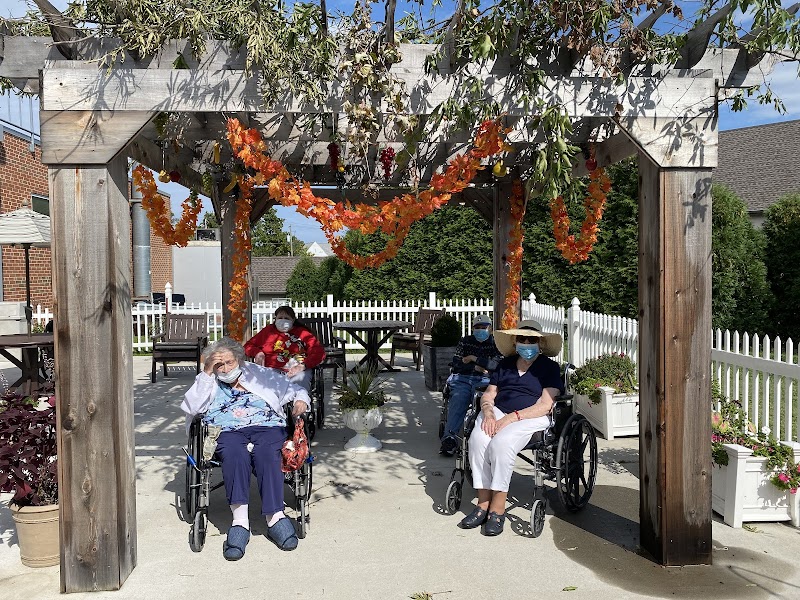
How is Kutz Rehabilitation And Nursing Staffed?

CMS rates KUTZ REHABILITATION AND NURSING's staffing level at 4 out of 5 stars, which is above average compared to other nursing homes. Staff turnover is 33%, compared to the Delaware average of 46%. This relatively stable workforce can support continuity of care.

What Have Inspectors Found at Kutz Rehabilitation And Nursing?

State health inspectors documented 59 deficiencies at KUTZ REHABILITATION AND NURSING during 2019 to 2025. These included: 4 that caused actual resident harm, 53 with potential for harm, and 2 minor or isolated issues. Deficiencies causing actual harm indicate documented cases where residents experienced negative health consequences.
Who Owns and Operates Kutz Rehabilitation And Nursing?

KUTZ REHABILITATION AND NURSING is owned by a non-profit organization. Non-profit facilities reinvest revenue into operations rather than distributing to shareholders. The facility operates independently rather than as part of a larger chain. With 90 certified beds and approximately 73 residents (about 81% occupancy), it is a smaller facility located in WILMINGTON, Delaware.
How Does Kutz Rehabilitation And Nursing Compare to Other Delaware Nursing Homes?

Compared to the 100 nursing homes in Delaware, KUTZ REHABILITATION AND NURSING's overall rating (1 stars) is below the state average of 3.3, staff turnover (33%) is significantly lower than the state average of 46%, and health inspection rating (1 stars) is much below the national benchmark.

What Should Families Ask When Visiting Kutz Rehabilitation And Nursing?

Based on this facility's data, families visiting should ask: "Can I visit during a mealtime to observe dining assistance and food quality?" "How do you handle medical emergencies, and what is your hospital transfer rate?" "Can I speak with family members of current residents about their experience?"

Is Kutz Rehabilitation And Nursing Safe?

Based on CMS inspection data, KUTZ REHABILITATION AND NURSING has documented safety concerns. The facility is currently on the Special Focus Facility watch list (a federal program monitoring the lowest-performing 1% of nursing homes nationwide). The facility has a 1-star overall rating and ranks #100 of 100 nursing homes in Delaware. Families considering this facility should ask detailed questions about what corrective actions have been taken since these incidents.

Do Nurses at Kutz Rehabilitation And Nursing Stick Around?

KUTZ REHABILITATION AND NURSING has a staff turnover rate of 33%, which is about average for Delaware nursing homes (state average: 46%). Moderate turnover is common in nursing homes, but families should still ask about staff tenure and how the facility maintains care continuity when employees leave.

Was Kutz Rehabilitation And Nursing Ever Fined?

KUTZ REHABILITATION AND NURSING has been fined $168,019 across 2 penalty actions. This is 4.8x the Delaware average of $34,759. Fines at this level are uncommon and typically indicate a pattern of serious deficiencies, repeated violations, or failure to correct problems promptly. CMS reserves penalties of this magnitude for facilities that pose significant, documented risk to resident health or safety. Families should request specific documentation of what issues led to these fines and what systemic changes have been implemented.

Is Kutz Rehabilitation And Nursing on Any Federal Watch List?

KUTZ REHABILITATION AND NURSING is currently an SFF Candidate, meaning CMS has identified it as potentially qualifying for the Special Focus Facility watch list. SFF Candidates have a history of serious deficiencies but haven't yet reached the threshold for full SFF designation. The facility is being monitored more closely — if problems continue, it may be added to the official watch list. Families should ask what the facility is doing to address the issues that led to this status.