PIKE CREEK NURSING & REHABILITATION CENTER
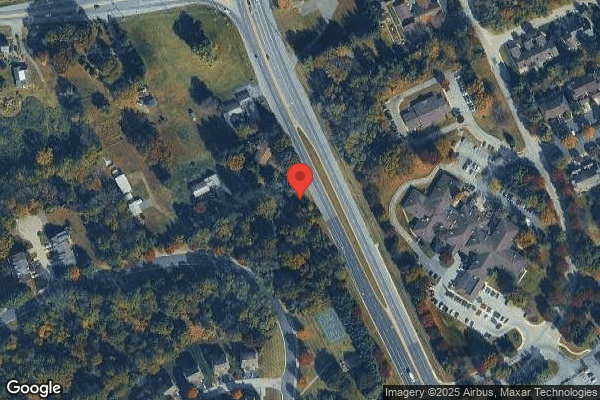
5651 LIMESTONE ROAD, WILMINGTON, DE 19808 (302) 239-8583
For profit - Individual 177 Beds LIFEWORKS REHAB Data: November 2025 3 Immediate Jeopardy citations
Trust Grade
0/100
#40 of 43 in DE
Last Inspection: September 2024

Within standard 12-15 month inspection cycle. Federal law requires annual inspections.

Overview

Pike Creek Nursing & Rehabilitation Center has received a Trust Grade of F, indicating poor performance and significant concerns regarding resident care. They rank #40 out of 43 facilities in Delaware, placing them in the bottom half of care options in the state, and #24 out of 25 in New Castle County, meaning there is only one local facility with a lower ranking. While the facility is showing signs of improvement, with a reduction in issues from 36 in 2024 to 4 in 2025, there are still alarming concerns, including $484,596 in fines, which is higher than 97% of Delaware facilities, suggesting ongoing compliance problems. Staffing is below average, with a rating of 2 out of 5 and a concerning turnover rate of 79%, significantly higher than the state average. Recent inspections revealed serious incidents, such as a nurse administering medications meant for another resident, which led to the affected resident being sent to the ICU, indicating a critical lack of staff competency. Another issue involved the facility not maintaining proper infection control practices after a COVID-19 outbreak, further raising concerns about the safety of residents. While there are some improvements in the facility's trend, families should weigh these serious weaknesses when considering care options.

Trust Score
F
0/100
In Delaware
#40/43
Bottom 7%
Safety Record
High Risk
Review needed
Inspections
Getting Better
36 → 4 violations
Staff Stability
⚠ Watch
79% turnover. Very high, 31 points above average. Constant new faces learning your loved one's needs.
Penalties
○ Average
$484,596 in fines. Higher than 50% of Delaware facilities. Some compliance issues.
Skilled Nurses
○ Average
Each resident gets 40 minutes of Registered Nurse (RN) attention daily — about average for Delaware. RNs are the most trained staff who monitor for health changes.
Violations
⚠ Watch
97 deficiencies on record. Higher than average. Multiple issues found across inspections.
★☆☆☆☆
1.0
Overall Rating
★★☆☆☆
2.0
Staff Levels
★★★☆☆
3.0
Care Quality
★☆☆☆☆
1.0
Inspection Score
Stable
2024: 36 issues
2025: 4 issues

The Good

  • Full Sprinkler Coverage · Fire safety systems throughout facility
  • No fines on record

Facility shows strength in fire safety.

The Bad

1-Star Overall Rating

Below Delaware average (3.3)

Significant quality concerns identified by CMS

Staff Turnover: 79%

33pts above Delaware avg (46%)

Frequent staff changes - ask about care continuity

Federal Fines: $484,596

Well above median ($33,413)

Significant penalties indicating serious issues

Chain: LIFEWORKS REHAB

Part of a multi-facility chain

Ask about local staffing decisions and management

Staff turnover is very high (79%)

31 points above Delaware average of 48%

The Ugly 97 deficiencies on record

3 life-threatening 3 actual harm
Aug 2025 4 deficiencies
CONCERN (D) 📢 Someone Reported This

A family member, employee, or ombudsman was alarmed enough to file a formal complaint

Potential for Harm - no one hurt, but risky conditions existed

Comprehensive Care Plan (Tag F0656)

Could have caused harm · This affected 1 resident

Based on record review and interview, it was determined that for two (R22, R153) out of 37 residents reviewed for care plans, the facility failed to develop a comprehensive person-centered care plan f...

Read full inspector narrative →
Based on record review and interview, it was determined that for two (R22, R153) out of 37 residents reviewed for care plans, the facility failed to develop a comprehensive person-centered care plan for each resident that addressed each resident's medical needs. Findings include:1. R22’s clinical record revealed: 7/8/25 - R22 was admitted to the facility with diagnoses that included, but were not limited to, a stroke, dysphagia and gastrostomy. 7/12/25 - R22 was care planned for at risk for complications related to the need for an enteral tube feeding. Review of the care plan lacked evidence of approaches for tube blockage and dislodgment. 8/13/25 8:00 AM - During an interview, E4 (ADON) was asked if R22's care plan approaches addressed potential complications of gastrostomy tube blockage and dislodgment. E4 reviewed R22's care plan and acknowledged that the care plan did not include these approaches. 2. R153’s clinical record revealed: 6/19/25 – R153 was admitted to the facility with diagnoses that included, but were not limited to, lupus and chronic pain. R153 had two care plans that addressed her pain, including:6/20/25 – Risk for pain related to recent hospitalization and recent fall at home; and 7/8/25 – OPIOIDS…at risk for complications. R153’s pain care plans lacked evidence of non-pharmacological interventions for pain management. 8/13/25 9:15 AM – During an interview, finding was reviewed with E3 (DON). No further information was provided to the surveyor prior to exit conference. 8/13/25 3:00 PM - Findings were reviewed during the exit conference with E1 (NHA), E2 (RDCS) and E3 (DON).
CONCERN (D) 📢 Someone Reported This

A family member, employee, or ombudsman was alarmed enough to file a formal complaint

Potential for Harm - no one hurt, but risky conditions existed

Quality of Care (Tag F0684)

Could have caused harm · This affected 1 resident

Based on observation, record review, and interview, it was determined that for two (R111 and R110) out of 37 residents sampled for investigation, the facility failed to ensure that residents received ...

Read full inspector narrative →
Based on observation, record review, and interview, it was determined that for two (R111 and R110) out of 37 residents sampled for investigation, the facility failed to ensure that residents received care and services in accordance with professional standards of practice, the comprehensive person centered care plan, and physician orders. For R111 the facility failed to implement discharge orders for vascular surgery follow up appointment for a surgical wound. For R110 the facility failed to collaborate with Hospice for the development, implementation, and revision of the coordinated plan of care for a resident receiving hospice services.1. R111's clinical record revealed: 7/7/25 – R111 was admitted to the facility with diagnoses including, but not limited to, an infection of the amputation stump on the left lower extremity. 7/7/25 – A review of R111’s discharge orders showed instructions to follow-up with Vascular Surgery Service within 2–7 days. 7/15/25 – A wound care progress note documented: “Left BKA site with increased depth and softening of eschar. No odor or warmth appreciated on exam. Recommending follow-up with vascular surgeon.” 7/22/25 – A wound care progress note documented: “Left BKA site with increased depth and softening of eschar. No odor or warmth appreciated on exam. Recommending follow-up with vascular surgeon. Unit manager attempted to facilitate an appointment last week.” 7/22/25 – Another wound care progress note stated: “Left BKA/stump site with increased depth and softening of eschar with new warmth and increased erythema (redness). Site includes medial (toward middle) and proximal (closer to body) wounds. Requesting patient be sent to ER for evaluation… Patient to be sent out (to the hospital).” 7/22/25 – A facility-reported incident documented: “Resident transferred to hospital this date related to increased redness of left below the knee amputation surgical site… on the 7/15/25 wound care provider visit when redness was initially assessed, a recommendation was made to schedule a visit with the vascular surgeon. E8 (unit clerk) was tasked with scheduling the appointment. As of 7/22/25, the appointment had not been scheduled and the surgical wound demonstrated further increased redness.” 8/12/25 – No documentation was found that E8 had attempted to schedule the vascular surgery follow-up appointment as ordered. 8/12/25 – Interview with E1 (NHA) confirmed the facility’s failure to schedule the vascular surgery follow-up appointment as per discharge orders. 2. R110's clinical record revealed: 7/11/25 – R110 admitted to the facility with diagnoses including, but not limited to, chronic obstructive pulmonary disease and chronic congestive heart failure. 8/1/25 – R110 was admitted into hospice services. 8/6/25 – A review of R110’s hospice care plan revealed a stated focus, “The resident is receiving hospice services and is not expected to improve in condition for diagnosis of CHF (Chronic Heart Failure).” The goal was documented as, “The resident’s care needs will be met, and they will be as comfortable as possible through review period.” The intervention listed was, “See Hospice plan of care.” 8/6/25 11:00 AM – An interview with E32 (LPN) confirmed that nursing staff can access the hospice care plan in the resident’s hospice binder. 8/6/25 11:24 AM – The surveyor requested R110’s hospice binder, which staff stated housed the hospice plan of care. The binder was not available at the nurse’s station. When the binder was located, it was empty and contained no hospice plan of care. 8/6/25 12:25 PM – During an interview, E10 (LSW) stated, “That is usually found in the hospice binder.” E10 and the surveyor reviewed the hospice binder together, but no care plan documents were found. E10 then stated, “We use our own facility care plan, which should include the hospice care plan.” A review of R110’s facility-generated comprehensive care plan revealed no evidence that the hospice plan of care had been incorporated into the resident’s care plan or that the facility collaborated with hospice staff to ensure the resident’s end-of-life needs and interventions were addressed. 8/6/25 12:40 PM – An interview with E3 (DON) confirmed the hospice plan of care was expected to be kept current and available in the hospice binder for staff reference. E3 stated, “The hospice nurses usually update the binder, and then we make changes as needed, but I see the binder is missing information, so that should have been addressed.” The facility’s failure to ensure the hospice plan of care was available and integrated into the comprehensive care plan resulted in staff not having access to up-to-date goals and interventions for R110’s hospice needs. 8/13/25 3:00 PM - Findings were reviewed during the exit conference with E1 (NHA), E2 (RDCS), and E3 (DON).
CONCERN (E) 📢 Someone Reported This

A family member, employee, or ombudsman was alarmed enough to file a formal complaint

Potential for Harm - no one hurt, but risky conditions existed

Resident Rights (Tag F0550)

Could have caused harm · This affected multiple residents

**NOTE- TERMS IN BRACKETS HAVE BEEN EDITED TO PROTECT CONFIDENTIALITY** Based on observation and interview, it was determined that the facility failed to promote resident dignity as evidenced by obser...

Read full inspector narrative →
**NOTE- TERMS IN BRACKETS HAVE BEEN EDITED TO PROTECT CONFIDENTIALITY** Based on observation and interview, it was determined that the facility failed to promote resident dignity as evidenced by observations during dining and entering resident rooms without permission. Findings include:1. Review of R7's clinical record revealed: 7/15/25 - R7 was readmitted to the facility with diagnoses including chronic respiratory failure and polyneuropathy. 7/15/25 - A quarterly MDS documented R7 as cognitively intact with a BIMS score of 15. 8/6/25 12:54 PM - R7's meal was served with a plastic aluminum sealed container of juice and a carton of milk. No cup or glass was observed on R7's meal tray. 8/7/25 8:59 AM - A breakfast meal tray was delivered to R7 with a plastic aluminum sealed container of juice and a carton of milk. No cup or glass was observed on R7's meal tray. 8/12/25 10:45 AM - During an interview, E5 (DOD) confirmed that residents are not given cups or glasses with meals. 8/13/25 12:34 PM - During an interview R7 stated, I don't like drinking from the plastic containers that everyone touches. I would like to have a cup to use. 2. 8/6/25 11:48 AM - Observation of the [NAME] Unit revealed that residents' meal trays lacked glasses or drinkware. Surveyor observed only plastic self-sealed juice cups where residents would have to pull back the aluminum cover to drink from it and paper milk cartons on the residents' meal trays. 3. Observations by the surveyor revealed the following: -8/5/25 10:09 AM - during an interview between a surveyor and an anonymous resident with the door closed, E12 (LPN) knocked, opened the door and entered the room without asking permission to enter the resident's room. -8/6/25 9:45 AM - observed a resident's call light triggered and E13 (LPN) knocked, entered room without asking permission to enter. -8/6/25 11:33 AM - observed E14 (HA) knock, state housekeeping and entered a room without asking permission to enter as a resident was currently in the room. -8/6/25 11:43 AM - observed E14 (HA) knock, state housekeeping and entered another room without asking permission to enter as a resident was currently in the room. -8/6/25 12:08 PM - observed E15 (CNA) respond to a triggered call light by walking into the room without knocking and asking permission to enter. -8/6/25 12:13 PM - observed E16 (HA) knock and walk into two residents' rooms in succession without asking permission to enter. -8/7/25 9:49 AM - observed E17 (contracted NP) walk into a resident's room without knocking and asking permission to enter. -8/7/25 10:20 AM - observed E18 (HA) knock, announce housekeeping and walk into a resident's room. 8/13/25 9:15 AM - During an interview, finding was reviewed with E3 (DON). Surveyor asked what is the expectation of staff before entering resident rooms, E3 stated that they should knock and ask permission before entering. 8/13/25 3:00 PM - Findings were reviewed during the exit conference with E1 (NHA), E2 (RDCS), E3, E4 (ADON) and representatives with the management company, MC1 and MC2.
MINOR (C) 📢 Someone Reported This

A family member, employee, or ombudsman was alarmed enough to file a formal complaint

Minor Issue - procedural, no safety impact

Staffing Information (Tag F0732)

Minor procedural issue · This affected most or all residents

Based on observation and interview, it was determined that for eight out of eight days on survey, the facility failed to post nurse staffing information on a daily basis that included, but was not lim...

Read full inspector narrative →
Based on observation and interview, it was determined that for eight out of eight days on survey, the facility failed to post nurse staffing information on a daily basis that included, but was not limited too, the resident census and the total number of hours worked by licensed and unlicensed nursing staff directly responsible for resident care per shift. Findings include:8/4/25 through 8/13/25 - Observation and review of the facility's daily nurse staffing posting lacked evidence of the resident daily census and the total number of hours worked by licensed and unlicensed nursing staff per shift. 8/13/2025 10:50 AM - During an interview, finding was reviewed with E1 (NHA). 8/13/25 at 3:00 PM - Finding was reviewed during the exit conference with E1, E2 (RDCS), E3 (DON), E4 (ADON) and representatives with the management company, MC1 and MC2.
Sept 2024 36 deficiencies 2 IJ
CRITICAL (J) 📢 Someone Reported This

A family member, employee, or ombudsman was alarmed enough to file a formal complaint

Immediate Jeopardy (IJ) - the most serious Medicare violation

Deficiency F0726 (Tag F0726)

Someone could have died · This affected 1 resident

Based on interview, review of clinical records including two incidents involving significant medication errors and other documentation as indicated, it was determined that for 29 out of 29 licensed nu...

Read full inspector narrative →
Based on interview, review of clinical records including two incidents involving significant medication errors and other documentation as indicated, it was determined that for 29 out of 29 licensed nurses reviewed, the facility failed to have a system/process in place to ensure each licensed nurse had competencies and skills sets necessary to care for current residents' needs. - On 7/6/24, E43 (RN) administered another resident's medications to R322, which resulted in a serious adverse outcome. R322 required emergent admission to the ICU for treatment and monitoring. The facility failed to ensure E43 had a medication administration competency and skill set validated during his orientation. In addition, the facility allowed R322 to continue to administer medications for 14.5 days after the 7/6/24 incident without evidence of a competency and skill set validation for medication administration. An Immediate Jeopardy (IJ) was called on 8/26/24 at 7:07 PM. The IJ was abated on 8/30/24 at 5:00 PM. - On 8/18/24, E55 (LPN) administered another resident's medications to R95. The facility lacked evidence of E55's competency and skill set validation for medication administration during her orientation. - For 24 out of 24 nurses scheduled to work from 3 PM on 8/26/24 through 3 PM on 8/27/24 plus three additional nurses (E56, E57 and E58), the facility lacked evidence of each nurses' competency and skill set validations necessary to care for current residents' needs. Findings include: The facility assessment, dated 7/2024, documented, . 1.1 The facility is licensed to care for 177 residents . 3.5 Staff training/ education and competencies. All staff members have a competency checklist upon hire that is completed during orientation to provide adequate care for our residents . Topics . Date Presented: Orientation & Annually, and as needed . The facility's form entitled Skills Validation Record for a Charge Nurse, last revised 5/2024, included the following sections: -General: job description, employee guide, required education, customer service, survey process, policies & procedures, QAPI, Residents' Rights, Safe smoking practices, Abuse; -Environment: facility tour, emergency eye wash stations, security practices, water shut off process, oxygen storage, call light system, phone/paging system, work orders, missing person process, emergency preparedness/red book review; -Infection Control: hand hygiene/glove usage; cleaning and disinfecting equipment; linen handling/appropriate bagging; transmission based precautions; PPE (donning/doffing); Vaccines; PPD/Screening; -OSHA: Bloodborne standard; Hepatitis B vaccine protocol; Regulated Medical Waste; Respiratory Protection Program (N95 fit test); Exposure Control (post exposure process); -Equipment: Glucometer; Coagucheck; Vital sign machine; CPAP/Bipap; Trach oxygen compressor; Oxygen concentrator/tanks; Nebulizer machine; Device(s) filter care; Suction machine; Mechanical lifts/scales; IV pump; Tube feeding pump; Wound vac; Air mattresses; Fall prevention devices; -Supervising CNAs: Observe hygiene; Shower schedule; Turning/repositioning; Documentation verification; Hydration; Snacks; Feeding assistance; Rounds; -Clinical Processes: Nursing chain of command; Central Supply; Medication room; Medication Pass Observation; Treatment Pass Observation; Refusal process; Behavior management; Restorative nursing; Restraints; Code status (DNR validation, advanced directives, etc.); Code blue; Dietary Processes and communications; Dialysis protocols (communication form, medication scheduled, documentation, etc.); Scheduling (appointments, procedures, transportation, etc.); Nursing documentation best practices (dos & donts sic); ADL documentation review; -Pharmacy Services: admission orders (cut off times, admission alert); Back up pharmacy; Omnicell review (narcotic code, adding new user); Narcotic processes (shift count, discontinued, ordering); OTC medication procedure (Medline); -PCC (PointClickCare) Clinical Documentation: Admissions/Readmissions; Risk Management; Allergies; Batch Orders; Dashboards; Discharges; Elopement; Emergency EMAR backup; Falls; Immunizations; Infection Control Dashboard; Labs and Radiology; Entering IV solution orders; Entering SSI orders; Order entry; Overview Clinical; POC documentation; Progress Notes; Receiving meds from Pharmacy and refills; Reports; Skin Assessments; Tasks; Weights and Vitals; -Clinical Skills Competencies: Intravenous catheters; Venipuncture; Enteral Feeding Tubes; Urinary Catheters (foley/suprapubic/straight/external); Ostomy; Respiratory Care; Tracheostomy; Wound Vac; JP Drain; and Center Specific Skills. 1. Cross refer F760, example 1 6/4/24 - E43 (RN) was hired by the facility. 7/6/24 at 3:40 PM - A nurse's note documented, Patient was given medications that were prescribed for another resident . 7/6/24 at 4:21 PM - The hospital record documented, . presents to the ED (emergency department) with hypoglycemia (low blood sugar) and hypotension (low blood pressure) after receiving the wrong medications at his rehab facility . will need an ICU admission for management . 7/11/24 - The facility submitted to the State Agency a five day follow up investigation and response to the 7/6/24 incident involving R322. In the follow up it stated that All licensed nurses were re-educated on the rights of medication administration and medication competencies were performed. Review of the facility's follow-up documentation provided to the Surveyor for the 7/6/24 incident revealed that re-education/competencies of all licensed facility nurses were incomplete. In addition, the facility lacked evidence that E43's skills/competency was validated after this incident. E43 continued to work in the facility for 14.5 days after the 7/6/24 medication error incident. 8/26/24 at 12:50 PM - During an interview, E48 reviewed the facility's form entitled Skills Validation Record for a Charge Nurse that was being used to validate each nurse's competency and skills set. E48 (Staff Educator) confirmed that she had no evidence of E43's competency and skill set. 8/26/24 at 7:07 PM (revised 9/5/24) - During a meeting with facility management, the Survey Team notified E1 (NHA), E2 (DON 1) and E59 (DON 2) of an Immediate Jeopardy for the failure to have evidence of E43's competency and skill set validation during his new hire orientation, as outlined in the facility assessment. 8/26/24 at 9:07 PM - E1 (NHA) submitted a signed, dated and timed written abatement plan to the State Agency. The facility's abatement included: - Licensed Nurses will be trained on the following competencies: enteral feeding tubes; respiratory care and oxygen equipment (to include CPAP and BiPAP); wounds/skin impairments; bladder scans; hemodialysis; urinary catheters; ostomy care; blood glucose monitoring. - The first staff members to be trained will be the Unit Managers, Shift Supervisors, and Staff Development Coordinator. Training will then be completed by Licensed Nurse Managers (DON, ADON, Unit Managers, Staff Development Coordinator) as well as Licensed Nurse Corporate Level Clinical Directors and will include return demonstration. Training will (sic) conducted on a daily basis until staff threshold met. - Licensed Nurses and Facility Manager will be educated on circumstances relating to Immediate Jeopardy tag. - Pending admissions will be evaluated based on needs to ensure staff working have required competencies completed to provide care. - Because the Center employs a high number of nurses and utilizes agency nurses when needed, education will be ongoing to ensure nurses are educated on the above competencies and the circumstances leading to this education. - 100% of Licensed Nurses will receive education with return demonstration by date of abatement . 8/30/24 at 5:00 PM - The IJ was abated based on interviews with licensed nursing staff and review of facility documentation of individual licensed nurses' competency and skill set education/validations of current residents' needs. 2. Cross refer F760, example 2 6/24/24 - E55 (LPN) was hired by the facility. The facility provided the Surveyor the following information on E55's schedule upon hire: -6/24/24 through 6/28/24, E55 was in classroom training; -7/3/24 through 7/15/24, E55 was trained on the floor; and -Starting 7/16/24, E55 was working on the floor by herself. 8/18/24 at 8:00 PM - The facility's incident report documented that R95 was administered R48's prescribed medications by E55 (LPN). 8/26/24 at 12:50 PM - During an interview, E48 (Staff Educator) stated that she took over the position of Staff Educator at the end of April 2024. E48 stated that nursing orientation includes the first week with classroom review/training, then orientation with another nurse on the floor for 5 to 8 days, based on the nurse's experience. When discussing the facility's Skills Validation Records for nursing staff, E48 stated that the forms were not being returned to her timely. In fact, E48 stated that E55's Skills Validation Record appeared on her desk recently. While reviewing E55's Skills Validation Record with the Surveyor, E48 confirmed that it was not completed correctly. E55's Skills Validation Record was signed off by E52, an agency RN, but never signed by E55 herself. E52 printed and signed her name, and utilized a down arrow for each section, but did not record the date that each skill was reviewed and validated. E52 signed and dated page 6 in the Supervisor's Signature section and dated 7/14/24. In response, the Surveyor requested to see E52's Skills Validation Record since she signed attesting that she validated E55's skills. E48 confirmed that the facility lacked evidence of E52's Skills Validation Record. Review of the facility's Employee Report revealed that E52's hire date was 10/31/23. The facility lacked evidence of E48 and E52's competency and skill set validation. 3. Review of 100 out of 165 current residents in the facility revealed the following nursing care needs, but were not limited to: -accucheck using a glucometer; -dialysis access sites: chest wall or AV fistula, care and assessment of bruit/thrill; -respiratory care (oxygen, nebulizer, CPAP, BiPAP, Aerobika, incentive spirometer, Acapella valve); -bladder scan; -urinary catheters: foley, straight catheter; -wound care; -enteral feeding: pH testing, checking placement, administering meds - G tube; -colostomy; -pacemaker; -urostomy, nephrostomy; and -Life Vest heart monitor. 8/26/24 at 3:50 PM - The Surveyor provided a list of the following scheduled nurses to facility management and requested each nurses' Skills Validation Record (Checklist): E9 (LPN), E16 (LPN), E18 (LPN), E36 (LPN), E38 (RN), E42 (LPN), E50 (LPN), E60 (RN), E61 (LPN), E62 (LPN), E63 (LPN), E64 (LPN), E65 (LPN), E66 (RN), E67 (RN), E68 (LPN), E69 (LPN), E70 (RN), E71 (LPN), E72 (LPN), E73 (LPN), E74 (LPN), E75 (LPN) and E76 (LPN). In response to the request, the facility was not able to provide the Surveyor with each nurse's most recent Skills Validation Record. The facility did provide some documentation on Relias web training completed by some nurses. 4. Review of E56's (LPN) training and competencies records indicated that the employee was hired 7/8/24. No completed nursing skills validation checklist could be located for E56. Review of E57's (Agency RN) training and competencies records indicated that the agency staff's first day in the facility 3/25/24. No completed nursing skills validation checklist could be located for E57. Review of E58's (Agency LPN) training and competencies records indicated that the agency staffs first day in the facility 6/24/24. No completed nursing skills validation checklist could be located for E58. 8/26/24 1:25 PM - During an interview, E48 (Staff Educator) stated that the staff were not retuning the skills checklist after their orientation period on the floor with their preceptors. E48 further confirmed that E56, E57 and E58 did not have the nursing skills validation checklist on their training files. The facility failed to ensure that the required nursing skills validation checklist was completed for 29 out of 29 nursing staff reviewed 8/26/24 2:33 PM - Findings were discussed with E1 (NHA). 8/27/24 2:52 PM - Findings were reviewed with E1 (NHA), E2 (DON) and E10 (VPO).
CRITICAL (J) 📢 Someone Reported This

A family member, employee, or ombudsman was alarmed enough to file a formal complaint

Immediate Jeopardy (IJ) - the most serious Medicare violation

Deficiency F0760 (Tag F0760)

Someone could have died · This affected 1 resident

**NOTE- TERMS IN BRACKETS HAVE BEEN EDITED TO PROTECT CONFIDENTIALITY** Based on observation, interview, review of clinical records and other documentation as indicated, it was determined that for one...

Read full inspector narrative →
**NOTE- TERMS IN BRACKETS HAVE BEEN EDITED TO PROTECT CONFIDENTIALITY** Based on observation, interview, review of clinical records and other documentation as indicated, it was determined that for one (R322) out of three residents reviewed for hospitalizations and three (R22, R33 and R95) out of nine residents reviewed for medication administration, the facility failed to ensure that residents were free of significant medication errors. On [DATE], R322 was administered R144's prescribed medications. As a result, R322 was emergently sent to the hospital requiring treatment and monitoring in the Intensive Care Unit (ICU). The facility's multiple failures involved in this incident had the potential to cause a serious adverse outcome or death to R322 with respect to receiving another resident's multiple blood pressure medications and diabetic medications. Due to the failures, an Immediate Jeopardy (IJ) was called on [DATE] at 2:08 PM. The IJ was abated on [DATE] at 11:59 PM. On [DATE], R95 was administered R48's prescribed medications. R95 remained in the facility and was monitored for adverse effects. For R22 and R33, the facility failed to ensure that each resident received their meals within 15 minutes of the administration of short acting insulin. Findings include: The facility's pharmacy policy and procedure entitled, #8.2 General Guidelines for Medication Administration, last revised 08-2020, stated the following: . Medications are administered as prescribed in accordance with good nursing principles and practices . Procedures: . I. Preparation . 4. At a minimum, the 5 Rights - right resident, right drug, right dose, right route, and right time - should be applied to all medication administration and reviewed at three steps in the process of preparation: (1) when medication is selected, (2) when the dose is removed from the container, and (3) after the dose is prepared and the medication is put away . II. Administration . 4. When medications are administered by mobile cart taken to the resident's location ., medications are administered at the time they are prepared . 6. Medications are administered without unnecessary interruptions . 8. Residents are identified before medication is administered using one method of identification. Methods of identification may include but not limited to: a. Checking the photograph attached to the medical record. b. Calling the resident by name (except in residents with cognitive impairment). c. Having the resident verify his/her last name. d. If necessary, verifying resident identification with other facility personnel . 12. Medications are administered within 60 minutes of the scheduled administration time, except before, with, or after meal orders, which are administered based on mealtimes. Unless otherwise specified by a prescriber, routine medications are administered according to the established medication administration schedule for the facility . IV. Documentation (including electronic) 1. The individual who administers the medication dose records the administration on the resident's MAR directly after the medication is given . 1. Cross refer F726, example 2 Review of R144 and R322's clinical records revealed: For R144: [DATE] - R144 was admitted to the facility in room XXXX. [DATE], [DATE] and [DATE] - Review of the [DATE] eMAR, E43 (RN) administered R144's medications scheduled at 8:00 AM. R144 was scheduled to receive the following 13 medications on [DATE] at 8:00 AM: - Losartan Potassium 100 mg, 1 tablet, for hypertension (high blood pressure); - Coreg 12.5 mg, 1 tablet, for hypertension; - Hydralazine 50 mg, 1 tablet, for hypertension; - Spironolactone 25 mg, 1 tablet, for hypertension; - Metformin 1000 mg, 1 tablet, for diabetes mellitis (high blood sugar); - Glipizide 5 mg, 1 tablet, for diabetes mellitis; - Aspirin 81 mg, 1 tablet, for CVA (stroke) and heart health; - Sucralfate 1 gm, 1 tablet before meals scheduled at 7:30 AM, for stomach ulcer; - Omeprazole 40 mg, 1 capsule, for gerd (stomach acid flows back into the esophagus); - Tylenol 325 mg, 3 tablets, for pain; - Miralax powder, 1 scoop mix in water or juice, for constipation; - Senna 8.6 mg, 2 tablets, for constipation; - Symproic 0.2 mg, 1 tablet, for constipation; - FiberCon 625 mg, 2 tablets, for constipation. For R322: [DATE] - R322 was admitted to the facility for short-term rehabilitation with diagnoses, including but not limited to, pneumonia, chronic respiratory failure, pulmonary fibrosis (lung disease when lung tissue becomes damaged and scarred), chronic obstructive pulmonary disease (chronic inflammatory lung disease) and dependent on supplemental oxygen. R322's room was YYYY, which was located on a different hallway from R144. [DATE] - Review of the [DATE] eMAR, E43 (RN) administered R322's medications scheduled at 8:00 AM. [DATE] at 3:40 PM - A nurse's note by E44 (House Supervisor) documented, Patient was given medications that were prescribed for another resident. Patient was assessed; found to have an irregular pulse and low blood pressure. NP (Nurse Practitioner) and responsible party notify. Received order to send patient to ER (emergency room) for evaluation. [DATE] at 4:00 PM - A transfer to hospital summary note by E43 (RN) documented, Patient received medications scheduled for patient [R144] . Patient unremarkable in appearance, denies pain, symptoms, vitals 88/58 BP (blood pressure), HR (heart rate) 94, pulse ox 98% on baseline 4L (liters), skin warm, pink, no signs of distress, patient states 'I feel fine' 'I don't want to go to [name of hospital]'. Supervisor contacted, On-call MD (Medical Doctor) and RN contacted, ADON contacted, patient, [name of F3, family member] . contacted, EMS (Emergency Medical Services) summoned to take patient to [name] ER. [DATE] at 4:21 PM - The hospital record documented the following: . presents to the ED (emergency department) with hypoglycemia (low blood sugar) and hypotension (low blood pressure) after receiving the wrong medications at his rehab facility . EMS was activated. Upon EMS arrival, patient was found to be hypoglycemic in the 50s and oral glucose was given. Upon arrival here in the ED, patient was found to be hypotensive and hypoglycemic . likely secondary to the diabetic medications and antihypertensives he was given. Patient does not have a history of diabetes and is no longer on antihypertensives due to being hypotensive at baseline. Given that the patient was given glipizide (diabetic medication), he will most likely have persistent drops in his glucose. He will likely require repeated boluses (large doses) of D50 (dextrose sugar in water solution) and may still need to be started on a dextrose (sugar) drip. Ultimately, patient will require frequent glucose (sugar) checks and will need an ICU admission for management . [DATE] at 4:45 PM - Two days later, the facility reported the [DATE] incident to the State Agency as Resident [name of R322] . received another resident's medications . Resident became hypotensive and was transferred to hospital for evaluation. Investigation in progress. All licensed nurses to be educated on medication administration. The facility's investigation included the following statements: -E43's (RN) written statement included: . date of incident: [DATE]; time of incident: 14:00 (2:00 PM); I passed medications, realized error, alerted MD and Supervisor . Name(s) of staff member(s) involved: [name of E43 (RN)], E44 (House Supervisor) . Please identify any statements made by resident: 'I feel fine.' Identify all people you spoke with regarding the incident and describe what was said (ie staff, family of resident, etc.): on call Dr (doctor) . [name of E44], EMS, pt (patient), [title of F3, family member], [title of F4, family member]. Identify any documentation you completed related to the incident: Incident . Please provide any additional information: n/a (not applicable). Date the statement completed: (incorrect date). Time statement completed: 1101 (11:01 AM). -E45's (COTA) written statement (undated/untimed) included: . Around 12:30 PM this writer went to attempt to perform OT (occupational therapy) services with resident. [Title of F3] present. Resident stated 'no' and 'I don't want to' multiple times so this writer came back around 2:00 PM to attempt again. Upon returning to room, this writer was informed by resident's [title of F3] that at around 12:00 PM this day, patient was given another resident's dose of medication. The resident stated 'I feel fine.' At this time, nurse was on phone with family member [title of F4] and the charge nurse had come into room. Vitals were taken on resident by nurse and charge nurse made the decision to send the resident to the hospital. Resident continued to say 'I feel fine, I don't want to go to hospital.' This writer and resident's [title of F3] explained the situation in full to resident and he agreed to go. This writer assisted resident in putting on pants, socks, and shoes prior to ambulance getting to facility. This writer assisted resident in sitting up at the edge of the bed and when paramedics arrived, assisted in transfer to stretcher . Resident didn't say anymore, however [title of F3] was upset about incident . [DATE] (date initiated) - The facility's Performance Improvement Plan documented that E43 (RN) had a review of his job performance which indicated a need to improve on Medication Administration. This document was signed and dated . by both E43 (RN) and E3 (ADON). [DATE] - The facility's Employee Corrective Action documented, On [DATE] [name of E43, RN] administered Patient . medications to Patient . resulting in Patient . requiring hospitalization . [name of E43] is being suspended pending investigation. This document was signed and dated [DATE] by E43 (RN), E3 (ADON) and E1 (NHA). [DATE] at 4:38 PM - R322's hospital discharge summary documented, . Patient had blood pressure as low as 69/55 . Patient had point-of-care glucose of 50 requiring ampules (sealed glass vessel holding solution to be injected) of D50. In the emergency department patient was started on norepinephrine infusion (intravenous infusion to raise blood pressure in patients with severe, acute hypotension). The patient was admitted to the ICU for shock (critical medical condition) related to iatrogenic (illness caused by treatment) antihypertensive medication, hypoglycemia (low blood sugar) related to glipizide (diabetic medication) ingestion. He was treated supportively with vasopressors (medications that increase blood pressure in emergency situations), fluids, and stress dose steroids (medication that aids in preventing complications) for his hypotension and shock. For his hypoglycemia, he was given dextrose infusions and ampules as needed. He was also started on octreotride drip (infusion medication to inhibit insulin release from the pancreas) for his sulfonylurea overdose (prolonged low blood sugar). With these interventions, his sugars normalized, and he was weaned off vasopressors by the morning of 7/07. Stress dose steroids have also been discontinued . Patient is now maintaining his blood pressure and blood sugar without supportive medications . [DATE] - The facility submitted the following five day follow-up investigation to the State Agency: -root cause analysis: . Failure to dual identify the resident prior to medication administration resulted in the error. The resident's picture was not available in PointClickCare (PCC/electronic medical record) at the time of the error. -result of investigation: Staff member acknowledges medication error, stating 'I don't remember, in my head I thought I knew who the patient was. We don't bring the laptop in the room. I knew . who was in the room and who he was, but I had them confused, it turned out. On the MAR they were side by side, and I think I just read the first two letters . and got them confused . You stated his family was there, did you check with them on his name? No I didn't. To me, there was no question. I'd done that group of patients before. I just went too fast. I didn't check enough of my fail-safes. What fail-safes should you have checked? I could have verbally asked. To me, it was just a simple mistake on my part. At what point did you realize you had given the medications to the wrong resident? And how? I think it was about an hour from then, when I went to pass the medications to the second gentlemen (sic) and realized I had confused them before because the medications were different. All licensed nurses were reeducated on the rights of medication administration and medication competencies were performed. 100% audit was completed to confirm all residents have a picture in PCC or a bracelet ID (identification). Resident condition is unknown at this time as he did not return to the facility. -system changes: Resident's are to be issued name bracelets until photos are uploaded into PCC. Review of the facility's education after this incident by the Surveyor revealed that all licensed nurses were not educated nor competencies performed on medication administration. [DATE] at 11:58 AM - During an interview, E44 (House Supervisor) stated that she was completing a new admission on the second floor when E43 (RN) came up to ask her how to complete a medication occurrence. E44 stated that she explained the process and the nurse seemed very nonchalant (appearing relaxed and calm). E44 stated that she stopped working on the new admission because she thought she needed to follow-up on exactly what happened. E44 stated that when she arrived on the first floor, E43 was on the phone talking to the NP on-call and family. E44 stated that he [E43] told me at almost 2 PM. E44 stated that she reviewed the medications that were given which included 3 medications for blood pressure. E44 stated that she assessed the resident - blood pressure was low, heart rate irregular, resident has to go out. E44 stated that she called the doctor and received an order to send the resident out to the ER. [DATE] at 12:15 PM - On this date/time, the Surveyor placed a call and left a voicemail for E43 (RN) to return the call. As of [DATE] at 3:30 PM, no return call was received by the Surveyor. [DATE] at 9:44 AM - During an interview, E45 (COTA) stated that she entered the resident's room earlier on [DATE] and R322 declined therapy. E45 stated that when she went back to R322's room, she was present when the nurse, E43, came in and told the resident, with [F3, family member] present, that he gave him someone else's medications. The [title of F3] was upset and immediately called [title of F4] and [title of F4] was asking the nurse what medications were given. E45 stated that she was there when the charge nurse came in and said he was going to the ER. E45 stated that she assisted the resident with putting on his pants. While the facility documented the root cause analysis as R322's picture was not uploaded to PCC as an identifier, the facility failed to identify and address the following additional issues in their investigation: - identify the exact time E43 (RN) administered the wrong medications to R322. It was unclear in the facility's investigation exactly what time R322 was administered the wrong medications that were scheduled for 8:00 AM. Per E45's (COTA) written statement, [title of F3] told her that around 12 PM the resident was given another resident's dose of medications, four hours after the scheduled time. -failed to immediately suspend and/or remove E43 (RN) from administering medications to residents pending the facility's investigation. E43 continued to administer medications on [DATE] entire day shift, and on [DATE] morning day shift then was interviewed and suspended. E43 administered morning medications on [DATE] to R144. -failed to immediately report the significant medication error requiring emergent care to the State Agency within 8 hours, per State requirement. -failed to provide the Surveyor, as requested, with evidence of E43's (RN) education and medication competency before returning to work on [DATE], [DATE], [DATE], [DATE], [DATE], [DATE], [DATE], [DATE], [DATE], [DATE], [DATE], [DATE], [DATE]. -failed to perform an audit of the other resident's on E43's assignment on [DATE] for any medication errors, which included timeliness of administration, and document in the facility's investigation. [DATE] at approximately 11:30 AM - During a combined interview with E1 (NHA), E2 (DON), E3 (ADON) and E10 (VPO) to discuss R322's incident, the Surveyor asked about the education and competency of E43 (RN) as it was not included in the documentation provided. E3 (ADON) stated that it was included and immediately reviewed the red folder with the documentation that provided to the Surveyor. E3 (ADON) confirmed it was not there. No further documentation was provided to the Surveyor. The Surveyor also asked about E43's current status in the facility. E1 (NHA) stated that E43 resigned about two weeks ago. No reason provided. [DATE] at 9:40 AM - During a follow-up interview, E44 (House Supervisor) confirmed that she notified E36 (UM/on call nurse) and E3 (ADON) on [DATE] between 2 PM - 4 PM of the medication error and transfer to hospital. [DATE] at 12:12 PM - During an interview, F4 (R322's family member) stated that F3 (R322's family member) called me and told me that R322 received the wrong medications. F4 stated that [F3] left the facility to go get ice cream and came back and all hell broke loose. F4 stated that the nurse (E43, RN) reviewed all of the medications and what they were for over the phone and he said Oh we are going to monitor his vitals. He seemed calm and said - all well this happens. He was really rude. F4 said, He could have died. And he was a DNR (do not resuscitate) and if he died we would never have known. [DATE] at 2:18 PM - During an interview, F3 (R322's family member) stated that she kept notes and reviewed them with the Surveyor. F3 stated she arrived at the facility at 10:40 AM and R322 was very alert. F3 stated that F3 stated that he had not been eating a lot. F3 stated that around 12:05 PM, the nurse [E43] brought him his meds and I asked the nurse what medications are being given. [E43] replied just the normal daily and Tylenol. F3 stated that the nurse confirmed that he didn't have narcotics and that he knew that [F4] did not want the resident to have any narcotics. At 12:15 PM, lunch was served and [R322] started to ignore me and did not want to eat. E45 (COTA) came in and [R322] was out of it as he didn't want to eat or do anything. At 12:20 PM, [R322] put his bed back. At 12:30 PM, I texted [another family member] that I think they gave him something because he was out of it. At 12:48 PM and 12:50 PM, [R322] kept taking off his nasal cannula off his nose. [R322] slept for little while and woke up at 1:45 PM and asked for ice cream. F3 said that I thought I would give him anything he would eat. F3 said she went to the grocery store at 1:45 PM and returned at 2:15 PM. The supervising nurse told me that they had given [R322] the wrong medications. I called [F4]. E45 (COTA) came back and I told her what happened. F3 stated that the supervising nurse checked vital signs, notified the doctor and called 911. The other nurse [E43] was on the phone with [F4] because [F4] wanted to know what medications were given. F3 stated that R322 ate some ice cream and said he was fine. F3 stated that the EMTs asked if the resident was a DNR and I knew he was a DNR. F3 stated that the nurse [E43] seemed very calm and it didn't seem like a big deal as he kept asking the resident, How are you buddy? [DATE] at 2:08 PM - During a meeting with facility management, the Survey Team notified E1 (NHA), E2 (DON) and E59 (incoming DON) of an Immediate Jeopardy for R322's significant medication error that occurred on [DATE]. [DATE] at 7:12 PM - E1 (NHA) submitted a signed, dated and timed written abatement plan to the State Agency. The facility's abatement included: -Licensed nurses will be assigned education Avoiding Common Medication Errors on Relias platform to complete in a proctored group setting at the Center or individually independently if not on schedule . Those completing it individually and independently will be educated once they are scheduled by a nurse manager on the specifics of the reasons/need for the education. Licensed nurses will complete this education and pass the final exam associated with it. Licensed nurses will complete a return demonstration of the education with a Nurse Manager utilizing a real-life medication administration for one resident. The nurse will be required to demonstrate review of the Rights of Medication Administration prior to administering the medication and passing the return-demonstration. -Administration team was notified of incident on [DATE] @ (at) 5:00 p.m. to be aware of the situation as leaders of the Facility. -Each resident's picture is uploaded into PCC unless refused, and those that refuse have all agreed to wear a wrist identification band. As of [DATE] all photos are up to date and complete for all residents admitted within the last 24 hours. -At time of education, Nurses will be educated on timely reporting of errors to supervisors and physicians . Date of abatement [DATE] @ 11:59 p.m. [DATE] at 10:35 AM - During an interview, E36 (UM/on call nurse) stated that she was on the phone with E44 (House Supervisor) regarding another issue when she was told about R322's medication error. E36 stated that E44 was still upstairs and did not know the details about the med error yet. E36 stated that she found out later that day that R322 was sent to the hospital. E36 confirmed that she called E3 (ADON) on [DATE] regarding the medication error. [DATE] at 2:08 PM - During an interview, E2 (DON) stated that E34 (HR) was the Manager on Duty (MOD) on [DATE]. E2 confirmed that MOD's do not report any incidents to the State Agency, only the DON and ADON. E2 confirmed E3 (ADON) was back up as she was off that weekend. Based on record review of the facility's abatement plan which included nursing staff education, testing, signed attestation and observation of medication administration, follow-up interviews with nursing staff, review of new admissions records for pictures or identification bracelets and no further medication error incidents, the facility's IJ was abated on [DATE] at 11:59 PM. 2. Cross refer to F726, example 3 Review of R48 and R95's clinical records revealed: For R48: [DATE] - R48's census record documented her room and bed as XXX, B bed. [DATE] - R48's [DATE] eMAR revealed the following scheduled medications: - Ambien 5 MG, one tablet, for insomnia at 8 PM; - Tramadol 25 MG, one tablet, for pain at 8 PM; and - Xanax 0.5 MG, one tablet, for anxiety disorder at 9 PM. E55 (LPN) signed off the above medications as administered on the eMAR. In addition, E55 documented in the medication cart's controlled substance tracking book that the above three medications were signed out by E55 between 7:05 PM through 7:10 PM. For R95: [DATE] - R95's census record documented her room and bed as XXX, A bed. [DATE] - The quarterly MDS assessment documented that R95 had a BIMS of 7 (cognitive impairment). [DATE] at 8:00 PM - The facility's incident report documented, [Name of R95] received medications that were for her roommate: Tramadol 25 mg, Alprazolam 0.5 mg and Ambien 5 mg. Patient unable to give description. [DATE] at 9:37 PM - The facility reported the medication error to the State Agency and stated that New orders to monitor vitals and neuro checks. Nurse has been suspended pending investigation. [DATE] (untimed) - A documented telephone interview between E2 (DON) and E55 (LPN) revealed: Tell me about when you were giving medications in room XXX at about 7:00 pm. I confirmed correct name and dosage to computer for the medications for [name of R48]. I took out the 3 meds, Tramadol, Ambien and Alprazolam. Why did you take only the 3 out and not her other scheduled medications? I was going to get the others, but I got sidetracked by the conversation at the nurse's station. Why didn't you also pull out the other scheduled 8:00 pm medications? I like to get the narcotics out and sign them out of the book. I usually get the narcotics then the other meds, but I walked away and when I came back I did not get the other meds out. My relief was there, and they were talking at the nurse's station, and I wanted to confirm with her (nurse relieving) that she was ready to report over, so I could start my documentation. I was up there for a while because I did not want to interrupt anyone's conversation. After I talked to her, I got the medications off the cart and I went into the room to the wrong patient, I got completely sidetracked. Was the nurse relieving you at the nurse's station? Yes, I was pretty sure it was, I wanted to confirm with her. There were other staff up there, I am not sure who everyone is (sic). I had a lot going on, the patient next door had some redness on her foot up to her thigh, her foot and ankle were swollen, I had a lot of stuff going on in my head. I went back to nursing cart, I already had the medication out in a cup, (Tramadol, Ambien, and Alprazolam) it was already prepared and I went to room XXX: (sic) I mistakenly went to the wrong bed, I realized when I went to chart, I gave the meds to A bed. [name of R95] How did you identify the patient when you went into the room? I looked at her and said I had her medications; I did not ask her name. Did you look at her picture in PCC? I looked at the picture and I was in the right room. When I went back from the nurse's station to get the medication off the cart I went to the wrong bed. Were you in the room prior to this time, did either of these residents get medication on the first med pass? Yes, I believe they got the medications that were due around 4:00 p.m. (review of the MAR determined that each resident did receive 4:00 pm medications that were signed out appropriately). 7:30 came and I started on the 8:00 o'clock meds. Did you identify those patients in the room? There was no distraction going on so I as (sic) able to focus. Do you remember how you identified the patients the first time you were in the (sic) there to give medications at 4:00 pm? Yes, I asked their names and I identified them by their picture. How did you ask them their name? I said, 'Hey [name of R95], or [name of R48]', before giving each of them their medications, they said yes that's me or they said yes. What time did you give the medications? It was about 7:30 when I gave the medication. It took about 20 minutes to give report then I went to do my documentation, then I realized I made a mistake, I told the nurse who took over, I got a hold of E60 (RN Supervisor) then E36 (UM/on call nurse) and then [name of E36] called [E2] (Director of Nursing). I came out of the room to give nurse, [name of E44], report at the cart, report and narcotic count were completed. Sat down at the computer to chart medication, I looked and saw the room number I realized it was XXXB bed's meds that I gave to XXXA. I immediately contacted nursing supervisor DON- nurse on call - and the NP. NP gave orders for vitals and neuro checks, and alert charting. [Title and name of R95's resident representative] was contacted 3x to no avail. A voicemail left with call back for contacting. Undated/untimed - A documented telephone interview between E2 (DON) and E44 (on-coming Nurse) revealed: I relieved the nurse for the patient. She realized her mistake and told me; the supervisor was told. We checked the patient, and she was fine. Everyone was notified. The patient was monitored when I was there, she was fine. [DATE] - The facility submitted a five day follow up to the State Agency, which included: - Root cause analysis: The nurse did not follow proper procedure for medication administration causing the medication error. - Result of Investigation: . the resident remained at the facility, vitals and neuro checks remained stable and there were no adverse outcomes in the patient's condition. The nurse had received the 10 rights of medication administration education during the new hire orientation which took place between [DATE] and [DATE]. The nurse remained suspended pending investigation. She will be returned to the facility after education, coaching/counseling and a medication pass observation has been completed . The other resident's medication administration records on the nurse's assignment were reviewed with no discrepancies noted, alert and oriented residents on the nurses' assignment were interviewed and asked if they had any issues with their medications given on 3-11 (PM) shift on [DATE] and there were no issues. [DATE] at 9:40 AM - During an interview, E44 (on-coming nurse) confirmed that she worked 7 PM to 11 PM on [DATE]. E44 stated that she relieved E55 (LPN) and was made aware of the medication error as E55 immediately self-reported and was upset about it. E44 stated that she was familiar with the resident and monitored R95 closely. E44 stated that the resident did not have a negative outcome. [DATE] at 12:35 PM - Observation of R95 in her room revealed that she was alert and was able to tell this Surveyor her name when asked. The facility failed to ensure R95 remained free of significant medication error. 3. Review of R22's clinical records revealed: [DATE] - R22 was admitted to the facility with diagnoses including diabetes and heart disease. [DATE] - R22's care plans documented, The resident is at risk for complications and blood glucose due to diagnosis of diabetes .and insulin use. [DATE] - R22's quarterly MDS assessment documented a BIMS score of 15 (indicating sufficient judgement to manage every day events.) [DATE] - R22's Medication Administration Record (MAR) documented, Humalog Kwik Pen-injector 100 Unit/ML (fast acting insulin), inject per sliding scale before meals - if 0 - 100 = No insulin; 101 - 150 = 2 units insulin; 151 - 200 = 4 units insulin; 201 - 250 = 6 units insulin; 251 - 300 = 8 units insulin. Humalog Kwik Pen manufacturer ([NAME] Lilly and Company, [DATE]) instructions, Take (insulin) within 15 minutes before or right after a meal. [DATE] 7:30 AM - R22's MAR documented a blood glucose of 124 and received two (2) units of fast acting insulin. R22 was observed receiving a meal tray at 9:45 AM (2 hours and 30 minutes later.) [DATE] 11:30 AM - R22's MAR documented a blood glucose of 224 and received six (6) units of fast acting insulin. R22 was observed receiving a meal tray at 1:45 PM (2 hours and 45 minutes later.) [DATE] 7:30 AM - R22's MAR documented a blood glucose of 295 and received 8 (eight) units of fast acting insulin. R22 was observed receiving a meal tray at 9:45 AM (2 hours and 30 minutes later.) During an interview, R22 stated, I usually get my insulin when they (nurses) check my blood sugar. [DATE] 10:00 AM - During an interview E42 (LPN) stated, I gave the residents their insulin when I checked their blood sugars. 4. Review of R33's clinical records revealed: [DATE] - R33 was admitted to the facility with diagnoses including diabetes and long -term use of insulin. [DATE] - R33's MAR documented, Humalog Kwik Pen 100 Unit/ML (fast acting insulin) inject as per sliding scale before meals: 101 - 150 = 2units; 151 - 200 = 4units; 201 - 250 = 6units; 251 - 300 = 8units; 301 - 350 = 10units; 351 - 400 = 12units [DATE] - R33's care plan documented, .At risk for complications and blood glucose fluctuations related to diagnosis of diabetes mellitus with insulin use .administer insulin as ordered. [DATE] - R33's annual MDS assessment documented a BIMS score of 15 (indicating sufficient judgement to manage every day e[TRUNCATED]
CONCERN (D)

Potential for Harm - no one hurt, but risky conditions existed

Resident Rights (Tag F0550)

Could have caused harm · This affected 1 resident

Based on observation, interview, and record review, it was determined that for one (R422) out of two residents reviewed for dignity, the facility failed to ensure that the urinary collection container...

Read full inspector narrative →
Based on observation, interview, and record review, it was determined that for one (R422) out of two residents reviewed for dignity, the facility failed to ensure that the urinary collection container was placed in a privacy bag. Findings include: Review of R422's clinical records revealed: 1/14/24 - R422 was admitted to the facility with diagnoses including obstructive uropathy and bladder dysfunction. 1/30/24 - R422 clinical records included, Catheter care every shift, and as needed. 6/26/24 - R422's quarterly MDS assessment documented a BIMS score of 00, indicating severe cognitive impairment. R422 required total assistance from staff with all activities of daily living. 7/16/24 - R422's care plan included, Maintain catheter privacy bag. 7/30/24 9:10 AM - R422 was observed lying in his bed, an uncovered/undated urinary collection bag was visably observed from the door on the floor on the right side of the bed. 7/30/24 10:15 AM - R422 was observed lying in his bed, an uncovered/undated urinary collection bag was visibly observed from the door on the floor on the right side of the bed. 7/30/24 12:15 PM - R422 was observed lying in his bed, an uncovered/undated urinary collection bag was visibly observed from the door on the floor on the right side of the bed. 7/30/24 12:30 PM - A review of R422's clinical records lacked evidence of documentation of a privacy bag. 7/30/34 12:45 PM - Findings were confirmed with E2 (DON). The facility failed to maintain R422's privacy and dignity by ensuring that the urinary collection container was placed in a privacy bag. 8/12/24 2:15 PM - Findings were reviewed with E1 (NHA), E2 (DON), E3 (ADON), E10 (VPO) and a State of DE Ombudsman (via telephone).
CONCERN (D) 📢 Someone Reported This

A family member, employee, or ombudsman was alarmed enough to file a formal complaint

Potential for Harm - no one hurt, but risky conditions existed

Deficiency F0552 (Tag F0552)

Could have caused harm · This affected 1 resident

Based on interview, record review and review of facility documentation as indicated, it was determined that for one (R324) out of four residents reviewed for falls, the facility failed to inform R324'...

Read full inspector narrative →
Based on interview, record review and review of facility documentation as indicated, it was determined that for one (R324) out of four residents reviewed for falls, the facility failed to inform R324's representative/POA (Power of Attorney) of a fall. Findings include: Cross refer to F689, example 1 R324's clinical record revealed: 6/22/24 at 6:00 AM - The facility's incident report lacked evidence that F7 (R324's representative/POA) was notified of the fall. 7/6/24 - The facility's investigation of the 6/22/24 incident revealed a documented telephone statement from E43 (RN) that included, . Her [F7, representative/POA] was super involved every day. 7/31/24 at 7:30 PM - During an interview, F7 (R324's representative/POA) stated that R324 called him around 8:00 AM on 6/22/24 and told him that she fell during a transfer. F7 stated that the facility never informed him about the fall. 8/6/24 at 12:25 PM - During an interview, E52 (RN/House Supervisor) stated that E43 (RN), the assigned nurse, was to notify the doctor and the family of the incident. E52 stated that she did not know if the family member was notified. 8/12/24 at 2:15 PM - Findings were reviewed with E1 (NHA), E2 (DON), E3 (ADON), E10 (VPO) and a State of DE Ombudsman (via telephone).
CONCERN (D) 📢 Someone Reported This

A family member, employee, or ombudsman was alarmed enough to file a formal complaint

Potential for Harm - no one hurt, but risky conditions existed

Notification of Changes (Tag F0580)

Could have caused harm · This affected 1 resident

Based on interview, record review and review of facility documentation as indicated, it was determined that for one (R340) out of two residents reviewed for death, the facility failed to consult with ...

Read full inspector narrative →
Based on interview, record review and review of facility documentation as indicated, it was determined that for one (R340) out of two residents reviewed for death, the facility failed to consult with R340's physician of her repeated refusals of two medications. Findings include: R340's clinical record revealed: 7/24/24 - R340 was admitted to the facility with diagnoses that included, but were not limited to, chronic obstructive pulmonary disease (COPD/inflammatory lung disease), asthma and acute and chronic respiratory failure with hypoxia (insufficient oxygen in the blood). 7/24/24 - A physician ordered Breo Ellipta inhaler daily for shortness of breath and Spiriva inhaler daily for COPD. Review of the July 2024 eMAR revealed that five out of seven days, R340 refused both her Breo and Spiriva medications. Review of the August 2024 eMAR revealed that four out of six days, R340 refused both her Breo and Spiriva medications. There was no evidence that the physician nor R340's resident representative were notified that R340 was repeatedly refusing these medications per the plan of care. 8/9/24 at 1:40 PM - During an interview, E18 (LPN/UM) stated that she was not aware that R340 was refusing the Breo and Spiriva medications. 8/9/24 at 2:21 PM - During an interview, E38 (RN) stated that he does not recall notifying the doctor that R340 was refusing those medications. 8/12/24 at 2:15 PM - Findings were reviewed with E1 (NHA), E2 (DON), E3 (ADON), E10 (VPO) and a State of DE Ombudsman (via telephone).
CONCERN (D) 📢 Someone Reported This

A family member, employee, or ombudsman was alarmed enough to file a formal complaint

Potential for Harm - no one hurt, but risky conditions existed

Grievances (Tag F0585)

Could have caused harm · This affected 1 resident

2. R323's clinical record revealed: 11/2/23 - A progress note by E6 (NP) documented that R323 fell on the right side and complained of pain. An x-ray of the right hip redemonstrated acute fracture of ...

Read full inspector narrative →
2. R323's clinical record revealed: 11/2/23 - A progress note by E6 (NP) documented that R323 fell on the right side and complained of pain. An x-ray of the right hip redemonstrated acute fracture of right femoral neck (hip joint) which was one of the admitting diagnoses. 1/10/24 - During a care conference, a concern form was completed by E46 (SS/Social Services) which stated that R323 and a family member were asking about the fall incident and they wanted a copy of the incident report. Under Section II, the following individuals' titles were listed as designated to take action on this concern: Therapy, SS, Unit Manager, NHA. The concern form's date of resolution was 1/15/24. The results of action taken under Section II was documented as staff met with patient and family and updates were given. NHA declined to give copy of incident document since internal document. Under Section III, the resolution of R323's concern was check No, family still wanted incident report copy. It was unclear what updates were given by each individual designated to take action on this concern form and which staff person had a one-to-one discussion with the resident on 1/15/24. In addition, the former NHA did not sign and date that R323's concern form was reviewed and verified as per the facility's policy. 8/1/24 at 1:28 PM - During an interview, R323 stated that she was transferring from wheelchair to bed and she thought the CNA was still there. R323 stated that she went to stand up as she normally does and the CNA had moved the wheelchair and I fell real hard on my right side. R323 stated that she was recovering from multiple fractures from a motor vehicle collision. The CNA was trying to pull me up off the floor. I said you can't do that because of my fractures/injuries. 8/8/24 at 10:14 AM - During an interview, E13 (Rehab Director) stated that if a resident falls, the policy was to lift the resident off the floor with a hoyer lift. It was unclear in R323's concern form that this was addressed with R323. The facility failed to complete R323's service concern dated 1/10/24 about her fall. 8/12/24 at 2:15 PM - Findings were reviewed with E1 (NHA), E2 (DON), E3 (ADON), E10 (VPO) and a State of DE Ombudsman (via telephone). Based on record review and interview, it was determined that for two (R323 and R423) out of two residents reviewed for grievances, the facility failed to ensure that concerns for missing dentures and a fall were resolved in a timely manner. Findings include: A facility policy and procedure, dated 1/23/20, and titled, Service Concerns documented, .Staff are trained appropriately in resolving . patient/family concerns .as promptly as possible . 3. The department manager receiving the company Service Concern Report actively and promptly initiates appropriate action (no later than 48 hours of receiving the concern). The department manager will follow up with the patient/family to determine satisfaction and will complete in full, the Step II Department Manager Response section on the yellow copy of the form and forward it immediately to the Administrator. 4. The Administrator will follow up as needed with the patient/family regarding satisfactory resolution and will verify the final outcome on the form. He/she will complete the Step III Disposition by Administrator section of the company Service Concern Report on his/her white copy of the form . 1. Review of R423's medical records revealed: 10/23/23 9:00 PM - R423 was admitted to the facility with diagnoses including difficulty swallowing and dementia. R423's admission nursing assessment documented, some or all natural teeth .no dentures. 10/24/23 11:10 AM - R423's discharge planning record documented, Patient has dentures. 10/24/23 - A facility document titled, Concern Form documented, Family notified staff her dentures are missing. The scheduled resolution date for the concern was 10/26/23. 8/8/24 11:00 AM - During a telephone interview, F1 stated, My mother (R423) was admitted to the facility with both upper and lower dentures. The next day the facility informed me that they were missing. They (the facility) told me that the dentist had already been there for the month, and I can take my mother to her own dentist to have replacement dentures made. The facility will pay for it. I gave them the bill for $4,700 on 12/7/23, and I keep getting the run around when I try to find out when I am going to get the money back. 8/8/24 12:00 PM - During an interview, E1 (NHA) stated, We have contacted the office about the payment for the dentures. 8/8/24 2:30 PM - E1 provided a copy of a check dated 8/8/24 for $4,700 and stated that it will be mailed out today to R423. 8/8/24 3:00 PM - During a telephone interview, F1 stated that she was informed by E1 that the reimbursement check will be sent out today. The facility failed to resolve R423's concerns for the missing dentures for a total of 8 (eight) months.
CONCERN (D) 📢 Someone Reported This

A family member, employee, or ombudsman was alarmed enough to file a formal complaint

Potential for Harm - no one hurt, but risky conditions existed

Free from Abuse/Neglect (Tag F0600)

Could have caused harm · This affected 1 resident

Based on record review and interview, it was determined that for one (R109) out of three residents reviewed for abuse, the facility failed to ensure that R109 was protected from verbal and emotional a...

Read full inspector narrative →
Based on record review and interview, it was determined that for one (R109) out of three residents reviewed for abuse, the facility failed to ensure that R109 was protected from verbal and emotional abuse when a staff member accused him of stealing chips that were left over from a staff party. Findings include: Review of R109's clinical records revealed: 9/26/23 - R109 was admitted to the facility with diagnoses including cerebral palsy and bipolar disorder. 4/25/24 8:30 AM - A facility incident report submitted to the State Agency documented, [R109] reported that a facility employee [E11] called him a thief because he took some chips that were left over from a staff party earlier in the day. In response to R109's 4/25/24 incident, the facility implemented the following corrections: - From 4/25/24 to 5/16/24, the facility's training attendance sheet, titled, Abuse and Neglect, documented that nursing, dietary, administrative and housekeeping staff recieved training in response to this incident. 7/8/24 - R109's quarterly MDS assessment documented a BIMS score of 14, indicating a cognitively intact status. 8/2/24 10:49 AM - During an interview, R109 stated, I took some chips for a friend and me because we were told that we can have the leftovers. [E11] called me a thief and took the chips away. I tried to explain that I did not steal the chips, but he kept on insisting that I was a thief. I was very upset because I did not like to be called a thief. 8/2/24 12:00 PM - A review of the facility's investigation revealed that E11's accusations were witnessed by several staff members and residents. The facility substantiated R109's allegation of verbal and emotional abuse from E11. E11 was terminated from employment at the facility. The facility failed to protect R109 from verbal and emotional abuse. In response to the facility implementing corrections and no further incidents of abuse that were identified during the Survey, R109's incident was past non-compliance. 8/12/24 2:15 PM - Findings were reviewed with E1 (NHA), E2 (DON), E3 (ADON), E10 (VPO) and a State of DE Ombudsman (via telephone).
CONCERN (D) 📢 Someone Reported This

A family member, employee, or ombudsman was alarmed enough to file a formal complaint

Potential for Harm - no one hurt, but risky conditions existed

Report Alleged Abuse (Tag F0609)

Could have caused harm · This affected 1 resident

**NOTE- TERMS IN BRACKETS HAVE BEEN EDITED TO PROTECT CONFIDENTIALITY** Based on interview and review of clinical records and other documentation as indicated, it was determined that for two (R176 and...

Read full inspector narrative →
**NOTE- TERMS IN BRACKETS HAVE BEEN EDITED TO PROTECT CONFIDENTIALITY** Based on interview and review of clinical records and other documentation as indicated, it was determined that for two (R176 and R344) out of seventeen (17) residents reviewed for abuse, the facility failed to report alleged violations involving abuse no later than 2 hours after each allegation was made. Findings include: 1. 8/30/24 at 6:08 PM - Review of State Agency's incident intake revealed that the facility reported an allegation of abuse involving R175. 8/30/24 from 4:30 PM to 6:00 PM - The facility's investigation of R175's allegation documented that E46 (SW) interviewed other residents, which included R176. 9/3/24 at 5:30 PM - Review of the State Agency's incident intake revealed that the facility reported an allegation of abuse involving R176. 9/10/24 at 8:32 AM - During an interview, E46 (SW) confirmed that R176 hand wrote a statement. E46 collected the statement along with other residents' signed statements and handed all the statements to E59 (DON 2) on 8/30/24. 9/10/24 at 8:36 AM - During an interview, E59 confirmed that she received a stack of statements from E46 on Friday, 8/30/24, but she did not know about R176's allegation of abuse that was in her written statement. E59 stated that the paperwork was placed in a red file folder. R176's written statement was not seen until Tuesday, 9/3/24. E59 confirmed that R176's allegation of abuse was not reported within the required 2 hour timeframe. 2. 8/7/24 1:18 PM - The facility reported to the State Agency an allegation of sexual abuse involving R344 and R172. 8/15/24 - The facility's follow up summary submitted to the State Agency documented: - .[R344] stated that this occurred on Sunday night 8/4/24 (going into Monday morning 8/5/24) . - .[R344] stated that he had reported this to only a CNA and Therapy . - . Per [E77 (CNA)] witness statement, [R344] reported to her on Monday, [DATE]th (8/5/24), that his roommate [R172] was wandering on his side of the room, but [E77] (sic) stated [R344] did not report that [R172] had touched him . - . Per statement from [E78 (Physical Therapist)], [R344] reported to her on Tuesday 8/6/24 that [R172] had come over and grabbed his crotch, [R344] said it happened at night, (sic) [E78] had asked [R344] if he had reported it and [R344] had said yes, (sic) [E78] did not report it further as she thought it had been . - .Per statement from [E79 (COTA)], she worked with [R344] on Wednesday 8/7/24 and told her that [R172] had touched him in his private area .his penis, and reported it to .[E13 (DOR)] who in turn reported it immediately to E1 (NHA) and E2 (DON) on Wednesday 8/7/24 at approximately 11:00 AM . 9/6/24 9:21 AM - In an interview, E77 stated . [R344] was alert and oriented and he was on my assignment on that day shift. He did not tell me about his roommate [R172] groping his private area. He told me that [R172] was wandering on his [R344] side of the room looking for the bathroom. At no time do I recall him saying that [R172] groped him. Had he told me about it that he was groped, I would definitely report it to the nurse. 9/6/24 10:40 AM - During an interview, R344 stated that roommate [R172] walked to his side of the bed and grabbed his crotch. R344 stated .I did report it to the aid the following morning. I also talked to therapy about it. I don't know the staff names. 9/6/24 1:11 PM - In an interview, E13 confirmed that E78 did not take any further action in reporting R344's concerns to the management when R344 reported the allegation to E78 on 8/6/24. E13 stated that E78 was not familiar with the abuse mandatory reporting requirement. 9/9/24 10:30 AM - During an interview, E79 stated that R344 reported to him about his roommate [R172] groping his crotch one night - on a weekend. E79 also confirmed that she immediately reported R344's allegations to E13. 9/10/24 10:40 AM - In an interview, E78 stated that on that morning around breakfast time (8/6/24), R344 stated that his roommate was getting up and walking around to his side of the bed and grabbed his crotch. E78 further stated, I asked him if he [R344] reported it. [R344] said he already told nursing about it. I didn't ask details from [R344] regarding the incident. I just told him that it's not appropriate and that it should not happen. I made the mistake of not reporting it immediately to my DOR [E13]. The facility failed to identify and immediately report R344's allegation of sexual abuse by R172 on 8/6/24 around breakfast time. The facility reported the allegation of sexual abuse to the state agency after more than 24 hours on 8/7/24 at 1:18 PM. 9/10/23 2:10 PM - Findings were reviewed with E1 (NHA).
CONCERN (D) 📢 Someone Reported This

A family member, employee, or ombudsman was alarmed enough to file a formal complaint

Potential for Harm - no one hurt, but risky conditions existed

Deficiency F0657 (Tag F0657)

Could have caused harm · This affected 1 resident

Based on interview and record review, it was determined that for one (R320) out of four residents reviewed for accidents and one (R31) out of one resident reviewed for care planning, the faciliy faile...

Read full inspector narrative →
Based on interview and record review, it was determined that for one (R320) out of four residents reviewed for accidents and one (R31) out of one resident reviewed for care planning, the faciliy failed to review and revise the residents' care plans. Findings include: 1. R320's clinical record revealed: 5/30/24 - R320 was admitted to the facility with a primary diagnosis of a urinary tract infection. 5/30/24 - R320 was care planned for incontinent of bladder and bowel with the following two approaches: - record bowel movements; and - refer to occupational therapy as indicated. 7/22/24 - In response to an incident that occurred on 7/2/24 at 7:30 AM, E3 (ADON) interviewed R320, who stated stated that he was reaching for his urinal and getting ready to use it at the same time and was probably too close to the edge of the bed and slid down. The facility failed to ensure R320's incontinence care plan was person centered and included the use of a urinal. 8/8/24 at approx. 3:45 PM - Finding was reviewed with E1 (NHA), E2 (DON) and (E3) ADON. No further information was provided. 2. Review of R31's clinical records revealed: 1/18/24 - R31 was care planned to require assistance with ADLs and interventions included but not limited to Restorative Nursing Program Passive Range of Motion - provide Passive Range of Motion to bilateral lower extremities BID (two times a day) and PRN (when needed) as tolerated. 3/11/24 - R31's careplan intervention on Restorative Nursing Program Passive Range of Motion - provide Passive Range of Motion to bilateral lower extremities BID had no order to cancel. A review of R31's physician orders lacked evidence that R31's Passive Range of Motion to bilateral lower extremities BID was canceled or discontinued. 8/1/24 10:48 AM - E2 (DON) stated that she did not know how the care plan intervention on R31's PROM was canceled by the (elctronic health record) system. In addition, E2 stated, It's possible that [R31's] care plan intervention came off in the system when she was sent to the hospital and it was not reviewed when she was re-admitted earlier this year. 8/1/24 1:10 PM - During an interview, E13 (DOR) confirmed that R31 was referred to restorative nursing for passive rage of motion. E13 further stated, [R31's] intervention for Passive Range of Motion to bilateral lower extremities BID should have stayed current in R31's care plan. The facility failed to review and update the ADL care plan intervention of PROM which was initiated on 1/18/24 for bilateral lower extremity contractures and was canceled by the system on 3/11/24. 8/7/24 5:30 PM - Findings were discussed with E1 (NHA), E2 (DON), E3 (ADON) and E10 (VPO). 8/12/24 at 2:15 PM - Findings were reviewed with E1 (NHA), E2 (DON), E3 (ADON), E10 (VPO) and a State of DE Ombudsman (via telephone).
CONCERN (D) 📢 Someone Reported This

A family member, employee, or ombudsman was alarmed enough to file a formal complaint

Potential for Harm - no one hurt, but risky conditions existed

ADL Care (Tag F0677)

Could have caused harm · This affected 1 resident

Based on observation, interview, record review and review of facility documentation as indicated, it was determined that for two (R94 and R31) out of seven residents reviewed for activities of daily l...

Read full inspector narrative →
Based on observation, interview, record review and review of facility documentation as indicated, it was determined that for two (R94 and R31) out of seven residents reviewed for activities of daily living (ADLs), the facility failed to ensure each dependent resident received the necessary services to maintain grooming and personal hygiene. Findings include: 1. R94's clinical record revealed: 12/22/23 - R94 was care planned for incontinence of bladder and/or bowels: inability to control bowel and bladder. Approaches included: - 1 person assist with toileting; - check and change briefs frequently as needed; and - refer to occupational therapy (OT) as indicated. 7/2/24 - Review of the July 2024 CNA Documentation Survey Report revealed the absence of documentation of R94's care from 7 AM through 3 PM. In addition, R94's meal intakes (breakfast and lunch) were not documented too. 7/2/24 at 9:11 PM - The facility reported the following incident to the State Agency: On 7/2/24 at approx. 4:40 PM, [R94] (BIMS 13 [cognitively intact] - dependent on staff for care) reported to the nurse that he did not receive care on the previous shift. Observed in bed, his clothing and bedding soiled with urine and feces. Incontinence care was provided, skin was assessed and noted with redness to his peri-area. Zinc oxide applied. NP and resident representative were notified. The accused CNA, an employee of the facility, was suspended pending investigation. 7/2/24 at 10:32 PM - A nursing note documented that R94 was noted with MASD (moisture associated skin damage) on his sacrum, NP notified, ordered to wash resident with soap and water, then apply zinc oxide. Family notified. 8/7/24 at 9:50 AM - The Surveyor submitted a written request for the facility's incident report, entire investigation and the corrective actions taken. In response, the facility stated in their investigation that staff education was provided and audits were started on 7/3/24. The facility provided documented evidence that the CNA was terminated on 7/9/24. 8/8/24 at 12:37 PM - During an interview, R94 confirmed that hygiene/toileting care was not provided at all on day shift (7/2). R94 stated that when the 3 PM shift came in, the CNA apologized for no care being provided. R94 stated that he hit his call bell numerous times, but no one responded to him. The Surveyor observed and confirmed with the resident that he clips his call bell to the bed control and to the linens so it doesn't fall on the floor so he was able to access it. R94 stated that he doesn't remember who the CNA was that day. R94 stated that different staff person brought his meals (breakfast/lunch) into his room and he remembered mentioning it to the staff person when his lunch was brought in that he hadn't received any care yet. When asked how did he feel that day about not receiving care or the call light not being answered, he stated he was irritated. He also added that he understands that he might have to wait because the aides are busy but all day? He appreciated the follow-up. R94 stated that the Social Worker came in after this incident and spoke to him. When asked if there have been more incidents of this nature since this incident on 7/2/24, he stated no. As of 8/12/24, the facility provided no evidence of corrective actions taken with respect to this incident in response to the Surveyor's written request on 8/7/24. The facility failed to ensure R94, a dependent resident, received hygiene/toileting care on 7/2/24 day shift. Care was not provided to R94 until the 3-11 PM shift. 2. Review of R31's clinical record revealed: 5/12/23 - R31 was admitted to the facility with diagnoses including but not limited to stroke and hemiplegia (half of body paralyzed). 1/18/24 - R31 had a care plan for a toileting deficit related to bowel and bladder incontinence with the goal for R31 to remain as clean and dry as possible. Interventions included: - check and change briefs frequently as needed; - provide toileting hygiene with brief changes; and - refer to OT (Occupational Therapy) as indicated. 7/2/24 - A review of the July 2024 CNA Documentation Survey Report revealed the absence of documentation of R31's care from 7 AM through 3 PM. In addition, R31's meal intakes (breakfast and lunch) were not documented. 7/2/24 9:23 PM - The facility reported the following incident to the State Agency: On 7/2/24, at approximately 4:30 pm the C.N.A. assigned to provide care on the 3-11 shift, to resident, [R31], reported to the nurse that the resident, BIMs=2 (cognitively impaired) and dependent on staff for care, was observed incontinent of urine, with her clothing and bed linens wet with urine and what appeared to be dried areas of urine. Incontinence care was provided when the resident was observed and a skin assessment was completed, the resident did have previous existing moisture associated skin damage to her sacral area, it did appear to have increased redness from the assessment on wound rounds on 7/1/2024. Treatment in place, Zinc Oxide, and applied per orders. The NP and resident representative were notified. The accused C.N.A., (E21), an employee of the facility, was suspended pending investigation. Investigation is in progress. 7/2/24 at 10:38 PM - A nursing note documented that R31 was noted with MASD (moisture associated skin damage) on her sacrum, NP notified, ordered to wash resident with soap and water, then apply zinc oxide. Family notified. 7/2/24 - A facility incident/investigation report revealed that E2 (DON) conducted a telephone interview with E21. Further review of the report revealed that E21 did not provide patient care within the times she was assigned to provide care to R31. 8/1/24 10:45 AM - In an interview, E42 (LPN) stated that on 7/2/24, the 3-11 PM CNA reported to him that [R31] was soiled and the bed linen was dirty with dried areas of urine. E42 further stated that he and the 3-11 PM CNA changed R31's soiled incontinence briefs, gown and bed linens. The facility failed to ensure R31, a dependent resident, received hygiene/toileting care on the 7/2/24 day shift. Care was not provided to R1 until the 3-11 PM shift. 8/7/24 5:30 PM - Findings were discussed with E1 (NHA), E2 (DON), E3 (ADON) and E10 (VPO). 8/12/24 at 2:15 PM - Findings were reviewed with E1 (NHA), E2 (DON), E3 (ADON), E10 (VPO) and a State of DE Ombudsman (via telephone).
CONCERN (D) 📢 Someone Reported This

A family member, employee, or ombudsman was alarmed enough to file a formal complaint

Potential for Harm - no one hurt, but risky conditions existed

Pressure Ulcer Prevention (Tag F0686)

Could have caused harm · This affected 1 resident

**NOTE- TERMS IN BRACKETS HAVE BEEN EDITED TO PROTECT CONFIDENTIALITY** Based on observation and interview it was determined that for one (R129) out of two residents reviewed for pressure ulcers the f...

Read full inspector narrative →
**NOTE- TERMS IN BRACKETS HAVE BEEN EDITED TO PROTECT CONFIDENTIALITY** Based on observation and interview it was determined that for one (R129) out of two residents reviewed for pressure ulcers the facility failed to promote of healing of pressure ulcers when pressure ulcer prevention interventions were observed not in place. Findings include: The facility policy on wounds/skin impairments last updated 7/17/24 indicated, All mattress or devices will be pressure relieving. Provide treatments as ordered. Review of R129's clinical record revealed: 10/2/23 - R129 was admitted to the facility with multiple diagnoses including history of a traumatic brain injury, with severe bleeding to the brain, convulsions, and muscle weakness. 10/2/23 - A care plan was created for risk for pressure ulcers and skin breakdown that included interventions to assess the skin for breakdown, keep the skin clean and dry, pressure relieving mattress, pressure relieving chair cushions and skin assessments as indicated. 10/9/23 - A Braden scale skin assessment documented that R129 was very high risk for pressure ulcer development. 12/5/23 - A wound care assessment documented that R129 acquired an abrasion to the right ear. 1/12/24 - R129's care plan for risk for additional pressure ulcers and skin breakdown was updated to include an intervention to use an adaptive pillow to be positioned on the right side of head at all times. Make sure the ear is inside the center cut out and not on the pillow. 2/10/24 - 2/15/24 - R129 was admitted to the hospital. 2/19/24 - 2/27/24 - R129 was admitted to the hospital. 2/27/24 5:56 PM - An admission/readmission assessment documented that R129 was readmitted from the hospital with the continued open area to the right ear and new open areas to the great and second toes on the left foot. 2/28/24 - A wound care assessment documented that R129's formerly documented right ear abrasion was a stage 3 pressure ulcer. The open areas's to R129's toes were documented as arterial at that time. 3/1/24 - 4/19/24 - R129 was admitted to the hospital. 4/19/24 10:57 AM - An admission/readmission assessment documented R129 was readmitted to the facility with pressure ulcers to the right ear and left toes. 4/20/24 - A physicians order was written for R129 to have a donut shaped pillow to right ear to relieve pressure. 4/29/24 - R129's open areas to left first and second toes that were formerly documented as arterial were assessed as unstageable pressure ulcers following diagnostic imaging results. 6/3/24 - R129's pressure ulcer to the second toe was resolved. 6/20/24 - R129's care plan for risk for additional pressure ulcers and skin breakdown was updated to include a foot cradle [metal bar that raises linen to prevent it from touching the patient] to the bed to prevent pressure from sheets. The care plan continued to have the intervention for the adaptive pillow. 7/22/24 7:20 AM - A wound care assessment documented that the stage three pressure ulcer to R129's right ear was resolved. R129's left great toe stage three pressure ulcer was improving without complications. 7/29/24 11:55 AM - R129 was observed in the bed and the adaptive neck pillow was absent. R129's feet were covered with blankets, no foot cradle was observed on the bed. 7/30/24 9:38 AM - R129 was observed in the bed and the adaptive neck pillow was absent. R129's feet were covered with blankets, no foot cradle was observed on the bed. A dry erase sign on the wall contained the following written message Leave feet uncovered - Mom. 8/1/24 - The [NAME] documented the resident was to receive an adaptive pillow to be positioned on right side of head at all times, make sure his ear in side the center cut. Task- foot cradle and pillow on. 8/1/24 11:03 AM 11:18 AM - During a dressing change observation with E51(LPN) R129 was observed in the bed there were bright red stains on the sheets and pillowcase near R129's head, R129 did not have the adaptive neck pillow in place. R129's feet were covered with blankets. E51 removed the blankets and stated, They are supposed to keep them uncovered but therapy and the aides come in and they cover them up. When the surveyor inquired about the red liquid stains on R129's bedding, E51 stated, His right ear must've reopened, I will get new orders. 8/1/24 11:50 AM - R129 was observed in the bed foot cradle bar on the floor, resident's feet were uncovered, and a dressing to the right ear was intact. There was no adaptive pillow present on the resident. 8/1/24 1:31 PM - R129 was observed in the bed, the adaptive neck pillow was absent. R129's feet were covered with a blanket and no foot cradle was on the bed. 8/1/24 2:09 PM - E50 (LPN) and E35 (CNA) accompanied the surveyor to R129's bedside and confirmed that the residents adaptive neck pillow was not in place and that the foot cradle to keep the resident's feet uncovered was not in place. E50 stated, I need to check the orders first to see if they are supposed to be there, I don't know this patient. During an interview on 8/2/24 at 12:33 PM E18 (LPN/UM) confirmed that R129 was supposed to receive a neck pillow and have feet uncovered. E18 stated, The neck pillow I know that we have been having some issues and I expect that to be reevaluated. I've gone in and not seen it but typically that was during care. I rely on the cart nurses to ensure that things are being completed throughout the day. Once the cradle came, we knew it didn't raise the blankets high enough. His Mom has a note not to cover his feet but as you see staff still does. 8/12/24 2:15 PM - Findings were reviewed with E1 (NHA), E2 (DON), E3 (ADON), E10 (VPO) and a State of DE Ombudsman (via telephone).
CONCERN (D)

Potential for Harm - no one hurt, but risky conditions existed

Deficiency F0688 (Tag F0688)

Could have caused harm · This affected 1 resident

**NOTE- TERMS IN BRACKETS HAVE BEEN EDITED TO PROTECT CONFIDENTIALITY** Based on observation, interview and record review it was determined that for one (R105) out of seven residents reviewed for acti...

Read full inspector narrative →
**NOTE- TERMS IN BRACKETS HAVE BEEN EDITED TO PROTECT CONFIDENTIALITY** Based on observation, interview and record review it was determined that for one (R105) out of seven residents reviewed for activities of daily living (ADLs), the facility failed to ensure that R105 received the treatment/services to prevent further avoidable reduction of ROM and mobility. The facility lacked evidence that the palm device was applied to prevent further worsening of contractures to R105's left hand as recommended. Findings include: Review of R105's clinical record revealed: 10/26/23 - R105 was admitted to the facility with diagnoses including but not limited to multiple scelrosis (nervous system disease that affects the brain and spinal cord), chronic pain and muscle weakness. 10/26/23 - Review of R105's care plan for chronic pain to hands related to MS (Multiple Sclerosis) and neuropathic pain revised 2/19/24 interventions included .1. Left hand palm guard worn at all times remove for skin assessment at shift change and for hygiene. 2/7/24 2:44 PM - A order writen for R105 included left hand palm guard to be put on after AM care and removed after PM care with skin check at shift change every day and evening shift for wound care. 5/1/24 - A quarterly MDS (Minimum Data Assessment) documented R105 required substantial maximum assistance with upper body dressing and was dependent for lower body dressing. 7/31/24 10:32 AM - During an interview R105 stated, I'm suppose to wear a splint on my left hand but they never put it on, you see where its at sitting up in that wire basket up there. 7/31/24 12:50 PM- R105 was dressed and not wearing the left hand palm guard. 7/31/24 1:29 PM- R105 stated, nobody offered to put the splint on after I got was washed up, I'm not sure who is supposed to put it on, if it's the nurse or the aide, nobody ever told me who is suppose to put it on. 8/1/24 10:00 AM - Review of R105's [NAME] (references resident information for their care plan) special needs included .1. Left hand palm guard worn at all times remove for skin assessment at shift change and for hygiene. 8/1/24 11:52 AM - R105 was observed in activities and not wearing the left hand palm guard. 8/1/24 1:47 PM - R105 was in bed and not wearing the left hand palm guard. R105's left hand palm guard was sitting in a wire basket on top of the dresser. 8/1/24 2:13 PM - During an interview and observation E9 (LPN-UM) entered R105's room and took the left hand palm guard out of the basket and asked [R105], are you suppose to wear this at all times? R105 stated, yes to E9. E9 then stated, I will have to educate the staff about it. 8/1/24 2;22 PM - During an interview E13 (Rehab. Director) stated, [R105's] left hand palm guard is to prevent any further contractures to the left hand. E13 stated, it should be on after AM care and off in the PM. 8/12/24 1:34 PM - Findings were confirmed with E2 (DON) and E3 (ADON). The facility lacked evidence that R105's palm device was applied to prevent further worsening of contractures to the resident's left hand as recommended. 8/12/24 2:15 PM - Findings were reviewed with E1 (NHA), E2 (DON), E3 (ADON), E10 (VPO) and a State of DE Ombudsman (via telephone).
CONCERN (D) 📢 Someone Reported This

A family member, employee, or ombudsman was alarmed enough to file a formal complaint

Potential for Harm - no one hurt, but risky conditions existed

Accident Prevention (Tag F0689)

Could have caused harm · This affected 1 resident

Based on interview and record review, it was determined that for three (R324, R170 and R270) out of 14 residents reviewed for accidents, the facility failed to ensure each resident received adequate s...

Read full inspector narrative →
Based on interview and record review, it was determined that for three (R324, R170 and R270) out of 14 residents reviewed for accidents, the facility failed to ensure each resident received adequate supervision and assistive devices to prevent accidents. For R324, the facility failed to transfer R324 with a hoyer lift per the plan of care. For R170, the facility failed to provide supervision while care was being provided by a staff member. For R270, the facility failed to put the wheelchair foot rests on prior to transportation. Findings include: 1. Cross refer to F580, example 1 R324's clinical record revealed: 6/12/24 - R324 was admitted to the facility for rehabilitation with diagnoses that included, but were not limited to, glioblastoma (brain tumor) status post craniotomy (brain surgery) in February 2024, seizure disorder, lack of coordination, and long term use of blood thinning medication. 6/12/24 at 12:48 PM - R324's admission nursing collection tool documented that R324 was oriented at all times; had no history of falls; was bedbound; adequate vision; and was not able to perform walking assessment at this time. 6/12/24 at 1:33 PM - R324's weight was 210 lbs. 6/13/24 - A care plan documented that R324 required assistance with activities of daily living, including the use of a hoyer lift for all transfers with two (2) staff. 6/18/24 - The admission MDS assessment documented that R324 was dependent for transfers. 6/22/24 at 6:25 AM - A fall note by E52 (RN/House Supervisor) documented, Pt (Patient) was being transferred by CNA when their leg (sic) began to feel weak and the patient felt as though they were going to fall. The CNA that was present lowered her to the ground slowly, preventing harm to Pt at approximately 06:00 AM. Pt stated 'I felt weak and couldn't stand anymore.' Pt was assessed by RN. Pt PERRLA is intact at this time. Pt shows no sign of injury. Pt is able to perform Active ROM with right sided extremities and passive ROM on the left sided extremities which is her baseline. Pt was then assisted in to bed via Hoyer lift . 6/22/24 at 6:30 AM - A statement by E53 (CNA) documented that A co-worker asked me to help him to place [R324] on her wheelchair. We got into the room, then we were trying to put her on her wheelchair. Her CNA [E54] put [R324] on her chair, but she felt uncomfortable so she asked him if we are going to leave her on the chair like she was. I asked her if she wants to go back on (sic) bed and she said yes. [E54] was trying to put her on the bed, but he couldn't. He was holding her so I told him to lay her down on the floor so she won't fall and hit with something. [E54] told me to get the nurse so I went to get the nurse and he stayed on (sic) the room with her. She didn't fall because [E54] lay (sic) her down on the floor. In response to R324's 6/22/24 incident, the facility implemented the following corrections: - on 6/28/24, the facility's Education Attendance Sheet by E2 (DON) documented that E53 (CNA) and E54 (CNA) received one to one education regarding failure to check patient Kardex (care plan) for transfer status and return demonstration to pull up Kardex for transfer status. In addition, all staff were also in-serviced by 6/28/24 in response to this incident. - from 7/1/24 through 8/8/24, the facility conducted audits of staff checking the Kardex and transferring residents using hoyer lift with two (2) staff. 8/6/24 at 12:25 PM - During an interview, E52 (RN) confirmed that the two CNAs did not use a hoyer lift when transferring R324. 2. Review of R170's clinical record revealed: 7/17/24 - R170 was admitted to the facility with multiple diagnoses including sleep apnea, left sided weakness, lack of coordination, and unspecified convulsions. 7/23/24 - An admission MDS assessment documented R170 as cognitively intact. R170's functional ability was assessed as impaired on the one upper extremity, and partial moderate assistance needed for rolling in the bed. Partial moderate assistance is defined as the helper does less than half the effort. Helper lifts, holds, or supports trunk or limbs, but provides less than half the effort. R170 had a history of falling in the last 2-6 months prior to admission. 7/17/24 - A care plan created for R170 included a care plan for risk of falls. Interventions for that care plan included remind the resident to use their call light to ask for assistance with ADL's and place common items in reach. 7/18/24 - A PT evaluation and plan of treatment indicated that R170's bed mobility, roll left to right required partial/moderate assist, moderate assist with left side. The assessment summary indicated that R170 had body awareness deficits and decreased safety awareness. 7/25/24 - A fall risk assessment completed for R170 indicated the resident was at high risk to fall with a score of 12. High risk is a score greater than or equal to 12. 7/26/24 12:17 AM - A fall note in R170's clinical record documented, This writer was called to resident room stating resident fell. Found resident on right side of the bed, resident was lying on his side on his left side. Resident ear and left eye was lying on the bed cord. Resident states he does not know what happened but fell. Resident was with staff in the room and resident rolled over from the bed, resident complained of mild pain on his left side where he was lying on. Skin tear measuring 1.5 cm to the side of his left eye .Resident has left sided weakness as is baseline and is able perform passive range of motion to his right side. Resident [family member] made aware and NP made aware. Neuro checks initiated . Resident [family member] would like [R170] sent to the hospital to get CT scan of his head. What interventions were in place at the time of the fall?: Resident bed was in the lowest position and room well lit. What are the risk factors that could have contributed to the fall?: Unsteady gait, left sided weakness. 7/26/24 1:26 AM - Hospital records documented that R170 arrived to the hospital and received a CT of the head that did not show injury. 7/26/24 12:51 PM - A progress note in R170's clinical record documented, Resident returned from ER Visit as per report, blood work and CT Scan was done and results were reassuring. No new orders at this time. Resident family and E6 (NP) made aware. Resident in his bed with all fall precautions in place. 7/26/24 - R170's risk to fall care plan was revised to include the following interventions, bilateral fall mats, CNA education, perimeter mattress and place bed in lowest position while resident is in bed. 7/29/24 - A progress note written by E6 (NP) documented that R170 was Seen and examined laying in bed. Patient had a fall yesterday and was sent to ER. Imaging was unremarkable and patient returned. Patient denies any pain today. 8/2/24 - A follow up incident report was submitted to the State Agency that indicated, Resident possibly falling asleep while care was provided. Combined with inability to stop self from falling related to left sided weakness were factors causing him to fall from his bed. While the CNA turned away after removing the draw sheet to drop it with the dirty brief, he heard the resident make a sound .and witnessed him rolling off the bed. System changes included education related to change draw sheet and repositioning patient on the draw sheet. During an interview on 7/30/24 at 10:40 AM, R170 stated, I fell because of them . I fell and then he went and got someone and they checked me out. Then they got me back up with a Hoyer lift. I called my sister and told her and she told them to send me to the hospital. I was there about a day but they didn't find anything wrong. When R170 was asked if he was able to roll in bed independently R170 stated, Yes. But I was turning on my weak side and I kept going. I rolled and kept on going. R170 then confirmed that he was not provided assistance when turning in the bed. During an interview on 8/6/24 at 8:59 AM, E47 (CNA) stated that R170 Was laying on his back his left side was weak I rolled him wiped him then I rolled him on his right side removed the draw sheet and turned to drop it on the floor and when I turned around it was mid fall I went to get the nurse on my hall. E47 then stated, that R170 was a One person assist, limited he can help you turn with a small nudge and he usually stay's put. I assume he nodded off because he was sleep with the cpap on when I first came in to change him. E47 confirmed that when R170 rolled out of bed, E47 was not providing support or assistance, and the E47 had turned around to drop soiled linen. E47 stated,I am scheduled for additional training. I guess the facility feels I improperly turned him and I should have had one hand on him. 3. Review of R270's clinical record revealed: 7/8/24 - R270 was admitted to the facility. 7/8/24 - The admission assessment documented R270 has at a risk to fall with a score of 16. 7/8/24 - A risk for falls care plan was created for R270. The interventions implemented included place common items within reach of the resident, and remind the resident to use their call light to ask for assistance with ADL's. 7/15/24 - A PT fall risk assessment documented that R270 had three falls in the past year. R270 was high risk to fall and had poor safety awareness. 7/16/24 -Review of the transportation form for R270's transportation to dialysis indicated, transfer status wheelchair. 7/23/24 9:04 - A fall note documented, Description of the fall injuries if any: Small round laceration (.3 cm) to center of forehead. Scant bleeding. Band aid applied. Resident states an absence of pain. Resident is alert and oriented, answering questions appropriately. Resident states he desires to go to dialysis treatment .What are the risk factors that could have contributed to the fall?: Resident's footrests were not in place .What new interventions were implemented in response to the fall? Ensure footrests are in place at all times during assisted wheelchair mobility. 7/23/24 9:31 AM - A progress note in R270's clinical record documented, Resident sustained a witnessed fall. This writer was called by a staff member who informed this writer that resident had fallen out his wheelchair in the hallway during transport out to dialysis. Resident stated that he still wishes to go out for his dialysis treatment. Vitals obtained, ADON aware, NP notified, and Daughter. 7/23/24 3:20 PM - A progress note in R270's clinical record documented, Prior to and during the time of the fall, resident was being transported, via wheelchair, by ambulance service personnel. 7/23/24 - R270's care plan was updated to include ensuring foot rest are in place at all times during assisted wheelchair mobility. 7/27/24 - The post fall documentation assesment indicated, [R270] fell on 7/23/24. Resident stated his foot got on the tile. 7/30/24 - A follow up incident report submitted to the State Agency documented, Assisted propulsion in wheelchair without leg rest in place caused resident's foot to come in contact with the floor causing him to fall from the wheelchair. During an interview on 7/29/24 at 3:49 PM, R270 stated, I fell in the hall with no foot rest on, my foot got caught up about a week ago. During an interview on 8/1/24 10:46 AM, CW1 (TA) was observed transporting R270 to dialysis who had foot rest on the wheelchair at that time. When asked if the residents foot rest were on prior to being transported CW1 stated, If not we apply them because we are trained not to transport them without them. During an interview on 8/5/24 at 10:59 AM, E18 (LPN/UM) stated, Ideally the CNA should've put them [foot rest] on and transport should wait at the desk for the resident but that did not happen. During an interview on 8/6/24 at 10:33 AM, E49 (COTA) confirmed that she assisted R270 the morning of his fall. E49 stated, I went in he was anxious because he had dialysis and wanted to get ready, so we got up did ADL's. Then we were in morning meeting I remember them saying he fell. E49 confirmed she assisted R270 into the wheelchair without his leg rest and stated, It's because if they get around it can be a hindrance. If they're going to be transported or I'm transporting them I know to apply them but that wasn't said before. 8/12/24 2:15 PM - Findings were reviewed with E1 (NHA), E2 (DON), E3 (ADON), E10 (VPO) and a State of DE Ombudsman (via telephone).
CONCERN (D) 📢 Someone Reported This

A family member, employee, or ombudsman was alarmed enough to file a formal complaint

Potential for Harm - no one hurt, but risky conditions existed

Deficiency F0691 (Tag F0691)

Could have caused harm · This affected 1 resident

**NOTE- TERMS IN BRACKETS HAVE BEEN EDITED TO PROTECT CONFIDENTIALITY** Based on observation, interview, and record review, it was determined that for one (R111) out of two residents reviewed for neph...

Read full inspector narrative →
**NOTE- TERMS IN BRACKETS HAVE BEEN EDITED TO PROTECT CONFIDENTIALITY** Based on observation, interview, and record review, it was determined that for one (R111) out of two residents reviewed for nephrostomy catheter, the facility failed to provide safe and sanitary urinary catheter care to prevent urinary infections to the extent possible. Findings include: Review of R111's clinical records revealed: 7/1/24 - R111 was admitted to the facility with diagnoses including urinary tract infection, acute pyelonephritis (kidney infection), and right nephrostomy tube (a tube inserted into the kidney to drain urine because of kidney stones.) R111's hospital discharge records included, Follow up in one week for urology consult for removal of kidney stones. 7/11/24 - R111's admission MDS assessment documented a BIMS of 12, indicating a moderate cognitive impairment. 7/3/24 - R111's MAR documented, Empty nephrostomy drainage bag every shift. 7/30/24 8:30 AM - R111 was observed lying on the bed. An undated urinary collection bag with yellow urine was observed on the left-hand side of the bed. 7/30/24 9:30 AM - R111 was observed lying on the bed. An undated urinary collection bag with yellow urine was observed on the left-hand side of the bed. 7/30/24 10:30 AM - R111 was observed lying on the bed. The undated urinary collection bag with yellow urine was observed on the left-hand side of the bed. 7/30/24 2:00 PM - A review of R111's clinical records (physician's orders, MAR, TAR, [NAME], care plans) lacked evidence of a urology consult. 7/30/24 3:00 PM - Findings were confirmed with E41 (LPN). 7/31/24 - R111's urinary catheter collection container was observed on the floor of the room at 8:30 AM, 9:30 AM and 10:00 AM. 7/31/24 10:30 AM - Findings were confirmed with E2 (DON). 8/3/24 10:35 AM - R111's clinical records documented, Urine sample obtained. 8/5/25 7:00 PM - R111's physician orders documented, Macrobid Oral Capsule 100 milligrams [antibiotics], give 1 capsule by mouth two times a day for UTI {urinary tract infection} for 7 days. The facility failed to provide safe and sanitary nephrostomy catheter care to prevent urinary tract infections. 8/12/24 2:15 PM - Findings were reviewed with E1 (NHA), E2 (DON), E3 (ADON), E10 (VPO) and a State of DE Ombudsman (via telephone).
CONCERN (D)

Potential for Harm - no one hurt, but risky conditions existed

Respiratory Care (Tag F0695)

Could have caused harm · This affected 1 resident

Based on observation, interview, and record review, it was determined that for one (R90) out of one resident reviewed for respiratory care, the facility failed to ensure that R90 received oxygen per p...

Read full inspector narrative →
Based on observation, interview, and record review, it was determined that for one (R90) out of one resident reviewed for respiratory care, the facility failed to ensure that R90 received oxygen per physician's order. Findings include: Review of R90's clinical record revealed: 6/15/24 - R90 was admitted to the facility with diagnoses including heart disease and high blood pressure. 6/15/24 - R90's respiratory care plans documented, At risk for respiratory complications due to asthma and hypoxemia (not enough oxygen reaching body tissues), administer oxygen as ordered. 6/17/24 - R90's clinical records included oxygen at 2 liters per minute via nasal cannula (a medical device used to provide supplemental oxygen therapy to people who have lower oxygen levels). 6/26/24 - R90's MDS documented, Continuous oxygen therapy. 7/29/24 9:30 AM - R90 was observed lying on the bed. The oxygen tubing was observed on the floor on the left-hand side of the bed. 7/29/24 10:30 AM - R90 was observed lying on the bed. The oxygen tubing was observed on the floor on the left-hand side of the bed. 7/29/24 11:30 AM - R90 was observed lying on the bed. The oxygen tubing was observed on the floor on the left-hand side of the bed. 7/29/24 12:00 PM - Findings were confirmed with E41 (LPN). The facility failed to ensure that R90 received oxygen therapy per physician's orders. 8/12/24 2:15 PM - Findings were reviewed with E1 (NHA), E2 (DON), E3 (ADON), E10 (VPO) and a State of DE Ombudsman (via telephone).
CONCERN (D)

Potential for Harm - no one hurt, but risky conditions existed

Deficiency F0697 (Tag F0697)

Could have caused harm · This affected 1 resident

Based on record review and interview, it was determined that for one (R173) out of one resident reviewed for pain management, the facility failed to provide pain management according to professional s...

Read full inspector narrative →
Based on record review and interview, it was determined that for one (R173) out of one resident reviewed for pain management, the facility failed to provide pain management according to professional standards of practice. R173 was not provided pain medication since before admission to the facility at 11:00 AM until pain medication administration at 7:08 PM, an estimated eight hours. The facility's failure to administer pain medication caused R173 to experience unnecessary pain related to a recent amputation. Findings include: The facility policy on pain management last updated 1/29/24 indicated, If pain is not relieved, notify the provider. The facility policy on admitting a new patient, last updated 1/29/24 indicated, Obtain provider's orders or verify transfer orders with attending physician for the patient's immediate care. Review of R173's clinical record revealed: 7/27/24 - Hospital interagency discharge orders documented R173 was admitted to the hospital with a foot infection and underwent an above the knee amputation of the right leg, and amputation of the left fifth toe. Discharge diagnoses included the amputation, and cellulitis of the left foot. Medication orders upon discharge included oxycodone 5 mg two tablets by mouth every four hours as needed for severe pain 7/10. 7/27/24 - R173 was admitted to the facility with multiple diagnoses including surgical amputation. 7/27/24 untimed - A careplan was created for risk of pain related to recent surgery with a goal the resident pain will be resolved. Interventions included administer medications, as ordered. Notify physician as ordered. Observe for physical indicators of pain. 7/27/24 untimed - A physician order was created for R173 to receive oxycodone 5 mg two tablets by mouth for every four hours as needed for severe pain 7/10. Pain assessments every shift. Administration of non-pharmalogical pain interventions as needed for pain management. 7/27/24 11:40 AM - E16 (LPN) documented in an admission note in R173's clinical record, Patient arrived at 11:00 [AM]. 7/27/24 12:42 PM - An admission assessment in R173's clinical record documented, Cognitively intact, oriented to person, oriented to place, oriented to time, oriented to situation. Pain presence frequently that makes it hard to sleep at night and limits day to day activity. Facial expression of pain such as grimaces, winces, wrinkled forehead, furrowed brow, clenched teeth or jaw. Received scheduled pain medication regimen 'no'. Received PRN pain medications or was offered and declined 'no'. The attached admission narrative note documented, Complain of pain 6/10 and was medicated prior to leaving the hospital. R173's clinical record lacked evidence that a physician was contacted regarding the need for additional pain management interventions. 7/27/24 7:08 PM - The facility pharmacy report revealed that two 5 mg oxycodone tablets were retrieved from the facility back up medication machine by E18 (LPN) (UM) and E16 (LPN) as witness for administration to R173. 7/27/24 7:57 PM - E16 (LPN) documented, R173 was cognitively intact, having right knee pain and that a PRN medication was administered. Review of R173's MAR lacked evidence that any pain medication was administered to the resident. 7/27/24 - R173's MAR did not have any administrations of oxycodone or any other pain medication documented additionally there was no preadministration pain scale or post administration pain scale for the above mentioned medication retrieved at 7:08 PM. 7/27/24 - R173's MAR pain assessments to be completed each shift were absent of an assesment for the day shift, the evening shift assesment was 0/10, and the night shift assessment was 0/10. The admission assessment, and interviews with R173, E16 (LPN), E17 (LPN), and E18 (LPN) were inconsistent with a 0/10 pain assessment. 7/28/24 - R173's MAR documented that oxycodone was first administered at 6:03 AM for pain of 9/10, at 6:52 AM the follow-up pain scale was 1. During an interview on 7/29/24 at 12:39 PM, R173 stated, I didn't get pain medicine all day Saturday ([7/27/24), and into the Sunday (7/28/24) I just had an amputation! When asked if she recalled her pain level at that time and whether she reported it R173 stated, Yes, it got to 10/10. I started ringing again at 9:00 PM and they didn't tell me they didn't have my medication filled until 3:00 AM. I got something for pain at 6:00 AM. R173 stated that her pain during the interview was fine. During an interview on 8/5/24 at 10:51 AM, E18 (LPN) and (UM) stated, The hospital was supposed to send prescriptions, but they did not. I got a hold of medication from the emergency stock. E18 was unable to provide evidence that a physician was contacted regarding R173's need of prescriptions for pain medication and that unmanaged pain was reported. During an interview on 8/5/24 at 11:54 AM, E16 (LPN) stated, The Saturday [R173] came in and we had to wait for her prescriptions. There is oxycodone in the (back up medication storage) but the physician's order for her wasn't available. I could have pulled two. I remember she was in so much pain. I called her daughter to see if I could give her Tylenol. During an interview on 8/6/24 at 12:05 PM, E2 (DON) stated,Sometimes they (patients) come in without prescriptions for the narcotics. If we get the patient early enough then the NP onsite will write the prescription. If not, then the on-call would be called and they would call into the pharmacy. If there was not an order, to make a call to the NP. E2 was unable to provide the surveyor with evidence that a physician or designee was contacted regarding the need for narcotic prescriptions for R173. During an interview on 8/6/24 at 12:21 PM, R173 denied receiving Tylenol on 7/27/24. R173 stated, No, I don't take Tylenol it upsets my stomach. And are you kidding me! That would be like eating candy. That won't do anything for my pain. 8/8/24 9:00 AM - E2 (ADON) provided the surveyor with a transaction log from the facility's back up medication machine that documented, two tablets of 5 mg oxycodone were retrieved for administration to R173 on 7/27/24 at 7:08 PM. It is unclear why this administration was not documented on R173's 7/27/24 MAR. During an interview on 8/12/24 at 9:17 AM E17 (LPN) stated that R173 Asked about her pain medicine but I don't remember exactly why because she did get some. When I talked to her, we told her we had to get a code from the pharmacy and we did get it out for her and she got it that evening. When asked if R173 complained of pain E17 stated, I don't exactly remember, but she asked about pain medicine but she didn't request pain medicine, but I suspected she might have been in pain because I knew she had surgery and I told her it [pain medication prescriptions] wasn't in yet but that we could get it for her once it came in. During an interview on 8/12/24 at 1:45 PM E2, (DON) confirmed that the facility only administered pain medication to R173 on 7/27/24 at 7:08 PM. E2 stated, With receiving it in the hospital it may not have been due. Im going to see what time it had been given there. 8/12/24 2:15 PM - Findings were reviewed with E1 (NHA), E2 (DON), E3 (ADON), E10 (VPO) and a State of DE Ombudsman (via telephone).
CONCERN (D)

Potential for Harm - no one hurt, but risky conditions existed

Deficiency F0730 (Tag F0730)

Could have caused harm · This affected 1 resident

Based on interview and review of facility documentation, it was determined that the facility failed to ensure that a performance review was completed at least every twelve months for two out of five (...

Read full inspector narrative →
Based on interview and review of facility documentation, it was determined that the facility failed to ensure that a performance review was completed at least every twelve months for two out of five (E25 and E26) sampled employees. Findings include: 8/7/24 11:00 AM - Review of the staff performance evaluations revealed the following: 1. E25 (CNA) had a hire date of 3/20/07. A record review revealed lack of evidence of a performance evaluation for the past year and was confirmed by E34 (HR). 2. E26 (CNA) had a hire date of 3/4/08. A record review lacked evidence of a performance evaluation for the past year and was confirmed by E34. 8/12/24 1:34 PM - Findings were confirmed with E2 (DON). and E3 (ADON). 8/12/24 2:15 PM - Findings were reviewed with E1 (NHA), E2 (DON), E3 (ADON), E10 (VPO) and a State of DE Ombudsman (via telephone).
CONCERN (D)

Potential for Harm - no one hurt, but risky conditions existed

Drug Regimen Review (Tag F0756)

Could have caused harm · This affected 1 resident

Based on record review and interview, it was determined that for one (R107) out of five residents reviewed for unnecessary medications, the facility failed to act on a pharmacy medication review recom...

Read full inspector narrative →
Based on record review and interview, it was determined that for one (R107) out of five residents reviewed for unnecessary medications, the facility failed to act on a pharmacy medication review recommendation for R107. Findings include: The facility Medication Regimen Review (MRR) policy number 1303, effective 1/29/24 documents the following: Policy - The drug regimen of each patient will be reviewed at least once per month by a licensed pharmacist. Procedure . 2. The physician is to review and sign the patient's individual MRR and document that he/she has reviewed the pharmacist's identified irregularities within 30 days of receipt . A review of R107's chart revealed: 7/21/23 - R107 was admitted to the facility. 3/19/24 - R 107 was assessed as being a high fall risk. 3/25/24 - A pharmacy medication review was done that documented that attention was needed by the provider to address a fall assessment review related to the side effects of medications that R107 was taking. The pharmacy review further documented that the medications could cause dizziness, and drowsiness. The medication review was signed and dated (unable to read the date) by E15 (MD) but there was no documentation by E15 that the pharmacist medication recommendation was acknowledged or reviewed. 8/01/24 10:02 AM - During an interview, E2 (DON) confirmed that R107's 3/25/24 medication regimen report did not have a documented review by E15 to acknowledge the pharmacist recommendation. 8/12/24 2:15 PM - Findings were reviewed with E1 (NHA), E2 (DON), E3 (ADON), E10 (VPO) and a State of DE Ombudsman (via telephone).
CONCERN (D) 📢 Someone Reported This

A family member, employee, or ombudsman was alarmed enough to file a formal complaint

Potential for Harm - no one hurt, but risky conditions existed

Deficiency F0761 (Tag F0761)

Could have caused harm · This affected 1 resident

Based on observation and interview, it was determined that the facility failed to ensure that medications were stored and labeled properly in one out of three medication carts reviewed. Finding's incl...

Read full inspector narrative →
Based on observation and interview, it was determined that the facility failed to ensure that medications were stored and labeled properly in one out of three medication carts reviewed. Finding's include: The facility policy on storage of medications, last updated August 2020 indicated, .When the original seal of a manufacturer's container or vial is initially broken, the container or vial will be dated. 12/4/24 - 2:35 PM - During a medication storage review of the second floor the following observed inside the Heritage II medication cart: - Four opened bottles of oral liquid medications with no open date labeled. - One opened bottle of powdered oral medication with no open date labeled. 12/4/24 - E3 (LPN) immediately confirmed the findings. 12/5/24 12:30 PM - Findings were reviewed with E1 (NHA), and E2 (DON) during the exit conference.
CONCERN (D)

Potential for Harm - no one hurt, but risky conditions existed

Dental Services (Tag F0791)

Could have caused harm · This affected 1 resident

Based on observation, interview, and record review, it was determined that for one (R109) out of two residents reviewed for dental care, the facility failed to provide routine dental services to meet ...

Read full inspector narrative →
Based on observation, interview, and record review, it was determined that for one (R109) out of two residents reviewed for dental care, the facility failed to provide routine dental services to meet R109's needs. Findings include: 9/29/23 - R109 was admitted to the facility with diagnoses including cerebral palsy and bipolar disorder. 7/8/24 - R109's quarterly MDS assessment documented a BIMS score of 14, indicating a cognitively intact status. 7/8/24 - R109's quarterly MDS assessment documented, Mouth or facial pain, discomfort or difficulty with chewing? Yes. 7/29/24 10:28 AM - R109 was observed with chipped and broken front teeth. During an interview, R109 stated, I don't have pain right now, but I am worried my teeth are getting worse because they are already broken. The surveyor asked R109 if the facility offered him to see a dentist. R109 stated, I don't remember if I was offered to see the dentist. 8/2/24 12:40 PM - A review of R109's clinical records lacked evidence of a dental consult for his complaint of pain on 7/8/24. During an interview, E3 (ADON) stated, [R109] will be added to the dental list. The facility failed to provide routine dental services for R109 for complaints of mouth pain. 8/12/24 2:15 PM - Findings were reviewed with E1 (NHA), E2 (DON), E3 (ADON), E10 (VPO) and a State of DE Ombudsman (via telephone).
CONCERN (D)

Potential for Harm - no one hurt, but risky conditions existed

Deficiency F0806 (Tag F0806)

Could have caused harm · This affected 1 resident

Based on observation and interview, it was determined that for one (R126) out of four sampled residents reviewed for food, the facility failed to provide food that accommodated R126's allergies. Findi...

Read full inspector narrative →
Based on observation and interview, it was determined that for one (R126) out of four sampled residents reviewed for food, the facility failed to provide food that accommodated R126's allergies. Findings include: Review of R126's clinical record revealed: 3/6/23 - R126 was admitted to the facility. 2/13/24 - R126's allergy list was updated to include aspartame, an artificial sweetener for food and drinks. 8/1/24 9:15 AM - A random dining observation of R126's 's breakfast tray revealed the presence of two aspartame sweetener packets on the tray. R126's meal ticket on the breakfast tray documented an aspartame allergy. 8/1/24 9:20 AM - During an interview, E4 (CNA) confirmed the presence of two aspartame sweetener packets on R126's breakfast tray. 8/12/24 2:15 PM - Findings were reviewed with E1 (NHA), E2 (DON), E3 (ADON), E10 (VPO) and a State of DE Ombudsman (via telephone).
CONCERN (D) 📢 Someone Reported This

A family member, employee, or ombudsman was alarmed enough to file a formal complaint

Potential for Harm - no one hurt, but risky conditions existed

Medical Records (Tag F0842)

Could have caused harm · This affected 1 resident

Based on record review and interview, it was determined that for one (R119) out of fifty-four residents sampled in the survey, the facility did not maintain accurate medical records. Findings include:...

Read full inspector narrative →
Based on record review and interview, it was determined that for one (R119) out of fifty-four residents sampled in the survey, the facility did not maintain accurate medical records. Findings include: A review of R119's medical record revealed: 12/29/22 - R119 was admitted to the facility with multiple diagnoses, including left sided paralysis, left sided weakness resulting from a stroke, and anxiety. 12/30/22 - A medication order for clonazepam 2 milligrams for anxiety was ordered for R119 by E6 (Nurse Practitioner). A review of the clonazepam package insert revealed that the medication can cause drowsiness and dizziness. A review of the electronic medical record (Emr) revealed a 12/30/22 admission care plan that indicated that R119 was a fall risk due to a history of falls, impaired balance/poor coordination, gait (walking) unsteadiness and left sided weakness. 3/25/24 3:07 PM - An Emr progress note documented that R119 had a fall without injury at 2:34 PM. 3/25/24 6:42 PM-An Emr progress note documented that R119 had a fall without injury at 6:30 PM. 3/26/24 12:46 AM - An Emr progress note documented that R119 had a fall without injury at 12:40 AM. R119 was sent to the hospital for evaluation. 8/6/24 - A review of Emr Post Fall Investigations reports for the above falls revealed the following: -3/25/24 2:34 PM - A post fall investigation was completed in the Emr by a facility nurse. The investigation report incorrectly documented under the medication section that R119 was taking a narcotic, R119 was not taking a narcotic. The report documented that R119 was not taking antianxiety medication, R119 was taking antianxiety medication. Additionally, under the section titled clinical considerations, the report did not document that R119 had Hemiplegia/Hemiparesis and weakness, which were relevant clinical factors related to falls. -3/25/24 6:30 PM - A Post Fall investigation document was completed in the Emr by a facility nurse. The Fall report incorrectly documented under the medication section that R119 was not taking antianxiety medication, R119 was taking antianxiety medication. Additionally, under the section titled clinical considerations, the report did not document that R119 had Hemiplegia/Hemiparesis and weakness, which were relevant clinical factors related to falls. -3/26/24 12:40 AM - A Post Fall investigation document was completed in the Emr by a facility nurse. The Fall report incorrectly documented under the medication section that R119 was not taking antianxiety medication, R119 was taking antianxiety medication. Additionally, under the section titled clinical considerations, the report did not document that R119 had Hemiplegia/Hemiparesis and weakness, which were relevant clinical factors related to falls. R119 had three falls between 3/25/24 2:30 PM and 3/26/24 12:40 AM. The facility Post Fall Investigation reports that were completed by facility nurses after each fall did not accurately document the medications that R119 was taking, or the medical diagnoses that R119 had, in order to accurately investigate the reasons for R119's three falls within twelve hours. 8/12/24 2:15 PM - Findings were reviewed with E1 (NHA), E2 (DON), E3 (ADON), E10 (VPO) and a State of DE Ombudsman (via telephone).
CONCERN (D) 📢 Someone Reported This

A family member, employee, or ombudsman was alarmed enough to file a formal complaint

Potential for Harm - no one hurt, but risky conditions existed

QAPI Program (Tag F0867)

Could have caused harm · This affected 1 resident

Based on interview, review of the facility assessment and an identified deficient practice scoped as an Immediate Jeopardy during the survey, it was determined that the facility failed to conduct a qu...

Read full inspector narrative →
Based on interview, review of the facility assessment and an identified deficient practice scoped as an Immediate Jeopardy during the survey, it was determined that the facility failed to conduct a quality assurance and performance improvement activity in response to R322's significant medication error and adverse event on 7/6/24. The facility failed to analyze the cause(s), implement preventive actions and mechanisms that included feedback and learning throughout the facility. Findings include: The facility's assessment, last updated 7/2024, revealed: . 3.5 Staff Training/ education and competencies All staff members have a competency checklist upon hire that is completed during orientation to provide adequate care for our residents . Topics . Date Presented . Medication and Treatment administration . Orientation & Annually, and as needed . Cross refer to F760, example 1 7/6/24 - Review of R322's clinical record and the facility's incident report documented that R322 was administered another resident's medications by E43 (RN) which resulted in R322 being emergently transferred to the hospital and admission to the Intensive Care Unit for treatment and monitoring. The facility lacked evidence that a quality assurance and performance improvement process was implemented immediately and followed-through with respect to R322's significant medication error and the failure to ensure E43 had a medication adminstration competency and skill set upon orientation. 8/26/24 at 12:50 PM - During an interview, E48 (Staff Educator) confirmed that she had no evidence of E43's medication administration competency and skill set. 9/10/24 at 2:10 PM - Finding was reviewed during exit conference with E1 (NHA).
CONCERN (D)

Potential for Harm - no one hurt, but risky conditions existed

Deficiency F0883 (Tag F0883)

Could have caused harm · This affected 1 resident

Based on record review and interview, it was determined that for one (R21) out of five residents reviewed for immunizations, the facility failed to provide evidence that the Pneumococcal vaccine was o...

Read full inspector narrative →
Based on record review and interview, it was determined that for one (R21) out of five residents reviewed for immunizations, the facility failed to provide evidence that the Pneumococcal vaccine was offered or declined. Additionally, for one (R26) out of the same five residents reviewed for immunizations, the facility failed to provide evidence that the influenza vaccine was offered or declined. Findings include: 1. The facility policy on pneumococcal vaccination last updated, 8/4/23 indicated, Vaccination against pneumonia will be offered to center patients as indicated. If vaccine is not provided document reasoning in the medical record. Review of R21's clinical record revealed: 2/11/23 - R21 was admitted to the facility. 8/5/24 11:44 AM - Review of resident immunization lacked evidence of administration or declination of the pneumococcal vaccine to R21. An email request was sent to E3 (ADON) for evidence of administration or declination of the Pneumococcal vaccine. 2. The facility policy on influenza immunization last updated, 5/1/23 indicated, Influenza should be offered annually. If vaccine is not provided, document reasoning in the medical record. Review of R26's clinical record revealed: 6/29/23 - R26 was admitted to the facility. 11/28/23 - R26 received education on the influenza vaccine. 8/5/24 11:44 AM - Review of resident immunization lacked evidence of administration or declination of the influenza vaccine to R26. An email request was sent to E3 (ADON) for evidence of administration or declination for both residents missed immunizations. During an interview on 8/6/24 at 12:46 PM, E3 (ADON) and (ICP) confirmed the findings and that the declination's or administrations for both R21 and R26 related to the aforementioned vaccinations could not be located. 8/12/24 2:15 PM - Findings were reviewed with E1 (NHA), E2 (DON), E3 (ADON), E10 (VPO) and a State of DE Ombudsman (via telephone).
CONCERN (D)

Potential for Harm - no one hurt, but risky conditions existed

Deficiency F0887 (Tag F0887)

Could have caused harm · This affected 1 resident

Based on interview and record review it was determined that one (R26) out of five residents sampled for COVID-19 Immunization the facility failed to provide evidence that R26 had consented or declined...

Read full inspector narrative →
Based on interview and record review it was determined that one (R26) out of five residents sampled for COVID-19 Immunization the facility failed to provide evidence that R26 had consented or declined to be given the COVID-19 vaccine. Findings include: The facility's policy on COVID-19 vaccines last updated 3/11/24 indicated, The CDC recommends that everyone stay up to date with the use of COVID-19 vaccines to prevent the spread of COVID-19 .Provide education using vaccine information statement. Document attempts and refusals. Review of R26's clinical record revealed: 6/29/23 - R26 was admitted to the facility. 11/28/23 - R26 received education on the COVID-19 vaccine. 8/5/24 11:44 AM - Review of R26's immunization record lacked evidence of any COVID-19 vaccination. An email request for evidence of administration or declination of the COVID-19 vaccine was requested from E3 (ADON) (ICP). During an interveiw on 8/6/24 at 12:45 PM, E3 (ADON) and (ICP) confirmed the facility lacked evidence that R26 received or declined the COVID-19 vaccine. 8/12/24 2:15 PM - Findings were reviewed with E1 (NHA), E2 (DON), E3 (ADON), E10 (VPO) and a State of DE Ombudsman (via telephone).
CONCERN (D)

Potential for Harm - no one hurt, but risky conditions existed

Deficiency F0943 (Tag F0943)

Could have caused harm · This affected 1 resident

Based on interview and review of facility documentation it was determined that for three (E14, E27 and E28) out of nine employees sampled the facility failed to provide abuse, neglect, exploitation, a...

Read full inspector narrative →
Based on interview and review of facility documentation it was determined that for three (E14, E27 and E28) out of nine employees sampled the facility failed to provide abuse, neglect, exploitation, and dementia training at least annually. In addition, E21 did not have dementia training. Findings include: The facility was provided a list of nine names selected randomly and instructed to provide documentation of in-service training for abuse, neglect, exploitation, and dementia training for new and existing staff. 8/7/24 11:00 AM - During an interview and record review with E34 (HR) it was confirmed: 1. E14 had a hire date of 9/1/22. E14's record review lacked evidence of abuse and dementia training. 2. E27 had a hire date of 7/22/08. E27's record review lacked evidence of abuse and dementia training. 3. E28 had a hire date of 10/3/23. E28's record review lacked evidence of abuse and dementia training. 4. E21 had a hire date 3/5/24. E21's record review lacked evidence of dementia training. 8/12/24 1:34 PM - Findings were confirmed with E2 (DON) and E3 (ADON). 8/12/24 2:15 PM - Findings were reviewed with E1 (NHA), E2, (DON), E3, (ADON), E10 (VPO) and a State of DE Ombudsman (via telephone).
CONCERN (D) 📢 Someone Reported This

A family member, employee, or ombudsman was alarmed enough to file a formal complaint

Potential for Harm - no one hurt, but risky conditions existed

Deficiency F0947 (Tag F0947)

Could have caused harm · This affected 1 resident

Based on interview and review of facility documentation, it was determined that for three (E14, E26 and E27) out of five sampled CNA's (Certified Nursing Assistants) reviewed the facility failed to en...

Read full inspector narrative →
Based on interview and review of facility documentation, it was determined that for three (E14, E26 and E27) out of five sampled CNA's (Certified Nursing Assistants) reviewed the facility failed to ensure that these employees had the mandatory twelve hours of annual in-service training. Findings include: 8/7/24 11:00 AM - Review of the staff training hours documentation revealed the following: 1. E14 (CNA) with a hire date of 9/1/22 had zero hours of annual in-service training and was confirmed by E34 (HR). 2. E26 (CNA) with a hire date of 3/4/08 had 11.25 hours of training and was confirmed by E34. 3. E27 (CNA) with a hire date of 7/22/08 had zero hours of annual in-service training and was confirmed by E34. 8/12/24 1:34 PM - Findings were confirmed with E2 (DON), E3 (ADON). The facility lacked evidence that these employees completed the mandatory twelve hours of annual in-service training. 8/12/24 2:15 PM - Findings were reviewed with E1 (NHA), E2 (DON), E3 (ADON), E10 (VPO) and a State of DE Ombudsman (via telephone).
CONCERN (E)

Potential for Harm - no one hurt, but risky conditions existed

Comprehensive Care Plan (Tag F0656)

Could have caused harm · This affected multiple residents

6. Review of R31's clinical records revealed: 5/31/23 - A facility OT Treatment Encounter Note documented, Patient performed passive ROM of Patient's R (right) hand and applied palm guard which she is...

Read full inspector narrative →
6. Review of R31's clinical records revealed: 5/31/23 - A facility OT Treatment Encounter Note documented, Patient performed passive ROM of Patient's R (right) hand and applied palm guard which she is tolerating .educated her on plan of care to use palm guard for comfort. 6/7/23 - An OT (Occupational Therapy) Discharge Summary documented, Discharge Recommendations: R hand palm guard. 8/1/24 11:45 AM - In an interview, E2 (DON) stated that she is aware that R31 has a right hand contracture. E2 further confirmed that R31 did not have a care plan for right hand contractures. The facility failed to develop a person - centered care plan with interventions to address R31's right hand contracture. 8/7/24 5:30 PM - Findings were discussed with E1 (NHA), E2 (DON), E3 (ADON) and E10 (VPO). 8/12/24 at 2:15 PM - Findings were reviewed with E1 (NHA), E2 (DON), E3 (ADON), E10 (VPO) and a State of DE Ombudsman (via telephone). Based on observation, interview, and record review, it was determined that for six (R90, R111, R118, R165, R170 and R31) out of six residents reviewed for care plans, the facility failed to develop and implement a comprehensive person-centered care plan. For R90, R111, R118, R165 and R170, the facility failed to develop care plans based on assessmnet to restore and maintain their bladder and bladder continence to the extent possible. For R31, the faciliy failed to develop a care plan to address R31's right hand contracture and use of the right hand palm guard. Findings include: Cross refer F690 and F880. 1. Review of R90's clinical revealed: 6/15/24 - R90 was admitted to the facility with diagnoses including heart disease and high blood pressure. 6/15/24 - R90's admission nursing assessment documented, Continent of bladder, continent of bowel. 6/15/24 - R90's toileting care plan documented, The resident (R90) is incontinent of bladder and bowel. The interventions included, Provide toileting hygiene. 6/26/24 - R90's admission MDS assessment documented, Occasionally incontinent of bladder, occasionally incontinent of bowel. Partial to moderate assist to get on and off the toilet. R90's MDS assessment documented a BIMS of 15, indicating a cognitively intact mental status. 8/2/24 9:00 AM - R90's Kardex (electronic information for the CNAs) documented, One-person limited assist for transfers. R90's Kardex lacked a care plan to promote bowel and bladder continence. 8/6/24 10:00 AM - A review of R90s clinical records from 7/8/24 to 8/6/24 revealed 64 episodes of urinary incontinence, and 2 episodes of bowel incontinence. R90's clinical records lacked evidence of a bowel and bladder assessment and a personalized plan of care to promote bladder and bowel continence. 2. Review of R111's clinical records revealed: 7/1/24 - R111 was admitted to the facility with diagnoses including urinary tract infection, acute pyelonephritis (kidney infection) and kidney stones. 7/1/24 - R111's toileting care plan documented, Incontinent of bladder and/or bowels. 7/11/24 - R111's admission MDS assessment documented a BIMS of 12, indicating a moderate cognitive impairment, and the urinary assessment documented, Occasionally incontinent of urine . 8/6/24 11:00 AM - During an interview, R111 stated, I use to the toilet to pee, and have a bowel movement. R111 was observed to be wearing an incontinence brief. 8/6/24 1:04 PM - A review of R111's clinical records from 7/8/24 to 8/5/24 revealed 11 episodes of urinary incontinence. 8/6/24 1:30 PM - A review of R111's clinical records lacked evidence of a bladder and bowel assessment, and a personized toileting care plan. 3. Review of R118's clinical records revealed: 3/8/23 - R118 was admitted to the facility with diagnoses including high blood pressure and diabetes. 3/8/23 - R118's admission toileting care plan documented, Frequently incontinent of bladder and bowels and is not a candidate for a toileting program due to inability to control bowel and bladder. The interventions included, Provide toileting hygiene. 6/18/24 - R118's quarterly MDS assessment documented a BIMS score of 15, indicating an intact cognitive status. R118's clinical records documented that supervision/touching from staff is required to get on or the toilet, and Always incontinent of bladder, frequently incontinent of bowel. 8/5/24 10:00 AM - During an interview, R118 stated, I can stand to use the bathroom, but no one ever offers me to go to the toilet. 4. Review of R165's clinical records revealed: 7/6/24 - R165 was admitted to the facility with diagnoses including a fracture of the right knee and high blood pressure. 7/6/24 - R165's nursing admission assessment documented, Incontinent of bladder, incontinent of bladder. R165's care plan documented, .Is incontinent of bladder and/or bowels . provide toileting hygiene. 7/17/24 - R165's admission MDS documented a BIMS score of 10, indicating moderative cognitive impairment. The MDS documentation included, Frequently incontinent of bowel and bladder. 8/5/24 1:34 PM - During an interview, R165 stated, I don't know what I am doing here, I put my call bell on and wait a long time for someone to come and take care of me. I have never been to the toilet since I got here. I must go on myself. It's not good, I am very angry about it. 8/5/24 11:30 AM - During an interview, E29 (CNA) stated, I change her (R165) in bed, and she is always incontinent. 5. Review of R170's clinical records revealed: 7/17/24 - R170 was admitted to the facility with diagnoses including muscle weakness, urinary tract infection, and urinary retention. 7/17/24 - R170's nursing admission assessment documented, Incontinent of urine and bowel. 7/17/24 - R170's toileting care plan documented, The resident is incontinent of bladder and/or bowels, provide toileting hygiene. 7/29/24 - R170's admission MDS assessment documented a BIMS of 14, indicating a cognitive intact status. The MDS also documented, Frequently incontinent of urine, always incontinent of bowel. 8/5/24 1:10 PM - During an interview, R170 stated, I try to use the urinal, but it does not always work, I used to sit on the toilet at home. 8/5/24 1:30 PM - During an interview, E35 (CNA) stated I don't know if he (R170) can use the toilet. I change him in bed when he is wet. 8/5/24 2:00 PM - During an interview E18 (UM) stated We do a 3-day voiding diary on admission. A review of R170's clinical records lacked evidence that a 3-day voiding diary was done. 8/5/24 2:30 PM - A review of R170's clinical records from 7/18/24 to 8/4/24 revealed 29 episodes of urinary incontinence, and 19 episodes of bowel incontinence. The facility failed to formulate person centered care toileting care plans with interventions to promote continency for R90, R111, R118, R165 and R170.
CONCERN (E)

Potential for Harm - no one hurt, but risky conditions existed

Incontinence Care (Tag F0690)

Could have caused harm · This affected multiple residents

**NOTE- TERMS IN BRACKETS HAVE BEEN EDITED TO PROTECT CONFIDENTIALITY** Based on observations, interviews, and record reviews, it was determined that for five (R90, R111, R118, R165 and R170) out of f...

Read full inspector narrative →
**NOTE- TERMS IN BRACKETS HAVE BEEN EDITED TO PROTECT CONFIDENTIALITY** Based on observations, interviews, and record reviews, it was determined that for five (R90, R111, R118, R165 and R170) out of five residents reviewed for bowel and bladder assessments, the facility failed to conduct bowel and bladder assessments to develop an individualized care plan to restore and maintain their bladder and bladder continence to extent possible. Findings include: 11/1/19 - A facility document titled, Assessment for Bowel and Urinary Toileting Program documented, Licensed nurse will perform a bowel and/or urinary assessment on admission, readmission, annually, and PRN using the RAI process .Bowel and urinary toileting approaches will be documented in the care plan .evaluation of the toileting program will be documented in the Nurses Progress Notes. 1. Review of R90's clinical revealed: 6/15/24 - R90 was admitted to the facility with diagnoses including heart disease and high blood pressure. 6/15/24 - R90's admission nursing assessment documented, Continent of bladder, continent of bowel. 6/15/24 - R90's toileting care plan documented, The resident (R90) is incontinent of bladder and bowel. Provide toleting hygiene. The care plan lacked individualized approaches for toileting. 6/26/24 - R90's admission MDS assessment documented, Occasionally incontinent of bladder, occasionally incontinent of bowel. Partial to moderate assist to get on and off the toilet. R90's MDS assessment documented a BIMS of 15, indicating a cognitively intact mental status. 8/2/24 9:00 AM - R90's [NAME] (electronic information for the aides) documented, One-person limited assist for transfers. Provide toileting hygiene. 8/2/24 12:30 PM - During an interview, R90 stated, I used to use the bathroom when I was at home, but I use Depends here and I run out of them. The surveyor asked R90 if she was educated on or offered a toileting program to help remain continent. R90 stated, No, no one talked to me about anything like that. 8/2/24 1:00 PM - During an interview, E12 (MDS Coordinator) stated, Nursing does the assessments. I do the MDS based on what nursing documents. The surveyor asked E12 where the information for the care plan was obtained from, E12 repeated, Nursing does the assessments. I do the MDS based on what nursing documents. 8/5/24 12:18 PM - A review of R90's clinical records lacked evidence of a bowel and bladder assessment to formulate a personalized plan of care for toileting. During an interview E7 (Unit Manager) stated, I can't find a voiding diary for her (R90). 8/5/24 12:26 PM - During an interview, E14 (CNA) stated, I help her (R90) to wash up, she is often wet. The surveyor asked E14 about a toileting program for R90. E14 stated No, it would be nice for her though. 8/6/24 10:00 AM - A review of R90s clinical records from 7/8/24 to 8/6/24 revealed 64 episodes of urinary incontinence, and 2 episodes of bowel incontinence. R90's clinical records lacked evidence of a bowel and bladder assessment and a personalized plan of care to promote bladder and bowel continence. 2. Review of R111's clinical records revealed: 7/1/24 - R111 was admitted to the facility with diagnoses including urinary tract infection, acute pyelonephritis (kidney infection), and kidney stones. 7/1/24 - R111's toileting care plan documented, Incontinent of bladder and/or bowels. Provide toileting hygiene. The care plan lacked individualized approaches for toileting. 7/11/24 - R111's admission MDS assessment documented a BIMS of 12, indicating a moderate cognitive impairment, and the urinary assessment documented, Occasionally incontinent of urine . 8/6/24 11:00 AM - During an interview, R111 stated, I used to pee, and have a bowel movement on the toilet. Now I wear a diaper. R111 was observed to be wearing an incontinence brief. 8/6/24 1:04 PM - A review of R111's clinical records from 7/8/24 to 8/5/24 revealed 11 episodes of urinary incontinence. 8/6/24 1:30 PM - A review of R111's clinical records lacked evidence of a bladder and bowel assessment, and a personized toileting care plan. 3. Review of R118's clinical records revealed: 3/8/23 - R118 was admitted to the facility with diagnoses including high blood pressure and diabetes. 3/8/23 - R118's admission toileting care plan documented, Frequently incontinent of bladder and bowels and is not a candidate for a toileting program due to inability to control bowel and bladder. The care plan lacked individualized approaches for toileting. The facility failed to provide evidence of an assessment that was done at the time of admission that determined that R118 was unable to control her bladder and bowel. 6/18/24 - R118's quarterly MDS assessment documented a BIMS score of 15, indicating an intact cognitive status. R118's clinical records documented that supervision/touching from staff was required to get on or the toilet. The toileting assessment documented, Always incontinent of bladder, frequently incontinent of bowel. 8/5/24 10:00 AM - During an interview, R118 stated, I can stand to use the bathroom, but no one ever offers me to go to the toilet. I am embarrassed that I pee and poop on myself. 8/5/24 12:48 PM - During an interview E19 (CNA) stated, I put her (R118) to bed and change her. I don't know about any toileting program. 8/5/24 2:00 PM - A review of R118's clinical records from 7/8/24 to 8/5/24 revealed that she was completely incontinent of bowel and bladder (78 episodes of urinary incontinence, and 51 episodes of bowel incontinence.) 8/5/24 2:30 PM - During interview with E7 (UM) the surveyor asked if R118 was assessed for a plan of care to promote bowel and bladder continency, E7 stated, Not that I am aware of. A review of R118's clinical records lacked evidence of bowel and bladder assessments since her admission to the facility to formulate a personalized plan of care to promote bladder and bladder continency. 4. Review of R165's clinical records revealed: 7/6/24 - R165 was admitted to the facility with diagnoses including a displaced fracture of her right knee and high blood pressure. 7/6/24 - R165's nursing admission assessment documented, Incontinent of bladder, incontinent of bladder. R165's care plan documented, .incontinent of bladder and/or bowels. The care plan lacked individualized approaches for toileting. 7/17/24 - R165's admission MDS documented a BIMS score of 10, indicating moderative cognitive impairment. The MDS documentation included, Frequently incontinent of bowel and bladder, and required substantial assistance to stand. 7/24/24 - R165's physical therapy records documented, Cleared by orthopedic for weight bearing as tolerated. 8/5/24 1:34 PM - During an interview R165 stated, I don't know what I am doing here, I put my call bell on and wait a long time for someone to come and take care of me. I have never been to the toilet since I got here. I must go on myself. It's not good, I am very angry about it. 8/5/24 11:30 AM - During an interview E29 (CNA) stated, I change her (R165) in bed, and she is always incontinent. 8/5/24 1:46 PM - During an interview E30 (OT) stated, She (R165) is weight bearing A review of R165's physical records revealed that she is ambulate up to 10 feet with supervision. 8/5/24 2:PM - E7 provided the surveyor with a document titled, 3-day voiding diary. The document was incomplete and lacked evidence of an evaluation. 8/5/24 2:30 PM - During an interview, F2 (R165's daughter) stated, I don't know how she (R165) is going to be able to come home like this. She does not even go to the bathroom. I don't know what this place is doing for her. 8/5/24 3:00 PM - A review of R165's clinical records from 7/8/24 to 8/5/24 revealed 118 episodes of bladder incontinence, and 60 episodes of bowel incontinence. R165's clinical records lacked evidence a toileting assessment to formulate a personalized plan of care to promote to promote bladder and bladder continence. 5. Review of R170's clinical records revealed: 7/17/24 - R170 was admitted to the facility with diagnoses including muscle weakness, urinary tract infection, and urinary retention. 7/17/24 - R170's nursing admission assessment documented, Incontinent of urine and bowel. 7/17/24 - R170's toileting care plan documented, The resident is incontinent of bladder and/or bowels. Provide toileting hygiene. The care plan lacked individualized approaches for toileting. 7/29/24 - R170's admission MDS assessment documented a BIMS of 14, indicating a cognitive intact status. The MDS also documented, Frequently incontinent of urine, always incontinent of bowel. R170's clinical records documented, 1-person extensive assistance for transfers. 8/5/24 1:10 PM - During an interview, R170 stated, I try to use the urinal, but it does not always work, I used to sit on the toilet at home. 8/5/24 1:30 PM - During an interview, E35 (CNA) stated I don't know if he (R170) can use the toilet. I change him when he is wet. 8/5/24 2:00 PM - A review of R170's clinical records from 7/18/24 to 8/4/24 revealed 29 episodes of urinary incontinence, and 19 episodes of bowel incontinence. 8/5/24 2:30 PM - During an interview E18 (UM) stated We do a 3-day voiding diary on admission. The facility lacked evidence of a 3-day voiding diary or toileting plan. 8/12/24 2:15 PM - Findings were reviewed with E1 (NHA), E2 (DON), E3 (ADON), E10 (VPO) and a State of DE Ombudsman (via telephone).
CONCERN (E)

Potential for Harm - no one hurt, but risky conditions existed

Deficiency F0800 (Tag F0800)

Could have caused harm · This affected multiple residents

Based on random observation and interview, it was determined that the facility failed to provide food to residents taking into consideration their preferences. Findings include: 8/1/24 - Breakfast and...

Read full inspector narrative →
Based on random observation and interview, it was determined that the facility failed to provide food to residents taking into consideration their preferences. Findings include: 8/1/24 - Breakfast and lunch observation for roommates R119 and R126 revealed that the dining tickets on both resident's trays had missing information: -R119 did not have Tray Notes, Instructions and Dislikes section populated. Additionally, the middle section of the dining ticket that would have the contents of the delivered meal lacked a description of the meal contents; the section was blank. -R126 did not have information in the middle section of the breakfast and lunch dining ticket; that information would have included the contents of the delivered meal; the sections were blank. 8/1/24 2:00 PM - During a joint interview, R119 and R126 stated that the dining tickets have not had meal descriptions for a while. Additionally, they both stated that they have not had meal menus presented to them for several months, so that they could select their meal preferences. They have not been able to choose the food that they want to eat and they both expressed frustration over not knowing what food they are going to be served at each meal. 8/5/24 2:06 PM - During a joint interview E31 (Dietary Services Director) and E32 (Dietary Supervisor) stated that they are aware that the resident meal tickets are currently blank, we are in the process of cleaning up the resident information in the computer for diet, tray notes, instructions, and dislikes. We were told to turn off (in the computer) the menu selection feature until that task was completed. We expect to turn the menu selection feature back on by the end of this week and the meal information should then be present. Additionally, the person who was tasked to present menus to residents and help residents to complete the menus, and them collect them to bring back to the kitchen recently returned to work after having been off for several weeks. The facility's dining services failed to have a process for residents to be involved in their menu/food selections as evidenced by facility residents not being given choices for their menu/food selections in advance of their meal delivery. 8/12/24 2:15 PM - Findings were reviewed with E1 (NHA), E2 (DON), E3 (ADON), E10 (VPO) and a State of DE Ombudsman (via telephone).
CONCERN (E) 📢 Someone Reported This

A family member, employee, or ombudsman was alarmed enough to file a formal complaint

Potential for Harm - no one hurt, but risky conditions existed

Deficiency F0804 (Tag F0804)

Could have caused harm · This affected multiple residents

3. Review of R21's clinical records revealed: 2/11/23 - R21 was admitted to the facility with diagnoses including heart disease and diabetes. 5/14/24 - R21's quarterly MDS documented a BIMS score of ...

Read full inspector narrative →
3. Review of R21's clinical records revealed: 2/11/23 - R21 was admitted to the facility with diagnoses including heart disease and diabetes. 5/14/24 - R21's quarterly MDS documented a BIMS score of 14, indicating a cognitively intact status. R21's diet orders documented, Regular diet. 7/30/24 9:45 AM - R21 was observed receiving her breakfast tray. R21 stated, The food is horrible. See how cold it is? The surveyor asked R21 to check the plate to see if it was warm. R21 touched the plate and stated, It's cold. The meal ticket lacked documentation of the food that was served. 7/31/24 9:30 AM - R21 was observed eating her breakfast. R21 stated, This food is cold. It is always cold. 7/31/24 1:00 PM - R21 was observed eating her lunch. R21 stated, I don't know what this is but looks like some kind of pasta. It is barely warm. 8/1/24 9:30 AM - R21 was observed eating her breakfast. R21 stated, This food is cold. I am tired of eating cold food every day. The surveyor asked R21 to touch the plate to check if it was warm, R21 touched the plate and stated, It is cold. 4. Review of R90's clinical revealed: 6/15/24 - R90 was admitted to the facility with diagnoses including heart disease and high blood pressure. 6/27/24 - R90's admission MDS assessment documented a BIMS of 15, indicating a cognitively intact mental status. R90's diet order documented, Heart Healthy Diet, Regular Texture. 7/29/24 10:50 AM - R90 was observed eating her breakfast. R90 stated, The food is cold almost all of the time. 7/30/24 1:30 PM - R90 was observed eating her lunch. R90 stated, This food is cold, I don't know what I am eating. The surveyor asked R90 to touch the food plate to check if it was warm. R90 touched the plate, and stated, It is cold. 7/31/24 1:07 PM - R90 was observed eating her lunch. R20 stated, I guess it's supposed to chicken parmesan. It would probably be good if it was warm. 8/12/24 2:15 PM - Findings were reviewed with E1 (NHA), E2 (DON), E3 (ADON), E10 (VPO) and a State of DE Ombudsman (via telephone). 2. A review of R119's clinical record revealed: 12/29/22 - R119 was admitted to the facility. 8/1/24 9:10 AM - A random observation of R119's breakfast tray revealed that the tray did not include any packets of sugar. R119 stated that she likes to put sugar on her oatmeal and in her coffee. The finding was confirmed by E8 (CNA). 8/1/24 9:30 AM - A random observation of the facility second floor coffee cart revealed that the container that stored sugar did not have any sugar packets in it. The finding was confirmed by E8 (CNA). R119's food and drink were not palatable as evidenced by the facility not placing sugar packets on R119's 8/1/24 breakfast tray, or having sugar on the second floor coffee cart on 8/1/24 at the breakfast meal. Based on observation and interview it was determined that for four (R21, R90, R119 and R172) randomly observed residents during dining observations, the facility failed to ensure food was served was palatable and at appetizing temperatures. Findings include: 1. Dining observation on 7/29/24 on the first floor unit right revealed: - 12:09 PM - Meal delivery cart containing lunch trays was delivered to the hallway. - 12:18 PM - R172's lunch tray taken to room was delivered to the bedside table by E39 (CNA) who then left the room with the residents breakfast tray and did not return. - 1:29 PM - R172 was repositioned in bed and offered assistance to eat lunch by E37 (CNA). The gravy on the mashed potatoes appeared firm and shiny. There was no visible steam. R172 began to feed himself with cueing, frowned and stopped eating after a few bites and shook head no. - 1:38 PM - E40 (DA) arrived to obtain food temperatures for R172's tray; crab cake 89.8 degrees, carrots mashed 91.3 degree's pot 93.1 degree's. During this time E37(CNA) confirmed that R172 meal was cold and stated, his ice cream is melted. During an interview on 7/29/24 at 1:54 PM, E38 (RN) confirmed that R172 should have received a replacement tray after 30 minutes and went to retrieve another meal for the resident. 7/29/24 - Review of the kitchen's food temperature log for the lunch served to R172 indicate initial cooking temperatures as: entree/crabcake 181 degrees. starch/mashed potatoes 183 degrees. vegetable/carrots 167 degrees.
CONCERN (E)

Potential for Harm - no one hurt, but risky conditions existed

Food Safety (Tag F0812)

Could have caused harm · This affected multiple residents

Based on observation and interview it was determined that for three out of three units reviewed the facility failed to ensure food items in the nourishment refrigerators were labeled and dated. Findin...

Read full inspector narrative →
Based on observation and interview it was determined that for three out of three units reviewed the facility failed to ensure food items in the nourishment refrigerators were labeled and dated. Findings include: Review of the facility's policy for Food bought in from outside sources policy and personal food storage, undated, indicated, 4. Food and beverages bought in from outside sources that require refrigeration or freezing will be labeled with with the patients/residents name and date. Observation of facility's unit refrigerators revealed the following: 7/31/24 10:47 AM - First floor left wing unit refridgerator contained two unlabeled and undated food item's E36 (RN) and (UM) confirmed the finding. 7/31/24 12:43 PM - First floor right wing unit refridgerator contained four unlabeled and undated food item's E18 (LPN) and (UM) confirmed the finding. 7/31/24 12:57 PM - Second floor unit refridgerator contained two unlabeled and undated items and the freezer contained two unlabeled and undated food items E9 (LPN) and (UM) confirmed the finding. 8/12/24 2:15 PM - Findings were reviewed with E1 (NHA), E2 (DON), E3 (ADON), E10 (VPO) and a State of DE Ombudsman (via telephone).
CONCERN (E) 📢 Someone Reported This

A family member, employee, or ombudsman was alarmed enough to file a formal complaint

Potential for Harm - no one hurt, but risky conditions existed

Deficiency F0941 (Tag F0941)

Could have caused harm · This affected multiple residents

Based on interview and review of the facility's policy and procedure, it was determined that the facility failed to ensure mandatory effective communication training was completed for all direct care ...

Read full inspector narrative →
Based on interview and review of the facility's policy and procedure, it was determined that the facility failed to ensure mandatory effective communication training was completed for all direct care staff. Findings include: 3/8/21 - The facility's policy and procedure entitled LEP/Auxiliary Aid Services documented, In order to ensure effective communication with patients and their companions, the Center will provide appropriate auxilliary aids and services, where necessary, including, but not limited to, qualified sign language interpreters for patients and their companions who are deaf or have hearing loss, as well as aids and services to those who are vision impaired or have limited English proficiencies . 11. The Center will provide mandatory ADA (Americans with Disabilities Act) training for all employees and contract employees who are affiliated with the Center who might interact with patients and/or companions who have communication impairments. Training will also be included in new hire orientation and will be incorporated in the training library for all employees annually. 8/8/24 at 11:15 AM - During an interview, E48 (Staff Development) stated that she started working with the facility in April 2024. When the Surveyor asked for evidence of communication training for all direct care staff, E48 stated that was not part of the current facility orientation and mandatory annual training. E48 stated that she does not have any evidence that it was being done by the previous staff educator. The Surveyor and E48 reviewed that this includes staff education on alternative means of communication for residents that do not use the English language, for example using a qualified translation service, communication boards, etc. 8/12/24 at 2:15 PM - Findings were reviewed with E1 (NHA), E2 (DON), E3 (ADON), E10 (VPO) and a State of DE Ombudsman (via telephone).
CONCERN (E) 📢 Someone Reported This

A family member, employee, or ombudsman was alarmed enough to file a formal complaint

Potential for Harm - no one hurt, but risky conditions existed

Deficiency F0944 (Tag F0944)

Could have caused harm · This affected multiple residents

Based on interview and review of facility documentation, it was determined that for two (E57 and E58) out of five nursing staff reviewed, the facility failed to ensure that the required QAPI (Qualify ...

Read full inspector narrative →
Based on interview and review of facility documentation, it was determined that for two (E57 and E58) out of five nursing staff reviewed, the facility failed to ensure that the required QAPI (Qualify Assurance And Performance Improvement) training was completed. Findings include: 8/26/24 1:00 PM - Review of the agency staff training records revealed a lack of evidence of QAPI training of the following agency staff: 3/25/24 - E57's first day in the facility assigned as Agency RN. 7/16/24 - E58' s first day in the facility assigned as Agency LPN. 8/26/24 1:30 PM - During an interview, E48 (Staff Educator) confirmed that E57 and E58 did not have records of the QAPI trainings on their files. 8/26/24 2:33 PM - Findings were discussed with E1 (NHA). 8/27/24 2:52 PM - Findings were reviewed with E1 (NHA), E2 (DON) and E10 (VPO).
CONCERN (E) 📢 Someone Reported This

A family member, employee, or ombudsman was alarmed enough to file a formal complaint

Potential for Harm - no one hurt, but risky conditions existed

Deficiency F0946 (Tag F0946)

Could have caused harm · This affected multiple residents

Based on interview and review of facility documentation, it was determined that for two (E57 and E58) out of five nursing staff reviewed, the facility failed to ensure that the required training on Co...

Read full inspector narrative →
Based on interview and review of facility documentation, it was determined that for two (E57 and E58) out of five nursing staff reviewed, the facility failed to ensure that the required training on Compliance and Ethics Program was completed. Findings include: 8/26/24 1:00 PM - Review of the employee training records revealed a lack of evidence of Compliance and Ethics Program training of the following staff: 3/25/24 - E57's first day in the facility assigned as Agency RN. 7/16/24 - E58' s first day in the facility assigned as Agency LPN. 8/26/24 1:31 PM - During an interview, E48 (Staff Educator) confirmed that E57 and E58 did not have records of the Compliance and Ethics Program trainings on their files. 8/26/24 2:33 PM - Findings were discussed with E1 (NHA). 8/27/24 2:52 PM - Findings were reviewed with E1 (NHA), E2 (DON) and E10 (VPO).
CONCERN (E) 📢 Someone Reported This

A family member, employee, or ombudsman was alarmed enough to file a formal complaint

Potential for Harm - no one hurt, but risky conditions existed

Deficiency F0949 (Tag F0949)

Could have caused harm · This affected multiple residents

Based on interview and review of facility documentation, it was determined that for five (E43, E55, E56, E57 and E58) out of five nursing staff reviewed, the facility failed to ensure that the require...

Read full inspector narrative →
Based on interview and review of facility documentation, it was determined that for five (E43, E55, E56, E57 and E58) out of five nursing staff reviewed, the facility failed to ensure that the required Behavioral Health training was completed. Findings include: 8/26/24 1:00 PM - Review of the employee training records revealed a lack of evidence of Behavioral Health training of the following staff: 6/4/24 - E43's first day in the facility hired for the Registered Nurse (RN) position. 6/24/24 - E55's first day in the facility hired for the Licensed Practical Nurse (LPN) position. 7/8/24 - E56's first day in the facility hired for the LPN position. 3/25/24 - E57's first day in the facility assigned as Agency RN. 7/16/24 - E58' s first day in the facility assigned as Agency LPN. 8/26/24 1:30 PM - During an interview, E48 (Staff Educator) confirmed that E43, E55, E56, E57 and E58 did not have records of the Behavioral Health trainings on their files. 8/26/24 2:33 PM - Findings were discussed with E1 (NHA). 8/27/24 2:52 AM - Findings were reviewed with E1 (NHA), E2 (DON) and E10 (VPO).
Sept 2023 47 deficiencies 1 IJ
CRITICAL (J)

Immediate Jeopardy (IJ) - the most serious Medicare violation

Infection Control (Tag F0880)

Someone could have died · This affected 1 resident

2. The laundry room tour on 8/21/23 at 10:00 AM revealed the following: 8/21/23 at 10:00 AM - The laundry room back door of the soiled linen room was propped open and not kept closed. Finding was revi...

Read full inspector narrative →
2. The laundry room tour on 8/21/23 at 10:00 AM revealed the following: 8/21/23 at 10:00 AM - The laundry room back door of the soiled linen room was propped open and not kept closed. Finding was reviewed and confirmed by E24 (Director of Housekeeping) on 8/17/23 at approximately 11:15 AM. 9/8/23 at 12:30 PM - Findings were reviewed with E1 (NHA), E2 (RCD) and E3 (Interim DON). Based on interview and review of facility documentation as indicated, it was determined that the facility failed to implement their infection control program for COVID-19 after a resident on 8/4/23 tested positive and subsequent positives were identified on 8/15/23 and 8/19/23, putting residents at risk for a severe adverse outcome. On 8/22/23 at 4:40 PM, an Immediate Jeopardy (IJ) was called. Based on review of the facility's corrective actions, the IJ was abated on 8/23/23 at 3:00 PM. Additionally, the facility failed to maintain laundry services in a sanitary manner. Findings include: The facility's policy and procedure entitled COVID-19, dated 5/10/23, stated, . 5. Containment/Management: a. Identification of a new case in a patient: . -Initiate contact tracing and identify close contacts/exposures. -Serial testing of close contacts/exposures: -test immediately, if negative, test again 48 hr later, if negative, test again 48 hr later . -If any new cases are identified, perform contact tracing for new case and initiate serial testing . 7. Case Reporting . b. Notify local and state health authorities of any diagnosed COVID-19 case . 1. Review of the facility's infection control line listing revealed the residents and the dates when each tested COVID-19 positive in the facility: 8/4/23 - R75; 8/15/23 - R359; and 8/19/23 - R130 and R358. 8/22/23 at 1:23 PM - During a combined interview, E3 (Interim DON/IP) and E4 (UM/RN) were asked if the facility conducted contact tracing and testing. E3 and E4 both stated that they did not conduct contact tracing and testing. 8/22/23 at 3:49 PM - During an interview, the Surveyor requested the facility's infection control line listing from E1 (NHA) as soon as possible. 8/22/23 at 4:40 PM - The facility management was notified that an Immediate Jeopardy was being called for the failure to implement their infection control program for COVID-19. The facility failed to do the following: -initiate contact tracing and identify close contacts/exposures; -conduct serial outbreak testing; -notify the Department of Public Health (DPH) of the COVID-19 outbreak as required; and -educate staff working in the building about the outbreak and the use of source control. 8/22/23 at 8:45 PM - The facility's abatement plan outlined the following corrective actions to be initiated immediately: -Infection Preventionist/designee initiated broad-based testing of COVID-19 for residents and staff. -Administrator notified the Department of Public Health of the COVID-19 outbreak. -Administrator/DON and Infection Preventionist educated by the Regional Clinical Director on the COVID-19 infection control program, to include: initiation of contact tracing and identification of close contact/exposures, conducting serial testing, notifying DPH of the COVID-19 outbreak, and educating staff working in the building about the outbreak and the use of source control. -Education of staff on COVID-19 outbreak and the use and availability of source control initiated. All staff will be educated and tested before their next scheduled shift. 8/23/23 at 4:43 PM - E1 (NHA) provided the Surveyor with evidence that DPH was notified of the COVID-19 outbreak, line listings were sent, and communication with DPH would continue on status of outbreak going forward. Review of the facility's staff education and testing documentation and follow-up interviews, the facility abated the immediate jeopardy as of 8/23/23 at 3 PM. 9/8/23 at 12:30 PM - Findings were reviewed with E1 (NHA), E2 (RCD) and E3 (Interim DON).
SERIOUS (G) 📢 Someone Reported This

A family member, employee, or ombudsman was alarmed enough to file a formal complaint

Actual Harm - a resident was hurt due to facility failures

Accident Prevention (Tag F0689)

A resident was harmed · This affected 1 resident

Based on interview and record review it was determined that for three (R173, R174 and R410) out of three residents reviewed for accidents the facility failed to ensure the resident's environment was f...

Read full inspector narrative →
Based on interview and record review it was determined that for three (R173, R174 and R410) out of three residents reviewed for accidents the facility failed to ensure the resident's environment was free from accident hazards and/or adequate supervision was provided to prevent accidents. F173, had a fall from bed while reaching for a urinal left out of reach resulting in harm, subsequently sustaining two broken areas in the spine. For R174, the facility failed to provide adequate supervision and assistance with toileting resulting in harm when the resident fell and sustained a broken hip. For R410, the facility failed to assess resident falls and implement measures to prevent falls. Findings included: 11/1/19 - The facility's fall policy titled, Falls Management Program included - A licensed nurse will intervene, assess .investigate, record surroundings the fall, complete post fall assessment .the interdisciplinary team will analyze and trend .and present findings to the Quality Assurance Committee. 1. Review of R173's clinical record revealed: 4/11/22 - R173 was admitted to the facility with a diagnosis including, but not limited to dementia; lymphedema (a condition that results in swelling of the leg or arm); and adult failure to thrive. 4/11/22 - R173 was care planned for alteration in musculoskeletal status with interventions including but not limited to: monitoring for risk of falls, educating the resident, family/caregivers on safety measures to reduce risk of falls (9/18/22), bed in low position (4/12/22); educate resident on calling for help prior to reaching for nightstand (2/6/23); and educate resident on use of reacher and calling for help (2/2/23). 4/12/23 - The annual MDS assessment documented a BIMS (Brief Interview for Mental Status) score of 12 indicating moderately impaired cognition; bed mobility showed extensive assist for self-performance and one person physical assist for support; transfer showed limited assistance for self-performance and one person physical assist for support; eating with supervision for self-performance and one-person physical assist for support; and toilet use with extensive assistance for self-performance and one person physical assist for support. 5/25/23 at 4:15 PM - A nurse's note documented that E60 (RN) was notified that R173 was found on the floor by the nurse E59 (LPN) assigned to the resident. Upon getting to the room R173 was lying on the floor on the left side of the bed and on the left side. Blood was noted on the floor from an injury to the left side of the forehead. The bed was in low position. According to the note, R173 reported trying to reach for a urinal when the fall occurred. The E6 (MD) was made aware, and an order was given for the resident to be sent to the hospital for evaluation. 5/25/23 - Per the facility's investigative reporting written statement from E54 (CNA), the incident occurred at about 4:10 PM on 5/25/23. E54 went to answer R173's light after shift change. Upon the E54's arrival, the resident was sitting on the chair and asked to be put back in bed. During the process E54 noticed R173 had a bowel movement and told the resident a diaper was needed so R173 could be changed. E54 went to get a diaper and had left the bed in low position. E54 realized there were no wipes, upon returning to the room. E54 reportedly left for less than 1 minute and upon return saw R173 on the floor. When asked what R173 was doing before ending up on the floor, the resident said, 'trying to reach urinal'. The witness statement further documented that R173 never asked for the urinal before E54 left for the wipes, and the urinal was not close to the resident because E54 cleared off the area in order to change R173 before setting him back up when done. 5/25/23 (initial vital signs taken at 5:16 PM) - emergency room notes revealed R173 was here after falling out of bed this afternoon. Apparently struck head. Unknown if there was loss of consciousness but nothing reported. [R173] was at baseline confused. The examination showed a 4 - centimeter stellate (resembling a star) laceration over the left forehead with avulsion (layers of skin are removed). C-collar (cervical (neck) collar) in place, no chest wall tenderness, no abdominal tenderness, alert and moving all 4 extremities. Impression: fall, forehead laceration, C1 and C2 (cervical vertebra 1 and cervical vertebra 2 [neck area]) fractures (on CT scan and MRI of the cervical spine). Will be placed in a Miami J collar, anticipate further CT scans to evaluate for any other injury given baseline dementia and difficult historian. 9/6/23 at 11:50 AM - Per interview with E54, while performing rounds, R173's call light was on. When E54 answered the light, R173 requested to be move to a chair. E54 left the room to get wipes and a diaper because there were no supplies in the room. E54 went to the supply cart, which also did not have supplies, then walked a short distance farther down the hall to the supply closet. Upon return to the room, the resident was found lying on the floor. According to E54, R173 reported trying to get the urinal. E54 stated the urinal was not close by the resident because E54 had made the space to change R173. E54 then called another CNA to call the nurse came and examined the resident. E54 noticed the resident's head had been hit and was bleeding in the left forehead area. Per E54, R173 was lying in bed when left alone and had been given the call bell. The Hoyer lift was used by E54, the other CNA and the nurse to pick up R173 from the floor. R173, who was not assessed for an individualized toileting plan, fell trying to use the bathroom independently resulting in a broken neck. 2. Review of R174's records revealed: 3/2/22 6:30 PM - R174 was admitted to the facility with diagnoses including but not limited to acute kidney failure, dementia, need for assistance with personal care, and urinary tract infection. 3/2/22 - R174's admission orders included - keflex capsule 500 mg every 12 hours for three more days for urinary tract infection, bladder scan (non-invasive method to measure the amount of urine in the bladder) every shift. Straight catharize (soft, thin tube used to remove urine from the bladder) for greater than or equal to 400 ml every shift. 3/2/22 - R174's nursing admission assessment documented, Continent (of bladder), bowel continence was not assessed, and fully dependent (on staff) for transfer 3/2/22 - R174's admission care plan documented, At risk for falls due to ambulatory dysfunction with interventions to, Encourage to transfer and change positions slowly, provide assist to transfer and ambulate as needed, and bed in low position. The surveyor was unable to locate a fall score in the clinical record. 3/6/22 4:30 PM - R174's clinical record documented, .Patient stated that she was trying to go to the bathroom and slid to the floor. 3/7/22 - R174's care plan documented, Offer and assist patient with toileting prior to the end of each shift, provide assist to transfer and ambulate as needed. There was no evidence that the facility assessed R174 for an individualized toileting program to prevent falls. 3/8/22 1:52 PM - R174's clinical record documented, .Patient was transferring unassisted back and forth from bed to the wheelchair .one time order obtained for trazodone (an anxiety medication) .ambulated with rolling walker with therapy. 3/8/22 10:43 PM - R174's clinical records documented, Resident is sitting at the nurses' station. New orders for Ativan (anti-anxiety medication) 0.25 mg tab every eight hours as needed for agitation, melatonin (sleep aide) 3 mg at bedtime. Psychiatry consult. 3/9/22 6:47 AM - R174's clinical record documented, .Was restless throughout the night, and trying to get out of bed multiple times. Brought up to the nurses' station for closer observation and monitoring. 3/10/22- R174's MDS documented, a BIMS of 2 indicating severe impairment , no bowel/bladder trial voiding diary, no prompted voiding, no toileting program, frequently incontinent of bladder, and occasionally incontinent of bowel. 3/11/22 1:33 PM - R174's nurses notes documented, Out of bed to wheelchair. Yelling out frequently nurse, help, banging on bedside the table. 3/12/22 11:50 PM - R174's clinical record documented, Called to the room and observed resident sitting on the floor in the bathroom leaning against the wall. Resident complained of right leg pain. No obvious deformity noted to right leg. Resident was assisted back to bed, continued to complain of right leg pain. Received new order for STAT x-ray of right hip to rule out fracture. 3/13/22 3:47 AM - R174's clinical record documented, There is a comminuted (broken bones fractured into more than three pieces) right hip fracture with moderate displacement (ends are not lined up straight.) Resident sent to the emergency room for evaluation. 8/22/23 1:30 PM - During a phone interview R174's son stated that the resident is, Bed bound at another facility. 8/23/23 2:15 PM - Review of R174's clinical documentation failed to show evidence that a fall incident or investigation report was completed, or an interdisciplinary team review was done. Record review also failed to show evidence that the care plan interventions for ambulation were done. A care plan intervention for hipsters (undergarment worn to help reduce hip fractures from falls) was initiated on 3/12/22 but there was no evidence that this care was provided on R174's clinical records. On 3/16/23 a care plan was initiated for toileting before and after each shift and ambulate as needed. R174 was sent to the emergency room on 3/13/22. The facility failed to ensure that R174 received adequate assessment, interventions, and assistance to prevent accidents. This resulted in a fall with a fracture. 3. Review of R410's records revealed: 8/7/23 3:23 PM - R410 was admitted to the facility with diagnoses including but not limited to cognitive communication deficit (difficulty with thinking and language use), urinary tract infection, fracture of the left hip bone. 8/7/23 - R410's nursing admission assessment documented a fall score of 12 (a scale used to evaluate the risk for falls -12 indicated a high fall risk.) The bowel and bladder documented incontinent of bowel and bladder. R410's BIMS (Brief Interview for Mental Status) was 1, which indicated a severe cognitive deficit (difficulty with language and speech) and required assistance of one person with transfers. An evaluation for toileting or a voiding diary was not initiated or done. 8/7/23 - R410's care plan documented, At risk for falls related to cognitive impairment with impulsive behaviors, impaired mobility, and history of falls with fractures. Interventions included but not limited to . low bed, resident wear glasses when out of bed, remind resident to use call light, to ask for assistance with activities of daily living, and wear nonskid socks. R410's care plan also documented, Incontinent of bladder and bowels due to dementia. 8/8/23 9:41 AM - R410's clinical record documented, Resident was walking in hallway, holding on to side rail and placed herself on the floor in a sitting position. Resident educated on asking for assistance with transfers and placed at nurse station for safety. Staff will continue to monitor resident. The surveyor was unable to locate the incident report, investigation, and interventions for this fall. E2 (Regional Clinical Director) confirmed that the report, investigation and interventions were not done. 8/10/23 - R410's clinical record documented a new order for trazodone 25 mg (antianxiety medication) every eight hours as needed for agitation. 8/11/23 9:10 AM - R410's clinical record documented, Resident fell in the room, hit her head, and sustained a laceration (4 cm x 2 cm) on her right elbow. Resident was sent to the emergency room for evaluation. R410' s fall score was on this assessment 12 (high risk.) R410 returned to the facility at 6 PM. The surveyor was unable to locate the interdisciplinary team fall review for this incident. 8/17/23 - R410's fall care plan was updated to include, Scoop mattress placed on resident's bed to help identify bed boundaries due to resident's poor eyesight. Provide toileting hygiene with brief change. 8/23/23 5:15 PM - R410's clinical record documented, Resident had fallen by the lounge resident was wheeled to the nursing station for close monitoring. R410's fall score was now 13 (high risk.) The surveyor was unable to locate the interdisciplinary team's fall review and interventions. 8/26/23 9:13 PM - R410's clinical records documented, Patient restless and agitated will not sit still. Snacks given and diversional activities attempted with no success. Will medicate and evaluate for effectiveness. Review of R410's medication records for the use of PRN (as needed) trazodone 25 mg revealed that was given on 8/12, 8/19, 8/23/23 with effective results, and 8/26/23 with ineffective results. 9/5/23 11:30 AM - R410's clinical records documented, .Resident fell in her room .no new orders . brought up to the nurses station. 9/6/23 5:01 AM - R410's clinical records documented, Still on one-on-one observation to prevent fall, all nursing care on going. Trazodone was given with Ineffective results. Remained in wheelchair for most of the night with increased agitation and trying to walk. Walking unsteady, unable to redirect . Review of R410's medication records for the use of PRN (as needed) Trazodone 25 mg revealed that was given on 9/2, 9/3, 9/4, 9/6, 9/9, 9/10, 9/11/23 with effective results, and 9/5/23 with ineffective results. R410 had a total of 4 falls from 8/7/23 to 9/5/23. The surveyor was unable to locate the interdisciplinary team's fall review and interventions to prevent falls. The facility failed to ensure that R410 was accurately assessed and appropriate interventions were implemented to prevent accidents. 9/8/23 at 12:30 - Findings were reviewed with E1 (Nursing Home Administrator), E2 (Regional Clinical Director), and E3 (Director of Nursing) at the exit conference.
SERIOUS (G) 📢 Someone Reported This

A family member, employee, or ombudsman was alarmed enough to file a formal complaint

Actual Harm - a resident was hurt due to facility failures

Deficiency F0697 (Tag F0697)

A resident was harmed · This affected 1 resident

2. Review of R508's clinical record revealed: 7/24/23 - A most recent admission to the facility with a history of cancer and chronic pain. a. 8/9/23 - A physician's order for oxycodone HCl Oral Tabl...

Read full inspector narrative →
2. Review of R508's clinical record revealed: 7/24/23 - A most recent admission to the facility with a history of cancer and chronic pain. a. 8/9/23 - A physician's order for oxycodone HCl Oral Tablet 15 mg give 1 tablet by mouth every 4 hours as needed for pain. 8/10/23 - A physician's order for lidocaine external patch 5 % (lidocaine) apply to lower back topically one time a day for pain. 8/12/23 - A care plan for a risk of pain with interventions to administer medications as ordered, notify the doctor as indicated and observe for physical indicators of pain. 8/23/23 5:17 AM - An oxycodone HCl Oral Tablet 15 mg was administered. 8/23/23 10:08 AM - A routine lidocaine patch was applied to the lower back for pain. 8/23/23 11:35 AM - An observation of R508's call bell ringing. E86 (LPN) was nurse's station. 8/23/23 11:43 AM - An observation of R508's call bell ringing. E86 and E92 (RN) were at the nurse's station. 8/23/23 11:52 AM - An observation of R508's call bell ringing. 8/23/23 11:57 AM - An observation of R508's call bell ringing. E86 and E92 were sitting at the nurse's station. 8/23/23 12:05 PM - An observation of E93 (CNA) answering R508's call bell approximately 30 minutes later. 8/23/23 approximately 12:15 PM - An interview with E93 (CNA) revealed that R508 was ringing the call bell because R508 was in pain but E93 thought that the nurse was already aware R508 was in pain. E93 stated I am going to tell her now. 8/23/23 Approximately 12:18 - An observation of E92 telling E40 (RN) that R508 was in pain. 8/23/23 2:32 PM - The MAR documented a pain medication for his knee was administered, three hours after R508 rang the call bell for pain medication. b. 8/15/23 - The MDS assessment documented that R508 had received a scheduled pain medication regimen, Received PRN pain medications or was offered and declined and did not receive non-medication intervention for pain. Pain presence in last 5 days was yes. Pain frequency was almost constantly. Over the past 5 days has pain made it hard for the resident to sleep at night. Over the past 5 days the pain did not limit your day-to-day activity NO. Pain intensity Numeric rating was a 10 on a 0-10 scale. 8/15/23 - A palliative care consult note documented that Given [R508's] near-constant joint pain, I believe it is reasonable to increase his MS Contin (morphine) 30 mg from every 12 hours to TID and we will keep his PRN oxycodone as it is. 8/18/23 1:52 PM - A late entry progress note documented that R508 went for a palliative care appointment today. Spoke to family who wants morphine sulfate ordered three times a day. The physician was notified and made aware. Also, passed on to this information to the oncoming nurse. 8/22/23 5:57 PM - During an interview with FM1, it was revealed that the facility does not listen, it was promised to me last Thursday (8/17/23) someone would follow up on the morphine recommendation from the palliative care practitioner. The recommendation was to increase the morphine order from two times to three times a day. FM1 gave the document to the facility when returned from the appointment that day. FM1 stated [E28 (MD)] was supposed to get it and on Thursday. FM1 stated I approached [E4 (UM)] and asked where the paperwork from the palliative care practitioner was, [E4] did not know. It was further revealed There has not been a medication change to date. A request was made by the surveyor to E1 (NHA) for R508's palliative care visit consult note, but it was never received. 8/23/23 4:00 PM - An order for MS Contin (morphine sulfate) oral tablet extended release 30 mg give 1 tablet by mouth every 8 hours for pain. The recommendation from the palliative care specialist to increase the morphine sulfate from every 12 hours to every 8 hours on 8/15/23 was never acted on until seven days later. 9/6/23 4:14 PM - During an interview E28, revealed he was not aware of the recommendation from the palliative care specialist until 8/22/23 when E25 (SW) inquired about the medication change. E28 further revealed that he had felt R508's pain was doing better and indicated that the resident was never in unmanaged pain. 9/8/23 at 12:30 - Findings were reviewed with E1 (Nursing Home Administrator), E2 (Regional Clinical Director), and E3 (Director of Nursing). Based on interview and record review it was determined that for two (R167 and R508) out of eight residents reviewed for pain management the facility failed to ensure the treatment and care for was in accordance with professional standards of practice related to pain management. For R167, pain was not managed resulting in the resident being sent to the emergency room for uncontrollable pain to the left hip causing harm to the resident. For R508, the facility failed to provide pain medication to a resident in pain in a timely manner. Additionally, R508 had a recommendation for adding another dose of morphine after being seen in a palliative care center and the facility failed to acknowledge and implement for a week. Findings include: A policy and procedure titled Pain Management Assessments dated 11/01/19 documented .Patient will be assessed for acute and chronic pain by a licensed nurse and a plan of care will be established .1. Assess all patients for pain a part of the admission nursing assessment .2. Initiate a pain assessment any time thereafter should a patient experience pain that is unusual for the patient .3. Administration of pain medication and effectiveness will be documented .4. Non-pharmacological interventions will be documented with administration of PRN (as needed pain medication) .5. If pain is not relieved, notify the physician. Any unusual findings and follow up interventions are to be documented on the progress note including notification of physician and responsible party .6. Care plan specific interventions will be developed based on pain assessment and individual patient needs. 1. Review of R167's clinical record revealed: 3/8/23 - R167 was admitted to the facility with a diagnosis of chronic pain and left hip infection. 3/8/23 - Review of R167'S care plan for Pain related to chronic pain revised 3/27/23 documented .1. The resident will report satisfaction with their pain medication regime through the review period .2. Administer medications as ordered .3. Notify physician as indicated .4. Request pain medication review from physician. 3/8/23 1:36 PM - A physician's order included: Pain assessment every shift. 3/8/23 1:36 PM - A physician's order included: administer non-pharmacological pain intervention as applicable. Use the key below to document non-pharmacological interventions used. 3/8/23 4:05 PM - A physician's order included: oxycodone oral capsule 5 mg (milligrams) give 5 mg by mouth every four hours PRN (as needed) for moderate pain of 4-6. 3/8/23 4:05 PM - A physician's order included: oxycodone oral capsule 5 mg. give 10 mg by mouth every four hours as needed for severe pain of 7-10. 3/11/23 6:18 PM - A nurse's progress note documented . 1. R167 complained of hip pain . 2. pharmacy had been notified that R167 was almost out of pain medication . 3. E51 (LPN) had been told by the Pharmacy that R167 needed another prescription for pain medication . 4. E51 left a message for the physician to call back . 5. E51 had not received a call back from the physician. E51's medication administration note revealed Oxycodone 10 mg had been given to R167 for severe pain 8 out of 10. 3/12/23 12:04 AM - A progess note documented .Give 10 mg by mouth every four hours as needed for severe pain scale of 7-10. 3/12/23 12:10 AM - R167 was administered Oxycodone 10 mg for pain. Further review of R167's controlled drug administration record revealed R167 had been given the last two Oxycodone 5 mg tablets at 12:10 AM. Further review of R167's clinical record revealed no PRN pain medication had been administered to R167 after the last dose had been given on 3/12/23 at 12:10 AM. 3/12/23 7:51 AM - A facility transfer form revealed R167 had uncontrolled pain of 9 out of 10 to the left hip. 3/12/23 12:50 PM - A late progress note composed by E53 (RN) documented R167 requested to be sent to the hospital due to uncontrollable pain of 9/10 in R167's left hip. Additionally, E53 (RN) documented the facility had not been able to reach the Pharmacy for medication. 9/5/23 9:00 AM - Review of R167's hospital note dated 3/12/23 documented . requesting pain management for hip pain. Additionally, R167 revealed to the provider in the emergency room, the facility said they had no pain medication for R167. Further review of the hospital notes revealed, Case management had confirmed Pike Creek Rehabilitation had no Oxycodone available to treat R167's pain. 9/5/23 12:53 PM - In a phone interview E51 (LPN) revealed R167 had been taking PRN Oxycodone 10 mg every four hours for pain. In addition, E51 stated, R167 had been sent to the emergency room for unrelieved pain. The facility failed to send R167 a resident who had uncontrollable severe pain to the hospital for evaluation and treatment in a timely manner. Additionally, R167's pain level on 3/12/23 at 7:51 AM had been assessed and was 9 out of 10. Furthermore, R167 arrived at the hospital on 3/12/23 at 12:13 PM, and had not received pain medication since 12:04 AM on 3/12/23 at the Pike Creek Nursing and Rehabilitation Center.
SERIOUS (H) 📢 Someone Reported This

A family member, employee, or ombudsman was alarmed enough to file a formal complaint

Actual Harm - a resident was hurt due to facility failures

Quality of Care (Tag F0684)

A resident was harmed · This affected multiple residents

**NOTE- TERMS IN BRACKETS HAVE BEEN EDITED TO PROTECT CONFIDENTIALITY** 4. The facility's policy and procedure entitled Fluid Management/Fluid Restriction, effective date 11/1/19, stated, The nursing ...

Read full inspector narrative →
**NOTE- TERMS IN BRACKETS HAVE BEEN EDITED TO PROTECT CONFIDENTIALITY** 4. The facility's policy and procedure entitled Fluid Management/Fluid Restriction, effective date 11/1/19, stated, The nursing staff will assess and monitor adherence to fluid management for patients placed on fluid restrictions. Procedure: Fluid Restrictions . 3. Determine amount of fluids with each meal, before bed time and with medication administration using guidelines in table . and consideration of patient preferences . 4. Monitor for signs of dehydration: . c. Abnormal serum sodium . levels . 5. Notify Physician and Responsible Party as indicated if non-adherence to fluid restriction status noted . 7. Document adherence/non-adherence to fluid restriction status, any signs of dehydration, any unusual findings and follow-up intervention including notification of physician/responsible party in the Progress Note. Document fluid intake. R182's clinical record revealed: 7/3/23 - R182 was admitted to the facility with diagnoses including, but were not limited to, rhabdomyolysis, hypo-osmolality and hyponatremia, urine retention with placement of an indwelling foley catheter on 7/1/23, mild cognitive impairment, chronic kidney disease and history of urinary tract infections. 7/3/23 at 8:09 AM - The Initial Physician Certification for Extended Care Services documented the following under the Malnutrition Review: Monitor oral intake/meal tolerance, supplement as indicated- recent hospitalization . 7/5/23 at 3:27 PM - Lab results revealed that R182's Sodium level was 133 (normal laboratory range 135 - 145). 7/6/23 - R182's care plan for a nutritional problem or potential nutritional problem documented the following interventions: - administer medications as ordered; - encourage to eat; - RD (Registered Dietician) consult as needed; - record meal % (percentage) intake; - review dietary preferences with the resident as needed; - supplements as ordered; - therapeutic diet as ordered; and - weights as ordered. 7/6/23 - A physician progress note, by E17 (NP), documented that the plan for Acute hyponatremia mild, NA (Sodium) 133 on 7/5/23, was 131 on 6/30/23, monitor. 7/6/23 at 9:21 AM - A nutrition assessment documented that there were no issues with R182's eating function; feeding ability was independent with tray set up; no edema, 7/5/23 Sodium lab was 133 (low), diet order was NAS (no added salt) diet, regular texture, thin liquids; at risk for malnutrition with interventions: weekly weights x 4 weeks, monitor PO intake and labs. 7/12/23 - Lab results revealed that R182's sodium level was 124 (low level). 7/12/23 at 11:11 AM - A physician progress note by E17 (NP) documented that R182 was seen and examined. Also noted that Labs from 7/12/23 reviewed and noted with a hyponatremia at 124. trace edema noted to BLE (bilateral lower extremities) . Plan: Acute Hyponatremia Na (sodium) noted to be 124 on 7/12/23, was 133 on 7/5/23, was 131 on 6/30/23, will add Salt tablet 1 gm BID (twice a day), will repeat BMP on Monday and weekly on Mondays . 7/12/23 at 12:05 PM - A Physician order by E17 (NP) stated to give R182 sodium tablet orally two times a day for a diagnosis of hyponatremia. R182's July 2023 eMAR revealed that she did not receive the ordered salt tablet on 7/12/23 evening scheduled dose and two doses on 7/13/23. 7/14/23 - A progress note by E17 (NP) documented that R182 was seen and examined and the plan for acute hyponatremia Na (sodium) noted to be 124 on 7/12/23 . added salt tablet .(twice a day), awaiting supply from pharmacy, discussed with staff, will add fluid restriction 1500 ml/day, will repeat BMP (lab) on Monday and weekly on Mondays. 7/14/23 at 1:33 PM - A physician order by E17 (NP) stated to place R182 on a fluid restriction 1500 ml per day. 7/16/23 at 12:10 PM - A physician order by E17 (NP) stated to obtain a BMP lab every Sunday on night shift. 7/16/23 at 10:45 PM - The July 2023 eTAR revealed that a nurse signed off that the BMP lab was done. R182's clinical record lacked evidence of the 7/16/23 BMP lab, despite it being signed off as completed, and lacked evidence that the ordered fluid restriction of 1500 ml per day was initiated and being monitored. R182's July 2023 CNA Documentation Survey Report revealed that 19 out of 51 meal opportunities documented over 17 days in the facility were blank. The CNA Kardex was not updated to reflect R182's 1,500 ml per day fluid restriction. 7/20/23 at 7:45 AM - A progress note by E74 (Physician) documented .F/u (follow-up) family concern of weakness . She is seen per daughter's request due to a change in patient condition. Daughter states, she visits her mother on a daily basis and she thinks the patient is not at her usual baseline and has asked for a physician to see her. Patient is seen lying in bed before breakfast. Daughter states she gets frequent UTI. Patient has a foley that is draining yellow urine, no odor, her vital signs are stable. All these explained to the patient's daughter, but she insisted to have U/A, C&S done. UA, C&S ordered not yet on chart Patient has no complaints. Her appetite is good . A&Ox1 (alert and oriented x 1 name) . no BLE edema . trace edema .PLAN: change in mental status: Await UA, C&S next lab day, also await repeat of BMP, order on chart to get, will write stat. Hyponatremia: Continue Sodium . tablet . two times a day . 7/20/23 - A physician order documented BMP STAT for hyponatremia. 7/20/23 at 11:01 AM - A nurse's note documented that Pt's (patient's) daughter concerned about her mother's health condition, request patient sent to . ER (emergency room) for further evaluation. Patient evaluated by E17 (NP), pt denies pain, no signs of distress. Patient left facility 10:55 AM via ambulance. Pt vs (vital signs) Temp (temperature) 97.2 Resp (respirations) 18 HR (heart rate) 88 BP (blood pressure) 143/77 SPO2 (pulse ox) 95% room air. 7/20/23 at 11:52 AM - The hospital lab result revealed that R182's sodium was 105, a critical result. (normal hospital range 136-146) 7/20/22 at 3:22 PM - The hospital's History & Physical documented, .Patient's daughter visits her every day and states that over the last 2 days patient has had increased leg swelling that she reported to the staff .Per daughter there was no administration of diuretics. Today patient became more confused acutely. She was having visual hallucinations which is new for her. She was unable to clearly communicate at times which is also knew for her .Daughter not aware of patient having prior issues with her serum sodium level . Assessment/Plan: Hyponatremia - Patient has presentation with what appears to be subacute severe life-threatening hyponatremia contributing to acute onset metabolic encephalopathy manifest with slowing of thoughts, disorganized thoughts, and hallucinations . She needs admission to the ICU due to her hyponatremia .Metabolic encephalopathy - secondary to severe hyponatremia .Patient remains critically ill requiring ICU level of care due to life-threatening hyponatremia with metabolic encephalopathy. High risk for further decompensation or death from this . 7/20/23 at 3:46 PM - The hospital's ED Physician Record documented, .On July 15, the daughter states they took the foley catheter out. Daughter was upset, and on July 16, they, at her request, put the catheter back in. There was a false passage apparently, it was not draining anything. They reinserted, and on July 17, seem to be draining urine. however the urine volume is way down. Her oral intake of food . way down. For the last 3 days, daughter reports a decreased mental status. When she eats, she has food rolling down her front, which is unusual for her. Is just not as responsive. has a chronic cough intermittently but perhaps coughing more. Has a chronic runny nose. Not seemingly short of breath as per the daughter. She does not report any headache chest pain or abdominal pain. Daughter noted the abdomen was very hard yesterday, seems to have softened up today . spoke with .medical ICU .already spoken with nephrology .They changed the order to sodium levels every 4 hours. He had placed the order for the 3% saline, at 10 mls per hour. I did the urine [NAME], and urine Osmo as an add-on . 8/3/23 at 3:28 PM - The Hospital Discharge Summary documented, Diagnoses Treated This Hospitalization. 1. Metabolic encephalopathy; 2. Hyponatremia; 3. UTI due to Enterococcus . 9. Fecal impaction in rectum . presented to the emergency department on 7/20/23 with altered mental status from her skilled nursing facility. She was found to have hyponatremia with a sodium of 105, attributed to possible SIADH as well as E faecalis and Hafnia UTI. She was initially on hypertonic saline and now remains on salt tablets with gradual improvement in her sodium, now within normal limits on the day of discharge . 8/28/23 at 10:57 AM - During an interview, E3 (Interim DON) confirmed that the 7/16/23 ordered BMP lab was never done. 8/29/23 at 11:07 AM - During an interview, E17 (NP) confirmed R182's sodium level upon arrival at the hospital on 7/20/23 was 105, a critical level. E17 stated she has never seen a sodium level that low before. E17 confirmed that her physician orders for a BMP lab to monitor R182's sodium on 7/16/23 and the initiation of a fluid restriction were not taken off and followed despite discussing the plan with nursing staff in person and the orders entered into electronic health record. E17 also stated that R182's foley catheter was not to be removed as she discontinued her previous order after discussing with R182's family member on a possible voiding trial here at the facility. 8/31/23 at 12:10 PM - Findings were reviewed with E1 (NHA) and E3 (Interim DON). 5. The facility's policy and procedure for Constipation Prevention, effective date 11/1/19, stated, Policy: Patient's will be monitored for regular bowel movements as evidenced by a bowel movement every three days or as determined by individual assessment, medical condition or functional status. Procedure: 1. Nurse will routinely review to determine patients in need of intervention to facilitate bowel movement. 2. Assess the patient for the following systems of constipation, such as: a. Smearing of feces. b. Loss of appetite. c. General malaise. d. Drowsiness. e. Elevation of temperature. f. Abnormal vitals signs. g. Frequent bouts of diarrhea. h. Abdominal distention. i. Nausea and/or vomiting. j. Malodorous breath. 3. Initiate any or all of the following interventions and document in the clinical record: a. Prune juice followed by a glass of warm water, or other food preparation assessed by dietary to enhance bowel evacuation. b. Increase activity or exercise as tolerated by patient (short distance ambulation or range of motion). c. High fiber foods with adequate fluids. d. Stool Softeners, suppositories, laxatives, and/or enemas as ordered by the physician. 4. Document bowel movements in the clinical record. 5. Contact physician for any needed orders. 6. Assessment of constipation or the history of constipation will be documented upon admission. 7. The plan for prevention of constipation will be documented on the comprehensive care plan. R182's clinical record revealed: 7/3/23 at 7:51 PM - The nursing admission note documented that R182 had a history of constipation, was alert and oriented x 1/2, and required a sit to stand mechanical lift with transfers. 7/3/23 at 10:39 PM - The facility's admission Nursing Collection Tool documented that R182 was continent of bowel and was at risk for constipation with interventions to implement the bowel protocol when indicated, observe for signs and symptoms of constipation or extended abdomen that may indicate constipation and track and record bowel movements. The above interventions were captured on R182's at risk for constipation care plan. 7/3/23 at 11:19 PM - A physician's order documented to give two tablets of Senna 8.6 mg one time a day for constipation. R182's July 2023 eMAR revealed that the resident received the Senna medication on a daily basis. Review of the CNAs Kardex for R182 care needs stated to track and record her bowel movements. 7/4/23 - R182 was care planned for at risk for constipation with interventions that included: implement bowel protocol when indicated; observe for signs and symptoms of constipation or extended abdomen that may indicate constipation; and track and record bowel movements. 7/9/23 - The admission MDS assessment documented that R182 required extensive assistance of one staff member for toileting, was always incontinent of bowel, no bowel toileting program in use and no constipation present. R182's CNA Documentation Survey Report revealed that from 7/3/23 through 7/20/23 in the facility, R182 was documented as having a 5 incontinent bowel movements: - 7/4/23 two medium formed BMs; - 7/7/23 medium formed BM; - 7/9/232 medium formed BM; - 7/10/23 medium formed BM; and - 7/16/23 small putty-like BM. Despite having a facility policy and procedure for prevention of constipation, there was no evidence in the clinical record that R182's BMs were being monitored by nursing staff, no initiation of the bowel protocol regimen and no notification to a physician when R182 had no bowel movements from 7/11/23 through 7/16/23, for approximately six days. 7/20/23 at 11:01 AM - A nurse's note documented that R182 was emergently sent to the ER (emergency room) per her family member's request for a change of condition. 7/20/23 - The hospital diagnostic test revealed that R182 had a finding of a rectal fecal impaction. 8/2/23 at 9:51 - A hospital Consult Note documented that R182's .Constipation resolved with a bowel regimen . 8/31/23 at 12:10 PM - During a combined interview with E3 (Interim DON) and E4 (RN/UM), E3 stated that she hasn't seen the facility's bowel policy and procedure. E3 and E4 both stated that in mid-August 2023, they initiated an alert monitoring system for residents' bowel movements which are discussed during the daily morning meeting. Nursing staff are then informed when a resident does not have a bowel movement over nine (9) consecutive shifts to initiate the bowel protocol and document it's effectiveness. E4 stated that she was planning to educate staff about the new process, but the LTC survey started, which it has been put on hold. 8/31/23 at 12:10 PM - Finding was reviewed with E1 (NHA) and E3 (Interim DON). 6. R182's clinical record revealed: 7/3/23 at 3:30 PM - R182 was admitted to the facility. 7/4/23 - R182 was evaluated by P10 (Wound Care NP) and noted with the following skin integrity issues: - Wound #1: left medial malleoulus; - Wound #2: right shin; and - Wound #3: left forearm. 7/4/23 - R182's physician orders for wound treatments were: - Left forearm: clean site with wound cleanser, apply Xeroform gauze to wound base, top with ABD pad then wrap with cling daily every evening shift. - Left medial malleoulus: clean with wound cleanser, apply Xeroform gauze to wound base and cover with a bordered gauze dressing daily every evening shift. - Right shin: clean with wound cleanser, apply Xeroform gauze to wound base, top with ABD pad and wrap with cling daily every evening shift. 7/12/23 - R182 was care planned for wounds with interventions that included, but was not limited to, treatment per eTAR. R182's eTAR revealed that treatments to her left malleoulus, right shin and left forearm were not done for 3 out of 15 days in the facility, specifically on 7/6/23, 7/15/23 and 7/16/23. 8/31/23 at 4:30 PM - Findings were reviewed with E1 (NHA) and E3 (Interim DON). No further information was provided to the Surveyor. The facility failed to ensure that R182's wounds treatments were consistently done. 7. The facility's Pharmacy policy and procedure for Ordering and Receiving Non-Controlled Medications, last revised on 8/2020, stated, Medications and related products are received from the pharmacy on a timely basis . R182's clinical record revealed: 7/3/23 - R182 was ordered PreserVision AREDS, an over-the-counter medication, twice a day for a supplement. R182's July 2023 eMAR revealed that she was not administered 11 doses out of 32 scheduled opportunities. R182's nurse's notes documented the following reasons why she was not administered a physician ordered medication: -7/4/23 at 12:35 AM - awaiting pharmacy delivery. NP aware. -7/5/23 at 5:30 PM - med (medication) unavail. (unavailable) Awaiting pharm (pharmacy) arrival. -7/6/23 at 12:40 PM - awaiting pharmacy delivery. NP aware. -7/7/23 at 10:34 AM - awaiting pharmacy delivery. NP aware. -7/9/23 at 12:47 PM - on order, rp (representative) aware. -7/12/23 at 8:19 AM - There was nothing documented. -7/16/23 at 9:30 AM - not available. -7/17/23 at 11:14 AM - medication not available, NP is aware, no new orders. -7/18/23 at 9:19 AM - medication not available, NP aware. No new orders. -7/19/23 at 8:32 AM - not available. -7/19/23 at 5:29 PM - not available. 8/31/23 at 12:10 PM - During a combined interview, finding was reviewed with E3 (Interim DON) and E4 (UM/RN). The facility failed to ensure R182 received physician ordered medications consistently according to her plan of care. 8. Review of R121 clinical record revealed: 3/11/23 - A discharge summary documented R121 was hospitalized for stage III metastatic melanoma .and IBD. R121 came to the hospital for nausea, vomiting and diarrhea over the last four months. In the emergency room (ER) R121 was found to be hypotensive (low blood pressure), anemic, hypokalemic and with acute kidney injury. These diagnoses were thought to be secondary to the diarrhea from the ulcerative colitis. R121 was admitted for the management of symptoms. After admission GI was consulted and a colonoscopy result was consistent with ulcerative colitis. Patient was placed on oral prednisone 40 mg daily to control his symptoms. 3/12/23 - R121 was admitted to the facility for rehab after a hospital stay due to ulcerative colitis. 3/17/23 - The discharge MDS documented R121 was always continent of bowels. 3/17/23 - The resident was discharged to home. 5/18/23 - R121 was admitted back to the facility after a hospital stay with a history of colitis melanoma cancer. 5/18/23 - A care plan last revised on 7/10/23 included a risk for constipation related to medication use and lack of exercise. The care plan for nutrition mentioned a diagnosis of IBS. The care plan lacked evidence of the chronic loose stools/diarrhea that R121 was experiencing frequently. 5/19/23 - A History and Physical documented R121's stage III metastatic melanoma .inflammatory bowel disease and colitis. June 2023 - R121's CNA Documentation Survey Report revealed that the frequency of loose stools on the following dates: 6/4/23 -1, 6/10/23- 1, 6/11/23 - 2, 6/12/23 - 1, 6/15/23 - 1, 6/18/23 - 2, 6/19/23 - 2, 6/22/23 - 3, 6/23/23 - 1, 6/25/23 - 3, 6/26/23 - 2, 6/27/23 - 1, 6/29/23 - 1, 6/30/23 - 4. A total of 25 episodes of loose stools in the month of June. 6/14/23 1:00 AM - A physician progress note documented acute diarrhea, patient reported having multiple loose stools, none reported by staff, likely due to IBS and history of colitis, abdomen benign and laxatives, we will add Imodium 2 mg every 4 when necessary. 6/14/23 - A physician's order for an antidiarrheal drug loperamide HCl capsule 2 mg give one capsule by mouth every 4 hours as needed for diarrhea after each loose stool up 16 mg in 24 hours. The MAR documented R121 received one dose of loperamide in June. 6/21/23 - R121 admitted to hospice. 6/28/23 - The significant change MDS assessment documented the resident was always incontinent of bowel. Also, it was inaccurately documented no to ulcerative colitis, Crohn's, Inflammatory Bowel Disease. July 2023 - R121's CNA Documentation Survey Report revealed that the frequency of loose stools on the following dates: 7/1/23 - 1, 7/3/23 - 1, 7/4/23 - 2, 7/5/23 - 1, 7/6/23 - 1, 7/7/23 - 3, 7/8/23 - 1, 7/10/23 - 2, 7/11/23 - 3, 7/12/23 - 1, 7/13/23 - 4, 7/14/23 - 9, 7/15/23 - 3, 7/17/23 - 1, 7/18/23 - 2, 7/19/23 - 1, 7/20/23 - 5, 7/21/23 - 5, 7/22/23 - 4, 7/23/23 - 4, 7/24/23 - 6, 7/25/23 - 3, 7/26/23 - 3, 7/27/23 - 6, 7/28/23 - 7, 7/29/23 - 3, 7/30/23 - 4, 7/31/23 - 2. A total of 88 episodes of loose stools in the month of July. The MAR documented R121 received two doses of loperamide in July. 7/15/23 - A skilled daily note documented R121 had diarrhea and it was reported to the physician. 7/15/23 11:55 AM - A physician order for loperamide HCl capsule 2 mg give 1 capsule by mouth every 4 hours as needed for diarrhea after each loose stool max 16 mg in 24 hours. R121 was having multiple loose stools. 8/3/23 - Hospice (H4) notes obtained from hospice documented that R121 was having multiple bowel movements possibly sitting in for longer periods of time. The Sacrum in reddened and non-blanchable. August 2023 - R121's CNA Documentation Survey Report revealed that the frequency of loose stools on the following dates: 8/1/23 - 4, 8/2/23 - 3, 8/3/24 - 3, 8/5/23 - 5, 8/6/23 - 7, 8/7/23 - 6, 8/8/23 - 9, 8/9/23 - 1, 8/10/23 - 4, 8/11/23 - 6, 8/12/23 - 7, 8/13/23 - 3, 8/14/23 - 7, 8/15/23 - 4, 8/16/23 - 3, 8/17/23 - 6, 8/18/23 - 2, 8/20/23 - 3, 8/21/23 - 3, 8/22/23 - 6, 8/23/23 - 2, 8/24/23 - 5, 8/25/23 - 2, 8/26/23 - 4, 8/27/23 - 3, 8/28/23 - 3, 8/29/23 - 4 A total of 115 episodes of loose stools in the month of August. R121 received two doses of loperamide in August. Skilled Nursing Assessments by a nurse 8/8/23, 8/11/23, 8/30/23, 8/31/23 lacked indication that R121 was having loose stools. 8/11/23 - H4 notes obtained from hospice documented that R121 reported increased frequency of bowel movements. 8/17/23 11:51 AM - During an interview R121 revealed that he has diarrhea, and it just squirts out. It is uncomfortable, and it smells. An observation by the surveyor did reveal a foul smell. 8/23/23 1:16 PM - During an interview E47 (CNA) revealed that R121 had been changed twice so far today and the stool was loose and gooey. Also, it was stated this is normal for R121 we know it is coming after the meal and he will need changing. 8/23/23 approximately 1:30 PM - During an interview, the patients nurse, E92 (RN) revealed she had no knowledge of R121 ever having diarrhea/loose stools. A review of the progress notes and MAR lacked evidence of E92 documenting after E47 informed E92 that R121 was having loose stools. 8/25/23 approximately 1:30 PM - An observation of care being provided to R121, the stool was brown very thin consistency. R121's buttocks and scrotum were red and excoriated. 8/25/23 1:45 PM - During an interview with E8 (LPN) confirmed awareness to R121's history of colitis and loose stools. E8 further revealed that E17 wants R121 to only have the antidiarrheal if more than two loose stools a day. This surveyor asked if E8 was aware that R121 had 56 episodes of loose stools in the last 30 days. E8 was unaware and additionally, E8 was unaware that R121 had a red and excoriated buttock. 8/25/23 2:29 PM - A progress note documented that R121 had one loose stool this shift antidiarrheal was administered. A new order for zinc oxide to the bottom every shift and as needed. 8/25/23 2:10 PM - During an interview E17 (NP), revealed that [R121] has not complained of loose stools or abdominal pain when I have assessed. E17 further revealed that a person would have to have three loose stools a day to be considered a diagnosis of diarrhea. Additionally, E17 stated that R121 would need to have three episodes of diarrhea/loose stools to receive the antidiarrheal drug. 8/28/23 1:21 PM - During an interview with R121, a complaint of three episodes of loose stools so far today. It was further revealed by R121 that the facility was out of the cream to apply to the buttocks. The Surveyor was given permission to look around the room and in the drawers. There was no evidence of the prescribed cream in the room. 8/28/23 1:37 PM - During an interview with E76 (CNA) it was confirmed that R121 had a loose stool three times so far today and R121 was changed. It was further revealed that the cream for R121's buttock was empty and E76 looked in the two places where she would normally look and there was not any available. E76 had not notified the nurse but was going to follow up. 8/28/23 - A discussion with E1 (NHA) and E2 (Corporate Nurse) was conducted by the surveyor concerning R121's lack of care and services being offered. R121 has diarrhea/loose stools very frequently and now he has an excoriated buttock. It was agreed that R121 as a patient on hospice with a terminal diagnosis should receive what is needed to make him comfortable. E1 and E2 would follow up on R121 status right away. 8/29/23 12:31 PM - An SBAR documented the sacrum and buttocks area excoriated and reddened and the hospice nurse was called to get recommendations on treatment. 8/28/23 2:11 PM - A skilled daily note documented Gastrointestinal symptoms none observed. The following Skilled Nursing Assessments by a nurse on 9/1/23, 9/2/23 and 9/5/23, indicated that there were no concerns for R121. There was no mention of R121 having loose stools. Despite that on the following dates there were loose stools; 9/1/23 6 times, 9/2/23 6 times and 9/5/23 6 times. 9/6/23 1:47 PM - As a result of an interview with E17, an order was written for a daily routine dose of loperamide. For R121 the facility caused harm by the failure to ensure R121 received treatment for continued loose stools/diarrhea and because of this failure R121 developed a red, excoriated buttocks and scrotum. 9. Cross Refer F657, Example # 9 a & b Review of R132's clinical records revealed: 5/17/23 - R132 was admitted to the facility. 5/23/23 - R132's admission MDS assessment revealed that R132 was cognitively intact. 6/21/23 - R132 was readmitted to the facility with diagnoses including but not limited to orthostatic hypotension or low blood pressure caused by a change in position. 6/21/23 - R132 had a physician's order for total fluid restriction - 1,500 ml with nursing TV Total Volume) of 360 mLs/24 hours (160 mLs day shift, 100 mLs afternoon and 100 mLs night shift). For dietary TV of 1,140 mLs/day inclusive of 420 mLs breakfast, 360 mLs lunch and 360 mLs dinner. 6/28/23 - R132 had a care plan initiated related to risk for cardiac complications .hypotension with interventions including but not limited to abdominal binder as ordered as tolerated by patient. 6/28/23 - A careplan was initiated for R132's risk for complications secondary to diuretic (medicines that help reduce the amount of water/excess fluid in the body) use due to diagnosis of CHF with interventions including but not limited to observing for signs and symptoms of fluid imbalance including dehydration or fluid overload a. 7/6/23 - R132 had a physician's order to apply abdominal binder before getting out of bed for orthostatic hypotension. 7/6/23 - R132 had a physician's order to apply thigh high compression stockings every morning and remove at bedtime for orthostatic hypotension. 8/2/23 - R132 had a physician's order to apply abdominal binder before getting out of bed every shift for orthostatic hypotension. 8/2/23 - R132 had a physician's order to apply thigh high compression stockings every morning and remove at bedtime for orthostatic hypotension daily and remove per schedule. R132 was noted out of bed with no abdominal binder and thigh high stockings in use on the following dates and times during the four random observations on: -8/16/23 at 1:00 PM -8/17/21 at 11:10 AM -8/21/23 at 11:27 AM -8/22/23 at 2:00 PM 8/23/23 8:30 AM - Review of R132's July 2023 TAR (Treatment Administration Record) revealed that the facility lacked evidence that the nursing staff signed off and applied the abdominal binder and thigh high compression stockings on R132. 8/23/23 8:45 AM - Review of R132's August 2023 TAR to date revealed that the facility lacked evidence that the nursing staff signed off and applied the thigh high compression stockings on R132 consistently for six occurrences on the following dates: 8/6/23, 8/7/23, 8/8/23, 8/12/23, 8/21/23, 8/22/23. In addition, the same review also revealed a lack of evidence that the nursing staff signed off and applied R132's abdominal binder for two occurrences on 8/6/23 and 8/22/23. 8/23/23 10:00 AM - An observation of R132 out of bed and seated in his wheelchair in his room revealed no abdominal binder and no thigh high stockings were in use. When interviewed, R132 stated that, They (nursing staff) told me that I will start using the abdominal binder and the compression stockings but up until now they have not given it for me to wear yet. I don't know if they have them available or not. I have never seen them. All I have been wearing are these socks and booty. 8/23/23 10:31 AM - In an interview, E39 (CNA) stated that she was the assigned CNA for R132 but she was not familiar with the resident as it was her first time assigned to care for him. E39 added that she was not told during nursing report if resident (R132) had to have an abdominal binder and thigh high stockings on. 8/23/23 11:38 AM - During an interview, E40 (RN) stated that she was not familiar with the resident and the order for abdominal binder and thigh high stockings. 8/23/23 11:41 AM - In a follow up interview, E40 told surveyor that she checked R132's records and confirmed the physician's orders for abdominal binder and thigh high stockings. E40 further stated that she checked R132's drawers, nothing could be found. 8/24/23 11:47 AM - Findings were discussed with E3 (DON) and E4 (RN UM). E3 confirmed that R132 did not have the abdominal binder and thigh high stockings. In addition, E3 stated that the facility will order the supplies and make available for R132. b. 6/22/23 - A facility Nutrition Assessment completed by E38 (RD) revealed that R132 was on the following diet order: -Heart Healthy Diet -Regular Texture -Thin Liquids - Fluid Restriction: 1500 ml Fluid Restriction -360 mLs TV (total volume) Nursing (160 mLs (milliliters) morning, 100 mLs afternoon and 100 mLs evening) -1,140 mls TV Dietary (430 mLs breakfast, 360 mLs lunch and 360 mLs dinner 8/16/23 - R132's quarterly MDS assessment revealed that R132 was cognitively intact and was receiving diuretics. 8/25/23 10:00 AM - Review of R132's June and July 2023 medication and treatment records lacked evidence that R132's actual total volume of fluid intake was monitored for nursing. 8/25/23 10:02 AM - Review of R132's August 1-28, 2023 MAR lacked evidence that R132's actual total volume of fluid intake was monitored for nursing. 8/25/23 10:05 AM - Review of R132's CNA flowsheets from July 30, 2023 through August 28, 2023 revealed the following dietary (excluding nursing) total volume or amount that R132 had drank/day in (mLs): 7/30/23 - 720 mLs 7/31/23 - 1,040 mLs 8/1/23 - 1,020 mLs 8/2/23 - 1,950 mLs 8/3/23 - 720 mLs 8/4/23 - 720 mLs 8/5/23 - 1,950 mLs 8/6/23 - 400 mLs 8/7/23 - 1,950 mLs 8/8/23 - 720 mLs 8/9/23 - 720 mLs 8/10/23 - 600 mLs 8/11/23 - 720 mLs 8/12/23 - 900 mLs 8/13/23 - 481 mLs 8/14/23 - 1,950 mLs 8/15/23 - 840 mLs 8/16/23 - 840 mLs 8/17/23 - 555 mLs 8/18/23 - 840 mLs 8/19/23 - 1,950 mLs 8/20/23 - 240 mLs 8/21/23 - 1,950 mLs 8/22/23 - 530 mLs
CONCERN (D) 📢 Someone Reported This

A family member, employee, or ombudsman was alarmed enough to file a formal complaint

Potential for Harm - no one hurt, but risky conditions existed

Notification of Changes (Tag F0580)

Could have caused harm · This affected 1 resident

**NOTE- TERMS IN BRACKETS HAVE BEEN EDITED TO PROTECT CONFIDENTIALITY** Based on record review and interview, it was determined that for one (R35) out of three residents reviewed for notification of c...

Read full inspector narrative →
**NOTE- TERMS IN BRACKETS HAVE BEEN EDITED TO PROTECT CONFIDENTIALITY** Based on record review and interview, it was determined that for one (R35) out of three residents reviewed for notification of changes, the facility failed to notify R35's emergency contact when R35 fell and was transferred to the hospital. Findings include: Review of the facility policy titled, Documentation and Notification, effective 11/01/19, Procedure #1: The Charge Nurse is responsible for notifying the Physician (MD) and/or the Responsible Party (RP) whenever there is a change related to the care of the patient. Notification will occur when there is a: . -Fall -New order requiring the patient to leave the Center for a treatment or diagnostic test . Review of R35's clinical record revealed: 11/30/23 - A progress note written in the EMR revealed that R35 fell in her room and hit her head during the fall. A physician's order was written by E5 (MD) to transfer R35 to the hospital to be evaluated. R35 was subsequently admitted to the hospital. The following interviews were obtained on 12/15/23: -8:30 AM - During an interview, E11 (Director of Social Services) confirmed that the clinical record lacked documentation that R35's emergency contact was notified when R35 was transferred to the hospital. -10:30 AM - During an interview, E3 (DON) stated that she became aware of the facility's lack of communication to R35's responsible party when E3 spoke to R35's son (F1) on the telephone on 12/6/23 and F1 stated that he never knew that his mother was sent to the hospital on [DATE]. E3 confirmed that the clinical record lacked documentation that R35's emergency contact was notified when R35 was transferred to the hospital on [DATE]. -1:15 PM - During an interview E12 (RN UM) stated that she was on vacation on 11/30/23, when R35 was transferred to the hospital, and that E12 did not know who was supposed to place the communication call to R35's emergency contact in E12's absence. E12 confirmed that subsequent chart checks of R35's clinical record failed to reveal that R35's emergency contact was ever notified of her fall and her transfer to the hospital on [DATE]. 12/22/23 1:30 PM - Findings were reviewed during the exit conference with E1 (NHA), E16 (VPO) and E21 (DON).
CONCERN (D) 📢 Someone Reported This

A family member, employee, or ombudsman was alarmed enough to file a formal complaint

Potential for Harm - no one hurt, but risky conditions existed

Free from Abuse/Neglect (Tag F0600)

Could have caused harm · This affected 1 resident

Based on interview and record review it was determined that for one (R162) out of 15 residents reviewed for abuse, the facility failed to ensure R162 was free from verbal abuse and physical abuse when...

Read full inspector narrative →
Based on interview and record review it was determined that for one (R162) out of 15 residents reviewed for abuse, the facility failed to ensure R162 was free from verbal abuse and physical abuse when a nurse called R162 a dumbass and pulled a gown over his head. Findings include: Policies and Procedures Abuse/Neglect/Misappropriation/Crime Prevention/Screening/Training (effective date 1/23/20): The Administrator promotes the prevention of abuse (including verbal, sexual, mental, physical, corporal punishment, involuntary seclusion, or abuse facilitate or enable through the use of technology) and . 6/13/23 - Most recent admission to the facility. 7/23/23 5:30 AM - A progress note documented that R162 was found on the floor. 7/23/23 5:42 PM - An allegation of physical and verbal abuse reported to the State Agency documented at approximately 6:00 AM, R162 was verbal and physically abused. R162 stated The nurse that took care of me last night physically abused me. This was reported over 11 hours later. 7/24/23 - A facility provided investigation with statements from E32 and E34 (Former CNA's) that documented that R162 was verbally abused by E75 (Former RN). E75 called R162 a dumbass and to get up off the floor it was further revealed that when R162 was being resistant to treatment E75 pulled R162's gown over his head. The facility investigation did substantiate the verbal abuse and E75 was terminated from the facility. 8/31/23 11:33 AM - During an interview with E34 (Former CNA) it was confirmed that on that early morning between 6:00 AM and 6:30 AM of 7/23/23 it was witnessed E75 calling R162 a dumbass and pulled R162's gown over his head. 8/31/23 11:53 AM - During an interview with E32 (Former CNA) it was confirmed that on that early morning between 6:00 AM and 6:30 AM of 7/23/23 it was witnessed E75 calling R162 a dumbass and E75 pulled R162's gown over his head. The facility failed to ensure R162 was free from verbal and physical abuse. 9/8/23 at 11:30 AM - Findings were reviewed with E1 (NHA), E2 (RCD) and E3 (DON).
CONCERN (D) 📢 Someone Reported This

A family member, employee, or ombudsman was alarmed enough to file a formal complaint

Potential for Harm - no one hurt, but risky conditions existed

Report Alleged Abuse (Tag F0609)

Could have caused harm · This affected 1 resident

Based on interview and record review it was determined that for one (R162) out of 15 reviewed for abuse the facility failed to report an allegation of abuse within the required time frames. Findings i...

Read full inspector narrative →
Based on interview and record review it was determined that for one (R162) out of 15 reviewed for abuse the facility failed to report an allegation of abuse within the required time frames. Findings include: Policies and Procedures Abuse/Neglect/Misappropriation/Crime Prevention/Screening/Training (effective date 1/23/20): .All employees receive training in orientation and are routinely in-serviced regarding the definitions of abuse, neglect, and misappropriation of property and . their responsibility to immediately report any cases of suspected or witnessed abuse or neglect. 6/13/23 - Most recent admission to the facility. 7/23/23 6:12 AM - A progress note documented that R162 was alert and responsive no acute distress noted. R162 was found on the floor no visible injuries noted upon assessment. [R162] refused vitals and not compliant with assessment. [R162] state (sic) that I rolled over on the floor because no one came to change me, so I want to go to the hospital. 7/23/23 5:42 PM - An allegation of abuse and neglect was reported to the State Agency documented at approximately 6:00 AM this morning R162 alleged allegations of abuse and neglect were reported. R162 stated The nurse that took care of me last night physically abused me. This was reported over 11 hours later. 7/24/23 - A facility provided investigation with statements from E32 and E34 (Former CNA's) that documented that R162 was verbally abused by E75 (Former RN). E75 called R162 a dumbass and to get up off the floor it was further revealed that when R162 was being resistant to treatment E75 pulled R162's gown over his head. The facility investigation did substantiate the verbal abuse and E75 was terminated from the facility. The witnesses failed to report the incident when the abuse happened. 8/31/23 11:33 AM - During an interview with E34 (Former CNA) it was confirmed that on that early morning between 6:00 AM and 6:30 AM of 7/23/23 it was witnessed E75 calling R162 a dumbass and pulled R162's gown over his head. 8/31/23 11:53 AM - During an interview with E32 (Former CNA) it was confirmed that on that early morning between 6:00 AM and 6:30 AM of 7/23/23 it was witnessed E75 calling R162 a dumbass and E75 pulled R162's gown over his head. The facility failed to report the allegation of abuse . 9/8/23 at 11:30 AM - Findings were reviewed during the E1 (NHA), E2 (RCD) and E3 (DON).
CONCERN (D) 📢 Someone Reported This

A family member, employee, or ombudsman was alarmed enough to file a formal complaint

Potential for Harm - no one hurt, but risky conditions existed

Investigate Abuse (Tag F0610)

Could have caused harm · This affected 1 resident

Based on interview, record review and review of other facility documentation as indicated, it was determined that for one (R170) out of fifteen residents reviewed for abuse, the facility failed to inv...

Read full inspector narrative →
Based on interview, record review and review of other facility documentation as indicated, it was determined that for one (R170) out of fifteen residents reviewed for abuse, the facility failed to investigate, prevent, and/or correct alleged abuse violations. For R170, the facility failed to maintain documentation that appropriate corrective action was taken as a result of R170's alleged violation of abuse. Findings include: 1. Review of R170's clinical record revealed: 4/14/23 - R170 was admitted to the facility. 7/12/23 - The facility reported an allegation of abuse made by R170 to the State Agency and began their investigation. E15 (CNA) suspended. During the facility's investigation, a statement was taken from R170. R170 stated, Around 2 AM this morning I asked to be changed. She [E15], came in to change me. She flipped me on one side and flipped me to the other. When she flipped me to the left side it hurt because she flipped me hard. 7/13/23 - The facility's incident follow-up determined, [R170] was noted to have a new open area on the sacrum and incontinent associated with dermatitis. Nystatin powder ordered to bilateral groin .Due to the resident's comorbidities and skin condition in the groin area caused discomfort during care .The accusation of physical abuse had been determined to be unsubstantiated. The CNA [E15] received education on abuse and returned to work. 7/18/23 - E15 returned to work at the facility. 8/25 /23 12:42 PM - During review of facility documentation, it was revealed that the facility's documentation related to the investigation was missing evidence of completed abuse education completed by E15, the alleged perpetrator of abuse. 8/29/23 6: 00 AM - The facility provided education on, Resident Abuse/Neglect/Resident Rights, to E15. 8/29/30 7:56 AM - During email correspondence with E1 (NHA) she stated, . I was unable to locate the original . education for [E15]. The unit manager who . provided the education is no longer with the company, so I . provided education to her. The facility failed to maintain documentation that appropriate corrective/educative action was taken as a result of R170's alleged abuse violation due to lacked evidence that education on abuse was completed by E15 before the employee was allowed to return to the facility.
CONCERN (D)

Potential for Harm - no one hurt, but risky conditions existed

Transfer Notice (Tag F0623)

Could have caused harm · This affected 1 resident

Based on record review and interview, it was determined that for one (R178) out of six residents reviewed for transfer/hospitalization, the facility failed to provide written notice to R178's resident...

Read full inspector narrative →
Based on record review and interview, it was determined that for one (R178) out of six residents reviewed for transfer/hospitalization, the facility failed to provide written notice to R178's resident representative regarding the resident's hospital transfer. Findings include: Review of R178's clinical record revealed: 10/5/22 - R178 was admitted to the facility for rehabilitation. 11/25/23 - R178 had an unplanned hospital transfer. 9/6/23 10:00 AM - Review of R178's clinical record revealed a lacked of evidence that R178 and their representative were provided with a written discharge notice. 9/6/23 10:12 AM - An interview with E2 (RDC) confirmed there was no documentation in the clinical record that showed R178's resident representative was notified in writing and was provided the transfer/discharge notification information. Findings were reviewed with E1 (NHA), E2 (RCD) and E3 (DON) on 9/8/23 beginning at 11:30 AM.
CONCERN (D) 📢 Someone Reported This

A family member, employee, or ombudsman was alarmed enough to file a formal complaint

Potential for Harm - no one hurt, but risky conditions existed

Assessment Accuracy (Tag F0641)

Could have caused harm · This affected 1 resident

2. Review of R92's clinical record revealed: 3/31/23 - R92 was admitted to the facility with a broken right leg. 7/5/23 - R92's quarterly MDS assessment documented that R92 had a hip fracture (and no...

Read full inspector narrative →
2. Review of R92's clinical record revealed: 3/31/23 - R92 was admitted to the facility with a broken right leg. 7/5/23 - R92's quarterly MDS assessment documented that R92 had a hip fracture (and not a broken leg) and did not have any surgical wounds. 8/22/23 8:06 AM - A skin and wound note documented: The patient has a surgical wound. Presence of other specified functional implants (external fixator). 8/22/23 9:41 AM - During an interview, E64 (MDS Coordinator) confirmed R92's 7/5/23 quarterly MDS assessment did not reflect that R92 had a broken leg and surgical wounds. Based on record review and interview, it was determined that for four (R92, R103, R160, and R256) out of 76 sampled residents the facility failed to ensure the MDS assessment accurately reflected the residents status. Findings include: 1. Cross refer F760. Review of R160's clinical record revealed: 5/21/23 - R160 was diagnosed with a deep vein thrombosis (DVT/Blood Clot) in her right arm prior to her admission to the facility. 6/16/23 10:54 PM - R160 was admitted to the facility with diagnoses that included stroke, vascular dementia and epilepsy (seizure disorder). 6/19/23 2:56 PM - A verbal order from E28 (MD) was written in the electronic medical record (EMR) for enoxaparin sodium (Lovenox- a blood thinning medication) injection solution 60 mg, inject 60 mg subcutaneously (under the skin) every 12 hours for DVT prevention. 6/27/23 10:17 AM - A review of R160's Minimum Data Set (MDS) assessment documented no to deep venous thrombosis (DVT) being the primary reason for admission. R160 was actively being treated for a known right arm blood clot at the time the MDS Assessment was completed. 3. The following was reviewed in R103's clinical record: 5/4/23 - R103 was admitted to the facility and R103's primary language was Mandarin Chinese. The facility documented use of the telephone translation line for Mandarin language translation three (3) times. 5/10/23 - According to the Speech Language Pathology (SLP) notes, R103's Brief Interview for Mental Status (BIMS) score was 2. This score indicated that the resident had severe cognitive impairments in the areas of memory, safety, and problem solving. There was no evidence of the translation line having been used during R103's SLP assessment. 5/10/23 - The 5 day MDS Indicated that R103's primary language was Mandarin. 8/21/23 at approximately 11:25 AM - Resident interview in Mandarin language revealed that R103 was able to answer basic questions such as the general times the family visits, what the breakfast was, and that the spouse passed away several years ago. 8/30/23 at approximately 10:30 AM - E1 (NHA) was interviewed about the frequency of the use of the translation line for R103, E1 indicated that R103's wife frequently visits. 8/30/23 at approximately 11:00 AM, it was revealed that the facility used an iPhone translator application made by Apple Inc. F94 typed the assessment questions for pain in English into the translation app, which translated them into Mandarin. Resident R103 then read the questions and answered them based on the translation. The iPhone translator application is not considered a substitute for a certified Mandarin translator, as it is not as accurate and reliable. The facility failed to conduct an accurate assessment when a proper Mandarin translator was not utilized for the assessment. 4. The following was reviewed in R256's clinical Record: 9/1/23 - R256 was admitted to facility. 9/3/23 - A progress note documents R256 only speaks Mandarin, and the translation line was needed or for help interpreting. 9/4/23 - SLP assessment revealed R256's BIMS was 3, which indicated severe impairment of mental status. 9/4/23 at approximately 9:45 AM - Interview with E71 (Nurse practitioner) revealed that they do not have a translator line for residents who do not speak English. 9/4/23 at approximately 9:49 AM - Interview with R256's son revealed that he had no recollection of the translation service line having been used during R256's facility admission assessment. R256's son revealed that he is not in the medical profession and does not completely understand everything the facility shares to family. 9/4/23 at approximately 10:34 AM - R256 was interviewed in Mandarin witnessed by E1, E3 (DON) and 2 surveyors. According to interview, R256 remembered the day of admission, that she had a fall on day one, and the name of the Mandarin speaking interviewer. 9/4/23 at approximately 10:36 AM - E3 was asked by surveyor if R256 appears to be a BIMS of 3, E3 replied no. The facility failed to conduct an accurate assessment when a proper Mandarin translator was not utilized for the assessment. Findings were reviewed with E1, E2 (RCD) and E3 on 9/8/23 at 12:30 PM.
CONCERN (D)

Potential for Harm - no one hurt, but risky conditions existed

PASARR Coordination (Tag F0644)

Could have caused harm · This affected 1 resident

Based on interview and record review, it was determined that for one (R75) out of four residents reviewed for PASARR, the facility failed ensure that a referral for a PASARR (Preadmission Screening an...

Read full inspector narrative →
Based on interview and record review, it was determined that for one (R75) out of four residents reviewed for PASARR, the facility failed ensure that a referral for a PASARR (Preadmission Screening and Resident Review) screening was completed following a significant change. Findings include: Cross Refer, F758, Example # 2. a. Review of R75's clinical record revealed: 7/6/23 - R75 was admitted to the facility with diagnoses including dementia. An admission Level One PASARR dated 7/6/23 completed for R75 documented no mental health medications. 8/28/23 - A review of R75's physician orders revealed the following active mental health medications ordered: - 7/6/23 Seroquel 25 mg (milligrams) tablet one time a day for bipolar - 8/4/23 Seroquel 50 mg tablet at bedtime for bipolar - 8/10/23 Trazodone 50 mg tablet every 6 hours as needed for agitation 8/28/23 9:43 AM - In an email correspondence, S1 (PASARR State Authority) revealed that, .The facility should have submitted a status change or another resident review PASARR at that time of or timely discovery that the Level 1 (Notice Date 7/6/23) was not an accurate reflection of (R75's) mental health status (receiving Seroquel since admission). They should have definitely submitted a status change when he was started on Trazodone. 8/28/23 10:16 AM - In an interview, E25 (SW) confirmed that R75 only has the 7/6/23 PASARR assessment on file. E25 stated that she will start working on a follow up PASARR review regarding R75's change in condition. Findings were reviewed with E1 (NHA), E2 (RCD) and E3 (DON) 9/8/23 beginning at 11:30 AM.
CONCERN (D)

Potential for Harm - no one hurt, but risky conditions existed

Deficiency F0645 (Tag F0645)

Could have caused harm · This affected 1 resident

Based on interview and record review, it was determined that for two (R125 and R139) out of four residents sampled for PASARR review, the facility failed to provide evidence that a Delaware State PASA...

Read full inspector narrative →
Based on interview and record review, it was determined that for two (R125 and R139) out of four residents sampled for PASARR review, the facility failed to provide evidence that a Delaware State PASARR was obtained prior to admission. Findings include: PASSR (Preadmission Screening and Resident Review) - screening of a patient for signs of serious mental illness and/or intellectual disabilities, developmental disabilities, or related conditions so if residing in a nursing home, the resident receives all necessary services for their condition. 1. 6/13/23 - R125 was admitted to the facility with multiple diagnoses including major depressive disorder. 6/13/23 - R125's physician's orders included the antidepressant mirtazapine 7.5 mg daily for depression. A Pennsylvania State PASARR signed and dated 6/13/23 was uploaded into R125's medical records. There was no evidence that a Delaware State PASARR was obtained prior to admission. 8/21/23 9:30 AM - During an interview E25 (Social Worker) confirmed that R125 did not have a Delaware PASARR prior to admission. 2. 7/1/23 - R139 was admitted the facility with multiple diagnoses including schizoaffective disorder and bipolar disorder; R139's medications included apriprazole10 mg daily for bipolar and schizoaffective disorder. A Maryland State PASARR in chart signed and dated 7/1/23 was uploaded to R139's chart. There was no evidence that a Delaware State PASARR was obtained prior to admission. 8/21/23 10 AM - During a phone interview, P6 (Delaware State PASARR Coordinator) stated, All residents who are admitted to a Delaware long term care facility must have a Delaware PASARR prior to admission. Delaware does not accept PASAAR from another state. 8/22/23 10:42 PM - The absence of PASARR was confirmed with E2 (Regional Clinical Director, E4 (RN) and E25 (Social Worker.) 9/8/23 at 12:30 - Findings were reviewed with E1 (NHA), E2 (RCD), and E3 (DON).
CONCERN (D) 📢 Someone Reported This

A family member, employee, or ombudsman was alarmed enough to file a formal complaint

Potential for Harm - no one hurt, but risky conditions existed

Deficiency F0655 (Tag F0655)

Could have caused harm · This affected 1 resident

Based on interview and record review, it was determined that for two (R160 and R182) out of thirteen residents sampled for quality of care, the facility failed to develop and implement a baseline care...

Read full inspector narrative →
Based on interview and record review, it was determined that for two (R160 and R182) out of thirteen residents sampled for quality of care, the facility failed to develop and implement a baseline care plan for each resident that included instructions needed to provide effective and person-centered care. For R182, the facility failed to develop and implement a care plan to address her skin integrity issues upon admission. For R160 the baseline care plan did not include epilepsy including seizure prevention interventions. Findings include: 1. R182's clinical record revealed: 7/3/23 - R182 was admitted to the facility. 7/4/23 at 6:06 AM - A skin and wound note documented that R182 was admitted with an unstageable pressure ulcer on the sacrum (bone at the base of the spine) and open lesions on the left medial malleoulus (ankle bone), right shin and left forearm. R182's clinical record lacked evidence of a baseline care plan to address and treat her skin integrity issues. 8/31/23 at 12:10 PM - During a combined interview with E3 (Interim DON) and E4 (RN/UM), R182's skin integrity issues were reviewed. E3 and E4 acknowledged the lack of a baseline care plan for R182's skin integrity issues. No further information was provided to the Surveyor. 2. Cross refer F760. Review of R160's clinical record revealed: 6/16/23 10:54 PM - R160 was admitted to the facility with diagnoses that included stroke, vascular dementia and epilepsy (seizure disorder). 6/16/23 - R160's baseline care plan did not have an epilepsy and/or a seizure disorder problem with care interventions or initial goals for epilepsy management. 6/16/23 10:57 PM - R160's EMR included physician orders two oral anti-seizure medications to control the resident's seizure disorder. 9/8/23 11:30 AM - Findings were reviewed E1 (NHA), E2 (RCD) and E3 (DON).
CONCERN (D) 📢 Someone Reported This

A family member, employee, or ombudsman was alarmed enough to file a formal complaint

Potential for Harm - no one hurt, but risky conditions existed

Comprehensive Care Plan (Tag F0656)

Could have caused harm · This affected 1 resident

Based on record review and interview it was determined that for two (R163 and R172) out of seventy-six residents reviewed for investigations, the facility failed to develop and implement comprehensive...

Read full inspector narrative →
Based on record review and interview it was determined that for two (R163 and R172) out of seventy-six residents reviewed for investigations, the facility failed to develop and implement comprehensive resident centered care plans for identified care areas. Findings include: 1. Review of R163's clinical record revealed: 6/24/22 - R163 was admitted to the facility with multiple diagnosis including urinary retention. 3/5/23 - A physician's order was written for R163 to have a bladder scan every shift and to straight catheterize if more than 400 ml of urine was present in the bladder. 3/29/23 - A quarterly MDS assesment documented that R163 had a urinary catheter. 4/10/23 - An order was written for R163 to have a Foley catheter inserted for urinary retention. 4/19/23 - A care plan was developed for R163's Foley urinary catheter related to urinary retention. The care plan included interventions for Foley catheter care to be provided each shift. This care plan was developed greater than thirty days after R163's straight cath order and nine days after R163's Foley catheter order. During an interview on 9/1/23 at 10:54 AM E58 (RNAC) confirmed the finding and stated that a care plan for catheter care Should have been initiated when the catheter was began. 2. Cross refer F684, example 1 R172's clinical record revealed: 5/10/22 - R172 was admitted to the facility with multiple diagnosis including a recent (4/2022) left foot surgical toe amputation. 5/11/22 - A physician's order was written for R172's wound care to cleanse with NSS apply providine - iodine, ABD and secure with ACE wrap, one time a day for wound care. 5/11/22 - R172's comprehensive care plan for skin/wound included the following: -Problem: at risk for alteration in skin integrity related to: recent surgery Left Tarsal amputation . -Interventions: Administer treatment per physician orders . 5/19/22 - The facility admission Collection Tool revealed left foot two toes missing, which is the big and the second toe, warm to touch surgical incision in place. 5/20/22 - Comprehensive care plan intervention: Provide preventative skin care routinely and prn. The facility failed to identify a care plan for R172's skin/wound issues.
CONCERN (D) 📢 Someone Reported This

A family member, employee, or ombudsman was alarmed enough to file a formal complaint

Potential for Harm - no one hurt, but risky conditions existed

Deficiency F0679 (Tag F0679)

Could have caused harm · This affected 1 resident

Based on observation, interview and record review, it was determined that for one (R103) out of one resident reviewed for activities the facility failed to implement resident centered activities progr...

Read full inspector narrative →
Based on observation, interview and record review, it was determined that for one (R103) out of one resident reviewed for activities the facility failed to implement resident centered activities programs that incorporates the resident's interests, hobbies, and cultural preferences. R103 was Mandarin speaking. Findings include: 5/4/23 - R103 was admitted to the facility. Date - The MDS indicated that the resident's primary language is Mandarin. 5/10/23 - According to the speech therapy notes, R103 was assessed using the BIMS, which scored a 2. This indicates that the resident has severe cognitive impairments in the areas of memory, safety, and problem solving. 5/9/23 - The careplan stated that R103 will participate in self-directed activities such as watching the news/tv in patient language which was Mandarin. 8/21/23 - Interview with R103's son at approximately 11:50 AM stated that the facility does not provide culturally relevant activities or tv/news in Mandarin. 8/21/23 - Observation on from 1:30 PM through 2:46 PM observed R103's TV only playing English programming. Findings were reviewed with E1 (NHA), E2 (Regional Clinical Director) and E3 (DON) on 9/8/23 at 12:30 PM.
CONCERN (D) 📢 Someone Reported This

A family member, employee, or ombudsman was alarmed enough to file a formal complaint

Potential for Harm - no one hurt, but risky conditions existed

Incontinence Care (Tag F0690)

Could have caused harm · This affected 1 resident

Based on observation, interview, and record review it was determined that for two (R126 and R139) out of two residents reviewed for bowel and bladder management, the facility failed to ensure that app...

Read full inspector narrative →
Based on observation, interview, and record review it was determined that for two (R126 and R139) out of two residents reviewed for bowel and bladder management, the facility failed to ensure that appropriate assessments, treatments, and services were rendered to achieve normal bowel and bladder continence to the extent possible. Findings include: A review of the facility's policy titled Assessment for Bowel and Urinary Toileting Program dated 11/1/19 revealed that licensed nurses will assess patients for unusual bowel patterns or urinary patterns, habits, and continence status. Assessments findings will determine selection of patients who may benefit from participating in a bowel or urinary retraining program. 1. Review of R126's clinical records revealed: 5/24/23 - R126 was admitted to the facility with diagnoses including but not limited to cerebrovascular disease (a group of conditions that affect blood flow and blood vessels in the brain), major depressive disorder, slurred speech, congenital malformation syndromes (developmental delay primarily involving the limbs.) 5/24/23 - R126's admission assessment documented, Cognitively intact, (Cognitively Intact - able to make own decisions). 5/24/23 - R126's care plan documented, .Maximum assistance with personal hygiene and dressing, and minimum to moderate assistance for assist to turn and reposition in bed, and for transfers. Incontinent of bladder and bowel with interventions including but not limited to check and change briefs frequently as needed, provide toileting hygiene as needed. The facility lacked evidence that a bowel and bladder evaluation/toileting/voiding diary or evaluation was done to determine if R126 was a candidate for a toileting program. (Voiding Diary - a record of voiding (urinating) for 72 hours and/or three days done on admission or readmission or upon changes in continency status to assist with the development of a toileting program. Prompted void - technique of bladder training in which the patient is instructed to urinate according to a predetermined schedule; toileting program - fixed times for toileting assistance to help with urinary incontinence (National Institute of Health 2017.) 6/2/23 - R126's MDS documented, Extensive assist of one person with bed mobility and transfers, and dressing, extensive assist of one person with toileting. Frequently incontinent of bowel, always incontinent of urine. The facility lacked evidence that a trial/prompted toileting diary or a toilet program was implemented. 8/16/23 1 PM - During an interview with R126 while he was lying in the bed, a strong smell of urine and feces was noted. R126 stated that he was, Just cleaned up. 8/16/23 3:30 PM - R126 was observed lying in the bed. R126 stated, The girl changed me. 8/17/23 8:30 AM - R126 was observed lying in the bed. He was alert and oriented, a strong odor of urine was smelled around his bed clothing and person. 8/17/23 11:20 AM - R126 was observed lying in bed, a strong urine odor continued to be present. 8/17/23 12:10 AM - R126's incontinence was confirmed with E4 (RN Unit Manager.) 8/22/23 9:45 AM - During an interview with E61 (Agency Certified Nursing Assistant), stated I mostly work on this unit when I am here. He (R126) is always incontinent. I was never told that he goes to the toilet. I change him in the bed. Maybe two of the residents on this unit goes on the toilet. I mostly change them in bed. 8/22/23 11:30 - During an interview with E36 (Licensed Practical Nurse) stated, There is no assessment or evaluation for bowel and bladder for residents. The CNAs take care of cleaning and changing them. A review of R126's bowel documentation from 7/22/23 to 8/22/23 revealed one episode of bowel continence, 25 episodes of incontinence, and six days without any bowel movements. R126 had three episodes of bladder continence, and 94 episodes of bladder incontinence during the same review period for a total of 119 episodes of incontinence. The facility was unable to provide documentation from 5/24 to 7/21/23. 8/22/23 11:38 AM - During an interview with E57 (RN, MDS Coordinator) regarding the residents' assessments for continence/incontinence and toileting programs for the MDS, E57 stated, The nurses on the floors do the bowel and bladder evaluation. I look at the flow sheets, and the notes for information to do the MDS. This company does not do toileting/voiding diaries. The RAI manual (Resident Assessment Instrument that helps facility staff gather definitive information on a resident's strengths and needs which must be addressed in the individualized care plan) has many steps to do. We don't do them. The surveyor asked E57 about the process for a resident who was previously continent, and later became incontinent. E57 stated, I would let the nurse know, and I would care plan them for incontinence if they continued to be incontinent. The facility failed to ensure that R126 received appropriate assessments, treatments, and services were rendered to achieve normal bowel and bladder continence to the extent possible. 2. Review of R139's records revealed: 7/1/23 2:15 PM - R139 was admitted to the facility. The admission assessment documented, continent of bowel and bladder. BIMs of 14- cognitively intact (7/12/23) 7/1/23 - R139's care plan documented, .Resident was primarily continent of bladder, and incontinent of bowels, and needed extensive assist of one to two persons for transfers to toilet as needed. 7/12/23 - R139's MDS documented, resident received extensive assist of one person for toileting, and occasionally incontinent of bladder, always incontinent of bowel. R139 was not evaluated or placed on a trial bowel/bladder program, scheduled toileting, or prompting. 8/16/23 12 PM - R139 was observed lying on his bed. During a brief interview R139 stated, I rang the call bell so someone can come in and change me A pair of soiled briefs were observed in the garbage bin in the bathroom. 8/16/23 3:40 PM - R139 was observed lying on his bed. A strong smell of urine was noted coming from the room. 8/17/23 8:30 AM - R139 was observed lying on his bed. A strong smell of urine was noted coming from the room. 8/18/23 10:49 AM - During an interview with R139 stated, I only started using the diapers since I have been here. I did not wear them when I was at home. During an interview with a family member (with R139's permission) stated, The only time he (R139) goes to the toilet is when we are here to take him. R139 stated I go in the diaper, and they come in and change me. I would like to use the toilet, but I need someone to help me get there. A review of R139's bowel documentation from 7/23/23 to 8/22/23 (31 days) revealed one episode of bowel continence, seven episodes of incontinence, and 22 days without any documented bowel movements. R139's bladder documentation revealed 67 episodes of continence and seven episodes of incontinence. 8/22/23 11:38 AM - During an interview with E57 (RN, MDS Coordinator) regarding how the residents' are assessed for continence/incontinence for the MDS, E57 stated, The nurses on the floors do the bowel and bladder evaluation. I look at the flow sheets, and the notes for information to do the MDS. This company does not do toileting/voiding diaries. The RAI manual (Resident Assessment Instrument that helps facility staff gather definitive information on a resident's strengths and needs which must be addressed in the individualized care plan) has many steps to do. We don't do them. The surveyor asked E57 about the process for a resident who was previously continent, and later became incontinent. E57 stated, I would let the nurse know, and I would care plan them for incontinence if they continued to be incontinent. The facility failed to ensure that R139 who was incontinent of bladder received appropriate assessment, treatment, and services to restore continence to the extent possible. Additionally, the facility failed to ensure that R139 who was incontinent of bowel received appropriate treatment and services to restore as much normal bowel function as possible. 9/8/23 at 12:30 - Findings were reviewed with E1 (Nursing Home Administrator), E2 (Regional Clinical Director), and E3 (Director of Nursing).
CONCERN (D)

Potential for Harm - no one hurt, but risky conditions existed

Deficiency F0692 (Tag F0692)

Could have caused harm · This affected 1 resident

**NOTE- TERMS IN BRACKETS HAVE BEEN EDITED TO PROTECT CONFIDENTIALITY** 2. Review of R75's clinical records revealed: 7/6/23 - R75 was admitted to the facility with diagnoses including dementia. 7/12...

Read full inspector narrative →
**NOTE- TERMS IN BRACKETS HAVE BEEN EDITED TO PROTECT CONFIDENTIALITY** 2. Review of R75's clinical records revealed: 7/6/23 - R75 was admitted to the facility with diagnoses including dementia. 7/12/23 - R75's admission MDS assessment revealed that R75 was cognitively impaired and required supervision of one staff member assist with eating. R75 was holding food in mouth/cheek or residual food in mouth after meals. 7/10/23 - R75 had a care plan for an actual or potential nutritional problem related to dementia .with interventions including but not limited to: encourage to eat .record meal % intake .therapeutic diet as ordered . 8/18/23 1:27 PM - A nursing progress note documented that R75 was rescheduled for an endocrinologist appointment for Monday (8/21/23) at 1:30 PM at (hospital). 8/21/23 - Multiple observations of R75 seated on his rock and go chair from 10:30 AM through 1:00 PM revealed that the facility lacked evidence that the nursing staff offered a pre-arranged lunch for R75 nor offered him a bagged lunch before he left for a doctor's appointment at 1:00 PM. 12:40 PM - Transport service arrived, waiting for E44 (LPN) to complete R75's transfer papers. R75 was sleeping with eyes closed on his rock and go chair in front of the nurse station. 12:47 PM - Food truck for residents in [NAME] Hall (long hall) arrived (with R75's food tray on it). Nursing staff started to pass food tray in resident's room. 12:56 PM - Transport service received completed transfer papers from E44. Two staff from transport service were observed calling R75's name, woke him up and assisted him to transfer from the rock and go chair to the stretcher. 1:00 PM - R75 was transported via stretcher by two transport staff for his doctor's appointment with out receiving his lunch. 8/21/23 1:51 PM - A nursing progress note documented, Resident at endocrinologist appointment. 8/21/23 2:23 PM - A follow up nursing progress note documented, Resident left for endocrinologist appointment via stretcher. Resident left out with paperwork. 8/21/23 3:30 PM - Review of R75's 7 AM -3 PM CNA Tasks on meal and fluid intakes revealed the following documentation: 12:11 PM - consumed and eaten 75%-100% of the meal, drank 240 mls fluid 12:14 PM - independent with eating, no setup or physical help from staff, occurring two times 1:22 PM - consumed and eaten 26%-50% of the meal drank 240 mls fluid 8/21/23 4:00 PM - During an interview, E45 (CNA) stated, .He (R75) was already here when I got here for the 3-11 shift. I was told that he just came back from doctor's appointment. No, I do not know if he was able to eat his lunch. Nothing was passed on to me at report. When I came in, resident was already seated in front of the nurse's station, sleeping. 8/21/23 4:05 PM - In an interview, E46 (LPN) stated, I did not know if resident had lunch when he returned from doctor's appointment. He was already here when we arrived. 8/21/23 4:10 PM - In an interview, E4 (RN UM) stated, Once nursing staff is aware of a resident's outside consults and appointments, nursing usually calls and notifies the kitchen to request for an early lunch or early meal. Residents can also bring a bagged lunch with them too. 8/22/23 10:19 AM - In an interview, E48 (CNA) stated, Resident (R75) was on my assignment and he left for doctor's appointment before the food truck with his food tray arrived. He returned on the 3-11 shift. I was not here when he came back. Usually when a resident leaves for an appointment, the nursing staff would ask for an early lunch. He did not get an early lunch. To be honest, I did not know he was going out for a doctor's appointment until I saw the transport service assisting him to lay on the stretcher. There was no early meal tray delivered for the resident. By the time the food truck for his hall with his food tray on it arrived, the resident had already left the building. The resident was not back yet when I left my shift at 2:10 PM. I do not know if he was offered a late lunch when he returned from the appointment. When asked to explain her 8/21/23 7-3 documentation in the CNA tasks, E48 explained, My documentation in the computer for his food and fluid intakes were for his breakfast and snack but no, I did not assist him with his early lunch tray. 8/22/23 11:30 AM - During an interview, E44 (LPN) stated, Resident (R75) did not have an early lunch or brought a bagged lunch with him to his doctor's appointment yesterday. I asked the CNA if he ate that morning and his CNA said he ate a sandwich. The facility failed to ensure that R75 received the necessary services to maintain good nutrition when he missed his lunch prior to his doctor's appointment on 8/21/23. 9/8/23 9:30 AM - Findings were discussed with E1 (NHA), E2 (RDC) and E3 (DON). Findings were reviewed with E1, E2 and E3 on 9/8/23 beginning at 11:30 AM. Based on record review and interview, it was determined that for two (R49 and R75) out of four residents reviewed for nutrition, the facility failed to provide necessary services to maintain adequate nutrition. For R49, the facility failed to consistently provide a nutritious meal for R49 when scheduled to be out of the facility on a regular basis for dialysis. For R75, the facility failed to provide the necessary services to maintain good nutrition when he was not served his pre-packed lunch before he left for a doctor's appointment on 8/21/23. Findings include: 1. Review of R49's clinical record revealed: 3/28/23 - R49 was admitted to the facility with diabetes and kidney disease requiring dialysis. 8/14/23 3:00 PM - A progress note documented: Dialysis staff (name) called and stated that they have a chair time available for M/W/F and (sic.) 6 am. Resident should be at dialysis at 0545 hrs. (5:45 AM). Breakfast is not served to the residents on the [NAME] Unit until approximately 8:30 AM. 8/16/23 1:43 PM - During a random screening interview, R49 stated that she was not always provided with a bagged breakfast for dialysis. In addition, she stated that the facility does not always have a lunch tray ready for her when she returns from dialysis. She stated that most of the time the staff had to call the kitchen to get her a meal. Review of R49's dialysis communication sheets revealed that three (2 undated sheets and 8/17/23) out of eight days, R49 was not provided with a meal to consume while out of the building. 8/25/23 11:14 AM - During an interview, D1 (Dialysis Nurse Manager) confirmed that if R49's dialysis communication forms were checked that a meal was not provided, then that was correct information. D1 stated that they have some small snacks available at dialysis, but not enough, especially for a patient with diabetes.
CONCERN (D)

Potential for Harm - no one hurt, but risky conditions existed

Respiratory Care (Tag F0695)

Could have caused harm · This affected 1 resident

Based on observation, interview and record review. it was determined that for one (R132) out of four sampled residents reviewed for respiratory care, the facility failed to ensure that R132 was provid...

Read full inspector narrative →
Based on observation, interview and record review. it was determined that for one (R132) out of four sampled residents reviewed for respiratory care, the facility failed to ensure that R132 was provided respiratory care consistent with his physician order and comprehensive person-centered care plan. Findings include: Review of R132's clinical records revealed: 6/21/23 - R132 was readmitted in the facility with diagnoses including CHF (Congestive Heart Failure) and low blood pressure. 6/28/23 - R132 had a care plan initiated for respiratory complications secondary to COPD (Chronic Obstructive Pulmonary Disease) and supplemental O2 (oxygen) use with interventions including but not limited to administering oxygen as ordered. 7/21/23 - R132 had an active physician's order for oxygen therapy at 1 L (liter)/min (minute) via nasal cannula (a tube placed into nostrils to deliver oxygen) every shift for monitoring. 8/16/23 - R132's quarterly MDS assessment revealed that the resident was cognitively intact and receiving oxygen therapy. Multiple random observations of R132 receiving oxygen therapy revealed the following: 8/16/23 1:11 PM - with O2 at 2 L/min - O2 concentrator 8/21/23 12:13 PM - with O2 at 2.5 L/min - O2 concentrator 8/22/23 9:20 AM -with O2 at 2 L/min - O2 concentrator 8/23/23 10:46 AM - with O2 at 4 L/min - O2 tank 8/23/23 10:46 AM - In an interview, E40 (RN) stated that R132's oxygen therapy order was at 1 L/min via nasal cannula. E40 further confirmed that the oxygen setting that R132 was receiving and observed by surveyor to be at 4 L/min was not the correct order. E40 told this surveyor that she was going back to R132's room to adjust the flow rate on the oxygen tank. 8/25/23 11:55 AM - During an interview, E17 (NP) stated that R132's oxygen therapy is based on her symptoms like shortness of breath. E17 also stated, We have been adjusting the flow rate based on how far the resident (R132) can tolerate and what physical activities he got himself involved. We tried to taper or wean him off from oxygen but he still ranges between receiving O2 at 1-4 L/min via nasal cannula. I will clarify the physician's order for resident's (R132) oxygen therapy. 9/8/23 9:30 AM - Findings were discussed with E1 (NHA), E3 (RDC) and E3 (DON). Findings were reviewed with E1, E2 and E3 on 9/8/23 beginning at 11:30 AM.
CONCERN (D)

Potential for Harm - no one hurt, but risky conditions existed

Deficiency F0698 (Tag F0698)

Could have caused harm · This affected 1 resident

Based on record review, interview, and review of other facility documentation, it was determined that for one (R49) out of two residents reviewed for dialysis services, the facility failed to review a...

Read full inspector narrative →
Based on record review, interview, and review of other facility documentation, it was determined that for one (R49) out of two residents reviewed for dialysis services, the facility failed to review a medication order conveyed by R49's dialysis communication form upon return to facility after dialysis. In addition, the facility failed to clarify the recommended order to ascertain whether the dosage/frequency of the medication and whether it was to be administered at the facility, or to be administered at dialysis. The facility also lacked evidence that six out of eight opportunities R49's post dialysis communication documentation sheets were reviewed by the facility for any pertinent information or recommendations. Findings include: Review of R49's clinical record revealed: 3/28/23 - R49 was admitted to the facility with kidney disease requiring dialysis. 8/10/23 - A facility dialysis communication form was returned to the facility with R49 after dialysis. The post dialysis portion of the form documented: Pt (patient) has new prescription for cinacalcet 30 mg (milligrams) to take daily. 8/10/23 11:35 AM - A nursing progress note documented, Resident returned from dialysis via stretcher at 1100. New order for cinacalcet. RP (responsible party) and NP (nurse practitioner) made aware. 8/14/23 9:31 AM - A nursing progress note documented: Resident made this writer aware that per dialysis, she's to start on cinacalcet 30 mg PO daily due to hypercalcemia (per dialysis labs results). This information verified per dialysis communication paperwork on Thur 08/10. NP made aware. Order in place. RP made aware. 8/14/23 12:10 PM - A facility physician's order included: cinacalcet HCl (Hydrochloride) Oral Tablet 30 mg. give 1 tablet by mouth one time a day for hypercalcemia. This order was written by the facility four days after the communication came from dialysis. 8/15/23 4:29 PM - A nursing progress note documented cinacalcet HCl (Hydrochloride) tablet 30 mg one time a day for hypercalcemia (high calcium levels in the blood). 8/16/23 1:41 PM - During an interview, R49 stated to the Surveyor that she had a new medication ordered at dialysis last week. R49 stated that she inquired about the medication to a nurse on Monday (8/14/23) and that the nurse told her that the medication was not at the facility yet, and the order had not been written or sent to the pharmacy. R49 additionally stated that she thought that the name of the medication was Sensipar (a brand name of cinacalcet). R49 stated that she has high calcium levels and should be receiving the medication for that reason. 8/17/23 5:04 PM - A nursing progress note documented that the facility was awaiting pharmacy delivery. 8/18/23 7:07 PM - A nursing progress note documented that R49's cinacalcet awaiting delivery. 8/19/2023 9:44 PM - A nursing progress note documented: Pharmacy contacted and stated that med is being process (sic.) by another pharmacy and per tech will contact them in the morning and request it to be forward to their pharmacy phone number provided for pharmacy where med is being process(ed) . 8/19/23 - Review of R49's dialysis order report revealed an order for cinacalcet 30 mg 1st, 2nd, and 3rd day tx (dialysis treatment). 8/19/23 8:52 PM - A nursing progress note documented: med (cinacalcet medication) is not available will contact pharmacy for follow up. 8/20/23 5:35 PM - A nursing progress note documented: (cinacalcet) pending delivery from pharmacy. 8/21/23 5:35 PM - A nursing order note included: This order is outside of the recommended dose or frequency. cinacalcet HCL tablet 30 mg .one time a day every other day for hypercalcemia pt (patient) receives at dialysis on 1st, 2nd , and 3rd treatment days of the week. Profile only do not send medications. Review of R49's clinical record revealed that the provider order noted on R49's dialysis communication document was not clarified from 8/10/23 until 8/21/23. R49 was at risk to be administered the medication (cinacalcet) every day at the facility and additionally on the 1st, 2nd , and 3rd day of dialysis treatment three times a week which would be well over the recommended dosage. 8/25/23 11:14 AM - During an interview, D1 (Dialysis Nurse Manager) at R49's dialysis location confirmed that her (D1's) center was never contacted by the nursing facility to clarify the order for her Cinacalcet and the medication had not been started at the center until 8/19/23. Review of R49's dialysis communication documents (in R49's dialysis communication book) revealed that six out of eight documents lacked evidence dialysis dates, and that were reviewed by the facility for any pertinent information or recommendations. 8/25/23 approximately 2:45 PM - During an interview, E2 (RCD) and E3 (DON) confirmed the lack of clarification of R49's cinacalcet provider order and the risk for receiving outside the recommended dosage. E2 also confirmed the lack of evidence of review of post dialysis pertinent information and/or recommendations. 9/8/23 at 11:30 AM - Findings were reviewed with E1 (NHA), E2 (RCD) and E3 (DON).
CONCERN (D) 📢 Someone Reported This

A family member, employee, or ombudsman was alarmed enough to file a formal complaint

Potential for Harm - no one hurt, but risky conditions existed

Deficiency F0710 (Tag F0710)

Could have caused harm · This affected 1 resident

**NOTE- TERMS IN BRACKETS HAVE BEEN EDITED TO PROTECT CONFIDENTIALITY** Based on interviews and reviews of clinical records, the facility failed to ensure that for one (R172) out of seventy-six reside...

Read full inspector narrative →
**NOTE- TERMS IN BRACKETS HAVE BEEN EDITED TO PROTECT CONFIDENTIALITY** Based on interviews and reviews of clinical records, the facility failed to ensure that for one (R172) out of seventy-six residents in the investigative sample that were reviewed for medical care supervised by a physician, the facility failed to ensure that one of R172's medication orders contained accurate medication administration instructions. Findings include: Cross refer to F684. Review of R172's clinical record revealed: 5/10/22 - R172 was admitted to the facility with multiple diagnoses including a recent (4/22) left foot surgical toe removal and anemia (reduced ability of red blood cells to carry oxygen to organs, causing tiredness). 5/11/22-5/19/22 - R172 was hospitalized for foot wound care and for the monitoring of his anemia. 5/19/23 -R172 was readmitted to the facility. Review of the hospital discharge summary revealed that R172 received treatment for his chronic anemia while hospitalized , which included a transfusion (receiving blood products into a vein) of two (2) units of blood. R172's Hemoglobin (Hgb- protein in red blood cells to carry oxygen from lungs to the body) at the time of discharge was stable at 8. 5/22/22 - A physician's order was written by E6 for the facility to obtain a Complete Blood Count (CBC) laboratory test. The laboratory test would test for R172's Hgb level. 5/24/22 - A physician's order was written for Epoetin (a medication to treat anemia) inject 1 ml one time a day every week for anemia, hold for Hgb less than 10. 5/25/2022 12:30 - A review of a Nurse Practitioner/Physician Comprehensive progress note revealed .CBC Date - 05/23/2022 CBC Results .H . 9.8 . Epogen 20000u Q weekly . 8/16/23 - A review of R172's EMR documentation from 5/11/22-5/27/22 revealed that the documentation for the results of the Complete Blood Count (CBC) lab test ordered on 5/22/22 were not present in the chart. Additionally, R172 did not receive an injection of Epoetin on 5/24/22, the nurse indicated the reason to not give the medication was for a Hgb of 9.8. 8/30/23 11:00 AM - During an interview, E18 (Nurse Practitioner) stated that the instructions for the medication order Epoetin 1ml injection one time for anemia, to hold for Hgb less than 10, should have read to hold the medication for a Hgb greater than 10 and that R172 should have received the medication on 5/22/22. E18 confirmed that the Epoetin medication order was written incorrectly in the Electronic Medical Record (Emr) and that the reason was that the nurse who entered the order in the Emr wrote the order incorrectly. 8/30/23 2:00 PM - During an interview, E3 (DON) stated that the 5/22/22 laboratory test for R172 had not been completed as the documentation of the test could not be located. R172 was hospitalized on [DATE] when he was found unconscious in his room at the facility. R172's Hgb level at the time of his hospital admission on [DATE] was at 6, which was a critical level for Hgb. 9/8/23 at 11:30 AM - Findings were reviewed with E1 (NHA), E2 (RCD) and E3 (DON).
CONCERN (D)

Potential for Harm - no one hurt, but risky conditions existed

Medication Errors (Tag F0758)

Could have caused harm · This affected 1 resident

**NOTE- TERMS IN BRACKETS HAVE BEEN EDITED TO PROTECT CONFIDENTIALITY** Based on record review and interview it was determined that for four (R25, R26, R59 and R75) out of seven residents reviewed for...

Read full inspector narrative →
**NOTE- TERMS IN BRACKETS HAVE BEEN EDITED TO PROTECT CONFIDENTIALITY** Based on record review and interview it was determined that for four (R25, R26, R59 and R75) out of seven residents reviewed for unnecessary medication review the facility failed to ensure residents were free from unnecessary psychotropic medication use. For R25 the facility failed to ensure an ordered psychotropic medication had the correct indication for use. For R75, the facility failed to ensure R75's medication regimen was free from unnecessary medications when he was prescribed and started using Trazodone Q 6 hours PRN for agitation. In addition, for R26, R59, and R75 the facility failed to initiate AIMS assessment for the use of anti-psychotic medication. Findings include: 1. Review of R25's clinical record revealed: 2/17/23 - A physicians order was written for R25 to have Buspar HCl Oral Tablet 15 MG by mouth three times a day for depression. According to https://www.drugs.com/buspar.html the indications for use of Buspar is anti-anxiety. 3/20/23- An MRR documented the following recommendation, Resident is currently receiving Buspar with a diagnosis of depression. Per the manufacturer the only indication for the use of Buspar is anxiety. Can the diagnosis be updated at this time? Thank you. The MRR lacked evidence of physician response. During an interview on 8/29/23 at 10:04 AM E3 (DON) confirmed the finding and was unable to provide documentaion for use of Buspar outside of the indicated use. 2. Cross Refer F644. Review of R75's clinical record revealed: 7/6/23 - R75 was admitted to the facility with diagnoses including dementia. 7/6/23 - A physicians order for R75 to have Seroquel 25 mg (milligrams) tablet one time a day for bipolar disorder. 7/12/23 - Review of R75's admission MDS assessment revealed that R75 did not have bipolar disorder listed as a diagnosis. 8/4/23 - A physicians order for R75 to have Seroquel 50 mg tablet at bedtime for bipolar disorder. 8/28/23 1:30 PM - Review of R75's updated PASARR (Preadmission Screening and Resident Review) with Notice Date 8/28/23 revealed that R75 was receiving Seroquel for anxiety. 8/28/23 1:35 PM - Review of R75's admission MDS assessment dated [DATE] revealed that R75 did not have bipolar disorder listed as a diagnosis. 8/28/23 1:47 PM - In an interview, E25 (SW) stated that she completed tha PASARR application based on R75's information in the medical records and that R75 was receiving Seroquel for anxiety and not for bipolar disorder. E25 also stated that she will ask E17 (NP) for clarification. 8/12/23 12:30 PM - During an interview, E17 (NP) stated that resident (R75) was already on Seroquel while he was at the hospital and came with the orders on admission. E17 further confirmed that resident did not have a bipolar disorder and that he was getting Seroquel for his anxiety. E17 stated, .The nursing staff who transcribed the order electronically must have put the bipolar disorder diagnosis by mistake. The facility failed to ensure an ordered psychotropic medication, Seroquel, had the correct indication for use. 3. Review of R26's clinical record revealed: 6/29/23 - R26 was admitted to the facility with a diagnoses of a right forefoot amputation, a right foot infection, bipolar disorder, and vascular dementia. 8/28/23 1:30 PM - Review of R26's clinical record lacked evidence that a baseline AIMS (Abnormal Involuntary Movement Scale) had been completed for the use Risperidone 0.5 mg. (milligrams), an anti-psychotic medication, at bedtime for the diagnosis of bipolar disorder. 8/28/23 1:53 PM - E2 (RCD) confirmed that, An initial baseline AIMS assessment had not been done for R26. 4. Review of R59's clinical record revealed: 10/19/22 - R59 was admitted to the facility with a diagnoses of bipolar disorder, major depressive disorder, and anxiety. 8/27/23 8:27 AM- Review of R59's clinical record lacked evidence that a baseline AIMS assessment had been completed for the use of Latuda 40 mg daily, an anti-psychotic medication. 8/28/23 9:15 AM - E2 (RCD) confirmed that, an initial admission AIMS assessment had not been done for R59. 9/8/23 at 11:30 AM - Findings were reviewed with E1 (NHA), E2 (RCD) and E3 (DON).
CONCERN (D) 📢 Someone Reported This

A family member, employee, or ombudsman was alarmed enough to file a formal complaint

Potential for Harm - no one hurt, but risky conditions existed

Deficiency F0760 (Tag F0760)

Could have caused harm · This affected 1 resident

Based on record review and interviews, it was determined that for one (R160) out of three reviewed for hospitalization the facility failed to ensure that R160 was free of significant medication errors...

Read full inspector narrative →
Based on record review and interviews, it was determined that for one (R160) out of three reviewed for hospitalization the facility failed to ensure that R160 was free of significant medication errors. For R160 the facility failed to administer a seizure medication for three days and anti-coagulant therapy. Findings include: 1. Cross refer F41 and F655 The following was reviewed in R160's clinical record: 5/21/23 - R160 was diagnosed with an occlusive deep vein thrombosis (DVT) in her right arm. Per the U.S Food and Drug Administration, enoxaparin (Lovenox) is indicated for an acute DVT without pulmonary embolism (PE), the standard dosage and treatment duration in the inpatient setting is 1 mg (milligram) per kg (kilogram) subcutaneously (under the skin) every 12 hours. (October 2015) Per the American Society of Hematology 2020 Guidelines for Management of Venous Thromboembolism: treatment of deep vein thrombosis and pulmonary embolism, the initial management of a DVT spans the first 5 to 21 days following the diagnosis of a new DVT. Primary treatment continues anticoagulant therapy for 3 to 6 months total and represents the minimal duration of treatment for the DVT. (Blood Advances (2020)4 (19) 4693-4738) 6/16/23 10:15 PM - R160's weight was 126.4 pounds. 6/16/23 10:54 PM - R160 was admitted to the facility with diagnoses that included: stroke, vascular dementia and epilepsy (seizure disorder). Of note, June 16, 2023, was a Friday. 6/16/23 2:44 PM- R160 's medical record documented a phone order by E28 (MD) stating, Admit to skilled level of care. I have reviewed and agree with the plan of care, orders and diagnoses. I certify that this resident (R160) requires SNF (Skilled nursing facility) level of care for 30 days. 6/16/23 10: 57 PM- A phone order from E28 (MD) stating, Lacosamide (Vimpat- an anti-seizure medication) oral tablet 100 mg- Give 2 tablets by mouth two times a day for seizures. This medication was scheduled to be administered at 8 AM and 4 PM per R160's Medication Administration Record (MAR) for June 2023. 6/16/23 10:57 PM- A phone order from E28 (MD) stating, Valproic Acid Oral Solution (an anti-seizure medication) 250 mg/ 5 ml- Give 10 ml via PEG-Tube three times a day for anticonvulsant (to prevent seizures). 6/17/23 8 AM to 6/19/23 4 PM- R160's MAR has documented by four different nurses in the lacosamide sign off box 9. The MAR key reveal that 9 corresponds with 9 = Other/See Progress Note Effective. 6/17/23 9:07 PM - E27 (Agency LPN) documented in Point Click Care (PCC) Progress Note, lacosamide 100 mg- give two tablets by mouth two times a day for seizure- pending pharm (sic) delivery. 6/18/23 12:39 PM- E61 (LPN) documented in PCC Progress Note, lacosamide 100 mg- give two tablets by mouth two times a day for seizure - medication ordered with pharmacy; pharmacy state script needed. NP (nurse practitioner) NOTIFIED. 6/18/23 8:06 PM - E61 (LPN) documented in PCC Progress Note, .Resident lacosamide ordered with pharmacy, pharmacy contacted stated awaiting script. NP on-call notified, NP on-call to contact pharmacy with script. NP & RP (representative person) notified. 6/18/23 11:05 PM - E61 (LPN) documented in PCC Progress Note, lacosamide 100 mg- give two tablets by mouth two times a day for seizure- medication ordered with pharmacy, pharmacy state no script faxed over for resident. NP on-call notified. 6/19/23 12:48 PM - E28 (MD) documented in PCC R160's admission History & Physical, .Diagnoses, Assessment & Plan: .Seizure Disorder- Patient without seizure activity at this time and continue with valproic acid 250 mg per 5 mls -give 10 mls via the PEG tube 3 times a day and Vimpat (locasmide) 100 mg 2 tabs 2 times a day for seizures and I did fax over her prescription for the Vimpat . 6/19/23 2:47 PM - E62 (RN) documented in PCC Progress note, lacosamide oral tablet 100 mg- give 2 tablets by mouth two times a day for seizure- medication not available, this writer contacted pharmacy. Requires new script. MD made aware by nursing supervisor. 6/19/23 5:59 PM - E66 (LPN) documented in PCC Progress note, lacosamide 100 mg- give two tablets by mouth two times a day for seizure- unavailable. Review of the MAR documented R160 missed six scheduled doses (6/17/23 8 AM & 4 PM, 6/18/23 8 AM & 4 PM, 6/19/23 8 AM & 4 PM) of lacosmide (Vimpat) due to the delay in having the prescription/C2 form faxed to the dispensing pharmacy. 6/19/23 2:56 PM - A verbal order from E28 (MD) was entered in R160's medical record under Pharmacy stating, Enoxaparin Sodium (Lovenox- a blood thinning medication) Injection Solution Prefilled Syringe 60 mg (milligrams)/ 0.6 ml (milliliters)- Inject 60 mg subcutaneously (under the skin) every 12 hours for DVT (deep vein thrombosis) prophylaxis. This medication was scheduled to be administered at 9AM and 9 PM per R160's MAR. 6/19/23 9:00 PM - R160's MAR documented the first dose of enoxaparin (Lovenox) given by nursing staff. R160 missed her anti-coagulant medication administration on 6/17/23, 6/18/23 (2 doses) and 6/19/23 (AM dose) for a total of five doses missed. 9/8/23 at 11:30 AM - Findings were with E1 (NHA), E2 (RCD) and E3 (DON).
CONCERN (D) 📢 Someone Reported This

A family member, employee, or ombudsman was alarmed enough to file a formal complaint

Potential for Harm - no one hurt, but risky conditions existed

Deficiency F0761 (Tag F0761)

Could have caused harm · This affected 1 resident

**NOTE- TERMS IN BRACKETS HAVE BEEN EDITED TO PROTECT CONFIDENTIALITY** Based on observation and interview it was determined that for two (2) out of three medication rooms the facility failed to ensur...

Read full inspector narrative →
**NOTE- TERMS IN BRACKETS HAVE BEEN EDITED TO PROTECT CONFIDENTIALITY** Based on observation and interview it was determined that for two (2) out of three medication rooms the facility failed to ensure that medications that required refrigeration were stored under the proper temperatures. Additionally, in one (1) out of three medication rooms the facility failed to securely store a Schedule II controlled drug in a locked and permanently attached compartment. Findings include: 8/16/23 12:30-1:30 PM - Observations of the [NAME] and [NAME] Unit medication rooms and refrigerators revealed: - The [NAME] Unit refrigerator temperature control log was missing the daily recorded temperatures for the August 1, 2, 3, 13 and 14, 2023. Drugs that required refrigeration were present in the refrigerator. -The [NAME] Unit medication room had an unlocked refrigerator that contained a 15 ml bottle of Morphine Sulfate 20 mg/ml, which was in an unlocked container that was not permanently attached to the refrigerator. 8/16/23 1:30 PM - During an interview, E4 (RN UM) confirmed the above. 8/16/23 - A Review of the Drug Enforcement Agency Drug Fact Sheet revealed that Morphine is a Schedule II narcotic under the Controlled Substances Act. 9/8/23 at 11:30 AM - Findings were reviewed with E1 (NHA), E2 (RCD) and E3 (DON).
CONCERN (D) 📢 Someone Reported This

A family member, employee, or ombudsman was alarmed enough to file a formal complaint

Potential for Harm - no one hurt, but risky conditions existed

Deficiency F0773 (Tag F0773)

Could have caused harm · This affected 1 resident

Based on interview and record review, it was determined that for one (R182) out of ten residents reviewed for change of condition, the facility failed to obtain laboratory services. Findings include: ...

Read full inspector narrative →
Based on interview and record review, it was determined that for one (R182) out of ten residents reviewed for change of condition, the facility failed to obtain laboratory services. Findings include: Cross refer to F684, example 4 Review of R182's clinical record revealed: 7/12/23 at 12:10 PM - A physician's order, entered by E17 (NP), stated, BMP every night shift every Sunday. R182's clinical record lacked evidence of a BMP lab. 8/28/23 at 10:57 AM - During an interview, E3 (Interim DON) confirmed that the ordered lab was never done. 9/8/23 at 12:30 PM - Finding was reviewed with E1 (NHA), E2 (RCD) and E3 (Interim DON).
CONCERN (D) 📢 Someone Reported This

A family member, employee, or ombudsman was alarmed enough to file a formal complaint

Potential for Harm - no one hurt, but risky conditions existed

Medical Records (Tag F0842)

Could have caused harm · This affected 1 resident

**NOTE- TERMS IN BRACKETS HAVE BEEN EDITED TO PROTECT CONFIDENTIALITY** Based on interview and record review, it was determined that for one (R182) out of ten residents reviewed for a change of condit...

Read full inspector narrative →
**NOTE- TERMS IN BRACKETS HAVE BEEN EDITED TO PROTECT CONFIDENTIALITY** Based on interview and record review, it was determined that for one (R182) out of ten residents reviewed for a change of condition, the facility failed to ensure that her medical record was complete. Findings include: Cross refer to F684, examples 4 and 5 R182's medical record revealed: Despite only being in the facility from 7/3/23 to 7/20/23, R182's July 2023 CNA Documentation Survey Report lacked evidence of documentation for: -18 out of 50 meal intakes; -9 out of 17 bedtime snacks; -21 out of 52 shifts of her [NAME] (care plan) reviewed by CNAs; -22 out of 51 shifts of bowel/bladder elimination; -20 out of 52 shifts of transferring Activity of Daily Living (ADL); -20 out of 52 shifts of toilet use ADL; -2 out of 5 scheduled shower opportunities; -13 out of 34 shifts of personal hygiene (included combing hair, brushing teeth, washing face and hands) ADL; -13 out of 34 shifts of eating (self performance/support provided) ADL; -13 out of 34 shifts of dressing (self performance/support provided) ADL; and -20 out of 52 shifts of bed mobility (self performance/support provided) ADL. 8/31/23 at 4:30 PM - During an interview, findings were reviewed and discussed with E1 (NHA) and E3 (Interim DON). 9/8/23 at 12:30 PM - Findings were reviewed with E1 (NHA), E2 (RCD) and E3 (Interim DON). The facility failed to ensure that R182's medical record was complete.
CONCERN (D)

Potential for Harm - no one hurt, but risky conditions existed

Deficiency F0887 (Tag F0887)

Could have caused harm · This affected 1 resident

Based on interview and record review it was determined that one (R136) out of five residents sampled for COVID-19 Immunization the facility failed to provide R136 education for COVID-19. In addition, ...

Read full inspector narrative →
Based on interview and record review it was determined that one (R136) out of five residents sampled for COVID-19 Immunization the facility failed to provide R136 education for COVID-19. In addition, R136's clinical record lacked evidence that R136 had consented or declined to be given the COVID-19 vaccination. Findings include: Review of R136's clinical record revealed: 6/12/23 - R136 was admitted to the facility with a diagnosis of schizoaffective disorder bipolar type. 9/5/23 - Review of R136's record lacked evidence of COVID-19 immunization. In addition, R136 had not been provided an informed consent and or declination for COVID-19. 9/6/23 1:35 PM - An email from E2 (RCD) confirmed that R136 had not been provided education for the COVID-19 vaccination and that a consent and or declination form had not been found in R136's clinical record. 9/8/23 11:30 AM - Findings were reviewed with E1 (NHA), E2 (RCD) and E3 (DON).
CONCERN (E)

Potential for Harm - no one hurt, but risky conditions existed

Deficiency F0578 (Tag F0578)

Could have caused harm · This affected multiple residents

**NOTE- TERMS IN BRACKETS HAVE BEEN EDITED TO PROTECT CONFIDENTIALITY** 3. Review of R26's clinical record revealed: 6/29/23 - R26 was admitted to the facility with a diagnosis of right fifth toe ampu...

Read full inspector narrative →
**NOTE- TERMS IN BRACKETS HAVE BEEN EDITED TO PROTECT CONFIDENTIALITY** 3. Review of R26's clinical record revealed: 6/29/23 - R26 was admitted to the facility with a diagnosis of right fifth toe amputation and a right foot infection, vascular dementia, and bipolar disorder. 8/22/23 11:00 AM - Review of R26's clinical record lacked information for an advanced directive. 8/22/23 11:44 AM - During an interview R26 said, they didn't talk to me about anything, and no one talked to me about what my wishes were. 8/22/23 12:15 PM - Review of R26's Discharge Planning admission Assessment, dated 7/12/23, documented that R26 does not have an advanced directive. Additionally, the reviewed documentation lacked evidence that an advanced directive had been offered and or that R26 did not want an advanced directive. 8/22/23 12:59 PM - In an interview E25 (SS) stated that, if a resident had an advanced directive, it would be scanned into the resident's electronic medical record under miscellaneous. In addition, E25 stated, if the resident doesn't want an advanced directive, I just let it go. 8/22/23 2:13 PM - E25's social services note documented .Offered advanced directive information to R26 and gave R26 Ombudsman contact, R26 declined advanced directive option at this time. 8/24/23 9:40 AM - During an interview E25 stated, Yes, moving forward I will make sure I put in a note that I have offered the resident an advanced directive, if they are interested, I will contact the Ombudsman for assistance in describing the process. 4. Review of R124's clinical record revealed: 6/13/23 - R124 was readmitted to the facility with a diagnosis of right-side paralysis, weakness, and stroke. 7/12/23 4:44 PM - Review of R124's Discharge Planning admission assessment dated [DATE] documented that R124 had an advanced directive. 8/17/23 3:11 PM - Review of R124's clinical record revealed the lack a copy of the advanced directive. 8/18/23 10:00 AM - During an interview R124 said, my home was condemned, and I didn't have a copy to give them. In addition, R124 stated, they didn't ask me if I wanted one, they didn't ask me anything when I was admitted . 8/22/23 12:59 PM - During an interview E25 (SS) revealed, R124 had an advanced directive but R124 did not have a copy of it. 8/22/23 2:00 PM - In another interview E25 revealed, I spoke with R124 and offered assistance with getting an advanced directive and I informed R124 I would contact the Ombudsman to assist with the process. 8/22/23 3:41 PM - Record review of R124's social services note documented . Spoke with R124 about getting a copy of the advanced directive R124 had, R124 informed social worker my house was condemned and gone. In addition, E25's note documented . Offered advanced directive information, R124 interested Ombudsman notified. 8/24/23 9:40 AM - During an interview E25 stated, Yes, moving forward I will make sure I put in a note that I have offered the resident an advanced directive, if they are interested, I will contact the Ombudsman for assistance in articulating the process. 9/8/23 11:30 AM - Findings were reviewed with E1 (NHA), E2 (RCD) and E3 (DON). Based on interview and record review, it was determined that for four (R132, R513, R26 and R124) out of twelve residents reviewed for advance directives, the facility failed to ensure residents were offered the choice to formulate an advance directive for R26, R124 and R132. For R513, the facility failed to ensure that her advanced directive was up to date and accurately filed in the clinical record. Findings include: 1. Review of R132's clinical records revealed: 6/21/23 - R132 was readmitted to the facility. 8/18/23 - Review of R132's record revealed that R132 was cognitively intact. Further review of the record revealed a lack of information related to R132's advance directives status. 8/21/23 12:19 PM - In an interview, R132 stated that he did not have an advance directive. R132 also stated that he can not remember receiving information nor meeting with the Ombudsman to discuss his advance directives options. 8/23/23 3:56 PM - Review of the facility Discharge Planning admission Assessment, dated 6/28/23, documented that R132 did not have an advanced directive and was not offered information about initiating Advanced Directive document. 8/24/23 9:25 AM - In an interview, E25 (SS) stated that, . When resident's don't have an advance directive, I will ask them if they are interested to have one. If they are interested, I will contact the Ombudsman for assitance in formulating and going over the advance directives process. E25 further confirmed that, The resident (R132) did not seem to be interested so I did not contact the Ombudsman. 2. Review of R513's clinical records revealed: 8/5/23 - R513 was admitted to the facility. 8/18/23 - Review of R513's record revealed a lack of information related to R513's advance directives status. 8/21/23 11:26 AM - In an interview, R513 stated that she cannot remember if she was asked about her advanced directive. 8/23/23 2:00 PM - Review of the facility Discharge Planning admission Assessment, dated 8/7/23, documented that R513 had an advanced directive but that the document was not filed in her clinical records. 8/24/23 9:27 AM - During an interview, E25 confirmed that resident (R513) had an advanced directive, but the facility was not able to obtain a copy and update her clinical records on file.
CONCERN (E) 📢 Someone Reported This

A family member, employee, or ombudsman was alarmed enough to file a formal complaint

Potential for Harm - no one hurt, but risky conditions existed

Deficiency F0657 (Tag F0657)

Could have caused harm · This affected multiple residents

8. The following was reviewed in R173's clinical record: 4/11/22 - R173 was admitted to the facility with dementia. 4/11/22 - R173 was care planned for alteration in musculoskeletal status with interv...

Read full inspector narrative →
8. The following was reviewed in R173's clinical record: 4/11/22 - R173 was admitted to the facility with dementia. 4/11/22 - R173 was care planned for alteration in musculoskeletal status with interventions including but not limited to: monitoring for risk of falls, educating the resident, family/caregivers on safety measures to reduce risk of falls (9/18/22), bed in low position (4/12/22); educate resident on calling for help prior to reaching for nightstand (2/6/23); have commonly used articles within easy reach (4/12/22), educate resident on use of reacher and calling for help (2/2/23); and encourage to transfer and change positions slowly (4/12/22). 4/24/22 - Per the facility's investigation report at approximately 4:57 AM, the resident was found lying on the floor and the socks were off on the floor near R173's feet. 5/3/22 - An incident report documented that at approximately 7:50 PM, R173 was in a wheelchair with a call bell within reach wrapped around the arm rest of the wheelchair. At about 8:30 PM, the resident was heard yelling, was noted sliding down in the wheelchair and holding onto the wheelchair arm for support. R173 was repositioned in the chair by facility staff. 4/12/23 - The annual assessment MDS documented a BIMS score of 12 suggesting moderate cognitive impairment; bed mobility showed extensive assist for self-performance and one person physical assist for support; transfer showed limited assistance for self-performance and one person physical assist for support; eating with supervision for self-performance and one-person physical assist for support; and toilet use with extensive assistance for self-performance and one person physical assist for support. There was a failure to incorporate new interventions such prevent falls or slipping from the wheelchair. 7. Review of R26's clinical record revealed: 6/29/23 - R26 was admitted to the facility with a diagnosis of a right forefoot amputation, a right foot infection, bipolar disorder, and vascular dementia. 7/25/23 - Review of R26's wound assessment report documented .1. Wound status is stable . 2. Wound edges are sutured . 3. Peri-wound is intact. 8/15/23 - Review of R26's wound assessment report documented .1. Wound status is worsening. 8/22/23 - Review of R26's wound assessment report documented .1. Wound status is worsening . 2. Wound edges unattached. 8/23/23 1:00 PM - Review of R26's care plan for Surgical Wound revised 8/9/23 documented .Resident has a surgical wound to the right foot and is at risk for infection and complications .1. The resident's surgical wound will heal through the review period without complications . 2. Treatment as ordered. 8/25/23 12:26 PM - An interview with E59 (LPN) revealed, R26 refused to allow E59 to change the dressing on 8/24/23. Further review of E59's progress note revealed the LPN had not documented R26 refused wound care. 8/30/23 11:40 AM - During a phone interview P10 (NP) stated, R26 had refused treatment on wound rounds and P10 had documented R26's refusals. In addition, P10 said that R26 had refused to allow other staff nurses to do the dressing changes and thought that nursing staff had documented R26's refusal of the treatment. 8/30/23 1:20 PM - A second interview with P10 revealed R26 refused treatment to the right foot frequently. The facility failed to review and update R26's care plan for refusal of wound care. 9. Cross Refer F684, Example # 9 a & b Review of R509's clinical records revealed: 8/10/23 - R509 was admitted to the facility with diagnoses including malnutrition (lack of sufficient nutrients in the body) and unstageable pressure ulcer of the sacrum. 8/10/23 - R509 had a physicians order for wound consult as needed, activity as tolerated and to limit sitting intervals to a maximum of two (2) hours. a. 9/21/23 9:30 AM - Review of R509's skin and wound notes by P10 (Wound Nurse NP) from August 2023 through September 20, 2023 revealed a recommendation for . Preventive Measures: .Recommend .turning and reposition schedule per protocol for pressure prevention. Position patient side to side as tolerated . 9/21/23 9:45 AM - Further review of R509's records revealed a lack of evidence that R509's turning and repositioning was being monitored. 9/21/23 2:45 PM - In an interview, E59 (LPN) stated that resident (R509) had a behavior for refusing to be turned and repositioned. E59 also stated, You have to be patient and careful with her .Maybe come back at a later time to do her care. 9/21/23 2:50 PM - In an interview, E48 (CNA) stated that, Resident (R509) did not want us to move her a lot because of her wound. We have to be gentle with her. Sometimes she refused to be turned and repositioned. 9/21/23 2:55 PM - During an interview, R509 stated, I don't want to be moved and repositioned because it's very uncomfortable. 9/21/23 3:10 PM - In an interview, E9 (LPN) confirmed and stated .There's no document for nursing staff to sign off to record R509's turning and repositioning compliance. The facility failed to revise R509's person centered care plan to address an identified need when R509 refused to be turned and repositioned for pressure ulcer care and management. 9/25/23 8:45 AM - Findings were discussed with E1 (NHA). b. 8/14/23 - R509 was care planned for actual and potential nutritional problem with interventions including obtaining weights as ordered. 9/6/23 1:08 PM - A dietary note by E38 (RD) documented, Resident has a hx (history) of refusing daily wts (weights) that are (sic) ordered. Will continue to monitor weights that resident complies with. 9/21/23 2:20 PM - Review of R509's Weights Summary from August 11, 2023 through September 11, 2023 revealed that out of 31 opportunities, R509's weights were obtained only 19 times. 9/21/23 3:10 PM - In an interview, E9 (LPN) confirmed and stated that from time to time resident (R509) refuses to be weighed. The facility failed to revise R509's person centered care plan to address an identified need when R509 refused to be weighed for nutrition and weight monitoring. 9/8/23 at 12:30 - Findings were reviewed with E1 (Nursing Home Administrator), E2 (Regional Clinical Director), and E3 (Director of Nursing). 9/25/23 8:45 AM - Additional findings were discussed with E1 (NHA). Based on record reviews and interviews, it was determined that for nine (R26, R49, R92, R110, R121, R147, R173, R182 and R509) out of seventy-six residents reviewed for comprehensive care plan timing and revision, that for R49, R92, R110 and R147, the facility failed to have the required interdisciplinary (IDT) team members at the resident's care conferences. For R26, R121, R173, R182 and R509 the facility failed to revise the care plan when a change in care needs was identified. Findings include: A facility policy and procedure titled Care Planning policy number 2602 dated 11/01/19 documented . Procedure . 6. Computerized care plans will be updated by each discipline on an ongoing basis as changes in the patient occur and reviewed quarterly with the quarterly assessment. 1. Review of R49's clinical record revealed: 3/28/23 - R49 was admitted to the facility with diabetes and kidney disease requiring dialysis. 4/14/23 - R49 attended a scheduled care plan conference. Review of the attendees at the care conference revealed that only a social worker, an occupational therapy assistant, and a registered nurse attended the care conference. The facility lacked evidence that R49's attending Physician, a CNA and a member of food and nutrition services staff attended or had input into R49's care conference. 8/22/23 4:21 PM - During an interview, E25 (Social Services) confirmed that the facility lacked evidence that the required IDT members had attended or provided input at R49's scheduled care conference. 2. Review of R92's clinical record revealed: 3/31/23 - R92 was admitted to the facility with a broken right leg. 4/17/23 - R92 attended a scheduled care plan conference. Review of the attendees at the care conference revealed that only an LPN, a dietician, a physical therapy assistant, an occupational therapy assistant and a social worker attended the care conference. The facility lacked evidence that R92's attending physician, a registered nurse and a CNA attended or had input into R92's care conference. 8/22/23 4:21 PM - During an interview, E25 (Social Services) confirmed that the facility lacked evidence that the required IDT members had attended or provided input at R92's scheduled care conference. 3. Review of R110's clinical record revealed: 5/25/23 - R110 was admitted to the facility with cerebral palsy and an injured right ankle. 6/7/23 - Review of a facility utilized care plan conference template revealed that only R110 had signed the form. The facility lacked evidence that any of the required IDT members attended the care conference. 8/22/23 4:21 PM - During an interview, E25 (Social Services) confirmed that the facility lacked evidence that the required IDT members had attended or provided input at R110's scheduled care conference. 4. Review of R147's clinical record revealed: 7/19/23 - R147 was admitted to the facility with musculoskeletal issues. 8/1/23 - R147 attended a scheduled care plan conference. Review of the attendees at the care conference revealed that only a registered nurse, a social worker, a physical therapy assistant and an occupational therapy assistant attended the care conference. The facility lacked evidence that R147's attending physician, a CNA and a member of food and nutrition services attended or had input in the care conference. Further review of the care conference template revealed that a staff member documented patient refused to sign. 8/22/23 4:21 PM - During an interview, E25 (Social Services) confirmed that the facility lacked evidence that the required IDT members had attended or provided input at R147's scheduled care conference. 6. R121's clinical record revealed: 5/18/23 - admitted to the facility with a history including cancer and colitis. 5/18/23 - A care plan last revised on 7/10/23 included a risk for constipation related to medication use and lack of exercise. The care plan for nutrition mentioned a diagnosis of IBS. The care plan lacked evidence of the chronic loose stools/diarrhea that R121 was experiencing frequently. 5/19/23 - A History and Physical documented R121's stage III metastatic melanoma .inflammatory bowel disease and colitis. 6/30/23 - admitted to hospice care. A care plan last updated on 7/10/23 lacked evidence of a hospice diagnosis, hospice status, interventions or reflect coordination between the hospice and the nursing home. 8/28/23 - A discussion with E1 (NHA) and E2 (Corporate Nurse) the Surveyor shared that R121's care plan does not address diarrhea/loose stools or hospice care and collaboration. E1 and E2 stated they would follow up right away. 5. Cross refer F684, example 4 R182's clinical record revealed: 7/14/23 - A physician's order stated, Fluid Restriction 1500 ml/day (milliliters per day). R182's comprehensive care plan lacked evidence of the 7/14/23 physician's order for fluid restriction. 8/31/23 at 12:10 PM - During a combined interview with E3 (Interim DON) and E4 (RN/UM), finding was reviewed and acknowledged. No further information was provided to the Surveyor.
CONCERN (E) 📢 Someone Reported This

A family member, employee, or ombudsman was alarmed enough to file a formal complaint

Potential for Harm - no one hurt, but risky conditions existed

ADL Care (Tag F0677)

Could have caused harm · This affected multiple residents

6. Review of R 113's clinical record revealed: 7/8/23 - R113 was admitted to the facility with multiple diagnoses including a stroke, that resulted in loss of movement to one sided of his body. 7/14/...

Read full inspector narrative →
6. Review of R 113's clinical record revealed: 7/8/23 - R113 was admitted to the facility with multiple diagnoses including a stroke, that resulted in loss of movement to one sided of his body. 7/14/23 - R113's admission Minimum Data Set (MDS) revealed that R113 was cognitively intact. For Activities of Daily Living, the MDS revealed that R113 needed one person assistance for toilet use and that R113's always lacked control of bowel and bladder (incontinence). 9/1/23 - A review of a 9/1/23 8:00 AM facility incident report for R113 revealed that R113 stated to facility staff that he had not had toileting care throughout the previous night (8/31/23) until 9/1/23 at 6:00 AM. 9/1/23 11:45 AM - During an interview with R113, it was confirmed that care was not provided until 6:00 AM and R113 sat in his urine. 9/1/23 - A review of R113's bowel and bladder log from 8/1/23 thru 9/6/23 revealed that on 8/31/23, R113's last episode of care for toileting from facility staff was at 4:02 PM. R113's next episode of care for toileting was documented as being on 9/1/23 at 12:37 PM. 7. Review of R606's clinical record revealed: 8/21/23 - R606 was admitted to the facility with multiple diagnoses including heart failure and a stroke that resulted in loss of movement to one sided of his body. 9/16/23 - R606's admission Minimum Data Set (MDS) revealed that R606 had a Brief Interview for Mental Status (BIMS) score of 12, which indicated that R606 was moderately impaired cognitively. For Activities of Daily Living, the MDS revealed that R606 needed one person assistance for toilet use and that R606's always lacked control of bowel and bladder (incontinence). 9/1/23 - A review of a 9/1/23 8:00 AM facility incident report for R606 revealed that R606 stated to facility staff that he had not had toileting care during the night (8/31/23) into 9/1/23 early morning when the next staff shift arrived for duty. 9/1/23 - A review of R606's bowel and bladder log for 8/1/23 thru 9/6/23 revealed that on 8/31/23, R606's last episode of care for incontinence/toileting care from facility staff was at 7:21 PM. R606's next episode of care for incontinence was not documented by facility staff for the rest of 8/31/23 into 9/1/23 because R606 was sent to the hospital on the morning of 9/1/23 for respiratory distress related to Covid 19. 8. Review of R407's clinical record revealed: 5/12/23 - R407 was admitted to the facility with diagnoses including but not limited to encephalopathy (brain disease), urinary tract infection, hemiplegia (right half of the body paralyzed) and aphasia (neurological condition affecting language.) 5/19/23 - A care plan documented that R407 required an indwelling urinary catheter (a small tube used to drain urine from the bladder) with interventions to provide catheter care every shift, check, and change briefs frequently as needed every shift. Provide oral care and supplies as needed. R407 required extensive assist of two persons for turning and repositioning in bed. 8/16/23 12:10 PM - R407 was observed in bed lying on her back wearing a hospital gown. A strong smell of urine was noted in the room and the hallway. R407's hair appeared greasy looking, and her mouth and tongue were coated with a whitish substance. The surveyor was unable to locate oral care supplies in the room. 8/16/23 2:30 PM - R407 was observed lying on her back in the same position as earlier. Her hair continued to appear hair was greasy and, there was no evidence that oral care was performed. The strong smell of urine continued to be present in the room and hallway. 8/17/23 8:30 AM - R407 was observed lying in the bed on her back. R407's hair was greasy looking, and her mouth and tongue were coated with a whitish substance. There was a strong smell of urine in the room and the hallway. The surveyor was unable to locate oral care supplies in the room. 8/17/23 11:30 AM - R407 was observed lying in the in bed on her back, there was no evidence that oral care provided. The room and hallway continued to have a strong smell of urine. 8/17/23 2:30 PM - R407 continued to be observed lying on her back in the bed, her hair was still greasy, and the room and hallway continued to have a strong smell of urine. 8/18/23 8:25 AM - R407 was observed lying on her back in the bed. Her hair was greasy looking, and her mouth and tongue lacked evidence that oral care was provided. A strong smell of urine was present in the room and hallway. The surveyor was unable to locate oral care supplies in the room. A review of R407's care sheets revealed documentation of a shower on 8/17/23 at 8:07 PM by E62 (Certified Nursing Assistant.) 8/18/23 10:40 - R407 was observed lying on her back in the bed, there was no evidence that assistance with washing, dressing or oral care was provided. The strong urine smell of urine continued to be present in the room and hallway. 8/18/23 2: 30 PM - R407's lack of personal hygiene and the smell of urine in the room and hallway confirmed with E4 (RN). E4 stated, I will (get) someone to clean her (R407) up and we will change the mattress on the bed. The facility failed to provide the necessary services to maintain grooming, and personal and oral hygiene for R407. 9. A review of 411's clinical record revealed: 7/20/23 - R411 was admitted to the facility with diagnoses including but not limited to traumatic brain injury, schizophrenia (mental disorder with false beliefs, confused thinking and bizarre thoughts), C-diff (bacteria that attack the lining of the intestines causing diarrhea), and depression. 8/23/23 - R411's comprehensive MDS documented, Incontinent of bowel and totally dependent on staff for incontinent care. 8/24/23 7:00 AM - The facility submitted an incident report to the State that documented, R411 reported the CNA (Certified Nursing Assistant) assigned to her on 8/19/23 on the 7-3 shift did not give her any care. R411 laid in stool for three hours. CNA suspended and investigation in progress. A review of R411's last documentation in the bowel movement records was completed at 8/19/23 6:29 AM. The 7-3 shift documentation did not have evidence that activities of daily living, bowel movements or incontinent care was provided. E67(CNA) documented, Incontinent of bowels at 11:30 PM and received care. 9/1/23 - During an interview, R411 confirmed that care was not provided on 8/19//23 on the 7-3 shift, but care was provided at 3:45 PM (3-11 shift), and then later that evening. During an interview, E67 stated that R411 was provided with incontinent care at 3:45 PM, Because she had a bowel movement when I came to check on her. A review of R411's clinical records failed to show evidence of a care-plan for refusal of care, or evidence that care was offered and refused. 9/1/23 12:30 PM - During a phone interview, P7 (R411's daughter) stated that her mother called her on 8/19/23 at approximately 3;30 PM, and complained that she, laid in stool for 3 hours. 9/6/23 10:30 AM - During an interview with E69 (7-3 CNA assigned to R411 on 8/19/23), stated, I had the resident on my assignment, but it changed after breakfast. E69 was unable to state why care was not provided or documented in R411's medical records. 9/7/23 1:30 PM: A review of the investigation completed by the facility revealed while the complaint of the lack of care occurred on the 7-3 shift, the 3-11 CNA (E67) was suspended. The facility failed to provide incontinent care which caused R411 to lay in stool for 3 hours. 9/8/23 at 12:30 - Findings were reviewed with E1 (Nursing Home Administrator), E2 (Regional Clinical Director), and E3 (Director of Nursing). Based on observations, interview and record reviews, it was determined that for eight (R121, R92, R110, R147, R108, R113, R606, and R407) out of thirteen residents reviewed for activities of daily living (ADLs), the facility failed to ensure that residents who are unable to carry out ADLs received the necessary services to maintain good nutrition, grooming and personal hygiene. For R121 the facility failed to provide grooming; for R92, R110 and R147 the facility lacked evidence of showers being given; for R108, R113 and R606 the facility failed to provide toileting care to the dependent residents, and for R407, the facility failed to provide grooming and personal hygiene care. Findings include: 1. 5/18/23 - admission to the facility. 6/28/23 - A significant change MDS documented R121 as needing one person extensive assistance with grooming. A care plan last revised on 7/10/23 only mentions that R121 will maintain or improve their ADL's with interventions of PT, OT and speech. For falls the intervention is to use call bell to request assistance for ADL's. 8/17/23 11:16 AM - During an interview and observation, R121 stated that he has asked to be shaved and for a haircut. It has not been done since I came to the facility. 8/23/23 11:12 AM - During and observation of R121 was unshaven and in a follow up interview R121 stated he would like to be shaved. The hair is long but combed. 8/23/23 1:28 PM - During an interview with E39 (CNA) revealed that providing care to a resident included shaving. E39 added the use an electric razor for shaving. 8/25/23 1:39 PM - During an interview E47 (CNA) revealed that shaving was part of providing care. Despite shaving being a part of providing grooming to a resident, R121 was not shaved. 8/29/23 in the afternoon - During a discussion with the E1 (NHA) it was revealed that R121 needed to be shaved and wanted a hair trim. 2. Review of R92' clinical record revealed: 3/21/23 - R92 was admitted to the facility with a broken right leg. 7/5/23 - A quarterly MDS assessment documented that R92 was cognitively intact, dependent and required assistance of two staff members for bathing/showers. 8/17/23 8:06 AM - During a screening interview, R92 stated that she was not receiving her showers or getting her hair washed. During the interview R92's hair appeared dirty and unkempt. Review of R92's CNA task documentation for showers revealed that the facility lacked evidence of R92 receiving her showers on Wednesday and Friday on any shift on 8/5, 8/12 and 8/19/23. 8/22/23 12:33 PM - During an interview E3 (DON) confirmed that R92 was not receiving her scheduled showers. 3. Review of R110's clinical record revealed: 5/25/23 - R110 was admitted to the facility with cerebral palsy and a laceration (cut/tear in skin) of his right ankle. 5/31/23 - The admission MDS assessment documented that R110 was cognitively intact and required extensive assistance for bathing/showers. 8/17/23 12:09 PM - During a random screening interview, R110 expressed not been getting showers. Review of R110's August 2023 CNA task documentation lacked evidence that R110 was receiving showers on Wednesday and Friday on any shift on 8/1, 8/4, 8/8, 8/11, 8/15 and 8/18/23. The facility lacked evidence that R110 received any showers during the month of August other than 8/14/23. 8/24/23 11:27 AM - During an interview, E2 (Regional Clinical Director) confirmed the facility's lack of evidence of R110 receiving his showers. 4. Review of R147's clinical record revealed: 7/19/23 - R147 was admitted to the facility with a musculoskeletal issue. 7/25/23 - R147's admission MDS assessment documented that R147 was cognitively intact and required extensive assistance of one staff member for bathing/showers. 8/17/23 1:00 PM - During a random interview during screening, R147 revealed not receiving showers. Review of R147's CNA task sheet documentation revealed that R147 was supposed to have her showers on 8/2, 8/5, 8/9, 8/12, 8/16 and 8/19/23. The facility lacked evidence that R147 had received her showers in the month of August on any date (up until the date of 8/19/23). 8/24/23 11:27 AM - During an interview, E2 (Regional Clinical Director) confirmed the facility lacked evidence of R147 receiving her showers. 5. Review of R108' clinical record revealed: 7/23/23 - R108 was admitted to the facility with Parkinson's disease. Review of R108's August 2023 CNA task documentation lacked evidence of facility staff providing toileting or incontinence care on the following dates and times: day shift - 8/5, 8/13 and 8/15/23. evening shift - 8/7, 8/8, 8/9, 8/10, 8/13 and 8/15/23. night shift - 8/2, 8/3, 8/14, 8/15, 8/17 and 8/18/23. 8/24/23 11:27 AM - During an interview, E2 (Regional Clinical Director) confirmed the lack of evidence that R147 was toileted or provided incontinence care on the aforementioned dates and times.
CONCERN (E)

Potential for Harm - no one hurt, but risky conditions existed

Deficiency F0725 (Tag F0725)

Could have caused harm · This affected multiple residents

Based on interviews and reviews of clinical records, it was determined that for nine (R92, R108, R110, R113, R147, R411, R606, R167 and R508) out of 15 residents reviewed for ADLs (including toileting...

Read full inspector narrative →
Based on interviews and reviews of clinical records, it was determined that for nine (R92, R108, R110, R113, R147, R411, R606, R167 and R508) out of 15 residents reviewed for ADLs (including toileting/showers), the facility failed to have sufficient staff to provide basic nursing care services in accordance with the residents' care plan and to meet each resident's needs. Findings include: Cross refer to F677, examples 2, 3, 4, 5, 6, 7, 8 and F697, examples 1 and 2 The facility failed to have sufficient staff to provide basic nursing care services to meet the following seven residents' needs: -R92 was cognitively intact and required assistance of two staff members as she was dependent for bathing/showers. R92 stated that she was not provided showers or had her hair washed. Clinical record revealed that R92 had no showers on 8/5/23, 8/12/23 and 8/19/23. -From 8/1/23 through 8/19/23, R108 was not provided toileting or incontinence care three times on day shift, six times on evening shift and six times on night shift. -R110 was cognitively intact and required extensive assistance of one staff member for bathing/showers. R110 stated that he had not been getting his showers twice a week from 8/1/23 through 8/18/23. Confirmed by record review and interview that R110 had only one shower on 8/14/23. -R147 was cognitively intact and required extensive assistance of one staff member for bathing/showers. R147 stated that she was not provided showers from 8/1/23 through 8/19/23. Confirmed by record review and interview. -R411 was cognitively intact and required staff assistance with toileting. R411 reported to the facility that her assigned CNA did not provide her any care and she laid in her stool for three hours on 8/19/23 day shift. -R113 was cognitively intact and required extensive assist of one staff member for toileting. R113 was not provided toileting assistance on 8/31/23 from 3:59 PM until the early AM hours of 9/1/23. -R606 had moderate cognitive impairment and required extensive assist of one staff member for toileting. R606 had no toileting assistance on 8/31/23 from 3:59 PM until the early AM hours of 9/1/23. -R167 pain was not managed resulting in the resident being sent to the emergency room for uncontrollable pain to the left hip causing harm to the resident. -R508 the facility staff failed to provide pain medication to a resident in pain in a timely manner. Additionally, R508 had a recommendation for adding another dose of morphine after being seen in a palliative care center and the facility failed to acknowledge or implement for a week. 9/8/23 at 12:30 PM - Findings were reviewed with E1 (NHA), E2 (RCD), and E3 (Interim DON). The facility failed to ensure that there were sufficient staff to meet the residents' basic nursing care needs for showering and toileting.
CONCERN (E) 📢 Someone Reported This

A family member, employee, or ombudsman was alarmed enough to file a formal complaint

Potential for Harm - no one hurt, but risky conditions existed

Deficiency F0726 (Tag F0726)

Could have caused harm · This affected multiple residents

**NOTE- TERMS IN BRACKETS HAVE BEEN EDITED TO PROTECT CONFIDENTIALITY** Based on record review and interviews, the facility failed to have sufficient nursing staff with the appropriate competencies an...

Read full inspector narrative →
**NOTE- TERMS IN BRACKETS HAVE BEEN EDITED TO PROTECT CONFIDENTIALITY** Based on record review and interviews, the facility failed to have sufficient nursing staff with the appropriate competencies and skills sets to provide nursing services for two (R143 and R172) out of seventy-six (76) residents in the investigative sample to assure resident safety and attain or maintain the highest practicable physical, mental, and psychosocial well-being of each resident, as determined by resident assessments and individual plans of care and considering the number, acuity and diagnoses of the facility's resident population in accordance with the facility assessment. Findings include: 1. Review of R143's clinical record revealed: 7/31/23 - R143 was admitted to the facility with multiple diagnoses including lung cancer and pneumonia. 8/1/23 - R143's care plan includes a nursing problem that the resident is at risk for constipation. The care plan intervention was to administer the constipation relieving medications when indicated. 8/28/23 - Review of the facility Documentation Survey Report revealed that R143 did not have a bowel movement from 8/1/23 at 11:19 PM until 8/7/23 at 11:22 PM. The review also revealed that R143 did not receive the constipation relieving medications that were ordered if he ever experienced constipation. 8/29/23 12:00 PM - During an interview, E56 (LPN) stated that the Electronic Medical Record (EMR) will alert a nurse when a resident has not had a bowel movement for three (3) days. E56 confirmed that R143 had not had a bowel movement documented from 8/1/22 at 11:19 PM until 8/7/23 at 11:22 PM and that constipation relieving medications had not been started for R143. E56 stated that a resident's constipation status is not part of a nursing shift to shift report. Review of the Facility Assessment reviewed 10/2022 revealed the following: - The Services Provided section page 3/5, revealed that the facility provides the management of medical conditions, including gastrointestinal conditions, of which constipation is included. - The Staff Competencies section p 4/14, revealed that Licensed Nurse Orientation topics include medication management, assessments and changes in condition. 2. Review of R172's clinical record revealed: 5/10/22 - R172 was admitted to the facility with multiple diagnoses, including a primary diagnosis of anemia. 5/24/22 - A physician's order was written for Epoetin, a medication to treat R172's anemia, but the order was written to not give the medication if R172's Hemoglobin (Hgb) was less than 10 g/dl. A review of the prescribing information for Epoetin from the maker of the drug, [NAME] Products, documents that the medication should be given when a Hgb level is less than 10 g/dL. 5/27/22 - R172 was sent to the hospital by ambulance. R172 was received as Trauma Code in the hospital emergency room with a critically low Hgb level. R172 needed to have emergency procedures to support and to maintain his life, including several blood transfusions, and further treatment in the hospital intensive care unit after R172's emergency care was provided. 8/16/23 - A review of R172's EMR documentation for Epoetin administration revealed that R172 did not receive an injection of Epoetin on 5/24/22. The reason that the nurse documented for not giving the medication was because R172's Hgb level was 9.8 g/dl. 8/29/23 10:15 AM - During an interview, E12 (LPN) stated that for the Epoetin order written to hold for Hgb less than 10, that she would have questioned/clarified why the medication would be held for a Hgb less than 10 g/dl. E12 stated that she knows that the medication should be given for a Hgb level below 10 g/dl. 8/29/23 10:25 AM - During an interview, E19 (LPN) stated that she would have questioned the physician or nurse practitioner about an Epoetin order that said to hold the med for less than 10 g/dl. The reason: Epoetin medication treats anemia and it should be given for Hgb below 10 g/dl. 9/8/23 at 11:30 AM - Findings were reviewed E1 (NHA), E2 (RCD) and E3 (DON).
CONCERN (E)

Potential for Harm - no one hurt, but risky conditions existed

Deficiency F0730 (Tag F0730)

Could have caused harm · This affected multiple residents

Based on interview and record review of facility documentation, it was determined that the facility failed to ensure that a performance review was completed at least every 12 months for five (E78, E79...

Read full inspector narrative →
Based on interview and record review of facility documentation, it was determined that the facility failed to ensure that a performance review was completed at least every 12 months for five (E78, E79, E80, E81 and E82) out of six sampled employees. Findings include: Review of the latest performance appraisals for 6 randomly selected CNAs revealed the following performance review dates and performance review due dates: E78: 5/20/21 performance review for a 3/13/21 performance due date. E79: 1/20/21 performance review for a 11/26/20 performance due date. E80: 9/7/22 performance review for a 2/11/22 performance due date. E81: 1/7/22 performance review for a 11/18/2021 performance due date. E82: 9/24/22 performance review for a 4/24/22 performance due date. 9/8/23 at 11:30 AM - Findings were reviewed with E1 (NHA), E2 (RCD) and E3 (DON).
CONCERN (E) 📢 Someone Reported This

A family member, employee, or ombudsman was alarmed enough to file a formal complaint

Potential for Harm - no one hurt, but risky conditions existed

Deficiency F0804 (Tag F0804)

Could have caused harm · This affected multiple residents

**NOTE- TERMS IN BRACKETS HAVE BEEN EDITED TO PROTECT CONFIDENTIALITY** Based on observation of and two out of two test tray results, it was determined that the facility failed to provide food at a pa...

Read full inspector narrative →
**NOTE- TERMS IN BRACKETS HAVE BEEN EDITED TO PROTECT CONFIDENTIALITY** Based on observation of and two out of two test tray results, it was determined that the facility failed to provide food at a palatable taste. Findings include: 1. A test tray was conducted at both hallways of the facility on 8/21/23 on 12:50 PM at [NAME] Wing and Medbridge Unit 1:30PM. - [NAME]: 140F - Vegetable mix: 143F Test trays tasted by three surveyors between 12:50 PM through 1:30 PM. Consensus was unanimous that the food was bland, watery, and not very good. 9/8/23 at 11:30 AM - Findings were reviewed with E1 (NHA), E2 (RCD) and E3 (DON).
CONCERN (E)

Potential for Harm - no one hurt, but risky conditions existed

Deficiency F0843 (Tag F0843)

Could have caused harm · This affected multiple residents

Based on interview and review of related documentation, it was determined that the facility failed to provide evidence of a written transfer agreement with one or more hospitals approved for participa...

Read full inspector narrative →
Based on interview and review of related documentation, it was determined that the facility failed to provide evidence of a written transfer agreement with one or more hospitals approved for participation under the Medicare and Medicaid programs. Findings include: The facility policy on transportation and appointments last updated 11/1/19, indicated, A licensed nurse will ensure transportation to medically related appointments and will be responsible for coordinating those accommodations for transport as appropriate. The facility assessment last updated 9/2023 , lacked evidence of a transfer agreement with any hospital in the contracts and agreements section. During an interview on 9/25/23 at 1:40 PM, E1 (NHA) confirmed the facility was unable to provide a written transfer agreement between the facility and a hospital. E1 stated she thought transfer to hospital was indicated in the facility Assessmnet. 9/20/23 1:11 PM - A copy of the facility's written transfer agreement was requested from E1. No agreement was provided. 9/25/23 at 3:15 PM - Findings were reviewed with E1 (NHA) and E3 (DON).
CONCERN (E)

Potential for Harm - no one hurt, but risky conditions existed

Deficiency F0849 (Tag F0849)

Could have caused harm · This affected multiple residents

**NOTE- TERMS IN BRACKETS HAVE BEEN EDITED TO PROTECT CONFIDENTIALITY** 3. Review of R143's clinical record revealed: 7/31/23 - R143 was admitted to the facility with multiple diagnoses, including lun...

Read full inspector narrative →
**NOTE- TERMS IN BRACKETS HAVE BEEN EDITED TO PROTECT CONFIDENTIALITY** 3. Review of R143's clinical record revealed: 7/31/23 - R143 was admitted to the facility with multiple diagnoses, including lung cancer and pneumonia. 8/3/23 - Physician's orders were written for a hospice consult for lung cancer and morphine sulfate solution 20 mg/ml, give 5 mg by mouth every 4 hours as needed for pain. 8/7/23 9:00 PM - A nursing progress note revealed that an on-call hospice staff visit was made because R143 was experiencing breathing difficulty. A recommendation from the on-call hospice nurse was made to change the timing of R143's morphine administration to morphine 5 mg by mouth every 4 hours routine, instead of every 4 hours as needed. 8/29/23 - A review of the facility Medication Administration Record (MAR) revealed that the morphine medication order that was present for R143 at the time of his discharge (death) was morphine 20 mg/ml, give 5 mg by mouth every 4 hours as needed for pain. 8/30/23 1:00 PM - During an interview, E3 (DON) confirmed that R143's had an on-call hospice visit on 8/7/23 evening during which H3 (RN Hospice) made a new medication recommendation to change the morphine medication administration from every 4 hours as needed, to every 4 hours routine administration, to address R143's breathing difficulties. E3 confirmed that the morphine medication timing change recommendation had not been acted upon by the facility as evidenced by the lack of documented communication from the facility nurse who was caring for R143 at the time of the hospice on-call visit, to the facility on-call physician. E3 also confirmed that the facility on-call physician did not document that communication was received from the facility for a recommendation to change the timing of R143's Morphine administration, based on the hospice recommendation. 9/7/23 11:00 AM - During an interview, E22 (LPN Agency) the nurse who was assigned to R143 at the time of the 8/7/23 hospice on-call visit stated that she did not call the facility physician to communicate the hospice recommendation to change R143's morphine medication timings because R143's family did not want R143's morphine administration to be changed. 4. Review of R121's clinical record revealed.: 5/18/23 - admitted to the facility. 5/19/23 - A History and Physical documented R121's stage III metastatic melanoma. 6/21/23 - admitted to hospice care. A care plan last revised on 7/10/23, lacked evidence of a hospice care. 7/20/23 to 8/24/23 - Progress notes obtained from a hospice nurse (H4) documented the dates of R121's visits. The facility did not have the notes that detailed visits by H4. 8/16/23 11:52 AM - During the entrance conference with E1(NHA) the request for hospice agreement, and policies and procedures for each hospice used. The facility failed to provide the hospice agreement providing services to R121. 8/29/23 10:00 AM - During an interview with H4 it was revealed that updates were shared with the facility nurse and the nurse wrote it down on a paper. H4 does not have access to R121's EMR to document the visits. It was further revealed that R121's supplies for treatment of skin cancer were delivered to the facility in R121's name and the facility signed for the delivery on 7/3/23, 7/17/23 and 7/21/23. Each week H4 reported that the wound care products never reached the patient despite the facility signing for the box that was addressed to R121. H4 had to have the wound care supplies delivered to the hospice office. The supplies for wound care finally reached R121 on 8/15/23. 9/8/23 at 11:30 AM - Findings were reviewed E1 (NHA), E2 (RCD) and E3 (DON). Based on clinical record review and interview, it was determined that for four (R177, R178, R143 and 121) out of four residents reviewed for hospice, the facility failed to ensure a communication process was in place that hospice records were complete and readily accessible. In addition, the facility failed to ensure coordination and collaboration with hospice when R178 had an unplanned transfer and admission to the hospital on [DATE]. In addition for R121 there was not an agreement in place for that provider. Findings include: 1. Review of R177's clinical records revealed: 7/20/21 - R177 was admitted to the facility. 5/19/23 3:58 PM - A social service progress note documented, Referral made to (hospice #1), hospice rep (representative) to reach out to daughter. 5/31/23 - R177 had an unplanned transfer to the hospital. 6/2/23 - A hospital discharge summary note documented, .She (R177) was accepted by hospice to return to nursing home for services following hospital discharge .Continue outpatient care with hospice services in addition to nursing care long term facility . 6/3/23 - R177 was readmitted to the facility. 6/4/23 2:56 PM - A nurse progress note documented, .(Daughter) talked with nurse and decided she would rather have pa (patient) hospice care . 6/5/23 10:06 AM - A social service noted documented, .Most likely will go back on hospice care. referral (sic) made to (hospice #2). 6/5/23 3:35 PM - A social worker note documented, .Daughter met with (Hospice #2) rep to do eval (evaluation) to see if daughter wants hospice care again. Review of the nurse progress notes revealed the following documentation: 6/5/23 5:55 PM - .Resident RP (Responsible Party)/ NP (Nurse Practitioner) aware and hospice consult was ordered . 6/6/23 4:34 PM - Resident seen by (hospice #1) during shift for evaluation pending at this time . 6/7/23 10:43 AM - .(hospice #1) coming in today to speak with family . 6/7/23 1:39 PM - Resident seen by (Hospice#1) along with family .now on services .(hospice #1) nurse will visit today to see patient . 6/9/23 9:54 AM - A social service progress note documented, .Now on (hospice#1) hospice care. 8/1/23 2:00 PM - Further review of R177's clinical records lacked evidence of hospice #1 and hospice #2 documentation pertaining to hospice evaluation including plan of care and medication list. 9/1/23 10:52 AM - In an interview, E25 (SW) confirmed that she was not aware when hospice #1 started providing services to the resident. In addition, E25 stated, I don't know about that. It's the family who directly contacted (hospice #1) and I was not aware of it. I will have to ask management to get access on their (hospice #1) notes and (hospice #2) evaluation notes. 9/6/23 2:20 PM - In an interview, R2 (RCD) confirmed, We don't have resident's (R177) information available here in the facility but we can call them (hospice #1) and have them send over here the nurse and CNAs visit notes. 2. Review of R178's clinical records revealed: 10/5/22 - R178 was admitted to the facility with diagnoses including cancer of the prostate. 11/4/22 - R178 had a physician's order for hospice evaluation and treatment. 11/6/22 - R178's admission MDS assessment revealed that he was receiving hospice care services while a resident in the facility. 11/7/22 - A care plan was developed for R178's hospice/palliative care need due to cancer, terminal illness with interventions including but not limited to hospice staff to visit to provide care, assistance and evaluation . (hospice #2) to provide hospice care services. 11/25/23 - R178 had an unplanned transfer to the hospital. A hospital note, with a printed date 11/27/23, documented, Patient with a metastatic bone cancer .was on hospice. will need assistance .to find out from NH (nursing home) what hospice agency patient was signed on to .patient with long term prognosis and hospice should be reinstated. 11/28/23 - A nurse progress note documented, Face sheet, med list, careplans and facility initiated transfer/discharge letter faxed to (hospital) with positive transmission. 9/7/23 9:16 AM - In an email correspondence, surveyor asked E2 (RCD) for (hospice #2) documentation and if there was any documentation notifying (hospice #2) of R178's transfer to the hospital on [DATE]. 9/7/23 9:17 AM - In an email correspondence, E2 responded, We had to submit in writing our request for the documents .'.
CONCERN (E)

Potential for Harm - no one hurt, but risky conditions existed

Deficiency F0868 (Tag F0868)

Could have caused harm · This affected multiple residents

Based on a review of facility documentation, it was determined that the facility failed to conduct quarterly Quality Assurance Performance Improvement (QAPI) meetings and to maintain a QAPI committee ...

Read full inspector narrative →
Based on a review of facility documentation, it was determined that the facility failed to conduct quarterly Quality Assurance Performance Improvement (QAPI) meetings and to maintain a QAPI committee of the required members. Findings include: 8/30/23 - A review of the facility QAPI meeting minutes for the last seven quarters revealed: Two meetings have taken place in the last seven quarters. There were no QAPI Meetings held in 2022. - Q4 2021 QAPI Meeting - The Medical Director was not present. - Q1 2023 QAPI Meeting - The Director of Nursing, the Medical Director and the Infection Preventionist were not present. 9/8/23 at 11:30 AM - Findings were reviewed with E1 (NHA), E2 (RCD) and E3 (DON).
CONCERN (F)

Potential for Harm - no one hurt, but risky conditions existed

Grievances (Tag F0585)

Could have caused harm · This affected most or all residents

Based on observation and interview it was determined that the facility failed to implement a grievance policy and postings that included a process for residents and families to file anonymous grievanc...

Read full inspector narrative →
Based on observation and interview it was determined that the facility failed to implement a grievance policy and postings that included a process for residents and families to file anonymous grievances and to identify the grievance official. Findings include: The facility policy on grievances last updated 1/23/20 indicated, The patient has the right to file grievances/complaints (orally, in writing or anonymously) . The Administrator serves as the grievance official of the Center and is responsible for overseeing the grievance process. 9/5/23 10:17 AM -10:24 AM - The facility nurses stations on both the first and second floor, the second floor resident lounge and activity room were observed for signs that informed residents/families of grievance official and process for filing grievances anonymously, none were found. 9/5/23 10:29 AM - 10:34 AM - E1(NHA) accompanied the surveyor on a tour of the aforementioned locations and confirmed the absence of signs informing residents and families of the grievance process and grievance official as well as directions on how to file an anonymous grievance. E1 also acknowledged the absence of a folder/mailbox for anonymous grievances to be placed. 9/8/23 at 11:30 AM - Findings were reviewed with E1 (NHA), E2 (RCD) and E3 (DON).
CONCERN (F) 📢 Someone Reported This

A family member, employee, or ombudsman was alarmed enough to file a formal complaint

Potential for Harm - no one hurt, but risky conditions existed

Drug Regimen Review (Tag F0756)

Could have caused harm · This affected most or all residents

7. R125's clinical record revealed: 6/13/23 - R125 was admitted to the facility with diagnoses including deep vein thrombosis (blood clot in the right lower extremity). 6/13/23 - R125's physicians' or...

Read full inspector narrative →
7. R125's clinical record revealed: 6/13/23 - R125 was admitted to the facility with diagnoses including deep vein thrombosis (blood clot in the right lower extremity). 6/13/23 - R125's physicians' orders included lovenox 40 mg/0.4 ml (Enoxaparin Sodium) injection daily for deep vein thrombosis. 8/21/23 - There was no evidence in R125's medical records that a pharmacist's review was conducted for the admission medications orders and for July 2023. 8/22/23 10:30 AM - The absence of the pharmacist's reviews were confirmed with E2 (Regional Clinical Director). 8. A policy and procedure titled, Medication Regimen Review Policy # 11.1 dated 8/2020 documented .D. The prescriber is notified as needed. Further review of the policy had not indicated a detailed time frame for when the facility will respond to the Consultant Pharmacist recommendation. 8/28/23 1:53 PM - A brief interview with E2 (RCD) revealed I provided a policy and procedure for the MRR (Medication Record Review). E2 confirmed I don't know what the time frame is for the physician to follow up on recommendations and irregularities from the Consultant Pharmacist. 9/8/23 at 12:30 PM - Findings were reviewed with E1 (Nursing Home Administrator), E2 (Regional Clinical Director), and E3 (Director of Nursing). 5. Review of R26's clinical record revealed: 6/29/23 - R26 was admitted to the facility with a diagnosis of right forefoot amputation, a right foot infection, bipolar disorder and vascular dementia. 6/30/23 - Review of R26's Consultant Pharmacist Recommendation to Nursing Staff revealed that R26's June 2023 report with a recommendation identified by P2 (Pharmacist) that documented .1. Please place a behavior/side effect monitor form on the MAR (Medication Administration Record) for this resident to support the use of Mirtazapine and Risperidone . 2. It is required by OBRA (Omnibus Budget Reconciliation Act) guidelines that when on this medication the behavior and side effects must be monitored every shift . 3. None found on the chart. These recommendations had not been reported to the Medical Director and the Director of Nursing. 8/28/23 1:07 PM - Review of R26's MAR for 6/29/23, the month of July 2023 and the month of August 2023 revealed R26 had not been monitored for behaviors and or side effects for Mirtazapine and Risperidone. 8/28/23 1:19 PM - During an interview and observation E9 (LPN) revealed R26 did not have an order to monitor for behaviors and side effects as required for taking an antipsychotic and antidepression medication. 8/28/23 1:59 PM - An interview with E2 confirmed nursing did not review or sign P2's recommendation for R26. 6. Review of R59's clinical record revealed: 10/19/22 - R59 was admitted to the facility with a diagnosis of bipolar disorder, major depressive disorder, and anxiety. 3/19/23 - R59's Consultant Pharmacist Recommendation to P8 (MD) lacked evidence of P8's (MD) response and dated signature on the MMR (Medication Record Review) for R59. 4/11/23 - R59's Consultant Pharmacist Recommendation to P8 lacked evidence of P8's response and dated signature on the MMR for R59. 5/17/23 - Review of R59's Consultant Pharmacist Recommendation to P8 (MD) documented . 1. Federal guidelines state antipsychotic drugs should have an attempt at a GDR (gradual dose reduction) twice per year for the first year in two different quarters with at least one month between attempts, then annually thereafter. Additionally, P6 (Consultant Pharmacist) documented . This resident has been taking Latuda 40mg. daily since 10/18/22 for bipolar disorder, could you please indicate response below. Further review of P6's recommendation lacked evidence that P8 reviewed, responded, dated, and signed R59's MMR. 8/23/23 11:00 AM - Review of R59's clinical record lacked evidence that a GDR had been attempted for R59 for the antipsychotic medication, Latuda 40mg. daily. 8/28/23 1:53 PM - A brief interview with E2 confirmed the physician had not reviewed or signed P6's recommendation for a GDR. 3. Cross Refer F758, Example #2 Review of R75's clinical record revealed: 7/6/23 - R75 was admitted to the facility. 8/24/23 9:00 AM - Review of R75's Consultant Pharmacist Report to the Physician dated 7/29/23, revealed a recommendation to reorder for a specific number of days PRN (when necessary) use of Trazodone, or discontinue per federal guidline. The facility failed to ensure that R75's July 2023 report with an irregularity identified by P2 (Pharmacist) was reported to the attending physician, the facility's medical director, and the director of nursing. 8/24/23 10:32 AM - In an interview, E2 (RCD) confirmed that the facility did not have the physician's response documentation in R75's clinical record. 4. Review of R132's clinical record revealed: 5/17/23 - R132 was admitted to the facility. 8/24/23 9:10 AM - Review of R132's clinical record revealed that the facility lacked evidence that a MRR was conducted for the months of May and June 2023. 8/24/23 10:35 AM - In an interview, E2 (RCD) confirmed that the facility did not have R132's pharmacy medication regimen review for the months of May and June 2023. 2. Review of R162's clinical record revealed: 2/21/23 - admission to the facility. 4/10/23 - MRR documented, R162 has been receiving therapy with Flonase nose spray in each nostril two times a day for allergies since 2/21/23. The pharmacist asked can the Flonase therapy be discontinued at this time? If therapy is to continue can't the dose be decreased to the recommended maintenance dose of one spray in each nostril every day. 6/30/23 - MRR documented, the pharmacist recommendations discontinuing as needed use of lorazepam for R162, or reorder for 180 days, per the following federal guidelines. The MRR recommendations to the attending physician for both dates 4/10/23 and 6/30/23 the facility lacked evidence of an attending or prescribing physicians response and/or review. The designated signature line was blank. 9/7/23 4:44 PM - An email from E1 (NHA) confirmed this was all that they had available for R162's pharmacy review. Based on record review and interview it was determined that for seven (R25, R26, R59, R75, R125, R132, and R162) out of seven residents reviewed for unnecessary medication review the facility failed to provide evidence that the attending physician reviewed irregularities/recommendations documented on the monthly Medication Regimen Review (MRR). In addition, facility's Medication Regimen Review policy lacked the specific timeframe for the facility to respond to the pharmacy recommendations. Findings include: The facility policy on MRR last updated, August 2020, indicated Resident specific irregularities and or clinically significant risk resulting from or associated with a medication are documented in their resident active record and reported to the DON, medical director and/or prescriber as appropriate .Recommendations are acted upon and documented by the facility staff and or the prescribe. 1. Review of R25's clinical record revealed: Review of the MRR's for R25 revealed that the pharmacist made recommendations to the attending physician on 3/20/23 and 5/14/23. Both MRR's lacked evidence of an attending or prescribing physicians response/review. The designated signature line was blank. During an interview on 8/28/23 at 2:46 PM E3 (DON) confirmed the finding and stated that the current reviewing physician is uncomfortable with historic recommendations and only conducting reviews of recommendations after June 2023.
CONCERN (F) 📢 Someone Reported This

A family member, employee, or ombudsman was alarmed enough to file a formal complaint

Potential for Harm - no one hurt, but risky conditions existed

Food Safety (Tag F0812)

Could have caused harm · This affected most or all residents

Based on observation and interview, it was determined that the facility failed to provide and store food in accordance with professional standards for food service safety. Findings include: During the...

Read full inspector narrative →
Based on observation and interview, it was determined that the facility failed to provide and store food in accordance with professional standards for food service safety. Findings include: During the initial kitchen tour on 8/17/23 at approximately 8:30 AM, the hand sink by the dish washing area was found to have excessive dirt and grease in the wash basin. Furthermore, the ceiling at the beverage area was observed to be caving down exposing the contents above the ceiling tiles. Finding was reviewed and confirmed by E29 (food service director) on 8/17/23 at approximately 11:30 AM.
CONCERN (F) 📢 Someone Reported This

A family member, employee, or ombudsman was alarmed enough to file a formal complaint

Potential for Harm - no one hurt, but risky conditions existed

Administration (Tag F0835)

Could have caused harm · This affected most or all residents

Based on observations, interviews and survey investigative findings, it was determined that the facility failed to be administered in a manner that enabled it to use its resources effectively and effi...

Read full inspector narrative →
Based on observations, interviews and survey investigative findings, it was determined that the facility failed to be administered in a manner that enabled it to use its resources effectively and efficiently during a COVID-19 outbreak where the facility failed to implement their infection control program, despite having a COVID-19 policy and procedure and access to the current guidance from the Centers of Disease Control and Prevention (CDC). Findings include: Cross refer to F880, example 1 On 6/5/23, the facility management signed a Health Care Staffing Agreement for a interim RN Director of Nursing (E3) with a start date of 7/11/23 through 8/11/23 (finish date). The signed agreement stated that .Finish dates may be extended by agreement between (name of staffing company) and Client (facility) . Also specified under Additional Terms: . *It is understood that the consultant will function in a management level role and will not be assigned routine, direct patient care or staff nurse duties, such as delivering medications or performing treatments. On 8/16/23 at 11:00 AM, the Survey Team entered the facility and was informed that the facility had one positive COVID-19 resident. During the Entrance Conference with E1 (NHA), the Surveyor was informed that E3 (Interim DON) was the facility's Infection Control Preventionist (ICP), but she was currently on vacation all week and out of the facility. E3 would return on Monday, 8/21/23. The facility provided the Surveyor with a copy of E3's CDC web-based certification for Nursing Home Infection Preventionist Training Course dated 4/13/23 later that afternoon. The Surveyor asked who was the Assistant Director of Nursing (ADON) and Staff Educator and was informed that the facility did not have an ADON or a Staff Educator. From 8/16/23 through 8/21/23, there was no ICP in the facility. 8/22/23 at 1:23 PM - In response to additional residents testing positive for COVID-19 during the survey, a combined interview with E3 (Interim DON/ICP) and E4 (UM/RN) revealed that the facility did not conduct contact tracing and focused/broad-based COVID-19 testing according to CDC guidance and the facility's policy and procedure. At 4:40 PM, an Immediate Jeopardy was called for F880 - the failure to implement the facility's infection control program for COVID-19. 8/29/23 at 12:38 PM - During an interview about key facility staff positions, E1 (NHA) confirmed the following: - the last Assistant Director of Nursing (ADON) worked from 5/30/23 through 6/20/23; and - the last Staff Educator worked from 2/2/23 through 3/20/23. The Surveyor was also informed that E4 (UM/RN) was in the process of obtaining her ICP certification at the time. The facility failed to be administered in a manner that enabled it to use its resources effectively and efficiently by ensuring key staff positions and infection control responsibilities were covered during E3's absence from the facility.
CONCERN (F)

Potential for Harm - no one hurt, but risky conditions existed

QAPI Program (Tag F0867)

Could have caused harm · This affected most or all residents

Based on observation and interview, the facility failed to ensure that the QAA committee measured the success of actions, track performance and regularly review, analyze, and act on data collected. Fi...

Read full inspector narrative →
Based on observation and interview, the facility failed to ensure that the QAA committee measured the success of actions, track performance and regularly review, analyze, and act on data collected. Findings include: 9/8/23 11:10 AM - An observation of the facility's Quality Assurance Performance Improvement (QAPI) binder revealed the lack of a recent performance improvement project that the facility conducted which measured the success of actions, track performance and regularly review, analyze, and act on data collected. 9/8/23 11:15 AM - During an interview, E1 stated that the facility did not have a current or recent QAPI project to illustrate the facility's attempts at performance improvement. E1 stated that the facility was in the process of developing QAPI projects in the areas of staff recruitment and staff retention. 9/8/23 at 11:30 AM - Findings were reviewed with E1 (NHA), E2 (RCD) and E3 (DON).
CONCERN (F)

Potential for Harm - no one hurt, but risky conditions existed

Deficiency F0943 (Tag F0943)

Could have caused harm · This affected most or all residents

Based on record review it was determined that for five (E40, E66, E87, E88 and E89) out of five employees sampled the facility failed to provide abuse, neglect, exploitation, and dementia training at ...

Read full inspector narrative →
Based on record review it was determined that for five (E40, E66, E87, E88 and E89) out of five employees sampled the facility failed to provide abuse, neglect, exploitation, and dementia training at least annually for E87 and E88. Findings include: The facility was provided a list of five names selected randomly and instructed to provide documentation of in-service training for abuse, neglect, exploitation, and dementia training for new and existing staff. 9/20/23 1:29 PM - An email communicated to E1 (NHA) requested training records for E40 (RN), E66 (LPN), E87 (LPN), E88 (CNA) and E89 (SS). 9/25/23 10:36 AM - A second email communicated to E1 (NHA) requested training records for E40, E66, E87, E88 and E89. 9/25/23 11:39 AM - An email communication from E1 stated, we do the training verbally. 9/25/23 11:43 AM - An email sent to E1 requested, an outline of trainings that had been done verbally. 9/25/23 11:45 AM - E1 communicated and confirmed in another email I do not have them. 9/25/23 12:45 PM - Review of a training schedule titled 'Relias Learning Module Assignmentsdated 2023 MFA documented .Monthly training modules from 1/1/2023 through 12/31/2023. 9/25/23 1:05 PM - In a brief interview E1 said, the company changed hands around February 1, 2023, and moving forward Relias module assignments will be started and scheduled. In addition, E1 revealed, Relias modules had not started because of timing and change in ownership. The facility failed to provide purposeful training requirements for all staff providing direct and indirect care and services for the residents. 9/25/23 3:15 PM - Findings were reviewed with E1 (NHA) and E2 (DON).
CONCERN (F)

Potential for Harm - no one hurt, but risky conditions existed

Deficiency F0944 (Tag F0944)

Could have caused harm · This affected most or all residents

**NOTE- TERMS IN BRACKETS HAVE BEEN EDITED TO PROTECT CONFIDENTIALITY** Based on record review it was determined that for five (E40, E66, E87, E88 and E89) out of five employees sampled the facility f...

Read full inspector narrative →
**NOTE- TERMS IN BRACKETS HAVE BEEN EDITED TO PROTECT CONFIDENTIALITY** Based on record review it was determined that for five (E40, E66, E87, E88 and E89) out of five employees sampled the facility failed to provide QAPI (Quality Assurance Process Improvement) training at least annually. Findings include: The facility was provided a list of [NAME] names selected randomly and instructed to provide documentation of in-service training for QAPI for new and existing staff. 9/20/23 1:29 PM - An email communicated to E1 (NHA) requested training records for E40 (RN), E66 (LPN), E87 (LPN), E88 (CNA) and E89 (SS). 9/25/23 10:36 AM - A second email communicated to E1 (NHA) requested training records for E40, E66, E87, E88 and E89. 9/25/23 11:39 AM - An email communication from E1 stated, we do the training verbally. 9/25/23 11:43 AM - An email sent to E1 requested, an outline of QAPI training that had been done verbally. 9/25/23 11:45 AM - E1 communicated and confirmed in another email I do not have them. 9/25/23 12:45 PM - Review of a training schedule titled 'Relias Learning Module Assignments dated 2023 MFA documented .Monthly descriptive training modules from 1/1/2023 through 12/31/2023. 9/25/23 1:05 PM - In a brief interview E1 said, the company changed hands around February 1, 2023, and moving forward Relias module assignments will be started and scheduled. In addition, E1 revealed, Relias modules had not started because of timing and change in ownership. The facility failed to provide purposeful training requirements for all staff providing direct and indirect care and services for the residents. 9/25/23 3:15 PM - Findings were reviewed with E1 (NHA) and E2 (DON).
MINOR (C)

Minor Issue - procedural, no safety impact

Deficiency F0577 (Tag F0577)

Minor procedural issue · This affected most or all residents

Based on observation and interview it was determined that the facility failed to ensure that the State survey results were available for residents to read. Findings include: The facility bulletin boar...

Read full inspector narrative →
Based on observation and interview it was determined that the facility failed to ensure that the State survey results were available for residents to read. Findings include: The facility bulletin board located in the front lobby to the right of the entrance door indicated that the results of the State survey would be located in a binder in the lobby. On 9/5/23 at 9:39 AM during an inspection of the facility binder for State survey results, the binder contained survey results from the 5/12/22 annual survey; the facility's 10/28/21 and 4/13/23 complaint survey results were not located in survey binder. During an interview on 9/5/23 at 10:24 AM, E1 (NHA) confirmed the finding. 9/8/23 at 11:30 AM - Findings were reviewed with E1 (NHA), E2 (RCD) and E3 (DON).
MINOR (C) 📢 Someone Reported This

A family member, employee, or ombudsman was alarmed enough to file a formal complaint

Minor Issue - procedural, no safety impact

Abuse Prevention Policies (Tag F0607)

Minor procedural issue · This affected most or all residents

Based on record review and interview it was determined that the facility policy for abuse failed to include written procedures that ensure that all residents are protected from physical and psychosoci...

Read full inspector narrative →
Based on record review and interview it was determined that the facility policy for abuse failed to include written procedures that ensure that all residents are protected from physical and psychosocial harm during and after the investigation. Findings include: The facility policy on abuse last updated 1/23/20 indicated, Any and all suspected or witnessed incidents of patient abuse, neglect, theft and or exploitation or any reasonable suspicion of a crime against a patient brought to the attention of the centers administration result in an internal investigation, appropriate and timely report to the state survey agency and other legally designated agencies as well as staff corrective action. During an interview on 8/29/23 at 11:00 AM, E1 (NHA) confirmed the policy did not specify actions taken to protect residents from further abuse during investigations. E1 then stated, It is our process to remove any accused from the building. 9/8/23 at 11:30 AM - Findings were reviewed with E1 (NHA), E2 (RCD) and E3 (DON).
MINOR (C) 📢 Someone Reported This

A family member, employee, or ombudsman was alarmed enough to file a formal complaint

Minor Issue - procedural, no safety impact

Staffing Information (Tag F0732)

Minor procedural issue · This affected most or all residents

Based on interview and review of other pertinent documentation it was determined that the facility failed to maintain posted daily nurse staffing data for a minimum of 18 months. Findings include: 9/...

Read full inspector narrative →
Based on interview and review of other pertinent documentation it was determined that the facility failed to maintain posted daily nurse staffing data for a minimum of 18 months. Findings include: 9/1/23 - The surveyor requested in an email to E1 (NHA) the posted daily nurse staffing data for the following dates: 11/4/22 [11 months] 1/16/23 [9 months] 2/26/23 [7 months]. During an interview on 9/6/23 at 1:33 PM E1 (NHA) confirmed the facility was unable to provide the postings for those dates, E1 stated that the facility doesn't keep those, but we will. 9/8/23 at 11:30 AM - Findings were reviewed with E1 (NHA), E2 (RCD) and E3 (DON).
MINOR (C) 📢 Someone Reported This

A family member, employee, or ombudsman was alarmed enough to file a formal complaint

Minor Issue - procedural, no safety impact

Menu Adequacy (Tag F0803)

Minor procedural issue · This affected most or all residents

**NOTE- TERMS IN BRACKETS HAVE BEEN EDITED TO PROTECT CONFIDENTIALITY** Based on observation, interview and record review it was determined that the facility failed to ensure residents were served mea...

Read full inspector narrative →
**NOTE- TERMS IN BRACKETS HAVE BEEN EDITED TO PROTECT CONFIDENTIALITY** Based on observation, interview and record review it was determined that the facility failed to ensure residents were served meals that followed the menu displayed. The first floor [NAME] unit [week 4], second floor unit [week 1 and 4] and front lobby [week 3] displayed menu's that didn't reflect the current menu selection of week 2. Additionally for R104 the facility failed to serve the meal listed on the menu. Findings include: During an interview on 8/17/23 at 4:18 PM R104 stated, They do not they give us a menu they don't bring you what you choose. 8/29/23 11:54 AM - Observation of posted menu on the second floor displayed the current menu as week 1 Tuesday Beef Stew alt (alternate) breaded fish. 8/29/23 11:57 AM - R104 was served chicken tenders and stated, They give you a menu but they serve you whatever they want. During an interview on 8/29/23 at 2:22 PM, E50 (DA) stated, Patients hand in a menu we put what they choose. We are on week 2 which does reflect tenders served today. E50 was shown the menu display at R140's nurses station for week one with beef stew, E50 then stated We will correct that. 8/30/23 at 10:47 AM - 10:51 AM The following observations were made: [NAME] unit incorrectly displaying week 4 menu Front lobby incorrectly showing week 3 menu. First floor [NAME] unit no menu display. During an interview on 8/30/23 at 10:54 AM, E29 (DDS) confirmed the menu's displayed did not reflect the current menu offered to residents, E29 stated she would change the menus immediately. 9/8/23 at 11:30 AM - Findings were reviewed with E1 (NHA), E2 (RCD) and E3 (DON).
Apr 2023 2 deficiencies
CONCERN (D) 📢 Someone Reported This

A family member, employee, or ombudsman was alarmed enough to file a formal complaint

Potential for Harm - no one hurt, but risky conditions existed

Deficiency F0745 (Tag F0745)

Could have caused harm · This affected 1 resident

**NOTE- TERMS IN BRACKETS HAVE BEEN EDITED TO PROTECT CONFIDENTIALITY** Based on record review, interviews and review of other documentation as indicated, it was determined that for one (R1) out of th...

Read full inspector narrative →
**NOTE- TERMS IN BRACKETS HAVE BEEN EDITED TO PROTECT CONFIDENTIALITY** Based on record review, interviews and review of other documentation as indicated, it was determined that for one (R1) out of three residents sampled for discharge review, the facility failed to provide medically related social services related to R1's social and family issues that needed to be addressed prior to discharge. Findings include: Review of R1's clinical record revealed: 4/3/23 - R1 was admitted to the facility with diagnoses including cognitive communication deficit, schizophrenia, bipolar disorder and Alzheimer's dementia. Review of R1's hospital records revealed that on 2/9/23, .R1 was brought in by EMS (Emergency Medical Services) after she called 911 for a 'glass of water and to fluff pillow.' When EMS arrived she was found in unlivable situation. She had her cooking oven turned on for the heat. Due to unlivable living situation, she was brought to ED . She usually lives with her brother but he is currently away with his girlfriend. She was admitted due to unsafe discharge back home requiring further social work intervention . Review of R1's hospital Discharge summary dated [DATE], revealed social problem as a principal problem and it was the discharge diagnosis. 4/3/23 2:33 PM - An email correspondence from E7 (Facility Hospital Liaison) to the facility revealed, R1 ready today .Pleasantly confused but does sundown at night (a state of confusion causing different behaviors such as anxiety, aggression or ignoring directions occurring in the late afternoon and lasting into the night). AAO 1-2 . Psyche deemed her no capacity to making medical decisions. Brother [FM2] is POA and guardianship is in process . ST (short term) to poss (possible) LT (long term), but goal is to go home once the brother fixes up the house . 4/3/23 5:39 PM - A follow up email from E7 to the facility included documents which revealed the following: -a notice of PASRR (Pre-admission Screening and Resident Review) level II determination; dated 3/6/23, indicated that R1 previously lived with FM1 (brother), a primary caretaker who no longer provided care . and R1's home has been determined to be uninhabitable . FM1 had a deadline to make the necessary repairs . and in addition, FM1 was reportedly unable/unwilling to meet R1's care needs. R1's other brother, FM2, supported R1's nursing home placement at the time. A petition for Guardianship, dated 3/31/23, documented that FM1 was allegedly named as POA for R1, but has not acted appropriately in that role and thus guardianship was necessary. FM2 consented to R1's guardianship. R1's facility contact profile revealed that R1 was her own responsible party and FM1 (brother) was the emergency Contact #1. 4/4/23 - A facility Discharge Planning admission Assessment documented by E10 (SW Trainee) stated, .Alert x(times) 1-2. Can not (sic) make decisions on her own .Here for nursing and rehab care .Was introduced to the environment .Brother (FM1) helps take care of her she can't go home until house is in order. Long Term care is highly recommended . 4/4/23 - R1 was care planned to be at the facility short term and return to the community. R1's interventions included: coordinate with Physician regarding discharge plans as indicated; refer to community resources as indicated and per resident/representative preference, and review and update discharge plans with the resident when needed. 4/7/23 12:14 PM - A nurse's note by E3 (ADON) documented, .Continues with verbal aggression, screaming out, and combativeness towards staff whenever staff attempts to give care or meds (medications) this shift. Refused to go to dialysis despite encouragement. All attempts to calm resident, redirect, and provide reassurance are ineffective, resident continues with behaviors. NP (Nurse Practitioner) aware of above and came in to assess, ordered to send patient to ER (Emergency Room), report called by NP to ER requesting inpatient psych evaluation. EMS arrived and patient refuses to go, stating she would rather go home. Risks of leaving against medical advice reviewed with patient, she confirmed she understands and AMA (Against Medical Advice) acknowledgement signed (by R1). Brother/RP (FM1) aware of above and agreeable to care for patient. Transportation to be set up. 4/7/23 2:24 PM - A nurse's note by E2 (DON) documented, Transportation set up with (transportation company) to take patient home. Transport is scheduled for 7:30 pm. Patient's brother (FM1) will be there waiting for her. 4/7/23 4:31 PM - A progress note by E6 (SWD) documented, .Patient wants to go home, declined any mental health services or support or any continued center stay. She and her brother educated on DC (discharge) ama (sic). Brother (FM1) will be managing her care at home. Center paid for transportation home. 4/8/23 - A facility witness statement documented that per telephone interview, a transportation staff member revealed that R1's 4/7/23 transport was canceled due to an estimated time of arrival of around midnight. R1's transport was rescheduled for Saturday, 4/8/23. 4/8/23 - R1's Discharge Return Not Anticipated (DRNA) MDS (Minimum Data Set) assessment revealed that R1 had an intact cognition, adequate hearing, clear speech, usually had difficulty communicating some words or finishing thoughts, but was able when prompted or given time. R1 missed some part/intent of message, but comprehended most conversation and had some physical, verbal and rejection of care behaviors. 4/12/23 1:55 PM - In an interview, E3 (ADON) stated that she was there when the resident was set to be sent to the hospital for a psychological (psych) evaluation due to increasing verbal aggressive behaviors. Resident was alert and oriented and cognitively intact. Resident refused to go to the hospital and wanted to go home to her brother (FM1) instead. The ambulance staff did not take her because they saw the resident and said She is alert and oriented x 4. I am not aware of her housing situation at home if it was unlivable. I spoke with the brother (FM1) at that time when she refused to go to the hospital and wanted to go home AMA. FM1 said R1 can go home and be transported to an address that he gave me. I don't know if that was her house or the brother or whose house is unlivable. R1 and FM1 were educated on the repercussions of an AMA discharge. 4/12/23 2:07 PM - In an interview, E1 (NHA) stated that he was not aware of the resident's family dynamics of Guardianship involving another brother, FM2, until last Monday, 4/10/23, when the insurance Case Manager (P1) talked to E6 (SW) about it. E1 further stated, .Then we only started finding more things out. I have the ombudsman contacting E6, as well. As far as the facility knows, our only POA contact is FM1. We are not aware of an unlivable or condemned housing condition. 4/12/23 2:35 PM - During an interview, E6 stated that E10 (Social Worker Trainee) completed the discharge planning assessment on 4/4/23 and E10 found the resident to be alert and oriented x 3 and able to make her needs known. Ombudsman (P2) was notified on 4/11/23. P3 (dialysis facility) was notified on 4/12/23. E6 further stated, I also spoke with P1 (CM) and I was notified that FM2 backed out of the Guardianship. 4/12/23 2:55 PM - In an interview, E7 (Facility Hospital Liaison) stated that she communicated with the facility via email the intake information regarding R1's referral for admission. E7 also stated that E1 was included in the email correspondence, but the email was not delivered due to E1's wrong email address. E7 quoted notes on her email as .Brother (FM2) being process (sic) for Guardianship as deemed to have no capacity to make decision, for short term and possible long term with goal to go home as soon as brother fixes house. 4/12/23 3:08 PM - In an interview, E8 (NP) stated that R1 was alert and oriented x 2-3. When asked where she was, she said, 'I want to go home!'. R1 had behaviors and she became more agitated and resistant with care and refusing her meds. She said she wanted to go home. I know she had increasing agitation and behaviors and she was sent to the hospital yesterday for evaluation, but she came back with no new orders or medical issues. She continued to have escalating behaviors, despite a new order for Ativan gel for her agitation. E8 stated that she (R1) was referred to the hospital again for a possible psych admission as we cannot take care of her here. I already called the hospital to give them a heads up. She refused as she wanted to go home instead. E8 stated, She went home and initialed her AMA paperwork. 4/12/23 3:15 PM - In an interview, E9 (Admissions Director) stated that the Hospital Liaison provided the facility information on the new referral. R1 was pleasantly confused and sundowned at night. E9 stated that she cannot remember informing the leadership team of R1's capacity to make decisions. E9 added, I don't know if resident's house was unlivable or not. I know she was supposed to be here for LTC (long term care) until her house will be fixed. 4/12/23 4:00 PM - During an interview, E10 (SW Trainee) stated that she conducted the discharge planning assessment. E10 also stated that during the first meeting, R1 had some confusion, but on her second encounter, R1 was alert and oriented to person, place and time. E10 further stated, I asked her the questions on the DC planning tool and she was able to give me correct answers. She made it clear to me that she was going home. She did not tell me if her house was unlivable. 4/13/23 8:24 AM - During interview, E2 (DON) stated that she was not familiar with R1s living situation, but was aware that R1 had an order to go to the hospital related to behaviors, however, she (R1) was refusing. E2 stated that, Upon entering the room, I observed EMS speaking with the resident (R1). She (R1) was telling them she had just gone to the hospital the day prior and 'They did nothing for her' and she didn't want to go back. She just wanted to go home. EMS stated they were not going to take the patient to the ED because she was alert and oriented x 4 and refusing to go. Staff got FM1 (brother) on the phone to see if he could encourage her to go to the hospital. After speaking with each other, FM1 told the ADON that he just wanted her to be discharged to home. Resident (R1) was able to tell me her name, the date and her location. Later, E11 (Psychiatrist) arrived at the facility for his weekly rounds. He evaluated the patient (R1) and found her to be alert and oriented x 3. 4/13/23 2:00 PM - In a follow up interview, E1 (NHA) stated and confirmed that he was not aware of R1's living condition or guardianship status until last Monday, 4/10/23, after R1 was discharged AMA on 4/8/23. Despite knowledge by the facility about the condition of R1's home and the pending guardianship case initiated at the hospital, the facility failed to follow-up on these issues during the residents stay. The facility was unaware of the status of these two ongoing issues. There was no evidence that the facility contacted outside social service agencies to collaborate on the status of guardianship and R1's living condition prior to her AMA discharge on [DATE]. 4/13/23 - Findings were reviewed with E1, E2 and E3 during the Exit Conference, beginning at 2:30 PM.
CONCERN (E) 📢 Someone Reported This

A family member, employee, or ombudsman was alarmed enough to file a formal complaint

Potential for Harm - no one hurt, but risky conditions existed

Deficiency F0561 (Tag F0561)

Could have caused harm · This affected multiple residents

Based on observation, interview and review of facility policy, it was determined that for randomly observed residents, the facility failed to allow residents free of Covid or exposure to Covid to choo...

Read full inspector narrative →
Based on observation, interview and review of facility policy, it was determined that for randomly observed residents, the facility failed to allow residents free of Covid or exposure to Covid to choose whether masks were worn. Findings include: 4/13/23 - A review of CDC Guidelines for Covid-19, updated 9/27/22, revealed that face coverings should be worn by all residents who have symptoms and/or have confirmed exposure. 4/13/23 - A review of the facility policy titled Infection prevention and control policy and procedures, effective 1/23/23, revealed that patients will wear a facemask/covering when out of their room, to the extent possible. 4/13/23 11:55 AM - A random observation revealed a resident sitting at the nurses station talking with staff; staff asked the resident multiple times to pull up her mask. The above observation did not include staff asking the resident if they wanted to wear the mask. 4/13/23 12:00 PM - An observation of one out of two units revealed that a random observation of approximately six residents were noted in the hallways all wearing masks. 4/13/23 12:15 PM - An interview with E4 (Unit Clerk) revealed that all residents were required to put masks on when leaving their rooms. E4 stated that a box of masks are at the nurses station and E4 was instructed to put masks on the residents. 4/13/23 12:30 PM - An interview with E5 (CNA) confirmed that all residents were expected to wear masks and were not given a choice to decline. E5 stated that staff have not received updates on Covid-19 expectations in a long time. E5 was unable to recall the date of the last update received. 4/13/23 2:30 PM - Findings were discussed with E1 (NHA) and E2 (DON) during the exit conference.
May 2022 8 deficiencies
CONCERN (D)

Potential for Harm - no one hurt, but risky conditions existed

Deficiency F0558 (Tag F0558)

Could have caused harm · This affected 1 resident

Based on observation and interview it was determined that the facility failed to ensure a call bell was in reach for one (R55) out of 89 residents reviewed. Findings include: During an observation on...

Read full inspector narrative →
Based on observation and interview it was determined that the facility failed to ensure a call bell was in reach for one (R55) out of 89 residents reviewed. Findings include: During an observation on 5/3/22 at 9:58 AM, R55 was observed in bed wearing a gown that was visibly soiled with a soft brown odorous substance indicative of bowel movement. R55's call bell was out of reach and clipped to R55's bed. The surveyor activated the call bell and at 10:01 AM E12 (CNA) responded to the call bell and confirmed that R55's call bell was out of reach. During an observation on 5/3/22 at 11:46 AM, R55 was observed in bed and the call bell was on the floor underneath R55's roommates bed. E10 (RN) confirmed the finding and reported she would place it within R55's reach. Findings were reviewed with E2 (DON) on 5/10/22 at 1:15 PM.
CONCERN (D)

Potential for Harm - no one hurt, but risky conditions existed

Deficiency F0657 (Tag F0657)

Could have caused harm · This affected 1 resident

2. Review of R16's clinical records revealed: 12/4/20 - R16 was admitted to the facility. 1/7/22 - A physician's order stated to encourage extra fluids during day and evening shifts as tolerated. 3/7...

Read full inspector narrative →
2. Review of R16's clinical records revealed: 12/4/20 - R16 was admitted to the facility. 1/7/22 - A physician's order stated to encourage extra fluids during day and evening shifts as tolerated. 3/7/22 - A care plan for chronic kidney disease was developed and implemented, however, the above intervention to encourage extra fluids during day and evening shifts was not incorporated into this care plan or any of R16's care plans. 5/10/22 12:35 PM - An interview with E4 (RN UM) confirmed that the facility was unable to provide evidence that the above intervention was incorporated into R16's care plans. 5/12/22 3:15 PM - Findings were reviewed during the Exit Conference with E1 (NHA) and E2 (DON). Based on interviews and record review, it was determined that for two residents (R12 and R16) out of 39 sampled residents, the facility failed to review and revise the comprehensive person-centered care plan. Findings include: 1. Review of R12's clinical record revealed: 6/15/15 - R12 was admitted to the facility. 1/17/22 (last revised) - A care plan was initiated on 3/3/21 for COVID-19 recovered, fully vaccinated. 1/25/22 - The Patient Vaccination: Information Acknowledgement Form documented that E4 (RN, UM) provided information and discussed the benefits for receiving the COVID-19 vaccine and that R12 refused the vaccine. 2/2/22 - The annual MDS indicated R12's BIMS score was 13 (able to independently make decisions regarding daily life). 4/11/22 - The Patient Vaccination: Information Acknowledgement Form documented that E4 (RN, UM) provided information and discussed the benefits for receiving the COVID-19 vaccine and that R12 refused the vaccine. 5/11/22 1:20 PM - During an interview, E16 (Infection Control Practitioner) provided written and verbal confirmation that R12 refused all COVID-19 vaccines. 5/11/22 4:00 PM - During an interview with E1 (NHA) and E2 (DON), it was confirmed that R12's care plan incorrectly included that she was fully vaccinated and had never received any COVID-19 vaccines.
CONCERN (D)

Potential for Harm - no one hurt, but risky conditions existed

Quality of Care (Tag F0684)

Could have caused harm · This affected 1 resident

Based on record review and interview, it was determined that the facility failed to monitor if the fluid restriction was maintained for one (R388) out of four residents reviewed for hydration. Finding...

Read full inspector narrative →
Based on record review and interview, it was determined that the facility failed to monitor if the fluid restriction was maintained for one (R388) out of four residents reviewed for hydration. Findings include: Review of R388's clinical record revealed the following: 4/20/22 - R388 was admitted to the facility for rehabilitation and was on hemodialysis due to kidney disease. 4/20/22 - A care plan was initiated for R388 for Risk for alteration in hydration related to fluid restriction with a goal of Maintain adequate hydration. Interventions included, Maintain fluid restriction as ordered. The total amount of fluid restriction and the amount allotted to dietary or nursing was not included in the care plan. 4/20/22 - A Physician's Order was written for a fluid restriction of 1,000 cc / day. 4/20/22 through 5/11/22 - Review of the Treatment Administration Records revealed that licensed nursing staff only document that the fluid restriction was maintained every shift. There was no documentation of the amount of fluid allotted to nursing either in a day (24 hours) or in a shift. 4/20/22 through 5/11/22 - Review of the CNA documentation revealed that they only document Hydration/Fluids Offered. There was no documentation of the amount of fluid allotted to nursing either in a day (24 hours) or in a shift (eight hours). 4/21/22 - The Fluid Restriction Worksheet, completed by E17 (Registered Dietitian), allotted a total of 355 cc a day to dietary and 645 cc a day to nursing (divided by shift as 7 AM - 3 PM: 270 cc, 3 PM -11 PM: 275 cc, 11 PM -7 AM: 100 cc). 4/27/22 - The admission MDS indicated R388's BIMS score was 14 (able to independently make decisions regarding daily life). 4/27/22 - A Physician's Order was written for a fluid restriction of 1,500 cc a day. 4/28/22 - The Fluid Restriction Worksheet, completed by E17 (Registered Dietitian), allotted a total of 355 cc a day to dietary and 1145 cc a day to nursing (divided by shift as 7 AM -3 PM: 400 cc, 3 PM -11 PM: 400 cc, 11 PM -7 AM: 345 cc). 5/3/22 3:00 PM - During an interview, R388 stated that although he goes to dialysis three times a week, he was no longer on a fluid restriction. R388 stated, Last week they [dialysis staff] told me I was dehydrated and took away my fluid restriction. 5/5/22 9:00 AM - During an interview, E17 (Registered Dietitian) explained that on 4/27/22 the dialysis staff sent a note back with R388 to increase his fluid restriction to 1,500 cc a day because he was dehydrated, so she completed another Fluid restriction Worksheet. 5/5/22 9:40 AM - During an interview, E19 (UM, RN) confirmed that nursing staff do not keep track of exactly how much fluid R388 consumes. 5/5/22 10:00 AM - During an interview, E20 (LPN) stated that the nurses just eyeball how much fluid R388 takes with medications. Since we only allow him to have sips with medications, we know he gets less than his fluid restriction. He has cranberry juice right now, but we don't write that down. 5/5/22 10:30 AM - During an interview, E22 (CNA) stated, I just tell the nurse if he [R388] wants something to drink and what I gave him. 5/11/22 4:00 PM - During an interview with E1 (NHA), E2 (DON) and E19 (UM, RN), it was confirmed that the nursing staff and CNAs do not document the amount of fluid a resident on a fluid restriction consumes. 5/12/22 3:15 PM - Findings were reviewed during the Exit Conference with E1 (NHA) and E2 (DON).
CONCERN (D)

Potential for Harm - no one hurt, but risky conditions existed

Deficiency F0761 (Tag F0761)

Could have caused harm · This affected 1 resident

Based on observation, interview, and record review, it was determined that for one (R16) out of six (6) residents sampled for unnecessary medication review, the facility failed to properly label and s...

Read full inspector narrative →
Based on observation, interview, and record review, it was determined that for one (R16) out of six (6) residents sampled for unnecessary medication review, the facility failed to properly label and store the medication. Findings include: Review of the facility's guidance, dated 11/17 and titled Medication Administration: Self-Administration of Medications, stated, .Medications, if stored at the patient's bedside, are to be secured in a locked storage unit until use . Review of the Lilly's manufacturer information for the insulin (medication) documented, .Throw away the Insulin Injection Pen you are using after 28 days . Review of R16's clinical records revealed: 12/4/20 - R16 was admitted to the facility. 11/2/21 - A care plan for self administration of medication included an intervention that medications and supplies are maintained in a locked drawer at the bedside or in the medication cart. 5/10/22 1:25 PM - During an interview, R16 stated she self- administered her insulin when she was on leave of absence from the facility for part of the day, usually a few days per week and stores the insulin in her bag, which was kept in the closet in her room. The Surveyor observed the multiple dose insulin injection pen with a pharmacy delivery date of 12/8/21, however, it was unclear when the pen was initially used, as there was lack of evidence of an open date on the insulin pen. R16 stated that she was uncertain when the pen was initially used. 5/10/22 1:35 PM - An interview with E4 (RN, UM) revealed that she was not aware that R16 self administers her insulin when she was out of the facility on leave and confirmed the insulin pen lacked evidence when the pen was initially opened for use. E4 stated that she will discard the pen as there was no open date. In addition, E4 was uncertain if insulin had to be locked when not in use. 5/12/22 3:15 PM - Findings were reviewed during the Exit Conference with E1 (NHA) and E2 (DON).
CONCERN (D)

Potential for Harm - no one hurt, but risky conditions existed

Deficiency F0806 (Tag F0806)

Could have caused harm · This affected 1 resident

Based on observation, interview and record review it was determined that for one (R53) out of three residents reviewed for food preferences, the facility failed to accommodate R53's food preferences o...

Read full inspector narrative →
Based on observation, interview and record review it was determined that for one (R53) out of three residents reviewed for food preferences, the facility failed to accommodate R53's food preferences or choices. Findings include: 3/4/22 - R53 was admitted to the facility. 5/3/22 11:49 AM - During a dining observation, R53's hot tea was not included on the lunch tray despite her meal ticket showing hot tea for a beverage. 5/3/22 11:52 AM - In an interview with R53, it was revealed that R53 has a TPN feeding that runs overnight, but the resident is allowed to have a full liquid diet for breakfast, lunch and dinner. R53 stated, I have requested to the CNA's, Nurses and the Dietitian that I want hot tea, cream of mushroom soup, cream of chicken soup, tomato soup and some grits. The facility has responded by telling me they will make a note of it, but every meal my tray has something wrong. They don't send my hot tea, they send me jello and puddings that I don't like despite that I let them know what I prefer to eat. When they send soup - most of the time it's not warm enough - it's cold that I had to ask the CNA's to warm it for me in the microwave. Sometimes the CNA's are not happy when I ask them to warm the food for me. 5/3/22 11:57 AM - E26 (CNA) delivered R53's lunch tray with no hot tea on the meal tray. R53 stated, Tomato soup was warm, better this time, no need for heating in the microwave. The meal ticket indicated a hot tea for the beverage. R53 stated to the Surveyor They said they will bring hot tea on my lunch tray, but there's none here, see that! pointing at the tray which had no hot tea on it. 5/5/22 8:25 AM - R53 was observed having breakfast in her room and drinking her cup of tea. Her food tray had frozen yogurt, strawberry yogurt, cranberry juice, two big water cups, a cup of tea, a cup of hot water and a packet of hot chocolate. R53 stated, It's not really the hot tea that I want, but I already had that conversation with (name of) the Dietitian. She said she will send it out hot from the kitchen, but not hot to burn my tongue and I'm sure it will not be the same temperature when it lands on my table. R53 pointed at a bowl of food and it could not be determined if it contained a cream soup or cream of wheat. The meal ticket didn't specify what food was in the bowl. The ticket stated: Special Instructions: Can have strained creamed soup, and cream of wheat. R53 stated, I will not eat it, I don't know what's in it. That could be cream of wheat and they know very well that I don't eat cream of wheat because of the cinnamon that they add to it. It's not soup for sure! 5/5/22 8:30 AM - During an interview with E26 (CNA), it was confirmed that R53 does not get her preferred food most of the time and E26 has to call the kitchen to get the foods that R53 likes. E26 stated that she did not know what was in the bowl and it did not look like soup. During an interview on 5/5/22 at 8:48 AM, E17 (RD) came and talked to R53. R53 explained to R17 about the Wrong food on my tray, especially (pointing at) the bowl. R17 confirmed that the resident was receiving cream of wheat from the kitchen. The Surveyor heard R17 telling R53 They sent you the cream of wheat? I will take this away and replace it. What do you want to eat? Do you want chicken broth? During an interview on 5/5/22 at 8:50 AM with E17 (RD), it was explained to the Surveyor that R53 had a diet change since last week to a full liquid diet. E17 confirmed that the resident disclosed a preference of eating grits and that cream of mushroom or cream of chicken soup were allowed. E17 confirmed the resident's preference for grits and that she doesn't want cream of wheat, she should not be getting cream of wheat and that her preference wasn't honored. 5/12/22 3:15 PM - Findings were reviewed during the Exit Conference with E1 (NHA) and E2 (DON).
CONCERN (D)

Potential for Harm - no one hurt, but risky conditions existed

Deficiency F0810 (Tag F0810)

Could have caused harm · This affected 1 resident

**NOTE- TERMS IN BRACKETS HAVE BEEN EDITED TO PROTECT CONFIDENTIALITY** Based on observation, interview, and record review it was determined that the facility failed to provide special adaptive equipm...

Read full inspector narrative →
**NOTE- TERMS IN BRACKETS HAVE BEEN EDITED TO PROTECT CONFIDENTIALITY** Based on observation, interview, and record review it was determined that the facility failed to provide special adaptive equipment, built-up grip utensils for one (R16) resident during a random meal observation. Findings include: Review of R16's clinical record revealed: 12/4/20 - R16 was admitted to the facility. 5/3/22 12:31 PM - During a random lunch observation, R16 was provided a meal with regular utensils. Review of R16's meal ticket on the tray documented built-up spoon, fork, and knife. No built up spoon, fork and knife to consume the meal was provided to R16. 5/3/22 12:35 PM - An interview with E7 (LPN) confirmed that no built-up utensils were provided to R16. 5/9/22 (Most recent revision date) - CNA Visual/Bedside [NAME] Report stated, .Adaptive equipment: built-up grip utensils . 5/12/22 3:15 PM - Findings were reviewed during the Exit Conference with E1 (NHA) and E2 (DON).
CONCERN (E)

Potential for Harm - no one hurt, but risky conditions existed

Food Safety (Tag F0812)

Could have caused harm · This affected multiple residents

Based on observations and interviews, it was determined that the facility failed to provide and store food in accordance with professional standards for food service safety. Findings include: The foll...

Read full inspector narrative →
Based on observations and interviews, it was determined that the facility failed to provide and store food in accordance with professional standards for food service safety. Findings include: The following was observed on 5/5/22 at approximately 9:05 AM during the initial kitchen tour: - The hand washing sink by the dish washer does not have a hand washing sign, - The water is pooling on the floor at the walk-in refrigerator below the condensor, - There was a container of moldy macaroni noodles. Findings were reviewed with E2 (DON) on 5/10/22 at 1:15 PM.
MINOR (B)

Minor Issue - procedural, no safety impact

Medical Records (Tag F0842)

Minor procedural issue · This affected multiple residents

**NOTE- TERMS IN BRACKETS HAVE BEEN EDITED TO PROTECT CONFIDENTIALITY** 2. Observation of R40's pressure ulcer (PU) wound treatment and review of clinical records revealed the following: 1/25/22 - R40...

Read full inspector narrative →
**NOTE- TERMS IN BRACKETS HAVE BEEN EDITED TO PROTECT CONFIDENTIALITY** 2. Observation of R40's pressure ulcer (PU) wound treatment and review of clinical records revealed the following: 1/25/22 - R40 was admitted to the facility with multiple pressure ulcers including a PU of the sacrum. a. 5/5/22 - Review of the physician's order for the sacrum PU wound treatment included to apply gentamycin, an antibiotic ointment. 5/6/22 11:19 AM - An observation of the daily sacrum PU wound treatment performed by E4 (RN UM) was conducted and no application of gentamycin was observed. 5/6/22 11:50 PM - A post wound observation interview with E4 (RN UM) revealed that she was part of the facility's wound team and during the most recent weekly wound team rounds which occurred on 5/4/22, E4 recalled that the gentamycin ointment was to be discontinued. E4 provided the Surveyor the wound care team note that documented the gentamycin was to be discontinued beginning with the 5/5/22 wound care, however, the facility failed to revise the order. b. 5/5/22 - Review of the Treatment Administration Record (TAR) revealed that E6 (LPN) performed the sacral wound care, including the application of gentamycin. 5/6/22 11:50 PM - An interview with E4 revealed that she had spoken with E6 (LPN) and that E6 did not apply the gentamycin during the 5/5/22 sacral PU wound treatment; the clinical documentation was inaccurate. c. Review of the TAR for the 5/6/22 sacrum PU wound treatment observation contained initials of E6 (LPN) and not E4 (RN UM) who actually performed the treatment. 5/6/22 1:00 PM - An interview with E4 confirmed that the above TAR inaccurately documented that E6 (LPN) performed the sacral PU wound treatment. 5/6/22 1:22 PM - A Progress Note by E4 (RN UM) stated that the sacrum dressing change was performed by E4 and was signed by E6 (LPN) in error. The facility failed to ensure the accuracy of R40's clinical record. 3. Cross refer F580. Review of R440's clinical records revealed the following: 7/26/16 - R440 was admitted to the facility. 6/6/18 - C1 became the court appointed guardian for R440. 2/7/22 - The facility's incident report stated R440 had an unwitnessed fall from the bed to the floor on 2/7/22 at approximately 11:30 PM and R440's family member (FM1) was notified on 2/8/22 at 12:30 AM. 2/7/22 23:30 PM - A Progress Note by E25 (RN) documented that R440 had swelling of her right foot and a physician's order was received for a cold compress and pain medication. 2/8/22 6:43 AM - A Progress Note by E5 (LPN) stated R440's family member (FM1) was notified of the unwitnessed fall. 2/8/22 10:56 AM - A Progress Note documented that the results of the x-ray of the left leg confirmed a fracture and an order was obtained to transfer R440 to the emergency room. The note documented that C1 was telephoned, however, there was no answer, thus, FM1 was telephoned and obtained approval to transfer R440 to the hospital. 5/11/22 1:43 PM - An interview with E5 (LPN) revealed for the 2/7/22 fall, she telephoned the court appointed guardian (C1), however, she was unable to contact C1, thus, proceeded to contact FM1, R440's son. The Surveyor informed E5 there was lack of evidence that an attempt was made to contact R440's guardian (C1). E5 stated that she completed a progress note afterwards to show that she attempted to contact C1. The Surveyor responded there was a Progress Note, dated 2/10/22 and timed 12:22 AM, stating, Call first contact (Name of R440's court appointed guardian's name, C1), no answer. E5 stated this was the note related to the 2/7/22 unwitnessed fall, although there was no reference in the note to the 2/7/22 fall. The facility failed to ensure the accuracy of R440's clinical record by failing to document that the 2/10/22 12:22 AM Progress Note was a Late Entry related to a fall that occurred on 2/7/22. 5/12/22 3:15 PM - Findings were reviewed during the Exit Conference with E1 (NHA) and E2 (DON). Based on record review, interview and review of other documentation as necessary, it was determined that for three (R26, R40 and R440) out of 39 sampled residents, the facility failed to ensure that medical records were accurate. Findings include: Review of R26's clinical records revealed the following: 1. R26 was admitted to the facility on [DATE]. Review of March 2022 CNA documentation revealed that R26 was to have shower/baths done on Friday (days), Monday (evenings), Tuesday (days), Thursday (evenings) and as needed. N/A was written on 3/4, 3/8 and 3/11/22 for showers/baths. There was no documentation of a shower/bath until 3/15/22, 13 days after admission to the facility. 5/10/22 1:03 PM - E24 (CNA) who was assigned to R26, was asked during an interview what N/A meant when documented under shower/bath. E24 stated that she would not typically use N/A as there were other codes that were more applicable. 5/11/22 9:45 AM - During an interview with E4 (UM/RN) on the 2nd floor, E4 stated that N/A meant not applicable and that maybe the resident refused which should be an R instead of a N/A. After the dates were reviewed, E4 stated that R26 was in the rehab unit on the 1st floor at that time. 5/11/22 10:09 AM - During an interview with E19 (UM/RN) on the 1st floor, findings were discussed. E19 stated she would get the bed bath/shower sheets. 5/11/22 10:15 AM - E19 provided bed bath/shower sheets for 3/4, 3/8 and 3/11/22 that showed R26 received a bed bath on those dates. The CNA documentation for the above dates was inaccurate. 5/12/22 3:15 PM - Findings were reviewed during the Exit Conference with E1 (NHA) and E2 (DON).
Understanding Severity Codes (click to expand)
Life-Threatening (Immediate Jeopardy)
J - Isolated K - Pattern L - Widespread
Actual Harm
G - Isolated H - Pattern I - Widespread
Potential for Harm
D - Isolated E - Pattern F - Widespread
No Harm (Minor)
A - Isolated B - Pattern C - Widespread

Questions to Ask on Your Visit

  • "What changes have you made since the serious inspection findings?"
  • "Why is there high staff turnover? How do you retain staff?"
  • "Can I speak with families of current residents?"
  • "What's your RN coverage like on weekends and overnight?"

Our Honest Assessment

Strengths
  • • Licensed and certified facility. Meets minimum state requirements.
Concerns
  • • Multiple safety concerns identified: 3 life-threatening violation(s), Special Focus Facility, 3 harm violation(s), $484,596 in fines, Payment denial on record. Review inspection reports carefully.
  • • 97 deficiencies on record, including 3 critical (life-threatening) violations. These warrant careful review before choosing this facility.
  • • $484,596 in fines. Extremely high, among the most fined facilities in Delaware. Major compliance failures.
  • • Grade F (0/100). Below average facility with significant concerns.
Bottom line: This facility is on CMS's Special Focus list for poor performance. Consider alternatives strongly.

About This Facility

What is Pike Creek Nursing & Rehabilitation Center's CMS Rating?

CMS assigns PIKE CREEK NURSING & REHABILITATION CENTER an overall rating of 1 out of 5 stars, which is considered much below average nationally. Within Delaware, this rating places the facility higher than 0% of the state's 100 nursing homes. A rating at this level reflects concerns identified through health inspections, staffing assessments, or quality measures that families should carefully consider.
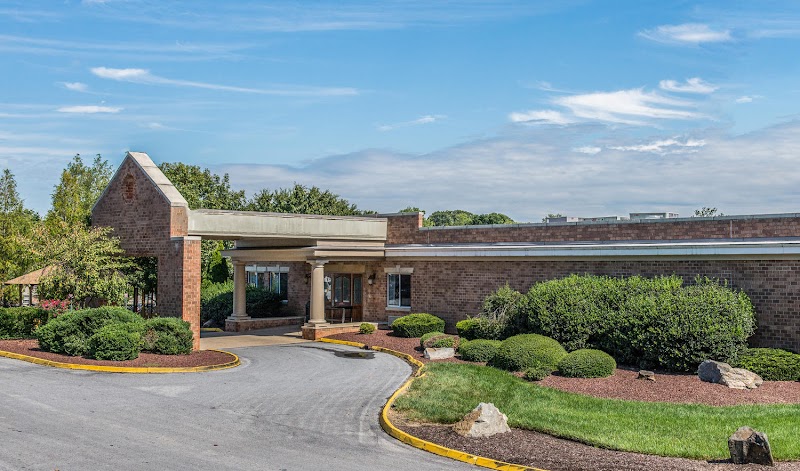
How is Pike Creek Nursing & Rehabilitation Center Staffed?

CMS rates PIKE CREEK NURSING & REHABILITATION CENTER's staffing level at 2 out of 5 stars, which is below average compared to other nursing homes. Staff turnover is 79%, which is 33 percentage points above the Delaware average of 46%. High turnover can affect care consistency as new staff learn residents' individual needs. RN turnover specifically is 75%, which is notably high. RNs provide skilled clinical oversight, so turnover in this role can affect medical care quality.

What Have Inspectors Found at Pike Creek Nursing & Rehabilitation Center?

State health inspectors documented 97 deficiencies at PIKE CREEK NURSING & REHABILITATION CENTER during 2022 to 2025. These included: 3 Immediate Jeopardy (the most serious level, indicating potential for serious harm or death), 3 that caused actual resident harm, 85 with potential for harm, and 6 minor or isolated issues. Immediate Jeopardy findings are rare and represent the most serious regulatory concerns. They require immediate corrective action.
Who Owns and Operates Pike Creek Nursing & Rehabilitation Center?

PIKE CREEK NURSING & REHABILITATION CENTER is owned by a for-profit company. For-profit facilities operate as businesses with obligations to shareholders or private owners. The facility is operated by LIFEWORKS REHAB, a chain that manages multiple nursing homes. With 177 certified beds and approximately 142 residents (about 80% occupancy), it is a mid-sized facility located in WILMINGTON, Delaware.
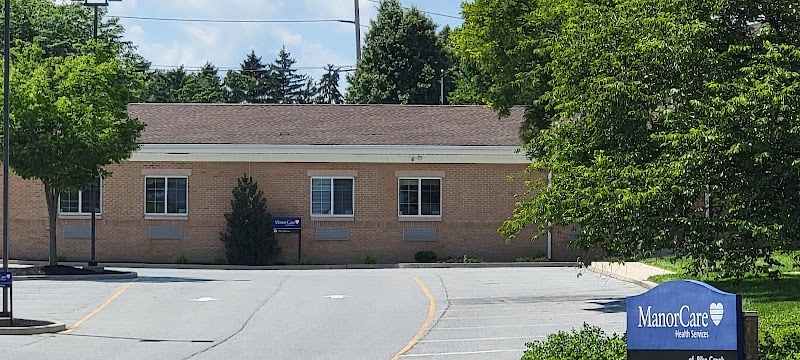
How Does Pike Creek Nursing & Rehabilitation Center Compare to Other Delaware Nursing Homes?

Compared to the 100 nursing homes in Delaware, PIKE CREEK NURSING & REHABILITATION CENTER's overall rating (1 stars) is below the state average of 3.3, staff turnover (79%) is significantly higher than the state average of 46%, and health inspection rating (1 stars) is much below the national benchmark.

What Should Families Ask When Visiting Pike Creek Nursing & Rehabilitation Center?

Based on this facility's data, families visiting should ask: "What changes have been made since the serious inspection findings, and how are you preventing similar issues?" "How do you ensure continuity of care given staff turnover, and what is your staff retention strategy?" "Can you walk me through typical staffing levels on day, evening, and night shifts?" "Can I visit during a mealtime to observe dining assistance and food quality?" These questions are particularly relevant given the facility's Immediate Jeopardy citations, the facility's high staff turnover rate, and the below-average staffing rating.

Is Pike Creek Nursing & Rehabilitation Center Safe?

Based on CMS inspection data, PIKE CREEK NURSING & REHABILITATION CENTER has documented safety concerns. Inspectors have issued 3 Immediate Jeopardy citations (the most serious violation level indicating risk of serious injury or death). The facility is currently on the Special Focus Facility watch list (a federal program monitoring the lowest-performing 1% of nursing homes nationwide). The facility has a 1-star overall rating and ranks #100 of 100 nursing homes in Delaware. Families considering this facility should ask detailed questions about what corrective actions have been taken since these incidents.

Do Nurses at Pike Creek Nursing & Rehabilitation Center Stick Around?

Staff turnover at PIKE CREEK NURSING & REHABILITATION CENTER is high. At 79%, the facility is 33 percentage points above the Delaware average of 46%. Registered Nurse turnover is particularly concerning at 75%. RNs handle complex medical decisions and coordinate care — frequent RN changes can directly impact care quality. High turnover means new staff may not know residents' individual needs, medications, or preferences. It can also be disorienting for residents, especially those with dementia who rely on familiar faces. Families should ask: What is causing the turnover? What retention programs are in place? How do you ensure care continuity during staff transitions?

Was Pike Creek Nursing & Rehabilitation Center Ever Fined?

PIKE CREEK NURSING & REHABILITATION CENTER has been fined $484,596 across 2 penalty actions. This is 12.8x the Delaware average of $37,925. Fines at this level are uncommon and typically indicate a pattern of serious deficiencies, repeated violations, or failure to correct problems promptly. CMS reserves penalties of this magnitude for facilities that pose significant, documented risk to resident health or safety. Families should request specific documentation of what issues led to these fines and what systemic changes have been implemented.

Is Pike Creek Nursing & Rehabilitation Center on Any Federal Watch List?

PIKE CREEK NURSING & REHABILITATION CENTER is currently an SFF Candidate, meaning CMS has identified it as potentially qualifying for the Special Focus Facility watch list. SFF Candidates have a history of serious deficiencies but haven't yet reached the threshold for full SFF designation. The facility is being monitored more closely — if problems continue, it may be added to the official watch list. Families should ask what the facility is doing to address the issues that led to this status.