SPRINGS REHABILITATION AT BRANDYWINE
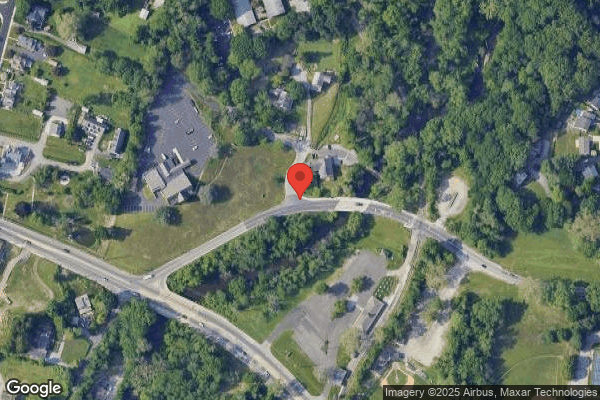

505 GREENBANK ROAD, WILMINGTON, DE 19808 (302) 998-0101
For profit - Limited Liability company 169 Beds PRESTIGE HEALTHCARE ADMINISTRATIVE SERVICES Data: November 2025 1 Immediate Jeopardy citation
Trust Grade
8/100
#38 of 43 in DE
Last Inspection: November 2024

Within standard 12-15 month inspection cycle. Federal law requires annual inspections.

Overview

Springs Rehabilitation at Brandywine has received a Trust Grade of F, indicating significant concerns about the quality of care provided. Ranking #38 out of 43 facilities in Delaware means they are in the bottom half, and #22 out of 25 in New Castle County suggests that there are only a few local options that perform better. The facility is worsening, with issues increasing from 23 in 2023 to 32 in 2024. Staffing is a concern, with a rating of 2 out of 5 stars and a high turnover rate of 61%, significantly above the state's average, which means staff may not be familiar with residents' needs. Additionally, there have been serious incidents, including a resident eloping from the facility and suffering a fall, as well as failures to provide necessary treatments for bowel care and pain management, which resulted in hospitalizations for two residents. While they have achieved excellent ratings in quality measures, the overall picture raises red flags for families considering this nursing home.

Trust Score
F
8/100
In Delaware
#38/43
Bottom 12%
Safety Record
High Risk
Review needed
Inspections
Getting Worse
23 → 32 violations
Staff Stability
⚠ Watch
61% turnover. Above average. Higher turnover means staff may not know residents' routines.
Penalties
✓ Good
$99,184 in fines. Lower than most Delaware facilities. Relatively clean record.
Skilled Nurses
○ Average
Each resident gets 34 minutes of Registered Nurse (RN) attention daily — about average for Delaware. RNs are the most trained staff who monitor for health changes.
Violations
⚠ Watch
59 deficiencies on record. Higher than average. Multiple issues found across inspections.
★★☆☆☆
2.0
Overall Rating
★★☆☆☆
2.0
Staff Levels
★★★★★
5.0
Care Quality
★☆☆☆☆
1.0
Inspection Score
Stable
2023: 23 issues
2024: 32 issues

The Good

  • 5-Star Quality Measures · Strong clinical quality outcomes
  • Full Sprinkler Coverage · Fire safety systems throughout facility
  • No fines on record

Facility shows strength in quality measures, fire safety.

The Bad

2-Star Overall Rating

Below Delaware average (3.3)

Below average - review inspection findings carefully

Staff Turnover: 61%

15pts above Delaware avg (46%)

Frequent staff changes - ask about care continuity

Federal Fines: $99,184

Well above median ($33,413)

Moderate penalties - review what triggered them

Chain: PRESTIGE HEALTHCARE ADMINISTRATIVE

Part of a multi-facility chain

Ask about local staffing decisions and management

Staff turnover is elevated (61%)

13 points above Delaware average of 48%

The Ugly 59 deficiencies on record

1 life-threatening 3 actual harm
Nov 2024 32 deficiencies 2 Harm
SERIOUS (G) 📢 Someone Reported This

A family member, employee, or ombudsman was alarmed enough to file a formal complaint

Actual Harm - a resident was hurt due to facility failures

Quality of Care (Tag F0684)

A resident was harmed · This affected 1 resident

**NOTE- TERMS IN BRACKETS HAVE BEEN EDITED TO PROTECT CONFIDENTIALITY** Based on record review and interview, it was determined that for one (R159) out of seven residents reviewed for hospitalizations...

Read full inspector narrative →
**NOTE- TERMS IN BRACKETS HAVE BEEN EDITED TO PROTECT CONFIDENTIALITY** Based on record review and interview, it was determined that for one (R159) out of seven residents reviewed for hospitalizations, the facility failed to ensure that R159 received care/treatment in accordance with professional standards of practice. The facility failed to monitor bowel movements resulting in a hospitalization requiring fecal disimpaction. Findings include: Review of R159's clinical records revealed: 9/20/23 - R159 was admitted to the facility with diagnoses including Parkinson's Disease, muscle weakness and dementia. 9/20/24 - R159's admission care plans included, [R159] has potential for constipation r/t [related to] decreased motility. The interventions included, Monitor and document bowel sounds and abdominal distention if no BM [bowel movements] after 3 days or resident refuses bowel interventions. Monitor BMs and document in CNA records. 9/20/23 - R159's physician's orders included, Docusate Sodium Oral Liquid [stool softener] - give 100 ml by mouth 2 times a day for constipation and Bowel protocol per facility policy: Give 30 ml of milk of magnesia on 3-11 if no bowel movement, 11-7 give Fleets Enema if no results from 11-7, nurse will inform physician for further orders and communicate to 7-3 nurse per facility's protocol. 9/26/23 - R159's admission MDS documented a BIMS score of 3, indicating severe cognitive impairment. Review of R159's Activities of Daily Living (ADLs) flowsheets revealed: 11/2/23 - R159's clinical records documented a large bowel movement. 11/6/23 - R159's clinical records documented a small bowel movement. 11/11/23 - R159's clinical records documented a large bowel movement. The facility failed to initiate the bowel protocol for 5 days (14 shifts.) 11/16/23 - R159's clinical records documented a large bowel movement. 11/21/23 - R159's clinical records documented a small bowel movement. The facility failed to initiate the bowel protocol for 5 days (16 shifts.) 11/24/23 10:03 AM - R159's clinical records documented, .Was notified that resident [R159] was not at baseline (normal status for R159). Neck hyper flexed (extended) and unable to relax. Normally resident would be able to stand, pivot and verbalize any concerns . not able to follow commands . spoke with NP and sent out for further evaluation. 11/28/23 4:11 PM - R159's hospital records documented, . Large stool burden in the rectum with stool ball . measuring up to 7.5 cm [2.95 inches] . hospitalized for hypoactive (decreased bowel sounds), delirium with abdominal pain, both were improved after fecal disimpaction. [R159] was also treated MiraLax (medication for constipation), senna, glycerin [rectal] suppositories X (times) 2 with improvement in constipation . her mental status improved back to her baseline with treatment of her constipation. 11/6/24 10:00 AM - A review of R159's clinical records lacked evidence of documentation of a bowel movement from 11/16/23 through 11/24/23 for a total of 26 shifts. During an interview E21 (RN) stated, We run a daily report and anyone who has not had a bowel movement is put on the bowel protocol. The bowel protocol should have been started 3 days after she [R159] didn't have a BM. A review of R159's clinical records lacked evidence that prune juice, milk of magnesia or fleets enema were given per order or that the physician was notified of the lack of bowel movements. 11/8/24 2:30 PM - During an interview, the surveyor asked E22 and E23 (CNAs) what size of bowel movement would be considered a small one. E22 stated, Like a small smear on the brief. E23 stated, Small bowel movement does not count. That's not enough to say the resident has had an actual bowel movement. 11/12/24 12:15 PM - During an interview, E4 (LPN/QA/IP) stated, The bowel protocol should have been started. The facility failure to monitor and initiate the bowel protocol for 13 shifts, caused R159 have abdominal pain and to be hospitalized from [DATE] through 11/28/23. 11/13/24 1:30 PM - Findings were reviewed with E1 (NHA), E2 (DON), E27 (ADON), E47 (RCC), E58 (RDO) and a representative from the Ombudsman office.
SERIOUS (G) 📢 Someone Reported This

A family member, employee, or ombudsman was alarmed enough to file a formal complaint

Actual Harm - a resident was hurt due to facility failures

Deficiency F0697 (Tag F0697)

A resident was harmed · This affected 1 resident

**NOTE- TERMS IN BRACKETS HAVE BEEN EDITED TO PROTECT CONFIDENTIALITY** Based on interviews, record review and review of other documents as indicated, it was determined that for one (R157) out of six ...

Read full inspector narrative →
**NOTE- TERMS IN BRACKETS HAVE BEEN EDITED TO PROTECT CONFIDENTIALITY** Based on interviews, record review and review of other documents as indicated, it was determined that for one (R157) out of six residents reviewed for hospitalization, the facility failed to provide the necessary treatment consistent with professional standards of practice, to provide pain assessments and pain medication prior to the daily wound care for R157's extensive left lower leg wounds. The result of that incomplete pain assessment and medication administration resulted in harm. R157 experienced pain when her wound care was completed. Findings include: Cross refer to F655 Review of R157's clinical record revealed: 7/27/24 - The hospital records and discharge summary revealed that R157 was admitted to the facility for wound care and physical therapy directly from a seventeen-day hospital stay. The hospitalization included an admission to the intensive care unit for the treatment of septic shock (potentially deadly condition with whole-body infection) from an infection in R157's left lower leg. R157 had surgery on her left leg on 7/17/24 to debride (remove dead tissue so that healthy tissue can grow) her left leg. The surgery resulted in R157 having three separate and large wounds to her left leg. Two wounds were located on the upper left thigh, front and back and one wound was located on the lower left leg, from her knee and extending to her heel. The three wounds were extensive both in length and width and the wounds took up most of the skin space on R157's left leg. The hospital records that were sent to the facility with R157's admission documents included 7/24/24 color photographs of the three wounds on R157's left leg. A review of hospital records for the pain medications that R157 received during her hospital stay revealed the following: Tylenol 650 mg by mouth every six hours, Oxycodone (expected pain) 10 mg by mouth twice daily as needed, Oxycodone 5 mg by mouth every four hours as needed. The 7/27/24 hospital discharge summary highlighted R157's medication changes to continue Oxycodone 10 mg by mouth thirty minutes before dressing changes. 7/27/24 - R157 was admitted to the facility with multiple diagnoses, including cellulitis (skin infection with swelling), of left lower leg, open wounds to the left lower leg, infection of the skin, a fractured spine, arthritis and dementia. 7/27/24 - A physician's order was written by E3 (Medical Director) for R157 to receive Tylenol 650 mg by mouth every six hours as needed for pain. 7/28/24 - Medication orders were written by E51 (Nurse Practitioner) for the following medications: - Oxycodone 10 mg by mouth every twelve hours as needed for pain dressing change. - Gabapentin 100 mg by mouth three times a day for nerve pain. - Celebrex 200 mg by mouth twice a day for pain. It is significant to note that according to the hospital discharge documents, Gabapentin and Celebrex were medications that R157 was taking at home before she was hospitalized on [DATE] and had left leg surgery on 7/17/24. 7/28/24 - An encounter note, written by E3 revealed that R157's wound photographs were reviewed with F2 (R157's daughter) when E3 examined R157. E3 documented that R157 had extensive wounds encompassing the entire leg and that she does have pain with dressing changes. 7/31/24 - R157's Minimum Data Set (MDS, standardized assessment forms used in nursing homes) documented the following: - BIMS score of 6, which indicated that R157 had severe cognitive impairment. - R157 had received scheduled and as needed pain medications during the last five days. - R157 was unable to participate in the pain assessment interview at the time of the comprehensive assessment; the sections for the presence and the frequency of pain were not answered by R157 herself, but were completed with a staff assessment. - It was very important to R157 to have her family involved in discussions about her care. A review of R157's wound care orders revealed: 7/27/24 - 8/8/24 - Cleanse the wounds with Vashe wound solution (hypochlorous acid with antimicrobial properties), pat dry, apply intrasite and with oil emulsion (both promote moist wound for healing), cover with Vashe soaked gauze, ABD (absorbent gauze pads) and wrap with kerlix (bandage rolls) and ace wrap (compression bandage to reduce swelling) for all wounds to left hip and lower left leg every day. 8/8/24 - 8/14/24 -Cleanse the wounds with Dakin's (bleach, acid and baking soda mixed in water to promote with antibacterial effects), pat dry, apply hydrogel AG (gel with antimicrobial properties), cover with oil emulsion dressing, ABD pad, wrap with Kling (stretch bandages) every day shift for all wounds to lower left extremity. Notify MD of worsening or signs of infection. 8/6/24 1:44 PM - A progress note was written by E6 (LPN, wound care) that the LLE (lower left extremity) calf wound from knee to back of ankle appeared to be infected due to redness around the wound, green drainage on the wound dressings, and increased drainage from the wounds. 8/7/24 11:37 AM - An encounter note written by E52 (NP) revealed Patient is being seen today for concerns of pain in her left leg. Patient has an extensive left lower leg cellulitis with multiple wounds. The daughter is very involved in her care and is requesting the patient to be medicated with oxycodone half hour before her dressing changes. This has not always consistently been done. The patient is alert and oriented she is very pleasant she is a poor historian she is seen today lying in bed in no acute distress she does not appear to be in any pain at the present time she denies fever chills chest pain shortness of breath nausea vomiting. The daughter is concerned she is not getting her oxycodone prior to her dressing changes. Given the extent of the patient's wounds this is not an unreasonable request. I will write an order for the oxycodone to be given half hour before dressing changes. A review of the electronic medical record revealed that the order was never written. A review of R157's as needed pain medication that R157 was given revealed: - Acetaminophen 650 mg by mouth was given twice in July at 7/30/24 at 9:01 PM and 8/4/24 at 9:55 AM. - Oxycodone 10 mg was given four times: 7/28/24 at 12:34 PM, 7/29/24 at 11:14 AM, 8/8/24 at 5:05 PM for pain 8/10 and 8/12/24 at 12:42 AM for pain 8/10. 8/12/24 - A progress note written by E52 (NP) revealed that E52 was called to R157's bedside because F2 was going to take R157 home and F2 wanted to speak with a medical provider. E52 arrived and found R157 with a change in mental status, increased confusion, pale skin, and she was moving all over the bed. E52 explained that from a clinical point of view, R157 would not be safe to be discharged to home because there was a concern that the left leg had a significant infection, that the wound was very complex, as it started from the groin and extended down to the foot. E52 explained that a discharge to home would be against the medical advice of the facility. F2 stated that she would then call 911 herself and that she did not want the nursing staff or the nurse practitioner to be involved. 8/12/24 10:26 AM - A nurses note documented that the medication orders, face sheet and the last provider note was sent to the hospital with the resident. A review of the hospital admission records documented that R157 was hospitalized [DATE] thru 8/20/24 for treatment of a wound infection. 11/13/24 1:40 PM - During an interview, F2 stated that because of my mother's dementia she cannot tell someone when she is having pain. I am her caregiver, and I can tell when she is in pain by looking at her eye movements and her subtle body changes. She was in pain when she had dressing changes when I was present. According to the College of Psychiatric and Neurologic Pharmacists, Mental Health Clinician Identification, Assessment, and Management of pain in patients with advanced dementia, 2016: Pain in a dementia patient is a prevalent symptom that can be underrecognized because of the ability of the patient to self-report. Health care providers must anticipate this and screen for and treat potential pain. This includes obtaining a self-report, searching for potential causes for pain, observing patient behavior, gaining proxy reporting of pain, and attempting an appropriate analgesic trial. Although R157 was a a severly cognitively impaired resident, the facility documents lacked evidence that the facility used any alternative pain assessment tools, with the exception of one tool, the Pain Evaluation for Cognitively Impair and Intact assessment tool that was used on 8/11/24. R157's harm was evidenced by the following: - R157 was a vulnerable facility resident with significant cognitive impairment and who may not have been able to adequately express her pain verbally or physically. R157 was medicated for pain on an as needed basis on six shifts out of the fifty-two shifts that she was in the facility. - R157's wound care orders were changed on 8/8/24 to Dakin's, a bleach solution. R157 received as needed pain medication only two times after that change, and apparently not prior to dressing changes on those days. - R157 was a vulnerable eighty-eight facility year old resident because of her medically fragile state and her physical frailness. It was important to R157 that her daughter (F2) participate in her care while she was at the facility. F2 expressed concern to the facility about her mother's pain, specifically that her mother was not getting pain medication thirty minutes before her dressing changes. The facility made no further changes to R157's pain medications, or to document reasons why there were no changes made. - R157's wound deteriorated during her facility admission. R157 did not appear to be responding to the prescribed antibiotics that were started on 8/6/24. R157's pain medications continued to go unchanged as R157's wound infection progressed. 11/13/24 3:00 PM - Findings were reviewed with E1 (NHA), E2 (DON), E47 (RCC), E58 (RDO) and a representative from the Ombudsman's office.
CONCERN (D)

Potential for Harm - no one hurt, but risky conditions existed

Deficiency F0557 (Tag F0557)

Could have caused harm · This affected 1 resident

Based on observation, interview and record review, it has been determined that for five (R26, R29, R62, R81 and R82) randomly observed during the survey, the facility failed to ensure each resident we...

Read full inspector narrative →
Based on observation, interview and record review, it has been determined that for five (R26, R29, R62, R81 and R82) randomly observed during the survey, the facility failed to ensure each resident were treated with respect and dignity. Findings include: 1. R82's clinical record revealed: 6/5/22 - R82 was admitted to the facility. 9/24/24 - A review of R82's MDS assessment revealed, [R82] was dependent for toileting, showering/bathing and personal hygiene. 10/2/24 (last revised) - R82's care plan interventions documented, Resident has a suprapubic catheter position catheter bag and tubing below the level of the bladder and away from entrance doorway. 10/31/24 10:18 AM - Observed R82's suprapubic catheter bag and tubing was visible from the doorway. 10/31/23 10:33 AM - R82's catheter bag remained visible from the hallway. During an interview, E25 (CNA) stated, I'm [R82's] care provider this is my first time working with him, I guess I overlooked where the bag was. E25 left R82's room and was observed entering another resident's room. R82's catheter bag and tubing remained visible from the hallway. 10/31/24 10:38 AM - During an interview, E26 (LPN) stated, [R82's] catheter bag should be placed on the side of the bed that the tubing is positioned. E26 also stated, I'm not really sure what is in [R82's] care plan for his catheter. At 10:43 AM, E26 entered R82's room and stated to R82, I need to place your catheter bag away from your door you can see it from the hallway, it's a dignity issue and it should not be seen from the hallway. E26 repositioned R82's catheter bag so it was not visible from the hallway. 11/13/24 11:05 AM - Findings were confirmed with E2 (DON). 11/15/24 at 2:35 PM - Finding was reviewed with E1 (NHA), E2 (DON), E4 (LPN/QA/IP), E55 (RCC) and E27 (ADON). 2. An observation by the Surveyor on 11/15/24 at 12:10 PM revealed E53 (CNA) sitting in an armchair with her legs hanging over the left armrest dangling and on her cellphone while positioned between two out of the four residents eating lunch at the table in the dining room. E53 was not facing nor assisting either resident at the time of the observation. The residents at the table were: R26, R29, R62 and R81. 11/15/24 at 12:15 PM - Finding was immediately reviewed with E54 (RN/UM). 11/15/24 at 2:35 PM - Finding was reviewed with E1 (NHA), E2 (DON), E4 (LPN/QA/IP), E55 (RCC) and E27 (ADON).
CONCERN (D)

Potential for Harm - no one hurt, but risky conditions existed

Deficiency F0561 (Tag F0561)

Could have caused harm · This affected 1 resident

Based on observation, interview, record review and review of other facility documentation, it was determined that for three (R20, R78 and R80) out of four sampled residents reviewed for activities, th...

Read full inspector narrative →
Based on observation, interview, record review and review of other facility documentation, it was determined that for three (R20, R78 and R80) out of four sampled residents reviewed for activities, the facility failed to allow cognitively intact residents the choice to go outside on their own or alone. Findings include: 1. Cross refer F679, example 1 8/21/20 - An activity care plan was developed for R20 to participate in current preferred leisure group of his choice including . community outings, outdoors during appropriate weather months. R20's interventions included providing a program of activities that was of interest and empowers R20 by encouraging/allowing choice, self expression and responsibility . R20's preferred activities are: . community outings, outdoors during appropriate weather months. 10/28/24 1:46 PM - During an interview, R20 stated, With the new management, we are not allowed to go outside to get some fresh air. Before, we were allowed to go out - there's a courtyard that is enclosed but we can't go there whenever we want to go, unless (sic) staff would take us outside. 11/8/24 2:00 PM - During an interview, E16 (Activities Director) stated that residents are allowed to go out to the courtyard to enjoy breath of fresh air weather permitting with staff supervision for safety reasons. 2. Cross refer F679, example 2 6/21/22 - An activity care plan was developed for R80 to participate in current preferred leisure group of his choice including . community outings, outdoors during appropriate weather months. [R80's] interventions included providing a program of activities that was of interest and empowers [R80] by encouraging/allowing choice, self expression and responsibility . [R80's] preferred activities are: . community outings, outdoors during appropriate weather months. 10/28/24 1:30 PM - During an interview, R80 stated, We are not allowed to go outside to get some fresh air without (sic) staff. Most of the time there is no staff to take us out in the courtyard. 11/8/24 2:05 PM - In a follow-up interview, E16 (Activities Director) stated that the residents have to be supervised by staff everytime they go out even if it's just going out in the courtyard. 11/12/24 2:35 PM - Findings were discussed with E1 (NHA), E2 (DON) and E47 (Regional Nurse Consultant). 3. Cross refer F809, example 2 Review of R78's clinical record revealed: 1/18/22 - R78 was admitted to the facility. 9/4/24 - R78's annual MDS documented that R78 had a BIMS of 15. 9/2/24 - R78's Elopement assessment documented no risk for elopement; R78's quarterly fall assessment revealed no falls in the preceding three months and that resident was independent with activities of daily living and ambulation (moving about; walking). 11/1/24 11:00 AM - During an interview, R78 stated that she is not able to go into the facility lobby, outside the facility, or into an enclosed outside courtyard as she would like because the doors out of the facility residential areas are always locked. 11/1/24 11:00 AM - During an interview, R78 reported that because of the late lunch meal lunch tray deliveries on the B hallway where her room is located, that sometimes she must choose between eating lunch or participating in a 2:00 PM activity. A review of the October activities calendar revealed that there was a daily activity that started at 2:00 PM. 11/12/24 10:30 AM - During an interview E1 (NHA) stated that [R78] is permitted to go outside of the facility, [R78] needs to ask someone, and then she needs to have staff with her when she is outside. Sometimes, there aren't staff members available to sit with residents outside in the courtyard. E1 stated that (R78) could go into the lobby at any time upon request, so that the door to the lobby could be unlocked. -Review of the facility schedule for lunch tray deliveries revealed that lunch tray deliveries are supposed to end at 1:15 PM. -A review of the facility meal tray delivery logs revealed that on 10/6/24 the lunch meal trays were delivered to B hallway at 2:15 PM; on 10/27/24, the lunch trays were delivered to the B hallway at 2:26 PM. -10/28/24 2:13 PM - An observation revealed that the lunch meal cart delivered was delivered at 2:13 PM to the B hallway. 11/13/24 3:00 PM - Findings were reviewed with E1 (NHA), E2 (DON), E47 (RCC), E58 (RDO) and a representative from the Ombudsman's office.
CONCERN (D) 📢 Someone Reported This

A family member, employee, or ombudsman was alarmed enough to file a formal complaint

Potential for Harm - no one hurt, but risky conditions existed

Deficiency F0582 (Tag F0582)

Could have caused harm · This affected 1 resident

Based on record review and interview, it was determined that for one (R159) out of four residents reviewed for beneficiary notification, the facility failed to provide R159's responsible party with th...

Read full inspector narrative →
Based on record review and interview, it was determined that for one (R159) out of four residents reviewed for beneficiary notification, the facility failed to provide R159's responsible party with the required notification of the expiration of her Medicare of benefit. Findings included: R159's clinical records revealed: 9/20/23 - R159 was admitted to the facility with diagnoses including Parkinson's Disease, muscle weakness and dementia. 9/26/23 - R159's admission MDS documented a BIMS score of 3, indicating severe cognitive impairment. 10/4/23 3:34 PM - R159's Social Services notes documented, Resident/Rp [Responsible Party] invited to participate in care plans scheduled this week. Copy of care plan, medications, and orders offered. 1/4/24 12:45 PM - R159's clinical records documented, Resident [R159] to discharge to home to be picked up by daughter and HHA (Home Health Association) referral sent out and accepted by resident. 11/6/24 10:00 AM - During a telephone interview, F1 (R159's Responsible Party) stated, My brother and I visit every evening and we speak to the nurses. No one told us anything that the Medicare payment was ending, and we would have to pay privately. I was taking my mother to an appointment on 1/4/24 and the admission person ran out and said that she had been trying to get hold of me. She said that my mother's Medicare ran out on 1/1/24 and she was going to be billed $482 per day. The bill came up to about $1,000 and we had to pay half of it. The facility paid the other half. My mother is on a fixed income, and she should not have had to pay any money. 11/7/24 11:17 AM - A review of R159's clinical records lacked evidence that a Notice Of Medicare Non-Coverage (NOMNC) and the option to appeal the end of the skilled services were provided to her responsible party. During an interview, E1 (NHA) stated, I was not here when that happened, so I don't know anything about it. The facility failed to provide R159's responsible party with the NOMNC, and the option to appeal the ending of the skilled Medicare benefits. This failure resulted in R159 paying out of pocket for care. 11/12/24 1:30 PM - Findings were confirmed with E1 and E2 (DON)
CONCERN (D) 📢 Someone Reported This

A family member, employee, or ombudsman was alarmed enough to file a formal complaint

Potential for Harm - no one hurt, but risky conditions existed

Report Alleged Abuse (Tag F0609)

Could have caused harm · This affected 1 resident

Based on interview and record review, it was determined that for one (R14) out of seven residents reviewed for hospitalization, the facility failed to report the injury of unknown origin, which result...

Read full inspector narrative →
Based on interview and record review, it was determined that for one (R14) out of seven residents reviewed for hospitalization, the facility failed to report the injury of unknown origin, which resulted in an emergent transfer to the hospital for treatment, to the State Agency. Findings include: Cross refer F610 R14's clinical record revealed: 9/4/24 6:30 AM - The facility's incident report documented that R14 was found in bed with a bleeding laceration to her left lower leg. R14 was transferred to the hospital. 9/5/24 10:00 PM - Approximately 39 hours later, the facility reported R14's incident from 9/4/24 at 6:30 AM to the State Agency. 11/12/24 8:28 AM - During a combined interview, findings were reviewed and discussed with E1 (NHA), E2 (DON) and E4 (LPN/QA/IC). 11/13/24 1:30 PM - Findings were reviewed with E1 (NHA), E2 (DON), E47 (RCC), E58 (RDO) and a representative from the Ombudsman's office.
CONCERN (D) 📢 Someone Reported This

A family member, employee, or ombudsman was alarmed enough to file a formal complaint

Potential for Harm - no one hurt, but risky conditions existed

Investigate Abuse (Tag F0610)

Could have caused harm · This affected 1 resident

Based on observation, record review, interview and review of other documentation as indicated, it was determined that for one (R14) out of seven residents reviewed for hospitalizations, the facility f...

Read full inspector narrative →
Based on observation, record review, interview and review of other documentation as indicated, it was determined that for one (R14) out of seven residents reviewed for hospitalizations, the facility failed to have evidence that R14's injuries of unknown origin were thoroughly investigated. Findings include: R14's clinical record revealed: 9/2/24 - A weekly skin evaluation was performed on day shift and there was no documented evidence of a bruise under R14's left side chin. 9/4/24 6:30 AM - The facility's incident report documented that a CNA went to resident room to perform rounds and noted blood on sheet and on resident leg. Informed nurse. Resident unable to give description . Immediate Action Taken . Pain assessment and first aid. Resident sent to ED [emergency department] . Laceration . left lower leg . Resident has extremely fragile skin, non-compliance with DermaSavers, legs dangling on side of bed . 9/4/24 7:53 AM - The hospital record documented, . 8 in [inch] linear laceration on medial L [Left] calf with clean borders exposing underlying adipose [fat] tissue, multiple blood clots present . Patient is from a nursing home, and they noted this morning that she was in a pool of blood from a large gaping wound to her left lower extremity. Patient is a poor historian from severe dementia and cannot give any history to explain how the wound was made. The staff reports that they did not note any trauma or anything sharp in her bed. She was found in her bed, did not have any fall or any other signs of injury. She does have a very thin and frail skin and is prone to skin tears, but nothing this significant . In addition, the hospital Forensic Nurse Examiner documented that R14 had a bruise measuring 1 cm x 2 cm circular green and purple under her chin on the left side. 9/4/24 10:14 PM - A nurse's note documented that R14 was readmitted to the facility. There was no evidence of a skin assessment upon R14's return. 9/6/24 7:50 AM - Almost 33 hours after returning from the hospital, a skin/wound note was documented that R14 was seen for a skin assessment and had a . Left side of mandible [chin]- bruise . 9/11/24 - An additional note to the facility's 9/4/24 incident report documented, Investigation completed. Resident has a history of fragile skin. Environmental check completed. Per investigation resident had legs laying over edge of bed when skin issue was noted. No sharp edges were noted but because of resident's (sic) fragile skin, age and diagnosis of osteoarthritis, nonrheumatic aortic stenosis, dementia, and ischemic heart disease it was concluded that resident (sic) fragile skin condition along with her diagnosis and contact with the side of bed caused skin alteration. Resident also self-propels in wheelchair. Measures implemented including padding bed frame and wheelchair frame . abuse and neglect ruled out. While the facility's investigation focused on R14's left lower leg laceration, the facility failed to identify and investigate the bruise under R14's chin which was noted on the 9/6/24 skin assessment. Surveyor observation of the hospital and forensic nurse examiner record revealed pictures of R14's bruise under her chin and the left medial lower leg laceration. There was no documentation in R14's EHR that the chin bruise was identified by the facility nursing staff through skin checks until 9/6/24 and thoroughly investigated as the resident requires assistance for transferring with two staff assistance. Review of the facility's investigation lacked evidence of the following: - no statement obtained from R14's assigned CNA from 9/4/24 at 6:30 AM; and - no statements/interviews obtained from the previous shift, 9/3/24 on 3-11 PM. The facility failed to thoroughly investigate R14's injuries of unknown origin from 9/4/24 at 6:30 AM incident requiring emergent transfer to the hospital and treatment with sutures and steri-strips. 11/12/24 8:28 AM - During a combined interview, findings were reviewed and discussed with E1 (NHA), E2 (DON) and E4 (LPN/QA/IC). No further documentation was provided to the Surveyor. 11/13/24 1:30 PM - Findings were reviewed with E1, E2, E27 (ADON), E47 (RCC), E58 (RDO) and a representative from the Ombudsman office.
CONCERN (D) 📢 Someone Reported This

A family member, employee, or ombudsman was alarmed enough to file a formal complaint

Potential for Harm - no one hurt, but risky conditions existed

Transfer Notice (Tag F0623)

Could have caused harm · This affected 1 resident

Based on record review and interview, it was determined that for one (R102) out of six residents reviewed for transfer/discharges, the facility failed to notify the Ombudsman of R102's 4/27/24 transfe...

Read full inspector narrative →
Based on record review and interview, it was determined that for one (R102) out of six residents reviewed for transfer/discharges, the facility failed to notify the Ombudsman of R102's 4/27/24 transfer to the hospital. Findings include: Review of R102's clinical record revealed: 8/20/23 - R102 was admitted to the facility. 4/27/24 - R102 was transferred to [hospital]. 11/7/24 11:30 AM - Review of R102's electronic medical record (EMR) and April 2024 [facility] Ombudsman Transfer log lacked evidence that the Office of the State Long-Term Care Ombudsman was notified. 11/8/24 9:50 AM- During an interview, E1 (NHA) confirmed that R102 was sent to the hospital from the facility on 4/27/24. E1 also confirmed that R102's name did not appear on the April 2024 [facility] Ombudsman Transfer log nor did the facility have any documentation to prove that the Ombudsman's Office was notified of this transfer. 11/13/24 1:30 PM - Findings were reviewed with E1 (NHA), E2 (DON), E27 (ADON), E47 (RCC), E58 (RDO) and a representative from the Ombudsman office.
CONCERN (D) 📢 Someone Reported This

A family member, employee, or ombudsman was alarmed enough to file a formal complaint

Potential for Harm - no one hurt, but risky conditions existed

Assessment Accuracy (Tag F0641)

Could have caused harm · This affected 1 resident

Based on record review and interview, it was determined that for one (R158) out of the residents reviewed in the investigative sample, the facility failed to ensure the Minimum Data Set (MDS) was accu...

Read full inspector narrative →
Based on record review and interview, it was determined that for one (R158) out of the residents reviewed in the investigative sample, the facility failed to ensure the Minimum Data Set (MDS) was accurate. Findings include: 6/27/24 - R158 admitted to the facility. 6/27/24 - E3 (MD) ordered R158's nightly bipap with settings in the EMR. 11/10/24 2:17 PM - Review of R158's admission MDS revealed that in Section O - Special Treatments, Procedures and Programs, the facility failed to document R158's bipap usage. 11/12/24 10:59 AM - During an interview, E57 (RNAC) stated, yeah, we did not code for [R158]'s bipap. 11/13/24 1:30 PM - Findings were reviewed with E1 (NHA), E2 (DON), E27 (ADON), E47 (RCC), E58 (RDO) and a representative from the Ombudsman office.
CONCERN (D)

Potential for Harm - no one hurt, but risky conditions existed

PASARR Coordination (Tag F0644)

Could have caused harm · This affected 1 resident

Based on record review and interview, it was determined that for two (R141 and R125) out of two sampled residents reviewed for PASARR, the facility failed to notify the appropriate state-designated au...

Read full inspector narrative →
Based on record review and interview, it was determined that for two (R141 and R125) out of two sampled residents reviewed for PASARR, the facility failed to notify the appropriate state-designated authority when the residents' new diagnosis of mental disorder were identified. Findings include: 1. Review of R141's clinical record revealed the following: 7/11/24 - A PASARR Level I Screen Outcome revealed No Level II Required. 7/12/24 - R141 was admitted to the facility. 10/24/24 1:00 PM - An encounter note by E52 (NP) documented, Chief Complaint: Depression . Patient verbalized that he is feeling okay now and goes in and out of feeling depressed secondary to being here in the facility. 10/28/24 - R141 had a physician's order for citalopram (Lexapro) 20 mg (milligram) 1 tablet by mouth daily for depression. 10/28/24 - A nurse progress note by E54 (RN/UM) documented, . resident [R141] was started on new medication Lexapro 20 mg daily . 11/6/24 - A facility Psychiatric Evaluation revealed that R141 was diagnosed with adjustment disorder with depressed mood. 11/7/24 12:29 PM - There was a lack of evidence the state PASARR authority was made aware. 11/7/24 3:50 PM - In an interview, E1 (NHA) confirmed that the state PASARR authority was not contacted for R141 when he was diagnosed with depression and was prescribed with an antidepressant medication on 10/28/24. E1 also stated that the facility submitted a referral to the state PASARR authority . only today when it was brought to our attention by the surveyor. 2. Cross refer F626 Review of R125's clinical record revealed: 7/13/23 - The [hospital] obtained R125's PASARR, which stated no Level II required. 7/25/23 - R125 admitted to the facility. 8/3/23 - E51 (NP) ordered in R125's EMR, Risperdal 0.5 mg PO (by mouth) BID (two times a day) for delusional disorder. At this time when R125 was diagnosed with a new psychiatric disorder and intiated on an atypical anti-psychotic medication (risperdal), the facility failed to refer R125 for a PASARR Level II screening as required. 10/31/23 - R125's quarterly Minimum Data Set (MDS) documented in Section I- Active Diagnoses YES to psychotic disorder. 10/31/23 - R125 admitted to the hospital. 1/10/24 - The [hospital] obtained a new PASARR, which stated no Level II required- No SMI (significant mental illness)/ ID (intellectual disability)/ RC (related conditions). On this PASARR application, the hospital incorrectly stated that R125 was on risperdal for major depression disorder when in fact R125 was on risperdal for delusional disorder, a reportable psychiatric disorder on the PASARR application. 3/4/24 - R125 was re-admitted to the facility with an order for Risperdal 1 mg twice a day for delusional disorder. 3/10/24 - R125's admission MDS documented in Section I Psychotic disorder- YES. The facility failed to recognize the need to correct R125's PASARR application to reflect R125's diagnosis of delusional disorder that required a prescription for Risperdal, an atypical anti-psychotic medication. 11/11/24 1:35 PM - During an interview, E1 (NHA) acknowledged the need for R125 to have a PASARR level II evaluation and stated that Social Services had already put the application. 11/13/24 1:30 PM - Findings were reviewed with E1 (NHA), E2 (DON), E27 (ADON), E47 (RCC), E58 (RDO) and a representative from the Ombudsman office.
CONCERN (D) 📢 Someone Reported This

A family member, employee, or ombudsman was alarmed enough to file a formal complaint

Potential for Harm - no one hurt, but risky conditions existed

Deficiency F0655 (Tag F0655)

Could have caused harm · This affected 1 resident

Based on record review and interview, it was determined that for one (R157) out of 42 residents reviewed in the investigative sample, it was determined that the facility failed to ensure that the base...

Read full inspector narrative →
Based on record review and interview, it was determined that for one (R157) out of 42 residents reviewed in the investigative sample, it was determined that the facility failed to ensure that the baseline care plan was provided to the resident/resident representative. Findings include: Cross refer F697 Review of R157's clinical record revealed: 7/27/24 - R157 was admitted to the facility with multiple diagnoses, including dementia. 7/28/24 - A baseline care plan was generated and was signed by E27 (Previous DON, now ADON) on 8/2/24. 7/31/24 - R157's MDS documented that R157 had a BIMS score of 6, which indicated that R157 had severe cognitive impairment, and that it was very important to R157 to have her family involved in discussions about her care. 11/6/24 - A review of R157's baseline care plan revealed that a Resident/ Resident Representative signature was not present on the baseline care plan. 11/7/24 9:00 AM - During an interview E14 (SW) confirmed that baseline signature page was not signed by R157's resident representative. E14 could not confirm that the baseline care plan had been reviewed with R157's representative since the signature page was blank. 11/13/24 3:00 PM - Findings were reviewed with E1 (NHA), E2 (DON), E47 (RCC), E58 (RDO) and a representative from the Ombudsman's office.
CONCERN (D)

Potential for Harm - no one hurt, but risky conditions existed

Deficiency F0679 (Tag F0679)

Could have caused harm · This affected 1 resident

Based on observation, interview, record review and review of other facility documentation, it was determined that for two (R20 and R80) out of four sampled residents reviewed for activities, the facil...

Read full inspector narrative →
Based on observation, interview, record review and review of other facility documentation, it was determined that for two (R20 and R80) out of four sampled residents reviewed for activities, the facility failed to provide outdoor activities during appropriate weather based on their comprehensive assessments and care plans. Findings include: 1. Cross refer F561, example 1 Review of R20's clinical records revealed: 8/12/20 - R20 was admitted to the facility with diagnoses which included acquired absence (amputation) of the left leg above the knee. 8/21/20 - An activity care plan was developed for R20 to participate in current preferred leisure group of his choice including . community outings, outdoors during appropriate weather months. R20's interventions included providing a program of activities that is of interest and empowers R20 by encouraging/allowing choice, self expression and responsibility .R20's preferred activities are: . community outings, outdoors during appropriate weather months. 5/1/24 - R20's annual MDS revealed that R20 was cognitively intact, indicated going outside to get fresh air when the weather is good as very important and self propelled with a manual wheelchair. 5/19/24 - A facility Recreation Evaluation for R20 documented that it was very important for R20 to go outside to get fresh air when the weather is good. R20 was independent with participation in activities. 10/28/24 1:46 PM - During interview, R20 stated, With the new management, we are not allowed to go outside to get some fresh air. Before, we were allowed to go out - there's a courtyard that is enclosed but we can't go there whenever we want to go, unless a staff would take us outside. 11/4/24 - A review of R20's Daily Activities Log revealed the following: - July 2024 - R20 was involved in outdoor activity in 4 out of 31 opportunities; - August 2024 - R20 was involved in outdoor activity in 4 out of 31 opportunities; - September 2024 - R20 was involved in outdoor activity in 1 out of 30 opportunities and; - October 2024 - R20 was not involved in outdoor activity in 31 opportunities. 11/8/24 2:00 PM - During an interview, E16 (Activities Director) stated that residents are allowed to go out to the courtyard to enjoy breath of fresh air weather permitting with staff supervision for safety reasons. 2. Cross refer F561, example 2 Review of R80's clinical records revealed: 6/16/22 - R80 was admitted to the facility with diagnoses which included muscle weakness and lack of coordination. 6/21/22 - An activity care plan was developed for R80 to participate in current preferred leisure group of his choice including . community outings, outdoors during appropriate weather months. [R80's] interventions included providing a program of activities that is of interest and empowers [R80] by encouraging/allowing choice, self expression and responsibility .[R80's] preferred activities are: . community outings, outdoors during appropriate weather months. 7/24/24 - R80's annual MDS revealed that R80 was cognitively intact, indicated going outside to get fresh air when the weather was as very important and R80 self propelled with a manual wheelchair or ambulates with a rolling walker. 7/25/24 - A facility Recreation Evaluation documented that R80, required a roller walker for mobility and ambulation and was moderately dependent with participation in activities. [R80] will have opportunities to participate in a variety of desired leisure groups such as . community outings, outdoors in an appropriate weather months . [R80] will be encouraged to attend preferred leisure activities . it was very important for [R80] to go outside to get fresh air when the weather is good. 10/28/24 1:30 PM - During interview, R80 stated, We are not allowed to go outside to get some fresh air without (sic) staff. Most of the time there is no staff to take us out in the courtyard. 11/4/ 24 - A review of R80's Daily Activities Log revealed the following: - July 2024 - R80 was involved in outdoor activity in 4 out of 31 opportunities; - August 2024 - R80 was involved in outdoor activity in 4 out of 31 opportunities; - September 2024 - R80 was involved in outdoor activity in 2 out of 30 opportunities and - October 2024 - R80 was not involved in outdoor activity in the 31 opportunities. 11/8/24 2:05 PM - In a follow-up interview, E16 (Activities Director) stated that the residents have to be supervised by staff everytime they go out even if it's just going out in the courtyard. 11/7/24 1:55 PM - Finding was confirmed by E47 (Regional Clinical Consultant). 11/12/24 2:35 PM - Finding was discussed with E1 (NHA), E2 (DON) and E47 (Regional Clinical Consultant).
CONCERN (D)

Potential for Harm - no one hurt, but risky conditions existed

Incontinence Care (Tag F0690)

Could have caused harm · This affected 1 resident

**NOTE- TERMS IN BRACKETS HAVE BEEN EDITED TO PROTECT CONFIDENTIALITY** Based on observation, interview and record review, it was determined that for one (R92) out of three residents reviewed for blad...

Read full inspector narrative →
**NOTE- TERMS IN BRACKETS HAVE BEEN EDITED TO PROTECT CONFIDENTIALITY** Based on observation, interview and record review, it was determined that for one (R92) out of three residents reviewed for bladder continence, the facility failed to ensure that R92 received services and assistance to maintain bladder continence to the extent possible. Findings included: 4/20/24 - A facility document titled, Incontinence, Policy Explanation and Compliance Guidelines, documented, The facility must ensure that residents who are continent of bladder and bowel upon admission receive appropriate treatment, services, and assistance to maintain continence unless his or her clinical condition is or becomes such that continence is not possible to maintain . Residents who are incontinent of bladder or bowel will receive appropriate treatment . and to restore continence to the extent possible. R92's clinical records revealed: 7/24/24 - R92 was admitted to the facility with diagnoses including muscle weakness and urinary tract infection. 7/24/24 - R92's nursing admission assessment documented, Continent of bladder and bowel. 7/24/24 - R92's care plan documented, [R92] is incontinent of bowel and bladder. The interventions included, Assist to toilet as requested, apply barrier cream with each incontinent episode. 7/24/24 through 7/26/24 - R92's three-day voiding diary revealed no episodes of bladder incontinence. 7/29/24 - R92's admission BIMS documented a score of 15, indicating a cognitively intact status. 10/21/24 - R92's quarterly MDS documented, Occasionally incontinent of bladder. R92's clinical records lacked evidence of interventions to restore bladder continence. 11/8/24 12:00 PM - During an interview, E22 (CNA) stated, I don't know if he [R92] can use the toilet. I was never told to put him on the toilet. I just change the pads when I take care of him. 11/8/24 1:30 PM - During an interview, R92 stated, I came here to get better, but I don't think that is going to happen. I want to take myself to use the toilet, but I am afraid to do it by myself in case I fall. 11/8/24 2:00 PM - During an interview, E57 (RNAC) stated, We do a 3-day voiding diary on admission and make a toileting plan based on the results [if the resident is incontinent.] The surveyor asked what would happen if the resident was continent on admission and then became incontinent. E57 stated, We would do a voiding diary and then make a toileting plan. 11/8/24 3:00 PM - A review of R92's bladder records from 10/11/24 through 11/8/24 revealed 12 episodes of incontinence out of 75 opportunities for continence. The ADLs flowsheets, [NAME] and care plans lacked evidence of person-centered plan of care for to promote R92's bladder continence. The facility failed to provide services and assistance to maintain R92's bladder continence to the extent possible. 11/12/24 1:30 PM - Findings were confirmed with E1 (NHA) and E2 (DON)
CONCERN (D) 📢 Someone Reported This

A family member, employee, or ombudsman was alarmed enough to file a formal complaint

Potential for Harm - no one hurt, but risky conditions existed

Deficiency F0698 (Tag F0698)

Could have caused harm · This affected 1 resident

Based on interview and review of the facility clinical record and dialysis record, it was determined that for one (R102) out of two residents reviewed for dialysis, the facility failed to have ongoing...

Read full inspector narrative →
Based on interview and review of the facility clinical record and dialysis record, it was determined that for one (R102) out of two residents reviewed for dialysis, the facility failed to have ongoing collaboration with R102's dialysis center with respect to her dialysis labs (monthly and weekly) from June 2024 through November 2024. Findings include: The facility's policy and procedure entitled Care Planning Special Needs - Dialysis, last revised 1/24, stated, . 2. The care plan will reflect the coordination between the facility and the dialysis provider and will identify nursing home and dialysis responsibilities . 5. If no written report is received upon return from dialysis, nursing staff will call the dialysis provider to receive a report . R102's clinical record revealed: 8/30/23 - R102 was admitted to the facility and care planned for dialysis. One of the interventions in the dialysis care plan was to monitor labs and report to doctor as needed. The positions that were responsible for this intervention was the RN and LPN. Review of the R102's EHR and the Dialysis Communication Logs revealed no evidence that R102's weekly and monthly labs were obtained and reviewed by the facility. The Dialysis Communication Logs stated at the bottom of form **Dialysis please send a copy of labs monthly**. There was no evidence that the facility nursing staff followed-up with dialysis to obtain R109's lab results. 11/15/24 at 1:15 PM - During an interview with R102's dialysis center, D1 (Nurse) confirmed that the only labs results that were requested from the facility was last May 2024 when the resident was on an antibiotic and the labs had to be sent to the Infectious Disease Doctor. 11/15/24 at 2:35 PM - Finding was reviewed with E1 (NHA), E2 (DON), E4 (LPN/QA/IC), E55 (RCC) and E27 (ADON).
CONCERN (D)

Potential for Harm - no one hurt, but risky conditions existed

Deficiency F0805 (Tag F0805)

Could have caused harm · This affected 1 resident

Based on observation, interview and record review, it was determined that for one (R141) out of 13 residents reviewed for food, the facility failed to ensure that R141's food was prepared and appropri...

Read full inspector narrative →
Based on observation, interview and record review, it was determined that for one (R141) out of 13 residents reviewed for food, the facility failed to ensure that R141's food was prepared and appropriate to meet R141's needs and according to his care plan. Findings include: Review of R141's clinical record revealed the following: 7/12/24 - R141 was admitted to the facility. 7/15/24 - R141 had a care plan developed for nutrition/hydration risk related to poor food intake by mouth and for potential for weight changes. R141's interventions included but not limited to monitor and to report to the physician . refusing to eat, appears concerned during meals and to provide and serve diet as ordered . 9/23/24 - R141 had a physician's order for regular diet regular texture, regular (thin) consistency diet for comfort feeding. 10/28/24 1:30 PM - An observation of R141's lunch tray revealed a plate with ground fried chicken with country gravy, buttered mashed potatoes, seasoned spinach, buttered dinner roll and diced pears. R141's meal ticket documented mechanical soft (texture). 10/28/24 1:31 PM - During an interview, R141 stated that he had been telling the nursing staff that he wanted to eat regular texture food, yet he continued to receive chopped and grounded baby food on his food tray. 10/28/24 1:35 PM - In an interview, E56 (LPN) stated that she was not aware if R141 was allowed to eat regular texture food. E56 confirmed that R141 had a mechanical soft texture meal served on [R141's] lunch tray. The facility failed to ensure that R141 received the prescribed and appropriate regular texture food during meals. 11/07/24 1:55 PM - Finding was confirmed by E47 (Regional Clinical Consultant). 11/12/24 2:35 PM - Finding was discussed with E1 (NHA), E2 (DON) and E47 (Regional Clinical Consultant).
CONCERN (D)

Potential for Harm - no one hurt, but risky conditions existed

Deficiency F0806 (Tag F0806)

Could have caused harm · This affected 1 resident

2. 11/1/24 11:00 AM - R78 reported that the facility breakfast meal is always determined by the kitchen, and that there are no alternative meal choices for breakfast. Additionally, there are no breakf...

Read full inspector narrative →
2. 11/1/24 11:00 AM - R78 reported that the facility breakfast meal is always determined by the kitchen, and that there are no alternative meal choices for breakfast. Additionally, there are no breakfast items on the always available menu. 11/12/24 8:30 AM - During an interview, E28 (Food Service Director) confirmed that the facility does not have an alternative breakfast menu and that there are no breakfast items on the always available menu food list. 11/13/24 3:00 PM - Findings were reviewed with E1 (NHA), E2 (DON), E47 (RCC), E58 (RDO) and a representative from the Ombudsman's office. Based on observation, interview and record review, it was determined that for two (R141 and R78) out of 13 residents reviewed for food, the facility failed to accommodate a food preference. Findings include: 1. 10/28/24 1:15 PM - During an interview, R141 stated that a facility staff (not identified) came to see him that morning and showed him the day's lunch menu. R141 also stated that he told the staff that he did not want the primary menu which was fried chicken with gravy, mashed potatoes, seasoned spinach and dinner roll. R141 stated that he told the staff that for his lunch, he wanted to order the alternative tuna sandwich instead. 10/28/24 1:30 PM - An observation of R141's lunch tray revealed a plate with ground fried chicken with country gravy, buttered mashed potatoes, seasoned spinach, buttered dinner roll and diced pears. 10/28/24 1:35 PM - In an interview, E56 (LPN) stated that she was not aware that R141 had spoken to a facility staff earlier and had requested for the alternative tuna sandwich instead of the primary lunch menu. E56 confirmed that R141 had the following on his lunch tray: ground fried chicken with country gravy, buttered mashed potatoes, seasoned spinach, buttered dinner roll and diced pears. E56 further stated that she called the kitchen to request for R141's tuna sandwich. 11/1/24 10:21 AM - In an interview E8 (Dietary Supervisor) stated, . Sometimes alternative menus or other food requests are not done because they don't get to us or they (nursing/activity staff) don't drop the paper into the bin hung outside by the kitchen door. 11/1/24 11:15 AM - In an interview, E37 (Activities Staff) stated that every morning Activities staff give out packets to the residents with information including the day's breakfast, lunch and dinner menus. E37 further stated, If they don't like what's on the menu, they can refer to the Always Available Menu page with a list of alternative sandwiches, soups and salads. Sometimes we make the changes for them if they don't want what's on the list. We take the paper to the kitchen and drop it on the bin outside the kitchen by the door. 11/1/24 2:56 PM - During an interview, E31 (RD) stated that it's the Food Service Director's or Dietary Supervisor's responsibility to ask residents of their meal preference, or ask for alternative food in case residents don't want the primary menu. 11/12/24 2:35 PM - Findings were discussed with E1 (NHA), E2 (DON) and E47 (Regional Clinical Consultant).
CONCERN (D) 📢 Someone Reported This

A family member, employee, or ombudsman was alarmed enough to file a formal complaint

Potential for Harm - no one hurt, but risky conditions existed

Deficiency F0809 (Tag F0809)

Could have caused harm · This affected 1 resident

2. Cross refer F561 and F802, example 2 11/1/24 11:00 AM - During an interview, R78 stated that the facility does not always provide evening snacks. R78 stated that because the timing of each meal is ...

Read full inspector narrative →
2. Cross refer F561 and F802, example 2 11/1/24 11:00 AM - During an interview, R78 stated that the facility does not always provide evening snacks. R78 stated that because the timing of each meal is unpredictable, and that bedtime snacks are sometimes not provided, she was aware that many of the residents in the facility stored food in their rooms. R78 stated that they cannot depend on the facility to provide their food or bedtime snacks timely. 11/13/24 3:00 PM - Findings were reviewed with E1 (NHA), E2 (DON), E47 (RCC), E58 (RDO) and a representative from the Ombudsman's office. Based on review of the facility's scheduled meal times and interview, it was determined that for two (R23 and R78) out of 13 residents reviewed for food, the facility failed to ensure that R23 and R78 received their evening snacks. Findings include: 1. Review of R23's clinical record revealed: 8/3/21 - R23 was admitted to the facility. 10/28/24 12:38 PM - In an interview, R23 told surveyor that she was not getting her bedtime or evening snacks. She further stated, You have to call the girls (nursing staff) and ask for food. I am a big girl, I always get hungry at night . When I asked from the girls, they told me that the kitchen people told them that there were no more snacks. 10/28/24 2:00 PM - Review of R23's CNA flowsheet from September 2024 through October 2024 revealed a lack of evidence that R23 was provided evening snacks. 11/1/24 4:05 PM - During interview, E42 (CNA) stated, . A few weeks ago . 2-3 times in a week there were no evening snacks . Sometimes we keep our back up oatmeal cookies or fudge in the Unit Manager's office but she (Unit Manager) locks the room after 3:00 PM. We were not able to access the back up snacks. Kitchen won't give us enough snacks to be distributed to the residents. 11/1/24 4:14 PM - In an interview, E43 (CNA) stated that they give out evening snacks but there were nights when the snacks were not enough. E41 confirmed and stated, . Sometimes we don't have anything to give at all . Other times we want to get the back up snacks in the Unit Manager's room but we can't go in because the room is locked.
CONCERN (D)

Potential for Harm - no one hurt, but risky conditions existed

Deficiency F0887 (Tag F0887)

Could have caused harm · This affected 1 resident

**NOTE- TERMS IN BRACKETS HAVE BEEN EDITED TO PROTECT CONFIDENTIALITY** Based on record review and interview, it was determined that for two (R25 and R33) out of eight residents reviewed for vaccines,...

Read full inspector narrative →
**NOTE- TERMS IN BRACKETS HAVE BEEN EDITED TO PROTECT CONFIDENTIALITY** Based on record review and interview, it was determined that for two (R25 and R33) out of eight residents reviewed for vaccines, the facility failed to record R25 and R33's COVID vaccines in their medical records. Findings include: Facility's Infection Prevention and Control program- . COVID-19 Immunization: . f. Documentation will reflect the education provided and details regarding whether or not the resident or staff received the vaccine. (revised 1/2024) 1. Review of R25's clinical record revealed: 7/9/24 - R25,aged [AGE] years, was admitted to the facility. 10/30/24 10:35 AM - Review of R25's electronic medical record (EMR) revealed no COVID-19 vaccines were documented as administered to R25. 10/30/24 11:00 AM - Review of the DELVAX website, the State of Delaware public immunization portal, revealed R25 as having received the COVID-19 vaccine on the following dates: 2/17/21, 3/17/21, 12/15/21 and 8/15/22. The facility was unable to provide evidence of R25's education and declination of the COVID vaccine. 2. Review of R33's clinical record revealed: 10/30/24 10:35 AM - Review of R33's EMR revealed no COVID-19 vaccines were documented as administered to R33. 10/30/24 11:00 AM - Review of the DELVAX website revealed R33 as having received the COVID-19 vaccine on the following dates: 11/19/21, 10/4/22 and 10/13/23. The facility was unable to provide evidence of R33's education and declination of the COVID vaccine. 10/31/24 11:40 AM - During an interview, E4 (Infection Preventionist) confirmed that the facility had not held a vaccine clinic last year. The last IP (Infection Preventionist) had not kept up with it but we are trying to get back on track. E4 confirmed that R25 and R33 had received COVID-19 vaccines that were documented in DELVAX but not in the facility's EMR. 11/13/24 1:30 PM - Findings were reviewed with E1 (NHA), E2 (DON), E27 (ADON), E47 (RCC), E58 (RDO) and a representative from the Ombudsman office.
CONCERN (E) 📢 Someone Reported This

A family member, employee, or ombudsman was alarmed enough to file a formal complaint

Potential for Harm - no one hurt, but risky conditions existed

Safe Environment (Tag F0584)

Could have caused harm · This affected multiple residents

**NOTE- TERMS IN BRACKETS HAVE BEEN EDITED TO PROTECT CONFIDENTIALITY** 2. Surveyor observations on 10/28/24 at 2:45 PM and 10/29/24 at 3:23 PM revealed the following: C hallway room [ROOM NUMBER]: - ...

Read full inspector narrative →
**NOTE- TERMS IN BRACKETS HAVE BEEN EDITED TO PROTECT CONFIDENTIALITY** 2. Surveyor observations on 10/28/24 at 2:45 PM and 10/29/24 at 3:23 PM revealed the following: C hallway room [ROOM NUMBER]: - The bathroom lacked a hand soap dispenser, and the hand sanitizing gel dispenser was empty; - Holes on the bathroom wall were present where the previous soap dispenser had been located; - The ventilation grate on the bathroom door had visible areas of rust; - The bathroom floor in bathroom appeared dirty; - The walls in the bedroom were in disrepair, with visible peeling paint. 10/30/24 8:15 AM - Observations of the E wing linen closet revealed a minimal supply of linens: - 2 fitted sheets; - 5 flat sheets; - No washcloths or towels. 10/30/24 8:20 AM - During an interview E23 (CNA) confirmed the lack of linens in the E wing linen closet. 10/30/24 2:00 PM - The observations for room C hallway room [ROOM NUMBER] were confirmed by E12 (Maintenance Director) during a tour of the C hallway room [ROOM NUMBER] bathroom and bedroom. 10/31/24 8:30 AM - Observations of the D wing linen closet revealed a minimal supply of linens: - 1 fitted sheet; - 1 bed pad; - 2 wash cloths; - No towels. 10/31/24 8:45 - During an interview, E26 (LPN) and E59 (CNA) confirmed the D wing linen closet observation and stated that in the facility, there are never enough linens, any day or at any time, and it makes it difficult to do our jobs. 10/31/24 10:09 AM - During an interview with another surveyor, E26 stated that because there were no wash cloths available to use, that E26 needed to use a towel to both wash and dry a resident while providing care to the resident. E26 stated that one side is wet and one side is dry. 10/31/24 11:17 AM - During an interview, E18 (Environmental Services Director-Housekeeping) stated that there is no overnight laundry staffing shift in place in the facility, so dirty linens do not get laundered overnight, and that affects how quickly linen closets are restocked with clean linens the next morning. The morning laundry shift must come in and get started right away to do laundry from the night before, in order to resupply the linen closets with clean linens. 11/13/24 3:00 PM - Findings were reviewed with E1 (NHA), E2 (DON), E47 (RCC), E58 (RDO) and a representative from the Ombudsman's office. Based on observation and interview, it was determined that for residents rooms observed in three out of five hallways and two shower rooms, the facility failed to ensure that the necessary housekeeping and maintenance services were performed to maintain a sanitary and comfortable interior with an adequate supply of clean linens that are in good condition. Findings include: 1. Surveyor observations from 10/28/24 and 10/29/24 revealed: B hallway: - Room B1: floor in the bedroom was dirty with stains. Along the baseboard under the window was a old heating system but in disrepair where it was coming apart and dirt can be seen inside of it. The shared bathroom had a over the toilet commode with rusted legs. The bathroom door had a vent that was rusted along the top. Two plastic wash bins were sitting directly on the floor uncovered. - Room B3: floor in bedroom was dirty with stains and dust, especially the corners. In addition, there were two nails exposed on top of the windowsill and the windowsill was in disrepair as it was missing a piece of the edge. - Room B5: floor in bedroom was dirty with stains and dust. - Room B7: floors in bedroom and bathroom were dirty with stains and dust. F hallway: - Room F14: right side quarter length bed rail was laying on top of the resident's dresser as the Surveyor was told by the resident that her bed rail was knocked off . two weeks ago. On 11/7/24 from 3:42 PM to 4:10 PM - An environmental tour conducted with E17 (Regional Maintenance Director) and E18 (Environmental Services Director) revealed the following: B Hallway: - Room B1: bedroom and bathroom floors were dirty with stains and dust. The shared bathroom had an over the toilet commode with rusty legs and gray paint chipping off the legs. There were two plastic wash bins sitting directly on the floor uncovered. The bathroom door vent was rusted at the top. The old heating system (not in use anymore) along the baseboard under the window was in disrepair with dirt observed inside. - Room B3: bedroom was inaccessible during the environmental tour. Surveyor reviewed with E17 the following issues that were identified during screening on 10/29/24: two nails exposed on top of the windowsill and the windowsill was in disrepair as it was missing a piece of the edge. - Room B5: bedroom floor and fall mat were dirty with stains. - Room B7: shared bedroom and bathroom floors were dirty with stains. - Room B15: shared bathroom floor was dirty with stains and no trashcan liner was in place. E Hallway: - Room E15: bedroom and bathroom had discolored ceiling tiles and the wall against the bed had chipped paint and scratches. F Hallway: - Room F14: right side quarter length bed rail was observed still laying on top of the resident's dresser. Observations of two community shower rooms revealed: - B Hallway shower room had broken floor tile, discolored grout in the shower, the shower chair had brown substance smeared on the left side and small brown clumps were scattered on the shower floor and the ceiling light cover had evidence of insect debris. - E Hallway shower rooom floor was dirty and the ceiling light cover had evidence of insect debris. There was black debris in tile grout in many locations of the room, and it was heavier in the resident shower space, the wheelchair scale was dirty with debris, and there were shoes and wheelchair parts scattered on the floor in the toilet area. During a combined interview while on the environmental tour, E18 stated that the shower rooms get cleaned everyday. When the Surveyor asked if the facility conducts housekeeping audits, E17 and E18 were unable to provide any evidence. E17 stated that he has not been in this building for approximately one year. E17 stated that the facility has had three (3) maintenance directors over the past year and the most recent one just resigned yesterday. When asked to see the monthly maintenance audits, E17 stated that he cannot find them. E17 stated that they use an electronic system to track their work orders called Records, which has been in use for one year. All findings were confirmed during the tour.
CONCERN (E) 📢 Someone Reported This

A family member, employee, or ombudsman was alarmed enough to file a formal complaint

Potential for Harm - no one hurt, but risky conditions existed

Safe Transfer (Tag F0626)

Could have caused harm · This affected multiple residents

**NOTE- TERMS IN BRACKETS HAVE BEEN EDITED TO PROTECT CONFIDENTIALITY** Based on record review and interview, it was determined that for one (R125) out of six residents reviewed for transfer/discharge...

Read full inspector narrative →
**NOTE- TERMS IN BRACKETS HAVE BEEN EDITED TO PROTECT CONFIDENTIALITY** Based on record review and interview, it was determined that for one (R125) out of six residents reviewed for transfer/discharge, the facility failed to implement a policy allowing R125 to return to the facility after his 10/31/23 hospitalization. The facility refused to allow R125 to return to the facility due to lack of a payor source and he remained unnecessarily hospitalized for an additional 91 days. The facility also failed to allow R125 to return to the facility while appealing this discharge. Findings include: Facility's Transfer and Discharge- Policy Explanation and Compliance Guidelines: . 2. Once admitted , the resident has the right to remain at the facility unless their transfer or discharge meets one of the following specified exemptions: . e. The resident has failed, after reasonable and appropriate notice, to pay or have paid under Medicare or Medicaid for his or her stay at the facility. Nonpayment applies if the resident does not submit the necessary paperwork for third party payment or after the third party, including Medicare or Medicaid, denies the claim and the resident refuses to pay for his or her stay . Revised 9/2024 Cross refer F644, example 2 7/26/23 - R125 was admitted to the facility with diagnoses, including but were not limited to, cardiomyopathy and anxiety disorder. 9/28/23 - R125 was presented a Notice of Medicare Non-Coverage (NOMNC), which stated therapy issued LCD (last covered day) of 9/28/23 and included information about daily rates and the right to appeal. The NOMNC also documented that R125 refused to sign the NONMC. R125 stayed in the facility as private pay but refused to participate the Medicaid application process. The facility failed to issue a 30 day discharge notice to R125. 10/31/23 - R125 transferred to [hospital] for change in mental status. 11/22/23 12:35 PM- The [Hospital] Discharge Summary documented that [R125] was diagnosed at the hospital with sepsis secondary to UTI (urinary tract infection) from chronic indwelling catheter . [R125] is medically stable for discharge to SNF (skilled nursing facility) . 12/4/23 9:45 AM - C2 (hospital case manager) documented in [hospital] discharge planning notes, . Pt (patient) is medically stable for d/c (discharge) when bed available . 12/11/23 5:09 PM - C2 documented in [hospital] discharge planning notes, . [hospital] management has requested this case be escalated to complex CM (case management) for review in order to transfer pt to long term inpatient . 12/27/23 11:22 AM - C3 (hospital case manager) documented in [hospital] discharge planning notes, . Pt agreeable to providing financials for long term Medicaid. Pt reports being homeless and not having any family that he speaks to . 1/2/24 11:23 AM - C4 (RN hospital case management) documented in [hospital] discharge planning notes, . confirmed with [facility] liaison that the patient did come from their facility and that they do not want to take the patient back because he owes them money. CM (case management) asked liaison if they gave the patient a 30 day discharge notice. CM also asked if LTCM (long term care Medicaid) was obtained, would they consider taking the patient back. Per liaison, she will follow up with this CM as she will forward these questions to administration for clarity. CM to complete [NAME] (pre-admission evaluation- level of care form) and have the patient and provider sign off on it so that LTCM can be initiated. 1/3/24 9:28 AM - C5 (hospital case management) documented in hospital discharge planning note, Emailed [NAME], PASARR and clinicals to DHSS (Department of Health and Social Services) CIU. 1/8/24 12:49 PM - C4 (RN hospital case management) documented in the hospital discharge planning notes, . the patient's DE (Delaware) Medicaid app (application) was initiated today. CM asked if they can accept the patient Medicaid pending. 1/22/24 24 2:30 PM - C4 (RN case management) documented in the hospital discharge planning notes, . CM confirmed with liaison at [facility] that the patient does not have any days left and they are unable to take him back since he owes them money. 1/29/24 12:26 PM - C4 documented in hospital discharge planning notes, CM spoke to State Ombudsman [name][phone number] regarding this patient. Per Ombudsman, if the patient has been at the facility longer than 30 days and has not received a 30 day discharge notice, then the patient will have to return to [facility]. 1/30/24 2:50 PM - C4 documented in hospital discharge planning notes, . Per [facility] liaison, her administration still is declining the patient . 1/31/24 2:24 PM - C4 reported situation to DHCQ. 2/7/24 8:44 AM - C4 documented in hospital discharge planning notes, CM received call from liaison of [facility] stating that they have to take the patient back once he is medically cleared to do so . patient has another UTI, on IV antibiotics with ID (infectious disease) following. 2/15/24 10:36 AM - C4 documented a late entry in the hospital discharge planning notes, liaison of [facility] asked CM yesterday if this patient was on isolation for his ESBL (extended -spectrum beta- lactamases) UTI. CM stated patient is currently not being isolated. Per liaison, the facility isolates for this organism until the resident has completed treatment. Liaison stated [facility] does not have any isolation beds at this time but she will double check. 3/4/24 12:02 PM - C4 documented in hospital discharge planning notes, Patient for discharge. Confirmed with liaison of [facility] that they have a bed available. CM scheduled 1600 pick up time . 10/30/24 2 :46 PM - During an interview, E58 (RDO) stated, . [R125] was here on Med A rehab and burned through his 100 days. He was sent to the hospital . I don't remember why he was transferred to the hospital. He did not have a payor source so we did not want to take him [R125] back . [R125] had refused to participate in the Medicaid application process . he would not share his financial details . at the time, I and the facility did not know that you had to give a 30 day discharge to residents whether they are long term care or a rehab resident. We thought that only had to be done for long term care residents. I don't think other states have that policy. Again, we were not aware. When he was in the hospital, he was not even a paid bedhold at that time. Now he is Medicaid. We had a training session with C6 (DE Health Care Facilities Administrator), C7 (DE Ombudsman) and C8 (DE Ombudsman) regarding this. 11/13/24 1:30 PM - Findings were reviewed with E1 (NHA), E2 (DON), E27 (ADON), E47 (RCC), E58 (RDO) and a representative from the Ombudsman office. 1 out of 6 residents
CONCERN (E) 📢 Someone Reported This

A family member, employee, or ombudsman was alarmed enough to file a formal complaint

Potential for Harm - no one hurt, but risky conditions existed

Comprehensive Care Plan (Tag F0656)

Could have caused harm · This affected multiple residents

4. Cross refer F700, example 6 Review of R76's clinical record revealed: 2/22/23 - R76 was admitted to the facility. 10/28/24 11:30 AM - During an observation a left sided quarter bed rail was in pla...

Read full inspector narrative →
4. Cross refer F700, example 6 Review of R76's clinical record revealed: 2/22/23 - R76 was admitted to the facility. 10/28/24 11:30 AM - During an observation a left sided quarter bed rail was in place in place on R76's bed. 11/7/24 - A review of R76's care plan revealed the lack of a care plan focus for the bed rail on R76's bed. 11/12/24 1:32 PM - During an interview, E3 (LPN) confirmed the lack of a care plan focus area for R76's bed rail. 11/13/24 at 3:00 PM - Findings were reviewed with E1 (NHA), E2 (DON), E47 (RCC), E58 (RDO) and a representative from the Ombudsman's office. Based on observation, record review and interview, it was determined that for one (R41) out of five residents reviewed for medications and three (R14, R67 and R76) out of seven residents reviewed for side rails, the facility failed to develop and implement individualized care plans with respect to a seizure disorder and bed rail usage that included measurable objectives and timeframes. Findings include: 1. R41's clinical record revealed: 11/22/20 - R41 had a active physician's order for Levetiracem 500 mg tablet two times a day for a diagnosis of seizure disorder. 8/9/24 - The significant change MDS assessment documented that seizure disorder was an active diagnosis. Review of R41's comprehensive care plan lacked evidence of an individualized seizure disorder care plan. 11/12/24 at 10:34 AM - During a combined interview, finding was confirmed with E2 (DON) and E4 (LPN/QA/IC). 2. Cross refer F700, example 2 R14's clinical record revealed: 11/7/24 at 4:50 AM - Surveyor observed R14 receiving incontinence care in her bed with left sided quarter length (22 inches) bed rail positioned up, stationary and padded with gray styrofoam. Review of R14's comprehensive care plan revealed the absence of a person-centered care plan for the left side quarter length bed rail. 11/7/24 at 1:50 PM - During a combined interview with E2 (DON) and E47 (RCC), the Surveyor requested R14's bed rail care plan. The facility lacked evidence that a bed rail care plan was developed and implemented for R14. 3. Cross refer F700, example 4 R67's clinical record revealed: 10/31/24 at 9:52 AM - Surveyor observed R67 in bed with the bilateral grab bars (12 inches in length) positioned up and stationary, with the right side padded with gray styrofoam. 11/7/24 at 1:50 PM - During a combined interview with E2 (DON) and E47 (RCC), the Surveyor requested R67's person-centered care plan for bilateral bed rails/grab bars. The facility lacked evidence that a bed rail care plan was developed and implemented for R67.
CONCERN (E)

Potential for Harm - no one hurt, but risky conditions existed

Deficiency F0657 (Tag F0657)

Could have caused harm · This affected multiple residents

4. Review of R18's clinical record revealed: 11/18/09 - R18 was admitted to the facility. 9/27/24 - R18's quarterly MDS documented that R18 had multiple current diagnoses including dysphagia (difficu...

Read full inspector narrative →
4. Review of R18's clinical record revealed: 11/18/09 - R18 was admitted to the facility. 9/27/24 - R18's quarterly MDS documented that R18 had multiple current diagnoses including dysphagia (difficulty swallowing), right sided paralysis following a stroke and that R18 had a feeding tube. 11/7/24 - A review of R18's care plan lacked the infection control focus for EBP. 5. Review of R55's clinical record revealed: 12/13/17 - R55 was admitted to the facility. R55 had multiple current diagnoses including dysphagia (difficulty swallowing) and left sided paralysis following a stroke. and that R55 had a feeding tube in place. 9/30/24 - R55's quarterly MDS documented that R55 had multiple current diagnoses, including dysphagia (difficulty swallowing) and left sided paralysis following a stroke. R55 had a feeding tube in place. 11/7/24 - A review of R55's care plan revealed the lack the infection control precaution focus for EBP. 6. Review of R76's clinical record revealed: 2/22/23 - R76 was admitted to the facility. 9/27/24 - R76's quarterly Minimum Data documented that R76 had multiple diagnoses, including end stage kidney disease and required dialysis (cleansing of the blood by artificial means when kidneys have failed). Review of R76's care plan revealed that R76 had a dialysis port (an opening implanted into the skin) for dialysis. 11/7/24 - A review of R76's care plan lacked the infection control precaution focus area of EBP. 11/12/24 8:15AM - During an interview, E54 (RN) confirmed that the care plans for R18, R55 and R76 failed to include the care plan focus area of EBP. 11/13/24 3:00 PM - Findings were reviewed with E1 (NHA), E2 (DON), E47 (RCC), E58 (RDO) and a representative from the Ombudsman's office. Based on observation, record review and interview, it was determined that for one (R67) out of three residents reviewed for activities, two (R6, and R16) out of seven residents reviewed for bed rails, and three (R18, R55 and R76) out of three residents reviewed for enhanced barrier precautions, the facility failed to review and revise each residents' comprehensive care plan. Findings include: 1. R67's clinical record revealed: 12/19/23 - R67 was admitted to the facility with a diagnosis of dementia. 12/21/23 - R67's activity care plan with an intervention that included, but was not limited to, . preferred activities are: card/board games, exercise/sports, religious services, reading, trivia, outdoors (in appropriate weather months), gardening/floral arrangements, music, manicure, special themed events. 6/18/24 at 12:27 PM - An activity note documented that R67 . refused invitations this past quarter to arts & (and) crafts, Coral Springs Cafe, bingo, religious services, exercise, word games, reading, music, women's group, and manicure . 9/10/24 at 7:27 AM - An activity note documented that R67 . refused invitations this past quarter to arts & crafts, Cafe, bingo, exercise, manicure, outdoors, (in appropriate weather months), religious services, STARS [group program for high risk fall residents] and board games . The facility failed to review and revise R67's activity care plan since admission to ensure that it is individualized and person-centered based on resident's previous lifestyle (occupation, family, hobbies). Although the care plan stated that R67 enjoys Indian music, it does not address how and when this activity was to be provided. R67's care plan does not address the resident's physical and mental capabilities to participate in the general activities as she has dementia with a BIMS of 6. The admission MDS stated that it was very important that R67 had family involvement in her care, but the care plan does not reflect participation and input by R67's family. 11/12/24 at 9:52 AM - During an interview, E16 (AD) acknowledged that R67's activity care plan was not reviewed and revised to ensure that it was person-centered. 2. Cross refer F700, example 1 R6's clinical record revealed: 10/29/24 at 7:11 AM - Surveyor observed bilateral quarter length (22 inches) bed rails positioned up while R6 was in bed sleeping. 11/7/24 at 1:50 PM - During a combined interview with E2 (DON) and E47 (RCC), the Surveyor requested R6's person-centered care plan for bilateral bed rails. In response, the facility provided a care plan for potential for falls with injury with an intervention, last revised on 6/7/23, for a right side rail only for turning/transfers. The intervention also addressed to Ensure side rails are maintained with no gaps between rail and mattress and are secured properly. Assess need and safe use of rail quarterly and as needed for change in resident condition. The facility failed to review and revise R6's comprehensive care plan to reflect the current use of bilateral quarter length bed rails and ensure the bed rail care plan was person-centered with measureable outcomes and goals. 3. Cross refer F700, example 3 R16's clinical record revealed: 10/29/24 at 9:15 AM - Surveyor observed R16 in bed eating breakfast with bilateral quarter length side rails positioned up and stationary. 11/7/24 at 1:50 PM - During a combined interview with E2 (DON) and E47 (RCC), the Surveyor requested R6's individualized care plan for bilateral bed rails. In response, the facility provided a care plan for potential for injury related to falls with an intervention, last revised on 8/27/23, for bilateral rails as enabler to assist with turning and/or transfers. The intervention also addressed to Ensure side rails are maintained with no gaps between rail and mattress and are secured properly. Assess need and safe use of rail quarterly and as needed for change in resident condition. The facility failed to review and revise R16's comprehensive care plan to reflect that the bed rail care plan was person-centered with measurable outcomes and goals.
CONCERN (E) 📢 Someone Reported This

A family member, employee, or ombudsman was alarmed enough to file a formal complaint

Potential for Harm - no one hurt, but risky conditions existed

Deficiency F0658 (Tag F0658)

Could have caused harm · This affected multiple residents

2. Review of R15's clinical record revealed: 9/20/23 - R15 was admitted to the facility. 9/22/24 to 9/26/24 - R15 admitted to the hospital. 9/27/24 - R15 re-admitted to the facility after hospital sta...

Read full inspector narrative →
2. Review of R15's clinical record revealed: 9/20/23 - R15 was admitted to the facility. 9/22/24 to 9/26/24 - R15 admitted to the hospital. 9/27/24 - R15 re-admitted to the facility after hospital stay. 9/27/24 - E55 (LPN) completed the following facility required admission Assessments: A. Resident Basics/Vitals/Medical History, B. Sensory/Facility Orientation/Elopement Risk, C. Pain, D/E. Musculoskeletal/Fall/Lift/Side Rail or Grab/ Skin Integrity/Braden Scale, F. Oral/Nutrition, G. Respiratory/Smoking, H. Bowel & Bladder, and I. IV/Other. An LPN, not an RN as required by the State of Delaware regulation for the Board of Nursing Scope of Practice, completed the initial assessments. 3. Review of R102's clinical record revealed: 8/20/23 - R102 was admitted to the facility. 9/20/24 to 9/22/24 - R102 admitted to the hospital. 9/22/24 - R102 re-admitted to the facility after hospital stay. 9/22/24 - E60 (LPN) completed the following facility required admission Assessments: A. Resident Basics/Vitals/Medical History, B. Sensory/Facility Orientation/Elopement Risk, C. Pain, D/E. Musculoskeletal/Fall/Lift/Side Rail or Grab/ Skin Integrity/Braden Scale, F. Oral/Nutrition, G. Respiratory/Smoking, H. Bowel & Bladder, and I. IV/Other. An LPN, not an RN as required by the State of Delaware regulation for the Board of Nursing Scope of Practice, completed the initial assessments. 4. Review of R310's clinical record revealed: 10/18/24 - R310 was admitted to the facility. 10/19/24 - E61 (LPN) completed the following facility required admission Assessments: B. Sensory/Facility Orientation/Elopement Risk, C. Pain, F. Oral/Nutrition, G. Respiratory/Smoking, H. Bowel & Bladder, and I. IV/Other. 10/21/24 - E27 (RN/ADON) completed the following facility required admission Assessment, A. Resident Basics/Vitals/Medical History. Of note, Section D/E. Musculoskeletal/Fall/Lift/Side Rail or Grab/Skin Integrity/Braden Scale of the facility required admission Assessments was not completed for R310's admission. An LPN, not an RN as required by the State of Delaware regulation for the Board of Nursing Scope of Practice, completed the initial assessments. 5. Review of R457's clinical record revealed: 10/12/24 - R457 was admitted to the facility. 10/16/24 - E62 (LPN/UM) completed the following facility required admission Assessments: A. Resident Basics/Vitals/Medical History, B. Sensory/Facility Orientation/Elopement Risk, C. Pain, D/E. Musculoskeletal/Fall/Lift/Side Rail or Grab/ Skin Integrity/Braden Scale, F. Oral/Nutrition, G. Respiratory/Smoking, H. Bowel & Bladder, and I. IV/Other. An LPN, not an RN as required by the State of Delaware regulation for the Board of Nursing Scope of Practice, completed the initial assessments. 10/31/24 - During an interview, E2 (DON) stated that the facility required the following admission assessments when a resident was admitted : A. Resident Basics/Vitals/Medical History, B. Sensory/Facility Orientation/Elopement Risk, C. Pain, D/E. Musculoskeletal/Fall/Lift/Side Rail or Grab/ Skin Integrity/Braden Scale, F. Oral/Nutrition, G. Respiratory/Smoking, H. Bowel & Bladder, and I. IV/Other. E2 provided the surveyor with blank copies of each of these admission assessments. 11/4/24 3:33 PM - During an interview, E62 (LPN/UM) confirmed that she completed the facility required admission assessments for R457. E62 stated that she was not aware that admission assessments were outside of her (LPN) scope of practice. 11/13/24 1:30 PM - Findings were reviewed with E1 (NHA), E2 (DON), E27 (ADON), E47 (RCC), E58 (RDO) and a representative from the Ombudsman office. Based on record review and interview, it was determined that for five (R15, R102, R260, R310, R457) out of seven residents reviewed for assessments, the facility failed to meet the professional standards of practice by having an LPN complete assessments in violation of the State of Delaware Nursing Scope of practice. For R260, the facility failed to have an RN complete the post fall assessment. For R15, R102, R310 and R457, the facility failed to have an RN complete the admission assessments as required by the Delaware Nursing Scope of Practice. Findings include: Delaware State Board of Nursing -RN, LPN and NA/UAP Duties 2024 . admission Assessments* - RN .* = Once a care plan is established, the LPN may do assessments . admission History Review - RN . The facility policy on falls, last updated 4/2024, indicated, When a resident experiences a fall, the facility will: a. assess the resident. b. complete a post fall assessment. The policy lacked evidence that the initial post fall assessment be completed by a Registered Nurse. 1. Review of R260's clinical record revealed: 11/19/23 1:45 PM - E24 (LPN) documented on a fall incident report, Called to assess [R260] post fall. Resident found laying on the floor in room .RN notified. MD contacted and no new orders at this time. The incident report contained VS, pain assessment, and neurological checks completed by E24 (LPN) as part of the initial post fall assessment. 11/4/24 1:00 PM - During an interview, E2 (DON) and E4 (QA) confirmed that the RN should be doing the [initial post fall] assessment. 11/4/24 1:22 PM - During an interview, E24 (LPN) confirmed completion of R260's initial post fall assessment on 11/19/23. E24 stated that any nurse can completed the initial post fall assessment.
CONCERN (E)

Potential for Harm - no one hurt, but risky conditions existed

Deficiency F0700 (Tag F0700)

Could have caused harm · This affected multiple residents

5. Review of R60's clinical record revealed: 3/31/17 - R60 was admitted to the facility. 8/1/24 - R60's MDS documented that R60 had a BIMS of 10, indicating moderate cognitive impairment, and had diag...

Read full inspector narrative →
5. Review of R60's clinical record revealed: 3/31/17 - R60 was admitted to the facility. 8/1/24 - R60's MDS documented that R60 had a BIMS of 10, indicating moderate cognitive impairment, and had diagnoses of high blood pressure and arthritis. 10/28/24 9:05 AM - An observation revealed a quarter length (22 inches) side rail on the right side of R60's bed. Review of R60's clinical record lacked evidence of the following: -the date that the bed rail was installed; -the attempt to use appropriate alternatives prior to installing the bed rail; -an assessment of R60 for the risk of entrapment from the bed rail prior to installation; -the presence of the informed consent for the use of a bed rail -review that the bed dimensions are appropriate for the resident's size and weight. 10/18/24 1:02 PM - The facility's form Side Rail/Grab Bar Evaluation by E21 (RN, UM) documented that R60 was educated on the risks associated with side rail/grab bar use, despite having moderate cognitive impairment. 11/7/24 1:30 PM - During an interview, E66 (Rehab Director) stated that rehabilitation evaluates residents and determines if bed rails should be ordered. E66 stated that he would send an email to the interdisciplinary team and maintenance staff. E66 stated that Rehab does not specify the size of the bed rail when it is communicated to maintenance that the resident was ordered a bed rail. During this interview, a request was made for R66 to send the surveyor all therapy bed rail documentation for R60, and the email that was sent to the IDT team and maintenance in reference to R60's bed rail. No further information was received from the facility. 6. Cross refer F656 example 4. Review of R76's clinical record revealed: 2/23/23 - R76 was admitted to the facility. 10/8/24 - R76's MDS documented that R60 had a BIMS of 11, indicating moderate cognitive impairment, and that R76 had diagnoses of renal disease and coronary artery disease. 10/28/24 9:45 AM - An observation revealed a quarter length (22 inches) side rail on the left side of R76's bed. Review of R76's clinical record lacked evidence of the following: -the date that the bed rail was installed; -the medical need for the bed rail; -the attempt to use appropriate alternatives prior to installing the bed rail; -an assessment of R76 for the risk of entrapment from the bed rail prior to installation; -the presence of the informed consent for the use of a bed rail -review that the bed dimensions are appropriate for the resident's size and weight. 11/7/24 at 1:30 PM - During an interview, E66 (Rehab Director) stated that rehabilitation evaluates residents and determines if bed rails should be ordered. E66 stated that he would send an email to the interdisciplinary team and maintenance staff. E66 stated that Rehab does not specify the size of the bed rail when it is communicated to maintenance that the resident was ordered a bed rail. During this interview, a request was made for R66 to send the surveyor all therapy bed rail documentation for R76, and the email that was sent to the IDT team and maintenance in reference to R76's bed rail. No further information was received from the facility. 7. Review of R119's clinical record revealed: 1/18/24 - R119 was admitted to the facility. 10/2/24 - R119's MDS documented that R119 had a BIMS of 10, indicating moderate cognitive impairment, and that R119 had a diagnosis of dementia. 10/28/24 10:13 AM - An observation revealed a quarter length (22 inches) side rail on the right side of R119's bed. Review of R119's clinical record lacked evidence of the following: -the date that the bed rail was installed; -the attempt to use appropriate alternatives prior to installing the bed rail; -an assessment of R119 for the risk of entrapment from the bed rail prior to installation; -the presence of the informed consent for the use of a bed rail -review that the bed dimensions are appropriate for the resident's size and weight. 11/7/24 1:30 PM - During an interview, E66 (Rehab Director) stated that rehabilitation evaluates residents and determines if bed rails should be ordered. E66 stated that he would send an email to the interdisciplinary team and maintenance staff. E66 stated that Rehab does not specify the size of the bed rail when it is communicated to maintenance that the resident was ordered a bed rail. During this interview, a request was made for R66 to send the surveyor all therapy bed rail documentation for R119 and the email that was sent to the IDT team and maintenance in reference to R119's bed rail. No further information was received from the facility. 11/13/24 3:00 PM - Findings were reviewed with E1 (NHA), E2 (DON), E47 (RCC), E58 (RDO) and a representative from the Ombudsman's office. Based on observation, record review and interview, it was determined that for seven (R6, R14, R16, R60, R67, R76 and R119) out of seven residents reviewed for bed rails, the facility failed to have a system in place to ensure that each resident was assessed, risks/benefits reviewed, alternatives attempted, informed consent obtained prior to the installation of bed rails. Findings include: According to the Centers for Medicare and Medicaid Services State Operations Manual, Appendix PP - Guidance to Surveyors for Long Term Care Facilities, issued 8/8/24, under F700 Bed Rails, Definitions . 'Bed rails' are adjustable metal or rigid plastic bars that attach to the bed. They are available in a variety of types, shapes, and sizes ranging from full to one-half, one-quarter, or one-eighth lengths. Also, some bed rails are not designed as part of the bed by the manufacturer and may be installed on or used along the side of the bed. Examples of bed rails include, but are not limited to: - Side rails, bed side rails, and safety rails; and - Grab bars and assist bars . The facility's policy and procedures, dated 09/2024, entitled Bed rails stated the following: Policy: It is the policy of this facility to utilize a person-centered approach when determining the use of bed rails/Enabler bars. If bed rails/enabler bars are used, the facility ensures correct installation, use and maintenance of the rails. Guidelines 1. As part of the resident's comprehensive assessment, the following components will be considered when determining the resident's needs, and whether or not the use of bed rails/enabler bars meets those needs: a. Medical diagnosis, conditions, symptoms, and/or behavioral symptoms b. Cognition c. Mobility (in and out of bed) d. Risk of falling 2. The resident assessment must also assess the resident's risk from using bed rails. Examples of the potential risks with the use of bed rails include: a. Accident hazards (e.g. falls, entrapment, and other injuries sustained from attempts to climb over, around, between, or through the rails) b. Barrier to residents from safely getting out of bed. 3. If it is determined to be a restraint, the facility will follow their procedures related to physical restraints. 4. The facility will attempt to use appropriate alternatives prior to installing or using bed rails. Alternatives include, but are not limited to: a. Lowering the bed b. Concave/perimeter mattresses c. Enabler/grab bars 5. Alternatives that are attempted should be appropriate for the resident, safe and address the medical conditions, symptoms or behavioral patterns for which a bed rail was considered . 1. Cross refer to F657, example 2 R6's clinical record revealed: 11/7/17 - R6 was admitted to the facility. 10/29/24 7:11 AM - Surveyor observed bilateral quarter length (22 inches) bed rails positioned up while R6 was in bed sleeping. The bed rails cannot be lowered as they are stationary. Review of R6's clinical record lacked evidence of the following: - the specific date the bed rails were installed; - the medical need for the bed rails; - the attempt to use appropriate alternatives prior to installing the bed rails; - an assessment of R6 for risk of entrapment from bed rails prior to installation; - review the risks and benefits of bed rails with the resident or resident representative and obtain informed consent prior to installation; and - review the bed dimensions are appropriate for the resident's size and weight. 11/4/24 10:19 AM - The facility's form entitled Side Rail/Grab Bar Evaluation documented that R6 only had a left bed rail despite the Surveyor's observation of bilateral bed rails on 10/29/24. 11/7/24 1:30 PM - During an interview, E66 (Rehab Director) stated that rehabilitation evaluates the residents and determines if bed rails should be ordered. E66 stated that Rehab does not specify the size of the bed rails when it is communicated to maintenance that the resident was ordered a bed rail. E66 stated that he would send an email to the interdisciplinary team and maintenance staff. During this interview, Surveyors requested all therapy bed rail documentation for R6 and the email that was sent to the IDT team and maintenance. 11/12/24 1:30 PM - During a combined interview with E1 (NHA), E2 (DON), E4 (LPN/QA/IC) and E47 (RCC), Surveyors reviewed the information and assessments required prior to installing bed rails. Surveyors extended another opportunity to review facility evidence that would meet the Federal requirement up to the exit conference. The facility failed to provide evidence of the components specified in the Federal requirement prior to installing bilateral quarter length bed rails on R6's bed. In addition, the facility did not provide Surveyors with the email(s) referenced in E66's interview. 2. Cross refer F656, example 2 R14's clinical record revealed: 5/31/19 - R14 was admitted to the facility with a diagnosis of dementia. 7/30/24 - The quarterly MDS assessment documented that R14 had a BIMS of 3, which reflects a severe cognitive impairment. 10/28/24 1:01 PM - The facility's form Side Rail/Grab Bar Evaluation by E54 (RN, UM) documented, that R14 was educated on the risks associated with side rail/grab bar use despite having a severe cognitive impairment. 11/7/24 4:50 AM - Surveyor observed R14 receiving incontinence care in her bed with left sided quarter length bed rail positioned up. The bed rail cannot be lowered as it was stationary. Review of R14's clinical record lacked evidence of the following: - the specific date the bed rails were installed; - the medical need for the bed rails; - the attempt to use appropriate alternatives prior to installing the bed rails; - an assessment of R14 for risk of entrapment from bed rails prior to installation; - review the risks and benefits of bed rails with the resident or resident representative and obtain informed consent prior to installation; and - review the bed dimensions are appropriate for the resident's size and weight. 11/7/24 1:30 PM - During an interview, E66 (Rehab Director) stated that rehabilitation evaluates the residents and determines if bed rails should be ordered. E66 stated that Rehab does not specify the size of the bed rails when it is communicated to maintenance that the resident was ordered a bed rail. E66 stated that he would send an email to the interdisciplinary team and maintenance staff. During this interview, Surveyors requested all therapy bed rail documentation for R14 and the email that was sent to the IDT team and maintenance. No further information was received from the facility. 3. R16's clinical record revealed: 9/3/20 - R16 was admitted to the facility. 8/13/24 - The quarterly MDS assessment documented that R16 was cognitively intact, had a diagnosis of a stroke with right sided hemiplegia and had a functional limitation in range of motion on the right arm and leg. 10/29/24 9:15 AM - Surveyor observed R16 in bed eating breakfast with bilateral quarter side rails positioned up. The bilateral quarter length (22 inches) side rails are stationary and unable to be lowered. Review of R16's clinical record lacked evidence of the following: - the specific date the bed rails were installed; - the medical need for the bed rails; - the attempt to use appropriate alternatives prior to installing the bed rails; - an assessment of R16 for risk of entrapment from bed rails prior to installation; - review the risks and benefits of bed rails with the resident or resident representative and obtain informed consent prior to installation; and - review the bed dimensions are appropriate for the resident's size and weight. 11/7/24 1:30 PM - During an interview, E66 (Rehab Director) stated that rehabilitation evaluates the residents and determines if bed rails should be ordered. E66 stated that Rehab does not specify the size of the bed rails when it is communicated to maintenance that the resident was ordered a bed rail. E66 stated that he would send an email to the interdisciplinary team and maintenance staff. During this interview, Surveyors requested all therapy bed rail documentation for R16 and the email that was sent to the IDT team and maintenance. No further information was received from the facility. 4. Cross refer to F656, example 3 R67's clinical record revealed: 12/19/23 - R67 was admitted to the facility with a diagnosis of dementia. 10/31/24 9:52 AM - Surveyor observed R67 in bed with the bilateral grab bars (12 inches in length) positioned up and stationary. 9/2/24 10:55 AM - The facility's form entitled Side Rail/Grab Bar Evaluation completed by E54 (RN, UM) documented that R67 had bilateral half side rails despite the Surveyor's observation on 10/31/24 of bilateral grab bars. The form had grab bars as an option, but only half side rails were checked by E54. Review of R67's clinical record lacked evidence of the following: - the specific date the bed rails were installed; - the medical need for the bed rails; - the attempt to use appropriate alternatives prior to installing the bed rails; - an assessment of R67 for risk of entrapment from bed rails prior to installation; - review the risks and benefits of bed rails with the resident or resident representative and obtain informed consent prior to installation; and - review that the bed dimensions are appropriate for the resident's size and weight. 11/7/24 1:30 PM - During an interview, E66 (Rehab Director) stated that rehabilitation evaluates the residents and determines if bed rails should be ordered. E66 stated that Rehab does not specify the size of the bed rails when it is communicated to maintenance that the resident was ordered a bed rail. E66 stated that he would send an email to the interdisciplinary team and maintenance staff. During this interview, Surveyors requested all therapy bed rail documentation for R67 and the email that was sent to the IDT team and maintenance. No further information was received from the facility.
CONCERN (E) 📢 Someone Reported This

A family member, employee, or ombudsman was alarmed enough to file a formal complaint

Potential for Harm - no one hurt, but risky conditions existed

Deficiency F0807 (Tag F0807)

Could have caused harm · This affected multiple residents

2. 10/31/24 - An observation on the B unit from 9:07 AM through 9:55 AM revealed the following residents' meal trays which did not include coffee or tea beverages contrary to what was indicated in th...

Read full inspector narrative →
2. 10/31/24 - An observation on the B unit from 9:07 AM through 9:55 AM revealed the following residents' meal trays which did not include coffee or tea beverages contrary to what was indicated in their breakfast meal tickets: R14 - no coffee or hot tea; R106 - no coffee or hot tea; R105 - no coffee or hot tea; R52 - no unsweetened coffee or hot tea; R103 - no coffee or hot tea; R78 - no unsweetened coffee or hot tea; R99 - no coffee or hot tea; R11 - no coffee or hot tea; and R69 - no coffee or hot tea. 10/31/24 9:13 AM - During an interview, E65 (CNA) confirmed that R14, R106 and R105 did not have coffee nor tea on their meal trays. 10/31/24 9:23 AM - In an interview, E64 (CNA) confirmed that R52, R103, R78, R99, R11 and R69 did not have coffee nor tea on their meal trays. 10/31/24 9:40 AM - In a follow up interview, E64 also stated, It happens all the time that the residents on this (B) unit are not getting their coffee or tea. If the resident requests for it, then we go to the kitchen and ask. 11/1/24 10:21 AM - In an interview, E8 (Dietary Supervisor) stated that she was not aware that some residents in the B unit did not receive their hot coffee or hot tea beverages in their meal trays. E8 further confirmed that it was a breakdown in the kitchen system and that she will need to educate the kitchen staff on the use of the coffee machine. 11/6/24 3:50 PM - During interview, E34 (Regional Dietary Consultant) stated that if a resident's meal ticket indicated coffee or tea, then the resident should have coffee or tea in his/her meal tray. In nine (9) out of 27 residents on the B unit, the facility failed to ensure that other liquids, such as coffee or tea, were provided with their breakfast meal trays to encourage fluid intake. 11/12/24 2:35 PM - Finding was discussed with E1 (NHA), E2 (DON) and E47 (Regional Clinical Consultant). Based on observation, interview and record review, it was determined that for 10 (R6, R11, R14, R52, R69, R78, R99, R103, R105 and R106) out of 13 residents reviewed for food, the facility failed to provide each resident with drinks consistent with each residents' needs and preferences. Findings include: 1. R6's clinical record revealed: 10/29/24 10:50 AM - During an interview, R6 stated that fluids are not always offered during the day. R6 stated that I have to ask. Review of the facility form entitled Brandywine 3 C.N.A. assignment, revised 5/8/23, stated, . ALL ASSIGNMENTS PASS OUT YOUR OWN WATER . 11/6/24 12:16 PM - Surveyor observed R6 in bed with a white Styrofoam cup dated 11/5/24 7-3 PM sitting on her bedside table. During an interview, the Surveyor asked R6 if she was offered fresh water since the date and shift on the Styrofoam cup. R6 said No. The facility failed to offer water to R6 on the two prior shifts. 11/12/24 1:30 PM - Finding was reviewed with E1 (NHA), E2 (DON), E4 (LPN/QA/IC) and E47 (RCC).
CONCERN (E) 📢 Someone Reported This

A family member, employee, or ombudsman was alarmed enough to file a formal complaint

Potential for Harm - no one hurt, but risky conditions existed

Food Safety (Tag F0812)

Could have caused harm · This affected multiple residents

Based on observation and interview, it was determined that the facility failed to ensure food/items were stored and/or prepared under sanitary conditions. Findings include: 1. During the initial tour ...

Read full inspector narrative →
Based on observation and interview, it was determined that the facility failed to ensure food/items were stored and/or prepared under sanitary conditions. Findings include: 1. During the initial tour of the kitchen on 10/28/24 beginning at 9:00 AM, the following observations were made: - The walk-in freezer contained bread, ice cream, and debris on the floor; - The standard refrigerator near the entrance had a pink and orange substance spilled inside at the base; - The dry food storage room revealed three bags of onions, a bag of potatoes, and a container of icing stored on the floor; - A pan with meat that was to be seasoned was located on a table uncovered and unattended; - A prepared salad located inside the refrigerator without a date; - In the ware washing room, the table in the dish area where the clean dishes come out of the ware washing machine was covered in food debris; - In the ware washing room, clean plastic mugs were stored inside the room placing them at risk of exposure to splash and in a wet location. The plastic mugs had visible white spots on them; and - Paper towels were not available at the hand washing sink. A follow-up visit to the kitchen on 10/30/24 at 11:30 AM found: - The walk-in freezer with small containers of ice cream and muffins turned over on the floor; - A box of muffins was left partially uncovered; and - In the ware washing room, the table in the dish area where the clean dishes come out of the ware washing machine contained visible food debris. 2. 11/1/24 11:20 AM - An observation on the snack/nourishment refrigerator serving B, C, D and E units revealed a personal lunch bag and food items with no date and no label in Styrofoam inside an undated and unlabeled plastic bag. 11/1/24 11:23 AM - Findings were confirmed by E40 (RN). 11/12/24 2:35 PM - Findings were discussed with E1 (NHA), E2 (DON) and E47 (Regional Clinical Consultant).
CONCERN (E) 📢 Someone Reported This

A family member, employee, or ombudsman was alarmed enough to file a formal complaint

Potential for Harm - no one hurt, but risky conditions existed

Medical Records (Tag F0842)

Could have caused harm · This affected multiple residents

**NOTE- TERMS IN BRACKETS HAVE BEEN EDITED TO PROTECT CONFIDENTIALITY** Based on record review and interview, it was determined that for eleven (R16, R18, R33, R38, R43, R55, R94, R113, R310, R456 and...

Read full inspector narrative →
**NOTE- TERMS IN BRACKETS HAVE BEEN EDITED TO PROTECT CONFIDENTIALITY** Based on record review and interview, it was determined that for eleven (R16, R18, R33, R38, R43, R55, R94, R113, R310, R456 and R457) out of forty-two residents reviewed for resident records, the facility failed to maintain complete, accurate and readily accessible resident medical records. Findings include: 1. Review of R38's clinical record revealed: 4/19/24 - R38 was admitted to the facility. 10/22/24 1:39 PM - R38's urine culture specimen that was ordered by E3 (MD) was received at the laboratory. 10/24/24 4:05 PM - R38's urine culture results were received at the facility stating 1 Organism growth. 10/24/24 11:21 PM -E52 (NP) documented in R38's EMR that the urine culture was reviewed. 11/12/24 12:53 PM - During an interview, E4 (LPN/IP) confirmed that [contracted laboratory] does not upload final culture results to the residents' EMR. The facility gets the final results and then sends the results in an email group to all the providers but it is not in the resident's records. 11/13/24 10:30 AM - The facility provided the surveyor with a copy of R38's 10/22/24 urine culture final microbiology report with sensitivity. 2. Cross refer F881, example 1 Review of R43's clinical record revealed: 9/20/24 - R43 was admitted to the facility. 10/10/24 1:00 PM - R43's urine culture specimen that was ordered by E3 (MD) was received at the laboratory. 10/12/24 3:20 PM - R43's urine culture results were received at the facility stating 1 Organism growth. 10/14/24 11:36 AM - E51 (NP) documented in R43's EMR that the urine culture was reviewed. 11/12/24 - The facility was not able to produce evidence of R43's 10/10/24 urine culture final microbiology report with sensitivity for the surveyor to review. 3. Review of R113's clinical record revealed: 11/25/22 - R113 was admitted to the facility. 10/4/24 1:53 PM - R113's urine culture specimen that was ordered by E3 (MD) was received at the laboratory. 10/6/24 3:48 PM - R113's urine culture results were received at the facility stating 1 Organism growth. 10/14/24 11:36 AM - E21 (RN/UM) documented in R113's EMR that the urine culture was reviewed. 11/12/24 12:53 PM - During an interview, E4 (LPN/IP) confirmed that [contracted laboratory] does not upload final culture results to the residents' EMR. The facility gets the final results and then sends the results in an email group to all the providers but it is not in the resident's records. 11/13/24 10:30 AM - The facility provided the surveyor with a copy of R113's 10/4/24 urine culture final microbiology report with sensitivity. 4. Review of R33's clinical record revealed: 9/30/24 - R33 was admitted to the facility with diagnoses, including but not limited to, heart failure, morbid obesity and chronic atrial fibrillation (Afib). 9/30/24 - E3 (MD) ordered in R33's electronic medical record (EMR), Rivaroxaban oral tablet 20 mg (milligrams)- give one tablet by mouth one time a day for anticoagulant. Atrial fibrillation placed R33 at risk of having her blood clot. The goal of prescribing rivaroxaban was to prevent R33's blood from clotting or to place R33 in a state of anticoagulation. Anticoagulation is not a medical diagnosis; it is a physiologic state. However, R33's medical history included a diagnosis that was a medical indication for the drug rivaroxaban, Afib. Therefore, atrial fibrillation was the medical diagnosis for R33 requiring the drug, rivaroxaban. Anticoagulant was not an adequate indication/ medical diagnosis for the order for R33's rivaroxaban. 5. Review of R94's clinical record revealed: 6/6/24 - R94 was admitted to the facility with diagnoses, including but not limited to, chronic Afib, peripheral vascular disease and rheumatic mitral stenosis. 10/8/24 - E52 (NP) ordered in R94's EMR, Warfarin Sodium oral tablet 2 mg - give one tablet by mouth one time a day every Monday, Tuesday, Wednesday, Thursday for anticoagulation. E52 also ordered in R94's EMR Warfarin Sodium oral tablet 3 mg- give one tablet by mouth one time a day every Friday, Saturday, Sunday for blood thinner. Atrial fibrillation placed R94 at risk of having her blood clot. The goal of prescribing warfarin was to prevent R94's blood from clotting or to place R94 in a state of anticoagulation. Anticoagulation is not a medical diagnosis; it is a physiologic state. However, R94's medical history of Afib was a medical indication for the drug warfarin. Therefore, atrial fibrillation was the medical diagnosis for R94 requiring the drug, warfarin. Anticoagulation and blood thinner were not adequate indications/ medical diagnoses for the order for R94's warfarin. 6. Review of R310's clinical record revealed: 10/18/24 - R310 was admitted to the facility with diagnoses, including but not limited to, chronic obstructive pulmonary disease (COPD) and history of pulmonary embolism (PE). 10/18/24 - E3 (MD) ordered in R310's EMR, Rivaroxaban oral tablet 20 mg - give one tablet by mouth one time a day for anticoagulant. A known history of PE placed R310 at risk of having her blood clot. The goal of prescribing rivaroxaban was to prevent R310's blood from clotting or to place R310 in a state of anticoagulation. Anticoagulation is not a medical diagnosis; it is a physiologic state. However, R310's medical history included a diagnosis that was a medical indication for the drug rivaroxaban, pulmonary embolism. Therefore, history of PE was the medical diagnosis for R310 requiring the drug, rivaroxaban. Anticoagulant was not an adequate indication/ medical diagnosis for the order for R310's rivaroxaban. 7. Review of R456's clinical record revealed: 10/27/24 - R456 was admitted to the facility with diagnoses, including but not limited to, chronic embolism and thrombosis and hyperlipidemia. 10/327/24 - E3 (MD) ordered in R456's EMR, Eliquis oral tablet 5 mg (apixaban)- give one tablet by mouth two times a day for anticoagulant therapy. The diagnoses of chronic embolism and thrombosis placed R456 at risk of having her blood clot. The goal of prescribing apixaban was to prevent R456's blood from clotting or to place R456 in a state of anticoagulation. Anticoagulation is not a medical diagnosis; it is a physiologic state. However, R456's medical history of chronic embolism and thrombosis was a medical indication for the drug apixaban. Therefore, chronic embolism and thrombosis was the medical diagnosis for R3456 requiring the drug, apixaban. Anticoagulant therapy was not an adequate indication/ medical diagnosis for the order for R456's apixaban. 8. Review of R457 s clinical record revealed: 10/12/24 - R457 was admitted to the facility with diagnoses, including but not limited to, atrial fibrillation and stroke. 10/12/24 - E3 (MD) ordered in R457's EMR, Apixaban oral tablet 2.5 mg (apixaban) - give one tablet by mouth two times a day for anticoagulation. Atrial fibrillation placed R457 at risk of having his blood clot. The goal of prescribing apixaban was to prevent R457's blood from clotting or to place R457 in a state of anticoagulation. Anticoagulation is not a medical diagnosis; it is a physiologic state. However, R457's medical history included a diagnosis that was a medical indication for the drug apixaban, atrial fibrillation. Therefore, Afib was the medical diagnosis for R457 requiring the drug, apixaban. Anticoagulation was not an adequate indication/ medical diagnosis for the order for R457's apixaban. 11/1/24 3:36 PM - During a telephone interview, C1 (consultant Pharmacist) confirmed that anticoagulation, anticoagulant therapy, anticoagulant and/or blood thinner were not medical diagnoses that can be used as an indication for warfarin, rivaroxaban, apixaban or any other novel anticoagulants. 9. Review of R18's clinical record revealed: 11/18/09 - R18 was admitted to the facility. 9/27/24 - R18's MDS documented that R18 had multiple diagnoses including dysphagia (difficulty swallowing), right sided paralysis following a stroke, and had had a feeding tube in place. 10/14/24 - A physician's order was written by E3 (Medical Director) for enteral feed overnight, with a continuous water flush of 52 mls every hour, while the enteral feed was running, for a total of 624 mls every 24 hours. A review of the November 2024 medication administration record revealed that the enteral feed water flush total amounts for 11/7/24 thru 11/12/24 were not documented. 11/12/24 10:12 AM - During an interview, E15 (RN) confirmed that for R18's enteral feed, the total amount of water flushes on the dates 11/7-11/12 24 inclusive were not recorded. 10. Review of R55's record revealed: 12/13/17 - R55 was admitted to the facility. 9/30/24 - R55's quarterly MDS documented that R55 had multiple diagnoses including dysphagia (difficulty swallowing), left sided paralysis following a stroke and had a feeding tube in place. 10/29/24 - A physician's order was written by E3 (Medical Director) for a 50 ml water flush to be given with the enteral feed, for a total of 1000 mls every 24 hours. A review of the November 2024 medication administration record revealed that the hourly 50 ml water flush was inaccurately documented on the following dates and shifts: 11/1/24 11-7 shift - 400 ml was documented in each hourly water flush column at 1:00 AM and 2:00 AM, instead of the ordered 50 ml per hour 11/1/24 3-11 shift - 400 ml was documented in each hourly water flush column for 4:00 PM thru 10:00 PM, instead of the ordered 50 ml per hour. 11/2/24 3-11 shift - 400 ml was documented in each hourly water flush column for 4:00 PM thru 6:00 PM instead of the ordered 50 ml per hour. 11/6/24 1:30 PM - During an interview, E4 (LPN) confirmed the incorrect hourly documentation of 50 ml hourly water flushes above. 11. R16's clinical record revealed: 11/5/20 (last reviewed on 6/10/24) - R16 was care planned for potential for skin impairment with an intervention to have nursing staff assist with incontinence care every 2 hours and as needed. 8/13/24 - The quarterly MDS assessment documented that R16 was cognitively intact with a BIMS of 12, frequently incontinent of bladder and required substantial/maximal assistance for toileting hygiene. 11/6/24 at 12:18 PM - During an interview with R16, the resident told the Surveyor that she should receive incontinence care every 2 hours, but this was not being done. Review of the CNA [NAME], as of 11/1/24, documented that R16 was on a Toileting Program 0500-0600 [5:00-6:00 AM], 0800-0900 [8:00-9:00 AM], 1400-1500 [2:00-3:00 PM], 2100-2200 [9:00-10:00 PM]. While R16's comprehensive care plan documented that the resident was to receive incontinence care every 2 hours, the CNA [NAME] stated that R16 was on a toileting program. There was no evidence in R16's comprehensive care plan about a toileting program. The facility failed to ensure R16's CNA [NAME] accurately reflected R16's incontinence care needs. 11/13/24 1:30 PM - Findings were reviewed with E1 (NHA), E2 (DON), E27 (ADON), E47 (RCC), E58 (RDO) and a representative from the Ombudsman office.
CONCERN (E)

Potential for Harm - no one hurt, but risky conditions existed

Infection Control (Tag F0880)

Could have caused harm · This affected multiple residents

**NOTE- TERMS IN BRACKETS HAVE BEEN EDITED TO PROTECT CONFIDENTIALITY** Based on record review and interview, it was determined that for seven (R14, R25, R92, R102, R120, R314 and R456) out of thirtee...

Read full inspector narrative →
**NOTE- TERMS IN BRACKETS HAVE BEEN EDITED TO PROTECT CONFIDENTIALITY** Based on record review and interview, it was determined that for seven (R14, R25, R92, R102, R120, R314 and R456) out of thirteen residents reviewed for infection control, the facility failed to maintain an infection control program that included enhanced barrier precautions for residents who met the criteria. In addition for R25, high-contact suprapubic care was provided on 10/31/24 without the staff wearing the appropriate PPE. Direct care was provided to R14 on 11/7/24 without the staff wearing appropriate PPE. An environmental tour confirmed several observations of infection control issues. Findings include: Facility's Infection Prevention and Control Program Policy: This facility has established and maintains an infection prevention and control program designed to provide a safe, sanitary, and comfortable environment and to help prevent the development and transmission of communicable disease and infections as per accepted national standards and guidelines. (revised 1/2024) Facility's Enhanced Barrier Precautions Policy: It is the policy of this facility to implement enhanced barrier precautions for the prevention of transmission of multi-drug-resistant organisms (MDRO) .Policy Explanation and Compliance Guidelines: 2. Initiation of Enhanced Barrier Precautions- a. Nursing staff may place residents with certain conditions or devices on enhanced barrier precautions empirically while awaiting physician orders. B. An order for enhanced barrier precautions will be obtained for residents with any of the following: i. wounds . and/or indwelling medical devices (e.g. central lines, urinary catheters, feeding tubes, tracheostomy/ventilator tubes) even if the resident is not known to be infected or colonized with a MDRO . 4. High-contact resident care activities include: . g. device care . 6. Enhanced barrier precautions should be used for the duration of the affected resident's stay in the facility or until the wound heals or indwelling medical device is removed. 1. Review of R25's clinical record revealed: 7/9/24- R25 was admitted to the facility with diagnoses, including but not limited to obstructive and reflux uropathy and suprapubic catheter in situ (in place). 7/9/24- E3 (MD) ordered in R25's electronic medical record (EMR), Cleanse suprapubic catheter site with NSS (normal saline solution), pat dry. Apply 4x4 gauze daily one time a day. 8/22/24 - E3 (MD) ordered in R25's EMR, Enhanced Barrier Precautions: related to suprapubic cath. 1. Gown. 2. Mask 3. Face shield (if splattering expected to occur) 4. Gloves every shift. 11/4/24 10:35 AM - Review of R25's order recap report lacked evidence of an order for enhanced barrier precautions during R25's admission from 7/9/24 until 8/22/24 despite R25 meeting criteria for enhanced barrier precautions by having an indwelling medical device. The facility failed to order and implement enhanced barrier precautions with R25 spending 46 days in the facility with an indwelling device (suprapubic catheter) without staff practicing enhanced barrier precautions during high-contact care activities for R25. 10/31/24 10:09 AM - Surveyor observed E26 (LPN) change the dressing on R25's suprapubic catheter without donning a gown. R25's suprapubic catheter care is a high-contact resident care activity and a gown should have been worn during this care. 2. Review of R92's clinical record revealed: 7/24/24 - R92 admitted to the facility with diagnoses, including but not limited to, calculus (stone) of the bile duct with acute cholecystitis with obstruction. 7/24/24 - E51 (NP) ordered in R92's EMR, Change the cholecystostomy tube drain dressing with gauze and tape every 5 days and PRN as needed if dressing is soiled or wet AND one time a day every 5 days. 7/28/24 - E52 (NP) ordered in R92's EMR, Flush cholecystostomy drain with 10 mls (milliliters) NS (normal saline) daily one time a day for cholecystitis. 11/4/24 9:46 AM - Review of R92's order recap report lacked evidence of an order for enhanced barrier precautions since R92 's admission on [DATE]. The facility failed to order and implement enhanced barrier precautions for R92 spending 103 days in the facility with an indwelling device (cholecystostomy tube) without staff practicing enhanced barrier precautions during high-contact care activities. 3. Review of R102's clinical record revealed: 8/30/23 - R102 admitted to the facility with diagnoses, including but not limited to, end stage renal disease with dependence on hemodialysis. 12/27/23 - E3 (MD) ordered in R102's EMR, Type of access for dialysis and location: Hemodialysis right chest wall . 4/1/24 - Centers for Medicare & Medicaid Services (CMS) Enhanced Barriers in Nursing Homes regulation becomes effective. 4/27/24 - E3 (MD) placed R102's order, Type of access for dialysis and location: Hemodialysis right chest wall . on hold in the EMR. 4/27/24 to 5/21/24 - R102 was hospitalized . 5/21/24 - R102 re-admitted to the facility. 8/27/24 to 9/14/24 - R102 was hospitalized . 9/17/24 - E3 (MD) ordered in R102's EMR, Type of access for dialysis and location: Hemodialysis right chest wall . 9/20/24 to 9/22/24 - R102 was admitted to the hospital. 9/22/24 - R102 was re-admitted back to the facility. 11/7/24 12:59 PM - Review of R102's order recap report lacked evidence of an order for enhanced barrier precautions since 4/1/24. 4. Review of R120's clinical record revealed: 5/31/24 - R120 was admitted to the facility with diagnoses, including but not limited to, heart failure and rectal cancer. 5/31/24 - E51 (NP) ordered in R120's EMR, PICC (peripherally inserted central catheter) . flush with 5-10 ml (milliliters) . R120's PICC line was an indwelling medical device and enhanced barrier precautions should have been initiated. 6/22/24 - R120 was discharged from the facility to home. 11/7/24 4:22 PM - Review of R120's order recap report lacked evidence of an order for enhanced barrier precautions during R120's 5/31/24 to 6/22/24 admission. 5. Cross refer F881, example 3 Review of R314's clinical record revealed: 10/23/24 - R314 admitted to the facility with diagnoses including but not limited to, stroke and chronic osteomyelitis. 10/23/24 - E51 (NP) ordered in R314's EMR, Foley cath (catheter) care q (every) shift . R314's foley catheter qualified as an indwelling medical device and R314 should have been placed on enhanced barrier precautions. 10/25/24 - E3 (MD) documented in R314's admission history and physical, .He [R314] does have a left foot wound that he is being treated for osteomyelitis from podiatry .He is now on meropenem through November 7 . He does have a foley catheter placed . 11/11/24 4:41 PM - Review of R314's order recap report lacked evidence of an order for enhanced barrier precautions since R314's admission on [DATE]. 6. Review of R456's clinical record revealed: 10/27/24 - R456 was admitted to the facility. 10/28/24 - E3 (MD) ordered in R456's EMR, Change suprapubic catheter . R456's suprapubic catheter was an indwelling medical device and enhanced barrier precautions should have been initiated. 11/4/24 10:04 AM - During an interview, R456 confirmed that she had a suprapubic catheter. 11/4/24 9:40 AM - Review of R456's order recap report lacked evidence of an order for enhanced barrier precautions during R456's admission. 11/12/24 3:15 PM - During an interview, E4 (LPN/IP) stated, Just trying to be transparent, we did miss ordering EBP (enhanced barrier precautions) for R102, R456 and R92 . 7. Review of R14's clinical record revealed: 9/5/24 at 2:17 PM - A progress note by E51 (NP) documented that R14 had a wound to the left lower extremity and returned from the hospital with sutures. Review of R14's EHR revealed that there was no enhanced barrier precaution (EBP) physician's order for the significant wound. However, there was an active EBP physician's order, dated 12/12/23, for ESBL in the urine. 11/6/24 - Review of the CNA [NAME] for R14 lacked evidence to use EBP when providing R14 direct care. 11/7/24 at 4:50 AM - Surveyor observation of R14's nameplate outside her room indicated an orange sticker next to her name. Surveyor observed incontinence care provided by E67 (CNA) at this time. R14 still had the wound. E67 did not apply a gown prior to providing incontinence care to R14. Surveyor also observed that no PPE (gown, mask) were placed in the resident's room for staff to don before providing direct care. 11/7/24 at 5:40 AM - During an interview, Surveyor asked E69 (RN, Night shift Supervisor) standing outside R14's room what the orange sticker next to her name represented. E69 replied, I am going to check and walked away from the Surveyor back to the nurse's station. 11/7/24 at 5:41 AM - During a combined interview with E67 (CNA) and E68 (CNA), Surveyor asked each CNA what the orange sticker next to R14's name represented. E68 stated it is for precautions and PPE is behind the door. E67 stated that she did not know. 11/7/24 at 5:45 AM - During a follow-up interview, E69 returned to the Surveyor, who was still standing outside R14's room in the hallway. E69 stated that the orange sticker was for EBP. E69 stated that she was not sure if precautions were needed when providing direct care as R14's wound is covered. Immediately confirmed with E69 that there was no PPE available in R14's room for staff to use. 11/7/24 at 8:21 AM - Surveyor observed R14's scheduled shower with E9 (LPN) and E71 (CNA). E9 removed R14's wound dressing and was wearing appropriate PPE. However, E71 only wore gloves and showered R14. 11/7/24 at approximately 8:45 AM - Findings were reviewed with E4 (LPN/QA/IC). 8. On 11/7/24 from 3:42 PM to 4:10 PM, an environmental tour was conducted with E17 (Regional Maintenance Director) and E18 (Environmental Services Director). The following were reviewed and confirmed. - R14's bed frame and left sided quarter bed rail was covered with a gray styrofoam that could not be cleaned properly. - R41's shared bathroom had two uncovered plastic wash bins sitting directly on the stained and dusty floor. - Surveyor reviewed with E17 as R67's room was inaccessible at the time that the resident also had gray styrofoam padding on the right sided grab bar too. E17 acknowledged this finding and would take care of it. 11/13/24 1:30 PM - Findings were reviewed with E1 (NHA), E2 (DON), E27 (ADON), E47 (RCC), E58 (RDO) and a representative from the Ombudsman office.
CONCERN (E) 📢 Someone Reported This

A family member, employee, or ombudsman was alarmed enough to file a formal complaint

Potential for Harm - no one hurt, but risky conditions existed

Antibiotic Stewardship (Tag F0881)

Could have caused harm · This affected multiple residents

3. Review of R606's record revealed: 1/25/24 11:58 AM - A physician progress note documented R606 as having Recent fever History Of Present Illness: . here for long-term care was to be discharged to a...

Read full inspector narrative →
3. Review of R606's record revealed: 1/25/24 11:58 AM - A physician progress note documented R606 as having Recent fever History Of Present Illness: . here for long-term care was to be discharged to assisted living yesterday [on 1/24/24]. Resident [R606] developed fever and shaking. Resident was given 1 g Rocephin [antibiotic]. Resident seen this morning sitting in his wheelchair no acute distress. Resident appears back to baseline. Resident reports he is slightly anxious. 1/25/2024 11:15 AM - A physicians order for R606 to inject 1 gram of CefTRIAXone Sodium Solution an antibiotic intramuscularly one time for COPD exacerbation for one day. 11/7/24 11:55 AM - Review of the January line list lacked evidence of R606's antibiotic and what infection R606 was being treated for with Rocephin 1 gram. Also, the facility lacked evidence of laboratory or radiology reports to confirm what infection. 11/08/24 10:17 AM - A brief interview with E3 (MD) revealed that sometimes a one time dose of IM CefTRIAXone (antibiotics) is given if a resident is sick enough. It was further revealed the length of time it takes to get the lab test or a chest xray for confirmation it could be later at night or the next day. 11/13/24 1:30 PM - Findings were reviewed with E1 (NHA), E2 (DON), E27 (ADON), E47 (RCC), E58 (RDO) and a representative from the Ombudsman office. Based on record review and interview, it was determined that for three (R147, R307 and F606) out of twenty-one residents reviewed for antibiotic stewardship, the facility failed to ensure that antibiotics were prescribed in accordance with recognized standards. For R606 the facility also failed to ensure the antibiotic was placed on the line list. Findings include: Facility's Infection Prevention and Control Program Policy: . 3. Surveillance: a. A system of surveillance for prevention, identifying, reporting, investigating and controlling infections and communicable diseases for all residents . based on national standards . 6. Antibiotic Stewardship: b. Antibiotic use protocols and a system to monitor antibiotics use will be implemented as part of the antibiotic stewardship program. (revised 1/2024) McGeer's Criteria for Infection Surveillance: Syndrome - UTI with indwelling catheter Criteria- Must fulfill both 1 and 2. 1. At least one of the following sign or symptom: - fever, rigors, or new onset hypotension, with no alternate site of infection - either acute change in mental status or acute functional decline, with no alternate diagnosis and leukocytosis - new-onset suprapubic pain or costovertebral angle pain or tenderness - purulent discharge from around the catheter or acute pain, swelling, or tenderness of the testes, epididymis, or prostate 2. Urinary catheter specimen culture with > or = 105 cfu/ml of any organism(s) 1. Review of R147's clinical record revealed: 9/10/24 - R147 was admitted to the facility with diagnoses, including but not limited to, bladder cancer. 9/27/24 - E3 (MD) ordered in R147's EMR, 20-24 French Coude catheter for obstructive uropathy . 10/16/24 - E52 (NP) ordered in R147's EMR, Cephalexin oral capsule 500 mg (milligrams) - give 1 capsule by mouth two times a day for UTI until 10/23/24. Administer x 7 days. 10/18/24 2:05 PM - E52 discontinued the cephalexin order in R147's EMR. 10/18/24 - E52 (NP) ordered in R147's EMR, Levaquin oral tablet 500 mg (levofloxacin)- give 1 tablet by mouth one time a day for (sic) administer X 7 days until 10/26/24. 11/11/24 2:35 PM - Review of R147's EMR lacked evidence of a urine culture specimen order or results for R147 at any time around 10/14 to 10/26/24. 11/12/24 3:15 PM - During an interview, E4 (LPN/IP) stated, Just trying to be transparent . for [R147], I have no idea why the NP (nurse practitioner) put him on cephalexin and Levaquin. We don't have a urine. I asked several times and never got a response. 2. Review of R307's clinical records revealed: 10/24/24 - R307 re-admitted to the facility from the hospital. R307's Interagency Discharge Orders documented R307 as being admitted to the hospital for a catheter- associated urinary tract infection and also stated that R307 has a chronic indwelling foley catheter. 10/30/24 1:48 PM - During an interview, E4 confirmed that he was the facility's Infection Preventionist. He stated that the facility utilized the McGeer Criteria for Infection Surveillance to promote antibiotic stewardship. 11/6/24 - E52 (NP) ordered in R307's EMR, UA (urinalysis) and C&S (culture & sensitivities) . for infection . 11/8/24 1:43 PM - R307's urine culture results were received at the facility stating 1 Organism growth. 11/8/24 - E52 (NP) ordered in R307's EMR, Cipro oral tablet 500 mg- give 1 tablet by mouth every 12 hours for infection until 11/16/24. 11/12/24 - The facility was not able to produce evidence of R307's 11/6/24 urine culture final microbiology report with sensitivity for the surveyor to review because they were awaiting final culture read. Without the final microbiology culture read with the cfu/ml numbers, R307 did not meet McGeer's Criteria for Infection Surveillance for UTI with indwelling catheter.
CONCERN (E)

Potential for Harm - no one hurt, but risky conditions existed

Deficiency F0883 (Tag F0883)

Could have caused harm · This affected multiple residents

**NOTE- TERMS IN BRACKETS HAVE BEEN EDITED TO PROTECT CONFIDENTIALITY** Based on record review and interview, it was determined that for four (R15, R33, R102 and R138) out of eight residents reviewed ...

Read full inspector narrative →
**NOTE- TERMS IN BRACKETS HAVE BEEN EDITED TO PROTECT CONFIDENTIALITY** Based on record review and interview, it was determined that for four (R15, R33, R102 and R138) out of eight residents reviewed for vaccines, the facility failed to have evidence in each resident's medical record the administration of the influenza and/or pneumococcal vaccines. Findings include: Facility's Infection Prevention and Control Program- . 7. Influenza and Pneumococcal Immunization: . b. Residents will be offered the pneumococcal vaccines recommended by the CDC (Center for Disease Control) upon admission, unless contraindicated or received the vaccines elsewhere . e. Documentation will reflect the education provided and details regarding whether or not the resident received the immunizations. (revised 1/2024) 1. Review of R15's clinical record revealed: 9/20/23 - R15,aged [AGE] years, was admitted to the facility. 9/20/23 - E3 (MD) documented an order to give pneumococcal vaccine IM (intramuscularly). 10/30/24 10:35 AM - Review of R15's electronic medical record (EMR) revealed that no pneumococcal vaccine was offered to R15. The facility failed to offer R15 the pneumococcal vaccine. 2. Review of R33's clinical record revealed: 9/30/24 - R33,aged [AGE] years, was admitted to the facility. 10/30/24 10:35 AM - Review of R33's EMR lacked evidence that the pneumococcal vaccine was up-to-dated or offered. 10/30/24 11:00 AM - Review of the DELVAX website, the State of Delaware public immunization portal, revealed R33 as having received PPV23 on 5/21/16, PCV13 on 1/23/19 and PCV20 on 6/17/22. This series of vaccines reflected a complete pneumococcal vaccine schedule; however, R33's EMR failed to include the documentation of R33's pneumococcal immunization status. 3. Review of R102's clinical record revealed: 8/30/23 - R102,aged [AGE] years, admitted to the facility. 10/30/24 10:35 AM - Review of R102's EMR revealed that no pneumococcal vaccine was documented for R102. 10/30/24 11:00 AM - Review of the DELVAX website revealed R102 as having received PCV20 on 10/5/23. R102's EMR failed to include the documentation of R102's pneumococcal immunization status. 4. Review of R138's clinical record: 8/1/24 - R138,aged [AGE] years, was admitted to the facility. 10/30/24 10:35 AM - Review of R138's EMR revealed no pneumococcal vaccine for R138 or that she had refused the vaccine. 10/30/24 11:00 AM - Review of the DELVAX website revealed R138 as having received PCV13 on 4/2/18. Per the CDC adult Pneumococcal vaccine schedule, R138 was due for PCV20 upon admission to the facility. The facility was not able to provide evidence of R138's declination of the pneumococcal vaccine. 10/31/24 11:40 AM - During an interview, E4 (Infection Preventionist) confirmed that the facility had not held a vaccine clinic last year. The last IP (Infection Preventionist) had not kept up with it but we are trying to get back on track. E4 confirmed that R15 had not had a pneumococcal vaccine but her family consented to give it to her at the upcoming vaccine clinic. E4 confirmed that R33, R102 and R138 all had pneumococcal vaccines documented in DELVAX but not in the facility's EMR. 11/13/24 1:30 PM - Findings were reviewed with E1 (NHA), E2 (DON), E27 (ADON), E47 (RCC), E58 (RDO) and a representative from the Ombudsman office.
CONCERN (F) 📢 Someone Reported This

A family member, employee, or ombudsman was alarmed enough to file a formal complaint

Potential for Harm - no one hurt, but risky conditions existed

Deficiency F0802 (Tag F0802)

Could have caused harm · This affected most or all residents

2. 11/4/24 9:00 AM - During an interview, R78 stated that the lunch and dinner meals on Sunday 11/3/24 were both late in delivery and did not have reasonable portions or selection of foods. 11/4/24 3:...

Read full inspector narrative →
2. 11/4/24 9:00 AM - During an interview, R78 stated that the lunch and dinner meals on Sunday 11/3/24 were both late in delivery and did not have reasonable portions or selection of foods. 11/4/24 3:15 PM - An email request was made to E1 (NHA) to provide the kitchen staff time cards for 11/2/24 and 11/3/24. 11/4/24 - A review of the facility dietary time cards for 11/3/24 revealed that no member in the facility's food service department possessed a valid Food Protection Manager certificate from an Accredited Food Safety Program on 11/3/24 during dinner preparation and service, between the hours 3:52 PM - 6:14 PM. 11/13/24 - During an interview, E1 (NHA) confirmed that E70 (kitchen cook), who was the cook in the kitchen during dinner preparation, did not possess a valid Food Protection Manager certificate from an Accredited Food Safety Program. 11/13/24 3:00 PM - Findings were reviewed with E1 (NHA), E2 (DON), E47 (RCC), E58 (RDO) and a representative from the Ombudsman's office. Based on observation, interview and review of facility records, it was determined that the facility failed to ensure that a qualified person in charge was present during hours of Kitchen operation. Additionally, the facility failed to ensure that breakfast trays were provided to residents within 45 minutes of the facility's scheduled time for meals. Findings include: 1. 10/28/24 11:20 AM - In an interview, E33 (Regional Dietary Consultant) stated she was not sure if a food service member was present during hours of kitchen operation whenever E8 (Dietary Supervisor) takes off from work schedule. 11/1/24 8:45 AM - A review of the facility's dietary time cards from September 2024 through October 2024 revealed no members in the facility's food service department possessed valid Food Protection Manager certificates from an Accredited Food Safety Program on the following dates: - 9/7/24; - 9/8/24; - 9/21/24; - 9/22/24; - 10/5/24; - 10/10/24; - 10/24/24; and - 10/27/24. 11/1/24 10:21 AM - Findings were confirmed by E33 and E8. 11/12/24 2:35 PM - Findings were discussed with E1 (NHA), E2 (DON) and E47 (Regional Clinical Consultant). 2. 10/28/24 10:14 AM - An observation during breakfast on the B unit revealed that the meal delivery truck arrived after 10:00 AM. 10/29/24 10:24 AM - An observation during breakfast on the B unit revealed that the meal delivery truck arrived after 10:00 AM. 10/31/24 9:25 AM - In an interview, E63 (CNA) confirmed that the resident in the B unit were not getting their breakfast meals on time. E63 further stated, They are getting brunch and sometimes they get their breakfast meals very close to lunch time. 11/1/24 10:10 AM - Review of the facility's scheduled meal times for the residents in the B Unit, it was documented that the dinner meal was served beginning at 6:15 PM and the breakfast meal the following day was served beginning at 8:40 AM. 11/1/24 10:15 PM - Review of the facility Meal Truck Delivery Log for the B Unit from September 2024 through October 2024 revealed the following: - on 9/4/24, dinner was delivered at 5:40 PM. The following day, 9/5/24, breakfast was delivered at 10:09 AM; - on 9/14/24, no documentation of dinner delivery time. The following day, 9/15/24, breakfast was delivered at 10:36 AM; - on 10/17/24, dinner was delivered at 5:52 PM. The following day, 10/18/24, breakfast was delivered at 10:09 AM; - on 10/18/24, dinner was delivered at 5:50 PM. The following day, 10/19/24, breakfast was delivered at 10:14 AM; - on 10/19/24, dinner was delivered at 6:27 PM. The following day, 10/20/24, breakfast was delivered at 10:48 AM; - on 10/27/24, dinner was delivered at 5:14 PM. The following day, 10/28/24, breakfast was delivered at 10:15 AM and; - on 10/28/24, dinner was delivered at 6:07 PM. The following day, 10/29/24, breakfast was delivered at 10:29 AM. 11/1/24 11:21 AM - In an interview, E8 (Dietary Supervisor) confirmed that there were delays in the meal delivery times and that, . The kitchen staff need to be more efficient with time management starting at the tray line. 11/12/24 2:35 PM - Findings were discussed with E1 (NHA), E2 (DON) and E47 (Regional Clinical Consultant).
MINOR (C)

Minor Issue - procedural, no safety impact

Deficiency F0577 (Tag F0577)

Minor procedural issue · This affected most or all residents

Based on observation and interview, it was determined that the facility failed to have the survey results from the past three years available in a readily accessible area for residents, family members...

Read full inspector narrative →
Based on observation and interview, it was determined that the facility failed to have the survey results from the past three years available in a readily accessible area for residents, family members and legal representatives. Findings include: 10/31/24 11:10 AM - During a random observation in the facility lobby, the facility's survey results were not visible in the lobby. Upon surveyor request, E13 (receptionist) retrieved the survey results binder that was located behind the reception desk. During an interview on 11/1/24 at 8:30 AM, E13 stated that the survey results binder was always kept behind the reception desk. 11/13/24 3:00 PM - Findings were reviewed with E1 (NHA), E2 (DON), E47 (RCC), E58 (RDO) and a representative from the Ombudsman's office.
Nov 2023 23 deficiencies 1 IJ
CRITICAL (J) 📢 Someone Reported This

A family member, employee, or ombudsman was alarmed enough to file a formal complaint

Immediate Jeopardy (IJ) - the most serious Medicare violation

Accident Prevention (Tag F0689)

Someone could have died · This affected 1 resident

Based on observation, interview, record review and other facility documentation it was determined that for one (R313) out of one resident reviewed for wandering and elopement the facility failed to pr...

Read full inspector narrative →
Based on observation, interview, record review and other facility documentation it was determined that for one (R313) out of one resident reviewed for wandering and elopement the facility failed to provide adequate supervision that contributed to the elopement of R313 and put the resident at immediate jeopardy and risk of a serious adverse outcome. R313 was able to elope from the facility on 9/17/22 and wander to a neighborhood behind the facility, fell in a driveway and was taken to the hospital by ambulance. An immediate jeopardy (IJ) was identified starting on 9/17/22. Due to the facility's corrective measures following the incident, this is being cited as immediate jeopardy, past non-compliance with an abatement date of 9/19/22. Findings include: A facility policy titled Elopements and Wandering Residents documented . This facility ensures that residents who exhibit wandering behavior and or are at risk for elopement receive adequate supervision to prevent accidents and receive in accordance with their person-centered plan of care addressing the unique factors contributing to wandering or elopement risk . 1. The facility is equipped with door locks/alarms to avoid elopements . 2. Alarms are not replacements for necessary supervision. Staff are vigilant in responding to alarms in a timely manner. 1. Review of R313's clinical record revealed: 7/19/16 - R313 was admitted to the facility with a diagnosis of depression, anxiety and later diagnosed with Alzheimer's disease and dementia. 5/2/22 11:30 AM - The elopement evaluation documented 1. Resident is exit seeking . 2. Wanting to go home . 3. Watching others go out the door . 3. Independent with ambulation . 4. Elopement attempted in the last 30 days . 5. Resident is at risk for elopement. 5/2/22 - A nursing progress note documented, [R313] had increased behaviors and had wandered to the front door to leave the facility. 5/2/22 - Review of R313's care plan for elopement risk documented, [R313] is at risk for elopement related to cognitive deficits and exit seeking. Resident is observed to remove ID (Identification) bracelet frequently . 1. Resident will have no significant injury related to wandering for 90 days . 2. Engage resident in activity as needed . 3. Give fluids as needed . 4. Give food as needed . 5. Redirect as needed. 7/1/22 - Review of R313's MDS Assessment for a significant changed documented R313 was severely cognitively impaired. The facility investigation documented the following timeline for R313's elopement on 9/17/22. -4:45 PM - 5:00 PM - R313 was toileted and later observed ambulating in a hallway in the facility. -5:15 PM - Resident was offered dinner and did not eat. -5:20 PM - Camera footage showed R313 was wandering in and out of resident rooms on the F- hallway. -5:28 PM - Camera footage showed R313 wandering into room F8. -5:43 PM - Resident wandered off the facility property to a neighborhood behind the facility. The resident was seen by a homeowner walking across a driveway, the homeowner asked the resident it they needed help. The resident started walking and tripped on the sidewalk and fell face first on to the grass. -5:47 PM - The neighbor called 911 and the resident was transported to the hospital emergency room by EMS (Emergency Medical Services). -7:00 PM - A statement written by C15 (CNA) revealed, the resident was not in their room. -8:00 PM - 9:00 PM - E1 (NHA) and E2 (DON) were notified R313 was missing and 911 had been called. -10:05 PM - The ADON received a call from the Police to notify the facility that the resident had been taken to the hospital emergency room and that the facility to call the hospital. -10:10 PM - The ADON contacted the hospital and verified the resident was in the emergency room. 9/18/22 7:10 AM - The resident returned to the facility. The facilty provided the following corrective measures: 9/18/22 - Review of R313's revised care plan documented 1:1 supervision. 9/18/22 - All windows and potential exits were checked and secured on 9/18/22. 9/18/22 - R313 was placed on 1:1 supervision and was treated for a urinary tract infection. Care plan reviewed and updated by the DON/designee to reflect current wandering and elopement risk. 9/18/22 - Windows were checked by maintenance director daily for one week. Then weekly for four weeks and then monthly for the next quarter, and increased checks based on any renovations occurring in the facility. 9/18/22 - NHA/designee in-serviced maintenance department to monitor windows and doors to assure that they are secured. 9/18/22 - Elopement drill done to validate compliance with the facility policy and procedures and education provided. NHA/designee did random audits of five rooms in each unit to ensure windows are secured weekly for four weeks then monthly for the next quarter, and then routine checks every three months. In addition, findings are reviewed in the QAPI (Quality Assurance Process Improvement) meetings monthly for three months. 9/20/22 - Review of R313's revised care plan documened [R313] will not elope from the facility for 90 days . 1. ID bracelet as resident allows. 9/28/22 - Review of R313's revised care plan documented ambulate resident through the building as a redirection tool. 5/12/23 - Additionally, the facility installed a wander guard program system as a preventative measure for residents that are at risk for elopement from the facility. 11/3/23 2:45 PM - During an interview, the DON revealed, [R313] came down the hall looked in room F8 and never came out of the room and that the window was open in the room. 11/6/23 12:48 PM - A telephone interview with C15 (CNA) revealed, [R313] is always walking around in the building and on 9/17/22 after dinner C15 had checked in [R313's] room and [R313] was not in the room. In addition, C15 revealed R313 had climbed out of the window in room F8. 11/6/23 2:00 PM - During an interview MA2 (Maintenance Assistant) said, yellow caution tape had been placed across the doorway of room F8 (a room under maintenance) before MA2 exited the building on Friday 9/16/22. Additionally, MA2 revealed that on 9/18/22 after R313 had eloped, maintenance checked all the windows in the facility and had secured the latches on the windows with screws. 11/6/23 2:27 PM - During another interview MA2 said, I really can't tell you how R313 managed to get out of the window. 11/8/23 11:38 AM - Another interview with MA2 revealed, MA2 had returned to the facility on 9/17/22 after (R313's) elopement and checked the window in room F8 and found that the latch on the left side of the window was broken. 11/8/23 - Staff interviews with LPN7, CNA9, and MA2 confirmed staff educations and elopment drills had been conducted. In addition, education for elopement, drills, audits, 1:1 supervison for R313 and safety checks for the facility had been completed. It has been determined that the facility abated the IJ on 9/19/22. 11/8/23 1:18 PM - Findings were reviewed with NHA, Interim DON and REG at the Exit Conference.
SERIOUS (G) 📢 Someone Reported This

A family member, employee, or ombudsman was alarmed enough to file a formal complaint

Actual Harm - a resident was hurt due to facility failures

Deficiency F0692 (Tag F0692)

A resident was harmed · This affected 1 resident

**NOTE- TERMS IN BRACKETS HAVE BEEN EDITED TO PROTECT CONFIDENTIALITY** Based on record review and interviews, it was determined that the facility failed to recognize, evaluate and address R198's hydr...

Read full inspector narrative →
**NOTE- TERMS IN BRACKETS HAVE BEEN EDITED TO PROTECT CONFIDENTIALITY** Based on record review and interviews, it was determined that the facility failed to recognize, evaluate and address R198's hydration status to ensure R198 maintained proper hydration and health. This failure caused harm to R198 as evidenced by R198's insufficient fluid intake and diminished hydration status which resulted in R198's hospitalization with a critically high sodium level and a diagnosis of dehydration. Findings include: The U.S. National Academies of Sciences, Engineering, and Medicine determined that an adequate daily fluid intake is about 3700 cc (cubic centimeter) of fluids a day for men and 2700 cc of fluids a day for women. These recommendations cover fluids from water, other beverages and food. About 20% of daily fluid intake usually comes from food and the rest from drinks. Nutrition Calculation Reference Sheet- Determining fluid needs can be based on calorie intake OR weight .Calculation: weight in kgs (kilograms) X (times) fluid factor . Fluid factors: 25 ml (milliliters) X kg body weight for [AGE] year old or inactive . (University of California, [NAME], 10/7/2023) R198's clinical record revealed: 11/25/22 2:41 PM - The hospital History and Physical documented, .labs notable for elevated creatinine 1.3 with no known h/o (history of) CKD (chronic kidney disease) or baseline creatinine . 12/1/22 12:04 PM - The hospital discharge summary stated, .Patient (R198) was found to have acute kidney injury which improved with IV (intravenous) fluid hydration . 12/1/22 - R198 was admitted to the facility with diagnoses including but not limited to dementia, acute kidney failure, hypertension and falls. 12/1/22 6:13 PM - R198's weight documented as 198 pounds (90 kilograms). Based on the UC [NAME] Nutrition calculation reference sheet, R918 required 2250 mls of fluid intake per day. 12/1/22 - E2 (DO) ordered a no added salt diet, regular texture, regular consistency for R198. 12/1/22 - E2 (DO) ordered, Administer a minimum of 120 cc of appropriate fluid per shift with medication administration unless ordered otherwise. Every shift if resident consumes less than 120 cc document per shift in progress note. 12/1/22 - R198's care plan stated, resident has ADLs (activities of daily living) care deficit and listed an intervention of staff to assist with ADLs as needed. 12/7/23 - R198's admission Minimum Data Set (MDS) documented her functional status for eating (how resident eats and drinks, regardless of skill) as limited assistance, one person physical assist. Limited assistance is defined in the MDS for this skill as the resident highly involved in activity; staff provide guided maneuvering of limbs or other non-weight-bearing assistance. R198's Minimum Data Set (MDS) documented a Basic Inventory of Mental status (BIMS) score of 8, which was indicative of moderate cognitive impairment. 1/3/23 11:48 AM - RD documented, Per SLP (Speech therapy) recommendations, liquids (for R198) downgraded on this day to NTL (nectar thick liquids). Diet : regular/NTL. Will continue to monitor nutritional parameters and update CP (care plan). 1/3/23 - E2 (DO) changed diet order to regular diet, regular texture, nectar thick consistency (liquids downgraded to nectar thick). Nectar thick fluids are thicker than water, fall slowly from a spoon and can be sipped through a straw. 1/3/23 11:48 AM - NP evaluated R198 for new onset difficulty swallowing and ordered CBC (complete blood count) and BMP (basic metabolic panel) on 1/4/23. NP documented in the Progress Note.Physical exam: Edema- +1 edema R (right) > L (left) . 1/3/23 (revised) - R198's care plan, initiated 12/2/22, stated [R198] has p/f (potential for) Nutritional Risk and p/f fluid volume deficit r/t (related to) advanced age, cognitive impairment/dementia, varying to poor intake, AKI (acute kidney injury), hypothyroidism, edema with interventions that included: Monitor for s/s (signs & symptoms) of diet intolerance, Monitor s/s of fluid volume deficit (i.e. change in mental status, poor skin turgor, decreased urinary output, dry mucous membranes, dizziness when standing /sitting) and report abnormal findings to MD (medical doctor). R198's care plan was revised on 1/3/23 to include the intervention of adaptive equipment needed as ordered: divided plate and teaspoon. 1/4/23 - R198 evaluated by NP and was diagnosed with probable aspiration pneumonia. A CXR (chest X-ray) was ordered. 1/4/23 3:04 PM - The laboratory reported R198's serum Na 141 mmol/L (normal range 137-145), chloride 10.7 (normal range 98-107) and creatinine 1.3 mg/dL (normal range 0.52-1.04). 1/5/23 12:56 PM - NP evaluated R198 and documented in Progress Note, .CXR last evening revealed mild CHF . Plan: 1. Hypertensive heart disease with CHF- will add pulse dose of lasix 20 mg daily X 3 days, continue to monitor blood pressure and fluid status . Record review of CNA task and Electronic Medical Administration Record (EMAR) documentation revealed R198's daily fluid intake and percentage of meal eaten as: 1/1/23 - 2520 cc and 76-100% (all three meals) 1/2/23 - 2520 cc and 51-75% (breakfast), 76- 100% (lunch and dinner) 1/3/23 - 1960 cc and 26-50% (breakfast), 51-75% (lunch and dinner) 1/4/23 - 2040 cc and 76- 100% (breakfast and lunch), 26-50% (dinner) 1/5/23 - 2280 cc and 76-100% (breakfast and lunch), 51-75% (dinner) 1/6/23 - 2280 cc and 76-100% (breakfast and lunch), 26-50% (dinner) 1/7/23 - 1800 cc and 26-50% (breakfast and lunch), 51-75% (dinner) These fluid intake numbers included extra fluids given at medication pass as well as documentation by the CNAs of fluids consumed during meals and at the bedside. Multiple nurse notes between 1/5/23 and 1/10/23 documented fluids encouraged, encouraged extra fluids along with refused dinner and had a good appetite. 1/8/23 - R198 tested positive for COVID-19 virus and was placed in isolation per the facility's COVID-19 infection control policy for 10 days. 1/9/23 - R198's weight documented as 164 pounds (74.5 kilograms). Based on the UC [NAME] Nutrition calculation reference sheet and this significant weight change, R918 now required 1863 mls of fluid intake per day. 1/10/23 1:33 PM - NP evaluated R198 after being diagnosed with COVID-19. NP documented in R198's progress note, . Plan: 1. Hypertension with CHF- resident recently completed Lasix pulse dose, continue verapamil 240 mg, continue to monitor blood pressures, may trend down if resident not drinking (sic), will closely follow. Despite documenting that R198 will be followed closely, this was the last evaluation/ note written by a provider about R198 and her care until 1/20/23, the morning R198 is sent to the hospital with a mental status change. 1/11/23 2:43 PM - RD documented, .Had resident care conference on this day .Questioning weights currently .Weight fluctuations to be expected with CHF and edema. Pending reweigh .Discussed labs, diet, PO (per oral) intake. Intake does seem decreased the last few days, mainly 25-50% .Will add supplementation at this time. Will continue to monitor nutritional parameters. 1/11/23 - E2 ordered Mighty shakes two times a day for decreased PO intake, with lunch and dinner, prefers chocolate. Mighty shakes contain 250 cc of fluid. Record review of CNA task documentation revealed R198's daily fluid intake and percentage of meal eaten after her COVID infection diagnosis as: 1/8/23 - 1320 cc and 51-75% (breakfast and lunch), 26-50% (dinner) 1/9/23 - 1080 cc and 26-50% (breakfast), refused lunch, 0-25% (dinner) 1/10/23 - 2000 cc and breakfast not documented, 26-50% (lunch), 0-25% (dinner) 1/11/23 - 2040 cc and 26-50% (breakfast and lunch), refused dinner 1/12/23 - 1020 cc and breakfast and lunch not documented, 26-50% (dinner) 1/13/23 - 840 cc and 76-100% (breakfast), refused lunch and dinner 1/14/23 - 1260 cc and not applicable (breakfast and lunch), 26-50% (dinner) 1/15/23 - 1740 cc and 26-50% (breakfast), refused lunch, 26-50% (dinner) 1/16/23 - 1380 cc and 0-25% (breakfast, lunch and dinner) 1/17/23 - 1380 cc and 51-75% (breakfast and lunch), 0-25% (dinner) 1/18/23 - 1200 cc and 51-75% (breakfast and lunch), 0-25% (dinner) 1/19/23 - 1020 cc and 0-25% (breakfast), lunch not documented, 0-25% (dinner). Various nursing notes from 1/12/23 to 1/19/23 documented p/t has poor meals intake, resident ate about 25% of meal, PO fluid and food intake encouraged, refused dinner, tolerated PO medications and sips of fluids, Refused dinner, tolerated 3 spoonful's of pudding and tolerated meds and consumed approx .75% of ensure clear, however she refused to eat dinner. None of the notes contained statements that the providers were notified regarding R198's poor intake. Abrupt weight changes, change in food intake or altered level of consciousness are some of the clinical manifestations of fluid and electrolyte imbalances (Journal of American Dietetic Association 2003; 103(8) 1061-1072). Despite documentation of poor PO intake, the facility failed to produce evidence that staff recognized R198's impaired hydration status and escalated the problem to the providers for further interventions such as labs or IV (intravenous) fluids. In the 12 day span in which R198 was diagnosed and being treated for COVID-19, R198 only had 2 days (1/10/23 & 1/11/23) out of 12 in which she met her required fluid intake per day (1863 mls/day). The facility failed to recognize, evaluate and address that R198 was experiencing decreased PO intake and impaired hydration. The last time R198 had lab work to check her fluid status (BMP) was on 1/4/23, which was 16 days prior to her 1/20/23 admission to the hospital. 1/20/23 9:13 AM - RN5's nurse note documented, Resident noted with decreased responsiveness, responds to name, eyes opened on and off, skin color is pale. VS 97.7 96 20 150/78, pox (pulse oximetry) 91% RA (room air). NP called and N/O (new order) to send out to the ER (emergency room) for further evaluation and tx (treatment). RP (representative person) made aware. Resident transported via stretcher. 1/20/23 - NP documented in Progress Note, . HPI (history of present illness): Resident lying in bed lethargic and not arousable . Physical Exam: General - Resident lying in bed unresponsive, pallor .Ears/Nose/Mouth/Throat - mucous membrane moist .Edema - +1 edema R>L (right greater than left) . Plan: 1. Increased lethargy, resident unresponsive, however vital signs remained stable, heart rate is irregular resident is a full code. We will send to the ER for evaluation . This note on 1/20/23 was the first evaluation by a provider in 10 days; the last previous provider note was dated 1/10/23. 1/20/23 9:10 AM - E13's (MD) ED (Emergency Department) Physician Record documented, .86 yo (year old) F (female) with history of hypertension, atrial fibrillation on Coumadin, dementia who is typically alert and oriented x 1 or 2 per nursing home staff. History is obtained from independent historian [facility] nurse who gives the entire history as patient is altered and unable to contribute to her history. Nurse relates that she came in for a morning shift today and found the patient to be decreased responsiveness and very generally weak .Exam reveals an elderly female who appears ill, tachycardic, irregularly irregular, diminished and coarse breath sounds bilaterally, . extremely dry mucous membranes . HR (heart rate) 125 bpm (beats per minute) pulse ox 100% Source 3L/min ( supplemental oxygen) .Assessment and Plan: Broad differential . electrolyte derangements given her significant dehydration on clinical exam, hypernatremia considered, intracranial hemorrhage versus ischemic stroke . 1/20/23 9:41 AM - The hospital laboratory reported R198's serum Na (sodium) level was 165 mmol/L; this was a CRITICAL value as the normal range for serum Na is 136- 145 mmol/L. R198's serum chloride (Cl) level was 123 mmol/L, which was a high value. (normal Cl range is 98-107) and creatinine 2.53. 1/20/23 2:54 PM - E15's (Renal MD) Consult Note documented, .Labs showed sodium 165 mmol/L creatinine of 2.53 mg/dL and elevated INR of 6.2 .Assessment and Plan: Hypernatremia: presentation sodium was 165. This is due to dehydration. Serum sodium is improved by 4 mmol with lactated Ringer (intravenous fluid) X 1 L (liter). 1/20/23 3 PM - E16's admission History & Physical (H&P) documented, XXX[AGE] year old female .admitted for acute encephalopathy (altered mental state/confusion) and AKI (acute kidney injury) .Assessment/Plan: 1- AKI (acute kidney injury)- with creatinine of 2.53 from a baseline of approximately 1.2 .etiology from significant dehydration .2-Acute hypoxemic respiratory failure- .Suspect hypoventilation from encephalopathy resulting in atelectasis .3 - encephalopathy- Likely in the setting of significant dehydration .4 - Hypernatremia - Significantly hypernatremic likely in setting of dehydration/poor fluid intake . 2/8/23 6:21 PM - R198's Discharge Summary documented, .Patient medically stable for discharge to inpatient hospice. 10/30/23 2:55 PM - During a telephone interview, E2 (DO) stated that the practice of obtaining labs on a resident, varies from patient to patient. For some residents, it can be weekly or even biweekly (typically residents on Coumadin) but it is a provider decision. 10/30/23 3:50 AM - During an interview, CNA15 stated, I took care of her (R198) a few times. She did not have the best appetite but would eat what her family brought into her. When she was sick with COVID, her appetite went down. 11/3/23 8:23 AM - During a telephone interview, FM4 (R198's daughter) stated, Prior to the COVID isolation, we would bring in food and drinks- milkshakes, for my Mom to make sure that she was eating enough. But with the isolation, we were not allowed in and all that stopped . The doctors in the ER told me this did not happen in day .Her mouth was so dry and she was begging . 'water, orange juice, soup' .I still hear her in my dreams. She never recovered from all this . 11/3/23- 9:15 PM - Findings were reviewed at the Annual Survey Exit conference with E1 (NHA), DON, REG, E4 (Regional Clinical Director) and E5 (Director of Operations).
CONCERN (D) 📢 Someone Reported This

A family member, employee, or ombudsman was alarmed enough to file a formal complaint

Potential for Harm - no one hurt, but risky conditions existed

Deficiency F0561 (Tag F0561)

Could have caused harm · This affected 1 resident

2. Review of R249's clinical record revealed: 8/28/21 - A significant change MDS documented R249 as cognitively intact and having a very important preference to choose between bath, shower, bed bath,...

Read full inspector narrative →
2. Review of R249's clinical record revealed: 8/28/21 - A significant change MDS documented R249 as cognitively intact and having a very important preference to choose between bath, shower, bed bath, and sponge bath. R249's care plan for ADL deficit last updated 3/8/22 included the intervention to assist in showering and/or bathing needs with extensive to total assist of one person and needs extensive assist with personal hygiene with one person. 2/18/22 - A quarterly MDS assessment documented R249 as cognitively intact and in need of extensive assistance of one staff person for hygiene and needing physical help of one staff person for bathing. January 2022 - March 2022 - Review of documentation of showers completed for R249 revealed the resident was to be offered a shower on each Sunday and Wednesday during the day shift. R249 received showers the following dates: January no showers received, February two showers received, and March one shower received. There were no documented refusals of showers in R249's clinical record. During an interview on 10/27/23 at 11:09 AM, Certified Nurse Aide (CNA)15 stated, that residents are supposed to get a shower twice a week. CNA15 did remember R249 but did not recall the resident refusing showers, or why the resident may not have received showers. 2. Review of R251's clinical record revealed: 12/15/22 - R251 was admitted to the facility. 12/22/22- An admission MDS assessment documented R251 as cognitively intact. R251 found it somewhat important to choose between bath and showers and required physical help of one person with bathing. December 2022 - March 2023 - Review of documentation of showers completed for R251 revealed the resident was to be offered a shower on each Saturday and Wednesday during the day shift. R249 received showers the following dates: December no showers received, January four showers received, February four showers received, and March one shower received. There were no documented refusals of showers on the scheduled days in R249's clinical record. During an interview on 10/27/23 at 2:15 PM Director of Nursing (DON) confirmed the findings. These findings were reviewed during the exit conference on 11/8/23 at 1:18 PM with Nursing Home Administrator (NHA). Based on observations, interviews, and record reviews, the facility failed to ensure three of 34 sampled residents (Resident (R) 101) was given the right to self-determination when the resident was not able to be assisted out of her bed when she chose to. Additionally, (Resident's (R) 249 and R251 were not given the right to self determination when their preferences for showers were not completed. Findings include: 1. Review of R101's quarterly Minimum Data Set (MDS) with an Assessment Reference Date (ARD) of 07/28/23, located in the resident's electronic medical record (EMR) under the MDS tab revealed the facility assessed the resident to have a Brief Interview for Mental Status (BIMS) score of 15 out of 15 which indicated the resident was cognitively intact. The MDS also revealed the resident was totally dependent on staff for bed mobility and transferring. Interview with R101 on 10/24/23 at 2:50 PM revealed she was bed bound and was unable to get out of bed on her own. R101 stated she usually got up into her wheelchair three times a week. Observation on 10/26/23 at 8:45 AM revealed the resident was in bed eating breakfast. Observation on 10/27/23 at 11:30 AM revealed the resident was in bed watching TV. Observation on 10/28/23 at 10:05 AM revealed the resident was in bed watching TV. Observation on 10/30/23 at 8:30 AM revealed the resident was in bed watching TV. Observations from 10/26/23 through 10/3/23 the resident had not been observed out of her bed and up in her wheelchair on any shift. Interview with RN4 nursing unit manager on 10/30/23 at 10:20 AM revealed that R101 liked to get out of bed on Monday, Wednesday and Friday during day shift only. RN4 stated she had worked day shift each day of the week and indicated that R101 had not been out of bed since last Wednesday or 10/25/23. During an interview on 11/03/23 at 9:30 AM, RN4 stated the facility did not have any documented evidence or to her knowledge that R101 had been out of bed all week. Interview with Certified Nursing Assistant (CNA) 13 on 10/24/23 at 2:55 PM, who was regularly assigned to R101, stated the resident had not been out of bed recently. A subsequent interview on 11/03/23 at 9:20 AM with CNA13 revealed R101 had not been out of bed the days she had worked since last week.
CONCERN (D)

Potential for Harm - no one hurt, but risky conditions existed

Deficiency F0578 (Tag F0578)

Could have caused harm · This affected 1 resident

**NOTE- TERMS IN BRACKETS HAVE BEEN EDITED TO PROTECT CONFIDENTIALITY** Based on record review, interview, and facility policy review, the facility failed to ensure six of 32 sampled residents (Reside...

Read full inspector narrative →
**NOTE- TERMS IN BRACKETS HAVE BEEN EDITED TO PROTECT CONFIDENTIALITY** Based on record review, interview, and facility policy review, the facility failed to ensure six of 32 sampled residents (Resident (R) 38, R50, R398, R119, R123 and R118) or their surrogate decision maker were provided written information informing them of their right to formulate an advanced directive. Findings include: Review of the facility's undated policy titled, Topic: Residents' Rights Regarding Treatment and Advance Directives, revealed, Policy: It is the policy of this facility to support and facilitate a resident's right to request, refuse and/or discontinue medical or surgical treatment and to formulate an advance directive. Guideline: l. On admission, the facility will determine if the resident has executed an advance directive, and if not, determine whether the resident would like to formulate an advance directive. 2. The facility will provide the resident or resident representative information, in a manner that is easy to understand, about the right to refuse medical or surgical treatment and formulate an advance directive. 3. Upon admission, should the resident have an advance directive, copies will be made and placed on the chart as well as communicated to the staff . The facility's policy failed to address providing advance directive information to the resident or resident representative in writing. 1. Review of R38's undated admission Record located in R38's electronic medical record (EMR) under the Profile tab revealed R38 was admitted to the facility on [DATE]. Review of R38's EMR revealed no documented evidence of an Advance Directive or that the facility provided written information to the resident or the resident's representative concerning the right to accept or refuse medical or surgical treatment and/or formulate an advance directive. During an interview on 10/27/23 at 11:25 AM, the Admissions Director (ADM) stated, R38 admitted on [DATE], there is no documentation that he has an advance directive or that he was provided with written information regarding an advance directive. 2. Review of R398's undated admission Record, located in R398's EMR under the Profile tab revealed R398 was admitted to the facility on [DATE]. Review of R398's EMR revealed no documented evidence of an Advance Directive or that the facility provided written information to the resident, or the resident's representative concerning the right to accept or refuse medical or surgical treatment and/or formulate an advance directive. During an interview on 10/27/23 at 11:25 AM, the ADM stated, R398 admitted on [DATE], there is no documentation that he has an advance directive or that he was provided with written information regarding an advance directive. 3. Review of R119's undated admission Record, located in the resident's electronic medical record (EMR) under the Profile tab revealed the resident was admitted to the facility on [DATE]. Further review of R119's EMR revealed no documented evidence the resident and/or the resident's representative received written information of the resident's right to formulate an advance directive. 4. Review of R118's undated admission Record, located in the resident's EMR under the Profile tab revealed the resident was admitted to the facility on [DATE]. Further review of R118's EMR revealed no documented evidence the resident and/or the resident's representative received written information of the resident's right to formulate an advance directive. During an interview on 10/31/23 at 9:50 AM, the Director of Nursing (DON) verified there was documented evidence either resident was informed of their right to formulate an advanced directive prior to the start of the survey. 5. Review of R123's clinical record revealed: 9/1/23 - R123 was admitted to the facility. 9/7/23 - R123 signed the facility's Advance Directive Acknowledgement form, on which R123 checked the statement I would like more information on Advance Medical Directive (if checked, please complete below). A referral has been made to the Social Worker_____________________(name of Social Worker) on______________ ( date of referral). The two blanks on the form were not filled out. This form was signed by facility representative (admission Director) and dated 9/7/23. 10/26/23 - During an interview, ADM (Admissions Director) stated that the process for advance directives involved the ADM going over the advance directive Acknowledgement paper with the resident and getting the resident to declare whether the resident had or did not have an existing advanced directive and then sign the form. Then the admission person alerts the social worker to follow up with the resident to obtain a copy of the advance directive or to give information to the resident about advance directives. ADM was unable to confirm if social work had been notified that R123 was interested in advanced directive information. Record review revealed that there were no social services notes regarding advance directives. 10/30/23 - During an interview, R123 confirmed that to date he still had not received any information (written or oral) regarding advance directives from any personnel of the facility. He stated that he was still interested in learning about advanced directives. 6. Cross refer F711 Review of R50's clinical record revealed: 2/16/16 - R50 completed a durable Personal Power of Attorney designating his son as financial agent. This power of attorney does not authorize your Agent to make health care decisions for you. 6/4/22 - R50 was admitted to the facility with diagnoses including, but were not limited to, diabetes, stroke with left sided weakness and severe vision impairment. 6/6/22 9:46 AM - A NP's progress note documented, . Past medical history significant for legal blindness . 6/8/22 3:09 PM - R50's admission Minimum Data Set (MDS) documented R50's Basic Inventory of Mental Status (BIMS) score of 8, which was reflective of moderate cognitive impairment. 10/25/23 - The Surveyor requested a copy of R50's Advance Directive Acknowledgement paperwork. 10/26/23 - ADM (admission Director) presented R50's Advance Directive Acknowledgement paperwork dated 10/26/23 with R50's illegible signature. At the time, R50's cognitive status was documented as a BIMS of 8 or moderate cognitive impairment. R50 also carried a diagnosis of legal blindness. There was no evidence that the facility reached out to R50's responsible party to discuss formulating an advanced directive. 11/3/23- 9:15 PM - Findings were reviewed with E1 (NHA), DON, REG, E4 (Regional Clinical Director) and E5 (Director of Operations).
CONCERN (D) 📢 Someone Reported This

A family member, employee, or ombudsman was alarmed enough to file a formal complaint

Potential for Harm - no one hurt, but risky conditions existed

Notification of Changes (Tag F0580)

Could have caused harm · This affected 1 resident

Based on record review, it was determined that for one (R307) out of five residents reviewed for nutrition, the facility failed to consult the physician of the significant change in R307's weight. Dur...

Read full inspector narrative →
Based on record review, it was determined that for one (R307) out of five residents reviewed for nutrition, the facility failed to consult the physician of the significant change in R307's weight. During the first nine months of R307's admission, R307 lost a documented 67.9 pounds. Findings include: 2/2/22 - R307 underwent bilateral above the knee (AKA) amputations. 2/17/22 - R307 was admitted to the facility with diagnoses including, but were not limited to stroke, diabetes and bilateral above the knee amputations. 2/17/22 10:59 PM - RN2 documented R307 as weighing 273.5 pounds. 3/18/22 2:21 PM - R307's weight was documented as 222 pounds. This reflected a 51 pound weight loss since R307's admission weight one month prior. Review of R307's clinical record revealed no evidence that the providers (MD/NP) were consulted about this significant weight loss. 4/13/22 2:23 PM - R307's weight was documented as 219 pounds. Review of R307's clinical record revealed no evidence that the providers were consulted about this significant weight loss. 8/11/22 2:55 PM - RD (Dietician) note documented, . quarterly nutrition assessment. Weight for August 221. Weight triggers for 16.14% decrease x 6 mo (months) . No difficulties in diet noted. Appetite good. % meal completions 50-100% . This note recognized the 16.14 % weight loss over 6 months but failed to document consulting the providers of the significant change in R307's weight. 11/9/22 7:38 AM - R307's weight was documented as 212.6 pounds. 1/25/23 1:30 PM - E10's (Surgical Oncologist) office visit note documented, . He [R307] has had unintentional weight loss over the last 2 years of approximately 140 pounds, he states 50 of this was within the last year . Review of R307's clinical record provided no evidence that the providers were aware of this significant weight loss. 11/3/23- 9:15 PM - Findings were reviewed with E1 (NHA), DON, REG, E4 (Regional Clinical Director) and E5 (Director of Operations).
CONCERN (D)

Potential for Harm - no one hurt, but risky conditions existed

Assessment Accuracy (Tag F0641)

Could have caused harm · This affected 1 resident

Based on record review and interview, it was determined that for two (R123, R200) out of twenty-nine residents reviewed for assessments, the facility failed to accurately reflect the residents' status...

Read full inspector narrative →
Based on record review and interview, it was determined that for two (R123, R200) out of twenty-nine residents reviewed for assessments, the facility failed to accurately reflect the residents' status in their admission MDS assessments. Findings include: 1. R123's clinical record revealed: 8/22/23 - R123's hospital admission History & Physical stated, Problem list/Past Medical History Ongoing: .tobacco use . 9/1/23 - R123 was admitted to the facility. 9/10/23 5:22 PM - E2's (DO) admission History & Physical documented, .Past Medical History .tobacco use .Social History : + tobacco/marijuana use . 9/14/23 10:42 PM - R123's admission Minimum Data Set (MDS) documented no current tobacco usage. 10/25/23 1:39 PM - During an interview, R123 stated that he was an active smoker. He does not have cigarettes here at this building as it was a non-smoking facility. But when he leaves the building almost daily, he smokes. He keeps his smoking material (cigarette and lighter) at his Mom's house. 2. R200's clinical record revealed: 9/6/23 - R200 was admitted to the facility. 9/6/23 5:01 PM - R200's voiding diary documented resident voided in the toilet. All other documentation in the voiding diary from 9/6/23 stated, resident was found dry. 9/7/23 6:27 AM - R200's voiding dairy documented resident voided in the toilet. 9/10/23 6:01 PM - R200's voiding diary documented resident voided in the toilet. However, the rest of the day, R200 is documented as having four incontinence episodes. 9/12/23 - R200's admission MDS documented always incontinent (no episodes of continent voiding) for urinary continence. The facility failed to accurately reflect R200's incontinence. 11/3/23 9:15 PM - Findings were reviewed with E1 (NHA), DON, REG, E4 (Regional Clinical Director) and E5 (Director of Operations).
CONCERN (D)

Potential for Harm - no one hurt, but risky conditions existed

Deficiency F0646 (Tag F0646)

Could have caused harm · This affected 1 resident

Based on record review and interview, it was determined that for one (R50) out of two residents reviewed for PASARR (Preadmission Screening and Assessment Resident Review), the facility failed to refe...

Read full inspector narrative →
Based on record review and interview, it was determined that for one (R50) out of two residents reviewed for PASARR (Preadmission Screening and Assessment Resident Review), the facility failed to refer R50 for a PASARR Level II after R50 was diagnosed with delusional disorder. Findings include: Review of R50's clinical record revealed: 6/3/22 - The PASARR, which was completed while R50 was hospitalized , documented, PASARR Level 1 Determination: No Level II Required . 6/4/22 - R50 was admitted to the facility with diagnoses including, but were not limited to, diabetes and stroke with left sided weakness. 11/29/22 - R50's quarterly Minimum Data Set (MDS) assessment documented that R50 did not have a diagnosis of psychosis. 12/8/22 - R50's medical diagnoses in the electronic medical record (EMR) added delusional disorder with the classification diagnosed during stay. 12/15/22 - E2 (MD) ordered R50 Risperidone 0.5 mg by mouth two times a day for major depression recurrent, severe psychotic symptoms. 12/19/22 - R50's significant change MDS assessment documented R50 as having a diagnosis of psychotic disorder (other than schizophrenia). 10/30/23 - The facility requested a PASARR Level II onsite referral after the Surveyor brought this issue to their attention. 11/3/23- 9:15 PM - Findings were reviewed with E1 (NHA), DON, REG, E4 (Regional Clinical Director) and E5 (Director of Operations).
CONCERN (D) 📢 Someone Reported This

A family member, employee, or ombudsman was alarmed enough to file a formal complaint

Potential for Harm - no one hurt, but risky conditions existed

Comprehensive Care Plan (Tag F0656)

Could have caused harm · This affected 1 resident

**NOTE- TERMS IN BRACKETS HAVE BEEN EDITED TO PROTECT CONFIDENTIALITY** 3. The facility protocol for congestive heart failure [CHF- a condition of excess fluid around the heart] management, undated, d...

Read full inspector narrative →
**NOTE- TERMS IN BRACKETS HAVE BEEN EDITED TO PROTECT CONFIDENTIALITY** 3. The facility protocol for congestive heart failure [CHF- a condition of excess fluid around the heart] management, undated, directed staff to do the following daily monitoring: weigh resident, administer medications as prescribed, assess for swelling in feet, ankles, legs, or stomach. Encourage low salt diet, monitor fluid volume intake, assess for cough wheezing changes in breathing. Review of R309's clinical record revealed: 11/9/21 - R309 was admitted to the facility with multiple diagnosis including a history of congestive heart failure. 11/9/21 - A physician's order was written for R309 to have no extra fluids at the bedside except for fluids from meal tray, med pass fluids or ordered supplements. R309 was also on a diuretic twice a day for thirty days for a diagnosis of CHF. 11/15/21- An admission MDS assessment documented R309 as having an active diagnosis of heart failure. Review of care plans for R309 lacked evidence of a care plan or interventions for CHF monitoring as indicated in the facility protocol. R309 had a care plan for fluid volume deficit. During an interview on 11/6/23 at 9:29 AM, Director of Nursing (DON) confirmed the finding and stated that, there should have been a care plan for potential fluid volume excess not deficit. During an interview on 11/7/23 at 10:30 AM, Nurse Practitioner (NP) confirmed a care plan for fluid volume excess was expected with interventions such as lung sounds, and other monitoring. These findings were reviewed during the exit conference on 11/8/23 at 1:18 PM with the Nursing Home Administrator (NHA). Based on observations, interviews, record reviews, and facility policy review, the facility failed to develop a comprehensive care plan for three of 38 sampled residents (Resident (R) 140, R308 and R309). This failure had the potential to leave the resident with unmet care needs. In, additon the facility failed to create a person-centered care plan for R308 a resident that had a dialysis access in both arms. Findings include: Review of the facility's policy titled, Comprehensive Care Plans, revised 04/2023, indicated, It is the policy of this facility to develop and implement a comprehensive person-centered care plan for each resident, consistent with resident rights, that includes measurable objectives and timeframe's to meet a resident's medical, nursing, and mental and psychosocial needs that are identified in the resident's comprehensive assessment . 1. Review of R140's undated admission Record located in the resident's EMR under the Profile tab indicated the resident was admitted on [DATE] diagnoses which included unspecified intracapsular fracture of left femur (broken leg). Review of R140's Admission/readmission Screener, dated 09/20/23 located in the resident's EMR under the Assessment tab included the use of a left wrist splint. Review of R140's document from an orthopedic physician, dated 09/22/23, indicated R140 had a closed fracture of distal end of left radius and required the use of a sugar-tong brace [splint for the lower arm]. The document did not indicate how long the resident was to wear the brace, or if she was able to remove it at any time. Review of R140's Order Summary Report dated 09/21/23, located in the resident's EMR under the Orders tab, included check sensation circulation and movement of left hand qshift (every shift) for left wrist splint. Review of R140's Care Plan initiated on 09/20/23, located in the resident's EMR under the Care Plan tab did not include the resident's use of a splint. During an observation and interview on 10/24/23 at 11:56 AM, R140 was wearing a splint on her left wrist. During an observation on 10/27/23 at 11:50 AM, R140 was wearing a splint on her left wrist. During an interview on 10/28/23 at 10:30 AM, based on the review of R140's occupational therapy notes, Physical Therapist (PT) 2 confirmed R140 wore a splint. Due to the splint not being addressed by the therapy department, PT2 stated the splint must have been ordered by the orthopedic specialist due to a fall with fracture in September 2023, which was prior to the resident's admission to the facility. During an interview on 10/28/23 at 11:16 AM, Licensed Practical Nurse (LPN) 8 confirmed that R140 wore a splint to her left wrist and was being followed by an orthopedic specialist. LPN8 also stated the resident did not have an order for the splint usage but should have. Additionally, LPN8 confirmed that R140's care plan did not include splint usage but should have. During an interview on 10/31/23 at 2:05 PM, Minimum Data Set Coordinator (MDSC) 2 stated that she was not aware of R140 wearing a splint. MDSC2 stated had there been coding in place for the certified nursing assistants (CNAs) to document under the tasks tab, then it would have been tracked and then triggered to be included in the MDS assessment. MDSC2 also stated the Resident Assessment Instrument (RAI) manual indicated to code splint usage as part of a restorative nursing program. Continued interview revealed R140 did not receive restorative nursing services. MDSC2 confirmed there was not an order in place for the splint to indicate how long R140 was to wear the splint or how often it could be removed. 2. Review of R308's clinical record revealed: 6/8/22 - R308 was admitted to the facility. 6/8/22 8:01 pm - An admission progress note documented R308 had an active left AV fistula (an abnormal connection between an artery and a vein for dialysis) and a non-active AV fistula in the right upper arm. 10/30/23 12:35 PM - The DON confirmed that the care plan for R308 had not been developed to identify that R308 had an AV fistula in both arms. The facility failed to develop a care plan that identified R308 had AV fistulas in both arms.
CONCERN (D)

Potential for Harm - no one hurt, but risky conditions existed

Deficiency F0657 (Tag F0657)

Could have caused harm · This affected 1 resident

Based on record review and interviews, it was determined that for three (R73, R95 and R123) out of six residents reviewed for care plans, the facility failed to ensure that the residents or the reside...

Read full inspector narrative →
Based on record review and interviews, it was determined that for three (R73, R95 and R123) out of six residents reviewed for care plans, the facility failed to ensure that the residents or the resident's representative was invited to participate in their care plan meetings. Findings include: 1. Review of R73's clinical record revealed: 4/25/19 - R73 completed a Power of Attorney (POA) for Healthcare in which R73 named FM1 as Healthcare Representative with the power to make decisions with regard to my health care if and when I am unable to make my own health care decisions. 6/28/21 - R73 was admitted to the facility with diagnoses including, but were not limited to, Parkinson's disease, dementia and depression with psychotic symptoms. 7/6/21 3:31 PM - R73's admission Minimum Data Set (MDS) assessment documented R73's Basic Inventory of Mental Status (BIMS) as 9, which reflected moderate cognitive impairment. FM1 was listed in R73's electronic medical record (EMR) as R73's representative, responsible person, POA financial, POA health care, care conference person and emergency contact. 3/1/23 1:45 PM - R73's quarterly care plan meeting sign in sheet documented FM1 as attending via phone. This was a Wednesday. 5/8/23 11:10 AM - R73's quarterly MDS documented R73's BIMS as 3, which reflected severe cognitive impairment. 5/23/23 11:30 AM - R73's quarterly care plan meeting sign in sheet documented that no family representative participated in this meeting. 8/4/23 10:37 AM - R73's quarterly MDS documented R73's BIMS as 3, which reflected severe cognitive impairment. 8/8/23 11:30 AM - R73's quarterly care plan meeting sign in sheet documented that no family representative participated in this meeting. 8/8/23 2:50 PM - SSA2 (social work assistant) documented in R73's EMR . Participated in Comprehensive Care Plan with goals based on orders, medication orders, dietary orders, and any services or treatment to be administered by the facility and offered copies to resident and representative. 8/9/23 8:22 AM - SSA1 (social work assistant) documented in R73's EMR, . SS ( social services) has offered multiple days and times for the family to attend care plan meetings. everything that has been offered the family has been unable to attend as they are busy and schedules are hectic. Received a message that they are busy the entire month of August and not available by phone. All attempts and efforts have been given by SS but they are not satisfied. Care plans will be emailed going forward. 10/25/23 3:35 PM - During a telephone interview, FM1 stated, . since [R73]'s admission, I have participated in her care plans via phone. We have an adult son who is disabled and mornings are tough trying to get him organized for the day. In the past, [R73]'s care plan meetings were on Wednesday afternoons after 3 pm, which worked well . now they won't accommodate our schedule. We need afternoons after 3 PM . do not receive any written reports . they have not mailed the last two care plans after the meetings . you would think they would be happy that someone was engaged and interested in R73's care. 10/30/23 1:35 PM- During an interview, SSA1 stated that the long term care residents' care plan meetings are scheduled weeks in advance . The process is the resident or representative person gets a letter by email. They then call to schedule a time based on the times offered in the letter. The person can participate by phone or in person. The care plan is then sent to them. There are set days and times for each unit: Greenbank unit is on Wednesdays, Cedar Unit is on Tuesdays, BW unit is on Mondays. The times are from 10:30 AM to 3 PM. We try not to go past 2:30 PM as some of the disciplines are leaving that need to be at the meeting. 2. Review of R95's clinical record revealed: 11/18/99 - R95 completed an Advanced Directive that designated FM2 as her surrogate to make medical decisions for me if I should be incompetent . 5/22/12 - R95 completed a Durable Power of Attorney paperwork naming FM2 as her lawful Attorney-in-fact/Agent. 7/2/21 - R95 was admitted to the facility with diagnoses including, but were not limited to, vascular dementia and stroke with left sided weakness. FM2 was listed on R95's EMR profile as R95's representative, responsible person, POA financial, POA health care, care conference person and emergency contact. 2/16/23 11:50 AM - R95's quarterly MDS assessment documented a BIMS score as 3, which reflected severe cognitive impairment. 3/8/23- The facility's care plan schedule had R95 scheduled to have a care plan meeting at 2:30 PM; however, the facility was not able to produce a care plan sign in sheet or any note documenting this meeting. There are no social work services notes in R95's chart from 9/23/22 to 5/8/23. 5/23/23 - R95's quarterly care plan meeting sign in sheet documented that no family representative participated in this meeting. 10/25/23 1:20 PM - During a telephone interview, FM2 stated, . the communication is poor. RN1 (unit manager) is the only one who calls. When you call, the phone just rings and rings . they change the meeting dates and times . 3. Review of R123's clinical record revealed: 9/1/23 - R123 was admitted to the facility with diagnoses including, but were not limited to, type 1 diabetes, chronic obstructive pulmonary disease (COPD) and severe protein calorie malnutrition. 9/7/23 - R123's admission MDS assessment documented a BIMS score as 14, which reflected normal cognitive function. 9/13/23 1:00 PM - R123's admission care plan meeting sign in sheet documented that the resident did not schedule to attend. 10/26/23 11:10 AM - During an interview, R123 stated, [he] did not even know there was such a thing as a care plan meeting. 10/26/23 1:12 PM - SSA2's (social work assistant) progress note documented, . Late entry: Resident and RP ( responsible person) were invited to care plan on 9/13/23. No one called to attend. 11/3/23- 9:15 PM - Findings were reviewed at the exit conference with E1 (NHA), DON, REG, E4 (Regional Clinical Director) and E5 (Director of Operations).
CONCERN (D) 📢 Someone Reported This

A family member, employee, or ombudsman was alarmed enough to file a formal complaint

Potential for Harm - no one hurt, but risky conditions existed

Quality of Care (Tag F0684)

Could have caused harm · This affected 1 resident

Based on record review and interview, it was determined that for one (R307) out of seven residents reviewed for hospitalization, the facility failed ensure follow-up appointments and diagnostic tests ...

Read full inspector narrative →
Based on record review and interview, it was determined that for one (R307) out of seven residents reviewed for hospitalization, the facility failed ensure follow-up appointments and diagnostic tests were scheduled timely after a hospital stay. Findings include: Cross refer F580 and F842 1. Review of R307's clinical record revealed: 2/17/22 - R307 was admitted to the facility with diagnoses including, but were not limited to, stroke, diabetes and bilateral above the knee amputations. 12/7/22 - R307 was admitted to the hospital with abdominal pain. 12/12/22 - The Hospital Discharge Summary stated, Discharge Diagnoses: cecum mass, large bowel obstruction, hepatic (liver) lesion . Follow Up Providers: Follow up with Radiology within 2-7 days for a CT chest scan, Follow up with Hematology/Oncology Service within 2-7 days for further management, Follow up with Colorectal Surgery Service within 2-7 days for colonoscopy and Follow up with VIR (Vascular Interventional Radiology) within 2-7 days for liver biopsy . 12/12/22 - R307 was readmitted to the facility. 12/13/22 - E2 (Doctor of Osteopathy [DO]) readmission History & Physical Note documented, . Plan: Mass of cecum Concerning for malignancy . Patient also has numerous lesions on his liver most likely metastatic from his cecum Anemia- Monitor CBC. Most likely secondary to colonic mass He will need follow-up with oncology and interventional radiology for biopsy and colonoscopy . 12/20/22 10:28 AM - UC1's (Unit clerk) Appointment Note documented, . Called to schedule resident a follow up colorectal oncology appointment. Left message for called (sic) back. Also left message for vascular interventional radiology appointment. This note documented the first attempt to schedule any of the follow up appointments which occurred 8 days after R307 was discharged from the hospital. 12/27/22 11:03 AM - UC1's (Unit clerk) Appointment Note documented, .Scheduled resident a colorectal oncology appointment for January 25th at 1:30 PM. Left message for hematology. Also, for vascular interventional radiology their (sic) asking for orders to schedule resident appointment. This note documented that the colorectal oncology appointment was successfully scheduled 15 days after R307's discharge from the hospital and that the actual appointment was to occur 44 days after discharge from the hospital. The hospital discharge instructions stated the appointment should occur within 2 -7 days. 1/10/23 3:13 PM - UC1's (Unit clerk) Appointment Note documented, . Called over to see if Radiology received the fax I send (sic), they received it and stated they will call me to schedule biopsy appointment. Record review revealed no evidence that Radiology/CT chest scan was scheduled or performed prior to R307's readmission to the hospital in February 2023. 10/30/23 3:00 PM - During an interview, UC2 (Unit clerk) stated, The unit clerks schedule the appointments. They obtain the necessary information from the hospital discharge instruction paperwork that comes with the resident from the hospital. The clerk then calls and attempts to schedule the follow up appointment. 10/30/23 4:20 PM - During a telephone interview, FM5 (R307's sister) stated, .With regard to his follow up appointments, he just fell through the cracks . no one saw any urgency in making his appointments. It was terrible. When I questioned the facility NP about his appointments, she told me that she had no control over appointment setting at the facility, that was the facility's responsibility. 11/3/23 9:15 PM - Findings were reviewed with E1 (NHA), DON, REG, E4 (Regional Clinical Director) and E5 (Director of Operations).
CONCERN (D) 📢 Someone Reported This

A family member, employee, or ombudsman was alarmed enough to file a formal complaint

Potential for Harm - no one hurt, but risky conditions existed

Incontinence Care (Tag F0690)

Could have caused harm · This affected 1 resident

**NOTE- TERMS IN BRACKETS HAVE BEEN EDITED TO PROTECT CONFIDENTIALITY** Based on record review and interview, it was determined that for two (R200, R248) out of two reviewed for bladder continence, th...

Read full inspector narrative →
**NOTE- TERMS IN BRACKETS HAVE BEEN EDITED TO PROTECT CONFIDENTIALITY** Based on record review and interview, it was determined that for two (R200, R248) out of two reviewed for bladder continence, the facility failed to ensure that the residents received appropriate treatment and services to maintain highest practicable urinary function. Findings include: 1. Cross refer F641, example 2. Review of R200's clinical record revealed: The facility's Incontinence Policy and Procedure, undated, stated, Purpose- A resident who is continent of bladder will receive appropriate care and services to maintain as much bladder function as possible as determined by the IDT (Interdisciplinary team). Each incontinent resident will be assessed in an effort to improve or maintain bladder function as indicated. Bladder and bowel continence is defined as voluntary control of urinary bladder and bowel function. Incontinence is defined as involuntary loss of these functions. Habit Training/Scheduled Toileting- Habit training or timed voidings (sic), is scheduled toileting on a planned basis. The goal is to keep the resident dry by encouraging them to void at regular intervals. Attempts are made to match the voiding intervals to the resident's natural voiding schedule. (from Springs at Brandywine Incontinence Policy and Procedure) 9/6/23 - R200 was admitted to the facility with diagnoses, including but were not limited to, congestive heart failure (CHF), chronic kidney disease stage 4 and gait dysfunction. 9/6/23 5:01 PM - R200's voiding diary documented resident voided in the toilet. All other documentation in the voiding diary from 9/6/23 stated resident was found dry. 9/6/23 9:33 PM - RN2's daily skilled note documented, . Resident is alert and responsive, able to make her needs/concerns known . 9/7/23 6:27 AM - R200's voiding dairy documented resident voided in the toilet. 9/7/23 - NP's progress note documented, . [AGE] year old admitted for acute rehab status post hospital for CHF exacerbation with melena and ambulatory dysfunction . Plan: . 3. Ambulatory dysfunction-continue with physical therapy for range of motion and strengthening with overall goal to discharge home when stable . 9/7/23 8:45 PM - R200's voiding diary documented resident voided in the toilet. 9/8/23 - R200's voiding diary documented this as the first day where R200 did not successfully toilet in the bathroom all day. R200 was documented as having three episodes of incontinence in a 24 hour period. 9/9/23 - R200's voiding diary documented nine incontinence episodes all day with no successful toileting. 9/10/23 6:01 PM - R200's voiding diary documented that the resident voided in the toilet. However, the rest of the day, R200 was documented as having four incontinence episodes. 9/10/23 3:51 PM - E2's admission History and Physical documented, . Her discharge plan is to return home with her daughter . bowel and bladder function are at baseline . 9/11/23 - R200 ' s care plan documented, [R200] had decreased ADL (activities of daily living) performance (sic) has the potential to restore function for toileting hygiene as evidenced by declines from PLOF (predicted loss of function) related to recent illness. Interventions- CNA assist as needed for task after resident has the time to do as much for themselves as they can. [R200] had decreased ADL performance has the potential to restore function for chair to bed transfers as evidenced by declines from PLOF related to recent illness. Goal: [R200] will be able to do chair to bed transfers at partial mod assist level X 90 days. 9/11/23 - R200's voiding diary documented R200 as having four episodes of incontinence in the 24 hour period. 9/12/23 - R200's admission Minimum Data Set (MDS) evaluation documented R200 as requiring extensive assistance one person assist for toilet use and personal hygiene. The MDS also documented that no trial of a toileting program (eg. scheduled toileting, prompted voiding or bladder training) had been attempted with R200 on admission. The admission MDS inaccurately documented that R200 was always incontinent with regard to urinary continence. 9/12/23 - R200's voiding diary documented four incontinence episodes with no successful toileting documented in the 24 hour period. 9/13/23 - R200's voiding diary documented six incontinence episodes with no successful toileting documented in the 24 hour period. R200's record lacked evidence of an assessment and an individualized toileting plan to restore and maintain bladder continence. 9/14/23 - R200 was sent to the hospital after a fall and diagnosed with a urinary tract infection (UTI). 9/14/23 - E21's ED (Emergency Department) physician record documented, . She (R200) tells me that she had to urinate and pressed her call bell but the staff did not come promptly and she attempted to get herself out of bed . 10/31/23 12:40 PM - During a telephone interview, FM6 stated, They told my mom to go in her brief . they weren't toileting her. That is how she ended up with a UTI that put her in the hospital. 2. The facility policy on suprapubic catheterization last updated 7/2023, indicated, The orders shall specify the type and size of the catheter and frequency of catheter changes. Suprapubic catheters shall be changed by licensed nurses under the orders of the attending physician. Review of R248's clinical record revealed: 5/10/23 - R248 was admitted to the facility with an existing suprapubic catheter. 5/10/23- R248's care plan for suprapubic catheter care had the intervention to change the catheter monthly with a size 22 catheter. 5/10/23- R248 had a physician order for changing of suprapubic catheter using a size 22 catheter, every month and as needed. 5/13/23 4:22 AM - A nurses note documented, . Resident has pulled out suprapubic catheter during fall. Catheter replaced with an [size] 18 French [catheter] . During an interview on 10/30/23 at 10:25 AM, Registered Nurse (RN) 9 confirmed that she changed R248's catheter with a size different than ordered. During an interview on 10/30/23 at 2:41 PM with Director of Nursing (DON) it was confirmed that Registered Nurse (RN) 9 was expected to replace R248's catheter with the same size catheter, as ordered. These findings were reviewed during the exit conference on 11/8/23 at 1:18 PM with Nursing Home Administrator (NHA).
CONCERN (D) 📢 Someone Reported This

A family member, employee, or ombudsman was alarmed enough to file a formal complaint

Potential for Harm - no one hurt, but risky conditions existed

Tube Feeding (Tag F0693)

Could have caused harm · This affected 1 resident

**NOTE- TERMS IN BRACKETS HAVE BEEN EDITED TO PROTECT CONFIDENTIALITY** Based on observations, interviews, record reviews, and facility policy review, the facility failed to ensure appropriate care of...

Read full inspector narrative →
**NOTE- TERMS IN BRACKETS HAVE BEEN EDITED TO PROTECT CONFIDENTIALITY** Based on observations, interviews, record reviews, and facility policy review, the facility failed to ensure appropriate care of a gastrostomy (g-tube) during medication administration for three residents (Resident (R) 30, R43 and R95) of three residents during medication administration with gastric tubes. Specifically, Licensed Practical Nurse (LPN) 14 and LPN17 failed to check for proper g-tube placement, did not flush the g-tube before and after medication administration, and administered medication via push method rather than by gravity administration for R43. LPN23 failed to check for proper g-tube placement, administered water flush via push method, and administered medications via push method rather than by gravity method for R95. This failure increases the risk for nausea, vomiting, or aspiration. Findings include: Review of facility's policy titled Verifying Placement of Feeding Tube revised 07/2023 stated, It is the practice of this facility to ensure proper placement of feeding tubes prior to beginning a feeding, flushing the tube, or before administering medications via feeding tube .Before beginning a feeding, flushing the tube, or administering a medication via feeding tube, proper placement and functioning will be verified .Verify tube placement: i. For gastrostomy tubes, check that the enteral retention device is properly approximated to the abdominal wall by gently tugging on the tube and taking note of the marking on the tube. Notify supervisor and/or physician of abnormal findings, OR ii. Measure length of tube from insertion site to tip upon new admission to facility or with a new/change in tube and record the length .d. Flush feeding tube with 30ml [milliliters] of water after residual measurements to maintain tube patency . 1. Review of Validation Checklist- Feeding Tube provided by Staff Development, indicated to check placement of feeding tube in accordance with facility policy .Check residual as ordered .Administered gravity feeding appropriately, as ordered . Review of R30's undated admission Record located in Electronic Medical Record (EMR) under the Profile tab revealed R30 was admitted to the facility on [DATE] with diagnoses including gastrostomy status, hydrocephalus, dysphagia, aphasia, gastro-esophageal reflux, macrocephaly, and paraplegia. Review of R30's Care Plan revised on 11/04/22, located in EMR under the Care Plan tab revealed R30 had a feeding tube with the need for checking tube placement prior to administration, monitor bowel sounds, abdominal distention, provide enteral feedings and flushes as ordered. Review of R30's Physician Orders located in EMR under the Orders tab, included NPO (nothing by mouth) diet dated 01/20/16, enteral feed order every three hours, verify Peg Tube (percutaneous endoscopic gastrostomy tube) length (17cm [centimeter]) marking prior to each feeding, flush or medication administration for proper placement. If marking is not visible measure peg tube to confirm, every shift (09/12/23), enteral feed orders every six hours flush peg tube with 300mL water (10/08/21), check g-tube placement. Check residual prior to administration, if greater than 150cc push back tube feed into stomach and hold feeding for one hour (07/27/23), and levothyroxine tab 50 mcg (micrograms) tablet via peg-tube once daily for hypothyroidism (04/18/21). Flush tube with 30ml before and after meds every shift (06/22/23). During an observation and interview on 10/30/23 at 5:55 AM, LPN21 prepared R30's levothyroxine medication, paused the feeding pump, disconnected the feeding tube from the feeding pump, did not check for feeding tube placement prior to flushing the tube with water, flushed tube with 30ml water via push method, administered crushed levothyroxine mixed with 10cc water via push method. LPN21 stated she did not check the placement of the tube because she had checked it at the start of her shift. When asked if she should check prior to each medication administration, she stated probably so. LPN21 stated she was not aware that she was not supposed to administer water and medications via push method. 2. Review of R43's undated admission Record located in the EMR under the Profile tab revealed R43 was admitted to the facility on [DATE] with diagnoses including gastrostomy, encephalopathy, dysphagia, tracheostomy, and gastro-esophageal reflux. Review of R43's Care Plan revised on 07/26/23, located in EMR under the Care Plan tab revealed R43 had a tube feeding G/J combination related to dysphagia. Review of R43's quarterly Minimum Data Set (MDS) with an Assessment Reference Date (ARD) of 09/13/23, confirmed R43 had a Brief Interview for Mental Status (BIMS) score of 99 indicating the resident had severe cognitive impairment. Continued review of the MDS did not include feeding tube status. Review of R43's Physician Orders located in EMR under the Orders tab, included NPO diet dated 08/04/23, liquid protein supplements two times a day for low albumin 30ml via PEG, enteral feed order every two hours flush Jtube (jejunostomy) 120ml (milliliters), enteral feed order every shift flush with 15ml before and after medications, Diabetisource AC 1.2 at 75ml/hour x 20 hours infuse 1500ml via jtube and valproic acid oral solution 250mg/5ml give 15ml by mouth [sic] three times a day for seizure disorder. During an observation and interview on 11/01/23 at 12:14 PM, LPN17 flushed R43's g-tube with 15ml of water via push method. LPN17 stated she could see 17cm [centimeters] on the g-tubing, confirmed that she flushed the g-tube with 15ml water through the g-tube port, and that she had been educated by the Staff Development on 10/31/23 to use gravity method for flushing g-tube. LPN17 also stated it was okay to look at the number on the g-tubing to verify placement. LPN17 confirmed that she did not auscultate or check residual prior to flushing R43's g-tube but should have. 3. Review of R95's undated admission Record located in the EMR under the Profile tab revealed R95 was admitted to the facility on [DATE]with diagnoses including vascular dementia, hemiplegia, and dysphagia. The admission Record did not include g-tube status. Review of R95's Care Plan revised on 07/26/23, located in EMR under the Care Plan tab revealed R95 had a tube feeding related to dysphagia. Review of R95's quarterly MDS with an ARD of 10/02/23, revealed the facility assessed R95 to have a BIMS score of one out of 15 which indicated the resident was severely cognitive impaired. Continued review of the MDS did not include feeding tube status. Review of R95's Physician Orders located in EMR under the Orders tab, included liquid protein supplement twice daily 30ml via PEG (10/20/23), gabapentin (anticonvulsant used to relieve pain) oral solution 250mg/5ml give two ml three times (TID) daily for neuropathic pain (07/28/23), and guaifenesin 100mg/5ml- give 10ml for seven days TID for cough (10/26/23). During an observation and interview on 10/28/23 at 11:17AM, LPN14 prepared R95's valproic acid (anticonvulsant medication) 250mg (milligrams) per 5ml (milliliters). LPN14 entered the room, did not check placement of the feeding tube, did not flush the feeding tube, and then administered 15ml of valproic acid via push method with difficulty. Continued observation revealed R43's g-tube was noted to have hardened formula in the g-tube and at that time, the surveyor the observation out to the LPN. LPN14 stated he had previously flushed the g-tube and he did not know why the tube had thickened formula or why he had difficulty administering the medication. No reason was given as to why he did not flush the g-tube prior to medication administration. LPN14 stated that he had not been educated to use gravity method versus push method. During an observation and interview on 10/30/23 at 1:01 PM, LPN23 prepared R95's medications (liquid protein supplement, gabapentin 250mg/5ml- give two ml TID) daily for neuropathic pain, and guaifenesin 100mg/5ml- give 10ml for seven days TID for cough), used push method to flush g-tube with 30ml prior to medication administration, and did not check for g-tube placement prior to water flush/medication administration. LPN23 stated that she confirmed placement of the g-tube by visualizing the tube marking at 15mm (millimeters), that she had checked residual earlier this morning, but not before current water/medication administration. She stated she normally checks residual prior to water/medication administration but was not sure why she did not do it now, but she should have. During an interview on 10/28/23 at 11:30AM, LPN8 stated LPN14 should have been notified by CNA2 prior to bathing/activities of daily living (ADL) care for g-tube patients so that the tube could be flushed, and the feeding placed on pause during care. LPN8 also confirmed he was not aware that LPN14 had not checked placement of R95's g-tube, had not flushed the g-tube, and administered medications via push method. LPN8 confirmed it was the facility policy to measure the g-tube with a paper measuring tape to verify placement, and this should be done prior to every water flush or medication administration. Additionally, LPN8 stated all nurses should use gravity method for medication and water flushes. LPN8 confirmed that R95's medications were via gtube, not mouth as indicated on valproic acid order. During an interview on 10/31/23 at 3:57 PM, Regional Nurse (REG) stated each nurse should check placement for all g-tube residents by measuring the peg tube with a tape measure which was available on each medication cart. The REG also stated the g-tube should be checked for residual prior to all water and medication administrations. All medication and water flushes should be via gravity method and not via push method.
CONCERN (D) 📢 Someone Reported This

A family member, employee, or ombudsman was alarmed enough to file a formal complaint

Potential for Harm - no one hurt, but risky conditions existed

Deficiency F0711 (Tag F0711)

Could have caused harm · This affected 1 resident

Based on record review and interviews, it was determined that for one (R50) out of three residents reviewed for Physician services, the facility failed to ensure that R50's total program of care, incl...

Read full inspector narrative →
Based on record review and interviews, it was determined that for one (R50) out of three residents reviewed for Physician services, the facility failed to ensure that R50's total program of care, including R50's advanced directives, was reviewed by the providers at the time of his admission. Findings include: Cross refer F578, example 6 Review of R50's clinical record revealed: Advance Care Planning is a process of communication between individuals and their healthcare agents to understand, reflect on, discuss and plan for future healthcare decisions for a time when individuals are not able to make their own healthcare decisions. An Advance Directive is a written instruction, such as a living will or durable power of attorney for health care, recognized under State law (whether statutory or as recognized by the courts of the State), relating to the provision of health care when the individual is incapacitated. 2/16/16 - R50 completed Durable Personal Power of Attorney designating his son (FM3) as financial agent. This power of attorney does not authorize your Agent to make health care decisions for you. 6/4/22 - R50 was admitted to the facility with diagnoses including, but were not limited to, diabetes, stroke with left sided weakness and severe vision impairment. 6/4/22 - E2 (DO) ordered a Full code status on R50's electronic medical record (EMAR). Record review revealed no documentation of conversation with R50 or his family regarding code status. 6/6/22 7:45 AM - RN1 (unit manager) documented in his Nurse's note, . Resident code status confirmed to be Full code by resident. Witnessed by 2 nurses. [NP] made aware. 6/6/22 9:46 AM - NP documented in R50's Progress Note, . Code Status: Full Scope of Treatment. In the Quality Measurement Documentation of this note, NP documented, . I confirmed today that the patient's Advance Care Plan is documented in the medical record either by discussing and documenting the patient's Advance Care Plan, confirming that the patient's surrogate decision maker is documented in the medical record, or confirming that the patient's Advance Care Plan is presently documented. This note speaks to code status with R50's desire to have full scope of treatment. However, the NP failed to address in the 6/6/22 progress note whether R50 had an Advanced Directive and if the facility had a copy of that document. 6/8/22 3:09 PM - R50's admission Minimum Data Set (MDS) assessment documented R50's Basic Inventory of Mental Status (BIMS) score of 8, which was reflective of moderate cognitive impairment. 6/9/22 - E2's (DO) admission History & Physical (H&P) documented, . History of Present Illness: . patient presented to hospital for altered mental status . Physical Exam: . general_ alert & awake .Code Status: Full scope of treatment . In the Quality Measurement Documentation of this note, E2 (DO) documented, . I confirmed today that the patient's Advance Care Plan is documented in the medical record either by discussing and documenting the patient's Advance Care Plan, confirming that the patient's surrogate decision maker is documented in the medical record, or confirming that the patient's Advance Care Plan is presently documented. This note speaks to code status with R50's desire to have full scope of treatment. However, E2 failed to address in the 6/9/22 progress note whether R50 had an Advanced Directive and if the facility had custody of a copy of that document. E2 failed in the 6/9/22 progress note to document R50's current cognitive condition and assess the appropriateness of R50's ability to make decisions regarding his medical regimen in order to maintain his highest practicable physical, mental and psychosocial well-being. Record review revealed R50's facesheet documented FM3 (R50's son) as resident representative, POA (power of attorney) financial, and resident responsible party. 11/3/23 9:15 PM - Findings were reviewed with E1 (NHA), DON, REG, E4 (Regional Clinical Director) and E5 (Director of Operations).
CONCERN (D)

Potential for Harm - no one hurt, but risky conditions existed

Deficiency F0729 (Tag F0729)

Could have caused harm · This affected 1 resident

Based on record review and interview, it was determined that for one (CNA6) out of five certified nursing assistants (CNA) reviewed for Registry verification, the facility failed to ensure that CNA6, ...

Read full inspector narrative →
Based on record review and interview, it was determined that for one (CNA6) out of five certified nursing assistants (CNA) reviewed for Registry verification, the facility failed to ensure that CNA6, who successfully completed an out of state CNA competency evaluation program, went on to register with the State of Delaware. Findings include: 10/19/10 - CNA6 obtained her certified nursing assistant license from the State of Maryland. 6/28/22 - CNA6 was hired as an employee at the facility during the COVID-19 Public Health Emergency (PHE) when CMS waived the nurse aide training requirement. 5/11/23 - CMS ended all waivers for the Public Health Emergency. 8/21/23 - CNA6 renewed her Maryland Nursing Assistant certification. 10/23/23 3:58 PM -Delaware Division of Health Care Quality (DHCQ) verified that there are no current CNA waivers in place in Delaware. 11/7/23 - During an interview, E1 (NHA) stated that CNA6 was covered by the waiver and did not require a Delaware license. The facility failed to ensure that CNA6 was certified to work in Delaware.
CONCERN (D) 📢 Someone Reported This

A family member, employee, or ombudsman was alarmed enough to file a formal complaint

Potential for Harm - no one hurt, but risky conditions existed

Medical Records (Tag F0842)

Could have caused harm · This affected 1 resident

**NOTE- TERMS IN BRACKETS HAVE BEEN EDITED TO PROTECT CONFIDENTIALITY** 2. Review of R307's clinical record revealed: 2/2/22 - R307 underwent bilateral above the knee (AKA) amputations. 2/17/22 - R30...

Read full inspector narrative →
**NOTE- TERMS IN BRACKETS HAVE BEEN EDITED TO PROTECT CONFIDENTIALITY** 2. Review of R307's clinical record revealed: 2/2/22 - R307 underwent bilateral above the knee (AKA) amputations. 2/17/22 - R307 was admitted to the facility with diagnoses including, but were not limited to, stroke, diabetes and bilateral above the knee amputations. 2/18/22 - NP's progress note documented, . Physical exam: . Skin: Bilateral AKA's with staples, clean, dry and intact. Left AKA with light purple ecchymosis . 2/23/22 - E17's (Wound Specialist NP) progress note documented, . Pt seen this am on wound round and noted with: L (left) abdomen- trauma. Review of Daily Skilled Notes revealed: 2/25/22 - E18 (Unit manager) documented, . No surgical wound noted. No wound noted . 3/2/22 10:45 PM - LPN15 documented, . No surgical wound noted. No wound noted . 3/13/22 9:00 PM - LPN2 documented, . No surgical wound noted. No wound noted . 3/14/22 7:52 PM - LPN2 documented, . No surgical wound noted. No wound noted . 3/15/22 9:46 PM - LPN2 documented, . No surgical wound noted. No wound noted . 3/16/22 8:37 PM - LPN27 documented, . No surgical wound noted. No wound noted . 3/20/22 3:04 AM - E19 (RN) documented, . No surgical wound noted. No wound noted . 3/21/22 10:09 PM - LPN2 documented, . No surgical wound noted. No wound noted . 3/23/22 7:40 PM - LPN15 documented, . No surgical wound noted. No wound noted . 3/27/22 8:50 PM - LPN2 documented, . No surgical wound noted. No wound noted . 3/28/22 9:24 PM - LPN27 documented, . No surgical wound noted. No wound noted . 3/30/33 9:10 PM - E17's (Wound Specialist NP) wound note documented, .Wound rounds L AKA, surgical . 5/2/22 11:10 AM- LPN15's Daily Skilled Note documented, . Skin is warm and dry. No surgical wound noted. No wound noted . 5/4/22 5:06 PM - E17's (Wound Specialist NP) wound note documented, Pt seen this am on wound rounds today and noted with: L AKA- surgical . 5/16/22 2:05 PM - E20's (RN) Daily Skilled Note documented, . No wound noted . 5/18/22 9:08 PM - E17's (Wound Specialist NP) wound note documented, Pt seen this am on wound rounds today and noted with: L AKA- surgical . Review of Daily Skilled Notes revealed: 5/21/22 2:50 PM - E20's (RN) documented, . No wound noted . 5/22/22 1:42 PM - E20's (RN) documented, . No surgical wound noted. No wound noted . 5/25/22 1:54 PM - E20's (RN) documented, . No wound noted . 5/25/22 5:45 PM - E17's (Wound Specialist NP) wound note documented, Pt (patient) seen this am on wound rounds today and noted with: L AKA- surgical . Review of Daily Skilled Notes revealed: 5/27/22 1 PM - E20's (RN) documented, . No surgical wound noted. No wound noted . 5/28/22 1:41 PM - E20's (RN) documented, . No surgical wound noted. No wound noted . 5/29/22 12:52 PM- E20's (RN) documented, . No surgical wound noted. No wound noted . 5/31/22 12:29 PM - E20's (RN) documented, . No surgical wound noted. No wound noted . 6/1/22 1:59 PM - E17's (Wound Specialist NP) wound note documented, pt seen for wound rounds . Record review revealed 20 days of inaccurate documentation from 2/25/22 to 5/31/22 regarding R307's wounds from six different nurses. 11/3/23- 9:15 PM - Findings were reviewed at the Annual Survey Exit conference with E1 (NHA), DON, REG, E4 (Regional Clinical Director) and E5 (Director of Operations). Based on observations, record reviews, interviews, and facility policy review, the facility failed to ensure a complete and accurate medical record was in place for two (Resident (R)43, R307) of three residents reviewed for medical record accuracy. Specifically, R43 did not have orders in place for supplemental oxygen with humidification. This failure increased the risk of improper care and treatment. For R307, there was lack of documentation of the surgical wound. Findings include: Review of the facility's undated policy titled, Documentation in Medical Record stated, Each resident's medical record shall contain an accurate representation of the actual experiences of the resident and include enough information to provide a picture of the resident's progress through complete, accurate, and timely documentation .Licensed staff and interdisciplinary team members shall document all assessments, observations, and services provided in the resident's medical record in accordance with state law and facility policy. 1. Review of R43's clinical record revealed: Review of R43's undated admission Record, located in the resident's Electronic Medical Record (EMR) under the Profile tab revealed R43 was admitted to the facility on [DATE] with diagnoses included chronic respiratory failure, emphysema, and tracheostomy status. Review of R43's Care Plan revised on 09/16/20, located in the resident's EMR under the Care Plan tab revealed R43 had a tracheostomy which required nebulizer treatments and oxygen administration via tracheostomy mask as needed. Review of R43's Order Summary Report located in the resident's EMR under the Orders tab, revealed as of 10/2423 there was no documented evidence of an order for the resident's use of supplemental oxygen with humidification. Review of R43's quarterly Minimum Data Set (MDS) with an Assessment Reference Date (ARD) of 09/13/23, revealed the facility assessed R43 to have the resident to have shortness of breath; however, the MDS did not reflect the resident's supplemental oxygen use or the resident's tracheostomy status. Review of R43's Respiratory Therapist Progress Notes dated 10/24/23, located in the EMR under the Progress Notes tab indicated R43 was to receive oxygen at 4 liters per minute (LPM) via tracheostomy collar. During an observation on 10/27/23 at 2:05 PM, R43 was lying in bed. The resident was receiving oxygen at 5 LPM with humidification via his tracheostomy. During an interview on 10/27/23 at 2:05 PM, Licensed Practical Nurse (LPN) 19 confirmed R43 was being administered continuous oxygen with humidification. LPN19 confirmed R43 did not have an order for the administration of oxygen or humidification; however, there should have been an order since the resident was receiving supplemental oxygen. LPN19 was not able to state how much oxygen R43 was supposed to be receiving at the time of the observation. During an interview on 10/27/23 at 2:30 PM, LPN8 stated that R43 was not oxygen dependent; however, the resident was currently receiving oxygen at 5LPM via trach collar along with humidification. LPN8 stated the supplemental oxygen was for resident's comfort, and it was also the resident's family's preference. LPN8 also stated R43 should have had an order for oxygen and humidification in the EMR to ensure that the nurses knew the liter flow and humidification settings. During an interview on 10/30/23 at 9:54 AM, the Respiratory Therapist (RT) confirmed R43 required continuous oxygenation at 4-5 LPM via trach collar with humidification. The RT stated it was not his responsibility to write oxygen orders and when he made a visit to the facility, he let the nurse on duty know his recommendations. The RT also stated it would then be the nurse's responsibility to obtain a physician order for oxygen and humidification. During an interview on 10/30/23 at 2:48 PM, the Medical Director confirmed R43 required continuous oxygenation with humidification. A reason was not given as to why there was not an order for oxygen, however, her expectation was that an order for oxygen be in place.
CONCERN (D)

Potential for Harm - no one hurt, but risky conditions existed

Room Equipment (Tag F0908)

Could have caused harm · This affected 1 resident

Based on observations and interview, it was determined that the facility failed to ensure all mechanical, electrical and patient care equipment is maintained in safe operating condition. Findings incl...

Read full inspector narrative →
Based on observations and interview, it was determined that the facility failed to ensure all mechanical, electrical and patient care equipment is maintained in safe operating condition. Findings include: The following were found during the initial kitchen tour on 10/24/23 from 8:15AM through 9:00AM: The reach in refrigerator by the hand washing sink had broken gaskets on the door. Findings were reviewed and confirmed by Food Service Director (FSD) on 10/24/23 at 9:15AM.
CONCERN (E) 📢 Someone Reported This

A family member, employee, or ombudsman was alarmed enough to file a formal complaint

Potential for Harm - no one hurt, but risky conditions existed

Safe Environment (Tag F0584)

Could have caused harm · This affected multiple residents

Based on observations, interviews, and policy review, the facility failed to ensure a clean and homelike environment for 13 resident rooms out of 89 sampled resident rooms. This failure had the potent...

Read full inspector narrative →
Based on observations, interviews, and policy review, the facility failed to ensure a clean and homelike environment for 13 resident rooms out of 89 sampled resident rooms. This failure had the potential for decreasing the independence and safety of the residents. Findings include: Review of the undated facility policy titled, Cleaning Privacy Curtains stated, . Curtains should be changed with every detailed cleaning or as needed .Whenever a curtain is taken down, it should be replaced immediately with a clean one . Review of the facility's undated policy titled, Cycle Cleaning, revealed, It is the policy of this facility to identify the functional areas in the facility that require cleaning and to use cycle cleaning schedules to outline the frequencies and maintain regularly scheduled environmental service tasks . Review of the October 2023 Housekeeping Deep Clean Schedule provided by the Housekeeping Supervisor indicated deep cleaning began on 10/12/23. Review of the facility's undated policy titled, Maintenance Inspection stated, It is the policy of this facility to utilize a maintenance inspection checklist in order to assure a safe, functional, sanitary, and comfortable environment for residents, staff, and the public . Review of the facility's undated policy titled, Routine Cleaning and Disinfection stated, .Routine surface cleaning and disinfection will be conducted with a detailed focus on visibly soiled surfaces and high touch areas to include, but not limited to .toilet flush handles .bed rails .tray tables .call buttons .IV (intravenous) poles .resident chairs .Privacy curtains in resident rooms will be changed when visibly dirty by laundering or cleaning with an EPA registered disinfectant per the curtain and disinfectant manufacturer's instructions. Review of the facility's undated policy titled, Safe and Homelike Environment, stated, In accordance with residents' rights, the facility will provide a safe, clean, comfortable and homelike environment, allowing the resident to use his or her personal belongings to the extend possible. This includes ensuring that the resident can receive care and services safely and that the physical layout of the facility maximizes resident independence and does not pose a safety risk .Housekeeping and maintenance services will be provided as necessary to maintain a sanitary, orderly and comfortable environment . Observation on 10/26/23 at 9:30 AM of the wall in room B14 revealed scattered dark brown circles on the wall. During an interview at the time of the observation, Certified Nursing Assistant (CNA) 10 stated, I haven't noticed that this morning. But it doesn't look good because she [resident] will look at that all day the way the bed is turned, and it is right beside the bed. During an observation and interview on 10/26/23 at 10:15 AM, Housekeeper Supervisor (HSK) stated, I will get someone to clean this now. Observation on 10/26/23 at 1:00 PM of room E15 revealed an overbed table at the foot of a bed with large amounts of spilled dried food substances and rust. Observation on 10/26/23 at 1:05 PM of room E-2 revealed a very dirty, dusty area with heavy debris under a bed. Observation on 10/26/23 at 1:10 PM of room E-6 revealed a very dirty, dusty area with heavy debris under a bed. Observation on 10/26/23 at 1:15 PM of room E-14 revealed an area under a bed to have a large amount of dust and dirt with debris. Interview with the Housekeeping Supervisor (HSK) at the time of each observation verified the vents had not been cleaned and the bedrooms have not been cleaned properly. She stated she is new to the facility and is starting to evaluate the housekeepers working on each unit. Observations on 10/26/23 at 2:00 PM of the B Unit revealed the following: Room B5, a brown substance down below the bedside commode that was placed over the toilet in the bathroom and the privacy curtain had missing hooks and the curtain was not hanging correctly. Room B6, the privacy curtain had brown stains that were visible. On 10/26/23 at 2:20 PM, the Operations Maintenance Director (OMD) and Maintenance Director (MD) did a walking round on the B unit where they were shown the areas of concern as documented above. OMD stated, We will make rounds on all the units to look at this. Observation on 10/26/23 at 4:28 PM in Room C9-B noted a broken electrical outlet cover. Observation on 10/26/23 at 4:30 PM in Room C4-B noted a broken baseboard heater cover and the privacy curtain was dirty with white spots of an unknown substance on it. Observation on 10/26/23 at 4:54 PM in Room E11-A noted with brown stains on the privacy curtain. Observation on 10/26/23 at 4:58 PM in Room E12-B noted with brown stains on the privacy curtain. Observation on 10/26/23 at 5:05 PM in Room E6-A revealed the privacy curtain was soiled with a hard white substance stuck to it. Observation on 10/26/23 at 5:08 PM in Room E5-B noted a privacy curtain with large brown stains on it. Observation on 10/26/23 at 5:15 PM in Room E1-B revealed the privacy curtain had brown and white stains on it. The following observations were made on 10/26/27 from 5:24 PM to 6:06 PM on the D Unit: D5, the resident's door on the left upper corner had wood exposed. The privacy curtain was noted to have white debris on it. The privacy curtain had a pink dried substance on it. D6, the privacy curtain had hooks missing letting the curtain not hang properly. The AC unit cover was dirty with a brown substance and dust. D7, the privacy curtain had food debris on it. On 10/27/23 beginning at 11:00 AM and ending at 1:15 PM, the OMD conducted a walking tour of Units B, C, D, and E. At this time, they were shown the areas of concern in the resident's rooms.
CONCERN (E) 📢 Someone Reported This

A family member, employee, or ombudsman was alarmed enough to file a formal complaint

Potential for Harm - no one hurt, but risky conditions existed

Respiratory Care (Tag F0695)

Could have caused harm · This affected multiple residents

**NOTE- TERMS IN BRACKETS HAVE BEEN EDITED TO PROTECT CONFIDENTIALITY** Based on observation, interview, and facility policy review, the facility failed to properly maintain clean filters on oxygen co...

Read full inspector narrative →
**NOTE- TERMS IN BRACKETS HAVE BEEN EDITED TO PROTECT CONFIDENTIALITY** Based on observation, interview, and facility policy review, the facility failed to properly maintain clean filters on oxygen concentrators for six of eight residents sampled for respiratory care (Resident (R) 403, R402, R93, R103, R38, and R43). The facility also failed to properly administer nebulizer treatments for two residents (R43, and R121) two residents sampled. The facility failed to maintain supplemental oxygen for one of one dependent residents (R30). Findings include: Review of the facility's policy titled, Oxygen Administration dated 2/2023 revealed, Policy: Oxygen is administered to residents who need it consistent with professional standards of practice, comprehensive person-centered care plans, and the resident's goals and preferences . 7. Cleaning and care of equipment shall be in accordance with facility policies for such equipment. 1. Review of R402's undated admission Record, located in the resident's electronic medical record (EMR) under the Profile tab revealed R402 was admitted to the facility on [DATE] Review of R402's Physician Order dated 10/27/23 located in the resident's EMR under the Orders tab revealed an order for O2 [oxygen] at 2 lpm [liters per minute] via nasal canula. Further review of the physician's order revealed an order dated 10/28/23 of clean oxygen filter every Friday on 11-7 shift dated 10/28/23. Observation and interview on 10/28/23 at 10:35 AM revealed R402's concentrator located next to her bed to have a dirty air intake filter. Licensed Practical Nurse (LPN) 8 was present during the observation and stated, the filter is dirty and needs to be cleaned. 2. Review of R38's undated admission Record located in the resident's EMR under the Profile tab revealed R38 was admitted to the facility on [DATE] with diagnoses which included chronic respiratory failure with hypoxia and obstructive sleep apnea. Review of R38's Physician Order dated 9/21/23 located in the resident's EMR under the Orders tab revealed an order for O2 [oxygen] at 2 lpm via nasal canula. Further review of physician orders revealed no orders for the cleaning of the concentrator filter. Observation and interview on 10/28/23 at 10:39 AM revealed R38's concentrator located next to her bed to have a dirty air intake filter. LPN8 was present during the observation and stated, the filter is dirty and needs to be cleaned. 3. Review of R403's undated admission Record located in the resident's EMR under the Profile tab revealed R403 was admitted to the facility on [DATE] with diagnoses which included mild persistent asthma and acute respiratory failure with hypoxia. Review of R403's Physician Order dated 10/19/23, located in the resident's EMR under the Orders tab revealed an order for O2 [oxygen] at 2 lpm via nasal cannula. Further review of physician orders revealed no orders for the cleaning of the concentrator filter. Observation and interview on 10/28/23 at 10:40 AM revealed R403's concentrator located next to her bed to have a dirty air intake filter. LPN8 stated the filter is dirty and needs to be cleaned. 4. Review of R103's undated admission Record located in the resident's EMR under the Profile tab revealed R103 was admitted to the facility on [DATE] with diagnoses which included acute respiratory failure with hypoxia and chronic obstructive pulmonary disease (COPD). Review of R103's Physician Order dated 7/26/23 located in the resident's EMR under the Orders tab revealed an order for O2 [oxygen] at 3 lpm via nasal cannula. Continued review of physician orders revealed an order dated 10/30/23 of clean oxygen filter every Friday on 11-7 shift. Observation and interview on 10/28/23 at 10:41 AM revealed R103's concentrator located next to her bed to have a dirty air intake filter. LPN8 stated the filter is dirty and needs to be cleaned. 5. Review of R43's undated admission Record located in the resident's EMR under the Profile tab revealed R43 was admitted to the facility on [DATE] and readmitted on [DATE] with diagnoses which included chronic respiratory failure, chronic emphysema, and tracheostomy. Review of R43's Physician Order dated 10/27/23 located under the Orders tab in the EMR revealed an order for titrate O2 [oxygen] to keep [saturation] 92% or above up to 5 lpm. Further review of physician orders revealed an order dated 10/23/23 of clean oxygen filter every Friday on 11-7 shift dated 10/28/23. Review of R43's Care Plan revised on 9/16/20, located in the resident's EMR under the Care Plan tab revealed R43 had a tracheostomy, requiring nebulizer treatments and oxygen administration via tracheostomy mask as needed. Interventions included administration of medication/nebulizer treatments as ordered and to monitor for effectiveness. Review of R43's quarterly Minimum Data Set (MDS) with an Assessment Reference Date (ARD) of 9/13/23, located in the resident's EMR under the MDS tab revealed the facility assessed R43 to have a Brief Interview for Mental Status (BIMS) score of 99, indicating the resident had severe cognitive impairment. Continued review of the MDS included shortness of breath; however, it did not include oxygen or tracheostomy status. Review of R43's Physician Orders dated 8/3/23, located in the resident's EMR under the Orders tab, included albuterol sulfate nebulization solution (2.5mg (milligrams)/3ml milliliters) 0.083% (percent) 3ml inhale orally via nebulizer four times a day for abnormal lung sounds. During an observation and interview on 10/30/23 at 6:12 AM, R43 was lying in bed with nebulizer machine running, oxygen administration via tracheostomy collar, and no staff monitoring nebulizer treatment. The surveyor located Licensed Practical Nurse (LPN18) who confirmed he was providing care to R43. LPN18 stated he started the nebulizer treatment for R43, exited the room, and confirmed that he should have stayed with the resident during the nebulizer treatment. LPN18 did not give a reason as to why the resident was left unattended during medication administration. 6. Review of R93's undated admission Record located in the resident's EMR under the Profile tab revealed the resident was admitted to the facility on [DATE] with diagnoses which included chronic obstructive pulmonary disease (COPD). Review of R93's Physician Order dated 9/11/23, located in the resident's EMR under the Orders tab revealed an order for O2 at 2 lpm via nasal cannula. Further review of the physician orders revealed an order dated 9/11/23 of clean oxygen filter every Friday on 11-7 shift. Observation and interview on 10/28/23 at 10:46 AM with LPN8 revealed R93's concentrator located next to her bed to have a dirty air intake filter. LPN8 stated the filter is dirty and needs to be cleaned. 7. Review of R121's undated admission Record located in the resident's EMR under the Profile tab revealed R121 was admitted to the facility on [DATE]. The admission Record did not indicate a diagnosis related to the need for supplemental oxygen. Review of R121's Care Plan revised on 7/12/23, located in the resident's EMR under the Care Plan tab revealed no identified problems or interventions related to the use of supplemental oxygen. Review of R121's quarterly MDS with an ARD of 7/21/23, located in the resident's EMR under the MDS tab revealed the facility assessed R121 to have a BIMS score of 10 indicating the resident was moderately cognitively impaired Continued review of the MDS did include a diagnosis of orthostatic hypotension. Review of R121's Physician Orders located in EMR under the Orders tab did not include oxygen therapy. During an observation and interview on 10/30/23 at 12:26PM, R121 was lying in bed with a large oxygen tank next to her bed set to two liters per minute via nasal cannula. Upon inspection of the oxygen cylinder, the tank was empty and was not administering any supplemental oxygen to R121. Resident was resting with eyes closed upon observation. LPN23 was standing at the medication cart upon this surveyor's observation of R121. LPN23 was asked to go to R121's room for observation. LPN23 noted R121 to be in bed with eyes closed, stated that the resident had been in therapy that morning and that her oxygen levels started to decrease so the morning nurse applied oxygen. LPN23 was not aware that the oxygen tank was empty and was not sure when staff had last checked the tank to ensure supplemental oxygen was being administered. LPN23 then checked R121's oxygen saturation level with a reading of 96%. LPN23 stated she would determine if oxygen was still needed and if so, provide a full oxygen tank or oxygen concentrator. LPN23 confirmed that staff should have monitored the oxygen tank for oxygen availability. 8. Review of Resident (R)30's undated Face Sheet located in the resident's Electronic Medical Record (EMR) under the Profile tab revealed R30 was admitted to the facility on [DATE] with diagnoses which included coronary artery disease, profound intellectual disabilities, seizure disorder, and diabetes mellitus. Review of R30's quarterly Minimum Data Set (MDS) with an Assessment Reference Date (ARD) of 9/26/23, located in the resident's EMR, revealed the facility assessed the resident to have a Brief Interview for Mental Status (BIMS) score of 99 which represents R30 was unable to complete the interview. The facility assessed R30 to have short- and long-term memory problems and was severely impaired in making decisions regarding tasks of daily life. Review of section G0400 in the quarterly MDS, the facility assessed R30 as having impairment of both sides for upper and lower extremities. R30 was total dependence of two or more persons for transfers and was total dependence of one person assist for personal hygiene and bathing. Review of R30's physician's orders located in the resident's EMR under the Order tab, revealed orders for Continuous O2 (oxygen) face mask @ (at) 4L (4 liters) to maintain Sats (saturation) at > (greater than) 93%. This order was dated for 10/30/23 at 3:00 PM. The observation was made on 11/1/23 at 5:13 PM, as passing R30's room, it was noted the face mask was off the resident's face and laying on the right side beside the resident's pillow. Registered Nurse (RN)8 was observed with the medication cart administering medications to residents on C unit in rooms up from R30's room. At 5:23 PM, RN8 obtained the oxygen saturation (O2 sat), and it was 79% without oxygen. The nurse immediately increased the oxygen to deliver 5 liters/minute and placed the face mask on R30's face. RN8 attempted to obtain another oxygen saturation level but R30 started shaking her hand very lightly at the nurse. RN8 stated, R30 is non-verbal, and she is refusing. At 5:28 PM, RN8 attempted to auscultate R30's lungs and again the resident started shaking her hand at the nurse very lightly. RN8 stated, R30 is refusing. At 5:29 PM, RN8 stated, I don't see any distress right now, she has the right to refuse. I'm going to call the Supervisor and doctor. At 5:31 PM, RN5 accompanied RN8 back to R30's room. RN5 decreased the oxygen to 4 liters/minute while RN8 attempted to check R30's oxygen saturation. RN8 was able to obtain the O2 saturations which was 94% before R30 started shaking her hand at the nurse as before.
CONCERN (E) 📢 Someone Reported This

A family member, employee, or ombudsman was alarmed enough to file a formal complaint

Potential for Harm - no one hurt, but risky conditions existed

Deficiency F0760 (Tag F0760)

Could have caused harm · This affected multiple residents

Based on record review and interview it was determined that for one (resident (R) 251) out of one resident reviewed for insulin use, the facility failed to prevent significant medication errors when R...

Read full inspector narrative →
Based on record review and interview it was determined that for one (resident (R) 251) out of one resident reviewed for insulin use, the facility failed to prevent significant medication errors when R251 received insulin greater than one hour after the ordered time repeatedly from December 2022 through May 2023. Findings include: The facility policy on medication administration, undated, indicated Administer medication as ordered in accordance with manufacturer specifications. Insulin Detemir, sold under the brand name Levemir, among others, is a long-acting insulin used to treat diabetes. It is used by injection under the skin. It is effective for up to 24 hours. https://www.drugs.com/levemir.html. Review of R251's clinical record revealed: 12/15/22 - R251 was admitted to the facility. 12/15/22 - A physician's order was written for R251 to receive insulin Detemir, inject 40 units two times a day for diabetes. 12/27/22 - A care plan was implemented for diabetes with the intervention to administer medications, as ordered. December 2022 MAR [Medication Administration Record] - Review of insulin Detemir administrations ordered to be given at 8:00 AM and 6:00 PM revealed 23/32 administrations given late, greater than one hour past the ordered time. Late administrations ranged from one hour and nine minutes late to five hours and forty-five minutes late. January 2023 MAR- Review of insulin Detemir administrations ordered to be given at 8:00 AM and 6:00 PM revealed 25/62 administrations given late, greater than one hour past the ordered time. Late administrations ranged from one hour and thirty-six minutes late to six hours and thirty-six minutes late. February 2023 MAR- Review of insulin Detemir administrations ordered to be given at 8:00 AM and 6:00 PM revealed 14/56 administrations given late, greater than one hour past the ordered time. Late administrations ranged from one hour and thirty minutes late to five hours and four minutes late. March 2023 MAR - Review of insulin Detemir administrations ordered to be given at 8:00 AM and 6:00 PM revealed 16/62 administrations given late, greater than one hour past the ordered time. Late administrations ranged from one hour and twenty minutes late to four hours and thirty-five minutes late. April 2023 MAR - Review of insulin Detemir administrations ordered to be given at 8:00 AM and 4:00 PM revealed 23/60 administrations given late, greater than one hour past the ordered time. Late administrations ranged from one hour and twenty-three minutes late to seven hours and forty-five minutes late. 5/5/23 - A progress note written by Nurse Practitioner (NP) documented, Resident's blood sugars continue to range in the 300's and 400's. Resident seen lying bed in no acute distress. Plan: 1. Diabetes, increase [long-acting insulin] to 44 units twice daily, continue diabetic diet, continue Accu-Checks and sliding scale insulin, titrate meds as needed. Review of R251's MAR revealed the long acting insulin was given one hour and nineteen minutes late. The progress note lacked evidence that the NP was aware of any late administrations of insulin to R251. May 2023 MAR - Review of insulin Detemir administrations ordered to be given at 8:00 AM and 4:00 PM revealed 21/48 administrations given late, greater than one hour past the ordered time. Late administrations ranged from one hour and nineteen minutes late to eight hours and nineteen minutes late. 5/24/23 - R251 was discharged from the facility. During an interview on 11/1/23 at 3:39 PM, Director of Nursing (DON) confirmed that the facility was unaware that R251 received ordered insulin late from December 2022 - May 2023. DON stated, It may have been due to late mealtimes, that is something identified this survey. During an interview on 11/7/23 at 10:07 AM Medical Director (MD), it was reported that R251's non-compliance with her diet was the contributor to the residents elevated blood sugars. MD did confirm she was not made aware that R251 was receiving insulin later than ordered from December 2022 through May 2023. MD stated, If it was ongoing, we would have expected to be contacted. During an interview on 11/7/23 at 10:22 AM Nurse Practitioner (NP) was unable to recall whether the facility made her aware that R251's insulin was frequently administered outside the ordered timeframe. NP then stated, For long acting [insulin] I would not be concerned. For short acting [insulin] yes, it's a concern but it is given in conjunction with meals. I would at least want a recheck of the blood sugar if it had been too long. During an interview on 11/7/23 at 1:24 PM Registered Nurse (RN)5 who was the unit manager on R251's unit, was unable to recall any reason why R251 received insulin an hour past the ordered time. RN5 also reported she was unaware of delay in insulin administration. Findings were reviewed during the exit conference on 11/8/23 at 1:18 PM with Nursing Home Administrator (NHA).
CONCERN (E) 📢 Someone Reported This

A family member, employee, or ombudsman was alarmed enough to file a formal complaint

Potential for Harm - no one hurt, but risky conditions existed

Infection Control (Tag F0880)

Could have caused harm · This affected multiple residents

**NOTE- TERMS IN BRACKETS HAVE BEEN EDITED TO PROTECT CONFIDENTIALITY** Based on observations, interviews, record reviews and facility policy review, the facility failed to have an effective infection...

Read full inspector narrative →
**NOTE- TERMS IN BRACKETS HAVE BEEN EDITED TO PROTECT CONFIDENTIALITY** Based on observations, interviews, record reviews and facility policy review, the facility failed to have an effective infection control program to mitigate the spread of infections. The facility failed to ensure proper cleaning and disinfecting of multi-use glucometers; failed to ensure proper use of Personal Protective Equipment for residents on enhanced precautions; failed to ensure PPE was properly used for standard precautions; and failed to ensure proper hand hygiene was performed in between glove changes. Findings include: Review of the Licensed Nurse New Hire Competency Checklist under Infection Control read in part, . Sanitizes hands between patients, washes hands when gloves are removed . The Core Infection Prevention and Control Practices for Safe Care Delivery in All Healthcare Settings recommendations of the Healthcare Infection Control Practices Advisory Committee (HICPAC) include the following strong recommendations for hand hygiene in healthcare settings which includes, .Healthcare personnel should use an alcohol-based hand rub or wash with soap and water for the following clinical indications: Immediately after glove removal . This can be found at http://www.cdc.gov/handhygiene/providers/index.html. In the facility policy titled, Enhanced Barrier Protection under Initiation of Enhanced Barrier Precautions read in part, .Make gowns and gloves available in the resident's room. Note: face protection may also be needed if performing activity with risk of splash or spray . Review of the facility's policy titled, Glucometer Disinfection read .The glucometers will be disinfected with a wipe pre-saturated with an EPA registered healthcare disinfectant that is effective against HIV, Hepatitis C, and Hepatitis B virus .Clean and wipe to disinfect the glucometer thoroughly with the disinfectant wipe, following the manufacturer's instructions. Allow the glucometer to dry . Per the CDC guidelines on How To Safely Remove Personal Protective Equipment (PPE) read .Remove all PPE before exiting the patient room .Turn gown inside out, Fold or roll into a bundle and discard in a waste container . Review of the facility's policy titled, Infection Prevention and Control Program under Equipment Protocol: .All reusable items and equipment requiring special cleaning, disinfection, or sterilization shall be cleaned in accordance with our current procedures governing the cleaning and sterilization of soiled or contaminated equipment .Single-use disposable equipment is an alternative to sterilizing reusable medical instruments. Single-use devices must be discarded after use and are never used for more than one resident . Review of Resident (R) 460's undated admission Record located in the Electronic Medical Record (EMR) under the Profile tab revealed she was admitted on [DATE] with diagnoses which included diabetes mellitus. Observation on 10/30/23 at 7:13 AM, revealed Licensed Practical Nurse (LPN) 18 cleaned the fingertip of R460 with an alcohol prep pad. While LPN18 was waiting for the alcohol to dry, LPN18 began blowing on R460's fingertip. LPN18 performed the fingertip stick to obtain R460's blood sugar. LPN18 returned to the medication cart and cleaned the glucometer. While LPN18 was waiting for the glucometer to dry, moved the glucometer back and forth and blew on the glucometer. LPN18 then placed the glucometer in the drawer of the medication cart. During an interview on 10/30/23 at 7:16 AM, LPN18 was asked how long he had to wait after cleaning the glucometer before he stored it back in the medication cart. LPN18 read the container of the cleaner and stated, It takes five minutes. LPN18 was asked if he waited that long and he stated, No. LPN18 was asked if he was to blow on the resident's fingertip after he cleaned it with alcohol or after he cleaned the glucometer. LPN18 stated, I didn't blow on them. During an interview on 10/30/23 at 3:51 PM, the Director of Nursing (DON) and the Infection Prevention/Staff Development (IP/SD) stated regarding the drying time of the wipes, It is one minute, so they need to wait the whole minute before they use it again or store it in the medication cart. The DON stated, They are to never blow on the fingertip after use of an alcohol prep on it or blow on the glucometer to make it dry faster. Review of R53's undated admission Record located in the EMR under the Profile tab revealed she was admitted on [DATE] with diagnoses which included diabetes mellitus. Observation on 10/30/23 at 10:20 AM revealed the Wound Nurse (WND) performed dressing changes on R53's right and left heel. While performing the dressing change to the resident's right heel, WND cleaned the wound with saline, turned to the clean barrier, and proceeded to cut the honey dressing holding it with her dirty glove. The WND then removed her gloves, washed her hands, then reapplied clean gloves to apply the honey dressing to the resident's heel. Once dressed, the nurse laid her heel on the towel that had drainage from her heel on it. The WND proceeded to dress the resident's left heel and after the clean dressing was applied, WND laid the heel on the towel that was soiled with the drainage from the resident's heel before she dressed it. During an interview on 10/30/23 at 11:40 AM, WND stated, I should had changed my gloves before I cut the honey dressing. I didn't think about placing her heels back on the dirty towel that had drainage from the heel before I did her dressing change. Review of R147's undated admission Record located in the EMR under the Profile tab revealed she was admitted on [DATE] with diagnoses which included respiratory syncytial virus. R147 was in an isolation room for droplet precautions. Observation on 11/1/23 at 4:51 PM revealed LPN18 came out of R147's isolation room with a blood pressure machine that was on a rolling caddie into the hallway. During an interview 11/1/23 at 4:52 PM, LPN18 stated, I'm not sure .droplet in air, no I wasn't supposed to take it in. During an interview on 11/1/23 at 5:00 PM, the IP/SD stated, We just in serviced everyone again yesterday concerning this. Review of R15's undated admission Record located in the EMR under the Profile tab revealed she was admitted on [DATE] with diagnoses which included diabetes mellitus. Observation on 11/2/23 at 7:48 AM revealed LPN14 performed the fingerstick BS check on R15. After BS check was completed, LPN14 brought the glucometer back to the medication cart and cleaned it with the disinfecting wipe. LPN14 removed his gloves, applied a new pair of gloves, and picked up the glucometer to go to the next resident. LPN14 waited 40 secs for the glucometer to dry. During an interview on 11/2/23 at 7:58 AM, LPN14 stated, Yeah, you are supposed to wait a minute before you use the glucometer again. LPN14 was asked if he was to wash his hands after he removed his gloves and he stated, Yes. During an interview on 11/2/23 at 11:30 AM, the DON stated, The expectation of the nurse is to change gloves after obtaining a BS, use the hand sanitizer on the cart after they remove their gloves then go to the next one. They have to wait a full minute for the dry time after they clean the glucometer. During an interview on 11/2/23 at 2:30 PM, the IP/SD stated, This was covered on the Medication Administration Competency that every nurse is checked off on. Review of the facility's policy titled, Enhanced Barrier Protection dated 1/2023 stated, It is the policy of this facility to implement enhanced barrier precautions for the prevention of transmission of multidrug-resistant organisms .Clear signage will be posted on the door or wall outside of the resident room indicating the type of precautions, required personal protective equipment (PPE), and the high-contact resident care activities that require the use of gown and gloves .Make gowns and gloves available in the resident's room. Note: face protection may also be needed if performing activity with risk of splash or spray .Position a trash can inside the resident room and near the exit for discarding PPE after removal, prior to exit of the room or before providing care for another resident in the same room .High-contact resident care activities include: dressing, bathing, transferring, providing hygiene, changing linens, changing briefs or assisting with toileting, device care or use: central lines, urinary catheters, feeding tubes, tracheostomy/ventilator tubes, wound care . Review of the facility's undated policy titled Sequence for putting on personal protective equipment (PPE) stated to .change gloves when torn or heavily contaminated .Remove all PPE before exiting the patient room except a respirator . Review of R43's undated admission Record located in EMR under the Profile tab revealed R43 was admitted to the facility on [DATE] with diagnoses including chronic respiratory failure, emphysema, and tracheostomy status. Review of R43's Care Plan revised on 9/16/20, located in EMR under the Care Plan tab revealed R43 had a tracheostomy, requiring nebulizer treatments and oxygen administration via tracheostomy mask as needed. Additionally, enhanced barrier precautions to be used due to peg tube/ bodily fluids initiated 6/1/23. Review of R43's Order Summary Report located in EMR under the Orders tab, dated 7/27/23 included enhanced barrier precautions related to trachea [tracheostomy in place], Peg Tube [feeding tube in place] and MRSA (methicillin resistant staphylococcus aureus) history. The order also revealed a gown, mask, face shield (if splattering expected to occur), and gloves to be worn. Observation on 10/27/23 at 11:25 AM revealed R43 had an orange dot next to his name outside his bedroom door, as well as PPE bag hanging from the inside of his bedroom door. There was a large trash can in his bedroom near the restroom stating trash only written in black marker on top of the trash can lid. During an observation and interview on 10/28/23 at 11:17 AM, LPN14 failed to properly disinfect a multi-use glucometer for R43. LPN14 cleaned the glucometer before and after the glucose check for R43 with an alcohol prep. LPN14 stated it was okay to clean the glucometer with an alcohol prep before and after using the glucometer. Additionally, R43 was on enhanced barrier precautions related to tracheostomy and gastric tube status. LPN14 donned a surgical mask and gloves but did not don eye protection or gown. LPN14 confirmed that he should have worn full PPE during care provided to R43. During an observation and interview on 10/27/23 at 11:29 AM LPN19 exited R43's room with a used blue gown rolled up in her right hand, walked down the hall, and discarded the used PPE in the trash bin on the side of the medication cart. When questioned by this surveyor regarding the blue gown, LPN19 stated she just performed trach care for R43. LPN19 stated she did not discard the gown in the trash can in his room because it is written trash only. LPN19 stated she discarded the mask and gloves in a plastic bag that the aides were using during incontinence care. During an interview on 10/27/23 at 11:51 AM, LPN19 stated she checked with LPN8 who the Unit Supervisor was, and he told her that all PPE should be discarded in the trashcan in the resident's room and not leave the resident's room with soiled PPE. Review of R95's undated admission Record located in the EMR under the Profile tab revealed R95 was admitted to the facility on [DATE].with diagnoses which included dysphagia. Review of R95's Care Plan revised on 07/26/23, located in EMR under the Care Plan tab revealed R95 had a tube feeding related to dysphagia. Review of R95's Physician Orders located in EMR under the Orders tab, included liquid protein supplement twice daily 30ml via PEG (10/20/23), gabapentin oral solution 250mg/5ml give two ml three times (TID) daily for neuropathic pain (7/28/23), and guaifenesin 100mg/5ml- give 10ml for seven days TID for cough (10/26/23). During an observation and interview on 10/30/23 at 1:01 PM, LPN23 prepared R95's medications, donned a face shield and gloves and then proceeded into R95's room to administer medication via PEG tube. LPN23 did not don a gown. The entrance to R95's room had an orange dot indicating EBP. Continued observation revealed a bag of PPE hanging on the back side of the door. LPN23 confirmed that R95 was on enhanced barrier precautions related to g-tube status, that she had not worn a gown, and did not give a reason or state if she should have when asked about EBP. Review of R304's undated admission Record located in the EMR under the Profile tab revealed R95 was admitted to the facility on [DATE] with diagnoses including type two diabetes mellitus. Review of R304's Care Plan revised on initiated 10/25/23 included diabetes mellitus with monitoring of blood sugar/accuchecks as ordered . Review of 304's Order Summary Report located in EMR under the Orders tab dated 10/25/23, included insulin aspart injection solution per sliding scale four times a day for DM. Call MD if blood sugar was greater than 400. During an observation and interview on 11/1/23 at 5:23 AM, LPN22 cleaned the multiuse glucometer with Oxivir wipes (antimicrobial/disinfectant wipes), performed hand sanitizing, donned gloves, and wore a surgical mask. While preparing for R304's accucheck the glove to his right hand sustained a tear to the pinky and third finger. LPN22 continued with the accucheck. LPN22 confirmed that his glove tore and that he should have donned intact gloves prior to checking R304's blood sugar. Review of R311's undated admission Record located in the EMR under the Profile tab revealed R311 was admitted to the facility on [DATE] with diagnoses including type two diabetes mellitus. Review of 311's Order Summary Report located in the resident's EMR under the Orders tab dated 10/27/23, included accucheck twice daily and record results two times a day. During an observation and interview on 11/2/23 at 7:59 AM Registered Nurse (RN) 7 prepared supplies for R311's accucheck. RN7 cleaned the glucometer with Oxivir wipes, performed hand sanitizing, donned gloves, wore surgical mask, gloves, and eye protection. There was an orange dot next to the resident's name outside the room and PPE was hanging from the door as well. RN7 did not know which resident was on isolation, did not don a gown and proceeded into the room. RN7 then exited the room with soiled PPE, doffed gloves at the medication cart, and then sanitized multiuse glucometer. When asked what training he had received regarding accuchecks and donning/doffing PPE he stated that he should have removed soiled PPE prior to exiting the room. Review of R123's undated admission Record located in the EMR under the Profile tab revealed R123 was admitted to the facility on [DATE] with diagnoses including type one diabetes mellitus with ketoacidosis without coma. Review of R123's Care Plan initiated on 9/1/23 included diabetes mellitus with interventions including monitoring blood sugar/accuchecks as ordered and prn for acute distress or symptoms of hypoglycemia or hyperglycemia and report abnormal findings to MD. Review of 123's Medication Administration Record (MAR) located in EMR under the Orders tab, included insulin aspart injection 100 unit/ml per sliding scale subcutaneously with meals for DM. Call MD if BS less than 60 and greater than 400 (8:00 AM, 11:30 AM, and 5:30 PM). During an observation and interview on 11/2/23 at 8:32 AM, LPN23 failed to properly clean a multiuse glucometer prior to accucheck for R123. LPN23 cleaned the glucometer with an alcohol prep prior to accucheck. After accucheck was completed, LPN23 cleaned the glucometer with Oxivir wipe and stated she had to let it dry for at least one minute prior to using on the next resident. LPN23 did not give a reason as to why she did not clean with Oxivir wipe prior to use, but stated she should have. During an interview on 10/31/23 at 3:57 PM Regional Nurse and DON confirmed that for all residents with g-tube medication administration nurses should be wearing goggles, gown, and gloves. A mask should be worn if they expect splatter. All PPE should be removed prior to exiting the room, and all multiuse glucometers should be cleaned with OxiVir wipes, allow the machine to dry for one minute and then put away or use for next resident. During an interview on 10/25/23 at 3:30PM with Registered Nurse (RN5) indicated that orange dots beside the resident's name on the outside of their door indicated the resident was on Enhanced Barrier Precautions (EBP). For example, if the resident has a foley catheter, a trach, or a feeding tube, this alerts the staff to wear gown, gloves and shields for PPE when they are performing care to any resident who has one of those examples.
CONCERN (F) 📢 Someone Reported This

A family member, employee, or ombudsman was alarmed enough to file a formal complaint

Potential for Harm - no one hurt, but risky conditions existed

Deficiency F0761 (Tag F0761)

Could have caused harm · This affected most or all residents

**NOTE- TERMS IN BRACKETS HAVE BEEN EDITED TO PROTECT CONFIDENTIALITY** Based on observation, interview, record review, and review of the facility's policy, the facility failed to ensure residents' ex...

Read full inspector narrative →
**NOTE- TERMS IN BRACKETS HAVE BEEN EDITED TO PROTECT CONFIDENTIALITY** Based on observation, interview, record review, and review of the facility's policy, the facility failed to ensure residents' expired and discontinued medications were removed from medication carts for six of six medication carts. Resident (R) 12, R18, R23, R47, R116, R138, R299, R448, R87, R22, R32, R62, R109, R121, R34, R56, R65, R118, R128, R122, R124, R125, R301, R302, R13, R103, R129, R140, R457, and R458 had expired or discontinued medications on the medication carts. This created the potential for medications to be diverted or for residents to receive medications with no current physician order. Additionally, it was determined that the facility failed to permit only authorized personnel to have access to the keys to locked compartments containing medications. Registered Nurse (RN)10 , unauthorized personnel due to being off shift, entered the facility and was given access to locked medications. The medications RN 10 gained access to were not witnessed as wasted. Findings include: Review of the facility's policy titled Disposal of Medications and Medication-Related Supplies dated [DATE] indicated Discontinued medications and medications left in the facility after a resident's discharge that are not returned to the pharmacy are destroyed .Controlled substances cannot be returned to the pharmacy and are retained in a securely locked area with restricted access until destruction .Medication destruction occurs only in the presence of 2 (two) licensed individuals .The medication disposition record is placed in the resident's medical record. Review of the facility's policy titled Medication Storage dated 7/2023 stated, .Unused Medications: The pharmacy and all medication rooms are routinely inspected by the consultant pharmacist for discontinued, outdated, defective, or deteriorated medications with worn, illegible, or missing labels. Observation on [DATE] from 2:27 PM to 4:45 PM, with Licensed Practical Nurse (LPN) 2, of the Unit B medication cart revealed R12, R18, R23, R47, R82, R116, R138, R299 and R448 had medications in the medication cart with no current order for the medications. LPN3 confirmed the residents' medications were in the medication cart with no current order in place for the medications. LPN3 stated the medications should have been removed from the cart. Review of R12's undated admission Record located in the resident's Electronic Medical Record (EMR) under the Profile tab revealed the resident was admitted to the facility on [DATE]. Review of R12's Order Summary Report located in the EMR under the Orders tab revealed an order dated [DATE] for ondansetron hydrochloride tablet (used to treat nausea and vomiting) 4mg (milligram), give one tablet by mouth every six hours as needed for nausea and vomiting for three days. The order was discontinued on [DATE]. R12 had ondansetron hydrochloride tablets dispensed on [DATE]. No doses had been administered from blister pack and the medication was still in the medication cart. Review of R18's undated admission Record located in the resident's EMR under the Profile tab revealed the resident was admitted to the facility on [DATE]. Review of R18's Clinical Physician Orders located in the resident's EMR under the Orders tab revealed an order dated [DATE]-[DATE] for metronidazole vaginal gel (an antifungal cream) 0.75% to be inserted vaginally once a day for bacterial vaginosis for five days. R18 had metronidazole vaginal gel 0.75%, two applicators remaining with mostly full tubes filled on [DATE]. Review of R23's undated admission Record located in the resident's EMR under the Profile tab revealed the resident was admitted to the facility on [DATE]. Review of R23's Clinical Physician Orders located in the EMR under the Orders tab revealed an order dated [DATE]-[DATE] for oxycodone hydrochloride (narcotic pain medication) 5mg capsule, give half tablet by mouth every four hours as needed for pain. R23 had 18 oxycodone hydrochloride 5mg half tablets remaining in a blister pack. Review of R47's undated admission Record located in the resident's EMR under the Profile tab revealed the resident was admitted on [DATE]. Review of R47's Clinical Physician Orders located in the EMR under the Orders tab revealed an order dated [DATE]-[DATE] for hydrochlorothiazide (a diuretic medication used to treat hypertension) 25mg tablet, give one tablet by mouth once a day for hypertension. R47 had a blister pack with hydrochlorothiazide 25mg tablet filled on [DATE] with five tablets remaining. Review of R116's undated admission Record located in the resident's EMR under the Profile tab revealed the resident was admitted to the facility on [DATE]. Review of R116's Clinical Physician Orders located in the resident's EMR under the Orders tab revealed an order dated [DATE]-[DATE] for ondansetron hydrochloride 4mg tablets to be given one tablet by mouth every eight hours as needed for nausea/vomiting. R116 had a blister pack with ondansetron hydrochloride 4mg tablets filled on [DATE] with five out of eight tablets remaining. Review of R138's undated admission Record located in the resident's EMR under the Profile tab revealed she was admitted on [DATE]. Review of R138's Clinical Physician Orders located in the resident's EMR under the Orders tab revealed an order dated on [DATE] and discontinued [DATE] for hydrochlorothiazide 12.5mg tablets to be given one tablet by mouth once daily for hypertension. R138 had hydrochlorothiazide 12.5mg capsules filled on [DATE] with seven out of seven capsules remaining. No doses had been administered from blister pack. Review of R299's admission Record located in the resident's EMR under the Profile tab revealed the resident was admitted on [DATE] and discharged from the facility [DATE]. Review of R299's Order Summary Report located in the resident's EMR under the Orders tab revealed an order dated [DATE] and discontinued upon discharge ([DATE]) for glucagon (used to treat low blood sugar) 1mg to be injected intramuscularly as needed for hypoglycemic episode for blood glucose levels less than 60. May repeat in 15 minutes if needed. R299 had one glucagon kit 1mg filled on [DATE]. Unknown if any doses had been administered. Review of R448's undated admission Record located in the resident's EMR under the Profile tab revealed she was admitted to the facility on [DATE]. Review of R448's Clinical Physician Orders located in the resident's EMR under the Orders tab revealed an order dated [DATE] and discontinued on [DATE] for doxycycline monohydrate (an antibiotic) oral tablet 100mg tablets to be given one tablet by mouth twice daily for MRSA (methicillin-resistant staphylococcus aureus) prophylactic. R448 had doxycycline monohydrate oral tablet 100mg tablets filled [DATE] with 28 tablets remaining. No doses had been administered from blister pack. During an interview on [DATE] at 7:30 PM, the Director of Nursing (DON) confirmed residents R12, R18, R23, R47, R116, R138, R299 and R448 had medications on hand with no current order. The DON stated the medications should have been pulled from the medication cart and sent back to the pharmacy. Observation on [DATE] from 3:00 PM to 4:30 PM of the Unit C medication cart revealed R87 had medication on hand with no current order and the medication was expired. Review of R87's undated admission Record located in the resident's EMR under the Profile tab revealed he was admitted on [DATE]. Review of R87's Order Summary Report located in the EMR under the Orders tab revealed an order started on [DATE] and discontinued [DATE] for ondansetron tablets 4 mg (milligram) one tablet by mouth every six hours as needed for nausea and vomiting. R87 had a blister pack for ondansetron tablets 4 mg tablets filled on [DATE] for a quantity of 30 tablets. There were six tablets remaining. The blister pack for this medication had an expiration date of [DATE]. During an interview on [DATE] at 9:00 PM, the Director of Nursing (DON) confirmed that R87 had a medication on hand with a discontinued date of [DATE] and an expiration date of [DATE]. The DON also confirmed that the medications should have been pulled from the cart and sent back to the pharmacy. Observation on [DATE] from 4:40 PM to 5:40 PM, with LPN12, of the Unit D medication cart revealed R22, R32, R62, R95, R109, and R121 had medications on hand with no current orders. Review of R22's discharge MDS with an ARD of [DATE], located in the resident's EMR under the MDS tab, revealed the resident was admitted on [DATE]. Review of R22's Order Summary Report located in the resident's EMR under the Orders tab revealed an order started on [DATE] and discontinued [DATE] for ibuprofen tablet (an over-the-counter pain medication) 400 mg one tablet by mouth every six hours as needed for pain. R22 had a blister pack for ibuprofen tablet 400 mg tablets filled on [DATE] for a quantity of 30 tablets. The blister pack for this medication had 30 tablets remaining. There were no doses given. Review of R32's quarterly MDS with an ARD of [DATE], located in the resident's EMR under the MDS tab revealed the resident was admitted on [DATE]. Review of R32's Order Summary Report located in the resident's EMR under the Orders tab revealed an order started on [DATE] with an end date of [DATE] for ondansetron tablet 4 mg one tablet every six hours as needed for nausea and vomiting for 3 days. R32 had a blister pack for ondansetron 4 mg tablets filled on [DATE] for a quantity of 12 tablets. The blister pack for this medication had nine tablets remaining. Review of R62's significant change in status MDS with an ARD of [DATE], located in the resident's EMR under the MDS tab revealed the resident was readmitted to the facility on [DATE]. Review of R62's Order Summary Report located in the resident's EMR under the Orders tab revealed an order started on [DATE] and discontinued on [DATE] for Seroquel oral tablet (an antipsychotic medication) 25 mg give one tablet by mouth every 12 hours as needed for agitation for 14 days. R62 had a blister pack for Seroquel oral tablet 25 mg filled on [DATE] for a quantity of 28 tablets. The blister pack for this medication had 17 tablets remaining. Review of R109's discharge MDS with an ARD of [DATE], located in the resident's EMR under the MDS tab, revealed the resident was admitted on [DATE]. Review of R109's Order Summary Report located in the resident's EMR under the Orders tab revealed an order started on [DATE] with end date of [DATE] for ondansetron tablet 4 mg one tablet by mouth every six hours as needed for nausea and vomiting for 3 days. R109 had a blister pack for ondansetron tablet 4 mg filled on [DATE] for a quantity of nine tablets. The blister pack had seven tablets remaining. Review of R121's discharge MDS with an ARD of [DATE], located in the resident's EMR under the MDS tab, revealed the resident was admitted on [DATE]. Review of R121's Order Summary Report located in the resident's EMR under the Orders tab revealed an order started on [DATE] with end date of [DATE] for ondansetron tablet 4 mg one tablet by mouth every eight hours as needed for nausea for 7 days. R121 had a blister pack was labeled for ondansetron tablet 8 mg ½ tablet (4 mg) by mouth every eight hours as needed for nausea for 7 days. Qty (Quantity) 8. This prescription was filled on [DATE]. The blister pack had 13 half tablets remaining. During an interview on [DATE] at 9:00 PM, the DON confirmed residents R22, R32, R62, R109, and R121 had medications on hand with no current orders. Continued interview revealed the DON confirmed that the medications should have been pulled from the medication cart and sent back to the pharmacy. Observation on [DATE] from 6:10 PM to 7:20 PM, with Registered Nurse (RN) 1, of the Unit E medication cart revealed R34, R56, R118, and R128 had on hand medications with no current orders. Review of R34's quarterly MDS with an ARD of [DATE], located in the resident's EMR under the MDS tab revealed she was readmitted to the facility on [DATE]. Review of R34's Order Summary Report located in the resident's EMR under the Orders tab revealed an order started on [DATE] and ended on [DATE] for Losartan Potassium Tablet (used to treat high blood pressure) 25 mg, give 25 mg by mouth one time a day. R34 had a blister pack of Losartan Potassium Tablet 25 mg that was filled on [DATE] with 28 tablets placed in the blister pack with eight tablets remaining in the pack. Review of R56's admission MDS with an ARD of [DATE], located in the resident's EMR under the MDS tab, revealed the resident was admitted on [DATE]. Review of R56's Order Summary Report located in the resident's EMR under the Orders tab revealed an order started on [DATE] and ended [DATE] on for Tramadol HCl Tablet (a narcotic pain medication) 50 mg Controlled Drug give one tablet by mouth every four hours a needed for moderate and sever pain. R56 had a blister pack of Tramadol HCl Tablet 50 mg that was filled on [DATE] with 30 tablets placed in the blister pack and 30 tablets were remaining in the pack. Review of R65's admission 'MDS with an ARD of [DATE], located in the resident's EMR under the MDS tab, revealed the resident was admitted on [DATE]. Review of R65's Order Summary Report located in the resident's EMR under the Orders tab revealed an order started on [DATE] and ended on [DATE] for Lexapro Oral Tablet (an antidepressant medication)10 mg give one tablet by mouth one time a day. R65 had a blister pack of Lexapro Oral Tablet 10 mg that was filled on [DATE] with 28 tablets placed in the blister pack and 28 tablets were remaining in the pack. Review of R118's admission 'MDS with an ARD of [DATE], located in the resident's EMR revealed the resident was admitted on [DATE]. Review of R118's Order Summary Report located in the resident's EMR under the Orders tab revealed an order started on [DATE] and ended [DATE] for Auvelity oral tablet extended release 45-105 mg give one tablet by mouth one time a day. R118 had a blister pack of Auvelity oral tablet extended release (an antidepressant) 45-105 mg that was filled on [DATE] with seven tablets placed in the blister pack and 5 tablets remaining in the pack. Review of R128's quarterly MDS with an ARD of [DATE], located in the resident's EMR under the MDS tab revealed the resident was admitted on [DATE]. Review of R128's Order Summary Report located in the resident's EMR under the Orders tab revealed an order started on [DATE] and ended [DATE] for Tessalon [NAME] oral capsule (used to treat cough) give one capsule three times a day for cough for five days. R128 had a blister pack of Tessalon [NAME] oral capsule that was filled on [DATE] with seven tablets placed in the blister pack and five tablets remaining in the pack. Observation on [DATE] from 4:49 PM to 6:00 PM, with LPN10, of the Unit F medication cart, revealed R122, R124, R125, R301, and R302 had medications on hand with no current order. During an interview at the time of the observation, LPN10 confirmed the observation. Review of R122's undated admission Record located in the resident's EMR under the Profile tab revealed the resident was admitted on [DATE]. Review of R122's Clinical Physician Orders located in the resident's EMR under the Orders tab revealed an order for Xarelto (a blood thinning medication) 2.5mg tablets, give one tablet by mouth twice daily for 35 days dated [DATE]-[DATE]. R122 had Xarelto 2.5mg tablets filled [DATE] with 24 of 28 tablets remaining in the blister pack. Review of R124's undated admission Record located in the EMR under the Profile tab revealed she was admitted on [DATE]. Review of R124's Order Summary Report located in the EMR under the Orders tab revealed an order dated [DATE] for trazodone hydrochloride (an antidepressant) 50mg tablets, give one tablet by mouth every 24 hours as needed for insomnia for 14 days, to be discontinued [DATE]. R124 had trazodone 50mg tablets filled on [DATE] with five of 14 tablets remaining in the blister pack. Review of R125's undated admission Record located in the resident's EMR under the Profile tab revealed the resident was admitted to the facility on [DATE]. Review of R125's Clinical Physician Orders located in the resident's EMR under the Orders tab revealed an order for trifluoperazine hydrochloride (an antipsychotic) oral tablet 10mg, give one tablet by mouth twice daily dated [DATE]. Review of R125's Clinical Physician Orders located in the EMR under the Orders tab revealed an order for trifluoperazine hydrochloride oral tablet 5mg, give one tablet by mouth twice daily dated [DATE]. R125 had trifluoperazine hydrochloride 5mg tabs filled on [DATE] with directions on the blister pack indicating to take two tablets (10mg) by mouth every morning. This blister pack had two tablets remaining (two tablets in one bubble). The directions on the blister pack did not match the physician's order. R125 had trifluoperazine hydrochloride 5mg tabs filled on [DATE] with directions on the blister pack indicating to take two tablets (10mg) by mouth every evening. This blister pack had 14 tablets remaining (two per bubble over seven days). The directions on the blister pack did not match the physician's order. Review of R301's undated admission Record located in the resident's EMR under the Profile tab revealed the resident was admitted to the facility on [DATE]. Review of R301's Order Summary Report located in the resident's EMR under the Orders tab revealed an order for hydroxyzine hydrochloride (an antihistamine) 10mg tablets to be given once a day for anxiety. Order effective [DATE]-[DATE]. R301 had hydroxyzine hydrochloride 10mg filled on [DATE] with directions indicating to take one tablet by mouth once a day for anxiety. This blister pack had 13 of 14 tablets remaining in the blister pack. Review of R302's undated admission Record located in the resident's EMR under the Profile tab revealed the resident was admitted to the facility on [DATE]. Review of R302's Order Audit Report provided by the facility included metoprolol succinate extended release (a beta blocker) 25mg tablet, give one tablet by mouth once daily from [DATE] and discontinued [DATE]. R302 had metoprolol succinate 25mg tablets filled on [DATE] with directions indicating to take one tablet by mouth once a day for hypertension. This blister pack had three of seven tablets remaining in the blister pack. During an interview on [DATE] at 4:49 PM, LPN10 confirmed the facility protocol was for all discharged residents' medications to be pulled from the cart and if any medications were narcotics, then the medications would be disposed of and witnessed by two nurses. LPN10 stated typically the supervisor disposed of medications. During an interview on [DATE] at 7:21 PM, the DON stated all narcotics to be disposed of go to two supervisors where they counted the medications together. The DON also stated for medications that were not narcotics, if the resident discharged from the facility, the nurse on cart or the manager would take the medications out of the cart and send them back to the pharmacy. Observation and interview on [DATE] from 7:30 PM to 8:50 PM, with LPN15, of the Unit G medication cart revealed R13, R103, R129, R140, R457, and R458 had discontinued medications in the medication cart with no current orders the mediations. Review of R13's admission MDS with an ARD of [DATE], located in the resident's EMR under the MDS tab, revealed the resident was admitted on [DATE]. Review of R13's Order Audit Report provided by the facility included Lasix (a diuretic medication) 20 mg give one tablet by mouth one time a day for edema. Start date was [DATE] and discontinued on [DATE]. R13 had a blister pack of Lasix 20 mg which was filled on [DATE] with seven tablets in the blister pack with four tablets remaining in the pack. Review of R103's admission MDS with an ARD of [DATE], located in the resident's EMR under the MDS tab, revealed she the resident was admitted on [DATE]. Review of R103's Order Audit Report provided by the facility included cyclobenzaprine HCl (a muscle relaxant) 10 mg give one tablet by mouth every eight hours as needed for muscle spasms. Start date was [DATE] and was discontinued on [DATE]. R103 had a blister pack of cyclobenzaprine HCl 10 mg was filled on [DATE] with 30 tablets in the blister pack and 27 tablets remaining in the pack. Review of R129's admission MDS with an ARD of [DATE], located in the resident's EMR under the MDS tab, revealed the resident was admitted on [DATE]. Review of R129's Order Audit Report provided by the facility included finasteride (used to treat benign prostate) tablet 5mg; give one tablet by mouth one time a day for enlarged prostate. Start date was [DATE] and was discontinued on [DATE]. R129 had a blister pack of finasteride tablet 5mg was filled on [DATE] with 16 tablets in the blister pack and seven tablets remaining in the pack. Review of R140's admission MDS with an ARD of [DATE], located in the resident's EMR under the MDS tab, revealed the resident was admitted on [DATE]. R140 had an order for Lovenox (an anticoagulant medication) inject 30 mg subcutaneously one time a day until [DATE]. Start date was [DATE]. R140 had a box of Lovenox 30 mg syringes which one syringe was left in the box. Review of R457's admission MDS with an ARD of [DATE], located in the resident's EMR under the MDS tab, revealed the resident was admitted on [DATE]. Review of R457's Order Audit Report provided by the facility included metoprolol (used to treat high blood pressure) 25 mg give one tablet by mouth two times a day. Start date was [DATE] and was discontinued on [DATE]. R457 had six tablets remaining in the blister pack. Review of R458's entry tracking MDS with an ARD of [DATE], located in the resident's EMR under the MDS tab, revealed the resident was admitted on [DATE]. Review of R458's Order Audit Report provided by the facility included tizanidine (used to treat muscle spasms) 4 mg give one tablet every six hours as needed for spasms. Start date was [DATE] and was discontinued on [DATE]. R458's tizanidine medication was filled by the pharmacy on [DATE] at which time there were 30 tablets dispensed and 29 tablets were remaining in the blister pack. 2. The facility policy for medication storage effective [DATE] indicated, Only licensed nurses, pharmacy personnel, and those lawfully authorized to administer medications are allowed to access medications, medication rooms, carts and medication supplies are locked or attend by persons with authorized access. The facility policy for medication destruction last reviewed [DATE], indicated, Medication destruction occurs only in the presence of two licensed individuals. [DATE] - A controlled drug receipt documented that thirty oxycodone tablets were received from the pharmacy by the facility for R315. [DATE]- The controlled drug receipt documented that twenty-eight of R315's oxycodone tablets were destroyed by Registered Nurse (RN)10 and witness Licensed Practical Nurse (LPN)15. [DATE]- A statement written by Licensed Practical Nurse (LPN)26 indicated, I had a strange encounter with [Registered Nurse (RN)10] a supervisor that works during the week, The CNA voiced to me someone was at my cart looking through my narcotic book. Registered Nurse (RN)10 asked for my keys . Then he took all my discharged resident's medications and brought them back to the medication room. The RN10 did not ask me to waste medication. [DATE] - A statement written by Licensed Practical Nurse (LPN)15 indicated, On [DATE] during the 3-11 shift, [Registered Nurse (RN)10] supervisor told this writer that he had come in to the facility to complete some work from the previous week and he had also come to remove all discharged narcotics from our carts so that they could be wasted to avoid medication errors .He then proceeded to show this nurse the narcotic sheet of one of the residents from the split cart along with the blister pack of narcotics we then signed the sheet with two nurse and he proceed to go waste the medications since this nurse was administering care to a resident . at no time did [RN10] ever ask me to waste the meds with him. Review of the controlled drug receipt revealed LPN15 signed as the witness, however written statement indicated LPN15 did not witness the wasting. [DATE] - A statement written by Registered Nurse (RN)3 documented, On [DATE], [Registered Nurse (RN)10] evening shift nurse was in the facility, he never asked me to waste narcotics, now was I aware of him wasting medications. I observed him enter the staff restroom with a folded sheet of paper, heard the toilet flush. [DATE] - [DATE] - Education entitled, Cart - Keys - Anytime you hand keys to your cart over, cart must be counted and signed in narcotic book was completed by facility nursing staff. [DATE]- A statement written by Registered Nurse Supervisor (RN) 11 indicated, On [DATE] I had been working as RN supervisor . a weekend nurse [LPN26] stated she was very uncomfortable with what was taking place when [Registered Nurse (RN)10] arrived in [the]building. I then instructed [LPN26] to put all that occurred in writing and give to Director of Nursing (DON) because I was leaving for the day. Then [LPN15] and [LPN26] both nurses on the medication carts came to me and stated [RN10] had approached them reason medications that needed destroyed. I also instructed them to write statements. [DATE] - A facility reported incident submitted to the State Agency alleged, On [DATE] facility was made aware for suspicion of drug diversion. The alleged perpetrator was [Registered Nurse (RN)10] .allegedly wasted oxycodone 28 tablets with no staff member witnessed the wasting . During an interview on [DATE] at 10:48 AM Director of Nursing (DON) confirmed that Registered Nurse (RN)10 was not in uniform and not clocked in on [DATE] when he entered the facility and was provided access to R315's oxycodone. DON also confirmed it was unusual for employees to enter the facility unscheduled. DON stated, We were able to identify a blister pack of oxycodone missing and some discharged resident's non-narcotic medications. [Licensed Practical Nurse (LPN)15] gave [Registered Nurse (RN)10] the keys to get it and he removed the meds. So, we did some education because that was not our policy. During an interview on [DATE] at 11:36 AM Licensed Practical Nurse (LPN)26 confirmed that she gave Registered Nurse (RN)10 a discharged resident's medication. When LPN 26 was asked for the keys to the locked medication cart, LPN26 stated, I went with [RN10] to the cart. He said the medications he was looking for had already been wasted. I gave him the discarded medications in the bottom of the drawer my they were not narcotics. LPN26 confirmed that RN10 was not in uniform when RN10 requested keys/access to resident medications. LPN26 later reported the encounter to the nursing supervisor on duty and wrote at statement. During an interview on [DATE] at 12:32 PM Registered Nurse (RN)10 stated, I went in to finish work I hadn't completed. I had been told before to waste in the bathroom when the waste room was locked. I wasted in the bathroom with the door open in front of [Registered Nurse (RN)3], [RN10] then confirmed that [RN3] was not inside of the bathroom with him and was sitting nearby at the nurse's station, and that [Licensed Practical Nurse (LPN)15] the nurse who signed as witness was not present in the bathroom. RN10 stated, a second nurse was at the desk, but not inside the bathroom, it was typical for the nurse to be too busy who may have signed and for me and for me to grab another nurse. When asked whether RN10 notified the supervisor on duty of his presence and intention to finish work, RN10 confirmed he did not. These findings were reviewed during the exit conference on [DATE] at 1:18 PM with Nursing Home Administrator (NHA).
CONCERN (F)

Potential for Harm - no one hurt, but risky conditions existed

Food Safety (Tag F0812)

Could have caused harm · This affected most or all residents

Based on observations and interview, it was determined that the facility failed to store, prepare, distribute and serve food in accordance with professional standards for food service safety. Findings...

Read full inspector narrative →
Based on observations and interview, it was determined that the facility failed to store, prepare, distribute and serve food in accordance with professional standards for food service safety. Findings include: The following were found during the initial kitchen tour on 10/24/23 from 8:15 AM through 9:00 AM: - The cantaloupes in the walk-in were not stored 6 inches above floor; - There were 2 packages of ham improperly thawing in the prep sink; - The food disposal was not cleaned properly. Findings were reviewed and confirmed by Food Service Director (FSD) on 10/24/23 at 9:15AM.
MINOR (B) 📢 Someone Reported This

A family member, employee, or ombudsman was alarmed enough to file a formal complaint

Minor Issue - procedural, no safety impact

Deficiency F0655 (Tag F0655)

Minor procedural issue · This affected multiple residents

Based on record review and interview it was determined that for three Residents (R) 248, R250 and R314) out of three new admissions reviewed the facility failed to ensure that a baseline care plan sum...

Read full inspector narrative →
Based on record review and interview it was determined that for three Residents (R) 248, R250 and R314) out of three new admissions reviewed the facility failed to ensure that a baseline care plan summary was provided to the resident/responsible party (RP). Findings include: The facility policy for baseline care plans, last updated 7/2023, indicated, A written summary of the baseline care plan shall be provided to the resident and representative . Review of R248, R250 and R314's clinical records revealed: 1. 6/23/22 - R250 was admitted to the facility. 6/24/22 - Baseline care plans were created for R250. The signature section for acknowledgment of summary received by resident/RP was blank. 2. 7/20/22 - R314 was admitted to the facility. 7/22/22 - Baseline care plans were created for R314. The signature section for acknowledgment of summary received by resident/RP was blank. 3. 5/10/23 - R248 was admitted to the facility. 5/10/23 - Baseline care plans were created for R248. The signature section for acknowledgment of summary received by resident/RP was blank. During an interview on 10/30/23 at 12:30 PM MDS Coordinator (MDSC)2 provided copies of the unsigned baseline care plans and confirmed that signatures were not completed as evidence of the baseline care plan summary provided to the residents or their responsible party's. MDSC2 stated,it may be provided later when we sit down and do the care plan meeting. These findings were reviewed during the exit conference on 11/8/23 at 1:18 PM with Nursing Home Administrator (NHA).
May 2021 4 deficiencies
CONCERN (D)

Potential for Harm - no one hurt, but risky conditions existed

ADL Care (Tag F0677)

Could have caused harm · This affected 1 resident

Based on observation, facility documentation and interview it was determined that for one (R46) out of five residents reviewed for ADL's the facility failed to provide oral care. Findings include: Rev...

Read full inspector narrative →
Based on observation, facility documentation and interview it was determined that for one (R46) out of five residents reviewed for ADL's the facility failed to provide oral care. Findings include: Review of R46's clinical record revealed: 12/12/19 - The resident profile documented that R46 required total dependence for hygiene and grooming. 1/31/21 - A care plan was initiated for ADL self-care performance deficit documented that R46 was totally dependent on staff with assist of one for personal hygiene and oral care. 3/2/21 - The annual MDS documented that R46 was totally dependent to maintain personal hygiene, including brushing teeth. 4/29/21 10:12 AM - Crust was observed around the corners of R46's mouth and there was gunk build up at the base of the gums. 5/3/21 9:25 AM - Crust was observed around the corners of R46's mouth and his bottom teeth were visible with gunk build up at the base of the gum. 5/3/21 1:35 PM - Crust was observed around the corners of R46's mouth and his bottom teeth were visible with gunk build up at the base of the gum. 5/3/21 1:35 PM - During an interview, R46 revealed that oral care was not provided. 5/5/21 approximately 12:15 PM - During an interview with E9 (CNA), E9 stated that the CNA's are not responsible for oral care on patients with tracheostomies. 5/5/21 12:35 PM - During an interview with E8 (UM), it was revealed that the CNAS's are responsible for oral care. During an exit interview with E2 (DON) and E11 (RNAC) on 5/5/21 around 2:10 PM, the deficient practice was confirmed. 5/6/21 3:00 PM - Findings were reviewed with E1 (NHA) and E2 during the exit conference.
CONCERN (D)

Potential for Harm - no one hurt, but risky conditions existed

Deficiency F0810 (Tag F0810)

Could have caused harm · This affected 1 resident

Based on observation, interview and record review it was determined that for one (R84) out of five residents reviewed for ADL's, the facility failed to provide R84 with special eating equipment and ut...

Read full inspector narrative →
Based on observation, interview and record review it was determined that for one (R84) out of five residents reviewed for ADL's, the facility failed to provide R84 with special eating equipment and utensils to keep R84 from spilling drinks. Findings include: Review of R84's clinical record revealed: 3/22/21 - R84 was admitted to the facility. 3/23/21 - The resident profile, a document used to provide guidance to CNA's on a resident's care lacked documentation that R84 needed a special cup or a Styrofoam cup with a lid and straw. 3/29/21 - The admission MDS documented that R84 required set up and supervision for eating. The MDS defines eating as the ability to use suitable utensils to bring food and/or liquid to the mouth and swallow food and/or liquid once the meal is placed before the resident. Supervision or touching assistance means that staff provide verbal cues and/or touching/steadying and/or contact guard assistance. Independent means the resident does not require assistance. 4/29/21 12:34 PM - R84 was observed with his hands shaking so bad that he spilled more of the drink than he drank. R84 stated, I need a straw and bigger cup so I don't spill it on myself, but they (staff) forget it. 4/29/21 1:45 - E12 (LPN) was observed giving R84 a drink in a small Styrofoam cup without a lid and straw. 4/30/21 7:45 AM - During an observation of breakfast delivery R84 asked E10 (CNA) to pour the milk in the sippy cup that was on the tray. 5/3/21 1:58 PM - During an interview with E10 (CNA), E10 revealed they use the resident profile sheet on the inside of the closet door to know what R84 needs for meals. E10 confirmed that the resident profile did not have a sippy cup or a Styrofoam cup with a lid and straw on the profile. E10 said she thinks the kitchen sends a sippy cup with meals. 5/3/21 2:02 PM - During an interview with E5 (Food Service Director), it was revealed that the order comes from speech therapy and then the kitchen puts the information on the meal ticket. 5/3/21 2:06 PM - During an interview with E13 (OT), it was revealed that it was recommended that R84 use a sippy cup for drinking due to the shaking of R84's hands. 5/5/21 1:21 PM - During an interview with E13, it was revealed that she recommended the two handled cup and that speech was working with R84 on liquids. 5/5/21 1:35 PM - During an interview with E14 (ST), E14 stated that R84 was admitted to the facility on honey thick liquids and a pureed diet and was upgraded to nectar thick liquids with R84's preference to use a cup with a lid and a straw in the resident profile. There was a lack of documentation of R84's intervention to use a sippy cup or a cup with a lid and a straw so that any staff member would be alerted that the resident needed one of these for his drinks. 5/5/21 2:10 PM - During an interview with E2 (DON) and E11 (RNAC), it was agreed there needed to be a method to communicate R84's need to have a sippy cup or a cup with a lid and straw with liquids so that R84 does not spill liquids on himself. 5/6/21 3:00 PM - Findings were reviewed with E1 (NHA) and E2 (DON) during the exit conference.
CONCERN (E)

Potential for Harm - no one hurt, but risky conditions existed

Deficiency F0800 (Tag F0800)

Could have caused harm · This affected multiple residents

Based on observation, review of a clinical record, and resident and staff interviews, it was determined that the facility failed to ensure that one (R107) out of 66 residents received her preferred an...

Read full inspector narrative →
Based on observation, review of a clinical record, and resident and staff interviews, it was determined that the facility failed to ensure that one (R107) out of 66 residents received her preferred and requested diet consistency. Findings include: Review of R107's clinical record revealed the following: 9/30/20 - R107 was admitted to the facility. 4/22/21 - Review of E14's speech therapy (ST) progress note revealed that R107 requested a change from a mechanical diet (smoother texture than regular foods; eliminates foods that are difficult to chew or swallow) to a regular diet. 4/26/21- A Nursing Dietary Communication Slip revealed the requested change from a mechanical to a regular diet. 4/29/21 - A Nursing Dietary Communication Slip revealed the requested change from a mechanical diet to a regular diet. 4/30/21 at 8:25 AM - An observation of R107's breakfast tray in comparison of R107's meal ticket (a form used by the facility where residents make meal selections) indicated a mechanical soft diet with chopped consistency food on the meal tray which did not match with R107's request for a regular diet. 5/4/21 at 9:45 AM - During an interview, R107 stated that she was supposed to have a regular diet and not chopped foods. 5/4/21 at 1:40 PM - During an interview with E18 (Dietician), she stated that R107's meal ticket should have been updated from a mechanical diet to a regular diet on 4/22/21 when submitted by E14. 5/5/21 at 11:00 AM - During an interview, E13 (OT) verified that R107's diet communication slip was completed and sent to E5 (FSD) on 4/22/21 for updating. 5/6/21 at 9:45 AM - Findings were discussed with E5 (FSD). Findings were reviewed with E1 (NHA), E2 (DON), and E3 (ADON) during the exit conference on 5/6/21, beginning at approximately 2:45 PM.
CONCERN (E)

Potential for Harm - no one hurt, but risky conditions existed

Infection Control (Tag F0880)

Could have caused harm · This affected multiple residents

Based on observation, interview, and review of other facility documentation as indicated, it was determined that the facility failed to establish and maintain an infection prevention and control progr...

Read full inspector narrative →
Based on observation, interview, and review of other facility documentation as indicated, it was determined that the facility failed to establish and maintain an infection prevention and control program designed to help prevent the development and transmission of communicable diseases and infections. During random medication pass observations, the facility staff failed to perform hand hygiene when changing gloves and they failed to clean and disinfect the blood glucose meter between resident uses. For R16, the facility failed to change the resident's oxygen tubing and humidifier bottle weekly to minimize the spread of infection. Findings include: Review of the manufacturer's instructions for FORA GD20 Blood Glucose Meter (BGM) revealed the following: - Performing a Blood Glucose Test (BGT): .5. Wash hands. 6. Put on non-sterile gloves .{After performing the BGT} .16. Remove gloves and wash hands .Cleaning and Disinfecting .advise healthcare professionals to clean and disinfect blood glucose meters between each resident test in order to avoid cross contamination issues .Cleaning Guidelines .use .soapy water or isopropyl (70%-80%) to clean the outside of the blood glucose meter .Disinfecting Guidelines .[document contained various methods for disinfecting the meter including the use of household bleach and EPA approved disinfectants] . (https://www.manualslib.com/manual/1128321/Fora-Gd20.html?page=13#manual) MEDICATION PASS OBSERVATIONS: 1a. 5/5/21 11:35 AM - E7 (LPN) used hand sanitizer and donned clean gloves then proceeded to perform a Blood Glucose Test (BGT) on R68. After using the Blood Glucose Meter (BGM), E7 failed to clean and disinfect the device. E7 proceeded to remove the contaminated gloves and failed to perform hand hygiene and don a new pair of clean gloves while preparing to perform a BGT on a different resident, R53. 1b. 5/5/21 11:41 AM - E7 (LPN) used the BGM to perform the BGT on R53. After the test, E7 removed the contaminated gloves and failed to wash his hands. An interview with E7 immediately after the observations confirmed that E7 failed to clean or disinfect the BGM and failed to wash his hands between residents during the above observations. Typically, E7 stated that he uses alcohol pads to clean the device after resident use. 2a. 5/5/21 11:55 AM - E6 (RN) used hand sanitizer and donned clean gloves, then proceeded to perform a BGT on R20. After testing, E6 removed her gloves and performed appropriate hand washing, but failed to clean and disinfect the BGM as E6 started to prepare for the next BGT with a different resident, R16. 2b. 5/5/21 12:01 PM - E6 (RN) performed a BGT on R16. After testing, E6 failed to clean and disinfect the BGM as E6 started to prepare for the next BGT with a different resident, R38. 2c. 5/5/21 12:05 PM - E6 (RN) performed a BGT on R38, then wiped the outside of the contaminated BGM with a 70% isopropyl pad (which is appropriate for cleaning the meter), but failed to disinfect the BGM after R38's testing. An interview immediately after the above observations confirmed that E6 cleaned the BGM with a 70% isopropyl pad between resident uses, but E6 was uncertain what was to be used to disinfect the device between resident uses. 5/6/21 9:05 AM - The following facility failures were confirmed with E2 (DON) and E3 (ADON): 1) Perform hand hygiene before putting on clean gloves and after removing contaminated gloves and 2) Clean and disinfect the BGM between residents uses per the manufacturer's instructions. OXYGEN SUPPLIES OBSERVATION: 3. 5/3/2021 11:00 AM - A random observation of R16's oxygen concentrator tubing revealed a hand written date of 4/19/21 when it was last changed. The humidifier bottle lacked evidence of a date. A joint observation was immediately done with E4 (RN) who confirmed the findings that the last time the tubing was changed was more than one week ago and that the humidifier bottle had no date, thus, it was unknown how long it had been since it was last changed. E4 stated that the facility's policy was that both the tubing and the humidifier bottle would be changed on a weekly basis. 5/6/21 9:05 AM - During an interview with E2 (DON) and E3 (ADON), it was confirmed that the facility failed to ensure that R16's oxygen tubing and humidifier bottle were changed weekly. 5/6/21 3:00 PM - Findings were reviewed with E1 (NHA) and E2 (DON) during the Exit Conference.
Understanding Severity Codes (click to expand)
Life-Threatening (Immediate Jeopardy)
J - Isolated K - Pattern L - Widespread
Actual Harm
G - Isolated H - Pattern I - Widespread
Potential for Harm
D - Isolated E - Pattern F - Widespread
No Harm (Minor)
A - Isolated B - Pattern C - Widespread

Questions to Ask on Your Visit

  • "What changes have you made since the serious inspection findings?"
  • "Why is there high staff turnover? How do you retain staff?"
  • "Can I speak with families of current residents?"
  • "What's your RN coverage like on weekends and overnight?"

Our Honest Assessment

Strengths
  • • Licensed and certified facility. Meets minimum state requirements.
Concerns
  • • Multiple safety concerns identified: 1 life-threatening violation(s), 3 harm violation(s), $99,184 in fines. Review inspection reports carefully.
  • • 59 deficiencies on record, including 1 critical (life-threatening) violation. These warrant careful review before choosing this facility.
  • • $99,184 in fines. Extremely high, among the most fined facilities in Delaware. Major compliance failures.
  • • Grade F (8/100). Below average facility with significant concerns.
Bottom line: Trust Score of 8/100 indicates significant concerns. Thoroughly evaluate alternatives.

About This Facility

What is Springs Rehabilitation At Brandywine's CMS Rating?

CMS assigns SPRINGS REHABILITATION AT BRANDYWINE an overall rating of 2 out of 5 stars, which is considered below average nationally. Within Delaware, this rating places the facility higher than 0% of the state's 100 nursing homes. A rating at this level reflects concerns identified through health inspections, staffing assessments, or quality measures that families should carefully consider.
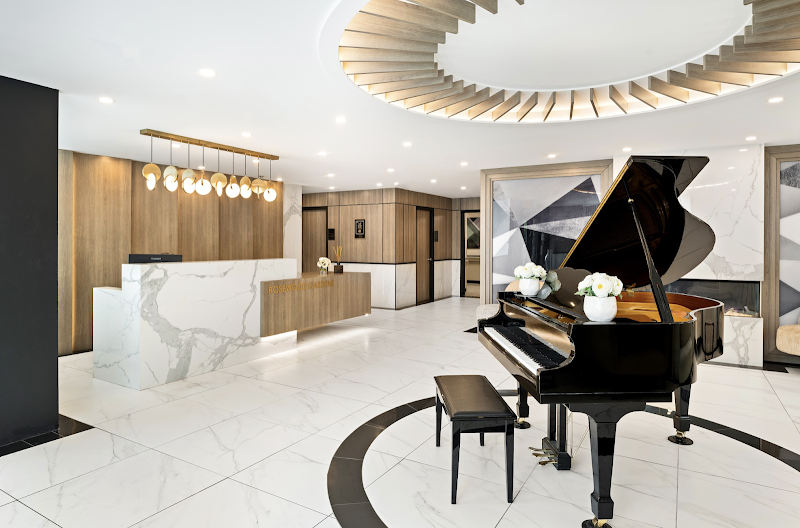
How is Springs Rehabilitation At Brandywine Staffed?

CMS rates SPRINGS REHABILITATION AT BRANDYWINE's staffing level at 2 out of 5 stars, which is below average compared to other nursing homes. Staff turnover is 61%, which is 15 percentage points above the Delaware average of 46%. High turnover can affect care consistency as new staff learn residents' individual needs. RN turnover specifically is 69%, which is notably high. RNs provide skilled clinical oversight, so turnover in this role can affect medical care quality.

What Have Inspectors Found at Springs Rehabilitation At Brandywine?

State health inspectors documented 59 deficiencies at SPRINGS REHABILITATION AT BRANDYWINE during 2021 to 2024. These included: 1 Immediate Jeopardy (the most serious level, indicating potential for serious harm or death), 3 that caused actual resident harm, 53 with potential for harm, and 2 minor or isolated issues. Immediate Jeopardy findings are rare and represent the most serious regulatory concerns. They require immediate corrective action.
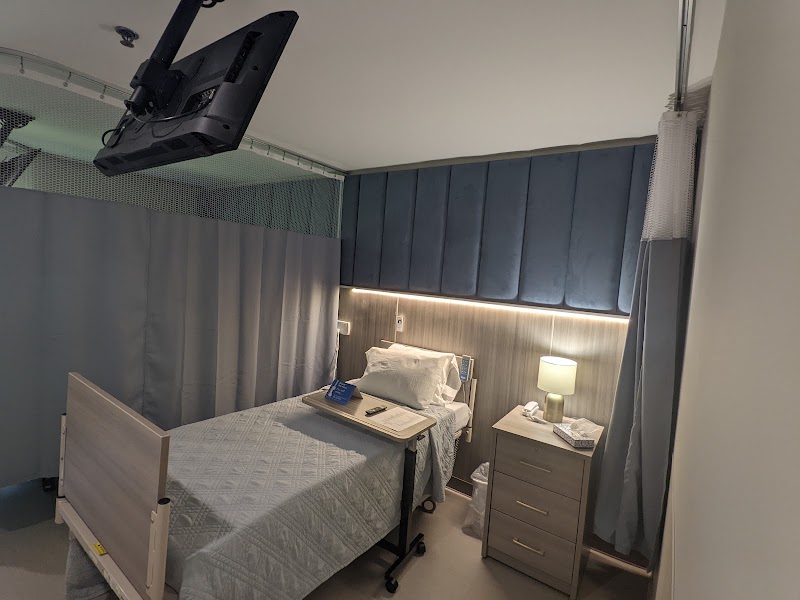
Who Owns and Operates Springs Rehabilitation At Brandywine?

SPRINGS REHABILITATION AT BRANDYWINE is owned by a for-profit company. For-profit facilities operate as businesses with obligations to shareholders or private owners. The facility is operated by PRESTIGE HEALTHCARE ADMINISTRATIVE SERVICES, a chain that manages multiple nursing homes. With 169 certified beds and approximately 149 residents (about 88% occupancy), it is a mid-sized facility located in WILMINGTON, Delaware.
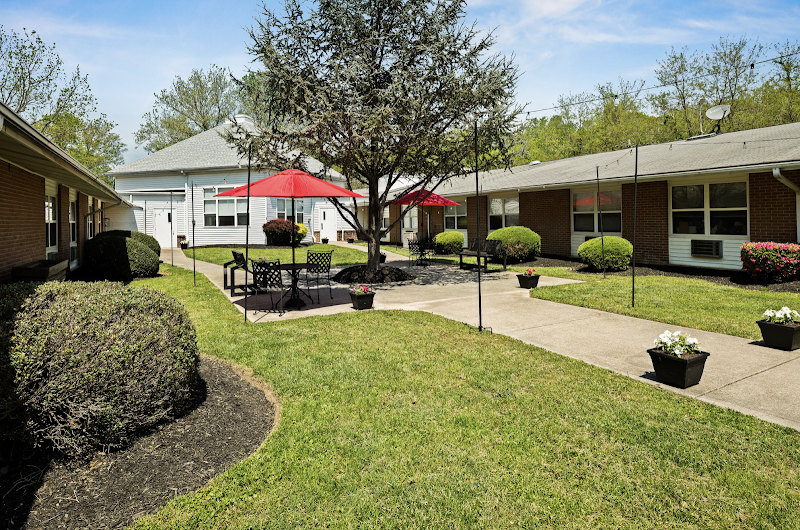
How Does Springs Rehabilitation At Brandywine Compare to Other Delaware Nursing Homes?

Compared to the 100 nursing homes in Delaware, SPRINGS REHABILITATION AT BRANDYWINE's overall rating (2 stars) is below the state average of 3.3, staff turnover (61%) is significantly higher than the state average of 46%, and health inspection rating (1 stars) is much below the national benchmark.

What Should Families Ask When Visiting Springs Rehabilitation At Brandywine?

Based on this facility's data, families visiting should ask: "What changes have been made since the serious inspection findings, and how are you preventing similar issues?" "How do you ensure continuity of care given staff turnover, and what is your staff retention strategy?" "Can you walk me through typical staffing levels on day, evening, and night shifts?" "Can I visit during a mealtime to observe dining assistance and food quality?" These questions are particularly relevant given the facility's Immediate Jeopardy citations, the facility's high staff turnover rate, and the below-average staffing rating.

Is Springs Rehabilitation At Brandywine Safe?

Based on CMS inspection data, SPRINGS REHABILITATION AT BRANDYWINE has documented safety concerns. Inspectors have issued 1 Immediate Jeopardy citation (the most serious violation level indicating risk of serious injury or death). The facility has a 2-star overall rating and ranks #100 of 100 nursing homes in Delaware. Families considering this facility should ask detailed questions about what corrective actions have been taken since these incidents.

Do Nurses at Springs Rehabilitation At Brandywine Stick Around?

Staff turnover at SPRINGS REHABILITATION AT BRANDYWINE is high. At 61%, the facility is 15 percentage points above the Delaware average of 46%. Registered Nurse turnover is particularly concerning at 69%. RNs handle complex medical decisions and coordinate care — frequent RN changes can directly impact care quality. High turnover means new staff may not know residents' individual needs, medications, or preferences. It can also be disorienting for residents, especially those with dementia who rely on familiar faces. Families should ask: What is causing the turnover? What retention programs are in place? How do you ensure care continuity during staff transitions?

Was Springs Rehabilitation At Brandywine Ever Fined?

SPRINGS REHABILITATION AT BRANDYWINE has been fined $99,184 across 3 penalty actions. This is above the Delaware average of $34,071. Fines in this range indicate compliance issues significant enough for CMS to impose meaningful financial consequences. Common causes include delayed correction of deficiencies, repeat violations, or care failures affecting resident safety. Families should ask facility leadership what changes have been made since these penalties.

Is Springs Rehabilitation At Brandywine on Any Federal Watch List?

SPRINGS REHABILITATION AT BRANDYWINE is not on any federal watch list. The most significant is the Special Focus Facility (SFF) program, which identifies the bottom 1% of nursing homes nationally based on persistent, serious quality problems. Not being on this list means the facility has avoided the pattern of deficiencies that triggers enhanced federal oversight. This is a positive indicator, though families should still review the facility's inspection history directly.