JEANNE JUGAN RESIDENCE
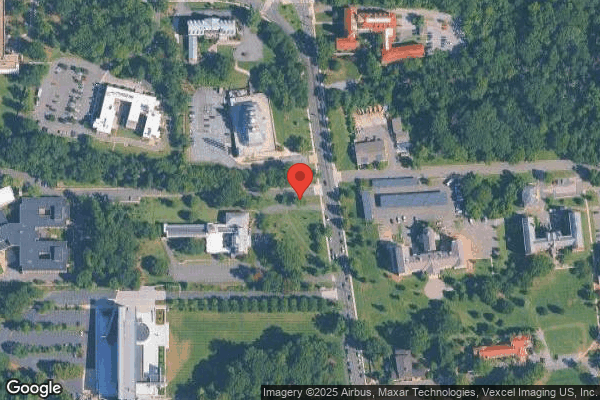
4200 HAREWOOD ROAD NE, WASHINGTON, DC 20017 (202) 269-1831
Non profit - Corporation 40 Beds Independent Data: November 2025
Trust Grade
95/100
#3 of 17 in DC
Last Inspection: May 2025

Inspected within the last 6 months. Data reflects current conditions.

Overview

Jeanne Jugan Residence has received an impressive Trust Grade of A+, indicating it is an elite facility with very high standards. It ranks #3 out of 17 nursing homes in Washington, D.C., placing it in the top tier of local options. However, the facility is experiencing a worsening trend, with the number of reported issues increasing from 3 in 2024 to 5 in 2025. Staffing is a strength, with a 5-star rating and a low turnover of 21%, which is significantly better than the district average. While there have been no fines, which is a positive sign, two concerning incidents were found: failure to maintain proper dishwashing sanitation procedures and a lack of reporting on a resident-to-resident abuse incident. Overall, while the home has strong staffing and no fines, families should be aware of the recent increase in reported issues.

Trust Score
A+
95/100
In District of Columbia
#3/17
Top 17%
Safety Record
Low Risk
No red flags
Inspections
Getting Worse
3 → 5 violations
Staff Stability
✓ Good
21% annual turnover. Excellent stability, 27 points below District of Columbia's 48% average. Staff who stay learn residents' needs.
Penalties
✓ Good
No fines on record. Clean compliance history, better than most District of Columbia facilities.
Skilled Nurses
✓ Good
Each resident gets 114 minutes of Registered Nurse (RN) attention daily — more than 97% of District of Columbia nursing homes. RNs are the most trained staff who catch health problems before they become serious.
Violations
⚠ Watch
11 deficiencies on record. Higher than average. Multiple issues found across inspections.
★★★★★
5.0
Overall Rating
★★★★★
5.0
Staff Levels
★★★★★
5.0
Care Quality
★★★★★
5.0
Inspection Score
Stable
2024: 3 issues
2025: 5 issues

The Good

  • 5-Star Staffing Rating · Excellent nurse staffing levels
  • 5-Star Quality Measures · Strong clinical quality outcomes
  • Low Staff Turnover (21%) · Staff stability means consistent care
  • Full Sprinkler Coverage · Fire safety systems throughout facility
  • No fines on record
  • Staff turnover is low (21%)

    27 points below District of Columbia average of 48%

Facility shows strength in staffing levels, quality measures, staff retention, fire safety.

The Bad

No Significant Concerns Identified

This facility shows no red flags. Among District of Columbia's 100 nursing homes, only 1% achieve this.

The Ugly 11 deficiencies on record

May 2025 5 deficiencies
CONCERN (D)

Potential for Harm - no one hurt, but risky conditions existed

Report Alleged Abuse (Tag F0609)

Could have caused harm · This affected 1 resident

**NOTE- TERMS IN BRACKETS HAVE BEEN EDITED TO PROTECT CONFIDENTIALITY** Based on record review and staff interviews, for two (2) of 15 sampled residents, facility staff failed to identify and report ...

Read full inspector narrative →
**NOTE- TERMS IN BRACKETS HAVE BEEN EDITED TO PROTECT CONFIDENTIALITY** Based on record review and staff interviews, for two (2) of 15 sampled residents, facility staff failed to identify and report an alleged incident of resident-to-resident abuse. Residents #15 and #25. The findings included: Review of the facility's Abuse, Neglect, Mistreatment and Misappropriation of Resident Property policy dated January 2025 documented: - Abuse can include verbal, mental, sexual or physical abuse. - The facility will strive to educate staff and other applicable individuals in techniques to protect all parties. - It is the policy of this facility that all staff shall monitor residents and will know how to identify potential signs and symptoms of abuse. Resident #15 was admitted to the facility on [DATE] with multiple diagnoses that included Anxiety Disorder, Dementia and Osteoarthritis. Review of the resident's medical record revealed the following: A Quarterly Minimum Data Set (MDS) assessment dated [DATE] showed that facility staff coded: a Brief Interview for Mental Status (BIMS) summary score of 15, indicating intact cognition; no indicators of psychosis; no behavioral symptoms; no functional limitations in range of motions; and received antianxiety and antidepressant medications. Resident #25 was admitted to the facility on [DATE] with multiple diagnoses that included Hypothyroidism, Polyneuropathy and Spinal Stenosis. Review of the resident's medical record revealed the following: A physician's order dated 07/03/24 that directed, Monitor # (number) of episodes of agitation, every shift for behavioral monitoring; Monitor # of episodes of hallucination, every shift for behavioral monitoring. A Quarterly MDS assessment dated [DATE] showed that facility staff coded: a BIMS summary score of 00, indicating severely impaired cognitive status; no physical behaviors directed towards others; verbal behavioral symptoms directed towards others (e.g., threatening others, screaming at others, cursing at others) occurred 1 to 3 days; no functional impairment in range of motion; and received antipsychotic medications on a routine basis. A Facility Reported Incident (FRI), DC~13424, submitted to the State Agency on 02/03/25 documented in part: Resident #15, on 02/02/25 around 10:00 AM, reported to the charge nurse that on 02/01/25 another resident (Resident #25) hit her on the back while she was walking to the dining room for supper. Review of the facility's investigation documents on 05/29/25 showed a statement from Employee #4 (Certified Nurse Aide/CNA) where she documented, .She (Resident #15) said that she did not like the way another resident (Resident #25) touched her back in the dining room . During a telephone interview on 05/29/25 at 1:18 PM, Employee #4 stated, [Resident #15] was in my assignment group that day. As we were walking back from the dining room that evening, I was talking to her, asking how her dinner was. She said that someone touched her and that she did not like it. She said it was [Resident #25], who always wonders about. It didn't seem like she (Resident #15) took it seriously. When asked why she did not report what Resident #15 told her to the charge nurse or supervisor, the employee stated, [Resident #15] seemed fine. She did not complain of any pain or anything. Review of Employee #4's education file showed that she received abuse and neglect training in August 2024 that included, . you must tell your supervisor immediately when you notice or suspect abuse, even if the abuse seems small. The evidence showed that Employee #4 failed to identify and report Resident #15's allegation of abuse by Resident #25. During a face-to-face interview on 05/30/25 at 10:30 AM, Employee #2 (Director of Nursing/DON) acknowledged the findings.
CONCERN (D)

Potential for Harm - no one hurt, but risky conditions existed

Deficiency F0740 (Tag F0740)

Could have caused harm · This affected 1 resident

**NOTE- TERMS IN BRACKETS HAVE BEEN EDITED TO PROTECT CONFIDENTIALITY** Based on record review and staff interviews, for one (1) of 15 sampled residents, facility staff failed to ensure that, for six ...

Read full inspector narrative →
**NOTE- TERMS IN BRACKETS HAVE BEEN EDITED TO PROTECT CONFIDENTIALITY** Based on record review and staff interviews, for one (1) of 15 sampled residents, facility staff failed to ensure that, for six (6) months, Resident #20 received the necessary behavioral health care and services as ordered by the physician. The findings included: Resident #20 was admitted to the facility on [DATE] with multiple diagnoses that included: Major Depressive Disorder, Hemiplegia and Hemiparesis Following Cerebral Infarction, Affecting Left Non-Dominant Side, and Hypothyroidism. Review of the resident's medical record showed the following: A physician's order dated 10/12/23 that directed, Lexapro oral tablet 10 MG (milligrams), give 1 tablet by mouth one time a day for Major Depressive Disorder. A Quarterly Minimum Data Set (MDS) assessment dated [DATE] showed that facility staff coded: a Brief Interview for Mental Status (BIMS) summary score of 15, indicating intact cognitive status; Resident Mood Interview (PHQ-2 to 9 © - Patient Health Questionnaire - mental health screening tool for mood) score of 01; feeling down, depressed, or hopeless occurred 2-6 days; often feels lonely or isolated from those around him; and received antidepressant medications. A care plan focus area with a reviewed date of 07/16/24 [Resident #20] has a diagnosis of Major Depression, had interventions that included: administer medications as ordered, monitor/document for side effects and effectiveness, and arrange for psych consult, follow up as indicated. 09/15/24 at 6:02 PM Pharmacy Note/Medication Regimen Review (MRR): Reduce Lexapro dose. This resident is currently receiving antidepressant therapy with Lexapro 10mg once daily for Depression. This dose has been in place for some time and a review of the resident's chart does not reflect a worsening of depression. To reach the minimal effective dose, please consider reducing the dose to Lexapro 5 mg once daily for depression. If a dose reduction is not warranted at this time can we please add documentation to the medical record indicating why in this resident a dosage reduction would be detrimental to the resident's wellbeing? It should be noted that the MRR was reviewed and signed on 09/19/24 by the physician who put a check mark in the box marked Other and wrote Refer to psychiatry. A physician's order dated 09/25/24 directed, Refer to psychiatry. 03/28/25 at 11:00 AM Psychiatric Consultation Note: - Type of Assessment: Initial Assessment. - Assessment Date: 03/28/25. - Chief Complaint: evaluation of mood, behavior, and medication review. - Continue Lexapro 10 mg by mouth daily for Depression and Anxiety. It should be noted that as of 05/28/25, Resident #20 still has an active order for Lexapro 10 mg. During a face-to-face interview on 05/28/25 at 3:45 PM, Employee #3 (Assistant Director of Nursing/ADON) stated, The psychiatrist we had lost their contract around that time (September 2024), so the resident was not able to get seen when the doctor's order was put in. [Resident #20] was stable. He was seen once we got a new contract with new psychiatrists. The evidence showed that for six (6) months, facility staff failed to ensure that Resident #20 received the necessary behavioral health care and services as ordered by the physician.
CONCERN (D)

Potential for Harm - no one hurt, but risky conditions existed

Deficiency F0757 (Tag F0757)

Could have caused harm · This affected 1 resident

**NOTE- TERMS IN BRACKETS HAVE BEEN EDITED TO PROTECT CONFIDENTIALITY** Based on record review and staff interview for two (2) of 15 sampled residents, it was determined that facility staff failed to ...

Read full inspector narrative →
**NOTE- TERMS IN BRACKETS HAVE BEEN EDITED TO PROTECT CONFIDENTIALITY** Based on record review and staff interview for two (2) of 15 sampled residents, it was determined that facility staff failed to act upon the Pharmacist's report and recommendation and document in the resident's record any action that had been taken to address the recommendation(s) and failed to ensure one resident's medication order was complete with an indication for use for the twice daily administration of an Opioid medication. Residents #16 and #18. The findings included: Facility's document titled 'Medication Regimen Review' with a reviewed date of 08/2018 documented: It is the policy of this Home that each resident will have a medication regimen review by a licensed pharmacist in accordance to Federal, State and Local regulations as well as current standards of practice. Procedure: 3. Irregularities identified will be documented on a separate, written report and sent to the attending physician, medical director, and director of nursing, listing the resident name, relevant drug and irregularity the pharmacist has identified. 5. The attending physician will document in the resident record that the identified irregularity has been reviewed and what, if any action has been taken to address it. Facility's document titled 'Physician Orders' with a revised date of 08/2018 documented, Resident's orders are checked by a licensed nurse for errors and omissions.' 1. Resident #16 was admitted to the facility 12/01/21 with multiple diagnoses that included: Schizoaffective Disorder, Depression, Anxiety, Diabetes Mellitus and Congestive Heart Failure. A review of Resident #16's medical record revealed: A pharmacy note dated 7/21/2024 at 14:48 [2:48 PM] documented, Note Text: Physician: Discontinue PRN medications. A pharmacy document titled 'Note To Attending Physician/Prescriber' with a Medication Regimen Review date of 7/21/2024 documented the following: [Resident #16's name] has not been administered the following PRN (as needed) medications in greater than 90 days: 1. Albuterol Inhaler (bronchodilator) 2. Delsym Suspension (cough syrup) 3. Docusate (stool softener) 4. Ibuprofen (pain reliever) 5. Ondansetron (antiemetic) 6. Systane Ophthalmic (eye lubricant) 7. Pepto-Bismol Chewable (stomach relief) Please consider discontinuing the above PRN medications. Physician/Prescriber Response: Agree - D/C (discontinue) It should be noted that the medication regimen review form was signed and dated by the prescribing physician on 07/24/24 that indicated he agreed with the pharmacist's report and recommendations to discontinue seven (7) PRN medications that had not been administered to Resident #16 for greater than 90 days. It should also be noted that Resident #16's Order Summary Report and Medication Administration Record revealed that the seven (7) PRN medications remained active in the resident's record. A Quarterly Minimum Data Set (MDS) assessment dated [DATE] documented: facility staff coded a Brief Interview for Mental Status (BIMS) summary score of '15' that indicated the resident was cognitively intact. During a face-to-face interview conducted on 05/30/25 at 12:51 PM, Employee #2 (Director of Nursing, DON) acknowledged the findings and stated, [Pharmacy Company's name] comes here once monthly and does the entire facility medication review and all the recommendations. The recommendations are sent to us, the DON, Medical Director and ADON (Assistant Director of Nursing), by email. If the prescribing doctor agrees [with the pharmacist's medication recommendation], then there's a new order and the same [would be done] if the medication needs to be discontinued. I do the audits and check on the recommendation to see if they have been responded to or not, we do that once a month. If we see that something was overlooked, we would notify the physician that it wasn't carried out because they would've expected it to be carried out on the date it was written. 2. Resident #18 was admitted to the facility 09/21/23 with multiple diagnoses that included: Hyperlipidemia, Hypertension, Anxiety and Hearing Loss. A review of Resident #18's medical record revealed: A physician's order dated 11/20/24 documented, Tramadol HCl (hydrochloride) [narcotic pain reliever] Oral Tablet 50 MG (milligram) (Tramadol HCl) Give 1 tablet by mouth two times a day. A care plan with a reviewed date of 03/13/25 documented, Focus: [Resident #18's name] has (chronic) pain r/t (related to) Osteoarthritis, pain in right hip, left knee, unspecified low back pain. Goal: [Resident 18's name] will verbalize adequate relief of pain or ability to cope with incompletely relieved pain through the review date. Intervention: Administer analgesia (medication) as per orders. A Quarterly Minimum Data Set (MDS) assessment dated [DATE] documented: facility staff coded a Brief Interview for Mental Status (BIMS) summary score of '15' that indicated the resident was cognitively intact. A review of a Medication Administration Record dated 4/1/2025 - 4/30/25 and 5/1/25 - 5/31/25 documented, tramadol HCl (hydrochloride) Oral Tablet 50 MG (milligram) (Tramadol HCl) Give 1 tablet by mouth two times a day. It should be noted that the physician's order for Tramadol did not include a clinical indication for usage when the order was started, approximately six (6) months ago, and noted by the State Surveyor on 05/27/25. During a face-to-face interview conducted on 05/30/25 at 12:49 PM, Employee #2 (Director of Nursing, DON) acknowledged the findings and stated, We are trying to transition from written [orders] to electronic [orders] so that the orders go directly into PCC (Point Click Care). If [there are] any discrepancies, the nurse will have to clarify it with the doctor who ordered it. The components of the orders they need are the indication for the medication, if antibiotic they will need the end date, and all five rights of medication administration. The night nurse does a 24-hr audit of the orders to confirm all orders are correct by going into PCC to look at new orders that were entered for that day, that's part of the 24-hr check. We would have to look at that order to see why the indication did not come over [into PCC].
CONCERN (D)

Potential for Harm - no one hurt, but risky conditions existed

Food Safety (Tag F0812)

Could have caused harm · This affected 1 resident

Based on observations and interview during a tour of the dietary services on May 27, 2025, at approximately 9:20 AM, facility staff failed to store food under sanitary conditions as evidenced by one (...

Read full inspector narrative →
Based on observations and interview during a tour of the dietary services on May 27, 2025, at approximately 9:20 AM, facility staff failed to store food under sanitary conditions as evidenced by one (1) of one (1) plastic container filled with various types of deli meats, and one (1) of (1) plastic container with shredded lettuce and tomato slices, that were not labeled or dated in the walk-in refrigerator, and dietary staff failing to sanitize one (1) of one (1) digital thermometer before and after each use while checking hot food temperatures in the tray line. The findings include: 1. A container with deli meats in the walk-in refrigerator was not labeled or dated to indicate storage time and use-by date. 2. A container with shredded lettuce and tomato slices in the walk-in refrigerator was not labeled or dated to indicate storage time and use-by date. 3. Dietary staff failed to sanitize one (1) of one (1) food temperature thermometer after each use when testing multiple dishes on the tray line. Employee #5 acknowledged the findings during a face-to-face interview on May 29, 2025, at approximately 9:30 AM.
CONCERN (D)

Potential for Harm - no one hurt, but risky conditions existed

Infection Control (Tag F0880)

Could have caused harm · This affected 1 resident

Based on observations and interview, facility staff failed to maintain a safe, and sanitary environment as evidenced by dietary staff failing to sanitize one (1) of one (1) digital thermometer before ...

Read full inspector narrative →
Based on observations and interview, facility staff failed to maintain a safe, and sanitary environment as evidenced by dietary staff failing to sanitize one (1) of one (1) digital thermometer before and after each use, when testing hot food temperatures on the tray line. The findings included: During observations of the tray line on May 27, 2025, at approximately 12:00 PM, a dietary staff member did not clean and sanitize one (1) of one (1) digital metal stem thermometer between uses on the tray line. This deficient practice could potentially cause cross-contamination to occur in food items on the tray line. Employee #5 acknowledged the findings during a face-to-face interview on May 29, 2025, at approximately 9:30 AM.
Apr 2024 3 deficiencies
CONCERN (D) 📢 Someone Reported This

A family member, employee, or ombudsman was alarmed enough to file a formal complaint

Potential for Harm - no one hurt, but risky conditions existed

Assessment Accuracy (Tag F0641)

Could have caused harm · This affected 1 resident

**NOTE- TERMS IN BRACKETS HAVE BEEN EDITED TO PROTECT CONFIDENTIALITY** Based on record review and staff interview, the facility failed to ensure a resident's MDS contained accurate information relate...

Read full inspector narrative →
**NOTE- TERMS IN BRACKETS HAVE BEEN EDITED TO PROTECT CONFIDENTIALITY** Based on record review and staff interview, the facility failed to ensure a resident's MDS contained accurate information related to skin integrity for one (1) of 16 sampled resident. (Resident #4) The findings included: Resident #4 was admitted to the facility on [DATE]. The resident had a history of Peripheral Vascular Disease and Cerebral Palsy. A radiology report dated 12/09/23 (Right Duplex Scan - an assessment of how blood flows through arteries and veins), documented the following findings: Rle r/o PVD (Right Lower Extremity rule out Peripheral Vascular Disease), Findings- There is moderate stenosis (narrowing) in the femoral artery. A review of Employee #7's (Wound Care Physician) weekly progress notes dated from 12/13/23 to 02/21/24 documented the following but not limited to: Wound; Location - right heel, Etiology - PVD (Peripheral Vascular Disease). A quarterly Minimum Data Set, dated [DATE] documented the following but not limited to: the resident had a Brief Interview for Mental Status summary score of 15 indicating the resident's cognitive status was intact. Additionally, the resident was not coded for having a vascular (PVD) wound. The resident however was coded for having an unstagable (slough/eschar) pressure ulcer. The resident however was not coded for having a vascular (PVD) wound. On 04/03/24 at approximately 11 AM, the resident was observed in his room reading the paper in his wheelchair. He was alert, oriented X4 (name, place, time, and situation. At the time of the observation, the resident denied having any skin integrity issues. During a telephone interview on 04/05/24 at 1PM, Employee #7 stated that the resident did not have a pressure ulcer. The wound on the resident 's right heel was a Peripheral Vascular Disease (PVD) wound. The physician also said that the resident had a Right Duplex Scan done to confirm the PVD diagnosis. During a face-to-face interview on 04/08/24 at approximately 11:00 AM, Employee #8 (MDS Coordinator) reviewed Employee #7's weekly progress notes and the MDS dated [DATE]. After reviewing the documents, the employee stated that she coded the resident's MDS incorrectly when she documented that the resident had a pressure ulcer.
CONCERN (E)

Potential for Harm - no one hurt, but risky conditions existed

Food Safety (Tag F0812)

Could have caused harm · This affected multiple residents

Based on observations and staff interview, facility staff failed to distribute foods under sanitary condi-tion, as evidenced by dishwashing machine final rinse temperatures that were below 180 degrees...

Read full inspector narrative →
Based on observations and staff interview, facility staff failed to distribute foods under sanitary condi-tion, as evidenced by dishwashing machine final rinse temperatures that were below 180 degrees Fahrenheit (F), and dietary logs that were not consistently maintained to indicate the concentration of the sanitizing solution from one (1) of one (1) 3-compartment sink. The findings include: 1. Final rinse dishwashing machine temperatures failed to reach 180 degrees Fduring observations on April 4, and April 5, 2024. Facility staff used paper plates for dinner meals on April 4, 2024, and for all meals on April 5, 2024. Final repairs of the dishwashing machine were completed on April 5, 2024, at approximately 3:00 PM, when the final rinse temperature reached 192 degrees F . Observations on April 8, 2024, at 9:35 AM, confirmed that dishwashing machine temperatures were consistent as final rinse temperatures were between 186 degrees F and 192 degrees F, on four (4) consecutive wash cycles. 2. Chemical sanitizer solution logs for one (1) of one (1) 3-compartment sink were incomplete as sev-eral daily entries were not recorded during the months of January 2024, through March 2024. During a face-to-face interview on April 8, 2024, at approximately 2:00 PM, Employee #5 acknowledged the findings.
CONCERN (E)

Potential for Harm - no one hurt, but risky conditions existed

Room Equipment (Tag F0908)

Could have caused harm · This affected multiple residents

Based on observations and staff interview, facility staff failed to maintain essential equipment in safe operating condition, as evidenced by final rinse temperatures that were below 180 degrees on Ap...

Read full inspector narrative →
Based on observations and staff interview, facility staff failed to maintain essential equipment in safe operating condition, as evidenced by final rinse temperatures that were below 180 degrees on April 4, 2024, at 9:15 AM and 10:40 AM. The findings include: During observations in dietary services on April 4, 2024, at 9:15 AM, and 10:40 AM, final rinse temperatures from the dishwashing machine did not reach a minimum of 180 degrees as required. The machine was repaired on April 5, 2024, at approximately 3:00 PM. During a face-to-face interview on April 8, 2024, at approximately 2:00 PM, Employee #5 acknowledged the findings.
Mar 2023 3 deficiencies
CONCERN (D) 📢 Someone Reported This

A family member, employee, or ombudsman was alarmed enough to file a formal complaint

Potential for Harm - no one hurt, but risky conditions existed

Assessment Accuracy (Tag F0641)

Could have caused harm · This affected 1 resident

**NOTE- TERMS IN BRACKETS HAVE BEEN EDITED TO PROTECT CONFIDENTIALITY** Based on record review and staff interview, for one (1) of 16 sampled residents, facility staff failed to accurately code one re...

Read full inspector narrative →
**NOTE- TERMS IN BRACKETS HAVE BEEN EDITED TO PROTECT CONFIDENTIALITY** Based on record review and staff interview, for one (1) of 16 sampled residents, facility staff failed to accurately code one resident's quarterly Minimum Data Set (MDS) assessment with the accurate number of falls. Resident #24. The findings included: Resident #24 was admitted to the facility on [DATE] with multiple diagnoses that included: Parkinson's Disease, Hypertension and Hypothyroidism. Review of Resident #24's medical record revealed a quarterly MDS dated [DATE] in which facility staff coded: a Brief Interview for Mental Status (BIMS) summary score of 15, indicating intact cognitive response; and in section J (Health Conditions), no of falls since admission/entry or reentry or prior assessment, whichever is more recent. Further review of the medical record revealed the following documentation: 11/15/22 at 2:16 AM [Fall Risk Assessment] .Recent Fall . Score: 12.0; Category: High Risk . Instructions/scoring . 10 or above [equals] High Risk . Notes: Sustained a fall in her room . 11/15/22 at 3:23 AM [Nursing Progress Note] Resident reports that approximately 1245 a.m., she fell after using the bathroom . 01/04/23 at 1:00 PM [Fall Risk Assessment] .Recent Fall . Score: 16.0; Category: High Risk . 01/04/23 at 2:20 PM [Nursing Progress Note] At about 1:00 pm Writer was called by House keeping to the hallway who observe resident fell on the floor . A Quarterly MDS dated [DATE] in which facility staff coded: a BIMS summary score of 15; and in section J (Health Conditions), J1900 (Number of falls .), 1 fall with no evidence of injury. During a face-to-face interview conducted on 03/31/23 at 12:26 PM, Employee #4 (MDS Coordinator) reviewed the MDS dated [DATE], acknowledged the findings and stated, OK. Cross Reference: 22B DCMR sec. 3231.12
CONCERN (D) 📢 Someone Reported This

A family member, employee, or ombudsman was alarmed enough to file a formal complaint

Potential for Harm - no one hurt, but risky conditions existed

Comprehensive Care Plan (Tag F0656)

Could have caused harm · This affected 1 resident

**NOTE- TERMS IN BRACKETS HAVE BEEN EDITED TO PROTECT CONFIDENTIALITY** Based on record review and staff interview, for one (1) of 16 sampled residents, facility staff failed to develop and implement ...

Read full inspector narrative →
**NOTE- TERMS IN BRACKETS HAVE BEEN EDITED TO PROTECT CONFIDENTIALITY** Based on record review and staff interview, for one (1) of 16 sampled residents, facility staff failed to develop and implement a comprehensive person-centered care plan with goals and interventions to address one resident's diagnosis of Convulsions and use of anti-seizure medications. Resident #29. The findings included: Resident #29 was admitted to the facility on [DATE] with multiple diagnoses that included: Unspecified Convulsions, Schizoaffective Disorder and Anxiety Disorder. Review of Resident #29's medical record revealed a physician's order dated 09/14/22: Divalproex (anti-seizure medication) Sodium ER (extended release) Tablet . 500 MG (milligrams) Give 2 tablet by mouth two times a day related to Unspecified Convulsions; Seizure precaution every shift related to Unspecified Convulsions; and Primidone (anti-seizure medication) Tablet 50 MG Give 2 tablet by mouth two times a day related to Unspecified Convulsions. Review of Resident #24's comprehensive care plan with a review date of 02/21/23, showed no documented evidence that facility staff developed and implemented care plans with goals and interventions to address her diagnosis of Convulsions and use of anti-seizure medications. During a face-to-face interview conducted on 03/31/23 at 11:27 AM, Employee #4 (MDS Coordinator) acknowledged the findings and stated, I don't know how I missed that. Cross Reference: 22B DCMR sec 3210.4
CONCERN (D) 📢 Someone Reported This

A family member, employee, or ombudsman was alarmed enough to file a formal complaint

Potential for Harm - no one hurt, but risky conditions existed

Deficiency F0657 (Tag F0657)

Could have caused harm · This affected 1 resident

**NOTE- TERMS IN BRACKETS HAVE BEEN EDITED TO PROTECT CONFIDENTIALITY** Based on record review and staff interview, for one (1) of 16 sampled residents, facility staff failed to revise one resident's ...

Read full inspector narrative →
**NOTE- TERMS IN BRACKETS HAVE BEEN EDITED TO PROTECT CONFIDENTIALITY** Based on record review and staff interview, for one (1) of 16 sampled residents, facility staff failed to revise one resident's medium risk for falls care plan to high risk for falls after sustaining two falls. Resident #24. The findings included: Resident #24 was admitted to the facility on [DATE] with multiple diagnoses that included: Parkinson's Disease, Hypertension and Hypothyroidism. Review of Resident #24's medical record revealed the following documentation: 11/15/22 at 2:16 AM [Fall Risk Assessment], .Recent Fall . Score: 12.0; Category: High Risk . Instructions/scoring . 10 or above [equals] High Risk . Notes: Sustained a fall in her room . 11/15/22 at 3:23 AM [Nursing Progress Note], Resident reports that approximately 1245 a.m., she fell after using the bathroom . 01/04/23 at 1:00 PM [Fall Risk Assessment], .Recent Fall . Score: 16.0; Category: High Risk . 01/04/23 at 2:20 PM [Nursing Progress Note] At about 1:00 pm Writer was called by House keeping to the hallway who observe resident fell on the floor . Care plan focus area, The resident is a medium risk for falls r/t (related to) gait/balance problems and history of fall showed a revision date of 01/18/23. The evidence showed that facility staff failed to revise Resident #24's care plan to indicate that she is a high risk for falls and update the interventions as appropriate for a resident who is a high risk for falls. During a face-to-face interview conducted on 03/31/23 at 12:26 PM, Employee #4 (MDS Coordinator) reviewed the care plan, acknowledged the findings and sated, OK. Cross Reference: 22B DCMR sec 3210.4
Understanding Severity Codes (click to expand)
Life-Threatening (Immediate Jeopardy)
J - Isolated K - Pattern L - Widespread
Actual Harm
G - Isolated H - Pattern I - Widespread
Potential for Harm
D - Isolated E - Pattern F - Widespread
No Harm (Minor)
A - Isolated B - Pattern C - Widespread

Questions to Ask on Your Visit

  • "Can I speak with families of current residents?"
  • "What's your RN coverage like on weekends and overnight?"

Our Honest Assessment

Strengths
  • • Grade A+ (95/100). Above average facility, better than most options in District of Columbia.
  • • No major safety red flags. No abuse findings, life-threatening violations, or SFF status.
  • • No fines on record. Clean compliance history, better than most District of Columbia facilities.
  • • 21% annual turnover. Excellent stability, 27 points below District of Columbia's 48% average. Staff who stay learn residents' needs.
Concerns
  • • 11 deficiencies on record. Higher than average. Multiple issues found across inspections.
Bottom line: Generally positive indicators. Standard due diligence and a personal visit recommended.

About This Facility

What is Jeanne Jugan Residence's CMS Rating?

CMS assigns JEANNE JUGAN RESIDENCE an overall rating of 5 out of 5 stars, which is considered much above average nationally. Within District of Columbia, this rating places the facility higher than 99% of the state's 100 nursing homes. This rating reflects solid performance across the metrics CMS uses to evaluate nursing home quality.

How is Jeanne Jugan Residence Staffed?

CMS rates JEANNE JUGAN RESIDENCE's staffing level at 5 out of 5 stars, which is much above average compared to other nursing homes. Staff turnover is 21%, compared to the District of Columbia average of 46%. This relatively stable workforce can support continuity of care.

What Have Inspectors Found at Jeanne Jugan Residence?

State health inspectors documented 11 deficiencies at JEANNE JUGAN RESIDENCE during 2023 to 2025. These included: 11 with potential for harm.

Who Owns and Operates Jeanne Jugan Residence?

JEANNE JUGAN RESIDENCE is owned by a non-profit organization. Non-profit facilities reinvest revenue into operations rather than distributing to shareholders. The facility operates independently rather than as part of a larger chain. With 40 certified beds and approximately 25 residents (about 62% occupancy), it is a smaller facility located in WASHINGTON, District of Columbia.

How Does Jeanne Jugan Residence Compare to Other District of Columbia Nursing Homes?

Compared to the 100 nursing homes in District of Columbia, JEANNE JUGAN RESIDENCE's overall rating (5 stars) is above the state average of 3.3, staff turnover (21%) is significantly lower than the state average of 46%, and health inspection rating (5 stars) is much above the national benchmark.

What Should Families Ask When Visiting Jeanne Jugan Residence?

Based on this facility's data, families visiting should ask: "Can I visit during a mealtime to observe dining assistance and food quality?" "How do you handle medical emergencies, and what is your hospital transfer rate?" "Can I speak with family members of current residents about their experience?"

Is Jeanne Jugan Residence Safe?

Based on CMS inspection data, JEANNE JUGAN RESIDENCE has a clean safety record: no substantiated abuse findings (meaning no confirmed cases of resident harm), no Immediate Jeopardy citations (the most serious violation level indicating risk of serious injury or death), and is not on the Special Focus Facility watch list (a federal program monitoring the lowest-performing 1% of nursing homes). The facility has a 5-star overall rating and ranks #1 of 100 nursing homes in District of Columbia. While no facility is perfect, families should still ask about staff-to-resident ratios and recent inspection results during their visit.

Do Nurses at Jeanne Jugan Residence Stick Around?

Staff at JEANNE JUGAN RESIDENCE tend to stick around. With a turnover rate of 21%, the facility is 24 percentage points below the District of Columbia average of 46%. Low turnover is a positive sign. It means caregivers have time to learn each resident's needs, medications, and personal preferences. Consistent staff also notice subtle changes in a resident's condition more quickly. Registered Nurse turnover is also low at 27%, meaning experienced RNs are available to handle complex medical needs.

Was Jeanne Jugan Residence Ever Fined?

JEANNE JUGAN RESIDENCE has no federal fines on record. CMS issues fines when nursing homes fail to meet care standards or don't correct problems found during inspections. The absence of fines suggests the facility has either maintained compliance or corrected any issues before penalties were assessed. This is a positive indicator, though families should still review recent inspection reports for the full picture.

Is Jeanne Jugan Residence on Any Federal Watch List?

JEANNE JUGAN RESIDENCE is not on any federal watch list. The most significant is the Special Focus Facility (SFF) program, which identifies the bottom 1% of nursing homes nationally based on persistent, serious quality problems. Not being on this list means the facility has avoided the pattern of deficiencies that triggers enhanced federal oversight. This is a positive indicator, though families should still review the facility's inspection history directly.