SERENITY REHABILITATION AND HEALTH CENTER LLC

1380 SOUTHERN AVE SE, WASHINGTON, DC 20032 (202) 279-5880
For profit - Limited Liability company 183 Beds Independent Data: November 2025
Trust Grade
50/100
#11 of 17 in DC
Last Inspection: October 2023

Over 2 years since last inspection. Current conditions may differ from available data.

Overview

Serenity Rehabilitation and Health Center LLC has a Trust Grade of C, which means it is average-neither great nor terrible. It ranks #11 out of 17 facilities in the District of Columbia, placing it in the bottom half of local options. The facility is showing a worsening trend, with the number of reported issues increasing from 19 in 2023 to 20 in 2025. Staffing is a relative strength, rated at 4 out of 5 stars, though the turnover rate is 39%, which is around the district average. However, the facility has encountered concerning incidents, including a failure to protect residents from alleged abuse and issues with food safety, such as unclean ice machines and improperly stored food items. While there are strengths in staffing stability, the facility's recent compliance issues and health inspections raise some red flags for families to consider.

Trust Score
C
50/100
In District of Columbia
#11/17
Bottom 36%
Safety Record
Moderate
Needs review
Inspections
Getting Worse
19 → 20 violations
Staff Stability
○ Average
39% turnover. Near District of Columbia's 48% average. Typical for the industry.
Penalties
✓ Good
$47,684 in fines. Lower than most District of Columbia facilities. Relatively clean record.
Skilled Nurses
✓ Good
Each resident gets 62 minutes of Registered Nurse (RN) attention daily — more than 97% of District of Columbia nursing homes. RNs are the most trained staff who catch health problems before they become serious.
Violations
⚠ Watch
81 deficiencies on record. Higher than average. Multiple issues found across inspections.
★★★☆☆
3.0
Overall Rating
★★★★☆
4.0
Staff Levels
★★★★☆
4.0
Care Quality
★★★☆☆
3.0
Inspection Score
Stable
2023: 19 issues
2025: 20 issues

The Good

  • 4-Star Staffing Rating · Above-average nurse staffing levels
  • 4-Star Quality Measures · Strong clinical quality outcomes
  • Full Sprinkler Coverage · Fire safety systems throughout facility
  • No fines on record
  • Staff turnover below average (39%)

    9 points below District of Columbia average of 48%

Facility shows strength in staffing levels, quality measures, fire safety.

The Bad

3-Star Overall Rating

Near District of Columbia average (3.2)

Meets federal standards, typical of most facilities

Staff Turnover: 39%

Near District of Columbia avg (46%)

Typical for the industry

Federal Fines: $47,684

Above median ($33,413)

Moderate penalties - review what triggered them

The Ugly 81 deficiencies on record

1 actual harm
Feb 2025 20 deficiencies
CONCERN (D) 📢 Someone Reported This

A family member, employee, or ombudsman was alarmed enough to file a formal complaint

Potential for Harm - no one hurt, but risky conditions existed

Resident Rights (Tag F0550)

Could have caused harm · This affected 1 resident

**NOTE- TERMS IN BRACKETS HAVE BEEN EDITED TO PROTECT CONFIDENTIALITY** Based on observations, staff and resident interviews, for one (1) of 56 sampled residents, facility staff failed to treat a resi...

Read full inspector narrative →
**NOTE- TERMS IN BRACKETS HAVE BEEN EDITED TO PROTECT CONFIDENTIALITY** Based on observations, staff and resident interviews, for one (1) of 56 sampled residents, facility staff failed to treat a resident with dignity and respect while also recognizing the residents individuality as evidenced by staff observed entering the resident's room without first knocking on the closed door or addressing the resident and informing the resident who they were and why they were there upon entering the room. Resident #93. The findings included: Resident #93 was admitted to the facility on [DATE] with multiple diagnoses that included: Paraplegia Complete, Neuromuscular Dysfunction of Bladder, and Other Artificial Openings of Urinary Tract Status. Review of the resident's medical record showed the following: A care plan focus area that documented, [Resident #93], is at risk for altered thought processes r/t (related to) Schizophrenia and Bipolar Disorder, was initiated on 04/11/23 and had the following interventions that included, Speak clearly and directly to patient in a simple and professional manner. A Quarterly Minimum Data Set (MDS) assessment dated [DATE], showed that the facility staff coded the resident as having a Brief Interview for Mental Status (BIMS) summary score of 15 indicating intact cognition. During an observation on 01/24/25 at approximately 10:00 AM, a laminated sign with large print was noted on Resident #93's door that documented, Please knock before entering Thank You. Employee #7 (Registered Nurse) was seen opening the door to Resident #93's room and entering, leaving the door open and walked past Resident #93, towards the resident's roommate, located by the window. The employee was observed looking out the window and adjusting the window treatments. The surveyor introduced themselves and Employee #7 stated that she came into the room to adjust the curtains. During a face-to-face interview conducted on 01/24/25 at approximately 10:01 AM, Resident #93 stated that staff enter her room and do not say anything, and that staff do not pull the curtain (privacy curtain) in between her and her roommate when providing care. During a face-to-face interview conducted on 01/24/25 at approximately 11:30 AM, Employee #7 (Registered Nurse) was asked by the surveyor why she did not knock on the closed door or ask the resident if she could enter the room prior to entering. Employee #7 stated that she knew the surveyor was in the room and she entered just to close the shade. During a face-to-face interview conducted on 01/24/25 at approximately 11:45 AM, with Employee #9 (Unit Manager First Floor) stated that education would be provided and acknowledged the findings. Cross Reference 22B DCMR Sec. 3269.1 (f)
CONCERN (D) 📢 Someone Reported This

A family member, employee, or ombudsman was alarmed enough to file a formal complaint

Potential for Harm - no one hurt, but risky conditions existed

Deficiency F0568 (Tag F0568)

Could have caused harm · This affected 1 resident

**NOTE- TERMS IN BRACKETS HAVE BEEN EDITED TO PROTECT CONFIDENTIALITY** Based on record review, resident interview and staff interview for one (1) of 56 sampled residents, facility staff failed to pro...

Read full inspector narrative →
**NOTE- TERMS IN BRACKETS HAVE BEEN EDITED TO PROTECT CONFIDENTIALITY** Based on record review, resident interview and staff interview for one (1) of 56 sampled residents, facility staff failed to provide a quarterly statement to a resident or resident's legal representative of the resident's personal funds account. Resident #103 The findings included: Resident #103 was admitted to the facility on [DATE] with multiple diagnoses that included: Cerebrovascular Accident (CVA), Anxiety, Bilateral Hip Arthritis and Morbid Obesity. A review of Resident #103's medical record revealed a Quarterly Minimum Data Set (MDS) assessment dated [DATE] documenting a Brief Interview for Mental Status (BIMS) summary score of '14,' indicating the resident was cognitively intact. During a face-to-face interview conducted on 01/23/25 at 12:54 PM, Resident #103 stated that she had not been receiving statement balances of her account maintained at the facility and she was unaware that she should be receiving regular statement balances of her personal funds account at least quarterly. It should be noted that a review of the Resident Fund Statement for Resident #103 revealed that she did not receive quarterly statements of her personal funds account for the following quarters dated: 12/30/23 - 03/29/24; 03/30/24 - 06/28/24; 06/29/24 - 09/30/24; and 10/01/24 - 12/30/24. 5. Individual accounting records are made available to the resident through quarterly statements and upon request. Quarterly statements will include the following information: a. The resident's balance at the beginning and end of the statement period; b. The total of deposits and withdrawals by the resident for the quarter; c. Interest earned on the resident's funds; d. Resident funds available through petty cash; and e.The total amount of petty cash on hand. A facility policy titled 'Accounting and Records of Resident Funds' with a review date of 01/2025 documented: During a face-to-face interview conducted on 01/31/25 at 09:43 AM Employee #24 acknowledged the findings and stated, The account balance is on their [the resident's] receipt when they withdraw money from their account and it's on their quarterly statement. I make a copy of the original quarterly statement and have them sign each one before I give them their copy. I missed giving her a copy of her quarterly statement for the past quarters.
CONCERN (D) 📢 Someone Reported This

A family member, employee, or ombudsman was alarmed enough to file a formal complaint

Potential for Harm - no one hurt, but risky conditions existed

Safe Environment (Tag F0584)

Could have caused harm · This affected 1 resident

**NOTE- TERMS IN BRACKETS HAVE BEEN EDITED TO PROTECT CONFIDENTIALITY** Based on observation, record review, family and staff interviews, for one (1) of 56 sampled residents, facility staff failed to...

Read full inspector narrative →
**NOTE- TERMS IN BRACKETS HAVE BEEN EDITED TO PROTECT CONFIDENTIALITY** Based on observation, record review, family and staff interviews, for one (1) of 56 sampled residents, facility staff failed to exercise reasonable care for the protection of one resident's property from loss. Resident #142. The findings included: Resident #142 was admitted to the facility on [DATE] with multiple diagnoses that included: Malignant Neoplasm of Laryngeal Cartilage and Benign Prostatic Hyperplasia with Lower Urinary Track Symptoms. Review of the resident's medical record revealed the following: A face sheet that documented the resident's sister as his responsible party (RP). A Personal Property Inventory sheet signed and dated 08/28/24 that listed Resident #142's clothing and other personal items. A Significant Change Minimum Data Set (MDS) assessment dated [DATE] showed that facility staff coded the resident as having severely impaired cognitive skills for decision-making. During a telephone interview with Resident #142's sister on 01/23/25 at 12:42 PM, she stated, His clothes are always going missing despite them getting labeled. I buy him clothes all the time. I bring them in and let the staff know but I am not sure if they are being put in his inventory sheet. During an observation of Resident #142's closet against his inventory sheet with Employee #4 (3rd floor Unit Manager) on 01/25/25 at 9:48 AM, multiple clothing items listed on the inventory sheet were not found in the resident's closet or drawers. It was also noted that there were multiple items not labeled with his name or listed on his inventory sheet that were found in his drawers. The employee stated, Sometimes the family brings things in and does not tell us. Every time we do our quarterly care plan meetings, I ask a CNA (Certified Nurse Aide) to check the inventory sheet with the resident's belongings and update the inventory sheet as needed. When asked when the last time Resident #142's personal property was inventoried, the employee stated, It should've been done during the last care plan meeting in November [2024]. When asked to provide documented evidence that this was done, Employee #4 was not able to.
CONCERN (D) 📢 Someone Reported This

A family member, employee, or ombudsman was alarmed enough to file a formal complaint

Potential for Harm - no one hurt, but risky conditions existed

Report Alleged Abuse (Tag F0609)

Could have caused harm · This affected 1 resident

**NOTE- TERMS IN BRACKETS HAVE BEEN EDITED TO PROTECT CONFIDENTIALITY** Based on record review and staff interviews, for one (1) of 56 sampled residents, facility staff failed to timely report Residen...

Read full inspector narrative →
**NOTE- TERMS IN BRACKETS HAVE BEEN EDITED TO PROTECT CONFIDENTIALITY** Based on record review and staff interviews, for one (1) of 56 sampled residents, facility staff failed to timely report Resident #176's injury of unknown injury to the Administrator and the State Agency. The findings included: Resident #176 was admitted to the facility on [DATE] with multiple diagnoses that included: Bipolar Disorder, Anxiety Disorder, Anemia and Type 2 Diabetes Mellitus. Review of the resident's medical record revealed the following: A Quarterly Minimum Data Set (MDS) assessment dated [DATE] showed that facility staff coded: unclear speech; difficulty communicating some words or finishing thoughts but can, if prompted or given time; comprehends most conservations; severely impaired cognitive skills for decision making; required partial/moderate assistance for personal hygiene; no skin conditions issues. A 10/31/2023 at 2:56 AM Weekly Skin Assessment documented: No new wounds, skin is intact. An 11/01/23 at 9:42 AM Nurses Note documented: - Resident noted with swelling on forehead. - Resident unable to say what happened; denies having pain when asked. - Nurse Practitioner (NP) made aware, monitor swelling for pain or any change. An 11/01/23 at 2:00 PM Situation Background Assessment Request (SBAR) Communication Tool documented: - This morning, during rounds Certified Nurse Aide (CNA) called the writer to resident room and notified the writer that resident has swelling in the middle of her forehead. - Assessment: skin is intact at the site; the resident denies having any pain or discomfort; pupils equal and reactive to light. - NP notified on 11/01/23 at 10:00 AM. - Name of family/representative notified: [daughter's name] on 01/01/23 at 9:00 AM. An 11/01/23 at 4:28 PM Skin Observation Tool documented: Mild swelling to the forehead, no wounds, bruises, or redness. An 11/02/23 at 4:05 PM Nurse Practitioner Progress Note documented: - Critical lab report - 11/02/23 hemoglobin 5.7 (low). - Recurrent rectal bleed with severe anemia. - Transfer to the emergency room for further treatment. A Facility Reported Incident (FRI), DC~12419, submitted to the State Agency on 11/03/23 at 11:43 AM documented: - The writer received a call from [daughter's name] at 10:00 AM today. - [Resident's daughter] stated that she was informed by a staff member that someone put his hands on [Resident #176's] face. - Daughter said the incident occurred on Wednesday 11/01/23 during the evening shift. - Daughter said she went to the hospital on Thursday 11/02/23 and observed that the resident had bruises on her face. A Complaint, DC~12420, received by the State Agency on 11/06/23 documented: - The nursing home called me, the week of 10/30/23 and stated my mother had a bump on her face and they did not know how it got there. - On 11/01/23, they called and stated she was having some bleeding at the bottom. - She was sent to [hospital name]. When I got to the hospital and saw her face it was not a bump it was a bruise in the corner her right eye which is black & another bruise under her left eye with is black. - I called back to the nursing home, and it appears nothing was reported to the manager about the bruises. - They are supposed to be doing an investigation. This is not the first time something like this has happened. During a face-to-face interview on 01/28/25 at 1:15 PM, Employee #5 (2nd floor Unit Manager), the staff member who submitted report on 11/03/23 to State Agency, stated, I was aware that the resident had swelling on her forehead prior to the family calling and making an allegation of abuse. I did not suspect abuse. When asked if swelling of the forehead is considered an injury of unknown origin and should have been reported to State Agency and the Administrator in a timely manner (within 24 hours), the employee stated, Yes. During a face-to-face interview on 01/28/25 at 2:07 PM, Employee #3 (Assistant DON) acknowledged that facility staff failed to identify Resident #142's swelling of the forehead as an injury of unknown origin, therefore failed to report it to the Administrator and the State Agency in a timely manner. Cross Reference 22B DCMR Sec. 3232.4
CONCERN (D) 📢 Someone Reported This

A family member, employee, or ombudsman was alarmed enough to file a formal complaint

Potential for Harm - no one hurt, but risky conditions existed

Investigate Abuse (Tag F0610)

Could have caused harm · This affected 1 resident

**NOTE- TERMS IN BRACKETS HAVE BEEN EDITED TO PROTECT CONFIDENTIALITY** Based on record review and staff interviews, for one (1) of 56 sampled residents, facility staff failed to conduct a thorough in...

Read full inspector narrative →
**NOTE- TERMS IN BRACKETS HAVE BEEN EDITED TO PROTECT CONFIDENTIALITY** Based on record review and staff interviews, for one (1) of 56 sampled residents, facility staff failed to conduct a thorough investigation of Resident #56's injury of unknown origin (fracture of right index finger). The findings included: Review of the facility's Abuse, Neglect, Exploitation or Misappropriation - Reporting and Investigating policy (dated 01/2025) documented: - All reports of resident abuse, including injuries of unknown origin, are thoroughly investigated by facility management. Resident #56 was readmitted to the facility on [DATE] with multiple diagnoses that included: Surgical Aftercare Following Surgery on the Digestive System and Adult Failure to Thrive. A Significant Change Minimum Data Set (MDS) assessment dated [DATE] showed that facility staff coded: unclear speech; a Brief Interview for Mental Status (BIMS) summary score of 00, indicating severe cognitive impairment; no functional impairment in range of motion for upper extremities; and total dependent on staff for all activities of daily living (ADLs). A 01/13/25 at 1:32 PM Nurses Note documented: - Resident right index finger swollen; x-ray ordered by Nurse Practitioner (NP). A 01/14/25 at 12:08 PM Nurses Note documented: - [Radiology company] came, x-ray of right index finger was done. A 01/14/25 at 1:25 PM Nurse Practitioner Progress Note documented: - Asked to evaluate the resident's right hand x-ray report. - X-ray results - acute fracture of the base of the proximal phalanx of the 2nd finger. - Transfer to the emergency room for further evaluation and treatment. A Facility Reported Incident (FRI), DC~13383, submitted to the State Agency on 01/14/25 at 2:49 PM documented: - The patient was observed with a mildly swollen right index finger during grooming care yesterday morning 01/13/25. - NP in house was notified, assessed the patient and gave an order for x-ray. - The x-ray was completed this morning, result showed Acute fracture of the base of the proximal phalanx of the 2nd finger. - NP was notified of the x-ray result; she gave an order to send the patient to the nearest ER for further evaluation. - The Administrator started an investigation related to the resident acute fracture. The facility's investigation documents were reviewed on 01/29/25 which revealed that facility staff failed to conduct interviews with or obtain statements from all appropriate staff as part of their investigation. During a face-to-face interview on 01/29/25 at 3:29 PM, Employee #2 (Director of Nursing/DON) reviewed the investigation documents, acknowledged the findings and stated, We did not get statement from all employees as we should have. Cross Reference 22B DCMR Sec. 3232.2
CONCERN (D) 📢 Someone Reported This

A family member, employee, or ombudsman was alarmed enough to file a formal complaint

Potential for Harm - no one hurt, but risky conditions existed

Deficiency F0625 (Tag F0625)

Could have caused harm · This affected 1 resident

**NOTE- TERMS IN BRACKETS HAVE BEEN EDITED TO PROTECT CONFIDENTIALITY** Based on record review and staff interview for two (2) of 56 sampled residents, facility staff failed to provide written notific...

Read full inspector narrative →
**NOTE- TERMS IN BRACKETS HAVE BEEN EDITED TO PROTECT CONFIDENTIALITY** Based on record review and staff interview for two (2) of 56 sampled residents, facility staff failed to provide written notification to the resident and/or the resident's representative of the facility policy for bed hold, remaining bed hold days and reserve bed payment for two (2) residents who were transferred from the facility to the hospital. Residents' #20 and #51. The findings included: 1. Resident #20 was admitted to the facility on [DATE] with multiple diagnoses that included: End Stage Renal Disease (ESRD), Type II Diabetes Mellitus, Bilateral Above the Knee Amputation and Heart Failure. A face sheet showed that Resident #20 had a representative. A Quarterly Minimum Data Set (MDS) assessment dated [DATE] documented: facility staff coded a Brief Interview for Mental Status (BIMS) summary score of '13,' indicating the resident was cognitively intact. A physician's order dated 01/23/25 at 14:30 [2:30 PM] documented, ER (emergency room) transfer for CT (Computed Tomography) scan and forehead wound sutures. A nurse's note dated 01/23/25 at 16:40 [2:40 PM] documented, At 2:25pm resident was observed on the floor on a prone position, 3 staff assisted resident back into bed, when asked what happened resident stated she slides [sic] out of the wheelchair on skin assessment resident was observed with bump on forehead 2 cuts also observed on forehead. Ice pad applied. Neuro (neurological) check was initiated. Resident tolerated ROM (range of motion) to her limit. [Nurse Practitioner's name] come and assessed resident and gave a PO (verbal) order to send resident to hospital for further evaluation. A Resident Transfer Form dated 01/23/25 at 5:15 PM documented, Resident was transfer[red] to [Hospital name] on stretcher by 2 EMS (emergency medical services). During a face-to-face interview conducted on 01/31/25 at 09:20 AM, Employee #25 stated that she is only responsible for sending notification of the resident's transfer from the facility to the hospital to the Ombudsman and she does not speak with the resident or the resident's representative. During a simultaneous face-to-face interview conducted on 01/31/25 at 09:50 AM, Employee #5 acknowledged the findings and stated, [Employee #26's name] notified the resident's representative of the transfer to the hospital. However, when Employee #26 was asked what she provided to the resident's representative she stated, The manager (Employee #5) handles the bed hold information. I only notified [the resident's representative] of the resident's condition and transfer to the hospital. It should be noted that Employee #5 and Employee #26 were unable to show documented evidence of the written notification provided to the resident's representative of the facility's bed hold policy, the remaining bed hold days and reserve bed payment regarding the resident's transfer from the facility to the hospital on [DATE]. 2. Resident #51 was admitted to the facility on [DATE] with multiple diagnoses that included: Dementia, Aphasia, Psychotic Disorder and Cerebrovascular Accident (CVA) with Hemiplegia. A face sheet showed that Resident #51 had a representative. An Annual Minimum Data Set (MDS) assessment dated [DATE] documented: facility staff coded a Brief Interview for Mental Status (BIMS) summary score of 'Severely Impaired,' indicating the resident was cognitively impaired. A physician's order dated 01/23/25 at 10:15 AM documented, transfer resident to hospital via 911 for respiratory distress. A nurse's note dated 01/23/25 at 11:00 AM documented, resident noted with audible lungs sounds (crackles) and labored breathing and No improvement on O2 (oxygen)-SAT (saturation) and [Doctor's name] called back with the new parameters, he gave a T/O (telephone order) to send resident to ER for further evaluation and Resident emergency contact [emergency contact's name] contacted via phone call to update on resident change in condition. A Resident Transfer Form dated 01/23/25 at 11:40 AM documented, send resident to ER (emergency room) for further evaluation. 911 called at 9:03am. 911 EMT (emergency medical technician) arrived at 9:50 AM. EMT called and requested for paramedics. 911 left the facility at 10:42[AM]. During a face-to-face interview conducted on 01/31/25 at 09:20 AM, Employee #25 stated that she is only responsible for sending notification of the resident's transfer from the facility to the hospital to the Ombudsman and she does not speak with the resident or the resident's representative. During a simultaneous face-to-face interview conducted on 01/31/25 at 09:50 AM, Employee #5 acknowledged the findings and stated, [Employee #26's name] notified the resident's representative of the transfer to the hospital. However, when Employee #26 was asked what she provided to the resident's representative she stated, The manager (Employee #5) handles the bed hold information. I only notified [the resident's representative] of the resident's condition and transfer to the hospital. It should be noted that Employee #5 and Employee #26 were unable to show documented evidence of the written notification provided to the resident's representative of the facility's bed hold policy, the remaining bed hold days and reserve bed payment regarding the resident's transfer from the facility to the hospital on [DATE].
CONCERN (D) 📢 Someone Reported This

A family member, employee, or ombudsman was alarmed enough to file a formal complaint

Potential for Harm - no one hurt, but risky conditions existed

Assessment Accuracy (Tag F0641)

Could have caused harm · This affected 1 resident

**NOTE- TERMS IN BRACKETS HAVE BEEN EDITED TO PROTECT CONFIDENTIALITY** 2. Facility staff failed to accurately code Resident #11's Quarterly Minimum Data Set (MDS) assessment to reflect that she was r...

Read full inspector narrative →
**NOTE- TERMS IN BRACKETS HAVE BEEN EDITED TO PROTECT CONFIDENTIALITY** 2. Facility staff failed to accurately code Resident #11's Quarterly Minimum Data Set (MDS) assessment to reflect that she was receiving opioid medications. Resident #11 was admitted to the facility on [DATE] with multiple diagnoses that included: Pain, Type 2 Diabetes Mellitus (DM), Bipolar Disorder, and Edema. Review of the resident's medical record revealed the following: A care plan focus area last reviewed on 11/20/24: [Resident #11] is on pain medication therapy Oxycodone (type of narcotic pain reliever) r/t (related to) osteoarthritis and polyneuropathy. A physician's order dated 01/12/25 that directed, Oxycodone HCl (Hydrochloride)Tablet 5 MG (milligrams), give 1 tablet by mouth two times a day for severe pain (#7-10). A physician's order dated 01/14/25 that directed, Tramadol (type of narcotic pain reliever) HCl Tablet 50 MG, give 1 tablet by mouth every 8 hours as needed for moderate pain (#4-6). A Quarterly MDS assessment dated [DATE] showed that facility staff coded: a BIMS summary score of 15, indicating intact cognitive response and in Section O - medications, did not receive opioid medications. Review of Resident #11's January 2025 Medication Administration Record (MAR) showed that the resident was administered Oxycodone 5 MG twice a day, from 01/01/25 to present (01/29/25). During a face-to-face interview on 01/29/25 at 11:46 AM, Employee #6 (MDS Coordinator) acknowledged the findings and stated, We will do a modification to correct it. Cross Reference 22B DCMR Sec. 3231.10 Based on record review and staff interviews, for three (3) of 56 sampled residents, the facility staff failed to ensure that resident's Minimum Data Sets (MDS) were accurately coded. Residents' #331 , #11 and #34. The findings included: 1. Facility staff failed to accurately code a resident's admission MDS assessment to reflect that the Resident was receiving antibiotic therapy. Resident #331 was admitted to the facility on [DATE] with diagnoses that included: Cervical Disc Stenosis, Chronic Lumbar Stenosis, Generalized Weakness, Benign Prostatic Hyperplasia with Lower Urinary Tract Symptoms, and Obstructive and Reflux Uropathy. A review of Resident #331's medical record revealed the following: A physician's order dated 01/10/25 at 4:12 PM directed: Ciprofloxacin (type of antibiotic) HCl (Hydrochloride) Oral Tablet 250 mg (milligrams). Give 1 tablet by mouth two times a day for elevated PSA (Prostate-specific antigen) for 21 Days, for H/o (history of) BPH (Benign Prostatic Hyperplasia), Cystitis, and Obstructive Uropathy. Review of Resident #331's medication administration record documented that the facility staff administered the first dose of Ciprofloxacin HCl to the Resident on 01/10/25 at 1:00 PM, and the last dose of the antibiotic medication was scheduled for 01/30/25. An admission Minimum Data Set (MDS) assessment dated [DATE] that showed that facility staff coded the resident had not received antibiotic treatment within the past 7 days of the assessment. The evidence showed that facility staff failed to accurately code Resident #331's admission MDS assessment to reflect that the Resident was receiving antibiotic therapy. During a face-to-face interview on 01/29/25 at 11:45 AM, Employee #6 (MDS Coordinator) acknowledged that the admission MDS assessment for Resident #331 was incorrect, and stated that the MDS should have reflected that the Resident was receiving antibiotic treatment. She then added that a correction will be made. Cross Reference 22B DCMR Sec. 3231.12(l) 3. Facility staff failed to accurately code a resident's assessment that was reflective of her use of prescribed medications, as evidenced by documenting that the resident was receiving an antiplatelet and a diuretic medication when they were not currently prescribed. Resident #34 was admitted to the facility on [DATE] with multiple diagnoses that included: Schizophrenia, Seizure Disorder, Anxiety, Depression and Diabetes Mellitus. A review of Resident #34's medical record revealed: A physician's order dated 09/08/24 documented the following medications that were active during the quarterly assessment dated [DATE]: ARIPiprazole Oral Tablet 20 MG (milligram) (Aripiprazole) Give 1 tablet by mouth one time a day for Schizophrenia levETIRAcetam Oral Tablet 750 MG (Levetiracetam) Give 1 tablet by mouth two times a day for Seizure Vimpat Oral Tablet 150 MG (Lacosamide) Give 1 tablet by mouth two times a day for Seizure A physician's order dated 09/21/24 documented the following medication that was active during the quarterly assessment dated [DATE]: Dulaglutide Subcutaneous Solution Pen-injector 1.5 MG/0.5ML (milliliter) (Dulaglutide) Inject 1.5 mg subcutaneously one time a day every Sat for DM2 (Type 2 Diabetes Mellitus) It should be noted that Furosemide Oral Tablet 40 MG (Furosemide) Give 1 tablet by mouth two times a day for Edema for 30 Days was discontinued on 10/03/24, which was 80 days prior to the assessment dated [DATE]. A physician's order dated 10/19/24 documented the following medications that were active during the quarterly assessment dated [DATE]: Insulin Detemir Subcutaneous Solution 100 UNIT/ML (milliliter) (Insulin Detemir) Inject 20 unit subcutaneously one time a day for DM (Diabetes Mellitus) with meals. Hold if BS < (less than) 100 Januvia Oral Tablet 100 MG (Sitagliptin Phosphate) Give 1 tablet by mouth one time a day for DM Jardiance Oral Tablet 25 MG (Empagliflozin) Give 1 tablet by mouth one time a day for DM It should also be noted that there were no documented orders for an Antiplatelet since Resident #34's admission and through the assessment period dated 12/13/24. A Quarterly Minimum Data Set (MDS) assessment dated [DATE] documented: facility staff coded a Brief Interview for Mental Status (BIMS) summary score of '14,' indicating the resident was cognitively intact. Section N - Medications documented that the resident was receiving the following class of medications: Antidepressant, Diuretic, Antiplatelet, Hypoglycemic (including insulin) and Antipsychotic. During a face-to-face interview conducted on 01/29/25 at 09:56 AM, Employee #6 and Employee #27 both acknowledged the findings and stated, It was an honest mistake.
CONCERN (D) 📢 Someone Reported This

A family member, employee, or ombudsman was alarmed enough to file a formal complaint

Potential for Harm - no one hurt, but risky conditions existed

Deficiency F0645 (Tag F0645)

Could have caused harm · This affected 1 resident

**NOTE- TERMS IN BRACKETS HAVE BEEN EDITED TO PROTECT CONFIDENTIALITY** Based on record review and staff interview for one (1) of 56 sampled residents, facility staff failed to refer a resident to the...

Read full inspector narrative →
**NOTE- TERMS IN BRACKETS HAVE BEEN EDITED TO PROTECT CONFIDENTIALITY** Based on record review and staff interview for one (1) of 56 sampled residents, facility staff failed to refer a resident to the appropriate state-designated authority, known as PASRR Level II, for evaluation and determination to ensure a resident received specialized services to meet the resident's needs. Resident #34. The findings included: A Level I Preadmission Screen/Resident Review (PASRR) dated 09/06/24 documented, Beneficiary is likely to require less than 30 days nursing facility services? No and Does the beneficiary have a known diagnosis of a major mental disorder? Yes and If yes, list diagnosis: Schizophrenia and Does the beneficiary have a diagnosis or evidence of a major mental illness limited to the following disorders: schizophrenia: Yes and Specify diagnosis based on DSM (Diagnostic and Statistical Manual of Mental Disorders)-5: Schizophrenia and Notice of referral for Level II, if applicable, distributed to Beneficiary/Representative? Yes. It should also be noted that, on the Level I PASRR, there was a check mark placed in the box that documented, Beneficiary has negative screen for serious mental illness and no further action is necessary although the resident has a documented history of Schizophrenia and should have been referred for a Level II PASRR. Resident #34 was admitted to the facility on [DATE] with multiple diagnoses that included: Schizophrenia, Seizure Disorder, Anxiety, Depression and Diabetes Mellitus. A physician's order dated 09/08/24 documented, ARIPiprazole Oral Tablet 20 MG (milligram) (Aripiprazole) Give 1 tablet by mouth one time a day for Schizophrenia. A care plan dated 09/09/24 documented: Focus - [Resident #34's name] uses psychotropic medications(Aripiprazole) r/t (related to) Schizophrenia; Goal - [Resident #34's name] will be/remain free of psychotropic drug related complications, including movement disorder, discomfort, hypotension, gait disturbance, constipation/impaction or cognitive/behavioral impairment through review date; Interventions - Administer PSYCHOTROPIC medications as ordered by physician. Monitor for side effects and effectiveness Q (every)-SHIFT. Consult with pharmacy, MD (medical doctor) to consider dosage reduction when clinically appropriate at least quarterly. A Quarterly Minimum Data Set (MDS) assessment dated [DATE] documented: facility staff coded a Brief Interview for Mental Status (BIMS) summary score of '14,' indicating the resident was cognitively intact. Section N - Medications documented that the resident was receiving an Antipsychotic. It should be noted that Resident #34's Medication Administration Record documented that facility staff administered Aripiprazole for Schizophrenia since admission to the facility. During a face-to-face interview conducted on 01/29/25 at 11:33 AM Employee #28 acknowledged the findings and stated, She didn't get a Level II PASRR because she was supposed to be a 30-day stay only, but then she was extended to long-term care. We had a discussion with [the] admission team that she need[ed] to be referred for a Level II PASRR about a month or so ago. It's the Social Worker's responsibility on admission or whenever [the residents] transition to long-term care to complete the Level II PASRR if they have a major mental illness like Schizophrenia. I was aware, but just didn't have time to get to it yet.
CONCERN (D) 📢 Someone Reported This

A family member, employee, or ombudsman was alarmed enough to file a formal complaint

Potential for Harm - no one hurt, but risky conditions existed

Comprehensive Care Plan (Tag F0656)

Could have caused harm · This affected 1 resident

**NOTE- TERMS IN BRACKETS HAVE BEEN EDITED TO PROTECT CONFIDENTIALITY** Based on observations, record reviews, staff and resident interviews, for one (1) of 56 sampled residents, facility staff failed...

Read full inspector narrative →
**NOTE- TERMS IN BRACKETS HAVE BEEN EDITED TO PROTECT CONFIDENTIALITY** Based on observations, record reviews, staff and resident interviews, for one (1) of 56 sampled residents, facility staff failed to implement Resident #5's care plan intervention to have the resident have access to functioning hearing aids. The findings included: A care plan with a last reviewed date of 06/07/23: (Resident #5) has a communication problem r/t (related to) bilateral hearing impairment AEB (as evidenced by) use of bilateral hearing aid had interventions that included: (Resident #5) requires hearing aid to communicate. Ensure availability and functioning of adaptive communication equipment. Ensure hearing aid(s) on bilateral ear is in place. Resident #5 was admitted to the facility on [DATE] with multiple diagnoses that included: Hearing Loss Bilateral, Vascular Dementia, and Paroxysmal Atrial Fibrillation. A physician's order dated 07/16/24 directed, Audiology eval (evaluation) and treat as needed. A Complaint DC~13174 submitted to the State Agency on 10/02/24 documented in part, The resident has experienced significant hearing loss. Since her admission, the family purchased a microphone system with a long wire extending from the television to the bed via the ceiling. However, the facility required removal, citing that nothing could be attached to the TV. The resident has not been provided with any assistive devices to aid her hearing. As an alternative, the family purchased a pocket talker, but it has offered little help. An observation and interview were conducted on 01/27/25 at approximately 11:00 AM in Resident #5' room. Resident #5 was observed sitting upright in bed and had her television turned up loud. When questioned by the surveyor about whether the resident had hearing aides, the resident stated that the hearing aides do not work, and she did not know where they are. During a face-to-face interview conducted on 01/27/25 at 1:49 PM, Employee #22 (Certified Nurse Aide) stated that they were not sure if the resident has any hearing aids. During a face-to-face interview conducted on 01/27/25 at 2:00PM Employee #21 (Registered Nurse) stated that they did not know if (Resident #5) had a hearing aid but they know she has an amplifier that her family brought to the facility that she uses to hear. During a face-to-face interview conducted on 02/05/25 at 1:10 PM, Employee #4 (3rd Floor Unit Manager) stated that the resident has an Amplifier that her daughter brought to the facility and that is the residents hearing aide. It is noted that the facility staff failed to implement Resident #5's care plan intervention of ensuring hearing aids were provided to the resident. Cross Reference 22B DCMR Sec. 3210.4 (a)
CONCERN (D) 📢 Someone Reported This

A family member, employee, or ombudsman was alarmed enough to file a formal complaint

Potential for Harm - no one hurt, but risky conditions existed

Deficiency F0657 (Tag F0657)

Could have caused harm · This affected 1 resident

**NOTE- TERMS IN BRACKETS HAVE BEEN EDITED TO PROTECT CONFIDENTIALITY** Based on observations, record review, and staff interviews, for one (1) of 56 sampled residents, the facility staff failed to re...

Read full inspector narrative →
**NOTE- TERMS IN BRACKETS HAVE BEEN EDITED TO PROTECT CONFIDENTIALITY** Based on observations, record review, and staff interviews, for one (1) of 56 sampled residents, the facility staff failed to revise interventions on a resident's comprehensive care plan to address the resident's behavior of wearing gloves and two masks throughout the facility. Resident #332. The findings included: Resident #332 was admitted to the facility on [DATE] with diagnoses that included Depressive Disorder, Anxiety Disorder, Dementia, Peripheral Vascular Disease, and Substance Abuse History A review of Resident #332's medical record included: A care plan initiated on 10/23/23 documented: Focus/Problem: [Resident #337] has non-compliance behavioral concerns by putting on gloves and putting on double (two) masks despite staff redirection provided. Goal: [Resident #337] will have fewer episodes of non-compliant behavior with putting on gloves and double mask through the next review date x 90 days with Target Date: 02/11/2025; Interventions (Initiated on: 10/23/23): Approach [Resident #337] with a soft and calm voice to avoid escalation and improve compliance; Encourage and redirect [Resident #337] to take out his gloves for safety precaution; Redirect [Resident #337] to wear a single mask as appropriate. A Quarterly Minimum Data Set (MDS) assessment dated [DATE] that showed that Resident #337 had a Brief Interview for Mental Status (BIMS) summary score of, 09, indicating that the Resident had moderately impaired cognition, was independent with ambulation and mobility, required set-up for activities of daily living, had exhibited no behavioral symptoms and was not taking antidepressants, antianxiety or antipsychotic medications. A further review of Resident #337's comprehensive care plan showed no documented evidence that facility staff revised interventions to address the Resident's current behavior of wearing double masks and gloves in patient care areas throughout the facility. During an observation on 01/29/25 at 10:15 AM, Resident #337 opened the door to the 3rd-floor dayroom (an activity room for residents) and entered the doorway wearing two masks, and gloves. The resident was observed carrying two soiled, incontinence pads and a dirty/soiled brief(s) under his right arm. The Resident entered the room without saying anything or making eye contact with the surveyors who were sitting at a table in the room. Employee #17 (3rd-Floor Unit Secretary) entered the doorway behind him and called his name, however, the Resident did not respond. The Resident then walked directly over to a trash can that was situated in the left corner of the room, threw the soiled trash in the trash can, and walked out of the day room. Employee #17 left the doorway and returned wearing gloves, and she immediately went to the trash can and removed the trash bag that contained the soiled briefs and soiled incontinence pads. During an interview on 01/29/25 at 10:15 AM,, Employee #17 (Unit Secretary) stated that Resident #337 was known to have behavior issues. She added that she was at the nurses' station when she observed the Resident wearing a mask and gloves and walking quickly toward the 3rd-floor day room. She added that the Resident walked by other staff in the hallway, but could not verify which staff. She added that she recalls looking up and saw that the Resident was carrying soiled incontinent pads and a soiled brief. She tried to stop him but couldn't before he entered the 3rd- floor day room. During a telephone interview on 02/05/25 at 11:46 AM Employee #18 (Certified Nurse Aide/CNA) stated that a few times she had observed the resident wearing a mask and gloves in the hallway while he was on the phone talking to his sister. She stated that on the day of the observation, she stated she did not see the Resident carrying trash anywhere and she did not see the Resident wearing gloves and a mask in the hallway. During a face-to-face interview on 02/05/25 at 12:28 PM Employee #19 (Registered Nurse/RN) stated that she had observed the Resident she had randomly seen Resident #337 wearing double masks and gloves in the hallway when the Resident was standing at the meal cart waiting for his meal tray to be handed to him. She added that the Resident was easily redirectable, and that was the intervention she used most of the time to get him to change his behavior. During a face-to-face interview on 02/05/25 at 12:53 PM, Employee #3 stated that Resident #337 had a history of being noncompliant with wearing gloves and continued to consistently wear masks and gloves around other residents, throughout the facility and in resident care areas. She acknowledged that the Resident's behavior had been ongoing and stated that most of the time staff redirects the Resident, and when necessary consults Psych. She further acknowledged that the interventions on the Resident's care plan needed to be updated and revised. [Cross reference DCMR 3210.4(c)]
CONCERN (D) 📢 Someone Reported This

A family member, employee, or ombudsman was alarmed enough to file a formal complaint

Potential for Harm - no one hurt, but risky conditions existed

Deficiency F0676 (Tag F0676)

Could have caused harm · This affected 1 resident

**NOTE- TERMS IN BRACKETS HAVE BEEN EDITED TO PROTECT CONFIDENTIALITY** Based on observations, record reviews, staff and resident interviews, for one (1) of 56 sampled residents, facility staff failed...

Read full inspector narrative →
**NOTE- TERMS IN BRACKETS HAVE BEEN EDITED TO PROTECT CONFIDENTIALITY** Based on observations, record reviews, staff and resident interviews, for one (1) of 56 sampled residents, facility staff failed to provide Resident #5 with the necessary care and service to ensure that their ability to perform activities of daily living do not diminish as evidenced by the facility staff failing to ensure the residents malfunctioning hearing aides were replaced. The findings included: A review of a Social Work Progress Note dated 01/24/23 at 4:33 PM: The daughter stated that one of resident's hearing aids is broken and she will follow up with the doctor at (facility name) to schedule an appointment for the repair and will notify the facility. A care plan last reviewed on 06/07/23: (Resident #5) has a communication problem r/t (related to) bilateral hearing impairment AEB (as evidenced by) use of bilateral hearing aid. Interventions: Anticipate and meet needs, (Resident #5) requires hearing aid to communicate. Ensure availability and functioning of adaptive communication equipment. Ensure hearing aid(s) on bilateral ear is in place. Resident #5 was admitted to the facility on [DATE] with multiple diagnoses that included: Hearing Loss Bilateral, Vascular Dementia, and Paroxysmal Atrial Fibrillation. A physician's order dated 07/16/24 documented, Audiology eval (evaluation) and treat as needed. A Personal Property Inventory form signed and dated by Resident #5 on 09/04/24 documented a handwritten check mark beside the printed selection hearing aid. Complaint DC~13174 submitted to the State Agency on 10/02/24 documented in part The resident has experienced significant hearing loss. Since her admission, the family purchased a microphone system with a long wire extending from the television to the bed via the ceiling. However, the facility required removal, citing that nothing could be attached to the TV. The resident has not been provided with any assistive devices to aid her hearing. As an alternative, the family purchased a pocket talker, but it has offered little help. A rgrievance submitted by the resident's representative dated 10/03/24,on the form titled Concerns and Comments documented, Getting assistive devices for the mom, visual alert systems to assist with communication and other issues. A physician's order dated 12/04/24 documented, Return to Audiology appointment with (physician's name) for hearing aid evaluation after receipt of medical clearance from ENT (Ear Nose Throat). During an observation and interview on 01/27/25 at approximately 11:00 AM, in Resident #5' room, the resident was observed sitting upright in bed and had television turned up loud. When questioned by the surveyor about whether the resident had hearing aids the resident stated that the hearing aids do not work, and she did not know where they are. During a face-to-face interview conducted on 01/27/25 at 1:49 PM, Employee #22 (Certified Nurse Aide) stated that they were not sure if the resident has any hearing aids. During a face-to-face interview conducted on 01/27/25 at 2:00PM Employee #21 (Registered Nurse) stated that they did not know if (Resident #5) had a hearing aid but they know she has an amplifier that her family brought to the facility that she uses to hear. During a face-to-face interview conducted on 02/05/25 at 1:10 PM, Employee #4 (3rd Floor Unit Manager) stated that the resident has a (Amplifier) that her daughter brought to the facility and that is the residents hearing aid. It is noted that there is no documented evidence in the medical record that the facility staff assisted the resident in acquiring or using hearing aids.
CONCERN (D) 📢 Someone Reported This

A family member, employee, or ombudsman was alarmed enough to file a formal complaint

Potential for Harm - no one hurt, but risky conditions existed

Deficiency F0688 (Tag F0688)

Could have caused harm · This affected 1 resident

**NOTE- TERMS IN BRACKETS HAVE BEEN EDITED TO PROTECT CONFIDENTIALITY** Based on record review and staff interviews, for one (1) of 56 sampled residents, facility staff failed to ensure that Resident ...

Read full inspector narrative →
**NOTE- TERMS IN BRACKETS HAVE BEEN EDITED TO PROTECT CONFIDENTIALITY** Based on record review and staff interviews, for one (1) of 56 sampled residents, facility staff failed to ensure that Resident #67, who had limited range of motion, received appropriate treatment and services to increase range of motion and/or to prevent further decrease in range of motion. The findings included: Resident #67 was admitted to the facility on [DATE] with multiple diagnoses that included: Hemiplegia, Hemiparesis, and Muscle Weakness. Review of the resident's medical record revealed the following: A care plan focus area last reviewed on 11/13/24: [Resident #67] is on Restorative nursing program for active assistive range of motion of bilateral lower extremities and strength of bilateral lower extremities of all joints in supine/sitting in wheeled chair 3 x 10 reps for 6 days/week for 15 minutes. Goal: The resident will improve current exercise through next review date. Interventions: Restorative Aide staff will assist with daily exercises as per order. Resident on range of motion and transfer exercises. A physician's order dated 12/18/24 that directed, OT (Occupational Therapy) eval and treat as indicated; patient to receive skilled occupational therapy 3-5x/week for 27 days. Review of the facility's Restorative Nursing Care policy dated January 2025 documented: - Residents will receive restorative care as needed to help promote optimal safety and independence. - Restorative nursing care consists of nursing interventions that may or may not be accompanied by formalized rehabilitative services (e.g. physical, occupational or speech therapies). An Occupational Therapy Discharge summary dated [DATE] documented: - Dates of service 12/18/24 - 01/15/25 - Discharge recommendations and status: Patient to participate with restorative plan to decrease risk of decline. - Functional maintenance program not indicated at this time. A Significant Change Minimum Data Set (MDS) dated [DATE] showed that facility staff coded: a Brief Interview for Mental Status (BIMS) summary score of 09, indicating moderately impaired cognitive status; had functional impairment in range of motion on one side for upper and lower extremities; and received OT from 12/18/24 - 01/15/25. Review of the Resident on Restorative 3rd Floor document provided to the surveyor on 01/24/25 did not have Resident #67 listed as receiving restorative nursing services. Review of the [Facility Name] List of Residents on Restorative - as of 01/27/25 document provided to the surveyor on 01/28/25 at approximately 10:00 AM, showed that Resident #67 was not on that list either. During a face-to-face interview on 01/28/25 at 9:50 AM, Employee #11 (Occupational Therapist) reviewed Resident #67's occupational discharge summary and stated, Restorative nursing was indicated for this resident. The written plan and orders are put in a folder that is picked up by the Restorative Nursing Program (RNP) manager, who then puts in the orders for the Restorative Nursing Aide to carry them out. When asked to provide a copy of Resident #67's most recent restorative plan/orders, the employee stated, We (OT) do not to keep a copy of the written plan, once it's picked up by the RNP, that's it. During a face-to-face interview on 01/28/25 at 10:14 AM, Employee #2 (DON/RNP Manager) stated, We have a Restorative Nurse who puts in restorative orders. He has a mailbox where the Occupational Therapist drops off the written orders. There's been a delay in restorative orders getting put in PCC (Point Click Care/the facility's electronic health record system) because he was out on medical leave. I did put some orders in but there are some that are delayed. The evidence shows that from the time of discharge from OT services on 01/15/25 to 01/28/25, totaling 13 days, facility staff failed to ensure that Resident #67 was receiving restorative nursing treatment and services to increase range of motion and/or to prevent further decrease in range of motion. Cross Reference 22B DCMR Sec. 3213.2
CONCERN (D) 📢 Someone Reported This

A family member, employee, or ombudsman was alarmed enough to file a formal complaint

Potential for Harm - no one hurt, but risky conditions existed

Accident Prevention (Tag F0689)

Could have caused harm · This affected 1 resident

**NOTE- TERMS IN BRACKETS HAVE BEEN EDITED TO PROTECT CONFIDENTIALITY** Based on record review and staff interviews for one of fifty-six (56) sampled residents, the facility staff failed to monitor an...

Read full inspector narrative →
**NOTE- TERMS IN BRACKETS HAVE BEEN EDITED TO PROTECT CONFIDENTIALITY** Based on record review and staff interviews for one of fifty-six (56) sampled residents, the facility staff failed to monitor and supervise a resident with a history of elopement and failed to ensure that all doors were secure in the facility after a fire drill. Subsequently, on 08/14/24, the Resident eloped. Resident #59. The findings included: A review of the facility's Elopement policy documented: Residents that are at risk for elopement must be checked every hour for their location. If they are not found, the supervisor must be notified immediately. Resident #59 was admitted to the facility on [DATE] with diagnoses that included: Dementia, Bipolar Disorder, Behavioral Disturbance, Personal History of Other Mental and Behavioral Disorders, Hypothyroidism, Hypertension, and Congestive Heart Failure. The Department of Health received the following incident on 08/15/24 at 3:55 AM that documented: [Name and date of birth of Resident #59] is reported missing from Serenity Rehab and Health Center. Resident's BIMS (Brief Interview for Mental Status) score is 14. A code pink [Elopement], called neighborhood searched, DC Police were notified. Investigation and search ongoing. Resident's guardian unable to be reached at this time . During an observation on 01/28/25 at 1:11PM Resident #59 was observed in his room sitting in his wheelchair on the right side of his bed, The resident was wearing a Wander Guard bracelet on his right wrist. When asked if he ever left the facility without the staff knowing, the Resident responded No, I didn't break any rules. A review of Resident #59's medical record showed: The resident had a history of elopement attempts and had a history of exit-seeking behaviors prior to elopement on 08/14/24, as evidenced by: A review of care plan initiated 03/10/21 that documented: Focus: [Name of Resident] was observed with winter coat, and a walking cane, with a bag, resident stated I want to leave this place . A physician's order dated 05/17/21 that documented: Wander Guard: check placement and function every shift every shift for elopement precaution. A care plan initiated on 07/25/21 that documented: [Name of Resident] has [had]an actual elopement, and is at risk for elopement and has a Wander Guard to wrist . A care plan initiated on 08/11/21 that documented: At 3 am, [Name of Resident], had a face cap and glasses on, and stated that he wanted to go to Walmart to get a new pair of glasses . A physician's order dated 11/15/21 at 11:00 PM that documented: Monitor resident for risk for elopement every shift. A care plan initiated on 12/11/22 that documented: [Name of Resident] moved the chairs on the patio close to the gate he escaped from before, resident hid a bag under his clothes as well as going to the bank a lot . A care plan initiated on 12/01/23 that documented: [Name of Resident] came to the nurses station and stated I want to leave this place, I don't want nobody to go around with me Two Elopement Risk Assessments (version 2) completed on 03/18/24 and 06/19/24 which documented that Resident was assessed at being a high risk for elopement. A Quarterly Minimum Data Set assessment dated [DATE] that documented that Resident #59 had exhibited wandering behaviors 4-6 days, but less than daily during the assessment period. A treatment administration record (TAR) for August 2024, which showed that Employee#15 (Registered Nurse assigned to Resident #59 from 3:00 PM-11:00PM /Evening shift) documented that per the physician's order, he checked every hour to confirm that from 3:00 PM-11:00 PM, the resident was physically in the facility, and he documented that the Resident was in his room on 08/14/24 at 10:00 PM and at 11:00 PM. A care plan initiated on 08/15/24 that documented: Focus: [Name of Resident] eloped on 8/14/2024 . A review of the facility's investigation documents for the Resident's elopement from the facility on 08/14/24 showed: A Code Pink Checklist that documented: [Date]Conducted on: 08/15/24; Start time 12:40AM .Resident: [Name of Resident #5]; Elopement Checklist: Verify all residents in house and confirm missing is not in any other room, bathroom or closet. Time completed: 12:45 AM to 1:15 AM; Staff identified which resident is missing by making copies of face sheet. Time completed: 12:45 AM to 1:15 AM; The front desk (alert Code Pink) paged, 3x (times) Code Pink announced. Time completed 1:00 AM; Supervisor or to be notified within 5 minutes, Time completed 1:00 AM; The DON (Director of Nursing) and Administrator notified. Time completed: 1:35 AM . Of note, per the facility's policy, facility staff should have notified the DON and the Administer immediately once the resident was not located within the facility. The DON and the administrator were notified that Resident #59 was not located within the facility until 1:35AM which was 50 minutes from the start of the Code Pink Checklist, 35 minutes after the Code Pink, was called. A signed witness statement dated from Employee #15 (Registered Nurse assigned to Resident #59 3:00 PM-11:00PM Evening shift) that documented: At the start of shift, [Name of Resident] was received in the unit in stable condition. By 4:30 PM the writer came out of an in-service and met with the resident [who was] at the front desk [1st floor] saying, 'He wants to go home.' The writer took him back to the unit [2nd floor] and asked him to wait for dinner. At 5:15 PM, dinner was served to the Resident. At 6:00 PM, [The] resident was offered his evening medications. All [medications] were well tolerated. [The] Resident was stable and continued to pace on the floor. The writer asked him to go to his room. At 7:30 PM, snacks were offered to the Resident. The Resident was sitting in his room at this time, while [the] writer continued to pass meds (medications) to [the] other residents. [The] Resident was last seen at 8:20 PM watching TV in his room. Vital Signs [Blood Pressure/BP] 132 / 70, 72 [Heart Rate/HR], 18 [Respiration rate/RR], 97.8 [Temperature/T], 98% [Oxygen on room air/RA]. Of note these were not the vital signs that the Employee documented on Resident #59's treatment administration record (TAR) during the 3:00 PM-11:00 PM on 08/14/24. However, the vital signs were identical to those that were documented on the TAR by another nurse for Resident #59 during the 3:00 PM-11;00 PM shift on 08/12/24, two days prior to the incident. A signed witness statement dated from Employee #16 (Registered Nurse assigned to Resident #59 11:00 PM-7:00 AM/ Night shift), that documented: Writer came on the floor at 11:15 PM, did rounds, and [Name of Resident] was not in his room. Because [the] Resident is a wanderer and never stays in [his] room and [he] always goes to other units, I thought that he was around the unit. Later, I had to attend to other residents and before signing the treatment orders, I went at about 12:30 AM to check on the Resident again in his room and [he was] still not in his room. At that time, I started searching in other residents' rooms but could not find him. At about 12:53 AM, I notified the supervisor, and we all started searching and later a Code Pink was announced. During a telephone interview, on 02/04/25 at 2:25 PM, Employee #16 (RN Assigned to Resident #59 from 11:00 PM-7:00 AM) stated that when she got on the unit at the start of her shift (approximately 11:15 PM), she did her rounds on the residents, and she noticed that Resident #59 was not in his room. During rounds she got side-tracked by a few of residents who asked for water, so she got water for the residents and then returned to the nurse's station to get report from Employee #15. She stated that she got her assignment from the Employee but forgot to ask Employee #15 if he had seen Resident #59. She also stated that the Employee left and did not state whether he had seen the Resident. The Employee stated that she continued with her rounds and at 12:00 AM, when she noticed the resident was still not in his room, she asked the assigned CNA, and other CNAs and nurses on the shift to assist with locating the resident. During a face-to-face interview on 02/03/25 at approximately 12:35 PM, Employee #1 (Administrator) indicated the following interventions were implemented to address the deficient practice: - Resident #59 had a head-to-toe assessment conducted by the Medical Director and the Charge Nurse upon his return to the facility on [DATE]. - Resident had a score of 15/15 indicating intact cognition on 08/15/24 - A list of Resident at Risk for Elopement was checked and validated on 08/16/24. - Routine Resident Checks/Supervision/Rounding every 2 hours Log, used by nursing staff was initiated on 08/16/24. - Nursing staff (Nurses and CNAs), Environmental, Maintenance and Security staff were in-serviced (in-person) on Code Pink (Elopement)/Missing Residents on 08/16/24. - Nursing Supervisors were in-serviced on securing doors after fire drills on 08/16/24. To 08/17/24. - Maintenance staff were in-serviced on securing doors after fire drills on 08/16/24. - Security staff were in-serviced on: camera surveillance, fire drill protocol, facility protocol for monitoring unusual occurrences, activity by staff, residents, visitors via surveillance cameras on 08/16/24. - An Ad hoc Committee with the Quality Assurance and Performance Committee was conducted on 08/16/24. - A Wander Guard audit for all residents at risk for elopement was initiated on 08/16/24 - An audit tool to check all exit doors by maintenance weekly was implemented on 08/16/24. - An audit tool to check all exit doors by nursing supervisors daily was implemented on 08/16/24. - No other residents were affected by this deficient practice. The previously mentioned interventions were implemented before the State Agency's on-site visit of 01/23/25.
CONCERN (D) 📢 Someone Reported This

A family member, employee, or ombudsman was alarmed enough to file a formal complaint

Potential for Harm - no one hurt, but risky conditions existed

Incontinence Care (Tag F0690)

Could have caused harm · This affected 1 resident

**NOTE- TERMS IN BRACKETS HAVE BEEN EDITED TO PROTECT CONFIDENTIALITY** Based on observation, record review and staff interview, for one (1) of 56 sampled residents, facility staff failed to ensure th...

Read full inspector narrative →
**NOTE- TERMS IN BRACKETS HAVE BEEN EDITED TO PROTECT CONFIDENTIALITY** Based on observation, record review and staff interview, for one (1) of 56 sampled residents, facility staff failed to ensure that Resident #142, who has an indwelling Foley Catheter, received the appropriate care to prevent urinary tract infections. The findings included: Resident #142 was admitted to the facility on [DATE] with multiple diagnoses that included: Benign Prostatic Hyperplasia with Lower Urinary Trach Symptoms. A Significant Change Minimum Data Set (MDS) assessment dated [DATE] showed that facility staff coded: severely impaired cognitive skills for decision-making and had an indwelling urinary catheter. A care plan focus area last reviewed on 11/27/24: [Resident #142] has Foley 16 French/ balloon size 10 milliliters (ML) for Neurogenic Bladder, had interventions that included: check for wetness before and after meals, every hour of sleep (qhs) & on rounds during the night; note any changes in amount, frequency, color or odor; and report any abnormalities to Registered Staff. During an observation on 01/29/25 at 9:00 AM with Employee #4 (3rd floor Unit Manager), Resident #142 was noted lying in bed, with his Foley Catheter connection tube and drainage bag on the floor. At the time of the observation, Employee #4 acknowledged that facility staff failed to provide Resident #142 with appropriate care, treatment and services to prevent urinary tract infections to the extent possible and stated, I will talk to the staff, this is not supposed to be on the floor.
CONCERN (D) 📢 Someone Reported This

A family member, employee, or ombudsman was alarmed enough to file a formal complaint

Potential for Harm - no one hurt, but risky conditions existed

Deficiency F0726 (Tag F0726)

Could have caused harm · This affected 1 resident

**NOTE- TERMS IN BRACKETS HAVE BEEN EDITED TO PROTECT CONFIDENTIALITY** Based on observations, record review and staff interviews, for one (1) of 56 sampled residents, facility staff failed to demonst...

Read full inspector narrative →
**NOTE- TERMS IN BRACKETS HAVE BEEN EDITED TO PROTECT CONFIDENTIALITY** Based on observations, record review and staff interviews, for one (1) of 56 sampled residents, facility staff failed to demonstrate the competencies and skills to provide appropriate nursing services to ensure resident safety and well-being. Resident #89. The findings included: Review of the facility's Administering Medications policy, dated January 2025, documented: - Medications are administered in accordance with prescriber orders, including any required time frame. - Medications are administered within one (1) hour of their prescribed time, unless otherwise specified (for example, before and after meal orders). - The individual administering the medication checks the label to verify the right resident, right medication, right dosage, right time, and right method (route) of administration before giving the medication. - Insulin pens containing multiple doses of insulin are for single-resident use only. Insulin pens are clearly labeled with the resident's name or other identifying information. Prior to administering insulin with an insulin pen, the Nurse verifies that the correct pen is used for that resident. - The cart must be clearly visible to the personnel administering medications. According to the Lyumjev (type of Insulin used to lower blood sugar) manufacturer's website: - Do not use a syringe to remove Lyumjev from the prefilled pen. This can cause you to take too much insulin. Taking too much insulin can lead to severe low blood sugar. This may result in seizures or death. https://insulins.lilly.com/lyumjev?gad_source=1&gclid=Cj0KCQiAwOe8BhCCARIsAGKeD56vPk0mulUicpx8fIwP-2DnPUvCf2OnqIIO0C1xMWcbC5I8Ymo2RYMaAtQBEALw_wcB Resident #89 was admitted to the facility on [DATE] with multiple diagnoses that included: Type 2 Diabetes Mellitus (DM), Hypoglycemia, and Metabolic Encephalopathy. Review of Resident #89's medical record showed the following: A physician's order dated 08/21/24 that directed, Metformin (medication to lower blood sugar) HCl (hydrochloride) 500 MG (milligrams), give 1 tablet by mouth two times a day for DM, administer with meals; Lyumjev KwikPen 100 units/ML Solution pen-injector, inject as per sliding scale: if 200 - 250 = 2unit; 251 - 300 = 4 units; 301 - 350 = 6 units; 351 - 400 = 8 units, call MD/NP if BS < 70 or > 400mg/dl, subcutaneously two times a day for DM. A care plan focus area last reviewed on 11/24/24: [Resident #89] has unstable blood glucose r/t (related to) Diabetes Mellitus had interventions that included: Diabetes medications (Lyumjev KwikPen) as ordered by doctor. A Quarterly Minimum Data Set (MDS) assessment dated [DATE] showed that facility staff coded: a Brief Interview for Mental Status (BIMS) summary score of 15, indicating intact cognitive status and received Insulin injections. During an observation on the 3rd floor on 01/28/25 starting at 3:50 PM, Employee #12 (Registered Nurse) was observed walking in the hallway, wearing gloves, carrying an Insulin syringe into a resident's room. When asked what he was doing, the employee stated that he's going to administer Insulin to Resident #89. The surveyor followed him into the resident's room. Upon entering the room, the employee identified Resident #89 and told her that he was administering 6 units of Insulin. The surveyor asked the employee what the resident's most recent blood sugar reading was. He stated, I just checked it, and it was 317, she gets 6 units based on the sliding scale. The surveyor asked the employee what time the resident was expected to get her dinner meal, which he stated, Dinner comes around 5:00 PM. I want to give her the Insulin now, so she doesn't get too hyperglycemic. I checked her blood sugar, it's high, which means my colleague [day shift nurse] didn't give any Insulin during their shift, so I am giving her Insulin now. The employee proceeded to administer the 6 units of Insulin to Resident #89 in her lower right abdomen. The employee exited the room, still wearing his gloves, holding the now used syringe with the needle exposed, and walked down the hall to where his medication cart parked. Once at the medication cart, the employee discarded the dirty syringe in the sharps container and proceeded to touch the computer and unlock the medication cart and while still wearing the same gloves. The surveyor asked the employee to stop, remove his gloves and perform hand hygiene. At 3:56 PM, the surveyor asked Employee #12 to review Resident #89's orders. Upon review of the orders, it was noted that Resident #89 had an active physician's order that directed, Lyumjev KwikPen 100 unit/ml (milliliters) solution, inject per sliding scale subcutaneously two times a day for DM, at 6:00 AM and 9:00 PM; if 200 - 250 = 2 units; 251 - 300 = 4 units; 301 - 350 = 6 units; 351 - 400 = 8 units; call medical doctor (MD)/Nurse Practitioner (NP), if blood sugar (BS) is less than 70 or greater than 400 milligrams (mg)/deciliter (dl). When asked why the Lyumjev was administered using an Insulin syringe and not the KwikPen, Employee #12 stated, It's hard to measure out the exact amount in the KwikPen, so I used the Insulin needle to aspirate the 6 units out. When asked why he administered the resident's Lyumjev five (5) hours before the scheduled time, Employee #12 answered, I know my resident. I did not want her to get hyperglycemic. When asked if he called the medical doctor prior to administering the Insulin, the employee stated, No. I would call only if it was over 400. When asked if that is within his scope and practice to make medication administration decisions without consulting the medical doctor, the employee stated, No. The evidence showed that Employee #12 failed to ensure Resident #89's safety and well-being by failing to: - Administer medications in accordance with the prescriber's orders. - Ensure medications were administered within one (1) hour of their prescribed time. - Follow the manufacturer's guidance to not use a syringe to remove Lyumjev from its prefilled pen. - Follow infection control practices by not removing gloves and performing hand hygiene. - Ensure that the medication cart was visible when he went into the resident's room for medication administration. The findings were brought to the attention of Employee #2 (Director of Nursing/DON), Employee #3 (Assistant DON), and Employee #4 (3rd floor Unit Manager) at 4:00 PM. They all acknowledged the findings and removed Employee #12 from the unit. It should be noted that Resident #89 did not suffer any harm or ill effects from this deficient practice. Cross Reference 22B DCMR Sec. 3211.1(a)
CONCERN (D) 📢 Someone Reported This

A family member, employee, or ombudsman was alarmed enough to file a formal complaint

Potential for Harm - no one hurt, but risky conditions existed

Drug Regimen Review (Tag F0756)

Could have caused harm · This affected 1 resident

**NOTE- TERMS IN BRACKETS HAVE BEEN EDITED TO PROTECT CONFIDENTIALITY** Based on record reviews and staff interviews for two (2) of 56 sampled residents, facility staff failed to show documented evide...

Read full inspector narrative →
**NOTE- TERMS IN BRACKETS HAVE BEEN EDITED TO PROTECT CONFIDENTIALITY** Based on record reviews and staff interviews for two (2) of 56 sampled residents, facility staff failed to show documented evidence in the resident's medical records that the pharmacist's monthly medication regimen reviews and recommendations were reviewed and acted upon by the physician. Resident's #40 and #30. The findings included: A review of the facility's policy titled Medication Regimen Review with a revision date of 01/2024 documents . Actual and potential clinically significant medication issues identified will be communicated to the physician for clarification. Documentation will be maintained in the resident ' s medical record. 1. The facility staff failed to show documented evidence in Resident #40's medical record that the pharmacist recommendations were reviewed by the physician for three (3) out of 12 months in the year 2024. Resident #40 was admitted to the facility on [DATE] with multiple diagnoses that included the following: Diabetes Mellitus Type 2, Heart Failure and Dementia. A review of Resident #40's medical record revealed the following: A review of a Quarterly Minimum Data Set (MDS) assessment dated [DATE] revealed that the facility staff coded that the resident has a Brief Interview for Mental Status summary Score (BIMS) of 13 which indicates intact cognition, has medically complex conditions and diagnoses of anxiety and depression. A review of a physician order dated 04/17/24 documented Buspirone (anxiolytic) HCL (hydrochloric acid) oral tablet 5 mg (milligram) give 1 tablet by mouth one time a day for anxiety During a review of Resident #40's medical record it was noted that the pharmacist checked recommendations sent to IDT (interdisciplinary team) for the resident on the following dates 03/04/24, 07/04/24, and 10/06/24. The pharmacist's recommendation notes, or detail and the physician's responses were not documented in the medical record. During a face-to-face interview conducted on 01/29/25 at 11:00 AM, Employee #9 (first floor unit manager) stated that the unit secretary uploads the pharmacist recommendations and the doctor's response into the electronic health record, and she keeps the paper copies in a box in her office. Employee #9 retrieved the pharmacist recommendations and the physician's response from a box in her office and acknowledged that the records were not in Resident #40's electronic health record. The surveyor reviewed the records from Employee # 9's box and noted that pharmacist recommendations and physician responses were documented on the following dates 03/04/24, 07/04/24, and 10/06/24. These documents were titled (Facility Name) 1st Floor Consultant Pharmacist Inspection Report and the forms documented the following: -On 03/04/24 the pharmacist documented 2/8 K (potassium) should it be retried. The physician responded by checking agree and this was signed and dated on 03/14/24. -On 07/04/24 the pharmacist documented please evaluate use of multiple antidepressants in considering GDR (gradual dose reduction). On that documentation the physician checked agree and wrote a note that was signed and dated 08/01/24. -On 10/06/24 pharmacist documented could buspar (buspirone) (anxiolytic) GDR (gradual dose reduction) be considered? The provider checked disagree and documented an illegible handwritten note that was signed and dated 10/18/24. It is noted that the pharmacist recommendations and the providers responses to those recommendations for 3 out of 12 months were not in Resident #40's medical record. During a face-to-face interview conducted on 02/05/25 at approximately 1:30 PM Employee #2 (director of nursing) acknowledged the findings. Cross Reference 22B DCMR Sec. 3207.6 2. Facility staff failed to show documented evidence in a Resident #30's medical record, that the physician recieved, reviewed, and accepted the pharmacist's recommendations to a resident's drug/medication regimen. Resident #30 was admitted to the facility with diagnoses that included: Dementia, Intermittent Explosive Disorder, and Unspecified Psychosis not due to a Substance or Known Physiological Condition. Mood Disturbance, Anxiety Disorder, Visual Hallucinations, Auditory Hallucinations, Restlessness, Agitation, and Unspecified Convulsions A review of Resident #30's medical record showed: A Quarterly Minimum Data Set (MDS) assessment dated [DATE] documented that the resident had a Brief Interview for Mental Status (BIMS) summary score of, 05, indicating that Resident #03 had severely impaired cognition, In addition, the assessment documented that the Resident had received the following medications during the last 7 days of the assessment: antipsychotic, anticoagulant, diuretic, and anticonvulsant. A review of the physician orders that documented that the Resident was to receive the following medications on a routine basis as follows: An order dated 05/05/15 at 1:26 PM that directed, Keppra Tablet 500 mg (milligrams) (Levetracetam). Give 1 tablet by mouth two times a day for Seizure disorder. An order dated 05/18/20 at 6:52 PM that directed: Benztropine Mesylate Tablet 0.5 mg. Give 1 tablet by mouth at bedtime for EPS (extrapyramidal) prophylaxis, An order dated 12/11/23 at 10:08 PM that directed: Amantadine HCl (Hydrochloride) Oral Solution 50 mg/5 ml (milliliters) (Amantadine). Give 5 ml by mouth one time a day for EPS. An order dated 07/24/24 at 10:25 PM that directed: Depakote ER (Extended Release) Oral Tablet Extended Release 24 Hour 250 mg (Divalproex Sodium). Give 1 tablet by mouth two times a day for mood stabilizer related to Intermittent Explosive Disorder. An order dated 07/30/24 At 5:55 {PM that directed: : Haloperidol Oral Tablet 2 mg (Haloperidol). Give 0.5 tablet by mouth one time a day related to Unspecified Psychosis Not Due To A Substance Or Known Physiological Condition. A review of the Monthly Pharmacy Drug Regimen Reviews for Resident #30, from 06/10/24 to 12/08/24, showed that the pharmacist made recommendations for the resident ' s drug regimen on 09/10/24 and documented: Recommendations given to the IDT. Of note, the pharmacist did not specify what the recommendations were. Further review of Resident #30 's medical record showed that there was no documented evidence of the pharmacist's actual recommendations to the resident's monthly medication review (MMR) in September 2024. In addition, there was no documented evidence that the physician received, reviewed and responded to the pharmacist's recommendations from the Septempter MMR in the Resident's medical record. During a face-to-face interview on 01/29/25 at 11:56 AM, Employee #5 (Registered Nurse/Second Floor Unit Manager), stated that the medical records department scans the pharmacist ' s recommendations and the physician ' s response into the residents ' electronic health records, or the physician or Nurse practitioner documents their response in the resident ' s medical record. The Employee did not provide documented evidence of the physician ' s response to the pharmacist ' s recommendations for Resident #30 ' s September 2024 drug regimen review in the resident ' s medical record, and the Employee made no further comment.
CONCERN (D) 📢 Someone Reported This

A family member, employee, or ombudsman was alarmed enough to file a formal complaint

Potential for Harm - no one hurt, but risky conditions existed

Deficiency F0760 (Tag F0760)

Could have caused harm · This affected 1 resident

**NOTE- TERMS IN BRACKETS HAVE BEEN EDITED TO PROTECT CONFIDENTIALITY** Based on observations, record review and staff interviews, for one (1) of 56 sampled residents, facility staff failed to adminis...

Read full inspector narrative →
**NOTE- TERMS IN BRACKETS HAVE BEEN EDITED TO PROTECT CONFIDENTIALITY** Based on observations, record review and staff interviews, for one (1) of 56 sampled residents, facility staff failed to administer medications or biologicals in accordance with the physician's order and the manufacturer's specifications. Resident #89. The findings included: Review of the facility's Administering Medications policy, dated January 2025, documented: - Medications are administered in accordance with?prescriber orders, including any required time frame. - Medications are administered within one (1) hour of their prescribed time, unless otherwise specified (for example, before and after meal orders). - The individual administering the medication checks the label to verify the right resident, right medication, right dosage, right time, and right method (route) of administration before giving the medication. - Insulin pens containing multiple doses of insulin are for single-resident use only. Insulin pens?are clearly labeled with the resident's name or other identifying information. Prior to administering insulin with an insulin pen, the Nurse verifies that the correct pen is used for that resident. According to the Lyumjev (type of Insulin used to lower blood sugar) manufacturer's website: - Do not use a syringe to remove Lyumjev from the prefilled pen. This can cause you to take too much insulin. Taking too much insulin can lead to severe low blood sugar. This may result in seizures or death. https://insulins.lilly.com/lyumjev?gad_source=1&gclid=Cj0KCQiAwOe8BhCCARIsAGKeD56vPk0mulUicpx8fIwP-2DnPUvCf2OnqIIO0C1xMWcbC5I8Ymo2RYMaAtQBEALw_wcB Resident #89 was admitted to the facility on [DATE] with multiple diagnoses that included: Type 2 Diabetes Mellitus (DM), Hypoglycemia, and Metabolic Encephalopathy. Review of Resident #89's medical record showed the following: A physician's order dated 08/21/24 that directed, Lyumjev KwikPen 100 units/ML Solution pen-injector, inject as per sliding scale: if 200 - 250 = 2unit; 251 - 300 = 4 units; 301 - 350 = 6 units; 351 - 400 = 8 units, call MD/NP if BS < 70 or > 400mg/dl, subcutaneously two times a day for DM. A care plan focus area last reviewed on 11/24/24: [Resident #89] has unstable blood glucose r/t (related to) Diabetes Mellitus had interventions that included: Diabetes medications (Lyumjev KwikPen) as ordered by doctor. A Quarterly Minimum Data Set (MDS) assessment dated [DATE] showed that facility staff coded: a Brief Interview for Mental Status (BIMS) summary score of 15, indicating intact cognitive status and received Insulin injections. During an observation on the 3rd floor on 01/28/25 starting at 3:50 PM, Employee #12 (Registered Nurse) was observed walking in the hallway, wearing gloves, carrying an Insulin syringe into a resident's room. When asked what he was doing, the employee stated that he's going to administer Insulin to Resident #89. The surveyor followed him into the resident's room. Upon entering the room, the employee identified Resident #89 and told her that he was administering 6 units of Insulin. The surveyor asked the employee what the resident's most recent blood sugar reading was. He stated, I just checked it, and it was 317, she gets 6 units based on the sliding scale. The surveyor asked the employee what time the resident was expected to get her dinner meal, which he stated, Dinner comes around 5:00 PM. I want to give her the Insulin now, so she doesn't get too hyperglycemic. I checked her blood sugar, it's high, which means my colleague [day shift nurse] didn't give any Insulin during their shift, so I am giving her Insulin now. The employee proceeded to administer the 6 units of Insulin to Resident #89 in her lower right abdomen. The employee exited the room, still wearing his gloves, holding the now used syringe with the needle exposed, and walked down the hall to where his medication cart parked. Once at the medication cart, the employee discarded the dirty syringe in the sharps container and proceeded to touch the computer and unlock the medication cart and while still wearing the same gloves. The surveyor asked the employee to stop, remove his gloves and perform hand hygiene. At 3:56 PM, the surveyor asked Employee #12 to review Resident #89's orders. Upon review of the orders, it was noted that Resident #89 had an active physician's order that directed, Lyumjev KwikPen 100 unit/ml (milliliters) solution, inject per sliding scale subcutaneously two times a day for DM, at 6:00 AM and 9:00 PM; if 200 - 250 = 2 units; 251 - 300 = 4 units; 301 - 350 = 6 units; 351 - 400 = 8 units; call medical doctor (MD)/Nurse Practitioner (NP), if blood sugar (BS) is less than 70 or greater than 400 milligrams (mg)/deciliter (dl). When asked why the Lyumjev was administered using an Insulin syringe and not the KwikPen, Employee #12 stated, It's hard to measure out the exact amount in the KwikPen, so I used the Insulin needle to aspirate the 6 units out. When asked why he administered the resident's Lyumjev five (5) hours before the scheduled time, Employee #12 answered, I know my resident. I did not want her to get hyperglycemic. When asked if he called the medical doctor prior to administering the Insulin, the employee stated, No. I would call only if it was over 400. When asked if that is within his scope and practice to make medication administration decisions without consulting the medical doctor, the employee stated, No. The evidence showed that Employee #12 failed to administer Resident #89's Lyumjev Insulin in accordance with the physician's order and the manufacturer's specifications as evidenced by: - Employee #12 using a syringe to aspirate the medication from the prefilled pen. - Employee #12 administering Resident #89 Lyumjev Insulin 5 hours before the prescribed time. The findings were brought to the attention of Employee #2 (Director of Nursing/DON), Employee #3 (Assistant DON), and Employee #4 (3rd floor Unit Manager) at 4:00 PM. They all acknowledged the findings and removed Employee #12 from the unit. It should be noted that Resident #89 did not suffer any harm or ill effects from this deficient practice. Cross Reference 22B DCMR Sec. 3226.8
CONCERN (D) 📢 Someone Reported This

A family member, employee, or ombudsman was alarmed enough to file a formal complaint

Potential for Harm - no one hurt, but risky conditions existed

Deficiency F0800 (Tag F0800)

Could have caused harm · This affected 1 resident

**NOTE- TERMS IN BRACKETS HAVE BEEN EDITED TO PROTECT CONFIDENTIALITY** Based on observations, record reviews, staff and resident interviews for one (1) of 56 sampled residents, facility staff failed ...

Read full inspector narrative →
**NOTE- TERMS IN BRACKETS HAVE BEEN EDITED TO PROTECT CONFIDENTIALITY** Based on observations, record reviews, staff and resident interviews for one (1) of 56 sampled residents, facility staff failed to provide Resident #77 with a diet that met the residents' daily nutritional and special dietary needs while taking into consideration the residents' preferences for fresh fruits and vegetables. Resident #77 The findings included: Resident #77 was admitted to the facility on [DATE] with multiple diagnoses that included the following: Diabetes Mellitus Type 2 with Unspecified Diabetic Retinopathy without Macular Edema, Sickle Cell Trait, Anemia and Constipation. It is noted that on 01/31/25 at 1:38 PM, the survey team received a forwarded email from the ombudsman requesting that a surveyor reach out to Resident #77 concerning food at the nursing facility. A review of Resident #77's medical record revealed the following: A review of a physician's order dated 08/07/20 documented Regular diet regular texture, thin liquids consistency, (Double portion) per preference Review of a care plan note dated 12/05/24 at 4:24 PM documented Resident had a special care plan meeting & (and) was in attendance with ombudsman on phone today 12/5/24 with care plan team in attendance. He began to share his disapproval of food serve (ed) in facility, stating food was substandard. He was reminded that alternates are available but he shared that he had a problem with that as well. Writer visited with him 2 days prior to this meeting to obtain information regarding his concerns. He stated that food serve (ed) in facility is compared to that serve(ed) in soup kitchen. He was asked to specify his food preferences in writing & (and) stated he would provide the information in 2 days A review of a care plan dated revised on 12/5/24 with a focus area (Resident #77) is at nutritional risk r/t (related to) Dx (diagnosis): Adult failure to thrive, protein calorie malnutrition, Type 1 Diabetes, Sickle Cell Trait, Calculus of Kidney, GERD (gastroesophageal reflux disease) HTN requiring liberalized diet; verbalizing dislike for food serve in facility Interventions: Provide regular texture, thin liquids with double portion, honor food preferences as best able During an observation and face-to-face interview conducted on 01/31/25 at 2:00 PM, Resident #77 stated that his lunch tray was missing items that were on the menu. The resident showed the surveyor the menu that was on his tray and he stated he did not receive an adequate amount of fresh fruit and vegetables, and his tray had ravioli and not the baked ziti listed on the menu. The resident also says that they do not send butter and sugar on the trays and they serve too much starch. The resident stated he does not want processed food or beef, and he stated that he has communicated this to staff. An observation and face-to-face interview were conducted on 02/03/25 at approximately 10:00 AM, with Employee #8 (kitchen director) who stated that after breakfast is served they start making snack trays for the residents and some residents have a specific snack designated for them and they also have general items that the staff can give to any residents who request a snack. The surveyor observed multiple trays each containing multiple oranges and other items. During a face-to-face interview conducted on 02/03/25 at approximately 1:00 PM, Resident #77 was asked if he received any fresh fruit and the resident stated that he did not. The resident also stated he was not offered any snacks or fresh fruit. During a face-to-face interview conducted on 02/03/25 at 1:55 PM, Employee #23 (certified nurse aide) assigned to Resident #77 stated that Resident #77 was not offered any snacks or fresh fruit after breakfast. During a face-to-face interview conducted on 02/03/25 at 2:10 PM, Employee #5 (2nd floor unit manager) stated that it is up to the kitchen to provide fresh fruits and vegetables. Employee #5 stated she was aware of Resident #77's food preferences and she did not know why he was not offered any of the fresh fruit that was brought to the unit earlier that shift. During a face-to-face interview conducted on 2/5/25 at approximately 1:40 PM, Employee #2 (Director of Nursing) acknowledged the findings.
CONCERN (E) 📢 Someone Reported This

A family member, employee, or ombudsman was alarmed enough to file a formal complaint

Potential for Harm - no one hurt, but risky conditions existed

Deficiency F0761 (Tag F0761)

Could have caused harm · This affected multiple residents

**NOTE- TERMS IN BRACKETS HAVE BEEN EDITED TO PROTECT CONFIDENTIALITY** Based on observations and staff interviews for seven (7) of 56 sampled residents, facility staff failed to properly store medica...

Read full inspector narrative →
**NOTE- TERMS IN BRACKETS HAVE BEEN EDITED TO PROTECT CONFIDENTIALITY** Based on observations and staff interviews for seven (7) of 56 sampled residents, facility staff failed to properly store medications in accordance with Standards of Practice as evidenced by: (1) Employee #29 failed to ensure Resident #12's individual compartment did not contain Resident #74's medication; (2) Employee #30 failed to ensure Resident #138's individual compartment did not contain Resident #32's medication and Resident #135's individual compartment did not contain Resident #59's medication; (3) Employee #31 failed to ensure Resident #158's individual compartment did not contain Resident #153's medication, Resident #98's individual compartment did not contain Resident #36's medication, Resident #118's individual compartment did not contain Resident #113's medication and also failed to ensure that Team 1's medication cart did not contain four (4) blister packs of medications prescribed for Resident #113 that should have been properly stored on Team 3's medication cart in the resident's individual medication compartment with the other prescribed medications; and (4) Employee #32 failed to ensure Resident #143's individual compartment did not contain Resident #73's medication. The findings included: A facility policy titled 'Medication Storage' with a review date of 01/2025 documented: The facility stores all drugs and biologicals in a safe, secure, and orderly manner and 3. The nursing staff is responsible for maintaining medication storage and preparation areas in a clean, safe, and sanitary manner and 10. For any discrepancies with medications, including controlled substances, the supervisor must be informed immediately. 1.Resident #74 was admitted to the facility on [DATE] with multiple diagnoses that included: End Stage Renal Disease, Hypertension, Psychotic Disorder, Anxiety and Depression. An Annual Minimum Data Set (MDS) assessment dated [DATE] documented: facility staff coded a Brief Interview for Mental Status (BIMS) summary score of '11,' indicating the resident was moderately impaired. A review of Resident #74's medical record revealed the following physician orders: Order date - 01/12/25, Acetaminophen Tablet 500 MG (milligram) Give 1 tablet by mouth every 6 hours as needed for Temperature 100° (degrees) F (Fahrenheit) or above Do not exceed 3g(grams)/24hrs(hours) from all acetaminophen source Order date - 01/12/25, Acetaminophen Tablet 500 MG Give 1 tablet orally (by mouth) every 6 hours as needed for generalized body ache Do not exceed 3g(grams)/24hrs(hours) from all acetaminophen source During an observation conducted on 01/24/25 at 10:55 AM of a medication cart located on the second floor and labeled 'Team 1,' it revealed Resident #74's blister pack of medication labeled 'Acetaminophen 500MG TAB' stored within the medication section assigned to store medication for Resident #12. During a face-to-face interview conducted on 01/24/25 at 10:56 AM, Employee #29 acknowledged the findings and stated, I think I made a mistake and put it back in the wrong slot. 2. Resident #32 was admitted to the facility on [DATE] with multiple diagnoses that included: Hypothyroidism, Peripheral Vascular Disease, Hypertension, Diabetes Mellitus and Unspecified Symptoms Involving Cognitive Function. A Quarterly Minimum Data Set (MDS) assessment dated [DATE] documented: facility staff coded a Brief Interview for Mental Status (BIMS) summary score of '06,' indicating the resident was severely impaired. A review of Resident #32's medical record revealed the following physician order: Order date - 07/28/23, Levothyroxine Sodium Oral Tablet 50MG (milligram) (Levothyroxine Sodium) Give 1 tablet by mouth one time a day for Hypothyroidism During an observation conducted on 01/24/25 at 11:00 AM of a medication cart located on the second floor and labeled 'Team 3,' it revealed Resident #32's blister pack of medication labeled 'levothyroxine 50MCG (microgram) TAB' stored within the medication section assigned to store medication for Resident #138. During a face-to-face interview conducted on 01/24/25 at 11:01 AM, Employee #30 acknowledged the findings. 3. Resident #59 was admitted to the facility on [DATE] with multiple diagnoses that included: Dementia, Coronary Artery Disease and Hypertension. An Annual Minimum Data Set (MDS) assessment dated [DATE] documented: facility staff coded a Brief Interview for Mental Status (BIMS) summary score of '14,' indicating the resident was cognitively intact. A review of Resident #59's medical record revealed the following physician order: Order date - 03/31/21, Donepezil HCl (Hydrochloride) Tablet 10MG (milligram) Give 1 tablet by mouth one time a day for Dementia During an observation conducted on 01/24/25 at 11:05 AM of a medication cart located on the second floor and labeled 'Team 3,' it revealed Resident #59's blister pack of medication labeled 'Donepezil 10MG TAB' stored within the medication section assigned to store medication for Resident #135. During a face-to-face interview conducted on 01/24/25 at 11:06 AM, Employee #30 acknowledged the findings. 4. Resident #153 was admitted to the facility on [DATE] with multiple diagnoses that included: Hyperlipidemia, Atherosclerotic Heart Disease, Hypertension and Cognitive Communication Deficit. A Quarterly Minimum Data Set (MDS) assessment dated [DATE] documented: facility staff coded a Brief Interview for Mental Status (BIMS) summary score of '10,' indicating the resident was moderately impaired. A review of Resident #153's medical record revealed the following physician order: Order date - 09/27/24, Atorvastatin Calcium Oral Tablet 80MG (milligram) (Atorvastatin Calcium) Give 0.5 (1/2) tablet by mouth at bedtime for HLD (Hyperlipidemia) give 40mg During an observation conducted on 01/24/25 at 12:05 PM of a medication cart located on the third floor and labeled 'Team 1,' it revealed Resident #153's blister pack of medication labeled 'atorvastatin 80MG TAB' stored within the medication section assigned to store medication for Resident #158. During a face-to-face interview conducted on 01/24/25 at 12:06 AM, Employee #31 acknowledged the findings and stated, I don't know how that happened. 5. Resident #36 was admitted to the facility on [DATE] with multiple diagnoses that included: Dementia, Cerebrovascular Accident (CVA), Hypertension and Left Hip Fracture and Spine Compression of T(Thoracic)4, T12 and L(Lumbar)3. A Quarterly Minimum Data Set (MDS) assessment dated [DATE] documented: facility staff coded a Brief Interview for Mental Status (BIMS) summary score of '11,' indicating the resident was moderately impaired. A review of Resident #36's medical record revealed the following physician orders: Order date - 01/12/25, Acetaminophen Oral Tablet 325 MG (milligram) (Acetaminophen) Give 2 tablet[s] by mouth every 6 hours as needed for Generalized body ache 2 tabs x 325mg = 650mg total. Do not exceed 3g (grams) /(per) 24hrs (hours) from all acetaminophen sources. Order date - 01/12/25, Acetaminophen Oral Tablet 325 MG (milligram) (Acetaminophen) Give 2 tablet[s] by mouth every 6 hours as needed for Temperature 100°(degrees) F (Fahrenheit) or above Give 2 tabs (tablets) x 325mg = 650mg total. Do not exceed 3g (grams) / (per) 24hrs (hours) from all acetaminophen sources. During an observation conducted on 01/24/25 at 12:15 PM of a medication cart located on the third floor and labeled 'Team 1,' it revealed Resident #36's blister pack of medication labeled 'Acetaminophen 325MG TAB' stored within the medication section assigned to store medication for Resident #98. During a face-to-face interview conducted on 01/24/25 at 12:17 PM, Employee #31 acknowledged the findings. 6. Resident #113 was admitted to the facility on [DATE] with multiple diagnoses that included: Pancreatic Cancer with Bone Metastasis, Seizures, Failure to Thrive, Pressure Ulcer of Sacral Region, Type 2 Diabetes Mellitus and Chronic Shoulder Pain. An admission Minimum Data Set (MDS) assessment dated [DATE] documented: facility staff coded a Brief Interview for Mental Status (BIMS) summary score of '12,' indicating the resident was moderately impaired. A review of Resident #113's medical record revealed the following physician orders: Order date - 12/29/24, Acetaminophen Oral Tablet 325 MG (milligram) (Acetaminophen) Give 2 tablet[s] by mouth one time a day for pain management r/t (related to) wounds Give 2 tabs (tablets) x 325mg = 650mg total. Give 30 minutes prior to wound care. Order date - 01/12/25, Acetaminophen Oral Tablet 500 MG (milligram) (Acetaminophen) Give 2 tablet[s] by mouth every 8 hours as needed for Generalized body ache 2 tabs 500mg = 1000mg total. Do not exceed 3g (grams) /(per) 24hrs (hours) from all acetaminophen source[s]. Order date - 01/12/25, Acetaminophen Oral Tablet 325 MG (milligram) (Acetaminophen) Give 2 tablet[s] by mouth every 6 hours as needed for Temperature 100°(degrees) F (Fahrenheit) or above Give 2 tabs (tablets) x 325mg = 650mg total. Do not give more than 3g (grams) / (per) 24hrs (hours) from all acetaminophen source[s]. Order date - 01/14/25, Gabapentin Oral Capsule 100MG (milligram) (Gabapentin) Give 2 capsule[s] by mouth 3 times a day for Diabetic Neuropathy/Chronic Pain. 2 caps (capsules) of 100mg = 200mg. During an observation conducted on 01/24/25 at 12:25 PM of a medication cart located on the third floor and labeled 'Team 1,' it revealed the following blister packs of medications labeled with Resident #113's name: 'Acetaminophen 325MG TAB,' 'Acetaminophen 500MG TAB,' and two (2) blister packs that both contained 'Gabapentin 100MG CAP' for a total of four (4) blister packs of medication, but stored within the medication section assigned to store medication for Resident #118 who both shared the same last name. It should also be noted that Resident #113's four (4) blister packs of medications, that were found on the Team 1 medication cart, were on the wrong medication cart and should have been with the rest of the resident's medications that were stored on the Team 3 medication cart. During a face-to-face interview conducted on 01/24/25 at 12:30 PM, Employee #31 acknowledged the findings and stated, I don't know how that all got in there. 7. Resident #73 was admitted to the facility on [DATE] with multiple diagnoses that included: Hyperkalemia, Dementia, Liver Transplant and Seizure Disorder. A Quarterly Minimum Data Set (MDS) assessment dated [DATE] documented: facility staff coded a Brief Interview for Mental Status (BIMS) summary score of '02,' indicating the resident was severely impaired. A review of Resident #73's medical record revealed the following physician order: Order date 06/24/23, Lokelma Oral Packet 10 GM (grams) (Sodium Zirconium Cyclosilicate) Give 1 packet by mouth one time a day for Hyperkalemia. During an observation conducted on 01/24/25 at 12:40 PM of a medication cart located on the third floor and labeled 'Team 3,' it revealed a clear, plastic zip lock bag that contained two (2) packets of Resident #73's medication labeled 'Lokelma 10GM Packet' stored within the medication section assigned to store medication for Resident #143. During a face-to-face interview conducted on 01/24/25 at 12:42 PM, Employee #32 acknowledged the findings and stated, I didn't mean to put it there.
CONCERN (E) 📢 Someone Reported This

A family member, employee, or ombudsman was alarmed enough to file a formal complaint

Potential for Harm - no one hurt, but risky conditions existed

Infection Control (Tag F0880)

Could have caused harm · This affected multiple residents

**NOTE- TERMS IN BRACKETS HAVE BEEN EDITED TO PROTECT CONFIDENTIALITY** Based on observations and staff interviews, facility staff failed to: (1) distribute and serve foods under sanitary conditions, ...

Read full inspector narrative →
**NOTE- TERMS IN BRACKETS HAVE BEEN EDITED TO PROTECT CONFIDENTIALITY** Based on observations and staff interviews, facility staff failed to: (1) distribute and serve foods under sanitary conditions, as evidenced by using wet dome covers on the tray line to help maintain food temperatures in serving plates; (2) follow infection control standards and practices to prevent the spread of infections and communicable diseases; and (3) ensure there were no breaks in infection control standards and practices to prevent the widespread of commnicable diseases. Resident #332. The findings included: 1. Facility staff failed to distribute and serve foods under sanitary conditions. During observations in dietary services on February 4, 2025, at approximately 1:15 PM, dietary staff used wet dome covers on the tray line, to help maintain hot food temperatures in serving plates. This deficiency exposes foods to moisture and potential contamination as the insulated dome covers were not allowed to air dry before use. Employee #8 acknowledged the findings during a face-to-face interview on February 5, 2025, at approximately 11:00 AM. 2. Facility staff failed to follow infection control standards and practices to prevent the spread of infections and communicable diseases. During an observation on the 3rd floor on 01/28/25 starting at 3:50 PM, Employee #12 (Registered Nurse) was observed walking in the hallway, wearing gloves, carrying an Insulin syringe into a resident's room. When asked what he was doing, the employee stated that he's going to administer Insulin to a resident. The employee was observed administering the Insulin injection in the lower right abdomen of the resident. The employee then exited the room, still wearing his gloves, holding the now used syringe, with the needle exposed, and walked down the hall to where his medication cart parked. Once at the medication cart, the employee discarded the dirty syringe in the sharps container and proceeded to touch the computer and unlock the medication cart, while still wearing the same gloves. The surveyor asked the employee to stop, remove his gloves and perform hand hygiene. During a face-to-face interview at the time of the observation, Employee #12 acknowledged that he failed to follow infection control standards and practices and made no further comments. Cross Reference 22B DCMR Sec. 3217.6 3. The facility staff failed to ensure there were no breaks in infection control standards and practices to prevent the widespread of commnicable diseases as evidenced by: 1) impoperly disposing of a resident's soiled incontinent pads/brief in a trash can located in two resident's room; 2) failing to intervene when a resident with a history of behavioral symptoms was observed wearing gloves and masks, in patient care areas throughout the facility. Subsequently, the resident with behaviors was observed wearing gloves in the hallway while carrying soiled incontinent pads belonging to his roommate and disposing of the trash in a common patient care area. Resident #337 Resident #332 was admitted to the facility on [DATE] with diagnoses that included Depressive Disorder, Anxiety Disorder, Dementia, Peripheral Vascular Disease, and Substance Abuse History A review of Resident #337's medical record showed : A Quarterly Minimum Data Set (MDS) assessment dated [DATE] that showed that Resident #337 had a Brief Interview for Mental Status (BIMS) summary score of, 09, indicating that the Resident had moderately impaired cognition, was independent with ambulation and mobility, required set-up for activities of daily living, and was not taking antidepressants, antianxiety or antipsychotic medications. A care plan initiated on 10/23/23 documented: Focus/Problem: [Name of Resident #337] has non-compliance behavioral concerns by putting on gloves and putting on double (two) masks despite staff redirection provided, Goal: [Name of Resident #337] will have fewer episodes of non-compliant behavior with putting on gloves and double mask through the next review date x 90 days with Target Date: 02/11/2025; Interventions (Initiated on: 10/23/23): Approach [Name of Resident #337] with a soft and calm voice to avoid escalation and improve compliance; Encourage and redirect [Name of Resident #337] to take out his gloves for safety precaution; Redirect [Name of Resident #337] to wear a single mask as appropriate. A care plan initiated on 11/06/23 and revised on 01/29/25 documented: Focus/Problem: [Name of Resident #337] has a behavior problem being resistant to care; Taking out the trash in his room and putting it in the dining room; Goal: [Name of Resident #337]will have fewer episodes of behavior by review.Target Date: 02/11/2025; Interventions: Anticipate and meet the resident's needs; Caregivers to provided opportunity for positive interaction, attention; .If reasonable, discuss the resident's behavior; Explain/reinforce why the behavior is inappropriate and/or unacceptable to the resident; Intervene as necessary to protect the rights and safety of others; Approach/Speak in a calm manner; Divert attention .Monitor behavior episodes and attempt to determine the underlying cause. Consider location, time of day, persons involved, and situations; Document behavior and potential causes .Psych consult with behavioral disturbance[when the resident is] non-compliant, noncooperative. During an observation on 01/29/25 at 10:15 AM, Resident #337 opened the door to the 3rd-floor dayroom (an activity room for residents) and entered the doorway wearing two masks, and gloves. The resident was observed carrying two soiled, incontinence pads and a dirty/soiled brief(s) under his right arm. The Resident entered the room without saying anything or making eye contact with the surveyors who were sitting at a table in the room. Employee #17 (3rd-Floor Unit Secretary) entered the doorway behind him and called his name, however, the Resident did not respond. The Resident then walked directly over to a trash can that was situated in the left corner of the room, threw the soiled trash in the trash can, and walked out of the day room. Employee #17 left the doorway and returned wearing gloves, and she immediately went to the trash can and removed the trash bag that contained the soiled briefs and soiled incontinence pads. During an interview on 01/29/25 at 10:15 AM,, Employee #17 (Unit Secretary) stated that Resident #337 was known to have behavior issues. She added that she was at the nurses' station when she observed the Resident wearing a mask and gloves and walking quickly toward the 3rd-floor day room. She added that the Resident walked by other staff in the hallway, but could not verify which staff. She added that she recalls looking up and saw that the Resident was carrying soiled incontinent pads and a soiled brief. She tried to stop him but couldn 't before he entered the 3rd floor day room. During a face-to-face interview with Resident #337 on 01/29/25 at 10:20 AM, the Resident stated that when there is dirty trash in his trash can in his room, he takes the trash to the 3rd-floor day room and empties it. He added that he does not call for facility staff or wait for them to empty it because they take too long and he does not want dirty trash in his room because it smells. During a face-to-face interview on 01/29/25 at 10:24 AM with Employees #1 (Administrator) and Employee #2 (Director of Nursing/DON ) stated that the resident is known to have behavior symptoms, but does not pose a safety risk to himself or others. Employee #2 stated, that the Resident had never entered another resident's room and she had never observed or heard that the resident was disposing of trash in the day room. He just likes things a certain way. The Employees then stated they would notify the doctor/Psych and speak with the resident so it does not happen again. During a second observation and face-to-face interview on 02/05/25 at 11:23 AM with Resident #337, the Resident was observed lying in his bed watching television. The Resident was observed wearing two masks over his mouth and wearing gloves. The Resident stated things were a little better since the facility staff had started to empty the trash can in his room a few times a day. He added, however, that they were still dumping dirty pads that belonged to his roommate in his trash can. The Resident then got out of bed and used the foot pedal to open his trash can, the resident opened the trash can and showed the surveyor a wet, dirty incontinent pad. The Resident further commented, I can get up and use the bathroom myself, so that is not my pad, They dump my roommate's dirty diapers and pads in my trash. That's why I had been taking the trash around in the other room. I don't like the smell. Observations made of Resident #337's behaviors and a further review of the Resident's medical record lacked evidence that facility staff provided no breaks in infection control standards and practices to prevent the widespread of commnicable diseases. During a telephone interview on 02/05/25 at 11:46 AM Employee #18 (Certified Nurse Aide/CNA) stated that a few times she had observed the resident wearing a mask and gloves in the hallway while he was on the phone talking to his sister. She stated that on the day of the observation, she stated she did not see the Resident carrying trash anywhere and she did not see the Resident wearing gloves and a mask in the hallway. When asked where CNAs dispose of incontent pads and briefs,she stated, Iin a rolling cart that, we put outside the resident's room, Then after we have provided incontinent care for the resident, we roll the cart to the soiled utility room and throw the trash down the chute. During a face-to-face interview on 02/05/25 at 12:28 PM Employee #19 (Registered Nurse/RN) stated that she had observed the Resident she had randomly seen Resident #337 wearing double masks and gloves in the hallway when the Resident was standing at the meal cart waiting for his meal tray to be handed to him. She added that the Resident was easily redirectable, and that was the intervention she used most of the time to get him to change his behavior. She stated that on the day of the observation, she did not see the Resident carrying trash and she did not see the Resident wearing gloves or masks in the hallway. She also stated that she had never seen the Resident pick trash up out of the trash can in his room. During a face-to-face interview on 02/05/25 at 12:53 PM, Employee #3 stated that Resident #337 had a history of being noncompliant with wearing gloves, and despite facility staff speaking with him, the Resident continues to wear two masks and gloves all day around other residents. She added that most of the time staff tried to redirect the Resident, and when necessary consulted Psych. She acknowledged that the approaches needed to be updated and revised to address the resident's behavior. She further stated that she was not aware that the CNAs were placing dirty briefs belonging to Resident # 337 's roommate in the Resident 's trash can. She added they have a cart marked as Soiled Linen, that they put outside of the Resident 's room when they provide incontinent care, and once they are finished they roll the cart to the soiled utility room and throw the soiled trash into the dumpster chute. The Employee acknowledged that both the Resident's behavior and the assigned CNA's behavior could compromise infection control. She then stated that she would conduct an inservice with the staff that afternoon and she made no further comment about the findings.
Oct 2023 12 deficiencies
CONCERN (D) 📢 Someone Reported This

A family member, employee, or ombudsman was alarmed enough to file a formal complaint

Potential for Harm - no one hurt, but risky conditions existed

Resident Rights (Tag F0550)

Could have caused harm · This affected 1 resident

**NOTE- TERMS IN BRACKETS HAVE BEEN EDITED TO PROTECT CONFIDENTIALITY** Based on observation, record reviews, resident and staff interviews, for one (1) of 57 sampled residents, the facility staff fai...

Read full inspector narrative →
**NOTE- TERMS IN BRACKETS HAVE BEEN EDITED TO PROTECT CONFIDENTIALITY** Based on observation, record reviews, resident and staff interviews, for one (1) of 57 sampled residents, the facility staff failed to treat Resident #102 with respect and dignity and care for the resident in a manner and in an environment that promotes maintenance or enhancement of their quality of life, as evidenced by staff not closing the privacy curtain before opening the resident's door that opens to a public hallway. Resident #102. The findings included: Resident #102 was admitted to the facility on [DATE], with multiple diagnoses that included the following: Paraplegia, Complete, Pressure Ulcer of Sacral Region Stage 4, and Major Depressive Disorder Recurrent. A review of Resident #102's medical record revealed the following: [Quarterly Minimum Data Set Assessment] 09/28/23 revealed that the facility staff coded the resident as having a Brief Interview for Mental Status (BIMS) Score of 15 indicating intact cognition. Facility staff coded that the resident has an indwelling catheter. [Physicians Order] 09/23/33 .Change Foley bag and tubing every 2 weeks and as needed . During an observation in Resident #102's room conducted on 10/12/23 at approximately 4:15PM, the Surveyor observed Employee #15 (Certified Nurse Aide) place Resident #102 into a Hoyer sling lift and transfer the resident from her motorized wheelchair onto her bed. After Employee #15 placed the resident in the bed she then opened the privacy curtain and opened the door that leads to the public hallway. The resident's urine collection bag was visible and uncovered on the bed and located between the resident's legs and the resident's clothing was disheveled with resident's bare shoulders and bare legs exposed. A face-to-face interview was conducted at the time of observation with Employee #15, and she stated, I did not know I needed to pull the privacy curtain. During a face-to-face interview conducted on 10/19/23 at approximately 3:00 PM, Employee #4 (Unit Manager 1st floor) stated that the privacy curtain should have been pulled and re-education will be provided. Cross Reference 22B DCMR Sec.3269.1 (d)
CONCERN (D) 📢 Someone Reported This

A family member, employee, or ombudsman was alarmed enough to file a formal complaint

Potential for Harm - no one hurt, but risky conditions existed

Safe Environment (Tag F0584)

Could have caused harm · This affected 1 resident

Based on observations and interview, facility staff failed to provide housekeeping services necessary to maintain a safe, comfortable environment as evidenced by a window blind in one (1) of 34 reside...

Read full inspector narrative →
Based on observations and interview, facility staff failed to provide housekeeping services necessary to maintain a safe, comfortable environment as evidenced by a window blind in one (1) of 34 resident's rooms with a broken chain. The findings include: During a walkthrough of the facility on October 10, 2023, at approximately 1:15 PM, the window blind in one (1) of 34 residents' room (#128) would not open due to a broken pull chain. Employee #14 acknowledged the finding on October 11, 2023, at approximately 11:00 AM, and replaced the broken chain.
CONCERN (D) 📢 Someone Reported This

A family member, employee, or ombudsman was alarmed enough to file a formal complaint

Potential for Harm - no one hurt, but risky conditions existed

Assessment Accuracy (Tag F0641)

Could have caused harm · This affected 1 resident

**NOTE- TERMS IN BRACKETS HAVE BEEN EDITED TO PROTECT CONFIDENTIALITY** Based on record review and staff interview for one (1) of 57 sampled residents, facility staff failed to accurately code the res...

Read full inspector narrative →
**NOTE- TERMS IN BRACKETS HAVE BEEN EDITED TO PROTECT CONFIDENTIALITY** Based on record review and staff interview for one (1) of 57 sampled residents, facility staff failed to accurately code the residents Quarterly Minimum Data Set (MDS) assessment to accurately reflect the resident's fall that occurred on 08/17/23. Resident #415. The findings included: Resident #415 was admitted to the facility on [DATE], with multiple diagnoses that included the following: Diabetes Mellitus Type 2, Dementia in other Diseases Unspecified Severity With Behavioral Disturbance, and Insomnia. A Facility Reported Incident (FRI) DC00012210, was received by the State Agency on 08/17/23, and documented the following: .Writer notified by CNA (Certified Nurse Aide) that the resident was on the floor in his room. Writer immediately went to the resident room and observed the resident on the floor in a supine position beside his bed. Assigned CNA stated that the resident slid off his bed and got out of her grip while she tried to assist the resident with morning care . Review of Resident #415's medical record revealed the following: [Physician Order] 09/28/16 Fall precautions Q (every) Shift . [Nurse Progress Note] 08/17/23 at 4:55 PM, .Writer notified by CNA (Certified Nurse Aide) that the resident was on the floor in his room. The writer immediately went to the resident room and observed the resident on the floor in a supine position beside his bed. Assigned CNA stated that the resident slid off his bed and got out of her grip while she tried to assist the resident with morning care. Resident was unable to explained (sp) what happened due to diagnosis of dementia. Upon assessment, resident is A (alert) & O (Oriented) x (times) 1(to person) associated to his baseline status. Resident was observed with swelling on his right forehead with small amount of blood. Pressure applied. Bleeding stopped immediately. Order given to transfer resident to hospital for further evaluation and treatment . A [Care Plan] initiated on 08/17/23 with a focus area of .(Resident #415) has a fall resident was observed on the floor in supine position has interventions that included the following: encouraged resident to change positions slowly, Bed in low position . [(Hospital facility name) Patient Visit Information] 08/17/23 .You were seen today for: Head injury Laceration of head . [Quarterly Minimum Data Set] 09/08/23, In Section J (Health Conditions) the facility staff coded that the resident did not have any falls since admission, entry or prior assessment. The facility left the section blank that documents number of falls since admission entry or prior assessment. The evidence showed that the facility staff failed to code the Quarterly Minimum Data Set assessment accurately to reflect Resident #415's fall with injury that occurred on 08/17/23. During a face-to-face interview conducted on 10/18/23 at approximately 1:00 PM, with Employee #16 (MDS Coordinator), stated that the facility staff usually has a clinical meeting and a risk meeting where the team informs us of falls, and this was an oversight. Cross Reference 22B DCMR Sec.3231.11
CONCERN (D) 📢 Someone Reported This

A family member, employee, or ombudsman was alarmed enough to file a formal complaint

Potential for Harm - no one hurt, but risky conditions existed

Quality of Care (Tag F0684)

Could have caused harm · This affected 1 resident

**NOTE- TERMS IN BRACKETS HAVE BEEN EDITED TO PROTECT CONFIDENTIALITY** 2) Facility staff failed to perform weekly skin assessments in December 2022, for Resident #418. Resident #418 was admitted to t...

Read full inspector narrative →
**NOTE- TERMS IN BRACKETS HAVE BEEN EDITED TO PROTECT CONFIDENTIALITY** 2) Facility staff failed to perform weekly skin assessments in December 2022, for Resident #418. Resident #418 was admitted to the facility on [DATE] with multiple diagnoses that included the following: Diabetes Mellitus Type 2, Hemiplegia and Hemiparesis Following Cerebral Infarction Affecting Right Dominant Side and Benign Neoplasm of Parathyroid Gland. A Facility Reported Incident (FRI) DC00011344, was received by the State Agency on 12/13/2022 and documented the following, .readmitted with an open area 1 X 4 X 0.1cm on her sacrum. She also has rash excoriation on her groins and buttocks. The open area on her buttocks was cleansed with normal saline, pat dry . A review of the facility's policy titled Wounds and Skin Assessments with a revision date of 05/2023 documents .Upon admission, readmission, in conjunction with the Resident Assessment Instrument (RAI) and when a significant change in the resident status occurs, and on a weekly basis, the residents' s skin will be evaluated head-to-toe by licensed nurse and documentation will be maintained in the resident's Electronic Medical Record (EMR) . A review of Resident #418's medical record revealed the following: [Physicians Order] 12/09/22 Weekly skin assessment by licensed nurse . A [Care Plan] dated 12/09/22 with Focus area .(Resident #418) has a pressure ulcer on the sacrum upon admission [DATE] .had interventions that included the following : Monitor/document/report PRN (as needed) any changes in skin status .Administer treatments as ordered and monitor for effectiveness . [Nurse Progress Note] 12/10/22 .Her skin warm to touch, discoloration observed on bilateral heels. She was admitted with an open area 1 X (times) 4 X (times) 0.1cm (centimeters) on her sacrum and rash/excoriation on her groins and buttocks . [Tissue and Analytics] Wound evaluation 12/13/22 at 12:58 PM, documents Location Perineum (Scattered) Length 16.80 cm Width 15.45 cm, L (Length) x (times) W (Width) 259.56 Depth - Total 185.48 . [Tissue and Analytics] Wound Evaluation 12/13/22 at 1:00 PM documents Location Sacrum .Length 1.94 cm Width 0.62 cm, L(length) x (times) W (width) 1.20 cm Depth-Total 0.50 .Pressure Ulcer-Stage 3 . [admission Minimum Data Set Assessment] 12/13/22 The facility staff coded that the resident has one or more unhealed pressure ulcer/injuries including one that is a stage 3 pressure ulcer. The facility staff also coded that the resident is at risk of developing pressure ulcers. [Weekly Skin Assessment] 12/19/22 documents Date of Assessment 12/18/2022 Current Wound Orders No Wound Order .Describe the Skin Impairment No Wound . It is noted that there were no weekly skin assessments documented in the medical record from December 11, 2022, through December 18, 2022, and none from December 20, 2022, until January 3, 2023. During a face-to-face interview conducted on 10/17/23 at 10:41 AM, Employee #5 (Wound Care Nurse) stated that the resident went to the hospital and came back with a wound on her sacrum and that the staff got orders for wound care. During a face-to-face interview conducted on 10/17/23 at approximately 10:50 AM, Employee #9 (Unit Manager 3rd floor) stated that the weekly assessments should have been done weekly and they were not documented. The nurse that documented that the resident did not have any wounds in December 2022 no longer works at the facility. Employee #9 acknowledged the findings. Cross Reference 22B DCMR Sec.3211.1(b) 3) Facility staff failed to provide a 2 person assist when transferring Resident #102 from the Wheelchair to the bed with a Hoyer lift. Resident #102 was admitted to the facility on [DATE] with multiple diagnoses that included the following: Paraplegia, Complete, Pressure Ulcer of Sacral Region Stage 4, and Major Depressive Disorder Recurrent. A review of Resident #102's medical record revealed the following: A care plan focus area . (Resident #102) has a ADL (activities of daily living) self-care performance deficit r/t (related to) paraplegia, muscle weakness and impaired visual function was initiated on 02/28/21, had interventions that included the following: (Resident #102) requires mechanical aid sling for transfers, (Resident #102) requires total assistance with transfers .2 person assist for ADL (activities of daily living). [Quarterly Minimum Data Set Assessment] 09/28/23 revealed that the facility staff coded the resident as having a Brief Interview for Mental status Score of 15 indicating intact cognition. Facility staff coded the resident as requiring extensive assistance and a two-person physical assist for bed mobility, transfer and toilet use. Facility staff coded that the resident has an indwelling catheter. During an observation in Resident #102's room conducted on 10/12/23 at approximately 4:15PM, the Surveyor observed Employee #15 (Certified Nurse Aide) place Resident #102 into a Hoyer sling lift and transfer the resident from her motorized wheelchair onto her bed. After Employee #15 placed the resident in the bed she then opened the privacy curtain and opened the door that leads to the public hallway. The resident's urine collection bag was visible on the bed between the resident's legs and the resident's clothing was disheveled with resident's bare shoulders and legs exposed. A face-to-face interview was conducted at the time of observation with Employee #15, and she stated, I did not know I needed to pull the privacy curtain. During a face-to-face interview conducted on 10/12/23 at approximately 4:30 PM, Resident #102 stated that she is supposed to have 2 people assisting with care. During a face-to-face interview conducted on 10/19/23 at approximately 3:00 PM, Employee #4 (Unit Manager 1st floor) stated that it should be two (2) staff assisting when Resident #418 was transferred from the wheelchair to the bed using the Hoyer lift. Employee #4 stated that she will re-educate the staff. Cross Reference 22B DCMR Sec.3211.1 Based on observation, record review, and staff interview for (3) of 57 sampled residents, facility staff failed to do the following: follow an intervention included in a residents fall care plan, perform a weekly skin assessment as ordered by the physician for Resident #418, and use a 2 person physical assist when transferring Resident #102 from a wheelchair to the bed using a Hoyer lift. Resident #57, #418, and #102. The findings included: Resident #54 was admitted to the facility on [DATE] with multiple diagnoses including Generalized Muscle Weakness. A review of the policy titled, Fall and Fall Management with a review date of 05/23 instructed, When a fall occurs, referral to rehabilitation or other disciplines depending on the reason for the fall. The staff, with the input of the interdisciplinary team will implement a resident-centered fall prevention plan to reduce the specific risk factor(s) of falls for each resident at risk or with a history of falls. In conjunction with the attending physician and interdisciplinary team, the staff will identify and implement relevant interventions to try to minimize serious consequences of falling. An admission Fall Risk assessment dated [DATE] at 6:28 PM revealed the resident had a score of 4 indicating the resident was low risk for falls. A review of an admission Minimum Data Set assessment dated [DATE] documented the following but not limited to the resident had a Brief Interview for Mental Status summary score of 05 indicating that the resident's cognitive status was severely impaired, the resident required set-up assistance from staff with walking in room, resident was receiving physical and occupational therapy services, and the resident did not have a history of falls prior to admission to the facility. A physician order dated 07/11/23 at 11:27 AM instructed, Transfer resident to ER (emergency room) for unwitnessed fall and open area on the occipital area one time only. A review of a nursing progress note dated 07/11/23 at 11:45 AM documented the following but not limited to: At about 7:15a.m, Writer receive [Resident #54] in bed lying on her left lateral side in no distress watching TV during safety rounds on the unit. Resident ate over 90% of her breakfast served, received and tolerated all due morning meds. At about 11:21a.m during wellness/safety rounds on the unit resident was observed by writer lying in a supine position on the floor in her room; her head towards the foot of the bed while her feet stretch forward towards the door entrance. Writer called for help and other nursing staffs on the unit came to the room to assist the resident. On assessment resident was observed with an open area on the occipital area of her head with bleeding. [NP's name] notified, order obtain to cleanse area with normal saline solution and apply light pressure with 4x4 gauze to halt the bleeding. [NP's name] also gave order to transfer resident to the ER via 911 due to unwitnessed fall with open area to the occipital area of the head. A Referral to Therapy form dated 07/11/23 at 12:15 PM documented, PT (Physical Therapy) evaluation and treatment, post-fall evaluation. A review of a State Survey Agency Facility Reported Incident Intake form DC ~ 12106 submitted on 07/11/23 at 3:37 PM documented the following but not limited to: At about 11:21a.m during wellness/safety rounds on the unit [Resident #54] was observed by writer lying in a supine position on the floor in her room; her head towards the foot of the bed while her feet stretch forward towards the door entrance. On assessment resident was observed with an open area on the occipital area of her head with bleeding. [NP's name] gave order to transfer resident to the ER via 911 due to unwitnessed fall with open area to the occipital area of the head. A nursing progress note dated 07/11/23 at 8:40 PM documented the following but not limited to: [Resident #54] returned from [hospital's name] at 7:30 PM on a stretcher via [transportation company's name]. During assessment alert and oriented x 1, normal baseline status. No distress noted from resident, denies any pain. Resident has 5 stiches on the occipital part of the head. No bleeding or drainage noted. Discharge Report stated that CT (computerized tomography) scan done at the hospital of the head and cervical spine did not show any acute fracture. There was no bleeding or hematoma in the brain according to the result. A review of a care plan dated 07/11/23 documented the following but not limited to: Focus - [Resident #54] has a fall on 07/11/23 with injury open area on occipital. Interventions: Hospital transfer for further evaluation and Physical Therapy consult for strength and mobility. An observation on 10/13/23 at 11:00 AM of Resident #54 in her room showed the resident ambulating around the room safely and independently. The resident was alert, oriented to name, and could not recall falling or having a head injury. During a face-to-face interview on 10/16/23 at 11:00 AM, Employee #7 (Rehab. Area Manager/PT) stated that the Physical Therapy (PT) evaluation was an error, and an Occupational Therapy (OT) evaluation should have been done. In addition, the employee said she could not find documented evidence that an occupational therapy evaluation was conducted. Cross Reference DCMR 22B Sec. 3211.1
CONCERN (D) 📢 Someone Reported This

A family member, employee, or ombudsman was alarmed enough to file a formal complaint

Potential for Harm - no one hurt, but risky conditions existed

Deficiency F0685 (Tag F0685)

Could have caused harm · This affected 1 resident

**NOTE- TERMS IN BRACKETS HAVE BEEN EDITED TO PROTECT CONFIDENTIALITY** Based on record review, resident interview and staff interviews for one of (1) of 57 sampled residents, facility staff failed to...

Read full inspector narrative →
**NOTE- TERMS IN BRACKETS HAVE BEEN EDITED TO PROTECT CONFIDENTIALITY** Based on record review, resident interview and staff interviews for one of (1) of 57 sampled residents, facility staff failed to assist a resident in gaining access to vision services by failing to ensure that the resident was able to have an appointment with an ophthalmologist for evaluation for cataract surgery as recommended by the physician on 07/24/2023. Resident #145. The findings included: Resident #145 was admitted to the facility on [DATE] with multiple diagnoses that included the following: Hypertension, History of Falling and Heart Failure. A review of Resident #145's medical record revealed the following: [Physician Order] 03/17/23 Ophthalmology consult as needed . [admission Minimum Data Assessment (MDS)] 03/23/23 revealed that the facility staff coded the resident as having adequate vision and not requiring corrective lenses. The facility staff coded the resident as having severe cognitive impairment. [Quarterly Minimum Data Set assessment] 09/22/23 revealed that the facility staff coded the resident as having moderate cognitive impairment. [Consult Form] Visit Date 07/24/23 .Recommendations .Please refer patient to (Hospital Name) for a cataract surgery consult. Please have the patient see the next available Ophthalmologist who is available to perform cataract surgery. Please call. I t is noted that the bottom of the consult form has handwritten initials and dated on 08/08/23. [Nurse Practitioner Progress Note] 08/10/23 .Continue current Tx (Treatment) . The medical record lacks any documented evidence that the resident was seen by an ophthalmologist or that the resident's attending physician was informed that the resident was not seen by the ophthalmologist. A face-to-face interview was conducted with Resident #145 on 10/11/23 at approximately 10:00 AM in which the resident stated that she cannot see well due to cataracts, and she is supposed to have cataract surgery, but the facility can't take her to her appointment. During a face-to-face interview conducted on 10/20/23 at 10:22 AM with Employee #10 (Unit Manager 2nd floor) stated that resident #145 was seen in the facility by an eye doctor who recommended that the resident be seen by an ophthalmologist to be evaluated for cataract surgery. The Nurse Practitioner signed off on the consult form. Employee #10 acknowledged that Resident #145's physician was never notified that the resident was not seen by an ophthalmologist. During a face-to-face interview conducted with Employee #11 (Medical Records Coordinator) stated that the appointment was not made because the resident did not have insurance to cover the transportation for the visit to the Ophthalmologist's office. It is noted that the facilities (POC) Plan of Correction with compliance date of 8/3/2023, documented the following an audit was done by the Unit Managers on 07/25/2023 to ensure that all residents with orders for Ophthalmology consult have an appointment scheduled. The audit resulted in zero negative findings .
CONCERN (D) 📢 Someone Reported This

A family member, employee, or ombudsman was alarmed enough to file a formal complaint

Potential for Harm - no one hurt, but risky conditions existed

Deficiency F0726 (Tag F0726)

Could have caused harm · This affected 1 resident

**NOTE- TERMS IN BRACKETS HAVE BEEN EDITED TO PROTECT CONFIDENTIALITY** 2. Facility staff failed to demonstrate competent nursing skills as evidenced by failing to ensure that Resident #159's medicati...

Read full inspector narrative →
**NOTE- TERMS IN BRACKETS HAVE BEEN EDITED TO PROTECT CONFIDENTIALITY** 2. Facility staff failed to demonstrate competent nursing skills as evidenced by failing to ensure that Resident #159's medication orders were clarified to indicate specific administration times. According to the National Institute of Health (NIH): -One of the five traditional rights of medication administration is the right time -Certain drugs have specific intervals or window periods during which another dose should be given to maintain a therapeutic effect or level. https://www.ncbi.nlm.nih.gov/books/NBK560654/ According to the Mayo Clinic: -Food in your stomach may change the amount of Methimazole (antithyroid) that is able to enter the bloodstream. To make sure that you always get the same effects, try to take Methimazole at the same time in relation to meals every day. That is, always take it with meals or always take it on an empty stomach. https://www.mayoclinic.org/drugs-supplements/antithyroid-agent-oral-route-rectal-route/proper-use/drg-20069661#:~:text=Food%20in%20your%20stomach%20may,it%20on%20an%20empty%20stomach. Resident #159 was admitted to the facility on [DATE] with diagnoses that included: Type 2 Diabetes Mellitus and Thyrotoxicosis. Review of Resident #159's medical record revealed the following: A hospital Discharge summary dated [DATE] documented discharge medication instructions of: -Insulin Glargine 15 units subcutaneously nightly -Methimazole 10 mg (milligrams) by mouth daily A physician's order dated 09/19/23 directed, Methimazole oral tablet 10 MG, give 1 tablet by mouth every night shift for Hyperthyroidism. A physician's order dated 09/20/23 directed, Insulin Glargine subcutaneous solution 100 Units/ML (milliliters), inject 15 units subcutaneously every night shift, hold if FBS (fasting blood sugar) < (less than) 100. An admission Minimum Data Set (MDS) assessment dated [DATE] showed facility staff coded: a Brief Interview for Mental Status (BIMS) Summary Score of 14, indicating intact cognitive response and that the resident received Insulin injections every day during the last 7 days. Resident #149's Medication Administration Record (MAR) from 09/19/23 to 10/12/23, a total of 23 days, showed the administration time for Insulin Glargine and Methimazole as 11:00 PM - 7:00 AM with no specific administration time. It should be noted that Resident #159's other ordered medications documented specific administration times. During a face-to-face interview on 10/12/23 at 4:47 PM, Employee #2 (Director of Nursing/DON) reviewed Resident #159's physician's orders and MAR, acknowledged the findings and stated that one of the rights of medication administration is the right time and that there should be specific administration times for all ordered medications. Cross Reference 22B DCMR Sec. 3210.4(b) Based on an observation, record review, staff interview and resident interview, for two (2) of 57 sampled residents, the facility's nursing staff failed to ensure a Customer Service Representative did not administer Vitamin C (supplement) to one resident; and failed to demonstrate competent nursing skills as evidenced by failing to ensure that one resident's medication orders were clarified to indicate specific administration times. Residents' #18 and #159. The findings included: 1. Facility nursing staff failed to ensure that a Customer Service Representative did not administer Vitamin C (supplement) to Resident #18. Resident #18 was admitted to the facility on [DATE]. The resident had a history of multiple diagnoses including Hemiplegia, Muscle Weakness, and Contracture of Right Hand. A review of the policy titled, Administering Medications with a review date of 01/23 that instructed, Only persons licensed or permitted by this state to prepare, administer of medications may do so. During a face-to-face interview with Resident #18's roommate on 10/11/23 at approximately 10:00 AM, Employee #8 (Customer Service Representative) could be heard talking with Resident #18 behind a privacy curtain. Employee #8 said to Resident #18, I'm only given you one of these. They are not candy. Your family brought these in for your congestion. The surveyor went to the other side of the curtain and observed Resident #18 putting one orange gummie in her mouth. When asked what she was taken? The resident pointed to a large bottle of Vitamin C gummies sitting on her nightstand. The resident stated that her family family brought the Vitamin C two weeks prior. During a face-to-face interview on 10/11/23 at approximately 10:15 AM, Employee #8 stated that he gave the resident one gummie (Vitamin C) because she was congested. A review of Resident #18's medical record on 10/11/23 at approximately 10:30 AM revealed that she did not have a doctor's order for Vitamin C. Also, the resident did she have any known drug allergies. According to Employee #8's personnel record, the employee signed his job description titled Customer Service Representative on 02/13/23. Reviewing the employee's job description revealed no was documented evidence that the employee's duties and responsibilities included administering vitamins (supplements). Further review of the employee's file showed an Employee Discipline Report dated 10/11/23 that documented, Date of violation 10/11/23 - unintentional failure to observe written or oral instructions by evidence of [Employee #8's name] accidentally gave the resident OTC (over the counter) vitamins thinking it was candy. [Employee #8's name] will receive a verbal warning. It should be noted that Employee #8 didn't sign the discipline report and that the box titled Employee declined to sign this form was not checked. During a face-to-face interview on 10/11/23 at approximately 11:00 AM, Employee #9 (Unit Manager/RN) stated that per the facility's policy Employee #8 is not permitted to administer medications, including vitamins. Additionally, the employee said she would speak with Resident #18 and Employee #8. During a face-to-face interview on 10/16/23 at approximately 1:00 PM, Employee #2 (DON) stated that Employee #8 was not allowed to administer vitamins. In addition, the employee stated that when she spoke with Employee #8, he said he did not realize they were vitamins. He thought they were candy.
CONCERN (D) 📢 Someone Reported This

A family member, employee, or ombudsman was alarmed enough to file a formal complaint

Potential for Harm - no one hurt, but risky conditions existed

Medical Records (Tag F0842)

Could have caused harm · This affected 1 resident

**NOTE- TERMS IN BRACKETS HAVE BEEN EDITED TO PROTECT CONFIDENTIALITY** 2) Facility staff failed to accurately document Resident #418's weekly skin assessment in the medical record. Resident #418 was ...

Read full inspector narrative →
**NOTE- TERMS IN BRACKETS HAVE BEEN EDITED TO PROTECT CONFIDENTIALITY** 2) Facility staff failed to accurately document Resident #418's weekly skin assessment in the medical record. Resident #418 was admitted to the facility on [DATE] with multiple diagnoses that included the following: Diabetes Mellitus Type 2, Hemiplegia and Hemiparesis Following Cerebral Infarction Affecting Right Dominant Side and Benign Neoplasm of Parathyroid Gland. A Facility Reported Incident (FRI) DC00011344, was received by the State Agency on 12/13/2022, and documented the following, .readmitted with an open area 1 X (Times) 4 X 0.1cm (centimeters) on her sacrum. She also has rash excoriation on her groins and buttocks. The open area on her buttocks was cleansed with normal saline, pat dry . A review of Resident #418's medical record revealed the following: [Physicians Order] 12/09/22 Weekly skin assessment by licensed nurse . A [Care Plan] dated 12/09/22 with Focus area .(Resident 418) has a pressure ulcer on the sacrum upon admission [DATE] .had interventions that included the following : Monitor/document/report PRN (as needed) any changes in skin status .Administer treatments as ordered and monitor for effectiveness . [Nurse Progress Note] 12/10/22 .Her skin warm to touch, discoloration observed on bilateral heels. She was admitted with an open area 1X(times) 4 X (times) 0.1cm on her sacrum and rash/excoriation on her groins and buttocks . [Physician Order] 12/13/22 Calmoseptine (Miscellaneous topical agents) Ointment 0.44-20.6% (Menthol-Zinc Oxide) (medicated cream, ointment or paste) Apply to perineum scattered topically every shift for wound care . [Physician Order] 12/13/22 Calmoseptine (Miscellaneous topical agents) Ointment 0.44-20.6% (Menthol-Zinc Oxide) Apply to Sacrum topically every shift for wound care. [Tissue and Analytics] Wound evaluation 12/13/22 at 12:58 PM, documents Location Perineum (Scattered) Length 16.80 cm Width 15.45 cm, L (Length) x (times) W (Width) 259.56 Depth - Total 185.48 . [Tissue and Analytics] Wound Evaluation 12/13/22 at 1:00 PM documents Location Sacrum .Length 1.94 cm Width 0.62 cm, L(Length) x (Times) W (Width) 1.20 cm Depth-Total 0.50 .Pressure Ulcer-Stage 3 . [admission Minimum Data Set Assessment] 12/13/22 The facility staff coded that the resident has one or more unhealed pressure ulcer/injuries including one that is a stage 3 pressure ulcer. The facility staff also coded that the resident is at risk of developing pressure ulcers. [Weekly Skin Assessment] 12/19/22 documents Date of Assessment 12/18/2022 Current Wound Orders No Wound Order .Describe the Skin Impairment No Wound . It is noted that the weekly skin assessment documents No wounds and no wound orders on 12/19/22 which was 10 days after the resident's wounds were documented by the facility staff in the care plan and progress notes. During a face-to-face interview conducted on 10/17/23, at approximately 10:50 AM, Employee #9 (Unit Manager 3rd floor) stated that the nurse that documented the resident has no wounds no longer works at the facility and acknowledged the findings. Cross Reference 22B DCMR Sec.3231.11 Based on record reviews and staff interviews, for two (2) of 57 sampled residents, facility staff failed to maintain accurate and complete medical records. Residents' #23 and 418. The findings included: Review of the facility policy Clinical Documentation/Record documented: - It is the policy of this facility to ensure accurate documentation of important elements contributing to high quality care of our residents - Clinical documentation is required to record pertinent facts, findings, and observations about resident's health history - Documentation entries into organization documents or the health record must be accurate and valid. 1. Resident #23 was admitted to the facility on [DATE] with diagnoses that included: Peripheral Vascular Disease, Anemia and Hypertension. Review of Resident #23's medical record revealed the following: A physician's order dated 09/05/23 that directed, Gentamicin (antibiotic) Sulfate External Cream, apply to BLE (bilateral lower extremities) topically one time a day every Monday, Wednesday and Friday for antimicrobial protection; Collagenase (ointment to help the healing of burns and skin ulcers) external ointment, apply to bilateral heels topically one time a day for wound healing. It should be noted that both orders were discontinued 09/15/23. A physician's order dated 09/08/23 that directed, Weekly skin assessment by licensed nurse every night shift every Friday A Weekly Skin Assessment form dated 09/16/23 at 12:16 AM showed facility staff documented: - Current wound orders - Bilateral heels - Collagenase external ointment to both heels daily - Bilateral lower leg - Gentamicin A Weekly Skin Assessment form dated 09/22/23 at 11:48 PM showed facility staff documented: - Current wound orders; Bilateral heels - Collagenase external ointment to both heels daily - Bilateral lower leg - Gentamicin A Weekly Skin Assessment form dated 09/29/23 at 2:53 PM showed facility staff documented: - Current wound orders; Bilateral heels - Collagenase external ointment to both heels daily - Bilateral lower leg - Gentamicin A physician's order dated 09/29/23 that directed, Please wash wound every day with soap and water, then soak open wounds with Vashe (wound cleanser) soaked gauze for 10 minutes, prior to applying ACTi coat to the wounds, be sure to pack wounds so ACTi coat is touching all of the wound beds; reapply ACTi coat, Drawtex (hydroconductive wound dressing) and Allevyn (adhesive foam dressing) pad (5-layer silicone bordered foam dressing with Tubigrip [tubular bandage]); dressing can be changed more frequently if needed every day shift for wound care; Bilateral lower extremities, please wash wound every day with soap and water, then soak open wounds with Vashe soaked gauze for 10 minutes prior to applying Xeroform (occlusive dressing impregnated with petrolatum), SPD (subatmospheric pressure dressing), Kerlix (bandage roll), and Coban (self-adherent wrap used to secure dressings) every day shift for wound care A Weekly Skin Assessment form dated 10/06/23 at 1:04 PM showed facility staff documented: - Current wound orders; Bilateral heels - Collagenase external ointment to both heels daily - Bilateral lower leg - Gentamicin The evidence showed that facility staff inaccurately documented Resident #23's current wound care orders on the Weekly Skin Assessment form for four (4) consecutive weeks. During a face-to-face interview on 10/13/23 at 11:20 AM, Employee #2 (Director of Nursing/DON) reviewed the documents, acknowledged the findings and made no further comments. Cross Reference 22B DCMR Sec. 3231.11
CONCERN (D) 📢 Someone Reported This

A family member, employee, or ombudsman was alarmed enough to file a formal complaint

Potential for Harm - no one hurt, but risky conditions existed

Deficiency F0849 (Tag F0849)

Could have caused harm · This affected 1 resident

**NOTE- TERMS IN BRACKETS HAVE BEEN EDITED TO PROTECT CONFIDENTIALITY** Based on record review and staff interviews, for one (1) out of 57 sampled residents, facility staff failed to have evidence in ...

Read full inspector narrative →
**NOTE- TERMS IN BRACKETS HAVE BEEN EDITED TO PROTECT CONFIDENTIALITY** Based on record review and staff interviews, for one (1) out of 57 sampled residents, facility staff failed to have evidence in Resident #132's medical record of an established communication process between the hospice provider and the nursing home; and failed to have in writing, a designated member of the nursing home's interdisciplinary team who is responsible for working with hospice to coordinate care for its residents. The findings included: 1A. Facility staff failed to have evidence in Resident #132's medical record of an established communication process between the hospice provider and the nursing home. Resident #132 was admitted to the facility on [DATE] with diagnoses that included: Metabolic Encephalopathy; Vascular Dementia and Adult Failure to Thrive. Review of Resident #132's medical record revealed the following: A physician's order dated 05/23/23 that directed, Admit resident to [Facility name] Hospice An Annual Minimum Data Set (MDS) assessment dated [DATE] showed that facility staff coded: a Brief Interview for Mental Status (BIMS) Summary Score of 10, indicating moderate cognitive impairment and received hospice care services while a resident. During a face-to-face interview on 10/18/23 at 10:28 AM, Employee #4 (1st Floor Unit Manager) stated, The hospice people document on paper and we scan it into the computer, under the miscellaneous tab. The hospice documentation and communication are reviewed daily during our clinical rounds. Hospice providers are included in the care plan meetings if they are available. If they are not available, they call us for an update. I will get back to you on where the documentation of the visits is. Review of Resident #132's hospice communication documents provided to the surveyor on 10/18/23 at 11:20 AM showed that the last time the hospice nurse provider documented an assessment on the resident was 08/04/23, a total of 75 days. During a face-to-face interview on 10/18/23 at 12:10 PM, Employee #2 (Director of Nursing/ DON) was asked where the hospice providers are supposed to document when they conduct visits at the facility. Employee #2 stated, They have and use their own portal for documentation. That documentation then comes to us (nursing) from medical records. When asked if she was aware that the facility does not have any hospice nursing provider assessment or documentation of the visits of Resident #132 since 08/04/23, over two months, Employee #2 stated, No. I will be in contact with them to see what's going on with the documentation of services. Employee #2 was further asked what then is the facility's established communication process with Resident 132's hospice provider, Employee #2 stated that there is not an established communication process. 1B. Facility staff failed to have in writing, a designated member of the nursing home's interdisciplinary team who is responsible for working with hospice to coordinate care for its residents. During a face-to-face interview on 10/18/23 at 12:10 PM, Employee #1 (Administrator) was asked to provide the name of the facility's hospice coordinator. Employee #1 stated, We do not have a designated hospice coordinator. Anything clinical is done and reviewed by the Director of Nursing and or the Assistant Director of Nursing.
CONCERN (D) 📢 Someone Reported This

A family member, employee, or ombudsman was alarmed enough to file a formal complaint

Potential for Harm - no one hurt, but risky conditions existed

Infection Control (Tag F0880)

Could have caused harm · This affected 1 resident

**NOTE- TERMS IN BRACKETS HAVE BEEN EDITED TO PROTECT CONFIDENTIALITY** Based on an observation, record review and staff interview, the facility's staff failed to maintain Infection Control and Preven...

Read full inspector narrative →
**NOTE- TERMS IN BRACKETS HAVE BEEN EDITED TO PROTECT CONFIDENTIALITY** Based on an observation, record review and staff interview, the facility's staff failed to maintain Infection Control and Prevention Practices during wound care for one (1) of 57 sampled residents. (Resident #5). The findings included: Resident #5 was admitted to the facility on [DATE] with multiple diagnoses including Lower Back Stage 4 Pressure Ulcer and Paraplegia. A physician's order dated 06/08/23 at 5:37 PM instructed, Cleanse lower back with normal saline pat dry apply collagen with silver and cover with bordered foam dressing daily every day shift for wound care. A care plan with a review date of 07/19/23 documented the following but not limited to: Focus- [Resident #5] has a pressure ulcer to lower back. Interventions-administer treatments as ordered and monitor effectiveness. A Quarterly Minimum Data Set assessment dated [DATE] documented the following but not limited to the resident had a Brief Interview for Mental Status summary score of 14, indicating the resident's cognitive status was intact, the resident required extensive assistance from staff with toileting and bed mobility, the resident was frequently incontinent of stool and occasionally incontinent of urine, and the resident had one Stage 4 Pressure Ulcer. A weekly wound/pressure ulcer progress note dated 10/13/23 at 2:25 PM documented the following but not limited to: Type of Break in Skin Integrity: Pressure Ulcer /Stage 4 Location: Lower back, Length: 2.5cm (centimeters), Width: 1cm, Depth: 0.1cm, Drainage: Moderate Serosanguinous, Color: 100% granulation, Odor: No odor, Type of Dressing: Collagen Ag.(silver), Community acquired. Improving. During an observation on 10/16/23 starting at approximately 10:00 AM, Employee #5 (Wound Care Nurse/LPN) was noted performing the following actions: - Gathered supplies at the bedside to provide lower back wound care. - Performed hygiene. - Put on Gloves. - Assisted Employee #6 (CNA) with repositioning the resident on his left side. - When the resident was repositioned, his incontinent pad appeared soiled with stool and the sheet directly beneath him had brown stains. However, Employee #5 failed to maintain Infection Control Prevention and Practices. As evidenced by, not ensuring the resident's incontinent brief was changed and not putting a clean field underneath the resident before she provided wound care. During a face-to-face interview on 10/16/23 at approximately 10:15 AM, Employee #5 stated that to maintain Infection Control Practices. Incontinent care should have been provided by the staff. In addition, a clean field should have been placed underneath the resident before wound care was provided. The employee said, I'll have staff change him now.
CONCERN (E) 📢 Someone Reported This

A family member, employee, or ombudsman was alarmed enough to file a formal complaint

Potential for Harm - no one hurt, but risky conditions existed

Report Alleged Abuse (Tag F0609)

Could have caused harm · This affected multiple residents

**NOTE- TERMS IN BRACKETS HAVE BEEN EDITED TO PROTECT CONFIDENTIALITY** Based on observations, record reviews, and staff interviews, for eight (8) of 57 sampled residents, facility staff failed to rep...

Read full inspector narrative →
**NOTE- TERMS IN BRACKETS HAVE BEEN EDITED TO PROTECT CONFIDENTIALITY** Based on observations, record reviews, and staff interviews, for eight (8) of 57 sampled residents, facility staff failed to report allegations abuse to the State Agency immediately (within 2 hours of the incident); and failed to send the results/follow-up of all investigations to the State Survey Agency within five (5) working days of the incident. Residents' #103, #46, #366, #91, #54, #99, #22 and #63. The findings included: Review of the facility policy Abuse, Neglect, Exploitation or Misappropriation - Reporting and Investigating documented: - All reports of resident abuse are reported to local, state and federal agencies (as required by current regulations) and thoroughly investigated by facility management. Findings of all investigations are documented and reported -If resident abuse is suspected, the suspicion must be reported immediately to the Administrator and to other officials according to state law - Immediately is defined as within 2 hours of an allegation involving abuse. 1. Facility staff failed to report Resident #103's allegation of resident-to-resident physical abuse by Resident #46 to the State Agency immediately and failed to report the results of their investigation to the State Agency within five (5) working days. 1A. Resident #103 was admitted to the facility on [DATE] with diagnoses that included: Aphasia, Major Depressive Disorder and Muscle Weakness. Review of Resident #103's medical record revealed the following: A census tracking that documented Resident #103 resided in room [ROOM NUMBER], bed A. A Quarterly Minimum Data Set (MDS) assessment dated [DATE] showed facility staff coded: sometimes able to make self understood; a BIMS Summary Score of 9, indicating moderately impaired cognitive function; no verbal or physical behavioral symptoms directed towards others; no wandering behaviors; required supervision for locomotion on unit the unit; functional limitation in range of motion on one side for upper extremities; and used a walker and wheelchair for mobility. A Nurse Practitioner (NP) Progress Note dated 08/29/23 at 2:00 PM documented: - Reported resident had an altercation with another resident; [Resident #103] stated she was hit by [Resident #46]. 1B. Resident #46 was admitted to the facility on [DATE] with multiple diagnoses that included: Anxiety Disorder, Hyperlipidemia and Hypertension. Review of Resident #46's medical record revealed the following: A census tracking that documented Resident #46 resided in room [ROOM NUMBER], bed A. A MDS assessment dated [DATE] showed facility staff coded: a Brief Interview for Mental Status (BIMS) Summary Score of 13, indicating intact cognitive response; no verbal or physical behavioral symptoms directed towards others; no wandering behaviors; required supervision for locomotion on unit the unit; had functional limitation in range of motion on one side for upper extremities; and used a wheelchair for mobility. A Situation Background Assessment and Request (SBAR) Tool dated 08/29/23 at 3:04 PM documented: - Situation: Resident-to-resident altercation - Resident #103 of room [ROOM NUMBER]A reported that she was hit on the face by Resident #46, room [ROOM NUMBER]A, in the hall. A Facility Reported Incident (FRI), DC~12257, received by the State Agency on 08/30/23 at 1:35 PM documented: - Resident #103 reported to the NP that she was hit on the face by Resident #46. The evidence showed that facility staff first documented that they had knowledge of the alleged incident of resident-to-resident physical abuse in Resident #46's medical record on 08/29/23 at 3:04 PM. However, the facility did not report the alleged incident to the State Agency until 08/30/23 at 1:35 PM, 22 hours later. Review of the facility's investigation documents on 10/13/23 revealed that facility staff also failed to report the results of their investigation to the State Agency within five (5) working days. During a face-to-face interview on 10/13/23 at 2:15 PM, Employee #3 (Assistant Director of Nursing/ADON) acknowledged that facility staff failed to report Resident #103's allegation of physical abuse by Resident #46 immediately (within 2 hours) and that they failed to report the results of their investigation to the State Agency and stated that the nurse assigned or Nursing Supervisor on shift when the allegation was first made, should've made the report to Department of Health. 2. Facility staff failed to report Resident #366's allegation of resident-to-resident verbal and physical abuse by Resident #91 to the State Agency within the specified timeframe stipulated in their policy. 2A. Resident #366 was admitted to the facility on [DATE] with diagnoses that included: Anxiety Disorder, Cognitive Community Deficit, and Muscle Weakness. Review of Resident #366's medical record showed the following: A census tracking that documented Resident #366 resided in room [ROOM NUMBER], bed B. A Quarterly MDS assessment dated [DATE] showed facility staff coded: BIMS Summary Score of 12, indicating moderate cognitive impairment; no physical, verbal or any other behavioral symptoms directed towards others. A Nurses Note dated 04/15/23 at 2:24 PM documented: - At about 12:15 PM, Resident #366's brother reported to the writer about a situation with his sister and roommate, Resident #91 - He stated, Verbal threating language [by Resident #91]; throwing things that hit [Resident #366]. A FRI, DC~11885, submitted to the State Agency on 04/16/23 at 4:56 PM documented: - Alleged [Resident #91] verbally and physically abused Resident #366 by throwing things at her - When asked, Resident #366 stated, My roommate verbally threaten me and throws things like lotion bottle at me. 2B. Resident #91 was admitted to the facility on [DATE] with diagnoses that included Dementia and Muscle Weakness. Review of Resident #91's medical record showed the following: A census tracking that documented Resident #46 resided in room [ROOM NUMBER], bed A. A Quarterly MDS assessment dated [DATE] showed facility staff coded: a BIMS Summary Score of 7, indicating severe cognitive impairment; did not exhibit any physical behavioral symptoms directed towards others (e.g., hitting, kicking, pushing, scratching, grabbing, abusing others sexually); did not exhibit any verbal behavioral symptoms directed towards others (e.g., threatening others, screaming at others, cursing at others); exhibited other behavioral symptoms that were not directed towards others (e.g., physical symptoms such as hitting or scratching self, pacing, rummaging, public sexual acts, disrobing in public, throwing or smearing food or bodily wastes, or verbal/vocal symptoms like screaming, disruptive sounds) that occurred 1 to 3 days; and had wandering behavior that occurred 1 to 3 days. A FRI, DC~11886, submitted to the State Agency on 04/16/23 at 5:27 PM documented: - Resident #366 and her son alleged that Resident #91 verbally and physically abused Resident #366 by throwing things at her. Review of the facility's investigation documents on 10/17/23 showed that facility staff first documented that they had knowledge of the alleged incident of resident-to-resident verbal and physical on abuse in Resident #366's medical record on 04/15/23 at 12:15 PM. However, the facility did not report the alleged incident to the State Agency until 04/16/23 at 4:56 PM, over 28 hours later. During a face-to-face interview on 10/17/23 at 3:01 PM, Employee #4 (1st floor Unit Manager) stated, This was the weekend. I was called at home and made aware of the incident. The Nursing Supervisor or Charge Nurse working that shift was responsible for reporting the incident to the State Agency. 3. Resident #54 was admitted to the facility on [DATE] with multiple diagnoses including Generalized Muscle Weakness. An admission Fall Risk assessment dated [DATE] at 6:28 PM revealed the resident had a score of 4 indicating the resident was low risk for falls. A review of an admission Minimum Data Set assessment dated [DATE] documented the following but not limited to the resident had a Brief Interview for Mental Status summary score of 05 indicating that the resident's cognitive status was severely impaired, the resident required set-up assistance from with walking in room, resident was receiving physical and occupational therapy services, and the resident did not have a history of falls prior to admission to the facility. A physician order dated 07/11/23 at 11:27 AM instructed, Transfer resident to ER for unwitnessed fall and open area on the occipital area one time only. A review of a nursing note dated 07/11/23 at 11:45 AM documented the following but not limited to: At about 7:15a.m, Writer receive [Resident #54] in bed lying on her left lateral side in no distress watching TV during safety rounds on the unit. Resident ate over 90% of her breakfast served, received and tolerated all due morning meds. At about 11:21a.m during wellness/safety rounds on the unit resident was observed by writer lying in a supine position on the floor in her room; her head towards the foot of the bed while her feet stretch forward towards the door entrance. Writer called for help and other nursing staffs on the unit came to the room to assist the resident. On assessment resident was observed with an open area on the occipital area of her head with bleeding. [NP's name] notified, order obtain to cleanse area with normal saline solution and apply light pressure with 4x4 gauze to halt the bleeding. [NP's name] also gave order to transfer resident to the ER via 911 due to unwitnessed fall with open area to the occipital area of the head. A review of a State Survey Agency Facility Reported Incident Intake Form DC ~12106 submitted on 07/11/23 at 3:37 PM documented the following but not limited to: At about 11:21a.m during wellness/safety rounds on the unit [Resident #54] was observed by writer lying in a supine position on the floor in her room; her head towards the foot of the bed while her feet stretch forward towards the door entrance. On assessment resident was observed with an open area on the occipital area of her head with bleeding. [NP's name] gave order to transfer resident to the ER via 911 due to unwitnessed fall with open area to the occipital area of the head. A nursing progress note dated 07/11/23 at 8:40 PM documented the following but not limited to: [Resident #54] returned from [hospital's name] at 7:30 PM on a stretcher via [transportation company's name]. During assessment alert and oriented x 1, normal baseline status. No distress noted from resident, denies any pain. Resident has 5 stiches on the occipital part of the head. No bleeding or drainage noted. Discharge Report stated that CT (computerized tomography) scan done at the hospital of the head and cervical spine did not show any acute fracture. There was no bleeding or hematoma in the brain according to the result. A review of the facility's investigative packet dated 07/11/23 revealed that there was no documented evidence the results of the investigation were sent to the State Survey Agency. An observation on 10/13/23 of Resident #54's room revealed Resident #5 ambulating around the room safely and independently. The resident was alert, oriented to name, and could not recall falling or having a head injury. During a face-to-face interview on 10/13/23 at approximately 2:00 PM, Employee #3 (ADON) stated the facility had not yet submitted the results of its investigation of Resident # 54's fall with injury (Laceration to Head) to the State Survey Agency. Cross reference 483.25 Quality of Care (F684). 4. Resident #99 was admitted to the facility on [DATE]. The resident had a history of multiple diagnoses including Traumatic Subdural Hemorrhage, Head Injury, Vascular Dementia, Muscle Weakness, Lack of Coordination, Seizures, Restlessness and Agitation. A review of a fall risk assessment dated [DATE] documented, the resident had a score of 17 indicating the resident was a high risk for falls. A review of a quarterly Minimum Data Set, dated [DATE] documented the following but not limited to the resident had a Brief Interview for Mental Status summary score of 3 indicating that the resident's cognitive status was severely impaired, the required extensive assistance of two staff members when transferring from one surface to another, and the resident was receiving occupational therapy services. A review of a physician order dated 08/21/23 at 5:21 PM instructed, Transfer resident via 911 for fall and injury to his head for further evaluation. A review of a nursing note dated 08/21/23 at 9:34 PM documented the following but not limited to: During routine safety rounds at 3:10 PM ,writer received resident in bed lying on his lateral side in bed, no acute distress noted watching TV, resident tolerated all due medications at 4:30 PM, at about 4:50 PM during meds pass on the unit, resident was observed by writer lying in a supine position on the floor in his room, his head towards the foot of the bed. while his feet stretch forward towards the door entrance. Writer call for help and other nursing staffs on the unit came to the room and assist the resident back to his bed. On assessment resident was observed with open area on the right side of his head with bleeding, [NP's name] notified order obtain (sp) to transfer resident to ER via 911 due to unwitnessed fall with open area to right side of resident head. 911 was called and they arrived at the facility at 5:28pm bed side assessment done, then call AMR transportation service who pick up the resident from the facility at 6:15PM. Resident remained alert and oriented X 2-3, pleasantly confused with speech clear and coherent for his baseline, Resident is unable to explained what he was doing prior to his fall due to diagnosis of vascular dementia. A review of the facility's investigative packet dated 08/21/23 revealed that there was no documented evidence the results of the investigation were sent to the State Survey Agency. A review of a care plan with a review date of 08/21/23 documented the following but not limited to: Focus- [Resident #99] had actual falls on 06/04/23 and 07/22/23 with no injury. [Resident #99] had an actual fall (with injury) on 08/21/23. Interventions- Bilateral mats on the floor, bring resident in day room while awake, ensure bed is [in] lowest position for safety with call light with his reach, and redirect the resident. A review of a State Survey Agency Facility Reported Incident Intake Form DC ~ 12228 received on 08/22/23 at 5:04 PM documented but not limited to: During routine safety rounds at 3:10 PM, writer received resident in bed lying on his lateral side in bed, no acute distress noted watching TV. Resident tolerated all due medications at 4:30 PM, at about 4:50 PM during meds (medication) pass on the unit, resident was observed by his assigned nurse lying in a supine position on the floor in his room. On assessment resident was observed with open area on the right side of his head with bleeding, [NP's name] order to transfer resident to ER via 911 due to unwitnessed fall with open area to right side of resident head. A review of a re-admission nursing note dated 08/22/23 at 11:57 PM documented the following but not limited to: [Resident #99] readmitted from [local hospital] on 8/22/23. Per resident's transfer note, on 8/21/23 at about 4:50pm during medication pass, [Resident #99] was observed on the floor in his room and on assessment he had an open area on the right side of his head with bleeding. MD order was also given to transfer out to nearest ER for further evaluation and treatment due to minor injury sustained during an unwitnessed fall. Imaging was performed at the hospital, and it revealed small subarachnoid hemorrhage and intraparenchymal hemorrhage and was treated for mild traumatic brain injury (concussion). Resident has [re]admitting diagnoses of head injury and subdural hematoma. Upon admission assessment, resident is alert, verbally responsive and oriented to self and place and is a poor historian. On further assessment, his head is round and has no swelling, and he did not verbalize any headache. Multiple observations of Resident #99's room starting at approximately 10:00 AM on 10/17/23 to approximately 1:00 PM on 10/20/23 showed the resident sleeping or watching tv with bed in low position and black floor mats on the right and left side of bed. The resident answered to name but did not answer surveyor's questions. During a face-to-face interview on 10/20/23 at approximately 1:00 PM, Employee #3 (ADON) stated the facility had not yet submitted the results of its investigation of Resident # 99's fall with injury (Traumatic Subdural Hemorrhage without Loss of Consciousness) to the State Survey Agency. 5. Facility staff failed to report the results of their investigation of Resident #22's Facility reported allegation of Abuse to the State Survey Agency within 5 working days of the incident. Resident #22 was admitted to the facility on [DATE], with multiple diagnoses that included: Diabetes Mellitus 2, HIV, Hepatitis C, Paranoid Schizophrenia, Increased agitation with bizarre behavior, Bipolar Disorder, Mild Dementia, PCP, and Cocaine abuse. Review of a Facility Reported Incident (FRI) DC00011190 received on 11/14/22, documented, On November 10, 2022, at about 12:15pm resident in room [ROOM NUMBER]A [Resident #22] exhibited physical aggression behavior on the unit suddenly with no indication or prior signs went into room [ROOM NUMBER]A and hit the [Resident#63], [Resident#63] yelled get out of my room and writer ran into the room and requested for [Resident #22] to step out of the room. While [Resident #22] was going out of [Resident #63]'s room, [Resident#22] hit writer on both shoulder area multiple times writer ran down in the hall way away from the resident. [Resident #22] was redirected by the ADON and other nursing staff. [Dr name] notified order given to transfer [Resident #22] to ER via 911 for physical aggressive behavior; hitting other resident/staff. [Resident #63] was offered Tylenol 650mg for pain of 4/10 scale. [Resident#63] refused pain medication and complained of difficulty using her left arm. [Dr name] notified; MD gave order for X-ray of the left shoulder, left arm, and hand due to c/o pain. [Resident#63 son] was present at bed when police were called into the facility at 14:45pm. [Officer name ], #2448 came to the facility 15:40 pm and spoke to both residents. No arrest was made. Police issued report CCN# 22164107. The police officers exit the building at 16:20 p.m. While Ms. [NAME] was being transferred to UMC. Review of the facility's investigation documents showed there was no documented evidence that the facility staff reported the results of the alleged abuse investigation to the State Agency. During a face-to-face interview conducted on 10/18/23 at approximately 11:00 AM, Employee #3 (Assistant Director of Nursing) acknowledged the findings and stated I did not send the investigation results to the State Agency. 6. Facility staff failed to report the results of their investigation of Resident #63's Facility reported allegation of Abuse to the State Survey Agency within 5 working days of the incident. Resident #63 was admitted to the facility on [DATE], with multiple diagnoses that included: Type 2 Diabetes Mellitus, Hypertension, Heart Failure, Paranoid Disorder, Anxiety Disorder, Major Depressive Disorder, and Post-traumatic stress disorder. Review of a Facility Reported Incident (FRI) DC00011584 received on 01/31/23, documented, 01/26/23 19:00 [8:00 PM] writer was informed of a verbal argument between 2 residents. Upon arrival, [Resident #63] was telling the roommate [Resident #215] she should be removed out of my room and stop staring at me in such an astonish manner. Writer tried to calm [Resident#63] in a quiet and calmly voice but she keeps on insisting of not wanting anybody in her room. Resident says that room belongs to her and no body is supposed to be in there. Writer intervened by proposing to [Resident#63] that she will be located to another room, but she declined the proposal. [Dr name] was made aware immediately of the verbal argument among both residents and the intervention put in place. An order to relocate the roommate [Resident #215] from room [ROOM NUMBER]B to room [ROOM NUMBER]A for safety precautions and was executed immediately Review of the facility's investigation documents showed there was no documented evidence that the facility staff reported the results of the alleged abuse investigation to the State Agency. During a face-to-face interview conducted on 10/18/23 at approximately, 11:00 AM, Employee #3 (Assistant Director of Nursing) acknowledged the findings and stated I did not send investigation results to the State Agency
CONCERN (E) 📢 Someone Reported This

A family member, employee, or ombudsman was alarmed enough to file a formal complaint

Potential for Harm - no one hurt, but risky conditions existed

Investigate Abuse (Tag F0610)

Could have caused harm · This affected multiple residents

**NOTE- TERMS IN BRACKETS HAVE BEEN EDITED TO PROTECT CONFIDENTIALITY** Based on record reviews and staff interviews, for four (4) out of 57 sampled residents, facility staff failed to have documented...

Read full inspector narrative →
**NOTE- TERMS IN BRACKETS HAVE BEEN EDITED TO PROTECT CONFIDENTIALITY** Based on record reviews and staff interviews, for four (4) out of 57 sampled residents, facility staff failed to have documented evidence that they conducted thorough investigations of allegations of abuse by failing to have interviews or statements of all staff represent at the time of the alleged incidents. Residents' #103, #46, #366, and #91. The findings included: The facility policy Abuse, Neglect, Exploitation or Misappropriation - Reporting and Investigating documented: -All reports of resident abuse are reported to local, state and federal agencies (as required by current regulations) and thoroughly investigated by facility management. 1A. Resident #103 was admitted to the facility on [DATE] with diagnoses that included: Aphasia, Major Depressive Disorder and Muscle Weakness. Review of Resident #103's medical record revealed the following: A census tracking that documented Resident #103 resided in room [ROOM NUMBER], bed A. A Quarterly Minimum Data Set (MDS) assessment dated [DATE] showed facility staff coded: sometimes able to make self understood; a BIMS Summary Score of 9, indicating moderately impaired cognitive function; no verbal or physical behavioral symptoms directed towards others; no wandering behaviors; required supervision for locomotion on unit the unit; functional limitation in range of motion on one side for upper extremities; and used a walker and wheelchair for mobility. A Nurse Practitioner (NP) Progress Note dated 08/29/23 at 2:00 PM documented: -Reported resident had an altercation with another resident; [Resident #103] stated she was hit by [Resident #46]. 1B. Resident #46 was admitted to the facility on [DATE] with multiple diagnoses that included: Anxiety Disorder, Hyperlipidemia and Hypertension. Review of Resident #46's medical record revealed the following: A census tracking that documented Resident #46 resided in room [ROOM NUMBER], bed A. A MDS assessment dated [DATE] showed facility staff coded: a Brief Interview for Mental Status (BIMS) Summary Score of 13, indicating intact cognitive response; no verbal or physical behavioral symptoms directed towards others; no wandering behaviors; required supervision for locomotion on unit the unit; had functional limitation in range of motion on one side for upper extremities; and used a wheelchair for mobility. A Situation Background Assessment and Request (SBAR) Tool dated 08/29/23 at 3:04 PM documented: - Situation: Resident-to-resident altercation - Resident #103 of room [ROOM NUMBER]A reported that she was hit on the face by Resident #46, room [ROOM NUMBER]A, in the hall. A Facility Reported Incident (FRI), DC~12257, received by the State Agency on 08/30/23 at 1:35 PM documented: - Resident #103 reported to the NP that she was hit on the face by Resident #46. Review of the facility's investigation documents on 10/13/23 revealed that facility staff failed to have documented evidence that the Certified Nurse Aide (CNA) assigned to Resident #103 on 08/29/23, day shift, was interviewed and or provided a statement. The evidence showed that facility staff failed to conduct a thorough investigation as evidenced by no having an interview and or statement from all staff present at the time of the incident or who might have knowledge of the incident. During a face-to-face interview on 10/13/23 at 2:15 PM, Employee #3 (Assistant Director of Nursing/ADON) acknowledged the finding and stated that their investigation should have included a statement from all the staff present on the date and shift that the alleged incident occurred. 2A. Resident #366 was admitted to the facility on [DATE] with diagnoses that included: Anxiety Disorder, Cognitive Community Deficit, and Muscle Weakness. Review of Resident #366's medical record showed the following: A census tracking that documented Resident #366 resided in room [ROOM NUMBER], bed B. A Quarterly MDS assessment dated [DATE] showed facility staff coded: BIMS Summary Score of 12, indicating moderate cognitive impairment; no physical, verbal or any other behavioral symptoms directed towards others. A Nurses Note dated 04/15/23 at 2:24 PM documented: -At about 12:15 PM, Resident #366's brother reported to the writer about a situation with his sister and roommate, Resident #91 -He stated, Verbal threating language [by Resident #91]; throwing things that hit [Resident #366]. A FRI, DC~11885, submitted to the State Agency on 04/16/23 at 4:56 PM documented: -Alleged [Resident #91] verbally and physically abused Resident #366 by throwing things at her -When asked, Resident #366 stated, My roommate verbally threaten me and throws things like lotion bottle at me. 2B. Resident #91 was admitted to the facility on [DATE] with diagnoses that included Dementia and Muscle Weakness. Review of Resident #91's medical record showed the following: A census tracking that documented Resident #46 resided in room [ROOM NUMBER], bed A. A Quarterly MDS assessment dated [DATE] showed facility staff coded: a BIMS Summary Score of 7, indicating severe cognitive impairment; did not exhibit any physical behavioral symptoms directed towards others (e.g., hitting, kicking, pushing, scratching, grabbing, abusing others sexually); did not exhibit any verbal behavioral symptoms directed towards others (e.g., threatening others, screaming at others, cursing at others); exhibited other behavioral symptoms that were not directed towards others (e.g., physical symptoms such as hitting or scratching self, pacing, rummaging, public sexual acts, disrobing in public, throwing or smearing food or bodily wastes, or verbal/vocal symptoms like screaming, disruptive sounds) that occurred 1 to 3 days; and had wandering behavior that occurred 1 to 3 days. A FRI, DC~11886, submitted to the State Agency on 04/16/23 at 5:27 PM documented: -Resident #366 and her son alleged that Resident #91 verbally and physically abused Resident #366 by throwing things at her. Review of the facility's investigation documents on 10/17/23 revealed that facility staff failed to have documented evidence that the Certified Nurse Aide (CNA) assigned to Residents' #366 and #91 on 04/15/23, day shift, was interviewed and or provided a statement. The evidence showed that facility staff failed to conduct a thorough investigation as evidenced by no having an interview and or statement from all staff present at the time of the incident or who might have knowledge of the incident. During a face-to-face interview on 10/17/23 at 3:35 PM, Employee #3 (Assistant Director of Nursing/ADON) reviewed the investigation documents and stated, We did not get a statement from her (assigned CNA on 04/15/23, day shift). Cross Reference 22B DCMR Sec. 3232.2
CONCERN (F) 📢 Someone Reported This

A family member, employee, or ombudsman was alarmed enough to file a formal complaint

Potential for Harm - no one hurt, but risky conditions existed

Food Safety (Tag F0812)

Could have caused harm · This affected most or all residents

Based on observations and staff interview, facility staff failed to distribute and serve foods under sanitary conditions as evidenced by one (1) of one (1) ice machine that was soiled on the inside, e...

Read full inspector narrative →
Based on observations and staff interview, facility staff failed to distribute and serve foods under sanitary conditions as evidenced by one (1) of one (1) ice machine that was soiled on the inside, eight (8) of eight (8) four-inch pans and ten (10) of ten (10) six-inch pans that were stacked wet, torn air curtains in one (1) of one (1) walk-in freezer, one (1) of one (1) flour bin and one (1) of one (1) sugar bin without scoops, and one (1) of one (1) milk box that lacked a thermometer. The findings include: 1. One (1) of one (1) ice machine was soiled on the inside. The ice machine was emptied and cleaned on the day of observation. 2. Eight (8) of eight (8) four-inch pans and ten (10) of ten (10) six-inch pans were stored wet, one on top of the other, on a clean and ready-for-use shelf. 3. Air curtains located at the entrance of one (1) of one (1) walk-in freezer were torn throughout. 4. One (1) of one (1) flour bin and one (1) of one (1) rice bin were not equipped with a scoop. 5. One (1) of one (1) refrigerator box, used for milk storage, did not have a thermometer. Employee #13 acknowledged the findings during a face-to-face interview on October 10, 2023, at approximately 11:00 AM.
Jul 2023 7 deficiencies
CONCERN (D) 📢 Someone Reported This

A family member, employee, or ombudsman was alarmed enough to file a formal complaint

Potential for Harm - no one hurt, but risky conditions existed

Abuse Prevention Policies (Tag F0607)

Could have caused harm · This affected 1 resident

**NOTE- TERMS IN BRACKETS HAVE BEEN EDITED TO PROTECT CONFIDENTIALITY** Based on record review and staff interview, for one (1) of 14 sampled residents, facility staff failed to implement its written ...

Read full inspector narrative →
**NOTE- TERMS IN BRACKETS HAVE BEEN EDITED TO PROTECT CONFIDENTIALITY** Based on record review and staff interview, for one (1) of 14 sampled residents, facility staff failed to implement its written policy and procedure for abuse as evidenced by falling to conduct an investigation of Resident #2's injury of unknown of origin. The findings included: Review of the facility policy Abuse, Neglect, Exploitation or Misappropriation- Reporting and Investigating directed, All reports of resident abuse, including injuries of unknown origin . are reported . and thoroughly investigated by the facility management . Resident #2 was admitted to the facility on [DATE] with diagnoses that included: Cerebral Vascular Accident, History of Falling, Lack of Coordination, Muscle Weakness and Dementia. Review of Resident #2's medical record revealed: A Quarterly Minimum Data Set, dated [DATE] facility staff coded: a Brief Interview for Mental Status (BIMS) summary score of 02, indicating severe cognitive impairment; required extensive assistant of one staff for bed mobility; totally dependent with two staff assistance for transfers; functional limitations in range of motion one side for upper and lower extremities; and no falls since admission/reentry or prior assessment. 04/04/23 at 1:42 PM Nurse Practitioner Progress Note: .worsening right heel wound. Oral ABT (antibiotic) and X-ray for r/o (rule out) Osteomyelitis recommended by wound NP (Nurse Practitioner) . [Plan] Doxycycline (antibiotic) 100mg (milligrams) q (every) 12 hrs (hours) x 14 days; X-ray of right foot . 04/04/23 physician's order: X-ray of right foot. One time only for Infected right heel wound R/O (rule out) right heel Osteomyelitis . 04/04/23 at 11:07 PM Nurses Note: Resident is alert and non verbal, no distress noted, No sign of pain/discomfort noted. Foot X-ray done today on my shift. A Facility Reported Incident, DC00011846, received by the State Agency on 04/05/23 at 5:26 AM documented, .During wound round on 4/4/23 wound nurse recommended evaluation for x-ray r/o Osteomyelitis . result came on 4/5/23 with indication for Acute hairline fracture of the base of the first metatarsal . 04/05/23 at 9:43 AM Nurse Practitioner Progress Note: Asked to evaluate resident's right foot X-ray report by phone. Right foot X-ray (4/4/23) hairline fracture of the base of the first metatarsal bone. No sign of osteomyelitis .[Plan] Orthopedic consultation as out-patient. PT (physical therapy) F/U (follow up) for right foot immobilizer use. Review of the facility's incident binder on 06/19/23 revealed no investigation documents for Resident #2's right foot hairline fracture. During a face-to-face interview conducted on 06/29/23 at 1:07 PM, Employee #1 (Administrator) stated that no investigation was conducted and that Employee #6 (3rd floor Unit Manager) would explain why. A face-to-face interview was conducted on 06/29/23 at 2:19 PM with Employees #6 and Employee #3 (Director of Nursing/DON). Employee #3 stated that they were more focused on the wound than the x-ray findings since there was no report of trauma or fall. When asked how the facility determined that there was no trauma if they did not conduct an investigation to include statements from all staff that cared for Resident #2 in the timeframe of when the injury of unknown origin occurred, Employee #6 stated, This should have been investigated.
CONCERN (D) 📢 Someone Reported This

A family member, employee, or ombudsman was alarmed enough to file a formal complaint

Potential for Harm - no one hurt, but risky conditions existed

Investigate Abuse (Tag F0610)

Could have caused harm · This affected 1 resident

**NOTE- TERMS IN BRACKETS HAVE BEEN EDITED TO PROTECT CONFIDENTIALITY** Based on record review and staff interview, for one (1) of 14 sampled residents, facility staff failed to investigate Resident #...

Read full inspector narrative →
**NOTE- TERMS IN BRACKETS HAVE BEEN EDITED TO PROTECT CONFIDENTIALITY** Based on record review and staff interview, for one (1) of 14 sampled residents, facility staff failed to investigate Resident #2's injury of unknown origin. The findings included: Review of the facility policy Abuse, Neglect, Exploitation or Misappropriation- Reporting and Investigating directed, All reports of resident abuse, including injuries of unknown origin . are reported . and thoroughly investigated by the facility management . Resident #2 was admitted to the facility on [DATE] with diagnoses that included: Cerebral Vascular Accident, History of Falling, Lack of Coordination, Muscle Weakness and Dementia. Review of Resident #2's medical record revealed: A Quarterly Minimum Data Set, dated [DATE] facility staff coded: a Brief Interview for Mental Status (BIMS) summary score of 02, indicating severe cognitive impairment; required extensive assistant of one staff for bed mobility; totally dependent with two staff assistance for transfers; functional limitations in range of motion one side for upper and lower extremities; and no falls since admission/reentry or prior assessment. 04/04/23 at 1:42 PM Nurse Practitioner Progress Note: .worsening right heel wound. Oral ABT (antibiotic) and X-ray for r/o (rule out) Osteomyelitis recommended by wound NP (Nurse Practitioner) . [Plan] Doxycycline (antibiotic) 100mg (milligrams) q (every) 12 hrs (hours) x 14 days; X-ray of right foot . 04/04/23 physician's order: X-ray of right foot. One time only for Infected right heel wound R/O (rule out) right heel Osteomyelitis . 04/04/23 at 11:07 PM Nurses Note: Resident is alert and non verbal, no distress noted, No sign of pain/discomfort noted. Foot X-ray done today on my shift. A Facility Reported Incident, DC00011846, received by the State Agency on 04/05/23 at 5:26 AM documented, .During wound round on 4/4/23 wound nurse recommended evaluation for x-ray r/o Osteomyelitis . result came on 4/5/23 with indication for Acute hairline fracture of the base of the first metatarsal . 04/05/23 at 9:43 AM Nurse Practitioner Progress Note: Asked to evaluate resident's right foot X-ray report by phone. Right foot X-ray (4/4/23) hairline fracture of the base of the first metatarsal bone. No sign of osteomyelitis .[Plan] Orthopedic consultation as out-patient. PT (physical therapy) F/U (follow up) for right foot immobilizer use. Review of the facility's Incidents binder on 06/29/23 revealed no investigation documents for Resident #2's right foot hairline fracture. During a face-to-face interview conducted on 06/29/23 at 1:07 PM, Employee #1 (Administrator) stated that no investigation was conducted and that Employee #6 (3rd floor Unit Manager) would explain why. A face-to-face interview was conducted on 06/29/23 at 2:19 PM with Employees #6 and Employee #3 (Director of Nursing/DON). Employee #3 stated that they were more focused on the wound than the x-ray findings since there was no report of trauma or fall. When asked how the facility determined that there was no trauma if they did not conduct an investigation to include statements from all staff that cared for Resident #2 in the timeframe of when the injury of unknown origin occurred. Employee #6 stated, This should have been investigated. Cross Reference 22B DCMR Sec. 3232.2
CONCERN (D) 📢 Someone Reported This

A family member, employee, or ombudsman was alarmed enough to file a formal complaint

Potential for Harm - no one hurt, but risky conditions existed

Assessment Accuracy (Tag F0641)

Could have caused harm · This affected 1 resident

**NOTE- TERMS IN BRACKETS HAVE BEEN EDITED TO PROTECT CONFIDENTIALITY** Based on record review and staff interview, for one (1) of 14 sampled residents, facility staff failed to accurately code one re...

Read full inspector narrative →
**NOTE- TERMS IN BRACKETS HAVE BEEN EDITED TO PROTECT CONFIDENTIALITY** Based on record review and staff interview, for one (1) of 14 sampled residents, facility staff failed to accurately code one resident's dental status on the admission Minimum Data Set (MDS). Resident #8. The findings included: A Clinical Documentation policy documented, It is the policy of this facility to ensure accurate documentation of important elements contributing to high quality care of our residents .documentation entries into organization documents or the electronic health record must be accurate valid and complete . According to the Mayo Clinic, .Cavities, also called tooth decay or caries, are caused by a combination of factors . https://www.mayoclinic.org/diseases-conditions/cavities/symptoms-causes/syc-20352892#:~:text=Cavities%20are%20permanently%20damaged%20areas,not%20cleaning%20your%20teeth%20well. Resident #8 was admitted to the facility on [DATE] with diagnoses that included: Type 2 Diabetes Mellitus, Gastrostomy Status, Dysphagia and Edema of Larynx. Review of Resident #8's medical record revealed the following: 07/29/22 at 7:40 PM admission Note Late Entry: .admitted at 12:15 pm from [hospital name] . adequate vision and hearing; bulging and inflamed upper gums with multiple missing and carious teeth with no dentures; oral mucosa moist; Neck is supple, non-tender with no visible or palpable lesions An admission Minimum Data Set, dated [DATE] showed facility staff coded: a Brief Interview for Mental Status (BIMS) summary score of 15, indicating intact cognition and no dental issues. Review of a Complaint, DC00011153, received by the State Agency on 11/02/22 documented, .Resident's daughter . states that her mother . Missed dental appointment at [hospital name] . During a face-to-face interview conducted on 07/07/23 at 10:17 AM, Employee #7 (MDS Coordinator) stated that the MDS coding is based on review of the progress notes and physical assessment of the resident. Employee #7 was shown the admission note that documented Resident #8 had bulging and inflamed upper gums with multiple missing and carious teeth and Section L (Dental) of the admission MDS dated [DATE] where the options to code included: . abnormal mouth tissue . obvious or likely cavity . inflamed or bleeding gums . Employee #7 reviewed the documents and stated, Unfortunately, this MDS was improperly coded and a modification can't be done now. Cross Reference 22B DCMR Sec. 3231.10
CONCERN (D) 📢 Someone Reported This

A family member, employee, or ombudsman was alarmed enough to file a formal complaint

Potential for Harm - no one hurt, but risky conditions existed

ADL Care (Tag F0677)

Could have caused harm · This affected 1 resident

**NOTE- TERMS IN BRACKETS HAVE BEEN EDITED TO PROTECT CONFIDENTIALITY** Based on record review and staff interview, for one (1) of 14 sampled residents, facility staff failed to ensure that a resident...

Read full inspector narrative →
**NOTE- TERMS IN BRACKETS HAVE BEEN EDITED TO PROTECT CONFIDENTIALITY** Based on record review and staff interview, for one (1) of 14 sampled residents, facility staff failed to ensure that a resident who was unable to carry out activities of daily living received the necessary services (bed bath and shower to maintain good grooming and personal hygiene. Resident #4. The findings included: A facility policy titled Activity of Daily Living (ADL) documented, It is the policy of this facility to ensure that we provide the best care possible to improve the quality of lives of our residents and ensure that their needs are met .Activities of daily living include bathing, showers .grooming . All care givers will document all ADL care provided for the resident on every shift daily. Resident #4 was admitted to the facility on [DATE] with diagnoses that included: Rheumatoid Arthritis, Hemiplegia and Hemiparesis Affecting Right Dominant Side and Acute Kidney Failure. Review of Resident #4's medical record revealed: A Quarterly Minimum Data Set (MDS) dated [DATE] showed facility staff coded: a Brief Interview for Mental Status (BIMS) summary score of 15, indicating intact cognition; no rejection of care behaviors; required extensive assistance one person for toilet use and personal hygiene; always incontinent of urine; and frequently incontinent of bowel. Care plan focus area: [Resident #4] has an ADL (activities of daily living) self-care performance deficit r/t (related to) Hemiplegia/Hemiparesis reviewed on 12/08/22 had interventions that included: . [Resident #4] is totally dependent on staff to provide for bathing/shower twice a week and as necessary; provide sponge bath when a full bath or shower cannot be tolerated . Review of the January 2023 CNA (Certified Nurse Aide) Point of Care (PoC) Documentation showed the following: From 01/02/23 evening shift (3:00 PM - 11:00 PM) to 01/04/23 evening shift, a total of seven (7) shifts in a row, Resident #4 was not provided bathing; facility staff documented, NA (not applicable); On 01/12/23, all three (3) shifts, Resident #4 was not provided bathing, facility staff documented, NA (not applicable); From 01/15/23 night shift (3:00 PM - 11:00 PM) to 01/16/23 night shift, a total of 5 shifts in a row, Resident #4 was not provided bathing, facility staff documented, NA (not applicable); On 01/22/23 and on 01/26/23, for all 3 shifts, Resident #4 was not provided bathing, facility staff documented, NA (not applicable). Review of a Complaint, DC0001160, received by the State Agency on 01/31/23 documented, .my mom is in a nursing home in SE (southeast) called [facility name] . My mom has not had a shower in over 2 weeks . During a face-to-face interview on 07/05/23 at 4:00 PM, Employee #3 (Director of Nursing/DON) acknowledged that facility staff failed to provide bathing/shower to Resident #4 for multiple shifts on multiple occasions during the month of January 2023 and stated, I will look into this. Cross Reference 22B DCMR Sec. 3211.1
CONCERN (D) 📢 Someone Reported This

A family member, employee, or ombudsman was alarmed enough to file a formal complaint

Potential for Harm - no one hurt, but risky conditions existed

Quality of Care (Tag F0684)

Could have caused harm · This affected 1 resident

**NOTE- TERMS IN BRACKETS HAVE BEEN EDITED TO PROTECT CONFIDENTIALITY** Based on record review and staff interview, for one (1) of 14 sampled residents, facility staff failed to ensure that a resident...

Read full inspector narrative →
**NOTE- TERMS IN BRACKETS HAVE BEEN EDITED TO PROTECT CONFIDENTIALITY** Based on record review and staff interview, for one (1) of 14 sampled residents, facility staff failed to ensure that a resident received treatment and care in accordance with the physician' s orders and the comprehensive person-centered care plan. Resident #4. The findings included: Resident #4 was admitted to the facility on [DATE] with diagnoses that included: Rheumatoid Arthritis, Hemiplegia and Hemiparesis Affecting Right Dominant Side and Acute Kidney Failure. Review of Resident #4's medical record revealed: A physician's order dated 11/16/22 that directed, Enbrel (medication that treats autoimmune diseases) Solution Auto-injector 50 MG/ML (milligrams per milliliters) .Inject 1 ml subcutaneously one time a day every Wednesday for Arthritis A Quarterly Minimum Data Set (MDS) dated [DATE] showed facility staff coded: a Brief Interview for Mental Status (BIMS) summary score of 15, indicating intact cognition; no rejection of care behaviors; required extensive assistance one person for toilet use and personal hygiene; always incontinent of urine; and frequently incontinent of bowel. A care plan focus area: [Resident #4] is at risk for acute pain r/t (related to) .rheumatoid arthritis reviewed on 12/08/22 had interventions that included: Administer medication as directed for arthritis per ordered . A physician's order dated 12/22/22 directed, Call [pharmacy name] at [pharmacy phone number] and reorder Enbrel each last Friday of the month . Review of a Complaint, DC0001160, received by the State Agency on 01/31/23 documented, .my mom is in a nursing home in SE (southeast) called [facility name] . has missed medication on several occasions . 06/09/23 at 10:17 AM Nurses Note: call placed to [pharmacy name] to check the status of Enbrel: the medication is processed The June 2023 Medication Administration Record (MAR) showed that on Friday, 06/30/23, facility staff documented a check mark and their initials for the day and evening shift to indicate that they called the pharmacy to order Resident #4's Enbrel medication. During a face-to-face interview on Wednesday, 07/05/23 at 1:55 PM, Employee #8 (Licensed Practical Nurse/LPN) stated that Resident #4 did not receive her Enbrel as scheduled today because there was not a dose available to give when she went to check in the refrigerator. I informed the manager, and she called the pharmacy. The pharmacy stated that the medication would be delivered on Friday (07/07/23). Employee #8 further stated that she is not sure when the medication was last ordered because today is her first day on this assignment. During a telephone interview on 07/05/23 at 2:07 PM, Pharmacist #1 (pharmacist at the pharmacy where Resident #4 gets Enbrel medication) stated, The last time this medication (Enbrel) was refilled and delivered was on 06/13/23. Four (4) doses were sent. Today she (Resident #4) should've received the fourth dose from what was delivered last month. When asked had the pharmacy received any refill request from the facility on 06/30/23, Pharmacist #1 stated that there was no record of any refill request until today, 07/05/23. Pharmacist #1 added that the pharmacy is currently out of stock of Enbrel which is why the expected delivery is Friday, 07/07/23. During a face-to-face interview conducted on 07/05/23 at 2:20 PM, Employee #9 (2nd floor Unit Manager) stated that she was unsure why there was not an Enbrel dose available to administer to Resident #4. Employee #9 also stated that the facility does not keep a record of who received the medication, the date and time received or the number of doses delivered. Employee #9 was shown the MAR where staff documented that on 06/30/23 they called the pharmacy for a refill request. When asked how the facility ensures that a call was actually placed to the pharmacy, Employee #4 stated, I don't know. During a face-to-face interview conducted on 07/06/23 at 11:50 AM, Employee #10 (LPN) stated, Last week (on 06/28/23), when I went to give the medication (Enbrel) the syringe malfunctioned and I had to discard the dose. So I took out another syringe to give and that was the last dose. I did not call the pharmacy or report to my nurse manger about the syringe malfunction. When asked if the pharmacy was called as ordered for Resident #4's Enbrel on the last Friday of the month, 06/30/23, Employee #10 stated, I checked it off but got busy and forgot to call. During a face-to-face interview on 07/06/23 at 4:00 PM, Employee #3 (Director of Nursing/DON) acknowledged that facility staff failed to follow the physician's order and the care plan to ensure that Resident #4's Enbrel was available for administration and stated, We will work on a system to ensure that the number of medications delivered is accounted for and that a call is placed in time for it (Enbrel) to be refilled. Cross Reference 22B DCMR Sec.3211.1
CONCERN (D) 📢 Someone Reported This

A family member, employee, or ombudsman was alarmed enough to file a formal complaint

Potential for Harm - no one hurt, but risky conditions existed

Deficiency F0685 (Tag F0685)

Could have caused harm · This affected 1 resident

**NOTE- TERMS IN BRACKETS HAVE BEEN EDITED TO PROTECT CONFIDENTIALITY** Based on record review and staff interviews, for one (1) of 14 sampled residents, facility staff failed to assist a resident in ...

Read full inspector narrative →
**NOTE- TERMS IN BRACKETS HAVE BEEN EDITED TO PROTECT CONFIDENTIALITY** Based on record review and staff interviews, for one (1) of 14 sampled residents, facility staff failed to assist a resident in gaining access to vision services by failing to make an appointment for the resident to see the ophthalmologist as ordered by the physician on 04/11/23. Resident #11. The findings included: The description of the incident states the following: Resident #11 was admitted to the facility on [DATE] to room [ROOM NUMBER] bed A with multiple diagnoses that included: Acute Embolism and Thrombosis of Unspecified Deep Veins of Lower Extremity, Unspecified Injury of Lower Leg, Laceration Without Foreign Body, Right Lower Leg, Muscle Weakness an Morbid Obesity. A Complaint, DC00010946, received by the State Agency on 08/23/22 documented, .patient there for rehab of right leg and is unable to walk. Patient is being neglected . 10/13/22 physician's order: Ophthalmology consult as needed 04/11/23 physician's order: Ophthalmology consultation @ (at) [hospital name] for patient c/o (complaints of) decreased vision - requested by patient Care plan focus area: [Resident #11] has impaired visual function r/t (related to) cataract last reviewed and updated on 04/18/23 had interventions that included, Arrange consultation with eye care practitioner as required . An Annual Minimum Data Set, dated [DATE] showed facility staff coded: impaired vision; use of corrective lenses; a Brief Interview for Mental Status (BIMS) summary score of 13, indicating intact cognition; and no rejection of care behaviors. During a telephone interview on 06/28/23 at 12:06 PM, with the complainant, Resident #11's son, stated that his mother has glaucoma in her right eye and needs to see an ophthalmologist. I know the doctor made a referral, but they have not told me when the appointment is scheduled for or if they've even scheduled it. Review of the resident's medical record showed no documented evidence that facility staff had scheduled Resident #11's ophthalmology consultation that was ordered on 04/11/23. During a face-to-face interview conducted on 07/07/23 at 12:48 PM, Employee #12, 1st floor Unit Manager) was asked about Resident #11's ophthalmology consultation. Employee #12 stated that she was unsure if the appointment was scheduled and would get back to the surveyor. On 07/07/23 at approximately 2:30 PM, Employee #3 (Director of Nursing/DON) stated to the surveyor that there is no documented evidence that any facility staff had made any attempts to schedule Resident #11 for the ophthalmology consultation that was ordered on 04/11/23, 87 days ago. The evidence showed that facility staff failed to assist Resident #11 in gaining access to vision services. Cross Reference 22B DCMR Sec. 3211.1
CONCERN (D) 📢 Someone Reported This

A family member, employee, or ombudsman was alarmed enough to file a formal complaint

Potential for Harm - no one hurt, but risky conditions existed

Medical Records (Tag F0842)

Could have caused harm · This affected 1 resident

**NOTE- TERMS IN BRACKETS HAVE BEEN EDITED TO PROTECT CONFIDENTIALITY** Based on record review and staff interview, for two (2) of 14 sampled residents, facility staff failed to ensure that resident's...

Read full inspector narrative →
**NOTE- TERMS IN BRACKETS HAVE BEEN EDITED TO PROTECT CONFIDENTIALITY** Based on record review and staff interview, for two (2) of 14 sampled residents, facility staff failed to ensure that resident's medical records contained accurate and complete documentation. Residents' #4 and #8. The findings included: The facility's Clinical Documentation policy documented, It is the policy of this facility to ensure accurate documentation of important elements contributing to high quality care of our residents . documentation entries into organization documents or the electronic health record must be accurate valid and complete . 1. Resident #4 was admitted to the facility on [DATE] with diagnoses that included: Rheumatoid Arthritis, Hemiplegia and Hemiparesis Affecting Right Dominant Side and Acute Kidney Failure. Review of Resident #4's medical record revealed: A physician's order dated 11/16/22 that directed, Enbrel (medication that treats autoimmune diseases) Solution Auto-injector 50 MG/ML (milligrams per milliliters) .Inject 1 ml subcutaneously one time a day every Wednesday for Arthritis A Quarterly Minimum Data Set (MDS) dated [DATE] showed facility staff coded: a Brief Interview for Mental Status (BIMS) summary score of 15, indicating intact cognition; no rejection of care behaviors; required extensive assistance one person for toilet use and personal hygiene; always incontinent of urine; and frequently incontinent of bowel. A physician's order dated 12/22/22 directed, Call [pharmacy name] at [pharmacy phone number] and reorder Enbrel each last Friday of the month . A Complaint, DC0001160, received by the State Agency on 01/31/23 documented, .my mom is in a nursing home in SE (southeast) called [facility name] . has missed medication on several occasions . The June 2023 Medication Administration Record (MAR) showed that on Friday, 06/30/23, facility staff documented a check mark and their initials for the day and evening shift to indicate that they called the pharmacy to order Resident #4's Enbrel medication. During a face-to-face interview on Wednesday, 07/05/23 at 1:55 PM, Employee #8 (Licensed Practical Nurse/LPN) stated that Resident #4 did not receive her Enbrel as scheduled today because there was not a dose available to give when she went to check in the refrigerator. I informed the manager, and she called the pharmacy. The pharmacy stated that the medication would be delivered on Friday (07/07/23). Employee #8 further stated that she is not sure when the medication was last ordered because today is her first day on this assignment. During a telephone interview on 07/05/23 at 2:07 PM, Pharmacist #1 (pharmacist at the pharmacy where Resident #4 gets Enbrel medication) stated, The last time this medication (Enbrel) was refilled and delivered was on 06/13/23. Four (4) doses were sent. Today she (Resident #4) should've received the fourth dose from what was delivered last month. When asked had the pharmacy received any refill request from the facility on 06/30/23, Pharmacist #1 stated that there was no record of any refill request until today, 07/05/23. Pharmacist #1 added that the pharmacy is currently out of stock of Enbrel which is why the expected delivery is Friday, 07/07/23. During a face-to-face interview conducted on 07/05/23 at 2:20 PM, Employee #9 (2nd floor Unit Manager) stated that she was unsure why there was not an Enbrel dose available to administer to Resident #4. Employee #9 also stated that the facility does not keep a record of who received the medication, the date and time received or the number of doses delivered. Employee #9 was shown the MAR where staff documented that on 06/30/23 they called the pharmacy for a refill request. When asked how the facility ensures that a call was actually placed to the pharmacy, Employee #4 stated, I don't know. During a face-to-face interview conducted on 07/06/23 at 11:50 AM, Employee #10 (LPN) stated, Last week (on 06/28/23), when I went to give the medication (Enbrel) the syringe malfunctioned and I had to discard the dose. So I took out another syringe to give and that was the last dose. I did not call the pharmacy or report to my nurse manger about the syringe malfunction. When asked if the pharmacy was called as ordered for Resident #4's Enbrel on the last Friday of the month, 06/30/23, Employee #10 stated, I checked it off but got busy and forgot to call. It should be noted that the evening shift nurse on 06/30/23 also initialed to indicate that they called the pharmacy for a refill request. During a face-to-face interview on 07/06/23 at 4:00 PM, Employee #3 (Director of Nursing/DON) acknowledged that facility staff should not have inaccurately documented on 06/30/23 in the MAR that they called the pharmacy if they did not; and stated, That is not our process to document on things that were not done. 2. Resident #8 was admitted to the facility on [DATE] with diagnoses that included: Edema of Larynx, Stridor, Gastrostomy Status, Dysphagia and Type 2 Diabetes Mellitus. Review of Resident #8's medical record revealed the following: An admission Minimum Data Set, dated [DATE] showed facility staff coded: a Brief Interview for Mental Status (BIMS) summary score of 15, indicating intact cognition; required extensive assistance with one person assist for eating; and had signs and symptoms of a swallowing disorder. A SBAR (Situation Background Assessment Request) .Communication form dated 10/21/22 at 6:30 AM documented, Situation - vomiting .Date problem or symptom started: 10/20/2022; Assessment: mental status changes: lethargy .Person contacted [daughter's name] . Date and time: 10/21/22 at 12:00 AM; Provider .identify who and when: md (medical doctor) informed . The SBAR form failed to document the name of the medical doctor who was notified and the time when the notification was made. During a face-to-face interview conducted on 07/07/23 at 9:48 AM, Employee #3 (Director of Nursing/DON) acknowledged the findings and stated, We will be doing education with the nurses. Cross Reference 22B DCMR Sec.3231.10
Jun 2022 23 deficiencies 1 Harm
SERIOUS (G)

Actual Harm - a resident was hurt due to facility failures

Free from Abuse/Neglect (Tag F0600)

A resident was harmed · This affected 1 resident

**NOTE- TERMS IN BRACKETS HAVE BEEN EDITED TO PROTECT CONFIDENTIALITY** Based on record review and staff interview, the facility's staff failed to ensure two (2) of seven (7) residents in the sample w...

Read full inspector narrative →
**NOTE- TERMS IN BRACKETS HAVE BEEN EDITED TO PROTECT CONFIDENTIALITY** Based on record review and staff interview, the facility's staff failed to ensure two (2) of seven (7) residents in the sample with allegations of abuse, were free from alleged/witnessed non-consensual sexual contact by Resident #126. (Residents #108 and #145). This failure resulted in actual harm to Residents #108 and #145. The findings include: Review of the facility's policy titled, Prohibition of Abuse, with a revision date of 05/22, defined sexual abuse as . non-consensual sexual contact of any type with a resident includes but is not limited to sexual harassment coercion or sexual assault . Resident #126 was admitted to the facility on [DATE] with multiple diagnoses including Major Depressive Disorder and Dementia without Behavioral Disturbances. Review of the resident's medical record showed the following: A Quarterly Minimum Data Set-(MDS) assessment dated [DATE] documenting a Brief Interview for Mental Status (BIMs) summary score of 99, indicating the resident was unable to complete the assessment. The resident was not coded for exhibiting physical behavior symptoms directed toward others. Further review of the MDS showed the resident was coded for using a wheelchair, not walking in the room or corridor, and being frequently incontinent of stool. Review of a Care Plan with an initial date of 05/27/22 revealed the following Focus Area - [Resident #126] has problematic manner in which resident acts characterized by inappropriate sexual behavior physical related to: resident touches other residents &/ or staff inappropriately . Goal: [Resident #126] will have reduced incidents of inappropriate sexual behavior. Interventions: Protect other residents if unable to protect themselves; Remove resident from the public area when behavior is disruptive/unacceptable .; Document a summary of each episode. A 06/02/22 quarterly MDS documented - Resident #126 had a Brief Interview for Mental Status (BIMs) summary score of 06, indicating the resident was severely impaired cognitively. The resident was not coded for exhibiting physical behavior symptoms directed toward others. Further review of the MDS showed the resident was coded for using a wheelchair, not walking in the room or corridor, and being frequently incontinent of stool. Also, the resident was coded as weighing 257 pounds and being 6 feet tall. Review of Treatment Administrator Records (TAR) from 05/01/22 to 06/17/22 showed nurses documented hourly the resident's location in the facility. -06/13/22 at 1:47 PM [Nursing Note] - .at 1200 [12:00 PM] resident was observed wandering and pacing the hallway with his wheelchair, entering other resident's room, resident was redirected at all times by staff. NP . notified, recommends to monitor and redirect as required and psych consult for behavioral disturbances Review of progress notes, Medication Administration Records, and Treatment Administration Records for 06/13/22 to 06/17/22 failed to reveal documented evidence Resident #126 was re-evaluated by psych for wandering in residents' rooms as ordered by the NP on 06/13/22. A 06/17/22 at 8:04 AM [Nursing Supervisor's Note] documented the following- At about 5:40 AM .writer was informed by nurse [Resident #126] was observed in bed with [Resident #145] .MD order to transfer [Resident #145] . to ER for further evaluation .[Officer's name and Detective's name] . the detective interviewed writer, [Resident #126], assigned nurse .and said they will continue with their investigation . Further review of the June TAR showed that on 06/17/22 at 5:00 AM the nurse documented IB indicating that she observed Resident #126 in bed at that time. Continued review of the Care Plan showed that the facility's staff revised the care plan on 06/17/22 with the following information: -Focus Area - Staff reported that [Resident #126] was observed on top of [Resident #145] in room [ROOM NUMBER] B. -Intervention- One-on-one monitoring X 24 hours every day for safety precautions. 1A. Resident #108 was admitted to the facility on [DATE] with multiple diagnoses including Alzheimer's Disease and Major Depression. An MDS assessment dated [DATE] documented Resident #108 had a Brief Interview for Mental Status (BIMs) summary score of 99 indicating the resident was unable to complete the assessment. Further review of the MDS showed Resident #108 was coded for being totally dependent on the physical assistance of two staff members for bed mobility and one staff member for personal hygiene. Resident #108 was also coded for always being incontinent of urine and bowel. Review of a Facility Reported Incident (DC00010774) dated 05/26/22 [Thursday] at 11:21 PM, documented, At 3:30 PM .Writer received report that [Resident #126] was observed sitting in his wheelchair at the bedside of [Resident 108] room [ROOM NUMBER]-A at about 8:30 PM on 05/25/22 [Wednesday]. It was reported that [Resident #126] was observed with feces on his left hand .[Resident #108] was observed with feces on her thigh and bed spread .[Resident #126] was transferred to Unit 3 .[MD's name] gave orders to transfer [Resident #108] to ER (emergency room) for further evaluation of possible physical abuse . Review of Resident #108's medical record showed the following: -05/26/22 at 3:30 PM [ADON Note] - At about 3:30pm writer received [two police officers names and badge numbers] in the facility who said they had a call for alleged abuse for [Resident #108] in room [ROOM NUMBER]-A. Writer received report from staff that [Resident #126] who resided in room [ROOM NUMBER] Bed A was observed sitting in his wheelchair at the bedside of [Resident #108] room [ROOM NUMBER]-A at about 8:30pm on 5/25/22. It was reported that [Resident #126] was observed with feces on his left-hand front, back, and underneath his fingernails. It was also reported that [Resident #108] was observed with feces on her thigh and her bed spread. [Resident #126] was immediately removed from the scene and [MD's name] notified and order given to transfer [Resident #126] to Unit 3 - room [ROOM NUMBER]-B. Also, [Detective's name and badge number] was called to the facility by the police. After meeting with the residents and talking to staff members the detective issue report . No arrest was made. However, [MD's name] also gave order to transfer [Resident #108] to ER (emergency room) via 911 for further evaluation for possible physical abuse . Resident . left the facility at 17:28pm [5:28 PM] to [local hospital] . -05/26/22 at 4:41 PM [Physician's Order] transfer resident to ER via 911 for further evaluation for possible physical abuse Late entry dated 05/27/22 at 5:16 PM showed, 05/25/22 at 5:03 PM [Activity Note]- Incident Report: When preparing to leave for the evening I [Employee #26 Activities Director] found [Resident #126] . sitting in his wheelchair at the bedside of [Resident #108] in room [ROOM NUMBER]-A. Writer [Employee #26] observed feces on [Resident #126's] left hand front, back, and underneath his fingernails. Feces was also noticed on [Resident #108's] thigh and her bed spread. [Resident #126] was immediately removed from the scene and . relocated to Unit-3 room [ROOM NUMBER]-B. It should be noted that this was a late entry note that was created on 05/27/22 at 5:16 PM (approximately 2 days after the incident) with an effective date of 05/25/22 at 5:03 PM. Late entry created on 05/27/22 at 7:33 AM showed, 05/25/22 at 8:30 PM [Nursing Supervisor Note]- During the evening shift at about 8:30pm writer was made aware by the nurse that Activity Director saw [Resident #126] in resident`s [Resident #108's] room. [Resident #126] was sitting at the bedside in his wheelchair and had feces on his left hand. [Resident #108] was assessed from head to toe. No injury was observed. No sign of pain nor discomfort expressed upon assessment. [Resident #108] was assisted with incontinent care and resident`s [responsible party's name] made aware. resident was monitored through the shift with no other concerns reported . BP (blood pressure) 122/67, P(pulse) 74, R18, O2 (oxygen) 99% ra (room air), T temperature) 97.8. It should be noted that this was a late entry note that was created on 05/27/22 at 7:33 AM (approximately 2 days after the incident) with an effective date of 05/25/22 at 8:30 PM. A 05/27/22 at 6:53 AM [Nursing Note] documented- [Resident #108] returned from [local hospital] at about 5:10am . The medic . who accompanied her from the hospital stated no evidence of physical assault was observed after examination by the doctor and she is free to resume all activities and treatment active prior to transfer to the ER . The Situation, Background, Assessment, Result Form signed and dated on 5/31/22 by Nursing Supervisor (Employee #11) showed, During the evening shift at about 8:30 pm writer was made aware by the nurse that Activity Director saw [Resident #126] .sitting at the bedside [of Resident 108] in his wheelchair and had feces on his left hand. [Resident #108] was unable to explain what happened due to diagnosis of Cognitive Communication Deficit. [Resident #108] was assessed from head to toe by the nurse, no sign of pain/discomfort nor facial grimace expressed. No physical signs of trauma observed, no redness, no bruises around the perineal area and buttocks. [MD's name] made aware, new order was given to transfer resident to ER (emergency room) via 911 for further evaluation for possible physical abuse. During multiple observations from 06/19/22 to 06/22/22 from approximately 11:00 AM to 4:00 PM, Resident #108 was observed in bed sleeping or eyes open and not responding to verbal stimuli. Resident #108 was not interviewable. During a face-to-face interview on 06/22/22 at 3:00 PM, Employee #26 (Activity Director) stated that he was made aware that Resident #126 was in another resident's room uninvited but could not remember the date. The employee stated on 05/25/22 at approximately 8:00 PM, he went to look for Resident #126's and could not find him in his room (#147) or in the hallway where he usually sits playing cards with other residents. Employee #26 said he then alerted the nursing staff, and they all started looking for the resident. The employee said he found Resident #126 in room [ROOM NUMBER] sitting in his wheelchair at the bedside of Resident #108, who was in bed A. The employee then called nursing staff to room [ROOM NUMBER] and moved Resident #126 into the hallway. Further interview revealed Employee #26 asked the resident why he was in Resident 108's room, but Resident #126 did not provide an answer. The employee also observed the resident with feces on his left hand. The employee asked the resident if he had a bowel movement, and the resident said, No. However, when he went back into room [ROOM NUMBER] with the nursing staff, he noticed Resident #108's bedspread had stool on it. When asked did Resident #108 say anything, he stated, No, she's non-verbal. Additionally, the employee stated that Resident #126 was moved to the third floor 310B after the incident. During a face-to-face interview on 06/23/22 at 9:37 AM, Employee #3 (ADON) stated that the incident with Resident #126 and Resident #108 was discussed in the morning stand-up meeting on 05/26/22. However, he was unaware the incident was a physical assault until he saw the police in the facility on 05/26/22 responding to a call for alleged abuse against Resident #108. When asked who called the police, Employee #3 said that he did not know. Additionally, the employee said he made the physician aware and was given an order to transfer Resident #108 to the emergency room to be evaluated for possible physical assault. During a face-to-face interview on 06/24/22, Employee #25 (CNA) stated she was looking for Resident #126 when Employee #26 called her to room [ROOM NUMBER]. Resident #126 was sitting in the hallway with stool [feces] on his left hand. She also observed Resident #108 diaper was off, and she had stool [feces] smeared all over her stomach and thighs. The employee said she provided incontinent care for Resident #108. When asked did Resident #108 say anything, the employee said, No, she doesn't talk. She just had tears rolling down her face. Additionally, the employee stated that when she assisted Resident #126 to his room, the resident kept trying to hide his left hand under his leg. When she asked him what was on his hand, the resident said, Dirt. The employee said that it was not dirt; it was stool [feces]. The employee stated, I changed him [Resident #126], and he was not incontinent of stool. I only found stool on his hand. The employee said, The police came the next day [05/26/22] when they received an anonymous call. A review of records and staff interviews revealed that the facility's staff failed to ensure Resident #108 was safe from Resident #126's alleged inappropriate non-consensual sexual touch. (Cross reference 42 CFR 483.12, F607 Resident #121) 1B. Resident #145 was admitted on [DATE] with multiple diagnoses including Dementia in other Disease classified elsewhere without Behavioral Disturbances, Cognitive Communication Deficit, and Generalized Muscle Weakness. Review of the 05/06/22 Quarterly Minimum Data Set (MDS) revealed the following: Resident #145 had a Brief Interview for Mental Status summary score of 99 indicating the resident was unable to complete the assessment. Further review of the MDS showed Resident #145 was coded for requiring extensive assistance from one staff person for bed mobility, transferring, and personal hygiene. Also, the resident was coded as weighing 93 pounds and being 5 feet tall. Review of the Facility Reported Incident (DC00010821) dated 06/17/22 at 10:32 AM, documented, .Writer was informed by the nurse that [Resident #126] was observed in bed with [Resident #145] in room [ROOM NUMBER]B .[Resident #126] was redirected to leave the room . [Resident #145] was assessed . no signs of trauma observed .[MD's name] gave orders to transfer [Resident #145] via 911 to ER (emergency room) for further evaluation . Review of the medical record revealed the following: -06/17/22 at 5:07AM [Physician order] - Transfer resident to ER for further examination due to possible physical abuse. -6/17/22 at 7:38 AM [Nursing Note] - .At 5:00 AM . CNA [Employee #15] was doing AM care .she observed the Resident in [from] room [ROOM NUMBER]B [Resident #126] was on top of the [Resident #145] in room [ROOM NUMBER]B .Writer called the supervisor immediately and the other staff on the floor. Supervisor redirected the resident [Resident #126] to his room. Initiated a 1:1 (one-to-one) around the clock monitoring until further notice. A head-to-toe assessment was done [for Resident #145] by supervisor and writer. No bruises .skin tear . bleeding noted. Resident denied pain or any discomfort at this time. Police was called on the seen [scene]. Emergency responders were called on the seen [scene] too. An assessment was done by emergency responders, and they came to a conclusion to transfer resident to the nearest ER for further evaluation per physician's orders. Responsible party was notified. V/S (vital signs) T 97.6 P 87 BP 142/67 R 18 O2 SAT 98% Room Air. -06/17/22 at 8:23 AM [Nursing Supervisor Note]- At about 5:40am, writer received a call from [Resident #126's name] assigned nurse requesting writer to report to the third floor ASAP (as soon as possible). When writer arrived on the floor, writer observed [Resident #126's name] walking to his room. He had his gown on and he was wearing a diaper. Writer was informed by the nurse that [Resident #126] was observed in the bed with [Resident #145] in room [ROOM NUMBER]B. According to the nurse, [Resident #126] was immediately redirected to leave the [his] room . [Resident #145] was assessed by writer and the two other nurses on the floor. Her skin warm and dry to touch, she denied pain upon further assessment. No signs of trauma observed as resident remain calm and cooperative .brief was intact and appropriate, no moisture/urine observed. Writer and the other nurses could not observe any signs of an open brief on full head to toe assessment .MD (medical doctor) gave order to transfer .via 911 to ER for further evaluation/treatment . [Resident #145] left facility . During a face-to-face interview on 06/17/22 at approximately at 8:30 AM, Employee #14, LPN (assigned nurse) stated that the CNA [Employee #15] was very upset and called her to room [ROOM NUMBER]. When she arrived at the room, she observed Resident #126 naked laying on top of Resident #145, who was also naked. The employee then said that the staff helped her get Resident #126 off Resident #145. Then the staff helped him get dressed and escorted him to his room. A Situational Background, Assessment, Request (SBAR) dated 06/17/22 at 8:32 AM documented, . At about 5:40 AM writer was informed by the nurse that [Resident #126] was observed in the bed with [Resident #145] in room [ROOM NUMBER]B .[Resident #145] was assessed no signs of pain expressed. Her brief was intact/appropriate, no moisture/urine observed .911 called [Resident #145] left facility .to ER .police called [Officer's name and Detective's name] came to facility . and interviewed writer [Employee 20], nurse [Employee #14], and [Resident #126] . During a face-to-face interview on 06/17/22 at approximately 9:15 AM, Resident #126 stated that he went to Resident #145's room naked, sat on her bed, rubbed her legs, then pull her gown up and open her incontinent pad and laid on top of her. When asked, if she [Resident #145] invited him into her room, Resident #126 stated, No. When asked, what did [Resident #145] do when he laid on top of her, Resident #126, stated, She didn't do nothing and didn't say anything. When asked, why did he lay on top of [Resident #145] if she didn't invite him into her room, Resident #126 stopped answering questions. A nursing note documented by the Unit Manager on 6//17/22 at 10:26 AM indicated, Writer made a f/u (follow-up) call to the RP (responsible party) .to notified about the resident [Resident #145] transfer .to ER for further examination due to possible physical abuse. A note from the Attending Physician dated 06/17/22 at 6:37 PM documented . Nursing staff reported that during monitoring round that a male resident [Resident 126] was found in bed with resident [Resident #145] early morning of 7/17/2022 [06/17/22] . Resident [Resident #145] has been evaluated by assault forensic specialist at the acute care hospital emergency department . I have updated resident's daughter . She has requested another facility for resident . Review of witness statements for staff on duty at the time of the incident (Employee #15-CNA, Employee #14-LPN, Employee #16-RN, Employee #19-LPN, and Employee #20-RN Nursing Supervisor consistently indicated that staff reported to Resident #145's room and noted Resident #126 naked on top of Resident #145 who was also naked. During a face-to-face interview on 06/17/22 at 3:00 PM, Employee #45 (Unit Manager) stated that Resident #126 was recently [05/26/22] moved to her floor from the first floor after staff suspected that he inappropriately touched a female resident. The employee then said that the staff consistently monitored Resident #126 for inappropriate sexual behavior. When asked if she provided staff education about Resident #126's alleged inappropriate behavior after he moved to the floor, the employee stated that she did but did not have documented evidence of what she taught to staff. During a face-to-face interview on 06/17/22 at approximately 3:30 PM, Employee #22 (Temporary Nursing Aide), stated that she worked on the floor since April 2022. The employee said that she was not provided any education about Resident #126 when he was moved to the floor. During a face-to-face interview on 06/22/22 at approximately 7:30 AM, Employee #24 (CNA), stated that she worked on the floor for three years. The employee said that she was not provided any education about Resident #126 when he was moved to the third floor. During a face-to-face interview on 06/22/22 at approximately 7:45 AM, Employee #25 (CNA) stated that she has worked on the floor for 5 years. The employee said she was not provided any education about Resident #126 when he moved to the floor. It should be noted that Employee #25 worked the morning of 06/17/22 when Resident #126 was observed naked on top of Resident #145. During a face-to-face interview on 06/24/22 at approximately 4:00 PM, Employee #13 (Educator) stated that she provides education annually, as needed, and when there is a concern in the facility. When asked did she provide education to staff after Resident #126 was moved to the third floor for allegedly inappropriately touching a female resident, she stated that she did not provide education to staff. An attempt was made to interview the Administrator and the Director of Nursing regarding the failure to keep residents safe from Resident #126, however they did not provide a response. It should be noted that after the incident on 06/17/22 the facility implemented an intervention of one-to-one services for Resident #126, and he remained on that intervention throughout the survey.
CONCERN (D)

Potential for Harm - no one hurt, but risky conditions existed

Resident Rights (Tag F0550)

Could have caused harm · This affected 1 resident

**NOTE- TERMS IN BRACKETS HAVE BEEN EDITED TO PROTECT CONFIDENTIALITY** Based on record review and interview, the facility staff failed to provide dignity for a resident as evidenced by not providing ...

Read full inspector narrative →
**NOTE- TERMS IN BRACKETS HAVE BEEN EDITED TO PROTECT CONFIDENTIALITY** Based on record review and interview, the facility staff failed to provide dignity for a resident as evidenced by not providing incontinent care in a timely manner for one (1) of 67 sampled residents (Resident #256). The findings include: Resident #256 was admitted to the facility on [DATE] with multiple diagnoses including Diarrhea, Recurrent Enterocolitis due to Clostridium Difficile (C Diff) and Generalized Muscle Weakness,. Record review revealed the following: 06/10/22 [admission Nursing Note] - . admitted to the facility at 6:45 PM form [local hospital] .with discharge diagnoses of C Diff Colitis . abdominal pain and diarrhea .discharge summary [Resident's name] is C diff positive on PO (by mouth) Vancomycin [antibiotic] for 14 days . 06/13/22 [Concerns and Comment Form] written by resident's sister - They are not staffed to meet residents' needs. They allowed [resident's name] to lay for hours in her fecese [feces]. They are not answering the call [light] when button pushed. [Resident #256] washed at 3:00 PM . 06/15/22 [admission Minimum Data Set] showed the resident had a Brief Interview for Menatal Status summary score of 15, indicating the resident was cognitively intact. Also, Resident #256 was coded for being totally dependent on the physical assistance of one person for toileting and always being incontinent of bowel. Review of Care Plan dated 06/12/22 revealed the following: Focus area - [Resident's name] has a ADL (activities of daily living) self-care performance deficit r/t (related to) pain and generalized weakness. Intervention: The resident requires . assistance by one staff with personal hygiene and oral care. During a face-to-face interview on 06/14/22 at approximately 1:00 PM, Resident #256 stated that the staff treated residents terribly. When asked what does that mean? Resident #256 stated, They left me in my stool for 5 hours. The resident said that she called the desk several times [Employee #31], came in and threw the supplies to clean her on the foot of her bed, and said she was feeding residents [breakfast] and would come back when she was finished. Resident #256 stated that staff did not provide care until her sister came to the facility around 1:00 PM and started complaining. During a telephone interview on 06/14/22 at approximately 1:10 PM, Resident #256's sister [the complainant] stated that she was on the phone with the resident around 8:00 AM or 9:00 AM when she heard an employee [Employee #31] say she would change the resident after she finishes feeding other residents. The complaint then said because her sister kept calling her about not being changed, she came to the facility around 1:00 PM and complained to staff, and then a resident's ambassador changed her sister. During a face-to-face interview on 06/24/22 at 9:50 AM, Employee #28 (Manager-on Duty, LPN) stated that she came to the floor around 1:00 PM and noticed that the resident's light was on, and she went to the room. The resident informed her that she needed to be changed, so she provided incontinent care and gave the family member [sister] a Concerns and Comment form to document her concerns. During a face-to-face interview on 06/27/22 at 1:00 PM, Employee #31 (Assigned CNA) stated that Resident #256 put the light on about four times when she started her shift at 7:00 AM, but the resident didn't tell her until 9:45 AM she needed to be changed. The employee then said, I told her [Resident #256] I'm in the middle of passing trays. I'll change you as soon as I can. When asked if she checked to see if the resident was incontinent, Employee #31 stated, I don't know if she was incontinent because I had to pass my trays and I don't start AM care until 10:00 AM. Additionally, the employee stated that at 10:00 AM security announced over the loud speaker to report to room [ROOM NUMBER] because the resident wanted to be changed. Continued interview revealed that [Employee #28] changed the resident. During a face-to-face interview on 06/27/22 at 2:00 PM, Employee #21 (RN/Unit Manager) stated that she spoke with the resident and the family member and apologized for staff not providing incontinent care for multiple hours. Employee #21 also said she talked with Employee #31 and re-educated her on responding to call lights and attending to residents' needs in a timely manner.
CONCERN (D)

Potential for Harm - no one hurt, but risky conditions existed

Safe Environment (Tag F0584)

Could have caused harm · This affected 1 resident

**NOTE- TERMS IN BRACKETS HAVE BEEN EDITED TO PROTECT CONFIDENTIALITY** Based on observations and interview, facility staff failed to provide housekeeping services necessary to maintain a safe, clean,...

Read full inspector narrative →
**NOTE- TERMS IN BRACKETS HAVE BEEN EDITED TO PROTECT CONFIDENTIALITY** Based on observations and interview, facility staff failed to provide housekeeping services necessary to maintain a safe, clean, comfortable environment as evidenced by soiled bathroom vents in two (2) of 34 resident's rooms, soiled privacy curtains in four (4) of 34 resident's rooms, a worn out, dirty floor in one (1) of 34 resident's bathroom, and one (1) of one (1) dusty oxygen concentrator in one (1) of 34 resident's rooms. The findings include: During an environmental walkthrough of the facility on June 14, 2022, at approximately 11:00 AM, and on June 24, 2022, between 10:50 AM and 1:00 PM the following were observed: 1. Bathroom vents were soiled in resident rooms #115 and #214, two (2) of 34 resident's rooms. 2. Privacy curtains were soiled in four (4) of 34 resident's rooms including rooms #110B, #229, #244A and #313B 3. The floor in the bathroom of one (1) of 34 resident's rooms (#229) was soiled throughout. 4. The oxygen concentrator in Resident room [ROOM NUMBER]A, one (1) of 34 resident's rooms, was dusty throughou.t These observations were acknowledged by Employee #43 and/or Employee #44 during a face-to-face interview on June 27, 2022, at approximately 3:00 PM.
CONCERN (D)

Potential for Harm - no one hurt, but risky conditions existed

Comprehensive Care Plan (Tag F0656)

Could have caused harm · This affected 1 resident

**NOTE- TERMS IN BRACKETS HAVE BEEN EDITED TO PROTECT CONFIDENTIALITY** 2. Facility staff failed to implement the care plan interventions of changing Resident #354's central line dressing every seven ...

Read full inspector narrative →
**NOTE- TERMS IN BRACKETS HAVE BEEN EDITED TO PROTECT CONFIDENTIALITY** 2. Facility staff failed to implement the care plan interventions of changing Resident #354's central line dressing every seven (7) days. According to the Centers for Disease Control (CDC), . Replace dressings used on short-term CVC (central venous catheter) sites at least every 7 days . https://www.cdc.gov/infectioncontrol/guidelines/bsi/index.html#rec6 During an observation on 06/14/22 at 10:40 AM, Resident #354 was observed receiving intravenous (IV) antibiotics via a peripherally inserted central catheter (PICC). The resident stated, I told the staff they needed to change the dressing. It has not been changed since it was put in in the hospital. Upon closer observation, the dressing was noted to have the date 6/6/22 in bold, black ink. Review of Resident #354's medical record revealed the following: Resident #354 was admitted to the facility on [DATE] with diagnoses that included: Infection and Inflammatory Reaction Due to Other Internal Joint Prosthesis. Care Plan focus area[Resident #354] has an right upper line picc line initiated on 06/10/22 documented . Interventions: Change transparent dressing on insertion site every 7 days . Monitor right upper line picc line q (every) shift . 06/11/22 at 10:43 AM [Nurses Progress Note] Late Entry .admitted with right upper picc line and left shoulder surgical wound . 06/11/22 [Physician's Order] Observe right upper arm and call MD (medical doctor)/NP (Nurse Practitioner) for bleeding, swelling s/s (signs and symptoms) of infection or any IV related complications every shift The evidence showed that facility staff failed to change the transparent dressing to Resident #354's insertion site every 7 days as specified in the care plan. During a face-to-face interview conducted on 06/14/22 at 11:10 AM, Employee #5 (Registered Nurse) acknowledged the finding and stated, I didn't notice that the dressing was due to be changed. I will change it today. Based on record review and staff interviews, for two (2) of 67 sampled residents, facility staff failed to: (1) develop a comprehensive care plan to address Resident #150's use of Plavix (anticoagulant) and (2) implement the care plan intervention for changing Resident #354's central line dressing. The findings included: 1. Facility staff failed to develop a comphrehensive care to address Resident #150's use of Plavix. Resident #150 was admitted to the facility on [DATE] with the multiple diagnoses including Peripheral Vascular Disease and Coronary Atherosclerosis due to Lipid Rich Plasma. Review of the medical record reveals a physician's order dated 05/17/22 instructed, Plavix [anticoagulant] 75 mg (milligrams) give one (1) tablet by mouth one time a day for PAD (Peripheral Arterial Disease). Review of Resident #150's comprehensive care plans lacked documented evidence the of a care plan to address the resident's use of Plavix. During a face-to-face interview on 06/28/22 at 2:30 PM, Employee #21 (RN/Unit Manager) stated that it was an oversight, and she would develop a care plan to address the resident's use of Plavix.
CONCERN (D)

Potential for Harm - no one hurt, but risky conditions existed

Deficiency F0657 (Tag F0657)

Could have caused harm · This affected 1 resident

**NOTE- TERMS IN BRACKETS HAVE BEEN EDITED TO PROTECT CONFIDENTIALITY** Based on record review and staff interview, for one (1) out of 67 sampled residents, facility staff failed to revise Resident #1...

Read full inspector narrative →
**NOTE- TERMS IN BRACKETS HAVE BEEN EDITED TO PROTECT CONFIDENTIALITY** Based on record review and staff interview, for one (1) out of 67 sampled residents, facility staff failed to revise Resident #124's comprehensive care plan reflect the resident's preference to not be discharged . The findings include: Review of the facility policy Interdisciplinary Team Meeting (IDT) Care Plan Meeting revised 02/22 documented, It is the policy of [Facility Name] to develop and implement a person-centered care plan for each resident that includes the instructions needed to provide effective and person-centered care that meet professional standards of quality care . Resident #124 was admitted to the facility on [DATE] with diagnoses that included: Difficulty Walking, Hypothyroidism, Hypertension, Anemia and Dysphagia. Review of Resident #124's medical record revealed the following: Care Plan focus area [Resident #124's] goal and expectation for discharge is to return back to the community initiated on 04/22/21, documented, . 05/2/22 IDT meeting held today. Care plan reviewed and updated. Continue with POC (plan of care) . 02/01/22 at 3:27 PM [Social Work Progress Note] Care Plan Note: IDT (interdisciplinary team) Meeting was held on behalf of resident .There are no plans for discharge at this time, resident will continue to be a long term care resident in the facility . 05/03/22 at 11:27 AM [Social Work Progress Note] The clinical/IDT team met to review resident's care plan. Social worker, Activity, Nursing, Dietitian, Rehab services were in attendance. Resident chose not to attend the meeting .There were no changes since the last update, this worker will continue to work with the resident to assist with any needs or issues. There are no plans for discharge at this time, resident will continue to be a long term care resident in the facility. 05/14/22 Quarterly Minimum Data Set (MDS) showed facility staff coded: a Brief Interview for Mental Status (BIMS) summary score of 15, indicating intact cognition, no potential for psychosis, no verbal or physical behavioral symptoms directed towards others, independent for locomotion on and off the unit and no active discharge planning for the resident to return to the community. The evidence showed that facility staff failed to revise Resident #124's care plan to reflect that she was to remain in the longterm care facility. During a face-to-face interview on 06/16/22 at 10:31 AM, Employee #6 (Unit 1 Social Worker) stated, Discharge was discussed but the resident never verbalized a desire to leave the facility. That was the original goal (discharge) when she first was admitted here, it (care plan) should have been changed to say that she wanted to be long term care.
CONCERN (D)

Potential for Harm - no one hurt, but risky conditions existed

Deficiency F0676 (Tag F0676)

Could have caused harm · This affected 1 resident

**NOTE- TERMS IN BRACKETS HAVE BEEN EDITED TO PROTECT CONFIDENTIALITY** Based on observation, record review, staff and resident interview for two (2) of 67 sampled residents, facility staff failed to ...

Read full inspector narrative →
**NOTE- TERMS IN BRACKETS HAVE BEEN EDITED TO PROTECT CONFIDENTIALITY** Based on observation, record review, staff and resident interview for two (2) of 67 sampled residents, facility staff failed to ensure that residents are given the appropriate treatment and services to maintain or improve their ability to carry out activities of daily living by not providing documented evidence that residents were provided with ADL(activities of daily living) care such as personal hygiene care on multiple days. (Residents' #84 and #4). The findings included: 1. Facility staff failed to provide documented evidence of bathing Resident #84 on multiple days during the month of May 2022. Review of a Facility Reported incident (FRI) received by DOH (Department of Health) on 09/20/21, concerning Resident #84 documented .A complete head to toe assessment done Multiple scars to left upper back and sacral area. Redness to perineal /sacral, area. The incident is categorized as an allegation of Resident/Patient Neglect. Resident #84 was admitted to the facility on [DATE], with multiple diagnoses that included: Type 2 Diabetes Mellitus Without Complications, Hemiplegia and Hemiparesis following Cerebral Infarction Affecting Right Dominant Side, Aphasia Following Cerebral Infarction, Sepsis Unspecified Organism, Unspecified Convulsions, Multiple Sclerosis, Gastrostomy Status and Dysphagia. Review of the Quarterly Minimum Data Set (MDS) dated [DATE], revealed that the facility staff coded the following: Section C (Cognitive Patterns): Should a Brief Interview for Mental Status be Conducted? NO Section G (Functional Status): Bed Mobility, Extensive assistance requiring One-person physical assist Transfer, Extensive assistance requiring Two-person physical assist Toilet use, Extensive assistance requiring One-person physical assist Personal hygiene, Extensive assistance requiring One-person physical assist Bathing Total dependence Upper extremity Impairment on one side Lower extremity Impairment on one side Review of the physicians' orders showed the following: 04/06/22 Adjust to nursing home placement; Promote good nutritional status and skin care; &/or Improve physical function; Meet ADL (Activities of daily living) needs daily . Review of the care plan with a focus area of [Resident #84] has an ADL self-care performance deficit r/t (related to) Hemiplegia and Hemiparesis following cerebral infarction affecting right dominant side, adult failure to thrive initiated on 05/21/21, included the following interventions: (Resident #84) requires 2 staff participation with transfers .the resident is totally dependent on staff to provide a bath as necessary .[Resident #84] requires total assistance with personal hygiene care . The resident is totally dependent on staff for dressing . Review of the document titled Documentation Survey Report v2 which is part of the electronic health record where the CNA's (Certified Nurse Aides) document ADL and other care that they provide dated from, 05/01/22 to 05/31/22, shows that there was no documented evidence of Resident #84 being bathed on the following dates: 05/11/22, 05/14/22, 05/15/22, 05/16/22, 05/17/22, and 05/29/22 During a face-to face interview conducted on 06/23/22 at 11:01 AM, Employee #33 (Unit Manager 2nd Floor) stated Its not documented Employee #33 acknowledged the findings and made no further comment. 2. Facility staff failed to provide documented evidence of bathing Resident #4 on multiple days in May and June 2022. Resident #4 was admitted to the facility on [DATE] with multiple diagnoses that included: Pressure Ulcer Sacral Region Stage 4, Type 2 Diabetes Mellitus with Unspecified Complications, Legal Blindness as Defined in USA, Unspecified Glaucoma, and Muscle Weakness. Review of the admission Minimum Data Set (MDS) dated [DATE], revealed that the facility staff coded the following: Section C (Cognitive Patterns): Brief Interview for Mental Status (BIMS) Summery Score 02 Indicating severely impaired cognition. Section G (Functional Status): Bed Mobility, Extensive assistance requiring Two-person physical assist Transfer, Activity did not occur Dressing, Total dependence requiring One-person physical assist Toilet Use, Total dependence requiring Two-person physical assist Personal hygiene, Total dependence requiring One-person physical assist Bathing, Total dependence Upper extremity Impairment both sides Lower extremity Impairment on both sides Section H (Bladder and Bowel): Indwelling Catheter Urinary Continence Not rated Bowel Continence Always Incontinent Section M (Skin Conditions): The facility staff coded that resident has two (2) stage three pressure ulcers that were present on admission, one (1) unstageable pressure ulcer present on admission and moisture associated skin damage. Review of the physicians' orders revealed the following: 05/21/22, .Meet ADL (activities of daily Living) needs daily . Review of the care plan with a focus area of: [Resident #4] ADL self-care deficit related to physical limitations, visual impairment, change in mental status . initiated on 05/23/22, included the following interventions: Assist to Bathe/Shower as needed .Assist with daily hygiene, grooming, dressing, oral care and eating as needed . Review of the document titled Documentation Survey Report v2 which is part of the electronic health record where the CNA's (Certified Nurse Aides) document ADL and other care that they provide dated 05/21/22 to 6/28/2022, shows that there was no documented evidence of Resident #4 being bathed on the following dates: 05/22/22, 05/24/22, 05/29/22, 06/07/22, 06/25/22, 06/26/22 and 06/28/22 On the above dates staff documented NA (Not Applicable) or RN (Resident Not Available). An observation and face-to-face interview were conducted on 06/27/22 at 1:15 PM, Resident #4 stated They are short, and they do not always come to give me a bath. During a face-to-face interview conducted on 06/28/22 at 10:37 AM, Employee #3 (Assistant Director of Nursing) stated, She (Resident #4) was available the staff failed to document appropriately. Employee #3 acknowledged that there was no documented evidence that staff bathed resident on multiple days in May and June 2022.
CONCERN (D)

Potential for Harm - no one hurt, but risky conditions existed

ADL Care (Tag F0677)

Could have caused harm · This affected 1 resident

**NOTE- TERMS IN BRACKETS HAVE BEEN EDITED TO PROTECT CONFIDENTIALITY** 2. Facility staff failed to provide Resident #19 with grooming/shaving assistance on his shower days. Resident #19 was admitted...

Read full inspector narrative →
**NOTE- TERMS IN BRACKETS HAVE BEEN EDITED TO PROTECT CONFIDENTIALITY** 2. Facility staff failed to provide Resident #19 with grooming/shaving assistance on his shower days. Resident #19 was admitted to the facility on [DATE] with diagnoses that include, Dementia without Behavioral Disturbance, Amenia, Peripheral Vascular Disease, Hypertension, Cataracts, Osteoarthritis, amputation at level between Left Hip and Knee. According to the Quarterly Minimum Data Set Completed 4/13/2022 the resident was coded as having a BIMs score of 11 indicating that he has moderately impaired cognition Under Section C Cognitive Patterns. Under Section G Functional Status, the resident was coded as requiring extensive assistance with one person assistance under personal hygiene. According to the physician's order dated 01/02/2021 directs, Resident may take shower twice a week every night shift [Monday], [Thursday] During a face-to-face interview on 6/22/22 at 11:01 AM with the responsible party for Resident #19 she stated .I have to tell the staff about grooming him [Resident #19] .They tell me they gave him a shower but they don't shave him. I have to keep asking them to shave him . On 6/22/22 at 2:33 PM Resident #19 was observe seated in his wheelchair in his room and unshaven. During a face-to-face interview on 6/22/22 at approximately 11:12 AM with Resident #19 he stated I preferred to be shave. They are supposed shave me on my shower days. They were supposed to do it and they didn't. Review of the skin sweep observation sheets show the following: 6/16/22, 6/22/22 - resident had a shower 6/20/22- bed bath given On 6/22/22 at 3:12 PM, a certified nurse aide on the unit stated that she would shave Resident #19. There was no evidence that facility staff shaved Resident #19 who is unable to grooming himself without assistance from the staff on his shower days. During a face-to-face interview on 6/27/22 at 10:53 AM with the Employee # 2, she acknowledged the finding. 4. Facility staff failed to provide documented evidence that assistance was provided to a Residet #93 who is dependent upon facility staff for bathing and personal hygiene. Resident #93 was admitted to the facility on [DATE] with multiple diagnoses, including, Unspecified Convulsions, Parkinson's Disease, Hemiplegia following Cerebral Infarct Affecting Right Dominant Side, Aphasia, Gastrostomy Status, Unspecified Dementia without Behavioral Disturbance, Narcolepsy Without Cataplexy and Type 2 Diabetes Mellitus. A Quarterly Minimum Data Set (MDS) dated [DATE], revealed in Section C (Cognitive Patterns)/ Brief Interview For Mental Status Summary Score (BIMS), documented that the resident was unable to answer the interview questions and had severe cognitive impairment. In Section G (Functional Status), facility staff recorded that Resident #93 required extensive assistance from one staff person for personal hygiene and total assistance for bathing. On 6/23/22 at 12:47 PM, a review of the Shower Book on Unit 2 revealed that Resident #93's bath/shower days were Mondays and Thursdays during the night shift. Review of Resident #93's medical record revealed: [Care Plan] initiated on 03/05/21 with Focus: [Resident #93] has an ADL (assisted daily living) r/t (related to) limited mobility decline in healthcare status related to Parkinson's disease. Goal: Assist [Name of Resident #93] with ADLs; Interventions: .Assist resident with bathing/showers .Assist resident with personal hygiene and oral care. Skin Sweep Observation Sheets for 05/01/22 to 05/31/22 documented that facility staff gave Resident #93 a bed bath on 05/09/22, 05/12/22, and 05/16/22. Skin Sweep Observation Sheets for 06/01/22 to 06/29/22 (last day of survey), documented that facility staff gave Resident #93 a bed bath on one day; 06/09/22. Certified Nurse's Assistant (CNA) Documentation Survey Report for May 2022 revealed that facility staff failed to document that they provided a bath and personal hygiene for Resident #93 on 05/10/22, and failed to note that they offered a bath for Resident #93 on 05/13/22, 05/14/22 and 05/15/22. Certified Nurse's Assistant (CNA) Documentation Survey Report for June 2022 revealed that facility staff failed to document they provided a bath for Resident #93 on 06/10/22. During a face-to-face interview on 06/23/22 at 11:51 AM, Employee #3, Assistant Director of Nursing (ADON), acknowledged that facility staff failed to document that they provided baths and personal hygiene to Resident #93 in May and June. The employee stated, When the CNAs provided baths and personal hygiene to Resident #93, they should have documented that the care was done on the resident's Skin Sweep Observation Sheets and the CNA Documentation Survey Reports. Based on record reviews and interviews, for three (4) of 67 sampled residents, facility staff failed to ensure that residents who were unable to independently carry out activities of daily living (ADLs) were provided services necessary to maintain personal hygiene. Residents' #4, #19, #84 and #93. The findings included: 1. Facility staff failed to provide documented evidence of bathing Resident #4, who is dependent on staff for ADL care, on multiple days in May and June 2022. Resident #4 was admitted to the facility on [DATE] with multiple diagnoses that included: Pressure Ulcer Sacral Region Stage 4, Type 2 Diabetes Mellitus with Unspecified Complications, Legal Blindness as Defined in USA, Unspecified Glaucoma, and Muscle Weakness. Review of the admission Minimum Data Set (MDS) dated [DATE], revealed that the facility staff coded the following: Section C (Cognitive Patterns): Brief Interview for Mental Status (BIMS) Summery Score 02 Indicating severely impaired cognition. Section G (Functional Status): Bed Mobility, Extensive assistance requiring Two-person physical assist Transfer, Activity did not occur Dressing, Total dependence requiring One-person physical assist Toilet Use, Total dependence requiring Two-person physical assist Personal hygiene, Total dependence requiring One-person physical assist Bathing, Total dependence Upper extremity Impairment both sides Lower extremity Impairment on both sides Section H (Bladder and Bowel): Indwelling Catheter Urinary Continence Not rated Bowel Continence Always Incontinent Section M (Skin Conditions): The facility staff coded that resident has two (2) stage three pressure ulcers that were present on admission, one (1) unstageable pressure ulcer present on admission and moisture associated skin damage. Review of the physicians' orders revealed the following: 05/21/22, .Meet ADL (Activities of Daily Living) needs daily . Review of the care plan with a focus area of: [Resident #4] ADL self-care deficit related to physical limitations, visual impairment, change in mental status . initiated on 05/23/22, included the following interventions: Assist to Bathe/Shower as needed .Assist with daily hygiene, grooming, dressing, oral care and eating as needed . Review of the document titled Documentation Survey Report v2 which is part of the electronic health record where the CNA's (Certified Nurse Aides) document ADL and other care that they provide dated 05/21/22 to 6/28/2022, showed no documented evidence of Resident #4 being bathed on the following dates: 05/22/22 05/24/22 05/29/22 06/07/22 06/25/22 06/26/22 06/28/22 On the above dates staff documented NA (Not Applicable) or RN (Resident Not Available). An observation and face-to-face interview were conducted on 06/27/22 at 1:15 PM, Resident #4 stated, They are short, and they do not always come to give me a bath. During a face-to-face interview conducted on 06/28/22 at 10:37 AM, Employee #3 (Assistant Director of Nursing) stated, She (Resident #4) was available the staff failed to document appropriately. Employee #3 acknowledged that there was no documented evidence that staff bathed resident on multiple days in May and June 2022. 3. Facility staff failed to provide documented evidence of bathing Resident #84 who is dependent on staff for ADL care, on multiple days during the month of May 2022. Review of a Facility Reported incident (FRI) received by DOH (Department of Health) on 09/20/21, concerning Resident #84 documented .A complete head to toe assessment done Multiple scars to left upper back and sacral area. Redness to perineal /sacral, area. The incident is categorized as an allegation of Resident/Patient Neglect. Resident #84 was admitted to the facility on [DATE], with multiple diagnoses that included: Type 2 Diabetes Mellitus Without Complications, Hemiplegia and Hemiparesis following Cerebral Infarction Affecting Right Dominant Side, Aphasia Following Cerebral Infarction, Sepsis Unspecified Organism, Unspecified Convulsions, Multiple Sclerosis, Gastrostomy Status and Dysphagia. Review of the Quarterly Minimum Data Set (MDS) dated [DATE], revealed that the facility staff coded the following: Section C (Cognitive Patterns): Should a Brief Interview for Mental Status be Conducted? NO Section G (Functional Status): Bed Mobility, Extensive assistance requiring One-person physical assist Transfer, Extensive assistance requiring Two-person physical assist Toilet use, Extensive assistance requiring One-person physical assist Personal hygiene, Extensive assistance requiring One-person physical assist Bathing Total dependence Upper extremity Impairment on one side Lower extremity Impairment on one side Review of the physicians' orders showed the following: 04/06/22 Adjust to nursing home placement; Promote good nutritional status and skin care; &/or Improve physical function; Meet ADL (Activities of daily living) needs daily . Review of the care plan with a focus area of [Resident #84] has an ADL self-care performance deficit r/t (related to) Hemiplegia and Hemiparesis following cerebral infarction affecting right dominant side, adult failure to thrive initiated on 05/21/21, included the following interventions: (Resident #84) requires 2 staff participation with transfers .the resident is totally dependent on staff to provide a bath as necessary .[Resident #84] requires total assistance with personal hygiene care . The resident is totally dependent on staff for dressing . Review of the document titled Documentation Survey Report v2 which is part of the electronic health record where the CNA's (Certified Nurse Aides) document ADL and other care that they provide dated from, 05/01/22 to 05/31/22, shows that there was no documented evidence of Resident #84 being bathed on the following dates: 05/11/22 05/14/22 05/15/22 05/16/22 05/17/22 05/29/22 During a face-to face interview conducted on 06/23/22 at 11:01 AM, Employee #33 (Unit Manager 2nd Floor) stated, Its not documented. Employee #33 acknowledged the findings and made no further comment.
CONCERN (D)

Potential for Harm - no one hurt, but risky conditions existed

Deficiency F0688 (Tag F0688)

Could have caused harm · This affected 1 resident

**NOTE- TERMS IN BRACKETS HAVE BEEN EDITED TO PROTECT CONFIDENTIALITY** 3) Facility staff failed to show evidence that restorative nursing services were provided and ensure that the Resident #102, rec...

Read full inspector narrative →
**NOTE- TERMS IN BRACKETS HAVE BEEN EDITED TO PROTECT CONFIDENTIALITY** 3) Facility staff failed to show evidence that restorative nursing services were provided and ensure that the Resident #102, received prescribed orthotics and multi-podus boots as ordered by the physician to maintain or improve range of motion. Resident #102 was admitted to the facility on [DATE], with multiple diagnoses that included the following: Adult Failure to Thrive, Pressure Ulcer of Sacral Region, Stage 3, Contracture Unspecified Joint, Contracture Right Knee, Contracture Left Knee, Moderate Protein Calorie Malnutrition and Muscle Weakness. Review of the Quarterly Minimum Data Set (MDS) dated [DATE], revealed facility staff coded the following: Section C (Cognitive Patterns): Brief Interview for Mental Status Summary Score 15 indicating intact cognition. Section E (Behavior): Rejection of Care -Presence & Frequency 0 Behavior not exhibited Section G (Functional Status): Bed mobility Extensive Assistance requiring Two-person physical assist Transfer extensive assistance requiring Two-person physical assist Dressing Extensive assistance requiring Two-person physical assist Eating Supervision requiring Set-up help only Toilet use Extensive assistance requiring One -person physical assist Personal Hygiene Extensive assistance requiring One-person physical assist Balance during transitions and walking Surface to surface transfer Not steady only able to stabilize with staff assistance Upper extremity no impairment Lower extremity Impairment on both sides Section K (Swallowing/Nutritional status): Swallowing Disorder None of the above Section O (Special Treatments, Procedures, and programs): Physical Therapy start date was coded 05/27/2022 no end date was coded. The number of minutes in physical therapy was coded 0168 minutes Review of the physicians' orders revealed the following: 10/08/20 Out-of Bed to wheelchair by nursing as tolerated to improve interaction with environment 11/23/21 LE ( Left Extremity) orthotics: R (Right) knee extensor brace and B/L ankle multi-podus boots to be worn up to 6 hours or to patients' tolerance with skin assessments completed pre and post use D/C (Discontinue) use if patient reports pain or changes in skin integrity occur. 04/03/22 Discontinue OT as patient has achieved highest practical level in ADL's and functional mobility. Patient will start RNP (Restorative Nurisng Program) 5-6x/week for 15 minutes Review of the care plan with a focus area of [Resident #102] has alteration in musculoskeletal status r/t (related to) contracture of the bilateral knees. date revised 06/02/2022 had the following interventions: Anticipate and meet needs. Be sure call light is within reach and respond promptly to all requests for assistance. Review of a document titled Physical Therapy progress report in the section titled Summary /Justification to continue service dated signed 06/21/22 at 3:04 PM showed, Reason to continue services : Continue PT (physical therapy) services are necessary in order to evaluate need for assistive device, develop and instruct in RNP (restorative nursing program) .promote safety awareness, enhance rehab potential, increase coordination , improve dynamic balance, increase functional activity tolerance, increase LE (lower extremity) ROM (range of motion) and strength . Review of the document titled Documentation survey report v2 from June 1, 2022, through June 23, 2022, documents care provided to residents revealed in the section titled Intervention/task showed resident did not receive restorative nursing for active range of motion of bilateral lower extremity on the following dates: 06/01/22 06/02/22 06/06/22 06/07/22 06/16/22 06/17/22 06/20/22 06/23/22 In the section that documents resident receiving restorative nursing for bed mobility getting out of bed and transferred to wheelchair for 4 hours showed this task was not done on the following days: 06/01/22 06/02/22 06/06/22 06/07/22 06/16/22 06/17/22 06/20/22 06/23/22 In the section that documents Resident on Restorative Nursing for splinting to right knee with knee brace and multi pods boot. [NAME] after morning care and [NAME] at bedtime . showed that this task was not performed on the following days: 06/01/22 06/02/22 06/03/22 06/06/22 06/07/22 06/16/22 06/17/22 06/20/22 06/23/22 For all the above-mentioned sections facility staff either left the space blank or documented NA which means Not Applicable according to the documentation. A face-to-face interview was conducted on 06/24/22, at 2:40 PM with Employee #3 (Assistant Director of Nursing) he stated The restorative aide does the restorative nursing program and applies the orthotics, I know we have some challenges sometimes they assist the unit The surveyor went on to question Employee #3 about what the NA meant in the documentation, and he stated it meant Not available and it was done in error Employee #3 acknowledged the findings Based on observation, record review and staff interview for three (3) out of 67 sampled residents, facility staff failed to ensure residents with limited range of motion received the appropriate services to maintain or improve range of motion. Facility staff failed to show evidence that restorative nursing services were provided and failed to ensure that a resident received prescribed orthotics and multi-podus boots as ordered by the physician to prevent worsening contracture. (Residents' #32, #95, and #102) The findings include: Review of the policy Restorative Nursing Care revised 02/22 documented, Restorative nursing is offered to all residents who have completed skilled OT (Occupational Therapy) or PT (Physical Therapy) services . Our facility has an active program of restorative nursing which is developed and coordinated through the resident's care plan .Restorative nursing care is performed for those residents who require such service . initiate point click care list for each resident placed on program . 1. Facility staff failed to ensure Resident #32 received appropriate services and assistance to maintain mobility evidenced by failure to provide restorative nursing services as ordered by the physician. Resident #32 was admitted to the facility on [DATE] with multiple diagnoses that included: Muscle Weakness, Cerebral Infarc and Alzheimer's Disease. Review of Resident #32's medical record revealed the following: A Quarterly Minimum Data Set (MDS) dated [DATE] where staff coded: moderately impaired cognition, extensive assistance with two persons physical assist for bed mobility, transfers, toilet use and personal hygiene, range of motion impairment on both lower extremities, wheelchair mobility device and received occupational therapy (OT) services from 04/11/22 to 05/13/22. 05/13/22 [Occupational Therapy Discharge Summary] . Discharge Status and Recommendations: RNP (Restorative Nursing Program) .to facilitate maintaining current level of performance and in order to prevent decline, development of and instruction in the following RNPs has been completed with the IDT (interdisciplinary team): ROM (range of motion) active . 05/13/22 [Physician's Order] D/c (discharge) from OT services as highest functional level achieved. Pt (patient) to start on RNP for 3-5x/week to maintain function. Review of the Restorative Nursing Program document provided to the surveyor on 06/21/22 at 9:20 AM, did not list Resident #32 as receiving RNP. During a face-to-face interview on 06/21/22 at 9:26 AM, Employee #10 (Rehab Manager) stated, [Resident #32] had no issues or complaints when we saw him during the latest round of OT. He (Resident #32) participated and made consistent progress. He was d/c to restorative nursing. Education was provided to the nursing staff on the techniques and ROM to provide. Review of Resident #32's medical record on 06/21/22 showed no documented evidence that restorative nursing services were being provided since discharge from OT, approximately 6 weeks (05/13/22 to 06/21/22). During a face-to-face interview on 06/21/22 at 10:38 AM, Employee #2 (Assistant Director of Nursing (ADON)/RNP Program Manager) acknowledged the finding and stated, It was an oversight on my part. 2. Facility staff failed to ensure Resident #95 received appropriate services, and assistance to maintain mobility evidenced by failure to apply the resident's prescribed rehabilitative equipment (right hand splint). During an observation on 06/14/22 at 10:31 AM, Resident #95 was observed in bed with a sign at the head of her bed that directed .Apply right hand splint for 6-8 hours daily . At the time of this observation, a right hand splint was noted above the bed in a clear, plastic bag. During a face-to-face interview conducted at the time of the observation, Employee #9 (Certified Nurse Aide) stated, The therapist or the restorative aide applies and removes the splint. During observations on 06/21/22 at 12:16 PM and 06/24/22 at 3:54 PM, Resident #95 was noted to not be wearing the right hand splint. At each observation, the right hand splint was observed at the head of her bed, in a clear, plastic bag. Resident #95 was admitted to the facility on [DATE] with multiple diagnoses that included: Muscle Weakness, Cerebral Vascular Disease, Type 2 Diabetes Mellitus and Hypertension. Review of Resident #95's medical record revealed the following: 06/02/21 [Physician's Order] Right resting hand splint 04/12/22 [Revised Care Plan] [Resident #95] on restorative nursing for PROM (passive range of motion) to bilateral extremities . right resting hand splint for 6-8hrs to prevent right hand contractures . Restorative staff will assist with daily exercises as per order . A Quarterly MDS dated [DATE] showed facility staff coded the Resident #95 as severe cognitive impaired, totally dependent on staff with two persons physical assist for bed mobility, toilet use and personal hygiene; range of motion impairment on both sides for upper and lower extremities and received OT services from 04/19/22 to 05/31/22. 06/01/22 [Occupational Therapy Discharge Summary] . Discharge recommendations: RNP . to facilitate patient maintaining current level of performance and in order to prevent decline, development of and instruction in the following RNPs has been completed with the IDT: bed mobility and R (right) H (hand) splint or brace care . Review of the Restorative Nursing Program document provided to the surveyor on 06/21/22 at 9:20 AM, did not list Resident #95 as receiving RNP for the right hand resting hand splint. Review of Resident #95's medical record showed no documented evidence to show that facility staff was applying the right hand splint as specified by the physician's order and care plan. During a face-to-face interview conducted on 06/24/22 at approximately 4:00 PM, Employee #2 acknowledged the findings and made no comments.
CONCERN (D)

Potential for Harm - no one hurt, but risky conditions existed

Accident Prevention (Tag F0689)

Could have caused harm · This affected 1 resident

**NOTE- TERMS IN BRACKETS HAVE BEEN EDITED TO PROTECT CONFIDENTIALITY** 3. Facility staff failed to provide adequate supervision for Resident #35, who sustained a fall from fell wheelchair while being...

Read full inspector narrative →
**NOTE- TERMS IN BRACKETS HAVE BEEN EDITED TO PROTECT CONFIDENTIALITY** 3. Facility staff failed to provide adequate supervision for Resident #35, who sustained a fall from fell wheelchair while being asssited by staff. Resident #35 was re-admitted to the facility on [DATE] with diagnoses including Dependence on Renal Dialysis, Personal History of Transient Ischemic Attack (TIA), and Cerebral Infarct without Residual Deficits. A Quarterly Minimum Data Set (MDS) dated [DATE] showed in Section C (Cognitive Patterns) that facility staff documented the resident as having a Brief Interview For Mental Status summary score (BIMS) of 15, indicating intact cognition. Section G (Functional Status), facility staff documented that Resident #35 used a wheelchair for mobility, required extensive assistance with one person physical assistance for transfers, and required supervision for setup for locomotion on and off the unit. A review of Resident #35's medical record revealed: 05/20/22 at 5:00 PM [Nurses Notes]: Resident returned .at 1600 (4:00 PM) via wheelchair from dialysis. CNA (Certified Nurse's Assistant) informed writer, that she went to escort [the] resident from the transportation van back into the facility. CNA stated , that after [the] resident was taken from the van and she turned the wheelchair around to take [the] resident into the building, [the] resident slid out of her w/c (wheelchair) to the ground in a sitting position . Resident was assisted back into her w/c with 2-person assist and brought to the unit, Resident was assisted to bed and assessed no apparent injury noted . 05/20/22 [Care Plan]: .Focus: [Resident #35] slid out of the wheelchair in a sitting position on the floor .Goal: Reduce falls [Resident #35] will minimize[the] risk for falls .Interventions: Provide assistance to transfer . Review of the facility's investagative resport revealed the following statements: 05/20/22 [Employee #35 -CNA] documented, Resident went for dialysis treatment on 05/20/2022. Upon [return to the facility] escort notified Charge Nurse and writer [Employee #4/Registered Nurse] that resident slipped out of the wheelchair into a sitting position while transferring her into the facility . 05/20/22 [Employee #36 - CNA] documented, [Resident #35] was back from dialysis when another staff went to assist her on the wheelchair to the build[ing]. [Resident #35] slide off the wheelchair. I assisted to reposition [Resident #35] back in her wheelchair. Nurse was informed. During a face-to-face interview on 06/28/22 at 10:42 AM, Resident #35 reported, I was coming back from dialysis before I fell. The van driver got me off the van. Three escorts were waiting at the curb when I got off. One of the escorts was pushing me back to building, talking to another escort when I slid out of the chair onto the ground. The escort was not paying attention. I wasn't hurt. Two escorts helped me get back into my chair, and one brought me back upstairs. During a face-to-face interview on 06/28/22 at 11:17 AM Employee #3, (Assistant Director of Nursing) acknowledged the finding. Based on record review and staff interviews, facility staff failed to ensure that three (3) of 67 sampled residents received adequate monitoring and supervision to prevent avoidable accidents as evidenced by the following occurrences: one resident that left the facility without staff knowledge; one resident who fell out of her wheelchair while being escorted back into the facility; and one resident who fell after receiving assistance from one staff person during a transfer. (Residents' #124, #135, #35). The findings included: Review of the policy Leave of Absence (LOA) for Residents revised on 05/22 documented, .For all authorized leave of absence . Time, date, destination, responsible party, expected return and any special instruction must be documented on LOA form . residents who go on LOA, must return back to facility prior to midnight . Progress note must be completed stating the timeline of event in the resident medical record. Review of the policy, Mobility and Falls . revised 05/22 documented, . It is the policy of [Facility Name] to provide a safe environment for our residents. The facility falls prevention initiative will provide strategies .to decrease the number of falls . Procedure and Implementation .communicate patients fall risk status to caregivers. Develop individualized plan of care . 1. Facility staff failed to follow its LOA policy for Resident #124, who left the facility without staff knowledge on 06/13/22 at approximately 10:30 AM. Review of Facility Reported Incident (FRI) dated 06/13/22 documented, At about 17:10 pm (5:10 PM), writer was informed by the on-coming shift supervisor that [Resident #124] is not in her room while she did her wellness check and routine rounds on the unit. Report received from the nurse (evening shift supervisor) that resident left the faciity on LOA at about 10:36a.m. Writers notify the MPD (Metropolitan Police Department) via 911 at 08:40pm .The police officer exited the building and returned at 09:35p.m .The DOH (Department of Health) and Ombudsman were notified . Resident #124 was admitted to the facility on [DATE] with diagnoses that included: Difficulty Walking, Hypothyroidism, Hypertension, Anemia and Dysphagia. During a tour of room [ROOM NUMBER] on 06/14/22 at approximately 11:20 AM, Resident #124 was not in the room. The bed was made, no personal effects were noted at the bedside or in the bedside drawer and no clothes were noted in the closet- just 4 (four) empty hangers. Review of Resident #124's medical record revealed the following: 05/07/21 [Physician's Order] May be up as ad lib or as needed . LOA (leave of absence) with meds 05/07/21 [Physician's Order] Check every 1 hour to confirm that the resident is physically in the facility. Indicate HW for Hallway, DR for Dining Room, RM for Room, OF for Out of Facility, SC for Smoking Patio, and IB for In-bed . A Quarterly Minimum Data Set (MDS) dated [DATE] showed facility staff coded: a Brief Interview for Mental Status (BIMS) summary score of 15, indicating intact cognition, no potential for psychosis, no verbal or physical behavioral symptoms directed towards others, no refusal of care, independent for locomotion on and off the unit, no impairment in range of motion and no active discharge planning for the resident to return to the community. June 2022 [Medication Administration Record (MAR)]: facility staff initialed to indicate that Resident #124 received all her scheduled 9:00 AM medications on 06/13/22. June 2022 [Treatment Administration Record (TAR)]: facility staff documented 3, meaning absent from home from 06/13/22 at 11:00 AM to 06/13/22 at 5:00 PM in the area that directed, check every 1 hour to confirm that the resident is physically in the facility. Review of the 24 Hour Report on 06/14/22 revealed that facility staff did not document that Resident #124 had left LOA on 06/13/22. Review of the Unit 1 sign in/out log on 06/14/22 lacked documented evidence that Resident #124 signed out to leaving the facility. 06/13/22 at 9:28 PM [Nurses Note] At about 17:10pm, writer was informed by the on-coming shift supervisor that [Resident #124] is not in her room while she did her wellness check and routine rounds on the unit. Report received from the nurse [Nurse Supervisor] that resident left the faciity on LOA at about 10:36a.m. Writer review the resident's chart to get her contact number but resident had no contact number nor emergency contact in her records . Writer notify [Physician's Name] . and the APS was called . Writer notify MPD . 06/13/22 at 11:16 PM [Situation Background Assessment Request (SBAR)] Situation: 17:10 (5:10 PM), writer observed that resident was not in her room during dinner . At 15:00 (3:00 PM) during start of shift, writer received report that resident left the faciity on LOA at 10:30am . During routine check at 17:10 (5:10 PM), writer observed that resident was not in her room . Resident is self R/P with no contact nor emergency contact on her chart .Writer notified MPD . arrived at 08:45p.m, reviewed resident's information .Officer said resident is not considered a missing person at this time base on her cognitive status, resident has no restriction not to leave the facility . Review of the progress notes showed a nurses note that was created on 06/14/22 at 7:41 AM with an effective date of 06/13/22 at 3:36 AM that documented, Late Entry . Resident is alert and oriented x3, received sitting up in bed this am. Tolerated all due medications this am with no concerns noted. Resident left the faciity on LOA at 10:30 am in stable condition. She is self RP (resident representative) . During a face-to-face interview on 06/14/22 at 11:30 AM, Employee #7 (Unit 1 Nurse Manager) stated, I was not aware that the resident (Resident #124) was going anywhere. She did not have any scheduled appointments. Employee #7 further stated, Anytime a resident leaves the facility whether for a medical appointment or LOA, it should be documented on the 24 hour report book and in a progress note in PCC (point click care). During a face-to-face interview on 06/14/22 at 2:57 PM with Employeess #17 (Security Officer) and #18 (Security Supervisor), Employee #17 stated that she let Resident #124 out of the building by pushing a button (this button opens and closes the sliding door at the front entrance). Employee #17 further stated, She (Resident #124) did not sign out. She appeared to be a visitor. I only know of one caucasian resident here. It was my first time seeing her (Resident #124). Security footage was not unavailable for review at the time of the interview. Employee #18 stated, The cameras are set up for 24 hour delete. I saw the video and she [Resident #124] had a black tote bag. She walked out the front door, through the parking lot to Southern Avenue. During a telephone interview on 06/15/22 at 9:59 AM, Employee #5 (Assigned Registered Nurse on 06/13/22 day shift), stated that during medication administration at approximately 10:15 AM, Resident #124 mentioned to her that she was going to leave the facility to take care of something. Employee #5 further stated, I did not know that the resident had left the facility or even the time. When I finished my shift at 3:30 PM, I did not know she had left. It was not until I received a call from the evening shift nursing supervisor while on my way home from work asking about Resident #124's where abouts that I was made aware. The supervisor asked me when the last time I saw her (Resident #124) was and I told her when I gave her medications in the morning (approximatley 10:15 AM). The resident doesn't get any scheduled afternoon medications. The evidence showed that facility staff failed to follow its policy for residents going on LOA. As a result, Resident #124 left the faciity on [DATE] at approximately 10:30 AM without staff knowledge. During a face-to-face interview with Employees #1 (Administrator) and #2 (Director of Nursing) on 06/15/22 at 11:08 AM, they both acknowledged the finding. It should be noted that as of 06/29/22 (16 days after leaving), Resident #124 did not return to the facility nor was she ever located. 2. Facility staff failed to provide Resident #135 with adequate assistance of two persons for transfers which resulted in a fall. Resident #135 was admitted to the facility on [DATE] with diagnoses that included: Lack of Coordination and Muscle Weakness. A FRI received on 11/22/21 documented, . At 11am . CNA (Certified Nurse Aide) gave her shower, took her to her room, try to assist her in bed, resident's legs gave up, and the CNA help lower her on the floor and call for the writer. Upon entering resident's room, resident was observed on the floor in a sitting position beside her bed; CNA explained what had happened to the writer. Upon assessment resident complained pain to her right leg, but no visible injury noted, no headache, no drainage from ears, nose, eyes, no redness, resident was assisted to her bed and made comfortable . Review of Resident #135's medical record revealed the following: 07/28/21 [Physician's Order] Fall precaution every shift 7/28/21 [Physician's Order] Low bed for safety every shift 10/27/21 [Quarterly Fall Risk Assessment/Evaluation] .Moderate Risk . A Quarterly Minimum Date Set (MDS) dated [DATE] showed that facility staff coded the following: A brief Interview for Mental Status (BIMS) summary score of 08, indicating moderately impaired cognition, no refusal of care, extensive assistance with two persons physical assist for transfers, impairment on one side for lower extremities and no falls since admission, reentry or prior assessment. 11/20/21 at 11:10 AM [Nurses Note] Report received from assigned nurse around 11:44 am that resident was eased on by floor by assigned CNA during transfer from chair to bed. Met resident in bed alert and oriented x 3. Able to move all extremities, c/o (complained of) pain to right lower extremity, pain med (medication) administered by assigned nurse and effective. NP (Nurse Practitioner) in facility, reassess resident and gave new order for x-ray to right lower extremity . 11/20/21 [Physician's Order] x-ray- Right hip c/o (complained of) pain one time . 11/20/21 at 3:26 PM [Nurses Note] Writer ask resident what had happened, she stated that as the assign CNA was trying to assist her in bed, her legs gave up and she help lower her on the floor. 11/21/21 at 4:59 PM [Nurse Practitioner Note] .review X-ray results done last night .No acute changes . negative for fracture . Care Plan created on 07/29/21 [Resident #135] has ADL (activities of daily living) self-care performance deficit r/t (related to) impaired balance . The resident has requires (2) staff participation with transfers. During a telephone interview on 06/24/22 at 12:35 PM, Employee #23 (assigned CNA on date of fall) stated, I was transferring the resident from the shower chair to the bed when her legs gave out. I called the nurse to come in and she helped me get her (Resident #135) back in bed. I always transferred her by myself, I was not aware that she needed 2 people for transfers. The evidence showed that facility staff failed to provide Resident #135 with adequate assistance of two persons for transfers. During a face-to-face interview conducted on 06/24/22 at 12:37 PM, Employee #7 (Unit 1 Nurse Manager) acknowledged the finding and stated, She (Resident #135) should've had two people assisting her.
CONCERN (D)

Potential for Harm - no one hurt, but risky conditions existed

Deficiency F0697 (Tag F0697)

Could have caused harm · This affected 1 resident

**NOTE- TERMS IN BRACKETS HAVE BEEN EDITED TO PROTECT CONFIDENTIALITY** Based on observation, record review and staff interview, for two (2) of 67 sampled residents, facility staff failed to provide p...

Read full inspector narrative →
**NOTE- TERMS IN BRACKETS HAVE BEEN EDITED TO PROTECT CONFIDENTIALITY** Based on observation, record review and staff interview, for two (2) of 67 sampled residents, facility staff failed to provide pain management in accordance with the physician's order. Residents' #104 and #133. The findings included: Review of the policy Pain Management revised 02/22, documented, . The licensed nurse will . administer the order as indicated . Review of the policy Medication/Treatment Administration Record and Initials revised 03/2022 documented, . Prior to administration of medication and treatment, the licensed nurse assigned to the resident must check and validated the ten Rights of Medication which includes . right assessment, right evaluation . Licensed nurses will administer medication and treatment to residents following the physician orders . 1. Facility staff failed to administer Resident #104's pain medication in accordance with the physician's order. Resident #104 was re-admitted to the facility on [DATE] with multiple diagnoses, including, Malignant Neoplasm of Prostate, Moderate Protein -Calorie Malnutrition, Acidosis, Vitamin D Deficiency, Pressure Ulcer of Sacral Region , Unstageable, and Pressure Ulcer of Left Buttock, Unstageable. Quarterly Minimum Data Set (MDS) dated [DATE] showed in Section C (Cognitive Patterns) that facility staff documented the resident as having a Brief Interview for Mental Status Summary Score (BIMS) of 15, indicating that the resident had intact cognition. In Section G (Functional Status), facility staff documented that Resident #104 required extensive assistance with one person physical assistance for bed mobility and eating, was totally dependent requiring one person physical assistance for transfers, dressing, toilet use and personal hygiene. In Section N (Medications) facility documented that resident received opioids for 3 days during the last 7 days or since admission/entry or reentry. A review of Resident #104's medical record revealed: On 06/20/22 at 6:00 PM the physician's order directed, Percocet Tablet 5-325 mg (Oxycodone-Acetaminophen). Give 2 tablet(s) by mouth four times a day for pain 7-10. Medication Administration Record (MAR) for June 2022 revealed that the facility's licensed nursing staff marked that they administered Percocet Tablet 5-325 mg (Oxycodone-Acetaminophen), to Resident #104 from 06/21/22 to 06/24/22. Review of the June 2022 Pain Rating Report (Numeric Scale) documented: 06/20/22 - 5:44 AM- 4/10; 8:08 AM-0/10; 1:16 PM-0/10; 5:45 PM- 0/10 06/21/22 - 12:55 AM-4/10, 1:55-0/10 AM, 6:11 AM-4/10, 2:15 PM-1/10, and 6:25 PM- 0/10 06/22/22 - 9:36 AM-0/10, 5:36 PM-0/10, and 11:51 PM- 0/10 06/23/22 - 1:58 AM-0/10; 6:07 AM-0/10, 10:59 AM-0/10; 12:14 PM-0/10, 5:23 PM-0/10 06/24/22 - 12:00 AM-6/10 and 6:00 AM 6/10 A review of Resident's #104's medical record revealed that from 06/21/22 to 06/24/22, facility staff failed to administered Percocet in accordance with the physician's order, which specified to administer the medication to the resident for a pain rating of 7-10. During a face-to-face interview on 06/20/22, Employee #3, Assistant Director of Nursing (ADON), after reviewing Resident #104's June 2022 MAR, acknowledged that the facility's licensed nursing staff administered Percocet to Resident#104 when the resident's pain rating was less than 7-10 and the employee offered no further comment. 2. Facility staff failed to administer Resident #133's narcotic pain medication as ordered by the physician. Resident #133 was admitted to the facility on [DATE] with diagnoses that included: Pain in Right Leg and Acute Kidney Failure. During a medication administration observation on 06/15/22 at 8:46 AM, Resident #133 stated that his pain level was 6 on a scale of 1 to 10. Employee #11 (Registered Nurse) then proceeded to administer Oxycodone (narcotic pain reliever) - APAP (Acetaminophen) 5-325 MG (milligram) 1 tablet by mouth to Resident #133. Review of Resident #133's medical record revealed the following: 05/27/22 [Physician's Order] Fentanyl (narcotic pan reliever) Patch 72 Hour 25 MCG (micrograms)/HR (hour) Apply 1 patch transdermally one time a day every 3 day(s) for pain management and remove per schedule 05/28/22 [Physician's Order] Acetaminophen (pain reliever) Tablet 500 MG Give 2 tablet by mouth one time a day for Pain 30 minutes prior to wound care 05/30/22 [Physician's Order] Oxycodone-Acetaminophen Tablet 5-325 MG (Percocet) (Give 1 tablet by mouth two times a day for Pain [level of ] 7-10 . A Significant Change Minimum Data Set (MDS) dated [DATE] showed that facility staff coded: a Brief Interview for Mental Status (BIMS) summary score of 15, indicating that the resdeint had an intact cognitive response, received scheduled and PRN (as needed) pain medication and experienced pain occasionally. Care plan revised on 06/14/22 [Resident #133] is on pain medication therapy (Percocet) r/t right leg pain . Administer analgesic medications as ordered by physician. Review for pain medication efficacy . Review of the June 2022 Medication Administration Record (MAR) showed that facility staff administered Oxycodone-Acetaminophen Tablet 5-325 MG 1 tablet as followed: 06/01/22 at 9:00 AM and 6:00 PM - Pain level =5 06/02/22 at 9:00 AM and 6:00 PM Pain level =0 06/04/22 at 9:00 AM Pain level =6 and 06/04/22 at 6:00 PM Pain level= 4 06/05/22 at 9:00 AM and 6:00 PM Pain level =0 06/06/22 at 9:00 AM Pain level =2 and 06/06/22 at 6:00 PM Pain level= 0 06/07/22 at 9:00 AM and 6:00 PM Pain level =3 06/08/22 at 9:00 AM and 6:00 PM Pain level =0 06/09/22 at 9:00 AM and 6:00 PM Pain level =0 06/10/22 at 9:00 AM Pain level =2 and 06/10/22 at 6:00 PM Pain level= 0 06/11/22 at 9:00 AM and 6:00 PM Pain level =0 06/12/22 at 9:00 AM and 6:00 PM Pain level =0 06/13/22 at 9:00 AM and 6:00 PM Pain level =0 06/14/22 at 9:00 AM Pain level =2 and 06/14/22 at 6:00 PM Pain level= 0 06/15/22 at 9:00 AM Pain level =6 and 06/15/22 at 6:00 PM Pain level =0 06/16/22 at 9:00 AM Pain level =4 During a face-to-face interview conducted on 06/16/22 at 9:45 AM, Employee #10 acknowledged the finding and stated, Sometimes when I ask, he (Resident #133) says 6 or something lower but I know it's not possible with what he has going on medically. He has a lot of wounds. I know the pain level he's saying is not possible. The evidence showed that facility staff failed to follow the physician's order for administering Resident #133's narcotic pain medication evidenced by licensed staff administering Percocet when the resident's pain level was less than 7 on the pain scale.
CONCERN (D)

Potential for Harm - no one hurt, but risky conditions existed

Deficiency F0698 (Tag F0698)

Could have caused harm · This affected 1 resident

**NOTE- TERMS IN BRACKETS HAVE BEEN EDITED TO PROTECT CONFIDENTIALITY** Based on record review, resident and staff interview, for one (1) of 67 sampled residents, facility staff failed to remove the p...

Read full inspector narrative →
**NOTE- TERMS IN BRACKETS HAVE BEEN EDITED TO PROTECT CONFIDENTIALITY** Based on record review, resident and staff interview, for one (1) of 67 sampled residents, facility staff failed to remove the pressure dressing from Resident #21's arteriovenous (AV) Fistula site in accordance with the physician's order. The findings included: Resident #21 was admitted to the facility on [DATE] with diagnoses that included End Stage Renal Disease and Chronic Kidney Disease. A Quarterly Minimum Data Set (MDS) dated [DATE] showed in Section C (Cognitive Patterns) that facility staff documented the resident as having a Brief Interview For Mental Status Summary Score (BIMS) of 13, indicating intact cognition. Review of the physician's order dated 05/05/21 directed, Remove pressure dressing on the left arm 6 hours post dialysis, [Monday, Wednesday, Friday] every evening shift . During a face-to-face interview on 06/21/22 at 11:55 AM, Resident #21 stated, My arm was bleeding this morning. I told [Employee #33]. She came in I showed her this sheet, the resident picked up a white flat sheet (bed linen) from her bed and showed the write the red spots on the sheet. She [Employee #33] put a dressing on it. The nurse did not remove the dressing last night (Monday 06/20/22) when I came from dialysis. [Employee #33] removed it this morning and when she did it started bleeding. That's when I called her back (into my room) and she put another dressing on my arm. At the time of this interview Resident #21 showed the writer a folded white sheet with red spots on it; and the resident pointed to a piece of white gauze that was secured by tape of over the AV Fistula site. Review of the Medication Administration Record dated 06/20/22, 3-11 shift, showed the nurse initialed in the designated location indicating that he/she removed the residents pressure dressing. Facility staff failed to remove Resident #21's pressure dressing in accordance with the physician's order. During a face-to-face interview on 06/21/22 at approximately 12:15 PM, Employee #33 acknowledged the findings.
CONCERN (D)

Potential for Harm - no one hurt, but risky conditions existed

Deficiency F0726 (Tag F0726)

Could have caused harm · This affected 1 resident

**NOTE- TERMS IN BRACKETS HAVE BEEN EDITED TO PROTECT CONFIDENTIALITY** Based on observation, record review and staff interview, for two (2) of 67 sampled residents, facility staff failed to provide n...

Read full inspector narrative →
**NOTE- TERMS IN BRACKETS HAVE BEEN EDITED TO PROTECT CONFIDENTIALITY** Based on observation, record review and staff interview, for two (2) of 67 sampled residents, facility staff failed to provide nursing and related services to assure resident safety as evidenced by failure to: (1) provide Resident #133 pain management that met professional standards of practice and (2) ensure Resident #257 received care consistent with professional standards of practice to prevent the development of a pressure ulcer (Stage 3). The findings include: Review of the policy Pain Management revised 02/22, documented, . The licensed nurse will obtain order from the attending physician/designee for pain management and administer the order as indicated . Review of the policy Clinical Documentation/Record revised 02/2022 documented, . Clinical documentation is required to record pertinent facts, findings, and observations about the resident . Review of the policy Medication/Treatment Administration Record and Initials revised 03/2022 documented, . Prior to administration of medication and treatment, the licensed nurse assigned to the resident must check and validated the ten Rights of Medication which includes . right assessment, right evaluation . Licensed nurses will administer medication and treatment to residents following the physician orders . 1. Facility staff failed to provide Resident #133 with pain management that met professional standards of practice. Resident #133 was admitted to the facility on [DATE] with diagnoses that included: Pain in Right Leg and Acute Kidney Failure. During a medication administration observation on 06/15/22 at 8:46 AM, Resident #133 stated that his pain level was 6 on a scale of 1 to 10. Employee #11 (Registered Nurse) then proceeded to administer Oxycodone (narcotic pain reliever) - APAP (Acetaminophen) 5-325 MG (milligram) 1 tablet by mouth to Resident #133. Review of Resident #133's medical record revealed the following: 05/27/22 [Physician's Order] Fentanyl (narcotic pan reliever) Patch 72 Hour 25 MCG (micrograms)/HR (hour) Apply 1 patch transdermally one time a day every 3 day(s) for pain management and remove per schedule 05/28/22 [Physician's Order] Acetaminophen (pain reliever) Tablet 500 MG Give 2 tablet by mouth one time a day for Pain 30 minutes prior to wound care 05/30/22 [Physician's Order] Oxycodone-Acetaminophen Tablet 5-325 MG (Percocet) (Give 1 tablet by mouth two times a day for Pain [level of ] 7-10 . A Significant Change Minimum Data Set (MDS) dated [DATE] showed that facility staff coded: a Brief Interview for Mental Status (BIMS) summary score of 15, indicating that the resdeint had an intact cognitive response, received scheduled and PRN (as needed) pain medication and experienced pain occasionally. Care plan revised on 06/14/22 [Resident #133] is on pain medication therapy (Percocet) r/t right leg pain . Administer analgesic medications as ordered by physician. Review for pain medication efficacy . Review of the June 2022 Medication Administration Record (MAR) showed that facility staff administered Oxycodone-Acetaminophen Tablet 5-325 MG 1 tablet as followed: 06/01/22 at 9:00 AM and 6:00 PM - Pain level =5 06/02/22 at 9:00 AM and 6:00 PM Pain level =0 06/04/22 at 9:00 AM Pain level =6 and 06/04/22 at 6:00 PM Pain level= 4 06/05/22 at 9:00 AM and 6:00 PM Pain level =0 06/06/22 at 9:00 AM Pain level =2 and 06/06/22 at 6:00 PM Pain level= 0 06/07/22 at 9:00 AM and 6:00 PM Pain level =3 06/08/22 at 9:00 AM and 6:00 PM Pain level =0 06/09/22 at 9:00 AM and 6:00 PM Pain level =0 06/10/22 at 9:00 AM Pain level =2 and 06/10/22 at 6:00 PM Pain level= 0 06/11/22 at 9:00 AM and 6:00 PM Pain level =0 06/12/22 at 9:00 AM and 6:00 PM Pain level =0 06/13/22 at 9:00 AM and 6:00 PM Pain level =0 06/14/22 at 9:00 AM Pain level =2 and 06/14/22 at 6:00 PM Pain level= 0 06/15/22 at 9:00 AM Pain level =6 and 06/15/22 at 6:00 PM Pain level =0 06/16/22 at 9:00 AM Pain level =4 During a face-to-face interview conducted on 06/16/22 at 9:45 AM, Employee #10 acknowledged the finding and stated, Sometimes when I ask, he (Resident #133) says 6 or something lower but I know it's not possible with what he has going on medically. He has a lot of wounds. I know the pain level he's saying is not possible. The evidence showed that facility staff failed to follow the physician's order for administering Resident #133's narcotic pain medication evidenced by licensed staff administering Percocet when the resident's pain level was less than 7 on the pain scale. 2. Facility staff failed to ensure Resident #257 received care consistent with professional standards of practice to prevent the development of a pressure ulcer (Stage 3). Resident #257 was admitted to facility on 11/19/21 with diagnoses that included: Acute Osteomyelitis of Left Ankle and Foot, Type 2 Diabetes Mellitus with Foot Ulcer and Peripheral Vascular Disease. Review of Resident #257's medical record revealed the following: 04/06/22 at 10:09?AM [Skin/Wound Note] Resident is a [AGE] years old male re-admitted on [DATE] with left foot diabetic ulcer, absence of left toe, right lateral foot necrotic tissue measured 2.95cm (centimeter) X 1.71cm, left second toe open area 1.80ccm X 1.29cm, right great toe necrotic tissue 0.83cm x 1.62cm . Physician's orders: 04/06/22 Weekly skin assessment by licensed nurse. Document and notify MD (medical doctor)/NP (Nurse Practitioner) for abnormal findings every day shift every Wed (Wednesday) 04/06/22 Apply moisturizing lotion daily for skin lubrication every day shift Care Plan updated on 04/13/22 [Resident #257] has potential for pressure ulcer development r/t (related to) decreased mobility, fragile skin and incontinence . Monitor/document/report PRN any changes in skin status . Skin assessment weekly and as needed by licensed nurse . Care Plan updated on 04/13/22 [Resident #257] has an ADL (activities of daily living) self-care performance deficit r/t generalized weakness . totally dependent on staff to provide bath/shower twice weekly and as necessary . Provide sponge bath when a full bath or shower cannot be tolerated . totally dependent on staff for repositioning and turning in bed and as necessary . Reposition q 2 hours and as necessary to avoid injury . requires skin inspection. Observe for redness, open areas, scratches, cuts, bruises and report changes . 06/01/22 [Weekly Skin Assessment] .Describe skin impairment: none . A Quarterly MDS dated [DATE] where facility staff coded: moderately impaired cognition, no potential indicators of psychosis, no rejection of care, extensive assistance one person physical assist for bed mobility and personal hygiene, impairment on both sides for lower extremities, always incontinent for bowel and bladder, 2 unstageable pressure ulcers that were present upon admission/entry or reentry and diabetic foot ulcers. 06/06/22 at 2:51 PM [Situation Background Assessment Request] Situation: Observe wound on coccyx . During incontinent care at 2:45 pm, writer was notified by CNA (Certified Nurse Aide) staff assigned to resident of an opening area . on coccyx which measure L=0.87cm X W= 0.55cm. Moderate drainage noted from sites . 06/06/22 at 2:51 PM [Skin Observation Tool] .Coccyx wound 0.87cm 0.55cm . 06/07/22 at 10:40 AM [Skin/Wound Note] . Comprehensive skin and wound evaluation . sacrum stage 3 pressure ulcer . 06/10/22 at 1:02 PM [Wound/Pressure Ulcer Note] . Pressure ulcer/Stage 3 sacrum length 0.87 cm width 0.55 cm depth 0.1 cm . in house acquired . Review of the form Unit 3 Resident Bath/Shower List (not dated) provided to the surveyor on 06/23/22 showed that Resident #257 was on the schedule for a bath/shower every Monday and Thursday. During a face-to-face interview on 06/23/22 at 11:05 AM, Employee #12 (Registered Nurse) stated, Skin sweep assessments are done on scheduled shower days. A skin sweep form is completed by the CNA and nurse. If there's no sheet, then it (skin sweep assessment) wasn't done. Review of Resident #257's medical record lacked documented evidence that a Skin Sweep Observation Sheet was completed on 06/02/22 (Thursday), which is Resident #257's scheduled bath/shower day. Review of the CNA documentation showed that Resident #257 received a bed bath (BB) every day from 06/02/22 to 06/05/22. Review of the Treatment Administration Record (TAR) showed that facility staff initialed in the area that directed, Apply moisturizing lotion daily for skin lubrication every day shift from 06/02/22 to 06/05/22 (4 days) indicating that the task was completed. The evidence showed that for a period of 4 days (06/02/22 to 06/05/22), the facility's nursing staff failed to document and report any changes in Resident #257's skin. Subsequently, Resident #257 was observed with a Stage 3 pressure ulcer on his sacrum on 06/06/22. During a face-to-face interview on 06/23/22 at 11:39 AM, Employee #13 (Educator) acknowledged the finding and stated, Resident's should not be found with wounds at advanced stages. The CNA's and nurses know to document and report any changes to the skin. Nursing staff have been educated on documenting on the Skin Sweep Sheet on shower days. If the resident refuses the bath, shower or the skin sweep, it should be documented on the form and in a [nurse's] note.
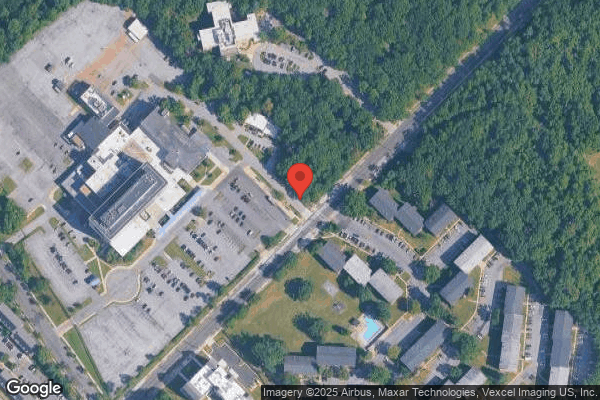
CONCERN (D)

Potential for Harm - no one hurt, but risky conditions existed

Pharmacy Services (Tag F0755)

Could have caused harm · This affected 1 resident

**NOTE- TERMS IN BRACKETS HAVE BEEN EDITED TO PROTECT CONFIDENTIALITY** Based on record review and staff interviews, facility staff failed to ensure that the controlled medications were accurately rec...

Read full inspector narrative →
**NOTE- TERMS IN BRACKETS HAVE BEEN EDITED TO PROTECT CONFIDENTIALITY** Based on record review and staff interviews, facility staff failed to ensure that the controlled medications were accurately recorded as given and accurately recorded wasted in the designated location; and accurately reconcile controlled medications for one (1) of three (3) sampled resident controlled drug records reviewed. Residents #256. The findings included: Resident #256 was admitted to the facility on [DATE] with diagnoses that included Osteoarthritis of Hip, Neuromuscular Dysfunction of Bladder and Clostridium Difficile. According to the physician's order dated 06/12/22 the resident is to receive Tramadol HCI (used to relieve moderate to moderately severe pain) 50 mg (milligram) one tablet by mouth every 8 hours as needed for pain 6-10 in scale. During an observation on 06/16/22 at 3:54 PM one (1) of two (2) Medication Carts on unit 3, there was one resident (Resident #256) with a physician's order that directed, Tramadol 50 mg take 1 tablet by mouth every 8 hours as needed for pain 6-10. Review of the controlled drug administration record for Resident #250 showed the amount and count received from the pharmacy was 30. The blister packet of Tramadol was observed with 23 pills remaining, however, the controlled drug administration record showed, amount remaining as 24 as of 06/16/22 at [no time recorded]. During a face-to-face interview on 06/16/22 at approximately 03:54 PM, Employee # 45 (Registered Nurse) stated, I went to give the resident the medication by she refused. I wasted the medication with the nurse that I worked with during the night. Further review of the Controlled Drug Administration Record revealed the second nurse who witnessed the wasting of the Tramadol did not sign in the allotted space for witnessing on 06/16/22 at 1:00 AM. Also, the nurse failed to record the amount of medication wasted in the allotted space. The evidence showed that facility staff did not accurately record and reconcile the number of tramadol administered to Resident #256 and wasted on the controlled drug administration record for Resident #250. During a face-to-face interview on 06/16/22 at approximately 03:54 PM, Employee #12 (Registered Nurse) stated, When I gave the pill today, I wrote the wrong number. I should have written '24' tablets remaining.
CONCERN (D)

Potential for Harm - no one hurt, but risky conditions existed

Menu Adequacy (Tag F0803)

Could have caused harm · This affected 1 resident

**NOTE- TERMS IN BRACKETS HAVE BEEN EDITED TO PROTECT CONFIDENTIALITY** Based on observation, record review, staff and resident interview for two (2) of 67 sampled residents, facility staff failed to ...

Read full inspector narrative →
**NOTE- TERMS IN BRACKETS HAVE BEEN EDITED TO PROTECT CONFIDENTIALITY** Based on observation, record review, staff and resident interview for two (2) of 67 sampled residents, facility staff failed to provide menus to all the facilities residents so that they could make food choices and the facility's staff failed to update menus periodically and have them reviewed by the facilities dietician. (Residents' #102, and #82) The findings include: 1. Resident #102 was admitted to the facility on [DATE], with multiple diagnoses that included the following: Adult Failure to Thrive, Pressure Ulcer of Sacral Region, Stage 3, Contracture Unspecified Joint, Contracture Right Knee, Contracture Left Knee, Moderate Protein Calorie Malnutrition and Muscle Weakness. Review of the Quarterly Minimum Data Set (MDS) dated [DATE], revealed facility staff coded the following: Section C (Cognitive Patterns): Brief Interview for Mental Status Summary Score 15 indicating intact cognition. Section E (Behavior): Rejection of Care -Presence & Frequency 0 Behavior not exhibited Section G (Functional Status): Bed mobility Extensive Assistance requiring Two-person physical assist Transfer extensive assistance requiring Two-person physical assist Dressing Extensive assistance requiring Two-person physical assist Eating Supervision requiring Set-up help only Toilet use Extensive assistance requiring One -person physical assist Personal Hygiene Extensive assistance requiring One-person physical assist Section K (Swallowing/Nutritional status): Swallowing Disorder None of the above Review of the Physicians orders revealed the following: 08/07/20 Regular diet Regular texture, Thin Liquids consistency (Double portion) per preference Review of the care plan with a focus area of (Resident #102) is at nutritional risk r/t (related to) Clinical DX (Diagnosis) Adult Failure to Thrive, Protein Calories Malnutrition, Type 1 Diabetes, Sickle Cell Trait, Calculus of Kidney, GERD, HTN (Hypertension) Requiring liberalized diet and oral nutritional supplements . initiated on 07/31/20,had multiple interventions including the following: Continue providing education on importance of adherence to facility diet order/limiting food from outside facility. Food service staff to regularly check on resident's food preference changes. An observation and face-to-face interview were conducted on 06/24/22 at approximately 1:00PM, Resident #102 stated The food is terrible and there is not enough .One time they gave me mac and cheese for a meat .I can't get cold ice water The surveyor asked the resident about the menu and if he raised these issues with staff? Resident 102 stated I do not get a menu A face-to-face interview was conducted on 06/24/22 at approximately 2:23 PM, Employee #30 (Registered Dietician) stated He (Resident #102) complains he has been seen by the director of food services and she follows up. The surveyor asked the dietician where the menus are and how resident could get a meal replacement. The dietician then showed the surveyor a menu that was posted for the month of May 2022 (The current month at the time of survey was June 2022), on a bulletin board on a wall by the nursing station. The menu was noted to be in a small type of font and in area not assessable by all residents. Behind the menu was a form labeled Next level Hospitality services That had food choices for breakfast lunch and dinner. Employee #30 stated the form was the alternative menu for residents. 2. Resident #82 was admitted to the facility on [DATE], with multiple diagnoses that included the following: Age-Related Nuclear Cataract, Bilateral, Vitamin B12 Deficiency Anemia Unspecified, Vitamin D Deficiency Unspecified, and Unspecified Dementia Without Behavioral Disturbance. Review of a complaint received by DOH (Department of Health) on 02/22/22 concerning Resident #82 documented .I have been providing my brother meals .I would like to know when meals will resume being served . An observation and face-to-face interview were conducted on 06/22/22 at 10:18 AM with Resident #82, the surveyor observed resident in his room and noticed his breakfast tray appeared untouched and covered. The surveyor asked the resident if he had eaten and how was the food to which Resident # 82 stated It was disgusting I can't eat those powered eggs The surveyor asked the resident if he told staff to which Resident # 82 responded That ain't going to do no good they don't send a menu . Review of the Annual Minimum Data Set (MDS) dated [DATE], revealed that facility staff coded the following: Section B (Hearing, Speech, and Vision) Vision Impaired Corrective Lenses Yes Section C (Cognitive Patterns) Brief Interview for Mental Status Summary Score 14 indicating intact cognition. Section G (Functional status) Eating Independent requiring No set up or physical help from staff Section K (Swallowing/Nutritional Status) Swallowing Disorder None of the above Review of the Physicians orders revealed the following: 06/01/22 Regular diet Regular texture, Thin liquids consistency, Double Portion per residents request Review of the care plan with a focus area of (Resident #82 is at nutritional risk related to Dementia, Heart Failure, Major Depressive Disorder-requiring Regular diet and oral nutritional supplements . date revised 06/02/22, had interventions which included the following Regular Diet, Regular texture, Thin Liquid Consistency, Feeding Ability Independent with tray set up . During a face-to-face interview conducted on 06/22/22 at 10:55 AM with Employee #33 (2nd Floor Unit Manager) If they don't like the meal, they have to say something then we can give them something else The surveyor asked if there is a menu where residents can make choices and how would a resident get a meal or item on the tray replaced. Employee #33 stated she would get the dietician to speak with the surveyor. During a face-to-face interview conducted on 06/22/22 at 12:07 PM with Employee #30 (Registered Dietitian) The surveyor asked how residents choose alternatives or replacements if they do not like a food item that is being served. Employee #30 stated she was not sure and that she would get the kitchen director. During a face-to-face interview conducted 06/22/22 at approximately 12:15 PM with Employee #38 (Kitchen Director) This (alternative menu) is always available it is on the wall right here. The form that Employee #38 said is an alternative menu is labeled Next Level Hospitality services The form was not easily accessible to the residents.
CONCERN (D)

Potential for Harm - no one hurt, but risky conditions existed

Food Safety (Tag F0812)

Could have caused harm · This affected 1 resident

Based on observations and staff interview, facility staff failed to prepare and serve foods under sanitary conditions as evidenced by food temperatures that tested under 135 degrees fahrenheit (F) dur...

Read full inspector narrative →
Based on observations and staff interview, facility staff failed to prepare and serve foods under sanitary conditions as evidenced by food temperatures that tested under 135 degrees fahrenheit (F) during a test tray assessment, a cracked and loose ceiling light in the main kitchen, a damaged wall behind the grease fryer, and staff failure to follow food quality standards of practice. The findings include: During a food test tray assessment on June 21, 2022, at approximately 2:00 PM, hot foods such as ham (117 degrees Fahrenheit), cabbage (105.7 degrees Fahrenheit), and mechanical ham (111.7 degrees Fahrenheit), tested below the minimum required temperature of 140 degrees Fahrenheit (F). These observations were acknowledged by Employee #38 and/or Employee #42 during a face-to-face interview on June 21, 2022, at approximately 2:15 PM. During a walkthrough of dietary services on June 14, 2022, at approximately 10:00 AM, the following were observed: 1. A ceiling light located in a common area of the kitchen was cracked and loose. 2. The wall behind the grease fryer was damaged with holes. 3. Staff failed to connect one (1) of one (1) plate warmer to help maintain hot food temperatures on the tray line on June 21, 2022, at approximately 12:45 PM. Subsequently, three (3) of four (4) hot food items tested below required temperatures during a test tray assessment on June 21, 2022, at approximately 2:00 PM. These observations were acknowledged by Employee #38 and/or Employee #42 during a face-to-face interview on June 27, 2022, at approximately 3:00 PM.
CONCERN (D)

Potential for Harm - no one hurt, but risky conditions existed

Infection Control (Tag F0880)

Could have caused harm · This affected 1 resident

**NOTE- TERMS IN BRACKETS HAVE BEEN EDITED TO PROTECT CONFIDENTIALITY** 3) Facility staff failed to properly minimize or prevent the potential spread of infection by not thoroughly cleaning Resident #...

Read full inspector narrative →
**NOTE- TERMS IN BRACKETS HAVE BEEN EDITED TO PROTECT CONFIDENTIALITY** 3) Facility staff failed to properly minimize or prevent the potential spread of infection by not thoroughly cleaning Resident #406's room prior to their admission. Resident #406 was admitted to the facility on [DATE] with diagnoses including Cervical Stenosis of the Spinal Canal, Fracture of the Left Femur, Cervicalgia (neck pain), Lumbago (low back pain)[https://icd.codes/icd10cm/M542], and S/P (status post) accidental fall. Review of Resident #406's medical record revealed: 06/10/22 at 8:02 PM [Nurses admission Note] documented, .admitted from [Local Hospital] . Resident is alert/oriented x 3, cooperative, able to make needs know(n) .[Name of Physician] made aware of resident admission to the facility . During an observation and interview on 06/16/22 at approximately 9:20 AM, Resident #406 was resting in her bed. The resident reported that facility staff had not thoroughly cleaned her room before she was admitted , because another person's belongings (clothes) were hanging in her closet. The resident added that the facility staff was aware because the staff person who admitted her into the room opened the closet and saw clothing already hanging in the closet. During an observation on 06/16/22 at approximately 9:40 AM, the surveyor asked Employee #33, Unit Manager, to accompany her to Resident #406's room. With the resident's permission, the employee opened the Resident's closet and acknowledged that there were three bundles of clothing covered with white trash bags hanging in the resident's closet. The employee asked Resident #406 if the clothes were hers, and the resident replied, No, I put my clothes in the dresser and nightstand. During a face-to-face interview on 06/16/22 at 9:44 AM, Employee #33 stated, It is the housekeeping and nursing staff's responsibility to clean a room before a resident is admitted thoroughly. Housekeeping cleans and checks the room; when they find clothing, they usually let the nursing staff know. Employee #33 removed the three covered bundles of clothes from the resident's room. 2. Facility's unvaccinated staff failed to properly minimize or prevent the potential spread infection (COVID-19) by not wearing Personal Protective Equipment (PPE) when interacting with Resident #66 less than six (6) feet away. Review of the facility's policy entitled, COVID-19 Healthcare Staff Vaccination, instructed unvaccinated staff to wear a N95 mask and face shield in the facility and continue to follow infection prevention guidelines. On 06/29/22 at approximately 2:00 PM, Employee #6 (Social Worker) was observed in his office sitting at his desk talking to a resident who was approximately less than 2 feet away. The employee was not wearing a face shield or N95 mask. Resident #66 was observed wearing a face mask that was under his chin not covering his mouth or nose. Review of the facility's COVID-19 Staff Vaccination Status for Provider form showed Employee #6 (Social Worker) was not vaccinated for COVID-19. Review of Resident #66 medical record revealed the resident was admitted to the facility 08/08/15 with multiple diagnoses including [NAME] Cardia, Pacemaker, Hypertension, and Obesity. Continued review of the record showed the resident received Moderna (COVID-19) vaccinations on the following dates: 1st dose - 02/09/21, 2nd dose -03/08/21, and 1st Booster - 02/08/22. During a face-to-face interview on 06/29/22 at approximately 2:10 PM, Employee #6 was not receptive to speaking with the surveyor. During a face-to-face interview with Employee #6 and Employee #2 (DON) on 06/29/22 at approximately 2:15 PM, Employee #6 stated that he did not have on a face shield or N95 because he only spoke with Resident #66 for a few minutes. When asked what was the facility's policy for wearing PPEs? The employee stated that he was to wear a face shield and N95 mask at all times. Based on observations, record reviews, staff and resident interviews, for three (3) of 67 sampled residents, failed to properly minimize or prevent the potential spread of infection as evidenced by not: performing hand hygiene prior to administering eye drops to Resident #38; wearing [unvaccinated staff] Personal Protective Equipment (PPE) when interacting with Resident #66 less than six (6) feet away; and thoroughly clean Resident #406's room prior to their admission. The findings included: 1. Facility staff failed properly minimize or prevent the potential spread of infection by not performing hand hygiene prior to administering eye drops to one (1) resident. Wash hands before and after instilling eye drops to prevent cross infection and to remove drug residue from the hands. https://www.nursingtimes.net/archive/how-to-administer-eye-drops-and-ointments-26-09-2014/ Administering eyedrops .Perform hand hygiene and put on clean gloves. https://journals.lww.com/nursing/Citation/2007/05000/Administering_eyedrops.14.aspx During a medication administration observation on 06/16/2022 at approximately 10:25 AM, Employee #46, (Licensed Practical Nurse) was administering Resident #38's oral medication to him using a plastic spoon. Employee #46 then gave the resident a cup of water to drink. Employee #46 then proceeded to instill the Refresh eye drops into the residents left and right eyes without first performing hand hygiene. At the time of the observation, Employee #46 acknowledged that she did not wash her hands or use hand sanitizer prior to instilling the drops into the resident's eyes.
CONCERN (D)

Potential for Harm - no one hurt, but risky conditions existed

Room Equipment (Tag F0908)

Could have caused harm · This affected 1 resident

Based on observations and staff interview, facility staff failed to maintain essential equipment in safe condition as evidenced by one (1) of one (1) conveyor dishwasher that failed to automatically m...

Read full inspector narrative →
Based on observations and staff interview, facility staff failed to maintain essential equipment in safe condition as evidenced by one (1) of one (1) conveyor dishwasher that failed to automatically move peg racks filled with cups, dishes, silverware and/or food trays through the machine. The findings include: During observations in dietary services on June 21, 2022, at approximately 11:00 AM, one (1) of one (1) conveyor dishwasher failed to automatically move soiled items through the machine. to ensure proper wash, proper rinse, and proper final rinse of peg racks filled with cups, dishes, silverware and/or food trays. Consequently, the necessary parts were ordered, and the dishwasher was repaired on June 22, 2022. These observations were acknowledged by Employee #42 during a face-to-face interview on June 21, 2022, at approximately 2:15 PM.
CONCERN (E)

Potential for Harm - no one hurt, but risky conditions existed

Abuse Prevention Policies (Tag F0607)

Could have caused harm · This affected multiple residents

**NOTE- TERMS IN BRACKETS HAVE BEEN EDITED TO PROTECT CONFIDENTIALITY** 2c. Facility staff failed to obtain statements/interviews from all potential witnesses who might have knowledge of a sexual abus...

Read full inspector narrative →
**NOTE- TERMS IN BRACKETS HAVE BEEN EDITED TO PROTECT CONFIDENTIALITY** 2c. Facility staff failed to obtain statements/interviews from all potential witnesses who might have knowledge of a sexual abuse allegation made by Resident #112. Resident #112 was admitted to the facility on [DATE] with diagnoses that included: Schizophrenia, Psychotic Disorder and Anxiety Disorder. Review of a Facility Reported Incident (FRI) received on 07/19/21 documented, Writer was informed by the charge nurse at 14:40p.m (2:40 PM) that [Resident #112] informed the PT (physical therapist) staff that she was raped all night, that she is feeling so horrible about this place that if she sees a gun, she can just kill herself . Review of Resident #112's medical record revealed the following: 02/09/21 [Physician's Order] Sertraline (antidepressant) HCl (hydrochloride) Tablet 50 MG (milligram) give 1 tablet by mouth in the morning for Depression/Anxiety 03/20/21 [Physician's Orders] Quetiapine Fumarate (antipsychotic) Tablet 50 MG give 1 tablet by mouth at bedtime for Schizophrenia A Quarterly Minimum Date Set (MDS) dated [DATE] where that facility staff coded: ta brief Interview for Mental Status (BIMS) summary score of 10, indicating moderately impaired cognition, no indicators for psychosis, no verbal or physical behaviors directed to others, extensive assistance to total dependence with one person physical assist for bed mobility and transfers, impairment on both sides for lower extremities, wheelchair mobility device and received antipsychotics on a routine basis in the last 7 days. 07/12/21 at 3:19 PM [Psychiatric Nurse Practitioner Progress Note] .The patient was seen for f/u (follow up). She has a history significant for depression, anxiety. She is seen lying on the bed, alert and oriented generally to self, generally to place, receptive to visit . Stable at this time . 07/19/21 at 1:43 PM [Social Work Progress Note] Sexual assault note: This worker received a report from the ADON (Assistance Director of Nursing) stating the resident informed staff she was sexually assaulted by several men while she was in the facility . Once the resident spoke to the ADON and the SW director it was determined that the alleged incident could not have happen due to [Resident #112] stating the men came from outside of the facility. Due to visitation of the facility being very limited do to covid protocols no outside visitors have been allowed to any resident's room. The social work and nursing staff will continue to document any of the statement that are made by [Resident #112]. 07/19/21 at 3:52 PM [Nurses Note] Writer was informed by the charge nurse at 14:40p.m that [Resident #112] informed the PT staff that she was raped all night, that she is feeling so horrible about this place that if she sees a gun, she can just kill herself . [Resident #112] said that someone from the community has been following her from all her street homes and also followed her to four different hospitals that she been to raping her and touching her inappropriately. Writer reassured the resident of her safety while being a resident in the facility. [Resident #112] said the individual does not work in this facility . was unable to provide the mane of any individual. NP (Nurse Practitioner) .was notified . Resident's RP (representative) . son was informed of the alleged rape .Staff will continue to monitor resident for safety and document/report any abnormal concerns to the doctor . 07/19/21 at 7:50 PM [Nurse Practitioner Progress Note] . Follow up - patient verbalized to physical therapist of being rapped last night . Thorough assessment done by multi-disciplinary team members on follow up of patient comment of rape. Facility well secured and monitored by security staff, staff making frequent rounds, visitors/guests do not enter facility without prior authorization. Facility protocols followed on this comment by patient . Review of the facility's investigation documents on 06/23/22 lacked documented evidence to show that facility staff obtained statements from all staff that might have knowledge of the alleged incident. During a face-to-face interview on 06/23/22 at 2:15 PM, Employee #3 acknowledged the finding and made no further comment. 2d. Facility staff failed to obtain statements/interviews from all potential witnesses who might have knowledge of the alleged resident-to-resident incident involving Resident #121. Resident #121 was admitted to the facility on [DATE] with diagnoses that included: Schizophrenia, Pressure Ulcer of Sacral Region Stage 4, Paraplegia, Neuromuscular Dysfunction of Bladder and Schizophrenia. Review of a grievance made by Resident #121 dated 05/27/22 documented, .Wed (Wednesday) May 25, 2022 @ (at) 1:30 AM I was woke by a strange man [Resident #126] in a wheelchair @ (at) the bottom side of my bed. I screamed and called the nurse. He left . [Nurse's Name] came in and said he was looking for snacks . Review of Resident #121's Quarterly Minimum Data Set (MDS) dated [DATE] showed that facility staff coded the following: a Brief Interview for Mental Status (BIMS) summary score of 15, no potential indicators of psychosis and no verbal or physical behavior symptoms directed towards others. 05/25/22 at 2:11 AM [Nurses Note] Late Entry: At about 2; 11am a male resident wandered into room [ROOM NUMBER] A and was redirected back to his room. Writer asked [Resident #121] if the resident touched her, resident stated that no, he did not touch me, writer asked Ms [NAME] again, do you have food on the table, resident answered, no he was touching the table and there was no food on the table, it was trash that was on the table. Review of the Grievance Written Decision/Resolution Form dated 05/27/22 documented, . Based on these findings, the grievance/alleged abuse case was . confirmed . Although confirmed as abuse on the grievance form, facility staff failed to file an incident report of the resident-to-resident incident. During a face-to-face interview conducted on 06/22/22 at approximately 1:00 PM with Employees #6 (Unit 1 Social Worker) and #3, Employee #6 stated, Once I get a grievance, I speak to the resident and staff involved and get interviews. I then put together a packet and it's given to [Director of Social Services Name] and then goes to the Administration. At the time of the aforementioned interview, Employee #3 acknowledged the finding and stated, An incident report should've been done and sent to DOH (Department of Health). 2e. Facility staff failed to obtain statements/interviews from all potential witnesses who might have knowledge of Resident #303's physical abuse allegation. Resident #303 was admitted to the facility on [DATE] with diagnoses that included: Type 2 Diabetes Mellitus, Lack of Coordination and Urinary Tract Infection. A FRI was received on 01/02/22 that documented, During end of shift rounds at about 8:30am on Dec. 31st 2021, writer was informed by Speech Therapist that during her session this morning . [Resident #303] said one of the nurses hit her on her hand . Review of Resident #303's medical record revealed the following: An admission Minimum Data (MDS) dated [DATE] where facility staff coded: a brief Interview for Mental Status (BIMS) summary score of 15, indicating intact cognition, no potential behaviors of psychosis, no verbal or physical behaviors directed towards others, no refusal of care, extensive assistance with one-person physical assist for bed mobility, transfers and personal hygiene and impairment on one side for lower extremity range of motion. 12/31/21 at 6:56 AM [Nurses Note] Late Entry . During end of shift rounds at 8:30AM, writer was approached by Speech Therapist, she said [Resident #303] just informed her that she was hit on the hand by a nurse last night. Writer went to [Resident #303's] room and asked her what happened last night. She said, the female nurse hit her on her left wrist around 11:30PM and 12:00AM last night (Dec. 30th 2021). She denied injury, and there was no swelling, or skin discoloration observed at the alleged skin area in question. She denied pain. [Resident #303] was advised that her complaint will be investigated. Review of the facility's investigation documents on 06/27/22 lacked documented evidence that all potential witnesses with knowledge of the incident were interviewed or provided a statement. During a face-to-face interview conducted on 06/27/22 at 9:14 AM, Employee #3 acknowledged the finding and made no further comment. 2f. Facility staff failed to implement its policy for investigations evidenced by failure to interview all staff who might have knowledge of neglect allegation of Resident #304. Resident #304 was admitted to the facility on [DATE] with multiple diagnoses that included: Low Back Pain, Urinary tract infection (UTI), Diabetes Mellitus. A Facility Reported Incident (FRI) received on 11/04/21 documented, .Resident complained that yesterday night [11/03/21] her assigned staff did not respond to her call light on time when she requested fro (sp) assistance .that the CNA (Certified Nurse Aide) was ignoring her calls/requests . Resident also reported that this morning she was assisted to the bathroom but the staff CNA never came to assist her back to the bed . Review of Resident #304's medical record revealed the following: 11/02/21 [Care Plan] [Resident #304] has an ADL self-care performance deficit r/t generalized weakness s/p (status post) lumbar spinal fusion . Encourage the resident to use bell to call for assistance. An admission Minimum Data Set (MDS) dated [DATE] showed that facility coded the following: a Brief Interview for Mental Status (BIMS) summary score of 14, indicating intact cognition, no potential behaviors of psychosis, no refusal of care, required extensive assistance with one-person physical assist for be mobility, transfers, toilet use and personal hygiene, no limitations in range of motion for upper and lower extremities, used a walker and wheelchair for mobility devices, always incontinent of bladder and frequently incontinent for bowel. Review of the facility's investigation documents on 06/22/22 showed no documented evidence that the staff who worked with Resident #304 on the night of 11/03/21 were interviewed or provided statements. During a face-to-face interview on 06/22/22 at 12:55 PM, Employee #7 (Unit 1 Nurse Manager) acknowledged the findings and provided no further comments. Based on record review and staff interviews, for seven (7) of 67 sampled residents, facility staff failed to implement: their Prohibition of Abuse policy by not reporting allegations of sexual abuse to the State Survey Agency within two (2) hours for Residents #108 and #145; and their Investigation Process policy by not interviewing or obtaining statements from all potential witnesses with knowledge of an incident for Residents' #108, #145, #86, #112, #121, #303 and #304. The findings included: Review of the facility's policy titled, Prohibition of Abuse, with a revision date of 05/22, defined sexual abuse as non-consensual sexual contact of any type with a resident includes but is not limited to sexual harassment coercion or sexual assault .All alleged violations, the Administrator, Director of Nursing, or designee shall notify the Department of Health [State Agency] via the Event Reporting System electronically .within two (2) hours if seriously bodily injury occurred . 1. The facility's staff failed to follow their Prohibition of Abuse policy by not reporting allegations of resident-to-resident alleged inappropriate non-consensual sexual touch [sexual abuse] for Resident #108 or willful non-consensual sexual contact [sexual abuse] for Resident #145 to the State Agency within two hours. 1a. The facility's staff failed to report an allegation of resident-to-resident inappropriate non-consensual sexual touch [sexual abuse] for Resident #108. Resident #108 was admitted to the facility on [DATE] with multiple diagnoses including Alzheimer's Disease and Major Depression. Situation, Background, Assessment, Result Form signed and dated on 5/31/22 by Nursing Supervisor (Employee #11) showed During the evening shift at about 8:30pm writer was made aware by the nurse that activity director saw [Resident #126] .sitting at the bedside [of Resident 108] in his wheelchair and had feces on his left hand. [Resident #108] was unable to explain what happened due to diagnosis of cognitive communication deficit. [Resident #108] was assessed from head to toe by the nurse, no sign of pain/discomfort nor facial grimace expressed. No physical signs of trauma observed, no redness, no bruises around the perineal area and buttocks. [MD's name] made aware, new order was given to Transfer resident to ER (emergency room) via 911 for further evaluation for possible physical abuse. It should be noted that the order to transfer Resident #108 to ER was not written until 05/26/22 at 4:41 PM after police came to facility after receiving a call for a call of physical abuse for Resident #108. 05/26/22 at 4:41 PM [Physician Order] transfer resident to ER via 911 for further evaluation for possible physical abuse. 05/26/22 at 3:30 PM [ADON Note] - At about 3:30pm writer received [two police officers names and badge numbers] in the facility who said they had a call for alleged abuse for [Resident #108] in room [ROOM NUMBER]-A. Writer received report from staff that [Resident #126 who resided in room [ROOM NUMBER] bed A was observed sitting in his wheelchair at the bedside of [Resident #108] room [ROOM NUMBER]-A at about 8:30pm on 5/25/22. It was reported that [Resident #126] was observed with feces on his left-hand front, back, and underneath his fingernails. It was also reported that [Resident #108] was observed with feces on her thigh and her bed spread. [Resident #126] was immediately removed from the scene and [MD's name] notified and order given to transfer [Resident #126] to Unit 3 - room [ROOM NUMBER]-B. Also, [Detective's name and badge number] was called to the facility by the police. After meeting with the residents and talking to staff members the detective issue report No arrest was made. However, [MD's name] also gave order to transfer [Resident #108] to ER (emergency room) via 911 for further evaluation for possible physical abuse. Resident was unable to explain what happened due to diagnosis of cognitive communication deficit, vascular dementia, and Alzheimer's disease .911 emergency arrive the facility at 17:0pm [5:00 PM] and left the facility at 17:28pm [5:28 PM] to [local hospital] . Review of the facility's investigative report revealed a DOH (Department of Health) Incident Report form that documented the facility's staff reported the incident of alleged resident-to-resident alleged inappropriate non-consensual sexual touch [sexual abuse] on 05/26/22 at 6:46 PM (approximately 22 hours after the incident). During multiple observations from 06/19/22 to 06/22/22 from approximately 11:00 AM to 4:00 PM, Resident #108 was observed in bed sleeping or eyes open and not responding to verbal stimuli. Resident #108 was non-interviewable. During a face-to-face interview on 06/28/22 starting at approximately 4:00 PM, Employee #3 (ADON) stated that the State Agency was notified on 06/26/22, the day after the alleged incident of physical abuse [sexual abuse] on 06/25/22, because the evening supervisor failed to make him aware of the incident. When asked if the facility's supervisors are to make the State Agency aware of any incidents of alleged abuse, Employee #3 stated, Yes, but he did not know why she did not notify the State Agency immediately or within two hours of the incident. Cross Reference 42 CFR 483.12, F600 1b. The facility's staff failed to report an allegation of resident-to-resident alleged willful non-consensual sexual contact [sexual abuse] to the State Agency within two hours for Resident #145. Resident #145 was admitted on [DATE] with multiple diagnoses including Dementia in other Disease classified elsewhere without Behavioral Disturbances, Cognitive Communication Deficit, and Generalized Muscle Weakness. 06/17/22 at 5:07AM [Physician order] - Transfer resident to ER (emergency) for further examination due to possible physical abuse. 06/17/22 at 7:38 AM [Nursing Note] - . At 5:00 AM GNA/CNA was doing AM care . She observed the Resident in [from] room [ROOM NUMBER]B (Resident #126) was on top of the Resident (Resident #145) in room [ROOM NUMBER]B and called writer to the room. Writer called the supervisor immediately and the other staff on the floor. Supervisor redirected the resident (Resident #126) to his room. Initiated a 1:1 around the clock monitoring until further notice. A head-to-toe assessment was done [for Resident #145] by supervisor and writer. No bruises noted, no skin tear, no bleeding noted. Resident denied pain or any discomfort at this time. Police was called on the seen [scene]. Emergency responders were called on the seen [scene] too. An assessment was done by emergency responders, and they came to a conclusion to transfer resident to the nearest ER (emergency room) for further evaluation per physician's orders. Responsible party was notified. V/S (vital signs) T 97.6 P 87 BP 142/67 R 18 O2SAT 98% Room Air. During a face-to-face interview at approximately 8:45 AM, Employee #2 (DON) stated that she was making the surveyor (Representative of the State Agency) aware of the incident of resident-to-resident alleged abuse with Resident #145 and Resident #126. When asked if the facility's staff informed the Department of Health (State Agency) electronically information about the incident? She stated, No. It should be noted that the facility's staff made the State Agency aware approximately 3 hours after the incident. Cross Reference 42 CFR 483.12, F600 Review of the facility's policy titled, Investigation Process', with a revision date of 06/22, documented, interview and/or obtain statements from potential witnesses as determined by the scope of the investigation . 2. The facility's staff failed to follow their Investigation Process policy by not interviewing or obtaining statements from all potential witnesses for the following allegations: resident-to-resident inappropriate non-consensual sexual touch [sexual abuse] for Resident #108; resident-to-resident altercation for Resident #86, sexual abuse of Resident #112, resident-to-resident incident involving Resident #121, staff physical abuse of Resident #303's and staff neglect of Resident #304. 2a. Facility staff failed to obtain statements/interviews from all potential witnesses who might have knowledge of the resident-to-resident inappropriate non-consensual sexual touch [sexual abuse] for Resident #108. Resident #108 was admitted to the facility on [DATE] with multiple diagnoses including Alzheimer's Disease and Major Depression. 05/25/22 at 8:59 PM [Situation, Background, Assessment, Result Form]- During the evening shift at about 8:30pm writer was made aware by the nurse that activity director saw [Resident #126] .sitting at the bedside [of Resident 108] in his wheelchair and had feces on his left hand. [Resident #108] was unable to explain what happened due to diagnosis of cognitive communication deficit. [Resident #108] was assessed from head to toe by the nurse, no sign of pain/discomfort nor facial grimace expressed. No physical signs of trauma observed, no redness, no bruises around the perineal area and buttocks. [MD's name] made aware, new order was given to Transfer resident to ER (emergency room) via 911 for further evaluation for possible physical abuse. It should be noted that the order to transfer Resident #108 to ER was not written until 05/26/22 at 4:41 PM after police came to facility after receiving a call for a call of physical abuse for Resident #108 05/26/22 at 4:41 PM [Physician Order] transfer resident to ER via 911 for further evaluation for possible physical abuse. 05/26/22 at 3:30 PM [ADON Note] - At about 3:30pm writer received [two police officers names and badge numbers] in the facility who said they had a call for alleged abuse for [Resident #108] in room [ROOM NUMBER]-A. Writer received report from staff that [Resident #126 who resided in room [ROOM NUMBER] bed A was observed sitting in his wheelchair at the bedside of [Resident #108] room [ROOM NUMBER]-A at about 8:30pm on 5/25/22. It was reported that [Resident #126] was observed with feces on his left-hand front, back, and underneath his fingernails. It was also reported that [Resident #108] was observed with feces on her thigh and her bed spread. [Resident #126] was immediately removed from the scene and [MD's name] notified and order given to transfer [Resident #126] to Unit 3 - room [ROOM NUMBER]-B. Also, [Detective's name and badge number] was called to the facility by the police. After meeting with the residents and talking to staff members the detective issue report No arrest was made. However, [MD's name] also gave order to transfer [Resident #108] to ER (emergency room) via 911 for further evaluation for possible physical abuse. Resident was unable to explain what happened due to diagnosis of cognitive communication deficit, vascular dementia, and Alzheimer's disease .911 emergency arrive the facility at 17:0pm [5:00 PM] and left the facility at 17:28pm [5:28 PM] to [local hospital] . Review of the staff assignment revealed Unit 1 had two licensed staff and four (4) CNAs working on evening shift (3:00 PM to 11:00 PM) on 05/25/22. However, review of the facility's investigative report lacked documented evidence of the four (4) CNAs [potential witnesses] interviews or statements. During a face-to-face interview on 06/28/22 starting at approximately 4:00 PM, Employee #3 (ADON) stated that they are working on their process of investigating incidents. Cross Reference 42 CFR 483.12, F600 2b. Facility staff failed to obtain statements/interviews from all potential witnesses who might have knowledge of the resident-to-resident altercation for Resident #86. Resident #86 was admitted to the facility on [DATE] with multiple diagnoses including: Dementia without Behavioral Disturbances and Generalized Muscle Weakness. Review of a Facility Reported Incident [DC00010685] dated 04/14/22 at 9:09 PM documented, Around 11:00 AM writer was informed by the smoking monitor that . [Resident #86] was hit in the face by [Resident #120] .[Resident #86] stated it all started when [Resident #120] didn't want to ride with me in the elevator to go to the smoke patio .[Resident #120] approached him and smacked him [in] his face and promised to do so each time he [sees] him .writer called 911 for intervention. [Officer's name] . reassured [Resident #86] that he was taking [Resident #120] to the ER for evaluation . Review of the medical record showed the following: 04/19/22 at 11:25 PM [MD Note] - Resident complained another resident [Resident # 120] who was unprovoked struck him on the right side of the neck two days ago .Plan continue admission to skilled NH (nursing home) . 04/20/22 at 1:47 PM [Social Work Note] - The writer and recreation director was informed of a physical altercation between [Resident #86] and [Resident #120] on 04/14/22 .[Resident #86] expressed that he does not feel safe if [Resident #120] returns to the facility .I want to press charges .This writer and activities director accompanied [Resident #86] to the 7th District Police Prescient to report incident and press charges . Review of facility's investigative report showed the following: 04/18/22 [ Employee's #27's statement - smoke monitor]- documented, I was on the smoke patio with [Resident #86] and [another resident] when [Resident # 120] entered the patio cussing [cursing] and making verbal treats [threats] to [Resident #86] .[Resident #120] stated nobody can't stop me from getting to you .I better not catch in the elevator . because I got something for your [expletive] . Further review of the lacked documented evidence of an interview of statement from the other resident that was present on the smoking patio at the time of the incident. During a face-to-face interview on 06/28/22 starting at approximately 4:00 PM, Employee #3 (ADON) stated that they are working on their process of investigating incidents.
CONCERN (E)

Potential for Harm - no one hurt, but risky conditions existed

Report Alleged Abuse (Tag F0609)

Could have caused harm · This affected multiple residents

**NOTE- TERMS IN BRACKETS HAVE BEEN EDITED TO PROTECT CONFIDENTIALITY** 2f. Resident #112 was admitted to the facility on [DATE] with diagnoses that included: Schizophrenia, Psychotic Disorder and Anx...

Read full inspector narrative →
**NOTE- TERMS IN BRACKETS HAVE BEEN EDITED TO PROTECT CONFIDENTIALITY** 2f. Resident #112 was admitted to the facility on [DATE] with diagnoses that included: Schizophrenia, Psychotic Disorder and Anxiety Disorder. Review of a Facility Reported Incident (FRI) received on 07/19/21 documented, Writer was informed by the charge nurse at 14:40p.m (2:40 PM) that [Resident #112] informed the PT (physical therapist) staff that she was raped all night, that she is feeling so horrible about this place that if she sees a gun, she can just kill herself . Review of the investigation documents showed no documented evidence that facility staff reported the results of the alleged abuse investigation to the State Agency. 2g. Resident #303 was admitted to the facility on [DATE] with diagnoses that included: Type 2 Diabetes Mellitus, Lack of Coordination and Urinary Tract Infection. Review of a FRI was received on 01/02/22 documented, During end of shift rounds at about 8:30am on Dec. 31st 2021, writer was informed by Speech Therapist that during her session this morning . [Resident #303] said one of the nurses hit her on her hand . Review of the investigation documents showed no documented evidence that facility staff reported the results of the alleged abuse investigation to the State Agency. 2h. Resident #304 was admitted to the facility on [DATE] with multiple diagnoses that included: Low Back Pain, Urinary tract infection (UTI), Diabetes Mellitus. Review of a FRI received on 11/04/21 documented, .Resident complained that yesterday night [11/03/21] her assigned staff did not respond to her call light on time when she requested fro (sp) assistance .that the CNA (Certified Nurse Aide) was ignoring her calls/requests . Resident also reported that this morning she was assisted to the bathroom but the staff CNA never came to assist her back to the bed . Review of the investigation documents showed no documented evidence that facility staff reported the results of the alleged abuse investigation to the State Agency. During a telephone interview conducted on 07/14/22 at approximately 3:00 PM, Employee #2 (Director of Nursing) acknowledged the findings and stated that they did not send results of their investigations to the State Agency. 3. Facility staff failed to report a resident-to-resident incident involving Resident #121. Resident #121 was admitted to the facility on [DATE] with diagnoses that included: Schizophrenia, Pressure Ulcer of Sacral Region Stage 4, Paraplegia, Neuromuscular Dysfunction of Bladder and Schizophrenia. Review of a grievance made by Resident #121 dated 05/27/22 documented, . Wed (Wednesday) May 25,2022 @ (at) 1:30 AM I was woke by a strange man [Resident #] in a wheelchair @ (at) the bottom side of my bed. I screamed and called the nurse. He left. The nurse [Nurse's Name] came in and said he was looking for snacks . Review of Resident #121's Quarterly Minimum Data Set (MDS) dated [DATE] showed that facility staff coded the following: a Brief Interview for Mental Status (BIMS) summary score of 15, no potential indicators of psychosis and no verbal or physical behavior symptoms directed towards others. 05/25/22 at 2:11 AM [Nurses Note] Late Entry: At about 2;11am a male resident wandered into room [ROOM NUMBER] A and was redirected back to his room. Writer asked [Resident #121] if the resident touched her, resident stated that no, he did not touch me, writer asked Ms [NAME] again, do you have food on the table, resident answered, no he was touching the table and there was no food on the table, it was trash that was on the table. Review of the Grievance Written Decision/Resolution Form dated 05/27/22 documented, . Based on these findings, the grievance/alleged abuse case was . confirmed . Although confirmed as abuse on the grievance form, facility staff failed to file an incident report of the resident-to-resident incident. During a face-to-face interview conducted on 06/22/22 at approximately 1:00 PM with Employees #6 (Unit 1 Social Worker) and #2, Employee #6 stated, Once I get a grievance, I speak to the resident and staff involved and get interviews. I then put together a packet and it's given to [Director of Social Services Name] and then goes to the Administration. At the time of the aforementioned interview, Employee #3 acknowledged the findings and stated, An incident report should've been done and sent to DOH (Department of Health). Based on record reviews and staff interviews, for nine (9) of 67 sampled residents, facility staff failed to: report allegations of resident-to-resident alleged/witness sexual abuse (inappropriate non-consensual sexual touch /willful non-consensual sexual contact) to the State Survey Agency immediately or no later than two hours of the allegation for Residents #108 and #145; report the results of investigations to the State Survey Agency, within 5 working days of the incident for Residents' #8, #84, #86, #108, #145, #112, #303 and #304; and report a resident-to-resident incident involving Resident #121. Residents' #108, #145, #8, #84, #86, #112, #303, #304 and #121. The findings included: 1. The facility's staff failed to report allegations of resident-to-resident alleged/witness sexual abuse (inappropriate non-consensual sexual touch /willful non-consensual sexual contact) to the State Suvey Agency immediately or no later than two hours of the allegation for Residents' #108 and #145. 1a. Resident #108 was admitted to the facility on [DATE] with multiple diagnoses including Alzheimer's Disease and Major Depression. Review of the medical record revealed the following: Situation, Background, Assessment, Result Form signed and dated on 5/31/22 by Nursing Supervisor (Employee #11) showed, During the evening shift at about 8:30pm writer was made aware by the nurse that activity director saw [Resident #126] .sitting at the bedside [of Resident 108] in his wheelchair and had feces on his left hand. [Resident #108] was unable to explain what happened due to diagnosis of cognitive communication deficit. [Resident #108] was assessed from head to toe by the nurse, no sign of pain/discomfort nor facial grimace expressed. No physical signs of trauma observed, no redness, no bruises around the perineal area and buttocks. [MD's name] made aware, new order was given to transfer resident to ER (emergency room) via 911 for further evaluation for possible physical abuse. It should be noted that the order to transfer Resident #108 to ER was not written until 05/26/22 at 4:41 PM after police came to facility after receiving a call of physical abuse for Resident #108. 05/26/22 at 3:30 PM [ADON Note] - At about 3:30pm writer received [two police officers names and badge numbers] in the facility who said they had a call for alleged abuse for [Resident #108] in room [ROOM NUMBER]-A. Writer received report from staff that [Resident #126 who resided in room [ROOM NUMBER] bed A} was observed sitting in his wheelchair at the bedside of [Resident #108] room [ROOM NUMBER]-A at about 8:30pm on 5/25/22. It was reported that [Resident #126] was observed with feces on his left-hand front, back, and underneath his fingernails. It was also reported that [Resident #108] was observed with feces on her thigh and her bed spread. [Resident #126] was immediately removed from the scene and [MD's name] notified and order given to transfer [Resident #126] to Unit 3 - room [ROOM NUMBER]-B. Also, [detective's name and badge number] was called to the facility by the police. After meeting with the residents and talking to staff members the detective issue report [number] [Resident #108] was unable to explain what happened due to diagnosis of cognitive communication deficit, vascular dementia, and Alzheimer's disease . left the facility . to [local hospital] . 05/26/22 at 4:41 PM [Physician Order] transfer resident to ER via 911 for further evaluation for possible physical abuse. Review of the facility's investigative report revealed a facility's staff member notified the State Agency of the incident of alleged resident-to-resident inappropriate non-consensual sexual touch [sexual abuse] on 05/26/22 at 6:46 PM (approximately 22 hours after the incident). During a face-to-face interview on 06/28/22 starting at approximately 4:00 PM, Employee #3 (ADON) stated that the State Survey Agency was notified on 05/26/22 because the evening supervisor on 05/25/22 failed to notify the State Survey Agency. Cross reference 42 CFR 483.12, F600 1b. Resident #145 was admitted on [DATE] with multiple diagnoses including Dementia in other Disease classified elsewhere without Behavioral Disturbances, Cognitive Communication Deficit, and Generalized Muscle Weakness. Review of the medical record revealed the following: 06/17/22 at 5:07AM [Physician order] - Transfer resident to ER (emergency) for further examination due to possible physical abuse. 06/17/22 at 7:38 AM [Nursing Note] - . At 5:00 AM GNA/CNA was doing AM care . She observed . [Resident #126 from] room [ROOM NUMBER]B . [laying] on top of the [Resident #145] in room [ROOM NUMBER]B and called writer to the room . A head-to-toe assessment was done [for Resident #145] by supervisor and writer. No bruises noted, no skin tear, no bleeding noted. Resident denied pain or any discomfort at this time. Police was called on the seen [scene] . An assessment was done by emergency responders, and they came to a conclusion to transfer resident to the nearest ER (emergency room) for further evaluation . During a face-to-face interview at approximately 8:45 AM, Employee #2 (DON) stated that she was making the surveyor (Representative of the State Agency) aware of the incident of resident-to-resident alleged abuse with Resident #145 and Resident #126. When asked if the facility's staff informed the Department of Health (State Agency) electronically about the incident? She stated, No. It should be noted that the facility's staff made the State Survey Agency aware of the previously mentioned incdient of sexual abuse approximately 3 hours after the incident. Cross reference 42 CFR 483.12, F600 2. Facility staff failed to report the results of their investigations to the State Survey Agency within 5 working days of the incident for Residents #145, #108, #86, #8, #84 #112, #303, #304. 2a. Resident #8 was admitted to the facility on [DATE] with multiple diagnoses including Schizoaffective Disorder, Delusional Disorder, and Bipolar Disorder. Review of the FRI dated 10/18/21 at 10:39 AM, documented, At 9:13 PM, to Metropolitan officers arrived at the facility and stated that resident in room [ROOM NUMBER] called the police and stated that some hit her neck . Assessment was done, no lumps, no bruises, no trauma observed on resident's neck . The alleged abuse [Employee #31] is suspended pending investigation . Review of the facility's investigative documents related to the previously mentioned FRI lacked documented evidence that the facility reported its investigation results to the State Survey Agency. Cross reference 42 CFR 483.12, F610 2b. Facility staff failed to report the results of their investigation of Resident #84's Facility reported allegation of neglect to the State Survey Agency within 5 working days of the incident. Resident #84 was admitted to the facility on [DATE], with multiple diagnoses that included: Type 2 Diabetes Mellitus Without Complications, Hemiplegia and Hemiparesis following Cerebral Infarction Affecting Right Dominant Side, Aphasia Following Cerebral Infarction, Sepsis Unspecified Organism, Unspecified Convulsions, Multiple Sclerosis, Gastrostomy Status and Dysphagia. Review of a Facility Reported Incident (FRI) received on 09/20/21, documented, A complete head to toe assessment done Multiple scars to left upper back and sacral area. Redness to perineal /sacral area washed with soap and water, pat dry and apply skin barrier cream after each incontinent care, discoloration to left inner leg . Review of the facility's investigation documents showed no documented evidence that the facility staff reported the results of the alleged neglect investigation to the State Agency. During a telephone interview conducted on 07/14/22 at approximately, 3:00 PM, Employee #2 (Director of Nursing) acknowledged the findings and stated that they did not send investigation results to the State Agency. 2c. Resident #86 was admitted to the facility on [DATE] with diagnoses that included Dementia without Behavioral Disturbance and Generalized Muscle Weakness. Review of the FRI dated 04/19/22 at 1:14 PM documented, .[Resident #120] . hit [Resident #86] in the face Review of the facility's investigative documents related to the previously mentioned FRI lacked documented evidence that the facility reported its investigation results to the State Survey Agency. 2d. Resident #108 was admitted to the facility on [DATE] with multiple diagnoses including Alzheimer's Disease and Major Depression. Review of the FRI dated 05/26/22 at 11:21 PM, documented, At 3:30 PM writer received [Officers names] in the facility who said they had a call for alleged abuse for [Resident #108] .Writer received report that [Resident #126] was observed sitting in his wheelchair at the bedside of [Resident 108] room [ROOM NUMBER] A at about 8:30 PM on 05/25/22. It was reported that [Resident #126] was observed with feces on his left hand .[Resident #108] was observed with feces on her thigh and bed spread .[Resident #126] was transferred to Unit 3 .[MD's name] gave orders to transfer [Resident #108] to ER for further evaluation of possible physical abuse . Review of the facility's investigative documents related to the previously mentioned FRI lacked documented evidence that the facility reported its investigation results to the State Survey Agency. Cross reference 42 CFR 483.12, F600. 2e. Resident #145 was admitted on [DATE] with multiple diagnoses including Dementia in other Disease classified elsewhere without Behavioral Disturbances, Cognitive Communication Deficit, and Generalized Muscle Weakness. Review of the Facility Reported Incident dated 06/17/22 at 10:32 AM, documented, .Writer was informed by the nurse that [Resident #126] was observed in bed with [Resident #145] in room [ROOM NUMBER]B .[Resident #126] was redirected to leave the room . [Resident #145] was assessed . no signs of trauma observed .[MD's name] gave orders to transfer [Resident #145] via 911 to ER (emergency room) for further evaluation . Review of the facility's investigative documents related to the previously mentioned FRI lacked documented evidence that the facility reported its investigation results to the State Survey Agency. Cross reference 42 CFR 483.12, F600
CONCERN (E)

Potential for Harm - no one hurt, but risky conditions existed

Investigate Abuse (Tag F0610)

Could have caused harm · This affected multiple residents

**NOTE- TERMS IN BRACKETS HAVE BEEN EDITED TO PROTECT CONFIDENTIALITY** 1d. Facility staff failed to conduct a thorough investigation on Resident #112's sexual abuse allegation evidenced by failure ob...

Read full inspector narrative →
**NOTE- TERMS IN BRACKETS HAVE BEEN EDITED TO PROTECT CONFIDENTIALITY** 1d. Facility staff failed to conduct a thorough investigation on Resident #112's sexual abuse allegation evidenced by failure obtain statements/interviews from all potential witnesses who might have knowledge of the incident. Resident #112 was admitted to the facility on [DATE] with diagnoses that included: Schizophrenia, Psychotic Disorder and Anxiety Disorder Review of a Facility Reported Incident (FRI) received on 07/19/21 documented, Writer was informed by the charge nurse at 14:40p.m (2:40 PM) that [Resident #112] informed the PT (physical therapist) staff that she was raped all night, that she is feeling so horrible about this place that if she sees a gun, she can just kill herself . Review of Resident #112's medical record revealed the following: 02/09/21 [Physician's Order] Sertraline (antidepressant) HCl (hydrochloride) Tablet 50 MG (milligram) give 1 tablet by mouth in the morning for Depression/Anxiety 03/20/21 [Physician's Orders] Quetiapine Fumarate (antipsychotic) Tablet 50 MG give 1 tablet by mouth at bedtime for Schizophrenia Quarterly Minimum Date Set (MDS) dated [DATE] where that facility staff coded: ta brief Interview for Mental Status (BIMS) summary score of 10, indicating moderately impaired cognition, no indicators for psychosis, no verbal or physical behaviors directed to others, extensive assistance to total dependence with one person physical assist for bed mobility and transfers, impairment on both sides for lower extremities, wheelchair mobility device and received antipsychotics on a routine basis in the last 7 days. 07/12/21 at 3:19 PM [Psychiatric Nurse Practitioner Progress Note] .The patient was seen for f/u (follow up). She has a history significant for depression, anxiety. She is seen lying on the bed, alert and oriented generally to self, generally to place, receptive to visit . Stable at this time . 07/19/21 at 1:43 PM [Social Work Progress Note] Sexual assault note: This worker received a report from the ADON (Assistance Director of Nursing) stating the resident informed staff she was sexually assaulted by several men while she was in the facility . Once the resident spoke to the ADON and the SW director it was determined that the alleged incident could not have happen due to [Resident #112] stating the men came from outside of the facility. Due to visitation of the facility being very limited do to covid protocols no outside visitors have been allowed to any resident's room. The social work and nursing staff will continue to document any of the statement that are made by [Resident #112]. 07/19/21 at 3:52 PM [Nurses Note] Writer was informed by the charge nurse at 14:40p.m that [Resident #112] informed the PT staff that she was raped all night, that she is feeling so horrible about this place that if she sees a gun, she can just kill herself . [Resident #112] said that someone from the community has been following her from all her street homes and also followed her to four different hospitals that she been to raping her and touching her inappropriately. Writer reassured the resident of her safety while being a resident in the facility. [Resident #112] said the individual does not work in this facility . was unable to provide the mane of any individual. NP (Nurse Practitioner) .was notified . Resident's RP (representative) . son was informed of the alleged rape .Staff will continue to monitor resident for safety and document/report any abnormal concerns to the doctor . 07/19/21 at 7:50 PM [Nurse Practitioner Progress Note] . Follow up - patient verbalized to physical therapist of being rapped last night . Thorough assessment done by multi-disciplinary team members on follow up of patient comment of rape. Facility well secured and monitored by security staff, staff making frequent rounds, visitors/guests do not enter facility without prior authorization. Facility protocols followed on this comment by patient . Review of the facility's investigation documents on 06/23/22 lacked documented evidence to show that facility staff obtained statements from all staff that might have knowledge of the alleged incident. During a face-to-face interview on 06/23/22 at 2:15 PM, Employee #3 acknowledged the finding and made no further comment. 1e. Facility staff failed to conduct a thorough investigation of Resident #303's allegation of physical abuse by an employee evidenced by failure to obtain statements/interviews from all potential witnesses who might have knowledge of the incident. Resident #303 was admitted to the facility on [DATE] with diagnoses that included: Type 2 Diabetes Mellitus, Lack of Coordination and Urinary Tract Infection. A FRI was received on 01/02/22 that documented, During end of shift rounds at about 8:30am on Dec. 31st 2021, writer was informed by Speech Therapist that during her session this morning . [Resident #303] said one of the nurses hit her on her hand . Review of Resident #303's medical record revealed the following: An admission Minimum Data (MDS) dated [DATE] where facility staff coded: a brief Interview for Mental Status (BIMS) summary score of 15, indicating intact cognition, no potential behaviors of psychosis, no verbal or physical behaviors directed towards others, no refusal of care, extensive assistance with one-person physical assist for bed mobility, transfers and personal hygiene and impairment on one side for lower extremity range of motion. 12/31/21 at 6:56 AM [Nurses Note] Late Entry . During end of shift rounds at 8:30AM, writer was approached by Speech Therapist, she said [Resident #303] just informed her that she was hit on the hand by a nurse last night. Writer went to [Resident #303's] room and asked her what happened last night. She said, the female nurse hit her on her left wrist around 11:30PM and 12:00AM last night (Dec. 30th 2021). She denied injury, and there was no swelling, or skin discoloration observed at the alleged skin area in question. She denied pain. [Resident #303] was advised that her complaint will be investigated. Review of the facility's investigation documents on 06/27/22 lacked documented evidence that all potential witnesses with knowledge of the incident were interviewed or provided a statement. During a face-to-face interview conducted on 06/27/22 at 9:14 AM, Employee #3 acknowledged the finding and made no further comment. 1f. Facility staff failed to thoroughly investigate an allegation on neglect for Resident #304 evidenced by failure to obtain statements/interviews from all potential witnesses who might have knowledge of the incident. Resident #304 was admitted to the facility on [DATE] with multiple diagnoses that included: Low Back Pain, Urinary tract infection (UTI), Diabetes Mellitus. A Facility Reported Incident (FRI) received on 11/04/21 documented, .Resident complained that yesterday night [11/03/21] her assigned staff did not respond to her call light on time when she requested fro (sp) assistance .that the CNA (Certified Nurse Aide) was ignoring her calls/requests . Resident also reported that this morning she was assisted to the bathroom but the staff CNA never came to assist her back to the bed . Review of Resident #304's medical record revealed the following: 11/02/21 [Care Plan] [Resident #304] has an ADL self-care performance deficit r/t generalized weakness s/p (status post) lumbar spinal fusion . Encourage the resident to use bell to call for assistance. An admission Minimum Data Set (MDS) dated [DATE] showed that facility coded the following: a Brief Interview for Mental Status (BIMS) summary score of 14, indicating intact cognition, no potential behaviors of psychosis, no refusal of care, required extensive assistance with one-person physical assist for be mobility, transfers, toilet use and personal hygiene, no limitations in range of motion for upper and lower extremities, used a walker and wheelchair for mobility devices, always incontinent of bladder and frequently incontinent for bowel. Review of the facility's investigation documents on 06/22/22 showed no documented evidence that the staff who worked with Resident #304 on the night of 11/03/21 were interviewed or provided statements. During a face-to-face interview on 06/22/22 at 12:55 PM, Employee #7 (Unit 1 Nurse Manager) acknowledged the finding and provided no further comments. 2. Facility staff failed to investigate a resident-to-resident incident involving Resident #121. Resident #121 was admitted to the facility on [DATE] with diagnoses that included: Schizophrenia, Pressure Ulcer of Sacral Region Stage 4, Paraplegia, Neuromuscular Dysfunction of Bladder and Schizophrenia. 05/25/22 at 2:11 AM [Nurses Note] Late Entry: At about 2; 11am a male resident wandered into room [ROOM NUMBER] A and was redirected back to his room. Writer asked [Resident #121] if the resident touched her, resident stated that no, he did not touch me, writer asked Ms [NAME] again, do you have food on the table, resident answered, no he was touching the table and there was no food on the table, it was trash that was on the table. Review of a grievance made by Resident #121 dated 05/27/22 documented, . Wed (Wednesday) May 25, 2022 @ (at) 1:30 AM I was woke by a strange man [Resident #] in a wheelchair @ the bottom side of my bed. I screamed and called the nurse. He left. The nurse [Nurse's Name] came in and said he was looking for snacks . Review of Resident #121's Quarterly Minimum Data Set (MDS) dated [DATE] showed that facility staff coded the following: a Brief Interview for Mental Status (BIMS) summary score of 15, no potential indicators of psychosis and no verbal or physical behavior symptoms directed towards others. Review of the Grievance Written Decision/Resolution Form dated 05/27/22 documented, . Based on these findings, the grievance/alleged abuse case was . confirmed . Although confirmed as abuse on the grievance form, facility staff failed to investigate the incident as resident-to-resident incident of abuse. During a face-to-face interview conducted on 06/22/22 at approximately 1:00 PM with Employees #6 (Unit 1 Social Worker) and #3, Employee #6 stated, Once I get a grievance, I speak to the resident and staff involved and get interviews. I then put together a packet and it's given to [Director of Social Services Name] and then goes to the Administration. At the time of the aforementioned interview, Employee #3 acknowledged the finding and stated, Based on the staff statements, [accused Resident's Name] was looking for food and it was not a safety concern. Based on record review and staff interviews, for seven (7) of 67 sampled residents, facility staff failed to: conduct thorough investigations evidenced by failure to interview and/or obtain statements from potential witnesses for: Resident #108's allegation of resident-to-resident inappropriate non-consensual sexual touch [sexual abuse]; Resident #86's allegation of a resident-to-resident altercation; Resident #8's allegation of staff-to-resident physical abuse; Resident #112's allegation of sexual abuse; Resident #303's allegation of staff-to-resident physical abuse; Resident #304's allegation of staff neglect; and conduct an investigation of Resident #121's resident-to-resident incident. Residents' #108, #86, #8, #112, #303, #304, #121. The findings included: Review of the facility's policy titled, Prohibition of Abuse, with a revision date of 05/22, defined sexual abuse as . non-consensual sexual contact of any type with a resident includes but is not limited to sexual harassment coercion or sexual assault . Review of the facility's policy titled, Investigation Process, with a revision date of 06/22, documented, .interview and/or obtain statements from potential witnesses as determined by the scope of the investigation . 1. Facility staff failed to conduct thorough investigations evidenced by failure to interview and/or obtain statements from potential witnesses for Residents #108, #86, #8, #112, #303 and #304. 1a. The facility's staff failed to thoroughly investigate an allegation of resident-to-resident inappropriate non-consensual sexual touch [sexual abuse] for Resident #108. Resident #108 was admitted to the facility on [DATE] with multiple diagnoses including Alzheimer's Disease and Major Depression. 05/25/22 at 8:59 PM [Situation, Background, Assessment, Result Form]- During the evening shift at about 8:30pm writer was made aware by the nurse that activity director saw [Resident #126] .sitting at the bedside [of Resident 108] in his wheelchair and had feces on his left hand. [Resident #108] was unable to explain what happened due to diagnosis of cognitive communication deficit. [Resident #108] was assessed from head to toe by the nurse, no sign of pain/discomfort nor facial grimace expressed. No physical signs of trauma observed, no redness, no bruises around the perineal area and buttocks. [MD's name] made aware, new order was given to Transfer resident to ER (emergency room) via 911 for further evaluation for possible physical abuse. It should be noted that the order to transfer Resident #108 to ER was not written until 05/26/22 at 4:41 PM after police came to facility after receiving a call for a call of physical abuse for Resident #108 05/26/22 at 4:41 PM [Physician Order] transfer resident to ER via 911 for further evaluation for possible physical abuse. 05/26/22 at 3:30 PM [ADON Note] - At about 3:30pm writer received [two police officers names and badge numbers] in the facility who said they had a call for alleged abuse for [Resident #108] in room [ROOM NUMBER]-A. Writer received report from staff that [Resident #126 who resided in room [ROOM NUMBER] bed A was observed sitting in his wheelchair at the bedside of [Resident #108] room [ROOM NUMBER]-A at about 8:30pm on 5/25/22. It was reported that [Resident #126] was observed with feces on his left-hand front, back, and underneath his fingernails. It was also reported that [Resident #108] was observed with feces on her thigh and her bed spread. [Resident #126] was immediately removed from the scene and [MD's name] notified and order given to transfer [Resident #126] to Unit 3 - room [ROOM NUMBER]-B. Also, [Detective's name and badge number] was called to the facility by the police. After meeting with the residents and talking to staff members the detective issue report No arrest was made. However, [MD's name] also gave order to transfer [Resident #108] to ER (emergency room) via 911 for further evaluation for possible physical abuse. Resident was unable to explain what happened due to diagnosis of cognitive communication deficit, vascular dementia, and Alzheimer's disease .911 emergency arrive the facility at 17:0pm [5:00 PM] and left the facility at 17:28pm [5:28 PM] to [local hospital] . Review of the staff assignment revealed Unit 1 had two licensed nurses and four (4) CNAs working on evening shift (3:00 PM to 11:00 PM) of 05/25/22. However, review of the facility's investigative report lacked documented evidence of the four (4) CNAs [potential witnesses] interviews or statements. During a face-to-face interview on 06/28/22 starting at approximately 4:00 PM, Employee #3 (ADON) stated that they are working on their process of investigating incidents. Cross reference 42 CFR 483.12, F600 and F607 1b. The facility's staff failed to thoroughly investigate an allegation of resident-to-resident altercation for Resident #86. Resident #86 was admitted to the facility on [DATE] with multiple diagnoses including: Dementia without Behavioral Disturbances and Generalized Muscle Weakness. Review of the medical record showed the following: 04/19/22 at 11:25 PM [MD Note] - Resident complained another resident [Resident # 120] who was unprovoked struck him on the right side of the neck two days ago .Plan continue admission to skilled NH (nursing home) . 04/20/22 at 1:47 PM [Social Work Note] - The writer and recreation director was informed of a physical altercation between [Resident #86] and [Resident #120] on 04/14/22 .[Resident #86] expressed that he does not feel safe if [Resident #120] returns to the facility .I want to press charges .This writer and activities director accompanied [Resident #86] to the 7th District Police Prescient to report incident and press charges . Review of facility's investigative report showed the following: 04/18/22 [ Employee's #27's statement - smoke monitor]- documented, I was on the smoke patio with [Resident #86] and [another resident] when [Resident # 120] entered the patio cussing [cursing] and making verbal treats [threats] to [Resident #86] .[Resident #120] stated nobody can't stop me from getting to you .I better not catch in the elevator . because I got something for your [expletive] . Further review of the lacked documented evidence of an interview of statement from the other resident that was present on the smoking patio at the time of the incident. During a face-to-face interview on 06/28/22 starting at approximately 4:00 PM, Employee #3 (ADON) stated that they are working on their process of investigating incidents. 1c. The facility's staff failed to thoroughly investigate an allegation of staff-to-resident physical abuse for Resident #8. Resident #8 was admitted to the facility on [DATE] with multiple diagnoses including Schizoaffective Disorder, Delusional Disorder, and Bipolar Disorder . Review of Facility Reported Incident dated 10/18/21 at 10:39 AM, documented, At 9:13 PM, to Metropolitan officers arrived at the facility and stated that resident in room [ROOM NUMBER] called the police and stated that some hit her neck . Assessment was done, no lumps, no bruises, no trauma observed on resident's neck . The alleges abuse [Employee #31] is suspended pending investigation . Review of the medical record revealed the following: 08/25/21 [Minimum Data Set - Quarterly] showed Resident #8 had a Brief Interview for Mental Status summary score of 11 indicating the resident's cognition was moderately impaired. Further review revealed the resident was coded for hallucinations, delusions, verbal behavior symptoms directed toward others and receiving antipsychotic medications. 10/13/21 at 11:18 PM [Nursing Note]- At 9:13 PM, two Metropolitan Officers arrived [to] the facility and stated the resident in room [ROOM NUMBER] called .and stated someone hit her neck . Assessment was done no lumps, no bruises, no trauma observed on resident's neck .The alleged abuser [employee's name] is suspended pending investigation . 10/14/22 at 11:15 AM [ADON Note] - Writer . Social Worker Director . Charge Nurse met with resident to inquired [inquire] from resident her concerns and reason for to speak to the police officer [NAME]. Resident said she could not remember calling the police. Resident said with a flight of ideas .yes someone hit me on my neck a while back in the group home and I was taken to John Hopkins Hospital .someone has been stealing money from her bank account .now [NAME] Trump is asking her to pay back the money .The resident RP (resident representative) said resident was hit while in the group home . [MD's name] notified order given to psych consult for resident with behavioral disturbance and confabulation [known as honest lying] . Review of the facility's investigative report showed the following: 10/31/21 at 9:13 PM [ Assigned Nurses Statement] - I was the nurse on duty when the resident in room [ROOM NUMBER] called the police and told them someone hit her on the head. The police was [were] here and I did an investigation. 10/14/21 [Employee #31's statement - accused employee] - . while working on Wednesday, October 13., 2021. I did not come in contact with [Resident #8] verbally, physically, and/or in other manner . I would never want my family and/or anyone to ever think that I would put my hands on a woman, a defensive [sp] one at that . My goal is [in] this incident sets precedent to have safety measures put in place to protect staff members. Employee worked in the Activities/Recreation Department Review of the Unit 3's assignment sheet for 10/13/22 showed the following staff: Dayshift three (3) licensed nurses and 3 CNAs. Evening shift two (2) licensed nurses and 3 CNAs, However, review of the facility's investigative report lacked documented evidence of 4 licensed nurses and 6 CNAs [potential witnesses] interviews or statements. During a face-to-face interview on 06/28/22 starting at approximately 4:00 PM, Employee #3 (ADON) stated that they are working on their process of investigating incidents.
CONCERN (E)

Potential for Harm - no one hurt, but risky conditions existed

Deficiency F0625 (Tag F0625)

Could have caused harm · This affected multiple residents

**NOTE- TERMS IN BRACKETS HAVE BEEN EDITED TO PROTECT CONFIDENTIALITY** Based on record reviews and interviews, for six (6) of 67 sampled residents, facility staff failed to provide written notice of ...

Read full inspector narrative →
**NOTE- TERMS IN BRACKETS HAVE BEEN EDITED TO PROTECT CONFIDENTIALITY** Based on record reviews and interviews, for six (6) of 67 sampled residents, facility staff failed to provide written notice of the facility's bed-hold policy to residents or their representative(s). Residents' #35, #54, #93, #97, #110 and #84. The findings include: 1. Resident #35 was re-admitted to the facility on [DATE] with diagnoses including Pneumonia, Type 2 Diabetes Mellitus, Dependence on Renal Dialysis, Personal History of Transient Ischemic Attack (TIA), and Cerebral Infarct without Residual Deficits, and Dysphagia. A Quarterly Minimum Data Set (MDS) dated [DATE] showed in Section C (Cognitive Patterns) that facility staff documented the resident as having a Brief Interview For Mental Status Summary Score (BIMS) of 15, indicating intact cognition. Review of Resident #35's clinical record revealed: 03/11/22 Transfer/Discharge Report documented: Resident returned from dialysis at 4:30 PM with shortness of breath, chest congestion/discomfort, elevated blood pressure, low oxygen level (88%), and temperature 100.5. 03/11/22 at 4:40 PM [Physician's Order] directed, Transfer patient to the hospital for further evaluation and treatment one time a day for SOB (shortness of breath), chest discomfort, elevated BP (blood pressure), low oxygen saturation. 03/11/2022 at 6:58 PM, [Nurses Notes/Late Entry]: .Resident returned from dialysis center .went straight to bed to relax .resident was observed with shortness of breath, chest congestion/discomfort, hypertension, and low oxygen level .Resident was transferred to [Local Hospital] .[Name of Responsible party] made aware of the change in condition and hospital transfer .Resident was transferred to ER (Emergency Room) with the following documents: Physician order, Diagnoses and Allergies, Recent Vital signs, Face sheet, Copy of Advance directive, Copy of Comprehensive Care Plan Goal, Most recent Labs, E-Interact printed and sign[ed] .negative rapid COVID-19 test result. A review of Resident #35's medical record showed no documented evidence that facility staff provided the resident or the resident's representative with written information that specified the facility's bed hold policy when Resident #35 transferred to the hospital. During a face-to-face interview on 06/23/22 at 10:36 AM, when asked to provide written documentation to show that the bed hold policy was provided to Resident #35 or the resident's representative, Employee #29 (Social Worker) stated, I checked and could not find it. 2. Resident #54 was re-admitted to the facility on [DATE] with diagnoses including, Pneumonia, Chronic Obstructive Pulmonary Disease (COPD), Type 2 Diabetes Mellitus, Dependence on Supplemental Oxygen, and Dementia in Other Diseases Classified Elsewhere Without Behavioral Disturbance. A Quarterly Minimum Data Set (MDS) dated [DATE] showed in Section C (Cognitive Patterns) that facility staff documented the resident as having a Brief Interview for Mental Status Summary Score (BIMS) of 03, indicating that the resident had severely impaired cognition. Review of Resident #54's medical record revealed: A Transfer Discharge Report dated 04/13/22 documented, Chief Complaint: Change in mental status observed [a] large quantity of green emesis on bed linens and the floor. 04/13/22 at 2:49 PM [Physician's Order] directed, ER transfer for green emesis, tachycardia, elevated temperature, generalized change in condition. 04/13/22 at 4:00 PM [ Nurses Note] documented, During shift rounds at 2 PM, the writer observed a large quantity of green emesis on resident's bed linen and on the floor .Upon assessment, [the resident was] observed with general body weakness, [ and] confusion .[Name of Nurse Practitioner] made aware and gave [an]order for [the] resident to be transferred to hospital, RP [Resident Representative's Name] [was] also made aware .The following documents accompanied [the] resident, Covid test done, result negative, verified by two nurses, Face sheet, advance directive, list of medications. Recent labs, history and physical, care plan goals, and bed hold policy. 05/15/22 at 2:00 AM, a [Situational, Background, Assessment (SBAR) .Communication Tool] .Situation: .at about 12:20 AM 5/15/22. 'change in mental status'. An order was written to send out the resident 911 .Background: .; Mental status or neuro changes: lethargy .low response .difficult to arouse; .Request .[Name of Resident#54's Representative] contacted . 05/15/22 at 2:25 AM, a document entitled DOH (Department of Health) Notice of Discharge Transfer or Relocation Form, documented: (5) If you are being transferred to a hospital or the transfer is for therapeutic leave, attached is this facility's bed-hold policy. Your available number of bed-hold days is: 0 . Of note, no bed hold policy was included within or attached to this form. During a face-to-face interview on 06/23/22 at 10:36 AM, Employee #29 (Social Worker) stated that the facility staff included the facility's bed hold policy on the DOH (Department of Health) Notice of Discharge Transfer or Relocation Form, which was shared with Resident #54's representative. Employee #29 offered no further comment and provided no documented evidence of a separate bed hold policy that facility staff provided to Resident #54 or the resident's representative when the resident transferred to the hospital on [DATE] and Review of Resident #54's medical record lacked documented evidence that the facility staff provided written information that specified the facility's bed hold policy to Resident #54 when the resident transferred to the hospital on [DATE] or 05/15/22. 3. Resident #93 was admitted to the facility on [DATE] with multiple diagnoses, including, Unspecified Convulsions, Parkinson's Disease, Hemiplegia following Cerebral Infarct Affecting Right Dominant Side, Aphasia, Gastrostomy Status, Unspecified Dementia without Behavioral Disturbance, Narcolepsy Without Cataplexy and Type 2 Diabetes Mellitus. A Quarterly Minimum Data Set (MDS) dated [DATE] showed that in Section C (Cognitive Patterns), facility staff documented Resident #93's Brief Interview For Mental Status Summary Score (BIMS) as a minus (-) symbol; indicating that the resident was unable to answer the interview questions and had severe cognitive impairment. A review of Resident #93's medical record revealed: 05/22/22 at 11:15 AM [Physician's Order] directed, Send Resident to nearest emergency room (ER) via 911 for uncontrollable seizure. 05/22/22 at 12:01 AM [Nurses Notes] documented, .Resident was received in bed during round[s] at the start of shift alert and verbally responsive. At 11 AM, [the] writer responded to a code blue [the] resident was observed in bed unresponsive, having [a] generalized tonic-clonic seizure .[Name of Physician] made aware, gave [an] order to transfer resident to ER via 911 for evaluation . 05/22/22 at 11:24 PM, a document entitled DOH (Department of Health) Notice of Discharge Transfer or Relocation Form, read: ,,, (5) If you are being transferred to a hospital or the transfer is for therapeutic leave, attached is this facility's bed-hold policy. Your available number of bed-hold days is: 'will attached (sp,).' Of note, there was no bed hold policy attached to this form. A review of Resident #93's medical record showed no documented evidence that facility staff provided the resident or the resident's representative with written information that specified the facility's bed hold policy when Resident #93 transferred to the hospital on [DATE]. During a face-to-face interview on 06/23/22 at 10:36 AM, Employee #29 (Social Worker) stated, I checked and could not find documentation to show that the bed hold policy was provided to the resident or the resident's representative. 4. Resident #97 was admitted to the facility on [DATE] with multiple diagnoses, including, Chronic Obstructive Pulmonary Disease (COPD), Type 2 Diabetes Mellitus, Chronic Kidney Disease Stage 3, Congestive Heart Failure, Non-Alzheimer's Dementia and Other Symptoms and Signs Concerning Food and Fluid Intake. A Quarterly Minimum Data Set (MDS) dated [DATE] showed that facility staff left Section C (Cognitive Patterns)/Brief Interview For Mental Status Summary Score (BIMS) of 08, indicating that the resident had moderate cognitive impairment. A review of Resident #97's medical record revealed: [Face Sheet] documented: [Name of Resident #97] Responsible party. 07/07/21 at 11:41 PM [Nurses Note] documented .NP reviewed lab results at 6:30 PM, order received from NP to transfer resident to the nearest ER (Emergency Room) via regular ambulance for abnormal lab AKI (acute kidney indicators) elevated BUN/Creatinine .RP (representative) notified of pick up, and the hospital resident was transferred to .The following copies were sent to the hospital with the resident: Physician's order, diagnosis/allergies .advance directives/comprehensive care plan .A copy of bed hold policy . 09/14/21 [Physician's Order] directed, ER (Emergency Room) transfer for resident with altered mental status and severe distended LLQ (left lower quadrant) abdomen. 09/14/21 at 12:20 PM [Nurse Practitioner Note]: documented, Asked to evaluate resident 'STAT' (immediately) Resident in bed. Drowsy .A. Altered Mental Status due to? R/o (rule-out) RUE (right upper quadrant) mass. P. ER (Emergency Room) transfer for further evaluation and treatment. 09/14/21 at 2:06 PM, a [Situational, Background, Assessment (RN-Registered Nurse) or Appearance (LPN- Licensed Practical Nurse) and Request] (SBAR)- Physician/NP(Nurse Practitioner)/PA (Physician's Assistance) Communication Tool documented: . [the] Resident was observed with Altered Mental Status, and Severe abdominal distention .Person contacted: [Name of Resident #97's Representative] unable to reach voicemail full . 09/20/21 at 8:21 PM [Nurses Note] documented, Write(r) received a call from [Nurse at Local Hospital] .that resident expired at 7:28 PM. During a face-to-face interview on 06/23/22 at 10:36 AM, Employee #29 (Social Worker) stated, I could not find the bed hold policy documents for that resident. The resident's record is closed. The resident expired in September 2021. On 06/27/22 at 11:00 AM, the surveyor requested the entire closed record for Resident #97 and asked explicitly for written documentation that showed that the facility's bed hold policy was provided to Resident#97 when the resident transferred to the hospital on [DATE] and 09/14/21. A review of Resident #97's closed medical record, and transfer documents provided by Employee #29 showed no documented evidence that facility staff provided the resident with written information that specified the facility's bed hold policy when the resident #97 transferred to the hospital on [DATE] or 09/14/21. 6. The facility's staff failed to provide a written notice of the facilities bed-hold policy to Resident #84 and the Resident's Representative on multiple occasions when Resident #84 was transferred to the hospital from the facility. Resident #84 was admitted to the facility on [DATE], with multiple diagnoses that included: Type 2 Diabetes Mellitus Without Complications, Hemiplegia and Hemiparesis following Cerebral Infarction Affecting Right Dominant Side, Aphasia Following Cerebral Infarction, Sepsis Unspecified Organism, Unspecified Convulsions, Multiple Sclerosis, Gastrostomy Status and Dysphagia. Review of the Quarterly Minimum Data Set (MDS) dated [DATE], revealed that the facility staff coded the following: Section C (cognitive Patterns): Should a Brief Interview for Mental Status be Conducted? NO Review of the physician orders showed the following: 04/07/22, Resident returned from hospital . Review of the nurse's progress notes revealed the following: 01/03/22 at 3:37 PM Resident was observed with bright red blood saturated brief during incontinent care at 1:30 PM. Assessment revealed profuse bleeding from her vagina .NP (nurse practitioner) was notified and oder (sp) given to transfer resident to ER (Emergency room) . 02/20/22 at 4:29 PM .resident was observed again vomiting large amount of coffee ground emesis and continuously bleeding fresh red blood from both nostrils .911 was called, paramedics arrived at resident bedside at 5PM assessed resident and left the unit with resident to (Hospital name) . 03/31/22 at 7:33 PM .nurse observed resident with dislodged G-(Gastrostomy)Tube during medication administration .writer attempt to replace G-tube unable on two attempts with resistance. Resident with (Hospice name) made aware and give order to send resident to nearest ER for G-tube replacement .911 call at 7:55pm and EMT arrived at 8:05 pm bed side assessment done, and resident was transfer . There is no documented evidence in the medical record of a notice of the bed hold policy being given to resident or resident representative. A face-to-face interview was conducted on 06/24/22 at 11:57 AM with Employee #29 (Licensed Social worker) the surveyor asked for documented evidence that the resident or resident representative was notified of the facilities bed hold policy for each of resident's hospitalizations. Employee # 29 was unable to provide any documented evidence and stated I cannot find the 6-108 for the January 3 and February 22nd hospitalizations for Ms. (Resident #84) 5. Facility staff failed to provide to Resident #110's or their representative(s) written notice of the bed-hold policy when she was transferred to the hospital. Resident #110 was admitted to the facility on [DATE] with diagnoses that included: Osteoarthritis, Type 2 Diabetes Mellitus, Peripheral Vascular Disease and Dysphagia. Review of Resident #110's medical record revealed the following: 04/26/22 at 4:37 PM [Nurses Note] . At 12:30pm writer was called by wound nurse while doing her regular rounds that resident's second left toe is infected. NP (Nurse Practitioner) made aware, assessed resident and gave order to transfer resident to ER (emergency room) by 911 for left 2nd toe wet gangrene . [RP Name] . was informed . 04/26/22 at 9:50 PM [Nurses Note] At 9:45pm call made to [Hospital Name] . resident is admitted . A Significant Change (MDS) dated [DATE] showed facility staff documented: a Brief Interview for Mental Status (BIMS) summary score of 12, indicating moderately impaired cognition. When asked to provide a copy of the written bed-hold policy provided to Resident #110 or their representative for the hospitalization on 04/26/22, facility staff was unable to provide the document. During a face-to-face interview conducted on 06/24/22 at 12:04 PM, Employee #6 (Unit 1 Social Worker) stated, I am not sure what happened. I can only find the notice of bed hold policy for 2021. I can't find one for the most recent hospitalization. It must've have been missed; it wasn't done.
CONCERN (E)

Potential for Harm - no one hurt, but risky conditions existed

Quality of Care (Tag F0684)

Could have caused harm · This affected multiple residents

**NOTE- TERMS IN BRACKETS HAVE BEEN EDITED TO PROTECT CONFIDENTIALITY** 12. Facility staff failed to administer Resident #54 supplemental oxygen as ordered. Resident #54 was re-admitted to the facili...

Read full inspector narrative →
**NOTE- TERMS IN BRACKETS HAVE BEEN EDITED TO PROTECT CONFIDENTIALITY** 12. Facility staff failed to administer Resident #54 supplemental oxygen as ordered. Resident #54 was re-admitted to the facility on [DATE] with diagnoses including, Pneumonia, Chronic Obstructive Pulmonary Disease (COPD), Congestive Heart Failure (CHF), and Dependence on Supplemental Oxygen. During an observation on 06/23/22 at 12:12 PM, Resident #54 was awake, resting comfortably, with non-labored breathing. The resident was receiving supplemental humidified oxygen via nasal cannula at a rate of 5 liters per minute. A Quarterly Minimum Data Set (MDS) dated [DATE] showed in Section C (Cognitive Patterns) that facility staff documented the resident as having a Brief Interview for Mental Status summary score (BIMS) of 00, indicating that the resident had severely impaired cognition. In Section G (Functional Status), facility staff documented that Resident #54 required extensive assistance with one person physical assistance for bed mobility and was totally dependent and required assistance from one staff person for transfers. ADD O2 section. Review of Resident #54's medical record revealed: 05/20/22 [Physician's Order] directed, O2 (oxygen) at 2 L(liters)/min(minute) for SOB (shortness of breath) or respiratory distress. 05/22/22 [Care Plan] Focus area: [Resident # 54] has diagnosis of COPD exacerbation, acute bronchopneumonia; Interventions: .Give nebulizer treatments and oxygen therapy as ordered. A review of Resident 54's Vital Signs Report documented the following oxygen saturation levels from 06/23/22: at 2:06 AM, 98% on room air; 5:24 AM, 98% on room air; 10:42 AM, 97% on oxygen via nasal cannula. During a face-to-face interview on 06/23/22 at approximately 12:15 PM, Employee #33 (Unit Manager 2nd Floor) acknowledged that Resident #54 was receiving 5 liters of oxygen per minute. The employee then stated, Oh, the oxygen level is too high, and the employee turned down the resident's oxygen rate to 2 liters oxygen. 13. Facility staff failed to administer Tramadol to Resident #256 in accordance with the physician's order. Resident #256 was admitted to the facility on [DATE] with diagnoses that included Osteoarthritis of Hip, Neuromuscular Dysfunction of Bladder and Clostridium Difficile. According to the physician's order dated 06/12/2022 the resident is to receive Tramadol HCI (used to relieve moderate to moderately severe pain) 50 mg one tablet by mouth every 8 hours as needed for pain 6-10 in scale. Review of the controlled drug administration record for Resident #256 showed she was to receive Tramadol 50 mg one tablet by mouth every 8 hours as needed for pain 6-10 in scale; and count received from the pharmacy was 30. Review the physician's order directed, Tramadol 50 mg take 1 tablet by mouth every 8 hours as needed for pain 6-10. Review of the Medication Administration Record (MAR) showed that a facility staff nurse signed that she gave Resident #250 Tramadol on 06/13/22 at 17:07 however there was no pain level recorded; and on 06/16/22 at 11:12 facility staff recorded the resident's pain level as 5 of 10. The facility nurses signed that they removed the medication (Tramadol) and administered it to the resident on the following dates: 06/16/22 at 11:12 AM 1 tab was given - however the recorded pain level was 5 During a face-to-face interview on 06/27/22 at approximately 11:00 AM, Employee #2 reviewed the documents and acknowledged findings. 9. The facility staff failed to turn and reposition Resident #138 according to care plan. Resident #138 was admitted to the facility on [DATE], with multiple diagnoses that included, Chronic Respiratory Failure with Hypoxia, Type 2 Diabetes Mellitus with Diabetic Neuropathy, Pressure Ulcer of Sacral Region Stage 3, Muscle Weakness and Unspecified Abnormalities of Gait and Mobility. Review of the Quarterly Minimum Data Set (MDS) dated [DATE], revealed that facility staff coded the following: Section C (Cognitive Patterns): Brief Interview for Mental Status (BIMS) summary score 15 indicating intact cognition. Section G (Functional Status): Bed mobility Limited assistance requiring One-person physical assist, transfer Limited assistance requiring One-person physical assist; Toilet use Limited assistance requiring One-person physical assist Personal hygiene Extensive assistance requiring One-person physical assist Bathing Total dependence Mobility devices Wheelchair Section M (Skin Conditions): Facility staff coded the resident as having one (1) stage three pressure ulcer Review of the care plan initiated on 08/21/21 with a focus area of [Resident #138] has ADL (Activities of Daily Living) Self care deficit as related to respiratory failure, physical limitations Interventions included -Encourage and /or assist to reposition frequently Review of the TAR (Treatment Administrative Record) dated from 06/01/22 through 06/24/22 lacked documented staff documented the turning and repostioning of Resident #138. Review of the document titled Documentation Survey Report v2 which is part of the electronic health record where the CNA's (Certified Nurse Aides) document ADL care including turning and repositioning residents dated 05/15/22 through 06/27/22 showed no documented evidence that facility staff turned or repositioned Resident #138 on the following days: 05/15/22 05/24/22 05/26/22 05/28/22 05/29/22 05/31/22 06/01/22 06/04/22 06/09/22 06/11/22 06/15/22 06/18/22 06/20/22 06/21/22 06/26/22 Facility staff either documented N which indicates no the resident was not turned and repositioned or they documented NA which indicates not applicable. During a face-to-face interview conducted on 06/27/22 at 10:30 AM, Employee #3 (Assistant Director of Nursing) stated, They (turning and repositioning) are supposed to be done. Resident's care is a priority 10. Facility staff failed to follow a physician's order to complete a sign-in sheet in Resident #102's room every time care was rendered. Review of a Complaint received by DOH (Department of Health) on 09/20/21, documented [Resident #102] says he has only had 13 showers and been out of bed 12 times since he has been [admitted ]. Some of this issues were addressed during a careplan meeting . Resident #102 was admitted to the facility on [DATE], with multiple diagnoses that included the following: Adult Failure to Thrive, Pressure Ulcer of Sacral Region, Stage 3, Contracture Unspecified Joint, Contracture Right Knee, Contracture Left Knee, Moderate Protein Calorie Malnutrition and Muscle Weakness. Review of the Quarterly Minimum Data Set (MDS) dated [DATE], revealed facility staff coded the following: Section C (Cognitive Patterns): Brief Interview for Mental Status Summary Score 15 indicating intact cognition. Section E (Behavior): Rejection of Care -Presence & Frequency 0 Behavior not exhibited Section G (Functional Status): Bed mobility Extensive Assistance requiring Two-person physical assist Transfer extensive assistance requiring Two-person physical assist Dressing Extensive assistance requiring Two-person physical assist Eating Supervision requiring Set-up help only Toilet use Extensive assistance requiring One -person physical assist Personal Hygiene Extensive assistance requiring One-person physical assist Bathing Total dependence Review of the physicians' orders revealed: 08/21/21 Please sign signing sheet in residents' room each time care is rendered . Observation of resident's room was conducted on 06/24/22 at approximately 12:30 PM, the surveyor did not observe a sign in sheet for ADL care. During a face-to-face interview conducted on 06/24/22 at approximately 1:00 PM, Employee #3 (Assistant Director of Nursing) when asked by the surveyor where was the sign in sheet for staff to fill in after care is rendered? Employee #3 stated I cannot find it at the bedside. 11. The facility staff failed to provide comprehensive and person-centered care that is in accordance with professional standards by placing 2 incontinent briefs on Resident #85. Review of a Facility Reported Incident (FRI) received by DOH (Department of Health) on 06/17/22, concerning Resident #85, documented .During incontinent /perineal care at 4:00 pm by the assigned CMA [CNA] staff , writer was notified of a new open area . Resident #85 was admitted to the facility on [DATE], with multiple diagnoses that included the following: Other Schizophrenia, Constipation Unspecified, Edema, and Alzheimer's Disease Unspecified. An Observation was conducted on 06/27/22 at 4:15 PM, Resident #85 was observed in bed and was non-interviewable. Resident was observed wearing two incontinent briefs. Review of the Quarterly Minimum Data Set (MDS) dated [DATE], revealed that facility staff coded the following: Section C (Cognitive Patterns): Brief Interview for Mental Status (BIMS) summary score 99 indicating resident unable to complete the interview. Section G (Functional Status): Toilet Use Extensive assistance required One-person physical assist Personal hygiene Extensive assistance required One-person physical Section H (Bladder and Bowel): Has a trial of a toileting program been attempted on admission/entry or reentry since urinary incontinence was noted in this facility? No Urinary Continence Always incontinent Bowel continence Frequently incontinent During a face-to-face interview conducted on 06/27/22 at 4:20 PM, Employee #21 (Unit Manager 3rd floor) acknowledged the finding and stated That's not our practice. 4. Facility staff failed to ensure Resident #11 received treatment and care in accordance with professional standards of practice as evidenced by failure to conduct a complete and accurate skin assessment. Resident #11 was admitted to the facility on [DATE] with diagnoses that included: Hemiplegia and Hemiparesis, Dementia and Cerebral Infarction. Review of Resident #11's medical record revealed the following: A Quarterly Minimum Data Set (MDS) dated [DATE] showed that facility staff coded the the resident as: severely cognitively impaired, no potential indicators of psychosis, rejection of care not exhibited, extensive assistance with one person physical assist for bed mobility, transfer, dressing, toilet use and personal hygiene, impairment on one side for upper and lower extremities, wheelchair for mobility device, always incontinent of bladder, frequently incontinent of bowel and no pressure injury, wounds and or other skin problems. 06/11/20 [physician's order] directed, Weekly skin assessment by Licensed Nurse every day shift every Thu (Thursday), Sat (Saturday) Care Plan revised on 05/05/22 showed [Resident #11] has potential for pressure ulcer development r/t (related to) disease process, limited mobility . Follow facility policies and protocols for the prevention and treatment of skin breakdown . Resident needs, moisturizer applied daily to my skin . 06/16/22 [Weekly Skin Assessment -Licensed Nurse] .Complete .No new skin issue. 06/17/22 at 8:51 PM [Skin Observation Tool (Licensed Nurse)] documented, right thigh (rear) indicating the nurse observed a skin intergrity issue. 06/17/22 at 8:51 PM [Situation Background Assessment Request (SBAR)] . Situation Resident observed with wound on right thigh (rear) . During incontinent care at 8:45 pm, writer was notified by CNA (Certified Nurse Aide) . of an opening area on resident's right thigh (rear) .L (length) =0.5cm (centimeters) X W (width) = 0.6cm. scanty drainage noted from site . 06/21/22 [Tissue Analytics] .Wound Location: Right posterior thigh . Wound status - new. Acquired in House- yes. Etiology - abscess . A face-to-face interview was conducted on 06/27/22 at 10:55 AM with Employee #8 (Registered Nurse) who completed the weekly skin assessment dated [DATE]. When asked about the skin assessment she documented as completed, Employee #8 stated, I couldn't do a full skin assessment because the resident refused to get back in bed for the assessment. The night shift got her washed, dressed and into the chair. I documented just on the parts I was able to see. Employee #8 further stated that she did not observe Resident #11's rear thigh area as part of the weekly skin assessment she completed on 06/16/22. The evidence showed that facility staff failed to ensure Resident #11 received treatment and care in accordance with professional standards of practice. 5. Facility staff failed to provide Resident #32 with restorative nursing services as ordered by the physician. Resident #32 was admitted to the facility on [DATE] with multiple diagnoses that included: Muscle Weakness, Cerebral Infarct and Alzheimer's Disease. Review of Resident #32's medical record revealed the following: A Quarterly Minimum Data Set (MDS) dated [DATE] where staff coded the resident as moderately impaired cognition, extensive assistance with two persons physical assist for bed mobility, transfers, toilet use and personal hygiene, range of motion impairment on both lower extremities, wheelchair mobility device and received occupational therapy (OT) services from 04/11/22 to 05/13/22. 05/13/22 [Occupational Therapy Discharge Summary] . Discharge Status and Recommendations: RNP (Restorative Nursing Program) .to facilitate maintaining current level of performance and in order to prevent decline, development of and instruction in the following RNPs has been completed with the IDT (interdisciplinary team): ROM (range of motion) active . 05/13/22 [Physician's Order] D/C (discharge) from OT services as highest functional level achieved. Pt (patient) to start on RNP for 3-5x/week to maintain function. Review of the Restorative Nursing Program Resident List provided to the surveyor on 06/21/22 at 9:20 AM, did not include Resident #32 as receiving RNP. During a face-to-face interview on 06/21/22 at 9:26 AM, Employee #10 (Rehab Manager) stated, [Resident #32] had no issues or complaints when we saw him during the latest round of OT. He (Resident #32) participated and made consistent progress. He was d/c to restorative nursing. Education was provided to the nursing staff on the techniques and ROM to provide. Review of Resident #32's medical record on 06/21/22 showed there was no documented evidence that restorative nursing services were being provided since discharge from OT, approximately 6 weeks (05/13/22 to 06/21/22). During a face-to-face interview on 06/21/22 at 10:38 AM, Employee #3 (Assistant Director of Nursing (ADON)/RNP Program Manager) acknowledged the finding and stated, It was an oversight on my part. 6. Facility staff failed to provide Resident #95 with her prescribed rehabilitative equipment (right hand splint) as specified in the resident's comprehensive care plan. During an observation on 06/14/22 at 10:31 AM, Resident #95 was observed in bed with a sign at the head of her bed that directed .Apply right hand splint for 6-8 hours daily . At the time of this observation, a right hand splint was noted hanging on th e wall above the bed in a clear, plastic bag. During a face-to-face interview conducted at the time of the observation, Employee #9 (Certified Nurse Aide) stated, The therapist or the restorative aide applies and removes the splint. During observations on 06/21/22 at 12:16 PM and 06/24/22 at 3:54 PM, Resident #95 not wearing the right hand splint. Resident #95 was admitted to the facility on [DATE] with multiple diagnoses that included: Muscle Weakness, Cerebral Vascular Disease, Type 2 Diabetes Mellitus and Hypertension. Review of Resident #95's medical record revealed the following: 06/02/21 [Physician's Order] Right resting hand splint 04/12/22 [Revised Care Plan] [Resident #95] on restorative nursing for PROM (passive range of motion) to bilateral extremities . right resting hand splint for 6-8hrs to prevent right hand contractures . Restorative staff will assist with daily exercises as per order . A Quarterly MDS dated [DATE] showed facility staff coded the Resident #95 as severe cognitively impaired, totally dependent on staff with two persons physical assist for bed mobility, toilet use and personal hygiene; range of motion impairment on both sides for upper and lower extremities and received OT services from 04/19/22 to 05/31/22. 06/01/22 [Occupational Therapy Discharge Summary] . Discharge recommendations: RNP . to facilitate patient maintaining current level of performance and in order to prevent decline, development of and instruction in the following RNPs has been completed with the IDT : bed mobility and R (right) H (hand) splint or brace care . Review of the Restorative Nursing Program Resident List document provided to the surveyor on 06/21/22 at 9:20 AM, did not list Resident #95 as receiving RNP for the right hand resting hand splint. Review of Resident #95's medical record showed there was no documented evidence that facility staff was applying the right hand splint as specified by the physician's order and care plan. During a face-to-face interview conducted on 06/24/22 at approximately 4:00 PM, Employee #3 acknowledged the findings and made no comments. 7. Facility staff failed to follow Resident #133's physician's order when administering pain medication. Resident #133 was admitted to the facility on [DATE] with diagnoses that included: Pain in Right Leg and Acute Kidney Failure. During a medication administration observation on 06/15/22 at 8:46 AM, Resident #133 stated that his pain level was 6 on a scale of 1 to 10. Employee #11 (Registered Nurse) then proceeded to administer Oxycodone (narcotic pain reliever) - APAP (Acetaminophen) 5-325 MG (milligram) 1 tablet by mouth to Resident #133. Review of Resident #133's medical record revealed the following: 05/27/22 [Physician's Order] Fentanyl (narcotic pan reliever) Patch 72 Hour 25 MCG (micrograms)/HR (hour) Apply 1 patch transdermally one time a day every 3 day(s) for pain management and remove per schedule 05/28/22 [Physician's Order] Acetaminophen (pain reliever) Tablet 500 MG Give 2 tablet by mouth one time a day for Pain 30 minutes prior to wound care 05/30/22 [Physician's Order] Oxycodone-Acetaminophen Tablet 5-325 MG (Percocet) (Give 1 tablet by mouth two times a day for Pain [level of ] 7-10 . A Significant Change Minimum Data Set (MDS) dated [DATE] showed that facility staff coded: a Brief Interview for Mental Status (BIMS) summary score of 15, indicating that the resdeint had an intact cognitive response, received scheduled and PRN (as needed) pain medication and experienced pain occasionally. Care plan revised on 06/14/22 [Resident #133] is on pain medication therapy (Percocet) r/t right leg pain . Administer analgesic medications as ordered by physician. Review for pain medication efficacy . Review of the June 2022 Medication Administration Record (MAR) showed that facility staff administered Oxycodone-Acetaminophen Tablet 5-325 MG 1 tablet as followed: 06/01/22 at 9:00 AM and 6:00 PM - Pain level =5 06/02/22 at 9:00 AM and 6:00 PM Pain level =0 06/04/22 at 9:00 AM Pain level =6 and 06/04/22 at 6:00 PM Pain level= 4 06/05/22 at 9:00 AM and 6:00 PM Pain level =0 06/06/22 at 9:00 AM Pain level =2 and 06/06/22 at 6:00 PM Pain level= 0 06/07/22 at 9:00 AM and 6:00 PM Pain level =3 06/08/22 at 9:00 AM and 6:00 PM Pain level =0 06/09/22 at 9:00 AM and 6:00 PM Pain level =0 06/10/22 at 9:00 AM Pain level =2 and 06/10/22 at 6:00 PM Pain level= 0 06/11/22 at 9:00 AM and 6:00 PM Pain level =0 06/12/22 at 9:00 AM and 6:00 PM Pain level =0 06/13/22 at 9:00 AM and 6:00 PM Pain level =0 06/14/22 at 9:00 AM Pain level =2 and 06/14/22 at 6:00 PM Pain level= 0 06/15/22 at 9:00 AM Pain level =6 and 06/15/22 at 6:00 PM Pain level =0 06/16/22 at 9:00 AM Pain level =4 During a face-to-face interview conducted on 06/16/22 at 9:45 AM, Employee #10 acknowledged the finding and stated, Sometimes when I ask, he (Resident #133) says 6 or something lower but I know it's not possible with what he has going on medically. He has a lot of wounds. I know the pain level he's saying is not possible. The evidence showed that facility staff failed to follow the physician's order for administering Resident #133's narcotic pain medication evidenced by licensed staff administering Percocet when the resident's pain level was less than 7 on the pain scale. 8. Facility staff failed to follow the care plan interventions for changing Resident #354's central line dressing every seven (7) days. According to the Centers for Disease Control (CDC), .Replace dressings used on short-term CVC (central venous catheter) sites at least every 7 days . https://www.cdc.gov/infectioncontrol/guidelines/bsi/index.html#rec6 During an observation on 06/14/22 at 10:40 AM, Resident #354 was observed receiving intravenous (IV) antibiotics via a peripherally inserted central catheter (PICC). The resident stated, I told the staff they needed to change the dressing. It has not been changed since it was put in in the hospital. Upon closer observation, the dressing was noted to have the date 6/6/22 in bold, black ink. Review of Resident #354's medical record revealed the following: Resident #354 was admitted to the facility on [DATE] with diagnoses that included: Infection and Inflammatory Reaction Due to Other Internal Joint Prosthesis. Care Plan initiated on 06/10/22 [Resident #354] has an right upper line picc line . Interventions: Change transparent dressing on insertion site every 7 days . Monitor right upper line picc line q (every) shift . 06/11/22 at 10:43 AM [Nurses Progress Note] Late Entry .admitted with right upper picc line and left shoulder surgical wound . 06/11/22 [Physician's Order] Observe right upper arm and call MD (medical doctor)/NP (Nurse Practitioner) for bleeding, swelling s/s (signs and symptoms) of infection or any IV related complications every shift The evidence showed that facility staff failed to change the transparent dressing to Resident #354's insertion site every 7 days as specified in the care plan. During a face-to-face interview conducted on 06/14/22 at 11:10 AM, Employee #5 (Registered Nurse) acknowledged the finding and stated, I didn't notice that the dressing was due to be changed. I will change it today. Based on observations, record reviews, and staff interviews, for 13 of 67 sampled residents, facility staff failed to ensure that residents received treatment and care per the comprehensive care plan or in accordance with professional standards of practice as evidenced by failure to: provide care in accordance with Resident #126's comprehensive care plan for inappropiate sexual beavior, subsequently Resident #145 was subjected to non-consenual sexual contact; provide Resident #28 with restorative nursing services as ordered by the physician; follow the nurse practitioner's recommendation for a psychiatric consult for behavioral disturbances [wandering in residents' rooms] for Resident #126; ensure Resident #11 received a complete and accurate skin assessment; provide Resident #32 with restorative nursing services as ordered by the physician; provide Resident #95 with her prescribed rehabilitative equipment (right hand splint) as specified in the resident's comprehensive care plan; follow Resident #133's physician's order when administering pain medication; follow the care plan interventions for changing Resident #354's central line dressing every seven (7) days; turn and reposition Resident #138 according to care plan; follow a physician's order to complete a sign in sheet in residents' room every time care is rendered for Resident #102; not place 2 incontinent briefs on Resident #85; administer Resident #54's supplemental oxygen as ordered by the physician; and administer pain medication to Resident #250 in accordance with the physician's order. Residents' #145, #28, #126, #11, #32, #95, #133, #354, #138, #102, #85, #54 and #250. The findings included: Review of the policy Restorative Nursing Care revised 02/22 documented, Restorative nursing is offered to all residents who have completed skilled OT (Occupational Therapy) or PT (Physical Therapy) services . Our facility has an active program of restorative nursing which is developed and coordinated through the resident's care plan .Restorative nursing care is performed for those residents who require such service . initiate point click care list for each resident placed on program . Review of the policy Pain Management revised 02/22, documented, .The licensed nurse will obtain order from the attending physician/designee for pain management and administer the order as indicated . Review of the policy Medication/Treatment Administration Record and Initials revised 03/22 documented, . Prior to administration of medication and treatment, the licensed nurse assigned to the resident must check and validated the ten Rights of Medication which includes . right assessment, right evaluation . Licensed nurses will administer medication and treatment to residents following the physician orders . 1.The facility's staff failed to provide care in accordance with Resident #126's comprehensive care plan for inappropiate sexual beavior, subsequently Resident #145 was subjected to non-consenual sexual contact; Resident #126 was admitted to the facility on [DATE] with multiple diagnoses including Major Depressive Disorder and Dementia without Behavioral Disturbances. Review of the medical record revealed the following: 05/27/22 at 7:00 AM [Psychiatric NP Note] - Patient seen to evaluate mental status and adjust medications for behavioral disturbances .He was counseled about the risk of invading other people's personal spaces or touching others inappropriately. He was also encouraged to respect other peoples' personal spaces and not to touch anyone inappropriately; and he was receptive .His Sertralin [antidepressant] .was increased to 50 mg (milligrams) . to control his depression and compulsive behavior of wandering or touching others inappropriately . 05/27/22 - Comprehensive care plan , documented the following: Focus Area- [Resident #126] have a problematic manner in which residents act characterized by inappropriate sexual behavior related to; resident touches other residents and/or staff inappropriately. Intervention- Protect other residents if unable to protect themselves. 06/17/22 at 8:04 AM [Nursing Supervisor's Note] - At about 5:40 AM .writer was informed by nurse [Resident #126] was observed in bed with [Resident #145] .MD order to transfer [Resident #145] . to ER for further evaluation .[Officer's name and Detective's name] . the detective interviewed writer, [Resident #126], assigned nurse .and said they will continue with their investigation . 06/17/21 [Situation, Background, Assessment, Request]- .Writer was informed by the nurse that [Resident #126] was observed on bed with the resident in room [ROOM NUMBER]B [Resident #145] . Review of the facility's investigative report revealed the following employee statements: 06/17/22 [assigned CNA] - .At 5:45 AM I started rounds, when I came around the corner, I noticed [Resident #145's room] door closed, I opened the door and saw [Resident #126] naked on top of [Resident #145]. 06/17/22 [assigned LPN] - Around 5:40 AM writer was called by [CNA] to room [ROOM NUMBER]B .observed a resident in [from] room [ROOM NUMBER]B [Resident #126] on top of the resident in room [ROOM NUMBER]B [Resident #145] . During a face-to-face interview on 06/21/22 starting at approximately 1:30 PM, Employee #21 (Unit Manager) stated that Resident #126 was recently moved to her floor after an allegation of inappropriately touching a female resident on the first floor. The employee was asked if she provided education to staff about Resident #126 inappropriate behavior? said, Yes, but she did not have documented evidence of the education provided. The employee stated that staff monitored [Resident #126] hourly and was positioned near his room. The employee was asked with those interventions in place how did your staff ensure Resident #145's safety from Resident #126's sexual behavior [willful non-consensual sexual contact]? The employee did not provide an answer. Cross Reference 42 CFR 483.12, F600 2. The facility's staff failed to provide Resident #28 with restorative nursing services as ordered by the physician. Resident #28 was admitted to the facility on [DATE] with multiple diagnoses including Contracture of Left Hand, Hemiplegia and Hemiparesis following Cerebral Infarction Affecting Left Non-Dominant Side, Lack of Coordination and Weakness. Review of the medical record revealed the following: 04/05/22 [Quarterly Minimum Data Set] revealed that restorative services was not coded inducating the resient was not receiving restorative nursing services at the time of the assessment. 04/06/22 [physician order] - Discontinue skilled OT (occupational therapy) as a patient has achieved highest practical level. Patient will start on RNP (restorative nursing program) 3-5 x (times) a week for 15 minutes. Review of the comprehensive care plan showed the following. Focus area - Resident on restorative nursing for resting/hand splinting/palmar guard to the left upper extremity to prevent further left-hand contracture . Intervention - Discontinue and refer back to OT if redness, swelling, bruising noted .restorative staff will assist with daily exercise as per order. Observations on 06/17/22 starting at approximately 10:00 AM to 5:00 PM 06/23/22, showed Resident #28 was not wearing a left-hand splint or receiving restorative nursing services. During a face-to-face interview on 06/23/22 at approximately 4:30 PM, Employee #3 (ADON) stated that the resident was not receiving restorative nursing services because his name was accidentally omitted from the facility's list of residents on the restorative nursing program. The employee stated that he would ensure resident start services on 06/24/22. 3. The facility staff failed to follow the nurse practitioner's recommendation for a psychiatric consult for behavioral disturbances [wandering in residents' rooms] for Resident #126. Resident #126 was admitted to the facility on [DATE] with multiple diagnoses including Major Depressive Disorder and Dementia without Behavioral Disturbances. Review of the medical record 06/13[TRUNCATED]
CONCERN (E)

Potential for Harm - no one hurt, but risky conditions existed

Pressure Ulcer Prevention (Tag F0686)

Could have caused harm · This affected multiple residents

**NOTE- TERMS IN BRACKETS HAVE BEEN EDITED TO PROTECT CONFIDENTIALITY** Based on observation, record review and staff interviews, for five (5) of 67 sampled residents, facility staff failed to ensure ...

Read full inspector narrative →
**NOTE- TERMS IN BRACKETS HAVE BEEN EDITED TO PROTECT CONFIDENTIALITY** Based on observation, record review and staff interviews, for five (5) of 67 sampled residents, facility staff failed to ensure that residents received care consistent with professional standards of practice for pressure ulcers as evidenced by failing to: perform weekly skin assessments for four (4) residents and first observing facility acquired pressure ulcers for two (2) residents at an advanced stage. (Residents' #4, #56, #84, #138, and #257) The findings included: 1. Facility staff failed to perform weekly skin assessments for Resident #4. Resident #4 was admitted to the facility on [DATE] with multiple diagnoses that included: Pressure Ulcer Sacral Region Stage 4, Type 2 Diabetes Mellitus with Unspecified Complications, and Muscle Weakness. Review of the admission Minimum Data Set (MDS) dated [DATE], revealed that the facility staff coded the following: Section C (Cognitive Patterns): Brief Interview for Mental Status (BIMS) Summary Score 02 indicating severely impaired cognition. Section G (Functional Status): Bed Mobility, Extensive assistance requiring Two-person physical assist Dressing, Total dependence requiring One-person physical assist Toilet Use, Total dependence requiring Two-person physical assist Personal hygiene, Total dependence requiring One-person physical assist Upper extremity and Lower extremity Impairment on both sides Section H (Bladder and Bowel): Indwelling Catheter Bowel Continence Always Incontinent Section M (Skin Conditions): The facility staff coded that resident has two (2) stage three pressure ulcers that were present on admission, one (1) unstageable pressure ulcer present on admission and moisture associated skin damage. Review of the physicians' orders revealed the following: 05/21/22 Weekly skin assessment by licensed nurs . day shift every fri (Friday). 05/23/22 Wound to right buttock: cleanse with normal saline apply medihoney and cover with dry dressing every day shift. 05/25/22 Right Ischium Unstageable wound cleanse with normal saline, pat dry apply Medi honey and covered (sp) with bordered gauze daily. Every day shift. Review of the care plan with a focus area of: admitted with Pressure Ulcer to sacral unstageable wound to right buttock r/t (related to) immobility, incontinence, Stage 4 pressure to sacral initiated on 05/24/22, included the following interventions: .Administer preventive treatment as ordered by physician. Resident #4's medical record lacked documented evidence that facility staff conducted weekly skin assessments from 06/03/22 through 06/28/22, as ordered by the physician. During a face-to-face interview conducted on 06/28/22 at approximately 12:30 PM, Employee #3 (Assistant Director of Nursing) acknowledged the findings and stated, They [Weekly Skin Assessments] were not done. 2. Facility staff failed to ensure a licensed nurse performed ongoing skin assessments on Resident #56, subsequently the resident developed a pressure ulcer to his left heel that was first observed at a Stage 3. Resident #56 was readmitted to the facility on [DATE] with diagnoses that included Peripheral Vascular Disease, and Chronic Obstructive Pulmonary Disease. The physician's order dated 08/30/19 directed, weekly skin assessment by licensed nurse every day shift every [Wednesday] Review of the admission Minimum Data Set (MDS) dated [DATE], revealed that the facility staff coded the following: Section C (Cognitive Patterns): Brief Interview for Mental Status (BIMS) Summary Score 04 indicating severely impaired cognition. Section G (Functional Status): Extensive assistance requiring Two-person physical assist for Bed mobility, Transfer, and Personal hygiene. Upper and lower extremity Impairment both sides Section M (Skin Conditions): The facility staff coded that resident has one (1) stage three pressure ulcer; the resident is at risk for pressure ulcers, is on a pressure reducing device for bed, receiving pressure ulcer care. The physician's order dated 02/17/21 directed, Apply boot to left foot for pressure relief every shift. Review of the Tissue Analytics form dated 05/25/21 revealed: location - left heel; wound status-healed; Etiology-Blister. Review of the Skin Sweep/Shower sheets showed the following: 04/04/22 - Skin inspected and shows - was left blank (indicating the resident had no new open areas to his skin). The sheet was signed by the certified nurse aide and lacked a licensed nurse's signature indicating that she observed the resident's skin. 04/07/22 - Skin inspected and shows - was left blank (indicating the resident had no new open areas to his skin). The sheet was signed by the certified nurse aide and the licensed nurse indicating the licensed nurse observed the resident's skin. 04/11/22- Skin inspected and shows - was left blank (indicating the resident had no new open areas to his skin). The sheet was signed by the certified nurse aide and lacked a licensed nurse's signature indicating that a licensed nurse had not observed the resident's skin. 04/14/22- Skin inspected and shows - was left blank (indicating the resident had no new open areas to his skin). The sheet was not signed by the certified nurse aide, however the licensed nurse signed indicating that she observed the resident's skin. 04/18/22 -Skin inspected and shows - was left blank (indicating the resident had no new open areas to his skin). The sheet was signed by the certified nurse aide and lacked a licensed nurse's signature indicating that a licensed nurse had not observed the resident's skin. Review of the skin assessment dated [DATE] revealed . Reopened left heel, cleanse with normal saline, pat dry and apply medi honey and cover with dry dressing . Review of the Tissue Analytics form dated 04/19/22, revealed: location - left heel; Date wound acquired- 04/18/2022; granulation - 60%, slough-40%, Depth 0.10 centimeter; wound status- reopened; Etiology-pressure stage 3 . The physician's order dated 04/19/22 directed, Wound to left heel (Reopened): Cleanse with normal saline, pat dry and apply medi honey and cover with dry dressing . Although the Tissue Analytics form documented that the pressure ulcer on the left heal re-opened on 04/18/22, there is no documented evidence in the medical record of treatment orders until 04/19/22. During a face-to-face interview with Employee #41 (Wound Nurse) on 06/21/22 at 1:09 PM she stated, He [Resident #56] has bunions and is prone to blisters. The left heel was a DTI (Deep Tissue Injury) and is now a stage 3 (Pressure ulcer), it is clean. There was no evidence that a licensed nurse performed ongoing assessments of Resident #56's left heel, subsequently his left heal wound reopened and was observed on 04/18/22, as a Stage 3 pressure ulcer. During an interview with Employee #2 (Director of Nursing) on 06/27/22 at 10:46 AM, she reviewed the documents and made no comment. 3. Facility staff failed to perform weekly skin assessment for Resident #84. Review of a Facility Reported incident (FRI) received by DOH (Department of Health) on 09/20/21, concerning Resident #84 documented .A complete head to toe assessment done Multiple scars to left upper back and sacral area. Redness to perineal /sacral, area . Resident #84 was admitted to the facility on [DATE], with multiple diagnoses that included: Type 2 Diabetes Mellitus Without Complications, Hemiplegia and Hemiparesis following Cerebral Infarction. Review of the Quarterly Minimum Data Set (MDS) dated [DATE], revealed that facility staff coded the following: Section C (Cognitive Patterns): Should a Brief Interview for Mental Status be Conducted? No indicating resident was not assessed. Section G (Functional Status): Bed Mobility, Extensive assistance requiring One-person physical assist Transfer, Extensive assistance requiring Two-person physical assist Toilet use, Extensive assistance requiring One-person physical assist Personal hygiene, Extensive assistance requiring One-person physical assist Bathing Total dependence Upper extremity Impairment on one side Lower extremity Impairment on one side Section M (Skin Conditions): Facility staff coded resident as being at risk of developing pressure ulcers/injuries and as having one (1) unstageable pressure ulcer that was not present on admission. Review of the physician's orders revealed the following: 04/06/22, Weekly skin assessments by licensed nurse. day shift every Wed (Wednesday) . Review of the care plan with a focus area of [Resident #84] has potential impairment to skin integrity r/t (related to) fragile skin. initiated date of 05/23/22, had the following interventions Treatment to be done per MD order, . The medical record lacked documented evidence that weekly skin assessments were completed on the following dates: 04/06/22 to 4/19/22, 04/21/22 to 05/03/22 and 05/05/22 to 06/21/22. During a face-to-face interview conducted on 06/23/22 at 3:00 PM, Employee #33 (unit Manager 2nd floor) acknowledged the findings and stated A nurse goes and checks the skin and whatever they see they document. 4. Facility staff failed to perform weekly skin assessment for Resident #138. Resident #138 was admitted to the facility on [DATE]with multiple diagnoses that included, Chronic Respiratory Failure with Hypoxia, Type 2 Diabetes Mellitus with Diabetic Neuropathy, Pressure Ulcer of Sacral Region Stage 3, Muscle Weakness and Unspecified Abnormalities of Gait and Mobility. Review of the Quarterly Minimum Data Set (MDS) dated [DATE] revealed that facility staff coded the following: Section C (Cognitive Patterns): Brief Interview for Mental Status (BIMS) summary score 15 indicating intact cognition. Section G (Functional Status): Bed mobility Limited assistance requiring One-person physical assist Transfer Limited assistance requiring One-person physical assist Toilet use Limited assistance requiring One-person physical assist Personal hygiene Extensive assistance requiring One-person physical assist Bathing Total dependence Mobility devices Wheelchair Section M (Skin Conditions): Facility staff coded the resident as having one (1) stage three pressure ulcer Review of the physicians' orders revealed the following: 08/20/21, directed, Weekly skin assessment by licensed nurse . day shift on Tue (Tuesday) Review of the care plan with a focus area of [Resident #138] was admitted with stage 3 ulcer to sacral r/t (related to) fragile skin, decreased mobility . date initiated of 08/21/21, had the following interventions .Treatment to be done per order The medical record lacked any documented evidence that the facility staff did weekly skin assessments for Resident # 138 from 05/07/22 through 05/30/22. During a face-to-face interview conducted on 06/27/22 at 10:30 AM, Employee #3 (Assistant Director of Nursing) was asked if weekly skin assessments were performed in May 2022 for the resident and where were they located? Employee #3 acknowledged the findings and made no further comment. 5. Facility staff failed to ensure Resident #257 received care consistent with professional standards of practice to prevent the development of a pressure ulcer (Stage 3). Resident #257 was admitted to facility on 11/19/21 with diagnoses that included: Acute Osteomyelitis of Left Ankle and Foot, Type 2 Diabetes Mellitus with Foot Ulcer and Peripheral Vascular Disease. Review of Resident #257's medical record revealed the following: 04/06/22 at 10:09 AM [Skin/Wound Note] Resident . re-admitted on [DATE] with left foot diabetic ulcer, absence of left toe, right lateral foot necrotic tissue measured 2.95cm (centimeter) X 1.71cm, left second toe open area 1.80ccm X 1.29cm, right great toe necrotic tissue 0.83cm x 1.62cm . Review of physician's orders revealed the following: 04/06/22 Weekly skin assessment by licensed nurse .day shift every Wed (Wednesday) 04/06/22 Apply moisturizing lotion daily for skin lubrication every day shift Care Plan updated on 04/13/22 [Resident #257] has potential for pressure ulcer development r/t (related to) decreased mobility, fragile skin and incontinence . Monitor/document/report PRN any changes in skin status . Skin assessment weekly and as needed by licensed nurse . Care Plan updated on 04/13/22 [Resident #257] has an ADL (activities of daily living) self-care performance deficit r/t generalized weakness . totally dependent on staff to provide bath/shower twice weekly and as necessary . requires skin inspection. Observe for redness, open areas, scratches, cuts, bruises and report changes . 06/01/22 [Weekly Skin Assessment] .Describe skin impairment: none . indicating the nurse did not observe any skin integrity concerns for Resident #257. A Quarterly MDS dated [DATE] where facility staff coded: moderately impaired cognition, no rejection of care, extensive assistance one person physical assist for bed mobility and personal hygiene, impairment on both sides for lower extremities, always incontinent for bowel and bladder, 2 unstageable pressure ulcers that were present upon admission/entry or reentry and diabetic foot ulcers. 06/06/22 at 2:51 PM [Situation, Background, Assessment, Request] Situation: Observe wound on coccyx . During incontinent care at 2:45 pm, writer was notified by CNA (Certified Nurse Aide) staff assigned to resident of an opening area . on coccyx which measure L=0.87cm X W= 0.55cm. Moderate drainage noted from sites . 06/06/22 at 2:51 PM [Skin Observation Tool] .Coccyx wound 0.87cm 0.55cm . 06/07/22 at 10:40 AM [Skin/Wound Note] . Comprehensive skin and wound evaluation . sacrum stage 3 pressure ulcer . 06/10/22 at 1:02 PM [Wound/Pressure Ulcer Note] . Pressure ulcer/Stage 3 sacrum length 0.87 cm width 0.55 cm depth 0.1 cm . in house acquired . Review of the form Unit 3 Resident Bath/Shower List (not dated) provided to the surveyor on 06/23/22 showed that Resident #257 was on the schedule for a bath/shower every Monday and Thursday. During a face-to-face interview on 06/23/22 at 11:05 AM, Employee #12 (Registered Nurse) stated, Skin sweep assessments are done on scheduled shower days. A skin sweep form is completed by the CNA and nurse. If there's no sheet, then it [skin sweep assessment] wasn't done. Review of Resident #257's medical record lacked documented evidence that a Skin Sweep Observation Sheet was completed on 06/02/22 (Thursday), which is Resident #257's scheduled bath/shower day. Review of the CNA documentation showed that Resident #257 received a bed bath (BB) every day from 06/02/22 to 06/05/22. Review of the Treatment Administration Record (TAR) showed that facility staff initialed in the area that directed, Apply moisturizing lotion daily for skin lubrication every day shift from 06/02/22 to 06/05/22 (4 days) indicating that the task was completed. The evidence showed that for a period of 4 days (06/02/22 to 06/05/22), the facility's nursing staff failed to document and report any changes in Resident #257's skin. Subsequently, Resident #257 was observed with a Stage 3 pressure ulcer on his sacrum on 06/06/22. During a face-to-face interview on 06/23/22 at 11:39 AM, Employee #13 (Educator) acknowledged the finding and stated, Resident's should not be found with wounds at advanced stages (Stage 3). The CNA's and nurses know to document and report any changes to the skin. Nursing staff have been educated on documenting on the Skin Sweep Sheet on shower days. If the resident refuses the bath, shower or the skin sweep, it should be documented on the form and in a [nurse's] note.
Sept 2019 19 deficiencies
CONCERN (D)

Potential for Harm - no one hurt, but risky conditions existed

Free from Abuse/Neglect (Tag F0600)

Could have caused harm · This affected 1 resident

**NOTE- TERMS IN BRACKETS HAVE BEEN EDITED TO PROTECT CONFIDENTIALITY** Based on resident and staff interview and record review for one (1) of 70 sampled residents, facility staff failed to ensure tha...

Read full inspector narrative →
**NOTE- TERMS IN BRACKETS HAVE BEEN EDITED TO PROTECT CONFIDENTIALITY** Based on resident and staff interview and record review for one (1) of 70 sampled residents, facility staff failed to ensure that Resident #112 was free from staff verbal abuse. Findings included . Prohibition of Abuse Policy: .Residents must not be subjected to abuse by anymore, including, but not limited to facility staff . Verbal abuse- is the of oral, written or gestured language, that willfully includes disparaging and derogatory terms to a resident or their families or within their hearing distance . During an interview with Resident #112 on 8/26/19, at 04:08 PM the resident stated that a Certified Nursing Assistant (CNA)/Employee #39 spoke to him rudely a few days ago while providing care with activities of daily living. He cannot remember the date but he reported the matter to the nurse and someone told me they walked her for a few days. She has not come back. Resident #112 was admitted to the facility on [DATE], with diagnoses to include Atrial Fibrillation, Peripheral Vascular Disease, Gout, Hypertension, Diabetes Mellitus, Osteoarthritis, Hyperlipidemia, Heart Failure, Seborrheic Dermatitis, and Age-related Nuclear Cataract. Review of Resident #112 annual Minimum Data Set [MDS] dated 7/24/19 showed Section C [Cognitive Patterns] the resident had a Brief Interview for Mental Status [BIMS] with a score of 15 which indicate she was cognitively intact. Section G 0110 ADL [activity of daily living] and under toileting, the resident was totally dependent on staff. A review of the documentation of the incident presented by the facility on 8/26/19 showed Resident reported an alleged verbal abuse that Employee #39 spoke to him using derogatory language describing in detail the employee's statement. The incident was reported to the state, after completion of the investigation the facility concluded that the incident could not be substantiated. Documented evidence showed the action taken Employee#39 was immediately suspended. At the time of the survey process, Employee # 39 did not return to the facility. There was no written statement of the incident from Resident #112 in the investigation report. A review of Employee #39's file from the Human Resource Office (HRO) included the employee's job application, background check, job description signed 3/25/18, and her CNA certification to expires on 10/31/19. Also, Employee #39 had a history of verbal confrontations with staff and unsatisfactory job performance(s). There was no evidence that facility staff ensured Resident #112 was free from verbal abuse by staff as evidenced by the investigation contained no written or recorded account of the incident from the resident. A face-to-face interview conducted 8/30/19, at approximately10:00 AM with Employee #1 and Employee #2. They acknowledged the findings.
CONCERN (D)

Potential for Harm - no one hurt, but risky conditions existed

Comprehensive Care Plan (Tag F0656)

Could have caused harm · This affected 1 resident

**NOTE- TERMS IN BRACKETS HAVE BEEN EDITED TO PROTECT CONFIDENTIALITY** Based on record review and staff interview for two (2) of 70 sampled residents, facility staff failed to develop comprehensive, ...

Read full inspector narrative →
**NOTE- TERMS IN BRACKETS HAVE BEEN EDITED TO PROTECT CONFIDENTIALITY** Based on record review and staff interview for two (2) of 70 sampled residents, facility staff failed to develop comprehensive, person centered care plans for use of an antidepressant for one (1) resident, to address dental care t and the use of anticoagulant for one (1) resident. Residents' #54 and #95. Findings include . 1. Facility staff failed to develop comprehensive, a person centered care plan for use of an antidepressant for Resident #54. A review of Section I (Active Diagnoses) of Resident #54's annual Minimum Data Set, dated [DATE] showed that the resident was coded for Depression. Review of Section N (Medications) of the same MDS was coded for use of an Antidepressant (Sertraline). However, review of the resident care plans failed to reveal a care plan for the use of an Antidepressant. A face-to-face interview was conducted with Employee #17 on August 29, 2019, at approximately 3:00 PM. The employee reviewed the record and acknowledged that the care plan for use of an Antidepressant was never developed. 2A. Facility staff failed to develop plan of care for Resident #95's use of anticoagulant. Resident #95 was admitted to the facility on [DATE], with diagnoses which included Human Immunodeficiency Virus Disease, Gastroesophageal Reflux Disease, Peripheral Vascular Disease, Chronic Obstructive Pulmonary Disease, Anemia, Osteoarthritis, Neuropathic pain, Anxiety, and Major Depressive Disorder. A review of of the Quarterly Minimum Data Set (MDS) completed July 17, 2019, showed a Brief Interview for Mental Status (BIMS) score of 11 which is an indication that the resident has moderately impaired cognition and is not able to make decisions. Review of the Physician's order directed, 7/15/19 Lovenox solution 80mg/0.8ml, Inject 80mg subcutaneously one time a day for DVT[deep vein thrombosis] A review of the physician's note dated 8/6/2019 showed . No rectal bleeding reported . continue Lovenox 80 mg qd [every day], continue monitor s/s [signs and symptoms] of bleeding A review of the medical record lacked a care plan with person-centered goals and approaches to reflect the resident's use of an anticoagulant. A face-to-face interview was conducted on August 27, 2019, at approximately 2:00 PM with Employee #18. The employee acknowledged the finding when asked about the care plan for Resident #95's use of anticoagulant. 2B. Facility staff failed to develop plan of care for Resident #95's dental care. Resident #95 was admitted to the facility on [DATE], with diagnoses which included Human Immunodeficiency Virus Disease, Gastroesophageal Reflux Disease, Peripheral Vascular Disease, Chronic Obstructive Pulmonary Disease, Anemia, Osteoarthritis, Neuropathic pain, Anxiety, and Major Depressive Disorder. A review of of the Quarterly Minimum Data Set (MDS) completed July 17, 2019, showed a Brief Interview for Mental Status (BIMS) score of 11 which is an indication that the resident is moderately cognitively impaired and not able to make decisions. A review of the physician's note dated 3/5/2019 showed Mouth multiple impacted roots on lower gum and upper gum. No gum bleeding, No oral ulcers. Oral pain due to missing teeth and impacted roots, .dental evaluation as scheduled. Review of the Physician's order directed, 4/18/19 Follow up with [dental office] for extraction of all remaining teeth post medical clearance A review of the medical record lacked person-centered goals and approaches to reflect the resident's dental care. A face-to-face interview was conducted on August 27, 2019, at approximately 2:00 PM with Employee #18. She acknowledged the findings when asked about the care plan for Resident #95's dental care and stated [resident's name] refuses the dental appointments.
CONCERN (D)

Potential for Harm - no one hurt, but risky conditions existed

Deficiency F0657 (Tag F0657)

Could have caused harm · This affected 1 resident

**NOTE- TERMS IN BRACKETS HAVE BEEN EDITED TO PROTECT CONFIDENTIALITY** Based on medical record review and staff interview for one (1) of 70 sampled residents, facility staff failed to update care pla...

Read full inspector narrative →
**NOTE- TERMS IN BRACKETS HAVE BEEN EDITED TO PROTECT CONFIDENTIALITY** Based on medical record review and staff interview for one (1) of 70 sampled residents, facility staff failed to update care plan with goals and approaches for resident-centered care for one (1) resident's gastrostomy tube (GT). Resident #53. Findings included . Facility staff failed to update resident-centered care plan to reflect the changes in treatment for Resident #53's gastrostomy tube site care. A review of Resident #53's admission record shows that he was admitted to the facility on [DATE], with diagnoses which included Hypertension, Anemia, Type 2 Diabetes Mellitus, Systemic Lupus Erythematosus, Hyperlipidemia, Gastroesophageal Reflux Disease, Cerebrovascular Disease, Cardiomegaly, Dementia, and Major Depressive Disorder. A review of the Quarterly Minimum Data Set [MDS] dated 6/15/19 showed, Section K 0510 Nutritional Approaches: B Feeding tube -nasogastric or abdominal (PEG), while a resident. A review of Physician Health Status note dated August 7, 2019, showed GT [gastrostomy tube] with no hyper granular tissue, mild irritation and moderate serous drainage + minimal erythema around add Calmoseptine ointment use for peri GT site care. A review of the care plan Focus showed Resident has skin irritation on GT area initiated 3/26/19. On 8/7/2019 the aforementioned changes made to GT site care was not updated on the care plan. Facility staff failed to show evidence of an updated resident-centered care plan that reflects the changes mentioned on 8/7/2019 for Resident #53's GT site care. A face-to-face interview was conducted with Employee #18 [Nurse Manager] on August 30, 2019, at approximately 9:55 AM. She acknowledged the findings.
CONCERN (D)

Potential for Harm - no one hurt, but risky conditions existed

Deficiency F0658 (Tag F0658)

Could have caused harm · This affected 1 resident

**NOTE- TERMS IN BRACKETS HAVE BEEN EDITED TO PROTECT CONFIDENTIALITY** Based on Medpass observation and staff interview for two (2) of four (4) sampled residents observed during medication administra...

Read full inspector narrative →
**NOTE- TERMS IN BRACKETS HAVE BEEN EDITED TO PROTECT CONFIDENTIALITY** Based on Medpass observation and staff interview for two (2) of four (4) sampled residents observed during medication administration, the facility staff failed to provide care in accordance with professional nursing standards as evidenced by the staff was observed to incorrectly used the blood pressure cuff to measure one (1) resident's blood pressure and administer one (1) resident eye drops. Residents' #88 and #126. Findings included . 1. Standard of Care for Administering Eye Drops: Ask the patient to tilt his head slightly back and to look toward the ceiling. Turn his head slightly to the side being treated to prevent the solution or tears from flowing toward the opposite eye. Using your non-dominant hand, pull his lower eyelid down with your thumb, exposing the conjunctival sac. Place the medication bottle ½ to ¾ inch above his conjunctival sac, making sure it doesn't touch anything. https://journals.lww.com/nursing/FullText/2007/05000/Administering_eyedrops.14.aspx During Medpass observation on August 27, 2019, at 10:00 AM, Employee #25 was observed to incorrectly administer Resident #88 eye drops. The employee asked the resident to tilt her head slightly back and to look toward the ceiling. Employee #25 then squeezed the bottle [to instill the prescribed number of drops] and missed the resident eyes. At the time of the observation, Employee #25 was asked what is the technique used to safely administer eye drops. Employee #25 did not respond. Resident #88 was admitted to the facility on [DATE], with diagnoses which include Alzheimer's, Hyperlipidemia, Dementia, Osteoarthritis, Hypertension, Major Depressive Disorder, and Peripheral Vascular Disease. A review of the Quarterly Minimum Data Set [MDS] dated July 15, 2019, Section C0500 [BIMS (Brief Interview for Mental Status) Summary Scores] of 12 moderately impaired cognition which indicates, Resident not able to make decisions. A review of the Physician order dated 09/16/18 that directed, Gen Teal Solution 0.1 -0.3% (Dextran 70-Hypromellose) instill 1 drop in both eyes two times a day for dry eyes. A face-to-face interview was conducted on August 28, 2019, at approximately 10:15 AM, with Employee #18 and Employee #25. Both employees acknowledged the findings. 2. Measuring Blood Pressure Per The American Heart Association: Accurate measurement of blood pressure is essential to classify individuals, to ascertain blood pressure-related risk, and to guide management. Selection of the correct cuff size, and proper patient positioning if accurate blood pressures are to be obtained . In view of the consequences of inaccurate measurement, regulatory agencies should establish standards to ensure the use of validated devices, routine calibration of equipment, and the training and retraining of manual observers. Retrieved from: www.ahajournals.org/doi/full/10.1161/01.HYP.0000150859.47929.8e During Medpass observation on August 27, 2019, at 10:00 AM, Employee #24 immediately applied the blood pressure cuff to the resident's forearm to measure the resident's blood pressure. At the time of the observation, Employee #24 was asked what is the technique used for applying a blood pressure cuff to measure the blood pressure level. Employee #24 verbalize the technique used for taking accurate blood pressure and she ended by saying, we do not have a blood pressure cuff for the resident arm size. Resident #126 was admitted to the facility on [DATE], with diagnoses, which include Anemia, GERD, Goiter, Gout, Osteoarthritis, Hypertension, Diabetes Mellitus, Peripheral Vascular Disease, Depressive and Adjustment Disorder. A review of the Quarterly Minimum Data Set [MDS] dated July 31, 2019, Section C0500 [BIMS (Brief Interview for Mental Status) Summary Scores] of 15 cognitively intact which indicates, Resident able to make decisions. A face-to-face interview was conducted on August 28, 2019, at approximately 9:15 AM, with Employee #16 and Employee #24. Both employees acknowledged the findings.
CONCERN (D)

Potential for Harm - no one hurt, but risky conditions existed

Deficiency F0692 (Tag F0692)

Could have caused harm · This affected 1 resident

**NOTE- TERMS IN BRACKETS HAVE BEEN EDITED TO PROTECT CONFIDENTIALITY** Based on record review and staff interview, the facility staff failed to provide evidence of monitoring or modifying interventio...

Read full inspector narrative →
**NOTE- TERMS IN BRACKETS HAVE BEEN EDITED TO PROTECT CONFIDENTIALITY** Based on record review and staff interview, the facility staff failed to provide evidence of monitoring or modifying interventions consistent with resident needs and goals to maintain acceptable parameters of nutritional status for one (1) of 70 sampled residents (Resident #132). Findings included . Resident #132 was admitted to the facility on [DATE] with diagnoses to include Hypertension, Hyperlipidemia, Peripheral Vascular Disease and Chronic Kidney Disease. Review of the Annual Minimum Data Set (MDS) dated [DATE] , showed Section C (Cognitive Patterns) C0500 Brief Interview for Mental Status is coded as 15, which indicates cognition intact. Section G Functional Status showed resident is coded as 0 which indicates independent with eating. Section K (Swallowing/Nutritional Status); nutrition approach is coded as therapeutic diet. Reviews of the medical record showed resident weights were recorded as follows: 2/13/19 -132# 3/4/29- 130# 4/3/19- 136# 5/2/19- 135# 6/3/19-136# 7/1/19- 136# 8/1/19- 128 # During an interview on 8/28/19 at 10:00 AM resident was asked have you lost weight. The resident responded yes, I don't like the food here. Review of the meal log showed resident refused one or more meals for the month of August and or consumed 51-75% of meals. Further review of the medical record showed the following entries: Nurse practitioner note dated 7/31/19, resident wanted to change his diet to regular, resident stated I want to have corn, meat and hot dog. Nurse practitioner's note dated 8/2/19: resident wanted to talk to again for changing his diet, resident agreed to continue his cardiac diet again. Review of the medical record showed an interdisciplinary team meeting was held on 8/6/19 and the resident's documented weight loss of 8 lbs. nutritional issues were not addressed. Dietary note dated 8/7/19: pt. does not like the food and has been complaining of diet, registered dietician explained to patient that preference for fried foods can be detrimental to his health and that the patient can have fried foods not more than once a week due to complaints of possible weight loss, continue current diet and Boost BID supplement. Nurse supervisor note dated 8/22/19, resident lost 8 lbs within a month, he had a reweigh and the reweigh remain the same. Significant weight change note by registered dietician dates 8/21/19 PO intake is 50-100 % varied appetite, patient has history of non-compliance with diet states he does not like the food. During a face-to-face interview on 8/29/19, at 11:30 AM with Employee #19 (Assistant Manger-Dietary Services) states I am not aware the resident has refused any meals and the dietician would email us if there are any changes or alternatives, this was never discussed in the care plan meeting. During a face-to-face interview on 8/29/19, at 12:30 PM, Employee #21 (Dietician) was asked was the resident offered food alternatives, between-meals snacks or nourishments, and if she was aware the resident was refusing meals. Employee #21 stated, I did not discuss alternatives and I did not know he was refusing his meals. Employee #21 was unable to provide evidence of monitoring or modifying interventions (as appropriate) consistent with resident needs and goals to maintain acceptable parameters of nutritional status. During a face-to-face meeting on 8/29/19 at 12:30 PM, Employee #21 acknowledged the finding.
CONCERN (D)

Potential for Harm - no one hurt, but risky conditions existed

Deficiency F0698 (Tag F0698)

Could have caused harm · This affected 1 resident

**NOTE- TERMS IN BRACKETS HAVE BEEN EDITED TO PROTECT CONFIDENTIALITY** Based on observation, record review and staff interview for two (2) of 70 sampled residents, facility staff failed to ensure the...

Read full inspector narrative →
**NOTE- TERMS IN BRACKETS HAVE BEEN EDITED TO PROTECT CONFIDENTIALITY** Based on observation, record review and staff interview for two (2) of 70 sampled residents, facility staff failed to ensure the dialysis communication form used to reflect ongoing collaboration between the facility and dialysis staff was included in the medical record for Residents' #8 and #71 Findings included . 1. Facility staff failed to ensure the dialysis communication form used to reflect ongoing collaboration between the facility staff and dialysis staff was included in Resident #8's medical record. Resident #8 was admitted to the facility on [DATE], with diagnoses, which included Anemia, Cardiomyopathy, Hyperlipidemia, Cerebral Infarction, Hypertension, End-Stage Renal Disease, Arthritis, Cataract, and Presbyopia. Physician orders dated 3/5/19 directed, Resident starts new dialysis hours 6 am on 3/6/19 . Dialysis days remain the same Monday, Wednesday, and Friday . Review of the Resident #8's medical records from July 31, 2019 to August 28, 2019, showed that the resident dialysis record for communication between the dialysis center and the facility was not included as part of the resident medical record. Observation made on August 30, 2019, at approximately 9:10 AM of the resident dialysis communication record and the medical record showed that they were maintained in a separate binder. The evidence showed that the facility staff failed to ensure the dialysis communication form was included in the residents medical record and not maintained in a separate binder. A face-to-face interview was conducted with Employee #18 on August 30, 2019, at approximately 9:55 AM. She acknowledged the findings. 2. Facility staff failed to ensure the dialysis communication form used to reflect ongoing collaboration between the facility and dialysis staff was placed in Resident #71 medical record. Resident #71 was admitted to the facility on [DATE], with diagnoses, which included Peripheral vascular disease, Anemia, Cardiomegaly, Hypertension, Gout, Hyperlipidemia, Osteoarthritis, End-Stage Renal Disease, Diabetes Mellitus and Major Depression. Review of the Resident #71's medical records from June 10, 2019 to August 28, 2019, showed that the resident dialysis record for communication between the dialysis center and the facility was not included as part of the resident medical record. Observation made on August 30, 2019 at 9:10 AM of the dialysis communication record and the medical record showed that they were maintained in a separate binder. The evidence showed that the facility staff failed to ensure the dialysis communication form was included in the residents medical record and not maintained in a separate binder. A face-to-face interview was conducted with Employee #18 on August 30, 2019, at approximately 9:57 AM. She acknowledged the findings.
CONCERN (D)

Potential for Harm - no one hurt, but risky conditions existed

Deficiency F0726 (Tag F0726)

Could have caused harm · This affected 1 resident

**NOTE- TERMS IN BRACKETS HAVE BEEN EDITED TO PROTECT CONFIDENTIALITY** Based on observation, record review and staff interview, the facility staff failed to: (I) adequately assess a wound per profess...

Read full inspector narrative →
**NOTE- TERMS IN BRACKETS HAVE BEEN EDITED TO PROTECT CONFIDENTIALITY** Based on observation, record review and staff interview, the facility staff failed to: (I) adequately assess a wound per professional standards of practice for one (1) of 70 sampled residents (Resident #34); and (II) correctly transcribe an insulin order for one (1) of 70 sampled residents (Resident #66). Findings included . 1. Facility staff failed to adequately assess a wound per professional standards of practice for Resident #34. Resident #34 was admitted on [DATE] (most recent date of admission) with diagnoses that include Cerebral Infarction, Sepsis, Hypertension, Unspecified Dementia, Age-related Debility. Review of the resident's current medical record revealed that the facility's staff initially documented the wound as a Stage 3 medical equipment-induced pressure ulcer. However, after more than 60 days the wound classification was changed to a full-thickness neck wound, as evidenced below: Review of the Annual Minimum Data Set (MDS) dated [DATE], showed Section C (Cognitive Patterns) C0100 Brief Interview for Mental Status was answered No resident is rarely/never understood. Section G Functional Status showed resident is coded as 4 which indicates resident is totally dependent on staff for activities of daily living independent with eating. Section M (Skin Conditions) showed resident is at risk for developing pressure ulcer and has a Stage 3 pressure ulcer. Section O (Special Treatments and Programs) showed under section respiratory treatments: oxygen, suctioning and tracheostomy care are selected. Observation on 8/27/19 at 11:00 AM showed resident lying in bed; resident has tracheostomy collar (placed over a breathing tube incision in the throat, through which humidified oxygen is given) in place. Review of the care plan date 7/4/19 showed Focus, resident has a back of the neck [sic] noted as Stage 3. Intervention: Notify NP (nurse practitioner) . Review of the nurse practitioner health status note dated 7/4/19 showed asked to evaluate resident's neck wound, back of neck: medical equipment induced ulcer, Stage 3 1.0cm x 4.5 cm x 0.2cm, 100% granular tissue + scant fresh bloody drainage. Review of the change of condition form dated 7/4/19 at 4:13 PM showed resident observed with back of the neck pressure ulcer Stage 3, possibly caused by oxygen mask collar, measuring 1.0 cmx 4.5cmx 0.2cm 100% granular tissue, fresh bloody drainage. Further review of the medical record showed NP Wound Note dated 7/11/19, medical equipment induced-pressure ulcer. Healing Stage 3, 0.2 cm x 2.0 cm x 0.1 cm 100% granular tissue +scant serous drainage. During an interview on 8/30/19 at 11:00 AM with Employee #28 regarding the wound assessment notes for Resident #34 I documented it as a full thickness wound but the practitioner has more knowledge so I deferred to her. Observation on 8/30/19 at 11:30 AM showed Resident #34 lying in bed; resident with a tracheostomy collar with a cloth material with trach ties around the neck of the resident used to hold the collar in place (over the breathing tube). Employee stated see the ties should not be tight around the resident neck. Observed an open area on the lateral aspect of the neck and Employee # 28 measured the area. During an interview on 8/30/19 at 1:00 PM Employee #29 was asked specifically about her wound assessment note. Employee #29 stated, This was a medical equipment-induced pressure ulcer because of the trach collar it may have been too tight I wrote it in my notes. During an interview on 8/30/19 at 2:00 PM with Employee #16 stated I will have to talk to the nurse practitioner about her wound assessment note. On 8/30/19 at 5:20 PM Employee #29 addressed the writer and said,I changed my notes (writer provided a copy of the note) it was supposed to be a full thickness wound not a Stage 3 ulcer. The employee also said, I don't know about the wounds that is why they are going to take that from me. I won't be doing the wounds anymore. I have too much to do with the patients. On 08/30/19 at 5:20 PM, after Employee #29, Nurse Practitioner (NP), handed this writer the health status note dated 07/04/19, a second review showed that the NP changed the note by drawing an electronic line through her previous documentation of : asked to evaluate resident's neck wound, back of neck: medical equipment induced ulcer, Stage 3 1.0 cm x4.5 cm 0.2 cm, 100% granular tissue + scant fresh bloody drainage . Medical equipment induced-pressure ulcer Healing Stage 3, 0.2 cm x 2.0 cm x 0.1 cm 100% granular tissue +scant serous drainage. The strike out date is 8/30/19 at 4:59 PM PM (56 days after the initial note). Facility staff failed to adequately assess a resident's wound in accordance with professional standards of practice. During a face-to face interview on 8/30/19 at 5:30 PM, Employee # 29, NP, acknowledged the finding. 2. Facility staff failed to correctly transcribe an insulin order for Resident #66. A review of the Resident #66's current medical record showed a verbal physician order for Novolog [Humalog] Solution (Insulin Aspart) 3Units SQ (subcutaneous) TID (three-times-a-day), dated 05/07/19. Continued review of the medical record revealed Medication Administration Record (MAR) from 05/07/19 through 08/29/19 the Humalog order was written as, Humalog 100 unit/ML (3ML vial) Inject 3 ml subcutaneously three times a day for DM (diabetes mellitus) and not the 3Units TID ordered by the physician on 05/07/19. Further review of the previously mentioned MARs revealed that the facility's nursing staff documented that Humalog 3mls was administered from 05/07/19 through 08/29/19. On 08/30/19 at approximately 11:00 AM Employee #30, LPN, approached this writer and acknowledged that she was the individual who transcribed the order incorrectly. The LPN also stated that the facility uses Flex Pens (a trade mark device to administer insulin that is pre-filled and colored coded. It allows for accurate measurement by dialing the number of units to be administering) and she was certain that Resident #66 received the correct dosage. On 08/30/19 at 11:10 AM observation showed that Resident #66 had a Flex Pen for administration of his insulin. A face-to-face interview was conducted with Employees #2 on September 03, 2019 at approximately 10:30 AM. The employee acknowledged that facility staff failed to perform transcription of medical orders (Insulin) in accordance with professional standards.
CONCERN (D)

Potential for Harm - no one hurt, but risky conditions existed

Deficiency F0744 (Tag F0744)

Could have caused harm · This affected 1 resident

**NOTE- TERMS IN BRACKETS HAVE BEEN EDITED TO PROTECT CONFIDENTIALITY** Based on medical record review and staff interview for one (1) of 70 sampled residents, the facility staff failed to develop a c...

Read full inspector narrative →
**NOTE- TERMS IN BRACKETS HAVE BEEN EDITED TO PROTECT CONFIDENTIALITY** Based on medical record review and staff interview for one (1) of 70 sampled residents, the facility staff failed to develop a care plan with individualized, person-centered approaches to address Resident #120 with a diagnosis of Dementia. Findings included . Resident #120 was admitted to the facility on [DATE] with diagnoses to include Dementia, Hypertension, Arthritis, and Diabetes Mellitus. Review of the Annual Minimum Data Set (MDS) dated [DATE] , showed Section C (Cognitive Patterns) C0500 Brief Interview for Mental Status coded as 12, which indicates moderate cognitive impairment. Review of discharge summary from [hospital name] dated 7/22/19 showed patients' mental status was attributed to underlying dementia with frontal lobe component. Hospital course: Altered Mental Status, Dementia with Agitation. Review of physicians order dated 8/12/19 showed psychiatric consultation for resident with Dementia and Behavioral Disturbance . Further review showed monitor resident behavior every 4 hours for Dementia with behavioral disturbance. Review of the care plan showed, Focus: Resident has a history of Dementia, Interventions: monitor weight, PO (by mouth) intake, skin integrity, labs, provide mechanical soft diet with chopped meats, thin liquids consistency. The facility failed to develop a care plan with individualized, person-centered, interventions/ approaches to address a resident with a diagnosis of Dementia. During a face-to-face interview on 9/3/19 at 12:30 PM, Employee #17 acknowledged the finding and added, I will review and update the care plan.
CONCERN (D)

Potential for Harm - no one hurt, but risky conditions existed

Deficiency F0790 (Tag F0790)

Could have caused harm · This affected 1 resident

**NOTE- TERMS IN BRACKETS HAVE BEEN EDITED TO PROTECT CONFIDENTIALITY** Based on observation, record review and staff interview for one the facility's staff failed to assist one (1) of 70 sampled resi...

Read full inspector narrative →
**NOTE- TERMS IN BRACKETS HAVE BEEN EDITED TO PROTECT CONFIDENTIALITY** Based on observation, record review and staff interview for one the facility's staff failed to assist one (1) of 70 sampled resident in obtaining dental care (Resident #95). Findings included . Resident #95 was admitted to the facility on [DATE], with diagnoses which included Human Immunodeficiency Virus Disease, Gastroesophageal Reflux Disease, Peripheral Vascular Disease, Chronic Obstructive Pulmonary Disease, Anemia, Osteoarthritis, Neuropathic pain, Anxiety, and Major Depressive Disorder. A review of of the Quarterly Minimum Data Set (MDS) completed 07/19/19, showed a Brief Interview for Mental Status (BIMS) score of 11 which is an indication that the resident is moderately impaired cognition and not able to make decisions. A review of the physician's note dated 03/05/19 showed the physician documented, Mouth multiple impacted roots on lower gum and upper gum. No gum bleeding, No oral ulcers. Oral pain due to missing teeth and impacted roots, .dental evaluation as scheduled. Review of the Physician's order dated 04/18/19 directed the staff to have the resident to Follow up with [Dental Office Name] for extraction of all remaining teeth post medical clearance Continued review of Resident #95's current medical record lacked documented evidence that the facility staff scheduled a dental appointment or the resident received dental care post the physician order on 4/18/19. A face-to-face interview was conducted on August 27, 2019, at approximately 2:00 PM with Employee #18. She acknowledged the findings. When asked about Resident #95's dental care, the employee stated [resident's name] refuses the dental appointments.
CONCERN (D)

Potential for Harm - no one hurt, but risky conditions existed

Room Equipment (Tag F0908)

Could have caused harm · This affected 1 resident

**NOTE- TERMS IN BRACKETS HAVE BEEN EDITED TO PROTECT CONFIDENTIALITY** Based on observation and staff interview facility staff for one (1) of 70 sampled residents facility staff failed to provide Res...

Read full inspector narrative →
**NOTE- TERMS IN BRACKETS HAVE BEEN EDITED TO PROTECT CONFIDENTIALITY** Based on observation and staff interview facility staff for one (1) of 70 sampled residents facility staff failed to provide Resident #65 with a wheelchair with operable parts (leg rest). Findings included . Resident #65 was admitted on [DATE] with diagnoses that include Dysphagia, Hyperkalemia, Acute Kidney Failure, Constipation, and Type II Diabetes Mellitus. Findings included . During a family interview on 8/26/19 at 11:00 AM resident's wife stated the left pedal on his wheelchair is not working I told them about it. Review of the Annual Minimum Data Set (MDS) dated [DATE], showed Section C Cognitive Patterns C0500 Brief Interview for Mental Status coded as 6, which indicates severe cognitive impairment. Section G Functional Status showed mobility devices wheelchair is selected. Observation on 8/26/19 at 11:30 AM showed a wheelchair in the resident's room with the leg rest in the seat of the wheelchair. The resident was asked would this be your wheelchair the resident responded it don't work if I use it my knees are in my chest. During an interview with Employee #22 (while in the resident's room), Employee #22 was asked what can you tell me about the residents' wheel chair and the Employee #22 stated I fixed the leg rest and here is the paperwork but those are not the leg rests I placed on the wheelchair, someone remove them. Employee # 22 attempted to place the leg rest on the chair, and the leg rest would not attach to the wheelchair. However, review of the facility document dated 7/11/19 showed leg rest completed. Facility staff failed to provide Resident #65 with a wheelchair with operable parts (leg rest). During a face-to-face interview on 8/26/19 at 11:30 AM Employee #22 acknowledged the finding.
CONCERN (D)

Potential for Harm - no one hurt, but risky conditions existed

Deficiency F0919 (Tag F0919)

Could have caused harm · This affected 1 resident

Based on observations and staff interview, facility staff failed to maintain the call bell system in good working condition as evidenced by a call bell in three (3) of 38 resident's rooms that did not...

Read full inspector narrative →
Based on observations and staff interview, facility staff failed to maintain the call bell system in good working condition as evidenced by a call bell in three (3) of 38 resident's rooms that did not emit an audio or visual alarm when tested. Findings included . During an environmental walkthrough of the facility on August 27, 2019, between 10:30 AM and 3:00 PM, call bells in resident rooms #209B, #241A and #309A did not alarm when tested , three (3) of 38 resident's rooms. This breakdown could prevent or delay care to residents in an emergency. Employee #8 acknowledged the above findings during a face-to-face interview on August 27, 2019 at approximately 3:00 PM.
CONCERN (E)

Potential for Harm - no one hurt, but risky conditions existed

Deficiency F0567 (Tag F0567)

Could have caused harm · This affected multiple residents

Based on review of the facility's trial balance and staff interview, for 12 of 138 sampled residents with personal fund accounts, facility staff failed to ensure that residents who chose to deposit pe...

Read full inspector narrative →
Based on review of the facility's trial balance and staff interview, for 12 of 138 sampled residents with personal fund accounts, facility staff failed to ensure that residents who chose to deposit personal funds with the facility, completed a written authorization form giving the facility permission to act as a fiduciary of the residents' funds. Findings included . Review of the facilities trial balance showed the following residents had asterisk (*) next to their names indicating that the residents' application is missing. The residents, however, had transferring accounts (automatic transfer of care cost payments due the facility): Resident # 7 Resident #14 Resident # 17 Resident # 32 Resident # 37 Resident # 38 Resident # 63 Resident # 65 Resident # 94 Resident # 108 Resident # 119 Resident # 157 A face-to-face interview was conducted with Employee #38, Business Office Representative, on September 3, 2019, at approximately 12:00 PM. She stated the missing application is the Resident Fund Management Service Authorization and Agreement to Handle Resident Funds form. The resident also signs an Authorization Agreement for Direct Deposit form that gives the facility permission to route the residents' social security income to the facility. Employee #38 also acknowledged that there were no authorization forms on file permitting the facility to handle the residents' funds.
CONCERN (E)

Potential for Harm - no one hurt, but risky conditions existed

Deficiency F0710 (Tag F0710)

Could have caused harm · This affected multiple residents

**NOTE- TERMS IN BRACKETS HAVE BEEN EDITED TO PROTECT CONFIDENTIALITY** Based on record review and staff interview for one (1) of 70 sampled residents, the physician failed to ensure that one (1) resi...

Read full inspector narrative →
**NOTE- TERMS IN BRACKETS HAVE BEEN EDITED TO PROTECT CONFIDENTIALITY** Based on record review and staff interview for one (1) of 70 sampled residents, the physician failed to ensure that one (1) resident's order for Humalog Insulin was written correctly. The dosage was written incorrectly x 4 months. Resident #66. Findings Include . Resident #66 was admitted to the facility on [DATE], with diagnoses which included Anemia, Diabetes and End Stage Renal Disease. According to Section I (Diagnoses) of the annual Minimum Data Set (MDS) dated [DATE] and a quarterly MDS dated [DATE] the resident was documented to have a history of diabetes. Review of the physician's order for Humalog Insulin show that for the months of May 2019, June 2019, July 2019 and August 2019 the order was written as: Humalog 100 Unit/ML (3ML vial) Inject 3 ml subcutaneously three times a day for DM (Diabetes Mellitus) . dated 05/07/19. Humalog 100 unit/ML (3ML vial) Inject 3 unit subcutaneously three times a day for DM [Diabetes Mellitus], but the order was discontinued and reordered on May 07, 2019. Employee #30 acknowledged during a face-to-face interview on August 30, 2019 at approximately 11:00 AM that she transcribed the order incorrectly as 3ml instead of 3 units on May 07, 2019. Throughout the months of May, June, July and August 2019 the order was documented as 3 ml of Insulin instead of 3Units of Insulin. The employee added that because of the facility uses Flex pens (A device to administer Insulin that is prefilled and color coded . It allows for accurate measurement by dialing the number of units to be administered.) for dispensing the Insulin she is certain that the resident received the correct dosage. Review of Resident #66's sixty-day orders showed that the orders were signed as verified by the physician on July 01, 2019. A telephone interview was conducted with Employee #23 (Physician) at approximately 11:00 AM on September 03, 2019. In response to a query regarding the incorrect documentation of the dosage of Insulin, the physician stated that he knew no one gave the Resident 3 ml of Insulin because that would mean the resident received an entire vial of Insulin 3 times a day. However, he added that the pharmacist should have identified the problem and notified him. A face-to-face interview was conducted with Employee # 1 at approximately 11:30 AM on September 03, 2019. She acknowledged that the physician failed to ensure that the resident's Insulin dosage was correctly documented as 3 units three times a day.
CONCERN (E)

Potential for Harm - no one hurt, but risky conditions existed

Drug Regimen Review (Tag F0756)

Could have caused harm · This affected multiple residents

Based on observation, record review and staff interview for one (1) of 70 sampled residents, the consultant pharmacist failed to identify and make recommendations to correct the Insulin dosage for Res...

Read full inspector narrative →
Based on observation, record review and staff interview for one (1) of 70 sampled residents, the consultant pharmacist failed to identify and make recommendations to correct the Insulin dosage for Resident #66. Findings include . A review of the Humalog Insulin order for Resident #66 for May 2019 showed that the dosage of the Insulin was documented as 3 ml instead of 3 units. A review of Insulin order for June, July and August were also documented incorrectly as 3 ml instead of 3 units. A review of the facility's policy titled Pharmacy Recommendation Follow-Up /Review Revised 07/2019 depicts the following: 1. The drug regimen of each resident must be reviewed at least once a month by a licensed pharmacist. 2. This review must include a review of the resident's medical chart. 3. The pharmacist must report any irregularities to the attending physician and the facilities medical director and the director of nursing and these reports must be acted upon. Review of the Medication Regimen Review record for Resident #66 showed that the pharmacist reviewed the resident's medical records on May 15, June 17, July 18 and August 14, 2019. However, the consultant pharmacist failed to identify the incorrect order and or, make recommendations to the physician, and to the DON to correct the order. A telephone interview was conducted with the consultant pharmacist on September 03, 2019 at approximately 12:30 PM. After reviewing the orders in the computer he acknowledged the finding and stated that he would implement an audit system to ensure that this problem will not reoccur.
CONCERN (E)

Potential for Harm - no one hurt, but risky conditions existed

Deficiency F0761 (Tag F0761)

Could have caused harm · This affected multiple residents

**NOTE- TERMS IN BRACKETS HAVE BEEN EDITED TO PROTECT CONFIDENTIALITY** Based on observation of medications stored and staff interview for one (1) of three (3) medication carts on [DATE], at approxima...

Read full inspector narrative →
**NOTE- TERMS IN BRACKETS HAVE BEEN EDITED TO PROTECT CONFIDENTIALITY** Based on observation of medications stored and staff interview for one (1) of three (3) medication carts on [DATE], at approximately 12:30 PM the facility staff on the first floor failed to date the labels of seven (7) of 12 multi-dose vials/medication containers when they were first accessed; and to remove an expired medication for one (1) resident from a medication cart on the second floor. Findings included . A. The following medications were opened. All of the containers lacked the dates on which they were initially accessed. Ferrous Sulfate 16 oz. bottle/8 oz. remained Expiration date 01/22 Ranitidine 300 ml bottle/140 ml remaining date of Expiration [DATE] Manantine 150ml bottle/30 ml left Expiration [DATE] Keppra 16 oz. bottle/12 oz. remaining Expiration date 03/22 Ferrous Sulfate 16 oz. bottle/12 oz. left Expiration date 01/20 Chlorhexidine Gluc. (Peridex) 0.2 % solution 16 oz. bottle/4 oz. left Expiration date Feb. 2022 Docusate Sodium 16 oz. bottle/15 oz. left Expiration date 1/21. B. Facility staff failed to remove one (1) expired medication from the medication care. Labetelol 100mg six (6) tablets with a Use by date of [DATE] was observed on the medication cart during review of medication storage on [DATE] at approximately 1:00 PM. Review of the resident's medication orders revealed that the Labetelol was prescribed for the resident on [DATE]. The prescriber wrote Labetalol HCL Tablet 100mg give 1 tablet orally two times a day for HTN [Hypertension] hold if SBP [Systolic Blood Pressure <110 [less than] or HR [Heart Rate] <60 [less than]. The medication was discontinued on [DATE]. Further review of the Physician's order and the MAR failed to reveal a current order for the Labetelol. A face-to-face interview was conducted with Employee #17 at approximately 3:00 PM on [DATE]. During the interview the employee stated that the resident was no longer taking the medication and acknowledged that the expired medication should have been removed from the medication cart. A face-to-face interview was conducted with Employee # 16 at approximately 3:00 PM on [DATE]. During the interview the employee stated that the resident was no longer taking the medication and acknowledged that the expired medication should have been removed from the medication cart.
CONCERN (E)

Potential for Harm - no one hurt, but risky conditions existed

Medical Records (Tag F0842)

Could have caused harm · This affected multiple residents

**NOTE- TERMS IN BRACKETS HAVE BEEN EDITED TO PROTECT CONFIDENTIALITY** Based on observation, record review and staff interview for four (4) of 70 sampled residents, facility staff failed to accuratel...

Read full inspector narrative →
**NOTE- TERMS IN BRACKETS HAVE BEEN EDITED TO PROTECT CONFIDENTIALITY** Based on observation, record review and staff interview for four (4) of 70 sampled residents, facility staff failed to accurately carry over Insulin orders for one (1) resident from one month to another, to complete the dialysis communication form for two (2) dialysis residents, and failed to ensure that recorded weights for one (1) resident were correctly documented in the resident's clinical records. Residents' #8, #66, #71 and #108. Findings include . 1. Review of Resident #8's current medical record showed that the resident was admitted on [DATE] with multiple diagnoses, including End-Stage Renal Disease and Left Arm AV (arteriovenous) Graft. Further review of the record revealed a care plan with an initiated date of 10/16/19. The aforementioned care plan documented that the resident received hemodialysis treatments three times a week (Mondays, Wednesdays, and Fridays). Review of Resident #8's, Dialysis Communication Forms showed that the facility's staff failed to complete the post-dialysis section of the forms for the following dates: 08/02/19 - The form lacked the time the resident returned, the resident's status, vital signs, and glucose level; 08/09/19 - The form lacked the time the resident returned, the resident's status, vital signs, and glucose level; 08/14/19 - The form lacked the time the resident returned, the resident's status, vital signs, and glucose level; 08/16/19 - The form lacked the time the resident returned, the resident's status, vital signs, and glucose level; 08/19/19 - The form lacked the time the resident returned, the resident's status, vital signs, and glucose level; 08/21/19 - The form lacked the time the resident returned, the resident's status, vital signs, and glucose level; 08/23/19 - The form lacked the time the resident returned, the resident's status, vital signs, and glucose level; 08/26/19- The form lacked the glucose level; and 08/28/19- The form lacked the time the resident returned, the resident's status, vital signs, and glucose level. A face-to-face interview was conducted with Employee #18 on August 30, 2019, at approximately 9:55 AM. She acknowledged the findings. 2. Resident #66 was admitted to the facility with diagnoses which include Type 2 Diabetes, Transient Ischemic Attack (TIA), Cerebral Infarction without residual deficits, Severe Psychotic Symptoms and Hemodialysis. Review of the physician's order for Insulin dated April 28, 2019 showed the following, Humalog 100 unit/ML (3ML vial) Inject 3 unit subcutaneously three times a day for DM. Hold for BS <100 through May 03, 2019. The Insulin was reordered on May 07, 2019 and from May 07 through August 30, 2019 the Insulin was transcribed as Humalog 100 Unit/ML (3ML vial) Inject 3 ml subcutaneously three times a day for DM. Hold for BS less than 100. A face-to-face interview was conducted with Employee #17 at approximately 2:00 PM on August 30, 2019 to determine who transcribed the order as 3ml instead of 3 units. The employee said she was not sure who transcribed the order as 3ml instead of 3 units but she was certain that the resident received the correct dose of 3units. The employee further explained that the facility only uses the Flex pen to administer Insulin and the doses are premeasured. Review of documentation in the clinical record showed that the resident suffered no side effects from the administration of the Insulin. Face-to-face interviews were conducted with the day and evening charge nurses (Employees #30 and 31) who cared for the resident. The nurses showed the Flex Pen and demonstrated how the pen is used to administer the Insulin. Employee #30 acknowledged that she initially made the error by writing the order for 3ml instead of 3units and signing that 3ml and not 3units was administered. The other nurses also stated that they failed to determine that they administered 3 units but signed for 3 mls. 3. Resident #71 was admitted to the facility on [DATE], with diagnoses, which included Peripheral vascular disease, Anemia, Cardiomegaly, Hypertension, Gout, Hyperlipidemia, Osteoarthritis, End-Stage Renal Disease, Diabetes Mellitus and Major Depression. Review of the record revealed a care plan with an initiated date of 12/11/17 and last updated 8/2/18. The aforementioned care plan documented that the resident received hemodialysis treatments three times a week (Mondays, Wednesdays, and Fridays). Has AV graft on the left arm. Review of Resident #71's, Dialysis Communication Form showed that the facility's staff failed to complete the pre and post-dialysis section of the forms for on the following dates: 08/14/19 - The form lacked: Before leaving the facility for dialysis resident status, time medication was administered, assessment for the thrill, and time ate. Post Dialysis: the time the resident returned, the resident's status upon return, vital signs, glucose level and nurse's signature. 08/16/19 - The form lacked: Post Dialysis: the time the resident returned, the resident's status, vital signs, and glucose level and nurse's signature. 08/19/19 - The form lacked Post Dialysis: the time the resident returned, the resident's status, vital signs, glucose level and nurse's signature. 08/21/19 - The form lacked: Before leaving the facility for dialysis resident respiration, time the vital sign was taken, and resident problem or complaint. Post Dialysis: the time the resident returned, the resident's status, vital signs, and glucose level and nurse signature. 08/23/19 - The form lacked: Before leaving the facility for dialysis, time resident received medication, glucose level, time the vital sign was taken, and resident problem or complaint. Post Dialysis: the time the resident returned, the resident's status, vital signs, and glucose level and nurse signature. 08/26/19- The form lacked: Before leaving the facility for dialysis, resident status, medication is given, time medication was administered, assessment for the thrill and time ate, the glucose level, and resident problem or complaint. Post Dialysis: the time the resident returned, the resident's status, vital signs, and glucose level and nurse signature. 08/28/19- The form lacked: Before leaving the facility for dialysis, resident's status, medications administered, and time medication was administered, Vital signs, glucose level, assessment for the bruit and thrill, time ate, and resident's problem or complaint. Post Dialysis: the time the resident returned, the resident's status, vital signs, glucose level and nurse signature. A face-to-face interview was conducted with Employee #18 on August 30, 2019, at approximately 9:55 AM. She acknowledged the findings. 4. Facility staff failed to ensure that Resident #108's weights were accurately documented in the resident's clinical record. The resident was admitted to the facility on [DATE]. A review of the admission progress note showed the resident's weight as 83 lb. A review of the admission Minimum Data Set (MDS) dated [DATE] showed the resident's weight as 93 lb. A review of a record of the resident's weight (received from the facility) as recorded in the electronic record showed the following: Date Time Weight Measuring Device 07/27/2019 00:13 96.2 lb. Wheel chair 07/27/2019 13:51 96.1 lb. Bed Scale 08/02/2019 14:42 93 lb. Bed Scale 08/03/2019 00:31 96 lb. Wheel chair 08/22/2019 22:12 80.3 lb. Bed scale 08/23/2019 01:16 80.3 lb. Bed scale 08/27/2019 13:38 80.3 lb. Bed scale 08/27/2019 11:27 80.3 lb. Bed scale Review of the record failed to show any evidence that the resident's weight was ever rechecked to determine which weights were accurate and to consistently weigh the resident on the same device; until approximately one month after the resident's admission to the facility. On 7/27/19 at 00:13 the resident was weighed on a wheel chair. On 7/27/19 at 13:51 the resident was weighed on a bed scale. On 8/2/19 the resident was weighed on a bed scale and on 8/3/19 the resident was weighed on a wheel chair. On 8/22/19, 8/23/19 and twice on 8/27/19 the resident was weighed on a bed scale. There was no documented evidence to show that the staff recognized the variances in the resident's weight and rechecked the weights and the devices (bed scales/wheel chairs) to determine which was correct prior to documenting the weights in the resident's clinical record. A face-to-face interview was conducted with Employees #17 and #26 on September 03, 2019 at approximately 10:30 AM. Both employees acknowledged that facility staff failed to accurately carry over the Insulin orders for one resident and accurately transcribe the weights of another resident.
CONCERN (F)

Potential for Harm - no one hurt, but risky conditions existed

Food Safety (Tag F0812)

Could have caused harm · This affected most or all residents

Based on observations and interview, it was determined that facility staff failed to prepare and serve foods under sanitary conditions as evidenced by 12 of 12 baffles from the kitchen hood system tha...

Read full inspector narrative →
Based on observations and interview, it was determined that facility staff failed to prepare and serve foods under sanitary conditions as evidenced by 12 of 12 baffles from the kitchen hood system that were soiled with grease deposits and hot foods that tested at less than 135 degrees Fahrenheit (F) during a test tray assessment. Findings included . 1. Twelve (12) of twelve (12) baffles from the kitchen exhaust hood system were soiled with grease. 2. Hot food temperatures tested at less than 135 degrees Fahrenheit (F) during a test tray assessment on August 27, 2019, at approximately 1:10 PM. A serving of chicken breast was at 123.6 degrees F and a serving of broccoli and cauliflower mix tested at 112.4 degrees F. Employee #19 acknowledged the above findings during a face-to-face interview on August 27, 2019 at approximately 3:00 PM.
CONCERN (F)

Potential for Harm - no one hurt, but risky conditions existed

Infection Control (Tag F0880)

Could have caused harm · This affected most or all residents

Based on record review and staff interview the facility failed to develop a system of surveillance to identify infections or communicable diseases; and staff failed to maintain a safe, sanitary enviro...

Read full inspector narrative →
Based on record review and staff interview the facility failed to develop a system of surveillance to identify infections or communicable diseases; and staff failed to maintain a safe, sanitary environment as evidenced by a soiled ice machine on one (1) of three (3) resident care units. The census on the first day of survey was 175. Findings included . 1. Facility failed to develop a system of surveillance to identify infections or communicable diseases. Review of the facility's Infection Control Surveillance logs showed the following: May 2019 there were 25 facility-acquired infections to include chin abscess, vaginitis, boil at right chest, conjunctivitis, urinary tract infections related to E. Coli, resident on isolation for urinary tract infection, skin dermatitis, MRSA of the eyelid, fungal irritation, related to incontinence, and pneumonia. June 2019 there were 23 facility-acquired infections to include vaginitis, boil at right chest, conjunctivitis, urinary tract infections, and fungal irritation - no locations listed. July 2019 there were 21 facility-acquired infections to include Urinary tract Infections and conjunctivitis. Based on the surveillance data, facility staff failed to show how corrective action taken to help minimize the spread of the infection (e.g., staff education and competency assessment). During a face-to-face interview on August 29, 2019 at approximately 11:30 AM, Employee # 27 acknowledged the findings. 2. Facility staff failed to maintain a safe, sanitary environment as evidenced by a soiled ice machine on one (1) of three (3) resident care units. During an environmental walkthrough of the facility on August 27, 2019, between 10:30 AM and 3:00 PM, the access door to one (1) of one (1) ice machine located on the third floor pantry was soiled on the inside. This deficient practice could potentially contaminate beverages consumed by residents or staff. Employee #8 acknowledged the above findings during a face-to-face interview on August 27, 2019 at approximately 3:00 PM.
CONCERN (F)

Potential for Harm - no one hurt, but risky conditions existed

Deficiency F0947 (Tag F0947)

Could have caused harm · This affected most or all residents

Based on record review and staff interview, the facility's staff failed to ensure annual in-services sheets failed to record the mandatory 12 hours of training, the subject, the date, the time/duratio...

Read full inspector narrative →
Based on record review and staff interview, the facility's staff failed to ensure annual in-services sheets failed to record the mandatory 12 hours of training, the subject, the date, the time/duration, the purpose, and/or who conducted the training in four (4) of four (4) in-service(s) reviewed. Findings included . Record review of the staff annual/mandatory in-service records on 09/03/19 at 1:00 PM showed the facility provided education on four (4) topics, as listed below: Abuse Training - 01/26/19, 01/27/19, 01/30/19, 01/31/19, 02/02/19, and 02/03/19; Dementia/Alzheimer's - 02/04/19 and 05/09/19; Podiatry/Geriatric Foot Care - 04/17/19 and 04/19/19; and Elder Justice, Abuse, and Neglect - 05/09/19. Continued review of the previously mentioned training documents revealed twenty-seven (27) In-Service Training Sign-in Sheets that showed the following: 1.Twenty (27) of 27 sign-in sheets lacked documented evidence of the amount of in-service hours employees received from the previously mentioned in-service training. 2. Two (2) of the 27 sign-in sheets lacked documented evidence of the subject, the date, the time, the purpose, and who conducted the training. The only information on the two (2) sing-in sheets were 41 employee signatures. 3. One (1) of the 27 sign-in sheets lacked documented evidence of the subject, the date, the time, the purpose, and who conducted the training. The one (1) sign-in sheet, however, did have the name of the person who conducted the training and twenty-five employee signatures. 4. Sixteen (16) of the 27 sign-in sheets lacked documented evidence of the time the training was provided. During a face-to-face interview on 09/02/19, at 2:45 PM, the Employee #4, acknowledged the findings.
Understanding Severity Codes (click to expand)
Life-Threatening (Immediate Jeopardy)
J - Isolated K - Pattern L - Widespread
Actual Harm
G - Isolated H - Pattern I - Widespread
Potential for Harm
D - Isolated E - Pattern F - Widespread
No Harm (Minor)
A - Isolated B - Pattern C - Widespread

Questions to Ask on Your Visit

  • "Can I speak with families of current residents?"
  • "What's your RN coverage like on weekends and overnight?"

Our Honest Assessment

Strengths
  • • 39% turnover. Below District of Columbia's 48% average. Good staff retention means consistent care.
Concerns
  • • 81 deficiencies on record, including 1 serious (caused harm) violation. Ask about corrective actions taken.
  • • $47,684 in fines. Higher than 94% of District of Columbia facilities, suggesting repeated compliance issues.
  • • Grade C (50/100). Below average facility with significant concerns.
Bottom line: Mixed indicators with Trust Score of 50/100. Visit in person and ask pointed questions.

About This Facility

What is Serenity Rehabilitation And Llc's CMS Rating?

CMS assigns SERENITY REHABILITATION AND HEALTH CENTER LLC an overall rating of 3 out of 5 stars, which is considered average nationally. Within District of Columbia, this rating places the facility higher than 0% of the state's 100 nursing homes. This mid-range rating indicates the facility meets federal standards but may have areas for improvement.

How is Serenity Rehabilitation And Llc Staffed?

CMS rates SERENITY REHABILITATION AND HEALTH CENTER LLC's staffing level at 4 out of 5 stars, which is above average compared to other nursing homes. Staff turnover is 39%, compared to the District of Columbia average of 46%. This relatively stable workforce can support continuity of care.

What Have Inspectors Found at Serenity Rehabilitation And Llc?

State health inspectors documented 81 deficiencies at SERENITY REHABILITATION AND HEALTH CENTER LLC during 2019 to 2025. These included: 1 that caused actual resident harm and 80 with potential for harm. Deficiencies causing actual harm indicate documented cases where residents experienced negative health consequences.

Who Owns and Operates Serenity Rehabilitation And Llc?

SERENITY REHABILITATION AND HEALTH CENTER LLC is owned by a for-profit company. For-profit facilities operate as businesses with obligations to shareholders or private owners. The facility operates independently rather than as part of a larger chain. With 183 certified beds and approximately 177 residents (about 97% occupancy), it is a mid-sized facility located in WASHINGTON, District of Columbia.

How Does Serenity Rehabilitation And Llc Compare to Other District of Columbia Nursing Homes?

Compared to the 100 nursing homes in District of Columbia, SERENITY REHABILITATION AND HEALTH CENTER LLC's overall rating (3 stars) is below the state average of 3.2, staff turnover (39%) is near the state average of 46%, and health inspection rating (3 stars) is at the national benchmark.

What Should Families Ask When Visiting Serenity Rehabilitation And Llc?

Based on this facility's data, families visiting should ask: "Can I visit during a mealtime to observe dining assistance and food quality?" "How do you handle medical emergencies, and what is your hospital transfer rate?" "Can I speak with family members of current residents about their experience?"

Is Serenity Rehabilitation And Llc Safe?

Based on CMS inspection data, SERENITY REHABILITATION AND HEALTH CENTER LLC has a clean safety record: no substantiated abuse findings (meaning no confirmed cases of resident harm), no Immediate Jeopardy citations (the most serious violation level indicating risk of serious injury or death), and is not on the Special Focus Facility watch list (a federal program monitoring the lowest-performing 1% of nursing homes). The facility has a 3-star overall rating and ranks #100 of 100 nursing homes in District of Columbia. While no facility is perfect, families should still ask about staff-to-resident ratios and recent inspection results during their visit.

Do Nurses at Serenity Rehabilitation And Llc Stick Around?

SERENITY REHABILITATION AND HEALTH CENTER LLC has a staff turnover rate of 39%, which is about average for District of Columbia nursing homes (state average: 46%). Moderate turnover is common in nursing homes, but families should still ask about staff tenure and how the facility maintains care continuity when employees leave.

Was Serenity Rehabilitation And Llc Ever Fined?

SERENITY REHABILITATION AND HEALTH CENTER LLC has been fined $47,684 across 1 penalty action. The District of Columbia average is $33,556. While any fine indicates a compliance issue, fines under $50,000 are relatively common and typically reflect isolated problems that were subsequently corrected. Families should ask what specific issues led to these fines and confirm they've been resolved.

Is Serenity Rehabilitation And Llc on Any Federal Watch List?

SERENITY REHABILITATION AND HEALTH CENTER LLC is not on any federal watch list. The most significant is the Special Focus Facility (SFF) program, which identifies the bottom 1% of nursing homes nationally based on persistent, serious quality problems. Not being on this list means the facility has avoided the pattern of deficiencies that triggers enhanced federal oversight. This is a positive indicator, though families should still review the facility's inspection history directly.