THE HSC PEDIATRIC SKILLED NURSING FACILITY
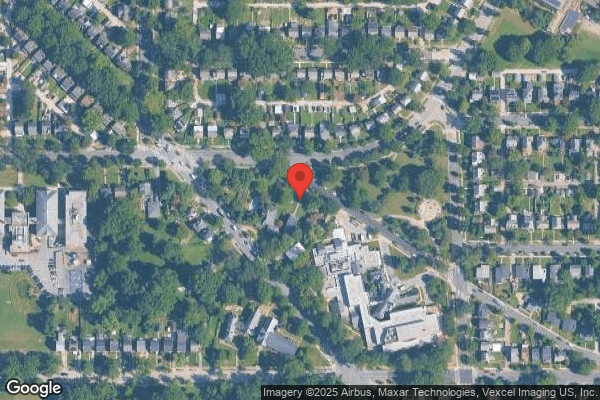

1731 BUNKER HILL ROAD NE, WASHINGTON, DC 20017 (202) 832-4400
For profit - Corporation 16 Beds Independent Data: November 2025
Trust Grade
70/100
#6 of 17 in DC
Last Inspection: August 2024

Within standard 12-15 month inspection cycle. Federal law requires annual inspections.

Overview

The HSC Pediatric Skilled Nursing Facility has a Trust Grade of B, indicating it is a good option for families seeking care, though not without its flaws. It ranks #6 out of 17 facilities in Washington, D.C., placing it in the top half of local options. The facility is improving, having reduced its issues from 23 in 2023 to just 5 in 2024, but it does report a concerning staffing rating of only 1 out of 5 stars, indicating poor staffing conditions despite a turnover rate of 0%. Notably, there have been no fines recorded, suggesting compliance with regulations, and there is more RN coverage than many other facilities, which is a positive sign for resident safety. However, there are specific concerns, including the lack of a licensed administrator, inadequate housekeeping services, and failure to investigate incidents of potential neglect regarding residents' medical needs. Overall, while the facility has strengths in some areas, families should weigh these weaknesses when considering care options.

Trust Score
B
70/100
In District of Columbia
#6/17
Top 35%
Safety Record
Low Risk
No red flags
Inspections
Getting Better
23 → 5 violations
Staff Stability
○ Average
Turnover data not reported for this facility.
Penalties
✓ Good
No fines on record. Clean compliance history, better than most District of Columbia facilities.
Skilled Nurses
○ Average
RN staffing data not reported for this facility.
Violations
⚠ Watch
34 deficiencies on record. Higher than average. Multiple issues found across inspections.
★★★★☆
4.0
Overall Rating
★☆☆☆☆
1.0
Staff Levels
★★★★★
5.0
Care Quality
★★★★☆
4.0
Inspection Score
Stable
2023: 23 issues
2024: 5 issues

The Good

  • 5-Star Quality Measures · Strong clinical quality outcomes
  • Full Sprinkler Coverage · Fire safety systems throughout facility
  • No fines on record

Facility shows strength in quality measures, fire safety.

The Bad

No Significant Concerns Identified

This facility shows no red flags. Among District of Columbia's 100 nursing homes, only 0% achieve this.

The Ugly 34 deficiencies on record

Aug 2024 5 deficiencies
CONCERN (D)

Potential for Harm - no one hurt, but risky conditions existed

Transfer Notice (Tag F0623)

Could have caused harm · This affected 1 resident

**NOTE- TERMS IN BRACKETS HAVE BEEN EDITED TO PROTECT CONFIDENTIALITY** Based on the record review and staff interview, for one (1) of nine (9) sampled residents, facility staff failed to send notific...

Read full inspector narrative →
**NOTE- TERMS IN BRACKETS HAVE BEEN EDITED TO PROTECT CONFIDENTIALITY** Based on the record review and staff interview, for one (1) of nine (9) sampled residents, facility staff failed to send notification of discharge to the resident's representative (RP) and a copy of the notice to the Office of the State Long-Term Care Ombudsman. Resident #65. The findings included: Resident #65 was admitted to the facility on [DATE] with diagnoses that included the following: Chronic Lung Disease, Krabee Disease, Global Development Delay, and Spastic Tetraplegia. Review of the resident's medical record revealed the following: A Quarterly Minimum Data Set (MDS) assessment dated [DATE] showed facility staff coded that the resident was in a persistent vegetative state/no discernable consciousness. A Physician's Note dated 07/07/23 documented, [Resident #65] was in his usual state of health at [Facility Name] on June 2, 2023, when he was transported to his routine neurology follow-up appointment at [Clinic Name]. Received a notification from the clinic physician around 5 pm that he was having a seizure and was being sent to the ED (emergency department). At that time information was relayed that he was stable and likely to return to [Facility Name]. After arrival in the ED, there was concern for respiratory depression and he was admitted to PICU (pediatric intensive care unit). When this information was relayed, he was discharged from [Facility Name]. Review of the Resident's medical record on 08/07/24 showed no there was no documented evidence that notification of the resident's discharge was sent to the resident's RP or that a copy of the notice was sent to a representative of the Office of the State Long-Term Care Ombudsman. During a face-to-face interview on 08/08/24 at approximately 3:00 PM, Employees #1 (Administrator) and Employee #2 (Director of Nursing/DON) acknowledged the findings with Employee #1 stating, [Employee #2] and I were not employed at the facility when the resident was discharged .
CONCERN (D)

Potential for Harm - no one hurt, but risky conditions existed

Assessment Accuracy (Tag F0641)

Could have caused harm · This affected 1 resident

**NOTE- TERMS IN BRACKETS HAVE BEEN EDITED TO PROTECT CONFIDENTIALITY** Based on the record review and staff interview, for one (1) of nine (9) sampled residents, facility staff failed to code the Res...

Read full inspector narrative →
**NOTE- TERMS IN BRACKETS HAVE BEEN EDITED TO PROTECT CONFIDENTIALITY** Based on the record review and staff interview, for one (1) of nine (9) sampled residents, facility staff failed to code the Resident #10's Minimum Data Set (MDS) for his use of bed rails. The findings included: Resident #10 was admitted to the facility on [DATE] with multiple diagnoses including Self-Injurious Behavior, [NAME]- [NAME] Syndrome, Developmental Delay, and Nephrocalcinosis. Review of Resident #10's medical record showed the following: A physician's order note dated 06/07/24 at 4:36 PM documented, Bed rails to be up when resident is not directly supervised due to medical and/ or developed safety concerns. The number and position of side rails to be used are specified. An admission MDS dated [DATE], showed that facility staff coded: a Brief Interview for Mental Status (BIMS) summary score of 08, indicating moderate cognitive impairment; in Section P (Restraints and Alarm), under Physical Restraints, bed rails was coded 0 - not used. During an observation on 08/05/24, 08/06/24, and 08/07/24, Resident #10 was observed lying in bed, with both side rails up and in use for the resident's safety. During a face-to-face interview conducted on 08/08/24 at 1:14 PM, Employee #2 (Director of Nursing/DON) acknowledged the findings and made no comments. Cross Reference 22B DCMR Sec. 3231.12
CONCERN (D)

Potential for Harm - no one hurt, but risky conditions existed

Comprehensive Care Plan (Tag F0656)

Could have caused harm · This affected 1 resident

**NOTE- TERMS IN BRACKETS HAVE BEEN EDITED TO PROTECT CONFIDENTIALITY** 3. Facility staff failed to develop and implement a comprehensive person-centered care plan for Resident #2's court ordered deci...

Read full inspector narrative →
**NOTE- TERMS IN BRACKETS HAVE BEEN EDITED TO PROTECT CONFIDENTIALITY** 3. Facility staff failed to develop and implement a comprehensive person-centered care plan for Resident #2's court ordered decision for no cardiopulmonary resuscitation (CPR), cardioversion/defibrillation, and no administration of cardiac medications in the event of a cardiac emergency. Resident #2 was admitted to the facility on [DATE] with multiple diagnoses that included: Anoxic Brain Damage, Chronic Respiratory Failure, Brain Damage, Cortical Blindness, and Dependence on Ventilator. Review of Resident #2's medical record revealed the following: A court document dated [DATE] titled Superior Court of the District of Columbia Family Court Juvenile and Neglect Branch documented in part: - Further ordered that this court adopts treatment parameters recommended by (Physician Name) and orders that the following treatments shall be withheld and not utilized in treatment and care of [Resident #2] by hospitals, physicians, medical professionals and their agents and/or employees, who may be charged with providing his care: 1. Cardiopulmonary resuscitation 2. Cardiac compressions, 3. Medications to restart the heart, 4. Defibrillation and related procedures. A Physician's Progress Note dated [DATE] at 10:34 AM documented the following: On [DATE], Court order was provided based on decision of health agent [Guardian's Name], that indicates that in the event of a cardiac arrest, CPR (including chest compressions, cardioversion/defibrillation, cardiac meds (medications) will not be performed. There are no other changes to his current care plan. Review of the Resident #2's comprehensive care plan on [DATE] at 12:30 PM showed no documented evidence of a care plan with goals and interventions that addressed the residents code status. During a face-to-face interview conducted on [DATE] at 4:55 PM, Employee #2 (DON) acknowledged the findings and stated, We did not do a care plan for the code status because it is documented in many places. Based on record review and staff interviews, for four (4) of nine (9) sampled residents, facility staff failed to develop comprehensive resident-centered care plans. The findings included: Review of the facility's Care Planning dated [DATE] documented: - [Facility Name] Care Planning/Interdisciplinary Team (IDT) is responsible for the development of an individualized comprehensive care plan for each resident. - The care plan is based on resident's comprehensive assessment and is developed by a Care Planning/Interdisciplinary team. 1. Facility staff failed to develop a care plan with goals and interventions to address to address Resident #9's use of peripheral intravenous device (IV); use of an IV antibiotic medication; and that he was on transmission-based precautions (E. Coli in urine). Resident #9 was admitted to the facility on [DATE] with diagnoses that included: Recurrent Urinary Tract Infection (UTI), Bilateral Hydronephrosis, and Chronic Respiratory Failure. Review of Resident #9's medical record revealed the following: A Quarterly Minimum Data Set (MDS) dated [DATE] that showed facility staff coded: a Brief Interview for Mental Status (BIMS) summary score of 15, indicating intact cognitive response; had an indwelling catheter; always incontinent of bowel and bladder; received Antibiotic medications in the last 7 days; had an IV access and received IV medications. A Laboratory Report dated [DATE] at 9:40 PM documented, [NAME] Blood Cell (WBC) count 14.68 (high) cells per cubic millimeter of blood (cells/mm3); normal range 4 - 11. Physician's order dated [DATE] at 8:34 AM directed, Isolation type: contact, indication: MDRO (Multi-Drug-Resistant Organism). During a tour of the unit on [DATE], at 9:55 AM, Resident #9 was observed lying in bed, in his room. The resident was noted to with a peripheral IV to his left hand. A Urine Culture Report dated [DATE] at 5:16 PM documented: - More than 100, 000 colony-forming unit per millilitre (cfu/ml) Providencia stuartii (50% of total); more than 100, 000 cfu/ml Escherichia coli (E.coli) (50% of total). A Physician's order dated [DATE] directed, Cefepime (antibiotic medication) 2,000 mg (milligrams)/50 ml (milliliters), premix IV, every 8 hours. Review of the Resident #9's comprehensive care plan on [DATE] showed no documented evidence that facility staff developed a care plan with goals and interventions to address use his use of a peripheral IV; use of antibiotic medications for UTI; or that he was not on transmission-based contact precautions. During a face-to-face interview on [DATE] at 3:46 PM, Employee #2 (Director of Nursing/DON) reviewed the Resident #9's care plans, acknowledged the finding, and stated, Every Friday, the IDT does do mini rounds and anything immediate or newly identified, a care plan is either developed or updated. Those must've been missed. 2. Facility staff failed to develop a care plan with goals and interventions to address that Resident #13 received an oral diet. Resident #13 was admitted to the facility on [DATE] with diagnoses that included: Gastrostomy Status and Quadriplegia. Review of Resident #13's medical record revealed the following: A Nutrition Follow-up assessment dated [DATE] at 11:35 PM documented: - Over the past seven days ([DATE] - [DATE]) [Resident #13] 100% of ordered gastrostomy tube and free water flushes. - He appears to be frequently refusing meals or eating 10% to 40%. - Recommendations: continue regular diet; if patients weight continues to trend down with refusal of PO (by mouth) feeds, suggest increasing gastrostomy tube feedings. A Quarterly MDS assessment dated [DATE] showed that facility staff coded: a BIMS summary score of 09, indicting moderately impaired cognition; dependent on staff for everyday activities to include eating; no signs and symptoms of swallowing disorder; received nutrition 26 - 50 percent of nutrition via feeding tube; and received mechanically altered oral diet. A Physician's order dated [DATE] directed, Regular diet International Dysphagia Diet Standardization Initiative (IDDSI) level 7 - easy to chew, upright in chair, cut in small, bites, follow bites by sip of water, check mouth, make sure swallows, limit distraction; [NAME] Farms (type of nutritional tube feed) Pediatric blended meals 250 ml over 1 hour BID (twice a day) at 9:00 AM and 6:00 PM. Review of Resident #13's comprehensive care plan on [DATE] showed no documented evidence that facility staff developed a care plan with goals and interventions to address that the resident received an oral diet. During a face-to-face interview on [DATE] at 3:46 PM, Employee #2 (Director of Nursing/DON) reviewed the Resident #13's care plans, acknowledged the finding, and stated, Every Friday, the IDT does do mini rounds and anything immediate or newly identified, a care plan is either developed or updated. This was missed. 4. Facility staff failed to develop a resident person-centered comprehensive care plan with goals and approaches for Resident #12's use of a Gastrostomy-tube (G-tube) feeding. Resident #12 was admitted to the facility on [DATE] with diagnoses that included: G - tube Dependency, DiGeorge Syndrome, and Severe Neurological Injury after Intracranial Hemorrhage. Review of Resident #12's medical record revealed the following: A Nutrition Follow-Up assessment dated [DATE] documented, Nutrition order: Nutren 1.5 via GT (gastric tube). Feed 300ml 5x/day at 6 am, 10 am, 2 pm, 6 pm, and 10 pm; Rate:150ml/hrx2hrs. Water flush:240ml 5x/day after each feed (1200ml total). A Quarterly MDS dated [DATE] revealed that facility staff coded yes for feeding tube- nasogastric or abdominal (PEG) while a resident in the section for nutritional approaches. Review of Resident #12's comprehensive care plans on [DATE], that were last revised on [DATE] showed no documented evidence that a care plan was developed with goals and approaches for his use of G-tube for nutrition. During a face-to-face interview on [DATE] at 3:39 PM, Employee #2 (DON) acknowledged the findings and stated that the care plans were being reviewed. Cross Reference: 22B DCMR Sec. 3210.4
CONCERN (D)

Potential for Harm - no one hurt, but risky conditions existed

Deficiency F0761 (Tag F0761)

Could have caused harm · This affected 1 resident

**NOTE- TERMS IN BRACKETS HAVE BEEN EDITED TO PROTECT CONFIDENTIALITY** Based on observations and staff interview, facility staff failed to ensure that expired medication syringes were not stored for ...

Read full inspector narrative →
**NOTE- TERMS IN BRACKETS HAVE BEEN EDITED TO PROTECT CONFIDENTIALITY** Based on observations and staff interview, facility staff failed to ensure that expired medication syringes were not stored for use. The findings included: During an observation on [DATE] at 12:35 PM of the unit's clean storage/supply, the following was noted: - Thirteen (13) [NAME]-[NAME] (BD), Luer-Lok Tip, 10 ML (milliliters) syringes stored for use that had an expiration date of [DATE]. During a face-to-face interview on [DATE] at 12:39 PM, Employee #2 (Director of Nursing/DON) acknowledged the findings and stated, I will remove them. Cross Reference 22B DCMR Sec. 3226.3
CONCERN (D)

Potential for Harm - no one hurt, but risky conditions existed

Deficiency F0838 (Tag F0838)

Could have caused harm · This affected 1 resident

Based on record review and staff interview, the facility's Administrator failed to conduct and document a facility-wide assessment annually to determine what resources are necessary to care for its re...

Read full inspector narrative →
Based on record review and staff interview, the facility's Administrator failed to conduct and document a facility-wide assessment annually to determine what resources are necessary to care for its residents competently during the day-to-day operations (including nights and weekends) and emergencies. The facility's census on the first day of the survey was 14. The findings included: Review of the facility's SNF (skilled nursing facility)-Administrative - 009 policy last reviewed in January 2020, documented in part: - A facility assessment is conducted annually to determine and update SNF's capacity to meet the needs of and completely care for our residents during day-to-day operations. Determining our capacity to meet the needs of and care for our residents during emergencies is included in this assessment. It is the responsibility of the Administrator to lead this assessment with a multidisciplinary team. Policy /Procedures #1. Once a year and as needed, a designated team conducts a facility-wide assessment to ensure that resources are available to meet the specific needs of our residents. During the Recertification Survey conducted from 08/05/24 to 08/08/24, this surveyor met with Employee #1 (Administrator) on 08/08/24 at10:00 AM, to inquire about the facility assessment. The employee stated that the facility assessment was last completed in 2022 and that there is not a complete or current facility assessment. Employee #1 further stated, We are in the process of reviewing and updated the facility assessment. It is not complete. And provided the surveyor a copy of the Facility Assessment for 2022. The evidence showed that the facility was not in compliance with completing its annual facility assessment. Cross Reference 22B DCMR Sec. 3201.5
Dec 2023 7 deficiencies
CONCERN (D) 📢 Someone Reported This

A family member, employee, or ombudsman was alarmed enough to file a formal complaint

Potential for Harm - no one hurt, but risky conditions existed

Deficiency F0562 (Tag F0562)

Could have caused harm · This affected 1 resident

Based on observations, record review and interview, the facility failed to provide the State Survey Agency with immediate access to medical records. While this was evident for all medical records of t...

Read full inspector narrative →
Based on observations, record review and interview, the facility failed to provide the State Survey Agency with immediate access to medical records. While this was evident for all medical records of the facility, it delayed the State Agencies ability to review medical records for the three of 13 residents selected for sampling during this survey. (Residents #1, #2, and #3) The findings included: According to a Survey and Certification (S&C) memo from the Centers for Medicare and Medicaid Services dated 8/14/09, During the entrance conference, surveyors will verify with the facility the process they will follow in order to have unrestricted access to the medical record. During an entrance conference on 12/11/23 for investigation of a facility reported incident (DC~12475) starting at approximately 9:00 AM, Employee #1 (Administration) was made aware that the State Survey Agency needed access to residents' electronic medical records (EMRs). The Administrator stated that a month ago they started using a new EMR, and she would inform the IT department of the need for access. Also, the Administrator stated that the facility's census was 13. During a face-to-face interview on 12/11/23 at approximately 11:00 AM, Employee #2 (Lead Quality Personnel) stated that the IT department was working on granting the State Survey Agency surveyor access to the residents' EMRs. During a face-to-face interview on 12/11/23 at approximately 2:30 PM, Employee #1 (Administrator) stated that they were still working on giving the State Survey Agency surveyor access to the facility's EMR. During the interview, the State Agency's Program Manager was on the phone. The Program Manager advised the facility's Administrator to provide the surveyor access to residents' EMRs as soon as possible. The Administrator offered the surveyor the use of Employee #2's (Quality Lead Personnel) laptop and indicated the employee would navigate the laptop to access documents that the surveyor requested to view. After the facility was informed by the State Survey Agency Program Manager that the surveyor needed uninhibited access to a facility's laptop and resident's electronic medical record, the facility created a dropbox with Resident #1's medical record in it. On 12/11/23 at 4:57 PM, the facility sent the surveyor an email inviting her to register for access to the facility's EMRs. It should be noted that the surveyor left the facility at 4:45 PM on the same day. On 12/12/23 at approximately 9:00 AM, the surveyor requested a password for the facility's electronic medical record, however, the surveyor was informed IT had to approve the password before the surveyor could access the facility's EMRs. During a face-to-face interview on 12/12/23 at approximately 10:00 AM, Employee #2 (Quality Lead Personnel) stated that the facility recently began using a new EMR. The EMR passwords were sent to applicants within 24 hours of applying. In addition, the employee called the IT department during the interview to request an expedited password for the surveyor. On 12/12/13 at approximately 1:00 PM (12 hours after the start of the survey), the facility approved the surveyor's password, provided her with a laptop, and gave her access to residents' EMRs.
CONCERN (D) 📢 Someone Reported This

A family member, employee, or ombudsman was alarmed enough to file a formal complaint

Potential for Harm - no one hurt, but risky conditions existed

Free from Abuse/Neglect (Tag F0600)

Could have caused harm · This affected 1 resident

**NOTE- TERMS IN BRACKETS HAVE BEEN EDITED TO PROTECT CONFIDENTIALITY** Based on record reviews and interviews, the facility's staff failed to provide continuous pulse-oximeter monitoring, as ordered ...

Read full inspector narrative →
**NOTE- TERMS IN BRACKETS HAVE BEEN EDITED TO PROTECT CONFIDENTIALITY** Based on record reviews and interviews, the facility's staff failed to provide continuous pulse-oximeter monitoring, as ordered for one (1) of three (3) sampled residents. The findings included: Resident #1 was admitted to the facility on [DATE] with multiple diagnoses including Lesch Nyhan Syndrome, Nephrocalcinosis, Self-Injurious Behavior, and Developmental Delays. A physician order dated [DATE] instructed, Monitor Pulse Oximetry Continuous per parameters HR (heart rate) 60-120 (beats per minute), POX (pulse-ox) 90-100 (saturation rate). A quarterly MDS dated [DATE] documented, the resident had a Brief Interview for Mental Status summary score of 05 indicating the resident had a severely impaired cognitive status. In addition, the resident was coded for impaired bilateral lower extremities, always incontinent of bladder and bowel, dependent of staff for all Activities of Daily Living, and using a wheelchair. A nurses note dated [DATE] at 11:53 PM documented, Patient Care Overview: Safety check on resident done at 1930 (7:30 PM). Resident in bed, alert/active, no distress. Came into resident's room at 2109 (9:09 PM) and found resident in bed unresponsive. Called for help from other nurses and respiratory, started CPR immediately, and code called. Code team responded. A physician note dated [DATE] at 2:40 PM documented the following but not limited to: Received Report on sign out at approximately 6 pm on [DATE], that patient was reported of fever 99F by school nurse, but no other symptoms of cough, congestion or any other clinical changes. Checked with Nursing on rounding, for VS - temperature reported wnl (within normal limits) - VS at 14:18 was 37.7C (99.8 F), (an temperature prior to that - the night before, before going to school was 36.4 (97.5 F), rest of VS (vital signs) at 14:18 was -HR 90, RR 18, BP 115/89, Sats 95% on RA. On patient eval at approximately 6:30 pm on [DATE], patient was awake in bed, lying supine, in NAD (no apparent distress), moving, with normal perfusion and no signs of congestion, and did not appear with coughing or other symptoms, and appeared afebrile. Patient awake, at baseline mental status and activity level, and appeared at usual state of health, with no agitation or distress, and was calm and alert at baseline, and moving head/extremities at baseline. Code Blue was called at 9:11 pm on [DATE]. - on arrival, patient was found unresponsive, limp, and was already receiving CPR/chest compressions and receiving PPV via bag-mask 100% FiO2. Patient pronounced deceased at 22:13 (10:13 PM). Preliminary diagnosis: likely Cardiopulmonary arrest related to [NAME]-[NAME] syndrome. Of note, patient had similar previous episode of Apnea/Cardiac arrest (Hx: [DATE] x 2 code episodes). Per Genetics: patient can have unexplained apnea, due to underlying condition of [NAME]-[NAME] syndrome. During a face-to-face interview on [DATE] at approximately 11:00 AM, Employee #6 (Nursing Supervisor) stated that according to the facility's protocol, staff should connect residents to continuous monitors (pulse-oximeter) when they are not in the presence of staff, such as when they are in their rooms. During a telephone interview on [DATE] at 1:47 PM, Employee #3 (CNA) stated that during the evening shift on [DATE] Resident #1 was his normal self. She last saw the resident at 8:00 PM. And because the resident was still awake, Employee #3 didn't connect the pulse oxygen monitor. According to her, the resident's condition (Lesch Nyhan Disease) caused him to move a lot, which prevented the monitor from staying on. Her plan was to set the monitor up when the resident was asleep. However, an hour after she left the room, she heard a Code Blue called for the resident. In addition, she explained that everyone knew it was difficult to keep the pulse oximeter connected, so staff waited until the resident was asleep to connect it. During a telephone interview on [DATE] at 2:00 PM, Employee #4(RN) stated that when she made her first rounds on [DATE] at 7:30PM she did not observe any signs of distress. He was in bed awake, smiling, and the pulse-oximetry monitor was connected. When she made her second round on [DATE] at 9:00 PM, the resident was unresponsive and had no pulse. After calling for help, she began CPR. In addition, the employee said that the resident's pulse-oximeter was at bedside and not connected to the resident. The employee said she didn't know why the pulse-oximeter was not connected.
CONCERN (D) 📢 Someone Reported This

A family member, employee, or ombudsman was alarmed enough to file a formal complaint

Potential for Harm - no one hurt, but risky conditions existed

Investigate Abuse (Tag F0610)

Could have caused harm · This affected 1 resident

**NOTE- TERMS IN BRACKETS HAVE BEEN EDITED TO PROTECT CONFIDENTIALITY** Based on a record review and an interview, at the time of survey, the facility failed to have documented evidenced that a thorou...

Read full inspector narrative →
**NOTE- TERMS IN BRACKETS HAVE BEEN EDITED TO PROTECT CONFIDENTIALITY** Based on a record review and an interview, at the time of survey, the facility failed to have documented evidenced that a thorough investigation had been conducted after the death of a resident for one (1) of three (3) sampled residents. (Resident #1) The findings included: Resident #1 was admitted to the facility on [DATE] with multiple diagnoses including Lesch Nyhan Syndrome, Nephrocalcinosis, Self-Injurious Behavior, and Developmental Delays. A State Survey Agency Facility Reported Incident form # DC~12475 documented, Bedside RN [Employee #4] went in to provide care for [Resident #1] and noticed discoloration in the lips and resident was unresponsive. Rapid Response called and [Resident #1] coded for over an hour but pronounced deceased . SNF Administrator and DON notified, and Medical Examiner called and 911 notified and detectives came out to the facility. Parents notified. A nurses note dated [DATE] at 11:53 PM documented, Patient Care Overview: Safety check on resident done at 1930 (7:30 PM). Resident in bed, alert/active, no distress. Came into resident's room at 2109 (9:09 PM) and found resident in bed unresponsive. Called for help from other nurses and respiratory, started CPR immediately, and code called. Code team responded. A review of the staffing assignment for the [DATE] evening shift (3PM-11PM) revealed a resident census of 14. Staffing included three (3) nurses and two (2) certified nursing assistants (CNAs). However, the facility's investigation documents lack documented evidence that witnesses who may have had knowledge of the incident, including evening shift employees and the resident's roommate, were interviewed. During a telephone interview on [DATE] at approximately 3:00 PM, Employee #1 (Administrator) stated that the DON interviewed staff. Because the DON was on vacation, she couldn't find where the staff interviews were filed. The Administrator also said she would forward a copy of the staff interviews to DC Health when the DON returns from vacation. Please cross reference 483.12 Freedom from Abuse, Neglect, and Exploitation. F600
CONCERN (D) 📢 Someone Reported This

A family member, employee, or ombudsman was alarmed enough to file a formal complaint

Potential for Harm - no one hurt, but risky conditions existed

Deficiency F0655 (Tag F0655)

Could have caused harm · This affected 1 resident

**NOTE- TERMS IN BRACKETS HAVE BEEN EDITED TO PROTECT CONFIDENTIALITY** Based on record reviews and staff interview, the facility's staff failed to develop Baseline Care Plans within 48 hours of admis...

Read full inspector narrative →
**NOTE- TERMS IN BRACKETS HAVE BEEN EDITED TO PROTECT CONFIDENTIALITY** Based on record reviews and staff interview, the facility's staff failed to develop Baseline Care Plans within 48 hours of admission for two (2) of three (3) sampled residents. (Residents #1 and #2). The findings include: 1.Resident #1 was admitted to the facility on [DATE] with multiple diagnoses including Lesch Nyhan Syndrome, Nephrocalcinosis, Self-Injurious Behavior, and Developmental Delays. A review of the resident's care plan revealed that the care plan was initiatied on 07/20/23. An admission Minimum Data Set, dated [DATE] documents the resident's admission date as 07/06/23. This resident had a Brief Interview for Mental Status summary score of 05, indicating severe cognitive impairment. Also, the resident was coded as dependent on staff for all Activities of Daily Living, always incontinent of bladder and bowel, and wheelchair dependent. 2. Resident #2 was admitted to the facility on [DATE] with multiple diagnoses including Lesch Nyhan Syndrome, Nephrocalcinosis, Self-Injurious Behavior, and Global Developmental Delays. A review of the resident's care plan revealed that the care plan was initiatied on 07/20/23. An admission Minimum Data Set, dated [DATE] documented, the resident's admission date was 07/06/23. The resident had a Brief Interview for Mental Status summary score of 13 indicating intact cognitive status. Also, the resident was coded as dependent on staff for all Activities of Daily Living, always incontinent of bladder and bowel, and wheelchair dependent. During our telephone interview on 12/13/23 at approximately 11:00 AM, Employee #5 (MDS Coordinator) said it was her responsibility to develop the resident's initial care plan. The employee stated that the facility was improving its care plan development and review process.
CONCERN (D) 📢 Someone Reported This

A family member, employee, or ombudsman was alarmed enough to file a formal complaint

Potential for Harm - no one hurt, but risky conditions existed

Comprehensive Care Plan (Tag F0656)

Could have caused harm · This affected 1 resident

**NOTE- TERMS IN BRACKETS HAVE BEEN EDITED TO PROTECT CONFIDENTIALITY** Based on record review and staff interview, the facility failed to develop a care plan for a resident's use of a pulse-ox monito...

Read full inspector narrative →
**NOTE- TERMS IN BRACKETS HAVE BEEN EDITED TO PROTECT CONFIDENTIALITY** Based on record review and staff interview, the facility failed to develop a care plan for a resident's use of a pulse-ox monitor for three (3) of 3 sampled residents. (Resident #1) The findings included: Resident #1 was admitted to the facility on [DATE] with multiple diagnoses including Lesch Nyhan Syndrome, Nephrocalcinosis, Self-Injurious Behavior, and Developmental Delays. A physician order dated 11/01/23 instructed, Monitor Pulse Oximetry Continuous per parameters HR (heart Rate) 60-120 (beats per minute). POX (pulse-ox) 90-100 (saturation rate). A review of the resident's care plan with a review date of 11/21/23 lacked documented evidence that the facility's staff developed a care plan with goals and interventions for his use of a continuous pulse-oximeter monitoring. During our telephone interview on 12/13/23 at 11:00 AM, Employee #5 (MDS Coordinator) said that the facility was improving their process of developing and reviewing care plans.
CONCERN (D) 📢 Someone Reported This

A family member, employee, or ombudsman was alarmed enough to file a formal complaint

Potential for Harm - no one hurt, but risky conditions existed

Deficiency F0657 (Tag F0657)

Could have caused harm · This affected 1 resident

**NOTE- TERMS IN BRACKETS HAVE BEEN EDITED TO PROTECT CONFIDENTIALITY** Based on record review and staff interview, for three (3) of 3 residents, the facility failed to ensure residents care plans wer...

Read full inspector narrative →
**NOTE- TERMS IN BRACKETS HAVE BEEN EDITED TO PROTECT CONFIDENTIALITY** Based on record review and staff interview, for three (3) of 3 residents, the facility failed to ensure residents care plans were reviewed by the Inter-disciplinary Team; and for one (1) of three (3) sampled residents, the resident's care plan was not reviewed by the Inter-disciplinary Team after each quarterly Minimum Data Set. (Residents #1, #2, and #3). 1. The facility failed to ensure Residents #1, #2, and #3 care plans were reviewed by the Inter-disciplinary Team. 1a. Resident #1 was admitted to the facility on [DATE] with multiple diagnoses including Lesch Nyhan Syndrome, Nephrocalcinosis, Self-Injurious Behavior, and Developmental Delays. A quarterly Minimum Data Set, dated [DATE] documented the resident had a Brief Interview for Mental Status summary score of 05 , indicating severe cognitive impairment. Also, the resident was coded as dependent on staff for all Activities of Daily Living, always incontinent of bladder and bowel, and wheelchair dependent. A review of the resident's care plan revealed that it was reviewed by Employee #5 (MDS Coordinator) on 11/21/23. However, there was no documented evidence that it was reviewed by the Inter-disciplinary Team. 1b. Resident #2 was admitted to the facility on [DATE] with multiple diagnoses including Lesch Nyhan Syndrome, Nephrocalcinosis, Self-Injurious Behavior, and Global Developmental Delays. A quarterly Minimum Data Set, dated [DATE] documented, the resident had a Brief Interview for Mental Status summary score of 13 indicating intact cognitive status. Also, the resident was coded as dependent on staff for all Activities of Daily Living, always incontinent of bladder and bowel, and wheelchair dependent. A review of the resident's care plan revealed that it was reviewed by Employee #5 (MDS Coordinator) on 11/21/23. However, there was no documented evidence that it was reviewed by the Inter-disciplinary Team. 1c. Resident #3 was admitted to the facility on [DATE] with multiple diagnoses including Chronic Atelectasis, Chronic Respiratory Failure, and Anemia. A quarterly Minimum Data Set, dated [DATE] documented, the resident had a Brief Interview for Mental Status summary score of 12 indicating intact cognitive status. Also, the resident was coded as dependent on staff for all Activities of Daily Living, always incontinent of bladder and bowel, and receiving physical therapy services, occupational therapy services, and respiratory therapy services. A review of the resident's care plan revealed it was reviewed by Employee #5 (MDS Coordinator) on 05/02/23. However, there was no documented evidence that it was reviewed by the Inter-disciplinary Team. During our telephone interview on 12/13/23 at 11:00 AM, Employee #5 (MDS Coordinator) said the facility was improving their process for reviewing care plans.
CONCERN (D) 📢 Someone Reported This

A family member, employee, or ombudsman was alarmed enough to file a formal complaint

Potential for Harm - no one hurt, but risky conditions existed

Quality of Care (Tag F0684)

Could have caused harm · This affected 1 resident

**NOTE- TERMS IN BRACKETS HAVE BEEN EDITED TO PROTECT CONFIDENTIALITY** Based on record reviews and interviews, the facility's staff failed to provide continuous pulse-oximeter monitoring, as ordered ...

Read full inspector narrative →
**NOTE- TERMS IN BRACKETS HAVE BEEN EDITED TO PROTECT CONFIDENTIALITY** Based on record reviews and interviews, the facility's staff failed to provide continuous pulse-oximeter monitoring, as ordered for one (1) of three (3) sampled residents. The findings included: Resident #1 was admitted to the facility on [DATE] with multiple diagnoses including Lesch Nyhan Syndrome, Nephrocalcinosis, Self-Injurious Behavior, and Developmental Delays. A physician order dated [DATE] instructed, Monitor Pulse Oximetry Continuous per parameters HR (heart rate) 60-120 (beats per minute), POX (pulse-ox) 90-100 (saturation rate). A quarterly MDS dated [DATE] documented, the resident had a Brief Interview for Mental Status summary score of 05 indicating the resident had a severely impaired cognitive status. In addition, the resident was coded for impaired bilateral lower extremities, always incontinent of bladder and bowel, dependent of staff for all Activities of Daily Living, and using a wheelchair. A nurses note dated [DATE] at 11:53 PM documented, Patient Care Overview: Safety check on resident done at 1930 (7:30 PM). Resident in bed, alert/active, no distress. Came into resident's room at 2109 (9:09 PM) and found resident in bed unresponsive. Called for help from other nurses and respiratory, started CPR immediately, and code called. Code team responded. A physician note dated [DATE] at 2:40 PM documented the following but not limited to: Received Report on sign out at approximately 6 pm on [DATE], that patient was reported of fever 99F by school nurse, but no other symptoms of cough, congestion or any other clinical changes. Checked with Nursing on rounding, for VS - temperature reported wnl (within normal limits) - VS at 14:18 was 37.7C (99.8 F), (an temperature prior to that - the night before, before going to school was 36.4 (97.5 F), rest of VS (vital signs) at 14:18 was -HR 90, RR 18, BP 115/89, Sats 95% on RA. On patient eval at approximately 6:30 pm on [DATE], patient was awake in bed, lying supine, in NAD (no apparent distress), moving, with normal perfusion and no signs of congestion, and did not appear with coughing or other symptoms, and appeared afebrile. Patient awake, at baseline mental status and activity level, and appeared at usual state of health, with no agitation or distress, and was calm and alert at baseline, and moving head/extremities at baseline. Code Blue was called at 9:11 pm on [DATE]. - on arrival, patient was found unresponsive, limp, and was already receiving CPR/chest compressions and receiving PPV via bag-mask 100% FiO2. Patient pronounced deceased at 22:13 (10:13 PM). Preliminary diagnosis: likely Cardiopulmonary arrest related to [NAME]-[NAME] syndrome. Of note, patient had similar previous episode of Apnea/Cardiac arrest (Hx: [DATE] x 2 code episodes). Per Genetics: patient can have unexplained apnea, due to underlying condition of [NAME]-[NAME] syndrome. During a face-to-face interview on [DATE] at approximately 11:00 AM, Employee #6 (Nursing Supervisor) stated that according to the facility's protocol, staff should connect residents to continuous monitors (pulse-oximeter) when they are not in the presence of staff, such as when they are in their rooms. During a telephone interview on [DATE] at 1:47 PM, Employee #3 (CNA) stated that during the evening shift on [DATE] Resident #1 was his normal self. She last saw the resident at 8:00 PM. And because the resident was still awake, Employee #3 didn't connect the pulse oxygen monitor. According to her, the resident's condition (Lesch Nyhan Disease) caused him to move a lot, which prevented the monitor from staying on. Her plan was to set the monitor up when the resident was asleep. However, an hour after she left the room, she heard a Code Blue called for the resident. In addition, she explained that everyone knew it was difficult to keep the pulse oximeter connected, so staff waited until the resident was asleep to connect it. During a telephone interview on [DATE] at 2:00 PM, Employee #4(RN) stated that when she made her first rounds on [DATE] at 7:30PM she did not observe any signs of distress. He was in bed awake, smiling, and the pulse-oximetry monitor was connected. When she made her second round on [DATE] at 9:00 PM, the resident was unresponsive and had no pulse. After calling for help, she began CPR. In addition, the employee said that the resident's pulse-oximeter was at bedside and not connected to the resident. The employee said she didn't know why the pulse-oximeter was not connected.
Feb 2023 15 deficiencies
CONCERN (D) 📢 Someone Reported This

A family member, employee, or ombudsman was alarmed enough to file a formal complaint

Potential for Harm - no one hurt, but risky conditions existed

Resident Rights (Tag F0550)

Could have caused harm · This affected 1 resident

**NOTE- TERMS IN BRACKETS HAVE BEEN EDITED TO PROTECT CONFIDENTIALITY** Based on observation, record review and staff interview, for one (1) of 13 sampled residents, facility staff failed to treat Res...

Read full inspector narrative →
**NOTE- TERMS IN BRACKETS HAVE BEEN EDITED TO PROTECT CONFIDENTIALITY** Based on observation, record review and staff interview, for one (1) of 13 sampled residents, facility staff failed to treat Resident #9 with dignity as evidenced by failure to have a privacy bag to cover his indwelling catheter drainage bag. The findings included: Resident #9 was admitted to the facility on [DATE] with diagnoses that included: Bilateral Hydronephrosis and Recurrent Urinary Tract Infection (UTI). Review of Resident #9's medical record revealed a Quarterly Minimum Data Set (MDS) dated [DATE] where facility staff coded: a Brief Interview for Mental Status summary score of 13, indicating intact cognition and that the resident had an indwelling catheter. During a tour of unit 1 North on 02/06/23 at 9:45 AM, Resident #9 was observed lying in bed, his indwelling Foley catheter bag could be seen from the hallway with yellow colored urine. It should be noted that there were multiple building engineers walking around on the unit conducting a test of the unit's electrical system. During a face-to-face interview conducted on 02/07/23 at 3:51 PM, Employee #2 (Interim Director of Nursing/DON) stated, We do not have privacy bags for the indwelling. I will follow up with the new Director of Nursing about ordering them. Cross Reference: 22-B DCMR sec. 3269.1(d)
CONCERN (D) 📢 Someone Reported This

A family member, employee, or ombudsman was alarmed enough to file a formal complaint

Potential for Harm - no one hurt, but risky conditions existed

Transfer Notice (Tag F0623)

Could have caused harm · This affected 1 resident

**NOTE- TERMS IN BRACKETS HAVE BEEN EDITED TO PROTECT CONFIDENTIALITY** Based on record reviews and staff interviews, for one (1) of (13) sampled residents, facility staff failed to notify the Ombudsm...

Read full inspector narrative →
**NOTE- TERMS IN BRACKETS HAVE BEEN EDITED TO PROTECT CONFIDENTIALITY** Based on record reviews and staff interviews, for one (1) of (13) sampled residents, facility staff failed to notify the Ombudsman and the State Agency in writing of the reason for a resident's transfer/discharge to the hospital. Resident #3. The findings included: Resident #3 was admitted to the facility on [DATE] with diagnoses that included Chronic Respiratory Failure, Tracheostomy Present, Spastic Paraplegia, Scoliosis Deformity of the Spine, and Chromosomal Disorder. An Annual Minimum Data Set (MDS) dated [DATE] showed that facility staff documented the Resident had a Brief Interview for Mental Status Score of 15, indicating that the Resident had intact cognition, required suctioning, tracheostomy care, mechanical ventilation, had a gastrostomy tube, had bilateral lower extremity impairment, was at risk for pressure ulcers, and required limited assistance for in most ADLs (activities of daily living) except toileting (required total assistance). A Social Work Progress Note dated 01/20/23 at 2:03 PM documented, . [Resident Representative's Name] reported that she has already submitted consent forms for [Resident #3]'s upcoming surgery scheduled for 1/27. Review of a Physician's Discharge Summary on 01/27/23 documented, .d/c (Discharge) Date: 1/27/23 .Condition at discharge: Good . Pt (patient) discharged to [Name of Local Hospital] for spinal fusion hardware revision . During a face-to-face interview on 02/09/22, Employee #2 stated that she could not provide evidence that facility staff sent the written notification informing the State Agency or Ombudsman of the reason for the Resident's discharge to the hospital.
CONCERN (D) 📢 Someone Reported This

A family member, employee, or ombudsman was alarmed enough to file a formal complaint

Potential for Harm - no one hurt, but risky conditions existed

Deficiency F0625 (Tag F0625)

Could have caused harm · This affected 1 resident

**NOTE- TERMS IN BRACKETS HAVE BEEN EDITED TO PROTECT CONFIDENTIALITY** Based on record review and staff interviews for two (2) of 13 sampled residents, facility staff failed to notify residents' repr...

Read full inspector narrative →
**NOTE- TERMS IN BRACKETS HAVE BEEN EDITED TO PROTECT CONFIDENTIALITY** Based on record review and staff interviews for two (2) of 13 sampled residents, facility staff failed to notify residents' representatives of its bed hold policy in writing when residents were discharged from the facility and transferred to a local hospital. Residents' #13 and #3. The findings included: 1. Resident #13 was admitted to the facility on [DATE] with diagnoses that included Chronic Respiratory Failure, Unspecified with Hypoxia, Trach and Vent (tracheostomy and ventilator) Dependent, Congenital Myopathy, and Encounter for Attention to Gastrostomy. Review of Resident #13's medical record revealed a face sheet that showed Resident #13's father listed as the emergency contact and the Resident's mother as the responsible party. A Discharge Minimum Data Set (MDS) dated [DATE] showed that facility staff documented the Resident required oxygen therapy, suctioning, tracheostomy care, and mechanical ventilation and was totally dependent on staff for bed mobility, transfers, dressing, and eating. A Physician's Progress Note dated 12/12/22 at 2:01 PM documented: .code was called by RT (Respiratory Therapy) and Nursing, when they noticed that pulse oximetry reading was showing saturations varying between 98% and then could not be read, then noticed HR (heart rate) 0 and 'cold extremities' .no pulse was felt/palpable. Patient mental status is vegetative, nonresponsive at baseline .Called and left message for the father [Name of Resident's representative] at 21:04 (9:04 PM) and again at 21:14 (9:14 PM) and also attempted to reach mother ( but only reached MGM/maternal grandmother). Left request on father's phone for emergency call back to [Name of facility] Also, left a message with MGM, requesting her to contact mother and ask mother to call back to [Name of facility] emergently. Review of a Notice of Transfer or Relocation Form submitted to the State agency dated 12/12/22 at 2:57 PM documented: . This proposed action is a) Transfer - Hospital/Rehab (Rehabilitation) facility/ Nursing Home, Transfer type: Hospital, . (5) If you are being transferred to a hospital or the transfer is for therapeutic leave, attached is the facility's bed-hold policy . Of note, there were no attachments to the form. During a face-to-face interview on 02/09/22, Employee #2 (Interim Director of Nursing) stated that the former Administrator should have provided the information to the Resident Representative in writing along with the Notice of Transfer or Relocation Form, and the Employee acknowledged the finding. 2. Resident #3 was admitted to the facility on [DATE], with diagnoses that included Chronic Respiratory Failure, Tracheostomy Present, Spastic Paraplegia, and Scoliosis Deformity of the Spine. Review of Resident #3's medical record revealed a Face Sheet that documented the Department of Social Services Social Worker was responsible for making medical decisions for Resident #3. An Annual Minimum Data Set (MDS) dated [DATE] showed that facility staff documented the Resident had a Brief Interview for Mental Status Score of 15, indicating that the Resident had intact cognition, required suctioning, tracheostomy care, mechanical ventilation, had a gastrostomy tube, had bilateral lower extremity impairment, was at risk for pressure ulcers, and required limited assistance for in most ADLs (activities of daily living) except toileting (required total assistance). A Social Work Progress Note dated 01/20/23 at 2:03 PM documented: . Resident Representative's Name] reported that she has already submitted consent forms for [Resident #3]'s upcoming surgery scheduled for 1/27 (2023). Review of a Physician's Discharge Summary on 01/27/23 documented: .d/c (Discharge ) Date: 1/27/23 .Condition at discharge: Good . Pt (patient) discharged to [Name of Local Hospital] for spinal fusion hardware revision . During a face-to-face interview on 02/09/22, Employee #2 (Interim Director of Nursing) stated that she could not provide evidence that facility staff offered the facility's bed hold policy information to Resident#3's Representative in writing, and she acknowledged the finding Cross Reference 22-B DCMR sec. 3270.1
CONCERN (D) 📢 Someone Reported This

A family member, employee, or ombudsman was alarmed enough to file a formal complaint

Potential for Harm - no one hurt, but risky conditions existed

Assessment Accuracy (Tag F0641)

Could have caused harm · This affected 1 resident

**NOTE- TERMS IN BRACKETS HAVE BEEN EDITED TO PROTECT CONFIDENTIALITY** Based on record review and staff interview, for one (1) of 13 sampled residents, facility staff failed to accurately code Reside...

Read full inspector narrative →
**NOTE- TERMS IN BRACKETS HAVE BEEN EDITED TO PROTECT CONFIDENTIALITY** Based on record review and staff interview, for one (1) of 13 sampled residents, facility staff failed to accurately code Resident #9's Seizure diagnoses and pressure ulcer on his Quarterly Minimum Data Set (MDS). The findings included: Resident #9 was admitted to the facility on [DATE] with diagnoses that included: Seizure, Bilateral Hydronephrosis, Recurrent Urinary Tract Infection (UTI) and Chronic Respiratory Failure. Review of Resident #9's medical record revealed a progress note from the Nurse Practitioner dated 10/03/22 at 4:07 PM documenting, Asked to see [Resident #9] by his nurse due to breakdown to the site of chronic skin breakdown due to persistent rubbing on the left side of his head against a pillow. Superior aspect of the left ear helix and now going into the flat adjacent antihelix is open with yellow mucoid drainage . will begin bacitracin . A physician progress note dated 10/03/22 at 4:08 PM documented, Assessed patient at bedside due to skin breakdown on his L (left) ear. Noted area on mid-[NAME] extending for external to more internal area of about 2 CM (centimeters) in length with some skin breakdown and what appeared to be white/yellow discharge . Further review of Resident #9's medical record revealed the following physician orders dated 10/17/22: -Keppra (anti-seizure medication) 100mg/ml (milligrams/milliliters) 1000mg BID (twice a day); -Diastat Acudial (anti-seizure medication)10mg gel 10 MG BID PRN (as needed) A care plan revised 10/24/22 documented Potential for interruption of skin integrity related to limited mobility . interventions .Perform special skincare for .left ear . document skin condition per policy . A Quarterly MDS dated [DATE] showed facility staff coded: a Brief Interview for Mental Status (BIMS) summary score of 13, indicating intact cognition; In section I (Active Diagnoses) Seizures showed no; at risk for pressure ulcers; and no unhealed pressure ulcers or other skin problems. The evidence showed that the Quarterly MDS dated [DATE] was not accurately coded to capture Resident #9's diagnosis of Seizure or the pressure ulcer on his left ear. During a face-to-face interview on 02/08/23 at 12:51 PM, Employee #2 (Interim Director of Nursing/DON), acknowledged the findings. Cross Reference: 22-B DCMR sec. 3231.12
CONCERN (D) 📢 Someone Reported This

A family member, employee, or ombudsman was alarmed enough to file a formal complaint

Potential for Harm - no one hurt, but risky conditions existed

Deficiency F0655 (Tag F0655)

Could have caused harm · This affected 1 resident

**NOTE- TERMS IN BRACKETS HAVE BEEN EDITED TO PROTECT CONFIDENTIALITY** Based on record reviews and staff interviews for one (1) of 13 sampled residents, facility staff failed to develop a baseline ca...

Read full inspector narrative →
**NOTE- TERMS IN BRACKETS HAVE BEEN EDITED TO PROTECT CONFIDENTIALITY** Based on record reviews and staff interviews for one (1) of 13 sampled residents, facility staff failed to develop a baseline care plan after a resident was readmitted to the facility on [DATE]. Resident #3. The findings included: Resident #3 was admitted to the facility on [DATE] with diagnoses that included Chronic Respiratory Failure, Tracheostomy Present, Spastic Paraplegia, and Scoliosis Deformity of the Spine. Review of Resident #3's medical record revealed: An Annual Minimum Data Set (MDS) dated [DATE] showing that facility staff documented the Resident had a Brief Interview for Mental Status Score of 15, indicating that the Resident had intact cognition, required suctioning, tracheostomy care, mechanical ventilation, had a gastrostomy tube, had bilateral lower extremity impairment, was at risk for pressure ulcers, and required limited assistance for in most ADLs (activities of daily living) except toileting (required total assistance). Review of a Physician's Discharge Summary on 01/27/23 documented: .d/c (Discharge ) Date: 1/27/23 .Condition at discharge: Good Pt (patient) discharged to [Name of Local Hospital] for spinal fusion hardware revision. Review of a Physician's Order dated 1/29/23 at 17:08 [5:00 PM], read: Admit to Skilled Nursing Facility Unit . Review of an Interdisciplinary admission Assessment Note on 01/29/23 at 17:12 [5:12 PM] documented: .Current diagnosis - sp (status post) posterior spinal fusion .History of Present Illness (Brief Past Medical -Surgical History) .s/p (status post) spinal fusion instrumentation 1/2011, now s/p revision of posterior spinal fusion 1/27/23 .Acute hospital course at [Local Hospital]: Patient was admitted to the PICU (Pediatric Intensive Care Unit) on 1/27/23 for elective planned posterior solera spinal fusion revision .She is post-op day 2, safe for transfer back to [Name of facility] for continued chronic medical management and for acute wound care Review of Resident #3's medical record lacked documented evidence that facility staff developed a baseline care plan within 48 hours of the Resident's readmission into the facility on [DATE]. During a face-to-face interview conducted on 02/08/22 at 10:46 AM, Employee #2 acknowledged that facility staff failed to develop a baseline care plan when the Resident was readmitted to the facility on [DATE].
CONCERN (D) 📢 Someone Reported This

A family member, employee, or ombudsman was alarmed enough to file a formal complaint

Potential for Harm - no one hurt, but risky conditions existed

Comprehensive Care Plan (Tag F0656)

Could have caused harm · This affected 1 resident

**NOTE- TERMS IN BRACKETS HAVE BEEN EDITED TO PROTECT CONFIDENTIALITY** Based on record review and staff for two (2) of (13) sampled residents, facility staff failed to develop and implement comprehen...

Read full inspector narrative →
**NOTE- TERMS IN BRACKETS HAVE BEEN EDITED TO PROTECT CONFIDENTIALITY** Based on record review and staff for two (2) of (13) sampled residents, facility staff failed to develop and implement comprehensive person-centered care plans to address a resident's infection in the third digit of the left hand and for a resident's use of an indwelling catheter. (Resident #7 and #9) The findings included: 1. Resident #7 was admitted to the facility on [DATE], with multiple diagnoses that included the following: Mild Persistent Asthma, Seizure Disorder, and Global Developmental Delay. A review of Resident #7's medical record revealed the following an admission Minimum Data Set (MDS) dated [DATE], showing that the facility staff coded a brief interview for mental status should not be conducted because the resident is rarely/never understood. Patient care notes documented the following: -12/8/22 at 7:22 AM [Patient Care Note] .Dr .at bedside to assess resident's middle finger on left hand. Mainly involving the last knuckle .Tylenol (analgesic and antipyretic) given this morning with good effect. To have labs drawn this morning and to start on antibiotics . -12/9/22 at 10:50 PM [Transfer Quick Note] .Patient reported with Acute Paronychia to left third finger since Wednesday 12/7/22 late PM, started on Clindamycin (Antibiotic) . Resident #7's medical record lacked documented evidence that a care plan was developed or implemented to address the resident's infection of the third digit on the left hand. During a face-to-face interview conducted on 02/09/23 at approximately 11:00 AM, Employee #2 (Interim Director of Nursing) acknowledged the finding. 2. Resident #9 was admitted to the facility on [DATE] with diagnoses that included Bilateral Hydronephrosis and Recurrent Urinary Tract Infection (UTI). Review of Resident #9's medical record revealed a 10/03/22 at 4:08 PM Physician's Progress Note documenting, .discussed with bedside RN (Registered Nurse) recommendation from Urology was to remove [indwelling] Foley after 5 days (placed on . 9/28 [2022] so 5 full days Plan to remove in the am (morning) . A care plan meeting summary dated 11/22/22 showed, . [Resident #9] still has [indwelling] Foley catheter in place . A Nursing Progress Note dated 01/16/23 at 5:00 AM documented, . [indwelling] Foley remains intact and patent with cloudy yellow urine . During a tour of unit 1 North on 02/06/23 at 9:45 AM, Resident #9 was observed lying in bed, with an indwelling Foley catheter bag that was draining yellow urine. Review of Resident #9's comprehensive care plan showed that since its documented placement on 09/28/22 to the date of the observation on 02/06/23 (over 4 months), there was no evidence that facility staff developed a care plan with goals and interventions to address his use of an [indwelling] Foley catheter. During a face-to-face interview conducted on 02/07/23 at 3:51 PM, Employee #2 (Interim Director of Nursing/DON) acknowledged the finding and stated, It was overlooked that we needed to do that. Cross Reference 22-B DCMR sec.3210.4(a)
CONCERN (D) 📢 Someone Reported This

A family member, employee, or ombudsman was alarmed enough to file a formal complaint

Potential for Harm - no one hurt, but risky conditions existed

Deficiency F0657 (Tag F0657)

Could have caused harm · This affected 1 resident

**NOTE- TERMS IN BRACKETS HAVE BEEN EDITED TO PROTECT CONFIDENTIALITY** Based on record review and staff interview, for one (1) of (13) sampled residents, facility staff failed to revise and update Re...

Read full inspector narrative →
**NOTE- TERMS IN BRACKETS HAVE BEEN EDITED TO PROTECT CONFIDENTIALITY** Based on record review and staff interview, for one (1) of (13) sampled residents, facility staff failed to revise and update Resident #8's care plan to reflect the resident's decannulation episode that resulted in oxygen desaturation of 87%. The findings included: Resident #8 was admitted to the facility on [DATE], with multiple diagnoses including the following: Diffuse Traumatic Brain Injury with Loss of Consciousness, Seizure Disorder, Chronic Respiratory Failure, and Dependence on Ventilator. Review of a Facility-Reported Incident (FRI) DC00010811, submitted to the State Agency on 06/15/22, documented .Resident decannulated while CNA(Certified Nurse Aide) (was providing care on 6/13/2022. RN (Registered Nurse) re-inserted trach immediately following decannulation. Resident remained stable. Resident's mother was informed via email. A review of Resident #8's medical record revealed the following: Review of the Quarterly Minimum Data Set (MDS) dated [DATE], showed that the facility staff coded the resident as having a diagnosis of respiratory failure. The facility staff coded that the resident received suctioning, tracheostomy care, and an Invasive mechanical Ventilator in the facility. 06/13/22 at 1:00 PM [Patient Care Note] .responded to ventilator alarm for resident at approximately 1200. Resident could be heard crying to which [Staff Name] assessed trach stoma site to find trach had been dislodged .attempted reinsertion and was unsuccessful. [Staff Name] called out for help and prepared the same size trach at the bedside in the respiratory supplies basket for insertion. [Staff member] removed previous ties and inserted the new same size trach and attached new trach to existing ventilator tubing. Resident saturation went down to 87% and recovered to 99% without supplemental oxygen or bagging. [Staff Name] arrived at bedside and assisted [Staff Name] with securing trach with trach ties and both assessed resident . A review of the Comprehensive Care plan on 02/07/23 revealed that Resident #8's care plan had not been updated or revised to reflect the resident's past occurrence of decannulation that occurred on 06/13/22. During a face-to-face interview conducted on 02/07/23 at 2:07 PM, Employee #2 (Interim Director of Nursing) acknowledged the findings. Cross Reference 22-B DCMR sec. 3210.4 (c)
CONCERN (D) 📢 Someone Reported This

A family member, employee, or ombudsman was alarmed enough to file a formal complaint

Potential for Harm - no one hurt, but risky conditions existed

Medical Records (Tag F0842)

Could have caused harm · This affected 1 resident

**NOTE- TERMS IN BRACKETS HAVE BEEN EDITED TO PROTECT CONFIDENTIALITY** Based on record reviews and staff interviews for one (1) of 13 sampled residents, facility staff failed to document the dislodge...

Read full inspector narrative →
**NOTE- TERMS IN BRACKETS HAVE BEEN EDITED TO PROTECT CONFIDENTIALITY** Based on record reviews and staff interviews for one (1) of 13 sampled residents, facility staff failed to document the dislodgement of a resident's tracheostomy completely and accurately in the resident's medical record. Resident #13. The findings included: Resident #13 was admitted to the facility on [DATE] with diagnoses including Chronic Respiratory Failure, Unspecified with Hypoxia, Trach, and Vent (tracheostomy and ventilator) Dependent, Congenital Myopathy, and Encounter for Attention to Gastrostomy. Physician orders dated 06/15/21 at 3:57 PM directed the following: -Trach care BID (twice a day). -Change trach weekly . - .Monitor pulse oximetry per protocol. A Quarterly Minimum Data Set (MDS) dated [DATE] showed that facility staff documented the Resident required oxygen therapy, suctioning, tracheostomy care, and mechanical ventilation and was totally dependent on staff for bed mobility, transfers, dressing, and eating. Nursing Care Flow Sheet dated 07/05/22 at 8:15 AM documented: .Was respiratory assessment performed: Yes, Was suctioning performed .Yes .Oxygen saturation: 100% .Resident in a stable condition. No s/s (signs and symptoms) of respiratory distress noted .Will continue to monitor. Respiratory Therapy Daily Flowsheet dated 07/05/22 documented: 2:47 AM: .RT (Respiratory Therapy) order checked. Trach ties secured . 10:10 AM: .RT orders reviewed .Trach ties secure. No signs of respiratory distress noted . 2:00 PM: .Trach ties secure. No signs of respiratory distress noted . 7:17 PM: .ties secured . A Patient Care Note dated 07/06/22 at 9:53 AM showed, .NHA (Nursing Home Administrator) spoke to Resident's parents about dislodgement incident that occurred on 7/5/2022. Made sure they were aware that the trach was re-inserted immediately, and Resident was checked by RT (Respiratory Therapist) and physician following incident and that she is stable. On 07/06/22 at 4:09 PM, the facility submitted an incident report (DC00010841) that documented the following: .RN (Registered Nurse) noted through the monitor that Resident was desaturating and started bagging her. Upon checking her trach (tracheostomy) she noticed the trach was coming out and immediately re-inserted the trach without any problem. She continued to bag her until her vitals were back to normal. Respiratory Therapy and Physician assessed resident following incident . Review of Resident #13's medical record lacked evidence that facility staff completely and accurately documented in the Resident's medical record. During a face-to-face interview on 02/09/23 at approximately 1:00 PM, Employee #2 (Interim Director of Nursing) stated that all nurses are educated and trained to document anything unusual when providing patient care in the nursing progress notes. The Employee added that the RN (registered nurse) who cared for the Resident on 07/05/22 was an agency nurse who relocated and no longer worked at the facility. She said that the nurse should have documented the incident in the Resident's medical record and acknowledged the finding. Cross Reference 22-B DCMR sec 3231.12
CONCERN (D) 📢 Someone Reported This

A family member, employee, or ombudsman was alarmed enough to file a formal complaint

Potential for Harm - no one hurt, but risky conditions existed

Infection Control (Tag F0880)

Could have caused harm · This affected 1 resident

Based on observation, record review, and staff interviews in one (1) of two (2) meal observations facility staff failed to ensure that infection control policies and procedures were implemented as evi...

Read full inspector narrative →
Based on observation, record review, and staff interviews in one (1) of two (2) meal observations facility staff failed to ensure that infection control policies and procedures were implemented as evidenced by staff being observed improperly wearing a face mask below the chin and not performing hand hygiene before reaching in the food cart for a residents tray when delivering meals to the unit, and facility staff failed to provide documented evidence of annually reviewing and updating the facility's infection control policies. The findings included: A review of the policy titled Infection Prevention and Control Program dated 01/01/19, documented the following .[Facility Name] has established an infection prevention and control program which it: .Provides standard and transmission-based precautions to be followed to prevent the spread of infections; .Conducts an annual review of its infection Prevention and Control program and update the program as indicated .Infection Control program components critical to the operations of the healthcare facility may include .Implementing policies to prevent the spread of infections that include promoting consistent adherence to Standard Precautions and other infection control practices . 1) During an observation on the resident unit conducted on 02/08/23 at 12:26 PM, Employee #6 (Porter) was observed wearing a face mask below the chin while pushing the meal cart down the hallway. Employee #6 was also observed placing his hands in the meal cart and picking up a meal tray without first performing hand hygiene. During a face-to-face interview conducted at the time of observation the Surveyor asked Employee #6 their name and if it was their practice to wear the face shield below the chin and the employee stated their name and made no further comment. During a face-to-face interview conducted on 02/08/23 at 12:55 PM, Employee #2 (Director of Nursing) acknowledged the findings and stated, We do observations for PPE (Personal Protective Equipment) when we see someone not wearing PPE appropriately, we advise and educate immediately. 2) On 02/06/23 at approximately 9:30 AM, the Surveyor asked for the facility's Infection prevention and control program policies. On 02/07/23, the policy titled Infection Control was received and reviewed. The policy titled Infection Control was noted to have an Original Date of 01/01/19. The area that said revised date and reviewed date documented N/A. There was no documented evidence that the facility staff annually reviewed and updated the infection prevention and control program policies. During a face-to-face interview conducted on 02/09/23 at approximately 2:30 PM, Employee #3 (Director of Patient Care Services) stated, The person who took care of this, is no longer here, and we were not aware that this (Annual review and updating of the Infection control policies) was required . Cross Reference 22-B DCMR sec. 3217.5, sec. 3217.6
CONCERN (D) 📢 Someone Reported This

A family member, employee, or ombudsman was alarmed enough to file a formal complaint

Potential for Harm - no one hurt, but risky conditions existed

Deficiency F0883 (Tag F0883)

Could have caused harm · This affected 1 resident

**NOTE- TERMS IN BRACKETS HAVE BEEN EDITED TO PROTECT CONFIDENTIALITY** Based on record review and staff interview, for one (1) of 13 sampled residents, facility staff failed to show documented eviden...

Read full inspector narrative →
**NOTE- TERMS IN BRACKETS HAVE BEEN EDITED TO PROTECT CONFIDENTIALITY** Based on record review and staff interview, for one (1) of 13 sampled residents, facility staff failed to show documented evidence in the resident's medical record of information/education provided regarding the benefits and risks of the influenza vaccine for a resident whose representative declined to give consent for the vaccine. (Resident #7) The findings included: A review of a facility policy titled Influenza Vaccine dated 01/01/2019, documented, .Prior to vaccination the resident and /or residents' representatives will be provided information and education regarding the benefits and potential side effects of the influenza vaccine .Provision of such education shall be documented in the resident's electronic medical records . Resident #7 was admitted to the facility on [DATE], with multiple diagnoses that included the following: Cerebral Palsy, Asthma, and Seizure Disorder. A review of the medical record revealed an admission Minimum Data Set (MDS) dated [DATE] revealing the facility staff coded that the resident did not receive an influenza vaccine in the facility and that the influenza vaccine was offered but declined. A review of Resident #7's electronic health record and paper medical record lacked documented evidence that the facility staff provided the resident's representative with education/information about the influenza vaccine. During a face-to-face interview conducted on 02/09/23 at 1:38 PM, Employee #4 (Medical Director) acknowledged that they do not have any documented evidence in the medical record of providing education about the influenza vaccine to the resident's representative and stated, .We document in a progress note that we talked to the family, and they declined. The surveyor requested a progress note documenting that they talked with the family about the influenza vaccine and the facility was unable to provide any documented evidence. Cross Reference 22-B DCMR sec. 3231.12 (k)
CONCERN (D) 📢 Someone Reported This

A family member, employee, or ombudsman was alarmed enough to file a formal complaint

Potential for Harm - no one hurt, but risky conditions existed

Deficiency F0887 (Tag F0887)

Could have caused harm · This affected 1 resident

**NOTE- TERMS IN BRACKETS HAVE BEEN EDITED TO PROTECT CONFIDENTIALITY** Based on record review and staff interviews for two (2) of 13 sampled residents, the facility staff failed to show documented ev...

Read full inspector narrative →
**NOTE- TERMS IN BRACKETS HAVE BEEN EDITED TO PROTECT CONFIDENTIALITY** Based on record review and staff interviews for two (2) of 13 sampled residents, the facility staff failed to show documented evidence of providing the resident representative with education regarding the benefits and potential risks associated with the COVID-19 vaccine. (Residents #12 and #7). The findings included: 1. Resident #12 was admitted to the facility on [DATE] with multiple diagnoses that included the following: Autistic Disorder, Klinefelter Syndrome, and Severe Malnutrition. A review of the resident's vaccination record in the paper chart revealed that the resident's parent refused consent for the COVID-19 vaccination and the resident was unvaccinated. A review of the medical record lacked documented evidence that education was provided to the resident's representative about the COVID-19 vaccine. 2. Resident #7 was admitted to the facility on [DATE] with multiple diagnoses that included the following: Cerebral Palsy, Asthma, and Seizure Disorder. A review of the resident's vaccination record in the paper chart revealed that the resident's parent refused consent for the COVID-19 vaccination and the resident was unvaccinated. A review of the medical record lacked documented evidence that education was provided to the resident's representative about the COVID-19 vaccine. During a face-to-face interview conducted on 02/09/23 at 1:38 PM, Employee #4 (Medical Director) acknowledged that there is no documented evidence that education was provided to the resident's families or resident representative about the COVID-19 vaccine for Residents #12 and #7 and stated .We document in a progress note that we talked to the family, and they declined. The surveyor requested a progress note documenting that they talked with the family or resident representative about the COVID-19 vaccine, and the facility was unable to provide the documentation. Cross Reference 22-B DCMR sec. 3231.12 (k) ***
CONCERN (E) 📢 Someone Reported This

A family member, employee, or ombudsman was alarmed enough to file a formal complaint

Potential for Harm - no one hurt, but risky conditions existed

Safe Environment (Tag F0584)

Could have caused harm · This affected multiple residents

Based on observations and interview, facility staff failed to provide housekeeping services necessary to maintain a safe, clean, comfortable environment as evidenced by privacy curtains that were hang...

Read full inspector narrative →
Based on observations and interview, facility staff failed to provide housekeeping services necessary to maintain a safe, clean, comfortable environment as evidenced by privacy curtains that were hanging loose, detached from the curtain tracks in five (5) of eight (8) resident's rooms, and wall clocks in eight (8) of eight (8) resident's rooms that did not display the correct time. The findings included: 1. Privacy curtains in residents' rooms #1077, #1078, #1079, # 1080, and #1082 were hanging loose, detached from curtain hooks and ceiling tracks. 2. Wall clocks in eight (8) of eight (8) resident's rooms did not display actual time. Employee #1 acknowledged the findings during a face-to-face interview on February 8, 2023, at approximately 10:00 AM.
CONCERN (E) 📢 Someone Reported This

A family member, employee, or ombudsman was alarmed enough to file a formal complaint

Potential for Harm - no one hurt, but risky conditions existed

Abuse Prevention Policies (Tag F0607)

Could have caused harm · This affected multiple residents

**NOTE- TERMS IN BRACKETS HAVE BEEN EDITED TO PROTECT CONFIDENTIALITY** Based on record review and staff interviews for three (3) of 13 sampled residents, facility staff failed to implement its writte...

Read full inspector narrative →
**NOTE- TERMS IN BRACKETS HAVE BEEN EDITED TO PROTECT CONFIDENTIALITY** Based on record review and staff interviews for three (3) of 13 sampled residents, facility staff failed to implement its written policies and procedures to investigate any potential allegations of neglect as evidenced by the facility's staff failure to investigate two incidents involving residents with a dislodged g (gastrostomy)-tube and one incident involving a resident's decannulation of the tracheostomy tube. (Residents' #1, #8 and #4). The findings included: Review of the facility's policy titled Abuse Investigation and Reporting with a reviewed date of 01/2020, instructs .If an incident or suspected incident of resident abuse, mistreatment, neglect or injury of unknown source is reported, the Administrator will investigate or assign the investigation to an appropriate individual . 1. Facility staff failed to follow its policies to investigate potential neglect by failing to investigate Resident #1's dislodged G-tube. Resident #1 was admitted to the facility on [DATE], with multiple diagnoses that included the following: Chronic Respiratory Failure, Anoxic Brain Damage, Seizure Disorder, and Encounter for Attention to Gastrostomy. Review of a Facility Reported Incident (FRI), DC00010993, submitted by the facility to the State Agency on 09/20/22 documented, CNA (certified nurse aide) called RN (Registered Nurse) to bedside. RN noted that resident's G-tube (Gastrostomy tube) had dislodged with a busted balloon. G-tube was replaced. Resident tolerated G-tube change well. He had no signs of distress or discomfort. Resident is stable. Medical decision maker has been inform (ed) (sp) A review of Resident #1's medical record revealed the following: Review of the Quarterly Minimum Data Set (MDS) dated [DATE], showed that the facility staff coded the resident as being in a persistent vegetative state and with no discernible consciousness. The facility staff coded the resident as having a feeding tube and receiving 51% or more calories and 500 cc (cubic centimeter) or more per day through tube feeding. A review of the resident's care plan with a focus area revised on 08/04/22 revealed .(Resident #1) has an enteral feeding tube to meet nutritional and hydrational needs due to the resident's medical diagnosis . and had the following intervention .Gastrostomy tube care as ordered . 09/15/22 at 2:19 PM [Patient Care Notes] .writer was called to the residents bedside by CNA (certified nurse aide) performing care, due to G (Gastrostomy)-tube dislodgement. Upon assessment, residents G-tube was noted to be dislodged with a busted balloon .G-tube was replaced with a new one and 4ml water inserted in balloon . The medical record lacked documented evidence that the facility staff investigated Resident #1's dislodged G-tube and busted balloon. During a face-to-face interview conducted on 02/09/23 at 11:09 AM, Employee #2 (Director of Nursing) acknowledged the findings and stated If a dislodgement occurs and we can see it's a balloon failure it is investigated not as a care failure but as a manufacturer failure. 2. Facility staff failed to follow its policies to investigate potential neglect by failing to investigate Resident #8's decannulation of the tracheostomy tube. Resident #8 was admitted to the facility on [DATE] with multiple diagnoses including the following: Diffuse Traumatic Brain Injury with Loss of Consciousness, Seizure Disorder, Chronic Respiratory Failure, and Dependence on Ventilator. Review of a Facility-Reported Incident (FRI) DC00010811, submitted to the State Agency on 06/15/22, documented .Resident decannulated while CNA (was providing care on 6/13/2022. RN re-inserted trach immediately following decannulation. Resident remained stable. Resident's mother was informed via email. A review of Resident #8's medical record revealed the following: Review of the Quarterly Minimum Data Set (MDS) dated [DATE], showed that the facility staff coded the resident as having a diagnosis of respiratory failure. The facility staff coded that the resident received suctioning, tracheostomy care, and an Invasive mechanical Ventilator in the facility. A review of the resident's care plan with a focus area of Resident #8 is dependent upon a tracheostomy tube and mechanical ventilation for breathing and oxygenation due to his medical diagnosis. revised on 05/17/22, and has the following interventions Emergency supplies at the bedside readily accessible (back up trachs [same-size, downsize], ambu-bag (Manual Resuscitator) connected to O2, working suction, and code sheets) .Continuous pulse oximetry per protocol. 06/13/22 at 1:00 PM [Patient Care Note] .responded to ventilator alarm for resident at approximately 1200. Resident could be heard crying to which [Staff Name] assessed trach stoma site to find trach had been dislodged .attempted reinsertion and was unsuccessful. [Staff Name] called out for help and prepared the same size trach at the bedside in the respiratory supplies basket for insertion. [Staff member] removed previous ties and inserted the new same size trach (Tracheostomy) and attached new trach to existing ventilator tubing. Resident saturation went down to 87% and recovered to 99% without supplemental oxygen or bagging. [Staff Name] arrived at bedside and assisted [Staff Name] with securing trach with trach ties and both assessed resident . The facility was not able to provide any evidence that any investigation was conducted regarding the resident's tracheostomy dislodgement that occurred on 06/13/22. During a face-to-face interview conducted on 02/08/23 at approximately 10:00 AM, Employee #2 (Interim Director of Nursing) acknowledged the findings and stated, all CNA's (certified nurse aide) and RN's (registered nurse) go through training annually for decannulation. 3. Facility staff failed to follow their written policies on thoroughly investigating allegations of abuse or neglect, as evidenced by not investigating a Resident #4sdislodged g-tube. Resident #4. On 10/24/22 at 3:28 PM, the facility submitted an incident report (DC11094) documenting the following: Resident's g-tube dislodged on 10/23/2022, and it was replaced. Resident suffered no complications. Resident #4 was admitted to the facility on [DATE] with diagnoses including Unspecified Focal Traumatic Brain Injury (TBI), Diabetes Insipidus, Gastrostomy tube (G-tube) dependent, Tracheostomy on Room Air, Chronic Constipation, Scoliosis, and Global Delays. Review of Resident #4's medical record revealed: A Quarterly Minimum Data Set (MDS) dated [DATE] showed that facility staff documented the Resident was totally dependent on staff for all activities of daily living (ADLs - transfers, eating, dressing, toileting, bathing, and personal hygiene), had a G-tube and required suctioning and tracheostomy care. 06/15/21 at 4:04 PM [Physician's Order] directed: HOB (height of bed) elevated at least 30 min (minutes) post-feeding. Avoid excess movement and handling post feedings 04/29/22 at 9:00 AM [Physician's Order] directed: Pediasure (Tube feeding formula) reduced calorie 0.6 Kcal/ml (kilocalorie per milliliter) via GT (G-tube), 225 ml QID (four times a day) .Total free water 850 ml daily: 250 (ml) Miralax (stool softener), 50 (ml) before and 60 ml after feeds (110 x4=440), 20 ml x 8 (eight times) for med flushes (160 ml) . 10/23/22 at 08:03 AM [Nurse Progress Note] documented: .Around 645 (6:45 AM), while PCA (Patient Care Assistant) was providing her morning ADLs (activities of daily living), she called and notified me abot (about) the dislodgement. Upon assessment, the balloon was found to be busted. The tube was held in place, stoma was patency (patent). There was no current size (12 French, 1.2 centimeters) available for replacement. The house supervisor (was) notified, attending Dr. (doctor) called, awaiting the order for alternative. Report (was) given to the in-coming nurse for continuity of care. Resident stable at this hour. 10/23/22 at 12:26 PM [Nurse Progress Note] documented: Resident remains in a stable condition, per report g-tube was found dislodged .MD verbally adviced (sp) (advised) to put regular g-tube #12 fr (French) until same size available, this writer placed a new g-tube per order .with 3 ml (milliliters) sterile water in balloon, no post procedure-related complications noted, will continue to monitor closely. The Registered Nurse (RN) and the CNA (Certified Nurse Aide) who provided care for Resident #4 when the g-tube dislodged on 10/23/22 were unavailable for an interview during the survey. Review of Resident #4's medical record lacked documented evidence that facility staff conducted an investigation of Resident #4's dislodged g-tube on 10/23/22. During a face-to-face interview on 02/08/23 at 4:04 PM, Employee #7, CNA caring for Resident #4, stated that she recalled having an issue with the Resident's g-tube a few months ago-the balloon busted, and the g-tube became dislodged. She added that it could have happened when she and the nurse were assisting the Resident with removing a back brace that the Resident wears for scoliosis, but she was unsure. During a face-to-face interview Employee #3 (Director of Patient Care) stated that the facility had problems with g-tube dislodgements due to the balloons on the g-tubes bursting. She reported that facility staff had made the facility's leadership and g-tube vendor aware of the issue, and at the time, there were no other vendors to choose from. The Employee then acknowledged that the facility had not investigated the Resident's g-tube dislodgement. Cross-Reference 22-B DCMR sec. 3232.2
CONCERN (E) 📢 Someone Reported This

A family member, employee, or ombudsman was alarmed enough to file a formal complaint

Potential for Harm - no one hurt, but risky conditions existed

Investigate Abuse (Tag F0610)

Could have caused harm · This affected multiple residents

**NOTE- TERMS IN BRACKETS HAVE BEEN EDITED TO PROTECT CONFIDENTIALITY** Based on record review and staff interviews for three (3) of 13 sampled residents, facility staff failed to conduct thorough inv...

Read full inspector narrative →
**NOTE- TERMS IN BRACKETS HAVE BEEN EDITED TO PROTECT CONFIDENTIALITY** Based on record review and staff interviews for three (3) of 13 sampled residents, facility staff failed to conduct thorough investigations as evidenced by there being no evidence that the facility investigated an incident involving one (1) resident's decannulation of the tracheostomy, and for two resident's incidents in which their G (Gastrostomy)-tube dislodged. (Resident's #1, #8, and #4. The findings included: Review of the facility's policy titled Abuse Investigation and Reporting with a reviewed date of 01/2020, instructs .If an incident or suspected incident of resident abuse, mistreatment, neglect or injury of an unknown source is reported, the Administrator will investigate or assign the investigation to an appropriate individual .The individual conducting the investigation will as a minimum .Review the resident's medical record to determine events leading up to the incident; Interview persons reporting the incident . 1. Resident #1 was admitted to the facility on [DATE], with multiple diagnoses that included the following: Chronic Respiratory Failure, Anoxic Brain Damage, Seizure Disorder, and Encounter for Attention to Gastrostomy. A review of the resident's care plan with a focus area revised on 08/04/22 revealed .(Resident #1) has an enteral feeding tube to meet nutritional and hydrational needs due to the resident's medical diagnosis . and had the following intervention .Gastrostomy tube care as ordered . Review of the Quarterly Minimum Data Set (MDS) dated [DATE], showed that the facility staff coded the resident as being in a persistent vegetative state and with no discernible consciousness. The facility staff coded the resident as having a feeding tube and receiving 51% or more calories and 500 cc (cubic centimeter) or more per day through tube feeding. A patient care note date 09/15/22 at 2:19 PM documented, .writer was called to the residents bedside by CNA (certified nurse aide) performing care, due to G (Gastrostomy)-tube dislodgement. Upon assessment, residents G-tube was noted to be dislodged with a busted balloon .G-tube was replaced with a new one and 4ml water inserted in balloon . Review of a Facility Reported Incident (FRI), DC00010993, submitted by the facility to the State Agency on 09/20/22 revealed, CNA (certified nurse aide) called RN to bedside. RN noted that resident's G-tube had dislodged with a busted balloon. G-tube was replaced. Resident tolerated G-tube change well. He had no signs of distress or discomfort. Resident is stable. Medical decision maker has been inform (ed) (sp) The medical record lacked documented evidence that the facility staff conducted an investigation into Resident #1's dislodged G-tube and busted balloon. During a face-to-face interview conducted on 02/09/23 at 11:09 AM, Employee #2 (Interim Director of Nursing) acknowledged the findings and stated If a dislodgement occurs and we can see it's a balloon failure it is investigated not as a care failure but as a manufacturer failure 2. Facility staff failed to show documented evidence of investigating an incident involving Resident #8's decannulation of the tracheostomy. Resident #8 was admitted to the facility on [DATE] with multiple diagnoses including the following: Diffuse Traumatic Brain Injury with Loss of Consciousness, Seizure Disorder, Chronic Respiratory Failure, and Dependence on Ventilator. A review of the resident's care plan with a focus area of Resident #8 is dependent upon a tracheostomy tube and mechanical ventilation for breathing and oxygenation due to his medical diagnosis. revised on 05/17/22 and has the following interventions Emergency supplies at the bedside readily accessible (back up trachs [same-size, downsize], ambu-bag connected to O2, working suction, and code sheets) .Continuous pulse oximetry per protocol. Review of the Quarterly Minimum Data Set (MDS) dated [DATE], showed that the facility staff coded the resident as having a diagnosis of respiratory failure. The facility staff coded that the resident received suctioning, tracheostomy care, and an Invasive mechanical Ventilator in the facility. Review of a Facility-Reported Incident (FRI), DC00010811, submitted to the State Agency on 06/15/22, documented, .Resident decannulated while CNA (was providing care on 6/13/2022. RN re-inserted trach immediately following decannulation. Resident remained stable. Resident's mother was informed via email. A 06/13/22 at 1:00 PM Patient Care Note documented, .responded to ventilator alarm for resident at approximately 1200. Resident could be heard crying to which [Staff Name] assessed trach stoma site to find trach had been dislodged .attempted reinsertion and was unsuccessful. [Staff Name] called out for help and prepared the same size trach at the bedside in the respiratory supplies basket for insertion. [Staff member] removed previous ties and inserted the new same size trach and attached new trach to existing ventilator tubing. Resident saturation went down to 87% and recovered to 99% without supplemental oxygen or bagging. [Staff Name] arrived at bedside and assisted [Staff Name] with securing trach with trach ties and both assessed resident . The facility was not able to provide any evidence that any investigation was conducted regarding the resident's tracheostomy dislodgement that occurred on 06/13/22. During a face-to-face interview conducted on 02/07/23 at 3:07 PM with Employee #5 (Registered Nurse) acknowledged the findings and stated, (staff name) was shouting help he secured the trach he needed someone to assist in placing the ties . During a face-to-face interview conducted on 02/08/23 at approximately 10:00 AM, Employee #2 (Interim Director of Nursing) acknowledged the findings and stated, all CNA's (certified nurse aide) and RN's (registered nurse) go through training annually for decannulation. 3. Facility staff failed to investigate and report its findings of an incident involving Resident #4's g-tube dislodgement. Resident #4 was admitted to the facility on [DATE] with diagnoses including Unspecified Focal Traumatic Brain Injury (TBI), Diabetes Insipidus, Gastrostomy tube (G-tube) dependent, Tracheostomy on Room Air, Chronic Constipation, Scoliosis, and Global Delays. A physician's order dated 06/15/21 at 4:04 PM directed: HOB (height of bed) elevated at least 30 min (minutes) post-feeding. Avoid excess movement and handling post feedings . A Quarterly Minimum Data Set (MDS) dated [DATE] showed that facility staff documented the Resident was totally dependent on staff for all activities of daily living (ADLs - transfers, eating, dressing, toileting, bathing, and personal hygiene), had a G-tube and required suctioning and tracheotomy care. A 04/29/22 at 9:00 AM Physician's Order directed: Pediasure (Tube feeding formula) reduced calorie 0.6 Kcal/ml (kilocalorie per milliliter) via GT (G-tube), 225 ml QID (four times a day) .Total free water 850 ml daily: 250 (ml) Miralax (stool softener), 50 (ml) before and 60 ml after feeds (110 x4=440), 20 ml x 8 (eight times) for med flushes (160 ml) . The following nursing progress notes were found in Resident #4's medical record: -10/23/22 at 08:03 AM [Nurse Progress Note] documented: .Around 645 (6:45 AM), while PCA (Patient Care Assistant) was providing her morning ADLs (activities of daily living) she called notified me abot (about) the dislodgement. Upon assessment, the balloon was found to be busted. The tube was held in place, stoma was patency (patent). There was no current size (12 French, 1.2 centimeters) available for replacement. The house supervisor (was) notified, attending Dr. (doctor) called, awaiting the order for alternative. Report given to the incoming nurse for continuity of care. Resident stable at this hour. -10/23/22 at 12:26 PM [Nurse Progress Note] documented: Resident remains in a stable condition, per report g-tube was found dislodged .MD verbally adviced (advised) to put regular g-tube #12 fr (French) until same size available, this writer placed a new g-tube per order .with 3 ml (milliliters) sterile water in balloon, no post procedure-related complications noted, will continue to monitor closely. On 10/24/22 at 3:28 PM, the facility submitted an incident report (DC00011094) that documented the following: Resident's g-tube dislodged on 10/23/2022 and it was replaced. Resident suffered no complications. The Registered Nurse (RN) and the CNA (Certified Nurse Aide) who provided care for Resident #4 when the g-tube dislodged on 10/23/22 were unavailable for an interview during the survey. Review of Resident #4's medical record lacked documented evidence that facility staff conducted an investigation of Resident #4's dislodged g-tube on 10/23/22. During a face-to-face interview on 02/08/23 at 4:04 PM, Employee # 7, CNA caring for Resident #4, stated that she recalled having an issue with the Resident's g-tube a few months ago . the balloon busted, and the g-tube became dislodged . She added, It could have happened when me and the nurse were assisting the resident with removing a back brace that the resident wears, but I am not sure. During a face-to-face interview for QAPI, Employee #3 (Patient Care Director) stated that the facility had been made aware of an overall concern with the g-tube balloons (used to hold the g-tube in place) bursting, resulting in g-tube dislodgement for multiple residents. She stated that facility staff had made the facility's leadership and g-tube vendor aware of the issue, and there were no other vendors to choose from at this time. The Employee then acknowledged that the facility had not investigated the Resident's g-tube dislodgement. Cross-Reference 22-B DCMR sec. 3232.2
CONCERN (E) 📢 Someone Reported This

A family member, employee, or ombudsman was alarmed enough to file a formal complaint

Potential for Harm - no one hurt, but risky conditions existed

Drug Regimen Review (Tag F0756)

Could have caused harm · This affected multiple residents

**NOTE- TERMS IN BRACKETS HAVE BEEN EDITED TO PROTECT CONFIDENTIALITY** 2. Resident #7 was admitted to the facility 0n 10/14/22, with multiple diagnoses that included the following: Mild Persistent As...

Read full inspector narrative →
**NOTE- TERMS IN BRACKETS HAVE BEEN EDITED TO PROTECT CONFIDENTIALITY** 2. Resident #7 was admitted to the facility 0n 10/14/22, with multiple diagnoses that included the following: Mild Persistent Asthma, Seizure Disorder, and Global Developmental Delay. A Review of the admission Minimum Data Set (MDS) dated [DATE], showed that the facility staff coded that a brief interview for mental status should not be conducted because the resident is rarely/never understood. A review of Resident #7's Monthly Medication Regimen Reviews (MRR) from October 2022 to December 2022 showed that the Pharmacist made the following recommendation, Oxcarbazepine (antiseizure medication) is known to decrease sodium levels, monitor sodium as deemed necessary. There is no documented evidence in the medical record that the attending physician, reviewed, accepted, acted upon, or rejected any identified recommendations made by the pharmacist. During a face-to-face interview conducted on 02/08/23 at 2:50 PM, Employee #4 (Medical Director) acknowledged the findings for Resident's #7 and #8 and stated, All pharmacy recommendations are reviewed and acted upon in real time. 3. Resident #8 was admitted to the facility on [DATE] with multiple diagnoses including the following: Diffuse Traumatic Brain Injury with Loss of Consciousness, Seizure Disorder, Chronic Respiratory Failure, and Dependence on Ventilator. A Quarterly Minimum Data Set (MDS) dated [DATE], showed that the facility staff coded that a brief interview for mental status should not be conducted because the resident is rarely/never understood. A review of Resident #8's Monthly Medication Regimen Reviews (MRR) dated from July 2022 to December 2022, lacked documented evidence that the attending physician, reviewed, accepted, acted upon, or rejected any identified recommendations made by the pharmacists in the resident's medical record. During a face-to-face interview conducted on 02/08/23 at 2:50 PM, Employee #4 (Medical Director) acknowledged the findings for Resident's #7 and #8 and stated, All pharmacy recommendations are reviewed and acted upon in real time, in person and were not documented on the monthly [medication] reviews. Cross Reference: 22-B DCMR sec. 3231.9 Based on record review and staff interview, for three (3) of 13 sampled residents, facility staff failed to show documentation that the attending physician reviewed, accepted, acted upon or rejected any identified recommendations made by the pharmacists in the resident's medical record. Residents #9, #7 and #8. The findings included: 1. Resident #9 was admitted to the facility on [DATE] with diagnoses that included: Recurrent Urinary Tract Infection (UTI), Bilateral Hydronephrosis, Seizure, and Chronic Respiratory Failure. Review of Resident #9's monthly Medication Regimen Reviews (MRR) from June 2022 to December 2022 showed the following: Antibiotic usage: yes; Nitrofurantoin PPX (prophylactic) UTI (urinary tract infection) . Nitrofurantoin 50mg (milligrams) [via] GT (gastrostomy tube) [every] p.m. (evening) . Recommendations: Monitor Kidney function. Usage not recommended for Crcl (creatinine clearance/urine test) < (less than) 30ml (milliliters) [per] minute Review of Resident #9's medical record from June 2022 to December 2022 showed no documented evidence that a Crcl test was performed or that the attending physician reviewed, accepted, acted upon, or rejected any of the identified recommendations made by the pharmacist. During a face-to-face interview conducted on 02/08/23 at 2:50 PM, Employee #4 (Medical Director) acknowledged the findings for Resident #9 and stated, All pharmacy recommendations are reviewed and acted upon in real time, in person and were not documented on the monthly [medication] reviews. We used a serum Creatinine (blood test) to monitor Resident #9's kidney function. His levels were always low, which is OK. We could've put a note on the MRRs as to why the Nitrofurantoin was not changed.
Jan 2023 1 deficiency
CONCERN (F) 📢 Someone Reported This

A family member, employee, or ombudsman was alarmed enough to file a formal complaint

Potential for Harm - no one hurt, but risky conditions existed

Deficiency F0837 (Tag F0837)

Could have caused harm · This affected most or all residents

Based staff interview, the Governing body failed to appoint an administrator who is licensed by the District of Columbia to be responsible for the management of the facility. The census on the day of ...

Read full inspector narrative →
Based staff interview, the Governing body failed to appoint an administrator who is licensed by the District of Columbia to be responsible for the management of the facility. The census on the day of survey was 12 residents and the facility capacity is 16 residents. The findings include: On January 06, 2023, at approximately 9:50 AM, an onsite visit of the facility was conducted. Upon entrance to the facility, a request was made to speak with the Administrator of the facility. At approximately, 9:48 AM, Employee # 1 entered the lobby and shared that there was no administrator in place. That they (the facility administration) are currently in the process of bringing someone in (to serve as the administrator). Employee #1 further stated that [Former Administrator's Name] last day was December 28, 2022, and that an interim administrator will be in place soon. There was no evidence that for the past nine days, the governing body appointed an administrator licensed by the District of Columbia to be responsible for the management of the facility.
Aug 2021 6 deficiencies
CONCERN (D)

Potential for Harm - no one hurt, but risky conditions existed

Assessment Accuracy (Tag F0641)

Could have caused harm · This affected 1 resident

**NOTE- TERMS IN BRACKETS HAVE BEEN EDITED TO PROTECT CONFIDENTIALITY** Based on record review and staff interview, for one (1) of eight (8) sampled residents, facility staff failed to accurately code...

Read full inspector narrative →
**NOTE- TERMS IN BRACKETS HAVE BEEN EDITED TO PROTECT CONFIDENTIALITY** Based on record review and staff interview, for one (1) of eight (8) sampled residents, facility staff failed to accurately code the Minimum Data Set (MDS) to reflect one resident who had a gastrostomy tube. Resident #1. The findings included: Resident #1 was admitted to the facility on [DATE], with multiple diagnoses that included: Gastrostomy, Congenital Malformation Syndrome, Spastic Tetraplegia and Seizure Disorder. Review of the Nutrition Assessment dated 05/17/2021, documented, . continues on GT (gastrostomy tube) feeds . Diet order . Pediasure peptide (formula for the nutritional needs of children 1 to [AGE] years of age with malabsorption, maldigestion, and other GI conditions) (30kcal [kilo calories]/oz [ounce]) 660 ml (milliliters) + 925 ml water + 1/8 teaspoon table salt = total volume 1585 ml daily. Give 320 ml via GT bid (twice a day) . Review of the MDS with the assessment date of 05/18/2021 in Section I (Active Diagnoses) lacked documented evidence that Resident #1 was coded for her gastrostomy status. During a face-to-face interview conducted on 08/12/2021 at 12:28 PM, Employee #2 (Director of Nursing) acknowledged the finding and stated, Yes it should have been coded. Her comprehensive MDS is getting done tomorrow, we will fix it.
CONCERN (D)

Potential for Harm - no one hurt, but risky conditions existed

Deficiency F0726 (Tag F0726)

Could have caused harm · This affected 1 resident

**NOTE- TERMS IN BRACKETS HAVE BEEN EDITED TO PROTECT CONFIDENTIALITY** Based on record review and staff interview, for one (1) of eight (8) sampled residents, nursing staff failed to demonstrate the ...

Read full inspector narrative →
**NOTE- TERMS IN BRACKETS HAVE BEEN EDITED TO PROTECT CONFIDENTIALITY** Based on record review and staff interview, for one (1) of eight (8) sampled residents, nursing staff failed to demonstrate the competencies necessary to safely meet the residents ' needs in accordance with professional standards of practice. Resident #7. The findings included: The ' rights ' of medication administration include right patient, right drug, right time, right route, and right dose. https://www.ncbi.nlm.nih.gov/books/NBK2656/ Resident #7 was admitted to the facility on [DATE], with multiple diagnoses that included: Spasticity, Disorder of Autonomic Nervous System, Encounter for Tracheostomy and Dysphagia. Review of the physician ' s order dated 06/15/2021 at 3:55 PM directed, Methylphenidate (controlled substance for narcolepsy) HCL (hydrochloride) 10 mg (milligram) tabs (tablets), Dose: 5mg, Route: Gastric tube . twice a day. In a facility reported incident received on 06/18/2021, it documented: Ordered dose for methylphenidate hcl is 5 mg. Tablets available are 10 mg. Resident was administered entire 10 mg tablet instead of indicated dose of 5mg. No adverse effects were noticed and nurse practitioner on/ duty was notified and she assessed the resident on the same day. No new orders were given. There was not adverse effect on the resident. Review of the warning notice for the medication, Methylphenidate, stipulated: .Controlled substance for Narcolepsy- causes rapid or irregular heartbeat, Warning: Heart problems warning: may cause stroke, heart attack or sudden death. During a face-to-face interview conducted on 08/12/2021 at 12:45 PM, Employee #1 (Administrator) she stated, The safety inspections [right drug, patient, route, dose and time] were not done by the nurse which contributed to the error. The nurse involved was counseled and educated. When asked to provide evidence of the education, Employee #1 was not able to show any documented evidence that education was provided to the nursing staff.
CONCERN (D)

Potential for Harm - no one hurt, but risky conditions existed

Pharmacy Services (Tag F0755)

Could have caused harm · This affected 1 resident

**NOTE- TERMS IN BRACKETS HAVE BEEN EDITED TO PROTECT CONFIDENTIALITY** Based on record review and staff interview, for one (1) of eight (8) sampled residents, the facility ' s pharmaceutical departme...

Read full inspector narrative →
**NOTE- TERMS IN BRACKETS HAVE BEEN EDITED TO PROTECT CONFIDENTIALITY** Based on record review and staff interview, for one (1) of eight (8) sampled residents, the facility ' s pharmaceutical department failed to label the medication Methylphenidate (controlled substance for narcolepsy) with the appropriate dosing instructions for administration, subsequently the nurse gave the wrong dose of Methylphenidate to Resident #7. The findings included: Resident #7 was admitted to the facility on [DATE], with multiple diagnoses that included: Spasticity, Disorder of Autonomic Nervous System, Encounter for Tracheostomy and Dysphagia. Review of the physician ' s order dated 06/15/2021 at 3:55 PM directed, Methylphenidate (controlled substance for narcolepsy) HCL (hydrochloride) 10 mg (milligram) tabs (tablets) Dose: 5mg Route: Gastric tube . twice a day. In a facility reported incident received on 06/18/2021, it documented: Ordered dose for methylphenidate hcl is 5 mg. Tablets available are 10 mg. Resident was administered entire 10 mg tablet instead of indicated dose of 5mg. No adverse effects were noticed and nurse practitioner on duty was notified and she assessed the resident on the same day. No new orders were given. There was not adverse effect on the resident. Review of the warning notice for the medication Methylphenidate stipulated: .Controlled substance for Narcolepsy- causes rapid or irregular heartbeat, Warning: Heart problems warning: may cause stroke, heart attack or sudden death. During a face-to-face interview conducted on 08/12/2021 at 11:48 AM Employee #5 (Pharmacist) stated, We only have the one strength of that medication [Methylphenidate 10mg]. The pharmacist on duty did not put clear instructions on the label to cut the tablet in half before administering it. That pharmacist was counseled, educated and is being monitored. This incident was taken to the Pharmacy and Therapeutics Committee and was given a severity level of C, indicating the error reached the resident, but it did not cause any harm. No in-service was done with nursing staff. It was reported to the Director of Nursing. We only do in-services with the nursing staff if and when the error occurs more than once or if there are a lot of questions about a medication. When asked to provide evidence of the education, Employee #5 stated that the pharmacist involved was counseled verbally and was not able to show evidence that education was provided. During a face-to-face interview conducted on 08/12/2021 at 12:45 PM, Employee #1 stated they inserviced the nurse but they didn't have documentation.
CONCERN (E)

Potential for Harm - no one hurt, but risky conditions existed

Food Safety (Tag F0812)

Could have caused harm · This affected multiple residents

Based on observation and staff interview, facility staff failed to store and prepare foods in accordance with professional standards of practice for food services safety as evidenced by expired food i...

Read full inspector narrative →
Based on observation and staff interview, facility staff failed to store and prepare foods in accordance with professional standards of practice for food services safety as evidenced by expired food items such as: four (4) of nine (9) five-pound containers of strawberry yogurt, four (4) of six (6) five-pound container of vanilla yogurt, and one (1) of one (1) container of bacon, food items such as a bag of shrimp, one (1) of one (1) open bag of gelatin that were not labeled, and one of one (1) ten-pound bag of vacuum-packed portions of salmon that were improperly being thawed. The findings included: During an environmental walkthrough of the facility ' s kitchen on 08/11/2021, at approximately 10:00 AM, food items in one (1) of two (2) walk-in refrigerators were inadequately stored as follows: 1. Four (4) of nine (9) five-pound containers of strawberry yogurt were expired as of 08/09/2021. 2. Four (4) of six (6) five-pound container of vanilla yogurt was expired as of 08/04/2021. 3. One (1) of one (1) container of bacon had a use-by-date of 08/02/2021. 4. Shrimp pieces, stored in a plastic storage bag, were not clearly marked to indicate the date the original container was opened, and/or the date to be discarded. 5. One (1) of one (1) open bag of gelatin was not labeled to indicate the date it was opened, and/or the date to be discarded. 6. One (1) of one (1) ten-pound bag of vacuum-packed portions of salmon, labeled by the manufacturer to keep frozen, was thawing in the walk-in refrigerator. During a face-to-face interview conducted at the time of the observation, Employee #6 acknowledged the findings. 7. Employee #7 (Director of Environmental Services) arrived to facility ' s kitchen on 08/11/2021 at 10:44 AM and stated, There is a crack in the pipeline coming off the grease trap, which causes a leak and floods the kitchen. The dish washing machine has been down since February [2021]. I ' m not sure if it was reported to the Department of Health. He added that the machine is used periodically, and when not in use, the staff has been washing dishes by hand. When asked if he could show the training records for staff on how and when to use the dishwasher, Employee #7 indicated that there was no formal training of staff. He also acknowledged that the Department of Health should have been informed of the issue with the dishwasher. During a face-to-face interview conducted on 08/11/2021, at approximately 11:00 AM, Employee #1 stated the she had not reported the drain concerns to the Department of Health.
CONCERN (E)

Potential for Harm - no one hurt, but risky conditions existed

Infection Control (Tag F0880)

Could have caused harm · This affected multiple residents

**NOTE- TERMS IN BRACKETS HAVE BEEN EDITED TO PROTECT CONFIDENTIALITY** Based on observation, record review and staff interview, for one (1) of eight (8) sampled residents, facility staff failed maint...

Read full inspector narrative →
**NOTE- TERMS IN BRACKETS HAVE BEEN EDITED TO PROTECT CONFIDENTIALITY** Based on observation, record review and staff interview, for one (1) of eight (8) sampled residents, facility staff failed maintain infection control and prevention practices evidenced not maintaining clean technique and not performing hand hygiene while providing tracheostomy care. Resident #7. The findings included: Clean technique involves strategies used in patient care to reduce the overall number of microorganisms or to prevent or reduce the risk of transmission of microorganisms from one person to another or from one place to another. Clean technique involves meticulous handwashing, maintaining a clean environment by preparing a clean field, using clean gloves . and preventing direct contamination of materials and supplies. https://journals.lww.com/jwocnonline/fulltext/2012/03001/clean_vs__sterile_dressing_techniques_for.7.aspx Resident #7 was admitted to the facility on [DATE], with multiple diagnoses that included: Encounter for Tracheostomy, Dysphagia, Spasticity, and Disorder of Autonomic Nervous System. Review of the Minimum Data Set, dated [DATE] revealed in Section O (Special treatments, procedures, and programs), Suctioning, Tracheostomy care . During an observation on 08/12/2021, from 9:50 AM to 10:15 AM, the following was observed: Employee #3 (Respiratory Therapist) was performing a respiratory treatment and tracheostomy tie change on Resident #7. Employee #3 provided privacy, turned off the fan, placed the ambu bag (a hand-held device used to provide positive pressure ventilation to patients) on the bed, applied gloves, placed the Tri-Flo Cath-N-Glove Kit 10 Fr (French) directly on top of the resident ' s bed linens. Next, the employee removed one glove from the kit and applied it on top of the already gloved right hand. Employee #3 then picked up the tubing with her right hand and began to adjust the equipment/tubing with her left hand while still holding the tubing in her right hand, at times bending over to adjust the suction tubing with her left hand. Employee # 3 then began to suction Resident #7. After suctioning the resident, Employee #3 discarded the Cath-N-Glove kit contents into the trash receptacle located in the resident ' s room. Employee #3 then placed two piles of dry gauze on Resident #7 ' s bed linen (knee area of the resident) and sprayed Micro Klenz (wound cleanser) on one pile of gauze. At this point, Employee #4 entered the room to assist with removing and replacing the tracheostomy collar. Employee #4 picked up the wet gauze off the bed linen with gloved hands and proceeded to clean the tracheostomy site, the employee then placed the gauze with visible soiled contents back on the resident ' s bed linens in a different area of the bed. Employee #4 then picked up a dry gauze off the bed linens and used it to pat dry the trach area of the resident and placed the used gauze in the same pile with the other wet, soiled pieces of gauze. Employee #3 then picked up a wet gauze off the bed, cleaned the resident ' s neck area, then discarded the gauze on the bed with the other pile of soiled gauze. During the observation, Employee #3 and Employee #4 failed to maintain clean technique and failed to perform hand hygiene in between removing the old dressings, cleaning and applying the new clean dressing to the tracheostomy site. During a face-to-face interview conducted at the time of the observation, Employee #3 and Employee #4 acknowledged the findings.
CONCERN (E)

Potential for Harm - no one hurt, but risky conditions existed

Deficiency F0882 (Tag F0882)

Could have caused harm · This affected multiple residents

Based on staff interview, facility staff failed to have a designated Infection Preventionist who completed specialized training in infection prevention and control. The findings included: During a f...

Read full inspector narrative →
Based on staff interview, facility staff failed to have a designated Infection Preventionist who completed specialized training in infection prevention and control. The findings included: During a face-to-face interview conducted on 08/12/2021, at 2:46 PM, it was revealed that Employee #2 (Director of Nursing), who is the designated staff responsible for the facility's Infection Prevention and Control Program (IPCP), has not completed the specialized training in infection prevention and control as required by the Center for Medicaid and Medicare Services (CMS). At the time of the interview, Employee #2 acknowledged the finding and stated, The previous Director of Nursing was certified in infection prevention and control. I am working on getting certified but I am just the Interim Director of Nursing.
Understanding Severity Codes (click to expand)
Life-Threatening (Immediate Jeopardy)
J - Isolated K - Pattern L - Widespread
Actual Harm
G - Isolated H - Pattern I - Widespread
Potential for Harm
D - Isolated E - Pattern F - Widespread
No Harm (Minor)
A - Isolated B - Pattern C - Widespread

Questions to Ask on Your Visit

  • "Can I speak with families of current residents?"
  • "What's your RN coverage like on weekends and overnight?"

Our Honest Assessment

Strengths
  • • No major safety red flags. No abuse findings, life-threatening violations, or SFF status.
  • • No fines on record. Clean compliance history, better than most District of Columbia facilities.
Concerns
  • • 34 deficiencies on record. Higher than average. Multiple issues found across inspections.
Bottom line: Mixed indicators with Trust Score of 70/100. Visit in person and ask pointed questions.

About This Facility

What is The Hsc Pediatric Skilled Nursing Facility's CMS Rating?

CMS assigns THE HSC PEDIATRIC SKILLED NURSING FACILITY an overall rating of 4 out of 5 stars, which is considered above average nationally. Within District of Columbia, this rating places the facility higher than 99% of the state's 100 nursing homes. This rating reflects solid performance across the metrics CMS uses to evaluate nursing home quality.
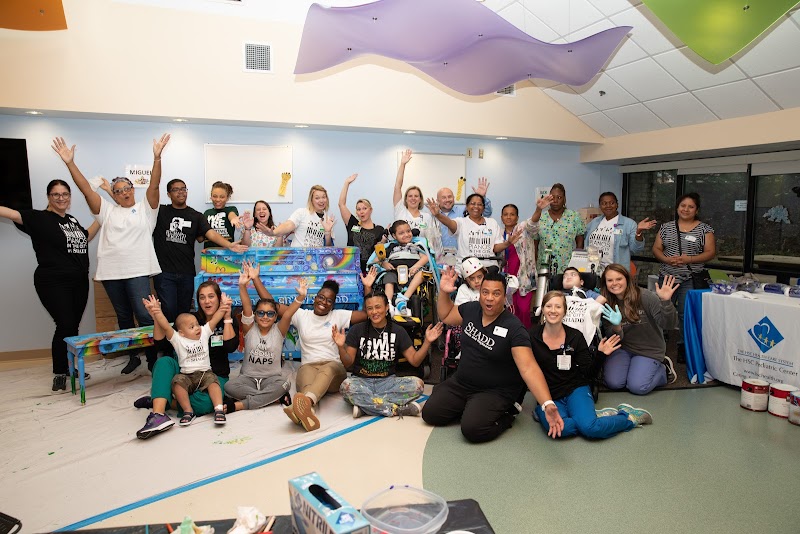
How is The Hsc Pediatric Skilled Nursing Facility Staffed?

CMS rates THE HSC PEDIATRIC SKILLED NURSING FACILITY's staffing level at 1 out of 5 stars, which is much below average compared to other nursing homes.

What Have Inspectors Found at The Hsc Pediatric Skilled Nursing Facility?

State health inspectors documented 34 deficiencies at THE HSC PEDIATRIC SKILLED NURSING FACILITY during 2021 to 2024. These included: 34 with potential for harm.
Who Owns and Operates The Hsc Pediatric Skilled Nursing Facility?

THE HSC PEDIATRIC SKILLED NURSING FACILITY is owned by a for-profit company. For-profit facilities operate as businesses with obligations to shareholders or private owners. The facility operates independently rather than as part of a larger chain. With 16 certified beds and approximately 12 residents (about 75% occupancy), it is a smaller facility located in WASHINGTON, District of Columbia.

How Does The Hsc Pediatric Skilled Nursing Facility Compare to Other District of Columbia Nursing Homes?

Compared to the 100 nursing homes in District of Columbia, THE HSC PEDIATRIC SKILLED NURSING FACILITY's overall rating (4 stars) is above the state average of 3.2 and health inspection rating (4 stars) is above the national benchmark.

What Should Families Ask When Visiting The Hsc Pediatric Skilled Nursing Facility?

Based on this facility's data, families visiting should ask: "Can you walk me through typical staffing levels on day, evening, and night shifts?" "Can I visit during a mealtime to observe dining assistance and food quality?" "How do you handle medical emergencies, and what is your hospital transfer rate?" "Can I speak with family members of current residents about their experience?" These questions are particularly relevant given the below-average staffing rating.

Is The Hsc Pediatric Skilled Nursing Facility Safe?

Based on CMS inspection data, THE HSC PEDIATRIC SKILLED NURSING FACILITY has a clean safety record: no substantiated abuse findings (meaning no confirmed cases of resident harm), no Immediate Jeopardy citations (the most serious violation level indicating risk of serious injury or death), and is not on the Special Focus Facility watch list (a federal program monitoring the lowest-performing 1% of nursing homes). The facility has a 4-star overall rating and ranks #1 of 100 nursing homes in District of Columbia. While no facility is perfect, families should still ask about staff-to-resident ratios and recent inspection results during their visit.

Do Nurses at The Hsc Pediatric Skilled Nursing Facility Stick Around?

THE HSC PEDIATRIC SKILLED NURSING FACILITY has not reported staff turnover data to CMS. Staff turnover matters because consistent caregivers learn residents' individual needs, medications, and preferences. When staff frequently change, this institutional knowledge is lost. Families should ask the facility directly about their staff retention rates and average employee tenure.

Was The Hsc Pediatric Skilled Nursing Facility Ever Fined?

THE HSC PEDIATRIC SKILLED NURSING FACILITY has no federal fines on record. CMS issues fines when nursing homes fail to meet care standards or don't correct problems found during inspections. The absence of fines suggests the facility has either maintained compliance or corrected any issues before penalties were assessed. This is a positive indicator, though families should still review recent inspection reports for the full picture.

Is The Hsc Pediatric Skilled Nursing Facility on Any Federal Watch List?

THE HSC PEDIATRIC SKILLED NURSING FACILITY is not on any federal watch list. The most significant is the Special Focus Facility (SFF) program, which identifies the bottom 1% of nursing homes nationally based on persistent, serious quality problems. Not being on this list means the facility has avoided the pattern of deficiencies that triggers enhanced federal oversight. This is a positive indicator, though families should still review the facility's inspection history directly.