SOLARIS HEALTHCARE APOPKA
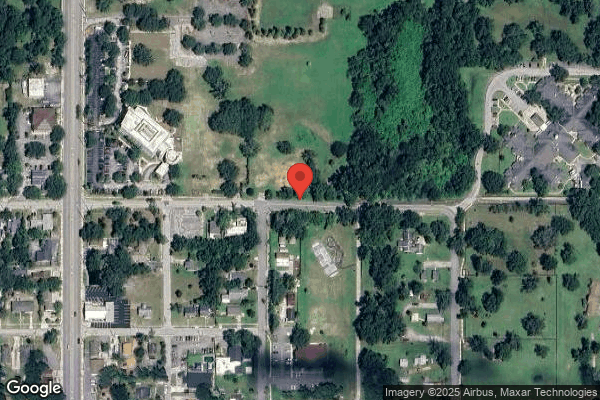

305 EAST OAK STREET, APOPKA, FL 32703 (407) 880-2266
For profit - Limited Liability company 120 Beds SOLARIS HEALTHCARE Data: November 2025
Trust Grade
93/100
#110 of 690 in FL
Last Inspection: December 2024

Within standard 12-15 month inspection cycle. Federal law requires annual inspections.

Overview

Solaris Healthcare Apopka has an excellent Trust Grade of A, indicating a high level of quality care and reliability. It ranks #110 out of 690 facilities in Florida, placing it in the top half, and #2 out of 37 in Orange County, meaning there is only one local option that is better. The facility is improving, having reduced its issues from 1 in 2023 to none in 2024. Staffing is a strength, with a 4 out of 5 rating and only 28% turnover, which is well below the state average, indicating that staff are likely to be experienced and familiar with residents' needs. Although there have been no fines, there were four concerns noted in past inspections, including issues with medication administration and failure to provide proper wound care, highlighting that while the facility has many strengths, attention to certain care procedures remains critical.

Trust Score
A
93/100
In Florida
#110/690
Top 15%
Safety Record
Low Risk
No red flags
Inspections
Getting Better
1 → 0 violations
Staff Stability
✓ Good
28% annual turnover. Excellent stability, 20 points below Florida's 48% average. Staff who stay learn residents' needs.
Penalties
✓ Good
No fines on record. Clean compliance history, better than most Florida facilities.
Skilled Nurses
✓ Good
Each resident gets 44 minutes of Registered Nurse (RN) attention daily — more than average for Florida. RNs are trained to catch health problems early.
Violations
✓ Good
Only 4 deficiencies on record. Cleaner than most facilities. Minor issues only.
★★★★★
5.0
Overall Rating
★★★★☆
4.0
Staff Levels
★★★★☆
4.0
Care Quality
★★★★★
5.0
Inspection Score
Stable
2023: 1 issues
2024: 0 issues

The Good

  • 4-Star Staffing Rating · Above-average nurse staffing levels
  • 4-Star Quality Measures · Strong clinical quality outcomes
  • Low Staff Turnover (28%) · Staff stability means consistent care
  • Full Sprinkler Coverage · Fire safety systems throughout facility
  • No fines on record
  • Staff turnover is low (28%)

    20 points below Florida average of 48%

Facility shows strength in staffing levels, quality measures, staff retention, fire safety.

The Bad

Chain: SOLARIS HEALTHCARE

Part of a multi-facility chain

Ask about local staffing decisions and management

The Ugly 4 deficiencies on record

Apr 2023 1 deficiency
CONCERN (D)

Potential for Harm - no one hurt, but risky conditions existed

Drug Regimen Review (Tag F0756)

Could have caused harm · This affected 1 resident

**NOTE- TERMS IN BRACKETS HAVE BEEN EDITED TO PROTECT CONFIDENTIALITY** Based on interview and record review the facility failed to implement medication regimen review (MRR) recommendations for medica...

Read full inspector narrative →
**NOTE- TERMS IN BRACKETS HAVE BEEN EDITED TO PROTECT CONFIDENTIALITY** Based on interview and record review the facility failed to implement medication regimen review (MRR) recommendations for medication administration parameters of physician's orders for 1 of 5 residents and failed to ensure MRRs were reviewed by the physician for 1 of 5 residents reviewed for unnecessary medications from a total sample of 39 residents. (#8, #43) Findings: 1. Review of the medical record revealed resident #8 transferred from the facility to an acute care hospital on 7/20/2022, readmitted to the facility on [DATE], and transferred to an acute care hospital on 4/05/2023. The resident had diagnoses that included, systolic congestive heart failure, hypotension (low blood pressure), essential hypertension (high blood pressure), sick sinus syndrome, coronary artery disease, atrial fibrillation, and presence of a cardiac pacemaker. Review of the pharmacy Consultation Report for resident #8 dated from 11/01/2022 to 11/30/2022 showed there were recommendations for the medication Midodrine, a medication to treat low blood pressure. The Consultant Pharmacist noted, CLINICALLY URGENT RECOMMENDATION: PROMPT RESPONSE REQUESTED .Please remind staff of the importance of administering/holding medication within the parameters ordered. The report indicated this medication should have been held in accordance with the physician's orders/parameters. The report was signed by the Registered Pharmacist on 11/26/2022, and the Director of Nursing (DON) on 11/28/2022. Review of resident #8's Medication Administration Record, (MAR) for December 2022, January 2023, February 2023, March 2023, and April 2023 showed physicians orders for Midodrine HCI tablet, 5 milligrams (MG), HOLD for SBP (systolic blood pressure) GREATER than 130 or DBP (diastolic blood pressure) GREATER than 70 for blood pressure, started 7/29/2022. The records documented nurses continued to administer the medication to the resident multiple times outside of the physician's parameters. On 4/6/2023 at 3:26 PM, the DON said she received the MRR for resident #8 from November 2022. She reviewed the resident's MARs from December 2022 to April 2023, and acknowledged there were multiple instances Midodrine was administered to the resident by nurses outside physician ordered blood pressure parameters. The DON explained it was particularly important for nurses to follow the medication orders correctly to avoid blood pressure complications. She stated additional monitoring should have been conducted to ensure nurses administered the medication correctly. On 4/06/2023 at 3:52 PM, the Registered Pharmacist Consultant was interviewed by telephone. He stated the pharmacy consultant submitted MRR reports to the DON monthly and as needed. He explained reports were tracked for follow up, and if continued issues were identified, the DON received additional notifications. The pharmacist said Midodrine could cause or lead to complications related to blood circulation when it was administered beyond the parameters ordered by the physician. 2. Review of the medical record revealed resident #43 was admitted to the facility on [DATE] from an acute care hospital. The resident had diagnoses that included thyroid imbalance, abnormal weight loss, hypertension, anemia, kidney disease, insomnia, paranoid schizophrenia, and depression. Review of the pharmacy Consultation Report dated from 12/01/2022 to 12/31/2022 for resident #43, noted a recommendation for Levothyroxine, a medication to treat thyroid imbalances. The report read, Please administer Levothyroxine consistently 30 to 60 minutes before breakfast, or at bedtime 4 hours after the last meal of the day. The pharmacist signed the Consultation Report on 12/24/2022, and the DON signed the report on 12/28/2022. There was a handwritten notation, DONE. Review of resident #43's MARs from January 2023 to March 2023 indicated that the nurses were administering the resident's Levothyroxine, every day at 9:00 AM, after she had eaten breakfast. On 4/06/2023 at 3:08 PM, the DON said all residents MRR recommendations were provided to physicians for review within one day after she received them. She reviewed resident #43's MRR from December 2022 and acknowledged there was no documentation to indicate the physician had reviewed it. The DON reviewed the resident's medical record and said the physician had revised the Levothyroxine order on 3/31/23, 3 months after the Consultant Pharmacist had made the recommendations. The physician changed the administration time of the Levothyroxine from 9:00 AM to 6:00 AM. The DON said the MRR should have been addressed within 30 days. On 4/06/2023 at 3:52 PM, the Registered Pharmacist Consultant said Levothyroxine, is recommended to be administered on an empty stomach, to ensure proper absorption and optimal therapeutic effects. He explained administration of the medication with food could cause or lead to malabsorption and abnormal thyroid hormone levels that could affect multiple areas of organ functioning. The facility's policy and procedure titled, LTC Facility's Pharmacy Services and Procedures Manual . 9.1 Medication Regimen Review, revised 3/03/2020 read, 9. When the Consultant Pharmacist identifies an urgent medication irregularity during MRR that requires immediate action, the consultant pharmacist will notify the nurse and request the facility contact the attending physician to communicate the issue and obtain direction or new orders., and The attending physician should address the consultant pharmacist's recommendation no later than their next scheduled visit to the facility to assess the resident .
May 2021 3 deficiencies
CONCERN (D)

Potential for Harm - no one hurt, but risky conditions existed

Quality of Care (Tag F0684)

Could have caused harm · This affected 1 resident

**NOTE- TERMS IN BRACKETS HAVE BEEN EDITED TO PROTECT CONFIDENTIALITY** Based on observation, interview and record review, the facility failed to provide wound care treatment in accordance with physic...

Read full inspector narrative →
**NOTE- TERMS IN BRACKETS HAVE BEEN EDITED TO PROTECT CONFIDENTIALITY** Based on observation, interview and record review, the facility failed to provide wound care treatment in accordance with physician's orders and acceptable standards of practice for two skin tears for 1 of 1 resident reviewed for non-pressure skin conditions of a total sample of 51 residents, (#28). Findings: Resident #28 was admitted to the facility on [DATE] with diagnoses which including dementia with behavioral disturbances, Alzheimer's disease, and type 2 diabetes. Review of the Minimum Data Set quarterly assessment dated [DATE] revealed resident #28 required extensive assistance from two staff for bed mobility, toilet use and personal hygiene. Review of the physician's order for resident #28 revealed an order for a sleeve arm dated 9/06/20. A sleeve arm is a protective sleeve used on upper extremities to prevent abrasions, bruises, snags and tears (retrieved on 5/14/21 from www.agingcare.com). A physician's order dated 4/23/21 directed nurses to cleanse skin tears to left forearm with normal saline solution, then cover with a 4x4 bordered gauze dressing and change every other day. On 5/03/21 at 12:45 PM, resident #28 had a wrapped gauze dressing to her left arm initialed and dated 4/30/21, 7-3. The dressing was loosely applied and had slipped down her forearm to expose a skin tear with 2 wound closure strips. There was dark purple bruising above the skin tear close to her left elbow. Resident #28 did not have a sleeve arm for protection as ordered. On 5/03/21 at 12:48 PM, the Arbor Unit Manager (UM) verified the wrapped gauze dressing on resident #28's arm was loose and dated 4/30/21. She acknowledged the dressing change should be done every other day. The Arbor UM unwrapped the dressing which revealed a dried petroleum gauze and a 4x4 gauze pad adhered to a second skin tear. The Arbor UM said there were 2 separate skin tears with 2 wound closure strips on the upper skin tear and 3 wound closure strips on the lower skin tear. On 5/03/21 at 12:53 PM, a review of the Order Summary Report with the Arbor UM noted no physician's order for wound closure strips, petroleum gauze or 4x4 gauze pads for resident #28's dressing. Review of the medication administration record (MAR) for April and May 2021 revealed documentation that resident #28's dressing was changed on 4/29/21, 5/01/21 and 5/03/21. The MAR did not show the dressing change was completed on 4/30/21 as observed with the Arbor UM. On 5/05/21 at 12:35 PM, Registered Nurse (RN) C said she applied the dressing dated 4/30/21 to resident #28's left arm. She acknowledged she did not document the dressing change on 4/30/21 and did not call the physician to obtain an as needed (PRN) order. RN C acknowledged resident #28 was not wearing a sleeve arm and stated they should be kept in her drawer. She searched all drawers of both bedside tables and explained there were no sleeve arms in resident #28's room. She explained the reason for a sleeve arm was to prevent further skin tears. RN C was informed resident #28 was also observed without a sleeve arm on 5/03/21 at 12:45 PM, and 5:29 PM and on 5/04/21 at 2:26 PM. Resident #28 had a care plan dated 2/26/21, revised 4/29/21 for risk for skin impairment. The care plan interventions included encourage sleeve arm use for skin protection, to provide treatment per physician's orders, and use caution during transfers and bed mobility to prevent striking her arms. On 5/05/21 at 12:40 PM, the Wound Care Nurse (WCN) stated the expectation was nurses would do dressing changes as ordered. The WCN stated he expected nurses to do wound care when it was due and as ordered to prevent infection and help the wound heal. He said there were no standing orders for wound care and nurses were supposed to call the physician for appropriate orders for a new wound. The WCN said he had called the physician and obtained the order for the border gauze dressing for resident #28. He stated he did not obtain an order for wound closure strips, petroleum gauze, 4x4 gauze pads or gauze wrap. The WCN could not explain why a nurse applied another type of dressing without notifying him or calling the physician. On 5/05/21 at 2:00 PM, the Arbor UM stated although the MAR indicated Licensed Practical Nurse E completed resident #28's dressing change on 5/1/21, this contradicted the actual date on the dressing. The facility's Skin & Wound Care policy, reviewed 3/2021, read, The facility will promote dignity and enhance the resident's quality of life and quality of care by maintaining or restoring resident's skin integrity. The facility will implement preventative measures that meet the standards of care The Physician Orders policy, reviewed 1/19/18, read, . 3. Physician orders will be transcribed, noted, implemented, and followed in a timely manner.
CONCERN (D)

Potential for Harm - no one hurt, but risky conditions existed

Deficiency F0761 (Tag F0761)

Could have caused harm · This affected 1 resident

Based on observation, interview, and record review, the facility failed to ensure the controlled medication compartment was properly secured on 1 of 6 medication carts, (Arbor Oak medication cart). F...

Read full inspector narrative →
Based on observation, interview, and record review, the facility failed to ensure the controlled medication compartment was properly secured on 1 of 6 medication carts, (Arbor Oak medication cart). Findings: On 5/05/21 at 6:34 PM, during an inspection of the Arbor Unit medication cart, the narcotic compartment labeled Oak was not securely locked. Licensed Practical Nurse (LPN) A was easily able to lift the lid of the narcotic compartment with one finger without using his key. On 5/05/21 at 7:02 PM, the Director of Nursing (DON) stated nurses should not rely on the drawer closure to lock and secure the narcotic compartment. The DON stated Licensed Practical Nurse (LPN) A should have pushed down hard enough on the lid of the narcotic compartment to ensure it was locked before he closed the drawer. The DON acknowledged nurses were responsible for ensuring the narcotic compartments in medication carts were locked and secure to prevent unauthorized access. On 5/06/21 at 11:52 AM, the Consultant Pharmacist stated he periodically checked medication carts at the facility which included narcotic checks and reconciliation with the narcotic log. He stated the process was for nurses to open the locked drawer, remove the narcotic medication and ensure the drawer was locked afterwards. When asked about the unlocked narcotic compartment in the Arbor Oaks medication cart, the Consultant Pharmacist said, Yes, it was an unsafe practice. The narcotic drawer is supposed to be double locked. All narcotics should be double locked. Review of the facility's policy 5.3 Storage and Expiration of Medications, Biologicals, Syringes and Needles, revised on 10/31/16, read, . 3.1 Facility should store Schedule II Controlled Substances and other medications deemed by Facility to be at risk for abuse or diversion in a separate compartment within the locked medication carts and should have a different key or access device . 12.3 Facility should ensure that all controlled substances are stored in a manner that maintains their integrity and security.
CONCERN (E)

Potential for Harm - no one hurt, but risky conditions existed

Pharmacy Services (Tag F0755)

Could have caused harm · This affected multiple residents

Based on observation, interview, and record review, the facility failed to implement procedures to ensure accurate narcotic reconciliation for 1 of 1 narcotic medication reviewed, and failed to ensure...

Read full inspector narrative →
Based on observation, interview, and record review, the facility failed to implement procedures to ensure accurate narcotic reconciliation for 1 of 1 narcotic medication reviewed, and failed to ensure safe administration of medications for 6 of 19 residents of a total sample of 51 residents, (#2, #35, #48, #72, #77 and #108). Findings: On 05/05/21 at 6:34 PM, an inspection of the Arbor Oaks medication cart assigned to Licensed Practical Nurse (LPN) A was conducted with the Arbor Unit Manager (UM). The Arbor UM opened the top left drawer of the medication cart and LPN A quickly returned to the cart and whispered to the Arbor UM who asked if the medication cart inspection could be completed at a later time. Their request was declined and the inspection of the Arbor Oaks medication cart continued with LPN A and the Arbor Oaks UM. When the top left drawer of the Arbor Oaks medication cart was fully opened by the Arbor UM, eight pill cups with pre-poured medications were sitting uncovered in the drawer. Each pill cup was labeled with a handwritten room number. The Arbor UM said, I am very disappointed, shocked and angry. It is not the expectation of any nurse to pre-pour medications. When asked if he usually pre-poured medications, LPN A stated that was not his usual process. LPN A explained his reason for pre-pouring medication was sometimes it makes me go faster. LPN A said, Yes, I'm aware why it is not safe. I don't want to give the wrong medication to the wrong resident. LPN A stated he had never been told not to pre-pour medications. Further inspection of the Arbor Oaks medication cart revealed a Morphine Sulfate 60 milligram (mg) narcotic medication card for resident #72 with 2 tablets remaining. Reconciliation with the narcotic inventory sheet for resident #72, revealed there should have been 3 tablets remaining. LPN A acknowledged the discrepancy between the narcotic medication card and the narcotic inventory sheet. He explained he removed the narcotic tablet but did not sign it out on the narcotic inventory sheet. The Arbor UM acknowledged the discrepancy between the Morphine Sulfate 60 mg medication card and the narcotic inventory sheet. The UM said that nurses should document the removal of narcotic medication immediately to ensure an accurate medication count. On 5/05/21 at 7:02 PM, the Director of Nursing and the Assistant Director of Nursing noted administration of pre-poured medication would be viewed as a potential medication error. Review of the facility's Medication Pass Observation competency form for LPN A, dated 4/19/21 revealed medications should be prepared just prior to administration. Review of the facility's 6.0 General Dose Preparation and Medication Administration policy, read, . 3.2 Facility staff should only prepare medications for one resident at a time.
Understanding Severity Codes (click to expand)
Life-Threatening (Immediate Jeopardy)
J - Isolated K - Pattern L - Widespread
Actual Harm
G - Isolated H - Pattern I - Widespread
Potential for Harm
D - Isolated E - Pattern F - Widespread
No Harm (Minor)
A - Isolated B - Pattern C - Widespread

Questions to Ask on Your Visit

  • "Can I speak with families of current residents?"
  • "What's your RN coverage like on weekends and overnight?"

Our Honest Assessment

Strengths
  • • Grade A (93/100). Above average facility, better than most options in Florida.
  • • No major safety red flags. No abuse findings, life-threatening violations, or SFF status.
  • • No fines on record. Clean compliance history, better than most Florida facilities.
  • • Only 4 deficiencies on record. Cleaner than most facilities. Minor issues only.
Concerns
  • • No significant concerns identified. This facility shows no red flags across CMS ratings, staff turnover, or federal penalties.
Bottom line: Generally positive indicators. Standard due diligence and a personal visit recommended.

About This Facility

What is Solaris Healthcare Apopka's CMS Rating?

CMS assigns SOLARIS HEALTHCARE APOPKA an overall rating of 5 out of 5 stars, which is considered much above average nationally. Within Florida, this rating places the facility higher than 99% of the state's 100 nursing homes. This rating reflects solid performance across the metrics CMS uses to evaluate nursing home quality.

How is Solaris Healthcare Apopka Staffed?

CMS rates SOLARIS HEALTHCARE APOPKA's staffing level at 4 out of 5 stars, which is above average compared to other nursing homes. Staff turnover is 28%, compared to the Florida average of 46%. This relatively stable workforce can support continuity of care.

What Have Inspectors Found at Solaris Healthcare Apopka?

State health inspectors documented 4 deficiencies at SOLARIS HEALTHCARE APOPKA during 2021 to 2023. These included: 4 with potential for harm.
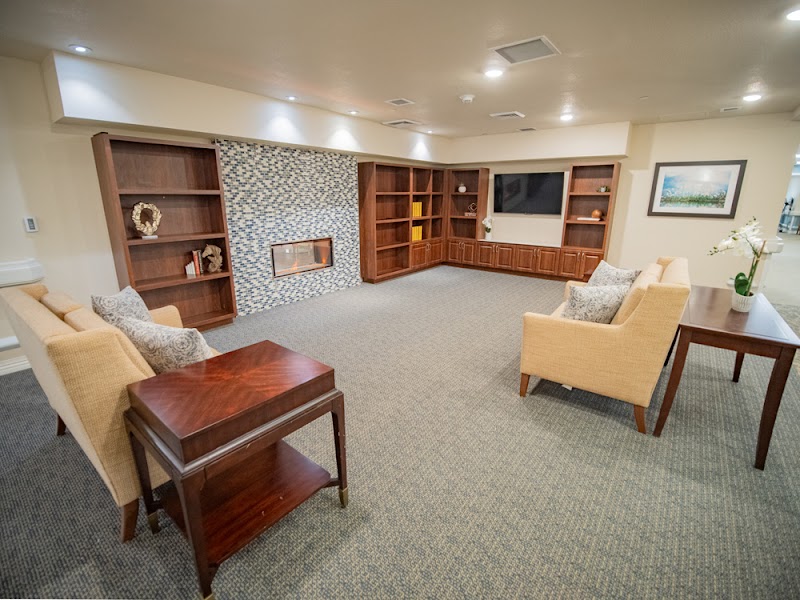
Who Owns and Operates Solaris Healthcare Apopka?

SOLARIS HEALTHCARE APOPKA is owned by a for-profit company. For-profit facilities operate as businesses with obligations to shareholders or private owners. The facility is operated by SOLARIS HEALTHCARE, a chain that manages multiple nursing homes. With 120 certified beds and approximately 111 residents (about 92% occupancy), it is a mid-sized facility located in APOPKA, Florida.
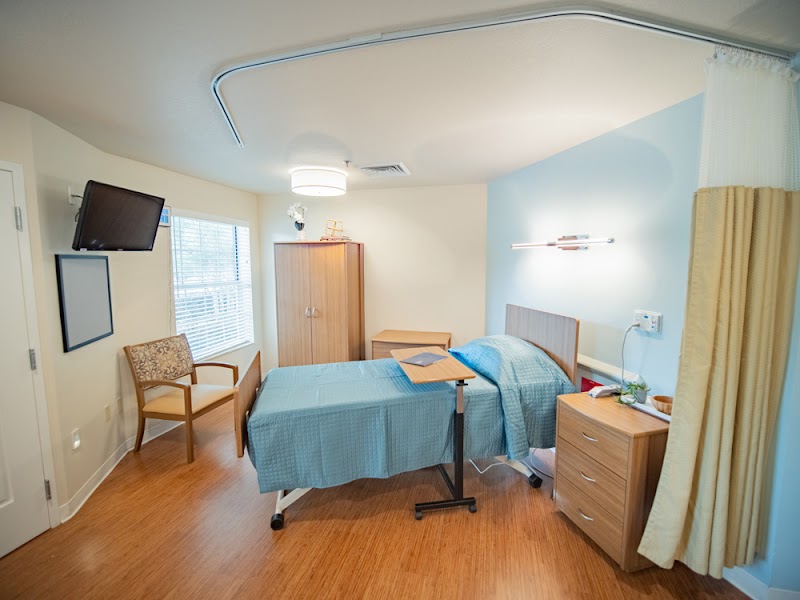
How Does Solaris Healthcare Apopka Compare to Other Florida Nursing Homes?

Compared to the 100 nursing homes in Florida, SOLARIS HEALTHCARE APOPKA's overall rating (5 stars) is above the state average of 3.2, staff turnover (28%) is significantly lower than the state average of 46%, and health inspection rating (5 stars) is much above the national benchmark.

What Should Families Ask When Visiting Solaris Healthcare Apopka?

Based on this facility's data, families visiting should ask: "Can I visit during a mealtime to observe dining assistance and food quality?" "How do you handle medical emergencies, and what is your hospital transfer rate?" "Can I speak with family members of current residents about their experience?"

Is Solaris Healthcare Apopka Safe?

Based on CMS inspection data, SOLARIS HEALTHCARE APOPKA has a clean safety record: no substantiated abuse findings (meaning no confirmed cases of resident harm), no Immediate Jeopardy citations (the most serious violation level indicating risk of serious injury or death), and is not on the Special Focus Facility watch list (a federal program monitoring the lowest-performing 1% of nursing homes). The facility has a 5-star overall rating and ranks #1 of 100 nursing homes in Florida. While no facility is perfect, families should still ask about staff-to-resident ratios and recent inspection results during their visit.

Do Nurses at Solaris Healthcare Apopka Stick Around?

Staff at SOLARIS HEALTHCARE APOPKA tend to stick around. With a turnover rate of 28%, the facility is 18 percentage points below the Florida average of 46%. Low turnover is a positive sign. It means caregivers have time to learn each resident's needs, medications, and personal preferences. Consistent staff also notice subtle changes in a resident's condition more quickly. Registered Nurse turnover is also low at 27%, meaning experienced RNs are available to handle complex medical needs.

Was Solaris Healthcare Apopka Ever Fined?

SOLARIS HEALTHCARE APOPKA has no federal fines on record. CMS issues fines when nursing homes fail to meet care standards or don't correct problems found during inspections. The absence of fines suggests the facility has either maintained compliance or corrected any issues before penalties were assessed. This is a positive indicator, though families should still review recent inspection reports for the full picture.

Is Solaris Healthcare Apopka on Any Federal Watch List?

SOLARIS HEALTHCARE APOPKA is not on any federal watch list. The most significant is the Special Focus Facility (SFF) program, which identifies the bottom 1% of nursing homes nationally based on persistent, serious quality problems. Not being on this list means the facility has avoided the pattern of deficiencies that triggers enhanced federal oversight. This is a positive indicator, though families should still review the facility's inspection history directly.