REGENTS PARK AT AVENTURA
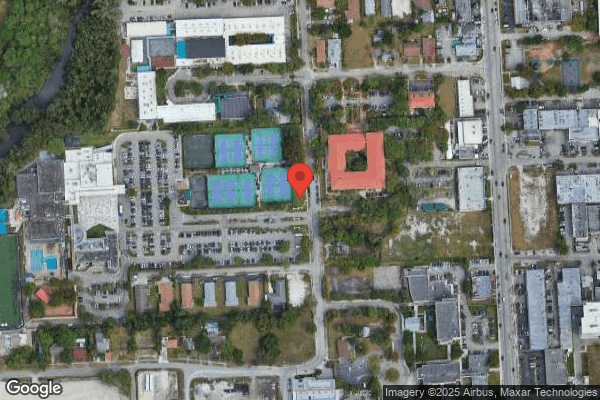
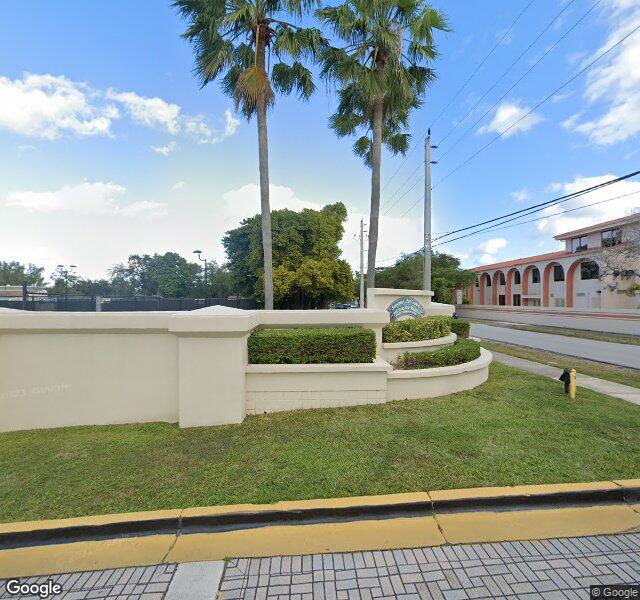
18905 NE 25TH AVE, AVENTURA, FL 33180 (305) 932-6360
For profit - Corporation 180 Beds Independent Data: November 2025 4 Immediate Jeopardy citations
Trust Grade
0/100
#663 of 690 in FL
Last Inspection: August 2024

Within standard 12-15 month inspection cycle. Federal law requires annual inspections.

Overview

Regents Park at Aventura has received a Trust Grade of F, indicating significant concerns about the quality of care provided. It ranks #663 out of 690 facilities in Florida, placing it in the bottom half of all nursing homes in the state, and #52 out of 54 in Miami-Dade County, suggesting there are only two facilities with worse ratings nearby. The trend is worsening, with the number of issues increasing from 10 to 15 in just one year. While staffing is a relative strength with a 4 out of 5-star rating and a low turnover rate of 21%, the facility has been fined $64,981, which is concerning as it is higher than 79% of Florida facilities. Alarmingly, there have been critical incidents, including a resident who fell and later died after being improperly transferred with a mechanical lift, highlighting serious safety risks that families should consider.

Trust Score
F
0/100
In Florida
#663/690
Bottom 4%
Safety Record
High Risk
Review needed
Inspections
Getting Worse
10 → 15 violations
Staff Stability
✓ Good
21% annual turnover. Excellent stability, 27 points below Florida's 48% average. Staff who stay learn residents' needs.
Penalties
✓ Good
$64,981 in fines. Lower than most Florida facilities. Relatively clean record.
Skilled Nurses
○ Average
Each resident gets 35 minutes of Registered Nurse (RN) attention daily — about average for Florida. RNs are the most trained staff who monitor for health changes.
Violations
⚠ Watch
38 deficiencies on record. Higher than average. Multiple issues found across inspections.
★☆☆☆☆
1.0
Overall Rating
★★★★☆
4.0
Staff Levels
★★★☆☆
3.0
Care Quality
★☆☆☆☆
1.0
Inspection Score
Stable
2023: 10 issues
2024: 15 issues

The Good

  • 4-Star Staffing Rating · Above-average nurse staffing levels
  • Low Staff Turnover (21%) · Staff stability means consistent care
  • Full Sprinkler Coverage · Fire safety systems throughout facility
  • No fines on record
  • Staff turnover is low (21%)

    27 points below Florida average of 48%

Facility shows strength in staffing levels, staff retention, fire safety.

The Bad

1-Star Overall Rating

Below Florida average (3.2)

Significant quality concerns identified by CMS

Federal Fines: $64,981

Above median ($33,413)

Moderate penalties - review what triggered them

The Ugly 38 deficiencies on record

4 life-threatening
Sept 2024 4 deficiencies 3 IJ
CRITICAL (J) 📢 Someone Reported This

A family member, employee, or ombudsman was alarmed enough to file a formal complaint

Immediate Jeopardy (IJ) - the most serious Medicare violation

Free from Abuse/Neglect (Tag F0600)

Someone could have died · This affected 1 resident

**NOTE- TERMS IN BRACKETS HAVE BEEN EDITED TO PROTECT CONFIDENTIALITY** Based on observation, interviews and record review the facility failed to protect Resident #1's right to be free from Neglect by...

Read full inspector narrative →
**NOTE- TERMS IN BRACKETS HAVE BEEN EDITED TO PROTECT CONFIDENTIALITY** Based on observation, interviews and record review the facility failed to protect Resident #1's right to be free from Neglect by the facility's staff. Certified Nursing Assistants (CNAs), (Staff A) and (Staff B) failed to safely transfer Resident #1 from her bed to the chair with a Mechanical Lift. The facility neglected to effectively inspect and operate the Mechanical Lift in a safe manner during the transfer of Resident #1. This failure to operate the mechanical lift in a safe manner on [DATE] at 9:57 AM Staff A and Staff B who reported that during the transfer the Mechanical lift kept rising and when Staff B grabbed the lift pad to stop it from going higher Resident #1 suddenly fell from the Mechanical lift and landed face down on the floor sustaining injuries to her head. Resident #1 expired at the hospital approximately four hours later. There were 60 residents residing in the facility that required use of a mechanical lift for transfer. Refer to F 689, F 867, and F 908. The findings included: Review of the facility policy and procedures titled Abuse, Neglect, Exploitation, Mistreatment and Injury of Unknown Injury revision date [DATE] states: It is the policy of the facility to provide protection for the health, welfare, and rights of each resident by developing and implementing written policies and procedures that prohibit and prevent abuse, neglect, exploitation, and misappropriation of resident property. During a focused tour on [DATE] starting at 8:50 AM on the 2nd and 3rd floor units; there were 4 mechanical lifts on the 2nd floor unit and 4 mechanical lifts on the 3rd floor unit. The most recent inspection stickers were dated [DATE], [DATE], [DATE] (Photos available) Review of the Mechanical Lift Preventative Maintenance Log documented the lifts were inspected for safety and functioning by maintenance staff on [DATE] and [DATE]. The lifts were inspected after the incident on [DATE]. and on [DATE] the medical equipment company inspected the mechanical lifts. Review of the Mechanical Lift training/Competency revealed Certified Nursing Assistant (Staff A) completed training on [DATE], [DATE] and [DATE]. Staff B completed training on [DATE], [DATE] and [DATE]. All other nursing staff completed training on [DATE]-[DATE], [DATE]-[DATE] and [DATE]-[DATE]. Review of the Abuse, Neglect and Exploitation In-serviced revealed the most recent training for all staff at the facility was completed [DATE]-[DATE]. Review of the medical records for Resident # 1 revealed the resident was admitted to the facility on [DATE], readmitted on [DATE]. Clinical diagnoses included but not limited to: Chronic Obstructive Pulmonary Disease (COPD), Chronic, and Unspecified Dementia, unspecified severity, without behavioral disturbance, psychotic disturbance, mood disturbance, and anxiety. Resident #1 was discharged on [DATE]. Review of the Physician's Orders Sheet for [DATE] revealed Resident #1 had orders that included but not limited to: order dated [DATE]: Transfer to [local hospital], Diagnosis: Fall/head trauma, order dated [DATE]- Recommend use of mechanical lift with nursing as needed. Medications included: Singular Tablet 10 Milligram (MG) -Give 1 tablet enterally at bedtime for COPD. Prednisone tablet 10 mg-give 1 tablet enterally one time a day related to COPD. Xanax Oral Tablet 0.5 MG -Give 1 tablet enterally one time a day related to anxiety disorder. Record review of Resident #1's Quarterly Minimum Data Set (MDS) dated [DATE] revealed: Section C for Cognitive Patterns documented the Brief Interview for Mental Status Score was unable to determine. Section E for Behaviors documented no behaviors exhibited. Section GG for Functional Abilities documented resident had Impairment on both sides of upper and lower extremities, dependent for transfer from chair to bed. Section K for Nutritional Status documented the resident weighed 100 pounds and is 60 inches in length, no unknown weight loss/gain. Section J for Health Conditions documented no shortness of breath, no falls since admission or readmission. Section N for Medications documented the resident was taking antianxiety medications. Section O for Special Treatments documented the resident was on oxygen therapy. Section P for Restraints documented the resident did not used any physical restraints or alarms. Record review of Resident # 1's Care Plans Dated [DATE] revealed: Resident#1 has a self-care deficit and needs staff assistance to perform and complete Activities of Daily Living (ADL's) secondary to: impaired mobility and dementia. Resident requires total assistance with all ADL functions. Interventions Included: mattress with bilateral side rail as recommended by manufacture. Recommend use of mechanical lift with nursing, bed to chair transfer as needed. Splint/Brace Bilateral hand rolls on at all times, may be remove for skin check and range of motion. Adaptive devices - Hip abductor brace/wheel on after morning care, off at nighttime. Observe for decline from current function and report if identified. Praise all attempts to complete tasks no matter how small. Review of the Director of Nursing (DON) incident note on [DATE] timestamped 09:57 documented: Called to resident's room by assigned CNA upon entering the room the resident was observed on the floor lying next to bed and mechanical lift machine behind her, on assessment resident observed with an open area to nose bridge and with a split to upper left area of lips and bleeding from her mouth profusely. Pressure and ice applied; no other physical injuries were noted at this time. The resident was transferred back to bed with assist of 3 staff members, Head of bed elevated, head turned to the side to allow blood to run out freely. Blood pressure 124/68, heart rate 72, respirations 20, temperature 98.1, oxygen saturation 97% on nasal cannula. Neurological checks initiated. When asked what happened the CNA's stated while transferring the resident from the bed to the Geri chair with the use of a mechanical lifter with the assistance of two staff members, the machine went up abruptly too quick, the resident shift causing the machine to tilt and the resident slide out, unable to catch the resident on time she fell and her head hit the floor, nursing staff were called to the room immediately Nurse Practitioner was made aware of the resident clinical condition, order received to send the resident to the Hospital via 911, Diagnosis: Fall. 9:59 AM, 911 was called report given, nursing staff and respiratory team remains at the resident's bedside for close monitoring; 10:26 AM 911 arrived with three (3) personnel and took over however was not able to take resident to the hospital because their transportation broke down and they had to call for backup transportation. 10:46 AM the resident transferred to the Hospital accompanied by six (6) 911 attendants. Call placed to the hospital report given to emergency room nurse. Review of the nursing progress notes for Resident #1 dated [DATE] timestamped 14:00 documented: Call placed to the Hospital to check on the resident. Spoke with the emergency room nurse who stated that the resident had expired. Review of the Agency for Healthcare Administration (AHCA) immediate and five-day report revealed the reports were submitted timely. Date/Time of Incident: [DATE] 11:00 AM; Type of Incident: Neglect; Description of Incident: On [DATE] at 11:00 AM [Investigator from local community-based agency] came to the facility and met with the Administrator and DON regarding an allegation of neglect from an unknown caller received stating Resident #1 was raised six (6) feet high in the lifter then fell and hit her head and was transferred to the hospital where she expired. A comprehensive investigation was conducted which included medical record review, safety inspection of the mechanical lift, and staff interviews. On [DATE] at approximately 8:30 AM, a Detective from the local Police Department Criminal Investigations Division met with the Administrator and stated the medical examiner determined the cause of [Resident #1's] death was blunt force trauma due to an accident. Upon conclusion of the investigations, it appeared that during the transfer with the mechanical lift CNA, [Staff A], while trying to move the foot of the machine may have inadvertently pushed the remote with her body causing the lift to extend resulting in CNA [Staff B], reaching out to hold the lifter pad in attempt to keep the resident safe which caused the pad to tilt resulting in the resident accidentally falling from the lift. Our investigation concluded the neglect was unsubstantiated. facility's protocol was followed for mechanical transfer. Review of the adverse incident report revealed the report was submitted timely on [DATE]. The adverse report concluded CNA [Staff A] may have inadvertently push the remote with her body as she was moving the lift, which cause the lift to continue to rise in the air prompting CNA [ Staff B] to grab onto the resident's lift pad causing the resident to fall. Interview on [DATE] at 12:58 PM the Maintenance Director stated: Currently there are nine (9) Mechanical lifts in the facility, we had 3 lifts on each floor (2nd and 3rd floor) for a total of 6, 1 in the maintenance area (Lift #846) that was involved in the incident with the resident and 2 new mechanical lifts that are now on the floor, one additional mechanical lift on each floor, for a total of 9. The most recent inspection for all the mechanical lifts started on [DATE] to [DATE]. The inspection date posted on the lifts are [DATE]. Prior inspections of the lifts were completed on [DATE] and [DATE].(medical equipment representative completed inspections after incident on [DATE]) On [DATE] at 11: 00 AM the Maintenance Director stated he started at the facility in mid-[DATE], he received training on [DATE] on the mechanical lifts from the representative from the medical equipment company, the training was about how to inspect the parts on the mechanical lifts to make sure they are in working order, all parts are clean and well maintained, this is to be completed monthly. If a part is broken or not working correctly on the mechanical lifts, they are not repaired they are replaced. What we do is we take the mechanical lift that is not functioning correctly off of the floor, order the needed part or parts, replace the part when received, inspect the mechanical lift for proper functioning and then we put the lift back on the floor for use. [Company Names] are the manufacturers of the 9 lifts that we have at the facility, currently they are all working/functioning correctly. Lift #846 (the mechanical lift involved in the incident with the resident) is not on the floor at this time, we have the lift stored in the maintenance area as instructed by the management. This Surveyor verified lift #846 is in working order and stored in maintenance room though observation and staff demonstration of the lift operating correctly. Interview on [DATE] at 11:07 AM the Medical Equipment Company Representative stated: I have been selling medical supplies and equipment for thirty (30) years, the medical equipment company is my company, I am a licensed Durable Medical Equipment company (DME) licensed and regulated by AHCA. Any equipment we sell to the facilities, we make sure we familiarize ourselves with the manuals and operating instruction. For mechanical lifts, manufacturers usually suggest preventative maintenance which may include cleaning lifts, detecting wear and damage monthly, lubricating the lift, and performing regular maintenance. The facility is currently checking the lifts monthly and my company oversees the facility's maintenance program. Approximately every six (6) months, during the monthly maintenance, and at any time if there is an issue with the lifts. If there is an issue with a mechanical lift, the maintenance team calls my company and order the parts needed for the repair and use the company personnel if needed for additional instructions on replacing the mechanical lifts parts. The parts on the mechanical lifts are never repaired they are always replaced if they are not functioning correctly. When I came to the facility on [DATE] I completed a visual inspection of all the mechanical lifts at the facility, I ran the lifts through their paces (extended the arm to its maximum height and depth), the mechanical lifts at the facility are electrical, they either work or they do not work, there is no in-between. The only parts that can truly malfunction is the remote-control button not working, or the lever that moves the lift up and down (actuator) stops moving. The levers and the remote controls on the mechanical lifts are the additional areas I checked on [DATE]. The operating instructions are the same for all three of the manufacturers of the mechanical lifts the facility has in stock and are currently using. I am a provider for all types of medical equipment, mechanical lifts, electrical beds, etc. When I train the facility staff, I ask them to put the mechanical lifts through its paces-make sure that all functioning parameters are working correctly-lifts opens and closes, goes up and down, brakes on the wheels locks and unlocks correctly etc. The evaluation of the training is on a pass or fail scale. The training I provide to the maintenance staff is completed/conducted in a very relaxed atmosphere and is very hands on, with live inspections and questions and answers in real time that must be answered and understanding verbalized before we move on to another area of the training. For example, for the mechanical lifts- the wheels (Caster Base) the training would be to visually inspect there are no missing wheels, casters, no debris, casters are attached correctly smooth, swivel and roll. The boom (Overhead bar) and mast (main pole)-visual inspections-Check the hardware and hangings for wear, make sure the boom is centered. Hanger bar-check the hooks, check the connection to the boom. Actuator assembly (motor)-inspect the hardware connected to the other parts of the machine, check for wear and deterioration (any loose parts). Lastly put the mechanical through its paces (up and down to its maximum level using the remote control) to ensure the lift is fully functional. As a vendor for all the medical equipment it is my job to be familiar with all the manufacturer manuals and pass on the information about the equipment to the facilities I work with, obviously the facility develops their own standards and policies and procedures for their staff to follow. Interview on [DATE] at 1:28 PM CNA, Staff B, (7:00 AM to 3:00 PM shift), 3rd floor stated I was one of the CNAs involved in the incident with the resident. I have been working here for over 24 years, I do this work because I love this work. On that particular morning after the resident received morning care I called the other CNA, [Staff A] for assistance with the transfer of the resident using the mechanical lift, we did our color code for the hook up of the lift pad and used a medium lift pad, upon hooking the pad to the lift [Staff A] came to the side where I was after hooking up the pad to the lift, myself and Staff A elevate the mechanical lift over the bed a little bit, checked the lift pad to make sure it was secure by pulling on it, [Staff A] pulled the lift out from over the bed a little bit then opened the legs of the lift for balance, [Staff A] held on to the lift and I held on to the lift pad on the side while [Staff A] continued to pull the mechanical lift out from over the bed at a safe height, the lift started to go up in the air, I held unto the pad on the side tighter, the pad tilted away from me to the opposite side with the resident inside and the resident fell out of the lift pad onto the floor at the side of the bed. I ran to call the nurse while [Staff A] stayed with the resident. I saw blood on the floor, the resident was bleeding from somewhere on the head, I just saw blood. The Licensed Practical Nurse (LPN), [Staff C] came and started her assessment on the resident and stated she needed help to get the resident into the bed. Myself [Staff A] and LPN, [Staff C] picked the resident up together and placed the resident in bed. At that time several nurses came into the room to help with the resident, and I went out of the room. On [DATE] the same day I received an in-service and several times after, the most recent was this morning on the mechanical lifts-operation, safety, how to use-what size lift pad the resident requires, get the correct size pad, make sure the mechanical lift is functioning correctly-check to make sure the battery is charged, use the remote control to make sure the lift goes up and down, emergency button is working-turn the lever and the weight of the resident will lower the lift on one machine, on the other machine pull up the emergency button and the lift is lowered back down with the resident. Since the incidents I have had several random observations completed by nurses and the charge nurses to make sure I am doing my transfers correctly. The feedback I have received so far, is that I am doing my transfers correctly. Interview on [DATE] at 2:15 PM CNA, Staff A (7:00 AM to 3:00 PM shift), 3rd floor stated: I have been working at this facility for two years. I was one of the CNAs involved in the incident with the resident. On [DATE] in the morning I was called by CNA [Staff B] to assist her with a mechanical lift transfer for [Resident #1], I went to the room, she had already checked the lift pad and the lift, I was operating the lift, while CNA [Staff B] was tending to the resident, I press the remote to start lifting the resident up from the bed, I started to move the resident towards the Geri chair in the lift, I started to pull the machine towards me and I may have accidentally press on the remote control, I was moving the machine towards me to turn and I did not notice the lift was going up, CNA [Staff B] grabbed the resident and the lift pad, I never saw the resident falling out of the lift pad, I noticed the resident on the floor, there was blood on the floor and on the resident's head on the side and her nose was bleeding. CNA [Staff B] went out of the room to call the nurse for assistance, I stayed in the room. LPN [Staff C] came to the room and assessed the resident, all three of us work together to put the resident back in bed. At that time several staff came into the room to help, and I left the room. I have been observed completing transfers with other staff by the Director of Nursing (DON), Assistant Director of Nursing (ADON) and several other nurses. Also, I have been retrained several times since the incident about the mechanical lift. mechanical lifts-operation, safety, how to use-what size lift pad the resident requires, get the correct size pad, make sure the mechanical lift is functioning correctly-check to make sure the battery is charged, use the remote control to make sure the lift goes up and down, emergency button is working-turn the lever and the weight of the resident will lower the lift on one machine, on the other machine pull up the emergency button and the lift is lowered back down with the resident. Interview on [DATE] at 2:30 PM LPN Staff C, stated: I was the nurse that the CNAs [Staff B] came and got to check on the resident, I went into the room, the resident was lying on the floor, there was blood on her face and head, I turned the resident on the side on the floor, I grabbed a sheet and with the help of the other two CNAs [Staff A and Staff B] we placed the resident into the bed. I activated the rescue team-call for additional help, the assigned nurse for the resident came in the room, I called 911, other nurses were in the room helping with the assessment/care of the resident, another nurse called the physician, orders were received to transfer the resident to the hospital. I cleaned the resident's face, the blood was coming from a laceration on the nose and left upper lip, gauze was placed and pressure applied to help stop the bleeding, the resident's head was elevated in the bed, the respiratory therapist applied oxygen to the resident via non-rebreather bag, the resident had an order for continuous oxygen via nasal cannula and an enteral tube. I left the room when the rapid response team came in the room to get the paperwork ready for the resident's transfer. Rescue arrived, and started working on the resident, trying to put an IV (Intravenous line) on the resident, I'm not sure why, they stayed in the room for about 15 to 20 minutes with the resident before transporting the resident out of the facility. An additional rescue team showed up with the gurney for transport and took the resident out of the facility. At the time of the transport, the resident was alive and being taken care of by the rescue team. The same day [DATE] I received in-service on mechanical lift-safety, how to use, make sure battery is charge, we have electric and battery-operated mechanical lifts, make sure the base of legs are open for balance during transfer, lift pad is in good conditions, check the wheels that they can lock and unlock, how and when to use the emergency button to stabilize and lower the lift, do not grab onto the resident. The DON, and the lift technician provided the in-services, and I have received several in-services since the incident. After the incident I was observed by the ADON and nurse manager during a transfer of a resident with a CNA, it has to be two people for lift transfers at all times. The [NAME] task list have the information on what size mechanical lift pad to use for transfer for the resident, the lift pads range from small to extra-large. The lift pads are in the laundry department in the morning, once the residents are in bed at night, the lift pads are taken to the laundry to be washed. In the back of the pad the size is written on it and there is a color code circle for each size. Interview on [DATE] at 7:22 AM the Administrator (NHA) stated: I have been working at this facility for 3 weeks, this incident occurred on my second day of work at the facility. The DON alerted me that an incident has taken place with the resident, I went to the room, the resident was on the bed, they were several nursing staff in the room providing care while waiting for 911 rescue to arrive, the rescue truck broke down in front of the facility, so they had to call for another rescue to arrive. It took approx. 20 minutes for the second rescue to arrive, the resident left the facility alive, she was bleeding from the laceration on her lip. I did a follow up call to the resident's daughter after learning about the resident's death at the hospital and I called the resident's daughter with the DON present after the resident left the facility. I called maintenance to inspect the lift involved, Interviewed the two CNAs involved, and started a root cause analysis report about the incident. The next day the medical equipment vendor came to the facility and conducted training and competencies with maintenance staff and some nurses and CNAs and inspected all the Mechanical lifts to make sure they were functioning correctly. We completed mechanical lift competencies with the two CNAs involved in the incident and then continued with the other nursing staff. During an interview on [DATE] at 7:41 PM, with the ADON, DON/QAPI/Risk Manager; the DON stated that on [DATE] in the morning at around 9:55 AM, we got a call from the nurse manger to come to the 3rd floor, I went to the resident's room, I saw the resident in the bed receiving care from staff, they were trying to stop the bleeding from the nose and the mouth, the Mechanical lift was in the room on the side of the bed, I asked the staff what happened, everyone was busy working on the resident. CNAs [Staff B] explained to me she and another CNA [Staff A] were transferring the resident from the bed to the Geri-chair, she was guiding the resident and CNA [Staff A] was operating the lift. She noticed the lift started moving upwards and she grabbed onto the lift pad, the resident flipped out of the lift pad and fell to the floor. The DON stated: The mechanical lift was extended to its highest when I went into the room and the bar that the sling hooks onto was above my head, I am 5 feet 9 inches tall. [Staff A] and [Staff B] were so devastated, and I really could not get any more information from them at that time. I made sure rescue was on the way, rescue arrived at the facility, they wanted to know what happened to the resident, we explained about the fall, they took over the care of the resident, they placed a Nonrebreather mask on the resident, they could not take the resident right away because the rescue truck broke down at the facility, about 20 minutes later another rescue team came and took the resident to the hospital, the resident's daughter was called, we informed her of what happened. At that point the resident's oxygen saturation was fluctuating and her vitals were not stable. We started to do in-services right away with the CNAs and nurses on the 3rd floor, checked the machine right away for functioning, the maintenance director did not find any issues with the machine, but we removed the lift from the floor, the same day we started training and completing competencies for nurses and CNAs on mechanical lift transfers and was able to complete all nursing staff by [DATE]. Currently we are conducting weekly random competencies on every shift for nurses and CNAs, this is being conducted by myself (DON), ADON, unit managers and supervisors. As the risk manager on [DATE] we started an investigation to see if any staff had issues with the mechanical lifts prior to that day. We interviewed the two CNAS involved, [Staff A] and [Staff B] again that day, we had them walk us through the steps of what happened to see if they were following the facility policies and protocols. We discovered the machine was not the issue and one of the CNAs [Staff B] was the one that cause the incident by the way she grabbed onto the lift pad. I filed a neglect report based on the report from [local community-based agency] on [DATE] and completed the five-day investigation and submitted the reports timely. The adverse report was submitted on [DATE] after we completed our investigation. Our investigation concluded the neglect was unsubstantiated. Facility protocol was followed for mechanical transfer. The adverse report concluded CNAs [Staff A] may have inadvertently push the remote with her body as she was moving the lift, which cause the lift to continue to rise in the air prompting CNA [Staff B] to grab onto the resident's lift pad causing the resident to fall to the floor. Our last Quality Assurance and performance Improvement (QAPI) meeting was on [DATE], usually our QAPI meeting is the last Thursday of the month, and the last meeting prior to the [DATE] meeting was on [DATE]. We discussed all of our deficiencies from the AHCA recertification survey exit date [DATE], interventions were put in place, education was provided to the resident about why sharp razors cannot be kept at the bedside, we educated and retrained nursing staff, housekeeping, rehabilitation staff and other staff that visit resident's room about when doing rounds to check for any safety issues and report it to the nurse or nurse managers if any issues are found. Education was provided to residents and their family verbally about safety issues with razors and other items brought in the facility from outside. The QAPI meeting on [DATE] we discussed noncompliance regarding repeated deficiencies. We discussed the incident that occurred with Resident#1, investigated the root cause analysis of the incident, set goals for Education and competency for the nursing staff about safely completed mechanical lift transfers without any incident, Implemented a Performance Improvement Plan (PIP)and put a system in place for reporting findings from the PIP. Review of the facility's immediate Jeopardy Removal Plan included: [DATE]-Competency/training Mechanical Lift operations completed for CNAs Staff A and Staff B [DATE]-Medical Equipment Company checked all mechanical lifts to make sure they were functioning properly; no areas of concern were reported. [DATE]-Safe Handling policy for Mechanical lifts were reviewed with DON, ADON, NHA, Unit Managers, attendees were documented on the [DATE] QAPI sign in sheet. [DATE]-Reviewed Federal reports reviewed AHCA Immediate, Five- day and Adverse Incident Report-the reports were submitted timely. [DATE]-[DATE]-Safe and Proper Handling of Mechanical lifts training/competencies-completed for all nurses and CNAs. [DATE]-Reviewed interviews for alert residents and family interviews for alert residents about safety and abuse/neglect. [DATE]-Abuse and Neglect policy reviewed and revised [DATE], revisions were implemented in the employee training section. [DATE] New Abuse Investigate Protocol checklist was implemented, DON. ADON, NHA, SSD were in- serviced on the new form. [DATE]-In service on Abuse, Neglect and Exploitation was completed for all staff at the facility. [DATE]-The sixty (60) residents requiring Mechanical lift for transfers, care plans were reviewed.
CRITICAL (J) 📢 Someone Reported This

A family member, employee, or ombudsman was alarmed enough to file a formal complaint

Immediate Jeopardy (IJ) - the most serious Medicare violation

Accident Prevention (Tag F0689)

Someone could have died · This affected 1 resident

**NOTE- TERMS IN BRACKETS HAVE BEEN EDITED TO PROTECT CONFIDENTIALITY** Based on observations, interviews and record review the facility's Certified Nursing Assistants (CNAs), (Staff A) and (Staff B) ...

Read full inspector narrative →
**NOTE- TERMS IN BRACKETS HAVE BEEN EDITED TO PROTECT CONFIDENTIALITY** Based on observations, interviews and record review the facility's Certified Nursing Assistants (CNAs), (Staff A) and (Staff B) failed to ensure Resident #1 was safely transferred from the bed to the chair with a mechanical lift. The facility failed to effectively inspect, complete accurate safety check and maintain the mechanical lift to ensure it is safely operating during the transfer of Resident #1. This failure to ensure the mechanical lift is operating in a safe manner resulted in Resident # 1 falling from the mechanical lift on [DATE] at 9:57 AM while Certified Nursing Assistants (CNAs) Staff A and Staff B were transferring Resident #1 from bed to chair, Staff A and Staff B reported that during the transfer the mechanical lift kept rising and when Staff B grabbed the lift pad to stop it from going higher, Resident #1 suddenly fell from the lift and landed face down on the floor sustaining injuries to the head. Resident # 1 expired at the hospital approximately four (4) hours after the fall. There were 60 residents residing in the facility that required use of a mechanical lift for transfer. Refer to F 600, F 867, and F 908. The findings included: Review of the facility policy and procedures titled Safe Resident Handling Transfers revision date 06/2023 states: It is the policy of this facility to ensure that residents are handled and transferred safely to prevent or minimize risks for injury and provide and promote a safe, secure and comfortable experience for the resident while keeping the employees safe in accordance with current standards and policies. Compliance guidelines: 3. Mechanical lifting equipment or other approved transferring aids will be used based on the residents' needs to prevent manual lifting except in medical emergencies. 4. Mechanical lifts may include equipment such as full body lifts, sit to stand lifts, or ceiling track mounted lifts. 6. The staff will inspect the equipment prior to use to ensure functionality and will alert maintenance or other designee if the equipment is not functioning properly. 7. Damaged, broken, or improperly functioning lift equipment will not be used and tagged out according to facility policy. 8. The facility will ensure there are appropriately amounts of varying sizes of slings to accommodate residents and that residents will be measured correctly as per manufacturer's instructions on proper sling size. 9. Ensure that the sling designed for the lift is utilized with that specific lift. 10. Two staff members must be utilized when transferring residents with a mechanical lift 11. Staff will be educated on the use of safe handling/ transfer practices to include use of mechanical lift devices upon hire, annually and as the need arises or changes in equipment occur. 12. The staff must demonstrate competency in the use of the mechanical lifts prior to use and annually with documentation of the competency placed in their education file. 14. Resident lifting and transferring will be performed according to the resident/s individual care plan. Review of the facility policy and procedures titled Accidents and Incidents dated [DATE] states: It is the policy of the facility to report accidents and incidents in accordance to state and federal regulations. Procedure: 1. The facility will ensure that: a. The resident environment remains as free from accident hazards as is possible; and b. Each resident receives adequate supervision and assistance devices to prevent accidents. 2. The facility will provide an environment that is free from accidents hazards over which the facility has control and provides supervision and assistive devices to each resident to prevent avoidable accidents. This includes: a. Identify hazard (s) and risk(s). b. Evaluating and analyzing hazard(s) and risk(s). c. Implementing interventions to reduce hazard(s) and risk(s); and d. Monitoring for the effectiveness and modifying interventions when necessary. On [DATE] during a focused tour starting at 8:50 AM on the 2nd and 3rd floor units, revealed four mechanical lifts on the 2nd floor unit and four mechanical lifts on the 3rd floor unit with inspection stickers dated [DATE], [DATE], [DATE] (Photos available) Review of the Mechanical Lift preventative maintenance log documented the lifts were inspected for safety and functioning by maintenance staff prior to [DATE] on [DATE]. The lifts were inspected after [DATE] on [DATE] and [DATE]. Review of the Mechanical Lift training/Competency revealed Certified Nursing Assistant (Staff A) completed training on [DATE], [DATE] and [DATE]. Staff B completed training on [DATE], [DATE] and [DATE]. All other nursing staff completed training on [DATE]-[DATE], [DATE]-[DATE] and [DATE]-[DATE]. Review of the Agency for Healthcare Administration (AHCA) immediate and five-day report revealed the reports were submitted timely. Date/Time of Incident: [DATE] 11:00 AM; Type of Incident: Neglect; Description of Incident: On [DATE] at 11:00am, a [community-based agency investigator] came to the facility and met with the Administrator and DON regarding an allegation of neglect from an unknown caller received stating [Resident #1] was raised six (6) feet high in the lifter then fell and hit her head and was transferred to the hospital where she expired. A comprehensive investigation was conducted which included medical record review, safety inspection of the mechanical lift, and staff interviews. On [DATE] at approximately 8:30 AM a Detective from the local Police Department Criminal Investigations Division met with the Administrator and stated the medical examiner determined the cause of [Resident #1's] death was blunt force trauma due to an accident. Upon conclusion of the investigations, it appeared that during the transfer with the mechanical lift CNA, Staff A, while trying to move the foot of the machine may have inadvertently pushed the remote with her body causing the lift to extend resulting in CNA, [Staff B], reached out to hold the lifter pad in attempt to keep the resident safe which caused the pad to tilt resulting in the resident accidentally falling from the lift. Our investigation concluded the neglect was unsubstantiated; the facility's protocol was followed for mechanical transfer. Review of the adverse incident report revealed the report was submitted timely on [DATE]. The adverse report concluded CNAs [Staff A] may have inadvertently push the remote with her body as she was moving the lift, which cause the lift to continue to rise in the air prompting CNA [Staff B] to grab onto the resident's lift pad causing the resident to fall. Review of the medical records for Resident # 1 revealed the resident was admitted to the facility on [DATE], readmitted on [DATE]. Clinical diagnoses included but not limited to: Chronic Obstructive Pulmonary Disease (COPD), Unspecified Dementia, unspecified severity, without behavioral disturbance, psychotic disturbance, mood disturbance, and anxiety. Resident #1 was discharged on [DATE]. Review of the Physician's Orders Sheet for [DATE] revealed Resident #1 had orders that included but not limited to: order dated [DATE]- Transfer to [ local hospital], Diagnosis: Fall/head trauma, order dated [DATE]- Recommend use of mechanical lift with nursing as needed. Medications included: Singulair Tablet 10 Milligram (MG) -Give 1 tablet enterally at bedtime for COPD. Prednisone tablet 10 mg-give 1 tablet enterally one time a day related to COPD. Xanax Oral Tablet 0.5 MG -Give 1 tablet enterally one time a day related to anxiety disorder, Record review of Resident #1's Quarterly Minimum Data Set (MDS) dated [DATE] revealed: Section C for Cognitive Patterns documented the Brief Interview for Mental Status Score was unable to determine. Section E for Behaviors documented no behaviors exhibited. Section GG for Functional Abilities documented resident had Impairment on both sides of upper and lower extremities, dependent for transfer from chair to bed. Section K for Nutritional Status documented resident weighed 100 pounds and is 60 inches in length, no unknown weight loss/gain. Section J for Health Conditions documented no shortness of breath, no falls since admission or readmission. Section N for Medications documented the resident was taking antianxiety medications. Section O for Special Treatments documented the resident was on oxygen therapy. Section P for Restraints documented the resident did not used any physical restraints or alarms. Record review of Resident #1's Care Plans dated [DATE] revealed: Resident#1 has a self-care deficit and needs staff assistance to perform and complete Activities of Daily Living (ADL's) secondary to: impaired mobility and dementia. Resident requires total assistance with all ADL functions. Interventions Included: Mattress with bilateral side rail as recommended by manufacture. Recommend use of mechanical lift with nursing, bed to chair transfer as needed. Splint/Brace Bilateral hand rolls on at all times, may be remove for skin check and range of motion. Adaptive devices - Hip abductor brace/wheel on after morning care, off at nighttime. Observe for decline from current function and report if identified. Praise all attempts to complete tasks no matter how small. Review of the Director of Nursing (DON) incident note on [DATE] timestamped 09:57 documented: Called to resident's room by assigned CNA upon entering the room the resident was observed on the floor lying next to bed and mechanical lift machine behind her, on assessment resident observed with an open area to nose bridge and with a split to upper left area of lips and bleeding from her mouth profusely. Pressure and ice applied; no other physical injuries were noted at this time. The resident was transferred back to bed with assist of 3 staff members, Head of bed elevated, head turned to the side to allow blood to run out freely. Blood pressure 124/68, heart rate 72, respirations 20, temperature 98.1, oxygen saturation 97% on nasal cannula. neurological checks initiated. When asked what happened the CNA's stated while transferring the resident from the bed to the chair with the use of a mechanical lifter with the assistance of two staff members, the machine went up abruptly too quick, the resident shift causing the machine to tilt and the resident slide out, unable to catch the resident on time she fell and her head hit the floor, nursing staff were called to the room immediately. Nurse Practitioner was made aware of the resident clinical condition, order received to send the resident to the hospital via 911, Diagnosis: Fall. 9:59 AM, 911 was called report given, nursing staff and respiratory team remains at the resident's bedside for close monitoring, 10:26 AM 911 arrived with three (3) personal and took over however was not able to take resident to the hospital because their transportation broke down and they had to call for backup transportation. 10.46 AM the resident transferred to the hospital accompanied by six (local emergency rescue) attendants. Call placed to the hospital report given to emergency room nurse. Review of the nursing progress notes for Resident #1 dated [DATE] timestamped 14:00 documented: Call placed to the hospital to check on the resident. Spoke with the emergency room nurse who stated that the resident had expired. Interview on [DATE] at 12:58 PM the Maintenance Director stated: Currently there are nine Mechanical lifts in the facility, we had three lifts on each floor (2nd and 3rd floor) for a total of six; one in the maintenance area (Lift #846) that was involved in the incident with the resident and two new mechanical lifts that are now on the floor, one additional mechanical lift on each floor, for a total of nine The most recent inspection for all the mechanical lifts started [DATE] to [DATE]. The inspection date we posted on the lifts are [DATE]. Prior inspections of the lifts were completed on [DATE]. (the medical equipment company did a visual inspection) Interview on [DATE] at 11:00; the AM the Maintenance Director stated he started at the facility in mid-[DATE], he received training on [DATE] on the mechanical lifts from the representative from medical equipment company, the training was about how to inspect the parts on the mechanical lifts to make sure they are in working order, all parts are clean and well maintained, this is to be completed monthly. If a part is broken or not working correctly on the mechanical lifts, they are not repaired they are replaced. We take the mechanical lift that is not functioning correctly off of the floor, order the needed part or parts, replace the part when received, inspect the mechanical lift for proper functioning and then we put the lift back on the floor for use. [Company name] are the manufacturers of the nine lifts that we have at the facility, currently they are all working/functioning correctly. Lift #846 (the mechanical lift involved in the incident with the resident) is not on the floor at this time, we have the lift stored in the maintenance area as instructed by management. This surveyor verified lift #846 is in working order and stored in maintenance room though observation and staff demonstration of the lift operating correctly. Interview on [DATE] at 11:07 AM the medical equipment company representative stated: I have been selling medical supplies and equipment for thirty (30) years, the medical equipment company is my company, I am a licensed Durable Medical Equipment company (DME) licensed and regulated by AHCA. Any equipment we sell to the facilities, we make sure we familiarize ourselves with the manuals and operating instruction. For mechanical lifts, manufacturers usually suggest preventative maintenance which may include cleaning lifts, detecting wear and damage monthly, lubricating the lift, and performing regular maintenance. The facility is currently checking the lifts monthly and my company oversees the facility's maintenance program. Approximately every six (6) months, during the monthly maintenance, and at any time if there is an issue with the lifts. If there is an issue with a mechanical lift, the maintenance team calls my company and order the parts needed for the repair and use the company personnel if needed for additional instructions on replacing the mechanical lifts parts. The parts on the mechanical lifts are never repaired they are always replaced if they are not functioning correctly. When I came to the facility on [DATE], I completed a visual inspection of all the mechanical lifts at the facility, I ran the lifts through their paces (extended the arm to its maximum height and depth), the mechanical lifts at the facility are electrical, they either work or they do not work, there is no in-between. The only parts that can truly malfunction is the remote-control button not working, or the lever that moves the lift up and down (actuator) stops moving. The levers and the remote controls on the mechanical lifts are the additional areas I checked on [DATE]. The operating instructions are the same for all three of the manufacturers of the mechanical lifts the facility has in stock and are currently using. I am a provider for all types of medical equipment, mechanical lifts, electrical beds, etc. When I train the facility staff, I ask them to put the mechanical lifts through its paces-make sure that all functioning parameters are working correctly-lifts opens and closes, goes up and down, brakes on the wheels locks and unlocks correctly etc. The evaluation of the training is on a pass or fail scale. The training I provide to the maintenance staff is completed/conducted in a very relaxed atmosphere and is very hands on, with live inspections and questions and answers in real time that must be answered and understanding verbalized before we move on to another area of the training. For example, for the mechanical lifts- the wheels (Caster Base) the training would be to visually inspect there are no missing wheels, casters, no debris, casters are attached correctly smooth, swivel and roll. The boom (Overhead bar) and mast (main pole)-visual inspections-check the hardware and hangings for wear, make sure the boom is centered. Hanger bar-check the hooks, check the connection to the boom. Actuator assembly (motor)-inspect the hardware connected to the other parts of the machine, check for wear and deterioration (any loose parts). Lastly put the mechanical through its paces (up and down to its maximum level using the remote control) to ensure the lift is fully functional. As a vendor for all the medical equipment it is my job to be familiar with all the manufacturer manuals and pass on the information about the equipment to the facilities I work with, obviously the facility develops their own standards and policies and procedures for their staff to follow. Interview on [DATE] at 1:28 PM CNA, Staff B, 7:00 AM to 3:00 PM shift, 3rd floor stated: I was one of the CNAs involved in the incident with the resident. I have been working here for over 24 years, I do this work because I love this work. On that particular morning after the resident received morning care I called the other CNA, [Staff A] for assistance with the transfer of the resident using the mechanical lift, we did our color code for the hook up of the lift pad and used a medium lift pad, upon hooking the pad to the lift [Staff A ] came to the side where I was after hooking up the pad to the lift, myself and [Staff A] elevate the mechanical lift over the bed a little bit, checked the lift pad to make sure it was secure by pulling on it, [Staff A] pulled the lift out from over the bed a little bit then opened the legs of the lift for balance, [Staff A ] held on to the lift and I held on to the lift pad on the side while [Staff A ] continued to pull the mechanical lift out from over the bed at a safe height, the lift started to go up in the air, I held unto the pad on the side tighter, the pad tilted away from me to the opposite side with the resident inside and the resident fell out of the lift pad onto the floor at the side of the bed. I ran to call the nurse while [Staff A] stayed with the resident. I saw blood on the floor, the resident was bleeding from somewhere on the head, I just saw blood. The Licensed Practical Nurse (LPN), [Staff C] came and started her assessment on the resident and stated she needed help to get the resident into the bed. Myself, [Staff A] and LPN, [Staff C] picked the resident up together and placed the resident in bed. At that time several nurses came into the room to help with the resident, and I went out of the room. On [DATE] the same day I received an in-service and several times after, the most recent was this morning on the mechanical lifts-operation, safety, how to use-what size lift pad the resident requires, get the correct size pad, make sure the mechanical lift is functioning correctly-check to make sure the battery is charged, use the remote control to make sure the lift goes up and down, emergency button is working-turn the lever and the weight of the resident will lower the lift on one machine, on the other machine pull up the emergency button and the lift is lowered back down with the resident. Since the incidents I have had several random observations completed by nurses and the charge nurses to make sure I am doing my transfers correctly. The feedback I have received so far, is that I am doing my transfers correctly. Interview on [DATE] at 2:15PM CNA, [Staff A] 7:00 AM to 3:00 PM shift, 3rd floor stated: I have been working at this facility for two years. I was one of the CNAs involved in the incident with the resident. On [DATE] in the morning I was called by CNA [Staff B] to assist her with a mechanical lift transfer for [Resident #1], I went to the room, she had already checked the lift pad and the lift, I was operating the lift, while CNA [Staff B] was tending to the resident, I press the remote to start lifting the resident up from the bed, I started to move the resident towards the Geri chair in the lift, I started to pull the machine towards me and I may have accidentally press on the remote control, I was moving the machine towards me to turn and I did not notice the lift was going up, CNA [Staff B] grabbed the resident and the lift pad, I never saw the resident falling out of the lift pad, I noticed the resident on the floor, there was blood on the floor and on the resident's head on the side and her nose was bleeding. CNA [Staff B] went out of the room to call the nurse for assistance, I stayed in the room. LPN [Staff C] came to the room and assessed the resident, all three of us work together to put the resident back in bed. At that time several staff came into the room to help, and I left the room. I have been observed completing transfers with other staff by the Director of Nursing (DON), Assistant Director of Nursing (ADON) and several other nurses. Also, I have been retrained several times since the incident about the mechanical lift. mechanical lifts-operation, safety, how to use-what size lift pad the resident requires, get the correct size pad, make sure the mechanical lift is functioning correctly-check to make sure the battery is charged, use the remote control to make sure the lift goes up and down, emergency button is working-turn the lever and the weight of the resident will lower the lift on one machine, on the other machine pull up the emergency button and the lift is lowered back down with the resident. Interview on [DATE] at 2:30PM LPN Staff C, stated: I was the nurse that the CNAs [Staff B] came and got to check on the resident, I went into the room, the resident was lying on the floor, there was blood on her face and head, I turned the resident on the side on the floor, I grabbed a sheet and with the help of the other two CNAs Staff a and [Staff B] we placed the resident into the bed. I activated the rescue team-call for additional help, the assigned nurse for the resident came in the room, I called 911, other nurses were in the room helping with the assessment/care of the resident, another nurse called the physician, orders were received to transfer the resident to the hospital. I cleaned the resident's face, the blood was coming from a laceration on the nose and left upper lip, gauze was placed and pressure applied to help stop the bleeding, the resident's head was elevated in the bed, the respiratory therapist applied oxygen to the resident via non-rebreather bag, the resident had an order for continuous oxygen via nasal cannula and an enteral tube. I left the room when the rapid response team came in the room to get the paperwork ready for the resident's transfer. Rescue arrived, and started working on the resident, trying to put an IV (intravenous line) on the resident, I'm not sure why, they stayed in the room for about 15 to 20 minutes with the resident before transporting the resident out of the facility. An additional rescue team showed up with the gurney for transport and took the resident out of the facility. At the time of the transport, the resident was alive and being taken care of by the rescue team. The same day [DATE] I received in-service on mechanical lift-safety, how to use, make sure battery is charge, we have electric and battery-operated mechanical lifts, make sure the base of legs are open for balance during transfer, lift pad is in good conditions, check the wheels that they can lock and unlock, how and when to use the emergency button to stabilize and lower the lift, do not grab onto the resident. The DON, and the lift technician provided the in-services, and I have received several in-services since the incident. After the incident I was observed by the ADON and nurse manager during a transfer of a resident with a CNAs, it has to be two people for lift transfers at all times. The Kardex task list have the information on what size mechanical lift pad to use for transfer for the resident, the lift pads range from small to extra-large. The lift pads are in the laundry department in the morning, once the residents are in bed at night, the lift pads are taken to the laundry to be washed. In the back of the pad the size is written on it and there is a color code circle for each size. Interview on [DATE] at 7:22AM Administrator (NHA) stated: I have been working at this facility for 3 weeks, this incident occurred on my second day of work at the facility. The DON alerted me that an incident has taken place with the resident, I went to the room, the resident was on the bed, they were several nursing staff in the room providing care while waiting for 911 rescue to arrive, the rescue truck broke down in front of the facility, so they had to call for another rescue to arrive. It took approximately 20 minutes for the second rescue to arrive, the resident left the facility alive, she was bleeding from the laceration on her lip. I did a follow up call to the resident's daughter after learning about the resident's death at the hospital and I called the resident's daughter with the DON present after the resident left the facility. I called maintenance to inspect the lift involved, Interviewed the two CNAs involved, and started a root cause analysis report about the incident. The next day the medical equipment vendor came to the facility and conducted training and competencies with maintenance staff and some nurses and CNAs and inspected all the mechanical lifts to make sure they were functioning correctly. We completed mechanical lift competencies with the two CNAs involved in the incident and then continued with the other nursing staff. We had a Quality Assurance and performance Improvement (QAPI) meeting to review our findings and set goals for compliance. Currently trainings and competencies are ongoing, we are conducting random observations of staff performing mechanical lift transfers with residents and we are going to continue to monitor the progress through QAPI. The staff and team are very receptive to the trainings and competencies that we have put in place. The purpose of the QAPI is having a forum where the interdisciplinary (IDT) team have an opportunity to bring issues to the team so we can rectify and implement interventions, put a plan in place, measure interventions through audits for effectiveness and revise plans and interventions as needed. Interview on [DATE] at 7:41 PM with the ADON, DON/QAPI/Risk Manager; the ADON stated I started working at the facility in [DATE]. The DON stated she has been working at the facility since 2013. On [DATE] in the morning at around 9:55AM, we got a call from the nurse manger to come to the 3rd floor, I went to the resident's room, I saw the resident in the bed receiving care from staff, they were trying to stop the bleeding from the nose and the mouth, the mechanical lift was in the room on the side of the bed, I asked the staff what happened, everyone was busy working on the resident. CNA [Staff B] explained to me she and another CNA [Staff A] were transferring the resident from the bed to the Geri-chair, she was guiding the resident and CNA [Staff A] was operating the lift. She noticed the lift started moving upwards and she grabbed onto the lift pad, the resident flipped out of the lift pad and fell to the floor. The DON stated: The mechanical lift was extended to its highest when I went into the room and the bar that the sling hooks onto was above my head, I am 5 feet 9 inches tall. Staff A and Staff B were so devastated, and I really could not get any more information from them at that time. I made sure rescue was on the way, rescue arrived at the facility, they wanted to know what happened to the resident, we explained about the fall, they took over the care of the resident, they placed a Nonrebreather mask on the resident, they could not take the resident right away because the rescue truck broke down at the facility, about 20 minutes later another rescue team came and took the resident to the hospital, the Resident's daughter was called, we informed her of what happened. At that point the resident's oxygen saturation was fluctuating and her vitals were not stable. We started to do in-services right away with the CNAs and nurses on the 3rd floor, checked the machine right away for functioning, the maintenance director did not find any issues with the machine, but we removed the lift from the floor, the same day we started training and completing competencies for nurses and CNAs on mechanical lift transfers and was able to complete all nursing staff by [DATE]. Currently we are conducting weekly random competencies on every shift for nurses and CNAs, this is being conducted by myself (DON), ADON, unit managers and supervisors. As the risk manager, on [DATE] we started an investigation to see if any staff had issues with the mechanical lifts prior to that day. We interviewed the two CNAS involved, [Staff A] and [Staff B] again that day, we had them walk us through the steps of what happened to see if they were following the facility policies and protocols. We discovered the machine was not the issue and one of the [Staff B] was the one that cause the incident by the way she grabbed onto the lift pad. I filed a neglect report based on the report from [community-based agency] on [DATE] and completed the five-day investigation and submitted the reports timely. The adverse report was submitted on [DATE] after we completed our investigation. Our investigation concluded the neglect was unsubstantiated. Facility protocol was followed for mechanical transfer. The adverse report concluded CNA [Staff A] may have inadvertently push the remote with her body as she was moving the lift, which cause the lift to continue to rise in the air prompting CNA [Staff B] to grab onto the resident's lift pad causing the resident to fall to the floor. The QAPI meeting on [DATE] we discussed noncompliance regarding repeated deficiencies. We discuss the incident that occurred with [Resident#1], investigated the root cause analysis of the incident, set goals for education and competency for the nursing staff about safely completed mechanical lift transfers without any incident, implemented a Performance Improvement Plan (PIP)and put a system in place for reporting findings from the PIP. The QAPI committee members are Medical Director, Administrator, Director of Nursing, Assistant Director of Nursing, Infection Prevention, Maintenance Director, Registered Dietitian, Activities Director, Social Services Director, admission Director, Maintenance Director, Housekeeping Director and Department Heads/Representatives. The purpose of QAPI is to identify any potential risk, trends, risk factors to patients and try to prevent it from happening by coming up with interventions and a plan to prevent and minimize any safety concerns. Interventions and plans are monitored for effectiveness though audits, in-services, and feedback from staff. The facility's immediate jeopardy removal plan included: [DATE]-Lift #846 was inspected and found to be functioning correctly, currently not being used on the floor, stored in the maintenance room (photo available with inspection dates). [DATE]-Competency/training Mechanical Lift operations completed for CNAs Staff A and Staff B. [DATE]-[DATE]-Safe and Proper Handling of mechanical lifts training/competencies-completed for all nurses and CNAs. [DATE]-ADHOC Quality Assurance and Performance Improvement (QAPI) meeting on Mechanical lift transfers completed with the QAPI team. [DATE]-Safe Handling policy for mechanical lifts were reviewed with DON, ADON, NHA, Unit Managers, attendees were documented on the [DATE] QAPI sign in sheet. [DATE]-Medical Equipment Company checked all mechanical lifts to make sure they were functioning properly; no areas of concern were reported. [DATE]-Monthly Maintenance Mechanical lift logs completed on [DATE], and [DATE] by Maintenance Director. [DATE]-Residents' Kardex audited/updated for mechanical lift pad sizes [DATE]-Mechanical sling size assessment for the 60 residents using mechanical lifts were completed by Unit Managers. [DATE]-[DATE]-Safe and Proper Handling of Mechanical lifts training/comp[TRUNCATED]
CRITICAL (J) 📢 Someone Reported This

A family member, employee, or ombudsman was alarmed enough to file a formal complaint

Immediate Jeopardy (IJ) - the most serious Medicare violation

Room Equipment (Tag F0908)

Someone could have died · This affected 1 resident

Deficiency Text Not Available

Read full inspector narrative →
Deficiency Text Not Available
CONCERN (D) 📢 Someone Reported This

A family member, employee, or ombudsman was alarmed enough to file a formal complaint

Potential for Harm - no one hurt, but risky conditions existed

QAPI Program (Tag F0867)

Could have caused harm · This affected 1 resident

Based on observations, interview and record review, the facility failed to demonstrate effective plan of actions were implemented to correct identified quality deficiencies in the problem area related...

Read full inspector narrative →
Based on observations, interview and record review, the facility failed to demonstrate effective plan of actions were implemented to correct identified quality deficiencies in the problem area related to repeated deficient practices for F689-Free of Accident Hazards/Supervision/Devices. As evidenced by: F689 was cited during a complaint survey ending 12/14/23 when the facility failed to provide adequate supervision and additional interventions to ensure the safety of vulnerable residents and to prevent repeated falls that resulted in injuries and during the recertification survey with exit dated 08/21/24 razors were observed on Resident #382 's nightstand The findings included: Record review of the facility's survey history revealed, during a recertification conducted on July 29, 2024, through August 1, 2024, at the facility, F689-Free of Accident Hazards/Supervision/Devices was cited as the facility failed to ensure resident's room was free of accident hazards (razors at bedside) for 1 of 40 sampled residents (Resident #382). Review of the facility policy and procedures titled Quality Assurance and Performance Improvement (QAPI) dated 09/10/2021 states: It is the policy of this facility to develop, implement, and maintain an effective, comprehensive data-driven QAPI program that focuses on indicators of the outcomes of care and quality of life. Interview on 9/19/24 at 7:22 AM the Administrator (NHA) stated: I have been working at this facility for 3 weeks, this incident occurred on my second day of work at the facility. On 8/30/24 we had a Quality Assurance and performance Improvement (QAPI) meeting to review our findings and set goals for compliance. Currently trainings and competencies are ongoing, we are conducting random observations of staff performing mechanical lift transfers with residents and we are going to continue to monitor the progress through QAPI. The staff and team are very receptive to the trainings and competencies that we have put in place. The purpose of the QAPI is having a forum where the interdisciplinary (IDT) team have an opportunity to bring issues to the team so we can rectify and implement interventions, put a plan in place, measure interventions through audits for effectiveness and revise plans and interventions as needed. Interview on 9/19/24 at 7:41 PM the Director of Nursing (DON)/QAPI revealed the last Quality Assurance and performance Improvement (QAPI) meeting was on 8/30/24, usually our QAPI meeting is the last Thursday of the month, the last meeting prior to the 8/30/24 meeting was on 8/26/24. On 08/26/24 we discussed all of our deficiencies from the AHCA recertification survey exit date 8/1/24, interventions were put in place, education was provided to the resident about why sharp razors cannot be kept at the bedside, we educated and retrained nursing staff, housekeeping, rehabilitation staff and other staff that visit resident's room about when doing rounds to check for any safety issues and report it to the nurse or nurse managers if any issues are found. Education was provided to residents and their family verbally about safety issues with razors and other items brought in the facility from outside. The QAPI meeting on 08/30/24 we discussed noncompliance regarding repeated deficiencies. We discuss the incident that occurred with Resident#1, investigated the root cause analysis of the incident, set goals for Education and competency for the nursing staff about safely completed Mechanical lift transfers without any incident, implement a Performance Improvement Plan (PIP)and put a system in place for reporting findings from the PIP. The QAPI committee members includes the Medical Director, Administrator, Director of Nursing, Assistant Director of Nursing, Infection Prevention, Maintenance Director, Registered Dietitian, Activities Director, Social Services Director, admission Director, Maintenance Director, Housekeeping Director and Departments Heads/Representatives. The purpose of QAPI is to identify any potential risk, trends, risk factors to patients and try to prevent it from happening by coming up with interventions and a plan to prevent and minimize any safety concerns. Interventions and plans are monitored for effectiveness though audits, in-services, and feedback from staff.
Aug 2024 11 deficiencies
CONCERN (D) 📢 Someone Reported This

A family member, employee, or ombudsman was alarmed enough to file a formal complaint

Potential for Harm - no one hurt, but risky conditions existed

Resident Rights (Tag F0550)

Could have caused harm · This affected 1 resident

**NOTE- TERMS IN BRACKETS HAVE BEEN EDITED TO PROTECT CONFIDENTIALITY** 3) Record review for Resident #154 revealed that the resident was admitted to the facility on [DATE] with the following diagnose...

Read full inspector narrative →
**NOTE- TERMS IN BRACKETS HAVE BEEN EDITED TO PROTECT CONFIDENTIALITY** 3) Record review for Resident #154 revealed that the resident was admitted to the facility on [DATE] with the following diagnoses: Alzheimer's Disease, Anxiety Disorder, and History of Falling. Review of Section C of the Minimum Data Set (MDS) dated [DATE] revealed that Resident #154 had a Brief Interview for Mental Status (BIMS) of 99, which indicated that she was rarely/never understood. Review of Section GG revealed that Resident #154 was dependent on the staff to be transferred from the chair to her bed and for all her activities of daily living (ADLs). During the facility's second-floor tour on 07/29/24 at 10:56 AM an observation was conducted of Resident #154's room. Upon entering the room, it was noted that all three beds in the room were without sheets or blankets. In addition, there were two large clear plastic bags filled with linens (unsure if the linens were soiled) located on the floor near the bathroom. Further observation revealed Resident #154 was in her bed without any sheets or a blanket. Resident #154 was dressed; she was on her right side in a fetal like position, which gave the appearance that she was cold. An interview was conducted on 07/31/24 at 9:50 AM with Staff C, Certified Nursing Assistant (CNA). She stated that she has worked at the facility for 35 years. Staff C noted that Resident #154 is dependent on staff for all her ADLs, and she is unable to transfer from her wheelchair to the bed on her own. Staff C acknowledged that she was working on Monday (07/29/24) and Resident #154's room was part of her assignment. However, Staff C stated that on Monday, another CNA (Staff F) assisted her with the room (removal of the linens from the beds) and provided care for Resident #154. Staff C stated that she asked Staff F if she had finished with Resident #154's room, and Staff F stated yes. However, Staff C noticed that the surveyor had gone into Resident #154's room. Then, Staff C went into the room and realized that the beds did not have any sheets on. In addition, she observed Resident #154 in her bed without sheets or a blanket, and the dirty linens were in bags on the floor near the bathroom. She also stated that she would never leave her residents in their beds without sheets or a blanket because it is not per policy. An interview was conducted on 08/01/24 at 10:24 AM with Staff F, CNA. She stated that she has worked at the facility for 24 years. She noted that she worked on Monday (07/29/24) however, was not assigned to Resident #154's room, but was helping Staff C with her assignment. Staff F acknowledged that on Monday she provided care for Resident #154 and removed the soiled linens. She stated that she left Resident #154 in her bed and the soiled linens for Staff C to finish because Staff C mentioned that she was coming right back. She stated that Staff C had gone to fill the water jug dispenser. Staff F was asked if leaving the resident in the bed without sheets was part of the care, she stated that it depends on the situation. She stated that if the staff is coming right back to finish the resident's care, then it is okay to leave the resident on the bed without linens. Based on observations, interviews and record review the facility failed to treat residents in a dignified manner who wear adult briefs for 2 out of 40 sampled residents (Residents #72 and Resident #136 and failed to ensure that residents are treated in a dignified manner with bedding while in bed for 1 out of 40 sampled residents (Resident #154) and failed to treat residents in a dignified manner during dining observation (Resident #6). The findings included: Review of the facility's policy titled, Promoting/Maintaining Resident Dignity During Mealtimes dated 03/2020 included in part the following: 8. Ensure the resident receives the proper tray. 11. Allow adequate time that resident requires to complete meal. Do not rush. 12. Allow resident time needed to complete as much as desired of the meal. Review of the facility's policy titled, Promoting/Maintaining Resident Dignity with a revised date of 04/2023 included in part the following: It is the practice of this facility to protect and promote resident rights and treat each resident with respect and dignity as well as care for each resident in a manner and in an environment, that maintains or enhances resident's quality of life by recognizing each resident's individuality. 1)Record review for Resident #72 revealed the resident was admitted to the facility on [DATE] with diagnoses including: Polyneuropathy Unspecified, and Benign Prostatic Hyperplasia Without Lower Urinary Tract Symptoms, Urinary Tract Infection Site Not Specified. Review of the Minimum Data Set for Resident #72 dated 07/11/24 revealed in Section C a Brief Interview of Mental Status score of 14 indicating a cognitive response. Review of the Care Plan for Resident #72 dated 04/18/24 with a focus on the resident has a self-care deficit and needs staff assistance to perform and complete ADL's secondary to: decreased mobility, incontinence status and polyneuropathy. The goal was for the resident to show improvements in his ADL functions with assistance through the next review date. The interventions included: Provide assistance only in the areas difficult for the resident. Allow the resident to do for self as much as possible. Setup needed basic items, washcloth, soap/water, towel, comb, etc. and keep within easy reach daily and as needed. Shower and/or shampoo hair according to patient preference as scheduled and PRN. Review of the Care Plan for Resident #72 dated 04/18/24 with a focus on the resident is at risk for alteration in skin integrity due to decreased mobility, medication side effects and incontinence status of bowel and bladder functions. The goal was for the resident's skin will remain intact through next review date. The interventions included: Apply skin moisturizer/barrier creams after incontinence care. Avoid massage over bony prominences. Change promptly when wet or soiled. Incontinence care - manage moisture. Review of the Care Plan for Resident #72 dated 04/18/24 with a focus on the resident is incontinent of bowel and bladder functions related to decrease mobility. The goal was the resident will be kept clean and dry as possible by next review date. The interventions included: Check every 2-3 hours for wetness/soiling and change promptly. Cue/check and assist to the bathroom/bedpan/urinal upon waking, before and after each meal, at HS (bedtime) and PRN (as needed). During an interview conducted on 07/29/24 at 11:05 AM with Resident #72 who stated staff sometimes take their time coming when he calls for assistance, by the time they come he cannot hold it and cannot help but soil himself. They always help him when he is soiled, it depends on who is working and where he is at, it may take an hour or so. The resident said he has to wear 2 diapers, or he would go all over the place, because he cannot hold his urine. The resident pulled his shirt up and his pants down to show the surveyor how he has to wear 2 diapers, the diapers were taped together to fit the resident who had a large waist. When asked if he was made to wait in a wet diaper, he said the diaper holds the urine and he need two of them or it (the urine) would go all over the place. The resident said sometimes he wets himself in the dining room. 2 Record review for Resident #136 revealed the resident was admitted to the facility on [DATE] with diagnoses including: Legal Blindness as Defined in USA, Type 2 Diabetes Mellitus with Unspecified Diabetic Retinopathy without Macular Edema, Chronic Kidney Disease Stage 3 Unspecified. Review of the MDS for Resident #136 dated 07/01/24 revealed in Section C a BIMS score of 15 indicating a cognitive response. In Section H for Urinary continence was documented as always. Review of the Care Plan for Resident #136 dated 07/11/24 with a focus on the resident a has impaired vision and is at risk for decline in visual status. Related to: Diabetic Retinopathy and Legally Blind. The goal was for the resident to maintain self-identity and dignity daily through the next review date. The interventions included: Anticipate and meet needs. Attempt to keep personal belongings in the same and easy access location. Keep room and hallway free of hazardous objects and clutter Review of the Care Plan for Resident #136 dated 07/11/24 with a focus on the resident is incontinent of bowel and/or bladder as evidence by: Always incontinent. The goal was for resident to be kept clean and dry as possible by next review. The interventions included: Allow resident enough time for B and B needs. Apply skin moisture barrier post incontinence care. Avoid a hurried, judgmental manner. Check every 2-3 hours for wetness/soiling and change promptly. During an interview conducted on 07/30/24 9:25 AM with Resident #136 who said some staff have her wear 2 pampers to catch her urine because she has urine problems. When asked if this is something she requests, she said no, it what the staff do, some staff put 1 pamper on her and some put 2. When asked if she is wet in only 1 brief what happens, she said they just remove the one that is wet 4) Record review revealed that Resident #6 was readmitted to the facility on [DATE] with diagnoses of Type 2 Diabetes, Hypokalemia, and Hyperlipidemia. The 5-day Minimum Data Set, dated [DATE] 24 revealed that Resident #6 had a Brief Interview for Mental Status (BIMS) of 99, which indicated that she rarely/never understood. In an observation conducted on 07/31/24 at 8:35 AM, Resident #6 was noted in her bed with her breakfast tray untouched at the bedside. The breakfast tray was observed with regular pureed nectar thickened liquids, pureed apple cinnamon French toast, pureed oatmeal cereal, cranberry juice, and apple sauce. No staff were noted in the room to help Resident #6 with her breakfast tray. At 9:03 AM (about 30 minutes later), Staff B, Certified Nursing Assistant (CNA), was observed entering Resident #6's room and coming out with the breakfast tray in her hands 4 minutes later. The tray was observed with 100% of the French toast consumed and 25% of the oatmeal consumed. In an interview conducted on 07/31/24 at 10:57 AM, Staff B stated that she is not familiar with Resident #6, that she is new to her, and that she has not worked with her in the past. She said that she only picked up the tray from Resident #6's room and did not assist Resident #6 with her breakfast tray. Staff B reported that Staff A, a Certified Nursing Assistant (CNA), assisted Resident #6 with her breakfast meal. In an interview conducted on 07/31/24 at 11:05 AM with Staff A, she stated that she was assigned to Resident #6 this morning, but she was busy feeding two other residents who needed assistance during dining. Staff A further said that Staff B fed Resident #6 her breakfast meal. In an interview conducted on 08/01/24 at 10:30 AM with the facility's Administrator, she was told of the findings. 5) During the observation of the breakfast meal on 08/31/24 at 8:15 AM on the 2 East Unit the surveyor was attempting to identify resident's who had not yet received a breakfast meal tray. Specifically resident rooms [] for 6 residents. The surveyor asked the LPN medication nurse ( Staff N) who was in the hallway during the observation stated aloud if the residents have not received the breakfast meal it is because they are feeders another CNA (Staff L ) who was located in the area; also stated aloud in the hallway to the nurse that she was correct and said the residents are. feeder. residents are feeders. The surveyor informed the staff that identifying residents as feeders is a dignity issue and to please refer to the residents as requiring assistance with eating.
CONCERN (D) 📢 Someone Reported This

A family member, employee, or ombudsman was alarmed enough to file a formal complaint

Potential for Harm - no one hurt, but risky conditions existed

Deficiency F0676 (Tag F0676)

Could have caused harm · This affected 1 resident

**NOTE- TERMS IN BRACKETS HAVE BEEN EDITED TO PROTECT CONFIDENTIALITY** 2 Record review for Resident #177 revealed the resident was admitted to the facility on [DATE] with diagnoses including: Encount...

Read full inspector narrative →
**NOTE- TERMS IN BRACKETS HAVE BEEN EDITED TO PROTECT CONFIDENTIALITY** 2 Record review for Resident #177 revealed the resident was admitted to the facility on [DATE] with diagnoses including: Encounter for Other Orthopedic Aftercare and Unspecified Dementia. Review of the Minimum Data Set for Resident #177 dated 07/20/24 revealed in Section C a Brief Interview of Mental Status score of 6 indicating severe cognitive impairment. On 07/29/24 at 12:15 PM an observation was made of Resident # 177 lying in bed sleeping with top denture out of mouth on top of bedspread, bottom denture with greenish brown on them were in clear plastic container with opaque liquid covered with a lid (Photographic Evidence Obtained). On 07/29/24 at 3:50 PM an second observation was made of Resident # 177 lying in bed awake with top denture and bottom denture (bottom denture still with greenish brown on them) were in clear plastic container with opaque liquid covered with a lid. During a side-by-side observation conducted on 07/29/24 at 3:50 PM with Staff M Registered Nurse/Unit Manager (RN/UM) who was asked about the dentures for Resident #177, she said the Certified Nurse Aides (CNA) take the dentures out at night and put them in the resident's mouth in the morning. When asked if they are cleaned, she said yes, the CNAs clean the dentures. When asked about Resident #177's dentures in the cup at the bedside, she said it might be some adhesive residue and a denture tablet that turned the adhesive green. When asked if she would wash the bottom denture, she did so in the bathroom and the greenish-brown film came off easily with a toothbrush. Based on observation, interview, and record review, it was determined that the facility failed to provide necessary care and services so that activities of daily living do not diminish for 1 (Resident #64) of 5 sampled resident for nutrition review for independence in self-feeding and 1 (Resident #177) of 1 sampled resident for daily dental care. The findings included: 1) Observation of the breakfast meal on 07/31/24 at 7:45 AM noted breakfast tray delivered to the room of Resident #64. Mechanical Soft tray served and set up on overbed table in front of resident. Resident not positioned and noted to be in almost a lying position in front of the meal tray. Resident noted to be attempting to feed self with hands and spilling foods on chest/gown. Resident unable to reach beverages on tray and could not drink liquids (juices, milk, coffee) provided on the meal tray. Resident noted with no supervision or assistance from staff during the entire meal observation and consumed less than 50% of the meal and 0% of fluids. Review of Resident #64's clinical records on 07/31/24 noted the following: Revealed the resident was admitted [DATE]. Diagnoses included: Sepsis (4/15/24), Acute Respiratory failure (4/15/24), Diabetes Mellitus type 2 (DM2), Dysphagia, Alzheimer's Disease and Anemia, Review of Resident # 64's Weight History noted steady weight loss: 07/24/24 = 156 pounds 05/29/24 = 159 pounds 04/13/24 = 161 pounds 04/04/24 = 169 pounds BMI (Body Mass Index) = 21.8 Height = 71 inches Review of the quarterly MDS dated [DATE] documented in section C for cognitive pattern a Brief Interview of Mental status (BIMS) score of 5 out of 15 suggests severe cognitive impairment Section D for Mood documented no mood and section GG for functional abilities documented the resident requires assistance with meals. review of Progress Note dated 7/16/24 documented a weight of 156 pounds, triggers for significant weight loss, =7.8% (13.2 pounds) BMI = 21.8 denotes health range for height. Nutritional Risk assessment dated [DATE] noted: Less (<) Supervision with Meals /Pocketing holding foods in mouth.
CONCERN (D)

Potential for Harm - no one hurt, but risky conditions existed

Accident Prevention (Tag F0689)

Could have caused harm · This affected 1 resident

**NOTE- TERMS IN BRACKETS HAVE BEEN EDITED TO PROTECT CONFIDENTIALITY** Based on observations, interviews, and record reviews the facility failed to ensure resident's room free of accident hazards (ra...

Read full inspector narrative →
**NOTE- TERMS IN BRACKETS HAVE BEEN EDITED TO PROTECT CONFIDENTIALITY** Based on observations, interviews, and record reviews the facility failed to ensure resident's room free of accident hazards (razors at bedside) for 1 of 40 sampled residents (Resident #382). The findings included: Review of the facility's policy/procedure titled, Safety Awareness (Sharp Objects) dated 03/01/21 included in part: To ensure the safety and well-being of residents, staff, and visitors by regulating the possession and use of sharp objects and razors within the nursing home facility. For the safety of all individuals within the nursing home, the possession and use of sharp objects and razors by residents are strictly regulated. Sharp objects and razors pose a significant risk of injury and must be managed according to the guidelines outlined below: Definitions: Razors: Bladed instruments used for shaving or cutting hair. Guidelines: 1. Prohibited items: Residents are not permitted to possess or use sharp objects or razors independently within the nursing home. Sharp objects and razors include, but are not limited to, knives, scissors, razors (both disposable and electric), needles and other similar items. 2. Storage and Access: All sharp objects and razors must be securely stored in designated areas, accessible only to authorized staff members. Record review for Resident #382 revealed the resident was admitted to the facility on [DATE] with diagnoses including: Unspecified Sequelae of Unspecified Cerebrovascular Disease and Hemiplegia Affecting Left Nondominant Side. Review of the Minimum Data Set for Resident #382 dated 06/08/24 revealed in Section C a Brief Interview of Mental Status score of 14 indicating a cognitive response. Review of the Physician's Orders for Resident #382 revealed an order dated 05/30/24 for Clopidogrel Bisulfate (Plavix) Tablet 75 MG Give 1 tablet by mouth one time a day for blood clot prevention related to Cerebrovascular Disease. Review of the Care Plan for Resident #382 dated 06/12/24 with a focus on the resident at risk for bleeding and easy bruising related to medication regimen. The goal was for the resident to be free from signs/symptoms of bleeding through the next review date. The interventions included: Give medications as ordered. Observe closely for signs/symptoms of bleeding. Provide a safe environment On 07/29/24 at 10:17 AM an observation was made in Resident #382's room on nightstand of safety razor. (Photographic Evidence obtained). The resident was not in the room. On 07/30/24 at 9:40 AM an observation was made of Resident #382 sitting in wheelchair in room with no razor on the nightstand. During an interview conducted on 07/30/24 at 9:40 AM with Resident # 382 who was in his room and asked about a razor seen the day before on his nightstand, he said someone must have come in and took it. The resident proceeded to show the surveyor the drawers in the nightstand by opening each one, in the drawers were approximately 6 to 8 safety razors. When asked if he uses razors, he said yes almost every day. During an Interview conducted on 07/31/24 at 4:00 PM with the Director of Nursing (DON) who stated residents can only have razors to shave, and then the razors need to be disposed of immediately in sharp container. During an interview conducted on 07/30/24 at 9:00 AM with Staff J Licensed Practical Nurse (LPN) who stated she has worked at the facility for 3 years. When asked if residents can have razors at the bedside, she said residents can be provided with a razor, but it must be disposed of after use in sharps container.
CONCERN (D)

Potential for Harm - no one hurt, but risky conditions existed

Deficiency F0692 (Tag F0692)

Could have caused harm · This affected 1 resident

**NOTE- TERMS IN BRACKETS HAVE BEEN EDITED TO PROTECT CONFIDENTIALITY** Based on observations, interviews, and record review the facility failed to monitor weights and identify weight loss in a timely...

Read full inspector narrative →
**NOTE- TERMS IN BRACKETS HAVE BEEN EDITED TO PROTECT CONFIDENTIALITY** Based on observations, interviews, and record review the facility failed to monitor weights and identify weight loss in a timely manner for 1 of 10 residents sampled for nutrition (Resident #162). The findings included: Review of the facility's policy titled, Weights (Nutrition) dated 03/01/21 included in part the following: It is the policy of the facility to obtain a weight on all residents at set time intervals and per resident need (daily, weekly, monthly). All residents will be weighed within 24 hours of admission or re-admission and weekly thereafter for an additional 3 weeks, for a total of 4 weeks. The dietician will determine which residents have had a significant weight change (>/= 5% loss/gain in 1 month and /or >/= 10% loss/gain in 6 months) and a clinical nutrition weight evaluation note will be written in the EMR (Electronic Medical Record). Record review for Resident #162 revealed the resident was originally admitted to the facility on [DATE] with diagnoses that included: Cerebral Atherosclerosis, Type 2 Diabetes Mellitus, Mild Protein-Calorie Malnutrition, Chronic Viral Hepatitis C, Dysphagia Oropharyngeal Phase, and Dementia. Review of the Minimum Data Set for Resident #162 dated 07/19/24 revealed in Section C a Brief Interview of Mental Status score of 99 indicating the resident was unable to complete the interview. Review of the Residents weights revealed the following: On 04/24/24 the resident weighed 175 pounds. For the week of 04/28/24 to 05/04/24 there was no weight for the resident. On 05/06/24 the resident weighed 170.4 pounds. For the week of 05/12/24 to 05/18/24 there was no weight for the resident. For the week of 05/19/24 to 05/25/24 there was no weight for the resident. On 05/30/24 the resident was transferred to the hospital. On 06/06/24 the resident was readmitted to the facility. On 06/07/24 the resident weighed 158 pounds. On 06/10/24 the resident weighed 156.6 pounds. On 06/17/24 the resident weighed 153 pounds. For the week of 06/23/24 to 06/29/24 there was no weight for the resident. For the week of 06/30/24 to 07/06/24 there was no weight for the resident. On 07/08/24 the resident weighed 140 pounds. On 07/15/24 the resident weighed 135.8 pounds. In summary this indicated the resident did not have a weekly weight for 5 weeks. This also indicated the resident had lost 18 pounds (a significant weight loss of 11.4%) from 06/07/24 to 07/08/24. Review of the Nutritional Risk Evaluations for Resident #162 revealed the resident had a Nutritional Risk Evaluation completed on 06/07/24 and 07/19/24. This indicated there was no Nutritional Risk Evaluation completed in a timely manner after resident had a significant weight loss on 07/08/24 of 11.4%. During an interview conducted on 07/31/24 at 12:00 PM with Staff D Registered Dietician (RD) revealed she has worked at the facility for 3 years. When asked about weights, she said the residents are weighed on admission, then weekly for 4 weeks, then monthly. She said if the resident is having weight loss during the weekly weights, the resident would continue on with weekly weights until the resident no longer had weight loss and the weight was stable. When asked about significant weight loss, she said a significant would be greater than 5% in 1 month (30 days), or greater than 7% in 3 months (90 days), or more than 10% in 6 months (180 days). When asked who is responsible for making sure the weights are obtained and entered int the residents EMR (Electronic Medical Record), she said she is ultimately responsible. When asked if there is any issue with obtaining the weights, she said they have a good system in place to get the weights for residents. When asked about Resident #62, she acknowledged the resident had weight loss, a significant weight loss and they had missed some of the weekly weights.
CONCERN (D)

Potential for Harm - no one hurt, but risky conditions existed

Deficiency F0761 (Tag F0761)

Could have caused harm · This affected 1 resident

**NOTE- TERMS IN BRACKETS HAVE BEEN EDITED TO PROTECT CONFIDENTIALITY** Based on observations, interviews, and record reviews the facility failed to ensure medications secured in med room for one of t...

Read full inspector narrative →
**NOTE- TERMS IN BRACKETS HAVE BEEN EDITED TO PROTECT CONFIDENTIALITY** Based on observations, interviews, and record reviews the facility failed to ensure medications secured in med room for one of two med rooms observed and failed to secure medication for 3 of 40 sampled residents (Resident #136, Resident #120, and Resident #382.) The findings included: Review of the facility's policy titled, Labeling of Medications Storage of Drugs and Biologicals with an implemented date of 11/28/19 included in part: It is the policy of this facility to ensure that all medications and biologicals used in the facility will be labeled and stored in accordance with current state, federal regulations. 1 On 07/30/24 at 3:55 PM Staff H Registered Nurse (RN) lead surveyor to show where additional isolation gowns were kept, she entered an unlocked room containing multiple over the counter medications including Acetaminophen, zinc, aspirin, Vitamin B12, and ferrous sulfate, in an unlocked treatment cart in the unlocked medication room containing Hydrocortisone Acetate 1%, and in an adjoining room inside the unlocked medication room was another room with the door wide open and no lock on the door, with various creams, ointments and solutions for wound care. During an interview conducted on 07/30/24 at 3:55 PM with Staff H RN who acknowledged the room should be locked. The RN stated it is normally locked. The wound care nurse entered the medication room and was asked if this was her treatment cart, she said yes. When asked if it is normally left unlocked when unattended, she said no, she had been cleaning the cart at the end of her shift and went to throw out some garbage and must have forgotten to lock the cart and also forgot to make sure the medication room was locked. 2 Record review for Resident #120 revealed the resident was admitted to the facility on [DATE] with diagnoses including: Wedge Compression Fracture of Second Thoracic Vertebra Initial Encounter for Closed Fracture, Unspecified Fracture of Upper End Left Humerus Initial Encounter for Closed Fracture and Cough Unspecified. Review of the Minimum Data Set (MDS) for Resident #120 dated 06/19/24 revealed in Section C a Brief Interview of Mental Status (BIMS) score of 12 indicating moderate cognitive impairment. On 7/29/24 12:15 PM an observation was made of Resident #120 sitting in wheelchair near bed, on overbed table in front of resident was Biotene dry mouth lozenges. On 7/30/24 10:04 AM a second observation Resident #120 in bed with Biotene dry mouth lozenges on overbed table next to resident. During an interview conducted on 07/29/24 at 12:15 PM with Resident #120 who was asked about the Biotene dry mouth lozenges on her overbed table, she said she uses them at least once a day sometimes twice a day, the medications make her mouth dry. During an interview conducted on 07/30/24 at 10:05 AM with Staff H Registered Nurse (RN) who was asked if resident can have medications at the bedside, she said no. Staff H RN stated: unless the family brought medication in and we did not find it, we are constantly checking to see if residents have medications at the bedside. During a side-by-side observation with Staff H, RN who acknowledged the Biotene dry mouth lozenges on overbed table next to Resident #120. She said the resident should not have them and we can do a self-administration evaluation and call the doctor to see if he wants to order the Biotene for the resident. 3 Record review for Resident #136 revealed the resident was admitted to the facility on [DATE] with diagnoses including: Legal Blindness as Defined in USA, Type 2 Diabetes Mellitus with Unspecified Diabetic Retinopathy without Macular Edema, Chronic Kidney Disease Stage 3 Unspecified. Review of the MDS for Resident #136 dated 07/01/24 revealed in Section C a BIMS score of 15 indicating a cognitive response. In Section H for Urinary continence was documented as always. Review of the Care Plan for Resident #136 dated 07/11/24 with a focus on the resident a has impaired vision and is at risk for decline in visual status. Related to: Diabetic Retinopathy and Legally Blind. The goal was for the resident to maintain self-identity and dignity daily through the next review date. The interventions included: Anticipate and meet needs. Attempt to keep personal belongings in the same and easy access location. Keep room and hallway free of hazardous objects and clutter On 07/30/24 at 9:20 AM an observation was made of Resident #136 lying in bed and on the overbed table was Emergen C vitamin C gummies, vitamin C lozenges, Vicks vapor ointment (Photographic Evidence Obtained). During an interview conducted on 7/30/24 at 9:25 AM with Resident #136 who was asked about the medications at the bedside she said they are vitamin C and are like candy. Takes them when she thinks to, and she said she keeps them all on the bedside table. She said nursing has seen them and has no issue with them. During an interview conducted on 07/30/24 at 9:35 AM with Staff J Licensed Practical Nurse (LPN) who stated she has worked at the facility for 3 years. When asked if residents can have medications at the bedside, she said they can self-administer medications if assessed and meds are kept locked at the bedside and there is a care plan. When a side-by-side observation was made in the room of Resident #136, the LPN acknowledged the medications and said, I thought they were candy. During an interview conducted on 07/30/24 at 9:37 AM with Staff K Registered Nurse/Unit Manager (RN/UM) who stated she has worked at the facility for 15 years. When asked if residents can keep meds at the bedside, she said residents should not have meds unlocked at the bedside, they need to be assessed to self-administer, and if it is okay for the resident to self-administer, then the meds need to be locked. When asked if Resident #136 was assessed to self-administer medications, she said no. During an interview conducted on 07/30/24 at 9:45 AM with Staff L Certified Nursing Assistant (CNA) who stated she has worked at the facility for 4 months. When asked if residents can have meds at the bedside, she said no, if she sees meds at the bedside, she calls for the nurse to tell them. 4 Record review for Resident #382 revealed the resident was admitted to the facility on [DATE] with diagnoses including: Unspecified Sequelae of Unspecified Cerebrovascular Disease and Hemiplegia Affecting Left Nondominant Side. Review of the MDS for Resident #382 dated 06/08/24 revealed in Section C a BIMS score of 14 indicating a cognitive response. On 07/29/24 at 10:17 AM an observation was made in Resident #382's room on nightstand of safety razor, Asper creme, Tums, and 3% Hydrogen peroxide (Photographic Evidence obtained). The resident was not in the room. On 07/30/24 at 9:40 AM an observation was made of Resident #382 sitting in wheelchair in room with no medications or razor on the nightstand. During an interview conducted on 07/30/24 at 9:40 AM with Resident # 382 who was in his room and asked about the Tums and Asper creme at the bedside that was not there today, he said someone must have come in and took it because they are always there. He said the Tums he takes because he has a lot of gas. The resident proceeded to show the surveyor additional medications he had in his nightstand drawer, including Omega 3 Fish oil capsules, and Centrum Men 50 multi-vitamins also noted in the drawers were approximately 6 to 8 safety razors. When asked if he uses razors, he said yes almost every day.
CONCERN (D)

Potential for Harm - no one hurt, but risky conditions existed

Deficiency F0805 (Tag F0805)

Could have caused harm · This affected 1 resident

**NOTE- TERMS IN BRACKETS HAVE BEEN EDITED TO PROTECT CONFIDENTIALITY** 2 Record review for Resident #161 revealed the resident was admitted to the facility on [DATE] with a Principle Diagnosis of Cer...

Read full inspector narrative →
**NOTE- TERMS IN BRACKETS HAVE BEEN EDITED TO PROTECT CONFIDENTIALITY** 2 Record review for Resident #161 revealed the resident was admitted to the facility on [DATE] with a Principle Diagnosis of Cerebral Ischemia Review of the Physician's Orders for Resident #161 revealed an order dated 04/11/24 for NAS (No Added Salt) diet, Mechanical Soft texture, thin consistency. On 07/29/24 at 1:05 PM an observation was made of Resident #161 sitting in 3rd floor dining room with large piece of chicken , rice, zucchini, roll and piece of chocolate cake, on the meal ticket was regular mechanical soft, ground Italian baked chicken (Photographic Evidence Obtained). On 07/29/24 at 5:55 PM an observation was made of Resident #161 eating in 3rd floor dining room, on her plate was a slice of vegetable quiche, sauteed spinach, dinner roll, spice pears, baked onion soup. meal ticket stated regular mechanical soft. During an interview conducted on 07/31/24 at 12:00 PM with Staff D Registered Dietician (RD) who was asked about a mechanical soft diet, she said the meat would be ground. When asked about Resident #161, would a whole chicken breast be acceptable for the resident with the mechanical soft diet, she said no, it should be ground. When shown the picture of chicken with meal ticket for Resident #161, the RD stated that is not good. In summary the reviewed diet census for the facility on 07/29/24 and it was noted that there were currently 43 residents with physician ordered mechanical soft diet, of the 43 residents it included Resident #161. Based on observation, interview, and record review, it was determined that the facility failed to prepare food in a form to designed to meet the individual needs for 31 residents out of which eight included eight sampled residents (Resident #6, Resident #22, Resident #50, Resident #111, Resident #118, Resident #144, Resident #154, Resident #177), and failed to provide 43 residents with physician ordered Mechanical Soft that included sampled Resident #161. The findings included: Review of the facility's Approved Diet Manual (2019) on 07/30/24 noted the following: * Dysphagia Pureed Diet: The diet is used for severe chewing and/or swallowing problems. All foods are pureed to stimulate a a food bolus , eliminating the whole chewing phase. All foods must be the consistency of moist mashed potatoes and/or pudding like consistency. * Mechanical Soft Diet: The diet is used for individuals with mild and/or pharyngeal phase dysphagia. Foods that are difficult to chew are chopped, ground, shredded, cooked, or altered to make them easier to chew. Allfoods that are hard to chewy should be avoided. All protein foods (meats, poultry/fish) must be very tender , chopped or ground, and well moistened. 1) During the observation of the lunch meal of in the main kitchen on 07/29/31 at 11:45 AM , it was noted that the 1/3 sized steam table pan of pureed Cilantro [NAME] appeared to have lumps and pieces. During the observation the surveyor requested to taste the pureed rice mixture and it was noted that there were small pieces of rice in the pureed mixture and the rice was not of a smooth consistency. The FSD and the cook ( staff ) declined to taste the pureed rice to confirm the surveyors findings . Interview with the cook at the time of the observation noted to state no specific training on the preparation of pureed foods and further stated that he does not taste test the various pureed mixtures to ensure a smooth pureed consistency. The surveyor requested the rice be pureed to he required smooth consistency prior to serving residents with physician ordered pureed diet. 2) During the observation of the breakfast meal in the main kitchen on 07/30/24 at 7 AM, the surveyor requested a taste test of the pureed eggs. The taste test again noted small pieces of egg with the pureed mixture. Interview with the cook at the time of the observation again noted that the pureed foods are not taste prior to serving to ensure a smooth pureed consistency. * Review of the facility's Diet Census Form dated 07/29/24 noted that there were currently 31 facility resident's with physician ordered Pureed Diet, which included Sampled Resident's #6, #22, #50, #111, #118, #144, #154, and #177.
CONCERN (D)

Potential for Harm - no one hurt, but risky conditions existed

QAPI Program (Tag F0867)

Could have caused harm · This affected 1 resident

Based on observations, interviews, and record reviews, the facility failed to develop and implement an effective Quality Assurance and Performance Improvement Program (QAPI) with appropriate plans of ...

Read full inspector narrative →
Based on observations, interviews, and record reviews, the facility failed to develop and implement an effective Quality Assurance and Performance Improvement Program (QAPI) with appropriate plans of action. The facility failed to regularly review and analyze data and act on available data to make improvements regarding 4 out of 4 federal repeated deficiencies (F550, F761, F812 and F867). The findings included: A review of the facility QAPI Plan (no date) revealed the following: We will set short-term achievable goals in quarterly increments to allow review of our progress towards our annual long-term goal. We will continually monitor to sustain the goals we have met. Each Performance Improvement Project subcommittee will utilize Root Cause Analysis and the Plan, Do, Study, Act (PDSA) cycle of improvement to improve existing processes. Data will be collected during this process and then analyzed to determine the effectiveness of change. Upon conclusion of each Performance Improvement Project, the subcommittee will provide the QAPI Committee with a summary report, analysis of activities, and recommendations. A review of the last recertification survey dated 03/02/23 revealed that the facility was cited for the following deficiencies: F550 under Resident Rights, F761 under Pharmacy Services, F 812 under Food and Nutrition Services, and F867 under Quality Assurance Performance Improvement. During the QAPI review conducted with the Administrator on 08/01/24 at 9:20 AM, she stated that they meet monthly and review past deficiencies from prior surveys. They will start a QAPI and will reevaluate after the first three months. If a QAPI is not meeting its set goal, it will investigate the root cause analysis and change the action plans until it meets the goal rate, usually at 100%. When asked about the repeated deficiency of F812, the Administrator said that they had identified the condensation issue in the central kitchen but had yet to have a chance to start a QAPI. She discussed sanitation concerns and staff education completed by the kitchen manager but could not provide this Surveyor with any tracking and trending QAPI. Continuing the interview on 08/01/24 at 10:00 AM with the facility's Administrator, she stated that they had issues regarding F550 and staff standing over residents during dining in the last survey. This was resolved, and they do not have any QAPI regarding dignity during dining. She further stated that all department heads were responsible for monitoring dignity during dining and reporting to her. The Administrator reported that she has identified medication at the bedside and that residents are ordering medications online. She has been doing her own monitoring and rounds with other staff members but was not able to provide this Surveyor with the QAPI paperwork regarding tracking and trending on any medications at the bedside or medication rooms not locked.
CONCERN (D)

Potential for Harm - no one hurt, but risky conditions existed

Infection Control (Tag F0880)

Could have caused harm · This affected 1 resident

Based on observations, interview and record review the facility failed to follow facility policy for 2 out of 31 residents on Enhanced Barrier Precautions (EBP) Residents #177 and #69 as evidenced by ...

Read full inspector narrative →
Based on observations, interview and record review the facility failed to follow facility policy for 2 out of 31 residents on Enhanced Barrier Precautions (EBP) Residents #177 and #69 as evidenced by no isolation gowns at the residents' doors and failed to ensure that food trash/soiled residents food trays are covered during transportation. The findings included: Review of the facility's policy titled, Enhanced Barrier Precautions with a revised date of 04/01/24 included in part: EBP is intended for nursing homes to prevent the spread of novel or targeted Multi-Drug Resistant Organism (MDRO)s when resident have an infection or colonization with a MDRO or if the resident has a wound or indwelling medical device, regardless of MDRO infection or colonization. Review of the Center for Disease Control (CDC) guidelines documented, in part, that for residents on EBPs that PPE (gowns and gloves) are to be located at the residents' doors. The CDC website is CDC_Implementation_Of_Personal_Protective_Equipment_(PPE _Use_In_Nursing_Homes_To_Prevent_Spread_Of_Multidrug-resistant_Organisms_(MDROs). 1) On 07/29/24 at 12:15 PM an observation was made of Resident #177 lying in bed, resident has EBP sign on door and above her bed, there were no isolation gowns in the room. On 07/29/24 at 3:50 PM a second observation was made of Resident # 177 lying in bed awake, resident has EBP sign on door and above her bed, there were no isolation gowns in the room. During an interview conducted on 07/29/24 at 3:55 PM with Staff M Registered Nurse/Unit Manager (RN/UM) in Resident #177's room, she acknowledged the resident was on EBP for a wound, when asked where the PPE is kept, specifically the gowns, she said they are right next to the inside of the door to the room and as she pointed the area next to the door, she said they must have run out. When asked where additional isolation gowns are kept, she said they are at the nursing station. When asked to show surveyor the extra isolation gowns at the nursing station, she leads the surveyor to the nursing station at the other end of the hallway where they were out of gowns and handed the surveyor off to Staff H Registered Nurse (RN) who proceeded down another hallway almost to the very end across from room [] to an unlocked storage room with the extra isolation gowns. Staff H RN said the room is normally locked. 2) On 07/29/24 at 11:50 AM an observation was made of Resident #69 lying in bed with tube feeding bottle full and not infusing, the resident has EBP sign on door and above her bed, there was no isolation gowns in the room. 3) On 07/30/24 at 9:55 AM an observation was made of an uncovered meal tray cart containing 10 dirty trays being pushed through the hallway on the 3rd floor by Staff I Dietary Aide. During an interview conducted on 07/30/24 at 10:00 AM with Staff I Dietary Aide who reported she has worked at the facility for 17 years. When asked if she normally pushes a meal tray with dirty trays uncovered down the hall, she said no, but someone must have thrown the cover away.
CONCERN (E) 📢 Someone Reported This

A family member, employee, or ombudsman was alarmed enough to file a formal complaint

Potential for Harm - no one hurt, but risky conditions existed

Safe Environment (Tag F0584)

Could have caused harm · This affected multiple residents

**NOTE- TERMS IN BRACKETS HAVE BEEN EDITED TO PROTECT CONFIDENTIALITY** Based on observation, interview, and record review, it was determined that the facility failed to provide housekeeping and maint...

Read full inspector narrative →
**NOTE- TERMS IN BRACKETS HAVE BEEN EDITED TO PROTECT CONFIDENTIALITY** Based on observation, interview, and record review, it was determined that the facility failed to provide housekeeping and maintenance services necessary to maintain a safe, orderly, and comfortable interior on the facility's first floor, second floor residential units, third floor residential units, maintenance department, and laundry area. The findings included: During the initial resident screenings conducted by the surveyors on 07/29/24 to 7/30/24 and environment rounds conducted on 07/31/24 and 08/01/24 accompanied with the facility's Director Of Housekeeping and Corporate Director of Housekeeping, the following were noted: 1) First Floor: Hallway - Ceiling mounted air -conditioning vents (4) noted to be covered with condensation and dripping onto hallway floor near skilled therapy department. Maintenance Department - During the 08/01/24 tour it was noted that the entry door to the room was proper fully open and no staff within the room and area. Noted that residents have access to hallway where the maintenance department is located, and the room was noted to be full of leaning and poisonous chemical as well as numerous sharp tools. 2) Second Floor (East & [NAME] Nursing Units) East & [NAME] Nurses Station - station floor heavily soiled and areas of dried black matter. Furniture and storage cabinets were dust laden. room [ROOM NUMBER] - The privacy curtain (A-bed) did not provide full privacy for the resident, and exterior of foot of the bed (A-bed) was in disrepair. Room # 214 - The privacy curtain (B-bed) did not provide full privacy for the resident, and rooms windows (2) covered with green type algae. room [ROOM NUMBER] - The privacy curtain (B-bed) did not provide full privacy for the resident, and offensive triune odor throughout the room. room [ROOM NUMBER] - Large black stains on the room ceiling tiles (3). room [ROOM NUMBER] - Bathroom toilet requires recaulking to the floor, bathroom paper towel dispenser to working, room windows covered with green type algae. Exterior of bathroom entry door damaged and in disrepair, resident dentures on overbed table, and resident toothbrushes and combs in sink and not in personal protective containers. room [ROOM NUMBER] - Bathroom entry door exterior damaged and in disrepair, and bathroom toilet seat loose. room [ROOM NUMBER] - Room floor was soiled and numerous black stains, and wall a/c vent soiled and molded. room [ROOM NUMBER] - Room floor was soiled, exterior of bathroom toilet was soiled, and full urinal container on room floor. room [ROOM NUMBER] - Bathroom emergency call bell wrapped around wall handrail., wall mounted air-conditioning vent leaking steadily onto to the room floor, and the privacy curtain (B-bed) did not provide full privacy for the resident. room [ROOM NUMBER] - Wall air-conditioning vent leaking and condensation steadily dripping onto the room floor. room [ROOM NUMBER] - Bathroom entry door exterior was damaged and in disrepair. room [ROOM NUMBER] - Strong urine odor throughout the room, and bathroom entry door exterior was aged and in disrepair. room [ROOM NUMBER] - Room floor soiled, room entry door exterior was damaged and in disrepair, and no pull cord to over-bed light (A-bed). room [ROOM NUMBER] - Room entry door damaged and in disrepair (sharp exposed edges. room [ROOM NUMBER] - Bathroom emergency call cord wrapped around wall handrail. East Community Shower - Stall #2 had broken wall and floor tiles (5), and privacy curtain soiled with black matter. West Community Shower Room - rusted plumbing pies coming from floor. Biohazard Room - entry door damaged and in disrepair. 3) Third Floor: room [ROOM NUMBER] - Bathroom paper towel dispenser not working and would not dispense paper towels. room [ROOM NUMBER] - Bathroom paper towel dispenser not working and would not dispense paper towels. room [ROOM NUMBER] - Privacy curtain (Bed -B) too short to promote privacy for the resident. room [ROOM NUMBER] - Privacy curtain (Bed -B) too short to promote privacy for the resident. room [ROOM NUMBER] - Privacy curtain (Bed -B) too short to promote privacy for the resident. 4) Laundry Room: During the observation tour it was noted that a Laundry Aide (Staff H) was sitting directly on a clean linen shelf drinking a beverage. The clean linen folding table was noted to have a phone charging on top of the table and along with beverage containers (3), soiled food containers (2) and staff personal items (purses). Numerous ceiling tiles (3) located in the washroom area were noted to be stained brown in color. 5) During an interview conducted with the Housekeeping Director and Corporate Housekeeping Director following 08/01/24 tour it was noted that the is a Maintenance/Housekeeping Logbook located at the 2 nurses station on the second floor and 1 on the third-floor nurses station. Staff are required to log any housekeeping/maintenance issues. The logs are to be viewed during the day by housekeeping and maintenance staff for repairs/cleaning. Further stated that staff are not documenting housekeeping/maintenance issues into the logbooks.
CONCERN (E) 📢 Someone Reported This

A family member, employee, or ombudsman was alarmed enough to file a formal complaint

Potential for Harm - no one hurt, but risky conditions existed

Menu Adequacy (Tag F0803)

Could have caused harm · This affected multiple residents

Based on observation, interview, and record review, it was determined that portion sizes documented on the approved menu were not followed and potentially effected 88 of the facility residents with ph...

Read full inspector narrative →
Based on observation, interview, and record review, it was determined that portion sizes documented on the approved menu were not followed and potentially effected 88 of the facility residents with physician ordered Regular diet. The findings included: During the observation of the lunch meal in the main kitchen on 07//31/24 at 11:45 AM, it was noted that the entree serving of roast turkey appeared insufficient. Further observation noted that all of the individual portions of Roast Turkey (approximately 40) located in steam table appeared insufficient. A review of the facility's approved menu for the lunch meal of 07/31/24 noted documentation that a minimum 3-ounce portion of Roast Turkey was to be served. A portion of the Roast Turkey that was plated to be served was selected by the surveyor to be weighed by the Food Service Director (FSD). The turkey portion weighed on the facility's calibrated food scale was recorded at 2.46 ounces. The surveyor reviewed the approved lunch menu with the FSD that indicated a requirement of 3 ounces minimum turkey portion. It was then requested that a portion scale be utilized on the tray line to ensure that the portion size of 3 ounces was being followed.
CONCERN (F)

Potential for Harm - no one hurt, but risky conditions existed

Food Safety (Tag F0812)

Could have caused harm · This affected most or all residents

**NOTE- TERMS IN BRACKETS HAVE BEEN EDITED TO PROTECT CONFIDENTIALITY** Based on observation, interview and record review, it was determined that the facility failed to store prepare, distribute and s...

Read full inspector narrative →
**NOTE- TERMS IN BRACKETS HAVE BEEN EDITED TO PROTECT CONFIDENTIALITY** Based on observation, interview and record review, it was determined that the facility failed to store prepare, distribute and serve food in accordance with professional standards for food service safety that potentially effects 164 of the facility residents. The findings included: 1) During the initial kitchen/food service observation tour conducted on 07/29/24 at 9:00 AM and accompanied with the facility's Food Service Director (FSD), the following were noted: (a) A large section of the ceiling (8 feet) was noted to be dripping heavily on to the floor area in front of food production table/surfaces and reach-in refrigerators (3). The floor covered in a large area of contaminated water. It was noted that staff were walking through the water and cases of recent food deliveries were also in contact with the water. The FSD stated that the dripping ceiling water was from broken air-conditioning pipes and had been an issue for the past 2 weeks. The surveyor requested that the cases of food be moved to a safe area and the floor area closed off from staff traffic. (b) Observation of the dry food/disposable goods storage area noted that soiled staff clothing and soiled freezer jackets were hung directly on clean storage shelves and in contact with clean disposable goods. The surveyor requested to the FSD to remove the clothing items from the clean storage room. (c) Observation of the walk-in refrigerator #1 noted a 10-pound commercial package of Macaroni Salad. Further observation noted that the commercial container failed to have a stamped expiration date. The surveyor requested the FSD to contact the company to determine the expiration date and provide the documentation. (d) Observation of the food preparation area noted a large electrical box (2 X 3') of which the surface was rust laden. The surveyor requested the FSD to contact the maintenance department to remove the rust from the exterior. (e) Observation of the dairy dish room area noted that racks (3) of soiled resident dishes from the breakfast meal were being stored in a clean area. The surveyor discussed with the FSD that there was potential of cross contamination form soiled dishes to clean food preparation equipment and requested the racks be moved to the soiled area of the dish room. (f) Food utility carts and food transportation carts (3) were noted to have storage shelves that were heavily soiled and areas on black mold type matter. The surveyor discussed with the FSD that the carts need to be properly cleaned and sanitized prior to continued use. (g) Numerous adaptive eating dishes (5 -3-compartment and wide lip plates) were noted to have exteriors that were heavily stained yellow and brown, The surveyor requested that the plates be discarded from continued use. (h) Observation of the walls and floors of the food production area were noted to be heavily soiled and/or had broken tiles (10). The surveyor discussed with the FSD the walls and floors were not being properly cleaned on a daily basis and that maintenance be contacted for tile repair. (i) Observation of a ceiling vent located next to the 3-compartment sink was noted to have an exterior with a heavy build-up of condensation that was dripping down onto the floor area and clean food production and preparation equipment. The FSD stated that the vent and ceiling issues been reported for weeks to the administration without repair. (2) During a second observation of the lunch meal on 07/29/24 at 11:30 AM accompanied with the FSD, the following were noted: (k) Dietary staff were noted to be handling and bagging clean resident silverware in an unsanitary manner. Specifically, a large dish rack of silver was being stored next to the food tray line. Staff were noted to be handling the clean silverware by the food contact stem resulting in potential contamination. The surveyor discussed that all silverware is to be store in containers with the stem handles in the upright position. The surveyor requested that the silverware be rewashed and sanitized and stored in the regulatory requirement. 3) During a third observation of lunch in the main kitchen and accompanied with the Food Service Director on 07/29/24 at 12:15 noted: (a) Temperatures of hot and cold foods on the tray assembly line were tested with the facility's calibrated digital thermometer. The testing revealed that hot foods were not being held at the regulatory temperature of 135 degrees F or greater and cold foods were not being held at the regulatory temperature of 41 degrees F or below: Italian Baked Chicken (30 portions) = 125 degrees F Beef Liver Platter (6 portions) = 60 degrees F Garden Pasta (10 portions) = 45 degrees F [NAME] Slaw (10 portions) = 40 degrees F Orange Juice/Cranberry Juice (30 portions) = 50 degrees F Nectar Thickened Milk (8 portions) = 50 degrees F 4) Fourth observation of the breakfast meal conducted in the main kitchen on 07/30/24 at 6:45 AM and accompanied with the Food Service Director (FSD), noted: (a) Approximately 25 pounds of bagged raw chicken was noted thawing in a large pan that in the cook's sink with running water. Further observation noted that only the hot water valve was open and running onto the raw chicken. A temperature conducted by the Food Service Director was noted to be recorded at 105 degrees F. It was immediately discussed with the FSD that the regulatory requirement is for the water to be running at 70 degrees F or below. The bagged chicken was noted to be almost defrosted and not cold to the touch. The surveyor requested to the FSD that the chicken not be utilized for the lunch meal on 07/30/24. The FSD informed the surveyor that all of the raw chicken was discarded. (b) Temperatures of hot and cold foods on the tray assembly line were tested with the facility's calibrated digital thermometer. The testing revealed that hot foods were not being held at the regulatory temperature of 135 degrees F or greater and cold foods were not being held at the regulatory temperature of 41 degrees F or below; the following was noted: Pureed Oatmeal = 120 degrees F Fortified Oatmeal = 120 degrees F Pureed Eggs = 135 degrees F Pureed Tropical Fruit Salad = 60 degrees F Mechanical Soft Tropical Salad = 60 degrees F (c) Observation of the Meat Dishwashing Room noted that the exterior of ceiling vent located in the middle of the dish washing room was noted to have a heavy accumulation of condensation. Further observation noted that the condensation was dripping down on to clean food transportation carts and clean resident dishes. The surveyor informed the FSD that there was potential for contamination and no carts or dishes should be allowed under the dripping vent and that maintenance department be contacted to resolve the issue immediately. (d) Rodent traps (4) were noted to be located throughout kitchen in food areas. During a discussion with the FSD at the time of the observation she reported to not have knowledge if there was a rodent issue. (e) Flying insects (4) were noted in food production and serving areas of the main kitchen. The surveyor requested the FSD to notify administrator to contact their pest control company for servicing. 5) During a fifth observation conducted in the main kitchen on 07/31/24 at 11:30 AM and accompanied with the Food Service Director (FSD) noted: (a) Temperatures of hot and cold foods on the tray assembly line were tested with the facility's calibrated digital thermometer. The testing revealed that hot foods were not being held at the regulatory temperature of 135 degrees F or greater and cold foods were not being held at the regulatory temperature of 41 degrees F or below, the following was noted: Tossed Salad (8 portions) = 58 degrees F (b) Pan of powdered thickener (2 pounds) failed to be documented with a date.
Mar 2023 10 deficiencies
CONCERN (D)

Potential for Harm - no one hurt, but risky conditions existed

Resident Rights (Tag F0550)

Could have caused harm · This affected 1 resident

**NOTE- TERMS IN BRACKETS HAVE BEEN EDITED TO PROTECT CONFIDENTIALITY** Based on observations, record reviews, and interviews, the facility failed to ensure residents are treated with respect and dign...

Read full inspector narrative →
**NOTE- TERMS IN BRACKETS HAVE BEEN EDITED TO PROTECT CONFIDENTIALITY** Based on observations, record reviews, and interviews, the facility failed to ensure residents are treated with respect and dignity for three residents (Resident #87, Resident #104, Resident #143) out of three residents who were observed during dining, as evidenced by staff members were observed standing while feeding residents. This deficient practice has a potential to affect 24 residents who need assistance with eating of the 154 resident who eat orally. The findings included: 1) During observation on 02/27/2023 at 08:24 AM, Resident #87 was in bed, alert. The Certified Nursing Assistant (CNA), Staff D sanitized her hands then proceeded to set up the resident's breakfast tray, the resident's bed was in a low position and Staff D, CNA was standing up while feeding the resident. When the surveyor asked Staff D if this was how she usually positioned herself to help residents who needed assistance with eating, she stated sometimes this is how I feed the residents, standing up. On 02/28/2023 at 08:09 AM, Resident #87 was observed in bed, alert, the bed was in low position and the breakfast tray already served. Staff E, CNA was assisting the resident, she verbalized to resident what she was going to be doing and when the resident asked what was for breakfast Staff E let the resident know what was on her tray. Staff E washed her hands, then she proceeded to help the resident with breakfast and remained standing while feeding the resident. Record review of Resident #87's Minimum Data Set (MDS)-Quarterly, admit date : [DATE] revealed: Section C for Cognitive Status with a Brief Interview of Mental Status (BIMS) score of 11 out of 15 indicating the resident is moderately impaired cognitively. Section G for Functional Status documented for eating that the resident requires total dependence with one-person to physically assist. Section I - Active Diagnosis indicated: Parkinson's disease, Malnutrition (protein, calorie), risk of malnutrition. Review of Resident #87's physician's orders revealed order dated 2/10/2023 for Speech Therapy clarification order: Speech Therapy Skilled services 3 times per week for 90 days for dysphagia treatment, therapeutic trials . mastication exercises . Review of tasks for Activities of Daily Living (ADL) indicated for Eating Resident #87 required total assistance .Full staff performance .Eating Support provided. One-person physical assist. Review of the Nutrition/Dietary Note dated 6/3/2022 revealed that Resident #87's appetite is good, requires assistance with meals. Snack accepted. Resident has own teeth with some missing. No reports of difficulty chewing or swallowing. Resident need for assistance due to vision impairment . Resident is able to feed self slowly however assistance is provided with every meal and supplements/nourishment. During an interview on 03/01/2023 at 02:43 PM, Staff D, CNA stated: when I feed a resident, I wash my hands and introduce myself, then I state that I am here to assist with breakfast, I offer the breakfast, and if their head is low, I let them know that I am going to raise their head then I present what is on the tray. I honor their desires for what they would like to eat or drink, then I sit down close to the residents' bed to feed them. She continued and stated, the day that you were here, what happened was that I know that I am supposed to pull up a chair and sit close to the resident to feed her, I am sorry, I thought you were going to interview her, and I did not use the chair but after you left. 2) On 02/27/2023 at 08:05 AM, Resident #104 was observed in bed alert and noted with all teeth missing. The bed was elevated with bilateral rails up, there was a chair at the bedside. The CNA, Staff A was observed standing up while feeding the resident. On 02/28/2023 at 08:14 AM, Resident #104 was observed in bed, breakfast was served and Staff B, CNA was standing up while feeding Resident #104. On 03/01/2023 at 11:53 AM, observed CNA, Staff C setting up the lunch tray for Resident #104, Staff C lowered the bed's side rail, lowered the bed, and continued setting up the resident's tray. Staff C began feeding resident while standing up. After the surveyor asked if this was how she usually assisted residents with feeding, Staff C proceeded to get a chair, sat down, and continued to feed Resident #104. Review of Resident #104's Minimum Data Set (MDS)-Quarterly, admit date : [DATE] revealed in Section C for Cognitive Status a BIMS score of 99 meaning the resident was unable to complete the interview. Section G- Functional Status indicated for eating that the resident required extensive assistance with one-person to physically assist. Section I for Active Diagnosis indicated the resident has Non-Alzheimer's Dementia, Anemia, Coronary artery disease (CAD) and Hypertension. Section O- for Special Treatments, Procedures and Programs indicated the resident received Occupational Therapy, Therapy start date- 05/26/2022 and therapy end date-06/24/2022, Training and Skill Practice In: Eating and/or swallowing-0 minutes. Review of physician orders for Resident #104 revealed that the resident had an order dated 12/2/2022 for head of bed elevated at all times every shift and an order dated 12/2/2022 for aspiration precaution every shift. Review of Resident #104's Care Plan with start date 12/29/2022 and target completion date 1/6/2023 revealed that Resident #104 has self-care deficit and needs limited to total staff assistance to perform and complete Activities of Daily Living's secondary to her impaired mobility .Osteoporosis, Dementia, Hypothyroidism and Anemia . Diet with interventions as follows: My chewing/swallowing status is: Impaired, My diet order: Mechanical Altered, Requires Assistance with Meals. Review of tasks for Activities of Daily Living (ADL) revealed for Eating-total assist - full staff performance, one-person physical assist. Interview with Staff A, CNA on 03/01/2023 at 02:51 PM, when asked about the facility's protocol when feeding a resident; Staff A stated when assisting a resident with feeding, I introduce myself, I let them know what I am doing, I proceed with the feeding after set up, I am usually at bedside, facing her frontwards with the tray on the table, I was standing up at the time you were in the room. If I am in the dining, I am in eye level with them, and [Resident's #104] bed was up high when you were in the room. On 03/02/2023 at 09:12 AM during an interview with Registered Nurse (RN) Unit Manager for 2 East-, when asked about overseeing the CNAs, she stated I oversee the floor, when the trays comes to the floor, nurses passes them to the CNAs, we serve the residents who are independent with eating first, and lastly, we serve the ones that need assistance with eating as they require more time, we give them their meal and assist them at that time. We do respect their dignity by knocking on doors, washing hands, and when it comes to feeding them, we pull up a chair and sit next to them after positioning them. We give them time to eat, and the CNAs speak to them as they are giving them their meal, and telling them what they are doing. With residents with impaired vision, definitely they have to say what they are giving them. When I am on the floor, I make rounds to make sure that they are correctly positioned. 3) Observation of Resident # 143 on 3/01/2023 at 12:42 PM revealed the resident sitting up in bed with the television on, the Certified Nursing Assistant (CNA), Staff H was noted standing by his bedside and feeding the resident lunch. The lunch tray consisted of a NCS (No Concentrated Sweets) diet, Mechanical soft texture with regular chicken noodle soup, chopped chicken fricassee with gravy, steamed rice, par sliced carrots, pineapple tidbits and apple juice. During an interview with Staff H, CNA on 3/01/2023 at 12:46 PM. Staff H stated, I always stands up to feed the resident because it is more comfortable for me. I didn't know I was supposed to sit down while feeding the resident. Review of the Demographic Face Sheet for Resident # 143 documented the resident was admitted on [DATE] with a diagnosis of diabetes mellitus, paraplegia, dysphagia, atherosclerotic heart disease and hypertension. Review of the Minimum Data Service (MDS) Annual assessment dated [DATE] for Resident #143 documented the resident's Breif Interview of Mental Status (BIMS) Summary Score was 07 out of 15, indicating the resident has cognitive impairment. Section G for functional status indicated the resident required total dependence with one person physical assist for adls (activities daily living) and eating. Interview with Staff I, a Licensed Practical Nurse (LPN) on 3/02/2023 at 10:50 AM. Staff I stated, He requires total care for adls and feeding. If the patient is in the bed, we position the patient in the bed at eye level. Talk to the patient and acknowledge whatever is on the plate. We are to sit down at the bed side by the patient, not standing up to feed the patient. Interview with Staff J, a CNA on 3/02/2023 at 11:07 AM. Staff J stated, I sit down when I feed him and I adjust the table to feed him. Interview with Staff K, a Registered Dietitian (RD) on 3/02/2023 at 11:48 AM. Staff K stated, He has to be fed and is on a NCS diet, Mechanical soft texture with thin liquids. Interview with the Director of Nursing (DON) on 3/02/2023 at 1:50 PM. The DON stated, He is total dependence for adls and feeding. The expectation is for the staff to sit down and feed the resident. They are to provide dignity and be face to face. Record review of the facility's policy Promoting/Maintaining Resident Dignity During Mealtimes Policy and Procedures issued 3/2020 documented: Policy-It is the practice of this facility to treat each resident with respect and dignity and care for each resident in a manner and in an environment that maintains or enhances his or her quality of life, recognizing each resident's individuality and protecting the rights or each resident; Policy Explanation and Compliance Guidelines: 1) All staff members involved in providing feeding assistance to residents promotes and maintains resident dignity during mealtimes, 5)All staff will be seated, while feeding a resident.
CONCERN (D)

Potential for Harm - no one hurt, but risky conditions existed

Deficiency F0578 (Tag F0578)

Could have caused harm · This affected 1 resident

Based on record review and interview, the facility failed to ensure a resident's clinical record contained documentation that the resident was provided with written information regarding the right to ...

Read full inspector narrative →
Based on record review and interview, the facility failed to ensure a resident's clinical record contained documentation that the resident was provided with written information regarding the right to formulate an advanced directive for three (Resident # 133, Resident #143, Resident #122) out of seven residents whose clinical records were triggered and reviewed for written evidence of provision of information regarding formulating an advanced directive. There were a total of 171 residents residing in the facility at the time of this survey. The findings included: Record review of the facility's Advanced Directives Policy and Procedures dated 3/01/2021 documented: Policy-It is the policy of this facility to honor Advance Directives in accordance to State and Federal regulations; Procedure: 4) The facility will provide each adult individual, at the time of the admission as a resident, with written information concerning the nursing home's policies respecting advance directives and provide documentation of the existence of an advance directive within the medical record. 1) Record review of Resident # 133's demographic face sheet noted admission date was 10/28/2022. Review of Resident # 133's clinical record showed no written documentation related to advance directives. On 3/03/2023 at 1:26 PM, the Social Services Director was asked about the advance directives for Resident #133. The Social Services Director stated, His responsible party sent via email to the facility the Durable Power of Attorney but never signed the document. We have been trying to get the document signed but she won't sign the form. We don't have any advance directives for this resident. 2) Record review of Resident #143's demographic face sheet noted admission date was 9/13/2021. Review of Resident # 143's clinical record showed no written documentation related to advance directives. On 3/03/2023 at 1:31 PM, the Social Services Director was asked about the advance directives for Resident #143. The Social Services Director stated, We don't have any advance directives for this resident. 3) Record review of Resident #122's demographic face sheet noted admission date was 7/17/2020. Review of Resident #122's clinical record showed no written documentation related to advance directives. On 3/03/2023 at 1:32 PM, the Social Services Director was asked about the advance directives for Resident # 122. The Social Services Director stated, We don't have any advance directives for this resident.
CONCERN (D)

Potential for Harm - no one hurt, but risky conditions existed

MDS Data Transmission (Tag F0640)

Could have caused harm · This affected 1 resident

**NOTE- TERMS IN BRACKETS HAVE BEEN EDITED TO PROTECT CONFIDENTIALITY** Based on record review and interview, the facility failed to ensure the electronic transmittal requirements for the Minimum Data...

Read full inspector narrative →
**NOTE- TERMS IN BRACKETS HAVE BEEN EDITED TO PROTECT CONFIDENTIALITY** Based on record review and interview, the facility failed to ensure the electronic transmittal requirements for the Minimum Data Set was implemented related to a resident discharge return not anticipated for 1 (Resident #156) out of 1 sampled for resident assessment. Record review of Resident #156's clinical records revealed the resident was admitted to the facility on [DATE] and discharged to an Acute Care hospital on [DATE]. Medical Diagnoses included, but were not limited to, Sepsis, Unspecified Organism, Type 2 Diabetes Mellitus without Complications, Malignant Neoplasm of prostate, Hypothyroidism Unspecified, Bipolar Disorder, Current Episode Mixed, Unspecified Extended Spectrum Beta Lactamase (ESBL) Resistance, Dysphagia, Oropharyngeal Phase, Other Abnormalities of Gait and Mobility and Fracture of unspecified Metatarsal Bone(s), Left Foot. Review of Resident #156's Care Plan initiated on 09/21/2022 and completed on 10/02/2022 revealed the resident desired to return home. Goal: The resident and his daughter will verbalize satisfaction with discharge arrangements. Intervention: Coordinate transportation home. Interview the resident/family about discharge. Secure the discharge orders, durable medical equipment, and refer to home health. Review of nursing notes dated 10/01/22 timestamped 23:57 revealed a call received from Resident # 156's daughter who stated that her father was having an episode of hypoglycemia. The resident was assessed by this nurse blood sugar reading was 146 mg/dl (milligrams (mg) per deciliters (dL)), blood pressure was 112/66, pulse 120, oxygen saturation 96%, temperature 97.7. The resident also stated that his speech is slurred due to his episodes of hypoglycemia. However, the resident's daughter stated that she feels her father had a stroke. Call placed to Nurse Practitioner (ARNP) made aware of the resident condition and daughter concerns new order received to transfer the resident to the hospital as per daughter agreement, discharge order, MDS (Minimum Data Set). The resident was transferred to a local hospital. Reason(s) for Transfer: Other -- possible stroke. Transfer was unplanned. Code status is Do Not Resuscitate. Personal belongings sent with resident. Record review of Discharge Return not Anticipated Minimum Data Set (MDS) Section A dated 09/20/2022 revealed the resident was discharged to an acute hospital. Record review of Discharge Return Not Anticipated MDS Section C for cognitive status dated 09/20/2022 revealed the Brief Interview for Mental Status Summary Score was 08 out of 15 meaning the resident is moderately cognitively impaired. Record review of Discharge Return Not Anticipated MDS Section G dated 09/20/2022 revealed the resident needed extensive assistance for bed mobility, dressing and personal hygiene. 03/01/2023 at 11:09 AM, the MDS Coordinator stated that it was never submitted . It was completed but not transmitted, I will check out the transmittal reports to see what happened. He was an HMO (Health Maintenance Organization) and on 10/01/2022 became Medicaid. She continued, it was a date error. On 03/01/2023 at 12:21 PM, the MDS Coordinator stated she checked her records and the Discharge return not anticipated assessment dated [DATE] was not transmitted, she transmitted it today 03/01/2023. Review of the facility's policy and procedures titled, MDS Assessment Completion and Accuracy revision date 9/2020 states: Electronic Transmission and Validation: 1. Quarterly Assessments will be transmitted within 14 days of completion date. 2. Comprehensive assessments will be transmitted within 14 days of Care Plan completion date. 3. The MDS Coordinator will transmit the file and print the initial and final Validation Report. 4. The MDS Coordinator will facilitate the correction of any fatal errors immediately and retransmit the assessment until an accepted Validation Report is received.
CONCERN (D)

Potential for Harm - no one hurt, but risky conditions existed

Deficiency F0645 (Tag F0645)

Could have caused harm · This affected 1 resident

**NOTE- TERMS IN BRACKETS HAVE BEEN EDITED TO PROTECT CONFIDENTIALITY** 3) On 02/27/2023 at 08:32 AM, observed Resident #36 sleeping in bed, bedrail on right side of bed was up. On 02/28/2023 at 10:49...

Read full inspector narrative →
**NOTE- TERMS IN BRACKETS HAVE BEEN EDITED TO PROTECT CONFIDENTIALITY** 3) On 02/27/2023 at 08:32 AM, observed Resident #36 sleeping in bed, bedrail on right side of bed was up. On 02/28/2023 at 10:49 AM, observed Resident #36 out of bed in wheelchair, she was alert. Review of Resident # 36's Level I PASRR (Preadmission Screening and Resident Review) dated 7/1/2014 under Section I: Section I: PASRR Screen Decision Making: A: Mental Illness (MI) or suspected MI (check all that apply) - No diagnosis checked (Anxiety Disorder, Depressive Disorder, and Psychotic Disorder not checked). Resident #36 has diagnosis of: Psychotic Disorder with Delusions Due to Known Physiological Condition. Review of Resident #36's admission Minimum Data Set (MDS)-Annual dated 10/20/2022, admit date : [DATE], Section C-Cognitive Patterns revealed a BIMS score of 06 out of 15 indicating the resident has severe cognitive impairment. Section A-Identification Information: Preadmission Screening and Resident Review (PASRR)-Is the resident currently considered by the state level II PASRR process to have serious mental illness and/or intellectual disability or a related condition? No. Section I- Active Diagnosis: Non-Alzheimer's Dementia, Psychotic disorder (other than schizophrenia). Section N-Medications: Medications Received- A. Medication received: Days: Antipsychotic: 7, A. Did the resident receive antipsychotic medications since admission/entry or reentry or the prior OBRA (Omnibus Budget Reconciliation Act) assessment, whichever is more recent? 1. Yes, Antipsychotics were received on a routine basis only, B. Has a gradual dose reduction (GDR) been attempted? Yes, C. Date of last attempted GDR: 06/20/2022, D. Physician documented GDR as clinically contraindicated: No. Review of Resident # 36's Physician Orders revealed an order dated 6/11/2020 for psychological evaluation and treatment with the Doctor of Psychology (PSYD) due to being at risk for social isolation, decline in mood, behavior and cognition related to COVID-19 Pandemic. There was an order dated 10/28/2020 for Psychiatric consult with the doctor for behavioral services to rule out hallucinations. Review of the resident's progress notes for the Initial Diagnostic Interview [company name] on Behavioral Health dated 06/24/2020 revealed that Resident #36 has a diagnosis specifier of adjustment disorder with depressed mood dated 6/19/2020, Recommendations: None. Psychotherapy Recommendations: None selected. Ongoing assessment :None selected. Further psychological testing is needed to assess. Psychiatric evaluation for medication management. Review of progress note with an effective date of 1/20/2023 revealed that Resident #36 had a follow up psychiatric evaluation with documented reason for visit noted for medication management. Documentation indicated : Patient's chart was reviewed. Patient was assessed and discussed with staff. Patient discussed in GDR on 12/18/22, accepted for discontinuation for Seroquel. Progress Notes: 1. Seroquel 25 mg (milligrams) (take 1/2) PO (by mouth) twice a day (every 12 hours), Behavioral Services will follow up with patient for 12 weeks . Psychotherapy 5 minutes counseling/coordination of care and medication management. Review of physician note dated 4/27/2021 revealed that Resident #36 was noted crying in her room that every night and noted this young man keeps coming in her room and removing her things. She also reported that her glasses are missing it was reported to social services. Note dated 4/22/2021 revealed that Resident #36 was noted crying in her room saying that people keep troubling her in her room at nights and that they took away her garbage bin. But, the resident's garbage bin was observed on the floor next to her bed. Physician order note dated 2/19/2021 revealed that the Advanced Registered Nurse Practioner (ARNP) for Psychology was on the unit and the resident was seen and evaluated, order received for Quetiapine 25mg at bedtime and 12.5 mg in mornings . Interview with the Social Services Director on 03/02/2023 at 11:26 AM, revealed when residents came to the facility, she is the one checking the PASRR forms. The Social Services Director stated For section 1A for [Resident # 36's] Level I PASRR there is nothing checked, there is an oversight on my part, it should be checked. I need to correct that. 4) On 02/27/2023 at 07:57 AM, observed Resident #74 sleeping in bed with bilateral rails up. Review of Resident #74's Level I PASRR (Preadmission Screening and Resident Review) dated 7/1/2014 under Section I: Section I: PASRR Screen Decision Making: A: Mental Illness (MI) or suspected MI (check all that apply) - no diagnosis checked (Anxiety Disorder, Depressive Disorder, and Psychotic Disorder not checked). Resident #74 has diagnosis of: Major Depressive Disorder, Recurrent, Unspecified and Unspecified Psychosis Not Due to a Substance or Known Physiological Condition, and Anxiety Disorder, Unspecified. Record review of Resident # 74's admission Minimum Data Set (MDS)-Medicare -5 Day dated 1/17/2022 and Annual dated 06/29/2022, admit date : [DATE], Section C-Cognitive Patterns revealed a BIMS score of 15 out of 15 indicating the resident is cognitively intact. Section A-Identification Information: Preadmission Screening and Resident Review (PASRR)-Is the resident currently considered by the state level II PASRR process to have serious mental illness and/or intellectual disability or a related condition? No. Section I- Active Diagnosis: Depression (other than bipolar). Psychotic disorder (other than schizophrenia). Section N-Medications: Medications Received- A. Medication received: Days: Antipsychotic: 7, C. Medication received: Days: Antidepressant: 7, A. Did the resident receive antipsychotic medications since admission/entry or reentry or the prior OBRA assessment, whichever is more recent? 1. Yes, Antipsychotics were received on a routine basis only, B. Has a gradual dose reduction (GDR) been attempted? No, D. Physician documented GDR as clinically contraindicated: No. Review of Resident # 74's physician orders revealed that Resident #74 had an order dated 2/23/2023 for Celexa Oral Tablet 10 MG (Citalopram Hydrobromide), 1 tablet by mouth in the morning related to Major Depressive Disorder, Recurrent, Unspecified. Order dated 2/20/2023 for Psychiatric consult for diagnosis of Major Depressive Disorder, Anxiety, Insomnia and Unspecified Psychosis. Review of Resident #74's progress notes revealed Social Services Note dated 12/16/2022 for referral to psychiatric follow up-diagnoses of: Insomnia, Major Depressive Disorder, Anxiety and Unspecified Psychosis. Social Services Note dated 7/27/2022- Note Text: Refer to psychiatric consult for medication management; diagnosis major depressive disorder, unspecified psychosis. During an interview with the Social Services Director on 03/02/2023 at 11:26 AM, she stated when I pick the diagnosis in the system and indicate what the diagnosis is, it does not come out when I try to print, when they have diagnosis and I select the option, I can select it in the system, but it does not come up when printing, section 3 comes up, section 4 comes up but as to why it does that, I don't know, this is something I need to find out, why the diagnoses are not printing up. When I upload the documents to the electronic health records, under documents the diagnoses are not showing, even though I picked them when uploading the document, they do not show in the system as if I clicked them. Based on observations, interview, and record review the facility failed to ensure the Preadmission Screening and Resident Review (PASRR) Level II for serious mental illness (SMI) or intellectual disability (ID) was requested at the time of admission for resident one (Resident #94) and Level I PASRR was not completed for six residents (Resident # 21, Resident # 133, Resident #36, Resident # 51, Resident # 74, and Resident #54) out of seven residents whose PASRR was reviewed. This deficiency had the potential to affect 172 residents residing in the facility at the time of the survey. The findings included: 1) Observation of Resident # 94 on 02/27/2023 at 8:24 AM; revealed the resident seated on her bed having breakfast. Resident #94 asked what the surveyor was doing at her room and yelled at the staff. When explained the reason for the surveyor being in the room the resident asked the surveyor to get out of the room. Resident was noted very anxious. Observation of Resident # 94 on 03/01/2023 at 10:15 AM, revealed the resident was lying on her bed watching television, no anxiety or distress noted. The resident did not answer any of the questions asked. Record review of the clinical records for Resident # 94 revealed the resident was admitted to the facility on [DATE] and readmitted on [DATE]. Clinical diagnoses include, but not limited to, Acute Embolism and Thrombosis of Unspecified Deep Veins of left Lower Extremity; Major Depressive Disorder, Recurrent, Unspecified; Generalized Anxiety Disorder; Anxiety Disorder, Unspecified and Bipolar Disorder, Unspecified. Record review of Resident # 94's PASRR Level I dated 07/11/2022 revealed identification of a serious mental diagnosis under 1 A. Section I.B was not checked for Serious Mental Illness (SMI). Section II: Other Indications for PASRR Screen Decision-Making Question # 3-A Psychiatric treatment more intensive than outpatient care. (e.g., partial hospitalization or inpatient hospitalization) Yes. Section III: PASRR Screen Provisional admission or Hospital Discharge Exemption revealed it was not provisional admission. Record review of orders dated 01/16/2023 revealed the resident was receiving Venlafaxine HCL Tablet Extended Release 24 Hour 150 milligrams. Give 1 tablet by mouth one time a day for Depression. Orders dated 02/23/2023 revealed the resident was receiving Xanax Oral Tablet 0.5 milligrams (Alprazolam)1 tablet by mouth two times a day related to Generalized Anxiety Disorder. Orders dated 02/23/2023 revealed the resident was receiving Risperidone Tablet 0.5 milligrams, 1 tablet by mouth at bedtime related to Bipolar Disorder, Unspecified. Review of Medication Administration Record for the month of February 2023 revealed the resident received Risperidone tablet 0.5 milligrams, Venlafaxine HCL tablet Extended Release 150 milligrams, and Xanax Oral Tablet 0.5 milligrams (Alprazolam) as ordered. Review of the Medicare-5 Days Minimum Data Set (MDS) Section C for Cognitive Patterns dated 01/20/2023 revealed the resident's Brief Interview for Mental Status (BIMS) Summary Score was 15 of 15 indicating the resident is cognitively intact. Review of the Medicare-5 Days MDS Section I for Active Diagnosis dated 01/20/2023 revealed the resident's diagnosis were Anxiety, Depression and Bipolar Disorder. Review of Medicare-5 Days MDS Section N for Medications dated 01/20/2023 revealed the resident was receiving Antidepressant 4 days in a week. (Assessment Reference Date ARD was 01/20/2023). Record review of Nurses Notes dated 02/15/2023 at 4:19 PM revealed: Resident observed screaming and yelling at staff and throwing pillows. psychiatry called, new order received to administer Risperidone 0.25 milligrams one time only and to continue to monitor resident's behavior. order carried as received from physician, call light within reach, nursing monitoring in prioress. Record review of Psychotropic Medications Care Plan initiated on 07/11/2022 and next review date 03/29/2023 revealed the resident is at risk for drug related side effects due to use of psychotropic medication: Antianxiety, Antidepressant and Anti-psychotic (02/15/2023). Goal: The resident will remain free of drug related side effects through next review date. Interventions: Assess for fall risk and precautions needed. Encourage activities as tolerated. Licensed Nurse to follow/up behavior monitoring sheet. Medicate as ordered. Psychiatrist consult/evaluation as needed. Monitor behavior and mood every shift and document. Monitor for adverse side effects of drugs (lethargy, dizziness, increase in confusion, gait disturbance). Monitor for behavior/mood changes. Notify Social Worker about any change in behavior pattern. Observe for decline in function. Report changes to physician as needed. Interview with Staff G, a Licensed Practical Nurse (LPN) on 03/02/2023 at 08:05 AM. Staff G reported that Resident # 94 was doing well, but is agitated and anxious sometimes. The resident screamed and yelled at the staff sometimes, but after the medications were administered she is doing better. Staff G reported that she monitored the resident for mood and behavior changes before the medications are administered. During an interview with the Social Services Director on 03/02/2023 11:33 AM. The Social Worker who has a masters degree reported that when a resident will be admitted her responsibility is to check the Level I PASRR form. When she completed the Level I PASRR for this resident she did not realize the resident had diagnosis of serious mental illness and behaviors. The Social Worker acknowledged the discrepancy and stated she will request the Level II PASRR for Resident #94. 2) Observation of Resident # 21 on 02/27/2023 at 7:20 AM. Resident was noted to be on contact precautions due to Shingles. Wearing Personal Protective Equipment (PPE) the surveyor entered the room. Resident #21 was asleep and showed no sign of distress. Observation of Resident # 21 on 03/02 2023 at 10:05 AM. Wearing the PPE the surveyor entered the resident's room. Resident #21 was lying on her bed and awake. The Resident spoke in Russian, and she got frustrated when the surveyor could not understand her. Record review of the clinical records for Resident # 21 revealed the resident was admitted to the facility on [DATE]. Clinical diagnoses include, but not limited to, Cellulitis of Left Lower Limb; Type 2 Diabetes Mellitus with Diabetic Neuropathy, Unspecified; Major Depressive Disorder, Recurrent, Unspecified; Psychotic Disorder with Delusions due to Known Physiological Condition; Restlessness and Agitation; Anxiety Disorder, Unspecified; Unspecified Mood (Affective) Disorder. Record review of Level I Preadmission Screening of Resident Review (PASRR) dated 01/25/2022 Section I Screen Decision Making Section A was not marked to indicate if the resident had diagnosis of serious mental illness. Section IV PASRR Screen Completion indicated the resident had no mental illness or suspicion. The form revealed the resident was not a provisional admission. Record review of orders dated 01/21/2023 revealed the resident was receiving Fluoxetine HCL Capsule 10 milligrams by mouth one time a day for depression unspecified related to Major Depressive Disorder, Recurrent, Unspecified. Orders dated 01/21/2023 revealed the resident was receiving Quetiapine Fumarate Tablet 25 milligrams. Give 0.5 tablet by mouth every 12 hours related to Psychotic Disorder with Delusions Due to Known Physiological Condition. Record review of Medication Administration Record for the month of February 2023 revealed the resident was receiving Fluoxetine HCL Capsule 10 milligrams as ordered and Quetiapine Fumarate tablet 25 milligrams as ordered. Record review of Annual Minimum Date Set (MDS) Section A Identification Information dated 01/07/2023 revealed the resident was not currently considered by the state Level II PASRR process to have serious mental illness and/or intellectual disability or a related condition. Review of the Medicare-5 Days Minimum Data Set (MDS) Section C for Cognitive Patterns dated 01/25/2023 revealed the resident's Brief Interview for Mental Status (BIMS) Summary Score was 03 out of 15 indicating the resident has severe cognitive impairment. Review of the Medicare-5 Days MDS Section I for Active Diagnosis dated 01/25/2023 revealed the resident's diagnosis were Anxiety, Depression and Psychotic Disorder. Review of Medicare-5 Days MDS Section N for Medications dated 01/25/2023 revealed the resident was receiving antidepressant and antianxiety medications seven (7) days in a week. Record review of Care Plan initiated on 01/24/2022 and next review date 04/07/2023. The resident is at risk for drug related side effects due to use of psychotropic medications. Antipsychotic, antianxiety (discontinued), antidepressant. For the diagnosis of: Anxiety, Depression, Psychosis, Mood Disorder. Goal: The resident will remain free of drug related side effects through next review date. Interventions: Assess for fall risk and precautions needed. Encourage activities as tolerated. Licensed Nurse to follow/up behavior monitoring sheet. Medicate as ordered. Psychiatrist consult/evaluation as needed. Monitor behavior and mood every shift and document. Monitor for adverse side effects of drugs (lethargy, dizziness, increase in confusion, gait disturbance). Monitor for behavior/mood changes. Notify Social Worker about any change in behavior pattern. Observe for decline in function. Report changes to physician as needed. The Behavior Care Plan initiated on 05/28/2022 documented the resident was noted with aggressive behavior, attempting to bite and punch the nurse. On 06/03/2022 Resident refused to have x-rays done. Resident refused to see the physician. Goal: Resident will exhibit less episode of fighting and biting behavior through the next review. Interventions: Assess the reason for the resident's behavior. Attempt to redirect the resident. Leave the resident alone until she is calmed down. Record review of Psychiatric Follow Up consultation dated 02/16/2023 revealed the resident was seen. Staff reports no concerns or complains. continue with same medication. Follow up in 3 months. Interview with Staff F, a Licensed Practical Nurse (LPN) on 03/02/2023 at 08:34 AM. Staff F reported that the resident is doing well. The resident is in contact precautions due to shingles and will be monitored to discontinue the precautions. The resident is not aggressive, but sometimes she gets frustrated because she speaks only Russian, and we must find a translator; otherwise the resident is pretty good. Staff F stated that the resident is monitored before her medications are given for mood and behavior. Interview with the Social Services Director on 03/02/2023 at 11:33 AM; revealed when a resident will be admitted she is in charge of checking the Level I PASRR form. The Social Services Director reported that when she completed the Level I PASRR and printed it at that time the Section I-A did not come out, and she is going to try to find the state agency website to see if it can be seen and she will call the state agency to see why it doesn't come out even if she writes the resident's diagnosis. Record review of Policies and Procedures for PASRR issued 03/2021 revealed Policy: It is the policy of the facility to assure that all residents admitted to the facility receive a Pre-admission Screening and Resident Review, in accordance with State and Federal Regulations. Procedure: 3-Preadmission Screening for individuals with a mental disorder and individuals with intellectual disability. The facility will not admit, on or after January 1, 1989, any new resident with: a. Mental disorder, unless the State mental health authority has determined, based on an independent physical and mental evaluation performed by a person or entity other than the State mental health authority, prior to admission: I. That, because of the physical and mental condition of the individual, the individual requires the level of services provided by a nursing facility. 5) Observation of Resident #133 on 3/01/2023 at 12:50 PM revealed the resident sitting on the side of his bed, eating lunch and watching television. Record review of the Demographic Face Sheet for Resident #133 documented the resident was admitted on [DATE] with a diagnosis of diabetes mellitus, hypertension, cerebral infarction, chronic obstructive pulmonary disease, dementia, major depressive disorder and psychotic disorder. Review of the Minimum Data Set (MDS) admission Assessment for Resident #133 dated 11/04/2022 documented the resident's Mental Status (BIMS) Summary Score had a BIMS Summary Score of 06 out of 15 indicating cognitive impairment, the resident required extensive assistance with one person physical assistance for ADLs (Activities Daily Living) and Preadmission Screening and Resident Review (PASRR), the resident was not considered by the state level II PASRR process to have serious mental illness and/or intellectual disability or a related condition. The resident was not evaluated for PASRR Level II. Review of the Physician's Order Sheet (POS) for January 2023, February 2023 and March 2023 documented the resident received Quetiapine Fumarate 25mg (milligrams) tab (tablet) give 0.5 tab PO (by mouth) HS (at night) related to major depressive disorder. Review of the Care Plans for Resident #133, written 10/28/2022 documented the resident received a psychotropic medication. Review of the PASRR for Resident # 133 documented the PASRR Level I was completed on 7/22/2022, the diagnoses were not checked and a Level II was not completed. Interview with the Social Services Director on 3/02/2023 at 1:33 PM. She stated, PASRR Level I was completed on 7/22/2022 and the diagnoses were not checked. That is the reason the Level II was not done. 6) Observation of Resident # 51 on 2/28/2023 at 11:08 AM revealed the resident lying in bed asleep with television on and bilateral hand splints. Record review of the Demographic Face Sheet for Resident # 51 documented the resident was admitted on [DATE] with a diagnosis of Parkinson's disease, dementia, diabetes mellitus, hypertension, psychosis, major depressive disorder and psychotic disorder. Review of the Minimum Data Set (MDS) Annual Assessment for Resident # 51 dated 4/20/2022 documented the resident's Mental Status (BIMS) Summary Score had a BIMS Summary Score of 10 out of 15 indicating cognitive impairment, the resident required extensive assistance to total dependence with one person physical assistance for ADLs (Activities Daily Living) and Preadmission Screening and Resident Review (PASRR), the resident was not considered by the state level II PASRR process to have serious mental illness and/or intellectual disability or a related condition. The resident was not evaluated for PASRR Level II. Review of the Physician's Order Sheet (POS) for January 2023, February 2023 and March 2023 documented the resident received Duloxetine HCL (hydrochloric acid) cap (capsule) DR (delayed release) Particles 30 mg 1 cap PO one time a day for depression related to recurrent depressive disorders and Nuplazid cap 34 mg 1 cap PO one time a day for psychotic disorder. Review of the Care Plans for Resident # 51, written 6/29/2019 documented the resident received a psychotropic medication. Review of the PASRR for Resident # 51 documented the PASRR Level I was completed on 7/01/2019, the diagnoses were not checked and a Level II was not completed. Interview with the Social Services Director on 3/02/2023 at 1:37 PM. She stated, PASRR Level I was completed on 7/01/2019 and the diagnoses were not checked. That is the reason the Level II was not done. 7) Observation of Resident # 54 on 3/01/2023 at 12:21 PM revealed the resident sitting in a wheelchair wearing glasses and eating lunch in the third floor dining room. Record review of the Demographic Face Sheet for Resident # 54 documented the resident was admitted on [DATE] with a diagnosis of dementia, diabetes mellitus, hypertension, Schizoaffective disorder, major depressive disorder, insomnia, restlessness and agitation, psychosis and anxiety disorder. Review of the Minimum Data Set (MDS) Annual Assessment for Resident # 54 dated 1/07/2023 documented the resident's Mental Status (BIMS) Summary Score had a BIMS Summary Score of 11 out of 15 indicating mild cognitive impairment, the resident required limited to extensive assistance with one person physical assistance for ADLs (Activities Daily Living) and Preadmission Screening and Resident Review (PASRR), the resident had been evaluated by level II and determined to have serious mental illness and/or mental retardation or a related condition. Review of Resident #54's Physician's Order Sheet (POS) for January 2023, February 2023 and March 2023 documented the resident received Divalproex Sodium DR 50mg tab 1 tab PO BID (twice a day) for Schizoaffective disorder, Quetiapine Fumarate 100 mg tab 1 tab PO HS for psychosis, Quetiapine Fumarate 50mg tab 1 tab PO HS for psychosis and Fluoxetine HCL 40 mg cap 1 cap PO one time a day for major depressive disorder. Review of the Care Plans for Resident # 54, written 1/08/2021 documented the resident received psychotropic medications. Review of the PASRR for Resident # 54 documented the PASRR Level I was completed on 12/30/2020, the diagnoses were not checked and a Level II was not completed. Interview with the Social Services Director on 3/02/2023 at 1:38 PM. She stated, PASRR Level I was completed on 12/30/2020 and the diagnoses were not checked. That is the reason the Level II was not done.
CONCERN (D)

Potential for Harm - no one hurt, but risky conditions existed

Comprehensive Care Plan (Tag F0656)

Could have caused harm · This affected 1 resident

**NOTE- TERMS IN BRACKETS HAVE BEEN EDITED TO PROTECT CONFIDENTIALITY** Based on observation, record review and interview, the facility failed to ensure a resident's comprehensive care plan was follow...

Read full inspector narrative →
**NOTE- TERMS IN BRACKETS HAVE BEEN EDITED TO PROTECT CONFIDENTIALITY** Based on observation, record review and interview, the facility failed to ensure a resident's comprehensive care plan was followed related to the use of splints for a resident with a left hand contracture for one (Resident #130) out of one resident reviewed for position and mobility out of thirty-eight residents with contractures. There were a total of 171 residents residing in the facility at the time of this survey. The findings included: An initial observation of Resident # 130 was conducted on 2/27/2023 at 09:44 AM. The resident was sitting in a reclining chair with the television on, tube feeding machine on and had a left hand contracture. No splint or hand roll was observed in the resident's hand. Second observation of Resident # 130 was conducted on 2/28/2023 at 11:01 AM. The resident was sitting in a reclining chair with the television on, tube feeding machine on and had a left hand contracture. No splint or hand roll was observed in the resident's hand. Third observation of Resident #130 was conducted on 3/01/2023 at 12:40 PM. The resident was sitting in a reclining chair with the television on, tube feeding machine on and had a left hand contracture. No splint or hand roll was observed in the resident's hand. Record review of the Demographic Face Sheet for Resident #130 documented the resident was admitted on [DATE] with a diagnosis of cerebral infarction, chronic obstructive pulmonary disease, dementia, mood affective disorder, major depressive disorder, hypertension, Hemiplegia, gastrostomy status and contracture left hand. Review of the Physician's Order Sheet (POS) for January 2023, February 2023 and March 2023 for Resident #130 documented for splinting the resident was issued a left hand orthotic to continue with schedule of on after a.m. care off at h.s. (hour of sleep), may remove for hygiene care, ROM (range of motion) and pressure relief. The order was revised on 3/28/2022. Review of Resident # 130's ADL (activities of daily living) care plan dated 4/26/2021 documented the resident was at risk for further contractures and further decline in function; Goal: Will tolerate ROM/positioning for comfort daily through next review date; Intervention: Splinting: Resident issued a left hand orthotic to continue with schedule of on after a.m. care off h.s., may remove for hygiene care, ROM and pressure relief. Review of the Restorative Treatment Recommendations for Resident number 130 dated 4/14/2022 documented: Splint/brace on left hand/wrist after a.m. care and off at night h.s. for contracture management. Fourth observation of Resident # 130 was conducted on 3/02/2023 at 10:14 AM. The resident was sitting in a reclining chair with the television on, tube feeding machine on and had a left hand contracture. No splint or hand roll was observed in the resident's hand. Record review of the facility's Restorative Programs Policy and Procedure (Issued December 2020) documented: Policy-It is the policy of this facility to provide maintenance and restorative services designed to maintain or improve a resident's abilities to the highest practicable level. Policy Explanation and Compliance Guidelines-1) Physical functioning of all residents will be assessed in accordance with the facility's assessment protocols and 2) The interdisciplinary team, with the support of and guidance from the physician, will assure the ongoing review, evaluation and decision making regarding the services needed to maintain or improve resident's abilities in accordance with the resident's comprehensive assessment, goals and preferences. Interview with Staff I, Nurse LPN (Licensed Practical Nurse) was conducted on 3/02/2023 at 10:54 AM. She stated, The resident is alert and oriented by one, requires total care for ADLs, has a contracture of the left hand and has an order for a splint on the left hand. Interview with Staff J, CNA (Certified Nursing Assistant) was conducted on 3/02/2023 at 11:09 AM. She stated, I always put the splint on his left hand but the splint was dirty and they sent it to be washed. Interview with Staff L, Nurse RN (Registered Nurse) Unit Manager on 3/02/2023 at 11:24 AM. She stated, He has an order for the splint, not aware that he was not wearing the splint. I will follow up with the laundry about the splint and talk to therapy to supply an extra one. Interview with the Director of Nursing (DON) on 3/02/2023 at 2:00 PM. She stated, The resident has a left hand contracture. He has an order for a splint. The expectation when they have an order for a splint, is the resident should be wearing the splint.
CONCERN (D)

Potential for Harm - no one hurt, but risky conditions existed

Deficiency F0688 (Tag F0688)

Could have caused harm · This affected 1 resident

**NOTE- TERMS IN BRACKETS HAVE BEEN EDITED TO PROTECT CONFIDENTIALITY** Based on observation, interview and record review, the facility failed to ensure that a left hand splint was worn to prevent wor...

Read full inspector narrative →
**NOTE- TERMS IN BRACKETS HAVE BEEN EDITED TO PROTECT CONFIDENTIALITY** Based on observation, interview and record review, the facility failed to ensure that a left hand splint was worn to prevent worsening hand contracture for one (Resident #130) out of one resident reviewed for position and mobility out of thirty-eight residents with contractures. There were a total of 171 residents residing in the facility at the time of this survey. The findings included: Record review of the facility's Restorative Programs Policy and Procedure (Issued December 2020) documented: Policy-It is the policy of this facility to provide maintenance and restorative services designed to maintain or improve a resident's abilities to the highest practicable level. Policy Explanation and Compliance Guidelines-1) Physical functioning of all residents will be assessed in accordance with the facility's assessment protocols; 2) The interdisciplinary team, with the support of and guidance from the physician, will assure the ongoing review, evaluation and decision making regarding the services needed to maintain or improve resident's abilities in accordance with the resident's comprehensive assessment, goals and preferences; 4) All residents will receive maintenance restorative nursing services as needed, by certified nursing assistants and 5) Residents, as identified during the comprehensive assessment process will receive services from restorative aides when they are assessed to have a need for such services. These services may include: b) Splint or brace assistance. An initial observation of Resident # 130 was conducted on 2/27/2023 at 09:44 AM. The resident was sitting in a reclining chair with the television on, tube feeding machine on and had a left hand contracture. No splint or hand roll was observed in the resident's hand. Second observation of Resident # 130 was conducted on 2/28/2023 at 11:01 AM. The resident was sitting in a reclining chair with the television on, tube feeding machine on and had a left hand contracture. No splint or hand roll was observed in the resident's hand. Third observation of Resident # 130 was conducted on 3/01/2023 at 12:40 PM. The resident was sitting in a reclining chair with the television on, tube feeding machine on and had a left hand contracture. No splint or hand roll was observed in the resident's hand. Record review of the Demographic Face Sheet for Resident # 130 documented the resident was admitted on [DATE] with a diagnosis of cerebral infarction, chronic obstructive pulmonary disease, dementia, mood affective disorder, major depressive disorder, hypertension, hemiplegia, gastrostomy status and contracture left hand. Review of the Minimum Data Set (MDS) Quarterly Assessment for Resident #130 dated 11/23/2022 documented the resident's Mental Status (BIMS) Summary Score had a BIMS Summary Score of 07 out of 15 indicating cognitive impairment and the resident was not able to make his needs known. The resident required total dependence assistance with one person physical assist for ADLs (Activities of Daily Living) and had upper extremity and lower extremity impairment on both sides. Review of the Physician's Order Sheet (POS) for January 2023, February 2023 and March 2023 for Resident # 130 documented for splinting the resident was issued a left hand orthotic to continue with schedule of on after a.m. care off at h.s. (hour of sleep), may remove for hygiene care, ROM (range of motion) and pressure relief. The order was revised on 3/28/2022. Review of Resident # 130's ADL (activities of daily living) care plan dated 4/26/2021 documented the resident was at risk for further contractures and further decline in function; Goal: Will tolerate ROM/positioning for comfort daily through next review date; Intervention: Splinting: Resident issued a left hand orthotic to continue with schedule of on after a.m. care off h.s., may remove for hygiene care, ROM and pressure relief. Review of the Restorative Treatment Recommendations for Resident # 130 dated 4/14/2022 documented: Splint/brace on left hand/wrist after a.m. care and off at night h.s. for contracture management. Fourth observation of Resident #130 was conducted on 3/02/2023 at 10:14 AM. The resident was sitting in a reclining chair with the television on, tube feeding machine on and had a left hand contracture. No splint or hand roll was observed in the resident's hand. Interview with Staff I, Nurse LPN (Licensed Practical Nurse) was conducted on 3/02/2023 at 10:54 AM. She stated, The resident is alert and oriented by one, requires total care for adls, has a contracture of the left hand and has an order for a splint on the left hand. Interview with Staff J, CNA (Certified Nursing Assistant) was conducted on 3/02/2023 at 11:09 AM. She stated, I always put the splint on his left hand but the splint was dirty and they sent it to be washed. Interview with Staff L, Nurse RN (Registered Nurse) Unit Manager on 3/02/2023 at 11:24 AM. She stated, He has an order for the splint, not aware that he was not wearing the splint. I will follow up with the laundry about the splint and talk to therapy to supply an extra one. Interview with the Director of Nursing (DON) on 3/02/2023 at 2:00 PM. She stated, The resident has a left hand contracture. He has an order for a splint. The expectation when they have an order for a splint, is the resident should be wearing the splint.
CONCERN (D)

Potential for Harm - no one hurt, but risky conditions existed

Deficiency F0761 (Tag F0761)

Could have caused harm · This affected 1 resident

Based on observation, record review and interview, the facility failed to properly store medications. This affected 1 (Resident #91) out of 1 residents observed for Glucose Monitoring. This practice h...

Read full inspector narrative →
Based on observation, record review and interview, the facility failed to properly store medications. This affected 1 (Resident #91) out of 1 residents observed for Glucose Monitoring. This practice has the potential to affect the 154 residents admitted to the facility. The findings included: 1. During observation of medication Cart B on 2 [NAME] on 02/27/2023 at 10:47 AM with Staff M, a Registered Nurse, to observe Glucose Monitoring for resident #91. Staff B was observed to clean the glucose monitoring equipment before use and the residents glucose level was 208. Staff B cleaned the glucose monitoring equipment after it was used. Staff B prepared 2 units of insulin and took the insulin syringe and supplies to the resident's bedside. Resident #91 was sitting on the side of the bed. Staff B left the insulin at the bedside and went into the bathroom to wash her. Staff B could not see the medication while she was in the bathroom. Staff B came out of the bathroom, put on gloves and administered the insulin into resident #91's left lower abdomen. Continued observation of the cart revealed 3 unidentified pills at the bottom of the cart drawer. 2. Observation of the 3 B Medication Cart on 02/27/2023 at approximately 11:15 AM with Staff N, Licensed Practical Nurse, revealed a ½ unidentified pill at the bottom of the cart. 3. Observation of Cart #1, 3rd floor Medication Cart on 2/27/2023 at approximately 11:30 AM with Staff O, Licensed Practical Nurse, revealed 1 unidentified pill at the bottom of the cart. On 02/28/2023 at 12:45 PM, the Director of Nurses (DON) was informed about the observations and the facility's policy on Medication Storage and Medication Administration was requested. During the review of the facility's policy on Labeling of Medications and Storage of Drugs and Biological dated 11/28/2019, the policy documents in the section for Policy Explanation and Compliance Guidelines: 1. All medications and biologicals will be labeled in accordance with applicable federal state requirements and current accepted pharmaceutical principles and practices. During the review of the facility's policy on Preparation and General Guidelines dated July 2016, revealed in part, Medications are administered as prescribed in accordance with good nursing principles and practices and only by legally authorized to do so. Personnel authorized to administer medications do so only after they have been properly oriented to the facility's medication distribution system (procurement, storage, handling and administration).
CONCERN (D)

Potential for Harm - no one hurt, but risky conditions existed

Garbage Disposal (Tag F0814)

Could have caused harm · This affected 1 resident

Based on observation, interview and policy review the facility failed to assure the garbage and refuse area was clean and expired water jugs and cardboard boxes were properly disposed and contained on...

Read full inspector narrative →
Based on observation, interview and policy review the facility failed to assure the garbage and refuse area was clean and expired water jugs and cardboard boxes were properly disposed and contained on the facility grounds. The findings included: Record review of the facility's Dietary Disposal of Garbage and Rubbish Policy and Procedure (dated 3/01/2021) documented: Policy: It is the policy of the facility to provide care and services related to the disposal of garbage and rubbish in accordance with State Requirements; Procedure: 7) Garbage should not accumulate or be left outside the dumpster. Observation of the garbage and refuse area with the Food Service Director (FSD) on 2/27/2023 at 6:57 AM. The area had three garbage bins with two used for garbage and one for recyclables. There were four cartons with four one gallon water jugs of soon to be expired water in each on the ground. There were also, two cardboard boxes flattened lying on the ground. The soon to be expired waters and flattened cardboard boxes were not contained in a garbage bin. Photographic evidence submitted. Interview with the FSD on 2/27/23 at 6:58 AM. He stated, I just flattened those boxes and the water is about to expire. The boxes and water should not be on the ground.
CONCERN (D)

Potential for Harm - no one hurt, but risky conditions existed

QAPI Program (Tag F0867)

Could have caused harm · This affected 1 resident

Based on observations, interview and record review, the facility failed to demonstrate effective plan of actions were implemented to correct identified quality deficiencies in problem area related to ...

Read full inspector narrative →
Based on observations, interview and record review, the facility failed to demonstrate effective plan of actions were implemented to correct identified quality deficiencies in problem area related to repeated deficient practices for F578 Request/Refuse/Discontinue Treatment; Formulate Advance Directives related to the facility failure to ensure a resident's clinical record contained documentation that the resident was provided with written information regarding the right to formulate an advanced directive for three residents (Resident # 122, Resident #133, Resident # 143) out of seven residents investigated, and F812 Food Procurement Store/Prepare/Serve/Sanitary as evidenced by the facility failed to ensure a thermometer was in the ice cream box. There were 171 residents residing in the facility at the time of survey. The findings included: Record review of the facility's survey history revealed, during a recertification survey with exit dated November 5, 2021, the facility was cited for Request /Refuse/Discontinue Treatment; Formulate Advance Directives was cited related to the facility failed to ensure advance directives were in place for three residents, whose clinical record showed no written documentation related to advance directives. The facility was cited for request/refuse/discontinue treatment; formulate advance directives during this survey with exit date 03/02/2023 due to the facility's failure to ensure a resident's clinical record contained documentation that the resident was provided with written information regarding the right to formulate an advance directive for three residents. (Cross Reference F578). During the survey with exit 11/05/2021, food procurement store/prepare/serve sanitary was cited due to the facility's staff failure to be knowledgeable of the low temperature dish machine and failed to ensure the three-compartment sink's chemical solution sanitizer were at the recommended concentration levels. During this survey with exit date of 03/02/2023 food procurement store/prepare serve sanitary was cited due to the facility's failure to ensure a thermometer was in the ice cream box. (Cross Reference F812). During an interview with the facility's Administrator and Director of Nursing on 03/02/2023 at 3:01 PM; The Director of Nursing (DON) stated that the Quality Assurance and Performance Improvement (QAPI) meeting is held on the last Thursday of every month. The QAPI members included the Administrator, Director of Nursing, Medical Director, Assistant Director of Nursing, Social Services Director, Activities Director, Maintenance Director, Housekeeping Director, Dietary Manager, Nurse Supervisors, Dietitian, Minimum Data Set Coordinator and Pharmacy Consultant (Quarterly). The DON reported that for the Advance Directives deficiency there will be a facility wide audit to ensure all residents were provided with written information regarding to advance directives documentation, as well as In-services education for admission staff and Social Services Department staff. The Administrator stated that the Dietary Manager was interviewed about the cooler that contained ice cream with no thermometer, and the thermometer was replaced and a log was created to record the ice cream box temperature twice a day. Also, the Dietary Manager had a teachable moment for ice cream temperatures. The Administrator also stated that he will be more involved in the kitchen movements to ensure the equipment is working properly. The DON and Administrator stated the deficiencies will be discussed in the next QAPI meeting and audited for four weeks.
CONCERN (E)

Potential for Harm - no one hurt, but risky conditions existed

Food Safety (Tag F0812)

Could have caused harm · This affected multiple residents

Based on observation, interview and record review the facility failed to ensure a thermometer was in the ice cream box. This has the potential to affect 154 out of 171 residents who eat orally residin...

Read full inspector narrative →
Based on observation, interview and record review the facility failed to ensure a thermometer was in the ice cream box. This has the potential to affect 154 out of 171 residents who eat orally residing in the facility at the time of the survey. The findings included: Record review of the facility's Dietary Food Storage Policy and Procedure (no written date) documented: Policy: It is the policy of the facility to provide care and services related to the storage of food in the dietary department in accordance to State and Federal regulation; Procedure: 10) Freezer temperatures will remain below 0 degrees Fahrenheit (F); 11) The use of a thermometer, which shows that the proper temperature is being maintained will be used. Initial kitchen observation of the ice cream box with the Food Service Director (FSD) on 2/27/2023 at 6:54 AM revealed the thermometer missing and two frozen water bottles in the bottom of the ice cream box. Interview with the FSD on 2/27/2023 at 6:55 AM. He stated, The thermometer should be in there and the water bottles should not be in there.
Dec 2022 3 deficiencies
CONCERN (D) 📢 Someone Reported This

A family member, employee, or ombudsman was alarmed enough to file a formal complaint

Potential for Harm - no one hurt, but risky conditions existed

Deficiency F0552 (Tag F0552)

Could have caused harm · This affected 1 resident

**NOTE- TERMS IN BRACKETS HAVE BEEN EDITED TO PROTECT CONFIDENTIALITY** Based on record review and interview, the facility failed to notify a resident's representative of change in condition for one (...

Read full inspector narrative →
**NOTE- TERMS IN BRACKETS HAVE BEEN EDITED TO PROTECT CONFIDENTIALITY** Based on record review and interview, the facility failed to notify a resident's representative of change in condition for one (Resident #1) out of three residents reviewed. As evidenced by Resident #1 was in pain for three days and the resident's daughter was not notified until she came to the facility and the resident told her daughter. This practice has the potential to affect all 178 residents present in the facility at the time of the survey. The findings included: Record view of the facility's policy titled, Change in Condition Policy and Procedure issued 3/2020, the policy documented: Policy: The purpose of this policy is to ensure the facility promptly informs the resident, consults the resident's physician, and notify, consistent with his or her authority, resident's representative when there is a change requiring notification. Procedure: The facility must inform the resident, consult with the resident's physician and/or notify the resident's family member or legal representative when there is a change requiring such notification. Situations requiring notification include: 2) A significant change in the resident's physical, mental or psychosocial status that is, a deterioration in health, mental or psychosocial status in either life-threatening conditions or clinical complications. Closed record review of the Demographic Face Sheet for Resident #1 documented the resident was admitted to the facility on [DATE] with diagnoses to include cerebral infarction, Alzheimer's disease, glaucoma, insomnia, lack of coordination and repeated falls. The resident was discharged on 8/19/2022 with a displaced fracture at left inferior pubic ramus of the hip and was not readmitted to the facility. Review of the Minimum Data Set (MDS) admission Assessment for Resident #1 dated 3/28/22 documented the resident's Mental Status (BIMS) Summary Score had a BIMS Summary Score of 09 out of 15 indicating cognitive impairment. The resident required extensive assistance with one-person physical assist for ADLs (Activities of Daily Living) and extensive assistance with two+ persons physical assist for transfers. No alarms (bed, chair, motion sensor) were used. Review of the Physician' s Order Sheets (POS) and Medication Administration Records (MAR) for Resident #1 for July 2022 and August 2022 documented the resident was receiving a hypnotic medication and antidepressant medications: Temazepam 7.5 milligram (mg) cap (capsule) 1 cap PO (by mouth) HS (at night) for insomnia and Sertraline HCL 100 mg tab (tablet) 1 tab PO one time a day for major depressive disorder. Orders were given by the Physician for the following: Half side rails (2) to promote independence for bed mobility on 7/20/22; Bilateral Floor Mat while in bed for safety every shift (Started 7/22/22; End 8/20/22); Portable x-ray of the Lumber, thoracic and bilateral wrist one time only for 1 day on 7/30/22; Portable x-ray of the Lumber, thoracic and bilateral arms one time only for 1 day on 7/30/22; Pain management due to left hip pain on 8/19/22 and to transfer the resident to a local hospital for a CT (computerized tomography) of bilateral hips due to intractable pain on 8/19/22. Review of Resident #1's Fall care plan dated 4/01/22 documented the resident was at risk for falls related to impaired vision, decrease mobility and seizures; Goal: will have minimized risk of falls and fall related injury through the next review date; Interventions: The resident is reminded to use the call light to seek assistance and to wait for help to arrive before attempting to get out of bed; Anticipate and meet needs; Assist resident with transfers and mobility; Bilateral floor mat while in bed for safety; Call light within reach while in room; Check at frequent intervals to monitor for unsafe actions and intervene promptly; Instruct/remind to call for assistance with all transfers; Keep bed in lowest position and Notify family or legal representative regarding each fall and in any changed in POC as indicated. Review of the Fall Risk Screen for Resident #1 dated 6/19/22 documented the resident was high risk for falls with a score of 20.0. Review of the falls list from March 2022 to December 2022, documented that Resident #1 had an unwitnessed fall on 5/09/22 and sustained a right hand/fracture. The resident had falls on 7/13/22 and 7/30/22 but they were not documented on the falls log. Review of the Incidents Logs for March 2022 to December 2022, documented Resident #1 had an Unwitnessed Fall Incident on 5/09/22; Unwitnessed Fall Incident on 7/13/22 and Unwitnessed Fall Incident on 7/30/22. Review of the Progress Notes for Resident #1 documented the following: Dated 8/15/22 17:20-Physician Order Note: Resident noted with facial grimacing when asked, resident stated she has pain to hip and knees. Medication given for pain as ordered. Call placed to MD and order received for X-ray of bilateral hips. Order carried; Dated 8/15/22 23:09-Bilateral hip X-ray result pending; Dated 8/16/22 14:41-Physician Order Note: Result of bilateral hip x-ray reported to MD. No new order received at this time; Dated 8/19/22 09:15-Laboratory/Diagnostic: X-ray of left hip with no acute findings reported to MD. Order received to follow up with pain management. Order carried; Dated 8/19/22 13:26-Physician Order Note: Resident was evaluated by pain management and recommends that a CT is done to left hip. Call placed to MD and order received for resident to be transferred to local hospital for a CT of bilateral hips due to intractable pain. Resident responsible party daughter is present at bedside and was made aware. She voiced her understanding. Call placed to local transportation. Resident is resting in bed at this time. No complaint of pain voiced. Resident expresses moans and facial grimacing when stimulated. Review of the X-ray for Resident #1 dated 8/18/22 documented: Hip X-ray Unilateral 2-3 views, Impression: No acute traumatic bony findings evident radiographically. There is a healing minimally displaced fracture at left inferior pubic ramus. On 12/14/22 at 11:38 AM via telephone, Resident's #1 daughter (Responsible Party, Emergency Contact #1) stated, They called me to let me know about the first two falls for my mother, but they didn't call me on the last one. I only found out when I came there, and my mother told me she fell and was in pain. They kept her for a whole week before they sent to her the hospital. Interview and record review on 12/14/22 at 2:27 PM with Staff B, Registered Nurse stated, On 8/15/22 17:20-Physician Order Note: Resident noted with facial grimacing when asked resident stated she has pain to hip and knees. Medication given for pain as order. Call placed to MD and order received for X-ray of bilateral hips. Order carried. The resident complained of pain in her knees and hips. She had a fall not that time but prior. On 8/16/22 14:41-Physician Order Note: Result of bilateral hip x-ray reported to MD. No new order received at this time. On 8/19/22 09:15-Laboratory/Diagnostic: X-ray of left hip with no acute findings reported to MD. Order received to follow up with pain management. Order carried. There were no abnormal findings, that's why I called pain management. We couldn't figure it out. They came and did an evaluation and recommended CT and to send her out to the hospital. The daughter was notified about the mother being in pain because she was always here. There was no documentation that Resident's #1 daughter was made aware of the resident being in pain on 8/15/22 to 8/19/22. Interview and record review on 12/14/22 at 3:11 PM with the Director of Nursing (DON) stated, On 8/15/22 17:20-Physician Order Note: Resident noted with facial grimacing when asked resident stated she has pain to hip and knees. Medication given for pain as order. Call placed to MD and order received for X-ray of bilateral hips. Order carried. On 8/16/22 14:41-Physician Order Note: Result of bilateral hip x-ray reported to MD. No new order received at this time. On 8/19/22 09:15-Laboratory/Diagnostic: X-ray of left hip with no acute findings reported to MD. Order received to follow up with pain management. Order carried. X-ray on 8/19/22 said displaced fracture at left inferior pubic ramus. When there is a change in condition of a resident, the emergency contact or POA (power of attorney) should be contacted. There was no documentation that Resident #1's daughter was made aware of the resident being in pain from 8/15/22 to 8/19/22.
CONCERN (D) 📢 Someone Reported This

A family member, employee, or ombudsman was alarmed enough to file a formal complaint

Potential for Harm - no one hurt, but risky conditions existed

Comprehensive Care Plan (Tag F0656)

Could have caused harm · This affected 1 resident

**NOTE- TERMS IN BRACKETS HAVE BEEN EDITED TO PROTECT CONFIDENTIALITY** Based on record review and interview, the facility failed to implement a written care plan related to falls for one resident (Re...

Read full inspector narrative →
**NOTE- TERMS IN BRACKETS HAVE BEEN EDITED TO PROTECT CONFIDENTIALITY** Based on record review and interview, the facility failed to implement a written care plan related to falls for one resident (Resident #1) out of three residents reviewed for falls. As evidenced by Resident #1 sustained repeated major injuries from three falls within a four-month period. There were 178 residents present in the facility at the time of the survey. The findings included: Record view of the facility's policy titled, Falls Prevention Policy and Procedure issued 3/2020 and revised 7/2021, the policy documented: Policy: Residents will receive adequate supervision, assistance, and assistive devices to aid in the prevention of falls. Each resident will be evaluated for safety risks including falls and accidents. Care plans will be created and implemented based on the individual's risk factors to aid in the prevention of falls. All falls are to be investigated and monitored. The facility will maintain a record that contains a list of all incidents and falls. I) Investigative Guidelines: r) Care plan is to be updated with any new interventions. Closed record review of the Demographic Face Sheet for Resident #1 documented the resident was admitted to the facility on [DATE] with diagnoses to include cerebral infarction, Alzheimer's disease, glaucoma, insomnia, lack of coordination and repeated falls. The resident was discharged on 7/13/2022 with a fracture involving distal radial metaphysis of the right wrist and readmitted to the facility on [DATE]. The resident was discharged on 8/19/2022 with a displaced fracture at left inferior pubic ramus of the hip and was not readmitted to the facility. Review of the Minimum Data Set (MDS) admission Assessment for Resident #1 dated 3/28/22 documented the resident's Mental Status (BIMS) Summary Score had a BIMS Summary Score of 09 out of 15 indicating cognitive impairment. The resident required extensive assistance with one-person physical assist for ADLs (Activities of Daily Living) and extensive assistance with two+ persons physical assist for transfers. No alarms (bed, chair, motion sensor) were used. Review of the Physician' s Order Sheets (POS) and Medication Administration Records (MAR) for Resident #1 for July 2022 and August 2022 documented the resident was receiving a hypnotic medication and antidepressant medications: Temazepam 7.5 milligram (mg) cap (capsule) 1 cap PO (by mouth) HS (at night) for insomnia and Sertraline HCL 100 mg tab (tablet) 1 tab PO one time a day for major depressive disorder. Orders were given by the Physician for the following: Half side rails (2) to promote independence for bed mobility on 7/20/22; Bilateral Floor Mat while in bed for safety every shift (Started 7/22/22; End 8/20/22); Portable x-ray of the Lumber, thoracic and bilateral wrist one time only for 1 day on 7/30/22; Portable x-ray of the Lumber, thoracic and bilateral arms one time only for 1 day on 7/30/22; Pain management due to left hip pain on 8/19/22 and to transfer the resident to a local hospital for a CT (computerized tomography) of bilateral hips due to intractable pain on 8/19/22. Review of Resident #1's Fall care plan dated 4/01/22 documented the resident was at risk for falls related to impaired vision, decrease mobility and seizures; Goal: will have minimized risk of falls and fall related injury through the next review date; Interventions: The resident is reminded to use the call light to seek assistance and to wait for help to arrive before attempting to get out of bed; Anticipate and meet needs; Assist resident with transfers and mobility; Bilateral floor mat while in bed for safety; Call light within reach while in room; Check at frequent intervals to monitor for unsafe actions and intervene promptly; Instruct/remind to call for assistance with all transfers; Keep bed in lowest position and Notify family or legal representative regarding each fall and in any changed in POC as indicated. No new interventions were documented after each fall on 5/09/22, 7/13/22 and 8/15/22. Interview and record review on 12/14/22 at 2:11 PM with Staff A, Licensed Practical Nurse stated, On 5/9/22 12:35-Incident Note: Late Entry: Assigned CNA (Certified Nursing Assistant) called for assistance in resident's room. Upon entering the room, resident was observed confused, sitting on the floor bedside her bed. Bed in lowest position and was wearing non-slid socks. Resident evaluated from head to toe, complained of pain to the right arm able to move extremities without limitations. Resident assisted back to bed by writer and two staff members. Resident stated, Maybe I was dreaming, and I rolled out of bed. Resident observed confused. Pain medication administered. Neuro checks initiated. Call placed to MD and made aware. New order received for X-ray. Call placed to daughter and made aware. She didn't have an injury, just complained of the pain. On 7/13/22 12:23-Incident Note: 11:07 AM-While doing med pass, heard resident crying for help in her room. Upon entering the room, resident was observed sitting on the floor beside her bed. Bed was in lowest position and call light within reach. Resident stated she was trying to go to the bathroom, feel her head spinning, fell, and hit her head. Resident evaluated from head to toe, complaint of headache. Resident is able to move all extremities without limitations. Resident assisted back to bed by writer and one staff member. Bed remained in lowest position and call light in place. Vital signs performed. Neuro checks initiated. Pain medication given; 11:09 AM-Call placed to MD and made aware. New order received to send resident at the hospital via 911. Order carried out; 11:12 AM-Call placed to 911; 11:25 AM-Dispatcher on unit to take over; 11:38 AM-Resident left the unit via stretcher accompanied by two paramedics for local hospital; 11:40 AM-Call placed to daughter and made aware. Staff A, Licensed Practical Nurse acknowledged that she wrote the progress notes for 5/09/22 and 7/13/22 falls. Interview and record review on 12/14/22 at 2:27 PM with Staff B, Registered Nurse stated, On 8/15/22 17:20-Physician Order Note: Resident noted with facial grimacing when asked resident stated she has pain to hip and knees. Medication given for pain as order. Call placed to MD and order received for X-ray of bilateral hips. Order carried. The resident complained of pain in her knees and hips. She had a fall not that time but prior. On 8/16/22 14:41-Physician Order Note: Result of bilateral hip x-ray reported to MD. No new order received at this time. On 8/19/22 09:15-Laboratory/Diagnostic: X-ray of left hip with no acute findings reported to MD. Order received to follow up with pain management. Order carried. There were no abnormal findings, that's why I called pain management. We couldn't figure it out. They came and did an evaluation and recommended CT and to send her out to the hospital. The daughter was notified about the mother being in pain because she was always here. There was no documentation that Resident's #1 daughter was made aware of the resident being in pain on 8/15/22 to 8/19/22. Staff B, Registered Nurse acknowledged that she wrote the progress notes for 8/15/22. Interview and record review on 12/14/22 at 3:11 PM with the Director of Nursing (DON) stated, On 8/15/22 17:20-Physician Order Note: Resident noted with facial grimacing when asked resident stated she has pain to hip and knees. Medication given for pain as order. Call placed to MD and order received for X-ray of bilateral hips. Order carried. On 8/16/22 14:41-Physician Order Note: Result of bilateral hip x-ray reported to MD. No new order received at this time. On 8/19/22 09:15-Laboratory/Diagnostic: X-ray of left hip with no acute findings reported to MD. Order received to follow up with pain management. Order carried. X-ray on 8/19/22 said displaced fracture at left inferior pubic ramus. When there is a change in condition of a resident, the emergency contact or POA (power of attorney) should be contacted. The resident had several falls since being at the facility with injury. We don't put anyone on 1:1 (one to one). We do different interventions. We do activities, she doesn't like them. She was close to the nurses' station. She had bilateral floor mats. She was added to the Falling Star program in July. The Falling Star program consist of resident with frequent falls, star on the door by their name and star in the med cart to keep them in supervised areas. There was no documentation that Resident's #1 daughter was made aware of the resident being in pain on 8/15/22 to 8/19/22.
CONCERN (D) 📢 Someone Reported This

A family member, employee, or ombudsman was alarmed enough to file a formal complaint

Potential for Harm - no one hurt, but risky conditions existed

Accident Prevention (Tag F0689)

Could have caused harm · This affected 1 resident

**NOTE- TERMS IN BRACKETS HAVE BEEN EDITED TO PROTECT CONFIDENTIALITY** Based on record review and interview, the facility failed to provide adequate supervision and additional interventions to ensure...

Read full inspector narrative →
**NOTE- TERMS IN BRACKETS HAVE BEEN EDITED TO PROTECT CONFIDENTIALITY** Based on record review and interview, the facility failed to provide adequate supervision and additional interventions to ensure the safety of vulnerable residents and to prevent repeated falls that resulted in injuries for one (Resident #1) out of three residents reviewed for falls. As evidenced by Resident #1 sustained repeated major injuries from three falls within a four month period and no additional interventions were put in place after each fall. There were 178 residents present in the facility at the time of the survey. The findings included: Record view of the facility's policy titled, Falls Prevention Policy and Procedure issued 3/2020 and revised 7/2021, the policy documented: Policy: Residents will receive adequate supervision, assistance and assistive devices to aid in the prevention of falls. Each resident will be evaluated for safety risks including falls and accidents. Care plans will be created and implemented based on the individual's risk factors to aid in the prevention of falls. All falls are to be investigated and monitored. The facility will maintain a record that contains a list of all incidents and falls. I) Investigative Guidelines: h) Notify physician, family/responsible party of fall. Closed record review of the Demographic Face Sheet for Resident #1 documented the resident was admitted to the facility on [DATE] with diagnoses to include cerebral infarction, Alzheimer's disease, glaucoma, insomnia, lack of coordination and repeated falls. The resident was discharged on 7/13/2022 with a fracture involving distal radial metaphysis of the right wrist and readmitted to the facility on [DATE]. The resident was discharged on 8/19/2022 with a displaced fracture at left inferior pubic ramus of the hip and was not readmitted to the facility. Review of the Minimum Data Set (MDS) admission Assessment for Resident #1 dated 3/28/22 documented the resident's Mental Status (BIMS) Summary Score had a BIMS Summary Score of 09 out of 15 indicating cognitive impairment. The resident required extensive assistance with one person physical assist for ADLs (Activities of Daily Living) and extensive assistance with two+ persons physical assist for transfers. No alarms (bed, chair, motion sensor) were used. Review of the Physician' s Order Sheets (POS) and Medication Administration Records (MAR) for Resident #1 for July 2022 and August 2022 documented the resident was receiving a hypnotic medication and antidepressant medications: Temazepam 7.5 milligram (mg ) cap (capsule) 1 cap PO (by mouth) HS (at night) for insomnia and Sertraline HCL 100 mg tab (tablet) 1 tab PO one time a day for major depressive disorder. Orders were given by the Physician for the following: Half side rails (2) to promote independence for bed mobility on 7/20/22; Bilateral Floor Mat while in bed for safety every shift (Started 7/22/22; End 8/20/22); Portable x-ray of the Lumber, thoracic and bilateral wrist one time only for 1 day on 7/30/22; Portable x-ray of the Lumber, thoracic and bilateral arms one time only for 1 day on 7/30/22; Pain management due to left hip pain on 8/19/22 and to transfer the resident to a local hospital for a CT (computerized tomography) of bilateral hips due to intractable pain on 8/19/22. Review of Resident #1's Fall care plan dated 4/01/22 documented the resident was at risk for falls related to impaired vision, decrease mobility and seizures; Goal: will have minimized risk of falls and fall related injury through the next review date; Interventions: The resident is reminded to use the call light to seek assistance and to wait for help to arrive before attempting to get out of bed; Anticipate and meet needs; Assist resident with transfers and mobility; Bilateral floor mat while in bed for safety; Call light within reach while in room; Check at frequent intervals to monitor for unsafe actions and intervene promptly; Instruct/remind to call for assistance with all transfers; Keep bed in lowest position and Notify family or legal representative regarding each fall and in any changed in POC as indicated. There were no new interventions documented after each fall on 5/09/22, 7/13/22 and 8/15/22. Review of the falls list dated March 2022-December 2022, documented that Resident #1 had an unwitnessed fall on 5/09/22 and sustained a right hand/fracture. The resident had falls on 7/13/22 and 7/30/22 they were not documented on the falls log. Review of the Abuse/Adverse Log dated March 2022-December 2022, documented an incident with Resident #1 occurred on 8/23/22, with an allegation of abuse (physical). Review of the Incidents Log dated March 2022-December 2022, documented Resident #1 had an Unwitnessed Fall Incident on 5/09/22; Unwitnessed Fall Incident on 7/13/22 and Unwitnessed Fall Incident on 7/30/22. Review of the five day federal report for Resident #1 documented the following: Date/Time of Incident: 8/23/2022 4:45 PM; Neglect; Alleged; A local state agency inspector came to the facility today to investigate a report that the resident fell and that the facility neglected to report the fall. The resident was sent to the hospital on 8/19/22 due to pain management recommended a CT scan of her left hip to be done due to resident with left hip intractable pain and x-ray left hip was negative for fracture. A comprehensive investigation has been initiated. Investigative Findings: Medical record review also reveals resident did not sustain a fall while at the facility. Staff were interviewed and report no knowledge of resident sustaining a fall while at the facility. Upon conclusion, the facility does not substantiate the allegation; Allegation Substantiated: No. Review of the Progress Notes for Resident #1 documented the following: Dated 5/9/22 12:35-Incident Note: Late Entry: Assigned CNA called for assistance in resident's room. Upon entering the room, resident was observed confused, sitting on the floor bedside her bed. Bed in lowest position and was wearing non-slid socks. Resident evaluated from head to toe, complained of pain to the right arm able to move extremities without limitations. Resident assisted back to bed by writer and two staff member. Resident stated, Maybe I was dreaming and I rolled out of bed. Resident observed confused. Pain medication administered. Neuro check initiated. Call placed to MD and made aware. New order received for X-ray. Call placed to daughter and made aware; Dated 5/09/22 22:21-Incident Note: X-ray of right hand done, result received, call placed to MD, message left; Dated 5/10/22 13:00-Laboratory Diagnostic Note: X-ray results reported to MD. New order received to apply splint to wrist/hand and follow-up with Ortho. Orders carried out; Dated 7/13/22 12:23-Incident Note: 11:07 AM-While doing pass med writer heard resident crying for help in her room. Upon entering the room, resident was observed sitting on the floor beside her bed. Bed was in lowest position and call light within reach. Resident stated she was trying to go to the bathroom, feel her head spinning, fell and hit her head. Resident evaluated from head to toe, complaint of headache. Resident is able to move all extremities without limitations. Resident assisted back to bed by writer and one staff member. Bed remained in lowest position and call light in place. Vital signs performed. Neuro check initiated. Pain medication given; 11:09 AM-Call placed to MD and made aware. New order received to send resident at the hospital via 911. Order carried out; 11:12 AM-Call placed to 911; 11:25 AM-Dispatcher on unit to take over; 11:38 AM-Resident left the unit via stretcher accompanied by two paramedics for Aventura Hospital; 11:40 AM-Call placed to daughter and made aware; Dated 8/15/22 17:20-Physician Order Note: Resident noted with facial grimacing when asked resident stated she has pain to hip and knees. Medication given for pain as order. Call placed to MD and order received for X-ray of bilateral hips. Order carried; Dated 8/15/22 23:09-Bilateral hip X-ray result pending; Dated 8/16/22 14:41-Physician Order Note: Result of bilateral hip x-ray reported to MD. No new order received at this time; Dated 8/19/22 09:15-Laboratory/Diagnostic: X-ray of left hip with no acute findings reported to MD. Order received to follow up with pain management. Order carried; Dated 8/19/22 13:26-Physician Order Note: Resident was evaluated by pain management and recommends that a CT is done to left hip. Call placed to MD and order received for resident to be transferred to local hospital for a CT of bilateral hips due to intractable pain. Resident responsible party daughter is present at bedside and was made aware. She voiced her understanding. Call placed to local transportation. Resident is resting in bed at this time. No complaint of pain voiced. Resident expresses moans and facial grimacing when stimulated. Review of the X-ray for Resident #1 documented the following: Dated 5/09/22: Forearm X-ray 2 view, Impression: Linear area of sclerosis at the distal radius and distal ulna may represent a subacute fracture; Hand X-ray 3 view, Impression: Linear sclerotic line at the distal radius and distal ulna may represent a subacute fracture. Dated 7/30/22: Wrist Right X-ray 3 view, Impression: There is a fracture involving distal radial metaphysis with impaction moderate healing without displacement. There is associated soft tissue swelling. Dated 8/18/22 documented: Hip X-ray Unilateral 2-3 views, Impression: No acute traumatic bony findings evident radiographically. There is a healing minimally displaced fracture at left inferior pubic ramus. On 12/14/22 at 11:38 AM via telephone, Resident's #1 daughter (Responsible Party, Emergency Contact #1) stated, They called me to let me know about the first two falls for my mother but they didn't call me on the last one. I only found out when I came there and my mother told me she fell and was in pain. They kept her for a whole week before they sent to her the hospital. Interview and record review on 12/14/22 at 2:11 PM with Staff A, Licensed Practical Nurse stated, On 5/9/22 12:35-Incident Note: Late Entry: Assigned CNA called for assistance in resident's room. Upon entering the room, resident was observed confused, sitting on the floor bedside her bed. Bed in lowest position and was wearing non-slid socks. Resident evaluated from head to toe, complained of pain to the right arm able to move extremities without limitations. Resident assisted back to bed by writer and two staff member. Resident stated Maybe I was dreaming and I rolled out of bed. Resident observed confused. Pain medication administered. Neuro check initiated. Call placed to MD and made aware. New order received for X-ray. Call placed to daughter and made aware. She didn't have an injury, just complained of the pain. On 7/13/22 12:23-Incident Note: 11:07 AM-While doing pass med, heard resident crying for help in her room. Upon entering the room, resident was observed sitting on the floor beside her bed. Bed was in lowest position and call light within reach. Resident stated she was trying to go to the bathroom, feel her head spinning, fell and hit her head. Resident evaluated from head to toe, complaint of headache. Resident is able to move all extremities without limitations. Resident assisted back to bed by writer and one staff member. Bed remained in lowest position and call light in place. Vital signs performed. Neuro check initiated. Pain medication given; 11:09 AM-Call placed to MD and made aware. New order received to send resident at the hospital via 911. Order carried out; 11:12 AM-Call placed to 911; 11:25 AM-Dispatcher on unit to take over; 11:38 AM-Resident left the unit via stretcher accompanied by two paramedics for local hospital; 11:40 AM-Call placed to daughter and made aware. Staff A, Licensed Practical Nurse acknowledged that she wrote the progress notes for 5/09/22 and 7/13/22 falls. Interview and record review on 12/14/22 at 2:27 PM with Staff B, Registered Nurse stated, On 8/15/22 17:20-Physician Order Note: Resident noted with facial grimacing when asked resident stated she has pain to hip and knees. Medication given for pain as order. Call placed to MD and order received for X-ray of bilateral hips. Order carried. The resident complained of pain in her knees and hips. She had a fall not that time but prior. On 8/16/22 14:41-Physician Order Note: Result of bilateral hip x-ray reported to MD. No new order received at this time. On 8/19/22 09:15-Laboratory/Diagnostic: X-ray of left hip with no acute findings reported to MD. Order received to follow up with pain management. Order carried. There were no abnormal findings, that's why I called pain management. We couldn't figure it out. They came and did an evaluation and recommended CT and to send her out to the hospital. The daughter was notified about the mother being in pain because she was always here. There was no documentation that Resident's #1 daughter was made aware of the resident being in pain on 8/15/22 to 8/19/22. Staff B, Registered Nurse acknowledged that she wrote the progress notes for 8/15/22. During interview and record review on 12/14/22 at 3:11 PM, the Director of Nursing (DON) stated, On 8/15/22 17:20-Physician Order Note: Resident noted with facial grimacing when asked resident stated she has pain to hip and knees. Medication given for pain as order. Call placed to MD and order received for X-ray of bilateral hips. Order carried. On 8/16/22 14:41-Physician Order Note: Result of bilateral hip x-ray reported to MD. No new order received at this time. On 8/19/22 09:15-Laboratory/Diagnostic: X-ray of left hip with no acute findings reported to MD. Order received to follow up with pain management. Order carried. X-ray on 8/19/22 said displaced fracture at left inferior pubic ramus. When there is a change in condition of a resident, the emergency contact or POA (power of attorney) should be contacted. The resident had several falls since being at the facility with injury. We don't put anyone on 1:1 (one to one). We do different interventions. We do activities, she doesn't like them. She was close to the nurses' station. She had bilateral floor mats. She was added to the Falling Star program in July. The Falling Star program consist of resident with frequent falls, star on the door by their name and star in the med cart to keep them in supervised areas. There was no documentation that Resident's #1 daughter was made aware of the resident being in pain on 8/15/22 to 8/19/22.
Nov 2021 10 deficiencies 1 IJ
CRITICAL (J)

Immediate Jeopardy (IJ) - the most serious Medicare violation

Infection Control (Tag F0880)

Someone could have died · This affected 1 resident

Based on observation, interview and record review the facility failed to implement infection control procedures related to the cleaning and disinfecting of a multi-person use glucose monitor on the fa...

Read full inspector narrative →
Based on observation, interview and record review the facility failed to implement infection control procedures related to the cleaning and disinfecting of a multi-person use glucose monitor on the facility's 3rd floor A side for one (Resident #108) out of six residents with glucose checks assigned to License Practical Nurse, Staff A. This deficient practice has the potential to increase the likelihood for cross contamination and increased risk for exposure to blood borne pathogen through contaminated equipment and supplies. There were 36 residents residing in the facility that required blood glucose checks. The findings included: On 11/4/21 at 8:45 AM, during observation Staff A, License Practical Nurse (LPN) was observed performing blood sugar check for Resident # 108. Staff A did not clean and disinfect the glucometer before and after usage. On 11/4 21 at approximately 8:50 AM, Staff A was asked about the facility's policy and procedure related to the disinfecting of the glucometer. Staff A acknowledged that she did clean and disinfect the glucometer before and after use when apprised of the above observation during blood glucose check for Resident #108. Review of Resident #108 clinical face sheet revealed the resident was admitted to facility on 1/7/2021. Review of the Brief Interview of Mental Status ( BIMS) 99 indicating the resident is cognitively impaired. Clinical diagnoses included but not limited to type 2 Diabetes Mellitus without complication. Review of Resident # 108 clinical records revealed physician orders for blood glucose checks to be completed before meals three times per day with sliding scale insulin coverage ordered Novolog flex pen solution injector 100 unit/ml (milliliter) per sliding scale coverage. Review of the scheduled assignments revealed Staff A, LPN was assigned to complete six blood glucose checks that included Resident #108. Review of training records revealed the last annual blood borne pathogen, biomedical waste and hazard communication awareness training completed by Staff A, LPN was on 2/8/21. Review of the facility's policy and procedure titled: Glucometer Machines issued 6/2013,did not include disinfecting of glucometer. On 11 4/21 at 10:22 AM, during an interview Staff B, Registered Nurse (RN) unit manager revealed the nurses are supposed to clean the glucometer before and after using it. One machine is used for all residents on the floor, and they should use bleach wipes or alcohol wipes after each resident. On 11/04/2021 at 10:30 AM, the Director of Nursing, Assistant Director of Nursing and the Administrator in Training were informed of the concerns identified related to Staff A, LPN failure to disinfect the multi person glucometer before and after blood glucose check was performed for Resident #108. The DON stated the nurses required to disinfect the glucometer before and after each use. On 11/ 04 /21 at 12:56 PM record review facility's Glucose monitoring owner's manual Ultra Track Pro. Titled take care of your meter and strip. Line #1 to avoid the meter and strips from getting dirt, dust, or other contaminants, please wash and dry your hands thoroughly before used. To clean the meter exterior wipe with cloth, moisten with tap water our mild clean agent, then dry the device with soft dry cloth, do not flush with water. Record review facility's document tiled policy and procedure on cleaning re-usable equipment dated on 09/01/2110. Policy: Re-usable medical equipment will be clean with CDC approved /recommended germicidal wipes to maintain infection protocol. Policy and Procedure titled: Glucometer Machines revision / effective date June 2013/2013 indicated, Glucometer must be cleaned prior and after each use using EPA (Environmental Protection Agency)approved wipes. Review of the facility's document titled, Infection Control Policies and Practices indicated that the primary purpose of this facility's infection control policies and practices are to establish a system for preventing, identifying, reporting, investigating, and controlling infection communicable diseases for all residents, staff, volunteers, and other individuals providing services. On November 4, 2021 at 4:25 PM, the Director of Nursing, The Assistant Director of Nursing/ Infection Preventionist and the facility's Administrator was notified that ongoing Immediate Jeopardy existed for infection control related to failure to disinfect the multi person use glucometer before and after use. The facility's Immediate Jeopardy Removal Plan that was submitted on 11/05/2021 related to the immediate jeopardy indicated: Immediate Removal Action Plan: A new training /competency checklist and a compliance audit tool were created on 11/4/2021 by the Director of Nursing including the steps that need to be implemented to reduce the risk for transmission of blood borne pathogens. The policy for the glucometer machine was also updated on 11/4/2021 by the Director of Nursing to provide a standardized process for cleaning of glucometers, to ensure patient safety and reduce the risk of cross contamination. A copy of updated policy and procedures and the new training competency checklist was placed on each medication cart. On 11/4/2021 at 2:50 PM reeducation provided by the ADON (Assistant Director of Nursing)/ Infection Preventionist to license nurse Staff A and B regarding the appropriate steps for cleaning the glucometer before and after use. Both licensed nurses successfully completed the new training/competency. A face to face in-service was initiated at 3:30 PM by the Clinical Nursing staff utilizing the new competency checklist. The 7-3 shift licensed nurse and the oncoming 3:00 PM to 11:00 PM shift nurses were reeducated and completed the competency as a return demonstration of the in-service provided. The licensed practical nurses were also educated to follow manufacture's guidelines regarding the contact time of the disinfecting product. The license nurses will keep glucometer wet for maximal kill time indicated on disinfecting agent product label. Around 5:00 PM the DON reviewed the list of diagnosis of the residents with order for blood glucose monitoring. No residents on her assignment noted with diagnosis related to blood borne pathogens. On 11/4/2021 the licensed nurses on 11:00 PM to 7:00 AM shift were reeducated at the beginning of their shift by the RN Nurse supervisor. On 11/4//2021 around 6:30 PM AD Hoc Quality Assurance members present Director of Nursing, Social Service Director, Assistant [NAME] /Infection Control nurse, Three Unit Managers, Corporate Risk Manager, Activity Director, MDS Coordinator. The meeting chaired by the Administrator. Medical Director participates via phone. Unit managers for all three units reached out to some of the nurses to come in for the training. Around 8:00 PM several others licensed nurses were reeducated by the DON and infection the Infection Preventionist Nurses. They also completed the training /competency checklist successfully. The nurse manager or supervisor on each unit will review the schedule daily to ensure all licensed nurses have received the training and complete the competency. Any clinical nursing staff identified by the nurse manager who has not received the training will be training by the infection Preventionist or designee. Newly hired clinical nursing staff will receive training during their general orientation. For compliance monitoring, the DON ADON/ infection Preventionist or designee will complete the facility glucometer cleaning observation/ compliance audit tool observing license nurses cleaning the glucometer to ensure that the license nurses follow the facility infection Control policy and procedures. The Infection Preventionist, ADON or designee will have daily rounds and observe the infection control practice of the areas listed above to ensure the staff follow the facility infection control guidelines. For staff who failed their observation to be immediately reeducated and required to complete the training /competency checklist. The infection Preventionist /designee will observe at least four nurses cleaning the glucometer each unit weekly times four weeks then monthly times two months. Findings will be reported at the monthly QA/Risk management meeting until substantial compliance has been determined by the Quality Assurance Performance Improvement (QAPI) committee to ensure compliance has been achieved when completing the quality systems reviews. Facility's alleged compliance dated November 5th, 2021, signed. Review of the in-service sign in sheets provided by the facility revealed licensed nurses received training related to infection control that focused on the glucometers on 11/04/2021. Verification of the removal plan revealed, the facility implemented new training competency checklist, created audit tool that included steps that need to be implemented to reduce the risk of transmission of blood borne pathogens.: The documentation revealed : On 11/4/21 Licensed Nurses presentation on the 7:00 AM to 3:00 PM shift, 3:00 PM to 11:00 PM shift and 11:00 PM to 7:00 AM shifts received reeducation and completed return demonstration competency checks. Review of documentation provided revealed on 11/4/21, Staff A, LPN and Staff B, RN/Unit Manager received education from and corrective action from the ADON/Infection Preventionist. As of 11/5/21 the facility had completed the training and competency checks for 42 of 48 Licensed Nurses currently employed in the facility. The remaining 6 will be trained on next scheduled work day. Review of the in-service sign in sheets provided by the facility revealed licensed nurses received training related to infection control that focused on the glucometers on 11/04/2021. The sign in sheets revealed 25 licensed nurses and 17 Registered Nurses received training on 11/04/2020 related to training titled: Blood Borne Pathogens/ Cleaning and disinfecting of the Glucometer before and after use & cleaning re-usable equipment. Observation revealed the updated Glucometer use policy and procedure revealed the revised policy and competency checklist was located in the front of the narcotic book on the med carts. The revised policy titled: Glucometer Machines issued with revision date 11/4/2021 indicated to follow manufacture's guidelines for cleaning and disinfecting of glucose meters. Specific guidelines for glucose meters may vary with the manufacture. Keep glucometer wet for maximal kill time indicated on disinfecting agent product label. Record review It is the policy of the facility to clean and disinfect multi-patient use blood glucose meters. Resident transmission of blood -borne pathogens is a well-known risk when using lancets, needles, and syringes. Blood glucose monitors that are shared among residents must be cleaned and disinfected between each use.
CONCERN (D)

Potential for Harm - no one hurt, but risky conditions existed

Deficiency F0578 (Tag F0578)

Could have caused harm · This affected 1 resident

Based on record review and interview, the facility failed to ensure a resident's clinical record contained documentation that the resident was provided with written information regarding the right to ...

Read full inspector narrative →
Based on record review and interview, the facility failed to ensure a resident's clinical record contained documentation that the resident was provided with written information regarding the right to formulate an advanced directive for three (Resident #9, Resident # 78, Resident #108) out of five residents whose clinical records were triggered and reviewed for written evidence of provision of information regarding formulating an advanced directive. The findings included: Record review of the Advanced Directives Policy and Procedures dated 2/2020 documented: Policy-This facility shall provide each resident with written and oral information concerning their individual rights, concerning the formulation of advanced directives, treatment choices and the facility's policy respecting the implementation of such rights. This shall be documented in the medical record whether or not the resident has an advanced directive; Procedures-1) The social worker shall discuss advanced directives, rights and definitions with the resident and or legal representative at the initial assessment and document on the social worker assessment form. 1) Record review of Resident #9's demographic face sheet noted admission date was 4/21/2021. Review of Resident #9's clinical record showed no written documentation related to advance directives. On 11/05/2021 at 5:22 PM, the Social Services Director was asked about the advance directives for Resident # 9. The Social Services Director stated, I don't have any advance directives for her. We made a request and phone calls to the family but they never responded. The resident has been here since 4/21/2021. 2) Record review of Resident #78's demographic sheet noted admission date was 3/23/2021. Review of Resident #78 clinical record showed no written documentation related to advance directives. On 11/05/21 at 5:27 PM, the Social Services Director stated that Resident #78 has been in the facility since 03/23/21 and does not have advance directives in place. 3) Review of Resident #108's demographic sheet noted admission date was 1/07/21. Review of Resident #108 clinical record showed no written documentation related to advance directives. On 11/05/21 at 5:31 PM, interview with the Social Services Director. She stated, She has a financial durable power of attorney dated 1/15/2021 but does not have an advance directives.
CONCERN (D)

Potential for Harm - no one hurt, but risky conditions existed

Assessment Accuracy (Tag F0641)

Could have caused harm · This affected 1 resident

**NOTE- TERMS IN BRACKETS HAVE BEEN EDITED TO PROTECT CONFIDENTIALITY** Based on observation, record review and interview, the facility failed to ensure the Minimum Data Set (MDS) assessment were accu...

Read full inspector narrative →
**NOTE- TERMS IN BRACKETS HAVE BEEN EDITED TO PROTECT CONFIDENTIALITY** Based on observation, record review and interview, the facility failed to ensure the Minimum Data Set (MDS) assessment were accurate for three (Resident #27, Resident #108, Resident #156) out of four residents reviewed for accuracy of resident assessments. The findings included: Record review of the Coding Wandering Behavior on MDS Assessment 3.0 Policy and Procedures (no written date) documented: Wandering behavior is coded in section E, specifically E 0900 by social services department. Steps for assessment: 1) Review the medical record and interview staff to determine where the wandering occurred during the 7 day look back period, 2) If wandering occurred determine the frequency during the 7 day look back period. Review of the Elopement Policy, revised 5/2021 documented elopement is defined as when a patient or resident who is cognitively, physically, mentally, emotionally and/or chemically impaired wanders away, runs away, escapes or otherwise leaves a care giving facility or environment unsupervised, unnoticed and/or prior to their scheduled discharge; Prevention-One of the best and more secure ways to prevent elopement is by properly assessing elopement/wandering candidates. Review of the Coding OBRA (Omnibus Budget Reconciliation Act) discharge status Policy and Procedures (no written date) documented: When resident is discharge from the facility an OBRA discharge assessment is completed by the MDS (Minimum Data Service) coordinator. To ensure accuracy of coding MDS coordinator must review the medical records including the discharge plan and discharge orders for documentation of discharge location as per RAI (Resident Assessment Instrument) manual guidelines. 1) Observation of Resident #27 on 11/02/2021 at 10:56 AM revealed the resident walking up and down the hallway, wearing an alarm bracelet on his right wrist. When he passed by the elevator, the monitor system would be beep. Another observation conducted on 11/05/21 at 3:13 PM revealed the resident walking up and down the hallway. Review of the Demographic Face Sheet for Resident #27 documented the resident was admitted on [DATE] with a diagnosis of dementia, diabetes mellitus, chronic kidney disease, hypertension, mood disorder, psychosis and glaucoma. Review of the Physician's Order Sheet (POS) for October 2021 and November 2021 documented the resident wore an alarm bracelet for safety related to wandering behavior and to check for placement every shift . The resident received medications for psychosis and major depressive disorder. The original order was written for the alarm bracelet in May 2021. Review of the Medication Administration Record (MAR) for October 2021 and November 2021 documented the alarm bracelet placement was checked. Review of the Minimum Data Service (MDS) Quarterly assessment dated [DATE] for Resident #27 documented the resident's Mental Status (BIMS) Summary Score was 99, indicating cognitive impairment and section E for behavior Resident #27 was coded to indicate wandering behavior not exhibited. The MDS Quarterly assessment dated [DATE] for Resident #27 documented the BIMS Score was 06, indicating cognitive impairment and section E was coded as wandering behavior not exhibited. Review of the Elopement Risk Care Plan for Resident #27, written 5/28/2021 documented the alarm bracelet for safety related to wandering behavior and to check for placement every shift . Review of the Elopement Risk Evaluation for Resident #27 dated 5/28/2021 and 8/11/2021 documented the resident was at risk for elopement. Review of the Quarterly Wandering Risk Assessment for Resident #27 dated 5/28/2021 and 8/11/2021 documented a score of 11.0, which was considered high risk for wandering. On 11/05/2021 at 3:36 PM, during an interview Staff H, Registered Nurse (RN) MDS Coordinator, stated, He is considered a wanderer. He has been assessed as an elopement risk. Last elopement assessment was on 8/11/2021. Social Services codes Section E for wandering behaviors exhibit. It should have been coded for wandering behavior exhibited. During an interview on 11/05/2021 at 5:35 PM the Social Services Director acknowledged that the resident is constantly moving and pacing. The Social Services Director stated, He is considered a wanderer. The Section E on the MDS dated [DATE] and 8/11/2021 is not coded as having wandering behaviors. The Social Work department is responsible for coding wandering behaviors. 2) Observation of Resident #108 on 11/02/2021 at 11:14 AM revealed the resident sitting in a wheelchair in her room, watching television and no tube feeding (TF) machine was noted. Review of the Demographic Face Sheet for Resident #108 documented the resident was admitted on [DATE] with a diagnosis of chronic obstructive pulmonary disease, hypertensive heart disease, diabetes mellitus, major depressive disorder, insomnia and psychosis. Review of the Physician's Order Sheet (POS) for October 2021 and November 2021 documented the resident was discontinued from TF and was started on a Non Concentrated Sweets (NCS) diet, Regular texture, Thin consistency on 6/03/2021. Review of the Minimum Data Service (MDS) Quarterly assessment dated [DATE] for Resident #108 documented the resident was fed via TF. On 11/05/2021 at 3:44 PM, Staff H, RN MDS Coordinator stated: The resident's tube feeding was removed on 10/23/21. A significant change assessment should have been done to reflect the tube feeding was removed. On 11/05/2021 at 4:52 PM, during an interview Staff G, a Registered Dietitian stated, She transitioned off of the tube feeding and has good intake. She was d/c [discontinued] on 7/19/2021 from the tube feeding. She receives a supplement BID [twice a day] and is on NCS [No Concentrated Sweets] diet with thin liquids. 3) Closed record review of the Demographic Face Sheet for Resident #156 documented the resident was admitted on [DATE] with a diagnosis of fracture of olecranon ((the pointy bone in the elbow), hypertension and anxiety disorder. The resident was discharged from the facility home on 8/06/2021. Review of Physician's Order Sheet (POS) for August 2021 documented the resident was discharged home on 8/6/2021 with prescriptions to receive services at home. Review of the Minimum Data Service (MDS) discharge assessment dated [DATE] for Resident #156 documented the resident was discharged to an acute hospital. Review of the Social Services Progress Note dated 8/06/2021 documented the resident was discharged home after completing skilled services. On 11/05/2021 at 6:10 PM, the Director of Nursing (DON) stated that Resident # 156 was discharged home and not to the hospital. The DON acknowledged that the discharge information dated 8/06/2021 that indicated Resident #156 went to an acute hospital was inaccurate. On 11/05/2021 at 6:32 PM interview with Staff H, RN MDS Coordinator. She stated, His discharge MDS says he went to the hospital. He had planned discharge to go home. This is an error and I completed it.
CONCERN (D)

Potential for Harm - no one hurt, but risky conditions existed

Respiratory Care (Tag F0695)

Could have caused harm · This affected 1 resident

**NOTE- TERMS IN BRACKETS HAVE BEEN EDITED TO PROTECT CONFIDENTIALITY** Based on observation, record review and interview, the facility failed to ensure one (Resident #207) out of 17 residents receivi...

Read full inspector narrative →
**NOTE- TERMS IN BRACKETS HAVE BEEN EDITED TO PROTECT CONFIDENTIALITY** Based on observation, record review and interview, the facility failed to ensure one (Resident #207) out of 17 residents receiving respiratory treatments had a doctor's order for oxygen therapy before administration. The Findings Included: On 11/05/21 at 09:40 AM, Resident # 207 was observed in his bed with nasal cannula in place, and did not respond when asked how are you doing? The oxygen level was observed at 2.5 Liters Per Minute ( LPM). The resident did not show any signs of being in distress or anxious. During observation on 11/05/2021 at 02:10 PM, Resident #207 was out of bed in a high-back wheelchair in his room looking out of the window. A pillow was being used for positioning on left side, the resident was receiving oxygen via nasal cannula at two LPM. Review of medical records for Resident #207 revealed the resident was admitted to the facility on [DATE]. Clinical diagnoses included but not limited to: Pneumonitis due to inhalation of other solids and liquids, Chronic Obstructive Pulmonary Disease (COPD), Shortness of Breath (SOB) and Acute Embolism and Thrombosis of Left Femoral Vein. Review of the Physician's Orders Sheet (POS) for October 2021 revealed Resident #207 had no orders for oxygen therapy. Review of the initial Minimum Data Set (MDS) Section-O for Special Treatments and Procedures dated 10/11/2021 indicated that Resident # 207 received oxygen within the last 14 days. Record review of care plans dated 10/11/2021 revealed Resident #207 is at risk for shortness of breath, respiratory distress related to COPD and history of aspiration pneumonia and Deep Vein Thrombosis. The goals included that Resident #207's respirations will be maintained within normal limits, unlabored, with lung sounds clear to auscultation daily through next review date (NRD). Interventions included to administer Respiratory Treatment as ordered, observe for signs and symptoms: change in level of consciousness (LOC,) shortness of breath, chest pain, edema, diaphoresis, cyanosis facial droop, sudden weakness, abnormal vital signs and notify physician if occur, Obtain, and monitor pertinent labs as ordered. Notify physician of any abnormalities, and Provide oxygen therapy as needed/ordered. Review of progress notes dated 11/2/2021 revealed, Licensed Practical Nurse (LPN), Staff C indicated: Lungs clear throughout bilaterally. No difficulty breathing. No cough noted. Utilizing oxygen: Yes., Oxygen 2 LPM via nasal cannula. Currently on respiratory antibiotics: No. Review of nursing notes documented by Staff C, LPN dated 11/1/2021 revealed utilizing oxygen: Yes., Oxygen 2 LPM via nasal cannula, currently on respiratory antibiotics: No. Staff C notes dated 10/31/2021 documented Resident # 207's Respiration 18, oxygen saturation (O2, sat) 98.0 %, Oxygen 2 LPM via Nasal Cannula, Utilizing oxygen: Yes. On 11/05/2021 at 02:14 PM, Licensed Practical Nurse (LPN), Staff D, was asked about Resident # 207's oxygen therapy orders, Staff D stated: He is not my patient, his nurse is at lunch, but I can check his orders for you. Staff D checked Resident #207's orders, Staff D, LPN could not find any physician order for oxygen therapy and acknowledged the resident was observed on oxygen via NC at 2 LPM in wheelchair in room. On 11/05/2021 at 02:35 PM Registered Nurse (RN) unit Manager (Staff E) was asked about Resident #207's order for oxygen therapy and why oxygen orders were not available on Physician Orders, Staff E stated: We will go and check the resident's treatment orders to see if the orders are there. Upon checking the treatment orders for Resident # 207, no orders for oxygen therapy for Resident #207 was found. Staff E was asked how staff knew that Resident # 207 had to be placed on oxygen, Staff E responded: Maybe the order dropped off or something. Staff E continued to check other sections of Resident #207's Electronic Medical Record and no orders were found. Staff E stated, I really do not know where the order is. On 11/05/2021 at 04:32 PM, the Director of Nursing (DON) was asked if she was aware that Resident # 207 had no orders for oxygen therapy and was currently receiving oxygen. The DON stated she was briefed by the Unit Manager, Staff E. The DON explained and presented Resident #207's admission paperwork dated 9/28/2021 that documented oxygen therapy treatment at 2 LPM via nasal cannula on the Medical Certification for Medicaid long Term Care Services and Patient Transfer Form. The DON then stated that she called Resident #207's physician and added the order for oxygen therapy to Resident #207's treatment orders. Review of the facility policy and procedures titled, Gas Delivery/Mechanical Ventilation/Ventilators dated 01/04/2021 states: Long term oxygen therapy is normally provided on a continuous daily use. Use is as based upon the patient's clinical needs as determined by the physician order and therapist judgement.
CONCERN (D)

Potential for Harm - no one hurt, but risky conditions existed

Deficiency F0725 (Tag F0725)

Could have caused harm · This affected 1 resident

**NOTE- TERMS IN BRACKETS HAVE BEEN EDITED TO PROTECT CONFIDENTIALITY** Based on observation, record review and interviews, the facility failed to ensure sufficient nursing staff to provide nursing an...

Read full inspector narrative →
**NOTE- TERMS IN BRACKETS HAVE BEEN EDITED TO PROTECT CONFIDENTIALITY** Based on observation, record review and interviews, the facility failed to ensure sufficient nursing staff to provide nursing and related services to assure resident safety and attain or maintain the highest practicable physical, mental, and psychosocial well-being of each resident and considering the number, acuity, and diagnoses of the facility's resident population in accordance with the facility assessment. This deficient practice has the potential to affect 170 residents residing in the facility at the time of this survey. The findings included: Interview on 11/02/2021 at 10:32 AM with Resident #146 revealed that it takes a long time for the staff to answer call lights, yesterday (11/01/2021) he waited from 9:30 AM to 1:00 PM with a brief full of bowel movement. Resident #146 stated : They have a problem with staff, they don't have enough. Resident #146 stated that he called a state agency to complain but he could not wait 30 minutes and that he called because he was sitting in bowel movement. Record review of the Demographic Face Sheet for Resident #146 documented the resident was admitted on [DATE] with a diagnosis of chronic obstructive pulmonary disease, atrial fibrillation, and hypertension. Review of the Minimum Data Service (MDS) admission assessment dated [DATE] for Resident #146 documented the resident's Mental Status (BIMS) Summary Score was 15 out of 15, indicating no cognitive impairment and the resident was able to make his needs known. Interview on 11/02/2021 at 12:24 PM via Spanish translator with Resident's #10's spouse revealed when she wanted to put him in the wheelchair, the staff told her they cannot help her. When she wanted to put him back in bed, she had to wait for one hour and that it is especially bad when there is a change of shift. There is a problem with staffing. Record review of the Demographic Face Sheet for Resident #10 documented the resident was admitted on [DATE] with a diagnosis of cerebrovascular accident, diabetes mellitus and on hospice care. Review of the Minimum Data Service (MDS) Annual assessment dated [DATE] for Resident #10 documented the resident's Mental Status (BIMS) Summary Score was 99, indicating cognitive impairment and the resident was not able to make his needs known. During an interview on 11/02/2021 at 12:29 PM, Resident #140 reported that the care is awful. Resident # 140 stated that her breakfast tray is still here, the CNA (Certified Nursing Assistant) was supposed warm up her food, but the CNA did not come back. Resident # 140 reported that last week the CNA told her that she's the only resident that wants her food warmed up, the CNA was mad and pointed at her. Record review of the Demographic Face Sheet for Resident #140 documented the resident was admitted on [DATE] with a diagnosis of malignant neoplasm of rectum and on hospice care. Review of the Minimum Data Service (MDS) admission assessment dated [DATE] for Resident #140 documented the resident's Mental Status (BIMS) Summary Score was 14 out of 15, indicating no cognitive impairment and the resident was able to make needs known. During an interview on 11/02/2021 at 12:55 PM, Resident #143 reported that things are bad. The resident reported having to wait a few hours for assistance. Medications are late and never knowing when the staff will come. Record review of the Demographic Face Sheet for Resident #143 documented the resident was admitted on [DATE] with a diagnosis of paraplegia, multiple sclerosis, and hypertension. Review of the Minimum Data Service (MDS) admission assessment dated [DATE] for Resident #143 documented the resident's Mental Status (BIMS) Summary Score was 15 out of 15, indicating no cognitive impairment and the resident was able to make needs known. Interview on 11/03/2021 at 9:37 AM with Resident #116 revealed that there were instances where he was soiled or needed help and the CNAs have complained to him that they do not have enough CNAs. Resident # 116 reported: Sometimes it takes 15 minutes for a CNA to come and help me. It is especially bad on the 11:00 PM to 7:00 AM shift. I have to wait more than 30 minutes for a CNA on that shift. Record review of the Demographic Face Sheet for Resident #116 documented the resident was admitted on [DATE] with a diagnosis of malignant neoplasm of face and neck, diabetes mellitus and hypertension. Review of the Minimum Data Service (MDS) Quarterly assessment dated [DATE] for Resident #116 documented the resident's Mental Status (BIMS) Summary Score was 15 out of 15, indicating no cognitive impairment and the resident was able to make needs known. Interview on 11/03/2021 at 2:13 PM with Resident #53 and family members revealed the resident has been in the facility since 5/20/2021 and came for physical therapy. The family member visits 5 times a week and mentioned that they saw more staff here today greeting everyone that comes onto the 2nd floor. They were thankful that the state agency was in the building today. The resident's family reported : They don't bathe him. He has asked to be bathed. He asked the staff for a blanket and the staff member told him it was not a hotel. He does not take a full shower and he has to shave himself. Record review of the Demographic Face Sheet for Resident #53 documented the resident was admitted on [DATE] with a diagnosis of Parkinson's disease. Review of the Minimum Data Service (MDS) admission assessment dated [DATE] for Resident #53 documented the resident's Mental Status (BIMS) Summary Score was 10 out of 15, indicating moderate cognitive impairment and the resident was able to make his needs known. Observation of the posted nursing staff on 11/02/2021 at 9:14 AM revealed the following: 2 East Wing: Census-59; Unit Supervisor and Manager-1 Registered Nurse (RN); 3 Nurses-1 RN, 2 LPNs with one shift starting at 10:30 AM-7:00 PM) and 6 CNAs. Nurses work 8 hours shift 7:00 AM to 3:00 PM, 3:00 PM to 11:00 PM, 11:00 PM to 7:00 AM and CNAs work 8 hour shifts 7:00 AM to 3:00 PM, 3:00 PM to 11:00 PM, 11:00 PM to 7:00 AM. On 2 [NAME] Wing: Census-54; Unit Supervisor: 1 RN; 2 Nurses-2 LPNs, with one shift starting at 7:00 AM to 3:00 PM with 6 CNAs. On the 3rd Floor: Census-56; Unit Supervisor: 1 RN; 2 Nurses: 2 LPNs and 6 CNAs. Observation of the posted nursing staff on 11/03/2021 at 8:50 AM revealed the following: 2 East Wing: Census-59; Unit Supervisor and Manager-1 RN; 3 Nurses-1 RN, 1 LPN (Agency Staff Nurse), 1 LPN with shift starting at 10:30 AM-7:00 PM) and 6 CNAs. On 2 [NAME] Wing: Census-55; Unit Supervisor: 1 RN; 2 Nurses-2 LPNs with one shift starting at 7:00 AM-3:00 PM and 6 CNAs. On the 3rd Floor: Census-54; Unit Supervisor: 1 RN; 2 Nurses: 2 LPNs and 6 CNAs. Observation of the posted nursing staff on 11/04/2021 at 9:54 AM revealed the following: 2 East Wing: Census-59; Unit Supervisor and Manager-1 RN; 3 Nurses-1 RN, 1 LPN (Agency Staff Nurse), 1 LPN with shift starting at 10:30 AM to 7:00 PM and 6 CNAs. On 2 [NAME] Wing: Census-55; Unit Supervisor: 1 RN; 2 Nurses-2 LPNs and 5 CNAs. On the 3rd Floor: Census-56; Unit Supervisor: 1, RN; 2 Nurses: 2 LPNs and 6 CNAs. Observation of the posted nursing staff on 11/05/2021 at 11:13 AM revealed the following: 2 East Wing: Census-59; Unit Supervisor and Manager-1 RN; 3 Nurses-1 RN, 1 LPN with 1 LPN with shift starting at 10:30 AM to 7:00 PM and 6 CNAs. On 2 [NAME] Wing: Census-52; Unit Supervisor: 1 RN; 2 Nurses-1 LPN, 1 LPN (Agency Staff Nurse) and 5 CNAs. On the 3rd Floor: Census-56; Unit Supervisor: 1 RN; 2 Nurses: 2 LPNs and 5 CNAs. Record review of the Calculating Staffing for Long Term Care Facilities for October 17-November 3, 2021, documented the weekly average for licensed nursing were 1.07, weekly average for CNAs (Certified Nursing Assistants) and PC As (Personal Care Assistants) were 2.36 and the combined weekly average for nursing, CNAs and PC As were 3.52. Review of the daily staffing projections for Sunday, 3/28/2021 the 11:00 PM to 7:00 AM shift documented one nurse on each wing. 2 East Wing had 58 residents to care for; the nurse on 2 [NAME] Wing had 36 residents to care for and the nurse on the 3rd floor had 55 residents to care for. Review of the daily staffing projection for Tuesday, 8/31/21 the 11:00 PM to 7:00 AM shift documented one nurse on each wing. 2 East Wing had 60 residents to care for; the nurse on 2 [NAME] Wing had 43 residents to care for and the nurse on the 3rd floor had 56 residents to care for. Review of the facility's assessment tool dated 09/22/2021 documented a total of 20 Registered Nurses (RN), 106 Licensed Practical Nurses (LPN) and 180 Certified Nurse's Aides (CNA). Staff ratios documented for the 1st shift include 6 RNs, 26 LPNs and 40 CNAs, 2nd shift include 3 RNs, 16 LPNs and 28 CNAs and 3rd shift include 1 RN, 11 LPNs and 22 CNAs. Review of the facility's current list of staffing with position titles and hire dates documented 18 RNs, 31 LPNs and 79 CNAs. On 11/04/2021 at 8:39 AM, during an interview the Staffing Coordinator/Human Resources stated: On each wing, we have a manager, charge nurse and two cart nurses. There is an RN Unit Supervisor and a Manager for 2 East on the 7:00 AM to 3:00 PM shift. On 3:00 PM to 11:00 PM shift, 1 supervisor for the whole building, 2 cart nurses and split nurse 10:30 AM to 7:00 PM, 11:00 PM to 7:00 AM shift one supervisor for the whole building and 2 cart nurses. On each wing we have 5 to 7 CNAs on the 7:00 AM to 3:00 PM shift, 3:00 PM to 11:00 PM shift, we have 7 to 9 CNAs, 11:00 PM to 7:00 AM shift we have 4 CNAs, sometimes three depending on the census. We are using agency nurses because of the shortage due to COVID. We don't have enough staff. We have some who resigned, some who are afraid of COVID and stopped coming, we have a few who went to take contracts. On Wednesdays, Thursdays, and Fridays, we use the agency staffing for nurses. This week we used the agency nurse from Monday through Friday, due to a nurse being out for a funeral. The agency staffing is only used on the 7:00 AM to 3:00 PM and 3:00 PM to 11:00 PM shift. The agency nurses are LPNs. We schedule 1 nurse for every 30 residents. We schedule 9 to 11 residents for every 1 CNA. The 7:00 AM to 3:00 PM shift has complained about not enough staff because we lost a lot of our staff on that shift. The CNAs are the ones complaining. Before COVID, the CNAs would have between 8 to 9 residents to take care of and the nurses had 30 residents each. One month this year, we had one nurse for each floor on the 11:00 PM to 7:00 AM shift. We have the CNAs calling out a lot on the 11:00 PM to 7:00 AM shift. On Sunday, 3/28/2021 on the 11:00 PM to 7:00 AM shift, we had one nurse on each wing. The nurses called out. The nurse on 2 East had 58 residents to care for; the nurse on 2 [NAME] had 36 residents to care for and the nurse on the 3rd floor had 55 residents to care for. On Tuesday, 8/31/21 on the 11:00 PM to 7:00 AM shift, we had one nurse on each wing. The nurses called out. The nurse on 2 East had 60 residents to care for; the nurse on 2 [NAME] had 43 residents to care for and the nurse on the 3rd floor had 56 residents to care for. Before COVID we had more than enough staff.
CONCERN (D)

Potential for Harm - no one hurt, but risky conditions existed

Pharmacy Services (Tag F0755)

Could have caused harm · This affected 1 resident

Based on observation, record review and interview, the facility failed to: 1) Have an accurate narcotic count and; 2) Ensure medications are not left unattended at the residents bedside. The findings...

Read full inspector narrative →
Based on observation, record review and interview, the facility failed to: 1) Have an accurate narcotic count and; 2) Ensure medications are not left unattended at the residents bedside. The findings included: During the medication observation on 11/04/2021 at 9:00 AM on 2 West, Cart #3 Staff F, Licensed Practical Nurse (LPN), was observed to remove Morphine Sulfate 30 mg (milligrams) ER (Extended Release) 1 tablet and Diazepam/Valium 5 mg, 1 tablet from the locked narcotic/controlled medication drawer inside the medication cart. Staff F reported, she would sign the medications out after administering the medications to Resident #146. Staff F took the medications into the residents room, notified the resident that she had his medications and left the medications on the residents bedside table, went into the bathroom to wash her hands and returned to administer the residents medications. Staff F returned to the cart, signed off for administering the medications on the electronic medication administration record (EMAR) and signed out the Morphine and Diazepam in narcotic/controlled substance book. On 11/04/2021 at 9:30 AM, the 2 [NAME] Unit Manager/Registered Nurse, Staff E was asked to complete a narcotic count. During the count it was observed the narcotic count was not accurate for Resident #508's Klonopin 0.5 mg. There were 15 Klonopin 0.5 mg tablets in the pill pack, but there were 16 tablets remaining in the narcotic book. Staff F was standing at the medication cart and reported she forgot to sign out Resident #508's Klonopin 0.5 mg that was given at 8:15 AM. Staff F signed out the medications 1 hour and 15 minutes after the medication was administered. During this interview and narcotic count Staff F was asked whether it was their policy to leave the medications unattended at the residents bedside and Staff F reported, it was not and she left them because the resident was alert and oriented. During the review of the facility's Policy and Procedure for Controlled Substances, the effective date of the policy was July 2016. The facility's policy documented, Medications included in the Drug Enforcement Administration (DEA) classification as controlled substances are subject to special handling, storage, disposal and record keeping in the facility, in accordance with federal and state laws and regulations. The facility's procedure included, Accurate accountability of the inventory of all controlled drugs is maintained at all times. When a controlled substance is administered, the licensed nurse administering the medication immediately enters the following information on the accountability record and the medication administration record (MAR): 1) Date and time of administration (MAR, Accountability Record) 2) Amount administered (Accountability Record) 3) Remaining quantity (Accountability Record) 4) Initial of the nurse administering the dose, completed after the medication is actually administered (MAR, Accountability Record).
CONCERN (D)

Potential for Harm - no one hurt, but risky conditions existed

Administration (Tag F0835)

Could have caused harm · This affected 1 resident

Based on observations, record reviews and interviews the facility's administration failed to demonstrate effective policies and procedures were implemented for the practice of infection prevention and...

Read full inspector narrative →
Based on observations, record reviews and interviews the facility's administration failed to demonstrate effective policies and procedures were implemented for the practice of infection prevention and control as evidenced by staff failed to disinfect the multi person use glucometer. (Cross Reference F 880). Repeated deficient practices related to food procurement store,/prepare/serve/sanitary (Cross Reference F 812) as evidenced by staff failed to be knowledgeable of the low temperature dish machine and three compartment sink's chemical solution sanitizer recommended concentration levels. Failed to ensure sufficient nursing staff availability on a 24-hour basis to provide nursing and related services to residents in order to maintain the highest practicable physical, mental, and psychosocial well-being of each resident (Cross Reference F 725). On 11/04/2021 at 8:45 AM, Staff A, License Practical Nurse (LPN) was observed performing blood sugar check for Resident # 108. It was revealed during this observation that Staff A did not clean and disinfect the multi person use glucometer before and after the blood glucose check was done. On 11/04/2021 at approximately 8:50 AM, Staff A was asked about the facility's policy and procedure related to the disinfecting of the glucometer. Staff A acknowledged that she did clean and disinfect the glucometer before and after use during blood glucose check for Resident #108. Review of the scheduled assignments revealed Staff A, LPN was assigned to complete six blood glucose checks that included Resident #108. On 11/04/2021 at 10:22 AM, during an interview Staff B, Registered Nurse (RN) unit manager revealed the nurses are supposed to clean the glucometer before and after using it. One machine is used for all resident on the floor, and they should use bleach wipes or alcohol wipes after each resident. Review of the facility's policy and procedure titled: Glucometer Machines issued 6/2013,did not include disinfecting of glucometer. On 11/04/2021 at 10:30 AM, the Director of Nursing, Assistant Director of Nursing and the Administrator in Training were informed of the concerns identified related to Staff A, LPN failure to disinfect the multi person glucometer before and after blood glucose check was performed for Resident #108. The DON stated the nurses are to disinfect the glucometer before and after each use. Review of the job description for the Director of Nursing (DON) revealed: The administrative functions : Plan, develop, organize, implement, evaluate, and direct the nursing services department, its programs and activities and directly supervise nurse managers in Assistant Director of Nursing (ADON) fulfill the role of Nurse Administrator. Develop maintain and periodically update written nursing policies, procedures, manuals, objectives, and philosophies. Assist in developing and implementing methods for coordinating nursing services with other resident services (dietary, social services, activities, physical therapy, occupational therapy, speech therapy, respiratory therapy) Implement plan of action to correct deficiencies unless non received. Complete medical forms reports evaluation studies charts, etc. Ensure that all indicator logs are completed and updated at least monthly and information is accurate and complete. Monitor residents' treatment and medications to ensure residents are receiving proper care. Safety and sanitation functions: Assisting, developing, implementing, and maintaining safety standards, written aseptic and isolation techniques programs for monitoring communicable and or infectious disease among residents and personnel; and procedures for reporting hazardous conditions or equipment. Ensure that nursing services personnel follow established infection control procedures Ensure that nursing service personnel understand and follow departmental personnel policies and procedures, the infection control plan, universal precautions established safety rules .ensure cleanliness of nursing services work area station preparation room treatment areas and residents care room. Record review of the position goal for the Assistant Director of Nursing revealed: The Assistant Director of Nursing (ADON) will assistant the Director of Nursing in managing the entire nursing department as well as manage and oversee all aspects of the facilities infection control program. The ADON will assist the facility's Risk Manager in overseeing all aspects of Quality Assurance Performance Improvements (QAPI). The administrative functions indicate: The ADON will plan, develop, organize, implement, evaluate, direct the nursing services department its programs and activities and directly supervise nurse managers and assist the Director of Nursing fulfill role of Nurse Administrator. Develop, maintain, and periodically update written nursing policies procedures and manual objectives and philosophies. Interview with Nursing Home Administrator (NHA) on 11/5/21 at 3:48 PM revealed: my area of oversight related to the concern is to ensure multiple departments together to ensure education is provided and policies and procedures are in place and followed. I rely on the DON for clinical oversight. The implementation will involve multiple department working together and that the systems are in place and functional. My role in the facility is to make sure every employee and every department functions in the most efficient and effective way possible. The Risk Manager is the QA [Quality Assurance] Coordinator and I work closely with her as back-up for QA. This is a multidisciplinary effort to ensure the operation of the facility is efficient and effective. My role is to be the quarterback to make sure everyone works together appropriately. I have the overall responsibility for oversight. Review of the Administrators job description revealed: The primary purpose of your job position is to direct the day-to-day functions of the facility in accordance with current federal state and local standard guidelines and regulations that govern nursing facilities to assure that the highest degree of quality of care can be provided to all our residents at all times. Delegation of authority indicated : As administrator, you are delegated the administrative authority, responsibility, and accountability necessary for carrying out your assigned duties. Job function: Every effort has been made to identify essential function of this position a waiver in no way stress or implies that these are only duties you will be required to perform the omission of specific statements of duties does not exclude them from the position if the work is similar, related, or is an essential function of the position. Functions include review facility's policies and procedures at least annually and make changes as necessary to assure continued compliance with current regulations. Make routine inspection of the facility to assure that established policies and procedures are being implemented and followed. Assist in developing plans of corrections for cited deficiencies ensure such plans incorporate timetables and methods of monitoring to ensure that such deficiencies do not recur. Committee functions indicated: Serve on various committees of the facility example infection control quality assurance and assessment and provide written or oral reports of such committee meetings to the governing board as directed or as may become necessary. Assistant quality assurance and assessment committee in developing and implementing appropriate plan of action to correct identified quality deficiencies. Personnel functions indicated: Assist in the recruitment and selection of competent department directors, supervisors, facility non-licensed staff, consultants etc. Ensure that appropriate staffing level information is posted on a daily basis. Ensure that an adequate number of appropriately trained and licensed professional and non-licensed personnel are on duty at all times to meet the needs of the residents.
CONCERN (D)

Potential for Harm - no one hurt, but risky conditions existed

QAPI Program (Tag F0867)

Could have caused harm · This affected 1 resident

Based on observations, interview and record review, the facility failed to demonstrate effective plan of actions were implemented to correct identified quality deficiencies in the problem area related...

Read full inspector narrative →
Based on observations, interview and record review, the facility failed to demonstrate effective plan of actions were implemented to correct identified quality deficiencies in the problem area related to repeated deficient practices for F 880 infection prevention and control and repeated deficient practices related to F 812- food procurement store,/prepare/serve/sanitary as evidenced by staff failed to be knowledgeable of the low temperature dish machine and three compartment sink's chemical solution sanitizer were at the recommended concentration levels. The finding included: Record review of the facility's survey history revealed, during a survey on 6/22/2018 for F 880 for facility failure to follow infection control standards in the laundry room related to an unclean fan blowing on uncovered clean linens and resident's clothing. During a recertification survey with exit dated October 3, 2019, infection control was cited related to a urinal containing urine was observed on the bedside table where food and beverages were served. During a complaint and focused infection control survey with exit date of April 20,2021 deficient practice was cited for infection prevention and control related to the facility's failure to follow its own policy and the Centers for Disease Control and Prevention transmission-based precautions policies. The facility was cited for infection prevention and control during this survey with exit date of 11/05/2021 as evidenced failure to appropriately disinfect the multiple patient use glucometer during routine blood glucose monitoring. (Cross Reference F 880). During the survey with exit date of 10/03/2019, the facility failed to ensure infection control standards were met while operating a low temperature dish machine in the facility. During this survey with exit date of 11/05/2021 the facility's staff failed to be knowledgeable of the low temperature dish machine and failed to ensure the three compartment sink's chemical solution sanitizer were at the recommended concentration levels. (Cross Reference F 812). Interview with Director of Nursing, Activities Director and Risk Manager on 11/05/2021 at 7:36 PM. it was revealed that the QAPI (Quality Assurance and Performance Improvement) meetings are held on the last Thursday of each month. The Director of Nursing stated that the Infection Prevention and Control deficiency related to cleaning and disinfecting glucose monitoring could not have been identified before the survey. The Director of Nursing stated the facility was having some issues with staffing lately and staff from employment agencies were on the schedule. The Director of Nursing stated that the staff hired from the agencies and the staff hired by the facility must be educated in cleaning and disinfecting glucose meters, as well as pass a competency test before they started to work directly with the residents. Infection Prevention and Control deficiency will be discussed in the QAPI meeting; and be audited weekly for four weeks.
CONCERN (D)

Potential for Harm - no one hurt, but risky conditions existed

Room Equipment (Tag F0908)

Could have caused harm · This affected 1 resident

**NOTE- TERMS IN BRACKETS HAVE BEEN EDITED TO PROTECT CONFIDENTIALITY** Based on observations, interviews and record review the facility failed to ensure an operational elevator to the third floor was...

Read full inspector narrative →
**NOTE- TERMS IN BRACKETS HAVE BEEN EDITED TO PROTECT CONFIDENTIALITY** Based on observations, interviews and record review the facility failed to ensure an operational elevator to the third floor was working properly. This deficient practice has the potential to affect all 57 residents residing on the third and residents residing on the second floor of the facility. The findings included: Observation and Interview of Resident #116 on 11/03/21 at 9:35 AM revealed the resident sitting up in bed and watching TV. He revealed he is concerned about the third floor elevator. The floor of the elevator doesn't meet the third floor. The facility had to shut it down several times. Only one elevator goes to the third floor and two elevators go to the second floor. Food has been brought up to the third floor in the stairwell several times. They stopped them from playing bingo because there was a problem with the elevator and they had to go their rooms. He stated, I am concerned if there is an emergency on the third floor, the paramedics may not be able to get to the third floor and would need to use the stairwell. Observations on 11/03/21 at 3:02 PM, the surveyor experienced the button being pressed for the third floor and the light for the button came on. When the elevator reached the second floor, it would go back down to the first floor. There were several staff members on the elevator with the surveyor and the elevator button was pressed several times for the third floor and it would go back down to the first floor. A staff member was observed holding her finger on the third floor button, so that hopefully it would bypass the second floor and go straight to the third floor. This process occurred more than three times and the staff members became frustrated and would exit off the elevator on the second floor and take the stairs to the third floor. The surveyor experienced this process at least four times each day throughout the survey process between 11/03/2021 to 11/05/2021. Record review of the Demographic Face Sheet for Resident #116 documented the resident was admitted on [DATE] with a diagnosis of malignant neoplasm of face and neck, diabetes mellitus and hypertension. Review of the Minimum Data Service (MDS) Quarterly assessment dated [DATE] for Resident #116 documented the resident's Mental Status (BIMS) Summary Score was 15, indicating no cognitive impairment and the resident was able to make his needs known. Review of the elevator standard maintenance agreement documented the contract was entered into agreement with the elevator company on 2/10/2015. The preventive maintenance program documented: Examine your elevator equipment for optimum operation-Control and landing position systems and signal fixtures. Review of the Certificate of Operation for the elevator documented the expiration date was 7/31/2022. Review of the elevator service invoices dated 2/01/21, 5/01/21, 8/01/21 and 11/01/21 documented the elevators in the facility received standard maintenance. No service invoices for the elevators were provided for the other months in 2021 and the entire year of 2020. Review of the safety inspection service invoices dated 5/01/21 and 11/01/21 documented the facility's elevators received a safety inspection. On 11/05/21 at 7:49 AM, interview with the Nursing Home Administrator (NHA). He stated The Maintenance Director told me that the elevator company had an accident somewhere and the tech was killed while servicing the elevator. The company is sending out a tech to service the elevator. They inspected it on Monday and Tuesday, they serviced it. They overnight the part, and they came the next day to install the part. The elevator was down about two to three months ago. We have had to use the stairwell to take food up to the residents on the third floor when the elevator was out. If the paramedics come and need to get to the third floor and the elevator is down, they will need to use the stairwell to get to the resident. On 11/05/21 at 6:44 PM, interview with the Maintenance Director. He stated, The elevator is serviced once a month. If there is a service call they send a technician out. When you press for the third floor, light comes on but it is not selected. It will go back to the first floor. I told the elevator technician on Tuesday when he was here and he said he would get in touch with his supervisor. We experienced it today while riding on the elevator with the Life Safety surveyor. When the Maintenance Director was asked for the monthly elevator service invoices, he could not provide additional months of invoices.
CONCERN (E)

Potential for Harm - no one hurt, but risky conditions existed

Food Safety (Tag F0812)

Could have caused harm · This affected multiple residents

**NOTE- TERMS IN BRACKETS HAVE BEEN EDITED TO PROTECT CONFIDENTIALITY** Based on observations, interviews and record review the facility failed to ensure: 1) properly thaw meats in the produce walk-in...

Read full inspector narrative →
**NOTE- TERMS IN BRACKETS HAVE BEEN EDITED TO PROTECT CONFIDENTIALITY** Based on observations, interviews and record review the facility failed to ensure: 1) properly thaw meats in the produce walk-in refrigerator, 2) thermometers were in the meat walk-in freezer and the vegetable walk-in freezer and 3) Staff failed to be knowledgeable of the low temperature dish machine and three compartment sink chemical solution sanitizer were at the recommended concentration levels. The findings included: Record review of the Defrosting Food in the Refrigerator Policy and Procedures (no written date) documented: To defrost food in the refrigerator, the items being defrosted are placed on the lowest shelves to prevent dripping or splashing. Review of the Temperature Logs and Policies (no written date) documented: 1) Freezer Temperature: At or below 0 degrees Fahrenheit (F); 2) Dish Machine: The acceptable range-Sanitation between 50-100 PPM (Parts Per Million); 3) 3 Compartment Sink: between 50 PPM to 200 PPM. If readings are outside acceptable range please inform manager immediately! Review of the Quality Assurance Program Policy and Procedure (written 11/15/1987, revised 09/1998) documented: F. Food Products and Storage: 5) Fish and shellfish, ice cream and frozen food must be stored between 0 and -10 degrees F. 1) Observation of the initial kitchen tour with the Dietary Manager on 11/02/2021 at 8:44 AM revealed the facility's kitchen is a Kosher Kitchen. Observation in the produce walk-in refrigerator meats (salmon, [NAME]) on the top shelf thawing with fruits and vegetables below it. The thawed meats should be on the bottom shelf. Raw meats were not stored so that juices are not dripping onto other foods. Interview with the Dietary Manager on 11/02/2021 at 8:45 AM, revealed that he placed the meats in the walk-in refrigerator to thaw this morning on the top shelf. 2) Observation of the initial kitchen tour with the Dietary Manager on 11/02/2021 at 8:46 AM revealed in the meat walk-in freezer no inside thermometer was noted. The meat walk-in Freezer contained frozen meats and fish were noted. Interview with the Dietary Manager on 11/02/2021 at 8:47 AM, revealed there was no thermometer in the walk-in freezer for meats. He stated, They are replacing the thermometers and I am waiting on them. Observation during the initial kitchen tour with the Dietary Manager on 11/02/2021 at 8:48 AM revealed in the vegetable walk-in freezer no inside thermometer was noted. The vegetable walk-in Freezer contained frozen vegetables, bagels, french fries and pie shells were noted. During an interview with the Dietary Manager on 11/02/21 at 8:49 AM, the Dietary Manager stated : This is another one that I am waiting on the thermometer to be replaced. 3) Observation of the dairy low temperature dish machine on 11/04/2021 at 10:07 AM with Staff I, Dietary Aide/Porter. The Dietary Aide/Porter was on the dirty side of the low temperature dish machine and placed the dishes through the dish machine. He revealed the temperature for a low temperature dish machine should be 140. The temperature on the dish machine was 140 degrees F. Observation of Staff J, Dietary Aide on 11/04/2021 at 10:12 AM standing on the clean side of the low temp dish machine revealed he would take the clean dishes out of the racks and put them away. When asked if he had tested the dish water for sanitizing, he revealed he has not been testing the dishes with a sanitizing strip. When asked where the strips are, he stated that he did not have them. Interview with the Dietary Manager on 11/04/2021 at 10:14 AM, revealed the sanitizing strips are kept in his office. The Dietary Manager reported that when he came to the facility, he changed the location of the strips because the strips were getting wet. When asked by the surveyor who tests the sanitizer in the low temp dish machine, the Dietary Manager revealed he did not know who is responsible for performing the task. The Dietary Manager was observed going to his office and bringing the sanitizing strips to the dairy low temperature dish machine. He then gave a sanitizing strip to Staff J, Dietary Aide and it was noted that the testing strips not the required/recommended quaternary test strip. The Dietary Manager and Staff J, Dietary Aide acknowledged they were using the wrong sanitizing strips. Observation of the second demonstration of the dairy low temperature dish machine on 11/04/2021 at 10:19 AM revealed Staff J, Dietary Aide testing the sanitizing levels and he did not know what the correct levels should be. The test strip documented 50 PPM. Observation of the dairy three compartment sink demonstration on 11/04/2021 at 10:21 AM with Staff K, Dietary Assistant revealed the Dietary Assistant testing the sanitizing level in the three compartment sink and he was not sure about what the correct levels should be. The test strip documented 270 PPM. Review of the dairy low temperature dish machine and the meat low temperature dish machine record logs for October 2021 and November 2021 documented in the sanitize column signatures but no numbers indicating the sanitizer levels. Review of the dairy three compartment sink and the meat three compartment sink record logs for October 2021 and November 2021 documented incorrect sanitizer levels. The levels documented were 2300 PPM to 3500 PPM instead of between 50 PPM to 200 PPM. Observation of the meat low temperature dish machine demonstration on 11/05/2021 at 1:51 PM with Staff L, Dietary Aide revealed the wash cycles was 138 degrees F and the sanitizer level was 50 PPM. Observation of the meat three compartment sink on 11/05/2021 at 1:53 PM with Staff M, Dietary Aide revealed the sanitizing level was 272 PPM. Interview with the Dietary Manager on 11/05/2021 at 1:57 PM revealed he discussed with the porters and dietary aides that they have been testing the sanitizer levels wrong and documenting the results wrong. He acknowledged that everyone, including himself needs to be in-serviced on the correct way of checking sanitizing levels in the low temp dish machines and the three compartment sinks. Interview with Staff G, Registered Dietitian on 11/05/2021 at 4:34 PM revealed she oversees the kitchen to some extent. She helps with the policies and procedures, the meal tickets, food preferences inputted into the system and observes tray line. Prior to this dietary manager, she was not involved but with this new manager she will be more involved.
Understanding Severity Codes (click to expand)
Life-Threatening (Immediate Jeopardy)
J - Isolated K - Pattern L - Widespread
Actual Harm
G - Isolated H - Pattern I - Widespread
Potential for Harm
D - Isolated E - Pattern F - Widespread
No Harm (Minor)
A - Isolated B - Pattern C - Widespread

Questions to Ask on Your Visit

  • "What changes have you made since the serious inspection findings?"
  • "Can I speak with families of current residents?"
  • "What's your RN coverage like on weekends and overnight?"

Our Honest Assessment

Strengths
  • • 21% annual turnover. Excellent stability, 27 points below Florida's 48% average. Staff who stay learn residents' needs.
Concerns
  • • Multiple safety concerns identified: 4 life-threatening violation(s), $64,981 in fines, Payment denial on record. Review inspection reports carefully.
  • • 38 deficiencies on record, including 4 critical (life-threatening) violations. These warrant careful review before choosing this facility.
  • • $64,981 in fines. Extremely high, among the most fined facilities in Florida. Major compliance failures.
  • • Grade F (0/100). Below average facility with significant concerns.
Bottom line: This facility has 4 Immediate Jeopardy findings. Serious concerns require careful evaluation.

About This Facility

What is Regents Park At Aventura's CMS Rating?

CMS assigns REGENTS PARK AT AVENTURA an overall rating of 1 out of 5 stars, which is considered much below average nationally. Within Florida, this rating places the facility higher than 0% of the state's 100 nursing homes. A rating at this level reflects concerns identified through health inspections, staffing assessments, or quality measures that families should carefully consider.

How is Regents Park At Aventura Staffed?

CMS rates REGENTS PARK AT AVENTURA's staffing level at 4 out of 5 stars, which is above average compared to other nursing homes. Staff turnover is 21%, compared to the Florida average of 46%. This relatively stable workforce can support continuity of care.

What Have Inspectors Found at Regents Park At Aventura?

State health inspectors documented 38 deficiencies at REGENTS PARK AT AVENTURA during 2021 to 2024. These included: 4 Immediate Jeopardy (the most serious level, indicating potential for serious harm or death) and 34 with potential for harm. Immediate Jeopardy findings are rare and represent the most serious regulatory concerns. They require immediate corrective action.

Who Owns and Operates Regents Park At Aventura?

REGENTS PARK AT AVENTURA is owned by a for-profit company. For-profit facilities operate as businesses with obligations to shareholders or private owners. The facility operates independently rather than as part of a larger chain. With 180 certified beds and approximately 168 residents (about 93% occupancy), it is a mid-sized facility located in AVENTURA, Florida.

How Does Regents Park At Aventura Compare to Other Florida Nursing Homes?

Compared to the 100 nursing homes in Florida, REGENTS PARK AT AVENTURA's overall rating (1 stars) is below the state average of 3.2, staff turnover (21%) is significantly lower than the state average of 46%, and health inspection rating (1 stars) is much below the national benchmark.

What Should Families Ask When Visiting Regents Park At Aventura?

Based on this facility's data, families visiting should ask: "What changes have been made since the serious inspection findings, and how are you preventing similar issues?" "Can I visit during a mealtime to observe dining assistance and food quality?" "How do you handle medical emergencies, and what is your hospital transfer rate?" "Can I speak with family members of current residents about their experience?" These questions are particularly relevant given the facility's Immediate Jeopardy citations.

Is Regents Park At Aventura Safe?

Based on CMS inspection data, REGENTS PARK AT AVENTURA has documented safety concerns. Inspectors have issued 4 Immediate Jeopardy citations (the most serious violation level indicating risk of serious injury or death). The facility has a 1-star overall rating and ranks #100 of 100 nursing homes in Florida. Families considering this facility should ask detailed questions about what corrective actions have been taken since these incidents.

Do Nurses at Regents Park At Aventura Stick Around?

Staff at REGENTS PARK AT AVENTURA tend to stick around. With a turnover rate of 21%, the facility is 25 percentage points below the Florida average of 46%. Low turnover is a positive sign. It means caregivers have time to learn each resident's needs, medications, and personal preferences. Consistent staff also notice subtle changes in a resident's condition more quickly. Registered Nurse turnover is also low at 23%, meaning experienced RNs are available to handle complex medical needs.

Was Regents Park At Aventura Ever Fined?

REGENTS PARK AT AVENTURA has been fined $64,981 across 1 penalty action. This is above the Florida average of $33,729. Fines in this range indicate compliance issues significant enough for CMS to impose meaningful financial consequences. Common causes include delayed correction of deficiencies, repeat violations, or care failures affecting resident safety. Families should ask facility leadership what changes have been made since these penalties.

Is Regents Park At Aventura on Any Federal Watch List?

REGENTS PARK AT AVENTURA is not on any federal watch list. The most significant is the Special Focus Facility (SFF) program, which identifies the bottom 1% of nursing homes nationally based on persistent, serious quality problems. Not being on this list means the facility has avoided the pattern of deficiencies that triggers enhanced federal oversight. This is a positive indicator, though families should still review the facility's inspection history directly.