BISCAYNE HEALTH AND REHABILITATION CENTER
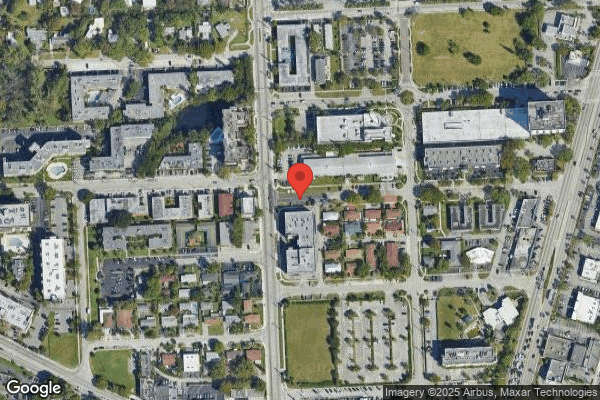

12505 NE 16TH AVE, NORTH MIAMI, FL 33161 (305) 891-1710
For profit - Limited Liability company 98 Beds ONYX HEALTH Data: November 2025
Trust Grade
85/100
#9 of 690 in FL
Last Inspection: October 2024

Within standard 12-15 month inspection cycle. Federal law requires annual inspections.

Overview

Biscayne Health and Rehabilitation Center has a Trust Grade of B+, which indicates that it is above average and recommended for families considering options for their loved ones. It ranks #9 out of 690 facilities in Florida and is the top choice among 54 facilities in Miami-Dade County, suggesting it is a strong option locally. The facility is improving, with a decrease in reported issues from 5 in 2023 to 4 in 2024. Staffing is rated average with a turnover rate of 35%, which is better than the state average, signifying some stability in personnel, although RN coverage is average. While there are no fines on record, some concerns were noted, including issues with food safety, such as flying insects in food preparation areas, and medication administration errors affecting several residents, highlighting areas that need attention despite the facility's overall strong reputation.

Trust Score
B+
85/100
In Florida
#9/690
Top 1%
Safety Record
Low Risk
No red flags
Inspections
Getting Better
5 → 4 violations
Staff Stability
○ Average
35% turnover. Near Florida's 48% average. Typical for the industry.
Penalties
✓ Good
No fines on record. Clean compliance history, better than most Florida facilities.
Skilled Nurses
✓ Good
Each resident gets 47 minutes of Registered Nurse (RN) attention daily — more than average for Florida. RNs are trained to catch health problems early.
Violations
⚠ Watch
13 deficiencies on record. Higher than average. Multiple issues found across inspections.
★★★★★
5.0
Overall Rating
★★★☆☆
3.0
Staff Levels
★★★★★
5.0
Care Quality
★★★★☆
4.0
Inspection Score
Stable
2023: 5 issues
2024: 4 issues

The Good

  • 5-Star Quality Measures · Strong clinical quality outcomes
  • Full Sprinkler Coverage · Fire safety systems throughout facility
  • No fines on record
  • Staff turnover below average (35%)

    13 points below Florida average of 48%

Facility shows strength in quality measures, fire safety.

The Bad

Staff Turnover: 35%

11pts below Florida avg (46%)

Typical for the industry

Chain: ONYX HEALTH

Part of a multi-facility chain

Ask about local staffing decisions and management

The Ugly 13 deficiencies on record

Oct 2024 4 deficiencies
CONCERN (D)

Potential for Harm - no one hurt, but risky conditions existed

Deficiency F0761 (Tag F0761)

Could have caused harm · This affected 1 resident

**NOTE- TERMS IN BRACKETS HAVE BEEN EDITED TO PROTECT CONFIDENTIALITY** Based on observations, interviews, and record review, the facility failed to properly secure dispensed medications left at the b...

Read full inspector narrative →
**NOTE- TERMS IN BRACKETS HAVE BEEN EDITED TO PROTECT CONFIDENTIALITY** Based on observations, interviews, and record review, the facility failed to properly secure dispensed medications left at the bedside for 1 of 1 resident (Resident #39). The facility also failed to ensure that 1 of 4 medications carts was locked and inaccessible to unauthorized staff and residents. The findings included: Review of the facility's policy titled, Administering Medications, dated January 2024, included the following: Policy Statement: Medications are administered in a safe and timely manner, and as prescribed. Policy Interpretation and Implementation 1. Only persons licensed or permitted by this state to prepare, administer and document the administration of medications may do so. 21. The individual administering the medication initials the resident's Medical Administration Record (MAR) on the appropriate line after giving each medication and before administering the next ones. Review of the facility's policy titled, Storage of Medications, dated January 2024, included the following: Policy Statement: The facility stores all drugs and biologicals in a safe, secure, and orderly manner. Policy Interpretation and Implementation 9. Unlocked medication carts are not left unattended. 1)Record review for Resident #39 revealed that the resident was admitted to the facility on [DATE] with the following diagnoses: Metabolic Encephalopathy, Type 2 Diabetes Mellitus, and Dependence on Renal Dialysis. Review of Section C of the Minimum Data Set (MDS) dated [DATE] revealed that Resident #39 had a Brief Interview for Mental Status (BIMS) of 15, which indicated that she was cognitively intact. Review of the Physician's Orders showed that Resident #39 had an order dated 10/19/24 and the following medications were scheduled to be administered at 9:00 AM on 10/28/24: Aspirin 81 mg oral tablet chewable for Deep Vein Thrombosis (DVT) prophylaxis. Ascorbic Acid 500 mg oral tablet, give 1 tablet for supplement. Folic Acid 1 mg oral tablet for supplement. Carbamazepine Extended Release (ER) 300 mg oral capsule for Status Epilepticus. Metoprolol Tartrate 50 mg oral tablet for Hypertension (HTN). Ferrous Sulfate 325 mg oral tablet, Give 1 tablet for anemia. [NAME]-Vite (B-Complex w/ C & Folic Acid) oral tablet for supplement. Review of the October Medication Administration Record (MAR) documented that all the above medications were administered on 10/28/24 at 9:00 AM as scheduled. In addition, the nurse signed for all the medications indicating that Resident #39 did not refuse any medications. Review of the Care Plan dated 10/10/24 documented that Resident #39 does not have behaviors of refusing her medications nor is Resident #39 able to self-administer her medications. Record Review of the nursing progress notes revealed no documentation noting Resident #39 refusing medications. During an observation conducted on 10/28/24 at 9:51 AM noted Resident #39 in bed with the over-bed table in front of her. Further observation revealed on the over-bed table, 2 medication cups with pills, photographic evidence obtained. At this time, an interview was conducted with Resident #39 who stated those were her medications and the nurse had placed them there. During an interview conducted on 10/30/24 at 4:18 PM with the Assistant Director of Nursing (ADON), she stated she has been the ADON at the facility for 5 months. The ADON stated Resident #39 does take her time to take her medications, and the nurse was probably called away for something else. She stated she has educated the nursing staff to dispose of the medications if the resident is not ready to take their medications. The ADON acknowledged that the medications were left there by the nurse and not brought in by the resident's family. 2 On 10/31/24 from 11:43 AM to 11:53 AM an observation was made of a med cart next to room [ROOM NUMBER] left unlocked and unattended with multiple residents, visitors and staff passing by the med cart. During an interview conducted on 10/30/24 at 11:54 AM with Staff D Licensed Practical Nurse (LPN) who stated she has worked at the facility for 3 years. She acknowledged she had left the med cart unlocked and unattended and stated she did not know how that happened.
CONCERN (D)

Potential for Harm - no one hurt, but risky conditions existed

Deficiency F0807 (Tag F0807)

Could have caused harm · This affected 1 resident

**NOTE- TERMS IN BRACKETS HAVE BEEN EDITED TO PROTECT CONFIDENTIALITY** Based on observations, interviews, and record review, the facility failed to follow fluid restriction orders for 1 of 1 resident...

Read full inspector narrative →
**NOTE- TERMS IN BRACKETS HAVE BEEN EDITED TO PROTECT CONFIDENTIALITY** Based on observations, interviews, and record review, the facility failed to follow fluid restriction orders for 1 of 1 resident on dialysis (Resident #16). The findings included: A chart review revealed that Resident #16 was readmitted to the facility on [DATE] with diagnoses of End Stage Renal Disease, Muscle Weakness, and Type 2 Diabetes. The Medicare 5-day Minimum Data Set, dated [DATE] showed that Resident #16 had a Brief Interview of Mental Status score of 15, which was cognitively intact. A review of the physician ' s orders showed the following: No added salt diet with 1,500 milliliters (ml) fluid restriction with 1080 ml allocated for dietary. Dietary 240 ml every Dinner meal, dietary 240 ml every Lunch, and 600 ml every Breakfast meal, which was dated 10/22/24. In an observation conducted on 10/28/24 at 11:00 AM, Resident #16 was noted in her room with 16 ounces of water in a Styrofoam cup near her bed on the side table. In an observation conducted on 10/28/24 at 12:20 PM, Resident #16 was observed eating her lunch meal with the following noted on the meal tray: 8 ounces of water and 4 ounces of juice. Closer observation showed 16 ounces of water in a Styrofoam cup near the lunch tray. This showed that 28 ounces of fluids (828 millimeters) were provided to Resident #16 and not the needed 240 ml of fluids for the lunch meal. The meal ticket showed Resident #16 was on 1500 ml fluid restriction with 8 ounces of water and no juice. In this observation, Resident #16 stated that she was on fluid restrictions but did not know how much per day or per meal and stated, I think I am allowed one cup of water. The Registered Dietitian Progress note dated 09/23/24 revealed that Resident #16 is non-compliant with the renal diet and fluid restriction. She remains resistant to education related to diet/fluid restriction compliance. The note further showed that the therapeutic diet with fluid restriction remains appropriate. The Care plan dated 09/11/24 revealed that Resident #16 was on fluid restrictions and is at risk for complications of hemodialysis and is receiving hemodialysis treatment within the house. An interview conducted on 10/30/24 at 10:20 AM with Staff E, Certified Nursing Assistants, stated that the facility ' s Dietitian would tell her which residents are on a fluid restriction. When asked if she has any residents on fluid restrictions that are assigned to her, she said yes and named Resident #16 ' s roommate but not Resident #16. When asked by this Surveyor if she was the one who gave Resident #16 the 16 ounces of the Styrofoam cup at the bedside, she said no and that it must have been the other nursing staff. An interview conducted on 10/30/24 at 2:00 PM with the Clinical Dietitian stated that the fluid restriction is listed on the diet orders in the electronic system. She further said it is also listed on the meal ticket when the trays arrive.
CONCERN (D)

Potential for Harm - no one hurt, but risky conditions existed

Infection Control (Tag F0880)

Could have caused harm · This affected 1 resident

**NOTE- TERMS IN BRACKETS HAVE BEEN EDITED TO PROTECT CONFIDENTIALITY** Based on observations, interviews, and record review, the facility failed to properly post signage for Enhanced Barrier Precauti...

Read full inspector narrative →
**NOTE- TERMS IN BRACKETS HAVE BEEN EDITED TO PROTECT CONFIDENTIALITY** Based on observations, interviews, and record review, the facility failed to properly post signage for Enhanced Barrier Precautions (EBP) for a resident with a central line, failed to wear appropriate Personal Protection Equipment (PPE) during care of a central line, and failed to maintain the IV catheter tubing in a manner to prevent infection for 1 of 1 resident reviewed for central line receiving IV therapy (Resident #90). The findings included: Review of the facility's policy titled, Enhanced Barrier Precautions, dated 04/01/24, included the following: Policy: It is the policy of this facility that Enhanced Barrier Precautions (EBP), . will be implemented during high-contact resident care activities when caring for residents that have an increased risk for acquiring a multidrug-resistant organism (MDRO) such as a resident with wounds, indwelling medical devices or residents with infection or colonization with an MDRO. Procedures: EBP consists of the use of gowns and gloves for high-contact care activities which include but may not be limited to: Device care or use: central line . CDC recommends the use of EBP for the following residents: 1. All residents with an indwelling medical device such as a urinary catheter, central line, feeding tube, etc. regardless of colonization or infection status. Review of the facility's policy titled, Intravenous Administration of Fluids and Electrolytes, revised 2024, included the following: Purpose: The purpose of this procedure is to provide guidelines for the safe and aseptic administration of IV fluids and electrolytes for hydration. Steps in the Procedure 10. When infusion is complete: a. For intermittent therapy: (2) if tubing will be reused, replace sterile cap Record review for Resident #90 revealed that the resident was admitted to the facility on [DATE] with the following diagnoses: Chronic Osteomyelitis with Draining Sinus, Right Ankle and Foot and Type 2 Diabetes Mellitus with other specified complications. Review of Section C of the Minimum Data Set (MDS) dated [DATE] revealed that Resident #90 had a Brief Interview for Mental Status (BIMS) of 15, which indicated that she was cognitively intact. Review of Section N of the same MDS revealed Resident #90 was on antibiotic. Review of the Physician's Orders showed that Resident #90 had an order dated 10/28/24 for Vancomycin HCl Intravenous Solution Reconstituted 750 MG (Vancomycin HCl), use 166 ml/HR Chronic Osteomyelitis with Draining Sinus, Right Ankle and Foot for 16 days with end date: 11/13/24 (This is a re-order, Resident #39 has been on Vancomycin since admission to facility). Maintain Enhanced Barrier Precautions every shift for Midline, every shift, Active 10/29/24 (no order for EBP found prior to 10/29/24). Review of the Care Plan dated 10/22/24 documented that Resident #90 had IV access and is receiving IV antibiotic related to Chronic Osteomyelitis. The goals were for Resident #90 to complete IV Therapy without discomfort through the next review. The interventions included: Administer IV medication as ordered: Vancomycin HCl Intravenous Solution Reconstituted 750 mg. Review of the Care Plan dated 10/22/24 documented that Resident #90 requires Enhanced Barrier Precaution related to surgical wound, and IV. The goals were: Enhanced Barrier Precaution (EBP) will be maintained through the next review date. The interventions included: Educate resident, responsible party or caregivers regarding EBP. Follow infection control guidelines as indicated. Maintain EBP as indicated during dressing, bathing/showering, transferring. providing hygiene, changing linens, changing briefs or assisting with toileting, IV site care, during wound care. Record review of the admissions note dated 10/06/24 revealed Resident #90 had a central line for Vancomycin IV in her right inner arm. During the initial tour conducted on 10/28/24 10:57 AM noted there was no EBP sign outside of Resident #90's room, photographic evidence obtained. Further observation revealed that Resident #90 was receiving IV therapy. During an observation on 10/28/24 at 3:14 PM of Resident #90's room conducted by 2 surveyors and observed the IV medication tubing wrapped around the IV pole without any sterile cap at end of IV tubing, photographic evidence obtained. While surveyors were still in the room, Staff D, Licensed Practical Nurse (LPN) came into Resident #90's room to flush the central line catheter and attach the IV medication tubing to continue medication administration. She entered the room with normal saline syringe and alcohol wipes, performed hand hygiene, and donned gloves, however she did not don a gown. Staff D cleaned the central line catheter with the alcohol wipe in a circle-like motion (not the tip of the catheter) and flushed the line, then attached the uncapped IV tubing to the central line catheter and started the medication. During an interview conducted on 10/29/24 at 3:41 PM with Staff A, Certified Nursing Assistant (CNA), who stated she has worked at the facility since 2020. She stated she usually works on the 2nd floor. Staff A noted that if there is an EBP sign on the outside of the resident's room, the resident has either a tube feeding, under dialysis, or has a wound. She acknowledged that with these residents she will need to don on PPE if she is providing care. During an interview conducted on 10/29/24 at 4:13 PM with Staff B, CNA stated she has been working at the facility for 15 years. She acknowledged when the EBP sign is at a resident's door, she must don on PPE while providing care. During an interview conducted on 10/29/24 at 3:56 PM with Staff C, LPN, she noted working at the facility for 4 years. She stated that for residents under EBP, she will need to don on gown and gloves. During an interview conducted on 10/30/24 at 4:18 PM with the Assistant Director of Nursing (ADON), who has worked at the facility as the ADON for 5 months. She stated that she is the facility's infection Preventionist and responsible for posting signage for residents under any precaution or isolation. She acknowledged not having a sign for Resident #90 since she has a central line and donning of PPE should be done prior to care to resident with an IV port. During an interview conducted on 10/30/24 at 3:41 PM with the Director of Nursing (DON), who has worked at the facility for over 2 months. She acknowledged that the nurse should have worn a gown while providing IV care for Resident #90.
CONCERN (E)

Potential for Harm - no one hurt, but risky conditions existed

Pharmacy Services (Tag F0755)

Could have caused harm · This affected multiple residents

**NOTE- TERMS IN BRACKETS HAVE BEEN EDITED TO PROTECT CONFIDENTIALITY** Based on observations, interviews and record review the facility failed to provide pharmaceutical services to ensure the accurat...

Read full inspector narrative →
**NOTE- TERMS IN BRACKETS HAVE BEEN EDITED TO PROTECT CONFIDENTIALITY** Based on observations, interviews and record review the facility failed to provide pharmaceutical services to ensure the accurate administration and documenting of medications for 4 of 5 sampled residents reviewed for controlled medications (Resident #43, Resident # 51, Resident # 83 and Resident #35) and failed to ensure a discontinued controlled medication was removed from the med cart for 1 of 5 residents reviewed for controlled medications (Resident #51). The findings included: Review of the facility's policy titled, Administering Medications with a reviewed date of January 2024 included in part the following: 4. Medications are administered in accordance with prescriber orders, including any required time frame. 22. As required or indicated for a medication, the individual administering the medication records in the resident's medial record: a. The date and time the medication was administered b. The dosage c. The route of administration Review of the facility's policy titled, Storage of Medications with a revised date of January 2024 included in part the following: 5. Discontinued, outdated, or deteriorated drugs or biologicals are returned to the dispensing pharmacy or destroyed. Review of the facility's policy titled, Preparation and General Guidelines- Controlled Substances: with a date of August 2019 included in part the following: Medications included in the Drug Enforcement Administration (DEA) classification as controlled substances are subject to special handling, storage, disposal, and record keeping in the facility, in accordance with federal and state laws and regulations. Procedures: A. The Director of Nursing and the consultant pharmacist in collaboration maintain the facility's compliance with federal and state laws and regulations in the handling of controlled medications. Only authorized licensed nursing and pharmacy personnel have access to controlled medications E. Accurate accountability of the inventory of all controlled drugs is maintained at all times. When a controlled substance is administered, the licensed nurse administering the medication immediately enters the following information on the accountability record and the medication administration record (MAR): 1) Date and time of administration (MAR, Accountability Record). 2) Amount administered (Accountability Record). 3) Remaining quantity (Accountability Record). 4) Initials of the nurse administering the dose, completed after the medication is actually administered (MAR, Accountability Record). 1 Record review for Resident #51 revealed the resident was originally admitted to the facility on [DATE] with the most recent readmission to the facility on [DATE]. The diagnoses included in part the following: Type 2 Diabetes mellitus Without Complications and Anxiety Disorder. Review of the Minimum Data Set (MDS) for Resident #51 dated 08/15/24 documented in Section C a Brief Interview of Mental Status (BIMS) score of 8 indicating moderate cognitive impairment. Review of the Physician's Orders for Resident #51 revealed an order dated 07/23/24 for Alprazolam Tablet 0.25 MG give 1 tablet by mouth every 8 hours as needed for Anxiety for 14 Days and was discontinued on 08/06/24. Review of the Medication Monitoring/Control Record for Alprazolam 0.25 mg Resident #51 from 08/26/24 to 10/09/24 documented the following: On 08/26/24 a dose of Alprazolam was documented as removed from the med cart On 10/09/24 a dose of Alprazolam was documented as removed from the med cart Review of the Medication Administration Record (MAR) for Resident #51 from 08/26/24 to 10/09/24 documented the following: There was no documentation of the medication Alprazolam 0.25 mg being administered. 2) Record review for Resident #43 revealed the resident was originally admitted to the facility on [DATE] with the most recent readmission to the facility on [DATE]. The diagnoses included in part the following: Chronic Obstructive Pulmonary Disease, Anxiety Disorder, and Dementia. Review of the MDS for Resident # 43 dated 10/10/24 documented in Section C for cognitive status indicated BIMS (Brief Interview for Mental Status) could not be conducted due to the resident is rare/never understood. Review of the Physician's Orders for Resident #43 revealed an order dated 09/02/24 for Clonazepam Oral Tablet 0.5 MG give 1 tablet by mouth two times a day related to Anxiety Disorder. Review of the Medication Monitoring/Control Record for Clonazepam 0.5 mg Resident #43 from 10/18/24 to 10/30/24 documented the following: On 10/18/24 the 5:00 PM dose had no documentation On 10/25/24 the 5:00 PM dose had no documentation On 10/27/24 the 5:00 PM dose was documented as removed from the med cart Review of the Medication Administration Record (MAR) for Resident #43 from 10/18/24 to 10/30/24 documented the following: On 10/18/24 the 5:00 PM dose of Clonazepam 0.5 mg was administered On 10/25/24 the 5:00 PM dose of Clonazepam 0.5 mg was administered On 10/27/24 the 5:00 PM dose of Clonazepam 0.5 mg was left blank 3 Record review for Resident #83 revealed the resident was admitted to the facility on [DATE] with diagnoses that included in part the following: Cervical Disk Disorder with Myopathy High Cervical Region and Spinal Stenosis Lumbar Region without Neurogenic Claudication. Review of the MDS for Resident #83 dated 10/11/24 documented in Section C with a BIMS score of 14 indicating a cognitive response. Review of the Physician's Orders for Resident #83 revealed an order dated 07/24/24 for Percocet Oral Tablet 5-325 MG (Oxycodone w/ Acetaminophen) give 1 tablet by mouth every 8 hours as needed for pain. Review of the Medication Monitoring/Control Record for Oxycodone/Apap (Percocet) 5-325 mg Resident #83 from 08/13/24 to 10/30/24 documented the following: On 08/03/24 at 9:30 PM documented the medication was removed from the med cart On 08/04/24 at 9:00 PM documented the medication was removed from the med cart On 08/11/24 at 10:30 PM documented the medication was removed from the med cart On 08/17/24 at 10:15 PM documented the medication was removed from the med cart On 08/25/24 at 10:00 PM documented the medication was removed from the med cart On 09/08/24 at 10:00 (did not indicate AM or PM) documented the medication was removed from the med cart On 09/22/24 at 10:00 (did not indicate AM or PM) documented the medication was removed from the med cart Review of the Medication Administration Record (MAR) for Resident #83 from 08/13/24 to 10/30/24 documented the following: On 08/03/24 no documentation for Oxycodone/Apap (Percocet) 5-325 mg On 08/04/24 had no documentation for Oxycodone/Apap (Percocet) 5-325 mg On 08/11/24 no documentation for Oxycodone/Apap (Percocet) 5-325 mg On 08/17/24 had no documentation for Oxycodone/Apap (Percocet) 5-325 mg On 08/25/24 had no documentation for Oxycodone/Apap (Percocet) 5-325 mg On 09/08/24 no documentation for Oxycodone/Apap (Percocet) 5-325 mg On 09/22/24 had no documentation for Oxycodone/Apap (Percocet) 5-325 mg 4. Record review for Resident #35 revealed the resident was admitted to the facility on [DATE] with diagnoses that included in part the following: Primary Generalized (Osteo)Arthritis, Chronic Pain Syndrome, and Muscle Spasm of Back. Review of the MDS for Resident #35 dated 08/22/24 documented in Section C a BIMS score of 15 indicating a cognitive response. Review of the Physician's Orders for Resident #35 revealed an order dated 06/05/24 for Oxycodone-Acetaminophen Oral Tablet 10-325 MG (Oxycodone w/ Acetaminophen) give 1 tablet by mouth every 4 hours as needed for moderate-severe pain. Review of the Medication Monitoring/Control Record for Oxycodone/Apap 5-325 mg Resident #35 from 10/27/24 to 10/30/24 documented the following: On 10/27/24 at 9:00 PM documented the medication was removed from the med cart On 10/28/24 at 12:00 PM documented the medication was removed from the med cart On 10/29/24 at 5:00 PM documented the medication was removed from the med cart On 10/29/24 at 9:00 PM documented the medication was removed from the med cart Review of the Medication Administration Record (MAR) for Oxycodone/Apap 5-325 mg Resident #35 from 10/27/24 to 10/30/24 documented the following: On 10/27/24 at 9:00 PM no documentation of the medication was administered On 10/28/24 at 12:00 PM no documentation of the medication was administered On 10/29/24 at 5:00 PM no documentation of the medication was administered On 10/29/24 at 9:00 PM no documentation of the medication was administered During an interview conducted on 10/30/24 at 12:00 PM with Staff D Licensed Practical Nurse (LPN) who stated she has worked at the facility for 3 years. When asked about controlled medications removed to be administered to a resident, she said we document the medication being removed on the Control sheet (Medication Monitoring/Control Record) and then we document on the MAR for the resident. During an interview conducted on 10/30/24 at 1:00 PM with the Director of Nursing (DON) who stated she has worked at the facility since the middle of August 2024. When asked about the controlled medications she stated the nurse will sign the medication off on the paper log Medication Monitoring/Control Record) and the e-mar (Electronic Medication Administration Record) as well. When asked if a controlled medication is discontinued what happens to the controlled medication in the med cart, she stated the medication is removed from the cart by the nurse who took the order for the med to be discontinued. When asked if they audit the controlled medications on the med carts, she said they are audited every few days but do not keep any record of the audits being performed. When asked who is responsible for the audits, she said the DON (herself) is responsible and either she does the audits, or the pharmacists does. When asked if a discontinued medication was left in the med cart would be administered, she said no because there is no active order, the nurse would not be able to sign the medication off as administered in the e-mar. When asked about Resident #51 and the controlled medication Alprazolam 0.25 mg, she acknowledged she had signed the medication as removed from the cart on 10/09/24. She then acknowledged the medication was not documented as being administered on the MAR on 10/09/24. When asked why the medication was not documented as being administered, she stated sometimes the order is only for 14 days and then it is no longer on the MAR after that so she cannot document the medication as administered on the MAR. During an interview conducted on 10/30/24 at 1:50 PM with Staff F, Registered Nurse (RN) who was asked about controlled medications, she stated they document on the paper Medication Monitoring/Control Record) and on the computer (Medication Administration Record). When asked if a controlled medication is discontinued what happens to the medication, she stated they remove it from the med cart and give it to the DON to be returned to the pharmacy. When asked about the Alprazolam 0.25 mg for Resident #51 she acknowledged the medication was not documented as administered on 10/09/24 even though it was documented as being removed from the med cart on 10/09/24 on the Medication Monitoring/Control Record. The DON also acknowledged the medication Alprazolam 0.25 mg for Resident #51 was discontinued on 08/06/24.
Jul 2023 5 deficiencies
CONCERN (D)

Potential for Harm - no one hurt, but risky conditions existed

QAPI Program (Tag F0867)

Could have caused harm · This affected 1 resident

Based on interview and record review, the facility failed to demonstrate effective plan of actions were implemented to correctly identify quality deficiencies in the problem area related to repeated d...

Read full inspector narrative →
Based on interview and record review, the facility failed to demonstrate effective plan of actions were implemented to correctly identify quality deficiencies in the problem area related to repeated deficient practices for F812 Food Procurement, Store/Prepare/Serve-Sanitary. This practice has the potential to increase the risk of negative resident outcomes and to affect all 91 residents residing in the facility at the time of this survey. The findings included: Record review of the facility's survey history revealed, during a recertification survey with the exit date 08/14/2022 Food Procurement, Store/Prepare/Serve-Sanitary was cited related to the facility failed to ensure foods were prepared and distributed at safe temperatures, as evidenced by a failure to provide food holding temperatures were consistently monitored and recorded for all menu items. During an interview on 07/27/2023 at 01:34 PM, the Nursing Home Administrator and Director of Nursing (DON) revealed, the Quality Assessment and Assurance Committee (QAA) meets the second Thursday of every month. The administrator stated that the QAA Committee is comprised of the following members: the Administrator, Medical Director, DON, Assistant Director of Nursing (ADON)/Infection Preventionist, Social Worker, Environmental Director, Rehabilitation Director, Dietitian, Human Resources Director, Medical Records Activities Director, Admissions Director, Food Service Director. The Nursing Home Administrator (NHA) stated, We have Performance Improvement Plans (PIPs) for, Return to Hospital rates, as we have had a higher percent. The DON stated, we have been monitoring the reason why the residents have been going to the hospital. The NHA continued and stated, we worked on one PIP for Customer Service, we are trying to improve out star rating for customer service, to get our google rating up, the system in the front, whenever you check in, gets your phone number in order to ask for your opinion or feedback, we can use that to figure out what was going on. We also have our Guardian Angel rounds with questions to the residents, the services and for grievance processes, we are working on a program moving forward for the employee of the month. The DON stated, we are not where we want to be, and we are trying to improve, I feel that it has gotten better but not where I want it to be, we do not have A high turnover, it has gotten better, more nurses that stay here, it is more stable and that improves our customer service. The NHA stated, for Environmental, basically we had this maintenance assistance who resigned recently and he has not been replaced yet, we have an open position, we have another employee who is part time and he was asked to work full time for now to help around, we have different projects, we replaced 20 LED (Light Emitting Diode) lightbulbs on hallways, we are re-doing bathroom floors on the second floor, up to now on some of them, we repainted the second floor day room, we repair the kitchen's roof, we are painting rooms including bathroom walls, we are going from room to room and we want to do a room every day, the hallways and the room doors have been painted, we are placing chiller pipes in the ceiling and a new compressor to help with the air conditioning (AC), also two weeks ago we did a water hyperchlorination and disinfection project, we flushed the entire building with clorine, we replaced the call light's chain on the overhead lights, we have done re-caulking of the sinks in every room, we are doing deep cleanings and replacing the room tiles; after the survey, we have plans to replace furniture. Review of Policies and Procedures, document titled 2023 QAPI (Quality Assurance and Performance Improvement) Plan revealed: QAPI Goals At Biscayne Health and Rehabilitation, we are committed to focusing on clinical care, quality of life and resident choice. We expect all of our facilities to reflect this in their annual regulatory survey outcomes with deficiencies less than the state average, achieving compliance upon the first revisit and not having substandard quality of care deficiencies. On behalf of those we serve, we are committed to using QAPI to improve our performance and practices and to ensure we meet and exceed regulatory requirements and standards. In conducting a root cause analysis for the center's regulatory outcomes, Biscayne Health and Rehabilitation identified the following goals: Goal #1: Decrease/Eliminate complaint surveys by improving customer service. Goal #2: Ensure that the facility is survey ready 365 days a year by embracing company's policies and following them daily.
CONCERN (D)

Potential for Harm - no one hurt, but risky conditions existed

Infection Control (Tag F0880)

Could have caused harm · This affected 1 resident

Based on observations, interviews, and record review, the facility failed to follow infection control standards of practice as evidenced by dialysate (a fluid used during dialysis) jugs on the counter...

Read full inspector narrative →
Based on observations, interviews, and record review, the facility failed to follow infection control standards of practice as evidenced by dialysate (a fluid used during dialysis) jugs on the counter next to a disinfectant spray and sink; personal bags found in storage rooms; a broom/dustpan found in dialysate storage rooms; a biohazard bag on floor; and an overflowing trash bin. These actions have the potential to affect the seven residents who are receiving dialysis including sampled Resident #17. The findings included: On 07/26/23 at 10:17 AM. During an observation of the dialysis treatment room. By the sink area, there were five dialysate jugs and one spray bottle that was labeled disinfection spray, and napkins in a clear bin on the counter. (See photographic evidence) An open trash bin was empty and by the sink. One step-on closable red biohazard bin is at the back of the room. Personal bags were located on the floor shelf of the television stand. (See photographic evidence) In the front storage room, there was a resident scale mechanical lift, there was a chair with rusted legs, and an unknown object underneath a plastic blanket, with plastic bags above it. A broom and dustpan were stored between the chair and the wall. (See photographic evidence) When asked, Do you have a clean and dirty sink? Staff C, a RN (Registered Nurse) stated, We only have one sink. When asked How do you use this sink and where can you store your dialysate that you're using? Staff D, an LPN (Licensed Practical Nurse) stated, We wash our hands and use hand sanitizer. We hold our dialysate on the sink. We don't want it on the floor. The disinfecting spray is to clean the dialysis machine and dialysis chair between residents. On 07/26/23 at 12:33 PM, during an interview with the Infection Preventionist, the observations were discussed, and the photographic evidence was shown. The Infection Preventionist stated, Those employees work with our contracted dialysis company, and they are covering for the dialysis nurses that usually come to the facility. Another Surveyor addressed the findings with me, and we did a walkthrough together earlier. We contacted our dialysis company to address the situation in the dialysis room. A representative will come out to visit the facility. We did an in-service with the dialysis technicians. We are having a team of maintenance, housekeeping, administration, nursing, and me to come to address the concerns today. On 07/27/23 at 09:30 AM, during an interview of staff from the dialysis contract company, Staff E, a RN (Registered Nurse) and Staff F, a CCHT (Certified Clinical Hemodialysis Technician). Staff E, RN stated, I am a dialysis nurse for the company. I float between facilities, and we are assigned here today. When asked, Is it allowed to have dialysis jugs next to a disinfectant spray bottle at the sink? Staff E RN stated, At dialysis facilities, we would have two sinks. If one sink is available, it would be shared. No, we are not allowed to have dialysate next to a disinfectant bottle. Staff F, CCHT, agreed to the statement. When the dialysis staff were asked, Can you have an open trash can, a Broom with a dustpan be stored in the dialysate room? Staff F stated, We usually do not have brooms and dustpans in the room. Staff E, RN stated, For trash, open trash cans can be used but not overflowing. We have regular trash cans that can close. We ask for housekeeping to come in. The broom and dustpan can harbor germs, microbes, and infections. We can't disinfect it. It shouldn't be in the room. It's not like you can wipe down the surface like trash cans, tables, chairs, and dialysis machines. Staff F, CCHT, agreed to the statement. Review of the in-service and training titled, Dialysis Management: Infection control practices for dialysis facilities. Dated 7/26/23 at 10:00 AM. Instructed by Infection Preventionist and Staff C, RN and Staff D, Licensed Practical Nurse (LPN) signatures are present. (See photographic evidence) Review of facility's policy titled, Infection Prevention and Control Plan for Nursing Homes 2022-2023. It is noted on page 5, under Infection Prevention Control program goals and objectives. 2) To provide a safe, sanitary, and comfortable environment to help prevent the development and transmission of infection and communicable diseases. Review of contract dialysis company policy titled Infection Control Practices for Dialysis Facilities dated revised 04/02/2020 and 07/11/2022. It is noted under section 2. Policy: The infection control practices recommended for dialysis units will reduce opportunities for patient-to-patient transmission of infectious agents, directly or indirectly via contaminated devices, equipment and supplies, environmental surfaces, or hands of personnel. It is noted, under Section 4: Procedure: A sufficient number of sinks with warm water and soap have been available to facilitate hand washing. (TX: Hands-free washing sinks are required in the treatment room.) In D-2: Not handling or storing contaminated (i.e., used) supplies, equipment, blood samples, or biohazard containers in areas where medication and clean (i.e., unused) equipment and supplies are handled. It is noted, in section 5: Environmental Practices, A. Physical environment: 1) Environmental cleaning of the dialysis unit will be accomplished as outlined by the housekeeping policies and procedures. Housekeeping service will have a written schedule that determines the frequency of cleaning and maintaining the cleanliness of all equipment, structures, areas, and systems within its scope of responsibility. E) Clean supplies stored in the treatment area will be segregated to clean carts or cabinets. Review of facility's policy titled Environmental Services, dated September 1, 2021. It is noted, Intent: It is the policy of the facility to provide Environmental services in accordance with State and Federal regulations. 1) The facility will maintain the facility premises and equipment and conduct its operations in a safe and sanitary manner. 3) housekeeping and maintenance services necessary to maintain a sanitary, orderly, and comfortable interior.
CONCERN (E)

Potential for Harm - no one hurt, but risky conditions existed

Safe Environment (Tag F0584)

Could have caused harm · This affected multiple residents

3) Observation completed on 07/24/23 at 11:15 AM revealed Resident #141 lying in his bed, the resident was alert and oriented. Resident #141 stated he lives with his daughter, and he came here tempora...

Read full inspector narrative →
3) Observation completed on 07/24/23 at 11:15 AM revealed Resident #141 lying in his bed, the resident was alert and oriented. Resident #141 stated he lives with his daughter, and he came here temporarily and was admitted recently. The resident reported, he had a stroke in 2019 and is not able to move his left arm, and he needs assistance. Resident #141 stated the bed makes his body painful, but he can't be sit in his wheelchair for long periods because it hurts too. Resident #141 stated he talked to the Maintenance staff who said he is looking for another mattress for him and will also see if the bed needs to be replaced. Observation on 07/26/23 at 09:40 AM revealed, Resident #141 was lying in his bed, he was sleeping but woke up and stated he was willing to be interviewed. Resident #141 stated he was not good because they had not changed his mattress. The resident reported he had already spoke to Maintenance Staff (Staff G). The resident reported, they were going to change his mattress, but they never did it and he is leaving the facility tomorrow. Resident #141 was asked did Staff G provide an explanation why they did not change his mattress, he reported, they did not. Observation on 07/26/2023 at 12:40pm revealed, Resident #141 was in his room, sitting in his chair, and he reported he wanted to go to in the dining room for lunch. Resident #141 reported, he was told they will change his mattress today and he was very thankful to the surveyor and reported, at least today I will sleep good in the bed. While completing observations and interview, the Maintenance Director and Staff G were observed bringing a new mattress in a box into Resident #141's room. They removed the old mattress and replaced it with the new one. Observation on 07/27/23 at 11:45 AM revealed, Resident #141 was lying in his bed, he was very happy with the new mattress and he was able to sleep the night before. Resident #141 reported, he is leaving today and was waiting to bef picked up to go home. The resident had no concerns with anything else. Interview with Staff G, a Maintenance Staff member on 07/26/23 10:41 AM revealed, when a resident told him he/she is not comfortable with the bed or mattress he will check and report it immediately to the head of the Maintenance Department. Staff G added, if they have mattresses in storage, they will replace the mattress, but if there is none, they will replace the mattress with another mattress they would take from an empty bed. Staff G stated, this facility does not have a system to report work orders, or to report problems and the need for repairs, instead they work with what they need to do every day. Staff G reported, the facility had 2 staff members. One person covered the first floor, and he was assigned the second floor, but now he covers both floors. Staff G stated, there is only one maintenance staff member beside the head of the Department. Staff G reported, the facility is looking to hire for the maintenance position. Staff G stated, At this moment the facility does not have any bed mattress (regular or air mattress) in storage. They received about 10 units, and they had pending request and they replaced the ones who needed the mattresses to be replaced. Staff G stated, he was aware Resident #141 had been uncomfortable with the mattress he had in his bed; he checked the bed, and he found no problems. The problem is the mattress pad in the middle is gone. Staff G added, the mattress assigned to Resident #141is thinner than others, the regular ones. Staff G reported, Resident #141 told him about his mattress a couple of days ago. Staff G stated, Resident #141 is very pleasant person and very alert. Staff G stated, he told his boss, the head of his department and he said that he was going to change it, but he did not say anything else. Staff G stated, on those cases he usually does change the mattress himself, but it is a process because he has to talk to the nurse, to tell Certified Nursing Assistant(CNA) to take resident out of the bed. Staff G reported, he will bring another mattress from an empty bed and will replace the bad one, but Staff G reported, he has been overwhelmed too and he did not do it yet. Staff G stated, that mattress that is in the resident's bed is not good at all, it should be thrown in the garbage. Interview with the Maintenance Director on 07/26/23 at 11:10 AM revealed, when residents have problems with their mattress, they put on a new mattress or swap them from an empty bed and sanitize them. The Maintenance Director stated, the facility does not have any mattresses in storage now, but they ordered 10 a while ago. The Maintenance Director stated the last time the facility received new mattress was about two months ago, but when they do not have new mattress in storage, they replace the one the resident is complaining about with one taken from an empty room. The Maintenance Director stated his department has a system in place to make sure the residents' request for a new mattress or bed or any situation that is being handled by his department is resolved. The Maintenance Director stated, they have books on both floors in the nurse stations. The Maintenance Director explained he and his staff will look at the book daily, and he assigns work to his staff or himself to be resolved. When asked about Resident #141, the Maintenance Director stated he fixed his TV in the room the other day, and Resident #141 told him a few days ago, he does not speak English, but he made signs indicating a problem in his back. The Maintenance Director stated, he was assisted with translation by Staff G who speaks the same language of Resident #141 and told him they must change his mattress. The Maintenance Director acknowledged he did not change the mattress. The Maintenance Director stated, Staff G is working right now on changing Resident #141's mattress, after he was interviewed. When asked why it was not changed before, the Maintenance Director stated, I was waiting for the new mattresses they ordered. Asked why he did not replace with a mattress from an empty bed, he stated I wanted to give him a new mattress. Asked if he observed the condition of Resident#141's mattress, the Maintenance Director stated he did not see it because the resident was in bed most of the time. The Maintenance Director stated, Resident #141's work order was not in the book, and when asked why his request was not logged in the book for work orders, the Maintenance Director stated, I don't know, but I know he needs a mattress and I was waiting for the new mattresses to come. The Maintenance Director provided the surveyor with the work order book from the second floor, and he verified there was no order to change the mattress for Resident #141. A ftew minutes later he provided a copy of the purchase order created on 07/26/2023 at 11:09 am, minutes after this surveyor interviewed Staff G and the facility was made aware about the Resident #141's concern. It was noted, the purchase order was created after the first interview with Staff G. The Maintenance Director admitted they completed the order a few minutes ago to purchase new mattresses. During a further interview with the Maintenance Director on 07/26/2023 at 12:45 pm, while he was taking the new mattress out of the box and replacing Resident #141's old mattress revealed, he did not have any new mattress in storage, but his boss bought this one and gave to him to replace the old one. Record review of Resident #141's Face sheet revealed Resident #141's date of admission was on 07/18/2023. Diagnoses included but were not limited to Hemiplegia and Hemiparesis following cerebral infraction affecting left non-dominant side, Other specified arthritis, unspecified side, Depression, and Hypertensive heart disease with heart failure. Record review of the Work Order Book for the month of the month of July revealed, no work order listed under resident #141's name. Record review of the Purchase Order dated 07/26/2023 created at 11:09am revealed, the order was placed for Mattress Pressure relief 80 (10 units). Record review of the Minimum Data Set (MDS) revealed it was in progress to be completed. Record review of Resident #141's Care Plan dated 07/19/2023 revealed: Resident has an Activity of Daily Living (ADL) self-care deficit related to (r/t) chronic medical condition. Goal: Resident will not have a decline in ADL functioning through the next review date. Interventions included but were not limited to: Assistive devices as ordered/indicated, Encourage and assist with all Activities for Daily Living (ADLs) tasks as indicated, as tolerated by resident, including locomotion/ambulation, bathing, bed mobility, transfers, toileting tasks, meals, personal/oral hygiene, etc. The resident is Independent for meeting emotional, intellectual, physical, and social needs. Prefers a balance of social and independent leisure activities. Physical Limitations Resident prefers to spend some time in his room, states he enjoys watching television (tv), updated with the cable line up. Interventions: The resident will be encouraged to (3) groups of choice weekly for social and cognitive stimuli by next review date, Assist/escort to activity functions of potential interest as needed. Interview with the Director of Social Services (DSS) on 07/26/23 at 12:25 PM revealed, she did not receive any complaint or concern voiced by Resident #141. The DSS provided the grievance log for this month and only three grievances had been filed. None of them belonged to resident #141. Record review of Grievance Log revealed no grievances filed on behalf of resident #141. Record review of the Policy and Procedures on Maintenance Services revised 2009, reviewed January 2023 revealed: Policy Statement: Maintenance service shall be provided to all areas of the building, grounds, and equipment. Policy Interpretation and Implementation 1. The Maintenance Department is responsible for maintaining the building, grounds, and equipment in a safe and operable manner always. 2. Functions of maintenance personnel include, but are not limited to: a. Maintaining the building in compliance with current federal, state, and local laws, regulations, and guidelines. b. Maintaining the building in good repair and free from hazards. f. Establishing priorities in providing repair service. i. Providing routinely scheduled maintenance service to all areas. j. Others that may become necessary or appropriate. 3. The Maintenance Director is responsible for developing and maintaining a schedule of maintenance service to assure that the buildings, grounds, and equipment are maintained in a safe and operable manner. 8. The Maintenance Director is responsible for maintaining the following records/reports. k. Inspection of buildings; l. Work order requests; m. Maintenance schedules; 10. Maintenance personnel shall follow established safety regulations to ensure the safety and well-being of all concerned. Based on observation, interview, and record review, it was determined that the facility failed to provide housekeeping and maintenance services necessary to maintain a sanitary, orderly, and comfortable interior for the first and second floor resident rooms, dialysis treatment room, and nursing storage closets and affected one out of 28 sampled residents (Resident #141). The findings included: Review of the facility's policy's and procedures noted the following: Policy and Procedure on Environmental Services dated 09/01/2021 revealed: INTENT: It is the policy of the facility to provide Environmental Services accordance to State and Federal regulations. PROCEDURE: 1. The facility will maintain the facility premises and equipment and conduct its operations in a safe and sanitary manner. 2. The facility will provide a safe, clean, comfortable, and homelike environment, which allows the resident to use his or or her personal belongings to the extent possible. 3. The facility will provide: a. Housekeeping and maintenance services necessary to maintain a sanitary, orderly, and comfortable interior; c. Furniture, such as a bed-side cabinet, drawer space; During the Environmental Tour conducted on 07/26/23 at 1:15 PM and 07/28/23 at 1:15 PM, accompanied with the [NAME] President of Environmental Services, the Maintenance Directors and Director of Nursing (DON) the following findings were revealed: 1) First Floor: Room#101- The exterior of the nightstand had sharp edges (X2), a very strong urine odor coming out from the bathroom, and wires on the floor around Bed A. Room#102- The exterior of the resident room chair was noted to be heavily worn, and the bathroom floor was heavily stained throughout. Room#103- There was a small hole on the floor between the closet doors, the exterior of the nightstand had exposed sharp edges (X2), and the bathroom ceiling appeared to have water damage. Room#104- The exterior of the nightstand had exposed sharp edges (X2). Room#105 -The exterior of the nightstand had exposed sharp edges (X2), the window blinds did not work and there were 3 slats missing. The exterior of the overbed tables were is disrepair and had exposed sharp edges. Room#106- The exteriors of the nightstand had sharp edges (X2), and tiles at the entrance of the room were broken and were a trip hazard. Room#107 -The exterior of the nightstand had sharp edges (X2), the light cover located over the room sink was missing, and the doorstop needed to be removed due to it being a trip hazard. Room#109 -The exterior of the nightstand had exposed sharp edges (X2). Room#110 -The exterior of the nightstands had exposed sharp edges (X2), and bathroom light was missing one light bulb out of two. Room#111- The exterior of the nightstand had sharp edges (X2), the bathroom door handle was loose, and the bathroom ceiling appeared to have water damage. Room#115 -The exterior of the nightstands had exposed sharp edges (X2), and the bathroom floor was heavily soiled and stained. Room#116 -The exterior of the nightstands had exposed sharp edges (X2), the bathroom entry/exterior door had areas of peeling paint, and bathroom floor was in disrepair with heavy areas of peeling paint. Room#118 The floor in the room was dirty, the sink had stains, the exterior of the nightstand had sharp edges (X2), and the paint on the walls was peeling. Room#120 -The exterior of the nightstands had exposed sharp edges (X2), the toilet seat was falling off the commode, the blinds were missing from the window, the bathroom floor was in disrepair and there were numerous areas of peeling paint. Room#121- The exterior of the nightstands had exposed sharp edges (X2), the bathroom floor was in disrepair with numerous areas of peeling paint , and the ceiling air conditioner vent was in need of re-painting. The First Floor Nurses Station had numerous hazardous chemicals stored without being secured that included: 1070-ml sterile water, Floor Care/maintenance of finished floor, Chemtron-Hand cleanser and sanitizer, Glass cleaner, Cleaner and Disinfectant, Glove-Free no boil-Fryer cleaner. The First Floor Nursing Storage Closet- The room was noted to be unlocked and not secured with supplies that included: Vitamin A&D Ointment, disposable razor packs, Nebulizer mask and kit, hair brushes, tooth paste, and oral care swabs. 2) Second Floor: Room#201- The bathroom floor was in disrepair with numerous areas of peeling paint. Room#202- The bathroom walls were heavily soiled, there was peeling paint, the bathroom toilet required re-caulking to the floor, and the exterior of the room chair was heavily worn. Room#203- The room base boards required re-painting, and te shower room floor was in disrepair with numerous areas of peeling paint. Room#205- The bathroom floor was in disrepair with numerous areas of peeling paint, the room base boards required re-painting, and the room floor was noted to have large black stains. Room#206- The bathroom floor had areas of peeling paint, the shower room floor was heavily soiled and stained, and exteriors of overbed table had exposed sharp edges (X2). Room#207- The night stands (X2) had exposed sharp edges, the bathroom walls and floor was in disrepair and soiled, and the bathroom ceiling had a stain and was black in color. Room#208- The exterior room chair was heavily worn, and the bathroom floor was heavily soiled and stained. Room#209- The bathroom floor was heavily soiled and in disrepair, and the exterior of the nightstand had exposed sharp edges (Bed A). Room#210 - The exterior of the room chair was heavily worn, and bathroom floor heavily soiled, stained and in disrepair. Room#211- The bathroom floor was heavily soiled and in disrepair with numerous large areas of peeling paint, and room walls were in disrepair and required repainting. Room#212- The exterior of the room chair was heavily worn, and the bathroom floor was heavily soiled, in disrepair with numerous areas of peeling paint. Room#213- The exterior of the nightstands (X2) had exposed sharp edges. The bathroom floor was in disrepair with numerous areas of peeling paint. Room#216 - The toilet seat was not secured and was heavily worn, and shower floor was heavily soiled and stained. Room#218- The bathroom floor was heavily soiled and in disrepair with numerous areas of peeling paint. Room#219 -The bathroom floor was heavily soiled and stained. Room#220- The bathroom floor and walls were in disrepair with numerous areas of peeling paint, and the shower room floor was soiled, stained and in disrepair. Room#221- The resident's privacy curtain was soiled, the bathroom floor was heavily soiled and in disrepair. Room#222- The bathroom floor was soiled, stained and in disrepair with areas of peeling paint, and wall rail molding was coming off the wall (B Bed). Room#223- The bathroom floor was heavily soiled, stained and in disrepair with numerous areas of peeling paint, and the exterior of over-bed tables (X2) had exposed sharp edges. Room#224- The bathroom and shower room were heavily soiled, stained and in disrepair with numerous areas of peeling paint. Room#225- The bathroom floor was in disrepair with numerous areas of peeling paint, and the exterior over bed tables (X2) had exposed sharp edges. Room#226 -The bathroom floor was in disrepair with numerous areas of peeling paint. Room#227-The exterior of the room chairs were heavily worn (2X). The bathroom and shower room floor were heavily soiled, stained and in disrepair with numerous areas of peeling paint. Room#228- The bathroom and shower floor were in disrepair with numerous areas of peeling paint, the room walls required re-painting and the room base boards required re-painting. Room#229- The bathroom and shower floors were in disrepair with numerous areas of peeling paint, and the window blinds were missing and not working. The second floor nursing storage closet was unlocked and there were disposable razor packs, Nebulizer mask and kit, tooth paste, tooth brushes, Oral Care Swabs and other items in the room. The second floor Dining/Activities Room - Windows were dirty inside and out and a green algae build-up was observed, the floor had large stains, and the therapy equipment was stored in a corner and was rusty. Observation of the Dialysis Treatment Room on 07/26/2023 at 10:17AM: (a) The 2 garbage containers were noted to be without a lid and was overflowing with garbage, food wrappers, dirty gloves and Personal Protective Equipment (PPE). (b) A Red Bag for Biohazardous Waste was noted to be stored on the room floor near the dialysis machines. The dialysis nurse, a Licensed Practical Nurse (LPN) (Staff D) reported, it is the policy that red bags should be stored in a Biohazardous Box. (c) The wall around the room handwash sink was noted to have areas of peeling paint and there was a black mold like substance around and under the sink. (d) The door to the dialysis treatment chemicals room did not have a lock and there was open staff food observed and food lunches stored directly on the chemical shelves. Staff D reported, the the lunch bag was brought from his home and is stored in the room on a daily basis. (e) The 4 walls and room floor were heavily soiled and stained. There were large areas of peeling paint. Interview conducted with Staff D during the tour revealed, dialysis staff did not know who or how often the room was cleaned and sanitized. (f) There was soiled cleaning equipment, a (a broom and dustpan stored in the clean dialysis chemical room. Interview with Staff C, a Registered Nurse & Staff D revealed, this is where the soiled equipment is stored and they were not aware of the location were the soiled equipment was to be stored when not in use. (g) The room blinds were observed to be broken and slats were noted to be missing and was not providing resident privacy during the dialysis treatment. (h) The room window (inside and outside) was heavily soiled with dirt, dust, rust, and dead insects. Following the tours the environment issues were again confirmed with the administrative staff. * Photographic evidence obtained for all issues with the environment tours.
CONCERN (E)

Potential for Harm - no one hurt, but risky conditions existed

Deficiency F0804 (Tag F0804)

Could have caused harm · This affected multiple residents

**NOTE- TERMS IN BRACKETS HAVE BEEN EDITED TO PROTECT CONFIDENTIALITY** Based on observation, interview, and record review, it was determined that foods were not prepared by methods that conserve nutr...

Read full inspector narrative →
**NOTE- TERMS IN BRACKETS HAVE BEEN EDITED TO PROTECT CONFIDENTIALITY** Based on observation, interview, and record review, it was determined that foods were not prepared by methods that conserve nutritive value, flavor, and appearance for 4 (#53, #56, #64, and #391) out of 19 residents with physician ordered Pureed diets. The findings included: 1) During the initial kitchen/food service observational tour on 7/24/2023 at 9:00AM, a 1/3 pan of pureed vegetables dated 07/23/23 was located in the walk-in refrigerator. During the initial tour the breakfast/lunch cook, (Staff A) was interviewed and it was reported, the pan was puréed green beans that had been fully cooked and pureed on 07/23/23 and were intended to be served for the lunch meal of 07/24/23. Observation of the green beans revealed them to be thoroughly cooked, pureed and lacked a bright green color. Staff A further stated, all pureed vegetables are regularly cooked and pureed over 24 hours ahead of the intended meal. The surveyor discussed with Staff and the Food Service Director (FSD) that the vegetables were fully cooked and would be heated and held at high temperature prior to serving on 07/24/23. It was also discussed that prolonged cooking and heating results in a loss of nutrient content as well as appearance and palpability. It was also discussed that resident's with physician ordered Pureed diet are often at nutritional risk. Staff A reported, she is a recent hire and has not been trained and didn't have knowledge of the preparation of pureed foods. Review of the facility's Diet Census for 07/24/23 revealed, there were currently 19 resident's with a physician ordered Pureed Diet. Resident's #53, #56, #64, and #391 were included in the sample of the 19 residents. 2) During the review of the approved menu for the breakfast meal of 07/25/23 , it was noted that 4 ounces (#8 Scoop) of Pureed Pancakes was to be served to residents with a physician ordered Pureed Diet. Observation of the breakfast meal in the main kitchen on 07/25/23 at 7:15 AM revealed, that a 3 ounce (#10) scoop was being utilized as a standard serving of the pureed pancake. The FSD confirmed the surveyors observation and stated that the cook (Staff A ) was using the incorrect serving utensil. Review of the facility's Diet Census for 07/24/23 noted that there were currently 19 resident's with physician ordered Pureed Diet. Resident's #53, #56, #64, and #391 were included in the sample of the 19 residents. 3) A review of the clinical rerecords of sampled Resident's #53, 56, #64, and #391 revealed, all resident were at nutritional risk , underweight, or malnourished as evidenced by the following: Resident #53 Date Of admission: [DATE] Diagnoses: Protein/Calorie Malnutrition Physician's Orders: Pureed Diet with Nectar Thick Liquids Weight History: 7/25/23 = 57 # 7/14/23 = 60# 7/1/23 = 64 # Body Mass Index (BMI) = 9.2 (Severely Malnurished) Ht = 66 Resident #56 Date Of admission: [DATE] Diagnoses: Protein/Calorie Malnutrition/ Diabetes Type 2 Physicians Order: Pureed /NAS/CCHO (No added Salt/Consistent Controlled Carbohydrate Diet) Weight History: 7/20/23 = 145 # (Risk For Malnutrition) BMI= 26.5 Resident #64 Date Of admission: [DATE] Diagnoses: Protein/Calorie Malnutrition Physician's Orders: Pureed Diet Weight History: 7/25/23 = 108# 6/9/23 = 109 3/23/23 = 110 BMI = 18 (Underweight/Malnutrition) Ht = 65 Resident #391 Date Of admission: [DATE] Diagnoses: Protein/Calorie Malnutrition, Diabetes Type 2 Physician's Orders Pureed Diet with Nectar Thick Liquids Weight History: 7/24/23 = 137 6/9/23 = 153 3/1/23 = 156 1/20/23 = 172 BMI = 21.5 - Risk For Malnutrition Ht = 67
CONCERN (F)

Potential for Harm - no one hurt, but risky conditions existed

Food Safety (Tag F0812)

Could have caused harm · This affected most or all residents

Based on observation, interview, and record review, it was determined that the facility failed to store, distribute, and serve food in accordance with professional standards for food service safety th...

Read full inspector narrative →
Based on observation, interview, and record review, it was determined that the facility failed to store, distribute, and serve food in accordance with professional standards for food service safety that include; ensure the department is free of pest, ensure that hot and cold foods are held at regulatory temperatures, ensure that equipment is cleaned and maintained on a regular basis, and ensure that dietary staff facial hair is properly covered as per regulation. The findings included: 1) During the initial kitchen/food service observation tour conducted on 07/24/23 at 9:00 AM and accompanied with the facility's Food Service (FSD), the following were noted: (a) Flying insects were noted to be observed in the food preparation/tray line serving area, the food storage room, and the main dining room. Flying insects were noted to be landing directly on clean food preparation surfaces, and containers of prepared foods. Dietary staff were observed to be swatting at the flying insects. Four flying insects were observed in the food preparation/serving area. The FSD stated, that there has been fly issues lately in the kitchen, but the issue had not been reported to administration. The FSD reported, she did not know were the flies were entering, but possibly from the kitchen delivery entrance. An observation of the delivery entrance was completed and there was an installed air-curtain to stop the entrance of insects however, the unit was noted to be old and a very small air stream was being forced from the unit and did not cover the entire entrance for the prevention of insect entrance. (b) Observation of the Convection Ovens (#1 and #2) revealed, both to be heavily soiled and with a heavy build-up of black carbon matter. The FSD confirmed, the surveyors observation and stated that the ovens were not being cleaned weekly according to the equipment cleaning schedule. It was also discussed that potential carbon ingestion by resident's could result in a food borne illness. (c) Observation conducted of the Reach -in Refrigerator #1 noted that the exteriors of the 8 food storage shelves located within the unit were peeling plastic and paint. The FSD confirmed, the surveyors findings and stated that new shelves would be ordered. It was discussed with the FSD that small pieces of plastic and rust could potentially fall into foods being stored within the unit and result in a resident food borne illness. 2) During a second kitchen/food service tour conducted on 07/25/23 at 7:20 AM the following was observed: (d) Flying insects (3) were again noted to be observed in the food production/serving area. The insects were noted to be landing on the clean food preparation and serving surfaces and prepared foods. The FSD reported, the pest control company was contacted concerning the kitchen pest issues on 07/24/23. (e) Temperatures of the hot and cold foods located on the tray line with the use of the facility's calibrated food bayonet thermometer. The temperatures test noted that hot foods were not being held at a minimum of 135 degrees Fahreinheit (F) and cold foods were not being held at the regulatory requirement of a minimum 41 degrees F. The food temperatures were recorded as follows: Individual Sausage Patties = 120 degrees F Pancakes = 90 degrees F Whole Milk (8 once cartons) = 59 degrees F Fruit Juice (4 ounce portions) = 51 degrees F (f) During the observation it was noted that a dietary porter with facial hair was without a proper covering. The [NAME] was observed to be working in the food preparation/serving areas and dish machine areas without a covering. The FSD stated, that the kitchen did not have beard coverings in supply. It was discussed that Staff B, the Diet Aide, that facial hair could potentially fall into foods while working in the food preparation/serving areas. 3) During the observation of the first and second floor pantry rooms conducted on 07/26/24 at 1:30 PM, and accompanied with the Director of Nursing the following was observed: (g) First Floor Pantry Room: The refrigerator gaskets were noted to have a heavy build-up of black mold type matter, the rooms floor was heavily soiled and stained and appeared it was not cleaned on a regular basis, and the cupboard drawers (2) were heavily soiled and full of soiled disposable plates, cups, and lids. (h) Second Floor Pantry Room: The refrigerator gaskets were soiled and there was a buildup of black mold type matter, and the rooms floor was heavily soiled and stained. * Photographic evidence obtained
Jul 2022 4 deficiencies
CONCERN (D)

Potential for Harm - no one hurt, but risky conditions existed

Assessment Accuracy (Tag F0641)

Could have caused harm · This affected 1 resident

Based on observations, interview, and record review, the facility failed to accurately code a Minimum Data Set (MDS) for one (Resident #84) out three residents sampled for Pre-admission Screening and ...

Read full inspector narrative →
Based on observations, interview, and record review, the facility failed to accurately code a Minimum Data Set (MDS) for one (Resident #84) out three residents sampled for Pre-admission Screening and Resident Review (PASRR) as evidenced by; the facility's staff did not code diagnosis of Schizophrenia. This has the potential to affect 92 residents living in the facility at the time of the survey. The findings included: Observation on 07/11/22 at 10:20 AM, revealed Resident # 84 in bed, he was alert times one (person) but not interviewable. Interview with the pharmacy consultant on 07/13/2022 at 12:01 PM revealed, Resident #84 is receiving Seroquel 100 mg (milligrams) twice a day, and 300 mg at bedtime which was increased on 06/28/2022 from 100 mg once a day to twice a day, and 300 mg at bedtime for diagnosis of Disorganized Schizophrenia. Record review of Resident # 84's Face Sheet revealed an admission date of 10/28/201. Diagnosis included but not limited to unspecified psychosis not due to a substance or known physiological condition, major depressive disorder, disorganized schizophrenia. Record review of Resident # 84's Quarterly Minimum Date Set (MDS) with assessment reference date (ARD) of 06/22/2022 revealed in Section A Identification Information PASRR Level II coded as No. In Section C for Cognitive Patterns coded score 04 out of 15 in the Brief Interview for Mental Status (BIMS) indicating the resident has severely impaired cognition. In Section I Active Diagnoses coded Psychiatric/ Mood disorders, Depression and Psychotic disorder (other than Schizophrenia) and additional diagnosis of Insomnia. There was no documented coding for Schizophrenia. In Section N Medications coded antipsychotic and antidepressant medication. Record review of Resident #84's care plan dated 11/11/2021 and last revised on 06/22/2022 revealed use of psychotropic medications related to diagnosis of schizophrenia and is at risk for negative effects from the use of the medication. Record review of Resident # 84's Physician Orders (PO) revealed Seroquel Tablet 100 mg (Quetiapine Fumarate) ordered to give 1 tablet by mouth two times a day and 300 mg at bedtime related to Disorganized Schizophrenia, Record review of Resident #84's Medication Administration Record (MAR) dated 06/2022 and 07/2022 revealed the resident was receiving Seroquel as ordered. Record review of Resident #84's Primary Physician consult dated 11/13/2021 revealed a psychiatric consult evaluation and revision of comorbid Schizophrenia. Record review of Resident #84's Psychiatric consult dated 02/07/2022 revealed a referral for psych evaluation and diagnosis of psychosis and depression. Evaluation completed and treatment ordered included Seroquel 100 mg in the morning and 300 mg at bedtime. Record review of Resident # 84's Psychiatric consult dated 04/27/2022 revealed Schizophrenia among other diagnosis and ordered to continue Seroquel 100 mg daily and 300 mg at bedtime. Interview with the MDS Coordinator on 07/14/2022 at 03:02 PM revealed that after reviewing Resident #84's chart (diagnosis, medication, and psychiatric consult) the diagnosis of Schizophrenia should have been coded in the MDS. The MDS Coordinator stated that she did not complete the Quarterly assessment on 06/22/2022. Record review of Resident # 84's MDS Quarterly (2) Modifying existing record dated 06/22/2022 and Center for Medicare Services (CMS) Submission Report MDS 3.0 NH (Nursing Home) Final Validation report revealed a corrected and coded diagnosis of Schizophrenia and corrected by not coding Psychotic disorder (submitted to CMS). Record review of Policy and Procedures on MDS revised on 09/2021 revealed: Policy Statement The Assessment Coordinator and/or the Interdisciplinary Assessment Team will follow the established process for completing, submitting, and making corrections to the MDS. Policy Interpretation and Implementation Completion of MDS. 1. Interdisciplinary Team will complete sections of MDS for a resident in the facility. Correction of Error 5. If an error is discovered after the encoding period and the record in error is an OBRA Assessment, determine if the error is major or minor. MDS Coordinator may modify assessment within 2 years of ARD and modification can be completed 14 days after error is discovered. a. A minor error is one related to the coding of the MDS. For minor errors, correct the record and submit to the QIES ASAP system. During an interview on 07/14/2022 at 06:30 PM the Director of Nursing (DON) revealed when asked about Resident # 84's Quarterly MDS in which the facility did not code the resident for diagnosis of Schizophrenia, the DON stated it was done by mistake and it should have been coded.
CONCERN (D)

Potential for Harm - no one hurt, but risky conditions existed

PASARR Coordination (Tag F0644)

Could have caused harm · This affected 1 resident

**NOTE- TERMS IN BRACKETS HAVE BEEN EDITED TO PROTECT CONFIDENTIALITY** Based on observations,record review and interview, the facility failed to ensure two residents (Resident # 84 and Resident #2) o...

Read full inspector narrative →
**NOTE- TERMS IN BRACKETS HAVE BEEN EDITED TO PROTECT CONFIDENTIALITY** Based on observations,record review and interview, the facility failed to ensure two residents (Resident # 84 and Resident #2) out of three residents sampled for Preadmission Screening and Resident Review (PASRR) were referred for evaluation to ensure and complete Level II PASRR. There were 92 residents residing in the facility at the time of the survey. the findings included: On 07/11/22 at 10:20 AM, Resident # 84 was observed lying in bed, he was alert times one (person) but not interviewable. Record review of Resident # 84's medical records revealed the resident was originally admitted to the facility on [DATE]. According to the face sheet, the resident had diagnoses to include but not limited to Unspecified Psychosis not due to substance or known physiological condition, Major Depressive disorder, Schizophrenia, and Disorganized Schizophrenia. Record review of Resident # 84's Quarterly Minimum Date Set (MDS) with Assessment Reference Date (ARD) of 06/22/2022 revealed in Section A Identification Information documented PASRR Level II coded as No. In Section C for Cognitive Patterns coded a score of 04 out of 15 in the Brief Interview for Mental Status (BIMS) meaning severely impaired cognition. Section I for Active Diagnoses coded under Psychiatric/ Mood disorders diagnosis of Depression and Psychotic disorder (other than Schizophrenia) and additional diagnosis of Insomnia and did not have Schizophrenia coded. Section N for medications coded antipsychotic and antidepressant medication. Record review of Resident # 84's Quarterly MDS (2) Modifying existing record dated 06/22/2022 and Center for Medicare Services (CMS) Submission Report MDS 3.0 NH Final Validation report revealed it was corrected and coded diagnosis of Schizophrenia and corrected by not coding Psychotic disorder (submitted to CMS). Record review of Resident #84's PASRR Level I completed at the hospital and dated on 10/27/2021 revealed the hospital's nurse did not check any mental illness in Section I on the PASRR Screen Decision-Making, in Section II Other Indications for PASRR Screen-Decision Making checked all boxes indicating No when answering all questions on the form, in Section IV PASRR Screen Completion checked option No diagnosis or suspicion of Serious Mental Illness or Intellectual Disability indicated. Level II PASRR evaluation not required. Record review of Resident #84's care plan dated 11/11/2021 and last revised on 06/22/2022 revealed use of psychotropic medications related to diagnosis of Schizophrenia and is at risk for negative effects from the use of the medication, and the use of antidepressant medication related to diagnosis of depression. Record review of Resident #84's Physician Orders (PO) revealed Seroquel Tablet (Quetiapine Fumarate) 100 mg (milligram) ordered to give 1 tablet by mouth two times a day and 300 mg at bedtime related to Disorganized Schizophrenia, and Trazodone HCL 100 mg tablet ordered to be given 100 mg by mouth at bedtime for Depression. Record review of Resident #84's current Medication Administration Record (MAR) revealed he was receiving Seroquel and Trazodone as ordered. Record review of Resident #84's Primary Physician consult dated 11/13/2021 revealed a psychiatry consult evaluation and revision of comorbid Schizophrenia. Record review of Resident #84's Psychiatry Intake Note dated 02/07/2022 revealed referral for psych evaluation and diagnosis of psychosis and depression. Evaluation completed and treatment ordered included Seroquel 100 mg in the morning and 300 mg at bedtime, and Trazodone 100 mg at bedtime. Record review of Resident #84's Psychiatry Intake Note dated 04/27/2022 revealed Schizophrenia, Insomnia Disorder, and Probable Major Neurocognitive Disorder due to Alzheimer's Disease, with behavioral disturbance, and ordered to continue Seroquel 100 mg daily and 300 mg at bedtime, and Trazodone 100 mg at bedtime. Resident #2 On 07/13/2022 at 10:15 AM, Resident # 2 was observed lying in bed and watching television. the resident was not no alert and oriented. Record review of Resident # 2's medical record revealed the resident was admitted to the facility on [DATE]. According to the face sheet, clinical diagnoses include but not limited to Schizophrenia, unspecified, Primary Insomnia, Depression Unspecified, Unspecified psychosis not due to a substance or known physiological condition, anxiety disorder, unspecified, other specified depressive episodes, major depressive disorder, recurrent, moderate. Record review of Resident # 2's admission Minimum Date Set (MDS) with Assessment Reference Date (ARD) of 04/05/2022 in Section A for Identification Information indicated PASRR Level II coded as No. In Section C Cognitive Patterns coded a score of 01 out of 15 in the Brief Interview for Mental Status (BIMS). In Section I Active Disease Diagnosis indicated Psychiatric/Mood disorder Diagnosis coded Schizophrenia, Anxiety, Depression, Psychotic disorder. In Section N for Medications was coded for use of antipsychotic and antidepressant medications. Record review of Resident # 2's PASRR Level I, completed on 08/03/2021 by a Registered Nurse (RN) at the previous facility where resident lived revealed no mental illness checked in Section I: PASRR Screen-Decision Making, In Section II Other Indications for PASRR Screen-Decision Making checked all boxes indicating No when answering all questions on the form, in Section IV PASRR Screen Completion checked option No diagnosis or Suspicion of Serious Mental Illness or Intellectual Disability indicated. Level II PASRR evaluation not required. Record review of Resident # 2's Care plan dated 04/11/2022 documented the use of psychotropic medications related to diagnosis of Schizophrenia, for sedative/hypnotic therapy related to insomnia, and for the use of antidepressant medication related to diagnosis of depression. Record review of Resident # 2's physician orders (PO) revealed Mirtazapine 7.5 mg at bedtime for Depression, Depakene 250 mg twice a day for mood stabilization, Risperidone 0.5 mg at bedtime for psychosis, and Melatonin 5 mg at bedtime, Temazepam 15 mg at bedtime for Insomnia, Zyprexa 5 mg at bedtime, and Lorazepam 0.5 mg twice a day for anxiety. Record review of Resident #2's current Medication Administration Record (MAR) revealed he was receiving medications as ordered. Record review of Resident #2's Psychiatry Intake Note dated 03/31/2022 revealed diagnosis of Major Depressive Disorder, Recurrent episode, Moderate, Unspecified Schizophrenia Spectrum and other psychotic disorder, Unspecified Anxiety Disorder, Insomnia Disorder, and Probable Major Neurocognitive Disorder due to Alzheimer's disease, with behavioral disturbance. Plan: 1. Discontinue Zoloft, start Mirtazapine 7.5 mg at bedtime, start Depakote 125 mg twice a day for mood stabilization, Depakote level in one week, and Continue Risperidone 0.5 mg at bedtime for psychosis. Record review of Resident # 2's Psychiatry Intake Note dated 06/28/2022 revealed diagnosis of Major Depressive Disorder, recurrent episode, moderate, Unspecified Schizophrenia Spectrum and other psychotic disorder, Unspecified Anxiety Disorder, Insomnia Disorder, and Probable Major Neurocognitive Disorder due to Alzheimer's disease, with behavioral disturbance. Plan case and plan discussed with doctor . with the following ordered Medications: - Continue Depakene 250 mg 3 times a day. - Continue Zyprexa 5 mg at bedtime - Continue Mirtazapine 7.5 mg at bedtime - Continue Melatonin 5 mg at bedtime - Continue Temazepam 15 mg at bedtime - Continue Lorazepam 0.5 mg 2 times a day. On 07/14/2022 at 12:29 PM the Director of Social Services (DSS) revealed she is not in charge of the PASRRs and that it is done by the admissions department. On 07/14/2022 at 12:52 PM, the Admissions Coordinator revealed that during admissions she makes sure that the residents came with the PASRR Level I and residents with PASRR Level II are not admitted to the facility on ce they know resident needs Level II PASRR. The Admissions Coordinator explained she only checks the Level I PASRR the name, date of birth , and date signed are correct, makes sure the 5 pages are in the package and signed by the RN (Registered Nurse) in the hospital. If a resident is being admitted from home, the facility will complete a Level I and the Director of Nursing (DON) or a designated RN will sign it. The Admissions Coordinator stated that after she reviews the package for Level I PASRR, it is checked by the medical records staff. The medical records staff will take the PASRR Level I; if it is completed and upload it in the electronic record. The Admissions Coordinator stated that the facility never admitted a resident with a PASRR Level II; and added that Level II is for example is if a person has multiple psych issues, conditions like Down Syndrome, etc. and noted that for those cases they would do a Level II PASRR. The Admissions Coordinator stated that all residents should be screened for PASRR Level I because without it the facility does not get paid and that will tell if the resident meets the criteria to receive rehabilitation. In case a resident has schizophrenia or behavior and if the form said yes and if she finds it in the documents, she will go to DON. Before going to the DON, she will contact the Case Manager from the hospital to verify that the information for diagnosis or behavior is correct. The Admissions Coordinator stated that she has been working in the facility for three years and never had a resident admitted that had a PASRR Level I completed with answer to Yes to any questions in Section II, and never had to go to the DON to ask her about it. The Admissions Coordinator explained that in the past she admitted residents with diagnosis in the Section I of the PASRR Level I with Schizophrenia, Bipolar disorder, Anxiety, Depression, etc. but the answer to all questions in Section II were No. and she never had a resident who required a Level II PASRR. When asked why Resident # 84 did not have a Level II PASRR, the Admissions Coordinator stated it was not done because the hospital stated that the patient did not require a Level II PASRR. The admission Coordinator stated that she was not aware Resident # 84 and Resident #2 had a mental condition such as Schizophrenia when they were admitted in the facility. The Admissions Coordinator stated when she checked the residents' PASRR Level I she only checked the name, dates, and number of pages, but not the diagnosis on the hospital records On 07/14/2022 at 1:50 PM, the medical records staff was asked about her involvement with the newly admitted residents' PASRR Level I, the medical records staff stated that she only uploaded the PASRR Level I in the electronic system when the residents came from hospital, and reports to Admissions Coordinator if they do not have PASRR Level I. The medical records staff stated that she only looked at the name and date on the last page to make sure it is signed and completed but she does not check for diagnosis or anything else. The medical records staff stated if there is something missing from the documents, she will bring it to the Admissions Coordinator's attention. When asked what she would do if she does not see a checked mark in Section I for diagnosis, the medical records staff stated that she is not too familiar with what she should be looking for in the PASRR because the facility did not train her on PASRR. The medical records staff re-stated that she only looked for names, signature, and dates. The medical record staff added that she will report anything missing on the Level I PASRR during the morning meetings but sometimes the Level I PASRRs are already uploaded by the Admissions Coordinator, so therefore she does not check those documents because they are already uploaded. Interview with the DON on 07/14/2022 at 06:15 PM revealed, when the hospital sends referrals for new admissions, the facility makes sure the Level I PASRR is completed in the documentation they receive. The DON stated that it is usually the Admissions Coordinator who receives all the paperwork, and she emails it to her or print out the documents and they will look at it. The DON stated she looks at the diagnosis on the PASRR, the patient information and other documentation such as where the resident is coming from, medication, etc. The DON stated in cases where there is no mental diagnosis listed on the Level I PASRR, but the patient is taking psych meds she will check the history and check if the patient has an actual mental diagnosis. The DON stated if there is no mental diagnosis checked and patient is taking psych medication, she cannot admit the resident until the document is corrected. The DON explained the PASRR document is done on preadmission, so it is supposed to be corrected before admission. The DON reported that she cannot state for sure that she is checking 100% of all admissions, but the new admissions are discussed in the morning meetings and added that the facility does not do PASRR Level I if the document was not completed correctly and unless the resident has a new condition, a change, or a new mental diagnosis. The DON stated, I know when they have certain diagnosis such as Schizophrenia or changes on condition, they meet criteria to be screened for Level II. The DON stated she started as a DON here in September and she does not remember to have reviewed any Level I PASRR that required a Level II evaluation. The DON stated she is the one in charge of reviewing the PASRR Level I because the facility does not have any staff with a master's degree in social work; and is aware that another RN can also do the review, but she is the one doing it. The DON was showed Resident #84 and Resident#2's PASRR Level I which did not have any checked diagnosis, the DON acknowledged it was not completed properly because both residents have a diagnosis of Schizophrenia. The DON stated she knew the Level I PASRR is completed to let the facility know if a resident can be admitted in the facility. The DON was asked what she would have done if noticed both residents' PASRR Level I were not completed properly, the DON stated that she would have the doctor evaluate Resident # 84 and Resident # 2 to decide if the residents were able to stay in the facility. The DON was asked if she knew about the state mental health designated authority that can do the screening and decide if PASRR Level II is required, and DON stated she did not know. Record review of Policy and Procedures on PASRR effective 04/2015 and revised on 10/2021 revealed: I. PURPOSE: Pre-admission Screening and Resident Review (PASRR) is a federal requirement mandated by the Social Security Act. It is intended to ensure that Medicaid-certified nursing facility applicants and residents with diagnosis of or suspicion of serious mental illness or intellectual disabilities, or related conditions are identified and admitted or allowed to remain in the nursing facility only if there is a verified need for such services. IV. POLICY: The facility ensures that all residents admitted to the facility has PASRR Level I done prior to admission to facility or Level II as indicated by resident's condition and behavior. The facility ensures that PASRR Level I must reflect current condition and diagnosis of resident. Facility will follow form mandated by AHCA at any given time. V. PROCEDURE: 1. Prior to admission, the admission department including nursing navigator must ensure that hospital or another nursing home facility has completed PASRR Level I for new residents prior to admittance to facility 2. Upon receipt of PASRR I from hospital or another nursing home, facility will review PASRR Level I by DON or designee. If PASRR Level I indicated that resident exhibited actions or behaviors that may make resident a danger to self or others, facility must request from hospital or nursing home a Level II PASRR. If PASRR Level I indicates that a resident has serious mental illness and PASRR Level I indicates that a PASRR Level II is needed, facility must request from hospital or another nursing home, a PASRR Level II priors to admission to facility.
CONCERN (D)

Potential for Harm - no one hurt, but risky conditions existed

Deficiency F0645 (Tag F0645)

Could have caused harm · This affected 1 resident

**NOTE- TERMS IN BRACKETS HAVE BEEN EDITED TO PROTECT CONFIDENTIALITY** Based on observation, interview and record review, the facility failed to ensure the Preadmission Screening and Resident Review ...

Read full inspector narrative →
**NOTE- TERMS IN BRACKETS HAVE BEEN EDITED TO PROTECT CONFIDENTIALITY** Based on observation, interview and record review, the facility failed to ensure the Preadmission Screening and Resident Review (PASRR) Level I for Severe Mental Disorder (SMI) or intellectual disability (ID) was completed correctly at the time of admission for two residents (Resident #84 and Resident #2) out of three residents investigated for PASRR by admitting both residents with diagnosis of severe mental illnesses without the mental conditions being identified in the documents. This deficiency has the potential to affect 92 residents residing in the facility at the time of the survey. The findings included: Resident #84 On 07/11/22 at 10:20 AM, Resident # 84 was observed lying in bed, he was alert times one (person) but not interviewable. Record review of Resident #84's medical record revealed the resident was originally admitted on [DATE]. According to the face sheet, the resident had diagnoses to include but not limited to Unspecified Psychosis not due to substance or known physiological condition, Major Depressive disorder, Schizophrenia, and Disorganized Schizophrenia. Record review of Resident # 84's Quarterly Minimum Date Set (MDS) with Assessment Reference Date (ARD) of 06/22/2022 revealed in Section A Identification Information PASRR Level II coded as No. In Section C for Cognitive Patterns coded score 04 out of 15 for the Brief Interview for Mental Status (BIMS). In Section I Active Diagnoses coded Psychiatric/ Mood disorders, Depression and Psychotic disorder (other than Schizophrenia) and additional diagnosis of Insomnia. There was no documented coding for Schizophrenia. In Section N Medications coded antipsychotic and antidepressant medication. Review of Resident #84's PASRR Level I completed at the hospital and dated on 10/27/2021 revealed the hospital did not check any mental illness in Section I PASARR Screen Decision-Making, in Section II Other Indications for PASRR Screen-Decision Making checked all boxes indicating No when answering all questions on the form, in Section IV PASRR Screen Completion checked option No diagnosis or Suspicion of Serious Mental Illness or Intellectual Disability indicated. Level II PASRR evaluation not required. Review of Resident #84's care plan dated 11/11/2021 and last revised on 06/22/2022 revealed use of psychotropic medications related to diagnosis of Schizophrenia and is at risk for negative effects from the use of the medication, and the use of antidepressant medication related to diagnosis of depression. Record review of Resident #84's physician orders (PO) revealed Seroquel (Quetiapine Fumarate) tablet 100 mg (milligram) ordered 1 tablet by mouth two times a day and 300 mg at bedtime related to Disorganized Schizophrenia, and Trazodone HCL 100 mg tablet ordered to be given 100 mg by mouth at bedtime for Depression. Record review of Resident #84's primary physician consult dated 11/13/2021 revealed a psychiatry consult evaluation and revision for comorbid Schizophrenia. Record review of Resident # 84's Psychiatry Intake Note dated 02/07/2022 revealed a referral for psych evaluation and diagnosis of psychosis and depression. Evaluation completed and treatment ordered included Seroquel 100 mg in the morning and 300 mg at bedtime, and Trazodone 100 mg at bedtime. Record review of Resident # 84's Psychiatry Intake Note dated 04/27/2022 revealed Schizophrenia, Insomnia Disorder and Probable Major Neurocognitive Disorder due to Alzheimer's Disease, with behavioral disturbance, orders to continue Seroquel 100 mg daily and 300 mg at bedtime, and Trazodone 100 mg at bedtime. Resident #2 On 07/13/2022 at 10:15 AM, Resident # 2 was observed lying in bed and watching television. the resident was not no alert and oriented. Record review of Resident # 2's medical record revealed the resident was admitted on [DATE]. According to the face sheet, the resident diagnoses include but not limited to Schizophrenia, unspecified, Primary Insomnia, Depression unspecified, unspecified Psychosis not due to a substance or known physiological condition, Anxiety Disorder, unspecified, other specified depressive episodes, Major Depressive Disorder, recurrent, moderate. Record review of Resident # 2's admission Minimum Date Set (MDS) with Assessment Reference Date (ARD) of 04/05/2022 in Section A for Identification Information indicated PASRR Level II coded as No. In Section C Cognitive Patterns coded a score of 01 out of 15 in the Brief Interview for Mental Status (BIMS). In Section I Active Disease Diagnosis indicated Psychiatric/Mood disorder Diagnosis coded Schizophrenia, Anxiety, Depression, Psychotic disorder. In Section N for Medications was coded for use of antipsychotic and antidepressant medications. Record review of Resident # 2's PASRR Level I, completed on 08/03/2021 by a Registered Nurse (RN) at the previous facility where resident lived revealed no mental illness checked in Section I: PASRR Screen-Decision Making, In Section II Other Indications for PASRR Screen-Decision Making checked all boxes indicating No when answering all questions on the form, in Section IV PASRR Screen Completion checked option No diagnosis or suspicion of Serious Mental Illness or Intellectual Disability indicated. Level II PASRR evaluation not required. Record review of Resident #2's Care plan dated 04/11/2022 revealed use of psychotropic medications related to diagnosis of Schizophrenia, for sedative/hypnotic therapy related to Insomnia, and for the use of antidepressant medication related to diagnosis of Depression. Record review of Resident # 2's Physician Orders (PO) revealed Mirtazapine 7.5 mg at bedtime for Depression, Depakene 250 mg twice a day for mood stabilization, Risperidone 0.5 mg at bedtime for psychosis, and Melatonin 5 mg at bedtime, Temazepam 15 mg at bedtime for Insomnia, Zyprexa 5 mg at bedtime, and Lorazepam 0.5 mg twice a day for anxiety. Record review of Resident #2's current Medication Administration Record (MAR) revealed he was receiving medication as ordered. Record review of Resident #2's Psychiatry Intake Note dated 03/31/2022 revealed diagnosis of Major Depressive Disorder, Recurrent episode, Moderate, Unspecified Schizophrenia Spectrum and Other Psychotic disorder, Unspecified Anxiety Disorder, Insomnia Disorder, and Probable Major Neurocognitive Disorder due to Alzheimer's disease, with behavioral disturbance. Plan: 1. Discontinue Zoloft, start Mirtazapine 7.5 mg at bedtime. Start Depakote 125 mg twice a day for mood stabilization, Depakote level in one week. Continue Risperidone 0.5 mg at bedtime for psychosis. Record review of Resident #2's Psychiatry Intake Note dated 06/28/2022 revealed diagnosis of Major Depressive Disorder, Recurrent episode, Moderate, Unspecified Schizophrenia Spectrum and Other Psychotic disorder, Unspecified Anxiety Disorder, Insomnia Disorder, and Probable Major Neurocognitive Disorder due to Alzheimer's disease, with behavioral disturbance. Plan Case and plan discussed with doctor who aggressive with the following orders: - Continue Depakene 250 mg 3 times a day. - Continue Zyprexa 5 mg at bedtime - Continue Mirtazapine 7.5 mg at bedtime - Continue Melatonin 5 mg at bedtime - Continue Temazepam 15 mg at bedtime - Continue Lorazepam 0.5 mg 2 times a day. On 07/14/2022 at 12:29 PM the Director of Social Services (DSS) revealed she is not in charge of the PASRRs and that it is done by the admissions department. During an interview on 07/14/2022 at 12:52 PM, the Admissions Coordinator revealed that for the admissions she makes sure that the residents came with the PASRR Level I and residents with PASRR Level II are not admitted to the facility on ce they know resident needs Level II PASRR. The Admissions Coordinator explained she only checks the Level I PASRR the name, date of birth , and date signed are correct, makes sure the 5 pages are in the package and signed by the RN (Registered Nurse) in the hospital. If a resident is being admitted from home, the facility will complete a Level I and the Director of Nursing (DON) or a designated RN will sign it. The Admissions Coordinator stated that after she reviews the package for Level I PASRR, it is checked by the medical records staff. The medical records staff will take the PASRR Level I; if it is completed and upload it in the electronic record. The Admissions Coordinator stated that the facility never admitted a resident with a PASRR Level II; and added that Level II is for example is if a person has multiple psych issues, conditions like Down Syndrome, etc. and noted that for those cases they would do a Level II PASRR. The Admissions Coordinator stated that all residents should be screened for PASRR Level I because without it the facility does not get paid and that will tell if the resident meets the criteria to receive rehabilitation. In case a resident has schizophrenia or behavior and if the form said yes and if she finds it in the documents, she will go to DON. Before going to the DON, she will contact the Case Manager from the hospital to verify that the information for diagnosis or behavior is correct. The Admissions Coordinator stated that she has been working in the facility for three years and never had a resident admitted that had a PASRR Level I completed with answer to Yes to any questions in Section II, and never had to go to the DON to ask her about it. The Admissions Coordinator explained that in the past she admitted residents with diagnosis in the Section I of the PASRR Level I with Schizophrenia, Bipolar disorder, Anxiety, Depression, etc. but the answer to all questions in Section II were No. and she never had a resident who required a Level II PASRR. When asked why Resident # 84 did not have a Level II PASRR, the Admissions Coordinator stated it was not done because the hospital stated that the patient did not require a Level II PASRR. The admission Coordinator stated that she was not aware Resident # 84 and Resident #2 had a mental condition such as Schizophrenia when they were admitted in the facility. The Admissions Coordinator stated when she checked the residents' PASRR Level I she only checked the name, dates, and number of pages, but not the diagnosis on the hospital records On 07/14/2022 at 1:50 PM, the medical records staff revealed she only uploaded the PASRR Level I in the electronic system when the residents came from hospital, and reported to the Admissions Coordinator if the resident does not have a PASRR Level I. The medical records staff stated that she only looked at the name and date on the last page to make sure it is signed and completed but she does not check for diagnosis or anything else. The medical records staff stated if there is something missing from the documents, she will bring it to the Admissions Coordinator's attention. When asked what she would do if she does not see a checked mark in Section I for diagnosis, the medical records staff stated that she is not too familiar with what she should be looking for in the PASRR because the facility did not train her on PASRR. The medical records staff re-stated that she only looked for names, signature, and dates. The medical record staff added that she will report anything missing on the Level I PASRR during the morning meetings but sometimes the Level I PASRRs are already uploaded by the Admissions Coordinator, so therefore she does not check those documents because they are already uploaded. Interview with the DON on 07/14/2022 at 06:15 PM revealed, when the hospital sends referrals for new admissions, the facility makes sure the Level I PASRR is completed in the documentation they receive. The DON stated that it is usually the Admissions Coordinator who receives all the paperwork, and she emails it to her or print out the documents and they will look at it. The DON stated she looks at the diagnosis on the PASRR, the patient information and other documentation such as where the resident is coming from, medication, etc. The DON stated in cases where there is no mental diagnosis listed on the Level I PASRR, but the patient is taking psych meds she will check the history and check if the patient has an actual mental diagnosis. The DON stated if there is no mental diagnosis checked and patient is taking psych medication, she cannot admit the resident until the document is corrected. The DON explained the PASRR document is done on preadmission, so it is supposed to be corrected before admission. The DON reported that she cannot state for sure that she is checking 100% of all admissions, but the new admissions are discussed in the morning meetings and added that the facility does not do PASRR Level I if the document was not completed correctly and unless the resident has a new condition, a change, or a new mental diagnosis. The DON stated, I know when they have certain diagnosis such as Schizophrenia or changes on condition, they meet criteria to be screened for Level II. The DON stated she started as a DON here in September and she does not remember to have reviewed any Level I PASRR that required a Level II evaluation. The DON stated she is the one in charge of reviewing the PASRR Level I because the facility does not have any staff with a master's degree in social work; and is aware that another RN can also do the review, but she is the one doing it. The DON was showed Resident #84 and Resident#2's PASRR Level I which did not have any checked diagnosis, the DON acknowledged it was not completed properly because both residents have a diagnosis of Schizophrenia. The DON stated she knew the Level I PASRR is completed to let the facility know if a resident can be admitted in the facility. The DON was asked what she would have done if noticed both residents' PASRR Level I were not completed properly, the DON stated that she would have the doctor evaluate Resident # 84 and Resident # 2 to decide if the residents were able to stay in the facility. The DON was asked if she knew about the state mental health designated authority that can do the screening and decide if PASRR Level II is required, and DON stated she did not know. Record review of Policy and Procedures on PASRR effective 04/2015 and revised on 10/2021 revealed: I. PURPOSE: Pre-admission Screening and Resident Review (PASRR) is a federal requirement mandated by the Social Security Act. It is intended to ensure that Medicaid-certified nursing facility applicants and residents with diagnosis of or suspicion of serious mental illness or intellectual disabilities, or related conditions are identified and admitted or allowed to remain in the nursing facility only if there is a verified need for such services. IV. POLICY: The facility ensures that all residents admitted to the facility has PASRR Level I done prior to admission to facility or Level II as indicated by resident's condition and behavior. The facility ensures that PASRR Level I must reflect current condition and diagnosis of resident. Facility will follow form mandated by AHCA at any given time. V. PROCEDURE: 1. Prior to admission, the admission department including nursing navigator must ensure that hospital or another nursing home facility has completed PASRR Level I for new residents prior to admittance to facility 2. Upon receipt of PASRR I from hospital or another nursing home, facility will review PASRR Level I by DON or designee. If PASRR Level I indicated that resident exhibited actions or behaviors that may make resident a danger to self or others, facility must request from hospital or nursing home a Level II PASRR. If PASRR Level I indicates that a resident has serious mental illness and PASRR Level I indicates that a PASRR Level II is needed, facility must request from hospital or another nursing home, a PASRR Level II priors to admission to facility.
CONCERN (E)

Potential for Harm - no one hurt, but risky conditions existed

Food Safety (Tag F0812)

Could have caused harm · This affected multiple residents

Based on observation, interview and record review, the facility failed to ensure foods were prepared and distributed at safe temperatures, as evidenced by failure to provide evidence that food holding...

Read full inspector narrative →
Based on observation, interview and record review, the facility failed to ensure foods were prepared and distributed at safe temperatures, as evidenced by failure to provide evidence that food holding temperatures were consistently monitored and recorded for all menu items. This deficient practice places residents at risk for potential foodborne illness and has the potential to affect 84 residents in the facility who eat orally out of 92 resident residing in the facility at the time of the survey. The findings included: Observation in the kitchen on 7/12/22 at 11:30 AM, revealed staff placing hot food on to the steam table in preparation for lunch service scheduled to begin at 12:00 PM. The [NAME] (Staff A) was observed using a calibrated dial stem thermometer to check food holding temperature for all hot food items on the steam table. This task was completed under the supervision of the Food Service Director (FSD). All temperatures were taken by 11:54 AM, but the staff was not observed recording the temperature results. The tray line service began at 12:05 PM. Interview with the FSD on 7/12/22 at 12:15 PM revealed he maintains a log which is used to record all of the food holding temperatures. The temperatures of all food items are checked and recorded for each meal. The temperatures are usually recorded by the cook on the menu and then transcribed to the temperature log. Review of the the Food Temperature Record for the weeks 6/19/22 to 6/25/22, 6/26/22 to 7/2/22, and 7/3/22 to 7/9/22 revealed all logs were blank. Review of the food temperature log binder revealed no Food Temperature Record on file for the current week 7/10/22 to 7/16/22. Interview with the [NAME] (Staff A) on 07/12/22 at 12:20 PM revealed she writes the temperatures on the menu which is on the clipboard. Review of the documents on the clipboard for Week 4 of the menu cycle revealed temperatures for regular menu items were recorded on the week at a glance menu for the breakfast, lunch and dinner meals on 7/11/22 and for the breakfast meal on 7/12/22. There were no temperatures recorded for the therapeutic and or texture modified hot or cold menu items. There were no therapeutic diet extension sheets on the clipboard for the current week. Interview with the FSD on 7/12/22 at 12:25 PM revealed he sometimes writes the food holding temperatures on another piece of paper and then transfers the temperatures to the log. The FSD was not able to provided any evidence that the temperatures had been taken or recorded for the past three weeks or the first three day of the current week. The FSD revealed the temperatures are usually recorded on the menu and then transferred to the log. The FSD revealed the paper copies of the menu are not maintained after use because any menu substitutions are recorded electronically and approved by the Dietitian. The FSD was not able to locate copies of the menu with the food holding temperatures. Interview with the FSD 07/12/22 at 12:28 PM revealed he removed the therapeutic diet extension sheets from the clipboard on 7/11/22 to make copies for the survey team and he did not put them back on the clipboard. Review of copies provided revealed no temperatures recorded for 7/1022 or 7/11/22 on the therapeutic extension sheets. The FSD stated he had not transferred the temperature to the log for the last 3 weeks and he was unable to locate the menu and or extension sheets for these weeks. There was no evidence that the temperatures had be checked or recorded. Interview with the Regional Food Service Consultant on 7/12/22 at 2:45 PM revealed the facility policy and procedure regarding food holding temperatures was revised on 7/12/22 and all dietary staff had been in-serviced on use of the temperature log for recoding the temperatures. Review of the facility policy and procedure titled Monitoring of Holding Temperatures dated July 2017 revealed: The temperatures of foods held in the steam table will be monitored by food service staff. 1. An accurate thermometer is maintained in the food service department. 2. The maximum length of time the food will be held on the steam table is 4 hours total. 3. The food service staff will take temperatures prior to meal service to ensure temperatures are in compliance with regulatory standards 4. Temperatures are recorded on the menu. 5. Any food item that is not in compliance with the above standards: hot items will be reheated to 165 degrees Fé (Fahrenheit) for at least 15 seconds before serving. Cold items will be placed back in refrigeration of 41 degrees F or then and rechecked after 2 hours for compliance Review of the facility policy and procedure titled Daily Temperature Log dated 7/12/22 revealed: The Dietary [NAME] or Supervisor will take all hot and cold food and beverage item temperatures three times per day. The temperature will be monitored for acceptable safe temperature zone for each item. Written records of temperatures are stored in the office.
Understanding Severity Codes (click to expand)
Life-Threatening (Immediate Jeopardy)
J - Isolated K - Pattern L - Widespread
Actual Harm
G - Isolated H - Pattern I - Widespread
Potential for Harm
D - Isolated E - Pattern F - Widespread
No Harm (Minor)
A - Isolated B - Pattern C - Widespread

Questions to Ask on Your Visit

  • "Can I speak with families of current residents?"
  • "What's your RN coverage like on weekends and overnight?"

Our Honest Assessment

Strengths
  • • Grade B+ (85/100). Above average facility, better than most options in Florida.
  • • No major safety red flags. No abuse findings, life-threatening violations, or SFF status.
  • • No fines on record. Clean compliance history, better than most Florida facilities.
  • • 35% turnover. Below Florida's 48% average. Good staff retention means consistent care.
Concerns
  • • 13 deficiencies on record. Higher than average. Multiple issues found across inspections.
Bottom line: Generally positive indicators. Standard due diligence and a personal visit recommended.

About This Facility

What is Biscayne Center's CMS Rating?

CMS assigns BISCAYNE HEALTH AND REHABILITATION CENTER an overall rating of 5 out of 5 stars, which is considered much above average nationally. Within Florida, this rating places the facility higher than 99% of the state's 100 nursing homes. This rating reflects solid performance across the metrics CMS uses to evaluate nursing home quality.
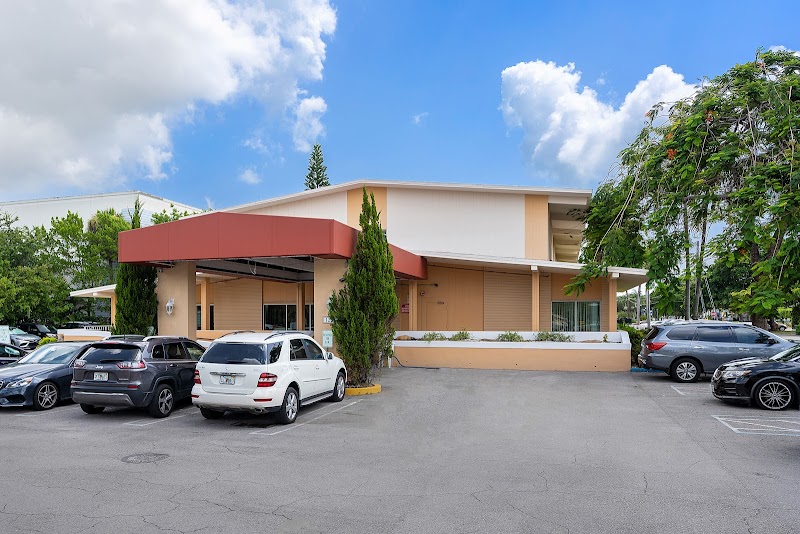
How is Biscayne Center Staffed?

CMS rates BISCAYNE HEALTH AND REHABILITATION CENTER's staffing level at 3 out of 5 stars, which is average compared to other nursing homes. Staff turnover is 35%, compared to the Florida average of 46%. This relatively stable workforce can support continuity of care.

What Have Inspectors Found at Biscayne Center?

State health inspectors documented 13 deficiencies at BISCAYNE HEALTH AND REHABILITATION CENTER during 2022 to 2024. These included: 13 with potential for harm.
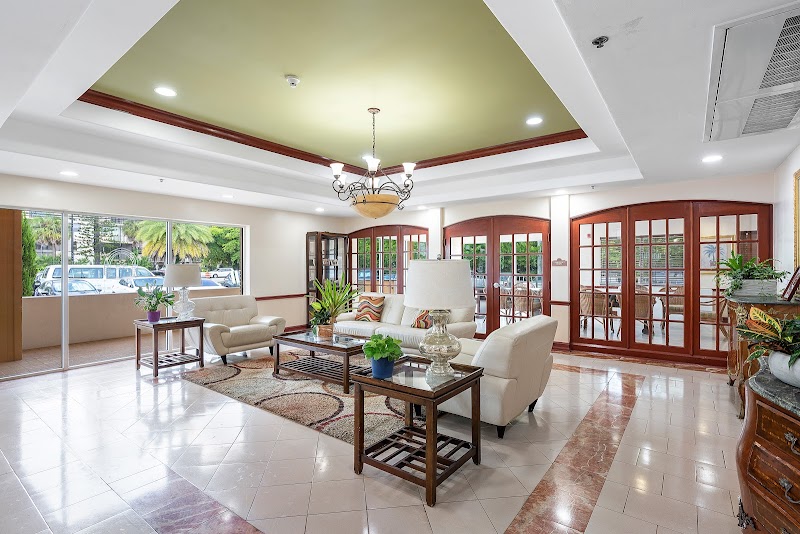
Who Owns and Operates Biscayne Center?

BISCAYNE HEALTH AND REHABILITATION CENTER is owned by a for-profit company. For-profit facilities operate as businesses with obligations to shareholders or private owners. The facility is operated by ONYX HEALTH, a chain that manages multiple nursing homes. With 98 certified beds and approximately 92 residents (about 94% occupancy), it is a smaller facility located in NORTH MIAMI, Florida.

How Does Biscayne Center Compare to Other Florida Nursing Homes?

Compared to the 100 nursing homes in Florida, BISCAYNE HEALTH AND REHABILITATION CENTER's overall rating (5 stars) is above the state average of 3.2, staff turnover (35%) is significantly lower than the state average of 46%, and health inspection rating (4 stars) is above the national benchmark.

What Should Families Ask When Visiting Biscayne Center?

Based on this facility's data, families visiting should ask: "Can I visit during a mealtime to observe dining assistance and food quality?" "How do you handle medical emergencies, and what is your hospital transfer rate?" "Can I speak with family members of current residents about their experience?"

Is Biscayne Center Safe?

Based on CMS inspection data, BISCAYNE HEALTH AND REHABILITATION CENTER has a clean safety record: no substantiated abuse findings (meaning no confirmed cases of resident harm), no Immediate Jeopardy citations (the most serious violation level indicating risk of serious injury or death), and is not on the Special Focus Facility watch list (a federal program monitoring the lowest-performing 1% of nursing homes). The facility has a 5-star overall rating and ranks #1 of 100 nursing homes in Florida. While no facility is perfect, families should still ask about staff-to-resident ratios and recent inspection results during their visit.

Do Nurses at Biscayne Center Stick Around?

BISCAYNE HEALTH AND REHABILITATION CENTER has a staff turnover rate of 35%, which is about average for Florida nursing homes (state average: 46%). Moderate turnover is common in nursing homes, but families should still ask about staff tenure and how the facility maintains care continuity when employees leave.

Was Biscayne Center Ever Fined?

BISCAYNE HEALTH AND REHABILITATION CENTER has no federal fines on record. CMS issues fines when nursing homes fail to meet care standards or don't correct problems found during inspections. The absence of fines suggests the facility has either maintained compliance or corrected any issues before penalties were assessed. This is a positive indicator, though families should still review recent inspection reports for the full picture.

Is Biscayne Center on Any Federal Watch List?

BISCAYNE HEALTH AND REHABILITATION CENTER is not on any federal watch list. The most significant is the Special Focus Facility (SFF) program, which identifies the bottom 1% of nursing homes nationally based on persistent, serious quality problems. Not being on this list means the facility has avoided the pattern of deficiencies that triggers enhanced federal oversight. This is a positive indicator, though families should still review the facility's inspection history directly.