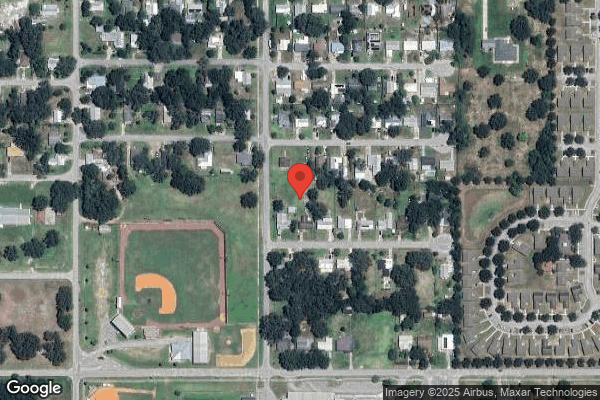

OAKS AT AVON

1010 US 27 N, AVON PARK, FL 33825 (863) 453-5200
For profit - Corporation 104 Beds FLORIDA INSTITUTE FOR LONG-TERM CARE Data: November 2025
Trust Grade
70/100
#396 of 690 in FL
Last Inspection: June 2024

Within standard 12-15 month inspection cycle. Federal law requires annual inspections.

Overview

The Oaks at Avon has a Trust Grade of B, indicating it is a good choice overall but not among the very top facilities. It ranks #396 out of 690 in Florida, placing it in the bottom half of nursing homes statewide, but it is the best option among 5 facilities in Highlands County. Unfortunately, the facility is experiencing a worsening trend, with the number of reported issues increasing from 4 in 2020 to 6 in 2024. Staffing is a concern here, with a rating of 2 out of 5 stars and a 41% turnover rate, which is below the state average. Although there have been no fines, which is positive, the facility has less RN coverage than 82% of Florida facilities, meaning residents may not get as much oversight from registered nurses. Specific incidents noted during inspections include a failure to maintain the kitchen in a clean and sanitary manner, potentially affecting the health of residents, and not ensuring that past survey results were readily available for families to review. Additionally, one resident's care plan was not fully followed, indicating issues with activity participation and staff assistance. Overall, while there are some strengths, such as no fines and good quality measures, the facility has significant areas that need improvement.

Trust Score
B
70/100
In Florida
#396/690
Bottom 43%
Safety Record
Low Risk
No red flags
Inspections
Getting Worse
4 → 6 violations
Staff Stability
○ Average
41% turnover. Near Florida's 48% average. Typical for the industry.
Penalties
✓ Good
No fines on record. Clean compliance history, better than most Florida facilities.
Skilled Nurses
⚠ Watch
Each resident gets only 27 minutes of Registered Nurse (RN) attention daily — below average for Florida. Fewer RN minutes means fewer trained eyes watching for problems.
Violations
○ Average
10 deficiencies on record. Average for a facility this size. Mostly minor or procedural issues.
★★★☆☆
3.0
Overall Rating
★★☆☆☆
2.0
Staff Levels
★★★★☆
4.0
Care Quality
★★★☆☆
3.0
Inspection Score
Stable
2020: 4 issues
2024: 6 issues

The Good

  • 4-Star Quality Measures · Strong clinical quality outcomes
  • Full Sprinkler Coverage · Fire safety systems throughout facility
  • No fines on record
  • Staff turnover below average (41%)

    7 points below Florida average of 48%

Facility shows strength in quality measures, fire safety.

The Bad

3-Star Overall Rating

Near Florida average (3.2)

Meets federal standards, typical of most facilities

Staff Turnover: 41%

Near Florida avg (46%)

Typical for the industry

Chain: FLORIDA INSTITUTE FOR LONG-TERM CAR

Part of a multi-facility chain

Ask about local staffing decisions and management

The Ugly 10 deficiencies on record

Jun 2024 6 deficiencies
CONCERN (D)

Potential for Harm - no one hurt, but risky conditions existed

PASARR Coordination (Tag F0644)

Could have caused harm · This affected 1 resident

Based on interviews and record review the facility did not ensure the recommendations from a Level II Preadmission Screening and Resident Review (PASRR) were initiated for one resident (#7) out of 15 ...

Read full inspector narrative →
Based on interviews and record review the facility did not ensure the recommendations from a Level II Preadmission Screening and Resident Review (PASRR) were initiated for one resident (#7) out of 15 residents sampled. Findings included: Review of the admission Record revealed Resident #7 had an initial admission date of 9/02/2016 with a readmission date of 4/20/2023. Resident #7 had a primary diagnosis of hemiplegia and hemiparesis following non-traumatic intracerebral hemorrhage affecting the left non-dominant side. Resident #7 had secondary diagnoses to include unspecified psychosis not due to a substance or known physiological condition, schizoaffective disorder unspecified, impulse disorder unspecified, major depressive disorder recurrent moderate, need for assistance in personal care, bipolar disorder current episode depressed moderate, other specified anxiety disorders, and oppositional defiant disorder. A review of Resident #7's physician orders for June 2024 revealed an order for Fluoxetine HCL oral capsule 40 mg (milligrams) to give two capsules by mouth one time a day for depression, dated 8/31/2023; and Seroquel XR oral tablet extended release 24 hour 400 mg to give one tablet by mouth at bedtime for schizo-affective disorder dated 9/04/2023; with a new order for Seroquel XR oral tablet extended release 24 hour 300 mg to give one tablet by mouth at bedtime, dated 6/11/2024. A review of Resident 7's care plan revealed a Focus of Mood related to moderate depression initiated on 9/01/2023, with the following statement, PHQ 9 (Patient Health Questionnaire) score 10-14 (moderate to moderately severe depression), states feeling down, depressed, or hopeless, states/observed with insomnia-trouble falling asleep or staying asleep or sleeping too much, states/observed feeling tired or having little energy, states/observe with poor appetite or overeating, looks sad , pained or worried. The Goal for this focus area is to improve mood state or anxiety level by next review, minimize decline in ADLs (activities of daily living), participate in activities of choice and take medication as prescribed. Interventions for this goal included to administer psychotropic medications as ordered, observe for changes in mood /depression, notify physician and psychological services and observe/record/report to MD (medical doctor) prn (as needed) acute episode feelings or sadness, loss of pleasure and interest in activities, feelings of worthlessness or guilt, change in appetite/eating habits, change in sleep patterns, diminished ability to concentrate, change in psychomotor skills. A Focus area, initiated on 9/01/2023, [Resident #7] has a use of psychotropic medications related to antidepressant to manage depression and insomnia and antipsychotic to manage schizoaffective disorder. The Goal for this focus area is to have minimal side effects and for resident to be at the lowest dose required to reduce symptoms while minimizing adverse effects to ensure maximum functional ability both mentally and physically through the next review. Interventions included psychological services per order and as needed, psychiatry services per order, as needed, per protocol, consult with pharmacy, MD to consider dosage reduction when clinically appropriate, and use of psychotropic medications will be reviewed at least quarterly with the IDT (interdisciplinary team)/ MD to review continued need for the medication and ensure lowest dose. A Focus area of psychosocial, initiated on 9/01/2023, with the following statement, [Resident #7] has a history of psychosocial well-being problem related to (actual); Resident does not get along well with roommates at times. Resident unwilling at times to share or compromise with roommate at times. The Goal for this focus area will have resident adjust to roommate by next review and to share room space on a fair basis with roommate as evidenced by willingness to utilize only half of the floor space, not overcrowd room with personal belongings etc through the next review. Interventions included psychiatric services as needed. A review of Resident #7's Level II PASRR letter of determination, dated 5/23/2024, showed specialized services are deemed not necessary given the client does not appear to be in need of acute inpatient psychiatric care at this time. It is recommended that the following rehabilitative services, of a lesser intensity than specialized services, are added to the patient's Comprehensive Person-Centered Nursing Care Plan: Psychiatric medication management and supportive counseling. A review of Resident #7's progress notes in the electronic medical record, as well as the hard chart, did not show psychological or psychiatric entries regarding supportive counseling. On 6/10/24 at 3:43 p.m. an interview was conducted with the Social Services Director (SSD). The SSD stated she was unable to locate any psychiatry notes on Resident #7 in the electronic chart. The SSD confirmed Medical Records was unable to locate psychiatric notes for Resident #7 and deferred to the Director of Nursing (DON) for assistance. On 6/11/24 at 3:30 p.m. an interview was conducted with the DON, who confirmed there was no follow up with psychology/psychiatry based on the recommendations from the Level II PASRR for Resident #7. The DON stated, We have contacted psych ARNP [advanced registered nurse practitioner] today to establish visits. A review of the facility's policy and procedure titled, PASRR Requirements Level I and Level II -Florida, effective February 2021, showed the policy as: Preadmission screening for mental illness and intellectual disability is required to be completed prior to admission to a nursing home. The screening is reviewed by admissions to ensure appropriate placement in the least restrictive environment and to identify any specialized services the applicant may need. PASRR screening applies to all new admissions into a Medicaid certified nursing facility regardless of payor source . The procedure showed: PASRR Level I .2. Social services or RN (registered nurse) will review to determine if a serious mental illness (SMI) and intellectual disability (ID) or both exist while reviewing the PASRR form. The existence of either, or both, condition triggers the requirement for Level II review and will be provided to the appropriate state agency by the Social Services Director upon admission. The Social Services Director/Nursing Administration will review for completion and accuracy during the clinical meeting process. Recommendations will be implemented into the resident's plan of care then the document will be filed in the resident record.
CONCERN (D)

Potential for Harm - no one hurt, but risky conditions existed

Respiratory Care (Tag F0695)

Could have caused harm · This affected 1 resident

**NOTE- TERMS IN BRACKETS HAVE BEEN EDITED TO PROTECT CONFIDENTIALITY** Based on observation, interview and record review the facility failed to ensure respiratory care and services were provided in a...

Read full inspector narrative →
**NOTE- TERMS IN BRACKETS HAVE BEEN EDITED TO PROTECT CONFIDENTIALITY** Based on observation, interview and record review the facility failed to ensure respiratory care and services were provided in accordance with professional standards for two residents (#44 and #206) of ten residents sampled for oxygen therapy. Findings included: 1. A review of Resident #44's admission Record revealed she was readmitted to the facility on [DATE] with diagnoses of acute respiratory failure with hypoxia (5/22/24), COVID-19 (5/22/24), and pneumonia (3/25/24). An observation on 6/8/24 at 1:39 p.m. of Resident #44 revealed the resident was receiving oxygen via a nasal cannula and the oxygen concentrator was set to 2.5 liters per minute (LPM). A review of Resident #44's physician orders, active as of 6/11/24, revealed an order, dated 5/23/24, for oxygen at 3 LPM via N.C. (nasal cannula) continuously for pneumonia every shift. An observation of Resident #44 on 6/9/24 at 4:13 p.m. revealed the resident was in bed and receiving oxygen via a nasal cannula. The oxygen concentrator was set at 2.5 LPM. Review of Resident #44's care plan, revised 5/23/24, revealed a Focus of Oxygen: [Resident #44] has Oxygen Therapy. Interventions included special equipment: Oxygen, initiated 6/6/24, administer oxygen as ordered, initiated 2/28/24. Review of Resident #44's Treatment Administration Record (TAR) for May 2024 revealed a check mark for the day, evening and night administration of oxygen at 3 LPM for 5/1/24 - 5/7/24 and 5/9/24 - 5/10/24. On 5/8/24 there was no documentation on the TAR for the day shift and a check mark for the evening and night shift. In an interview with Resident #44 on 6/10/24 at 3:50 p.m. it was observed that she was receiving oxygen via a nasal cannula at 2.5 LPM. She was observed with no signs or symptoms of distress. She stated the oxygen felt a little bit low. In an interview on 6/10/24 at 4:24 p.m. Staff B, Registered Nurse (RN) stated that it was the nurse's duty to monitor the oxygen for a resident and that it should be checked during med pass. She confirmed Resident #44 was to receive 3 LPM of continuous oxygen. At this time Staff B, RN and this surveyor entered Resident #44's room and Staff B confirmed Resident #44's oxygen concentrator was set at 2.5 LPM. 2. A review of Resident #206's admission Record revealed he was admitted to the facility on [DATE] with diagnoses to include pneumonia. An observation on 6/8/24 at 3:29 p.m. of Resident #206 revealed the resident was in bed receiving oxygen via a nasal cannula and it was set to 2.5 liters per minute (LPM). A review of Resident #206's physician orders, active as of 6/11/24, revealed an order, dated 5/8/24, for oxygen at 2 LPM via nasal cannula PRN (as needed) for pneumonia as needed for shortness of breath. Review of Resident #206's care plan, initiated 5/7/24, revealed a Focus of Oxygen: [Resident #206] has Oxygen Therapy. Interventions included special equipment: Oxygen, and administer oxygen as ordered. In an interview on 6/11/24 at 10:22 a.m. the Director of Nursing stated the nurses should be checking the oxygen settings every shift. She confirmed if nurses are placing a check in the TAR that would indicate they checked the oxygen levels. Review of a policy titled, Oxygen Therapy, effective November 2023, revealed the policy as, Oxygen is provided to residents based on physician's orders to supplement oxygen as needed per disease process.
CONCERN (D)

Potential for Harm - no one hurt, but risky conditions existed

Safe Environment (Tag F0921)

Could have caused harm · This affected 1 resident

**NOTE- TERMS IN BRACKETS HAVE BEEN EDITED TO PROTECT CONFIDENTIALITY** Based on observation, interview and record review the facility failed to maintain a safe and homelike environment related to an ...

Read full inspector narrative →
**NOTE- TERMS IN BRACKETS HAVE BEEN EDITED TO PROTECT CONFIDENTIALITY** Based on observation, interview and record review the facility failed to maintain a safe and homelike environment related to an unsecured toilet in one bathroom (Rm 405) shared by two independent residents of a sample of 10 resident bathrooms. Findings included: An observation on 6/8/24 at 1:05 p.m. of the resident bathroom in room [ROOM NUMBER] revealed a toilet that was crooked and slightly facing towards the wall. (Photographic Evidence Obtained) During an interview on 6/9/24 at 11:08 a.m. with a resident who resided in room [ROOM NUMBER] revealed she was in her room in her wheelchair with uncontrolled bodily movements as she spoke during the interview. She stated, It moves. She confirmed she uses the restroom independently. She stated she has told facility staff and it was never fixed. She stated, It is a safety issue being disabled in a wheelchair. Review of the Maintenance Work Orders North Wing Log Book on 6/10/24 at 1:14 p.m. revealed one work order logged for a broken handle on a toilet on 4/6/24. The log book was silent of any work order requests to fix the toilet in room [ROOM NUMBER]. In an interview on 6/11/24 at 10:05 a.m. with Staff D, Certified Nursing Assistant (CNA) she stated she would go right to maintenance or housekeeping and tell them if there was a concern in a resident's room or a maintenance issue. She confirmed the resident in Bed A/Rm #405 uses the bathroom independently. She confirmed she was aware the toilet was not straight. She stated, She (resident) twists it. She pushes it. It is easier for her to do on a slant. She stated, I usually go in and push it back. Staff D also confirmed the resident in Bed B/Rm #405 was independent and uses the toilet herself as well. In an interview on 6/11/24 at 10:41 a.m. the Nursing Home Administrator (NHA) stated the facility has [electronic work order system] and everybody should use it. If they don't have access; a nurse can put it (concern in resident room) into the system. In an interview on 6/11/24 at 11:53 p.m. the Social Services Director stated if something needs to be fixed or repaired it should be put into [electronic work order system]. In an interview on 6/11/24 at 11:58 both residents in Bed A and Bed B were in room [ROOM NUMBER]. The resident in Bed B confirmed she used the toilet independently. She confirmed the toilet moves. She stated, I noticed that. The resident in Bed A stated, It affects me. An additional observation on 6/11/24 at 1:33 p.m. revealed the toilet was crooked and able to be moved when pushed. A review of the work orders provided by the NHA and generated from the electronic work order system showed no work orders for the months of April, May or June 2024 to secure the toilet in room [ROOM NUMBER]. During an interview with the NHA on 6/11/24 at 2:27 p.m. and the Director of Risk Management, they confirmed a review of the work orders generated from the electronic work order system included the months of April, May and June of 2024. They confirmed the work orders revealed one work order was generated for room [ROOM NUMBER] and it was for the toilet not flushing on 5/16/24 and that was fixed/completed on 5/17/24. In an additional interview with the NHA on 6/11/24 at 3:44 p.m. the photographic evidence was shared and the NHA stated this should have been placed into [electronic work order system]. Review of the policy titled, Physical Environment, effective 1/1/20, revealed the Policy as: A safe, clean, comfortable, and home-life environment is provided for each resident/patient, allowing the use of personal belongings to the greatest extent possible. Sufficient space and equipment in dining, health services, recreation, and program areas are provided to enable staff to provide resident/patients with needed services. All essential mechanical, electrical, and resident/patient care equipment is maintained in safe operating condition through the facility's Preventative Maintenance Program.
CONCERN (E)

Potential for Harm - no one hurt, but risky conditions existed

Deficiency F0645 (Tag F0645)

Could have caused harm · This affected multiple residents

**NOTE- TERMS IN BRACKETS HAVE BEEN EDITED TO PROTECT CONFIDENTIALITY** 2. A review of Resident #74's admission Record showed an admission date of 7/23/23 with diagnoses to includes other specified an...

Read full inspector narrative →
**NOTE- TERMS IN BRACKETS HAVE BEEN EDITED TO PROTECT CONFIDENTIALITY** 2. A review of Resident #74's admission Record showed an admission date of 7/23/23 with diagnoses to includes other specified anxiety disorder and personal history of traumatic brain injury. A review of Resident #74's care plan Focus for Activities, initiated 7/30/23, showed [Resident #74] requires staff assistance with involvement of activities related to cognition: impaired cognitive function impaired thought processes related to traumatic brain injury, has problem with communication: rarely or never understood, unable to express ideas or want. Requires physical assistance to and from activities unable to complete interview for daily and activity preference in room activities. The goal for this focus is to provide in-room activities. The interventions included the resident needs assistance escort, to and from activity functions. A review of Resident 74's physician orders for June 2024 showed an order for side effects monitoring initiated on 7/20/2023. A review of resident 74's PASRR Level 1 with review date of 5/11/2024 showed in Section 1: PASRR Screen Decision- Making, Section A. Mental illness or Suspected Mental Illness had Resident 74's diagnosis of anxiety disorder checked as a mental illness and in Section B. Intellectual Disability or Suspected ID, Resident 74's traumatic brain injury was not checked. An interview was conducted on 6/11/24 at 3:30 p.m. with the DON. The DON confirmed upon review of Resident 74's Level 1 PASRR that the diagnosis of traumatic brain injury was not checked. Based on record review and interview, the facility failed to ensure the Preadmission Screening and Resident Review form (PASRR) was completed to include accurate admission diagnoses, and updated when new diagnoses were added for five residents (#83, #86, #200, #201 and #74) of 15 residents sampled. Findings included: 1. Review of the admission Record showed Resident #83 was admitted to the facility on [DATE], with diagnoses that included major depressive disorder and anxiety. Review of the care plan for Resident #83 showed: -[Resident #83] uses psychotropic medications r/t [related to] anxiety, date initiated: 02/05/2024. Review of the Medication Administration Record (MAR) for June 2024 showed: -Lexapro Oral Tablet 5 MG (milligrams) 1 tablet by mouth one time a day for Depression, date started: 05/07/2024, and -Clonazepam Oral Tablet 1 MG 1 tablet by mouth every 8 hours for Anxiety, date started: 02/15/2024. Review of a PASRR Level I for Resident #83, dated 02/02/2024 and located in the resident's hard chart and the resident's electronic medical record showed: Section IA - no diagnoses checked Section IB - no conditions checked Section II - all boxes checked no 5. Dementia checked no and related neurocognitive disorder checked no 6. Secondary diagnoses checked 'no' Section III - not a provisional admission was checked no. During an interview with the Director of Nursing (DON) on 6/11/24 at 1:34 p.m., she confirmed the diagnoses were not listed correctly on the PASRR for Resident #83, and confirmed he did have admission diagnoses that included anxiety and depression. 3. Review of the admission Record showed Resident #86 was admitted to the facility on [DATE], with diagnoses that included other insomnia. During and observation and interview on 6/10/24 at 1:09 p.m. Resident #86 was in bed and stated he was in bed and he doesn't attend activities by choice. He stated he just doesn't feel good. Review of the Order Summary Report as of 6/11/24 showed a physician order for the following: Lexapro Oral Tablet 10 MG (milligram) Give 1 tablet by mouth at bedtime for depression, start date of 4/16/24. Review of the Medication Administration Record (MAR) for June 2024 showed administration of: -Lexapro Oral Tablet 10 MG (milligrams) 1 tablet by mouth one time a day for Depression as ordered. Review of the care plan for Resident #86 showed: -[Resident #86] uses psychotropic medications r/t antidepressant to manage depression, date initiated: 4/18/24. Review of a new PASRR Level I for Resident #86, dated 5/27/24, showed: Section IA - no diagnoses checked Section III - not a provisional admission was checked no. During an interview on 6/11/24 at 3:16 p.m. the DON confirmed the PASRR Level I completed for Resident #86 on 5/27/24 was not revised correctly to include the new diagnosis of depression. She explained there was a full house sweep of PASRRs for current residents to determine if they were correct or needed revision. Resident #86's revised PASRR Level I was not correct. 4. Review of the admission Record showed Resident #200 was admitted to the facility on [DATE], with diagnoses to include unspecified dementia, unspecified severity without behavioral disturbance, psychotic disturbance, mood disturbance and anxiety. Review of the Order Summary Report as of 6/11/24 showed a physician order for the following: Psych evaluation due to increase anxiety and confusion, start date 5//18/24; Memantine HCI Oral Tablet 5 MG - give 1 tablet by mouth one time a day for dementia, start date 5/19/24; Mirtazapine Oral Tablet 7.5 MG - give 1 tablet by mouth one time a day for depression with poor appetite, start date 5/22/24. Review of the Medication Administration Record (MAR) for June 2024 showed Memantine HCI Oral Tablet 5 MG and Mirtazapine Oral Tablet 7.5 MG were administered as ordered. Review of the care plan for Resident #200 showed: -[Resident #200] uses psychotropic medications for treatment of depression with antidepressant, initiated on 5/20/24 and revised on 5/28/24. Review of a PASRR Level I for Resident #200, dated 5/8/24 showed: Section IA - no diagnoses checked Section IB - no conditions checked Section II - all boxes checked no 5. Dementia checked no and related neurocognitive disorder checked no 6. Secondary diagnoses checked 'no' Section III - not a provisional admission was checked no. During an interview with the DON on 6/11/24 at 3:20 p.m., she confirmed the diagnoses of dementia should have been checked as a secondary diagnosis and the Level I PASRR should have been revised with the new diagnosis of depression. 5. Review of the admission Record showed Resident #201 was admitted to the facility on [DATE] and had an original admission date of 11/3/21 with diagnoses to include major depressive disorder (11/3/21). Review of a PASRR Level I for Resident #201, dated 5/23/24 showed: Section IA - no diagnoses checked Section IB - no conditions checked Section II - all boxes checked no Section III - not a provisional admission was checked no. During an interview with the DON on 6/11/24 at 3:22 p.m., she confirmed Resident #201 had a diagnosis of major depressive disorder. She confirmed this diagnosis was not included on the Level I PASRR for Resident #201. She stated if diagnosis is their documentation then, yes, it should have been on the PASRR. A review of the facility's policy and procedure titled, PASRR Requirements Level I and Level II -Florida, effective February 2021, showed the following policy: Preadmission screening for mental illness and intellectual disability is required to be completed prior to admission to a nursing home. The screening is reviewed by admissions to ensure appropriate placement in the least restrictive environment and to identify any specialized services the applicant may need. PASRR screening applies to all new admissions into a Medicaid certified nursing facility regardless of payor source. Level 1 screening is typically done by discharge planners and hospital staff as a step in the discharge process. Procedure PASRR Level I showed: 1. During the admission process, Admissions or Business Development will communicate with the facility regarding prospective admissions and confirm a Level I PASRR has been completed. 2. Social services or RN (registered nurse) will review to determine if a Serious Mental Illness (SMI) and Intellectual Disability (ID) or both exist while reviewing the PASRR form. The existence of either, or both, condition trigger(s) the requirement for Level II review and will be provided to the appropriate state agency by the Social Services Director upon admission. The Social Services Director/Nursing Administration will review for completion and accuracy during the clinical meeting process. Recommendations will be implemented into the resident's plan of care then the document will be filed in the resident record. RN will follow the Florida 3008 form for completion of all sections prior to submission of the PASRR Level II for the review period.
CONCERN (E)

Potential for Harm - no one hurt, but risky conditions existed

Food Safety (Tag F0812)

Could have caused harm · This affected multiple residents

Based on observation, interview and record review the facility failed to ensure the kitchen was maintained in a clean and sanitary manner related to not ensuring the dishwashing machine reached the re...

Read full inspector narrative →
Based on observation, interview and record review the facility failed to ensure the kitchen was maintained in a clean and sanitary manner related to not ensuring the dishwashing machine reached the required wash temperature, not sanitizing beverage carts prior to beverage service, not ensuring cookware was in good condition, and not ensuring expired food was removed from the walk in refrigerator that could potentially affect 87 residents of a census of 95. Findings included: An observation on 6/8/24 of the two dietary aides (Staff A and Staff E) at 9:58 a.m. revealed they were washing the dishes from the breakfast service. Observation of them processing a couple of dish racks of dirty dishes revealed the dishwashing machine showed the wash temperature varied between 130 and 140 degrees and the rinse was at 180 degrees each time. Staff A and Staff E did not rewash the dishes. Staff E was not able to confirm if the dishwashing machine was a high temperature or low temperature machine. She stated she looks at the dishes and if food is still on them that is when they know to do it again. Staff A and Staff E stated the wash temperature should be at 150 degrees. Observation of the machine showed it was an es2000 HT (high temperature) machine. Staff A, Dietary Aide confirmed they do receive training when they first start. An additional observation on 6/8/24 at 10:13 a.m. revealed Staff A and E washing dishes from the breakfast meal. Staff E stated they keep an eye on it (temperatures). Staff E was observed to push a dish rack of dirty dishes into the dishwasher and started the washing cycle. The washing temperature reached 140 degrees and the rinse temperature reached 180 degrees. Staff E glanced at the temperatures during the cycle. Staff A proceeded to remove the dish rack from the machine following the completion of the rinse cycle. The dishes were not redone. A continued observation on 6/8/24 revealed, in the same area as the dishwashing machine, a personal cell phone, and a bottle of [brand name] disinfectant cleaner on a shelf below a shelf containing five trays of approximately 20 clean bowls. In addition, a florescent green speaker was observed on the same tray of clean coffee mugs. (Photographic Evidence Obtained) Further observation of the kitchen revealed a beverage cart with containers of creams with drips of a light brown substance on the outside of the packaging. (Photographic Evidence Obtained) Later, during this tour of the kitchen, the Dietary Manager stated this was from the breakfast service and they would be discarded. An observation of the walk in refrigerator revealed an open bag of celery with some of the tips colored brown and the bag approximately ¼ full of water and dated 5/9/24. The Dietary Manager removed the bag at this time. A muffin pan was observed on the top shelf of a storage shelf near the three compartment sink and was noted to have a blackened staining on the outside of the individual muffin sections and within the exposed muffin sections there was brown staining. (Photographic Evidence Obtained) During the continued observation on 6/8/24 the Dietary Manager confirmed the wash temperature for the dishwashing machine should be at 150 degrees or above and the rinse should be 180. She explained if the machine isn't reaching the temperatures the staff should stop and let her know and she would contact [vendor name]. An observation on 6/8/24 at 10:40 a.m. revealed Staff A, Dietary Aide and Staff E, Dietary Aide washing dishes and the wash temperature did not hit 150 degrees. The Dietary Manager then instructed Staff A and Staff E to do the dishes again. The Dietary Manager stated sometimes it takes three times for the machine to hit the correct temperature. The Dietary Manager was informed at this time of the previous two observations of the temperatures not getting to the 150 degrees and Staff A and Staff E continued to process the next load of dishes each time. The Dietary Manager stated they should have redone the dishes. A continued tour of the kitchen revealed an observation of the toaster on 6/8/24 at 10:50 a.m., with a heavy coat of crumbs on the rungs of the toaster. The Dietary Manager stated they had toast for breakfast and she attempted to remove the coating with her finger and the crumbs did not come off. An observation on 6/8/24 at 12:09 p.m. of the lunch service in the main dining room revealed sixteen residents receiving beverage service. The beverage cart was observed to have creamers with drips of a light brown substance on the outside of the packaging on the cart. In addition, a top to one of the pitchers was placed on top of the creamers. On 6/8/24 at 4:05 p.m. the Dietary Manager stated [vendor name] serviced the dishwashing machine today and stated the representative from [vendor name] said the rinse and wash temperatures will fluctuate up and down and when it is in the 140s it is acceptable. Review of the [vendor name] ES 2000 HT sell sheet revealed the operating temperature for wash (minimum) is 150 F and for rinse (minimum) is 180 F. Review of the Culinary Department Daily/Weekly Cleaning Schedule for the week of 6/2/24 revealed the item Clean Toaster was done by the AM [NAME] on 6/2, 6/3, 6/4, 6/6, 6/7 and 6/8. The schedule also revealed the item of Coffee Carts Wipe Dwon/Clean Binders/Restock was completed by A3 on 6/2, 6/3, 6/4, 6/6, 6/7 and 6/8. On 6/10/24 at 9:42 a.m. and observation of Staff C, [NAME] and Staff A, Dietary Aide revealed they were washing dishes from the breakfast meal. The dishwashing machine reached a wash temperature of 140 degrees. Staff C, [NAME] stated the wash temperature has to hit 150 degrees and sometimes she has to do it three times in a row for it to hit the number. On 6/10/24 at 11:35 a.m. an additional tour of the kitchen revealed six beverage carts with three pitchers on each and containers filled with creamers and sugar as well as a pitcher of lemonade, apple juice and tea. Staff C was wiping down each cart with a white rag dipped in soapy water in a clear pitcher. Staff C stated she got the soap from the dishwashing machine and filled the pitcher with hot water. Staff A, Dietary Aide was placing pitchers on the carts and then Staff C, [NAME] was observed removing the pitchers and placing them on the counter next to the beverage machine and the pitcher of soapy water. The tip of a white pitcher touched the clear pitcher and as she was rotating the pitchers from cart to counter a base of a black pitcher touched the clear pitcher of soapy water. As this cleaning continued, Staff C would ring out the white rag after dipping it into the clear pitcher of soapy water and carry the rag over the pitchers filled with beverages to be served to residents. At this time, the Dietary Manager was asked to confirm if the white pitcher of soapy water was sanitizer. The Dietary Manager asked Staff C if she used the sanitizer bucket and she stated she did not, that she filled the pitcher with the soap used for the dishwasher and then filled it with hot water. The Dietary Manager stated she needed to use the sanitizer bucket. Staff C, [NAME] proceeded to reclean two of the six carts with the sanitizer solution and Staff A, Dietary Aide pushed the carts out of kitchen. The other four carts were not recleaned with the sanitizer solution and were taken out of the kitchen by Staff A for beverage service. During an interview on 6/10/24 at 11:55 a.m. the Dietary Manager stated that she provides training to her staff monthly and annually. Review of the policy and procedure titled, Dish Machine, effective June 2024, revealed the policy as: o monitor dish machine temperatures and chemical saturation (parts per million [PPM]) for both high and low temperature machines each meal prior to dishwashing to assure proper cleaning and sanitizing of dishes. Review of the policy and procedure titled, Cleaning and Sanitizing, effective June 2024, revealed the policy as: The facility promotes a safe, clean and sanitary environment for its employees, residents and visitors. The Food and Nutrition Services team maintains clean and sanitary kitchen facilities. Walls, floors, ceiling, equipment, dishware and utensils are clean and/or sanitized and in good, working order. Procedure: 8. Dishes washed in dish machines will comply with one of the following guidelines: a. High temperature dish machine per manufacturer guideline plate or at 150-165 degrees F (Fahrenheit) wash and 180 degrees F final rinse (or in accordance with State regulations).
CONCERN (F)

Potential for Harm - no one hurt, but risky conditions existed

Deficiency F0577 (Tag F0577)

Could have caused harm · This affected most or all residents

Based on observation and interview, the facility failed to ensure previous survey/inspection results were readily available for residents and families to review for a census of 95 residents. Findings ...

Read full inspector narrative →
Based on observation and interview, the facility failed to ensure previous survey/inspection results were readily available for residents and families to review for a census of 95 residents. Findings included: On 06/11/24 at 10:06 a.m. an observation of the facility lobby area did not immediately reveal the location or presence of past survey information/availability for review. During an interview with the Regional Nurse Consultant (RNC) on 06/11/24 at 10:11 a.m., she stated The book must be in the Nursing Home Administrator's [NHA] office. The RNC went into the NHA's office and produced a binder titled Annual Surveys. Additionally, the RNC stated the book is normally kept on the lower shelf of a table by the facility's main entrance. On 06/11/24 at 10:15 a.m. review of the binder titled Annual Surveys revealed a recertification survey report dated 12/03/2021 and a Life Safety Code Federal Comparative survey report dated 01/11/2022; no additional reports of survey results were located in the binder. During an interview with the NHA on 06/11/24 at 10:21 a.m. , she confirmed those were the only survey reports located in the binder. The NHA stated the facility had not had any surveys since 2022; however, the NHA was reminded compliance surveys were conducted at the facility on 11/17/22, 07/20/23 and 01/06/24. During a subsequent interview with the NHA on 06/11/24 at 10:39 a.m. , she stated the previous NHA kept the survey results in his office as someone was removing them. Review of a facility-provided policy titled, Survey Results - State/Federal: Posting/Examination of, dated 01/01/2020, showed: 2. Assure they are placed in a readily accessible location so residents/patients and/or families do not have to ask to see them. 3. Provide unaltered survey results for examination in a readable form including, but not limited to the following: -Binder.
Mar 2020 4 deficiencies
CONCERN (D)

Potential for Harm - no one hurt, but risky conditions existed

Resident Rights (Tag F0550)

Could have caused harm · This affected 1 resident

2. During the initial tour of facility on 03/02/20 at 8:10 p.m., an interview with Resident #31 was conducted. Resident #31 stated she had just come back from the hospital. Further observation reveale...

Read full inspector narrative →
2. During the initial tour of facility on 03/02/20 at 8:10 p.m., an interview with Resident #31 was conducted. Resident #31 stated she had just come back from the hospital. Further observation revealed a catheter bag on right side of bed that was not covered. (Photographic Evidence Obtained) A review of Resident #31's admission Record documented an admission date of 2/29/20. The diagnosis list included obstructive and reflux uropathy, unspecified. A review of the Minimum Data Set (MDS) Quarterly Assessment, completed on 1/10/20, revealed in Section C for Cognitive Patterns a Brief Interview for Mental Status score of 13 out of 15 (cognitively intact). Further review of the MDS in Section H Bladder/Bowel revealed Resident #31 was coded for an indwelling catheter. An observation was made on 03/03/20 at 10:56 a.m. There was no privacy bag covering the catheter bag for Resident #31 as she was escorted to the physical therapy gym by the therapist. On 03/04/20 at 9:30 a.m., Resident #31was observed in bed asleep with an oxygen mask on and the catheter bag was on the floor, uncovered, and visible at the doorway. (Photographic Evidence Obtained) A review of the physician orders, dated 2/29/20, revealed, [indwelling] catheter to drainage bag for Obstructive Uropathy 16fr/5ml [milliliters] (+/-). Observe Q [every] shift- every shift for observation. Irrigate [indwelling] catheter with 30 ml normal saline as needed for blockage/leaking or sluggishness as needed. Change [indwelling] catheter as needed for leakage/blockage or dislodgement- as needed document in residents record. Change catheter bag as needed, label with date- as needed. A review of the initial care plan did not include a focus for the indwelling catheter. A review of the care plan, initiated on 03/04/2020, included a focus for indwelling catheter care, [Resident #31] uses a Urinary catheter with risk for infection. The interventions included, Use catheter bag that promotes privacy/dignity. On 03/04/20 at 9:35 a.m., an interview was conducted with Staff M, LPN. She verified and stated she sees the [indwelling] catheter bag on the floor, and it should not be. She stated she will pick it off the floor. She reiterated the bag should not be on the floor. The LPN also stated that Resident #31 needs to have a privacy bag placed over the catheter bag. She stated the nurses are supposed to make sure the catheter bags are off the floor. She stated the CNAs empty the bags on every shift. An interview was conducted on 03/04/20 at 9:48 a.m. with Staff G, LPN/Unit Manager. She verified the catheter bag was on the floor with no privacy bag. She said, There is a chain of who is responsible to make sure it is done right. The CNAs and the nurses should see that the bag is on the floor, and you can see it from the doorway. She stated the staff has had in-services on privacy and dignity. On 03/04/20 at 9:55 a.m., Staff N, CNA, assigned to the resident verified and stated, The catheter bag was hung wrong, on the floor and no privacy bag. She stated it should be hung with the circle on the bed. Staff N readjusted the catheter bag with the clip underneath the resident's blanket. She stated she has had training once every two months on how to care for a resident with a catheter bag. An interview was conducted on 03/04/20 at 10:56 a.m. with the Director of Nursing (DON) and the Assistant Director of Nursing (ADON). The DON stated her expectation is that the nurse would have identified it (no privacy bag in place) and gotten a [name brand] catheter bag (when resident returned from hospital). Staff will initiate catheter training for CNAs and nurses. An interview was conducted on 03/04/20 at 11:10 a.m. with the Administrator. He stated his expectation is for staff to follow the facility policy for dignity and respect. The Administrator stated, The staff do have in-services on respect and dignity annually, and as needed. He said, The DON and ADON will begin retraining the nursing staff immediately. Based on observation, interview and record review the facility failed to honor a resident's right for dignity for 2 residents (#21, #31) of 42 sampled residents, related to not ensuring a resident's privacy of their body (#21), and by not covering a urinary catheter bag (#31). Findings included: 1. On 3/05/20 at 3:09 p.m. while standing at the nurses' station on the 100 hall, a resident was heard screaming and shouting. Two nurses and an aide were noted at the nurses' station, but no one responded to the resident's screaming and shouting. On 3/05/20 at 3:10 p.m. Resident #21's door was observed to be open and the resident was still screaming and shouting profanities. From the hall, across from the open door, the resident was noted to be lying in her bed with her dress noted to be up at her chest, and her adult brief was off, and her knees were up in the air with her naked body from the chest down exposed. On 3/05/20 at 3:11 p.m. Resident #21 was noted to continue to shout out profanities. Staff B, Licensed Practical Nurse (LPN) was noted to leave a room from down the hall and walk past Resident 21's room, while the resident was still shouting profanities and her lower body was still exposed. The nurse took a half glance towards the room and continued walking to the nurses' station. Continued observation of Resident #21's room on 3/05/20 at 3:15 p.m. revealed that Staff U, Certified Nursing Assistant (CNA) walked down the hall, saw the open door, noted that the resident was exposed and said, Excuse me, an entered the room and closed the door. An interview on 3/05/20 at 3:16 p.m. with Staff B, LPN confirmed that she walked past the resident's room and reported that she heard the resident screaming and shouting, but, did not think anything of it; as the resident has behavior problems. She reported that she did not realize Resident 21's body was exposed. When asked what the process was to deal with this resident's behaviors, the nurse did not respond to the question. A review of Resident 21's admission Record revealed an admission date of 9/11/18 and diagnoses to include other specified mental disorders due to known physiological condition, schizoaffective disorder, pseudobulbar affect, delusional disorders, oppositional defiant disorder and other reactions to severe stress. A review of the care plan initiated on 9/12/18 revealed a focus of, [Resident #21] has a behavior problem r/t (related to) OBS, Bi-Polar Disorder. Mental Retardation. Resident verbally abusive toward staff during care. Difficult to redirect. Refuses medication at times. ** Repetitive verbalization, Inappropriate Language, Yells out at times. The interventions included, Approach in a calm manner ., Caregivers to provide opportunity for positive interaction, attention. Stop and talk with her as passing by. An interview on 3/05/20 at 3:20 p.m. with the Director of Nursing (DON) revealed that staff should have responded to the resident's screaming and shouting, and that all staff need to ensure privacy and dignity of all residents. Review of the Resident [NAME] of Rights, provided by the facility revealed, Quality of Life: Dignity/Self Determination and Participation. You have the right to receive care from the facility in a manner and in an environment that promotes, maintains, or enhances your dignity and respect in full recognition of your individuality.
CONCERN (D)

Potential for Harm - no one hurt, but risky conditions existed

Unnecessary Medications (Tag F0759)

Could have caused harm · This affected 1 resident

Based on observation, interview, record review, and policy review, the facility did not ensure a medication error rate of less than 5 percent in regards to 3 errors in 32 opportunities for three resid...

Read full inspector narrative →
Based on observation, interview, record review, and policy review, the facility did not ensure a medication error rate of less than 5 percent in regards to 3 errors in 32 opportunities for three residents Resident #78, Resident #237, and Resident #24 out of 7 residents sampled, resulting in a 9.38% medication error rate. Findings included: 1. On 3/3/2020 at 8:55 a.m., medication administration was observed with Staff A, Licensed Practical Nurse (LPN) for Resident #78. Staff A pulled a bottle of multivitamins from the drawer of the medication cart, removed a tablet, placed the tablet in a medication cup, replaced the lid and sat the bottle on top of the medication cart. When asked if it was a multivitamin, or multivitamin with minerals, she pulled a different bottle out of the top drawer of the medication cart that read, multivitamin with iron on the label and she said, I think just multivitamin, and put the other bottle back in the cart without taking out a tablet. A review of Resident #78's medical record revealed an admission date of 5/3/19 for a diagnosis of chronic obstructive pulmonary disease (COPD). A review of the March 2020 physician orders revealed an order for Multi-Vitamin with minerals tablet give 1 tablet by mouth one time a day for supplement dated 5/14/2019. On 3/3/2020 at 9:00 a.m. Staff A, LPN poured 17g (grams) of Miralax powder into 4 ounces of water and stirred it until it dissolved. She took the Miralax and the rest of Resident #237's medications into the resident's room and gave the resident her medications. A review of Resident #237's medical record revealed an admission date of 2/28/2020 for a diagnosis of muscle wasting and atrophy. Other diagnoses included but were not limited to noninfective gastroenteritis and colitis. A review of the March 2020 physician orders revealed an order for Miralax powder (polyethylene glycol) give 17grams by mouth one time a day for constipation. Mix with 8 ounces of water. Hold for diarrhea or loose stool dated 2/29/2020. In a facility policy titled, Medication Administration General Guidelines, dated 09/18 on page 3 under the subheading Medication Administration under #1, the first sentence stated, Medications are administered in accordance with written orders of the prescriber. On page 4, #9 stated, Verify medication is correct three (3) times before administering the medication. In an interview with the Assistant Director of Nursing (ADON) at 12:34 p.m. on 3/6/2020, she said that it was her expectation that medication orders be checked and followed by staff before administration. 2. During observation of medication administration on 3/3/2020 at 9:33 a.m. with Staff L, Registered Nurse (RN), for Resident #24, the nurse pulled out a bottle of aspirin 81 mg (milligrams) chewables and dispensed one tablet into the medicine cup. Staff L, RN stated the resident takes her medicine in pudding. She was going to give her the chewable aspirin, although she confirmed the order was for aspirin 81 mg enteric coated. Review of the March 2020 physician order reflected aspirin EC (enteric coated) tablet delayed release 81 mg, one tab one time a day for stroke dated 9/3/16.
CONCERN (D)

Potential for Harm - no one hurt, but risky conditions existed

Infection Control (Tag F0880)

Could have caused harm · This affected 1 resident

Based on observation, interview, record review, and review of manufacturer's instructions, the facility did not ensure that infection control standards were maintained regarding the cleaning and sanit...

Read full inspector narrative →
Based on observation, interview, record review, and review of manufacturer's instructions, the facility did not ensure that infection control standards were maintained regarding the cleaning and sanitization of a glucometer after use on one resident (#11) out of two residents observed for blood glucose monitoring. Findings included: On 3/4/20 at 4:00 p.m. Staff B, Licensed Practical Nurse (LPN) was standing at her cart wiping a glucometer with a bleach wipe. She placed the glucometer into a plastic cup that was sitting on top of her cart. She was asked if she had any more [blood glucose monitoring] to complete and she said that she needed to get Resident #11's blood sugar. She gathered her supplies from the top drawer of her medication cart and grabbed the cup with the glucometer in it. She carried a container of testing strips, one alcohol wipe, the glucometer still inside the cup, and a lancet in her left hand to the room. She knocked on the door announcing herself and asked permission to enter the room. Upon entering, she took a pair of gloves from the box on the wall and put them on. After this, she pulled out a testing strip from the container of strips, put it into the glucometer, closed the lid on the container, and then put the container into her right scrub shirt pocket. She then wiped the resident's finger with the alcohol wipe, used the lancet to draw blood for the [blood glucose monitoring], and placed a drop of blood on the testing strip. The nurse said the resident did not need coverage. The nurse thanked the resident, removed and threw away her gloves, the alcohol wipe, and the used testing strip into the trash can. She walked out of the resident's room and back to her cart. She put the plastic cup she had taken into the room on top of her cart and placed the glucometer in it. She opened the bottom drawer of her medication cart and pulled a bleach wipe from a blue topped container and wiped down the glucometer for approximately 45 seconds. She placed the glucometer back into the cup on top of her cart and threw away the bleach wipe. She then opened the top drawer of the medication cart, took out a small plastic resealable bag, placed the glucometer in it, closed it, put it back into the drawer, and closed the drawer. At 4:04 p.m. Staff B, LPN was asked how long the glucometer was supposed to be wiped down for, she said it depended on the wipe. She said that the individual packaged wipes were 3 minutes. When she was asked about the bleach wipes she used on the glucometer she said 3 minutes, and pointed to an area on the container that indicated the wipe kills c-dif (Clostridium difficile) in 3 minutes. When asked if she feels she wiped down the glucometer for 3 minutes, or if it was wet for 3 minutes, she said, It feels like it was. The nurse was also asked if she should have gotten a new cup to put the glucometer in after wiping it down, she stated, it's clean. She confirmed that it was the same cup she took into Resident 11's room. Staff B was then asked where the testing strips were, and she opened the top drawer of her medication cart looking for them. When she was asked if they were still in her pocket, she said, Oh, yes they are. The nurse was asked if they should have been taken into the room or be in her pocket and she said, No and placed them in top drawer next to the glucometer and shut the drawer. When she was asked if she thought she should have done something different, she said she would take only a couple of testing strips into the resident's room and would have wiped down the glucometer for longer. On 3/5/20 at 12:03 p.m. in an interview with the Assistant Director of Nursing (ADON) and the Director of Nursing (DON) it was made known that the ADON had just held a competency for all nurses regarding the [blood glucose monitoring] process, and that Staff B, LPN did not attend. The DON said that she expected the nurses to know the [blood glucose monitoring] process properly and expected them to follow that process. She also expected her nurses to wear gloves when handling bleach wipes. The ADON said that she would complete a full competency with Staff B the next time she was scheduled to work the floor, because she wanted to ensure that this was taken care of immediately. Review of the facility policy titled, Glucometer Cleaning and Disinfection Policy, dated October 2019, under the sub-heading of Policy Explanation and Compliance Guidelines #1 read, The facility will ensure blood glucometers will be cleaned and disinfected after each use and according to the manufacturer's instructions for multi-resident use. Review of the manufacturer's instructions in Section B Cleaning and Disinfecting the Meter the first sentence of the second paragraph on page 16 revealed, The meter should be cleaned and disinfected after use on each patient. On page 17 steps for cleaning (steps 1-4) and disinfecting (steps 5-9) are listed: Step 1: Wear appropriate protective gear such as disposable gloves. Step 3: Wipe the entire surface of the meter 3 times horizontally, and 3 times vertically using 1 towelette to clean blood and other body fluids. Step 4: dispose of the used towelette in a trash bin. Step 5: Open the towelette container and pull out 1 towelette and close the lid. Step 6: Wipe the entire surface of the meter 3 times horizontally and 3 times vertically to remove blood-borne pathogens. Step 8: Allow exteriors to remain wet for the appropriate contact time and then wipe the meter using a dry cloth.
CONCERN (E)

Potential for Harm - no one hurt, but risky conditions existed

Food Safety (Tag F0812)

Could have caused harm · This affected multiple residents

Based on observation, interview and facility record review, the facility failed to 1. maintain the kitchen and one (North) of two nourishment rooms in a clean and sanitary manner related to thick char...

Read full inspector narrative →
Based on observation, interview and facility record review, the facility failed to 1. maintain the kitchen and one (North) of two nourishment rooms in a clean and sanitary manner related to thick charred residue on baking sheets and reach in oven, charred aluminum foil in the reach in oven, staff item found in prep area and storage of a personal ice pack, and 2. date a food item, and 3. ensure evening dairy snacks were kept cold after delivery for two (North and South) of two nursing units. Findings included: 1. An initial kitchen tour was conducted on 03/03/20 at 9:15 a.m. with the Certified Dietary Manager (CDM) and the District Dietary Manager. During the initial tour at 9:49 a.m. an observation of the prep area revealed a cell phone charger on the stainless-steel counter. (Photographic Evidence Obtained) The CDM immediately removed the cell phone charger. Further observation of the prep area revealed stacked cooking sheets (10) to have a thick charred residue on the sides of the pans. (Photographic Evidence Obtained) The CDM informed the cook to clean the pans. At 10:02 a.m. on 03/03/20, a tour of the cook's area revealed a thick charred food residue on the inside door of the reach-in oven. (Photographic Evidence Obtained) Staff O, Cook, stated the oven was cleaned last week. The CDM verified the uncleanliness of the oven and stated she will have the oven cleaned tonight. A tour of the dry storage room at 10:18 a.m. revealed a 50 pound bag of flour opened/no date observed. The CDM stated that needs to be dated. (Photographic Evidence Obtained) A follow up tour of the main kitchen area was conducted on 3/5/20 at 11:40 a.m. An observation of the reach in-oven in the cook's area revealed the inside of the reach in oven had pieces of charred aluminum foil on the floor of the oven. (Photographic Evidence Obtained) Staff Member O, Cook, stated the door was cleaned and but she did not clean the bottom of the oven. At 12:02 p.m., a second observation of the cooking sheets revealed a thick charred residue on the sheets. The CDM stated she has ordered more cooking sheets and will discard the old ones. She verified the staff did not re-clean the old cooking sheets. An interview was conducted on 3/5/20 at 12:04 p.m., with Staff P, Cook. She stated they are not allowed to bring personal items into the work/prep areas. An interview was conducted on 3/5/20 at 12: 09 p.m., with the CDM and District Dietary Manager. The CDM verified the night cook delivers snacks to the North and South nursing stations at 7:00 p.m. and places the snacks on the nursing station counter. The labeled snacks included: egg salad sandwiches, chicken salad sandwiches, turkey sandwiches, puddings, potato chips, fruit cup, cereal with milk, apple sauce, Mighty Shakes, Magic Cups, and Ice Cream. On Monday (3/2/20), the CDM stated she told a certified nursing assistant on the South Unit to pass out the snacks as the tray was out on the nursing station counter. The CDM stated, Once the snack tray is delivered to the units, the nursing staff is responsible for passing the snacks out. The CDM stated the milk is supposed to be placed in the black ice container located in the freezers. The dietary staff is responsible for making sure the milk is placed on ice. The CDM verified that it is dietary's responsibility to place the milk or ice cream on ice. She stated her expectation is for staff to follow policy and be educated/in-serviced on the proper set-up for milk and ice cream. A tour of the North Nourishment Room was conducted on 3/5/20 at 12:30 p.m. with the CDM. An observation revealed an unlabeled black [hook and loop fastener] covered ice pack in the freezer compartment. (Photographic Evidence Obtained). Also revealed was a yellow plastic basin of water on the second shelf of the beverage cart. The CDM verified and stated the ice pack and a yellow basin filled with water should not be stored in the nourishment room and should be discarded. An interview was conducted on 3/5/20 at 12:37 p.m. with the Assistant Director of Nursing (ADON). The ADON verified the [hook and loop fastener] covered ice pack in the freezer in the North Nourishment Room. She stated, A family member probably placed it in there. The ADON stated, The expectation is the ice pack could be stored in the freezer but not the Velcro sleeve since it touches the resident's skin/body and the item should be labeled. She stated the facility does not use ice or hot packs. The ADON stated, her expectation for passing snacks would be that, The nursing staff immediately pass out the snacks and if they are not delivering the snacks when brought to the unit, staff should place the snacks in the refrigerator. An interview was conducted with the Administrator and Director of Nursing (DON) at 12:46 p.m. on 3/5/20. The Administrator stated his expectation was, The residents should receive cold items under 41 degrees. The DON verified it is the responsibility of the nursing staff to pass out the snacks. On 3/6/20 at 8:40 a.m., an interview was conducted with Staff Q, Dietary Aide. She stated, No personal items are allowed in the kitchen. On 3/6/20 at 8:42 a.m., a brief interview was conducted with Staff R, Cook. She stated the CDM talked about labeling everything with the open date, reviewed the correct scoop sizes to serve foods, and no personal items in the kitchen area at all. An interview was conducted on 3/6/20 at 8:49 a.m. with the District Dietary Manager. He stated the staff are orientated with a video that has what the dietary staff should do when working in the kitchen including wearing hair nets, beard guards, and use of personal items. The Dining Services Policy and Procedure Manual of the contracted dietary company on Snacks, revised 9/2017, revealed as policy, Snacks and beverages will be provided as identified in the individual plans of care. Bedtime (a.k.a. HS) snacks will be provided for all residents. The Procedures included #2, The Dining Services department assembles on a daily basis snack items (food and beverages) for delivery to each resident/patient area. #3. Snacks will be assembled, labeled, and dated in accordance with the individual plan of care for each resident and those items will be delivered to patient care areas in a timely manner. #6. Nursing Services is responsible for delivering the individual snacks to the identified residents and for offering evening snacks to all other residents. #7. All snacks will be properly stored for time and temperature control, as appropriate. The Dining Services Policy and Procedure Manual of the contracted dietary company on Receiving, revised 9/2017, revealed as policy, Safe food handling procedures for time and temperature control will be practiced in the transportation, delivery, and subsequent storage of all food items. For procedures, #5. stated, All food items will be appropriately labeled and dated either through manufacturer packaging or staff notification. The Dining Services Policy and Procedure Manual of the contracted dietary company on Food Storage: Dry Goods, revised 9/2017, revealed as policy, All dry goods will be appropriately stored will be appropriately stored in accordance with the FDA Food Code. The Procedures included #5. stated, All packaged and canned food items will be kept clean, dry, and properly sealed. #6. stated, Storage areas will be neat, arranged for easy identification, and date marked as appropriate. The Dining Services Policy and Procedure Manual of the contracted dietary company on Equipment, revised 9/2017, revealed as policy, All foodservice equipment will be clean, sanitary, and in proper working order. The Procedures included #3, All food contact equipment will be cleaned and sanitized after every use. #4. stated, All non-food contact equipment will be clean and free of debris. 2. On 3/2/20 at 7:30 p.m. evening snacks were observed on a tray at the South Unit nurses' station sitting on the counter. At 8:12 p.m. the evening snacks were observed on top of the residents' charts behind the nurses' desk. The evening snacks included approximately 12 sandwiches, 6 milks, one banana and 8 ice cream cups. At 9:20 p.m. the evening snacks were missing from the shelf. An interview conducted with Staff E, Registered Nurse (RN) at 9:20 p.m. revealed the snacks from the nurses' station were delivered to the residents. 3. Interview on 3/4/20 at 2:20 p.m. with a group of alert and oriented residents revealed that for their night time snack the snack items are delivered to the units by the kitchen staff, and that the aides are the ones who usually give out the snacks. The group reported that many times the milk is warm.
Understanding Severity Codes (click to expand)
Life-Threatening (Immediate Jeopardy)
J - Isolated K - Pattern L - Widespread
Actual Harm
G - Isolated H - Pattern I - Widespread
Potential for Harm
D - Isolated E - Pattern F - Widespread
No Harm (Minor)
A - Isolated B - Pattern C - Widespread

Questions to Ask on Your Visit

  • "Can I speak with families of current residents?"
  • "What's your RN coverage like on weekends and overnight?"

Our Honest Assessment

Strengths
  • • No major safety red flags. No abuse findings, life-threatening violations, or SFF status.
  • • No fines on record. Clean compliance history, better than most Florida facilities.
  • • 41% turnover. Below Florida's 48% average. Good staff retention means consistent care.
Concerns
  • • No major red flags. Standard due diligence and a personal visit recommended.
Bottom line: Mixed indicators with Trust Score of 70/100. Visit in person and ask pointed questions.

About This Facility

What is Oaks At Avon's CMS Rating?

CMS assigns OAKS AT AVON an overall rating of 3 out of 5 stars, which is considered average nationally. Within Florida, this rating places the facility higher than 0% of the state's 100 nursing homes. This mid-range rating indicates the facility meets federal standards but may have areas for improvement.

How is Oaks At Avon Staffed?

CMS rates OAKS AT AVON's staffing level at 2 out of 5 stars, which is below average compared to other nursing homes. Staff turnover is 41%, compared to the Florida average of 46%. This relatively stable workforce can support continuity of care. RN turnover specifically is 80%, which is notably high. RNs provide skilled clinical oversight, so turnover in this role can affect medical care quality.

What Have Inspectors Found at Oaks At Avon?

State health inspectors documented 10 deficiencies at OAKS AT AVON during 2020 to 2024. These included: 10 with potential for harm.

Who Owns and Operates Oaks At Avon?

OAKS AT AVON is owned by a for-profit company. For-profit facilities operate as businesses with obligations to shareholders or private owners. The facility is operated by FLORIDA INSTITUTE FOR LONG-TERM CARE, a chain that manages multiple nursing homes. With 104 certified beds and approximately 92 residents (about 88% occupancy), it is a mid-sized facility located in AVON PARK, Florida.

How Does Oaks At Avon Compare to Other Florida Nursing Homes?

Compared to the 100 nursing homes in Florida, OAKS AT AVON's overall rating (3 stars) is below the state average of 3.2, staff turnover (41%) is near the state average of 46%, and health inspection rating (3 stars) is at the national benchmark.

What Should Families Ask When Visiting Oaks At Avon?

Based on this facility's data, families visiting should ask: "Can you walk me through typical staffing levels on day, evening, and night shifts?" "Can I visit during a mealtime to observe dining assistance and food quality?" "How do you handle medical emergencies, and what is your hospital transfer rate?" "Can I speak with family members of current residents about their experience?" These questions are particularly relevant given the below-average staffing rating.

Is Oaks At Avon Safe?

Based on CMS inspection data, OAKS AT AVON has a clean safety record: no substantiated abuse findings (meaning no confirmed cases of resident harm), no Immediate Jeopardy citations (the most serious violation level indicating risk of serious injury or death), and is not on the Special Focus Facility watch list (a federal program monitoring the lowest-performing 1% of nursing homes). The facility has a 3-star overall rating and ranks #100 of 100 nursing homes in Florida. While no facility is perfect, families should still ask about staff-to-resident ratios and recent inspection results during their visit.

Do Nurses at Oaks At Avon Stick Around?

OAKS AT AVON has a staff turnover rate of 41%, which is about average for Florida nursing homes (state average: 46%). Moderate turnover is common in nursing homes, but families should still ask about staff tenure and how the facility maintains care continuity when employees leave.

Was Oaks At Avon Ever Fined?

OAKS AT AVON has no federal fines on record. CMS issues fines when nursing homes fail to meet care standards or don't correct problems found during inspections. The absence of fines suggests the facility has either maintained compliance or corrected any issues before penalties were assessed. This is a positive indicator, though families should still review recent inspection reports for the full picture.

Is Oaks At Avon on Any Federal Watch List?

OAKS AT AVON is not on any federal watch list. The most significant is the Special Focus Facility (SFF) program, which identifies the bottom 1% of nursing homes nationally based on persistent, serious quality problems. Not being on this list means the facility has avoided the pattern of deficiencies that triggers enhanced federal oversight. This is a positive indicator, though families should still review the facility's inspection history directly.