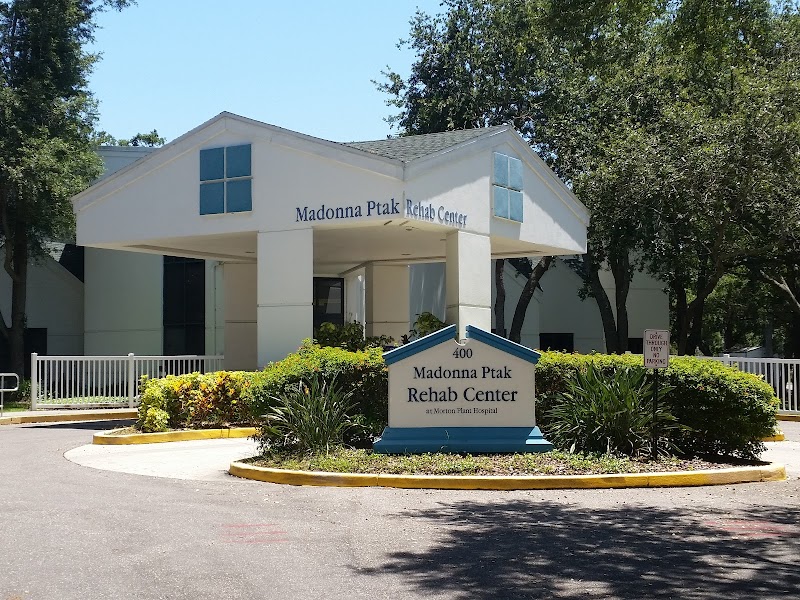
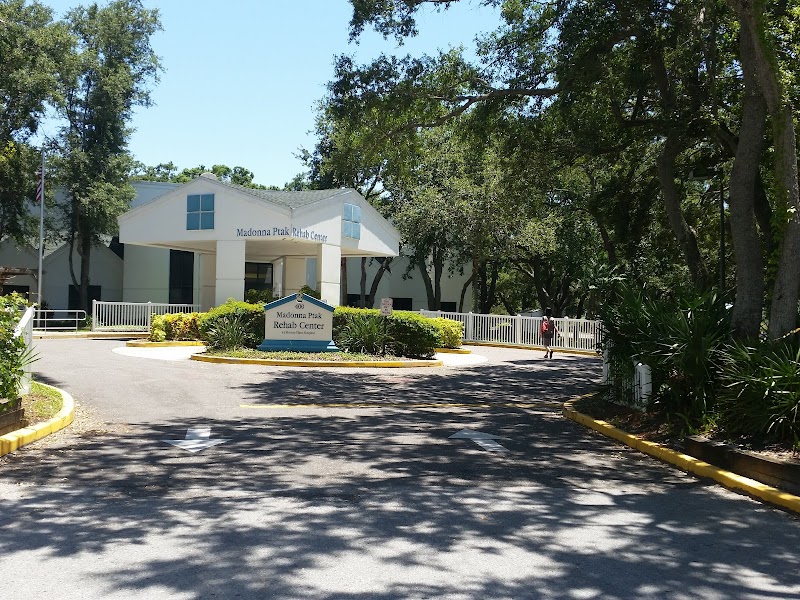
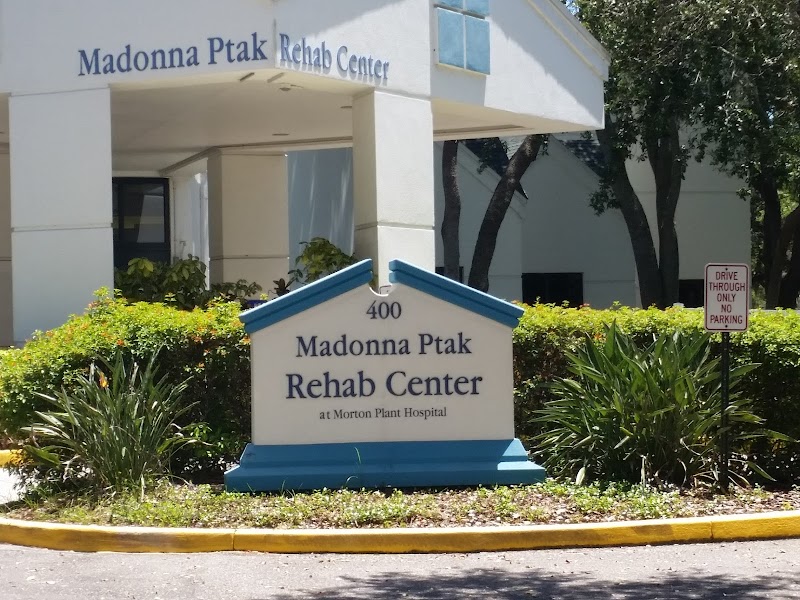
MORTON PLANT REHABILITATION CENTER

400 CORBETT ST, BELLEAIR, FL 33756 (727) 462-7600
Non profit - Corporation 126 Beds Independent Data: November 2025
Trust Grade
75/100
#237 of 690 in FL
Last Inspection: February 2025

Within standard 12-15 month inspection cycle. Federal law requires annual inspections.

Overview

Morton Plant Rehabilitation Center has a Trust Grade of B, indicating it is a good choice for families looking for care, but it is not the top option available. The facility ranks #237 out of 690 in Florida, placing it in the top half, and #8 out of 64 in Pinellas County, meaning only seven local facilities are rated higher. The trend is improving, with the number of issues decreasing from eight in 2022 to five in 2025. Staffing is a strong point, with a 5/5 star rating and a turnover rate of 35%, which is lower than the state average, suggesting staff stability and familiarity with residents. On the downside, there have been concerns raised, including inaccuracies in staff posting dates and incomplete assessments for a resident with anxiety, which indicates potential gaps in administrative practices. However, the facility has no fines on record and boasts more RN coverage than 92% of Florida facilities, which is a positive sign for patient care.

Trust Score
B
75/100
In Florida
#237/690
Top 34%
Safety Record
Low Risk
No red flags
Inspections
Getting Better
8 → 5 violations
Staff Stability
○ Average
35% turnover. Near Florida's 48% average. Typical for the industry.
Penalties
✓ Good
No fines on record. Clean compliance history, better than most Florida facilities.
Skilled Nurses
✓ Good
Each resident gets 82 minutes of Registered Nurse (RN) attention daily — more than 97% of Florida nursing homes. RNs are the most trained staff who catch health problems before they become serious.
Violations
⚠ Watch
18 deficiencies on record. Higher than average. Multiple issues found across inspections.
★★★★☆
4.0
Overall Rating
★★★★★
5.0
Staff Levels
★★★★☆
4.0
Care Quality
★★★☆☆
3.0
Inspection Score
Stable
2022: 8 issues
2025: 5 issues

The Good

  • 5-Star Staffing Rating · Excellent nurse staffing levels
  • 4-Star Quality Measures · Strong clinical quality outcomes
  • Full Sprinkler Coverage · Fire safety systems throughout facility
  • No fines on record
  • Staff turnover below average (35%)

    13 points below Florida average of 48%

Facility shows strength in staffing levels, quality measures, fire safety.

The Bad

Staff Turnover: 35%

11pts below Florida avg (46%)

Typical for the industry

The Ugly 18 deficiencies on record

Feb 2025 5 deficiencies
CONCERN (D)

Potential for Harm - no one hurt, but risky conditions existed

Quality of Care (Tag F0684)

Could have caused harm · This affected 1 resident

**NOTE- TERMS IN BRACKETS HAVE BEEN EDITED TO PROTECT CONFIDENTIALITY** Based on observation record review and interview the facility failed to assess and obtain physician orders for a skin injury for...

Read full inspector narrative →
**NOTE- TERMS IN BRACKETS HAVE BEEN EDITED TO PROTECT CONFIDENTIALITY** Based on observation record review and interview the facility failed to assess and obtain physician orders for a skin injury for one (#7) of one resident sampled for non-pressure related skin conditions, failed to remove a topical pain patch per documentation for one (#149) of two residents observed during medication administration receiving topical patches, and failed to obtain blood pressure measurement for one (#20) of one observed resident receiving anti-hypotensive medication per physician ordered parameters. Findings included: 1. An observation was made on 2/3/25 at 3:23 p.m. of Resident #7 sitting in resident room with spouse. A 1.5 x 1.5-inch foam dressing had been applied to the area below the resident's right elbow. The dressing was not dated, and the dressing appeared to have a dried-looking brown discoloration. The spouse notified the resident of the dressing then resident stated the dressing had been applied 4 days ago. An observation was made on 2/5/25 at approximately 10:30 a.m. of Resident #7 sitting by self in the facility driveway. A clean pink foam dressing was applied to the area below the right elbow, dated 2/4/25. The resident stated the facility had changed it yesterday. An interview was conducted with Staff D, Registered Nurse/Nurse Manager (RN/NM) on 2/6/25 at 8:52 a.m. Staff D reviewed Resident #7's physician orders and reported the resident did not have a physician order for a dressing to the right elbow. The staff member stated there should be documentation related to how the injury occurred and a physician order for a dressing. An observation was conducted on 2/6/25 at 9:02 a.m. with Staff D of Resident #7's right elbow. The dressing was dated 2/4/25 and the staff member removed the dressing the area had red fresh blood with scabbed area. The resident reported the injury occurred prior to admission to the facility and had reopened. The sheepskin covering the resident's wheelchair armrests (in which the resident was sitting) was stained with brown discoloration corresponding with the right elbow area. Review of Resident #7's admission record showed the resident had been admitted on [DATE] with a primary diagnosis of hemiplegia and hemiparesis following cerebral infarction affecting right dominant side. Review of Resident #7's Treatment Administration Record (TAR) did not reveal an order to apply or change the resident's right elbow skin injury. Review of Resident #7's February 2025 TAR did not reveal a physician order to apply or change the resident's right elbow skin injury prior to Staff D's observation on 2/6/25. The order to cleanse right arm near elbow with normal saline, apply foam dressing, and change twice weekly and as needed (prn) every day shift every Tuesday (Tue) and Thursday (Thu) for skin tear was to start on 2/11/25 at 7:00 a.m. Review of Resident #7's progress notes dated 1/30/25 at 1:17 a.m. to 2/6/25 at 9:14 a.m. (12 minutes after Staff D's observation) did not reveal any assessment of the resident's right elbow skin injury. A note on 2/6/25 at 9:14 a.m. revealed a new skin tear to the right elbow measuring 2 centimeters (cm) x 1 cm with light sanguineous exudate. The exudate revealed active bleeding. Review of Resident #7's care plan revealed the resident had a potential for impairment to skin integrity and for infections secondary to admitted with skin tears, impaired mobility, use of anticoagulant, and antiplatelet medications. Patient prefers to sit outside in the sun, is aware of risk, and apply sunscreen daily. Enhanced Barrier Precautions as indicated suprapubic catheter (and) pressure injury areas. History of pressure injury (PI) at bilateral heels, 2/6/25 skin tear to right arm near elbow and right outer thigh skin tear. The interventions instructed staff to report to physician (MD) for location, size, and treatment of skin injury, abnormalities, failure to heal, signs or symptoms (s/s) of infection, (and) maceration etcetera (etc.) See MD orders for current skin treatments, initiated on 9/16/24. During an interview on 2/6/25 at 8:59 a.m. the Interim Director of Nursing (DON) stated the dressings should be dated, dressings should have an order and should have documentation that the area has reopened, and wound care was provided. Review of the policy/procedure - Altered Skin Integrity Guidelines, revised 6/2024, revealed This policy is developed as a guideline to address general circumstances. There may be certain instances in which the exercise of professional judgment and/or discretion by the health care provider warrants taking other actions. The evaluation - Skin Inspection instructs staff to: - Observe all skin surfaces for tissue tolerance and signs of alterations in skin integrity on admission/re-admission, weekly, and as needed. - Document in the Medical Record (COMS) skin evaluation. The Wound Care Guidelines showed the Basic Principles of Wound Management was to protect the wound bed from further trauma, contamination, or dying, promote the removal of necrotic tissue and exudate, and provide moist healing environment to support tissue growth (and) keep surrounding skin dry. The Care for All Wounds revealed: - Cleanse wound initially and with each dressing change. Use sterile, normal saline with appropriate pressure or wound cleanser (if ordered practitioner) for cleansing. - Evaluate wound for signs of increasing bioburden and/or infection. Notify physician/mid-level provider of observations and recommendations. Initiate treatment order. Signs may include: - Purulent, foul drainage - Increasing redness and/or warmth beyond wound borders - Fever, elevated white blood count, and/or abnormal blood sugars if diabetic patient - Deteriorating mental and/or functional status - Increasing drainage, friable bloody base, and/or deteriorating wound - Increasing of new wound pain The policy instructed staff to monitor the outcome of the plan of care through consistent observation, documentation, and review. Caregivers are to observe patients' skin daily to identify potential changes in skin condition. Weekly skin inspections are to be documented as completed and outcome in electronic medical record. Staff are to inspect daily for any new complications (i.e. dressings not intact, excess drainage, new erythema, (and) new pain). 2. An observation of medication administration with Resident #149 was conducted on 2/5/25 at 9:51 a.m. with Staff C, Registered Nurse (RN). The staff member dispensed oral medications with one 5% Lidocaine topical patch. Staff C entered the resident room, spoke with Resident #149's roommate, then placed the medication cup with oral medications on the over-bed table. The staff member placed eye drops in each eye, then assisted in repositioning the resident's shirt to expose the right shoulder. The observation revealed Staff C removed a white filmy patch from the resident's shoulder and threw it away in bedside garbage. Staff C applied the observed dispensed Lidocaine patch to the right shoulder, in the same area as the removed patch. Review of Resident #149's February 2025 Medication Administration Record (MAR) included an order for Lidocaine External Patch 5% (Lidocaine) - Apply to right shoulder topically one time a day for pain and remove per schedule, started on 1/21/25. The MAR revealed a schedule to apply at 9:00 a.m. and remove at 9:00 p.m. The MAR revealed staff had documented the removal of the Lidocaine patch at 9:00 p.m. on 2/4/25, the night before the observation of Staff C removing the topical patch from the resident's right shoulder. Review of Resident #149's admission record revealed the resident was admitted to the facility on [DATE] with diagnoses not limited to unspecified Alzheimer's Disease and unspecified site unspecified osteoarthritis. During an interview on 2/6/25 at 9:36 a.m. the DON stated staff had documented Resident #149's (lidocaine) patch had been removed at 9 p.m. the night before observation of medication administration. Review of the policy - Documentation Nursing Care, revised 1/2025, revealed Team members involved in the medical documentation process have a personal obligation to complete accurate documentation. Inaccurate and/ or incomplete documentation may lead to legal sanctions under federal health care rules and regulations including repayment of monies, fines, exclusion from participating in a federal health care program, and imprisonment for criminal actions. The nurse will document under the eMAR module for medication and the (TAR) treatment administration each shift as orders indicate. 3. An observation of medication administration with Resident #20 was conducted on 2/4/25 at 5:13 p.m. with Staff A, Licensed Practical Nurse (LPN). The staff member dispensed one tablet of 325 milligram (mg) of Ferrous Sulfate, one 3 mg tablet of Coumadin, and one 10 mg of Midodrine. Staff A entered the resident room and handed the medication cup to the resident who swallowed the three tablets at one time. Immediately following the observed administration on 2/4/25 with Resident #20, Staff A documented the resident's blood pressure as 102/63. The staff member stated the blood pressure was taken this morning and there was no order to take it prior to the administration of Midodrine. Review of Resident #20's admission record showed the resident was readmitted to the facility on [DATE]. The record included diagnoses not limited to chronic peripheral venous insufficiency and unspecified hypotension. Review of Resident #20's January 2025 Medication Administration Record (MAR) revealed an order for the resident to receive Midodrine 10 mg's by mouth with meals for hypotension and to hold if blood pressure (BP) was greater than (>) 160. The MAR showed Midodrine was scheduled at 8:00 a.m., 1:00 p.m., and 6:00 p.m. and did not include documentation of blood pressure. The review of the MAR did not reveal an area in which blood pressures had been documented. The MAR showed the resident's Midodrine had been administered three times a day during the month of January 2025. Review of Resident #20's February 2025 MAR revealed an order for Midodrine 10 mg's by mouth with meals for hypotension and to hold if blood pressure (BP) was greater than (>) 160. The MAR showed the medication was scheduled at 8:00 a.m., 1:00 p.m., and 6:00 p.m. and did not include documentation of blood pressure. The review of the MAR did not reveal an area in which a blood pressure had been documented. The review of the MAR did not reveal an area in which blood pressures had been documented. The MAR showed the resident had been administered Midodrine three times a day from 2/1/25 to 2/4/25 and twice on 2/5/25. Review of Resident #20's blood pressure summary from 1/1/25 to 2/5/25 showed staff documented one blood pressure daily except for 1/29/25 which did not show a blood pressure had been documented in vitals summary or progress notes. Review of Resident #20's progress notes from 1/1 to 2/4/25 revealed staff had documented additional blood pressures on 1/30/25 at 2:21 p.m. of BP 111/69; on 1/26 at 7:01 p.m. of 102/68 and on 1/16/25 at 2:26 p.m. of 115/72. During an interview on 2/6/25 at 8:59 a.m. Staff D stated a blood pressure should be taken prior to administration and reported if a resident was taking blood pressure medications twice a day, the expectation was a blood pressure to taken at the time of administration and (prior to) each dose. During an interview on 2/6/25 at 9:32 a.m. the DON reported being aware of Staff A not obtaining Resident #20's blood pressure prior to the administration of Midodrine as she heard the interview from the next room. The DON sated the order needed to be revised to instruct staff to obtain a blood pressure prior to administration per the parameter. Review of the policy - Medication Administration, issued 11/2024, revealed the purpose was To provide a safe, effective medication administration process . A licensed nurse will administer medication to patients/residents per state regulations. Accepted standards of practice will be followed. The policy did not address obtaining vital signs prior to medication administration per physician ordered parameters.
CONCERN (E)

Potential for Harm - no one hurt, but risky conditions existed

Deficiency F0645 (Tag F0645)

Could have caused harm · This affected multiple residents

**NOTE- TERMS IN BRACKETS HAVE BEEN EDITED TO PROTECT CONFIDENTIALITY** 3. Review of Resident #27s admission Record revealed the resident was admitted on [DATE]. The record showed the resident was adm...

Read full inspector narrative →
**NOTE- TERMS IN BRACKETS HAVE BEEN EDITED TO PROTECT CONFIDENTIALITY** 3. Review of Resident #27s admission Record revealed the resident was admitted on [DATE]. The record showed the resident was admitted with a diagnosis of unspecified anxiety disorder. Review of Resident #27s Behavioral Health note, dated 1/7/25, showed the resident was seen for initial evaluation to assess adjustment issues secondary to medical status, presented with a history of anxiety, and voiced mild sleep issues with frustration. Review of Resident #27s PASARR dated 1/3/25 showed the resident did not have a mental illness (MI) or intellectual disability (ID) and a level II was not required. The PASARR was blank, and qualifying diagnoses were not checked. During an interview on 2/5/25 at 12:03 p.m. with the Nursing Home Administrator (NHA) stated the facility had reviewed Resident #27s meds that morning and did not correct the PASARR as it was determined the screening was correct. The NHA reviewed the current PASARR and stated it needed to be reviewed to show anxiety disorder. An interview was conducted on 2/5/25 at 11:50 a.m. with the Nursing Home Administrator (NHA). The NHA stated the Social Service department was responsible for ensuring new admissions had a PASARR and if any corrections were needed the Social Worker would go through the appropriate agency. The Interdisciplinary Team (IDT) reviews the PASARR of every new admission. The IDT reviews History & Physical (H&P) from hospital, medications, and follows instructions on the PASARR form. The NHA stated the PASARR process was an ongoing issue with PASARR's. The audit included date of admission, name of resident, if the PASARR was correct of not, if not correct the IDT reviewed the originating location, who reviewed the PASARR and the reason it was incorrect. Review of the policy - Pre-admission Screening for Mental Disorders (MD)/Intellectual Disability (ID) Patients, revised 3/2021 revealed This Pre-admission Screening for Mental Disorders (MD) / Intellectual Disability (ID) patients policy applies to the facilities listed above. - To ensure that all individuals are screened for a MD and/or ID prior to admission. - To ensure that individuals identified with MD or ID are evaluated and received care and services in the most integrated setting appropriate to their needs. The policy revealed the facility staff will assure that all patients with Mental Disorders (MD) and/or Intellectual Disability (ID) receive appropriate pre-admission screenings according to federal and/ or state regulations. The practice standards showed: 1. Social Services will coordinate and/ or inform the appropriate agency to conduct the evaluation and obtain results if: a. it is learned after admission that the pre-admission screening and resident review (PASARR) well it's not completed or is incorrect, or b. there is significant change in status that results in new evidence of possible mental disorder, intellectual disability, or a related condition. 2. Social services will review to determine appropriate care needs. a. Refer to the appropriate state designated authority when a patient is identified as having an evident or possible MD, ID, or related condition. b. Incorporate recommendations into the patient's assessment, care planning, and transitions of care. 3. The PASARR will be placed in the admissions or legal section of the patient's medical record. 4. Social Services will be responsible for: a. coordinating updates as needed and per state requirements. b. Notifying the state mental health authority or state intellectual disability authority, as applicable, prompting after a significant change in mental or physical condition of a patient who has a MD or ID for a patient review. Based on record review, interview, and review of the facility's policy titled Pre-admission Screening for Mental Disorders (MD)/Intellectual Disability (ID) Patients, the facility failed to ensure Level I Preadmission Screening and Resident Review (PASARRs) were accurate upon admission for three Residents (#27, #75, and #297) of six residents sampled for PASARRs. Findings included: 1. Review of the admission record showed Resident #75 was admitted to the facility on [DATE] with diagnoses that included but not limited to anoxic brain damage, not elsewhere classified, major depressive disorder (4/11/24), moderate, cognitive communication deficit, obsessive compulsive disorder, bipolar disorder and generalized anxiety disorder. Review of the Preadmission Screening and Resident Review (PASARR) dated 10/29/24 revealed Section 1 A. MI [Mental Illness] or suspected MI check all that apply showed Anxiety Disorder, Bipolar Disorder and Depressive Disorder was checked. Section 1 B. ID [Intellectual Disability] or suspected ID check all that apply had no selections checked. Review of Section II: Other indications for PASARR Screen Decision-Making showed all selections were check marked No. During an interview on 02/05/25 at 12:09 p.m. the Nursing Home Administrator (NHA) stated Resident # 75's diagnosis of Anoxic Brain was not a common diagnosis, so it was missed on the PASARR dated 10/29/24. The Administrator stated that the facility reviewed all the PASARRs the survey team requested yesterday at morning meeting today. The NHA stated after reviewing Resident #75's PASARR the facility found that anoxic brain damage should have been included under section 1 B in the Other column indicting an intellectual disability and when updating section II correctly the revisions resulted in a PASARR level II being required. 2. Review of the admission Record showed Resident #297 was admitted to the facility on [DATE] with diagnoses including major depressive disorder. Review of Resident #297's Level 1 PASARR, dated 01/28/2025, Section 1:PASARR Screen Decision-Making, Section A revealed a blank PASARR, and qualifying diagnoses were not checked.
CONCERN (E)

Potential for Harm - no one hurt, but risky conditions existed

Respiratory Care (Tag F0695)

Could have caused harm · This affected multiple residents

**NOTE- TERMS IN BRACKETS HAVE BEEN EDITED TO PROTECT CONFIDENTIALITY** On 2/3/25 at 11:18 a.m. Resident #4's doorway was observed without a sign posting the use of oxygen. The observation showed an e...

Read full inspector narrative →
**NOTE- TERMS IN BRACKETS HAVE BEEN EDITED TO PROTECT CONFIDENTIALITY** On 2/3/25 at 11:18 a.m. Resident #4's doorway was observed without a sign posting the use of oxygen. The observation showed an emergency oxygen tank (e-tank) in holder next to the privacy curtain of the resident. Review of Resident #4's admission record revealed admission dates of 5/13/24 and 12/18/24 with diagnoses including but not limited to (adult) (pediatric) obstructive sleep apnea, unspecified organism pneumonia (onset date 1/23/25), and angina pectoris. Review of Resident #4's physician orders revealed - Oxygen 2 liters via nasal cannula (NC) as needed (prn). Keep O2 (oxygen) saturation (sat) 92% or above if 92% on room air (RA) may discontinue prn order as needed for hypoxemia. Start date 1/30/25. Review of Resident #56's admission Record revealed the resident was admitted on [DATE]. The record included diagnoses not limited to unspecified chronic obstructive pulmonary disease, unspecified emphysema, and unspecified diastolic (congestive) heart failure. Review of Resident #56's physician order revealed orders - Oxygen at 1 lpm nasal cannula prn, discontinue (dc) if oxygen saturation 92% or above on RA as needed. Resident #56's doorway was observed without an oxygen in use sign. 5. Review of Resident #80's admission Record revealed the resident was admitted on [DATE] and included diagnoses not limited to unspecified combined systolic (congestive) and diastolic (congestive) heart failure, unspecified cardiomyopathy, and unspecified uncomplicated asthma. Review of Resident #80's physician orders revealed the resident was to be administered O2 via nasal cannula at 2 lpm prn. Resident #80's doorway was observed without an oxygen in use sign. Review of Resident #81's admission Record revealed the resident was admitted on [DATE] and included diagnoses of unspecified paroxysmal atrial fibrillation and (chronic) (peripheral) venous insufficiency. Review of Resident #81's physician orders revealed the resident was ordered O2 at 2 liter/minute NC continuously. Resident #81's doorway was observed without an oxygen in use sign. During observations on 2/5/25 at 1:45 p.m. Resident #147 was observed in room wearing oxygen cannula. There was no posting related to the use of oxygen. Review of Resident #147's admission record revealed the resident was admitted on [DATE] with diagnoses to include acute respiratory failure with hypoxia. Review of Resident #147's physician orders revealed the resident was to receive O2 2 liters via nasal cannula continuously every shift. During observations on 2/5/25 at 1:45 p.m. Resident #148 was observed lying in bed wearing oxygen via a nasal cannula. The doorway to the resident room revealed there was no posting related to the use of oxygen. Review of Resident #148's admission Record revealed the resident was admitted on [DATE] and included diagnoses of paroxysmal atrial fibrillation, chronic diastolic (congestive) heart failure, and nonrheumatic mitral (valve) insufficiency. Review of Resident #148's physician order revealed the resident was to be administered O2 2L via nasal cannula PRN to maintain SPO2 92% or greater as needed PRN. An interview was conducted with Staff D, Registered Nurse/Nurse Manager on 2/6/25 at 8:55 a.m. The staff member stated oxygen use should be posted at the doorway. An interview was conducted with the Director of Nursing (DON) on 2/6/25 at 9:14 a.m. The DON stated rooms should be posted for oxygen use and she had identified the issue the day before. Review of the policy - Oxygen Delivery Systems, revised 9/2024, revealed the purpose was To ensure [name of facility] patients/residents receive adequate oxygen delivery and to relieve hypoxia/hypoxemia. The policy revealed the E-cylinder procedure included O2 In Use/No Smoking Sign will be placed on door to room entrance. Photographic Evidence Obtained. During an observation made on 2/5/2025 at 10:00am and at 3:00 pm., Resident #33 was observed with an oxygen concentrator placed next to her bed. There was no oxygen signs posted outside of the resident's room. Review of Resident # 33's Order Summary Report dated 02/06/2025 showed an active order with start date 3/2/2024 for Oxygen via nasal cannula at 2 liters continuously every day shift. Based on observation, interview and record review the facility failed to ensure posting of cautionary and safety signs indicating the use of oxygen in resident rooms for eight residents (#298, #33, #4, #56, #80, #81, #147 and #148) out of ten residents reviewed for oxygen use. Findings included: On 02/03/2025 at 10:02 AM Resident #298 was observed in her room with an oxygen concentrator sitting next to the wall on the opposite side of the bed. Upon exiting the resident's room an observation was made and there was no oxygen in use sign on the outside of the resident's room door. On 02/03/2025 at 3:09 PM an observation was made of the outside of Resident #298's room door and there was no oxygen in use sign posted on the door. Review of the admission record showed Resident #298 was admitted on [DATE] with diagnoses including acute respiratory failure with hypoxia, pulmonary fibrosis, dyspnea, emphysema and chronic obstructive pulmonary disease (COPD). Review of a physician order dated 02/04/2025 showed Resident #298 was to use oxygen at 2L (liters) via nasal canula to maintain oxygen saturation above 92% every shift.
CONCERN (E)

Potential for Harm - no one hurt, but risky conditions existed

Unnecessary Medications (Tag F0759)

Could have caused harm · This affected multiple residents

Based on observation record review and interview the facility failed to ensure the medication error rate was less than 5.00%. Thirty-seven medication administration opportunities were observed, and 15...

Read full inspector narrative →
Based on observation record review and interview the facility failed to ensure the medication error rate was less than 5.00%. Thirty-seven medication administration opportunities were observed, and 15 errors were identified for three residents (#56, #43, and #45) of six residents observed. These errors constituted a 40.54% medication error rate. Findings included: 1. On 2/4/25 at 4:55 p.m. an observation was made of Staff A, Licensed Practical Nurse (LPN) obtain a capillary blood glucose level of Resident #56. The staff member cleansed the resident's left ring finger with an alcohol pad, lanced the finger, and obtained a level of 116. The staff member returned to the medication cart and reported the resident's sliding scale of Humalog insulin was not needed, however, the resident would receive the scheduled dosage of Humalog (Insulin Lispro). Staff A uncapped the Insulin Lispro Kwikpen, wiped the end with an alcohol pad, a needle was placed and uncapped, the staff member dialed the dosage selector to 2 units and depressed with insulin seen from end of needle. Staff A dialed the insulin pen to 5 units, re-entered the room, cleaned the resident's abdomen with an alcohol pad and injected the insulin into the left abdomen. Review of Resident #56's February Medication Administration Record (MAR) revealed the order: Humalog KwikPen Solution Pen-Injector 100 unit/milliliter (mL) (Insulin Lispro) - Inject 5 unit subcutaneously before meals related to Type 2 Diabetes Mellitus without complications. Hold if capillary blood glucose (CBG) less than (<) 120. An interview was conducted on 2/6/25 at 9:28 a.m. with the Interim Director of Nursing (DON). The DON reviewed the MAR and stated a checkmark (on MAR) did show the medication had been administered. 2. On 2/5/25 at 9:26 a.m. an observation was made of Staff B, Registered Nurse (RN) dispense the following medications for Resident #43: - Carbidopa-levodopa 25-100 milligram (mg) - 2 tablets - Vitamin D3 125 mcg (5000 international unit (iu) over-the counter (OTC) tablet - Losartan Potassium 25 mg tablet - Memantine 10 mg tablet - Potassium Extended Release (ER) 10 milliequivalents (meq) - 2 tablets The observation showed the medication profile for the Carbidopa-levodopa was colored red. Staff B confirmed dispensing 7 tablets and entered the resident room at 9:30 a.m. The resident was asleep, and the staff member had difficulty waking up the resident. The resident sat at edge of bed and began taking medications at 9:43 a.m. After the administration the staff member reported Carbidopa was late due to the resident would not wake up earlier and had to go back. Review of Resident #43s February Medication Administration Record (MAR) revealed the following: - Carbidopa-Levodopa Oral Tablet 25-100 mg - Give 2 tablets by mouth three times a day for Parkinsons. This order was scheduled for 8:00 a.m., 12:00 p.m., and 4:00 p.m. - Carbidopa-Levodopa Extended Release (ER) tablet 50-200 mg - Give 1 tablet by mouth at bedtime related to Parkinson's disease with dyskinesia without mention of fluctuations. The order was scheduled for 8:00 p.m. Review of Resident progress notes including administration notes, on 2/5/25 at 11:25 a.m. did not reveal the physician had been notified of the late medication, administered 1 hour and 43 minutes after the scheduled time and 2 hours and 15 minutes prior to the next scheduled time of administration. 3. On 2/5/25 at 10:09 a.m. Staff B Registered Nurse (RN) reported medications were late. The observation was made of Staff B, Registered Nurse (RN) dispense the following medications for Resident #45: - Allopurinol 100 milligram tablet - Aspirin 81 mg chewable tablet - Vitamin D3 25 mcg (1000iu) - 2 tablets - Clopidogrel 75 mg tablet - Furosemide 20 mg tablet - Isosorbide Mono Extended Release (ER) 120 mg tablet - Kerendia 10 mg tablet - Lamotrigine 100 mg tablet - Metoprolol Tartrate 50 mg tablet - Ranolazine ER 1000 mg tablet - Vascepa 1 gram (gm) capsule - Acetaminophen 325 mg - 2 tablets. The observation revealed the medication profiles other than the as needed (PRN) dosage of Acetaminophen was colored red, showing the medications were late. The staff member reported not having the residents Lisinopril available and would have to contact the pharmacy. Staff B confirmed dispensing 14 tablets, entered the resident's room, and watched the resident swallow the medications. Immediately following the administration, Staff B stated the reason for being late was due to extra time taken with Resident #43. Review of Resident #45's February Medication Administration Record (MAR) revealed Allopurinol, Aspirin, Vitamin D3, Clopidogrel, Finerenone (Kerendia), Furosemide, Isosorbide, Lamotrigine, and Lisinopril were due at 9:00 a.m. The medications of Icosapent Ethyl (Vascepa), Metoprolol, and Ranolazine was due at 9:00 a.m. and 9:00 p.m. The MAR showed the resident was to receive 2 capsules of Vascepa versus the one capsule given. Review of Resident #45s progress notes completed on 2/6/25 at 12:44 p.m. showed Staff B had documented 99 (per chart codes 99=Other/See Nurse Notes) for the administration of the residents' Lisinopril. The nurses' note for Lisinopril, 2/5/25 at 10:21 a.m. read Will follow up with pharmacy. The progress notes did not reveal if pharmacy was notified of the unavailable medication, and the notes did not reveal if the physician had been notified of the unadministered medication. An interview was conducted with Staff D, Registered Nurse/Nurse Manager (RN/NM) on 2/6/25 at 8:59 a.m. Staff D stated there was an electronic medication dispenser on each unit, if (medication) was not available, pharmacy was notified, and the medication was STAT'd (meaning immediately ordered) out, then the physician was notified the resident did not get the medication. The staff member stated the physician was to be notified at the time the nurse was working with that resident. An interview was conducted with the DON on 2/6/25 at 8:59 a.m. The DON stated the physician is to be notified of late meds when the medications are identified as late. Review of the policy - Medication Administration Time Delivery Guideline, revised 8/2023, revealed the purpose was The initial start time for medication administration to residents/patients for routine medications are the same daily. Medication administration must be completed within 2 hours, 1 hour prior to the scheduled time and one hour past the scheduled time. Review of the policy - Medication Administration, issued 11/2024, revealed the purpose was To provide a safe, effective medication administration process. The policy was for A licensed nurse will administer medication to patients/residents per state regulations. Accepted standards of practice will be followed. The practice standards included: a. If medication(s) is not available, the nurse will: 1) Coordinate with the pharmacy to procure the medication(s) as soon as possible and discuss possible substitution options with the pharmacist, if applicable. 2) Notify the physician/ practitioner of the unavailability of the medication(s). 3) Discuss substitution options for the ordered medication(s) with the physician/ practitioner, if applicable. 4) If unable to provide medication(s) or substitution(s) within one hour of prescribed time, notify supervisor.
CONCERN (F)

Potential for Harm - no one hurt, but risky conditions existed

Staffing Information (Tag F0732)

Could have caused harm · This affected most or all residents

Based on observation interview and policy review, the facility failed to ensure federal staff posting dates were accurate for two (02/03/25 and 02/04/25) of four days of survey. Findings included: Dur...

Read full inspector narrative →
Based on observation interview and policy review, the facility failed to ensure federal staff posting dates were accurate for two (02/03/25 and 02/04/25) of four days of survey. Findings included: During a facility tour on 02/03/25 at 9:00 a.m. and on 02/04/25 at 8:32 a.m. an observation was made of the federal staff posting located outside of the front entrance door dated 02/02/25. During an interview on 02/05/25 at 2:00p.m., with the Interim Director of Nursing (DON). She stated the Unit Managers on the night shift are supposed to ensure the staffing numbers are correct and posted daily. She stated she was not aware the federal staff posting on the front entrance door had the wrong date for two days. Review of the facility policy titled, Staffing Data dated 12/5/2023 showed Policy: To provide guidelines and outlines responsibilities for maintaining compliance with State and Federal mandated staffing data. This includes the completion of the AHCA Staffing Compliance Form, the posting of daily staffing information, and submission of Payroll Based Journal (PBJ) data. Procedure: Posting of the Daily Staffing information is the responsibility of the 2nd shift Nurse Supervisor/ Designee. The information posted is reviewed by the Director of Patient Services/ Weekend Nurse Supervisor/ Designee for accuracy and compliance. Information must be posted in a clear and readable format, and in a prominent place readily accessible to residents and visitors. The Center will post the following information on a daily basis: 1. Facility Name 2. Current Date Photographic Evidence obtained
Dec 2022 8 deficiencies
CONCERN (D)

Potential for Harm - no one hurt, but risky conditions existed

Deficiency F0583 (Tag F0583)

Could have caused harm · This affected 1 resident

**NOTE- TERMS IN BRACKETS HAVE BEEN EDITED TO PROTECT CONFIDENTIALITY** Based on observations, interviews, and record review the facility failed to maintain confidentiality of personal health informat...

Read full inspector narrative →
**NOTE- TERMS IN BRACKETS HAVE BEEN EDITED TO PROTECT CONFIDENTIALITY** Based on observations, interviews, and record review the facility failed to maintain confidentiality of personal health information (PHI) for two residents (#52 and #282) out of 25 residents sampled. Findings included: An observation was made on 12/21/22 at 9:26 a.m. of a computer on top of a medication cart on the lower 100 hall. The computer screen was unlocked with multiple resident's names and pictures on the screen. The nurse was nowhere in site. There was one resident sitting in a wheelchair in the hallway as well as one Certified Nursing Assistant (CNA). Photographic evidence was obtained. An observation was made on 12/21/22 at 11:58 a.m. of an unlocked computer screen on a medication cart in the 100 hall. The screen displayed Resident #282's name, picture, room number, date of birth , allergies, code status, and medications. No staff members were present in the hall at the time of the observation. This hallway was used by residents and visitors. Photographic evidence was obtained. A review of admission records indicated Resident #282 was admitted on [DATE] with diagnoses including hemiplegia and hemiparesis following cerebral infarction and vascular dementia. On 12/21/22 at 12:00 p.m. an interview was conducted with Staff Q, Licensed Practical Nurse (LPN.) Staff Q, LPN came up to the medication cart, and confirmed it was her cart. She said she knows she shouldn't leave the screen open, or the medication cart unlocked. She stated she just ran to the fax machine because she didn't have a medication and needed to send a fax to the pharmacy. She stated, it is the first time I have done it today. She stated, I'm sorry I'm sorry. Staff Q said she usually locks the screen. Staff Q locked the screen and continued on with patient care. On 12/21/22 at 12:20 p.m. the same medication cart was observed with the computer on top of it unlocked. This screen displayed Resident #52's name, picture, room number, date of birth , allergies, code status and medication were visible. The nurse was nowhere in sight. A review of admission records indicated Resident #52 was admitted on [DATE] with diagnoses including heart failure, dyskinesia of esophagus, and ischemic cardiomyopathy. An interview was conducted with Staff B, Registered Nurse (RN)/Unit Manager (UM) on 12/21/22 at 2:18 p.m. Staff B stated there is a graphic of a lock on the computer screen showing the Medication Administration Record (MAR). She stated the nurse should always hit the lock button on the screen when they walk away. She confirmed no resident personal health information should open and visible on the screen. She said the expectation is the screen is always locked when no in use by the nurse. An interview was conducted with the Nursing Home Administrator on 12/22/22 at 12:25 p.m. She stated she was made aware of resident's personal health information being visible on the computer screens. She confirmed this is an issue and stated it would be addressed immediately. A review of the facility policy titled Patient/Resident Rights-Personal Privacy/Confidentiality of Records, dated 9/2019, was reviewed. The policy indicated following: Policy: It is the policy of [the facility] to provide the patient/resident and or legal representative person privacy and confidentiality of records in such a manner to acknowledge and respect patient/resident rights. Procedure: 1. The patient/resident has a right to personal privacy and confidentiality of his or her personal and medical records. 4. The patient/resident has a right to secure and confidential personal and medical records.
CONCERN (D)

Potential for Harm - no one hurt, but risky conditions existed

Assessment Accuracy (Tag F0641)

Could have caused harm · This affected 1 resident

**NOTE- TERMS IN BRACKETS HAVE BEEN EDITED TO PROTECT CONFIDENTIALITY** Based on record reviews, and interviews, the facility failed to ensure the discharge Minimum Data Set (MDS) assessment was compl...

Read full inspector narrative →
**NOTE- TERMS IN BRACKETS HAVE BEEN EDITED TO PROTECT CONFIDENTIALITY** Based on record reviews, and interviews, the facility failed to ensure the discharge Minimum Data Set (MDS) assessment was completed within the Resident Assessment Instrument (RAI) manual within the required timeframe for one resident (#54) out of 25 residents sampled for accuracy of assessments. Findings included: A review of the medical record on 12/20/22 for Resident #54's revealed the resident was admitted to the facility on [DATE] and discharged to the hospital on [DATE]. The last completed MDS in the medical record revealed a Medicare-5 Day assessment dated [DATE]. There was not a completed discharge assessment listed in the MDS for Resident #54. The MDS Summary page in Resident #54's medical record indicated a discharge assessment was due on 12/07/22. Photogenic evidence obtained. During an interview on 12/20/22 at 2:15 p.m., Staff C stated the discharge MDS had not been completed. Staff C stated the discharge MDS was not completed because the responsible employee was out on vacation. Employee C stated the discharge MDS was late according to the Resident Assessment Instrument (RAI) procedure manual and should have been completed by 12/07/22. A record review of the facility policy titled, CMS's RAI Version 3.0 Manual, dated 10/2019, indicated the Discharge Assessment's MDS completion date should be no later than 14 calendar days after discharge date . During an interview on 12/22/22 at 12:30 p.m., the Administrator stated the discharge MDS for Resident #54 should have been completed by the required date.
CONCERN (D)

Potential for Harm - no one hurt, but risky conditions existed

Deficiency F0658 (Tag F0658)

Could have caused harm · This affected 1 resident

**NOTE- TERMS IN BRACKETS HAVE BEEN EDITED TO PROTECT CONFIDENTIALITY** 2) An observation was made of oxygen tubing with a nasal cannula in the room of Resident #283 on 12/19/22 at 3:49 p.m. The oxyge...

Read full inspector narrative →
**NOTE- TERMS IN BRACKETS HAVE BEEN EDITED TO PROTECT CONFIDENTIALITY** 2) An observation was made of oxygen tubing with a nasal cannula in the room of Resident #283 on 12/19/22 at 3:49 p.m. The oxygen tubing was on the right upper side rail of the resident's bed. Photographic evidence was obtained. An observation was made on 12/21/22 at 9:35 a.m. of oxygen tubing with nasal cannula labeled, dated 12/20/22, and placed in a bag hanging at Resident #283's bedside. Photographic evidence was obtained. The resident stated his oxygen measurements have been good, but every now and then he will need the oxygen. A review of orders for Resident #283 indicated the resident did not have an order for oxygen therapy. The following respiratory orders were noted in the resident's record: Respiratory evaluation as needed for pulmonary dysfunction PRN daily as needed. Dated 12/7/22 Ipratropium-Albuterol 0.5-2.5 mg/3 ml. 1 applicator orally q 12 hours as needed for asthma. Dated 12/10/22 Advair Diskus-Aerosol Power breath activated 100-50 mcg/act. 1 puff inhale orally 2 x day for COPD. Dated 12/7/22 Albuterol Sulfate HFA Aerosol solution 108 mcg/act. 2 puffs inhale orally every 4 hours as needed for wheezing. Dated 12/7/22 A review of admission records indicated Resident #283 was admitted to the facility on [DATE] with diagnoses including Chronic Obstructive Pulmonary Disease (COPD) and Chronic Diastolic Heart Failure. A review of care plan revealed a focus area in place for Emphysema/COPD. An intervention listed was to provide oxygen therapy as ordered by the physician. A review of Resident #283's vital signs summary indicated the resident's oxygen saturation was checked while the resident was being administered oxygen via nasal cannula on 12/7, 12/8, and 12/12/22. The vital sign summary show the resident's oxygen saturation on 12/19/22 was 96%, 12/20/22 was 94%, 12/21/22 was 100%, and 12/22/22 was 98%. An interview was conducted on 12/22/22 at 9:56 a.m. with Staff R, Registered Nurse (RN.) Staff R stated Resident #283 gets short of breath when he is pushing around his room in his wheelchair and will use the oxygen occasionally. Staff R was observed reviewing Resident #283's medical record. She stated she was unable to find an order for oxygen use. Staff R stated the resident had a discontinued order from 2020, but no current order. Staff R stated the resident does currently need oxygen due to an emergency, therefore he should have an oxygen order. An interview was conducted with Staff B, RN/Unit Manager (UM) on 12/22/22 at 10:02 a.m. Staff B reviewed Resident #283's medical record and confirmed there was no current order for oxygen. She stated, she was calling the provider and he will have a current order. Staff B stated if oxygen is being used the resident should have an order. An as needed oxygen order was put in the resident's record on 12/22/22. A facility policy titled Oxygen Use and Delivery Methods Protocol, dated 3/2021, was reviewed. The policy stated the following: Oxygen use Procedure: 1. Check patient medical record chart for oxygen order. If there is no specific oxygen order or oxygen titration order, follow protocol below. b. Initiate oxygen via nasal cannula as ordered by the physician. If there is no order and SpO2 on room air is less than 90%, initiate oxygen via nasal cannula at 2 liters per minute. Based on observations, interviews, and record review the facility failed to ensure services were provided to meet professional standards related to 1) a failure to assess skin conditions for one resident (#233), and 2) a failure to obtain oxygen orders for one resident (#283) out of 25 resident sampled. Findings included: 1) Resident #233 was admitted to the facility on [DATE] with diagnoses to include spinal stenosis, lumbosacral region, repeated falls, and Type 2 Diabetes Mellitus. A review of a Medical Certification for Medicaid Long-Term Care services - Form 3008 for Resident #233, indicated the resident was admitted to the facility with skin tears on arms from falls. On 12/19/22 at 9:38 a.m. and on 12/20/22 at 11:47 a.m., Resident #233 was observed in his room. The resident stated he fell at home, was hospitalized , and discharged to the facility for recovery. Resident #233 was noted with undated bandages on the left and right hand, two undated dressings on the upper right arm, and one undated dressing on upper right leg. The resident stated the nurse had put on the bandages to the left and right hand because he had some skin tags that opened up due to friction. The resident stated the nurse only applied the bandages. He did not recall who the nurse was. The resident stated no one had looked at his wounds. He stated he came in with injuries, and he had obtained some skin shear during therapy. Photographic evidence was obtained. A review of a skin evaluation for Resident #233, dated 12/16/22, indicated an admission skin evaluation as follows: skin warm and dry, skin color WNL (within normal limits), mucous membranes moist, turgor normal. No current skin conditions noted at the time. Noted dressing on his Right upper arm x2 with multiple bruises and ecchymosis areas on both upper and lower extremities. Noted small abrasion on Rt knee. A review of the physician orders for Resident #233 indicated the following: Skin tear right lower leg. Cleanse with NS (normal saline) apply foam dressing today, then change 2 tines a week until healed. Every dayshift Tuesday and Friday, effective 12/20/22. Skin tear right upper arm x2 (present on admission), cleanse with NS apply foam dressing change twice a week until healed Every dayshift Tuesday and Friday, effective 12/20/22. A review of a progress note, dated 12/20/22 at 10:52 a.m., by Staff A, Licensed Practical Nurse (LPN) read [it was brought to this writer's attention by therapy that resident obtained a skin tear to his right lower extremity while working with therapy. Area was cleaned with saline, and clean dry dressing was applied. MD (medical director) aware as well as family. wound care notified as well will continue to monitor]. An interview was conducted on 12/20/22 at 1:345 p.m., with Staff A, LPN. Staff A stated Resident #233 was admitted on [DATE] with some skin issues. She confirmed she noticed he had some undated dressings. Staff A said, I can't speak of the nurse who did the admission, but the expectation is to unless indicated, open the dressing, assess the wound, document the measurements, clean, redress and date. Staff A stated she did not know why this was not done. She stated she noticed the bandage on the right hand but did not know why the resident had it. She stated therapy reported a skin tear on right lower leg which she dressed and dated. She stated she did not know about the other wounds/skin conditions, but the wound care nurse would know. Staff A reviewed the resident's EMR (electronic medical record) with surveyor and confirmed there were no notes or assessments from wound care nurse. On 12/20/22 at 12:00 p.m., an interview was conducted with Resident #233's Primary Care Physician (PCP). The PCP stated if a resident had any kind of bandage or dressing, they should be dated, if they were applied prior to arrival, they should be dated with information obtained during admission. The PCP stated if they were applied at the facility, the nurse should date them to confirm someone has evaluated and treated the resident, and document when the treatment was applied. The PCP said, they should be dated otherwise how would they monitor. A wound care progress note dated: 12/20/22 at 13:42 read: [skin issue location: Right upper arm x 2 present on admission: length: proximal 3/distal width centimeters (cm): proximal 1/distal 2 depth. proximal no flap/ wound exudate: serosanguineous. Peri wound condition: Fragile dressing saturation: Less than 25%. Skin issue: skin tear location: RLE Patient admitted [DATE] after a fall at home, 2 skin tears RUE from fall at home, removed foam dressings, cleansed with NS applied foam dressing will change twice a week until healed. New skin tear found by nurse when patient returned from PT (Physical Therapy) possible hit leg on wheelchair triangle shaped tear cleansed by staff nurse with NS and foam dressing applied. Will change twice a week until healed. Clinical suggestions: Dressing changes/treatments performed as ordered.] A care plan for Resident #233, dated 12/20/22, indicated a focus skin/ skin risk, initiated 12/20/22 showing the resident is at risk for skin breakdown, irritation, surgical wound infection, worsening skin issues AEB (as evidenced by) impaired mobility, Diabetes diagnosis, skin tear to right upper arm and right lower arm. Goal indicates skin will be intact free of redness, blisters, discoloration by review date. Interventions were treatment as ordered, monitor for side effects and effectiveness of treatments, inform resident/family and care givers of any new area of skin breakdown, monitor nutritional status, standard pressure redistribution mattress and WC(wheelchair) cushion to help prevent breakdown. On 12/20/22 at 2:02 p.m., an interview was conducted with Staff B, Registered Nurse (RN)/ Infection control and wound care nurse. Staff B stated if they have seen the resident, it should be documented. She stated if a resident comes in with skin conditions, they are assessed, and orders are put in place upon admission. Staff B stated she would review the resident's EMR. A follow -up interview was conducted with Staff B on 12/20/22 at 3:39 p.m. Staff B stated she spoke with the wound care nurse who saw the resident today [12/20/22] and noted the skin tears and assessed the wounds. She stated the nurse had done an initial skin check, noting the skin tears, had changed the dressings, but could not remember if they were dated or not. Staff B was shown photographic evidence related to the undated dressings and bandages. Staff B stated she did not know about the bandages on the right and left hand. She stated she could not confirm if the admitting nurse opened the dressings on the right hand and redressed and forgot to date or not. She confirmed they did not have physician orders prior to today. Staff B stated typically the admitting nurse would notify wound care there is a skin tear or wound so they can assess the patient. Staff B said, the expectation would have been to assess the resident upon admission and contact the physician and obtain orders to treat it. Staff B confirmed the resident came in with skin conditions that were not assessed or treated per their policy. Staff B stated she would follow up with the admitting nurse and figure out what went wrong. Staff B stated someone should have dated the dressings per their policy. On 12/21/22 at 9:46 a.m., an interview was conducted with Resident #233. The resident was noted with dressings dated 12/20/22. Resident #233 stated a nurse had come in yesterday, cleaned his wounds and reapplied dressing. The resident confirmed this was the first time he received this treatment since admitting to the facility on [DATE]. Review of the MAR (Medication Administration Record) for Resident #233, revealed no documented entries indicating skin tears were treated on 12/16/22, 12/17/22, 12/18/22 and 12/19/22. The MAR indicated orders were initiated on 12/20/22. A review of a facility policy titled, Altered skin integrity guidelines, dated 10/2022, indicated the following: Policy: An expectation to observe all skin surfaces for tissue tolerance and signs of alterations in skin integrity on admission/readmission and weekly. Document licensed nurse skin check per policy. Pg. 5. Skin tear guidelines showed skin tears are a traumatic break in the skin that may present as a superficial tear in the epidermis or may penetrate to subcutaneous tissue. Expectation showed: notify physician, complete skin evaluation, obtain diagnosis of a skin tear, recommend, and obtain treatment orders based on condition. Notify therapy, dietary, and other team members as appropriate of risk factors impeding healing, discuss plan of care with patient, family, health care decision maker and CNA (certified nurse's aide). Under treat, implement prevention interventions, evaluate for pain, and medicate as indicated, cleanse area with normal saline and apply treatment as ordered, monitor site daily for placement of dressing , status of surrounding tissue, and pain. Document order, date - cleanse skin tear, apply specific treatment, change how often, transcribe order and document and update care plan to reflect daily monitoring, any new factors, and interventions.
CONCERN (D)

Potential for Harm - no one hurt, but risky conditions existed

Deficiency F0676 (Tag F0676)

Could have caused harm · This affected 1 resident

**NOTE- TERMS IN BRACKETS HAVE BEEN EDITED TO PROTECT CONFIDENTIALITY** Based on observations, record reviews and interviews, the facility failed to ensure one resident (#27), who required Eating supe...

Read full inspector narrative →
**NOTE- TERMS IN BRACKETS HAVE BEEN EDITED TO PROTECT CONFIDENTIALITY** Based on observations, record reviews and interviews, the facility failed to ensure one resident (#27), who required Eating supervision, 1) was supervised timely by staff out of twenty-five sampled residents, and 2) failed to ensure the resident received eating utensils in a manner where they could be reached during three (12/19/22 and 12/20/22) of four meals observed. Findings included: On 12/19/2022 at 12:58 p.m. Resident #27 was observed in her room lying in bed under the covers with the over the bed table placed in front of her. Staff H, Certified Nurse Aide (CNA) brought in a meal tray and placed it on the table in front of the resident. The aide picked up the lids on the plates, positioned a plate guard at the back end of the plate, and left the room within two minutes. The plate guard device was positioned on the left side of the plate, allowing the resident to scoop away from her rather than scoop towards her. The silverware, to include a metal fork and metal spoon, were placed on the table on the resident's right side and set under a plate, out of reach of the resident. Resident #27's right hand was positioned under the covers and under the linen napkin, the resident could not use her right hand. The table was placed close to her and she could not reach the eating utensils with her left hand. An interview was attempted with Resident #27, she was not able to be interviewed related to her care and services. Resident #27 was observed at 1:05 p.m. grabbing at her grilled cheese sandwich with her left hand, setting it down, and grabbing vegetables with her left hand and bringing them to her mouth to eat. Resident #27 was unable to reach the utensils to eat with them. At 1:15 p.m. Resident #27 still trying to grab mechanical textured food items with her left hand and place them in her mouth. She set the food back down on the plate and proceeded to grab the grilled cheese sandwich with her left hand and brought it up to her mouth and took bites. Staff were not observed to come in the room and check on the resident to offer assistance. At 1:24 p.m. Resident #27 was still observed using her left hand to try to pick up vegetables and then mashed potatoes from her plate. She still had not been able to access and use the eating utensils. At 1:30 p.m. a floor nurse Staff G, walked into the room, assisted the resident with medications, and left the room. The nurse did not offer any assistance with the meal or place the utensils within reach for the resident. At 1:40 p.m. Resident #27 consumed less than half of her sandwich, a bite or two of her vegetables, and couple of helpings with her hands of mashed potatoes. She still had not used her eating utensils. The utensils were still positioned on the right side of the table and under the plate lip. The resident's right hand and arm were still positioned under the linen napkin and covers. The resident could not move her right hand and or arm after being asked to. At 1:50 p.m. Staff D, CNA was observed to walk into the room and removed the roommate's meal tray. The aide did not check on Resident #27 or ask if she needed any assistance with her meal. Staff D stated, ok you are still eating and then walked out of the room. At 1:50 p.m. Staff H, CNA was observed in the hallway informing Staff D, CNA she was going on break. During the meal observation, no supervision or assistance was offered to Resident #27 for one hour and two minutes. On 12/20/2022 at 7:48 a.m. the breakfast meal tray cart arrived on the floor. Staff began to serve and set up trays immediately. At 7:58 a.m. Staff F, CNA brought Resident #27 her breakfast tray and set it up by taking off the plate warmer lid, and placing a plastic plate guard on the back of the far end of the plate. Staff F also placed silverware on the left side of the tray and plate, within the resident's reach. The aide did not explain the use of the plate guard, she just said to the resident in a polite manner, Ms. #27 you gonna eat? She then left the room at 7:49 a.m. From 7:49 a.m. through to 9:02 a.m. there were no visits from staff to check on Resident #27 during the meal. The tray was removed from the room at 9:02 a.m. There were no staff visits for one hour and three minutes during this meal service. On 12/20/2022 at 1:15 p.m. Resident #27's room was visited. While entering the room, Resident #27 was observed lying in bed with the head of the bed at approximately 45 degrees. She was observed with the over the bed table placed in front of her and the lunch meal tray positioned in front of her. Resident #27 was observed with her right hand and arm positioned under the covers. The left hand and arm were placed on top of the covers. The lunch meal tray was observed with two plates. One plate had a chicken salad sandwich, at regular consistency. The other plate had mechanical textured baked potato, bowl of soup, and vegetables. The plate lid was observed on the left side of the table and the silverware placed inside the lid. The resident was not be able to reach the silverware from the position she was lying in. A bowl of soup was observed to not have a spoon in it and no spoons were observed within reach of the resident. The sandwich appeared to have several bites from it, but other food items ,that required a spoon or fork, were not touched. Resident #27 was not able to speak related to her care and or services. At 1:39 p.m. Resident #27 was still noted in her room, with the meal in front of her and with no staff direction on where her silverware was located. She was not able to eat her soup or other non hand held items. At 1:50 p.m. Resident #27 was observed in bed with eyes closed and her lunch meal tray still in front of her. No staff had visited her to provide supervision or assistance since at least 1:15 p.m. At 1:54 p.m. Staff E, CNA was observed to walk in the room and remove the meal tray minus the plate with the sandwich. He indicated the resident was still working on the sandwich but was not eating anything else. The tray he was putting back revealed most of her non sandwich items not touched. Staff E confirmed Resident #27 would only be eating the sandwich. He stated he did not know if Resident #27 required any assistance or supervision for meals because the resident is not on my assignment and I am just helping picking up trays. Resident #27 was not visited from staff or checked/supervised with eating from 1:15 p.m. through to 1:54 p.m., over forty-nine minutes. On 12/21/2022 at 7:46 a.m. the breakfast meal cart arrived on the floor. At 7:51 a.m. Staff K, CNA was observed to take the tray from the cart and bring it to Resident #27's room and set the tray on the over the bed table. The over the bed table was positioned over the resident as she was seated upright in bed. Resident #27 was awake, and ready to receive her breakfast meal. Staff K removed the plate lid and the meal consisted of two waffles soaked in syrup, and chopped sausage pieces. Staff K set up the plate guard and took out plastic eating utensils and placed them within the resident's left hand/arm reach. The right hand and arm were positioned on her lower body, under the covers. Staff K left the room at 7:53 a.m. after completing set up. No staff were observed to return to the room to supervise the meal for Resident #27 until 8:26 a.m. Staff M, CNA stated she came in the room to check on the resident and she had not been in there since she was served and set up with her meal from by Staff K and Staff M. Staff K and Staff M, stated during an interview, Resident #27 had a contracture on her right arm and she only uses her left hand to eat. They both confirmed the resident does require some supervision and some cueing during meals. They both stated when they set up the meal tray, they appropriately place the plate guard on the far end of the plate, and place eating utensils on the left side of the tray/plate for the resident to easily reach. An interview with the floor nurse, Staff L, revealed she knows Resident #27 and has her on her assignment routinely. She confirmed Resident #27 has a contracted right arm and she only uses her left hand during activities of daily living (ADL) tasks to include eating. Staff L stated Resident #27 does use her left hand and grabs at food at times and does not use her utensils. Staff L, Staff K, and Staff M all stated Resident #27 was to be set up and provided supervision during meals every so often. The staff could not tell what the specific timeframe would be to come and check on the resident. Staff K and M stated 45 minutes to one hour would be too long to wait to check on a resident during a meal and they would check on the resident a lot more frequently than that. Staff L, nurse also stated forty-five minutes to an hour is way too long to wait to check and supervise the resident when eating. A review Resident #27's medical record revealed she was admitted to the facility on [DATE] with diagnoses to include but not limited to: Hemiplegia affecting right dominant side, morbid obesity, contracture right forearm, weakness, dysphagia, aphasia, muscle weakness, and anemia. A review of the following Minimum Data Set (MDS) assessments revealed: 1. 8/16/2022 (Significant Correction MDS): (Cognition/Brief Interview Mental Status (BIMS) score - No score however Long Term/Short Term memory problems with severely impaired decision making skills); (Activities of Daily Living or ADL - Bed Mobility - Extensive assist with two person assist, Eating - Independent set up only, Range Of Motion or ROM - Impaired one side upper/lower extremity). 2. 10/28/2022 Quarterly MDS: (Cognition/BIMS score - Not scored however Long Term/Short Term memory problems with severely impaired decisions making skills); (ADL - Bed Mobility - Extensive with two person assist, Eating - Supervision/One person assist, ROM - Impaired one side upper/lower extremity). A review of progress notes revealed the following: -dated 11/1/2022 10:35 - N Adv - Long Term Care Evaluation - Right hand: Weakness, Left Hand: Weakness, Right leg: Weakness, Left leg: Weakness, Right foot: Weakness, Left foot: Weakness. -dated 11/6/2022 11:47 (Nurse Note), revealed pleasant and compliant with care. Required full assistance with ADLs. Right sided weakness, however resident able to feed self, appetite fair. -dated 12/1/2022, revealed uses communication board, and uses picture book. Function section, Functional limitation Range of Motion (FN 2 - Upper extremity range of motion marked for Impairment on one side); (FN3 - Lower extremity range of motion marked for Impairment on one side) -dated 12/4/2022 08:01 Nurse Note, revealed Alert and oriented x 1, remains aphasic. Assisted with meal tray set up, feeding and ADLs. Appetite good. A review of the current care plans with next review date 2/6/2023 revealed areas to include: -Nutrition risk related to: Overweight, Swallowing/Chewing difficulty, TP/TPN, Physiological causes, Mech altered diet, mental status, with interventions to include but not limited to: Provide regular diet level 7 easy to chew texture, likes chicken salad sandwiches, provide normal entrée plus sandwich so resident can choose updated 11/16/2022. -At risk for missed communication history of CVA (Cerebral Vascular Accident), BIMS score 0, Aphasia, Unable to consistently communicate wants/needs, with interventions in place -ADL and physical declines, skin breakdown, UTI (urinary tract infection), and falls right (R) side hemiparesis, impaired mobility/balance, Hemorrhagic CVA with R sided weakness, with interventions in place to include but not limited to: Podus boots as tolerated while in supine for contracture management, R edema glove and resting hand splint on after breakfast and of after lunch as tolerated for edema and contracture management. For Eating interventions included: Set up and encourage her to eat herself. Assistance as indicated. -Risk for fall and fall related injuries with interventions in place On 12/22/2022 at 9:00 a.m. an interview with Minimum Data Set (MDS )Coordinators Staff C and Staff I revealed they knew of Resident #27 and what her care needs were. They both confirmed Resident #27 has a right hand/arm contracture and does not use her right hand/arm for any ADL tasks. Both Staff C and I confirmed Resident #27 does not eat with her right hand at all and currently staff are to set up the tray, assist with cutting food items if needed, and set up hydration for her as well. MDS Coordinator Staff I indicated she was more familiar with Resident #27 and an interview was continued with her. Staff I explained Resident #27 has had a decline in Eating ADL activities recently and confirmed in the Significant Correction MDS assessment dated [DATE], Resident #27 was assessed at Independent with Set up assistance only. She further confirmed the most recent Quarterly MDS assessment dated [DATE] shows a decline with Eating ADL with Resident #27 now requiring Supervision with One person physical assist. Staff I revealed the reason for the decline is because there were several days during the assessment period CNAs documented supervision with assist for Eating. She revealed even if the CNAs documented one time during the assessment period of the decline, they would also need to reflect that in the MDS to show the decline. Staff I revealed the expectations and interpretations for Supervision, with One person physical assist, means for staff to serve and set up the meal tray, set up any items so the resident could self feed, pour drinks into cups if need be, place silverware within reach of the resident. Staff I revealed it would be expected staff return to the room frequently as part of supervision. Staff I stated frequently meant perhaps every fifteen minutes or so, depending on the need of that meal service. Staff I confirmed over an hour and near an hour of staff not returning to the room would not be an acceptable time frame to visit for supervision. She confirmed staff should have visited more frequently. MDS coordinators I and C were informed Resident #27 had her silverware placed on the right side of the tray and plate, and out of reach from her left hand. They were also informed the resident had to resort to picking up mixed vegetables and mashed potatoes with her left hand rather than an eating with utensil. Staff I and C stated that was unacceptable and though she could use her left hand to pick up the sandwich, she should have been more supervised so staff could assist with eating utensils placed in a reachable area. On 12/22/2022 at 9:20 a.m. an interview with the first floor unit manager Staff B revealed she had Resident #27 on her assigned floor and knows the resident and her care and service needs. Staff B confirmed Resident #27 has been at the facility for a few months and she has been assessed with a right hand/arm contracture. She further stated Resident #27 does not use her right hand/arm for ADL tasks to include eating. Staff B stated staff should have visited more frequently and confirmed the silverware should have been placed on the left side of the tray and not the right. Unit Manger Staff B confirmed Resident #27 would not have been able to reach the silverware with her left hand, when placed on right side of the tray. Staff B explained on 12/19/2022 and 12/20/2022 there were staff on the unit who generally do not work the unit and they did not know Resident #27 and her eating needs, to include supervision. Staff B nor the Nursing Home Administrator provided a policy and procedure related to resident supervision while eating for review.
CONCERN (D)

Potential for Harm - no one hurt, but risky conditions existed

Unnecessary Medications (Tag F0759)

Could have caused harm · This affected 1 resident

Based on observations, record review, and interviews, the facility failed to ensure the medication error rate was less than 5.00%. Twenty-five medication administration opportunities were observed, an...

Read full inspector narrative →
Based on observations, record review, and interviews, the facility failed to ensure the medication error rate was less than 5.00%. Twenty-five medication administration opportunities were observed, and two errors were identified for two residents (#25, #7) of five residents observed. These errors constituted an 8.0 % medication error rate. Findings Included: On 12/21/2022 a 9:18 a.m. medication observation was conducted alongside Staff L, Registered Nurse (RN). She prepared and administered the following medications to Resident #25 Gas relief 80 mg one tablet, Miralax 17 gram, Lorazepam 0.125 mg, Aspirin enteric coated 81 mg, Docusate 100 mg, Fluoxetine 10 mg, Lasix 40 mg, Metformin 500 mg, Spironolactone 100 mg, Lovastatin 40 mg, and Flonase. Medication reconciliation revealed Physician order for Simethicone tablet chewable 125 mg give 1 tablet by mouth with meals for gas dated 07/28/2022. On 12/21/2022 at 11:00 a.m. an interview was conducted with Staff L, RN, she confirmed she had administered Resident #25 Gas relief 80 mg tablet. She stated, It was the only dose available On 12/22/2022 at 10:31 a.m. a phone interview was conducted with the Consultant Pharmacist that stated, the facility has Simethicone 125 mg and 80 mg He went on to say I don't know why she would administer the wrong dose. On 12/22/2022 at 11:45 a.m. Staff L, RN was observed as she entered Resident # 7 bedroom with a Humalog KwikPen and informed Resident #7 she was due for her insulin injection. The RN attached the needle to the pen and turned the dose knob to 10 units. Then immediately administered the insulin to Resident #7 left upper quadrant. Review of the Physician orders Humalog KwikPen Solution Pen-injector 100 UNIT/ML (Insulin Lispro) inject 10 units subcutaneously before meals related to TYPE 2 DIABETES MELLITUS WITHOUT COMPLICATIONS dated 04/19/2021. The facility provided a copy of Insulin Lispro injection 100 units/mL 3 mL single -patient- use pen that did not contain a date read to Read the instruction for use before you start taking Humalog and each time you get another KwikPen. There may be new information. Priming your Pen, Prime before each injection. Priming you Pen means removing air from the Needle and Cartridge that may collect during normal use and ensures that the Pen is working correctly. If you do not prime before each injection, you may get too much or too little insulin. Step 6: To prime your Pen, turn the Dose knob to select 2 units. Step 7: Hold your pen with the Needle pointing up. Tap the Cartridge Holder gently to collect air bubbles at the top. Step 8: Continue holding your Pen with the needle pointing up. Push the Dose Knob in until it stops, and 0 is seen in the Dose Window. Hold the Knob in and count to 5 slowly. You should see insulin at the tip of the needle. If you do not see insulin, repeat priming steps 6 to 8, no more than 4 times. If you still do not see insulin, change the needle and repeat the priming steps 6 to 8. On 12/22/22 at 12:52 p.m. an interview was conducted with Staff B, Unit Manager and Staff L, RN on the process of priming Humalog KwikPen. Staff L confirmed she had not primed the pen prior to the administration of the ordered insulin. She indicated she was nervous when watched. Staff B confirmed the pen should be primed prior to use. Review of the Policy/ Procedure title: Medication, Administration of Intramuscular-Subcutaneous-Oral dated: 9/2012. Subcutaneous Injections: Procedure 4. Expel air from the syringe. Oral Medications: Procedure 1. Read the label three times before administering medication. Check again after administration.
CONCERN (E)

Potential for Harm - no one hurt, but risky conditions existed

Medication Errors (Tag F0758)

Could have caused harm · This affected multiple residents

**NOTE- TERMS IN BRACKETS HAVE BEEN EDITED TO PROTECT CONFIDENTIALITY** Based on observation, interview and record review, the facility failed to ensure behavioral monitoring related to psychotropic m...

Read full inspector narrative →
**NOTE- TERMS IN BRACKETS HAVE BEEN EDITED TO PROTECT CONFIDENTIALITY** Based on observation, interview and record review, the facility failed to ensure behavioral monitoring related to psychotropic medications was performed for three residents (#19, #26, and #183) of five residents reviewed for unnecessary medications. Findings included: A review of admission records indicated Resident #19 was admitted on [DATE] with diagnoses including dementia, anxiety disorder, and major depressive disorder. A review of the Medication Administration Record (MAR) and the Physician Order Summary as of 12/21/22 indicated the following: Buspirone HCL tablet 5 milligrams(mg.) Give 1 tablet by mouth two times a day related to anxiety disorder. Start date: 9/8/22 A review of the MAR and the Treatment Administration Record (TAR), dated 12/2022, revealed no behavioral monitoring, or monitoring for medication side-effects, or effectiveness. A review of Resident #19's care plan revealed a focus area, created 6/17/21 and revised 2/4/22, for psychotropic medication. The interventions included: Monitor for side effects and effectiveness; Monitor occurrence of target behavior symptoms associated with anxiety and depression; Monitor/report to MD prn side effects and adverse reactions of psychoactive medications. A review of admission records indicated Resident #26 was admitted on [DATE] with diagnoses including dementia, generalized anxiety disorder, and major depressive disorder. A review of the Medication Administration Record (MAR) and the Physician Order Summary as of 12/21/22 indicated the following: Depakote ER tablet Extended Release 24 hr 250 mg. Give 1 tablet by mouth two times a day for generalized mood disorder. Start date: 11/11/22; Sertraline HCL tablet 100 mg. Give 1 tablet by mouth one time a day related to major depressive disorder. Start date: 11/11/22; Donepezil HCL tablet 10 mg. Give 1 tablet by mouth one time a day for dementia. Start date: 11/3/22; Alprazolam tablet 0. 25mg. Give 1 tablet by mouth two times a day for anxiety. Hold for sedation. Start date: 11/2/22. A review of the MAR, dated 12/2022, revealed no behavioral monitoring, or monitoring for medication side-effects, or effectiveness. A review of Resident #19's care plan revealed a focus area, created 11/4/22 and revised 11/14/22) for psychotropic medication. The interventions included: Monitor for side effects and effectiveness; Monitor occurrence of target behavior symptoms associated with diagnosis/indication; Monitor/report to MD prn side effects and adverse reactions of psychoactive medications. A review of admission records indicated Resident #183 was admitted on [DATE] with diagnoses including anxiety disorder and major depressive disorder. A review of the Medication Administration Record (MAR) and the Physician Order Summary as of 12/21/22 indicated the following: Paroxetine HCL tablet 40 mg. Give 0.5 tablet by mouth one time a day for depression. Start date: 12/6/22; Xanax tablet 0. 25mg (Alprazolam). Give 1 tablet by mouth every 6 hours as needed for anxiety for 14 days. Start date: 12/5/22. End date: 12/19/22. A review of the MAR, Dated 12/2022, revealed no behavioral monitoring, or monitoring for medication side-effects, or effectiveness. A review of Resident #183's care plan revealed a focus area, created 12/6/22, for diagnoses of anxiety and depression per doctor hospital notes, has been prescribed psychotropic medications. Interventions included: Monitor for side effects and effectiveness; Monitor/report to MD prn side effects and adverse reactions of psychoactive medications. An interview was conducted on 12/21/22 at 12:06 p.m. with Staff S, Registered Nurse (RN). When asked where behavior or side effect monitoring is being charted for residents on psychotropic medication, the nurse was confused. She stated if there was an issue, they would just create a progress note. She said if it was bad, they could do a change of condition. An interview was conducted on 12/21/22 at 1:55 p.m. with Staff T, RN. Staff T stated when a PRN (as needed) medication is given, the medical record triggers the nurse to enter its effectiveness. She said any behavior problems would just be put in a progress note. An interview was conducted on 12/21/22 at 2:04 p.m. with Staff B, RN/Unit Manager (UM.) When asked if behavior and side effect monitoring is being completed for residents on psychotropic medications she stated, I don't believe there is an actual form for that. Staff B was observed going through a resident record that is currently on a psychotropic medication. She even attempted to chart a medication as if it was being given. She stated the PRN (as needed) medications trigger a follow up for effectiveness but scheduled psychotropic medications do not. She reviewed the resident's chart to see if behavior or side effects were documented anywhere else. She confirmed she was unable to find any documentation related to behaviors, side effects, or effectiveness or psychotropic medications. A telephone interview was conducted with the Consultant Pharmacist on 12/22/22 at 10:30 a.m. He stated when a resident is taking a psychotropic drug, staff are looking for a reaction from the drug and stabilization of the resident. He said they are also looking for behaviors they should get from the drug. He confirmed there should be documented outcomes on the behaviors. When asked if there should be behavior monitoring for psychotropic medication he stated, sure, absolutely. He stated I do think staff document if there is an abnormal behavior, like agitation, but I don't know that they are actually doing more than that. The Pharmacist also stated he feels like the every shift system becomes a check in the box instead of documenting when something actually happens, making it not effective. He stated he feels like they document when there is an issue, but they need a spot that is easily reachable. A facility policy titled Psychotropic: Unnecessary Drugs, dated 9/2022, was reviewed. The policy stated the following: Purpose: The intent of this policy is each patient's/resident's entire drub/medication regimen is managed and monitored to promote or maintain the patient's/resident's highest practicable mental, physical, and psychosocial wellbeing. Procedure: 1. Each patient's/resident's drug regimen must be free from unnecessary drugs. An unnecessary drug is any drug when used: a. In excessive does, b. for excessive duration, c. without adequate monitoring, d. without adequate indications for its use, e. in the presence of adverse consequences which indicate the dose should be reduced or discontinued, or f. any combination of the reasons stated. 2. A psychotropic drug is any drug that affects brain activities associated with mental process and behavior. These drugs include, but are not limited to, drugs in the following categories: a. anti-psychotic b. anti-depressant c. anti-anxiety and d. hypnotic 3. Based on a comprehensive assessment of a patient/resident, the facility will ensure that: a. Patients/Residents who have not used psychotropic drugs are not given these drugs unless the medication is necessary to treat a specific condition as diagnosed and documented in the clinical record. b. Patient/Residents who use psychotropic drugs receive gradual dose reductions, and behavioral interventions, unless clinically contraindicated, in an effort to discontinue these drugs.
CONCERN (E)

Potential for Harm - no one hurt, but risky conditions existed

Food Safety (Tag F0812)

Could have caused harm · This affected multiple residents

Based on observations, interviews, and record review, the facility failed to 1) Ensure one of one kitchen dish washing machine was running effectively during one of four days observed on (12/19/2022);...

Read full inspector narrative →
Based on observations, interviews, and record review, the facility failed to 1) Ensure one of one kitchen dish washing machine was running effectively during one of four days observed on (12/19/2022); and 2) Ensure three of three walk in/reach in freezers with food items inside, were free from heavy ice and frost build up during two of four days observed (12/19/2022, and 12/21/2022). Findings included: 1) On 12/19/2022 at 9:20 a.m. the kitchen was toured with the facility's Registered Dietitian. The Registered Dietitian revealed the Dietary Manager would not be available during the length of survey and she would be the contact person for all kitchen and dietary questions. The Registered Dietitian was asked to tour the kitchen and she accommodated. The Registered Dietitian was asked if they were in process of washing dishes and she indicated they had already started using the machine this morning and was currently still in process of washing dishes. The Registered Dietitian revealed the facility had a High Temp dish washing machine and the staff to include Kitchen aides N, O, and P were in process of running it. Observations revealed Staff N. was standing to the left side of the machine and was inserting crates of soiled dishes to be cleaned. Prior to running a crate of dishes, Staff N was interviewed and asked about the machine. He confirmed the machine was a High Temp dish washing machine and the wash temperature should reach 150 degrees Fahrenheit (F) and above, and the final rinse should reach 180 degrees F and above. The Registered Dietitian confirmed the type of machine to be High Temp. An interview with the Registered Dietitian, and Staff N, O, and P all confirmed the machine is maintained by an outside sourced maintenance company and there had not been any issues with the machine within the past few months. The Registered Dietitian provided the last two months (11/2022, and 12/2022) of the Dish Machine Log-Hot Water Sanitizing sheets for review. An interview with Staff N. revealed he had not tested the wash and rinse temperatures and further confirmed he and Staff O and P, had been already running crates of dishes through the machine to be washed. No other employees stated they tested and logged the water temperatures for wash and rinse this a.m. The Registered Dietitian and Employees N, O, and P, again indicated the machine had been running effectively for the past few months and there has not been any times where the machine was running below wash and rinse requirements. Further observations of the machine revealed a specifications plate affixed under and near where the temperature gauge was. The specification plate read, Hot Water Sanitizing; Wash temperature 150 degrees F. (66 degrees C.) minimum, Rinse temperature 180 degrees F. (82 degrees C.) minimum. At 9:30 a.m. Staff N was asked to provide a wash/rinse cycle demonstration. Staff N noted the machine did not need to be primed to ensure required heated water. It was determined per this demonstration that the wash cycle reached 144 degrees F., and the rinse cycle reached 189 degrees F. per the digital thermometer on the machine. The wash cycle reached 144 degrees F. and held there for approximately ten seconds until that cycle ended. Staff N and the Registered Dietitian confirmed the observed wash and rinse temperatures. At 9:32 a.m. Staff N ran a second was/rinse cycle demonstration. Staff N pushed through a crate of soiled dishes and the machine's wash temperature reached 144 degrees F. and held there for approximately ten seconds until the cycle ended, and the rinse cycle reached 190 degrees F., per the digital thermometer on the machine. At 9:40 a.m. a third wash/rinse demonstration was made with Staff N and after he pushed a crate of dishes into the machine the wash cycle only reached 144 degrees F., and the rinse cycle reached 188 degrees F., per the digital thermometer on the machine. Staff N and the Registered Dietitian also confirmed the errant temperatures. Interviews with Kitchen Staff N, O, and P, and the Registered Dietitian revealed they did not know why the machine was not reaching the optimum and required wash cycle temperatures and would call the outside sourced maintenance company to come out and check and repair the machine. The Registered Dietitian revealed her staff will wash all the previously ran dishes through the three compartment sink and will continue to use the three compartment sink until the dish machine is looked at and repaired. In an earlier interview with the Registered Dietitian and Staff N, they both indicated there had not been any temperature issues with the dish machine in the past three months. A review of the 11/2022 and 12/2022 Dish Machine Log-Hot Water Sanitizing log revealed the following dates with errant temperatures: 1. November 2nd - Wash 145 degrees F. (after breakfast meal). 2. November 4th - Wash 147 degrees F. (after breakfast meal). 3. November 6th - Wash 146 degrees F. (after breakfast meal). 4. November 17th - Wash 147 degrees F. (after breakfast meal); no logged temps after the dinner meal). 5. November 18th - Wash 149 degrees F. (after the dinner meal). 6. November 19th - Wash 147 degrees F. (after the dinner meal). 7. November 23rd - Wash 148 degrees F. (after the dinner meal). 8. November 24th - Wash 148 degrees F. (after the dinner meal). 9. November 25th - Wash 147 degrees F. (after the dinner meal). 10. November 26th - Wash 143 degrees F. (after the dinner meal). 11. November 27th - Wash 148 degrees F. (after the lunch meal). 12. December 6th - Wash 148 degrees F. (after the dinner meal). 13. December 10th - Wash 149 degrees F. (after the dinner meal). The Registered Dietitian and Staff N, O, and P. confirmed the required wash temperatures and did not know if the Dietary Manager was aware or not. Staff N, O, and P revealed they log the temperatures but did not notify the Dietary Manager or Registered Dietitian or Maintenance of the errant temperatures. They also confirmed most days in November, there was at least one wash cycle that did not reach 150 degrees F. and above. The Registered Dietitian provided the last maintenance work orders to include dates 1/8/2022, and the Dish Machine operations manual for review. She had no other recent work orders from the maintenance department or the outside sourced maintenance company. The last work order dated 1/8/2022 (over eleven months ago), revealed tech notes: E2 error removed object from drain and reprogrammed checks ok. There was no evidence of errant wash and or rinse temperatures during that visit. On 12/22/2022 at 10:00 a.m. an interview with the Maintenance Director revealed he does not maintain the machine and an outside sourced company comes out to ensure the machine is running appropriately and to ensure the wash and rinse temperatures are running per the machine's requirement. On 12/22/2022 at 10:45 a.m. the Nursing Home Administrator provided the facility's Equipment, use of policy and procedure, with effective date of 3/1/2012. The policy revealed that the facility will reference to packaged instructions for use of equipment. Policy further revealed, all equipment instruction manuals are kept in the infection control office or the facilities office. This policy did not include the daily use and wash and rinse requirement for the dish washing machine. However, review of the manufacturer's dishwasher operations manual, only included makers specs and features and did not indicate what the required wash temperature should reach. The manual did include the following: Rinse cycle gallons per rack at 20 psi flow and to run at 180 degrees F. minimum for hot water sanitizing. Again, the manual did not indicate what the wash temperature requirements. The specifications plate affixed to the machine did indicate High Temperature machine and that wash cycle temperature should reach at least 150 degrees F., and the rinse cycle temperature should reach at least 180 degrees F. 2) On 12/19/2022 at 9:20 a.m. during kitchen tour with the Registered Dietitian, the following observations were revealed: a. The reach in Cook Freezer was observed with heavy ice build up on the metal shelving, and on various packaged food items. The temperature via internal thermometer read 15 degrees F. The food items appeared as thought he ice frosting had been built up over a long period of time. Photographic evidence was taken. The Registered Dietitian confirmed all the ice build up and was not aware of the icing on packaged food items. She also did not know how long the ice had been building in this freezer. b. The reach in Cook Refrigerator was observed with metal container approximately nine inches long, but five inches wide and approximately six to seven inches deep. The container was just over ½ full with what appeared to be water that was leaking from the inside back of the refrigerator. Further, there was a white towel on the bottom self of the unit. The Registered Dietitian confirmed that the container was catching leaking water from the inside of the unit. Photographic evidence was taken. The Registered Dietitian did not know how long the refrigerator had been leaking inside and confirmed there were no current work orders to show it has been worked on currently worked on by Maintenance. c. The Tray Line freezer was observed with approximately fifteen to twenty small full ice cream cups with heavy frosting and ice build up. Further, the second and top shelf and the fan motor housing at the top of the inside of the unit were observed with heavy ice build up and appeared to have ice building for a long period of time. Other packaged food items were also observed with ice build up on them. Photographic evidence was taken. The Registered Dietitian revealed she was not aware of the ice build up in this unit and nobody had notified her of the frosted covered food. She also confirmed there were no current work orders from maintenance related to this unit. d. The main walk in freezer, which was inside and through the walk in refrigerator was observed with heavy ice buildup on the ground near both the right and left side door frames. Further, there was heavy ice build up on the door frames itself and on various shelving in the unit. Photographic evidence was taken and the Registered Dietitian confirmed the ice build up. She believed there were no work orders out with maintenance related to this unit. On 12/21/2022 at 1:30 p.m. during another kitchen tour, the reach in Tray Line freezer, and the reach in Cook Freezer were still both observed with some icing on the top and bottom shelves. The Registered Dietitian confirmed the ice build up. The reach in Cook Refrigerator was still observed with a white towel on the bottom of the inside shelf. The Registered Dietitian noted the towel was completely dry, but again confirmed it had been in there to catch a water leak and the leak had not been fixed yet. On 12/22/2022 at 10:00 a.m. the Nursing Home Administrator provided the facility's Equipment, use of policy and procedure, with effective date of 3/1/2012. The policy revealed that the facility will reference to packaged instructions for use of equipment. Policy further revealed, all equipment instruction manuals are kept in the infection control office or the facilities office. The policy did not contain information related to maintaining specific walk in and reach in refrigerators and freezers. On 12/22/2022 at 10:00 a.m. an interview with the Maintenance Director revealed he had not been made aware of the ice building and water leaks in various identified freezer and refrigerator units. He confirmed he would have work orders for each job worked on or prior to being worked on.
CONCERN (E)

Potential for Harm - no one hurt, but risky conditions existed

Deficiency F0925 (Tag F0925)

Could have caused harm · This affected multiple residents

Based on observations, interviews and record review, the facility failed to ensure it had an effective pest control program during four of four days observed (12/19/2022, 12/20/2022, 12/21/2022, and 1...

Read full inspector narrative →
Based on observations, interviews and record review, the facility failed to ensure it had an effective pest control program during four of four days observed (12/19/2022, 12/20/2022, 12/21/2022, and 12/22/2022). It was observed the kitchen and first floor main hallways near resident rooms 121 - 134 had many small knat-like insects flying around. Findings included: On 12/19/2022 at 9:30 a.m. during the initial kitchen tour, on 12/21/2022 at 1:30 p.m. during the comprehensive kitchen tour, the dish washing machine area and near food preparations stations near the hand washing sink were observed with ten to fifteen small knat like flying insects flying around the room. The area in the dish washing machine room near the floor drain and near the soiled dishes were observed with many flying knat like flying insects. Interview with Kitchen Staff N, and while he was swatting the insects away from his face, confirmed the insects and indicated they have been there a few days but could not remember when they were first spotted. Kitchen Staff O, and P, as well as the Registered Dietitian confirmed the small flying insects and could not say where they originated from and how long they have been in the area. On 12/19/2022 at 12:30 p.m. the first floor nurse station and hallway with rooms 121 - 134 were observed with approximately ten small knat like flying insects flying in, at and around the nurse station, the main hallways and also in the first floor lounge area. On 12/20/2022 at 7:30 a.m. 10:00 a.m. and 1:00 p.m. the first floor nurse station and main hallways and lounge area near hall with rooms 121 - 134 were observed with over five small knat like flying insects flying around these areas. At 10:00 a.m. interview with Nurse Staff G confirmed various flying insects at and around the first floor main hallway near the unit station and did not know exactly when they were originally started in that area. On 12/21/2022 at 7:15 a.m. and 9:00 a.m. the first floor nursing station was observed with over five small knat like flying insects. As residents were being assisted in this area while in wheelchairs, the flying insects would fly in the resident's general face area and were swatting them away. On 12/21/2022 at 12:38 p.m. The first floor main hallway accessing rooms 121 - 134, the first floor nursing station and the lounge room were observed with four to five small knat like flying insects. At 1:00 p.m. Staff D., L., J., and K., all confirmed they have seen and continually see small knat-like insects at and around the main hallways near the first floor unit station. They did not know if pest control was in to treat the area recently On 12/21/2022 at 12:00 p.m. the Registered Dietitian provided the Pest Control log book and contract for review. It was determined the facility had a current withstanding pest control contract. The contract revealed pest control visits include to treat the facility interior common areas, kitchen, 10 rodent bait stations, rooms upon request, all break areas once monthly. The last visit noted from the pest control company was on 12/9/2022. The visit on 12/9/2022 included treatment services to 9 drains in the kitchen. The service schedule was changed to four times a month per review of the last commercial services agreement addendum dated 12/9/2022 On 12/22/2022 at 8:00 a.m. the Nursing Home Administrator provided the Pest Control policy and procedure, with original issue date of 7/2020, for review. The policy indicated the following: Purpose - This pest control policy applies to the facility. The policy further revealed, The purpose of this policy is to provide a framework for the facility to manage the pest prevention program and provide a safe and healthy workplace. Specifically, the policy aims to ensure: 1. A robust contract for pest control in place which incorporate regular and proactive monitoring of the facility in addition to timely and safe treatment and eradication. 2. There is a framework for reporting sightings of pests or evidence of their presence at the earliest opportunity. 3. The Manager of Environmental Services is responsible for coordinating pest control in the facility. 4. It is the specific department's responsibility to contact Environmental Services for their individual needs and communicate to Environmental Services any precautions that need to be addressed in specialized areas. 5. Service records are signed, dated and kept in the Environmental Services office, with the exception of Food and Nutrition which will keep their own set of records. 6 Pest control log will be maintained by the Environmental Services Department. 7. A 24 hour, 7 day a week, emergency number is available for emergency or immediate needs.
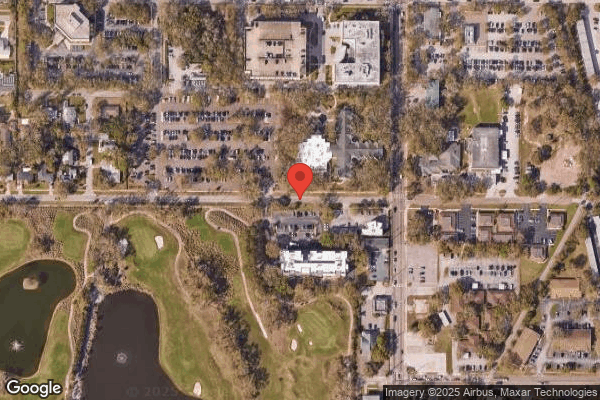
Apr 2021 5 deficiencies
CONCERN (D)

Potential for Harm - no one hurt, but risky conditions existed

Investigate Abuse (Tag F0610)

Could have caused harm · This affected 1 resident

**NOTE- TERMS IN BRACKETS HAVE BEEN EDITED TO PROTECT CONFIDENTIALITY** Based on observation, interview, and record review, the facility failed to ensure prevention of further potential abuse or mistr...

Read full inspector narrative →
**NOTE- TERMS IN BRACKETS HAVE BEEN EDITED TO PROTECT CONFIDENTIALITY** Based on observation, interview, and record review, the facility failed to ensure prevention of further potential abuse or mistreatment while an investigation was in process for one resident (#241) out of two sampled residents. The facility failed to ensure that the alleged perpetrator, a facility employee, remained under suspension until completion of the investigation, and failed to identify that they were in fact working in the facility and providing care to other residents while the investigation was on-going. Findings included: Resident #241 was interviewed on 04/13/21 at 4:16 p.m. She was alert, oriented, and engaged freely. Regarding care received at the facility, the resident said, Someone hurt me .they got rid of them. She reported that the person who had hurt her was a staff member, an aide, who's name she did not know, but who had cared for her on multiple shifts since the resident's admission to the facility. The resident reported that this aide had transported her in a wheelchair to her room when she arrived too the facility, had been careless during the transportation, and bumped the chair into other furniture in the room while the resident was in the chair. The resident said, I could just tell she had an attitude. The resident said that while the aide was helping her get into bed from the wheelchair, She yanked on my leg and I said, you can't do that. The resident clarified that it had been her right leg which had just been operated on with a hip replacement; the reason she had come to the facility for rehabilitation. The resident reported another encounter when she had asked this aide to put pillows under her legs. The resident said that in response, She (the aide) was annoyed .she took my sock off of my foot and said I didn't need it .I asked her to put it back on and asked for the pillows under my legs and showed her the papers from the hospital (instructions for positioning) and she said that's not necessary and dropped the papers on my stomach. The resident reported that the aide was rough when taking vitals, jabbed the thermometer at her mouth, and during one encounter the aide's arm had knocked into the resident's left breast. The resident reported that when she said something to the aide about it the aide said, I didn't touch you. The resident reported that after these experiences she began to feel increasingly unconformable and anxious about receiving care from this aide. She reported that the final event occurred one morning that week, she could not recall the date. The resident reported she had been having uncontrolled bowel movements and had been told to just let it happen on a pad and then call for the aide to clean up. The resident reported that after having a bowel movement the aide came in and she had an attitude with me about why I didn't ask for a bed pan. The resident reported that the aide jerked her right leg out while moving her in the bed which caused the resident pain. The resident said she told the aide not to do that and she (the aide) pointed her finger at me and yelled don't talk to me like I'm your daughter. The resident stated that after this event she told a nurse who said she would report it, and then another staff person came and talked to her about it and told her that aide would never be her aide again. The resident reported she had not seen the aide since. The resident could not recall the name of the staff member who talked to her but said it was a head honcho. A review of the admission Record revealed that Resident #241 had been admitted to the facility on [DATE] and diagnoses included intracapsular fracture of right femur, aftercare following joint replacement surgery, generalized muscle weakness, and need for assistance with personal care. The Minimum Data Set (MDS) dated [DATE] revealed a Brief Interview for Mental Status (BIMS) score of 15 which meant the resident was not cognitively impaired, and no signs or symptoms of delirium, disorganized thinking, or altered level of consciousness were recorded. Progress notes were reviewed for April 2021 and documentation did not reveal concerns with resident's acceptance of care or of behavioral disturbance except for one PCT (Personal Care Technician)/CNA (Certified Nursing Assistant) note dated 04/11/21 which revealed, Patient was offered peri care and change of adult pads several times but keep on refusing. Nurse is aware. Review of the facility document titled, [name of facility] Reportable's Log revealed an entry for Resident #241 dated 04/12/21, type of event allegation abuse, immediate report filed 04/12/21. The log fields for Day 5 and Resolution were blank. Staff C, Registered Nurse (RN), Nurse Manager was interviewed on 04/15/21 at 3:53 p.m. She confirmed that she knew Resident #241 and was the nurse manager for the second floor which included the resident's unit. Staff C confirmed that on Monday 04/12/21 the resident had asked to speak with a manager at about 10:45 a.m. that morning. Staff C reported that she went to talk with the resident within 5-10 minutes of receiving the request and the resident had reported in that conversation that she was upset about the care she had been receiving from Staff H, PCT. Staff C stated the resident reported the following concerns about Staff H: she was uncaring and mean-spirited and was yelling at the resident because she didn't call for the bed pan; Staff H took her sock off and told her she didn't need it since she could not walk and refused to put it back on her foot when the resident asked her to; the resident had requested pillows under her legs but Staff H gave her a towel instead; Staff H didn't pay attention to what she was doing and was careless; one time during taking vitals Staff H's hand had brushed against the resident's left breast; when Staff H turned the resident, it caused her pain. Staff C stated that Resident #241 had reported that she was afraid of Staff H hurting her. Staff C stated that after taking the resident's report she apologized to the resident and reported the allegation to the abuse coordinator (Nursing Home Administrator). She stated that Staff H was off that day already and was immediately suspended pending investigation and was removed from assignment to Resident #241's unit. Staff C said, Afterwards (same day) I spoke with her (Resident #241) and she said that she felt better having talked to me about concerns, I left my card with her, said she felt safe, she felt better knowing (Staff H) wouldn't be assigned to her anymore. Staff C said, But while that resident is here, I don't even want her (Staff H) on that unit. During the interview on 04/15/21 at 3:53 p.m., Staff C confirmed that the investigation into Resident #241's allegation of abuse was still ongoing and that she still was planning to do the following: follow up again with Resident #241 to find out if she's refusing care and what her expectations are; talk to a nurse who was mentioned for the first time that day during Staff H's statement. Regarding whether other facility residents receiving care from Staff H had been interviewed, Staff C responded that she had interviewed the resident's roommate but no other residents and said, Didn't get a chance to do that yet. She reported that she had interviewed the other CNAs and PCTs that were working on the day the resident reported the allegation (04/12/21) and nobody knew of any concerns related to Resident #241. Staff C reported that she had begun attempts to reach Staff H for her statement starting on 04/12/21, had left a message, did not get a response until Tuesday (4/13/21), an appointment was made for Staff H to come to the facility on 4/14/21 to give a statement but she did not show up. Staff C stated that she had called Staff H that day (04/15/21) and told her she had to come in before her shift and give her statement. Staff C confirmed that Staff H had come to the facility that day (04/15/21), given her statement, and then went to the floor to work her scheduled 3 p.m. - 11 p.m. shift on the second floor. Staff C again confirmed that Staff H was in the facility at that moment working on the floor. Regarding why Staff H was allowed to resume work when she had been suspended pending completion of an investigation that was not yet completed Staff C said, I was instructed that as long as I got a statement from her prior to starting her shift I could bring her back to work as long as not assigned to that patient. Staff H, PCT was interviewed on 04/15/21 at 04:31 p.m. She confirmed she knew Resident #241 and had been assigned as her aide including on the 11 p.m. - 7 a.m. shift 4/11/21-4/12/21. Staff H confirmed she had been suspended and reported that today (04/15/21) was her first day back working, that she was not assigned to Resident #241 and said, Better that way .she has something against me, I don't know. Then Staff H said, They said that because you guys are investigating this I have to go home .she (Staff C) told me that just right now before I got in this room to talk to you. The Nursing Home Administrator (NHA) and the Director of Nursing (DON) were interviewed on 04/15/21 at 5:52 p.m. The NHA confirmed that she was the facility abuse coordinator and the DON confirmed that she was the facility risk manager. The NHA was asked about facility protocol when an abuse allegation is made by a resident and responded, Typically if we're made aware of an allegation, whoever is made aware takes a statement from resident .at some point gets written down on a form .inform me or [DON] .we determine if it meets criteria for an allegation as far as suspending and then we suspend the employee until our investigation is complete, call State Agency Name initiate our investigation, complete required day one reporting and then any kind of follow up .psych (psychology) services, x-ray, send out, does patient feel safe here, notification of family, physician. The NHA said that an investigation would be considered completed when we've determined if substantiated or unsubstantiated, determined if need corrective action, investigation resolved with all our answers .until we cover all of our bases. Regarding the investigation for the allegation of abuse reported by Resident #241 related to Staff H, the NHA confirmed that the investigation had not been completed. She reported that she was made aware of the incident and allegation on 04/12/21 by Staff C and said, I felt it was borderline but made criteria to call it in to State Agency Name .State Agency Name did not take the case, said it didn't meet criteria. The NHA confirmed that she had filed an immediate report on 04/12/21. Regarding resident interviews as part of the investigation the NHA confirmed that only the resident's roommate was interviewed, said [I] asked [Staff C] to interview just the roommate and confirmed that no other residents had been interviewed. Regarding Staff H, the NHA confirmed she had been suspended immediately pending investigation completion and said, We received [Staff H's] statement today .began reaching out to her day one, but she didn't respond. The NHA confirmed that Staff H had come in that day (4/15/21), given a statement to Staff C, and then had gone to the floor to work her scheduled shift. She said, My understanding is that she was here today to give a statement, I did not know she was going to be working, that is not our protocol .I didn't know she was here working until I was told you were interviewing her, and I said what is she doing here? I just got her statement. I found out she had gone to the floor, don't know how that piece transpired so I said [to her] you can stay until interviewed but then you need to go home. The NHA reported that when she found out Staff H was in the building working, she told Staff C that she should not be in the building as it was against protocol and that Staff C had apologized and said that she had misunderstood. The NHA said, I coached [Staff C] that it is always our practice to suspend staff pending investigation completion and should not consider receiving a statement completion of investigation. The DON confirmed that Staff H had punched into the facility time clock on 04/15/21 at 2:40 p.m. and punched out at 5:00 p.m. The NHA said, Probably twenty minutes for her statement and the rest of the time on the floor. Review of the facility document titled, Rehab Staff Sheet 2021, for 4/15/21 revealed Staff H's name written for PCT assignment to 2nd floor unit 2 North. Her name had been crossed out and sent home was written. At 6:25 p.m. on 04/15/21 the DON and NHA were interviewed. Regarding how Staff H ended up remaining on the schedule even though she had been suspended and the DON said, The night shift supervisors go through monthly schedules and validate .everyone on schedule is on the paper .they did not mark her off the schedule. The DON clarified that When team members punch in they go to their unit and look at the staffing sheet on the unit for their assignment. The DON confirmed, Everyone knows that X means they've been taken off .what didn't happen is they didn't notice there was an X and didn't take her off the assignment sheet. The NHA said, I told [Staff C] on Monday that [Staff H] was suspended .we'll be suspending [Staff C] today for not following our protocol. The NHA provided abuse and investigation protocol in-service documentation from February 2021 which revealed that Staff C had attended and said, I want you to know that we just recently did this review .it says right here that part of our protocol is suspension pending investigation completion .she (Staff C) was trained on this protocol. On 04/16/21 at 8:44 a.m. the NHA followed up to provide additional documentation which included a mobile x-ray report completed of Resident #241's right lower extremity on 04/15/21 and documentation that the residents assigned to Staff H while she was working on 04/15/21 had been interviewed. Regarding why no other residents besides Resident #241's roommate had been interviewed before the evening of 04/15/21, the NHA said, direction was given to [Staff C] to follow up on that as part of her investigation. She was instructed to interview the additional residents that were alert and oriented who were under [Staff H's] assignment the night of the incident .[I] gave her that instruction on Monday (04/12/21) .I don't know if I gave her a time frame for completion. Regarding what responsibilities the NHA and DON had in their roles as abuse coordinator and risk manager for oversight of investigation process, the NHA said, Our responsibilities are to review the process .that we're constantly reminding our staff and managers and that staff and managers are competent, and to touch base during an investigation to make sure things have gone smoothly and ensure it's appropriate. The NHA confirmed that the investigation related to Resident #241 had been assigned to Staff C. Regarding the NHA's oversight of the investigation she said, I would say we discussed it almost daily .the only problem she brought up was the difficulty she was having reaching [Staff H]. The NHA said, Typically if a manger is having difficulty, we are notified by them if there is a problem. If it was a new manager, I wouldn't have given it to them (the investigation assignment) but [Staff C] has been here two years .she did not report any problems. The NHA confirmed that it was of concern that she did not know that Staff H was working in the building on 04/15/21 until she was being interviewed, and that it was of concern that some elements of the investigation such as interviewing other residents under Staff H's care had not been completed yet. She went on to say, these are investigations we've been doing a long time, typically our managers understand the sense of urgency .there's an understood work flow, I would say in the first 48 hours of that investigation is a good timeframe for having completed interviews with other residents .[Staff C] did not give any reason why she could not accomplish those .she did not report that to me. The DON confirmed that after they discovered that Staff H was working on the floor on 04/15/21, and after she was sent home, the DON had put a line through her name on the staffing sheet and written sent home. A facility policy/procedure titled, Abuse Prohibition, revised 03/2021, was reviewed. It revealed that it was the policy of the facility that abuse was prohibited and that it was the policy of the facility to implement an abuse prohibition program that included, Investigation of incidents and allegations; Protection of patients during investigations . The facility procedural components included, The Center Administrator, or designee is responsible for operationalizing policies and procedure that prohibit abuse . and, .The employee alleged to have committed the act of abuse will be immediately removed from duty, pending investigation.
CONCERN (D)

Potential for Harm - no one hurt, but risky conditions existed

Deficiency F0645 (Tag F0645)

Could have caused harm · This affected 1 resident

**NOTE- TERMS IN BRACKETS HAVE BEEN EDITED TO PROTECT CONFIDENTIALITY** Based on record review and interviews the facility failed to ensure that the Preadmission Screening and Resident Review (PASRR) ...

Read full inspector narrative →
**NOTE- TERMS IN BRACKETS HAVE BEEN EDITED TO PROTECT CONFIDENTIALITY** Based on record review and interviews the facility failed to ensure that the Preadmission Screening and Resident Review (PASRR) was completed accurately related to requirement for Level II PASRR evaluation for one resident (#55) out of two sampled residents. Resident #55 was newly admitted to the facility, had a diagnosis of a serious mental disorder as defined in 42 CFR §483.102(b)(1), and was not a provisional admission. Findings included: Review of the medical record for Resident #55 revealed that she was admitted to the facility on [DATE]. The diagnoses documented in her record included the following: bipolar disorder; epilepsy; major depressive disorder and dementia. Review of the PASRR completed by a provider at the hospital where the resident was admitted from had a completion date of [DATE]. Section I: PASRR Screen Decision-Making included a selection of mental illness diagnoses, intellectual disability, related conditions, functional criteria, and services. The diagnoses listed included bipolar disorder and depressive disorder under part A. and epilepsy under part B. All sections/selections were blank; none of the resident's diagnoses were selected. On page 3, item 5, Does the individual have a primary diagnosis of: Dementia? was checked as No and item 6, Does the individual have a secondary diagnosis of dementia, related neurocognitive disorder (including Alzheimer's disease) and the primary diagnosis is an Serious Mental Illness or Intellectual Disability? was checked as No. On page 4 of the PASRR document the following instruction was written: A Level II PASRR evaluation must be completed if the individual has a primary or secondary diagnosis of dementia or related neurocognitive disorder, and a suspicion or diagnosis of an Serious Mental Illness, Intellectual Disability, or both. On page 5 of the PASRR document under the heading Individual may be admitted to an Nursing Facility (check one of the following) the following was entered with a check mark: No diagnosis or suspicion of Serious Mental Illness or intellectual Disability indicated. Level II PASRR evaluation not required. Staff I, Social Services Specialist (SSS) was interviewed on [DATE] at 1:14 p.m. She confirmed that she was the only person in the role of SSS in the facility. Regarding the PASRR for newly admitted residents she said, We get them from the hospital .social worker at the hospital completes them when they're being discharged from the hospital .the admission people request the PASRR. She said, I don't have my master's degree so I can't do them. Regarding her involvement with the PASRR, Staff I initially said, I do look at the PASRR to see if they triggered anything .depression .anxiety .then I go talk to the resident to confirm and offer services such as psych services. When asked for more details she said, I don't check the PASRR for accuracy .don't check to see if it's accurate or reflects their diagnoses .I really just really find out what their discharge plans are .I just see the PASRR in the chart .you should really be seeing the admissions people. Regarding whether anyone in the facility had responsibility for ensuring the PASRR was accurate, Staff I said, I don't know if anyone here is looking at this (PASRR) for accuracy. Staff J, Manager of Admitting and Registration was interviewed on [DATE] at 2:09 p.m. Regarding the PASRR for newly admitted residents she said, We ask for them from the hospital .my role is to get it and get it to the floor with the rest of the admitting packet. She said, I'm not licensed to do a PASRR .I don't check for accuracy or return them for accuracy, my only job is to request it. The Nursing Home Administrator (NHA) was interviewed on [DATE] at 3:06 p.m. She confirmed that it was Staff I's responsibility to review the PASRR for accuracy for newly admitted residents the morning following the day of admission unless they were admitted on Friday or a weekend when review would occur the following Monday. She said that the expectation for Staff I's PASRR review included, If they trigger for a Level II, she should be requesting a Level II and initiate the Level II process .if there are any issues with the PASRR she (Staff I) should bring that to the next morning meeting and then if they need to be reassessed and re-completed. We have people here who can do that. Regarding correcting a PASRR or requesting a Level II evaluation the NHA said, We have many ways that we can resolve them .if they need a Level II, we typically trigger that through the [Company Name] system. She reported that she had spoken with Staff I about Resident #55's inaccurate PASRR today after the investigation was brought to her attention and said, When I spoke with [Staff J, Manager of Admitting and Registration] about it she said her [Company Name] password was expired. The NHA confirmed that an expired password should not prohibit checking a PASRR for accuracy and said, She (Staff J Manager of Admitting and Registration) said she missed it .it was an oversight. Review of facility policy/procedure titled, Pre-admission Screening for Mental Disorders (MD)/Intellectual Disability (ID) Patients, revised 03/2021 revealed that the policy purpose was To ensure that all individuals are screened for a MD (mental disorder) or ID (intellectual disorder) prior to admission. To ensure that individuals identified with MD or ID are evaluated and receive care and services in the most integrate setting appropriate to their needs. The policy statement was, [name of facility] will assure that all patients with Mental Disorders (MD) and/or Intellectual Disability (ID) receive appropriate pre-admission screenings according to federal and /or state regulations. The policy included the following practice standards: 1. Social Services will coordinate and/or inform the appropriate agency to conduct the evaluation and obtain results if: a. it is learned after admission that the Pre-admission Screening and Resident Review (PASRR) was not completed or is incorrect .
CONCERN (D)

Potential for Harm - no one hurt, but risky conditions existed

ADL Care (Tag F0677)

Could have caused harm · This affected 1 resident

**NOTE- TERMS IN BRACKETS HAVE BEEN EDITED TO PROTECT CONFIDENTIALITY** Based on observations, interviews, and record review, the facility failed to ensure that the necessary services required for eat...

Read full inspector narrative →
**NOTE- TERMS IN BRACKETS HAVE BEEN EDITED TO PROTECT CONFIDENTIALITY** Based on observations, interviews, and record review, the facility failed to ensure that the necessary services required for eating to maintain good nutrition were provided in a timely manner for one resident (#230) for three of three meals observed for two of two days out of four sampled residents. Findings included: Observation of a lunch tray pass was conducted on the second floor on 04/13/21 from 12:00 p.m. to 12:45 p.m. At 12:19 p.m. Resident #230 was observed in her room in bed. Her roommate had been served their lunch tray and was eating independently. Resident #230 did not have her lunch tray. She appeared frail and spoke in a soft hoarse-sounding voice. She was alert and oriented and engaged freely. The resident reported that she had come to the facility after a long hospitalization, during which she had lost significant weight and strength. She reported she was unable to use her arms or move her legs on her own and was dependent on facility staff for everything including eating; she could not feed herself or hold cup to drink from. At 12:45 p.m. on 04/13/21 a staff member brought Resident #230's lunch tray and stayed to feed her. The resident reported that they did it that way (delivered all the trays and then came back to help her) because they had to stay to feed her. Review of the admission Record for Resident #230 revealed that she was admitted to the facility on [DATE] with diagnoses to include critical illness polyneuropathy and generalized muscle weakness. The Minimum Data Set (MDS), dated [DATE], revealed a Brief Interview for Mental Status (BIMS) score of 15, which meant that the resident was not cognitively impaired. The MDS revealed that the resident required extensive physical assistance for eating. The active care plan for Resident #230 revealed that she required maximal assistance for self - feeding, intimated on 4/14/21, and was identified as a nutritional risk related to weight loss, poor intake, malnutrition, abnormal lab values, and poor skin integrity, initiated on 4/16/21. Observation of the lunch tray pass was conducted on 04/15/21 beginning at 12:07 p.m. At 12:09 p.m. staff began to pass the trays on Resident #230's hall; one the certified nursing assistants (CNA) and the Director of Nursing (DON) were observed delivering trays to each room starting at one end of the hall. The DON was observed delivering Resident #230's lunch tray at 12:16 p.m. and then exiting the room and resuming tray pass to other residents. At 12:39 p.m. the resident was observed in her room in bed with the unopened lunch tray on the tray table next to the bed. Her roommate had also received their lunch tray and was independently eating. Resident #230 stated she was waiting for Staff G, CNA to come and assist her to eat. At 12:55 p.m. Staff K, Licensed Practical Nurse (LPN) was observed at the resident's bedside preparing to set up the tray and begin feeding the resident. Staff K reported that she had come in to feed the resident because Staff G had to answer a light across the hall and help another resident in the bathroom. Staff G was interviewed on 04/15/21 at 1:19 p.m. and confirmed that she had been unable to provide timely assistance to Resident #230 because she had to assist another resident. An interview was conducted with Staff G on 04/15/21 at 3:33 p.m. Regarding the observations made during the lunch tray pass she said, .having leaders here passing trays isn't normal .they were doing that because y'all are here. Regarding observation of Staff K feeding Resident #230 her lunch instead of her she said, I told my manager about it (needing more help) and they didn't help .asked me to do something else and then the nurse had to go do it. Staff G became tearful as she explained that the process for meals was that each CNA was responsible for feeding anyone on their assignment that needed assistance. She reported that it wasn't possible to be in two places at once and that she also had to manage other care needs for other residents at the same time. She reported that she did advocate to her managers about needing help and said, It's just not right .you go down and talk to them and they don't do anything. Observation of the dinner tray pass was conducted on 04/15/21 beginning at 5:27 p.m. There were two CNAs passing trays, two staff members were sitting in the nurse's station, and Staff K was actively passing medications on Resident #230's hall. At 5:38 p.m. Resident #230 was observed in bed. There was an unopened dinner tray on the tray table next to the bed. The resident said, [Staff L, Personal Care Technician (PCT)] is coming. At 5:40 p.m. Staff L entered the room to begin feeding the resident. He reported he had worked in the facility for many years and said, Getting help is terrible .been going on forever. He confirmed his regular shift was 3 p.m. to 11 p.m. and stated that he regularly advocated to his charge nurse when he needed help because The unit manager goes home at 4:30 (p.m.) so she's not here. Regarding needing more help for timely assistance during meals he said, We've been talking about it forever. He reported that the current process was that a CNA or PCT was responsible for passing trays and assisting all residents on their assignment who needed it. He reported that the problem was that, If a light goes off and I'm feeding a resident; I have to also answer that light. So I have to leave the resident I'm feeding to go answer it, and that's not fair to the resident .their food gets cold and they are waiting. He said, Most important thing to me is patient care .we do the best we can. The DON was interviewed on 04/16/21 at 12:27 p.m. Regarding the process for meal tray pass and assisting residents with eating she said, All staff should be assisting to pass trays .anyone available .when they see that cart they should assist CNAs who are already assigned. She clarified that the definition of available, meant anyone who was not involved at that moment in providing direct patient care was expected to provide help. She said, Typically upstairs (Resident #230s floor) they don't usually have very many that need assistance .usually one or two at the most. Regarding expectations on who could help to feed residents who needed assistance she said, The manager can certainly help assist with eating .I'm available .typically most residents on the first floor need assist .we've assigned day shift nursing supervisor, resource nurse, myself, two managers to round throughout to check in and offer help. She reported that her expectation of CNAs or PCTs that needed help was that They would notify us. She said, For example, yesterday I was upstairs making my rounds and that's why I offered to help (lunch tray pass on Resident #230's hall) .I told [the nurse manager] that as soon as she was available she should get out on the floor and help .I let the CNA who had her (Resident #230) know I had delivered the tray. Regarding expectation for timely assistance for eating she said, Residents should get assistance when tray is delivered if they want it at that time .expectations is no longer that 5 to 10 minutes [wait] to assist .if they decline assist when offered we ask if they want to keep the tray there or if they want us to put back on cart .we don't want a resident not to be able to be eating if roommate is eating .we pull the curtain like in her (Resident #230) case to make it less of a dignity issue. Review of facility policy/procedure titled, Food - Serving Trays, dated 04/2012, revealed that it was the facility's policy To provide adequate nutrition for the well being of the patients. Registered Nurses (RNs), LPNs, and Nurse Assistants were identified as the facility staff responsible. The procedure included, .Assist the patient willingly if he requires help. 2. On 4/13/21 at 4:28 p.m. an interview was conducted with Staff B, CNA. Staff B, CNA said they used to have eight CNAs on the second floor, now it's seven. It's tough. You can't give quality care anymore. Sometimes they have ten patients and five need to be fed. That's mostly downstairs. Administration doesn't help. We are not allowed to say we are short staffed. Last weekend they had eleven to twelve residents in their assignment.
CONCERN (D)

Potential for Harm - no one hurt, but risky conditions existed

Medication Errors (Tag F0758)

Could have caused harm · This affected 1 resident

**NOTE- TERMS IN BRACKETS HAVE BEEN EDITED TO PROTECT CONFIDENTIALITY** 2. The admission Record for Resident #5 indicated that the resident was admitted into the facility on [DATE] with diagnoses that...

Read full inspector narrative →
**NOTE- TERMS IN BRACKETS HAVE BEEN EDITED TO PROTECT CONFIDENTIALITY** 2. The admission Record for Resident #5 indicated that the resident was admitted into the facility on [DATE] with diagnoses that included but were not limited to Dementia, persistent mood disorder, restlessness and agitation, anxiety disorder, and major depressive disorder. Section C Cognitive Patterns of the quarterly Minimum Data Set (MDS) dated [DATE] revealed that Resident #5 had a Brief Interview for Mental Status (BIMS) score of 07 out of 15 indicating severe impairment. Section N indicated that Resident #5 received antipsychotics seven days a week and antianxiety medications one time a week. A review of the Order Summary Report with active orders as of 04/16/2021 revealed the following orders: Clonazepam Tablet 1 MG- Give 1 mg po (by mouth) every 12 hours as needed for anxiety with a start date of 11/02/20 and no end date Lorazepam Solution 2 MG/ML(milliliter) - Inject 0.5 ml intramuscularly every 12 hours PRN (as needed) for agitation with a start date of 08/21/20 and no end date. The Medication Administration Record (MAR) for March 2021 revealed that Clonazepam was administered on March 3rd, 7th, 9th, and 11th. The MAR reflected that Lorazepam was not administered. The MAR for April 2021 revealed that Clonazepam was administered on April 7th, 10th, and 14th. The MAR reflected that Lorazepam was not administered. A review of the progress notes from 03/01/21 to present did not reflect a rational to extend the medications. A review of the Consultant Medications Therapy Review with an effective date of 03/05/21 and 04/08/21 did not reflect a rational to extend the medications. On 04/16/21 at 12:08 p.m., the DON reported that each month the pharmacist reviews the medications. The physician would make the determination for the stop date. The policy provided by the facility titled, Pharmacy Services- Drug Regimen Free from Unnecessary Drugs, issued on 06/2020, revealed the following: Purpose: The intent of this policy is each patient's/resident's entire drug/medication regimen is managed and monitored to promote or maintain the patient's/resident's highest practicable mental, physical, and psychosocial wellbeing: the facility implements gradual dose reductions (GDR) and nonpharmacological interventions, unless contraindicated, prior to initiating or instead of continuing psychotropic medication; and PRN orders for psychotropic medications are only used when the medication is necessary and PRN use is limited. Procedure: 3. Based on a comprehensive assessment of a patient/resident, the facility will ensure that: c. Patients/Residents do not receive psychotropic drugs pursuant to a PRN order unless that medication is necessary to treat a diagnosed specific condition that is documented in the clinical record; and d. PRN orders for psychotropic drugs are limited to 14 days. Except, if the attending physician or prescribing practitioner believes that it is appropriate for the PRN order to be extended beyond 14 days, he or she should document their rationale in the patient's/resident's medical record and indicate the during for the PRN order. e. PRN orders for anti-psychotic drugs are limited to 14 days and cannot be renewed unless the attending physician or prescribing practitioner evaluates the patient/resident for the appropriateness of that medication. Based on record review, interviews, and policy review the facility did not ensure PRN (as needed) psychotropic medication had a stop or renewal date after fourteen days, for two residents (#1 and #5) of five residents reviewed. Findings included: 1. Resident #1 was admitted to the facility with a diagnosis of anxiety disorder, according to the admission Record. A review of the Minimum Data Set (MDS) assessment, dated 4/2/21, reflected a Brief Interview of Mental Status (BIMS) score of 15, indicating Resident #1 was cognitively intact. A review of the active physician's orders as of 4/16/21 in the medical record revealed an order dated 3/27/21 for Lorazepam tab 1 mg (milligram) every 12 hours as needed for anxiety. A review of the interim medication regimen review (MRR) dated 3/29/21 reflected there were no pharmacist recommendations. A review of the consultant pharmacist note dated 4/8/21 indicated no recommendations. On 4/16/21 at 12:36 p.m. an interview was conducted with the Director of Nursing (DON). She said medications are reviewed by the pharmacist monthly, and the physician who oversees the care. Some are seen by psychiatric medicine for continuance, discontinuance, or GDR (gradual dose reduction.) The physician makes the stop date. If it's a routine medication and they are taking it every day then we would make it a scheduled medication. On 4/16/21 at 2:59 p.m. a telephone interview was conducted with the consultant pharmacist. He said he looks on the MAR (medication administration record) to see if they have been using the prn (as needed) medication. Especially with a drug like Ativan (Lorazepam) he takes a look at the diagnoses to see if there is one with a chronic utilization at home, or a COPD (chronic obstructive pulmonary disease) type patient where anxiety is a significant issue. I look at their utilization pattern. If it's within 2 mg a day than I try to wean someone off in conjunction with the ARNP (advanced registered nurse practitioner). I try to get them off the long acting to short acting. The most I try to keep somebody on is 0.5 mg every six hours. Then I watch them for a time period, several months and look at their utilization. Then look at the pattern and see what risks they have, falls, pain medications, individual monitoring. I don't necessarily ask for a stop date. I usually do the IRRs (interim medication regimen reviews) on the first day they are admitted . I look again at the end of the month. He said he was aware of the regulation. I don't necessarily ask for a renewal order, but I try to write a reminder to do that. I try to keep the psychoactive drugs, at four to six weeks for therapeutic benefits. I try to take the variables into account when I am looking at them. I think I just did one on Resident #5 this past month. I addressed the previous month. She was on three of those and I tried to get them to reevaluate those. March was her Remeron. February was Clonazepam 1 mg twice daily prn and Lorazepam 0.5 mg every 12 hours prn anxiety. And then 1 mg IM (intramuscular) Ativan prn, and she was also on Xanax prn. I asked them to consider discontinuing Clonazepam, the Trazadone, the Lorazepam (Ativan) IM. They were writing for Ativan 0.5 mg every six hours, so we started her on Ativan 0.25 mg every six hours. She has been on these drugs for quite awhile. We can't just stop the benzos (benzodiazepines) because they are addictive. So we try to get them on the lowest dose. She has been on it since February. They have to be on them for a time for the therapeutic benefit. I do review them every month. This month she has had 0 Lorazepam IM. It's every twelve hours prn and she is not on any others. That's a different order than I recommended, so they have changed it. It does not have a stop date on it. Resident #1 was just admitted and I may have reviewed her at the beginning of April. She had two doses in March. It was started March 27th. It's twenty days (since it was ordered). He confirmed there was only a start date on it. He confirmed it was prn. He said it looks like she has requested it at night.
CONCERN (E)

Potential for Harm - no one hurt, but risky conditions existed

Food Safety (Tag F0812)

Could have caused harm · This affected multiple residents

Based on observations, record review, and interviews, the facility failed to ensure a staff member (M) used sanitary practices to prevent cross contamination when taking food temperatures and failed t...

Read full inspector narrative →
Based on observations, record review, and interviews, the facility failed to ensure a staff member (M) used sanitary practices to prevent cross contamination when taking food temperatures and failed to perform hand hygiene in one of one kitchen. Findings included: On 04/15/21 at 11:19 a.m. an observation was conducted in the kitchen of Staff M, Cook, taking the temperature of the foods to be served for the lunch meal with the same thermometer. After taking the temperature of the hamburgers, Staff M used a dry paper towel to clean the thermometer. She then took the temperature of the fish and used a dry paper towel to clean the thermometer. Staff M then took the temperature of the chicken, and used a dry paper towel to clean the thermometer. She took the temperature of the turkey gravy and used a dry paper towel to clean the thermometer. Staff M took the temperature of the beef gravy and used a dry paper towel to clean the thermometer. She took the temperature of the ground turkey gravy and used a dry paper towel to clean the thermometer. Staff M took the temperature of the squash and continued wiping the thermometer with the same paper towel. At this time, Staff M was observed adjusting her mask twice with her left hand. She did not change her gloves or use hand hygiene. Staff M stated, The mask keeps falling. She continued to take the temperature of the mashed potatoes, and then the baked potatoes without cleaning the thermometer. She then took the temperature of the sweet potatoes and used the same dry paper towel to clean the thermometer. Staff M took the temperature of the puree turkey and used a dry paper towel to clean the thermometer. Following the observation an interview was conducted at 11:26 a.m. with the Certified Dietary Manager (CDM) related to the method of cleaning the thermometer. The CDM then instructed Staff M to use the wipes to clean the thermometer. The alcohol wipes were observed sitting on the steam table in a box. Staff M reported that she usually uses the alcohol wipes. On 04/15/21 at 12:23 p.m., the CDM stated they (kitchen staff) know the protocol for taking temperatures. They should sanitize the thermometer in between taking the temperatures. Staff had been educated on appropriate hand hygiene several times stated the CDM. At 12:44 p.m., the CDM stated staff were educated to use alcohol wipes to clean the thermometer. A review of the Program Report Form dated March 2021 revealed that Staff M was educated on hand hygiene on 03/30/21. A policy provided by the facility titled, Food Storage, revised 01/21, did not reflect the procedure for taking food temperatures.
Understanding Severity Codes (click to expand)
Life-Threatening (Immediate Jeopardy)
J - Isolated K - Pattern L - Widespread
Actual Harm
G - Isolated H - Pattern I - Widespread
Potential for Harm
D - Isolated E - Pattern F - Widespread
No Harm (Minor)
A - Isolated B - Pattern C - Widespread

Questions to Ask on Your Visit

  • "Can I speak with families of current residents?"
  • "What's your RN coverage like on weekends and overnight?"

Our Honest Assessment

Strengths
  • • No major safety red flags. No abuse findings, life-threatening violations, or SFF status.
  • • No fines on record. Clean compliance history, better than most Florida facilities.
  • • 35% turnover. Below Florida's 48% average. Good staff retention means consistent care.
Concerns
  • • 18 deficiencies on record. Higher than average. Multiple issues found across inspections.
Bottom line: Generally positive indicators. Standard due diligence and a personal visit recommended.

About This Facility

What is Morton Plant Rehabilitation Center's CMS Rating?

CMS assigns MORTON PLANT REHABILITATION CENTER an overall rating of 4 out of 5 stars, which is considered above average nationally. Within Florida, this rating places the facility higher than 99% of the state's 100 nursing homes. This rating reflects solid performance across the metrics CMS uses to evaluate nursing home quality.

How is Morton Plant Rehabilitation Center Staffed?

CMS rates MORTON PLANT REHABILITATION CENTER's staffing level at 5 out of 5 stars, which is much above average compared to other nursing homes. Staff turnover is 35%, compared to the Florida average of 46%. This relatively stable workforce can support continuity of care.

What Have Inspectors Found at Morton Plant Rehabilitation Center?

State health inspectors documented 18 deficiencies at MORTON PLANT REHABILITATION CENTER during 2021 to 2025. These included: 18 with potential for harm.

Who Owns and Operates Morton Plant Rehabilitation Center?

MORTON PLANT REHABILITATION CENTER is owned by a non-profit organization. Non-profit facilities reinvest revenue into operations rather than distributing to shareholders. The facility operates independently rather than as part of a larger chain. With 126 certified beds and approximately 102 residents (about 81% occupancy), it is a mid-sized facility located in BELLEAIR, Florida.

How Does Morton Plant Rehabilitation Center Compare to Other Florida Nursing Homes?

Compared to the 100 nursing homes in Florida, MORTON PLANT REHABILITATION CENTER's overall rating (4 stars) is above the state average of 3.2, staff turnover (35%) is significantly lower than the state average of 46%, and health inspection rating (3 stars) is at the national benchmark.

What Should Families Ask When Visiting Morton Plant Rehabilitation Center?

Based on this facility's data, families visiting should ask: "Can I visit during a mealtime to observe dining assistance and food quality?" "How do you handle medical emergencies, and what is your hospital transfer rate?" "Can I speak with family members of current residents about their experience?"

Is Morton Plant Rehabilitation Center Safe?

Based on CMS inspection data, MORTON PLANT REHABILITATION CENTER has a clean safety record: no substantiated abuse findings (meaning no confirmed cases of resident harm), no Immediate Jeopardy citations (the most serious violation level indicating risk of serious injury or death), and is not on the Special Focus Facility watch list (a federal program monitoring the lowest-performing 1% of nursing homes). The facility has a 4-star overall rating and ranks #1 of 100 nursing homes in Florida. While no facility is perfect, families should still ask about staff-to-resident ratios and recent inspection results during their visit.

Do Nurses at Morton Plant Rehabilitation Center Stick Around?

MORTON PLANT REHABILITATION CENTER has a staff turnover rate of 35%, which is about average for Florida nursing homes (state average: 46%). Moderate turnover is common in nursing homes, but families should still ask about staff tenure and how the facility maintains care continuity when employees leave.

Was Morton Plant Rehabilitation Center Ever Fined?

MORTON PLANT REHABILITATION CENTER has no federal fines on record. CMS issues fines when nursing homes fail to meet care standards or don't correct problems found during inspections. The absence of fines suggests the facility has either maintained compliance or corrected any issues before penalties were assessed. This is a positive indicator, though families should still review recent inspection reports for the full picture.

Is Morton Plant Rehabilitation Center on Any Federal Watch List?

MORTON PLANT REHABILITATION CENTER is not on any federal watch list. The most significant is the Special Focus Facility (SFF) program, which identifies the bottom 1% of nursing homes nationally based on persistent, serious quality problems. Not being on this list means the facility has avoided the pattern of deficiencies that triggers enhanced federal oversight. This is a positive indicator, though families should still review the facility's inspection history directly.