AVANTE AT BOCA RATON, INC.
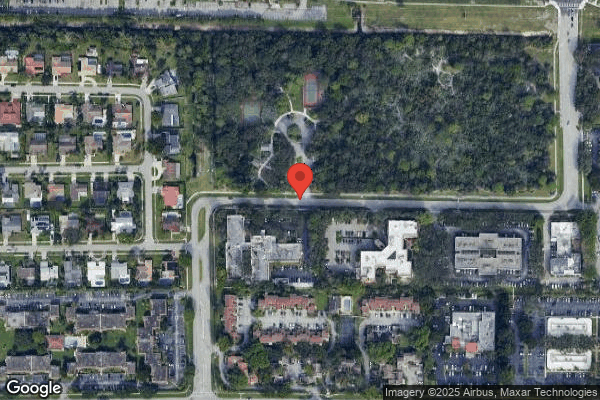
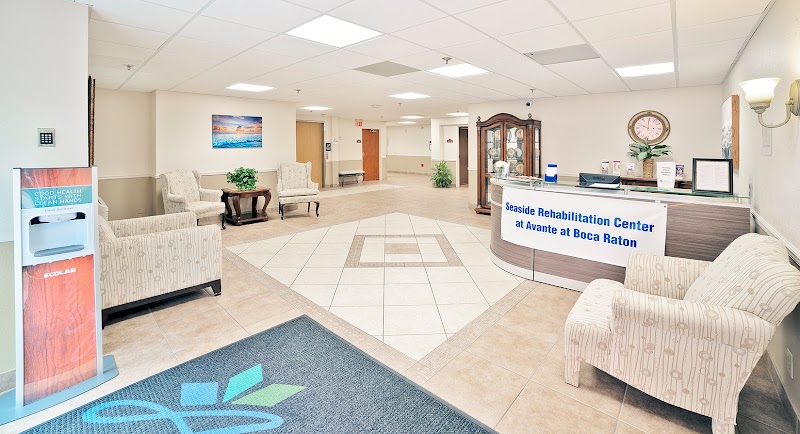
1130 NW 15TH STREET, BOCA RATON, FL 33486 (561) 394-6282
For profit - Corporation 144 Beds AVANTE CENTERS Data: November 2025
Trust Grade
33/100
#598 of 690 in FL
Last Inspection: May 2024

Within standard 12-15 month inspection cycle. Federal law requires annual inspections.

Overview

Avante at Boca Raton, Inc. has received a Trust Grade of F, indicating significant concerns and a poor overall evaluation. It ranks #598 out of 690 facilities in Florida, placing it in the bottom half, and #51 out of 54 in Palm Beach County, suggesting limited local options for better care. While the facility is showing signs of improvement, reducing its issues from 15 in 2024 to 5 in 2025, there are still serious concerns, including a failure to provide timely nutritional assessments for residents, leading to weight loss and pressure ulcers. Staffing is a relative strength, with a 4 out of 5 rating and only 29% turnover, which is below the state average, indicating experienced staff. However, the facility has been fined $30,495, which is concerning, and it has been noted for inadequate food supply and unsafe food handling practices, including food contamination risks and insufficient food inventory for residents’ nutritional needs.

Trust Score
F
33/100
In Florida
#598/690
Bottom 14%
Safety Record
Moderate
Needs review
Inspections
Getting Better
15 → 5 violations
Staff Stability
✓ Good
29% annual turnover. Excellent stability, 19 points below Florida's 48% average. Staff who stay learn residents' needs.
Penalties
✓ Good
$30,495 in fines. Lower than most Florida facilities. Relatively clean record.
Skilled Nurses
✓ Good
Each resident gets 51 minutes of Registered Nurse (RN) attention daily — more than average for Florida. RNs are trained to catch health problems early.
Violations
⚠ Watch
38 deficiencies on record. Higher than average. Multiple issues found across inspections.
★☆☆☆☆
1.0
Overall Rating
★★★★☆
4.0
Staff Levels
★☆☆☆☆
1.0
Care Quality
★☆☆☆☆
1.0
Inspection Score
Stable
2024: 15 issues
2025: 5 issues

The Good

  • 4-Star Staffing Rating · Above-average nurse staffing levels
  • Low Staff Turnover (29%) · Staff stability means consistent care
  • Full Sprinkler Coverage · Fire safety systems throughout facility
  • No fines on record
  • Staff turnover is low (29%)

    19 points below Florida average of 48%

Facility shows strength in staffing levels, staff retention, fire safety.

The Bad

1-Star Overall Rating

Below Florida average (3.2)

Significant quality concerns identified by CMS

Federal Fines: $30,495

Below median ($33,413)

Moderate penalties - review what triggered them

Chain: AVANTE CENTERS

Part of a multi-facility chain

Ask about local staffing decisions and management

The Ugly 38 deficiencies on record

1 actual harm
Jul 2025 3 deficiencies
CONCERN (D) 📢 Someone Reported This

A family member, employee, or ombudsman was alarmed enough to file a formal complaint

Potential for Harm - no one hurt, but risky conditions existed

Investigate Abuse (Tag F0610)

Could have caused harm · This affected 1 resident

**NOTE- TERMS IN BRACKETS HAVE BEEN EDITED TO PROTECT CONFIDENTIALITY** Based on observations, interviews, and record reviews, the facility failed to thoroughly investigate a neglect allegation relate...

Read full inspector narrative →
**NOTE- TERMS IN BRACKETS HAVE BEEN EDITED TO PROTECT CONFIDENTIALITY** Based on observations, interviews, and record reviews, the facility failed to thoroughly investigate a neglect allegation related to wound care for 1 of 3 residents reviewed for wound care (Resident #3).The findings included:Review of the facility's policy titled, Abuse, Neglect, Exploitation, Mistreatment, Misappropriate of Property and Injury of Unknown Source Prevention (ANEMMI), dated 03/02/19, included the following: The facility will develop and operationalize policies and procedures for screening and training employees, protection of residents and for the prevention, identification, investigation, and reporting of abuse, neglect, mistreatment, and misappropriation of property; to include the use of physical and or chemical restraints. The purpose is to ensure that the facility is doing all that is within its control to prevent occurrences.Investigation:Investigate different types of incidents; and identify the staff member responsible for the initial reporting, investigation of alleged violations and reporting results to the proper authorities.Reporting/Response:Analyze the occurrences to determine what changes are needed, if any, to policies and procedures to prevent further occurrences.In response to allegations of abuse, neglect, exploitation, or mistreatment, the facility will: Have evidence that all alleged violations are thoroughly investigated. Record review for Resident #3 revealed the resident was admitted to the facility on [DATE] with diagnoses that included: Wedge Compression Fracture of Third Lumbar Vertebra, Type 2 Diabetes Mellitus without Complications, Bacteremia, Overactive Bladder and History of Falling. On 07/05/25, Resident #3 was discharged to the hospital from the facility. Review of Section C of the 5-day Minimum Data Set (MDS) dated [DATE] revealed that Resident #3 had a Brief Interview for Mental Status (BIMS) of 14/15, indicating his cognition was intact. Review of Section H revealed Resident #3 had an indwelling catheter and Section M revealed Resident #3 had an unstageable pressure ulcer/injury. Review of the Physician's Orders showed Resident #3 had orders dated 07/02/25 for Wound consult; change indwelling foley catheter when medically necessary and PRN; and May irrigate indwelling Foley catheter with 60ml of NS q shift PRN for blockage, occlusion or leakage. Further review of the Physician's orders revealed Resident #3 had an order dated 07/05/25 for Piperacillin sod-Tazobactam So Solution Reconstituted 3-0.375 grams (GM), Use intravenously (IV) every 8 hours for wound infection until 07/14/25; and an order dated 07/09/25 for Wound care: Cleanse Sacrum wound with wound cleanser, pat dry, add honey fiber to wound bed, and cover/secure with bordered gauze daily and PRN if soiled or displaced until resolved. On 07/23/25, a review of the facility's investigation folder for Resident #3's neglect allegation related to wound care was conducted. The facility investigation included the following: Resident #3's diagnosis, skin check evaluation, previous hospitalization dated 06/20/25-06/30/25, and interviews with current residents related to neglect. Further review revealed no staff interviews were conducted and no record review of Resident #3's wounds or if care was provided for the wounds. In addition, there was no documentation noted in the investigation of what occurred with Resident #3's wounds (as to explain why there was a neglect allegation) and no procedures in place to prevent further occurrences.An interview was conducted on 07/23/25 at 5:10 PM with the Administrator/Risk Manager, who stated he felt that a thorough investigation was conducted for Resident #3's neglect allegations. When asked if he conducted any staff interviews regarding wound care, he stated yes with Staff C, Registered Nurse (RN) and weekend nurse supervisor, who was the one present when the resident was sent out to the hospital due to profusely bleeding from his penis. Then, the Administrator was asked about the wounds of Resident #3, and did he investigate the relation of the wounds to the neglect allegation, he again stated he interviewed Staff C, RN, who advised the aides to be gentle with Resident #3 since he was bleeding profusely. However, the Administrator was unable to answer the question or provide information regarding Resident #3's wounds.
CONCERN (D) 📢 Someone Reported This

A family member, employee, or ombudsman was alarmed enough to file a formal complaint

Potential for Harm - no one hurt, but risky conditions existed

Pressure Ulcer Prevention (Tag F0686)

Could have caused harm · This affected 1 resident

**NOTE- TERMS IN BRACKETS HAVE BEEN EDITED TO PROTECT CONFIDENTIALITY** Based on observation, interview and record review, the facility failed to ensure treatment measures were implemented for pressur...

Read full inspector narrative →
**NOTE- TERMS IN BRACKETS HAVE BEEN EDITED TO PROTECT CONFIDENTIALITY** Based on observation, interview and record review, the facility failed to ensure treatment measures were implemented for pressure ulcers for 1 of 3 sample residents, Resident #3, reviewed for Pressure Ulcer/Injury, as evidenced by physician orders for wound care and intravenous (IV) antibiotic therapy were not followed, increasing the risk of pressure ulcer worsening for Resident #3.The findings included: Review of the facility's policy titled, Clean Dressing Change, dated 03/02/19, included the following: It is the policy of the facility to ensure change dressings in accordance with State and federal Regulations, and national guidelines.Procedure:1.Verify and review physician's order for procedure. Record review for Resident #3 revealed the resident was admitted to the facility on [DATE] with diagnoses that included: Wedge Compression Fracture of Third Lumbar Vertebra, Type 2 Diabetes Mellitus without Complications, Bacteremia, Overactive Bladder and History of Falling. On 07/05/25, Resident #3 was discharged to the hospital from the facility. Review of Section C of the 5-day Minimum Data Set (MDS) dated [DATE] revealed that Resident #3 had a Brief Interview for Mental Status (BIMS) of 14/15, indicating cognition was intact. Review of Section M revealed Resident #3 had an unstageable pressure ulcer/injury. Review of the Physician's Orders showed Resident #3 had orders dated 07/02/25 for Wound consult. Further review of the Physician's orders revealed Resident #3 had an order dated 07/02/25 for Piperacillin sod-Tazobactam So Solution Reconstituted 3-0.375 grams (GM), Use intravenously (IV) every 8 hours for wound infection until 07/14/25; and an order dated 07/09/25 for Wound care: Cleanse Sacrum wound with wound cleanser, pat dry, add honey fiber to wound bed, and cover/secure with bordered gauze daily and PRN if soiled or displaced until resolved (Resident #3 was discharged to the hospital on [DATE]).Review of the admission care Plan revealed for Resident #3's pressure ulcers no interventions were developed.Record review of the July Treatment Administration Record (TAR) for Resident #3 documented no wound care treatment for Resident #3's pressure ulcers from 07/02/25 to 07/05/25. In addition, review of the Medication Administration Record (MAR) indicated Resident #3 was not administered Piperacillin intravenously (IV) every 8 hours for wound infection from 07/02/25 to 07/05/25 (Resident #3 was at the facility from 07/02-07/05/25 without treatment for his wounds).Record review of Resident #3's AHCA 3008-form dated 07/01/25 (part of the hospital discharge paperwork to the facility), the physician wrote under comments: Please see attached IV antibiotics and wound care orders.During an interview conducted on 07/23/25 at 10:58 AM with Staff D, Licensed Practical Nurse (LPN) and wound care nurse, who stated she has been the full-time wound care nurse for 8-9 months and works Monday-Friday. Upon admission of a resident, she stated assessment of wounds is done the next day of admission. She stated she reviews hospital orders and follows the orders upon admission; if need to change the hospital's orders then she will contact the wound care Nurse practitioner (ARNP). She was asked if she assessed Resident #3's wounds upon admission; she stated yes. Further along in the interview, Staff D acknowledged she was scheduled as floor nurse on 07/02/25 instead of the wound care nurse. She further stated on 07/03/25 she was scheduled for documentation for wound care, meaning she would review orders, call family members for updates and future doctor's appointments. Staff D then stated she was off on 07/04/25 and she does not work on the weekends. She stated she saw Resident #3 on 07/02/25 and did a skin assessment because the resident's assigned nurse mentioned to her that the sacrum wound was big. Staff D stated she ordered the wound treatment at that time (Review of the physician's orders for wound treatment was created on 07/09/25, however start date 07/02/25). Then Staff D again added she was assigned as a floor nurse on 07/02/25, assessed Resident #3 briefly and was unable to review the hospital records. A side-by-side review of the July TAR was conducted at this time and Staff D was asked why Resident #3 did not receive wound treatment from 07/02-07/05/25. She stated she was not sure, the floor nurses are responsible for doing the wound treatments when she is not at the facility or when she is assigned as a floor nurse herself. She was also asked why the wound care order was created on 07/09/25 with a 07/02/25 start date, she then stated she was not sure (order was created by Staff D).During an interview conducted on 07/23/25 at 2:03 PM with Staff A, Registered Nurse (RN), who stated she has worked at the facility for 3 months and in July her assignment was on the 2nd floor. She stated she recalls Resident #3 had a wound, however, wound treatment is done by the wound care nurse unless the dressing is soiled and then she would change it, if the wound care nurse is not available, and wound care orders are put in by the wound care nurse.On 07/23/25 at 2:49 PM an interview was conducted with Staff E, ARNP, who stated she has worked at the facility for over a year as the primary ARNP and she comes into the facility Monday-Friday. She stated she saw Resident #3 on 07/02/25 and saw that the resident came in with orders. She then stated she sees newly admitted residents first and conducts an assessment. Staff E stated a few days later she conducted a deep dive into Resident #3's chart and noticed there was an order for IV antibiotic in the hospital discharge packet, which was not in the orders at the facility, so she added it to the chart on 07/05/25. She then stated that when a resident comes into the facility, the admitting nurse would enter all the orders from the hospital discharge documents.On 07/23/25 at 3:31 PM an interview was conducted with Staff B, RN, who stated she has worked at the facility for 35-36 years and in the last few years she has been assigned to the 2nd floor, her shift is 3PM-11PM. She stated medication orders are entered by the admitting nurse, but sometimes she does ask either the nurse supervisor or another nurse to assist in entering the orders. She stated orders come in with the hospital paperwork packet including diet and medications. Staff B confirmed that she was the admitting nurse for Resident #3 on 07/01/25. She stated Resident #3 was alert and oriented, had a Peripheral Inserted Central Catheter (PICC) line, Foley Catheter and had a few wounds. She stated she does not recall where all the wounds were, however, she removed the dressing from the sacral wound to assess how the wound looked and changed the dressing. She then acknowledged not documenting the wound dressing change on 07/01/25. She stated two other nurses assisted her in entering the orders for Resident #3 since it was toward the end of her shift. Staff B cannot recall why Resident #3 had a PICC line. She then stated she did see an order for IV medication, but it was not during her shift (Piperacillin sod-Tazobactam So Solution Reconstituted 3-0.375 grams, use IV every 8 hours for wound infection). She confirmed she was the assigned 3PM-11PM nurse for Resident #3 on 07/02/25, 07/03/25, and 07/05/25. Staff B was asked if she saw the wound care orders for the resident since she was the assigned nurse. At this time, Staff B became very upset and defensive, stating that she is not the only one to blame, this is on every nurse, the wound care nurse would be the one that would address the wound care orders, and it is obvious that Resident #3's physician orders were not all entered.On 07/24/25 at 9:26 AM an interview was conducted with Staff C, RN, who stated she has worked at the facility for 9 months as weekend supervisor. On 07/05/25, she recalls the nurse calling her to the unit because there was a concern with Resident #3, who was bleeding profusely between the thighs; she was unable to locate exactly where the blood was coming from. She stated she looked at the catheter bag and saw no blood in the urine and thought he might be bleeding from the rectum. At this time the doctor and 911 were called and Resident #3 was transferred to the hospital.On 07/23/25 at 11:45 AM an interview was conducted with the DON and Administrator, who were informed that Resident #3 never had wound care orders or IV antibiotic therapy during his stay at the facility. They stated that there was an order for wound care. At this time, a side-by-side review of the orders was conducted and noted that the order for the IV antibiotic was created on 07/05/25 and the wound care order was created on 07/09/25 which was after the resident was transferred to the hospital on [DATE]. They acknowledged that Resident #3 was not receiving the proper care for his wounds.
CONCERN (D) 📢 Someone Reported This

A family member, employee, or ombudsman was alarmed enough to file a formal complaint

Potential for Harm - no one hurt, but risky conditions existed

Incontinence Care (Tag F0690)

Could have caused harm · This affected 1 resident

**NOTE- TERMS IN BRACKETS HAVE BEEN EDITED TO PROTECT CONFIDENTIALITY** Based on interviews and record reviews, the facility failed to enter orders for indwelling catheter care for a resident admitted...

Read full inspector narrative →
**NOTE- TERMS IN BRACKETS HAVE BEEN EDITED TO PROTECT CONFIDENTIALITY** Based on interviews and record reviews, the facility failed to enter orders for indwelling catheter care for a resident admitted with an indwelling catheter for 1 of 1 resident sampled for an indwelling catheter (Resident #3). The findings included: Review of the facility's policy titled, Infection Control-Indwelling Catheter Care, dated 03/02/19, included the following: It is the policy of the facility to ensure that the residents receive care and services to prevent urinary tract infections in those residents with an indwelling catheter, in accordance with standards of practice. Record review for Resident #3 revealed the resident was admitted to the facility on [DATE] with diagnoses that included: Wedge Compression Fracture of Third Lumbar Vertebra, Type 2 Diabetes Mellitus without Complications, Bacteremia and Overactive Bladder. On 07/05/25, Resident #3 was discharged to the hospital from the facility. Review of Section C of the 5-day Minimum Data Set (MDS) dated [DATE] revealed that Resident #3 had a Brief Interview for Mental Status (BIMS) of 14/15, indicating his cognition was intact. Review of Section H revealed Resident #3 had an indwelling catheter. Review of the Physician's Orders showed Resident #3 had orders dated 07/02/25 for change indwelling foley catheter when medically necessary and PRN; and May irrigate indwelling Foley catheter with 60ml of NS q shift PRN for blockage, occlusion or leakage; however, no order for the indwelling Foley catheter care every shift and as needed (PRN) was entered into Resident #3's chart.Review of the Certified Nursing Assistant (CNA) Tasks for Resident #3 dated 07/02/25 - 07/05/25 had no documentation that indwelling Foley catheter care was done.Review of the nursing admission notes dated 07/01/25 documented Resident #3 had a indwelling Foley catheter in place.During an interview conducted on 07/23/25 at 2:03 PM with Staff A, Registered Nurse (RN), who stated she has worked at the facility for 3 months and in July her assignment was on the 2nd floor. She stated she recalls Resident #3 had a urinary foley catheter. Staff A stated she would know if the resident had a foley care order because it will pop-up in the computer system and then she will consult with the Certified Nursing Assistant (CNA) to make sure the care was done.On 07/23/25 at 3:31 PM an interview was conducted with Staff B, RN, who stated she has worked at the facility for 35-36 years and in the last few years she has been assigned to the 2nd floor, her shift is 3PM-11PM. She stated medication and other orders are entered into the computer by the admitting nurse, but sometimes she does ask either the nurse supervisor or another nurse to assist in entering the orders. She stated orders come in with the hospital paperwork packet including diet and medications. Staff B confirmed that she was the admitting nurse for Resident #3 on 07/01/25. She stated Resident #3 was alert and oriented, had a Peripheral Inserted Central Catheter (PICC) line, Foley Catheter and had a few wounds. She stated two other nurses assisted her in entering the orders for Resident #3 since it was toward the end of her shift. She then stated she assessed the foley catheter and did not see any concerns. She acknowledged that the order for foley catheter care should have been entered into the computer.On 07/24/25 at 9:26 AM an interview was conducted with Staff C, RN, who stated she has worked at the facility for 9 months as weekend supervisor. On 07/05/25, she recalls the nurse calling her to the unit because there was a concern with Resident #3, who was bleeding profusely between the thighs. She stated she looked at the catheter bag and saw no blood in the urine and thought he might be bleeding from the rectum. At this time the doctor and 911 were called and Resident #3 was transferred to the hospital.On 07/23/25 at 11:45 AM an interview was conducted with the DON and Administrator, who were informed that Resident #3 never had orders for indwelling Foley catheter care to be done every shift. They acknowledged that Resident #3 was not receiving the proper care for his indwelling Foley catheter.
Apr 2025 1 deficiency
CONCERN (D) 📢 Someone Reported This

A family member, employee, or ombudsman was alarmed enough to file a formal complaint

Potential for Harm - no one hurt, but risky conditions existed

Quality of Care (Tag F0684)

Could have caused harm · This affected 1 resident

**NOTE- TERMS IN BRACKETS HAVE BEEN EDITED TO PROTECT CONFIDENTIALITY** Based on interview and record review, the facility failed to ensure a physician-ordered ultrasound was scheduled and performed f...

Read full inspector narrative →
**NOTE- TERMS IN BRACKETS HAVE BEEN EDITED TO PROTECT CONFIDENTIALITY** Based on interview and record review, the facility failed to ensure a physician-ordered ultrasound was scheduled and performed for 1 of 3 sampled residents (Resident #1). The findings included: Resident #1 was admitted to the facility on [DATE] with diagnoses that included Hypertension, Hemiplegia and Hemiparesis following Cerebral Infarction affecting Left Non-Dominant Side, and Dysphagia. A review of the most current Minimum Data Set (MDS) assessment, dated 03/06/25, under Section C, revealed a Brief Interview of Mental Status Score of 6 indicating Resident #1 had impaired cognition. Section GG under functional limitations in range of motions revealed Resident #1 had impairment on one side. Toileting and hygiene which included the ability to maintain perineal hygiene, revealed that Resident #1 need substantial and maximal assistance. A review of the wound care progress notes in December 2024 indicated the resident had fungal rashes to the vaginal folds, they were treated with Nystation cream, and which had been resolved. A physician order for a GYN consult for vaginal bleeding was ordered 12/18/25. In an interview with Staff K, Nurse Practitioner (NP) on 04/21/25 at 12:51 PM, she acknowledged she cared for Resident #1, who can't move on one side and can't speak. When asked if Resident #1 had vaginal bleeding and rashes, she responded that the resident had a history and was diagnosed with post-menopausal bleeding. She added that she had written notes on Resident #1's electronic medical records regarding the vaginal bleeding. A review of the Physician Orders revealed an order dated 3/26/25 to schedule a Trans Vaginal Ultrasound. In an interview with Staff J, Registered Nurse (RN) 04/21/25 at 4:30 PM when asked if she had taken care of Resident #1 before, she responded, that she had cared for her. When asked if she had witnessed any vaginal rash or bleeding, she responded, she had not. She added she was caring for Resident #1 last week and did not notice any open skin, rash or irritation in the perineal area. When asked if she was aware there is an order for a transvaginal ultrasound for Resident #1, she responded she was not aware and she had not received an order for an ultrasound. She also stated she did not see an order for a transvaginal ultrasound for Resident #1. In an interview with Resident #1's family member on 04/21/25 at 3:50 PM, he stated the facility did not inform him about the vaginal bleeding and fungal rash on the perineal area. He was informed during his mother's gynecologist appointment, about a month ago. He added that he is still waiting for the facility to advise him on when the transvaginal ultrasound is scheduled. It was ordered during Resident #1's gynecologist visit. He has been waiting for almost a month and still has no schedule yet. He called the facility Administrator again on 04/10/25 to ask him when the ultrasound is scheduled and he still has no updated information from him. In an interview with the Administrator on 04/21/25 at 4:08 PM, when asked if he discussed the scheduling of the ultrasound with Resident #1's son, he responded, I still have no schedule, but I will inform him. When asked why it is taking long to schedule an ultrasound, he responded, It is a special procedure which need more calls to be done.
Feb 2025 1 deficiency
CONCERN (D) 📢 Someone Reported This

A family member, employee, or ombudsman was alarmed enough to file a formal complaint

Potential for Harm - no one hurt, but risky conditions existed

Safe Environment (Tag F0584)

Could have caused harm · This affected 1 resident

**NOTE- TERMS IN BRACKETS HAVE BEEN EDITED TO PROTECT CONFIDENTIALITY** Based on interview, record review, and observation, the facility failed to provide a clean, homelike environment for the residen...

Read full inspector narrative →
**NOTE- TERMS IN BRACKETS HAVE BEEN EDITED TO PROTECT CONFIDENTIALITY** Based on interview, record review, and observation, the facility failed to provide a clean, homelike environment for the residents in the facility. The findings included: 1) The shower room on the second floor had brown colored matter on the floor of the shower stall on the left side of the room from the entrance. The wall above the grab bar on the left facing into the stall had a rust colored stain. There were rust colored stains on the surfaces of the grab bars. The walls of the shower were noticeably marked with black stains. The paint on the floor had peeled in several locations. 2) The shower room on the first floor had gaps between the floor and walls on both shower stalls. The floors and walls had black markings. 3) The floor tiles on the south wing of the second floor had noticeable cracks in several tiles. 4) room [ROOM NUMBER], the bed rail had peeling paint with rust colored staining. 5) Privacy Curtains in room [ROOM NUMBER] and 222 had black stains. 6) room [ROOM NUMBER] blanket had holes. Photographic Evidence Obtained.
May 2024 13 deficiencies
CONCERN (D)

Potential for Harm - no one hurt, but risky conditions existed

ADL Care (Tag F0677)

Could have caused harm · This affected 1 resident

**NOTE- TERMS IN BRACKETS HAVE BEEN EDITED TO PROTECT CONFIDENTIALITY** Based on observation, interviews and record review, the facility failed to provide fingernails grooming for 2 of 3 sampled resid...

Read full inspector narrative →
**NOTE- TERMS IN BRACKETS HAVE BEEN EDITED TO PROTECT CONFIDENTIALITY** Based on observation, interviews and record review, the facility failed to provide fingernails grooming for 2 of 3 sampled residents, Residents #26 and #43, observed for nail grooming/care. The findings included: Review of the facility's policy titled, Activities of Daily Living (ADLS) Maintain Abilities revised on 03/02/19 documented .a resident who is unable to carry out activities of daily living will receive the necessary services to maintain good .grooming and personal hygiene . Review of the facility's Job Description for Certified Nursing Assistants (CNAs) documented under essential job functions: personal care functions- assist residents with bathing, dressing, grooming . 1) Review of Resident #26's clinical record documented an admission on [DATE] and a readmission on [DATE]. The resident diagnoses included: Seizures, Muscle Weakness, Unspecified Protein-Calorie Malnutrition, Cognitive Communication Deficit, Expressive Language Disorder, Psychosis, Generalized Anxiety Disorder, Major Depressive Disorder, Dementia, and Mood Disturbance. Review of Resident #26's care plan titled, (Resident's name) has an ADL (Activities of Daily living) Self Care Performance Deficit (requires assistance with functional abilities) related to disease process (Seizure), and Impaired Mobility initiated on 01/28/22 and revised on 02/19/24. The care plan included an intervention that read .DRESSING/GROOMING: resident requires setup assistance to dress/groom . Further review of Resident #26's clinical record revealed no active care plan related to refusal of care or fingernails grooming. Review of Resident #26's Minimum Data Set (MDS) annual assessment dated [DATE] documented a Brief Interview of the Mental Status (BIMS) score of 6 indicating that the resident had severe cognition impairment. The assessment documented under Functional Abilities and Goals that the resident needed partial to substantial assistance with personal hygiene. Review of Resident #26's Certified Nursing Assistant (CNA) tasks record documented that the resident required substantial to maximal assistance with personal hygiene (the ability to maintain personal hygiene, including combing hair, shaving, applying makeup, washing/drying face and hands (excludes baths, showers, and oral hygiene) 25 of 30 days and 5 days required total assistance from staff with personal hygiene. Review of Resident #26's skilled nursing notes from 01/26/22 to 04/29/24 and general nursing progress notes from 01/24/22 to 04/23/24 revealed a lack of written documentation of the resident's refusal of fingernails grooming. On 04/29/24 at 11:25 AM, observation revealed Resident #26 wheeling himself in a wheelchair down the hallway. An interview was conducted with the resident who stated he was waiting to go to smoke. On 04/30/24 at 10:15 AM, during an interview with Resident #26, observation revealed the resident fingernails were elongated and most of the them had a black matter underneath the nails. The resident stated he had not ask the staff to get them clean and he likes them long. The resident stated he did not refuse for them to clean them, but that no one had offered to get them clean. On 05/01/24 at 8:25 AM, an interview was conducted with Staff D, CNA who stated the CNAs were responsible to do the resident's fingernail care (grooming). On 05/01/24 at 8:27 AM, an interview was conducted with Staff E, CNA who stated the CNAs were responsible to do the resident's fingernail care and added they had to ask for a clipper kit. Subsequently, a side by side observation of Resident #26's fingernails was conducted with Staff E who stated his fingernails needed to be done and will do today. Staff E was asked why it had not been done and stated, he fights. Staff E was asked if she notified the nurse and stated she had. On 05/01/24 at 8:31 AM, an interview was conducted with Staff F, Registered Nurse (RN) who stated the Director of Nursing (DON) makes a schedule for a CNA to do the resident's fingernails. Staff F stated she had not been informed that Resident #26 fights to gets his fingernail care. On 05/01/24 at 9:05 AM, an interview was conducted with Staff G, CNA who stated a CNA was scheduled to do the resident's fingernails. On 05/01/24 at 11:46 AM, an interview was conducted with the DON who stated that it was all CNAs responsibility to do the residents fingernail care/grooming. The DON was apprised that the nursing staff reported that a CNA was assigned weekly to do the resident's fingernails. The DON replied that was not accurate and added that once a month she does a round and if she sees that multiple residents needs fingernail care, she will schedule a CNA to get that done. During the interview, the DON stated that Resident #26 told her that he wanted his fingernails long because he likes to get the nails in between his teeth. The DON was apprised of Resident #26's black matter underneath his fingernails. The DON stated that was not good. The DON stated she was not aware of any resident refusing fingernail care and was apprised that there was no documentation on Resident #26 of refusing fingernail grooming. On 05/01/24, observation from 12:08 to 12:15 PM revealed Resident #26 sitting in wheelchair down the hallway close to the DON's office. The resident had his head down and had his left hand index and middle fingers inside his mouth and moving the fingers back and forth repeatedly. Further observation revealed multiple staff members passed by the resident and did not attempt to address the resident's behavior. 2) Review of Resident #43's clinical record documented an admission on [DATE] with a readmission on [DATE]. The resident diagnoses included Essential Hypertension, Anxiety Disorder, Psychosis, Hemiplegia and Hemiparesis following Cerebral Infarction affecting Left Non-Dominant Side, Seizures and Mood Disorders. Review of Resident #43's MDS quarterly assessment dated [DATE] documented a Brief Interview of the Mental Status (BIMS) score of 15 indicating that the resident had no cognition impairment. The assessment documented under Functional Abilities and Goals that the resident needed substantial to maximum assistance from the staff to complete the activities of daily living including personal hygiene. Review of Resident #43's care plan titled (Resident's name) has an ADL Self Care Performance Deficit (requires assistance with functional abilities) related to disease process Cerebral Vascular Accident (CVA), left sided Hemiplegia, Musculoskeletal impairment (contracture to upper/lower extremities) initiated on 06/11/21 and revised on 02/19/24. The care plan documented an intervention that read . DRESSING/GROOMING: Resident with left sided weakness and contractures requires assistance for upper/lower dressing and grooming, assist as needed initiated on 06/11/21 .BATHING: Check nail length and trim and clean on bath day and as necessary. Report any changes to the nurse initiated on 06/11/21. Further review of Resident #43's clinical record revealed no active care plan related to refusal of care or fingernail grooming. Review of Resident #43's general nursing progress notes from 01/10/24 to 04/16/24 revealed no written documentation of the resident's refusal of fingernail grooming. Review of Resident #43's CNA's tasks record documented that the resident is dependent on the staff for his personal hygiene (the ability to maintain personal hygiene, including combing hair, shaving, applying makeup, washing/drying face and hands (excludes baths, showers, and oral hygiene). On 04/29/24 at 10:26 AM, an interview was conducted with Resident #43 who stated that he had asked for his fingernails to be done and only one person does it. The resident added he had a stroke that left his left side paralyzed and gets spasms. The resident stated that when he get his left hand's spasms, he could not control it and the hand gets into his soiled brief. Observation revealed Resident #43's right hand fingernails elongated and right thumb nail jagged. The resident stated that he scratches his genitals and bleeds. During the interview, the resident removed a quilted cloth mitt (oven kitchen glove) from his left hand. Observation revealed left hand with a contracture and elongated discolored and ragged fingernails. On 05/01/24 at 9:05 AM, an interview was conducted with Staff G, CNA who stated a CNA was scheduled to do the resident's fingernails. On 05/01/24 at 9:13 AM, an interview was conducted with Staff H, CNA who stated that she was hired 2 months ago and attended a full orientation for CNAs. Staff H was asked who was responsible to do the resident's fingernail care and stated they have someone that comes to do toenails. Staff H was unable to state who was responsible to do the resident's fingernail care. On 05/01/24 at 11:24 AM, an interview was conducted with Staff I, Licensed Practical Nurse (LPN) who stated that the nurses and CNAs were responsible to do the resident's fingernails care. Staff I stated she had not been informed of Resident #43 refusing of fingernail care. Consequently, a side by side observation of Resident # 43's left and right hand fingernails was conducted with Staff I. Staff I asked the resident if he wants his fingernails cut and file; the resident stated, what do you think?. Staff I stated she will discuss with the DON Resident #43's fingernails care and added he may need a Dermatologist consult. On 05/01/24 at 11:46 AM, an interview was conducted with the DON who stated that it was all CNAs responsibility to do the residents fingernail care/grooming. The DON was not aware of any resident refusing fingernail care and was apprised that there was no documentation on Resident #43 of refusing fingernail grooming.
CONCERN (D)

Potential for Harm - no one hurt, but risky conditions existed

Deficiency F0692 (Tag F0692)

Could have caused harm · This affected 1 resident

**NOTE- TERMS IN BRACKETS HAVE BEEN EDITED TO PROTECT CONFIDENTIALITY** Based on observation, interview, and record review, the facility failed to address a significant weight loss in a timely manner ...

Read full inspector narrative →
**NOTE- TERMS IN BRACKETS HAVE BEEN EDITED TO PROTECT CONFIDENTIALITY** Based on observation, interview, and record review, the facility failed to address a significant weight loss in a timely manner for 1 of 10 residents sampled for nutrition (Resident #48). The findings included: Resident #48 was admitted to the facility on [DATE] with diagnoses including malnutrition. A comprehensive assessment dated [DATE] documented the resident had mild cognitive impairment and had weight loss. Resident #48 was care planned for nutritional problem or potential nutritional problem related to anorexia on 04/12/24. An intervention included to administer medications as ordered. Record review revealed Resident #48 was sent to the hospital for lethargy on 03/23/24, and returned to the facility on [DATE] with a diagnosis of Urinary Tract Infection. Resident #48's last recorded weight at the facility prior to hospitalization was 182.8 pounds (lbs). Resident #48's weight was 162.6 lbs on readmission to the facility on [DATE]. A review of Resident #48's Nutrition Comprehensive Evaluation/Risk Screen dated 04/05/24 documented: Resident #48 was admitted with Urinary Tract Infection and PMH (primary medical history): Hep B, Pro-Calorie Malnutrition, Depression, Hyperlipidemia, Vit D deficiency, HTN (Hypertension), GERD (Gastric Reflux). CBW (current body weight) 162.8# (pounds). Wt Hx (weight history): 162.6# (4/1), 182.8# (3/11), 182# (3/8), 182.4# (3/6). Wt change: 10.4% x30, 19.7% x180. Resident was in hospital 3/25 to 3/31. BMI: 26.3 (>23; normal for age). Current diet: Regular diet, pureed texture, thin consistency. Intake reported to be 26-100%. Resident required total assist for meals. Visited resident at beside in am and pm. Resident was not alert and not responding to questions. Spoke with nurse, no swallowing difficulties reported at this time. No N/V/C/D (nausea, vomiting, constipation, diarrhea) mentioned. Nutritional needs not being completely met at this time. No pressure injuries noted. Medications: atorvastatin, ondansteron, gabapentin, amoxixillin, vit D3. Labs not avail at this time. Recommendation: continue providing feeding assistance, diet as ordered. medpass 2.0 twice per day (kcal 120, PRO 5g-each) between breakfast and lunch for nutrition support. Monitor: intake, wt, skin, labs as avail. RD/ DTR (Registered Dietitian/Dietary) available as needed. A review of Resident #48's orders revealed the following: 03/20/24 Health Shake two times a day for nutrition support lunch/dinner *may substitute frozen nutritional treat if house shake unavailable* 04/22/24 Regular diet, Pureed texture, Nectar consistency Diet 04/22/24 Additional 240ml of water PO (by mouth) every 6 hours for hydration 04/25/24 Mirtazapine Oral Tablet 7.5 MG Give 7.5 mg by mouth at bedtime for weight loss R/T (related to) Depression 04/25/24 Please insert IV MID line for hydration therapy 04/25/24 Wound consult 04/30/24 Calorically Dense Oral Supplement three times a day for nutrition support 120ml Medpass 2.0 Supplement 04/30/24 Weekly Weight one time a day every Tues for 4 Weeks Resident #48's lunch tray was observed on 04/29/24 at 12:30 PM on the resident's bedside table. There was no Health Shake or frozen nutritional treat observed. An interview was conducted with the Diet Tech (DT) on 05/01/24. The DT stated she assessed Resident #48 on 04/05/24 and acknowledged the resident's significant weight loss. The DT stated she recommended Medpass (Protein Supplement) 2 times a day. The DT further acknowledged there was no order for the Medpass 2 times a day. The DT stated she puts her own orders in, and could not explain the reason the order was not placed for Resident #48 to receive the Med Pass 2 times a day. The DT acknowledged Resident #48 developed a Pressure Ulcer to the sacrum. The DT stated she ordered calorically dense oral supplement (Medpass) 3 times a day for further nutritional support and to monitor weight x4 weeks.
CONCERN (D)

Potential for Harm - no one hurt, but risky conditions existed

Deficiency F0698 (Tag F0698)

Could have caused harm · This affected 1 resident

**NOTE- TERMS IN BRACKETS HAVE BEEN EDITED TO PROTECT CONFIDENTIALITY** Based on interview and record review , it was determined the facility failed ensure that dialysis communication forms completely...

Read full inspector narrative →
**NOTE- TERMS IN BRACKETS HAVE BEEN EDITED TO PROTECT CONFIDENTIALITY** Based on interview and record review , it was determined the facility failed ensure that dialysis communication forms completely and accurately document the condition and monitoring for complications before and after dialysis treatments for 1 (Resident #23) of 1 resident sampled for dialysis. The findings included: During the review of the clinical record of Resident #23 on 04/30/24 and 05/01/24, the following were noted: Date of admission: [DATE] (original, 12/26/23 (re-admission) Diagnoses: End Stage Renal Disease Current Physician's Orders: Resident to receive Dialysis on T-Th-Sat at Dialysis Center-1 PM Pick-up time for End Stage Renal Disease. During the review of the facility's Dialysis Communication Forms from 02/06/24 through 04/30/24 noted that 24 of the 25 communication documents failed to be properly documented. A review of the facility's form noted that the form has 3 sections which included the following: (1) Facility to Complete Prior to Dialysis: medications administered prior to dialysis, vital signs, examine Shunt Site, Pain, Bruit/Thrill, Signs of Infection, Changes, Physician Orders, New Labs, and Nurse Signature, and Time Left for Dialysis. (2) Dialysis Center to complete for Facility: Vital Signs, Pre-Post Weight, Dialysis Times, New Orders, Monitor of Shunt Site, Dressing Dry & Intact, Ports, Lab Values, Pertinent Occurrences During Treatment, Medications Administered, Recommendations, Signature, and Title. (3) Facility to Complete Upon Return from Dialysis: Vital Signs Pain, Access Site, Bruit Present, Bleeding, Nurse Signature, and Date A review of the dated forms noted 24 of 25 communication forms were not documented in their respective sections by the Dialysis Center and/or Facility as evidenced by the following: Section #1- 04/30/24, 04/27/24, 04/25/24, 04/16/24, 04/13/24, 04/12/24, 04/11/24, 04/04/24, 03/28/24, 03/21/24, 03/19/24, 03/05/24, 02/20/24, 02/17/24, 02/15/24, 02/10/24, 02/06/24. Section #2 - 04/23/24, 04/13/24, 04/12/24, 03/26/24, 03/12/24, 02/20/24, 02/17/24, and 02/15/24. Section#3 - 04/27/24, 04/23/24, 04/12/24, 04/09/24, 04/02/24, 03/26/24, 03/12/24, 02/20/24, 02/17/24. Following the review of the Dialysis Communication Forms of Resident #23, the findings were reviewed and confirmed with the Director of Nursing on 05/02/24. Noted to state that numerous required sections of the forms are not being documented by facility nursing staff and the Dialysis Center staff.
CONCERN (D)

Potential for Harm - no one hurt, but risky conditions existed

Deficiency F0805 (Tag F0805)

Could have caused harm · This affected 1 resident

**NOTE- TERMS IN BRACKETS HAVE BEEN EDITED TO PROTECT CONFIDENTIALITY** Based on observation, interview, and record review, it was determined that the facility failed to provide liquids in a Nectar Th...

Read full inspector narrative →
**NOTE- TERMS IN BRACKETS HAVE BEEN EDITED TO PROTECT CONFIDENTIALITY** Based on observation, interview, and record review, it was determined that the facility failed to provide liquids in a Nectar Thick form for 1 (Resident #60) of 2 resident's with physician ordered thickened liquids. The findings included: During the review of the clinical record of Resident #60, the following were noted: Date Of admission: [DATE] re-admission: [DATE] Diagnoses: Chronic Kidney Disease Stage 4, Acute Kidney Failure, Type 2 Diabetes, Protein-Calorie Malnutrition, Dyspahgia, Dependence on Dialysis Current Physician Orders: 2/27/24 - Renal Diet, Mechanical Soft Meat, Nectar Consistency, 9/26/23- ProHeal Critical Care 3/1/23 - 1500 ml Fluid Restriction - 900 ml Dietary/600 ml Nursing (7-3 = 240/3-11=300 ml/11-7 = 60 ml 11/2/22 - Dialysis - Tuesday/Thursday/Saturday - pick-up time 05:15 -0545. MDS: 2/7/24 - Quarterly Section C: BIMS =12 (Mild Cognitive Impairment Section D: No Mood issues Section GG: Set-up/Clean Up Assist Section K: NO Swallow Dis - 68 152#, Mechanical Altered Diet, Therapeutic Diet Weight History: 3/6/24 = 152 # 2/5/24 = 152 # Ht = 68 BMI=23.1 IBWR: 145-191# Observation of the Breakfast meal on 05/01/24 noted the meal tray served to the room of Resident #60. A review of the resident's meal tray ticket for the meal documented a Mechanical Soft, Renal Large Portions Nectar Thick Liquids, and Fluid Restriction. Further review of the ticket documented only 6 ounces of thickened coffee to be served with the breakfast. Observation of the meal tray noted that the resident was served 6 ounces (180 ml) of non-thickened coffee, 8 ounces (240 ml) of non-thickened cranberry juice, and 8 ounces (240 ml) of Milk. The total amount of non-thickened fluids served on the breakfast tray was 660 ml. Following the breakfast meal of 05/01/24 the surveyor discussed the fluid restriction and nectar thickened liquids with the facility's Registered Diet Technician (DTR). It was noted the DTR to state that the physician ordered fluid restriction was not followed for the breakfast meal and that tray liquids that included coffee, cranberry juice , and milk were not thickened to the physician orders for Nectar Thick Liquids. It was further discussed that the resident was served an additional 480 ml of fluids over the breakfast allotment of 180 ml of fluids.
CONCERN (D)

Potential for Harm - no one hurt, but risky conditions existed

Deficiency F0808 (Tag F0808)

Could have caused harm · This affected 1 resident

**NOTE- TERMS IN BRACKETS HAVE BEEN EDITED TO PROTECT CONFIDENTIALITY** Based on observation, interview, and record review, it was determined that the facility failed to provide physician ordered ther...

Read full inspector narrative →
**NOTE- TERMS IN BRACKETS HAVE BEEN EDITED TO PROTECT CONFIDENTIALITY** Based on observation, interview, and record review, it was determined that the facility failed to provide physician ordered therapeutic diet (Fluid Restriction) of 1 (Resident #60) of 2 residents sampled for Dialysis. The findings included: During the review of the clinical record of Resident #60, the following were noted: Date Of admission: [DATE] re-admission: [DATE] Diagnoses: Chronic Kidney Disease Stage 4, Acute Kidney Failure, Type 2 Diabetes, Protein-Calorie Malnutrition, Dyspahgia, Dependence on Dialysis Current Physician Orders: 2/27/24 - Renal Diet, Mechanical Soft Meat, Nectar Consistency, 9/26/23- ProHeal Critical Care 3/1/23 - 1500 ml Fluid Restriction - 900 ml Dietary/600 ml Nursing (7-3 = 240/3-11=300 ml/11-7 = 60 ml. 11/2/22 - Dialysis - Tuesday/Thursday/Saturday - pick-up time 05:15 -0545. MDS: 2/7/24 - Quarterly Section C: BIMS =12 (Mild Cognitive Impairment Section D: No Mood issues Section GG: Set-up/Clean Up Assist Section K: NO Swallow Dis - 68 152#, Mechanical Altered Diet, Therapeutic Diet, Weight History: 3/6/24 = 152 # 2/5/24 = 152 # Ht = 68 BMI=23.1 IBWR: 145-191# Observation of the Breakfast meal on 05/01/24 noted the meal tray served to the room of Resident #60. A review of the resident's meal tray ticket for the meal documented a Mechanical Soft, Renal Large Portions Nectar Thick Liquids, and Fluid Restriction. Further review of the ticket documented only 6 ounces of thickened coffee to be served with the breakfast. Observation of the meal tray noted that the resident was served 6 ounces (180 ml) of non-thickened coffee, 8 ounces (240 ml) of non-thickened cranberry juice, and 8 ounces (240 ml) of Milk. The total amount of non-thickened fluids served on the breakfast tray was 660 ml. Following the breakfast meal of 05/01/24 the surveyor discussed with the fluid restriction and nectar thickened liquids with the facility's Registered Diet Technician (DTR). It was noted the DTR to state that the physician ordered fluid restriction was not followed for the breakfast meal and that tray liquids that included coffee, cranberry juice , and milk were not thickened to the physician orders for Nectar Thick Liquids. It was further discussed that the resident was served an additional 480 ml of fluids over the breakfast allotment of 180 ml of fluids.
CONCERN (E) 📢 Someone Reported This

A family member, employee, or ombudsman was alarmed enough to file a formal complaint

Potential for Harm - no one hurt, but risky conditions existed

Safe Environment (Tag F0584)

Could have caused harm · This affected multiple residents

**NOTE- TERMS IN BRACKETS HAVE BEEN EDITED TO PROTECT CONFIDENTIALITY** Based on observation and interview, it was determined that the facility failed to provide housekeeping and maintenance services ...

Read full inspector narrative →
**NOTE- TERMS IN BRACKETS HAVE BEEN EDITED TO PROTECT CONFIDENTIALITY** Based on observation and interview, it was determined that the facility failed to provide housekeeping and maintenance services necessary maintain a sanitary, orderly, and comfortable interior for 12 of 27 resident rooms located on the facility's first floor, 11 of 31 rooms located on the facility's second floor, and the second floor dining room. The findings included; During the surveyors screening of the residents and resident rooms on 04/29-30/24 and the environment tour conducted on 05/02/24 accompanied with the facility's Corporate Maintenance Director, the following were noted; First Floor: room [ROOM NUMBER]: A/C filter dust laden, bathroom toilet requires recaulking to the floor, and room call light cord too short. room [ROOM NUMBER]: Bathroom toilet base was loose, and room electrical cover missing. room [ROOM NUMBER]: A/C filter dust lade, and loose wall cable cover. room [ROOM NUMBER]: Room window sill in disrepair. room [ROOM NUMBER]: A/C filter dust laden, Room walls (4) damaged and numerous large areas of black scuff marks, and loose room base boards. room [ROOM NUMBER]: Bathroom ceiling tiles (3) damaged. room [ROOM NUMBER]: No over-bed light cord (Bed-1), room window sill damaged. room [ROOM NUMBER]: A/C filters dust laden . room [ROOM NUMBER]: A/C filters were dust laden, room ceiling tiles (5) damaged. room [ROOM NUMBER]: A/C filters dust laden. room [ROOM NUMBER]: Room window sill damaged and Room walls (4) damaged and numerous large areas of black scuff marks. room [ROOM NUMBER]: A/C filters dust laden, room ceiling tiles (3) in disrepair. room [ROOM NUMBER]: Bathroom emergency call cord missing , bathroom ceiling tiles (2) large black mold type matter build-up. Second Floor: room [ROOM NUMBER]: Room walls (4) damaged and areas of large black scuff marks, television cable cord (5 feet) taped to room wall, and privacy curtain too short (B-2). room [ROOM NUMBER]: Room walls (4) damaged and numerous large areas of black scuff marks, and bed rails rusted (B-2). room [ROOM NUMBER]: Room walls (4) damaged and numerous large areas of black scuff marks, internal toilet bowl surface was rust laden, room air-conditioning filter dust laden, and wheel chair arms (B-1) torn. room [ROOM NUMBER]: Room walls (4) damaged and numerous large areas of black scuff marks, exterior of over-bed table rusted (Bed-1), bathroom floor heavily stained, bathroom call bell too short for proper use, bathroom lights out (2) , and exterior of bathroom entry/exit door damaged. room [ROOM NUMBER]: Room walls (4) damaged and numerous large areas of black scuff marks. room [ROOM NUMBER]: Bed rail loose (Bed-), over-bed table does not fit under bed (Bed-1), Room walls (4) damaged and numerous large areas of black scuff marks. room [ROOM NUMBER]: Cable cord (8 feet) taped to wall. room [ROOM NUMBER]: Room walls (4) damaged and numerous large areas of black scuff marks, and bathroom ceiling tiles (3) damaged. room [ROOM NUMBER]: Room walls (4) damaged and numerous large areas of black scuff marks. room [ROOM NUMBER]: Room walls (4) damaged and numerous large areas of black scuff marks, window sills damaged, wall outlet has a burnt face. room [ROOM NUMBER]: Toilet will not flush, room walls (4) damaged and numerous large areas of black scuff marks, and hole in wall near air-conditioning unit. Community Shower Room: Peeling floor paint over the entire floor surface, and ceiling tile damage. Second Floor Main Dining Room: * Walls (4) - large areas of black scuff marks and in disrepair * Oxygen Concentrator being stored in the dining room - filter hanging and was dust laden used by Resident #11. * Wall air-conditioning vent _ heavily soiled and build-up of black mold type substance * Room floor heavily soiled black and build-up of dried food matter - residents complaining of floor condition * Serving table noted to be heavily soil, stained, and worn * Live bugs noted in the dining room on 05/02/24. Following the 05/02/24 tour the findings were confirmed with the Corporate Maintenance Director (CMD) and the Administrator. The CMD stated that employees have access to the facility's computerized TELS system to report maintenance and housekeeping issues. Further stated that staff are not utilizing the system to report issues with resident rooms and common area.
CONCERN (E)

Potential for Harm - no one hurt, but risky conditions existed

Deficiency F0800 (Tag F0800)

Could have caused harm · This affected multiple residents

**NOTE- TERMS IN BRACKETS HAVE BEEN EDITED TO PROTECT CONFIDENTIALITY** Based on interview and record review, it was determined that the the facility failed to provide 2 (Resident's #60 and #23) of 2 ...

Read full inspector narrative →
**NOTE- TERMS IN BRACKETS HAVE BEEN EDITED TO PROTECT CONFIDENTIALITY** Based on interview and record review, it was determined that the the facility failed to provide 2 (Resident's #60 and #23) of 2 sampled residents with a nourishing, palatable, well balanced bagged meal or snack to take to dialysis appointments. The findings included: 1) During an interview conducted with the alert and interviewable Resident #60 on 04/29/24 and 04/30/24, he stated he has resided in the facility for the past 3 years and leaves the facility for dialysis appointments three times per week (Tuesday/Thursday/Saturday) at 5-5:30 AM. Resident #60 went on to state that a breakfast meal or snack is not provided to him prior to leaving for the dialysis appointments. The resident further stated that a bagged snack or lunch is not being provided on a regular basis to take with him to the dialysis appointments. Stated that when a bagged snack is sent it contains only a package of crackers and a 4 ounce House Shake. The resident also stated he is hungry prior to leaving for dialysis and is also hungry during dialysis treatments. Stated he has requested a bagged meal or snack form nursing staff on many occasions, however there has been no resolution. On 04/30/24 at 10 AM, a follow up interview was conducted with Resident #60 following his return from a dialysis session. He stated a breakfast meal was not provided prior to leaving for the appointment and the bagged snack contained a package of crackers that had been already opened and a House Shake that was warm and not drinkable. During a review of the clinical record of Resident #60, the following were noted: Date of admission: [DATE] re-admission: [DATE] Diagnoses: Chronic Kidney Disease, Dependence on Dialysis Current Physician orders: *11/2/22 - Dialysis - Tuesday/Thursday/Saturday - pick-up time 05:15 -0545 AM MDS: 2/7/24 - Quarterly Section C: BIMs Score =12 Section D: No Mood issues Section GG: Eating= Set-up/Clean Up Assist Section K: NO Swallow Disorder - Height =68 Weight =152#, Mechanical Altered Diet and Therapeutic Diet Weight History: 3/6/24 = 152 pounds 2/5/24 = 152 pounds Ht = 68 BMI=23.1 Ideal Body Weight Range; 145-191 pounds Care Plan Review: 02/25/24 * Risk For Malnutrition - interventions did not document breakfast meal prior to dialysis appointments or bagged lunch to take to dialysis appointments. On 05/02/24 the facility's Registered Dietetic Technician and Corporate Food Service Director were interviewed concerning the resident's statements of not being provided a breakfast meal prior to leaving for dialysis appointments or bagged snack/meal to take to dialysis appointments. The interview revealed that staff were not able to confirm if a meal was being provided prior to leaving the facility for dialysis appointments nor could not confirm if a bagged snack/meal was being provided to take to dialysis appointments. 2) During interviews conducted with the alert and oriented Resident #23 on 04/30/24 and 05/01/24, the resident stated that he leaves the facility for dialysis appointments at 10:30 AM three times per week on Tuesday, Thursday, and Saturday. Resident #23 stated he returns from the dialysis appointments at approximately 3-4 PM. Further stated that for the past year the facility has not provided him with a nourishing bagged lunch to take to the dialysis appointment, nor is he provided with a nourishing bagged snack to take to dialysis appointments. Further stated he has requested a bagged lunch meal or snack on numerous occasions but there has been many changes in the facility's administration and his request has not been resolved. During the review of the clinical record of Resident #23, the following were noted: Date of admission: [DATE] re-admission: [DATE] Diagnoses: End Stage Renal Disease, Review of Current Physician Orders noted: 12/26/23 - Resident to receive dialysis on Tuesday/Thursday, Saturday. Pick up time is 11 AM. Review of current MDS (01/2/24) Section C: BIMS Score = 15 (no cognitive impairment) Sec D: No Mood Issues Section GG: Eats Independently On 05/02/24 the facility's Registered Dietetic Technician and Corporate Food Service Director were interviewed concerning the resident's statements of not being provided a nourishing bagged lunch meal or snack to take with to dialysis appointments. The interview revealed that staff were not able to confirm if a bagged lunch meal or bagged snack was being provided prior to leaving the facility for dialysis appointments.
CONCERN (E)

Potential for Harm - no one hurt, but risky conditions existed

Menu Adequacy (Tag F0803)

Could have caused harm · This affected multiple residents

Based on observation, interview, and record review, it was determined that the facility's approved menu was not followed that potentially effected 111 of the facility residents. The findings included ...

Read full inspector narrative →
Based on observation, interview, and record review, it was determined that the facility's approved menu was not followed that potentially effected 111 of the facility residents. The findings included 1) Review of the facility's approved menu the week of 04/28/24 noted that 2% Milk is documented to be served to Regular Diet, No Added Salt Diet, Pureed Diet, Mechanical Soft Diet, Renal Diet, and Skim Milk to be served to Low Fat/Cholesterol Diet. Orange Juice to Regular Diet, Mechanical Soft Diet, Pureed diet, Therapeutic Diet. Observation of the facility's food supply on hand conducted on 04/29/24 at 9 AM noted that only Whole Milk was available for residents and no supply of 2% milk and skim milk. Interview with the Certified Dietary Manager at the time of the observation noted that the facility's residents were without milk for the last 2 days and an emergency whole milk order was obtained and delivered on 04/28/24. It was also noted that there was no supply of Orange Juice on hand. She also stated that there has been no supply of Orange Juice for the last 7 days. 2) Review of the facility's approved menu for the Lunch meal of 04/29/24 noted the following to be served: * Roll:Regular/Mechanical Soft, and Therapeutic, and Renal Diet * Pureed Roll: Pureed Diet * Pureed Parsley Noodles: 4 ounces to Pureed Diet * Blueberry Shortbread: Regular/Mechanical Soft, Therapeutic Diet, and Renal Diet * Pureed Blueberry Shortbread: Pureed Diet During the observation of the lunch meal tray line in the main kitchen and interview conducted with the Breakfast/Lunch [NAME] (Staff A) on 04/29/24 at 11 AM, the following were noted: * No rolls and pureed roll available for the last 7 days. Staff A states the rolls were noted to be ordered. * Pureed Parsley Noodles, Staff A stated she was unaware the pureed Parsley Noodles were documented to be served to pureed diet. * Blueberry Shortbread and pureed Blueberry Short Bread not served. Blueberry Pie substituted. Staff A stated ingredients for short cake were not ordered. 3) During the review of the approved menu for the Dinner meal of 04/29/24 noted the following to be served: * Potato Salad: Regular Diet, Mechanical Soft Diet, Therapeutic Diet * Pureed Potato Salad: Pureed Diet * Cinnamon Applesauce; Regular, Mechanical Soft Diet, Pureed Diet, Therapeutic Diet, and Renal Diet * Baked Potato: Low Fat/Cholesterol Diet * Noodles: Renal Diet During the interview with the Dinner [NAME] (Staff B) on 04/29/24 at 3 PM, he stated the following: * Only canned diced potatoes and mayonnaise available. All ingredients not purchased. * Marinated Cucumbers and pureed Marinated Cucumbers not purchased. No substitution for the Cucumbers planned and prepared. * NO canned Applesauce purchased. Staff B stated he will attempt to pureed canned Apple Slices. * NO Baked Potatoes purchased. NO substitute planned or prepared. * Unaware that Noodles were served for the lunch meal. 4) Interview conducted with the Certified Dietary Manager (CDM), during the lunch meal service of 04/29/24, she stated she was informed by the administration she was over the food budget and many foods could not be ordered at this time without emergency permission from the Administrator. Interview with the administrator on 04/29/24 noted that the food purchasing is under budget restraints and all the CDM needed to do was to contact her for an emergency food order. The Administrator stated CDM had not notified her over the last 7 days of the need to place an emergency food order. 5) During individual interviews conducted with facility residents on 04/29/24 and 04/30/24, it was noted that 15 sampled resident had food issues that included failure to follow the approved menu, failure to provide an alternate menu, and failure to provide between meal snacks. The sample residents included the following: Resident #2 Resident #8 Resident #11 Resident #14 Resident #15 Resident #23 Resident #60 Resident #64 Resident #68 Resident #69 Resident #80 Resident #85 Resident #89 Resident #92 Resident #100
CONCERN (E)

Potential for Harm - no one hurt, but risky conditions existed

Deficiency F0804 (Tag F0804)

Could have caused harm · This affected multiple residents

Based on observation, interview, and record review, it was determined that the facility failed to prepare food by methods that conserve nutritive value, flavor , and appearance that potentially affect...

Read full inspector narrative →
Based on observation, interview, and record review, it was determined that the facility failed to prepare food by methods that conserve nutritive value, flavor , and appearance that potentially affected 111 of the facility residents. The findings included: During the initial kitchen/food service observation tour conducted on 04/29/24 at 9 AM, it was noted that there were approximately 11 pans of foods covered with aluminum foil located on the stove top. Further observation noted that there was no heat being applied to the covered food pans. An interview with the breakfast/lunch [NAME] (Staff A) at the time of the observation noted that all of the pans located on the stove top were for the lunch meal of 04/29/29. Also stated that all foods in the pans were totally cooked and would be put in to the steam table. Further interview noted that the food pans contained lunch foods which were identified as the following: * Maple Glazed Fish (3 pans) * Ground Maple Glazed Fish (1 pan) * Pureed Maple Glazed Fish (1 pan) * Parsley Noodles (2 pans) * Pureed Parsley Noodles (1pan) * Carrots (2 pans) * Pureed Carrots (1 pan) Further interview conducted with the breakfast/lunch cook noted that the lunch tray would not begin until approximately 12 PM. Further stated that the pans of prepared lunch foods would remain on the stove top or in the steam table for the next 3 hours until the start of the lunch tray line. Further interview revealed that Staff A was not aware that prolonged cooking and holding of foods will result in compromised and destroyed nutritive value of the foods. Also negatively affected the taste, flavor and appearance of foods. Interview with the Certified Dietary Manager (CDM) also conducted during the 04/29/24 observation stated she was unaware that foods were being completely cooked and held hours prior to the meal service. She stated that foods are required to be prepared as close to the meal time as possible, and that the early cooking was for convenience. It was further discussed with the CDM that 111 residents (Regular Diet, Mechanically Altered Diet, Therapeutic Diet) were potentially affected.
CONCERN (E)

Potential for Harm - no one hurt, but risky conditions existed

Deficiency F0806 (Tag F0806)

Could have caused harm · This affected multiple residents

Based on observation, interview, and record review, it was determined the facility failed to provide food preferences and food options of similar nutritive value to potentially 111 residents who may c...

Read full inspector narrative →
Based on observation, interview, and record review, it was determined the facility failed to provide food preferences and food options of similar nutritive value to potentially 111 residents who may choose not to eat food that is initially served or who request a different meal choice. Findings included: 1) During the observation of the lunch meal in the main kitchen on 04/29/24 at 11:30 AM, it was noted that approved menu items of maple Glazed Fish, Parsley Noodles, and Carrots were being served to regular, mechanically altered diet and therapeutic diets. Further observation of the meal service noted that there was not an alternate hot entree, hot starch food, or hot vegetable prepared and available as an alternate for the facility residents. Interview with breakfast/lunch [NAME] (Staff A) at the time of observation noted to state a baked chicken breast or leg is supposed to be always available for the lunch and dinner meals but the facility has not had chicken available for meals for over 7 days. Staff A stated she was not informed why chicken was not available for meal preparation and serving. The interview and review of the approved menu noted that an alternate hot entree, starch, vegetable was not documented. 2) Interview with the Certified Dietary Manager (CDM), during the meals service of 04/29/24 noted to state she was informed by the administration she was over the food budget and many foods could not be ordered at this time without emergency permission from the Administrator. Interview with the Administrator on 04/29/24 noted that the food purchasing is under budget restraints and all the CDM needed to do was to contact her for an emergency food order. The Administrator stated the CDM had not notified her over the last 7 days of the need to place an emergency food order. 3) During the interview conducted with the CDM on 04/29/24 it was noted that the facility has a Alternate Menu Ticket that included foods to always be available for lunch and diner meals. The surveyor requested a copy of the alternate menu and noted the following foods to be always available for meals: Entree: * Baked Boneless Chicken * Grilled Cheese Sandwich * Turkey & Cheese Sandwich * Tuna Salad Sandwich * Fruit Platter * Chefs Salad Sides: * Potato Chips * Chefs Vegetables * Steamed Rice Interview with the CDM concerning the Alternate Menu Ticket on 04/29/24 noted the following: Entree: * Baked Boneless Chicken - not available for past 7 days. * Grilled Cheese Sandwich: On 04/29/24 at 10 AM it was noted staff just purchased American Cheese at a local grocery store. Interview with the CDM noted that sliced American Cheese has not been available for the past 2-3 days. * Turkey & Cheese Sandwich - Available but the approved dinner menu entree was a turkey sandwich. * Tuna Salad Sandwich - no tuna available for the past 7 days. * Chicken Salad Sandwich - no chicken available for the past 7 days. * Fruit Platter - no fresh fruit available for the last 10-14 days. Side: *Potato Chips - not available for the last 7-19 days. * Chef Vegetables - a hot vegetable alternative has stopped being prepared for some time. * Steamed [NAME] - rice available however not being prepared as an alternate fro lunch and dinner meals. 3) During individual interviews conducted with facility residents on 04/29/24 and 04/30/24, it was noted that 15 sampled resident had food issues that included failure to follow the approved menu, and failure to provide an alternate menu, and failure to provide between meal snacks. The sample residents included the following: Resident #2 Resident #8 Resident #11 Resident #14 Resident #15 Resident #23 Resident #60 Resident #64 Resident #68 Resident #69 Resident #80 Resident #85 Resident #89 Resident #92 Resident #100
CONCERN (E) 📢 Someone Reported This

A family member, employee, or ombudsman was alarmed enough to file a formal complaint

Potential for Harm - no one hurt, but risky conditions existed

Deficiency F0809 (Tag F0809)

Could have caused harm · This affected multiple residents

Based on interview, observation, and record review, it was determined that the facility failed to provide suitable, nourishing snacks to potentially 111 facility residents who want to eat at non-sched...

Read full inspector narrative →
Based on interview, observation, and record review, it was determined that the facility failed to provide suitable, nourishing snacks to potentially 111 facility residents who want to eat at non-scheduled times or outside of scheduled meal service times. The findings included: 1) During the initial food service tour conducted on 04/29/24 at 9 AM with the facility's Certified Dietary Manager, it was noted low levels of food supplies of frozen, canned, dairy, and daily pantry foods. The surveyor requested a copy of the Snack Menu and list of residents who received scheduled between meal snacks. A review of the facility's Resident Snack Menu noted the following foods to be always available: Puddings Gelatins Cookies Crackers Sandwiches for diabetics Turkey (alternate days) Cheese (alternate days) Peanut Butter & Jelly A review of scheduled Nourishment/Snacks to be prepared daily as part of the residents nutritional care plan (diabetes, underweight, dialysis) noted only 8 listed residents which included Sampled Residents #23, #37, #45, #64, #75, and #98. Further review of the list noted no documentation of the times (10 AM/2 PM/8 PM) the residents were scheduled to receive the scheduled snack. A review of the type of snacks to be provided to these residents included: Fresh Fruit Half Sandwich Health Shakes Fruit Cup Turkey & Cheese Sandwich Graham Crackers 2) During the interview with the CDM on 04/29/24 at 2 PM concerning the Resident Snack Menu, the following were noted: Puddings: (canned or individual portions) not available for at least the last 7 days . Gelatins: not available for at least the last seven days. Cookies: not available for unknown time. Crackers: no [NAME] Crackers available for at least the last 7 days. Turkey Sandwich: Turkey Breast in supply but frozen and was being utilized for the dinner meal of 04/29/24. Cheese: No sliced American Cheese available for the last 3 days. Facility went out to local grocery store on 04/29/24 and purchased 2 pounds of sliced American Cheese to be utilized for the lunch meal of 04/29/24. Peanut Butter: No commercial containers of Peanut Butter in supply. Unknown how long not available. During the interview the CDM indicated to the surveyor that the next scheduled food delivery would be on 05/02/24. 3) During an interview conducted with the Registered Dietetic Technician and Corporate Food Service Director on 05/02/24 at 10:30 AM, it was revealed that they could not verify if the scheduled snacks were being prepared and served to the residents with nutritional care plan issues. The list included 6 sampled residents, Residents #23, #37, #45, #64, #75, and #98. 4) During individual interviews conducted with facility residents on 04/29/24 and 04/30/24, it was noted that 15 sampled residents had food issues that included failure to follow the approved menu, failure to provide an alternate menu, failure to provide food substitutions and failure to provided between meal snacks. The sample residents interviewed included the following: Resident #2 Resident #8 Resident #11 Resident #14 Resident #15 Resident #23 Resident #60 Resident #64 Resident #68 Resident #69 Resident #80 Resident #85 Resident #89 Resident #92 Resident #100
CONCERN (F)

Potential for Harm - no one hurt, but risky conditions existed

Food Safety (Tag F0812)

Could have caused harm · This affected most or all residents

Based on observation and interview, it was determined that the facility failed to store, prepare, distribute and serve food in accordance with professional standards for food service safety. The findi...

Read full inspector narrative →
Based on observation and interview, it was determined that the facility failed to store, prepare, distribute and serve food in accordance with professional standards for food service safety. The findings included: 1) During the initial kitchen/food service sanitation tour conducted on 04/29/24 at 9 AM and accompanied with the facility's Certified Dietary Manager (CDM), the following were noted: (a) The exterior of the exhaust hood system that is located directly over the major cooking equipment was noted to be soiled and covered with rust. It was discussed with the CDM at the time that the rust could fall into foods being prepared and result in food contamination. The CDM stated that she has put in numerous request to maintenance over the past 3 months for the issue to be resolved, however no one has assessed the hood issue. (b) Observation of the ceiling mounted commercial light fixtures (7) noted that exteriors were heavily soiled. Two of the light fixtures were noted to be potentially falling from the ceiling over food preparation and serving areas. The CDM stated that she has put in numerous request to maintenance over the past 3 months for the issue to be resolved, however no one has assessed the light fixture issue. (c) Numerous floor tiles in the food serving area were noted to be broken and missing. (d) Observation of walk-in refrigerator noted that the exterior of the internal fan cover was covered with dust and black mold type substance. The CDM stated that the fan is required to be cleaned by the maintenance department, but is not on their cleaning schedule. (e) Observation of the walk-in freezer noted that the door exterior was rust laden and the opening fixture was falling off leaving the door ajar. The CDM stated that she has put in numerous request to maintenance over the past 3 months for the issue to be resolved, however no one has assessed the freezer issue. (f) Observation of the walk-in refrigerator noted that there were 4 - 32 ounce containers of Yogurt with a manufacturers stamped expiration date of 03/26/24. The CDM stated she was unaware of the expired Yogurt. The surveyor requested that the Yogurt be discarded from possible use immediately. (g) Observation of the Trauleson reach-in refrigerator #1 noted that 6 of 6 internal food storing shelves were soiled and rusted and in need of replacement. (h) At the request of the surveyor the chemical level of the 3 compartment sink was tested. The test revealed that there was no level of sanitizing chemical and did not meet the regulatory requirement. The surveyor requested that the 3-compartment sink not be utilized unit the chemical level meets the regulatory requirement. (i) At the request of the surveyor the chemical level of 3 cleaning rag red buckets were tested. The test revealed that there was no level of sanitizing chemical and did not meet the regulatory requirement. The surveyor requested that the buckets not be utilized unit the chemical level meets the regulatory requirement . (j) Observation of the dish machine hood system noted that the interior was rust laden. It was also noted that the internal hood vent was heavily soiled and build-up of a black mold type substance. The CDM stated that she has put in numerous request to maintenance over the past 3 months for the issue to be resolved, however no one has assessed the dish machine hood issue. * Photographic evidence obtained from the 04/29/24 tour. 2) During a follow-up kitchen/food service sanitation tour conducted of the main kitchen on 04/30/24 at 11:30 AM, and accompanied with the Corporate Food Service Director, the following were noted: k) Trash container located in the food preparation/serving area noted to be full and overflowing onto kitchen floor. l) The oven back splash was noted to be heavily soiled and large build-up of black carbon matter. m) Coffee cart located in the chemical room. n) Wall mounted Fire Sprinkler noted to be rusted and draining on dish room wall. o) The soiled cleaning rags noted to be left unattended on clean preparation and serving surfaces. p) Floor of the Pantry Room noted to have large areas of peeling paint. Photographic evidence obtained from the 04/30/24 tour.
CONCERN (F)

Potential for Harm - no one hurt, but risky conditions existed

Administration (Tag F0835)

Could have caused harm · This affected most or all residents

Based on observation, interview, and record review, it was determined that the facility failed to be administered in a manner to ensure an adequate food supply necessary to provide the nutritional nee...

Read full inspector narrative →
Based on observation, interview, and record review, it was determined that the facility failed to be administered in a manner to ensure an adequate food supply necessary to provide the nutritional needs of 111 of the 120 residents in the facility. The findings included: During the initial kitchen/food service tour conducted on 04/29/24 at 9 AM, with the facility's Certified Dietary Manger (CDM), it was noted there was limited food supplies on hand to ensure that the nutritional needs of the facility's 111 residents who eat by mouth. It was noted that the facility currently had 9 residents who receive their nutrition by a gastrostomy tube feedings. During the initial tour, it was noted a shortage of on-hand food supplies that included: frozen foods (meats, entrees, vegetables, etc.), dairy products (milk, cottage cheese, sliced cheeses, yogurt, etc.), canned foods (fruits, vegetables, puddings, etc.), fresh fruits and vegetables, juices ( individual portion control orange juice, apple juice, cranberry juice, etc.), and daily pantry food supplies (crackers, peanut butter, pastas, puddings, gelatins, assorted breads, and snacks). During the 04/29/24 tour the CDM stated that she is under monthly food budget/spending restrictions, specifically if over the monthly food budget no food purchases may be made without contacting the Administrator about resident food supply shortage and requesting an emergency food purchasing order. The CDM further stated that the Administrator is new to the facility and numerous requests for emergency food service orders were not approved nor was there communication concerning the food supply with the Administrator. During the observation, the CDM asked the surveyor to observe the current supply of dairy products. It was noted that there was only a limited supply of whole milk (no 2 % or skim), cottage cheese, or yogurt. The CDM stated that there was no supply of milk on Friday and Saturday and a request for an emergency order/delivery was granted for only whole milk. The whole milk was delivered on Sunday (04/28/24). The CDM also showed no supply of orange juice that would be available for the residents and stated they were out for the last 2-3 days. The CDM stated that the next scheduled food delivery would be Thursday (05/02/24), and until then the residents would be only served foods on hand. The surveyor requested a current inventory of all foods on hand to be separated by frozen foods, fresh foods, grocery foods, canned foods, dairy, and staple foods to be completed by 04/29/24. On 04/30/24 the CDM submitted only a list of frozen foods on hand, but failed to submit the other inventory requests. The lists could not be obtained by the surveyor due to the CDM being suspended for failure to perform duties on 05/01/24. A review of the Frozen food inventory noted a list of approximately 23 food items, however there were sufficient amounts of these food to meet the approved menu. On 04/29/24 at 1 PM, an interview was conducted with the Administrator concerning the food supply issues. The Administrator stated she has been employed at the facility for approximately 1 month and during this time had numerous issues with food shortages. She stated Dietary has an operating food budget, however even if the budget is exceeded the CDM may request a food delivery with no exceptions. She stated she was not informed of the food supply shortages in order to place an emergency food order. The CDM has been counseled and written up on occasions concerning this issue. The interview went on to noted that she was informed on Friday (04/26/24) that the facility was out of milk and an immediate action plan was put into place to purchase milk. She stated the milk was delivered the following day. The CDM was counseled to be held responsible for ordering food and supplies within the department. The Corporate Food Service Director (CFSD) was contacted to educate staff on ensuring that foods are served according to the approved menu. The cook staff will notify the CFSD /designee when food supplies becomes low and/or unable to prepare foods according to the approved menu. The facility food supply was audited for quality compliance and the CDM was found to be in poor management of her position. The CDM has been educated multiple times on her job performance and the immediate action was to suspend pending outcome of the investigation. The CFSD will now be responsible for oversight of the kitchen until a replacement is found. The CFSD will to ensure that food procurement, preparation and service is done according to the approved menu and diets. On 04/29/24 the CFSD spoke with the surveyor and it was noted that the were numeorus low levels of foods to ensure the appoved menu is followed and an emergecny delivery order was placed for a delivery date of 05/01/24. On 04/29/24 the surveyor invesitgated the current supply of foods within the dietary department. It was observed on 04/29/24 at 11 AM the dietary staff were bringing in foods just purchased at a local grocery store. The staff has plastic bags of Juices (Orange & Apple) and sliced American Cheese to able to be serve for the lunch and dinner meals of 04/29/29. On 04/30/24 a large delivery from the contract food vendor was completed, however numeorus items were still not in supply. Of special note, there was no fresh fruit and vegetables in supply until 05/01/24 and oranges were not available for the entire survey. On 04/29/24 at 11 AM, the surveyor conducted an interview with the CFSD and observation of the lunch tray line assembly and observed the current food supply. The observation noted the following: Lunch meal Observation - main kitchen -04/29/24 at 11:15 AM * NO tartar sauce for fish entree - residents complaints. * No rolls available - weeks. * Substitutes - only turkey or grilled cheese sandwiches. * Staff bought sliced cheese from store on 04/29/24 - cheese not available to 3-4 days. * Substitution list for residents not followed/ foods not available. * Menu no alternative for hot meal. * No lunch alternative- chicken not available -Staff A stated chicken has not been avaible for 1 week. * Ran out frozen carrots - using canned. * No alternate vegetable - only carrots - residents complaints. * Pureed Parsley Pasta - not prepared - instant mashed served. * Blueberry Shortbread - not prepared. * NO pureed blueberry shortbread prepared. * NO Portion Control juices available - for 3 days. * NO sliced cheese available for 1 week. * NO cottage cheese available - 1 week. * NO yogurt available - 3 days - 18 pounds expired in walk-in. * NO resident snacks available - 3 days -1 week. * NO Fresh Fruit /Vegetables available- 1-2 weeks. * NO Chicken available -1 week. * NO Canned Applesauce available. * NO Health Shakes - 1 week. * NO milk 2 day - emergency delivery Sunday - only regular milk - no 2% or skim - menu based on 2% milk. * NO parsley /oranges available for garnish - for 2 weeks. Dinner Menu 04/29/24: * Deli Sandwiches - Roast beef not available on 04/29/24. * Marinated Cucumbers (not available on 04/29/24) - 3 PM no determination of the substitute. * Cinnamon Applesauce (not available on 04/29/24). * Baked Potato (not available for renal diet on 04/29/24). During the survey conducted on 04/29/24 through 05/02/24, it was noted that Resident #23 and #60 were not being provided a meal prior to leaving for dialysis nor given a nutritious snack to take with them to their dialysis appointment 3 times per week. Numerous request by these residents was done without resolution. The residents stated they were hungry and without food while at their respective dialysis appointments. During the survey of 04/29/24 through 05/01/24, it was noted that the Alternate Menu List that documented 7 alternative entrees and 3 side foods to be available daily were not in supply. There were numerous resident complaints. Refer to Tag F 806. During the survey conducted on 04/29/24 through 05/02/24, it was noted through resident interviews and adminstrative staff interview that the between meal snack list and scheduled snack list were not available. The interviews noted the the snack foods had not been available for days. Refer to Tag F 809. During the survey conducted on 04/29/24 through 05/02/24, it was noted that physician ordered thickened liquids were not available for a least 1 sample Resident #60. Portioned controlled thickened liquids that included milk, juices, water, had not been available for 3-4 days. It was also noted that physican orderd Health Shakes (dietary protein/calorie supplements were not available for the last 3-4 days. During individual interviews conducted with residents concerning food issues on 04/30/24 - 05/02/24, it was noted they had issues with the following: 1) Approved menu not followed on a regular basis. Further stated to voice to administration without resolution. 2) Running out of foods on a regular basis. Further stated to voice to administration without resolution. 3) No meal substitutions (entree, starch, vegetable, dessert, etc.) available on a regular basis. Foods not available on the posted Daily Foods Available. Further stated to voice to administration without resolution. 3) Poor food quality, appearance, taste, temperature. Further stated to voice to administration without resolution. 4) Between meal snacks and evening snacks not available. Items listed on the Daily Snack List not available. Further stated to voice to administration without resolution. The residents interviewed included the following: Resident #2 Resident #8 Resident #11 Resident #14 Resident #15 Resident #23 Resident #60 Resident #64 Resident #68 Resident #69 Resident #80 Resident #85 Resident #89 Resident #92 Resident #100
Jan 2024 2 deficiencies
CONCERN (D) 📢 Someone Reported This

A family member, employee, or ombudsman was alarmed enough to file a formal complaint

Potential for Harm - no one hurt, but risky conditions existed

Deficiency F0692 (Tag F0692)

Could have caused harm · This affected 1 resident

**NOTE- TERMS IN BRACKETS HAVE BEEN EDITED TO PROTECT CONFIDENTIALITY** Based on observations, interviews and record review, the facility failed to provide nutritional interventions in a timely manner...

Read full inspector narrative →
**NOTE- TERMS IN BRACKETS HAVE BEEN EDITED TO PROTECT CONFIDENTIALITY** Based on observations, interviews and record review, the facility failed to provide nutritional interventions in a timely manner to prevent significant weight loss for 3 of 3 residents reviewed for nutrition (Resident #5, Resident #7, and Resident #6). The findings included: A review of the facility's policy titled Weight Management revised on 03/02/2019 showed the following: Residents will be weighted monthly unless otherwise ordered by the physician or deemed necessary by the dietician and or the interdisciplinary team. Monthly weights will be completed each month. Dietary will evaluate all weights each month. A re-weight will be obtained for any weight change of +/- 5 pounds. from the previous weight unless other parameters have been ordered by the physician. The physician and the resident or resident representative will be notified by the resident's nurse of any significant unexpected and or unplanned weight changes. 1) On 12/01/23, Resident #5 was admitted to the facility with a medical history of Encephalopathy, Major Depressive Disorder, Bipolar Disorder, Acute Respiratory Failure, Insomnia, Dysphagia, and Contracture of Left Hand. An admission Minimum Data Set (MDS) dated [DATE] revealed that Resident #7 had a Brief Interview of Mental Status (BIMs) score of 15 which indicated that he is cognitively intact. Section GG revealed that Resident #7 required substantial assistance for eating and all his Activities of Daily Living (ADLs). Review of Resident #7's Weight and Vitals Summary report revealed that on 12/01/23 his weight was 130 pounds and on 01/05/24 he was 112.2 pounds. This showed a significant weight loss of 13.69 percent in a little over a month. Review of the Physician's orders revealed Regular diet Pureed (L1) texture, Nectar consistency dated 12/02/23; Frozen Nutritional Treat, one time a day for nutrition dated 12/05/23; Dietary Consult dated 12/13/23 (which was not addressed); Health shake two times a day breakfast/dinner dated 12/29/23; Calorically Dense Oral Supplement three times a day for nutrition support 120 ml dated 01/05/24; Verify Head of Bed (HOB) is elevated a minimum of 30 degrees as resident tolerates every shift dated 01/05/24. Review of the Mini Nutritional assessment dated [DATE] revealed Resident #5's Body Mass Index (BMI) of 20.4 which is underweight for his age. He presented with buccal and temporal wasting (clinical signs of malnutrition). Resident #5 intake is mostly 76-100 percent, which should meet nutritional requirements, however, he would benefit from weight gain due to underweight body status. The recommendation was for a frozen nutritional treat during lunch for an addition of 290 Kilocalorie a day for nutritional support. Staff F, Certified Dietary Manager (CDM) Progress Note dated 12/28/23 revealed a phone call with Resident #5's mother. The mother expressed concern about her son's weight and why the facility is not providing nutritional supplements. Staff F stated that Resident #5 does have nutritional shakes with each meal and currently no weight loss has been noted. In addition, Staff F stated that the goal is to prevent weight loss. Review of the Point of Care (POC) Summary for percentage of meals consumed by Resident #5 revealed that between 12/11/23 and 01/05/24, the Certified Nursing Assistant (CNA) noted 63 meals with the following: one meal consumed 0-25%, 19 meals consumed 26-50%, 27 meals consumed 51-75%, 12 meals consumed 76-100%, and 4 meals were refused. This showed that Resident #5 consumed between 47.2 and 71% of his 63 meals in about a month. On 01/09/24 at 1:26 PM, an interview was conducted with Staff F. She stated that as per facility's policy, the weight of the resident is done upon admission, weekly for the first month and then monthly thereafter. Staff F stated that the nursing staff are responsible for obtaining all the weights (weekly and monthly) and then the dietary technician follows up with notes and recommendations. She stated that Staff D (Dietary Technician) does the nutritional assessments, but she is out sick and is being covered by Staff E (Dietary Technician) who is familiar with the facility. In addition, Staff F explained that the policy she stated earlier is from another facility she worked at and has not seen this facility's policy. On 01/09/24 at 1:59 PM, an interview was conducted with Staff E. She stated that this is her first time at this facility and has no knowledge of the facility's policy for weights. She also stated that she covers clinical work, plus any new admission and high-risk residents. When asked about how she obtains the list for weekly weights, she stated that she gets the list from Staff D. On 01/09/24 at 2:06 PM, a phone interview was conducted with Staff D. She stated that she believes that the facility's policy is to weigh residents upon admission and monthly thereafter. In addition, she stated that if a resident has a poor intake or the weight declines then weekly weights would be done. Staff D stated that she does not participate in the Care Plan for the residents. When asked about Resident #5 and why she did not request weekly weights, she stated that Resident #5's intake upon admission was 76-100%. But when she noticed that Resident #5's intake decreased, she ordered an additional supplement twice a day (only on 12/29/23, which was almost a month after Resident #5's initial admission assessment). An interview was conducted on 01/09/24 at 5:03 PM with Staff H, Certified Nursing Assistant (CNA). She stated that she provided daily care for Resident #5 and assisted him with feeding and fluid intake. Staff H stated that Resident #5 preferred more fluids than eating the food and he always required assistance for both drinking and eating. In addition, she stated that he would eat about 25-30% of his food. On 01/10/24 at 10:11 AM, an interview was conducted with Staff G, Speech Therapist. She stated that Resident #5 was under general precautions for dysphasia, which include: having simple sips of liquids, with the goal to tolerate drinking with a straw and not experiencing signs and symptoms of aspiration; during meals to sit upright at a 90-degree angle if tolerated. Staff G stated that she would assess Resident #5 usually during breakfast or lunch and saw him 10 times in December. During the time she was with the resident, Staff G stated that Resident #5 consumed 0-30% of his meals. On 01/10/2024 at 11:33 AM, interview conducted with the Director of Nursing (DON), She stated that Resident #5 had a history of aspiration pneumonia when admitted to the facility from the hospital. In addition, she stated that this was why it was important to place an order to make sure bed is elevated 30 degrees, in order for resident to eat safely and not aspirate (order was placed on 01/05/24). In this interview, the DON was made aware of the findings. 2) In an interview conducted on 01/09/24 at 8:22 AM, Resident #7 reported that she lost weight but could not say how much. A chart review showed that Resident #7 was admitted to the facility on [DATE] with diagnoses of Dementia, Hyperlipidemia, and Mood Disturbances. The Weights and Vitals Summary showed the following weight history: 161.8 pounds on 09/23/23, 160.8 pounds on 11/03/23, 138.4 pounds on 12/01/23, and 127.6 pounds on 01/05/24. This showed that Resident #7 had a significant weight loss of 13.9% in one month from 11/03/23 to 12/01/23. It further showed a significant weight loss of 20.1% in two months from 11/3/23 to 01/05/24. The Order Summary Report revealed the following: an order for Health Shake, one time a day dated 12/01/23, Speech consultation dated 12/01/23 (which was not addressed), Psych consultation for appetite stimulant dated 01/01/24 (which was not addressed), and calorically dense oral supplements three times a day dated 01/05/24. A review of the Quarterly MDS dated [DATE] showed that Resident #7 had a BIMS score of 08, which is moderate to severe cognitive impairment. Section GG showed that Resident #7 was able to eat independently. A progress note by the Director of Nursing dated 12/01/23 revealed that Resident #7 had a decrease in appetite and showed no interest in food. The nutrition progress note dated 12/01/23 revealed that Resident #7 presented with significant weight loss of 13.9% in 30 days. It further showed that Resident #7's meal intake is mostly between 26% and 50%. Estimated caloric needs were between 1548 and 1689 calories a day. BMI was noted at 21.7, which was underweight for the age category. In this note, Staff D recommended a nutritional supplement once a day that only added 200 calories a day. The nutrition progress note dated 01/05/24 revealed a new significant weight loss of 7.8% in one month, with a new BMI of 20, which was underweight for age. Her intake is between 26% and 100% of meals, which does not meet her nutritional needs. In this progress note, Staff D is recommending a calorically dense oral supplement three times a day. A review of the care plan that was initiated on 09/22/23 on admission did not show a nutrition care plan section that was started by the dietary staff. In an interview conducted on 01/10/24 at 1:00 PM, Staff D stated that when she identified the significant weight loss on 12/1/23, she provided Resident #7 with one nutritional supplement daily and updated her meal tickets and meal preferences. She further said that Resident #7 is eating her lunch in the dining room to monitor her intake and provide likes and preferences as needed. When asked why she did not follow weekly weights after the significant weight loss was identified on 12/1/23, she did not answer. When asked as to why she did not address the poor appetite with the doctor until 1/1/24, she did not know. In an interview conducted on 01/10/24 at 12:15 PM, Staff K, a Certified Nursing Assistant, stated that Resident #7 does not eat lunch at times but prefers soups and grilled cheese sandwiches. In an observation conducted on 01/10/24 at 1:11 PM, Resident #7 was observed eating lunch in her room and not in the dining room. A review of the food preferences electronic system showed that a grilled cheese sandwich was only added as a food preference on 01/09/24. 3) Record review revealed that Resident #6 was readmitted to the facility on [DATE] with diagnoses of Type 2 Diabetes, Anemia, and Chronic Kidney Disease. The Weights and Vitals Summary showed the following weight history: 170.4 pounds on 06/05/23, 169.2 pounds on 07/03/23, 163.4 pounds on 08/04/23, 161.8 pounds on 09/05/23, 160.2 pounds on 10/02/23, 158 pounds on 11/03/23, 151.4 pounds on 12/12/23 and 152 pounds on 01/05/23. This revealed a significant weight loss of 10.1% in 5 months. A review of the nutrition progress note dated 08/29/23 revealed that Resident #6's weight loss was attributed to recent abnormal labs and some decreased intake was noted. It further showed that Resident #6 had a history of saying that she could lose some weight. It further showed to monitor monthly weights, labs, and meal intake. A review of the Nutrition Comprehensive Evaluation Screen dated 10/27/23 revealed the following: The weight loss may have contributed to the occasional decreased intake noted. Resident #6's intake of meals is between 51% to 100%, occasionally less than 50% intake of meals. It further showed that Resident #6's diet is adequate to meet her nutritional needs. The continued review showed no nutritional follow-up notes or assessments after 10/27/23. The Order Summary Report revealed an order for Consistent Carbohydrate Regular diet, which was dated 10/05/22. Lasix (diuretic) tablets 20 milligrams one time a day dated 10/05/22. In an interview conducted on 01/09/24 at 4:50 PM, using Google Translate (a translation application), Resident #6 was asked the following questions by Surveyor: Was your weight loss intentional? She answered no. She was asked if her weight loss was desired, and she said no. She was asked if she was happy with her weight loss and said no. She was asked if she had a poor appetite and said yes. She was asked if she knew how much weight she lost, and Resident #6 proceeded to write on a piece of paper 188-152, indicating the large amount of weight she lost. She was asked if she would like nutritional supplements, and she said yes. The care plan dated 11/10/23 revealed the following: Resident #6 has nutritional risk related to a history of Type 2 Diabetes and Anemia. She requires diuretic use, which may negatively impact her hydration status. Goals in place were noted to consume adequate nutrition to meet estimated needs upon each review, monitor weights per facility protocol, and for the Dietitian to evaluate and make changes/recommendations as needed. In a phone interview conducted on 01/10/23 at 11:20 AM with Staff D, the Dietetic Technician stated that she follows up on all residents as needed and that in the past, Resident #6 reported that she wanted to lose weight. When the Surveyor asked why she did not address the significant weight loss on 12/12/23, she did not answer. When the Surveyor asked why she did not address the significant weight loss on 01/05/24, she did not respond. In an observation conducted on 01/10/24 at 9:10 AM, Resident #6 was noted asleep in her bed. Closer observation showed that she ate most of her breakfast meal but did not touch any of her oatmeal. An interview was conducted on 01/10/24 at 9:20 AM with Staff I, Certified Nursing Assistant, who stated that Resident #6 eats breakfast and dinner in her room and lunch meal in the dining room. She further said that she eats well with no issues. An interview conducted on 01/10/24 at 9:20 AM with Staff J, Certified Nursing Assistant, stated that Resident #6 eats 100% of her meals if she likes her food and will only eat between 50 to 75% if she does not like the meals. When asked if she lost weight, Staff J said no.
CONCERN (E) 📢 Someone Reported This

A family member, employee, or ombudsman was alarmed enough to file a formal complaint

Potential for Harm - no one hurt, but risky conditions existed

Safe Environment (Tag F0584)

Could have caused harm · This affected multiple residents

**NOTE- TERMS IN BRACKETS HAVE BEEN EDITED TO PROTECT CONFIDENTIALITY** Based on observation, interview, and record review, it was determined that the facility failed to provide housekeeping and maint...

Read full inspector narrative →
**NOTE- TERMS IN BRACKETS HAVE BEEN EDITED TO PROTECT CONFIDENTIALITY** Based on observation, interview, and record review, it was determined that the facility failed to provide housekeeping and maintenance services necessary to maintain a safe, clean, comfortable, and homelike environment, including the maintenance of equipment in the laundry department. The findings included: 1. A tour of the laundry room conducted on 01/09/2024 at 8:40 AM accompanied by Staff A, the Housekeeping Manager, showed that three large dryers were noted with heavy layers of lint debris on the top and bottom of the filters. Continued observation of the clean linen folding table showed an open round garbage bin with dirty napkins and leftover food debris that had no lids. A record review of the Laundry Dryer Log revealed that the staff documented no data since November 2023. Further review did not show that any documentation was done regarding the laundry dryer lint for today. An interview with Staff A on 01/09/24 at 8:44 AM stated that he was on vacation for the last ten days and that the lint on the dryers is checked every two hours and documented as done on the Laundry Dryer Log Form. When asked to see the Form that was started this morning, he did not have it. Staff A said that he needed to ask the staff for the documentation since he was away. In an interview conducted on 01/09/24 at 8:46 AM with Staff B, the Laundry Aide, it was stated that she checks the lint in the dryers every 15 minutes and documents as checked in the Laundry Dyrer Log Form. When asked if it was completed this morning, she stated that she started at 6:30 AM and was waiting for Staff A to arrive to give her a new form to start the day. When asked if it had been done for the last ten days when Staff A was away on vacation, she stated that she had placed the completed forms under his office door. In an interview conducted on 01/09/24 at 8:49 AM, Staff C, Laundry Aide, it was stated that she started working today at 6:00 AM. When asked if she documented that she checked the dryer lint this morning, she said no because she did not have the Form. When asked if she documented she checked the dryer lint in the past ten days, she said that she was away on vacation as well. A review of the complete in-house system cleaning, which was provided by Staff A, revealed that the dryer vents needed to be cleaned weekly with instructions to confirm that the lint is removed from the stack and inside the dryer. It further showed that it is a fire hazard and code violation if this is not maintained. 2. An observation conducted on 01/09/24 at 8:15 AM revealed a broken handrail between rooms [ROOM NUMBERS] and a broken hand sanitizer dispenser between rooms [ROOM NUMBERS]. Numerous broken ceiling tiles were also noted throughout the second floor. 3. A linen cart was noted on the first floor during the environmental tour conducted on 01/09/24 at 8:20 AM. Inside were clean bed linens that were placed next to dirty gloves, stuffed in what appeared to be an incontinent brief plastic bag. In an interview conducted on 01/09/24 at 4:00 PM with the facility's Administrator, she was told of the findings.
Feb 2023 12 deficiencies 1 Harm
SERIOUS (G)

Actual Harm - a resident was hurt due to facility failures

Deficiency F0692 (Tag F0692)

A resident was harmed · This affected 1 resident

**NOTE- TERMS IN BRACKETS HAVE BEEN EDITED TO PROTECT CONFIDENTIALITY** Based on observations, interviews, and record review, the facility failed to provide nutritional assessments and interventions i...

Read full inspector narrative →
**NOTE- TERMS IN BRACKETS HAVE BEEN EDITED TO PROTECT CONFIDENTIALITY** Based on observations, interviews, and record review, the facility failed to provide nutritional assessments and interventions in a timely manner and failed to prevent significant weight loss and pressure ulcer development for 2 of 4 residents reviewed for nutrition (Resident #80 and Resident #75). The findings included: A review of the facility's policy titled Weight Management dated 03/2/2019 showed the following: 1. All Residents admitted to the facility will be weighed on admission. 2. Residents will be weighed monthly unless otherwise ordered by the physician or deemed necessary by the dietician and the interdisciplinary team. 3. Monthly weights will be completed each month. 4. Dietary will evaluate all weights each month. 5. A reweigh will be obtained for any weight change of +/- 5 pounds from the previous weight unless the physician has ordered other parameters. 1. Resident #80 was admitted on [DATE] with diagnoses of Parkinson, Cerebral infarction, and Muscle Weakness. The Minimum Data Set (MDS) dated [DATE] showed that Resident #80 has a Brief interview of Mental Status (BIMS) score of 15, which indicated he is cognitively intact. Section G of the MDS showed that for eating, Resident #80 is with limited assistance and one person's assist. Admitting order was noted for Consistent Carbohydrate, No Added Salt (CCD, NAS) diet Regular texture dated 12/14/22. Health Shake (nutritional supplement) one time a day for nutrition support at lunch was ordered on 12/20/22, 6 days after his admission to the facility. In an interview conducted on 02/13/23 at 5:25 PM with Resident #80, he stated he cannot eat well with his hands and cannot use his right hand for eating. He tries to eat with his left hand but with incredible difficulty. He further said he is right-handed, wants to eat well, and has a great appetite but needs help during meals. Resident #80 said that he is also very restless at night, constantly moving his legs nonstop and not sleeping at night. According to Resident #80, he told multiple staff in the past that he needs help cutting his food and that he wanted softer food choices with sauces. In an observation conducted on 02/13/23 at 5:38 PM, Resident #80 was in his room with the dinner tray. Closer observation showed a fish sandwich, cut pieces of fish, rice, a slice of tomato, chocolate pudding, and juice. In this observation, Resident #80 had difficulties attempting to lift the food with the fork and tried alternating lifting the food with the spoon on the tray. He only used his left hand and could not lift the bun with the utensils or his bare hands. At one point, he let go of the utensils and lifted that piece of fish with his bare hands. Continued observation showed some food on Resident #80's bedding, and the bun was untouched, with most of the rice on the plate. Resident #80 said to the Surveyor, I could not eat the bun or the rice. During the entire meal, Resident #80 was frustrated and asked the Surveyor if they could help him with his tray. In an interview conducted on 02/14/23 at 8:17 AM, Resident #80 was noted in his room with the breakfast tray. When asked by Surveyor how he was doing this morning he said that he was restless all night with twitching and could not sleep. He then pointed at his breakfast tray and said, they just dropped the food and walked away. The breakfast tray was noted with scrambled eggs, toast, oatmeal, and a carton of milk. Resident #80 was observed attempting to pick up the eggs with his left hand and alternating between the spoon and the fork. Some of the scrambled eggs fell on his lap as he attempted to eat. The milk carton was noted with no cups or straw, and the 4 ounces of juice had a straw in it. In this observation, Resident #80 attempted to cut the toast into smaller pieces and place them into the oatmeal bowl. He poured milk on top of the bread and waited for the bread to soften. He then said that it is easier to eat the bread softer since the toast was too hard. He had difficulty eating the toast inside the oatmeal bowl and stopped to rest between bites. Resident #80 looked at the Surveyor and said it is tiring to eat on my own. In an observation conducted on 02/14/23 at 12:20 PM, the lunch tray was brought into Resident #80's room and was left at the bedside. Closer observation showed a lunch tray with chunks of grilled chicken, beans, coleslaw, slices of oranges, and whole wheat bread. In this observation, Resident #80 stated that he would not be able to eat the grilled chicken because it is too hard to chew and lift off the plate. He further said, everything needs to be chopped, it looks good, but I cannot eat it .He proceeded to eat a few spoons of the beans, and the coleslaw but did not eat any of the bread or the grilled chicken. He then asked Surveyor if they can help open the wrapping around the orange container so he can eat some of the oranges. At 12:46 PM, Staff B, Registered Nurse, came into the room and asked Resident #80 if he needed help with his lunch meal. Resident #80 said that he would not be able to eat the grilled chicken since it was too hard to chew and it did not have a sauce. Staff B said to the Surveyor I told the kitchen multiple times that he needed his food chopped and that he loves barbecue sauce, but they do not listen. She then asked Resident #80 if he wanted his chicken chopped, and he said, no, take it away. I'm afraid I am going to choke. A change of diet meal ticket dated 12/25/22 showed an order to change the diet to Regular Texture Mechanical that was never changed in the diet system or current orders. An order was noted for wound care consultation for a right buttock open area dated 01/08/23, which was addressed on 01/17/23, nine days later. A Review of the Weekly Wound Evaluations dated 01/17/23 - 01/24/23 and 01/31/23, all showed that Resident #80 had an unstageable Pressure ulcer in the sacrum area which was in-house acquired. The care plan dated 12/15/22 showed the following: Resident #80 has a nutritional problem or potential nutritional problem related to Parkinsons, and Cerebral Infarction. The Resident will maintain adequate nutritional status as evidenced by maintaining weight within (5) % of (180), having no signs and symptoms of malnutrition, and consuming at least (51-75) % of meals daily through the review date. Observe for signs of dysphagia: Pocketing, Choking, Coughing, Drooling, holding food in the mouth, several attempts at swallowing, refusing to eat, appears concerned during meals. Observe/report any muscle wasting or significant weight loss: 3 lbs in 1 week, >5% in 1 month, >7.5% in 3 months, >10% in 6 months. Occupational therapy to screen and provide adaptive equipment for feeding as needed. Provide and serve supplements as ordered. Provide and serve diet as ordered. Monitor intake of meals and weight per facility protocol. A review of the Nutrition Comprehensive Evaluation and Risk Screen dated 12/20/22, which was completed six days after his admission, showed that the Resident's admission weight was 180 pounds. In this note, Resident #80's meal intake was between 50 to 100%, and his Usual Body Weight was noted between 174 pounds to 175 pounds. It further showed that Resident #80 was at risk for developing pressure ulcers and it was recommended to provide 1 can of Health Shake (nutritional supplement) once a day to give an extra 200 calories and 6 grams of protein daily. A review of the weights showed that Resident #80 had an admission weight of 180 pounds on 12/14/22, 180.1 pounds on 01/20/23, and a weight of 135.6 pounds on 02/09/23. That is 44.5 pounds of weight loss, a severe 24.7 percent weight loss in 3 weeks. A review of the Wound Care Doctor's evaluation dated 01/31/23 showed to maintain adequate nutrition and hydration and medication/supplement as per Primary Care Recommendations to promote wound healing. In this note, the Wound care Doctor requested a Dietary/Nutrition consult dated 12/27/22, which was not addressed. It was noted that Resident #80 had in-house pressure wounds to his mid-back, Sacrum, Left leg lateral, and Right leg medial. A review of the Wound Care Doctor's evaluation dated 02/07/23 showed to maintain adequate nutrition and hydration and medication/supplement as per Primary Care Recommendations to promote wound healing. Further review of the orders did not show that any wound healing supplements or extra nutritional supplements were ordered for Resident #80. An interview conducted on 02/14/23 at 9:47 AM with the Food Service Director who stated that he sees the residents, obtains food preferences, and attends the care plan meetings. Staff F, Dietary Technician, comes in once a week on Tuesdays, and Staff J, Registered Dietitian, comes in a few times a month. For any assessments that need to be addressed right away, they will call Staff J and Staff F on the phone, and they can complete the assessments remotely. When asked about nutrition consultations, he said that Nursing would contact him or Staff F to inform them of any pending dietary consultation. The Food Service Director participates in the care plan meeting twice weekly to discuss the residents' nutritional status. Weights are taken on admission and monthly after that, and Nursing will notify of any weight loss, and any nutritional supplement recommendations will be placed in the system by nursing. Staff F oversees tracking all weight loss and weight gain trends. An interview conducted on 02/14/23 at 10:55 AM with Staff F, Dietary Technician, who stated that she comes to the facility once a week for 7 hours and that the Consultant Dietitian comes to the facility 2 to 3 days a month. She will complete all the assessments due for the day and any of the new Resident's Initial Nutrition Assessments. The nursing staff and the Director of Nursing will contact her for any recommendations for the high nutritional-risk residents admitted on the days she is not here. Staff F said that she could also complete assessments remotely when needed. As soon as she can visit the facility, she looks at admission reports and looks for any high-risk parameters they may have. She then meets with the Director of Nursing for any pending dietary consults or any high-risk changes that are needed follow-up on. The weights reports are reviewed as well for any significant weight loss changes. The wound rounds are done on Tuesdays, and she will check any residents with new wounds. Staff F stated that the Director of Nursing would also contact her for any significant weight loss, that is, 5% in 30 days, 7.5% in 90 days, and 10% in 180 days. When asked what is considered as high nutritionally risk residents, she said any residents with malnutrition, failure to thrive, pressure wounds, dialysis, tube feeding, and any residents who come in with poor intake. For nutritional supplements, she likes to order the Health Shake, which has 200 calories and 6 grams of protein per can, and the Frozen Threat, which provides 300 calories and 9 grams of protein. When asked about weights, she said that the staff takes the weight on residents upon admission and then monthly after that. For any weight discrepancies, she will ask the Director of Nursing to retake the weights. The Dietitian Consultant reviews any of the high-risk residents, and she uses a system to identify the high-risk residents in the facility. Staff F reported that the 7 hours a week in the facility is enough to see all residents. When asked about the timing of assessments, she said that they are done on admission, quarterly, and as needed. According to Staff F, Residents with Parkinson's disease have higher caloric needs due to their exuberated movements that cause them to burn extra calories. After Surveyor's intervention, a Dietary progress note dated 02/14/23 showed that Resident #80 is underweight for his age. Resident #80 had significant weight losses of 44.5 pounds (24.7%) x 3 weeks and 44 pounds (24.4%) x 2 months since admission. She further stated the admission weight was likely an error because Resident #80 reported a Usual Body Weight of 145 pounds. A protein supplement of 30 milliliters (ml) once a day to provide (100 kcal, 17g protein), zinc 1 50 milligrams once a day x 30 days for nutrition support. Liberalizing diet to regular related to advanced age with tray set up and assistance as needed was recommended. Resident requesting additional supplement, recommend Health Shake with all meals to providing an additional (600 kcal, 18g protein). The Resident asked for extra sauce/gravy with meals and reports difficulties using utensils. This was the first time additional nutritional interventions and protein supplements were implemented since Resident #80's admission on [DATE]. The resident's weight was not taken to verify accuracy after this note that was completed on 02/14/23. An interview conducted on 02/15/23 at 11:03 AM with Staff K, Occupation Therapy Assistant, who stated Resident #80 was seen by therapy in the past but is no longer on caseload. His latest Occupational Therapy (OT) ended on 02/10/23. She further said that Resident #80 would need frequent rests between therapy. In this interview, she was asked to reassess Resident #80 for his ability to eat on his own. In an interview conducted on 02/15/23 at 2:30 PM with the Director of Rehab, she stated Resident #80 was reassessed and was picked up for OT again. The assessment on 02/15/23 showed that Resident #80 must be set up, with food cut up, and positioned correctly in bed or chair at the midline. The Resident was recommended a tablespoon instead of a teaspoon, and he easily fatigues when sitting in the chair to feed himself and requires longer breaks. The Speech Therapy Evaluation, dated 02/15/23, revealed that Resident #80 has a physical impairment that is associated with functions deficit and that without therapeutic interventions, the Resident is at risk for further decline and weight loss. In an interview conducted on 02/16/23 at 8:55 AM, Staff H, License Practical Nurse, stated that the Certified Nursing Assistants assigned to the residents take the weights when needed. An interview conducted on 02/16/23 at 9:11 AM with the Director of Nursing, she stated that there is a specific Restorative Certified Nursing Assistant, that takes the weights on all residents. In an observation conducted on 02/16/23 at 11:20 AM, Staff I, a Certified Nursing Assistant, was observed taking the weight on Resident #80 as requested by Surveyor. Resident #80 was taken to the standing scale room accompanied by Staff H, a Licensed Practical Nurse. Staff I stated that the weight of Resident #80's wheelchair is 47.6 pounds, including the legs and the cushion. Continued observation showed that Resident #80's weight was noted at 177 pounds. This showed a current weight of 129.4 pounds by taking the weight of 177 pounds minus the weight of the wheelchair, which was 47.6 pounds. This is an additional 4.6 percent weight loss from 135.6 to 129.4 in one week. In an interview on 02/16/23 at 12:15 PM, Staff J, Registered Dietitian, stated that he only comes into the facility two times a month for about 20 hours. He first checks with the Administrator and the Nursing team for any residents who needed to be seen, as well as the Unit Managers. He looks over residents who are at high risk nutritionally, such as residents on tube feeding, dialysis and any residents admitted with pressure wounds. He always makes sure that on the days that he comes in it is on the days that Staff F is working as well. Staff J said that he does not have the wound care report, and it was told to him verbally by the nursing staff. Any consultations are given to him verbally or handwritten while in the facility. Staff F is responsible for trending weight loss because she is here more often. He will look over any assessment with weight loss for residents with a pressure ulcer, on tube feeding, or on dialysis. For any weight discrepancies, he will ask the Director of Nursing for a reweigh on that Resident. Sometimes reweigh may be taken differently than asked and may be taken the next day. According to him, the best practice is to see high-risk residents at least once a month for a follow-up. 2. Resident #75 was readmitted to the facility on [DATE] with diagnoses of adult failure to thrive, unspecific dementia, and anemia. In an observation conducted on 02/13/23 at 12:05 PM, the lunch tray arrived at Resident #75's room and was placed at the bedside. Staff set up the tray for Resident #75 and left the room. The meal ticket showed an order for No Added Salt (NAS) Regular diet with chopped meat. The tray had food items: breaded pork chops 2-3 inches in size, spinach, sweet potatoes, and 4 ounces of apple juice. No nutritional supplements were noted on the tray. Continued observation at 12:26 PM showed that Resident #75 was eating on his own and only ate a few bites of his lunch meal. In an observation conducted on 02/13/23 at 5:10 PM, the dinner tray was brought into Resident #75's room. The staff set up the tray and left the room. Closer observation showed a dinner tray with chopped fish, mashed potatoes, and a health shake. At 5:28 PM, the Resident was noted in the room eating his dinner tray without assistance from staff. Food was noted all over the tray, with an intake of 75% of the dinner meal. In an observation conducted on 02/14/23 at 12:20 PM, showed that Resident #75 received his lunch tray in the room. At 1:00 PM, he only ate about 50% of his lunch meal. The Nutrition Comprehensive Evaluation dated 11/29/22, almost two weeks after Resident #75 was admitted , showed the following: weight of 129 pounds taken from the admission date of 11/16/22. Resident #75 was at risk for pressure ulcers with a skin tear to the right forearm. At risk for varied intake related to dementia and it was recommended to provide one can of Health Shake (nutritional supplement) at lunch. The supplement would provide an extra 200 calories and 6 grams of protein daily for support. In this note, Resident #75's weight was to be monitored times four weeks with the intake of meals. A month later, a Dietary Progress note dated 12/27/22 showed that nursing staff informed that Resident #75 has varying intake, and his diet was downgraded to a Mechanical Soft. Intake was noted between 26 to 100 percent, and in this note, it was recommended to increase the Health Shake to two times a day which was six weeks after Resident #75's admission. It further showed to monitor weights and intake, and the next weight that was taken was only on 02/09/23. The weight log showed 129 pounds on 11/16/22, and the next weight taken was not after four weeks but over 85 days later, which was recorded at 113.2 pounds. This showed a 12.3 percent weight loss in less than three months which is severe weight loss. The MDS dated [DATE] showed that Resident #75 had a BIMS score of 03 which is severe cognitive impairment, and under section G for eating, it showed that Resident #75 eats independently with set up only. The care plan initiated on 11/29/22 showed the following: Resident #75 has a nutritional problem or potential nutritional problem related to Dementia, Anemia, and Dysphagia. The Resident will maintain adequate nutritional status as evidenced by maintaining weight within (5) % of (129#), having no signs of malnutrition, and consuming at least (51-75) % of meals daily through the review date. Observe/report signs of malnutrition: Emaciation (Cachexia), muscle wasting, significant weight loss: 3 lbs in 1 week, >5% in 1 month, >7.5% in 3 months, >10% in 6 months-the Clinical Dietitian to evaluate and make diet change recommendations and weigh per facility protocol order. Progress note, dated 2/16/2023, seven days after Resident #75's severe weight loss, showed that Resident #75 has been in close observation due to weight loss. Reweigh has been done, and there is still a significant weight loss. The dietary supervisor and Nurse Practitioner were made aware and asked to reevaluate the resident for weight loss. Another Dietary progress note completed on 2/16/23 showed the following: Resident #75's Body Mass Index (BMI) dropped from 22.8 to 20.4, which is underweight for his age. He also had a significant weight loss of 13.8# (10.7%) x 3 months. Weight loss may be contributed to an overall decline in status, discussed with nursing. A speech consult was in place, and his diet was downgraded to Puree on this date. Resident eats meals independently after tray set up, consumed 76-100% of meals, and occasionally <75%; however, suspect intakes are not meeting nutritional needs. On this note, the Clinical Dietitian increased the Health Shake supplements to 3 times a day and added another Frozen treat supplement for lunch for further nutrition support. It further showed to Initiate weekly weight x 4 weeks. These interventions were put in place three months after Resident #75's admission. In an interview conducted on 02/16/23 at 5:00 PM with the Administrator, he was informed of the findings.
CONCERN (D)

Potential for Harm - no one hurt, but risky conditions existed

Pressure Ulcer Prevention (Tag F0686)

Could have caused harm · This affected 1 resident

**NOTE- TERMS IN BRACKETS HAVE BEEN EDITED TO PROTECT CONFIDENTIALITY** Based on observation, record review and interview, the facility failed to provide service to ensure negative factors that may im...

Read full inspector narrative →
**NOTE- TERMS IN BRACKETS HAVE BEEN EDITED TO PROTECT CONFIDENTIALITY** Based on observation, record review and interview, the facility failed to provide service to ensure negative factors that may impact skin integrity and wound healing treatment were prevented for 1 of 1 sampled resident, Resident #80, reviewed for wound care. The findings included: Review of Resident #80's clinical record documented an admission on [DATE] and no readmissions. The resident diagnoses included Parkinson's Disease, Myocardial, Benign Prostatic Hyperplasia, and Muscle Weakness. Review of Resident #80's Minimum Data Set (MDS) admission assessment dated [DATE] documented a Brief Interview of the Mental Status (BIMS) score of 15 indicating that the resident has no cognition impairment. The assessment documented under Functional Status that the resident needed extensive assistance with his activities of daily living including toileting and transfers. Further review of the assessment documented that the resident did not have a pressure reducing device for bed and was coded for Risk of Pressure Ulcers/Injuries and Unhealed Pressure Ulcers/Injuries . present during the completion of the assessment. Review of Resident #80's care plan dated 12/15/22 and titled The resident has actual impairment to skin integrity . documented interventions as weekly treatment documentation . Review of Resident #80's care plan dated 01/18/23 and titled The resident has actual impairment to skin integrity of the mid back related to unstageable pressure ulcer documented interventions as .weekly treatment to include .any other changes or observations initiated on 01/18/23 .administer treatment as ordered initiated on 01/27/23 . Furthermore, review revealed the resident's care plan did not document an intervention related to the LAL (low air loss) mattress. Review of Resident #80's Wound Care Specialist (WCS) progress note dated 12/20/22 documented the resident had a trauma wound .recommendations .obtain .LAL (low air loss) mattress, Gel cushion for wheelchair .facility staff educated on ongoing treatment, importance of consistent use of offloading devices. Plan of care discussed with facility staff. Review of the Wound Care Specialist progress note dated 01/03/23 documented .Patient on: Pressure relieving mattress or low air loss bed: No. Wheel chair cushion: Yes .facility staff was educated on ongoing treatment, consistent use of offloading devices . Plan of care discussed with facility staff . Review of the Wound Care Specialist progress note dated 01/17/23 documented Resident #80 facility acquired pressure ulcer to the Mid-back and to the sacrum. The progress note documented Patient on: Pressure relieving mattress or low air loss bed: No. Wheel chair cushion: Yes . facility staff was educated on ongoing treatment, consistent use of offloading devices . Plan of care discussed with facility staff . Further review of the WCS progress notes dated 01/24/23, 01/31/23, 02/07/23 and 02/14/23 documented that Resident #80 did not have a LAL pressure relieving mattress as recommended by the WCS on initial evaluation on 12/20/22. Observations on 02/13/23, 02/14/23 and 02/15/23 at multiple times of the day, revealed Resident #80 in bed laying on a regular blue bed mattress and not an LAL mattress as recommended on 12/20/22. On 02/15/23 at 8:05 AM, a side by side review of Resident #80's wound care record/history was conducted with the facility's Wound Care Nurse (WCN). The WCN stated the resident developed an in-house sacrum and Mid-back pressure ulcer wound on 01/08/23. A side by side review of the WCS note dated 12/20/22 was conducted with the WCN. The WCN confirmed that the WCS recommended an LAL mattress. The WCN stated she was not sure if the resident had the mattress or not. The WCN confirmed the resident did not have a physician order on file for an LAL mattress as recommended. On 02/15/23 at 9:16 AM, observation revealed Resident #80 sitting in a wheelchair in his room. An interview was conducted with the resident who stated he was uncomfortable. Subsequently, a side by side review of the resident's mattress was conducted with the facility's Wound Care Nurse (WCN) who confirmed that Resident #80 did not have a LAL Mattress as requested on 12/20/22. The WCN stated that she usually request an air mattress (LAL) for residents with stage III pressure ulcer and when the WCS request it. The WCN stated she will check with the maintenance department to see if the have an LAL mattress. The WCN stated she did not know why Resident #80 did not have an LAL mattress. On 02/15/23 at 10:45 AM, an interview was conducted with the facility's Director of Nursing (DON) who stated Resident #80's air mattress (LAL) was malfunctioning and were waiting for maintenance to get another one. The DON was asked to submit evidence and documentation of the mattress date of placement and removal and re-ordering of the mattress. On 02/16/23 at 1:42 PM, an interview was conducted with the facility's Director of Maintenance (DM). The DM stated that the facility has certain air mattresses in the building that the facility owned. The DM stated that nursing comes to him, tell him name, weight, type of mattress and he will tell them if they have one or not. The DM stated that currently all air mattresses were on the floor. The DM stated the last one went to Resident #80 on 02/16/23, today. The DM added that Central Supply came to him saying that they need to order one, but they had one in house. The DM was asked if he had a request for Resident #80 air mattress prior to 02/16/23 and he stated he did not. The DM added he was not aware of the resident needing an air mattress. The DM stated the resident got the mattress in less than 30 minutes.
CONCERN (D)

Potential for Harm - no one hurt, but risky conditions existed

Deficiency F0688 (Tag F0688)

Could have caused harm · This affected 1 resident

**NOTE- TERMS IN BRACKETS HAVE BEEN EDITED TO PROTECT CONFIDENTIALITY** Based on observation, interviews, record review and policy review, the facility failed to provide restorative services for 1 of ...

Read full inspector narrative →
**NOTE- TERMS IN BRACKETS HAVE BEEN EDITED TO PROTECT CONFIDENTIALITY** Based on observation, interviews, record review and policy review, the facility failed to provide restorative services for 1 of 1 residents sampled for position and mobility (Resident #117). The findings included: The facility's policy issued and revised on 03/02/19 titled Specialized Rehabilitative and Restorative Services revealed the facility will provide restorative services such as but not limited to walking, transfer training, bowel and or bladder training, bed mobility, Range of Motion (ROM), splint and brace .when necessary as indicated by the assessment of the interdisciplinary team. An interview was conducted with Resident #117 on 02/13/23 at 2:15 PM. He stated his left shoulder was hurting him. He had a fall a couple of weeks ago and it hurt when his left shoulder was moved. He continued to say that he had Physical Therapy a couple of weeks ago but now no one was working with him to move his left shoulder. Resident #117 was admitted to the facility on [DATE] from an acute care hospital. The Minimum Data Set (MDS) admission assessment with an assessment reference date of 12/16/22 revealed his Brief Interview for Mental Status (BIMS) score was 15 indicating he was cognitively intact. His medical diagnoses included Cerebral Infarction with left-sided Hemiplegia, Malignant Neoplasm of the Larynx and Anxiety Disorder. The care plan for Resident #117 included a focus of will participate in restorative nursing services with interventions that included nursing rehab/restorative AROM (active range of motion) (RUE) right upper extremity and PROM (passive range of motion) LUE (left upper extremity). The Director of Rehabilitation was interviewed on 02/15/23 at 11:15 AM regarding Resident #117. She stated that the resident was being seen for impairment and a decrease in ROM (range of motion)for the left shoulder. He received physical and occupational therapy from 12/09/22 through 02/02/23 then was placed on restorative nursing. An interview was conducted with the MDS Coordinator who is also the Restorative Nurse regarding restorative therapy for Resident #117 on 02/15/23 at 1:00 PM. She stated that she received the referral for restorative this morning and she will put it on the schedule. The referral was dated 02/02/23. A subsequent interview was conducted with the Director of Rehabilitation on 02/15/23 at 3:05 PM which revealed she gave the referral to the restorative nurse this morning. It was with her papers and she forgot to give it to the nurse until today.
CONCERN (D)

Potential for Harm - no one hurt, but risky conditions existed

Tube Feeding (Tag F0693)

Could have caused harm · This affected 1 resident

**NOTE- TERMS IN BRACKETS HAVE BEEN EDITED TO PROTECT CONFIDENTIALITY** Based on observations, interviews, and record review, the facility failed to follow Physician orders for tube feeding for 1 of 1...

Read full inspector narrative →
**NOTE- TERMS IN BRACKETS HAVE BEEN EDITED TO PROTECT CONFIDENTIALITY** Based on observations, interviews, and record review, the facility failed to follow Physician orders for tube feeding for 1 of 1 resident reviewed for tube feeding (Resident #113). The findings included: Resident #113 was readmitted on [DATE], transferred to the hospital on [DATE], and was readmitted again on 01/23/23. Diagnoses included dysphagia, acute respiratory failure and anemia. An order was noted for enteral feeding with Isosource 1.5 at 55 ml an hour, on at 4:00 PM and off at 12:00 PM dated 01/23/23. In an observation conducted on 02/13/23 at 10:00 AM, Resident #113 was in the room with the tube feeding off. The tube feeding bag was noted with Isosource 1.5 (tube feeding formulary), which started on 02/12/23 at 4:00 PM the day before. At the time of the observation, the tube feeding was at the 300 milliliters (ml) mark out of a 1000 ml capacity bottle. In this observation, Staff V, Certified Nursing Assistant (CNA), stated that she just stopped the tube feeding for daily care and that she will restart the tube feeding once she is done. The tube feeding that started at 4:00 PM the day before should have been almost done at around 10:00 AM and not at the 300 ml mark, as noted. In an interview conducted on 02/13/23 at 11:30 AM with Staff V, she said she provided care for 30 minutes and restarted the tube feeding at 10:30 AM. In an observation conducted on 02/13/23 at 2:30 PM, Resident #113 was noted in the room with the tube feeding running in place. Closer observation showed that the same tube feeding bag was at the 200 ml mark out of a 1000 ml capacity bottle. In an observation conducted on 02/13/23 at 4:13 PM, the Resident was noted in bed with the tube feeding on hold. Closer observation showed that the same tube feeding bag was at the 200 ml mark out of a 1000 ml capacity bottle. In an observation conducted on 02/13/23 at 5:00 PM, the Resident was noted in bed with the tube feeding on hold. Closer observation showed that the same tube feeding bag was at the 200 ml mark out of a 1000 ml capacity bottle. In an observation conducted on 02/13/23 at 5:30 PM, the Resident was noted in bed with the tube feeding on hold. Closer observation showed that the same tube feeding bag was at the 200 ml mark out of a 1000 ml capacity bottle. In an observation conducted on 02/14/23 at 7:30 AM, the Resident was noted in bed with the tube feeding on hold. Closer observation showed that the tube feeding bag was at the 1000 ml mark out of a 1000 ml capacity bottle. In an observation conducted on 02/14/23 at 8:20 AM, the Resident was noted in bed with the tube feeding on hold. Closer observation showed that the tube feeding bag was at the 1000 ml mark out of a 1000 ml capacity bottle. The weights log showed the following weights recorded for Resident #113: on 01/20/23, he was at 128 pounds. On 01/24/23, he was noted at 126.2 pounds; on 02/09/23, he was noted at 122.4 pounds, a severe weight loss of 9 percent in less than three weeks. Further review of the medical chart did not show a Clinical Dietitian, interventions addressing the weight loss, or the tube feeding progress after Resident #113 readmission on [DATE]. The care plan dated 01/18/23 showed that Resident #113 requires tube feeding related to dysphagia. Provide tube feeding and water flushes and see doctor ' s orders for tube feeding orders. RD to evaluate as needed quarterly. It further showed that Clinical Dietitians evaluate and monitor caloric intake, estimate needs, and make recommendations for changes to tube feeding as needed. A follow-up nutrition progress note dated 02/14/23 showed that Resident #113 had a significant weight loss of 24.6 pounds in 6 months, which is a 16.7 percent weight loss. It further showed that the tube feeding was running with no intolerances. In this note, Staff F, Dietary Technician, recommended providing Proheal critical care wound supplement three times a day. The progress note dated 02/11/23 revealed that Resident #113 had a right dorsal foot wound, an open blister to the left dorsal foot, and an open blister to the left posterior leg. The Medication Administration Record for February 2023 showed that Resident #113 was given the tube feeding as per Physician's orders on 02/13/23 and 02/14/23. A progress note dated 02/15/23 revealed that Resident #113 removed his peg tube and was transferred to the hospital. An interview conducted on 02/16/23 at 8:50 AM with Staff G, License Practical Nurse (LPN), she stated that she prefers that the Certified Nursing Assistants come to her, so she can turn the tube feeding off for care and not do it themselves. Staff G reported that most tube feedings are stopped at 10:00 AM for morning care and resume at 2:00 PM. In an interview conducted on 02/16/23 at 9:11 AM, the Director of Nursing stated that the Nurse is the only one allowed to turn the tube feedings on and off, and if the Resident needs care, then the assigned Certified Nursing Assistant will let the Nurse know.
CONCERN (D)

Potential for Harm - no one hurt, but risky conditions existed

Deficiency F0697 (Tag F0697)

Could have caused harm · This affected 1 resident

**NOTE- TERMS IN BRACKETS HAVE BEEN EDITED TO PROTECT CONFIDENTIALITY** Based on observation, interviews, record and policy review, the facility failed to provide pain management in a timely manner fo...

Read full inspector narrative →
**NOTE- TERMS IN BRACKETS HAVE BEEN EDITED TO PROTECT CONFIDENTIALITY** Based on observation, interviews, record and policy review, the facility failed to provide pain management in a timely manner for 2 of 5 residents sampled for pain management (Resident #117 and #377). The findings included: 1) The facility's policy titled Pain Management Program issued and revised on 03/02/19 reveals the facility shall provide adequate management of pain to ensure that residents attain or maintain the highest practicable physical, mental, and psychosocial well-being. Resident #117 was admitted to the facility on [DATE] from an acute care hospital. The Minimum Data Set (MDS) admission assessment with an assessment reference date of 12/16/22 revealed his Brief Interview for Mental Status (BIMS) score was 15 indicating he was cognitively intact. His medical diagnoses included Cerebral Infarction with left-sided Hemiplegia, Malignant Neoplasm of the Larynx and Anxiety Disorder. An interview was conducted with Resident #117 on 02/13/23 at 2:15 PM. He stated his left shoulder was hurting him. He had a fall a couple of weeks ago and it hurt when his left shoulder was moved. He continued to say that he had Physical Therapy a couple of weeks ago but now no one was working with him to move his left shoulder. A review of the nursing progress notes for Resident #117 revealed on 02/07/23 that he was seen by the NP (Nurse Practitioner) today new order received for X-ray bilateral shoulder for pain. An additional interview with conducted with the resident on 02/16/23 at 10:55 AM. He was observed rubbing his left shoulder and stated to this surveyor that he has pain there. He stated that he was recently bathed and dressed and his left shoulder hurts when the staff dresses him. An interview was immediately conducted with Staff G, a Licensed Practical Nurse. Staff G was asked if Resident #117 had any medication for pain since he was having pain in his shoulder now. Staff G reviewed the physician orders and stated that he did not have any pain medication ordered. She stated that the residents usually have an order for acetaminophen but he didn't have an order. 2) Review of the facility's policy titled Admissions Orders revised on 03/02/19 documented .The admitting orders will be transcribed to the admission Physician Order Sheets (POS) once the orders are clarified or entered into the facility electronic medical record . Review of Resident #377's clinical record documented an admission to the facility on [DATE] with no readmissions. The resident diagnoses included Encounter for other Orthopedic aftercare, Displaced Bicondylar Fracture of Unspecified Tibia, and Subsequent Encounter for Closed Fracture with Routine Healing. Review of Resident #377's Minimum Data Set (MDS) 5 days admission assessment dated [DATE] documented a Brief Interview of the Mental Status (BIMS) score of 15, indicating that the resident has no cognition impairment. The assessment documented under Functional Status that the resident needed supervision to limited assistance with his Activities of Daily Living (ADLs) from the nursing staff. Review of Resident #377's care plan titled Resident #377 has potential/actual pain symptoms as evidenced by (Left) Nondisplaced Tibial Plateau Fracture, Bilateral Knee Pain / Generalized Pain initiated on 02/04/23 and revised on 02/13/23. The care plan included the following interventions: Administer medications as per MD (Medical Doctor) orders. Review of Resident #377's physician order dated 02/04/23 documented Morphine Sulfate Oral Tablet mg (milligrams) Give 15 mg by mouth two times a day for pain. Physician order dated 02/04/23 documented Oxycodone HCl Oral Tablet 10 mg Give 10 mg by mouth every 6 hours as needed for pain. Review of Resident #377's February 2023 Medication Administration Record (MAR) documented a chart code #9 for the resident's Morphine Sulfate 15 mg scheduled at 9:00 AM and 9:00 PM on 02/11/23, 02/12/23 and on 02/13/23 at 9:00 AM. The chart code #9 was equal to other/see nurse notes. Review of the nurse notes dated 02/11/23 at 9:13 AM documented Morphine Sulfate 15 mg give two times a day for pain-waiting on pharmacy to deliver. No further nurses follow up notes was on file related to communicating with the resident's physician or the pharmacy. Review of the nurse note dated 02/12/23 2:31 PM documented on order. No further nurse follow up notes was on file related to communicating with the resident's physician or the pharmacy. Review of the nurse note dated 02/13/23 10:49 AM documented Morphine Sulfate 15 mg give two times a day for pain. None available from pharmacy script for signature. Further review revealed that Resident #377 last Morphine Sulfate 15 mg medication was given on 02/10/23 at 9:00 PM. The review revealed that Resident #377 did not have pain management as per physician orders on 02/11/23, 02/12/23 as scheduled every 12 hours and on 02/13/23 at 9:00 AM. Furthermore, review revealed Resident #377 received Morphine Sulfate 15 mg at 9:00 PM and Oxycodone 10-325 mg at 7:00 PM on 02/13/23. Review of Resident #377's Controlled Medication Utilization Record for Morphine Sulfate ER 15 mg tablets was conducted. The review revealed that on 02/05/23 the pharmacy delivered 12 tablets of Morphine Sulfate ER 15 mg. The first tablet was removed on 02/05/23 at 9:00 AM and the last tablet was removed on 02/10/23 at 9:00 PM. Review of Resident #377's Controlled Medication Utilization Record for Morphine Sulfate ER 15 mg tablets was conducted. The review revealed that on 02/13/23 the pharmacy delivered 12 tablets of Morphine Sulfate ER 15 mg. The first tablet was removed on 02/13/23 at 9:00 PM. Review of Resident #377's Controlled Medication Utilization Record for Oxycodone-acetaminophen 10-325 mg tablets was conducted. The review revealed that on 02/05/23 the pharmacy delivered 24 tablets of Oxycodone-acetaminophen 10-325 mg. The first tablet was removed on 02/05/23 at 8:30 AM and the last tablet was removed on 02/12/23 at 1:12 AM. Review of Resident #377's Controlled Medication Utilization Record for Oxycodone-acetaminophen 10-325 mg tablets was conducted. The review revealed that on 02/13/23 the pharmacy delivered 26 tablets of Oxycodone-acetaminophen 10-325 mg. The first tablet was removed on 02/13/23 at 7:00 PM. On 02/13/23 at 10:18 AM, observation revealed Resident #377 sitting in a recliner wheelchair in front of the facility's Seaside Unit's nurses station and next to the medication cart manned by Staff O, Registered Nurse (RN). Surveyor asked Resident #377 how he was doing and he stated terrible, no pain medications since Saturday. The resident stated he had a broken knee and was getting morphine for pain before coming to the facility. The resident stated the last time he was medicated for pain was on Saturday midnight and was told that they will order the medications. On 02/13/23 at 10:24 AM, an interview was conducted with Staff O, RN who stated she was given report this morning that Resident #377's pain medications were not in the facility. Staff O added that she understood the medications were ordered. Staff O stated that a prescription needed a signature from the Nurse Practitioner. Staff O stated she spoke with Supervisor/Assistant Director of Nursing (ADON) and will call her back. Staff O stated that the medication was a controlled substance and was not in the facility's emergency kit (E-Kit). Consequently, a side by side review with Staff O of Resident #377 MAR was conducted and documented last dose of Oxycodone (pain medication) 10 mg was administered on 02/12/23 at 1:11 AM. Staff O was asked for the resident controlled substance medication record and stated Resident #377 was out of pain medication (controlled substances). Staff O was asked to state the facility's process related to ordering controlled substances for the residents and stated she did not remember the process. On 02/13/23 at 10:42 AM, an interview was conducted with Resident #377 in his room. The resident stated he came in to the facility last week because he broke his left knee and had a hairline fracture. The resident stated he was getting physical therapy. The resident stated that he had an accident at 5:00 AM (02/13/23), was having pain and could not get to the bathroom fast enough. The resident stated the last pain medication was given around 1:00 AM on Sunday. Resident #377 stated the nurses were supposed to order the medication on Friday and they did not do it. The resident added he did not have any pain medication on Sunday (02/12/23 during the day). The resident stated the nurse gave him a couple of Tylenol and did not do it. Resident #377 was asked if he had been seen by the facility's pain management provider and stated no one from the facility had spoken with him about pain management. The resident added that he had a previous scheduled appointment with his own outside pain management doctor that he may need to cancel because he was in the facility. The resident stated having a pain level of 12 from a scale of 0-10 (0-no pain and 10-worse pain). On 02/13/23 at 10:56 AM, an interview was conducted with the facility's ADON. A side by side review of Resident #377 February 2023 MAR was conducted with the ADON. The ADON stated she will call the Director of Nursing (DON). On 02/13/23 at 11:15 AM, a side by side review of Resident #377's February 2023 MAR was conducted with the DON. The DON stated she was off on 02/10/23 and was not aware of the resident not having pain medications. The DON stated the resident had not been seen by the pain management doctor. The DON stated the pain management doctor was not in on 02/10/23 and the nurses needed a prescription for Resident #377's medications for pain. The DON stated that the pain management doctor comes to the facility every week. On 02/13/23 at 11:22 AM, during an interview, the DON stated she will call the pharmacy to find out the status of the resident's medication reorder. A joint interview via telephone was conducted with the DON and the facility's pharmacy technician. The Pharmacy Technician stated that Resident #377 had four (4) remaining tablets of Percocet. The technician stated she did not have a script for Oxycodone or Morphine. The Pharmacist Technician stated the Percocet 10/325 mg- 24 tablets were sent on 02/04/23 to the facility and the Morphine Sulfate 15 mg-12 tablets were sent on 02/04/23. During the interview, the DON stated that it was not acceptable to not administer Resident #377 pain medication as ordered. The DON stated the nurses should have sent a script to the pharmacy for a new order of the resident's controlled substances. The DON was asked for the pain management doctor's note and stated she did not see any pain management note in the resident's file. The DON was asked to state the facility's reordering process for controlled substance. The DON stated the nurses need to find out if the resident has a script or not for reordering. If they don't, they need to notify pain management. The attending physician does write a script within the first 30 days of admission, after that it is pain management responsibility. The DON stated the nurses are not supposed to run out of the resident's medications and added the nurses call the pharmacy to get authorization to pull medications from the E-kit. If they do not have a script, they need to call pain management. The DON stated she e-mailed the script to the attending nurse practitioner this morning to refill controlled substances. On 02/13/23 at 11:55 AM, a side by side review of the facility's E-Kit on the 3rd floor was conducted with the DON. The E-kit did not have any controlled substance in the kit. During the survey, the DON was asked multiple times to submit the resident's pain management provider progress note and all controlled substance record to conduct a side by side review with the DON and it was not submitted. On 02/16/23 at 5:28 PM, an interview was conducted with Staff W, LPN who stated that he did Resident #377's admission and called the pharmacy and the Nurse Practitioner for a prescription because the resident came in to the facility from a hospital without pain prescriptions. Staff W added when he came on the next day there was no medication for pain for Resident #377.
CONCERN (D)

Potential for Harm - no one hurt, but risky conditions existed

Pharmacy Services (Tag F0755)

Could have caused harm · This affected 1 resident

Based on observation, interviews and record review, the facility failed to ensure controlled substance medication reconciliation was accurate for 4 of 6 sampled residents reviewed during the controlle...

Read full inspector narrative →
Based on observation, interviews and record review, the facility failed to ensure controlled substance medication reconciliation was accurate for 4 of 6 sampled residents reviewed during the controlled substance record review at the facility's Seaside, 1st floor East and 2nd floor East Units, for Residents #51, #60, #377 and #381. The finding included: Review of the facility's policy titled General Dose Preparation and Medication Administration revised on 01/01/22 documented .document the administration of controlled substance in accordance with applicable law .after medication administration, facility staff should .document necessary medication administration/treatment information . 1) On 02/16/23 at 8:04 AM, a side by side review of the facility's 1st floor East Medication cart's controlled substance records was conducted with Staff G, Licensed Practical Nurse (LPN). The review revealed Resident #51's Controlled Medication Utilization Record (CMUR) for Oxycodone 10 mg (milligrams) every 8 hours as needed for pain. During the review, Staff G, LPN stated once she administer a controlled substances she will document it in the residents medication administration record (MAR) . On 02/16/23 at 3:12 PM, a side by side review of Resident #51's January 2023 MAR and Controlled Medication Utilization Record (CMUR) for January 2023 was conducted with the facility's Director of Nursing (DON). The review revealed that on 01/02/23 at 9:55 AM, one tablet of Oxycodone mg was removed by Staff N, Licensed Practical Nurse (LPN) from CMUR received on 12/17/22. Further review revealed that on 01/02/23 at 9:38 AM, same day, Staff N, same nurse, removed one tablet of Oxycodone 10 mg from the residents CMUR received on 12/10/22. Continued review revealed that on 01/06/23 at 9:00 AM one tab of Oxycodone 10 mg was removed by Staff G, LPN from Resident #51's CMUR received from the pharmacy on 12/10/22. Further review revealed that on 01/06/23 at 10:06 AM one tablet of Oxycodone 10 mg was removed by Staff N, LPN from the resident's CMUR received on 12/17/22. An inquiry was made about the Oxycodone removed from Resident #51' CMUR on the same day by same shift by two different nurses (Staff G and Staff N) for the same resident. The DON stated the nurses are to document controlled substances administered in the residents MAR. On 02/16/23 at 3:56 PM, a joint interview was conducted with the DON, Staff G, LPN and Staff N, LPN. Staff N stated that she was documented the date as she normally will do in her country as the day first and the month second. The DON stated that she educated Staff G and Staff N to document dates in the United States format. 2) On 02/16/23 at 8:35 AM, a side by side review of the facility's Seaside North Medication cart's controlled substance record was conducted with Staff M, LPN. The review revealed Resident #381's CMUR for Oxycodone-acetaminophen 10-325 mg every 6 hours as needed for acute pain. The CMUR documented that on 02/15/23 at 10:00 AM one tablet of Oxycodone-acetaminophen was removed. Review of the resident's MAR revealed that Oxycodone-acetaminophen removed on 02/15/23 at 10:00 AM was not documented in the resident's MAR as administered on 02/15/23 at 10:00 AM. During the review, Staff M stated that after the administration of a controlled substance medication, the nurses are to document it in the residents medication administration record (MAR). 3) On 02/16/23 at 8:45 AM, a side by side review of Resident #377's controlled substance record was conducted with Staff M, LPN. The review revealed the resident's CMUR Oxycodone-acetaminophen 10-325 mg tablets every 6 hours as needed for pain. The CMUR documented that on 02/06/23 at 5:30 AM, 02/07/23 at 6:00 AM, 02/07/23 at 9:00 AM, 02/07/23 at 11:00 PM, 02/08/23 at 10:0 AM, 02/08/23 at 11:09 PM, 02/09/23 at 5:50 AM, 02/09/23 at 12 noon, 02/10/23 (no time noted), 02/10/23 at 11:23 PM, and 02/11/23 at 11:30 AM, one tablet of Oxycodone-acetaminophen 10-325 mg was removed from the controlled substance box on those dates and times. Review of Resident #377's February 2023 Medication Administration Record (MAR) lacked documentation that any of these doses were administered to the resident. 4) On 02/16/23 at 9:33 AM, a side by side review of the facility's 2nd floor East Medication cart's controlled substance records was conducted with Staff N, LPN. The review revealed Resident #60's CMUR for Oxycodone-acetaminophen 5-325 mg every 4 hours as needed for acute pain. The resident's CMUR documented that on 02/15/23 at 9:30 PM one tablet of Oxycodone-acetaminophen was removed. Review of the resident's MAR revealed that Oxycodone-acetaminophen removed on 02/15/23 at 9:30 PM was not documented in the resident's MAR as administered on 02/15/23 at 9:30 PM. During the review, Staff N stated that after the administration of a controlled substance medication, the nurses are to document it in the residents medication administration record (MAR).
CONCERN (D)

Potential for Harm - no one hurt, but risky conditions existed

Unnecessary Medications (Tag F0759)

Could have caused harm · This affected 1 resident

**NOTE- TERMS IN BRACKETS HAVE BEEN EDITED TO PROTECT CONFIDENTIALITY** Based on observation, interview, and record review, it was determined the medication error rate was 10.81 percent. Four (4) medi...

Read full inspector narrative →
**NOTE- TERMS IN BRACKETS HAVE BEEN EDITED TO PROTECT CONFIDENTIALITY** Based on observation, interview, and record review, it was determined the medication error rate was 10.81 percent. Four (4) medication errors were identified while observing a total of 37 opportunities, affecting Residents #82, #380, and #91. The findings included: Review of the facility's policy titled General Dose Preparation and Medication Administration revised on 01/01/22 documented .prior to preparing or administering medications .staff should follow facility's infection control policy (e.g., handwashing) .prior to administration of medications, facility staff should take all measures required by the facility .verify each time a medication is administered that it is the correct medication, at the correct dose .as set forth in facility's medication administration schedule .after medication administration, facility staff should .document necessary medication administration/treatment information . 1) On 02/13/23 at 4:40 PM, medication administration observation for Resident #82 performed by Staff T, Licensed Practical Nurse (LPN) was conducted. Staff T stated Resident #82 gets Midodrine (a medication for low blood pressure- hypotension). Observation revealed Staff T entered Resident #82's room performed hand hygiene, donned gloves, placed a wrist blood pressure cuff on the resident's right wrist. Staff T stated the resident's blood pressure was 113/77 and the pulse was 94 and that she will check the physician order for blood pressure range. Staff T read out loud Resident #82's physician order for Midodrine give 2 tablets for hypotension. Staff T stated that the resident's blood pressure was normal and added that it was not that low to get the Midodrine 5 mg (milligrams) for hypotension. Staff T stated that she was not going to give Midodrine for hypotension to Resident #82. A side by side review of the resident's Staff T documentation was conducted. Staff T documented Midodrine not administered. Review of Resident #82's clinical record documented an admission to the facility on [DATE] and a readmission on [DATE]. The resident diagnoses included Hypotension, Hemiplegia and Hemiparesis, Dysphagia, Atrial Fibrillation, Narcolepsy, Seizures, and Gastrostomy Status. Review of Resident #82's physician order dated 12/13/22 documented Midodrine HCL 5 mg give 2 tablets via G-tube three times a day for hypotension. The physician order did not include blood pressure parameters to hold the medication. On 02/15/23 at 11:40 AM, a side by side review of Resident's February 2023 Medication Administration Record (MAR), physician orders for February 2023 and Staff T medication administration note for 02/13/23 was conducted with the facility's Director of Nursing (DON). The DON stated there was a note from Staff T regarding Resident #82's blood pressure medication held due to low blood pressure. The DON stated that Staff T did not document communicating with the practitioner regarding holding the medication and that there was not a physician order with blood pressure parameters to hold the medication. Consequently, a joint telephonic interview with the resident's Nurse Practitioner and the DON was conducted. The Nurse Practitioner stated she did not receive a call from Staff T, LPN and was not aware of Resident #82's blood pressure on 02/13/23 around 4:40 PM. The Nurse Practitioner added the nurses should have blood pressure parameters. The DON confirm that Staff T did not follow physician orders. 2) On 02/14/23 at 8:32 AM, medication administration observation for Resident #380 performed by Staff B, Registered Nurse (RN) started. At 08:36 AM, Staff B stated that the computer was not working and that she knew what medications Resident #380 was taken. Staff B asked the facility's Assistant Director of Nursing (ADON), who stated the internet was down. Staff B stated she was going to prepare Resident #380's medication. Observation revealed Staff B did not have Resident #380's Medication Administration Record (MAR) to be able to prepare his medications. Further observation revealed Staff B poured into a medication cup the following medications: Allopurinol 100 mg, Sevelamer 800 mg and Midodrine 10 mg for Resident #380. On 02/14/23 at 8:41 AM, the ADON approached Staff B and surveyor and stated that the desktop computer was working. The ADON added that Staff B had to go to the desk to get the resident's medication information. On 02/14/23 at 8:43 AM, observation revealed Staff B carrying Resident #380 pre-poured medications to the nurses station and placed it on top of the nurses station. On 02/14/23 at 8:44 am, an interview was conducted with the DON and was asked what was plan B if there was not internet for Staff B to access the resident's medications administration record (MAR). The DON stated that Staff B, RN needed to find a computer that was working and print the resident's MARs. On 02/14/23 at 8:45 AM, Staff B logged into the desk computer and printed Resident #380's electronic MAR scheduled list. On 02/14/23 at 8:47 AM, Observation revealed Staff B, RN returned to the medication cart and discarded the pre-poured medication into the Drug buster container. Staff B then without performing hand hygiene, proceeded to pour Resident #380's medications as follows: Sevelamer 800 mg (one tab). Observation revealed Staff B dropped the tablet on top of the medication cart, then took the tablet with her un-sanitized, bare hand and put it into the medication cup. Staff B continue to pour other medications as Clopidogrel 75 mg, Allopurinol 100 mg, and Levetiracetam 500 mg. Staff B was asked how many tablets she had into the medication cup and stated four(4). On 02/14/23 at 8:56 AM, observation revealed Staff B entered Resident #380's room and without performing hand hygiene, proceeded to assist the resident taking his medications. Staff B then performed 5 seconds hand hygiene in the resident's room bathroom and returned to the medication cart and documented on the paper record. On 02/14/23 at 9:08 AM, during an interview, Staff B, RN stated that Resident #380 did not have Famotidine (a medication for Gastric Reflux). Staff B was asked what she would do then and stated she will document awaiting from pharmacy or borrow from another resident then replace it. During the interview, Staff B was approached by Staff U, LPN who informed Staff B to check the facility's emergency kit (E-Kit) for Famotidine. On 02/14/23 at 9:10 AM, observation revealed Staff B, RN entered the facility's Seaside unit's medication room, unlocked the facility's E-Kit and started to look for Famotidine. Staff B stated she had never used that thing referring to the E-Kit. Staff B added she did not even know how to find it. Observation revealed the ADON entered the medication room and stated that Famotidine was an over the counter medication (OTC). Staff B stated I have to come back to lock that thing referring to the E-Kit. Staff B left the medication room without locking the E-Kit. On 02/14/23 at 9:16 am, observation revealed Staff B, RN returned to the medication cart and without performing hand hygiene, proceeded to look for Famotidine in the medication cart. Staff B retrieved a bottle of Omeprazole 20 mg (OTC) bottle from the medication cart and stated it is the same as Famotidine. Further observation revealed Staff B dropped the Omeprazole tablet on top of the medication cart and with her un-sanitized, bare hand she picked up the tablet and put into the medication cup. Staff B entered Resident #380's room and assisted the resident with medication administration. Review of Resident #380's clinical record documented an admission on [DATE] with no readmission. The resident diagnoses included End Stage Renal Disease (ESRD), Heart Disease, and Gastro-Esophageal Reflux Disease (GERD). Review of Resident #380's Minimum Data Set (MDS) Admissions Assessment (In Progress) dated 02/07/23 documented a Brief Interview of the Mental Status (BIMS) score of 15 indicating that the resident had no cognition impairment. Review of Resident #380's physician order dated 02/02/23 documented Sevelamer HCL oral tablet 800 mg give 1600 mg with meals for ESRD. Physician order dated 02/02/23 documented Famotidine oral tablet 10 mg give one tablet two times a day for GERD. Review of the Resident #380's clinical record revealed that Staff B administered the wrong dose of Sevelamer, one tablet instead of two, of 800 mg. Staff B also administered Omeprazole 20 mg instead of Famotidine 10 mg as ordered. On 02/15/23 at 10:22 AM, during an interview, the DON was apprised of Staff B, RN administered to Residents #380 a wrong medication and wrong dose as mentioned above. The DON stated Staff B was removed from the medication cart on 02/14/23 and was re-educated. 3) On 02/14/23 at 8:58 AM, medication administration observation for Resident #91 performed by Staff B, RN started. Staff B entered the resident's room with the facility's wrist blood pressure machine and placed the machine cuff on Resident #91's right wrist. Staff B stated the resident's blood pressure was 92/71 and the pulse was 67. Observation revealed Staff B walked out of the resident's room without performing hand hygiene after checking his blood pressure. Continue observation revealed Staff B unlocked her personal cell phone and stated, I have not heard from that person in a long time. Staff B continues without performing hand hygiene, returned to the desktop computer and printed Resident #91's MARs. Observation revealed Staff B, RN returned to the medication cart and without performing hand hygiene, proceeded to pour the following for Resident #91: Trelegy Inhaler, Allopurinol 100 mg, Aspirin 81 mg, Clear lax 17 grams, Pantoprazole 40 mg and Entresto 24-26 mg. During the observation, Staff B stated that she was going to hold Metoprolol 25 mg because of the resident's low blood pressure. On 02/14/23 at 9:27 AM, Staff B entered Resident #91's room, assisted the resident with his medication administration. Review of Resident #91's clinical record documented an admission to the facility on [DATE] with no readmissions. The resident diagnoses included Chronic Obstructive Pulmonary Disease (COPD), Congestive Heart Failure, Atherosclerotic Heart Disease, Atrial Fibrillation, and Essential (Primary) Hypertension. Review of Resident #91's Minimum Data Set (MDS) admissions assessment dated [DATE] documented a Brief Interview of the Mental Status (BIMS) score of 15 indicating that the resident had no cognition impairment. The assessment documented under Functional Status that the resident needed extensive assistance from the staff to complete his ADLs. Review of Resident #91's physician order dated 01/18/23 documented Metoprolol oral tablet Extended Release (ER) 25 mg give 0.5 tablet one time a day for Hypertension. The physician order did not include blood pressure parameter to hold the medication. Review of the nurses progress note lack evidence regarding Staff B communicating or notifying to the practitioner Resident #91's low blood pressure. On 02/15/23 at 10:32 AM, during an interview, the DON was apprised of the findings. The DON confirmed there was not documentation in Resident #91's clinical record related to Staff B communicating to the practitioner his low blood pressure and that she held his Metoprolol on 02/14/23 morning dose.
CONCERN (D)

Potential for Harm - no one hurt, but risky conditions existed

Deficiency F0761 (Tag F0761)

Could have caused harm · This affected 1 resident

**NOTE- TERMS IN BRACKETS HAVE BEEN EDITED TO PROTECT CONFIDENTIALITY** Based on review of policy and procedure, observation, interview and record review, it was determined that the facility failed to...

Read full inspector narrative →
**NOTE- TERMS IN BRACKETS HAVE BEEN EDITED TO PROTECT CONFIDENTIALITY** Based on review of policy and procedure, observation, interview and record review, it was determined that the facility failed to: 1) ensure that it secured the over-the-counter (OTC) medications in an empty resident room; 2) ensure that it secured an OTC medication observed during tour for Resident #46; 3) ensure that it secured an un-ordered OTC and expired prescription medication observed during tour for Resident #4; 4) ensure that it properly secured a second floor Wound Care Treatment Cart; 5) ensure that it properly secured an E-kit which was left unlocked in the Medication Room on the 300 unit; and 6) ensure that it properly secured loose pills in 2 out of 3 carts reviewed, in the Seaside North Medication cart and Second Floor East Medication Cart. The findings included: Review of the facility policy and procedure on [DATE] at 9:48 AM titled Storage and Expiration Dating of Medications, Biologicals provided by the Director of Nursing (DON) revised [DATE] documented in the Policy Statement: . This policy .sets forth the procedures relating to the storage and expiration dates of medications, biologicals, syringes and needles. Procedure: 1. Facility should ensure that only authorized facility staff, as defined by facility, should have possession of the keys, access cards, electronic codes, or combinations which open medication storage areas. 2. Facility should ensure that medications and biologicals are stored in an orderly manner in cabinets, drawers, carts .3.3 Facility should ensure that all medications and biologicals, including treatment items, are securely stored in a locked cabinet/cart or locked medication room that is inaccessible by residents and visitors .Facility should ensure that medications and biologicals that: (1) have an expired date on the label are stored separate from other medications until destroyed or returned to the pharmacy or supplier 13. Bedside Medication Storage: 13.1 Facility should not administer/provide bedside medications or biologicals without a Physician/Prescriber order and approval by the Interdisciplinary Care Team and Facility administration. 13.2 Facility should store bedside medications or biologicals in a locked compartment within the resident's room .15. Facility should ensure that medications and biologicals for expired or discharged or hospitalized residents are stored separately, until destroyed or returned to the provider 1) During tour conducted on [DATE] at 10:43 AM and at 2:18 PM, in resident room [ROOM NUMBER]-2, it was observed that there was one (1) full bottle and one (1) used bottle of over-the-counter (OTC) Normal Saline solution observed on the bedside dresser in the room, both with an expiration date of [DATE]; the bottles were exposed, unsecured and accessible to other residents, staff members and visitors. 2) Resident #46 was re-admitted to the facility on [DATE] with diagnoses which included Crohn's Disease, Major Depressive Disorder, Obsessive Compulsive Disorder. He had a Brief Interview Mental Status (BIM) score of 15 (cognitively intact). Photographic evidence obtained. During an observational room tour conducted on [DATE] at 10:46 AM and 2:19 PM, it was observed that Resident #46's room was observed to have one (1) used cream medication tube of OTC Desitin 40% Zinc Oxide with an expiration date of 09/23, sitting atop the resident's bedside dresser in a clear plastic bag exposed, unsecured and accessible to other residents, staff members and visitors. On [DATE] at 10:45 AM and at 2:30 PM, Resident #46's room was still observed with one (1) used tube of OTC Desitin 40% Zinc Oxide sitting atop the resident's bedside dresser in a clear plastic bag. On [DATE] at 11:42 AM Resident #46's room was still observed with one (1) used tube of OTC Desitin 40% Zinc Oxide atop the resident's bedside dresser in a clear plastic bag. Side-by-side record review was conducted with Staff Q, a Registered Nurse (RN), indicated that neither Resident #46's hard copy chart nor his computerized Point-Click-Care (PCC) medical record indicated that the resident had any self-assessment completed in order for him to be able to administer his own medications. There was no order on the Resident #46's Medication Administration Record (MAR) for this OTC medication to be administered to this resident. 3) Resident #4 was admitted to the facility on [DATE] with diagnoses which included Hemiplegia and Hemiparesis following Cerebral Infarction affecting Right Dominant Side, Aphasia, Seizures. She had a Brief Interview Mental Status (BIM) score of 05 (severely impaired). Photographic evidence obtained. During an observation of the room on [DATE] at 12:49 PM, there was one (1) tube of prescription Betamethasone Dipriprionate 0.05% cream, which had an expiration date of [DATE]. Additionally, there was one (1) tube of Exederm 1% Hydrocortisone cream OTC with an expiration date of 07/23. Both tubes were in plain sight in a clear plastic bag atop the resident's bedside dresser table; exposed, unsecured and accessible to other residents, staff members and visitors. On [DATE] at 2:32 PM Resident #4's room was still observed with one (1) tube of prescription Betamethasone Dipriprionate 0.05% cream, and one (1) tube of Exederm 1% Hydrocortisone cream OTC, both still remaining in plain sight in a clear plastic bag, atop the resident's bedside dresser table. On [DATE] at 11:52 AM Resident #4's room was still observed with the two tubes of cream medications. Both cream medication tubes remained in plain sight in a clear plastic bag. However, this time, both tubes were atop the resident's roommate's bedside dresser table. Side-by-side record review was conducted with Staff Q, who indicated that neither Resident #4's hard copy chart nor her computerized Point-Click-Care (PCC) medical record indicated that the resident had any self-assessment completed in order for her to be able to administer her own medications. An interview was conducted on [DATE] at 12:10 PM with Resident #4's nurse, Staff Q, regarding the cream medication tubes observed on Resident #46's and Resident #4's bedside table and she acknowledged that the cream medication tubes should not have been there. There was no order on the Resident #4's Medication Administration Record (MAR) for the OTC and prescription medication to be administered to this resident. 4) During an observation on [DATE] at 12:30 PM, of the Wound Care Treatment Cart located on the 2nd floor, it was observed that this cart was left un-locked, unattended and accessible to other residents, staff members and visitors; with no nurse in sight on the unit. The Wound Care Treatment cart houses the treatment cream medication tubes of some fifty-two (52) residents on the unit. On [DATE] at 12:10 PM the Director of Nursing (DON) further acknowledged and recognized that the OTC and prescription medications should not have been left at either of the resident's bedsides, nor should the Wound Care Treatment cart be left unlocked and unattended. She indicated that the medications should be kept locked at all times; this was not done. 5) On [DATE] at 9:10 AM, observation revealed Staff B, RN entered the facility's Seaside unit's medication room, unlocked the facility's E-Kit and started to look for Famotidine. Staff B stated she had never used that thing referring to the E-Kit. Staff B added she did not even know how to find it. Observation revealed the facility's Assistant Director of Nursing (ADON) entered the medication room and told Staff B that Famotidine was an over the counter medication (OTC). Staff B stated I have to come back to lock that thing referring to the E-Kit. Staff B left the medication room without locking the E-Kit. On [DATE] at 9:45 AM, a side by side observation of the facility's Seaside medication room and the E-kit was conducted with Staff U, LPN and the ADON. Staff U acknowledged the E-kit was not locked, and stated Staff B should have locked it before she left the room. 6) Review of Resident #91's clinical record documented an admission to the facility on [DATE] with no readmissions. The resident diagnoses included Chronic Obstructive Pulmonary Disease (COPD) and Heart Failure. Review of Resident #91's physician order dated [DATE] documented Albuterol Sulfate Inhalation Nebulization Solution (Albuterol Sulfate) one puff inhale orally every 4 hours as needed for COPD. Further review of the resident's physician order lacked evidence of an order for Self-Administration of Albuterol or for Resident #91 to have the inhaler in his room unsecured. Review of Resident #91's Minimum Data Set (MDS) admissions assessment dated [DATE] documented a Brief Interview of the Mental Status (BIMS) score of 15 indicating that the resident has no cognition impairment. The assessment documented under Functional Status that the resident needed extensive assistance from the staff to complete his activities of daily living (ADLs). Resident #91's care plan review revealed no care plan for Self-Administration of Medications. Further review revealed a care plan titled The resident has altered respiratory status .COPD initiated on [DATE]. The care plan lack documentation of self-administration of Albuterol inhaler. On [DATE] at 12:14 PM, observation revealed Resident #91 sitting in his room. Further observation revealed an inhaler with an outside pharmacy label on top of the resident's table (photographic evidence obtained). An interview was conducted with the resident who stated that he uses his rescue inhaler every day and added that he could use it every two (2) hours if he needed to. The resident was asked if he was evaluated/assessed by the nurse to have the inhaler in his room and stated No. The inhaler had a pharmacy label that read Albuterol Sulf 90 mcg 1 puff inhale orally every 4 hours as needed for COPD. On [DATE] at 8:58 AM, medication administration observation for Resident #91 performed by Staff B, RN started. At 9:27 AM, Staff B entered Resident #91's room, assisted the resident with his medication administration. Staff B acknowledged an Albuterol Inhaler canister on top of the resident table and asked the resident so, they allow you to have it? The resident smiled and stated, I needed it. Subsequently, an interview was conducted with Staff B who Resident #91 was allowed to have the rescue inhaler in his room. On [DATE] at 12:32 PM, an interview was conducted with Staff L, Licensed Practical Nurse (LPN) who stated that the facility did not have any resident doing self-medications administration. Staff L stated the nurses were responsible to administer the residents medications. On [DATE] at 10:35 AM, an interview was conducted with the Director of Nursing (DON). The DON stated Resident #91 had been very restless not having his inhaler, he feels it is not safe not to have it with him. The DON stated the resident was educated; the nurse who worked with him last week gave the inhaler back to the resident. The DON added the resident can be very persistent. The DON stated Resident #91 had not been assessed to have a rescue inhaler at bedside. 7) Review of Resident #27's clinical record documented an admission to the facility on [DATE] with a readmission on [DATE]. The resident diagnoses included Acute Respiratory Failure, Functional Quadriplegia. Review of Resident #27's physician order dated [DATE] documented Wound Care cleanse sacrum with normal saline, pat dry then apply skin prep to peri-wound and zinc to the wound bed, cover with bordered foam dressing. Further review of the resident's physician order lacked evidence of an order for Self-Administration of wound care with wound care supplies observed in his room unsecured. Review of Resident #27's Minimum Data Set (MDS) admissions assessment dated [DATE] documented a Brief Interview of the Mental Status (BIMS) score of 15 indicating that the resident has no cognition impairment. The assessment documented under Functional Status that the resident needed extensive assistance from the staff to complete his activities of daily living (ADLs). Resident #27's care plan review revealed no care plan for Self-Administration of Medications. Further review revealed a care plan titled The resident has altered respiratory status .COPD initiated on [DATE]. The care plan lack documentation of self-administration of Albuterol inhaler. On [DATE] at 12:34 PM, observation revealed Resident #27 in sitting in a wheelchair in his room. An interview was conducted with the resident who stated that the facility's nurse did his wound care every other day. Observation revealed a basket that contained the following: one Therahoney gel tube, one full bottle of Iodine solution, one tube of Zinc oxide 20%, one wound cleanser bottle and dry dressing gauzes (wound care supplies). On [DATE] at 8:19 AM, a side by side review of Resident #27's wound care supplies basket in his room was conducted with the facility's Wound Care Nurse (WCN). The basket contained a bottle of Iodine solution, one opened xeroform gauze packaging, multiple skin prep pads, alcohol pads, one tube of zinc oxide 20%, one 2%- Chlorhexidine gluconate cloth, and a bottle of wound cleanser. The WCN stated that Resident #27's wife was a nurse and had been told not to bring supplies in and she keeps bringing them in. The WCN stated that the facility keeps removing them. The WCN stated the resident's sacrum wound healed. On [DATE] at 10:21 AM, observation revealed Resident #27 in bed with visitors. A joint interview was conducted with the resident's daughter and his wife. An inquiry was made regarding the basket with wound care supplies. The resident's wife stated that she brought the supplies from home and that she was applying the betadine (iodine solution) to his leg and it was working she added. The resident's wife showed surveyor Resident #27's lower extremities and the skin showed light brownish/yellowish color. The wife stated that the facility was aware that she was applying the betadine to his leg. On [DATE] at 10:38 AM, an interview was conducted with the DON who stated Resident #27's wife had been resistant about having medications (wound care supplies) at bedside. The DON stated the wife and the daughter get angry when she talks to them about removing the supplies from the room. The DON added that the supplies were probably brought over the weekend. 8) Review of Resident #52's clinical record documented an admission to the facility on [DATE] with a readmission on [DATE]. The resident diagnoses included Heart Disease, Paraplegia, Depression, Anxiety Disorder, Pain and Dry Eye. Review of Resident #52's physician order dated [DATE] documented Wound Care cleanse sacrum with normal saline, pat dry then apply skin prep to peri-wound and zinc to the wound bed, cover with bordered foam dressing. Further review of the resident's physician order lacked evidence of an order for Self-Administration of wound care with wound care supplies observed in his room unsecured. Review of Resident #52's Minimum Data Set (MDS) quarterly assessment dated [DATE] documented a Brief Interview of the Mental Status (BIMS) score of 15 indicating that the resident has no cognition impairment. The assessment documented under Functional Status that the resident needed extensive assistance from the staff to complete his activities of daily living (ADLs). Resident #52's care plan review revealed no care plan for Self-Administration of Medications. On [DATE] at 12:40 PM, Observation revealed Resident #52 lying in bed. The resident was awake and alert but declined to be interviewed. Further observation revealed multiple over the counter medications (OTC) in his room unsecured. The following medications observed in the resident's room included: one Asper cream Lidocaine spray bottle, one tube of MG 217-maximum strength 3% [NAME]-acid formula (for Psoriasis), Medicated multi-symptom cream, Max strength Hydrocortisone cream and 2 bottles of Lubricant eye drops. All OTC medications were opened. On [DATE] at 11:05 AM, a side by side review with Staff L, LPN, of Resident #52's medications in his room was conducted (Photographic evidence obtained). Staff L stated the resident orders medications online. Staff L added that even hospice orders medications for him and he gets them directly. Staff L added Resident #52 was different and won't let you take his medications away from him. Staff L stated the resident was alert and had not been assessed to do self-administration of medications. Staff L stated Resident #52 was not capable to do self-administration of medications. On [DATE] at 10:43 AM, an interview was conducted with the DON who stated Resident #52 orders stuff online that the facility staff does not know about it. The DON added the resident claimed he ordered things to have them handy in case he needs them. The DON stated she had been working on the situation since she came in to the facility three and half months ago. On [DATE] at 2:31 PM, an interview was conducted with the MDS Coordinator who stated she was not aware of Residents #27, #52 and #91 with medications at the bedside. The MDS Coordinator stated she was not aware of the resident's self-administration of medication assessment and that there was not a care plan for any of the residents. On [DATE] at 12:25 PM, an interview was conducted with the facility's Minimum Data Set (MDS) Coordinator who stated she was not aware of any resident who needed to be care planned for Self-Administration of Medications The MDS Coordinator stated the resident had to be assessed to make sure the resident know what the medication was and how to use it. The MDS Coordinator added then nursing will let her know so she can care plan for it. 9) On [DATE] at 8:35 AM, a side by side review of the facility's Seaside north medication cart was conducted with Staff M, LPN. The review revealed nine (9) and a half loose tablets/capsules in the cart's second and third drawer. Staff M stated that the tablets/capsules are not supposed to be loose in the cart. Staff M discarded the tablets/capsules in the drug disposal canister. 10) On [DATE] at 9:33 AM, observation revealed the facility's Seaside North Medication Cart parked in the residents hallway, unlocked and unattended. The facility's WCN walked by and confirmed that the cart was left unlocked. Observation revealed Staff O, RN walking towards the medication cart and stated she was supposed to lock it when she steps away from it. On [DATE] at 9:35 AM, an interview was conducted with Staff U, LPN who stated the medication cart was supposed to be locked when unattended. Staff U stated she trained Staff O to lock the cart when she leaves the cart.
CONCERN (D)

Potential for Harm - no one hurt, but risky conditions existed

Dental Services (Tag F0791)

Could have caused harm · This affected 1 resident

**NOTE- TERMS IN BRACKETS HAVE BEEN EDITED TO PROTECT CONFIDENTIALITY** Based on observations, interviews, and record review, the facility failed to ensure dental services in a timely manner for 1 of ...

Read full inspector narrative →
**NOTE- TERMS IN BRACKETS HAVE BEEN EDITED TO PROTECT CONFIDENTIALITY** Based on observations, interviews, and record review, the facility failed to ensure dental services in a timely manner for 1 of 1 resident reviewed for dental (Resident #75). The findings included: A review of the facility's policy titled Dental Service, revised on 03/02/19, showed the following: It is the policy of the facility to ensure that residents obtain needed dental services, including routine dental services; to ensure the facility provides the assistance needed or requested to receive these services; to ensure the resident is not inappropriately charged for these services; and if a referral does not occur within three business days, documentation of the facility's to ensure the resident could still eat and drink adequately while awaiting dental services and the extenuating circumstances that led to the delay. Resident #75 was readmitted to the facility on [DATE] with diagnoses of adult failure to thrive, unspecific dementia, and anemia. A review of the Order Summary Report showed an order for a Dental consult dated 12/20/22, which was about one month after Resident #75's admission. In an observation conducted on 02/13/23 at 12:05 PM, the lunch tray arrived at Resident #75's room and was placed at the bedside. Staff set up the tray for Resident #75 and left the room. The meal ticket showed an order for No Added Salt (NAS) Regular diet with chopped meat. The tray had the following food items: breaded pork chops 2-3 inches in size, spinach, sweet potatoes, and 4 ounces of apple juice. No nutritional supplements were noted on the tray. Continued observation at 12:26 PM showed that Resident #75 was eating alone and only ate a few bites of his lunch meal. Resident #75 did not have any upper dentures in place and was noted with no teeth on his upper and lower mouth. In an observation conducted on 02/13/23 at 5:10 PM, the dinner tray was brought into Resident #75's room. The staff set up the tray and left the room. Closer observation showed a dinner tray with chopped fish, mashed potatoes, and a health shake. Resident #75 did not have any upper dentures in place and was noted with no teeth on his upper and lower mouth. The care plan initiated on 11/29/22 showed to maintain the resident oral/dental health: resident has no natural teeth, wears top dentures only, and will be free of infection, pain, or bleeding in the oral cavity by/through the review date. Assist resident with a denture (top) as needed. Monitor/document signs of oral/dental problems needing attention: Pain (gums, toothache, palate), Abscess, Debris in mouth, Lips cracked or bleeding, Tongue (black, coated, inflamed, white, smooth), Ulcers in mouth, Lesions. In an interview conducted on 02/15/23 at 12:10 PM with Staff D, Social Worker, she stated that she was still determining if Resident #75 had an order for a dental consultation. She said that Resident #75 has not had any dental consultation or visitation done since his admission on [DATE]. She further said that he is on her list this coming Monday for a Dental Evaluation. When asked about dental consultation/orders, she said that nursing would usually let her know if a Resident has a consultation for dental, and she will make sure that resident is placed on the list to be seen. A Dietary progress note completed on 02/16/23 showed the following: Resident #75's Body Max Index (BMI) dropped from 22.8 to 20.4, which is underweight for his age. He also had a significant weight loss of 13.8# (10.7%) x 3 months. Weight loss may be contributed to the overall decline in status, discussed with nursing. A speech consult was in place, and his diet was downgraded to Puree on this date. Progress noted dated 02/16/2023 showed that Resident #75's son called back and was made aware of weight loss. He has no questions or concerns; however, he did ask about his father's dental follow-up on Monday. In an interview conducted on 02/16/23 at 5:00 PM with the Administrator, he was told of the findings and Surveyor's concerns that a dental consult was not done, which was ordered almost three months ago.
CONCERN (D)

Potential for Harm - no one hurt, but risky conditions existed

Deficiency F0807 (Tag F0807)

Could have caused harm · This affected 1 resident

**NOTE- TERMS IN BRACKETS HAVE BEEN EDITED TO PROTECT CONFIDENTIALITY** Based on observations, interviews, and recorded review, the facility failed to ensure the correct fluid restrictions as per Phys...

Read full inspector narrative →
**NOTE- TERMS IN BRACKETS HAVE BEEN EDITED TO PROTECT CONFIDENTIALITY** Based on observations, interviews, and recorded review, the facility failed to ensure the correct fluid restrictions as per Physicians orders for 1 of 1 resident reviewed for Dialysis (Resident #110). The findings included: A chart review showed that Resident #110 was readmitted on [DATE] with diagnoses of chronic kidney failure, type 2 diabetes, and dependency on dialysis. The Treatment Administration Records revealed an order for 1500 milliliters (ml) of fluid restriction, with 900 ml for meals and 600 ml provided for nursing, which was dated 01/28/23. In an interview conducted on 02/13/23 at 9:40 AM with Resident #110, he stated that he goes to dialysis on Mondays, Wednesdays, and Fridays. He further said that he was aware that he was on a fluid restriction. Closer observation showed 16 ounce Styrofoam cup with water at the bedside. In an observation conducted on 02/13/23 at 5:10 PM, the dinner trays arrived on the unit. At 5:30 PM, Resident #110's tray was placed at the bedside. Closer observation of the meal ticket did not show that Resident #110 was on any fluid restriction. In an observation conducted on 02/14/23 at 8:10 AM, Resident #110 breakfast tray was noted in the meal cart. Closer observation showed a tray with two regular milk cartons that are 8 ounces each and one container of 4 ounces of juice. This is a total of 20 ounces of fluids which is 750 ml of fluids served for breakfast. In this observation, Staff A, CNA, came into the room to provide Resident #110 with 8 ounces of coffee and placed it on the side table. This was an additional 240 ml of fluids for a total of 1000 ml just for breakfast. (Photographic evidence obtained). An interview conducted on 02/14/23 at noon with the Food Service Director stated that any residents on fluid restrictions is going to show on the meal ticket with a specific ml breakdown for each meal. He further said that once there is an order for fluid restriction, Staff F, Dietary Technician, will assess the breakdown and give him the list to input into the system that is generated on the meal tickets. In an interview conducted on 02/14/23 at 3:00 PM with Staff F, she stated that any residents who are on fluid restrictions would show on the meal ticket per meal the number of fluids and the breakdown for each meal. She further said that the orders for fluid limits are given to her by the nursing staff. The care plan 11/16/22 showed that Resident #110 is receiving dialysis and to check for fluid restrictions parameters and fluid excess, and edema. It further showed that Resident #110 has a potential fluid imbalance related to dialysis and fluid restriction. Provide fluid restrictions as per orders and no water pitcher at the bedside. A review of the Diet meal tickets for Resident #110, dated 02/15/23, showed that he was on fluid restriction, which was not on the meal tickets before 02/15/23. An interview conducted on 02/15/23 at 3:00 PM with Food Service Director stated that he had just updated the meal tickets for Resident #110 with fluid restriction and acknowledged that he was unaware that Resident #110 needed to be on a fluid restriction. The Treatment Administration Records showed an order for 1500 milliliters (ml) fluid restriction, which included 840 ml for meals, with 480 ml for breakfast, 180 ml for lunch, and 180 ml for dinner, dated 02/15/23. In an interview conducted on 02/16/23 at 5:00 PM with the Administrator, he was told of the findings.
CONCERN (D)

Potential for Harm - no one hurt, but risky conditions existed

Deficiency F0847 (Tag F0847)

Could have caused harm · This affected 1 resident

**NOTE- TERMS IN BRACKETS HAVE BEEN EDITED TO PROTECT CONFIDENTIALITY** Based on interviews and record review, the Facility failed to notify and ensure that the arbitration agreement grants the Reside...

Read full inspector narrative →
**NOTE- TERMS IN BRACKETS HAVE BEEN EDITED TO PROTECT CONFIDENTIALITY** Based on interviews and record review, the Facility failed to notify and ensure that the arbitration agreement grants the Resident or their representative the right to rescind the Agreement within 30 calendar days of signing it for 2 of 3 residents reviewed during the Arbitration review (Resident #83 and Resident #102). The findings included: A review of the Facility's Arbitration Agreement titled Voluntary Binding Arbitration Agreement provided by facility staff, under section F showed the following. This Agreement may be canceled by written notice sent by certified mail, return receipt requested, to the Facility's Administrator within fifteen (15) calendar days of the Resident's admission date. If alleged acts underlying the dispute are committed before the cancellation date, this Agreement shall be binding with respect to said alleged acts. If not canceled in writing, this Agreement shall be binding on this admission and all `the Resident's other admissions to the Facility without any need for further renewal. A chart review showed that Resident #83 was admitted to the facility on [DATE]. Further review revealed that she signed the arbitration agreement on 01/18/2023. The Agreement signed by Resident #83 showed that she had 15 calendar days to rescind the Agreement. A chart review showed that Resident #120 was admitted to the facility on [DATE]. Further review revealed that she signed the arbitration agreement on 01/10/2023. The Agreement signed by Resident #120 showed that she had 15 calendar days to rescind the Agreement. In an interview conducted on 02/15/23 at 11:42 AM with Staff E, Concierge, stated that she works hand in hand with admission and is responsible for the arbitration agreement part of the admission packet. She lets the residents know that an arbitration agreement is when a 3rd party person is used for a dispute that might arise between the residents and the Facility. she further tells them that it is optional to sign and that she keeps a copy of the signed contract. When asked if a resident wanted to rescind the signed Agreement and how many days they have if they change their mind, she said, I do not know. I will have to check and get back to you. In an interview conducted on 02/15/23 at 12:58 PM, Resident #83 stated that Staff E explained the Arbitration process before signing the Agreement. When asked if she was told that she could change her mind and that she had specific days to do so, she said no. In an interview conducted on 02/15/23 at 12:50 PM, Resident #120's Daughter stated that she did not remember signing anything regarding arbitration and that when her mom was admitted , everything was confusing and hectic. She said, I am sure it was explained to us when we came in.
CONCERN (E)

Potential for Harm - no one hurt, but risky conditions existed

Infection Control (Tag F0880)

Could have caused harm · This affected multiple residents

**NOTE- TERMS IN BRACKETS HAVE BEEN EDITED TO PROTECT CONFIDENTIALITY** 6) On 02/13/23 at 10:35 AM observation was made of a urinary catheter in a garbage can and tubing on the floor while Foley cathe...

Read full inspector narrative →
**NOTE- TERMS IN BRACKETS HAVE BEEN EDITED TO PROTECT CONFIDENTIALITY** 6) On 02/13/23 at 10:35 AM observation was made of a urinary catheter in a garbage can and tubing on the floor while Foley catheter was indwelling in Resident #121 ( photographic evidence obtained). Resident #121 was admitted to the facility on [DATE] from an acute care hospital. She was not able to do the Brief Interview for Mental Status (BIMS) due to resident never/rarely understood. She had an indwelling catheter for Neurogenic bladder. Other diagnoses included Cerebral Infarction and Type 2 Diabetes. Based on observation, interview, record review and review of policy and procedure, it was determined that the facility failed to ensure that it practiced appropriate hand hygiene 1) after performing a blood sugar check for a resident during an Accucheck Observation for 1 of 1 sampled residents (Resident #16); and 2) Before and after medication administration; and 3) failed to disinfect reusable blood pressure equipment before and after each use with an approved EPA as per the facility's policy. The findings included: Review of the facility's policy titled Infection Prevention and Control and Surveillance Program revised on 03/02/19 documented .hand hygiene should be performed .before and after performing any invasive procedure (e.g., finger stick blood sampling) .upon and after coming in contact with a resident's intact skin (e.g. when taking a pulse or blood pressure) .after removing gloves .all shared medical equipment will be cleaned using an EPA-approved disinfectant wipe against TB (tuberculosis) and Hepatitis B . 1) On 02/13/23 at 4:40 PM, medication administration observation for Resident #82 performed by Staff T, Licensed Practical Nurse (LPN). Staff T entered the resident's room, performed hand hygiene, donned gloves, placed the wrist blood pressure cuff in to the resident's wrist, checked the blood pressure, removed her gloves, and without performing hand hygiene, Staff T left the resident's room, walked to the medication cart, logged in to the computer without performing hand hygiene. 2) On 02/13/23 at 4:56 PM, observation of a blood glucose check for Resident #16 performed by Staff T was conducted. Staff T, LPN gather the blood glucose testing supplies, entered the resident's room and performed hand hygiene for eight (8) seconds. Staff T donned gloves, performed the resident test, removed gloves and without performing hand hygiene, walked out of the resident's room and returned to the medication cart. Staff T without performing hand hygiene logged into the computer and documented the resident's results, then donned gloves and cleaned the blood glucose meter. On 02/15/23 at 1:04 PM, an interview was conducted with the DON and was apprised of findings. The DON stated that the staff had been in-serviced many times regarding hand washing (Hand Hygiene) and that the hand washing should be done for 20 seconds. 3) On 02/14/23 at 8:29 AM, observation revealed Staff B, Registered Nurse (RN) taking Resident #380's blood pressure. Further observation revealed Staff B placed the blood pressure machine in the medication cart's drawer without disinfecting it. An interview was conducted with Staff B who stated she was going to do medication administration for the residents. 4) On 02/14/23 at 8:58 AM, medication administration observation for Resident #91 performed by Staff B, RN started. Staff B entered the resident's room with the facility's wrist blood pressure machine she used with Resident #380. Observation revealed Staff B, without performing hand hygiene and without disinfecting the blood pressure machine, placed the machine cuff on Resident #91's right wrist. Staff B stated the resident's blood pressure was 92/71 and the pulse was 67. Observation revealed Staff B performed 13 seconds hand hygiene after medication administration to Resident #91. Continue observation revealed Staff B unlocked her personal cell phone and stated, I have not heard from that person in a long time. Staff B without performing hand hygiene, returned to the desktop computer and printed Resident #91's Medication Administration Record (MARs). On 02/14/23 at 9:36 AM, during an interview, Staff B was asked when she was supposed to clean the blood pressure machine and she stated she should have disinfected the blood pressure cuff after use and had not done it. Observation revealed Staff B retrieved an alcohol pad and cleaned the blood pressure cuff with three alcohol pad. Staff B stated she always cleans the blood pressure cuff with alcohol pads. Staff B did not perform hand hygiene after disinfecting the blood pressure cuff. 5) On 02/14/23 at 9:43 AM, continue observation revealed Staff B continues without performing hand hygiene and proceeded to check Resident #377's blood pressure with the blood pressure cuff she cleaned with a non-approved disinfecting product. Staff B then walked to the nurses station and without performing hand hygiene, logged in to the desk computer to retrieve residents record. On 02/15/23 at 10:22 AM, during an interview, the DON was apprised of the findings. The DON stated that the nurses were to use the Sani Cloth- purple wipe to clean the blood pressure cuff, not the alcohol pad.
Oct 2021 6 deficiencies
CONCERN (D)

Potential for Harm - no one hurt, but risky conditions existed

Safe Environment (Tag F0584)

Could have caused harm · This affected 1 resident

**NOTE- TERMS IN BRACKETS HAVE BEEN EDITED TO PROTECT CONFIDENTIALITY** Based on observation and interviews, the facility failed to maintain a safe and clean living environment as evidenced by issues...

Read full inspector narrative →
**NOTE- TERMS IN BRACKETS HAVE BEEN EDITED TO PROTECT CONFIDENTIALITY** Based on observation and interviews, the facility failed to maintain a safe and clean living environment as evidenced by issues noted in multiple rooms in 2 of 3 units (First Floor Unit, and Second Floor North Unit). The findings included: On 10/18/21 during the tour of the facility, multiple environmental concerns were noted: a) The bathroom in room [ROOM NUMBER] had peeling paint, non-plastered and unaesthetically repainted areas of the walls. b) The bathroom in room [ROOM NUMBER] had non-plastered and non-repainted area of the walls. Beyond the foyer of the room, a broken ceiling tile was observed. The west wall of the room was scraped exposing the interior toxic elements of the wall. c) In room [ROOM NUMBER] there also was peeling paint above the sink in the bathroom. d) In room [ROOM NUMBER] it was noted that the call bell was soiled and frayed. The bed control was noted to be very soiled and the insulated electric wires exposed. e) In room [ROOM NUMBER]-2, the dividing curtain/drape was observed stained with an unknown brownish substance. f) The bathroom of room [ROOM NUMBER] had a missing ceiling tile which exposed the heavily rusted and oxidized metallic sewer pipe. The toilet bowl was continuously leaking water into the toilet. A tour was conducted on 10/19/21 at 1:30 PM with the Administrator, the Maintenance Director, and the Housekeeping Director. They verified and acknowledged the findings. No additional information was provided during the exit meeting held on 10/21/2021.
CONCERN (D)

Potential for Harm - no one hurt, but risky conditions existed

ADL Care (Tag F0677)

Could have caused harm · This affected 1 resident

**NOTE- TERMS IN BRACKETS HAVE BEEN EDITED TO PROTECT CONFIDENTIALITY** Based on observation, interview and record review the facility failed to appropriately assess the eating abilities of 1 of 3 sam...

Read full inspector narrative →
**NOTE- TERMS IN BRACKETS HAVE BEEN EDITED TO PROTECT CONFIDENTIALITY** Based on observation, interview and record review the facility failed to appropriately assess the eating abilities of 1 of 3 sampled residents reviewed for Activities of Daily Living (Resident #3) as evidenced by observation of Resident #3 eating with his fingers and no adaptive devices available to assist Resident #3 during meal times. The findings included: Review of the facility policy for Activities of Daily Living (ADLS) Maintain Abilities revised 03/02/19 states in part, 'It is the policy of the facility to specify the responsibility to create and sustain an environment that humanizes and individualizes each resident's quality of life by ensuring all staff, across all shifts and departments, understand the principles of quality of life, and honor and support these principles for each resident. Procedure: Based on the comprehensive assessment of a resident and consistent with the resident's needs and choices, the facility will provide the necessary care and services to ensure that a resident's abilities in activities of daily living do not diminish The facility will ensure a resident is given the appropriate treatment and services to maintain or improve his or her ability to carry out the activities of daily living The facility will provide care and services for the following activities of daily living, to include, Dining, eating, including meals and snacks.' Review of the clinical record for Resident #3 revealed an admission date of 09/30/20 with diagnoses to include intracranial hemorrhage, cerebral infarction, severe protein calorie malnutrition, and aphasia (inability to communicate verbally). Review of a Physician Order dated 10/13/21 documented Resident #3's diet as 'mechanical soft texture, thin consistency; please chop meats'. Review of a Nutritional Comprehensive assessment dated [DATE] documented the resident's diet as regular, mechanical soft texture, thin consistency. There is no documentation of any adaptive eating devices required to assist the resident with self feeding. Review of the Certified Nursing Assistant [NAME] (resident specific task information) for Resident #3 documents under Eating: Resident is able to feed himself however at times may require assistance with meals. On 10/18/21 at 1:00 PM, Resident #3 was observed in his room up in a gerichair with his right leg hanging off the leg rest and his body position tilted to the right. Resident #3 was observed eating the chopped food on his plate with his left hand fingers. The lunch meal was served on a regular plate with regular fork, knife and spoon. Food was observed all over the meal tray and all over the napkin placed on his chest. There was no scoop plate to keep the food contained on the plate and no adaptive utensils to assist with getting the food from the plate to the resident's mouth. Observation was made of the resident using his left hand only during the meal with his right hand under the sheet covering him. No staff were observed to enter the room to assist the resident during the lunch meal. On 10/19/21 at 9:25 AM, Resident #3 was observed in his room up in the gerichair with his breakfast tray on the overbed table placed in front of him. The resident was wearing a hospital gown and his right leg was observed hanging off the leg rest with his body positioned to the right. Resident #3 was observed eating scrambled eggs off a regular plate with his left hand fingers. Scrambled eggs were observed on his hospital gown and on the tray. The regular utensils on the tray were not touched by the resident. The resident was only using his left hand fingers to eat and his right hand was not visible. On 10/20/21 at 9:43 AM, Resident #3 was observed in his room up in the gerichair. A staff member was observed delivering his breakfast tray and placed it on the overbed table in front of the resident, removing the plate cover, opening the milk and juice containers and spreading jam on a piece of bread. There were no straws or glasses for the beverages. The resident was wearing a hospital gown and his left leg was observed hanging off the leg rest with his body positioned to the right. No hand hygiene was offered to the resident after the tray was delivered or prior to him eating. Resident #3 was again observed eating the scrambled eggs off a regular plate with his left hand fingers. He was then observed to be attempting to break up the bread with jam into smaller pieces and in doing so, the jam was smearing over his fingers which he placed in his mouth to lick off. On 10/20/21 at 9:45 AM, a staff member was observed to walk into the resident's room and put a straw into the juice container. There was no straw placed in the opened milk carton or glass provided. The resident continued to eat the scrambled eggs with his fingers in the presence of the staff member, who after placing the straw in the juice, just left the room with no attempt by the staff member to assist the resident. On 10/20/21 at 2:00 PM, the lunch tray was brought into Resident #3's room and put on the overbed table next to where the resident was sitting in the gerichair and exited the room. The resident was observed with his left leg hanging off the leg rest with his body position tilted to the right and his right hand under a sheet. The cover was on the lunch meal and Resident #3 was observed to be extending and reaching over to the left with his left hand attempting to grab food items off the tray in an attempt to feed himself lunch. On 10/20/21 at 2:10 PM, a staff member was observed seated next to Resident #3 feeding him the lunch meal and not providing the resident an opportunity to feed himself. On 10/20/21 at 3:37 PM, Resident #3 was observed in his room sitting in the gerichair with his body position slouched to the right and his right leg hanging off the leg rest. Resident #3's right hand was visible and observed to be contracted in a clenched position with the right thumb wedged between his index and middle finger. No hand splint was observed on or near the resident. There was a Styrofoam cup with straw on the overbed table to the left of the resident and out of his reach. On 10/21/21 at 9:25 AM, an interview was conducted with Occupational Therapist (OT), Staff J and an inquiry made about Resident #3's abilities with eating. OT, Staff J stated Resident #3 is not on service anymore and stated she could not remember what his needs were as it has been a while since he has been on service. On 10/21/21 at 9:30 AM, an interview was conducted with the Director of Rehabilitation who after referring to the electronic record stated the last OT assessment was 04/02/21 and he received services up to 04/30/21 when he was discharged to restorative nursing services. Review of the OT Discharge summary dated [DATE] documented under Prior Medical: 'Resident referred to OT due to ill-fitting splint, impaired positioning while feeding and difficulty with feeding self'. Under Prognosis: 'Prognosis to maintain current level of functioning = Excellent with consistent staff support.' Under Discharge Recommendations: 'Functional Maintenance Program/Restorative Nursing Program.' Review of the Restorative Nursing referral dated 05/06/21 made by the OT, documented the resident was at risk for 'Decline in ROM (range of motion), wheelchair positioning, self feeding.' The Goals of Intervention: 'To prevent functional decline in the area of feeding, ROM.' The Frequency and Duration: '3 times a week.' During the interview conducted with the Director of Rehabilitation on 10/21/21 at 9:30 AM, she was apprised of the lunch and breakfast observations conducted with Resident #3 of him eating with his left hand fingers and no adaptive eating utensils or scoop plate was provided to assist the resident with feeding himself without food falling onto his chest and on his meal tray. She stated 'I was not aware of this, maybe we need to do another assessment, I will have OT assess him.' An inquiry was made who is responsible for overseeing the Restorative Nursing Program to which she stated it is the MDS (Minimum Data Set) Coordinator who looks after that program. The Director of Rehabilitation proceeded to check Resident #3's electronic clinical record for a Restorative Nursing Care Plan and after review of the record stated, it looks like there is no care plan for Restorative Nursing for Resident #3. On 10/21/21 at 9:50 AM, an interview was conducted with the MDS Coordinator who confirmed she is responsible for overseeing the Restorative Nursing Program. An inquiry was made what restorative nursing services Resident #3 was receiving to which she stated the resident is no longer on restorative, he was discharged from restorative in July. An inquiry was made why Resident #3 was discharged from restorative nursing to which the MDS Coordinator stated Resident #3 met his goals with range of motion. The MDS Coordinator was apprised in review of the OT Discharge Summary Resident #3 met his goals in skilled therapy that was why he was referred to the restorative nursing program for the maintenance of those goals. A further inquiry was made about the purpose of restorative nursing services was to maintain a resident's abilities and if services were no longer provided could the resident suffer a decline in functioning, to which she had no comment. The MDS Coordinator was apprised of the observations of Resident #3 eating with his fingers and spilling food on himself and the meal tray before the food gets to his mouth to which she replied, 'Oh yes, I have seen him with food on his chest.' She had no further comments.
CONCERN (D)

Potential for Harm - no one hurt, but risky conditions existed

Deficiency F0679 (Tag F0679)

Could have caused harm · This affected 1 resident

**NOTE- TERMS IN BRACKETS HAVE BEEN EDITED TO PROTECT CONFIDENTIALITY** Based on observation, interview and record review, the facility failed to ensure activities were provided for 2 of 5 sampled res...

Read full inspector narrative →
**NOTE- TERMS IN BRACKETS HAVE BEEN EDITED TO PROTECT CONFIDENTIALITY** Based on observation, interview and record review, the facility failed to ensure activities were provided for 2 of 5 sampled residents reviewed for Activities, (Resident #42 and Resident #64) as evidenced by failing to identify the lack of activity involvement for residents with cognitive impairment and dependence on staff for sensory stimulation affecting Resident #42 and Resident #64. The findings included: Review of the facility policy for Activities Meet Interest/Needs of Each Resident revised 03/02/19 states in part, 'It is the policy of the facility to specify the responsibility to create and sustain an environment that humanizes and individualizes each resident's quality of life by ensuring all staff, across all shifts and departments, understand the principles of quality of life, and honor and support these principles for each resident; and that the care and services provided are person-centered, and honor and support each resident's preferences, choices, values and beliefs. Procedure: The facility will provide, based on the comprehensive assessment and care plan and the preferences of each resident, an ongoing program to support residents in their choice of activities, both facility-sponsored group and individual activities and independent activities, designed to meet the interests of and support the physical, mental, and psychosocial well-being of each resident, encouraging both independence and interaction in the community.' 1) Review of the clinical record for Resident #42 revealed an admission date of 12/31/20 with diagnoses to include cerebral vascular accident (stroke), aphasia (inability to communicate verbally), and depression. Review of a Care Plan initiated on 08/27/21, documented the resident - 'Has potential for little or no activity involvement related to decreased initiation (diagnosis cerebral vascular accident with cognitive impairment). Enjoys TV, conversation. Goal- will participate in activities of choice and interest thru next review date. Intervention- Modify daily schedule treatment plan as needed to accommodate activity participation. Needs assistance/escort to activity functions. Provide a variety of activity types and locations to maintain interests. Remind she may leave activities at any time and is not required to stay for entire activity.' Review of the Minimum Data Set (MDS) comprehensive annual assessment dated [DATE], under Section C Cognition documented Resident #42 has moderately impaired cognition. Under Section F Preferences for Customary Routine and Activity, documented under 'How important is it to you to listen to music you like - very important. How important is it to you to do your favorite activity -somewhat important. How important is it to you to participate in religious services or practices - somewhat important.' On 10/18/21 at 10:00 AM, Resident #42's room door was closed. Upon entering it was noted the room was single occupancy with no roommate. Resident #42 was observed in bed wearing a hospital gown. The resident was positioned in a semi fetal position and she looked frail and thin. An attempt was made to interview the resident however she was nonverbal but would follow movement with her eyes. The room lights were dim and the outside window blinds were closed. The television was on, however it was not audible. On 10/18/21 at 12:30 PM, Resident #42's room door was closed. Upon entering, Resident #42 was observed in bed wearing a hospital gown. The resident continued to follow movement with her eyes. The outside window blinds were closed. The television was on, however it was not audible. On 10/18/21 at 3:30 PM, Resident #42's room door was closed. Upon entering, Resident #42 was observed in bed wearing a hospital gown. The resident continued to follow movement with her eyes. The outside window blinds were closed. The television was on, however it was not audible. On 10/19/21 at 9:40 AM, Resident #42's room door was closed. Upon entering, Resident #42 was observed in bed wearing a hospital gown. The resident continued to follow movement with her eyes. The outside window blinds were closed. The television was on, however it was not audible. On 10/19/21 at 12:35 PM, Resident #42's room door was closed. Upon entering, Resident #42 was observed in bed wearing a hospital gown. The resident continued to follow movement with her eyes. The outside window blinds were closed. The television was on, however it was not audible. On 10/19/21 at 3:30 PM, Resident #42's room door was closed. Upon entering, Resident #42 was observed in bed wearing a hospital gown. The resident continued to follow movement with her eyes. The outside window blinds were closed. The television was on, however it was not audible. A music listening activity was currently going on in the second floor activity room. Five residents were present and there was ample space to ensure social distancing for additional residents to attend. On 10/20/21 at 9:30 AM, Resident #42's room door was closed. Upon entering, Resident #42 was observed in bed wearing a hospital gown. The resident was being fed breakfast by an aide sitting at the bedside. The resident remained nonverbal but continued to follow movement with her eyes. An inquiry was made to the aide if the resident ever gets out of bed and she stated the resident has a sore back so she does not want to get out of bed very often. An inquiry was made if the resident was assisted out of bed could the change in position ease her back pain to which the aide had no comment. The outside window blinds remained closed and the television on, however not audible. On 10/20/21 at 11:25 AM, Resident #42's room door was closed. Upon entering, Resident #42 was observed in bed wearing a hospital gown. The resident remained nonverbal but continued to follow movement with her eyes. The outside window blinds were closed and television on, however not audible. On 10/20/21 at 1:15 PM, Resident #42's room door was closed. Upon entering, Resident #42 was observed in bed wearing a hospital gown. The resident remained nonverbal but continued to follow movement with her eyes. The outside window blinds were closed and television on, however not audible. On 10/20/21 at 1:20 PM, a request was made to Activities Assistant Staff E for their one to one resident activities binder. On 10/20/21 at 2:00 PM, Resident #42's room door was open. Upon entering, Resident #42 was observed in bed wearing a hospital gown. The outside window blinds were closed and television on, however not audible. The resident remained nonverbal but continued to follow movement with her eyes. On 10/20/21 at 3:38 PM, Resident #42's room door was closed. Upon entering, Resident #42 was observed in bed wearing a hospital gown. The resident remained nonverbal but continued to follow movement with her eyes. The outside window blinds were closed and television on, however not audible. On 10/20/21 at 4:00 PM, the Individual Resident Activities one to one activity binder was reviewed to reveal Resident #42 was included in this binder as receiving one to one activities. Under the 'Views Television' slot, it was ticked off daily for the month of October 2021. Observations over the past 3 days did reveal the television was on in the resident's room, however the volume was not turned up so the resident could hear what was being viewed on the television. On 10/21/21 at 9:20 AM and again at 9:50 AM, Resident #42's room door was open. Upon entering, Resident #42 was observed in bed wearing a hospital gown. The outside window blinds were closed and television on, however not audible. The resident remained nonverbal but continued to follow movement with her eyes. On 10/21/21 at 10:00 AM, an interview was conducted with Activity Assistant Staff E about Resident #42 and an inquiry made what kind of activities are provided for residents with lower functioning cognition to which she stated she has bowling and Lego and crafts. Staff E confirmed Resident #42 was on her one to one in room visit list and stated the resident likes to watch television and music. She was apprised for the past 4 days the resident's television has been on however the volume has not been audible. Staff E stated she turns the volume up and maybe it is the aides that turn it down. She stated she will check. An inquiry was made if Resident #42 ever attends any out of room activities to which she stated Resident #42 used to go to activities but she used to scream so they would remove her. She stated she is not sure when the last time Resident #42 attended an activity out of her room. A further inquiry was made if Resident #42 is ever assisted out of bed to which she stated that is up to nursing to get her out of bed. On 10/21/21 at 12:40 PM, Resident #42 was observed in her room in bed in a hospital gown. The resident's television volume was turned up and audible. Resident #42 was observed with her eyes now focused on the television that she could hear. 2) Review of the clinical record for Resident #64 revealed an initial admission date of 07/08/20 with diagnoses to include dysphasia (inability to eat or drink by mouth), altered mental status, dementia, anxiety and depression. Further, Resident #64 is dependent on a feeding tube for her nutrition and hydration needs. Review of the October 2021 Physician Orders revealed an order for enteral feeding at 70 milliliters (ml) per hour to begin at 2:00 PM to infuse for 20 hours. Review of a Care Plan date initiated on 09/23/21, documented Resident #64 'Has cognitive impairment and this results in decreased initiation into the need for and desire to attend scheduled activities. Watches TV in room. Goal - will be receptive of room visits by activity staff thru next review date. Interventions - facilitate communication with family by encouraging visits and offering video chats. Offer room visits for cognitive and social stimulation. Speak in a calm relaxed tone to establish rapport and facilitate communication.' Review of the annual MDS comprehensive assessment dated [DATE] documented under Section C Cognition, Resident #64's cognition was severely impaired. Under Section F, Preferences for Customary Routine Activity is documented a 'No' indicating an activities assessment was not completed with the reason documented as 'resident is rarely/never understood and family/significant other not available.' Resident #64 did not have an annual activities assessment conducted for the time period 2021/2022. On 10/18/21 at 10:50 AM, Resident #64 was observed in her semiprivate room in the bed next to the window wearing a hospital gown. The enteral tube feeding was infusing via a pump at 70 ml per hour. The resident looked frail and thin. The privacy curtain was closed between her and her roommate and the window blinds were closed so she could not view her room or out into the hall or see outside. The lighting was dim. The television was on however not audible. An interview conducted with the resident at this time revealed she was pleasantly cognitively impaired however could answer yes or no questions then would go into a chatter of English and Creole. During this observation of Resident #64 in her room behind the privacy curtain, it was noted her roommate was sitting up in a wheelchair at the side of her bed with snacks on her overbed table. Resident #64's roommate was on a regular diet and Resident #64 was receiving tube feeding with no food or beverages allowed by mouth. Resident #64 was able to smell the aroma of breakfasts, lunches and dinners her roommate was receiving daily on the other side of the pulled privacy curtain. On 10/18/21 at 12:30 PM, Resident #64 was observed in her room in bed wearing a hospital gown. The privacy curtain was pulled between her and her roommate, the window blinds were closed, the lighting was dim and the television was on however not audible. The enteral tube feedings were not infusing at this time. The resident's face lit up when she saw someone at the foot of her bed and she started to chatter in English. On 10/18/21 at 3:30 PM, Resident #64 was observed in her room in bed wearing a hospital gown. The privacy curtain was pulled between her and her roommate, the window blinds were closed, the lighting was dim and the television was on however not audible. The enteral tube feedings were infusing via the pump at this time. The resident's face lit up when she saw someone at the foot of her bed and she started to chatter. On 10/19/21 at 9:30 AM, Resident #64 was observed in her room in bed wearing a hospital gown. The privacy curtain was pulled between her and her roommate, the window blinds were closed, the lighting was dim and the television was on however not audible. The enteral tube feedings were infusing via the pump. The resident's eyes were closed at this time. On 10/19/21 at 12:35, Resident #64 was observed in her room in bed wearing a hospital gown. The privacy curtain was pulled between her and her roommate, the window blinds were closed, the lighting was dim and the television was on however not audible. The enteral tube feedings were not infusing via the pump at this time. The resident's face lit up when she saw someone at the foot of her bed and she started to chatter. On 10/19/21 at 3:30 PM, Resident #64 was observed in her room in bed wearing a hospital gown. The privacy curtain was pulled between her and her roommate, the window blinds were closed, the lighting was dim and the television was on however not audible. The enteral tube feedings were infusing via the pump at this time. The resident's face lit up when she saw someone at the foot of her bed and she started to chatter. A listening to music activity was currently going on in the second floor activity room. Five residents were present and there was ample space to ensure social distancing for additional residents to attend. On 10/20/21 at 9:40 AM, Resident #64 was observed in her room in bed wearing a hospital gown. The privacy curtain was pulled between her and her roommate, the window blinds were closed, the lighting was dim and the television was on however not audible. The enteral tube feedings were infusing via the pump at this time. The resident's eyes were closed at this time. On 10/20/21 at 11:00 AM, an observation of wound care for Resident #64 was conducted with the dedicated wound care nurse with assistance of an aide. The television was on however not audible and with closed captioning words in small letters in English going across the screen. A DVD player on the dresser in front of the resident's bed was noted to be on however it took getting right up close to it to hear any sound. The window blinds and privacy curtain were closed during the wound care observation, however were not opened after completion of the wound dressing change and the television or the DVD player were not turned up so the resident could hear. Resident #64 was observed to be receptive to having the nurse and aide interacting with her during the wound care dressing change observation. On 10/20/21 at 2:00 PM, Resident #64 was observed in her room in bed wearing a hospital gown. The privacy curtain was pulled between her and her roommate, the window blinds were closed, the lighting was dim and the television was on however not audible. The DVD player was on however could not be heard unless right up next to the speaker. The enteral tube feedings were not infusing at this time. The resident's face lit up when she saw someone at the foot of her bed and she started to chatter. On 10/20/21 at 3:35 PM, Resident #64 was observed in her room in bed wearing a hospital gown. The privacy curtain was pulled between her and her roommate, the window blinds were closed, the lighting was dim and the television was on however not audible. The DVD player was on however could not be heard unless right up next to the speaker. The enteral tube feedings were infusing at this time. On 10/21/21 at 9:21 AM and again at 9:50 AM, Resident #64 was observed in her room in bed wearing a hospital gown. The privacy curtain was pulled between her and her roommate, the window blinds were closed, the lights were off and the television was on however not audible. The DVD player was still on however could not be heard unless right up next to the speaker. The enteral tube feedings were infusing at this time. On 10/21/21 at 10:00 AM, an interview was conducted with Activity Assistant Staff E and an inquiry was made what kind of activities are provided for residents with lower functioning cognition to which she stated she has bowling and Lego and crafts. Regarding Resident #64 she stated she receives one to one in room activities. She stated the resident likes Creole gospel music and she likes to watch television. Activities Assistant Staff E was advised for the past 4 days the resident's privacy curtain and blinds have been closed around her and the television has been on however the volume has not been audible. Additionally the DVD player situated on the dresser across from the foot of her bed has been on but also not audible. She stated she turns the volume up and maybe it is the aides that turn it down. She stated she will check on it. An inquiry was made when the last time Resident #64 was out of bed or participated in an out of room activity to which she stated she did not think the resident went to activities and was not sure the last time she went to an activity. She further stated it is up to the nurses to get the resident out of bed. On 10/21/21 at 12:40 PM, Resident #64 was observed in her room in bed, with the privacy curtain drawn between her and her roommate, the window blinds closed, and the television on but still not audible with closed captioning in small letters going across the screen in English. The resident smiled when she was approached from around the curtain and started chatting. Observations conducted on the second floor of the facility from 10/18/21 through 10/21/21, revealed the residents who reside in the 200's rooms where Resident #42 and Resident #64 reside are long term care residents. Review of the October 2021 Activity Calendar revealed there are only 2 activities conducted on the second floor throughout the week where Resident #42 and Resident #64 reside. Every Saturday at 2:15 PM Bingo is scheduled in the second floor activity room which Resident #42 and Resident #64 are not cognitively able to participate in. Every Sunday at 2:00 PM there is a Hymn Sing Along scheduled which both residents may enjoy as both residents enjoy music. Review of the Individual Resident Activities checklist for Resident #42 and Resident #64 revealed a section for Music Stimulation. Review of the Activity Calendar revealed on 10/03, 10/10 and 10/17 the Hymn Sing Along was scheduled at 2:00 PM. Further review of Resident #42 and Resident #64 Individual Resident Activities checklists for October 2021 revealed no checkmark that they were invited and attended this music stimulation activity on those 3 days. On 10/21/21 at 11:00 AM, an observation was conducted of the first floor activity room where 5 residents were seated. One resident stated they are having bible study. Resident #42 and Resident #64 were not invited to attend the activity. No activities were being conducted on the second floor at this time and the door was closed to the activity room.
CONCERN (D)

Potential for Harm - no one hurt, but risky conditions existed

Deficiency F0761 (Tag F0761)

Could have caused harm · This affected 1 resident

**NOTE- TERMS IN BRACKETS HAVE BEEN EDITED TO PROTECT CONFIDENTIALITY** 4) Review of the facility's policy titled, Storage and Expiration of Medications, Biologicals, Syringes and Needles, dated 12/01...

Read full inspector narrative →
**NOTE- TERMS IN BRACKETS HAVE BEEN EDITED TO PROTECT CONFIDENTIALITY** 4) Review of the facility's policy titled, Storage and Expiration of Medications, Biologicals, Syringes and Needles, dated 12/01/07, documented the following: Bedside Medication Storage - Facility should not administer/provide bedside medications or biologicals without a Physician/Prescriber order and approval by the Interdisciplinary Care Team and facility administration. Facility should store bedside medications or biologicals in a locked compartment within the resident's room. Review of the record showed that Resident #26 was admitted to the facility on [DATE] with the following diagnoses: Hypothyroidism, Atherosclerotic Heart Disease, Hyperlipidemia, Major Depressive Disorder, and Cognitive Communication Deficit. Review of Section C of the Significant Change Minimum Data Set, dated [DATE] documented that Resident #26 had a Brief Interview for Mental Status of 15, which indicated that she was cognitively intact. Review of the Physician's Orders showed that Resident #26 had an order for Levothyroxine (thyroid medication) dated 09/01/21. Further review of the scheduling details for this order showed that it was to be administered by a clinician. It was noted that Resident #26 did not have any orders to self-administer Levothyroxine. Review of the Care Plan dated 08/13/21 documented that Resident #26 had Hypothyroidism. Interventions were to administer thyroid replacement therapy as ordered. Review of the Medication Administration Record for October 2021 showed that nursing staff had documented that Levothyroxine was being administered to Resident #26. Review of the Self Medication Administration IDT Review dated 09/13/21 documented that Resident #26 was able to self-administer medications. It was documented that a Physician's Order had been obtained for specific medications to be self-administered. Further review showed that it was documented that medications were stored at bedside in a locked box. It was noted that no specific medications were listed on this form. During an interview conducted on 10/18/21 at 10:40 AM, Resident #26 stated, They let me administer my thyroid medications which I keep in my room. Resident #26 then showed the two surveyors her prescription bottle of Levothyroxine which she kept on her overbed table. Resident #26 further stated, I'm a retired nurse so I think that's why they trust me. During an interview conducted on 10/21/21 at 10:35 AM, Staff C, Licensed Practical Nurse, stated that Resident #26 was on Levothyroxine. When asked where her Levothyroxine was kept, he stated that he had seen it in her medication card in the medication cart. According to Staff C, Resident #26's Levothyroxine was given to her at 6:00 AM by the night shift. He further stated that all of her medications were kept in the medication cart. During an interview conducted on 10/21/21 at 10:40 AM, Staff D, Registered Nurse/Unit Manager, stated that Resident #26 was on Levothyroxine. According to her, Resident #26 took her own Levothyroxine at 6:30 AM. When asked where her Levothyroxine was kept, Staff D stated, We have it in the cart. We did a self-administration assessment. When asked which medication the self-administration assessment was completed for, Staff D stated that the medication was usually documented on the form. When asked for the Physician's Order to self-administer Levothyroxine, Staff D reviewed Resident #26's orders and stated that she only saw an order for Resident #26 to self-administer eye drops and that she did not see any orders for her to self-administer Levothyroxine. Staff D stated that they were waiting on a pill box for Resident #26 so that she would be able to self-administer her medications. Based on observation, interviews and record review the facility failed to secure 2 out of 3 medication carts (1-East and 2-South) and failed to secure 1 intravenous medication (Resident #73). The facility failed to dispose of expired medications. The facility also failed to obtain a physician's order for self-administration of medications for Resident #26. The findings included: During a review of the facility's policy titled 5.3 Storage and Expiration of Medications, Biologicals, Syringes and Needles with a most recent revision date of 10/31/16 revealed that this Policy 5.3 sets for the procedures relating to the storage and expiration dates of medications, biologicals, syringes, and needles. Procedure 2 revealed facility should ensure that medications and biologicals are stored in an orderly manner in cabinets, drawers, carts, refrigerators/freezers of sufficient size to prevent crowding. Procedure 3.3 revealed facility should ensure that all medications and biologicals including treatment items, are securely stored in a locked cabinet/cart or locked medication room that is inaccessible by residents and visitors. Procedure 4 revealed facility should ensure that medications and biologicals that: (1) have an expired date on the label; (2) have been retained longer than recommended by manufacturer or supplier guidelines; or (3) have been contaminated or deteriorated, are stored separate from other medications until destroyed or returned to the pharmacy or supplier. Procedure 9 revealed facility should ensure that resident medication and biological storage areas are locked and do not contain non-medication/biological items. 1) On 10/19/21 at 9:18 AM, an observation was made of Staff H, Registered Nurse (RN) leaving the 1-East medication cart unlocked and unattended to go into a resident's room while there was a resident sitting in a wheelchair a couple of rooms away from the medication cart. On 10/19/21 at 10:08 AM, an observation was made of the 2-South medication cart left unlocked and unattended with a resident sitting in a wheelchair facing the hallway in the doorway next to the medication cart as Staff G, RN, left the medication cart to administer medications. Staff G was 4 doors away from the medication cart and returned to lock the medication cart. During an interview on 10/19/21 at 9:23 AM with Staff H, RN when asked why she left the 1-East medication cart unlocked and unattended she stated she was nervous. During an interview conducted on 10/19/21 at 10:22 AM with Staff G, RN, she was asked why she left the medication cart unlocked and she stated it was only for a minute and I went back and locked it. 2) On 10/19/21 at 9:55 AM, an observation was made of Vancomycin 750mg/150ml lying on top of a medication cart with a resident sitting in a wheelchair facing the hallway in the doorway next to the 2-South medication cart (photographic evidence obtained). During an interview conducted on 10/19/21 at 10:07 AM with Staff G, RN, who approached the 2-South medication cart, and she was asked about the Vancomycin medication on top of the medication cart unsecured, she stated the medication was originally in the refrigerator and she had pulled it out to let it warm up before administering to Resident #73. 3) On 10/21/21 at 10:40 AM, during a medication cart review with Staff F, Licensed Practical Nurse (LPN), on the 2-East medication cart, an observation was made of a blister pack containing 14 Tramadol-Acetaminophen 37.5/325 mg pills with an expiration date of 09/30/21 (photographic evidence obtained). During an interview conducted on 10/21/21 at 10:43 AM with Staff F, LPN when she was asked about the blister pack of 14 Tramadol-Acetaminophen 37.5/325 mg pills with an expiration date of 09/30/21 in the 2-East medication cart she stated that they should not be in there and she will destroy them right away. On 10/19/21 at 8:50 AM during a medication cart review of the 1-South medication cart with Staff Im RN, an observation was made of 3 expired medication blister packs. The first blister pack contained 5 capsules of Calcium Acetate 667mg caps with an expiration date 09/30/21. The second blister pack containing 27 tablets of Midodrine HCL 5mg tablet had an expiration date of 04/30/21. A third blister pack containing 25 tablets of Midodrine HCL 5mg with an expiration date of 09/30/21 (photographic evidence obtained). During an interview conducted on 10/19/21 at 8:55 AM with Staff I, RN when she was asked about the expired medications in the 1-South medication cart, she stated those should not be there, I will take care of them.
CONCERN (D)

Potential for Harm - no one hurt, but risky conditions existed

Room Equipment (Tag F0908)

Could have caused harm · This affected 1 resident

Based on observations, interviews, and record review, the facility failed to maintain equipment in a safe, operating condition in the kitchen. The findings included: During the initial tour of the kit...

Read full inspector narrative →
Based on observations, interviews, and record review, the facility failed to maintain equipment in a safe, operating condition in the kitchen. The findings included: During the initial tour of the kitchen conducted on 10/18/21 at 8:48 AM, accompanied by the Food Service Director (FSD), the following were noted: 1. The shelf underneath the steamer was observed with a moderate amount of water buildup. The FSD stated that the steamer had been leaking onto the shelf below. Closer observation showed that this shelf contained a plastic storage bin with clean utensils, one 25 pound container of chicken flavored base, and a sanitation bucket. 2. The Traulsen reach-in refrigerator was observed with a 12-inch tear in the right door and a 6-inch tear in the left door. 3. The Traulsen reach-in freezer was observed with a 3-inch tear in the left door. 4. In the dishwashing area, one light bulb was out. 5. In the food preparation area, one light bulb was out. 6. In the dry storage area, one light bulb was out and the baseboard was torn and peeling from the wall. Following the tour, the FSD stated that this was the first time that he had been made aware of the light bulbs, the gaskets, and the baseboard. Review of the Work Orders dated 10/18/21 showed that work orders for the steamer, light bulbs, and gaskets had not been placed until after the surveyors brought them to the attention of the FSD.
CONCERN (F)

Potential for Harm - no one hurt, but risky conditions existed

Food Safety (Tag F0812)

Could have caused harm · This affected most or all residents

Based on observations, interviews, and record review, the facility failed to maintain food safety requirements with storage, preparation, and distribution in accordance with professional standards for...

Read full inspector narrative →
Based on observations, interviews, and record review, the facility failed to maintain food safety requirements with storage, preparation, and distribution in accordance with professional standards for food service safety which included: failure to maintain sanitary conditions and failure to maintain adequate holding temperatures. The findings included: A. During the initial tour of the kitchen conducted on 10/18/21 at 8:48 AM, accompanied by the Food Service Director (FSD), the following were noted: 1. At the request of the surveyors, the FSD checked the chemical concentration of the sanitation bucket located underneath the steamer using the facility's test strips. The concentration was recorded at 400 parts per million (ppm). The FSD stated that the chemical concentration should have been between 150-200 ppm. It was discussed with the FSD that a high chemical concentration of 400 ppm would result in a toxic chemical residue that would remain on the surface of the products being cleaned. 2. In the dry storage area, one box of 1000-count plastic forks and one box of 1000-count plastic knives were left uncovered. This put exposed utensils at risk of contamination. The FSD stated that these utensils needed to be discarded. 3. The facility was using plastic milk crates that were not designed to be easily cleanable for shelving in the dry storage room. 4. Clean serving utensils were stored in the drawers of a plastic storage bin located underneath the steamer. In this observation, it was noted that the clean serving utensils were stored with an accumulation of debris in 2 out of 3 drawers. A third drawer that also contained clean serving utensils was observed with a moderate amount of clear liquid. The FSD stated that all serving utensils stored in the plastic storage bin needed to be re-cleaned. 5. One, one gallon container of milk had an expiration date of 10/10/21. Closer observation showed that the container of milk was half empty. 6. In the walk-in refrigerator, seven bell peppers were observed with mold. 7. The floor of the walk-in freezer was observed with brown residue and an accumulation of debris. 8. In the Traulsen reach-in refrigerator, two, 18-quart containers of yellow liquid were missing labels identifying the products. 9. The gasket on the right and left doors of the Traulsen reach-in refrigerator were observed with brown residue. Following the tour, the FSD acknowledged the surveyors' findings. B. During an observation of the breakfast tray line conducted on 10/19/21 at 7:35 AM, accompanied by the FSD and Staff A, Cook, the following were noted: 10. At the request of the surveyors, Staff A calibrated the facility's digital thermometer. It was noted that the thermometer was calibrated to 34 degrees Fahrenheit (F). When asked what temperature the thermometer should be calibrated to, Staff A stated, It should be between 30-45 degrees F. When asked about the calibration temperature, the FSD stated that he agreed. The temperature test revealed that the temperature of the sliced fruit was at 56 degrees F. It was noted that the sliced fruit was stored on a baking sheet which was located next to the hot holding table. The FSD acknowledged that the sliced fruit was not at the regulatory temperature of 41 degrees F or below. C. On 10/20/21 at 9:25 AM, the FSD approached two surveyors in the nursing station of the 300's unit. He stated that he did not hear what the surveyors had asked him yesterday during the temperature test of the breakfast tray line. The surveyors informed him that they were asking about the calibration temperature of the thermometer. The FSD then stated that he misheard what the surveyors had asked yesterday and that the thermometer should be calibrated to 32 degrees F. He further stated that Staff A needed to be re-educated. D. During an observation of the lunch tray line conducted on 10/20/21 at 12:13 PM, accompanied by the FSD and Staff B, Cook, the following was noted: 11. At the request of the surveyors, Staff B calibrated the facility's digital thermometer. He stated that he calibrated the thermometer by turning it on and attempted to take the temperature of the food in the hot holding table. The surveyors asked Staff B again to calibrate the facility's digital thermometer. Staff B attempted to calibrate the thermometer by placing it in a container of water. It was noted that there was no ice in this container of water. Staff B then showed the surveyors that he calibrated the thermometer to 26 degrees Celsius (78.8 degrees F) and attempted to take the temperature of the food in the hot holding table. The surveyors informed Staff B that the temperature was in Celsius. Staff B changed the thermometer settings to Fahrenheit, placed the thermometer back into the container of water and stated, I calibrate it by putting it in water. Staff B showed the surveyors that he calibrated the thermometer to 76 degrees F. When asked what temperature the thermometer should be calibrated to, Staff B stated, It should be at 80 degrees. The surveyors then asked the FSD what temperature the thermometer should be calibrated to and he stated that the thermometers should be calibrated to 32 degrees by placing them in ice water. The FSD acknowledged that Staff B needed to be re-educated.
Understanding Severity Codes (click to expand)
Life-Threatening (Immediate Jeopardy)
J - Isolated K - Pattern L - Widespread
Actual Harm
G - Isolated H - Pattern I - Widespread
Potential for Harm
D - Isolated E - Pattern F - Widespread
No Harm (Minor)
A - Isolated B - Pattern C - Widespread

Questions to Ask on Your Visit

  • "Can I speak with families of current residents?"
  • "What's your RN coverage like on weekends and overnight?"

Our Honest Assessment

Strengths
  • • 29% annual turnover. Excellent stability, 19 points below Florida's 48% average. Staff who stay learn residents' needs.
Concerns
  • • 38 deficiencies on record, including 1 serious (caused harm) violation. Ask about corrective actions taken.
  • • $30,495 in fines. Higher than 94% of Florida facilities, suggesting repeated compliance issues.
  • • Grade F (33/100). Below average facility with significant concerns.
Bottom line: Trust Score of 33/100 indicates significant concerns. Thoroughly evaluate alternatives.

About This Facility

What is Avante At Boca Raton, Inc.'s CMS Rating?

CMS assigns AVANTE AT BOCA RATON, INC. an overall rating of 1 out of 5 stars, which is considered much below average nationally. Within Florida, this rating places the facility higher than 0% of the state's 100 nursing homes. A rating at this level reflects concerns identified through health inspections, staffing assessments, or quality measures that families should carefully consider.
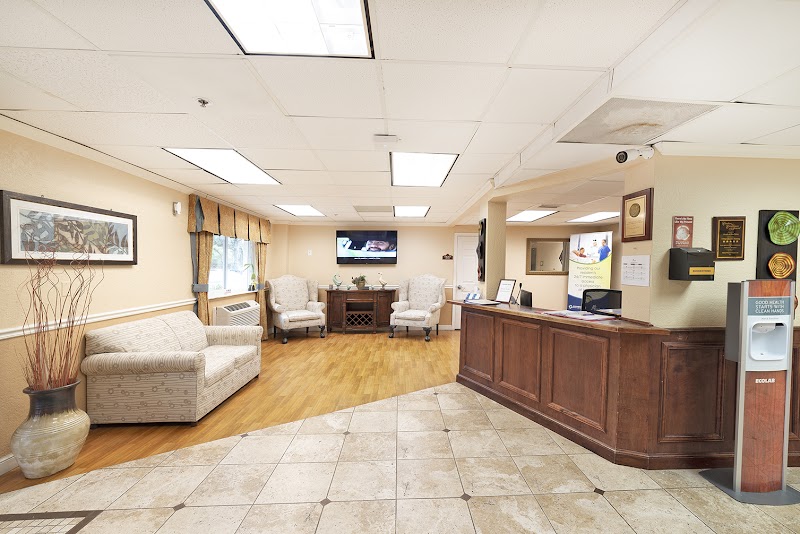
How is Avante At Boca Raton, Inc. Staffed?

CMS rates AVANTE AT BOCA RATON, INC.'s staffing level at 4 out of 5 stars, which is above average compared to other nursing homes. Staff turnover is 29%, compared to the Florida average of 46%. This relatively stable workforce can support continuity of care.

What Have Inspectors Found at Avante At Boca Raton, Inc.?

State health inspectors documented 38 deficiencies at AVANTE AT BOCA RATON, INC. during 2021 to 2025. These included: 1 that caused actual resident harm and 37 with potential for harm. Deficiencies causing actual harm indicate documented cases where residents experienced negative health consequences.
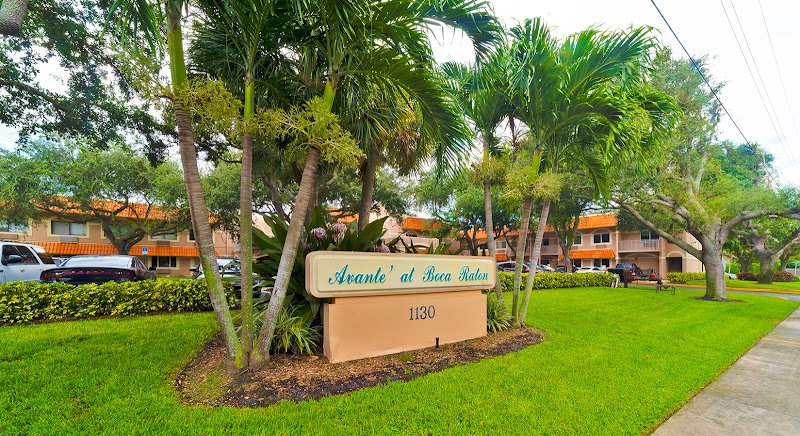
Who Owns and Operates Avante At Boca Raton, Inc.?

AVANTE AT BOCA RATON, INC. is owned by a for-profit company. For-profit facilities operate as businesses with obligations to shareholders or private owners. The facility is operated by AVANTE CENTERS, a chain that manages multiple nursing homes. With 144 certified beds and approximately 128 residents (about 89% occupancy), it is a mid-sized facility located in BOCA RATON, Florida.
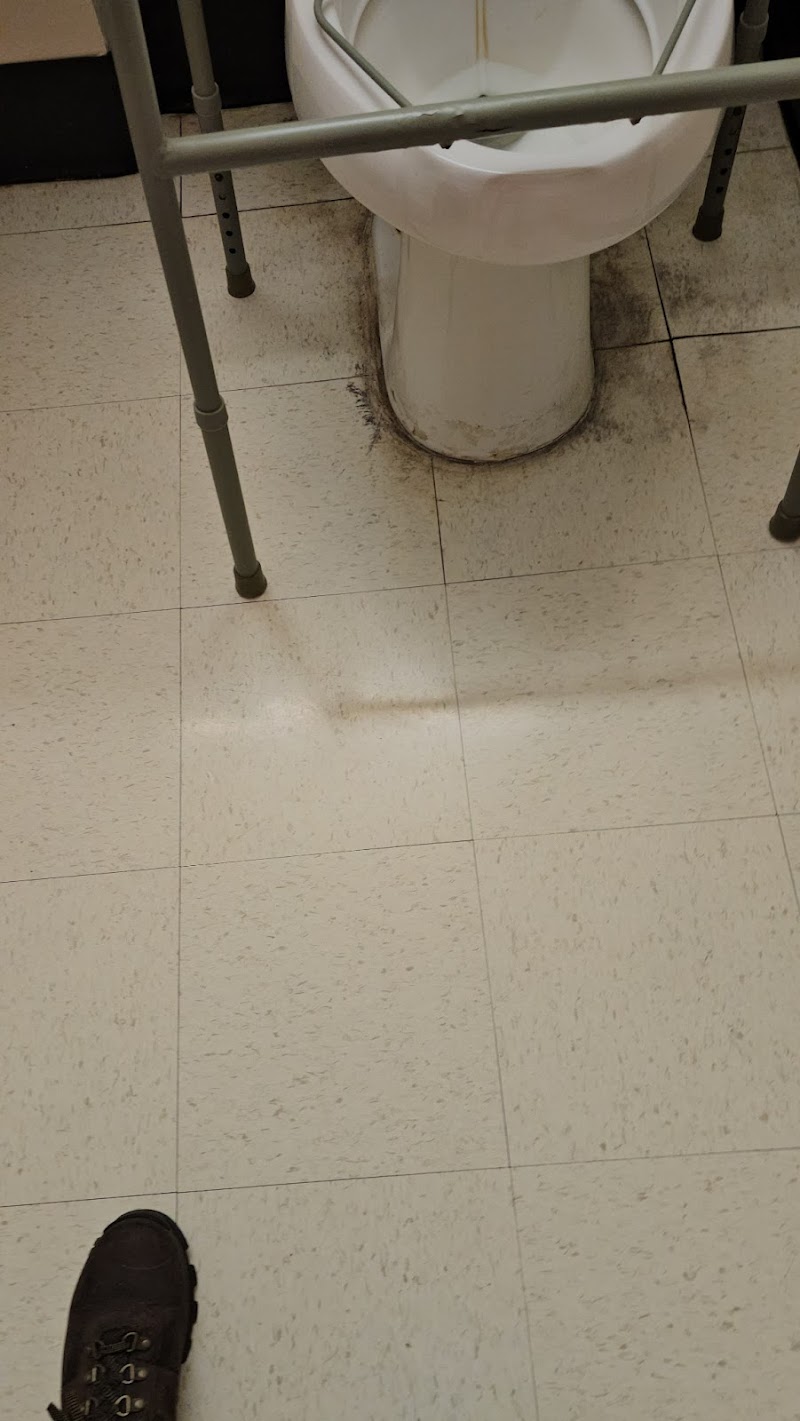
How Does Avante At Boca Raton, Inc. Compare to Other Florida Nursing Homes?

Compared to the 100 nursing homes in Florida, AVANTE AT BOCA RATON, INC.'s overall rating (1 stars) is below the state average of 3.2, staff turnover (29%) is significantly lower than the state average of 46%, and health inspection rating (1 stars) is much below the national benchmark.

What Should Families Ask When Visiting Avante At Boca Raton, Inc.?

Based on this facility's data, families visiting should ask: "Can I visit during a mealtime to observe dining assistance and food quality?" "How do you handle medical emergencies, and what is your hospital transfer rate?" "Can I speak with family members of current residents about their experience?"

Is Avante At Boca Raton, Inc. Safe?

Based on CMS inspection data, AVANTE AT BOCA RATON, INC. has a clean safety record: no substantiated abuse findings (meaning no confirmed cases of resident harm), no Immediate Jeopardy citations (the most serious violation level indicating risk of serious injury or death), and is not on the Special Focus Facility watch list (a federal program monitoring the lowest-performing 1% of nursing homes). The facility has a 1-star overall rating and ranks #100 of 100 nursing homes in Florida. While no facility is perfect, families should still ask about staff-to-resident ratios and recent inspection results during their visit.

Do Nurses at Avante At Boca Raton, Inc. Stick Around?

Staff at AVANTE AT BOCA RATON, INC. tend to stick around. With a turnover rate of 29%, the facility is 17 percentage points below the Florida average of 46%. Low turnover is a positive sign. It means caregivers have time to learn each resident's needs, medications, and personal preferences. Consistent staff also notice subtle changes in a resident's condition more quickly.

Was Avante At Boca Raton, Inc. Ever Fined?

AVANTE AT BOCA RATON, INC. has been fined $30,495 across 1 penalty action. This is below the Florida average of $33,384. While any fine indicates a compliance issue, fines under $50,000 are relatively common and typically reflect isolated problems that were subsequently corrected. Families should ask what specific issues led to these fines and confirm they've been resolved.

Is Avante At Boca Raton, Inc. on Any Federal Watch List?

AVANTE AT BOCA RATON, INC. is not on any federal watch list. The most significant is the Special Focus Facility (SFF) program, which identifies the bottom 1% of nursing homes nationally based on persistent, serious quality problems. Not being on this list means the facility has avoided the pattern of deficiencies that triggers enhanced federal oversight. This is a positive indicator, though families should still review the facility's inspection history directly.