WILLOWBROOKE COURT SKILLED CARE CENTER - EDGEWATER
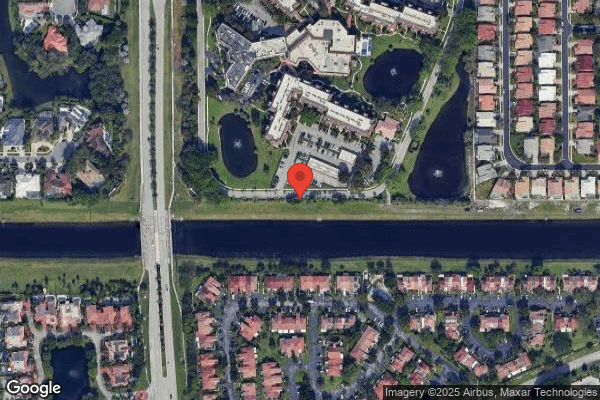
23305 BLUE WATER CIRCLE, BOCA RATON, FL 33433 (561) 368-5600
Non profit - Corporation 44 Beds ACTS RETIREMENT-LIFE COMMUNITIES Data: November 2025
Trust Grade
95/100
#152 of 690 in FL
Last Inspection: March 2025

Within standard 12-15 month inspection cycle. Federal law requires annual inspections.

Overview

Willowbrooke Court Skilled Care Center in Boca Raton has an impressive Trust Grade of A+, indicating it is an elite facility known for high standards of care. It ranks #152 out of 690 facilities in Florida, placing it in the top half, and #10 out of 54 in Palm Beach County, making it one of the better local options. The facility is trending positively, improving from 2 issues in 2023 to none in 2025, which is a good sign for families concerned about quality. Staffing is a strong point here, with a perfect 5-star rating and only a 4% turnover rate, far below the state average, meaning staff are stable and familiar with residents. While there were four concerns noted by inspectors, none were life-threatening, such as issues with food preparation and medication monitoring. Overall, the facility shows both strengths in staffing and quality measures, but families should be aware of the highlighted concerns regarding food service and medication management.

Trust Score
A+
95/100
In Florida
#152/690
Top 22%
Safety Record
Low Risk
No red flags
Inspections
Getting Better
2 → 0 violations
Staff Stability
✓ Good
4% annual turnover. Excellent stability, 44 points below Florida's 48% average. Staff who stay learn residents' needs.
Penalties
✓ Good
No fines on record. Clean compliance history, better than most Florida facilities.
Skilled Nurses
✓ Good
Each resident gets 89 minutes of Registered Nurse (RN) attention daily — more than 97% of Florida nursing homes. RNs are the most trained staff who catch health problems before they become serious.
Violations
✓ Good
Only 4 deficiencies on record. Cleaner than most facilities. Minor issues only.
★★★★★
5.0
Overall Rating
★★★★★
5.0
Staff Levels
★★★★★
5.0
Care Quality
★★★★★
5.0
Inspection Score
Stable
2023: 2 issues
2025: 0 issues

The Good

  • 5-Star Staffing Rating · Excellent nurse staffing levels
  • 5-Star Quality Measures · Strong clinical quality outcomes
  • Low Staff Turnover (4%) · Staff stability means consistent care
  • Full Sprinkler Coverage · Fire safety systems throughout facility
  • No fines on record
  • Staff turnover is low (4%)

    44 points below Florida average of 48%

Facility shows strength in staffing levels, quality measures, staff retention, fire safety.

The Bad

Chain: ACTS RETIREMENT-LIFE COMMUNITIES

Part of a multi-facility chain

Ask about local staffing decisions and management

The Ugly 4 deficiencies on record

Dec 2023 2 deficiencies
CONCERN (F)

Potential for Harm - no one hurt, but risky conditions existed

Deficiency F0804 (Tag F0804)

Could have caused harm · This affected most or all residents

Based on observation, interview and record review, the facility failed to follow standardized recipes to ensure that food was appetizing, palatable, and flavorful that could potentially affect any res...

Read full inspector narrative →
Based on observation, interview and record review, the facility failed to follow standardized recipes to ensure that food was appetizing, palatable, and flavorful that could potentially affect any resident who may request Chicken Noodle soup with their meals. This practice could affect 18 out of 19 residents residing on the 3rd floor, certified section. The findings included: Review of the facility's Standardized Recipe for preparation and serving of Chicken Noodle Soup noted the following: 6-ounce Chicken Base 3 gallons Tap Water Chopped Celery, Onion, Carrots 1 lb. [pound] 8 ounces Cooked Pulled Chicken Meat Poultry Seasoning, Black Pepper 1 Pound Dry Egg noodles Combine water, base vegetables, spices and chicken to a boil. Simmer 30 min [minutes]. Add Noodles and simmer until tender about 15 minutes and maintain at > [greater than] 140 F [Fahrenheit] for 4 hours. Yield = 50, 6-ounce portions. 1. During the Resident Council Meeting conducted by the surveyors on 12/12/23 at 10:30 AM, it was noted that the 7 residents in attendance stated soups (Chicken Noodle Soup) was runny, watered down, non-appetizing, and does not taste good on a regular basis. The residents also stated that the facility serves Chicken Noodle Soup for every lunch and dinner. During the review of the approved menu for the 12/12/23 lunch menu, it was noted that a 6-ounce portion of Chicken Noodle Soup was to be served to all Regular, Mechanical Soft, Pureed, and Therapeutic Diets (CHO, Renal). During the observation of the lunch meal in the First Floor Satellite / Dining Room Kitchen on 12/12/23 at 12 PM, it was noted that the Chicken Noodle Soup was located on the steam table. Observation of the soup noted that the soup contained only chicken broth and tiny particles of chicken. No noodles were located with the soup. Interview with the Dietary Manager (DM) stated that it is usual serving practice that there is a separate container of pasta and chicken pieces. The pasta and chicken are combined with the chicken broth when a resident orders a serving of Chicken Noodle Soup. The DM stated that the pasta is held separately because if it is put into the soup mixture prior to serving it results in large portions of blown-up pasta pieces. Further observation noted that DM called the main kitchen to have pasta and chicken sent to the satellite kitchen. It was noted that the main kitchen had to prepare the pasta and chicken and it took over 30 - 45 minutes for the pasta and chicken to be sent to the satellite kitchen. The 20 residents seated in the dining room were noted to sit and wait the 30-45 minutes for the soup and were noted to become agitated with the lunch meal service. At 12:45 PM, the pasta and noodles arrived from the main kitchen for the soup service. The surveyor tasted the pasta and noted it to be well undercooked and semi hard. The soup ingredients were combined for each soup portion and served to the residents. The CDM (Certified DM) stated to the surveyor that the serving of the soup for the third-floor residents is the same procedure. On 12/13/23 at 9:00 AM, an interview was conducted with the Main Kitchen Culinary Director (CD) it was stated that the soup ingredients of chicken broth, cooked pasta, and chicken pieces are kept separately because of Kosher request from the residents. The surveyor said to the Culinary Director (CD) that there are no resident requests who reside in the nursing home for Kosher or Kosher style foods. The CD then corrected himself and stated that the Kosher requests are from the Independent Living residents and not the facility residents. The CD further stated that the soup for the facility residents should have been prepared according to the standardized recipe with all ingredients combined during the preparation of the soup. At the request of the surveyor, the CD submitted the standardized recipe for the preparation of the Chicken Noodle Soup. Following the review with the CD, it was noted that the method of preparation and serving of the soup was not followed. A review of the facility's diet census for 12/11/23 noted that the issues could potentially affect 18 out of 19 residents on the 3rd floor, certified section who may make a request for Chicken Noodle soup during meals.
CONCERN (F)

Potential for Harm - no one hurt, but risky conditions existed

Food Safety (Tag F0812)

Could have caused harm · This affected most or all residents

**NOTE- TERMS IN BRACKETS HAVE BEEN EDITED TO PROTECT CONFIDENTIALITY** Based on observation, record review and interview, the facility failed to store, prepare, distribute and serve food in accordanc...

Read full inspector narrative →
**NOTE- TERMS IN BRACKETS HAVE BEEN EDITED TO PROTECT CONFIDENTIALITY** Based on observation, record review and interview, the facility failed to store, prepare, distribute and serve food in accordance with professional standards for food service safety potentially for 18 out of 19 residents residing on the 3rd floor, certified section. The findings included: Review of the facility's Culinary Services Manual - Policies and Procedures: Cleaning and Sanitation Issued: 11/13, Revised: 11/13, documented, in part, the following: Procedure: (b) The Culinary and Nutrition Services management team is responsible for developing written daily cleaning schedules. (c) The manager initiates the cleaning schedule and supervises employee comp, to the schedule. (d) All cleaning tasks will be checked nightly to ensure the meet ACTS standards. (f) Heavy duty monthly and semi-annual cleaning projects must also be scheduled and documented by the management staff. During the kitchen observation tour conducted on 12/11/23, it was noted that Cleaning and Sanitation Policies and Procedures were not followed as evidenced by the following: 1. During the initial kitchen / food service observation tour conducted on the main kitchen accompanied with the Culinary Director (CD) and Certified Dietary Manager (CDM) on 12/11/23 at 8:50 AM, the following was noted: (a) Walk-in Freezer #1 was noted to have food that was not properly dated and covered. Further observation noted that a 5-gallon container of ice cream was not covered and the contents of the container were open to air; 1 case of cookie dough contents was open to the air; and 1 case of croissants was open to the air. The CD stated that the products were not properly covered, and would discard all 3 food products. (b) Walk-in Freezer #1 was noted to have large areas of frozen water like droplets on the refrigeration unit and the ceiling area. The surveyor discussed with the CD that the freezer unit is not operating properly and requested the unit be evaluated. (c) Walk-in Freezer #2 was noted to have unlabeled and non-dated foods that were exposed to the air resulting in freezer burn. Further observation noted 3, third sized steam table pans of cooked / leftover meats, that were not labeled with a preparation date and were freezer burned. The CD stated that the frozen meats were not properly dated and covered. The CD further stated that the food products would be discarded. (d) Walk-in Refrigerator #1 was noted to have a green/black mold type substance growing around the entire unit and ceiling area. It was also noted that the tubing exterior leading to the unit was full of condensation and dripping down onto a case of fresh eggs. The surveyor discussed with the CD that there was the potential for food contamination and food borne illness. It was requested by the surveyor that all foods located beneath the refrigeration unit be moved and a refrigeration specialist be contacted to evaluate the unit. (e) Walk-in Refrigerator #1 was noted to have 2 small steam table pans that contained a mixture of Herbs (1) and a mixture of parsley spices. Further observation noted that the foods were labeled with dates that documented the expiration. The Herb mixture was dated with a facility expiration date of 12/07/23 and the Parsley mixture was dated with a facility expiration date of 12/10/23. The CD stated to the surveyor that the foods were expired and should have been discarded by the expiration date. (f) Walk-in Refrigerator #2 was noted to have a large pan of [NAME] Slaw with a labeled expiration date of 12/10/23. The CM stated to the surveyor that the coleslaw should have been discarded by the expiration date of 12/10/23. (g) The exterior of the commercial VCM mixer/blender was noted to have large areas of dried food matter and areas of rust. The CD stated to the surveyor that the unit was not being properly cleaned and maintained. (h) Ceiling light fixture located directly above the main cooking line were noted to be not properly maintained. Specifically, 2 light fixture covers were cracked / broken. It was discussed with the CD that there was the potential for small plastic pieces of the cracked / broken fixtures to fall into food resulting in food contamination. (i) Two of two bench mounted tilt kettles were noted to have approximately 2 inches of stagnant fluid inside of each unit. The surveyor discussed with the CD that the 2 units must be dry of fluid after each cleaning to ensure food contamination does not occur. (j) The internal cavity of the commercial convection oven was noted to be heavily soiled and had a thick layer of build-up carbon. The CD stated that the unit was not properly cleaned on a regular basis. (k) The commercial grill was noted to have a thick black layer of matter on the entire bottom of the unit and on the surrounding gas fixtures. The surveyor discussed with the CD that the unit was not being properly cleaned and maintained on a regular basis. It was also discussed that the unit could potentially cause food borne illness and food contamination. (l) The exteriors of the fire extinguisher units (2) were noted to be heavily soiled and had a thick coating of black mold type matter. It was also noted the units were located on the main cooking line and were a potential source of foodborne illness and food contamination. The CD stated to the surveyor that dietary staff do not clean the units and that the maintenance department had not maintained and cleaned the units on a regular basis. (m) The exterior of the commercial floor mixture located in the cold food preparation area was noted to have large areas of dried food matter and areas of rust that were located directly above the mixing bowl. The surveyor discussed with the CD that the dried food matter and rust fall into foods being mixed each time the unit is utilized resulting in potential food borne illness and food contamination, the surveyor requested that the unit not be utilized until proper cleaning and sanitizing. (n) The exterior of the commercial bench mounted mixture located in the cold food preparation area was noted to have large areas of dried food matter and areas of rust that were located directly above the mixing bowl. The surveyor discussed with the CD that the dried food matter and rust fall into foods being mixed each time the unit is utilized resulting in potential food borne illness and food contamination, the surveyor requested that the unit not be utilized until proper cleaning and sanitizing. (o) Observation of the dish machine room area noted that the exterior of the dish machine was covered in numerous dried food particles. The surveyor discussed with the CD that the interior and exterior of the dish machine require proper cleaning and sanitizing after each use. (p) Observation of the dish machine room area noted that the resident silverware was not being washed / sanitized and held in a sanitary manner. Specifically, noted that a large container of resident silverware was being stored with the eating portion in an upright position after washing and sanitizing. The surveyor discussed with the CD that the resident silverware requires a separate wash / sanitizing with the silver eating portion on a downward position to ensure that staff handle the silverware in a sanitary manner prior to resident use. (q) Observation of the dish machine room noted that the ceiling mounted light cover and ceiling tiles (2) surrounding the light were broken and had large areas of peeling paint. Further observation noted that the light fixture and tiles surrounding the light were located directly above the 3-compartment sink. The surveyor discussed with the CD that small pieces of the plastic light cover and peeling paint were dropping directly into the 3-compartment sinks. The surveyor requested that the 3-compartment sinks not be utilized until the issues were corrected. (r) Observation of the dish machine room noted clean dish and food preparation equipment were being stored on soiled and paint peeling shelving. Specifically, 12 storage shelves were noted to have a large area of dried food matter and peeling paint. The surveyor requested of the CD to clean or purchase new shelving. (s) Observation of the dish machine room noted the walls surrounding the dish machine and 3-compartment sink were heavily soiled and had a build-up of black mold type matter. The surveyor requested of the CD to clean and sanitize the area walls immediately. Photographic Evidence Obtained for 1. (a) through (s). 2. During the observation of the lunch meal on 12/11/23 at 12:15 PM, food temperatures were taken by the facility's Consultant Registered Dietitian (CRD) with the use of the facility's calibrated thermometer in the satellite kitchen. The temperature testing noted that cold foods were not being held with the regulatory temperature of 41 degrees F (Fahrenheit) or below. The temperatures were recorded as follows: Chicken Caesar Salad (8 individual portions) = 46 degrees F. Sliced Turkey Sandwich ( 9 individual portions) = 46 degrees F. 3) During the observation of the breakfast meal conducted on 12/12/23 at 7:30 AM in the Third Floor Satellite Kitchen, accompanied with the facility's Consultant Registered Dietitian, the following were noted: (a) The wall area located above the wall-mounted storage cabinets were heavily soiled and dust laden. (b) The wall area located above the commercial microwave oven was noted to covered in a black oil type matter and was leaking down onto the oven. (c) The floor area and base board located under the steam table and serving counter was noted to be soiled, stained, and numerous areas of dried food matter. Photographic Evidence Obtained for 3. (a), (b), (c).
Aug 2022 2 deficiencies
CONCERN (D)

Potential for Harm - no one hurt, but risky conditions existed

Medication Errors (Tag F0758)

Could have caused harm · This affected 1 resident

**NOTE- TERMS IN BRACKETS HAVE BEEN EDITED TO PROTECT CONFIDENTIALITY** Based on interviews, record and policy review, the facility failed to ensure that antipsychotic medication had a clinical indica...

Read full inspector narrative →
**NOTE- TERMS IN BRACKETS HAVE BEEN EDITED TO PROTECT CONFIDENTIALITY** Based on interviews, record and policy review, the facility failed to ensure that antipsychotic medication had a clinical indication for use, that the ordering Prescriber had conducted a comprehensive assessment of the resident and that behaviours were adequately monitored for 1 of 5 sampled residents reviewed for the unnecessary medication (Resident #46). The findings included: A review of the facility's policy, titled, Psychotropic Medication Use, dated 12/01/2007, showed that the following: all medications used to treat behaviors must have a clinical indication and be used in the lowest possible dose and should be monitored for efficacy, risks, and benefits. It further showed that If the Prescriber orders a psychotropic medication for the resident, the facility should ensure that the Prescriber has conducted a comprehensive assessment of the resident as documented in the clinical records. Review of the F29, a billable/specific ICD-10-CM code, revealed it can be used to indicate a diagnosis for reimbursement purposes, and was indicitive of Unspecified Psychosis is not due to a substance or known physiological condition. Record review showed that Resident #46 was admitted to the facility on [DATE] with diagnoses to include: Heart failure, Insomnia, Depression, Cognitive Communication Deficit, and Muscle Weakness. Review of the Physicians' orders for Resident #46 showed an order for Quetiapine Fumarate (Seroquel) Tablet 25 milligrams and to give one tablet by mouth in the morning for Depression which was dated 06/27/22. The care plan, dated 07/14/22, showed that Resident #46 is on Psychotropic medication, and to monitor for and document any adverse reactions to the psychotropic medications. Further review did not show that Resident #46 was provided with an antipsychotic medication for the diagnosis of Depression or Psychosis. In an interview conducted on 08/03/22 at 8:30 AM, Staff D, Registered Nurse, stated that any monitoring for behavior is documented in the nurse's unit in a binder, titled, Monitoring Behaviors. Review of the 'Behaviors Monitoring Binder', located on the 3rd floor in the nurses' station, showed that monitoring behaviors was conducted on Resident #46 for the month to present for August 2022, but no behavior monitoring was documented for the entire month of July 2022. In an interview conducted on 08/03/22 at 8:35 AM, Staff D, Minimum Data Set Coordinator (MDS), stated that when a resident is placed on Antipsychotic medication with a diagnosis in place, Staff E, Nurse Practitioner (NP), will update the diagnosis tab in the electronic system to reflect the new diagnosis that was identified. When asked by the surveyor if Resident #46's diagnosis was updated with Psychosis, he said 'no'. Staff D further stated that if a resident is placed on Antipsychotic medication, he would initiate a care plan for behavior monitoring that may be under another section named Psychotronic medication. He would also identify the diagnosis with the antipsychotic medication under the psychotropic medication section of the care plan. An interview was conducted on 08/03/22 at 9:00 AM with the facility's Director of Nursing (DON). The DON stated when Resident #46 was first admitted to the facility, he questioned Staff E (NP) when she prescribed Seroquel for diagnosis of Depression on admission. He further stated that Staff E reported that they would monitor Resident #46's behaviors and reassess him later when they get to know him better. The DON further said that he spoke to Staff F, Medical Director (MD), last night, who told him that he would update the diagnosis of Delusional Psychosis in the medical chart for Resident #46. In an interview conducted on 08/03/22 at 9:10 AM, Staff D, Registered Nurse (RN), stated she is unfamiliar with Resident #46 and is unsure of any behaviors that he may have exhibited in the past. She further noted that she is new to the unit and was not assigned to Resident #46 in the past. In an interview conducted on 08/03/22 at 9:15 AM with Resident #46, he stated that he did not know that he was on Seroquel and then said, what is this medication for. When told by the surveyor that it was prescribed to him for Depression, he said: I am not depressed. Resident #46 also reported that he does not remember speaking to Staff E, the Nurse Practitioner, or that she came to see him in his room while in the facility. Review of the Pharmacy recommendation report, dated 07/05/22, showed the following: Please discontinue Seroquel. If medication is to continue, please clarify the diagnosis. Depression is an inappropriate diagnosis for antipsychotics. It further showed that the physician response to keep the prescription and change Resident #46's diagnosis to code F29. The Consultation report did not include the date that Staff F (MD) wrote the answer and did not have his signature. A review of the Minimum Data Set (MDS), dated [DATE], showed that Resident #46 had a Brief Interview of Mental Status (BIMS) score of 14, which is cognitively intact. A review of Section E of the MDS for behaviors showed that Resident #46 did not exhibit any behavior symptoms. Section N of the MDS showed that Resident #46 was receiving Antipsychotic medication in the last 7 days. A review of the progress note, dated 07/14/22, completed by Staff E, showed that the following: 'Resident #46 is evaluated for evaluation of indication for Seroquel 25 mg at bedtime as it is indicated for Depression. The patient was noted to have nighttime dilutional thinking behaviors. It further showed that Seroquel is used for the management of delusional thinking patterns. Therefore the appropriate diagnosis is F 29.' Further review of Resident #46's medical chart did not show any psychology evaluation to this progress note that was written on 07/14/22. A review of the admission records did not show that Resident #46 was ever on Seroquel prior to this or that he had a prior diagnosis of Psychosis. A review of the Consultation report by the Pharmacy,, dated 06/30/22 showed that the Pharmacist recommended discontinuing Seroquel for the diagnosis of Depression. Staff F, Medical Director, declined the recommendation stating that Resident #46 is new to the facility and will have a Psych evaluation. This information was provided to the surveyor on 08/04/22, which was the last day of the survey.
CONCERN (D)

Potential for Harm - no one hurt, but risky conditions existed

Deficiency F0761 (Tag F0761)

Could have caused harm · This affected 1 resident

**NOTE- TERMS IN BRACKETS HAVE BEEN EDITED TO PROTECT CONFIDENTIALITY** Based on observation, interview, record review of policy & procedure review, the facility failed to properly dispose of a remain...

Read full inspector narrative →
**NOTE- TERMS IN BRACKETS HAVE BEEN EDITED TO PROTECT CONFIDENTIALITY** Based on observation, interview, record review of policy & procedure review, the facility failed to properly dispose of a remaining powder medication packet for 1 of 6 sampled residents observed during a Medication Administration Observation, Resident #149; failed to ensure it maintained the resident's medication in line of sight, during a Medication Administration Observation, for 1 of 6 sampled residents observed, Resident #149; failed to properly dispose of an unsecured, expired over-the-counter (OTC) medication at the resident's bedside for 1 of 13 residents observed during an observational tour, Resident #17; and failed to ensure it properly secured medication as a 'loose' pill was observed on the dining room patio floor during a facility residents' activity. The findings included: Review of facility policy and procedure on [DATE] at 1:08 PM for 'Storage of Medications', provided by the Director of Nursing (DON), revised [DATE] for Long Term Care (LTC) Facility's Pharmacy Services and Procedures Manual, Storage and Expiration Dating of Medications, Biologicals. Applicability documented in part: .sets forth the procedures relating to the storage and expiration dates of medications, biologicals, syringes and needles 3.3 Facility should ensure that all medications and biologicals, including treatment items, are securely stored in a locked cabinet/cart or locked medication room that is inaccessible by residents and visitors 4. Facility should ensure that medications and biologicals that: (1) have an expired date on the label; (2) .or (3) , are separated from other medications until destroyed or returned to the pharmacy or supplier 8. Facility should ensure that resident medication and biological storage areas are locked 13. Bedside Medication Storage 13.1 Facility should not administer / provide bedside medications or biologicals without a Physician / Prescriber order and approval by the Interdisciplinary Care Team and Facility administration 16. Facility should destroy or return all discontinued, outdated / expired or deteriorated medications or biologicals in accordance with Pharmacy return / destruction guidelines and other Applicable Law, . 1. On [DATE] at 9:28 AM, during a Medication Administration Pass Observation of Staff H, a Licensed Practical Nurse (LPN), for Resident #149, the LPN was observed tossing the 'remaining' Cholestyramine 4gm 1/2 medication packet (powder) into the trash bin located on the medication cart Team I Riverbend Road neighborhood Memory Care . A brief interview was conducted with the nurse on [DATE] at 9:30 AM and she was asked why she tossed this in the medication cart trash bin. Staff H stated and acknowledged that the medication packet should not have been tossed in there. 2. On [DATE] at 9:42 AM, during a Medication Administration Pass Observation of Staff H, the LPN was observed leaving both of Resident #149's eye drops and nasal spray unattended, out-of-her-line-sight and accessible at the bedside on the overbed table with the resident while she went into the bathroom to wash her hands. The nurse also acknowledged that she should not have left the medications unattended at the resident's bedside. During a brief interview conducted on [DATE] at 9:42 AM with the LPN, she was asked why she had left the two (2) medications unattended at the resident's bedside. She acknowledged that she should not have left the medications unattended. 3. On [DATE] at 10:55 AM, Resident #17's room was observed as having a used expired visible bottle of (OTC) Saline nasal spray with an expiration date of 02/17 located in his bathroom on the shelf above the toilet. The (OTC) Saline Nasal spray medication was unsecured and accessible to other residents, employees and visitors. Resident #17 was originally admitted to the facility on [DATE] with diagnoses that included Multiple Sclerosis, Myasthenia Gravis, Lymphedema and Acute Kidney Failure. He had a Brief Interview Mental Status (BIM) score of 15 (cognitively intact). Photographic evidence was obtained of the used/expired bottle of (OTC) Nasal spray medication. During a brief interview with Resident #17 on [DATE] at 11 AM, Resident #17 stated, regarding the (OTC) Saline Nasal Spray medication bottle on the shelf in his bathroom above the toilet, that his wife brought in the bottle for him to use as he needs it. On [DATE] at 2:09 PM, Resident #17's room was observed as having the used expired bottle of (OTC) Saline nasal spray located in his bathroom on the shelf above the toilet. This was confirmed by second surveyor. On [DATE] at 10:12 AM, Resident #17's room was again observed as having a used expired bottle of (OTC) Saline nasal spray located in his bathroom on the shelf above the toilet On [DATE] at 2:31 PM, Resident #17's room was observed as having a used expired bottle of (OTC) Saline nasal spray located in his bathroom on the shelf above the toilet. [DATE] 09:41 AM Resident #17's room still observed as having a used expired bottle of (OTC) Saline nasal spray located in his bathroom on the shelf above the toilet. An interview was conducted on [DATE] at 10 AM with Resident #17's nurse, Staff I, LPN, regarding the (OTC) Saline Nasal spray medication bottle observed on Resident #17's bedside table and she acknowledged that the medication bottle should not have been there. A side-by-side record review was conducted with Staff J, a Registered Nurse Unit Manager (RN/UM) for the 1st and 3rd floors. The record indicated that neither Resident #17's hard copy chart nor his computerized Point-Click-Care (PCC) medical record indicated that the resident had any self-assessment completed in order for him to be able to administer his own medications. There was no physician order on the Resident #17's Medication Administration Record (MAR) for this (OTC) Saline Nasal Spray medication to be administered to this resident. The bottle of expired (OTC) nasal spray medication was not removed from this resident's bedside, until after surveyor intervention. 4. On [DATE] at 2:05 PM, during a resident bingo game observation conducted of the Activity Room off the main dining on the first floor, it was noted that there was a loose, unidentified white tablet on the floor in the presence of nine (9) vulnerable residents who were all seated at the Activities Bingo table. This boservation of the pill was confirmed by a second surveyor. Photographic evidence was obtained of the single, loose, unidentified white table on the Activity room floor. During an interview conducted on [DATE] at 10:20 AM with Staff J, she indicated this resident does not self-administer any of his own medications and was not assessed to be able to do so. On [DATE] at 10:45 AM, the Director of Nursing (DON) further acknowledged and recognized that the remaining packet of medication should not have been tossed into the medication cart trash bin, indicated that the nurse should not have left the resident medication unattended at the bedside, that the pill should not have been on the floor, and the (OTC) Saline Nasal Spray medication should not have been left at the resident's bedside.
Understanding Severity Codes (click to expand)
Life-Threatening (Immediate Jeopardy)
J - Isolated K - Pattern L - Widespread
Actual Harm
G - Isolated H - Pattern I - Widespread
Potential for Harm
D - Isolated E - Pattern F - Widespread
No Harm (Minor)
A - Isolated B - Pattern C - Widespread

Questions to Ask on Your Visit

  • "Can I speak with families of current residents?"
  • "What's your RN coverage like on weekends and overnight?"

Our Honest Assessment

Strengths
  • • Grade A+ (95/100). Above average facility, better than most options in Florida.
  • • No major safety red flags. No abuse findings, life-threatening violations, or SFF status.
  • • No fines on record. Clean compliance history, better than most Florida facilities.
  • • Only 4 deficiencies on record. Cleaner than most facilities. Minor issues only.
Concerns
  • • No significant concerns identified. This facility shows no red flags across CMS ratings, staff turnover, or federal penalties.
Bottom line: Generally positive indicators. Standard due diligence and a personal visit recommended.

About This Facility

What is Willowbrooke Court Skilled - Edgewater's CMS Rating?

CMS assigns WILLOWBROOKE COURT SKILLED CARE CENTER - EDGEWATER an overall rating of 5 out of 5 stars, which is considered much above average nationally. Within Florida, this rating places the facility higher than 99% of the state's 100 nursing homes. This rating reflects solid performance across the metrics CMS uses to evaluate nursing home quality.

How is Willowbrooke Court Skilled - Edgewater Staffed?

CMS rates WILLOWBROOKE COURT SKILLED CARE CENTER - EDGEWATER's staffing level at 5 out of 5 stars, which is much above average compared to other nursing homes. Staff turnover is 4%, compared to the Florida average of 46%. This relatively stable workforce can support continuity of care.

What Have Inspectors Found at Willowbrooke Court Skilled - Edgewater?

State health inspectors documented 4 deficiencies at WILLOWBROOKE COURT SKILLED CARE CENTER - EDGEWATER during 2022 to 2023. These included: 4 with potential for harm.

Who Owns and Operates Willowbrooke Court Skilled - Edgewater?

WILLOWBROOKE COURT SKILLED CARE CENTER - EDGEWATER is owned by a non-profit organization. Non-profit facilities reinvest revenue into operations rather than distributing to shareholders. The facility is operated by ACTS RETIREMENT-LIFE COMMUNITIES, a chain that manages multiple nursing homes. With 44 certified beds and approximately 18 residents (about 41% occupancy), it is a smaller facility located in BOCA RATON, Florida.

How Does Willowbrooke Court Skilled - Edgewater Compare to Other Florida Nursing Homes?

Compared to the 100 nursing homes in Florida, WILLOWBROOKE COURT SKILLED CARE CENTER - EDGEWATER's overall rating (5 stars) is above the state average of 3.2, staff turnover (4%) is significantly lower than the state average of 46%, and health inspection rating (5 stars) is much above the national benchmark.

What Should Families Ask When Visiting Willowbrooke Court Skilled - Edgewater?

Based on this facility's data, families visiting should ask: "Can I visit during a mealtime to observe dining assistance and food quality?" "How do you handle medical emergencies, and what is your hospital transfer rate?" "Can I speak with family members of current residents about their experience?"

Is Willowbrooke Court Skilled - Edgewater Safe?

Based on CMS inspection data, WILLOWBROOKE COURT SKILLED CARE CENTER - EDGEWATER has a clean safety record: no substantiated abuse findings (meaning no confirmed cases of resident harm), no Immediate Jeopardy citations (the most serious violation level indicating risk of serious injury or death), and is not on the Special Focus Facility watch list (a federal program monitoring the lowest-performing 1% of nursing homes). The facility has a 5-star overall rating and ranks #1 of 100 nursing homes in Florida. While no facility is perfect, families should still ask about staff-to-resident ratios and recent inspection results during their visit.

Do Nurses at Willowbrooke Court Skilled - Edgewater Stick Around?

Staff at WILLOWBROOKE COURT SKILLED CARE CENTER - EDGEWATER tend to stick around. With a turnover rate of 4%, the facility is 41 percentage points below the Florida average of 46%. Low turnover is a positive sign. It means caregivers have time to learn each resident's needs, medications, and personal preferences. Consistent staff also notice subtle changes in a resident's condition more quickly.

Was Willowbrooke Court Skilled - Edgewater Ever Fined?

WILLOWBROOKE COURT SKILLED CARE CENTER - EDGEWATER has no federal fines on record. CMS issues fines when nursing homes fail to meet care standards or don't correct problems found during inspections. The absence of fines suggests the facility has either maintained compliance or corrected any issues before penalties were assessed. This is a positive indicator, though families should still review recent inspection reports for the full picture.

Is Willowbrooke Court Skilled - Edgewater on Any Federal Watch List?

WILLOWBROOKE COURT SKILLED CARE CENTER - EDGEWATER is not on any federal watch list. The most significant is the Special Focus Facility (SFF) program, which identifies the bottom 1% of nursing homes nationally based on persistent, serious quality problems. Not being on this list means the facility has avoided the pattern of deficiencies that triggers enhanced federal oversight. This is a positive indicator, though families should still review the facility's inspection history directly.