BOCA CIRCLE REHABILITATION CENTER
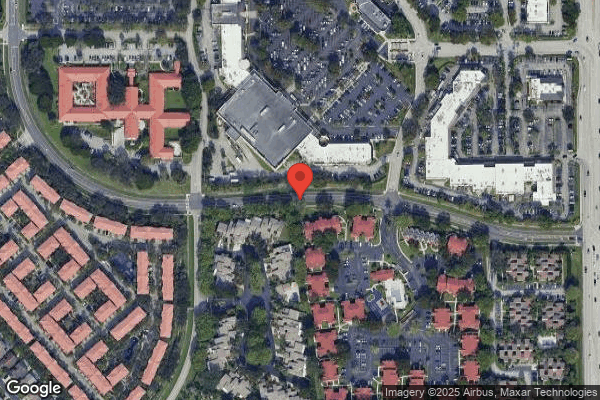
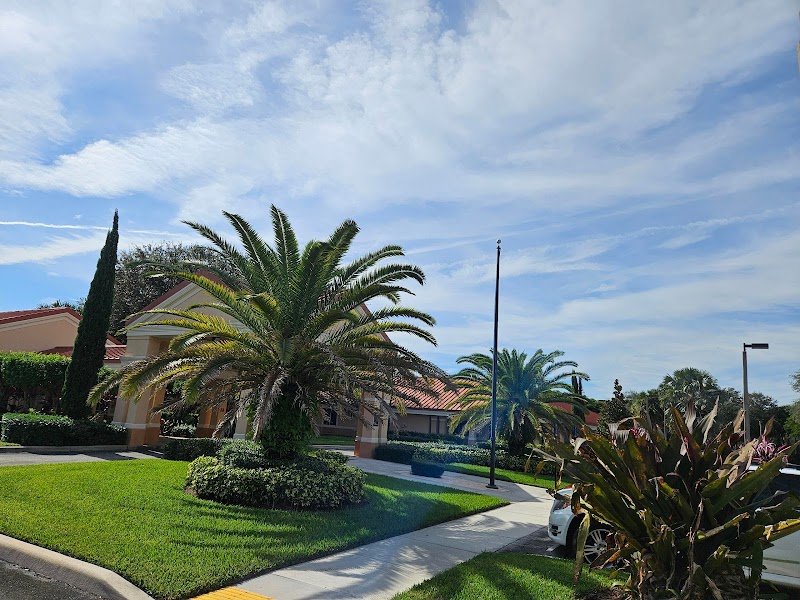
7225 BOCA DEL MAR DRIVE, BOCA RATON, FL 33433 (561) 362-9644
For profit - Limited Liability company 120 Beds EXCELSIOR CARE GROUP Data: November 2025
Trust Grade
50/100
#335 of 690 in FL
Last Inspection: February 2025

Within standard 12-15 month inspection cycle. Federal law requires annual inspections.

Overview

Boca Circle Rehabilitation Center has received a Trust Grade of C, indicating it is average compared to other facilities, meaning it's neither great nor terrible. It ranks #335 out of 690 in Florida, placing it in the top half, and #24 out of 54 in Palm Beach County, suggesting only a few local options are better. The facility's performance is stable with 14 issues noted in both 2023 and 2025, but concerningly, it has accrued $31,736 in fines, which is higher than 76% of Florida facilities. Staffing has a rating of 2 out of 5 stars with a 39% turnover rate, which is below the state average. However, there are significant weaknesses as well; for instance, two residents experienced severe weight loss without timely intervention, and the facility failed to provide appropriate nutrition. Additionally, residents reported issues with respect and dignity, such as not being provided proper drinking cups during meals.

Trust Score
C
50/100
In Florida
#335/690
Top 48%
Safety Record
Moderate
Needs review
Inspections
Holding Steady
14 → 14 violations
Staff Stability
○ Average
39% turnover. Near Florida's 48% average. Typical for the industry.
Penalties
○ Average
$31,736 in fines. Higher than 70% of Florida facilities. Some compliance issues.
Skilled Nurses
○ Average
Each resident gets 39 minutes of Registered Nurse (RN) attention daily — about average for Florida. RNs are the most trained staff who monitor for health changes.
Violations
⚠ Watch
40 deficiencies on record. Higher than average. Multiple issues found across inspections.
★★★☆☆
3.0
Overall Rating
★★☆☆☆
2.0
Staff Levels
★★★★★
5.0
Care Quality
★★☆☆☆
2.0
Inspection Score
Stable
2023: 14 issues
2025: 14 issues

The Good

  • 5-Star Quality Measures · Strong clinical quality outcomes
  • Full Sprinkler Coverage · Fire safety systems throughout facility
  • No fines on record
  • Staff turnover below average (39%)

    9 points below Florida average of 48%

Facility shows strength in quality measures, fire safety.

The Bad

3-Star Overall Rating

Near Florida average (3.2)

Meets federal standards, typical of most facilities

Staff Turnover: 39%

Near Florida avg (46%)

Typical for the industry

Federal Fines: $31,736

Below median ($33,413)

Moderate penalties - review what triggered them

Chain: EXCELSIOR CARE GROUP

Part of a multi-facility chain

Ask about local staffing decisions and management

The Ugly 40 deficiencies on record

1 actual harm
May 2025 2 deficiencies
CONCERN (D) 📢 Someone Reported This

A family member, employee, or ombudsman was alarmed enough to file a formal complaint

Potential for Harm - no one hurt, but risky conditions existed

ADL Care (Tag F0677)

Could have caused harm · This affected 1 resident

**NOTE- TERMS IN BRACKETS HAVE BEEN EDITED TO PROTECT CONFIDENTIALITY** Based on observation, interview, and record review the facility failed to provide nail care to 3 of 4 sampled Residents, Residen...

Read full inspector narrative →
**NOTE- TERMS IN BRACKETS HAVE BEEN EDITED TO PROTECT CONFIDENTIALITY** Based on observation, interview, and record review the facility failed to provide nail care to 3 of 4 sampled Residents, Resident #2, #3 and #4. The findings included: Review of their policy titled Nursing-Activities of Daily Living (ADLS) effective 04/01/22 documented Procedure: 1. The facility shall ensure a resident is given the appropriate treatment and services to maintain or improve his or her ability to carry out activities of daily living 2. The facility shall provide care and services for the following activities of daily living as needed based on the individual care plan of each resident: . a. Hygiene-bathing, dressing, grooming, and oral care . 3. A resident who is unable to carry out activities of daily living shall receive the necessary services to maintain good nutrition, grooming, and personal and oral hygiene. 1. Review of the record revealed Resident #2 was admitted to the facility 04/01/25. Review of the current Minimum Data Set (MDS) assessment dated [DATE] documented Resident #2 had a Brief Interview for Mental Status (BIMS) score of 14, on a 0 to 15 scale, indicating the resident was cognitively intact. Review of the care plan dated 04/15/25 documented Resident #2 has an ADL self-care performance deficit r/t Impaired balance, Limited Mobility . Interventions/Tasks . Personal Hygiene/Oral Hygiene: The resident requires (supervision/limited assistance) by (1) staff with personal hygiene and oral care. During an observation and interview on 05/13/25 at 9:09 AM, Resident #2 was seen to have long nails. When asked if the resident received nail care by staff, Resident #2 stated they only cleaned her nails. When asked if she would also like her nails to get cut, she stated Yes, sometimes I want them cut. During an interview on 05/13/25 at 12:20 PM, when asked who is responsible for providing nail care, Staff C, Certified Nursing Assistant (CNA) stated that the CNAs were responsible. When asked how often nail care was provided, Staff C stated, As needed and explained there was no time frame for it. Resident #2 concerns were reported and Staff C agreed; she stated she would provide her with nail care. 2. Review of the record revealed Resident #3 was admitted to the facility 02/11/25. Review of the current Minimum Data Set (MDS) assessment dated [DATE] documented Resident #3 had a Brief Interview for Mental Status (BIMS) score of 10, on a 0 to 15 scale, indicating the resident was moderately cognitively impaired. Review of his care plan dated 03/04/25 documented, Resident #3 has an ADL self-care performance deficit r/t: weakness, impaired mobility . Interventions/Tasks .Personal Hygiene: The resident requires set up assistance by 1 staff with personal hygiene and oral care. During an observation on 05/13/25 at 9:14 AM, Resident #3 was observed with dirt-encrusted and unkempt nails. During an interview on 05/13/25 at 12:09 PM, when asked who is responsible for providing nail care to the residents, Staff A stated everyone was responsible including CNAs, Nurses and CNAs in activities. When asked how often she provided nail care, Staff A stated anytime they need it; daily if needed. Staff A was brought into Resident #3's room to observe his nails. Staff B, Certified Nursing Assistant (CNA assigned to Resident #3 care for the day) was seen walking into the Resident's room as well. During an interview on 05/13/25 at 12:15PM, when asked who is responsible for providing nail care and how often, Staff B stated the CNAs were responsible and they provided it when needed and approximately every 3 days. Staff A walked out of Resident #3's room during the observation and stated she had to attend to another Resident. Staff B observed Resident #3's nails and agreed they were dirty and needed to be cleaned. 3. Review of the record revealed Resident #4 was admitted to the facility 12/18/24. Review of the current Minimum Data Set (MDS) assessment dated [DATE] documented Resident #4 had a Brief Interview for Mental Status (BIMS) score of 07, on a 0 to 15 scale, indicating the resident was severely cognitively impaired. Review of the care plan dated 04/10/25 documented, Resident#4 ADL self-care performance deficit r/t pulmonary fibrosis, dementia, impaired balance, impaired mobility function . Interventions/Tasks: The resident requires dependent assistance by 1 staff with personal hygiene and oral care. During an observation on 05/13/25 at 9:24AM, Resident #4 was observed to have heavy dirt encrusted nails. During an interview on 05/13/25 at 12:20 PM, when asked who is responsible for providing nail care, Staff C, Certified Nursing Assistant (CNA) stated that the CNAs were responsible. When asked how often nail care was provided, Staff C stated, As needed and explained there was no time frame for it. Resident #4's nails were observed alongside with Staff C, she agreed that Resident #4's nails were dirty and needed to be cleaned.
CONCERN (D) 📢 Someone Reported This

A family member, employee, or ombudsman was alarmed enough to file a formal complaint

Potential for Harm - no one hurt, but risky conditions existed

Infection Control (Tag F0880)

Could have caused harm · This affected 1 resident

**NOTE- TERMS IN BRACKETS HAVE BEEN EDITED TO PROTECT CONFIDENTIALITY** Based on observation, interview, and record review the facility failed to implement and have Enhanced Barrier Precaution (EBP) o...

Read full inspector narrative →
**NOTE- TERMS IN BRACKETS HAVE BEEN EDITED TO PROTECT CONFIDENTIALITY** Based on observation, interview, and record review the facility failed to implement and have Enhanced Barrier Precaution (EBP) orders for Residents with active wounds for 3 of 4 sampled residents, Residents #2, #3, and #4. The findings included: Review of the policy titled Policy, Procedures, and Information Enhanced Barrier Precautions revised on 04/03/24 documented, Definitions: Enhanced Barrier Precautions refers to the use of gown and gloves for certain residents during specific high-contact resident care activities that have been found to increase risk for transmission of multidrug-resistant organisms (MDROs.) . 1. Prompt recognition of need: . B. Clear signage will be posted in the room indicating the type of precaution, requiring personal protective equipment (PPE), and the high-contact resident care activities that require the use of gown and gloves. Selected image/identifier (image of orange) placed above the bed .2. Initiation of Enhanced Barrier Precautions- . b. An order for enhanced barrier precautions will be obtained for residents with any of the following: i. Wounds and/or indwelling medical devices (e.g., central line, urinary catheter, feeding tube, tracheostomy/ventilator, etc) regardless of MDRO colonization status .3. Implementation of Enhanced Barrier Precautions- a. Make gowns and gloves available inside the resident's room . e. The Infection Preventionist will incorporate periodic monitoring and assessment of adherence to determine the need for additional training and education. 1.Review of the record revealed Resident #2 was admitted to the facility 04/01/25. Review of the current Minimum Data Set (MDS) assessment dated [DATE] documented Resident #2 had a Brief Interview for Mental Status (BIMS) score of 14, on a 0 to 15 scale, indicating the resident was cognitively intact. This same MDS also documented the Resident had an unhealed stage 2 pressure ulcer and was receiving dialysis (a procedure to remove waste products and excess fluid from the blood when the kidneys stop working properly.) Review of Resident #2's active orders documented as followed: Wound Consult for Open Area to Buttocks; Cleanse Sacral Pressure Ulcer (Stage 2) . Dressing Change Daily and PRN (as needed); Hemodialysis- Assess site (right chest) for bruising / bleeding / symptoms of infection. There were no EBP orders reviewed. Review of the care plan dated 04/15/25 documented Resident #2 has pressure injury to sacral area . Intervention/Tasks: . Follow facility policies/protocols for the prevention/treatment of skin breakdown. During an observation and interview on 05/13/25 at 9:09 AM, there were no EBP signs or PPE observed outside or inside Resident #2's room. When asked if staff wear a gown when provided direct care, the Resident stated No, I don't think so. 2.Review of the record revealed Resident #3 was admitted to the facility 02/11/25. Review of the current Minimum Data Set (MDS) assessment dated [DATE] documented Resident #3 had a Brief Interview for Mental Status (BIMS) score of 10, on a 0 to 15 scale, indicating the resident was moderately cognitively impaired. This same MDS also documented the Resident had multiple unhealed pressure ulcers and had a suprapubic catheter. Review of Resident #3's active orders documented: Cleanse sacral wound . daily and PRN; Cleanse left heel . daily and PRN; Cleanse left heel . daily and PRN; Cleanse right ankle . three times per week and PRN; Urinary Catheter No EBP orders were revealed upon review. Review of the care plan dated 03/04/25 documents, Resident #3 requires Enhanced Barrier Precautions r/t: Foley Catheter . Goal: will maintain precautions as directed .Interventions/Tasks: . Resident requires Enhanced Barrier Precautions. Follow precaution signage and protocol .Resident #3 has pressure injuries to Left Heel, Right Heel, Sacral pressure injury r/t Impaired mobility . Interventions/Tasks: Follow facility policies/protocols for the prevention/treatment of skin breakdown. During an observation on 05/13/25 at 9:14 AM, there was an EBP sign and PPE inside Resident #3 room. When asked if staff wear a gown when providing direct care Resident #3 stated, No, I haven't seen it. 3. Review of the record revealed Resident #4 was admitted to the facility 12/18/24. Review of the current Minimum Data Set (MDS) assessment dated [DATE] documented Resident #4 had a Brief Interview for Mental Status (BIMS) score of 07, on a 0 to 15 scale, indicating the resident was severely cognitively impaired. This same MDS also documented the Resident had unhealed pressure ulcers. Review of the active orders revealed: Cleanse Rt Heel Pressure Ulcer . Change Daily and PRN; Cleanse Sacral area .keep Sacral clean and dry and as needed. No EBP orders were revealed. Review of the care plan dated 04/10/25 documented, Resident #4 has a pressure injury to Right heel r/t impaired mobility, Impaired cognition . Interventions/Tasks .Follow facility policies/protocols for the prevention/treatment of skin breakdown. During an observation on 05/13/25 at 9:24 AM, an EBP sign and PPE was observed inside Resident #4's room; an interview was not conducted due to the Resident's cognitive abilities. An interview was conducted on 05/13/25 at 12:25 PM with the Infection Preventionist. When asked what residents should be on EBP, the Infection Preventionist stated, Anybody with a hole in their body that god did not create-IVs, Wounds, Catheters, G-tubes, Trachs. During a side-by-side review of Resident #2,#3, and #4's electronic medical record, the Infection Preventionist agreed that all stated Residents should have had an EBP order; she stated she had no additional information to add.
Feb 2025 12 deficiencies 1 Harm
SERIOUS (G)

Actual Harm - a resident was hurt due to facility failures

Deficiency F0692 (Tag F0692)

A resident was harmed · This affected 1 resident

**NOTE- TERMS IN BRACKETS HAVE BEEN EDITED TO PROTECT CONFIDENTIALITY** Based on observations, interviews and record review, the facility failed to identify a severe weight loss in a timely manner, an...

Read full inspector narrative →
**NOTE- TERMS IN BRACKETS HAVE BEEN EDITED TO PROTECT CONFIDENTIALITY** Based on observations, interviews and record review, the facility failed to identify a severe weight loss in a timely manner, and failed to provide adequate nutritional supplements to prevent further severe weight loss, for 2 of 6 residents reviewed for nutrition (Resident #52 and Resident #56). The findings included: A review of the facility's policy titled, Nursing-Weights, revised on 02/21/23, showed that Weight monitoring schedules should be developed upon admission for all residents: Weights should be recorded timely. For Newly admitted residents' weights should be obtained and measured on admission and weekly for 4 weeks. If no weight concerns are noted, weights should be measured monthly thereafter or per Registered Dietician and or physician recommendations. Residents with weight loss should monitor their weight weekly or per physician's order until it is stable, then monthly. A significant change in weight is defined as a 5% change in weight in a month (30 days), a 7.5% change in weight in 3 months (90 days), and a 10% change in weight in 6 months (180 days). A review of the facility's policy titled Medical Nutrition Therapy-Assessment and Care Planning, revised on 09/2017, showed that the Registered Dietitian will be responsible for ensuring follow-up and appropriate documentation of recommended changes in the plan of care. 1. Resident #52 was admitted to the facility on [DATE] with diagnoses of Cognitive Communication Deficit, Muscle Weakness, and Anoxic Brain Damage. The admission Minimum Data Set (MDS) dated [DATE] showed that Resident #52 had a Brief Interview of Mental Status score (BIMS) of 03, which is severely impaired. Section GG of this MDS showed that Resident #52 needs partial to moderate assistance for eating. A review of the Physicians' orders revealed an order for Regular, Consistent Carbohydrates with thin liquids dated 12/14/24 and a Sugar snack at bedtime for Diabetes support dated 12/19/24. No orders were noted for nutritional supplements. In an observation conducted on 02/03/25 at 1:31 PM, Resident #52 was eating his lunch tray in his room. Resident #52 was in the room with no staff present and was observed attempting to eat his lunch meal but was not able to bring his left hand to his mouth. His left hand was shaking uncontrollably as he tried grabbing his food with his bare hand. In an observation conducted on 02/04/25 at 8:36 AM, Resident #52 was in his room eating his breakfast tray. No staff was noted in the room to help Resident #52 with his breakfast meal. Continued observation at 8:48 AM showed Resident #52 attempting to eat on his own with the utensil but was not able to pick up the food as his hand was shaking uncontrollably. He started using his hands to scoop the eggs on the plate. A large portion of the eggs were noted all over his bedding and clothes. A review of Resident #52's weight history revealed the following: admission weight of 182.6 pounds on 12/14/24. A weight of 174.6 pounds on 12/30/24. A weight of 174.6 pounds on 01/08/25. A weight of 170.2 pounds on 01/29/25. This showed a 6.7% weight loss in about 6 weeks. The Initial Nutrition Evaluation dated 12/19/24 showed the following: Resident #52 eats independently, with set-up eating recorded. Meal intake is between 51% and 100% of his meals. Goals are in place to monitor weights and encourage meal intake. The next nutrition follow-up note dated 12/31/24 showed the following: Monitoring recently obtained weight for weight loss vs discrepancy. Resident #52's mom indicated that he had a poor appetite in the hospital and believed he lost weight. Resident #52 is consuming between 51% to 100% of his meals since admission and to continue monitoring. No other interventions were put in place. No follow-up nutritional note was completed after 12/31/24 addressing the weight loss of 6.7% from 12/14/24 to 01/29/25. The care plan initiated on 12/27/24 showed the following: Resident #52 has nutritional problems and is at risk for malnutrition. He will maintain adequate nutritional status, as evidenced by maintaining weight within 5% of his Current Body Weight. Interventions included to monitor significant weight loss of 3 pounds in one week, 5% in one month, 7.5% in 3 months or over 10% in 6 months. Registered Dietitian will evaluate and make diet change recommendations. It further showed that Resident #52 has a self-care deficit and that he requires partial to moderate assistance of one person with feeding. In an interview conducted on 02/5/25 at 1:30 PM with Resident #52's mother, she said that she lives out of state and that she comes to visit her son every few months. He had a stroke that damaged his right hand, and he normally uses his left hand, which is his good hand. She arrived this morning after not seeing him for some time and noticed that his left hand was shaking uncontrolled and that he was not able to eat on his own. He was not able to hold his drink, and she had to cut up the food into pieces to make it easier for him to eat. She then said, I watched him struggling, and it broke my heart. Resident #52's mom stated she could tell that her son lost a lot of weight and said, I am mostly upset about the weight loss. Resident #52's mom said that she would speak to the Unit Manager regarding his weight loss. In an interview conducted on 02/05/25 at 1:50 PM with Staff K, Certified Nursing Assistant (CNA), she stated Resident #52 can eat on his own, makes a little mess when eating, and sometimes messes up his clothes. According to Staff K, Resident #52 eats well with little help and reaches for his food on the plate with his bare hands. When asked if his left-hand shakes, she said no. In an interview conducted on 02/05/25 at 1:55 PM, with Staff L, Licensed Practical Nurse, stated that Resident #52 needs supervision when he eats because he tends to make a mess. In an interview conducted on 02/5/25 at 2:15 PM with Staff H, the MDS Coordinator stated that partial to moderate assistance during eating means that Resident #52 always needs a staff member in the room while eating and that the staff would do less than 50% of the work. Staff needs to help Resident #52 with his drink, utensil, and encouragement. In an observation conducted on 02/05/25 at 3:50 PM, Staff J, CNA, was asked to take the weight on Resident #52 by this Surveyor. She used a chair scale to take the weight and calibrated the scale to 0 before placing Resident #52 on the scale. A new weight showed that Resident #52 was at 162.8 pounds. This showed an additional weight loss of 7.2 pounds from 01/29/25 (170 pounds) to 162.8 pounds on 02/05/25. The overall weight loss showed a severe weight loss of 10.8% in less than 2 months. In this observation, Staff J stated that the list of all weekly and monthly weights is written on a piece of paper and given to the facility's Dietitian. A nutritional follow-up note dated 2/05/25, written at 2:49 PM, showed the following: the Registered Dietitian was made aware the Resident's mother had questions about weight status and requested large portions. Weight statuses were reviewed, and the mother was explained that a natural calorie deficit may occur on a standard facility diet, which is about 2000 calories a day, whereas at home the diet may be over 2000 calories a day. In this note, the Clinical Dietitian documented that Resident #52 was trending towards normal Body Mass Index (BMI), which was beneficial to support Resident #52 and current conditions. On this note, new recommendations were made to provide a large portion for the lunch meal and a large portion of vegetables for the dinner meal. No nutritional supplements were added, or weekly weights were ordered to monitor Resident #52's trending weights. An interview was conducted on 02/05/25 at 4:35 PM with the facility's Registered Dietitian. She stated the Certified Nursing Assistants take the weights of the residents they are assigned to. They write the weights on a piece of paper, and it is then given to her to place them in the electronic system. When she receives the weights, she can see the weight loss compared to previous weights or by looking at the residents themselves. For any weight loss, she will provide nutritional interventions on the same day or no later than 48 hours. When asked about Resident #52, she noticed the downward trend when she put the weight of 170.2 pounds into the system. Since she was unsure that his weight was accurate on admission at 182.6 pounds, she was not overly concerned that the weight dropped to 174.6 pounds. When she noticed the additional drop in weight to 170.2 pounds, she made a metal note to follow up on Resident #52 and visited the Resident but did not write a follow up note. According to the Registered Dietitian, Resident #52 was eating well and was eating all his meals, and monthly weights were going to be monitored and reviewed. During this entire interview, the Registered Dietitian was not aware of or told by Staff J that Resident #52's weight was taken earlier at 3:50 PM, which showed a severe weight loss of 10.8%. In an interview conducted on 02/05/25 at 5:10 PM with the Rehab Director, she stated that Resident #52 met his goal of eating with set up only on 01/10/25. He is still receiving occupational therapy (OT), but since eating was not one of his goals, he was not watched during mealtimes. If Resident #52 had tremors or decreased in strength, that would have noticed it. Looking at him today, she noticed he looked more tired than usual and noticed a decrease in overall strength. They have noted the spilling of food before, but not to the extent of what she was hearing today. In an observation conducted on 02/06/25 at 9:00 AM, Staff K was in the room feeding Resident #52's breakfast meal. Resident #52 seemed very receptive to the help and did not object when Staff K was feeding him his breakfast meal. In an interview conducted on 02/06/25 at 9:27 AM with the Registered Dietitian (RD), she stated that she observed Resident #52 eating in the past and did not remember seeing him shaking or spilling his food. The RD noted that the weight loss may be due to the caloric deficit that could have contributed to gradual weight loss since the diet in the facility is around 2000 calories a day, and the diet provided at home could have been over 2000 calories a day. She told Resident #52's mother that next month, they will see what the weight is, and if it continues to decline, she will put Resident #52 on weekly weights and provide him with Health Shakes (nutritional supplements). According to the RD, Resident #52's mom did not tell her that Resident #52 was shaking uncontrollably and unable to eat independently. When asked by this Surveyor why she did not put Resident #52 on weekly weights, she stated that she would weigh him this month and see if there was a further decline in weight. The RD was still not aware of the new weight of 162.8 pounds, which was taken yesterday by Staff J. In an interview conducted on 02/06/25, at 10:18 AM, with Staff N, the Registered Nurse stated that she noticed Resident #52's hand shaking this past Monday and that she had not seen his hand shaking before. He usually eats by himself and does not need assistance with eating. In an interview conducted on 02/06/25 at 10:30 AM with Resident #52's Mother, she stated that she was told by a staff member yesterday that he spilled most of his breakfast meal and his coffee all over himself. She further said that she spoke to the Clinical Dietitian on the phone yesterday and told her she was worried about her son's weight. She told the Dietitian that her son's hand was shaking and that he had spilled half of his food on himself. The Clinical Dietitian told her that she would increase the amount of food and that she would follow up on his weight at the end of the month. Resident #52's mother said to this Surveyor, I was wondering if he lost weight because half of his meals were on his lap. In an interview conducted on 02/06/25 at 11:13 AM with Staff O, Certified Occupational Therapy Assistant, she stated that she has been working with Resident #52 since his admission on [DATE]. He has always had some tremors on his left hand. She considered it part of his neurological condition but did not have anything interfering with his Activities of Daily Living (ADLs). She saw him yesterday and noticed his tremors, which had gotten worse. This was nothing like before, and these new symptoms impeded his eating abilities. She further stated that Resident #52 had a can of soda and was not able to bring the can of soda to his mouth. In an interview conducted on 02/6/25 at 3:25 PM with Staff J, she told Staff S, Registered Nurse, about the weight of 162.8 pounds but did not report the weight to the Registered Dietitian. She did not see the RD, so she gave the weight report to Staff S. In an interview conducted on 02/6/25 at 3:44 PM with Staff S, she stated that Staff J told her that she took the weight on Resident #52 as per this Surveyor's request. Staff S said that she was told by Staff J that Resident #52 was 162.8 pounds. She further reported that she did not put any weight in the electronic system and did not report the new weight to the RD because it was late in the day when the weight was taken. When asked if she told the RD about the weight this morning, she said no. In an interview conducted on 02/06/25 at 4:00 PM with the facility's Administrator, she was informed of the findings. 2. A record review showed that Resident #56 was admitted on [DATE] with diagnoses that included Alzheimer's disease, Anxiety, Depression and Rhabdomyolysis. The quarterly Minimum Data Set (MDS) assessment dated [DATE] revealed that the Brief Interview of Mental Status (BIMS) score is 2, which indicated severe cognitive impairment. Review of Resident #56's Care plan, dated 11/1/2024, for nutritional problems related to medical diagnoses, therapeutic restricted and textured consistency diet, history of variable oral intake. The goal was the resident will maintain adequate nutrition/hydration status. Interventions included: -Administer medications as ordered. -Encourage and assist with setup/intake of meals as needed. -Monitor/document/report any signs of dysphagia. -Monitor/record/report to doctor signs of malnutrition: Significant weight loss: 3lbs in 1 week, >5% in 1 month, >7.5% in 3 months, >10% in 6 months. -RD to evaluate and make diet change recommendations PRN. -Weights per facility policy. A review of the weight log for Resident #56 showed the following: 1/28/2025 16:22 139.8 Lbs 1/21/2025 07:53 140.2 Lbs 1/14/2025 13:47 139.6 Lbs 1/3/2025 12:48 141.2 Lbs 12/11/2024 10:49 145.0 Lbs 11/7/2024 09:30 160.8 Lbs 10/4/2024 15:02 164.3 Lbs 9/6/2024 12:40 162.3 Lbs 8/1/2024 10:06 159.0 Lbs This showed a weight loss of 15.8 pounds, or a 9.8% severe weight loss in one month between 11/7/24 and 12/11/24. Resident #56 had an overall trending weight loss of 12% from 08/1/2024 to 01/28/2025 (past 6 months). A review of the Dietary progress note dated 12/11/2024 (the day the 9.8% weight loss was identified) revealed the Registered Dietitian stated that Resident #56 meal intake was less than 50% per review over the past 30 days. Resident #56 received Eldertonic QD to TID (once a day to three times a day) for appetite support, fortified food QD (once a day) for nutrition support, encouraged extra oral hydration and continue to monitor protocol prn (as needed). A review of the Dietary progress note dated 01/03/2025 (23 days after the 9.8% weight loss was identified) revealed the Registered Dietitian (RD) stated that Resident #56 continues with trigger for weight loss of 23.1 pounds which representant a 14% of weight loss in 3 months. The progress note further revealed that weekly weight monitoring was difficult for staff members due to behaviors and the meal intake was recorded as more than 50% but less than 75-100% for three meals daily. Resident #56 received house shake BID (twice a day) for nutrition. A review of Resident #56's Physician's orders showed the following: House Supplement Shake once a day started on 01/22/2025 and was increased to twice a day on 01/27/2025. No orders were noted from 12/11/2024 to 01/22/2025. In an observation conducted on 02/03/2025 at 1:30 PM Resident #56 tray's consisted of chicken pot pie with 1 biscuit, ½ cup of green peas, ½ cup of deluxe fruit salad, 6oz of tea and 4oz of apple juice but no ½ cup of fortified mashed potatoes as indicated on the meal ticket. In an interview conducted on 02/05/2025 at 4:05 PM, the Registered Dietitian (RD) stated sometimes there is discrepancy between care plans and orders because Point Click Care (PCC) doesn't communicate the order of the shakes with the system. RD further stated, after reviewing the interventions put in place on 01/03/2025, that she forgot to put in the order for the House Shake once a day. It must have slipped her mind to put in the order after the note. The resident started getting House Supplement Shakes on 01/22/2025.
CONCERN (D)

Potential for Harm - no one hurt, but risky conditions existed

Resident Rights (Tag F0550)

Could have caused harm · This affected 1 resident

**NOTE- TERMS IN BRACKETS HAVE BEEN EDITED TO PROTECT CONFIDENTIALITY** Based on observations, interviews, and record review, the facility failed to treat the resident in a dignify manner and provide ...

Read full inspector narrative →
**NOTE- TERMS IN BRACKETS HAVE BEEN EDITED TO PROTECT CONFIDENTIALITY** Based on observations, interviews, and record review, the facility failed to treat the resident in a dignify manner and provide personal privacy, for 1 of 16 residents observed during the screening process (Resident # 108). The findings included: Record review for Resident #108 revealed that the resident was admitted to the facility on [DATE] and readmitted on [DATE] with the following diagnoses: Hemiplegia and Hemiparesis following cerebral infarction affecting right dominant side and Urinary Tract Infection. The admission Minimum Data Set (MDS) assessment entry dated 01/08/2025 revealed that the Brief Interview of Mental Status (BIMS) score is 99, which indicates that resident is unable to complete the interview. A review of the section GG of the MDS revealed Resident #53 is fully dependent regarding the ability to roll from lying on back to left and right side, and return to lying on back on the bed. During an observation conducted on 02/03/2025 at 9:50 AM Resident #108 was seen laying on her bed with the door open. Resident was seen playing with her foley catheter and without underwear or covered with a blanket. During another observation conducted on 02/03/2025 at 12:20 PM Resident #108 was seen laying on her bed with the door open. Resident was still uncovered nor wearing underwear. During an interview conducted on 02/05/2025 at 1:30 PM with Staff I, Certified Nursing Assistant (CNA) she stated that dignity and privacy are very important. She has been working in this facility for 11 years. Very important to never expose residents. CNA further stated that the door has to be close when they are providing care or changing a resident. The CNA also said that resident should always wear underwear specially if they are not entirely conscious.
CONCERN (D)

Potential for Harm - no one hurt, but risky conditions existed

Deficiency F0551 (Tag F0551)

Could have caused harm · This affected 1 resident

**NOTE- TERMS IN BRACKETS HAVE BEEN EDITED TO PROTECT CONFIDENTIALITY** Based on interviews and record review, the facility failed to appoint a guardian in a timely manner for 1 of 1 resident sampled ...

Read full inspector narrative →
**NOTE- TERMS IN BRACKETS HAVE BEEN EDITED TO PROTECT CONFIDENTIALITY** Based on interviews and record review, the facility failed to appoint a guardian in a timely manner for 1 of 1 resident sampled for guardianship (Resident #56). The findings included: Resident #56 was admitted to the facility on [DATE] from another nursing facility. Diagnoses included Other Specified Disorders of Brain, Rhabdomyolysis and Alzheimer's Disease. A Brief Interview for Mental Status (BIMS) score was 2 on the quarterly Minimum Data Set (MDS) with an assessment reference date (ARD) of 10/25/24. This indicated the resident had severe cognitive impairment. In an interview conducted on 02/06/2025 at 12:05 PM with the Primary Physician, she stated that she is familiar with Resident #56. The family hasn't been involved in years. The resident doesn't have a guardian to make the decisions. A telephone call was placed to the resident's cousin on 02/06/25 at 12:24 PM with no answer and no ability to leave a voice mail. The cousin was the only representative listed on the facesheet. An interview was conducted with the Social Service Director (SSD) on 02/06/25 at 12:30 PM. The SSD stated that the resident has a cousin that he had spoken to in the past who doesn't want anything to do with her. She has been on his list for a guardian since April 2024. The hold up is finding an attorney that does it. She is indigenous status. If there is an emergency with the resident, we will send her to the hospital and they can assign her a proxy and this can be done quickly. On 02/06/25 at 1:30 PM , the SSD gave this surveyor a copy of a progress note written by a previous social worker. He stated he was wrong, the facility has been working on this longer that he thought. The progress note, dated 01/25/24, revealed writer and staff conducted a care plan meeting called cousin, he stated he no longer wants to be contacted to please remove him off her contact list. Facility will move forward with guardianship process due to the fact that resident doesn't have a legal representative. The SSD stated that the facility has been working on this at the corporate level but he could not find any paperwork regarding this. An interview was conducted with the Administrator on 02/06/25 at 2:00 PM. The Administrator stated it usually takes between 6 to 9 months to obtain guardianship. It depends on the court system. They have to assess mental capability, have a court hearing and the judge makes a ruling. She signed for 2 residents about 2 weeks ago for a lawyer but was not aware of this particular resident. She became aware of this resident's need for guardianship today. The Administrator was asked for a policy on guardianship and she stated there was none.
CONCERN (D)

Potential for Harm - no one hurt, but risky conditions existed

Deficiency F0645 (Tag F0645)

Could have caused harm · This affected 1 resident

**NOTE- TERMS IN BRACKETS HAVE BEEN EDITED TO PROTECT CONFIDENTIALITY** Based on interview and record review, the facility failed to complete a Level 2 Preadmission Screening and Resident Review Proce...

Read full inspector narrative →
**NOTE- TERMS IN BRACKETS HAVE BEEN EDITED TO PROTECT CONFIDENTIALITY** Based on interview and record review, the facility failed to complete a Level 2 Preadmission Screening and Resident Review Process (PASARR) for 1 of 1 resident sampled for PASARR (Resident #50). The findings included: The facility's policy titled, Social Service-PASRR with an effective date of 04/01/22 revealed A Hospital Discharge Exception is given when an individual being admitted into the NF has a Dx of a SMI and/or behavior that accompanies the SMI (Serious Mental Illness) or Suspected SMI and the physician has certified, before admission to the facility that the patient is likely to require less than 30 days of nursing facility services for the condition for which the individual received care in the hospital. Time frame to request the Level II evaluation for Hospital Discharge Exemption: If the individual's stay is anticipated to exceed 30 days, the NF must notify the Level 1 screener by the 25th day of the stay and the Level II evaluation must be completed no later than the 40th day of admission. On 02/03/25, a review of the Electronic Health Record (EHR) was done and a Level 1 PASARR was located. The Level 1 PASARR was done at a hospital on [DATE] prior to the resident's admission to this facility on 11/16/22. Resident #50 was admitted to the facility with diagnoses that included Paralytic Syndrome, Bipolar Disorder, Current Episode Depressed, and Peripheral Vascular Disease. A Brief Interview for Mental Status (BIMS) score was 14 on the annual Minimum Data Set (MDS) with an assessment reference date of 11/23/24. This indicated the resident was cognitively intact. A review of the PASARR Level 1 revealed the resident was admitted with a hospital discharge exemption which indicated the resident was likely to require less than 30 days of nursing facility services for the condition for which the individual received care in the hospital. A Level 2 PASARR was not found in the resident's EHR. On 02/05/25 at 11:31 AM, during a side-by-side review and interview, the Social Service Director (SSD) was asked to locate and provide the Level 2 PASARR assessment for Resident #50. He was unable to locate it. The SSD agreed that a Level 2 should have been done based on review of the Level 1 PASARR. He stated that he will do a resident review and submit to Acentra Health with the latest Minimum Data Set assessment and the original PASARR as long as the resident gives consent.
CONCERN (D)

Potential for Harm - no one hurt, but risky conditions existed

ADL Care (Tag F0677)

Could have caused harm · This affected 1 resident

**NOTE- TERMS IN BRACKETS HAVE BEEN EDITED TO PROTECT CONFIDENTIALITY** Based on observations, interviews and record reviews, the facility failed to provide assistance during dining for 1 of 2 residen...

Read full inspector narrative →
**NOTE- TERMS IN BRACKETS HAVE BEEN EDITED TO PROTECT CONFIDENTIALITY** Based on observations, interviews and record reviews, the facility failed to provide assistance during dining for 1 of 2 residents reviewed for activities of daily living (ADLs), for Resident #71 and Resident #52. The findings included: 1. A record review showed that Resident #71 was admitted on [DATE] with diagnosis of Atherosclerotic Heart Disease of Native Coronary Artery without Angina Pectoris and Neuromuscular Dysfunction of Bladder. The quarterly Minimum Data Set (MDS) assessment dated [DATE] revealed that the Brief Interview of Mental Status (BIMS) score is 10, which indicated moderately impaired. Section GG of the MDS showed that Resident #71 needs Supervision or touching assistance during dining. In an Observation conducted on 02/03/2025 at 1:25 PM this Surveyor observed Resident #71 in her room staring at the lunch tray and not attempting to eat. This Surveyor further noticed that Resident #71 was in the room without staff. About 40 minutes later, Resident #71 was still unattended with her lunch tray. In an Observation conducted on 02/04/2025 at 9:10 AM this Surveyor observed Resident #71 in her room perplex staring at the breakfast tray and not attempting to eat. This Surveyor further noticed that Resident #71 was in the room without staff. About 30 minutes later, Resident #71 was still unattended with her breakfast tray. In an interview conducted on 02/05/2025 at 1:55 PM with Staff E, Certified Nurse Assistant (CNA), she stated that sometimes Resident #71 eats alone and some other times she needs to be fed. Staff E further stated the Resident needs to be encouraged and directed to feed herself. In an interview conducted on 02/05/2025 at 2:00 PM with Staff F, Registered Nurse (RN), she stated Resident #71 can eat without staff member presents in the room. Staff F further stated that Resident doesn't need assistance during dining. In an interview conducted on 02/05/2025 at 2:10 PM with Staff G, Minimum Data Set (MDS) Coordinator, Licensed Practical Nurse (LPN) and Staff H, MDS Coordinator, Registered Nurse (RN), Staff H stated that Supervision or touching assistance during dining means the Resident needs help setting up the tray. Staff H further stated that it also means that the Resident needs to be encouraged, cleaned and assisted as needed. Staff G stated that the Certified Nurse Assistants (CNA) are the one responsible for assisting with dining. Staff G further said that it wouldn't be expected for the CNA to be constantly present in the residents' room but in and out of the room.
CONCERN (D)

Potential for Harm - no one hurt, but risky conditions existed

Respiratory Care (Tag F0695)

Could have caused harm · This affected 1 resident

**NOTE- TERMS IN BRACKETS HAVE BEEN EDITED TO PROTECT CONFIDENTIALITY** Based on observation, interviews and record review, the facility failed to ensure the resident's competency when performing resp...

Read full inspector narrative →
**NOTE- TERMS IN BRACKETS HAVE BEEN EDITED TO PROTECT CONFIDENTIALITY** Based on observation, interviews and record review, the facility failed to ensure the resident's competency when performing respiratory care for 1 of 2 residents sampled for respiratory care (Resident #58). The findings included: Resident #58 was admitted to the facility on [DATE] with diagnoses that included Respiratory Failure, Type 2 Diabetes Mellitus, and Tracheostomy Status. Her BIMS (Brief Interview for Mental Status) was 15 on the quarterly Minimum Data Set (MDS) assessment dated [DATE]. This indicated the resident was cognitively intact. On 02/04/25 at 9:32 AM, trach (tracheostomy) care was observed with Staff P, Respiratory Therapist. Staff P wore a gown, face mask, and gloves and cleaned around the area of the stoma and applied a new gauze pad. The surveyor asked Staff P why did she not change the inner cannula and she replied that the resident changes her own inner cannula. Asked if the resident had a competency for this and she replied that she did the competency over a year ago. Observation of the bedside table of Resident #58 revealed a box of disposable inner cannulas and a box of gloves. Interview with the resident was conducted on 02/04/25 at 2:35 PM. She stated she changes her inner cannula sometimes 3 times a day. She has disposable inner cannulas in her room with gloves. She has had the trach for over a year and prefers to do this on her own. She had a box of gloves and a box of disposable inner cannulas at the bedside and she stated she puts on her gloves and pulls out the inner cannula and puts a new one in and hears it snap. She calls the nurse when she changes the trach but at night she sometimes changes it when the nurse is not there. On 02/04/25 at 2:50 PM the surveyor interviewed Staff C, Unit Manager, as to where the competency checklist would be. She called Staff P on the phone and Staff P stated to her that the competencies would have been on paper and she gave the papers to the former Director of Nursing (DON). On 02/05/25 at 9:00 AM the surveyor spoke with the Regional Nurse Consultant. She stated that they could not find any competency because it was probably on paper with the other company. She agreed that there should be a competency in her Electronic Health record (EHR). Review of the EHR revealed a respiratory therapy progress note dated 01/06/25 (Resident) inner cannula is supposed to be changed twice a day. She is supposed to go through 14 inner cannulas in a week. Per (family) 14 is too little and should be changed more. (Resident) is running out of inner cannulas due to frequent changes. (Resident) will change out her own inner cannula despite being told her inner cannula should only be changed twice a day. RT gives (resident) two boxes at a time to prevent from running out. Per the administrator it is ok to double her inner cannula order. Further review of the EHR on 02/06/25 revealed Resident #58 had documentation in the EHR that she was educated on inner cannula change and demonstration was conducted on 02/04/25 at 5:26 PM and 02/05/25 which was after surveyor intervention.
CONCERN (D)

Potential for Harm - no one hurt, but risky conditions existed

Deficiency F0757 (Tag F0757)

Could have caused harm · This affected 1 resident

**NOTE- TERMS IN BRACKETS HAVE BEEN EDITED TO PROTECT CONFIDENTIALITY** Based on observations, interviews, and record review, the facility failed to monitor behaviors and side effects for a Resident o...

Read full inspector narrative →
**NOTE- TERMS IN BRACKETS HAVE BEEN EDITED TO PROTECT CONFIDENTIALITY** Based on observations, interviews, and record review, the facility failed to monitor behaviors and side effects for a Resident on psychotropic medications in 1 of 5 residents reviewed for Unnecessary Medication (Resident #52). The findings included: A record review showed that Resident #52 was admitted to the facility on [DATE] with diagnoses of anxiety disorder and major depressive disorder. The admission Minimum Data Set (MDS) assessment dated [DATE] showed that Resident #52 had a Brief Interview of Mental Status score (BIMS) of 03, which is severely impaired. A review of the Physicians'orders showed an order for Lorazepam (anxiety medication) 0.5 milligrams, give 1 tablet by mouth two times a day which was dated 01/17/25. An order for Paroxetine Tablet 20 milligrams, give 1.5 tablet one time a day for depression which was dated 12/14/24. The Care plan dated 12/31/24 revealed the following: Resident #52 uses anti-anxiety medication related to anxiety. Administer medication as ordered and monitor for side effects. Monitor/record the occurrence of target behavior symptoms and document per facility protocol. It further showed that Resident #52 uses antidepressant medication related to depression. Administer antidepressant medicines as ordered by the physician and monitor/document side effects and effectiveness every shift. A review of the Medication Administration Record for the months of December 2024 and January 2025, did not show that Resident #52 ' s behaviors or side effects were being monitored. An interview was conducted on 02/05/25 at 1:55 PM with Staff L, Licensed Practical Nurse. She stated that any residents on anti-anxiety and antidepressant medications they monitor the behaviors and side effects of the medicines. This is documented in the Medication Administration Record of the electronic system. When asked if Resident #52 was being monitored for side effects and behaviors, she said yes. She proceeded to look in the electronic chart but could not show this Surveyor any documentation regarding the side effects and behavior monitoring for Resident #52. In an interview conducted on 02/06/25 at 4:00 PM with the facility's Administrator she was informed of the findings.
CONCERN (D)

Potential for Harm - no one hurt, but risky conditions existed

Deficiency F0805 (Tag F0805)

Could have caused harm · This affected 1 resident

**NOTE- TERMS IN BRACKETS HAVE BEEN EDITED TO PROTECT CONFIDENTIALITY** Based on observations, interviews and record reviews, the facility failed to provide the correct diet consistency for the Pureed...

Read full inspector narrative →
**NOTE- TERMS IN BRACKETS HAVE BEEN EDITED TO PROTECT CONFIDENTIALITY** Based on observations, interviews and record reviews, the facility failed to provide the correct diet consistency for the Pureed diet for 3 out of 12 residents observed on pureed diet (Resident #35, Resident #102 and Resident #108). The findings included: A review of the facility's policy titled ASHAWIRE showed the following: National Dysphagia Diet (NDD) published in 2002 proposed four levels of semisolid/solid foods with level 1 being the pureed consistency. NDD Level 1: Dysphagia-Pureed (homogenous, very cohesive, pudding-like, requiring very little chewing ability). 1. A record review showed that Resident #35 was admitted on [DATE] with diagnoses of Atrial Fibrillation and Gastro-Esophageal Reflux Disease without Esophagitis. The quarterly Minimum Data Set (MDS) assessment dated [DATE] revealed that the Brief Interview of Mental Status (BIMS) score showed that Resident #35 was unable to conduct the interview. During an observation conducted on 02/03/25 at 1:50 PM in the main dining room, the surveyor realized that pureed Chicken Pot Pie was lumpy, and the green beans shell were easily identified. Resident #35 meal ticket consisted of 8 ounces (oz) of Pureed Chicken Pot Pie with #16 scoop (Scp) of Pureed Biscuit, #10 (Scp) of Pureed [NAME] Peas, #10 Scp of Pureed Sliced Peached & Pears, ½ Cup of Fortified Mashed Potatoes and 6 ounces of Tea which matched the meal tray. 2. A record review showed that Resident #102 was admitted on [DATE] with diagnoses of Combined Systolic (Congestive) and Diastolic (Congestive) Heart Failure and Muscle Wasting and Atrophy. The quarterly Minimum Data Set (MDS) dated [DATE] revealed that the Brief Interview of Mental Status (BIMS) score showed that Resident #102 was unable to conduct the interview. During an observation conducted on 02/03/25 at 1:57 PM in Resident #102's room, the surveyor observed that pureed Chicken Pot Pie was lumpy, and the green beans shell were easily identified. Resident #102 meal ticket consisted of 8 ounces (oz) of Pureed Chicken Pot Pie with #16 scoop (Scp) of Pureed Biscuit, #10 (Scp) of Pureed [NAME] Peas, #10 Scp of Pureed Sliced Peached & Pears, ½ Cup of Fortified Mashed Potatoes and 8 ounces of Nectar Thickened Lemonade which matched the meal tray. 3. A record review showed that Resident #108 was admitted on [DATE] and readmitted on [DATE] with diagnosis of Hemiplegia and Hemiparesis following Cerebral Infarction affecting Right Dominant Side. The admission Minimum Data Set (MDS) dated [DATE] revealed that the Brief Interview of Mental Status (BIMS) score showed that Resident #35 was unable to conduct the interview. During an observation conducted on 02/03/2025 at 1:54 PM in Resident #108's room, the surveyor observed the pureed Chicken Pot Pie was lumpy, and the green beans shell were easily identified. Resident #102's meal ticket consisted of 8 ounces (oz) of Pureed Chicken Pot Pie with #16 scoop (Scp) of Pureed Dinner Roll/Bread, #10 (Scp) of Pureed [NAME] Peas, #10 Scp of Pureed Sliced Peached & Pears, ½ Cup of Fortified Mashed Potatoes and 6 ounces of Tea which matched the meal tray. During an interview conducted on 02/06/2025 at 2:51 PM, the Speech Therapist stated that pureed food should be blended, completely broken down into one uniform consistency. The Speech Therapist further stated that she has been working in this facility since July and hasn't done any training with the kitchen staff yet. She continued explaining that they follow the [NAME] guidelines for the texture of the food they serve. During an interview conducted on 02/06/2025 at 3:00 PM, the District Manager stated that 12 residents are on pureed consistency diet and that she always tries the pureed food in the kitchen before sending it out on the floor to make sure the consistency is adequate.
CONCERN (D)

Potential for Harm - no one hurt, but risky conditions existed

Deficiency F0806 (Tag F0806)

Could have caused harm · This affected 1 resident

**NOTE- TERMS IN BRACKETS HAVE BEEN EDITED TO PROTECT CONFIDENTIALITY** 6. In an observation conducted on 02/03/25 at 12:40 PM, the tray cart arrived at the 400 unit with lunch meals. Staff A, License...

Read full inspector narrative →
**NOTE- TERMS IN BRACKETS HAVE BEEN EDITED TO PROTECT CONFIDENTIALITY** 6. In an observation conducted on 02/03/25 at 12:40 PM, the tray cart arrived at the 400 unit with lunch meals. Staff A, Licensed Practical Nurse (LPN) was observed at the tray cart to distribute the lunch trays to the residents. Further observation revealed Staff A was checking the meal ticket, however, he did not uncover the plate to assure the food consistency matched the meal ticket. Then, at 12:47 PM the tray cart was moved to the 500 unit to be distribute by another nurse, Staff D, LPN; and again observed food plates were not uncovered to check for consistency by Staff D. 7. On 02/05/25 at 11:47 AM, another observation of the lunch trays was conducted. Staff A was observed distributing the lunch trays at 700 unit. Staff A checked the residents' meal tickets on the trays; however, he did not uncover the plates to check for correct consistency. At 12:13 PM the meal cart was observed at the 500 unit and the lunch trays were being distribute by Staff B, LPN. Further observation revealed Staff B checking the meal tickets and not uncovering the plate to check for correct consistency. 8. During an interview conducted with Staff B, who stated she has worked at the facility for 11 1/2 years. She stated that when distributing the meal trays, she checks the name, room number, fluids and correct diet/consistency on the meal ticket. Then she was asked if she uncovers the plate to check for the correct food consistency, Staff B stated oh, yes, of course! 9. During an interview conducted on 02/05/25 at 1:50 PM with Staff A, LPN, who stated he has worked at the facility for over a year. He stated the responsibility of the nurse during meal tray distribution is to check the meal ticket for the resident's name, room number, and confirm the right diet is correct on the meal trays. Staff A stated he knows which type of diet each resident is on because he knows most of the residents. He also stated he does uncover the food plate to check the consistency. Staff A was told that during a couple of observations the surveyor noticed that he did not uncover the plate to check the food consistency. He acknowledged that he did not uncover the plates to check the food consistency. Then he stated the Certified Nursing Assistants (CNAs) will let him know if the meal does not look like the consistency for the resident; in addition, Staff A stated if he is not too busy he sometimes assist feeding the residents and in that case he checks the food consistency. Based on observations, interviews and record reviews, facility failed to provide food that meets residents' preferences, allergies and intolerances for 4 o 4 residents observed during dining observation (Resident #56, Resident #15, Resident #118, Resident #368). Findings included: 1. A record review showed that Resident #56 was admitted on [DATE] with diagnosis of other specified disorders of brains and rhabdomyolysis. The Minimum Data Set (MDS) quarterly dated 10/25/2024 revealed that the Brief Interview of Mental Status (BIMS) score is 2, which indicates severe cognitive impairment. During an observation conducted on 02/03/2025 at 1:30 PM this surveyor observed that Resident #56 meal ticket consisted of: 1 Cup of Chicken Pot Pie with 1 biscuit, 1/2 cup of green peas, 1/2 cup of deluxe fruit salad, 1/2 cup of fortified mashed potatoes, 6oz of tea of choice and 4oz of apple juice. Resident #56's tray did not have mashed potatoes nor fortified mashed potatoes. 2. A record review showed that Resident #15 was admitted on [DATE] and readmitted on [DATE] with diagnosis of Cerebral Infarction and Atherosclerotic Heart Disease. The quarterly Minimum Data Set (MDS) assessment dated [DATE] revealed that the Brief Interview of Mental Status (BIMS) score is 14, which indicates no cognitive impairment. In an observation conducted on 02/03/25 at 1:35 PM this surveyor saw that Resident #15's meal ticket consisted of: 8 ounces (oz) of Ground Chicken Pot Pie with bread, 1/2 cup of broccoli florets chop, 1 assorted ice cream, 8oz of whole milk, 6 oz of hot tea, and 1 can of diet Gingerale soda. The meal tray did not have ice cream on it. 3. A record review showed that Resident #118 was admitted on [DATE] with diagnosis of Intracranial Abscess and Granuloma and Encounter for Surgical Aftercare following Surgery of the Nervous System. The admission Minimum Data Set (MDS) dated [DATE] revealed that the Brief Interview of Mental Status (BIMS) score is 15, which indicates no cognitive impairment. In an observation conducted on 02/03/2025 at 1:20 PM this surveyor observed Resident #118 frustrated and taking out the green peas from the chicken pot pie and putting them on the plate. Resident #118 explained that he explicitly told multiple staff that he does not like peas or greens but unfortunately, they always put some sort of green on his plates. The Resident's plate consisted of 1 Cup of chicken pot pie with 1 biscuit, 1/2 cup of broccoli florets, 1/2 cup of deluxe fruit salad, and 8oz of lemonade. 4. A record review showed that Resident #368 was admitted on [DATE] with diagnosis of Chronic Inflammatory Demyelinating Polyneuritis and Type 2 Diabetes Mellitus without complications. The Minimum Data Set (MDS) is not yet available due to Resident being newly admitted . In an interview conducted on 02/03/2025 at 10:00 AM Resident #368 stated that food is inedible, they don't put any condiments like salt, pepper, ketchup, or seasonings. Resident #368 further stated that her preferences are not taken into consideration. For example, she doesn't drink milk or juice, she doesn't eat pancakes or white bread but always gets these things on her tray. Resident continued by explaining how the food is always served cold. 5. In an observation conducted on 02/05/25 at 11:45 AM in the kitchen, the surveyor was given the menu of the day that consisted of: Open-Faced Roast Pork Sandwich (2oz sliced Pork) alternative 3oz of Salisbury Steak, ½ cup of Herbed [NAME] Beans or ½ cup of Brussels Sprouts, ½ cup of Mashed Potatoes or ½ cup of Buttered Noodles, 1 Dinner roll or 1 Bread and 1 square of Lemon Cake with Lemon Icing. The surveyor further asked to weigh the Roasted Pork and the Salisbury Steak which weighed respectively 2 ounces and 3 ounces. In an interview conducted on 02/06/25 at 2:00PM, the District Manager stated that they have three checkpoints to make sure that the meal ticket always matches the meal tray. The three checkpoints are: the first one is the aide that puts the tray together, the second one is another aide in the kitchen, and the third one is the nurses on the floor who take the lids off to checkwhat was on the tray matches what is on the meal ticket. The District Manager further stated that she and her assistant are also always in the kitchen double checking. In another interview conducted on 02/06/25 at 3:15 PM, the District Manager stated that the pork on the Open-Faced Roast Pork Sandwich was 2oz and that Salisbury Steak 3oz on the alternative menu was different portion because as the pork cooks the weight is reduced. The District Manager further stated that another reason could be because the pork is served on bread which would make up for the ounce missing. The District Manager continues saying that a resident ordering the Open-Faced Roast Pork Sandwich would get 2oz and a resident ordering the Salisbury Steak would get 3oz.
CONCERN (D)

Potential for Harm - no one hurt, but risky conditions existed

Deficiency F0809 (Tag F0809)

Could have caused harm · This affected 1 resident

**NOTE- TERMS IN BRACKETS HAVE BEEN EDITED TO PROTECT CONFIDENTIALITY** 3. Resident #7 was admitted on [DATE] with a diagnosis of Parkinson's and muscle weakness. The admission Minimum Data Set (MDS)...

Read full inspector narrative →
**NOTE- TERMS IN BRACKETS HAVE BEEN EDITED TO PROTECT CONFIDENTIALITY** 3. Resident #7 was admitted on [DATE] with a diagnosis of Parkinson's and muscle weakness. The admission Minimum Data Set (MDS) dated [DATE] showed a Brief Interview of Mental Status Score (BIMS) score of 15, which is cognitively intact. In an interview conducted on 02/03/25 at 12:42 PM, Resident #7 stated that the lunch meals are always late and usually arrive at the Main dining room between 12:30 PM and 1:00 PM and sometimes past 1:00 PM. 4. A record review revealed that Resident #269 was admitted to the facility on [DATE] with diagnoses of Muscle Weakness and Difficulty Walking. The MDS dated [DATE] revealed that Resident #269 had a BIMS score of 15, which is cognitively intact. In an interview conducted on 02/03/25 with Resident #269, at 1:09 PM, it was stated that the food comes late on the 300 Unit all the time, and it is not unusual for the trays to arrive around 1:30 PM. In an interview conducted on 02/05/25 at 11:45 AM with the kitchen District Manager, she stated that the timing of the meals was changed a while ago. She changed them for the breakfast and dinner meals but forgot to change them for the lunch meal on 02/3/35. Based on observations, interviews, and record review, the facility failed to follow their posted scheduled mealtime for tray deliveries on 2 out of 2 observations. The findings included: 1. In an observation conducted on 02/03/2025 between 12:00 PM and 2:00 PM this surveyor observed discrepancies between the stipulated lunch tray's arrival time and the actual arrival time. The lunch trays stipulated arrival time were as follow: Main Dining Room: 12:00 PM, Assisted Dining Room: 12:10 PM, 100 Hall: 11:30 AM, 200 Hall: 11:40 AM, 300 Hall: 11:50 AM. The lunch trays actual arrival time were as follow: Main Dining Room: 12:52 PM, Assisted Dining Room: 1:10 PM, 100 Hall: 1:15 PM, 200 Hall: 1:43 PM, 300 Hall: 1:38 PM. 2. In an observation conducted on 02/04/2025 between 11:30 PM and 12:30 PM this surveyor observed discrepancies between the stipulated lunch tray's arrival time and the actual arrival time. the lunch trays stipulated arrival time were as follow: Main Dining Room: 12:00 PM, 500 Hall: 11:50 AM, 600 Hall: 11:40 AM, 700 Hall: 11:30 AM. The lunch trays actual arrival time were as follow: Main Dining Room: 12:25 PM, 500 Hall: 12:00 PM, 600 Hall: 11:53 AM, 700 Hall: 11:50 AM.
CONCERN (D)

Potential for Harm - no one hurt, but risky conditions existed

Garbage Disposal (Tag F0814)

Could have caused harm · This affected 1 resident

Based on observation, interviews and record review, the facility failed to ensure disposal of garbage and refuse in a sanitary manner. The findings included: A review of the facility's policy titled,...

Read full inspector narrative →
Based on observation, interviews and record review, the facility failed to ensure disposal of garbage and refuse in a sanitary manner. The findings included: A review of the facility's policy titled, Dispose of Garbage and Refuse, dated 8/2017, showed the following: all garbage and refuse will be collected and disposed of in a safe and efficient manner. The Dining Service Director coordinates with the Director of Maintenance to ensure that the area surrounding the exterior dumpster area is maintained in a manner free of rubbish or other debris. In an observation conducted on 02/03/25 at 8:42 AM, in the outside area, a large blue metal construction dumpster was noted. The opened dumpster showed garbage bags and multiple food boxes inside the dumpster. Closer observation revealed a foul smell and insects flying around the construction dumpster. In this observation, the facility's maintenance director stated that he has told the kitchen staff multiple times that this construction dumpster is only used for construction garbage and not to throw any other garbage that is coming from the main kitchen. He further stated garbage that is coming from the main kitchen can attract rodents and insects and then said, I am not here 24/7. In an interview conducted on 02/06/25 at 4:00 PM with the facility's Administrator, she was informed of the findings.
CONCERN (D)

Potential for Harm - no one hurt, but risky conditions existed

Infection Control (Tag F0880)

Could have caused harm · This affected 1 resident

**NOTE- TERMS IN BRACKETS HAVE BEEN EDITED TO PROTECT CONFIDENTIALITY** 2) Resident #79 was admitted to the facility on [DATE] with diagnoses which included Cerebral Infarction, Major Depressive Disor...

Read full inspector narrative →
**NOTE- TERMS IN BRACKETS HAVE BEEN EDITED TO PROTECT CONFIDENTIALITY** 2) Resident #79 was admitted to the facility on [DATE] with diagnoses which included Cerebral Infarction, Major Depressive Disorder and Anemia. He had a Brief Interview Mental Status (BIM) score of 14, indicating no cognitive impairment. During a Medication Administration Observation which began on 02/03/25 at 9:37 AM with Staff D, Registered Nurse (RN), she was observed touching four (4) different oral capsule and pill medications (some stored in bottles and some in Bingo paks), directly with her gloved hand for Resident #79. Staff D consecutively prepared all above four (4) of Resident #79's medications with her gloved hands while touching both the pills and capsules directly with her gloved hand, prior to placing them in the medication cup. On 02/03/25 at 9:42 AM the Medication Administration Observation conducted with Staff D, included this medication: 1) Eliquis 5mg one (1) tablet was ordered twice a day (BID). Staff D, was observed preparing this medication. She subsequently dropped this tablet on the top of the 600 hallway medication cart and discarded it. However, Staff D, was then observed touching the tablet directly with her gloved hand after having popped it out of the Bingo pack; instead of first placing the pill medication in the cap and then transferring it to the medication cup. Then, on 02/03/25 at 9:43 AM Staff D, was observed preparing these medications: 2) Fluoxetine 10mg two (2) capsules were ordered daily. Staff D, was observed touching the capsules directly with her gloved hand after having popped them out of the Bingo pack; instead of first placing the capsule medications in the cap and then transferring it to the medication cup. Next, on 02/03/25 at 9:44 AM Staff D, was observed preparing this medication: 3) Folic Acid one (1) tablet ordered daily. Staff D, was observed touching the tablet directly with her gloved hand, and then placing it directly into medication cup; instead of first placing the pill medication in the cap and then transferring it to the medication cup. Finally, on 02/03/25 at 9:45 AM Staff D, was observed preparing this medication: 4) Midodrine 10mg one (1) tablet ordered three times per day (TID). Staff D, was observed touching the tablet directly with her gloved hand after having popped it out of the Bingo pack; instead of first placing the pill medication in the cap and then transferring it to the medication cup. During an interview conducted on 02/03/25 at 9:46 AM with Staff D, she acknowledged that she should not have touched Resident #79's medications directly with her gloved hand. On 02/04/25 at 3:05 PM an interview was conducted with Staff C, Licensed Practical Nurse/Unit Manager/(LPN)/(UM), for the 400, 500, 600 and 700 hallways,, in which she acknowledged that the nurses' gloved hand should not have touched Resident #79's medications. The DON, further recognized and acknowledged on 02/04/25 at 3:17 PM that Resident #79's medications should not have touched the nurses' gloved hand and should have been transferred directly into the medication cup; this was not done. 3. A record review revealed that Resident #101 was readmitted to the facility on [DATE] with diagnoses of End Stage Renal Disease, Anemia, and Psychotic Disorder. A review of the Physicians' orders revealed an order for in-house hemodialysis dated 02/01/25. In an observation conducted on 02/5/25 at 12:25 PM, Staff M, Patient Care Technician, was in the dialysis room performing the disconnection of the Central Venous Catheter (CVC) dialysis site on Resident #101. She was observed sanitizing her hands and putting on a pair of cleaned gloves. She then touched the hand sanitizing bottle, moved it from one side to the other, and proceeded to disconnect the dialysis access site with the same gloves. She did not practice hand hygiene and changed gloves after touching the hand sanitizing bottle. Based on observations, interviews, and record review, the facility failed to properly follow hand hygiene protocol during respiratory treatments and failed to handle medications in a sanitary manner while dispensing medications for 2 of 5 sampled residents reviewed for medication administration (Resident #90 and #79). In addition, the facility failed to follow sanitary procedures for disconnecting dialysis treatment for 1 of 1 sampled resident reviewed for dialysis (Resident #101). The findings included: Review of the facility's policy titled, Administering Medications, revision date 02/21/23, included the following: To ensure that medications are administered in a safe and timely manner, and as prescribed. General Guidelines: 3.Medications are administered in accordance with prescriber orders, and current standards of practice. a. Staff follows established facility infection control procedures (e.g., handwashing, antiseptic technique, gloves, isolation precautions, etc.) for the administration of medications, as applicable. 1) Record review for Resident #90 revealed that the resident was admitted to the facility on [DATE] with the following diagnoses: Chronic Obstructive Pulmonary Disease with (Acute) Exacerbation, Shortness of Breath. Review of Section C of the Minimum Data Set (MDS) dated [DATE] revealed that Resident #90 had a Brief Interview for Mental Status of 15, which indicated that she was cognitively intact. During a medication administration observation conducted on 02/04/25 at 8:46 AM with Staff C, Unit Manager and Licensed Practical Nurse (LPN), who stated she would start Resident #90 on the respiratory treatment via nebulizer prior to dispensing the oral medications. Without performing hand hygiene (HH), Staff C gathered the respiratory treatment and entered the room. She did not wash her hands nor don on gloves and went to the nebulizer machine located on the bedside table and grabbed the mask and assisted Resident #90 to put on the mask. Staff C returned to the medication cart without performing HH and opened the cart and began dispensing the medications for Resident #90 including an inhaler. Without performing HH, she again entered the resident's room, gave the inhaler to Resident #90. After the resident finished with the inhaler, Staff C took the inhaler back from the resident and returned to the medication cart, again no HH was observed. Then, Resident #90 mentioned to Staff C that she must rinse her mouth after using the inhaler and needed a cup of water. Staff C handed a cup of water to Resident #90 and the resident rinsed her mouth and spit the water back into the cup. Staff C donned a glove on her right hand and took the cup and discarded the water in the bathroom sink and at that moment washed her hands. During an interview conducted on 02/04/25 at 9:15 AM, Staff C, stated she has worked at the facility for 8 years. She acknowledged she did not sanitize her hands as much as she should during the medication administration for Resident #90. Staff C then stated she did wash her hands once during the observation.
Oct 2023 13 deficiencies
CONCERN (D)

Potential for Harm - no one hurt, but risky conditions existed

Resident Rights (Tag F0550)

Could have caused harm · This affected 1 resident

**NOTE- TERMS IN BRACKETS HAVE BEEN EDITED TO PROTECT CONFIDENTIALITY** 4. Review of the facility's policy titled Resident's Rights dated 04/01/22 showed that Residents have the right to respect and d...

Read full inspector narrative →
**NOTE- TERMS IN BRACKETS HAVE BEEN EDITED TO PROTECT CONFIDENTIALITY** 4. Review of the facility's policy titled Resident's Rights dated 04/01/22 showed that Residents have the right to respect and dignity. Resident #53 was admitted to the facility on [DATE] with diagnoses of Dementia, Kidney Disease, and Muscle wasting. The Quarterly Minimum Data Set, dated [DATE] showed a Brief Interview of Mental Status (BIMS) that the resident is severely cognitively impaired. In an observation conducted on 10/16/23 at 5:45 PM, Resident #53's dinner tray entered the room. Continued observation showed Staff B, a Certified Nursing Assistant, standing over Resident #53, assisting him with the dinner meal. In this observation, Staff B referred to Resident #53 as Feeder when asked by the Surveyor if Resident #53 needed help with his meals. The care plan initiated on 06/12/23 revealed that Resident #53 has a self-care deficit related to diseased processes. He needs assistance with eating, delivery of meal trays, tray set up, and eating as needed. In an interview conducted on 10/19/23 at 9:50 AM, Staff K, Certified Nursing Assistant, stated that she helps any residents who need assistance with their meals. She further said that she would elevate the head of the bed before assisting the residents with their meal, take a chair, and sit down near the residents. When asked why she sits down, she said, You are not supposed to stand while feeding residents. In an interview conducted on 10/19/23 at 3:00 PM with the facility's Administrator, she was told of the findings. Based on observations, interviews and record review, the facility failed to provide eating assistance in a dignified manner for 4 of 4 sampled residents observed for in-room dining, Residents #3, #9, #25 and #53. The findings included: Review of the facility's policy titled Activities of Daily Living effective date 04/01/22 documents a resident who is unable to carry out activities of daily living shall receive the necessary services to maintain good nutrition . 1) Review of Resident #3's clinical record documented an admission on [DATE] and a readmission on [DATE]. The resident diagnoses included Dysphagia (difficulty swallowing) Heart Disease, Severe Protein-Calorie Malnutrition, Muscle Wasting and Depression. Review of Resident #3's Minimum Data Set (MDS) quarterly assessment dated [DATE] documented a Brief Interview of the Mental Status (BIMS) score of 10 indicating that the resident had moderate cognition impairment. The assessment documented under Functional Status that the resident needed extensive assistance to total assistance from the staff to complete the activities of daily living (ADL). Review of Resident #3's care plan titled ADL Self-care performance deficits . initiated on 10/13/23 documented an intervention dated 10/13/23 that read .provide up to substantial/max assist with eating . On 10/18/23 at 12:01 PM, observation revealed Resident #3's lunch tray on top of the table and no nursing staff in the room. Further observation revealed Staff Q, Certified Nursing Assistant passing lunch tray to other residents in the same hallway. Consequently, an interview was conducted with Staff Q who stated she was the only staff passing trays for the residents in the 400 and part of the 500 hall. The 400 hall had 10 residents and the 500 hall had 11 residents. Staff Q stated she had three of ten residents that needed to be fed. On 10/18/23 observation from 12:02 PM to 12:35 PM, revealed Staff Q the only staff attending residents during lunch time. On 10/18/23 at 12:35 PM, observation revealed Staff Q, CNA feeding Resident #3. Staff Q was observed standing while feeding the resident. Subsequently, an interview was conducted with Staff Q who stated she sometimes sits down to feed the resident but that she had three to feed today. She stated she was supposed to sit down while feeding the resident and proceeded to sit in the chair available in the room. 2) Review of Resident #9's clinical record documented an admission on [DATE] and a readmission on [DATE]. The resident diagnoses included Pyogenic Arthritis, Macular Degeneration, Muscle Wasting and Atrophy, and Major Depressive Disorder. Review of Resident #9's Minimum Data Set (MDS) quarterly assessment dated [DATE] documented a Brief Interview of the Mental Status (BIMS) score of 15, indicating that the resident had no cognition impairment. The assessment documented under Functional Status that the resident needed extensive assistance to total assistance from the staff to complete the activities of daily living (ADL). Review of Resident #9's care plan titled ADL Self-care deficit related to physical limitations, finger contractures, weakness initiated on 10/25/2021 and revised on 09/08/23 documented an intervention initiated on 06/30/22 that read .needs assistance with eating, deliver meal tray & assist with tray set up/eating as needed. On 10/16/23 at 12:33 PM, observation revealed Resident #9 in bed and been fed by Staff Q, CNA. Staff Q was standing while feeding the resident. On 10/18/23 at 12:20 PM, observation revealed Resident #9's lunch tray on top of the table and no nursing staff noted in the room. The resident was unable to reach the tray and eat by himself. On 10/18/23 at 12:35 PM, an interview was conducted with Staff Q, CNA who stated that Resident #9 needs to be fed and that she will feed him as soon as she finish feeding Resident #3. On 10/18/23 at 12:40 PM, an interview was conducted with Staff D, Registered Nurse (RN) who stated she did not know if the CNA were supposed to be sitting or standing while feeding a resident. Staff D was asked if she was aware that Staff Q had 3 residents to be fed and that Resident #9 had not eaten yet. Staff D replied she was not aware and added that the CNAs were supposed to ask for help. Staff D was asked who was supposed to assist the resident with their meals and stated all CNAs were to assist with feeding the residents. On 10/18/23 at 12:45 PM, observation revealed Staff Q, CNA entering Resident #9's room. Consequently, an interview was conducted with Staff Q who stated she just started to feed Resident #9. Staff Q was apprised that the resident waited 45 minutes to be fed. Staff Q stated she guessed everyone was busy. 3) Review of Resident #25, clinical record documented an admission on [DATE] and a readmission on [DATE]. The resident diagnoses included Chronic Kidney Disease, Dementia, and Legal Blindness. Review of Resident #25's MDS quarterly assessment dated [DATE] documented a BIMS score of 11 indicating that the resident had moderate cognition impairment. The assessment documented under Functional Status that the resident needed extensive assistance to total assistance from the staff to complete the activities of daily living. Review of Resident #25's care plan titled ADL Self-care deficit related to disease process initiated on 11/24/2021 and revised on 09/07/23 documented an intervention that read .is able to feed herself, deliver meal tray & assist with tray set up as needed .' On 10/16/23 at 12:27 PM, observation revealed Resident #25 in bed and been fed by Staff R, CNA. An interview was conducted with Staff R who stated that she had to feed the resident because the resident was blind and gets the food all over herself making a mess. Observation revealed Staff R was standing while feeding the resident. On 10/16/23 at 5:52 PM, evening dining observation revealed Resident #25 in bed and been fed by Staff R, CNA. The CNA was observed standing while feeding the resident. Further observation revealed a chair next to the resident bed in front of the CNA was available. On 10/19/23 at 4:31 PM, during an interview, the Director of Nursing (DON) was apprised of the findings. The DON stated that staff was supposed to seat down while feeding the residents and added that there was a chair available in the residents room.
CONCERN (D) 📢 Someone Reported This

A family member, employee, or ombudsman was alarmed enough to file a formal complaint

Potential for Harm - no one hurt, but risky conditions existed

Safe Environment (Tag F0584)

Could have caused harm · This affected 1 resident

**NOTE- TERMS IN BRACKETS HAVE BEEN EDITED TO PROTECT CONFIDENTIALITY** Based on observation and interviews the facility failed to provide a clean, safe, homelike environment in the laundry room, and ...

Read full inspector narrative →
**NOTE- TERMS IN BRACKETS HAVE BEEN EDITED TO PROTECT CONFIDENTIALITY** Based on observation and interviews the facility failed to provide a clean, safe, homelike environment in the laundry room, and in 3 of 72 rooms. The findings included: 1. During an observation conducted on 10/16/23 at 11:10 AM in room [ROOM NUMBER] of a hole in the fitted sheet on the bed (Photographic evidence obtained). 2. During an observation conducted on 10/16/23 at 11:18 AM in room [ROOM NUMBER] of the air conditioning vents were covered with dust (Photographic evidence obtained). 3. During an observation conducted on 10/16/23 at 11:30 AM in room [ROOM NUMBER]-B of a wobbly overbed table. 4. During an observation conducted on 10/16/23 at 1:10 PM in room [ROOM NUMBER], there were two unpainted repairs with plaster to the wall between the window and the bathroom. The air conditioning vents were covered with dust, debris and what appeared to be hair. (Photographic evidence obtained). 5. During a tour conducted of the laundry room on 10/16/23 at 2:00 PM, an observation was made of the following: a) In the washer/dryer laundry room the area behind the commercial washers had dust, dirt, and debris. b) In the washer/dryer laundry room the lint trap in each of the two dryers had an excess amount of lint on the lint screen, in and around the lint area and lint around the doors to the dryer drums. During an interview conducted on 10/16/23 at 2:30 PM with the Director of Housekeeping, he stated the lint traps were just cleaned within the last hour. During an interview conducted on 10/19/23 at 10:30 AM with the Director of Maintenance, he stated the air conditioning (A/C) filters in the rooms are cleaned every 3 months. He acknowledged the A/C filters in rooms [ROOM NUMBERS] were covered with dust, dirt and debris and needed to be cleaned.
CONCERN (D) 📢 Someone Reported This

A family member, employee, or ombudsman was alarmed enough to file a formal complaint

Potential for Harm - no one hurt, but risky conditions existed

ADL Care (Tag F0677)

Could have caused harm · This affected 1 resident

**NOTE- TERMS IN BRACKETS HAVE BEEN EDITED TO PROTECT CONFIDENTIALITY** 2. Resident #53 was admitted to the facility on [DATE] with diagnoses of Dementia, Kidney Disease, and Muscle wasting. The Quart...

Read full inspector narrative →
**NOTE- TERMS IN BRACKETS HAVE BEEN EDITED TO PROTECT CONFIDENTIALITY** 2. Resident #53 was admitted to the facility on [DATE] with diagnoses of Dementia, Kidney Disease, and Muscle wasting. The Quarterly Minimum Data Set, dated [DATE] showed a Brief Interview of Mental Status (BIMS) that the resident is severely cognitively impaired. In an observation conducted on 10/16/23 at 10:17 AM, Resident #53 was noted in bed vigorously scratching the back of his head and neck. Closer observation showed long and jagged fingernails. In an observation conducted on 10/16/23 at 5:00 PM, Resident #53 was noted in bed vigorously scratching the back of his head and neck. Closer observation showed long and jagged fingernails. In a phone interview conducted on 10/16/23 at 10:39 AM, Resident #53's wife stated that she was at the facility last week and asked one of the staff members to trim Resident #53's fingernails. She was told that it would be done later after her visit. In this interview, she asked the Surveyor if they could ensure that Resident #53's fingernails were trimmed. The care plan initiated on 06/14/23 showed that Resident #53 has difficulty communicating related to a decline in cognitive status. In an observation conducted on 10/17/23 at 10:17 AM, Resident #53 was noted in a chair with long, jagged fingernails. In an observation conducted on 10/18/23 at 3:00 PM, Resident #53 was noted in a chair with long, jagged fingernails. In an observation conducted on 10/19/23 at 3:20 PM, Resident #53 was noted in a chair vigorously scratching the back of his head and neck. Closer observation showed long and jagged fingernails. In an interview conducted on 10/19/23 at 3:50 PM, Staff B, a Certified Nursing Assistant, stated that she cuts Resident's fingernails when she sees they need to be trimmed. When asked when she trimmed Resident #53's fingernails, she said that she did it when he moved to this unit a while ago. Surveyor asked staff B to accompany her to Resident's #53 room. After looking at Resident #53's fingernails, she agreed they needed to be trimmed. In an interview conducted on 10/19/23 at 3:00 PM, with the facility's Administrator, she was told of the findings. Based on observation, interviews and record review, the facility failed to provide fingernails grooming for 2 of 2 sampled residents, Residents #9 and #53, observed for nail grooming. The findings included: Review of the facility's policy titled Activities of Daily Living effective date 04/01/22 documents a resident who is unable to carry out activities of daily living shall receive the necessary services to maintain good .grooming . 1) Review of Resident #9's clinical record documented an admission on [DATE] and a readmission on [DATE]. The resident diagnoses included Pyogenic Arthritis, Macular Degeneration, Muscle Wasting and Atrophy, and Major Depressive Disorder. Review of Resident #9's Minimum Data Set (MDS) quarterly assessment dated [DATE] documented a Brief Interview of the Mental Status (BIMS) score of 15 indicating that the resident had no cognition impairment. The assessment documented under Functional Status that the resident needed extensive assistance to total assistance from the staff to complete the activities of daily living (ADL). Review of Resident #9's care plan titled ADL Self-care deficit related to physical limitations, finger contractures, weakness initiated on 10/25/2021 and revised on 09/08/23 documented an intervention initiated on 06/30/22 that read .Restorative Dressing/Grooming: Nail care Tuesday and Fridays day shift . Review of Resident #9's nursing progress notes from 08/20/23 to 10/18/23 lack documentation of Resident #9 refusal for nails grooming. On 10/16/23 11:13 AM, observation revealed Resident #9 was in bed and awake. Further observation revealed the resident's right hand little (pinky) fingernail approximately one (1) inch elongated and curled. The residents hands were contracted. Resident #9's left hand fingernails were elongated and dark matter was noted underneath the nails. Consequently, an interview was conducted with Resident #9 in Spanish who stated that his daughter cuts his fingernails. On 10/19/23 at 11:36 AM, an interview was conducted with the Unit Manager who stated that Resident #9 will only let the previous Unit Manager cut his fingernails. Subsequently, a side by side review of the resident's left and right hand fingernails was conducted with the Unit Manager. The Unit Manager stated definitely she will do the resident's nails today. During the review, an interview was conducted with Resident #9 in Spanish and he agreed with the Unit Manager cleaning and trimming his fingernails.
CONCERN (D) 📢 Someone Reported This

A family member, employee, or ombudsman was alarmed enough to file a formal complaint

Potential for Harm - no one hurt, but risky conditions existed

Quality of Care (Tag F0684)

Could have caused harm · This affected 1 resident

**NOTE- TERMS IN BRACKETS HAVE BEEN EDITED TO PROTECT CONFIDENTIALITY** Based on observations, interviews, and record review, the facility failed to assess and treat symptoms of itching and rashes in ...

Read full inspector narrative →
**NOTE- TERMS IN BRACKETS HAVE BEEN EDITED TO PROTECT CONFIDENTIALITY** Based on observations, interviews, and record review, the facility failed to assess and treat symptoms of itching and rashes in a timely manner for 3 of 9 residents reviewed for skin conditions (Resident #53, Resident #23, and Resident #56). The facility also needed to obtain a urine sample in a timely manner for Resident #42. The findings included: Review of the Center for Disease Control and Prevention (CDC) website, under the section Scabies revealed the following: Scabies outbreaks have occurred among patients, visitors, and staff in institutions such as nursing homes and long-term care facilities. Such outbreaks frequently result from delayed diagnosis and treatment of crusted (Norwegian) scabies in debilitated, immunocompromised, institutionalized, or elderly persons. The characteristic itching and rash of scabies can be absent in such people, leading to frequent misdiagnosis and delayed or inadequate treatment and continued transmission. Scabies often are only recognized once they begin to appear among staff and other patients at the institution. https://www.cdc.gov/parasites/scabies/health_professionals/institutions.html. Review of the facility's policy titled Scabies Identification, Treatment, and Environmental Cleaning dated 04/01/2022 revealed the following: A resident sharing a room with someone infected with scabies should be examined carefully for scabies. If signs and symptoms are present, the Resident should be treated in accordance with these procedures. If symptoms are not present, daily assessments should be made until the case has been resolved. Resident #53 was admitted to the facility on [DATE] with diagnoses of Dementia, Kidney Disease, and Muscle wasting. The Quarterly Minimum Data Set, dated [DATE] showed a Brief Interview of Mental Status (BIMS) that the resident is severely cognitively impaired. In an observation conducted on 10/16/23 at 10:17 AM, Resident #53 was noted in bed scratching the back of his head and neck. In an observation conducted on 10/16/23 at 5:00 PM, Resident #53 was noted in bed scratching the back of his head and neck. In a phone interview conducted on 10/16/23 at 10:39 AM, Resident #53's wife stated that Resident #53 is scratching and itching everywhere and grimaces at times, which started a few months ago. He was seen by a dermatologist a few times in the past. She was told by the facility that they had a small outbreak of Scabies in the facility, and that she received a voice message on 09/12/23 letting her know that Resident #53 did not have scabies, but since he was exposed, he was going to be treated for that as prophylaxis measures. In an interview conducted on 10/17/23 at 3:08 PM, the Director of Nursing, stated that Resident #54 (Resident #353's roommate), complained of itching and had a rash and an in-house dermatologist was called in. Resident #54 was first diagnosed with positive scabies on 09/07/23. At the time that Resident #54 was diagnosed on [DATE], his roommate Resident #53 was also treated for scabies and was placed in isolation for seven days. When asked why Resident #53 has no orders for isolation or an order for treatment of scabies, she did not know. The DON reported that roommates of infected residents with scabies were observed for any rashes and itchiness. A nursing progress note dated 09/12/23 showed that Resident #53 was exposed to a resident who was confirmed with scabies. It showed that Resident #53 was treated prophylactic for scabies and that the family was notified. Further review of the order summary report for Resident #53 did not show that he was treated for scabies. No order was noted for a dermatology consultation after Resident #53's roommate was diagnosed with scabies. In an observation conducted on 10/19/23 at 3:20 PM, Resident #53 was noted in a chair vigorously scratching the back of his head and neck. In an interview conducted on 10/19/23 at 3:50 PM, Staff B, Certified Nursing Assistant, stated that Resident #53 was still itching all over his body. 2. Record review showed that Resident #23 was admitted to the facility on [DATE] with diagnoses of depression, psychosis, and diabetes. In a phone interview conducted on 10/16/23 at 10:19 AM, Resident #23's son stated that his mom has been suffering from a rash and itching all over her body and that it is not just his mom but also a few residents who were suffering from the same symptoms. He asked the facility's house dermatologist to conduct a skin biopsy on his mom, and it was refused. The son said that he asked the facility's Medical Director to order the biopsy, and she said that it is the responsibility of the in-house dermatologist. He then had to take his mom to another outside dermatologist for a skin biopsy. He further said that his mom was distraught and could not sleep at night due to the symptoms of scratching and itching. Resident #23's son stated that it took the Medical Director 3 months to get involved in the treatment of his mom and that he made multiple calls to address the skin issue of his mom. Record review provided by Resident #23's son showed the following: an outside dermatologist visit that was conducted on 07/28/23 showed that the Resident was evaluated for skin lesions that were located on her legs and trunk. The lesions have been present for three months and have not been treated in the past. In this note, the dermatologist diagnosed Resident #23 with scabies and prescribed Permethrin cream (used for the treatment of scabies) and said that her clothes needed to be isolated for 72 hours, washed and dried on high heat. 3. Record review revealed that Resident #56 was admitted to the facility on [DATE] with a diagnosis of depression and Chronic Obstruction Pulmonary Disease . In an interview conducted on 10/16/23 at 10:45 AM, Resident #56 stated that she has been itching all over, which started two weeks ago, and that other residents got it at the same time. She further said that they do not know what caused the itching. Review of the order summary report showed a dermatologist order for itchiness dated 06/08/23. No dermatologist visit was noted in the electronic record after 06/08/23. In an interview conducted on 10/19/23 at 12:00 PM with the Director of Nursing, she stated that she contacted the in-house dermatologist for the consultation visit that was ordered on 06/08/23 but was not able to show Surveyor the assessment or the visit by the dermatologist. In an interview conducted on 10/17/23 at 9:20 AM, with the facility's Medical Director, she said that she was aware of the multiple residents in the facility that are scratching and itching all over. She said that some of the residents had seen an in-house dermatologist who came into the facility and that some residents went outside to see a dermatologist. She also noted that a dermatologist saw all residents on the 700 unit and that they were initially treated for symptoms only and that not everyone had a skin scraping to rule out scabies. Now, they have the in-house dermatologist come in again to do a skin scraping on the residents since some symptoms improved and started again. In an interview conducted on 10/16/23 at 5:36 PM, Staff C, a Registered Nurse, stated that some residents have complained about itching and scratching. Some residents were given prescriptions to treat the itching symptoms, and some were diagnosed with scabies. In an interview conducted on 10/16/23 at 5:40 PM, Staff D, a Registered Nurse, stated that some residents have complained about itching and scratching. Some residents were given prescriptions to treat the itching symptoms. In another interview with the Medical Director on 10/17/23 at 1:03 PM, she stated that if exposed or suspected, she would consult a dermatologist to come in and while they wait for the skin scraping (to rule out scabies), she would prescribe the appropriate medication that is used to treat scabies. There is an in-house dermatologist, and, in some cases, they decide to send for an outside consultation. When asked why the in-house dermatologist did not test the other residents for skin scraping that were on the same unit with the identified positive residents for scabies, she did not know. In an interview conducted on 10/18/23 at 1:56 PM, Staff H, Infection Preventionist, stated that the scabies diagnosis started around March 2023 with some residents complaining about itching. At that time, the in-house dermatologist did a skin scraping for 80% of the residents he suspected. An outside dermatologist saw some residents since some were still with symptoms. In an interview conducted on 10/18/23 at 8:06 AM with the in-house dermatologist, he stated that he did not remember the facility asking him to do a wing sweep related to the outbreak of scabies. The Unit Manager will usually notify him of any residents who have a dermatology consultation. He may perform multiple skin scrapings if suspected scabies. When asked by Surveyor if he usually orders contact isolation for any residents with scabies, he stated that the facility follows its scabies protocol. 4) Review of Resident #42's clinical record documented an admission on [DATE] and a readmission on [DATE] . The resident diagnoses included Spinal Stenosis, Methicillin Resistant Staphylococcus Aureus Infection, Muscle Wasting and Atrophy, Recurrent Depressive Disorders and Pyoderma Gangrenosum. Review of Resident #42's Minimum Data Set (MDS) quarterly assessment dated [DATE] documented a Brief Interview of the Mental Status (BIMS) score of 12 indicating that the resident had moderate cognition impairment. The assessment documented under Functional Status that the resident needed extensive assistance from the staff to complete the activities of daily living. Review of Resident #42's care plan titled The resident has infection related to Bacteriuria initiated on 09/05/23 with interventions to include: Administer antibiotic as per physician orders. Review of Resident #42's physician order dated 08/30/23 documented UA (urinalysis) C & S (culture and sensitivity), ok to straight cath. Review of Resident #42's September 2023 Treatment Administration Record (TAR) documented UA-C & S has been done on 09/01/23. Review of Resident #42's UA-C & S results documented that the sample was collected/received by the laboratory on 09/02/23. The culture result revealed a Urinary Tract Infection. Review of the physician order dated 09/03/23 documented Ciprofloxacin HCl Oral Tablet 500 mg, give 500 mg by mouth two times a day for bacteriuria for 3 Days start date on 09/03/23. On 10/19/23 at 10:55 AM, an interview was conducted with the Unit Manager (UM) who stated that Resident #42 had been in the facility for a few years. The UM stated the resident was treated for Bacteriuria in the urine started on 09/5/23 until 09/10/23. A side by side review of Resident #42's UA C & S collected on 09/02/23 and reported on 09/04/23. The UM stated the resident was started on Ciprofloxacin antibiotic on 09/03/23 prophylactical then was changed to another antibiotic after the culture and sensitivity was received. The UM stated Resident #42's urine sample must be done via a straight cath, there was no other way to do it because the resident was incontinent. The UM was asked why the urine sample was not collected prior to 09/01/23. The UM stated it was possible to do it the same the day and did not have any documentation why it was not done prior to 09/01/23. A side by side review of the resident's nurses progress notes lacked written evidence of resident refusing to have the urine sample taken or reason why the urine sample was not obtained sooner.
CONCERN (D)

Potential for Harm - no one hurt, but risky conditions existed

Tube Feeding (Tag F0693)

Could have caused harm · This affected 1 resident

**NOTE- TERMS IN BRACKETS HAVE BEEN EDITED TO PROTECT CONFIDENTIALITY** Based on observations, interviews, and record reviews, the facility failed to follow Physicians ' orders for tube feeding for 1 ...

Read full inspector narrative →
**NOTE- TERMS IN BRACKETS HAVE BEEN EDITED TO PROTECT CONFIDENTIALITY** Based on observations, interviews, and record reviews, the facility failed to follow Physicians ' orders for tube feeding for 1 of 2 residents reviewed for tube feeding, Resident #64. The findings included: Record review revealed that Resident #64 was admitted on [DATE] with diagnoses of Hypertension, Dysphagia, and Diabetes. The order summary report revealed an order for Glucerna 1.5 (tube feeding formula), infuse at 50 milliliters (ml) an hour over 20 hours from 4:00 PM to 12:00 PM, which was dated 10/06/23. In an observation conducted on 10/16/23 at 10:30 AM, Resident #64 was noted in bed with the tube feeding Glucerna 1.5 running at 50 ml an hour. Closer observation showed a tube feeding bottle at the 100 ml mark out of a 1000 ml capacity bottle. The date on the tube feeding bottle showed that it was started on 10/14/23, with no start time. In an observation conducted on 10/16/23 at 5:10 PM, Resident #64 was noted in her room with the tube feeding Glucerna 1.5 at 50 ml an hour, which started at 4:20 PM and was at the 1000 ml mark out of a 1000 ml bottle. Continued observation at 5:40 PM showed that the tube feeding mark was still at the 1000 ml level out of a 1000 ml capacity bottle. In an observation conducted on 10/17/23 at 9:12 AM, the tube feeding bottle, which started the day before on 10/16/23 at 4:20 PM, was noted at the 350 ml mark out of a 1000 ml capacity bottle. The tube feeding that started at 4:20 PM the day before should have been around 150 ml at the time of this observation. In an observation conducted on 10/17/23 at 11:20 AM, Resident #64 was noted in her room. Closer observation showed no tube feeding bottle infusing at this time. The Clinical Dietitian progress note dated 08/21/23 revealed that Resident #64 ' s estimated calorie needs were between 1225 to 1470 calories a day. The tube feeding Glucerna 1.5 running at 50 ml an hour provides 1500 calories a day if Resident #64 receives 50 ml of the tube feeding formulary in 20 hours. A weight observation on 10/18/23 at 5:00 PM showed a new weight of 100.6 lbs. The last recorded weight noted for Resident #64 was on 10/12/23 at 101.2. The care plan initiated on 06/29/23 showed the following: Resident #64 is at risk for malnutrition and to administer the tube feeding formula as per order. In an observation conducted on 10/19/23 at 10:00 AM, Resident #64 was noted in the room with the tube feeding running at 50 ml an hour, which was started on 10/18/23 (a day before) at 2:00 PM. The tube feeding was at the 400 ml mark out of a 1000 ml capacity bottle. This showed that only 600 ml of tube feeding formulary was infused in the last 20 hours. An interview conducted on 10/19/23 at 10:05 AM with Staff L, Licensed Practical Nurse, stated that Resident #64 was tolerating her tube feeding well. She further said that the tube feeding was already running when she came for her shift this morning. When asked by the Surveyor when should the tube feeding be stopped, she stated that she needed to look at Resident #64 ' s medical chart. An interview conducted on 10/19/23 at 2:00 PM with the Clinical Dietitian stated that the tube feeding bottles provided in this facility are closed system bottles. The tube feeding bottle should have been discarded after 24 hours and not continued for 48 hours, as observed on 10/16/23. In an interview with the facility ' s Administrator on 10/19/23 at 3:00 PM, she was told of the findings.
CONCERN (D)

Potential for Harm - no one hurt, but risky conditions existed

Deficiency F0698 (Tag F0698)

Could have caused harm · This affected 1 resident

**NOTE- TERMS IN BRACKETS HAVE BEEN EDITED TO PROTECT CONFIDENTIALITY** Based on observations, interviews, and record review, the facility failed to ensure that a resident receiving dialysis was consi...

Read full inspector narrative →
**NOTE- TERMS IN BRACKETS HAVE BEEN EDITED TO PROTECT CONFIDENTIALITY** Based on observations, interviews, and record review, the facility failed to ensure that a resident receiving dialysis was consistent with professional standards of practice, the comprehensive person-centered care plan, and the Resident ' s goals and preferences for 1 of 1 resident reviewed for dialysis (Resident #43). The findings included: According to the State Operations Manual section §483.25(l), Dialysis, the communication process should include how the communication will occur, who is responsible for communicating, and where the communication and responses will be documented in the medical record, including but not limited to Nutritional/fluid management including documentation of weights, Resident compliance with food/fluid restrictions or the provision of meals before, during and after dialysis and monitoring intake and output measurements as ordered. Resident #43 was admitted to the facility on [DATE] with End Stage Renal Disease and Dependence on Renal Dialysis diagnoses. The order noted for a Renal (Dialysis) diet with regular texture and double protein with meals dated 09/19/23. Another order for dialysis three times a week was dated 02/22/22, and Glucerna (nutritional supplement) 2 times a day dated 09/08/23. In an interview conducted on 10/17/23 at 12:21 PM, Resident #43 stated that she was not on a fluid restriction per the Dietitian at the dialysis center and added that she could eat what she wanted. In an observation conducted on 10/17/23 at 5:30 PM, Resident #43 was in her room with the dinner meal. The meal ticket showed the following: Renal diet with double portions, fluid restriction of 946 milliliters (ml) a day, 8 ounces of milk, 4 ounces of apple juice, a bottle of Glucerna (nutritional shake), 6 ounces of tilapia (fish), and half a cup of green beans. Closer observation of the food items on the tray showed that Resident #43 received the following: 1 grilled cheese sandwich cut in half, half a cup of green beans, 4 ounces of apple juice, one bottle of Glucerna, 10 ounces of juice, and 8 ounces of water in Styrofoam cups near the dinner tray. The meal tray showed that Resident #43 had about 30 ounces of fluids (887 ml), which is almost the entire fluid needed for the day. In an observation conducted on 10/18/23 at 12:50 PM, Resident #43's lunch tray was noted with two slices of roast pork, green beans, and noodles. The meal ticket showed double entrée with two roast pork sandwiches. In this observation, the Surveyor asked the Kitchen Manager to take the weight of the roast pork served for Resident #43 using the facility ' s scale. Further observation showed that the weight of the roast pork was 3 ounces. The Kitchen Manager stated that the usual serving of roast pork for all residents was 2-3 ounces. When asked why Resident #42 did not receive a double portion of meat for lunch, he stated that he wanted Resident #43 to have more room for her nutritional supplements. Review of the Clinical Dietitian's progress note dated 09/19/23 showed the following: Resident #43 is on a regular diet of double protein, and she placed a call to the Dialysis Center Nurse to review the monthly labs and diet. On this note, the facility's Dietitian recommended putting Resident #43 on a 32-ounce fluid restriction and continuing with a renal diet with double portions. Interview with the facility's Clinical Dietitian on 10/18/23 at 2:57 PM, she stated that she has been working there since the middle of July of 2023. She said that Resident #43 was receiving double protein from her meals. When asked if Resident #43 was on a fluid restriction, she said yes and that it is about 940 ml of fluids a day with her meals. When the Surveyor asked why the fluid restriction was not in the order summary report, she stated that the fluid restriction was placed on the meal tracker and not on the orders because fluids were coming from the kitchen. The Clinical Dietitian reported that the Glucerna nutritional supplements are included in the total fluid restrictions for Resident #43 in the daily menu. The care plan revised on 10/13/23 showed that the Resident needs Hemodialysis related to end-stage renal disease and to maintain fluid restriction as ordered. The nutritional part of the care plan modified on 09/07/23 showed that Resident #43 is on a fluid restriction of 32 ounces per Hemodialysis. Further review of the facility's meal tracker dated 11/26/23 for Resident #43 showed the following: for breakfast, it showed 8 ounces of milk, 4 ounces of apple juice, and 8 ounces of Glucerna, which totals 20 ounces of fluids for one meal. The dinner menu showed 8 ounces of milk, 4 ounces of apple juice, and 8 ounces of Glucerna, which totals 20 ounces of fluids for one meal. These two meals revealed a total of 40 ounces of fluids for two meals out of 3 meals for the day. In an interview with the facility's Administrator on 10/19/23 at 3:00 PM, she was told of the findings.
CONCERN (D)

Potential for Harm - no one hurt, but risky conditions existed

Pharmacy Services (Tag F0755)

Could have caused harm · This affected 1 resident

**NOTE- TERMS IN BRACKETS HAVE BEEN EDITED TO PROTECT CONFIDENTIALITY** Based on observation, interviews and record review, the facility failed to ensure controlled medication were removed from the co...

Read full inspector narrative →
**NOTE- TERMS IN BRACKETS HAVE BEEN EDITED TO PROTECT CONFIDENTIALITY** Based on observation, interviews and record review, the facility failed to ensure controlled medication were removed from the controlled box after the medication was discontinued for 2 of 6 sampled residents (Resident #33 and #74), and failed to obtain a physician order for a controlled medication removed from the controlled box for 1 of 6 sampled residents (Resident #33) reviewed during the controlled drugs record review at the facility's progressive units. The findings included: 1) Review of Resident #33's clinical record documented an admission on [DATE] with no readmissions. The resident diagnoses included Intervertebral Disc Degeneration, Lumbar Region, Senile Degeneration of Brain and Depressive Disorders. Review of Resident #33's active physician orders lack a written order for Oxycontin ( a controlled drug) ER 10 milligrams (mg) every morning for non-acute pain. Further review revealed Oxycontin drug was discontinued on 04/25/23. On 10/19/23 at 2:01 PM, a side by side review of Resident #33's Controlled Medication Utilization Record for Oxycontin ER 10 mg one tab every morning for non-acute pain, was conducted with Staff S, Licensed Practical Nurse (LPN). The review revealed the last Oxycontin 10 mg tablet removed from the controlled box was on 06/14/23 at 7:00 PM. During the review, Staff S stated that Resident #33's Oxycontin was discontinued and the medications should not be in the controlled box. Staff S was asked the facility's process related to discontinued controlled drugs and replied that the nurse had to remove it as soon as it is discontinued and give it to the Director of Nursing (DON). Review of Resident #33's June 2023's MAR (Medication Administration Record) lack evidence of Oxycontin 10 mg administration on 06/14/23 at 7:00 PM. The resident's clinical record lack evidence of a physician order for Oxycontin ER for the administration of Oxycontin on 06/14/23 at 7:00 PM. 2) Review of Resident #74's clinical record documented an admission on [DATE]. The resident diagnoses included Transient Ischemic Attack, Psychosis, Acute Renal Failure and Alcohol Abuse. Review of Resident #74's active physician orders lack a written order for Lorazepam ( a controlled drug) 1(one) mg one tablet three times daily as needed. Further review revealed Lorazepam medication was discontinued on 06/15/23. On 10/19/23 at 1:02 PM, a side by side review of Resident #74's Controlled Medication Utilization Record for Lorazepam 1(one) mg, one tablet three times daily as needed was conducted with Staff L, LPN. The review revealed the last Lorazepam 1(one) mg one tablet was removed from the controlled box on 07/13/23 at 2217 hours (10:17 PM). During the review, Staff L was asked for how long a controlled medication can be kept in the box if the resident did not have a physician order for it. Staff L replied that she was not sure how long it could be kept. On 10/19/23 at 3:56 PM, an interview was conducted with the DON and the Regional Nurse and were apprised of discontinued controlled medications kept in the controlled box without a physician order. The DON and the Regional Nurse were asked how long can controlled medications be kept in the box without a physician order. The Regional Nurse stated that the controlled medication should be removed in one week.
CONCERN (D)

Potential for Harm - no one hurt, but risky conditions existed

Deficiency F0757 (Tag F0757)

Could have caused harm · This affected 1 resident

**NOTE- TERMS IN BRACKETS HAVE BEEN EDITED TO PROTECT CONFIDENTIALITY** Based on interviews and record review, the facility failed to monitor behaviors as per pharmacy recommendations for 3 of 5 resid...

Read full inspector narrative →
**NOTE- TERMS IN BRACKETS HAVE BEEN EDITED TO PROTECT CONFIDENTIALITY** Based on interviews and record review, the facility failed to monitor behaviors as per pharmacy recommendations for 3 of 5 residents reviewed for unnecessary medications (Residents #53, Resident #43, and Resident #8). The findings included: Review of the facility's policy titled Psychotropic Drug Use (no date) showed the following: The interdisciplinary team helps identify the behavioral target symptoms and specific behavioral concerns that warrant using an antipsychotic drug in the care plan intervention. 1. The customer's behavior is monitored. 2. The specific behavioral problems are tracked and documented as to the number of episodes or hours (if- for pacing, yelling, or screaming) as determined by the interdisciplinary team care plan. 1. Resident #53 was admitted to the facility on [DATE] with diagnoses of Dementia, Kidney Disease and Behavioral Disturbances. The Quarterly Minimum Data Set, dated [DATE] showed a Brief Interview of Mental Status (BIMS) that the resident is severely cognitively impaired. The order summary report showed an order for Quetiapine (an antipsychotic medication) at 50 milligrams at bedtime dated 06/12/23. Continued review of the order summary report revealed an order for behaviors - monitor the following: Restlessness (agitation), hitting, increase in complaints, spitting, cussing, racial slurs, elopements, psychosis, aggression, refusing care, and anger. Document: 'N' if none of the above is observed. 'Y' if any of the above was observed, which was only dated 10/16/23. Antipsychotic medications-monitor for dry mouth, constipation, blurred vision, confusion, difficulty urinating, hypotension, dark urine, yellow skin, drooling, tremors, disturbed gaits, increased agitation, involuntary movement, and document 'N' if none of the above is observed. 'Y' if any of the above was observed, which was only dated 10/16/23. Behaviors - monitor for the following: Sad Affect, Continuous crying, withdrawal, and Mood Changes. Document: 'N' if none of the above is observed. 'Y' if any of the above was observed, which was only dated 10/16/23. Review of the Medication Administration Records did not show that Resident #53's behaviors for antipsychotic medication, which started on 06/12/23, were monitored before 10/16/23. The care plan dated 10/03/23 did not show that a care plan was initiated to monitor Resident #53's behaviors. In an interview conducted on 10/18/23 at 10:50 AM with the Pharmacist Consultant, she stated that Resident #53 had been on antipsychotic medication since 06/12/23. She later identified that the facility's staff were not monitoring the behaviors of Resident #53. She then conducted an audit, and an order for behavior monitoring for the antipsychotic medication was written on 10/16/23, which was about four months later. When asked how important behavior monitoring is for residents who are on antipsychotic medications, she reported that it is very important. This is a way to know the effectiveness of the medication and if the residents need the specific dosages. In an interview conducted on 10/18/23 at 11:05 AM, Staff D, Registered Nurse, stated that she was assigned to Resident #53 in the past and is currently his nurse for today. She said that she monitors his behavior and that it is documented in the Medication Administration Record (MAR). When asked if the behaviors were documented in the last few months in the MAR, she said yes. In an interview conducted on 10/19/23 at 3:00 PM with the Facility's Administrator, she acknowledged that the staff was not monitoring the behaviors of residents on antipsychotic medications. 2. Record review revealed that Resident #43 was admitted to the facility on [DATE] with diagnoses of End Stage Renal Disease and Depressive Disorders. The order summary report showed an order of Mirtazapine (medication for depression) 7.5 milligrams at bedtime dated 06/15/23. The Medication Administration Record for October 2023 showed an order for an Antidepression medication to monitor for sedation, drowsiness, dry mouth, blurred vision, urinary retention, tachycardia, muscle tremors, agitation, headache, and skin rash. It showed document 'Y' if monitored any of the above observed and selected a chart code which was dated 10/17/23. It further revealed an order to monitor the following: sad affect, continuous crying, seeming withdrawn, mood changes, and to document a 'Y' if watched any of the above observed and select a chart code, which was dated 10/17/23. The care plan that was initiated on 10/22/2021 showed that Resident #43 has indicators of depression and sadness, as evidenced by verbalization of sadness related to health conditions. Some of the interventions were shown to evaluate the effectiveness of the medications for possible decrease or elimination of the psychotropic drug. The facility Administrator acknowledged all findings in an interview conducted on 10/19/23 at 3:00 PM. 3) Resident #8 was admitted to the facility on [DATE] with diagnoses that included Atrial Fibrillation, Dementia with Behavioral Disturbances, and Major Depressive Disorder. Her Brief Interview for Mental Status was 7 per the quarterly Minimum Data Set with an assessment reference date of 08/04/23. This indicated the resident has a severe cognitive impairment. A record review for gradual dose reductions was conducted on Resident #8. In June, 2023, the Consultant Pharmacist noted that the resident was taking Olanzapine Oral Tablet 5 Milligrams. This is an Antipsychotic medication that may be used to treat depression and agitation. Behavior monitoring was recommended for this medication but was not put on the Medication Administration Record until 10/17/23. An interview was conducted with the Consultant Pharmacist on 10/19/23 at 11:57 AM who stated that behavior monitoring should be done when a resident is taking this medication.
CONCERN (D)

Potential for Harm - no one hurt, but risky conditions existed

Unnecessary Medications (Tag F0759)

Could have caused harm · This affected 1 resident

**NOTE- TERMS IN BRACKETS HAVE BEEN EDITED TO PROTECT CONFIDENTIALITY** Based on observation, interview, and record review, it was determined the medication error rate was 7.69 percent. Two (2) medica...

Read full inspector narrative →
**NOTE- TERMS IN BRACKETS HAVE BEEN EDITED TO PROTECT CONFIDENTIALITY** Based on observation, interview, and record review, it was determined the medication error rate was 7.69 percent. Two (2) medication errors were identified while observing a total of 26 opportunities, affecting Resident #36. The findings included: Review of the facility's policy titled Administering Medications/ revised on 02/21/23 documented .medications are administered in accordance with prescriber orders, and current standards of practice .if a dosage is believed to be inappropriate or excessive for a resident, or a medication has been identified as having potential adverse consequences for the resident .the person preparing or administering the medication should contact the prescriber, the Attending Physician or the facility's Medical Director to discuss the concerns . Review of Resident #36's clinical record documented an admission on [DATE] and readmission on [DATE]. The resident diagnoses included Hypertension, Adult Failure to Thrive, Dementia, and Depressive Disorders. Review of Resident #36's Minimum Data Set (MDS) quarterly assessment dated [DATE] documented a Brief Interview of the Mental Status (BIMS) score of 8 indicating that the resident had moderate cognition impairment. The assessment documented under Functional Status that the resident needed extensive assistance from the staff to complete the activities of daily living. Review of Resident #'s care plan titled Cardia Disease related to Hypertension . initiated on 11/14/22 and revised on 10/03/23 documented an intervention that read administer medication per physician orders . Review of Resident #36's physician orders documented the following: -11/11/22- Propranolol HCl oral tablet 10 milligrams (mg), give 1 tablet by mouth one time a day for HTN (hypertension). Further review revealed the physician order did not include blood pressure parameters related to holding the medication. -11/12/22- Gavilax Powder (Polyethylene Glycol 3350) give 17 grams by mouth one time a day for constipation. Hold for loose stool. -11/11/22- Colace 100 mg, give one capsule two times a day for constipation. Hold for loose stools. -07/31/23- Divalproex Sodium tablet 500 mg by mouth two times a day for Dysthymia. -09/05/23- Fexofenadine 60 mg. give by mouth two times a day for Allergies. -10/12/23- Minocycline oral capsule 100 mg, give one capsule by mouth two times a day for skin infection. Review of Resident #36's October Medication Administration record (MAR) documented medications listed above were scheduled for administration daily at 9:00 AM. On 10/18/23 at 9:23 AM, medication administration observation for Resident #36 performed by Staff D, Registered Nurse (RN) was conducted. Observation revealed Staff D poured the following medications: -Stool Softener 100 mg one tablet - Sertraline 50 mg- one tablet - Divalproex 250 mg-two tablets During the observation, Staff D stated that Resident #36 was scheduled to receive Propranolol 10 mg tablet but she was going to hold the medication due to the resident's blood pressure. Staff D stated the resident's blood pressure was 107/60 with a Pulse of 71. Staff D stated My critical judgment, as a nurse, if I give it to her (resident), her blood pressure may go too low. Staff D stated she would hold it, check on the resident during the day, and if she needs it, she will give it to her. On 10/19/23 at 9:01 AM, an interview was conducted with Staff D, RN. Staff D was asked if she contacted Resident #36's physician related to holding the resident's Propranolol on 10/18/23 and replied that she did not. Staff D added that she was told once to use her critical judgment. Staff D stated that she checked the resident's blood pressure later on the day and gave her the propranolol. Staff D was asked to submit documentation and she was unable to produce it. Staff D was apprised that she did not administer Gavilax Powder (Miralax) to Resident #36's on 10/18/23 during medication administration observation. Staff D stated Is prn (as needed) and sometimes the residents refused when they go to the bathroom. Staff D was asked why she documented it as given. Staff D replied that the computer was doing something weird. Staff D was apprised that she did not offer it and did not assess for loose stool during the medication administration observation with the surveyor. Consequently, a side by side review of the Resident #36's Octobers 2023 Medication Administration Record (MAR) for 10/18/23 was conducted with Staff D, RN. The review revealed that Staff D did not document medications administer to Resident #36 during medication observation on 10/18/23. Staff D stated she documented all medications given during the observation and did not know why it was not reflecting on the computer. On 10/19/23 at 10:38 AM, an interview was conducted with the Director of Nursing (DON) who was apprised of Resident #36's propranolol held on 10/18/23 during medication administration observation performed by Staff D. The DON stated that if the doctor does not give parameters to hold a medication, the nurses is supposed to give the medication, if the nurses has concerns, needs to call the doctor for orders. The DON stated that every morning she checks for missing medications administration and gives them to the Unit Managers for review. On 10/19/23 at 4:01 PM, the DON was apprised of medication administration observation errors.
CONCERN (D) 📢 Someone Reported This

A family member, employee, or ombudsman was alarmed enough to file a formal complaint

Potential for Harm - no one hurt, but risky conditions existed

Deficiency F0761 (Tag F0761)

Could have caused harm · This affected 1 resident

Based on observations, interviews, record reviews, and policy review, the facility failed to dispose of expired medications in 1 of 4 medications carts and in 2 of 2 medication storage rooms. The fin...

Read full inspector narrative →
Based on observations, interviews, record reviews, and policy review, the facility failed to dispose of expired medications in 1 of 4 medications carts and in 2 of 2 medication storage rooms. The findings included: Review of the facility's policy titled Medication Storage, revealed the following: Policy: Medications will be stored in a manner that maintains the integrity of the product and ensures the safety of the residents and is in accordance with Florida Department of Health guidelines. Procedure: Expired, discontinued and/or contaminated medications will be removed from the medication storage areas and disposed of in accordance with facility policy. 1. A medication storage room observation in the facility's Subacute area was conducted on 10/19/23 at 1:30 PM with Staff O, Licensed Practical Nurse (LPN). While inspecting the medication room refrigerator, an observation was made of two small intravenous (IV) Sodium Chloride bags which had an expiration date of 10/15/23 (Photographic evidence obtained). Further observation revealed expired medical supplies including a clear/zipper plastic bag of 10 red-top blood collection tubes, a clear/zipper plastic bag of 12 purple-top blood collection tubes, 18 kits including injection site and cap, 6 IV catheters, 8 Tegaderm dressings, and 1 Kangaroo Y-Port/PEG Adapter (Photographic evidence obtained). An interview was conducted with Staff O regarding the expired supplies. She stated that she did not realize how many expired supplies were present and was not sure who was responsible for inspecting the storage rooms for expired medications and supplies. The unit manager was made aware of the expired supplies and medications. An interview was conducted on 10/19/23 at 4:00 PM, with Staff P, LPN, regarding the supplies kept in the medication storage room. Staff P stated that the residents' medications and supplies are kept in the storage room; and the staff should check if the supplies are expired or opened. 2) On 10/19/23 at 12:35 PM, a side by side review of the facility's 700 hall medication cart was conducted with Staff L, Licensed Practical Nurse (LPN). The review revealed an open bottle of Sodium Chloride tablets with an expiration date of 09/2023. Staff L stated she did not have any resident on that medication on her shift. Continued review revealed an opened Instant Oral Pain Relief gel tube with an expiration date of 08/2023. Staff L confirmed that the two medications were expired and that she was going to discard them. 3) On 10/19/23 at 12:44 PM, a side by side review of the facility's Progressive 2 unit's medication storage room was conducted with Staff L, LPN. Observation revealed one locked House Stock Nursing Office e-kit (emergency kit) on top of the counter and a list of medications behind the e-kit. Observation revealed multiple medications on the list with an expired date noted. Staff L was asked to open the House Stock Nursing Office e-kit (emergency kit) and stated she did not know how to do it. The Unit Manager was called in and instructed Staff L how to open the e-kit. The Unit Manager was apprised that the e-kit list documented expired medications. The Unit Manager stated that pharmacy brings a new e-kit daily. A side by side review of the e-kit was conducted with Staff L, LPN. The review revealed one House Stock Nursing Office e-kit (emergency kit) that contained the following medications with an expiration date of 09/23/23: -Three (3) Fluconazole (antibiotic) 100 milligrams (mg) -One (1) Epinephrine 1 mg/1 ml (millimeters) injection -Three (3) Furosemide (Lasix) 40 mg/1 ml vial During the review, an interview was conducted with Staff L, who stated that she will go to the sub-acute unit to get emergency medications as needed. Staff D added she had not used medications from the e-kit in the medication room. 4) Continuing side by side review with Staff L of a treatment cart parked in the medication storage room revealed an open bottle of Acetic Acid for wound care for Resident #3 dated 03/16 and another open bottle of Acetic Acid for wound care for Resident #1. Staff L stated that the Wound Care Nurse was the one responsible for the solutions in the treatment. On 10/19/23 at 1:40 PM, an interview was conducted with the facility's dedicated wound care nurse (WCN) who stated that Resident #3 and Resident #1 were no longer having wound care with Acetic Acid. The WCN stated that she did not use the treatment cart located in the units and added that she has her own treatment cart that she checks for expired supplies. 5) Continuing side by side review with Staff L of the medication storage room revealed a personal bag on top of the treatment cart located in the medication storage room in the Progressive Unit 2. The bag contained a personal bottle of water and more items inside the bag. Staff L stated that the bag belonged to Staff D, Registered Nurse. On 10/19/23 at 1:42 PM, an interview was conducted with Staff D, RN who confirmed her personal bag with a bottle of water in the Progressive 2 unit's medication room belonged to her. 6) On 10/19/23 at 1:43 PM, a side by side review of the facility's Progressive 1 unit's medication storage room was conducted with Staff D, RN. The review revealed a bottle of Melatonin and an opened bottle of Acetaminophen 500 mg/Benadryl 25 mg stashed in one of a multiple plastic compartments located in the room. Staff D stated they did not keep any over the counter medications in the medication storage room and added she went to central supply when she needed an over the counter medication. On 10/19/23 at 3:56 PM, an interview was conducted with the Director of Nursing(DON) and the Regional Nurse and they were apprised of the findings.
CONCERN (D)

Potential for Harm - no one hurt, but risky conditions existed

Deficiency F0810 (Tag F0810)

Could have caused harm · This affected 1 resident

**NOTE- TERMS IN BRACKETS HAVE BEEN EDITED TO PROTECT CONFIDENTIALITY** Based on observations, interviews, and record review, the facility failed to provide adaptive devices during dining as ordered b...

Read full inspector narrative →
**NOTE- TERMS IN BRACKETS HAVE BEEN EDITED TO PROTECT CONFIDENTIALITY** Based on observations, interviews, and record review, the facility failed to provide adaptive devices during dining as ordered by physician for 1 of 1 sampled residents for adaptive devices (Resident #49). The findings included: Review of the facility's policy titled, Assistive Devices with a revised date of 09/2017 included: Assistive devices/utensils will be provided as identified in the individualized plan of care to maintain or improve a resident's ability to eat or drink independently. Record review for Resident #49 revealed the resident was originally admitted to facility on 08/30/23 with most recent readmission on [DATE]. The resident's diagnoses included: Metabolic Encephalopathy, Unspecified Dementia, and Muscle Wasting and Atrophy. Review of the Minimum Data Set (MDS) for Resident #49 dated 09/18/23 revealed in Section C, the Brief Interview of Mental Status was not conducted due to resident is rarely/never understood. In Section G revealed for bed mobility and transfer the resident had a self-performance of extensive assistance with support of two plus persons assist, for eating the resident has a self-performance of extensive assist with support of one person assist. Review of physician's orders for Resident #49 revealed an order dated 09/15/23 Health shake Sugar-Free (120ml/4oz per container) three times a day for nutrition support. Review of physician's order for Resident #49 revealed an order dated 10/06/23 for Regular diet Regular texture, Regular/Thin Liquids consistency. Review of physician's order for Resident #49 revealed an order dated 10/16/23 for Adaptive Equipment: Use two handled cup with spouted lid with meals. Review of the Care Plan for Resident #49 dated 08/31/23 with a focus on the resident has an ADL (Activities of daily Living) self-care performance deficit related to CHF (Congestive Heart Failure), AMS (Altered Mental Status), and impaired mobility. The goal was for the resident to improve the current level of function with ADLs through the review date. The interventions included: Adaptive Equipment: Use two handled cup with spouted lid with meals. PT/OT (Physical Therapy/Occupational Therapy) evaluation and treatment as per MD (Medical Doctor) orders. During an observation conducted on 10/16/23 at 9:55 AM of Resident #49 sitting in chair in her room with an empty 2 handled sippy cup on her overbed table in front of her and a second 2 handled sippy cup (also empty) on her bedside dresser. During an observation conducted on 10/16/23 at 12:15 PM of Resident #49 sitting in chair in her room with her daughter present. On the resident's overbed table was her lunch tray with a 2 handled cup with a brown lid with missing handles. The resident's daughter stated she had placed the apple juice in 1 of the 2 handled sippy cups the resident had in her room. When asked if the meal trays came with a 2 handled sippy cup for each beverage, she said she is not sure, she is not always here for the mealtimes, but today there was no 2 handled sippy cup on the tray, just a different type of special cup. During an observation conducted on 10/17/23 at 7:54 AM of Resident #49 resting in bed with eyes closed with a 2 handled sippy cup on overbed table. During an observation conducted on 10/17/23 at 7:57 AM of Breakfast tray with milk and juice and no 2 handled sippy cup for Resident #49. The meal ticket listed adaptive equipment as 2 handled sippy cup. During an observation conducted on 10/17/23 at 8:20 AM of resident #49 sitting up in bed with a 2 handled sippy cup on the overbed table with a remanent of milk in the 2 handled sippy cup. During an interview conducted on 10/17/23 at 8:25 AM with Staff E Certified Nursing Assistant (CNA) who stated she has been working at the facility for 9 years. When asked about breakfast for Resident #49, she stated she fed the resident her breakfast already. When asked if the breakfast tray came with any 2 handled sippy cups, she stated no it did not. When asked how the resident drank her beverages of juice and milk, she stated after feeding the resident, she asked the resident if she wanted juice, which she did, so she took the 2 handled sippy cup to the pantry and washed it with hot water and put the juice in the 2 handled sippy cup. The CNA then stated after she finished the juice, she asked her if she wanted any milk, the resident said a little. The CNA stated she then took the 2 handled sippy cup to the pantry and washed it again with hot water, when she returned to the resident's room, she poured some milk in the 2 handled sippy cup. She removed the breakfast tray and was going to go back to the resident's room to get the 2 handled sippy cup to take it to the pantry again to wash it with hot water so she then could fill it with water. When asked if the resident wishes to have a sip of juice and then a sip of milk and there is only one 2 handled sippy cup, she said the resident has to drink the juice first, then she washes the 2 handled sippy cup and then pours the milk into the cup. The CNA then stated after the resident is finished with lunch, she will send the 2 handled sippy cup back to the kitchen on the lunch tray to be washed. When asked if the resident wants water after lunch and before her shift ends what does she do, she stated if the resident asks for water, she will go to the kitchen to get another 2 handled sippy cup. When asked if 2 handled sippy cups are sent to the resident on any meal trays, she said she does not know about dinner, because she is not here but sometimes, they send a 2 handled sippy cup on the meal tray but not always. During an observation conducted on 10/17/23 at 11:35 AM of Resident #49 receiving a lunch meal tray that included 4 ounces of juice and a carton house shake. There were no 2 handled sippy cups on the meal tray. The resident had a 2 handled sippy cup with ice water on her overbed table. The meal ticket listed adaptive equipment as 2 handled sippy cup. During an interview conducted on 10/17/23 at 11:40 AM with Staff E CNA who was asked about the 2 handled sippy cup for Resident #49, she acknowledged the kitchen did not send any 2 handled sippy cups with the meal tray, and the resident wants to keep her 2 handled sippy cup with ice water, so the nurse took her juice back to the kitchen to put it in a 2 handled sippy cup. During an interview conducted on 10/17/23 at 11:43 AM with Staff F Assistant Director of Nursing (ADON) who was asked about the 2 handled sippy cup for Resident #49, she stated the resident did not have a 2 handled sippy cup on the tray and she took the juice to the kitchen to put into a 2 handled sippy cup. When asked about the house shake in the carton, the ADON stated she will probably need another 2 handled sippy cup for the house shake. The ADON stated the kitchen should be sending a 2 handled sippy cup for each beverage. During an interview conducted on 10/18/23 at 10:35 AM with the Dietary Manager (DM) who stated he has been working at the facility for 2 months. When asked if a resident has an order for 2 handled sippy cup, does the kitchen provide the 2 handled sippy cup on the meal tray, he said yes, we are supposed to. When asked if there should be a 2 handled sippy cup for each beverage on the meal tray, he said yes. When asked how many 2 handled sippy cups they have, he stated they have about 5-6 cups total. When asked how many residents use a 2 handled sippy cup, he said about 4-5 residents. The DM stated they identified they had a very low supply of the 2 handled sippy cups last week after being alerted by the speech therapist, and the 2 handled sippy cups are to be ordered. During an interview conducted on 10/18/23 at 10:45 AM with the District Dietary Manager, he stated he is going to a sister facility today to obtain more of the 2 handled sippy cups.
CONCERN (D)

Potential for Harm - no one hurt, but risky conditions existed

QAPI Program (Tag F0867)

Could have caused harm · This affected 1 resident

Based on interviews and recorded reviews, the facility failed to develop and implement a PIP (Performance Improvement Plan) in place regarding skin rashes that were monitored using systematic approach...

Read full inspector narrative →
Based on interviews and recorded reviews, the facility failed to develop and implement a PIP (Performance Improvement Plan) in place regarding skin rashes that were monitored using systematic approaches. The findings included: A review of the QAPI (Quality Assurance Performance Improvement) plan provided by the facility's Administrator revealed the following: PIPs are important and meaningful for the specific type and scope of services unique to the facility, which require a concentrated effort on a particular problem in one area of the facility. Our QAPI program will apply systems and reports demonstrating systematic identification, reporting, investigation, and analysis. A project charter will be developed for each PIP at the beginning of the project that clearly establishes the goals, scope, timing, and responsibilities. The PIP charter will be developed by the QAPI committee and then will be given to the team that will carry out the PIP. Review of the facility's policy titled Scabies Identification, Treatment, and Environmental Cleaning, dated 04/01/22, showed the following: during a scabies outbreak among residents, the Infection Preventionist or Committee will coordinate interdepartmental planning to facilitate a rapid and effective treatment program. In an interview with Staff G, Director of Nursing on 10/17/23 at 3:08 PM, she stated that they discussed scabies overall, under the infection control portion, in the QAPI meetings but could not provide any specific documentation regarding QAPI on scabies. In an interview conducted on 10/18/23 at 1:56 PM, Staff H, Infection Preventionist, stated that she brought the issue of scabies to the QAPI (Quality Assurance Performance Improvement) meetings. A QAPI on scabies was started and tracked, which they no longer have electronic access to view. According to her, the QAPI on scabies has been an ongoing issue addressed monthly in the QAPI meetings. She could not provide the documentation when asked if they conducted a scabies PIP with trending and tracking to include a list of all residents on the 600 and 700 units that were tested, with findings, treatments, and daily skin checks. In an interview conducted on 10/19/23 at 2:21 PM, the Administrator stated that she started effectively on 09/13/23. She was able to do her first QAPI meeting on September 21, and included infection control in that QAPI, but nothing specific to scabies. She was told by the Director of Nursing and Staff H regarding the skin issues.
CONCERN (F)

Potential for Harm - no one hurt, but risky conditions existed

Infection Control (Tag F0880)

Could have caused harm · This affected most or all residents

**NOTE- TERMS IN BRACKETS HAVE BEEN EDITED TO PROTECT CONFIDENTIALITY** 6.) Review of the facility's policy titled, Nursing-Tracheostomy Care, dated 04/01/22, included the following: The purpose of t...

Read full inspector narrative →
**NOTE- TERMS IN BRACKETS HAVE BEEN EDITED TO PROTECT CONFIDENTIALITY** 6.) Review of the facility's policy titled, Nursing-Tracheostomy Care, dated 04/01/22, included the following: The purpose of this procedure is to guide tracheostomy care and cleaning of reusable tracheostomy cannulas. Equipment and Supplies: Gloves (clean and sterile). General Guidelines: Aseptic technique must be used: During tracheostomy tube changes, either reusable or disposable. Gloves must be used on both hands during any or all manipulation of the tracheostomy. Sterile gloves must be used during aseptic procedures. A suction machine, supply of suction catheters, exam and sterile gloves, and flush solution, must be always available at the bedside. Clean the Removable Inner Cannula: Open tracheostomy cleaning kit. Set up supplies on sterile field. Maintaining sterile field. Put on sterile gloves. Secure the outer neck plate with non-dominate gloved hand. Unlock the inner cannula with gloved dominate hand. Gentle remove the inner cannula. A tracheostomy care observation was conducted on 10/18/23 at 4:52 PM with Staff N, Licensed Practical Nurse (LPN) for Resident #401. Staff N introduced herself to Resident #401 and advised that she was going to perform tracheostomy care. Staff N closed the room door for privacy. She washed her hands, donned clean gloves, and cleaned the bedside tabletop. She removed the gloves, discarded, used hand sanitizer, and donned clean gloves. She then gathered the following supplies: one tracheostomy cleaning kit, normal saline tubes (4), disposable inner cannula (1), hand sanitizer, extra gauze dressing and a suction catheter kit (the suction machine was already present in the room). Staff N opened the tracheostomy care kit and set up the sterile field on the cleaned bedside table. She carefully opened a paper/plastic container and poured the four normal saline tubes into it. She then carefully opened the disposable inner cannula package and dropped the inner cannula onto the sterile field. She then removed her gloves, discarded, used hand sanitizer, and donned clean gloves. She moved the supplemental oxygen mask to the side of the tracheostomy prior to removing the inner cannula. She mentioned that since it is a disposable cannula, it does not need to be cleaned and it will be thrown away. She then removed the old tracheostomy dressing. She removed her gloves, discarded, used hand sanitizer, and donned clean gloves. She placed 2 sterile cotton-tipped applicators in the container of normal saline. She then used one cotton-tipped applicator and cleaned the left-side of the tracheostomy outer neck plate and discarded; she then used the other cotton-tipped applicator and cleaned the right-side of the tracheostomy outer neck plate and discarded. She removed her gloves and discarded, used hand sanitizer, and donned clean gloves, placed 4 gauze pads in the saline solution. Then, she picked up 2 gauze pads and cleaned the outer right area of the tracheostomy tube, discarded, then picked up the other 2 gauze pads and cleaned outer left area of the tracheostomy tube and discarded. She removed her gloves, discarded, used hand sanitizer, donned clean gloves, and inserted the new disposable inner cannula into the tracheostomy. She soaked 4 gauze pads in the normal saline container; used 2 gauze pads to clean each side of the stoma, using a single sweep for each side. She then wiped the stoma with dry gauze, using a single sweep for each side. She removed her gloves, discarded, used hand sanitizer, and donned clean gloves. She then applied the fenestrated gauze pad around the tracheostomy insertion site and replaced the supplemental oxygen mask over the tracheostomy site. She then removed her gloves, discarded, and washed her hands. An interview was conducted with Staff N following the procedure. The surveyor asked, if there are sterile gloves included in the tracheostomy kit, when would you use the sterile gloves during the care? Staff N responded that she would use it during suctioning. She then stated that she was not sure when she would use the sterile gloves. On 10/19/23, the areas of concern regarding the tracheostomy care for Resident #401 were discussed with the Director of Nursing and the unit manager. Based on observations, interviews and record review, the facility failed to maintain laundry equipment in a clean manner, store linens, and dispose of Personal Protective Equipment (PPE) in a manner to ensure infection control; and the facility failed to provide appropriate infection control surveillance related to scabies outbreak; the facility failed to practice hand hygiene during catheter care observation for 1 sampled resident for catheter care (Resident #67); the facility failed to maintain a sterile environment during trach care for 1 resident sampled for respiratory care (Resident #401). The findings included: 1.) Review of the facility's policy titled, Surveillance -Infections with an effective date of 04/01/22 that included: The purpose of the surveillance of infections is to identify both individual cases and trends of epidemiologically significant organisms and Healthcare-Associated Infection (HAI), to guide appropriate interventions and to prevent future infections. Under Section General Guidelines included: The criteria for such infections are based on the current standard definitions of infection. Infections that should be included in routine surveillance included those with: Pathogens associated with serious outbreaks (e.g., invasive Streptococcus Group A, acute viral hepatitis, norovirus, scabies , and influenza). If transmission-based precautions or other preventative measures are implemented to slow or stop the spread of infection, the Infection Preventionist should collect data to help determine the effectiveness of such measures. When transmission of Healthcare-Associated Infections continues despite documented efforts to implement infection control and prevention measures, the appropriate state agency and/or a specialist in infection control and epidemiology should be consulted for further recommendations. In the section Gathering Surveillance Data included: The infection Preventionist or designated infection control personnel is responsible for gathering and interpreting surveillance data. The Infection Control Committee and/or QAPI Committee may be involved interpretation of the data. The surveillance should include a review of any or all of the following information to help identify possible indicators of infection: Laboratory records Skin care sheets Infection control rounds or interviews Verbal reports from staff Infection documentation records Temperature logs Pharmacy records Antibiotic review and Transfer log/summaries. Daily (as indicated): record detailed information about the resident and infection on an individual infection report form. 2.) Review of the facility's policy titled, Hand Hygiene with a revised date of 02/05/23 included: To prevent the spread of infection to other personnel, residents, and visitors. This applies to all staff working in all locations within the facility. All staff should perform hand hygiene when indicated, using proper technique consistent with accepted standards of practice. Referenced in the table for conditions and indication where hand hygiene is required listed under indication, before applying and after removing personal protective equipment (PPE), including gloves, use either soap and water or alcohol-based hand rub (ABHR) 60% or higher (ABHR is preferred). 3.) Review of the facility's Rash Investigation Report revealed the facility contacted the Department of Health (DOH) on 04/28/23 and there were no recommendations provided. The facility contacted DOH on 09/25/23, and recommendations were given. On 09/12/23 the pest control vendor did a room assessment for bed bugs that was negative (no indication which room(s) or units. In the Facility Intervention Log listed deep clean 05/16/23-05/17/23 with no notes, deep clean was also mentioned on 09/05/23 with a note that said deep clean to room of diagnosed patient, patient belongings and mattress bagged, mattress replaced. There was no indication which resident this was or what room they resided in. Again, a deep clean had a date of 09/18/23 with a note of deep cleaning to all carpeted room started on 09/18/23, all carpeted room are scheduled for deep cleaning of room and carpet. This did not identify which room numbers or when and/or if the deep cleaning was completed. There was a chart audit with a date of 05/25/23 with a note that documented last PRN (as needed) medication for itching used on 05/22/23 after deep cleaning, 64% of the affected patients have not had to use a PRN medication for itch/rash. There is no mention of which resident or their rooms. In the Patient Chart Audit list various resident with room number, date of intervention and date of intervention. For 12 out of the 16 residents listed had a comment about a diagnoses but with each time a resident was treated with a medication there was no comment. This indicated that the facility did not keep a comprehensive all-inclusive list in their Rash Investigation Report. Review of the line listing of residents who had been diagnosed with scabies included 4 residents. The first was listed as an onset date of 09/10/23, the second resident had an onset date of 09/19/23, the third resident had an onset date of 09/21/23, and the fourth resident had an onset date of 09/26/23. Review of a document provided by the Infection Preventionist (IP), revealed the outbreak of scabies was not reported in a timely manner to DOH (Department of Health). It was reported after the facility had a fourth resident with scabies, on 09/26/23. Review of the recommendations revealed the facility did not follow recommendations provided by DOH that included: Institute a system for conducting active daily surveillance of all patients, staff members, and visitors. Maintain a roster of suspected cases which includes names, location in the nursing home, date of onset of rash, treatment, current status and association with other cases prior to infestation. Clip the nails of the patients and clean carefully under the nails. During an interview conducted on 10/17/23 at 4:15 PM with the contact person from the Department of Health, she stated she was informed by Staff H IP by email on 09/25/23 of an outbreak of scabies with 3 confirmed cases of residents residing in the facility. The contact from the Department of Health sent a form of recommendations for a scabies outbreak that included it is better for laundry not to be sent home for family members to do, all linens and personal clothing need to washed and dried using high heat, and any non-washable items should be kept in a plastic bag for a minimum of 72 hours. When asked when she last had contact with the facility in any way, she stated she had not heard any additional information from the facility. During an interview conducted on 10/18/23 at 8:20 AM with the in-house Dermatologist who was asked if he knows how to treat linens and personal clothing for resident with positive diagnosis of scabies, he said hot water but did not know how hot the water would be. He stated resident may be treated for scabies or suspect of scabies for a very long time. When asked if he could elaborate, he stated a post scabies rash may last 1-2 weeks and should start to subside after about 4 weeks. When asked if he placed any of the residents on contact isolation for having a positive diagnosis of scabies or residents suspected of having scabies, he said he does not, that would be up to the facility to follow their standard protocol for contact isolation. When asked if a resident is diagnosed as have scabies should they be placed on contact isolation, he said yes. When asked if residents being treated prophylactically for scabies should be on contact isolation, he said that is up to the facility's standard protocol, I am sure they have one. When asked if he knew how many residents were treated prophylactically for scabies or diagnosed as having scabies, he said he does not keep track of that, all documentation should be in each resident's medical record. When asked if he had given the facility or the IP, or DON any recommendation for treating or preventing scabies he said no. When asked if he checked all resident in the affected wings with scabies outbreak or suspected scabies, he said he is not sure, all documentation would be for each resident in their individual medical record. During an interview conducted on 10/18/23 at 2:00 PM with Staff H, Infection Preventionist (IP) PRN (as needed) who stated she works remotely now, and she was the IP full time on site for 9 months before she went PRN on 09/30/23. Also present during the interview was Staff G, Director of Nursing/Infection Preventionist (DON/IP). Staff H said she was doing all monitoring/reporting for any infections such as covid or scabies only until she went PRN, she continues to do the reporting but no longer does the monitoring since she went PRN on 09/30/23. When Staff G and Staff H were asked about the outbreak of scabies, Staff H stated around March they received complaints from some of the patients they were itching and having a rash. All of the patients with the itching and rash were on the long-term care side of the building. Staff H stated she in April she had contacted the Department of Health (DOH) for any suggestions or recommendations but did not get any suggestions or recommendations at that time. Staff H stated they consulted the in-house Dermatologist who diagnosed the affected residents as having Contact Dermatitis. Staff H stated the in-house Dermatologist performed scraping for about 80% of the affected residents or who he thought might have scabies. Staff H stated that some of the family members took some of those affected residents to an outside dermatologist due to the unresolved itching/rash. The DON/IP stated the facility helped the families to arrange for the appointments and the transportation to the outside dermatologist for a second opinion. Staff H and the DON/IP stated in April they had also had their pest control vendor come into the facility to do an inspection of the facility for any pest and were unable to find any bedbugs. The pest control vendor recommended to do a deep cleaning of carpet and furniture. At this time, they also had the maintenance department look into the air filters and they verified with the housekeeping department there had been no change in the detergents used. For the residents affected with the itching/rash that were having their laundry washed by family, they checked with the family members about any change in detergent and most families stated they had not changed laundry detergent and or used sensitive type detergent. They stated they would notify the in-house Dermatologist with a list of residents who were complaining of itching or had a rash, and the in-house dermatologist did a biopsy on some of those residents. When asked since the residents continued with itching/rash and more residents were complaining of itching/rash, did they check all residents on the long-term care side of the building for itching/rash, the DON/IP stated she thinks every resident gets a weekly skin check. When Staff G and Staff H were asked if they were keeping any sort of surveillance on the residents on the long-term care side building, they stated they started a timeline. Staff G stated she updated the timeline monthly but may not include follow ups by dermatology, or all biopsies, treatment for rash/itching and if conditions improve worsen or resolved. When asked when the first resident was diagnosed with scabies, Staff H said it was on 09/10/23. She stated they an additional resident test positive for scabies on 09/19/23, again on 09/21/23 and again on 09/26/23. She said each resident who was positive for scabies was placed on contact isolation and treated prophylactically and if any of the residents who tested positive for scabies had a roommate the roommate would have been treated prophylactically and also placed on contact isolation. When asked when they placed residents on contact isolation, Staff G stated immediately when the biopsy came back positive, and they were on contact isolation until after 24 hours after treatment. She also stated any resident who was being treated prophylactically, all linens and clothing were cleaned in house and all of the family members of positive residents were made aware that the resident was positive for scabies or being treated prophylactically. Staff H stated on 09/26/23 she contacted DOH to report an outbreak of scabies and received recommendations for an outbreak of scabies. When asked if they followed the recommendations from the DOH for a scabies outbreak, Staff G said yes, they did. When Staff G was asked if that included instituting a system for conducting active daily surveillance of residents, staff members, and visitors, she said no. The DON/IP stated we do weekly skin checks for residents. When asked if they maintain a roster of suspected cases which includes names, location in the nursing home, date of onset of rash, treatment, current status and association with other cases prior to infestation, they said they just have the line listing that they sent to DOH with the 4 residents who were positive for scabies. 4.) During a tour of the laundry room conducted on 10/16/23 at 2:00 PM with the Director of Housekeeping (DOH) and the Director of Maintenance (DOM) the following observations were made: a) In the washer/dryer laundry room the handwashing sink was dirty, had a kitchen utensil in the basin, basin surface was crumbling (Photographic evidence obtained). b) In the washer/dryer laundry room the trash container was overflowing with garbage and used personal protective equipment (Photographic evidence obtained). c) In the washer/dryer laundry room the personal use washing machine inside tub was rusted (Photographic evidence obtained). d) In the washer/dryer laundry room the wheeled red transport bin had personal clothing and a used disposable glove all uncovered (Photographic evidence obtained). e) In the washer/dryer laundry room the wheeled wire cart had personal items in a mesh bag, privacy curtains, and a mechanical lift sling all uncovered (Photographic evidence obtained). f) In the laundry folding room the wheeled red transport bin contained uncovered hospital gowns and linens (Photographic evidence obtained). g) In the laundry folding room the table had uncovered folded laundry (Photographic evidence obtained). During an interview conducted on 10/16/23 at 2:30 PM with the Department of Housekeeping, who when asked if the laundry items (linens and personal items) should be left out uncovered, he said it is ok. When asked if laundry items should be left in bins or carts uncovered, he said he will take the items out, they are to be washed or folded. He stated the personal washing machine is not used, and 1 of the 3 commercial washers has been broken and is no longer used. When asked about the trash bin overflowing with used PPE, he said it just needs to be emptied. 5.) Record review for Resident #67 revealed the resident was admitted to the facility on [DATE] with diagnoses that included Obstructive and Reflux Uropathy. Review of the Minimum Data Set (MDS) for Resident #67 dated 10/04/23 revealed in Section C the resident had a Brief Interview of Mental Status score of 11, indicating moderate cognitive impairment. Review of the Physician's orders for Resident #67 revealed an order dated 09/29/23 for foley catheter 16FR/10cc normal saline, diagnoses Obstructive Uropathy, drain and record output. Review of the Physician's orders for Resident #67 revealed an order dated 09/29/23 for foley catheter care with soap and water every shift and as needed. Review of the Care Plan for Resident #67 dated 09/30/23 with a focus on resident has indwelling catheter related to diagnosis of Obstructive Uropathy. The goal was for the resident to show no signs/symptoms of urinary infection through review date and for the resident to be/remain free from catheter related trauma through review date. The interventions included: Provide catheter care as ordered. On 10/16/23 at 11:44 AM an observation was made of Resident # 67 lying in bed and indwelling catheter drainage bag with privacy cover hanging from bed frame. On 10/18/23 at 11:05 AM an observation was made of indwelling catheter care for Resident #67 performed by Staff E Certified Nursing Assistant (CNA). The CNA gathered supplies, washed hands, applied gloves, cleaned the resident's penis, scrotum, and catheter, and removed her gloves 6 times and applied new gloves. For 3 out of the 6 times the CNA changed her gloves she did not perform hand hygiene (either washing with soap and water or using alcohol-based hand rub). During an interview conducted on 10/18/23 at 11:35 AM with Staff E CNA who stated she has worked at the facility for 9 years. When asked about hand hygiene between gloves being changed, she stated she knew she forgot to use hand sanitizer a couple of times. She stated she is supposed to either wash her hands or use hand sanitizer when she removes her gloves before she puts new gloves on.
Feb 2023 1 deficiency
CONCERN (D) 📢 Someone Reported This

A family member, employee, or ombudsman was alarmed enough to file a formal complaint

Potential for Harm - no one hurt, but risky conditions existed

Deficiency F0773 (Tag F0773)

Could have caused harm · This affected 1 resident

**NOTE- TERMS IN BRACKETS HAVE BEEN EDITED TO PROTECT CONFIDENTIALITY** Based on review of policy and procedure, record review and interview, the facility failed to document that it promptly communica...

Read full inspector narrative →
**NOTE- TERMS IN BRACKETS HAVE BEEN EDITED TO PROTECT CONFIDENTIALITY** Based on review of policy and procedure, record review and interview, the facility failed to document that it promptly communicated notification to the ordering physician of abnormal urine laboratory test results that fell outside of clinical reference ranges, per the ordering physician's orders and failed to ensure the resident's family representative was advised of the results for 1 of 4 sampled residents, Resident #2. The findings included: Review of the un-dated facility policy and procedure on 02/01/23 at 3:07 PM, titled, Laboratory Guidelines Critical Notes, provided by the Administrator documented, in part, in the Policy Statement: ' .Licensed staff are responsible for following applicable state laws, practice acts, administrative codes, declaratory statements and/or other guidance issued by their state licensing boards .Each staff member is responsible for complying with the standard of care applicable to their practice. Introduction-Procedure: To establish guidelines to track the completion, reporting and monitoring of laboratory (lab) tests and results .Guidelines: .Lab test results received from an external lab: .will be forwarded to and, or communicated with the ordering physician for results evaluation before the end of the shift during which the results were received; and indicate the date, time and name of the licensed nurse communicating the results to the physician and any additional orders given by the physician. Incorporated into the patient/resident's clinical record, either paper or electronic form Center/Community will establish, maintain, and monitor a lab tracking system and methodology based upon the laboratory's ability to provide paper or electronic reporting and the center/community's integration with the electronic medical record system. For Center/Communities with electronic order entry (EOE): center/community will enter orders into PCC for display on eMAR/eTAR, the licensed nurse will validate when labs are drawn by signing the eMAR/eTAR Additional considerations: the center/community is responsible for contacting the lab for any results not received when expected .' Review of the facility policy and procedure on 02/01/23 at 3:15 PM, titled, Changes in status, Identifying and Communication, Long-term care Critical Notes provided by the Administrator reviewed August 19, 2022, documented, in part, in the Policy Statement: 'Skilled Nursing: CMS requires, A facility must inform the resident; consult with the resident's physician; and notify, consistent with his or her authority, the resident's representative (s) when there is: A significant change in the resident's physical, mental, or psychological status (that is, a deterioration in health, mental or psychological status in either life-threatening conditions or clinical implications); .communicate the change in the resident's condition to the appropriate practitioner Notify the resident's family about the change in the resident's condition and the subsequent treatment plan .Document the procedure .'. Review of facility licensed nurse job description on 02/01/23 at 3:31 PM provided the Administrator documented, in part, 'Purpose of your Job Position: Job Summary: Provides nursing care within the scope of practice to ensure patient's needs are met in accordance with standards of practice, physician's orders, center policies and procedures, and state, federal and local guidelines .General Nursing Care Responsibilities: .Demonstrates ability to receive, transcribe, and carry out physician's orders, if allowed by the Nurse Practice Act .Transcribes physician's orders to patient charts, cardex, medication/treatment cards and care plan, as required. Charts progress notes in an informative, factual manner that reflects the care administered as well as the patient's response to car Orders and reports diagnostic tests timely . Documentation Responsibilities: .Completes 24-hour report daily Documents in progress notes any exceptions to patient's condition, including daily charting on ill patients, 24, 48 or 72 hour follow-up charting on patients with infections, incidents or new admits .'. Resident #2 was admitted to the facility on [DATE] with diagnoses which included Cerebral Infarction, Muscle Wasting and Atrophy, Convulsions, Gastrostomy Status and Hypertension. She had a documented Brief Interview Mental Status (BIMS) score of 6, indicting severe cognitive impairment. During computerized record review on 01/30/23 at 1:40 PM, of a received e-mail from Resident's #2's representative, it was indicated that Resident's #2's representative, expressed a concern that Resident #2's family had not been advised of the of the findings of a previously 'family requested' urinary lab test result (s). During an interview conducted on 02/01/23 at 2:11 PM with Staff A, Licensed Practical, (LPN), working on the 7 AM-3:30 PM shift, the nurse was asked about the Resident #2's ordered urinary labs and abnormal results of 01/15/23. Staff A stated that if there were lab results for this resident, it would have been the responsibility of the nurse on duty to report them to the physician. She also added that she was not aware of whether or not the results had been reported to either the resident's physician or to the resident's family. In a side-by-side computerized record with the nurse, she acknowledged there was no documentation in the resident's record to indicate that the physician or the resident's family had been contacted / notified by the facility, of the resident's abnormal lab results. On 02/01/23 at 2:45 PM, a telephone interview was conducted Staff B, LPN, working on the 3 PM-11 PM shift, with the Administrator present. Staff B was asked about the Resident #2's ordered urinary labs and the abnormal results of 01/15/23. She stated that she did recall collecting Resident #2's urine. Staff B said she was not aware that Resident #2 had a urinary tract infection. The nurse said, to her knowledge, the urine result was 'pending'. Staff B acknowledged that neither the physician nor the resident's family was documented as having been contacted / notified of the resident's abnormal lab results, in the resident's record. Record review on 01/31/23 at 2:30 PM revealed that a subsequent Urinalysis showed the resident's urine documented, in part: Cloudy-clarity, Trace Protein, Positive for Nitrites, Large amount of Leukocytes, 25-50 [NAME] Blood Cells, Amorphous material---Calcium oxalate crystals, Mucous--- Calcium oxalate crystals and Yeast---few. A Urine Culture and Sensitivity was also collected on 01/20/23 at 6 AM, received 01/20/23 at 12:11 PM into AHA-QSS Labs [lab company], and reported on 01/22/23 at 11:23 AM to the facility. The Urine Culture and Sensitivity showed that the resident's urine was positive for both Pseudomonas Aeruginosa and Methicillin Resistant Staphylococcus Aureus (MRSA), as ordered per the resident's Treatment Administration Record (TAR). On 02/01/22 at 9:30 AM, review of the lab results documented the resident's Pseudomonas and MRSA in her urine was sensitive to either one (1) of the following thirteen (13) different antibiotics: Gentamicin, Cefepime, Levofloxacin, Tobramycin, Piperacillin-Tazobactam (PIP/TAZO), Ciprofloxacin, Imipenem, Aztreonam, trimethoprim / sulfamethoxazole, Vancomycin, Tetracycline, Linezolid and Ciprofloxacin. There was no evidence the facility followed-up with the physician. On 02/01/22 at 9:45 AM to 10:15 AM, telephone interviews were attempted for Staff C, Registered Nurse, and Staff D, LPN, who were both unavailable for interview, per theAdmnistrator. On 01/31/23 at 2:45 PM, record review revealed there was no documentation in the nurses' progress notes for 01/15/23 and 01/20/23 to indicate that Resident #2's family was notified. On 12/16/22, Resident #2's care plan interventions included the following: Report to physician signs of Urinary Tract Infection (UTI) such as blood, cloudy urine .Report any changes in amount and color, or odor of urine; this was not done. There was no documented medical treatment in the resident's MAR or TAR to indicate that she was ever treated for her Bacterial Urinary Tract Infections(UTIs) by the facility. When reviewed with the Director of Nursing (DON) on 02/01/23 at 3:04 PM, the DON recognized and acknowledged that she was aware of the abnormal 01/15/23 urinalysis and of the 01/20/23 urinalysis and bacterial urine C & S lab results. The DON stated that she was not aware of any documentation in the nursing progress notes indicating that either the physician or Resident #2's family had been notified of the abnormal results by the facility. On 02/01/23 at 1:40 PM, a record review was conducted of the facility's January 2023 general Grievance Log in which it was documented that on 01/23/23 for this resident, there was a grievance for relating to a urinalysis. The grievance form indicated that this concern was assigned to Nursing and that a call was placed to the resident's representative and resolved on 01/23/23. On 02/01/23 at 1:45 PM, further record review of the facility's detailed Concern Form revealed that on 01/23/23, the information involving the Resident's abnormal urine results were recorded in the 'Receip t /Documentation of Concern' section, and in the 'Documentation of Facility Follow-up' section. The grievance was assigned to the Unit Manager of the Subacute Unit, one (1) of three other staff members to address this issue. The front of this form, dated 01/27/23, never depicted in the Resolution of Concern section, how the Urine issue had even been addressed by the facility. Additional subsequent review on 02/01/23 at 1:56 PM, of the back of the facility's 'Concern Form', revealed there was information that had been hand-written in by Administrator, in part, listed as: IV medications administered per physician order. There was an additional hand-written note on the form in which the following was documented: Patient (PT) treated with Diflucan for Urinary Tract Infection (UTI). On 02/01/23 at 3:35 PM, an interview was conducted with the Administrator regarding Resident #2's urine concerns recorded on both the 2023 facility January Grievance Log, as well as, on the facility Concern Form. The Administrator was asked about this 'urine result' grievance, that had not been documented, not been followed up on, and lacked documentation the physician or the resident's representative were contacted. The Administrator acknowledged that no urine issues or physician and resident representative notification was documented in Resident #2's record, and stated, It should have been.
Jun 2022 12 deficiencies
CONCERN (D)

Potential for Harm - no one hurt, but risky conditions existed

Deficiency F0582 (Tag F0582)

Could have caused harm · This affected 1 resident

Based on record review and interviews, the facility failed to honor 1 of 3 sampled residents' rights (Resident #52) to appeal discharge from skilled services (OT (Occupational Therapy & PT (Physical T...

Read full inspector narrative →
Based on record review and interviews, the facility failed to honor 1 of 3 sampled residents' rights (Resident #52) to appeal discharge from skilled services (OT (Occupational Therapy & PT (Physical Therapy), by ensuring they received and signed the Notice of Medicare Non-Coverage (NOMNC). The findings included: Resident # 52 began skilled services on 05/05/2022 and his therapy services were terminated on 06/08/2022. The facility initiated the discharge (d'c) with rehabilitation days remaining. However, review of the Notice of Medicare Non-Coverage (NOMNC) revealed that it was not signed by the resident or his authorized representative. The Social Worker wrote on the NOMNC that Resident #52's authorized representative (AR) was contacted on 6/6/2022 via telephone to let him know that the treatment would be suspended on 06/09/2022. During an interview conducted with the Social Worker (SW) on 06/22/22, at 3:02 PM, she reported that the resident's AR came to the facility for the discharge a few days prior to the discontinuation of the resident's skilled services, and on the day the resident was discharged from the facility. Yet, the SW did not provide the NOMNC to the AR. She said that she informed and explained to the AR his rights to appeal. She also said if she had given the NOMNC to the AR to sign when he came to the facility, it would have been too late. Review of the Social Worker's progress notes dated 06/06/2022 revealed that the AR was contacted via telephone and the right to appeal discontinuation of services were explained to him. The record showed that the AR expressed desire to appeal the decision to terminate services, so that his father could benefit from additional therapy days. However, the notes dated 06/09/2022 (Resident #52 d'c date) did not reflect that the resident appealed the decision. There was neither an indication that the SW assisted the resident with the appeal process. During an interview with the therapy department Team Leader (Staff M) on 06/23/22 at 2:30 PM, she reported that the resident did very well in therapy. She reported that Resident #52 was a trooper and met all the goals set, for both physical therapy (PT) and occupational therapy (OT). She explained that partial/moderate assistance meant that the resident required more assistance compared to supervision in which a resident would require standby assistance. However, the ideal task performance would be independent. The resident's record revealed that he was diagnosed of weakness, muscle wasting and atrophy, and unspecified fall, etc. The initial PT evaluation and treatment plan dated 05/06/2022 showed that the resident performed rolling from left to right while lying on his back with partial to moderate assistance. The goal was for him to independently perform that task. He performed lying to sitting on the side of bed with partial to moderate assistance. The intended goal was for him to accomplish this task with supervision. He transferred from bed to chair and vice-versa with partial to moderate assistance. The performance goal was with supervision. The last goal was for Resident #52 to ambulate up to 125 feet using two-wheeled walker with supervision or touching assistance in order to achieve independence at his house. Resident #52 met these PT goals except two others, a) timed up and go, the record revealed that the Resident was unable to participate. b) Resident #52 required cues and supervision to perform home exercise program (HEP). In all, Resident #52 could not perform all required task independently upon discharge. The discharge PT record showed that the resident destination was to his home. Review of the OT initial evaluation showed that Resident #52 performed the following tasks with partial to moderate assistance: Toilet transfer; lower body dressing and toileting and hygiene on 05/06/2022. Upon discharge from OT on 06/06/2022, the resident met the desired goals to perform these tasks with supervision or touching assistance. However, Resident #52 did not perform any of the tasks or goals independently. The records failed to reflect that the resident's AR appealed the decision to suspend termination from therapy. as the AR intended. The Social Worker also failed to assist in the appeal process or provide records to indicate that the resident and his AR left fully satisfied with the services provided.
CONCERN (D)

Potential for Harm - no one hurt, but risky conditions existed

Deficiency F0655 (Tag F0655)

Could have caused harm · This affected 1 resident

**NOTE- TERMS IN BRACKETS HAVE BEEN EDITED TO PROTECT CONFIDENTIALITY** Based on interview and record review, the facility failed to ensure that 2 of 3 sampled residents (Resident #14 and #151) receiv...

Read full inspector narrative →
**NOTE- TERMS IN BRACKETS HAVE BEEN EDITED TO PROTECT CONFIDENTIALITY** Based on interview and record review, the facility failed to ensure that 2 of 3 sampled residents (Resident #14 and #151) received a copy of the Baseline Care Plan. The findings included: 1. On 06/20/22 at 1:35 PM, during an interview with Resident #14, he reported that he did not participate in any care plan meeting and no one discussed his plan of care with him. Review of the clinical record revealed that Resident #14 was diagnosed with the following: Other Symptoms and Signs Involving the Musculoskeletal System Right Artificial Knee Joint, Muscle Wasting And Atrophy, Difficulty In Walking, Complication Of Internal Left Knee Prosthesis, Left Artificial Knee Joint, and Osteoarthritis. Review of the Baseline care plan (CP) dated and completed on 6/11/2022 showed that it was initiated on 6/10/2022. The CP outlined all the required services Resident #14 was supposed to receive during his stay at the facility. Review of the Nurses Progress Notes dated 06/13/2022 revealed an entry that the Rehabilitation Unit Nurse Manager met with the resident to discuss the baseline care plan. The note revealed that Unit Manager reviewed medications, diet, Physical therapy, occupational therapy course of treatment with Resident #14 and the Resident was eager to get started. 2. During an interview on 06/20/22 at 10:23 AM, Resident #151 reported that she did not have any care plan meeting, nor did she receive any copy of the Care Plan (CP). The Clinical record reveals Resident #14 was admitted to the facility on [DATE]. The Baseline CP was initiated on 06/08/2022 with an expected review date of 06/28/2022. Resident#14's admitting diagnoses included Chronic Obstructive Pulmonary Disease, Unspecified; Muscle Wasting And Atrophy, Falls; Dizziness and Giddiness; Atherosclerotic Heart Disease Of Native Coronary Arterys; Hyperlipidemia, and Hypothyroidism. The Minimum Data Set (MDS) assessment revealed the resident scored 15/15 on the Brief Interview for Mental Status (BIMS), indicating intact cognition. In an interview conducted with the Rehabilitation Nurse Unit Manager on 06/22/22 at 9:36 AM, she reported that that she usually completes the baseline CP's as soon as residents are admitted in her unit. She said that the CP are developed with the residents or their family members. When asked if she had discussed the CP with Resident #14 and #151 and had given them a copy of the plan, she responded that she did not know that the residents were supposed to have a copy of the baseline CP. She said that she will do that from now on. She added that she has been working at the facility for three weeks. No further explanation or information was provided during the exit meeting on 06/23/2022.
CONCERN (D)

Potential for Harm - no one hurt, but risky conditions existed

ADL Care (Tag F0677)

Could have caused harm · This affected 1 resident

**NOTE- TERMS IN BRACKETS HAVE BEEN EDITED TO PROTECT CONFIDENTIALITY** 5) During an initial observational tour conducted on 06/20/22 at 12:00 PM, Resident #55 was observed with long, dirty, sharp, ja...

Read full inspector narrative →
**NOTE- TERMS IN BRACKETS HAVE BEEN EDITED TO PROTECT CONFIDENTIALITY** 5) During an initial observational tour conducted on 06/20/22 at 12:00 PM, Resident #55 was observed with long, dirty, sharp, jagged, and unkempt fingernails on both hands (Photographic evidence obtained). Resident #55 was originally admitted to the facility on [DATE] with diagnoses which included Type 2 Diabetes Mellitus, Peripheral Vascular Disease, Osteoarthritis and Hypertension. He had a Brief Interview Mental Status (BIMS) score of 15 (cognitively intact). On 06/20/22 at 12:03 PM, during a brief interview with Resident #55, he stated that he does not like his fingernails like this. He added that he told a staff member about them some time ago, but nothing happened with it. During a second observational tour conducted on 06/20/22 2:47 PM, Resident #55 was still observed with long, dirty, sharp, jagged and unkempt fingernails on both hands. During a third observational tour conducted on 06/21/22 10:39 AM, Resident #55 was still observed with long, dirty, sharp, jagged and unkempt fingernails on both hands. During a fourth observational tour conducted on 06/22/22 at 10:43 AM, Resident #55 was still observed with long, dirty, sharp, jagged and unkempt fingernails on both hands. Record review of the Resident #55's Monthly (CNA) certified nurses' assistant (ADL) (Activities of Daily Living) Flowsheet Record dated 06/08/22 thru 06/22/22 revealed that resident's (ADL)s for Personal Hygiene required a range of limited assistance to extensive assistance to total dependence. Record review of the Resident #55's Care plan initiated 06/07/22 indicated Focus: Activities of Daily Living (ADL) Self-care deficit related to disease process, recent fall, pain. Interventions: He requires assistance with daily dressing, grooming and hygiene. Goal: Will receive assistance necessary to meet (ADL) needs. Nonetheless, Resident #55's fingernail care had not been done, on the dates from 06/20/22 thru 06/22/22; until after surveyor inquisition/intervention. Further record review of the Minimum Data Set (MDS) as sections A, C and G dated 05/11/22 for Resident #55 indicated that the resident required extensive assistance with personal hygiene. An interview was conducted with Staff A, a Certified Nursing Assistant (CNA) on 06/22/22 at 11 AM, in which she revealed that she had not provided fingernail care to Resident #55, and she acknowledged that the resident's fingernails were long, sharp, dirty, untrimmed, and unkempt. An interview was conducted with Staff B, a Registered Nurse (RN) on 06/22/22 at 11:15 AM, regarding Resident #55's long, unkempt nails and she also revealed that she had not provided fingernail care to Resident #55. Staff B also acknowledged that Resident #55's fingernails were long, sharp, dirty, untrimmed and unkempt. Side-by-side computerized record review of the facility's computerized nursing progress notes from 06/06/22 thru 06/22/22, conducted with Staff C, a Registered Nurse/Unit Manager)/(RN/UM), of the Progressive and Traditional units did not indicate or document any refusals for fingernail care by the resident. An interview was conducted with Staff D and Staff E, Activities Assistants on 06/22/22 at 11:19 AM in which they both stated that their department has been doing fingernail cleaning, polishing, filing and some trimming for all the residents in the facility by either one (1) of her two (2) activities assistants. However, they added that their department is not allowed to cut any of the resident's fingernails. They further added that if their staff were to see a resident with long, dirty fingernails that they would alert the nursing staff or Management of the wing or unit involved and let them know to follow-up with the resident. The Activities Assistants also acknowledged that Resident #55's fingernails were all long, sharp, dirty, untrimmed and unkempt. On 06/22/22 at 11:59 AM, an interview was conducted with Staff C, regarding Resident #55's fingernails being long, sharp and untrimmed and she also acknowledged that the resident's fingernails were long and that they should have been cleaned/trimmed/cut. On 06/22/22 at 12:30 PM, an interview was conducted with the Director of Nursing (DON) regarding Resident #55's fingernails being long, sharp and untrimmed and she acknowledged that the resident's fingernails were long and that they should have been cleaned/trimmed/cut. Based on observation, interview and record review, the facility failed to identify the need for assistance with Activities of Daily Living (ADL) for fingernail care for 6 of 6 sampled residents reviewed for Activities of Daily Living, Resident #19, Resident #42, Resident #80, Resident #258, Resident #55 and Resident #257, as evidenced by the residents fingernails were observed to be unclean and in varying stages of excessive length. The findings included: Review of the facility policy for Nail Care states in part, 'Purpose: To provide for personal hygiene needs and prevent infection. Note: Precaution should be used when trimming nails of a patient with diabetes and should be done by a licensed nurse or physician. Procedure: Trim nails and file for smoothness, as needed.' Review of the facility policy and procedure on 06/22/22 at 2:22 PM for Nail Care provided by the Director of Nursing (DON) revised 01/2014 indicated Purpose: To provide for personal hygiene needs and prevent infection. Note: Precaution should be used when trimming nails of a patient with Diabetes and should be done by a licensed nurse or physician .9. Trim nails and file for smoothness, as needed Suggested Documentation: Completion of procedure. Unusual observations and/or complaints and subsequent interventions including communications with physician. Review of Nurse Supervisor Registered Nurse/Licensed Practical Nurse/Vocational Nurse Job Description on 06/22/22 at 2:22 PM revised 06/18 indicated Job Summary: Supervises nursing personnel to deliver nursing care and within the scope of practice coordinates care delivery, which will ensure that patient's needs are met in accordance professional standards of practice through physician orders, center policies and procedures and federal, state and local guidelines .General Nursing Care Responsibilities: Demonstrates the ability to administer treatments timely and according to facility policy .Transcribes physician's orders to patient charts, cardex .treatment cards and care plans, as required. Charts progress notes in an informative, factual manner that reflects the care administered as well as the patient's response to care. Identifies and reports changes in condition to supervisor, physician and family. Accurately identifies skin changes and follows HCR Manor Care skin management protocols .Conducts frequent rounds to evaluate effectiveness of care delivery . 1) Review of the clinical record revealed Resident #19 was admitted to the facility on [DATE] with diagnoses to include Congestive Heart Failure, Diabetes, Depression and Chronic Obstructive Pulmonary Disease. On 06/20/22 at 2:35 PM, Resident #19 was observed in his room up in his wheelchair eating potato chips. Further observation revealed Resident #19's fingernails were long with an accumulation of a black substance underneath. Resident #19 was asked if he was ok with the length of his nails and the condition of them, to which he stated 'Yeah, they need to be cut, it's been a while, they grow fast.' On 06/21/22 at 11:22 AM, Resident #19 was observed in his room up in his wheelchair. The condition of his fingernails remained unchanged. On 06/22/22 at 10:45 AM, Resident #19 was observed in his room in bed asleep. His hands were above the covers revealing no change in the condition of his fingernails. On 06/22/22 at 11:50 AM, Resident #19 was not in his room. An inquiry was made to Registered Nurse (RN), Staff I where he might be to which she stated he may be in the main dining room or in activities. Staff I was advised the resident's fingernails have been observed to be long with a black substance underneath the nails for the past 3 days to which she stated, sometimes he is resistive to care. Staff I was advised there is no documentation in his clinical record documenting he is refusing to have his nails trimmed. Staff I stated she will tell the aide to cut them. On 06/23/22 at 11:30 AM, Resident #19 was observed in his room up in his wheelchair with an Occupational Therapist who was ready to take him to therapy. Resident #19's fingernails were observed to be trimmed and clean. Resident #19 commented, 'They feel good. I had a shower last night and my nails cut and I feel great.' Review of a Care Plan dated initiated on 07/08/21 documents under Focus: ADL (Activities of Daily Living) Self care deficit related to disease process, weakness, recent surgery. Goal: Will receive assistance as necessary to meet ADL needs. Intervention: Assist daily with dressing, grooming and hygiene. 2) Review of the clinical record revealed Resident #42 was admitted to the facility on [DATE] with diagnoses to include Parkinson's Disease, Congestive Heart Failure, Depression and Arthritis. Further review of the clinical record revealed a Physician Order dated 04/26/22 to 'Keep patient's fingernails short.' On 06/20/22 at 10:15 AM, Resident #42 was observed in his room up in a wheelchair wearing shorts and a short sleeved shirt. Numerous scratches and scabs were observed on his legs and arms. An inquiry was made how these scratches and scabs came about, to which the resident stated he has a habit of picking and scratching at his arms and legs. Resident #42's fingernails were observed to be long with an accumulation of a black substance under his fingernails. On 06/21/22 at 9:52 AM, Resident #42 was observed in his room up in a wheelchair. The condition of his fingernails remained unchanged. On 06/21/22 at 2:55 PM, Resident #42 was observed in his room up in a wheelchair eating cookies. The condition of his fingernails remained unchanged. On 06/22/22 at 10:16 AM, Resident #42 was observed in his room up in a wheelchair. The condition of his fingernails remained unchanged. His arms and legs remained with multiple scabs and scratches. On 06/22/22 at 11:54 AM, an interview was conducted with RN Staff I regarding trimming resident fingernails, to which she stated it is the Certified Nursing Assistants (CNA) responsibility to do that. An inquiry was made about Resident #42 to which she stated they have to keep his nails short as he likes to pick at his scabs. Staff I was brought into Resident #42's room and his fingernails were observed. Staff I concurred the resident's nails were long with a black substance underneath. Staff I asked the resident if it would be ok to cut his nails and he stated 'as long as she knows what she is doing' followed by a giggle. Resident #42 was agreeable to having his nails trimmed. On 06/23/22 at 11:10 AM, Resident #42 was observed in his room up in a wheelchair. His nails were observed to be trimmed and clean underneath. Resident #42 commented 'They did a good job, it feels good.' Review of a Care Plan dated initiated on 12/27/19 documents under Focus: ADL Self care deficit related to physical limitations. Goal: Will receive assistance as necessary to meet ADL needs. Intervention: Assist daily with dressing, grooming and hygiene. 3) Review of the clinical record revealed Resident #80 was admitted to the facility on [DATE] with diagnoses to include Bipolar Disorder, Dementia and Blindness to the Left Eye. On 06/20/22 at 11:05 AM, Resident #80 was observed in his room in bed. His fingernails were observed to be long with an accumulation of a black substance underneath his fingernails. An inquiry was made if he was ok with the length of his fingernails to which he stated, 'I don't think I have a choice.' On 06/21/22 at 9:50 AM, Resident #80 was observed in his room in bed finishing up eating breakfast. The condition of his fingernails remained unchanged. On 06/21/22 at 3:00 PM, Resident #80 was observed in his room in bed eating cookies. The condition of his fingernails remained unchanged. On 06/22/22 at 10:15 AM, Resident #80 was observed in his room up in a chair. The condition of his fingernails remained unchanged. On 06/22/22 at 11:55 AM, (after observing Resident #42's fingernails), Staff I was requested to observe Resident #80's fingernails in the room next door. Upon observation, Staff I concurred his nails were long and dirty and needed to be trimmed. Staff I asked the resident if they can cut his nails to which he agreed without hesitation. Outside of the resident's room, Staff I stated Resident #80 can be combative at times. Staff I was advised there is nothing in the resident's record documenting he refuses to have his nails trimmed. On 06/22/22 at 1:20 PM, an interview was conducted with CNA Staff N and an inquiry was made about cutting resident's fingernails, to which she stated the aides do the nails and sometimes the nurses. She stated with Resident #80 he fights me. An inquiry was made where she documents Resident #80 resists nail care, to which she stated grufffly 'I don't document that anywhere.' On 06/23/22 at 11:35 AM, Resident #80 was observed in his room up in a chair sleeping. His fingernails were observed to have been trimmed and cleaned. Review of a Care Plan date initiated on 03/20/15, documented under Focus: ADL Self care deficit related to disease process - physical limitations and impaired cognition - assist resident daily with ADLs as needed. Goal: Will receive assistance necessary to meet ADL needs. Intervention: Assist resident with daily hygiene, grooming, dressing as needed. 4) Review of the clinical record revealed Resident #258 was admitted to the facility on [DATE] with diagnoses to include endocarditis, chronic kidney disease and diabetes. On 06/21/22 at 1:55 PM, an interview was conducted with Resident #258 in his room. His fingernails were observed to be long and jagged. An inquiry was made if he was ok with the length of his nails to which he stated he has not been home since May 13 as he has been in the hospital and now is in rehab, so he has not been able to trim his nails. He further stated he does not like the length of his fingernails however he does not have a choice. An inquiry was made if any staff have offered to trim his fingernails to which he stated 'No.' On 06/22/22 at 1:35 PM, an interview was conducted with Resident #258 in his room. The condition of his fingernails remained unchanged. On 06/22/22 at approximately 2:00 PM, an interview was conducted with the Director of Nurses (DON) who was apprised of the length and condition of the fingernails for Resident #19, Resident #42, Resident #80 and Resident #258. The DON indicated she would address this. On 06/23/22 at 12:00 PM, an interview was conducted with Resident #258 in his room. His fingernails were observed to have been trimmed. Resident #258 stated, 'They cut them yesterday, they feel good.' Review of a Care Plan dated initiated on 06/06/22 documents under Focus: ADL Self care deficit related to disease process; ADL self care deficit as evidenced by decreased strength, functional mobility, endurance. Goal: Will receive assistance necessary to meet ADL needs. Will improve ADL self performance. Intervention: Assist daily with dressing, grooming and hygiene. 6) During an observation of Resident #257 on 06/20/22, it was noted that the resident fingernails on both hands were extremely long, dirty, black in color, and sharp points on the ends of each nail. An interview with the alert and oriented resident at the time of the observation revealed the resident requesting nail care numerous times on a daily basis. The resident asked the surveyor to assistance with the issues. The matter was brought to the attention of the 200 Unit Manager and Director of Nursing on 06/22-23/22. Observation of Resident #257 on 06/23/22 at 10 AM again noted that the resident had not received nail care and was becoming agitated with the lack of nail care. On 6/23/22 at 12:30 PM, a subsequent observation was conducted of Resident #257. The observation noted that a LPN, Staff F was with the resident trimming the fingernails. Further observation noted that Staff F was trimming the nails over the residents lunch food tray while the resident was self feeding. It was noted that the trimmed nails were falling directly onto the resident;s food tray and food. The surveyor requested that Staff F cease triming during the meal and request an another lunch tray. The resident required don't bother with another tray as I'm happy they are finally trimming my nails. The matter was reported to the 200 Unit Manager who stated she would request a new lunch tray. A review of the clinical record of Resident #257 on 06/22/22 noted the current MDS documented the resident's BIMS score was 15 (no cognitive impairement). * Photographic Evidence Obtained
CONCERN (D)

Potential for Harm - no one hurt, but risky conditions existed

Quality of Care (Tag F0684)

Could have caused harm · This affected 1 resident

**NOTE- TERMS IN BRACKETS HAVE BEEN EDITED TO PROTECT CONFIDENTIALITY** Based on record review and interview, the facility failed to ensure that 1 of 1 sampled residents (Resident #255), reviewed for ...

Read full inspector narrative →
**NOTE- TERMS IN BRACKETS HAVE BEEN EDITED TO PROTECT CONFIDENTIALITY** Based on record review and interview, the facility failed to ensure that 1 of 1 sampled residents (Resident #255), reviewed for dialysis, received treatment and care in accordance with professional standards of practice that includes medications administered, as per physician orders. The findings included: During the review of the clinical record of Resident #255, it was noted an admission date of 06/07/22 with diagnoses of End Stage Renal Disease, Dependence on Dialysis and DM-2. Further review of physician orders noted 06/08/22, Sevelamer 800 mg (2 Tabs) Phosphorus Binder- Three time per day for Kidney Disease. Further review of the record and interview with the Unit Manager on 06/21/22 noted that the resident's dialysis days are scheduled for Monday, Wednesday,and Friday. Upon admission the resident's original chair time was scheduled for 10:30 AM and was changed on 06/15/22 to 12:30 PM. The resident returns from dialysis days during the late afternoon hours of 4-5 PM. A review of the June 2022 - Medication Administration Record (MAR) for Resident #255 noted the scheduled administration of the Sevelamer including dialysis days was 9 AM, 1 PM, and 5 PM. Further review of the June 2022 MAR noted that the 1 PM dose of Sevelamer was documented as administered on 06/08/22, 06/13/22, 06/15/22, 06/17/22, and 06/20/22. The 1 PM schedule dose for 6/10/22 was left blank with no further documentation. An interview with the Unit Manager on 06/21/22 revealed that the resident is not in the facility for the administration of the 1 PM dose of Sevelamer on Monday, Wednesday, and Friday . It was also noted that the resident was not within the 1 hour prior and after the scheduled dose. The Unit Manager went on to state the nurses are documenting administration of the Sevelamer when the resident is not in the facility and are required to notify the the DON (Director of Nursing) and attending physician of clarification of the 1 PM and obtain new orders. Review of MDS dated [DATE] documented a BIMS (Brief Interview for Mental Status) score of 10, indicating moderate cognitive impairment; and Activities of Daily Living (ADL's), requiring extensive assistance, 64inches in height and 136 pounds, and at Risk for Pressure Ulcers. On 06/21/22 the 300 Unit Manager submitted to the surveyor a clarification of the Sevelamer 800 mg - 2 tabs to be changed to Twice Per day (BID - 8 AM & 5 PM) on dialysis days.
CONCERN (D)

Potential for Harm - no one hurt, but risky conditions existed

Deficiency F0688 (Tag F0688)

Could have caused harm · This affected 1 resident

**NOTE- TERMS IN BRACKETS HAVE BEEN EDITED TO PROTECT CONFIDENTIALITY** Based on observation, interview and record review, the facility failed to ensure splint devices were applied, as recommended for...

Read full inspector narrative →
**NOTE- TERMS IN BRACKETS HAVE BEEN EDITED TO PROTECT CONFIDENTIALITY** Based on observation, interview and record review, the facility failed to ensure splint devices were applied, as recommended for 1 of 2 sampled residents reviewed for Position/Mobility, Resident #301, as supported by no evidence bilateral hand palm guards were applied for Resident #301. The findings included: Review of the facility Restorative Nursing Guideline policy states in part, 'Overview: Restorative nursing care includes nursing interventions that help to maintain the patient's highest level of function and prevent unnecessary decline in function. Restorative nursing programs are individualized to specific patient needs and have many tangible positive effects including - preventing further decline Patients may enter a restorative nursing program in several ways including after discharge from a skilled physical, occupational or speech rehabilitation program.' Review of the clinical record for Resident #301 revealed she was admitted to the facility on [DATE] with diagnoses to include Cerebral Vascular Disease, Dysphagia (inability to swallow), Gastric Feeding Tube, Aphasia (inability to speak), Alzheimer's Disease and Depression. On 06/20/22 at 11:50 AM, Resident #301 was observed in her room in bed. Both hands were observed to be severely contracted in a clenched position. There were no splints in place or visibly observed in the resident's room. Resident #301 was unable to communicate verbally to express her needs, however she did follow movement around the room with her eyes. On 06/20/22 at 2:30 PM, Resident #301 was observed in her room in bed. No splints were observed on her bilateral hand contractures. On 06/21/22 at 10:05 AM , Resident #301 was observed in her room in bed. No splints were observed on her bilateral hand contractures. On 06/21/22 at 3:05 PM, Resident #301 was observed in her room in bed. No splints were observed on her bilateral hand contractures. In a conversation with Resident #301's roommate, her roommate stated she told the nurse Resident #301 has been coughing a lot today and the nurse arranged for the resident to be seen by the physician at 5:30 today. Review the electronic medical record revealed a Medical Practitioner Internal Medicine Note dated 06/21/2022 at 7:34 PM, documenting in part under the assessment of Resident #301's extremities - Bilateral foot drop, wrist/hand contractures, generalized atrophy. On 06/22/22 at 10:20 AM, Resident #301 was observed in her room in bed. No splints were observed on her bilateral hand contractures. The resident's feet were observed not covered by the blankets at this time, which revealed the resident had a pronounced bilateral foot drop. There were no preventative or comfort devices observed for her feet. On 06/22/22 at 4:35 PM, an interview was conducted with Registered Nurse (RN) Staff I after an observation of a medication pass with Resident #301. An inquiry was made about Resident #301's bilateral hand contractures and what measures are in place related to the contractures. Staff I stated the resident moved to this unit less than a month ago from the subacute unit on the other side of the building and she is now a long term resident on this unit. Staff I stated Resident #301 has been contracted since she moved here from the other unit. Review of the clinical record revealed a Care Plan documenting: Resident may need assistance with bed mobility and transfers; uses a wheelchair for mobility and mechanical lift for transfers. Shows on [NAME]. (The [NAME] is a guide for the Certified Nursing Assistants (CNA) to be informed of the resident specific care each particular resident requires.) Interventions included: Palm guards bilateral at night; assist to put on and remove in AM. Review of the [NAME] for Resident #301 documented - Palm guards bilateral at night; assist to put on and remove in AM. Further review of the [NAME] revealed no evidence of documentation by the CNAs the bilateral palm guards were being applied. Review of the May 2022 and June 2022 Medication Administration Records (MAR) and Treatment Administration Records (TAR) revealed no evidence of documentation the bilateral palm guards were being applied. On 06/23/22 at 9:24 AM, an interview was conducted with Occupational Therapist (OT), Staff M in the presence of the Director of Nursing (DON) and in inquiry made about the assessment of the bilateral hand contractures of Resident #301. In reviewing the electronic therapy charting, Staff M stated the resident was evaluated on 06/06/22 by Occupational Therapy, Physical Therapy and Speech Therapy and they picked her up for 2 weeks to see if she could progress or participate to improve her quality of life. Staff M stated the resident suffered a profound stroke and due to her medical condition there was little progress and she was referred to restorative nursing. Staff M stated the resident is nonverbal however can communicate with her eyes and the contractures were giving her pain so the palm guards were recommended. An inquiry was made how long the palm guards should be applied to which Staff M stated she should wear them all the time and only take them off for hygiene to check the skin to ensure no skin breakdown. She stated the palm guards would provide comfort and they did not want her to decline any further. A request was made for a copy of the OT Discharge Summary to show the resident was referred to Restorative Nursing Services. Staff M stated they do not document on the Discharge Summary a referral to restorative, they do a separate document which they put in the resident's chart. OT Staff M stated she does not have a copy of the referral, however it should be in the resident's record. On 06/23/22 at 9:40 AM, an inquiry was made to the DON who is responsible for overseeing the Restorative Nursing Program to which the DON stated when a resident goes off therapy they go to restorative floor maintenance and the CNAs will do for example range of motion or extension with the resident while providing care, however there is not a dedicated restorative program. A request was made to review Resident #301's record for documentation of the application of the bilateral palm guards. The DON reviewed the residents Physician Orders and there was no order for the palm guards. The DON reviewed the TARs and there was no documentation of the palm guard, then stated there would be no documentation on the TAR, that is for the nurse and the CNA does not document on the TAR. The DON found the application of the palm guards at night on the CNA [NAME] as a CNA task however was unable to find the documentation the palm guards were being applied. The DON stated she will have to check with Minimum Data Set (MDS) Licensed Practical Nurse (LPN), Staff K to show her where the CNAs document the application of the palm guards. On 06/23/22 at 9:50 AM, a recap was versed with the DON and Staff M in which there was no Physician Order for the palm guards as recommended by OT; there was no documentation on the MAR or TAR the palm guards were being applied; the palm guards were documented on the [NAME] however there was no evidence of documentation by the CNAs they were being applied; Staff M stated she recommended the palm guards at all times except for hygiene however the [NAME] states apply at night. Staff M stated at this time she recommended they be put on at night as a trial. The DON asked how long a trial would be to which no definitive answer was provided by Staff M. A request was made for documentation of the trial application of the palm guards however she was unable to find any documentation. On 06/23/22 at 10:00 AM, Resident #301's paper clinical record was reviewed with the DON revealing a paper double copy original Physician Orders Occupational Therapy form dated 05/24/22. The order written by Staff M documented for 'Palm Guard to bilateral hands at night. Remove during the day. Frequency 7 days a week. Precautions: Check skin AM bilateral hands. This order was signed under Signature of Nurse Noting Order, however there was no physician signature confirming the order. Further the double copy form was still intact indicating it had not been forwarded to the next level for processing. On 06/23/22 at 10:05 AM, Resident #301's room was checked with the DON for the presence of the palm guards. As the DON was searching in the resident's closet, Staff M arrived to the room and located the palm guards inside the second drawer of the night stand. The faux sheepskin palm guards looked clean and barely used. An inquiry was made to Staff M how they educate the CNAs on how to apply the palm guards to which she stated they discuss with nursing in the morning meeting and educate them and the day shift passes it on to the evening and night shifts. A request was made for documentation of who and when they educated on the application of the palm guards. Staff M stated she will look for it. The documentation was not forthcoming. On 06/23/22 at 10:17 AM, an interview was conducted with CNA, Staff H who had Resident #301 on her assignment. Staff H confirmed she cares for Resident #301 often but her assignment changes once in a while. An inquiry was made to Staff H if she removed the bilateral palm guards from Resident #301's hands this morning when she started morning care to which Staff H stated Resident #301 did not have any splints to remove this morning and she has never seen the resident wearing splints. On 06/23/22 at 10:18 AM, the DON was informed Staff H did not remove palm guards from Resident #301's hands this morning and stated she has never seen splints on this resident. The DON had no comment. On 06/23/22 10:19 AM, an interview was conducted with RN, Staff C, Unit Manager regarding Resident #301's palm guards. Staff C stated if it is on the care plan then it would populate to the [NAME]. In reviewing the [NAME], she pointed out the palm guards at night and remove in the morning. She stated it is on the [NAME] for the CNAs to see so they know what to do for the resident. A request was made to show where the CNAs document the application of the palm guards. Staff C stated she was not familiar with where the CNAs document so she enlisted the assistance of CNA, Staff J to show where they would document the application and removal of the palm guards. On 06/23/22 at 10:25 AM, after several minutes of clicking from one screen to another on the CNA [NAME] Task screen, Staff J was unable to locate a section for the evening or night shift to document the application of the palm guards or the day shift for the removal of the palm guards. MDS LPN,Staff K arrived to the nursing station and joined in the search. She stated the recommendation goes from the care plan and is generated to the [NAME] however in this instance there is no pencil icon on the [NAME]. Staff K explained the pencil signifies that documentation is required for this task and since there was no pencil next to the application of the palm guards, there will be no place for the CNAs to document that task. Staff K stated it is more of a 'for your information' and is not a signable task. There was no evidence of documentation the bilateral hand palm guards were being applied as recommended on 05/24/22 for contracture management.
CONCERN (D)

Potential for Harm - no one hurt, but risky conditions existed

Deficiency F0697 (Tag F0697)

Could have caused harm · This affected 1 resident

**NOTE- TERMS IN BRACKETS HAVE BEEN EDITED TO PROTECT CONFIDENTIALITY** Based on observation, interview and record review the facility failed to appropriately assess and manage pain for 1 of 1 residen...

Read full inspector narrative →
**NOTE- TERMS IN BRACKETS HAVE BEEN EDITED TO PROTECT CONFIDENTIALITY** Based on observation, interview and record review the facility failed to appropriately assess and manage pain for 1 of 1 residents reviewed for Pain Management, Resident #258, as evidenced by Resident #258 expressing little to no relief of pain with the current pain management regimen. The findings included: Review of the facility policy for Pain Management Guidelines states in part, 'Purpose: To describe the process steps required for interventions to prevent and or manage both acute and chronic pain. Guidelines: Pain is a highly subjective and personal experience which is impacted by one's previous experiences with pain as well as by cultural and spiritual beliefs. Pain is evaluated and documented - Before and after administration of PRN (as needed) pain medication; Prior to initiating therapy interventions; Prior to initiating wound care treatments; Using an appropriate pain scale, determined by nursing. Numeric Rating Scale: Used for patients whose cognitive functioning ranges from intact to mildly or moderately impaired. Patients are asked to choose a number from 0 (indicating no pain) to 10 (indicating worst pain imaginable). Pain scores of 4-7 twice in a seven-day period or those who have a single score of 8, 9 or 10 are reported to the medical practitioner for consideration of treatment adjustment. If a patient has had a recent musculoskeletal surgery, has an open wound requiring treatment, the medical practitioner should be contacted to evaluate need for routine pain medication until a more comprehensive evaluation can be completed.' Review of the clinical record revealed Resident #258 was admitted to the facility on [DATE] with diagnoses to include endocarditis, osteomylitis to the left foot, chronic kidney disease, chronic obstructive pulmonary disease and diabetes. Further review of the clinical record revealed Physician Orders to change the wound vac dressing to mid sternum every Monday, Wednesday and Friday in addition to would care to the left foot ulcer 3 times daily. Further, as of 06/20/22, the frequency of the mid sternum wound care was changed to daily. Additionally, the resident is receiving intravenous antibiotics every 24 hours via a long term intravenous catheter to his left upper arm and has a Foley urinary catheter with care being rendered every shift. In an interview conducted with Resident #258 in his room on 06/21/22 at 1:55 PM, he stated he had quadruple bypass surgery in March 2022 and had gone to therapy for a couple weeks thereafter. He stated on 05/13/22 he developed chest pain and ended up in the Emergency Department where he was admitted to the hospital and had 2 surgeries to remove the sternal plate in his chest which was infected from the bypass surgery. He further stated he has osteomylitis, an infection, of his left foot, and he has had multiple surgeries for that. While being on intravenous antibiotics for 6 weeks he subsequently developed kidney failure requiring dialysis 7 days a week for 6 weeks before his kidneys returned to functioning. He stated he now has a Foley catheter in as he was unable to urinate independently. Further, he stated he had a wound vac to his chest wound discontinued yesterday however he still feels swelling of his chest. He stated he has dressing changes to his chest wound and left foot wounds daily in addition to having physical therapy (PT) and occupational therapy (OT) 5 days a week. An inquiry was made if he is having any pain at this time to which he stated his pain level right now is 7 out of 10. He stated he gets a pain pill in the morning and one in the early evening but he has to ask for it as the nurses do not routinely offer it to him. Resident #258 also stated they put on a Lidocaine patch to his chest everyday but it does not do any good as far as the pain goes. An inquiry was made how he is doing in therapy to which he stated it is not going well, he can only walk a couple of steps and cannot sit up for extended periods due to the pain. A further inquiry was made if the pain pill he is currently receiving is effective in managing his pain to which he stated 'No, I have pain all the time and being in pain I don't feel like doing much.' During the interview, Resident #258 was attempting to change positions in bed and in doing so, he was observed to be grimacing with every movement. Review of the clinical record revealed Resident #258 was admitted to the facility on [DATE] and a Physician Order was not received until 06/04/22 for Nucynta 100 milligrams, give 2 tablets by mouth every 4 hours as needed for pain. Further review of the record documented on the June 2022 Medication Administration Record (MAR), Resident #258 did not receive anything for pain until 06/05/22 at 3:15 AM. On 06/06/22 the resident received one dose at 6:30 AM. Further review of the MAR revealed on 06/06/22, the Nucynta dose was decreased from 2 tablets by mouth to 1 tablet my mouth every 4 hours as needed for pain. Review of the MAR revealed the administration of an average of 2 pain pills daily from 06/07/22 through 06/21/22 with the exception of 06/08, 06/09 and 06/16 where he only received one pain pill. On 06/10 there is no documentation he received any pain medication. Review of the June 2022 MAR under 'Pain evaluation every shift (every day, evening and night shift) for Monitoring of Patient's Pain level' documents from 06/04/22 through the night shift on 06/21/22, of the 54 day, evening and night shifts, only 14 nurses documented the resident was experiencing pain with a pain level of 3 to 8 out of 10. For 40 of the 54 shift pain assessments, the nurses documented Resident #258 had a zero for pain. Review of the Physical Therapy Evaluation and Plan of Treatment note dated 06/04/22 documents under Pain: Patient has pain that interferes/limits functional activity? = Yes. Pain Intensity = 7/10. Review of the Physical Therapy Treatment Encounter Note for 06/04/22 documents Pain Intensity = 7/10. Barriers Impacting Treatment: Pain, 7, comorbidities, drain, ulcers of feet. Review of the Occupational Therapy Evaluation and Plan of Treatment dated 06/06/22 documents under Pain: Patient has pain that interferes/limits functional activity? = Yes. Patient has pain that interferes with sleep? = Yes. Pain Intensity = 7/10, Constant; Location: Chest at incision. What exacerbates pain? Movement. Review of an Occupational Therapy Treatment Encounter Note dated 06/08/22 documents Pain Intensity = 5/10; Constant; Location: Chest at incision. What exacerbates pain? = Movement. Review of an Occupational Therapy Treatment Encounter Note dated 06/09/22 documents Pain Intensity = 7/10; Constant; Location: Chest at incision. What exacerbates pain? = Movement. Review of the Physical Therapy Treatment Encounter Note for 06/11/22 documents Pain Intensity = 6/10. Barriers Impacting Treatment: Pain, >6, sternal precaution, decreased activity tolerance, drain, Foley. Review of the Physical Therapy Treatment Encounter Note for 06/13/22 documents Pain Intensity = 6/10. Response to Session Interventions: Low activity tolerance also presents with dizziness with sitting up unable to tolerate sitting up more than 10 minutes. Review of an Occupational Therapy Treatment Encounter Note dated 06/14/22 documents Pain Intensity = 7/10; Constant; Location: Chest at incision. What exacerbates pain? = Movement. Review of the Physical Therapy Treatment Encounter Note for 06/14/22 documents Pain Intensity = 7/10. Response to Session Interventions: Patient reports constant thoracic pain require more assist with all functional mobility. Review of the Physical Therapy Treatment Encounter Note for 06/15/22 documents Pain Intensity = 7/10. Barriers Impacting Treatment: Pain. Review of an Occupational Therapy Treatment Encounter Note dated 06/15/22 documents Pain Intensity = 7/10; Constant; Location: Chest at incision. What exacerbates pain? = Movement. Review of the Physical Therapy Treatment Encounter Note for 06/16/22 documents Pain Intensity = 7/10, constant. What exacerbates pain? Sitting, Movement, Prolonged Activity. Review of an Occupational Therapy Treatment Encounter Note dated 06/16/22 documents Pain Intensity = 7/10; Constant; Location: Chest at incision. What exacerbates pain? = Movement. Review of the Physical Therapy Treatment Encounter Note for 06/17/22 documents Pain Intensity = 7/10, constant. What exacerbates pain? Sitting, Movement, Prolonged Activity. Review of an Occupational Therapy Treatment Encounter Note dated 06/17/22 documents Pain Intensity = 7/10; Constant; Location: Chest at incision. What exacerbates pain? = Movement. Review of the Physical Therapy Treatment Encounter Note for 06/20/22 documents Pain Intensity = 6/10; Constant. What exacerbates pain? Sitting, Movement, Prolonged Activity. Review of the Physical Therapy Treatment Encounter Note for 06/20/22 documents Pain Intensity = 7/10; Constant. What exacerbates pain? Sitting, Movement, Prolonged Activity. On 06/22/22 at 1:35 PM, an interview was conducted with Resident #258 in his room. When asked, Resident #258 stated his pain level is 6 out of 10 at this time. He stated he received a pain pill a couple of hours ago, but it is not working very well. After review of the Pain Evaluation monitoring on the MAR where the nurses documented Resident #258 had zero pain during 40 day, evening and night shift assessments, an inquiry was made to Resident #258 if he had at any time since his admission on [DATE], expressed to the nurses he was not experiencing any pain, to which he adamantly stated he has been in pain since he got here. Resident #258 continued to exhibit nonverbal signs of pain when attempting to reposition himself in bed. Review of a Care Plan date initiated on 06/06/22 documents, 'Focus: May have pain related to disease process, recent surgery, wound, neuropathy, back pain, muscle spasms. Goal: Pain or analgesia will not affect participation in activities of choice or daily care. Interventions: Administer pain medication per physician orders; Encourage/Assist to reposition frequently to position of comfort. Implement non-pharmacological interventions - therapy, exercise, therapeutic modalities, relaxation techniques, counseling, warm/cool compress, positioning, to assist with pain and monitor for effectiveness.' On 06/23/22 at 10:30 AM, an interview was conducted with Physical Therapy Assistant (PTA) Staff G who works with Resident #258, with the Director of Nursing (DON) and OT Staff M also present for the interview, and an inquiry made as to Resident #258's progress in therapy. PTA Staff G confirmed Resident #258 was experiencing pain during therapy sessions in addition to episodes of dizziness. An inquiry was made if the PT and OT sessions are coordinated at the same time each day to which she stated the sessions are at different times, there is no set schedule. She stated she ensures the resident has received pain medication prior to the session. An inquiry was made if the resident is receiving pain medication prior to therapy and he is still experiencing pain at a level of 6 to 7 out of 10, is the pain management effective to which she had no comment. The DON stated at this time, they will arrange a consult with the physician for coping skills; they will have the Social Worker conduct a resident evaluation; they will speak to the resident to ensure he voices he needs something for pain; and she will call the physician to get a scheduled pain medication and use the PRN (as needed) pain medication for breakthrough pain. OT Staff M further stated if a resident is having pain, they will not want to do much and will not benefit from therapy. She further stated they can coordinate therapy and separate the sessions to have PT in the morning and OT in the afternoon. Review of a Nursing Progress Noted dated 06/23/2022 at 11:42 AM states in part, 'Unit manager called nurse practitioner in re: to patient's complaint of pain. N.P. asked unit manager to follow up with pain M.D. Unit manager called pain M.D in re: to patient's pain. Pain MD ordered Neurontin 100 mg tid (3 times daily). Pain MD also stated I will be in to see patient tomorrow and further assess patient' On 06/23/22 at 12:00 PM, an interview was conducted with Resident #258 in his room When asked, Resident #258 stated his pain level is about 7 out of 10 at this time. He stated he received a pain pill a couple of hours ago. An inquiry was made if he has been to therapy yet to which he stated he had not. An inquiry was made if he gets a pain pill prior to therapy and he stated he was not sure. Resident #258 continued to exhibit nonverbal signs of pain when attempting to reposition himself in bed. On 06/23/22 at 1:00 PM, an interview was conducted with the DON who stated they have contacted Resident #258's Physician and received an order for Neurontin 3 times daily for additional pain management. She stated Resident #258 will receive the first dose today.
CONCERN (D)

Potential for Harm - no one hurt, but risky conditions existed

Deficiency F0761 (Tag F0761)

Could have caused harm · This affected 1 resident

**NOTE- TERMS IN BRACKETS HAVE BEEN EDITED TO PROTECT CONFIDENTIALITY** Based on observation, interview, record review and review of policy and procedure, it was determined that the facility failed to...

Read full inspector narrative →
**NOTE- TERMS IN BRACKETS HAVE BEEN EDITED TO PROTECT CONFIDENTIALITY** Based on observation, interview, record review and review of policy and procedure, it was determined that the facility failed to ensure that it 1) secured and locked the un-ordered expired over-the-counter prescription medication for 1 of 1 residents, Resident #96, 2) failed to ensure that it secured and locked an un-ordered over-the-counter (OTC) and an expired prescription medication for Resident #9, 3) failed to secure prescription medications left at the bedside for Resident #11 and 4) for Resident #39. And, 5) Licensed nurse was observed pre-pouring medication on unit on [DATE] for a resident, during an observational room tour. The findings included: 1) During an initial observational tour conducted on [DATE] at 10:53 AM, Resident #96 was noted to have a half-used tube of prescription Triamcinolone Acetonide Cream 0.1% (expiration date of 03/23 with the name of a different resident who expired in the facility over two (2) months ago back on [DATE]), in Resident #96's bathroom, on a shelf, unlocked, unsecured, visible and easily accessible to other residents, employees and visitors. Resident #96 was originally admitted to the facility on [DATE] with diagnoses which included Chronic Obstructive Pulmonary Disease, Residual Schizophrenia, Type 2 Diabetes Mellitus, Anxiety Disorder and Bipolar Disorder. She had a Brief Interview Mental Status (BIMS) score of 15 (severely impaired, moderately impaired or cognitively intact). Photographic evidence obtained of Resident #96's half-used tube of prescription Triamcinolone Acetonide Cream 0.1%, on her bathroom shelf. During a brief interview with Resident #96 on [DATE] at 10:55 AM, the resident stated that she did not know that it was even there. During a second observational tour conducted on [DATE] at 2:52 PM, Resident #96 still noted to have a half-used tube of prescription Triamcinolone Acetonide Cream 0.1%, in her bathroom, on a shelf. During a third observational tour conducted on [DATE] at 10:19 AM, Resident #96 still noted to have a half-used tube of prescription Triamcinolone Acetonide Cream 0.1%, in her bathroom, on a shelf. During a fourth observational tour conducted on [DATE] at 2:26 PM, Resident #96 still noted to have a half-used tube of prescription Triamcinolone Acetonide Cream 0.1%, in her bathroom, on a shelf. During a fifth observational tour conducted on [DATE] at 10:38 AM, Resident #96 still noted to have a half-used tube of prescription Triamcinolone Acetonide Cream 0.1%, in her bathroom, on a shelf. An interview was conducted on [DATE] at 11:20 AM with Resident #96 's nurse, Staff B, a Registered Nurse (RN), regarding the half-used tube of prescription Triamcinolone Acetonide Cream 0.1% observed on Resident #96's bedside table and she acknowledged that the cream medication tube not prescribed for this resident should not have been there. She also indicated that this resident does not self-administer any of her own medications and neither was she assessed to be able to do. Side-by-side record review was conducted with Staff C, a Registered Nurse/Unit Manager (RN/UM), of the Progressive and Traditional units in which it was noted that neither Resident #96's hard copy chart nor her computerized Point-Click-Care (PCC) medical record indicated that the resident had/contained any self-assessment completed in order for her to be to administer her own medications. There was no order on the Resident #96's Medication Administration Record (MAR) for this prescription medication to be administered to this resident. 2) During an initial observational tour conducted on [DATE] at 12:30 PM, Resident #9 was noted to have a used bottle un-dated over-the-counter Lidocaine 4% and Menthol 1% pain relief cream and Major Carbamide Peroxoide 6.5% prescription ear drops bottle with an expiration date of [DATE], for wax buildup, on his bedside table, unlocked, visible and easily accessible to other residents, employees and visitors. Resident #9 was originally admitted to the facility on [DATE] with diagnoses which included Parkinson's Disease, Chronic Obstructive Pulmonary Disease, Chronic Viral Hepatitis C, Major Depressive Disorder, Anxiety Disorder, Hypertension and Anemia. He had a Brief Interview Mental Status (BIMS) score of 15 (cognitively intact). (Photographic evidence obtained of Resident #9 bottle un-dated (OTC) Lidocaine 4% and Menthol 1% pain relief cream and expired Major Carbamide Peroxoide 6.5% prescription ear drops). During a brief interview with Resident #9 on [DATE] at 12:35 PM, this surveyor inquired of Resident #9, regarding the prescription and (OTC) medications on his bedside table, Resident #9 stated that he rubs the cream on his right shoulders, but it does no good. However, he says that the ear drops do help. During a second observational tour conducted on [DATE] at 2:54 PM, Resident #9 still noted to have a used bottle un-dated over-the-counter Lidocaine 4% and Menthol 1% pain relief cream and expired Major Carbamide Peroxoide 6.5% prescription ear drops bottle, on his bedside table. During a third observational tour conducted on [DATE] at 10:57 AM, Resident #9 still noted to have a used bottle un-dated over-the-counter Lidocaine 4% and Menthol 1% pain relief cream and expired Major Carbamide Peroxoide 6.5% prescription ear drops bottle, on his bedside table. During a fourth observational tour conducted on [DATE] at 2:02 PM, Resident #9 still noted to have a used bottle un-dated over-the-counter Lidocaine 4% and Menthol 1% pain relief cream and expired Major Carbamide Peroxoide 6.5% prescription ear drops bottle, on his bedside table. During a fifth observational tour conducted on [DATE] at 10:43 AM, Resident #9 still noted to have a used bottle un-dated over-the-counter Lidocaine 4% and Menthol 1% pain relief cream and expired Major Carbamide Peroxoide 6.5% prescription ear drops bottle, on his bedside table. An interview was conducted on [DATE] at 11:31 AM with Resident #9's nurse, Staff B, a Registered Nurse (RN), regarding the (OTC) pain cream medication and the prescription ear drops observed on Resident #9's bedside table and she acknowledged that the (OTC) and prescription medications should not have been there. She also indicated that this resident does not self-administer any of his own medications and neither was he assessed to be able to do. An interview was conducted on [DATE] at 12:04 PM with Resident #9's nurse, Staff C, an (RN)/(UM), of the Progressive and Traditional units regarding the (OTC) pain cream medication and the prescription ear drops observed on Resident #9's bedside table and she also acknowledged that the medication bottle should not have been there. There was no order on the Resident #9's Medication Administration Record (MAR) for this over-the-counter (OTC) and prescription medication to be administered to this resident. In fact, the prescription tube of medication, prescription eye drops and (OTC) bottle of Lidocaine cream were not removed from these resident's bedsides, until after surveyor inquisition/intervention. On [DATE] at 12:35 PM, the Director of Nursing (DON) further acknowledged and recognized that the (OTC) and prescription medications should not have been left in the resident's bathroom nor on the resident's bedside. Review of facility policy and procedure on [DATE] at 2:35 PM for Storage and Expiration Dating of Drugs, Biologicals, Syringes and Needles provided by the (DON) revised date 08/2018 indicated Applicability: This section sets for the procedures relating to the storage and expiration dates of drugs, biologicals, syringes and needles. Procedure: The Nursing Center should ensure that all drugs and biologicals, including treatment items, are securely stored in a locked cabinet/cart or locked medication room, inaccessibility by residents and visitors The Nursing Center should ensure that drugs and biologicals: .Have not been contaminated or deteriorated and are stored separate from other medications until destroyed or returned to the supplier 12. Bedside Medication Storage: The Nursing Center should not administer/provide bedside drugs or biologicals without a prescriber order and documented evaluation of approval by the Interdisciplinary Care Team and Nursing Center administration. The Nursing Center should store bedside drugs or biologicals in a locked compartment within the resident's room [ROOM NUMBER]. The Nursing Center should ensure that drugs and biologicals for expired or discharged residents are stored separately, away from use, until destroyed or returned to the Pharmacy 3) On [DATE] at 10:00 AM, during an initial resident observation tour on the 500 unit, Registered Nurse (RN) Staff L was observed at her medication cart parked outside of room [ROOM NUMBER] and 503. On top of the medication cart were 2 clear medication cups, one labeled with black marker 507A and the other labeled with black marker 507B. She was observed to be preparing the medications for the residents in 507A and 507B at the same time. Once she had finished with the preparation, she placed the 2 medication cups and 2 medication patches on a Styrofoam tray and proceeded to push her medication cart down the hallway towards room [ROOM NUMBER]. At this time, an inquiry was made of RN Staff L if she had just prepoured medications for the 2 residents in room [ROOM NUMBER] at the same time. Without hesitation RN Staff L stated 'If the residents in the same room are in isolation I prepour the medications, that is how it is done.' She further stated 'It saves time because you would have to put a gown on and take it off twice, this way you only have to gown up once.' RN, Staff L was advised the residents in room [ROOM NUMBER] are not in isolation. Staff L checked her resident list and when identifying the residents in room [ROOM NUMBER] were not in isolation, shrugged her shoulders and went to carry on pushing her medication cart down the hallway. Staff L was stopped and asked if prepouring medications was a safe practice of medication preparation and administration, to which she shrugged her shoulders again and kept on pushing her cart to room [ROOM NUMBER]. Upon arriving at room [ROOM NUMBER], she proceeded into the resident's room with the tray containing the 2 medication cups and medication patches without stopping to think that she should not be proceeding with this medication pass. 4) On [DATE] at 10:55 AM, an interview was conducted with Resident #39 in her room sitting up in a wheelchair. Resident #39 stated she does not walk very well anymore however she can get herself around in the wheelchair. Observed on her dresser was a bottle of prescription labeled Azelestine nasal spray and a Flovent respiratory inhaler. An inquiry was made if she uses these medications, to which she stated she usually takes them once in the morning and once in the evening. An inquiry was made how these medications got here, to which she stated she was not sure. An inquiry was made if the nurse left them behind, to which she stated she was not sure. She stated she believed she has not taken them yet today. She then further stated They shouldn't be there should they? On [DATE] at 12:58 PM, an observation of Resident #39's room revealed the 2 medications had been removed off the dresser. An inquiry was made to the resident when and who took the medications, to which she stated she was not sure. Review of the clinical record for Resident #39 revealed no documentation of an assessment Resident #39 could store medications at her bedside or self administer medication. 5) On [DATE] at 11:20 AM, an interview was conducted with Resident #11 in her room. Observed sitting on top of her over bed table next to the television remote was a pill cup containing a large whitish pill. An inquiry was made if that was her pill and what it was for. Resident #11 stated it was for her stomach. An inquiry was made if the nurse left it at her bedside and she confirmed the nurse did. Also observed on her over bed table was an Albuteral respiratory inhaler with the resident's name on it but no directions for use. The date on the inhaler read [DATE] however it was unclear if this was the date of delivery or the expiry date. Resident #11 stated she uses the inhaler 3 to 4 times a week as needed. Review of the clinical record for Resident #11 revealed no documentation of an assessment Resident #11 could store medications at her bedside or self administer medication. On [DATE] at 1:45 PM, the Director of Nursing (DON) was apprised of the observation of medications being left at Resident #39 and Resident #11's bedside in addition to observation of the RN prepouring medications for 2 different residents at the same time. The DON was informed the reason RN Staff L stated she was prepouring the medications for these 2 residents was because they were on isolation in the same room, however they were not on isolation. The DON shook her head and stated, 'She used the excuse to prepour her medications because the residents were in isolation? That is not right. She should know better, you do not prepour medications.'
CONCERN (E)

Potential for Harm - no one hurt, but risky conditions existed

Resident Rights (Tag F0550)

Could have caused harm · This affected multiple residents

Based on observation, interview, and record review, the facility failed to provide respect and dignity in a manner and in an environment that promotes enhancement of quality of life that include, ensu...

Read full inspector narrative →
Based on observation, interview, and record review, the facility failed to provide respect and dignity in a manner and in an environment that promotes enhancement of quality of life that include, ensuring all residents are served proper drinking cups with meals; ensuring residents are served hot meals and/or bagged lunch on scheduled outpatient dialysis center appointments for 2 of 2 sampled residents reviewed for dialysis; and ensuring a residents' nails are not clipped over the lunch meal tray for 1 of 1 sampled residents (Resident #257), who was reviewed requiring fingernail care. The findings included: 1) During the observation of the breakfast meal on 06/21/22 at 8 AM noted that all facility resident's (94) received a carton of milk, carton of juice , and a majority received a nutritional liquid supplement. Further observation noted that none of the facility residents received a proper beverage cup for the residents to drink from. It was further noted that facility residents were required to drink directly from the beverage carton container. Upon interviews with random residents during the breakfast meal, it was stated that they would like a cup for their beverages. Following the observation, the Dietary Manager (DM) was interviewed in the main kitchen concerning the issues and to determine how many drinking cups were needed for resident meals. It was calculated by the DM that 114 drinking/beverage cups should be available for resident breakfast trays for the current census of 94 resident. An observation of the dietary supply of drinking cups noted that there were approximately only 40 cups in supply for resident meals. The DM stated that a sister facility would be contacted to provide additional cups. However, further observations conducted on 06/22/22 and 06/23/22 noted no additional cups were received. 2) During an observation of Resident #255 on 06/20/22 at 11 AM, it was noted that the resident was being readied to be taken for transport to the dialysis center. Further observation noted that a bagged lunch consisting of a Peanut & Jelly sandwich was ready to go with the resident. The resident was asked if she received an early hot lunch meal prior to leaving of which the resident replied no and further stated she would like a hot lunch meal prior to leaving for the dialysis center. Following the observation an interview was conducted with the 300 Unit Manager who stated that the resident's dialysis chair time was changed to 12:30 PM recently, but had not communicated with the dietary department for the request that Resident #255 receive an early lunch tray on dialysis days that include every Monday, Wednesday, and Friday. Additional observation conducted on 06/22/22 at 11 AM noted that the resident was sent a early hot lunch, however an observation of the lunch meal noted that the resident did not receive a wheat roll and brownie for dessert. 3) During an observation of Resident #30 on 06/22/22 at 9:35 AM it was noted the resident yelling for 30 minutes for staff assistance to be taken to the lobby for transportation to the dialysis center. Further observation noted staff ignoring the resident's request and the surveyor made the determination to wheel the resident to the lobby. While on the way to lobby the surveyor asked to see the resident's dialysis bagged lunch. The resident responded that numerous times she is not given a bagged lunch to take to dialysis and is tired of asking for the bagged lunch prior to leaving. She further stated that she gets hungry but doesn't care anymore. Upon arriving to the lobby it was noted that the transportation driver was waiting and stated that the resident is late and he was ready to leave. 4) During an observation of Resident #257 on 06/20/22, it was noted that the resident's fingernails on both hands were extremely long, dirty, black in color, and had sharp points on the ends of each nail. An interview with the alert and oriented resident at the time of the observation, revealed the resident requesting nail care numerous times on a daily basis. The resident asked the surveyor to assistance with the issues. The matter was brought to the attention of the 200 Unit Manager and Director of Nursing on 06/22-23/22. Observation of Resident #257 on 06/23/22 at 10 AM again noted that the resident had not received nail care and was becoming agitated with the lack of nail care. On 06/23/22 at 12:30 PM, a subsequent observation was conducted of Resident #257. The observation noted that a LPN (Licensed Practical Nurse), Staff F was with the resident, trimming the fingernails. Further observation noted that Staff F was trimming the nails over the resident's lunch food tray while the resident was self feeding. It was noted that the trimmed nails were falling directly onto the resident's food tray and food. The surveyor requested that Staff F cease trimming during the meal and request another lunch tray. The resident responded and stated, don't bother with another tray, as I'm happy they are finally trimming my nails. The matter was reported to the 200 Unit Manager who stated she would request a new lunch tray. A review of the clinical record of Resident #257 on 06/22/22 noted the current MDS (Minimum Data Set) assessment documented the resident's BIMS (Brief Interview for Mental Status) score as 15 (no cognitive impairement). * Photographic Evidence was obtained of the resident's 06/23/22 lunch tray.
CONCERN (E)

Potential for Harm - no one hurt, but risky conditions existed

Deficiency F0802 (Tag F0802)

Could have caused harm · This affected multiple residents

Based on observation, interview, and record review, the facility failed to provide sufficient staff to carry out the functions of the food and nutrition service, for 94 of the facility's 94 residents....

Read full inspector narrative →
Based on observation, interview, and record review, the facility failed to provide sufficient staff to carry out the functions of the food and nutrition service, for 94 of the facility's 94 residents. The findings included: 1) Observation of the lunch meal in the main kitchen on 06/22/22 at 11:30 AM noted non-kitchen staff working within the department that included the Director of Medical Records and a CNA. Interview with the Dietary Manager at the time of the meal observation noted to state that the dietary department has been down 2 diet aide positions for some time and often requires staff from other departments to be scheduled in the kitchen on a regular basis. It was also noted that the dinner cook was rescheduled to the breakfast and Lunch meal service on 06/22/22. Further observation of the 06/22/22 lunch meal noted that foods were not prepared on time and the meal service scheduled to start on 11:05 AM did not begin until 12:05 PM. The resident dishes were not finished washing until 12 PM. The lunch meal was delayed for over 90 minutes. 2) During the observation of the breakfast meal in the main kitchen on 06/23/22 it was noted the the Dietary Manager (DM) was performing the cooks duties. Interview with the DM at the time of the observation noted to state the the breakfast cook and a diet aide had called in sick for 06/23/22. The DM stated that the department was already down 2 full time diet aide positions for months. Further observation of the breakfast meal on 06/23/22 noted that meal service was delayed for up to 90 minutes. During the review of the dietary staffing and interview with the Dietary Manager on 06/23/22 noted that the department is to be scheduled daily with the following staff: 1 AM [NAME] 1 PM Cook 2 AM Diet Aides 2 PM Diet Aides Observation of the the meal service on 06/22/22 and 06/23/22 noted that the department was staff with only 1 cook per day and 2 diet aides per day. 4) During the observation of the lunch tray line assembly in the main kitchen on 06/22/22, it was noted there were staff working in the kitchen who were not dietary personal. Specifically the Medical Records Director and a CNA were working in the kitchen for the lunch meal preparation and service. Interview with the Dietary Manager at the time of the observation revealed that the kitchen is down 2 full times position and the dinner cook needed to be scheduled for the breakfast meal preparation . Further Observation noted that the 06/22/22 lunch tray assembly line began at 12:05 PM. A review of the Meal Tray Delivery Form and observation of meal tray carts noted the following: Hall 100: Scheduled delivery time documented as 11:05 PM - Actual delivery time was recorded at 12:30 PM Hall 500 - Scheduled delivery time documented as 11:45 AM - Actual delivery time was recorded at 1:10 PM Hall 600 - Scheduled delivery time documented as 12:15 PM - Actual delivery time was recorded at 1:30 PM Hall 700 - Scheduled delivery time documented as 12:25 PM - Actual delivery time was recorded at 1:45 PM * Further observation of the lunch meal in the Hall 700 noted that the last tray served to the residents was recorded at 2:05 PM, and the last resident to finish the lunch meal was recorded at 2:40 PM. 5) During the observation of the breakfast meal in the main kitchen on 06/23/22 at 7:30 AM, it was noted during an interview with the Dietary Manager (DM) that the breakfast cook and a dietary aide had called in sick for 06/23/22. The DM stated that the department was already down 2 full time diet aide positions for some time. Observation noted that the breakfast tray line began at 7:55 AM. A review of the Meal Delivery Times Form and observation of the breakfast meal service for 06/23/22 noted the following: Hall 100- Scheduled meal delivery time documented as 7:15 AM - Actual delivery time was recorded at 8:05 AM Hall 200 - Scheduled delivery time documented as 7:25 AM - Actual delivery time was recorded at 8:13 AM Hall 300 - Scheduled delivery time documented 7:35 AM - Actual delivery time was recorded at 8:25 AM Hall 500 - Scheduled delivery time documented as 7:55 AM - Actual delivery time was recorded at 8:30 AM Hall 600 - Scheduled delivery time documented as 8:05 AM - Actual delivery time was recorded at 9:02 AM Hall 700 - Scheduled delivery time documented as 8:15 AM - Actual delivery time was recorded at 9:20 AM * Further observation of the breakfast meal on Hall 700 noted that the last tray delivered to the residents was recorded at 9:45 AM and the last resident finished the meal at 10:15 PM. The cart with the soiled dishes was schedule to be picked up at 9:25 AM, however the cart was returned to the kitchen at 11:15 AM.
CONCERN (E)

Potential for Harm - no one hurt, but risky conditions existed

Deficiency F0804 (Tag F0804)

Could have caused harm · This affected multiple residents

**NOTE- TERMS IN BRACKETS HAVE BEEN EDITED TO PROTECT CONFIDENTIALITY** Based on observation, interview, and record review, it was determine that the facility failed to provide food prepared by method...

Read full inspector narrative →
**NOTE- TERMS IN BRACKETS HAVE BEEN EDITED TO PROTECT CONFIDENTIALITY** Based on observation, interview, and record review, it was determine that the facility failed to provide food prepared by methods that conserve nutritive value, flavor, appearance, and is palatable, attractive, and appetizing temperatures for for all 94 facility resident's that included interviews conducted with 4 (Resident's #93, #251, #256, and #257) of 4 interviews conducted with additional residents. The findings included: 1) During the review of the grievance Logs from January 2022 through May 2022 noted the following resident food grievances: January 2022 = 3 total grievances including: Poor food quality Failure to food preference No meal alternatives available Incorrect food consistency February 2022 = 13 total grievances including: Poor food appearance Poor food quality taste (3) Food preference not followed (5) Cold food temperatures (2) Late tray service Therapeutic diet not followed Assistance with eating Incorrect diet consistency March 2022 = 7 total grievances including: Food Preference not followed (4) Insufficient portion sizes Poor Food quality Poor food taste Kosher meal not available April 2022 = 4 total grievances including: Insufficient portion sizes Food preferences not followed NO condiments served with foods Cold food temperatures resident not receiving a meal tray Poor food quality Poor appearance of foods Incorrect food consistency May 2022 - 5 total grievances including: Cold food temperatures Food preferences not followed Poor food quality Therapeutic diet not followed No food alternatives Poor appearance of food Incorrect food texture/consistency Poor menu variety of foods 2) Observations and interview conducted with Resident's #93, #251, #256, and #257 on 06/20-23/22 concerning food issues noted the following: Resident #93: During observation of the breakfast meal on 06/22/22 at 8:15 AM, it was noted that the meal was brought into the room of Resident #93 and placed on the overbed table and was not set up for the resident. The CNA stated to the surveyor that the resident does not like to eat the breakfast meals until latter around 10-10:30 AM. It was noted that the resident was sleeping at the time of the observation. A second observation conducted on 06/22/22 at 10:45 AM noted that the resident was eating the breakfast meal which was the same meal that was delivered at at 8:15 AM. It was noted that the resident was eating the egg entree, hot cereal, bacon, toast at room temperature. It was also noted that the resident was drinking from a carton of milk that was also at room temperature. The facility's Regional Dietitian who was in the room at the time of the observation stated that dietary was not made aware of the resident's request for a late breakfast and stated that the tray should have been removed refrigerated and reheated. The resident stated to the surveyor and the facility's Registered Dietitian that every breakfast meal is eaten cold. Resident #251: Interview noted the resident to state the food here is absolutely terrible, every meal is a mystery. poor quality, poor appearance, poor temp, no alternatives, and no selective menu. I only eat the [NAME] bran for breakfast meal here, I won't eat anything else. I have asked to see a Dietitian or food service rep several times but have not seen one. Review of current MDS dated [DATE] documented BIMS (Brief Interview for Mental Status) score of 14 (No cognitive impairemt) Resident #256- Interview with resident noted to state that the facility food is terrible and I keep telling them it's terrible on a daily basis. Meals are often served late, food is cold. food appearance, and food quality is poor. I don't eat beef and they send it to me every lunch and dinner meal. The food portions are too small and I'm loosing weight. Review of clinical record of Resident #256 noted admission date of admission date of 05/23/22 with diagnoses of Muscle Wasting, COPD (Chronic Obstructive Pulmonary Disease), Abdominal; Pain, GERD (Acid Reflux), Constipation, and CHF (Congestive Heart Failure). Current physician duet order dated 05/23/22 for No Added Salt and Megestrol (Appetite Stimulant -06/5/22). Current MDS dated [DATE] documented the resident's BIMS score was 14 (No cognitive impairment) Resident #257: Interview noted resident to state that food preferences are never followed especially for the breakfast meal. Stated the food is poor quality and the kitchen often runs out of food. I have requested to see a dietary representative to voice my concerns on a daily basis but I have not seen one. Review of clinical record of Resident #257 noted admission date of 6/15/22 with diagnoses of Liver Disease, Type 2 Diabetes, Muscle Wasting, Ascites, and GERD. Current physician diet order dated 06/15/22 was CHO (Carbohydrate) Controlled. Review of current MDS dated [DATE] documented the resident's BIMS score of 15 (No cognitive impairment). 3) During the observation of the meal service in the main kitchen and interview with the Dietary Manager (DM) on 06/21-23/22 the following were noted: Breakfast Meal conducted 06/21/22 at 7 AM: A standardized recipe was not utilized for the preparation of Confetti Eggs. The peppers and onions were not incorporated in the eggs as per the recipe. Hash [NAME] Potatoes were not prepared as per the approved menu. The DM stated that the Hash [NAME] Potatoes were not ordered and no substitute was prepared for the breakfast meal. No garnish included as per the approved menu. Lunch Meal conducted on 06/21/22 at 11:30 AM: A 10 pound cook Roast Beef was left out art room temperature for over 1 hour during the meal service was requested by the surveyor to be discarded. The Steak Fries were not completely cooked throughout and were noted to be soggy and greasy. The dessert of Apple Crisp was unrecognizable. NO garnish utilized as per the menu. No garnish included as as per the approved menu. Breakfast Meal conducted on 06/22/22 at 7 AM: Stewed prunes were not prepared as per the approved menu and prune juice was substituted. The standardized recipe was not utilized for the preparation of Scrambled Cheese & Eggs that included 1 pound-14 ounces of shredded cheese. Interview with the cook revealed only 8 ounces of shredded cheese was used for the preparation of the Scrambled Eggs & Cheese. A pureed scrambled egg was utilized fro pureed duets that did not contain and cheese. Only half a slice of toast was served and review of the menu documented 1 whole slice of Wheat Toast. The pureed bread was not the proper consistency and noted to be in a liquid unrecognizable form. No garnish included as per the approved menu. Lunch Meal conducted on 06/22/22 at 11:30 AM: The [NAME] Supreme Sauce was not prepared for the Chicken Supreme until 12 PM which was after the start of the meal service. There were no Pineapple Cubes prepared for the Cardiac and CHO Cardiac therapeutic diets. No garnish included as per the approved menu.
CONCERN (E)

Potential for Harm - no one hurt, but risky conditions existed

Deficiency F0809 (Tag F0809)

Could have caused harm · This affected multiple residents

Based on observation, interview, and record review, the facility failed to ensure the residents receive at least three meals daily, at regular times comparable to normal mealtimes in the community. Th...

Read full inspector narrative →
Based on observation, interview, and record review, the facility failed to ensure the residents receive at least three meals daily, at regular times comparable to normal mealtimes in the community. The findings included: 1) During the observation of the lunch tray line assembly in the main kitchen on 06/22/22, it was noted there were staff working in the kitchen who were not dietary personal. Specifically, the Medical Records Director and a CNA were working in the kitchen for the lunch meal preparation and service. Interview with the Dietary Manager at the time of the observation revealed that the kitchen is down 2 full times position and the dinner cook needed to be scheduled for the breakfast meal preparation . Further observation noted that the 06/22/22 lunch tray assembly line began at 12:05 PM. A review of the Meal Tray Delivery Form and observation of meal tray carts noted the following: Hall 100: Scheduled delivery time documented as 11:05 PM - Actual delivery time was recorded at 12:30 PM Hall 500 - Scheduled delivery time documented as 11:45 AM - Actual delivery time was recorded at 1:10 PM Hall 600 - Scheduled delivery time documented as 12:15 PM - Actual delivery time was recorded at 1:30 PM Hall 700 - Scheduled delivery time documented as 12:25 PM - Actual delivery time was recorded at 1:45 PM * Further observation of the lunch meal in the Hall 700 noted that the last tray served to the residents was recorded at 2:05 PM, and the last resident to finish the lunch meal was recorded at 2:40 PM. it was estimated with the Dietary Manager on that the late meals effected at least 50 of the facility residents and that the lunch meal times were not according to comparable lunch community times. 2) During the observation of the breakfast meal in the main kitchen on 06/23/22 at 7:30 AM, it was noted during an interview with the Dietary Manager (DM) that the breakfast cook and a dietary aide had called in sick for 6/23/22. The DM stated that the department was already down 2 full time diet aide positions for some time. Observation noted that the breakfast tray line began at 7:55 AM. A review of the Meal Delivery Times Form and observation of the breakfast meal service for 06/23/22 noted the following: Hall 100- Scheduled meal delivery time documented as 7:15 AM - Actual delivery time was recorded at 8:05 AM Hall 200 - Scheduled delivery time documented as 7:25 AM - Actual delivery time was recorded at 8:13 AM Hall 300 - Scheduled delivery time documented 7:35 AM - Actual delivery time was recorded at 8:25 AM Hall 500 - Scheduled delivery time documented as 7:55 AM - Actual delivery time was recorded at 8:30 AM Hall 600 - Scheduled delivery time documented as 8:05 AM - Actual delivery time was recorded at 9:02 AM Hall 700 - Scheduled delivery time documented as 8:15 AM - Actual delivery time was recorded at 9:20 AM * Further observation of the breakfast meal on Hall 700 noted that the last tray delivered to the residents was recorded at 9:45 AM and the last resident finished the meal at 10:15 AM. The cart with the soiled dishes was schedule to be picked up on 9:25 AM, however the cart was returned to the kitchen at 11:15 AM. The issues concerning the late meal service was discussed and confirmed with the Administrator on 06/22/22 and 06/23/22. It was determined that the late meal effected at least 50 of the facility residents and that the breakfast meal was not comparable to community breakfast times. 3) Individual interviews conducted with Resident's #30, #251, #252, #256, #255, #257 on 06/20-06/23/22 noted voiced complaints of meals consistently served late.
CONCERN (E)

Potential for Harm - no one hurt, but risky conditions existed

Food Safety (Tag F0812)

Could have caused harm · This affected multiple residents

Based on observation and interview, it was determined that the facility failed to store, prepare, distribute, and serve food in accordance with professional standards for food service safety. The find...

Read full inspector narrative →
Based on observation and interview, it was determined that the facility failed to store, prepare, distribute, and serve food in accordance with professional standards for food service safety. The findings included: 1) During the initial Kitchen/Food Service observation tour conducted on 06/20/22 at 9 AM, accompanied with the Dietary Manager (DM) the following were noted: (a) The floor area leading up to the entry door of the dietary department was heavily soiled, with presence of garbage and trash. This was discussed with the DM that food carts and staff entering into the kitchen are tracking in the dust and dirt from the soiled floor. (b) There were numerous open food trays with visible trash/garbage sitting within the entry area of the kitchen. It was discussed with the DM that all garbage and refuse must be covered at all times to prevent the potential of food borne contamination and illness. (c) The food preparation floor and serving areas were noted heavily soiled with dust, dirt, trash , and garbage. It was discussed with the DM that the kitchen floor is not being cleaned on a regular basis. (d) The door gasket of the milk refrigerator were torn and rusted and required to be replaced. (e) The ceiling mounted air intake vent located in the food serving areas was dust laden and was potentially contaminating food during the serving process. (f) The interior of the hood exhaust system, located directly above the dish machine, was noted to have a large area of dried white matter and also noted that there was a build-up of brown oil condensation along the exterior edge that was dripping. 2) Observation of the Main Kitchen on 06/21/22 at 7:30 AM, accompanied with the DM noted the following: (g) Food temperatures were taken with the use of the facility's calibrated bayonet thermometer and noted that cold foods were not being held at the regulatory temperature of 41 degree F or below as per the following: * Quart Scrambled Egg Mix = 60 degrees F. The surveyor requested that the product be discarded. 3) Observation of the Lunch meal in the main kitchen on 06/21/22 at 11:30 AM, accompanied with the DM noted the following: (h) Ten pound Cooked Roast Beef was noted to be thawing at room temperature. The DM was informed that the regulatory process for thawing meats was to be only under cold running water or in the refrigerator. 4) During the observation of the breakfast meal in the main kitchen on 06/22/22 at 7:30 AM, accompanied with the DM, the following were noted: (i) Temperature of foods were taken with the facility's calibrated thermometer anf noted hot foods were not being held at the required 135 F or greater, as per the following: Individual Pancakes = 120 F Pureed pancakes = 100 F Pureed Sausage =115 F SB6 Sausage = 115 F
Understanding Severity Codes (click to expand)
Life-Threatening (Immediate Jeopardy)
J - Isolated K - Pattern L - Widespread
Actual Harm
G - Isolated H - Pattern I - Widespread
Potential for Harm
D - Isolated E - Pattern F - Widespread
No Harm (Minor)
A - Isolated B - Pattern C - Widespread

Questions to Ask on Your Visit

  • "Can I speak with families of current residents?"
  • "What's your RN coverage like on weekends and overnight?"

Our Honest Assessment

Strengths
  • • 39% turnover. Below Florida's 48% average. Good staff retention means consistent care.
Concerns
  • • 40 deficiencies on record, including 1 serious (caused harm) violation. Ask about corrective actions taken.
  • • $31,736 in fines. Higher than 94% of Florida facilities, suggesting repeated compliance issues.
  • • Grade C (50/100). Below average facility with significant concerns.
Bottom line: Mixed indicators with Trust Score of 50/100. Visit in person and ask pointed questions.

About This Facility

What is Boca Circle Rehabilitation Center's CMS Rating?

CMS assigns BOCA CIRCLE REHABILITATION CENTER an overall rating of 3 out of 5 stars, which is considered average nationally. Within Florida, this rating places the facility higher than 0% of the state's 100 nursing homes. This mid-range rating indicates the facility meets federal standards but may have areas for improvement.
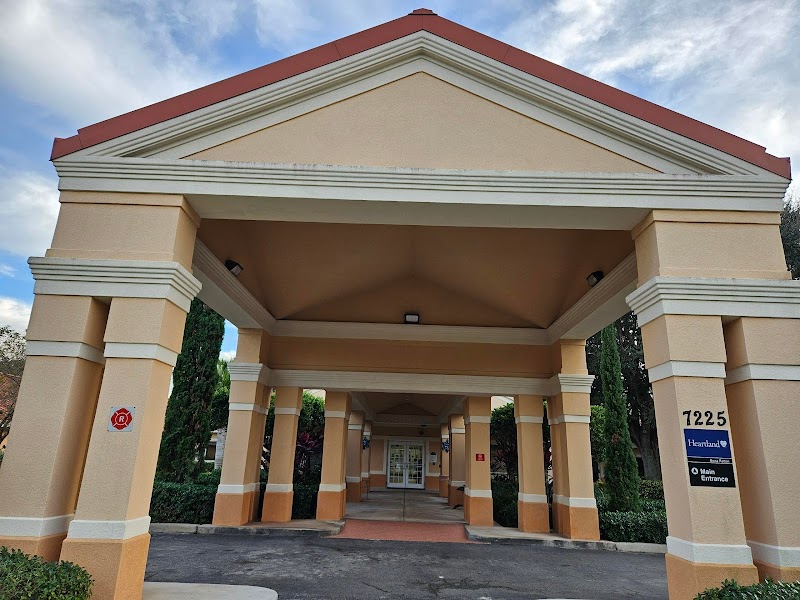
How is Boca Circle Rehabilitation Center Staffed?

CMS rates BOCA CIRCLE REHABILITATION CENTER's staffing level at 2 out of 5 stars, which is below average compared to other nursing homes. Staff turnover is 39%, compared to the Florida average of 46%. This relatively stable workforce can support continuity of care. RN turnover specifically is 74%, which is notably high. RNs provide skilled clinical oversight, so turnover in this role can affect medical care quality.

What Have Inspectors Found at Boca Circle Rehabilitation Center?

State health inspectors documented 40 deficiencies at BOCA CIRCLE REHABILITATION CENTER during 2022 to 2025. These included: 1 that caused actual resident harm and 39 with potential for harm. Deficiencies causing actual harm indicate documented cases where residents experienced negative health consequences.
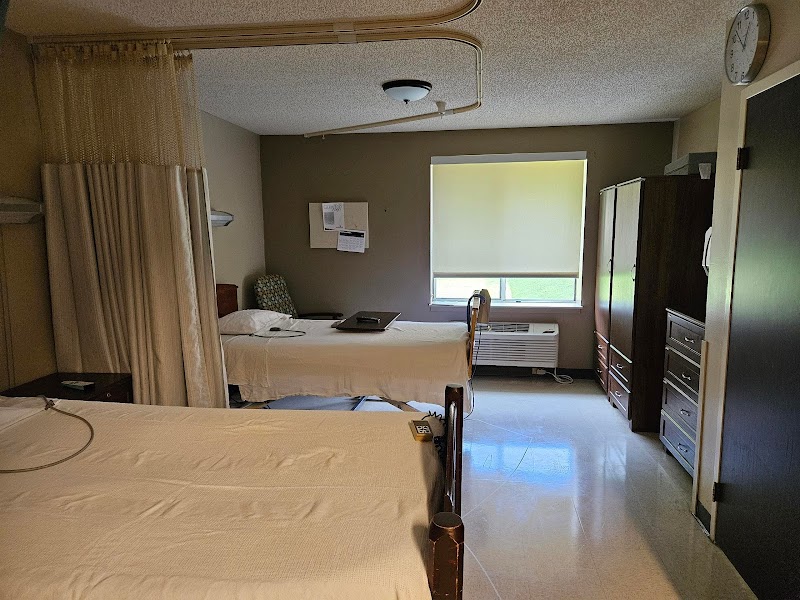
Who Owns and Operates Boca Circle Rehabilitation Center?

BOCA CIRCLE REHABILITATION CENTER is owned by a for-profit company. For-profit facilities operate as businesses with obligations to shareholders or private owners. The facility is operated by EXCELSIOR CARE GROUP, a chain that manages multiple nursing homes. With 120 certified beds and approximately 113 residents (about 94% occupancy), it is a mid-sized facility located in BOCA RATON, Florida.
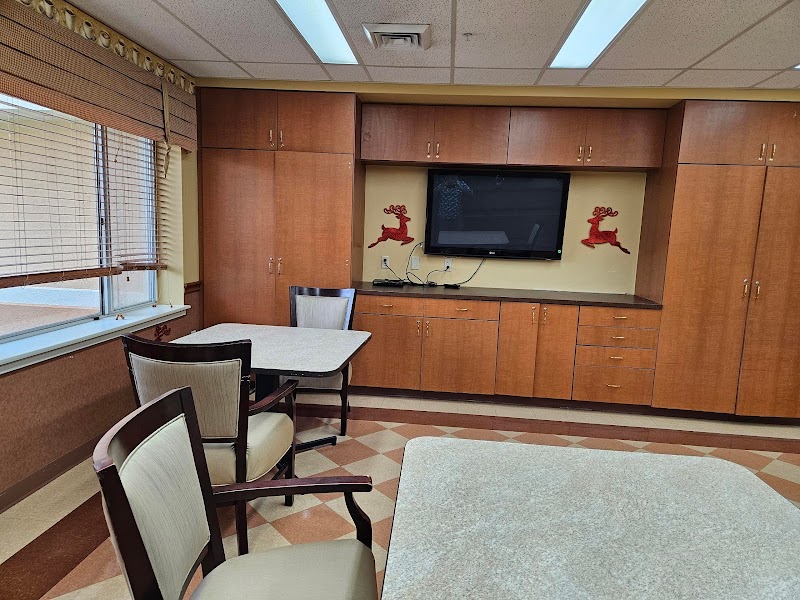
How Does Boca Circle Rehabilitation Center Compare to Other Florida Nursing Homes?

Compared to the 100 nursing homes in Florida, BOCA CIRCLE REHABILITATION CENTER's overall rating (3 stars) is below the state average of 3.2, staff turnover (39%) is near the state average of 46%, and health inspection rating (2 stars) is below the national benchmark.

What Should Families Ask When Visiting Boca Circle Rehabilitation Center?

Based on this facility's data, families visiting should ask: "Can you walk me through typical staffing levels on day, evening, and night shifts?" "Can I visit during a mealtime to observe dining assistance and food quality?" "How do you handle medical emergencies, and what is your hospital transfer rate?" "Can I speak with family members of current residents about their experience?" These questions are particularly relevant given the below-average staffing rating.

Is Boca Circle Rehabilitation Center Safe?

Based on CMS inspection data, BOCA CIRCLE REHABILITATION CENTER has a clean safety record: no substantiated abuse findings (meaning no confirmed cases of resident harm), no Immediate Jeopardy citations (the most serious violation level indicating risk of serious injury or death), and is not on the Special Focus Facility watch list (a federal program monitoring the lowest-performing 1% of nursing homes). The facility has a 3-star overall rating and ranks #100 of 100 nursing homes in Florida. While no facility is perfect, families should still ask about staff-to-resident ratios and recent inspection results during their visit.

Do Nurses at Boca Circle Rehabilitation Center Stick Around?

BOCA CIRCLE REHABILITATION CENTER has a staff turnover rate of 39%, which is about average for Florida nursing homes (state average: 46%). Moderate turnover is common in nursing homes, but families should still ask about staff tenure and how the facility maintains care continuity when employees leave.

Was Boca Circle Rehabilitation Center Ever Fined?

BOCA CIRCLE REHABILITATION CENTER has been fined $31,736 across 1 penalty action. This is below the Florida average of $33,396. While any fine indicates a compliance issue, fines under $50,000 are relatively common and typically reflect isolated problems that were subsequently corrected. Families should ask what specific issues led to these fines and confirm they've been resolved.

Is Boca Circle Rehabilitation Center on Any Federal Watch List?

BOCA CIRCLE REHABILITATION CENTER is not on any federal watch list. The most significant is the Special Focus Facility (SFF) program, which identifies the bottom 1% of nursing homes nationally based on persistent, serious quality problems. Not being on this list means the facility has avoided the pattern of deficiencies that triggers enhanced federal oversight. This is a positive indicator, though families should still review the facility's inspection history directly.