BOCA RATON REHABILITATION CENTER
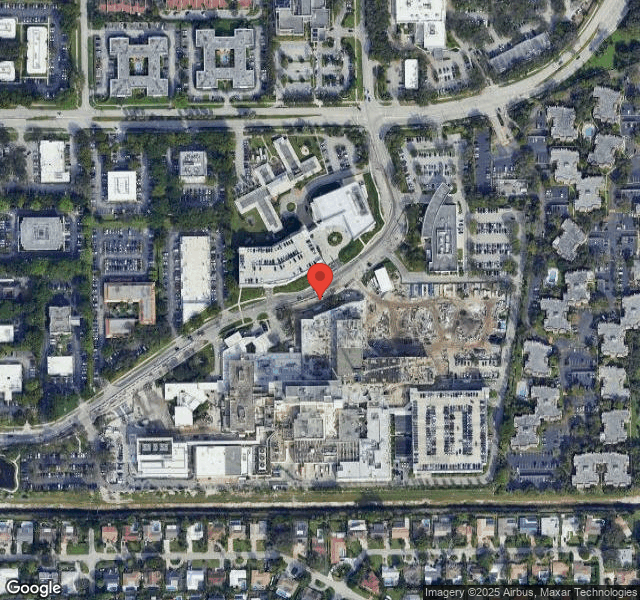
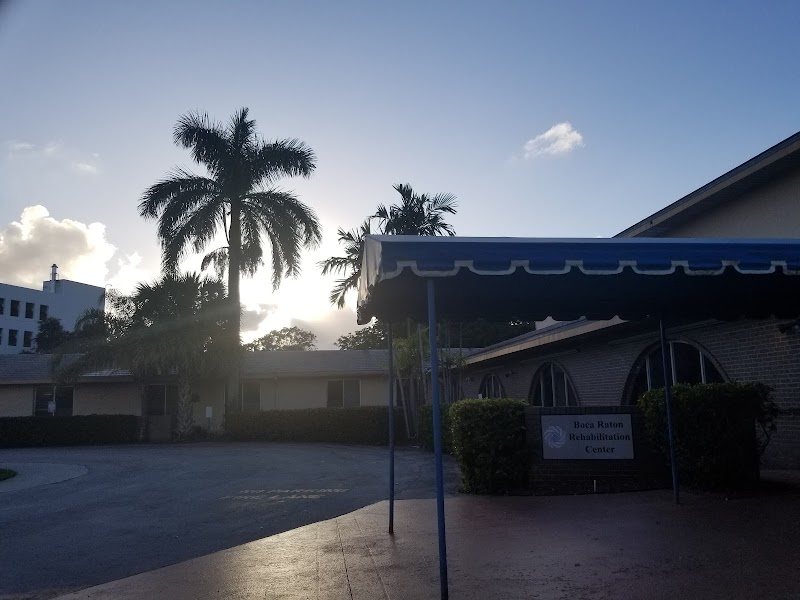
755 MEADOWS ROAD, BOCA RATON, FL 33486 (561) 391-5200
Non profit - Corporation 120 Beds FLORIDA INSTITUTE FOR LONG-TERM CARE Data: November 2025
Trust Grade
60/100
#336 of 690 in FL
Last Inspection: June 2025

Inspected within the last 6 months. Data reflects current conditions.

Overview

Boca Raton Rehabilitation Center has a Trust Grade of C+, which indicates that the facility is decent and slightly above average in overall quality. It ranks #336 out of 690 nursing homes in Florida, placing it in the top half of facilities in the state, and it is #25 out of 54 in Palm Beach County, meaning only a few local options are better. The facility's condition is stable, with 7 issues reported in both 2024 and 2025, which shows consistency in their challenges. Staffing is rated average with a turnover rate of 34%, lower than the state average, indicating that many staff members remain for longer periods and are familiar with the residents. Notably, the center has not faced any fines, but there are concerns about weekend staffing levels and infection control practices, including reports of slow response times to resident calls and lapses in hygiene during laundry operations.

Trust Score
C+
60/100
In Florida
#336/690
Top 48%
Safety Record
Low Risk
No red flags
Inspections
Holding Steady
7 → 7 violations
Staff Stability
○ Average
34% turnover. Near Florida's 48% average. Typical for the industry.
Penalties
✓ Good
No fines on record. Clean compliance history, better than most Florida facilities.
Skilled Nurses
✓ Good
Each resident gets 45 minutes of Registered Nurse (RN) attention daily — more than average for Florida. RNs are trained to catch health problems early.
Violations
⚠ Watch
22 deficiencies on record. Higher than average. Multiple issues found across inspections.
★★★☆☆
3.0
Overall Rating
★★★☆☆
3.0
Staff Levels
★★★★☆
4.0
Care Quality
★★★☆☆
3.0
Inspection Score
Stable
2024: 7 issues
2025: 7 issues

The Good

  • 4-Star Quality Measures · Strong clinical quality outcomes
  • Full Sprinkler Coverage · Fire safety systems throughout facility
  • No fines on record
  • Staff turnover below average (34%)

    14 points below Florida average of 48%

Facility shows strength in quality measures, fire safety.

The Bad

3-Star Overall Rating

Near Florida average (3.2)

Meets federal standards, typical of most facilities

Staff Turnover: 34%

12pts below Florida avg (46%)

Typical for the industry

Chain: FLORIDA INSTITUTE FOR LONG-TERM CAR

Part of a multi-facility chain

Ask about local staffing decisions and management

The Ugly 22 deficiencies on record

Jun 2025 7 deficiencies
CONCERN (D)

Potential for Harm - no one hurt, but risky conditions existed

Tube Feeding (Tag F0693)

Could have caused harm · This affected 1 resident

**NOTE- TERMS IN BRACKETS HAVE BEEN EDITED TO PROTECT CONFIDENTIALITY** Based on observations, interviews, and record reviews, the facility failed to monitor and reassess the nutritional needs of 1 of...

Read full inspector narrative →
**NOTE- TERMS IN BRACKETS HAVE BEEN EDITED TO PROTECT CONFIDENTIALITY** Based on observations, interviews, and record reviews, the facility failed to monitor and reassess the nutritional needs of 1 of 1 residents reviewed for tube feeding (Resident #19). The findings included: A review of the facility's policy titled Weight Management dated January 2021 showed the following: The dietitian and/or authorized designees will assist the team with identifying significant weight changes and pertinent trends as needed based on the facility process. 1 week 2%, 1 month 5%, 3 months 7.5% and 6 months 10%. The dietitian will reassess the nutritional needs and intake of the Resident with a weight change. Appropriate recommendations will be documented in the medical record via a dietitian recommendation form. Resident #19 was readmitted on [DATE] with diagnoses of Muscle Weakness and Severe Protein-Calorie Malnutrition. The Minimum Data Set, dated [DATE] showed a Brief Interview Mental Status score of 15, which is cognitively intact. A review of the weight logs showed the following weight history for Resident #19: 1/7/2025, a weight of 126.2 pounds. 5/7/25, a weight of 98.4 pounds. 05/14/25, a weight of 98.7 pounds. This showed a 22% weight loss from 1/7/2025 to 5/7/2025. Resident #19's Initial admission to the facility was on 4/28/23, and he was discharged from the facility on 3/26/25 and readmitted again on 4/8/25. The Nutrition Evaluation Comprehensive, dated April 9, 2025, showed the following: Resident #19 has been refusing to be weighed since January, which makes monitoring changes in nutritional status difficult. The Registered Dietitian (RD) used 126.2 pounds from 1/7/2025 to assess Resident #19's needs. The estimated energy needs were calculated at 1710-1995 calories, 71-85 grams of protein, and 1425-1710 milliliters (ml) of fluids. A tube feeding Glucerna 1.5 (tube feeding formulary) at 65 ml an hour for a total of 1300ml. Resident #19's Basal Metabolic Index (BMI) was noted at 16.2, which indicated an underweight status. A follow-up nutritional note dated 05/09/25 showed the following: Resident #19 has been pulling his tube feeding out, and it was recommended to switch to bolus feeding to ensure the Resident's intake of feeding meets his estimated needs. It was recommended to change the tube feeding to Jevity 1.5 (tube feeding formulary), with five cans per day, for a total of 1,185 mL. In this note, the RD did not address the weight loss from 126.2 pounds to 98.4 pounds. A Progress note dated 5/19/2025 showed Resident #19 refused his bolus feeding at 9:00 AM and 1:00 PM. A follow-up nutrition note dated 5/30/25 showed Resident's weight was documented at 100 pounds with a favorable gain of 2 pounds from the last weight. In this note, the RD did not reassess Resident #19's nutritional needs related to the weight loss of 27.8 pounds identified on 05/07/25. In an interview conducted on June 4, 2025, at 9:00 AM with Staff C, the Registered Nurse (RN) stated that Resident #19 is receiving a bolus feeding tube with Glucerna 5 times a day. She is responsible for the feeding times at 9:00 AM and 1:00 PM, which is on her shift. Staff C further stated that Resident #19 was tolerating his tube feeding well. On June 4, 2025, at 1:45 PM, Staff C was preparing to administer the bolus tube feeding to Resident #19. Resident #19 said, I am full of poop, and told Staff C that he did not want the bolus tube feeding at this time. An interview conducted on 6/4/25 at 1:39 PM with the facility's clinical RD stated that she completes a monthly nutritional assessment for residents on tube feeding. She will also address any significant weight loss of 5% in one month, 7.5% in 3 months, and 10% in 6 months. For any residents with unknown weights, she will use the prior weights until she gets a more current weight. When asked if she reassessed Resident #19's needs after the new weight was identified on 5/7/2025, she said no. The RD acknowledged that Resident #19 had a significant weight loss, and she did not complete the monthly nutritional assessments. In an interview conducted on 6/04/2025 at 3:00 PM with Resident #19, he stated that he did not understand why he could not eat by mouth and asked this Surveyor why he had to be on a feeding tube. The Care plan dated 5/13/25 showed that Resident #19 was at high nutritional risk and required maintaining nutritional intake without significant changes.
CONCERN (D)

Potential for Harm - no one hurt, but risky conditions existed

Deficiency F0805 (Tag F0805)

Could have caused harm · This affected 1 resident

Based on observations, interviews, and record review, the facility failed to follow the Pureed diet consistency for 1 of 2 visits to the main kitchen. This has the potential to affect 9 residents on a...

Read full inspector narrative →
Based on observations, interviews, and record review, the facility failed to follow the Pureed diet consistency for 1 of 2 visits to the main kitchen. This has the potential to affect 9 residents on a Pureed diet out of 103 current census residents. The findings included: A review of the facility ' s policy titled Pureed Diet, dated 11/2017, showed the following: Pureed means that all food has been grounded, pressed, and/or strained to a soft, smooth consistency like pudding. An observation conducted on June 4, 2025, at 11:45 AM during the lunch tray line revealed a container of pureed turkey on the tray line. Closer observation revealed pieces of green particles in the pureed turkey. Staff A, Cook, said that she made the pureed turkey and added sweet relish for flavor. In an interview conducted on June 4, 2025, at 11:55 AM with the Food Service Director, he acknowledged the green particles in the pureed turkey. In an interview with Staff D, the speech-language pathologist, on June 4, 2025, at 12:00 PM, it was stated that a pureed diet should have a mashed potato-like consistency with a uniform texture and no lumps or pieces.
CONCERN (D)

Potential for Harm - no one hurt, but risky conditions existed

Deficiency F0806 (Tag F0806)

Could have caused harm · This affected 1 resident

**NOTE- TERMS IN BRACKETS HAVE BEEN EDITED TO PROTECT CONFIDENTIALITY** Based on observations, interviews, and record review, the facility failed to provide food choices and preferences for 2 of 4 res...

Read full inspector narrative →
**NOTE- TERMS IN BRACKETS HAVE BEEN EDITED TO PROTECT CONFIDENTIALITY** Based on observations, interviews, and record review, the facility failed to provide food choices and preferences for 2 of 4 residents reviewed for nutrition (Resident #88 and Resident #95). The findings included: 1. A chart review revealed that Resident #88 was admitted on [DATE] with diagnoses of Hypertension and Hyperlipemia. The Quarterly Minimum Data Set (MDS) dated [DATE], revealed a Brief Interview of Mental Status (BIMS) score of 14, indicating cognitive intact. On 06/02/25 at 12:35 PM, an observation was conducted, and Resident #88 was found in her room eating her lunch tray. The meal ticket noted the following: large portion, 5 ounces pulled pork, plantains, yellow rice, mango mouse, mighty shake, and a peanut butter and jelly sandwich. The lunch meal plate was noted with the magic cup, but it did not contain a large portion of the 5 ounces of pulled pork, plantains, or yellow rice, as indicated on the meal ticket. The Care Plan for Resident #88 showed nutritional problems and to provide diet and supplements as ordered. 2. A chart review revealed Resident #95 was admitted to the facility on [DATE] with diagnoses of Chronic Anemia and Adult Failure to Thrive. The admission MDS dated [DATE] revealed a BIMS score of 13, which indicated the resident is cognitively intact. On 06/03/25 at 8:41 AM, an observation was conducted, and Resident #95 was eating his breakfast tray. The meal ticket was noted as follows: a large portion of ham and cheese Frittata, cereal of choice, wheat toast, juice of choice, 2% milk, and a fresh fruit cup. The breakfast meal plate was missing the fresh fruit cup and the 8 ounces of milk. Closer observation revealed that Resident #95 did not receive a large portion of his breakfast meal either. In this observation, Resident #95 said he did not get his milk or fresh fruits this morning. The Care plan dated 2/27/2025 showed that weight gain would be favorable for this Resident and to provide large portions as ordered. In an interview conducted on June 3, 2025, at 3:00 PM with the Food Service Director, he stated that the meal tray is checked for food accuracy and that the correct diet order is provided. Two staff members on the tray line check for the accuracy of the trays and any orders of large portions.
CONCERN (D)

Potential for Harm - no one hurt, but risky conditions existed

Food Safety (Tag F0812)

Could have caused harm · This affected 1 resident

Based on observations and interviews, the facility failed to store, prepare, distribute, and serve food in accordance with professional standards for food service safety and sanitary conditions and to...

Read full inspector narrative →
Based on observations and interviews, the facility failed to store, prepare, distribute, and serve food in accordance with professional standards for food service safety and sanitary conditions and to prevent foodborne illnesses during two of the two visits to the main kitchen. The findings included: 1. A tour of the main kitchen was conducted on 6/2/25 at 9:39 AM with the following issues noted: A bottle of 46 ounces of Thickened Orange Juice from the walk-in refrigerator with a used date of April 30, 2025. The facility's internal thermometer in the walk-in refrigerator indicated 50 degrees Fahrenheit rather than the necessary 41 degrees Fahrenheit or below. A yellow cleaning bucket containing dark-colored water was noted in the food production area. A cup of strawberries near the food tray line showed 59.0 degrees Fahrenheit, not the necessary 41 degrees Fahrenheit or below. A cup of grapes near the food tray line showed 59.4 degrees Fahrenheit, not the necessary 41 degrees Fahrenheit or below. A cup of canned pears near the food tray line showed 58.1 degrees Fahrenheit, not the necessary 41 degrees Fahrenheit or below. The floor in the dry storage room was filled with debris and food wraps all around. 2. A second visit to the main kitchen on 06/4/2025 at 11:30 AM during the lunch tray line showed the following: A cold container of pureed turkey meat with a temperature of 44.5 degrees Fahrenheit and not the necessary 41 degrees and below. A metal container of lettuce with a temperature of 58.8 degrees Fahrenheit and not the necessary 41 degrees and below. A metal container of sliced tomatoes with a temperature of 58.9 degrees Fahrenheit and not the necessary 41 degrees and below. In this observation, the Food Service Director stated that he would return the sliced tomatoes and lettuce to the refrigerator to ensure they cooled to the appropriate temperature. In an interview conducted on 06/05/25 at 3:00 PM with the administrator, he was informed of the findings.
CONCERN (D)

Potential for Harm - no one hurt, but risky conditions existed

Deficiency F0919 (Tag F0919)

Could have caused harm · This affected 1 resident

**NOTE- TERMS IN BRACKETS HAVE BEEN EDITED TO PROTECT CONFIDENTIALITY** Based on observation interviews and record review, the facility failed to ensure that a call light was within reach and working ...

Read full inspector narrative →
**NOTE- TERMS IN BRACKETS HAVE BEEN EDITED TO PROTECT CONFIDENTIALITY** Based on observation interviews and record review, the facility failed to ensure that a call light was within reach and working for 1 of 30 sampled residents (Resident #76). The findings included: A chart review revealed Resident #76 was admitted on [DATE] with diagnoses of Muscle Weakness and Hypertension. The Annually Minimum Data Set (MDS) dated [DATE] showed that Resident #76 has a Brief Interview Mental Status Score of 13, which indicated the resident is cognitively intact. In an observation conducted on 06/02/25 at 10:17 AM, Resident #76 was noted on bed with the call light noted on the floor and away from Resident #76's reach. In an observation conducted on 06/02/25 at 11:11 AM, Resident #76 was noted in bed with the call light noted on the floor and away from Resident #76's reach. In an observation conducted on 06/02/25 at 11:52 AM, Resident #76 was noted in bed with the call light noted on the floor and away from Resident #76's reach. In an observation conducted on 06/02/25 at 12:30 PM, Resident #76 was noted in bed with the call light noted on the floor and away from Resident #76's reach. In an observation conducted on 6/04/25 at 1:37 PM, Resident #76's call light was noted on the bed within reach. Resident #76 was observed pressing the call light, but no light or noise was illuminated outside Resident #76's room or at the nurses' station, indicating that the call light was being used in Resident #76's room. In an interview conducted on 6/4/25 at 2:45 PM with Staff B, the Certified Nursing Assistant (CNA), she stated call lights need to be working and within reach of residents when needed. She further noted that when a resident uses the call light, a light outside the resident's room will turn on, indicating that the call light has been pressed. In this interview, this Surveyor asked Staff B to try and press the call light for Resident #76. Staff B pressed Resident #76's call light and said that it needed to be looked at since only one side of the call light was working. Staff B stated that she had pressed Resident #76's call light earlier and noticed that it was not functioning properly.
CONCERN (E)

Potential for Harm - no one hurt, but risky conditions existed

Deficiency F0725 (Tag F0725)

Could have caused harm · This affected multiple residents

**NOTE- TERMS IN BRACKETS HAVE BEEN EDITED TO PROTECT CONFIDENTIALITY** Based on interview and record review, the facility failed to meet 24 hour staffing requirements on weekends for the period of 10...

Read full inspector narrative →
**NOTE- TERMS IN BRACKETS HAVE BEEN EDITED TO PROTECT CONFIDENTIALITY** Based on interview and record review, the facility failed to meet 24 hour staffing requirements on weekends for the period of 10/1/24 to 12/31/24. The findings included: The CMS Payroll Based Journal (PBJ) report for the facility for the First Quarter of 2025 for the period from October 1, 2024 to December 31, 2024, indicated the facility had excessively low staffing on the weekends for the quarter. This report was run on 05/27/25. On 06/02/25 at 12:13 PM, an interview was conducted with Resident #63. Resident #63 had a Brief Interview for Mental Status (BIMS) score of 15, which indicates she was cognitively intact. Resident #63 had her most recent MDS assessment dated [DATE]. This was the resident's Annual Assessment. Resident #63 stated that there were not enough staff, especially on weekends. Resident #63 stated that it could take hours for anyone to come to the room (respond to the call light) on weekends and overnight. Resident #63 indicated that her roommate, Resident #55, who is also her spouse, was more impacted because he required more assistance than she did. On 06/12/25 at 12:13 PM an interview was conducted with Resident #55, roommate and spouse of Resident #63. Resident #55 was re-admitted to the facility and had his 5-day MDS assessment dated [DATE]. Resident #55 had a BIMS of 13, which indicated he was cognitively intact. Resident #55 expressed agreement with Resident #63. Resident #55 stated he needed to be moved out of bed by using a lift, which requires 2 people to operate. Resident #55 stated that on weekends it takes longer for staff to get him out of bed to his wheelchair because the staff often needs to wait until there are two of them available. On 06/03/25 at 11:54 AM an interview was conducted with Resident #9, who had a BIMS of 15. Resident #9 had her Quarterly MDS assessment dated [DATE]. Resident #9 stated that there could be better service on the weekend. Resident #9 clarified that she did not believe there was enough staff on the weekend. Resident #9 did not wish to elaborate further. On 06/04/25 at 11:43 AM, an interview was conducted with the Business Office Assistant (BOA). The BOA stated he is responsible for documenting and reporting Payroll Based Journal data. The BOA explained that the PBJ data is loaded directly to the CMS system from the computerized payroll system. The BOA stated that hours worked are calculated based upon when the employee punches in punches out. The BOA acknowlodged that there have been times that the facility has been understaffed in the past. On 06/05/25, calculations were performed for weekend staffing from October 2024 through December 2024. The calculations were performed for Registered Nurses (RNs), Licensed Practical Nurses (LPNs), and Certified Nursing Assistants (CNAs). The calculations involved totaling reported hours for nurses (RNs and LPNs) and dividing by the number of residents reported for the day. The results revealed 12 weekends with a ratio of nursing hours per resident to be less than 1.0. This included the following dates: 10/26, 10/27, 11/2, 11/3, 11/10, 11/30, 12/01, 12/07, 12/14, 12/15, 12/28, and 12/29.
CONCERN (E)

Potential for Harm - no one hurt, but risky conditions existed

Infection Control (Tag F0880)

Could have caused harm · This affected multiple residents

**NOTE- TERMS IN BRACKETS HAVE BEEN EDITED TO PROTECT CONFIDENTIALITY** Based on review of policy and procedure, observation and interview, the facility failed to maintain infection control standards,...

Read full inspector narrative →
**NOTE- TERMS IN BRACKETS HAVE BEEN EDITED TO PROTECT CONFIDENTIALITY** Based on review of policy and procedure, observation and interview, the facility failed to maintain infection control standards, as per protocol, in the Laundry Room and Soiled Utility areas. The findings included: Review of the facility policy titled Laundry Services provided by the Director of Nursing (DON) effective October 2021 documented in the Policy Statement: The facility will strive to protect residents and employees from facility-acquired infections and communicable diseases and to reduce the risk of cross-infection by utilizing hygienic practices for the handling and processing of soiled linens appropriate procedures will be followed to minimize potential healthcare associated and occupational risks associated with soiled linen handling .Standard Precautions will be followed when handling soiled linens. Procedure: 1. Clean washer and dryer .surfaces daily with a disinfectant. 2. Clean lint traps after each load .12. Clean and disinfect all laundry areas routinely. Review of the facility policy titled Description of Steps in the Laundry Process provided by the Administrator revised 09/05/17 documented in the Policy Statement: There are six steps in the laundry process: 1) Pick-up or collection of soiled linen A. Collection of Soiled Linen: Soiled linen containers or barrels should be on each Nursing unit stored in a soiled area so that nursing can deposit soiled linen. These containers should be checked at regular intervals to keep the soiled linen from over-flowing, which may cause odor and infection control problems Soiled linen must be removed from the units for two (2) reasons: 1. Keep the area infection free .B. It is very important to properly transport and store soiled linens to prevent the spread of infection. To do so, all soiled linen and clean linen must be covered during transportation and while being stored on unit or floors .At designated times, laundry workers are to collect soiled linens from each Soiled Linen Room using a large bin with lid, marked For Soiled Linen Use Only 2. Sorting Soiled Linen Soild linens brought down manually must .be placed into the soiled linen bins C. Lint Screens: a lint screen is installed in the bottom compartment of all commercial dryers. Lint that falls from the linen as it dries is caught by the lint screen, preventing lint from moving directly through the vent and blowing all over the outside of the building. These lint screens must be brushed and cleaned after every load or every hour. If not, the screen will be become packed with lint. When this occurs, warm air moving through the system is blocked, raising the temperature in the basket and causing a potentially dangerous situation; i.e., where one spark on lint can cause fire. Torn or improperly fitted screens must be reported to facility maintenance personnel via a work order for immediate repair. Lint may also: a) Build-up between the drum and the sides of the dryer is the root cause of many dryer fires. This may cause a problem because in many dryers there is a heat sensor there. This sensor reads the heat of the basket and is programmed to shut the dryer down if the temperature gets too hot. If this sensor is covered with lint, the lint acts as insulation and fools the sensor into thinking the basket is not as hot as it really may be. So, instead of shutting the dryer down, it allows heat to continue to pour in. It is extremely important that you remove the entire front of the dryer and vacuum the entire interior. b) Build-up on the top compartment of the dryer. This is dangerous because the heat source is here. The top panel must be opened and the area must be cleaned daily. During an observational tour of the Laundry Room on 06/03/25 at 9:54 AM, it was observed that for one (1) of two (2) commercial dryers: the Speed Queen, this dryer's inner drum was noted to have multiple surface areas covered with some type of thick caked on rust-colored and whitish gunky substance areas (which contained a heavy/caked on/crusted/peeling amount of potentially- contaminated, melted dark matter/debris, along the inner drums of both dryers, all touching and coming into direct contact with the resident's clean clothing. And, it was also noted in 1 of 2 commercial dryers that the Fagor dryer's lint trap filter basket was full with ripped and torn areas, and caked with hanging lint noted in pieces and piles and the lint trap itself was loosened with the rust colored metal bar noted to be broken hanging down and not attached to the dryer itself; all creating a potential, fire hazard. Photographic Evidence Obtained. On 06/03/25 at 9:54 AM a consecutive interview was conducted with two (2) laundry aides Staff E, and Staff F, in which they were asked if they were aware of when the Speed Queen's dryer drum was last cleaned by Maintenance Department and they both responded that they did not know. On 06/03/25 at 10:15 AM during an interview, the Housekeeping Director stated that she recalled that the Maintenance Director told her that he had spoken to a vendor regarding cleaning the dryer drum and the lint traps. However, the Housekeeping Director indicated that she was unable to recall exactly when or with whom. She added that she was not sure how often the outside company comes in to clean the dryer drums and she acknowledged that she did not have any documentation regarding the cleaning schedule for the dryer drums and the lint traps. The Housekeeping Director stated that she would have to check with Maintenance regarding this. The Housekeeping Director further acknowledged that the Speed Queen dryer's drum did have multiple surface areas covered with some type of thick rust-colored and whitish gunky substance areas. The Housekeeping Director stated that she had not been made aware of this, but she reiterated the fact that she had spoken with the Maintenance Department about it, and she was told that they did not want to order any new machines, and she was also unable to recall how long ago this was. The Housekeeping Director ended by saying that she did not document any of the above conversation with the Maintenance Director. As the laundry room tour progressed on 06/03/25 at 10:25 AM, it was noted that one (1) of two (2) commercial washing machines, Speed Queen, was observed to be non-functional and non-operational with multiple chipped off rust covered areas on the side base and to the rear of the washing machine, to include the very rust-colored door; which was left hanging open. According to the Housekeeping Director, she said that this washing machine has been down and not usable for about thirty (30) days and she said that she told Maintenance about it at the time. She said that the Maintenance Director had spoken with the vendor, to her knowledge, yesterday and she does not know what the outcome was. She acknowledged that this facility (with a current capacity of 111, as of 06/02/25) has been operating on only one (1) washing machine, for the past thirty (30) days, she added that she did not document this conversation with the Maintenance Director, anywhere either. During a subsequent interview conducted on 06/03/25 at 10:35 AM again with the two (2) laundry aides Staff E and Staff F, in which they were asked, how long has the Speed Queen, commercial washing machine not been working, to their knowledge, and both responded, that it has been at least for four (4) weeks, or so. On 06/03/25 at 11:05 AM during a tour of 100 hallway Soiled Utility Room, it was noted that there was a clear, smaller plastic bag sitting atop the sink and outside of the main clear, soiled laundry bag; both of which contained residents soiled linen, the smaller, clear resident linen bag was not properly bagged and covered, which clearly exposed the soiled linen. Photographic evidence obtained. On 06/03/25 at 11:07 AM, a consecutive interview was conducted in which all of the above was acknowledged by both the Housekeeping Director, and by the Assistant District Manager of Health Care Services. And, the Assistant District Manager of Health Care Services acknowledged that the dryer drums should have been cleaned on a regular monthly basis. Interview on 06/03/25 at 1:52 PM with the Maintenance Director, he stated that the Speed Queen washing machine has been out of service for at least the past two (2) weeks. The Maintenance Director indicated that he had obtained a quote in order to either fix the washing machine motor, or for a new washing machine replacement. He said to this Surveyor that he had just been made aware of both the inner Speed Queen dryer drum with the built up melted materials, as well as of the Fagor dryer's lint trap filter having ripped and torn areas, which were loosened with caked on lint; the the rust colored metal bar was noted to be hanging down and not attached to the dryer itself. The Maintenance Director said that the laundry personnel were responsible for shaking out the linen, prior to putting it in the machines. According to the Maintenance Director, the dryer drums are cleaned out, only on an as needed basis, by the Maintenance department. However, he was unable to provide any current paperwork to show the last time that this had been done. The Maintenance Director acknowledged that both the dryer drum and lint trap basket needed to be done now. Resident #57 was admitted to the facility on [DATE]. She had a Brief Interview Mental Status (BIM) score of 12, indicative of moderate impairment. During an interview conducted on 06/04/25 at 11:10 AM with Resident #57 regarding the broken washing machine, she was asked the following three (3) questions, with a response: 1) Are your clothes being laundered on a regular basis? Yes, at least once a week, on a day she chooses, she places her dirty laundry in a bag for the facility to wash. About how long does it take to get your clean laundry back? She stated that it will take more than a week to get her clean clothing back. She said that a CNA will come to her room and gather the bag of dirty clothing and take it to the laundry; then it will come back over a week later. She also said that she had asked the CNA why does it take so long to get her clean clothing back and she said that she was told by the CNA that the washing machine was broken. 2) Does this bother you? Absolutely, yes, it does, according to the resident. 3) How long has this been happening? She said ever since that she has been residing in this facility starting shortly after her admission date of 01/06/25. Record review was conducted of the 04/25/25 quote, provided by the Administrator, labeled Re-build the motor with the sheave/removed to re-build and install and test for proper operation at a quoted cost of $1,1840, work labor quoted at a cost of $920, for a grand total of $2,760. Both the Administrator, and the Maintenance Director were interviewed, in which both were asked, since they had been aware of the Speed Queen washing machine's mal-function, since this quote, what was the hold-up, with getting this washing machine repaired or replaced, in a timely manner, for the residents in the facility? The Maintenance Director responded first by saying that he verbally told the Administrator about the receipt of the quote to repair the washing machine which had been exhibiting issues, at that time. Then, the Administrator stated that, when the machine finally broke down, he said that he then contacted the vendor, two (2) weeks ago via phone, and he was sent a quote for repair of the current washing machine motor. The Administrator and the Maintenance Director both acknowledged that the facility had been operating with only one (1) machine for their capacity of well-over one-hundred (100) residents; for a period of at least two (2) weeks, or more. Both the dryer drum and dryer lint trap were not cleaned, until after surveyor intervention. The Administrator further recognized and acknowledged on 06/03/25 at 3:45 PM regarding all of the above. He acknowledged that the washer had not been working, since at least the past two (2) weeks. And, the Administrator also indicated that he had just been made aware of the above dryer issues, during this survey, and he added that the dryer drum and dryer lint trap should have been kept cleaned regularly and properly.
Mar 2024 7 deficiencies
CONCERN (D)

Potential for Harm - no one hurt, but risky conditions existed

Resident Rights (Tag F0550)

Could have caused harm · This affected 1 resident

**NOTE- TERMS IN BRACKETS HAVE BEEN EDITED TO PROTECT CONFIDENTIALITY** Based on record review, observations and interviews, the facility failed to provide care and services in a dignified manner to 1...

Read full inspector narrative →
**NOTE- TERMS IN BRACKETS HAVE BEEN EDITED TO PROTECT CONFIDENTIALITY** Based on record review, observations and interviews, the facility failed to provide care and services in a dignified manner to 1 of 1 resident (Resident #21) reviewed for Dignity. The findings included: Review of Resident #21's clinical record documented an admission on [DATE] with no readmissions. The resident diagnoses included Alzheimer's Disease, Persistent Mood [Affective] Disorder, Cognitive Communication Deficit, Type 2 Diabetes Mellitus, Dementia without Behavioral Disturbance, Psychotic Disturbance, Mood Disturbance, and Anxiety, Metabolic Encephalopathy (a problem in the brain), Abnormalities of Gait and Mobility and Muscle Weakness. Review of Resident #21's Minimum Data Set (MDS) quarterly assessment dated [DATE] documented a Brief Interview of the Mental Status (BIMS) score of 0 indicating that the resident had severe cognition impairment. The assessment documented under Functional Abilities and Goals that the resident was dependent on staff for toileting and needed substantial to maximum assistance with most of the activities of daily living. Review of Resident #21's care plan titled (Activities of Daily Living) ADL: The Resident has an ADL self-care performance deficit as evidence by: weakness, difficulty walking, gait imbalance initiated on 11/04/2022 and revised on 11/04/2022. The care plan interventions included: .resident is total dependent upon staff for ADLs .transfer: assist of 2 staff participation with transfers with mechanical lift .toilet use: assist of 2 . Review of Resident #21's care plan titled INCONTINENCE: The resident is incontinent of bladder/bowel and is not a candidate for a toileting program related to: immobility, involuntary or unpredictable bladder and bowel elimination initiated on 05/28/2022. The care plan interventions included: .check for incontinence with routine care, upon arising, before and after mealtime .Provide incontinence care as indicated .Observe for foul smelling . On 03/06/24 at 10:15 AM, during an interview, the Director of Nursing (DON) and the Regional Nurse were asked to submit the facility's policy related to Activities of Daily Living (ADLs). The Regional Nurse stated the facility did not have one. On 03/06/24 at 2:18 PM, observation revealed Resident # 21 sitting in a wheelchair in her room and rubbing her hands together. The resident was non-verbal, did not answer to questions asked. Further observation revealed a strong offensive odor like stool while standing in front of the resident. Staff C, Registered Nurse was in the room attending the resident's roommate. On 03/06/24 at 2:23 PM, observation revealed the Assistant Director of Nursing (ADON) entered Resident #21's room and confirmed a strong foul smell in the room. Observations revealed Resident #21 continue rubbing her hands vigorously and had brown matter on her hands. Subsequently, the ADON was informed of the resident having brown matter on her hands. The ADON acknowledged and called in Staff A, Certified Nursing Assistant assigned to the resident. On 03/06/24 at 2:41 PM, observation revealed Staff A, Certified Nursing Assistant (CNA) entered resident #21's room, searched the resident closet and pulled blue pads and was observed cleaning the resident's hands with a blue pad. At 2:49 PM, Staff A left the room and left the resident in the room sitting in a wheelchair. On 03/06/24 at 3:06 PM, Further observation revealed the strong foul smell was stronger in the room and near Resident #21. The resident continued rubbing her hands vigorously. At 3:09 PM, observation revealed the resident wheeling herself in the room up and down with her unbutton pants. Furthermore, observation revealed a blue color pad under the pants. Consequently, the ADON was asked to have Resident #21's brief checked due to the strong offensive odor, stool like smell. On 03/06/24 at 3:13 PM, observed the ADON was not able to reposition Resident #21's bed down. On 03/06/24 at 3:23 PM, observation revealed Staff I, CNA came in to change the resident and stated the bed needed to be fixed and left the room. Continuing observation revealed Resident #21 moving around the room in wheelchair, shuffling her feet, appeared to be uncomfortable. On 03/06/24 at 3:26 PM, observations revealed Resident #21 wheeling herself out of her room into the hallway and with unbutton pants. The resident wheeled herself about 15 feet away from her room. Subsequently, observation revealed the ADON looking for Resident #21's assigned CNA, Staff I. On 03/06/24 at 3:31 PM, observations revealed Staff I, CNA and Staff J, CNA entered Resident #21's room . Staff I and Staff J placed the resident in bed without using a mechanical lift as per care plan. The resident's wheelchair had brown matter on the wheelchair arm rest. Further observation revealed the resident was attempting to pull her brief off. Staff J told the resident relax, we are to change it. During an interview, Staff J acknowledged the resident was uncomfortable. Staff I pulled the resident's pants down and stated, what a mess. Observation revealed the resident's pants had brown matter on the back of the pants. The resident had a brief and a blue pad tucked in the front area. The brief had a large amount of paste brown stool with a strong offensive odor. Staff I was not aware that the resident needed to be changed. On 03/07/24 at 9:38 AM, an interview was conducted with the ADON who stated that Staff A, CNA should had cleaned and changed Resident # 21's brief before she left the facility. On 03/07/24 at 9:42 AM, a joint interview was conducted with the DON and Staff A, CNA. Staff A was asked why she did not change Resident # 21's brief before she left her in room. Staff A stated she could not put the resident back in bed by herself. Staff A was asked why you did not ask for help and replied, I couldn't find nobody. On 03/07/24 at 1:34 PM, during an interview, the Director of Nursing (DON) was asked to submit the facility's policy related to Incontinence Care and stated the facility did not have one.
CONCERN (D)

Potential for Harm - no one hurt, but risky conditions existed

Deficiency F0561 (Tag F0561)

Could have caused harm · This affected 1 resident

**NOTE- TERMS IN BRACKETS HAVE BEEN EDITED TO PROTECT CONFIDENTIALITY** Based on observations and interview, the facility failed to honor residents' choices for 2 of 2 residents with preferences for e...

Read full inspector narrative →
**NOTE- TERMS IN BRACKETS HAVE BEEN EDITED TO PROTECT CONFIDENTIALITY** Based on observations and interview, the facility failed to honor residents' choices for 2 of 2 residents with preferences for eating in the dining room, Residents #80, and 88. The findings included: The facility's Mealtimes and Delivery Schedule documented: Main Dining Room Seating Schedule Breakfast: 7:10 AM to 7:20 AM 1). Resident #80 was admitted to the facility on [DATE]. According to the resident's most recent complete assessment, an Annual Minimum Data Set (MDS), dated [DATE], Resident #80 had a Brief Interview for Mental Status (BIMS) score of 15, indicating the resident was cognitively intact. Resident #80's diagnoses at the time of the MDS. During an interview with Resident #80, on 03/04/24 at 8:09 AM, in the Main Dining Room, it was noted that the resident had his breakfast on the table in front of him and that there was no staff in the dining room. During an observation of breakfast being served to the residents in their rooms, on 03/05/24 at 8:03 AM, Resident #80 was noted to be in the Main Dining Room with his breakfast on the table in front of him. During an observation of breakfast being served to the 100 unit, on 03/06/24 at 7:44 AM, Resident #80 was observed in the Main Dining Room and did not have a breakfast as he had the previous two observations. During an interview with Resident #80, on 03/06/24 at 08:09 AM, when asked about not having his breakfast, Resident #80 stated that he takes all meals in the Dining Room. Resident #80 further stated they will only allow residents to eat in the Dining Room during lunch because there is no CNA (Certified Nurse's Assistant) or nurse in the dining room. We have to have breakfast and dinner in our rooms because there is no staff to watch us in case we choke. I don't understand why it would matter that I eat in the Dining Room or my room because there is no one in my room if I choke. On 03/06/24 at 8:16 AM, Resident #80 returned to the unit and confronted the Social Services Director about eating in the dining room. Resident #80 was upset about not being able to have his breakfast in the Dining Room. During an interview, on 03/06/24 at 8:25 AM, with Staff K, UM/LPN, when asked about Resident #80 eating breakfast in the Dining Room, Staff K replied, There is no supervision in the Dining Room, and we don't leave the resident unsupervised in the dining room. I wasn't aware that he was there for breakfast. On 03/06/24 at 8:35 AM, Resident #80 was observed in the dining room after confronting the Social Services Director. Resident #80 stated that he had refused breakfast and ordered a meal to be delivered from Door Dash (a food delivery company) that was on the table in front of him. It was noted that there were no staff members in the Dining Room at the time of the interview and observation. During an interview, on 03/06/24 at 10:04 AM, with the Social Services Director, when asked about Resident #80 not being served breakfast in the Dining Room, the Social Services Director replied, I went to the nurse, because I didn't know why either. During the observations and interviews with Resident #80, it was noted that Resident #80 was eating the meals independently. 2). Resident #88 was admitted to the facility on [DATE]. According to the resident's most recent complete assessment, a Quarterly MDS, dated [DATE], Resident #88 had a BIMS score of 15. Resident #88's diagnoses at the time of the assessment included: Hypertension, Diabetes, Anxiety Disorder, Muscle Wasting and Atrophy, Lack of Coordination, Morbid Obesity, Polyneuropathy, Insomnia. During an observation of the lunch meal, on 03/06/24 at approximately 1:00 PM in the main dining room, Resident #88 was sitting at a table with Resident #80. When asked about having breakfast in the Dining Room, the resident stated that she would have breakfast in the Dining Room but did not due to concerns that the breakfast meal would be served later than it already is. During the interview, Resident #88 was noted to be eating the meal independently. During an interview with the Registered Dietitian, on 03/07/24 at 11:52 AM, when asked about residents' preferences for having breakfast in the Main Dining Room, the Registered Dietitian replied, During food committee, I ask, and no one has ever said nothing. They are always telling us that they want to, and I tell them that it is open for Breakfast, Lunch and Dinner, we just need somebody to be there in the dining room. During an interview with the Director of Nursing (DON), on 03/07/24 at 3:00 PM, when asked about residents eating breakfast in the Dining Room, the DON replied, they can, that needs to be in-serviced. I brought it up with the administrator before and then nobody wanted to eat in the Dining Room. The nurses are assigned for lunch and dinner. They said that they wanted to open the Dining Room for lunch and dinner.
CONCERN (D)

Potential for Harm - no one hurt, but risky conditions existed

Deficiency F0565 (Tag F0565)

Could have caused harm · This affected 1 resident

Based on observations, interviews and record reviews, the facility failed to resolve grievances regarding the timing of meal deliveries voiced by residents and members of the Resident Council. The fin...

Read full inspector narrative →
Based on observations, interviews and record reviews, the facility failed to resolve grievances regarding the timing of meal deliveries voiced by residents and members of the Resident Council. The findings included: The meal delivery schedule documented the following schedule for the breakfast and lunch meals: Breakfast Wing 1 Short Hall, Rooms 101 to 112 at 7:20 AM to 7:35 AM Wing 2 Short Hall, Rooms 201 to 212 at 7:35 AM to 7:45 AM Wing 1 Long Hall, Rooms 113 to 126 at 7:45 AM to 7:55 AM Wing 2 Long Hall, Rooms 213 to 226 at 7:55 AM to 8:10 AM Lunch Wing 1 Short Hall, Rooms 101 to 112 at 11:30 AM to 11:40 AM Wing 2 Short Hall, Rooms 201 to 212 at 11:40 AM to 11:50 AM Wing 1 Long Hall, Rooms 113 to 126 at 11:50 AM to 12:00 PM Wing 2 Long Hall, Rooms 213 to 226 at 12:00 PM to 12:10 PM On 03/04/24 at 7:38 AM, during the initial kitchen tour, Staff were in the process of preparing the food to be served for the breakfast meal for that day and no meals had left the kitchen to be served to the residents. Staff did not begin plating the meal until approximately 8:00 AM. On 03/04/24 at approximately 12:30 PM, lunch arrived to the Wing 1 Short Hall - one hour after the scheduled time. On 03/05/24 at 8:03 AM, Breakfast arrived on the Wing 1 Short Hall, Rooms 100-112 - more than 30 minutes after the scheduled time. On 03/05/24 at 8:23 AM, Breakfast arrived on the Wing 1 Short Long Hall, Rooms 113-126 - more than one half hour after the scheduled time. During a meeting with member of the Resident Council, on 03/05/24 at 2:15 PM, when asked about grievances, Resident #58 replied, The grievances are supposed to be written by the Activities Director and then he goes to Social Services and they don't do anything, it is just paperwork. Resident #94 stated, Last week it was 9:30 for Breakfast and 7:30 PM for Dinner. The Food Service Manager meets with us once a month and we have told him that the meals are late. During an interview, on 03/06/24 at 9:53 AM with the Social Services Director, when asked about grievances from the Resident Council, the Social Services Director replied, It is a different person (referring to the Activities Director). If there is a grievance that comes up, she would write it up as a grievance for the individual resident and for the group, she would do one as a group. When asked about the grievances voiced regarding the meals being served late, the Social Services Director replied, I can't' say that I am familiar with that. 03/06/24 at 11:05 AM, this Surveyor returned to the kitchen for the follow up tour. Upon entering the kitchen, the Food Services Manager(FSM) stated that the kitchen would not be ready to take temperatures and assemble the food on the plates for another 15-20 minutes. On 03/06/24 at 11:23 AM, this Surveyor returned to the kitchen for the follow up tour. Upon entering the kitchen, the kitchen staff were observed taking the temperature of the commercially processed meatballs in a six inch deep full-sized hotel pan that were part of the meal being served for lunch. The temperature of the meatballs was 111 degrees Fahrenheit, and the meatballs were placed back into the convection oven for further heating. At the conclusion of the tour and observations, the Food Service Manager was asked about the grievances voiced by the residents regarding meals being served late, the Food Service Manager replied, Each day, we deliver to a different unit first, we like to mix things up a little. Today, we are going to the unit 2 short hall first and tomorrow we will serve a different unit first. On 03/06/24 at 12:43 PM, the first cart arrived on the Wing 2 Short Hall for the lunch meal - nearly one hour after the scheduled time. During an interview with the Registered Dietitian, on 03/07/24 at 11:52 AM, when asked about the delivery of the meals from the kitchen to the unit the Registered Dietitian replied, I just got here in the end of November, I wasn't aware of the changing of the meal schedule. When asked about the grievances voiced by residents and the Resident Council, the Registered Dietitian replied, I do audits in the kitchen for sanitation, we do audits, I haven't documented them. We are watching the temperatures of the storerooms, look at the cleanliness of the floors, physical environment, emergency food, reach in logs and temperatures, cleanliness, food temperature logs. I observe tray line once a month or so - the compliance with the meal ticket, condiments, supplements, thickened liquids, fluid restrictions, following diet consistencies. Review of the Grievance Log revealed no grievances by or on behalf of the Resident Council related to the meals being served late.
CONCERN (D)

Potential for Harm - no one hurt, but risky conditions existed

ADL Care (Tag F0677)

Could have caused harm · This affected 1 resident

**NOTE- TERMS IN BRACKETS HAVE BEEN EDITED TO PROTECT CONFIDENTIALITY** Based on observation, interviews and record review, the facility failed to provide fingernails grooming for 2 of 2 sampled resid...

Read full inspector narrative →
**NOTE- TERMS IN BRACKETS HAVE BEEN EDITED TO PROTECT CONFIDENTIALITY** Based on observation, interviews and record review, the facility failed to provide fingernails grooming for 2 of 2 sampled residents, Residents #11 and #44, observed for nail grooming. The findings included: Review of the facility's Job Description for Certified Nursing Assistants provided by the Director of Nursing documented direct care responsibilities .provides nail and hair care . 1) Review of Resident #11's clinical record documented an admission on [DATE] and no readmissions. The resident diagnoses included Tremors Secondary Parkinsonism, Encephalopathy (a problem in the brain), Lack of Coordination, Muscle Weakness, Glaucoma, and Major Depressive Disorder. Review of Resident #11 Minimum Data Set (MDS) quarterly assessment dated [DATE] documented a Brief Interview of the Mental Status (BIMS) score of 15 indicating the resident had no cognition impairment. The assessment documented under Functional Abilities and Goals that the resident needed partial to moderate assistance from the staff to complete most activities of daily living (ADLs). Review of Resident #11's care plan titled ADL: The resident has an ADL self-care performance deficit-Disease Process Parkinson's initiated on 06/29/23 and revised on 02/13/24. The care plan interventions included: anticipate needs, assist with personal hygiene . On 03/04/24 at 8:34 AM, initial tour to the facility's wing 1 was conducted. Observation revealed Resident #11 siting up in a wheelchair in his room and having involuntary fast movements (tremors) to his right hand. An interview was conducted with the resident who stated he had been in the facility for 6 months. Observation revealed the resident had elongated fingernails approximately ½ inch with black matter underneath the nails. The resident stated he had asked many times to get his nails cut and no one had done it. The resident added he had a nail clipper and pointed out to the nail clipper on top of the night stand. On 03/06/24 at 7:59 AM, observation revealed Resident #11 continues to have long fingernails with black matter underneath. Subsequently, a side by side review of the resident's fingernails was conducted with Staff C, Registered Nurse (RN) who stated the resident had not asked her to do his nails. Staff C was apprised of observation since 03/04/24 revealed his fingernails long and with black matter. Staff C stated it will be done today. On 03/06/24 at 8:01 AM, a side-by-side review of Resident #11 fingernails was conducted with Staff B, Certified Nursing Assistant (CNA). Staff B stated she offered the resident fingernails care on 03/05/24 and he refused. On 03/06/24 at 8:08 AM, an interview was conducted with Staff F, CNA who stated the CNAs were responsible to do the resident's fingernails, clean and trim them. On 03/06/24 at 8:49 AM, an interview was conducted with Staff E, CNA who stated that on every Tuesday she goes around the units and check on the residents to see if they need to be shaved, checks the fingernails and cut and clean those that needed to be done. Staff E stated she had informed the Director of Nursing (DON) of those residents that refuse fingernails care. Staff E was asked if she did check on resident's fingernails on 03/05/24 and stated she did not because she had to help on the floor. Staff E added that Resident #11 refused fingernails care the prior week. On 03/06/24 at 9:24 AM, an interview was conducted with the DON who was apprised of Resident #11 elongated fingernails with black matter underneath observed since the beginning of the survey on 03/04/24. The DON stated it was the CNA job duties to do the residents fingernail care. The DON added if the resident refuses care, the CNA was supposed to go to the nurse who can reinforce with the resident and nurse then document in the clinical record. The DON stated that a couple of days a week Staff E CNA gets a census list from her and she had asked her to do an audit, to see who needed fingernail care and offer it. The DON added this was a backup plan separate to the CNA plan of care under the task report. The DON was apprised of no refusal of fingernails care was documented in the resident's clinical record. The DON confirmed Staff E did not do resident's fingernails care on 03/05/24. Subsequently, a side-by-side review of Resident #11's nail care CNAs task report from 02/06/24 to 03/05/24 was conducted with the DON. The task report did not document Resident #11 refusal of nail care. Furthermore, review revealed Staff A, CNA documented that she provided nail care on 02/29/24, 03/02/24 and 03/03/24. The DON stated Resident #11's nurses progress notes documented that the resident refused care but not specific to fingernail care. On 03/07/24 at 10:15 AM, an interview was conducted with Staff C, RN who stated she was not aware that Resident #11 refused fingernails nail care. Staff C added she will reinforced the care with the resident if she was informed. 2) Review of Resident #44's clinical record documented an admission on [DATE] and no readmissions. Review of Resident #44's MDS quarterly assessment dated [DATE] documented a BIMS score of 15 indicating that the resident had no cognition impairment. The assessment documented under Functional Abilities and Goals that the resident needed supervision and touching assistance from the staff to complete the activities of daily living. Review of Resident #44's medical diagnoses included Muscle Wasting and Atrophy, Glaucoma, and Cellulitis of Left Lower Limb. Review of Resident #44's care plan titled ADL: The resident has an ADL self-care performance deficit initiated on 04/10/23. The care plan interventions included: assist with personal hygiene . On 03/04/24 at 8:00 AM, observation revealed Resident #44 up sitting by the edge of the bed wearing a pair of dark black sunglasses. An interview was conducted with the resident who stated that the staff needs to be educated about the safety of the blind. Observation revealed Resident #44 fingernails elongated approximately ½ inch and jagged. The resident was asked if he had his fingernails done and replied that was in his priority list for today and added that he asked for his fingernails to be cut many times. The resident pointed out to his left hand index finger, jagged nail. The resident added that at one time he made an outside appointment to have his nails done in a timely matter. The resident stated that he asked and the staff tells him, later 2-3 days later, not done. The resident added that the 3-11:00 PM shift aide told him that they won't do it to wait for day shift. On 03/06/24 at 7:51 AM, observation revealed Resident #44 sitting in a wheelchair. An interview was conducted with the resident who stated they cut his fingernails but still having a problem with two of them. Observation revealed two fingernails were jagged. On 03/06/24 at 8:01 AM, an interview was conducted with the Regional Nurse who stated the CNAs were responsible to do the resident's fingernails cleaning and trimming. On 03/06/24 at 8:02 AM, an interview was conducted with Staff A, CNA, assigned CNA, who stated she had not done Resident #44 fingernails and added that sometimes he refuses. Staff A was apprised of the resident fingernails were noted long on Monday (03/04/24) and that he had requested to be cut. Staff A stated that long time ago when she was the activities aide, she did the resident's fingernails and added the CNAs were responsible to do it. On 03/06/24 at 8:39 AM, a side by side review of Resident #44 fingernails was conducted with Staff A, CNA. Subsequently, an interview was conducted with the resident who stated and pointed out to two fingernails that were cut but were not filed and were jagged. During the review, Staff A stated that the resident had not asked her to do his fingernails. Staff A was asked why she did not offer to do his nails and stated she will do it today. On 03/06/24 at 8:49 AM, an interview was conducted with Staff E, CNA who stated that on Tuesday 03/05/24, she did not check on resident's fingernails as done every Tuesday because she had to help on the floor. Staff E was asked if she checked on Resident #44's fingernails on Tuesday 02/27/24 and replied she did not. Staff E stated Resident #44 had not refused fingernails care for her before. On 03/06/24 at 9:20 AM, an interview was conducted with Staff G, RN who stated the residents fingernails were done by the activities lady, but the CNA can do them too, if they see it needs to be done. On 03/06/24 at 9:21 AM, an interview was conducted with Staff H, CNA who stated the activities CNA will do the resident's fingernails or she can do it to. On 03/06/24 at 9:50 AM, an interview was conducted with the DON who was apprised of Resident #44's elongated, jagged fingernails. A side-by-side review of the resident's nail care CNAs task report from 02/06/24 to 03/05/24 was conducted with the DON. The task report did not document Resident #44 refusal of nail care. Furthermore, review revealed Staff A, CNA documented that she provided nail care to Resident #44 on 02/29/24 and 03/03/24. The report documented that Staff B, CNA provided nail care to resident #44 on 02/26/24, 02/27/24 and on 03/02/24. On 03/06/24 at 10:15 AM, during a joint interview with the Regional Nurse and the DON were asked to submit the facility's policy related to Activities of Daily Living (ADLs), fingernail grooming. The Regional Nurse stated they did not have a policy on ADLs or nail care. On 03/06/24 1:38 PM, an interview was conducted with the MDS Coordinator who stated Resident #44 had severe vision impairment, was blind and needed the staff to do his fingernails. The MDS Coordinator stated she was not aware of the resident refusal of nail care and that the resident was not care planned for refusal of it.
CONCERN (D)

Potential for Harm - no one hurt, but risky conditions existed

Quality of Care (Tag F0684)

Could have caused harm · This affected 1 resident

**NOTE- TERMS IN BRACKETS HAVE BEEN EDITED TO PROTECT CONFIDENTIALITY** Based on observations, interviews, and record review, the facility failed to follow the Physician's orders for wound treatment a...

Read full inspector narrative →
**NOTE- TERMS IN BRACKETS HAVE BEEN EDITED TO PROTECT CONFIDENTIALITY** Based on observations, interviews, and record review, the facility failed to follow the Physician's orders for wound treatment and to provide wound care in a timely manner for 1 out of 1 resident reviewed for wound care (Resident #95). The findings included: On 01/15/24, Resident #95 was admitted to the facility with a medical history of Polyneuropathy, Type 2 Diabetes Mellitus, Hypertension, Anxiety Disorder, and Protein-Calorie Malnutrition. On 01/30/24, Resident #95 was hospitalized due to possible infection related to the wound on the right foot. On 02/05/24, she returned from the hospital with the following diagnosis, right great toe amputation, leukocytosis, and osteomyelitis. An admission Minimum Data Set (MDS) dated [DATE] revealed that Resident #95 had a Brief Interview of Mental Status (BIMs) score of 02, which indicated that she had severe cognitive impairment. Review of Section GG revealed that Resident #95 required assistance for most of her Activities of Daily Living (ADLs). Section M revealed that Resident #95 was at risk of developing Pressure ulcers or injuries and had an infection of the foot. Review of the Care Plan dated 01/26/24 documented that Resident #95 had Skin integrity risk. Goals were to have no complications and have minimize causative factors of discoloration areas through the next review. Interventions included follow facility protocols for treatment and monitor and document location, size, and treatment of skin. Review of the physician's orders revealed: Apply to right great toe topically every day shift, every 2 days for wound healing s/p (status post) R (right) great toe amputation cleanse affected area with n/s (normal saline), pat dry, apply Betadine, cover with Adaptic, 4 x 4 gauze, wrap with kerlix, secure with ace wrap AND apply to R great toe topically as needed for wound healing s/p R great toe amputation dated 02/06/24 (which was discontinued and revised on 03/06/24). Further review of the Physician's orders dated 03/06/24, cleanse right great toe with n/s, apply Betadine-soaked gauzed cover with dry dressing, wrap with rolling gauze, every day shift every 2 day(s) for wound care and as needed for wound care. In an observation conducted on 03/04/24 at 09:56 AM, Resident #95 was observed in bed, under the covers with her right foot dangling out of the bed. Upon closer observation of the foot revealed that the right foot was wrapped with a soiled gauze dressing dated 03/02/24 and signed by 7-3 Shift (Photographic evidence obtained). On 03/05/24 at 09:20 AM, an observation of Resident #95's right foot revealed the same soiled gauze dressing observed on 03/04/24 (Photographic evidence obtained). Review of the March 2024 Treatment Administration Record (TAR) for Resident #95 revealed the scheduled treatment for the right great toe amputation was for every two days and as needed (PRN). Further review revealed that treatment was done on 03/01/24, and the 03/03/24 treatment was left blank with no further documentation. In addition, the PRN order revealed that no treatment was done on 03/02/24. On 03/05/24 at 12:18 PM, an interview was conducted with Staff G, Registered Nurse (RN). She stated that she is usually the day shift nurse and has done the wound care for Resident #95's foot. She stated that Resident #95 tends to rub her feet together and the bandages move. She didn't change it on Monday (03/04/24) because the treatment was not scheduled to be done that day. In addition, she stated that she was not aware that Resident #95's bandage was dirty. On 03/06/24 at 12:40 PM, an interview was conducted with the Director of Nursing (DON). She stated that on Tuesdays she assesses and performs the treatments for all the residents with wounds in the facility. She stated that yesterday she noticed the bandages had not been changed for Resident #95, and that the treatment was about a day late.
CONCERN (D)

Potential for Harm - no one hurt, but risky conditions existed

Infection Control (Tag F0880)

Could have caused harm · This affected 1 resident

**NOTE- TERMS IN BRACKETS HAVE BEEN EDITED TO PROTECT CONFIDENTIALITY** Based on record review, observations and interviews, the facility failed to perform appropriate hand hygiene during room dining ...

Read full inspector narrative →
**NOTE- TERMS IN BRACKETS HAVE BEEN EDITED TO PROTECT CONFIDENTIALITY** Based on record review, observations and interviews, the facility failed to perform appropriate hand hygiene during room dining observation in wing 2 as evidenced by not performed hand hygiene between residents meal tray delivery; and failed to prevent potential of cross contamination during Trach Care and Tube Feeding pump re-setting as evidenced of reaching to a uniform pocket with a gloved hand. The findings included: Review of the facility's policy titled, Hand Hygiene effective 10/2021 provided by the Regional Nurse documented .employees must wash their hands .under the following conditions: .before and after entering isolation precautions .before and after assisting a resident with meals .after contact with a resident with infectious diarrhea including .Clostridium (infection) Difficile (hand washing with soap and water) . 1) On 03/04/24 at 8:55 AM, dining observation was conducted of the facility's wing 2 residents room dining service. On 03/04/24 at 9:03 AM, Observation revealed Staff B, CNA entered Resident #26's room to deliver his meal tray. Staff B placed the tray on top of the table, repositioned the resident's bed using the bed control, then proceeded to pour sugar on the hot cereal. Staff B came out of Resident #26's room and without performing hand hygiene, Staff B opened the trays cart and retrieved Resident #41's meal tray. Staff B entered the resident's room, placed the tray on the table, and then repositioned the bed using the bed control. Staff B then came out of Resident #41's room without performing hand hygiene and walked to the coffee cart and retrieved a cup of coffee for Resident #41 and delivered it. Staff B continued to open the meal cart without hand hygiene and pulled Resident #11's meal tray and delivered the tray. Staff B then left the area without performing hand hygiene and pushed the coffee cart away from the area. On 03/04/24 at 9:15 AM, observation revealed Staff A, CNA, setting up Resident #70's tray. Staff A stated the resident was blind and ate by himself after he was set up. At 9:16 AM, Staff A opened the meal cart and pulled Resident #66's meal tray. Resident #66 was on Contact Precautions due to Clostridium Difficile infection. Staff A entered the resident's room, did not don a gown or gloves. Staff A placed Resident #66's tray on top of the table, and without wearing gloves, retrieved the bed control and repositioned the bed. Staff A then went to the room sink placed the tip of her fingers without soap under the running water, then dry her hands. Continue observation revealed Staff A, without hand hygiene, opened the meal cart, pulled Resident #60's meal tray, delivered his tray, then peeled his banana, opened the mighty shake container and opened the room blinds. At 9:22 AM, observations revealed Staff A came out of Resident #60's room, roommate of Resident #66, without performing hand hygiene, opened the meal cart, retrieved a carton of milk from a tray, and delivered the milk to Resident #60. Dining observation revealed Staff A on 03/04/24 at 9:23 AM, performed hand hygiene with hand sanitizer, opened the meal cart and retrieved Resident #4's meal tray, delivered the tray and repositioned the resident's bed using the bed control. Staff A came out of the resident's room without performing hand hygiene. Staff A then entered Resident #21's room and removed a gown the resident had over her clothes. Staff A left the room without performing hand hygiene, then opened the meal cart and retrieved Resident #36's meal tray. At 9:30 AM, Staff A entered Resident #36's room, the resident requested to be moved up in bed to eat. Staff A left the room to get help and returned to the room. Staff A and the Staffing Coordinator entered the room and without hand hygiene they both donned gloves and move the resident up in the bed. Observation revealed Staff A removed her gloves, walked towards the exit door of Resident #36's room and without soap, placed the tips of her fingers under running water for approximately 3 seconds. Observation revealed no soap canister by the sink. Staff A then placed sugar on the resident's hot cereal, opened the carton of milk by sticking her finger into the carton. At 9:36 AM, Staff A left the resident's room without performing hand hygiene. Observation revealed a hand sanitizer canister outside Resident #36's room. Staff A stated she was going to get a cup of coffee for Resident #36. At 9:42 AM, Staff A returned to Resident #36's room and without performing hand hygiene, proceeded to feed the resident. On 03/04/24 at 9:51 AM, Staff A, CNA left Resident #36's room with the meal tray, placed the tray in the cart and did not performed hand hygiene. On 03/06/24 at 8:20 AM, observation revealed Staff B, CNA leaving room [ROOM NUMBER] after delivering a tray and stated, I need hand sanitizer and walked to the nurses station. Subsequently, an interview was conducted with Staff B who stated she had to do hand sanitizer after delivering a tray. Staff B was asked why she did not do hand hygiene after delivering trays on 03/04/24 and replied, I forgot. On 03/06/24 at 9:01 AM, an interview was conducted with Staff A, CNA who stated she used the hand sanitizer down the hall during meal delivery. Staff A was apprised that on Monday (03/04/24) while she was passing meal trays, she did not do hand sanitation between residents. Staff A stated she did. Staff A was apprised that she rinsed her hand with water only because there is not soap container by the sink in Resident #36's room. Staff A replied her hands were not dirty. On 03/06/24 at 9:33 AM, during an interview the DON was asked to submit the facility's Hand Hygiene policy. The DON and ADON were apprised of the lack of hand hygiene during dining observation on 03/04/24. Consequently, a side-by-side review of Resident 336's room was conducted with the DON. The DON stated the sink in the resident's room was the eye emergency station. The DON confirmed there was no soap by the sink. 2) Review of Resident #72, clinical record documented an admission on [DATE] and no readmissions. The resident diagnoses included Gastrostomy Status, Hepatic Failure, Chronic Respiratory Failure With Hypoxia, Protein-Calorie Malnutrition, Dysphagia, Cognitive Communication Deficit, and Encephalopathy. Review of Resident #72's quarterly Minimum Data Set (MDS) assessment dated [DATE] documented a Brief Interview of the Mental Status the resident was not unable to complete the interview, had severe cognition impairment. Review of Resident #72 physician order dated 10/20/22 documented every shift Enteral Feed: Jevity 1.5 Cal Continuous via tube to infuse at a rate of 65millimeters per hour . Start at 2 PM . On 03/06/24 at 2:14 PM, observation revealed Resident # 72 feeding formula off with 900 ml left in the bottle. The bag was labeled 03/06/24 at 7:28 AM. On 03/06/24 at 2:16 PM, observation revealed Staff C, RN with gloved hands, restarted Resident #72's feeding formula. During an interview, Staff C reached into the uniform pocket with her right gloved hand. Staff C was apprised regarding reaching her pocket with a gloved hand after restarting the machine and stated she was distracted. 3) Review of Resident #160's clinical record documented an admission on [DATE] and no readmissions. The resident diagnoses included Tracheostomy Status, Gastrostomy Status, Aphasia following a Cerebrovascular Disease. Review of Resident #160's physician order dated 03/01/24 documented Tracheostomy care daily and as needed . On 03/06/24 at 2:23 PM, observation of Resident # 160 tracheostomy care performed by Staff C, RN assisted by the Assistant Director of Nursing (ADON) was conducted. Staff C performed hand hygiene, donned gloves, and proceeded to performed the resident's tracheostomy care. Staff C cleaned the tracheostomy surroundings area, changed the cannula and the mask, then with gloved left hand reached into her uniform pocket to get a pen, changed the tracheostomy collar, and reached her uniform pocket again with her right gloved hand and retrieved a marker. On 03/06/24 at 3:06 PM, observation concluded and subsequently a joint interview was conducted with Staff C and the ADON. Staff C was apprised of entering her pocket with a gloved hand twice. Staff C opened her eyes wide and stated she had a clean hand and a dirty hand. Staff C was apprised she entered her unform pocket with both hands. The ADON acknowledged the findings. The ADON stated she was not supposed to entered the pocket with a glove on.
CONCERN (E)

Potential for Harm - no one hurt, but risky conditions existed

Food Safety (Tag F0812)

Could have caused harm · This affected multiple residents

Based on observations, interviews and record review, the facility failed to provide foods in accordance with professional standards for food safety. The findings included: 1). During the initial kitc...

Read full inspector narrative →
Based on observations, interviews and record review, the facility failed to provide foods in accordance with professional standards for food safety. The findings included: 1). During the initial kitchen tour, on 03/04/24 at 7:38 AM, accompanied by the Food Service Manager, the following was noted: a. There was an accumulation of ice on the cooling unit in the walk in freezer. b. The wall under and behind the steamer was damaged. c. There was an accumulation of dust and debris inside of the vents of the air conditioning unit. At the conclusion of the initial tour, the Food Service Manager acknowledged understanding of the concerns. 2). During the follow up tour, on 03/06/24 at 11:23 AM, the following was noted: a. Staff L, [NAME] dropped a ladle on the floor. The [NAME] picked up the ladle and went to the three compartment sink and began to wash the utensil in the wash basin. The [NAME] then rinsed the ladle and then swished the ladle in the sanitizer, without completely submerging in the sanitizer and then placed the utensil on the drying rack with other cleaned and sanitized utensils. The cook then removed the ladle to use for food service. This surveyor instructed Staff L to properly wash, rinse and sanitize the ladle before being used. During the observation, the [NAME] did not perform hand hygiene. b. Staff L was observed handling soiled utensils with gloved hands the [NAME] proceeded to dry the gloves on her hands with paper towel and began handling cleaned and sanitized utensils and clean and sanitized pans. The [NAME] was instructed by this surveyor to stop and remove the gloves and perform hand hygiene. c. Staff M, [NAME] was observed as she dropped serving utensils on the floor. The [NAME] picked up the utensils with gloved hands and then placed on the cutting board attached to the hot holding unit. The cook then removed the gloves and placed them in direct contact with the food contact surface of a clean and sanitized set of tongs that were intended to be used to plate the meal. As the [NAME] was beginning to use the set of tongs that had been in contact with the contaminated gloves, this surveyor informed her of the observation and the [NAME] was instructed to replace it with a clean and sanitized utensil. d. The handle of a spatula had been melted in a manner that created an uncleanable surface. At the conclusion of the follow up kitchen tour, the Food Service Manager, Staff L and Staff M acknowledged their understanding of the concerns.
Nov 2022 8 deficiencies
CONCERN (D) 📢 Someone Reported This

A family member, employee, or ombudsman was alarmed enough to file a formal complaint

Potential for Harm - no one hurt, but risky conditions existed

Safe Environment (Tag F0584)

Could have caused harm · This affected 1 resident

**NOTE- TERMS IN BRACKETS HAVE BEEN EDITED TO PROTECT CONFIDENTIALITY** Based upon interview and observation the facility failed to provide a safe, clean, and homelike environment. The findings includ...

Read full inspector narrative →
**NOTE- TERMS IN BRACKETS HAVE BEEN EDITED TO PROTECT CONFIDENTIALITY** Based upon interview and observation the facility failed to provide a safe, clean, and homelike environment. The findings included: During routine observations of rooms conducted by surveyors on 10/31/22 and 11/01/22, and a subsequent facility observation tour conducted on 11/03/2022 at 12:30 PM with the Administrator, the Maintenance Director, and the Regional Nurse Consultant, the following environmental concerns were noted: 100 Unit: (a) room [ROOM NUMBER]: The foot board for bed104-A was cracked and pitted. (b) room [ROOM NUMBER]: the paint on the ceiling was peeling above the headboard for 107-C. 200 Unit: (c) The hallways in the entire 200 Unit had an odor best described as old, musty urine. (d) room [ROOM NUMBER]: The footboard for bed 204-A was missing from the resident's bed and there was a loose screw observed on the floor. In the bathroom of room [ROOM NUMBER] there was no pull cord for the emergency call signal. (e) room [ROOM NUMBER]: For 219-A the night stand laminate and baseboard behind the bed were in disrepair. The door for room [ROOM NUMBER] had wood chipped off. (f) room [ROOM NUMBER]: For 220-A the baseboard behind the bed was in disrepair and peeling away from the wall. (g) room [ROOM NUMBER]: For 221-A the resident bed rail is rusted. For the rest of the room: the baseboard for the wall by the closets was peeling away and held with a blue piece of tape. The closet wood was in disrepair. There was sawdust like matter observed underneath the room sink. (h) room [ROOM NUMBER]: For 222-B observations revealed room closet drawer paint, wall paint, and the baseboard behind the bed in disrepair. (i) room [ROOM NUMBER]: For 223-C the over bed table had rust colored staining on the leg and the table was difficult to wheel about. The baseboard behind the bed was in disrepair. For the room in general the clock appeared to be stopped. In the bathroom for 223 there was a hole in the wall next to the electrical outlet. The ceiling vent had a large amount of black debris. The closet furthest from the entrance had sawdust like matter and black debris on the floor around it. The door was in disrepair with black mold type debris next to it. Note - Photographic evidence obtained all all environment concerns in resident rooms. Interviews were conducted with staff at the time of the observations, and they acknowledged the findings.
CONCERN (D)

Potential for Harm - no one hurt, but risky conditions existed

Deficiency F0657 (Tag F0657)

Could have caused harm · This affected 1 resident

Based on records review and interviews, it was noted that the facility did not involve a Certified Nursing Assistant (CNA) in the developement of the care planning process of 2 of 22 sampled residents...

Read full inspector narrative →
Based on records review and interviews, it was noted that the facility did not involve a Certified Nursing Assistant (CNA) in the developement of the care planning process of 2 of 22 sampled residents (Resident #33 & Resident #73). The findings included: 1.) Review of the Care Plan (CP) signing sheet for Resident #33 revealed that it was signed on June 28, 2022. The CP record showed that the participants who acknowledged their presence by their signature were: Resident #33, the Food Service Manager (FSM), the Clinical Reimbursement Director (CRD), RN, and the Social Service Director (SSD). Review of a second care plan meeting held on 10/6/2022 revealed that only Resident #33, the SSD, and the Registered Dietitian (RD), signed the CP. There was no CNA signature on the CP signing sheet. On 11/01/22 at 10:54 AM Resident #33 stated she had filed multiple complaints about her call bell not being answered on time. She reported that it can at times take more than 1 hour to receive assistance. Resident #33 is diagnoses included End Stage Renal Disease; Chronic Obstructive Pulmonary Disease, and Muscle Wasting and Atrophy. She scored 15 on the brief interview for mental status (BIMS). She is cognitively alert and able to make her needs known. 2.) Review of the care plan signing sheet of Resident #73 revealed that it was signed on June 16, 2022. The individuals who signed the document and who were present were Resident #73, the Resident's son via telephone, the SSD, and the CRD/ RN. During another care plan meeting held on 9/20/2022, the individuals who signed the CP were Resident #73, the CRD, and the RD. There was no CNA signature on the CP signingt sheet. Review of the electronic clinical record revealed that Resident #73'ss diagnoses included Muscle Wasting and Atrophy, Phlebitis and Thrombophlebitis Of Unspecified Deep Vessels Of Right Lower Extremity; Protein-Calorie Malnutrition; Muscle Weakness (Generalized); Acute Embolism And Thrombosis Of Other Specified Deep Vein Of Left Lower Extremity, and Osteoarthritis. On 11/01/22 at 11:06 AM Resident #73 reported that she had filed a few complaints regarding her call light not being answered timely to the Administration. She reported that her call light was at times not within reach or not being answered on time. In an interview with the staff responsible for the minimum data set (MDS) management or the MDS Coordinator on 11/03/22 at 2:23 PM, she reported that she has been trying to have CNAs attend the Care plan meeting with no success. She said she understands that it is important to have the CNAs attend the CP meetings so that they can provide their feedback and report any concerns in implementing the residents' plan of care. At the exit meeting on 11/03/2022, the findings were reported to the Administration and no additional information was provided.
CONCERN (D)

Potential for Harm - no one hurt, but risky conditions existed

ADL Care (Tag F0677)

Could have caused harm · This affected 1 resident

**NOTE- TERMS IN BRACKETS HAVE BEEN EDITED TO PROTECT CONFIDENTIALITY** Based on observation, interview, record review and review of policy and procedure, it was determined that the facility failed to...

Read full inspector narrative →
**NOTE- TERMS IN BRACKETS HAVE BEEN EDITED TO PROTECT CONFIDENTIALITY** Based on observation, interview, record review and review of policy and procedure, it was determined that the facility failed to provide nail grooming, in accordance with activities of daily living for 2 of 2 residents observed (Resident #7 and Resident #37). The findings included: 1.) Review of the facility policy and procedure on Activities of Daily Living (ADL) Assistance, provided by the Director of Nursing (DON), effective July 2022 indicated 2. Staff will provide assistance with ADLs per plan of care/[NAME]. 3. Staff may assist residents with: .d. Nail care . Review of facility's Certified Nursing Assistant (CNA) job description, dated 07/01/19, Summary of Position: .Work will include components of direct patient care Ensures that each resident's personal care needs are being met in accordance with the resident's/patient's wishes .Provides nail and hair care . 2.) Resident #7 was admitted to the facility on [DATE] with diagnoses which included Atherosclerotic Heart Disease, Alzheimer's Disease, Vascular Dementia, Major Depressive Disorder, Anxiety Disorder, Hypertension and Schizoaffective Disorder. She was severely cognitively impaired. During an initial tour conducted on 10/31/22 at 10:22 AM, Resident #7 was observed with long, sharp, jagged, unkempt fingernails on both hands. Photographic evidence obtained. On 10/31/22 at 2:03 PM, Resident #7 was still observed with long, sharp, jagged unkempt fingernails on both hands. On 11/01/22 at 10:02 AM, Resident #7 was still observed with long, sharp, jagged unkempt fingernails on both hands. 11/01/22 3:47 PM, Resident #7 was still observed with long, sharp, jagged unkempt fingernails on both hands. Record review of Resident #7's Monthly CNA ADL Flowsheet Record dated 10/20/22 thru 11/01/22 revealed that on the resident's (ADL) flowsheet for Personal Hygiene Nail Care indicated that the CNAs were documenting on ten (10) of those days, that Resident #7's fingernail care was being done, when in actuality, it was not. Record review of the Resident #7's Care plan initiated 12/14/17 and revised 01/19/21 indicated Focus: Activities of Daily Living (ADL): Resident has an ADL Self-Care Performance Deficit as evidenced by inability to participate in ADL's, functional decline, weakness .Interventions: Bathing: Check nail length and trim and clean on bath day as necessary. Goal: Resident #7 Will maintain current level of self-performance with ADLs through next review .Nonetheless, Resident #7's fingernail care had not been done, on the dates from 10/31/22 thru 11/01/22; until after surveyor intervention. Further record review of the Minimum Data Set (MDS) sections A and G dated 09/11/22 for Resident #7 indicated that she required extensive assistance of one (1) person for personal hygiene. An interview was conducted with Staff B, a CNA on 11/02/22 at 10:31 AM, in which she revealed that they had not provided fingernail care to Resident #7 and she said that it is the responsibility of the CNAs to clean and trim the residents fingernails. She further acknowledged that the resident's fingernails were long, sharp, untrimmed, and unkempt. An interview was conducted with Staff C, a Registered Nurse (RN), on 11/02/22 at 10:54 AM, regarding Resident #7's long, unkempt nails and she also acknowledged that Resident #7's fingernails were long, sharp, untrimmed, and unkempt. 3.) Resident #37 was admitted to the facility on [DATE] with diagnoses which included Muscle Wasting and Atrophy, Alzheimer's Disease, Vascular Dementia, Anxiety Disorder, Altered Mental Status, Unspecified Psychosis, Hypertension and Dysphagia. She had a Brief Interview Mental Status (BIM) score of 03 (severely impaired). During an observational tour conducted on 10/31/22 at 12:47 PM, Resident #37 was observed with long, sharp, dirty, unkempt fingernails on both hands.Photographic evidence obtained. On 10/31/22 at 2:08 PM, Resident #37 was still observed with long, dirty, sharp, unkempt fingernails on both hands. On 11/01/22 at 11:40 AM, Resident #37 was still observed with long, dirty, sharp, unkempt fingernails on both hands. An interview was conducted with Staff D, a CNA on 11/02/22 at 10:41 AM, in which she revealed that they had not provided fingernail care to Resident #37, and she said that it is the responsibility of the CNAs to clean and trim the residents fingernails. She further acknowledged that the resident's fingernails were long, sharp, dirty, untrimmed, and unkempt. An interview was conducted with Staff C, an RN on 11/02/22 10:48 AM, regarding Resident #37's long, sharp, dirty, unkempt nails and she also acknowledged that Resident #37's fingernails were long, sharp, dirty, untrimmed and unkempt. Record review of the Resident #37's Monthly CNA ADL (Activities of Daily Living) Flowsheet Record dated 10/20/22 thru 11/02/22 revealed that on the resident's (ADL) flowsheet for Personal Hygiene Nail Care indicated that the CNAs were documenting on twelve (12) of those days, that Resident #37's fingernail care was being done, when in actuality, it was not. Record review of the Resident #37's Care plan initiated 09/30/15 and revised 04/07/20 indicated Focus: Activities of Daily Living (ADL): The resident has an ADL Self-Care Performance Deficit as Evidenced by: Weakness, Cognitive Impairments with decreased safety, high risk for falls medication Interventions: personal hygiene assist of 1 Goal: Resident will maintain current level of self performance with ADLs through next review. Nonetheless, Resident #37's fingernail care had not been done, on the dates from 10/31/22 thru 11/01/22; until after surveyor intervention. Further record review of the Minimum Data Set (MDS) sections A and G dated 09/12/22 for Resident #37 indicated that she required extensive assistance of one (1) person for Personal Hygiene. An interview was conducted with the Activities Director (A.D.), Director of Activities, working in the facility for 3 years on 11/02/22 at 11 AM in which she stated that her department had been doing fingernail polishing, trimming and filing for all of the residents in the facility routinely or upon request. The services are performed by the A.D. or either one (1) of two (2) facility CNAs. However, she added that she is able to cut resident's fingernails, only on a limited basis. She added that if her staff were to see a resident with long, dirty fingernails that she would alert the nursing department of the wing or unit involved to let them know to follow-up with the resident. The Activities Director said that her department had not provided nail care service to either Resident #7 nor for Resident #37, prior to this survey. The Director also acknowledged that Resident #7 and Resident #37's fingernails were all long, untrimmed, dirty and unkempt. On 11/02/22 at 11:13 AM, an interview was conducted with the Assistant Director of Nursing (ADON) and with Staff E, a RN/Unit Manager (UM), for the South wing, regarding Resident #7 and Resident #37's fingernails being long, sharp, dirty and untrimmed and they both acknowledged that it is the responsibility of the CNAs to clean and trim the resident's fingernails and they further acknowledged that the resident's fingernails were long, sharp and dirty and that they should have been cleaned/trimmed/cut. On 11/02/22 at 11:27 AM, an interview was conducted with the DON regarding Resident #7 and Resident #37's fingernails being long, sharp, dirty and untrimmed and she also acknowledged that it is the responsibility of the CNAs to clean and trim the resident's nails and she further acknowledged that the resident's fingernails were long, sharp, dirty and that they should have been cleaned/trimmed/cut.
CONCERN (D)

Potential for Harm - no one hurt, but risky conditions existed

Quality of Care (Tag F0684)

Could have caused harm · This affected 1 resident

**NOTE- TERMS IN BRACKETS HAVE BEEN EDITED TO PROTECT CONFIDENTIALITY** Based on review of policy and procedure, observation, record review and interview, it was determined that the facility failed to...

Read full inspector narrative →
**NOTE- TERMS IN BRACKETS HAVE BEEN EDITED TO PROTECT CONFIDENTIALITY** Based on review of policy and procedure, observation, record review and interview, it was determined that the facility failed to manage a vulnerable resident's fragile, compromised skin wounds, in a safe and sanitary manner, in accordance with professional standards of practice, to prevent worsening of condition, or contamination, for 1 of 2 sampled residents observed for wounds (Resident #64). The findings included: 1.) Review of the facility's policy and procedure on 11/03/22 at 1:50 PM titled Physical Environment provided by the Director of Nursing (DON) effective January 1, 2020 Policy: A safe, clean, comfortable and home-like environment is provided for each resident/patient . Review of facility's licensed nurse job description (undated) on 11/03/22 at 2:07 PM provided by the (DON), Summary of Position: The Licensed .Nurse is responsible for delivering care to residents/patients utilizing the nursing process of assessment, planning, intervention, implementation, and evaluation; and effectively interacts with residents/patients, family members and other health team members while maintaining standards of professional nursing .Direct Care/Patient Responsibilities .Makes daily rounds on unit to ensure residents/patients care needs and environment standards .Assesses the needs of residents/patients to identify potential health or safety problems .Assist with residents/patients overall care and safety . Review of facility's Certified Nursing Assistant (CNA) job description, dated 07/01/19, Summary of Position: .Work will include components of direct patient care, nutrition, observation, documentation, transportation of patients and supplies, hygiene and general maintenance of the residents/patients environment Keeps residents/patients dry and clean Maintains cleanliness and sanitation of resident's/patient's units .Changes bed linens occupied and non-occupied . 2.) Resident #64 was admitted to the facility on [DATE] with diagnoses which included Schizoaffective Disorder Bipolar Type, Squamous Cell Carcinoma of Skin of Left Ear and External Auricular Canal, Dysphagia, Muscle Wasting and Atrophy, Toxic Encephalopathy, Alzheimer's Disease, Metabolic Encephalopathy, Legal Blindness and Hypertension. He had a Brief Interview Mental Status (BIM) score of 6 (severely impaired). During an initial tour conducted on 10/31/22 at 11:43 AM, Resident #64 was observed with two flying insects constantly landing on his person, in bed. Additionally, there was also a live spider-like insect crawling on the wall just outside of Resident #64's room, which was also witnessed by the Assistant Director of Nursing (ADON). Further subsequent observation revealed that Resident #64 was noted with an open, moistened, crusty, exposed, foul smelling left ear cancer skin wound area, which was noted to be attracting the flying insects toward this vulnerable area on the resident's skin. There was no clean pillowcase barrier covering located underneath the resident's head. Photographic evidence obtained. During a second observational tour conducted on 11/01/22 at 11:27 AM, Resident #64 was noted to have a foul smell emanating from his right ear area as observed by two (2) Registered Nurse (RN) surveyors. Resident #64 was again observed as having a small flying insect hovering near his left ear cancer skin wound area, there was also a small amount of blood stained soaked drainage area located on the dirty pillowcase and bed sheet linens which were laying directly atop the Resident #64's exposed left ear cancer skin wound area. There was no clean pillowcase barrier located underneath his head. Photographic evidence obtained. On 11/01/22 at 11:31 AM, this surveyor attempted to interview Resident #64 to see if he was having any pain or discomfort in his ear areas because he was initially observed, grimacing with furrowed brows. However, he only indicated that he was unable to hear clearly. During a third observational tour conducted on 11/02/22 at 11:28 AM, Resident #64, was resting in bed, head of bed elevated with a blood stained soaked drainage area located on the dirty pillowcase and bed sheet linens which were noted as laying directly atop the resident's exposed left ear cancer skin wound area. Resident #64 was also observed with a towel wrapped around his head and face and laying directly atop of his exposed left ear cancer skin wound; it was also noted that a small amount of blood stained drainage was located on the dirty towel. Additionally, also noted was a foul smell emanating from his right ear area, as verified by the ADON, with a small flying insect observed near Resident #64's head, during the dressing change. Photographic evidence obtained. A side-by-side record review conducted with Staff E, an RN/Unit Manager (UM), on the South wing, documented that there was a physician's order dated 11/02/22 for Left Ear: Cleanse with normal saline solution, pat dry, apply triple Antibiotic (TAO), leave open to air (OTA). Additional record review revealed that there was a physician's order dated 11/02/22 for Right Ear: Cleanse with normal saline solution, pat dry, apply TAO, leave OTA. During an interview conducted on 11/02/22 at 11:55 AM with Staff C, an RN regarding Resident #64's cancer skin wound, she acknowledged that this resident did have an order to leave the left and right ear wounds OTA. She acknowledged that she had seen Resident #64's dirty bed sheets, pillows, towels and linen laying directly on his open left and right ear wounds, along with flying insects around Resident #64's bed near his left ear wound, as observed in photographic evidence presented. Staff C also acknowledged that in both of the above scenarios, it could present a potential for infection for this vulnerable resident. An interview was conducted consecutively on 11/02/22 at 12:00 PM with Staff E, an RN/UM, South Wing side and with the ADON, regarding Resident #64's cancer wounds, they both acknowledged that this resident did have an order to leave the left and right ear wounds OTA. They both subsequently acknowledged that they had seen Resident #64's dirty bed sheets, pillows, towels and linen laying directly on his open left and right ear wounds, along with flying insects around Resident #64's bed near his left ear wound, as observed in photographic evidence presented. Staff E and the ADON also acknowledged that with both of the above scenarios, it could present a potential for infection for this vulnerable resident. There were seven (7) skin cancer wound care progress notes for September and October 2022 by the DON, dated 9/20/2022 and 10/25/22, by the (ADON) dated 09/28/22, 10/04/22, 10/11/22 and 10/18/22, and by Staff E, RN/UM, South wing dated 10/12/22, all of which clearly documented that Resident #64's left ear wound had notable odor after cleaning. Review of skin measurement progress notes for dates listed above, it was revealed that the resident's left ear cancer wound showed worsening, for three (3) out of (7) dates of service (DOS), 9/28/2022, 10/12/2022 and 10/25/2022. .His skin cancer of his ears continues to progressively worsen . as documented by Resident #64's primary care physician (PCP) dated 11/01/22. On 08/24/21 the revised care plan documented Skin Integrity Risk: The resident has potential/actual impairment to skin integrity related to Cancer Lesion to Left Ear, Right Ear Interventions: Review potential causative factors and eliminate/resolve where possible . There was no evidence of any interventions put in place to prevent Resident #64's dirty pillowcases, towels and other bed linen from coming into direct contact with his fragile, vulnerable wounds. And, neither was there any evidence of any devices or other interventions in place to keep any disease carrying flying pests from accessing Resident #64's exposed, compromised wounds. The DON further recognized and acknowledged on 11/02/22 at 2:45 PM that the flying insects should not have any access to Resident #64's left or right ear cancer wounds and neither should the resident's bed sheets and linens come into direct contact with the resident's cancer wounds.
CONCERN (D)

Potential for Harm - no one hurt, but risky conditions existed

Deficiency F0698 (Tag F0698)

Could have caused harm · This affected 1 resident

Based on interviews and records review, 1 of 5 sampled dialysis residents (Resident #33) did not receive a lunch bag before going to a dialysis treatment center which is remotely located. The finding...

Read full inspector narrative →
Based on interviews and records review, 1 of 5 sampled dialysis residents (Resident #33) did not receive a lunch bag before going to a dialysis treatment center which is remotely located. The findings included: On 11/02/22 at 4:11 PM, during an interview with Resident #33, she reported that she was a dialysis patient and went to dialysis three times a week, on Monday, Wednesday, and Friday at 8:00 AM. Resident #33 said that she usually returns to the facility by 3:00 PM and added that she did not receive her lunch bag when she went to dialysis the morning of 11/2/2022. She informed that this occurred not only once, but multiple times. During an interview with the Dietitian, Employee H, on 11/02/22 at 3:57 PM, she reported that there are five residents on dialysis. She informed that when residents are going to dialysis, they always give them a lunch bag, as required. She said that the lunch bags are usually prepared in the early morning for the residents who have to leave by 8:00 AM. But, there is one resident who eats his breakfast at the facility before going to dialysis. She said that to her knowledge Resident #33's lunch was prepared and sent to the nursing unit. She believed that Resident #33 should have received the lunch bag before leaving the facility. She said that the nurses should have made sure that she does. During an interview with the assistant Director of Nurses (ADON) on 11/02/22 at 4:08 PM, she stated that the dialysis resident's nurse is responsible for giving the residents their lunch bags before they go to dialysis. However, occasionally, the residents refuse to take the bag. During an interview with the Food Service Manager on 11/02/22 at 4:14 PM, he said that the cook reported to him that he had prepared egg salad for Resident #33 today, or on 11/02/2022. He said that once the meal is turned over to the nurse's station, they are responsible for it. On 11/02/22 at 4:22 PM, interview with Resident #33's nurse, Employee I, she said that she received two lunch bags for the residents the morning of 11/02/2022. However, she said that she did not give the lunch bag to the residents. She was not sure whether the night nurse might have given one of the lunch bags to Resident #33. During a follow up interview with Resident #33 on 11/02/22 at 4:24 PM Resident #33 reported that she had a blue lunch bag, but no one gave it to her as she was going to dialysis on 11/02/2022. She said as a matter of fact, on Friday 10/28/2022, they did not give it to her either. Review of the Physician orders revealed the following: Resident #33 dialysis days were on Mondays, Wednesdays, and Fridays. Her dialysis chair time was at 9 AM, her pick up time was at 7 AM. The Orders also revealed that Resident #33 was supposed to receive a lunch bag with meal/snack to go to Dialysis. The order was effective since 09/19/2022 at 07:00 AM. Review of the nutritional care plan showed that Resident #33 had nutritional problems related to therapeutic diet. Resident #33's anticipated weight fluctuations related to dialysis treatment; she had multiple nutrition related comorbidities including: Muscle wasting, diabetes mellitus type 2, end stage renal disease. Resident #33's weight trended down post her last hospitalization. The CP outlined that Resident #33 was to receive a Bag meal/sack to go to dialysis, for Lunch. During the Exit meeting on 11/03/2022, the information was discussed with the Administration and no additional information was provided.
CONCERN (D)

Potential for Harm - no one hurt, but risky conditions existed

Deficiency F0761 (Tag F0761)

Could have caused harm · This affected 1 resident

**NOTE- TERMS IN BRACKETS HAVE BEEN EDITED TO PROTECT CONFIDENTIALITY** Based on observation, interview, record review and review of policy and procedure, it was determined that the facility failed to...

Read full inspector narrative →
**NOTE- TERMS IN BRACKETS HAVE BEEN EDITED TO PROTECT CONFIDENTIALITY** Based on observation, interview, record review and review of policy and procedure, it was determined that the facility failed to ensure that it secured and locked the over-the-counter (OTC) medications for 3 of 3 residents reviewed during a Medication Administration Observation (Resident #64, Resident #37 and Resident #12). The findings included: 1) During a observation room tour conducted on 10/31/22 at 11:48 AM, Resident #64 was observed sitting up in his room in his wheelchair watching television (TV). Resident #64's room was observed with a full bottle of OTC Tums Antacid Tablets expiration date January 2026, on his bed side table, unsecured, visible, and accessible to other residents, employees and visitors. Resident #64 was admitted to the facility on [DATE] with diagnoses which included Aphasia following Cerebral Infarction, Diabetes Mellitus Type 2, Muscle Wasting and Atrophy, Atrial Fibrillation, Hypertension, Benign Prostatic Hypertrophy. He had a Brief Interview Mental Status (BIM) score of 15 (cognitively intact). A brief interview was conducted on 10/31/22 at 11:48 AM with Resident #64 in which he was asked about the bottle of OTC Tums, he stated that he does not take the Tums and does not know how they got there. On 10/31/22 at 2:08 PM Resident #64's room was still observed with a full bottle of Tums on his bed side table. On 11/01/22 at 11:09 AM Resident #64's room was still observed with a full bottle of Tums on his bed side table. On 11/01/22 at 3:24 PM Resident #64's room was still observed with a full bottle of Tums expiration date January 2026 on his bed side table. On 11/02/22 at 10:02 AM Resident #64's room was still observed with a full bottle of Tums on his bed side table. An interview was conducted on 11/02/22 at 10:07 AM with Resident #64's nurse, Staff F, a Registered Nurse, regarding the full bottle of Tums medication observed on Resident #64's bedside table and she acknowledged that the Tums medication bottle should not have been there. During an interview conducted consecutively on 11/02/22 at 12:49 PM with the Assistant Director of Nursing (DON) and Staff E, RN, Unit Manager (UM) South wing, they both indicated this resident does not self-administer any of his own medications and neither was he assessed to be able to do so. A side-by-side record review was conducted with Staff E, in which it was noted that neither Resident #64's hard copy chart nor his computerized Point-Click-Care (PCC) medical record indicated that the resident had any self-assessment completed in order for him to administer his own medications. There was no order on the Resident #64's Medication Administration Record (MAR) for this OTC medication to be administered to this resident. 2) During a observation room tour conducted on 10/31/22 at 11:01 AM, Resident #37 was observed resting in his bed watching television. In his room, there was an opened bottle of OTC 91% Isopropyl Rubbing Alcohol on his bedside table, unsecured, visible, and accessible to other residents, employees and visitors. Resident #37 was admitted to the facility on [DATE] with diagnoses which included Hemiplegia and Hemiparesis following other Non-Traumatic Intracranial Hemorrhage affecting Non-Dominant Side, Diabetes Mellitus Type 2, Dysphagia, Major Depressive Disorder, Unspecified Psychosis, Hypertension and Atherosclerotic Heart Disease. He had a Brief Interview Mental Status (BIM) score of 15 (cognitively intact). Photographic evidence obtained. An interview was conducted on 10/31/22 at 11:08 AM with Resident #37's nurse, Staff F, regarding the opened bottle of OTC 91% Isopropyl Rubbing Alcohol observed on Resident #37's bedside table and she acknowledged that the bottle should not have been there. On 11/01/22 at 11:14 AM, Resident #37's room was still observed with the bottle of OTC 91% Isopropyl Rubbing Alcohol on his bedside table. On 11/01/22 at 3:27 PM, Resident #37's room was still observed with the bottle of OTC 91% Isopropyl Rubbing Alcohol on his bedside table. On 11/02/22 at 10:04 AM, Resident #37's room was still observed with the bottle of OTC 91% Isopropyl Rubbing Alcohol on his bedside table. During an interview conducted on 11/02/22 at 12:52 PM with the Assistant Director of Nursing (ADON) and Staff E, they both indicated that this resident does not self-administer any of his own medications and neither was he assessed to be able to do so. A side-by-side record review conducted with Staff E, indicated that neither Resident #37's hard copy chart nor his computerized Point-Click-Care (PCC) medical record reflected that the resident had any self-assessment completed in order for him to administer his own medications. There was no order on Resident #37's MAR for this OTC medication to be administered to this resident. 3) During a observation room tour conducted on 10/31/22 at 12:10 PM, Resident #12 was observed resting in bed watching TV, it was noted that Resident #12's room was observed with a package of OTC Halls Cough Drops expiration date September 2024 on his bedside dresser, unsecured, visible and accessible to other residents, employees and visitors. Resident #12 was originally admitted to the facility on [DATE] with diagnoses which included Muscle Wasting and Atrophy, Diabetes Mellitus Type 2, Chronic Atrial Fibrillation, Major Depressive Disorder, Heart Failure, Spinal Stenosis Cervical Region and Hypertension. He had a Brief Interview Mental Status (BIM) score of 15 (cognitively intact). Photographic evidence obtained. During a brief interview with Resident #12 on 10/31/22 at 12:15 PM, this surveyor inquired of Resident #12, regarding the package of OTC Halls Cough Drops on his bedside table, the resident replied that he takes it whenever he needs it. On 11/01/22 at 11:15 AM and 3:41 PM, Resident #12's room was still observed with OTC Halls Cough Drops on his bedside dresser. On 11/02/22 at 10:00 AM, Resident #12's room was still observed with OTC Halls Cough Drops on his bedside dresser. An interview was conducted on 11/02/22 at 10:07 AM with Resident #12's nurse, Staff C, regarding the package of OTC Halls Cough Drops observed on Resident #12's bedside table and she acknowledged that the OTC medication package should not have been there. During an interview conducted on 11/02/22 at 1 PM with the Assistant Director of Nursing (ADON) and Staff E, they both indicated that this resident does not self-administer any of his own medications nor was he assessed to be able to do so. A side-by-side record review conducted with Staff E, indicated that neither Resident #12's hard copy chart nor his computerized Point-Click-Care (PCC) medical record indicated that the resident had any self-assessment completed in order for him to administer his own medications. There was no order on the Resident #12's MAR for this OTC medication to be administered to this resident. 4.) On 11/02/22 at 2:41 PM the Director of Nursing (DON) further acknowledged and recognized that the OTC bottles of Tums, 91% Isopropyl Rubbing Alcohol, and the package of Halls Cough Drops should not have been left at either of the resident's bedsides. Review of facility policy and procedure on 11/03/22 for Bedside Medications provided by the (DON) effective date 09/18 Policy: Bedside Medication Storage is permitted for residents who are able to self-administer medications upon the written order of the prescriber and when it is deemed appropriate in the judgement of the nursing care center's Interdisciplinary resident assessment team .Bedside medication storage is permitted only when it does not present a risk to confused residents who wander into the rooms of, or room with, residents who self-administer. 5. All nurses and nurse aides are required to report to the charge nurse on duty any medications found at the bedside not authorized for bedside storage and to give unauthorized medications to the charge nurse for return to the family or responsible party.
CONCERN (D)

Potential for Harm - no one hurt, but risky conditions existed

Garbage Disposal (Tag F0814)

Could have caused harm · This affected 1 resident

**NOTE- TERMS IN BRACKETS HAVE BEEN EDITED TO PROTECT CONFIDENTIALITY** Based on observation and interviews, the facility failed to keep the loading dock area clean and in a sanitary manner to prevent...

Read full inspector narrative →
**NOTE- TERMS IN BRACKETS HAVE BEEN EDITED TO PROTECT CONFIDENTIALITY** Based on observation and interviews, the facility failed to keep the loading dock area clean and in a sanitary manner to prevent an environmental condition that harbors rodents, pests, and insects. The findings included: During a follow-up visit to the kitchen on 11/02/2022 at 12:07 PM, the Surveyor toured the loading dock area and observed the refuse area with the Maintenance Director and noted there was a substantial amount of standing water that gave out a foul odor. The Maintenance Director stated that it was an issue that he could immediately resolve. He said that this never happened before. Also, there were some debris stored near the electric system by the loading zone. During an interview with a housekeeping staff on 11/02/22 at 12:10 PM, she stated that whenever it rains the area is flooded. This is evidence that the issue was a lingering problem. However, after draining the standing water, it was observed that the drainpipe was completely occluded with debris, [NAME], rocks, and dirt. The Maintenance Director realized that the problem was bigger than what he thought. During a follow-up interview with the Maintenance Director on 11/03/22 1:22 PM, he reported that the issue was resolved. A plumbing company was hired to unclog the draining pipe. However, the debris stored by the loading area was still in the area (photographic evidence obtained). On 11/03/2022 during the Exit meeting, the findings were discussed with the Administration, and they acknowledged with the findings.
CONCERN (D)

Potential for Harm - no one hurt, but risky conditions existed

Medical Records (Tag F0842)

Could have caused harm · This affected 1 resident

**NOTE- TERMS IN BRACKETS HAVE BEEN EDITED TO PROTECT CONFIDENTIALITY** Based on interviews and record review, the facility failed to document the resident's blood sugar monitoring results daily for 1...

Read full inspector narrative →
**NOTE- TERMS IN BRACKETS HAVE BEEN EDITED TO PROTECT CONFIDENTIALITY** Based on interviews and record review, the facility failed to document the resident's blood sugar monitoring results daily for 1 of 2 residents sampled for unnecessary medications review as evidenced by blood glucose (sugar) monitoring test results not documented in the resident's clinical record for the month of September, October and November 2022. (Resident #30). The findings included: Review of the facility's Clinical Guidelines Standard-Diabetes Management effective December 2007, provided by the facility's Corporate Nurse, documented .document blood glucose on the MAR (Medication Administration Record) . Review of the facility's Clinical Guidelines Standard-Physician Orders effective October 2021, provided by the facility's Corporate Nurse, documented .confirm the accuracy of orders. Review orders daily in Clinical meeting to confirm accuracy in transcription and identify errors of omission .assigned nursing staff will complete a monthly review to ensure physicians orders are captured accurately on the monthly physician's orders . Review of Resident #30's clinical record documented an initial admission to the facility on [DATE] and a readmission on [DATE]. The resident diagnoses included Type 2 Diabetes Mellitus, Protein-Calorie Malnutrition, Anemia, Atherosclerotic Heart Disease, Metabolic Encephalopathy, Congestive Heart Failure ,and Acute Kidney Failure. Review of Resident #30's care plan titled Diabetes Mellitus: The resident has Diabetes Mellitus initiated on 01/31/2022 with a revision date on 01/31/2022. The care plan included intervention that read .Blood Glucose Monitoring as ordered (Refer to Order for current orders: Before Breakfast: 70-105 mg/dl, Before Lunch or Dinner: 70-110 mg/dl, One hour after meals: Less than 160 mg/dl, Two hours after meals: Less than 120 mg/dl, Between 2-4 AM:Greater than 70 mg/dl, For Blood Glucose less than 70 administer food or glucose gel per manufactures recommendations and notify MD initiated, on 01/31/2022 . Review of the physicians orders for Resident #30 documented the following: -09/01/22- Consistent Carbohydrate diet, Regular texture, Regular(Thin) consistency double Portions at meals for diet. - 09/02/22- Accu-check per order related to diabetic monitoring of Hypo/Hyperglycemic activity. -09/04/22- Fasting blood sugar in the morning. -09/02/22 For Blood Sugar Less Than 70 and able to Swallow, Administer Food or 1 tube of Glucose Gel, recheck blood sugar in 15 minutes and Notify MD, as needed for hypoglycemia administer 15 g of rapid-acting carbohydrates , wait 15 minutes, then retest Glucose gel tubes are measured in 15 g carbohydrate dosages. -09/02/22- For Blood Sugar Less than 70 and Unable to Swallow/unconscious. Administer IM Glucagon administer 1 mg (1 unit) of glucagon Obtained from EDK, Recheck Blood Glucose in 15 minutes and Notify MD as needed for hypoglycemia (1 vial containing 1 mg (1 unit) of glucagon powder and a disposable syringe containing 1 ml sterile water for reconstitution (mixing). Notify MD of low blood sugar. -09/02/22- May obtain blood glucose as needed if symptoms of hypo/hyperglycemia present and notify MD as needed. -09/02/22-Levemir Subcutaneous (Insulin Detemir) Inject 14 unit subcutaneously in the morning for Diabetes. -09/02/22- Metformin HCl Oral Tablet 850 mg 1 tablet by mouth two times a day for Diabetes. -09/07/2022- Boost Glucose Control every day shift for Nutritional Supplementation. Review of Resident #30's Medication Administration Record (MAR) and Treatment Administration Record (TAR) for the months of September, October and November 2022 revealed daily nurses initials that the residents blood glucose (sugar) monitoring was done during the months of September, October and November 2022. Further review revealed the resident blood glucose test result were not documented daily. Review of Resident #30's blood sugar summary documented last entry for the resident's blood sugar test results dated 07/27/22. Review of Resident #30's current progress notes from 09/02/22 to the last progress note on file dated 10/05/22 revealed no documentation of the resident's blood sugar monitoring test results. On 11/01/22 at 11:27 AM, during an interview, Staff G, Licensed Practical Nurse stated that the residents blood glucose test results are documented in the resident's TAR. On 11/03/22 at 2:55 PM, a joint interview was conducted with the facility's Assistant of Director of Nursing (ADON) and the Director of Nursing (DON). The ADON and the DON were apprised that Resident #30's blood glucose test result were not documented daily. Subsequently, a side by side review of Resident #30's September, October and November 2022 MARs and TARs was conducted with the DON. The DON confirmed that the resident's blood glucose test results were not documented in the MAR, the TAR or any other place during those months. The DON stated the nurses are checking the resident's blood sugar. The DON and the ADON were asked if the resident's blood sugar/glucose test result should be documented in the resident record. The DON and ADON did not answer the question.
Understanding Severity Codes (click to expand)
Life-Threatening (Immediate Jeopardy)
J - Isolated K - Pattern L - Widespread
Actual Harm
G - Isolated H - Pattern I - Widespread
Potential for Harm
D - Isolated E - Pattern F - Widespread
No Harm (Minor)
A - Isolated B - Pattern C - Widespread

Questions to Ask on Your Visit

  • "Can I speak with families of current residents?"
  • "What's your RN coverage like on weekends and overnight?"

Our Honest Assessment

Strengths
  • • No major safety red flags. No abuse findings, life-threatening violations, or SFF status.
  • • No fines on record. Clean compliance history, better than most Florida facilities.
  • • 34% turnover. Below Florida's 48% average. Good staff retention means consistent care.
Concerns
  • • 22 deficiencies on record. Higher than average. Multiple issues found across inspections.
Bottom line: Mixed indicators with Trust Score of 60/100. Visit in person and ask pointed questions.

About This Facility

What is Boca Raton Rehabilitation Center's CMS Rating?

CMS assigns BOCA RATON REHABILITATION CENTER an overall rating of 3 out of 5 stars, which is considered average nationally. Within Florida, this rating places the facility higher than 0% of the state's 100 nursing homes. This mid-range rating indicates the facility meets federal standards but may have areas for improvement.
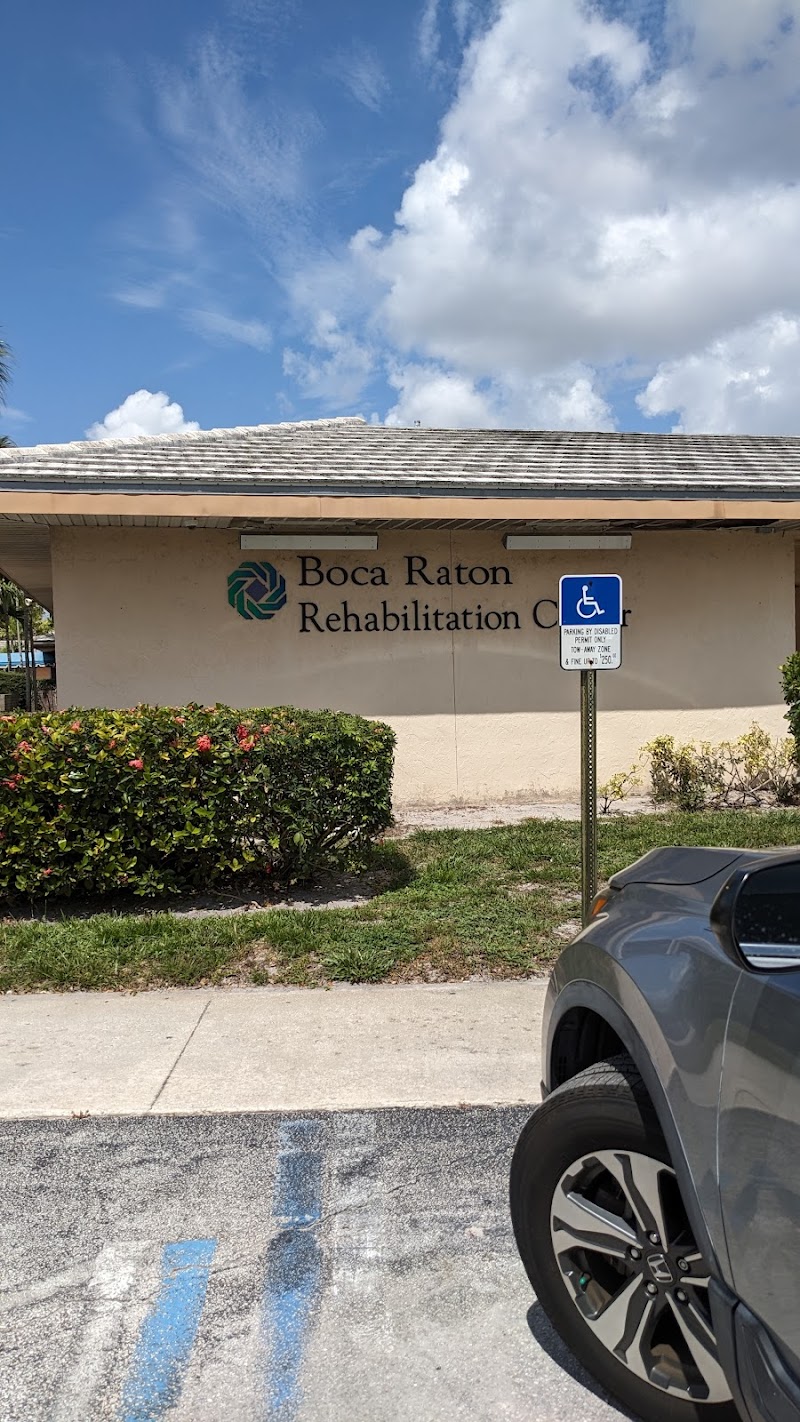
How is Boca Raton Rehabilitation Center Staffed?

CMS rates BOCA RATON REHABILITATION CENTER's staffing level at 3 out of 5 stars, which is average compared to other nursing homes. Staff turnover is 34%, compared to the Florida average of 46%. This relatively stable workforce can support continuity of care.

What Have Inspectors Found at Boca Raton Rehabilitation Center?

State health inspectors documented 22 deficiencies at BOCA RATON REHABILITATION CENTER during 2022 to 2025. These included: 22 with potential for harm.
Who Owns and Operates Boca Raton Rehabilitation Center?

BOCA RATON REHABILITATION CENTER is owned by a non-profit organization. Non-profit facilities reinvest revenue into operations rather than distributing to shareholders. The facility is operated by FLORIDA INSTITUTE FOR LONG-TERM CARE, a chain that manages multiple nursing homes. With 120 certified beds and approximately 108 residents (about 90% occupancy), it is a mid-sized facility located in BOCA RATON, Florida.
How Does Boca Raton Rehabilitation Center Compare to Other Florida Nursing Homes?

Compared to the 100 nursing homes in Florida, BOCA RATON REHABILITATION CENTER's overall rating (3 stars) is below the state average of 3.2, staff turnover (34%) is significantly lower than the state average of 46%, and health inspection rating (3 stars) is at the national benchmark.

What Should Families Ask When Visiting Boca Raton Rehabilitation Center?

Based on this facility's data, families visiting should ask: "Can I visit during a mealtime to observe dining assistance and food quality?" "How do you handle medical emergencies, and what is your hospital transfer rate?" "Can I speak with family members of current residents about their experience?"

Is Boca Raton Rehabilitation Center Safe?

Based on CMS inspection data, BOCA RATON REHABILITATION CENTER has a clean safety record: no substantiated abuse findings (meaning no confirmed cases of resident harm), no Immediate Jeopardy citations (the most serious violation level indicating risk of serious injury or death), and is not on the Special Focus Facility watch list (a federal program monitoring the lowest-performing 1% of nursing homes). The facility has a 3-star overall rating and ranks #100 of 100 nursing homes in Florida. While no facility is perfect, families should still ask about staff-to-resident ratios and recent inspection results during their visit.

Do Nurses at Boca Raton Rehabilitation Center Stick Around?

BOCA RATON REHABILITATION CENTER has a staff turnover rate of 34%, which is about average for Florida nursing homes (state average: 46%). Moderate turnover is common in nursing homes, but families should still ask about staff tenure and how the facility maintains care continuity when employees leave.

Was Boca Raton Rehabilitation Center Ever Fined?

BOCA RATON REHABILITATION CENTER has no federal fines on record. CMS issues fines when nursing homes fail to meet care standards or don't correct problems found during inspections. The absence of fines suggests the facility has either maintained compliance or corrected any issues before penalties were assessed. This is a positive indicator, though families should still review recent inspection reports for the full picture.

Is Boca Raton Rehabilitation Center on Any Federal Watch List?

BOCA RATON REHABILITATION CENTER is not on any federal watch list. The most significant is the Special Focus Facility (SFF) program, which identifies the bottom 1% of nursing homes nationally based on persistent, serious quality problems. Not being on this list means the facility has avoided the pattern of deficiencies that triggers enhanced federal oversight. This is a positive indicator, though families should still review the facility's inspection history directly.