LEGACY AT BOCA RATON REHABILITATION AND NURSING CE
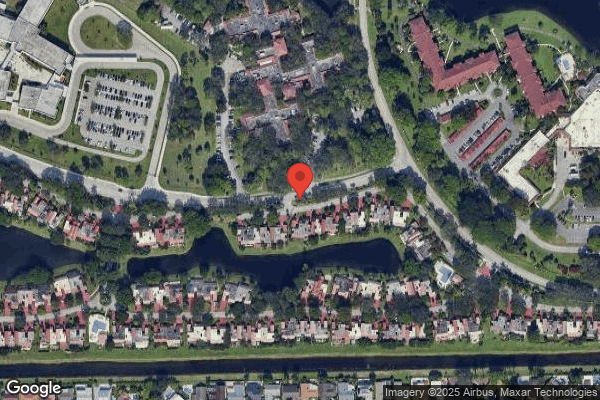

6363 VERDE TRAIL, BOCA RATON, FL 33433 (561) 483-9282
For profit - Corporation 180 Beds CARERITE CENTERS Data: November 2025
Trust Grade
70/100
#226 of 690 in FL
Last Inspection: August 2025

Inspected within the last 6 months. Data reflects current conditions.

Overview

Legacy at Boca Raton Rehabilitation and Nursing Center has a Trust Grade of B, indicating it is a good choice for families, as it falls into the upper tier of nursing homes. It ranks #226 out of 690 facilities in Florida, placing it in the top half of the state's options, and #18 out of 54 in Palm Beach County, meaning there are only 17 local facilities that rank higher. The facility is currently improving, with the number of issues decreasing from 13 in 2024 to 7 in 2025. Staffing is rated average with a turnover rate of 34%, which is better than the state average of 42%, suggesting that staff are generally stable and familiar with the residents. On a positive note, the facility has no fines on record, indicating compliance with regulations; however, there have been concerns regarding food safety practices and maintenance issues, including uncovered food trays and problems with housekeeping, which could impact residents' comfort and safety.

Trust Score
B
70/100
In Florida
#226/690
Top 32%
Safety Record
Low Risk
No red flags
Inspections
Getting Better
13 → 7 violations
Staff Stability
○ Average
34% turnover. Near Florida's 48% average. Typical for the industry.
Penalties
✓ Good
No fines on record. Clean compliance history, better than most Florida facilities.
Skilled Nurses
✓ Good
Each resident gets 47 minutes of Registered Nurse (RN) attention daily — more than average for Florida. RNs are trained to catch health problems early.
Violations
⚠ Watch
32 deficiencies on record. Higher than average. Multiple issues found across inspections.
★★★★☆
4.0
Overall Rating
★★★☆☆
3.0
Staff Levels
★★★★★
5.0
Care Quality
★★★☆☆
3.0
Inspection Score
Stable
2024: 13 issues
2025: 7 issues

The Good

  • 5-Star Quality Measures · Strong clinical quality outcomes
  • Full Sprinkler Coverage · Fire safety systems throughout facility
  • No fines on record
  • Staff turnover below average (34%)

    14 points below Florida average of 48%

Facility shows strength in quality measures, fire safety.

The Bad

Staff Turnover: 34%

11pts below Florida avg (46%)

Typical for the industry

Chain: CARERITE CENTERS

Part of a multi-facility chain

Ask about local staffing decisions and management

The Ugly 32 deficiencies on record

Aug 2025 6 deficiencies
CONCERN (D)

Potential for Harm - no one hurt, but risky conditions existed

Resident Rights (Tag F0550)

Could have caused harm · This affected 1 resident

**NOTE- TERMS IN BRACKETS HAVE BEEN EDITED TO PROTECT CONFIDENTIALITY** Based on review of policy and procedures, observation, record review and interview, the facility failed to ensure that a residen...

Read full inspector narrative →
**NOTE- TERMS IN BRACKETS HAVE BEEN EDITED TO PROTECT CONFIDENTIALITY** Based on review of policy and procedures, observation, record review and interview, the facility failed to ensure that a resident was treated in a dignified manner for 2 of 2 sampled residents observed with Foley Catheters, (Resident #31 and Resident #122). The findings included: Review of the un-dated facility policy titled, Dignity provided by the Director of Nursing (DON) documented in the Policy Statement: Each resident shall be cared for in a manner that promotes and enhances his or her sense of well-being, level of satisfaction with life, and feelings of self-worth and self-esteem. Policy Interpretation and Implementation: 1. Residents are treated with dignity and respect at all times.12. Demeaning practices and standards of care that compromise dignity are prohibited. Staff are expected to promote dignity and assist residents; for example: a. helping the resident to keep urinary catheter bags covered.1). Record review revealed Resident #31 was admitted to the facility on [DATE] with diagnoses which included Displaced Intertrochanteric Fracture of Right Femur, Subsequent Encounter for Closed Fracture with Routine Healing, Dementia, Neurogenic bladder and Obstructive Uropathy. She had a Brief Interview Mental Status (BIM) 5, indicating severe cognitive impairment. On 08/04/25 at 11:12 AM, Resident #31 was observed sitting up in her wheelchair in the Activity room adjacent to the North D-wing [NAME] Nurses' station, with her Foley catheter in place. It was noted that the blue privacy cover had not been adequately and completely covering her Foley catheter bag. The Foley catheter bag was visible half hanging out, and exposed to other residents, staff members and visitors. On 08/04/25 at 3:23 PM, Resident #31 was observed resting in bed in her room now with her Foley catheter in place on the side of her bed, visible from the doorway with the blue privacy cover still not adequately and completely covering the Foley catheter bag; it was still visible half hanging out, and exposed to other residents, staff members and visitors. On 07/16/25 the Physician's Order documented, . Provide privacy urinary drainage bag.On 08/05/25 at 3:49 PM, during a subsequent staff interview with Staff F, Certified Nursing Assistant, (CNA), she acknowledged that the resident's Foley catheter bag with a privacy cover was observed to be sitting on the floor and un-covered; when it should not have been, according to the CNA.On 08/05/25 at 4:07 PM, during interview with Staff G, Licensed Practical Nurse (LPN), she acknowledged that Resident #31's Foley catheter bag should not have been sitting directly on the floor; the nurse was not able to provide any explanation for this. Record review of Resident #31's Care plan initiated 07/15/25 indicated Focus: Resident has an Indwelling Catheter related to Neuromuscular Dysfunction, Obstructive Uropathy. Interventions: Position catheter bag and tubing away from entrance room door. Provide privacy urinary drainage bag.keep the urinary drain bag covered every shift. Goal: Resident will be/remain free from catheter-related trauma through review date, 2) Record review revealed Resident #122 was re-admitted to the facility on [DATE] with diagnoses which included Nontraumatic Intracerebral Hemorrhage, Intraventricular, Hemiplegia and Hemiparesis Following Nontraumatic Subarachnoid Hemorrhage Affecting Left Dominant Side and Neurogenic bladder. He had a Brief Interview Mental Status (BIM) 12, indicating moderate cognitive impairment. On 08/05/25 at 10:58 AM, Resident #122 was observed resting in his bed with his Foley catheter in place. It was noted that the blue privacy cover had not been adequately and completely covering his Foley catheter bag. The Foley catheter bag was visible from the door entry way and half hanging out, and exposed to other residents, staff members and visitors. On 5/6/2025 the Physician's Order documented, . keep the urinary drain bag covered. On 08/06/25 at 12:48 PM an interview was conducted with Staff H, CNA regarding Resident #122's Foley catheter bag, not being adequately and completely covered and exposed; she acknowledged that it should have been. On 08/06/25 at 11:29 AM an interview was conducted with Staff I, Registered Nurse (RN) regarding Resident #122's Foley catheter bag not being adequately and completely covered and exposed; she acknowledged that it should have been.On 08/06/25 at 12:23 PM during an interview conducted with Staff J, RN Unit Manager of the [NAME] unit, in which she also acknowledged that the resident's Foley catheter bag with privacy cover had only been partially covering the bag, leaving it exposed to other residents, staff members and visitors. And, Staff J, also acknowledged that Resident #31's Foley catheter bag should not have been sitting directly on the floor.Record review of Resident #122's Care plan initiated on 04/19/25 indicated Focus: has an indwelling foley catheter for retention related to Bladder Cancer and Irradiation Cystitis w/Hematuria, Neurogenic Bladder. Interventions: keep the urinary drain bag covered . Goal: Resident will be/remain free from catheter-related trauma through review date. Resident #31 and Resident #122's Foley catheter bags had not been adequately and appropriately covered, until after surveyor intervention. The DON acknowledged on 08/06/25 at 2:40 PM that both Resident #31 and Resident #122's Foley catheter bags should have always been kept covered for privacy and dignity and the Foley catheter bags should not be sitting directly on the floor.
CONCERN (D)

Potential for Harm - no one hurt, but risky conditions existed

ADL Care (Tag F0677)

Could have caused harm · This affected 1 resident

**NOTE- TERMS IN BRACKETS HAVE BEEN EDITED TO PROTECT CONFIDENTIALITY** Based on observations, interviews and record review, the facility failed to provide assistance to a resident who was unable to c...

Read full inspector narrative →
**NOTE- TERMS IN BRACKETS HAVE BEEN EDITED TO PROTECT CONFIDENTIALITY** Based on observations, interviews and record review, the facility failed to provide assistance to a resident who was unable to carry out with Activities of Daily Living (ADLs) for 1 of 9 sampled residents (Resident #110) reviewed for ADLs.The findings included: Review of Resident #110's clinical record documents an admission to the facility on [DATE] with no readmissions. Resident's diagnoses included Cerebral Infarction with Non-Traumatic Intracerebral Hemorrhage, Encephalopathy, Urinary Tract Infection and Unsteadiness on Feet. Review of Resident #110's Minimum Data Set (MDS) Medicare 5 days assessment dated [DATE] documents that the resident needs substantial/maximal assistance with toileting hygiene, had frequent incontinence and was dependent on the staff for incontinence care. Resident BIMS (Brief Interview Mental Status) score was 3 of 15 indicating the resident has severe cognition impairment. Review of Resident #110's care plan initiated on 06/17/25 titled (resident's name.requires assist with activities of daily living. Interventions included .encourage resident to use the call bell system for assistance.skin inspection: monitor for redness, scratches.On 08/06/25 at 9:01 AM, observation revealed a beeping call device located by the nurse's station; the device indicated (read) 23 minutes and resident's room number (Resident #110). On 08/06/25 at 09:03 AM, an interview was conducted with Resident #110 who stated she kept calling because she was itching and wanted her brief change. Observation revealed the resident had her blouse up and was scratching around her waistline. Further observation revealed her skin around the waistline with redness. Resident #110's call light continued to be on.On 08/06/25 at 9:05 AM, observation revealed Staff D, Registered Nurse (RN) pushing her medication cart to the opposite side of Resident #110's room. Staff D did not acknowledge the call light and proceeded to pour medications.On 08/06/25 at 9:07 AM, observation revealed Staff Q, Certified Nursing Assistant (CNA) coming out of resident's room next to Resident #110 and did not acknowledge Resident #110's call light. On 08/07/25 at 9:09 AM, observation revealed Staff Q entered Resident #110's room and the resident's roommate Private Dut Aide Informed Staff Q that Resident #110 was itching and wanted her brief change before leaving to her appointment. At 9:10 AM, observation revealed Staff Q turned off the resident's call light and did not change the resident's brief. Staff Q came out of the room with full trash bags. On 08/06/25 at 9:16 AM, observation revealed Staff Q, CNA passing breakfast tray. Observation revealed 39 minutes had passed and Resident #110 request for brief change due to itching had not been completed.On 08/06/25 at 9:17 AM, observation revealed Staff D, RN, continues to be with the medication cart parked by the opposite side of Resident #110's room. On 08/06/25 at 9:19, an interview was conducted with Staff D, RN who stated Resident #110 was leaving for an outside appointment and she needed to give her medications. On 08/06/25 at 9:23 AM, a joint interview was conducted with Staff D, RN and Staff Q, CNA. They were apprised that Resident #110's call light was on for 23 minutes at 9:01 AM and was turned off at 9:09 AM, and the resident was complaining of itching related to her brief. Staff D stated she did not hear the call light sound, can't hear the call light sound in the hallway. Staff Q stated she did not know the light was on and that she was in another resident's room. Subsequently, a joint side by side observation of Resident #110's skin around her waistline was conducted with Staff D and Staff Q; they both confirmed resident's redness around the waistline, skin in contact with her brief. Staff D stated Yes, she is red.On 08/07/25 at 7:44 AM, an interview was conducted with Staff T, Licensed Practical Nurse (LPN) who stated she expects resident's call light response to be answered as soon as possible within 5 to 10 minutes. Staff T stated when the resident put the call light on, the resident's room showed up and pointed at a panel located at the nurse's station, Staff T stated she can hear the call light sound down the hall.On 08/07/25 at 7:47 AM, an interview was conducted with Staff R, Unit Manager who stated her expectations to answer a resident call light was about 5 to 15 minutes, she stated the staff can hear the call light sound down the hall, but it is hard when music is playing loud. On 08/07/25 at 8:38 AM, a joint interview was conducted with the Administrator and the Director of Nursing (DON). The administrator was asked of her expectations regarding the staff answering the residents' call light and stated it varies, they have to acknowledge it as soon as possible, the staff was educated to not turn it off until they fix the issue, added that if the staff are in another room, it may take 5 minutes. The administrator was apprised of Resident #110 call light device was on for over 30 minutes before the staff acknowledged, then it was turned off and the resident's request to have her brief change because it was itching and the skin was red was not done at the time the light was turned off. The administrator stated that 30 minutes is too long. The DON stated they had a set up that one CNA will check on the call lights while the other CNAs are passing the meal tray.On 08/07/25 at 10:15 AM, an interview was conducted with Staff Q, CNA who was asked why she did not change Resident #110's brief while she was in the room as per resident's requested and replied she had to pass the trays because the trays were on the floor for a long time. On 08/07/25 at 2:26 PM, a side-by-side review of Resident #14's MDS was conducted with Staff S, MDS Coordinator who stated Resident #110 was dependent on staff to have her brief changed.
CONCERN (D)

Potential for Harm - no one hurt, but risky conditions existed

Quality of Care (Tag F0684)

Could have caused harm · This affected 1 resident

**NOTE- TERMS IN BRACKETS HAVE BEEN EDITED TO PROTECT CONFIDENTIALITY** 1). Based on observations, interviews and record review, the facility failed to identify the need for skin care and treatment fo...

Read full inspector narrative →
**NOTE- TERMS IN BRACKETS HAVE BEEN EDITED TO PROTECT CONFIDENTIALITY** 1). Based on observations, interviews and record review, the facility failed to identify the need for skin care and treatment for 1 of 2 sampled residents reviewed for skin conditions (Resident #14); and 2). Based on observation, record review and interview, the facility failed to follow physician orders for 2 of 4 sampled residents observed during medication administration (Resident #137 and Resident #59). The findings included:1). Review of Resident #14's clinical records documented an admission date to the facility on [DATE] and a readmission on [DATE]. Resident diagnoses included Alzheimer's Disease, Trichotillomania, Dementia, Mood Disturbance, Anxiety, Cerebral Infarction and Speech and Language Deficits following other Cerebrovascular Disease.Review of Resident #14's care plan titled Skin.{resident's name} has a potential risk for skin breakdown due to picking at her skin.Diagnoses Alzheimer's and Trichotillomania. care plan was initiated on 12/19/2019. Interventions included: Assess skin during nursing care for s/s (signs and symptoms ) of breakdown.Check body for s/s of bleeding.skin tears. Notify (Medical Doctor) of changes in skin integrity.Review of the nurse's notes dated 08/04/25, 08/05/25 and 08/06/25 documented .skin was also observed: skin is warm, skin is dry . The nurse's note did not address Resident #14's left eyebrow skin condition. On 08/04/25 at 10:45 AM, observation revealed Resident #14 in her room out of bed in a recliner wheelchair looking out the window. The surveyor attempted to interview the resident who was not able answer questions asked. Observation revealed the resident had an approximately one-inch-long laceration over her left eyebrow with dry blood noted. On 08/06/25 at 9:30 AM, an interview was conducted with Resident #14's Private Duty Aide (PDA) and inquired about the left eyebrow skin condition and stated the resident has a habit of picking a pimple on it, picks on the scab and if they put a band aid on, she pulls it off. Observation revealed the resident continued to have dry blood over her left eyebrow. On 08/07/25 at 1:58 PM, a side-by-side review of Resident #14's clinical record and the Minimum Data Set (MDS) assessment was conducted with Staff S, MDS Coordinator. Staff S stated the resident was dependent on the staff to complete her Activities of Daily Living including bathing and grooming. Resident #14's BIMS (Brief Interview Mental Status) score was 2 indicating the resident had severe cognition impairment. A side-by-side review of the resident's physician orders lacked evidence of a written order for the left eyebrow skin condition. On 08/07/25 at 2:24 PM, observation revealed Resident #14 continued to have the left eyebrow bleeding with no dressing and no physician orders for care. On 08/07/25 at 3:05 PM, a side-by-side review of Resident #14's August 2025 Medication Administration Record (MAR) and Treatment Administration Record (TAR) and an interview was conducted with Staff A, LPN and Staff R, Unit Manager. Staff A was asked if there was a physician order for the resident's left eyebrow skin impairment and stated there was not an order for treatment to the left eyebrow. On 08/07/25 at 3:12 PM, observation revealed Resident #14 being wheeled down the hallway from the reception area by her PDA. Further observation revealed the resident had bleeding from the left eyebrow. Consequently, an interview was conducted with the resident's PDA who stated the resident is constantly picking on her eyebrow and she told the nurses to clean it, and their response was that the resident keeps doing it.On 08/07/25 at 3:14 PM, a side-by-side observation of Resident #14' s left eyebrow was conducted with Staff A, LPN and confirmed bleeding over the resident's left eyebrow. Further observation revealed the resident picking on her bloody left eyebrow area and then putting her fingers on her nose and her mouth. Staff A stated he will measure the opening and call the doctor for orders.On 08/07/25 at 3:50 PM, during an interview, the Director of Nursing (DON) was apprised of Resident #14's skin condition since the first day of survey on 08/04/25. The DON confirmed Resident #14's skin opening of 1.5 length and 0.5 cm width. 2). The facility's policy titled Administering Medications, published 01/27/2025, has a section with the subtitle of Policy Interpretation and Implementation. Under the subtitle for administering medications, item number 4 states: Medications are administered in accordance with prescriber orders, including any required time frame.2a). Record review revealed Resident #137 had a Brief Interview of Mental Status (BIMS) score of 15/15,Review of the physician's orders for Resident #137 revealed the following: Budesonide 0.5mg/2ml, 2 cc(ml) inhale orally via nebulizer every 12 hours for COPD (Chronic Obstructive Pulmonary Disease), rinse mouth after Tx (treatment).On 08/05/25 at 9:50 AM, Staff A, a Licensed Practical Nurse (LPN) was observed administering, Budesonide 0.5mg/2ml (the inhaled (via nebulizer) medication) for Resident #137. It was noted that Staff A did not instruct Resident #137 to rinse her mouth after the inhalation administration.On 08/05/2025 at between 11:00 AM and 11:30 AM an interview was conducted with the Director of Nursing (DON) and was made aware of the findings. The DON reviewed the doctor's orders and verified that the medication Budesonide had an order that clearly stated to have the resident rinse her mouth after the treatment.2b). Record review revealed Resident #59 had a BIMS of 14/15, which indicates the resident was cognitively intact. Review of the physician's orders for Resident #59 revealed the following: Sodium Zirconium Cyclosilicate Oral Packet 5 GM (Sodium Zirconium Cyclosilicate) Give 1 packet by mouth one time a day every other day for Hyperkalemia (a condition in which you have high potassium levels in your blood), mix with 8oz (ounces) of H2O (water). On 08/06/25 at 9:06 AM, Staff B, LPN, was observed mixing the medication in a small 4 oz plastic cup. The medication was completely dissolved and administered to Resident #59.On 08/06/25 at 1:15 PM, an interview was conducted with Staff C, LPN, who stated the cups on the carts were 5-ounce cups. Staff C showed the surveyor that on the bottom of the cup, was embossed with 5 oz. It was noted by the surveyor that not all of the cups had the ounces on the bottom of the cup.On 08/06/25 at 2:12 PM, an interview was conducted with the DON regarding the finding. The DON was aware that the medication carts were only supplied with small 4-to-5-ounce cups. The DON agreed that the nurses need to follow the physician's orders regarding medications dissolved in liquids. The DON verified the physician's orders and determined the order stated to mix the medication with 8 oz of water, and not 4 oz of water.
CONCERN (D)

Potential for Harm - no one hurt, but risky conditions existed

Incontinence Care (Tag F0690)

Could have caused harm · This affected 1 resident

**NOTE- TERMS IN BRACKETS HAVE BEEN EDITED TO PROTECT CONFIDENTIALITY** Based on review of policy and procedures, observation, record review and interview, the facility failed to ensure professional s...

Read full inspector narrative →
**NOTE- TERMS IN BRACKETS HAVE BEEN EDITED TO PROTECT CONFIDENTIALITY** Based on review of policy and procedures, observation, record review and interview, the facility failed to ensure professional standards were followed for 1 of 1 sampled resident observed for Foley catheters (Resident #31). The findings included: Review of the un-dated facility policy titled Catheter Care Urinary provided by the Director of Nursing (DON) documented in the Policy Statement. The purpose of this procedure is to prevent urinary catheter-associated complications, including urinary tract infections.General Guidelines.4. Ensure that the catheter remains secured with a securement device to reduce friction and movement at the insertion site. Infection Control.2. Be sure the catheter tubing and drainage bag are kept off the floor.Maintaining Unobstructed Urine Flow: 1. Check the resident frequently to be sure he or she is not lying on the catheter and to keep the catheter and tubing free of kinks. 1). Record review revealed Resident #31 was admitted to the facility on [DATE] with diagnoses which included Displaced Intertrochanteric Fracture of Right Femur, Subsequent Encounter for Closed Fracture with Routine Healing, Dementia, Neurogenic bladder and Obstructive Uropathy. She had a Brief Interview Mental Status (BIMS) score of 5, indicating severe cognitive impairment. During an observation conducted on 08/04/25 at 10:30 AM during an initial observational tour it was noted that the resident did not have a Foley catheter one-piece leg strap with an anchor in place, to secure the catheter for Resident #31. On 08/04/25 at 3:23 PM, Resident #31 was observed resting in bed with her Foley catheter in place. However, upon further observation, it was noted that the lower portion of her Foley catheter tubing was not observed to be properly positioned and was noted to have been wrapped and looped around the resident's right lower leg. On 08/05/25 at 3:49 PM during a subsequent observation of Resident #31 and a brief interview with Staff F, Certified Nurses' Assistant, (CNA), it was noted that there was still no Foley catheter one-piece leg strap with an anchor in place, to secure the catheter for the resident. Staff F said that the nurse would need to obtain the leg strap with the anchor this and put it on in place, for the resident. Furthermore, it was also noted, at that time, that Resident 31's Foley catheter bag, with privacy cover, was observed to be sitting on the floor and un-covered. On 07/30/25 the Physician's Order documented . Check that leg strap is in place. Observe for leakage and kinks. Check and ensure Foley securing device in place. Use catheter securing device to reduce excessive tension on the tubing and facilitate urine flow. Rotate site of securement daily and as needed (PRN). On 08/05/25 at 4:07 PM, an interview was conducted with Staff G, Licensed Practical Nurse (LPN), in which she acknowledged that Resident #31's Foley catheter bag should not have been sitting on the floor, the resident's Foley catheter bag and tubing should not have been wrapped around the resident's leg, and Staff G also acknowledged that the Foley catheter one-piece leg strap should have been in place, as ordered. On 08/05/25 at 4:12 PM, an interview was conducted with Staff J, Registered Nurse (RN) Unit Manager of the [NAME] unit, in which she also acknowledged that the resident's Foley catheter bag tubing should not have been wrapped around the resident's leg, the Foley catheter bag should not have been sitting on the floor, and she also acknowledged that the Foley catheter one-piece leg strap should have been in place as ordered. 2) During a Foley and Peri-care observation, conducted on 08/06/25 at 10:18 AM for Resident #31, she was observed resting in bed and her care was performed by Staff K, CNA and Staff H, CNA, utilizing Procare wipes. It was observed that Resident #31's Foley catheter leg strap, with anchor, was placed too close to the Foley catheter base tubing and not properly positioned far enough away and down on the resident's right leg to allow an even flow of urine. There was a small kink noted in the upper portion of the Foley catheter tubing. Staff K acknowledged and revealed, a couple of times, during the procedure, that the Foley catheter leg strap with an anchor had not been positioned correctly and she stated that she was going to inform the resident's nurse to let her know to come and re-position it. Then, after finishing the Foley and Peri-care, Staff K gathered her used supplies and bags and she walked away, outside of the room, and down the hallway; Staff K failed to return to replace Resident #31's blue privacy Foley bag cover, allowing the resident's Foley catheter bag to be completely exposed and visible from the resident's front doorway entrance to other residents, staff members and visitors, for some time afterwards, until Surveyor intervention.On 08/06/25 at 11:25 AM, an interview was conducted with Staff L, LPN regarding the kinked Foley catheter tubing. She acknowledged that the Foley catheter leg strap and anchor should have been properly placed, in order to avoid any kinks in the Foley catheter tubing.Record review of Resident #31's Care plan initiated 07/15/25 indicated Focus: Resident has an Indwelling Catheter related to neuromuscular dysfunction, obstructive uropathy. Interventions. Check tubing for kinks each shift, Check that leg strap is in place. monitor for any kinks in the tubing.Use catheter securing device to reduce excessive tension on the tubing and facilitate urine flow. Rotate site of securement daily and as needed (PRN).Check and ensure Foley securing device in place . Goal: Resident # 31} will be/remain free from catheter-related trauma through review date.There had been no behaviors care-planned for this resident related to her Foley Catheter. The DON further acknowledged that on 08/06/25 at 2:45 PM, Resident #31's Foley catheter bag tubing should have been positioned properly to avoid any kinks in the tubing, and the tubing should not have been wrapped around the resident's leg, the resident's Foley catheter one-piece leg strap and anchor should have been properly placed, as ordered. The DON also acknowledged that Resident #31's Foley catheter bag with privacy cover should not have been sitting on the floor and un-covered.
CONCERN (D)

Potential for Harm - no one hurt, but risky conditions existed

Respiratory Care (Tag F0695)

Could have caused harm · This affected 1 resident

**NOTE- TERMS IN BRACKETS HAVE BEEN EDITED TO PROTECT CONFIDENTIALITY** Number of residents sampled: Number of residents cited: Review of the un-dated facility policy titled Oxygen Administration pro...

Read full inspector narrative →
**NOTE- TERMS IN BRACKETS HAVE BEEN EDITED TO PROTECT CONFIDENTIALITY** Number of residents sampled: Number of residents cited: Review of the un-dated facility policy titled Oxygen Administration provided by the Director of Nursing (DON) documented in the Policy Statement.The purpose of this procedure is to provide guidelines for safe oxygen administration. Preparation: 1. Verify that there is a physician's order for this procedure. Review the physician's order or facility protocol for oxygen administration.Documentation: After completing the oxygen setup or adjustment, the following information should be recorded in the resident's medical record: 1. The date and time that the procedure was performed. 2. The name and title of the individual who performed the procedure. 3. The rate of oxygen flow, route, and rationale. 4. The frequency and duration of the treatment. 5. The reason for p.r.n. (as needed) administration. 6. All assessment data obtained before, during, and after the procedure. 7. How the resident tolerated the procedure. Record review revealed Resident #196 was admitted to the facility on [DATE] with diagnoses which included Atherosclerotic Heart Disease of Native Coronary Artery without Angina Pectoris, Status Post (S/P) Aortic Valve Replacement (AVR), S/P Coronary Artery Bypass Graft (CABG) x2, Cardiomegaly and Pleural Effusion. He had a Brief Interview Mental Status (BIMS) score of 15, indicating intact cognition. On 08/04/25 at 12:55 PM, Resident #196 was observed with Oxygen infusing at two (2) liters via nasal cannula from a wall unit; with no specific parameters for the continuing and on-going administration of the Oxygen for the resident (e.g. frequency, rate of Oxygen flow and maintenance of Oxygen saturation level). On 08/04/25 at 4:13 PM Resident #196 was observed with Oxygen infusing at two (2) liters via nasal cannula from a wall unit. But, still with no current active Oxygen orders noted on record; with no specific parameters for the continuing and on-going administration of the Oxygen for the resident e.g. frequency, rate of Oxygen flow and maintenance of Oxygen saturation level. A brief interview was conducted with Resident #196 on 08/04/2025 at 4:23 PM in which he stated that he had recently had heart surgery, and he had been receiving the Oxygen continuous at two (2) liters, since his admission to this facility. On 08/05/25 at 11:16 AM Resident #196 was observed with Oxygen infusing at two (2) liters via nasal cannula from a wall unit. But, still with no current active Oxygen orders noted on record; with no specific parameters for the continuing and on-going administration of the Oxygen for the resident (e.g. frequency, rate of Oxygen flow and maintenance of Oxygen saturation level. On 08/05/25 at 3:52 PM Resident #196 was observed with Oxygen infusing at two (2) liters via nasal cannula from a wall unit. But, still with no current active Oxygen orders noted on record; with no specific parameters for the continuing and on-going administration of the Oxygen for the resident (e.g. frequency, rate of Oxygen flow and maintenance of Oxygen saturation level).Record review revealed there was a previous notation in the Hospital physician's Interventional Cardiology Progress notes dated 07/21/25 and 07/23/25 (under Hospital clinical notes) for Oxygen administration of two (2) liters via nasal cannula for an Oxygen saturation rate of 96%, at the time, for the resident. On 07/25/25 the Respiratory Therapy (RT) Clarification order by Staff M, RT documented: Skilled Treatment. for x 7 days/week x 30 days. Treatment may include: aerosol treatment, deep breathing/coughing, Forced Expiratory Time (FET), Bronchial Hygiene treatment, Lung Expansion treatment, Assessing, Monitoring, Patient education, Oxygen weaning, High-Flow Nasal Cannula (HFNC) monitoring, Positive Expiratory Pressure (PEP) and Oscillating Positive Expiratory Pressure Therapy (OPEP), Spirometry Testing, Airway Clearance Technique, Omni-flow, Inspiratory Muscle Training (IMT) and Expiratory Muscle Training (EMT), Active Cycle of Breathing Techniques (ACBT), Hyperinflation Therapy and Cardiopulmonary exercises. Record review of the Resident #196's Shortness of Breath (SOB) Care plan initiated on 07/24/25 indicated Focus: Resident has potential for Shortness of Breath related to cough, wheezing. Interventions. Administer medications per physician order . Goal: will have no complications related to SOB though the review date. Record review of the Resident #196's Care plan initiated 07/24/25 indicated Focus: has an Alteration in Cardiovascular Function related to coronary artery bypass grafting x2, AVR, left atrial clip, severe multivessel coronary artery disease, Coronary Artery Disease (CAD) with previous PCI, severe aortic insufficiently. Other Diagnosis: Hyperlipidemia (HLD), Atrial Fibrillation. Interventions. Administer meds as prescribed Nursing, Assess 02 needs and provide as ordered by MD. Nursing .Goal: Resident will maintain current cardiac output as evidenced by no or decreased edema, SOB or other related symptoms by review date. Record review of Resident #196's Oxygen saturation rates between the dates of: Thursday 07/24/25 at 16:00 PM and Monday 08/4/25 at 20:32 PM, revealed that resident's Oxygen saturation levels range was from 91.0% @ 2 L/Min Oxygen via Nasal Cannula up to 97.0% Oxygen via Nasal Cannula. Further record review of the facility's admitting nurses' progress note dated Thursday 07/24/25 at 16:02 PM by Staff G, Licensed Practical Nurse (LPN), documented that, Diagnoses: S/P (status/post) (AVR) (aortic valve replacement); S/P Coronary Artery Bypass Graft (CABG) x2. SPO2 91% with nasal canula at two (2) liters.During an interview conducted on 08/05/25 at 4:25 PM with Staff G, regarding the resident's status upon admission, she acknowledged that the resident's Oxygen saturation was 91% requiring Oxygen via Nasal Cannula and that he had been admitted to the facility on [DATE] at 16:02 PM with his nasal cannula on and in place, but he had not been on any Oxygen at that time. Staff G described how she went to the Respiratory room in order to get a green Xmas tree plastic respiratory stem, in order to administer two (2) liters of Oxygen to the resident, as he had previously been given, according to the hospital records. Furthermore, Staff G also acknowledged that she had not contacted the resident's physician in order to obtain an order for Oxygen therapy for the resident. Nonetheless, Staff G was unable to provide a clear explanation as to why she had not done so, at the time; she ended by stating that usually the Charge Nurse (CN) does this. On 08/05/25 at 4:26 PM an interview was conducted with Staff J, Registered Nurse (RN) Unit Manager of the [NAME] unit, in which she also acknowledged that there had been no Oxygen order obtained for the resident, when there should have been one. During an interview conducted on 08/06/25 at 12:06 PM, with Staff M, (RT), he acknowledged that a physician's order was needed for Oxygen administration, and he also acknowledged that there had been no Oxygen order on file for this resident prior to yesterday's date. And Staff M ended by saying that it was the nurses' responsibility to obtain an order for Oxygen therapy, not the RT. There were no entries on the Medication Administration Record (MAR), nor Treatment Administration Record (TAR), nor was there an RT note regarding detailed, specific Oxygen orders, on file for this record. Moreover, there was no active, current orders noted for the continuing and on-going Oxygen therapy on file in the resident's record; for over a time period of almost two (2) weeks. An Oxygen order had not been obtained for this resident, until after surveyor intervention. The DON further acknowledge on 08/06/25 at 2:45 PM that there had been no Oxygen orders obtained for this resident.
CONCERN (D)

Potential for Harm - no one hurt, but risky conditions existed

Unnecessary Medications (Tag F0759)

Could have caused harm · This affected 1 resident

**NOTE- TERMS IN BRACKETS HAVE BEEN EDITED TO PROTECT CONFIDENTIALITY** Based on observation, interview, and record review, the facility failed to follow doctors' orders for 2 of 4 sampled residents d...

Read full inspector narrative →
**NOTE- TERMS IN BRACKETS HAVE BEEN EDITED TO PROTECT CONFIDENTIALITY** Based on observation, interview, and record review, the facility failed to follow doctors' orders for 2 of 4 sampled residents during the Medication Administration Observation. (Resident #59, Resident #137). There were 2 errors for 27 opportunities which resulted in an error rate of 7.41%.The findings included: The facility's policy titled Administering Medications, published 01/27/2025, has a section with the subtitle of Policy Interpretation and Implementation. Under the subtitle there is a numbered list that describes the policy and the procedure for administering medications. Item number 4 states Medications are administered in accordance with prescriber orders, including any required time frame. On 08/05/25 at 9:50 AM, a Medication Administration observation was conducted with Staff A, a Licensed Practical Nurse (LPN). The medication administration was performed for Resident #137 who resided in room [ROOM NUMBER]-W on the B-Wing. Resident #137 had a Brief Interview of Mental Status (BIMS) score of 15/15, which indicates the resident was cognitively intact. The medications administered to Resident #137 included the following medications:Budesonide 0.5mg/2ml - an inhaled (via nebulizer) medication. Arformoterol Tartrate 15mcg/2ml - an inhaled (via nebulizer) medication Albuterol Sulfate 2.5 mg / 3 ml - an inhaled (via nebulizer) medicationMedications #1 and # 2 were administered together via nebulizer. According to the Medscape.com Drug Interaction Guide and the Drugs.com Interaction Checker the combination of these two medications is considered safe.The order for Medication #1 is as follows:Budesonide 0.5mg/2ml, 2 cc(ml) inhale orally via nebulizer every 12 hours for COPD (Chronic Obstructive Pulmonary Disease), rinse mouth after Tx (treatment).Staff A administered Medications #1 and # 2 together before administering Medication #3. Staff A did not instruct Resident #137 to rinse her mouth after the combined inhalation administration, which included instructions to do so. Resident #137 was not instructed to rinse her mouth after any inhalation treatment. The inhaled treatments were performed after other medications were administered.On 08/05/2025 at between 11:00 AM and 11:30 AM an interview was conducted with the Director of Nursing (DON) to inform her of the error. The DON reviewed the doctor's orders and verified that the medication Budesonide had an order that clearly stated to have the resident rinse her mouth after the treatment.On 08/06/25 at 9:06 AM, a Medication Administration observation was made of Staff B, an LPN, for Resident #59 who resided in room [ROOM NUMBER]-D on the C-Wing. Resident #59 had a BIMS of 14/15, which is considered cognitively intact. Resident #59 had the following medication order:Sodium Zirconium Cyclosilicate Oral Packet 5 GM (Sodium Zirconium Cyclosilicate) Give 1 packet by mouth one time a day every other day for hyperkalemia mix with 8oz of H2O.Staff B was observed mixing the medication in a small plastic cup. The medication was completely dissolved and administered to Resident #59On 08/06/25 at 1:00PM, the surveyor noted that the plastic cup appeared small. A second cup was removed from the nurses medication cart along with a medicine cup. The medicine cup holds 30 ml of liquid which is equivalent to 1 ounce (oz). The surveyor filled the medicine cup 4 times and filled the drinking cup.On 08/06/25 at 1:15 PM, an interview was conducted with Staff C, an LPN on the C-Wing, who stated the cups on the carts were 5-ounce cups. Staff C showed the surveyor that on the bottom of the cup was embossed with 5 oz. It was noted by the surveyor that not all cups had the ounces on the bottom of the cup. Staff C stated that those were the only cups they had. Staff C stated that the facility used to supply 8 oz cups, but they ran out. Staff C stated they expected to have the larger cups again soon.On 08/06/25 at 1:20 PM, an interview was conducted with Staff D, an LPN on the B-Wing. Staff D confirmed that the facility only had small cups for the medication carts.On 08/06/25 at 1:38 PM, an interview was conducted with Staff E, the Central Supply clerk. Staff E explained that the facility ran out of 8-ounce cups, and she had been supplying the 5-ounce cups instead. Staff F stated that the 8-ounce cups had recently been received but had not distributed to the nurses' carts yet. When asked about other types of cups, Staff E stated the kitchen has larger cups. When asked why she did not order 8-ounce cups like those supplied to the kitchen Staff E stated she had not thought of it. On 08/06/25 at 2:12 PM, an interview was conducted with the DON regarding the medication error. The DON was aware that the medication carts were only supplied with small 4 to 5 ounce cups. The DON agreed that the nurses need to follow the doctors' orders regarding medications dissolved in liquids. The DON verified the doctor's orders and determined the surveyor was correct, the order stated to mix with 8 ounces of water. The DON was surprised that the Staff F did not think to order 8 ounce hot cups, like those the kitchen used.
Jul 2025 1 deficiency
CONCERN (D) 📢 Someone Reported This

A family member, employee, or ombudsman was alarmed enough to file a formal complaint

Potential for Harm - no one hurt, but risky conditions existed

Incontinence Care (Tag F0690)

Could have caused harm · This affected 1 resident

**NOTE- TERMS IN BRACKETS HAVE BEEN EDITED TO PROTECT CONFIDENTIALITY** Based on interview and record review, the facility failed to appropriate services to a resident who is incontinent of bladder, t...

Read full inspector narrative →
**NOTE- TERMS IN BRACKETS HAVE BEEN EDITED TO PROTECT CONFIDENTIALITY** Based on interview and record review, the facility failed to appropriate services to a resident who is incontinent of bladder, to prevent urinary tract infections for 1 of 3 sampled residents reviewed for incontinence (Resident # 1). The findings included:A record review revealed Resident #1 was admitted on [DATE] with diagnoses that included Cerebral Infarction, Dysphagia, Encounter for Surgical Aftercare following surgery of the Circulatory System, Chronic Obstructive Pulmonary Disease (COPD), Chronic Vascular Disorders of the Intestine, and Gastroesophageal Reflux Disease. A review of the most recent Minimum Data Set (MDS) assessment under Section C of the Brief Interview of Mental Status (BIMS) revealed a score of 15 indicating Resident #1 had good cognitive function. Section GG revealed Resident #1 had impairment on one side of the lower extremity, and was dependent on toileting hygiene, shower, bathing, and lower body dressing. Section N revealed Resident #1 was receiving diuretic (a medication that induces frequent urination). In an interview with Staff A, RN when asked if Certified Nursing Assistants (CNAs) turn, reposition, and provide toileting care for resident's that would help them prevent urinary tract infections, responded, yes and I frequently make rounds, and make sure all my residents are cared for in those areas. When she was asked if she documents the turning, repositioning and toileting care of residents, she responded, Yes, in the progress notes. When she was asked if CNAs document the toileting, turning and repositioning of residents, responded, Yes, they document in the Point of Care (POC- an electronic system in the facility where CNAs document their tasks). When she was asked how she knows if a resident has symptoms of urinary tract infection, she responded, The resident's pee is very bad and smells funny. When asked when and where she documents her assessments, she responded, I document in the progress notes. When asked what she documents, she responded, When I suspect UTI, I call the doctor. I will report resident's symptoms such as burning sensation, and cloudy urine output. I will also collect the urine, and let the doctor know, in case he orders a urine test. She added that she also documents the UTI symptoms in the progress notes. A review of June 2025 nursing progress notes did not reveal any notes regarding urinary tract, and perineal care assessment and symptoms monitoring by Nurses for Resident #1. In an interview with Staff E, Certified Nursing Assistant (CNA), when asked if she documents the performed tasks in the computer, responded, Yes, I document them under the tasks section of the POC. When she was asked how often she provides perineal care to prevent UTI to her assigned residents, she responded, Yes, I do it every two hours. In a continuing interview with Staff E, CNA on 07/09/25 at 2:26 PM, when she was asked regarding female resident's peri care, responded, she would wipe from the top going down. She added she performs peri care at least every 2 hours and that I document every time I perform a resident's peri-care. In an interview with Staff D, CNA on 07/09/25 at 3:02 PM, when asked how often she provides perineal care, and toileting hygiene to a resident, responded that she performs it every two hours. When she was shown the document provided by the DON, she admitted that one peri care was provided for Resident #1 during her shifts on 06/10/25 and 06/11/25. An additional review of the document titled, Documentation Survey Report v2, dated 06/25, provided by the DON, revealed Resident #1's bladder incontinence care and hygiene toileting care performed by CNAs on 06/07/25 until 06/11/25 revealed, she obtained both care at the same time, once every shift. In an interview with the Infection Preventionist Registered Nurse (RN) on 07/09/25 at 2:00 PM, she stated she heard of Resident #1's admission through the morning report which occurs daily, but she did not see the resident. She stated she did not write any note regarding Resident #1's admission and found out later about the intravenous (IV) line and the leukocytosis (a condition where white blood cell count is elevated indicating the resident's body is fighting for off infection or inflammation). When she was asked why the resident had an IV access line upon admission, she responded that she did not know why. When asked what kind of precautions she applied for leukocytosis and the IV access line, she did not respond. She stated she did not know about the resident until after the resident was discharged from the facility. When she was asked about her Infection Prevention Control responsibility for newly admitted residents, she did not respond. When she was asked about the names of residents who had a facility acquired UTI in June 2025, she stated she will submit the information later. At the end of this survey, no names were submitted. In an interview with the Director of Nursing (DON) on 07/09/25 at 5:30 PM, when asked about the names of residents with facility acquired UTI's which was first asked during the entrance conference, she responded, that the Infection Control Preventionist RN had it. In an interview with the Medical Director on 07/09/25 at 5:49 PM, when he was asked if he had followed the hospital's discharge recommendation for Resident #1 upon entrance to the facility, responded, I did immediately order a CBC (complete blood count) with differential consistent with the hospital theory of leukocytosis. He added. The resident was seen by an Infection Specialist at the hospital. When Resident #1 was discharged from the hospital on [DATE] and was admitted to the facility, she showed no clinical evidence of infection. When he was asked if the resident acquired the UTI in the facility, he stated, Must be but added, The white blood cell count (WBC) went up due to steroids. It did come down later. He added that on 06/12/25, Resident #1 went down and was immediately sent to the hospital. He added that, Unfortunately, she developed a UTI.
Jul 2024 2 deficiencies
CONCERN (D) 📢 Someone Reported This

A family member, employee, or ombudsman was alarmed enough to file a formal complaint

Potential for Harm - no one hurt, but risky conditions existed

Safe Environment (Tag F0584)

Could have caused harm · This affected 1 resident

**NOTE- TERMS IN BRACKETS HAVE BEEN EDITED TO PROTECT CONFIDENTIALITY** Based on observations, interviews and record review, the facility failed to provide a clean environment free of offensive odor i...

Read full inspector narrative →
**NOTE- TERMS IN BRACKETS HAVE BEEN EDITED TO PROTECT CONFIDENTIALITY** Based on observations, interviews and record review, the facility failed to provide a clean environment free of offensive odor in 1 of 3 units (Berkshire Unit). As evidenced by a foul urine like odor, noted during a tour of the facility. The findings included: On 07/02/24 at 9:32 AM, a tour to the facility's Berkshire Unit started. Observation revealed a strong offensive, urine like odor, down the hallway between room [ROOM NUMBER] and 210. On 07/02/24 at 10:18 AM, observation revealed Staff A, Housekeeper mopping room [ROOM NUMBER]'s floor and bathroom. Observation revealed the foul urine like odor continued outside the room. On 07/02/24 at 10:24 AM, observation revealed a foul urine like odor inside room [ROOM NUMBER]. On 07/02/24 at 10:35 AM, the Surveyor attempted to interview Staff A, but she did not understand the questions asked. Staff A was asked to call her manager. On 07/02/24 at 10:39 AM, an interview was conducted with the Berkshire Unit Manager who stated that the housekeeper saw urine and noted urine odor in room [ROOM NUMBER]. On 07/02/24 at 10:40 AM, a joint interview was conducted with Staff A, Housekeeper and the Housekeeping Director (HD) who translated for Staff A. The HD translated that Staff A saw urine in room [ROOM NUMBER]'s bathroom and cleaned it. On 07/02/24 at 10:50 AM, a side by side observation of room [ROOM NUMBER]'s bathroom was conducted with the HD who confirmed the strong urine like odor in the bathroom. On 07/02/24 at 11:00 AM, it was noted that the urine like odor continued in the Berkshire Unit hallway between rooms 209, 210, 219 and 220. On 07/02/24 at 11:03 AM, observation revealed the District Housekeeping Manager picking up a urine drainage bag connected to a catheter from the floor underneath an empty bed in room [ROOM NUMBER], by the window. Further observation revealed the bag had small amount of dark (blood like) colored fluid. Consequently, an interview was conducted with the District Housekeeping Manager who confirmed a strong urine like odor in the room and stated they will do a thorough cleaning to the room. On 07/02/24 at 11:05 AM, an interview was conducted with Staff B, Licensed Practical Nurse (LPN) who stated he did not notice a urine odor in room [ROOM NUMBER]. On 07/02/24 at 11:33 AM, an interview was conducted with Staff C, LPN who stated that she smelled a urine like odor between rooms [ROOM NUMBERS] and added the odor was right on that section. On 07/02/24 at 12:39 PM, observation revealed a strong urine like odor continued in the Berkshire Unit between rooms 209, 210, 219 and 220. On 07/02/24 at 5:09 PM, observation revealed a mild urine like odor continued between room [ROOM NUMBER] and 210 at the Berkshire Unit. On 07/02/24 at 6:15 PM, during an interview, the Administrator stated he was aware of the urine like odor in the Berkshire Unit and added that a thorough cleaning was done. He was apprised that at 5:00 PM, a mild odor remained in the hallway.
CONCERN (D) 📢 Someone Reported This

A family member, employee, or ombudsman was alarmed enough to file a formal complaint

Potential for Harm - no one hurt, but risky conditions existed

Quality of Care (Tag F0684)

Could have caused harm · This affected 1 resident

**NOTE- TERMS IN BRACKETS HAVE BEEN EDITED TO PROTECT CONFIDENTIALITY** Based on record review, observations and interviews, the facility failed to identify and treat resident's skin redness/rash for ...

Read full inspector narrative →
**NOTE- TERMS IN BRACKETS HAVE BEEN EDITED TO PROTECT CONFIDENTIALITY** Based on record review, observations and interviews, the facility failed to identify and treat resident's skin redness/rash for 1 of 3 sampled residents (Resident #3). As evidenced by a redness area observed on Resident #3's chest, right upper arm and left upper arm, with no documented treatment in place. The findings included: Review of Resident #3's clinical record documented an admission to the facility on [DATE] with no readmissions. The resident's diagnoses included Ataxia (poor muscle control that causes clumsy movements), Dementia without Behavioral Disturbance, Anxiety Disorder, Chronic Kidney Disease and Left and Right Foot Pain. Review of Resident #3's Minimum Data Set (MDS) quarterly assessment dated [DATE] documented a Brief Interview for Mental Status (BIMS) score of 15, indicating that the resident had no cognition impairment. The assessment documented under Functional Abilities and Goals that the resident needed supervision or touching assistance from the staff to complete the activities of daily living including personal hygiene and upper body dressing. On 07/02/24 at 9:47 AM, an interview was conducted with Staff F, Certified Nursing Assistant (CNA) who stated if she sees a skin rash or any issues with the resident's skin, she will tell the nurse. Staff F was asked if the nurse response to her on the same day and stated Yes. On 07/02/24 at 11:45 AM, observation revealed Resident #3 in bed in an upright position wearing a blue blouse. An interview was conducted with the resident who stated she wore a hospital gown for 2-3 days at least. The resident was asked the reason for her to wear the same gown for 2-3 days and stated she was told that they did not have any more gowns. The resident stated today (07/02/24), this morning, during a casual conversation with the CNA, she asked her to put on her own gown and pointed to the blue blouse she was wearing. During the interview, Resident #3 was asked if she had any skin rash or any skin breakdown, the resident immediately pulled her left arm sleeve up and pointed to a skin rash on her left upper arm, pulled the right arm sleeve up and pointed to the back of her arm. Observation revealed the resident had redness to her right upper arm and on the back of her left upper arm. Furthermore, observation revealed the resident had redness to her upper chest, visible without having to remove her blouse. The resident stated it may be because of wearing the same hospital gown for 2-3 days. Further observation revealed the resident had a Midline inserted on her right arm and redness was noted in the back of her arm. The resident started to scratch herself during the observation and stated it is itching now. Resident #3 was asked if the nurse was aware of the rash and stated she told the (girls) CNAs and did not know if the nurse was aware of her skin redness/rash. The resident added the rash is all the way up to my shoulder. The resident was asked if she was taking anything for the rash and stated No. On 07/02/24 at 12:13 PM, a side by side observation of Resident #3's skin redness to her upper arms and chest was conducted with Staff B, Licensed Practical Nurse (LPN). Staff B stated the resident had a cream for her skin rash. During the observation, Resident #3 stated she had not had any cream put on the rash. Review of Resident #3's active care plan lacked any written evidence of an updated skin care plan related to the resident's skin redness/rash. Review of Resident #3's June and July 2024 Medication and Treatment Administration Record lack written documentation related to the resident's skin redness/rash. Review of Resident #3's clinical record lack a written physician order for the resident's skin redness/rash. Review of Resident #3's clinical record nursing progress notes and skin assessments lack written evidence related to the resident's skin redness/rash. On 07/02/24 at 12:15 PM, a side by side review with Staff B and the Unit Manager of Resident #3's clinical record was conducted. The Unit Manager stated there was not a physician order for the resident's skin rash. On 07/02/24 at 12:18 PM, a side by side observation of Resident #3's skin rash/redness was conducted with the Unit Manager. The unit manager looked at the resident's upper arm and chest redness and stated she will call the physician for an order. During an interview, the unit manager stated the resident was out of bed on 07/01/24, had her own clothes on and went to therapy and added the resident had confusion at times. On 07/02/24 at 12:38 PM, an interview was conducted with Staff F, CNA assigned to the Resident #3 who stated she provided care to the resident this morning and the resident asked to put her own clothes on (blue blouse). The CNA stated she saw the resident's skin rash/redness and the nurse was aware of it. On 07/02/24 at 5:10 PM, an interview was conducted with Staff E, LPN who stated she worked on 06/30/24 and saw Resident #3's Midline catheter on her right arm but did not notice any skin redness/rash. On 07/02/24 at 6:10 PM, during an interview the Director of Nursing was apprised of the findings.
Apr 2024 11 deficiencies
CONCERN (D)

Potential for Harm - no one hurt, but risky conditions existed

Free from Abuse/Neglect (Tag F0600)

Could have caused harm · This affected 1 resident

**NOTE- TERMS IN BRACKETS HAVE BEEN EDITED TO PROTECT CONFIDENTIALITY** Based on observations, interviews and record review, the facility failed prevent verbal abuse towards a resident from a staff me...

Read full inspector narrative →
**NOTE- TERMS IN BRACKETS HAVE BEEN EDITED TO PROTECT CONFIDENTIALITY** Based on observations, interviews and record review, the facility failed prevent verbal abuse towards a resident from a staff member for 1 of 1 sampled resident, (Resident #54). The findings included: Record review revealed the facility's policy titled, 'Identifying Types of Abuse' (no reference date documented on the policy) documented, in part: Policy Interpretation and Implementation 1. Abuse of any kind against residents is strictly prohibited. 2. Abuse prevention includes recognizing and understanding the definitions and types of abuse that can occur. 3. It is understood by the leadership in this facility that preventing abuse requires staff education, training and support, and a facility-wide culture of compassion and caring. 4. Abuse is defined as the willful infliction of injury, unreasonable confinement, intimidation, or punishment with resulting physical harm, pain or mental anguish. c. Abuse includes verbal abuse. 5. Abuse toward a resident can occur as: b. staff-to-resident abuse. Mental and Verbal Abuse 2. Verbal abuse may be considered to be a type of mental abuse. Verbal abuse includes the use of verbal, written or gestured communication, or sounds, to residents within hearing distance, regardless of age, ability to comprehend, or disability. 3. Examples of mental and verbal abuse include, but are not limited to: c. Yelling or hovering over a resident, with the intent to intimidate. Psychosocial Outcomes 1. Some situations of abuse to not result in an observable physical injury or the psychosocial effects of abuse may not be immediately apparent. In addition, the alleged victim may not report abuse due to shame, fear, or retaliation. Other residents may not be able to speak due to a medical condition and/or cognitive impairment (e.g. stroke, coma, Alzheimer's disease), cannot recall what has occurred or may not express outward signs of physical harm, pain, or mental anguish. Neither physical marks on the body nor the ability to respond and/or verbalize is needed to conclude that abuse has occurred. 2. Abuse ay result in psychological, behavioral, or psychosocial outcomes including, but not limited to the following: a. Fear of a person or place, of being left alone, of being in the dark, and/or disturbed sleep and nightmares. b. Extreme changes in behavior, including aggressive or disruptive behavior toward a specific person; and c. Running away, withdrawal, isolating self, feelings of guilt and shame, depression, crying, talk of suicide or attempts. 3. The following situations are recognized as those that are likely to cause psychosocial harm which may take months or years to manifest, and have long-term effects on the resident and his/her relationship with others: d. Any staff to resident physical, sexual, or mental/verbal abuse. Further review of provided documentation revealed an in-service was conducted on 03/21/24 and 03/22/24. The in-service was based on their policy titled, 'Abuse Recognition and Response in Healthcare' (no reference documented on policy), that included, Types of Abuse: Verbal Abuse: the use of words to cause harm, such as name-calling, yelling, or excessive criticism. Record review revealed Resident #54 was admitted to the facility on [DATE]. According to the resident's most recent complete assessment, a Quarterly Minimum Data Set (MDS), dated [DATE], Resident #54 had a Brief Interview for Mental Status (BIMS) score of 14, indicating cognitively intact, with vision and hearing documented as being 'adequate'. The MDS documented that the resident ambulated independently via wheelchair. Resident #54's diagnoses at the time of the assessment included: Coronary Artery Disease, Hypertension, Peripheral Vascular Disease, Diabetes Mellitus, Depression, Atrial Fibrillation, Benign Prostatic Hyperplasia, Glaucoma (bilateral), and Presence of Cardiac Defibrillator. On 04/08/24 at 9:30 AM, Staff K, Certified Nursing Assistant (CNA) was pushing a trolley containing used wares from residents while having breakfast in their rooms. The Surveyor heard a crash and turned around to witness Staff K yelling at Resident #54, stating Why did you do that. You knew I was there, and you rolled in front of me. When Staff K was asked about speaking to the resident in that manner and not checking on the resident, she stated, I am just kind of short when things like that happen. On 04/08/24 at 9:32 AM, the Surveyor asked Resident #54 if he was hurt and if anything from the cart had hit or injured him to which Resident #54 replied that nothing hit him. When asked about Staff K yelling at him in that manner, Resident #54 stated that he did not realize that Staff K was yelling due to, I couldn't really hear her because my ears hurt and were ringing from the crash. During a follow up interview, on 04/09/24 at 10:16 AM with Resident #54, when asked about the incident, Resident #54 replied, I was sitting there and all of a sudden it ran into me. My ears are bothering me from the loud bang when the dishes hit the floor. I saw her but it was too late. I was just sitting there, and she ran into me. That was [ .] that I moved, and I didn't. I was just sitting there, and I saw her coming at me. During an interview, on 04/09/24 at 10:48 AM, with Staff U, Licensed Practical Nurse (LPN), when asked about the incident, Staff U replied, I was in another room with another resident. I heard a crash and then I came out. I looked at Resident #54 and didn't know if he did anything and there were broken dishes on the floor. I took a breath and didn't know what was going on. I consoled Resident #54, and he was okay, and he said he was alright'. Staff U further stated that he did not approach Resident #54 until after the Surveyor checked on him. Staff U stated that there had not been any other incidents of staff verbally abusing residents that he was aware of. During an interview, on 04/09/24 at 10:53 AM, with Staff V, Registered Nurse (RN), when asked about the incident, Staff V replied, I didn't see anything, but I was there'. When asked about checking on Resident #54, Staff V replied, I was actually looking at the resident and I had some medication in my hand that I couldn't put down. I just looked to see if the resident was on the floor or not. When asked about assessing a resident based on the incident, Staff V replied, we should assess the resident to see if they are okay, assess the patient, assess the area for risk. I was looking around, but I didn't see if they had a wet sign so that nobody would slip and fall. Staff V stated that there had not been any other incidents of staff verbally abusing residents that she was aware of.
CONCERN (D)

Potential for Harm - no one hurt, but risky conditions existed

Report Alleged Abuse (Tag F0609)

Could have caused harm · This affected 1 resident

Based on observations, interviews, and record review, the facility failed to report an injury of unknown origin in a timely manner for 1 out of 1 sampled resident reviewed for skin discoloration (Resi...

Read full inspector narrative →
Based on observations, interviews, and record review, the facility failed to report an injury of unknown origin in a timely manner for 1 out of 1 sampled resident reviewed for skin discoloration (Resident #104). The findings included: Review of the facility's policy/Job description titled, Job description: Certified Nursing Assistant, undated, included the following: Job Summary: The purpose of this position is to assist the nurses in the providing of resident care primarily in the area of the daily living routine. Main Duties: H. Report any changes in resident's condition-e.g. eating habits, behavior, temperature, etc. to the charge nurse of the unit. M. Be responsible for well-being and nursing care of all residents assigned to his/her unit while on duty. P. Detect and report situations that have a high probability of causing accidents or injuries to residents and/or staff. During an observation on 04/10/24 at 8:40 AM of the Dining Room located at the C-Unit, the surveyor noted Resident #104 was yelling and crying out that her hands hurt. Further observation revealed her right ring finger appeared swollen and on the left side of the mouth a red purplish area with slight dry blood-like on the lips was noted. The surveyor observed the Infection Preventionist removed Resident #104 from the dining room and headed to Resident #104's room. At this time, an interview was conducted with the Infection Preventionist. She stated that she was taking Resident #104 back to her room to evaluate the hand. The surveyor questioned the red purplish area by Resident #104's mouth. The Infection Preventionist stated that she had not noticed the bruise. Upon investigation of Resident #104's face, she stated that it appeared to be a new bruise and would investigate. On 04/10/24 at 9:12 AM, another interview was conducted with the Infection Preventionist. She stated that the Certified Nursing Assistant (CNA) stated that she noticed it this morning and reported it to the unit nurse. She also stated that Resident #104 received medication for the pain, and once she is moved to her bed, they would conduct a full skin assessment. An interview was conducted on 04/10/24 at 9:30 AM with Staff G, Licensed Practical Nurse (LPN), the nurse assigned to Resident #104. She stated that she was not aware of the bruise on Resident #104's face and did not see any documentation. She also stated that the CNA only mentioned that the resident had redness on her back. At this time, Staff G assessed Resident #104's face and stated that yes, it is a bruise and that the resident was unable to recall what happened. She then stated that she would need to write an incident report for further investigation. On 04/10/24 at 10:36 AM, the Infection Preventionist (IP) returned to the C-Unit and stated that risk management had contacted the police for investigation, and she notified Resident #104's spouse, who stated that the bruise might be due to her complaining of a toothache the other day, but he did not mention it to the staff. The IP stated that she had contacted social services for a Dental consultation. She also stated that Resident #104 is on an anticoagulant medication and consequently she bruises easily. In addition, she stated that she spoke with Staff H, CNA, and that Staff H reported a redness on resident's back, not the bruise on the face. On 04/10/24 at 10:56 AM, an interview was conducted with the Director of Nursing (DON), who was in the resident's room. She stated that she performed a full skin assessment on Resident #104 and no other bruises were noted. The DON also spoke with the Resident #104's spouse and he stated that the resident had complained about a toothache, but she believes that the toothache is on the right side of the face not the left. She also stated that she asked the Restorative CNA to stay in the room with Resident #104. On 04/10/24 at 11:03 AM, an interview was conducted with Staff H, the CNA assigned to Resident #104. She stated that she reported the rash on Resident #104's back but not the bruise on her face. Staff H stated that she did not think it was a bruise because she found Resident #104 sleeping with the left side of her face against the bed siderail. She stated that after she dressed the Resident #104, she moved the resident in her wheelchair to the dining room for breakfast, and she went to assist another resident. On 04/10/24 at 1:03 PM, an interview was conducted with Resident #104's spouse, in the resident's room. He stated that he was contacted yesterday by the staff about the swelling of the right ring finger. He mentioned that the staff was trying to remove the ring from the finger due to the swelling, but she expressed that it hurts her too much. He also stated that the staff contacted him today for the bruise on Resident #104's face and believes that it was caused by a toothache. Review of the Incident Note dated 04/09/24 documented that Resident #104 was observed with a slight redness and swollen area to right fourth finger and an X-ray was ordered. Review of the Nursing Progress Note dated 04/10/24 documented that Resident #104 was crying in the Dining/Day room on the C-Unit and was assisted back to her room for assessment. Resident #104 complained of pain in her hands. The nurse medicated the resident with Tylenol. Skin discoloration was noted to the left side of the mouth. Resident denied pain to the mouth and is unable to explain what happened. The Abuse coordinator was notified. The surveyor reviewed all the progress notes and found no documentation of the bruise on Resident #104's face prior to the above progress note dated 04/10/24. In addition, no staff in the Dining room noted the bruise until the surveyor pointed it out.
CONCERN (D)

Potential for Harm - no one hurt, but risky conditions existed

Quality of Care (Tag F0684)

Could have caused harm · This affected 1 resident

**NOTE- TERMS IN BRACKETS HAVE BEEN EDITED TO PROTECT CONFIDENTIALITY** Based on observations, interviews, and record review, the facility failed to provide and identify the need for psychosocial asse...

Read full inspector narrative →
**NOTE- TERMS IN BRACKETS HAVE BEEN EDITED TO PROTECT CONFIDENTIALITY** Based on observations, interviews, and record review, the facility failed to provide and identify the need for psychosocial assessments in a timely manner for 1 out of 1 sampled resident reviewed for disruptive yelling out behaviors (Resident #104). The facility also failed to follow Physician's orders to report blood sugar readings of 400 and above to the Physician for 1 out of 1 sampled resident reviewed for insulin (Resident #323). In addition, the facility failed to perform a skin assessment in a timely manner for 1 out of 1 sampled resident reviewed for skin condition (Resident #71). The findings included: 1) Record review for Resident #104 revealed that the resident was admitted to the facility on [DATE] with the following diagnoses: Cerebral Infarction, Dementia, and Depression. Review of Section C of the Minimum Data Set (MDS) assessment dated [DATE] revealed that Resident #104 had a Brief Interview for Mental Status score of 6, which indicated that she had severe cognitive impairment. Review of Section D revealed that Resident #104 was often feeling depressed or hopeless. Review of Section GG revealed that Resident #104 was dependent on the staff for most of her Activities of Daily Living (ADLs). Review of the Physician's Orders showed that Resident #104 had the following orders: Memantine HCl 5 mg tablet dated 10/13/23 for Dementia; Lexapro 10 mg tablet dated 10/31/23 for Depression; Valproic Acid (Depakote) Solution 10 ml dated 04/04/24 for Mood Disorder; Lorazepam (Ativan) Injection 0.25 ml every 8 hours as needed (PRN) for 10 Days dated 04/04/24 for Anxiety; Psychiatry consult for medication management and increased behaviors dated 03/19/24. Review of the Care Plan dated 01/16/24 documented that Resident #104 had potential to be disruptive, yelling out due to Dementia and ineffective coping skills. The goals were to decrease episodes of disruptive yelling out. Interventions included: assessing and anticipate resident's needs (food, thirst, toileting needs, comfort level, body positioning, pain, etc.); When the resident becomes agitated: Intervene before agitation escalates. Review of the Nursing Progress notes dated from 03/19/24 to 04/10/24 documented that Resident #104 refused care at times, yelling, and crying; the staff tried to talk to the resident, and she continues to scream, kick, and even tries to punch the staff. During the initial tour of the facility conducted on 04/07/24 at 12:38 PM, the surveyor noted a disruptive yelling coming from the C-Unit hallway. A visitor passed by and stated that the yelling is constant and disruptive to the other residents. Upon further investigation, the disruptive yelling was noted to be coming from Resident #104's room and no staff member was noted in the room. On 04/07/24 at 12:41 PM, an interview was conducted with Resident #104's roommate. She stated that Resident #104 screams all the time and fights with staff while they provide care. She also stated that Resident #104 even yells when she is in the dining room at mealtimes and the staff does nothing to help her. On 04/08/24 at 2:30 PM, an interview was conducted with the Director of Social Services. She stated that she was aware of Resident #104's disruptive yelling behaviors. She also stated that the staff tried to get Resident #104 to do other activities, distract her or try to reason with her, but it has not worked. She also stated that Resident #104's roommate filed a grievance due to the yelling and offered the roommate a change of room (no mentioned of assessing Resident #104's disruptive yelling out behaviors). An interview was conducted on 04/09/24 at 8:59 AM with Staff E, Licensed Practical Nurse (LPN). She stated that when Resident #104 first came to the facility, she was combative during care, but not yelling, however, lately Resident #104 has gotten worse. She also stated Resident #104 would benefit from getting anxiety medication on a routine basis. On 04/09/24 at 9:06 AM, an interview was conducted with Staff F, Certified Nursing Assistant (CNA). She stated that Resident #104 is very agitated and combative when she provides care, and usually, Resident #104 requires two to three CNAs to provide the care. She also stated that a resident complaint to her about the screaming and crying across the hallway. On 04/09/24 at 12:47 PM, an interview was conducted with a resident across Resident #104's room. She stated that she realizes that no facility is perfect, however, she does not like the constant disruptive yelling and crying. Review of the psychiatric progress note dated 02/15/24 documented that Resident #104 requires frequent follow up to ensure safe and effective psychotropic medication management. In addition, Resident #104 would be monitored for changes in mood or behaviors. Review of the psychiatric progress note dated 04/10/24 documented that Resident #104 had been refusing her Lexapro and Depakote medications which is probably why she (Resident #104) is so restless and agitated at times. Review of the April Medication Administration Record (MAR) documented that Resident #104 has not refused Depakote since the Physician's order dated 04/04/24. Further investigation of the MAR for March and April documented that Resident #104 had not refused Lexapro since 03/07/24. In addition, since the Physician's order for Lorazepam (Ativan) injections (PRN) for anxiety dated 04/04/24, the MAR documented that Resident #104 received 6 doses, last dose administered on 04/10/24 (6 doses in 7 days). 2). The facility's policy titled, 'Nursing Manual: Obtaining a Fingerstick Glucose Level', revised 11/08/21, documented: Documentation: *The person performing the blood glucose test by fingerstick should record the following information in the resident's medical record: 6. the blood sugar results. Follow facility policies and procedures for appropriate nursing interventions regarding blood sugar results (if resident is on a sliding scale coverage, and/or physician interventions is needed to adjust insulin or oral medication dosages), etc. Reporting: 1. Report results promptly to the supervisor and the Attending Physician. 2. Notify the supervisor if the resident refuses the procedure. 3. Report other information in accordance with facility policy and professional standards of practice. Resident #323 was admitted to the facility on [DATE]. According to the residents most recent full assessment, an admission Minimum Data Set (MDS), dated [DATE], Resident #323 had a Brief Interview for Mental Status score of 14, indicating that Resident #323 was 'cognitively intact. Resident #323's diagnoses at the time of admission included: Type 2 Diabetes Mellitus, Benign Prostatic Hyperplasia, Obstructive Sleep Apnea, Orthostatic Hypotension, Hyperlipidemia. Resident #323's Orders included: Insulin Lispro (1 Unit Dial) 100 UNIT/ML Solution pen-injector - INJECT SUBCUTANEOUSLY PER SLIDING SCALE: THREE TIMES PER DAY : IF 151 - 200 = 1 UNIT BELOW 75 CALL MD; 201 - 250 = 2 UNIT; 251 - 300 = 3 UNIT; 301 - 350 = 4 UNIT; 351 - 400 = 5 UNIT; 401 - 450 = 6 UNIT ABOVE 400 CALL MD, FOR DIABETES;INJECT 8 UNITS SUBCUTANEOUSLY BEFORE MEALS AND AT BEDTIME FOR DIABETES - 03/24/24. Resident #323's care plan for diabetes mellitus, initiated 03/25/24, documented, Resident is at risk for complications related to Diabetes Mellitus. The goal of the care plan was documented as, the resident will have no complications related to diabetes through the review date with a target date of 04/12/24. Interventions to the care plan included: o Diabetes medication as ordered by doctor. Monitor/document for side effects and effectiveness. Date Initiated: 03/25/2024 . o Monitor/document/report to Medical Doctor (MD) PRN (as needed) s/sx (signs /symptoms) of hypoglycemia: Sweating, Tremor, Increased heart rate (Tachycardia), Pallor, Nervousness, Confusion, slurred speech, lack of coordination, Staggering gait. Date Initiated: 03/25/2024. o Monitor/document/report to MD PRN for s/sx of hyperglycemia: increased thirst and appetite, frequent urination, weight loss, fatigue, dry skin, poor wound healing, muscle cramps, abdominal pain, Kussmaul breathing, acetone breath (smells fruity), stupor, coma. Date Initiated: 03/25/2024. During an interview, on 04/08/24 at approximately 11:00 AM, Resident #323 stated, I have never had blood sugars over 200 before I got here. Since I have been here, I have had 300, 400 and up to 600. I don't know what they are doing here. A review of Resident #323's Medication Administration Record (MAR) for March 2024 and April 2024 in the resident's electronic health record revealed the following. On 03/24/24, Resident #323's blood glucose reading prior to dinner was 496. On 03/24/24, Resident #323's blood glucose reading at bedtime was 425. On 03/27/24, Resident #323's blood glucose reading prior to dinner was 533. On 04/02/24, Resident #323's blood glucose reading prior to dinner was 439. On 04/04/24, Resident #323's blood glucose reading prior to breakfast was 411. On 04/04/24, Resident #323's blood glucose reading prior to dinner was 450. On 04/06/24, Resident #323's blood glucose reading prior to dinner was 421. On 04/07/24, Resident #323's blood glucose reading prior to dinner was 449. A review of the resident's progress notes during that time frame lacked any documentation of the MD being notified of the blood glucose readings to determine interventions that may have been needed. During an interview, on 04/09/24 at 4:01 PM, with Staff W, Licensed Practical Nurse (LPN), the LPN confirmed the documentation and timing of the blood glucose reading in Resident #323's MAR. When asked about notifying the MD of the resident's blood glucose readings being over 400, Staff W replied, I take his blood sugar and write it down and document later. Sometimes I forget. 3) Review of Resident #71's clinical record documented an admission to the facility on [DATE] with no readmissions. The resident's diagnoses included, in part Sepsis, Urinary Tract Infection (UTI), Unspecified Dementia, Depression and Generalized Anxiety Disorder. Review of Resident #71's physician orders dated 03/11/24 documented Moisture barrier cream to sacral/buttocks every shift as needed every day. Review of Resident #71's Weekly Skin Observation dated 04/08/24 documented no new open areas noted. Review of Resident #71's care plan titled, [Resident name] requires assistance with Activities of Daily Living (ADL) due to functional decline related to Sepsis, UTI and Dementia initiated on 03/11/24 documented an intervention that read skin inspection: monitor for redness, open areas .immediately report changes to the nurse . Review of Resident #71's care plan titled, [Resident name] has bladder incontinence due to functional decline, cognitive impairment and sepsis related to UTI initiated on 03/20/24 documented an intervention that read as monitor/document for s/sx (signs or symptoms of UTI: pain .change in behavior . Review of Resident #71's Daily Skilled Nursing Flowsheet completed by Staff J, Registered Nurse (RN) dated 04/07/24, documented .Resident has had no pain this shift . was asked about level of pain .was observed for cognitive status this shift. Resident is alert this shift. has no short term memory problems and long term memory intact .Skin was also observed; Has no skin concerns skin is warm skin is dry skin is intact . Review of resident #71's Daily Skilled Nursing Flowsheet completed by Staff J, RN dated 04/08/24 documented .was observed for cognitive status this shift; Resident is alert this shift. Has no short term memory problems and long term memory intact . Skin was also observed; Has no skin concerns skin is warm skin is dry skin is intact . On 04/07/24 at 1:01 PM, observation revealed Resident #71 up pushing a wheelchair in her room and dragging the table with a lunch tray on top of the table with the wheelchair. At that time, the surveyor attempted to interview the resident who stated I need to go to my bed and my butt hurts. The resident asked surveyor what do I need to do? Observation revealed the resident was able to get back in bed. On 04/07/24 at 1:17 PM, Observation revealed Resident #71 out of bed, in a wheelchair attempting to go to her roommates area stating, where do I go now? moving in the wheelchair and stated, I want to go to bed, my butt hurts. On 04/07/24 at 1:18 PM, Staff N, Unit Manager was called in Resident #71's room. Staff N called Staff Q, CNA and put the resident in bed. Observation revealed Resident #71 continued to say, my butt hurts. Subsequently, Staff J, RN assigned to the resident was called in and stated the resident is always complaining of back pain. Staff J asked the resident Is your back hurting? the resident replied no, my but hurts. Consequently, a side by side observation of the resident's buttocks was conducted with Staff Q, CNA and Staff J, RN. The observation revealed the resident had an adult brief with stool and her buttocks was observed with red, swollen and bump-like pimples. Staff J stated the resident had a brief rash and asked Staff Q, CNA to apply Zinc Oxide (barrier cream) available in her room. On 04/08/24 at 9:05 AM, observations revealed Resident #71 wheeling herself out of her room and wandering down the hallway. On 04/09/24 at 8:12 AM, a side by side review of Resident #71's Minimum Data Set (MDS) assessment was conducted with the MDS Supervisor. The review revealed an admission assessment dated [DATE] with a documented Brief Interview of the Mental Status (BIMS) score of 9, indicating that the resident had moderate cognition impairment. The assessment documented that the resident needed partial to substantial assistance from the staff to complete her Activities of Daily Living (ADL) including functional mobility, toileting, shower, bathing and dressing. The MDS Supervisor confirmed the resident was not coded for any skin issues at the time of the assessment and there was no physician orders for skin impairment. The MDS Supervisor added the resident had left heel and lateral foot arterial wound that was resolved on 04/01/24 and stated the floor nurse does weekly skin checks on every resident On 04/09/24 at 8:39 AM, an interview was conducted Staff P, RN who stated she had not heard any skin issues for Resident #71 and did not have any skin medications orders for the resident. Staff P stated the CNA will let her know if the resident's has any skin rash so she will have the wound care nurse evaluate and then the physician is called. On 04/09/24 at 8:42 AM, an interview was conducted with Staff R, CNA, assigned to Resident #71. Staff R stated she washed up Resident # 71 this morning and put zinc oxide to her buttocks, to protect the skin. Staff R stated she did not see any redness or rash on the resident's skin this morning. On 04/09/24 at 9:12 AM, an interview with Resident #71 was conducted and stated she wanted to go to the bathroom. Staff R was called in and was informed the surveyor would like to check the resident's skin. Staff R removed the resident's adult brief and stated she applied skin barrier (Zinc Oxide) this morning. On 04/09/24 at 9:21 AM, an interview was conducted with Staff N, Unit Manager (UM) who was apprised of Resident #71 complaining of buttom pain on 04/07/24 and her skin was noted with redness after a side by side check with Staff J, RN. Consequently, a side by side review of Resident #71 buttock's skin check was conducted with Staff N, UM and Staff R, CNA. Staff R stated it was a diaper rash. Staff N was asked to look lower and stated it was more than a diaper rash and added she will call the Wound Care Nurse (WCN) to check Resident #71's buttock's skin. On 04/09/24 at 2:59 PM, observation revealed the WCN and Staff N, UM checking Resident #71's skin. Subsequently, a joint interview was conducted with the WCN and Staff N. The WCN stated Resident # 71 had a fungal rash with some bumpy skin and redness on her sacrum and coccyx area; the WCN added the resident needs Lotrisone like cream. Staff N and the WCN were apprised that the resident complained of bottom pain on 04/07/24 and the physician was not made aware of. Staff N stated she was not aware of the resident's pain reported on 04/07/24.
CONCERN (D)

Potential for Harm - no one hurt, but risky conditions existed

Pressure Ulcer Prevention (Tag F0686)

Could have caused harm · This affected 1 resident

**NOTE- TERMS IN BRACKETS HAVE BEEN EDITED TO PROTECT CONFIDENTIALITY** Based on record review, observations and interviews, the facility failed to ensure that a resident receives wound care consisten...

Read full inspector narrative →
**NOTE- TERMS IN BRACKETS HAVE BEEN EDITED TO PROTECT CONFIDENTIALITY** Based on record review, observations and interviews, the facility failed to ensure that a resident receives wound care consistent with professional standards of practice for 1of 1 sampled residents reviewed for wound care (Resident #30). The findings included: Review of Resident #30's clinical record documented an admission to the facility on [DATE] with a readmission on [DATE]. The resident's diagnoses included, in part, Atherosclerosis Heart Disease, Diabetes Mellitus Type 2, Peripheral Vascular Disease, Dysphagia, Atrial Fibrillation, Neuromuscular Dysfunction of the Bladder, Anxiety, Heart Failure, Depression, Sacral PU (pressure ulcer) stage 4 and [NAME] Prostatic Hyperplasia. Resident #30's Bowel and Bladder Evaluation dated 04/09/24 documented, the resident was incontinent of urine. Review of Resident #30's physician order dated 02/02/24 documented, cleanse sacrum (wound) with normal saline solution (NSS) and apply Collagen Powder to wound bed then pack with Calcium Alginate every day shift for pressure injury stage 4 -start date 02/02/24. Further review revealed that the physician order was discontinued on 03/05/24. Review of Resident #30's physician order dated 03/08/24 documented, cleanse sacrum (wound) with normal saline solution (NSS) and apply Calcium Alginate Ag. Cover with Silicone dressing every day shift for stage 4 pressure injury -start date 03/08/24. Review of Resident #30's physician order dated 04/08/24 documented, cleanse Right heel (wound) with NSS, dry well, apply Xeroform gauze, cover with dry dressing every day shift for Diabetic wound. Review of Resident #30's March 2024 Treatment Administration Record (TAR) documented, cleanse sacrum (wound) with normal saline solution (NSS) and apply Calcium Alginate Ag. Cover with Silicone dressing every day shift for stage 4 pressure injury -start date 03/08/2024. Review of Resident #30's April 2024 Treatment Administration Record (TAR) documented, cleanse sacrum (wound) with normal saline solution (NSS) and apply Calcium Alginate Ag. Cover with Silicone dressing every day shift for stage 4 pressure injury -start date 03/08/2024. Review of Resident #30's Wound Care Specialist notes dated 04/08/24 documented, Detailed Wound Evaluation .Present since 09/20/2023 .Assessment 1. Sacral stage IV pressure ulcer .Dressing Treatment Plan: clean wound bed with saline. Primary dressing: collagen powder and calcium alginate. Secondary dressing: Foam Silicone Dressing. Frequency: Daily and as needed .Plan of Care Reviewed and Addressed Coordination of Care: The treatment plan and care options were thoroughly reviewed and discussed during rounds with the nursing staff and the wound care team, ensuring a collaborative approach to the patient's care . Review of Resident #30's Wound Care Specialist notes dated 04/02/24 documented, Detailed Wound Evaluation .Assessment 1. Sacral stage IV pressure ulcer. Dressing Treatment Plan: clean wound bed with saline. Primary dressing: collagen powder and calcium alginate. Secondary dressing: Foam Silicone Dressing. Frequency: Daily and as needed .Plan of Care Reviewed and Addressed Coordination of Care: The treatment plan and care options were thoroughly reviewed and discussed during rounds with the nursing staff and the wound care team, ensuring a collaborative approach to the patient's care . Review of Resident #30's Wound Care Specialist (WCS) notes dated 03/25/24 documented, Detailed Wound Evaluation .Assessment 1. Sacral stage IV pressure ulcer. Dressing Treatment Plan: clean wound bed with saline. Primary dressing: collagen powder and calcium alginate. Secondary dressing: Foam Silicone Dressing. Frequency: Daily and as needed .Plan of Care Reviewed and Addressed Coordination of Care: The treatment plan and care options were thoroughly reviewed and discussed during rounds with the nursing staff and the wound care team, ensuring a collaborative approach to the patient's care . Review of Resident #30's Wound Care Specialist notes dated 03/19/24 documented, Detailed Wound Evaluation .Assessment 1. Sacral stage IV pressure ulcer. Dressing Treatment Plan: clean wound bed with saline. Primary dressing: collagen powder and calcium alginate. Secondary dressing: Foam Silicone Dressing. Frequency: Daily and as needed .Plan of Care Reviewed and Addressed Coordination of Care: The treatment plan and care options were thoroughly reviewed and discussed during rounds with the nursing staff and the wound care team, ensuring a collaborative approach to the patient's care . On 04/09/24 at 7:20 AM, an interview was conducted with Resident #30 who stated the heel wound started last week and the staff was doing daily dressing changes. The resident agreed with surveyor wound care observation. On 04/09/24 at 7:43 AM, a side by side review of Resident #30's Minimum Data Set (MDS) quarterly assessment dated [DATE] was conducted with the MDS Supervisor. The review revealed the resident had a Brief Interview of the Mental Status (BIMS) score of 13, indicating that the resident has no cognition impairment. The assessment documented under Functional Status that the resident was dependent on staff for rolling, turning and transferring out of bed. During an interview, the MDS Supervisor stated that the resident has a diabetic wound on the right heel proximal developed on 04/04/24 and chronic stage 4 sacrum wound. Review of Resident #30's care plan titled, ADL (Activities of Daily Living) initiated on 02/26/22 and revised on 04/09/24 documented the resident requires assistance of two people with bed mobility, incontinence care and personal hygiene. Review of Resident #30's care plan titled Alteration skin-actual related to pressure, incontinence, Diabetes Mellitus and Peripheral Vascular Disease initiated on 05/07/22 and updated on 01/20/24 documented interventions to include: administer treatments/medications as ordered .notify nurse immediately of any new areas of skin breakdown: redness discoloration noted during bath or daily care . On 04/09/24 at 2:06 PM, wound care observation started for Resident #30 performed by the facility's dedicated Wound Care Nurse (WCN) and assisted by Staff S, CNA. During an interview, the WCN stated the resident had a new facility acquired diabetic wound on the right heel and a chronic sacrum wound stage 4, and the resident needed to be turned and repositioned every two hours by the staff. Observation revealed the WCN disinfected the resident's table, performed hand hygiene, gathered the wound care supplies, donned a gown, entered the resident's room, performed hand hygiene and donned gloves. Further observation revealed Staff S, CNA was providing care to the resident and was not wearing a gown, as required. Furthermore, observation revealed Resident #30 had two briefs on. Consequently, an interview was conducted with Staff S who stated the resident pees a lot and needed a dressing change. Staff S was asked if she just put the brief on and replied she just started her shift and did not put two briefs on Resident #30. Staff S stated she does not put two briefs on any resident and does not put a gown on when providing care to Resident #30. On 04/09/24 at 2:30 PM, observation revealed the WCN removed Resident #30's right heel dressing. The dressing had a small amount of sero-sanguinolent drainage, no odor. The WCN removed her gloves, performed hand washing, donned gloves and cleaned the resident's right heel wound. Further observation revealed the WCN, with the same pair of gloves she cleaned the wound with, proceeded to apply a piece of Xeroform gauze and covered it with a dry dressing. On 04/09/24 at 2:36 PM, continued wound care observation for Resident #30 was conducted. The WCN gathered the following wound supplies: calcium alginate, normal saline solution and a border dressing) to performed the resident's sacrum wound care. The WCN entered the resident's room, performed hand hygiene, donned gloves and a gown. Observations revealed the WCN cleaned the resident's sacrum wound with normal saline solution and with same pair of gloves she cleaned the wound, the WCN packed the wound by pushing a piece of Calcium Alginate into the wound with her index finger and covered with dry dressing. Further observation revealed resident #30's bottom had redness to the bottom and buttocks. The WCN was asked if the resident's rash had been addressed and stated the resident was not getting any treatment for it at that time. The WCN stated it was a fungal rash and will call the physician for new orders. On 04/09/24 at 2:50 PM, after wound care was completed an interview was conducted with the WCN who was apprised of the findings noted above. The WCN stated she changed her gloves after cleaning the wound. On 04/10/24 at 1:45 PM, an interview was conducted with Staff T, Registered Nurse (RN) who stated she was not aware of Resident #30's bottom or buttock redness. Review of Resident #30's Daily Skilled Nursing Flowsheet dated 04/08/24, completed by Staff T documented .Skin was also observed; Has no skin concerns. skin is warm skin is dry .ADL care was provided this shift . Review of Resident #30's Daily Skilled Nursing Flowsheet dated 04/09/24 completed by Staff T, RN documented .Skin was also observed; Has no skin concerns . On 04/10/24 at 1:48 PM, during an interview, the Director of Nursing (DON) was apprised of the wound care observations. The DON stated the WCN missed a step by not changing her gloves after she cleaned the wound. On 04/10/24 at 2:08 PM, a joint interview was conducted with the Director of Nursing (DON) and the WCN. The WCN was apprised that the WCS assessment/plan documented to apply collagen powder and calcium alginate to the sacrum wound and she did not apply the collagen powder during the wound care observation for Resident #30 on 04/09/24. The WCN stated she had been applying the collagen powder to the wound but looked at the physician order prior to the surveyor wound care observation and did not see the collagen powder as part of the order. The WCN stated the WCS had been applying the collagen to the sacrum wound. On 04/10/24 at 2:03 PM, a conference call with the DON, WCN and the WCS was conducted. The WCS stated that Resident #30 had a small sacral wound that is improving, responding to collagen and calcium alginate. The WCS stated his wound care orders was to apply collagen powder and calcium alginate daily. The WCS was apprised that the collagen powder was not applied during Resident #30's wound care observation. The WCS stated he discusses and goes over each dressing change, every visit. On 04/10/24 at 2:30 PM, during an interview, the WCN she stated that on 03/05/24 she discontinued in error, the physician order for cleanse sacrum (wound) with normal saline solution (NSS) and apply Collagen Powder to wound bed then pack with Calcium Alginate every day shift for pressure injury stage 4.
CONCERN (D)

Potential for Harm - no one hurt, but risky conditions existed

Incontinence Care (Tag F0690)

Could have caused harm · This affected 1 resident

**NOTE- TERMS IN BRACKETS HAVE BEEN EDITED TO PROTECT CONFIDENTIALITY** Based on review of policy and procedure, observation, interview and record review, the facility failed to ensure that it perform...

Read full inspector narrative →
**NOTE- TERMS IN BRACKETS HAVE BEEN EDITED TO PROTECT CONFIDENTIALITY** Based on review of policy and procedure, observation, interview and record review, the facility failed to ensure that it performed appropriate hand hygiene, care and cleanliness to avoid cross-contamination, per professional standards, during Perineal and Foley Catheter care for 1 of 1 sampled residents observed, (Resident #97). The findings included: Review of the facility policy and procedure provided by the Director of Nursing (DON), titled, 'Perineal Care' revised February 2018, documented in the Policy Statement: Purpose: the purposes of this procedure are to provide cleanliness and comfort to the resident, to prevent infections and skin irritation, and to observe the resident's skin condition For a female resident: (2) Rinse perineum thoroughly in same direction, using fresh water and a clean washcloth. Review of the un-dated facility policy and procedure provided by the DON, titled, 'Infection Control' related to Perineal Care, revised February 2018, documented in the Policy Statement: Infection Control during perineal care (pericare) is crucial to prevent the transmission of infections, protect the patient's skin integrity, and maintain overall hygiene. Pericare involves cleaning the genital and anal areas, which can harbor bacteria and other pathogens. Proper technique and adherence to infection control principles are essential during this sensitive procedure. Here are the key infection control measures to follow during perineal care: 1. Hand Hygiene: Perform hand hygiene before and after providing pericare. Use soap and water or an alcohol-based hand rub to reduce the transmission of microorganisms .Following these infection control measures during perineal care can significantly reduce the risk of infection and promote comfort and dignity for the patient. Resident #97 was re-admitted to the facility on [DATE] with diagnoses which included Rhabdomyolysis, Acute Kidney Failure, Diabetes Mellitus Type II, Chronic Diastolic (Congestive Heart Failure), Obstructive Uropathy, Neuromuscular Dysfunction of Bladder, Dementia, Anemia, Depression, Hypertension and Cardiac Pacemaker. She had a Brief Interview Mental Status (BIM) score of 3 (severely impaired). During a Foley catheter/Peri-care observation of Resident #97, conducted on 04/09/24 at 10:24 AM, Resident #97 was observed resting in bed with the head of the bed elevated. The urine color in the Foley catheter was noted to be hazy yellow and slightly cloudy; with a blue privacy bag, in place. The Foley catheter was observed to be properly anchored in place. Peri-care was observed being performed by Staff K, Certified Nursing Assistant (CNA). Staff K, was assisted by Staff I, a Restorative CNA, who were both observed initially washing their hands for 35-40 seconds before beginning care. Resident #97 provided permission for this surveyor to observe her peri-care. Staff K, was not observed allowing the resident to first test the water with her fingers to ensure that it was at a comfortable temperature. The resident's privacy curtain was first pulled closed by staff. Staff K, gathered her supplies and donned a clean pair of gloves. Staff K, used both towel wash cloths as well as a package of Adult Washcloths, single hand dispensing, Alcohol-free and Latex-free. Staff K, began wiping/washing the resident's peri-area from front to back first (on each separate side of the resident's labia) while the resident was lying on her back. Resident #97 was observed to have had a bowel movement (BM) during the Foley catheter/peri-care. However, Staff K, was not observed removing her dirty gloves, sanitizing her hands and changing to a fresh pair of gloves, after she had cleaned the feces off the resident. Staff K, then proceeded to begin using the same pair of gloves to wash and rinse the resident's peri area, using the same basin with water, without changing out the dirty basin of water, in between use. Afterwards, Staff K, then grasped the Foley catheter tubing using a clean washcloth and pulled/cleaned the tubing, at the base, away from the labia in two separate steps. Staff K, was only observed removing and changing to a fresh pair of gloves, and utilizing hand sanitizer, prior to drying the resident's peri area, subsequent to continuing the care. Finally, Staff K, then removed the old gloves and washed her hands and applied a clean pair of gloves and then she turned the resident and gently cleaned and dried her buttock area from front to back with Adult Washcloths, single hand dispensing, Alcohol-free and Latex-free. Staff K, was observed changing the resident's diaper, and both clothing and bedding were changed as well. Afterwards, Staff K, washed her hands again for 35-40 seconds. On 10/11/23 the care plan documented---Focus: [Resident #97] has a Foley catheter related to bladder outlet obstruction----Neurogenic Bladder. Interventions: .Monitor for signs and symptoms of discomfort on urination and frequency .Monitor/record/report to MD for signs and symptoms Urinary Tract Infection: pain, burning, blood-tinged urine, cloudiness, no output, deepening of urine color, increased pulse, increased temperature, urinary frequency, foul-smelling urine, fever, chills, altered mental status, change in behavior and change in eating patterns. On 04/09/24 at 10:57 AM, an interview was conducted with Staff K, in which she acknowledged that her gloves should have been changed, her hands should have been sanitized, and the rinse water changed, after a resident has a BM, prior to performing peri and Foley catheter care on the resident. On 04/09/24 at 11:17 AM, an interview was conducted with Staff L, Registered Nurse (RN)/Unit Manager of the [NAME] Unit, in which she also acknowledged that Staff K, should always change her gloves, sanitize her hands and change the rinse water after a resident has a BM, prior to performing peri and Foley catheter care on the resident. The DON further recognized and acknowledged that 04/09/24 11:37 AM that Staff K, should always change her gloves, sanitize her hands, and change the rinse water after a resident has a BM, prior to performing peri and Foley catheter care on a resident; this was not done.
CONCERN (E)

Potential for Harm - no one hurt, but risky conditions existed

Safe Environment (Tag F0584)

Could have caused harm · This affected multiple residents

**NOTE- TERMS IN BRACKETS HAVE BEEN EDITED TO PROTECT CONFIDENTIALITY** Based on observation and interview, it was determined that the facility failed to provide housekeeping and maintenance services ...

Read full inspector narrative →
**NOTE- TERMS IN BRACKETS HAVE BEEN EDITED TO PROTECT CONFIDENTIALITY** Based on observation and interview, it was determined that the facility failed to provide housekeeping and maintenance services necessary to maintain a sanitary, orderly, and comfortable interior on the B Wing (1 of 33 rooms), C Wing (17 of 33 rooms) and D Wing (1 of 39 rooms). The findings included: During the initial resident/room screenings conducted on 04/07/24 from 9 AM-3 PM, and the Environment Tour conducted on 04/10/24 at 10 AM, accompanied with the facility's Assistant Administrator and Corporate Housekeeping Manager, the following were noted: B Wing: room [ROOM NUMBER] - Electric bed (A Bed) not working, staff not able position resident for assistance with feeding the lunch meal. C Wing: room [ROOM NUMBER]: Nurse call bell cord was wrapped around the bed frame (W Bed) and the resident was not able to reach the call button; bathroom ceiling tiles (2) noted to have large black mold areas (5 X 7); and the filter of the O-2 concentrator was dust laden. room [ROOM NUMBER] - Portable toilet commode seat exterior was rusted. room [ROOM NUMBER]: The exterior bed frame (W Bed) was heavily rusted; bathroom wall (1) was in disrepair; and the room walls (2) were in disrepair. Room # 312: The room windows (2) were covered in a green algae matter. Room# 314: Bar soap (2) was observed on top of the paper towel dispenser, and a cup of white ointment with a spoon was observed on top of the paper towel dispenser. room [ROOM NUMBER]: The bed rail (D-Bed) was noted to become unattached from the bed rail and was on the room floor. Hallway/Resident Room Entry: The room threshold entry floor cover strip was missing resulting in a potential fall hazard that included rooms: #302, #306, #323, #332, #324, #325, #328, #312, #314, #317 and #320. D Wing: room [ROOM NUMBER]: Nurse call light was wrapped around the bed frame and the resident stated she was unable to reach the call button. Following the 04/10/24 tour the findings were again discussed and confirmed with the Assistant Administrator and Corporate Housekeeping Manager. The findings were again discussed with the facility's administration.
CONCERN (E)

Potential for Harm - no one hurt, but risky conditions existed

Deficiency F0761 (Tag F0761)

Could have caused harm · This affected multiple residents

**NOTE- TERMS IN BRACKETS HAVE BEEN EDITED TO PROTECT CONFIDENTIALITY** 8) During the initial tour of the facility conducted on 04/07/24 at 11:15 AM, the surveyor noted an unlocked treatment cart on t...

Read full inspector narrative →
**NOTE- TERMS IN BRACKETS HAVE BEEN EDITED TO PROTECT CONFIDENTIALITY** 8) During the initial tour of the facility conducted on 04/07/24 at 11:15 AM, the surveyor noted an unlocked treatment cart on the D-Unit Hallway of the facility, photographic evidence obtained. Upon further inspection, there were resident-specific treatment medications stored in the top drawer of the wound care cart. During this observation, multiple staff members, residents, and visitors were noted walking past the treatment cart. During an interview conducted on 04/10/24 at 11:28 AM with the Wound Care Nurse. She stated that each unit has a designated wound care cart, and all Unit nurses have the keys to the treatment cart. In addition, she stated that on the weekends, wound care treatments are done by the unit nurses. During another tour of the facility conducted on 04/10/24 at 1:35 PM, the surveyor again noted an unlocked treatment cart located on the C-Unit of the facility, photographic evidence obtained. Upon further inspection of the top drawer of the wound care cart revealed treatment medications labeled with resident's names and a pair of scissors. During this observation, multiple staff members, residents, and the Assistant Director of Nursing (ADON) were noted walking past the treatment cart. During an interview conducted on 04/10/24 at 1:36 PM with ADON. She stated that all medication and treatment carts should be locked. In addition, she stated that she will follow up with all the nursing staff. 6) Resident #129 was admitted to the facility on [DATE] with diagnoses which included Dementia, Type 2 Diabetes Mellitus, Essential (Primary) Hypertension, Chronic Kidney Disease, Stage 3 Unspecified, Mood Disorder due to Known Physiological Condition, Unspecified, Wandering in Diseases and Atherosclerotic Heart Disease of Native Coronary Artery. She had a Brief Interview Mental Status (BIMs) score of 4 (severely impaired). On 04/07/24 at 9:45 AM, during an observational room tour, Resident #129's room was observed with four (4) different tablets later identified as Namenda 10mg one (1) tablet BID due 5 PM, Metformin 500mg one (1) tablet BID due 5 PM, Donepezil 10mg (1) tablet at bedtime due 9 PM and Quetiapine 50mg one (1) tablet BID due 5 PM, observed in a medication cup, all exposed, accessible and unattended on the resident's bedside table, to other residents, staff members and visitors, for well over seventeen (17) hours, from the previous 3-11:30 PM shift. Photographic Evidence Obtained. During a brief interview conducted with Resident #129 on 04/07/24 at 9:47 AM, who had been in the bathroom and exiting it at the time, she was asked about the pills. She initially stated that they were not her medications. But, she later added that she knew or believed that they were placed there in the medication cup, but she said that she was unsure and she was not going to take them. An interview was conducted on 04/07/24 at 9:56 AM with the resident's nurse, Staff M, Licensed Practical Nurse (LPN), in which she was asked who left the pills at the resident's bedside, what pills were they and why were they left there, unattended. Staff M, initially responded that she did not administer any medications to this resident this morning. Staff M, stated that she did make morning rounds with the on-coming nurse in this resident's room, however, she indicated that the light was off, and the room was dark, at the time. Staff M, further stated the four (4) pills must have been left there at Resident #129's bedside during the 3-11:30 PM shift the evening before. Staff M compared the actual pill medications with numbers and colors with the physician orders and she indicated that they were all prescription medications and she acknowledged that the prescription pill medications should not have been left unattended at the Resident #129's bedside. Side-by-side record review was conducted with Staff M, in which it was noted that neither Resident #129's hard copy chart nor her computerized Point-Click-Care (PCC) medical record indicated that the resident had any self-assessment completed in order for her to be able to administer her own medications. On 04/07/24 at 10:02 AM an interview was conducted with the Registered Nurse (RN)/Assisted Director of Nursing (ADON), in which she also acknowledged that the pill medications should not have been left unattended at the resident's bedside. The medication cup containing the four (4) pills was not removed from Resident #129's bedside, until after surveyor inquisition/intervention. 7) During observational tour on 04/09/24 at 10:14 AM it was noted that there was an unsecured, visible, unattended twenty-three (23) of twenty-five (25) pill bottle of Nitro sublingual (SL) tablets 0.4 mg per tablet with an expiration date of 06/2025 observed at the Cambridge Nurses' station in an open drawer. On 04/09/24 at 10:16 AM, both the Assistant Director of Nursing (ADON) and the DON were made aware of the above and they both recognized and acknowledged that the bottle of Nitroglycerin tablets should not have been there and should have been secured. Based on observation, interview and review of policy and procedure, the facility failed to: 1) ensure that residents medications were properly stored, as evidenced by over the counter medications being left in the resident's room for 5 of 5 sampled residents (Resident #119, #474, #473, #475, and #476); 2) ensure that residents prescription medication were properly stored at the B-wing, as evidenced by medications being left in a medication cup in the resident's room (Resident #129) 3) ensure that resident's medication were stored properly, as evidenced by an opened bottle of Nitroglycerin tablets being left in a drawer at the C-wing nurses station. 4) ensure that it secured 2 of 3 wound care supply carts, located in the C and D wing. The findings included: Review of the facility's policy titled, Medication Labeling and Storage with no revision dated provided by the Director of Nursing documented The facility stores all medications .in a locked compartments .the nursing staff is responsible for maintaining medication storage . 1) Review of Resident #119's clinical record documented an admission to the facility on [DATE] and a readmission on [DATE]. The resident's diagnoses included Left Femur fracture, Heart Failure, Hypertension, Diabetes Mellitus Type 2, Atrial Fibrillation and History of Falling. On 04/07/24 at 12:03 PM, during the initial tour, observations revealed Resident #119 in bed, with her eyes open. She was alert and oriented. Further observation revealed an Aspercreme- Lidocaine roll on bottle on top of the resident's table. An interview was conducted with the resident who stated she was using it at home for her knee pain and asked her daughter to bring it in. Resident #119 stated the nurses were not aware of the Aspercreme roll-on bottle in her room. On 04/08/24 at 9:00 AM, an interview was conducted with Staff O, Registered Nurse (RN) who stated the residents were not supposed to have medications in their room and if she sees a medication in the room, she will interview the resident, will remove it and call the physician. Staff O stated she had not seen medications in the resident's room. On 04/08/24 at 2:48 PM, a side by side observation of Resident #119's night stand and table was conducted with Staff J, RN. The resident was not in her room. The Aspercreme roll-on bottle was not on the table. Photographic evidence was shown to Staff J, RN. Staff J stated the resident was not supposed to have the medication in her room. Review of Resident #119's physician orders lacked written evidence of an order for self-administration of Aspercreme-Lidocaine medication. Review of Resident #119's clinical record lacked written evidence of a self-administration of medications assessment or a care plan. 2) Review of Resident #473's clinical record documented an admission to the facility on [DATE] and no readmissions. The resident's diagnoses included Cervical Disc Disorder, Diabetes Mellitus Type 2, Atrial Fibrillation and Hypertension. On 04/08/24 at 12:15 PM, observation revealed a bottle of Clear-Lax powder (a laxative) on top of Resident #473's table. An interview was conducted with the resident who stated he takes Miralax (same as Clear-Lax) every day. On 04/08/24 at 2:45 PM, an interview was conducted with Staff J, RN who was apprised of Resident #473 having a bottle of Clear-Lax bottle in his room. Staff J stated she saw the bottle in the room and told the resident to put it away. Staff J was showed that the Clear-Lax was still on top of the resident's table. During the review, Staff J stated the resident was not supposed to have it in the room and added that the resident was on Lactulose (a laxative) that will help him. Review of Resident #473's physician orders revealed an order dated 03/21/24 for Polyethylene Glycol Powder (same as Clear-Lax) to give 17 gram once a day for constipation. The record lacked written evidence of a physician order for self-administration of Clear-Lax medication. Review of Resident #473's clinical record lacked written evidence of a self-administration of medications assessment or a care plan. 3) Review of Resident #474's clinical record documented an admission to the facility on [DATE] and no readmissions. The resident's diagnoses included Traumatic Subdural Hemorrhage, Seizures, Depression and Insomnia. On 04/07/24 at 10:45 AM, observation revealed Resident #474 in bed. Observation revealed a round white pill on top of the resident's night stand and a medication container with a community pharmacy label with another person's name and the word TUMS written on the label. An interview was conducted with the resident who stated the medication container had TUMS in it and that he did not use it. On 04/07/2024 at 10:56 AM, an interview was conducted with Staff J, RN who stated that when she administer medications to the residents, she will stay until the resident take them. Subsequently, a side by side review of the white round pill and TUMS bottle on Resident #474's night stand was conducted with Staff J who stated the white pill was not given by her and added that she only had one pill for Resident #474 and it was not a white round pill. Staff J removed the TUMS bottle and told the resident that if he needs TUMS to ask for it. Review of Resident #474's physician orders lacked written evidence of an order for TUMS chewable. The record lacked written evidence of a physician order for self-administration of TUMS chewable. Review of Resident #474's clinical record lacked written evidence of a self-administration of medications assessment or a care plan. 4) Review of Resident #475's clinical record documented an admission to the facility on [DATE] and no readmissions. The resident's diagnoses included Multiple Fractures of Ribs, Pleural Effusion, Fibromyalgia and Hypertension. Review of Resident #475's physician orders lacked written evidence of an order for 8-Hour Arthritis Pain Acetaminophen 650 milligrams medication. The record lacked written evidence of a physician order for self-administration of 8-Hour Arthritis Pain Acetaminophen medication. Review of Resident #475's clinical record lacked written evidence of a self-administration of medications assessment or a care plan. On 04/07/24 at 1:05 PM, observation revealed Resident #475 in the room sitting in a wheelchair eating lunch. Observation revealed a bottle of 8-Hour Arthritis Pain Acetaminophen 650 milligrams medication on top of her table and unsecured. An interview was conducted with the resident who stated the 8-Hour Arthritis Pain Acetaminophen 650 milligrams medication was brought in to her by her neighbor and was not sure if the nurse knew about it. The resident stated she takes it at night and added she fell and had ribs fracture. Further observation revealed Resident #71, her roommate, who had a diagnosis of Dementia, was walking in her room, exit seeking, confused, saying she did not know where to go. Observation revealed Resident #71 got closer to Resident #475 table where the unsecured medication was observed and Resident #475 told the resident to go to bed. On 04/08/24 at 12:25 PM, observation revealed Resident #475 was not in her room and the bottle of 8-Hour Arthritis Pain Acetaminophen 650 milligrams medication continued to be on top of the table and unsecured. Furthermore, Resident #71 was in the room alone. On 04/08/24 at 2:50 PM, a side by side review of Resident #475 table was conducted with Staff J, RN. Staff J confirmed the resident had a bottle of 8-Hour Arthritis Pain Acetaminophen 650 milligrams medication on top of the table. The resident was in bed and stated it was convenient to have it in her room. 5) Review of Resident #476's clinical record documented an admission to the facility on [DATE] and no readmissions. The resident's diagnoses included Multiple Fractures of Ribs, Malignant Neoplasm of Right Breast and Lung, Generalized Anxiety Disorder and Fibromyalgia. Review of Resident #476's physician orders lacked written evidence of an order for Dry Eye Relief Lubricant and prescription medication Azelastine Hydrochloride nasal spray. The record lacked written evidence of a physician order for self-administration of Dry Eye Relief Lubricant and prescription medication Azelastine Hydrochloride nasal spray. Review of Resident #476's clinical record lacked written evidence of a self-administration of medications assessment or a care plan. On 04/07/24 at 11:27 AM, observation revealed Resident #476 in bed. An interview was conducted with the resident who stated that she felt nauseated and wanted to throw up. Further observation revealed a box of Dry Eye Relief lubricant and a prescription medication- Azelastine Hydrochloride nasal spray on the window sill. The resident stated she had used the nasal spray medication twice since she was in the facility and that the nurses were aware of that. On 04/08/24 at 3:19 PM, during an interview, Staff N, Unit Manager (UM) was apprised of Resident #119, #474, #473, #475, and #476 observed having over the counter medication and prescription medication in their room without a physician order. Staff N stated the residents were not supposed to have any medications in their room and added the nurses make rounds but family members bring them over the counter medications to them. Staff N stated none of the sampled residents had a self-administration of medications assessment done. Photographic evidence shown to Staff N, Unit Manager.
CONCERN (E)

Potential for Harm - no one hurt, but risky conditions existed

Menu Adequacy (Tag F0803)

Could have caused harm · This affected multiple residents

**NOTE- TERMS IN BRACKETS HAVE BEEN EDITED TO PROTECT CONFIDENTIALITY** 5). Resident #7 was admitted to the facility on [DATE]. According to the resident's most recent complete assessment, a Quarterly...

Read full inspector narrative →
**NOTE- TERMS IN BRACKETS HAVE BEEN EDITED TO PROTECT CONFIDENTIALITY** 5). Resident #7 was admitted to the facility on [DATE]. According to the resident's most recent complete assessment, a Quarterly Minimum Data Set Assessment, Resident #7 was not assessed for cognition due to 'resident is rarely/never understood'. The assessment documented that Resident #7 was dependent upon staff for all activities of daily living, including eating and was 'always incontinent' of bowel and bladder with no devices. Resident #7's diagnoses at the time of the assessment included: Coronary Artery Disease, Hypertension, Diabetes Mellitus, Alzheimer's Disease, Non-Alzheimer's Dementia, Truamatic Brain Injury, Depression, Presence of Cardiac Pacemaker, Hypothyroidism, Dysphagia, History of Malignant Neoplasm of Prostate, and History of Malignant Neoplasm of Kidney. Resident #7's Dietary orders included: CCD (Cardiac Controlled Diet) & NAS (No Added Salt), Puree texture, Nectar Thickened Liquids consistency - 08/23/23. Prune juice 3 ounces WITH BREAKFAST - 03/24/23. On 04/08/24 at 9:27 AM, Resident #78 was being fed breakfast by Staff X, CNA (Certified Nursing Assistant). It was noted that Resident #7 did not receive the nectar thick prune juice as ordered. When Staff V was asked about the order for the prune juice, Staff V stated that the resident did not receive prune juice as ordered. During an interview, on 04/08/24 at 11:10 AM with Staff U, Licensed Practical Nurse (LPN), the Staff U stated, he is not able to eat or drink himself, his wife and the staff have to assist him and feed him. During an observation of breakfast served that had been removed from residents' rooms, on 04/10/24 10:12 AM, it was noted that Resident #7 consumed 100% of the food and there was no evidence that the resident received the prune juice as ordered. Review of the tray ticket that accompanied the meal revealed that the order for prune juice was not reflected on the tray ticket. During an interview, on 04/10/24 at 10:46 AM, with the Dietary Supervisor and Regional Director of Food and Nutrition Services, the Dietary Supervisor confirmed that the order for prune juice was not reflected on the tray ticket. The Dietary Supervisor stated that if it is not on the tray ticket then the item would not be served to the resident. The Dietary Supervisor stated, We have it in the back in 3 oz containers and the thickener to make it nectar thick. Based on observation, interview, and record review, it was determined that the facility failed to follow the approved menu for physician ordered Regular Diets for 133 residents ( including sampled Resident's #112, #162, #119), Mechanical Altered Chopped Diets for 24 residents (including sampled Residents #14, #17, #29, and 97), Mechanical Altered Ground Diets for 3 residents (including sampled Resident #116) , and Pureed Diets for 10 residents (including sampled Residents #7 and #92). The findings included: 1) During the review of the facility's approved menu for the lunch meal of 04/07/24 , the following were noted to be served: * Dinner Roll-Regular Diet * Chopped Dinner Roll-Mechanical Altered Chopped Diet * Pureed Dinner Roll-Mechanical Altered Ground Diet, and Pureed Diet < Observation of the lunch meal in the main kitchen on 04/07/24 at 11:30 AM, noted the following: * Dinner Roll-not available, no dinner roll substitute served * Chopped Dinner Roll-not prepared , no substitute prepared * Pureed Dinner-not prepared, no substitute prepared Interview with the Lunch [NAME] (Staff A) at the time of the meal service noted to state she did not have an approved menu and failed to prepare and serve Dinner Roll, Chopped Dinner Roll, and Pureed Dinner Roll. 2) During the review of the facility's approved menu for the breakfast meal of 04/08/24, the following were noted to be served: * [NAME] Bread-Regular Diet * Chopped [NAME] Bread-Mechanical Altered Chopped Diet * Pureed [NAME] Bread-Mechanical Altered Chopped Diet, and Pureed Diet < Observation of the breakfast meal conducted in the main kitchen on 04/08/24 at 7:30 AM, noted the following: * Whole Wheat Bread - [NAME] Bread not available * Chopped [NAME] Bread-not available, and no substitute prepared * Pureed [NAME] Bread-not available, and no substitute prepared * Pureed [NAME] Bread-not available, and no substitute prepared 3) During the review of the approved menu for the facility's lunch meal of 04/08/24, the following were noted to be served: * Chopped Dinner Roll-Mechanical Altered Chopped Diet * Pureed Dinner Roll-Mechanical Altered ground Diet and Pureed Diet * Mandarin Oranges-Regular Diet and Mechanical Altered Chopped Diet * Pureed Mandarin Oranges-Pureed Diet < Observation of the lunch meal conducted in the main kitchen on 04/08/24 at 11:30 AM noted the following to be served * Chopped Dinner Roll-not prepared, and no substitute served * Pureed Dinner Roll-not prepared, and no substitute served * Mandarin Oranges-not available, and apple pie substituted * Pureed Mandarin Oranges-not available, and pureed apple pie served Interview with the Lunch [NAME] (Staff A) at the time of the meal observation noted the approved menu was not available during the preparation of the lunch meal and further stated an incorrect menu was posted for the staff to follow. 4) Review of the facility's Diet Census dated 04/07/24 the following was noted: * Physician ordered Regular Diet (133 residents, including sampled Resident #112, #162, and #119). * Physician ordered Mechanical Altered Chopped Diet (24 residents, including sampled Residents #14, #17, #29, and 97). * Physician ordered Mechanical Altered Ground Diet (3 residents, including sampled Resident #116). *Physician ordered Pureed diet (10 residents, including sample Residents #7 and #92).
CONCERN (E)

Potential for Harm - no one hurt, but risky conditions existed

Deficiency F0804 (Tag F0804)

Could have caused harm · This affected multiple residents

Based on observation, interview, and record review, it was determined that the facility failed to prepare food by methods that conserve methods that conserve nutritive value, flavor, and appearance fo...

Read full inspector narrative →
Based on observation, interview, and record review, it was determined that the facility failed to prepare food by methods that conserve methods that conserve nutritive value, flavor, and appearance for 10 physician ordered pureed diets(including sampled Residents #7 and #92), 24 physician ordered Mechanically Altered Chopped Diet (including sampled Residents #14, #17, #29, #29, and #97), and 3 physician Mechanically Altered Ground Diet (including sampled Resident #116). The findings included: During the initial kitchen/food service observation tour conducted on 04/07/24 at 10 AM, it was noted that foods were being prepared in the small food preparation room by the Lunch [NAME] (Staff B). Further observation noted a large food preparation located on top of the stove top. Further investigation noted that the pan contained approximately 40 pounds of green beans that were boiling and were fully cooked and were also noted to begin breaking apart from overcooking. It was also noted that the oven contained a full steam table sized pan of Baked Vegetarian Ziti, and full pan of 20 fully cooked Vegetable Burgers. Interview conducted with Staff B at the time of the 10 AM observation noted to state that the fully cooked [NAME] Beans, Ziti, and Vegetable Burgers were prepared at 10 AM for the dinner meal. Staff B further stated the foods are cooked early to be able to puree, chop , and ground foods for mechanically altered diets. Staff B further stated that all dinner foods that require puree, chopped, and ground are prepared daily by 10 AM for the dinner meal. It was also noted that after the preparation the prepared foods are held in the oven at high temperatures until the 4:30 PM dinner tray line start time. Further interview noted that Staff B was unaware that prolonged cooking and high heat holding would negatively effect the foods nutritive value, appearance, and palpability. Staff B stated that he had not had any formal training by the facility for quality food preparation standards. A review of the facility's diet census for 04/07/24 noted the following: * 10 facility residents with physician ordered pureed diet which included sampled Resident #7 and #92, * 24 facility residents with physician ordered Mechanical Altered Chopped Diet which included sampled Resident's #14, #17, #29, and #97. * 3 facility residents with physician ordered Mechanically Altered Ground Diet which included sampled Resident #116.
CONCERN (E)

Potential for Harm - no one hurt, but risky conditions existed

Deficiency F0805 (Tag F0805)

Could have caused harm · This affected multiple residents

Based on observation, interview, and record review, it was determined that the facility failed to prepare food in a proper pureed form to meet the needs of 10 facility residents with physician ordered...

Read full inspector narrative →
Based on observation, interview, and record review, it was determined that the facility failed to prepare food in a proper pureed form to meet the needs of 10 facility residents with physician ordered Pureed Diet which included Sampled Resident's #7 and #92. The findings included: Review of the facility's Approved Diet Manual- Care Rite Diet Manual for Health Care Communities - 2023- * Pureed Diet noted: Indicated for difficulty in chewing or swallowing food items. Food are pureed in a blender or food processor to leave a smooth (pudding like texture) without lumps of large chunks. Nothing that required chewing is allowed. Pureed foods should be of one consistent texture and upon testing, fall off a spoon as an intact spoonful, and hold it's shape on a plate. * Review of main kitchen posting of (Pureed Diet noted: < All foods must be: * Pureed * Homogenous * Cohesive * Pudding-like * Requires no chewing During the observation of the lunch meal in the Main Kitchen on 04/07/24 at 11:30 AM, hot foods located on the steam tables were viewed by the surveyor. Observation of the pureed foods noted that the pureed rice had visible lumps and large pieces of rice within the pureed mixture. At the request of the surveyor the pureed rice mixture was taste tested for consistency by the surveyor and the Food Service Director (FSD). The taste test of the pureed meal revealed large lumps and pieces of rice by the surveyor and FSD. The surveyor requested that the pureed rice mixture not be served to physician ordered pureed diets and to puree the rice until the proper pureed consistency is achieved. An interview conducted with the Lunch [NAME] (Staff A) at the time of the observation noted that she does not taste test purred food for proper homogenous smooth consistency and was unaware that resident with a diagnoses of swallow deficiency and dysphagia can choke or aspirate on small foods during swallowing. The surveyor requested to the FSD and facility's Registered Dietitian that a policy be developed to ensure that foods are properly prepared for all meals. During the review of the facility's Diet Census for 04/07/24 noted that there were 10 facility residents with physician ordered Pureed Diet. Further review noted that the 10 facility residents included Sampled Resident #7 and #92.
CONCERN (F)

Potential for Harm - no one hurt, but risky conditions existed

Food Safety (Tag F0812)

Could have caused harm · This affected most or all residents

Based on observation and interview, it was determined that the facility failed to store, prepare, distribute and serve food in accordance with professional standards for food service safety. The find...

Read full inspector narrative →
Based on observation and interview, it was determined that the facility failed to store, prepare, distribute and serve food in accordance with professional standards for food service safety. The findings included: During the initial Food Service Observation Sanitation Tour conducted on 04/07/24 ay 8:40 AM, and subsequent tours conducted on 04/08/24 at 7 AM and 11:30 AM with the Foods Service Director, and 04/09/24 at 11:30 AM, accompanied with the Corporate Dietary Manager, the following were noted: 1) 04/07/24 (8:40 AM Tour): * Large uncovered cart full of uncovered soiled resident food trays located at the entrance to the dietary department. The uncovered soiled trays were from the prior dinner meal. * Two staff working in the food production area noted to have facial beards that were not covered from contaminating foods. Surveyor requested to don beard guards prior to continue working within the department. * During the temperature testing of the hot and cold foods it was noted that serving staff failed to have a supply of alcohol wipes to properly sanitize the digital food thermometer. Staff were noted to be wiping the thermometer stem with a soiled napkin. The surveyor requested the staff to cease cleaning the thermometer between foods with the contaminated paper napkin. * The mounted cutting board that was attached to the steam table was noted to have deep cut grooves that were full of black mold type matter. * A temperature test conducted with the facility's calibrated thermometer of juices located on the food tray line assembly were noted to be not held at the minimum requirement of 41 degrees F or below as evidenced by: < Apple Juice (30 - 4 ounce portions) = 61 degrees F . Surveyor directed staff to not serve, < Cranberry Juice (50 - 4 ounce portions) = 65 degrees F. Surveyor directed staff to not serve. < Ten - 4 ounce portions of Cottage Cheese = 62 degrees F. Surveyor directed staff to not serve. * Food transportation carts (3) located on the tray assembly line were noted to be heavily soiled and large areas of dried food matter. * The interior shelves (6) of the Victory reach-in refrigerator were noted to be soiled, in disrepair, and rust laden. The refrigerator was also noted to fail to have an operational thermometer located with the unit. * The shelving which houses juice concentrate containers (3) were noted to be full of thick/sticky juice concentrate that appeared to be dripping from the containers of apple, cranberry , and orange juice. * The interior spout of the juice dispensing gun was noted to be full of dried fruit juice matter that was turning black mold in color. * Two bench mounted commercial can openers were noted to be covered with dried food matter that appeared to be a black mold type matter and tiny shaved pieces of aluminum cans. Surveyor directed the cook not to utilize the openers until they were properly cleaned and sanitized. * The commercial blender was noted to have stagnant water (1 inch) inside of the unit. Surveyor requested the cook to not use the blender until properly cleaned, sanitized, and drained. * The exterior of the electric panel that was attached to the food preparation counter was rust laden. * The interior cavity's (2) and doors (4) were heavily soiled and a heavy build-up of black carbon matter. * The interior cavity of the commercial ice machine was noted to soiled and areas of peeling paint. The ice located within the unit was potentially contaminated. * The hand wash sink basin was noted to be soiled and the drain area was rust laden. * The utility drawer of which food serving utensils were being stored was noted to not have the utensils stored in a sanitary manner to ensure that the serving stems are not contaminated. * A chemical testing of the two 3-compartment sinks was noted to fail to have the regulatory requirement of the level of sanitizing chemical present in the sinks. * The interior and exterior surfaces of the preparation skillets (10) were noted to have the Teflon surfaces wearing off and were layered with a thick black carbon substance. Each time the skillets are used could potentially result in food contamination. * The interior of the dish machine was noted to be soiled and heavy build-up of water lime substance. The machine was not being properly cleaned between meals and was not being de-limed on a regular basis. * Observation of the walk-refrigerator noted: < 2 flats of non-pasteurized raw eggs (4 dozen) that contained numerous broken eggs and a heavy build-up of black mold on top of the egg shell exteriors. < Four - 5 pound containers of Cottage Cheese that were expired with a manufacturers stamped expiration dates of 03/30/24 (3) and 03/22/24 (1) . < Three - 5 pound containers of Greek Yogurt that had expired with a manufacturers stamped expiration date of 03/27/24. < Expired prepared foods that included: Egg Salad Platters (6) with preparation date of 03/30/24, and Tuna Salad Platters (6) with preparation date of 03/30/24. < The surveyor requested that the Cottage Cheese, Greek Yogurt and salad platter not be served and to be discarded. * Observation of the Walk-in freezer noted that a box of Veggie Burgers (20 left) was not properly covered that resulted in the burgers to to be freezer burned and should not be prepared and served . Photographic Evidence Obtained. 2) 04/07/24 (11:30 AM Tour): < A chemical testing of cleaning cloth buckets (4) located throughout the food service preparation and serving area were noted to have an insufficient level of chemical (Quaternary) to meet the regulatory requirement . <During the observation of the lunch meal in the main kitchen on 04/07/24 at 11:30 AM, the surveyor requested that the Food Service Director (FSD) take the temperatures of the foods on the tray located on the tray line. Further observation noted that the FSD did not properly sanitize the thermometer between foods and was noted to wipe the thermometer repeatedly with a soiled napkin. The surveyor requested that the FSD cease taking the food temperatures with a soiled napkin and requested that a alcohol wipe was required to sanitize the thermometer between foods. The FSD replied to the surveyor that the dietary department does not have a supply of alcohol wipes. 3) 04/08/24 (7 AM Tour): * During the observation of the Breakfast meal in the main kitchen conducted on 04/08/24 at 7:30 AM, the surveyor requested that the that the temperatures of foods located on steam table be taken utilizing the facility's calibrated food thermometer by the Food Service Director. The temperature testing noted that hot foods were not being held at the minimum temperature 135 degrees F or above and cold foods were not being held at the minimum temperature of 41 degrees F or below as noted by the following: -Baked Eggs with Peppers & Onion = 116 degrees F -Orange Juice (Individual Portions) = 49 degrees F -Milk (Individual Portions) = 44 degrees F < The surveyor intervened to inform the Food Service Director that the foods should not be served until the regulatory required holding temperatures were achieved. 4) 04/0824 (11:30 AM Tour): * During the observation of the lunch meal in the main kitchen conducted on 04/08/24 at 11:30 AM, the surveyor requested that the that the temperatures of foods located on steam table be taken utilizing the facility's calibrated food thermometer by the Food Service Director. The temperature testing noted that hot foods were not being held at the minimum temperature 135 degrees F or above and cold foods were not being held at the minimum temperature of 41 degrees F or below as noted by the following -Mechanically Altered Ground Beef Brisket = 127 degrees F -Mechanically Altered Chopped Chicken Chicken Tenders = 1120 degrees F -Mechanically Altered Ground Chicken Tenders = 115 degrees F -California Blend Vegetables = 133 degrees F -Pureed California Blend vegetables = 127 degrees F -Apple Pie Sliced = 67 degrees F -Pureed Apple Pie = 78 degrees F < The surveyor intervened to inform the Food Service Director that the foods should not be served until the regulatory required holding temperatures were achieved. 5) 04/09/24 (11:30 AM Tour): * During the observation of the lunch meal in the main kitchen on 04/09/24 at 11:30 AM accompanied with the Corporate Dietary Manager, foods located on the steam tables and refrigerated foods were taken utilizing the facility's calibrated digital thermometer. The temperature testing noted that hot foods were not being kept at the regulatory temperatures of 135 degrees F or above and cold food were not being kept at the regulatory temperatures of 41 degrees F or below as evidenced by: -Gefilte Fish Plates (2) = 52 degrees F -Diced Turkey Plate (2) = 51 degrees F -Sliced Turkey Plates (4) = 56 degrees F -Tuna Fish Plates (6) = 51 degrees F -Buttered Noodles (1/2 steam table pan ) = 114 degrees F -Pureed Meat Balls (1/2 steam table pan) = 130 degrees F < The surveyor intervened to inform the Food Service Director that the foods should not be served until the regulatory required holding temperatures were achieved. * Staff (C) - noted to temperature test steam table foods without properly sanitizing the thermometer stem between food. The surveyor was required to intervene to stop the potential threat of food contamination.
Nov 2023 1 deficiency
CONCERN (D) 📢 Someone Reported This

A family member, employee, or ombudsman was alarmed enough to file a formal complaint

Potential for Harm - no one hurt, but risky conditions existed

Deficiency F0567 (Tag F0567)

Could have caused harm · This affected 1 resident

**NOTE- TERMS IN BRACKETS HAVE BEEN EDITED TO PROTECT CONFIDENTIALITY** Based on interview and record review, the facility failed to reimburse a resident's representative for monies spent on the resid...

Read full inspector narrative →
**NOTE- TERMS IN BRACKETS HAVE BEEN EDITED TO PROTECT CONFIDENTIALITY** Based on interview and record review, the facility failed to reimburse a resident's representative for monies spent on the resident from the resident's trust fund for 1 of 1 sampled resident, reviewed for personal funds (Resident #3). The findings included: Resident #3 was admitted to the facility on [DATE] with diagnoses that included Parkinson's Disease and Dementia. A comprehensive assessment dated [DATE] documented the resident had severe cognitive impairment, and required total dependence of two-persons for activities of daily living. A phone interview was conducted with Resident #3's representative on 11/20/23 at 10:00 AM. The representative stated he provided the facility a copy of receipts for food delivered to Resident #3. The resident's representative stated he was denied because he was told the resident needed to keep money in his account for things needed such as a hair cut. Resident #3's representative further stated he had been reimbursed previously for food delivered to the resident. The resident's representative stated the accounting person was no longer with the facility. An interview was conducted with the Nursing Home Administrator (NHA) on 11/20/23 at 12:00 PM. The NHA stated he started at the facility a couple of months prior. The NHA confirmed the facility was between Business Office Managers (BOM), and stated they did have one working remotely at the time. The NHA acknowledged Resident #3's representative had indeed provided receipts for meals provided to the resident by the resident's representative. The NHA stated if Resident #3 had enough funds in his account, he would provide a check for reimbursement to the representative. The NHA called the BOM in the presence of the surveyor on 11/20/23 at 1:00 PM. The BOM stated Resident #3's representative should have access to the resident's funds, as he was the one participating in the resident's care, and should be reimbursed as requested. The NHA then requested a balance of Resident #3's trust fund balance with the surveyor present. The balance provided was 3,455.72 dollars for quarterly statement ending 09/30/23.
Feb 2023 11 deficiencies
CONCERN (D)

Potential for Harm - no one hurt, but risky conditions existed

Deficiency F0554 (Tag F0554)

Could have caused harm · This affected 1 resident

**NOTE- TERMS IN BRACKETS HAVE BEEN EDITED TO PROTECT CONFIDENTIALITY** 2) Review of Resident #34's clinical record documented an admission to the facility on [DATE] with no readmissions. The resident...

Read full inspector narrative →
**NOTE- TERMS IN BRACKETS HAVE BEEN EDITED TO PROTECT CONFIDENTIALITY** 2) Review of Resident #34's clinical record documented an admission to the facility on [DATE] with no readmissions. The resident's diagnoses included Fracture of Left Forearm with Subsequent Encounter for Closed Fracture, Displaced Fracture of Medial Malleolus of Right Tibia, Subsequent Encounter For Closed Fracture, Dislocation of Right Ankle Joint, Atrial Fibrillation, Essential Hypertension(I10), Major Depressive Disorder, Anemia, Insomnia, Glaucoma and Protein-Calorie Malnutrition. Review of Resident #34's Minimum Data Set (MDS) admissions assessment dated [DATE] documented a Brief Interview of Mental Status (BIMS) score of 10, indicating that the resident had moderate cognition impairment.The assessment documented under Functional Status that the resident needed from extensive to total assistance with ADLs (activities of daily living). Review of Resident 34#'s care plans on file revealed a lack evidence of a Self-Administration of Medications care plan. Review of Resident #34's physicians order dated 12/10/22 documented, Ascorbic Acid (Vitamin C) 500 mg daily. Physician order dated 01/05/23 documented Vitamin C chewable 500 mg one time a day and discontinued on 01/16/23. Review of Resident #34's clinical record revealed the file lacked evidence of a physicians order for Florastor, no physicians order for Refresh Optive- Lubricant eye drops, and no physician order for Acerola-Chewable Vitamin C. Review of Resident #34's January 2023 Medication Administration Record (MAR) revealed no entry for Florastor or Refresh Optive- Lubricant eye drops. The MAR documented Ascorbic Acid (Vitamin C) 500 mg daily. On 01/30/23 at 12:43 PM, observation revealed Resident #34 in bed, in the presence of a visitor. The visitor introduced herself as the resident's daughter. A joint interview with the resident and the daughter was conducted. During the interview, observation revealed a full bottle of Acerola 500 mg (Vitamin C) chewable two bottle of Florastor ( a probiotic) and a box of Refresh Optive lubricant eye drops. An inquiry was made regarding the over the counter (OTC) medications in the room. The residents daughter stated that the Nurse Practitioner told her to get Florastor for Resident #34 to take daily. The daughter added that she obtained the Florastor at the pharmacy because it is an OTC and did not need a prescription. The residents daughter stated that the facility had Vitamin C in a tablet form and that she wanted Resident #34 to have Vitamin C chewable. The residents daughter stated regarding the Refresh Optive lubricant eye drops that it was prescribed by the Eye specialist and that she would not allow the nurses to put eye drops on Resident #34's eyes. During the interview, Resident #34 and the daughter were informed that the facility has to have a physicians order for the medications to be in the room and administered by her. Resident #34 replied those drops are just water and they don't need a prescription. On 2/01/23 at 2:43 PM, an interview was conducted with Staff B, Registered Nurse (RN) who stated that on 01/31/23, she saw Eye drops in Resident #34's room and spoke with the resident's daughter about it. Staff B stated the daughter told her that the eye drops in the room were her drops and that she will put them in a drawer if it was going to be trouble. Staff B stated that the resident's daughter stated she preferred the resident to have Vitamin C chewables. Staff B stated there was not an order for Vitamin C chewables and that the facility had to order them because they did not have in stock. Staff B stated if the resident wants to keep medications in the room they will give them a lock box. Staff B was apprised that on 01/30/23 an interview was conducted with Resident #34 and the daughter and they both stated that the eye drops were the resident's drops recommended but the eye specialist. Staff B was informed that there was also a bottle of Acerola -Vitamin C, two bottles of Florastor in the room during the interview. Staff B stated she did not know and did not see those bottle in the room. Staff B stated the resident was transferred to the hospital. On 02/01/23 at 2:45 PM, an interview was conducted with Staff N, RN who stated she administered Resident #34's morning medications today. Staff N stated the medications included Vitamin C and Florastor. Staff N was asked if she administered any eye drops to Resident #34 and stated No. Staff N stated she did not give the resident the facility's Vitamin C because the resident's daughter declined and gave the resident Vitamin C from a bottle the daughter had in the room. Staff N stated the daughter declined for resident to take Florastor from her. Staff N stated the daughter obtained the Florastor from a bottle she had in the room and administered to the resident in front of her. Staff N stated she did not have Vitamin C chewables. Staff N stated residents are not supposed to have medications in the room and added for some reasons she did not want to give them to the facility. Staff N stated that the daughter was aware that she was not allowed to have medications in the room but did not follow the rules. Staff N was asked if she had informed Staff B, RN of medications in Resident #34's room and stated she had not. On 02/01/23 at 3:40 PM, an interview was conducted with the MDS Coordinator who stated that Resident #34 was not assessed for Self-Administration of Medications therefore, there was not a care plan initiated for it. Based on observation, interview, and record review, the facility failed to assess 2 of 2 sampled residents for self-administration of medications for Resident #79 to safely store, transport and administer mediations at dialysis, and for Resident #34 to safely to store, and administer medications in the resident's room. The findings included: 1. Review of the Facility's Policy & Procedure for Self Administration of Medications, documented, in part: * Policy Heading: Resident have the right to self-administer medication if the interdisciplinary team has determined that it is clinically appropriate and safe for the resident to do so. * The medication is appropriate for self-administration. * The resident is able to read and understand medication labels. * The resident can comprehend the medications purpose, proper dosage, timing, signs of side effects and when to report these to staff. * The resident has the physical capacity to open medication bottles, remove medication from a container, and ingest and swallow medication. * The resident can follow directions and tell time to know when to take the medication. * The resident is able to safely and securely store the medication. Record review for Resident #79 noted the resident had a diagnoses of End Stage Renal Disease and received dialysis three times per week on Monday, Wednesday, and Friday with a chair time of 11:30 AM and return times of 4:30 PM (to the facility). Review of current physician orders,, dated 12/14/22, included a summary of: Midodrine 10 mg HCL 10 mg - give 1 tab every day shift every Monday, Wednesday, and Friday for Hypotension, send tablet with patient to dialysis to administer for SBP (systolic blood pressure) Less than 130. Review of the Medication Administration Records (MAR) for December 2022 and January 2023 noted documentation the dose of Midodrine was sent with the resident to dialysis. The nurse notes documented the Midodrine 10 mg dose was also sent with the resident to dialysis on scheduled dialysis days. Review of the clinical record noted that an assessment of Self Administration of Medications for Resident #79 was not conducted to ensure that the resident was safe to store, transport, and administer prescription medication. Interview conducted with the Director of Nursing on 02/01/23 noted that the clinical record of Resident #79 was reviewed and no assessment for self-administration of medication had been conducted for Resident #79. Interview conducted with Resident #79 on 01/31/23 noted the resident to be alert, hard of hearing, and with some cognitive impairment. A follow-up interview was conducted with Resident #79 on 02/02/23 at 9 AM, who stated that on dialysis days he is given an envelope that he has been told is the medication to take to the dialysis center and that sometimes he puts the envelope in his pocket or in his wheelchair bag. The resident further stated he gives the envelope to staff at the dialysis center upon arrival. On 02/02/23 at 7:30 AM, the Director of Nursing submitted a Self-Administration of Medication Review that was conducted for Resident #79 which was dated 02/02/23. The review documented the following: * Resident unable to state the name of the medication and what it is used for. * Resident unable to correctly state what time the medication is to be taken. * Resident unable to correctly state the proper dosage of the medication. Under, Determination, it was documented, Resident has been evaluated and is Not Safe to self-administer medications. Review of Transfer Forms of Resident #79 from 12/14/22 to 01/30/23 noted documentation that the medication was administered only on 6 days of the 25 times the resident went to the dialysis center: 01/27/23, 01/25/23, 01/23/23, 01/20/23, 01/18/23, and 01/6/23. The total dialysis treatments for the same period of time was 25 sessions.
CONCERN (D)

Potential for Harm - no one hurt, but risky conditions existed

Deficiency F0687 (Tag F0687)

Could have caused harm · This affected 1 resident

**NOTE- TERMS IN BRACKETS HAVE BEEN EDITED TO PROTECT CONFIDENTIALITY** Based on observations, record review and interviews, the facility failed to provide foot care to 2 of 2 sampled residents review...

Read full inspector narrative →
**NOTE- TERMS IN BRACKETS HAVE BEEN EDITED TO PROTECT CONFIDENTIALITY** Based on observations, record review and interviews, the facility failed to provide foot care to 2 of 2 sampled residents reviewed for foot care (Resident #39 and #78). The findings included: 1) Review of Resident #39's , clinical record documented an initial admission on [DATE] and a readmission on [DATE]. The resident was under hospice care since 10/14/22. The resident diagnoses included Coronary Artery Disease (CAD), Atrial Fibrillation, Peripheral Vascular Disease (PVD), Diabetes Mellitus, Gout, Osteomyelitis of the lumbar sacral region and Stage IV Pressure Ulcer to the Sacrum. Review of Resident #39's Minimum Data Set (MDS) significant change assessment dated [DATE] documented a Brief Interview of the Mental Status (BIMS) score of 12 indicating that the resident was moderately impaired. The assessment documented under Functional Status that the resident needed extensive to total assistance from the staff for all activities of daily living (ADL). Review of Resident #39's care plan titled ADL initiated on 02/26/22 and revised on 10/27/22 documented that the resident needed extensive assistance with bathing and grooming. On 01/30/23 at 12:40 PM, an interview was conducted with Resident #39 who stated that he had asked the staff for his toenails to be cut and it had not been done. Observation of the resident's toenails revealed elongated toenails. Record review revealed a physicians order dated 04/21/22, Podiatry Consult as needed. Review of Resident #39's clinical record revealed no Podiatry consultation note on file. On 02/01/23 at 9:51 AM, a side by side observation of Resident #39's toenails was conducted with Staff B, Registered Nurse (RN). Staff B confirmed the resident toenails were elongated and stated that the resident needed to be seen by a Podiatrist. Staff B stated that a Podiatrist comes to the facility every six (6) weeks and some residents have to go out for the care. During an interview, Staff B stated that she did not see a Podiatry consult note in the resident's file. On 02/01/23 at 10:07 AM, an interview was conducted with Medical Record Coordinator who stated that she checked Resident #39's file back to 2021 and did not see a Podiatry consultation note. On 02/01/23 at 10:05 AM, an interview was conducted with the facility's Director of Social Services (DSS), it was revealed that the nurse requests Podiatry service for the resident and then she contacts the provider for consultation. The DSS stated that Resident #39 was not listed for Podiatry service in January 2023. The DSS stated the Podiatry group e-mails the completed consultation note to her, then she files them in the resident's paper record, not in the electronic record. On 02/01/23 at 12:36 PM, during an interview, the DSS stated that it was an oversight. The DSS stated that she had no record of Podiatry care provided to Resident #39. 2) Review of Resident #78's clinical record documented an initial admission to the facility on [DATE] with no readmissions. The resident diagnoses included Cerebral Infarct, Occlusion Left Anterior Cerebral Artery affecting right dominant side, Dysphagia, Aphasia, Diabetes Mellitus (DM), Pulmonary Fibrosis, Hypertension, Dementia, Pacemaker, CAD, Anemia, Coronary Artery Disease (CAD), and Peripheral Vascular Disease (PVD). Review of Resident #78's MDS quarterly assessment dated [DATE] documented a BIMS score of 6, indicating that the resident had severe cognition impairment. The assessment documented under Functional Status that the resident needed extensive assistance to total assistance from the staff with her ADLs. Review of Resident #78's care plan titled, ADL, initiated on 03/24/22 and revised on 09/02/22 documented that the resident needed extensive assistance with bathing and grooming from the staff. Record review revealed a physician's order dated 09/21/21, which documented Podiatry Consult as needed. Review of Resident #78's clinical record on file contained a Podiatry consultation dated 07/27/22 that documented Nails are elongated & mycotic .Assessments: Onychomycosis, PVD, Non- Insulin DM, Hemiplegia .failure to debride nails/lesions can lead to complications due to systematic disease marked . failure to provide treatment is likely to result in medical complications . Podiatry consultation in chart noted 05/05/22. On 01/31/23 at 10:14 AM, a telephone interview was conducted with Resident #78's daughter who stated she told the nurse three times in the last three months that the resident's toenails needed to be done and they still have not be done. On 02/01/23 at 8:09 AM, observation revealed Resident #78 sitting in a recliner wheelchair and wearing non-skid socks. Resident was not interviewable. Consequently, a side by side observation of the resident's feet was conducted with Staff J, Certified Nursing Assistant (CNA). The review revealed resident's right foot with elongated nails and one jagged toe nail. The left foot revealed elongated nails. Staff J stated that the facility has a foot doctor that comes to see the residents. Staff J confirmed that Resident #78's toenails were long. On 02/01/23 at 10:16 AM, an interview was conducted with the DSS who stated that Resident #78 was scheduled to be seen by a Podiatrist on 01/22/23 but had marked on the January 2023 list that the resident was seen on 12/22/22. The DSS was asked to submit a copy of 12/22/22 Podiatry consultation note. The DSS stated she checked her e-mail from Podiatry and did not see a note for Resident #78's Podiatry visit on 12/22/22. The DSS stated that it was probably a name mix up. The DSS stated that they have two residents with unbelievable close names, same first name and last name very similar. The DSS believed the Podiatrist was referring to the other resident. On 02/02/23 at 8:37 AM, an interview with Staff K, CNA who stated she will tell the nurse or the Unit Manager when a resident's toenails are long. On 02/02/23 at 8:59 AM, an interview was conducted Staff M, Unit Manager who stated that she thought Resident #78 was seen every 2-3 months by the Podiatrist. Staff M stated she saw the resident's toenails on 02/01/23 and they are long. Staff M stated she asked DSS to call the Podiatrist.
CONCERN (D)

Potential for Harm - no one hurt, but risky conditions existed

Deficiency F0808 (Tag F0808)

Could have caused harm · This affected 1 resident

Based on observation, interview, and record review, it was determined that the facility failed to follow physician ordered Fluid restriction for 1 (Resident #79) 5 sampled residents reviewed for nutri...

Read full inspector narrative →
Based on observation, interview, and record review, it was determined that the facility failed to follow physician ordered Fluid restriction for 1 (Resident #79) 5 sampled residents reviewed for nutrition. The findings included: Review of facility policy for Restricted Fluids , noted the following: * Guidelines: 1) Follow specific instructions concerning fluid restrictions. 2) Record fluid intake on the intake output record. 3) Document the amount of fluids consumed by the resident during the shift. 4) Report information in accordance with facility and professional standards of practice. Review of the clinical record of Resident #79 on 01/31/23, revealed the following: 11/27/21 - Renal Diet - End Stage Renal Disease 11/29/21 - Sugar Free Prostat 30 ml TID (Three Times Daily) in beverage of choice 12/1/21 - Nepro 8 oz TID 11/29/21 - Fluid Restriction 1500 cc - Dietary 1020, Nursing = 480 11/30/21 - Fluid Restriction Day = 240 cc /Shift, Eve =120 cc/ Night Shift = 120 cc Dialysis M/W/F chair Time = 11:30 AM - Return 4:30 PM, WT before and after During the observation of the breakfast meal on 02/01/23 it was noted the food tray served to the room of Resident #79. Review of the meal tray ticket noted documentation of: * No Added Salt Diet * Low Potassium * No Concentrated Sweets * * 1500 cc Fluid Restriction Further review of the meal tray ticket noted the following was to be served: * 4 ounces Apple Juice * 4 ounces Almond Milk * 4 ounces Coffee Further observation conducted on 02/01/23 of the breakfast tray noted that the 4 ounces of milk and 4 ounces of Coffee were not located on tray. The surveyor informed Staff M that the fluid restriction was not being followed, specifically the fluids that were supposed to be provided on the tray were not included on the tray. A second observation conducted on 02/1/23 at 11 AM noted the resident to state he was ready to be transported to dialysis. Further observation noted that the resident was drinking an 8 ounce container of Nepro Carbsteady supplement, and was also noted that his bagged lunch contained 2 - ounce Nepro supplement. The resident stated he likes the supplement and drinks numerous containers (4-5) throughout the day. At the request of the surveyor the residents' meal tray tickets were obtained and reviewed. The review noted the following fluids to be served: Breakfast = 240 cc fluids (milk, juice, coffee) Lunch = 120 cc of fluids (cranberry juice) Dinner = 120 cc of fluids (cranberry juice) A review of the January 2023 Medication Administration Record (MAR) of Resident #79 noted that the physician's order for the Fluid Restriction for Nursing documented the Day Shift of 240 cc, Evening Shift of 120 cc, and Night Shift of 120 cc. Further review of the MAR noted no documentation of the amount of fluid the resident consumed during the 3 shifts. During a meeting with the facility's Registered Dietitian on 02/01/23, the resident fluid restriction was reviewed and it was noted that the 1500 cc physician ordered Fluid Restriction was not being followed for both the dietary and nursing department. Further discussed that the dietary fluids being provided did not meat the breakfast and dinner allotment on meal trays and far exceeded the lunch fluid allotment for lunch meals on dialysis days. It was also discussed that the fluid assessment did not contain documentation of Npepro supplement was part of the 1500 cc Fluid Restriction and also failed to document if the fluids being provided with the Sugar Free Prostat were also a part of the Fluid Restriction. The Dietitian submitted to the surveyor a physician order dated 02/01/23 that documented The Fluid Restriction was increased to 1650 cc/24 hours. Further documented that the nursing fluid allotment was changed to 480 cc with medications and 480 Nepro, and 90 cc SF Prostat every 24 hours. The dietary fluid allotment was changed to 600 cc every 24 hours.
CONCERN (D)

Potential for Harm - no one hurt, but risky conditions existed

Medical Records (Tag F0842)

Could have caused harm · This affected 1 resident

**NOTE- TERMS IN BRACKETS HAVE BEEN EDITED TO PROTECT CONFIDENTIALITY** Based on observations, interviews, and record reviews, the facility failed to maintain resident's private health information in ...

Read full inspector narrative →
**NOTE- TERMS IN BRACKETS HAVE BEEN EDITED TO PROTECT CONFIDENTIALITY** Based on observations, interviews, and record reviews, the facility failed to maintain resident's private health information in a secure manner and the facility failed to follow physician's orders for Resident #415. The findings included: 1) An observation was conducted on 02/01/23 at 8:36 AM in which Staff F, Licensed Practical Nurse, left the computer on top of her medication cart open with resident information visible along with a piece of paper containing resident information left face-up on her medication cart in the hallway outside of room [ROOM NUMBER]. This was also observed by Staff G, Risk Manager. Staff G promptly covered the computer screen with the piece of paper while Staff F was in a resident's room administering medications. When Staff F returned to the medication cart, Staff G reminded her that the computer screens need to be turned off and any papers should be left face-down. Staff F acknowledged her, saying I should have minimized it (regarding the computer screen). 2) During a medication administration observation conducted on 02/01/23 at 8:42 AM with Staff F, Licensed Practical Nurse, it was noted that when Staff F and the surveyor entered the resident's room to administer the medications, Staff F left a piece of paper containing resident information, face-up on her medication cart in the hallway outside of room [ROOM NUMBER], despite having just been reminded by Staff G to ensure resident information is not visible as it is a HIPAA violation. 3) An observation was conducted on 02/01/23 at 9:40 AM of a piece of paper containing resident information left face-up on a medication cart on the 412-421 hallway. Further observation and interviews revealed the medication cart and paper containing resident information belonged to Staff D, License Practical Nurse. Staff D acknowledged he should not have left the paper face-up on his medication cart as this is a HIPAA violation. 4) During a tour of the facility conducted on 02/02/23 at 8:07 AM, the surveyor observed a piece of paper containing resident information left face-up on a medication cart in the hallway outside of room [ROOM NUMBER]. Further observation and interviews revealed the medication cart and paper containing resident information belonged to Staff Q, Registered Nurse. Further observation revealed Staff Q exit the room and continue to the next resident's room to administer medications. After acknowledging the surveyor was present and prior to entering the next room, he turned his paper face-down. 5) During the initial tour of the facility conducted on 01/30/23 at 10:15 AM, Resident #415 complained to the surveyor that she needed to have her lung drained. She stated she had lung cancer, and her lung was supposed to be drained every other day. Resident #415 further stated her lung had not been drained since 01/26/23 and she was feeling very short of breath, despite being on oxygen at 5 liters via nasal cannula. An interview was immediately conducted with Staff A, Registered Nurse who was assigned to care for Resident #415 on 01/30/23. The surveyor asked Staff A if she was aware of Resident #415's lung issue and presence of the pleurX catheter (a specialty catheter inserted into a person's chest to allow for drainage of accumulated fluid-usually used in the presence of lung cancer or advanced heart failure). Staff A stated she was not aware that Resident #415 had a pleurX catheter. The surveyor then asked Staff A who at the facility would be responsible for draining a pleurX catheter. Staff A stated she did not know but she would find out. Resident #415 was admitted to the facility on [DATE]. Resident #415 had a medical history significant for Chronic Obstructive Pulmonary Disease, Pneumonia, Stage 4 Right-sided Lung Cancer, Fluid Accumulation on the Right Lung, Blood Clots, Shortness of Breath, Atrial Fibrillation, Chronic Pain, and Anemia. An admission Minimum Data Set was In Progress at the time of the survey. It was documented that Resident #415 was fully mentally intact. Review of Resident #415's Care Plans revealed there was a care plan in place regarding Resident #415 having a pleurX catheter, initiated on 01/28/23. This care plan documented proper care and management for the pleurX catheter and that it should be drained every other day. Review of Resident #415's physician orders revealed there were orders in place regarding proper care and management for the pleurX catheter and that it should be drained every other day. These orders were all written on 01/28/23. Review of the Treatment Administration Record revealed documentation by the staff that on 01/30/23 and 02/01/23, the pleurX catheter had been drained. However, on 01/28/23, NA is documented, indicating the catheter was not drained on the day the physician wrote the order. Review of Resident #415's progress notes revealed an initial Skilled Nursing Note was written 01/27/23 at 7:21 PM. In this note, the admitting nurse documented the presence of the pleurX catheter and that it had been drained on 01/26/23. It should be noted that there were no further notes written from 01/27/23 to 01/30/23 documenting the presence of the pleurX catheter, care for the catheter site, or drainage of the catheter. An interview was conducted with Resident #415 on 01/30/23 at 4:20 PM. Resident #415 stated someone (she could not say who) had come and drained her lung, after the initial interview and after surveyor intervention. Resident #415 said she felt like her breathing was better and that she felt less short of breath. The surveyor then interviewed Staff B, Unit Manager. Staff B stated it was the wound care nurse who drained Resident #415's pleurX catheter and that she had written a note with the procedural details. Secondary review of Resident #415's progress notes revealed an initial Skin/Wound Note had been written on 01/30/23 at 3:52 PM which stated, she does have a hx [sic: history] of stage 4 lung cancer she has a right chest pleurx it was drained 300cc [sic: milliliters] today it will be drained again Wednesday. Please note, the pleurX catheter was not drained and this note was not written until after surveyor intervention. Further review of Resident #415's progress notes conducted on 02/01/23 at 9:03 AM. This review revealed a Nursing Note had been written on 02/01/23 at 8:25 AM. This note documented Resident #415 complained to staff that morning of worsening shortness of breath after the wound care nurse drained her pleurX catheter. This note also documented Resident #415 requested to be sent to the hospital and that her oxygen saturation had decreased to 89% despite being on oxygen and she required an additional nebulizer medication treatment. A Skin/Wound Note was written on 02/01/23 at 1:56 PM which documented the nurse drained 250 milliliters from Resident #415's lung that morning and that Resident #415 had no signs or symptoms of respiratory distress at the time of the procedure. An observation was conducted on 02/01/23 at 12:18 PM of Resident #415's family members in her room collecting her belongings. A conversation was overheard between the family members and Staff B, Unit Manager. The family members told Staff B that Resident #415 wound not be returning to the facility when she was released from the hospital.
CONCERN (E)

Potential for Harm - no one hurt, but risky conditions existed

Resident Rights (Tag F0550)

Could have caused harm · This affected multiple residents

**NOTE- TERMS IN BRACKETS HAVE BEEN EDITED TO PROTECT CONFIDENTIALITY** Based on observation, interview and record review, the facility failed to serve residents in a manner to enhance or maintain the...

Read full inspector narrative →
**NOTE- TERMS IN BRACKETS HAVE BEEN EDITED TO PROTECT CONFIDENTIALITY** Based on observation, interview and record review, the facility failed to serve residents in a manner to enhance or maintain the dignity of the residents during dining. The findings included: Review of the facility's policy titled Dignity published on 11/30/22 documented Residents are treated with dignity and respect at all times .provided with a dignified dining experience .staff are expected to treat cognitively impaired residents with dignity and sensitivity . 1). During an observation of lunch being served on to the residents in the dining room of the C-Wing (Rooms 300 to 332), on 01/30/23 12:48 PM, staff were observed removing the trays from the covered speed rack that was used to transport the meals from the kitchen to the units. Staff were noted to remove the tray from the speed rack and place the meal in front of the residents and remove the covers from the meal and the lids from the containers and open the cartons of various fluids. Once the staff had completed setting up the meals for the residents, staff would leave the entire meal on the tray that it was served on. During an observation of lunch being served to the residents in their rooms of the C-Wing, on 01/30/23 at 12:55 PM, staff were observed removing the trays from the covered speed rack that was used to transport the meals from the kitchen to the units. Staff were noted to remove the tray from the speed rack and place the meal in front of the residents and remove the covers from the meal and the lids from the containers and open the cartons of various fluids. Once the staff had completed setting up the meals for the residents, staff would leave the entire meal on the tray that it was served on. During an observation of lunch being served in the dining room on the B-wing (Rooms 200 to 232), on 01/30/23 01:14 PM, staff were observed removing the trays from the covered speed rack that was used to transport the meals from the kitchen to the units. Staff were noted to remove the tray from the speed rack and place the meal in front of the residents and remove the covers from the meal and the lids from the containers and open the cartons of various fluids. Once the staff had completed setting up the meals for the residents, staff would leave the entire meal on the tray that it was served on. During an observation of breakfast being served to the residents in their rooms on the C-Wing, on 01/31/23 at 9:05 AM, staff were observed removing the trays from the covered speed rack that was used to transport the meals from the kitchen to the units. Staff were noted to remove the tray from the speed rack and place the meal in front of the residents and remove the covers from the meal and the lids from the containers and open the cartons of various fluids. Once the staff had completed setting up the meals for the residents, staff would leave the entire meal on the tray that it was served on. During an observation of breakfast being served to the residents in their rooms on the C-Wing, on 02/01/23 at 9:04 AM, staff were observed removing the trays from the covered speed rack that was used to transport the meals from the kitchen to the units. Staff were noted to remove the tray from the speed rack and place the meal in front of the residents and remove the covers from the meal and the lids from the containers and open the cartons of various fluids. Once the staff had completed setting up the meals for the residents, staff would leave the entire meal on the tray that it was served on. During an observation of lunch being served to the residents in their rooms on the B-Wing, on 02/01/23 at 1:11 PM, staff were observed removing the trays from the covered speed rack that was used to transport the meals from the kitchen to the units. Staff were noted to remove the tray from the speed rack and place the meal in front of the residents and remove the covers from the meal and the lids from the containers and open the cartons of various fluids. Once the staff had completed setting up the meals for the residents, staff would leave the entire meal on the tray that it was served on. During an interview, on 02/01/23 01:21 PM , with Staff U, CNA (Certified Nursing Assistant) on the 200 unit, when asked about the policy for dignity during dining regarding the meals being served on the trays, Staff U replied, that's just the way that we do it. During an interview, on 02/02/23 at 1:18 PM, with Staff V, RN(Registered Nurse), when asked about serving lunch to the residents on the trays, Staff V replied, Usually we take the tray in and put the food on the table. During an interview, on 02/02/23 at 8:47 AM, with Staff M, RN/Unit Manager, Staff M stated the staff do not remove the tray, moving forward that will be corrected. Staff M further stated that staff do remove the meals from the trays in the main dining room. 5) On 01/31/23 at 9:05 AM, a dining observation was conducted at the facility's Cambridge Unit. On 01/31/23 at 9:09 AM, observation revealed Staff H, Certified Nursing Assistant (CNA) delivered Resident #87's meal tray to her room, placed the tray on top of table and walked away from the resident to deliver more trays. On 01/31/23 at 9:37 AM, observation revealed Staff H feeding Resident #87, standing next to the resident rather than sitting. Consequently, an interview was conducted with Staff H who stated Resident #87 was a good eater and eats 100% of her meals. On 02/01/23 at 2:04 PM, an interview was conducted with Staff H, who stated that he is supposed to sit down while feeding a resident. Staff H added that it is tough to feed Resident #87 while sitting because it did not give the ability to feed the resident. Staff H added when you stand up is much easier to feed Resident #87. Staff H was asked if he had informed the Unit Manager regarding the difficulty feeding the resident while sitting, and he stated No. On 02/02/3 at 8:22 AM, an interview was conducted with Staff K who stated it was not appropriate to stand while feeding the resident. Staff K stated it is tough to feed Resident #87 while sitting because she moves a lot. Staff K was asked if she had communicated the issue to the Unit Manager and stated she sits down to feed the resident. On 02/02/23 at 8:47 AM, an interview was conducted with Staff M, RN-UM who stated she had not heard any issues from the CNAs having trouble feeding Resident #87 while sitting. On 02/02/23 at 9:20 AM, observation revealed Resident #87 lying in bed while beingfed by Staff H. Further observation revealed Staff H was standing while feeding the resident. Consequently, an interview was conducted with Staff H while feeding the resident and it was stated that the resident was almost done with her meal. Review of Resident #87's clinical record documented an initial admission to the facility on [DATE] and a readmission on [DATE]. The resident diagnoses included Alzheimer's, Schizophrenia, Seizures, Dysphagia, Hypothyroidism, and Adult Failure to Thrive. Resident #87's Minimum Data Set (MDS) quarterly assessment dated [DATE] documented the resident had short and long term memory problem and severely impaired for decision making. The assessment documented under Functional Status that the resident was total dependent on the staff for all ADL's (Activities of Daily Living). 6) On 01/31/23 at 9:16 AM, observation revealed 12 (twelve) residents in the skilled dining room and 2 two CNA's in the room delivering residents trays. At 9:19 AM, observation revealed Staff I, CNA started to feed Resident #95 while her table mate Resident #98 had her meal tray in front of her. Resident #98 needed assistance with feeding. Observation revealed from 9:19 AM to 9:30 AM Resident #98 was looking at Staff I, feeding her table mate Resident #95. At 9:30 AM, observation revealed Staff Z, CNA started to feed Resident #98, 11 minutes after her table mate (Resident #95) started to eat. Review of Resident #95's clinical record documented an initial admission to the facility on [DATE] with no readmissions. The resident's diagnoses included Alzheimer's, Dysphagia and Nutritional Deficiency. Resident #95's Minimum Data Set (MDS) quarterly assessment dated [DATE] documented the resident had short and long term memory problem and severely impaired for decision making. The assessment documented under Functional Status that the resident was total dependent on the staff for all ADL's. Review of Resident #98's clinical record documented an initial admission to the facility on [DATE] with no readmissions. The resident's diagnoses included Alzheimer's, Aphasia, Hemiplegia, Dysphagia and Nutritional Deficiency. Resident #98's Minimum Data Set (MDS) quarterly assessment dated [DATE] documented the resident had short and long term memory problem and severely impaired for decision making. The assessment documented under Functional Status that the resident was total dependent on the staff for all ADL's. On 01/31/23 at 9:21 AM, observation revealed Staff J, CNA setting up Resident #78's meal tray. Resident #78 was able to eat by herself. Resident 78's table mate, Resident #77 meal tray was on top of the table in front of the resident. Further observation revealed Resident #77 attempting to open the hot cereal bowl and was not successful. Observation revealed Staff J placed Resident #77's meal tray away on from her but still was left at the table. Resident #77 needed assistance with feeding. At 9:23 AM, observation revealed Staff J,CNA serving coffee to other residents in the dining room. At 9:24 AM, Staff J started to feed Resident #77 and at 9:25 AM, stopped feeding the resident to remove another resident from the dining room. Staff J returned to Resident #77 at 9:29 AM and proceeded to feed the resident. Resident #77 waited 8 minutes to be fed while her table mate, Resident #78, was eating. On 02/01/23 at 9:04 AM, meal trays arrived at the facility's Cambridge Unit. Observation revealed 12 residents sitting down in the skilled dining room. Observation revealed Resident #78 drinking coffee and eating a muffin. Resident #77 who needed assistance with dining was looking at her table mate eating and drinking. Further observation revealed Resident #77's meal tray was on top of the table to the side of the resident. Resident #77 was alert and looking and following with her eyes as the staff coming in to the room with trays. Resident #77 was asked if she was hungry and stated Yes. At 9:23 AM, Staff J, CNA started to feed Resident #77 and Resident #78 received her tray. Review of Resident #78's clinical record documented an initial admission to the facility on [DATE] with no readmissions. The resident's diagnoses included Dementia, Diabetes Mellitus, Hemiplegia and Dysphagia. Resident #78's Minimum Data Set (MDS) quarterly assessment dated [DATE] documented the resident had severe cognition impairment. The assessment documented under Functional Status that the resident needed extensive to total assistance from the staff for all ADL's. Review of Resident #77's clinical record documented an initial admission to the facility on [DATE] with a readmission on [DATE]. The resident's diagnoses included Parkinson's Disease, Alzheimer's, and Dysphagia. Resident #77's Minimum Data Set (MDS) quarterly assessment dated [DATE] documented the resident had short and long term memory problem and severely impaired for decision making. The assessment documented under Functional Status that the resident was total dependent on the staff for all ADL's. On 02/01/23 at 9:14 AM, observation revealed Resident #95's meal tray in front of her. Resident #95 needed assistance with feeding. Resident #95 was alert and looking to her table mate Resident #2, who was fed by Staff K, CNA. At 9:27 AM, further observation revealed Staff M, RN started to feed Resident #95. Resident #95 waited to be fed 13 minutes while Resident #2 was fed. Review of Resident #2's clinical record documented an initial admission to the facility on [DATE] with a readmission on [DATE]. The resident's diagnoses included Multiple Sclerosis, and Paraplegia. Resident #2's Minimum Data Set (MDS) comprehensive assessment dated [DATE] documented the resident had no cognition issues. The assessment documented under Functional Status that the resident was total dependent on the staff for all ADL's. Review of Resident #143's clinical record documented an initial admission to the facility on [DATE] with no readmissions. The resident's diagnoses included Cerebral Edema, Malignant Neoplasm of the Brain and Seizures. Resident #143's Minimum Data Set (MDS) comprehensive assessment dated [DATE] documented the resident had moderate cognition impairment. The assessment documented under Functional Status that the resident needed extensive assistance from the staff for all ADL's. On 02/01/23 at 9:18 AM, observation revealed Resident #143's meal tray on the table in front of her and not eating, and not been encouraged or cued by the staff to eat. At 9:29 AM, observation revealed Staff K sat down to feed Resident #143, 11 minutes after the tray was delivered to the resident. Resident #143 needed assistance with feeding. On 02/01/23 at 9:35 AM, observation revealed Staff H, CNA and Staff L, CNA passing tray meal trays to the residents in their room at the facility's Cambridge Unit. An interview was conducted with Staff Lwho stated that once they finished passing the room trays, then she will go to the dining room to help. On 02/01/23 at 2:04 PM, an interview was conducted with Staff H who stated they could not feed two residents at once and most of the time one resident had to wait to be fed while they are finishing with the other. On 02/02/23 at 8:22 AM, an interview was conducted with Staff K who stated that she works at the Cambridge Unit most of the time. Staff K stated that Resident #95 is usually fed by the hospice aide and the hospice aide was not there. Staff K stated it was not right for residents to be at the table while the table mate is fed. Staff K stated they did not have enough help. Staff K stated the residents had to wait until the room trays are passed and then they are fed. On 02/02/23 at 8:47 AM, an interview was conducted with Staff M, RN-UM who stated when the residents receive their meals they should be fed simultaneously. Staff M stated they are not short- staffed and that she will make sure the residents are fed at the same time. Staff M stated that most residents in the skilled dining room needed some type of assistance with eating. On 02/02/23 at 2:14 PM, an interview was conducted with Staff J, CNA who stated that it is a dignity issue when one resident is eating and the other resident at the same table is not. 2) Observation of the lunch meal on 02/01/23 at 9 AM noted the tray served to the room of Resident #10, The resident was noted to be alert and answering questions, however required to be fed by staff. Continued observation noted the following: * It was not until 9:20 AM that CNA (Staff K) began to feed Resident #10. Staff stated that she was required to assist 3 other residents with their breakfast meal before she could get to the resident. The hot foods (pureed egg and pureed pancakes) on the tray were now cold and the cold foods (nectar thick juices and milk) were now room temperature. * The meal tray ticket on the food tray documented All Drinks In Mugs. Observation noted that the milkshake and thickened water were served in cartons and not in mugs. * Observation of the main entrée noted 2 brown scoops of unidentified pureed foods. There was no type of garnish included on the main plate to make the pureed foods look more appetizing and attractive. * The meal tray ticket documented that the resident was allergic to eggs, however a egg alternative was not provided on the meal tray slip. The resident stated that she is not allergic to eggs and would like to start receiving eggs for breakfast meals . * The meal tray ticket did not document the resident to receive coffee with the breakfast meal, however the resident stated she likes coffee with the meal. The CNA (Staff K) confirmed that the resident likes to drink coffee with meals. During the meal the surveyor requested the Corporate Food Director review the breakfast food tray and following his review, all of the surveyors findings were confirmed. Photographic evidence obtained of the breakfast food tray . 3) During the initial kitchen/food service observation tour conducted on 01/30/23 at 9 AM and accompanied with the Food Service Supervisor (FSS), it was noted that approximately 200-juices and milk were portioned into 4 ounce condiment/ dessert disposable cups. Interview with the FSS at the time of the observation, it was reported that the facility could not obtain proper reusable cups with lids, and it had been weeks since the disposable cups were served to all facility residents. It was further discussed with FSS that the containers were not made to drink from and would be difficult for resident's to drink from. During a follow up observation of the lunch meal in the main kitchen on 01/30/23 at 11:30 AM, it was noted that all milk and juice portions were being served in proper reusable 4 ounce drinking cup. The FSS stated to the surveyor that the cups and lids were located in the dietary storeroom and had been available for the residents the entire time. 4) Observation conducted in the main kitchen on 01/30/23 (9 AM and 11 AM), 01/31/23 (7 AM and 11 AM), and 02/01/23 (7 AM and 11 AM) noted that numerous hundreds of food portions that included milk, juices, desserts, pureed foods, mechanically altered foods, soups, fresh and canned fruits were being served in disposable bowls, cups, disposable silverware, and soufflé containers. Upon interview with the FSS at the time of the observations, it was reported that the serving of foods is a daily kitchen process and that she was unaware that the continued serving of foods in disposable containers is a resident dignity issues. It was estimated with the Food Service Supervisor on 01/31/23 that each resident receives up to 5-7 disposable dishware per day (estimated 800- 1200 individual disposable dishware).
CONCERN (E)

Potential for Harm - no one hurt, but risky conditions existed

Deficiency F0565 (Tag F0565)

Could have caused harm · This affected multiple residents

**NOTE- TERMS IN BRACKETS HAVE BEEN EDITED TO PROTECT CONFIDENTIALITY** Based on interview and record review, the facility failed to act on and resolve grievances voiced by the Resident Council, with ...

Read full inspector narrative →
**NOTE- TERMS IN BRACKETS HAVE BEEN EDITED TO PROTECT CONFIDENTIALITY** Based on interview and record review, the facility failed to act on and resolve grievances voiced by the Resident Council, with the potential to effect residents in the facility that prefer meals in the Dining Rooms(s) and the timing of the meals being served. The findings included: During an interview, on 01/30/23 at 11:59 AM, with Resident #13, when asked about dining, Resident #13 replied, We used to have dinner in the main dining room, but we don't anymore because there is not enough staff. I don't like eating dinner in my room. Lunch, we eat in the main dining room Monday through Friday. During a review of the Resident Council Meeting Minutes and the Menu Committee Meeting minutes, on 02/01/23 at 12:15 PM, the following grievance was noted: 09/15/22: - Main Dining Room is now open to residents for lunch only. - Main Dining Room is requested to be open for [NAME] Hashana dinner - Main Dining Room is to be served first before the units receive lunch trays Action taken 09/19/22, The Main Dining room is being served at the appropriate time of 12:30 PM. the council is in agreement with this time for lunch. Lunch trays continue to be served late. This issue will be addressed at the October menu meeting. October Menu Meeting 10/20/22, The committee would like to have the main dining open at 12:30 pm instead of 12:00pm to decrease their wait time for lunch to be served. Resident Council Meeting 11/17/22, Dining room meal serving time needs to improve. Menu Committee Meeting 12/22/22, the lunch meal time will go back to 12pm in the MDR (main dining room) instead of 12:30pm. During an interview with members of the Resident Council, on 02/01/23 at 1:37 PM, including Resident #13, with a Brief Interview for Mental Status (BIMS) score of 14 (cognition intact), Resident #91, with a BIMS score of 11 (cognition moderately impaired), Resident #28, with a BIMS score of 12 (cognition moderately impaired), Resident #27, with a BIMS score of 13 (cognition intact), and Resident #103, with a BIMS score of 12 (cognition moderately impaired), when asked about the timing of the meal service, all of the attendees agreed hat the timing of food was still a problem. Resident #13 stated, I think thing were on time today because the staff knows that the state is here. When asked about eating in the Main Dining Room for Dinner and eating in the Main Dining Room on the weekends, Resident #13 stated, We are supposed to be having dinner in the dining room Monday through Friday, but it's not happening. They tell us that there are staff problems not having enough people to clean up after and not enough staff in the kitchen. During an interview, on 02/02/23 at 1:36 PM, with the Chef and the Regional Dietary Director, when asked about service in the Main Dining Room, the Chef stated, The people from Activities will come over and serve (in the Dining Room) had no knowledge of the concern. The Chef and the Regional Dietary Director stated that they had no knowledge of the concern with the residents wanting to eat dinner in the Main Dining Room. During an interview, on 02/02/23 at 1:45 PM, with the Activities Director, when asked about the grievances by the Member of the Resident Council, the Activities Director stated that the Resident Council is still voicing that they would like to use the Main Dining Room for more than just lunch Monday through Friday and concerns regarding the timing of the meal service. During an interview, on 02/02/23 2:03 PM with the DON (Director of Nursing), when asked about the concerns voiced by residents about eating in the Main Dining Room, the DON replied, We were talking about that, We spoke with the residents and there were some of them that wanted to eat in their room so that they can go to bed. We know that there are some that definitely want to come. When asked about the concerns with the timing of the meals and being served late, the DON replied, With the previous Dietary Manager, we moved it from 12:00 to 12:30, we were working with the Resident Council President. When Resident #23 was the President, we pushed it to 12:30 and it was well. It was a request from her that we push it to 12:00 and she was good with that, and it worked.
CONCERN (E)

Potential for Harm - no one hurt, but risky conditions existed

Safe Environment (Tag F0584)

Could have caused harm · This affected multiple residents

Based on observations and interviews, the facility failed to maintain the facility's laundry services in a clean and sanitary manner. The findings included: A tour of the laundry room was conducted on...

Read full inspector narrative →
Based on observations and interviews, the facility failed to maintain the facility's laundry services in a clean and sanitary manner. The findings included: A tour of the laundry room was conducted on 02/02/23 at 11:00 AM with a fellow surveyor and Staff S, Laundry Aide and Staff T, Housekeeping Manager. The following areas of concern were observed, and photographic evidence was obtained: 1) In the dirty linen sorting area, it was observed that 2 of the 3 dirty laundry carts had interior build-up of dust, dirt, and debris; and the exteriors of the carts were worn, ripped, and rusty. This could potentially contaminate the soiled linens. 2) In the dirty linen sorting area, it was observed that 2 used isolation gowns were hanging on the wall on hooks, indicating the staff intended to re-use them. Staff T stated the staff members do re-use the isolation gowns. The surveyors explained that it is best practice for the staff members to wear new isolation gowns for each load of laundry to ensure they are not cross-contaminating loads. 3) In the dirty linen sorting area, it was observed that there was a wet, used mop head sitting in the bottom of a plastic garbage can. The surveyors explained that this can breed bacteria which can cause contamination in the facility. 4) When assessing the 2 washing machines, it was observed that 3 of 4 external filters on the 2 washing machines were dust and dirt laden. 1 of the 4 external filters was missing. Staff T stated she had attempted to clean the filter approximately 1 week prior to the survey, but it fell apart. It was noted by the surveyors that there was a sign directly under each of the filters which stated Clean filter daily. Staff T agreed the filters were not being cleaned regularly. 5) Observed in the clean linen area were 2 additional isolation gowns hanging on the wall on hooks, indicating the staff intended to re-use them. Staff T stated the staff members do re-use the isolation gowns. The surveyors explained that it is best practice for the staff members to wear new isolation gowns for each load of laundry to ensure they are not cross-contaminating loads. 6) Also observed in the clean linen area were 5 clean laundry carts, all of which had interior build-up of dust, dirt, and debris, and the exteriors of the carts were worn, ripped, and rusty. This could potentially contaminate the clean linens. Each of the clean laundry carts also had an inner bottom which was supposed to operate on a spring-system which, when working properly, would cause the inner cart bottom to raise up to assist the staff in the removal of the clean linens from the cart. In all of the clean laundry carts, this spring-system was broken, which caused the carts to not be in proper working order. This also caused the inner bottom to be loose, which made it possible for linens to become misplaced under the inner bottom. 7) When assessing the 3 dryers, it was observed that each of the internal dryer drums had a thick, heavy build-up of rust, black matter, and unidentified melted substances around the entire surface. This could potentially contaminate the clean linens. 8) Also during the assessment of the dryers, it was observed that 1 of the dryer door gaskets was cracked and in disrepair, which created an uncleanable surface. This could also potentially contaminate the clean linens. 9) During the assessment of the clean laundry carts, it was observed that 1 of the cart covers had a large hole present at the top. This could potentially cause the clean linens to become contaminated during transport to the units for resident and staff use. An interview was conducted with a member of the corporate office after the tour of the laundry room was conducted. The areas of concern were discussed with this individual and he stated there were improvements already in the works.
CONCERN (E)

Potential for Harm - no one hurt, but risky conditions existed

Deficiency F0761 (Tag F0761)

Could have caused harm · This affected multiple residents

**NOTE- TERMS IN BRACKETS HAVE BEEN EDITED TO PROTECT CONFIDENTIALITY** 6) During a tour of the facility conducted on 01/30/23 at 4:25 PM, the surveyor observed an unlocked respiratory treatment cart ...

Read full inspector narrative →
**NOTE- TERMS IN BRACKETS HAVE BEEN EDITED TO PROTECT CONFIDENTIALITY** 6) During a tour of the facility conducted on 01/30/23 at 4:25 PM, the surveyor observed an unlocked respiratory treatment cart on the 412-421 hallway near the nurse's station. At 4:50 PM, an unknown staff member came to the cart to retrieve medications for a resident and locked it when she walked away. The surveyor inquired to Staff B, Unit Manager for the staff member's name but Staff B could not provide the name, stating it was a new employee and she could not remember what her name was. 7) A medication administration observation was conducted on 01/31/23 at 8:45 AM with Staff C, Registered Nurse. During the medication administration, Staff C left the resident's prescription eye drops unattended at the bedside when she went to wash her hands and obtained clean gloves for the administration of the eye drops. Also during the medication administration, the resident refused her Miralax (a powder medication which is mixed with water for administration that is used to aid in digestive health). After exiting the resident's room, Staff C set the refused Miralax into the garbage can on the side of the medication cart. Staff C did not pour the medication out into a Drug Buster bottle or into the garbage can, but rather set the full cup into the garbage can. 8) A medication administration observation was conducted on 02/01/23 at 8:15 AM with Staff D, Licensed Practical Nurse. While Staff D prepared the resident's medications, the surveyor noted an open, half consumed water bottle inside one of the drawers of the medication cart. After the medication administration, the surveyor observed Staff D place the used blood pressure cuff back into the medication cart without cleaning it first. The surveyor proceeded to interview Staff D about these two observations. When questioned about the proper procedure for cleaning a blood pressure cuff, he hesitantly stated he should have cleaned the blood pressure cuff after it was used on the resident and before it was returned to the medication cart. When questioned about the water bottle, he hesitantly replied I'm sorry and promptly threw the bottle into the garbage can on the side of the medication cart. 9) An observation was conducted on 02/01/23 at 8:36 AM in which Staff F, Licensed Practical Nurse, left her medication cart unlocked and unattended in the hallway outside of room [ROOM NUMBER]. This was also observed by Staff G, Risk Manager. Staff G promptly locked the medication cart while Staff F was in a resident's room administering medications. When Staff F returned to the medication cart, Staff G reminded her that the medication carts should be locked when not in use. 10) A medication administration observation was conducted on 02/01/23 at 8:42 AM with Staff F, Licensed Practical Nurse. This medication administration was also observed by Staff G, Risk Manager. While preparing the resident's medications, Staff F dropped a medication tablet. She picked up the medication tablet and bent down toward the garbage can on the side of the medication cart. Staff F then looked back at Staff G who stated, don't you have a bottle of med buster in your cart?. Staff F stated she did not know. Staff F then proceeded to look in the drawers of her medication cart until she found the Drug Buster bottle. Please note, it appeared to the surveyor during this interaction that Staff F did not intend to dispose of the medication tablet properly. During the medication administration, the resident refused her Metamucil (a powder medication which is mixed with water for administration that is used to aid in digestive health) along with Eldertonic (a prescribed liquid multivitamin supplement) and Pro-Stat (a prescribed liquid protein supplement). After exiting the resident's room, Staff F looked to Staff G and inquired of the proper way to dispose of the refused Metamucil, Eldertonic, and Pro-Stat. Staff G told Staff F it was fine to put these into the garbage can. Staff F proceeded to set the refused medication and supplements into the garbage can on the side of the medication cart. She did not pour the medication and supplements out into a Drug Buster bottle or into the garbage can, but rather set the full cups into the garbage can. An interview was conducted on 02/02/23 at 2:22 PM with the facility's Director of Nursing and Assistant Director of Nursing regarding these concerns. Both the Director of Nursing and Assistant Director of Nursing agreed these liquid medications and supplements were disposed of incorrectly and should have been poured into bottles of Drug Buster. Based on observations, interviews and record review, the facility failed to 1) ensure expired supplements and medical/biologicals supplies were removed from 2 of 3 medications/supplements storage room reviewed (Cambridge Unit, [NAME] Unit, and the Biological Storage Room); 2) keep medications carts free from loose pills/tablets noted in the drawers for 2 of 4 medications carts reviewed; and 3) ensure that 1 of 3 treatment carts (Berkshire Unit) and 1 of 3 respiratory care carts were kept secure/locked. The findings included: Review of the facility's policy titled Storage of Medications published on 11/30/22 documented .Drugs and biologicals used in the facility are stored in locked compartments .Drugs and Biologicals are stored in the packaging, containers or other dispensing systems in which they are received .the nursing staff is responsible for maintaining medication storage .in a clean, safe and sanitary manner .outdated drugs or biologicals are returned to the dispensing pharmacy or destroyed .unlocked medication carts are not left unattended .medications are stored separately from food . Review of the facility's policy titled Disposal of Medications, undated, revealed the following: Expired, adulterated or unusable medications will be discarded via a drug destruction device such as Rx Destroyer or Drug Buster. When the destruction device is full it will be placed in the soiled utility room for disposal. 1) On 01/31/23 at 11:53 AM, a side by side review of the facility's Cambridge Unit's medication/supplements storage room was conducted with Staff O, Licensed Practical Nurse (LPN). The review revealed 10 container of Pulmocare 1.5 cal with an expiration date on 02/2022 and 4 Pulmocare 1.5 cal with an expiration date on 11/2022. Staff O confirmed the expiration dates and stated that between the Unit Manager and the nurses, they were supposed to check for expiration dates. On 01/31/23 at 12:05 PM, a side by side review of the facility's [NAME] Unit's medication was conducted with Staff B, RN. The review revealed an opened and undated bottle of Reguloid (Natural Psyllium powder) inside the medication cabinet. Staff B stated an opened medication bottle was not supposed to be in the cabinet and the bottle needed to have a date written when it was opened. Staff B stated she will call the pharmacist to check if the bottle needed to be stored in the medication cart or the cabinet. Staff B then added that the Reguloid bottle did not need to be dated because it was not expired. Staff B was asked to check with the facility's pharmacist and get back with an answer to the surveyor. Continued side by side review with Staff B, RN of the [NAME] Unit's biologicals storage room revealed multiple expired laboratory tubes, foley catheters and culture swabs. During the review, Staff B stated she checks medical supplies and laboratory tubes for expiration dates and that she was planning to get rid of the laboratory tubes but had not done so. The following expired medical/biologicals supplies were found in the biological storage room: -Four (4) Urological Foley Catheter 24 French (size) with an expiration date on 12/15/21 -Two (2) Urological Foley Catheter 20 French with an expiration date on 01/21 -Three Universal Viral Transport for Viruses, Chlamydiae, Mycoplasmas, and Urea-plasmas swabs with an expiration date on 12/31/22, two (2) with an expiration date on 07/31/22, and one (1) with an expiration date on 04/21. - Four (4) Vacuette (blue/black top) blood containers with an expiration date on 06/30/19, and eight (8) with an expiration date on 06/12/19 - Sixteen (16) BD Vacutainer (blue top) blood containers with an expiration date on 04/30/21, and one (1) with an expiration date on 12/16. - Six (6) Vacuette (purple/black top) blood containers with an expiration date on 04/12/22, four (4) with an expiration date on 02/07/20, three (3) with an expiration date on 01/11/20, and one (1) with an expiration date on 07/31/19. - Eight (8) Vacuette (red/yellow/black top) blood containers with an expiration date on 01/05/22, and six (6) with an expiration date on 06/11/20. - One(1) Vacuette (red/black top) blood containers with an expiration date on 04/07/22, three (3) with an expiration date on 12/06/21, and one (1) with an expiration date on 02/11/20. On 01/31/23 at 3:09 PM, a side by side review of the facility's Berkshire Unit's medication storage room was conducted with Staff R, RN. The review revealed a Kangaroo- Gastrostomy Feeding Tube with an expiration date on 10/01/22. Staff R confirmed the expiration date. Staff R stated that Central supply staff was supposed to check for expiration dates. 2) On 01/31/23 at 3:14 PM, a side by side review of the facility's Berkshire Unit's medication cart #2 was conducted with Staff W, RN. The review revealed one (1) loose round white pill inside cart drawer #2. Staff W confirmed the loose pill and stated it is easy for the pills to come off the package. On 01/31/23 at 3:45 PM, a side by side review of the facility's Berkshire Unit's medication cart #1 was conducted with Staff X, LPN. The review revealed three (3) loose pills, one white round, one light yellow round and one [NAME] color inside the cart second drawer. Staff X stated she checked the cart previously and there was not one loose pill. Staff X added she did not know what happened. On 02/01/23 at 7:49 AM, an interview was conducted with the facility's Central Supplies Coordinator who stated that ultimately she was responsible of checking the storage rooms for expired items. The Central Supplies Coordinator was apprised of expired items in the supplements and medication rooms. On 02/01/23 at 7:50 AM, an interview was conducted with the facility's Director of Nursing (DON) and was apprised of observations and findings. The DON stated she discarded the expired items. 3) On 02/02/23 at 1:40 PM, observation revealed an unsecured/unlocked treatment cart at the facility's Berkshire unit (Photographic evidence taken). Consequently, Staff Y, RN who was at the medication cart across from the cart was called to review the cart. Staff Y confirmed the treatment cart was unlocked and added that it is supposed to be locked. Staff Y stated she had not used anything from the cart today. On 02/02/23 at 1:56 PM, an interview was conducted with Staff Q, RN who stated that he gave a treatment to a resident and locked the treatment cart. The treatment cart contained the following medications to include: zinc oxide, Fluocinonide external cream and Vitamin A & D ointment.
CONCERN (E)

Potential for Harm - no one hurt, but risky conditions existed

Menu Adequacy (Tag F0803)

Could have caused harm · This affected multiple residents

Based on observation, interview, and record review, it was determined that the approved menu was not followed for physician ordered Purred Diet, Chopped Diet, and Ground Diet which effected 8 of 8 sam...

Read full inspector narrative →
Based on observation, interview, and record review, it was determined that the approved menu was not followed for physician ordered Purred Diet, Chopped Diet, and Ground Diet which effected 8 of 8 sampled (Resident #10, #14, #70, #81, #87, #92, #98, and #213). The findings included: 1) During the review of the approved menu for the lunch of 01/30/23 noted the following to be served to residents with a physician ordered Pureed Diet and Ground Diet: * 3 ounces Pureed Fish * 4 ounces Pureed beets * Pureed Garlic Bread * Tomato Puree 3 ounces Ground Fish 4 ounces Ground Beets Observation of the tray line assembly of the lunch meal in the main kitchen on 01/30/23 at 11:30 AM, noted the following: * Pureed Fish - unavailable and not prepared for the lunch meal * Pureed Beets - unavailable and not prepared for the lunch meal * Pureed Garlic Bread - unavailable and not prepared for the lunch meal * Tomato Puree (smooth consistency) - unavailable and not prepared got the lunch meal * Ground Fish - unavailable and not prepared for the lunch meal * Ground Beets - unavailable not prepared for the lunch meal The facility's Registered Dietitian who was supervising the 01/30/23 lunch tray line was informed by the surveyor of the missing pureed and ground foods that were documented on the approved lunch menu. The Dietitian had to inform the cook to prepare the pureed and ground menu foods. It was noted that this delayed the food tray line and lunch serving times up to 30-45 minutes for 01/30/23. 2) During a review of the approved menu for the lunch and dinner meal of 01/30/23 and breakfast 01/31/23, the following were noted: * Four ounces of Pears were to be served to Regular Diet, Ground, Chopped Diet, Pureed diet, and Carbohydrate controlled diet. Review of the approved menu for the dinner meal noted for Canned Pears to be served again for Chopped Diet, Ground Diet, Pureed Diet, and Carbohydrate Controlled Diet. Interview with the facility's Registered Dietitian conducted on 1/30/23 noted that there was an error in the preparation of the approved menu to ensure that a variety of foods are included on the facility menu. 3) During the review of the approved menu noted that regular consistency Oatmeal was to be served to residents with physician ordered Pureed diet. Observation of the breakfast tray line on 01/31/23 at 7:30 AM also noted the regular Oatmeal was being served for Pureed diets. A review of the facility Diet manual for Pureed Diet noted documentation that all cooked cereal (wheat, Oatmeal, Rice) requires to be pureed. The surveyor informed the Dietitian of the documentation included in the facility's Diet Manual. The Dietitian stated that there was an error in the preparation of the approved breakfast menu and required correction. 4) During the review of the approved menu for the lunch meal of 01/31/23, it was noted that a 4 ounce portion of Roasted Potato was to served for all Regular/No Added Salt Diets, and Carbohydrate Controlled/No Concentrated Sweet Diets (CCHO/NCS). It was also noted that a 4 ounce portion of Mashed Potato be served for Ground diet and Pureed diet. During the observation of the lunch meal on 1/31/23 at 11:30 AM noted the following: (a) Observation of the Roasted Potatoes noted that the potatoes were mashed together in a large pan and could not be identified as Roasted Potatoes. The surveyor requested the FSS observe the potatoes and stated that the recipe directions was not being followed. (b) Observation of the Mashed Potatoes noted that instant mashed potatoes were prepared in place of the fresh potatoes prepared for the Roasted Potatoes. Interview with the FSS at the time of the observation noted that she was unaware that the mashed potatoes were to be prepared with fresh potatoes. The facility's Registered Dietitian who was supervising the 01/30/23 lunch tray line was informed by the surveyor of the missing pureed and ground foods that were documented on the approved lunch menu. The Dietitian had to inform the cook to prepare the pureed and ground menu foods. It was noted that this delayed the food tray line and lunch serving times up to 30-45 minutes for 01/30/23. 5) During a review of the approved menu for the lunch and dinner meal of 01/30/23 and breakfast 01/31/23, the following were noted: * Four ounces of Pears were to be served for Regular Diet, Ground, Chopped Diet, Pureed diet, and Carbohydrate controlled diet. Review of the approved menu for the dinner meal noted Canned Pears to be served again to Chopped Diet, Ground Diet, Pureed Diet, and Carbohydrate Controlled Diet. Interview with the facility's Registered Dietitian conducted on 01/30/23 noted that there was an error in the preparation of the approved menu to ensure that a variety of foods are included on the facility menu. * During the review of the facility Diet Census for 01/30/23, the following were noted: (a) Mechanically Altered Pureed Diet: Total physician ordered was 13 facility residents which included sampled Resident's #10, #78, #87, and #92. (b) Mechanically Altered Chopped Diet: Total physician ordered was 25 facility residents which included sampled Resident's #14, and #213. (c) Mechanically Altered Ground Diet: Total physician ordered was 11 facility residents which included sampled Resident's #70, #81, and #98.
CONCERN (E)

Potential for Harm - no one hurt, but risky conditions existed

Deficiency F0804 (Tag F0804)

Could have caused harm · This affected multiple residents

Based on observation, interview, and record review, it was determined that the facility failed to prepare food by methods that conserve nutritive value, flavor, and appearance for physician ordered Pu...

Read full inspector narrative →
Based on observation, interview, and record review, it was determined that the facility failed to prepare food by methods that conserve nutritive value, flavor, and appearance for physician ordered Pureed Diets which included 13 facility residents (Sampled Resident's #10, #78, #87, and #92). The findings included: 1) Review of the: Facility Standardized Recipe for Roasted Red Potatoes, documented the following: (a) Cut potatoes into wedges, slightly boil or steam potatoes before placing in roasting pan. (b) Bake at 375 F for 30 minutes until tender and lightly browned. (c) For Pureed: Measured desired servings into food processor. Blend until smooth. Add liquid for thinning and commercial thickener if product needs thickening. During the review of the approved menu for the lunch meal of 01/31/23, it was noted that a 4 ounce portion of Roasted Potatos was to be served for all Regular/No Added Salt Diet, and Carbohydrate Controlled/No Concentrated Sweet Diet (CCHO/No Concentrated Sweets). It was also noted that a 4 ounce portion of Mashed Potatoes be served for Ground Diet and Pureed Diet. During the observation of the lunch meal on 1/31/23 at 11:30 AM noted the following: (a) Observation of the Roasted Potatoes noted that the potatoes were mashed together in a large pan and could not be identified as Roasted Potatoes. The surveyor requested the Food Service Supervisor (FSS) observe the potatoes and stated that the recipe directions was not being followed. (b) Observation of Mashed Potatoes noted that instant mashed potatoes were prepared in place of the fresh potatoes prepared for the Roasted Potatoes. Interview with the FSS at the time of the observation noted that she was unaware that the mashed potatoes were to be prepared with fresh potatoes. 2) Review of facility Standardized Recipe: Scrambled Eggs (a) Combine milk and eggs, beat lightly. (b) Do not overcook. (c) If eggs must be held for a period of time., place in lightly oiled steam table pan in 250 degree F oven. Eggs for longer than 15-20 minutes will discolor. (d) Pureed Eggs - Measure number of desired servings into food processor. Blend until smooth. Add liquid if product needs thinning or add commercial thickener if product needs thickening. During the review of the approved menu for the breakfast meal for 02/1/23, it was noted that a #16 scoop of Scrambled Eggs was to be served to Regular Diet, Chopped Diet, and Carbohydrate Controlled/No Concentrated Sweets Diet (CCHO/NCS). During the observation of the lunch meal on 01/31/23 at 11:30 AM noted the following: Observation of resident trays leaving the kitchen were noted to have scrambles eggs that were green and grayish in color. Further observation noted that the eggs in the pan located on the steam table were also green and graying in color. Interview conducted with the Certified Dietary Manager confirmed the surveyor's observation and the Certified Dietary Manager (CDM) was requested to stop serving the off color scrambles eggs and prepare a new pan. Subsequent interview with the Corporate Food Service Director on 01/31/23 noted that the eggs were held too long at too high of a temperature, causing the off color appearance. The Director stated that a new pan of eggs was prepared and the cooks have been in-serviced on proper preparation of scrambled eggs. Photographic evidence obtained. 3) During the observation of the lunch meal in the main kitchen on 1/30/23 at 11:30 AM, the pureed food plates being served to the residents were observed. The observation noted that the pureed meatball, pureed spaghetti, and pureed vegetables were spread out across the plate and running into each other across the entire surface of the plate. It was also noted that a red sauce was poured all over the mixture of the pureed meatballs (brown), spaghetti (white), and vegetable (green). Interview with the Corporate Food Service Director at the time of the observation noted to state the appearance of the pureed plate was unattractive and unacceptable in appearance. It was also discussed that if the pureed mixture is running all over the plate it could mean that the pureed foods are being watered down/thinned and potentially affecting the nutritional value of the pureed foods. The Corporate Director stated that the cooks would be in-serviced on proper preparation of pureed foods. The photos of the pureed foods were shared with the Administrator on 01/30/23. * Photographic evidence Obtained 4) Continued observation of the pureed meals for breakfast meal of 01/31/23, lunch meal of 01/31/23, breakfast meal of 02/1/23, and lunch meal of 02/1/23, continued to note the pureed foods (pureed pancakes, pureed entrée, pureed starch, and pureed vegetables to be excessively thin, spread out combining with each other on the plate, and unappetizing in appearance. On 02/01/23 the photos of the pureed meals were again shared with the Corporate Director who stated that the appearance of the pureed foods were unacceptable. The pureed food photos were also shared with the Administrator on 02/01/23. Photographic evidence obtained. 5) It was also discussed with the Corporate Director on 02/01/23 that plate garnishes are not being used for pureed breakfast meals. Specifically observations of breakfast pureed plates on 01/31/23 and 02/01/23 were only brown in color and required pureed colored garnishes to increase appearance. The director stated that the dietary department is required to provide garnishes for all resident food plates. however, the garnishes are not being prepared and served. Photos of the pureed foods were provided to the Director for review. 6) During the observation of the lunch meal in the main kitchen on 01/30/23 at 11 AM, it was noted that the Garlic Rolls prepared as per the approved menu were burned while cooking in the oven. The surveyor requested that the Garlic Bread not be served to the facility residents. Observation noted that regular bread was substituted for the Garlic Bread however, a pat of margarine was not provided. 7) During the observation of the food tray line in the main kitchen on 01/30/23 at 11:30 AM, it was noted that regular meat sauce (1-2 ounces) was being poured over the pureed meatballs and pureed pasta. Further observation noted that the meat sauce contained large pieces of meat within. Review of the approved menu for the lunch meal of 01/20/23 noted that a Tomato Puree was to be served over the pureed meatballs and pureed pasta. The surveyor made the facility's Registered Dietitian aware of the issues and requested that the regular meat sauce cease to be served with the pureed meatballs and pasta, and to prepare the Tomato Puree as stated on the approved pureed menu. * During the review of the facility's Diet Census for 01/30/23 noted that there were 13 residents with physician ordered Pureed Diets. This included sampled Residents #10, #78, #87, and #92.
CONCERN (F)

Potential for Harm - no one hurt, but risky conditions existed

Food Safety (Tag F0812)

Could have caused harm · This affected most or all residents

Based on observation, interview, and record review, it was determined that the facility failed to store, prepare, distribute and serve food in accordance with professional standards that include: fail...

Read full inspector narrative →
Based on observation, interview, and record review, it was determined that the facility failed to store, prepare, distribute and serve food in accordance with professional standards that include: failure to maintain refrigeration units, failure to ensure washing in the 3-compartment sink, failure to maintain and clean ceiling and light fixtures, and failure to clean and sanitize commercial food preparation equipment. The findings included: 1) During the initial kitchen/food service sanitation tour conducted on 01/30/23 at 9 AM, accompanied with the Food Service Supervisor (FSS), the following were noted: (a) Observation of the walk-in freezer noted that thermometer gauge to be 40 degrees F and also noted that the entry/exit door was ajar and would not close tightly and noted a heavy, large build-up of ice around the entire door threshold area. The FSS stated that the door is new, however, it has not been able to shut for weeks. Further stated that the issues had been reported to maintenance but has not been addressed. The surveyor informed the FSS that the internal thermometer should be held at 0 degrees F or below as per regulation and also requested the daily thermometer log for the month of January 2023. The surveyor was informed that the log could not be located and as a result requested that the Maintenance Department be notified of the temperature, ice build-up, and door issues. Upon entering the walk-in unit, it was noted that foods located within the unit were beginning to become soft to the touch of the outside packaging. Interview with the Director of Maintenance following the observation noted to state he was not aware of the freezer issues and stated that a refrigeration company would be notified for assessment and repair and if the issues persists the facility would rent a refrigeration truck for frozen food storage until the unit was properly repaired and temperatures are maintained, as per regulation. On 1/31/23 at 7 AM the Director of Maintenance submitted documentation to the surveyor that included the following: * The temperature gauge was broken and replaced with a new new gauge. * The door heating element was repaired to ensure that there was no build-up of ice around the threshold. * The door closure mechanism required repair. * Continued documentation noted upon repair completion, the unit temperature was recorded at 5 degrees F and was dropping. * Temperature observation conducted on 02/01/23 noted that the internal temperature of the walk-in freezer was -5 degrees F. (b) Observation of the 3-compartment sink noted that staff were using the rinse and sanitizing sinks to clean food preparation equipment. Further observation noted that the staff had not filled the wash sink. The surveyor requested that the wash sink be filed and utilized prior to continued use. The surveyor also requested that all food preparation equipment be rewashed ,rinsed, and sanitized as per regulation. (c) Observation of the 3-compartment sink room noted that the equipment storage shelves (2) were heavily soiled and contained areas of dried food matter. Further observation noted that clean food preparation equipment was being stored directly on soiled shelving. The surveyor requested to the FSS that the shelving be cleaned and sanitized, and the equipment be rewashed and sanitized. (d) Numerous ceiling tiles (20) located over food preparation and serving areas were noted to be soiled, stained, and areas of dried food matter. The surveyor stated to the FSS that the soiled ceiling tiles could result in food contamination and should be replaced next time the department is closed. (e) Observation of the dish machine room noted the ceiling tiles and light fixtures were soiled, rust laden, and areas of dried food matter. The surveyor stated to the FSS that the tiles and light fixture could result in contamination of clean dishware and required replacement the next time the department is closed. (f) Observation of the bench mounted commercial can opener was noted to have dried food matter around the blade and housing area. The surveyor requested that the can open be cleaned and sanitized prior to the next use. (g) The shelving (3) located within Reach-in Refrigerator #1 was noted to be rust laden. The surveyor stated to the FSS that the rusted shelving could result in food contamination and food should not be stored on and under the shelving until replacement. (h) Observation of the walk-in refrigerator noted that the interior and exterior of the entry door had large areas of peeling paint and rust . It was noted that 2 of the interior walls of the refrigeration unit also had large areas of peeling paint and rust. The surveyor informed the FSS that there was potential for food contamination from the peeling paint and rust.
Understanding Severity Codes (click to expand)
Life-Threatening (Immediate Jeopardy)
J - Isolated K - Pattern L - Widespread
Actual Harm
G - Isolated H - Pattern I - Widespread
Potential for Harm
D - Isolated E - Pattern F - Widespread
No Harm (Minor)
A - Isolated B - Pattern C - Widespread

Questions to Ask on Your Visit

  • "Can I speak with families of current residents?"
  • "What's your RN coverage like on weekends and overnight?"

Our Honest Assessment

Strengths
  • • No major safety red flags. No abuse findings, life-threatening violations, or SFF status.
  • • No fines on record. Clean compliance history, better than most Florida facilities.
  • • 34% turnover. Below Florida's 48% average. Good staff retention means consistent care.
Concerns
  • • 32 deficiencies on record. Higher than average. Multiple issues found across inspections.
Bottom line: Mixed indicators with Trust Score of 70/100. Visit in person and ask pointed questions.

About This Facility

What is Legacy At Boca Raton Rehabilitation And Nursing Ce's CMS Rating?

CMS assigns LEGACY AT BOCA RATON REHABILITATION AND NURSING CE an overall rating of 4 out of 5 stars, which is considered above average nationally. Within Florida, this rating places the facility higher than 99% of the state's 100 nursing homes. This rating reflects solid performance across the metrics CMS uses to evaluate nursing home quality.

How is Legacy At Boca Raton Rehabilitation And Nursing Ce Staffed?

CMS rates LEGACY AT BOCA RATON REHABILITATION AND NURSING CE's staffing level at 3 out of 5 stars, which is average compared to other nursing homes. Staff turnover is 34%, compared to the Florida average of 46%. This relatively stable workforce can support continuity of care.

What Have Inspectors Found at Legacy At Boca Raton Rehabilitation And Nursing Ce?

State health inspectors documented 32 deficiencies at LEGACY AT BOCA RATON REHABILITATION AND NURSING CE during 2023 to 2025. These included: 32 with potential for harm.
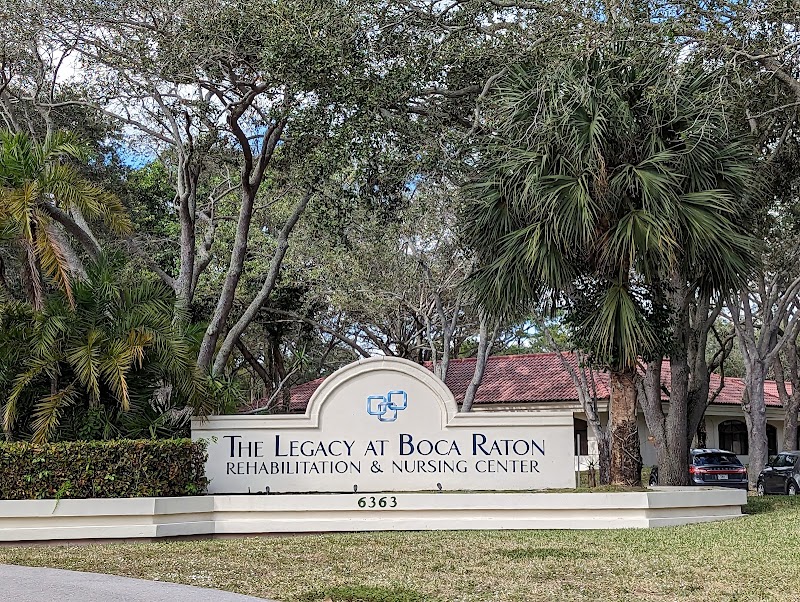
Who Owns and Operates Legacy At Boca Raton Rehabilitation And Nursing Ce?

LEGACY AT BOCA RATON REHABILITATION AND NURSING CE is owned by a for-profit company. For-profit facilities operate as businesses with obligations to shareholders or private owners. The facility is operated by CARERITE CENTERS, a chain that manages multiple nursing homes. With 180 certified beds and approximately 172 residents (about 96% occupancy), it is a mid-sized facility located in BOCA RATON, Florida.

How Does Legacy At Boca Raton Rehabilitation And Nursing Ce Compare to Other Florida Nursing Homes?

Compared to the 100 nursing homes in Florida, LEGACY AT BOCA RATON REHABILITATION AND NURSING CE's overall rating (4 stars) is above the state average of 3.2, staff turnover (34%) is significantly lower than the state average of 46%, and health inspection rating (3 stars) is at the national benchmark.

What Should Families Ask When Visiting Legacy At Boca Raton Rehabilitation And Nursing Ce?

Based on this facility's data, families visiting should ask: "Can I visit during a mealtime to observe dining assistance and food quality?" "How do you handle medical emergencies, and what is your hospital transfer rate?" "Can I speak with family members of current residents about their experience?"

Is Legacy At Boca Raton Rehabilitation And Nursing Ce Safe?

Based on CMS inspection data, LEGACY AT BOCA RATON REHABILITATION AND NURSING CE has a clean safety record: no substantiated abuse findings (meaning no confirmed cases of resident harm), no Immediate Jeopardy citations (the most serious violation level indicating risk of serious injury or death), and is not on the Special Focus Facility watch list (a federal program monitoring the lowest-performing 1% of nursing homes). The facility has a 4-star overall rating and ranks #1 of 100 nursing homes in Florida. While no facility is perfect, families should still ask about staff-to-resident ratios and recent inspection results during their visit.

Do Nurses at Legacy At Boca Raton Rehabilitation And Nursing Ce Stick Around?

LEGACY AT BOCA RATON REHABILITATION AND NURSING CE has a staff turnover rate of 34%, which is about average for Florida nursing homes (state average: 46%). Moderate turnover is common in nursing homes, but families should still ask about staff tenure and how the facility maintains care continuity when employees leave.

Was Legacy At Boca Raton Rehabilitation And Nursing Ce Ever Fined?

LEGACY AT BOCA RATON REHABILITATION AND NURSING CE has no federal fines on record. CMS issues fines when nursing homes fail to meet care standards or don't correct problems found during inspections. The absence of fines suggests the facility has either maintained compliance or corrected any issues before penalties were assessed. This is a positive indicator, though families should still review recent inspection reports for the full picture.

Is Legacy At Boca Raton Rehabilitation And Nursing Ce on Any Federal Watch List?

LEGACY AT BOCA RATON REHABILITATION AND NURSING CE is not on any federal watch list. The most significant is the Special Focus Facility (SFF) program, which identifies the bottom 1% of nursing homes nationally based on persistent, serious quality problems. Not being on this list means the facility has avoided the pattern of deficiencies that triggers enhanced federal oversight. This is a positive indicator, though families should still review the facility's inspection history directly.