FINNISH-AMERICAN VILLAGE
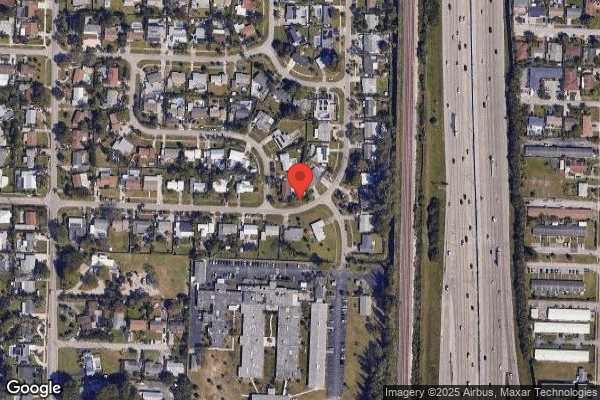

1800 SOUTH DRIVE, LAKE WORTH, FL 33461 (561) 588-4333
Non profit - Other 45 Beds Independent Data: November 2025
Trust Grade
91/100
#34 of 690 in FL
Last Inspection: March 2025

Within standard 12-15 month inspection cycle. Federal law requires annual inspections.

Overview

Finnish-American Village in Lake Worth, Florida, has received an excellent Trust Grade of A, indicating it is highly recommended and performs well compared to other nursing homes. It ranks #34 out of 690 facilities in Florida, placing it in the top half, and #3 out of 54 in Palm Beach County, meaning only two local options are better. The facility's trend is stable, with 11 issues identified in both 2023 and 2025, which suggests consistent oversight but also ongoing areas for improvement. Staffing is a strong point, earning a 5/5 rating with a low 27% turnover, significantly below the state average, which helps ensure continuity of care. However, there is a concern with $9,471 in fines, which is average but suggests some compliance issues. Specific incidents include expired food items found in the kitchen, which could affect the health of all residents, and maintenance issues in several resident rooms that indicate a need for better housekeeping services. Overall, while there are notable strengths in staffing and care quality, the facility must address its food safety and maintenance concerns to ensure a safe and comfortable environment for residents.

Trust Score
A
91/100
In Florida
#34/690
Top 4%
Safety Record
Low Risk
No red flags
Inspections
Holding Steady
3 → 3 violations
Staff Stability
✓ Good
27% annual turnover. Excellent stability, 21 points below Florida's 48% average. Staff who stay learn residents' needs.
Penalties
○ Average
$9,471 in fines. Higher than 68% of Florida facilities. Some compliance issues.
Skilled Nurses
✓ Good
Each resident gets 78 minutes of Registered Nurse (RN) attention daily — more than 97% of Florida nursing homes. RNs are the most trained staff who catch health problems before they become serious.
Violations
⚠ Watch
11 deficiencies on record. Higher than average. Multiple issues found across inspections.
★★★★★
5.0
Overall Rating
★★★★★
5.0
Staff Levels
★★★★★
5.0
Care Quality
★★★★☆
4.0
Inspection Score
Stable
2023: 3 issues
2025: 3 issues

The Good

  • 5-Star Staffing Rating · Excellent nurse staffing levels
  • 5-Star Quality Measures · Strong clinical quality outcomes
  • Low Staff Turnover (27%) · Staff stability means consistent care
  • Full Sprinkler Coverage · Fire safety systems throughout facility
  • No fines on record
  • Staff turnover is low (27%)

    21 points below Florida average of 48%

Facility shows strength in staffing levels, quality measures, staff retention, fire safety.

The Bad

Federal Fines: $9,471

Below median ($33,413)

Minor penalties assessed

The Ugly 11 deficiencies on record

Mar 2025 3 deficiencies
CONCERN (D)

Potential for Harm - no one hurt, but risky conditions existed

Resident Rights (Tag F0550)

Could have caused harm · This affected 1 resident

**NOTE- TERMS IN BRACKETS HAVE BEEN EDITED TO PROTECT CONFIDENTIALITY** Based on observations, interviews and record reviews, the facility failed to provide dining in a dignified manner for 2 of 13 sa...

Read full inspector narrative →
**NOTE- TERMS IN BRACKETS HAVE BEEN EDITED TO PROTECT CONFIDENTIALITY** Based on observations, interviews and record reviews, the facility failed to provide dining in a dignified manner for 2 of 13 sampled residents (Resident #6 and #12). The findings included: Record review revealed the facility's policy titled, 'Promoting/Maintaining Resident Dignity During Mealtimes', with a review/revision date of 01/06/25, documented: Policy: It is the practice of this facility to treat each resident with respect and dignity and care for each resident in a manner and in an environment that maintains or enhances his or her quality of life, recognizing each resident's individuality and protecting the rights of each resident. Policy Explanation and Guidelines: 1. All staff members involved in providing feeding assistance to residents promote and maintain resident dignity during mealtimes. 4. Focus on the resident while talking to him/her and addressing him/her individually. The facility's policy titled, 'Personal Cell Phones' with a review/revision date of 01/02/25, documented: Policy: It is the policy of this facility to provide quality care to our residents without interruption. Policy Explanation and Compliance Guidelines: 1. This facility prohibits employees from using personal cell phones for any reason, on the nursing units or in the working areas of the facility. 2. This includes calls, texts, social media or any other use of cell phones. 4. Cell phones may be used by employees while on a scheduled break in break areas only. Record review revealed Resident #6 was admitted to the facility on [DATE]. According to the resident's most recent, Quarterly Minimum Data Set (MDS) assessment, with a reference date of 01/24/25, revealed Resident #6 was not assessed for cognition due to 'Resident is rarely/never understood'. The assessment documented that the resident required 'supervision or touching assistance' for eating. Resident #6's diagnoses at the time of the assessment included: Coronary Artery Disease (CAD), Heart Failure, Hypertension, Non-Alzheimer's Dementia, Malnutrition, Depression, Chronic Lung Disease, Paroxysmal Atrial Fibrillation, Hypothyroidism, and Gastrointestinal Esophageal Reflux Disease (GERD). Review of Resident #6's care plan for activities of daily living (ADLs), with a reference date of 04/28/16, documented: Resident has an ADL Self Care Performance Deficit .Self-care deficit in: eating - Supervision to extensive assistance of 1 at mealtimes and may vary over the course of the day related to fatigue and cognition. An intervention to the care plan was documented as: Eating: Resident requires setup for meals, cueing and feeding at times. Record review revealed Resident #12 was admitted to the facility on [DATE] and admitted to Hospice on 11/30/23. According to the resident's most recent complete Annual MDS assessment with a reference date of 12/02/24, revealed Resident #12 had a Brief Interview for Mental Status (BIMS) score of 10, indicating a moderate cognitive impairment. The assessment documented Resident #12 required 'Partial/moderate' assistance for eating. Resident #12's diagnoses at the time of the assessment included: Parkinson's Disease, Malnutrition, Anxiety Disorder, Depression, Bipolar Disorder, Altered Mental Status, and Dysphagia. Resident #12's care plan for ADLs, with a reference date of 02/28/22, documented, Resident is ADL self-care performance deficit related to disease process: Meal - substantial assistance. During an observation of lunch being served in the Main Dining Room, on 03/03/25 beginning at 12:16 PM, Staff A, CNA (Certified Nursing Assistant), was seated with Resident #6, while Staff B, CNA, was seated with Resident #12. During the observation, neither of the CNAs interacted with the residents, until the meal arrived to the table at approximately 12:30 PM, when the CNAs began feeding the residents. During further observation of lunch being served in the Main Dining Room, on 03/03/25 beginning at 12:16 PM, Staff A, CNA, was seated next to Resident #6. Once the meal arrived to the residents, at approximately 12:30 PM, Staff A fed Resident #6 a bite from the plate and then diverted her attention to a personal cellular device under the table. Staff A then looked up from the device at the Surveyor and quickly placed the device into the pocket of the shirt that she was wearing and then provided another bite to Resident #6. During an interview, on 03/06/25 at 9:55 AM with Staff B, CNA, when asked about the policy's policy or providing feeding assistance to residents, Staff B replied, we talk to her, sometimes she is not a talkative lady, sometimes she will just wave. When you are feeding them you greet them and tell them your name and I am going to help feed you today. Sometimes I have to tell her that her daughter is coming, and she is happy. During an interview, on 03/06/25 at 9:30 AM with the Director of Nursing (DON) and the Assistant Director of Nursing (ADON) when the concerns were brought to their attention, the DON and ADON acknowledged the concern and confirmed that staff should be interacting with and talking with the residents (when assisting with dining). During an interview, on 03/06/25 at 9:55 AM with Staff B, CNA, when asked about the facility's policy for personal cell phone use, Staff B replied, Don't use cell phone unless you have an emergency - extreme emergency. I keep it in my pocket. Staff B further stated that staff can go to an area away from the residents if there is an emergency that they need to use their personal cellular devices. During an interview, on 03/06/25 at 9:18 AM with the Registered Dietitian (RD), when the concern was brought to her attention, the RD stated, that is not acceptable, when I see something like that, I intervene. During an interview, on 03/06/25 at 9:30 AM with the DON and the ADON, when asked about the facility's policy for the use of personal cellular devices, the ADON replied, they are not supposed to be using the cell phone when they are with a resident.
CONCERN (D)

Potential for Harm - no one hurt, but risky conditions existed

Deficiency F0805 (Tag F0805)

Could have caused harm · This affected 1 resident

**NOTE- TERMS IN BRACKETS HAVE BEEN EDITED TO PROTECT CONFIDENTIALITY** Based on observation, interview, record review, and a policy review, the facility failed to prepare food in a form to meet the i...

Read full inspector narrative →
**NOTE- TERMS IN BRACKETS HAVE BEEN EDITED TO PROTECT CONFIDENTIALITY** Based on observation, interview, record review, and a policy review, the facility failed to prepare food in a form to meet the individual needs of 4 of 5 sampled residents (Resident #4, Resident #11, Resident #12, Resident #143) observed for pureed textured diets. In addition, the facility failed to prepare fluids in a form to meet the needs of 1of 4 sampled residents (Resident #4) requiring nectar consistency fluids. The findings included: A review of the facility's policy for Puree Food Preparation (reviewed/revised on 01/15/25), described the desired consistency of the puree diet. Puree foods should be prepared in such a manner to prevent lumps or chunks. The goal is smooth, soft, homogenous consistency, similar to soft mashed potatoes. 1). During an observation of the lunch meal in the main dining room on 03/04/25 at 1:00 PM, Resident #12, was being fed by her family member. The meal ticket listed a pureed texture diet with nectar thickened liquids. Resident #12 was served pureed pork, pureed vegetables, and mashed potatoes. Further observations revealed the pork was lumpy with small pieces clumped together and stringy fibers in the meat were observed. (Photographic evidence of the plate was obtained). During an observation of the breakfast meal on 03/05/25 at 8:44 AM, Resident #12, received assistance from staff with feeding in the dining room. The meal ticket listed a pureed texture diet with nectar thickened liquids. The meal plate contained pureed eggs, and pureed pancakes. The pureed eggs were not smooth and contained small lumps. Photographic evidence of the plate was obtained. Record review revealed Resident #12 was admitted to the facility on [DATE]. Hospice services started on 11/30/23. Her diagnoses included Parkinson's Disease, and Oropharyngeal Dysphagia (difficulty swallowing). The physician prescribed diet order since 11/15/23 was a consistent carbohydrates (CCHO) diet, with pureed texture, and nectar consistency fluids. According to the Minimum Data Set annual assessment dated [DATE], Resident #12's BIMS score was 10, this indicated the resident had moderately impaired cognition. 2). During an observation of the lunch meal on 03/04/25 at 1:15 PM the surveyor observed the meal plate of Resident #11, after she had left the dining room. Her meal plate and the corresponding meal ticket were still on the table at the resident's assigned seat. The meal ticket listed her name and the puree texture diet. The meal plate contained pureed pork, pureed vegetables, mashed potatoes, and pureed corn bread. The pureed pork, covered with barbeque sauce, was lumpy. The pureed corn bread was lumpy, with patches of yellow and brown colors. Resident #11 consumed approximately 25% of the mashed potatoes, and approximately 5% of the pureed vegetables. The scoop of lumpy pork with barbeque sauce and the scoop of lumpy pureed corn bread remained intact in the small round form of a scoop. The pork and the corn bread were not consumed at all. (Photographic evidence of the meal plate was obtained). During an interview with the ADON (Assistant Nursing Director) on 03/04/25 at 3:00 PM, the ADON stated that Resident #11's private Home Health Aide provided the resident assistance with feeding during the lunch meal in the dining room on 03/04/25. During a breakfast observation in the dining room on 03/05/35 at 8:43 am, Resident #11, received assistance from staff with feeding. Her meal ticket indicated that she was on a pureed texture diet. She was served pureed pancakes, pureed eggs, and regular texture oatmeal, which should have been pureed. Record review revealed that Resident #11 was admitted to the facility on [DATE]. She received Hospice services since 07/25/24. Her diagnoses included Cerebral Atherosclerosis, Unspecified Dementia, and Unspecified Protein Calorie Malnutrition. The discharge from therapy documentation on 04/08/2024 showed a recommendation by the Speech Language Pathologist to continue the pureed diet as a treatment for oropharyngeal dysphagia. Resident #11's diet texture was liberalized to a regular texture on 01/02/25. A progress note dated 03/03/2025 revealed that the hospice Advance Registered Nurse Practitioner (ARNP) recommended the puree diet for Resident #11. The Minimum Data Set quarterly assessment for Resident #11, dated 01/30/25 revealed a Brief Interview of Mental Status score of 3, indicating Resident #11 had severe cognitive impairment. The prescribed diet in the electronic medical records for Resident #11 was consistent carbohydrates (CCHO), no added salt (NAS) diet, with Pureed texture, and thin consistency (fluids), Fortified foods at breakfast. During an interview with the Certified Dietary Manager (CDM) on 03/04/25 at 1:10 PM in the kitchen, the surveyor expressed concern that the observed pureed foods that were served were lumpy. A test plate with pureed food was requested. The CDM provided the surveyor with a plate of food, and she identified the pureed pork and the pureed corn bread. The CDM used a fork and mashed up the pureed corn bread on the plate. A taste test was conducted by the surveyor and the CDM. The pureed corn bread had distinguishable pieces of corn product, which was not smooth, and the mixture was not homogenous. The CDM agreed with this finding. The CDM then poured barbeque sauce on top of the pureed pork, and she mixed the pork together with the sauce. A taste test was conducted by the surveyor and the CDM. The pureed pork contained short stands of meat. The CDM stated that the cooks should have pureed the pork together with the sauce for a little bit more to make the consistency of the meat a smoother texture. 3). During an observation of the breakfast meal in the dining room on 03/05/35 at 8:41 AM, Resident #143 received assistance with feeding. Her meal ticket indicated that she was on a pureed texture diet with nectar thick consistency fluids. She was served pureed pancakes, pureed eggs, and regular texture oatmeal, which should have been pureed. Record review revealed that Resident #143 was admitted to the facility on [DATE]. Her diagnoses included Metabolic Encephalopathy and Dementia. An assessment by the Speech Language Pathologist performed on 02/26/25 revealed that Resident #143 had signs and symptoms of pharyngeal phase dysphagia (difficulty swallowing). The recommendation was to downgrade Resident #143's diet from mechanical soft to a pureed texture. The diet order dated 02/26/25 documented no added salt, pureed texture diet, with nectar consistency fluids. 4). During an observation of the breakfast meal, accompanied by the Registered Dietitian (RD), on 03/05/25 at 9:26 AM, it was noted that Resident #4 was sitting up in her bed receiving assistance from staff with feeding. The meal ticket showed that she was on a pureed texture diet with nectar thick liquids. The plate contained pureed eggs that were lumpy, pureed pancakes, and regular texture oatmeal, which should have been pureed. The coffee served to this resident was not thickened to nectar consistency, as specified on her meal ticket. The RD agreed with these findings. The RD asked the Certified Nursing Assistant (CNA) who was assisting the resident, to add thickener to the coffee. The RD also asked the CNA not to feed the oatmeal to this resident. (Photographic evidence of the meal tray was obtained). Record review revealed Resident #4 was admitted to the facility on [DATE]. Hospice services started on 02/06/25. Her diagnoses included Cerebral Atherosclerosis, Muscle Weakness (Generalized), and Oropharyngeal Dysphagia. A Minimum Data Set significant change assessment dated [DATE] revealed a Brief Interview of Mental Status score of 3. This indicated that Resident #4 had severe cognitive impairment. The prescribed diet order since11/05/24 was for a pureed texture diet, with nectar consistency fluids, and fortified foods at breakfast and lunch. During an interview with the CDM on 03/05/25 at 9:30 AM in the kitchen, accompanied by the RD, the CDM was made aware that the 4 residents on the pureed diet received regular textured oatmeal with their breakfast, and 2 residents on the pureed diet received pureed scrambled eggs that had lumps in it, and 1 resident was not served nectar consistency fluids. When the RD asked the CDM for some pureed oatmeal, it was revealed there was no pureed oatmeal on the steam table. The CDM said she will follow up on the pureed scrambled eggs and pureed oatmeal when preparing breakfast in the future.
CONCERN (F)

Potential for Harm - no one hurt, but risky conditions existed

Food Safety (Tag F0812)

Could have caused harm · This affected most or all residents

**NOTE- TERMS IN BRACKETS HAVE BEEN EDITED TO PROTECT CONFIDENTIALITY** Based on observations and interviews, the facility failed to store, prepare, distribute, and serve food in accordance with profe...

Read full inspector narrative →
**NOTE- TERMS IN BRACKETS HAVE BEEN EDITED TO PROTECT CONFIDENTIALITY** Based on observations and interviews, the facility failed to store, prepare, distribute, and serve food in accordance with professional standards for food service safety, sanitary conditions, and the prevention of foodborne illnesses. This had the potential to affect 41of 41 residents (the resident census), who all eat orally. The findings included: During the initial tour of the Main Kitchen on 03/03/25 at 9:30 AM, accompanied by the Certified Dietary Manager (CDM) and the Registered Dietitian (RD), the following was observed: 1. Expired paprika and curry powder were on the shelves near the entrance to the main kitchen. The paprika was dated best by 11/30/2024. The curry powder was dated best by 01/20/24. The CDM agreed with the findings. 2. The Arctic Air refrigerator #1 contained the following: -The Dairy whipped topping had a best by date of 08/02/24. -A 2-lb container of potato salad had a use by date of 03/01/25. -The 46 oz. Grove cranberry juice cocktail had a use by date of 02/24/25. The CDM was in agreement with these findings and threw the items in the garbage. 3. The walk-in refrigerator contained the following: -A white plastic container of Herring (pickled fish) with no date. -A 32 oz opened package of sliced Hormel turkey breast. There was no date to indicate when it was opened. The RD and the CDM agreed with these findings. 4. Inside the Daeco Refrigerator, the fan/motor unit had a thick build-up of ice (approximately 8-10 thick) on the bottom side of the unit. Two metal drip pans were catching the water drippings. One pan was situated directly underneath the unit and another pan was located to the left side of the fan/motor unit. The temperature inside the refrigerator was 46 degrees Fahrenheit (F). The requirement is 41 degrees Fahrenheit. The CDM agreed with the findings. 5. The Daeco refrigerator contained bread, shelf stable juice, and 1 box of one-pound bars of butter. The surveyor requested the temperature of the butter. The CDM measured the temperature of the butter, and it was 45.5' F. The requirement of 41 degrees F. was not met. The RD instructed the kitchen staff to throw out the butter. 6. The surveyor observed the refrigerator in the baking room. The temperature inside the [NAME] refrigerator was 60' F. This did not meet the requirement of 41 degrees F. The CDM agreed with the finding. 7. Two quart containers of heavy whipping cream was observed in the [NAME] refrigerator. The CDM measured the temperature. The heavy whipping cream was 46.2 ' F. The CDM discarded the whipping cream. 8. One bottle of orange food coloring and one green bottle of food coloring were observed on a shelf in the baking room of the kitchen. There was no open date on the food coloring bottles. The orange food coloring had a shipping date of 03/24/16. The green food coloring had a shipping label that was too faded to read. The RD agreed with the finding.
Nov 2023 3 deficiencies
CONCERN (D)

Potential for Harm - no one hurt, but risky conditions existed

Incontinence Care (Tag F0690)

Could have caused harm · This affected 1 resident

**NOTE- TERMS IN BRACKETS HAVE BEEN EDITED TO PROTECT CONFIDENTIALITY** Based on observation, interviews, record review and policy review, the facility failed to provide straps for anchoring catheter ...

Read full inspector narrative →
**NOTE- TERMS IN BRACKETS HAVE BEEN EDITED TO PROTECT CONFIDENTIALITY** Based on observation, interviews, record review and policy review, the facility failed to provide straps for anchoring catheter tubing for 3 of 3 sampled residents observed for catheter use (Resident #5, #16 and #21). The findings included: A review of the facility's policy titled Catheter Care which was renewed and updated on 08/03/23 revealed leg bags will be attached to the resident's thigh or calf making sure to have slack on the tubing to minimize pressure and tension. Ensure straps are snug but not tight. 1) Record review revealed Resident #5 was admitted to the facility on [DATE]. The resident's diagnoses included Neuromuscular dysfunction of the bladder, Metabolic encephalopathy, and Overactive bladder. Her Brief Interview for Mental Status (BIMS) score was 2, per the Medicare 5-day Minimum Data Set (MDS) with an assessment reference date (ARD) of 10/13/23. This indicated the resident was severely cognitively impaired. On 10/02/23 the resident was transferred to the hospital for urine retention and a Foley catheter was inserted prior to the transfer. A urinary tract infection was identified in the hospital, and she was placed on an antibiotic. She returned to the facility on [DATE] with a Foley catheter in place. A trial removal of the Foley catheter was done on 10/17/23 but was reinserted on 10/18/23. On 10/31/23 at 11:50 AM, catheter care was observed for Resident #5. Staff B, certified nursing assistant, performed the care. After the care was done, Staff B proceeded to reapply the brief without providing any type of strap or anchor for the tubing. 2) Record review revealed Resident #16 was admitted to the facility on [DATE]. Her diagnoses included Neurogenic Bladder, Hemiplegia, Paraplegia, and Multiple sclerosis. Her BIMS score was 15 according to the quarterly MDS with an ARD of 08/30/23. This indicated the resident was cognitively intact. On 10/31/23 at 1:00 PM an interview was conducted with the resident who stated she does not have a strap or anchor on her catheter tubing. 3) Record review revealed Resident #21 was admitted to the facility on [DATE]. Her diagnoses included Obstructive and Reflux Uropathy, Acute Kidney Failure, and Neurogenic Bladder. Her BIMS score was 7, per the quarterly MDS with an ARD of 07/31/23. This indicated the resident had severe cognitive impairment. An interview and observation of Resident #21 was conducted on 10/31/23 at 12:54 PM. The resident did not have a strap to anchor the tubing for the leg bag. Staff C, a Registered Nurse, was present during the interview and stated that he was going to apply a strap. The Director of Nursing was apprised of the findings on 10/31/23 at 1:15 PM.
CONCERN (D)

Potential for Harm - no one hurt, but risky conditions existed

Medication Errors (Tag F0758)

Could have caused harm · This affected 1 resident

**NOTE- TERMS IN BRACKETS HAVE BEEN EDITED TO PROTECT CONFIDENTIALITY** Based on interview and record review, the facility failed to obtain an order for the continued use of PRN (as needed) Lorazepam,...

Read full inspector narrative →
**NOTE- TERMS IN BRACKETS HAVE BEEN EDITED TO PROTECT CONFIDENTIALITY** Based on interview and record review, the facility failed to obtain an order for the continued use of PRN (as needed) Lorazepam, a psychotropic medication for treating symptoms of anxiety, beyond 14 days use, and failed to include the Lorazepam during medication regiment review, for 1 of 5 sampled residents reviewed for unnecessary medications, Resident #39. The findings included: Resident #39 was admitted to the facility on [DATE]. According to the resident's most recent complete assessment, a Quarterly Minimum Data Set, dated [DATE], Resident #39 had a Brief Interview for Mental Status (BIMS) score of 03, indicating severe cognitive impairment. Resident #39's diagnoses at the time of the assessment included: Non-Alzheimer's Dementia, Anxiety Disorder, Depression, and Schizophrenia. Resident #39's care plan, dated 04/01/22, documented, Resident has episodes of restlessness and anxiety. At times she yells/cries out for her daughter. The goal of the care plan was documented as, Periods of anxiety will be reduced / minimized through redirection reassurance and medication regimen through NRD (next review date) with a target date of 01/07/24. Interventions to the care plan included: o document behaviors related to anxiety on behavior sheets every shift if indicated. o Provide diversional activity such as: soothing back rub, music or activity, relaxation techniques. o Administration medication as ordered. Resident #39's care plan, initiated on 04/01/22, documented, Resident has a potential for alteration in mood related to diagnoses of Depression, Anxiety, Schizoaffective disorder. The goal of the care plan was documented as, Resident will have socialization with others and will exhibit a calm effect through reassurance through NRD with a target date of 01/07/24. Interventions to the care plan included: o Administer medications as ordered o Observed for side effects of medication. o Psych consult as needed; dose adjustments as indicated/tolerated. Resident #39's care plan, initiated on 04/01/22, documented, Resident is at risk due to use of psychotropic medications related to anxiety, depression, mood stabilizer, schizoaffective disorder. The goal of the care plan was documented as, Will have reduced/minimized side effects from medication through NRD with a target date of 01/07/24. Interventions to the care plan included: o Administer medications per doctor's orders. o Conduct review of dosage adjustment by staff MD if not clinically contraindicated. o Observe mood, behaviors, psychiatric status. o Psych consult as needed. o Vitals as ordered or PRN Resident #39's orders included: Lorazepam 1mg/ml gel may apply at the back of neck or wrist, 1 syringe/ml topical Q 4 PRN (every 4 hours as needed) for Anxiety/restlessness - 09/06/23. Behavior monitoring to be completed for use of antianxiety agents, antidepressants, antipsychotics, sedative/hypnotics. Document the appropriate Behavior, Intervention, and Outcome codes: use legend on nurse's cart and at nurse's station. Lorazepam - 09/06/23. Side effects monitoring to be used for the following medication classes: Antianxiety agents, Antidepressants, Antipsychotics, Sedative/Hypnotics. [name of resident] is on (Ativan) and is at risk for adverse side effects. Document noted side effects r/t (related to) above mentioned medication classes. Use provided legend at nurse's station and on med cart - 09/06/23. It was noted that there was no end date for the PRN order for the Lorazepam gel. Prior to the current order, Resident #39 did not have any other orders for Lorazepam gel. Review of Resident #39's Medication Administration Record (MAR) for the month of September 2023, revealed that the resident received the Lorazepam gel on 09/20/23, 09/21/23, 09/25/23, three times on 09/26/23, three times on 09/27/23 and received the Lorazepam gel on 09/28/23. Review of Resident #39's MAR for the month of October 2023, revealed that the resident received the Lorazepam on 10/01/23, 10/05/23, 10/07/23, 10/17/23, two times on 10/23/23 and received the Lorazepam gel on 10/29/23. A Focus IDT note, dated 09/18/23, documented, Note: Clinical Psychotropic: On August 28.2023 Resident was seen and evaluated by the psychiatry ARNP, for reevaluation and medications management. [resident name] has history of Schizoaffective Disorder, Major Depressive Disorder, Anxiety Disorder, Psychotic and Mood Disturbances. She is currently on Aripiprazole, Buspirone, Fluoxetine and Lorazepam. [resident name] shows her behavior by loud screaming, intermittent crying, refusal of care, and moaning at time. Staff continues to assess her for pain and discomfort. Family visited her almost every day around lunch time. Reassurance and redirection provided by staff. Resident and her responsible party are updated of any medications change and aware of potential side effects. There have not been any side effects noted. Will continue with the plan of care at this time and communicate with MD (Medical Doctor) and family as needed. As documented by the ADON (Assistant Director of Nursing). A Behavior note, dated 09/27/23 at 4:11, documented, Note Text: Resident is screaming constantly during the night. Lorazepam prn administered twice but only gives a short period of effectiveness. A Nurse's Progress note, dated 09/27/23 at 11:07, documented, Note Text: 0930 resident waking up screaming, denies pain, VS (vital signs) WNL (within normal limits) refused to take morning meds, Lorazepam given as needed. Resident is still screaming. Resident family is aware of patient condition. will continue to monitor. A 'Subsequent Psychiatric Note' dated 09/20/23, in the section for History of Present Illness, documented, Resident seen for follow up psychiatric evaluation and medication management as per request of staff, has history of depression and anxiety, as per records. Resident is AAOx3 (alert and oriented times three), mood is fairly stable, reports doing well with current medication regimen Currently on Aripiprazole for mood swings, Fluoxetine for depressive episodes and anxiety symptoms controlled with Buspar. No behavioral issues reported at this time Staff reports resident denies Hallucination, no manic or paranoid episodes reported. Use wheelchair for mobility. Will continue to monitor. The list of 'Current Meds' on the Psychiatric Note were listed as: Fluoxetine 10 mg PO QD (by mouth, once daily) Aripiprazole 15 mg PO QD Buspar 5 mg PO QD The Psychiatric Note did not address the use of Lorazepam PRN (per resident's needs) order in the medication review. A 'Subsequent Psychiatric Note' dated 10/18/23, in the section for History of Present Illness, documented, Resident seen for follow up psychiatric evaluation and medication management, as per request of staff, has history of depression and anxiety, as per records. Resident is AAOx3, mood is fairly stable, reports doing well with current medication regimen. Currently on Aripiprazole for mood swings, Fluoxetine for depressive episodes and anxiety symptoms controlled with Buspar. No behavioral issues reported at this time. Staff reports resident denies Hallucination, no manic or paranoid episodes reported. Uses wheelchair for mobility. Will continue to monitor. The list of 'Current Meds' on the Psychiatric Note were listed as: Fluoxetine 10 mg PO QD Aripiprazole 1 mg/ml. give 15 mg PO QD Buspar 5 mg PO QD The Psychiatric Note did not address the use of Lorazepam PRN order in the medication review. During an interview, on 11/01/23 at 10:53 AM with Staff D, RN (Registered Nurse), when asked about Resident #39's behaviors, Staff D replied, she will cry a lot, sometimes she will try to get out of bed unassisted, she is depressed at times and cries for her daughter. Sometimes she will refuse care and medications at times. I have not worked with her for at least 2 months ago. When asked about the order for Lorazepam, Staff D replied, It treats anxiety, restlessness, agitation. She does not need it today. I don't use it until I have used all non-pharmacological interventions. She has outbursts of crying, screaming, and agitation. During an interview, on 11/02/23 at 7:04 AM, with Staff E, LPN (Licensed Practical Nurse), Staff E confirmed the PRN order. When asked about the order, Staff E replied, it depends on her behavior. The most I have ever used it is twice a day, as she has the psychotic behavior - sometimes she is calm and you don't have to give her the medications, sometimes the other medications don't work for her and that is when we use the PRN order. During an interview, on 11/02/23 at 7:09 AM, with the DON (Director of Nursing), when the concern was brought to his attention, the DON stated, it is really challenging for her to take oral medication and that is sometimes the only way to give her the medications (Lorazepam gel).
CONCERN (D)

Potential for Harm - no one hurt, but risky conditions existed

Room Equipment (Tag F0908)

Could have caused harm · This affected 1 resident

Based on observations and interviews, the facility failed to maintain dryer drums in a sanitary manner for 2 of 4 dryers observed in the laundry room. The findings included: On 11/01/23 at 11:15 AM a ...

Read full inspector narrative →
Based on observations and interviews, the facility failed to maintain dryer drums in a sanitary manner for 2 of 4 dryers observed in the laundry room. The findings included: On 11/01/23 at 11:15 AM a tour of the laundry room was conducted with Staff A, the laundry manager. There were 4 dryers in the laundry room. Dryer #3 and #4 were observed with dry, hard residue stuck on the drums (photographic evidence obtained). An interview was conducted with Staff A on 11/01/23 at 11:30 AM to discuss the matter stuck to the dryer drums. Staff A stated he will try to remove the matter today. On 11/02/23 at 8:30 AM another tour was conducted with Staff A. An observation of dryer #3 and #4 was done. Dry, hard residue remained on the drums of dryer #3 and #4, after Staff A scrubbed them.
Jul 2022 5 deficiencies
CONCERN (D)

Potential for Harm - no one hurt, but risky conditions existed

Resident Rights (Tag F0550)

Could have caused harm · This affected 1 resident

**NOTE- TERMS IN BRACKETS HAVE BEEN EDITED TO PROTECT CONFIDENTIALITY** Based on observations, interviews and record review, the facility failed to provide eating assistance in a dignified manner for ...

Read full inspector narrative →
**NOTE- TERMS IN BRACKETS HAVE BEEN EDITED TO PROTECT CONFIDENTIALITY** Based on observations, interviews and record review, the facility failed to provide eating assistance in a dignified manner for 1 of 6 sampled residents observed during dining task (Residents #23). The findings included: Review of the facility's policy titled, Promoting/Maintaining Resident Dignity, revised on 12/01/21, documented All staff members are involved in providing care to residents to promote and maintain resident dignity and respect residents rights . Review of Resident #23's clinical record documented an admission to the facility on [DATE], and hospice care started on 05/04/21. The resident's diagnoses included Fracture of unspecified part of neck right femur (leg) with a closed fracture with routine healing, Right artificial hip joint, Senile degeneration of brain, Insomnia, Anxiety, Malnutrition, Dysphagia, Cognitive Communication Deficit, Lack of coordination, Urinary Tract Infection, Depression, Needs assistance with personal care, and Dementia without behavioral disturbances. Review of Resident #23's Minimum Data Set (MDS) annual assessment dated [DATE] documented a Brief Interview of the Mental Status (BIMS) score of 0 of 15, indicating that the resident had severe cognition impairment. The assessment documented under Functional Status that the resident needed extensive assistance to total dependence on staff for her activities of daily living and extensive assistance with eating. On 07/11/22 at 1:19 PM, observation revealed Resident #23 in her room in bed and being fed by Staff C, a Certified Nursing Assistant (CNA). Staff C was standing next to the residents right side and feeding her while standing. Staff C and the resident were not able to make eye contact during the task. Further observation revealed no chairs in the room at the time of the observation. On 07/12/22 at 1:23 PM, observation revealed Resident #23 in bed lying over on her right side with Staff C, feeding the resident. Staff C was standing next to the resident's right side and feeding her while standing. Staff C and the resident were not able to make eye contact during the task. Further observation revealed no chairs in the room at the time of the observation. Subsequently, an interview was conducted with Staff C who stated that sometimes she sits to feed the resident and sometimes she stands up. Staff C added that Resident #23 moves a lot and it is easier to feed the resident standing because she has to keep moving her to the right position. Staff C was asked regarding the facility's policy regarding this matter, and stated she was to sit down while feeding the resident and added it was hard to. On 07/13/22 at 1:31 PM, observation revealed Resident #23 in her room in bed, being fed by Staff D, Personal Care Attendant (PCA). Staff D was standing next to the resident's left side and feeding her while standing. Observation revealed Staff D and Resident #23 were not able to make eye contact during the task. Continued observation revealed Resident #23 lifting her head to talk to Staff D. Further observation revealed no chairs in the room at the time of the observation. On 07/13/22 at 1:42 PM, an interview was conducted with Staff E, a Registered Nurse (RN) who stated the CNAs and PCAs are supposed to sit down while feeding the resident. Staff E added it was more comfortable and that the staff can keep eye contact with the resident. On 07/13/22 at 4:30 PM, a joint interview was conducted with Staff D and the Director of Nursing (DON). Staff D was asked if she was to sit down or stand up while feeding a resident. Staff D stated that sometimes she stood up and sometimes she sat down. Staff D stated that she raised the bed to feed Resident #23 and did not sit down. The DON stated that the PCAs and CNAs are supposed to sit down while they are feeding the resident.
CONCERN (D)

Potential for Harm - no one hurt, but risky conditions existed

Quality of Care (Tag F0684)

Could have caused harm · This affected 1 resident

**NOTE- TERMS IN BRACKETS HAVE BEEN EDITED TO PROTECT CONFIDENTIALITY** Based on observations, interviews and record review, the facility failed to properly identify and treat a skin condition for 1 o...

Read full inspector narrative →
**NOTE- TERMS IN BRACKETS HAVE BEEN EDITED TO PROTECT CONFIDENTIALITY** Based on observations, interviews and record review, the facility failed to properly identify and treat a skin condition for 1 of 2 samples residents (Resident #33), reviewed for wounds. The findings included: Review of the facility's policy titled Skin Integrity- Skin Tears revision date 12/09/21 documented .RN's and LPN's will participate in the management of skin tears and medical conditions by following physician orders, assessments of residents, and reporting changes in condition to the residents physician .modification of interventions .the attending physician will be notified of .lack of healing of any skin tears . On 07/11/22 at 9:29 AM, observation revealed Resident #33 sitting in a wheelchair in the dining room and speaking to the Minimum Data Set Coordinator (MDS). Further observation revealed the resident had a loose dry dressing on her left lower leg (LLL). On 07/11/22 at 9:35 AM, observation revealed Resident #33 in her room. Continued observation revealed the resident's loose dressing to her LLL was no longer in place. Further observation revealed that Resident #33's LLL skin was a dark purple color and approximately 5 inches long by 3 inches wide. On 07/11/22 at 10:37 AM, an interview was conducted with Resident #33 who stated that she did not remember what happened to her left leg. The resident stated that her left leg, where the skin discoloration and skin tear was located, hurts and that she took two Tylenol this morning. Resident #33 was asked if the staff were cleaning her wound and stated they used to clean her leg but were not doing it anymore. Review of Resident #33's clinical record documented an initial admission to the facility on [DATE], with no readmissions. The resident's diagnoses included Urinary Tract Infection, Metabolic Encephalopathy, Dorsalgia (back pain), Cardiomegaly, Atrial Fibrillation (A-Fib), Malnutrition, Muscle weakness, Cognitive Communication Deficit and Hypertension. Review of Resident #33's Minimum Data Set (MDS) admission assessment dated [DATE] documented a Brief Interview of the Mental Status (BIMS) score of 8 of 15, indicating that the resident has moderate to severe cognition impairment. The assessment documented under Functional Status that the resident needed extensive to total assistance with her Activities of Daily Living (ADLs). Review of Resident #33's care plan for impaired circulation and potential alteration in tissue perfusion, initiated on 06/20/22, documented an intervention that read monitor, document, report to MD (doctor) any s/s (signs and symptoms) of skin problems, redness, edema, blisters, itching, bruises, skin lesions . Review of Resident #33's admission note dated 06/03/22 documented under skin condition three skin tears with dry dressing and one steri-strip to left lower leg . Review of Resident #33's documented the following physician orders: 06/03/22 -weekly skin check every Wednesday. 06/15/22 - Cleanse skin tears to left lower leg with normal saline/saline solution. Apply TOA, cover w/ gauze, wrap w/kerlix, secure w/tape and change daily until resolved every night shift. The physician order was discontinued on 06/28/22. 07/11/22 cleanse reopening area to Left lower leg with Normal Saline, apply bacitracin, and cover with dry dressing every day shift. Review of Residents #33's weekly skin notes documented the following: 06/29/22 documented .skin tear to left lower leg (LLL) tx (treatment) in place . 07/06/22 documented . skin tear to LLL healing. 0 c/o (complaint) pain voiced . Review of Residents #33's skilled evaluation nurse note dated 07/11/22 at 11:47 PM, documented .skin .no new or worsening skin impairment .wound care n/a . Review of Residents #33's skilled evaluation nurse note dated 07/11/22 at 4:54 PM, documented .skin .no new or worsening skin impairment .wound care n/a . Review of Resident #33's Treatment Administration Record (TAR) for June 2022, documented that wound care to the resident's LLL started on 06/12/22 and was discontinued on 06/27/22. Review of Resident #33's Treatment Administration Record (TAR) for July 2022, documented that wound care to the resident's LLL was restarted on 07/12/22. On 07/12/22 at 3:26 PM, a side by side review of Resident #33's June 2022 TAR was conducted with the Director of Nursing (DON). The DON stated they had not consulted any wound care doctor for the residents left lower leg unhealed wound. The DON was asked if Resident #33 should have been seen by a wound care specialist and stated the resident should have. The DON was asked if any specialist had seen Resident #33 dark purple lower leg, and stated no. The DON stated that the resident had not had any special test done to check on her left lower leg dark colored skin but had been seen by Physiatrist and the Cardiologist. On 07/12/22 at 1:55 PM, wound care observation performed by Staff B, a Registered Nurse for Resident #33 was conducted. Observation revealed the resident's left lower leg skin was a dark purple color. There were multiple old scabs on the residents leg. Staff B commented that she did not normally work with Resident #33 and this was her first time seeing this wound. Staff B also stated that Resident #33's legs and feet were cold to touch, but when she asked the resident, she said she did not feel cold. Observation revealed the old dressing that was covering the wound, dated 07/11/22, was visibly soiled with drainage. When the old dressing was removed, it was observed that the wound was open (lacking a scab) and draining serosanguinous fluid. The wound edges were poorly defined and the wound appeared to be the size of a 50 cent piece. Staff B stated that the wound did not have the appearance of a pressure ulcer but rather it looked like a wound caused by venous insufficiency. On 07/12/22 at 3:41 PM, an interview was conducted with Staff B. Staff B stated that Resident #33 had mild tenderness during wound care today, on the residents left lower wound. Staff B stated that the wound looked like it was a peripheral problem and added that the resident's legs were cold. Staff B was asked if she checked for pedal (foot) pulses and stated she did not check any pulses. Staff B added that the wound did not look like a regular wound and that the resident needed to be seen by the wound care specialist. Staff B stated she had never seen a wound like this before and again stated it did not look like a regular skin tear. Staff B was asked if she measured the wound and the dark purple surrounding area, and she stated that the wound was about 2 inches by 1.5 inches with light yellow sanguineous drainage. Staff B was asked if she had contacted the physician and stated she will contact the doctor when I get to it. On 07/12/22 at 3:45 PM, during an interview, the DON was asked if Resident #33 had been seen by a Podiatrist and stated that he did not see a podiatry note in the resident's chart. On 07/12/22 3:59 PM, an interview was conducted with the facility's Director of Social Services (DSS). The DSS stated that the podiatrist comes to the facility almost every month. A side by side review of the DSS Podiatrist list was conducted and revealed that Resident #33 had not been seen by the Podiatrist. On 07/12/22 at 4:45 PM, a side by side review of Resident #33's wound to her LLL was conducted with the DON. The superficial skin was opened, measuring approximately 2 inches long by 2 inches wide. The DON stated the wound had a slight drainage. The surrounding skin was dark purple color measuring about 5 inches long by 3 inches wide. On 07/13/22 at 8:39 AM, during interview, the DON submitted the Podiatrist notes dated 05/03/22. The note did not document/address Resident #33's LLL skin condition. On 07/13/22 at 8:50 AM, a joint telephone interview with the DON was made to the Podiatrist. The Podiatrist stated she did not see Resident #33 in June 2022. The Podiatrist stated she only does toenails, no wound care. On 07/14/22 at 7:02 AM, an interview was conducted with Staff F, a Licensed Practical Nurse. Staff F was asked of she provided wound care to Resident #33's LLL on 07/11/22, and stated she did not. Staff F stated the resident had bad bruises and they were putting gauze to protect her skin. Staff F did not remember the last time that she provided wound care for Resident #33. Staff F stated that the resident's skin had nothing open, just bad bruises. Staff F added the resident had a dark bruise on her leg and the skin was not open. Staff F stated she did not apply antibiotic to the LLL, and only put a dressing to protect the fragile skin. Staff F was asked where she documented the wound status, description, and measurement. Staff F stated the wound care doctor did that. Staff F was apprised that Resident #33 had not been seen by the wound care doctor and that she had an opened wound to her LLL, and had dark purple color skin surrounding the wound. On 07/14/22 at 7:41 AM, an interview was conducted with Staff E, a Registered Nurse (RN). Staff E stated she did Resident #33's LLL wound care dressing change on 07/13/22 and did not see any drainage. Staff E confirmed she did the resident's weekly skin check on 06/29/22 and 07/06/22. Staff E stated that she meant scabbing for healing. Staff E was apprised that the resident's LLL wound care was discontinued on 06/28/22 and that she documented treatment was in place. A side by side review of the resident's June 2022 and July TAR was conducted with Staff E. Staff E confirmed the treatment was discontinued on 06/28/22. On 07/14/22 at 8:12 AM, an interview was conducted with the DON, and he confirmed that Resident #33's physician order for LLL wound was discontinued on 06/28/22. He was apprised that the nurse documentation did not address the status of the resident's LLL skin discoloration, no pedal pulses documented and no measurements of the wound or the dark purple skin discoloration surrounding the wound. The DON was asked for the reason for discontinuation of the LLL wound care and he stated there was not documentation to support the discontinuation of the wound care, no documentation of the skin wound progress or the surrounding skin condition. On 07/14/22 at 11:48 AM, an interview was conducted with the DON and he stated that he contacted the Medical Director/Attending Physician on 07/12/22 and ordered a wound care consult and ultrasound LLE. The DON added that the wound care specialist was notified but had not come to see the resident. Review of Resident #33's ultrasound of the Left Lower Extremity dated 07/13/22 results received on 07/14/22 documented, Occlusion of the dorsalis pedis artery. Slow flow velocity of the posterior tibial artery suggesting ischemia . On 07/14/22 at 12:38 PM, a telephone interview was conducted with Resident #33's attending physician via the DON's cell phone. The attending confirmed that Resident #33 was previously on the Assisted Living side of the facility, she was sent out to the hospital, and then came back to the facility nursing home side. The attending stated she thinks the leg wound came from the resident's wheelchair back in May 2022. The attending physician stated that wound care was being done and that the wound was doing better. She stated she thinks the scab over the wound must have re-opened but that wound care has been restarted by the facility now. The attending was informed that during the initial tour in the morning of 07/11/22, Resident #33's left lower leg wound dressing was not in place and there was drainage noted coming from the wound. She was further informed that upon record review, it was noted that there was no active order for wound care to be done for Resident #33. The wound was measured to be about 2 inches by 2 inches. Further record review revealed there was no documentation regarding the wound showing improvement. There was also no documentation regarding why wound care was discontinued. There was an order placed on 06/28/22 to discontinue wound care, but no wound care or nurses note regarding the wound status. Weekly skin notes were reviewed and continued to document tx in place despite there being no active wound care order. The attending physician then stated she was not sure why there was a lack of thorough documentation regarding the status of the resident's wound. Not sure why documentation was unclear. The attending stated the facility ordered a vascular study to assess Resident #33's vascular status so that more interventions can be done for this wound. The attending was apprised that Resident #33's leg was a dark purple color and that the facility nurse who performed wound care on 07/12/22 verbalized multiple times that the resident's legs and feet were cold to the touch. The attending stated that a Vascular doctor will be consulted now that the vascular study has been done. The surveyor explained the concern is that the wound care was stopped without proper documentation, that there was no follow up from any physician, and now the resident's leg has gotten worse, and it took the surveyor to intervene before the facility made any changes to Resident #33's plan of care. The attending stated she will discuss further with the facility's DON to see how to improve the care for Resident #33.
CONCERN (E)

Potential for Harm - no one hurt, but risky conditions existed

Safe Environment (Tag F0584)

Could have caused harm · This affected multiple residents

Based on observation and interview, it was determined that the facility failed to provide housekeeping and maintenance services necessary to maintain a sanitary, orderly, and comfortable interior for ...

Read full inspector narrative →
Based on observation and interview, it was determined that the facility failed to provide housekeeping and maintenance services necessary to maintain a sanitary, orderly, and comfortable interior for 3 (West Wing, South Wing, and East Wing) 3 residential wings. The findings included: During the Environmental Tour conducted on 7/13/22 at 10:15 AM, accompanied by the Director of Maintenance and Director of Housekeeping, the following were noted; East Wing: Room E-2 - Sink vanity exterior damaged and in disrepair. Room E-3 - Peeling paint in area ceiling area in bathroom, and bathroom ceiling vent was dust laden. Room E-4 - Room ceiling tiles (4) require replacement. Room E-6 - Room entry door in disrepair and noted to have sharp edges, bathroom wall had a large area of peeling paint, window blinds not working, and room sink was stained and soiled. West Wing: Room W-1 - Room chair exterior was heavily worn, and missing over-bed light cord (D-bed). Room W-3 - Bathroom toilet requires re-caulking to the floor. Room W-5 - Bathroom sink coming away from wall and requires repair and re-caulking. Room W-4 - Room entry door exterior was in disrepair, window blinds not working, and exterior of room sink vanity was heavily scuffed. Room W-6 - Exterior of room entry door was in disrepair, broken nightstand (C-bed), and over-bed light corn missing (A & B bed). Room W-7 - Room sink vanity exterior damaged and in disrepair. Shower Room - Exterior of entry door damaged and in disrepair, and ceiling vent was dust laden. South Wing: Room S-4 - Exterior of bathroom door was damaged and in disrepair. Room S-6 - Exterior of room chair was stained and heavily worn. Room S-8 - Exterior of room chair was stained and heavily worn. Room S-9 - The padding of the bed rails (left and right) were noted to be heavily worn and missing in places and were exposed down to the rails (Window bed). Dining Room Entry Door - The covering on the entry and exit door was porous and could not be properly sanitized on a daily basis to prevent spread of bacteria and germs. Following the tour all observations were again confirmed with the facility Directors. The Directors stated that there is a maintenance log located at the nurses station for all housekeeping and maintenance issues to be documented by staff. The Directors further stated that the log is checked periodically throughout the day, however staff are not documenting issues. It was further stated that none of the issues from the tour were documented by staff in the log. All tour issues were discussed with the Administrator on 7/13/22.
CONCERN (E)

Potential for Harm - no one hurt, but risky conditions existed

Food Safety (Tag F0812)

Could have caused harm · This affected multiple residents

**NOTE- TERMS IN BRACKETS HAVE BEEN EDITED TO PROTECT CONFIDENTIALITY** Based on observation and interview, it was determined that the facility failed to store, prepare, distribute and serve food in a...

Read full inspector narrative →
**NOTE- TERMS IN BRACKETS HAVE BEEN EDITED TO PROTECT CONFIDENTIALITY** Based on observation and interview, it was determined that the facility failed to store, prepare, distribute and serve food in accordance with professional standards for food service safety that include, maintenance of refrigeration units, and maintenance of air-conditioning vents. The findings included: During the kitchen/food service observation tour conducted on 7/11/22 at 9:10 AM, accompanied with the Dietary Manager (DM), the following were noted: (a) Observation of walk-in refrigerator #1 noted that the majority of the floor area (6 X 4') was heavily pitted and had a large area of rust. It was discussed with the DM at the time of the observation that the unit is very old, and the floor is in need of replacement. (b) Observation of the [NAME] reach-in refrigerator #1 noted that the there was an excessive build-up and dripping of condensation with the interior of the unit. It was noted that there was a large pan inside to collect the dripping condensation however it was so excessive that the dripping was going onto individual juice being stored within the unit. It was discussed with the DM at the time of the observation that there was a potential for the juice to become contaminated from the condensation and the unit should not be used until repairs can be made. (c) Observation of True reach-in refrigerator #2 noted that 3 of 3 shelves revealed a build-up of rust and there was a collection of condensation in the bottom interior of the unit. (d) Observation of the roll up dietary door to the dining room area, revealed a visible build up of dust around the opening chain/gear unit. The unit is located above the stream table and food preparation surface. It was discussed with the DM at the time of the observation that there was a high potential for the dust/dirt to fall into the steam table foods. Surveyor requested proper cleaning prior to the next meal service. (e) Observation of the 3 wall mounted air-conditioning vents located above the steam tables noted that the wall areas surrounding the vents was crumbling and in disrepair. It was discussed with the DM at the time of the observation that small pieces of wall could become loose and fall into steam table foods resulting in food borne contamination. The surveyor requested that the issues be repaired prior to the next meal service. (f) Observation of the walk-in refrigerator (milk storage #2) noted that the entrance area had a missing plate and that the entire floor of the unit was pitted and rust laden. It was discussed with the DM at the time of the observation that the unit is very old and floor replacement is necessary. (g) Observation of the walk-in freezer #2 noted that the entire door gasket (3 feet) was failing off from the unit. It was discussed with DM at the time of the unit that the missing gasket could result in the temperature not being maintained at the regulatory temperature of 0 degrees F or below. The surveyor requested that a new door gasket be installed, and the temperature of the unit be monitored for compliance throughout the day. (h) Observation of the ceiling lighting units (4) noted that the light covers were soiled and dust laden. It was noted that the light units are located directly over food preparation and serving areas. It was discussed with the DM that the dust/dirt could potentially fall from the light fixtures (4) into foods resulting in food contamination. The surveyor requested that the light fixtures be properly cleaned prior to the next meal service. (i) Observation of the kitchen floor in the food preparation/serving area noted that there was a hole in the floor tile (1.5 inches deep/3 inches wide. It was discussed with the DM at the time of the observation that bacteria/viruses can become trapped in the hole and spread out into the entire kitchen area by staff constantly walking over the hole. Following the kitchen/food service observation tour the findings were reviewed with the Administrator on 7/11/22. Note: Photographic evidence obtained on 7/11/22 of examples: (a), (b), (c), (d), (e), (f), (g), (h) , (i), and (j). 2) During the observation of the lunch meal in the Main Dining Room on 7/11/22 at 12 PM and breakfast meal in the Main Dining Room on 7/12/22 at 8 AM, it was noted that the ALF residents eat their meal prior to the nursing home residents. Further observation noted that the dining room chairs were not sanitized prior to the seating of the nursing home residents. It was noted that 40 dining room chairs were not properly cleaned and sanitized prior to the nursing home residents seating.
CONCERN (E)

Potential for Harm - no one hurt, but risky conditions existed

Deficiency F0919 (Tag F0919)

Could have caused harm · This affected multiple residents

**NOTE- TERMS IN BRACKETS HAVE BEEN EDITED TO PROTECT CONFIDENTIALITY** Based on observations, interviews, and record reviews, the facility failed to ensure that the call light systems were working pr...

Read full inspector narrative →
**NOTE- TERMS IN BRACKETS HAVE BEEN EDITED TO PROTECT CONFIDENTIALITY** Based on observations, interviews, and record reviews, the facility failed to ensure that the call light systems were working properly throughout the facility for 13 out of 43 residents (Resident #16, 243, 2, 24, 31, 37, 5, 41, 40, 35, 38, 42, 27). The findings included: Review of the facility policy titled Call Lights, undated, revealed the following, Staff will report problems with a call light or the call system immediately to the supervisor and/or Maintenance Director and will provide immediate or alternative solutions until the problem can be remedied. The Maintenance Department will conduct monthly audits of all call lights to ensure functionality. Ensure the call system alerts staff members directly or goes to a centralized staff work area. 1) On [DATE] at 9:00 AM, Resident #16 was observed lying in bed with her call light lying next to her left hand. Upon further investigation, the surveyor found this call light to be non-functioning; the surveyor pressed the button on the call light and no alert or alarm sounded in the room or at the nurse's station and no light came on above the room door. Resident #16 was admitted to the facility on [DATE]. According to an Annual Minimum Data Set (MDS) done on [DATE], Resident #16 had a Brief Interview of Mental Status (BIMS) score of 3, which shows cognitive impairment. For functional status, Resident #16 required set up assistance for meals. Further observation of Resident #16 revealed she was alert and able to communicate with staff and was able to feed herself after her meal trays were set up by a staff member. This functional status indicated she was able to use a call light. 2) On [DATE] at 9:00 AM, Resident #243 was observed sitting in her wheelchair next to her bed with her call light lying on the bed in front of her. Upon further investigation, the surveyor found this call light to be non-functioning; the surveyor pressed the button on the call light and no alert or alarm sounded in the room or at the nurse's station and no light came on above the room door. Resident #243 was admitted to the facility on [DATE]. According to an admission MDS done on [DATE], Resident #243 had a BIMS score of 15, which shows she was cognitively intact. For functional status, Resident #243 required set up assistance for meals. Further observation of Resident #243 revealed she was able to fully interact with staff, propel herself around the facility in her wheelchair, and enjoy her meals in the main dining room. In an interview with Resident #243 on [DATE] at 9:00 AM, she stated she did not notice the call bell was not working. This functional status indicated she was able to use a call light. 3) On [DATE] at 9:05 AM, it was revealed that the room of former Resident #2, who had previously resided in this room, had passed away during the evening of [DATE]. The surveyor attempted to use the call light that was lying across the bed and found it to be non-functioning; the surveyor pressed the button on the call light and no alert or alarm sounded in the room or at the nurse's station and no light came on above the room door. Resident #2 had been admitted to the facility on [DATE]. According to a Quarterly MDS done on [DATE], Resident #2 had a BIMS score of 3, which shows cognitive impairment. For functional status, Resident #2 required extensive assistance of one staff for eating her meals. Earlier observations of Resident #2 made on [DATE] at 9:09 AM, 11:50 AM, and 2:00 PM revealed her grandson was present at her bedside. In an interview conducted on [DATE] at 11:50 AM, her grandson stated that Resident #2 was on hospice, and he knew she would pass soon. This functional status indicated Resident #2 was unable to use the call light, but the presence of family at the bedside indicated they would be able to use the call light on Resident #2's behalf. Also, a new resident could be admitted to this bed and have this non-functional call light. 4) On [DATE] at 9:10 AM, Resident #24 was observed sitting in her wheelchair next to her bed with her call light lying on the bed in front of her. Upon further investigation, the surveyor found this call light to be non-functioning; the surveyor pressed the button on the call light and no alert or alarm sounded in the room or at the nurse's station and no light came on above the room door. Resident #24 was admitted to the facility on [DATE]. According to a Quarterly MDS done on [DATE], Resident #24 had a BIMS score of 1, which shows cognitive impairment. For functional status, Resident #24 required total dependence of one staff for eating her meals. Further observations of Resident #24 revealed she was able to be helped into her wheelchair with staff assistance and go to the main dining room for her meals. This functional status indicated she may be able to use a call light. 5) On [DATE] at 9:15 AM, Resident #31 was observed lying on his bed with his call light next to him. Upon further investigation, the surveyor found this call light to be non-functioning; the surveyor pressed the button on the call light and no alert or alarm sounded in the room or at the nurse's station and no light came on above the room door. Resident #31 was admitted to the facility on [DATE]. According to a Quarterly MDS done on [DATE], Resident #31 had a BIMS score of 3, which shows cognitive impairment. For functional status, Resident #31 required supervision for eating his meals. Further observation of Resident #31 revealed he was able to transfer himself from his bed to his wheelchair, propel himself around the facility in his wheelchair, feed himself his meals, make phone calls to his family, and use his call light. In an interview with Resident #31 on [DATE] at 9:15 AM, he stated he did not notice the call light was not working. This functional status indicated he was able to use a call light. The observations of these non-functioning call lights were verified by a second surveyor on [DATE] at 9:35 AM. An interview was conducted with the facility's Administrator on [DATE] at 10:15 AM. He stated he was unaware of the call lights not working until the surveyors brought it to the staff's attention. The Administrator also verified there was no documentation in the maintenance log of non-functioning call lights. He said the maintenance staff was made aware of the issue and were working on fixing or replacing each of the non-functioning call lights. The surveyors stressed that an action plan needed to be in place for checking on all residents until the call lights were all confirmed to be working properly. The Administrator brought to the surveyors the facility's policy on call lights and maps of the facility (dated [DATE], [DATE], and [DATE]) showing the monthly audits of the call light system were being conducted properly. The Call Light Plan, dated [DATE] was also provided which stated the following: Plan: Residents who reside in the rooms listed above will have their rooms monitored by staff every 10 minutes until the call light has been deemed working. Monitoring will include a visual and asking if the resident requires any assistance. The call light will be deemed in working order after it is properly lighting up in the hallways and sounding at the nurse's station. This will be confirmed by 2 independent staff members. An audit of all call lights in the Nursing Facility will take place immediately following the assessment and repair of the call lights listed previously. Call Light Audit Results: All call lights mentioned in the initial Call Light Plan were reviewed and tested by the facility staff and found that four of the call lights were not in working order; these call lights were immediately replaced and retested. The other reported call lights were in working order when tested. An independent audit was conducted by 2 other staff members of all call lights in the resident room, bathroom and its subsequent ringing at the nurse's station. This audit found that the call light in room E3B was not in working order. This call light was replaced and tested and is now in working order. On [DATE] at 2:30 PM and on [DATE] at 12:00 PM, the surveyor rechecked all of the previously non-functional call lights on the [NAME] hallway and confirmed that each one was in working order prior to exiting the facility. 6) On [DATE] at 10:25 AM, during an interview with Resident #38 it was noted that the call bell was broken off and missing. (Photographic evidence taken) Resident #38 was admitted on [DATE] with diagnoses that include heart disease and Parkinson's. A minimum data set (MDS) resident assessment done [DATE] stated the resident is cognitively intact and has a functional status of being able to eat with supervision. 7) On [DATE] at 10:52 AM Resident #37's call bell was noted to be missing. (Photographic evidence taken) The resident was noted to adjust her blanket and was able to answer a few questions appropriately. Resident #37 was admitted on [DATE] with diagnoses that include stroke and dementia. A MDS assessment done [DATE] stated the resident has severe cognitive impairment requiring extensive assistance to total care for all activities. On [DATE] at approximately 12:30 PM Staff A, LPN was notified of missing call bells in Resident #38 and Resident #37's room. He stated he would follow up. On [DATE] at 8:30 AM, it was noted the call bells in Resident #38 and Resident #37's room had been replaced but were nonfunctioning. 8) On [DATE] at 8:30 AM, it was noted the call bell for Resident #35 was nonfunctional. Record review for Resident #35 reveals an admission date of [DATE] with diagnoses that include Parkinson's and Alzheimer's. A MDS assessment on [DATE] documented severe cognitive impairment with a functional ability requiring supervision only to eat and walk the halls. 9) On [DATE] at 8:30 AM, it was noted the call bell for Resident #41 was nonfunctional. Record review for Resident #41 reveals an admission date of [DATE] with diagnoses that include Parkinson's and Alzheimer's. A MDS assessment on [DATE] documents severe cognitive impairment with a functional ability requiring supervision only to eat and walk in room. 10) On [DATE] at 8:30 AM, it was noted the call bell for Resident #5 was nonfunctional. Record review for Resident #5 reveals an admission date of [DATE] with diagnoses that include Parkinson's and heart disease. A MDS assessment on [DATE] documents moderate cognitive impairment with a functional ability requiring extensive assistance for all activities. 11) On [DATE] at 8:30 AM, it was noted the call bell for Resident #40 was nonfunctional. Record review for Resident #40 revealed an admission date of [DATE] with diagnoses that include fractured femur with repair and Alzheimer's. A MDS assessment on [DATE] documents moderate cognitive impairment with a functional ability requiring supervision only to eat and walk in room. On [DATE] at 8:45 AM, an observation with a second surveyor was conducted, who verified the call bells for Residents #38, #37, #35, #41, #5, and #40 were not functioning. On [DATE] at 9:00 AM Staff A, LPN confirmed Residents #38, #37, #35, #41, #5, and #40 call bells failed to respond when activated. Resident #37's call bell cord had been replaced on [DATE] but fell apart upon examination by Staff A (Photographic evidence taken). He stated they had a problem with one of the call bells on Sunday, but he thought it was fixed. He is unaware of a routine process for checking that call bells work. They usually find out the bell does not work when a resident complains. 12) On [DATE] at 12:30 PM, the facility Administrator identified Resident #27 as having a nonfunctioning call bell. Record review reveals Residents #27 has an admission date of [DATE] with diagnoses that include urinary tract infection and dementia. A MDS assessment on [DATE] documents moderate cognitive impairment with a functional ability requiring supervision only to eat.
Understanding Severity Codes (click to expand)
Life-Threatening (Immediate Jeopardy)
J - Isolated K - Pattern L - Widespread
Actual Harm
G - Isolated H - Pattern I - Widespread
Potential for Harm
D - Isolated E - Pattern F - Widespread
No Harm (Minor)
A - Isolated B - Pattern C - Widespread

Questions to Ask on Your Visit

  • "Can I speak with families of current residents?"
  • "What's your RN coverage like on weekends and overnight?"

Our Honest Assessment

Strengths
  • • Grade A (91/100). Above average facility, better than most options in Florida.
  • • No major safety red flags. No abuse findings, life-threatening violations, or SFF status.
  • • 27% annual turnover. Excellent stability, 21 points below Florida's 48% average. Staff who stay learn residents' needs.
Concerns
  • • 11 deficiencies on record. Higher than average. Multiple issues found across inspections.
Bottom line: Generally positive indicators. Standard due diligence and a personal visit recommended.

About This Facility

What is Finnish-American Village's CMS Rating?

CMS assigns FINNISH-AMERICAN VILLAGE an overall rating of 5 out of 5 stars, which is considered much above average nationally. Within Florida, this rating places the facility higher than 99% of the state's 100 nursing homes. This rating reflects solid performance across the metrics CMS uses to evaluate nursing home quality.
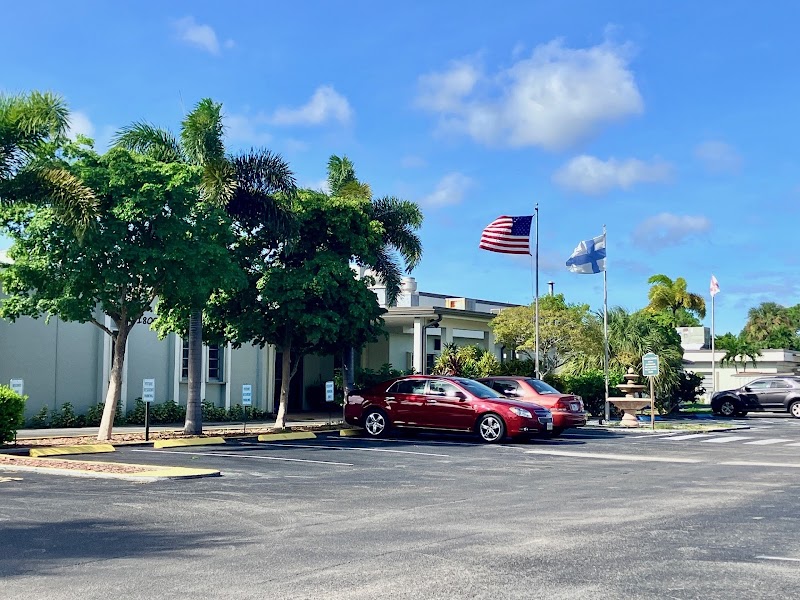
How is Finnish-American Village Staffed?

CMS rates FINNISH-AMERICAN VILLAGE's staffing level at 5 out of 5 stars, which is much above average compared to other nursing homes. Staff turnover is 27%, compared to the Florida average of 46%. This relatively stable workforce can support continuity of care.

What Have Inspectors Found at Finnish-American Village?

State health inspectors documented 11 deficiencies at FINNISH-AMERICAN VILLAGE during 2022 to 2025. These included: 11 with potential for harm.
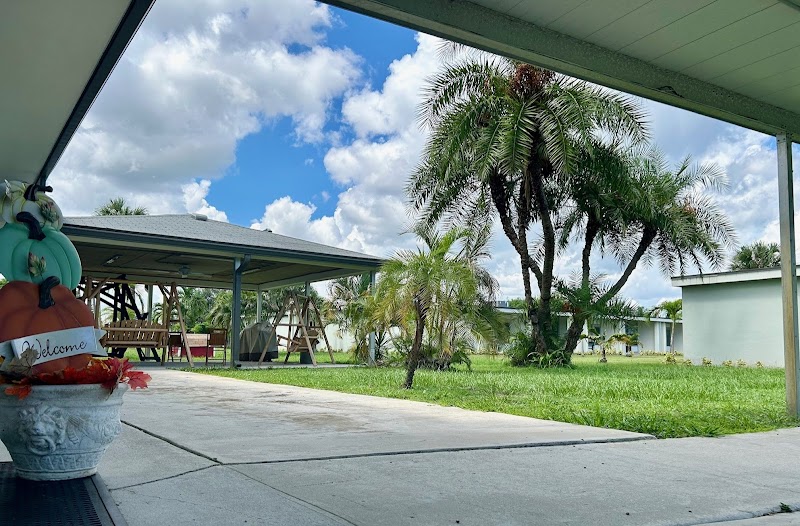
Who Owns and Operates Finnish-American Village?

FINNISH-AMERICAN VILLAGE is owned by a non-profit organization. Non-profit facilities reinvest revenue into operations rather than distributing to shareholders. The facility operates independently rather than as part of a larger chain. With 45 certified beds and approximately 41 residents (about 91% occupancy), it is a smaller facility located in LAKE WORTH, Florida.
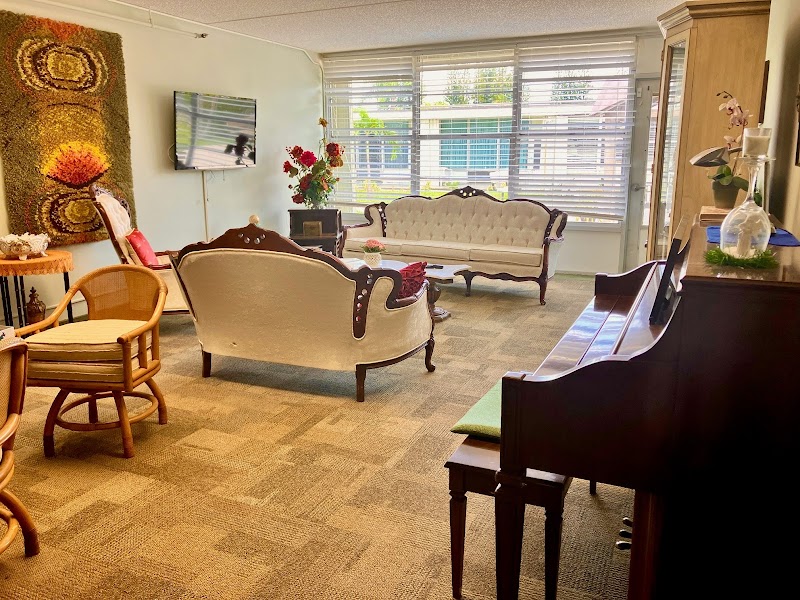
How Does Finnish-American Village Compare to Other Florida Nursing Homes?

Compared to the 100 nursing homes in Florida, FINNISH-AMERICAN VILLAGE's overall rating (5 stars) is above the state average of 3.2, staff turnover (27%) is significantly lower than the state average of 46%, and health inspection rating (4 stars) is above the national benchmark.

What Should Families Ask When Visiting Finnish-American Village?

Based on this facility's data, families visiting should ask: "Can I visit during a mealtime to observe dining assistance and food quality?" "How do you handle medical emergencies, and what is your hospital transfer rate?" "Can I speak with family members of current residents about their experience?"

Is Finnish-American Village Safe?

Based on CMS inspection data, FINNISH-AMERICAN VILLAGE has a clean safety record: no substantiated abuse findings (meaning no confirmed cases of resident harm), no Immediate Jeopardy citations (the most serious violation level indicating risk of serious injury or death), and is not on the Special Focus Facility watch list (a federal program monitoring the lowest-performing 1% of nursing homes). The facility has a 5-star overall rating and ranks #1 of 100 nursing homes in Florida. While no facility is perfect, families should still ask about staff-to-resident ratios and recent inspection results during their visit.

Do Nurses at Finnish-American Village Stick Around?

Staff at FINNISH-AMERICAN VILLAGE tend to stick around. With a turnover rate of 27%, the facility is 19 percentage points below the Florida average of 46%. Low turnover is a positive sign. It means caregivers have time to learn each resident's needs, medications, and personal preferences. Consistent staff also notice subtle changes in a resident's condition more quickly.

Was Finnish-American Village Ever Fined?

FINNISH-AMERICAN VILLAGE has been fined $9,471 across 1 penalty action. This is below the Florida average of $33,174. While any fine indicates a compliance issue, fines under $50,000 are relatively common and typically reflect isolated problems that were subsequently corrected. Families should ask what specific issues led to these fines and confirm they've been resolved.

Is Finnish-American Village on Any Federal Watch List?

FINNISH-AMERICAN VILLAGE is not on any federal watch list. The most significant is the Special Focus Facility (SFF) program, which identifies the bottom 1% of nursing homes nationally based on persistent, serious quality problems. Not being on this list means the facility has avoided the pattern of deficiencies that triggers enhanced federal oversight. This is a positive indicator, though families should still review the facility's inspection history directly.