YAMATO NURSING AND REHABILITATION CENTER
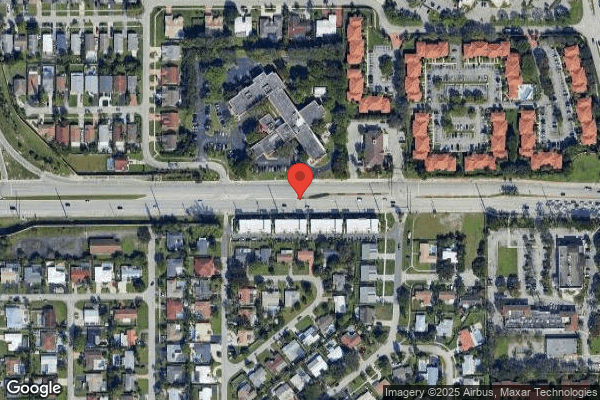
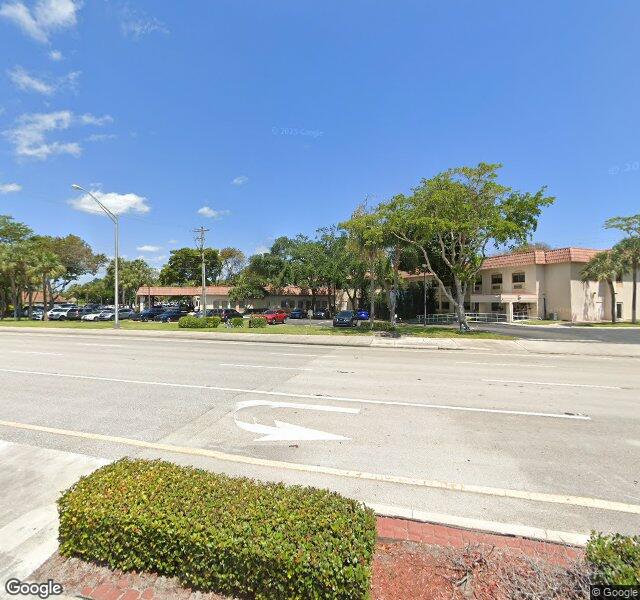
375 NW 51ST STREET, BOCA RATON, FL 33431 (561) 997-8111
For profit - Corporation 180 Beds EXCELSIOR CARE GROUP Data: November 2025
Trust Grade
55/100
#590 of 690 in FL
Last Inspection: July 2024

Within standard 12-15 month inspection cycle. Federal law requires annual inspections.

Overview

Yamato Nursing and Rehabilitation Center in Boca Raton has a Trust Grade of C, indicating it is average and falls in the middle of the pack among facilities. It ranks #590 out of 690 in Florida, placing it in the bottom half, and #50 out of 54 in Palm Beach County, meaning there are few better options nearby. The facility has a stable trend, with 10 issues reported in both 2023 and 2024. Staffing is a strength with a 4 out of 5 rating and an impressive 16% turnover rate, much lower than the state average, which suggests that staff are experienced and familiar with residents. However, there are concerns about food safety practices, including a cook failing to wash hands before handling clean utensils and issues with food storage and pest control, which highlight areas needing improvement.

Trust Score
C
55/100
In Florida
#590/690
Bottom 15%
Safety Record
Low Risk
No red flags
Inspections
Holding Steady
10 → 10 violations
Staff Stability
✓ Good
16% annual turnover. Excellent stability, 32 points below Florida's 48% average. Staff who stay learn residents' needs.
Penalties
✓ Good
No fines on record. Clean compliance history, better than most Florida facilities.
Skilled Nurses
✓ Good
Each resident gets 63 minutes of Registered Nurse (RN) attention daily — more than 97% of Florida nursing homes. RNs are the most trained staff who catch health problems before they become serious.
Violations
⚠ Watch
30 deficiencies on record. Higher than average. Multiple issues found across inspections.
★★☆☆☆
2.0
Overall Rating
★★★★☆
4.0
Staff Levels
★★★★☆
4.0
Care Quality
★★☆☆☆
2.0
Inspection Score
Stable
2023: 10 issues
2024: 10 issues

The Good

  • 4-Star Staffing Rating · Above-average nurse staffing levels
  • 4-Star Quality Measures · Strong clinical quality outcomes
  • Low Staff Turnover (16%) · Staff stability means consistent care
  • Full Sprinkler Coverage · Fire safety systems throughout facility
  • No fines on record
  • Staff turnover is low (16%)

    32 points below Florida average of 48%

Facility shows strength in staffing levels, quality measures, staff retention, fire safety.

The Bad

2-Star Overall Rating

Below Florida average (3.2)

Below average - review inspection findings carefully

Chain: EXCELSIOR CARE GROUP

Part of a multi-facility chain

Ask about local staffing decisions and management

The Ugly 30 deficiencies on record

Jul 2024 10 deficiencies
CONCERN (D)

Potential for Harm - no one hurt, but risky conditions existed

Resident Rights (Tag F0550)

Could have caused harm · This affected 1 resident

**NOTE- TERMS IN BRACKETS HAVE BEEN EDITED TO PROTECT CONFIDENTIALITY** 2) In an interview on 07/17/24 at 12:38 PM, Staff B, a Certified Nursing Assistant (CNA), explained that Resident #82 was in the...

Read full inspector narrative →
**NOTE- TERMS IN BRACKETS HAVE BEEN EDITED TO PROTECT CONFIDENTIALITY** 2) In an interview on 07/17/24 at 12:38 PM, Staff B, a Certified Nursing Assistant (CNA), explained that Resident #82 was in the recliner chair because she was going to the dining room. Staff B was asked if this resident usually eats in the dining room. She answered she was a floating CNA, and that this surveyor should ask the nurse. She added that the resident was in a group of people who eat in the dining room. The surveyor asked Resident #82 Do you want to eat in the dining room? Resident #82 answered, No, I like to eat in my room. When Staff B was asked if she understood this resident, Staff B responded yes. The surveyor looked at the CNA and asked Why is she going to the dining room if she wants to eat in her room? Staff B suggested the surveyor talk to the nurse. The CNA brought Resident #82 to the dining room for lunch. In an interview on 07/17/24 at 12:50 PM, the Unit Manager, Staff C was asked if Resident #82 usually eats in the dining room. Staff C said that this Resident was dependent on assistance for feeding and that she ate 1 meal, lunch, in the dining room on most days. Staff C checked a Dining Room List that was posted at the nurses' station ([NAME]). Staff C confirmed that Resident #82's name was listed on the dining room list. Staff C added They take her to the dining room except if she doesn't want to go, or if something prevented her from going. Staff C continued She's not cognitive enough to say if she wants to go or not. She doesn't normally refuse. They will tell her it's time to go to lunch. When asked if Resident #82 has problems with pain, Staff C responded: The nurse would have to assess non-verbal cues. In an interview on 07/17/24 at 03:10 PM the social worker, Staff A, was asked how she determined if a resident is appropriate to take a Brief Interview for Mental Status assessment (BIMS). She explained that she begins with the first question, and if the resident answers the question, then she continues with the BIMS assessment. This surveyor requested that Staff A attempt to perform a BIMS assessment on Resident #82. On 07/17/2024 at 3:15 PM, Staff A performed a BIMS assessment. The results showed a score of 6. When Staff A was asked if she understood what Resident #82 said, she answered yes. When Staff A was asked if Resident #82 understood what Staff A said, she answered yes. Based on observation, interview, and record review, it was determined that the facility failed to treat each resident with respect and dignity and care in a manner and in an environment that promotes maintenance or enhancement of quality of life that included; 1 (Resident #33) of 5 residents sampled for nutrition/dining and 1 (Resident #82) of 1 residents sampled for personal preferences. The findings included: 1) Observation conducted on 07/16/24 at 8 AM noted tray served to the room of Resident #33. Review of tray card documented Pureed/Carbohydrate Controlled/High Protein. Further observation of the meal noted that the CNA (Staff H) mixed the pureed Scrambled Eggs, Pureed Pancakes, and Pureed Cooked Cereal together into a homogenous mixture on the main entree plate. Staff H then proceeded to feed the dependent visually impaired resident the pureed food mixture. The surveyor questioned Staff H at the time of the observation why the pureed foods were mixed together and stated to the surveyor that the resident likes and requests all pureed foods to be mixed together. Interview with Resident #33 at the time of the feeding noted she she was not alert and would not answer the pureed food questions. Staff H continued to feed Resident #33 the pureed mixture even though the surveyor requested to the facility's Registered Dietitian that the resident be sent a new pureed breakfast tray. A second observation of the breakfast meal on 07/17/24 at 8:30 AM noted the tray served to the room of Residet #33. The breakfast tray served include Controlled /High Protein Diet. Continued observation noted that the CNA (Staff I ) was feeding the visually impaired resident. Further observation noted that Staff I did not mix the pureed foods together and fed the resident individually pureed portions. Staff I stated to the surveyor that she cares for and feeds Resident #33 on a daily basis and never mixes the resident's pureed foods together. She further stated Resident #33 has never requested the pureed foods to be mixed together on the main entree plate and that Staff H was incorrect about mixing pureed foods together. Staff I did stated that the resident does like the Nepro (liquid supplement) be mixed with the cooked cereal in the bowl for the breakfast meal. During the review of the clinical record of Resident #33, the following were noted: * Date of admission: [DATE] * re-admission: [DATE] * Diagnoses: ESRD/ Pneumonia Due to Inhalation of solids and liquids, Dysphagia, Diabetes. * Current MD Orders: 6/21/23 - Carbohydrate Controlled, High Protein Renal , Pureed Diet. 7/16/23 - Nepro BID - M/W/Sun. 7/16/23 - Nepro QD Tue, Thur, Sat. A review of MDS dated [DATE] noted the following: Section C : BIMS = 15 Section GG: Eating = Dependent on Staff * Review of the resident's weight history noted: 7/3/24 = 117.5# 6/3/24 = 117# 5/1/24 = 116# 4/5/24 = 115.7# 1/5/24 = 114.6 # BMI = 18.4 (underweight/malnourished) Height = 67 * Current Care Plan 5/15/24 noted: ADL Self Care: Assist with eating as needed and provide total feeding.
CONCERN (D)

Potential for Harm - no one hurt, but risky conditions existed

Deficiency F0552 (Tag F0552)

Could have caused harm · This affected 1 resident

**NOTE- TERMS IN BRACKETS HAVE BEEN EDITED TO PROTECT CONFIDENTIALITY** Based on observations, interviews and record review, the facility failed to inform a resident's guardian of proposed medical car...

Read full inspector narrative →
**NOTE- TERMS IN BRACKETS HAVE BEEN EDITED TO PROTECT CONFIDENTIALITY** Based on observations, interviews and record review, the facility failed to inform a resident's guardian of proposed medical care and treatment options in advance, to choose the option she prefers. This affected 1 of 1 resident reviewed for planning and implementing care with a resident representative (Resident #40). The findings included: Resident #40 was admitted to the facility on [DATE] with diagnoses that included Parkinson's disease, Chronic kidney disease, Other obstructive and reflux uropathy, Dementia, Bipolar disease and Schizophrenia. Review of the resident's face sheet indicated the resident had a legal guardian. The resident's Brief interview for mental status (BIMS) score was 8 on the admission Minimum Data Set (MDS) with an assessment reference date of 05/24/24. This indicated the resident had mild cognitive impairment. On 07/15/24 at 11:15 AM, an interview was conducted with Resident #40. The resident stated he wanted surgery for his left hip because he was having a lot of pain. He stated he was not sure if the surgery was already planned or not. The surveyor asked him if he still had a Foley catheter (an indwelling urinary catheter), and he stated he did but could not explain why he had the Foley catheter. He repeatedly asked about the hip surgery and when it was going to be done during the interview. Resident #40 was asked if he had seen a urologist for the Foley catheter and he was unable to recall if he did or not. Review of the medical record for Resident #40 revealed the resident was admitted to the facility with a Foley catheter. There were no urology visit notes in the medical record. An interview was conducted with the Infection Preventionist on 07/17/24 at 4:10 PM regarding the Foley catheter. The resident was admitted with ESBL (Extended-spectrum beta-lactamases) in the urine and had been on intravenous antibiotics so the Infection Preventionist had been aware the resident had a Foley catheter. ESBL infections are caused by bacteria that produce an enzyme called Extended-Spectrum Beta-Lactamase (ESBL). This enzyme makes the bacteria resistant to many common antibiotics, such as penicillins and cephalosporins. During the interview with the Infection Preventionist, she was asked if the resident had seen a urologist. She stated his physician said the Foley was chronic and the resident refused the urology consult. The surveyor asked if she had spoken to the physician and she stated the acting Director of Nurses (DON) spoke with him. The surveyor asked to speak with the acting DON and was told she had left for the day. A telephone call was placed to the acting DON on 07/17/24 at 4:38 PM. She stated she spoke with the resident's physician who stated the resident refused follow up appointments, and refused the urology consult. The surveyor asked the acting DON if the resident's guardian was aware of this and she said typically the guardian is aware and this would be documented under miscellaneous in the electronic medical record. The surveyor reviewed the miscellaneous record and there was no record that the guardian was informed of this. On 07/17/24 at 4:50 PM the Administrator handed the surveyor his phone that had the resident's physician on the line. The physician stated that the resident did not need any further treatment for the ESBL in the urine. He stated that the Foley catheter was removed in another facility he was in prior to this facility and he retained urine so the Foley was chronic. The resident initially refused hip surgery but now he agreed to it. A urology consult was postponed until after the hip surgery was done and the guardian was in agreement to this. A voicemail was left for the resident's guardian on 07/17/24 at 4:54 PM, 07/18/24 at 9:30 AM and 07/18/24 at 11:44 AM. She returned the call on 07/18/24 at 12:39 PM. She stated that no one in the facility told her that they were holding off on a urology consult until after the surgery. She stated that she was aware that the resident was planning to have hip surgery but was unaware that he refused a visit to urologist. She was also unaware that the physician said they are holding out on a urology consult until after the surgery. The guardian stated she would like the resident to see a urologist before the surgery and she will call and tell them and she will go to the appointment with him.
CONCERN (D)

Potential for Harm - no one hurt, but risky conditions existed

Deficiency F0676 (Tag F0676)

Could have caused harm · This affected 1 resident

**NOTE- TERMS IN BRACKETS HAVE BEEN EDITED TO PROTECT CONFIDENTIALITY** Based on observation , interview, and record review, it was determined that the facility failed to provide 2 (Resident #19, and ...

Read full inspector narrative →
**NOTE- TERMS IN BRACKETS HAVE BEEN EDITED TO PROTECT CONFIDENTIALITY** Based on observation , interview, and record review, it was determined that the facility failed to provide 2 (Resident #19, and #28) of five sampled residents for nutritional review with appropriate treatment and services to maintain or improve ability eat independently. The findings included: 1) During the observation of the breakfast meal on 07/17/24 at 8 AM, it was noted that the meal tray was served to the room of Resident #19. Continued observation noted that the resident was lying in bed and asleep, and the tray was just left on the resident's overbed table by the Certified Nursing Assistant (CNA). Observations conducted every five minutes from 8:05 AM through 8:40 AM noted no at no time staff entering the room to attempt to awaken the resident and to provide assistance with eating. During the 5 minute observations,specifically at 8:10 AM the resident was noted to be awake and pleasant and asked the surveyor to open the Nutritional Treat (Frozen Chocolate Supplement) that was on the tray and give to her with a spoon. The resident was noted to attempt to eat the frozen supplement while lying down in the bed. The resident appeared very hungry and tried to consume the supplement but spilled the majority onto the front of her night gown. Another observation conducted on 8:20 AM again noted the resident to state she is thirsty and requested the surveyor to open and served her Nectar thick Orange Juice. The surveyor opened the juice and the resident took it into her hand and attempted to drink but spilled the majority due to laying flat in the bed. The surveyor asked the resident if she would eat some of the hot pureed foods but the resident stated she did not like the pureed foods. On 07/17/24 at 8:45 AM, which was 40 minutes after the first meal observation of Resident #19, the meal tray was taken away from the resident with 0% meal intake. Following the observation the meal issues were discussed with the facility's Registered Dietitian who agreed with the surveyor's findings. Review of the clinical record noted the following: * Date of re-admission 3/31/23 * Diagnoses: COPD, Parkinson's Disease, Schizophrenia, Dementia, Dysphagia. * Current Physician Orders: 4/3/23 - Pureed/Enhanced/ Moderately Thick Liquids 4/3/23 - Nutritional Treat - Three Time per Day 6/21/24 - ProSource 30 ml Daily - Supplement Current MDS: dated 6/20/24 noted: Section C: BIMS = 00 Sec D : No response to Mood questions Section E: No Hallucinations, no Delusions , no Behaviors Sec GG: Eat = Requires Set up /Clean Up Sec K : No Swallow Disorder 66/108 # Therapeutic Diet Section M : NO Pressure Ulcer * Weight History: 7/8/24 = 105# 6/26/24 = 111 # 5/1/24 = 115 # 3/6/24 = 118# BMI = 16.9 Height = 66 Weight loss of 13 pounds in 4 months. * Review of Care Plan Review: Date 7/5/24 < Nutritional Status Actual /Pot Wt Loss -Parkinson's/Dementia Thickened Liquid Fluctuating Intake ADL Self Care- Assist with eating Assist with Eating * Nutrition Assessments: conducted on 4/3/23 Decrease in food intake Psychological Stress BMI less than 23 Dementia Score = 5 - Malnourished 2) Observation of the lunch meal conducted on 07/16/24 at 12:30 noted meal tray served to the room of Resident #28. Continued observation noted the CNA put the meal tray on the overbed table which was located on the right side of the resident. Only the lid was taken off the entree plate and staff left the room without supervision or assisting the resident to eat the lunch meal. Resident noted to not be able to reach the food tray located on the overbed table and was attempting eating with hands resulting in spilling of foods over the tray, floor and onto the resident. Meal tray taken away with the resident not receiving supervision or assistance with the meal. Resident consumed less than 25% of the lunch meal. Second observation of the breakfast meal on 07/17/24 at 8:30 AM noted the tray served to the room of Resident #28. The tray was put on top of the resident's overbed table which was located to the right side of the resident's bed. The lid taken off the main plate and staff left the resident to attempt to self feed. Further observation noted the alert resident struggling to eat independently and was noted to put the bowl of Cheerios (no milk) on her neck and drop pieces of the cereal into her mouth which resulted in the cereal spilling all over the resident. Further observation noted the resident attempting to eat foods from the main plate (eggs, toast) with hands and spilling over the floor and overbed table. The silver ware was noted to be out of reach for the resident to utilize to self feed. Resident in poor eating position throughout the meal. At 8:50 AM nursing staff was noted to take the breakfast tray away from the resident without the resident able to receive assist to complete the meal. The intake of the meal was noted to be less than 50%. During the meal observation the surveyor requested the facility's Registered Dietitian to view the resident during the meal. The Dietitian confirmed all the surveyor's findings and stated that the issue was unacceptable. Review of clinical record of Resident #28 noted the following: * Date Of admission: [DATE] 1/24/23 - Hospice * Diagnoses: ASHD, Parkinson's Disease, Muscle Wasting, Dementia * Current MD Orders: 0/12/22 - (revised 1/24/23) - No Added Salt - Enhanced Foods for Lunch & Dinner 9/16/23 - Nutritional Treat Daily 3/2/23 - Vitamin C 500 mg BID 3/2/23 - Zinc 50 mg BID - Wounds 3/28/24 - ProSource 30 ml Daily - Wound * Weight History: 7/15/24 = 99# 7/9 = 98# 5/2 = 103.8# 4/8/24 = 106.4# BMI = 19.3 Ht = 60 * Current MDS dated [DATE]: Section C : BIMS = 9 Section D : No Mood Issues Sec GG : Eating - Set Up with Assistance Sec K : NO Swallowing Disorder Height/Weight = 60/106# Sec M : Pressure Ulcer Present (1) - Stage III * Care Plan: Review dated 5/8/24 noted: Requires Assistance with eat - Position Resident Upright Set up Meal ** Provide assistance and encourage with feeding - Feed resident slowly
CONCERN (D)

Potential for Harm - no one hurt, but risky conditions existed

Quality of Care (Tag F0684)

Could have caused harm · This affected 1 resident

**NOTE- TERMS IN BRACKETS HAVE BEEN EDITED TO PROTECT CONFIDENTIALITY** Based on observation, record review and interview, the facility failed to ensure that a resident receives wound care/dressing ch...

Read full inspector narrative →
**NOTE- TERMS IN BRACKETS HAVE BEEN EDITED TO PROTECT CONFIDENTIALITY** Based on observation, record review and interview, the facility failed to ensure that a resident receives wound care/dressing changes consistent with professional standards of practice for 3 of 3 residents sampled for skin conditions review (Resident #12, #20 and #47) and failed to administer topical skin medication as per physician orders for Resident #12. The findings included: 1) Review of Resident #12's clinical record documented an admission on [DATE] with no readmissions. The resident diagnoses included Malignant Neoplasm Of Bladder, Neoplasm Of Uncertain Behavior of Skin, Personal History of Other Malignant Neoplasm of Skin, Allergic Contact Dermatitis, Blepharitis Left Eye, Upper and Lower Eyelids, Basal Cell Carcinoma of Skin of Other Part of Trunk, Basal Cell Carcinoma Of Skin Of Scalp And Neck, Methicillin Resistant Staphylococcus Aureus Infection-Unspecified Site. Review of Resident #12's Minimum Data Set (MDS) annual assessment dated [DATE] documented a Brief Interview of the Mental Status (BIMS) score of 14 indicating that the resident had no cognition impairment. The assessment documented under Functional Abilities and Goals that the resident was dependent on the staff for bathing and showering activities of the daily living (ADL's). On 07/15/24 at 10:05 AM, during an initial tour to the facility, observation revealed Resident #12 in bed. An interview was conducted with the resident who stated he had a rash and added the doctor wanted him to have some ointments put on and nothing had been done about it. The resident lifted up his gown and showed an undated foam dressing on his chest and stated it was put on yesterday (07/14/24). Observation revealed skin redness, straight lines, the resident stated he did not know what it was. On 07/16/24 at 8:31 AM, observation revealed Resident #12 in bed. An interview was conducted with the resident and showed the undated foam dressing on his chest continues in place. An interview was conducted with the resident and he stated he was not sure when the dressing was changed. On 07/17/24 at 11:08 AM, an interview was conducted with Staff M, Registered Nurse (RN) who stated Resident #12 went to a dermatologist appointment on 07/16/24 and that no new orders were received. Staff M stated he looked at the resident this morning and noticed dressing on his head, forehead and did not check his chest. A side by side review of the resident's clinical record was conducted with Staff M; the review revealed the resident had multiple skin treatments to be done on all shift, not a dressing change order noted. Staff M was apprised that Resident #12 had a dressing on his chest noted on 07/15/24 that was not dated. Staff M stated all dressings had to be dated. Subsequently, a side by side observation of Resident #12's skin was conducted with Staff M, RN. During the observation, Resident #12 stated the dermatologist changed his chest dressing on 07/16/24, the dressing was not dated. Staff M was asked to submit the dermatologist consult for 07/16/24. 2) Review of Resident #20's clinical record documented an admission on [DATE] with no readmissions. The resident diagnoses included Metabolic Encephalopathy, Protein-Calorie Malnutrition, Heart Failure and History of Falling. Review of Resident #20's MDS quarterly assessment dated [DATE] documented a BIMS score of 0 indicating that the resident had severe cognition impairment. The assessment documented under Functional Abilities and Goals that the resident was dependent from the staff to complete most activities of daily living. On 07/15/24 at 10:02 AM, observation revealed Resident #20 being wheeled by Staff C, Unit Manager (UM). The resident was confused, calling mama, mama. The resident was not interviewable. Further observation revealed the resident had an uncovered skin tear to her right forearm. On 07/16/24 at 10:17 AM, observation revealed Resident #20 sitting at the edge of the bed with an undated dressing to her right forearm. The resident was confused. On 07/17/24 at 10:47 AM, a side by side observation of Resident #20 was conducted with Staff M, RN. Observation revealed the resident in bed, lying over her right side, right arm had a loose and undated dressing. The dressing had a small amount of serous sanguinolent secretions, the open skin was touching the sheet. During the observation, Staff M stated he was aware of the resident's skin tear to the right arm, it happened about a week ago, the resident was agitated and was banging her arms. Staff M added that he believed the evening shift did the dressing change. Staff M stated the dressing was supposed to be dated. Resident #20 asked to go to the bathroom, observation noted an offensive urine like odor and the resident's sheet right sided where she was lying on had a mark of possible urine. Staff M confirmed a strong urine like odor in the room and the sheet mark was urine. On 07/17/24 at 11:04 AM, an interview was conducted with Staff O, Certified Nursing Assistant who stated she had not done Resident #20's care yet but changed her brief earlier. Staff O did not know if the resident had a dressing on her arm or not. Observation revealed Staff O transporting the resident into the bathroom for care with her skin tear uncovered, no dressing noted. On 07/17/24 at 11:06 AM, a side by side review of Resident #20's clinical record was conducted with Staff M who stated a documented physician order dated 07/09/24 as Right Forearm open skin: cleanse with normal saline, pat dry, apply xeroform and cover with dry dressing every day shift Tuesday, Thursday, Saturday for 14 days On 07/17/24 at 12:14 PM, observation revealed Resident #20 wheeling herself down the hallway, yelling mama and bleeding from her undressed right arm skin tear. Observation revealed a Dietary staff walking by who stated she (resident #20) is bleeding. Surveyor asked the administrator who was nearby to call the wound care nurse. The resident skin tear was undressed since side by side observation with Staff M at 10:47 AM. 3) Review of Resident #47's clinical record documented an admission on [DATE] with no readmissions. The resident diagnoses included Muscle Wasting and Atrophy, Diabetes Mellitus Type II, Anxiety Disorder, Heart Failure, Peripheral Vascular Disease, Acquired Absence of Left Leg above knee, and Alzheimer's Disease. Review of Resident #47's MDS quarterly assessment dated [DATE] documented a Brief Interview of the Mental Status (BIMS) score of 4, indicating that the resident had severe cognition impairment. The assessment documented under Functional Abilities and Goals that the resident needed partial to moderate assistance from the staff to complete the activities of daily living. Review of Resident #47's physician orders lacked a written order for skin dressings. Review of Resident #47's nursing note dated 06/13/24 documented .writer noticed skin tear while Aide was changing Pt (patient). Writer asked Pt if she was ok and asked Pt what happened and Pt stated, I don't know. Writer asked Pt if she knew when skin tear occurred and Pt stated today .Writer cleaned up skin tear and applied a bordered dressing. Call placed to Doctor (name) and no new orders were given. On 07/15/24 at 11:41 AM, observation revealed Resident #47 sitting up in a wheelchair by the activities lounge and had two undated dressings on her right lower leg. The resident was answering Yes and No to questions asked. On 07/17/24 at 9:25 AM, entered Resident #47's room with Staff K, Licensed Practical Nurse (LPN). Observation revealed Resident #47 was in bed lying over her left side with her right leg hanging down from the edge of the bed. Further observation revealed the resident had one undated foam dressing to her right lower leg and one undated foam dressing to her right elbow. An interview was conducted with Staff P, CNA who stated the resident had a skin tear. On 07/17/24 at 9:41 AM, a joint interview was conducted with Staff K, LPN and Staff P, CNA. Staff K was asked about Resident #47's dressing on her right lower leg and right elbow and replied she did not know why the resident had those dressings. Staff P stated she saw the dressing on Sunday, her last day working with the resident and added the resident had fragile skin. Staff K stated the dressings should be dated. Staff K confirmed Resident #47's undated dressing to right lower leg and right arm close to the elbow. Staff K was asked to call the wound care nurse (WCN). On 07/17/24 at 9:55 AM, a side by side review of Resident #47's clinical record was conducted with Staff K, LPN who stated the resident usually has skin tears, added she did the last nursing note on file on 06/13/24 and documented the resident's right lower leg skin tear, added she call the doctor and no new orders were given. Staff K was asked for the facility protocol/policy regarding what to do when a resident sustained a skin tear and replied they will clean it with normal saline solution, put a xeroform and bordered dressing, then the WCN was supposed to come and look at it. Staff K was asked who will put the skin tear dressing changes order in the record and stated usually the WCN put the treatment on the TAR (treatment administration record). Staff K was asked to pull up Resident #47's TAR for dressing changes to skin tears and stated she did not see one, stated the resident did not have a physician order for wound/dressing care. Staff K stated she was not given report about the resident dressing. On 07/17/24 at 10:01 AM, while Staff K and surveyor were walking towards Resident #47's room, observation revealed the facility's administrator, the Regional Nurse and Staff L, Unit Manager coming out of Resident #47's room. Consequently, a joint interview was conducted with the administrator, the Regional Nurse, Staff L and Staff K. The Regional Nurse stated that they were informed about the resident dressing and came to look at it. Staff K assigned nurse stated she informed Staff L that the resident had undated dressings. Observations revealed Resident #47's dressings were removed. Staff L stated she removed the dressings to see what was underneath. Staff L was asked what was underneath and stated nothing. A side by side observation of Resident #47's right lower leg and right forearm was conducted with Staff L, UM, Staff K, LPN, and Regional Nurse. The observation revealed Resident #47 had a skin tear on her right forearm, and dry skin on her right lower leg. Staff L stated the right arm skin tear was probably when they pulled the dressing off. They were all informed that Resident #47 had an undated dressing on her right lower leg observed since 07/15/24 with no evidence of a written physician orders on file. On 07/18/24 at 10:42 AM, during an interview, the WCN stated that residents skin tear care was done by the floor nurses and that she was not aware of Resident #47's dressings. 4) Review of Resident #12's clinical record documented an admission on [DATE] with no readmissions. The resident diagnoses included Neoplasm Of Uncertain Behavior of Skin, Personal History of Other Malignant Neoplasm of Skin, Allergic Contact Dermatitis, Blepharitis Left Eye, Upper and Lower Eyelids, Basal Cell Carcinoma of Skin of Other Part of Trunk, Basal Cell Carcinoma Of Skin Of Scalp And Neck, Methicillin Resistant Staphylococcus Aureus Infection-Unspecified Site. Review of Resident #12's physician orders documented the following topical skin medications: - Aveeno Anti-Itch External Lotion 1-3 % (Pramoxine-Calamine) Apply to Body topically every 8 hours as needed for Contact Dermatitis Avoid Fragrances or harsh chemicals-dated 11/22/23. - Triamcinolone Acetonide External Cream 0.1 % (Triamcinolone Acetonide (Topical) Apply to chest topically every day and evening shift for Rash- dated 11/30/23. - Hibiclens External Liquid 4 % (Chlorhexidine Gluconate) Apply to scalp of head and trunk topically every day shift for Dry Scalp please wash scalp and trunk daily- dated 02/21/24. - Mupirocin External Ointment 2 % (Mupirocin). Apply to nose and right neck topically two times a day for rash- dated 03/14/24. - Triamcinolone Acetonide Cr 0.1 % w/Ketoconazole Cr 2% (1:1) Cream 0.1 % Apply to Trunk and arms topically two times a day for red rash - dated 03/18/24. - Hibiclens External Liquid (Chlorhexidine Gluconate). Apply to skin topically one time a day for scabs wash skin daily with hibiclens, avoid eyes and mucous membranes-dated 04/03/24. On 07/15/24 at 10:05 AM, during an initial tour to the facility, observation revealed Resident #12 in bed. An interview was conducted with the resident who stated he had a rash and added the doctor wanted him to have some ointments put on and nothing had been done about it. The resident lifted up his gown and showed an undated foam dressing on his chest and stated it was put on yesterday (07/14/24). Observation revealed skin redness, straight lines, the resident stated he did not know what it was. The resident's scalp had some skin opening with some secretions oozing from it, no dressing on scalp noted. On 07/17/24 at 11:08 AM, an interview was conducted with Staff M, Registered Nurse (RN) who stated Resident #12 went to a dermatologist appointment on 07/16/24 and that no new orders were received. Staff M stated he looked at the resident this morning and noticed dressing on his head, forehead and did not check his chest. A side by side review of the resident's clinical record was conducted with Staff M; the review revealed the resident had multiple skin treatments to be done on all shift. Staff M stated he was applying some ointment to the resident skin. Subsequently, a side by side observation of Resident # 12's skin was conducted with Staff M, RN. During the observation, Resident #12 stated the dermatologist will fax new orders. Staff M stated he had not seen any new orders from the dermatologist and added that the night shift nurse told him there were no new orders. Observation revealed the resident had no dressing on his scalp, skin opening on top of his head noted with some ointment like on it, one undated dry dressing on his right lower cheek, and an undated sterile dressing on his chest. Subsequently, an interview was conducted with Resident #12 who stated he went to the Dermatologist yesterday (07/16/24) who was very upset because the staff did not put his ointment on as he wanted. The resident stated the dermatologist changed his current chest dressing. Staff M lifted up the chest dressing and two small open skin were observed. The resident stated they have to put an ointment on it. The resident stated again the staff was not putting his ointment on as the doctor wants. On 07/17/24 at 11:20 AM, a side by side review of Resident #12's topical ointments located in the treatment cart was conducted with Staff M, RN. The cart contained the following for topicals labeled for Resident #12: *one (1) undated and opened tube for Gentamicin sulfate 0.1%, the pharmacy label was dated 05/26/24 and read apply to scalp, face two (2) times a day, and abdomen topically. The tube was half full. *one (1) opened Gentamicin sulfate ointment 0.1% tube dated 05/22/24, the pharmacy label dated 05/21/24 (same directions as above). The tube was half full. *one Hibiclens-Chlorhexidine Gluconate solution 4% skin cleanser unopened bottle, with a pharmacy label directions that read apply to skin topically one time a day for scabs wash skin daily, pharmacy label was dated 05/20/24. During the observation, Staff M stated he used the green generic Hibiclens-Chlorhexidine Gluconate solution 4% skin cleanser, not the one the pharmacy sent and pointed to a Hibiclens bottle with an expiration date on 06/2024. The bottle was almost full and was not dated with the opening date. Further review revealed no evidence of Mupirocin External Ointment 2%, Triamcinolone Acetonide External Cream 0.1% or Aveeno anti-itch External lotion 1-3%, prescribed medications for Resident #12 in the treatment cart. Staff M confirmed the findings. On 07/17/24 12:11 PM, an interview was conducted with the Acting DON who was apprised of Resident #12's Aveeno, Mupirocin and Triamcinolone not readily available for the resident. The Acting DON was showed the almost full opened bottle of Hibiclens skin cleanser from the pharmacy. Review of Resident #12's dermatologist's letter dated 05/09/24 documented .please follow instructions regarding regular Hibiclens washes daily to scalp and trunk .use Triamcinolone to rash on trunk as instructed on prescription . Review of Resident #12's dermatologist's consult note dated 05/09/24 documented .the patient has chronic MRSA affecting scalp and it seems that despite instructions to his facility to apply gentamicin twice daily and to wash the scalp with Hibiclens, nothing is being done, and it has started crusting and oozing significantly again .bacterial infection-mid-parietal scalp . Review of Resident #12's dermatologist's consult note dated 07/16/24 documented .he (resident) is meant to have gentamicin ointment placed on the healing sores on the scalp and it was ordered to have the scalp washed with Hibiclens but yet again neither is being done .history of squamous cell carcinoma on .scalp .right lateral chest .it is unclear what the facility is doing at present to clean his trunk .
CONCERN (D)

Potential for Harm - no one hurt, but risky conditions existed

Pressure Ulcer Prevention (Tag F0686)

Could have caused harm · This affected 1 resident

**NOTE- TERMS IN BRACKETS HAVE BEEN EDITED TO PROTECT CONFIDENTIALITY** Based on review of policy and procedure, record review, observation, and interview, the facility failed to prepare an appropriat...

Read full inspector narrative →
**NOTE- TERMS IN BRACKETS HAVE BEEN EDITED TO PROTECT CONFIDENTIALITY** Based on review of policy and procedure, record review, observation, and interview, the facility failed to prepare an appropriate environment for Wound Care for 1 of 1 sampled residents observed, Resident #108. The findings included: Review of the facility policy and procedure on 07/17/24 at 11:45 AM titled, Dressings, Non-Sterile provided by the Director of Nursing (DON) reviewed April 2019, documented in the Policy Statement: This procedure may involve potential/direct exposure to blood, body fluids, infectious diseases, air contaminants, and hazardous chemicals Purpose: The purposes of this procedure are to provide guidelines for non-sterile dressing changes to protect wounds from injury and to prevent the introduction of bacteria .Steps in Procedure 2. Assemble all necessary equipment and supplies to perform the procedure and take them to the resident's room .5. Place equipment on the bedside stand or overbed table. Arrange the supplies so that they can be easily reached 15. Observe the wound and surrounding skin . Resident #108 was admitted to the facility on [DATE] with diagnoses which included Pressure Ulcer. He had a Brief Interview Mental Status (BIM) score of 00 (cognition severely impaired). On 07/16/24 the physician's order documented for Sacral wound care: to clean with normal saline, apply Dakin's solution 0.25% to a moistened gauze and cover with a dry 4 x 4 dressing every day. Care plans dated 06/05//23 for Chronic Sacral ulcer and the care plan for at risk for alteration in skin integrity related to: impaired mobility, incontinence, malnutrition, skin failure and wounds documented to provide preventative skin care routinely and as needed PRN as an intervention with the goals to decrease/minimize skin breakdown risks with continued signs of healing. On 07/17/24 at 10:16 AM, an observation was conducted of a dressing change to the sacrum Stage IV (admitted with) for Resident #108. Resident #108 was re-admitted to the facility on [DATE]; this wound care was performed by the Registered Nurse (RN)/Wound Care Nurse (WCN). Resident #108 was observed lying down in bed, at the time. The WCN retrieved a gown from her wound care cart. Resident #108 provided permission for this Surveyor to observe the wound care. The WCN checked the order and verified the resident's identity. She then prepared her supplies and placed them on the cleaned/covered bedside table after sanitizing her hands. The WCN then washed her hands. However, the WCN did not place a clean barrier down between Resident #108's skin and the dirty/contaminated brief and bed sheets, prior to beginning the dressing change. Resident #108 was already observed by this Surveyor as having a small amount of bowel movement (BM), which had already oozed out of the resident's rectum and which continued to slowly ooze out, just inches away from the Resident #108's exposed wound area, prior to and during the wound care. Nevertheless, the WCN continued to proceed with the resident's wound care without first temporarily covering up the wound with a clean dressing, cleaning up the resident's BM and then going back to change Resident #108's wound dressing, to avoid cross-contamination. Next, the WCN donned a pair of clean gloves then proceeded to remove the old dressing from the sacrum and washed her hands again. The nurse was assisted with the wound care by the DON. The wound is located on Resident #108's sacrum; it was (clean) in appearance. Next, the WCN cleansed the area (from the inner to the outer edges) with normal saline, after she sanitized her hands and donned a clean pair of gloves. The WCN then applied the Dakin's solution 0.25% with a moistened gauze cover and she then applied a dry 4x4 dry dressing. Lastly, the WCN dated the dressing and re-applied Resident #108's brief. The initial sacral wound measurements were: 1.5 cm depth tunneling at 0.5 cm with 10% slough 90% granulation per the previous Wound Care Nurse on 10/04/23. Record review of the skin assessment revealed that on 07/02/24, the sacral wound measurements were: 2.2 x 0.6 x 0.1 cm (centimeters). However, further record review of the skin assessment revealed that on 07/09/24, the sacral wound measurements were increased to 2.5 x 1.5 x 0.2 cm; a slight worsening/increase in the size of the wound bed over a period of one (1) week; without debridement. The BM was not cleaned off Resident #108's skin area, until after surveyor intervention. On 07/17/24 at 10:57 AM, an interview was conducted with both the WCN and the DON regarding Resident #108 receiving a wound care dressing while currently having a bowel movement, with no clean barrier placed between the resident's wound and the resident's dirty/contaminated brief and bed sheets. Both the WCN and the DON, acknowledged that a clean barrier should have been placed down first and that Resident #108 should have been cleaned appropriately, prior to the start/continuation of wound care; this was not done.
CONCERN (D)

Potential for Harm - no one hurt, but risky conditions existed

Deficiency F0761 (Tag F0761)

Could have caused harm · This affected 1 resident

**NOTE- TERMS IN BRACKETS HAVE BEEN EDITED TO PROTECT CONFIDENTIALITY** Review of the un-dated facility policy and procedure on 07/17/24 at 2:05 PM titled, Medication Preparation for Dispensing provid...

Read full inspector narrative →
**NOTE- TERMS IN BRACKETS HAVE BEEN EDITED TO PROTECT CONFIDENTIALITY** Review of the un-dated facility policy and procedure on 07/17/24 at 2:05 PM titled, Medication Preparation for Dispensing provided by the Director of Nursing (DON) documented in the Policy Statement: All medications will be prepared .and administered in a manner consistent with the general requirements outlined in this policy. Procedure: A. 3. Prepare medications for one customer at a time only .Medication Administration: .J. 3. Medications are administered in a timely fashion as specified by policy K. 2. Dispose of wasted medication per policy . 4) Resident #39 was admitted to the facility on [DATE] with diagnoses which included Displaced Subcapital Fracture of the Right Hip with Right Bipolar Hemiarthroplasty done, Anemia, Muscle Wasting and Atrophy of the Right and Left Thigh, Gastroesophageal Reflux Disease, Hypertension, Recurrent Depressive Disorders, Adult Failure to Thrive and Dementia. He had a Brief Interview Mental Status (BIM) score of 3 (severely impaired). During a Medication Storage Observation conducted on 07/17/24 at 1:23 PM, with both the Director of Nursing (DON) and with Staff J, a Licensed Practical Nurse (LPN), it was noted that there were two (2) separate cups of previously pre-poured/prepared and un-packaged, medications found stored in the top drawer of the Williamsburg medication cart containing various different pills. The first medication cup had a hand-written room number on the side which, according to Staff J, was for Resident #39 in which there were fourteen (14) morning medications: Potassium Chloride ER oral tablet extended release 20 milliequivalents (meq) to be given one (1) tablet by mouth one time a day for Hypokalemia, Sennosides tablet 8.6 mg to be given two (2) tablets by mouth one time a day for Constipation, Multivitamin with Minerals oral tablet to be given one (1) tablet by mouth one time a day for Nutrition Support, Ferrous Sulfate oral Tablet 325 mg to be given one (1) tablet by mouth one time a day for Anemia, Sertraline HCl oral tablet 25 mg by mouth one (1) time a day for Depression, Finasteride oral Tablet 5 mg by mouth one time a day for Benign Prostatic Hypertrophy, Aspirin oral Tablet 325 mg to be given by mouth one time a day for pain, Memantine HCl oral tablet 10 mg by mouth two (2) times a day for Dementia, Docusate Sodium oral capsule 100 mg to be given by mouth two (2) times a day for Constipation, Famotidine oral tablet 20 mg by mouth two (2) times a day for Gastroesophageal Reflux Disease, Vitamin C/Ascorbic Acid oral tablet to be given 500 mg by mouth one (1) time a day for Supplement, Calcium Carbonate 600 oral tablet to be given one (1) tablet by mouth one time a day for Hypocalcemia, Potassium oral tablet to be given 20 milliequivalents (meq) by mouth two (2) times a day for Hypokalemia, and Allopurinol oral tablet to be given 300 mg by mouth one time a day for Gout. On 07/17/24 the Medication Administration Record (MAR) for Resident #39 documented that all fourteen (14) of the above oral morning medications had been due for administration previously for 10 AM. 5) Resident #108 was admitted to the facility on [DATE] with diagnoses which included Idiopathic Normal Pressure Hydrocephalus, Dysphagia, Sarcopenia, Unspecified Hydronephrosis, Anemia, Pressure Ulcer and Recurrent Depressive Disorder. He had a Brief Interview Mental Status (BIM) score of 00 (cognition severely impaired). The second medication cup had a hand-written room number on the side which, according to Staff J, was for Resident #108 in which there were nine (9) morning medications: Actigall/Ursodiol oral capsule 300 MG to be given by mouth one (1) time a day for Gallstones, Zenpep/Pancrelipase-Lipase-Protease-Amylase oral capsule delayed release articles 25000-79000 units to be given one (1) capsule by mouth before meals related to Gastroesophageal Reflux Disease without Esophagitis, Hiprex/Methenamine Hippurate oral tablet one (1) gm to be given one (1) tablet by mouth two (2) times a day for Recurrent Urinary Tract Infection, Docusate Sodium liquid 50 mg/5ml to be given 10 ml by mouth one (1) time a day for Constipation, Multivitamin with Minerals oral tablet to be given one (1) tablet by mouth one (1) time a day for Nutrition Support, Vitamin D/ Cholecalciferol oral tablet 50 mcg (2000 Units) to be given one (1) tablet by mouth one (1) time a day for Supplement, Zinc oral tablet 50 mg to be given 50 mg by mouth one (1) time a day for Sacral wound, Pantoprazole Sodium tablet delayed release 40 mg to be given 40 mg by mouth two (2) times a day for Gastroesophageal Reflux Disease, and Vitamin C/Ascorbic Acid oral tablet to be given 500 mg by mouth two (2) times a day for Sacral wound. On 07/17/24 the Medication Administration Record (MAR) for Resident #108 documented that all nine (9) of the above oral morning medications had been due for administration previously for 10 AM. Staff J, a Licensed Practical Nurse (LPN), stated to this Surveyor during a brief interview on 07/17/24 at 1:18 PM, in both instances, that she had been keeping/storing the oral pill medications there in the locked medication cart so that she could administer them individually, to both of the residents later since both residents had initially refused the medication dosage, when offered earlier. The DON further recognized and acknowledged that on 07/17/24 at 1:23 PM the medications stored in the Williamsburg medication cart #1 should not have been pre-poured/pre-pared for the residents and should have been promptly discarded when refused by the residents; this was not done. Based on observation, interview and review of policy and procedure, the facility failed to: to discard expired medications and tube feeding formula observed during a medication storage review for 2 of 4 medication storage review; to discard an opened, unlabeled and expired bottle of Hibiclens skin care solution for Resident #12' skin care; to label an opened and undated tube of hydrocortisone cream and Therahoney gel and failed to properly secure medication for Residents #39 and #108 during a medication storage review for 1 of 4 medications cart. The findings included: Review of the facility's policy provided by management titled, Storage of Medications no effective or revised date noted documented .no discontinued, outdate, or deteriorated drugs or biologicals are available for use in this center. All such drugs are destroyed . 1) On 07/16/24 at 3:29 PM, a side by side review of the facility's medication room in the Cambridge unit was conducted with Staff C, Unit Manager (UM). The review revealed the following expired items: One (1) bottle of 100 tablets of Aspirin 325 milligrams (mg) with an expiration date on 01/2024. One (1) bottle of 100 tablets of Bisacodyl (stool softener) with an expiration date on 01/2024. One (1) opened and unlabeled ¾ bottle of Milk of Magnesium. Twelve (12)- 237 millimeters (ml) containers of Osmolite (a tube feeding formula) with an expiration date on January 2024. During the review, Staff C stated that the nurses were supposed to check for expiration dates. On 07/18/24 at 11:45 AM, an interview conducted with the Dietitian revealed Resident #50 was receiving Osmolite formula bolus feedings four times a day via a tube feeding. 2) On 07/16/24 at 3:35 PM, a side by side review of the facility's medication room in the [NAME] unit was conducted with Staff L, UM. The review revealed two (2) 1500 ml of Glucerna 1.2 cal (tube feeding formula) with an expiration date on 01/06/24. During the review, Staff L stated Resident #110 currently receiving Glucerna 1.2 cal at 45 ml per hour via a tube feeding. Staff L stated they were responsible to check the medications in the medication room for expiration dates and central supply was checking on the tube feeding formulas expiration dates. 3) On 07/17/24 at 11:10 AM, a side by side review of the facility's Cambridge treatment cart was conducted with Staff M, Registered Nurse (RN). The review revealed the following: *one (1) opened, unlabeled and undated generic Hibiclens-Chlorhexidine Gluconate solution 4% skin cleanser with an expiration date on 06/2024. The bottle was almost full. *one opened, unlabeled and undated, tube of Hydrocortisone 1% cream. *one opened, unlabeled and undated Therahoney gel tube. During the review, Staff M stated he used the green generic Hibiclens-Chlorhexidine Gluconate solution and pointed to the expired bottle. Staff M stated all opened tubes, bottle in the cart must be dated with an opening date. On 07/17/24 at 12:19 PM, an interview was conducted with the Director of Nursing (DON) who stated an opened ointment tube should be dated and can be used for multiples residents. The DON was apprised of Resident #12's expired Hibiclens and the undated hydrocortisone cream and Therahoney tube in the treatment cart.
CONCERN (D)

Potential for Harm - no one hurt, but risky conditions existed

QAPI Program (Tag F0867)

Could have caused harm · This affected 1 resident

Based on observations, interview and record review, the facility's Quality Assurance and Performance Improvement Activities (QAPI) failed to demonstrate effective plan of actions were implemented to c...

Read full inspector narrative →
Based on observations, interview and record review, the facility's Quality Assurance and Performance Improvement Activities (QAPI) failed to demonstrate effective plan of actions were implemented to correct identified quality deficiencies in the problem area as evidenced by repeated deficient practices for F584, safe, clean, comfortable, homelike environment; and F 812 food procurement, store, prepare and serve. These repeated deficient practices have the potential to affect all 159 residents residing in the facility at the time of this survey. The findings included: Review of the facility's survey history revealed the facility was cited F584 during the Recertification and Relicensure survey with exit dates of 04/2019, 01/2021, 01/2022 and 04/19/23. F812 was cited during the Recertification and Relicensure survey with exit dates of 1/2021, 01/2022, 04/19/23. During an interview with the facility's Administrator on 07/18/24 at 2:30 PM, the Administrator was apprised that these 2 deficiencies will be cited again on this current survey. The Administrator stated he will be working to remedy this.
CONCERN (E)

Potential for Harm - no one hurt, but risky conditions existed

Safe Environment (Tag F0584)

Could have caused harm · This affected multiple residents

**NOTE- TERMS IN BRACKETS HAVE BEEN EDITED TO PROTECT CONFIDENTIALITY** Based on observation and interview it was determined that the facility failed to provide housekeeping and maintenance services n...

Read full inspector narrative →
**NOTE- TERMS IN BRACKETS HAVE BEEN EDITED TO PROTECT CONFIDENTIALITY** Based on observation and interview it was determined that the facility failed to provide housekeeping and maintenance services necessary to maintain a sanitary, orderly, and comfortable interior for 4 of 4 residential areas that included: Williamsburg Unit, [NAME] Unit, Cambridge Unit, and [NAME] Unit. The findings included: 1) During the initial environment tour conducted on 07/16/24 at 1:30 PM and accompanied with the Administrator and Corporate Maintenance Director, the following were noted: (a) Williamsburg Unit: Soiled Utility Room - The specimen refrigerator was noted to have a large build-up of ice. It was discussed with the Administrator that the unit was not being defrosted on a regular basis and could result in inaccurate lab analysis of specimens. room [ROOM NUMBER] - The room windows were visibly soiled. room [ROOM NUMBER] - The room windows were visibly soiled. room [ROOM NUMBER] - The window screen was noted to have a large tear (12 X 12). Hallway: One of one wall mounted light fixture was broken and was falling off of the wall. Community Shower #2 - The room floor was heavily soiled, and a broken wall electrical cover. Laundry Chute Room - The laundry catch cart located at the bottom of the chute was noted to be overflowing with non -bag soiled resident linens. Further noted that many of the soiled linens were located on the floor of the room. The administrator stated that the soiled laundry needs to picked up more frequently. The ceiling vent was noted to be heavily dust laden. (b) [NAME] Unit: Pantry: The door gaskets of the refrigerator (freezer/refrigerator were heavily soiled and evidence of dead insects. Unidentified large containers (2) of frozen foods failed to be labeled. Following the 07/16/24 observation the findings were again reviewed confirmed with the Administrator. 2) During a second environment observation tour conducted on 07/17/24 at 1 PM with the Corporate Maintenance Director the following were noted: (c) Cambridge Unit: Cambridge Hallways : The exteriors of the wall mounted hand rails and wall mounted chair rails were heavily worn and areas of peeling paint. The areas included the 3 hallways located on the Cambridge Unit (Rooms #200 through #248). Community Shower #1: Missing privacy curtain, broken ceiling light cover, and exterior of entry/exit door was worn and in disrepair. Trash/Laundry Chute Room - The ceiling vent was soiled and dust laden, and ceiling tiles (x 2) discolored and evidence of a roof leak. room [ROOM NUMBER] - Exterior of room entry door was damaged and in disrepair. room [ROOM NUMBER] - Exterior of room entry door was damaged and in disrepair. room [ROOM NUMBER] - Room windows (X 3) noted to be heavily soiled and unable to view through the windows. (d) [NAME] Unit: [NAME] Hallway - The exterior of the wall mounted handrails and wall mounted chair rails were heavily worn and areas of peeling paint. The areas included the one hallway ( Rooms #249 through #267). Pantry: The ceiling vent was dirt/dust laden, refrigerator interior soiled, and exterior of entry/exit door was damaged and in disrepair. Lounge/Dining Room - Large holes in window screens (x 3) , and window surfaces were soiled (x 6). Following the 07/17/24 observation tour the findings were reviewed and confirmed with the Administrator.
CONCERN (E)

Potential for Harm - no one hurt, but risky conditions existed

Food Safety (Tag F0812)

Could have caused harm · This affected multiple residents

Based on observation and interview it was determined that the facility failed to store, prepare, distribute and serve food, in accordance with professional standards for food service safety for potent...

Read full inspector narrative →
Based on observation and interview it was determined that the facility failed to store, prepare, distribute and serve food, in accordance with professional standards for food service safety for potentially 153 of the facility's 159 residents. The findings included: During the initial Dietary/Food Service Observation Tour conducted on 07/15/24 at 9:15 AM and accompanied with the facility's Corporate Food Service Director (CFSD), the following were noted: a) The door gasket of the walk-in refrigerator was torn and not attached properly, the entry door was noted to have a large area of peeling paint, and a rack of cooked foods that included chicken , pasta, and pies was not properly covered and the foods were exposed to the air. It was discussed with the CFSD that the door gasket must be properly attached to maintain refrigeration temperature, and there was a potential of peeling paint to contaminate foods. b) Observation of the Ice Cream Freezer noted a heavy build-up of ice on all interior walls, the door gasket was heavily soiled, and a thermometer could not be located within the unit. It was discussed with the CFSD that the unit was not being properly maintained and that a working thermometer is required inside the unit at all times. c) Observation of the Dry Goods Storage Room was noted to have 1/1 can storage rack that was heavily soiled and not being properly cleaned. It was also noted that an employee soiled clothing (jacket) was being stored on a food transportation cart. Noted that a 2 pound plastic container of [NAME] Light Lemonade Powder was located on a food storage rack that was not properly secure (open to air) and no documentation of an opening date. The perimeter floor area was heavily soiled and not being properly cleaned on a regular basis. Three walls of the room were noted to have large areas of peeling paint. d) Observation of the commercial meal slicer noted that the slicer guide has pieces of dried food matter and that there was a build--up of brown grease around the top of the guide. It was discussed with the CFSD that the slicer was not being properly cleaned and sanitized after each use. e) Observation of the Chemical Storage Room noted to have 3 jackets hanging of the chemical storage racks. It was discussed with the CFSD that the jackets are worn by staff when frozen delivery foods are put into the freezer. It was discussed that there was the potential for the jackets to transfer chemical residue onto the cases of frozen foods. f) Observation of the Mop/Broom Storage Room noted the ceiling mounted vent to be soiled and dust laden. g) Observation of the bathroom noted that there was employee lockers (12) located in the vestibule. Observation of the open lockers (6) noted to be heavy soiled, soiled clothing, and unidentifiable foods were being stored within the lockers. It was discussed with the CFSD that the lockers need to be properly cleaned and cease the storage of foods within the lockers. h) Observation of the high temperature dish machine noted that the wash water gauge was at 120 degrees F. It was discussed with the CFSD that the wash temperature must be maintained at the regulatory temperature of 150-165 degrees F. It was discussed that the dish machine should not be utilized until regulatory temperature of the wash water is maintained during the dish machine cycles.
CONCERN (E)

Potential for Harm - no one hurt, but risky conditions existed

Infection Control (Tag F0880)

Could have caused harm · This affected multiple residents

**NOTE- TERMS IN BRACKETS HAVE BEEN EDITED TO PROTECT CONFIDENTIALITY** Based on interview, record review, and observation, the facility failed to provide laundry services in a safe and sanitary manne...

Read full inspector narrative →
**NOTE- TERMS IN BRACKETS HAVE BEEN EDITED TO PROTECT CONFIDENTIALITY** Based on interview, record review, and observation, the facility failed to provide laundry services in a safe and sanitary manner and failed to appropriately use Personal Protection Equipment (PPE) as related to care provided to residents on Enhanced Barrier Precautions for 2 of 2 residents, Resident #40, and Resident #72, observed for Enhanced Barrier Precautions. There were 28 residents on Enhanced Barrier Precautions at the time of the survey. The findings included: The policy statement for the policy titled, Laundry dated March 2022, states: Linens are handled, stored, processed, and transported in such a manner as to prevent the spread of infection and provide infection free laundry for residents. Staff should be familiar with the recommended equipment, application of supplies, equipment maintenance, and sound safety practices. The facility's policy titled, Infection Prevention and Control dated November 2019, revealed Enhanced Barrier Precautions expand the use of PPE (personal protective equipment) beyond situations in which exposure to blood and body fluids is anticipated and refer to the use of gown and gloves during high contact resident care activities High-contact resident care activities .device care or use: central line, urinary catheter, feeding tube, tracheostomy/ventilator 1) On 07/16/24 at 2:25P, a tour of the facility's laundry room was conducted with the Administrator and Regional Maintenance Director (RMD) attending. On the way to the laundry room an observation was made of the laundry chute room. In the laundry chute room it was noted that there were two bags of laundry on the floor. The laundry bin was overfull, which indicated the two bags had fallen from the bin. This caused an opportunity for cross contamination of laundry. In the laundry room on the dirty laundry side, an observation was made of a large, lidded bin where the lid was askew. The bin was full of dirty laundry, some of which was un-bagged. Laundry bins are supposed to be closed with a lid or covered with a non-permeable cover to prevent cross-contamination. In the clean laundry area an observation was made of three of three yellow, open topped, laundry bins where there was debris and dirt on the bottom of the bins. According to the RMD, these bins were used to transport clean laundry to the folding area. The dirt and debris would have caused cross contamination to clean laundry if the staff had proceeded to use the bins without cleaning them. The RMD had the staff clean the bins immediately. The RMD and Administrator both agreed that the observations made constituted infection control issues. Photographic evidence acquired. 3) Resident #40 was admitted to the facility on [DATE] with diagnoses that included Parkinson's disease, Chronic kidney disease, Other obstructive and reflux uropathy, Dementia, Bipolar disease and Schizophrenia. The resident's Brief interview for mental status (BIMS) score was 8 on the admission Minimum Data Set (MDS) with an assessment reference date of 05/24/24. This indicated the resident had mild cognitive impairment. An observation of Foley catheter care was conducted with Staff E, Certified Nursing Assistant (CNA), on 07/17/24 at 1:30 PM. The enhanced barrier sign was visible on the bathroom door of the resident's room. Staff E performed Foley care wearing gloves but not wearing a gown per the enhanced barrier precaution policy. The surveyor asked Staff E if she was aware what enhanced barrier precautions meant and she stated she did. Reviewed with Staff E that she did not wear a gown during Foley care and she stated she did not see the sign. Reviewed with Staff E that even though she did not see a sign she should be aware that while doing Foley care she should have a gown and gloves on. Staff E acknowledged that this was correct. 2) Review of Resident #72's clinical record documented an admission on [DATE] and a readmission on [DATE]. The resident's diagnoses included Cerebral Infarction, Hemiplegia, Diabetes Mellitus and Aphasia. Review of Resident #72's physician order date 12/04/20 documented NPO (nothing by mouth) diet. On 07/16/24 at 9:30 AM, medication administration via a PEG (tube feeding) observation for Resident #72 performed by Staff M, RN was conducted. Staff M stated Resident #72 had a PEG tube and he had to crush all medications to be administered via the PEG tube. Observation revealed Staff M crushed the resident's Amlodipine, B-12 vitamin and Senna tablets. Staff M stated he will put gloves on and open the probiotic capsule. On 07/16/24 at 9:44 AM, Staff M entered Resident #72's room, without hand sanitation, donned gloves, opened the probiotic capsule and pour into a cup, pushed buttons on the feeding pump to flush the tube with water, repositioned the bed, poured water into the medications cups, retrieved the feeding tube syringe, and without donning a gown, connected the syringe to the PEG tube, checked for residual (0),then administered the medication via PEG without wearing a gown (barrier). Observation revealed a sign by the bathroom door titled, Enhanced Barrier Precautions. On 07/16/24 at 10:02 AM, during an interview, Staff M, was asked when they would wear a gown with Resident #72 and replied when they were doing care. Staff M was asked to review the Enhanced Barrier Precautions sign posted by the resident's bathroom door. Staff M stated he was supposed to wear a gown while he was administering the residents medication via PEG tube and he did not.
Apr 2023 10 deficiencies
CONCERN (D)

Potential for Harm - no one hurt, but risky conditions existed

Resident Rights (Tag F0550)

Could have caused harm · This affected 1 resident

**NOTE- TERMS IN BRACKETS HAVE BEEN EDITED TO PROTECT CONFIDENTIALITY** 2. Resident #97 was initially admitted to the facility on [DATE] and was last readmitted on [DATE]. Resident #97 had diagnoses t...

Read full inspector narrative →
**NOTE- TERMS IN BRACKETS HAVE BEEN EDITED TO PROTECT CONFIDENTIALITY** 2. Resident #97 was initially admitted to the facility on [DATE] and was last readmitted on [DATE]. Resident #97 had diagnoses that included Lupus, Heart Disease, Chest Pain, Dizziness, Blood Clots, COVID-19, Hypertension, and Insomnia. The Annual Minimum Data Set (MDS) documented on 03/02/23 that Resident #97 had a BIMS score of 14, indicating she was cognitively intact. For functional status, this MDS documented Resident #97 required extensive assistance of 1 staff member for personal hygiene. Review of Resident #97's care plans revealed there was a care plan in place regarding Resident #97 being at risk for altered skin integrity, but there was no care plan specifically regarding her hair. During the initial tour of the facility conducted on 04/16/23 at 10:41 AM, Resident #97 stated she had asked the staff multiple times to help her shave her head. Resident #97 said her hair was falling out because of her diagnosis (named) and it was very uncomfortable for her to have her hair the way it was. She stated wanted her head shaved because it would be more comfortable for her. An interview was conducted with Resident #97 on 04/18/23 at 9:43 AM. The surveyor immediately observed that her head was unshaved. The surveyor asked Resident #97 about her hair, who stated the staff still had not helped her shave it. The surveyor asked who she has been asking for assistance in this matter, and stated she had asked nurses and CNAs, and no one had helped her. An interview was conducted with Staff E, CNA and Staff M, Registered Nurse (RN) on 04/18/23 at 9:47 AM. Staff E and Staff M stated Resident #97 had not told them about wanting her head shaved. Staff E stated a beautician comes to the facility each week on Tuesdays and can help Resident #97 do her hair. The surveyor explained that Resident #97 did not want her hair done, she wanted her head shaved. Staff E and Staff M seemed confused by this and did not respond. The surveyor asked that one of the staff speak to the resident and the beautician regarding her concern. An interview was conducted with Resident #97 on 04/18/23 at 3:37 PM. The surveyor immediately observed that her head was still unshaved. Resident #97 stated the staff had not come to her room to discuss her head shave request. Resident #97 stated she was upset that the staff were not helping her with her request. An interview was conducted with the facility's Director of Nursing (DON) on 04/18/23 at 3:42 PM. The surveyor explained to the DON that Resident #97 was upset and depressed about this concern and that the staff were not helping her with her concern. The DON stated she had not heard of a concern or request from Resident #97 about having her head shaved. She said she would talk to Resident #97 now and help her complete this request. An interview was conducted with Resident #97 on 04/19/23 at 10:45 AM. The surveyor immediately observed that her head was still unshaved. Resident #97 stated that no staff had talked to her about shaving her head. Resident #97 stated she was becoming increasingly upset that the staff was not helping her with her request. An interview was conducted with the facility's DON on 04/19/23 at 12:16 PM. The DON stated she had told Staff N, RN, to shave Resident #97's head but did not know that the task had not been completed. The surveyor told the DON that Resident #97 was observed less than 2 hours prior and her head was not shaved and that this was unacceptable. The DON stated she was going to talk to the nurse immediately. An interview was conducted with Resident #97 on 04/19/23 at 1:35 PM. The surveyor immediately observed that her head was still unshaved but appeared to have been washed and combed. Resident #97 stated a nurse had come and helped her clean her hair and combed it and that she was more comfortable with this current solution but that she still wanted the hair shaved off for a long-term solution. An interview was conducted with the facility's DON on 04/19/23 at 1:42 PM. The DON said the staff had worked with Resident #97 and that the beautician would be at the facility on 04/25/23 to work with Resident #97 on a long-term solution. Based on observations, interviews, and record review, the facility failed to treat each resident with dignity equally for 21 of 34 sampled residents reviewed for dignity, as evidenced by: utilizing a gown as a clothing protector (Resident #58), lack of personal care request related to hair (Resident #97), not providing proper clothing (Resident #32), and for placing meal tray trash on residents' beds for resident rooms #100 through #119, which affected 19 randomly observed facility residents during meals (that included sampled Residents #32 #66, #202 and #205). The census at the time of the survey was 165. The findings included: Review of the facility's policy, titled, Resident Rights, with no date implemented and no revised date documented, in part: The facility will inform the resident both orally and in writing, in a language the resident understands, of his or her rights and all rules and regulations governing resident conduct and responsibilities during the [NAME] in the facility. All residents will be treated equally regardless of age, race, ethnicity, religion, culture, language, physical or mental disability, socioeconomic status, sex, sexual orientation or gender identity or expression. The resident has the right to, and the facility must promote and facilitate resident self-determination through support of resident choice, including but not limited to: The resident has the right to make choices about aspects of his or her life in the facility that are significant to the resident. 1. Record review for Resident #58 revealed the resident was admitted to the facility on [DATE] with diagnoses that included Alzheimer's Disease, Anxiety Disorder and Major Depressive Disorder. Review of the Minimum Data Set (MDS) for Resident #58 dated 01/17/23 revealed in Section C that a Brief Interview for Mental Status (BIMS) score could not be conducted due to the resident is rarely / never understood. Section G revealed Resident #58 required extensive assistance, with support of one person assist, for dressing, eating, toilet use and personal hygiene. During an observation conducted on 04/16/23 at 9:45 AM in the [NAME] dining room, some of the residents had a towel placed on their chest as a clothing protector. Resident #58 had a hospital gown draped across her chest as a clothing protector. During an interview conducted on 04/16/23 at 9:55 AM with Staff H, Certified Nursing Assistant (CNA), when asked why Resident #58 had a hospital gown draped around her chest, she stated we did not have any more bibs / towels. 3. Review of the clinical record of Resident #32 on 04/18/32 documented the resident was admitted [DATE] with diagnoses that included: Pneumonia, DM 2 (Diabetes), Dysphagia, ASHD (Atherosclerotic Heart Disease) and Depression, Review of the MDS, dated [DATE], documented the following: Sec B: Usually understood and understands. Sec C: BIMS = 12 (able to make decisions). Sec G: Extensive Assist with ADL's and Dressing. Interview with Resident #32 on 04/16/23 at 11 AM, noted the resident in his room and dressed in a hospital gown that was too small to fit the resident. The surveyor asked the resident if he was going to get dressed today and the resident replied that he had been in the facility for over 2 weeks and does not have any personal clothing to wear. The resident stated he had asked for someone to get clothing from where he had resided prior to this coming here or provide clothing from the facility. The resident stated they have not obtained or provided any clothing. The resident stated he is embarrassed when leaving the room in the gown to attend skilled therapy. At the permission of the resident, the room closet was observed, and no clothing or undergarments were available to the resident. An interview was conducted with the Social Services Director (SSD) on 04/18/23 regarding the resident not having clothes. The surveyor requested the resident's personal inventory list upon admission and a facility policy for obtaining clothing for residents who do not have any clothing upon admission. The SSD responded to the surveyor on 04/18/23 and submitted Resident #32's 'Personal Effects Inventory'. A review of the inventory dated 03/31/23 revealed no documentation that the resident had clothing (shirts, pants, undergarments, socks), shoes / footwear (shoes, slippers) , outerwear (coats) ,or any other personal effects upon admission. The form also documented, 'Patient Had no Personal Items', and was e-signed by the DON on 04/03/23. Further interview with the DSS noted that there is no facility policy for the issues regarding residents not having clothing for newly admitted residents. The SSD stated that the nursing department failed to notify Social Services of the resident's clothing issues. On 04/18/23, it was noted the Director submitted documentation that on 04/18/23 Resident #32 was offered and accepted clothing offered that was in the facility's clothing supply. It was also noted that the prior living residence of Resident #32 was contacted and would have the resident's clothing available for pick up today (04/18/23),, which the facility would do. On 04/18/23 at 11:30 AM, the Director Social Service approached the surveyor and showed a large bag of clothing that the facility had picked up at the resident's prior residence. The bag contained an assortment of pants, shirts, socks, undergarments, and other clothing. On 04/18/23 at 12:30 PM, observation of the resident noted the resident to be wearing fresh clean clothing. The resident expressed how happy he was to be able to obtain his clothing and to be able to stop wearing hospital gowns on a daily basis. 4. During observation of the lunch meal on 04/16/23 at 12:15, breakfast meal observation on 04/17/23 at 7:30 AM accompanied with the facility's Consultant Dietitian, and lunch meal observation of 04/17/23 at 12:30 PM in the Williamsburg Unit , it was noted that following the meal tray set up that all food lids, empty beverage cartons, carton lids, straw covers, and other trash were piled on the end of the residents' beds which was coming in touch with the bed covers and bed linens. This was noted to occur during the meal observations in resident rooms #100 through #119 and affected 19 facility residents, which included Residents #32 #66, #202, and #205.
CONCERN (D)

Potential for Harm - no one hurt, but risky conditions existed

Deficiency F0745 (Tag F0745)

Could have caused harm · This affected 1 resident

**NOTE- TERMS IN BRACKETS HAVE BEEN EDITED TO PROTECT CONFIDENTIALITY** Based on observations, interviews, and record review, the facility failed to provide medically related social services in a time...

Read full inspector narrative →
**NOTE- TERMS IN BRACKETS HAVE BEEN EDITED TO PROTECT CONFIDENTIALITY** Based on observations, interviews, and record review, the facility failed to provide medically related social services in a timely manner for 1 of 2 sampled residents reviewed for social services (Resident #80). The findings included: Resident #80 was initially admitted to the facility on [DATE] and was last readmitted on [DATE]. Resident #80 had a medical history significant for a Stroke, Heart Failure, Muscle Weakness, Hypertension, Atrial Fibrillation, Insomnia, Major Depressive Disorder, Paranoid Schizophrenia, Dementia, Blood Clot, Anxiety, and Chronic Pain. Review of Resident #80's Physician Orders revealed an initial order for a Psychiatric Consult was written on 12/28/22, despite Resident #80 being admitted in November 2022 with a significant psychiatric history. Review of the admission Minimum Data Set (MDS) of 11/17/22, documented in part: Under Section A for Identification Information, this MDS documented Resident #80 was not currently considered by the state Level II Preadmission Screening and Resident Review (PASRR) process to have serious mental illness and/or intellectual disability or a related condition; Under Section I for Active Diagnoses, Resident #80 had a medical history significant for Anxiety, Depression, and Schizophrenia; Under Section C for Cognitive Pattern, a Brief Interview of Mental Status (BIMS) score of 12, indicating moderate cognitive impairment Under Section N for Medications, Resident #80 had received 5 days of antipsychotic medications since admission. This section also documented Resident #80 was receiving antipsychotic medications on a routine basis Under Section E for Behavior, Resident #80 displayed rejection of cares-behavior of this type occurred 1-3 days. Review of the Level I PASRR sent from the hospital on [DATE], when Resident #80 was admitted , revealed the PASRR was incomplete and did not contain the documentation of the above diagnoses. If these diagnoses had been documented properly, the resident would have received a Level 2 PASRR which would have led her to receiving psychiatric services sooner. Review of Resident #80's care plans revealed there was a care plan in place regarding Resident #80 being at risk for behavior symptoms related to her diagnosis of Paranoid Schizophrenia, that she refused treatment and medications, and that she used racial slurs toward staff members. There was no care plan in place regarding Resident #80 being under the care of a court appointed guardian. During the initial tour of the facility conducted on 04/16/23 at 11:13 AM, Resident #80 was screened related to a concern she had communicated to the surveyor. During the initial record review, the surveyor noted Resident #80 was under the care of a court appointed guardian. An interview was conducted with the resident's legal guardian on 04/18/23 at 2:07 PM. The guardian explained that Resident #80 required a guardian due to being an indigent, having no family, and having a declining health status. The guardian explained that he works at the Legal Aide office as a Social Worker. He explained that in order for a person to become a ward, a referral is filled out by a facility and the person is evaluated by 3 professionals and then a judge who determines (based on the evaluation) if the person meets the criteria. He said the guardianship protocol states a ward must be seen every 3 months but the Legal Aide protocol states they must see each ward every month, so he said he sees Resident #80 every month. The guardian stated Resident #80 used to live at another facility and then was discharged to a local hospital. He said no one at the initial facility told him that Resident #80 had been sent to the hospital. When she was discharged from the hospital, Resident #80 was admitted to this facility because she did not want to go back to the other facility, but no one at this facility or the hospital had told him that Resident #80 was admitted to this facility. He said he did not know where Resident #80 was until she called him asking him to go to the initial facility to get her belongings for her. The guardian stated Resident #80 had a known history of Paranoid Schizophrenia. He stated Resident #80 called in lots of complaints and concerns to him, the police, the Department of Children and Families, and the Agency for Health Care Administration. He said all the reports are unfounded/not substantiated. The guardian stated Resident #80 was being followed by the Psychiatrist at the initial facility. He stated he did not know until January(2023) that the Psychiatrist was not seeing her at this facility. He said he told the Social Worker here in January that Resident #80 needed the Psychiatrist consult for care. He said he feels Resident #80's psychiatric issues were more substantial than her health diagnoses. An interview was conducted with Staff K, Social Worker on 04/19/23 at 1:43 PM. Staff K stated it is her job to review the PASRR sent from the hospital for all new admissions within 48 hours of admission. When asked if the PASRR from 11/13/22 appeared to be complete, Staff K answered that the PASRR was incomplete because it was missing the documentation of Resident #80's psychiatric diagnoses. When asked if a Level 2 PASRR should have been completed, Staff K answered that a Level 2 should have been completed. The surveyor asked if she had contacted Resident #80's guardian when she was admitted . Staff K stated she did not. An interview was conducted with the facility's Director of Nursing (DON) on 04/19/23 at 2:05 PM. The DON stated it is the responsibility of the admitting nurse to review a new resident's physician orders and then the DON and Assistant Director of Nursing (ADON) review the orders the next day to ensure if the new resident has orders for psychiatric medications. If they do, then a psychiatry consult is written. The DON stated she did not call Resident #80's guardian when she was admitted to the facility. The DON stated Resident #80 was not on psychiatric medications when she was admitted , but the admission MDS documented she was. Further review of Resident #80's physician orders revealed there was an order written from 11/13/22 to 01/31/22 for ARIPiprazole Oral Tablet 20 MG Give 20 mg by mouth at bedtime for Depression.
CONCERN (D)

Potential for Harm - no one hurt, but risky conditions existed

Unnecessary Medications (Tag F0759)

Could have caused harm · This affected 1 resident

**NOTE- TERMS IN BRACKETS HAVE BEEN EDITED TO PROTECT CONFIDENTIALITY** Based on observations, interviews, and record review, the facility failed to be free of a medication error rate of 5% or more, a...

Read full inspector narrative →
**NOTE- TERMS IN BRACKETS HAVE BEEN EDITED TO PROTECT CONFIDENTIALITY** Based on observations, interviews, and record review, the facility failed to be free of a medication error rate of 5% or more, and the medication error rate was 9.68 %. Three (3) medication errors were identified [NAME] observing a total of 31 opportunities, affecting Resdient #42 and a resident in room [ROOM NUMBER]. The findings included: 1. A medication administration observation was conducted on 04/17/23 at 9:15 AM with Staff A, Registered Nurse (RN) for a resident in room [ROOM NUMBER]. Staff A gathered and administered the following medications: a. Aspirin 81 milligram (mg) 1 tablet given b. Docusate 100mg 1 capsule given c. Eliquis 5mg 1 tablet given d. Valsartan 80mg 1 tablet given e. Vitamin C 500mg 1 tablet given f. Vitamin D3 1000 international unit (iU) 1 tablet given. Review of the resident's physician orders and Medication Administration Record (MAR) revealed the resident should have received 2 tablets each for the Vitamin C 500mg and Vitamin D3 1000IU. 2. A medication administration observation was conducted on 04/18/23 at 9:15 AM with Staff B, Licensed Practical Nurse (LPN) for Resident #42. Staff B gathered and administered the following medications: a. Breo Ellipta Inhaler 100-25 1 puff administered b. Isosorbide Dinitrate 10mg 1 tablet given c. Furosemide 20mg 1 tablet given d. Vitamin C 500mg 1 tablet given e. Methenamine 1gm 1 tablet given f. Brimonidine Tartrate 0.2% Eye Drops 1 drop administered in each eye g. Naproxen 500mg 1 tablet given h. Potassium Cl ER 10 milliequivalent (mEq) 1 tablet given i. Vitamin D3 1000mg 1 tablet given j. Xarelto 20mg 1 tablet given. After entering the resident's room, Staff B gave the resident the medication cup containing the medication tablets and a bottle of water and then left the bedside to wash her hands in the bathroom. While Staff B was in the bathroom, the resident took the medication cup and tipped the tablets into her mouth. The resident then looked into the medication cup and saw 3 tablets remaining in the cup. She then tipped 2 of the remaining tablets into her mouth, the 3rd fell into the bedsheets (the Xarelto tablet). The resident did not notice this. When Staff B returned to the bedside, she began to administer the resident's eye drops, but the surveyor intervened and told Staff B about the Xarelto tablet that fell into the bedsheets. Staff B searched and eventually found the tablet tucked under the resident's comforter. Without surveyor intervention, Staff B would not have known that the resident did not ingest the Xarelto tablet.
CONCERN (D)

Potential for Harm - no one hurt, but risky conditions existed

Deficiency F0883 (Tag F0883)

Could have caused harm · This affected 1 resident

**NOTE- TERMS IN BRACKETS HAVE BEEN EDITED TO PROTECT CONFIDENTIALITY** Based on interviews and record review, the facility failed to screen for eligibility to receive pneumococcal immunization and fa...

Read full inspector narrative →
**NOTE- TERMS IN BRACKETS HAVE BEEN EDITED TO PROTECT CONFIDENTIALITY** Based on interviews and record review, the facility failed to screen for eligibility to receive pneumococcal immunization and failed to offer pneumococcal immunization for 1 of 5 sampled residents reviewed for immunizations, Resident #300. The findings included: Record review for Resident #300 revealed the resident was admitted to the facility on [DATE]. There was no Pneumococcal screening for Resident #300. There was no documentation of the Pneumococcal vaccine offered to Resident #300. During an interview conducted on 04/19/23 at 11:00 AM with the Infection Preventionist revealed she started working at the facility during the end of November 2022 as the Infection Preventionist. When asked about immunizations being offered to residents, she stated all residents are screened on admission and readmission for Pneumococcal, Influenza and Covid immunization, and based on the screening, the immunizations are then offered to each resident if applicable.
CONCERN (E)

Potential for Harm - no one hurt, but risky conditions existed

Safe Environment (Tag F0584)

Could have caused harm · This affected multiple residents

**NOTE- TERMS IN BRACKETS HAVE BEEN EDITED TO PROTECT CONFIDENTIALITY** 9. The exterior of the handrails on both sides of the corridor in the Cambridge (room [ROOM NUMBER]-248) and [NAME] (room [ROOM ...

Read full inspector narrative →
**NOTE- TERMS IN BRACKETS HAVE BEEN EDITED TO PROTECT CONFIDENTIALITY** 9. The exterior of the handrails on both sides of the corridor in the Cambridge (room [ROOM NUMBER]-248) and [NAME] (room [ROOM NUMBER]-270) Units were noted to be heavily worn, dirty, stained, and in disrepair. Photographic Evidence Obtained. One (1) ceiling tile immediately in front of the elevator bank on the 2nd floor was noted to be broken and in a state of disrepair. 10. [NAME] Unit: Two observations conducted on 04/16/23 and 04/17/23 in the Central Shower Room on the [NAME] Unit revealed a [NAME] Sharps wall cabinet with a glove opening in the bottom which was approximately 12 inches long by 3 inches wide (large enough for an adult hand to fit inside). The wall cabinet was missing the appropriate red sharps container box inside. Observed inside the wall cabinet were 7 used razors. Discussion with the facility's Director of Nursing (DON) at the time of observation revealed she did not know who was responsible for ensuring the proper red sharps container boxes were placed or replaced in the wall cabinets throughout the facility. A third observation of this shower room conducted on 04/19/23 revealed a staff member had placed a red sharps container box inside the wall cabinet appropriately. In the main hallway outside the [NAME] Dining Room and in front of the nursing station, there were 4 badly stained and discolored ceiling tiles. Inside the [NAME] Lounge Room, it was observed that one of the ceiling lights contained a large amount of black/gray matter on and surrounding the light fixture. Also noted in this room was a small end table with a drawer-the drawer-front was broken off and placed inside of the drawer. There was also a brown, roach-like insect approximately 1 inch long on the floor of the room. In the [NAME] Medication Room, there were multiple stained ceiling tiles present. There was also a large amount of black/gray mold-like matter on and surrounding the ceiling vent. In the [NAME] Unit Shower Room, the shower curtain on the second shower stall was heavily stained/dirty. 11. During a medication room observation conducted on 04/18/23 at 9:35 AM, the surveyor noted the ceiling in the Cambridge Medication Room had a large amount of black/gray mold-like matter and staining on 3 of the ceiling tiles and surrounding the ceiling vent. The surveyor immediately notified the facility's Assistant Director of Nursing (ADON), Corporate Nurse, and Maintenance staff who performed repairs on the ceiling and called a roof repair service. In the Cambridge Unit Shower Room, the first shower stall contained a cracked ceiling light. There was also a large amount of black/gray mold-like matter on and surrounding the vent in the ceiling of the shower stall. In the Cambridge Unit Clean Utility Room, there were multiple stained ceiling tiles present. There was also a large amount of black/gray mold-like matter on and surrounding the ceiling vent, and large scuff marks on the walls. 12. In the Williamsburg Medication Room, there were multiple stained ceiling tiles present. There was also a large amount of black/gray mold-like matter on and surrounding the ceiling vent. 7. First floor laundry chute room: The auto closing external door to the laundry chute room was propped open with a plastic chair. 8. Review of the facility's policy, titled, Soiled Linen and Trash Containers with a reviewed/revised date of 04/19/23, included housekeeping personnel shall empty soiled linen and trash containers from soiled utility rooms into outside hazard rooms twice daily at designated times. Loose trash and linen should be appropriately bagged before placing into the large storage bins. Review of the facility's policy, titled, Handling Soiled Linen with a reviewed/revised date of 04/19/23, included, It is the process of this facility to handle, store, process, and transport linen in a safe and sanitary method to prevent the spread of infection. Contaminated linen carts should be cleaned and disinfected whenever visibly soiled and according to schedule developed by the facility. Soiled linen shall be kept separate from clean linen. Review of the facility's policy, titled, Laundry with a reviewed/revised date of 04/19/23, included, Laundry will be removed from washers promptly and will not be left in the machines overnight. Whenever possible, the facility will leave the doors to washing machines open to air dry. During a laundry tour conducted on 04/19/23 at 7:35 AM with the Director of Maintenance, the following observations were made: a. Laundry room sorting area: There were overflowing bins and unbagged laundry. Photographic Evidence Obtained. b. Laundry drying room: There was 1 of 4 dryers was not in working order. c. Laundry drying room: The dryer drums of all 4 dryers had rust and melted debris. Photographic Evidence Obtained. d. Laundry drying room: The vents under all 3 dryers had lint / debris accumulation on the bottom of vent area on the sides and in the corners. Photographic Evidence Obtained. e. Laundry drying room: The bin for transporting the washed clothes to the dryer room had cloth and debris in the bottom of the bin. Photographic Evidence Obtained. f. Laundry drying room: The covered cart of clean laundry had a cover that was thread bare, and the Velcro tabs were worn and would not adhere. Photographic Evidence Obtained. g. Laundry drying room: There was clean wet laundry stored inside the broken dryer. Photographic Evidence Obtained. h. Laundry storage room: The area furthest from entrance to laundry storage room had built up dust / debris on the floor and behind a control type of box. Photographic Evidence Obtained. i. Laundry storage room: Most of the clean laundry was not covered. There were numerous bags of clean laundry left open. There was clean laundry lying on the floor. Photographic Evidence Obtained. j. Soiled Utility Room on [NAME] Unit: There were 2 trash bins with items (glass containers) stored under the sink. Photographic Evidence Obtained. k. Soiled Utility Room on [NAME] Unit: There was a yellow bin with a cloth, used gloves and debris in the bottom of the bin. Photographic Evidence Obtained. l. Soiled Utility Room on [NAME] Unit: There were bins overflowing with bagged dirty laundry. There were open bags of dirty laundry on the counter. Photographic Evidence Obtained. During an interview conducted on 04/19/23 at 8:00 AM with Staff P, Laundry Aide, who when asked about the dirty laundry bins, stated the night shift did not clean them. When she was asked if all the dryers were in working order, she stated, the 1 dryer had been broken since last year. When asked why clean wet linen was in the broken dryer, she stated we do not have enough bins to store the laundry, so we put it in the broken dryer to hold it. During an interview conducted on 04/19/23 at 9:15 AM with Staff Q, Laundry Aide, who when asked about residents soiled laundry, she stated she picks up the residents soiled laundry as follows: The [NAME] unit resident laundry gets picked up on Mondays and Wednesdays, it is always overflowing with resident soiled laundry placed on top of the bin cover and on the counters in the soiled utility room. The [NAME] unit resident laundry gets picked up on Tuesday and Thursdays and it also is always overflowing with resident soiled laundry placed on top of the bin cover and on the counters in the soiled utility room. The Cambridge unit resident laundry gets picked up on Tuesdays. The Williamsburg unit resident laundry gets picked up on Tuesdays and Fridays. When asked why some of the units have soiled residents' laundry outside of the bins, she stated they do not have enough bins for soiled resident laundry. 5. In the Williamsburg Unit Pantry: the drawers and cabinet were damaged with an accumulation of debris under the cabinet. 6. In the Employee Break Room: there was an accumulation of debris and dead roaches behind the reach-in refrigerator in the employee break room. Based on observation, interview and record review, the facility failed to provide housekeeping and maintenance services necessary to maintain a sanitary, orderly, and comfortable interior in 4 of 4 residential living areas (Williamsburg, [NAME], Cambridge, and [NAME]); and failed to ensure it stored and processed linens in the laundry area in a proper manner. The findings included: During the resident screenings conducted on 04/16-17/23 and the environment tour conducted on 04/19/23 at 10 AM, accompanied with the Director of Maintenance and Corporate Director of Maintenance, the following was noted: 1. Williamsburg Unit: room [ROOM NUMBER]: Peeling room wallpaper, and damage and disrepair to room walls. room [ROOM NUMBER]: Exterior of room entry door in disrepair. room [ROOM NUMBER]: Exterior of entry door damaged and in disrepair. room [ROOM NUMBER]: Peeling room wallpaper, and damage and disrepair to room walls. room [ROOM NUMBER]: Peeling room wallpaper, and damage and disrepair to room walls. room [ROOM NUMBER]: Heavy urine odor in room and bathroom, small flying insects in bathroom, and peeling room wallpaper. room [ROOM NUMBER]: Dresser drawer broken and unable to open or shut and room walls damaged and in disrepair. room [ROOM NUMBER]: Room walls damaged and in disrepair, exterior of footboard (Bed A) was heavily worn, and room trash container was cracked and broken. room [ROOM NUMBER]: Peeling room wallpaper, and damage and disrepair to room walls, large room floor tile broken (1), and dresser drawer missing opening handle. room [ROOM NUMBER]: Peeling room wallpaper, and damage and disrepair to room walls. room [ROOM NUMBER]: Exterior of bathroom entry door was damaged and in disrepair. room [ROOM NUMBER]: Peeling room wallpaper, and damage and disrepair to room walls. room [ROOM NUMBER]: Peeling room wallpaper, and damage and disrepair to room walls, and bathroom walls in disrepair. room [ROOM NUMBER]: Room floor noted to have numerous stained areas, and peeling room wallpaper and damage and disrepair to room walls. room [ROOM NUMBER]: The entry door did not open all the way unless the door handle is pulled down. room [ROOM NUMBER]: Peeling room wallpaper, and damage and disrepair to room walls, and exterior of room chair was heavily worn. Medical Supply Room: Room floor soiled with dirt and trash, room floor had numerous stained areas, and broken storage shelving (2). Physical Therapy Gym: The stabilizer bars of the parallel bars were loose and unsteady for resident use, the floor was soiled and covered with tree leaves that had blown in from the exit/entry door, exercise machines (2) were heavily soiled and not deep cleaned on a regular basis, and exercise mat noted to be covered with soiled sheet linen. Nurses Station: The ceiling mounted air-conditioning vent located oven the nurses station noted to be heavily soiled and covered in a black mold type substance. Clean Utility Room: Room cabinets noted to be water damaged, the ceiling vent noted to be heavily soiled and covered in a black mold type substance, and room floor heavily soiled. 2. [NAME] Unit: room [ROOM NUMBER]: Room entry door does not open all the way unless the door handle is pulled down. room [ROOM NUMBER]: German roach like insect ran across the floor towards the underside of the resident's bed with Certified Nursing Assistant (CNA) present. During an interview conducted on 04/16/23 at 10:40 AM with the CNA, he acknowledged an insect ran across the floor towards the underside of resident's bed in room [ROOM NUMBER]. When asked how or who he would report this to (the bug sighting incident), he stated he would tell the nurse or the Administrator. room [ROOM NUMBER]: Ceiling near the smoke detector had missing plaster. room [ROOM NUMBER]: Inside of the bathroom door and on the door jamb edge had dark marks and chipped wood leaving rough edges exposed. Photographic Evidence Obtained. room [ROOM NUMBER]: Threshold to the bathroom, the floor is coming up. Photographic Evidence Obtained. room [ROOM NUMBER]: Nightstand (next to the bed closest to the door) the laminate/wood on the top is chipped. Photographic Evidence Obtained. room [ROOM NUMBER]: Threshold to the bathroom floor is missing a piece of flooring, the bathroom ceiling tiles were stained, there is a hole in the wall above the baseboard located below the paper towel dispenser. Photographic Evidence Obtained. [NAME] Dining Room: Entrance (furthest from the nursing station to the [NAME] dining room) had dark marks on the wall, red paint / nail polish on the floor near the window, and the door (closest to the nursing station) to the [NAME] dining room was chipped at the bottom. Photographic Evidence Obtained. 3. Cambridge Unit: Nurses Station: Accumulation of dust on the ceiling at the air vents around the centrally located nurses' station on the Cambridge Unit Pantry: Drawers and cabinet damaged with an accumulation of debris under the cabinet. Pantry: Roach droppings and live and dead roaches observed underneath the microwave oven. Accumulation of debris under and behind water and ice dispensing machine. room [ROOM NUMBER]: Peeling / rubbed off paint outside of resident room's entry doorway. Second floor just opposite the main elevators: Chipped and stain running base board. Soiled Utility Room: Peeling / rubbed off paint on the outside door. room [ROOM NUMBER]: Chipped and peeling bottom lower portion of entry way door hinge. Second floor Activity Room storage doorway entry wall: scuff marks and peeling paint located just outside of the door. Second floor Activity Room: Scuff marks on both the back and side walls of the second floor. 4. [NAME] Unit: Medication Preparation Room: Dead roaches under refrigerator and under sink. room [ROOM NUMBER]: Live roaches noted. room [ROOM NUMBER]: Live roaches noted, and holes in the wall right side of A/C (air conditioner) unit. room [ROOM NUMBER]: Peeling wallpaper noted behind both resident beds. There was also a large area of damage on the wall below the television of the A-bed. There were also stained ceiling tiles and a broken soap dispenser observed in the resident's bathroom. Photographic evidence obtained. room [ROOM NUMBER]: Peeling wallpaper noted behind both resident beds. There was also a large stain on the privacy curtain between the residents' beds. There was also a large amount of black/gray mold-like matter on and surrounding the vent in the doorway of the room. Photographic evidence obtained. room [ROOM NUMBER] Peeling wallpaper noted behind both resident beds. There was also a large amount of black/gray mold-like matter on and surrounding the vent in the doorway of the room. The garbage can on the B-bed side of the room was lacking a garbage bag but there was garbage in the can. Photographic evidence obtained. room [ROOM NUMBER]: Peeling wallpaper noted behind both resident beds. There was also a large amount of black/gray mold-like matter on and surrounding the vent in the doorway of the room. room [ROOM NUMBER]: Peeling wallpaper noted behind both resident beds. There was also a large amount of black/gray mold-like matter on and surrounding the vent in the doorway of the room. There was a raised toilet seat present in the resident's bathroom which had peeling paint and large areas that appeared to be rusty/rough and had the potential to cause a skin tear to a resident's legs. room [ROOM NUMBER]: Peeling wallpaper noted behind both resident beds. room [ROOM NUMBER]: Peeling wallpaper noted behind both resident beds. There was also a large amount of black/gray mold-like matter on and surrounding the vent in the doorway of the room. There was also stained ceiling tiles and bubbled / peeling flooring behind the toilet observed in the resident's bathroom. There was also a stained and burned lamp shade observed on the B-bed side of the room. Photographic evidence obtained. room [ROOM NUMBER]: Peeling wallpaper noted behind both resident beds. There was also bubbled / peeling flooring behind the toilet observed in the resident's bathroom. room [ROOM NUMBER]: Peeling wallpaper noted behind both resident beds. room [ROOM NUMBER]: Peeling wallpaper noted behind both resident beds. room [ROOM NUMBER]- Peeling wallpaper noted behind both resident beds. Hallway: Outside of room [ROOM NUMBER], there were 4 stained/discolored ceiling tiles observed. Photographic Evidence Obtained. room [ROOM NUMBER]: Peeling wallpaper noted behind both resident beds. There was also a large amount of black/gray mold-like matter on and surrounding the vent in the doorway of the room. Photographic evidence obtained. There was also bubbled/pealing flooring behind the toilet observed in the resident's bathroom. room [ROOM NUMBER]: Peeling wallpaper noted behind both resident beds. There was also a large amount of black/gray mold-like matter on and surrounding the vent in the doorway of the room. room [ROOM NUMBER]: Peeling wallpaper noted behind both resident beds. There was also a large amount of black/gray mold-like matter on and surrounding the vent in the doorway of the room. room [ROOM NUMBER]: Peeling wallpaper noted behind the A-bed. room [ROOM NUMBER]: Large amount of scratches and scuff marks located on the bottom half of the bedroom and bathroom doors. room [ROOM NUMBER]: Peeling wallpaper noted behind both resident beds. Medication Room: Room ceiling note a large amount of black/gray mold-like matter and staining on 3 of the ceiling tiles and surrounding the ceiling vent. Photographic Evidence Obtained.
CONCERN (E)

Potential for Harm - no one hurt, but risky conditions existed

Deficiency F0761 (Tag F0761)

Could have caused harm · This affected multiple residents

**NOTE- TERMS IN BRACKETS HAVE BEEN EDITED TO PROTECT CONFIDENTIALITY** 6. During the initial tour of the facility conducted on [DATE] at 9:50 AM, the surveyor noted Resident #9 had a box of Lubricate...

Read full inspector narrative →
**NOTE- TERMS IN BRACKETS HAVE BEEN EDITED TO PROTECT CONFIDENTIALITY** 6. During the initial tour of the facility conducted on [DATE] at 9:50 AM, the surveyor noted Resident #9 had a box of Lubricated Eye Drops in an open box sitting on top of the nightstand. A secondary observation was made on [DATE] at 11:00 AM of the eye drops remaining on Resident #9's nightstand. Review of the Significant Change Minimum Data Set (MDS) of [DATE] documented Resident #9 had a Brief Interview of Mental Status (BIMS) score of 10, indicating she had moderate cognitive impairment. Review of Resident #9's chart revealed there were no progress notes, assessments, or care plans written about Resident #9 being able to self-administer medications. An interview was conducted with the Director of Nursing (DON) on [DATE] at 3:00 PM. The surveyor informed the DON about the eye drops on Resident #9's nightstand who said she would make sure they were removed promptly. 7. During the initial tour of the facility conducted on [DATE] at 10:27 AM, the surveyor noted Resident #122 had a Ventolin Inhaler in an open box sitting on top of the nightstand. A secondary observation was made on [DATE] at 10:48 AM of the inhaler remained on Resident #122's nightstand. An Annual MDS documented on [DATE] that Resident #122 had a BIMS score of 15, indicating he was cognitively intact. Review of Resident #122's chart revealed there were no progress notes, assessments, or care plans written about Resident #122 being able to self-administer medications. An interview was conducted with the facility's DON on [DATE] at 3:00 PM. The surveyor informed the DON about the inhaler on Resident #122's nightstand, who said she would make sure it was removed promptly. 8. A medication administration observation was conducted on [DATE] at 9:15 AM with Staff B, Licensed Practical Nurse (LPN). Staff B gathered and administered the following medications: a. Breo Ellipta Inhaler 100-25 1 puff b. Isosorbide Dinitrate 10mg 1 tablet c. Furosemide 20mg 1 tablet d. Vitamin C 500mg 1 tablet e. Methenamine 1gm 1 tablet f. Brimonidine Tartrate 0.2% Eye Drops for 1 drop in each eye g. Naproxen 500mg 1 tablet h. Potassium Cl ER 10 milliequivalent (mEq) 1 tablet i. Vitamin D3 1000mg 1 tablet j. Xarelto 20mg 1 tablet. During the observation,upon entering the resident's room, Staff B placed the eye drops, inhaler, and medication cup on the resident's bedside table and then went into the resident's bathroom to wash her hands, leaving the medications unattended in the resident's room. The resident self-administered the medication tablets and while doing so dropped a tablet into her bed sheets. The surveyor intervened and told Staff B about the dropped tablet. Staff B retrieved the tablet and then left the room to place it into a medication cup in her medication cart, leaving the medications unattended in the resident's room again. After Staff B administered all the resident's medications, she and the surveyor returned to the medication cart. Staff B placed the eye drops and inhaler on the medication cart and then entered another resident's room to wash her hands, leaving the medications unattended again. When she returned to the medication cart, Staff B then returned the eye drops and inhaler to the cart. 9. A medication room observation was conducted on [DATE] at 11:10 AM with Staff M, Registered Nurse (RN) of the [NAME] Unit Medication Room. During this observation, a vial of Pneumovax 23 was found in the drawer of the medication refrigerator. This vial was not in a bag and did not contain a resident's name. This vial had an expiration date of [DATE]. The surveyor handed the vial to Staff M. Staff M said she would dispose of it. The surveyor informed the DON, Assistant Director of Nursing (ADON), and Corporate nurse of this expired vial. 10. A medication cart observation was conducted on [DATE] at 11:30 AM with Staff D, RN of his medication cart on the [NAME] Unit. During this observation, the surveyor found one oval shaped white tablet lying at the back of a drawer. Staff D stated he did not know where this tablet came from or which resident it belonged to. Staff D stated he would dispose of it in the Pill Buster. The surveyor infomred the DON, ADON, and corporate nurse of this tablet. 11. A medication cart observation was conducted on [DATE] at 11:40 AM with Staff O, RN, of the medication cart on the Williamsburg Unit. During this observation, the surveyor found a partial round white tablet lying at the back of a drawer. Staff O stated she did not know where this tablet came from or which resident it belonged to. Staff O stated she would dispose of it in the Pill Buster. The surveyor informed the DON, ADON, and corporate nurse of this tablet. 5. During an observation conducted on [DATE] at 10:25 AM revealed Resident #305 lying in bed. Upon closer observation of the room, it was bserved that the nightstand next to the resident had a loose pill, 1 open bottle of artificial tears with an expiration date of [DATE], an unopened bottle of artificial tears with an expiration date of 08/22, Preparation H ointment with an expiration date of 12/24, Monistat with an expiration date of 09/24, and Vagisil cream with an expiration date of 01/25. Photographic Evidence Obtained. During an interview conducted on [DATE] at 10:30 AM with the Resident #305, she stated those medications, excluding the loose pill, are medications that she brought from home because she needs them occasionally. An interview was conducted on [DATE] at 10:40 AM with Staff I, Certified Nursing Assistant (CNA), who stated he has worked for the facility for 5 years. When asked about the medication at the bedside for Resident #305, he pointed to the pill and said 'that is a pill', and had no other comment. Based on review of policy and procedure, observation, interview and record review, the facility failed to ensure secure storage of medications in an unlocked Wound treatment cart; ointment in an unoccupied resident room; medications at the bedside for Resident #126, Resident #305, Resident #9, Resident #122; loose tablet on a medication cart; one (1) tablet disposed of into a garbage can; two (2) loose tablets in two (2) medication carts; and one (1) expired medication in a medication refrigerator. The findings included: Review of the facility policy and procedure on [DATE] at 1:30 PM, titled, Medication Storage, provided by the Director of Nursing (DON) reviewed 2022, documented in part, in the Policy Statement: It is the policy of this facility to ensure all medications housed on our premises will be stored in the pharmacy and/or medication rooms according to the manufacturer's recommendations and sufficient to ensure proper sanitation, temperature, light, ventilation, moisture control, segregation, and security. Policy Explanation and Compliance Guidelines: 1. General Guidelines: a. All drugs and biologicals will be stored in locked compartments (i.e. medication carts, cabinets, drawers, refrigerators, medications rooms) under proper temperature controls. b. Only authorized personnel will have access to the keys to locked compartments .8. Unused Medications; The pharmacy and all medication rooms are routinely inspected by the consultant pharmacist for discontinued, outdated, defective, or deteriorated medications with worn, illegible, or missing labels. The medications are destroyed in accordance with our Destruction of Unused Drugs Policy. 1. During an observational tour conducted on [DATE] at 10:36 AM, it was observed that there was an unlocked, easily opened 5th drawer of the Wound treatment cart, located on the second floor of the Cambridge Unit. This cart was unsecured and accessible to other residents, staff members and visitors. The 5th drawer of the Wound care treatment cart contained a larger clear plastic bag with a package of twenty-four (24) individual packets of Selan Zinc Oxide ointment; all with expiration dates of 10/24. The treatment cart also contained wound care treatment medications for fifty-eight (58) residents residing on the Cambridge Unit. Photographic evidence was obtained. A brief interview was conducted with Staff G, Registered Nurse (RN) / Assistant Director of Nursing (ADON) for the 2nd floor Cambridge and [NAME] units, in which she was asked about the unlocked treatment cart. She stated it is supposed to be locked at all times, and that perhaps the medication cart maybe 'malfunctioning'. 2. During an observational tour on [DATE] at 11:32 AM of an 'un-occupied' resident room (# 226-A), it was observed there was a used, very visible container of OTC (over-the-counter) Vitamin A-D-E ointment located atop the bedside dresser with an expiration date of 01/24. The ointment was unsecured and accessible to other residents, staff members and visitors. Photographic Evidence Obtained. On [DATE] at 2:33 PM, the Vitamin A-D-E ointment was again noted to be very visible atop of the this 'un-occupied' resident's bedside dresser. 3. Resident #126 was admitted to the facility on [DATE] with diagnoses that included Parkinson's Disease, Dementia, Anxiety Disorder, Major Depressive Disorder and Hypertension. He had a Brief Interview Mental Status (BIM) score of 9, indicating moderate impairment. On [DATE] at 12:04 PM, it was observed there was a used, very visible bottle of OTC Mylanta liquid antacid / anti-gas, with an expiration date of 09/24; a used very visible container of OTC Afrin nasal spray expiration date of 06/2024; a used visibly container of OTC Neo Synephrine nasal spray expiration date of 06/2024; and a very visible container of OTC Retaine MGD eye drop, single ophthalmic solution with no expiration date, located atop the Resident #126's bedside dresser, which were unsecured and accessible to other residents, staff members and visitors. On [DATE] at 2:35 PM, it was again observed that there was a used visibly sitting bottle of OTC Mylanta liquid antacid/anti-gas; a used very visible container of OTC Afrin nasal spray; a used very visible container of OTC Neo Synephrine nasal spray; and an OTC container of Retaine MGD eye drop, single ophthalmic solution, all left atop of Resident #126's bedside dresser. On [DATE] at 10:51 AM, it was still noted that there was a used, bottle of OTC Mylanta liquid antacid/anti-gas, a used container of OTC Afrin nasal spray, a used container of Neo Synephrine nasal spray and now there was observed to be an additonal bottle of OTC Mylanta liquid antacid / anti-gas, with an expiration date of 03/2024 located visibly in the bottom drawer of Resident #126's bedside dresser. 4. On [DATE] at 12:13 PM, during a second day observational hallway tour, it was observed that there was a very visible, unidentified, loose, white, oblong shaped pill sitting atop of the 'pull out' shelf of the Cambridge second floor's #3 medication cart which was unsecured and accessible to other residents, staff members and visitors. Photographic evidence was obtained. On [DATE] at 12:19 PM a brief interview was consecutively conducted with Staff F, RN, and with Staff B, Licensed Practical Nurse (LPN) / Charge Nurse (CN) of the Cambridge Unit second (2nd) floor, regarding the visible, unidentified, loose, white, oblong shaped pill sitting atop the 'pull out' shelf of the Cambridge second floor's #3 medication cart, as well as the other unsecured OTC medications. Staff F and Staff B both acknowledged that neither the OTC Mylanta liquid antacid/anti-gas bottles, OTC Afrin nasal spray, OTC Neo Synephrine nasal spray, OTC Retaine MGD eye drop, single ophthalmic solution, nor the loose, unidentified pill should have been left unsecured and accessible and all the medications should have been secured and/or discarded. Record review was conducted with Staff G, which noted that neither Resident #126's hard copy chart nor his computerized Point-Click-Care (PCC) medical record indicated the resident had any self-assessment completed in order for him to administer his own medications. There was no order on the Resident #126's Medication Administration Record (MAR) for this (OTC) medication to be administered to this resident. During an interview conducted on [DATE] at 10:05AM with Staff G, she acknowledged that neither the OTC Mylanta liquid antacid/anti-gas bottles, OTC Afrin nasal spray, OTC Neo Synephrine nasal spray, OTC Retaine MGD eye drop, single ophthalmic solution, nor the loose, unidentified pill should have been left unsecured and accessible and all the medications should have been secured and/or discarded. The two (2) bottles of OTC Mylanta liquid antacid/anti-gas, OTC Afrin nasal spray, OTC Neo Synephrine nasal spray and OTC Retaine MGD eye drop, single ophthalmic solution, were not all removed from Resident #126's bedside, until after surveyor intervention. On [DATE] at 10:15 AM, the DON further acknowledged the Wound Care treatment cart should be kept locked, the OTC medications should have been secured, and the loose, unidentified pill, should have been discarded, and this was not done.
CONCERN (E)

Potential for Harm - no one hurt, but risky conditions existed

Menu Adequacy (Tag F0803)

Could have caused harm · This affected multiple residents

Based on observation, interview, and record review, the facility failed to follow the approved menu for Pureed Diets that included 16 of 16 aampled residents, Residents #10, #16 #18, #29, #31, #37, #6...

Read full inspector narrative →
Based on observation, interview, and record review, the facility failed to follow the approved menu for Pureed Diets that included 16 of 16 aampled residents, Residents #10, #16 #18, #29, #31, #37, #63, #69, #72, #99, #121, #132, #137, #202, #212, and #299. The findings included: 1. During the review of the approved menu for the lunch meal of 04/16/23, the following documentation was noted: *Regular Diets - Fresh Potatoes and Onion (4 ounce serving portion) *Pureed Diet - Pureed Fresh Potatoes and Onions (#10 scoop portion) During the observation of the lunch meal in the main kitchen on 04/16/23 at 11:30 AM, it was noted that the Fresh Potatoes and Onions were prepared and located on the steam table for Regular Diet. Further observation noted that Pureed Fresh Potatoes and Onions were not prepared. Further observation noted that instant Mashed Potatoes were prepared for Pureed Diet. Interview with the Certified Dietary Manager (CDM) and facility's Registered Dietitan (RD) at the time of the observation noted that staff failed to review the approved menu for pureed diet. It was discussed with the CDM and that the following of approved menus and preparation of fresh foods for pureed diets increases the food palability, appearance, and acceptance of residents receiving Pureed Diets. A review of the Standardized Recipe for the preparation of Pureed Fresh Potatoes and Onions revealed documentation that fresh potatoes and onion be utilized for the pureed food. 2. During the review of approved menu for the breakfast meal of 04/17/23, the following documentation was noted: *Regular Diet - Confetti Eggs (#18 scoop portion) *Pureed Diet - Pureed Confetti Eggs During the observation of breakfast meal in the main kitchen on 04/17/23 at &;30 AM, it was noted that the Confetti Eggs were prepared for the Regular Diets. Further observation noted that Pureed Confetti Eggs were not prepared and Pureed Scrambled were to be served to Pureed Diets. Interview with the CDM at the time of the observation noted to state that staff failed to review the approved breakfast menu and failed to prepare the Pureed Confetti Eggs. It was discussed with the CDM and that the following of approved menus and preparation of fresh foods for pureed diets increases the food palability, appearance, and acceptance of residents receiving Pureed Diets. A review of the standardized recipe for Pureed Confetti Eggs noted documentation that all ingredients including [NAME] and Red Peppers be included in the preparation of the pureed eggs. 3. During the review of the approved menu for the lunch meal of 04/17/23, it was noted that Pureed Applesauce (#10 scoop portion) were to be served to Pureed diets. During the observation of the lunch meal in the main kitchen on 04/17/23 at 11:30 AM, it was noted that Regular Applesauce was prepared for Pureed diets. Interview with the CDM at the time of the observation noted to state that she was unaware that the applesauce was to be pureed for the lunch meal. 4. During the review of the facility's diet census for 04/16/23 and 04/17/23, noted that there were 16 facility residents with physician orders for a Purred Diet. The 16 resident's included sampled Resident's #10, #16, #18, #29, #31, #37, #63, #69, #72, #99, #121, #132, #137, #202, #212, and #299.
CONCERN (E)

Potential for Harm - no one hurt, but risky conditions existed

Garbage Disposal (Tag F0814)

Could have caused harm · This affected multiple residents

Based on observation and interview, the facility failed to dispose of garbage and refuse properly. The findings included: During observation of the facility's dumpster / refuse area on 04/16/23 at 10...

Read full inspector narrative →
Based on observation and interview, the facility failed to dispose of garbage and refuse properly. The findings included: During observation of the facility's dumpster / refuse area on 04/16/23 at 10:30 AM, it was noted that there were 2 commercial dumpster's (1-garbage / refuse and 1 cardboard / paper waste) located in the courtyard outside of the dietary department. Further observation of the garbage / refuse dumpster noted that door to the unit was not closed and the interior of the dumpster was filled with open bags (10) and exposed garbage food/trash waste. The unit was noted to be full of flying insects and the smell was overwhelming. Photographic Evidence Obtained. Observation of the cardboard / paper dumpster also noted that the the unit was full of open garage and expose garbage waste. The administrator and Director of Maintenance were notified that the garbage storage area was not being maintained in a sanitary condition to prevent the harborage and the feeding of pests. Photographic Evidence Obtained. It was also discussed that there was the potential health threat from exposed rotting garbage / trash and insect infestation. The administrator stated that he was unaware of the condition of the garbage refuse area and the Director of Maintenance was unaware what facility department was responsible to maintain the garbage refuse area in a clean and safe condition. Photographic evidence was shared with the administrator on 04/16/23.
CONCERN (E)

Potential for Harm - no one hurt, but risky conditions existed

Deficiency F0925 (Tag F0925)

Could have caused harm · This affected multiple residents

**NOTE- TERMS IN BRACKETS HAVE BEEN EDITED TO PROTECT CONFIDENTIALITY** Based on observation, interview and record review, the facility failed to have an effective pest control program, as evidenced b...

Read full inspector narrative →
**NOTE- TERMS IN BRACKETS HAVE BEEN EDITED TO PROTECT CONFIDENTIALITY** Based on observation, interview and record review, the facility failed to have an effective pest control program, as evidenced by observations of live and dead roaches in multiple areas of the facility. The findings included: During an observation on 04/16/23 at 10:37 AM in room [ROOM NUMBER], a Germán roach-like insect ran across the floor towards the underside of the resident's bed with Staff I, Certified Nursing Assistant (CNA), present. During an interview conducted on 04/16/23 at 10:40 AM with Staff I, he acknowledged an insect ran across the floor towards the underside of resident's bed in room [ROOM NUMBER]. When asked how or who does he reports the bug sighting incident, he stated he would tell the nurse or the Administrator. On 04/16/23 at 2:14 PM, during an interview with the resident in room [ROOM NUMBER], when asked about the presence of pests, the resident replied, roaches the size of elephants in the closet. At the conclusion of the interview, with Resident #13's permission to tour her room, live roaches, in all stages of life and too numerous to count, were observed behind a 4-drawer dresser to the resident's right side of the bed. A review of the 'Service Request Log' located at the nurse's stations revealed that there were sightings of roaches in the Cambridge Pantry as recently as 02/01/23. During a tour of the unit pantries, on 04/17/23 at 7:51 AM, accompanied by the Maintenance Director, the following were noted: a. In the Cambridge Unit Pantry, roach droppings and live and dead roaches were observed underneath the microwave oven. b. In the Medication Prep Room on the [NAME] Unit, there was an accumulation of dead and mature roaches and roach droppings noted under the upright reach in refrigerator / freezer and under the hand washing sink. c. During an observation of the Employee Break Room, on 04/17/23 at 9:56 AM, there was an accumulation of debris and dead roaches in all stages of life and too numerous to count behind the upright reach in refrigerator/freezer in the employee break room. d. During an interview with members of the Resident Council, on 04/17/23 at 3:05 PM, when asked about the presence of pests, the resident who resides in room [ROOM NUMBER] stated that he sees roaches, almost every day in the ceiling, on the walls of room. At the conclusion of the meeting, this surveyor arrived to room [ROOM NUMBER] and upon entering the room, the resident pointed out a live and mature roach-like insect crawling on the floor between the beds and under the nightstand. Further inspection of the area around the nightstand revealed live roaches in all stages of life and too numerous to count on the floor and wall behind the nightstand, on the wall where the privacy curtain between the beds meets the wall. Live roaches were also observed in the corner of the room by the window bed where pictures were stored. e. On 04/17/23 at 4:18 PM, live roaches in all stages of life and too numerous to count, were observed in room [ROOM NUMBER] behind the nightstand. f. During an interview, on 04/18/23 at 12:18 PM, with Staff B, Licensed Practical Nurse since 2017, when asked about the presence of roaches, Staff B replied, sometimes in the patient's rooms, during the day, not as much. I tell the Administrator and the UM [unit manager]. When asked of the most recent sighting, Staff B replied, a week ago in the pantry (Cambridge on the Cambridge Unit). Review of the Pest control service reports revealed the following: *On 03/03/23, Treated kitchen areas with gel bait throughout for heavy German roach activity .also treated all pantry areas, German roach activity was seen in pantry areas. The report documented that there were 40 German roaches noted. *On 03/10/23, German roaches were found in employee break areas .German roaches were found behind fridge areas of the pantry. The report documented that there were 50 German roaches noted. *On 03/17/23, documented activity in the kitchen as well as area being in need of cleaning. The facility did not provide reports and invoices for the month of April 2023.
CONCERN (F)

Potential for Harm - no one hurt, but risky conditions existed

Food Safety (Tag F0812)

Could have caused harm · This affected most or all residents

Based on observation , interview, and record review, the facility failed to store, prepare, distribute and serve food in accordance with professional standards for the food service safety. The findin...

Read full inspector narrative →
Based on observation , interview, and record review, the facility failed to store, prepare, distribute and serve food in accordance with professional standards for the food service safety. The findings included; 1. During the initial kitchen / food service sanitation tour conducted in the main kitchen on 04/16/23 at 9 AM and accompanied with the Morning Cook, the following was noted: (a) Observation of the cooks 2-compartment preparation sink noted that the left side sink contained 6-5 pound cook portions of Pot Roast. Further observation noted that a small stream of warm water was running onto 2 portions of the beef. The right sink was noted to contained approximately 40 portions of commercially packaged raw fish. Further observation noted the fish was not being covered in cold running water. An interview conducted with the lunch cook at the time of the observation noted the surveyor to state the roast and fish were not being thawed according to regulation. It was discussed with staff that both the beef and fish need to be resting in cold water with run-over drain and also cold water running over the top of the beef and fish. It was also discussed that the internal temperature of the cooked beef and raw fish were not being maintained at the regulatory temperature of 41 degrees Fahrenheit (F) or below. The staff stated she was unaware of the regulatory thawing process and holding temperature cold foods. Photographic Evidence Obtained. (b) Observation of reach-in refrigerator #1 noted 2 sides to be rust ladened and the front was covered with large areas of dried food matter. Photographic Evidence Obtained. (c) Observation of the bench mounted commercial can open noted that the stem of the open part was rust ladened and the open blade was dull and covered with metal shavings. There was a potential that the shavings and rusted could end up in foods and result in food contamination. Photographic Evidence Obtained. (d) Observation of the 3-compartment sink noted that the food preparation equipment was being washed by dietary staff. Further observation noted that the third sink was not filled with a sanitizing chemical as per required regulation of a Quaternary, Iodine, or Bleach sanitizing chemical. The surveyor requested that all food preparation equipment be rewashed and sanitized as per regulation. Photographic Evidence Obtained. (e) Food preparation skillets / fry pans (2) were noted to have the exterior covered with black carbon residue and the interior coating of Teflon was being worn off. It was discussed that the Teflon and carbon could potentially result in food contamination. The surveyor requested that the skillets be discarded from use. Photographic Evidence Obtained. (f) Observation of the dish machine room noted that the caulking on stainless steel dish runs were covered with a black moil type substance. The surveyor requested that the issue be reported to maintenance for repair. Photographic Evidence Obtained. (g) Observation of the dish machine which was in operation noted that the entrance and exit dish curtains were covered with food slime and dried food matter. The surveyor discussed that the dish machine and curtains were not properly cleaned from use from the dinner meal service of 04/15/23. Photographic evidence obtained. (h) Observation of the dry / canned storage room noted that the entrance door was being held open by a soiled #10 can of sliced pears. It was discussed by the surveyor that foods cannot be stored directly on the floor. Photographic Evidence Obtained. (i) Observation of the food preparation and serving area noted that 4 soiled cleaning rags were being stored directly on food surfaces. Continued observation noted that the were no cleaning rag storage buckets that contained a chemical sanitizer. Photographic Evidence Obtained. (j) Five contains (1-2 pound) containers of Parsley Flakes, Oregano, Garlic Powder, Ground Nutmeg, and Ground Cinnamon were noted to be located on the cook's spice shelf. Further observation noted that the contained were not documented with an opening date as required by regulation. Photographic Evidence Obtained. (k) Observation of the dry foods / canned food storage room noted that there were 2 commercial storage rice bins located within the room. Further observation noted that the exteriors of both bins were covered with brown dried food matter. Photographic Evidence Obtained. (l) The wall area around the entrance door of the walk-in refrigerator was noted to be in disrepair and a large hole in the wall area was noted. The surveyor requested the matter be brought to the attention of the maintenance staff. Photographic Evidence Obtained. (k) The entry door of the walk-in refrigerator was noted to be rust laden and large areas of peeling paint. It was discussed by the surveyor that the rust and peeling paint could result in food contamination. Photographic Evidence Obtained. (l) During the observation of the kitchen exit door to the outside of the facility noted that the door was being held open with a #10 can of fruit, and 2 cases of Foam Hot Cups (each 40/25 count) were being stored directly on the soiled concrete pad. (m) During the observation tour, it was noted that numerous flying insects were located in the food storage area, food preparation areas, and food serving and distribution areas. Numerous observations noted the flying insects to land on clean food preparation surfaces and onto food located within these areas. 2. During the second follow-up to the main kitchen on 04/16/23 at 11:30 AM accompanied with the Certified Dietary Manager (CDM), the following were noted: (n) During the second follow-up tour, it was noted that clean silverware was not being stored in a sanitary manner. Specifically, 4 cylinders of clean silverware were stored with the eating portion in the up position. Staff were noted to be handling the silverware (forks, knives, and spoons) by the eating portion. The surveyor requested the CDM to view the issues and requested the silverware be rewashed and sanitized and stored properly prior to the next use. Photographic Evidence Obtained. 3. During a third follow-up conducted in the main kitchen on 04/18/23 at 7:30 AM, and accompanied with the CDM, the following were noted: (o) Numerous flies were again noted in the tray line serving area. Flies were noted to be landing on prepared foods located within the area. The surveyor requested that the CDM notify the administration of the pest control issues. Photographic Evidence Oobtained. (p) During the observation of the tray assembly line, it was noted the diet aides were whipping water off of resident trays with a soiled cleaning rag. The surveyor requested that this procedure cease immediately. It was discussed with the CDM at the time of the observation that the soiled rag was spreading bacteria onto each resident tray. On 04/16/23 and 04/18/23, the photographic evidence was shared with the Administrator to confirm the observation findings.
Jan 2022 10 deficiencies
CONCERN (D)

Potential for Harm - no one hurt, but risky conditions existed

Safe Environment (Tag F0584)

Could have caused harm · This affected 1 resident

**NOTE- TERMS IN BRACKETS HAVE BEEN EDITED TO PROTECT CONFIDENTIALITY** Based on observations and interviews, the facility failed to maintain a safe, clean, comfortable, and homelike environment in re...

Read full inspector narrative →
**NOTE- TERMS IN BRACKETS HAVE BEEN EDITED TO PROTECT CONFIDENTIALITY** Based on observations and interviews, the facility failed to maintain a safe, clean, comfortable, and homelike environment in resident rooms. The findings included: During a tour of the facility conducted on 01/13/22 at 9:08 AM, accompanied by the Director of Maintenance and the Environmental Services Director, the following was noted: 1. room [ROOM NUMBER]: The wallpaper was peeling from the wall located near the resident's bed. 2. room [ROOM NUMBER]: The wall underneath the television had an unpainted white patch. The Environmental Services Director stated that the wall was spackled last week. He further stated that this was an ongoing issue and would be observed in multiple resident rooms. 3. room [ROOM NUMBER]: The wallpaper was peeling from the wall located near the resident's bed. The stand for the overbed table was rusted. The dresser drawers had multiple scratches. The wall near the room door had an unpainted white patch. 4. room [ROOM NUMBER]: The wall near the bathroom door had an unpainted white patch. Black streaks were noted across the bathroom door. A chunk of wallpaper was missing from the wall near the closet. 5. room [ROOM NUMBER]: The wallpaper was peeling from the wall located near the resident's bed. Paint was missing from the wall near the bathroom door. 6. room [ROOM NUMBER]: The wall underneath the TV, the wall near the bathroom door, and the wall by the room door had unpainted white patches. 7. room [ROOM NUMBER]: The wall underneath the TV had an unpainted white patch. 8. room [ROOM NUMBER]: The wallpaper was peeling from the wall located near the resident's bed. 9. room [ROOM NUMBER]: The door to the room was chipped with missing pieces of wood. 10. room [ROOM NUMBER]: The wallpaper was peeling from the wall located near the resident's bed. 11. room [ROOM NUMBER]: The wallpaper was peeling from the wall located near the resident's bed. 12. room [ROOM NUMBER]: The door to the room was chipped with missing pieces of wood. 13. room [ROOM NUMBER]: The wall near the air conditioning unit had a hole. 14. room [ROOM NUMBER]: The wall on the right side of the window had an unpainted white patch. Following the tour, the Director of Maintenance stated that nurses and certified nursing assistants were able to report maintenance issues using the TELS system (maintenance reporting system). He further stated that he would print a work order report each morning and would check the TELS system 2-3 times throughout the day. According to him, if he noticed additional issues, he would add them to his list. The Environmental Services Director stated that work orders were completed based on priority levels. He further stated that they were aware of the peeling wallpaper in resident rooms and that upper management was looking into remodeling the first floor and removing the wallpaper. The Director of Maintenance and Environmental Services acknowledged all findings and stated that the peeling wallpaper was an ongoing issue. 15. On 01/10/22 at 10:10 AM an observation was made in Resident #109's room of a hole in the wall near the air conditioner. 16. On 01/10/22 at 11:00 AM an observation was made of Resident # 39's room with unpainted patch on the wall. 17. On 01/10/22 at 2:20 PM an observation was made of Resident #85's room that reeked of an overwhelming smell of urine, there were 3 empty urinals at the bedside. There was an open jar of mayonnaise on a table. There were also many personal items scattered throughout the room and stacked quite high in the resident's room. On 01/10/22 at 3:30 PM an additional observation was made of Resident # 85's mobile scooter which had crumbs and chunks of food on it and other miscellaneous debris unable to be verified (photographic evidence obtained). During an interview conducted on 01/10/22 at 3:30 PM with Resident #85 when inquiring about the urine smell in his room, he stated that he must use pee bottles and it smells like that because they have not changed the bottles. When asked about the food and debris on his scooter he said yeah, I know it is dirty, I wish somebody would clean it. During an interview conducted on 01/10/22 at 2:17 PM with Staff O certified nursing assistant (CNA) when asked about the urine smell in Resident #85's room she stated it is always like that because the resident has 3 urinals at the bedside and does not like us to touch them.
CONCERN (D)

Potential for Harm - no one hurt, but risky conditions existed

Deficiency F0657 (Tag F0657)

Could have caused harm · This affected 1 resident

**NOTE- TERMS IN BRACKETS HAVE BEEN EDITED TO PROTECT CONFIDENTIALITY** 3. Review of the record showed that Resident #75 was re-admitted to the facility on [DATE] with the following diagnoses: Sarcope...

Read full inspector narrative →
**NOTE- TERMS IN BRACKETS HAVE BEEN EDITED TO PROTECT CONFIDENTIALITY** 3. Review of the record showed that Resident #75 was re-admitted to the facility on [DATE] with the following diagnoses: Sarcopenia, Muscle Weakness, and Cognitive Communication Deficit. Review of Section C of the Quarterly Minimum Data Set (MDS) dated [DATE] documented that Resident #75 had a Brief Interview for Mental Status score of 10, which showed that he was moderately cognitively impaired. Review of Section G of the Quarterly MDS dated [DATE] documented that Resident #75 required extensive assistance with one person physical assist for eating. Review of the Care Plan dated 11/30/21 documented that Resident #75 had an activities of daily living self-care deficit related to physical limitations and weakness. Interventions were to assist with daily hygiene, grooming, dressing, oral care and eating as needed. During an observation conducted on 01/11/22 at 8:08 AM, Resident #75 was observed sitting in his bed with his breakfast tray on his overbed table. Closer observation showed that his breakfast tray was untouched. When asked if he was hungry, Resident #75 nodded his head yes. When asked if he needed assistance with his meals, Resident #75 did not answer and looked at the surveyor. During an observation conducted on 01/11/22 at 8:28 AM, Staff O, Certified Nursing Assistant (CNA), entered Resident #75's room and began to provide him with feeding assistance. When asked, Staff O stated that she usually helped Resident #75 with his meals. Staff O stated, He usually needs help with breakfast because he is sleepy. Resident #75 waited for 20 minutes for staff to assist him with his meal. During an observation conducted on 01/12/22 at 7:42 AM, Resident #75's breakfast tray was delivered to his room. At 7:54 AM, Resident #75 was seated in his bed and his breakfast tray appeared untouched on his overbed table. When asked if he was hungry, Resident #75 did not answer and looked at the surveyor. During an observation conducted on 01/12/22 at 8:04 AM, Staff I, CNA, entered Resident #75's room and removed his breakfast tray. This showed that although Resident #75 required assistance with meals, staff had not entered Resident #75's room until 22 minutes after his meal tray was delivered. Based on observations, interviews, and record review, the facility failed to revise, follow, and update the care plan for eating assistance for 3 of 12 sampled Residents reviewed for nutrition (Residents #51, #86, and #75). The findings included: 1. Chart review showed that Resident #51 was admitted on [DATE] with diagnoses of cerebral infarction and anxiety disorders. A review of the Physician's orders showed that Resident #51 is on a Mechanical soft diet with ground meats which was dated 01/03/22. The care plan dated 11/23/21 showed that Resident #51 needs encouragement and assistance with his meals and fluids. The Minimum Data Set (MDS), Quarterly dated 11/11/21 showed that for section G, eating, Resident #51 needs supervision with set up only. Section C showed that he has a Brief Interview of Mental Status (BIMS) score of 06 which indicates the resident is cognitively impaired. In an observation conducted on 01/11/22 at 8:00 AM, the meal cart arrived on the unit. At 8:05 AM, the staff brought the breakfast tray into Resident #51's room. At 8:33 AM staff came into the room to assist Resident #51 with his breakfast meal (this was 28 minutes after the arrival of the tray). In an observation conducted on 01/13/22 at 7:55 AM, the tray was brought into Resident #51's room and was set up by staff. At 8:30 AM, the Resident was in his room with no assistance from staff and the breakfast tray was 100% untouched. In this observation, Resident #51 stated that he needs help with his meal, but the staff is serving other people. Continued observation at 8:35 AM, showed Staff F, Central Supply, assisting Resident #51 with his breakfast meal which was 40 minutes later. In this observation, Staff F reported that Resident #51 needs assistance with his meals. She further stated that he gets his Ensure Plus (nutritional supplement) once a day at 10:00 AM and that he usually drinks 100% of his shake. In an interview conducted on 01/13/22 at 9:10 AM, Staff E, Certified Nursing Assistant, stated that Resident #51 needs assistance with his meals. She further stated that she helped him with his meal this morning. In an interview conducted on 01/13/22 at 9:43 AM, the facility's Minimum Data Set Coordinator stated that for section G eating, she will review the electronic records and the Certified Nursing Assistant's documentation to see if residents need assistance with their meals or they are able to eat on their own. She said that sometimes there may be discrepancies in the documentation by the nursing team. When asked by the surveyor why was Resident #51 coded under section G, for eating as supervision only, she stated that Resident #51 was assessed in November and could have had recent changes in his eating abilities. 2. Chart review showed that Resident #86 was readmitted to the facility on [DATE] with diagnoses of heart disease and macular degeneration. Review of the care plan dated 12/01/21 revealed that Resident #86 is at nutritional risk due to disease process and significant weight loss. It further showed that Resident #86 needs encouragement and assistance with her meals and supplements. The Significant change MDS dated [DATE] showed that for section G, eating, Resident #86 needs extensive assist with 1 person assist. Section C for BIMS showed a score of 06 which is cognitively impaired. In an observation conducted on 01/11/22 at 8:10 AM, the meal cart arrived on the unit. At 8:20 AM, the meal tray was brought into Resident #86's room and was placed at the side table. At 8:35 AM, the Resident was yelling in her room saying: I need help, I need help. In this observation, Resident #86 told the surveyor that she needs help with her breakfast meal. At 8:45 AM, Resident #86 continued yelling for help while staff observed outside her room. At 8:55 AM, the Clinical Dietitian was observed going into the room and asking Resident #86 what she needed. The Resident said that she needed help with her meal tray. During this entire observation, the meal tray for Resident #86 was untouched. In an observation conducted on 01/12/22 at 7:53 AM, the meal cart arrived on the unit. Resident #86 was observed with her meal at the side table. At 8:10 AM, the Resident was observed yelling from her room for help. At 8:32 AM, Staff E, Certified Nursing Assistant, was observed going into the room and saying, eat your food and walking out of the room leaving Resident #86 to eat on her own. Continued observation showed that at 8:45 AM, Resident #86's tray was over 90% untouched. In an interview conducted on 01/13/22 at 9:10 AM, Staff E stated that Resident #86 does not need any assistance with her meal and that she does not like it when staff comes into the room to help her with her tray. A review of the care plan dated 01/12/22 showed that Resident #86 is at nutritional risk and needs encouragement and assistance with her meals. In an interview conducted on 01/13/22 at 1:00 PM, with the Director of Nursing, he was told of the findings.
CONCERN (D)

Potential for Harm - no one hurt, but risky conditions existed

ADL Care (Tag F0677)

Could have caused harm · This affected 1 resident

**NOTE- TERMS IN BRACKETS HAVE BEEN EDITED TO PROTECT CONFIDENTIALITY** 6. Review of the record showed that Resident #75 was re-admitted to the facility on [DATE] with the following diagnoses: Sarcope...

Read full inspector narrative →
**NOTE- TERMS IN BRACKETS HAVE BEEN EDITED TO PROTECT CONFIDENTIALITY** 6. Review of the record showed that Resident #75 was re-admitted to the facility on [DATE] with the following diagnoses: Sarcopenia, Muscle Weakness, and Cognitive Communication Deficit. Review of Section C of the Quarterly Minimum Data Set (MDS) dated [DATE] documented that Resident #75 had a Brief Interview for Mental Status of 10, which showed that he was moderately cognitively impaired. Review of Section G of the Quarterly MDS dated [DATE] documented that Resident #75 required extensive assistance with one person physical assist for personal hygiene. Review of the Care Plan dated 11/30/21 documented that Resident #75 had an activities of daily living self-care deficit related to physical limitations and weakness. Interventions were to assist with daily hygiene, grooming, dressing, oral care and eating as needed. During an observation conducted on 01/10/22 at 11:15 AM, Resident #75's fingernails were long and went past his fingertips. Closer observation showed that there was brown residue underneath his nails. When asked if he wanted his nails cut, Resident #75 stated, Yes. During an observation conducted on 01/10/22 at 1:07 PM, Resident #75's fingernails were still long and past his fingertips. Closer observation showed that there was still brown residue underneath his nails. During an observation conducted on 01/11/22 at 1:10 PM, Resident #75's fingernails were still long and past his fingertips. Closer observation showed that there was still brown residue underneath his nails. During an observation conducted on 01/12/22 at 7:54 AM, Resident #75's fingernails were still long and past his fingertips. Closer observation showed that there was still brown residue underneath his nails. During an interview conducted on 01/12/22 at 10:32 AM, Staff I, Certified Nursing Assistant (CNA), stated that she had worked in the facility for 15 years. She stated that CNAs were responsible for cleaning/cutting residents' fingernails. When asked how often nails were cleaned/cut, she did not specify a timeframe and stated that it was done when she asked activities for nail clippers. She further stated that she did not document fingernail grooming. Staff I then entered Resident #75's room with two surveyors and acknowledged that Resident #75's fingernails were long. When asked about the brown residue underneath his nails, she stated, They're not dirty. She further stated that Resident #75's fingernails were cut about 1 month ago and she acknowledged that they needed to be trimmed. Based on observations, interviews, and record reviews the facility failed to provide fingernail grooming for 5 of 34 residents observed (#90, #15, #16, #79, #75), and the facility also failed to provide showers for Resident #119. Findings included: Review of facility policy titled Nail Care with a revised date of 01/2014 revealed the purpose is to provide for personal hygiene needs and prevent infection. Note: precaution should be used when trimming nails of a patient with diabetes and should be done by a licensed nurse or physician. Procedure #9 Trim nails and file for smoothness, as needed. Suggested documentation: completion of procedure. Review of Job Description for Nurse Aide with most recent revision of 02/2008 revealed in section titled personal nursing care responsibilities; assist residents with resident care including bathing, grooming, hygiene, and placement of adaptive equipment. In section titled documentation revealed accurately documents information in the clinical record as required by the patient's condition. Review of facility policy titled Bathing with a most recent revised date of 07/2016 revealed the purpose is to cleanse skin and promote circulation. Procedure #11 revealed clean and trim nails as needed (only a licensed nurse can perform nail cutting on a diabetic patient). Suggested documentation: document in plan of care (POC) the care provided. 1. Record review for Resident #15 revealed the resident was admitted on [DATE] with a readmission on [DATE], diagnoses included Cerebral Infarction, Muscle Wasting and Atrophy, Anxiety Disorder, Convulsions, Type 2 Diabetes Mellitus. The quarterly minimum data set (MDS) dated [DATE] revealed in section C a brief interview of mental status (BIMS) score of 11 indicating moderate cognitive impairment, section G revealed for personal hygiene self-performance of extensive assistance with support of one-person physical assist. The resident's care plan revised on 04/12/21 with a focus on activities of daily living (ADL) self-care deficit related to physical limitations, Cerebral vascular accident (CVA), and left side weakness, with a goal of will receive assistance as necessary to meet ADL needs. Interventions included assist with daily hygiene, grooming, dressing, oral care and eating as needed, assist to bathe/shower as needed. An observation was made on 01/10/22 AT 2:10 PM of Resident #15's fingernails extending past the edge of her fingers. During an interview conducted on 01/10/22 at 2:10 PM with Resident #15, she stated she wants her nails cut, but nobody has the time. 2. Record review for Resident #16 revealed the resident was admitted on [DATE] with readmission on [DATE], diagnoses included Type 2 Diabetes Mellitus, Anxiety Disorder, Dementia without Behavioral Disturbance, Adult Failure to Thrive. The quarterly MDS dated [DATE] revealed in section C a BIMS score of 13 indicating intact cognitive response, section G revealed personal hygiene self-performance of extensive assistance with support of one- person physical assist. The resident's care plan with a revision date of 10/21/21 had a focus on ADL self-care deficit related to physical limitations, weakness, requires assistance with all ADL's, transfers, and wheelchair (w/c) mobility, with a goal of will receive assistance necessary to meet ADL needs. Interventions included assist to bathe/shower as needed, assist with daily hygiene, grooming, dressing, oral care and eating as needed. On 01/10/22 at 4:00 PM an observation of Resident #16's fingernails extending past the end of her fingers. During an interview conducted on 01/10/22 at 4:00 PM with Resident #16, when she was asked about her fingernails, she stated that she likes them much shorter, but nobody will cut them. 3. Record review for Resident #79 revealed the resident was admitted on [DATE], with diagnoses that included Muscle Weakness and Obesity. The admission MDS dated [DATE] revealed in section C a BIMS score of 13 indicating intact cognitive response, section G revealed personal hygiene self-performance of extensive assistance with support of one-person physical assist. The care plan dated 11/15/21 with a focus on ADL self-care deficit related to physical limitations, and weakness, with a goal of will receive assistance necessary to meet ADL needs. Interventions included assist with daily hygiene, grooming, dressing, oral care and eating as needed, assist to bathe/shower as needed. On 01/10/22 at 4:10 PM an observation was made of Resident #79's fingernails extending beyond the tips of her fingers. During an interview on 01/10/22 a 4:10 PM with Resident #79 she stated she has been asking for her fingernails to be cut for the past month and the staff say they will come back, and they never do. 4. Record review for Resident #90 revealed the resident was admitted on [DATE] with a most recent readmission on [DATE] with diagnoses that included Bacturia, Chronic Kidney Disease, Dementia without Behavioral Disturbance, Cognitive Communication Deficit. The quarterly minimum data set (MDS) dated [DATE] revealed in section C that a brief interview for mental status (BIMS) was not conducted due to resident is rarely/never understood, section G revealed eating had a self-performance of extensive assistance with support of one-person physical assistance. The care plan with a revision date of 12/30/21 had a focus on ADL self-care deficit related to physical limitations, history of Polio with left side weakness, left foot drop, impaired cognition with a goal of will receive assistance necessary to meet ADL needs. Interventions included ADL Assist: transfer with mechanical lift with two-person assistance, assist to bathe/shower as needed, assist with daily hygiene, grooming, dressing, oral care and eating as needed. On 01/10/22 at 3:50 PM an observation was made of Resident # 90's unkept hair and long nails with brown substance under them. 5. Record review for Resident #119 revealed the resident was admitted on [DATE] with diagnoses that included Cerebral Infarction Muscle Wasting and Atrophy, Retinal Detachment with Retinal Break, Left Eye, Type 2 Diabetes Mellitus. Quarterly Minimum Data Set (MDS) dated [DATE] revealed in section C a brief interview for mental status (BIMS) with a score of 14 indicating intact cognitive response, section G revealed personal hygiene self-performance is extensive assistance with support of one person physical assist, bed mobility was self-performance of extensive assistance with support of one person physical assistance, transfers self-performance was extensive assistance with support of 2 plus persons physical assistance, dressing self-performance was extensive assistance with support of one person physical assistance. The annual MDS dated [DATE] revealed in section F that it is very important for resident to choose between tub bath, shower, or sponge bath. Review of the resident's care plan did not reveal any care plan for hygiene or bathing/showering. Record review of documented tasks revealed that resident received a tub bath on 12/13/21, a bed bath on 12/20/21 and a bed bath on 12/27/21. For 3 weeks in the month of December 2021 the resident did not receive a shower twice a week as scheduled. During an interview conducted on 1/10/22 at 10:15 AM with Resident #119 he stated that he is supposed to get a shower twice a week and he only gets one shower once a week and that has been for about a year. During an interview conducted on 01/11/22 at 3:45 PM with the Director of Nursing when asked who is responsible for fingernail care he stated the certified nursing assistants (CNA), when asked where they document that they have provided care for the resident he stated he would have to get back to the surveyor. During an interview conducted on 01/12/22 at 9:30 AM with Staff V certified nursing assistant, when asked who is responsible for performing nail care for the residents, she stated the residents sometimes go to the beauty parlor or the nurse does it if the resident is diabetic. During an interview conducted on 01/12/22 at 9:32 AM with Staff W Registered Nurse, when asked who is responsible for resident's fingernail care, she stated she was not sure she would have to ask the unit manager. During an interview conducted on 01/12/22 at 12:20 PM with Staff X certified nursing assistant, (CNA) when asked who is responsible for resident's fingernail care she stated the CNA and the nurse is responsible to cut the nails, if she cuts the resident's fingernails, she tells the nurse so the nurse can document it in the resident's record. During an interview conducted on 01/12/22 at 12:45 PM with Staff Z certified nursing assistant, when asked who is responsible for the resident's fingernail care, she stated everybody is, the CNA and the nurse. She said she is unable to document fingernail care provided in the electronic medical record.
CONCERN (D)

Potential for Harm - no one hurt, but risky conditions existed

Deficiency F0679 (Tag F0679)

Could have caused harm · This affected 1 resident

**NOTE- TERMS IN BRACKETS HAVE BEEN EDITED TO PROTECT CONFIDENTIALITY** 3. Review of the facility's policy titled, Activity/Recreation Evaluation dated July 2019, documented the following: (1) Review ...

Read full inspector narrative →
**NOTE- TERMS IN BRACKETS HAVE BEEN EDITED TO PROTECT CONFIDENTIALITY** 3. Review of the facility's policy titled, Activity/Recreation Evaluation dated July 2019, documented the following: (1) Review of the clinical record to obtain medical, mental, and functional information as well as prognosis or discharge plans. During an observation conducted on 1/11/22 at 1:00 PM, Resident #143 was observed lying in bed. During an observation conducted on 1/12/22 at 9:00 AM, Resident #143 was observed lying in bed A review of the record showed that Resident #143 was admitted to the facility on [DATE] with the following diagnoses: lack of coordination, muscle wasting/atrophy, dementia, psychosis, anxiety, catatonic disorder, altered mental status. A review of Section C of the Minimum Data Set (MDS) dated [DATE] documented that a Brief Interview for Mental Status (BIMS) was not conducted as the resident is rarely/never understood. A review of Section F of the MDS dated [DATE] documentation indicated that it was not that important for residents to have books and that it was not very important to do things with groups of people. It further documented that it was very important for Resident #143 to do her favorite activities. Review of the One-to-One Activity/Recreation Program Documentation Form dated January 10, 2022, documented that Resident #143 participated in: The ONE-TO-ONE ACTIVITY/RECREATION PROGRAM , completed by Staff R. During an interview conducted on 1/12/2022 at 3:30 PM with Staff R, Activities Assistant, she was asked as to what type of exercise is performed with Resident #143, she said we don't do anything. A review of the Care Plan Dated 12/28/21 documented that Resident #143 enjoyed using the computer, baking desserts and cookies, flower gardening, word search, and walking/exercise. Interventions were to provide supplies/materials for leisure activities as needed/requested, i.e., word search and magazines. During an interview conducted 1/12/2022 at 11:00 AM, with Staff Q, private aide, she stated that she works with Resident #143 from 9:00 AM to 2:00 PM Monday through Friday. When asked about Resident #143 she stated that she was not able to do any gardening, use the computer, or do puzzles or word searches anymore. She also said she has never seen the Activities personnel come into the room to provide activities. Based on observations, interviews, and record reviews the facility failed to provide activities for 3 of 3 residents observed (#119, #82, and #43). Findings included: Review of the facility policy titled Activity and Recreation Program Provision dated July 2019 revealed the use of structure in providing an activity and recreation program is vital to patient enjoyment and engagement. The structural components for providing a successful recreation program include preparation, presentation, closure, and evaluation. Before each program, it is necessary to plan appropriate set-up and preparation. The program may be listed on the center calendar, posted daily, as well as being posted on the in-room calendar. Preparation steps may include setting up supplies or audio-visual equipment. When working with patients who are experiencing sensory and cognitive losses, the program should enhance their abilities, as well as the activity and recreation staff offering structure and direction for the group. The activity and recreation department evaluates program services on an ongoing basis. The successful outcomes are evaluated in several ways: responses of patients during activities, comments during Resident Council meetings, and interviews during individual patient contact. 1. Record review for Resident #82 revealed the resident was admitted on [DATE] with a recent readmission on [DATE] and diagnoses included Unspecified Bipolar Disorder, Anxiety Disorder, Dementia with Behavioral Disturbance, Type 2 Diabetes Mellitus. The quarterly minimum data set (MDS) dated [DATE] revealed in section C a brief interview of mental status (BIMS) score of 15 indicating intact cognitive response. The resident's care plan with a revision date of 12/03/2021 with a focus on enjoys/enjoyed activities such as pet [NAME], CBS news, game/ talk shows, traveling, biking, swimming, blackjack/poker card game, gardening, oldies music. Staff does friendly room visits, participates in monthly lunch express, word search for stimulation, Jewish service. Goal included will actively participate in activities that promote socialization with peers consistent with likes and interests at least 3 times weekly as tolerated. Interventions included Encourage participation in individual activities of interest for socialization i.e., monthly lunch express, morning coffee, outdoor/ weekly service, provide local newspaper / magazines, word search for leisure activities as needed/requested / accepted / tolerated. During an interview conducted on 01/10/22 at 1:23 PM with Resident # 82 he stated they have not had a movie in 2 years, they say the machine has been busted. 2. Record review for Resident #119 revealed the resident was admitted on [DATE] with diagnoses that included Cerebral Infarction Muscle Wasting and Atrophy, Retinal Detachment with Retinal Break, Left Eye, Type 2 Diabetes Mellitus. The quarterly Minimum Data Set (MDS) dated [DATE] revealed in section C a brief interview for mental status (BIMS) with a score of 14 indicating intact cognitive response. The resident's care plan with revised date 09/20/21 with a focus on Enjoys/Enjoyed activities such as drawing, cooking, movies, traveling, [NAME] news, exercise, phone / computer/ music. Resident made aware of events calendar, use of library, outdoor patio. Alert X 3 express preference to be independent in own daily leisure activities such as use of phone, watching TV, use of computer, goes out of room independently. Goal included will actively participate in independent leisure activities of choice daily as tolerated. Interventions included Assist in planning and/or encourage to plan own leisure time activities of choice, provide monthly events calendar to accommodate participation in activities of choice. During an interview conducted on 1/10/22 at 10:15 AM with Resident #119 he stated the activities calendar is not correct, they never have the ice cream social, and they are supposed to have a nightly movie, but the VCR has been broken for quite a while. During an interview conducted on 01/11/22 at 1:40 PM with the Director of Activities when asked if they provide activities for residents who do not leave their room or are cognitively impaired, she stated they provide a 1:1 with hand lotion and music. When asked how often a resident is seen in that situation she stated once a week for 15 minutes. When asked about the nightly movie at 7:00 PM on Channel 2, she said the front desk receptionist selects a movie and inserts it into the DVD player in the electrical room. When asked if there has been a night that the movie was not played, she stated no. During an interview conducted on 01/11/22 at 1:45 PM with the Business Office Manager she stated that either the front desk receptionist or herself put the DVD into the DVD player nightly, but they have not put it in because the DVD player has been broken for 2-3 months. When asked to see the DVD player, together we went to the electrical room and discovered that there was no DVD player. During an interview conducted on 01/12/22 at 9:15 AM with the Director of Activities she stated that the activity DVD player has been used by the human resources (HR) department for orientation. When asked how long the orientation has been going on she replied it is ongoing for the past 2-3 months and maintenance department brings the DVD player back every evening when the HR department is done with it. She then went on to say the residents may have felt like it was 2-3 months, but it really was not. They see the movie every night because maintenance puts the DVD player back in the electrical room each evening. During an interview conducted on 01/12/22 at 12:30 PM with the Director of Maintenance, he stated he picks up the DVD player every day in the morning from HR and brings it to the electrical room, he stated HR then takes the DVD player for orientation and he will bring it back to the electrical room either later that night or the next morning.
CONCERN (D)

Potential for Harm - no one hurt, but risky conditions existed

Tube Feeding (Tag F0693)

Could have caused harm · This affected 1 resident

**NOTE- TERMS IN BRACKETS HAVE BEEN EDITED TO PROTECT CONFIDENTIALITY** Based on observations, interviews, and record review, the facility failed to follow the Tube Feeding regimen as per the Physicia...

Read full inspector narrative →
**NOTE- TERMS IN BRACKETS HAVE BEEN EDITED TO PROTECT CONFIDENTIALITY** Based on observations, interviews, and record review, the facility failed to follow the Tube Feeding regimen as per the Physician's orders for 1 of 2 residents reviewed for tube feeding (Resident #114). The findings included: Record review showed that Resident #114 was readmitted on [DATE] with a diagnosis of type 2 diabetes, hemiplegia, and hypertension. A review of physicians' orders showed an order for tube feeding Glucerna 1.5 running at 50 ml an hour until 1000 ml is infused. It further showed to start at 4:00 PM which was dated 03/20/21. In an observation conducted on 01/10/22 at 10:10 AM, in Resident #114's room, a tube feeding formula (Glucerna 1.5) was noted on hold. Closer observation showed that the tube feeding bottle was at the 500 milliliters (mL) mark out of a 1000 ml bottle (photographic evidence obtained). The bottle showed a start date of 01/09/22 at 4:00 PM. The tube feeding bottle running at 50 ml an hour until 1000 ml infused should have been at the 100 ml mark at 10:00 AM the next day. In another observation conducted on 01/10/22 at 1:20 PM, in Resident #114's room, the tube feeding bottle was at the 450 ml mark which showed that only 50 ml was infused from 10:00 AM to 2:00 PM. In an observation conducted on 01/11/22 at 8:14 AM, in Resident #114's room, the tube feeding bottle was noted at the 750 ml mark out of 1000 ml bottle. The bottle showed a start date 01/10/22 at 11:00 PM. The tube feeding running at 50 ml an hour until 1000 ml infused should have been at the 550 ml mark as per physician's orders (photographic evidence obtained). An observation conducted on 01/11/22 at 2:20 PM showed that the tube feeding is at the 500 ml mark on the 1000 ml bottle. The tube feeding was dated 01/10/22 with a start time of 11:00 PM. The tube feeding which started at 11:00 PM the day before should have been at the 250 ml mark. In an interview conducted on 01/11/22 at 2:22 PM, with Staff D, Registered Nurse, she stated that Resident #114 is tolerating the tube feeding well and that it was already running this morning when she came in. She further stated that it is always running when she comes in the morning since they always start it at 4:00 PM the day before. Review of the care plan intervention dated 12/23/21, included to Administer tube feeding formula, hydration, and flushes per order, for Resident #114. In an interview with the Corporate Dietitian, on 01/13/22 at 11:20 AM, she stated that most of the tube feeding orders in the facility do not have a start time and are expected to run until all needed tube feeding provided. When asked as to why Resident #114 tube feeding was not provided according to Doctor's orders, she did not know. She further stated that they may have stopped the feeding if Resident #114 was not tolerating their tube feeding. A review of the progress notes did not show any notes that Resident #114 is not tolerating the tube feeding and a review of the Medication Administration Records for the month of January 2022 showed that the staff had indicated Resident #114 received the tube feeding as per Physicians orders.
CONCERN (D)

Potential for Harm - no one hurt, but risky conditions existed

Deficiency F0761 (Tag F0761)

Could have caused harm · This affected 1 resident

**NOTE- TERMS IN BRACKETS HAVE BEEN EDITED TO PROTECT CONFIDENTIALITY** Based on observations, interviews, and record reviews the facility failed to secure 2 of 5 medication carts while unattended, fa...

Read full inspector narrative →
**NOTE- TERMS IN BRACKETS HAVE BEEN EDITED TO PROTECT CONFIDENTIALITY** Based on observations, interviews, and record reviews the facility failed to secure 2 of 5 medication carts while unattended, facility failed to ensure that bedside medications were secured for 2 Residents (#85 and #59), facility failed to ensure that bedside medications were secured and discarded for Resident #13, the Nursing Center should ensure that drugs and biologicals for expired or discharged residents are stored separately, away from use, until destroyed or returned to the Pharmacy; and the Nursing Center should destroy or return all discontinued, outdated/expired, or deteriorated drugs or biologicals in accordance with Pharmacy return/destruction guidelines. Findings included: Review of policy titled Medication Administration: Self-Administration of Medications dated 11/2017 revealed the decision to allow a patient to self-administer medications is subject to periodic assessment by the intradisciplinary team (IDT)based on changes in the patient's medical and decision-making status. Medications, if stored at the patient's bedside, are to be secured in a locked storage unit until use. Review of policy titled Storage and Expiration Dating of Drugs, Biologicals, Syringes and Needles with the most recent revision date of 08/2018, revealed the Nursing Center should ensure that only authorized Nursing Center staff, as defined by the Nursing Center, should have possession of the keys, access cards, electronic codes, or combinations which open drug storage areas; (2) the Nursing Center should ensure that all drugs and biologicals, including treatment items, are securely stored in a locked cabinet/cart or locked medication room, inaccessible by residents and visitors; (3) the Nursing Center should ensure that drugs and biologicals have not been contaminated or deteriorated and are stored separate from other medications until destroyed or returned to the supplier; (12) for bedside medication storage the Nursing Center should not administer/provide bedside drugs or biologicals without a prescriber order and documented evaluation of approval by the Interdisciplinary Care Team and Nursing Center administration: and the Nursing Center should store bedside drugs or biologicals in a locked compartment within the resident's room. In addition, the policy included the Nursing Center should ensure that drugs and biologicals for expired or discharged residents are stored separately, away from use, until destroyed or returned to the Pharmacy; and the Nursing Center should destroy or return all discontinued, outdated/expired, or deteriorated drugs or biologicals in accordance with Pharmacy return/destruction guidelines. 1. Record review for Resident #59 revealed the resident was admitted on [DATE] with a readmission on [DATE], diagnoses included Malignant Neoplasm of Larynx, and Anxiety Disorder. The quarterly minimum data set (MDS) dated [DATE] revealed in section C a brief interview of mental status (BIMS) score of 15 which indicated intact cognitive response. The care plan revised on [DATE] with a focus on at risk for alteration in skin integrity related to impaired mobility, psoriasis, with a goal of decrease/minimize skin breakdown risks. Interventions included Provide preventative skin care routinely and prn. Administer treatment per physician orders. Review of the resident's record revealed there was no Self-Administration of Medications form completed which is used to document patient assessment, interdisciplinary team (IDT) review, and patient acknowledgement of self-administration. During an observation on [DATE] at 10:20 AM of Resident #59's bedside table drawer, Resident #59 had a medicated cream for Clobetasol 0.05% in the drawer of the nightstand, the resident allowed surveyor to take a picture but not touch the cream. During an interview conducted on [DATE] at 10:20 AM with Resident #59 he stated he uses the cream for his psoriasis. During an interview conducted on [DATE] at 2:30 PM with the DON he stated that Resident #59 never had an assessment for self-administration of any medication. 2. Record review for Resident #85 revealed the resident was admitted on [DATE] with a readmission on [DATE], diagnoses included Muscle Weakness and Obesity. The quarterly MDS dated [DATE] revealed in section C a BIMS score of 15 which indicated intact cognitive response. The care plan with a focus on bowel elimination alteration; constipation related to medications with a goal of will have bowel movement at least q 3 days. Interventions included administer medications per physician order and observe effectiveness, notify physician of any changes in bowel function, record bowel movement (BM) and report abnormalities, report signs and symptoms (S&S) constipation such as abdominal cramping, diarrhea, nausea, and vomiting (n/v), no BM for 3 days. Review of the resident's record revealed there was no Self-Administration of Medications form completed which is used to document patient assessment, interdisciplinary team (IDT) review, and patient acknowledgement of self-administration. On [DATE] at 2:20 PM an observation was made of Resident #85's room, there were two (2) medications (sleep aid and anti-diarrheal) at the bedside (photographic evidence obtained). During an interview conducted on [DATE] at 3:00 PM with Resident #85 he stated he has over the counter medications in his room and that is because they will not give him medication sometimes. He said he can leave on his scooter and get what he wants. During an interview conducted on [DATE] at 2:30 PM with the DON he stated that Resident #85 never had an assessment for self-administration of any medication. 3. On [DATE] at 10:52 AM an observation was made of keys left on medication cart located between room [ROOM NUMBER] and 206, there was a resident sitting in a wheelchair in the hall one room away from the medication cart. During an interview conducted on [DATE] at 10:54 AM with Staff S Registered Nurse (RN) when asked if the keys on top of the medication cart were the keys to open the medication cart, she replied yes. When asked why she left the keys to the medication chart on top of the medication cart, she replied I thought they were in my pocket. 4. On [DATE] at 11:20 AM an observation was made of a medication cart left unlocked and unattended with 2 residents sitting in wheelchairs close by on the second floor. During an interview conducted on [DATE] at 11:22 AM with Staff T RN when asked why she left the medication cart unlocked and unattended she stated she had something sticky on her hand and did not want to touch the lock and she went into a residents bathroom to wash her hands. 5. During an observational screening tour conducted on [DATE] at 10 AM of Resident #13's room in the facility's locked [NAME] unit, it was noted that Resident #13 had an expired/used tube of prescription Permethrin cream 5% with expiration date [DATE], at her bedside, in plain sight, located in a plastic box, located inside of her room in which the door is kept open and accessible to visitors and other wandering residents, in the unit. Resident #13 was originally admitted to the facility on [DATE] with diagnoses which included Dementia, Hypertension and Gastro-Esophageal Reflux Disease (GERD). She had a Brief Interview Mental Status (BIM) score of 10 (moderately impaired). Photographic evidence was obtained of the tube of prescription Permethrin cream 5%. On [DATE] at 1:16 PM Resident #13 was observed ambulating on her own in the hallway, she was observed/noted scratching herself and when asked about this she stated that she is itching all of the time, all over with a rash. And, she added that there is a white tube of cream in her room that is rubbed on her when she itches. On [DATE] at 1:22 PM, it was noted that the expired/used tube of prescription Permethrin cream 5% expiration date [DATE] which was still there in plain sight at the resident's bedside in a plastic box, accessible to other residents and visitors. On [DATE] at 11:59 AM an interview was conducted with Staff G, a Certified Nursing Assistant (CNA), in which she acknowledged that the cream medication tube did have Resident #13's name on the label and Staff G, a (CNA), stated that it should not have been left there and should have been disposed of. On [DATE] at 12:06 PM During an interview conducted with Staff H, a Licensed Practical Nurse (LPN), in which she stated that she was not aware of the medication being left at the bedside. However, she also acknowledged that the cream medication tube did have Resident #13's name on the label, and Staff H, an (LPN) also stated that it should not have been left there and should have been disposed of. On [DATE] at 12:18 PM An interview was conducted with the (DON) regarding the tube of prescription Permethrin cream 5% with an expiration date of [DATE], left in plain sight at the resident's bedside, and he acknowledged that it should not have been left there and should have been disposed.
CONCERN (D)

Potential for Harm - no one hurt, but risky conditions existed

Infection Control (Tag F0880)

Could have caused harm · This affected 1 resident

**NOTE- TERMS IN BRACKETS HAVE BEEN EDITED TO PROTECT CONFIDENTIALITY** 2. Review of facility policy titled Midline/PICC Dressing Change dated January 2009 revealed measure and document the circumfer...

Read full inspector narrative →
**NOTE- TERMS IN BRACKETS HAVE BEEN EDITED TO PROTECT CONFIDENTIALITY** 2. Review of facility policy titled Midline/PICC Dressing Change dated January 2009 revealed measure and document the circumference in cm of the mid-upper portion of the upper extremity with the catheter present, as needed, to detect and monitor possible retrograde edema of the arm. Compare the measurement to the baseline mid -upper arm circumference done at the time of insertion. Procedure #26 revealed label dressing with date, time, and initials of the person performing the dressing change. Documentation revealed record on medication administration record, treatment administration record, or progress notes. Record review for Resident # 90 revealed the resident was admitted on [DATE] with a most recent readmission on [DATE] with diagnoses that included Bacturia, Chronic Kidney Disease, Dementia, Cognitive Communication Deficit. The quarterly minimum data set (MDS) dated 11//30/21 revealed in section C that a brief interview for mental status (BIMS) was not done due to resident is rarely/never understood, section G revealed personal hygiene self-performance of total assistance with support of one-person physical assistance. readmission assessment dated [DATE] revealed patient alert responsive to tactile stimuli. Midline on right upper extremity intact patent; site clean and dry. Skin dry buttocks with redness and both reddened. Bilateral lower extremities and left upper extremity are swollen but peripheral pulses are present. No orders for midline/picc to right upper extremity. Order dated 12/29/21 for Normal Saline Flush Solution 0.9 % (Sodium Chloride Flush) Use 10 cc intravenously every 8 hours for patency. Last order for intravenous medication was 01/03/22 Zosyn Solution intravenously every 8 hours for bacteriuria until 01/03/2022. Order dated 01/11/22 to discontinue peripherally inserted intravenous catheter. On 01/10/22 at 3:50 PM an observation was made of Resident # 90's peripherally inserted central catheter (PICC) line located in her right arm dated 12/24 (photographic evidence obtained). During an interview conducted on 01/10/22 at 1:24 PM with Staff Y Licensed Practical Nurse (LPN) when asked if Resident #90 is on any antibiotics, she stated no. When asked if Resident #90 had a PICC line, she stated she was unsure she had not checked yet this shift. When asked how often the dressing for a PICC line should be changed she stated every 7 days or as needed. The nurse then stated she was going to check on the PICC line right away. During an interview conducted on 01/11/22 at 3:45 PM with the DON, he stated that the PICC line for Resident #90 was removed this afternoon. During an interview conducted on 01/12/22 at 3:00 PM with the DON when asked if there is a policy on how often a picc line dressing should be changed, he stated there is no policy it gets changed however the doctor orders for it to be changed. 3. Record review for Resident #76 revealed the resident was admitted on [DATE] with readmission on [DATE]. Diagnoses included Cirrhosis of Liver, Enterocolitis due to Clostridium Difficile, Anxiety, Thrombocytopenia, Metabolic Encephalopathy. Significant change MDS dated [DATE] revealed in section C a BIMS score of 15 indicating intact cognitive response. Order dated 01/09/22 for Contact precaution for c-diff. Admit/Readmit note dated 01/09/22 included Patient diagnoses (Dx): C-diff, Diarrhea, abdominal ascites and pneumothorax on right side, patient on contact precaution, right lower abdomen drainage removed dry dressing in place incision site measured 1cm,no drainage noted, all medication verified with doctor patient able to ambulate without complaint of discomfort, will continue monitor patient behavior. Care plan initiated 01/10/22 with a focus on infection of gastrointestinal tract (GI) tract C-diff with a goal of resident's infection will be resolved without complications. Interventions included administer medication per physician orders, maintain contact isolation for Clostridium difficile, obtain Labs as ordered and notify physician of results, record temperature as clinically indicated. On 01/10/22 at 10:00 AM an observation was made of Resident #76's door to his room which did not have any precautionary signs or a cart for personal protective equipment. The resident was not in the room. During an interview conducted on 01/10/22 at 3:15 PM with Resident #76 when asked if he was told he should not leave his room, he responded nobody told him he could not or should not leave his room. During an interview conducted on 01/11/22 at 1:30 PM with Staff U certified nursing assistant (CNA), when asked if a resident is on contact isolation what would she expect to see and do, she stated there would be a sign on the door and a cart outside of the room with personal protective equipment and the resident would get their meals served with disposable containers and cutlery. She stated she would wear a mask, gown, face shield, hair covering and gloves before going into the room and she would remove the personal protective equipment in the room and wash her hands, then as she exits the room, she would use hand sanitizer. During an interview conducted on 01/11/22 at 1:30 PM with Staff X CNA, when asked if a resident is admitted with C-diff what would she expect to see or do, she said there would be a contact precaution sign on the door and a personal protective equipment (PPE) cart just outside of the room. Before she would enter the resident's room she would have on her mask, a gown, face shield and gloves. She would remove the gown and gloves before leaving the room and wash her hands in the room. She also stated the resident's meals would come in disposable containers and with disposable plastic utensils. During an interview conducted on 01/12/22 at 9:32 AM with Staff W Registered Nurse, when asked if a resident is admitted with C-diff what she would expect to see or do, she stated there would be a contact precaution sign on the door and a PPE cart next to the door. Based on observations, interviews, and record review, the facility staff failed to follow infection control isolation precautions for positive COVID-19 Resident (#22); the facility failed to assure that isolation precautions were being followed for Resident with Clostridium Difficile colitis (C.Diff) (Resident #76); facility failed to ensure that orders were provided for PICC line on Resident #90, and the facility failed to properly contain dirty laundry in the sorting room. The findings included: A review of the CDC guidance, titled Interim Infection Prevention and Control Recommendations for Healthcare Personnel During the Coronavirus Disease 2019 (COVID-19) Pandemic, which was updated Sept. 10, 2021, showed the following: Health Care Professional (HCP) who enter the room of a patient with suspected or confirmed SARS-CoV-2 infection should adhere to Standard Precautions and use a NIOSH-approved N95 or equivalent or higher-level respirator, gown, gloves, and eye protection (i.e., goggles or a face shield that covers the front and sides of the face). <https://www.cdc.gov/coronavirus/2019-ncov/hcp/infection-control-recommendations.html> A review of facility's policy titled Personal Protective Equipment Usage guide dated 09/28/21 showed that staff would use Personal Protective Equipment (PPE) for donning and doffing. It further showed that an N-95 respirator mask would be used when providing care or services for confirmed residents with COVID-19. It further showed that a full-face shield and a disposable gown must be used when providing care or services to confirmed COVID-19 residents. 1. Record review showed that units 200-219 had 20 residents total, with 1 resident on Airborne/Contact Isolation for positive COVID-19 and another resident on Contact Isolation for Methicillin-Resistant Staphylococcus aureus (MRSA). Unit 220-228 had 15 residents in total, with 1 resident in Airborne/Contact Isolation for positive COVID-19 and another resident in Contact Isolation for MRSA. Further record review showed there were 5 residents positive for COVID-19 in the facility at the time of the survey. In an observation conducted on 01/10/22 at 10:00 AM, a yellow sign was present on Resident #22's door for Airborne and Droplet Precaution .The sign stated the following: wash hands with water before donning PPE and again when leaving the room; put on N-95 or higher-level respirator mask before room entry; make sure eyes are covered before room entry and wear a protective gown and gloves. In an observation conducted on 01/10/22 at 1:21 PM, Staff A, Certified Nursing Assistant (CNA), was observed donning, but not securing, an isolation gown on hallway 220-228 and proceeded to grab a meal tray out of the meal cart that was located in the hallway. Another staff member said that Resident #22 is located in hallway 200-219. Staff A walked down the hallway in the untied isolation gown with the meal tray towards Resident #22's room. The surveyor observed Staff A entering the room with the isolation gown from earlier (which had fallen down to her hands due to not being tied--photographic evidence obtained). She was also observed with no gloves or face shield and just a regular surgical mask. Staff A did not perform hand hygiene before entering Resident #22's room. Staff A moved the Resident's tray table and positioned the meal tray in front of her. Staff A was observed leaning on the Resident's bed and touching the Resident's bedding with the isolation gown around her wrists. Staff A then removed her isolation gown and exited the room without performing hand hygiene. In an observation conducted on 01/11/22, 08:25 AM, Staff C, Certified Nursing Assistant (CNA), was observed exiting another resident's room and entering Resident #22's room. She donned gloves and an isolation gown without practicing hand hygiene before walking into the room. Staff C adjusted the height of the bed and placed the breakfast tray on the bedside table. Staff C then removed her gloves and put on new gloves without practicing hand hygiene, and proceeded to assist Resident #22 with the breakfast meal. In an interview with Staff A conducted on 01/10/22 at 3:01 PM, she reported receiving education on infection control last week. For any COVID-19 positive residents, she was told that she needed to put on a surgical mask, N-95 mask, and wash her hands before going into the Resident's rooms. When asked by the surveyor about the donning steps for personal protective equipment (PPE), she stated that the gloves go on first, the mask, and then the gown. According to Staff A, residents on isolation will have a yellow or a red sign on the door indicating that precautions need to be used. If a resident has both the yellow and the red signs, she needs to use higher precautions. Staff A further stated that she does not know which residents are positive for COVID-19. She works in different units and is never assigned to the same unit. When asked about the doffing of PPE, she said, I take off all of my PPE, and I go to the bathroom outside of the room to wash my hands. In an interview with Staff B conducted on 01/10/22 at 03:10 PM, she stated she is usually assigned to hallway 220-228. She stated she is unsure what the different isolations signs mean about what to wear for each kind of isolation. She said, If you see the signs, you need to have precautions before you come .When she saw the signs, she said she put all the personal protective equipment (PPE). When asked about education on infection control, she said there was education on infection control last week, on the computer, the education was on infection and how to wash your hands every 15 minutes before you go inside the room. When asked about donning order for PPE, she stated, before going into the room, you put on the gloves first, the masks, and the gown, and then wash your hands before coming into the room. In an observation conducted on 01/12/22 at 08:29 AM, Staff E, CNA, was observed outside an isolation room. Closer observation showed airborne and contact isolation on the door. She was observed putting on a gown walking into Resident #22's room putting on a pair of gloves inside the room without practicing hand hygiene, and stepping outside the room. Staff E then took a meal tray from the metal cart in the hallway wearing the same gloves and gown that she had previously donned and proceeded to walk back into Resident #22's room. A record review was conducted on 01/12/22 at 11:48 AM for Resident #22. It was noted that she is positive COVID-19 from 01/05/22. Resident #22 was moved to a private room and was placed on Airborne and Contact isolation on 01/05/22. In an interview conducted on 01/12/22 at 3:20 PM, the Director of Nursing stated that any COVID-19 positive residents are placed in isolation-airborne and droplet precaution. Staff is expected to wear a face shield, N95 mask, surgical mask, and a gown before entering the resident's room. They are expected to take off the PPE before leaving the room and practice hand hygiene. In this interview, he was told of the observations conducted on infection control. Review of facility policy and procedure for Laundry Services provided by the Director of Nursing (DON) reviewed 07/2021, revealed that soiled linen has been shown to be a source of large numbers of pathogenic organisms. The risk of actual disease transmission is negligible if handled, transported and laundered in a manner that minimizes exposure or contamination and avoids transfer of microorganisms. Techniques minimizing potential healthcare associated and occupational risks associated with soiled linen handling include: use containers for wet laundry collection made of impervious material to prevent soaking or leakage of fluid to exterior Linen Handling Practices: place soiled linen in a bag at the site of use Bags and containers of soiled linen are considered contaminated Sorting of linen is most likely associated with infection transmission due to: Other infractions of precautions Store linen in a protected area until distributed for patient use. During a Laundry Room tour conducted with the Director of Housekeeping and Laundry on 01/11/22 at 10 AM, 1) it was noted/observed in the dirty side laundry sorting room, that there were two (2) open bags of resident clothing, from the facility's [NAME] unit, sitting on top of two (2) closed personal clothing bins. These open bags were identified as being handled in an unsecured/un-contained/disorderly manner; there was no one noted in the room sorting out this linen at the time and there was no way to determine how long this linen had been kept there previously. 2) Next, in the washing room, it was noted that there was a clear open, dirty bag of resident laundry left on top of a regular top loading washing machine, next to a batch/stack of exposed/contaminated, unboxed gloves. Photographic evidence obtained of laundry sorting room, open bags of resident clothing and dirty bag of resident laundry/bedding, next to a batch/stack of exposed/contaminated, unboxed gloves. During an interview conducted on 01/11/22 at 10:45 AM, the Housekeeping Director acknowledged that the clothing bags should have been closed and placed inside of the bins and not exposed. The Housekeeping Director also acknowledged that the unboxed gloves should be/are normally kept, inside of a clean box on top of the shelf, and not next to dirty resident clothing. On 01/11/22 at 12:28 PM an interview was conducted with both the Administrator and with the (DON) in which they both acknowledged the existence of the open dirty resident laundry clothing bags in the sorting area. They also acknowledged that the contaminated/un-boxed gloves should not have been left lying on top of the machine, in the wash area, next to a bag of open, dirty resident bedding/clothing; this was not done.
CONCERN (E)

Potential for Harm - no one hurt, but risky conditions existed

Menu Adequacy (Tag F0803)

Could have caused harm · This affected multiple residents

Based on observations, interviews, and record review, the facility failed to follow the approved menu and approved portions for 24 residents on pureed diets, which included 8 sampled residents (Reside...

Read full inspector narrative →
Based on observations, interviews, and record review, the facility failed to follow the approved menu and approved portions for 24 residents on pureed diets, which included 8 sampled residents (Resident #90, Resident #109, Resident #59, Resident #604, Resident #45, Resident #22, Resident #88, Resident #145). The findings included: Review of the approved lunch menu for pureed diets for 01/12/22 documented that the following was to be served: #12 scoop (2.5 ounces) of pureed squash casserole and ½ cup of rosy applesauce. During an observation of the lunch tray line conducted on 01/12/22 at 11:24 AM, accompanied by the Food Service Director (FSD), it was noted that pureed cauliflower had been substituted for the pureed squash casserole. It was further noted that a #16 scoop (2 ounces) was used to plate the pureed cauliflower. This showed that residents on pureed diets were receiving a 2 ounce portion of pureed cauliflower instead of a 2.5 ounce portion. The FSD acknowledged that the approved portion sizes for the pureed diets were not being followed and stated that a #12 scoop should have been used. When asked about the rosy applesauce, Staff L, Diet Aide, stated that it was not on the menu for today and that pureed strawberry rhubarb pie was to be served. The FSD reviewed the menu with the surveyor and confirmed that pureed strawberry rhubarb pie was not on the approved pureed menu and that rosy applesauce was to be served. The FSD acknowledged that the approved lunch menu for the pureed diets was not being followed. Review of the facility diet census dated 01/12/22 documented that 24 residents were on pureed diets, which included Resident #90, Resident #109, Resident #59, Resident #604, Resident #45, Resident #22, Resident #88, Resident #145
CONCERN (F)

Potential for Harm - no one hurt, but risky conditions existed

Food Safety (Tag F0812)

Could have caused harm · This affected most or all residents

Based on observations, interviews, and record review, the facility failed to maintain food safety requirements with storage, preparation, and distribution in accordance with professional standards for...

Read full inspector narrative →
Based on observations, interviews, and record review, the facility failed to maintain food safety requirements with storage, preparation, and distribution in accordance with professional standards for food service safety which included: failure to maintain sanitary conditions and failure to maintain adequate holding temperatures. The findings included: During the initial tour of the kitchen conducted on 01/10/22 at 8:44 AM, accompanied by Staff J, Cook, Regional Registered Dietitian (RD), and Food Service Director (FSD), the following was noted: 1. During the breakfast tray line, Staff M, Diet Aide, placed her bare hands in her pockets. She then removed her hands from her pockets and proceeded to touch clean utensils and place them on meal trays without performing hand hygiene. Staff N, Diet Aide, was observed grabbing a plate of food with her bare hands to place on the meal tray. It was noted that her thumb had touched the top of the plate. 2. During the breakfast tray line, a plate of eggs, bacon, and toast was observed on the counter above the hot holding unit when the surveyors entered the kitchen. At the request of the surveyors, Staff J calibrated the facility's metal stemmed thermometer to check the temperature of the eggs. When asked what temperature the thermometer should be calibrated to, Staff J stated that it needed to be calibrated to 40 degrees Fahrenheit (F). The thermometer reached 40 degrees F and Staff J stated that the thermometer was ready to use. The surveyor informed Staff J that the thermometer needed to be calibrated to 32 degrees F. Staff J then calibrated the facility's metal stemmed thermometer to 32 degrees F and checked the temperature of the eggs, which were noted at 110 degrees F. This showed that the eggs were not at the regulatory temperature of 135 degrees F or above. Staff J stated that the plate had just been placed on the counter right before the surveyors had entered the kitchen. 3. A personal cell phone was observed on a shelf of the hot holding unit. Staff J stated that the cell phone belonged to her and that she placed it there because it had fallen out of her pocket. 4. A personal umbrella was observed on the shelf above the preparation table in the back area. Staff J acknowledged that personal items should not be stored above the preparation table as they have the potential to contaminate food items. 5. The curtains on the dishwashing machine were observed with a moderate amount of white residue. When asked how often they were cleaned, Staff J stated, They don't clean them. 6. One opened 8 ounce bottle of water was stored on top of the dishwashing machine. 7. One pair of disposable gloves was stored on top of the clean end of the dishwashing machine. Staff J stated that the gloves were dirty. 8. The dishwashing machine was observed with a leak with water pooling onto the floor below. Staff J stated that she did not know the dishwashing machine was leaking. 9. Four crates used for storing clean dishes were observed on the floor underneath the dishwashing machine. Staff J stated that there had not been a steady kitchen manager and that they did not have any dollies to store the crates. She acknowledged that the crates should not have been stored on the floor and stated, They should be on the cart. 10. The floor of the walk-in refrigerator was observed with a moderate accumulation of debris. Staff J stated that the floor needed to be deep cleaned. 11. In the walk-in refrigerator, one pan of brown sauce was missing a label identifying the product. Staff J stated that she was unable to identify the product and agreed that it needed to be labeled. 12. In the walk-in refrigerator, one pan containing a brown chopped item was missing a label identifying the product. 13. Two large, opened chunks of meat were missing labels identifying the product and use by dates. Staff J was unable to tell when the meats were opened and acknowledged that they needed to be labeled. 14. The floor of the walk-in freezer was observed with a broken tile and with a moderate amount of brown residue and debris. 15. In the walk-in freezer, one bag of chicken tenders was left open. 16. In the walk-in freezer, one bag of broccoli was missing a label identifying the use by date. 17. In the dry storage area, one disposable glove was stored on top of a container of rice. When asked, the Regional RD stated that the glove was dirty. 18. In the dry storage area, two, 50 ounce cans of Campbell's Tomato Soup were observed with dents. 19. In the dry storage area, one package of brownie mix was left open and one 16 ounce package of corn starch was left open. 20. In the chemical storage area, a personal coat and a coat for the walk-in freezer were stored on a shelf containing chemicals. Closer observation showed that plastic aprons were left uncovered and stored on top of a box in the chemical storage area. The FSD then asked the kitchen staff if the plastic aprons were used for cleaning or cooking. He then noted that Staff J was wearing a plastic apron while working on the breakfast tray line. The FSD and Regional RD acknowledged that the uncovered plastic aprons were at risk for contamination. Following the tour, the FSD and Regional RD acknowledged all findings. During an observation of the breakfast tray line conducted on 01/11/22 at 7:26 AM, accompanied by Staff K, Cook, it was noted that sliced pears were stored in a hotel pan on top of a utility cart. At the request of the surveyor, Staff K calibrated the facility's metal stemmed thermometer to check the temperature of the sliced pears. The temperature test revealed that the sliced pears were at 72 degrees F. Staff K acknowledged that the sliced pears were not at the regulatory temperature of 41 degrees F or below. He further stated that the pan of sliced pears needed to be stored on top of more ice.
CONCERN (F)

Potential for Harm - no one hurt, but risky conditions existed

Deficiency F0925 (Tag F0925)

Could have caused harm · This affected most or all residents

**NOTE- TERMS IN BRACKETS HAVE BEEN EDITED TO PROTECT CONFIDENTIALITY** 4. During the initial tour of the kitchen conducted on 01/10/22 at 8:44 AM, accompanied by Staff J, Cook, the following was note...

Read full inspector narrative →
**NOTE- TERMS IN BRACKETS HAVE BEEN EDITED TO PROTECT CONFIDENTIALITY** 4. During the initial tour of the kitchen conducted on 01/10/22 at 8:44 AM, accompanied by Staff J, Cook, the following was noted: a. A trail of several small, black pests that resembled ants were observed crawling on the shelf that was located above the preparation table in the back area. Staff J acknowledged the surveyor's observation. b. A trail of several small, black pests that resembled ants were observed crawling along the top edge of the dishwashing table. Closer observation showed that there were also several small flying pests that resembled fruit flies in the dishwashing area. Staff J acknowledged the surveyor's observations and stated that she did not know how often pest control came out. During an interview conducted on 01/12/22 at 1:25 PM, the Director of Maintenance stated that the kitchen staff were to report pest sightings in the pest sighting log located in the Williamsburg nursing station. Review of the pest sighting log from the Williamsburg nursing station showed that pests sightings in the kitchen were last documented on 12/08/21. During an interview conducted on 01/12/22 at 1:50 PM, the Environmental Services Director stated that pest control came out to the kitchen once per month. He further stated that they could come out more often if something was reported. 5. During an interview conducted on 01/10/22 at 10:30 AM with Resident #59 he stated he has had live roaches on the floor, going up the wall, they have been in his nightstand drawer, on his bed and even in his hair. He stated the roaches had a nest in the phone at his bedside which he made the staff put the phone onto the floor. He does not know if they sprayed for the roaches. 6. On 01/10/22 at 2:20 PM an observation was made in Resident #85's bathroom of a large bug resembling a roach in the bathroom moving about on the floor. The resident had a bottle of roach powder on a table in his room (photographic evidence obtained). During an interview conducted on 01/10/22 at 3:30 PM with Resident #85 when asked about possibility of bugs in his room he stated he had roaches, but he bought some roach powder to take care of them. 7. During an interview conducted on 1/10/22 at 10:15 AM with Resident #119 he stated that he has had roaches on his floor, walls, over bed tray, and bed, they spray and do not follow up and that has been in the last month or so. He stated it is an ongoing problem since as long as he has been here. 8. During an interview conducted on 01/10/22 at 10:45 AM with Resident #76 he stated that he had bugs in his room about a month ago. He stated that they come and go. Based on observations, interviews, and record reviews, the facility failed to have an effective pest control program. The findings included: 1. In an interview conducted on 01/10/22 at 10:46 with Resident #61, she said can you move the blanket, I think I have something on my feet. In this interview, an alive roach was noted crawling across Resident's #61 feet (Photographic evidence Obtained). Record review of the Quarterly Minimum Data Set (MDS) dated [DATE] showed that Resident #61 had a Brief Interview of Mental Status (BIMS) score of 07 which is cognitively impaired. 2. In an interview conducted on 01/10/22 at 11:00 AM, with Resident #18, she stated that they have bugs and roaches in their room, and it is always a problem. She did not remember when the last time someone came into the room to spray for bugs. Record review of the Quarterly MDS dated [DATE] showed that Resident #18 had a BIMS score of 10 which is slightly cognitively impaired. 3. In an interview conducted on 01/10/22 at 10:45 AM with Resident #35, he stated that there are roaches in his room and on his bed and that he has not seen anyone in his room to spray for bugs. In this interview, several bugs (resemblance ants) and several bugs (resemble roaches) were observed running on the wall and on the floor (Photographic evidence obtained). Record review of the Quarterly MDS dated [DATE] showed that Resident #35 had a BIMS score of 14 which is cognitively intact. An interview conducted on 01/12/22 at 1:25 PM, with the facility's Maintenance Director, stated that the pest control company is scheduled to come once a week and as needed. At each of the nurse's stations, there is an Ecolab binder that all sighing of bugs and issues are reported. When the pest control company comes in, they will check the binders to see where to spray and what rooms to visit during their routine visit. He further reported that an invoice for all visits is kept at the Ecolab binder that is in the lobby. The Maintenance Director said that since he had so many responsibilities, the pest control task was given to the Housekeeping Director one year ago. In this interview, the Ecolab book at the lobby was reviewed for visits receipts and the following dates were noted: 03/03/21, 07/01/21, 07/01/21, 10/11/21, 10/26/21, and 11/03/21. When asked as to where the rest of the receipts for the weekly visits he is did not know. A review of the Service Request Log taken from the Ecolab binders showed the following dates of request/problem: multiple rooms and locations reported on 01/05/22 which was only addressed on 01/11/22 which was 6 days later. In an interview conducted on 01/12/22 at 1:42 PM, the facility's Housekeeping Director stated that he took over the responsibility of pest control a year ago. The pest control company has been coming once a month and recently they have been coming 3 times a week. He further stated that all pest control issues are in the Ecolab binder on the floors and that the pest control company will look at the binders on each visit.
Understanding Severity Codes (click to expand)
Life-Threatening (Immediate Jeopardy)
J - Isolated K - Pattern L - Widespread
Actual Harm
G - Isolated H - Pattern I - Widespread
Potential for Harm
D - Isolated E - Pattern F - Widespread
No Harm (Minor)
A - Isolated B - Pattern C - Widespread

Questions to Ask on Your Visit

  • "Can I speak with families of current residents?"
  • "What's your RN coverage like on weekends and overnight?"

Our Honest Assessment

Strengths
  • • No major safety red flags. No abuse findings, life-threatening violations, or SFF status.
  • • No fines on record. Clean compliance history, better than most Florida facilities.
  • • 16% annual turnover. Excellent stability, 32 points below Florida's 48% average. Staff who stay learn residents' needs.
Concerns
  • • 30 deficiencies on record. Higher than average. Multiple issues found across inspections.
  • • Grade C (55/100). Below average facility with significant concerns.
Bottom line: Mixed indicators with Trust Score of 55/100. Visit in person and ask pointed questions.

About This Facility

What is Yamato's CMS Rating?

CMS assigns YAMATO NURSING AND REHABILITATION CENTER an overall rating of 2 out of 5 stars, which is considered below average nationally. Within Florida, this rating places the facility higher than 0% of the state's 100 nursing homes. A rating at this level reflects concerns identified through health inspections, staffing assessments, or quality measures that families should carefully consider.

How is Yamato Staffed?

CMS rates YAMATO NURSING AND REHABILITATION CENTER's staffing level at 4 out of 5 stars, which is above average compared to other nursing homes. Staff turnover is 16%, compared to the Florida average of 46%. This relatively stable workforce can support continuity of care.

What Have Inspectors Found at Yamato?

State health inspectors documented 30 deficiencies at YAMATO NURSING AND REHABILITATION CENTER during 2022 to 2024. These included: 30 with potential for harm.

Who Owns and Operates Yamato?

YAMATO NURSING AND REHABILITATION CENTER is owned by a for-profit company. For-profit facilities operate as businesses with obligations to shareholders or private owners. The facility is operated by EXCELSIOR CARE GROUP, a chain that manages multiple nursing homes. With 180 certified beds and approximately 162 residents (about 90% occupancy), it is a mid-sized facility located in BOCA RATON, Florida.

How Does Yamato Compare to Other Florida Nursing Homes?

Compared to the 100 nursing homes in Florida, YAMATO NURSING AND REHABILITATION CENTER's overall rating (2 stars) is below the state average of 3.2, staff turnover (16%) is significantly lower than the state average of 46%, and health inspection rating (2 stars) is below the national benchmark.

What Should Families Ask When Visiting Yamato?

Based on this facility's data, families visiting should ask: "Can I visit during a mealtime to observe dining assistance and food quality?" "How do you handle medical emergencies, and what is your hospital transfer rate?" "Can I speak with family members of current residents about their experience?"

Is Yamato Safe?

Based on CMS inspection data, YAMATO NURSING AND REHABILITATION CENTER has a clean safety record: no substantiated abuse findings (meaning no confirmed cases of resident harm), no Immediate Jeopardy citations (the most serious violation level indicating risk of serious injury or death), and is not on the Special Focus Facility watch list (a federal program monitoring the lowest-performing 1% of nursing homes). The facility has a 2-star overall rating and ranks #100 of 100 nursing homes in Florida. While no facility is perfect, families should still ask about staff-to-resident ratios and recent inspection results during their visit.

Do Nurses at Yamato Stick Around?

Staff at YAMATO NURSING AND REHABILITATION CENTER tend to stick around. With a turnover rate of 16%, the facility is 30 percentage points below the Florida average of 46%. Low turnover is a positive sign. It means caregivers have time to learn each resident's needs, medications, and personal preferences. Consistent staff also notice subtle changes in a resident's condition more quickly.

Was Yamato Ever Fined?

YAMATO NURSING AND REHABILITATION CENTER has no federal fines on record. CMS issues fines when nursing homes fail to meet care standards or don't correct problems found during inspections. The absence of fines suggests the facility has either maintained compliance or corrected any issues before penalties were assessed. This is a positive indicator, though families should still review recent inspection reports for the full picture.

Is Yamato on Any Federal Watch List?

YAMATO NURSING AND REHABILITATION CENTER is not on any federal watch list. The most significant is the Special Focus Facility (SFF) program, which identifies the bottom 1% of nursing homes nationally based on persistent, serious quality problems. Not being on this list means the facility has avoided the pattern of deficiencies that triggers enhanced federal oversight. This is a positive indicator, though families should still review the facility's inspection history directly.