RENAISSANCE AT THE TERRACES
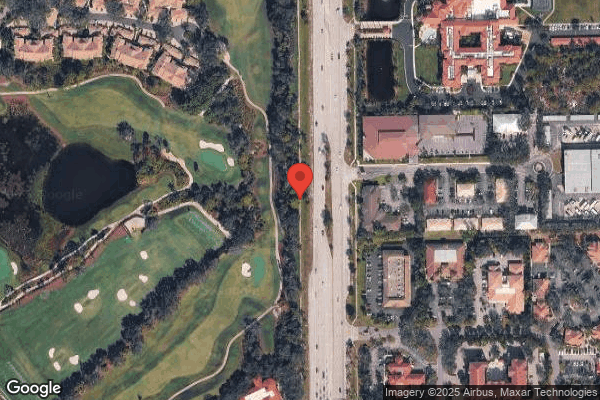

26475 SOUTH TAMIAMI TRAIL, BONITA SPRINGS, FL 34135 (239) 949-7555
Non profit - Corporation 40 Beds Independent Data: November 2025
Trust Grade
80/100
#266 of 690 in FL
Last Inspection: July 2024

Within standard 12-15 month inspection cycle. Federal law requires annual inspections.

Overview

Renaissance at the Terraces has a Trust Grade of B+, indicating it is above average and recommended for families considering care options. It ranks #266 out of 690 facilities in Florida, placing it in the top half of the state, and #6 of 19 in Lee County, meaning only five local facilities are ranked higher. The facility's trend is stable, with 2 concerns reported in both 2023 and 2024, showing consistency in their performance. Staffing is a strength here, with a 4-star rating and a remarkable 0% turnover, well below the Florida average of 42%, ensuring that residents are cared for by familiar faces. Notably, there have been no fines, and the facility has better RN coverage than 84% of Florida facilities, which enhances patient care. However, there are some weaknesses to consider. Recent inspections revealed issues such as failure to properly store and clean food preparation areas, which raises concerns about sanitation, and the facility did not assess two residents for alternative interventions before using bed rails, which could pose safety risks. Additionally, one resident did not receive timely podiatry services for foot health, indicating potential gaps in care coordination. Overall, while Renaissance at the Terraces has strong staffing and good ratings, families should be aware of these specific concerns as they make their decision.

Trust Score
B+
80/100
In Florida
#266/690
Top 38%
Safety Record
Low Risk
No red flags
Inspections
Holding Steady
2 → 2 violations
Staff Stability
○ Average
Turnover data not reported for this facility.
Penalties
✓ Good
No fines on record. Clean compliance history, better than most Florida facilities.
Skilled Nurses
✓ Good
Each resident gets 98 minutes of Registered Nurse (RN) attention daily — more than 97% of Florida nursing homes. RNs are the most trained staff who catch health problems before they become serious.
Violations
○ Average
8 deficiencies on record. Average for a facility this size. Mostly minor or procedural issues.
★★★★☆
4.0
Overall Rating
★★★★☆
4.0
Staff Levels
★★★★☆
4.0
Care Quality
★★★★☆
4.0
Inspection Score
Stable
2023: 2 issues
2024: 2 issues

The Good

  • 4-Star Staffing Rating · Above-average nurse staffing levels
  • 4-Star Quality Measures · Strong clinical quality outcomes
  • Full Sprinkler Coverage · Fire safety systems throughout facility
  • No fines on record

Facility shows strength in staffing levels, quality measures, fire safety.

The Bad

No Significant Concerns Identified

This facility shows no red flags. Among Florida's 100 nursing homes, only 0% achieve this.

The Ugly 8 deficiencies on record

Jul 2024 2 deficiencies
CONCERN (D)

Potential for Harm - no one hurt, but risky conditions existed

Deficiency F0700 (Tag F0700)

Could have caused harm · This affected 1 resident

**NOTE- TERMS IN BRACKETS HAVE BEEN EDITED TO PROTECT CONFIDENTIALITY** Based on observation, staff and resident interviews, record review, and review of facility policy and procedure, the facility fa...

Read full inspector narrative →
**NOTE- TERMS IN BRACKETS HAVE BEEN EDITED TO PROTECT CONFIDENTIALITY** Based on observation, staff and resident interviews, record review, and review of facility policy and procedure, the facility failed to ensure 2 (Residents #22 and #30) of 19 residents with bed rails were assessed for alternative interventions prior to the use of the bed rails. The findings included: The facility policy Proper Use of Bed Rails, effective 10/20/22 documented, It is the policy of the Renaissance two utilize a person-centered approach when determining the use of bed rails. Appropriate alternative approaches are attempted prior to installing or using bed rails. Alternatives include but are not limited to: Roll guards, foam bumpers, lowering the bed, and concave mattresses. Alternatives that are attempted should be appropriate for the resident, safe and address the medical conditions, symptoms or behavioral patterns for which a bed rail was considered. If no appropriate alternatives are identified the medical record should include evidence of the following purpose for which the bed rail was intended and evidence that alternatives were tried and were not successful. 1. Review of the clinical record revealed Resident #22 had an admission date of 2/12/24 with diagnoses including falls, dementia and syncope. On 7/2/24 at 8:35 a.m., Resident #22 was observed in bed with 1/4 bed rails in the raised position on both sides of the bed. Review of the Side Rail assessment dated [DATE] failed to document the alternate interventions that were attempted prior to the use of the bed rail. 2. Review of the clinical record revealed Resident #30 had an admission date of 1/11/23 with diagnoses including Parkinson's disease, anxiety, and major depressive disorder. On 7/1/24 at 11:37 a.m., Resident #30 was observed in bed with 1/4 bed rails on both sides of the bed in the raised position. Review of the Side Rail assessment dated [DATE] documented ¼ rails bilaterally were used. The assessment failed to document the alternate interventions that were attempted prior to the use of the bed rail. On 7/2/24 at 1:36 p.m., in an interview the Director of Nursing confirmed no alternate interventions were attempted for Resident #22 and #30 prior to the use of the bed rails.
CONCERN (F)

Potential for Harm - no one hurt, but risky conditions existed

Food Safety (Tag F0812)

Could have caused harm · This affected most or all residents

**NOTE- TERMS IN BRACKETS HAVE BEEN EDITED TO PROTECT CONFIDENTIALITY** Based on observation, review of facility policy and procedure and staff interviews, the facility failed to prepare, and store fo...

Read full inspector narrative →
**NOTE- TERMS IN BRACKETS HAVE BEEN EDITED TO PROTECT CONFIDENTIALITY** Based on observation, review of facility policy and procedure and staff interviews, the facility failed to prepare, and store food in a sanitary manner by failing to cover and date food in 1 walk-in dairy refrigerator and 1 refrigerator and failed to clean surfaces on food preparation equipment including ovens and ice machine to prevent potential contamination. Additionally, the facility did not ensure staff wear hair restraints during preparation of food. The lack of sanitation in the kitchen had the potential to affect all residents consuming an oral diet. The findings included: 1. On 7/1/24 at 9:09 a.m., during an initial observation of the kitchen in the presence of the Director of Food and Beverages, the following was observed: The outside of the ice machine had a layer of dust with debris on the top of the machine. There was a brown colored substance on the outside top of the machine. Observation of the ice machine lid was dusty and grimy with brown substance and debris. The inside of the ice machine where the lid closes had a layer of dust, debris and had a brown substance along the ridge where the door opens and closes. The air filter on the top of the ice machine had a thick layer of dust. There was a black substance on the inside upper part of the lid. The scoop for the ice machine was lying on top of the dusty machine. The filter for the ice machine was dated 3/31/23. Photographic evidence obtained. Dietary [NAME] Staff B was observed cleaning peeling raw shrimps over an uncovered trashcan and was placing the raw shrimp in a strainer. The metal strainer was positioned over the trash with the handles resting on the rim of the trashcan to keep it from falling into the can. Staff B said, I do it to keep the water from the shrimp going on the floor. On 7/1/24 at 9:15 a.m., Dietary Staff A was observed chopping vegetables. Dietary Staff C and D were observed preparing food for the lunch meal. Dietary Staff A, C, and D did not wear a hair net. The Executive Chef verified the observation and provided a hair net to the staff. The findings of the ice machine were confirmed by the Director of Food and Beverages and the Registered Dietitian. The Director of food and beverages said the ice machine filter should be changed at least yearly and confirmed the filter was dated 3/31/23. Review of the Preventive Maintenance Contract effective September 1, 2022 through August 31, 2023 for the ice machine specified the company would Replace ice machine filters two times per year. The facility policy personal hygiene documented, All dietary employees shall practice optimal personal hygiene to minimize cross contamination and foodborne illnesses. Eating, drinking, chewing gum or using any form of tobacco shall be prohibited in the Dietary Department. Effective hair restraints shall be worn at all times. Dietary employee personal items, drink cups and bottled water were observed on clean shelves and racks in the kitchen. Photographic evidence obtained. In a plastic bin containing uncooked rice there was a scoop on top of the rice. Photographic evidence obtained. Review of the facility policy Cross Contamination Overview specified clean and sanitize work surfaces and food contact equipment between uses. Observation of drying rack for the clean pots, pans and other items. The shelves were dusty and had a brown substance on the metal. On the bottom shelf the lid to a red trash can was noted on top of a clean serving tray. Photographic evidence obtained. On the top shelf of the drying rack were wet stacked pans, stacks of drip trays from the juice and coffee machines that were wet nesting (wet dishes are stacked, preventing them from drying, creating conditions for microorganisms to grow). Several of the drip trays were noted to have a white food substance in the cervices. Photographic evidence obtained. On a clean storage rack next to the walk-in freezer were clean pots, lids and other items. A blue jacket was observed hanging from the rack and in was contact with the clean items. The Director of Food and Beverages said it was the jacket staff use to keep warm when going into the walk-in freezer. Photographic evidence obtained. Review of the facility policy Refrigerated Storage specified refrigerated items shall bear a label indicating product name and date product was received used or first opened. a) Observation of the serving refrigerator contained a pitcher of iced tea dated 6/27/24. The part of the sticker for the use by date was blank. Photographic evidence obtained. b) There was an uncovered tin serving dish with grated cheese that was hard and dry. Photographic evidence obtained. c) There was a covered serving tin of a white cream substance without a description of the food and with no date. Photographic evidence obtained. d) A plastic container of Micro Fiesta Blend with no date on it. Photographic evidence obtained. The findings in the serving refrigerator were verified with the Executive Chef. The facility policy Cross Contamination specified All raw meat shall be stored separately and in drip proof containers to avoid cross contamination of other food in the refrigerator. In the walk-in dairy cooler there was a rolling rack with sheet pans of undated and uncovered shrimp, grouper and [NAME]. On the bottom of the rack was a sheet pan with thawing, raw turkey sitting in red tinged liquid. Photographic evidence obtained. There was another rolling rack with three sheet pans of uncovered and undated raw meat. The Director of Food and Beverage [NAME] said the meat was meatloaf for the nights dinner. No meatloaf was listed on the menu for the week. The meat appeared to be brisket on the menu for the next night's dinner. Photographic evidence obtained. The findings in the walk-in dairy refrigerator were verified by the Director of Food and Beverage. Observation of the cooking area, where the ovens were noted to have a thick layer of grime and debris on the handle and temperature knobs. There was a thick brown, dried substance that had dripped down the front of the oven doors. Photographic evidence obtained. 2. On 7/2/24 at 11:51 a.m., during an observation with the Registered Dietitian (RD) of the ice machine in the main kitchen, the machine had grime on the front door and on the inner ledge of the door. There was a black substance lining the entire upper inner frame of the ice machine. The RD said the ice machine was cleaned every quarter. The RD confirmed the observation of the ice machine. 3. On 7/3/24 at 10:51 a.m., during a tour of the kitchen the Executive Chef was without a beard covering for his facial hair. A female staff member with long hair walking in the kitchen without a hair net on. The cook had on a baseball cap but no hair net. The Director of Food and Beverage was present in the kitchen and did not provide instruction to the staff regarding required hair coverings. There were no hair nets available outside of the kitchen door or on the inside of the kitchen.
May 2023 2 deficiencies
CONCERN (D)

Potential for Harm - no one hurt, but risky conditions existed

Deficiency F0687 (Tag F0687)

Could have caused harm · This affected 1 resident

Based on observation, interview, and record review, the facility failed to show effective coordination to ensure 1 resident (#94) of 2 residents reviewed received podiatry services to maintain good fo...

Read full inspector narrative →
Based on observation, interview, and record review, the facility failed to show effective coordination to ensure 1 resident (#94) of 2 residents reviewed received podiatry services to maintain good foot health for identified foot concerns. The findings included: Review of the facility policy on Foot Care effective 10/17/22: It is the policy (of the facility) to ensure residents receive care and treatment to maintain good foot health. 1b. If necessary, the facility will assist the resident in making appointments with a qualified person, arranging for transportation to and from such appointments. 2b. A comprehensive assessment process is used for identifying conditions that increase the risk for impaired skin integrity of the foot. 2c. The comprehensive assessment will include an assessment of the feet for disorders which may require treatment including but not limited to corns, neuromas, calluses, bunions, hammertoes, heel spurs, and nail disorders. 3aiii. Referrals to podiatrists will be made when appropriate. Review of the clinical record for Resident #94 revealed an admission date of 5/11/23. Review of the Interdisciplinary Note dated 5/11/23 at 5:38 p.m. revealed Resident 94's heels and toes were dry, flaky, red, and blanchable. Resident may need to see the podiatrist. Review of the Skin Evaluation for Resident #94 dated 5/11/23 at 5:39 p.m. revealed the term Inapplicable for Foot problems, Infections of the foot, Open Lesions of the Foot, and Nails/Calluses Trimmed Last 90 days. The nurse documented, She may need to be seen by the podiatrist . Assistant Director of Nursing (ADON) was present during skin assessment. Review of the second Skin Evaluation for Resident #94 dated 5/11/23 at 6:56 p.m. revealed the term Inapplicable for Foot problems, Infections of the foot, Open Lesions of the Foot, and Nails/Calluses Trimmed Last 90 days. Review of the Baseline care plan dated 5/12/23 did not include interventions for foot care or podiatry. On 5/15/23 at 3:02 p.m., observed Resident 94 in her room sitting in recliner. Resident #94 said her toes were pretty bad and would like the toenails to be cut because she was not able reach them. The resident said they had not been done in a while. The resident was wearing sandals and her toes were visible. The toes on each foot overlapped. The toenails on both feet were thick and extending approximately half an inch from the nail bed. The nail of the 5th toe on each foot were curled over the toes. Resident #94's feet had an unpleasant smell. Review of the Interdisciplinary Note dated 5/12/23 at 10:17 a.m. by the Social Services Coordinator (SSC) did not include mention of podiatry care. Review of Interdisciplinary Notes dated 5/15/23 and 5/16/23 for Resident #94 revealed no new skin concerns. Review of the Physician's Orders and Care Plans for Resident #94 revealed no instructions or interventions for foot or podiatry care. On 5/17/23 at 3:54 p.m., the SSC said she was responsible for arranging podiatry services. The SSC said the nurses complete a Skin Evaluation and let her know who needs podiatry care. The podiatrist comes to the facility every nine weeks and whenever necessary when there is an identified concern. The SSC said the podiatrist sees all residents; the last visit was on 5/12/23. She said the staff was not allowed to cut the residents' toenails due to the risk of injury. On 5/17/23 at 4:36 p.m., the ADON said the admitting nurse completes a thorough head to toe skin evaluation when residents are admitted and within 24 hours a second skin evaluation is done to make sure nothing is missed. She confirmed staff do not cut toenails. The ADON said she remembers observing Resident #94's feet, including the long toenails, and overlapping toes. The ADON said she did not tell the SSC to add Resident #94 to the podiatry list when she identified the problem. The ADON said she did not arrange for podiatry care for #94. The ADON went into Resident #94's room, removed Resident #94's socks, exposing overlapping toes with long, thick toenails. Resident #94 remarked, they are really bad. Resident #94 said she could not cut her own toenails. The ADON asked Resident #94 if she wanted podiatry care and Resident #94 said yes. On 5/18/23 at 8:34 a.m., the SSC said she was not aware Resident #94 needed podiatry care until this morning. The SSC said the next podiatry visit was scheduled for 6/9/23 and provided the list of residents to be seen, including Resident #94. On 5/18/23 at 9:22 a.m., the SSC said if she had known Resident #94 needed podiatry care, she could have arranged it to be done on 5/12/23, preventing delay. On 5/18/23 at 10:27 a.m., Registered Nurse (RN) Staff A said she wrote the Interdisciplinary Note on 5/11/23 which noted Resident #94 may need podiatry. Staff A said she did not notify the SSC Resident #94 needed podiatry care. She said she dropped the ball and took responsibility.
CONCERN (D)

Potential for Harm - no one hurt, but risky conditions existed

Respiratory Care (Tag F0695)

Could have caused harm · This affected 1 resident

Based on observations, interviews, and record review, the facility failed to ensure proper cleaning of the CPAP (Continuous Positive Airway Pressure) machine to prevent respiratory infections for 1 (R...

Read full inspector narrative →
Based on observations, interviews, and record review, the facility failed to ensure proper cleaning of the CPAP (Continuous Positive Airway Pressure) machine to prevent respiratory infections for 1 (Resident #93) of 1 resident requiring the use of the CPAP machine. The findings included: The facility's policy for CPAP machine with an effective date of 5/18/23 noted, It is the policy of the facility to clean CPAP equipment in accordance with current Centers for Disease Control guidelines and manufacturer recommendations in order to prevent the occurrence or spread of infection . Respiratory therapy equipment can become colonized with infectious organisms and serve as a source of respiratory infections . Empty the (water) chamber completely after each use and wipe dry . Clean mask and tubing daily after use, dry well. Cover with plastic bag or completely enclosed in machine storage when not in use. Review of the clinical record for Resident #93 revealed an admission date of 5/10/23. Diagnoses included unspecified sleep apnea (sleep disorder in which breathing repeatedly stops and starts). The Respiratory Care Plan started on 5/11/23 revealed Resident #93 utilizes CPAP for sleep apnea. The interventions included monitoring for proper functioning of the device and making sure it was clean. The care plan, the Medication Administration Record and the Treatment Administration Record for May 2023 did not include instructions to properly care for the CPAP machine, including a schedule for emptying, the water chamber, and cleaning the face mask, water chamber and tubing. Review of the Physician Orders of 5/18/23 revealed no instructions for the use of the CPAP machine. Review of the Progress Notes for Resident #93 from 5/10/23 through 5/18/23 revealed no interventions, instructions, monitoring, or cleaning of the CPAP machine. On 5/16/23 at 4:33 p.m., a CPAP machine was observed stored on the nightstand next to Resident #93's bed. Resident #93 said she uses the machine every night, but no one has helped her clean the machine since her admission to the facility on 5/10/23. On 5/17/23 at 9:25 a.m., Resident #93 said the CPAP machine has been on the nightstand since her admission and was last cleaned on 5/8/23. The resident said no one at the facility has asked her about cleaning the machine. The resident said every night she uses the bottle of water the hospital gave to her for the water chamber. A bottle of water dated 5/9/23 was observed on the nightstand next to the machine. On 5/18/23 at 9:06 a.m., Licensed Practical Nurse (LPN) Staff B said she has cared for Resident #93 the past several days this week and did not clean the CPAP machine. The Assistant Director of Nursing who was present during the interview said she did not add orders for the care of the CPAP machine. She said she dropped the ball on it.
Sept 2021 4 deficiencies
CONCERN (D)

Potential for Harm - no one hurt, but risky conditions existed

ADL Care (Tag F0677)

Could have caused harm · This affected 1 resident

**NOTE- TERMS IN BRACKETS HAVE BEEN EDITED TO PROTECT CONFIDENTIALITY** Based on observation, record review, review of facility policies and procedures, resident and staff interviews, the facility fai...

Read full inspector narrative →
**NOTE- TERMS IN BRACKETS HAVE BEEN EDITED TO PROTECT CONFIDENTIALITY** Based on observation, record review, review of facility policies and procedures, resident and staff interviews, the facility failed to provide the necessary care and services to maintain grooming and hygiene for 2 (Resident #3 and Resident #180) of 3 dependent residents reviewed for assistance with activities of daily living. This has the potential to cause psychological harm to the resident. The findings included: A review of the facility policy Activities of Daily Living (ADLs), Supporting (revised 11/28/16), specified, Residents who are unable to carry out ADLs independently, will receive the services necessary to maintain good nutrition, grooming and personal and oral hygiene .Appropriate care and services will be provided for residents who are unable to carry out ADLs independently, with consent of the resident and in accordance with the plan of care, including appropriate support and assistance with: hygiene (bathing, dressing, grooming and oral care). 1. A review of Resident #3' s clinical record revealed a care plan specifying Resident #3 required extensive to total assistance with ADLs including nail care, secondary to stroke and bilateral hand contractures (permanent tightening of joint). The care plan instructed staff to perform oral care daily and as needed and nail care as needed. Resident #3 had diagnoses including dementia and hemiparesis and hemiplegia (paralysis of one side of the body). The clinical record showed Resident #3 was on Hospice services. On 9/20/21 at 12:36 p.m., Resident #3's fingernails were observed extending over 1/2 inch from the fingertips with a large amount of brown substance under the nail beds. Resident #3's hands were contracted, curled inward in a fist with several fingers pressed into the palm of the hands. Resident #3 was observed to have greasy, uncombed hair. The same observation was made on 9/21/21 at 11:08 a.m. Resident #3's had caked food between the teeth. Resident #3's mouth and lips were dry. Resident #3 asked for something to eat several times and said, I'm hungry. On 9/21/21 at 11:11 a.m., Licensed Practical Nurse (LPN) Staff I was notified of Resident #3's request for something to eat. Staff I replied Resident #3 was demented, confused, and had eaten breakfast. On 9/21/21 at 11:30 a.m., LPN Staff I had not offered Resident #3 food or fluids. On 9/22/21 at 11:05 a.m., during an observation Registered Nurse (RN) Staff K and LPN Staff I were at Resident #3's bedside and confirmed the resident's fingernails were long and had a brown substance under nail beds. In an interview on 9/22/21 at 11:10 a.m., RN Staff K said she did not know who was responsible to trim the resident's fingernails. On 9/22/21 at 11:11 a.m., in an interview LPN Staff I said the Hospice aide was responsible to clean and cut Resident #3's fingernails but did not know when the Hospice aide would visit the resident. LPN Staff I said Resident #3 was bedbound and received bed baths from facility staff. LPN Staff I said she did not know when Resident #3 received bed baths or nail care. On 9/22/21 at 12:21 p.m., in an interview, Certified Nursing Assistant (CNA) Staff J said CNAs were not permitted to cut fingernails and the podiatrist would do it. The CNA said she could clean and file the residents' nails but not cut them. On 9/22/21 at 12:30 p.m., in a telephone interview, the Hospice aide said she visited Resident #3 on Mondays and Thursdays and would provide a bed bath and nail care. The aide said she would cut Resident #3's nails because she was worried, they would grow into the skin because of the hand contractures. The Hospice aide said she had not visited Resident #3 in three weeks. A review of the daily charting from 9/1/21 through 9/22/21 noted documentation the CNAs provided oral care. On 9/22/21 at 4:00 p.m., in an interview the Director of Nursing (DON) said the staff were responsible for nail care, but the Hospice aide would usually cut Resident #3 nails. The DON said staff were to observe resident for needs during care and if nails were long, they should take care of it. The DON said, the expectation was the staff provide ADL care to the residents each shift. 2. On 9/20/21 at 12:10 p.m., Resident #180, was observed in his bed, his fingernails were long, extending approximately 1/2 inch past the fingertips, with a large accumulation of brown and black substance under the nailbeds. Resident # 80 was unshaven, approximately two days growth, and unkempt. Crumbs of food were on his shirt and on the bed linen. Resident #180 said he had not received a shower or bath in several days and did not like for his nails to be so long. Resident # 180 said no one had cut or cleaned his nails. On 9/21/21 at 10:43 a.m., in an interview, Resident #180 said he had told the nurse he would like to have his nails cut. 9/22/21 at 12:35 p.m., in an interview CNA Staff J said CNAs followed the shower schedule, and it did not change. The CNA said the showers were assigned by room assignments and by shift, so it was always the same. The CNA said Resident #180 was scheduled to receive a shower on the 2:00 p.m. to 10:00 p.m., shift on Sundays, Tuesdays, and Thursdays. A review of the clinical record showed Resident #180 was admitted on [DATE]. The care plan documented the resident had a deficit in ability to self-perform ADLs. The clinical record lacked documentation Resident #180 received a shower on Sunday 9/19/21.
CONCERN (D)

Potential for Harm - no one hurt, but risky conditions existed

Respiratory Care (Tag F0695)

Could have caused harm · This affected 1 resident

**NOTE- TERMS IN BRACKETS HAVE BEEN EDITED TO PROTECT CONFIDENTIALITY** Based on observation, record review, review of policies and procedures, resident and staff interview, the facility failed to pro...

Read full inspector narrative →
**NOTE- TERMS IN BRACKETS HAVE BEEN EDITED TO PROTECT CONFIDENTIALITY** Based on observation, record review, review of policies and procedures, resident and staff interview, the facility failed to provide reasonable interventions and adequate monitoring to meet the needs of 1 (Resident #180) of 1 sampled resident requiring continuous use of oxygen. The findings included: The facility policy Oxygen Administration (revised 10/2010) documented, The purpose of this procedure is to provide guidelines for safe oxygen administration . Before administering oxygen, and while the resident is receiving oxygen therapy, assess for the following: 1. Signs or symptoms of cyanosis (blue tone to the skin and mucous membranes). 2. Signs or symptoms of hypoxia (rapid breathing, rapid pulse, restlessness, confusion). 3. Signs or symptoms of oxygen toxicity (difficulty breathing, slow or shallow rate of breathing). Review of the clinical record showed Resident #180 was admitted on [DATE] with diagnoses including, chronic obstructive pulmonary disease and dependence on supplemental oxygen. The admission orders dated 9/18/21 included oxygen therapy at 2 liters per minute per nasal cannula continuous. The clinical record revealed a care plan dated 9/20/21 specifying Resident #180 was at risk for respiratory complications due to a diagnosis of Congestive Obstructive Pulmonary Disease (COPD). The interventions listed on the care plan included to administer oxygen per order and monitor the resident for signs and symptoms of hypoxemia (low concentration of oxygen in the blood) such as restlessness, forgetfulness, anxiety, cyanosis (bluish discoloration of the skin from inadequate oxygenation), and lethargy. The staff was to assess the resident's respiratory status as needed and notify the physician of any abnormalities. On 9/20/21 at 12:14 p.m., Resident #180 was observed in bed, moving about in bed, restless and breathing fast. Resident #180 said he was short of breath and wanted a nebulizer (a machine that turns liquid medication into a mist inhaled into the lungs) treatment. Resident #180 said the nurse gave him an inhaler and said she would have to contact the physician to order the nebulizer. Resident #180 said, I keep telling her I can't breathe. The oxygen concentrator was observed plugged to the wall outlet, turned on and set at three liters. The oxygen tubing prongs were correctly placed in the resident's nostrils. The other end of the tubing was on the floor and not connected to the oxygen concentrator. Resident #180 was not receiving any oxygen. *Photographic Evidence Obtained* Registered Nurse (RN) Staff H was notified of Resident #180's complaint of difficulty breathing and request for assistance. RN Staff H walked in the room, checked the concentrator, said it was functioning properly. Upon further conversation with RN Staff H she noted the oxygen tubing was not connected to the concentrator. RN Staff H replaced the oxygen tubing, connected it to the concentrator and Resident #180. RN Staff H did not complete a respiratory assessment to determine the need for further intervention. On 9/21/21 at 5:10 p.m., a review of the clinical record showed no documentation RN Staff H completed a respiratory assessment for Resident #180 on 9/20/21. On 9/22/21 at 5:05 p.m., in an interview the Director of Nursing, said it was the nurse's responsibility to ensure a resident's oxygen was set on the physician ordered flow rate and functioning properly.
CONCERN (D)

Potential for Harm - no one hurt, but risky conditions existed

Deficiency F0761 (Tag F0761)

Could have caused harm · This affected 1 resident

Based on observation, staff interview, and policy review, the facility failed to ensure all medications were locked and secured when not in sight and failed to date opened medications to prevent expir...

Read full inspector narrative →
Based on observation, staff interview, and policy review, the facility failed to ensure all medications were locked and secured when not in sight and failed to date opened medications to prevent expired medications from being administered to residents in 1 (3rd floor medication cart) of 2 medication carts. This had the potential for unsecured and expired medications to create hazardous health consequences for residents in the facility. The findings included: The facility policy Storage of Medications (revised 4/2007) specified, The facility shall store all drugs biologicals in a safe, secure and orderly manner . The facility shall not use discontinued, outdated, or deteriorated drugs or biologicals . Compartments (including carts, drawers, and boxes) containing drugs and biologicals shall be locked when not in use. 1. On 9/20/21 at 9:35 a.m., during observation the 3rd floor medication cart with Registered Nurse (RN) Staff H the following was found: A Budes/Formot AER 80-4.5 inhaler (medication inhaled to treat respiratory symptoms) for Resident #180 with directions to discard the inhaler after 90 days from the date opened. The inhaler was open and there was no date on the label to identify when the inhaler was opened. Registered Nurse (RN) Staff H said when she used the inhaler today it was already opened. RN Staff H confirmed without the open date it was impossible to know when the inhaler would expire. *Photographic Evidence Obtained* An opened bottle of Refresh Tears 0.5%, without a date to indicate when the medication was first opened. The Manufacturer instructions specified to discard the medication 90 days after opening. RN Staff H confirmed without a date, it was impossible to know when the medication would expire. *Photographic Evidence Obtained* 2. On 9/20/21 at 4:44 p.m., during a medication observation, RN Staff H poured Milk of Magnesia (MOM) liquid into a medication cup for Resident #181. RN Staff H left the medication uncapped on top of the cart and did not lock the cart. RN Staff H walked down the hall to the resident's room, leaving the cart and medication unsecured, and out of her sight. Two Certified Nursing Assistants were observed standing next to the unsecured medication cart. RN Staff H returned to the cart and confirmed she had left the medication open on top of the cart and did not lock the medication cart when the cart was not in her sight.
CONCERN (D)

Potential for Harm - no one hurt, but risky conditions existed

Food Safety (Tag F0812)

Could have caused harm · This affected 1 resident

Based on observation, policy review, and interview, the facility failed to store, label, food products in walk in refrigerator and freezer in a safe and sanitary manner to prevent potential cross cont...

Read full inspector narrative →
Based on observation, policy review, and interview, the facility failed to store, label, food products in walk in refrigerator and freezer in a safe and sanitary manner to prevent potential cross contamination. The facility failed to discard expired food items in the walk-in refrigerator. The findings included: The Santa Fe Senior living Food Storage and Handling Policies and Procedures created March 2020 read, Policy It is the policy of the Dining services team (managers and associates) to cover, label, date, and store all foods in a safe storage area: refrigerator, freezer, or dry storage. Purpose The purpose is to prevent food borne illness(es). Procedures All cooked, pre-packaged open container, protein-based salads, desserts, and canned fruits are labeled, dated, and accurately covered. Dating System for Opened Foods Always securely cover the food item(s). Using a label, complete the following information using the referenced guide. Clearly write the item mane/contents, made on date, use by date, and initials of the person who prepared the label. On 9/20/21 at 9:20 a.m., during observation of the initial kitchen tour with the Consultant Dietitian in the walk-in freezer, there was an unwrapped, frozen pizza not covered or labeled. In the walk-in refrigerator there was: Salisbury steaks uncovered and unlabeled Crab mix with an expiration date of 9/17/21, not discarded. Pea soup uncovered and unlabeled. Cooked Asparagus uncovered and unlabeled. Raw pork uncovered and unlabeled. Raw fish uncovered and unlabeled. Raw chicken marinating unlabeled. *Photographic Evidence Obtained* On 9/20/21 at approximately 9:30 a.m., in an interview the Consultant Dietician verified the crab mix was expired and should have been discarded. She also verified all food items stored in the freezer and refrigerator should be covered and labeled.
Understanding Severity Codes (click to expand)
Life-Threatening (Immediate Jeopardy)
J - Isolated K - Pattern L - Widespread
Actual Harm
G - Isolated H - Pattern I - Widespread
Potential for Harm
D - Isolated E - Pattern F - Widespread
No Harm (Minor)
A - Isolated B - Pattern C - Widespread

Questions to Ask on Your Visit

  • "Can I speak with families of current residents?"
  • "What's your RN coverage like on weekends and overnight?"

Our Honest Assessment

Strengths
  • • Grade B+ (80/100). Above average facility, better than most options in Florida.
  • • No major safety red flags. No abuse findings, life-threatening violations, or SFF status.
  • • No fines on record. Clean compliance history, better than most Florida facilities.
Concerns
  • • No significant concerns identified. This facility shows no red flags across CMS ratings, staff turnover, or federal penalties.
Bottom line: Generally positive indicators. Standard due diligence and a personal visit recommended.

About This Facility

What is Renaissance At The Terraces's CMS Rating?

CMS assigns RENAISSANCE AT THE TERRACES an overall rating of 4 out of 5 stars, which is considered above average nationally. Within Florida, this rating places the facility higher than 99% of the state's 100 nursing homes. This rating reflects solid performance across the metrics CMS uses to evaluate nursing home quality.

How is Renaissance At The Terraces Staffed?

CMS rates RENAISSANCE AT THE TERRACES's staffing level at 4 out of 5 stars, which is above average compared to other nursing homes.

What Have Inspectors Found at Renaissance At The Terraces?

State health inspectors documented 8 deficiencies at RENAISSANCE AT THE TERRACES during 2021 to 2024. These included: 8 with potential for harm.

Who Owns and Operates Renaissance At The Terraces?

RENAISSANCE AT THE TERRACES is owned by a non-profit organization. Non-profit facilities reinvest revenue into operations rather than distributing to shareholders. The facility operates independently rather than as part of a larger chain. With 40 certified beds and approximately 32 residents (about 80% occupancy), it is a smaller facility located in BONITA SPRINGS, Florida.

How Does Renaissance At The Terraces Compare to Other Florida Nursing Homes?

Compared to the 100 nursing homes in Florida, RENAISSANCE AT THE TERRACES's overall rating (4 stars) is above the state average of 3.2 and health inspection rating (4 stars) is above the national benchmark.

What Should Families Ask When Visiting Renaissance At The Terraces?

Based on this facility's data, families visiting should ask: "Can I visit during a mealtime to observe dining assistance and food quality?" "How do you handle medical emergencies, and what is your hospital transfer rate?" "Can I speak with family members of current residents about their experience?"

Is Renaissance At The Terraces Safe?

Based on CMS inspection data, RENAISSANCE AT THE TERRACES has a clean safety record: no substantiated abuse findings (meaning no confirmed cases of resident harm), no Immediate Jeopardy citations (the most serious violation level indicating risk of serious injury or death), and is not on the Special Focus Facility watch list (a federal program monitoring the lowest-performing 1% of nursing homes). The facility has a 4-star overall rating and ranks #1 of 100 nursing homes in Florida. While no facility is perfect, families should still ask about staff-to-resident ratios and recent inspection results during their visit.

Do Nurses at Renaissance At The Terraces Stick Around?

RENAISSANCE AT THE TERRACES has not reported staff turnover data to CMS. Staff turnover matters because consistent caregivers learn residents' individual needs, medications, and preferences. When staff frequently change, this institutional knowledge is lost. Families should ask the facility directly about their staff retention rates and average employee tenure.

Was Renaissance At The Terraces Ever Fined?

RENAISSANCE AT THE TERRACES has no federal fines on record. CMS issues fines when nursing homes fail to meet care standards or don't correct problems found during inspections. The absence of fines suggests the facility has either maintained compliance or corrected any issues before penalties were assessed. This is a positive indicator, though families should still review recent inspection reports for the full picture.

Is Renaissance At The Terraces on Any Federal Watch List?

RENAISSANCE AT THE TERRACES is not on any federal watch list. The most significant is the Special Focus Facility (SFF) program, which identifies the bottom 1% of nursing homes nationally based on persistent, serious quality problems. Not being on this list means the facility has avoided the pattern of deficiencies that triggers enhanced federal oversight. This is a positive indicator, though families should still review the facility's inspection history directly.