BOULEVARD REHABILITATION CENTER
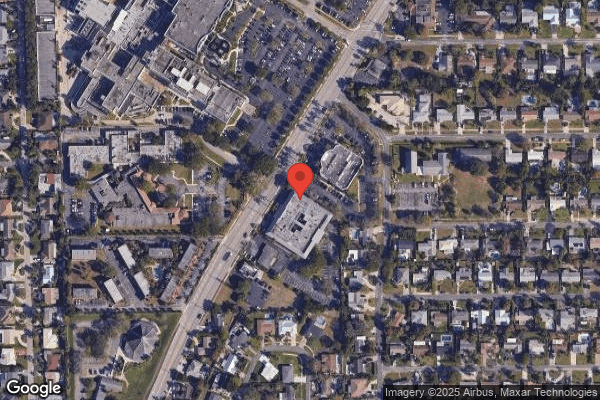

2839 S SEACREST BLVD, BOYNTON BEACH, FL 33435 (561) 732-2464
For profit - Corporation 167 Beds SOVEREIGN HEALTHCARE HOLDINGS Data: November 2025
Trust Grade
70/100
#183 of 690 in FL
Last Inspection: February 2025

Within standard 12-15 month inspection cycle. Federal law requires annual inspections.

Overview

Boulevard Rehabilitation Center has a Trust Grade of B, indicating it is a good choice, though not among the very best facilities. It ranks #183 out of 690 nursing homes in Florida, placing it in the top half, and #12 out of 54 in Palm Beach County, suggesting that only a few local options rank higher. However, the facility is currently facing a worsening trend, with issues increasing from 1 in 2024 to 7 in 2025. Staffing is a relative strength, with a turnover rate of 35%, which is below the Florida average, though the RN coverage is rated as average. Notably, the facility has no fines on record, which is a positive sign. On the downside, there have been some concerning findings during inspections. For instance, the kitchen was found unsanitary, with dirty appliances and improperly stored food, raising potential health risks. Additionally, there were issues with providing adequate protective measures for residents requiring special care, as well as concerns about maintaining residents' dignity during meal assistance. Families should weigh these strengths and weaknesses carefully when considering Boulevard Rehabilitation Center for their loved ones.

Trust Score
B
70/100
In Florida
#183/690
Top 26%
Safety Record
Low Risk
No red flags
Inspections
Getting Worse
1 → 7 violations
Staff Stability
○ Average
35% turnover. Near Florida's 48% average. Typical for the industry.
Penalties
✓ Good
No fines on record. Clean compliance history, better than most Florida facilities.
Skilled Nurses
○ Average
Each resident gets 41 minutes of Registered Nurse (RN) attention daily — about average for Florida. RNs are the most trained staff who monitor for health changes.
Violations
⚠ Watch
21 deficiencies on record. Higher than average. Multiple issues found across inspections.
★★★★☆
4.0
Overall Rating
★★★☆☆
3.0
Staff Levels
★★★★★
5.0
Care Quality
★★★☆☆
3.0
Inspection Score
Stable
2024: 1 issues
2025: 7 issues

The Good

  • 5-Star Quality Measures · Strong clinical quality outcomes
  • Full Sprinkler Coverage · Fire safety systems throughout facility
  • No fines on record
  • Staff turnover below average (35%)

    13 points below Florida average of 48%

Facility shows strength in quality measures, fire safety.

The Bad

Staff Turnover: 35%

11pts below Florida avg (46%)

Typical for the industry

Chain: SOVEREIGN HEALTHCARE HOLDINGS

Part of a multi-facility chain

Ask about local staffing decisions and management

The Ugly 21 deficiencies on record

Feb 2025 7 deficiencies
CONCERN (D)

Potential for Harm - no one hurt, but risky conditions existed

Resident Rights (Tag F0550)

Could have caused harm · This affected 1 resident

**NOTE- TERMS IN BRACKETS HAVE BEEN EDITED TO PROTECT CONFIDENTIALITY** Based on observation, interview, and record review, the facility failed to provide assistance with dining in a manner to maintai...

Read full inspector narrative →
**NOTE- TERMS IN BRACKETS HAVE BEEN EDITED TO PROTECT CONFIDENTIALITY** Based on observation, interview, and record review, the facility failed to provide assistance with dining in a manner to maintain dignity for 2 of 32 residents in the final sample (Resident #387 and #388). The findings included: 1. Record review revealed Resident #388 was admitted to the facility on [DATE]. A comprehensive assessment dated [DATE] documented the resident had severe cognitive impairment and was dependent for activities of daily living. An observation of Resident #388 was conducted on 02/24/25 at 12:15 PM during lunchtime. Resident #388 was observed sitting up in a wheelchair next to his bed. A bedside table was noted between the resident and the resident's bed with a lunch tray on top. Staff Z, a Certified Nurse Assistant (CNA), was observed standing and leaning over the front of the resident, feeding the resident. 2. Record review revealed Resident #387 was admitted to the facility on [DATE]. A comprehensive assessment dated [DATE] documented the resident had moderate cognitive impairment and required substantial/maximum assistance with activities of daily living. An observation of Resident #387 was conducted on 02/24/25 at 12:30 PM during lunchtime. Resident #387 was observed in bed. Staff Z, a Certified Nurse Assistant (CNA), was observed standing next to the resident, feeding the resident. An interview was conducted on 02/27/25 at 12:00 PM with the Director of Nursing (DON). The DON acknowledged staff should not be standing while assisting residents with meals.
CONCERN (D)

Potential for Harm - no one hurt, but risky conditions existed

Comprehensive Care Plan (Tag F0656)

Could have caused harm · This affected 1 resident

**NOTE- TERMS IN BRACKETS HAVE BEEN EDITED TO PROTECT CONFIDENTIALITY** Based on observation, interview, and record review, the facility failed to care plan dentures for 1 of 1 resident reviewed for d...

Read full inspector narrative →
**NOTE- TERMS IN BRACKETS HAVE BEEN EDITED TO PROTECT CONFIDENTIALITY** Based on observation, interview, and record review, the facility failed to care plan dentures for 1 of 1 resident reviewed for dental (Resident #34); Failed to implement a care plan for dialysis for 1 of 3 residents reviewed for dialysis (Resident #387); and Failed to implement interventions for behaviors during dining for 1 of 30 residents who eat lunch in the [NAME] Dining Room (Resident #66). The findings included: 1. Record review revealed Resident #34 was admitted to the facility on [DATE]. A comprehensive assessment dated [DATE] documented the resident was cognitively intact and was dependent for activities of daily living. The assessment further documented no dental concerns for the resident. An observation and interview with Resident #34 was conducted on 02/25/25 at 10:00 AM. The resident was observed without teeth or dentures. Resident #34 stated she needed dentures. A review of Resident #34's care plan did not identify the resident's need for dentures. An interview was conducted with the Social Services Director (SSD) on 02/27/25 at 11:00 AM. The SSD stated the resident's dentures were at the resident's bedside. The SSD acknowledged there was no care plan for the resident's dentures. 2. Record review revealed Resident #387 was admitted to the facility on [DATE]. A comprehensive assessment dated [DATE] documented the resident had moderate cognitive impairment, required substantial/maximum assistance with activities of daily living. The assessment further documented the resident received dialysis services. A review of Resident #387's care plan revealed a care plan for dialysis therapy. An intervention included to observe access site prior to leaving and upon return to facility from dialysis. Further review of Resident #387's record did not reveal any documentation of the resident's access site condition prior to leaving and upon return to facility from dialysis. An interview was conducted with the Unit Manager (UM) on 02/27/25 at 12:00 PM. The UM acknowledged the above. 3. A record review of Resident #66 revealed that she was admitted to the facility on [DATE]. Her diagnoses included Morbid Obesity, Dementia, Unspecified Severity, With Other Behavioral Disturbance, and Cognitive Communication Deficit. Resident #66 ate lunch meals most days in the [NAME] dining room. According to an interview with the DON on 02/26/25 at 4:15 PM, the [NAME] Dining Room was used by residents who required supervision, and by residents who required assistance with feeding. A record review of Resident #66's care plan for psychotropic medications included a goal to remain free of behavioral impairment through the next review date. The care plan was last revised on 01/23/25, and it listed an intervention to redirect the resident if there were behaviors during meals. The staff failed to redirect Resident #66 when she ate food from Resident #92's plate on two observations during the lunch meal. A record review revealed Resident #92, was admitted to the facility on [DATE]. His diagnoses included: Hemiplegia and Hemiparesis following Cerebral Infarction affecting the right dominant side, and Dementia. The brief interview for mental status score noted on the Minimum Data Set assessment dated [DATE] was 11. This indicated that Resident #92 had moderate cognitive impairment. In addition, the assessment noted that Resident #92 spoke clearly and was able to understand and to make himself understood. During an observation on 02/24/25 at 12:23 PM, Resident #66 ate her portion of apple pie, and then she ate all of the apple pie filling from Resident #92's plate of apple pie. Only the crust of the pie remained on Resident #92's plate. During an observation on 02/26/25 at 12:33 PM, Resident #66 ate from Resident #92's fruit cup. Resident #92 watched Resident #66 as she ate his food, and he moved the fruit cup closer to his main meal plate. Resident #66 moved the fruit cup closer to her and she ate more of his fruit dessert. Resident #92 again pulled his fruit cup closer to his meal plate. The fruit cup was pulled back and forth between the two residents three times. After that, Resident #92 picked up his fruit cup dessert and attempted to drink from the fruit cup. The surveyor informed the resident that the staff will bring him a new fruit cup because Resident #66 already ate from the cup. The Physical Therapy Manager (PT Manager) was close by in the dining room. The surveyor told the PT Manager that Resident #66 ate from Resident #92's fruit cup and requested that she locate another fruit cup for Resident #92. Approximately five to ten minutes later, the PT Manager returned from the kitchen, and she served Resident #92 another fruit cup. After Resident #92 finished his lunch, he waved his hand to the surveyor and said thank you. An interview with the PT Manager on 02/26/25 at 3:40 PM revealed that she had no knowledge of the behavior exhibited by Resident #66 happening in the past.
CONCERN (D)

Potential for Harm - no one hurt, but risky conditions existed

Accident Prevention (Tag F0689)

Could have caused harm · This affected 1 resident

**NOTE- TERMS IN BRACKETS HAVE BEEN EDITED TO PROTECT CONFIDENTIALITY** Based on observation, interview, and record review, the facility failed to ensure a resident's wheel chair was maintained in a m...

Read full inspector narrative →
**NOTE- TERMS IN BRACKETS HAVE BEEN EDITED TO PROTECT CONFIDENTIALITY** Based on observation, interview, and record review, the facility failed to ensure a resident's wheel chair was maintained in a manner to prevent a skin tear to 1 of 5 residents reviewed for accidents (Resident #388). The findings included: Record review revealed Resident #388 was admitted to the facility on [DATE]. A comprehensive assessment dated [DATE] documented the resident had severe cognitive impairment and was dependent for activities of daily living. An observation of Resident #388 was conducted on 02/25/25 at 11:00 AM. Resident #388 was sitting in a wheel chair (WC) in a lounge area with his significant other (SO). The resident was observed with a skin tear on the left outer calf area, that was bleeding. The resident's SO stated she had just noticed the area. Further observation revealed a tear on the resident's left leg rest of the WC, that was directly adjacent to the resident's fresh skin tear. Further observation of the tear on the resident's WC leg rest revealed the area was rigid and jagged. The resident's SO acknowledged the area and stated the resident had fragile skin. An observation was conducted with Staff K, a Licensed Practical Nurse (LPN), of Resident #388 with his SO outside on the patio area. The resident was observed with a dressing to the outer calf area. Resident #388's WC leg rest was still noted with the jagged tear directly adjacent to the resident's dressing on the left leg. Staff K acknowledged the torn, jagged area on the resident's WC left leg rest, and stated she would have therapy switch out the WC.
CONCERN (D)

Potential for Harm - no one hurt, but risky conditions existed

Incontinence Care (Tag F0690)

Could have caused harm · This affected 1 resident

**NOTE- TERMS IN BRACKETS HAVE BEEN EDITED TO PROTECT CONFIDENTIALITY** Based on observation, interview, and record review, the facility failed to identify a resident with a urinary catheter, and fail...

Read full inspector narrative →
**NOTE- TERMS IN BRACKETS HAVE BEEN EDITED TO PROTECT CONFIDENTIALITY** Based on observation, interview, and record review, the facility failed to identify a resident with a urinary catheter, and failed to obtain urology consult as ordered for 1 of 2 residents reviewed for urinary catheter (Resident #58). The findings included: Record review revealed Resident #58 was admitted to the facility on [DATE]. A comprehensive assessment dated [DATE] documented the resident had mild cognitive impairment and required substantial/maximum assistance with activities of daily living. The assessment further documented the resident had an indwelling urinary catheter. A review of Resident #58's care plans revealed a care plan for resistive to care at times (dated 12/23/24 as resolved). Resident has an indwelling catheter but refuses to use the collection bag. He is clamping the tube and goes to the toilet to empty his bladder. A review of Resident #58's orders revealed an order dated 12/04/24 for a Urology follow up. An order dated 12/20/24 documented to discontinue Foley Catheter (urinary catheter), and reinsert if resident has not voided in 6 hours and notify physician. Further review of Resident #58's orders did not reveal a current order for a urinary catheter. A review of resident #58's Treatment Administration Record (TAR) revealed the resident refused for the urinary catheter to be discontinued on 12/20/24. There was no documentation of the physician being notified at the time the resident refused treatment. Further review of Resident #58's record did not reveal a urology consult was initiated for the resident. An interview was conducted with Resident #58 on 02/24/25 at 10:00 AM. The resident stated he had a urinary catheter that he takes care of himself. An interview was conducted with Staff Y, a Certified Nurse Assistant (CNA) on 02/26/25 at 11:30 AM. Surveyor questioned Staff Y if Resident #58 had a urinary catheter. Staff Y stated the resident did not have a urinary catheter. An interview was conducted with Staff L, a Licensed Practical Nurse (LPN) on 02/26/25 at 11:40 AM. Surveyor questioned Staff L if Resident #58 had a urinary catheter. Staff L stated the resident did not have a urinary catheter. Staff L went to observe Resident #58 and confirmed the resident did have a urinary catheter.
CONCERN (D)

Potential for Harm - no one hurt, but risky conditions existed

Deficiency F0698 (Tag F0698)

Could have caused harm · This affected 1 resident

**NOTE- TERMS IN BRACKETS HAVE BEEN EDITED TO PROTECT CONFIDENTIALITY** 3. Record review revealed Resident #387 was admitted to the facility on [DATE]. A comprehensive assessment dated [DATE] document...

Read full inspector narrative →
**NOTE- TERMS IN BRACKETS HAVE BEEN EDITED TO PROTECT CONFIDENTIALITY** 3. Record review revealed Resident #387 was admitted to the facility on [DATE]. A comprehensive assessment dated [DATE] documented the resident had moderate cognitive impairment, required substantial/maximum assistance with activities of daily living. The assessment further documented the resident received dialysis services. A review of Resident #387's orders did not reveal any orders for dialysis. A review of Resident #387's care plan revealed a care plan for dialysis therapy. An intervention included no blood pressures or blood draws in left upper arm. Further record review revealed Resident #387's blood pressure was documented as frequently taken in the resident's left arm. An interview was conducted with the Unit Manager (UM) on 02/27/25 at 12:00 PM. The UM acknowledged the above. Based on observations, interviews and record reviews, the facility failed to follow physician orders to not take blood pressure (BP) on dialysis access extremity for 3 of 5 residents (Resident #128, Resident #442, and Resident #387); and failed to have an order for dialysis for Resident #387. The findings included: A record review of a facility document titled, Nursing Facility Dialysis Agreement, dated 10/30/2017, revealed under Control of Care, that the medical management of the Nursing Facility's residents will be under the direction of the resident's attending physician. Section D under Care of Access Site, revealed that Nursing Facility will cooperate in monitoring and caring for each resident's access site including: 1. Avoidance of blood pressure readings, venipuncture, and trauma in dialysis access extremity; and 2. Evaluation of patency of dialysis access including but not limited to shunts, and fistulas. 1. Record review revealed Resident #128 was admitted on [DATE] with diagnoses that included End Stage Renal Disease. A review of Minimum Data Set (MDS) assessment dated [DATE], Section C revealed a Brief Interview for Mental Status (BIMS) score of 11 indicating fair mental cognition. A review of orders revealed dialysis, arterio-venous (AV) fistula, right arm; monitor dialysis site for signs and symptoms of infection and check for thrill & bruit. A review of nursing care plan dated 01/30/25 included an intervention for no blood pressures or blood draws in right arm. Further review of resident's electronic health record revealed that Resident #128's BP was manually taken from the right arm on these dates and times between 2/15/25 - 2/26/25: On 2/15/25 at 10:06 AM; on 2/16/25 at 4:35 PM, and 7:58 PM; on 2/17/25 at 1:08 AM, 8:48 AM, and 6:26 PM; on 2/18/25 at 9:10 AM; on 2/19/25 at 9:33 AM, and 5:32 PM; on 2/20/25 at 2:38 AM, and 9:20 AM; on 2/21/25 at 0:08 AM, 1:22 PM, and 4:52 PM; on 2/22/25 at 9:17 AM; on 2/23/25 while standing at 1:30 PM; on 2/24/25 at 2:35 AM, 8:37 AM, and 3:58 PM; on 2/25/25 at 8:28 AM, and 2:22 PM; and on 2/26/25 at 11:31 AM, and 4:41 PM. Most of the BP readings were taken by Staff A, Registered Nurse (RN), and Staff H, Licensed Practical Nurse (LPN). 2. A record review revealed Resident # 442 was admitted on [DATE] with diagnoses including End Stage Renal Disease. A review of the admission MDS assessment dated [DATE], Section C revealed it was in progress. A review of physician orders dated 02/21/25 revealed Dialysis, no BP in right arm, every shift. A review of the care plan initiated on 02/21/25 by Staff H, LPN, included an intervention of no blood pressures or blood draws in right arm. During a record review of Resident #442's electronic health record, it was revealed that during these dates and times, the blood pressure was taken on the right arm by Staff H, LPN: on 02/22/25 at 8:38 AM; on 02/23/25 at 7:59 PM; on 2/24/25 at 8:36 AM and 3:57 PM; on 2/25/25 at 8:14 AM, and 2:15 PM; and on 02/26/25 at 4:27 PM. In an interview with Staff I, RN, on 2/26/25 at 8:48 AM, who when asked regarding the care of a resident on dialysis, responded, I make sure I check for bruit on AV shunt/fistula, and I do not take BP on the resident's dialysis access arm. He added that he verifies the physician orders for dialysis, checks the orders for the location of the shunt/fistula, and documents in progress notes where he takes the BP. In an interview with Staff A, RN, on 02/27/25 at 8:58 AM, who stated she has been working in the facility for 8 years, and who when asked about dialysis care of a resident, responded that, I check for the dialysis order. I also check the resident's AV shunt/fistula for thrill, and bruit. I do not take the resident's BP on the arm with AV shunt and fistula.
CONCERN (D)

Potential for Harm - no one hurt, but risky conditions existed

Pharmacy Services (Tag F0755)

Could have caused harm · This affected 1 resident

**NOTE- TERMS IN BRACKETS HAVE BEEN EDITED TO PROTECT CONFIDENTIALITY** Based on observations, interviews and record reviews, the facility failed to follow the professional standards for controlled su...

Read full inspector narrative →
**NOTE- TERMS IN BRACKETS HAVE BEEN EDITED TO PROTECT CONFIDENTIALITY** Based on observations, interviews and record reviews, the facility failed to follow the professional standards for controlled substances reconciliation for 2 of 5 sampled residents (Resident #443 and Resident #107). The findings included: A review of a facility policy titled, Drug Reconciliation Review-Admission/Readmission, with a revision date of 12/2022, revealed the intent of the policy is to reconcile the medications by comparing a medication history with physician medication orders, and resolving any discrepancies to prevent prescribing errors, or omissions, wrong dosage or frequency of medication, and duplicate orders of the same classification of medications. 1)A review of record revealed Resident #443 was admitted on [DATE] with diagnoses including Chronic Obstructive Pulmonary Disease, Acute Kidney Failure, Essential Primary Hypertension and Insomnia. A review of the Minimum Data Set (MDS) assessment Section C revealed a Brief Interview for Mental Status (BIMS) score of 15 indicating good mental cognition. A record review of a physician order dated 2/12/25 at revealed an order for Temazepam 30 milligram (MG), give 1 capsule by mouth every 24 hours as needed for insomnia. A further review of the physician orders revealed a different physician's order on 2/12/25 for Temazepam 15 MG , give 1 capsule by mouth every 24 hours as needed for Insomnia. A review of Medication Administration Record (MAR) revealed a transcribed order for Temazepam 30 MG give 1 capsule by mouth every 24 hours as needed for insomnia, with a start date of 2/12/25 at 3:30 PM and a discontinued date of 2/12/25 at 8:34 PM. There was no documented administration of this medication onto Resident #443's MAR. A further review of Resident #443's MAR, revealed Temazepam 15 MG capsule, give 1 capsule by mouth every 24 hours as needed for insomnia, with a start date of 2/12/25 and a discontinued date of 2/24/25. An additional review of the MAR for Temazepam 15 MG capsule revealed Nurses initials on the following dates and times: on 2/12/25 at 8:30 PM by Staff N, Licensed Practical Nurse (LPN); on 2/16/25 at 8:00 PM by Staff O, LPN; on 2/17/25 at 11:17 PM by Staff H, LPN; on 2/22/25 at 0:22AM by Staff P, LPN, and at 11:09 PM by Staff R, RN; and on 2/23/25 at 8:15 PM by Staff Q, LPN. There were similarities between the MAR documentation for Temazepam 15 MG with the administration of Temazepam 30 MG on the medication count sheet related to the dates and times. During a Medication Reconcilation observation with Staff A, Registered Nurse (RN), on 02/27/25 at 8:58 AM, she confirmed a Temazepam 30 MG medication dispenser card was received on 2/13/25, with 10 capsules, and Temazepam 30 MG was given as ordered, 1 capsule by mouth at bedtime for insomnia, on 2/13/25 at 8:21 PM (no Nurse signature); on 2/15/25 at 8:00 PM; on 2/16/25 at 8:00 PM; on 2/17/25 at 11:00 PM; on 2/18/25 at 9:21 PM; on 2/21/25 at 0:22 AM; on 2/22/25 at 11:01 PM; on 2/23/25 at 10:00 PM; and on 2/25/25 at 11:00 PM, with one remaining capsule in the card. An additional review of the medication dispenser card, the medication control sheet, and the MAR, revealed the nurses were administering the discontinued Temazepam 30 MG capsules, taking them from the Temazepam 30 MG medication dispenser card, putting their signatures onto the Temazepam 30 MG medication control sheet, but were documenting the medication administration in the Temazepam 15 MG box in the MAR. 2) A record review revealed Resident #107 was admitted on [DATE] with diagnoses including Displaced Intertrochanteric Fracture of Left Femur, Essential Primary Hypertension, and Anxiety. A review of MDS assessment Section C revealed Resident #107 had a BIMS score of 6 indicating impaired cognition. A review of orders dated 02/01/25 revealed Tramadol 50 MG give 1 tablet by mouth every 6 hours as needed for pain for 30 days. A record review of the MAR revealed the Tramadol 50 MG order was initiated on 02/01/25 at 2:00 PM. It revealed Tramadol 50 MG tablet was administered on 02/03/25 at 11:19 AM by Staff A, RN. During the Medication Reconcilation observation with Staff A, she verified Tramadol was received from the pharmacy on 2/2/25 with 30 capsules in the medication dispenser card. She verified the medication count sheet showed the nurse documented she administered a Tramadol on 1/3/25 at 11:10 AM. When asked how the nurse was able to give Tramadol on 1/3/25 when the medication dispenser card of 30 tablets was not received until 2/2/25, she acknowledged the date was an error, it should be 2/3/25.
CONCERN (E)

Potential for Harm - no one hurt, but risky conditions existed

Infection Control (Tag F0880)

Could have caused harm · This affected multiple residents

**NOTE- TERMS IN BRACKETS HAVE BEEN EDITED TO PROTECT CONFIDENTIALITY** Based on observation, interview, and record review, the facility failed to follow Enhanced Barrier Precautions (EBP) for 4 of 8 ...

Read full inspector narrative →
**NOTE- TERMS IN BRACKETS HAVE BEEN EDITED TO PROTECT CONFIDENTIALITY** Based on observation, interview, and record review, the facility failed to follow Enhanced Barrier Precautions (EBP) for 4 of 8 residents reviewed for EBP, as evidenced by not utilizing personal protective equipment (PPE) while performing physical therapy evaluation for Resident #41 and while providing assistance with feeding for Resident #388, failed to develop a care plan for EBP for a resident on Dialysis (Resident #477), and failed to implement EBP for a resident with an indwelling urinary catheter (Resident #58); and the facility failed to provide laundry services in a sanitary manner. The findings included: 1. Record review revealed Resident #41 was admitted to the facility on [DATE]. A comprehensive assessment dated [DATE] documented the resident had mild cognitive impairment and required partial/moderate assistance with activities of daily living. A review of Resident #41's care plans revealed a care plan for an indwelling urinary catheter. An intervention included Enhanced Barrier Precautions (EBP). A review of Resident #41's orders revealed an order dated 01/17/25 for EBP for urinary catheter. Use isolation gown when in close contact with resident. An observation of Resident #41 was conducted on 02/26/25 at 9:15 AM. The resident's room door was closed. A sign was visible on the resident's door for EBP. Upon entering Resident #41's room, a staff member was observed in close proximity of the resident, taking the resident's blood pressure. The staff member addressed herself as Staff X, a physical therapist. Staff X stated she was conducting an evaluation on Resident #41 for physical therapy. Staff X did not have on an isolation gown. Staff X acknowledged she should have on an isolation gown. 2. Record review revealed Resident #388 was admitted to the facility on [DATE]. A comprehensive assessment dated [DATE] documented the resident had severe cognitive impairment and was dependent for activities of daily living. The assessment further documented the resident had a feeding tube. A review of Resident #388's orders revealed an order dated 09/24/24 for Enhanced Barrier Precautions for enteral tube (feeding tube) and wound. Use isolation gown when in close contact with resident. A review of Resident #388's care plan did not reveal a care plan for EBP. An observation of Resident #388 was conducted on 02/24/25 at 12:15 PM during lunchtime in his room. Resident #388 was observed sitting up in a wheelchair next to his bed. A bedside table was noted between the resident and the resident's bed with a lunch tray on top. Staff Z, a Certified Nurse Assistant (CNA), was observed standing and leaning over the front of the resident, in direct contact, feeding the resident. Staff Z did not have on an isolation gown. 3. A record review revealed Resident #447 was admitted on [DATE] with diagnoses that included Mechanical Complication of Intraperitoneal Dialysis Catheter, Local Infection of the Skin and Subcutaneous Tissue, Elevated [NAME] Blood Cell Count, Encounter for Surgical aftercare following Surgery of the Digestive System and End Stage Renal Disease. A review of Minimum Data Set (MDS) Section C dated 02/24/25, revealed a Brief Interview for Mental Status (BIMS) score of 3 indicating impaired mental cognition. A review of surgical report dated 02/09/25 revealed a placement of right internal jugular tunneled hemodialysis catheter on 02/07/25. An additional record review revealed Resident #447 had a history of Multiple Resistant Staphylococcus Aureus infection at the previous peritoneal dialysis catheter site dated 02/07/25. An additional record review of physician orders dated 02/23/25 revealed an order for EBP. A further review of the resident care plans initiated on 2/22/25 did not include a focus, goals and interventions for dialysis and EBP. In an interview with Staff A, RN on 02/27/25 at 8:28 AM, when asked regarding the care of a resident on dialysis, she stated she knows a resident is on dialysis by checking the order. She makes sure the dialysis care plan is initiated, with the supporing physician orders that are immediately documented by Nurse Managers within 1- 2 days after the resident's admission to the facility. 4. Record review revealed Resident #58 was admitted to the facility on [DATE]. A comprehensive assessment dated [DATE] documented the resident had mild cognitive impairment and required substantial/maximum assistance with activities of daily living. The assessment further documented the resident had an indwelling catheter. A review of Resident #58's care plans revealed a care plan for resistive to care at times (dated 12/23/24 as resolved). Has an indwelling catheter but refuses to use the collection bag. He is clamping the tube and goes to the toilet to empty his bladder. Further review of Resident #58's record did not reveal any documentation of the resident on EBP. There was no signage on the resident's door. 5. On 02/27/25 at 8:33 AM, a laundry room and utility room tour were conducted with the Director of Nursing (DON) present. The Assistant Housekeeping and Laundry Manager ([NAME]) was present for the laundry room portion. In the dirty laundry room, there were two large, lidded, bins placed in front of the three washing machines. The [NAME] explained that dirty linens and resident clothing are brought to the laundry room in those bins or similar ones from the dirty utility rooms. The [NAME] stated she sorts the laundry from the bins into the washing machines. An observation of the bins in the laundry had discarded debris at the bottom of the bins. Contaminated linen carts raise the potential for cross contamination either through the air or by direct contact. Laundry carts and containers should be cleaned when visibly soiled per CMS. In the clean laundry room, above the folding tables, there was a window air conditioner unit with condensation along the bottom. There was potential for the water to drip onto the folding table and clean laundry. The water itself could be contaminated with bacteria that can become airborne or be transferred by contact with surfaces. In the dirty utility rooms on the East and [NAME] Wings there were unbagged laundry items observed in the dirty laundry bins among the bagged dirty laundry. On 02/27/25 at 9:15 AM, an observation was made of the South Wing's soiled utility room. The upright laundry cart had a vinyl like cover, which was torn and breaking apart. This could lead to small particles in the laundry cart, and hallways that can contaminate the residents' clean living spaces. 02/27/25 at 9:23 AM an Interview was conducted with the Assistant Housekeeping and Laundry Manager ([NAME]). The [NAME] stated that she has been told the CNAs bag the residents' personal laundry separately from linens. The [NAME] stated the soiled linen is also supposed to be bagged and put into the carts or bins in the soiled utility rooms. The [NAME] stated that the bins in the soiled utility rooms do travel through the halls to the laundry room. On 02/27/25 at 10:18 AM, an interview was conducted with Staff J, a Certified Nursing Assistant (CNA). Staff J stated she puts dirty linen in a bag and puts it into the linen bin in the soiled utility room. She stated she always puts the laundry in a bag and ties it up. She stated the same is done with resident's clothing. Staff J stated she was trained to handle laundry in that manner and would never handle laundry without a bag. Photographic evidence acquired.
Feb 2024 1 deficiency
CONCERN (D) 📢 Someone Reported This

A family member, employee, or ombudsman was alarmed enough to file a formal complaint

Potential for Harm - no one hurt, but risky conditions existed

Medical Records (Tag F0842)

Could have caused harm · This affected 1 resident

**NOTE- TERMS IN BRACKETS HAVE BEEN EDITED TO PROTECT CONFIDENTIALITY** Based on record review and interview, the facility failed to ensure documentation was available to show whether dialysis treatme...

Read full inspector narrative →
**NOTE- TERMS IN BRACKETS HAVE BEEN EDITED TO PROTECT CONFIDENTIALITY** Based on record review and interview, the facility failed to ensure documentation was available to show whether dialysis treatment was started timely; the facility failed to ensure bathing preference was documented; and the facility failed to ensure physician order for self-administration of peritoneal dialysis was timely recorded, for 1 of 3 sampled residents (Resident #1). The findings included: Record review revealed, Resident #1, was admitted to the facility on [DATE], with diagnosis which included: End Stage Renal Disease (ESRD). Review of the admission Minimum Data Set assessment (MDS), reference date 01/09/24, revealed, Resident #1 had brief interview for mental status (BIMS) score of 14, which indicated Resident #1 was cognitively intact. Review of the self-administration evaluation record, dated 01/03/24, recorded, Resident #1 requested to continue to complete her peritoneal dialysis (PD), while at the facility. Resident #1 was completing her PD at home and desired to continue to complete her PD at the facility, and she was evaluated to be safe. Additional review of Resident #1's record, evidenced a physician order dated 01/15/24 for Peritoneal Dialysis (PD). Review of laboratory test dated 01/04/24 for complete blood count (CBC), and basic metabolic panel (BMP), showed high potassium level of 6.4, and low sodium level of 131. 01/09/24 CBC, BMP showed low sodium level of 127 and high potassium level of 5.7. A subsequent review of Resident #1's record was conducted, in search of documented evidence to show when the PD was started, a nursing progress note dated 01/08/2024 at 8:01 PM, indicated Resident (#1) attended dialysis today. There were no progress notes prior to this date regarding the PD treatment. Further review of Resident #1's record in search of bathing preference, there was no documented evidence of her bathing preference. Under task in the computer record, it simply indicated bathing. There was no specific bathing type recorded, no shower scheduled was recorded. It was revealed that Resident #1 had received a bed bath from 01/02/24 through 01/16/24. No documented evidence of providing showers was recorded. On 02/14/24 at 1:53 PM during an interview with a family member, who visited regularly, she had voiced concern regarding showers. She revealed that, the facility did not have scheduled showers, the residents/families had to request showers. On 02/15/24 at 10:26 AM, an interview was held with Staff A, a certified nursing assistant/restorative aide, an inquiry was made regarding how do they document for showers. Staff A proceeded to retrieve a tablet, she viewed the [NAME] for a random resident, she did not find shower schedule for that resident. Staff A revealed that the facility doesn't schedule showers anymore. On 02/15/24 at 10:35 AM, an interview was held with Staff B, a registered nurse (RN), she voiced the facility doesn't schedule showers anymore, they leave it up to the resident and their families to ask for shower. When asked what about the residents who can't ask for shower, how do they ensure that they receive showers? Staff B voiced that the staff knows the residents and if they look unclean, they would have showered them. On 02/15/24 at 10:48 AM, an interview was held with the Director of Nursing (DON). The DON voiced Resident #1 wanted to do her own PD, the facility assessed her, and she was determined safe. The DON added, dialysis should have been started the next day of admission. When asked for evidence of when Resident #1 started PD, the DON proceeded to review the records. She agreed that the progress note for starting the PD treatment was dated as of 01/08/24. The DON voiced there was no documentation for dialysis treatment prior to that date. The DON acknowledged the physician order for PD was late, the order date was 01/15/24. During the interview process an inquiry was made regarding bathing preference for Resident #1, the DON acknowledged there was no documented evidence for showers, and there was no bathing preference recorded for Resident #1. The DON further revealed the facility have changed the bathing preference process because there was an issue before, where residents/families had concern of the staff forcing residents to take showers, hence, the facility wanted to make it individualized and changed the process. During the interview, a request was made regarding the facility's policy regarding bathing and preferences. The policy was not provided.
Oct 2023 5 deficiencies
CONCERN (D) 📢 Someone Reported This

A family member, employee, or ombudsman was alarmed enough to file a formal complaint

Potential for Harm - no one hurt, but risky conditions existed

Grievances (Tag F0585)

Could have caused harm · This affected 1 resident

Based on interview, observation, and record review, the facility failed to appropriately respond to a grievance related to billing for 1 of 1 resident, Resident #328. The findings included: On 10/18/...

Read full inspector narrative →
Based on interview, observation, and record review, the facility failed to appropriately respond to a grievance related to billing for 1 of 1 resident, Resident #328. The findings included: On 10/18/23 at 1:31 PM, an interview was conducted with the Regional Business Office Manager (RBOM). When she was asked about the Notice of Medicare Non-Coverage (NOMNC) that was allegedly presented to the family of Resident #328, the RBOM stated the NOMNC would have been discussed with the Social Services Director. The RBOM stated there was a note in the resident's health record regarding the NOMNC. The RBOM was unable to locate the NOMNC letter at that time and requested to have time to research the issue. On 10/19/23 at 11:19 AM, a second interview was conducted with the RBOM. The RBOM explained she was unable to find the NOMNC letter documented as being issued and the Insurance Carrier for Resident #328 denied having a copy of the NOMNC letter in their files. It was at this time the RBOM was informed that a letter dated 08/30/23, from the family member, was uploaded to the facility's Electronic Health Record (EHR) for resident #328. The letter explained the complaint giving details relating to charges and payments that had been made on behalf of Resident #328. The RBOM stated she would review the letter and contact the family member to determine a resolution to the grievance.
CONCERN (D) 📢 Someone Reported This

A family member, employee, or ombudsman was alarmed enough to file a formal complaint

Potential for Harm - no one hurt, but risky conditions existed

Report Alleged Abuse (Tag F0609)

Could have caused harm · This affected 1 resident

**NOTE- TERMS IN BRACKETS HAVE BEEN EDITED TO PROTECT CONFIDENTIALITY** Based on record review and interview, the facility failed to report an allegation of neglect related to a fall with major injury...

Read full inspector narrative →
**NOTE- TERMS IN BRACKETS HAVE BEEN EDITED TO PROTECT CONFIDENTIALITY** Based on record review and interview, the facility failed to report an allegation of neglect related to a fall with major injury (fractured hip) for 1 of 5 residents reviewed for accidents (Resident #179). The findings included: A review of the facility's policy Abuse and Neglect Prohibition, effective 10/24/22, documented the definition of neglect means failure to provide goods and services necessary to avoid physical harm, mental anguish, or mental illness. The center Quality Assessment and Assurance Committee will investigate occurrences, patterns and trends that may indicate the presence of abuse, neglect, or misappropriation of resident's property and to determine the direction of the investigation/intervention through analysis of systems, audits, and reports. The center supervisory staff will integrate into the supervisory process monitoring the behavior of staff members and residents, which are indicative of high stress levels that may lead to abuse/neglect or may escalate on a continuum of aggression. The center will report all allegations and substantiated occurrences of abuse, neglect, and misappropriation of property to the state/federal agency and law enforcement officials as designated by state/federal law. Resident #179 was admitted to the facility on [DATE]. A comprehensive assessment dated [DATE] documented the resident as moderately cognitive impaired, and required limited 1 to 2 person assist with activities of daily living. Resident #179 was care planned for at risk for falls related to confusion and psychoactive drugs. An intervention included to maintain a safe environment. Resident #179 was further care planned for impaired cognitive function/impaired thought process related to Dementia. An intervention included to cue, reorient, and supervise as needed. A review of Resident 179's progress notes revealed a nurse note dated 07/31/23 at 2:36 PM that documented the resident was agitated, verbally and physically aggressive towards staff. The resident was observed picking up books from the nursing station and walking in to room throwing books and trash on the floor. The resident's power of attorney (POA) was notified of the behavior and attempted to calm resident down. Record review revealed no further documentation of Resident #179's condition for approximately 6 hours. A nurse progress note dated 07/31/23 at 8:32 PM documented Resident #179 was walking around throughout the shift from her room to the nursing station. The resident was agitated, pulling at items and picking up things and physically aggressive towards staff. Resident was redirected to her room, physician was notified and an order for a urine culture was ordered. Record review revealed no further documentation of Resident #179's condition for approximately 2 hours. An occurrence progress note dated 07/31/23 at 10:45 PM documented Resident #179 was observed agitated at the nursing station. Staff reported resident was observed yelling and screaming and trying to hold on to a wheelchair and lost her balance and fell. Staff assisted resident to wheelchair. The resident complained of pain to the left hip. The resident was transferred to the hospital per physician order. POA was notified. A review of the Transfer form dated 08/01/23 documented Resident #179 was transferred to the hospital on [DATE] at 2:15 AM. An interview was conducted with the Director of Nursing (DON) on 10/20/23 at 10:50 AM. The DON confirmed Resident #179 had a fall with major injury (fracture of the left hip) on 07/31/23. The DON further confirmed there was no documentation of the resident with aggressive behavior prior to 07/31/23. A side-by-side review of the fall investigation for the resident revealed one written statement by a certified nurse assistant (CNA) that documented: Patient was mad and yelling I want to go home. She cursed at everybody, pulling chair, she walk and fall. She did not hit her head. No other interviews were conducted concerning the resident's fall. The DON was not able to determine if the resident's environment was safe (i.e. chair/wheelchair unoccupied, locked/unlocked at nursing station). The DON furthermore was not able to determine if the resident was supervised as needed related to the change in the resident's condition. The DON acknowledged Resident #179's fall was not reported to the appropriate authorities.
CONCERN (D)

Potential for Harm - no one hurt, but risky conditions existed

Deficiency F0676 (Tag F0676)

Could have caused harm · This affected 1 resident

**NOTE- TERMS IN BRACKETS HAVE BEEN EDITED TO PROTECT CONFIDENTIALITY** Based on observation, interview, and record review, it was determined that the facility failed to provide care and services for ...

Read full inspector narrative →
**NOTE- TERMS IN BRACKETS HAVE BEEN EDITED TO PROTECT CONFIDENTIALITY** Based on observation, interview, and record review, it was determined that the facility failed to provide care and services for assistance with eating for 2 (Resident #381 and #383) of 10 sampled residents reviewed for nutrition. The findings included: 1) Observation of the lunch meal on 10/17/23 noted tray served to the room of Resident #384. Resident appeared to be alert with visual impairment. The nurse was noted to inform the resident where food items were located on the tray but left the room without returning during the meal observation. Further observation noted the resident was attempting to take hot chicken off of the bone with great difficulty and became agitated with the attempts. it was also noted that the resident ate with hands and could not locate food item on tray. The resident was noted to be covered with food matter while attempting to self feed. The resident stated to the surveyor that he is not receiving the assistance needed with the meals. During a second lunch meal observation conducted on 10/19/23 at 12:30 PM, it was again noted Resident #384 was attempting to strip the meat off of the chicken bone. It was noted that the resident front was covered with food debris. Resident stated that he was not informed of where food items were located on the tray and is not receiving the assistance need with meals. Observation of the breakfast meal on 10/20/23 at 7:30 AM, noted the Occupational Therapist (OT) was in the room and instructing and assisting the resident with the meal. The OT explained where all food were located on the tray and also made 4 small pieces of bread with egg for the resident to eat. The resident stated to the surveyor that this is the first time he has receive the assistance attempting to self feeding. The OT stated to the surveyor Resident #384 was screened upon admission and required set up with assistance with meals but has not receiving staff assistance with meals. The OT further stated that staff need to be inserviced on feeding assistance with Resident #384. Record review Resident #384: Date of admission: [DATE] Diagnoses: 'Unspecified Injury to head, Glaucoma, *Legal Blindness Current MD Orders: 10/16/23 - Regular Diet 10/17/23 - Fortified Foods Weight History: 10/16 = 130 pounds 10/13 = 129 pounds BMI = 21.1 (Underweight) Height = 66 Ideal Body Weight = 142 pounds MDS: 10/16/23 Sec C: BIMS=12 Sec D: Mood - Feeling Down Dietary Progress Note: 10/19/23: Visual impairment, observed during observation of lunch meal and needing additional assistance .Spoke with Nursing regarding new recommendations for full tray set up and assistance and supervision during meals. Resident accepting finger foods .Monitor need of adaptive equipment 10/16/23 = Nutrition Risk Screen: < Requires Set Up with meals <Summary: Underweight for age, No Pressure Ulcers at this time, No Added Salt/Regular Diet , *Legal Blindness Care Plan: 10/10/23 < Impaired Vision: Blindness/Glaucoma < Intervention: Tell the resident where items are being placed and be consistent. Review of Occupational/ Therapy Evaluation and Screening Notes: 10/11/23: Patient exhibits Legally Blind limiting functional performance and facilitating the need for Analysis and training in compensatory strategies and training's for meals (plate) . 10/20/23: Patient seen for safety with swallowing and self feeding Clock Method. Patient legally blind and cues to facilitate skill performance for self feeding Techniques. Nursing will be in charge of providing patient's Nursing Assistants with education regarding how to perform description of food location using the Clock method and methods to follow through appropriate set up of patient with his food. 10/20/23: Inservice Education to all facility Certified Nursing Assistants and Skilled Therapy Staff to provide techniques for assistance with eating for Resident #384. On 10/20/23 the surveyor was provided documentation that the attending physician had ordered all soups in a mug and each menu items served in separate 5 ounce bowl. Regular Diet with Fortified Foods at all meals. 2) Observation of lunch meal on 10/17/23 at 12:30 PM noted Resident #381 required more assistance with the meal than was being given by the Certified Nursing Assistant. The lunch tray was set up by the CNA in front of resident while sitting up in bed and then the CNA was noted to leave the room and did not reappear to assist the resident for the next 20 minutes. Resident noted to be cognitively impaired and required total assist with feeding. Continued observation over the next 20 minutes noted the resident to not receive any eating assistance and consume less than 10% of the lunch meal . Observation of the breakfast meal on 10/19/23 at 7:30 AM noted tray delivered to room of Resident #381. Further observation noted resident laying in bed, soiled, and unable to feed independently. Further observation noted resident consumed 0% of the breakfast meal. Observation of the breakfast meal on 10/20/23 at 7:45 AM noted the meal tray served to the room of Resident #381. Tray was set up in front of the resident and staff left the room. Resident noted to be cognitively impaired and required total feeding. Continued observation over the next 15 minutes noted the resident not eating and no assistance provided by staff with feeding. Continued observation for the next 15 minutes noted no staff assistance and resident sleeping in bed. Resident tray taken without any foods consumed. Review of clinical record: Date of admission: [DATE], re-admission: [DATE] Diagnoses: Pulmonary Embolism , Bacteremia, MRSA Current Physician Orders: 10/11/23 - Regular Diet 10/12/23 - FORTIFIED foods 10/12/23 - House Stock Protein 30 ml BID 10/12/23 - 2 cal Med Pass 120 ml BID Weight History: 10/16/23 = 165 pounds 10/09/23 = 167 pounds 09/11/23 = 168 pounds BMI = 22.5 (Underweight) Ideal Body Weight=178 pounds Ht = 72 *At the surveyor's request the resident was weighed on 10/20/23 and was recorded at 151 pounds. The weight represented a significant weight loss in less than 10 days. The facility Dietitian informed the surveyor that Resident #381 was being assessed on 10/20/23 for Hospice admission. MDS: 9/26/23 Sec C: BIMS = 13 ( NO Cognitive Impairment) Sec G: Eat = Supervision with Meals Sec K: 72/162 /IV Feeding/ Sec M: Pressure Ulcer present/Unhealed, (1 -Stage 2, 1 - Stage 3) Interview conducted with MDS Coordinator on 10/20/23 and discussed the MDS Sections B, C, G, K, M) resident cognitive /BIMS status, ADL Eating, IV fluids, and pressure ulcers (2). Continued interview with MDS Coordinator on 10/20/23 noted that the resident is being evaluated for Hospice Services and a significant change MDS will be completed upon physician's Hospice order. Nutrition Progress Notes: 09/11/23 (last note) - Weight Change/Wound Review, BMI =22.8 -Slightly Underweight , Stage 2 Pressure Ulcer to buttocks, house stock protein. Resident declined fortified foods, no meal preference expressed, and continue weekly weights. Nutritional Assessment: 10/11/23 - Nutritional Risk Screen Summary: readmitted , slightly underweight , no significant weight gain, Wounds to Right and Left Buttocks, House stock protein, meal intake 26-75 % , Resident states I don't want to talk about food, no meal preferences obtained, and recommend Fortified Foods, and 2 Cal 120 ml BID. Care Plan Review: 10/10/23 Risk For Decrease Nutritional Status. Interview conducted with facility's Registered Dietitian on 10/20/23 to discuss nutritional status of Resident #381 and noted the resident requires rescreeining reweigh.
CONCERN (D) 📢 Someone Reported This

A family member, employee, or ombudsman was alarmed enough to file a formal complaint

Potential for Harm - no one hurt, but risky conditions existed

Accident Prevention (Tag F0689)

Could have caused harm · This affected 1 resident

**NOTE- TERMS IN BRACKETS HAVE BEEN EDITED TO PROTECT CONFIDENTIALITY** Based on record review and interview, the facility failed to provide supervision and monitoring to prevent a fall with fracture ...

Read full inspector narrative →
**NOTE- TERMS IN BRACKETS HAVE BEEN EDITED TO PROTECT CONFIDENTIALITY** Based on record review and interview, the facility failed to provide supervision and monitoring to prevent a fall with fracture for 1 of 5 residents reviewed for accidents (Resident #179). The findings included: Resident #179 was admitted to the facility on [DATE]. A comprehensive assessment dated [DATE] documented the resident as moderately cognitive impaired, and required limited 1 to 2 person assist with activities of daily living. Resident #179 was care planned for at risk for falls related to confusion and psychoactive drugs. An intervention included to maintain a safe environment. Resident #179 was further care planned for impaired cognitive function/impaired thought process related to Dementia. An intervention included to cue, reorient, and supervise as needed. A review of Resident 179's progress notes revealed a nurse note dated 07/31/23 at 2:36 PM that documented the resident was agitated, verbally and physically aggressive towards staff. The resident was observed picking up books from the nursing station and walking in to room throwing books and trash on the floor. The resident's power of attorney (POA) was notified of the behavior and attempted to calm resident down. Record review revealed no further documentation of Resident #179's condition for approximately 6 hours. A nurse progress note dated 07/31/23 at 8:32 PM documented Resident #179 was walking around throughout the shift from her room to the nursing station. The resident was agitated, pulling at items and picking up things and physically aggressive towards staff. Resident was redirected to her room, physician was notified and an order for a urine culture was ordered. Record review revealed no further documentation of Resident #179's condition for approximately 2 hours. An occurrence progress note dated 07/31/23 at 10:45 PM documented Resident #179 was observed agitated at the nursing station. Staff reported resident was observed yelling and screaming and trying to hold on to wheelchair and lost her balance and fell. Staff assisted resident to wheelchair. The resident complained of pain to the left hip. The resident was transferred to the hospital per physician order. POA was notified. A review of the Transfer form dated 08/01/23 documented Resident #179 was transferred to the hospital on [DATE] at 2:15 AM. An interview was conducted with the Director of Nursing (DON) on 10/20/23 at 10:50 AM. The DON confirmed Resident #179 had a fall with major injury (fracture of the left hip) on 07/31/23. The DON further confirmed there was no documentation of the resident with aggressive behavior prior to 07/31/23. A side-by-side review of the fall investigation for the resident revealed one written statement by a certified nurse assistant (CNA) that documented: Patient was mad and yelling I want to go home. She cursed at everybody, pulling chair, she walk and fall. She did not hit her head. No other interviews were conducted concerning the resident's fall. The DON was not able to determine if the resident's environment was safe (i.e.: chair/wheelchair unoccupied, locked/unlocked at nursing station). The DON furthermore was not able to determine if the resident was supervised as needed related to the change in the resident's condition.
CONCERN (D)

Potential for Harm - no one hurt, but risky conditions existed

Food Safety (Tag F0812)

Could have caused harm · This affected 1 resident

Based on observation and interview, it was determined that the facility failed to store, prepare, distribute, and serve food, in accordance with professional standards for food service safety. The fi...

Read full inspector narrative →
Based on observation and interview, it was determined that the facility failed to store, prepare, distribute, and serve food, in accordance with professional standards for food service safety. The findings included: During routine observation tours conducted on the nursing wing (South, East and West) food pantries/central supply rooms on 10/19/23 at 11:30 AM, accompanied with the Infection Control Prevention Director (ICP) , East Charge Nurse, and Certified Dietary Manager (CDM), the following were noted: 1) South Wing: < The room floor was noted to be heavily soiled and small areas of dried food mater. < The exterior of the reach-in refrigerator was rust laden. < There was an open trash/garbage bin located directly near the refrigeration unit. < The exterior of the 4 wooden shelves which housed dietary supplies was noted to be soiled and had areas of chipping paint. < A large plastic bin box of disposable plastic spoons was noted to be located on one of the shelves. Further observation that the bin did not have a cover and the spoons were totally exposed. < The findings were discussed with the ICP and CDM at the time of the observation that the room was not being properly cleaned on a regular basis. It was also discussed that the disposable spoons are required to be covered at all times and that the trash/garbage bin should also be covered at all times. East Wing: < Soiled pales and cups were noted to be stored directly upon the top of the microwave. < Open trash/garbage container located in the corner of the room . < A large commercial resident wheelchair weighing scale was located within the middle of the food pantry/central supply area. < No hand washing sink located within the room. West Wing: < Soiled pales and cups were noted to be stored directly upon the top of the microwave. < Open trash/garbage container located the corner of the room . < A large commercial resident wheelchair weighing scale was located within the middle of the food pantry/central supply area. < No hand washing sink located within the room. < Six clean urinals were noted to be stored within a heavily soiled storage bin. Following the observations on the East and [NAME] Wing food pantries/central storage areas, an interview was discussed with the Charge Nurse, ICP, and CDM. It was discussed that residents foods are not authorized due to potential cross contamination to be brought into clean food storage and resident storage areas for the purpose of weighing and the scales should be relocated to an area that is considered not cross contamination. It was also discussed that trash/garbage containers are required to be covered at all times. Also discussed that clean resident care equipment should be stored in clean containers. 2) Observation of the lunch meal in the [NAME] Dining Room on 10/19/23 at 11:30 AM noted that soiled resident dishware (plate covers, plates, food trays, cups, etc) were being stacked and stored within the dining area within few feet of residents seated at dining room tables. It was discussed with the CDM, ICP, and Charge Nurse at the time of the observation that all soiled dishware should be covered or removed from the dining area during meal service. Photographic evidence obtained.
Jun 2022 8 deficiencies
CONCERN (D)

Potential for Harm - no one hurt, but risky conditions existed

Safe Environment (Tag F0584)

Could have caused harm · This affected 1 resident

**NOTE- TERMS IN BRACKETS HAVE BEEN EDITED TO PROTECT CONFIDENTIALITY** Based on facility policy, observation, interview, and record review, the facility failed to protect the residents' personal belo...

Read full inspector narrative →
**NOTE- TERMS IN BRACKETS HAVE BEEN EDITED TO PROTECT CONFIDENTIALITY** Based on facility policy, observation, interview, and record review, the facility failed to protect the residents' personal belongings (clothing) from being lost or damaged. This failure affected 4 0f 7 residents reviewed for personal belongings (Residents #65, #17, #12, and #100). The findings included: 1. On 06/22/2022 at approximately 1:00 PM the facility policy for maintaining resident laundry was requested from the facility administrator. She stated they were aware of problems with the residents' laundry being lost. Facility document provided by the Administrator titled Processing Resident Personal Clothing dated 09/05/2017 states, In long-term care, no area of laundry management is more critical to patient care and dignity issues than the area of resident clothing. Residents, resident's families, Admissions, Social Services, Administration, and, of course, Nursing, all are involved with Laundry in creating policies for getting resident clothing collected, washed, dried, and returned to residents on a timely basis. 2. On 06/20/22 at 12:24 PM Resident #65 stated that they have lost some of his clothes. He has complained to the staff about it, and nothing happens. He said, It is worse for my roommate (Resident # 17), they lost all his clothes. He has to keep wearing the same ones, sometimes for days. Interviews on 06/22/2022 at 3:00 PM and 06/23/2022 at 8:42 AM revealed Resident #65 still had not received his missing clothes. He said they had been missing for a couple of weeks. Record review for resident #65 reveals he was admitted on [DATE] with a diagnosis of stroke with paralysis. A Brief Interview for Mental Status (BIMS) done 05/05/2022 states Resident #65 is cognitively intact. 3. On 06/20/2022 at 2:30 PM Resident #17 stated that, they keep losing my clothes. I have reported it. It is a problem. I had to wear the same shirt for three days. It is awful and embarrassing. Resident was observed wearing a pale-yellow collared shirt with a small emblem on the right chest and beige pants. He said he bought new clothes before, but they just got lost too. On 06/21/2022 at 10:55 AM no change in Resident #17's clothing was noted from yesterday. On 06/22/22 at 10:59 AM Resident #17 stated he reported his missing clothes two weeks ago. He said the Director from the laundry was supposed to bring them today. On 06/22/2022 at 12:06 PM the resident stated they only found one shirt. The resident was noted to be wearing what appeared like a white undershirt and red plaid pajama bottoms. On 06/23/2022 at 8:22 AM, Resident #17 said he had to wear the same shirt three days this week and three days last week. Record review of Resident #17 reveals he was admitted on [DATE] with diagnoses that include blindness, diabetes, heart failure and right foot amputation. A BIMS done on 03/30/2022 states the resident is cognitively intact. 4. On 06/20/2022 at 9:43 AM Resident #12 stated that someone stole his clothes twice. He said that it happened six months ago, and he reported it and nothing was done about it. He said it happened again just recently and he reported it again. The Social Services Director on 06/22/2022 at 2:06 PM stated that a grievance report was filed on 04/18/2022 regarding the laundry by Resident #12 with the documentation that it was resolved. On 06/23/2022 at 11:25 AM Resident #12 stated again that his clothes were never returned, replaced and it was not fixed. Record review for Resident #12 revealed he was admitted on [DATE] with a diagnosis of stroke with paralysis. A BIMS done on 06/19/2021 states the resident is cognitively moderately impaired. 5. On 06/20/2022 at 10:14 AM Resident #100 stated that they had bleached his clothes by mistake and ruined them a few months ago. He said he bagged them up and turned them in. He reported it to the Director of Nurses and the Assistant Director of nurses. He stated the Social Services Director filed a grievance for him and nothing was ever done. He stated, they said they were going to replace the clothes, but they never did. Record review for Resident #100 reveals he was admitted on [DATE] with the diagnosis of quadriplegia (paralyzed from the waist down). A BIMS done on 06/03/2022 states the resident is cognitively intact. On 06/22/2022 at 12:04 PM the Director of Laundry Services stated they found some of the residents clothing. She stated that they are not short staffed, they just have so much to do and keep track of. On 06/22/2022 at 2:06 PM, an interview with the Director of Social Services and Assistant Director of Social Services revealed they have morning meetings with administration and a new process for laundry was discussed. They were unable to locate grievances for Residents #65, #17, or #100.
CONCERN (D)

Potential for Harm - no one hurt, but risky conditions existed

Deficiency F0679 (Tag F0679)

Could have caused harm · This affected 1 resident

**NOTE- TERMS IN BRACKETS HAVE BEEN EDITED TO PROTECT CONFIDENTIALITY** Based on observation, interview and record review, the facility failed to provide activities to meet the needs of a cognitively ...

Read full inspector narrative →
**NOTE- TERMS IN BRACKETS HAVE BEEN EDITED TO PROTECT CONFIDENTIALITY** Based on observation, interview and record review, the facility failed to provide activities to meet the needs of a cognitively impaired resident for 1 of 4 residents reviewed for activities, Resident #61. The findings included: Resident #61 was admitted to the facility on [DATE] and most recently readmitted to the facility on [DATE]. According to the resident's most recent complete assessment, a Medicare 5-Day Minimum Data Set (MDS), Resident #61 was not assessed for cognition due to 'resident is rarely/never understood'. The MDS documented that Resident #61 was totally dependent upon staff for all activities of daily living. Resident #61's diagnoses at the time of the assessment included: Coronary Artery Disease; Neurogenic bladder; Diabetes Mellitus; Hyperlipidemia; Cerebral Infarction; Dysphagia Following unspecified Cerebrovascular Disease; Pressure Ulcer of left heel, unstageable; Pressure Ulcer of Sacral Region, Unstageable; Respiratory failure with Hypoxia or Hypercapnia; Pressure Ulcer of Sacral Region Stage 4. Resident #61's orders included: Enteral Feed - two times a day Glucerna 1.5 at 80 ml/hr for 20 hours via g-tube. On at 3PM off at 11AM. Resident #61's care plan, created on 03/31/22 and most recently revised on 04/01/22, documented Resident #61 has little or no activity involvement r/t Physical Limitations. The goal of the care plan was documented as, Resident will express satisfaction with type of activities and level of activity involvement when asked through the review date. 03/31/22 with a target date of 06/30/22. Interventions to the care plan included: * Establish and record prior level of activity involvement and interests by talking with resident, caregivers, and family on admission and as necessary. * Explain the importance of social interaction, leisure activity time and encourage participation. * Invite/encourage family members to attend activities with resident in order to support participation. * Modify daily schedule, treatment plan PRN to accommodate activity participation. * Remind the resident they may leave activities at any time, and are not required to stay for entire activity. * Resident needs assistance/escort to activity functions. Resident's care plan, created on 03/19/22 and most recently revised on 05/03/22, documented, Resident #61 has impaired cognitive function/impaired thought process r/t Resident is rarely understood/understands speech unclear but mostly nonverbal. The goal of the care plan was documented as, Resident will be able to communicate basic needs on a daily basis through the review date. 03/19/22 with a target dated of 06/30/22. Interventions to the care plan included: * Communicate with family/caregivers regarding residents capabilities and needs. * Cue, reorient and supervise as needed. * Discuss concerns about confusion and/or disease process with family/caregivers. * Engage resident in simple, structured activities that avoid overly demanding tasks. * Keep routine consistent and try to provide consistent care as much as possible. * Medications as ordered. * Monitor any changes in cognitive function, specifically changes in: decision making, memory recall, general awareness, level of consciousness, mental status and/or difficulty expressing self/understanding others. During the initial pool process, on 06/20/22, at approximately 10:00 AM, Resident #61 was observed in bed sleeping with the television on. It was noted that there was no volume from the television. On 06/21/22 at 10:44 AM, Resident #61 was observed in bed with TF initiated and was sleeping. It was noted that the resident's television on with no volume. On 06/22/22 at 12:02 PM Resident #61 was observed in bed sleeping and did not respond to being greeted by name. It was noted that the resident's television was on with no volume. Resident #61's roommate stated that Resident was able to speak. During an interview, on 06/22/22 at 1:26 PM, with the Activities Director and the Activities Assistant, when asked about activities for Resident #61, the Activities assistant replied, I do three things with him, he is on TF and does not get out of his room. I take him to live entertainment, that last time was the 11th. Sunday for Father's Day, we had him out here in activities - he didn't partake (eat anything) but he observed. On 06/18/22, live entertainment. Most of the time, I just sit and talk, and I read to him for 15 minutes tops. When asked for documentation of the interactions, the Activities Assistant stated that she did not document when she talked or read to Resident #61, The Activities Director stated, He refused books on tape (by shaking his head). I don't' think that I offered anything else because of his mental acuity. When asked if there had been any opportunities for other activities after refusing the books on tape, the Activities Director stated that there had not been any. When it was brought to the attention of the Activities Director and the Activities Assistant that Resident #61 had been observed in bed with the television on and no volume, they replied that they were not aware of the television not having any volume. On 06/23/22 at 8:15 AM the Activities Assistant stated, He had 2 visitors last night - I talked to them and told them that there was live entertainment on Saturday, and I will arrange for him to be out and that they can come. I apologized to them for not inviting them for Father's Day.
CONCERN (D)

Potential for Harm - no one hurt, but risky conditions existed

Quality of Care (Tag F0684)

Could have caused harm · This affected 1 resident

**NOTE- TERMS IN BRACKETS HAVE BEEN EDITED TO PROTECT CONFIDENTIALITY** Based on observation, interview, record review and facility policy the facility failed to properly assist a resident with Preope...

Read full inspector narrative →
**NOTE- TERMS IN BRACKETS HAVE BEEN EDITED TO PROTECT CONFIDENTIALITY** Based on observation, interview, record review and facility policy the facility failed to properly assist a resident with Preoperative care for 1 of 1 resident reviewed for surgery (Resident #17). The findings included: On 06/20/2022 at 2:38 PM Resident #17 stated that he was having eye surgery on Thursday (06/23/2022) at [NAME] Eye Institute. Record review of Resident #17 revealed he was admitted on [DATE] with diagnoses that include blindness, diabetes, heart failure and right foot amputation. A Minimum Data Set (MDS) assessment done 03/30/2022 documents Resident #17 as cognitively intact with a functional status of requiring extensive assistance to total care for all activities except eating, which requires set up and supervision. On 06/22/2022 at 11:20 AM, the Surveyor noted the anticoagulant (blood thinner) for Resident #17 was being held but no other preoperative instructions were documented on the chart. Staff F, RN was questioned about the preop instructions. She stated she was unable to locate the orders. The Director of Nurses (DON)was called for assistance. The DON arrived and was unable to locate the preop orders and instructions from [NAME] Eye Institute. On 06/22/2022 at 11:28 AM, Staff D LPN unit manager was unable to locate the preop instructions for Resident #17 scheduled for surgery on 06/23/2022. On 06/22/2022 at 11:30 AM, a physician's order was entered, Appointment at UHEALTH [NAME] EYE INSTITUTE AT PALM BEACH GARDEN on 6/23/2022 at 12 noon. TRANSPORTATION pick up at 10:15 AM. [sic] On 06/22/2022 at 11:31 AM, Staff E, Health Services Information Clerk, stated she is unable to locate any preoperative documentation from [NAME]. On 06/22/2022 at 11:33 AM, Staff A, RN, Unit Manager, called [NAME] for preoperative orders. She said that [NAME] stated they spoke with someone from the facility last week on 06/15/2022 to review preoperative requirements, instructions, and orders. She stated that Resident #17 needed a COVID Polymerase Chain Reaction (PCR) test , a comprehensive history and physical, and other tests. She said that they told her they had not received the items requested and needed all the preoperative work today by 2:00 PM or the surgical case is cancelled. On 06/22/2022 at 12:01 PM, the preoperative instructions and orders were found by Staff F, RN in Resident #17's room. On 06/22/22 12:54 PM, a Nurse Progress note by Staff D, LPN states, Spoke to Medical Tech at Eye Institute office. Requested COVID PCR stated COVID antigen test is okay. COVID test was completed yesterday. COVID test negative. ARNP is here to see pt. [sic] On 06/22/2022 at 12:45 PM, order placed for NPO (nil per os, means nothing by mouth) after Midnight. On 06/22/2022 at 2:15PM, COVID PCR test done, completed at 3:04 PM. On 06/22/2022 at 4:54 PM Resident #17's preoperative COVID PCR test was faxed to [NAME]. On 06/22/2022 at 5:19 PM Resident #17's clearance and electrocardiogram was faxed to [NAME]. On 6/23/2022 at 8:00 AM, Resident #17 was being served breakfast. Staff B, LPN was at the bedside. Staff G, CNA was preparing the breakfast tray cutting up the sausage, opening the milk carton, removing the juice and oatmeal lids. When asked by the surveyor why he is eating before surgery, Resident #17 stated his surgery was cancelled because [NAME] did not receive the requested preoperative documents in time. (Photographic evidence of breakfast tray taken). On 06/23/2022 at 8:05 AM, no documentation in the Physician's Orders was found for Resident #17's surgery being cancelled. An order dated 6/22/2022 stated NPO after midnight preop. On 06/23/2022 at 8:10 AM, the Surveyor questioned Staff B LPN regarding Resident #17's surgery being cancelled. She stated did not know why. On 06/23/2022 at 8:15 AM, the Surveyor questioned Staff D LPN regarding Resident #17's surgery being cancelled. She stated she did not know it was cancelled and would call [NAME] Eye Institute to find out why. She notified the DON who came to the unit. The DON stated she also did not know that Resident #17's surgery had been cancelled. The surveyor informed the DON the resident was served breakfast and was getting ready to eat. The DON went into Resident #17's room, inquired if he ate or drank anything yet and removed his breakfast tray. On 06/23/2022 at 9:49 PM, Resident #17 stated, I still do not know if I am having surgery or not. No one has said anything to me. I have not washed up. I am not dressed. I was supposed to be picked up at 10:00 AM. They took my tray and never came back. This is ridiculous. On 06/23/2022 at 9:52 PM, Staff D, LPN, entered Resident #17's room and informed him she spoke with [NAME] Eye Institute, they have everything, and his surgery is back on the schedule for today. She went on to say that transportation will be here soon, and they will help him get ready. Facility Policy titled Physician Orders dated 10/24/2017 state, Physician orders are obtained to provide a clear direction in the care of the resident. Orders given by a physician or state permitted health care professional must be accepted by a licensed nurse and documented on the physician order sheet and must be cosigned and dated by the ordering physician or state permitted health care professional.
CONCERN (D)

Potential for Harm - no one hurt, but risky conditions existed

Respiratory Care (Tag F0695)

Could have caused harm · This affected 1 resident

**NOTE- TERMS IN BRACKETS HAVE BEEN EDITED TO PROTECT CONFIDENTIALITY** Based on on observation, interview, and record review, the facility failed to perform tracheostomy (trach) care as ordered for 1...

Read full inspector narrative →
**NOTE- TERMS IN BRACKETS HAVE BEEN EDITED TO PROTECT CONFIDENTIALITY** Based on on observation, interview, and record review, the facility failed to perform tracheostomy (trach) care as ordered for 1 of 1 residents reviewed for trach care (Resident #107). The findings included: A review of the facility's policy titled Tracheostomy Care, dated 04/24/2018, revealed the purpose: 1. To maintain patency of the airway 2. To keep tracheostomy tube and the surrounding area clean 3. To prevent infection of the airways and the area around the tracheostomy tube and 4. To prevent excoriation of the area around the tracheostomy tube A Licensed Nurse or a Respiratory Care Practitioner performs this procedure. Resident #107 was admitted to the facility on [DATE] with diagnoses which included Acute Respiratory Failure and Tracheostomy (hole in the resident's neck to facilitate breathing). A recent comprehensive assessment dated [DATE] documented the resident had severe cognitive impairment, and required total two-person assist with activities of daily living. The comprehensive assessment further documented Resident #107 had a tracheostomy, and required oxygen and suctioning. Resident #107 was care planned for impaired gas exchange/ineffective airway clearance related to Respiratory Failure with presence of tracheostomy and history of ventilator dependence. Interventions included medications/treatments as ordered and respiratory treatment as ordered. A review of Resident #107's orders revealed an order dated 08/31/21 for trach care every shift and as needed. Resident #107 was observed on 06/21/22 at 12:00 PM in bed with eyes closed. Resident #107's trach was observed with dried, crusty secretions. Resident #107 was observed on 06/22/22 at 1:00 PM in bed with eyes closed. The resident was observed again with dried crusty secretions on the trach and trach collar. An interview was conducted with Staff L, Assistant Director of Nursing, on 06/22/22 at 1:30 PM. Staff L stated she was also the staff educator. Staff L stated trach care should be performed every shift, and as needed. Staff L confirmed there was a physician order for Resident #107 to have trach care done every shift, and as needed. Staff L further stated trach care should be documented on the Treatment Administration Record (TAR). Staff L acknowledged there was no designated place to document trach care on Resident #107's TAR. An interview was conducted with Staff M, a Licensed Practical Nurse, on 06/22/22 at 2:00 PM. Staff M stated she did not perform trach care on Resident #107. Staff M stated trach care should be done as needed, and charted in the resident's progress notes. An interview was conducted with the Director of Nursing (DON) on 06/23/22 at 4:00 PM. The DON acknowledged there was no documentation of trach care done on Resident #107.
CONCERN (D)

Potential for Harm - no one hurt, but risky conditions existed

Drug Regimen Review (Tag F0756)

Could have caused harm · This affected 1 resident

**NOTE- TERMS IN BRACKETS HAVE BEEN EDITED TO PROTECT CONFIDENTIALITY** Based on interview and record review, the facility failed to document the providers' response and/or rationale to decline the ph...

Read full inspector narrative →
**NOTE- TERMS IN BRACKETS HAVE BEEN EDITED TO PROTECT CONFIDENTIALITY** Based on interview and record review, the facility failed to document the providers' response and/or rationale to decline the pharmacist's recommendations from the Medication Regimen Review (MMR), for 5 of 5 residents reviewed (Residents #31, #56, #58, #78 and #103). The facility also failed to develop and implement policies and procedures for the required monthly Medication Regimen Review conducted by their pharmacy. The findings included: 1) On 06/23/2022 during review of the pharmacy recommendations from the monthly MRR (Medication Regimen Review) for Resident #103, the recommendation dated 02/15/2022 was to discontinue three medications for constipation to reduce long-term side effect and a request for an assessment of risk versus benefit, to validate continuing the medications. The document was signed by a provider and the DON (Director of Nursing) on the same day. Review of the medical record found all three medications with new orders continuing daily administration a few days later (02/18/2022). No documentation from the provider could be found identifying the rationale for declining the recommendation to discontinue the medications, or the risk versus benefit for continuing the medications. 2) For Resident #78, a recommendation on 12/12/21 identified an abnormally low platelet count and a daily order for aspirin. The provider and the DON signed the recommendation on the same day. There was no notation from the provider on the form indicating acceptance or declination and neither was found in the record. Current orders showed the resident still taking aspirin. A recommendation dated 01/27/2022 for Resident #78 revealed a recommendation was provided by the pharmacist consultant marked CLINICALLY URGENT RECOMMENDATION; PROMPT RESPONSE REQUESTED regarding multiple orders for levothyroxine that were unclear. There were two orders to give the medication in the morning and neither of the orders said whether they should be given together or not. There was also no current TSH (Thyroid Stimulating Hormone) level in the chart, which is necessary to order an accurate dose. The recommendation was signed the same day by the DON. The lab was drawn on 01/31/2022 however, there was no progress or provider note or change in orders until 02/14/2022. Additionally, for Resident #78 on 05/27/2022, the pharmacy recommendation was for a pain re-evaluation because the resident had an order for Tramadol PRN (as needed). On the same day, the DON and the provider signed the document and marked the space to decline the recommendation but there was no documentation of the rationale for declining it. 3) For Resident #58, a recommendation from 12/14/2021 regarding Vitamin D/Calcitrol requested monitoring blood phosphate levels every 1 to 3 months and monitor PTH (Parathyroid Hormone level) every 3 to 6 months. There is also a request to specify frequency of testing. The provider and DON signed the document on the same day. There is no physician notation on the form. No progress or practitioner note was located either approving or declining it. No PTH or phosphate levels were found in the record since the recommendation. On 01/27/2022 a recommendation for Resident #58 to monitor a serum magnesium concentration on the next convenient lab day and every six months thereafter. No magnesium level or progress/provider note was found in the record. On 02/15/2022 a recommendation for Resident #58's supplements requested the facility add the diagnosis and/or documentation supporting continued use of them. The active physician orders for the renal capsule and Vitamin D3 say supplement rather than a diagnosis or rationale to support administration. Also, on 02/15/2022, the pharmacist reported a long-term blood glucose level (A1c) of 9.2% from 11/29/2021 and that point of care glucose checks were elevated. The recommendation was to reassess existing management of the resident's diabetes to help prevent long term consequences of prolonged hyperglycemia. A practitioner and the DON signed the form the same day however no progress or practitioner note could be found accepting or declining it and the sliding scale insulin was not adjusted for three months on 05/17/2022. On 03/28/2022 a CLINICALLY URGENT RECOMMENDATION; PROMPT RESPONSE REQUESTED notice for Resident #58 regarding active orders for Vitamin D analogs, calcitriol, ergocalciferol and Vitamin D3 for SUPPLEMENT was identified as a potential duplication of therapy. The request was the same action as stated in the 12/14/2021 recommendation because dosing requires frequent adjustments based on blood levels. The practitioner signed the recommendation the same day and declined but did not document a rationale. On the same day another recommendation requesting a reassessment of the current insulin regime because the resident was receiving frequent sliding-scale insulin. The provider and DON signed the document the same day and the provider declined the recommendation without documenting a rationale. No progress or practitioner note was found and no adjustment to oral antidiabetic agents or insulin injections were made around this time. Also for Resident #58 was a recommendation dated 04/21/2022 regarding a current order for levothyroxine without a recent TSH level in the record. The pharmacist requested the lab be drawn on the next convenient lab day. The most recent lab level for a TSH was from 11/2021 and no other levels or orders for the lab work could be found. No progress or practitioner note could be found. On the same day, another recommendation/request to reassess the current regime for diabetes medications was issued by the pharmacist due to frequent sliding-scale insulin being given. The DON and the practitioner signed the form the same day however no change to the regimen or a progress/practitioner note could be found in the record. Continuing for Resident #58 is a recommendation dated 05/16/2022 requesting the provider reevaluate the continued use of blood thinners and low-dose aspirin together because of the serious risk of severe bleeding. No provider or progress notes were found in the record and the resident continues to have active orders for both medications. 4) For Resident #56, a recommendation was made on 12/16/2021 regarding frequent requests for PRN Percocet. The recommendation requested a re-assessment of the pain management regime to minimize breakthrough pain and address pain control needs. The document was signed the same day. No progress or provider note or change in orders around this time was identified in the record. On 02/16/2022, a recommendation for Resident #56 regarding an order for melatonin 10mg at bedtime requested a trial discontinuation of it. The document was signed the same day. No progress or provider note was located, and the resident continues to take melatonin. For Resident #56, a second recommendation was issued on 04/21/2022 regarding frequent doses of PRN Percocet and requested a reevaluation of the pain management. The document was signed the same day without any provider notation. No progress or provider note or change in orders around this time was identified in the record. On 05/27/2022 a recommendation was issued for Resident #56 due to an active order for blood thinners. The recommendation specified a yearly CBC (complete blood count) a serum creatinine level and a bleeding assessment at least every six months. It was signed by the DON and a provider the same day. The provider declined the recommendation however did not provide a rationale. On the same day a second request to attempt a trial discontinuance of melatonin was issued. The DON, psychiatric provider and the attending provider signed it the same day. The recommendation was declined but no rationale was documented. 5) Resident #31 was admitted to the facility on [DATE] and diagnoses included Atrial Fibrillation, Heart Failure, and Pacemaker. Review of the Resident #31's medication regimen review revealed on 02/15/22, the Pharmacist recommended to monitor a Fasting Lipid panel on the next convenient Lab day, for the medication Atorvastatin Calcium. The Pharmacist stated that the Resident did not have a current Fasting Lipid panel documented in the medical record. On 06/23/22 at 9:00 AM, during a review of the Resident's Electronic Medical Record, there was no documentation that the test was completed. On 06/23/22 at 10:30 AM, during an interview with the Director of Nursing she could not find any documentation or information that the fasting Lipid panel was completed. 6) On 06/23/22 at 3:25 PM, during an interview with the DON about the signatures on the reports, when asked what she was signing to with her signature, she said, that the doctor has signed it. On 06/23/22 at 3:37 PM, during an interview with the Consultant Pharmacist by phone, she said a provider's signature confirms agreement with the recommendation unless he notes an objection. On 06/23/22 at 4:15 PM, during an interview with the DON and the NHA, the NHA said she called the pharmacy who said the doctor's signature on the form is that he reviewed it. During this interview, all three parts needed for compliance were clarified with the DON and the NHA at which time both acknowledged the absence of providers' responses and rationale for declining (where necessary). On 06/23/22 at 6:09 PM, the NHA was asked for the facility policy for Medication Regimen Review, and she informed the team that there wasn't one.
CONCERN (D)

Potential for Harm - no one hurt, but risky conditions existed

Medication Errors (Tag F0758)

Could have caused harm · This affected 1 resident

**NOTE- TERMS IN BRACKETS HAVE BEEN EDITED TO PROTECT CONFIDENTIALITY** Based on interview and record review, the facility failed to monitor behaviors for psychotropic medications for 1 of 5 residents...

Read full inspector narrative →
**NOTE- TERMS IN BRACKETS HAVE BEEN EDITED TO PROTECT CONFIDENTIALITY** Based on interview and record review, the facility failed to monitor behaviors for psychotropic medications for 1 of 5 residents reviewed for unnecessary medications (Resident #56). The findings included: A review of the facility's policy Psychotropic Medication Assessment and Monitoring, dated 10/30/2018, documented; Monitoring of residents receiving antipsychotic medication will be completed by a licensed nurse as per acceptable standards of practice using the behavior monitoring record. The policy further documented each resident's drug regimen must be free from unnecessary drugs. An unnecessary drug is any drug when used without adequate monitoring. Resident #56 was admitted to the facility on [DATE]. A comprehensive assessment dated [DATE] documented the resident was cognitively intact, had some verbal behaviors toward others, and was on antidepressants. Resident #56 was care planned on 11/18/21 for having the potential to demonstrate physical and/or verbally abusive behaviors related to anger, at times confabulates and yells throughout the facility. Interventions included to anticipate resident's needs, evaluate for side effects of medications, and psychiatry evaluation as needed. The resident was care planned for antidepressant use dated 05/10/22, with intervention to monitor for ongoing signs and symptoms of depression. A review of Resident #56's progress notes revealed a progress note dated 02/28/2022 at 10:14 AM that documented a resident to resident incident involving Resident #56. A review of Resident #56's orders revealed an order dated 02/28/22 for a psych consult for behavioral management. A review of an Initial Psychiatric Evaluation, dated 03/01/22, documented to start Lexapro (antidepressant) 10 milligrams (mg) every day. The evaluation further documented to monitor the resident's response and tolerance to the medication. Note any improvement in patience and decrease irritability and reactive angry aggressive behaviors. A review of Resident #56's orders revealed an order dated 03/10/22 for Lexapro 5 mg daily for depression (not 10 mg as per psych's plan). No documentation of behavior monitoring was found for Resident #56 from 03/01/22- 03/13/22. A review of a Subsequent Psychiatric Evaluation dated 03/13/22, documented patient remained anxious, irritable, and short tempered. Recommendation for Lexapro 10 mg a day, and Depakote 250 mg every 12 hours (medication to treat manic symptoms in patients with bipolar disorder). Monitor patient response and tolerance. Note any improvement in mood, anger, and outbursts. (No response to the recommendation.) No documentation of behavior monitoring was found for Resident #56 from 03/13/22- 03/22/22. A review of a Subsequent Psychiatric Evaluation dated 03/22/22, documented patient continues to have loud aggressive behaviors with no effect with medications. Recommendations included to discontinue Lexapro, start Cymbalta 30 mg a day (antidepressant) and Seroquel 25 mg (antipsychotic) at bedtime as an adjunct to major depression. Monitor for mood with decrease irritability and no impulsive physical reactivity. A review of resident #56's orders revealed an order dated 03/22/22 for Cymbalta 30 mg daily for depression, and Seroquel 25 mg at bedtime as an adjunct to major depression (Lexapro was discontinued). A progress note dated 03/22/2022 at 4:16 PM documented: Resident seen by Psych. New order received for Seroquel 25 mg at bed time, Cymbalta 30 mg daily and to D/C Lexapro. No documentation of behavior monitoring was found for Resident #56 from 03/22/22- 04/08/22. A physician Progress Note by psych dated 04/08/22 documented Resident #56's mood and behavior did improve with verbal report from nursing. Medication reduction done per their request by medical (Seroquel discontinued). No documentation of behavior monitoring was found for Resident #56 from 04/08/22- 04/25/22. A psych consult was ordered on 04/26/22 for screaming/yelling for 4 days (Resident not seen by psych until 05/27/22). A progress note dated 04/26/22 at 12:57 PM documented: Resident alert and oriented x 3, screaming, yelling, self propel wheelchair pacing around, throwing things around his room, medicated for pain, and redirect with no success. No documentation of behavior monitoring was found for Resident #56 from 04/27/22- 05/26/22, except for 05/04/22. A progress note dated 05/04/2022 at 9:17 AM documented: Resident alert already medicated for pain, screaming, yelling, cursing, using profanity, redirect with no success. A Subsequent Psychiatric Evaluation dated 05/27/22 documented decreased episodes of angry abrupt inappropriate behavior. No new psychiatric recommendations. Continue monitoring for response/potential adverse reactions. Continue Cymbalta 30 mg every day. Monitor for increased angry, combative and aggressive behaviors. No documentation of behavior monitoring was found for Resident #56 from 05/27/22-06/13/22. A Subsequent Psychiatric Evaluation dated 06/13/22 documented occasional episodes of anger outbursts. Increase Cymbalta to 60 mg a day for depression and anxiety. Monitor patient response and tolerance. Note improving mood as evidence by no yelling, no anger outbursts and improving compliance. (Cymbalta was not increased) A psych consult was ordered on 06/14/22 for increased behaviors. No documentation of behavior monitoring was found for Resident #56 from 06/13/22-present. An interview was conducted with Psych Nurse Practitioner (NP) on 06/22/22 at 3:46 PM. The NP stated Resident #56 needs his behaviors monitored and recorded in order for her to properly treat the resident. Surveyor asked the NP why her orders/recommendations weren't carried out. The NP shrugged her shoulders. An interview was conducted with the Director of Nursing (DON) on 06/22/22 at 4:00 PM. The DON acknowledged the lack of monitoring Resident #56's behaviors. The DON further acknowledged orders/recommendations from psych not carried out.
CONCERN (D)

Potential for Harm - no one hurt, but risky conditions existed

Menu Adequacy (Tag F0803)

Could have caused harm · This affected 1 resident

Based on observation, interview and record review, the facility failed to provide meals according to residents' preferences for 1 of 4 residents reviewed for preferences, Resident #213. The findings i...

Read full inspector narrative →
Based on observation, interview and record review, the facility failed to provide meals according to residents' preferences for 1 of 4 residents reviewed for preferences, Resident #213. The findings included: Resident #213 was admitted to the facility for current stay on 06/17/22. An admission Assessment, dated 06/17/22, documented that Resident #213 had no dental/oral concerns. The assessment documented that Resident #213 was cognitively intact with a BIMS score of 15, with vision and hearing documented as 'adequate' without the use of devices. Resident #213's Diet orders were documented as, Regular - NAS diet, Regular texture - 06/17/22. Resident #213's care plan, created on 06/18/22, documented, [RESIDENT PREFERRED NAME] is at risk for decreased nutritional status & dehydration r/t. The goal of the care plan was documented as, Resident will be free from significant weight changes through the review date - 06/18/22. Interventions to the care plan included: * Assist with meals as needed * Diet as ordered * Encourage PO fluids * Labs as ordered * Monitor diet tolerance * Monitor PO intakes * Monitor weight as ordered * Observe for s/s dehydration: i.e. poor skin turgor, dry mucous membranes, labs, concentrated urine, elevated temps and sudden changes in cognition and behaviors * Provide food preferences & substitutions * RD/DTR to evaluate as needed During an interview with Resident #213, on 06/20/22 at 1:44 PM, when asked about the food served by the facility, Resident #213 replied, I haven't eaten since I have been here. I have lost 6 pounds already. they weighed me this morning. I told them it was terrible. Resident #213 further stated that she did not remember who she told. On 06/22/22 at 8:32 AM, observed Resident was served breakfast by the Admissions Coordinator. Resident stated to the Admissions Coordinator that she did not like cereal. The Admissions Coordinator replied to the resident 'okay' and exited the room and returned to the food trolley to continue passing residents' breakfasts. During an interview with Resident #213, on 06/22/22 at 8:47 AM, Resident #213 stated, I told them several times not to bring me milk. I don't like milk and I don't like cereal. Usually they take it away. I have told them that I don't like pancakes, but they gave them to me anyway. I'll eat them, but I don't like them. It was noted that the meal that was served to the resident on her over bed table included a pre-packaged serving of dry cereal, a one pint container of milk and pancakes. During an interview, on 06/23/22 at 7:58 AM, with the Admissions Coordinator, when asked if she had attempted to provide a substitution for the portion of the breakfast meal that Resident #213 reported to her that she did not like or want, the Admissions Coordinator replied, I told the kitchen, I let them know and I just relay the message to the kitchen and they are supposed to adjust the tickets. I didn't give anything to her after that (for breakfast). On 06/23/22 at 8:50 AM, Resident #213 was observed in bed eating breakfast. It was noted that the meal consisted of hard-boiled egg, sausage patties, waffles, dry cereal (with no milk). It was noted that there was a hand-written note on the paper slip that accompanied that stated, Dislike Cereal. During an interview, on 06/23/22 at 9:55 AM, with the Dietary Technician, when asked about assessing Resident #213 for preferences, the Dietary Technician replied, I met with her yesterday afternoon around 2 PM. And discussed her meal preferences and what she did and did not want. I was unable to see her until yesterday. Initially there were meal preferences on her meal ticket from a previous admission that we had to resolve.
CONCERN (F)

Potential for Harm - no one hurt, but risky conditions existed

Food Safety (Tag F0812)

Could have caused harm · This affected most or all residents

Based on observation and interview, the facility failed to prepare and serve food in a sanitary manner. Th findings included: On 6/20/22 at 9:30 AM , conducted an initial kitchen tour in the main kitc...

Read full inspector narrative →
Based on observation and interview, the facility failed to prepare and serve food in a sanitary manner. Th findings included: On 6/20/22 at 9:30 AM , conducted an initial kitchen tour in the main kitchen, accompanied by the CDM and Assistant CDM. The following was observed: (1) A box of Pancake mix stored in an open container in the dry storage room. (2) A container of dried split pea stored in a open container in the dry storage room. (3) Toaster was dirty with built up bread crumbs. (4) Stove top all burners were greasy with built up burnt on, food spills. (5) Disposable containers and utensils stored in a open box with no cover. (6) The oven was greasy, dirty with built up food spills. (7) One 13 oz box of Cheerios open in the kitchen. (8) The table top can opener holder sticky and dirty. On 06/23/22 at 1:00 PM, conducted an interview with the CDM, and he was informed of the findings.
Understanding Severity Codes (click to expand)
Life-Threatening (Immediate Jeopardy)
J - Isolated K - Pattern L - Widespread
Actual Harm
G - Isolated H - Pattern I - Widespread
Potential for Harm
D - Isolated E - Pattern F - Widespread
No Harm (Minor)
A - Isolated B - Pattern C - Widespread

Questions to Ask on Your Visit

  • "Can I speak with families of current residents?"
  • "What's your RN coverage like on weekends and overnight?"

Our Honest Assessment

Strengths
  • • No major safety red flags. No abuse findings, life-threatening violations, or SFF status.
  • • No fines on record. Clean compliance history, better than most Florida facilities.
  • • 35% turnover. Below Florida's 48% average. Good staff retention means consistent care.
Concerns
  • • 21 deficiencies on record. Higher than average. Multiple issues found across inspections.
Bottom line: Mixed indicators with Trust Score of 70/100. Visit in person and ask pointed questions.

About This Facility

What is Boulevard Rehabilitation Center's CMS Rating?

CMS assigns BOULEVARD REHABILITATION CENTER an overall rating of 4 out of 5 stars, which is considered above average nationally. Within Florida, this rating places the facility higher than 99% of the state's 100 nursing homes. This rating reflects solid performance across the metrics CMS uses to evaluate nursing home quality.
How is Boulevard Rehabilitation Center Staffed?

CMS rates BOULEVARD REHABILITATION CENTER's staffing level at 3 out of 5 stars, which is average compared to other nursing homes. Staff turnover is 35%, compared to the Florida average of 46%. This relatively stable workforce can support continuity of care. RN turnover specifically is 69%, which is notably high. RNs provide skilled clinical oversight, so turnover in this role can affect medical care quality.

What Have Inspectors Found at Boulevard Rehabilitation Center?

State health inspectors documented 21 deficiencies at BOULEVARD REHABILITATION CENTER during 2022 to 2025. These included: 21 with potential for harm.
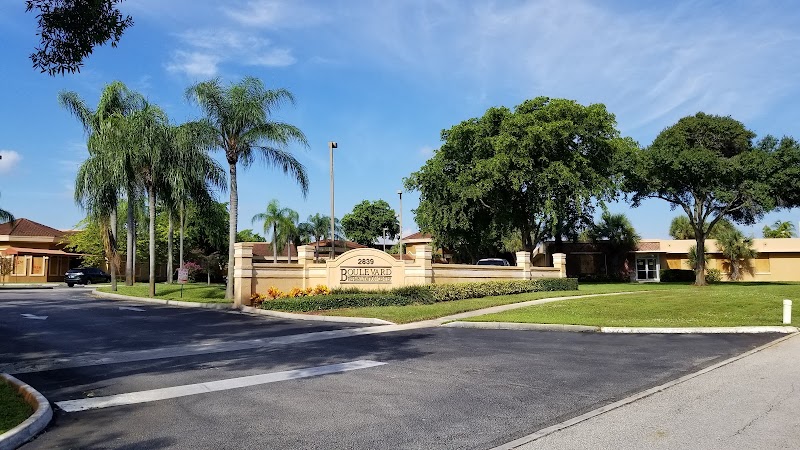
Who Owns and Operates Boulevard Rehabilitation Center?

BOULEVARD REHABILITATION CENTER is owned by a for-profit company. For-profit facilities operate as businesses with obligations to shareholders or private owners. The facility is operated by SOVEREIGN HEALTHCARE HOLDINGS, a chain that manages multiple nursing homes. With 167 certified beds and approximately 132 residents (about 79% occupancy), it is a mid-sized facility located in BOYNTON BEACH, Florida.
How Does Boulevard Rehabilitation Center Compare to Other Florida Nursing Homes?

Compared to the 100 nursing homes in Florida, BOULEVARD REHABILITATION CENTER's overall rating (4 stars) is above the state average of 3.2, staff turnover (35%) is significantly lower than the state average of 46%, and health inspection rating (3 stars) is at the national benchmark.

What Should Families Ask When Visiting Boulevard Rehabilitation Center?

Based on this facility's data, families visiting should ask: "Can I visit during a mealtime to observe dining assistance and food quality?" "How do you handle medical emergencies, and what is your hospital transfer rate?" "Can I speak with family members of current residents about their experience?"

Is Boulevard Rehabilitation Center Safe?

Based on CMS inspection data, BOULEVARD REHABILITATION CENTER has a clean safety record: no substantiated abuse findings (meaning no confirmed cases of resident harm), no Immediate Jeopardy citations (the most serious violation level indicating risk of serious injury or death), and is not on the Special Focus Facility watch list (a federal program monitoring the lowest-performing 1% of nursing homes). The facility has a 4-star overall rating and ranks #1 of 100 nursing homes in Florida. While no facility is perfect, families should still ask about staff-to-resident ratios and recent inspection results during their visit.

Do Nurses at Boulevard Rehabilitation Center Stick Around?

BOULEVARD REHABILITATION CENTER has a staff turnover rate of 35%, which is about average for Florida nursing homes (state average: 46%). Moderate turnover is common in nursing homes, but families should still ask about staff tenure and how the facility maintains care continuity when employees leave.

Was Boulevard Rehabilitation Center Ever Fined?

BOULEVARD REHABILITATION CENTER has no federal fines on record. CMS issues fines when nursing homes fail to meet care standards or don't correct problems found during inspections. The absence of fines suggests the facility has either maintained compliance or corrected any issues before penalties were assessed. This is a positive indicator, though families should still review recent inspection reports for the full picture.

Is Boulevard Rehabilitation Center on Any Federal Watch List?

BOULEVARD REHABILITATION CENTER is not on any federal watch list. The most significant is the Special Focus Facility (SFF) program, which identifies the bottom 1% of nursing homes nationally based on persistent, serious quality problems. Not being on this list means the facility has avoided the pattern of deficiencies that triggers enhanced federal oversight. This is a positive indicator, though families should still review the facility's inspection history directly.