BOYNTON BEACH REHABILITATION CENTER
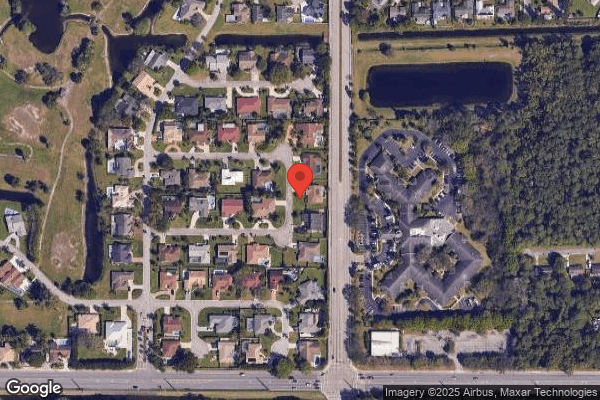
9600 LAWRENCE RD, BOYNTON BEACH, FL 33436 (561) 740-4100
For profit - Limited Liability company 168 Beds SOVEREIGN HEALTHCARE HOLDINGS Data: November 2025
Trust Grade
68/100
#337 of 690 in FL
Last Inspection: October 2024

Within standard 12-15 month inspection cycle. Federal law requires annual inspections.

Overview

Boynton Beach Rehabilitation Center has a Trust Grade of C+, indicating it is slightly above average but not exceptional. It ranks #337 out of 690 nursing homes in Florida, placing it in the top half of facilities in the state, and #26 out of 54 in Palm Beach County, meaning there are only a few better local options. The facility's trend is improving, with issues decreasing from 10 in 2024 to just 1 in 2025. Staffing is a strong point, rated 4 out of 5 stars with a 29% turnover rate, which is lower than the state average, indicating that staff members tend to stay longer, helping them provide better care. However, families should be aware of some concerns, such as findings that the facility failed to maintain cleanliness and comfort, with issues like stained privacy curtains and trash accumulation, as well as insufficient dining room space utilization, which left many residents uncomfortable during meal times.

Trust Score
C+
68/100
In Florida
#337/690
Top 48%
Safety Record
Low Risk
No red flags
Inspections
Getting Better
10 → 1 violations
Staff Stability
✓ Good
29% annual turnover. Excellent stability, 19 points below Florida's 48% average. Staff who stay learn residents' needs.
Penalties
✓ Good
No fines on record. Clean compliance history, better than most Florida facilities.
Skilled Nurses
○ Average
Each resident gets 39 minutes of Registered Nurse (RN) attention daily — about average for Florida. RNs are the most trained staff who monitor for health changes.
Violations
⚠ Watch
20 deficiencies on record. Higher than average. Multiple issues found across inspections.
★★★☆☆
3.0
Overall Rating
★★★★☆
4.0
Staff Levels
★★★★☆
4.0
Care Quality
★★★☆☆
3.0
Inspection Score
Stable
2024: 10 issues
2025: 1 issues

The Good

  • 4-Star Staffing Rating · Above-average nurse staffing levels
  • 4-Star Quality Measures · Strong clinical quality outcomes
  • Low Staff Turnover (29%) · Staff stability means consistent care
  • Full Sprinkler Coverage · Fire safety systems throughout facility
  • No fines on record
  • Staff turnover is low (29%)

    19 points below Florida average of 48%

Facility shows strength in staffing levels, quality measures, staff retention, fire safety.

The Bad

3-Star Overall Rating

Near Florida average (3.2)

Meets federal standards, typical of most facilities

Chain: SOVEREIGN HEALTHCARE HOLDINGS

Part of a multi-facility chain

Ask about local staffing decisions and management

The Ugly 20 deficiencies on record

Apr 2025 1 deficiency
CONCERN (D) 📢 Someone Reported This

A family member, employee, or ombudsman was alarmed enough to file a formal complaint

Potential for Harm - no one hurt, but risky conditions existed

Infection Control (Tag F0880)

Could have caused harm · This affected 1 resident

**NOTE- TERMS IN BRACKETS HAVE BEEN EDITED TO PROTECT CONFIDENTIALITY** Based on observation, interview, and record review the facility failed to implement Enhanced Barrier Precautions (EBP) for a res...

Read full inspector narrative →
**NOTE- TERMS IN BRACKETS HAVE BEEN EDITED TO PROTECT CONFIDENTIALITY** Based on observation, interview, and record review the facility failed to implement Enhanced Barrier Precautions (EBP) for a resident with active wounds and a Peripherally Inserted Central Catheter (PICC) line, for 1 of 6 sampled residents on EBP (Resident #3); and facility failed to implement infection control practices for a resident with a urinary catheter, for 1 of 3 sampled residents (Resident #1.) The findings included: 1) Review of the policy titled Enhanced Barrier Precautions Chapter: Infection Prevention and Control revised 06/13/24 documented Enhanced Barrier Precautions are indicated . 2. Wounds, and/or indwelling medical devices even if the resident is not known to be infected or colonized with a Multi-Drug-Resistant Organism (MDRO). Indwelling devices: Indwelling urinary catheters, Gastronomy-feeding tubes, Central lines including PICC, Midline, tracheostomy tubes . Review of the record revealed Resident #3 was admitted to the facility 04/16/25. A Brief Interview for Mental Status (BIMS) evaluation conducted on 04/17/25 documented the Resident had a BIMS score of 13, on a 0 to 15 scale, indicating the resident was cognitively intact. Review of the care plan dated 04/17/25 documented Resident #3 is at risk for impairment to skin integrity related to Peripheral Artery Disease (PAD), Diabetes Mellitus (DM). 04/16/24 admitted with R great toe wound/infection. Interventions included Enhanced Barrier Precautions. Review of the current orders revealed Resident #3 had a PICC line and active wounds. Further review revealed the Resident's wounds were located on the right great toe and right heel. Resident #3 had active orders for wound treatments and was currently receiving antibiotics. No active EBP orders were revealed upon record review. During an observation conducted on 04/23/25 at 9:59 AM the Wound Care Nurse was seen inside Resident #3's room. No EBP sign or Personal Protective Equipment (PPE) was observed at the Resident's doorway. At 10:13 AM another attempt was made to observe the Resident, the Wound Care Nurse was still in the room with Resident #3. During an observation and interview conducted on 04/23/25 at 11:50AM, no EBP sign or PPE was observed upon entrance or inside the Resident #3's room. When asked if staff wear a gown when they provide direct care she stated, No, I don't think they wear gowns. Resident #3 stated she had a PICC line and two wounds and she was currently being treated with antibiotics. During an interview on 04/23/25 at 12:29 PM, when asked what Residents should be placed on EBP, the Infection Preventionist stated Residents with open wounds, foleys, Intravenous lines (IV) such as midlines and PICC line. When asked why Resident #3 was not on EBP , the Infection Preventionist stated the resident should be on EBP due to the wound and PICC line. She confirmed that it had been her error and thought there was an order. During an interview on 04/23/25 at 1:16 PM, when asked if she was providing care to Resident #3 earlier while in the room, the Wound Care nurse replied No I was just talking to her, she feels comfortable with me. When asked if she knew why the Resident was not on EBP, the Wound Care Nurse stated she didn't know why and thought she was on it. During an interview on 04/23/25 at 1:31 PM the Assistant Director of Nursing (ADON) was made aware of Infection control concerns regarding Resident #3, and the ADON acknowledged with the findings. 2) Review of the Centers for Disease Control and Prevention article titled Summary of Recommendations published 03/25/24 documented, III. Proper Techniques for Urinary Catheter Maintenance . III.B.2. Do not rest bag on the floor. Review of the record revealed Resident #1 was last admitted to the facility 08/26/24.Review of the current Minimum Data Set (MDS) assessment dated [DATE] documented Resident #1 had a Brief Interview for Mental Status (BIMS) score of 11, on a 0 to 15 scale, indicating the resident had moderate cognitive impairment. Review of the active orders revealed Resident #1 currently had a suprapubic catheter (a urinary catheter inserted directly into the bladder through a small incision in the lower abdomen, rather than through the urethra.) Review of the Wound PCR Panel revealed that Resident #1 had a positive wound result reported on 03/14/25 to his suprapubic catheter site with suggested treatments. Further review of his record revealed he was treated for this infection with antibiotics. During an observation on 04/23/25 at 9:30 AM, Resident #1's urinary drainage bag was seen resting on the floor. Photographic evidence obtained. During a follow-up observation on 04/23/25 at 12:09 PM, Resident #1's representative was at the bedside feeding the resident. When asked how care was, the representative stated that Resident #1 has had a lot of urinary tract issues lately. When the urinary drainage bag was observed again, it was still resting on the floor. During an interview on 04/23/25 at 12:29 PM, when asked, Upon conducting an initial observation and assessment on a resident who has a urinary catheter, what do you not want to see? The infection preventionist replied I don't want to see a catheter bag on the floor or a catheter above the bladder because that can lead to infection, those two things are very important. When the infection preventionist was shown a picture of Resident #1's catheter bag resting on the floor, she stated she would have to check the policy to see if that was acceptable as it was in a dignity bag. No policy was provided to the surveyor justifying the infection preventionist's comment. During an interview on 04/23/25 at 1:31 PM with the ADON, when made aware of the concerns regarding Resident #1's catheter, the ADON stated it was hard to keep it off the ground due to the bed being in the lowest position. The ADON was made aware two other catheter bags were also observed with the bed in the lowest position and they were not observed resting on the ground. The ADON agreed how it was still an infection control concern due to the recent infection to the same site.
Oct 2024 10 deficiencies
CONCERN (D)

Potential for Harm - no one hurt, but risky conditions existed

Deficiency F0561 (Tag F0561)

Could have caused harm · This affected 1 resident

Based on observation, interview, and record review, it was determined that the facility failed to provide 1 (Resident #127) of 1 sampled residents with the right to choose schedules and make choices t...

Read full inspector narrative →
Based on observation, interview, and record review, it was determined that the facility failed to provide 1 (Resident #127) of 1 sampled residents with the right to choose schedules and make choices that include sleeping and waking times. The findings included: On 10/07/24 at 1 PM, an interview was conducted with Resident #127, in the Main Dining Room (MD) concerning issues at the facility. The alert and oriented resident stated that she would like to be able to attend the breakfast meal in the MDR (8:30 AM) but staff will not get her up, provide morning care and dressed until 10 AM after numerous requests. The resident also stated that she is late for Skilled Therapy sessions daily, which are scheduled at 10 AM. She has repeatedly requested from nursing to be ready for the therapy session but this also has not been resolved. Following the interview the surveyor stated to the resident to request from nursing staff to be up and prepared for the breakfast meal in the MDR on 10/08/24. On 10/08/24 at 8:30 AM the surveyor observed the resident in her room who was awake and in bed. Staff had failed again to honor her request to attend the breakfast meal in the MDR and would be again late for her schedule therapy 10 AM appointment. On 10/08/24 at 2 PM the surveyor met with the Director of Nursing and reviewed the resident's issues. The DON stated that the issues would be resolved. A subsequent observation conducted on 10/11/24 at 8 AM noted the resident to be up and dressed and in the wheelchair going to the MDR. The resident stated that she has been ready for the past 2 days at 7:30 AM and has attended the breakfast meal and therapy sessions on time. The resident voiced how happy she was and increased the quality of her life. During the review of the clinical record of Resident #127, it was noted an admission date of 07/11/24 with diagnoses that included Dysphagia, Failure to Thrive, and Lower Leg Wound. Further review of clinical record noted an MDS date 08/02/24 that indicated a BIMS score of 9 (non-cognitive impairment), no mood issues, and independent with eating.
CONCERN (D)

Potential for Harm - no one hurt, but risky conditions existed

Deficiency F0679 (Tag F0679)

Could have caused harm · This affected 1 resident

**NOTE- TERMS IN BRACKETS HAVE BEEN EDITED TO PROTECT CONFIDENTIALITY** Based on observation, interview, and record review, the facility failed to provide activities on an ongoing basis for 2 of 5 res...

Read full inspector narrative →
**NOTE- TERMS IN BRACKETS HAVE BEEN EDITED TO PROTECT CONFIDENTIALITY** Based on observation, interview, and record review, the facility failed to provide activities on an ongoing basis for 2 of 5 residents reviewed for activities (Resident #62 and #81). The findings included: A review of the facility's policy Activity Program, revised 08/2023, documented: Each center provides an ongoing program of activities designed to meet (in accordance with the comprehensive assessment) the interests and physical, mental, and psychosocial well-being of each resident. Document the resident's participation in activities or refusal to participate in activities in the progress notes as need. 1. Resident #62 was admitted to the facility on [DATE] with diagnoses included Dementia and Stroke. A comprehensive assessment dated [DATE] documented the resident had moderate cognitive impairment and was dependent for activities of daily living. Resident #62 was care planned for person-centered care, with an intervention enjoys participating in their favorite activities. A record review for Resident #62 revealed an Activities Evaluation dated 07/26/24 that documented the resident was able to make needs known, and was staff dependent for participation in activities. The evaluation further documented the resident had interests in sports, music, outdoor activities, conversation/talking, movies/TV, and interested in participation in special event parties/happy hour and ice cream/food socials. The resident needed assistance getting to and from activities via wheelchair. A review of Resident #62's progress notes revealed an activity note dated 06/10/24 at 15:14 that documented: Resident was unavailable for activity programs in bed sleeping today. Further review of Resident #62's records did not reveal any other documentation of the resident's participation or refusal of activities. Resident #62 was observed in his room sleeping in bed in a hospital gown on 10/07/24 at 11:30 AM. The TV was observed off. Resident #62 was observed in his room in bed sleeping in bed in a hospital gown on 10/08/24 at 10:30 AM, and again at 2:00 PM. The TV was off. Resident #62 was observed in his room awake and alert, dressed, sitting up in a recliner chair on 10/11/24 at 11:00 AM. The TV was off. Resident #62 was observed in his room awake and alert, dressed, sitting up in a recliner chair on 10/14/24 at 11:00 AM. The TV was off. An interview was conducted with the Activities Director on 10/14/24 at 12:00 PM. The Activities Director stated a resident's participation in activities was charted in the resident's progress notes. The Activities Director acknowledged the last time Resident #62 participated in activities according to the resident's progress notes was on 06/10/24. 2. Resident #81 was admitted to the facility on [DATE] with diagnoses included Stroke. A comprehensive assessment dated [DATE] documented the resident had moderate cognitive impairment and was dependent for activities of daily living. Resident #81 was care planned for person-centered care with an intervention enjoys participating in their favorite activities. A record review revealed an Activities Evaluation dated 07/24/24 that documented the resident was able to make needs known, and was staff dependent for participation in activities. The evaluation further documented the resident had interests in sports, music, outdoor activities, conversation/talking, and movies/TV. The resident needed assistance getting to and from activities via wheelchair or walker. A review of Resident #81's progress notes revealed an activity progress note dated 07/25/24 at 5:13 PM that documented: Quarterly review: [Resident #81] is mostly in bed resting or sleep in bed, haven't been up to activity programs. Activity staff will continue to encourage resident to attend programs. Further review of Resident #81's records did not reveal any other documentation of the resident's participation or refusal of activities. Resident #81 was observed in her room sleeping in bed in a hospital gown on 10/07/24 at 11:30 AM. The TV was observed off. Resident #81 was observed in her room in bed sleeping in bed in a hospital gown on 10/08/24 at 10:30 AM, and again at 2:00 PM. The TV was off. Resident #81 was observed in her room awake and alert, in bed on 10/11/24 at 11:00 AM. The TV was off. Resident #81 was observed in his room awake and alert, in bed on 10/14/24 at 11:00 AM. The TV was off. An interview was conducted with the Activities Director on 10/14/24 at 12:00 PM. The Activities Director stated a resident's participation in activities was charted in the resident's progress notes. The Activities Director acknowledged the last time Resident #81 had documentation for activities participation was on 07/25/24.
CONCERN (D) 📢 Someone Reported This

A family member, employee, or ombudsman was alarmed enough to file a formal complaint

Potential for Harm - no one hurt, but risky conditions existed

Quality of Care (Tag F0684)

Could have caused harm · This affected 1 resident

Based on record review and interview, the facility failed to address high blood glucose levels for 1 of 1 sampled resident (Resident #195). The findings included: Resident #195 was admitted to the fac...

Read full inspector narrative →
Based on record review and interview, the facility failed to address high blood glucose levels for 1 of 1 sampled resident (Resident #195). The findings included: Resident #195 was admitted to the facility for respite care on 09/20/24- 09/23/24. A review of Resident #195's orders revealed an order dated 09/20/24 for sliding scale insulin Novolog before meals and at bedtime. The resident was to receive 2 units of insulin for blood glucose level of 251-400. A review of Resident #195's blood glucose levels revealed a level of 438 on 09/22/24 at 6:51 AM. Further record review did not reveal any documentation of physician notification of a blood glucose level outside of the parameter of greater than 400. An interview was conducted with the Director of Nursing (DON) on 10/14/24 at 12:00 PM. The DON stated for a sliding scale insulin order, it will usually document to call physician if the blood glucose level is greater than 400. The DON further stated even if there was no order to call for a blood glucose level greater than 400, the nurse should have called as that was the standard of practice.
CONCERN (D)

Potential for Harm - no one hurt, but risky conditions existed

Accident Prevention (Tag F0689)

Could have caused harm · This affected 1 resident

**NOTE- TERMS IN BRACKETS HAVE BEEN EDITED TO PROTECT CONFIDENTIALITY** Based on observations, interviews and record reviews, the facility failed to adequately supervise a resident on enteral feeding ...

Read full inspector narrative →
**NOTE- TERMS IN BRACKETS HAVE BEEN EDITED TO PROTECT CONFIDENTIALITY** Based on observations, interviews and record reviews, the facility failed to adequately supervise a resident on enteral feeding who was self-administering fluids, for 1 of 2 residents reviewed with gastrostomy tube feeding (Resident #116). The findings included: Resident #116 was admitted to the facility on [DATE] with diagnoses including Acute Respiratory failure with Hypoxia (low oxygen concentration in the blood), Dysphagia (Swallowing difficulty), and Cognitive communication deficit. Review of annual MDS (Minimum Data Set) Section C, dated 08/14/24 revealed a score of 06 indicating, impaired cognitive function. MDS Section K under Nutritional Approaches revealed yes to a feeding tube (PEG {percutaneous endoscopic gastrostomy-an abdominal opening through a tube that goes straight into the stomach}). Further review of Nursing Care Plan created on 08/23/24, with a target date of 11/18/24, revealed the following foci: decreased nutritional status, and dehydration related to Acute respiratory failure, and head and neck cancer. The documented goals for Resident # 116 were: to tolerate tube feeding flushes as ordered, to be free from signs and symptoms of dehydration, and to be free from significant weight changes. The interventions included: assistance with meals as needed, diet as ordered, observe diet tolerance, and observe for dehydration. Record review of Dietary Progress Notes dated 09/11/24 related to enteral feeding review, revealed resident is NPO (nothing to be given by mouth), that tube feeding provides 2280 kcal (Kilocalorie), 97 g (Grams) of proteins, 2695 ml (Milliliter ) of fluids plus an additional 240 ml of fluid flushes every 4 hours. It documented a weight of 146.8 pounds, and a BMI ( Basal Metabolic Index) of 23, indicating normal. Additional notes revealed that Resident #116 was found taking food from meal carts and hiding milk in nightstand drawer, has failed swallow studies and had PEG tube prior to facility admission. Additional documentation revealed that Resident #116 remains ambulatory and walks around the facility several times a day. A review of orders dated 09/26/24 revealed an NPO diet. On 09/27/24, an order for enteral feed related to Dysphagia was documented as Jevity 90 ml/hr (Milliliter per hour ) for 16 hours, on at 6:00 PM, off at 10 AM. Additional record review of Dietary Progress notes dated 10/11/24 related to enteral feeding, revealed that Resident is NPO, that tube feeding provides 2755 kcal, 118 g of protein, 2714 ml of fluids, plus 240 ml flushes every 4 hours, which indicated greater than 100 percent of estimated nutritional needs. A Jevity feeding at 100 ml/hour for 16 hours, with one can bolus during the day was documented. It further revealed that Resident #116 was status post hospitalization, with some weight loss, and an increased needs related to being mobile, with history of refusing gastrostomy tube feeding, and diuretic treatment. Additional documentation revealed a recorded weight of 128 pounds and a BMI of 20, indicating underweight. In an observation on 10/14/24 10:39 AM, Resident # 116 was observed lying in bed, with head slightly elevated on a pillow. He had a red carton of 8 ounces whole milk between his thighs. He was attaching a [NAME] syringe on an open portal of the gastrostomy tube located on his abdomen and started emptying the contents of the 8 ounces whole milk carton on the [NAME] syringe, pouring down to the gastrostomy tube opening. This surveyor searched for staff for assistance. Two Staff, Staff B, a CNA (Certified Nursing Assistant), and the DON (Director of Nursing), were approaching were asked to go inside Resident #116's room. The DON put on gloves and told the resident that he is not allowed to feed himself through the gastrostomy tube. She disconnected the [NAME] syringe from the gastrostomy tube port then closed it with a cap. She then bagged the milk and took it outside Resident #116's room. In an interview with the DON on 10/14/24 at 10:52 AM, she stated that Resident #116 is not allowed to perform enteral feeding by himself. In an interview with Resident #116 on 10/14/24 at 10:55 AM, he stated he was hungry, and staff do not provide enough food for him, so he decided to feed himself. Resident #116 was observed tapping his abdomen while he was talking to this Surveyor. During an interview with Staff H, a CNA, on 10/14/24 11:10 AM, she stated that Resident #116 goes to the dining room every morning. She added that she does not see him eating, but she sees him going there.
CONCERN (D)

Potential for Harm - no one hurt, but risky conditions existed

Deficiency F0692 (Tag F0692)

Could have caused harm · This affected 1 resident

**NOTE- TERMS IN BRACKETS HAVE BEEN EDITED TO PROTECT CONFIDENTIALITY** 2). Resident # 32 was admitted on [DATE] with diagnoses including Atrial fibrillation, Cognitive communication deficit, Hypothyr...

Read full inspector narrative →
**NOTE- TERMS IN BRACKETS HAVE BEEN EDITED TO PROTECT CONFIDENTIALITY** 2). Resident # 32 was admitted on [DATE] with diagnoses including Atrial fibrillation, Cognitive communication deficit, Hypothyroidism, Glaucoma, Dementia, and Anemia. Review of MDS (Minimum Data Set) Section C, dated 09/03/24, revealed a BIMS (Brief Interview of Mental Status) score of 05, indicating impaired cognitive function. Section E 0800, pertaining to rejection of care, revealed a response of zero, indicating the behavior was not exhibited by Resident #32. Further record review of Nursing Progress Notes between 08/01/24 and 10/10/24, revealed Staff E, a Licensed Practical Nurse (LPN) documented as follows: Resident has history of COPD (Chronic Obstructive Pulmonary Disease), and experiences occasional SOB (shortness of breath) with exertion. There were no documentations that Resident #32 refused to be weighed on all the above dates. There were no documentation of Resident #32's Physician was made aware of resident's refusal to be weighed on the above dates. A further review of Nursing Progress Notes dated 09/04/24, revealed a documentation by a Staff I, an RN (Registered Nurse), noting Resident #32 has been very pleasant and weight is stable. IDT (Interdisciplinary team reviewed the POC (Plan of Care) and it was updated. There was no recorded weight on this progress note. Additional Nursing Progress Notes dated 09/12/24, documented by Staff K, LPN, revealed head to toe visual evaluation for skin check completed. Left lower leg wound care done by wound care Nurse and wound care Doctor. There was no documentation of Resident # 32's refusal to be weighed. A record review of Nursing Progress Notes documented by Staff J, a LPN, dated 09/24/24 revealed Resident is stable, no complaint voiced, appetite is good. There was no documentation of Resident #32's refusal to be weighed. Further review of Nursing Progress Notes written by Staff J, LPN, dated 09/26/24 revealed no mood indicators and behaviors displayed by resident. It added that resident #32 has intermittent confusion. Additional notes were Nursing services provided, turned and repositioned, positioning devices applied. There was no documentation of Resident 32's refusal to be weighed. Record review of Nursing care plan dated 09/04/24, revealed the following foci: Resident is at risk for decreased nutritional status, and dehydration, related to past medical history of Sepsis, Dementia, UTI ( Urinary Tract Infection), Advanced age and limited mobility. The goals documented are as follows: Resident will be free from significant weight changes through the review date; Resident will consume adequate foods and fluids to meet estimated nutritional needs through the next review date. The following interventions were documented as follows: Assist with meals as needed, monitor diet tolerance, provide food preferences and substitutions, monitor po ( per orem or by mouth) intake, and weights as ordered. Further record review of quarterly Nutrition Note, dated 09/18/24, revealed Resident #32 refused weight for August and September. There were no documentation that Resident #32's Physician was informed of Resident's refusal to be weighed, and the interventions performed by Staff. A review of Progress Notes dated 10/08/24, revealed a Nutrition follow up documenting that Resident #32 refuses to be weighed for 3 months. It added weight loss was suspected based on appearance and intervention. During the Recertification survey on 10/08/24, Staff D, a Dietary Technician, added an order of Ready care 2.0, 120 ml ( Milliliters) to be offered BID (twice a day). Staff D, Dietary Technician met with the Resident on the same day to discuss Resident #32's dietary preferences and questioned the resident about complaints of Gastro-intestinal upset. A review of Facility policy titled Weight Measurements revised on 08/23, revealed that the purpose of body weight is a value used to monitor the nutritional status of the resident. Additional notes related to frequency and calculations revealed that residents are weighed weekly, monthly, or according to physician orders. Any significant weight loss or gain is noted and reported to the attending physician, family, or responsible party, and documented in the medical record. Page 1 of the document revealed the types of scales and the indications for each usage. Bed scale is appropriate for a non- ambulatory or acutely ill resident who is bed-bound. Page 2 and 3 of the same document revealed various procedures of measuring weight using a standing scale, bed scale, chair scale, and specialty bathing system. During an observation on 10/07/24 at 12:30 PM, Resident #32 did not touch the main entree on her meal tray. She had some drinks from the meal tray. She stated food is not great all the time. She wanted something that she can easily digest. She is not sure if she had been seen by a Dietician. Resident looks thin with long fingers. When asked if she is losing weight, she stated she does not know. In an interview with Staff D, Dietary Technician, on 10/11/24 at 10:06 AM, she stated that Residents are weighed weekly, monthly and or according to physician's orders. When asked how she evaluated Residents nutritional status if they refused to be weighed, she stated that she monitored the daily intake tasks documented by the staff CNAs. When asked if she had visually assessed Resident #32 recently, and if she agreed that this resident weighed 141 pounds, she did not respond. In an observation on 10/11/24 at 2:00 PM, Staff A, CNA, stated that Resident #32 refused to be weighed three times today. During an interview with a Staff E, LPN, on 10/14/24 at 10:50 AM, she stated Resident #32 finally agreed to be weighed on Saturday, 10/12/24. When this Surveyor asked for the weight obtained, Staff E stated she cannot remember. When asked if the result was documented in PCC (Point Click Care), she stated she does not know. When this Surveyor checked PCC on 10/14/24 at 2:30 PM, the last documented weight of 141 pounds was on 07/24/24. During an interview with the Facility's Administrator on 10/14/24 at 2:30 PM, the above information was shared. Based on observations, interviews and record reviews, the facility failed to monitor residents' weights for 2 of 9 residents reviewed for Nutrition, Residents #32 and 89. The findings included: The facility's policy, 'Weight Measurements' revised 08/2023, documented: Frequency of measurements and calculations Residents are weighed weekly, monthly or according to physician orders. Residents should be weighed at the same time of day, in similar clothing and using the same scale. Any significant or progressive weight loss or gain is noted and reported to the resident's attending physician, family, or responsible party, and documented in the medical record. Note: All new admits are weighed weekly for 30 days. 1). Resident #89 was admitted to the facility on [DATE]. According to the resident's admission Minimum Data Set (MDS) assessment, dated 08/20/24, Resident #89 had a Brief Interview for Mental Status (BIMS) score of 10, indicating that the resident was 'moderately' cognitively impaired. Resident #89's diagnoses at the time of the assessment included: Hypertension, Renal insufficiency, Diabetes Mellitus, Hyponatremia, Muscle weakness, Lack of coordination, Cognitive communication deficit. Resident #89's orders included: Regular diet, Regular texture, Thin Liquids consistency - 08/29/24 Med Pass 2.0/Ready Care 2.0 two times a day for nutrition support give 120 ml by mouth twice a day - 09/25/24. Resident #89's Care plan for nutrition, initiated on 08/30/24, documented, Resident is at risk for decreased nutritional status & dehydration related to Type 2 DM, Hypertension, meds that may cause Gi upset/edema, liberalized diet to promote po (oral) intakes, need for nutrition supplements, decreased po intakes. Interventions to the care plan included: * Weights as ordered Date Initiated: 08/30/2024 Review of Resident #89's health records showed that there were no orders for weights to be taken. During an interview, on 10/08/24 09:31 AM, with Resident #89, when asked about any concerns with weight loss or weight gain, Resident #89 replied, I have lost weight since I have been here. The food is prepared food - not like mama cooked. Resident #89's weight upon admission was documented as 120 pounds. There were no other weights documented in the resident's electronic health record since the admission weight. During an interview, on 10/11/24 at approximately 8:30 AM, with Staff B, Restorative CNA, when asked about taking residents' weights, Staff B stated that the Restorative CNAs received a list of residents to be weighed based on orders and requests/recommendations from the Diet Tech. After obtaining the weights they are to provide the hand written documentation to the Diet Tech. The Diet Tech then puts the information in the resident's electronic health record. During an interview, on 10/11/24 at 9:40 AM, Staff A, Restorative CNA, Staff A provided this Surveyor with hand-written documentation of residents' weights. Staff A documented Resident #89's weight as 89 pounds for the month of September 2024. When asked, Staff A could not recall the exact date that the weight was taken. Staff A provided this Surveyor with hand-written documentation of weights from 10/10/24. The document showed that Resident #89 weighed 113 pounds. During an interview, on 10/11/24 at 10:03 AM with the Diet Tech, when asked about the facility's policy for obtaining residents' weights, the Diet Tech replied, A lot of times, I put them in the computer. I have not seen the weight for September, but before I put them in the computer, I have to go and make sure. I have not seen it. The Diet Tech further stated that residents are to be weighed on admission and then weekly for the next 4 weeks and monthly thereafter unless otherwise determined, when there is a weight loss, weekly or as indicated.
CONCERN (D)

Potential for Harm - no one hurt, but risky conditions existed

Deficiency F0698 (Tag F0698)

Could have caused harm · This affected 1 resident

Based on observation, interview, and record review, it was determined that 1 (Resident #6) of 1 sampled residents for dialysis review failed to receive services that include meals and snacks and profe...

Read full inspector narrative →
Based on observation, interview, and record review, it was determined that 1 (Resident #6) of 1 sampled residents for dialysis review failed to receive services that include meals and snacks and professional standards of practice to ensure dialysis communication reports are properly completed for each dialysis session. The findings included: 1) During an interview and observation of Resident #6 on 10/11/25 at 8 AM noted resident awake and in bed. Alert and oriented and stated to be leaving for dialysis at approximately 9:30 AM and will return approximately 3 PM. She sated that she is given a bagged lunch to take to dialysis center on each appointment however the dialysis center will not let her eat or drink during dialysis. She stated this has been going on for many months and has complained to dialysis staff previously without resolution. She does get hungry and thirsty during dialysis sessions but is denied food and fluids. Resident stated that she leaves the facility 3 times per week at 9:30 AM and returns from dialysis at approximately 3 PM. On 10/11/24 the surveyor discussed the issues with Resident #6 with the facility's Dietetic Technician who stated she was not aware of the issues but stated she was aware the bagged lunch and snacks given to the resident to take to dialysis sessions come back with the resident to the facility untouched and uneaten. The surveyor requested the technician to contact the resident's dialysis facility and request the policy for consuming food and beverages during dialysis. On 10/11/24 the technician submitted the facility's policy fro Eating and Drinking Hot Liquids on Dialysis which documented all forms of eating or drinking are discouraged for potential burns, increased chance of choking, and increased chance of spreading communicable disease due to cross contamination. The policy further documented that patients may snack and/or drink in the waiting room before or after their treatment. Further interview with the facility's Technician noted the dialysis staff stated they are not asking patients (including Resident #6) if they are thirsty or hungry and bring them to the waiting room to eat and drink. The facility's technician stated to dialysis staff that Resident #6 requests to consume food and fluids on dialysis days before and after treatment. 2) During the review of the clinical record of Resident #6, it was noted an admission date of 12/19/23 with diagnoses of End Stage Renal Disease and Diabetes Type 2. Current physician orders dated 12/27/23 documented dialysis every Monday, Wednesday, Friday, with a dialysis chair time of 10 AM on each scheduled day. Further review of the clinical record by the surveyor noted the review of the Communication Forms that are required to be completed by the facility prior to leaving for dialysis and completed by the dialysis facility following the dialysis session. A review of the form noted that the dialysis center was not completing the communication form on a regular basis which included required documentation of the following: Pre-Dialysis Weight Post Dialysis Weight Estimated Dry Weight Pre-Dialysis Blood Pressure Post Dialysis Blood Pressure * Given Food/Fluids Condition on Discharge Back to Facility Follow-up Change to Care Type of Dialysis Access Port Condition of Port Medications Given Lab Values * Meal Sent Signature of Staff Completing Form Further review of Resident #6 Dialysis Communication forms from 07/31/24 through 10/07/24 noted that the dialysis facility failure to complete the documents on the following dialysis dates: 10/04/24 - Not completed by dialysis facility 09/30/24 - Not completed by the dialysis facility. 09/27/24 - Not completed by the dialysis facility. 09/18/24 - Not completed by the dialysis facility. 09/06/24 - Not completed by the dialysis facility. 08/28/24 - Not completed by the dialysis facility. 08/19/24 - Not completed by the dialysis facility. 08/16/24 - Not completed by the dialysis facility. 08/14/24 -Not completed by the dialysis facility. 08/02/24 - Not completed by the dialysis facility. 07/31/24 - Not completed by the dialysis facility. On 10/11/24 the surveyor reviewed the issue of failure to document on the dialysis communication form who confirmed the surveyor's findings and discussed the issues with the facility's Director of Nursing.
CONCERN (D)

Potential for Harm - no one hurt, but risky conditions existed

Unnecessary Medications (Tag F0759)

Could have caused harm · This affected 1 resident

Based on observation, record review, and interview, the facility failed to ensure a medication error rate is not 5% or greater, as evidence by 2 errors out of 26 opportunities for a medication error r...

Read full inspector narrative →
Based on observation, record review, and interview, the facility failed to ensure a medication error rate is not 5% or greater, as evidence by 2 errors out of 26 opportunities for a medication error rate of 7.69%, which affected 1 of 4 sampled residents (Resident #74) The findings included: An observation of a medication administration was conducted on 10/08/24 at 9:00 AM on Resident #74 with Staff K, a Licensed Practical Nurse. Staff K administered one Zyprexa (antipsychotic) 7.5 milligrams (mg) tablet and two Tylenol 325 mg for a total of 650 mg, along with other ordered medications. A review of Resident #74's orders revealed an order dated 06/23/23 for Tylenol 650 mg give 2 tablets three time a day. Further review of the resident's orders revealed an order dated 10/02/24 for Zyprexa 5 mg for gradual dose reduction (GDR). An interview was conducted with Staff K on 10/08/24 at 10:30 AM. Staff K acknowledged the Zypexa order was changed to 5 mg on 10/02/24. Staff K produced a packet of Zyprexa 5 mg dated 10/02/24. The packet had not been used. Staff K stated the old packet of Zyprexa 7.5 mg should have been returned to pharmacy. Staff K further acknowledged she administered two Tylenol 325 mg tablets (650 mg) instead of two Tylenol 650 mg tablets (1300 mg). An interview was conducted with the Director of Nursing (DON) on 10/11/24 at 10:00 AM. The DON acknowledged the above.
CONCERN (D)

Potential for Harm - no one hurt, but risky conditions existed

Deficiency F0810 (Tag F0810)

Could have caused harm · This affected 1 resident

**NOTE- TERMS IN BRACKETS HAVE BEEN EDITED TO PROTECT CONFIDENTIALITY** Based on observation, interview, and record review, it was determined that the facility failed to provide special eating equipme...

Read full inspector narrative →
**NOTE- TERMS IN BRACKETS HAVE BEEN EDITED TO PROTECT CONFIDENTIALITY** Based on observation, interview, and record review, it was determined that the facility failed to provide special eating equipment and utensils for 6 (Resident #40, #57, #67, #68, #118, and #134) of 9 residents sampled for nutritional review. The findings included: 1) Observation of the lunch meal conducted on 10/07/24 at 12:15 PM noted the meal tray card of Resident #40 to document 2-Handled Cups, Scoop Plate, and Weighted Utensils with meals. Further observation of the lunch meal noted the resident did not receive beverages in 2-handle cups and was served water in a glass cup and coffee in a ceramic regular coffee mug. Interview with the alert resident at the time of the observation noted to state he often does not receive the 2-handled cups and further stated that beverages are easier to drink from the 2-handle cups. Therapy staff indicated to the surveyor during the meal that the resident did not receive the appropriate cups with the meal and that the resident has been assessed to receive the adaptive eating and drinking equipment. Observation of the breakfast meal in the Main Dining Room on 10/08/24 at 8:45 AM, it was again noted that the resident was served milk and coffee in regular cups. Review of the clinical record of Resident #40 noted an re-admission date of 08/26/23 with current diagnoses of Hemiplegia, Hemiparesis, Diabetes Type 2, and Dysphagia. Current physician orders included Patient to receive Scoop Dish, Weighted Utensils, and and 2-Handled Cup with Lid to facilitate increased independence with self feeding and reduce spillage (07/09/24). Review of Occupational Therapy Treatment of service from 06/27/24 - 07/10/24 documented patient with weight loss but can feed self with use of weighted utensils, scoop dish, and 2-handled cups. Review of current care plans dated 10/08/24 documented the problem of Nutritional Risk that included the intervention of Adaptive equipment as ordered: scoop dish, weighted utensils, and 2-handled cup with meals. 2) Observation of the lunch meal in the Main Dining Room on 10/07/24 at 12:15 PM noted the Resident's #57 meal tray card to document Large Grip Utensils, Scoop Plate, and Sipper Cup with the meal. Further observation noted that the resident was not given Large Grip Utensils with the lunch meal. The resident stated to the surveyor that he often is not issued the Utensils or the scoop plate or sipper cup with meals in the dining room or in room with meals. He further stated that the built-up utensils, scoop plate, and sipper cup allow him to eat more easily and independently. Interviews with therapy staff during the lunch meal observation noted that the resident was not issued the Large Grip Utensils with the meal and has been assessed for the use of the utensils. Review of the clinical record of Resident #57 noted an admission date of 02/08/24 with current diagnoses of Diabetes, Protein-Calorie Malnutrition, and Muscle Weakness. Current physician orders included Large Grip Utensils, Scoop Plate, and Sipper Cup with meals. A review of Occupational Therapy notes from the certification period of 03/21/24 - 05/04/24 documented that Resident #57 has arthritis in both hands with decreased gross grasp and unable to close hands. Patient will benefit from adaptive feeding equipment to facilitate improved self feeding independence. Use of 2-handled mug, built-up utensils, and scoop dish to ensure adequate nutrition and hydration. Review of current care plans dated 09/10/24 documented the problem of Risk for Decreased Nutritional and Dehydration Status with the documented intervention of Adaptive Equipment: Large grip Utensils, Sippy Cup, and cup with handles with every meal. 3) During the observation of the lunch meal in the Main Dining Room on 10/07/24 at 12:15 PM, it was noted Resident's #67 meal tray card to document a Mini Coated Spoon and Scoop Plate with the meal. Further observation noted that the Mini Coated Spoon was not served with the meal and the resident received a regular Built-up Spoon with the meal. It was noted the resident was having difficulty biting and eating the foods with the regular spoon. Interviews with therapy staff during the meal observation were noted to state the resident was not given the appropriate mini coated spoon with the meal and has been assessed for the need of the mini coated spoon. Review of the clinical record of Resident #67 on 10/11/24 noted that the resident was re-admitted on [DATE] with current of diagnoses of Depressed Mood, Dysphagia, and Aphasia. Current physician orders noted Patient to use mini-coated spoon and scoop plate with meals dated 05/22/23. Review of Occupational Therapy Discharge Summary from service period of 05/2223 - 06/02/22 documented patient requires mini coated spoon and scoop plate for self feeding. Review of current care plans dated 10/02/24 document the problem of Decreased Nutritional and Hydration Status with the intervention including Adaptive Equipment as ordered : Mini Coated Spoon and Scoop Plate. 4) Observation of the lunch meal conducted on 10/07/24 at 12:15 PM noted the meal tray card of Resident #68 to document 2-Handled Cups, Scoop Plate, and Weighted Utensils with meals. Further observation of the lunch meal noted the resident did not receive beverages in 2-handle cups and was served water in a glass cup and coffee in a ceramic regular coffee mug. Interview with the alert resident at the time of the observation noted to state he often does not receive the 2-handled cups and further stated that beverages are easier to drink from the 2-handle cups. Therapy staff indicated to the surveyor during the meal that the resident did not receive the appropriate cups with the meal and that the resident has been assessed to receive the adaptive eating and drinking equipment. During the observation of the breakfast meal in the Main Dining Room on 10/08/24 at 8:45 AM it was again noted that a serving of milk and orange juice were served in a glass drinking cup . Review of the clinical record of Resident #68 noted re-admission date of 06/22/24 with diagnoses of Seizures, Hemiplegia and Hemiparesis. Current physician orders noted 2-Handle Cups and Scoop Plate with Meals. Review of Occupational Therapy Treatment from service period of 09/22/24 - 11/07/22 documented the addition of adaptive equipment including scoop dish, and large grip utensils to minimize spillage. Review of current care plans dated 7/24/24 documented the problem of Decreased Nutrition and Hydration Status with the intervention of Adaptive Equipment as ordered: 2-handled cup and scoop plate. 5) Review of the clinical record of Resident #118 noted an admission date of 02/14/24 with diagnoses of Anemia, Seizures, and Dysphagia. Current physician orders included Soft and Bite Sized Diet with Mildly Thickened Liquids (08/21/24) , and Patient to use Scoop Plate, Large Grip Utensils, and 2-Handled Cup/Low Flow Restricted Cup with all meals. During the review of Occupational Treatment Encounter for the service period of 05/06/24 - 08/19/24 noted documentation of need for self feeding with lidded cup with 2-handles, large grip utensils, and scoop dish to increase independence with self-feeding and decreased spillage. Review of current care plans dated 09/24/24 documented the problem of Decreased Nutritional Status and Hydration with the documented intervention of Adaptive Equipment as ordered: 2-handled cup, built-up utensils and scoop plate. 6) Observation of the lunch meal conducted on 10/07/24 at 12:15 PM noted the meal tray card of Resident #134 to document 2-Handled Cups, Scoop Plate, and Weighted Utensils with meals. Further observation of the lunch meal noted the resident did not receive beverages in 2-handle cups and was served milk and juice a glass cup. Interview with the alert resident at the time of the observation noted to state he often does not receive the 2-handled cups and further stated that beverages are easier to drink from the 2-handle cups. Therapy staff indicated to the surveyor during the meal that the resident did not receive the appropriate cups with the meal and that the resident has been assessed to receive the adaptive eating and drinking equipment. During the observation of the breakfast meal in the Main Dining Room on 10/08/24 at 8:45 AM it was again noted that a serving of milk and orange juice were served in a glass drinking cup . Review of the clinical record of Resident #134 noted a re-admission date 06/16/24 with current diagnoses of Gastro Hemorrhage, Respiratory Failure, Diabetes, and Protein-Calorie Malnutrition . Current physician orders noted Patient to use 2-Handled Cup, Scoop Plate, and Weighted Utensils with all meals (09/04/24). Review of current care plans dated 10/08/24 documented the problem of Decreased Nutritional Status with the documented intervention of Adaptive Equipment as ordered; 2-handled cup, scoop plate and weighted utensils.
CONCERN (E)

Potential for Harm - no one hurt, but risky conditions existed

Safe Environment (Tag F0584)

Could have caused harm · This affected multiple residents

**NOTE- TERMS IN BRACKETS HAVE BEEN EDITED TO PROTECT CONFIDENTIALITY** Based on observation and interview, it was determined that the facility failed to provide housekeeping and maintenance services ...

Read full inspector narrative →
**NOTE- TERMS IN BRACKETS HAVE BEEN EDITED TO PROTECT CONFIDENTIALITY** Based on observation and interview, it was determined that the facility failed to provide housekeeping and maintenance services necessary to maintain a sanitary, orderly, safe, clean, and comfortable interior for 2 of 3 resident units (200 and 300), 1 of 1 physical therapy room, and 1 of 1 main dining room. The findings included: During the initial resident tours conducted by the surveyors on 10/07/24 - 10/08/24, and the Environment Tour conducted with the Director of Maintenance on 10/11/24, the following were noted: 200 Unit: room [ROOM NUMBER]: Large areas of peeling room wallpaper, and numerous small black holes to room floor. room [ROOM NUMBER]: Exterior of wood bed frame in disrepair (A-bed). room [ROOM NUMBER]: Room floor had large cracks in the linoleum, exterior pf wood bed frame in disrepair (A-bed), Room floor stained and in disrepair, exterior of over-bed tables (X 2) stained and rust laden, room walls in disrepair, and exteriors of room dressers (x 2) worn, broken, and in disrepair. room [ROOM NUMBER]: Privacy curtain soiled and stained (A-bed), and room floor numerous small black holes in linoleum. room [ROOM NUMBER]: large area of room floor was peeling up, exterior of bathroom shower handrails (X 2) were stained and rust laden, and exterior of over-bed table was stained and rust laden (B-bed) . room [ROOM NUMBER]: Bathroom floor soiled and heavily stained, and room floor soiled and stained. room [ROOM NUMBER]: Bathroom floor soiled and heavily stained, and exterior of over-bed table stained and rust laden (A-bed). room [ROOM NUMBER]: Bathroom floor soiled and heavily stained, and room waste basket cracked and broken. room [ROOM NUMBER]: Bathroom floor soiled and heavily stained, and exterior of over-bed table stained and rust laden (A-bed). Hallway/Corridor: Large carpet stains outside entrance to room [ROOM NUMBER]. 300 Unit: room [ROOM NUMBER]: Room windows soiled and build-up of green algae. Hallway/Corridor: Heavy urine odor outside of room [ROOM NUMBER]. Community Shower #1: Privacy curtain of toilet area does not promote resident privacy when in use, and 1 of 3 light fixtures not working. Community Shower #2: Two of 3 light fixtures not working. Nourishment Room: Door gasket had large tear and requires replacement. Nurses Station: Exterior of wall vent and surrounding wall area covered with black mold type matter. Skilled Therapy Department: Parallel Bars: The wood floor area of 2 of 2 parallel bars noted to be heavily worn, stained and non-slips strips require replacement. Parallel Bars: The hand and arm stabilization bars of 2 of 2 parallel bars were broken, loose held together with zip ties and in need of immediate replacement. Practice Stair Case: The exterior of the stairs (6) were soiled, stained and the non-skid foot strips require replacement . Storage Room: Four ceiling tiles appeared to have water/leak damage and in need of repair and replacement. Bathroom: Two ceiling tiles appeared to have water/leak damage and in need of repair and replacement Main Dining Room: Windows: Twelve of twelve windows were noted to be soiled and heavy build-up of green-algae matter. Following the tours the findings were again reviewed and confirmed with the Administrator and Director of Maintenance.
CONCERN (E)

Potential for Harm - no one hurt, but risky conditions existed

Deficiency F0920 (Tag F0920)

Could have caused harm · This affected multiple residents

Based on observation, interview, and record review, it was determined that the main dining room space was not being properly utilized during meal service for 40 of 40 facility residents. The findings...

Read full inspector narrative →
Based on observation, interview, and record review, it was determined that the main dining room space was not being properly utilized during meal service for 40 of 40 facility residents. The findings included: During the observation of the lunch meal in the Main Dining Room (MDR) on 10/07/24 at 12 PM, it was noted that the entire dining room space was not being utilized for the meal service. Specifically, approximately only half of the dining space was being utilized for the residents(38 wheelchair bound) . During the meal observation it was noted that 40 residents were in attendance and numerous residents complained and became upset and angry due to having their wheelchairs moved from their table so other residents in wheelchairs could get into the dining area. During the observations, three sampled residents (Resident 's # 40, #57 and #127 ) complained to the surveyor of constantly being moved during meal services (Lunch & Dinner). Staff (A, D, and E) were also noted to state to the surveyor about the difficulty the residents have constantly repositioning/moving during meal services. Further observation noted that the main dining space being utilized for the lunch meal was furnished with 13 dining tables and 36 of the 38 residents in attendance were wheelchair bound. Further observation noted that the space not being utilized for meal were furnished with 3 tables of which only 4 wheelchair bound residents were in attendance. On 10/08/24 at 11 AM, at the request of the surveyor the dining room spaces being utilized for meals were measured by the Director of Maintenance. The measurements noted that the main area was 1200 square feet and the connecting ding area not being utilized was measured at 560 square feet. The Director stated that he did not know why the entire dining area is not being utilized for resident meals and confirmed that there is a problem of space constraints and continuous moving of residents during meals. Continuous observation of the lunch meals on 10/08/24, 10/11/24, and 10/14/24 confirmed the surveyor's findings of residents being continuously moved during meal service and complaining of the issue.
Aug 2023 2 deficiencies
CONCERN (D)

Potential for Harm - no one hurt, but risky conditions existed

Deficiency F0761 (Tag F0761)

Could have caused harm · This affected 1 resident

**NOTE- TERMS IN BRACKETS HAVE BEEN EDITED TO PROTECT CONFIDENTIALITY** Based on observations, interviews, and record review, the facility failed to properly secure medications at the bedside for 3 ou...

Read full inspector narrative →
**NOTE- TERMS IN BRACKETS HAVE BEEN EDITED TO PROTECT CONFIDENTIALITY** Based on observations, interviews, and record review, the facility failed to properly secure medications at the bedside for 3 out of 28 sampled residents (Residents #114, #62, and #120) The findings included: Review of the facility's policy titled, Storage and Expiration Dating of Medications, Biologicals with a revised date of 08/07/23 included under General Storage Procedures: Store all drugs and biologicals in locked compartments, including the storage of Schedule II-VI medications in separately locked, permanently affixed compartments, permitting only authorized personnel to have access. Facility should ensure that all medications and biologicals, including treatment items, are securely stored in a locked cabinet/cart or locked medication room that is inaccessible to residents and visitors. Bedside Medication Storage: Facility should not administer/provide bedside medications or biologicals without a Physician/Prescriber order and approval by the Interdisciplinary Care Team and Facility administration. Facility should store bedside medications or biologicals in a locked compartment within the resident's room. Review of the facility's policy titled, Self-Administration of Medication with a reviewed date of 04/25/17 included: to respect the wishes of competent residents to self-administer prescribed medications, as allowed by state regulations. To provide an assessment and evaluation process to determine if a resident is capable of self-administration. To provide instructions for those capable of self-administration. To maintain the safety and accuracy of medication administration. If a resident desires to participate in self-administration, the interdisciplinary team will assess the competence of the resident to participate, by completing a self-determination of medication assessment. The nurse will interview the resident to determine their ability to identify, prepare, and administer medications. Based on the interdisciplinary team's assessment, a decision is made as to whether or not the resident is a candidate for self-administration. This will be recorded on the self-administration of medication assessment. The nurse will obtain a physician's order for each resident conducting self-administration of medications. Document the self-administration of medication on the resident's comprehensive plan of care. 1. Record review for Resident #114 revealed the resident was admitted to the facility on [DATE] with diagnoses that included: Metabolic Encephalopathy, Type 2 Diabetes Mellitus and Major Depressive Disorder. Review of the Minimum Data Set (MDS) for Resident #114 dated 06/25/23 revealed in Section C a Brief Interview of Mental Status (BIMS) score of 9, which indicated the resident had moderate cognitive impairment. Review of the physician orders for Resident #114 revealed no order for ultra lubricant eye drops, triple antibiotic ointment, 12hour decongestant nasal spray, or ibuprofen. There also was no order for the resident to self-administer medications. During an observation conducted on 08/07/23 at 10:50 AM in Resident #114's room, medications were observed on an overbed table between an empty bed with no linens and the resident's bed. This included ultra lubricant eye drops, 2 tubes of triple antibiotic ointment, and 12hour decongestant nasal spray (Photographic Evidence Obtained). There also was a bottle of ibuprofen in an open bag on the empty bed in Resident #114's room. It was discovered on 08/08/23 that the medications located in Resident #114's room belonged to his roommate. During an interview conducted on 08/07/23 at 10:54 AM with Resident #114 who was asked about the medications at the bedside, he said I don't know. When asked if he uses the eye drops and puts them in his eyes by himself or does the nurse do it, he stated I don't know. When asked about the nasal spray, he stated I don't know. When asked if he uses the triple antibiotic ointment, he said I don't know. 2. Record review for Resident #62 revealed the resident was originally admitted to the facility on [DATE], was sent out to the hospital on [DATE] and was readmitted to the facility on [DATE] at 10:40 PM. The resident's diagnoses included: Cataract Bilateral (Both Eyes), and Legal Blindness, Acute Respiratory Failure with Hypoxia, and Anxiety Disorder. Review of the Minimum Data Set (MDS) for Resident #62 dated 07/14/23 revealed in Section C a Brief Interview of Mental Status (BIMS) score of 14 indicating a cognitive response. Review of the Physician's orders for Resident #62 only revealed 1 order for medication that included it may be self-administrated and it was dated 06/18/23 for Propylene Glycol-Glycerin Ophthalmic Solution 1-0.3 % (Propylene Glycol-Glycerin) Instill 1 drop in both eyes every 8 hours for Dry eye syndrome may be self-administered. Review of the Self-Administration of Medication Evaluation for Resident #62 dated 05/21/22 included: Under Section A Resident Request documented that the resident has requested to self-administer the following medications: Artificial Tears. Under Section D IDT member's determination of a self-administration medication program for this resident: Approved (obtained physician's order). Review of the Care Plan for Resident #62 dated 07/06/18 with a focus on the resident impaired visual function. The goal was for the resident to have no indications of acute eye problems through the review date (10/23/23). The interventions included: MD orders for eye gtts (drops)at bedside. Resident to use himself. Date Initiated: 03/20/2023, observe/document/report to MD the following signs of acute eye problems: Change in ability to perform ADLs, Decline in mobility, Sudden visual loss, Pupils dilated, gray. On 08/08/23 at 9:05 AM, an observation was made of Resident # 62 sitting up in bed. Upon a closer observation the resident had ultra lubricant eye drops, and 2 tubes of triple antibiotic ointment located on his overbed table next to the bed. There also was a 12hour decongestant nasal spray located on a container next to his bed. During an interview conducted on 08/08/23 at 9:07 AM with Resident #62 who was asked about the medications at the bedside, he stated they are all over the counter medications and he uses the triple antibiotic ointment for a rash, and he uses eye drops for dry eyes, and he needs the nasal spray, or he has to wear his bi-pap machine to sleep. During an interview conducted on 08/08/23 at 9:19 AM with Staff B Licensed Practical Nurse (LPN) who was asked about the medications at the bedside for Resident # 62, she stated he just came back from the hospital this morning. When she was informed that the medications were in plain sight on the overbed table yesterday and believed to be the roommate's personal property, she said the room should have been cleaned. When asked if he is supposed to have medications at the bedside, she said no. She went to inform the Resident Care Specialist. During an interview conducted on 08/08/23 at 9:25 AM with the Resident Care Specialist who was asked if Resident # 62 can have medications at the bedside, he said absolutely not. 3. Record review for Resident #120 revealed the resident was originally admitted to the facility on [DATE] with the most recent readmission on [DATE]. The diagnoses included: Encephalopathy, Type 2 Diabetes Mellitus, Anxiety Disorder, Obesity, Dysphagia, and Major Depressive Disorder. Review of the Minimum Data Set (MDS) for Resident #120 with a date of 06/12/23 revealed in Section C a Brief Interview of Mental Status (BIMS) score of 11, indicating moderate cognitive impairment. On 08/08/23 at 8:42 AM, an observation was made of Resident #120 sitting up in bed with the overbed table in front of her. Upon closer observation, there was a medication cup containing several medications sitting on the overbed table. During an interview conducted on 08/08/23 at 8:42 AM with Resident #120 when asked about the medication cup with several medications she stated the nurse had just brought them in. During an interview conducted on 08/08/23 at 8:48 with Staff A, Registered Nurse (RN) who had entered the room for Resident #120 and was asked about the medication cup with several medications sitting on the resident's overbed table, she stated she brought the medications in the room for the resident and had been called away and left the medications to return and make sure the resident took the medications. When asked if she is supposed to leave the medications at the bedside unattended, she said no.
CONCERN (E)

Potential for Harm - no one hurt, but risky conditions existed

Safe Environment (Tag F0584)

Could have caused harm · This affected multiple residents

**NOTE- TERMS IN BRACKETS HAVE BEEN EDITED TO PROTECT CONFIDENTIALITY** Based on observation and interviews, the facility failed to provide housekeeping and maintenance services necessary to maintain ...

Read full inspector narrative →
**NOTE- TERMS IN BRACKETS HAVE BEEN EDITED TO PROTECT CONFIDENTIALITY** Based on observation and interviews, the facility failed to provide housekeeping and maintenance services necessary to maintain a safe, clean and comfortable environment. The findings included: In room [ROOM NUMBER], the privacy curtain between the beds was stained. In room [ROOM NUMBER], there was an accumulation of trash on the floor next to the Door Bed (A) on multiple occasions, the wall by the restroom was damaged and the over bed table for the Door Bed (A) was beginning to swell. In room [ROOM NUMBER], the privacy curtain between the beds was stained and there was an accumulation of dust in the vents of the air conditioning unit. In room [ROOM NUMBER], the wall by the restroom was damaged, the privacy curtain between the beds was stained, there was an accumulation of trash on the floor, there was an accumulation of unidentifiable brown matter on the grab bar in the restroom. In room [ROOM NUMBER], there was an accumulation of trash on the floor and the floor under the window bed (B) was damaged. In room [ROOM NUMBER], the wall paper around the commode in the restroom was peeling from the wall and the wall at the head of the bed was damaged. In the TV Room on the 200 unit, a portion of the wall under the call light was damaged. The entry door to the Electrical Room on the 200 unit was damaged. The wallpaper by room [ROOM NUMBER] and around the drinking fountain was peeling from the wall. The hand rail by the entrance to the TV Room was damaged in a manner that residents could sustain skin tears when using to assist with mobility. The rubber baseboard and the wall by room [ROOM NUMBER] was damaged. During an Environmental tour of the facility, accompanied by the Director of Maintenance, on 08/10/23 at 10:26 AM, the Director of Maintenance acknowledged the concerns.
Jun 2023 2 deficiencies
CONCERN (D) 📢 Someone Reported This

A family member, employee, or ombudsman was alarmed enough to file a formal complaint

Potential for Harm - no one hurt, but risky conditions existed

Report Alleged Abuse (Tag F0609)

Could have caused harm · This affected 1 resident

Based on record review, interview, and policy review, the facility failed to report a credible allegation of abuse for 2 of 3 sampled residents no later than 2 hours after the allegation by Resident #...

Read full inspector narrative →
Based on record review, interview, and policy review, the facility failed to report a credible allegation of abuse for 2 of 3 sampled residents no later than 2 hours after the allegation by Resident #7, and no later than 2 hours after a known resident to resident altercation between Residents #4 and #5. The facility also failed to report the results of the investigation of the allegation of abuse by Resident #7 to the State Survey Agency within 5 working days of the allegation. The findings included: Review of the policy Abuse & Neglect Prohibition dated 05/23/17 documented, Investigation: 2. The facility will report such allegations to the state, as per state/federal regulation. The Facility will report immediately but no later than 2 hours after forming the suspicion if the events that cause the allegation involve abuse or result in serious bodily injury. 3. The facility will report reportable investigation findings in accordance with State law, including to the state survey agency within 5 working days of the incident, and if the alleged violation is verified, appropriate corrective action will be taken. 1) Review of the Nursing Home Federal Reporting Five Day Report, revealed the Social Services Director (SSD) became aware of an allegation of abuse by Staff A, Certified Nursing Assistant (CNA), toward Resident #7, on 05/03/23 at 8:30 AM. This report documented the date and time of the incident as 05/03/23 at 1:00 PM. The narrative of this report documented the event took place on 05/02/23 at approximately 10:30 PM, with facility knowledge the following morning. The report was submitted by the SSD. Review of the Status Log corresponding to this report documented the SSD submitted the Immediate Report on 05/03/23 at 2:56 PM, more than 6 hours after becoming aware of the allegation. Further review of the Status Log documented the SSD submitted the Five Day report on 05/12/23 at 11:01 AM, seven working days after the allegation. During an interview on 06/01/23 at 5:35 PM, the SSD agreed with the incorrectly documented date and time of the incident as compared to the narrative. When asked about the failure to submit the allegation of abuse to the State Agency within 2 hours, the SSD stated she thought that meant to call the Abuse Hotline (Department of Children and Families/DCF) within two hours. The SSD also acknowledged the failure to submit the Five Day report within the mandated timeframe. 2) Review of the Nursing Home Federal Reporting Five Day Report, documented a resident to resident altercation, involving Residents #4 and #5 physically hitting on another on 04/15/23 at 1:25 PM. This report was completed by the Social Services Director (SSD). Review of the corresponding Status Log revealed the Immediate Report was submitted on 04/15/23 at 10:29 PM, nine hours after the resident to resident abuse. During an interview on 06/01/23 at 5:07 PM, the SSD confirmed she had completed and submitted the Immediate report at the above mentioned time.
CONCERN (D) 📢 Someone Reported This

A family member, employee, or ombudsman was alarmed enough to file a formal complaint

Potential for Harm - no one hurt, but risky conditions existed

Investigate Abuse (Tag F0610)

Could have caused harm · This affected 1 resident

**NOTE- TERMS IN BRACKETS HAVE BEEN EDITED TO PROTECT CONFIDENTIALITY** Based on observation, interview, and record review, the facility failed to ensure a thorough investigation for 2 of 3 abuse alle...

Read full inspector narrative →
**NOTE- TERMS IN BRACKETS HAVE BEEN EDITED TO PROTECT CONFIDENTIALITY** Based on observation, interview, and record review, the facility failed to ensure a thorough investigation for 2 of 3 abuse allegations, involving Residents #4, #5, and #7. The findings included: 1) Review of the Nursing Home Federal Reporting Five Day Report documented a resident to resident abuse altercation between Resident #4 and #5, on 05/14/23 at 1:25 PM, under the gazebo in the courtyard. This area was the designated smoking area for the facility, but the incident happened at a non-designated smoking time, when no staff were outside to witness the altercation. As per the report, Resident #4 reported to the Social Services Director (SSD) that he had called a female Resident #6 a name, and Resident #5 got up out of his wheelchair and hit him in the mouth causing a small cut, and causing him to fall backwards in his wheelchair. The report documented, other residents and family members came into the building to get staff for assistance. This report and subsequent investigation lacked any evidence of an interview with Resident #5, the alleged attacker, Resident #6, the female victim of verbal abuse, or any other witness, except the Activity Director, who was the first staff member summoned to the incident, or staff who care for each resident. During an interview on 06/01/23 at 10:20 AM, when asked about and altercation with Resident #4 on 04/15/23 under the gazebo in the courtyard, Resident #5 stated Resident #4 was calling Resident #6, a female friend of his, a name, and I told him that wasn't appropriate. I thought (name of Resident #4) was going to hit her, so I rolled forward to put myself between them and (name of Resident #4) slugged me (pointing to his right jaw). Resident #5 explained he ended up with a bruise. Resident #5 volunteered during the interview that Resident #12 was also there, under the gazebo with them during the incident. Resident #5 denied hitting Resident #4, and stated he even tried to help Resident #4 up off the ground, after he had lost his balance and fell, but he couldn't as the resident kept hitting at him. During an interview on 06/01/23 at 10:37 AM, Resident #12 was asked if she observed the altercation out in the courtyard on 04/15/23. Resident #12 confirmed she had been there and explained that Resident #4 was verbally abusive toward the female Resident #6, started to get up and go toward her, so Resident #5 told Resident #4 to stay away from her. Resident #12 stated Resident #4 stood up and slugged Resident #5 in the face. Resident #12 stated Resident #5 did not hit back. Resident #12 explained that Resident #4 ended up falling to the ground, stating it was wet outside and she thought he had slipped, and Resident #5 tried to assist him back up, but Resident #4 kept swinging at him. Resident #12 stated, All the upper people (referring to management) got upset with (name of Resident #5), but it wasn't him. When asked if any of the staff asked her what happened, Resident #12 stated they had not, but she wished they had so she could tell them what really happened. Review of the record revealed Resident #12 had a Brief Interview for Mental Status (BIMS) score of 13, on a scale of 0 to 15, indicating she was cognitively intact, as per the annual Minimum Data Set (MDS) assessment dated [DATE]. During an interview on 06/01/23 at 10:51 AM, Resident #6, the female victim of verbal abuse, stated Resident #4 was calling me a name, stood up and looked like he was going to hit me. (Name of Resident #5) got between the two of us and (name of Resident #4) punched him. Resident #6 explained that after Resident #4 threw the punch, he fell backward. Resident #6 stated Resident #5 even tried to help Resident #4 get back up. During an interview on 06/01/23 at 2:53 PM, Staff B, Licensed Practical Nurse (LPN), stated she was not working the day of the incident, but she is the regular nurse for Resident #5. The LPN stated Resident #5 has a female friend (Resident #6), and that Resident #5 had told her Resident #4 was calling the female resident names and asked for a cigarette, and Resident #5 was trying to defend her. She did not know who hit who, but stated Resident #4 is very aggressive and started punching at her one day when he wanted cigarettes. When asked about the temperament of Resident #5, the LPN stated he does get vocal and aggressive, especially if he gets alcohol, explaining that there had been instances of someone sneaking alcohol into the facility for him to consume. During an interview on 06/01/23 at 3:02 PM, Staff D, Certified Nursing Assistant (CNA), stated she did not see the incident, but the next day she noted Resident #5 had a bruise to his right jaw. The CNA stated Resident #5 told her that Resident #4 was calling his friend Resident #6 a name, and that was why Resident #4 hit him. During an interview on 06/01/23 at 3:06 PM, Staff C, CNA, stated she did not see the incident, but after the event Resident #5 said that Resident #4 hit him. During an interview on 06/01/23 at 3:48 PM, when asked what happened on 04/15/23 out in the courtyard, the Activity Director explained she was in the dining room finishing up the lunch service, when she was summoned to the courtyard. Upon arrival she saw Resident #4 swinging and fall, then saw Resident #5 swinging. The Activity Director confirmed she saw both residents swinging at each other and fighting. The Activity Director stated she then went to get the nurses of both residents and the weekend supervisor. When asked if there were any other residents under the gazebo at the time of the event, the Activity Director stated Resident #6 (the victim of the verbal abuse), Resident #12, and another resident who was currently in the hospital. When asked if Resident #12 was a credible witness, the Activity Director stated she was. When asked about the other resident who was currently in the hospital, the Activity Director stated she would not remember the event now, but at the time she could have been interviewed. When asked if she was involved in any other way, the Activity Director explained she was present when three police interviewed Residents #4 and #5, separately. Resident #4 informed the police that Resident #5 swung at him and then he swung back. Resident #5 denied the incident to the police at first, then stated Resident #4 hit him, but he did not hit back. The Activity Director stated she and the police then went to the SSD and explained what each resident had said. Further review of the written statement from the Activity Director and the investigation lacked the interviews by the police. Further review of the investigation revealed the witness statement from the Activity Director documented she was called from the main dining room by a family member, the two residents were fighting, and she went to get the nurse and supervisor. The only other written statement was by the SSD, that documented she had spoken to multiple residents that stated they were on the patio, and heard yelling, but did not see any physical contact. Review of a progress note in the clinical record of Resident #5, dated 04/15/23 and written by a direct care nurse documented, Resident had altercation - resident to resident altercation. No observation of altercation between the two residents were noted by staff and only reported. Head to toe assessment were provided to resident. Resident denied any pain or discomfort from the punches thrown from fellow resident. One and one care and continuous supervision initiated immediately every shift. The clinical record of Resident #4 lacked any documentation of the altercation. During an interview on 06/01/23 at 5:07 PM, the SSD confirmed she was the staff member who completed this resident to resident abuse investigation. The SSD confirmed she had written that she spoke with multiple residents who did not see any physical contact. When asked if she interviewed the three involved residents and had any documented evidence of this, the SSD stated she talked with them all just after the event, as she was called into the facility. The SSD stated the documentation in the report was her interviews. When asked if there were any other residents in the gazebo at the time of the event, she mentioned the resident who was currently in the hospital and one other. When asked if she interviewed either of them she stated she had not. When asked if she interviewed Resident #12, who was identified by Resident #5 and the Activity Director as having been in the gazebo at the time of the incident, the SSD stated she had not. The SSD confirmed both residents were interviewed by the police, who told her they had smelled alcohol on the breath of Resident #5. When asked if she obtained the report from the police and or had documented what they had reported, the SSD stated she had not. 2) Review of the Nursing Home Federal Reporting Five Day Report documented an allegation of abuse by Staff A, Certified Nursing Assistance (CNA) toward Resident #7. This report documented the incident as 05/03/23 at 1:00 PM, but the narrative documented the event took place on 05/02/23 at about 10:30 PM, and the Social Services Director (SSD) was made aware of the incident by her assistant on 05/03/23 at 8:30 AM. Review of the report and the investigation lacked interviews with any other CNA's who worked with the alleged perpetrator. This investigation also documented on an Event/Interview Statement that was not signed nor dated, Writer spoke with other residents able to participate with interviews and had care provided to them by (name of Staff A). All residents denied any problem with the CNA. All residents had good things to say about CNA. During an interview on 06/01/23 at 5:35 PM, the SSD confirmed she had completed this investigation and that she had written the note about the other resident interviews. The SSD confirmed she did not document the specific residents who were interviewed. The SSD confirmed the information provided was the entire investigation.
Apr 2022 5 deficiencies
CONCERN (D)

Potential for Harm - no one hurt, but risky conditions existed

Deficiency F0565 (Tag F0565)

Could have caused harm · This affected 1 resident

Based on interview and record review, the facility failed to respond to and resolve residents' grievances in a timely manner for 3 of 3 residents actively involved in Resident Council (Residents #16, ...

Read full inspector narrative →
Based on interview and record review, the facility failed to respond to and resolve residents' grievances in a timely manner for 3 of 3 residents actively involved in Resident Council (Residents #16, #9 and #95). The findings included: During a review of the Resident Council Meeting minutes, on 04/05/22 at 7:43 AM, the following were noted: * 03/15/22 - concerns with call lights and staff on 11-7 shift * 01/27/22 - concerns with call lights * 01/27/22 - concerns with staff speaking different language * 12/27/21 - concerns with call lights * 12/27/21 - concerns with staff speaking different languages During an interview with active members of the Resident Council, on 04/05/22 at 2:02 PM, including Resident #16, who has a Brief Interview for Mental Status (BIMS) score of 14, indicating they are 'cognitively intact', Resident #9 with a BIMS score of 14 and Resident #95, with a BIMS score of 15, indicating 'cognitively intact', when asked about the grievances regarding staffing, Resident #16 stated, The 11-7 shift is a loose cannon - there is no supervision. There are a lot of people that are awake all night. Resident #95 stated, It's like they are partying outside of my door every night when they are changing shifts and they are talking about us, because sometimes they will be mentioning a patient's name. Resident #95 stated, the weekends are worse, we have very little help. Sometimes we wait for 1hour and a half for them to answer the call light. A lot of times, there is no one to take us to smoke. We will be waiting for them and they would be too busy. All agreed that the concern with staff response to the call lights on the weekends and overnight and when the regular CNAs are not working, has not changed. All agreed that the concern with staff speaking Creole has not changed. During an interview, on 04/08/22 at 10:30 AM, with the Activities Director, when asked how grievances are reported during Resident Council meetings, the Activities Director replied, I write a grievance and I give the grievance to Social Services and the Unit Managers. They follow up on the grievances. They had concerns about the timing for the call lights. I explained that they were going to do in-services with the staff. During an interview, on 04/08/22 at 10:38 AM with the Social Services Director, when asked how the grievances from Resident Council regarding staffing were resolved, the Director of Social Services replied, I didn't know about the smoking and the restorative aide that was assigned to the smoking was off. For the staff on the 11-7 shift, we did in-services with staff about answering the call lights, making sure that the call lights were in place, knocking on the door before entering, introducing before entering and repositioning. I will have to go to the DON to find out how to fix this. During the interview with the Social Services Director, this surveyor reported that the grievances reported by the Resident Council had not been resolved, as reported by the members of the Resident Council. The Social Services Director acknowledged understanding of the concerns.
CONCERN (D)

Potential for Harm - no one hurt, but risky conditions existed

Report Alleged Abuse (Tag F0609)

Could have caused harm · This affected 1 resident

**NOTE- TERMS IN BRACKETS HAVE BEEN EDITED TO PROTECT CONFIDENTIALITY** Based on policy review, interview and record review, the facility failed to conduct a thorough investigation; by failure to repo...

Read full inspector narrative →
**NOTE- TERMS IN BRACKETS HAVE BEEN EDITED TO PROTECT CONFIDENTIALITY** Based on policy review, interview and record review, the facility failed to conduct a thorough investigation; by failure to report abuse allegations to state Agency involving 1 of 1 resident reviewed for abuse (Resident #106). The findings included: The Policy for abuse and Neglect prohibition recorded abuse means the willful infliction of injury, unreasonable confinement, intimidation, or punishment with resulting harm, pain, or mental anguish. Mental abuse includes, but is not limited to, humiliation, harassment, threats of punishment or deprivation, humiliating or demeaning photography and use of social media. Verbal abuse is defined as the use of oral, written, or gestured language that willfully includes disparaging and derogatory terms to residents or their families, or within their hearing distance regardless of their age, ability, to comprehend, or disability. The procedure included: screening, training, prevention, identification, investigation, protection, reporting and response. The reporting and response indicated: the facility will report all allegations and substantiated occurrences of abuse, neglect, and misappropriation of property to the state/federal agency and law enforcement officials as designated by state/federal law. On 04/04/22 at 12:08 PM during an interview with Resident #106, he voiced, one time , a male nurse (staff D) brought his medications to him, he had asked staff D to verify the pills that were in the medicine cup, staff D refused, and stated if you don't want to take them I don't care this is your life. Staff D started arguing with him, Staff D called him a drug addict, saying all you do is lay here and beg for pain pill, you're an addict. Resident #106 voiced he felt verbally abused by staff D. Resident #106 revealed the facility had talked to him about the incident. Resident #106 voiced concern regarding the facility has allowed Staff D to work with him after the incident has occurred to the point Staff D had another argument with him. Resident #106 voiced he is not afraid of Staff D. Upon reviewing Resident #106's grievance, dated 03/28/22, it was revealed that Resident #106 recorded a handwritten statement. He indicated on 11:00 PM -7:00 AM shift on Wed 03/16/22 and 03/17/22 I requested medication, when I got it, I could not identify the pills as it was not the same as the one, I was given hours earlier. I asked the nurse (Staff D) for clarity as to if it was correct. He said it was and he knowns what he's doing. I then said it doesn't look the same and asked him to check. He then yelled at me if I take it or not, he doesn't care, he said I am not an addict like you, you just lay in bed and beg for pain pills all day. The only thing I said after that to Staff D was I am not taking it, you can come and take it back please. He came in a short time later and shoved the card with the pills on it in my face and said to me you read English. I did look at the card and took the pill after I identified it. Staff D, the nurse never said that it was different because it was from a new supplier or another supplier. Anyway, this behavior and verbal attack, defamation, humiliation, helplessness that I felt, and total disrespect is inexcusable. On 04/05/22 at 9:15 AM, an interview was conducted with the Director of Nursing (DON), regarding the abuse allegation Resident #106 have made, The DON stated, this is a situation with many dynamics, and there was a grievance in place for it. On 04/07/22 at 10:33 AM, an interview was held with the Nursing Home Administrator (NHA), when asked if the abuse allegation was reported to the agency, the NHA voiced that the facility did not feel that Resident #106 was abused, and that Resident #106 had voiced it was a customer service concern. When asked if the facility did not go by Resident #106's initial handwritten statement of abuse allegation to report it, he voiced he will get back to the surveyor and he left. On 04/07/22 at 11:21 AM, an interview was held with the NHA and the DON, the DON revealed she did not feel that Resident #106 was abused by Staff D, as after the incident the management team had spoken to Resident #106, he had voiced it was a customer service issue, he did not mentioned abuse. When asked whether Staff D had worked with Resident #106 following the incident, the DON voiced that her intention was to remove Staff D from the assignment, but since Resident #106 did not mention he was abused by Staff D, therefore she did not remove Staff D from the assignment. She had offered Resident #106 to move to another unit and Resident #106 declined. She further added that after the surveyor informed her of the abuse allegation (on 04/05/22), she then called Staff D on the phone and told him, he cannot work with Resident #106 anymore. On 04/08/22 at 10:50 AM, an additional interview was held with the DON, she confirmed that she did not report the abuse allegation, even after the surveyor had told her about it on Tuesday (04/05/22). She stated, because the facility already had a survey team in the building for the recertification survey, she was under the impression, she did not have to submit a report. She voiced that she would report it today (on 04/08/22). During the interview process the corporate nurse who was in the room, she read Resident #106's statement regarding the abuse allegation, she agreed that the abuse allegation should have been reported to the agency. Clinical record review revealed Resident #106 re-admitted to the facility on [DATE] with diagnoses included: arthritis, and status post knee replacement surgery. The Annual minimum data set (MDS) assessment, reference date 03/22/22, indicated Resident #106 had a Brief Interview for Mental Status (BIMS) score of 15, indicating Resident #106 was cognitively intact. Resident #106 is located at the 300 unit. Review of staffing schedule and assignment revealed that Staff D had worked with the resident on the 11PM - 7AM shift on the following days: On 03/30/22, 03/31/22, 04/01/22, 04/02/22 and 04/05/22.
CONCERN (D)

Potential for Harm - no one hurt, but risky conditions existed

Deficiency F0692 (Tag F0692)

Could have caused harm · This affected 1 resident

**NOTE- TERMS IN BRACKETS HAVE BEEN EDITED TO PROTECT CONFIDENTIALITY** Based on observation, interviews, record review and policy review, the facility failed to provide services to prevent significan...

Read full inspector narrative →
**NOTE- TERMS IN BRACKETS HAVE BEEN EDITED TO PROTECT CONFIDENTIALITY** Based on observation, interviews, record review and policy review, the facility failed to provide services to prevent significant weight loss for 1 of 5 residents sampled for nutrition (Resident #10). The findings included: The facility's policy titled Weight Measurements reveals Any significant or progressive weight loss or gain is noted and reported to the resident's attending physician, family, or responsible party, and documented in the medical record. Resident #10 was admitted to the facility on [DATE] from an acute care facility. Resident #10 has a primary diagnosis of Multiple Sclerosis with additional diagnoses that include Depression, Muscle spasm, and Paraplegia. Resident #10 was interviewed during the initial pool process on 04/04/22 at 1:06 PM. The Resident stated that he has a good appetite but thinks he lost muscle weight. He stated that he doesn't remember what he weighs but he feels like he lost weight. Review of weights in the Electronic Health Record (EHR) revealed an 18.0% weight loss in 90 days. Resident #10 weighed 143 pounds (lbs) on 12/15/21 and 117 pounds on 03/23/22. A weight for February 2022 was not found in the EHR. The following weights for Resident #10 were located in the weight section of the EHR: 04/05/2022-112.4 Lbs; 03/30/2022-111.6 Lbs; 03/23/2022-117.0 Lbs; 01/19/2022-143.6 Lbs; 12/15/2021- 143.7 Lbs; 11/10/2021-144.6 Lbs; 10/18/2021-143.0 Lbs; 09/30/2021-138.6 Lbs. An interview was conducted with Staff E, dietary tech, on 04/04/22 at 3:00 PM who stated that she was told that Resident #10 refused to be weighed in February 2022. She stated that she did not ask him herself but that she was told this. Since she did not see any weights, she did not put any interventions in place. An interview was conducted on 04/05/22 at 10:00 AM with Staff F, restorative aide who does monthly weights and submits to Staff E. This surveyor asked Staff F what happens if a resident refuses to be weighed. She stated that if that happens she will go back and if they refuse to be weighed three times she will let the dietician know and tell the unit managers. Staff F then showed this surveyor the weights she had taken for Resident #10. Staff F had recorded weights for Resident #10 of 113.4 pounds for 02/21/22, 108.0 pounds for 03/15/22, 111.6 pounds for 03/28/22 and 113 pounds for 04/05/22. She stated that these weights were all reported to Staff E when they were taken. An additional interview was conducted with Resident #10 on 04/05/22 at 11:00 AM. He was asked if he ever refused to be weighed and he responded that he did not. He said that he would like to know how much he weighs because no one has discussed his weights with him or his wife. An interview was conducted with Staff G, Registered Dietician on 04/06/22 at 12:47 PM. He stated that he started working in the facility at the end of February. He is in the facility once a week and Staff E is in the facility twice a week. If the dietary tech wants a re-weigh, it could be another week to see that re-weigh. On 12/11/21 a supplement called Ready Care 2.0 was ordered at 120 milliliters (ml) twice a day. On 03/23/22 a nutritional evaluation was done for Resident #10 and notes state to recommend increasing Ready Care 2.0 to 120 ml three times a day, adding house shake with meals and adding weekly weights x 4 weeks as tolerated. Per review of the resident's orders, the House Shake was not ordered until 04/05/22. On 04/05/22 a house shake was ordered with meals for nutritional support and Ready Care was increased to 120 ml four times a day. Review of the EHR revealed the physician was not notified of the significant weight loss.
CONCERN (D)

Potential for Harm - no one hurt, but risky conditions existed

Deficiency F0761 (Tag F0761)

Could have caused harm · This affected 1 resident

2) On 04/05/22 at 9:50 AM during observation of medication administration with Staff C, a Registered Nurse (RN), Resident #65, was noted coughing, when asked whether she had nebulizer treatment ordere...

Read full inspector narrative →
2) On 04/05/22 at 9:50 AM during observation of medication administration with Staff C, a Registered Nurse (RN), Resident #65, was noted coughing, when asked whether she had nebulizer treatment ordered, Resident #65 stated she does her own nebulizer herself. She further stated she kept 5 vials of albuterol, nebulizer treatment in a Qtip box, on the bedside table to use as needed. She continued to state, she kept the vials in the Qtip box to hide it, because her friend who is cognitively impaired, has come to her room had tried to take them. During that time the nurse confirmed the resident administers her own nebulizer treatment, she stated the nurses give it to her, and she administers it as needed. At 10:00 AM when asked whether Resident #65 was assessed for self-administration, the nurse stated the resident had not been assessed for self-administration. 3) On 04/07/22 at approximately 11:00 AM, an observation was made at the 300 unit, whereas the treatment cart was observed unlock and unattended. The Infection preventionist was present during the observation. On 04/08/22 at 9:57 AM, an observation was made at the 100 unit, whereas the treatment cart was observed unlock and unattended, with the key attached to the knob. 4) On 04/04/22 at 9:32 AM the 300-unit medication cart, cart 2, was left unlock and unattended. Staff B was made aware, she then locked the medication cart. Based on observation, interviews, record review; the facility failed to assess 2 of 4 residents observed during medication administration for self administration of medication (Resident #10 and #65), and failed to secure 2 of 6 medication carts. The findings included: 1) During a medication administration observation on 04/06/22 at 8:50 AM, this surveyor entered the room of Resident #10 with Staff K, Registered Nurse. On the resident's overbed table was Proventil HFA Aerosol Solution (inhaler). This surveyor asked Staff K why this inhaler was in the resident's room and not in the medication cart. Staff K responded that the resident is allowed to use it on his own. Resident #10 stated that he needs to have it with him so he can use it quickly if he needs it. After the medication administration was completed for Resident #10, this surveyor asked Staff J, unit manager, for the self administration assessment for Resident #10. Staff J stated that there was no order for the resident to self administer the inhaler and no evaluation was done. On 04/06/22 at 10:24 AM the Director of Nurses stated that there is no assessment that was done to self administer the inhaler and it should not have been on the bedside table.
CONCERN (E)

Potential for Harm - no one hurt, but risky conditions existed

Pharmacy Services (Tag F0755)

Could have caused harm · This affected multiple residents

**NOTE- TERMS IN BRACKETS HAVE BEEN EDITED TO PROTECT CONFIDENTIALITY** Based on observation, interviews, record review and policy review; the facility failed to remove narcotics from 3 of 6 medicatio...

Read full inspector narrative →
**NOTE- TERMS IN BRACKETS HAVE BEEN EDITED TO PROTECT CONFIDENTIALITY** Based on observation, interviews, record review and policy review; the facility failed to remove narcotics from 3 of 6 medication carts for residents who have no current orders for the narcotics. The findings included: The facility's policy titled Disposal/Destruction of Expired or Discontinued Medication effective [DATE] reveals Once an order to discontinue a medication is received, Facility staff should remove this medication from the resident's medication supply. On [DATE] at 11:00 AM, Cart #2 in the 300 unit was reviewed with Staff C, Registered Nurse(RN). Resident #23's medication card for Oxycodone 5 milligrams (mg) was in the narcotic locked box with no current order and last given on [DATE]. The order ended on [DATE]. On [DATE] at 11:21 AM, Cart #1 in the 300 unit was reviewed with Staff H, Licensed Practical Nurse (LPN). Resident #415's medication card for Alprazolam 0.25 mg was in the locked medication cart. Resident #415 was discharged from the facility on [DATE]. Also in Cart #1 was the medication card for Resident #103. This was Alprazolam 0.25mg. The order expired on [DATE]. The last time the medication was given was on [DATE]. This was discussed with Staff B, unit manager of the 300 unit, on [DATE] at 12:05 PM who stated that the medication should not be in the cart without an order. On [DATE] at 12:30 PM, Cart #1 in the 200 unit was reviewed with Staff I, LPN. Resident # 9's medication for Temazepam was in the locked medication cart without a current order. The order expired on [DATE]. Also in Cart #1 in the 200 unit was the medication card for Resident #17. This medication was for Clonazepam 0.5mg and the order expired on [DATE]. Discussed with Staff J, unit manger for 200 unit on [DATE] at 12:45 PM who said the medication should not have been in the cart without a current order.
Understanding Severity Codes (click to expand)
Life-Threatening (Immediate Jeopardy)
J - Isolated K - Pattern L - Widespread
Actual Harm
G - Isolated H - Pattern I - Widespread
Potential for Harm
D - Isolated E - Pattern F - Widespread
No Harm (Minor)
A - Isolated B - Pattern C - Widespread

Questions to Ask on Your Visit

  • "Can I speak with families of current residents?"
  • "What's your RN coverage like on weekends and overnight?"

Our Honest Assessment

Strengths
  • • No major safety red flags. No abuse findings, life-threatening violations, or SFF status.
  • • No fines on record. Clean compliance history, better than most Florida facilities.
  • • 29% annual turnover. Excellent stability, 19 points below Florida's 48% average. Staff who stay learn residents' needs.
Concerns
  • • 20 deficiencies on record. Higher than average. Multiple issues found across inspections.
Bottom line: Mixed indicators with Trust Score of 68/100. Visit in person and ask pointed questions.

About This Facility

What is Boynton Beach Rehabilitation Center's CMS Rating?

CMS assigns BOYNTON BEACH REHABILITATION CENTER an overall rating of 3 out of 5 stars, which is considered average nationally. Within Florida, this rating places the facility higher than 0% of the state's 100 nursing homes. This mid-range rating indicates the facility meets federal standards but may have areas for improvement.
How is Boynton Beach Rehabilitation Center Staffed?

CMS rates BOYNTON BEACH REHABILITATION CENTER's staffing level at 4 out of 5 stars, which is above average compared to other nursing homes. Staff turnover is 29%, compared to the Florida average of 46%. This relatively stable workforce can support continuity of care.

What Have Inspectors Found at Boynton Beach Rehabilitation Center?

State health inspectors documented 20 deficiencies at BOYNTON BEACH REHABILITATION CENTER during 2022 to 2025. These included: 20 with potential for harm.
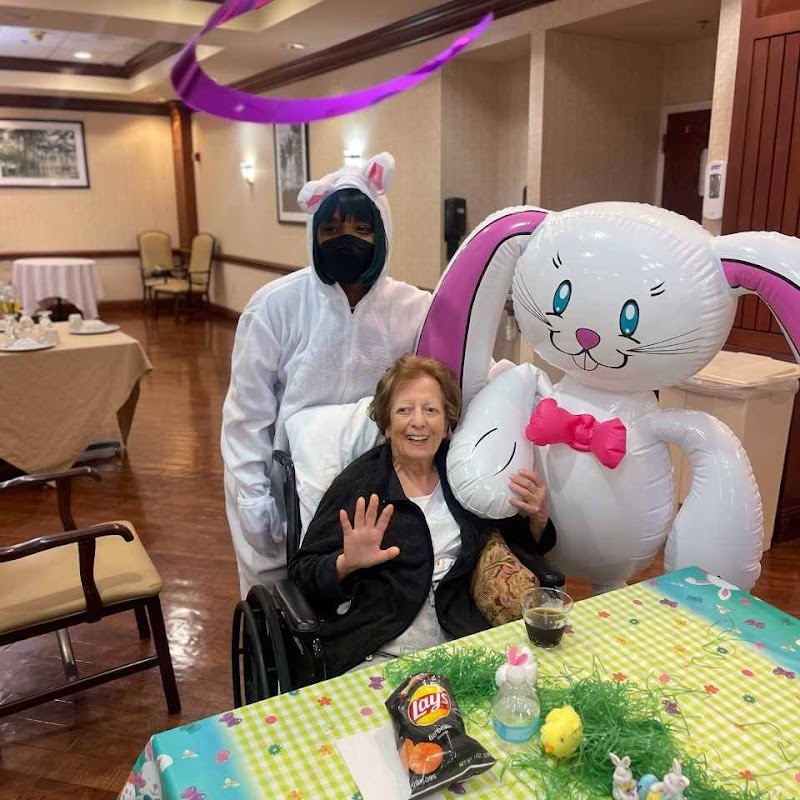
Who Owns and Operates Boynton Beach Rehabilitation Center?

BOYNTON BEACH REHABILITATION CENTER is owned by a for-profit company. For-profit facilities operate as businesses with obligations to shareholders or private owners. The facility is operated by SOVEREIGN HEALTHCARE HOLDINGS, a chain that manages multiple nursing homes. With 168 certified beds and approximately 139 residents (about 83% occupancy), it is a mid-sized facility located in BOYNTON BEACH, Florida.
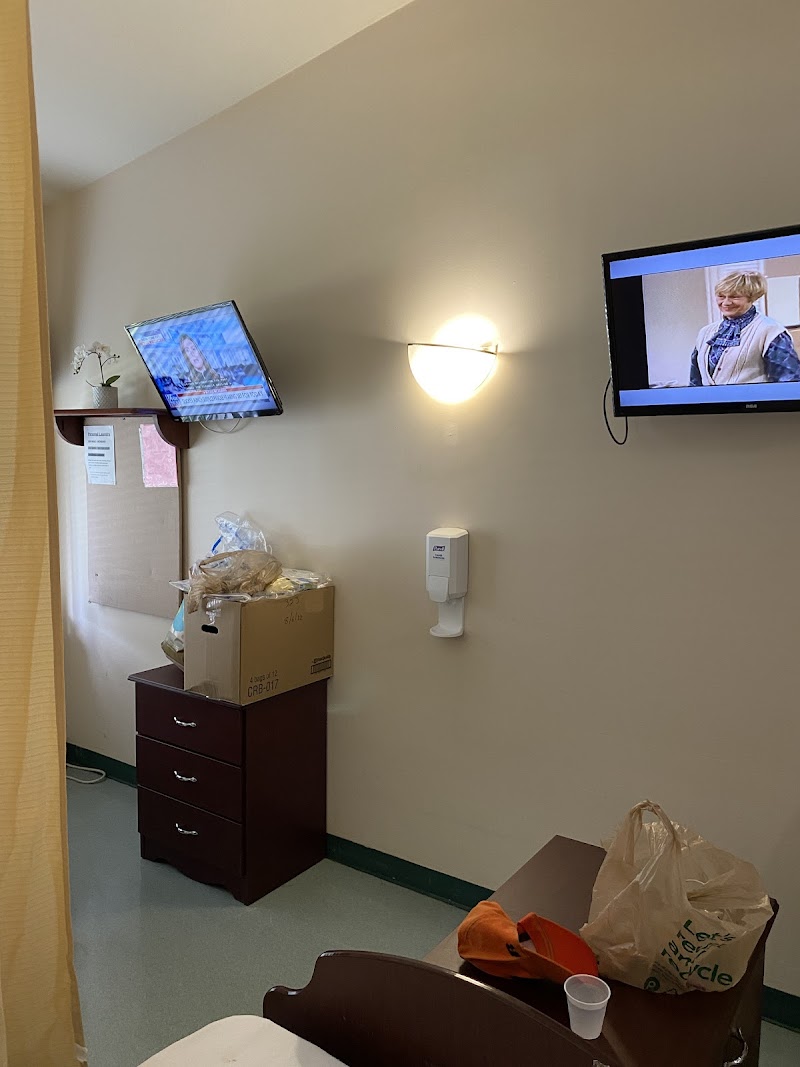
How Does Boynton Beach Rehabilitation Center Compare to Other Florida Nursing Homes?

Compared to the 100 nursing homes in Florida, BOYNTON BEACH REHABILITATION CENTER's overall rating (3 stars) is below the state average of 3.2, staff turnover (29%) is significantly lower than the state average of 46%, and health inspection rating (3 stars) is at the national benchmark.

What Should Families Ask When Visiting Boynton Beach Rehabilitation Center?

Based on this facility's data, families visiting should ask: "Can I visit during a mealtime to observe dining assistance and food quality?" "How do you handle medical emergencies, and what is your hospital transfer rate?" "Can I speak with family members of current residents about their experience?"

Is Boynton Beach Rehabilitation Center Safe?

Based on CMS inspection data, BOYNTON BEACH REHABILITATION CENTER has a clean safety record: no substantiated abuse findings (meaning no confirmed cases of resident harm), no Immediate Jeopardy citations (the most serious violation level indicating risk of serious injury or death), and is not on the Special Focus Facility watch list (a federal program monitoring the lowest-performing 1% of nursing homes). The facility has a 3-star overall rating and ranks #100 of 100 nursing homes in Florida. While no facility is perfect, families should still ask about staff-to-resident ratios and recent inspection results during their visit.

Do Nurses at Boynton Beach Rehabilitation Center Stick Around?

Staff at BOYNTON BEACH REHABILITATION CENTER tend to stick around. With a turnover rate of 29%, the facility is 17 percentage points below the Florida average of 46%. Low turnover is a positive sign. It means caregivers have time to learn each resident's needs, medications, and personal preferences. Consistent staff also notice subtle changes in a resident's condition more quickly. Registered Nurse turnover is also low at 28%, meaning experienced RNs are available to handle complex medical needs.

Was Boynton Beach Rehabilitation Center Ever Fined?

BOYNTON BEACH REHABILITATION CENTER has no federal fines on record. CMS issues fines when nursing homes fail to meet care standards or don't correct problems found during inspections. The absence of fines suggests the facility has either maintained compliance or corrected any issues before penalties were assessed. This is a positive indicator, though families should still review recent inspection reports for the full picture.

Is Boynton Beach Rehabilitation Center on Any Federal Watch List?

BOYNTON BEACH REHABILITATION CENTER is not on any federal watch list. The most significant is the Special Focus Facility (SFF) program, which identifies the bottom 1% of nursing homes nationally based on persistent, serious quality problems. Not being on this list means the facility has avoided the pattern of deficiencies that triggers enhanced federal oversight. This is a positive indicator, though families should still review the facility's inspection history directly.