ISLES OF BOYNTON NURSING AND REHAB CENTER
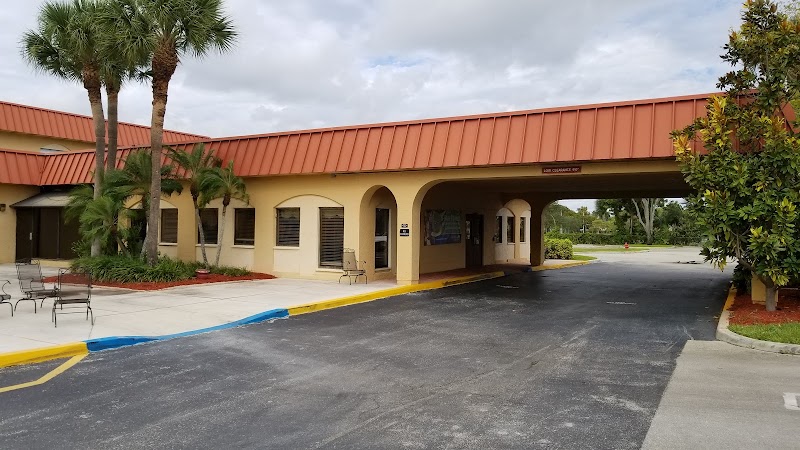
3001 SOUTH CONGRESS AVENUE, BOYNTON BEACH, FL 33426 (561) 737-5600
For profit - Corporation 180 Beds EXCELSIOR CARE GROUP Data: November 2025 2 Immediate Jeopardy citations
Trust Grade
24/100
#364 of 690 in FL
Last Inspection: August 2024

Within standard 12-15 month inspection cycle. Federal law requires annual inspections.

Overview

Isles of Boynton Nursing and Rehab Center has received a Trust Grade of F, indicating significant concerns about the facility's quality and care. It ranks #364 out of 690 facilities in Florida, placing it in the bottom half, and #29 out of 54 in Palm Beach County, meaning there are better local options available. The facility is showing improvement, as issues have decreased from 10 in 2024 to 3 in 2025. Staffing is a strength, with a 4 out of 5 star rating and only a 15% turnover rate, which is well below the state average. However, the facility has faced serious incidents, including a critical failure to supervise a resident who fell from a window, resulting in severe injuries, and deficiencies in maintaining a clean and safe environment, with reports of pest issues and damaged facilities.

Trust Score
F
24/100
In Florida
#364/690
Bottom 48%
Safety Record
High Risk
Review needed
Inspections
Getting Better
10 → 3 violations
Staff Stability
✓ Good
15% annual turnover. Excellent stability, 33 points below Florida's 48% average. Staff who stay learn residents' needs.
Penalties
✓ Good
$16,152 in fines. Lower than most Florida facilities. Relatively clean record.
Skilled Nurses
✓ Good
Each resident gets 54 minutes of Registered Nurse (RN) attention daily — more than average for Florida. RNs are trained to catch health problems early.
Violations
⚠ Watch
25 deficiencies on record. Higher than average. Multiple issues found across inspections.
★★★☆☆
3.0
Overall Rating
★★★★☆
4.0
Staff Levels
★★★★★
5.0
Care Quality
★★☆☆☆
2.0
Inspection Score
Stable
2024: 10 issues
2025: 3 issues

The Good

  • 4-Star Staffing Rating · Above-average nurse staffing levels
  • 5-Star Quality Measures · Strong clinical quality outcomes
  • Low Staff Turnover (15%) · Staff stability means consistent care
  • Full Sprinkler Coverage · Fire safety systems throughout facility
  • No fines on record
  • Staff turnover is low (15%)

    33 points below Florida average of 48%

Facility shows strength in staffing levels, quality measures, staff retention, fire safety.

The Bad

3-Star Overall Rating

Near Florida average (3.2)

Meets federal standards, typical of most facilities

Federal Fines: $16,152

Below median ($33,413)

Minor penalties assessed

Chain: EXCELSIOR CARE GROUP

Part of a multi-facility chain

Ask about local staffing decisions and management

The Ugly 25 deficiencies on record

2 life-threatening
Jun 2025 1 deficiency
CONCERN (D) 📢 Someone Reported This

A family member, employee, or ombudsman was alarmed enough to file a formal complaint

Potential for Harm - no one hurt, but risky conditions existed

Deficiency F0582 (Tag F0582)

Could have caused harm · This affected 1 resident

**NOTE- TERMS IN BRACKETS HAVE BEEN EDITED TO PROTECT CONFIDENTIALITY** Based on record review and interview, the facility failed to issue a refund due to the resident or resident representative withi...

Read full inspector narrative →
**NOTE- TERMS IN BRACKETS HAVE BEEN EDITED TO PROTECT CONFIDENTIALITY** Based on record review and interview, the facility failed to issue a refund due to the resident or resident representative within 30 days from the resident's date of discharge from the facility, for 3 of 3 sampled residents (Resident #1, Resident #2, and Resident #3), reviewed for refunds. The findings included: 1. Record review revealed Resident #1 was admitted to the facility on [DATE]. Further record review revealed on 02/20/25 he was discharged to an assisted living facility. During an interview on 06/05/25 at 11:15 AM, Resident #1's family member confirmed the resident was discharged from the facility on 02/20/25, and they still have not received the money owed to them. He explained that they paid privately for his stay through 02/28/25. The family member said he called the Business Office Manager (BOM) more than 2 times, and he also sent emails regarding the refund. During an interview with the BOM (Business Office Manager) on 06/05/25 at 3:45 PM, she said that she sent a request for a refund on 04/21/25 to the corporate biller who processes all refunds. When asked why it took two months to send the request to the biller, the BOM said that Resident #1's family member was sending emails to the previous BOM who held the position before her. When asked if she usually waits for the resident or the resident's family to initiate a request before a refund is processed, the BOM answered, No we don't. She explained that she reviews an Aging Report by phone with the corporate biller every Wednesday and Thursday. The BOM said that she intended to speak with the corporate biller that afternoon, and the surveyor requested that the BOM call the corporate biller to ask why the refund was not issued, but the attempted calls were unsuccessful. The BOM provided the surveyor with a copy of the Aging Report from 09/01/24-05/30/25. The BOM explained that the report included the amount of money that is owed to residents. Review of the report revealed Resident #1 was owed $4,888.20. The BOM said that the resident or the resident's representative should have received the refund right away, and she did not know why it took so long. 2. Record review revealed Resident #2 was admitted to the facility on [DATE]. Further record review revealed she was discharged from the facility on 02/26/25 to a skilled nursing facility. A review of the Aging Report revealed Resident #2 was owed a refund of $2,177.64. The BOM agreed with the findings. 3. Record review revealed Resident #3 was admitted to the facility on [DATE]. Further record review revealed she was discharged from the facility and transferred to the hospital on [DATE]. A review of the Aging Report revealed that Resident #3 was owed a refund of $871.18. The BOM agreed with the findings. During further interview with the BOM at 5:50 PM, when asked how she knew that Resident #2 and #3 hadn't received their refunds yet, she said she was aware that Resident #2 and #3 did not receive their funds because the amounts due were still listed on the Aging Report. Photographic evidence obtained.
Jan 2025 2 deficiencies 2 IJ
CRITICAL (J) 📢 Someone Reported This

A family member, employee, or ombudsman was alarmed enough to file a formal complaint

Immediate Jeopardy (IJ) - the most serious Medicare violation

Free from Abuse/Neglect (Tag F0600)

Someone could have died · This affected 1 resident

**NOTE- TERMS IN BRACKETS HAVE BEEN EDITED TO PROTECT CONFIDENTIALITY** Based on interview, record review and observation, the facility failed to protect the residents' right to be free from neglect b...

Read full inspector narrative →
**NOTE- TERMS IN BRACKETS HAVE BEEN EDITED TO PROTECT CONFIDENTIALITY** Based on interview, record review and observation, the facility failed to protect the residents' right to be free from neglect by failing to provide appropriate supervision to meet the needs 1 of 3 sampled residents (Resident #1), who displayed exit seeking behaviors. The deficient practice allowed Resident #1, on 12/25/24 between 7:15 AM and 7:20 AM, after he removed the right window panel from the window frame in his room, to fall from the window approximately 20 ft to the ground. Resident #1 was found on the ground, in an area approximately three feet wide, between the building and a mature palm tree. Resident #1 was transferred to the hospital by ambulance for evaluation and treatment after suffering from serious injuries. The findings include: Record review revealed the facility's policy titled, Prevention of Resident Abuse, Neglect, Mistreatment or Misappropriation, dated October 2019, defined Neglect as follows: Neglect means the failure of the center, its associates or service providers, to provide goods and services to a resident that are necessary to avoid physical harm, pain, mental anguish or emotional distress. Record review revealed Resident #1 was admitted to the facility on [DATE], with diagnoses which included, Traumatic Subarachnoid Hemorrhage without a Loss of Consciousness, History of Falling, Major Depressive Disorder, Alcohol use with Intoxication, and Scalp Laceration without foreign body. The Minimum Data Set (MDS) assessment dated [DATE] revealed Resident #1 was noted to have a Brief Interview of Mental Status (BIMS) score of 99, which indicates Resident #1 was either unable or refused to complete the evaluation. The staff assessment portion of Section C, used when a BIMS score is a 99, indicated Resident #1 was severely cognitively impaired. The MDS also indicated that Resident #1 had 1 to 3 days of wandering behavior. According to the facility's incident report and Resident #1's progress note written by the Director of Nursing (DON), dated 12/20/24, revealed Resident #1 was observed trying to exit the building. On 12/20/24, Resident #1 was then placed on one-to-one (1:1) observation until a bed was available on the second floor. When the bed later became available on 12/20/24, the resident was then moved to the second floor and the 1:1 observation was lifted the same day. The DON's note explained that the second floor of the facility is considered the secured floor because all exits plus the elevator require a keycode to be used before access is granted. Review of Resident #1's care plan created on 12/23/24, documented the following: Focus: Potential/Actual Alteration in Thought Process, AEB [as evidence by]: Inability to respond appropriately to questions; short-term memory deficits; R/T [related to]: brain injury. Goals: Resident will maintain current level of cognitive function through this review period date, target date 3/29/2025. Interventions: Encourage Involvement with Daily Decisions. Give Resident Simple Choices that will not Cause Confusion or Frustration (i.e., Choice Between 2 Items at a Time). Encourage Resident to Attend Activities of Choice. Encourage Resident to Participate as Independently as Possible with ADLS. Provide Simple Clear Directions and Cue Resident as Needed. Ensure Routines are Followed as Closely as Possible Each Shift. Explain All Procedures Prior to Start Minimize/Eliminate Distraction as Much as Possible When Talking to Him. Face Him When Speaking. Speak Clearly and Slowly. On 01/02/25 at 11:13 AM, an interview was conducted with Staff A, a Licensed Practical Nurse (LPN) who was the assigned nurse who was working the 11:00 PM to 7:30 PM that spanned from 12/24/24 to 12/25/24. Staff A explained that in the change of shift report from the 3:00 PM to 11:30 PM shift nurse, Staff A had been informed Resident #1 was alert with confusion and had been going from room to room, wandering in and out of residents' rooms, during the shift. Staff A stated this was her first time working with Resident #1 and she was not informed that Resident #1 had been exit-seeking prior to 12/24/24. Staff A stated that on 12/25/24 at around 4:00 AM she noted Resident #1 was wandering in the hall. Staff A stated that she was at the nurses' station when she went to redirect Resident #1 back to his room. Staff A stated that Resident #1 returned to his room on his own before Staff A reached him. The nurse stated that she and Staff C were monitoring Resident #1 every 20 minutes but admitted that the observations were not documented. Staff A stated that she last saw Resident #1 sitting on his bed at around 7:15 AM. Staff A stated that had she had known Resident #1 had been exit-seeking prior to his being moved upstairs she would have placed him on 1:1 observation when he was found by an exit door with the alarm ringing at approximately 6:15 AM, as she reported in the incident report. On 01/02/2025 at 2:23 PM, an interview was conducted with Staff C, a Certified Nursing Assistant (CNA) stated that Resident #1 was awake when she came on the shift at 11:00 PM and she checked on him again at 12:00 AM. Staff C stated Resident #1 was asleep when she checked him around 1:00 AM. Staff C stated Resident #1 was sleeping until about 4:00 AM, when she went on her break. Staff C stated Resident #1 was wandering in the hallway around 4:00 AM and she redirected him back to his room before she went on break. Staff C stated that when she came back from break, at around 4:45 AM she found Resident #1 in his room. Staff C stated the nurse on duty informed her that Resident #1 had tried to flush his diaper in the toilet when she was on break. Staff C stated that the resident was in his room when she helped the nurse clean up the toilet incident. Staff C stated Resident #1 was walking in the hall at 5:00 AM. Staff C stated Resident #1 was in his room from about 6:00 AM to 7:00 AM, which is when change of shift occurs. Staff C stated the last time she saw Resident #1 he was sitting on his bed at 7:16 AM, before she left for the day. On 01/08/25 at 1:06 PM an interview was conducted with Staff E, a CNA, regarding neglect training. Staff E described neglect as not taking care of a resident, leaving them dirty or wet. Staff E stated that the residents should be checked on every 2 hours. Staff E stated if a resident is exit seeking, they have been instructed to stay with the resident and inform the nurse or the supervisor of the situation. Staff E stated exit seeking would be a resident pushing on the door and setting the alarm off. Staff E stated that if a resident states they want to leave or are packing a bag that those are exit seeking behaviors. Staff E stated, in his opinion, if Resident #1 had been on 1:1 observation that the accident that occurred would not have happened. Staff E stated the facility reviewed the incident with staff and they, the staff, were taught what exit seeking behavior was and the importance of 1:1 observation to prevent a resident from exiting the facility. On 01/08/25 at 2:31 PM, an interview was conducted with Staff F, an LPN. Staff F stated he works both the 7:00 AM to 3:30 PM (1st) shift and the 3:00 PM to 11:30 PM (2nd) shift. Staff F stated he has had Abuse/Neglect training and Elopement training within the last few weeks. Staff F stated the facility has been having elopement drills at least once a week. Staff F stated the facility does elopement drills both shifts that he works. The nurse stated the facility was educating the staff regarding exit seeking behavior and how to respond to exit seeking. The nurse stated that a resident going to the stairwells or trying to go on the elevator are physical signs of exit seeking. The nurse stated if the resident tells you he wants to go home or is seen packing his bags those are also signs of exit seeking. Staff F stated that if he had a resident that showed signs of exit seeking, he would assign the CNAs to do 1:1 observation and call the DON to inform her of the situation. Staff F stated that given the information provided about the accident he believes that placing a person on 1:1 observation for elopement would more likely prevent the person from having the accident that occurred on 12/25/24. 01/08/25 at 3:53 PM an interview was conducted with Staff G, a CNA. Staff G explained that when the staff does not provide care to a resident then that is neglect. Staff G explained that if a resident tries to open an exit door, she tries to stop the resident and tells the nurse or supervisor that the resident wants to leave. Staff G stated that if she sees a resident packing and that resident is not discharged then that is a sign of exit seeking. Staff G stated she would call the supervisor to let the supervisor know what the resident was doing and then follow the supervisor's instructions. Staff G stated that if Resident #1 had been on 1:1 observation then the chances that Resident #1 would have gotten out of the window would have gone down. Staff G stated the facility has been doing elopement drills every day. On 01/08/25 at 4:15 PM, an interview was conducted with Staff H, an LPN and Unit Manager on the 2nd floor, Staff H stated she conducts the elopement drills for both the 7:00 AM to 3:30 PM shift and the 3:00 PM to 11:30 PM shift. Staff H stated the DON or night shift, or weekend supervisor conduct the drills for the 11:00 PM to 7:30 AM shift. Staff H stated that the drills were ongoing every day. Staff H stated that if she was informed that a resident is exit seeking, she instructs to staff member to staff with the resident on 1:1 observation until instructed otherwise. Staff H stated she then contacts the DON to inform her and to get instructions for continued 1:1 observation. Staff H stated that if a resident is on 1:1 observation there should be no way the resident could climb out a window. On 01/06/25 at 5:00 PM, the Immediate Jeopardy Removal Plan for Neglect was verified, and the facility was notified that the Immediate Jeopardy was removed. Immediate Jeopardy Removal Plan and Corrective Action plan implemented by the facility: 1. On 12/25/24, Resident was assessed and 911 called to transport to hospital for higher level of care. The resident was transported to Delray Medical Center. -This was verified by review of hospital records provided by the facility on 01/02/25. 2. On 12/25/24, Director of Nursing (DON) notified Interim Administrator, Regional Director of Operations (RDO), Nurse Consultant, [NAME] President of Clinical Services of incident. -This was verified by direct interactions with those identified, excluding the [NAME] President of Clinical Services who was not onsite, during the survey process which began on 01/02/25 and concluded on 01/08/25. 3. On 12/25/24, the Facility conducted a head count of residents currently residing in the facility, all were accounted for and safe. -This was verified by a review of the Midnight Census that was used as a checklist to identify the residents present. There were no missing residents identified. 4. On 12/25/24, RDO and DON notified the Regional Maintenance Director to report to the center to make sure the windows are secure. No new findings. -This was verified by Direct Interactions with the Regional Maintenance Director during the facility tour conducted on 1/3/25 at 11:14 AM. During the tour, the window in room [ROOM NUMBER] was inspected and found to be secured with a screw at the bottom of the window frame that was placed in both the left and right-side window panels. Neither panel was moveable. The security was checked on random windows in resident rooms on both floors. All were secured in the same fashion. 5. Resident is responsible for self. No family. -This was documented in the resident's profile. 6.On 12/25/24, Medical Director, Primary and Advanced Registered Nurse Practitioner (ARNP) notified of incident. -A brief interview was conducted with the Medical Director and the ARNP on 1/8/25 at approximately 9:30 AM, when they were making rounds. They both confirmed they had been notified of the incident on 12/25/24. 7. On 12/26/24, Wandering risk User-Defined Assessment (UDA) was completed on all wandering/elopement risk residents. -A review of documentation provided in the facility's incident binder revealed documentation of the evaluations completed. This review was conducted on 1/2/25 and repeated on 1/8/25 for the removal plan. Two resident records were selected for review, one with a low-risk score of 4 and one with a high-risk score of 10. A comparison was made to the elopement book where it was found the resident with a high-risk score was not in the elopement book. The DON explained that the high-risk score was generated because the resident was taking two or more antipsychotic medications which increase the risk score. The DON further explained that the resident did not have any wandering or exit seeking behaviors. The explanation provided was also documented on the evaluation along with the medications in use. The DON explained that the residents currently were not exhibiting exit-seeking behaviors. The DON stated that under the new protocols any resident who shows exit-seeking behaviors would be placed on a 1:1 observation. 8. On 12/26/24, A Facility wide audit was conducted by DON/Designee to identify other residents who are at high risk for exit seeking and to prevent recurrence of the event. No new findings identified. -This was confirmed in item 7 above as the same evaluation was used for wandering and elopement risk. 9. On 12/25/24, Signs were placed at the main exit doors to residents from exiting. -These signs were noted upon entry into the facility on 1/2/25 and during the entire survey. 10. On 12/25/24 initiated every shift behavior management drill X 2 weeks then Bi-Weekly drills X 30 days. Monthly X 3 months. Post-test included for drills. -Completed post tests were provided as evidence. On 1/8/25 interviews were conducted with staff regarding the education provided. These interviews were conducted as part of the removal plan evaluation. 11. On 12/25/24, In-services and competencies-initiated by the Director of Nursing/ Designee, facility-wide on prevention of Neglect and placing a resident on 1:1 observation when exit seeking is identified, regardless of the security of the unit, behavioral residents' management. in-services and post-in-service competencies completed on the following dates: a. 12/25/2024 - 50% completed b. 12/26/2024 - 75% completed c. 12/27/2024 - 83.5% completed d. 12/30/2024 - 92%completed e. 12/31/2024- 100% completed f. 30 certified letters sent on 12/27/24 to remaining associates that could not be contacted. g. 2 not contacted due to out of the country. h. No staff members were permitted to work until education and post in-service were completed. The facility provided an Excel file of all departments with completion dates for employee training. 12. Upon hire and as necessary, staff will complete an in-service education on neglect and the elopement system and management of behavioral residents. -This was part of the Performance Improvement Plan that was reviewed and verified on 1/8/25. 13. On 12/25/24, A Performance Improvement Plan was created and an Ad-hoc QAPI initiated as it relates to F600: Freedom from Abuse, Neglect and Exploitation and meeting conducted on 12/26/24. 14. On 12/26/24, Adult Protective Services (APS) was notified online. -This was documented as part of the facility's investigation. 15. Beginning 12/26/24 all newly admitted residents will continue to be screened for exit seeking behaviors on admission, quarterly, annually and as needed. The DON/Designee will audit screens weekly X 4 weeks and monthly for 2 months to ensure that all precautions measures are implemented. -This documentation was reviewed as stated above in item 7. 16. The findings of the above audits will be reported to the Quality Assurance/Performance Improvement Committee weekly until the committee determines substantial compliance has been met. 17. In summary all items required for removal were completed as of 12/27/24 except for ongoing prevention of Neglect and placing a resident on 1:1 observation when exit seeking is identified, regardless of the security of the unit, behavioral residents' management education and practice tests (No staff members were permitted to work until education and post in service were completed). 100% of the education and post-test were completed on 12/31/24. All items above were reviewed prior to exit on 1/8/25 at 5:00 PM. The final removal plan was accepted with the removal date of 12/31/24 as requested. Photographic Evidence Obtained.
CRITICAL (J) 📢 Someone Reported This

A family member, employee, or ombudsman was alarmed enough to file a formal complaint

Immediate Jeopardy (IJ) - the most serious Medicare violation

Accident Prevention (Tag F0689)

Someone could have died · This affected 1 resident

**NOTE- TERMS IN BRACKETS HAVE BEEN EDITED TO PROTECT CONFIDENTIALITY** Based on interview, record review and observation, the facility failed to provide appropriate supervision to prevent 1 of 1 samp...

Read full inspector narrative →
**NOTE- TERMS IN BRACKETS HAVE BEEN EDITED TO PROTECT CONFIDENTIALITY** Based on interview, record review and observation, the facility failed to provide appropriate supervision to prevent 1 of 1 sampled resident, Resident #1, from falling from a second-floor window. The deficient practice allowed Resident #1, on 12/25/24 at between 7:15 AM and 7:20 AM, after he removed the right window panel from the window frame in his room, to fall from the window approximately 20 ft to the ground. Resident #1 was found on the ground, in an area approximately three feet wide, between the building and a mature palm tree. Resident #1 was transferred to the hospital by ambulance for evaluation and treatment after suffering from serious injuries. The findings include: Record review revealed Resident #1 was admitted to the facility on [DATE], with diagnoses which included, Traumatic Subarachnoid Hemorrhage without a Loss of Consciousness, History of Falling, Major Depressive Disorder, Alcohol use with Intoxication, and Scalp Laceration without foreign body. The Minimum Data Set (MDS) assessment dated [DATE] revealed Resident #1 was noted to have a Brief Interview of Mental Status (BIMS) score of 99, which indicates Resident #1 was either unable or refused to complete the evaluation. The staff assessment portion of Section C, used when a BIMS score is a 99, indicated Resident #1 was severely cognitively impaired. The MDS also indicated that Resident #1 had 1 to 3 days of wandering behavior. According to the facility's incident report and Resident #1's progress note written by the Director of Nursing (DON), dated 12/20/24, revealed Resident #1 was observed trying to exit the building. On 12/20/24, Resident #1 was then placed on one-to-one (1:1) observation until a bed was available on the second floor. When the bed later became available on 12/20/24, the resident was then moved to the second floor and the 1:1 observation was lifted the same day. The DON's note explained that the second floor of the facility is considered the secured floor because all exits plus the elevator require a keycode to be used before access is granted. Review of Resident #1's care plan created on 12/23/24, documented the following: Focus: Potential/Actual Alteration in Thought Process, AEB [as evidence by]: Inability to respond appropriately to questions; short-term memory deficits; R/T [related to]: brain injury. Goals: Resident will maintain current level of cognitive function through this review period date, target date 3/29/2025. Interventions: Encourage Involvement with Daily Decisions. Give Resident Simple Choices that will not Cause Confusion or Frustration (i.e., Choice Between 2 Items at a Time). Encourage Resident to Attend Activities of Choice. Encourage Resident to Participate as Independently as Possible with ADLS. Provide Simple Clear Directions and Cue Resident as Needed. Ensure Routines are Followed as Closely as Possible Each Shift. Explain All Procedures Prior to Start Minimize/Eliminate Distraction as Much as Possible When Talking to Him. Face Him When Speaking. Speak Clearly and Slowly. On 01/02/25 at 11:13 AM, an interview was conducted with Staff A, a Licensed Practical Nurse (LPN) who was the assigned nurse who was working the 11:00 PM to 7:30 PM that spanned from 12/24/24 to 12/25/24. Staff A explained that in the change of shift report from the 3:00 PM to 11:30 PM shift nurse, Staff A had been informed Resident #1 was alert with confusion and had been going from room to room, wandering in and out of residents' rooms, during the shift. Staff A stated this was her first time working with Resident #1 and she was not informed that Resident #1 had been exit-seeking prior to 12/24/24. Staff A stated that on 12/25/24 at around 4:00 AM she noted Resident #1 was wandering in the hall. Staff A stated that she was at the nurses' station when she went to redirect Resident #1 back to his room. Staff A stated that Resident #1 returned to his room on his own before Staff A reached him. The nurse stated that she and Staff C were monitoring Resident #1 every 20 minutes but admitted that the observations were not documented. Staff A stated that she last saw Resident #1 sitting on his bed at around 7:15 AM. Staff A stated that had she had known Resident #1 had been exit-seeking prior to his being moved upstairs she would have placed him on 1:1 observation when he was found by an exit door with the alarm ringing at approximately 6:15 AM, as she reported in the incident report. On 01/02/2025 at 1:40 PM, an interview was conducted with Staff B, an LPN. Staff B was the first employee to find Resident #1 after his fall. Staff B explained that when she arrived at work on 12/25/2024 she was late for work. She stated that she had parked her car near the building but not in a spot and went to punch in. Staff B stated Resident #1 had not fallen when she entered the building. Staff B stated that after she punched in, she moved her car to a parking spot. When she was going back in, she saw a person lying on the ground, on his right side, in the fetal position (curled in). Staff B stated that this was around 7:18 AM. Staff B stated she did not know that the person was a resident at the time. The nurse stated she went into the facility and told other staff about the person she just saw outside. The staff followed the nurse outside to investigate and realized the man on the ground was a resident. The nurse stated one of the staff members, she believed he was a housekeeper, saw the resident was lying on top of a window screen. This was how the staff realized the resident had fallen from the 2nd floor window. The nurse stated that some of the other staff were nurses who then assessed the resident and called 911. Staff B stated the primary nurse was informed by that time as well. On 01/02/25 at 11:13 AM, an interview was conducted with Staff A, a Licensed Practical Nurse (LPN) who was the assigned nurse who was working the 11:00 PM to 7:30 PM that spanned from 12/24/24 to 12/25/24. Staff A explained that in the change of shift report from the 3:00 PM to 11:30 PM shift nurse, Staff A had been informed Resident #1 was alert with confusion and had been going from room to room, wandering in and out of residents' rooms, during the shift. Staff A stated this was her first time working with Resident #1 and she was not informed that Resident #1 had been exit-seeking prior to 12/24/24. Staff A stated that on 12/25/24 at around 4:00 AM she noted Resident #1 was wandering in the hall. Staff A stated that she was at the nurses' station when she went to redirect Resident #1 back to his room. Staff A stated that Resident #1 returned to his room on his own before Staff A reached him. The nurse stated that she and Staff C were monitoring Resident #1 every 20 minutes but admitted that the observations were not documented. Staff A stated that she last saw Resident #1 sitting on his bed at around 7:15 AM. Staff A stated that had she had known Resident #1 had been exit-seeking prior to his being moved upstairs she would have placed him on 1:1 observation when he was found by an exit door with the alarm ringing at approximately 6:15 AM, as she reported in the incident report. According to the incident report, there were two times Staff A did not determine as exit seeking. The first time was when she found Resident #1 standing at the exit door where the alarm was ringing, indicating he attempted to open the door and set off the alarm. The second time mentioned in the report was when Resident #1 followed Staff A to the supply room and asked for the exit. Resident #1 was redirect to his room on both occasions without further interventions being placed. On 01/02/2025 at 2:23 PM, an interview was conducted with Staff C, a Certified Nursing Assistant (CNA) stated that Resident #1 was awake when she came on the shift at 11:00 PM and she checked on him again at 12:00 AM. Staff C stated Resident #1 was asleep when she checked him around 1:00 AM. Staff C stated Resident #1 was sleeping until about 4:00 AM, when she went on her break. Staff C stated Resident #1 was wandering in the hallway around 4:00 AM and she redirected him back to his room before she went on break. Staff C stated that when she came back from break, at around 4:45 AM she found Resident #1 in his room. Staff C stated the nurse on duty informed her that Resident #1 had tried to flush his diaper in the toilet when she was on break. Staff C stated that the resident was in his room when she helped the nurse clean up the toilet incident. Staff C stated Resident #1 was walking in the hall at 5:00 AM. Staff C stated Resident #1 was in his room from about 6:00 AM to 7:00 AM, which is when change of shift occurs. Staff C stated the last time she saw Resident #1 he was sitting on his bed at 7:16 AM, before she left for the day. On 01/02/2025 3:03 PM, an interview was conducted with Staff D, an LPN. Staff D was one of the nurses who assessed Resident #1. Staff D stated when she was informed by a housekeeper that there was an emergency outside, she and another nurse ran out to see what happened. Staff D stated that she had a portable wrist blood pressure cuff in her pocket and started taking vital signs. Staff D stated the resident's blood pressure was 200 (Systolic Blood Pressure) over something, she did not remember the number (Diastolic). Elevated blood pressure is common with trauma. Staff D stated she remembered the resident's heart rate was around 116 (beats per minute). Staff D stated the other nurse called 911 and the DON. Staff D stated the resident was on his back moving his arms but not moving his legs when she was assessing him. Staff D stated she checked the resident's legs for unusual length and found none. Changes in leg length or unusual positioning can indicate a fractured hip or a hip dislocation. Hospital records, provided by the facility, revealed the following information pertaining to Resident #1: A Computerized Tomography (CAT or CT) scan of the head was performed with the following results: New small acute left subdural hemorrhage measuring up to 4 mm. New small amount left occipital horn intraventricular hemorrhage. Low density right subdural collection may indicate a small hygroma measuring 6 mm. There was also a compression fracture of the third Lumbar Vertebra (L3) that was being treated with a brace. There was no neurosurgery interventions planned. On 01/03/25 at 11:14 AM, a walking tour of the facility was made with the Regional Maintenance Director (RMD) who made the changes to the windows in all resident rooms to prevent the windows from being opened. These changes were made to prevent residents from eloping and to prevent residents from removing window panels and falling from the second floor. The windows were secured with 1-inch self-tapping screws that were placed through the window frame tracks and the bottom of the windows. Windows were tested and found to be unmovable. All residents have fire sprinklers which allows this change to occur as verified by AHCA Life Safety surveyors. On 01/08/25 at 1:06 PM an interview was conducted with Staff E, a CNA, regarding neglect training. Staff E described neglect as not taking care of a resident, leaving them dirty or wet. Staff E stated that the residents should be checked every 2 hours. Staff E stated if a resident is exit seeking that they have been instructed to stay with the resident and inform the nurse or the supervisor of the situation. Staff E stated exit seeking would be a resident pushing on the door and setting the alarm off. Staff E stated that if a resident states they want to leave or are packing a bag that those are exit seeking behaviors. Staff E stated, in his opinion, if Resident #1 had been on 1:1 observation that the accident that occurred would not have happened. Staff E stated the facility reviewed the incident with staff and they, the staff, were taught what exit seeking behavior was and the importance of 1:1 observation to prevent a resident from exiting the facility. On 01/08/25 at 2:31 PM, an interview was conducted with Staff F, an LPN. Staff F stated he works both the 7:00 AM to 3:30 PM (1st) shift and the 3:00 PM to 11:30 PM (2nd) shift. Staff F stated he has had Abuse/Neglect training and Elopement training within the last few weeks. Staff F stated the facility has been having elopement drills at least once a week. Staff F stated the facility does elopement drills both shifts that he works. The nurse stated the facility was educating the staff regarding exit seeking behavior and how to respond to exit seeking. The nurse stated that a resident going to the stairwells or trying to go on the elevator are physical signs of exit seeking. The nurse stated if the resident tells you he wants to go home or is seen packing his bags those are also signs of exit seeking. Staff F stated that if he had a resident that showed signs of exit seeking, he would assign the CNAs to do 1:1 observation and call the DON to inform her of the situation. Staff F stated that given the information provided about the accident he believes that placing a person on 1:1 observation for elopement would more likely prevent the person from having the accident that occurred on 12/25/24. 01/08/25 at 3:53 PM an interview was conducted with Staff G, a CNA. Staff G explained that when the staff does not provide care to a resident then that is neglect. Staff G explained that if a resident tries to open an exit door, she tries to stop the resident and tells the nurse or supervisor that the resident wants to leave. Staff G stated that if she sees a resident packing and that resident is not discharged then that is a sign of exit seeking. Staff G stated she would call the supervisor to let the supervisor know what the resident was doing and then follow the supervisor's instructions. Staff G stated that if Resident #1 had been on 1:1 observation then the chances that Resident #1 would have gotten out of the window would have gone down. Staff G stated the facility has been doing elopement drills every day. On 01/08/25 at 4:15 PM, an interview was conducted with Staff H, an LPN and Unit Manager on the 2nd floor, Staff H stated she conducts the elopement drills for both the 7:00 AM to 3:30 PM shift and the 3:00 PM to 11:30 PM shift. Staff H stated the DON or night shift, or weekend supervisor conduct the drills for the 11:00 PM to 7:30 AM shift. Staff H stated that the drills were ongoing every day. Staff H stated that if she was informed that a resident is exit seeking, she instructs staff member to staff with the resident on 1:1 observation until instructed otherwise. Staff H stated she then contacts the DON to inform her and to get instructions for continued 1:1 observation. Staff H stated that if a resident is on 1:1 observation there should be no way the resident could climb out a window. On 01/06/25 at 5:00 PM, the Immediate Jeopardy Removal Plan for Accident Hazards/Supervision was verified, and the facility was notified that the Immediate Jeopardy was removed. Immediate Jeopardy Removal Plan and Corrective Action plan implemented by the facility: 1.On 12/25/24, Resident was assessed and 911 called to transport to hospital for higher level of care. The resident was transported to the local hospital. -This was verified by review of hospital records provided by the facility on 01/02/25. 2. On 12/25/24, Director of Nursing (DON) notified interim Administrator, Regional Director of Operations, Nurse Consultant, [NAME] President of Clinical Services of incident. -This was verified by direct interactions with those identified, excluding the [NAME] President of Clinical Services who was not onsite, during the survey process which began on 01/02/25 and concluded on 01/08/25. 3. On 12/25/24, the Facility conducted a head count of residents currently residing in the facility, all were accounted for and safe. -This was verified by a review of the Midnight Census that was used as a checklist to identify the residents present. There were no missing residents identified. 4. On 12/25/24, Regional Director of Operations and Director of Nursing notified the Regional Maintenance Director to report to the center to make sure the windows are secure. No new findings. -This was verified by Direct Interactions with the Regional Maintenance Director during the facility tour conducted on 1/3/25 at 11:14 AM. During the tour, the window in room [ROOM NUMBER] was inspected and found to be secured with a screw at the bottom of the window frame that was placed in both the left and right-side window panels. Neither panel was moveable. The security was checked on random windows in resident rooms on both floors. All were secured in the same fashion. This was verified on 1/8/25, by the surveyor, with random room checks of both floors of the facility, especially room [ROOM NUMBER]. 5. On 12/25/24, For added precautions all windows were reinforce with extra screw to window/frame. -Verification identified in #4 above. 6. On 12/25/24, Resident environment was free of accident hazards and each resident received adequate supervision and assistance devices to prevent accidents. -This was verified by observations made between 1/2/25 and 1/8/25. 7. Resident is responsible for self. No family. -This was documented in the resident's profile. 8. On 12/25/24, Medical Director, Primary and Advanced Registered Nurse Practitioner (ARNP) notified of incident. -A brief interview was conducted with the Medical Director and the ARNP on 1/8/25 at approximately 9:30 AM, when they were making rounds. They both confirmed they had been notified of the incident on 12/25/24. 9. On 12/26/24, Wandering risk User-Defined Assessment (UDA) completed on all wandering/elopement risk residents. -A review of documentation provided in the facility's incident binder revealed documentation of the evaluations completed. This review was conducted on 1/2/25 and repeated on 1/8/25 for the removal plan. Two resident records were selected for review, one with a low-risk score of 4 and one with a high-risk score of 10. A comparison was made to the elopement book where it was found the resident with a high-risk score was not in the elopement book. The DON explained that the high-risk score was generated because the resident was taking two or more antipsychotic medications which increase the risk score. The DON further explained that the resident did not have any wandering or exit seeking behaviors. The explanation provided was also documented on the evaluation along with the medications in use. The DON explained that the residents currently were not exhibiting exit-seeking behaviors. The DON stated that under the new protocols any resident who shows exit-seeking behaviors would be placed on a 1:1 observation. 10. On 12/25/24, Signs placed at main exit doors to not let any residents exit. -Sign was observed by the surveyor. The sign conveys the message to check with the nurse before allowing a resident to exit. 11. On 12/25/24 initiated every shift elopement drills X 2 weeks then Bi-Weekly Elopement drills X 30 days. Monthly X 3 months. In addition, Every shift behavior management drill X 2 week then Bi-Weekly Elopement drills X 30 days. Monthly X 3 months post-test included for both drills. -Completed post tests were provided as evidence. On 1/8/25 interviews were conducted with staff regarding the education provided. These interviews were conducted as part of the removal plan evaluation. 12. On 12/25/24, In-services and competencies-initiated by the Director of Nursing/ Designee, facility-wide on prevention of Resident Abuse, Neglect, elopement, resident safety, behavior management. in-services and post-in-service competencies completed on the following dates: a. 12/25/2024 - 50% completed b. 12/26/2024 - 75% completed c. 12/27/2024 - 83.5% completed d. 12/30/2024 - 92%completedd e. 12/31/2024- 100% completed f. 30 certified letters sent on 12/27/24 to remaining associates that could not be contacted. g. 2 not contacted due to out of the country. h. No staff members were permitted to work until education and post in-service were completed. -The facility provided an Excel file for all departments with completion dates for employee training. 12. Upon hire and as necessary, staff will complete this in-service education on neglect and the elopement system. -This item was already in place with additional training stated above added to the process as explained by the DON on 1/8/25. All items above were reviewed prior to exit on 1/8/25 at 5:00 PM. The final removal plan was accepted with the removal date of 12/31/24 as requested. Photographic Evidence Obtained.
Aug 2024 9 deficiencies
CONCERN (D)

Potential for Harm - no one hurt, but risky conditions existed

Investigate Abuse (Tag F0610)

Could have caused harm · This affected 1 resident

**NOTE- TERMS IN BRACKETS HAVE BEEN EDITED TO PROTECT CONFIDENTIALITY** Based on record review and interview, the facility failed to investigate an injury of unknown origin for 1 of 3 sampled resident...

Read full inspector narrative →
**NOTE- TERMS IN BRACKETS HAVE BEEN EDITED TO PROTECT CONFIDENTIALITY** Based on record review and interview, the facility failed to investigate an injury of unknown origin for 1 of 3 sampled residents reviewed for accidents (Resident #121). The findings included: A review of the facility's policy titled, Exception Reports dated 11/2019, documented: The Charge Nurse or designee must conduct an investigation of the accident/incident by way of completing the Exception Report and adding any additional information to determine the cause of the incident/accident. Resident #121 was admitted to the facility on [DATE]. A record review revealed a comprehensive assessment dated [DATE] that documented the resident had severe cognitive impairment and was dependent on staff for activities of daily living. A progress note dated 07/02/24 documented: The Nurse Practitioner (NP) aware of the positive knee X-ray results. The NP ordered the patient to the hospital ER (emergency room) for further evaluation. This writer informed the family that the patient c/o (complained of) pain to her knee upon movement with the physical therapist. The family aware the patient had an X-ray and the results are positive for a fracture to the knee, and the NP ordered the patient to go to the hospital ER for further evaluation. A review of the facility's adverse and incident log did not reveal an incident involving Resident #121 for that occurrence. An interview was conducted with the Assistant Director of Nursing (ADON) on 08/28/24 at 9:00 AM. The ADON stated it was believed Resident #121's knee fracture was due to osteoporosis. The ADON was not able to provide any documentation of such diagnosis. The ADON further stated the injury of unknown origin was not investigated.
CONCERN (D)

Potential for Harm - no one hurt, but risky conditions existed

Deficiency F0645 (Tag F0645)

Could have caused harm · This affected 1 resident

**NOTE- TERMS IN BRACKETS HAVE BEEN EDITED TO PROTECT CONFIDENTIALITY** Based on observation, interview, record and policy review, the facility failed to obtain a Level I PASSAR (Preadmission Screenin...

Read full inspector narrative →
**NOTE- TERMS IN BRACKETS HAVE BEEN EDITED TO PROTECT CONFIDENTIALITY** Based on observation, interview, record and policy review, the facility failed to obtain a Level I PASSAR (Preadmission Screening and Resident Review) for 2 of 6 residents reviewed for a Level 1 PASARR (Resident #67 and #90). The findings included: Record review revealed the facility's policy titled, Preadmission Screening (PASSAR/PASSR) dated March 2020 documented It is the policy of the center to follow the Federal and State regulations with regards to pre-screening residents with a mental disorder and individuals with intellectual disability for individuals requiring more than 30 days in the Center. 1. Resident #67 was admitted to the facility post hospitalization on 10/17/23 with diagnoses that included Cerebral Atherosclerosis, Vascular Dementia, Anxiety and Dysphagia. According to the resident's admission Minimum Data Set (MDS) assessment dated [DATE], she was unable to answer the questions on the Brief Interview for Mental Status. This indicated the resident had severe cognitive impairment. On 08/28/24 at 1:15 PM the surveyor asked the Administrator for the Level 1 PASARR for Resident #67 in the absence of the Social Service Director. On 08/29/24 at 11:00 AM in an interview with the Administrator, she stated there was no PASARR for this resident in the building. They had no record that it was done. 2. Resident #90 was admitted to the facility on [DATE] with diagnoses included Psychotic Disorder. Further review of the resident's record revealed there was no evidence of a Level 1 Preadmission Screening and Resident Review (PASARR), prior to the resident's admission to the facility. An interview was conducted with the Assistant Director of Nursing (ADON) on 08/29/24 at 12:00 PM. The ADON acknowledged the findings.
CONCERN (D)

Potential for Harm - no one hurt, but risky conditions existed

Quality of Care (Tag F0684)

Could have caused harm · This affected 1 resident

**NOTE- TERMS IN BRACKETS HAVE BEEN EDITED TO PROTECT CONFIDENTIALITY** Based on observation, interview, and record review, the facility failed to address a resident's discomfort in a timely manner fo...

Read full inspector narrative →
**NOTE- TERMS IN BRACKETS HAVE BEEN EDITED TO PROTECT CONFIDENTIALITY** Based on observation, interview, and record review, the facility failed to address a resident's discomfort in a timely manner for 1 of 1 sampled resident (Resident #246). The findings included: Resident #246 was admitted to the facility on [DATE]. A review of the resident's admission Nursing Data Collection, dated 08/23/24 at 4:04 AM, documented Resident #246 was alert and oriented to person, place, time, and situation. The collection data further documented the resident was admitted with a urinary catheter. An interview was conducted with Resident #246 on 08/26/24 at 1:00 PM. The resident stated her urinary catheter was changed on the night of 08/24/24, due to the catheter being clogged. The resident stated there was a large amount of sediment in the catheter, and her genitals were itching/burning due to what she believed was a yeast infection. Resident #246 stated she told the nurse about the itching/burning of her genitals, and the nurse stated she would get an order for an ointment. The resident stated she has been so miserable, that she was using an antibiotic cream, prescribed for her toe, on her genitals for some relief. The resident pulled out a tube of Gentamycin ointment from her bedside drawer. Resident #246 stated she inquired about the ointment for her genitals this morning, and was told by her nurse that she would look into it. Resident #246 stated her family member was present at the time the urinary catheter was changed and she complained of her genitals itching/burning. Record review did not reveal any documentation of the resident's urinary catheter changed, any complaints of genital discomfort, or any orders for any ointment for the resident's genitals. A telephone interview was conducted with Resident #246's family member on 08/26/24 at 1:50 PM. The family member stated she was present with the resident on Saturday night (08/24/24). The family member stated the nurse changed the resident's urinary catheter due to a blockage. The nurse was told about the resident's itching/burning genitals. The family member stated Resident #246 told her this morning that she had not received any medication for treatment of her symptoms. The family member further stated she was appalled that the resident's concerns were not addressed. An interview was conducted with the Unit Manager (UM) on 08/26/24 at 3:00 PM. The UM stated she had just discontinued (pulled out) Resident #246's urinary catheter. The UM stated she was not aware of the resident's concerns for a yeast infection, and did not observe any concerns with the resident's genitals when she discontinued the urinary catheter. The UM acknowledged there was no documentation of the resident's urinary catheter being changed on 08/24/24, or the resident's complaint of genital discomfort. An interview was conducted with the Desk Nurse on 08/26/24 at 3:05 PM. The Desk Nurse stated Resident #246's nurse told him of the resident's concerns about 2 hours ago. The Desk Nurse stated he had a call out to the physician for orders, and was awaiting a return call. An observation of Resident #246's genitals was conducted with the UM on 08/26/24 at 3:30 PM. The resident's genitals were reddened/inflamed and had some bleeding. The resident showed the UM the Gentamycin ointment she had been applying to her genitals. The UM attempted to confiscate the ointment, and the resident screamed, No, nobody is taking my medication, it is all that I have right now!.
CONCERN (D) 📢 Someone Reported This

A family member, employee, or ombudsman was alarmed enough to file a formal complaint

Potential for Harm - no one hurt, but risky conditions existed

Incontinence Care (Tag F0690)

Could have caused harm · This affected 1 resident

**NOTE- TERMS IN BRACKETS HAVE BEEN EDITED TO PROTECT CONFIDENTIALITY** Based on record review and interview, the facility failed to obtain the results of a urinalysis for a resident with a Urinary Tr...

Read full inspector narrative →
**NOTE- TERMS IN BRACKETS HAVE BEEN EDITED TO PROTECT CONFIDENTIALITY** Based on record review and interview, the facility failed to obtain the results of a urinalysis for a resident with a Urinary Tract Infection (UTI) in a timely manner for 1 of 1 sampled resident (Resident #247), resulting in a delay of treatment for a UTI. The findings included: Resident #247 was admitted to the facility on [DATE]. Record review revealed a comprehensive assessment dated [DATE] documented the resident was cognitively intact and was frequently incontinent of urine. Record review revealed an order for Urinalysis Culture and Sensitivity on 12/22/23. Further record review did not reveal any documentation for the reason for the urinalysis order, or any signs or symptoms/condition of Resident #247. A review of Resident #247's urinalysis results revealed the resident's urine was collected and received on 12/23/23. Further review of the results of the Urinalysis Culture and Sensitivity was resulted on 12/27/23, with a specific bacteria. Resident #247 was ordered an antibiotic on 12/27/23. A review or the resident's Medication Administration Record revealed the resident received the antibiotic on 12/27/24 at 5:00 PM (5 days after the order for the urinalysis). An interview was conducted with the Desk Nurse on 08/28/24 at 1:00 PM. The Desk Nurse stated they get a preliminary report for a Urinalysis Culture and Sensitivity within 24 hours. The preliminary results are called into the physician, and if positive, the physician may order antibiotics for the resident, or may wait for the completed sensitivity identifying the microorganism. The Desk Nurse acknowledged a preliminary report was not documented as received. The Desk Nurse further stated the nurse should have followed up on Resident #247's urinalysis within 24-48 hours for results.
CONCERN (D)

Potential for Harm - no one hurt, but risky conditions existed

Drug Regimen Review (Tag F0756)

Could have caused harm · This affected 1 resident

**NOTE- TERMS IN BRACKETS HAVE BEEN EDITED TO PROTECT CONFIDENTIALITY** Based on interview and record review, the facility failed to provide behavior monitoring for 2 of 5 residents sampled for unnece...

Read full inspector narrative →
**NOTE- TERMS IN BRACKETS HAVE BEEN EDITED TO PROTECT CONFIDENTIALITY** Based on interview and record review, the facility failed to provide behavior monitoring for 2 of 5 residents sampled for unnecessary medications (Resident # 63 and #105). The findings included: 1) Resident #105 was admitted to the facility on [DATE] with diagnoses that included Cerebral Atherosclerosis, Unspecified dementia, and Major Depressive Disorder. The Brief Interview for Mental Status (BIMS) score was 7 on the quarterly Minimum Data Set (MDS) with an assessment reference date of 07/07/24. This indicated the resident had severe cognitive impairment. On 05/13/24 physician orders revealed the resident was started on an antipsychotic medication called Seroquel 50 milligrams 1 by mouth 2 times a day for depression. Seroquel is an antipsychotic that can be used to treat major depression. A review for behavior monitoring for this medication revealed there was no behavior monitoring done. On 08/28/24 at 12:59 PM, an interview was conducted with Staff G, a Licensed Practical Nurse (LPN). Staff G was asked where the behavior monitoring would be located in the electronic health record. He stated it would be found in the e-tar (electronic treatment administration record). Staff G and the surveyor looked on the resident's e-tar and did not find any behavior monitoring for Seroquel. Staff G was asked if there would be any other place where behavior monitoring would be found and he replied that there was not. This was discussed with the facility's consultant pharmacist via telephone on 08/28/24 at 1:54 PM. At 2:02 PM the behavior monitoring was entered into the resident's chart. 2) Resident #63 was admitted to the facility on [DATE] with diagnoses included Psychotic Disorder and Major Depressive Disorder. A review of a comprehensive assessment dated [DATE] documented the resident was cognitively intact with no moods or behaviors, and was receiving antipsychotics and antidepressants. A review of Resident #63's orders revealed an order dated 03/16/24 for Duloxetine HCL 60 milligrams one time a day for Depression, and an order dated 02/21/24 for Pimavanserin Tartrate 34 milligrams at bedtime for Psychotic Disorder. Resident #63 was care planned for at risk for behavior symptoms related to depression and psychotic disorder, inappropriate dressing/undressing, and places self on floor/slides off chair. Further review of Resident #63's records did not reveal any documentation of behavior monitoring for the resident.
CONCERN (D)

Potential for Harm - no one hurt, but risky conditions existed

Deficiency F0761 (Tag F0761)

Could have caused harm · This affected 1 resident

**NOTE- TERMS IN BRACKETS HAVE BEEN EDITED TO PROTECT CONFIDENTIALITY** Based on observation and interview, the facility failed to to secure a resident's medications for 1 of 1 sampled resident (Resid...

Read full inspector narrative →
**NOTE- TERMS IN BRACKETS HAVE BEEN EDITED TO PROTECT CONFIDENTIALITY** Based on observation and interview, the facility failed to to secure a resident's medications for 1 of 1 sampled resident (Resident #246). The findings included: Resident #246 was admitted to the facility on [DATE]. A review of the resident's admission Nursing Data Collection, dated 08/23/24 at 4:04 AM, documented Resident #246 was alert and oriented to person, place, time, and situation. An interview was conducted with Resident #246 on 08/26/24 at 1:00 PM. The resident stated she was using an antibiotic cream, prescribed for her toe, on her genitals for some relief of itching/burning. The resident pulled out a tube of Gentamycin ointment from her bedside drawer. An interview was conducted with the Unit Manager (UM) on 08/26/24 at 3:00 PM. The UM acknowledged Resident #246 should not have any medications unsecured at bedside.
CONCERN (D)

Potential for Harm - no one hurt, but risky conditions existed

Deficiency F0825 (Tag F0825)

Could have caused harm · This affected 1 resident

**NOTE- TERMS IN BRACKETS HAVE BEEN EDITED TO PROTECT CONFIDENTIALITY** Based on observation, interview, and record review, the facility failed to coordinate care with nursing staff related to use of ...

Read full inspector narrative →
**NOTE- TERMS IN BRACKETS HAVE BEEN EDITED TO PROTECT CONFIDENTIALITY** Based on observation, interview, and record review, the facility failed to coordinate care with nursing staff related to use of hoyer lift and specialized chair for 1 of 4 residents reviewed for rehabilitation services (Resident #245). The findings included: Resident #245 was admitted to the facility on [DATE]. A comprehensive assessment dated [DATE] documented the resident had mild cognitive impairment and required total assistance with activities of daily living (ADL). Resident #245 was care planned for ADL self care deficit as evidenced by laminectomy and physical limitations. An interview was conducted with Resident #245 on 08/28/24 at 1:00 PM. The resident stated he had not been out of bed since admission (14 days). The resident stated he would love to get out of bed. An interview was conducted with the Rehabilitation Director on 08/29/24 at 10:00 AM. The Director stated according to the resident's therapy notes, the resident is seen at bedside. The Director stated the therapy notes did not document why the resident could not get out of bed. An interview was conducted with the Physical Therapist (PT) on 08/29/24 at 10:10 AM. The PT stated he did not think the resident could tolerate getting out of bed due to pain. The PT stated he did not know if the resident had any pain medication ordered. The PT further stated the resident needed a specialized chair, and the resident required a hoyer lift to get out of bed. The PT stated they did not have the appropriate chair for the resident to get out of bed. The PT stated it was the resident's Certified Nurse Assistant (CNA) responsibility to get the resident out of bed. The PT further stated he had not communicated with the CNA that the resident required a hoyer lift to get out of bed. The PT stated it was there responsibility to determine the safest way to transfer a resident. An interview was conducted with Staff H, a Certified Nurse Assistant, on 08/29/24 at 10:30 AM. Staff H stated therapy tells them who can get out of bed, and by what means. Staff H stated therapy just told her today that Resident #245 can get out of bed with a hoyer lift. Staff H confirmed Resident #245 had not been out of bed since admission. An interview was conducted with the Rehabilitation Director on 08/29/24 at 10:40 AM. The Director stated every resident should get out of bed unless contraindicated. The Director stated it was nursing responsibility to get residents out of bed, but therapy could help. The Director stated a recliner chair was not the best choice for the resident, but could be used. The Director stated she spoke with the Assistant Director of Nursing (ADON) in reference to ordering a chair for the resident. An interview was conducted with the ADON on 08/29/24 at 10:50 AM. The ADON stated it was brought to her attention that the the facility did not have the appropriate chair for Resident #245. The ADON stated she was in the process of ordering a chair for the resident. The ADON stated they can get the chair the next day when ordered. The ADON could not provide any evidence/documentation of an attempt to order a chair for Resident #245.
CONCERN (D)

Potential for Harm - no one hurt, but risky conditions existed

Medical Records (Tag F0842)

Could have caused harm · This affected 1 resident

**NOTE- TERMS IN BRACKETS HAVE BEEN EDITED TO PROTECT CONFIDENTIALITY** Based on interview and record review, the facility failed to accurately document physician ordered vital signs and cough secreti...

Read full inspector narrative →
**NOTE- TERMS IN BRACKETS HAVE BEEN EDITED TO PROTECT CONFIDENTIALITY** Based on interview and record review, the facility failed to accurately document physician ordered vital signs and cough secretions monitoring for 1of 1 sampled resident (Resident #440). The findings included: Resident # 440 was readmitted to the facility on [DATE] with diagnoses of Essential Primary Hypertension, Overactive Bladder, Fracture of the neck of right femur, Musculoskeletal weakness, and History of falling. Review of Section C of the MDS (Minimum Data Set) assessment showed a BIMS (Brief Interview of Mental Status) score of 12 on 07/16/23, indicating moderately impaired cognitive function. There was no updated BIMS score as of 08/26/24. Record review of Physician orders dated 08/23/24 revealed Resident #440 was to perform cough and deep breathing exercises for 5 minutes, 4 times daily. It indicated to document the patients tolerance and sputum production after each exercise four times a day for 10 Days. Further record review on 08/27/24 revealed a physician order dated 08/23/24 stating to take vital signs every shift for 3 days then daily every shift. Review of the vital signs on the electronic health record showed BP (Blood Pressure) of 133/57 , temperature of 96.9-degree Fahrenheit, pulse rate of 72 beats per minute (bpm), respiration of 18 breaths per minute (bpm), and oxygen saturation of 93.0 % on 08/22/24 at 7:00 PM. The next set of vital signs were documented on 08/26/24 at 3:30 PM. Additional record review of Resident #440's MAR (Medication Administration Record) and TAR (Treatment Administration Record), revealed the recorded vital signs such as Blood Pressure (BP), Temperature, Pulse, Respiration, and Oxygen Saturation, but did not indicate the shift when the vital signs were taken on 08/26/24, 08/27/24, 08/28/24, and 08/29/24.There were no recorded vital signs on 08/23/24, 08/24/24 and 08/25/24. Further review of the MAR and TAR revealed check marks and Nurses initials on 08/23/24 at 9 PM; on 08/24/24 at 9:00 AM, 1:00 PM, 5:00 PM and 9:00 PM; on 08/25/24 at 9:00 AM, 1:00 PM, 5:00 PM and 9:00 PM; and on 08/29/24 at 9:00 AM. There were no documentation of breath sounds, sputum production, and Resident #440's tolerance. Additional review showed the numerical value 9 was documented on 08/26/24 at 3:30 PM; on 08/27/24 at 1:00 PM, and on 08/28/24 at 9:00 AM and at 1:00 PM. According to MAR's and TAR's legend, number 9 indicates other, or see nurse's notes. Review of Nurses' progress notes on 08/28/24 at 8:30 AM and 1:30 PM showed breath sounds of 1, and no sputum, but nothing was documented regarding Resident #440 's tolerance. There were no other dated documentation of breath sounds, sputum production and Resident #440's tolerance in the Nurses' progress notes. In an interview with Staff D, an LPN (Licensed Practical Nurse) on 08/29/24 at 8:45 AM, who stated he took care of Resident # 440, he clarified that vital signs were taken by both CNAs (Certified Nursing Assistants) and Nurses and recorded on a piece of paper. The Nurses are the ones documenting the results on the electronic health records. When vital signs are not within normal limits, CNAs report them to the Nurses. When asked why Resident #440's vital signs were not recorded according to physician's orders, he stated he did not know. In an interview with the Assistant DON (Director of Nursing) on 08/29/24 at 9:00 AM, when asked why the vital signs were not recorded as ordered, she stated she did not know. When asked what the numerical value 9 means in the MAR and TAR. She stated that the nurse's document the assessment on the progress notes. Upon reviewing the MAR and TAR, and the progress notes (with the surveyor), she stated that she did not know why vital signs, breath sounds, sputum production and Resident # 440's tolerance were not documented as ordered, and why only one RN documented on the progress notes. In an interview with the Administrator and the Assistant DON on 08/29/24 at 4:05 PM, the findings were discussed.
CONCERN (D)

Potential for Harm - no one hurt, but risky conditions existed

Infection Control (Tag F0880)

Could have caused harm · This affected 1 resident

**NOTE- TERMS IN BRACKETS HAVE BEEN EDITED TO PROTECT CONFIDENTIALITY** Based on observation, interview, and record review, the facility failed to implement CDC (Center for Disease Control and Prevent...

Read full inspector narrative →
**NOTE- TERMS IN BRACKETS HAVE BEEN EDITED TO PROTECT CONFIDENTIALITY** Based on observation, interview, and record review, the facility failed to implement CDC (Center for Disease Control and Prevention) guidelines and recommendations for Contact Precautions for 2 of 2 sampled residents (Resident # 442 and Resident #12); and for Enhanced Barrier Precautions for 1 of 32 sampled residents (Resident # 440). The findings included: CDC Contact Precautions revealed the following: Clean hands before entering and when leaving the room. Providers and Staff must also wear gloves before room entry. Discard gloves before room exit: Put on a gown before room entry. Discard gown before room exit. Do not wear the same gown and gloves for the care of more than one person. Use dedicated or disposable equipment. https://www.cdc.gov/infection-control/media/pdfs/contact-precautions-sign-P.pdf. CDC Enhanced Barrier Precautions revealed the following: Everyone must clean their hands including when both entering and leaving the room. Providers and Staff must also wear gloves and a gown for the following: high-contact care resident care activities, dressing, bathing-showering; transferring; changing linens; providing hygiene; changing briefs or assisting with toileting; device care or use: central line, urinary catheter, feeding tube, tracheostomy; Wound Care any skin opening requiring a dressing. https://www.cdc.gov/long-term-care-facilities/media/pdfs/EBP-KeepResidentsSafe-Poster-508.pdf. 1. Resident # 442 was admitted to the facility on [DATE] with diagnoses of Right Thoracostomy (surgical opening on the right chest cavity by insertion of a tube) related to Pneumothorax (presence of air in the thoracic (chest/cavity) after surgical care, Essential primary hypertension, Cirrhosis (long term scarring) of the liver, Multiple fractures of ribs. Record review of Minimum Data Set (MDS) dated [DATE] revealed Resident # 442 scored 6 under Section C of the Brief Interview for Mental Status (BIMS), indicating impaired cognitive function. Further record review showed an order for Contact Precautions on 08/28/24 at 4:52 PM related to a rash. In an observation, on 08/29/24 at 10:10 AM, there was a door sign stating Contact Precautions on Resident # 442's room. Additional door signage included: clean hands when entering and leaving room; follow standard precautions; gown and gloves when entering room; use dedicated or disposable equipment; clean and disinfect shared equipment. During an observation on 08/29/24 at 10:45 AM, Staff A, a maintenance personnel stopped his cart outside Resident #442's door, entered the room, touched the left foot side of the bed, lifted the linen on the left foot side of the bed, touched the footboard, door, and left the room. Staff A did not perform any hand hygiene and did not use PPE (Personal Protective Equipment). In an interview with Staff A on 08/29/24 at 10:55 AM, he stated he just checked something inside Resident # 442's room. When asked if he had noticed the Contact Precautions post, he stated, he did not know. 2. Resident # 12 was admitted on [DATE] with diagnoses which included HTN (Hypertension), Chronic Diastolic CHF (Congestive Heart Failure), and Peripheral neuropathy (damage to the nerves of the hands and feet). Review of orders dated 08/29/24 revealed Contact Precautions every shift. During an observation on 08/29/24 at 11:10 AM, Staff L, a Registered Nurse (RN) stated she took the vitals and gave medications to Resident #12. The BP (Blood Pressure) monitoring machine was inside the resident room, and Staff L stated that only Resident # 12 is allowed to use the specific BP machine. There was a signage of Contact Precautions on the door. In an interview with Staff M, a housekeeping personnel on 08/29/24 at 12:30 PM, she stated that the BP machine from Resident #12's room was used by another resident. This surveyor observed the same BP machine parked outside another resident's room. In another interview with Staff M on 08/29/24 at 12:50 PM, she stated that only CNA's and Nurses are wearing the PPE (gown) when entering rooms with Contact Precautions posts. Her responsibility was to put on gloves and clean the bedside table, oxygen machine (if there is one), bed control, meal table, chair, and the resident's bathroom. She did not state that she needs to wash hands before entering the room, but stated she will perform hand hygiene after leaving the resident's room. 3. Resident # 440 was admitted to the facility on [DATE] with diagnoses of Essential Primary Hypertension, Overactive Bladder, Fracture of the neck of right femur, Musculoskeletal weakness, History of falling. During an observation on 08/26/24 at 10:10 AM, a door signage on Resident # 440's room showed Enhanced Barrier Precautions with the following recommendations: Everyone must clean hands, including before entering and when leaving the room; Providers and Staff must also wear gloves and gown for the following high-contact resident care activities; dressing, bathing, showering, transferring, changing linens, providing hygiene, changing briefs, or assisting with toileting, device care or use: central line, urinary catheter, feeding tube, tracheostomy; wound care: any skin opening requiring a dressing. In an observation, Staff L, a CNA (Certified Nursing Assistant) on 08/26/2024 at 10:09 AM, was observed assisting the resident in transferring from bed to wheelchair. Staff L was not wearing any (PPE) gown, while her personal clothing touched Resident # 440's bed linen, clothing and wheelchair parts. When asked why she was not wearing a (PPE) gown, she stated that only Resident # 440's roommate is on Enhanced Barrier Precautions. Record review did not show an order for Enhanced Barrier Precautions but showed an order for discontinuation of Foley (urinary catheter's inventor's name) catheter on 08/26/24 at 4:52 PM. Earlier physician order dated 08/23/24 showed a wound care consult for resident as needed by in-house wound services. Review of progress notes dated 08/26/2024 at 3:30 PM showed Foley catheter removed at 1400 hours (2:00 PM).
Feb 2024 1 deficiency
CONCERN (D) 📢 Someone Reported This

A family member, employee, or ombudsman was alarmed enough to file a formal complaint

Potential for Harm - no one hurt, but risky conditions existed

Safe Environment (Tag F0921)

Could have caused harm · This affected 1 resident

**NOTE- TERMS IN BRACKETS HAVE BEEN EDITED TO PROTECT CONFIDENTIALITY** Based on observation, interviews and administrative record review, the facility failed to ensure that one of two hallways on the...

Read full inspector narrative →
**NOTE- TERMS IN BRACKETS HAVE BEEN EDITED TO PROTECT CONFIDENTIALITY** Based on observation, interviews and administrative record review, the facility failed to ensure that one of two hallways on the Medbridge Unit is maintained and did not have an offensive odor of urine. The findings included: An observation on the Medbridge Unit on 01/31/24 beginning at 1:00 PM revealed the smell of a lingering strong urine odor was noted in the hallway from rooms 172-173 to 178-179. The smell was noted to be the strongest in rooms 176 - 179. An interview was conducted on 01/31/24 at approximately 1:05 PM with the Registered Nurse, Staff C, who confirmed the presence of the offensive odor, by stating, I know. The staff member then returned to her medication cart. An interview was conducted on 01/31/24 at approximately 1:07 PM with the Unit Manager, who also confirmed the presence of the odor and stated she knew who it was. An interview was conducted on 01/31/24 at approximately 1:15 PM with the Housekeeping Director, who reported that they clean the rooms and mop the floor. However, when the residents waste their urinal, then the staff on the floor will need to clean that up. The surveyor requested documentation for cleaning rooms to verify if the rooms were cleaned. According to the paperwork that was provided which documented the housekeeping clean-up of rooms, revealed that the staff had cleaned the aforementioned residents' rooms 01/31/24. An interview was conducted on 01/31/24 at 1:18 PM with the Floor Tech, who reported that he mopped rooms 174, 176 and 178 at approximately 12:10 PM. However, rooms [ROOM NUMBERS] still smelled of urine and the smell permeated into the hallway. Further observations of the rooms beginning at 1:20 PM revealed in room [ROOM NUMBER], there was a strong urine odor noted inside of the room. Further observation revealed there were urinals sitting on the floor, next to each resident's nightstand. room [ROOM NUMBER] also had a strong urine smell. During further observation, it was noted that the resident in 176 B had a feeding tube, wearing an adult incontinent brief. The resident in 176 A, uses a urinal. Random interviews on 01/31/24 beginning at 1:30 PM with residents on the Medbridge Unit also confirmed the persistent presence of the strong urine smell on the unit. One resident stated that he noticed that the urine smell was stronger as of 01/31/24, than it had been previously.
May 2023 6 deficiencies
CONCERN (D)

Potential for Harm - no one hurt, but risky conditions existed

Deficiency F0676 (Tag F0676)

Could have caused harm · This affected 1 resident

**NOTE- TERMS IN BRACKETS HAVE BEEN EDITED TO PROTECT CONFIDENTIALITY** Based on observations, interviews, and record review, the facility failed to provide the necessary care and services to maintain...

Read full inspector narrative →
**NOTE- TERMS IN BRACKETS HAVE BEEN EDITED TO PROTECT CONFIDENTIALITY** Based on observations, interviews, and record review, the facility failed to provide the necessary care and services to maintain resident's independence with eating for 2 of sampled 13 residents reviewed for nutrition, Residents #23 and #104. The findings included: 1. Record review for Resident #104 revealed the resident was admitted to the facility on [DATE] with most recent readmission date of 05/18/23 with diagnoses that included: Multiple Sclerosis, Syncope and Collapse, Dysarthria and Anarthria, and Seizures. Review of the Minimum Data Set (MDS) for Resident #104, dated 04/20/23, revealed in Section C a Brief Interview of Mental Status (BIMs) score of 14, indicating cognition is intact. Section G revealed for bed mobility and eating both had a self-performance of extensive assist with support of one person assist; and transfers, dressing and personal hygiene all had a self-performance of total dependence with support of two plus person assist. Review of the physician's orders for Resident #104 included an order dated 05/18/23 for Eval and treat - OT (Evaluation and Treatment - Occupational Therapy). Review of the physician's orders for Resident #104 included an order dated 05/18/23 for regular diet, regular texture. Review of the physician's orders for Resident #104 included an order dated 04/12/22 to 10/30/22 for Eval and treat - OT. Review of the care plan for Resident #104 dated 04/13/22 with a focus on Activity of Daily Living (ADL) self-care deficit, revealed an increased need for assistance during functional task related to weakness, decreased activity tolerance, dynamic balance, safety awareness, pain. The goals were to improve ADL self-performance. Interventions included: OT ADL Activities of Daily Living) training/adaptive equipment to improve self-care, home management training, meal preparation, safety procedures and/or instructions in use of assistive devices and/or technology. OT therapeutic exercises to develop strength, endurance, range of motion and/or flexibility. Review of the Nutrition Progress note for Resident #104 dated 04/13/22 included the following: the resident is awake and alert during RD (Registered Dietician) visit, reported having difficulty self-feeding as she is not able to use utensils secondary to her MS (Multiple Sclerosis. Requested finger foods, RD discussed with CDM (Certified Dietary Manager) to facilitate preferences. Able to consume fluids via straw. Preferences discussed with resident. She denied any chewing / swallowing difficulties. Denied any nausea / vomiting or diarrhea. Please refer to the completed assessment for further information. During an interview conducted on 05/22/23 at 10:20 AM with Resident #104, she stated her hands are very weak from MS and she has a hard time using her hands to feed herself. She stated she used to have big handles on her eating utensils before she went to the hospital recently. She said she returned to the facility from the hospital Thursday night (05/18/23) and since she had been back, she has not had the big handled eating utensils. When asked about the 8 cups of water on her overbed table, she said she must have those because they are a smaller size than the big Styrofoam cups, they usually hand out to everyone with water. She said the Styrofoam cups are too big and heavy for her to use with her hands because of the arthritis and MS. During an observation conducted on 05/22/23 at 1:00 PM of Resident #104's lunch meal tray, the resident did not have any built-up eating utensils on her meal tray. Photographic Evidence Obtained. During an observation conducted on 05/22/23 at 1:00 PM of Resident #104's eating cream of wheat with a regular spoon and had several spots on her chest of spilt cream of wheat and the cream of wheat was also on her chin. It was noted that the resident did not have any built-up eating utensils on her breakfast meal tray. During an interview conducted on 05/22/23 at 1:00 PM with Resident #104, she stated 'have you ever seen pasta with no sauce, and then said this is when I really need those big handled eating utensils, it is hard for me to feed myself.' During an interview conducted on 05/23/23 at 9:45 AM with the Director of Therapy who stated she has been the Director of Therapy for 3 months but has been employed with the facility for 19 years. She stated that if Resident #104 was seen by Occupational Therapy last year that was on a different system, and she does not have immediate access to those records and will have to locate them and she will get back to surveyor. During an interview conducted on 05/24/23 at 10:49 AM with the Director of Therapy, when asked how long it takes for a resident to be evaluated once an order is written for an eval and treat for Occupational Therapy (OT), she stated it can up to 2 days; if this is an order for a new admission or a readmission, it is done the next day. When asked about Resident #104, she stated on 04/13/22, an eval was done and found that for eating, she was at the same level as setup. When asked if it is determined that a resident needs adaptive equipment with meals how is the kitchen made aware of this. She stated we would put an order in and then nursing signs off on the order and the order goes to the kitchen. When asked about the order written on 05/18/23, she stated the resident was a long-term care resident, and she would not be seen unless nursing sees a change in the resident. She verified that there was an active order dated 05/18/23 for Resident #104 for Eval and treat OT but she had never received the order. During an interview conducted on 05/25/23 at 8:30 AM with the Director of Therapy, she stated Resident #104 was screened by OT and they recommend the resident needed built up handles for utensils, plate, extended straw, and cup with top. She said that the OT also recommends that Certified Nursing Assistants (CNAs) make sure that the patient is positioned upright prior to eating. 2. Observation of Resident #23 on 05/22 /23 at 8:30 AM noted the breakfast tray was delivered to resident's room and set up on bedside table. A Regular Diet was noted to be served. Observation of the resident during the meal noted the resident was left to feed self. Continued observation noted that while trying to self-feed, the resident was spilling plate foods and drinks onto the front of himself. Continued observation noted the resident would pick up spilled foods (Pancakes, Scrambled Eggs) and place them in his mouth to eat. The resident expressed frustration and anger and said he would like more assistance and adaptive eating equipment. Review of the meal tray card noted no documentation of adaptive eating or drinking cups to be included on the meal tray. Following the observation, the surveyor requested the Skilled Therapy Director to evaluate / screen the resident for adaptive equipment (built-up silverware, Sippy cup and scoop plate). Review of clinical record of Resident #23 on 05/24/23 noted the following: Date of admission: [DATE]. Diagnoses included: Disorder of Muscles, Cerebral Palsy, Psychosis, Hypokalemia. Current Physician Orders included: 09/20/22 - Regular Diet 12/3/22 - ProSource 30 ml Daily - Supplement 12/01/22 - Vitamin C 500 mg BID 12/02/22 - Multivitamin with Minerals 05/29/15 - Vitamin D3 1000 Units 2 Tabs Daily. Review of current Minimum Date Set, dated 03/03/23, noted: Sec B: Understood & Understands Sec C: BIMS=10 [indicating moderate cognitive impairment] Sec D: No Mood Sec G: requires supervision Sec K: 65/149# [inches / pounds] Sec M : No Pressure Ulcers. Review of Weight History documented: 05/04/23 = 146# 03/06/23 = 150 # 11/02/22 = 154 # Height = 65 Body Mass Index = 24.3 Weight loss of 8 pounds since 11/02/22 through 05/04/23. Nutrition Note, dated 03/07/23 included: Able to feed self with some set up and assistance. Review of current Care Plan, dated 03/28/23, included: Nutritional Risk: Requires set-up with meals and adaptive utensils. It was noted that no adaptive equipment was assessed and implemented for Resident #23 during meal observations conducted on 05/22-23/23. On 05/25/23, the Director of Skilled Therapy submitted a Therapy Screening for Resident #23 that recommended and required the use of Built-up Utensils, Plate Guard, and Adaptive Drinking Cups. The director also submitted a physician order dated 05/24/23 that documented Patient to receive built-up handles for utensils, extended straw, cup lid with straw hole and plate guard. Before feeding, the resident should be upright at a 90-degree angle in bed or in wheelchair. Occupational Therapy evaluation and treatment 5 times per week times 2 weeks. It was also discussed during the 05/25/23 interview with the Director that staff are failing to report feeding issues to the Nursing Administration and the Skilled Therapy Department and there was the potential, Resident #23 could decrease the ability to self-feed. The Director could not give the surveyor a reason why Resident #23 had not been assessed for the adaptive equipment since admission of 09/07/20.
CONCERN (D)

Potential for Harm - no one hurt, but risky conditions existed

Deficiency F0692 (Tag F0692)

Could have caused harm · This affected 1 resident

**NOTE- TERMS IN BRACKETS HAVE BEEN EDITED TO PROTECT CONFIDENTIALITY** Based on observations, interviews, and record review, the facility failed to address significant weight loss in a timely manner ...

Read full inspector narrative →
**NOTE- TERMS IN BRACKETS HAVE BEEN EDITED TO PROTECT CONFIDENTIALITY** Based on observations, interviews, and record review, the facility failed to address significant weight loss in a timely manner for 1 of sampled 13 residents reviewed for nutrition, Resident #76. The findings included: Record review for Resident #76 revealed the resident was admitted to the facility on [DATE], left the faciity on [DATE] and was readmitted to the facility on [DATE]. Diagnoses included: Aftercare Following Joint Replacement Surgery, Noninfective Gastroenteritis and Colitis, Abdominal Pain, Chronic Kidney Disease Stage 3, Type 2 Diabetes Mellitus, Presence of Cardiac Pacemaker, Alcohol Abuse, Gastroesophageal Reflux Disease without Esophagitis, Nausea, Localized Edema. Review of the Minimum Data Set (MDS) for Resident #76 with a date of 03/14/23 revealed in Section C a Brief Interview of Mental Status score of 10 indicating the resident had moderate cognitive impairment. Section G revealed for bed mobility, transfers, toilet use, and personal hygiene all had a self-performance of extensive assistance with support of two plus persons assist, eating had a self-performance of independent with support of 1 person assist. Review of the Physician's orders for Resident #76 revealed an order dated 04/16/23 for CHO (Carbohydrate) controlled, no added salt diet, regular texture. Review of the Physician's orders for Resident #76 revealed an order dated 04/16/23 for Nutritional Shake: no sugar added with meals for nutrition support. Review of the Physician's orders for Resident #76 revealed an order dated 04/16/23 for Glucerna Thera Shake one time a day for nutrition supplement. Review of the Care Plan for Resident #76 dated 03/10/21 and revised on 03/16/23 with a 'focus on Risk for altered nutrition related to history of ETOH (Alcohol) abuse, DM (Diabetes Mellitus), CAD (Coronary Artery Disease), and multiple food preferences. Misconceptions regarding appropriate food choices attempts to educate but resident not receptive. Sometimes the resident is resistant to care and being weighed. PO (oral) fluctuations-sign at times and fragile skin. Gradual weight loss trend March 2023. My goals were to tolerate diet and texture/consistency. Interventions included: Administer vitamin / mineral supplements as ordered. Encourage and assist as needed to consume foods and/or supplements and fluids offered. Honor food preferences. Monitor labs, skin, PO (oral), and hydration status PRN (as needed). Provide supplements as ordered. Provide therapeutic diet as ordered. Report signs or symptoms of diet and/or texture intolerance. Review weights and notify physician and responsible party of significant weight change.' On 02/03/23, the resident weighed 116.4 pounds and on 05/02/23, the resident weighed 103 pounds which indicated a significant weight loss of 11.51 % in 3 months. On 04/07/23, the resident weighed 110.2 pounds and on 05/02/23, the resident weighed 103 pounds which indicated a significant weight loss of 6.53% in 1 month. Record review revealed the resident is 5'7 (feet / inches) tall with a current weight of 103 pounds which gives him a Body Mass Index (BMI) of 16 indicating the resident is underweight. Review of Nutrition Progress Note for Resident #73 dated 02/23/23 included: 'weight obtained for the month, 116.4 and indicates a significant weight gain of 7.7% vs last month. [the resident] recently readmitted with weight loss and now has regained weight which is beneficial. Provisions meeting needs, rec [recommend) to proceed and will f/u [follow-up] prn.' Review of Nutrition Progress Note for Resident #73 dated 03/16/23 included: [the resident] presents for an annual evaluation. Weight review indicates a gradual weight loss trend with no significant changes within the past 6 months. BMI (Body Mass Index) is below range at 17.5. Patient has fracture and surgery in past quarter which may have accounted for some weight loss related to healing process. He is on a regular, CHO (carbohydrate) controlled, NAS (no added salt) diet with a varied intake of 50-75% daily average, able to feed himself with some set up assistance. NSA (no sugar added) shakes TID (three times a day) remain in place for po (oral) support. Labs noted, monitored by medical team. Skin fragile, no areas of concern. Will add Glucerna Shake QD (daily) for additional support and will follow up prn (as needed).' Review of Nutrition Progress Note for Resident #73 dated 05/22/23 included: 'Resident visited today due to previously noted weight loss, re-weigh was requested, and resident had refused. Educated on the importance of weight trending, stated he needs to gain some weight. Food preferences reviewed, no recent change in appetite. My only complaint was that sometimes he gets reflux, typically avoids foods with tomato products and gravies. Accepts NSA shake, prefers them over the Glucerna shakes. Resident requested for me to come back next week to further discuss food preferences, did not want me to change too many food items at this time. RD [registered dietician] will follow up per resident request.' During an observation conducted on 05/22/23 at 11:40 AM of Resident #76 revealed the resident lying in bed wearing a hospital gown looking extremely thin. An interview was conducted on 05/23/23 at 10:30 AM with the Registered Dietician who stated he has been with the facility for 13 months. When asked what would be considered a significant weight loss, he stated it would be 5% or greater in 1 month, 7.5% or greater in 3 months or 10% or greater in 6 months. When asked how he would know if a resident had a significant weight loss, he stated the resident would be flagged in the electronic medical record (EMR) under weights. When asked what he would do for a resident with significant weight loss, he said typically he would see the resident the same day the resident was flagged in the EMR for significant weight loss, and he would order weekly weights. First, he would go over the resident's food preferences (likes and dislikes), next he would offer/order nutritional supplements (Boost or Ensure). Typically, the nutritional supplement(s) will be ordered for 1-2 times per day based on the caloric needs of the resident. The Nurse Practitioner (NP) would already have been notified and he would discuss with the NP consideration of an appetite stimulant. When asked about Resident #76, he stated he was waiting for an updated weight and the resident has refused weights in the past. The RD stated he saw the resident yesterday (05/22/23) and was educated on the importance of weight trending and the need to be reweighed weekly. The RD did a partial update of food preferences partially because the resident requested for RD to come back and see him next week. When asked why it took almost 3 weeks (20 days) from the time the resident's significant weight loss was identified until he saw the resident, he did not have an answer. When asked why he did not speak to the NP to discuss considering an appetite stimulant, he said he was going to follow up with the resident next week before contacting the NP.
CONCERN (D)

Potential for Harm - no one hurt, but risky conditions existed

Deficiency F0698 (Tag F0698)

Could have caused harm · This affected 1 resident

**NOTE- TERMS IN BRACKETS HAVE BEEN EDITED TO PROTECT CONFIDENTIALITY** Based on observations, interviews, and record review, the facility failed to provide fluid management for 1 of 2 sampled residen...

Read full inspector narrative →
**NOTE- TERMS IN BRACKETS HAVE BEEN EDITED TO PROTECT CONFIDENTIALITY** Based on observations, interviews, and record review, the facility failed to provide fluid management for 1 of 2 sampled residents reviewed for dialysis (Resident #92) and failed to provide snacks-to-go for 2 of 2 sampled residents for dialysis (Residents #92 and #115). The findings included: 1. Record review for Resident #115 revealed the resident was admitted to the facility on [DATE] with diagnoses of End Stage Renal Disease, Systematic Lupus Erythematosus, and Dependance on Dialysis. Review of the Minimum Data Set (MDS) for Resident #115 dated 02/26/23 revealed in Section C, a Brief Interview of Mental Status (BIMS) score of 13 indicating an intact cognitive response. Section G revealed for Bed mobility, Dressing, and Personal hygiene that all had a self-performance of extensive assistance with support of one person assist, eating had a self-performance of independent with support of setup help only. Review of the Physician's orders for Resident #115 revealed an order dated 11/19/22 for 'CHO Controlled Hi Pro Renal (Carbohydrate Controlled High Protein Renal) diet. Regular texture for diet.' Review of the Physician's orders for Resident #115 revealed an order dated 03/08/23 that the resident is to have 'dialysis on days: MF (Mondays and Fridays). Dialysis chair time is 8:30 AM, catheter site right upper chest. Snack to-go one time a day every Monday and Friday.' Review of the Care Plan for Resident #115 with an initiated date of 11/21/22 and a revised date of 02/28/23, had a focus on 'nutritional status as evidenced by Lupus, Anemia, Underweight, CVA (Cerebral Vascular Accident), CKD (Chronic Kidney Disease) and on HD Hemodialysis), need for therapeutic diet and fragile skin. Goals were to experience no significant weight change. Interventions included: Administer vitamin/mineral supplements as ordered. Bagged meal on Hemodialysis Days. Encourage and assist as needed to consume foods and/or supplements and fluids offered. Honor food preferences.' During an interview conducted on 05/23/23 at 8:30 AM with Resident #115, she stated she goes to dialysis Mondays and Fridays, she leaves at 8:00 AM and returns approximately 1:30 PM. When asked if she eats breakfast before she goes to dialysis, she stated no, she just has a cup of tea. When asked if they send a snack with her to dialysis, she said no. She said they used to send a tuna sandwich with her, but she does not eat tuna, if they could send a turkey or ham sandwich, she would eat it. When asked how long ago the facility stopped sending a snack with her to dialysis, she said it stopped around January or February of this year, probably February. An interview was conducted on 05/23/23 at 10:50 AM with the facility's Registered Dietician (RD) who stated he has been with the facility for 13 months. He stated he typically would talk to the dialysis center once a month and chart on the dialysis resident monthly. The RD stated he would periodically address with a dialysis resident about the bag lunch or snack-to-go to make sure they are receiving them. When asked about Resident #115, he stated she is not a high-risk patient and would not typically discuss her bag lunch / snack-to-go. When the RD was informed that Resident #115 had said she used to receive a bag lunch / snack-to-go of a tuna fish sandwich but did not want tuna fish and subsequently has not received a bag lunch / snack-to-go since January/February 2023, he stated he was not aware of the situation. The RD verified in the Nutrition Management Program that there were no food preferences / dislikes listed. The RD added that typically a dialysis resident should be offered a bag lunch / snack-to-go that they can take with them to dialysis. An interview was conducted on 05/23/23 at 12:15 AM with the Certified Dietary Manager (CDM) who stated he has been working at the facility for 23 years. When asked how the kitchen knows who the dialysis residents are and when they need a bag lunch / snack-to-go and on which days, he stated the list was posted on the wall in the kitchen but today he took the list down to update it. He reprinted the old list that included Resident #107 M, F @ Breakfast. When asked to explain what this meant for Resident #107, he stated the resident goes out to dialysis on Mondays and Fridays and she needs a snack to go after breakfast had been served. He acknowledged there were no food preferences or dislikes on the list for the residents. When asked who is responsible to ensure a resident who leaves the facility for dialysis receives a bag meal or snack-to-go, he stated it is the responsibility of both the Dietician and CDM. The Dietician will update the food preferences / dislikes and the CDM will make sure the resident gets a meal before leaving for dialysis and resident receives a snack-to-go to dialysis. When asked when Resident #115 normally received a breakfast tray on non-dialysis days, he stated he believes it should be between 7:30-7:50 AM, and Resident #115 would get an early breakfast tray on the days she leaves for dialysis and her food preferences / dislikes have been updated. The CDM stated he just spoke to the resident, and she was not liking what was on the early breakfast tray and would just take some ginger tea. The resident would get a snack-to-go that is provided with the early breakfast tray on the dialysis days. The snack-to-go would be prepared the night prior to dialysis. When asked if the resident had been receiving a snack-go-on prior to leaving for dialysis, he stated he is not 100% sure that a snack-to-go was made up for the resident and/or if the resident received it or had refused it. They will now be keeping a log to track the snacks-to-go to ensure the snacks are prepared and given to the residents on their dialysis days. An interview was conducted on 05/23/23 at 2:20 PM with Staff A, Certified Nursing Assistant (CNA), who stated she has worked at the facility for 26 years. When asked if Resident #115 receives a breakfast tray before going to dialysis on Mondays and Fridays, she said 'yes, but she does not eat it, she only takes juice and tea'. When asked if she gets a snack-to-go bag to take with her to dialysis, she said 'yes but she does not take it because it has tuna fish. She said the resident does not like fish'. During an interview conducted on 05/23/23 at 2:30 PM with Staff B, Registered Nurse (RN), who was asked if Resident #115 receives a breakfast try before dialysis on Mondays and Fridays, he stated she does but she does not really eat breakfast. When asked if the resident receives a snack-to-go bag to take to dialysis, he said sometimes. When asked what is usually in the bag, he stated sometimes it is tuna fish or egg sandwich. He stated she does not like fish. When asked if he offers the resident something else if they give her tuna fish, he said I don't offer anything. 2. Review of the facility's Policy & Procedure for Fluid Restriction, (Implemented 12/22/22 and Revised 5/23/23), noted the following: Policy: it is the policy of the facility to ensure that fluid restrictions will be followed in accordance to the physician's orders. Compliance Guidelines: #4: Water will not be provided at the bedside unless calculated into the daily total fluid restriction. During the observation of the breakfast meal on 05/23/24 noted Resident's #92's meal tray ticket to document a diet of Carbohydrate Controlled - Fluid Restriction Diet. Further observation of the meal ticket did not document what and how much fluid to be served on the breakfast tray. Interview with the alert and oriented resident on 05/23/23 noted the resident to state 'I want coffee with my breakfast meal and milk for my cereal.' A 16-ounce Styrofoam cup of water was noted at the bedside of which the resident stated she 'receives daily and drinks from it as needed'. Resident #92 also stated she not been been provided a lunch / snack-to-go bag to take to dialysis (3 times a week) for months. The resident stated she becomes hungry during the 4-5 hour dialysis treatment and the transportation. A review of the clinical record of Resident #92 noted the following: Date of admission: [DATE] Diagnoses: End Stage Renal Disease. Current Physician orders included: 10/25/22 - Carbohydrate Controlled , High Protein- Renal Diet. 05/11/23 - Fluid Restriction (FR) 1200 ml /24 hours - 120 ml Every 3 shifts. 02/24/23: Dialysis days M/W/F - 9:45 AM Pick-up. Review of the Current Minimum Data Set, dated [DATE] included: Sec B: Understood 7 Understands Sec C: BIMS = 14 (No cognitive impairment) Sec D: No Mood Issues Sec G: Eat = Extensive Assist (Note 5/24/23 - 05/23/23 Noted Resident #92 able to eat independently with set up) Sec K: 70/253#, Therapeutic Diet Sec M: No Pressure Sores Review of the current Care Plan, dated 03/27/23 incldued: 1) Dialysis * No update of physician ordered 1200 ml Fluid Restriction on 05/11/23 * No update to not provide fluids at bedside * No documentation to provide meal bag M/W/F for Hemodialysis treatment. 2) Nutritional Status * No update of physician ordered 1200 ml Fluid Restriction on 5/11/23 * No update to not provide fluids at bedside * No documentation to provide meal bag M/W/F for Hemodialysis treatment Review of Fluid Restriction Worksheet dated 05/11/23 noted the following: -Physician ordered 1200 ml Fluid Restriction -Nursing Allotment : 200 ml; Fluids on all shift (days, evenings, and nights) -Dietary Allotment: 600 ml - Breakfast 240 ml (Coffee), Lunch 120 ml (juice) and Dinner 240 ml (4 oz milk, and juice. During an interview with the facility's Registered Dietitian and review of the resident's meal tray tickets, it was confirmed that no fluids were included for the 3 meals and the physician order for 1200 ml Fluid Restriction was not being followed. It was also discussed that the 200 ml of fluids are allotted for the 11 PM to 7 AM shift, but the resident is sleeping and the fluids could be utilized for the meals or added to the 7AM-3PM or 3PM-11PM shifts. It was also discussed that according to facility Fluid Restriction Policy dated and revised 05/23/23 documented that water will not be provided at the bedside unless calculated into the total daily fluid restriction. The surveyor requested that the physician ordered 1200 ml fluid restriction be recalculated. The Dietitian stated that he was unaware that fluids were being provided daily at the resident's bedside and also unaware that a lunch / snack-to-go bag was not being sent with the resident on dialysis days. Interview with the facility's Certified Dietary Manager (CDM) on 05/23/23 at 9:00 AM revealed that a lunch / snack-to-go bag, that included the resident's food preferences and fluids allotted as per the physician ordered fluid, were not being sent with the resident on dialysis days. The CDM was also not aware that fluids were being provided daily at the resident's bedside. On 05/23/23, the facility's Registered Dietitian submitted a new Fluid Restriction Worksheet dated 05/23/23. A review of the worksheet noted the following changes: *The total amount of allotted fluid for Nursing was changed from 600 ml to 300 ml per day (120 ml on each of the 3 nursing shifts *The total amount of allotted fluids for Dietary was changed from 600 ml to 840 ml per day for Breakfast (B) 360 ml (8 oz coffee, and 4 oz juice), Lunch (L) 240 ml (2 -4 oz cranberry juice). * The B/L/D (Dinner) meal tray tickets were changed to reflect fluids to be provided for the meals of breakfast = 360 ml, lunch =240 ml, and Dinner 240 ml. On 05/24/23 at 10 AM, a follow up interview and observation was conducted with Resident #92. The interview noted that she hand been provided a lunch bag for dialysis that contained 8 ounces of Cranberry Juice, 1/2 meat sandwich, and graham crackers. The resident further stated that this was the first time in months that a bagged snack / lunch bag had been provided to take with her to the dialysis treatment.
CONCERN (D)

Potential for Harm - no one hurt, but risky conditions existed

Deficiency F0810 (Tag F0810)

Could have caused harm · This affected 1 resident

**NOTE- TERMS IN BRACKETS HAVE BEEN EDITED TO PROTECT CONFIDENTIALITY** Based on observation, interview, and record review, the facility failed to provide adaptive equipment for eating and drinking as...

Read full inspector narrative →
**NOTE- TERMS IN BRACKETS HAVE BEEN EDITED TO PROTECT CONFIDENTIALITY** Based on observation, interview, and record review, the facility failed to provide adaptive equipment for eating and drinking as ordered for 2 of 13 sampled residents reviewed for nutrition, Residents #126 and #132. The findings included: 1. During the observation of the lunch meal on 05/22/23 at 12:30 PM, it was noted that Resident #126 had 1 Proval Cup (Adaptive Drinking Cup) included on the meal tray. Further observation noted that there were 3 fluids (coffee, milk, and water) on the tray but none of the fluids were poured into Proval Cup. It was also noted there were 4 bottles of water and juices on the overbed table. The resident was noted to attempt to drink fluids from the regular drinking container but had issues grasping and swallowing. During a second observation conducted on 05/23/23 at 8:15 AM, it was noted that 4 beverages (water, juice, milk, coffee) were on the meal tray and only 1 Proval Cup provided on the tray. An interview conducted with the Certified Dietary Manager (CDM) on 05/23/23 at 10:00 AM revealed the Proval Cup is an adaptive Drinking Cup used for swallowing / dysphagia issues and that a cup is required for each beverage provided on the meal trays. The CMD stated that the in-room water should be poured into a Proval Cup. It was also noted that the facility failed to have a sufficient supply of Proval cups to meet resident specific needs for some time. An interview conducted with the Director of Skilled Therapy on 05/23/23 at 2:00 PM also confirmed that the Proval Cup is a specific drinking cup used for swallowing issues that included dysphagia. It was also noted that 1 Proval Cup was to be provided for each tray beverage and that fluids located in the room should be in the Proval Cup. The Director stated that she had not been made aware there was an insufficient supply of Proval Cups in the facility to meet the needs of the residents who require them for swallowing. Record review for Resident #126 revealed the following: Date of admission: [DATE] Diagnoses included: Dysphagia, Failure, ASHD (Atherosclerotic Heart Disease), Symptoms Involving Musculoskeletal System. Review of Current Physician orders documented: 03/23/23 - Mechanical Soft Diet 03/23/23 - All liquids via Provale cup (5 cc - adaptive drinking cup). Review of Weight History included: 05/03/23 = 165 # (pounds). 04/05/23 = 168 #. 02/03/23 = 178#. 01/15/23 = 186#. This indicates a 21-pound weight loss. Review of Current Minimum Data Set, dated [DATE], included: Sec B: Understood & Understands Sec C: BIMS (Brief Interview for Mental Status) score =14 Sec D: No Moods Sec G : Eat = Supervision Sec K: No Swallow Disorder, 67 (inches)-168 # Mechanical Altered Diet. Review of Current Care Plan dated 05/10/23 included: 1) Nutritional Status A review of the interventions failed to document the need for adaptive drinking equipment (Provale Cup) and Assistance / Supervision with eating. The Nutrition Note dated 05/10/23 failed to note documentation of the physician ordered fluids via Provale Cup and the assessed need for supervision / assistance with meals. 2. During the observation of the breakfast meal on 05/24/23 at 8:15 AM, it was noted that Resident #132's meal tray card documented to include 'Proval Cup for beverages'. Further observation noted that only 1 Proval Cup was provided for the 4 tray-beverages that included milk, orange juice and water. Further observation noted that Resident #132 was able to feed self with set up and supervision but could not drink from the regular drinking cups. A second observation conducted of Resident #132 on 05/24/23 at 7:45 AM noted that a Provale cup with water was at the resident's bedside. An interview was conducted with the Director of Skilled Therapy on 05/23/23 at 1:00 PM who stated that a cup is required for each beverage on the meal tray and a cup with liquid is required at the bedside. Interview with CDM on 05/23/23 noted the facility does not have enough cups to be able to provide for the in-room water and for each beverage included on meal tray. Review of the clinical record of Resident #132 on 05/23/23 noted: Date of admission: [DATE] Diagnoses included: Hemiplegia and Hemiplegia, Lack of Coordination Disorder of Muscle, Current Physician orders included: 04/19/23: No Added Salt, Mechanical Soft Diet 04/19/23: All Liquids via 5 cc Provale Cups. Review of Current Minimum Data Set, dated [DATE] documented: Sec B ; Understands 7 Understood Sec C: Unable to obtain BIMS score (indicates severe cognitive impairment) Sec D: No Mood Issues Sec G: Eat = Extensive Assist Sec K: No Swallow Issues, 66/152# - Mechanical Altered Diet. Review of current Care Plan dated 03/28/23 noted: 1) Nutritional Status -Review of interventions noted no documentation of extensive assistance with eating and the need for a Proval cup (adaptive drinking cup) with liquids.
CONCERN (E)

Potential for Harm - no one hurt, but risky conditions existed

Safe Environment (Tag F0584)

Could have caused harm · This affected multiple residents

**NOTE- TERMS IN BRACKETS HAVE BEEN EDITED TO PROTECT CONFIDENTIALITY** Based on observation and interview, the facility failed to provide housekeeping and maintenance services necessary to maintain a...

Read full inspector narrative →
**NOTE- TERMS IN BRACKETS HAVE BEEN EDITED TO PROTECT CONFIDENTIALITY** Based on observation and interview, the facility failed to provide housekeeping and maintenance services necessary to maintain a sanitary, orderly, and comfortable interior located on the First and Second Floors. The findings included: During the initial resident screenings conducted by the survey team on 05/22/23 and the Environment Tour conducted on 05/23/23 at 12:25 PM and accompanied with the facility's Director of Maintenance and Director of Housekeeping, the following were noted: First Floor: room [ROOM NUMBER]: The room walls were covered with large areas of black scuff marks, in disrepair and in need of re-painting. Resident care signs were posted on the wall above the D-bed of the resident. room [ROOM NUMBER]: The exterior of the bathroom door was damaged and in disrepair. Areas of peeling wallpaper. room [ROOM NUMBER]: Resident complaining of continued roach sightings at nighttime. room [ROOM NUMBER]: The room walls were covered with large areas of black scuff marks, in disrepair and in need of re-painting, peeling wallpaper. A computer charging cord was noted to be taped to the electrical wall outlet. room [ROOM NUMBER]: The room walls were covered with black scuff marks, in disrepair and in need of re-painting. Pull knobs of dresser drawers were missing. room [ROOM NUMBER]: Exterior of room entry door was in disrepair, and the room walls were covered with black scuff marks, in disrepair and in need of re-painting. room [ROOM NUMBER]: Large areas tile glue was coming up through the tiles, and the room walls were covered with black scuff marks, in disrepair and in need of re-painting. Large hole in bathroom entry door. room [ROOM NUMBER]: The room walls were covered with black scuff marks, in disrepair and in need of re-painting. room [ROOM NUMBER]: bathroom toilet requires re-caulking to the floor, over bed tables exterior were rust laden, and room baseboards were heavily soiled and stained. room [ROOM NUMBER]: The room walls were covered with black scuff marks, in disrepair and in need of re-painting. The exterior of the bathroom entry door was in disrepair and large sharp splinters of wood were exposed. room [ROOM NUMBER]: Large areas of black tile glue coming up between the floor tiles, and the room walls were covered with black scuff marks, in disrepair and in need of re-painting. room [ROOM NUMBER]: Exterior of room entry door was in disrepair, room walls were covered with large black scuff marks, in disrepair and in need of re-painting, bathroom walls in disrepair, and room base boards soiled and stained. room [ROOM NUMBER]: Large areas of black tile glue coming up between the floor tiles. room [ROOM NUMBER]: The floor area behind the d bed was noted to be heavily soiled and areas of dried brown matter, tube feeding pole noted to be heavily soiled and areas of dried brown matter. room [ROOM NUMBER]: The room dresser was noted to have missing drawer pull handles, room floor heavily soiled, and the room walls were covered with black scuff marks, in disrepair and in need of re-painting. room [ROOM NUMBER]: The room walls were covered with black scuff marks, in disrepair and in need of re-painting, bathroom toilet requires re-caulking to the floor, and the over-bed light cord was too short for resident use. room [ROOM NUMBER]: The room walls were covered with black scuff marks, in disrepair and in need of re-painting. room [ROOM NUMBER]: The room walls were covered with black scuff marks, in disrepair and in need of re-painting, and the over-bed light cord was too short for resident use. room [ROOM NUMBER]: Privacy curtain for D-bed would not provide full privacy, room walls were covered with black scuff marks, in disrepair and in need of re-painting. Large areas of peeling wall paper and exterior of over-bed tables were rust laden. room [ROOM NUMBER]: Exterior hole of bathroom entry door, numerous large holes to room walls, and stained privacy curtain. room [ROOM NUMBER]: The room walls were covered with black scuff marks, in disrepair and in need of re-painting, poor cable television reception. Main Hallway: The floor areas between rooms #101 through #119 (20 Rooms) were noted to be covered throughout with large black stains. Photographic Evidence Obtained of above findings. Second Floor: room [ROOM NUMBER]: Bar soap located in bathroom (2 non-related residents residing in room), non-labeled toothbrushes (4) and brushes combs located in bathroom. room [ROOM NUMBER]: The Formica exterior of the closet doors (3) was peeling off, room walls were covered with black scuff marks, in disrepair and in need of re-painting, large stains to room ceiling, and bathroom mirror exterior was black. room [ROOM NUMBER]; Dresser drawers would not close, the room walls were covered with black scuff marks, in disrepair and in need of re-painting, room [ROOM NUMBER]: The Formica exterior of the room closet doors (3) was peeling off. room [ROOM NUMBER]: Closet doors (2)were broken and would not close. room [ROOM NUMBER]: The room walls were covered with black scuff marks, in disrepair and in need of re-painting, the bathroom sink requires re-caulking to the wall, bathroom baseboards were soiled and stained black, and the bathroom toilet required re-caulking to the floor. Main Hallway: The corner of the wall area outside of room [ROOM NUMBER] was in disrepair and noted to have exposed sharp edges. Main Facility Hallway: The carpet area that extended from the First Floor Nurses Station, past the elevators, past the beauty shop, and up to the Main Dining Room was noted to be heavily stained and in need of replacement. Following the 05/23/23 environment tour, the findings were again confirmed with the Director of Maintenance and Director of Housekeeping. The findings were then reviewed with the facility's administration staff.
CONCERN (E)

Potential for Harm - no one hurt, but risky conditions existed

Accident Prevention (Tag F0689)

Could have caused harm · This affected multiple residents

**NOTE- TERMS IN BRACKETS HAVE BEEN EDITED TO PROTECT CONFIDENTIALITY** Based on observation, interview, and record review, the facility failed to ensure that the residents' environment remained free ...

Read full inspector narrative →
**NOTE- TERMS IN BRACKETS HAVE BEEN EDITED TO PROTECT CONFIDENTIALITY** Based on observation, interview, and record review, the facility failed to ensure that the residents' environment remained free of accidents hazards due to excessive hot water temperatures on 1 (Wing C- 20 resident rooms) ) of 3 residential wings located on the first floor. The findings included: During the initial screening of residents on 05/22/23 at 10 :30 AM that located on the First Floor C Wing (Rooms #101 - #119), it was noted that the hot water temperature in the bathroom of room [ROOM NUMBER] was very hot to the touch. The surveyor asked the two residents (2) residing in the room if there were any issues with the hot water temperature and the response from both residents was no. At the request of the surveyor, a digital food thermometer from the dietary department was obtained. The thermometer was calibrated and the hot water temperature in the bathroom of room [ROOM NUMBER] was recorded at 119 degrees Fahrenheit (F). At the surveyor's request, additional rooms located on First Floor C Wing were taken accompanied with the facility's Certified Dietary Manager (CDM). The room hot water temperatures were recorded as follows: #103 = 125 F #106 = 138 F #112 = 120 F #119 = 99 F #122 = 122 F #127 = 125 F #133 = 124 F #134 = 123 F Community Shower Room = 125 F. Additional hot water temperatures taken on the first floor were noted to be at acceptable ranges from 105 - 110 degrees F. Following the temperature testing, the surveyor requested an interview with the Director of Nursing and Director of Maintenance. During the interview, it was noted that the Directors were not aware of the potential issues resulting from excessive Hot Water Temperatures located in the First Floor C Wing. The surveyor requested an immediate action plan to include the following: -Inform all nursing staff of the hot water temperature. -In-service all nursing staff to not allow residents the use of hot water without staff supervision in the rooms and community shower areas. -Inform all alert and oriented residents of the hot water temperature and to not use without staff supervision. -Empty the Hot Water Heater in the Mechanical Room to remove all hot water storage ( 1 hot water heater) and re-fill with cold water. -Contact outside plumbing vendor to assess the hot water issues ASAP. -Contestant monitoring and documenting of hot water temperatures throughout the facility until the issues had been resolved. An observation of the Mechanical Room conducted on 05/22/23 at 11:30 AM with the Director of Maintenance, noted that the thermostat for the hot water thermostat was set at 140 degrees F. The Director stated that the hot water temperature should go down to acceptable levels once the water reaches the mixing valve. A review of the facility's Temperature Log for the Month of May 2023 noted recorded daily (5/1-19/23) hot water temperatures located in First Floor C wing from 110 - 114 degrees F. There were no recorded hot water temperatures above 114 degrees F. A review of the facility's Incident/Accident Logs and Resident Grievance Logs from March 2023 to present noted no incidents with skin burns from scalding hot water or resident complaints concerning excessive room and shower hot water temperatures. Individual interviews conducted with 5 alert and oriented residents residing on the First Floor C Wing did not voice issues with excessive hot water temperatures. On 05/22/23, the facility administration informed the surveyor that an outside Plumbing vendor was in the facility to address the hot water issues. The surveyor was informed that the hot water heater required a new mixing valve that would be installed on 05/23/23. On 5/23/23, the facility submitted a Plumbing repair bill form an outside vendor (Plumbing License #CFC 022540) that documented the following: -Replace Bad Domestic Hot Water Mixing Valve -New Electronic Controlled Mixing Valve -Emergency Call 5/22/23 -Materials & Parts, Installation An interview was conducted with the Plumbing Vendor on 04/23/23 who stated he could not pinpoint the day that the mixing valve failed to work but it could have been within the date of 05/22/23. Further review of hot water temperatures logs after the 05/22/23 issue was noted were reviewed. The review included temperatures taken hourly in different residents' rooms from 05/22/23 through the repair date of 05/23/22 noted comfortable hot water temperatures ranging from 104 -107 degrees F.
Feb 2022 6 deficiencies
CONCERN (D)

Potential for Harm - no one hurt, but risky conditions existed

Comprehensive Care Plan (Tag F0656)

Could have caused harm · This affected 1 resident

**NOTE- TERMS IN BRACKETS HAVE BEEN EDITED TO PROTECT CONFIDENTIALITY** Based on observation, policy review, record review and interview the facility failed to identify and develop a plan of care for ...

Read full inspector narrative →
**NOTE- TERMS IN BRACKETS HAVE BEEN EDITED TO PROTECT CONFIDENTIALITY** Based on observation, policy review, record review and interview the facility failed to identify and develop a plan of care for 1 of 1 sampled residents reviewed for accidents (Resident #74). The findings include: The facility policy titled Wandering and Exit Seeking dated 2015 states the interdisciplinary team evaluates the patient's history and current clinical condition to identify patients at risk for wandering or exit seeking and develops a patient specific plan of care. Patients that have been identified as at risk for unsafe wandering or elopement are included in the Center Watch Process. A picture is taken to identify the patient and the center completes a profile worksheet with pertinent physical and health information to be placed in the Center Watch Profile Binder. Observation on 02/07/2022 at 10:09 AM noted Resident #74 out of bed sitting in a chair with an alert bracelet on. (The personal security bracelet serves as an alert to the patient of safe boundary limits and as an alert to staff if patient is close to an alarmed door) Record review for Resident #74 revealed an admission date of 11/03/2021, with diagnosis including gastrointestinal hemorrhage (bleeding), chronic kidney disease, diabetes, dementia, psychosis, encephalopathy (disease that alters brain function) and stroke. The Minimum Data Set, dated [DATE] listed a Brief Interview of Mental Status of 5, which indicates severe cognitive impairment and under behaviors documented daily wandering. A physician's order was noted dated 12/30/2021 for an alert bracelet. Record review lacked evidence of a care plan for identifying the resident at risk for wandering. A Mood/Behavior Note dated 1/19/2022 at 00:24 stated the Resident was very restless during the shift. She kept getting out of bed, taking off her clothes. During an interview on 02/09/2022 at 7:00 AM Staff E stated Resident#74 has an alert bracelet. Staff E said, they check it every shift. If the resident is agitated or acting up, they take turns watching her. If an alarm goes off, they go to all the doors to make sure no one is trying to leave. Mostly they just try to keep her busy. Upon interview on 02/09/2022 at 3:00 PM, Staff A, stated each unit has a book for exit seekers/wanderers with their information and picture. She stated that residents at risk for wandering or elopement should have a care plan addressing it. Staff A verified Resident #74 has a physician's order for an alert bracelet, verified there was no care plan addressing wandering and Resident #74 was not listed in the units exit seeking book. A copy of the list of residents from the Exit Seekers Book was provided. Upon interview on 02/10/2022 at 10:05 AM when asked how they know if their resident is exit seeking or at risk for wandering, Staff F stated each unit has a book with their information and pictures in it. She stated if a resident cannot be found, they do a room search, notify the Supervisor, and call the police.
CONCERN (D)

Potential for Harm - no one hurt, but risky conditions existed

Quality of Care (Tag F0684)

Could have caused harm · This affected 1 resident

**NOTE- TERMS IN BRACKETS HAVE BEEN EDITED TO PROTECT CONFIDENTIALITY** 2) Record review for Resident#74 revealed documented an admission date to the facility on [DATE], with diagnosis including gastr...

Read full inspector narrative →
**NOTE- TERMS IN BRACKETS HAVE BEEN EDITED TO PROTECT CONFIDENTIALITY** 2) Record review for Resident#74 revealed documented an admission date to the facility on [DATE], with diagnosis including gastrointestinal hemorrhage (bleeding), chronic kidney disease, diabetes, dementia, and stroke. On 12/09/2021 a physician order was documented for a Hematology consult (physician who specializes in diseases of the blood). On 12/10/2021 a physician order was documented for a Nephrology consult (physician who specializes in diseases of the kidney). Further record review lacked documentation of consults being processed or completed. During an interview, the Director of Nurses (DON) stated on 02/10/2022 at 12 noon, the scheduler used to make the appointments, but he resigned. Since then, any new orders are printed each day and reviewed. She stated that both physician consultation orders for Resident#74 were missed. In addition, she said she does not believe there is a policy regarding processing orders for consultations and would provide it if found. No policy was provided. On 02/10/2022 at 12:15 PM, Staff G stated she was working on getting the Hematology and Nephrology consultations for Resident #74. On 02/10/2022 at 12:49 PM, Staff H, Regional Director stated that the Nephrology consult was coded completed by error when it was not done. She went on to state that the process for consults is being looked at. Based on observation, interview, and record review, the facility failed to obtain consults as ordered for 2 of 2 sampled residents (Resident #85) for a dermatology consult and (Resident #74) for a nephrology and hematology consult. The findings included: 1. An observation of Resident #85 was conducted on 02/07/22 at 10:30 AM. Resident #85 was observed in bed, with his legs uncovered. The resident's lower legs, from the knee cap down, were observed to be very dry, flaky, and with multiple scabs. At the time of observation Resident #85 stated his legs were itchy, and at one time, they were applying an ointment on them. Record review revealed Resident #85 was admitted to the facility on [DATE]. A comprehensive assessment dated [DATE] documented the resident was cognitively intact, and required limited one-person assist with activities of daily living. A review of Resident #85's orders revealed an order dated 12/16/21 for a dermatology consult for abnormal leg rash. Further review of Resident #85's record did not reveal any evidence of the resident being evaluated by dermatology, as of 02/10/22, at the time of the survey. An interview was conducted with Resident #85's nurse on 02/10/22 at 1:20 PM. The nurse stated she was an agency nurse. She would normally document in the progress notes if a resident was seen by a consulted physician. An interview was conducted with Staff Z, Unit Manager for Medbridge Unit, on 02/10/22 at 1:30 PM. Staff Z stated when a resident goes out for a consult, they go with a packet that contains a blank progress note and order sheet. Staff Z stated 90% of time they come back with the same packet not filled out. Staff Z stated she does not know how to tell if a resident went for a consult unless it was documented in progress notes by the nurse. Staff Z further stated new dermatologist just started coming to the facility. If a resident did not have any notes or orders, the resident was not on the list to be seen. The resident will probably be seen next visit. Staff Z did not know when that would be.
CONCERN (D)

Potential for Harm - no one hurt, but risky conditions existed

Deficiency F0692 (Tag F0692)

Could have caused harm · This affected 1 resident

**NOTE- TERMS IN BRACKETS HAVE BEEN EDITED TO PROTECT CONFIDENTIALITY** Based on observation, interview and record review, the facility failed to provide care and services to prevent significant weigh...

Read full inspector narrative →
**NOTE- TERMS IN BRACKETS HAVE BEEN EDITED TO PROTECT CONFIDENTIALITY** Based on observation, interview and record review, the facility failed to provide care and services to prevent significant weight loss for 1 of 4 sampled residents reviewed for nutrition, (Resident #87). The findings included: The facility's policy titled Weight Management Guidelines, documented in the section for 'Guidelines', Newly admitted patients are weighed upon admission and then weekly for a total of four (4) consecutive weeks, then monthly. readmitted patients may or may not need weekly weights and this may be determined by the interdisciplinary team. Record review revealed Resident #87 was admitted to the facility on [DATE]. According to the resident's most recent, an admission Minimum Data Set (MDS) assessment indicated that Resident #87 had a Brief Interview for Mental Status (BIMS) score of 12, indicating 'moderately intact'. The assessment documented that the resident required 'Extensive assistance' and 'One person physical assist' for eating and that the resident was dependent on staff for all Activities of Daily Living (ADLs). Resident #87's care plan, created on 01/11/22, documented, Risk for altered nutrition r/t (related to) DM (Diabetes Mellitus), dysphagia, dependence on enteral feeding, cognition deficit, CVA, Risk for hyperglycemia r/t steroids, Potential for weight changes r/t edema/steroid use. The goal of the care plan was documented as, will tolerate diet and texture/consistency. Will also tolerate enteral feeding and flushes with a target date of 04/30/22. Interventions to the care plan were documented as: * Administer vitamin/mineral supplements as ordered * Encourage and assist as needed to consume foods and/or supplements and fluids offered * Honor advanced directives related to nutritional/hydration support * Provide diet, enteral feeding and flushes per order * Report signs or symptoms of diet, texture or enteral feeding intolerance * Review weights and notify physician and responsible party or significant weight change Resident #87's orders included: CHO (Controlled), No Added Salt diet, Pureed texture - 01/07/22 Enteral Feed - one time a day Verify placement. Flush with 30mL of water. Start Glucerna 1.5 at 1700 and continue until 1200 mLs have infused. AND one time a day Glucerna 1.5 , infuse at 60 mLs/hour. Flush with 40 mLs water,every hour during pump infusion. 01/08/22 and discontinued on 02/08/22 Resident #87's order prior to 02/08/22 for Enteral Feed was as follows: one time a day Verify placement. Flush with 30mL of water. Start Glucerna 1.5 at 1700 and continue until 1200 mLs have infused. AND one time a day Glucerna 1.5 , infuse at 60 mLs/hour. Flush with 40 mLs water,every hour during pump infusion. - 02/07/22 Record reiew revealed upon admission on [DATE], the resident weighed 250 lbs. During an interview, on 02/09/22 at 12:48 PM, with Staff K, CNA, when about Resident #87's ability to communicate, Staff K replied, She is able to communicate and participate in her care. I fed her, she took a little, not too much. She said 'I don't want it. She just took the juice. Staff K confirmed that Resident #87 was compliant with care and had not refused to be weighed at any time. On 02/10/22 at 10:40 AM, at the request of this surveyor, Resident #87 was weighed using a hoyer lift. The result was that the resident weighed 221 pounds, which is 11.60 % loss since previous weight on admission to the facility. During an interview with the Registered Dietitian, on 02/09/22 at 10:15 AM, when asked regarding documentation of a resident refusing to be weighed, the Registered Dietitian stated that it would have been documented in the residents' progress notes. The Registered Dietitian confirmed that there was no documentation of Resident #87 refusing to be weighed and no weights documented since admission weight.
CONCERN (D)

Potential for Harm - no one hurt, but risky conditions existed

Tube Feeding (Tag F0693)

Could have caused harm · This affected 1 resident

**NOTE- TERMS IN BRACKETS HAVE BEEN EDITED TO PROTECT CONFIDENTIALITY** Based on observation, interview and record review, the facility failed to provide nutritional supplement via enteral method as o...

Read full inspector narrative →
**NOTE- TERMS IN BRACKETS HAVE BEEN EDITED TO PROTECT CONFIDENTIALITY** Based on observation, interview and record review, the facility failed to provide nutritional supplement via enteral method as ordered, for 1 of 2 sampled residents reviewed for Tube Feeding, Resident #42. The findings included: In the facility's policy titled 'Tube Feedings: Feedings' under the heading of 'Procedure', the policy documented, 1. Verify medial practitioner's order including prescribed enteral formula; administration method, volume and rate; and type, volume, and frequency of water flushes. Record review revealed Resident #42 was admitted to the facility on [DATE]. According to the resident's most recent complete assessment, a Quarterly Minimum Data Set (MDS) dated [DATE], Resident #42 was not assessed for cognition due to 'resident is rarely/never understood'. The MDS documented that the resident was dependent on staff for all Activities of Daily Living (ADL). Resident #42's diagnoses at the time of the assessment included: Anemia; coronary artery disease; Orthostatic hypotension; Diabetes Mellitus; Hyponatremia; Hyperlipidemia; Aphasia; Non-Alzheimer's Dementia; Seizure disorder; Dysphagia, Oropharyngeal phase; Paroxysmal Atrial fibrillation; erythematous conditions; Vitamin D deficiency; Hypokalemia; Aphasia; GERD. Further review of Resident #42's electronic health record and paper-based health record showed that Resident #42 was not insulin dependent. Resident #42's orders included: Enteral Feed - one time a day Start Glucerna 1.5 at 1300 and continue until 1100_mLs have infused. AND one time a day Glucerna 1.5 Formula, infuse at 55_mLs/hour. Flush with_45 mLs /hr during pump infusion. 07/08/21 Resident #42's care plan, created on 07/27/21, documented, Need for feeding tube/ potential for complications of feeding tube use related to swallowing impairment. The goal of the care plan was documented as, Will have no complications related to tube feeding or presence of tube Interventions to the care plan included: * Administer tube feeding formula, hydration and flushes per order * Check tube placement and residuals per guideline or physician order * Elevate head 30-45 degrees * Nothing by mouth * Obtain Labs s ordered and report results to physician * Provide care of ostomy site per orders * Provide oral hygiene daily and prn * Report signs of aspiration or intolerance of feeding * Report signs/symptoms of infection at ostomy site such as redness, tenderness, heat, drainage, fever, acute mental changes, functional decline in ADLs. Resident #42's care plan, created 06/08/21 and most recently revised on 09/16/21, documented, Risk for altered nutrition r/t dependence on PEG tube, CVA, hemiparesis, +/-diuretic use, potential for weight fluctuations, potential for hyper/hypoglycemia r/t DM/oral meds and insulin and fragile skin. The goal of the care plan was documented as, Will tolerate enteral feeding and flushes with a target date of 02/17/22. Interventions to the care plan included: * Abdominal binder In place to protect peg placement * Administer vitamin/mineral supplements as ordered * Monitor labs, skin tf/flushes and hydration status prn * Provide enteral feeding and flushes as ordered * Report signs and symptoms of hyperosmolar reaction such as nausea, vomiting, hyperglycemia * Report signs or symptoms feeding intolerance * Review weights and notify physician and responsible party of significant weight change Resident #42's weights were documented as: On 02/07/22, Resident #42 weighed 143 pounds On 11/10/21, Resident #42 weighed 146 pounds On 09/01/21, Resident #42 weighed 146 pounds There were no other weights documented in the resident's record and it was not possible to determine significant weight loss/gain due to the resident not having weights monitored per facility protocols. On 02/07/22 at 12:36 PM, Resident #42 was observed in bed with Tube Feeding Jevity 1.5 Cal initiated at 55 ml/hr. The date marked on container documented that it was initiated on 02/06/22. According to Resident #42's Medication Administration Record (MAR) revealed that the container of supplement was initially started/initiated on 02/06/22 at 1:30 PM. At the time of the observation, there was approximately 400 ml remaining in the 1000 ml container. At a rate of 55 ml/hr over 23 hours, Resident #42 should have received 1265 ml of supplement. A review of the resident's electronic health record and paper-based health record showed no documentation to justify the supplement not being given/dispensed as ordered and not receiving the ordered supplement. On 02/08/22 at 7:40 AM, Resident #42 was observed in bed with head of bed elevated and with supplement being dispensed at 55 ml/hr. Date mark on the container documented that the supplement was initiated on 02/07/22 at 16:00 (4:00 PM). At the time of the observation, there was approximately 500 ml remaining in the 1000 ml container (approximately 500 ml dispensed to Resident #42). At a rate of 55 ml/hr for 15.5 hours, the resident should have had dispensed 852 ml. Review of resident's electronic health record and paper-based health record, showed no documentation to justify the supplement not being given/dispensed as ordered. On 02/09/22 at 8:16 AM, Resident #42 was observed in bed with the head of bed elevated and tube feeding initiated at 55 ml/hr. At the time of the observation there was less than 200 ml remaining of the 1000 ml container that was initiated on 02/08/22 at 12:05 PM, according to the date-mark on the container. At a rate of 55 ml/hr over 20 hours, the resident should have had dispensed 1100 ml of the supplement. Review of the resident's electronic health record and paper-based health record showed no documentation to justify the supplement not being given/dispensed as ordered. During an observation of a second floor storage room, on 02/09/22 at 10:31 AM, accompanied by the Central Supply Clerk, an unopened case of Glucerna 1.5, containing 6 - 1000 ml containers of the supplement was located on a shelf in the storage room. When the Central Supply Clerk was asked when the case of supplement was received, the Central Supply Clerk replied, Monday last week (01/31/22). During an interview with the Registered Dietitian and the Regional Dietitian, on 02/09/22 at 10:15 AM, the Registered Dietitian acknowledged understanding of the concerns and confirmed that Resident #42 was not receiving the supplement as ordered. During the interview, the Registered Dietitian and the Regional Dietitian were unable to find any documentation to justify the resident not receiving enteral feeding as ordered.
CONCERN (D)

Potential for Harm - no one hurt, but risky conditions existed

Pharmacy Services (Tag F0755)

Could have caused harm · This affected 1 resident

Based on observation, policy review, record review and interview, the facility failed to ensure proper storage of medications for 1 of 8 sampled residents (Resident #21). The findings include: Facilit...

Read full inspector narrative →
Based on observation, policy review, record review and interview, the facility failed to ensure proper storage of medications for 1 of 8 sampled residents (Resident #21). The findings include: Facility policy titled Medication Administration: Medication Pass, dated 03/2010 states, remain with patient until administration of medication complete. On 02/07/2022 at 10:50 AM during an interview with Resident #21 a medicine cup was observed on his bedside stand containing 7 pills. Record review for Resident #21 revealed an admission date of 11/28/2021 with diagnosis including heart disease, dementia, depression, and diabetes. The record lacked any documentation for a physician's order or care plan to self-administer medication. On 02/07/2022 at 11:35 AM, Staff A was informed of what appeared to be pills in a medicine cup that were observed on Resident #21's bedside stand. She stated that is not correct procedure, removed the pills from the room and notified the Director of Nurses (DON). Staff A then went to Staff B with the medications. Staff B stated he watched Resident #21 take his medications this morning. After examination of the pills and medication record review by Staff A and Staff B, it was stated that the pills were thought to be last night's medications. On 02/08/22, the surveyor received documentation from the DON dated 02/07/22 stating medications were found at the bedside for Resident#21, the resident's physician and family were notified and that an investigation was done followed by staff medication pass education.
CONCERN (E)

Potential for Harm - no one hurt, but risky conditions existed

Deficiency F0657 (Tag F0657)

Could have caused harm · This affected multiple residents

**NOTE- TERMS IN BRACKETS HAVE BEEN EDITED TO PROTECT CONFIDENTIALITY** 5). Review of a Interdisciplinary Care Plan conference record for Resident #11, dated 02/12/22, it was noted that the Resident c...

Read full inspector narrative →
**NOTE- TERMS IN BRACKETS HAVE BEEN EDITED TO PROTECT CONFIDENTIALITY** 5). Review of a Interdisciplinary Care Plan conference record for Resident #11, dated 02/12/22, it was noted that the Resident care plan conference did not include any direct care staff signatures on the documentation for the care plan conference. 6). Review of a Interdisciplinary Care Plan conference record for Resident #18, dated 02/12/22 revealed that the documentation of the care plan conference did not show evidence by signature that direct care staff was in attendance at the conference. 7). Record review revealed Resident #90 was admitted to the facility on [DATE], with a BIMS (Brief Interview for Mental Status) score of 13, indicating intact cognition. The Resident diagnosis: Cerebral infartion unspecified, other dspecified disorder of muscle. Futher record review revealed that the Resident did not have any docomented evidence in her chart that she had attended a care plan conference since admission. During an interview on 02/08/22 at 9:47 AM, the Resident was asked if she had attended care plan conference and she answered no. During an interview on 02/09/22 11:26 AM, with the Social Services Director, regarding Resident #90's care plan conference documentation, she stated that she has been employed at the facility since August of 2021. She confirmed that she did not have any documentation of attendance for Resident# 90's care plan conference. She also stated that she recieves a schedule with the residents names that are due for a care plan conference from the MDS (Minimum Data Set) Coordinator. She further explained that it is the Receptionist's duty to call and invite the families to the care plan conferences, which she conducts. On 02/09/22 at 11:53 AM, during an interview with the MDS Coordinator, he stated he has been employed with the facility since 11/19/21. He stated that he schedules the care plan meetings based on projected time of completion. He further confirmed there was no care plan conference documented for Resident #90, since admission. The resident's last cobra assessment was completed on 10/15/21 and there was no record of a care plan conference. Based on record review and interview, the facility failed to ensure care staff participation in the development of care plans and participation in the care plan meetings for 6 of 27 sampled residents (Resident #67, 11, 18, 87, 12, and 42) reviewed for care plans; and the facility failed to conduct a care plan conference at least quarterly with resident and/or representative and IDT (Interdisciplinary Department Team) for 1 of 27 sampled residents (Resident #90) reviewed for care plans. The findings included: During an interview, on 02/10/22 at 12:09 PM, with Staff K, CNA (Certified Nursing Assistant), when asked about participation in care planning and care plan meetings, Staff K replied that she does not attend the care plan meetings. During an interview, on 02/10/22 at 12:12 PM, with Staff L, CNA, when asked about participation in care planning and care plan meetings, Staff L replied that she does not attend the care plan meetings. During an interview, on 02/10/22 at 12:13 PM, with Staff M, RN (Registered Nurse), when asked about participation in care planning and care plan meetings, Staff K replied, sometimes, but not for a while. Staff K further stated that she had not participated in resident care plan meetings within the last year. During an interview, on 02/10/22 at 12:17 PM, with Staff N, CNA, when asked about participation in care planning and care plan meetings, Staff N replied that she does not attend the care plan meetings. During an interview, on 02/10/22 at 2:30 PM, with Staff I, CNA, Staff I stated that she had never attended a resident care plan meeting. During an interview, on 02/10/22 at 2:32 PM, with Staff J, CNA, Staff J stated that she had never attended a resident care plan meeting. 1). Review of a 'Interdisciplinary Care Plan conference record for Resident #87, dated 01/27/22, revealed documentation of attendance by Activities, Dietary, and Social Services. There was no documentation of point of care staff, with direct responsibility for the resident, being in attendance or having participated in the care planning process or meeting. 2). Review of a 'Interdisciplinary Care Plan conference records for Resident #42, dated 09/28/21 revealed documentation of attendance by Activities, Dietary and Social Services. There was no documentation of point of care staff, with direct responsibility for the resident, being in attendance or having participated in the care planning process or meeting. 3). Review of an Interdisciplinary Care Plan conference record for Resident #67, dated 01/25/22, revealed documentation of attendance by Activities, Dietary and Social Services. There was no documentation of point of care staff, with direct responsibility for the resident, being in attendance or having participated in the car planning process or meeting. 4). Review of a Interdisciplinary Care Plan conference record for Resident #12, dated 11/18/21, revealed documentation of attendance by Activities, Dietary and Social Services. There was no documentation of point of care staff, with direct responsibility for the resident, being in attendance or having participated in the care planning process or meeting.
Understanding Severity Codes (click to expand)
Life-Threatening (Immediate Jeopardy)
J - Isolated K - Pattern L - Widespread
Actual Harm
G - Isolated H - Pattern I - Widespread
Potential for Harm
D - Isolated E - Pattern F - Widespread
No Harm (Minor)
A - Isolated B - Pattern C - Widespread

Questions to Ask on Your Visit

  • "What changes have you made since the serious inspection findings?"
  • "What safeguards are in place to prevent abuse and neglect?"
  • "Can I speak with families of current residents?"
  • "What's your RN coverage like on weekends and overnight?"

Our Honest Assessment

Strengths
  • • 15% annual turnover. Excellent stability, 33 points below Florida's 48% average. Staff who stay learn residents' needs.
Concerns
  • • Multiple safety concerns identified: Federal abuse finding, 2 life-threatening violation(s). Review inspection reports carefully.
  • • 25 deficiencies on record, including 2 critical (life-threatening) violations. These warrant careful review before choosing this facility.
  • • $16,152 in fines. Above average for Florida. Some compliance problems on record.
  • • Grade F (24/100). Below average facility with significant concerns.
Bottom line: This facility has a substantiated abuse finding. Extreme caution advised. Explore alternatives.

About This Facility

What is Isles Of Boynton Nursing And Rehab Center's CMS Rating?

CMS assigns ISLES OF BOYNTON NURSING AND REHAB CENTER an overall rating of 3 out of 5 stars, which is considered average nationally. Within Florida, this rating places the facility higher than 0% of the state's 100 nursing homes. This mid-range rating indicates the facility meets federal standards but may have areas for improvement.
How is Isles Of Boynton Nursing And Rehab Center Staffed?

CMS rates ISLES OF BOYNTON NURSING AND REHAB CENTER's staffing level at 4 out of 5 stars, which is above average compared to other nursing homes. Staff turnover is 15%, compared to the Florida average of 46%. This relatively stable workforce can support continuity of care.

What Have Inspectors Found at Isles Of Boynton Nursing And Rehab Center?

State health inspectors documented 25 deficiencies at ISLES OF BOYNTON NURSING AND REHAB CENTER during 2022 to 2025. These included: 2 Immediate Jeopardy (the most serious level, indicating potential for serious harm or death) and 23 with potential for harm. Immediate Jeopardy findings are rare and represent the most serious regulatory concerns. They require immediate corrective action.
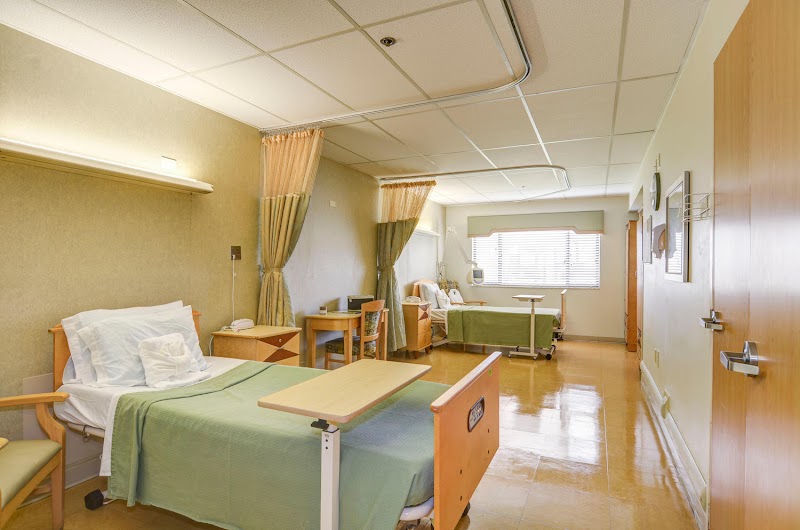
Who Owns and Operates Isles Of Boynton Nursing And Rehab Center?

ISLES OF BOYNTON NURSING AND REHAB CENTER is owned by a for-profit company. For-profit facilities operate as businesses with obligations to shareholders or private owners. The facility is operated by EXCELSIOR CARE GROUP, a chain that manages multiple nursing homes. With 180 certified beds and approximately 164 residents (about 91% occupancy), it is a mid-sized facility located in BOYNTON BEACH, Florida.
How Does Isles Of Boynton Nursing And Rehab Center Compare to Other Florida Nursing Homes?

Compared to the 100 nursing homes in Florida, ISLES OF BOYNTON NURSING AND REHAB CENTER's overall rating (3 stars) is below the state average of 3.2, staff turnover (15%) is significantly lower than the state average of 46%, and health inspection rating (2 stars) is below the national benchmark.

What Should Families Ask When Visiting Isles Of Boynton Nursing And Rehab Center?

Based on this facility's data, families visiting should ask: "What changes have been made since the serious inspection findings, and how are you preventing similar issues?" "What safeguards and monitoring systems are in place to protect residents from abuse or neglect?" "Can I visit during a mealtime to observe dining assistance and food quality?" "How do you handle medical emergencies, and what is your hospital transfer rate?" These questions are particularly relevant given the facility's Immediate Jeopardy citations and the substantiated abuse finding on record.

Is Isles Of Boynton Nursing And Rehab Center Safe?

Based on CMS inspection data, ISLES OF BOYNTON NURSING AND REHAB CENTER has documented safety concerns. The facility has 1 substantiated abuse finding (meaning confirmed case of resident harm by staff or other residents). Inspectors have issued 2 Immediate Jeopardy citations (the most serious violation level indicating risk of serious injury or death). The facility has a 3-star overall rating and ranks #100 of 100 nursing homes in Florida. Families considering this facility should ask detailed questions about what corrective actions have been taken since these incidents.

Do Nurses at Isles Of Boynton Nursing And Rehab Center Stick Around?

Staff at ISLES OF BOYNTON NURSING AND REHAB CENTER tend to stick around. With a turnover rate of 15%, the facility is 31 percentage points below the Florida average of 46%. Low turnover is a positive sign. It means caregivers have time to learn each resident's needs, medications, and personal preferences. Consistent staff also notice subtle changes in a resident's condition more quickly. Registered Nurse turnover is also low at 23%, meaning experienced RNs are available to handle complex medical needs.

Was Isles Of Boynton Nursing And Rehab Center Ever Fined?

ISLES OF BOYNTON NURSING AND REHAB CENTER has been fined $16,152 across 2 penalty actions. This is below the Florida average of $33,240. While any fine indicates a compliance issue, fines under $50,000 are relatively common and typically reflect isolated problems that were subsequently corrected. Families should ask what specific issues led to these fines and confirm they've been resolved.

Is Isles Of Boynton Nursing And Rehab Center on Any Federal Watch List?

ISLES OF BOYNTON NURSING AND REHAB CENTER is not on any federal watch list. The most significant is the Special Focus Facility (SFF) program, which identifies the bottom 1% of nursing homes nationally based on persistent, serious quality problems. Not being on this list means the facility has avoided the pattern of deficiencies that triggers enhanced federal oversight. This is a positive indicator, though families should still review the facility's inspection history directly.