VENTURA HEALTH AND REHABILITATION CENTER
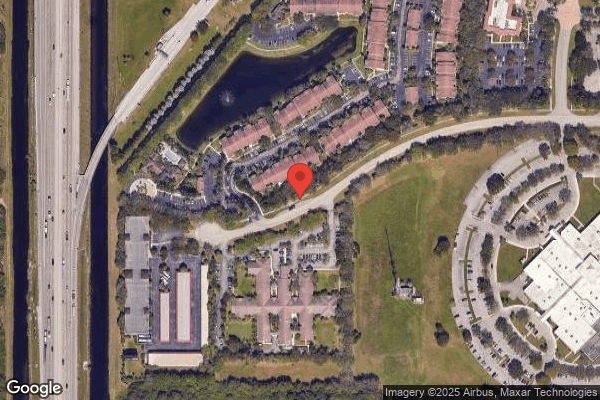
7900 VENTURE CENTER WAY, BOYNTON BEACH, FL 33437 (561) 736-6000
For profit - Corporation 99 Beds SIMCHA HYMAN & NAFTALI ZANZIPER Data: November 2025 1 Immediate Jeopardy citation
Trust Grade
26/100
#578 of 690 in FL
Last Inspection: April 2025

Within standard 12-15 month inspection cycle. Federal law requires annual inspections.

Overview

Ventura Health and Rehabilitation Center in Boynton Beach, Florida, has a Trust Grade of F, indicating significant concerns and poor performance. With a state rank of #578 out of 690, they are in the bottom half of Florida facilities, and at #49 out of 54 in Palm Beach County, only a few local options are worse. The facility is worsening, as issues increased from 10 in 2024 to 13 in 2025. Staffing is a relative strength with a rating of 4 out of 5 stars and a turnover rate of 31%, lower than the state average, which means staff tend to stay longer and have more experience with residents. However, there are serious issues, including a critical incident where a resident was able to leave the facility undetected and suffered severe injuries after a fall, and another case where residents did not receive necessary assistance during meals, leading to malnutrition. While there is good RN coverage, more than 90% of Florida facilities, the facility's overall performance raises significant red flags for families considering care options.

Trust Score
F
26/100
In Florida
#578/690
Bottom 17%
Safety Record
High Risk
Review needed
Inspections
Getting Worse
10 → 13 violations
Staff Stability
○ Average
31% turnover. Near Florida's 48% average. Typical for the industry.
Penalties
✓ Good
$15,593 in fines. Lower than most Florida facilities. Relatively clean record.
Skilled Nurses
✓ Good
Each resident gets 63 minutes of Registered Nurse (RN) attention daily — more than 97% of Florida nursing homes. RNs are the most trained staff who catch health problems before they become serious.
Violations
⚠ Watch
41 deficiencies on record. Higher than average. Multiple issues found across inspections.
★★☆☆☆
2.0
Overall Rating
★★★★☆
4.0
Staff Levels
★★★★☆
4.0
Care Quality
★★☆☆☆
2.0
Inspection Score
Stable
2024: 10 issues
2025: 13 issues

The Good

  • 4-Star Staffing Rating · Above-average nurse staffing levels
  • 4-Star Quality Measures · Strong clinical quality outcomes
  • Full Sprinkler Coverage · Fire safety systems throughout facility
  • No fines on record
  • Staff turnover below average (31%)

    17 points below Florida average of 48%

Facility shows strength in staffing levels, quality measures, fire safety.

The Bad

2-Star Overall Rating

Below Florida average (3.2)

Below average - review inspection findings carefully

Staff Turnover: 31%

15pts below Florida avg (46%)

Typical for the industry

Federal Fines: $15,593

Below median ($33,413)

Minor penalties assessed

Chain: SIMCHA HYMAN & NAFTALI ZANZIPER

Part of a multi-facility chain

Ask about local staffing decisions and management

The Ugly 41 deficiencies on record

1 life-threatening 2 actual harm
Apr 2025 13 deficiencies
CONCERN (D)

Potential for Harm - no one hurt, but risky conditions existed

Deficiency F0558 (Tag F0558)

Could have caused harm · This affected 1 resident

**NOTE- TERMS IN BRACKETS HAVE BEEN EDITED TO PROTECT CONFIDENTIALITY** Based on policy review, observation, interview, and record review, the facility failed to ensure appropriate care services and r...

Read full inspector narrative →
**NOTE- TERMS IN BRACKETS HAVE BEEN EDITED TO PROTECT CONFIDENTIALITY** Based on policy review, observation, interview, and record review, the facility failed to ensure appropriate care services and reasonable accommodations for 2 of 2 sampled residents as evidenced by the failure to keep the call light within reach of Resident #66 and failure to ensure the call light was secured and within reach of Resident #12. The findings included: 1. Review of the policy, titled, Call Lights: Accessibility and Timely Response, implemented 11/2020 and revised 07/19/22, documented, in part, 1. Staff will ensure the call light is within reach of residents and secured, as needed. 2. The call bell will be accessible to residents while in their bed or other sleeping accommodation within the resident's room. Record review revealed Resident #66 was admitted to the facility on [DATE]. Review of the current Minimum Data Set (MDS) assessment dated [DATE] documented Resident #66 had a Brief Interview for Mental Status (BIMS) score of 14, on a 0-15 scale, indicating the resident was cognitively intact. The MDS documented the resident was dependent on staff for self-care needs. An interview was conducted with Resident #66 on 04/27/25 at 10:04 AM, who stated she was unable to reach the call light. The call light was observed to be clipped to the top left side of the mattress but was hanging behind the bed and not accessible to the resident. An observation on 04/27/25 at 2:15 PM revealed Resident #66 was sitting in her wheelchair, and the call light was on her bed out of reach. Photographic Evidence Obtained. In an interview with Resident #66 at this time, she stated she wanted to go to bed. The surveyor gave the resident the call light and she held the call light herself and pushed it independently. On 04/30/25 at 9:11 AM, Resident #66 was in bed and the call light was clipped to the mattress hanging over the left side of the bed and not accessible to the resident. Staff E, Certified Nursing Assistant (CNA), was outside the resident's room, was asked if Resident #66 had everything she needed and Staff E replied, yes, and then noticed that the call light was not in reach of the resident and handed it to the resident. 2. Review of the policy, titled, Call Lights: Accessibility and Timely Response, implemented 11/2020 and revised 07/19/22, documented, in part, 1. Staff will ensure the call light is within reach of residents and secured, as needed. 2. The call bell will be accessible to residents while in their bed or other sleeping accommodation within the resident's room. Record review revealed Resident #12 was admitted to the facility on [DATE]. Review of the current MDS assessment dated [DATE] documented Resident #12 had a Brief Interview for Mental Status (BIMS) score of 10, on a 0-15 scale, indicating moderate cognitive impairment, and that she was dependent on staff for self-care needs. Review of the care plan dated 02/24/25 in part documented that Resident #12 has a behavior problem of yelling out loud while in her room, with no distress noted during the times of yelling out. An observation of Resident #12 on 04/27/25 at 10:53 AM revealed the resident was asleep in bed and the call light was on the floor behind her bed. Photographic Evidence Obtained. During an interview on 04/27/25 at 11:34 AM, Resident #12 was requesting help to get up. The call light was located on the floor and the surveyor gave the call light to Resident #12. She held the call light and pushed it herself without assistance. During an interview on 04/29/25 at 8:35 AM, when Resident #12 was eating breakfast independently she said, this ice cream is to die for. The call light was observed on the floor behind her bed and not accessible to Resident #12. Photographic Evidence Obtained. During an interview on 04/30/25 at 9:24 AM, when asked about Resident #12 and how she uses the call light, Staff E, Certified Nursing Assistant (CNA), said the resident usually screams when she wants something, she does not use the call light, but I make sure it is nearby. Staff E was then asked how the call light stays on Resident #12's bed since it does not have a clip on it, Staff E, replied it has a long cord. Staff E was advised that on 04/27/25 and 04/29/25 the call light had been observed on the floor and not accessible to the resident. Staff E was then asked, do you think a clip on the call light would help keep it on the bed and off the floor and Staff E replied Yes. Staff E then agreed to ask the Maintenance Department to add a clip to the call light in Resident #12's room.
CONCERN (D)

Potential for Harm - no one hurt, but risky conditions existed

ADL Care (Tag F0677)

Could have caused harm · This affected 1 resident

**NOTE- TERMS IN BRACKETS HAVE BEEN EDITED TO PROTECT CONFIDENTIALITY** Based on observations, record reviews and interviews, the facility failed to provide personal hygiene as part of Activities of D...

Read full inspector narrative →
**NOTE- TERMS IN BRACKETS HAVE BEEN EDITED TO PROTECT CONFIDENTIALITY** Based on observations, record reviews and interviews, the facility failed to provide personal hygiene as part of Activities of Daily Living (ADLs) and failed to accurately identify a resident's personal hygiene kit for 1 of 2 sampled residents, Resident #62. The findings included: Record review of the provided document titled, Job Description, Certified Nursing Assistant (CNA), with an effective date of 04/20, revealed the following: provide personal care (i.e. grooming, bathing, dressing, oral care etc.) of residents daily and as needed; strong attention to detail and accuracy; excellent organizational skills with ability to prioritize, coordinate and simultaneously maintain multiple projects with high level of quality and productivity. Record review documented Resident #62 was admitted to the facility on [DATE] with diagnoses that included Spondylolisthesis, Major Depressive Disorder, Essential Primary Hypertension, and Myocardial Infarction. Review of annual Minimum Data Set (MDS) assessment dated [DATE], under Section C documented the Brief Interview for Mental Status (BIMS) score of 14 indicating Resident #62 had intact mental cognition. Under Section GG for personal hygiene, the same MDS revealed Resident #62 had a score of 01 or dependent on personal hygiene which included the ability to maintain personal hygiene, including combing hair, shaving, washing/drying face and hands (excluding baths, showers, and oral hygiene). Section GG for oral hygiene revealed Resident #62 acquired a score of 03 indicating partial or moderate assistance in the ability to use suitable items to clean teeth. Review of nursing care plan with a focus on ADLs (Activities of Daily Living) revealed Resident #62 has an alteration in ADL function and mobility related to metabolic encephalopathy, stenosis, and muscle weakness. One of the interventions included assisting as indicated with bathing, grooming, meals, ambulation and wheelchair mobility. An additional review of the Nursing care plan with a focus on Resident #62's choices to not get out of bed and maintain activities in bed, revealed the following interventions: to allow resident to make decisions about treatment regime, to provide sense of control, and to provide consistency in care to promote comfort with ADL. Record review of the facility document with code number 28, titled, Document Survey Report V 2, page 5, with ADL Interventions including shaving, personal hygiene, washing face and hands on 04/27/25 from 7 AM to 3 PM, revealed a box with no number code, staff initials and time indicating staff did not perform the interventions. On 04/28/25 from 7 AM to 3 PM, the parallel box had a number code, staff initials and a documented time indicating the ADL interventions were done. Review of page 9 revealed on 04/27/25 and on 04/30/25, Resident #62's oral care box had no staff initials, no documented time, and a missing letter Y (representing yes), indicating oral care was not provided on those dates. Page 10 revealed that Resident #62 did not receive a bed bath on 04/26/25, 04/27/25 and 04/28/25. During an observation of Resident #62 conducted on 04/27/25 at 12:30 PM revealed he was in bed with his head elevated at about 45-degree angle. He was awake with a meal table across his upper abdominal area. The meal table had a peeled brownish tipped banana directly on top of the meal table, and a bowl of cereal next to it. Resident #62's long white hair was uncombed and standing up on top of his head. Additional observation revealed Resident #62 had randomly distributed long white hair on top and sides of the mouth, and below chin areas. Resident #62 stated he wanted a shave and had asked a staff 2 times, but the staff did not listen. During this conversation, Staff D, Certified Nursing Assistant (CNA), entered the room, and Resident #62 asked her for a shave. Staff D responded, I will come back and do it later. Resident #62 asked the staff to brush his teeth, to which Staff D responded, I already brushed your teeth. Resident #62 stated, No, you did not brush my teeth. I want my teeth brushed. During observation conducted on 04/28/25 at 08:53 AM, Resident #62 was observed in bed with a meal tray in front of him. He was sleepier than yesterday (04/27/25) with randomly distributed long white hair on top of head, both sides, and above mouth, and below the chin area. His face was unclean. He stated he did not want to eat breakfast and closed his eyes. During an interview conducted with Staff D on 04/28/25 at 8:58 AM, when asked if she had provided the requested shaving by Resident #62 yesterday, responded, I will do it later. Resident #62 started to look up and stated, I want a shave, and I want my teeth brushed. Staff D responded to Resident #62, I already brushed your teeth. When Staff D was asked if she had provided oral hygiene before breakfast, she responded, Yes, I brushed Resident #62's teeth. When asked where the facility staff stored the personal hygiene kit for Resident #62, she responded, In the bathroom next to the shower area. When asked if Resident #62 gets up to shower, she responded, Sometimes. When asked how she identified Resident 62's personal hygiene kit since there are 2 residents sharing the bathroom, she responded, I know his personal hygiene basin. She stated his personal basin has a yellow emesis basin, a white toothbrush inside a clear cup, a bottle of mouthwash, a Kling rolled dressing, a deodorant, a extra clear plastic cup, and a can of shaving cream. When asked why Resident #62 had a rolled Kling dressing and where he used it , she responded, I do not know why. She then proceeded to put the personal hygiene kit inside Resident #62' bedside table on the second drawer. It was observed that the basin had no visible label or tag indicating it belongs to Resident #62. During observation conducted on 04/28/25 at 4:00 PM, Resident #62 was observed with uncombed hair on top of head, randomly distributed long white hair on and around mouth, and below the chin areas. In an interview conducted on with Resident #62 on 04/29/25 at 9:12 AM, he stated he wanted a shave. A staff member came in and stated she would tell the assigned CNA regarding Resident #62's request. During another interview conducted with Resident #62 on 04/29/25 at 10:44 AM, he was smiling and stated he had a shave. Staff A, CNA, came in and stated she gave Resident # 62 a shave today. When asked to show where he put his personal hygiene basin, she stated inside his drawer. Staff A showed the personal basin kit that had a package of towelette on the second drawer of the bedside table. On the top drawer was an emesis basin with a blue-colored toothbrush. There were no Kling rolled dressing, a bottle of mouthwash, a can of a popular name brand shaving cream, a white colored toothbrush and clear cups observed. When Staff A was asked where Resident #62's shaving cream was, she responded, I got one from Central Supply. When asked about the popular brand shaving can, she responded, No, he does not have that. When asked why Resident #62's personal hygiene basin is not stored in the bathroom, she responded, Resident #62 does not go to the bathroom. When asked about the Kling dressing, mouthwash, and deodorant, she responded, Resident #62 does not use them. Are you talking about the basin of the other resident in the room? When asked about the gray colored personal hygiene basin with white colored toothbrush, clear cups, a deodorant bottle, a bottle of mouthwash, a can of shaving cream container, she responded, 'It belongs to Resident in bed next to the door. When asked how she would know if the gray basin belonged to the resident in bed next to the door since there are no labels on and around the gray colored basin, she responded, I know the residents' personal hygiene basin inside this room. In an interview conducted with the roommate of Resident #62 on 04/29/25 at 10:18 AM, he stated that he keeps his personal hygiene basin in the bathroom. Upon inspection, it revealed that the gray basin inside the bathroom with a yellow emesis basin with a white colored toothbrush in a clear cup, a bottle of mouthwash, a bottle of deodorant, another clear cup, and a popular name brand can of shaving cream, belonged to Resident #62's roommate. The rolled Kling dressing was missing. The basin did not have a label to indicate whose it belongs to. In an interview conducted with the Development Coordinator Staff on 04/29/25 11:15 AM, when asked how CNAs would identify a resident's personal hygiene basin, responded, Staff label it with room number on the sides of the basin. When asked regarding personal hygiene and resident's care, the Development Coordinator Staff stated that the CNAs are to provide personal care and hygiene including shaving and brushing teeth regularly, and as requested by the resident during ADL care.
CONCERN (D)

Potential for Harm - no one hurt, but risky conditions existed

Quality of Care (Tag F0684)

Could have caused harm · This affected 1 resident

**NOTE- TERMS IN BRACKETS HAVE BEEN EDITED TO PROTECT CONFIDENTIALITY** Based on observations, record reviews and interviews, the facility failed to follow the physician ordered blood pressure (BP) pa...

Read full inspector narrative →
**NOTE- TERMS IN BRACKETS HAVE BEEN EDITED TO PROTECT CONFIDENTIALITY** Based on observations, record reviews and interviews, the facility failed to follow the physician ordered blood pressure (BP) parameters for one of 5 sampled residents, for Resident #52; and failed to meet the professional standards of medication administration via enteral tubing for 1 of 2 sampled residents, Resident #52; and failed to administer the medications timely for 1 of 5 sampled residents for Resident #52. The findings included: Record review of the provided document, titled, Medication Administration, with a revision date of 10/23, revealed that medications are administered by licensed Nurses or other Staff who are legally authorized to do so in this state, as ordered by physician and in accordance with professional standards of practice, in a manner to prevent contamination and infection. Statement number 8 revealed to obtain and record vital signs, when applicable or per physician's orders. When applicable, hold medications for those vital signs outside the physician's prescribed parameters. 1. Record review documented Resident #52 was admitted to the facility on [DATE] with diagnoses that included Atrial Fibrillation, Congestive Heart Failure, Laryngeal Cancer with status post Chemotherapy, and Dysphagia with status post Percutaneous Endoscopic Gastrostomy (PEG) tube placement. Review of admission Minimum Data Set (MDS) assessment dated [DATE], under Section C of the Brief Interview for Mental Status (BIMS) revealed a score of 13, indicating Resident #52 had moderate cognitive function. Review of physician orders dated 04/15/25 revealed Midodrine Hcl (Hydrochloride) oral tablet, 10 MG ( milligram), give 1 tablet via Percutaneous Endoscopic Gastrostomy (PEG) tube one time a day for hypotension. Hold for systolic blood pressure (SBP) more than 130. Review of April 2025 Medication Administration Record (MAR) for Resident #52 revealed on on Tuesday, 04/15/25 at 9:00 AM, a blood pressure (BP) of 133/69, and a check mark with 3 letter initials parallel to the Midodrine medication , indicating that a nurse administered Midodrine medication on 04/15/25 at 9:00 AM for a systolic blood pressure of 133. Further review of the same April 2025 MAR revealed a BP of 138/60 on Sunday, 04/20/25 at 9:00 AM and a check mark and initials parallel to Midodrine medication, indicating Midodrine was administered by a nurse at 9:00 AM on 04/20/25 for a systolic blood pressure of 138. In an interview conducted with Staff G, Registered Nurse (RN) on 04/29/25 at 11: 33 AM, when asked what a check mark and initials in a MAR box parallel to the medication and time meant, she responded, The check mark means the medication was administered to the resident, while the 2 or 3 letter initials represent the nurse who administered the medication at the indicated time. When Staff G was asked regarding the MAR indications that a medication was not administered, responded, There would not be a check mark, but nurse's initials comprising of 2 or 3 letters, and a number representing hold, would further indicate that the medication was not administered. When asked what the number 5 meant in the facility's MAR, she responded, It means hold or the medication was not administered. 2. Record review of the provided document titled, Medication Administration via Enteral Tube, with a revision date of 03/22, revealed the following: to ensure safe and effective administration of medications via enteral feeding tubes by utilizing best practice guidelines. Statement letter g revealed that enteral tube placement must be verified prior to administering any fluids or medications. Statement number 11, letter b revealed to administer within 60 minutes prior to or after scheduled time unless otherwise ordered by Physician. Record review documented Resident #52 was admitted to the facility on [DATE] with diagnoses that included Atrial Fibrillation, Congestive Heart Failure, Laryngeal Cancer with status post Chemotherapy, and Dysphagia with status post Percutaneous Endoscopic Gastrostomy (PEG) tube placement. Review of admission Minimum Data Set (MDS) assessment dated [DATE] under Section C of the Brief Interview for Mental Status (BIMS) revealed a score of 13 indicating Resident #52 had intact cognitive function. Review of the physician orders dated 04/14/25 documented to check tube for proper placement by visual inspection of aspirated stomach contents prior to instilling medications. A medication administration observation was conducted on 04/29/25 beginning at 10:00 AM with Staff C, Registered Nurse (RN). Staff C crushed the following medications to be administered via enteral tube: 1. 'Dapaglifozin Propanediol oral tablet, 1 tablet, 5 mg (milligram), expires on 03/13/26. Give 1 tablet via PEG tube one time a day for Diabetes Mellitus II'. 2. 'Midodrine Hcl (Hydrochloride) oral tablet 10 mg, 1 tablet, expires on 03/04/26. Give one tablet via PEG-tube one time a day for hypotension. Hold for systolic blood pressure (BP) of more than 130'. Staff C stated Resident #52's systolic BP was 104. 3. 'Ferrous Sulfate 325 mg, 1 tablet, expires on 12/27. Give one tablet via PEG Tube one time a day for anemia'. When all medications and supplies were ready, Staff C donned on Personal Protective Equipment (PPE) after entering Resident #52's room. Staff C opened the entry port at the tip of the enteral tube using her gloved hands, connected the syringe, took off the syringe plunger and started instilling 30 ml of water into the barrel of the syringe. When asked if she should flush the tubing before doing any check, she responded, I have to flush first. Staff C did not check the enteral tube placement by visually inspecting the aspirated stomach contents before flushing the enteral tube with water. Staff C started pouring the first cup of crushed medication with some water on 04/29/25 at 10:26 AM into the tubing. When Staff C was asked about the ordered scheduled time of medication administration for Resident #52, Staff C responded that these medications are scheduled for 9:00 AM. During record review of Medication Administration Record (MAR) for April 2025, it was revealed that the above medications had check marks, and Nurse's initials on 04/29/25 at 9:00 AM. During an interview related to medication administration in an enteral tube with Staff B, Licensed Practical Nurse (LPN) on 04/29/25 at 3:00 PM, when asked why she aspirated the stomach contents before administering a crushed medication tablet via enteral tube, responded, I make sure, I check the placement of the PEG tube before administering the medication. I do this by looking at the return flow of stomach contents after I aspirated using a syringe. In an interview conducted with the Director of Nursing (DON) on 04/30/25 at 11:45 AM, when asked about the process of administering medications through the enteral tube, responded I check for the PEG tube placement by aspirating stomach contents first, before I flush the enteral tube with some water, then I instill the crushed medication. When asked about the acceptable medication administration time, if it is scheduled for 9:00 AM, she responded One hour before and one hour after 9:00 AM is the acceptable medication administration time. When asked if the acceptable medication administration time is included in Medication Administration policy, she responded, I think so.
CONCERN (D)

Potential for Harm - no one hurt, but risky conditions existed

Pressure Ulcer Prevention (Tag F0686)

Could have caused harm · This affected 1 resident

**NOTE- TERMS IN BRACKETS HAVE BEEN EDITED TO PROTECT CONFIDENTIALITY** Based on observation, record review, and interview, the facility failed to ensure physician ordered wound care was provided as o...

Read full inspector narrative →
**NOTE- TERMS IN BRACKETS HAVE BEEN EDITED TO PROTECT CONFIDENTIALITY** Based on observation, record review, and interview, the facility failed to ensure physician ordered wound care was provided as ordered for 1 of 1 sampled resident, Resident #61, who had a facility acquired pressure ulcer. The findings included: Record review revealed Resident #61 was admitted to the facility on [DATE] and admitted to Hospice services on 02/15/25. Review of the current physician orders documented as of 03/13/25, the stage IV (a wound extending into the muscle and or bone) pressure ulcer should be cleansed with Dakins solution and Collagen particles were to be placed in the wound and then covered with a Superabsorbent dressing. Review of the Nurse Practitioner's (NP) wound care note dated 04/23/25 documented the stage IV pressure ulcer was acquired on 06/05/24, with current contradictory orders to cleanse with Dakins solution and apply Hydrofera Blue to the wound bed, covering with a Superabsorbent dressing. This note documented the use of the Hydrofera Blue was to minimize pain, minimize risk of infection, and to continue with palliative wound management while on Hospice services. Further review of all weekly progress notes by the NP documented the use of the Hydrofera Blue treatment since 03/26/25. During the wound care observation on 04/30/25 at 10:26 AM, the Wound Care Nurse (WCN)provided wound care using the Collagen Particles. When asked where the NP was for this weekly visit, the WCN stated she was on her way. The WCN finished the wound care and when asked again about the NP, the WCN stated she had a phone conference. When shown the Nurse Practitioner's wound notes that documented the use Hydrofera blue since 03/26/25, the Wound Care Nurse explained the Nurse Practitioner sends her a weekly spreadsheet with the resident information and orders for input into the facility's electronic records. The WCN stated it was her mistake, as she did not catch the change. When asked if the NP was in the room with her during care each week, the WCN stated she was. When asked why the NP did not catch that she was using the Collagen Particles instead of the Hydrofera Blue, the WCN did not answer. During an interview on 04/30/25 at 11:12 AM, when asked what the current treatment order for Resident #61, the Nurse Practitioner stated, Hydrofera Blue, and has been for a while, as it seems to be working better for this wound. When asked how she ensured the WCN was providing the correct wound treatment, the NP stated she was in the room with the WCN, and she had been using the Hydrofera Blue. The NP stated she was not in the room today because she had a conference call, she had to participate in. When told the WCN used the Collagen Particles today and had been using them because she was unaware of the change to Hydrofera blue, the NP stated she did not understand how that could be. When told the WCN stated she enters the orders from the spread sheet, manually into the facility's electronic system, the NP was unaware of that process. The NP stated again the Hydrofera blue should be daily for this resident. During a side-by-side review of the NP's notes, it was revealed the Hydrofera Blue was ordered every other day, at which time the NP stated that dressing could stay in place for up to three days. Upon further review of the notes, the NP documented the change to daily as of 04/16/25 and stated that was when the secondary wound opened.
CONCERN (D)

Potential for Harm - no one hurt, but risky conditions existed

Deficiency F0688 (Tag F0688)

Could have caused harm · This affected 1 resident

**NOTE- TERMS IN BRACKETS HAVE BEEN EDITED TO PROTECT CONFIDENTIALITY** Based on observations, record reviews and interviews, the facility failed to follow the physician ordered splints for one reside...

Read full inspector narrative →
**NOTE- TERMS IN BRACKETS HAVE BEEN EDITED TO PROTECT CONFIDENTIALITY** Based on observations, record reviews and interviews, the facility failed to follow the physician ordered splints for one resident on one sampled resident reviewed for splints, Resident #48. The findings included: Record review documented Resident #48 was admitted to the facility on [DATE] with diagnoses that included Aphasia following unspecified Cerebrovascular Accident, Pressure Ulcer of Sacral Region, Hemiplegia and Hemiparesis following Cerebral Infarction affecting Left Non-Dominant Side. Review of the quarterly Minimum Data Set (MDS) assessment dated [DATE] revealed a Brief Interview of Mental Status (BIMS) score of 00 indicating there was no score documented for mental cognition, as the resident was unable to answer the questions. Section GG revealed Resident #48 had impairment on both sides of upper extremities and both sides of lower extremities. Review of the physician orders dated 03/28/25 revealed to apply left elbow splint for 6 hours as tolerated per day, may remove for care, every shift. Review of the care plans did not indicate focus, goals and interventions associated with the left elbow splint. Record review of April 2025 Medication Administration Record (MAR) revealed the left elbow splint was applied during both the 7 AM to 7 PM, and the 7 PM to 7 AM shifts, as indicated by Nurses initials and check marks. During an observation on 04/27/25 at 8:55 AM, Resident #48 had received perineal care form a private Aide. When the private Aide was asked regarding a blue splint sitting on top of the bedside table, she responded, The Staff Certified Nursing Assistant [CNA] will put it on [Resident #48] later. During observations on 04/27/25 at 10:26 AM, 12:45 PM, and at 2:39 PM, the blue splint was still on top of the bedside table and not on Resident #48's left elbow. In an observation conducted on 04/28/25 at 9:05 AM, Resident #48's blue splint was observed on the floor on the right side of the foot part of the bed. Staff D, CNA came in and picked up the splint. She was observed to put the splint on top of the bedside table. In another observation on 04/28/25 at 9:45 AM, the Staff Coordinator and Staff CNA transferred Resident #48 from bed to a wheelchair. Neither staff member applied the blue splint on resident's elbow after the transfer. During a dining room observation on 04/28/25 at 1:10 PM, Resident #48 was not wearing a left elbow splint. In another observation on 04/29/25 at 9.07 AM, 10:01 AM and 11:30 AM, Resident #48 was observed not wearing a splint on left elbow. During another observation on 04/30/25 at 9:32 AM, when the resident was asked if she had breakfast, responded Yes, with a low voice. A blue splint was observed on top of the bedside table. An interview was conducted with the Staff Development Coordinator on 04/30/25 at 1:00 PM regarding the application of splint to resident. She responded, staff put it on the resident all the time. When she was asked regarding documentation of how long the splint is kept on Resident # 48's elbow, she responded, It is recorded in MAR. In an interview Staff I, Registered Nurse (RN), on 04/30/25 at 1:17 PM, when asked if Resident #48 was wearing the elbow splint, stated, she would check. Five minutes later, she came back from checking and stated, Yes, she was. When she was asked how often Resident #48 uses the blue splint on the left elbow, Staff I, RN responded, All the time.
CONCERN (D)

Potential for Harm - no one hurt, but risky conditions existed

Deficiency F0692 (Tag F0692)

Could have caused harm · This affected 1 resident

**NOTE- TERMS IN BRACKETS HAVE BEEN EDITED TO PROTECT CONFIDENTIALITY** 3. Record review revealed Resident #28 was admitted to the facility on [DATE]. A comprehensive assessment dated [DATE] documente...

Read full inspector narrative →
**NOTE- TERMS IN BRACKETS HAVE BEEN EDITED TO PROTECT CONFIDENTIALITY** 3. Record review revealed Resident #28 was admitted to the facility on [DATE]. A comprehensive assessment dated [DATE] documented the resident was cognitively intact and required substantial / maximum assist with activities of daily living (ADLs). The assessment documented Resident #28 had weight loss and was not on a prescribed weight loss regimen. Resident #1 was care planned on 02/21/25 for at nutritional risk related to significant weight loss. Review of Resident 31's weights revealed: 03/09/25, 1:50 PM: 227.0 Lbs. 03/03/25, 6:31 PM: 234.0 Lbs. 02/24/25, 6:17 PM: 234.0 Lbs. 02/17/25, 6:08 PM 234.0 Lbs. 02/10/25, 5:14 PM: 234.0 Lbs. 02/04/25, 3:27 PM: 234.0 Lbs. 02/03/25, 5:55 PM: 250.0 Lbs. 01/27/25, 7:06 PM: 250.0 Lbs. 01/20/25, 5:16 PM: 250.0 Lbs. A Dietary Note dated 02/27/25 documented Resident #28 was being monitored for significant weight loss. 5% weight loss in 7 days (02/03/25 250#, 02/10/25 234#). May not be true weight (250# listed multiple times from 12/02/25-02/03/25). BMI [Body Mass Index]: 35.6 (morbidly obese). Weight loss favorable and desirable. PO [oral] intake between 51-100%. ADON [Assistant Director of Nursing] reports resident had cast removed on 01/13/25 and that may have affected weight. Discussed weight loss weight res. [resident]. She is happy about weight loss and wants to continue to lose weight. Will maintain current recommendations: -ice cream lunch/dinner -weekly weights until stable Will continue to monitor and f/u as needed. A Dietary Note dated 03/06/25 documented Resident #28 is being monitored for significant weight loss. Plan of action discussed with team in clinical meeting. MD aware. CBW [current body weight] (03/03/25): 234# -5% weight loss x7 days (2/3/25): 250# May not be true weight (250# listed multiple times from 12/02/25-02/03/25) BMI: 35.6 (morbidly obese). Weight loss favorable and desirable. PO intake between 51-100%. Res happy about weight loss and wants to continue to lose weight. Will maintain current recommendations: -ice cream lunch/dinner Recommend: -monthly weights Will continue to monitor and f/u as needed. A Dietary Note dated 03/14/25 documented Resident #28 is being monitored for significant weight loss. Plan of action discussed with team in clinical meeting. MD aware. CBW (3/9/25): 227#? -7.5% weight loss x90 days (12/9/25): 250# BMI: 34.5 (morbidly obese). Weight loss favorable and desirable. PO intake between 51-75%. Resident happy about weight loss and wants to continue to lose weight. She requests to be placed on monthly weights. Will maintain current recommendations: -ice cream lunch/dinner Recommend: -monthly weights. An interview was conducted with Resident #28 on 04/27/25 at 12:00 PM in her room. The resident acknowledged she had some weight loss. The resident stated she did not know why she had weight loss. The resident was observed refusing the lunch tray and stated she would accept a grilled cheese sandwich. The resident did not consume the grilled cheese sandwich. There was no ice cream on the tray. An observation of Resident #28 was conducted on 04/28/25 at 12:00 PM in her room. The resident had her lunch tray pushed to the side. Resident #28 stated her lunch was not appealing and she did not want it. There was no ice cream on the tray. The surveyor requested to the Director of Nursing (DON) for Resident #28 to be weighed on 04/29/25 in the morning. The resident weighed 199#. An interview was conducted with the RD on 04/29/25 at 1:50 PM. The RD stated the restorative CNA (Certified Nursing Assistant) was responsible for monthly weights. The RD stated if a weight was missing, she would email the CNA. If a resident had weight loss, she would discuss reweighs, and place the resident on a list for weekly weights. If there appeared to be a discrepancy in a weight, the RD would request the resident be weighed again. The RD stated she would further discuss food preferences with the resident. The RD acknowledged she had concerns with the validity of Resident #28's weights. The RD stated she had not requested a reweigh for the resident. The RD further acknowledged Resident #28's last recorded weight was 227# on 03/09/25 (greater than 30 days). The RD stated she had not discussed Resident #28's food preferences in regard to her weight loss. The RD stated Resident #28's weight was 199# this morning (12.3% weight loss). No new interventions were documented in place. Based on observations, interviews and record reviews, the facility failed to address residents' weight loss in a timely manner, for 3 of 10 sampled residents, reviewed for nutrition, Resident #40, Resident #13, Resident #28. The findings included: Review of the facility's policy titled Weight Monitoring showed the following: Weights shall be monitored as per the schedule below unless otherwise ordered by the healthcare provider; Monitor weight monthly. Weight analysis: The newly recorded resident weight should be compared to the previously recorded weight. 1. Record review showed Resident #40 was admitted to the facility on [DATE] and readmitted on [DATE] with diagnosis of Aphasia following nontraumatic intracerebral hemorrhage and hemiplegia and hemiparesis following cerebral infarction affecting the dominant right side. The quarterly Minimum Data Set (MDS) assessment dated [DATE] revealed a Brief Interview of Mental Status (BIMS) score of 00, indicating they were unable to conduct the interview. A thorough review of the weight log for Resident #40 showed the following respectively: 04/29/2025: 113.0 pounds (# / Lbs). 04/01/2025: 111.0 pounds. 03/06/2025: 109.0 pounds. 02/08/2025: 109.0 pounds. 01/30/2025: 108.2 pounds. 01/13/2025: 109.4 pounds. 01/11/2025: 108.0 pounds. 01/06/2025: 108.0 pounds. 12/27/2024: 109.0 pounds. 12/03/2024: 109.0 pounds. 11/25/2024: 107.0 pounds. 11/13/2024: 107.0 pounds. 11/08/2024: 107.0 pounds. 11/01/2024: 107.0 pounds. 10/23/2024: 107.8 pounds. 10/16/2024: 113.4 pounds. 10/02/2024: 114.0 pounds. 08/02/2024: 124.1 pounds. 06/07/2024: 123.4 pounds. 05/15/2024: 119.0 pounds. 04/10/2024: 126.0 pounds. Further review showed a 10.1 pound weight loss from 08/02/2024 to 10/02/2024 which indicates a 8.13% weight loss in 2 months. Resident #40 had an overall trending weight loss of 13.77% from 08/02/2024 to 11/01/2024 (3 months). Review of the Dietary progress note indicated Resident #40's weight loss recorded on 10/02/24 was addressed on 10/17/24 (15 days after the weight loss). The Registered Dietitian (RD) documented in the progress note the following: Resident #40 is monitored for significant weight loss; 7.5% weight loss in 2 months (08/02/24); Per Oral intake is estimated between 51% and 75%. Resident #40 received the following: 120 mL Med Pass twice a day, weekly weights until weight stable, fortified food twice a day. Review of Resident #40's physician's orders showed the following: Med Pass 2.0 twice a day for Nutritional Supplement 120 mL by mouth started on 10/15/24 and discontinued on 11/14/24, which was 13 days after the recorded weight loss (10/02/24). In an observation conducted on 04/27/2025 at 12:05 PM, the surveyor observed Resident #40's meal ticket that consisted of: 3oz. of Roast Breast Turkey, 2 ounces (oz.) of Turkey gravy, ½ cup of [NAME] Bean Casserole, 4oz. of Fortified Mashed Potatoes, ½ cup of Seasoned Cornbread Stuffing,1 Ea. [each] of Fran's Spice Cake, 8oz. of Iced Tea, 8 oz. of 2% Milk. Resident #40's tray did not have fortified mashed potatoes. In an interview conducted on 04/29/25 at 1:50 PM, the RD stated the restorative CNAs are the ones who weigh the residents and when there is a missing weight, she sends an email to inform the team in their weekly meetings. The RD explained she reviews the weights monthly to identify weight loss / weight gain / discrepancy and if any, asks for reweight. If a significant weight loss is identified, she communicates with the team, writes a progress note and orders to weigh the resident weekly. The RD stated she puts in adequate interventions usually on Wednesdays because that is when she is in the facility and progress notes are expected once a week. For Resident #40, the RD explained she started working for this facility at the beginning of June so during the period of the weight loss (10/02/24) she had just started to take over and get acclimated. The RD acknowledged the delay in addressing the weight loss and further explained the orders are put in place before the progress notes are recorded, and the fortified food is put directly on the meal tracker. 2. Record review showed Resident #13 was admitted to the facility on [DATE] and readmitted on [DATE] with diagnosis of disease of digestive system and unspecified dementia, unspecified severity with agitation. The MDS annual assessment dated [DATE] revealed a BIMS score is 12, indicating moderate cognitive impairment. A thorough review of the weight log for Resident #13 showed the following respectively: 04/29/25: 172.0 pounds. 04/01/25: 167.0 pounds. 03/05/25: 162.4 pounds. 02/03/25: 163.0 pounds. 01/20/25: 163.0 pounds. 01/13/25: 162.0 pounds. 12/27/24: 162.0 pounds. 12/03/24: 159.0 pounds. 11/27/24: 168.0 pounds. 11/18/24: 160.0 pounds. 11/16/24: 163.8 pounds. 11/06/24: 160.6 pounds. 10/18/24: 160.1 pounds. 10/02/24: 166.0 pounds. 08/02/24: 192.0 pounds. 06/07/24: 194.0 pounds. 05/15/24: 189.0 pounds. 04/10/24: 191.0 pounds. Further review showed a 26 pounds weight loss from 08/02/2024 to 10/02/2024 which indicates a 13.54% weight loss in 2 months. Resident #13 had an overall trending weight loss of 16.35% from 08/02/2024 to 11/06/2024 (3 months). Review of the Dietary progress note indicated Resident #13's weight loss recorded on 10/02/24 was addressed on 10/16/24 (14 days after the identified weight loss). The RD stated in the progress note the following: Resident #13 is monitored for significant weight loss; 7.5% weight loss in 2 months (08/02/24) and 10.0% in 6 months (04/10/24); Per Oral intake is estimated between 51% and 75%. Resident #13 received the following: 60 mL Med Pass twice a day, weekly weights until weight stable, fortified food twice a day and Peanut Butter and Jelly sandwich with lunch. Review of Resident #13's physician's orders showed the following: Med Pass 2.0 twice a day for Nutritional Supplement 60 mL by mouth started on 10/15/24 and discontinued on 01/31/25. The Med Pass was initiated 13 days after the recorded weight loss (10/02/24). In an observation conducted on 04/29/25 at 12:45 PM, the surveyor observed Resident #13's meal ticket consisted of: 8oz. of Ground Cheese Baked Ziti double portion, ¾ cup of Tossed Salad double portion, 2 packets of Dressing, ½ Ea. Key Lime Jello Squares, 8oz. of coffee, 4oz. of Assorted Juice, 4oz. of Fortified Mashed Potatoes, 1 Ea. Peanut Butter Jelly. Resident #13's tray did not have the Peanut Butter Jelly sandwich. In an interview conducted on 04/29/2025 at 3:40 PM, the RD stated Resident #13 had a significant weight loss (13.54%) on 10/02/24. The RD acknowledged the progress note was not put in place in a timely manner on 10/16/24. The RD stated addressing a significant weight loss in a timely manner means putting interventions in place within 2 days of the identified weight loss.
CONCERN (D)

Potential for Harm - no one hurt, but risky conditions existed

Respiratory Care (Tag F0695)

Could have caused harm · This affected 1 resident

**NOTE- TERMS IN BRACKETS HAVE BEEN EDITED TO PROTECT CONFIDENTIALITY** Based on observations, record reviews and interviews, the facility failed to ensure it obtained current physician's orders for O...

Read full inspector narrative →
**NOTE- TERMS IN BRACKETS HAVE BEEN EDITED TO PROTECT CONFIDENTIALITY** Based on observations, record reviews and interviews, the facility failed to ensure it obtained current physician's orders for Oxygen therapy administration for 2 of 3 sampled residents, Resident #75 and Resident #289; failed to obtain orders for changing and dating the oxygen tubing; failed to document the oxygen administration in Medication Administration Record (MAR) for 2 of 3 sampled residents, Resident #75 and Resident #37; failed to initiate a care plan for Oxygen therapy for Resident #289; failed to obtain current physician orders for a nebulizing treatment and failed to date and change the nebulizing tubing for 1 of 3 sampled residents for Resident #75. The findings included: Record review of the provided document, titled, Medication Administration, with a revision date of 10/23, revealed that medications are administered by Licensed Nurses, as ordered by Physicians and in accordance with professional standards of practice, in a manner to prevent contamination or infection. Statement number 10 revealed to review the Medication Administration Record (MAR) to identify medications to be administered. Statement number 17 revealed to sign the MAR after administration. 1. Record review revealed Resident #75 was admitted to the facility on [DATE] with diagnoses that included Pneumonia, Pleural Effusion, Essential Primary Hypertension, Hyperlipidemia, Unspecified Atrial Fibrillation, Hypoosmolality, Hyponatremia, and Insomnia. Review of admission Minimum Data Set (MDS) assessment dated [DATE] under Section C documented the Brief Interview for Mental Status (BIMS) score of 15 indicating Resident #75 had intact cognitive function. Under Section O dated 02/17/25, it revealed a yes response to Oxygen therapy indicating Resident #75 was receiving oxygen therapy. Review of Resident #75's care plan initiated on 02/06/25 and revised on 02/24/25 indicated Focus: The Resident may use oxygen as needed. Interventions: Administer oxygen as ordered (refer to MAR for current order) .Observe oxygen saturation levels via pulse oximetry as ordered and report as needed Provide respiratory treatments as ordered and monitor effectiveness. Goal: Resident #75 will have minimized risk of respiratory distress through review date. Review of the physician orders from 02/04/25 to 04/28/25 revealed no orders for Oxygen therapy and nebulizing treatments. There were also no orders regarding the care and management of both the Oxygen therapy system and the nebulizing therapy system. In an interview conducted with Resident #75 on 04/27/25 at 11:04 AM regarding Oxygen therapy, she responded she gets them when she has difficulty breathing. When asked about nebulizing treatments, she responded, she gets it too. During an observation of Resident # 75 conducted on 04/27/25 at 11:07 AM, she was observed resting in bed with Oxygen infusing at two (2) liters via Oxygen concentrator. The tubing had no visible tag with date. During another observation on 04/27/25 at 3:45 PM, a small nebulizing box was seen on top of Resident #75's bedside table with half of tube exposed and half inside the drawer. The nebulizing tube was not dated. In an interview conducted with Resident#75 on 04/29/25 at 4:00 PM, she stated she had received nebulizing treatment yesterday. During an observation on 04/29/25 at 11:46 AM, a nebulizing treatment box with clear tubing was observed on top of Resident #75's bedside table. The nebulizing tube was not dated. In another interview and observation on 04/30/25 at 9:29 AM, Resident #75 was sitting in a wheelchair. A nebulizing box was observed on top of bedside table. The tube was not dated. When asked about nebulizing treatment, Resident #75 responded, she received one yesterday. An interview was conducted with the Director of Nursing (DON) on 04/30/25 at 1:45 PM regarding residents receiving Oxygen therapy and nebulizing treatment without a physician's orders. The DON stated that there should be physician orders for Oxygen therapy and nebulizing treatments. When asked if staff document the administration of Oxygen therapy in Medication Administration Record (MAR), she responded, yes. An interview was conducted with Staff D, Licensed Practical Nurse (LPN) on 04/30/25 at 2:55 PM, regarding resident receiving Oxygen therapy without a physician's order. Staff D acknowledged there was no current order on file for Oxygen and stated that she could not recall how long she had been receiving it. She added that the resident also received nebulizing treatment, and she administered them before. 2. Record review revealed Resident #37 was admitted to the facility on [DATE] with diagnoses that included Cerebral Infarction due to Unspecified Occlusion or Stenosis of the Left Anterior Cerebral Artery, Hemiplegia and Hemiparesis following Cerebral Infarction, Atrial Fibrillation, Presence of Cardiac Pacemaker, Type II Diabetes Mellitus with Diabetic Peripheral Angiopathy without Gangrene, and Atelectasis. Review of the MDS assessment dated [DATE] under Section C, revealed a BIMS score of 9 indicating Resident #37 had moderate impaired cognitive function. Section O revealed a highlighted yes for oxygen therapy indicating Resident #37 was receiving Oxygen therapy at the facility. Record review of the physician orders dated 04/07/25 revealed Oxygen at 2 liters per minute via nasal cannula as needed, every shift, was ordered. There were no physician orders for the care and management (including dating and changing of Oxygen tubing) of the Oxygen therapy system noted. Record review of the April 2025 MAR for Resident #37 revealed the care and management of the Oxygen therapy system was not documented. During an observation of Resident #37 on 04/27/25 at 12:45 PM, she was observed sitting in wheelchair with Oxygen infusing at two and half (2.5) liters via oxygen concentrator. The clear Oxygen tubing was not dated. On 04/28/25 at 10:00 AM, Resident #37 was observed sitting in wheelchair with oxygen infusing at 2 liters via oxygen concentrator. The Oxygen concentrator was making very loud noises. An interview was conducted on 04/28/25 at 10:00 AM with Resident #37, who stated she wears the Oxygen cannula all the time. When asked how often staff changed her oxygen tubing, she did not respond. An interview was conducted with Staff D, Licensed Practical Nurse (LPN) on 04/29/25 at 3:55 PM who stated she frequently checks the physician orders for Oxygen therapy, nebulizing treatments and Oxygen tubing changes. When asked if she documents the Oxygen therapy administration and nebulizing treatments in MAR, she responded, yes. When asked how she cares for the Oxygen therapy system, she responded, Per Physician order. 3. Record review revealed Resident #289 was admitted on [DATE] with diagnoses that included Perforation of Intestine, Acute Respiratory Distress, Atrial Fibrillation, Pleural Effusion, and Acute Pulmonary Edema, Acute Respiratory Failure with Hypoxia and Pneumonia. Review of the admission Minimum Data Set (MDS) assessment dated [DATE] under Section C of the BIMS revealed a score of 9 indicating Resident #289 had moderate impaired cognitive function. Under Section O, dated 04/29/25, revealed a highlighted yes to Oxygen therapy indicating Resident #289 was receiving Oxygen therapy in the facility. Review of the physician orders did not include Oxygen therapy administration. There were no orders regarding Oxygen system and nebulizing system care and management. There was no care plan in place for Resident #289's oxygen or equipment. Record review of April 2025 MAR revealed no documented box for Oxygen therapy administration. There was also no documented boxes for Oxygen system and nebulizing system care and management. Observation of Resident #289 on 04/27/25 at 11:06 AM revealed he was resting in bed with Oxygen infusing at two (2) liters via Oxygen concentrator with no current physician order noted. The oxygen tubing was not dated. During an interview with Resident #289's spouse on 04/27/25 at 12:08 PM, when asked how long Resident #75 had been receiving Oxygen therapy, she responded, since we arrived at this facility. When asked how long Resident #289 has been receiving nebulizing treatment, she responded, I can't remember. When asked how often staff changed the oxygen tubing, and nebulizing tubing she responded, I do not know. On 04/28/25 at 9:35AM, Resident #289 was observed resting in bed with Oxygen infusing at two (2) liters via Oxygen concentrator with no current Physician order noted in place. During another observation on 04/28/25 at 3:30 PM, Resident #289 was observed in bed with Oxygen infusing at two (2) liters via Oxygen concentrator with no physician order. An interview was conducted with the Staff Development Coordinator on 04/30/25 at 1:00 PM, who stated Oxygen therapy, nebulizing treatments and Oxygen system care and management are done and documented in MAR according to physician orders. When she was asked about the policy for Oxygen Therapy, she stated she would ask the Director of Nursing (DON). There was no policy provided to the end of the survey.
CONCERN (D)

Potential for Harm - no one hurt, but risky conditions existed

Deficiency F0698 (Tag F0698)

Could have caused harm · This affected 1 resident

**NOTE- TERMS IN BRACKETS HAVE BEEN EDITED TO PROTECT CONFIDENTIALITY** Based on observations, interviews and record reviews, the facility failed to adhere to physician ordered fluid restrictions for ...

Read full inspector narrative →
**NOTE- TERMS IN BRACKETS HAVE BEEN EDITED TO PROTECT CONFIDENTIALITY** Based on observations, interviews and record reviews, the facility failed to adhere to physician ordered fluid restrictions for 2 of 3 sampled residents reviewed for dialysis, Residents #24 and 44. The findings included: 1. Record review revealed Resident #24 was admitted to the facility on [DATE]. Review of the resident's most recent complete assessment, a Medicare 5-day Minimum Data Set (MDS) assessment, with a reference date of 04/07/25, documented Resident #24 had a Brief Interview for Mental Status (BIMS) score of 12, indicating moderate cognitive impairment. Resident #24's diagnoses at the time of the assessment included: Anemia, Atrial fibrillation, Coronary artery disease, Heart failure, Hypertension, Orthostatic hypotension, GERD, Diabetes Mellitus, Hyperlipidemia, Non-Alzheimer's dementia, Anxiety disorder, Depression, Chronic lung disease, Acute ischemic heart disease, Sacroilitis, Cardiomegaly, Ulcerative rectosigmoiditis, Acute myocardial infarction, Cardiac septal deficit, and Interstitial Pulmonary Diseases. Review of Resident #24's physician orders included: On 04/22/25: Fluid Restriction: 1200 mL (600 mL-kitchen; 600 mL- Nursing) 7a-7p = may give (300 mL-nursing; 300 mL kitchen) 7p-7a = may give (300 mL-nursing; 300 mL kitchen) - every 12 hours for Fluid Restriction Resident must be encouraged to comply with fluid restriction orders. Dialysis Days: M, W, F; Pick up Time:12:30 PM. Review of Resident #24's care plan documented for noncompliance with dietary orders and fluid restrictions, Resident chooses to not allow care in the following areas: Dietary Orders, refuses to eat his lunch and to take a lunch bag with him to dialysis, noncompliant with fluid restriction Date Initiated: 04/28/2025 Revision on: 04/28/2025. The goals of the care plan included: o Right to Refuse will not compromise other Residents Honor Resident's Rights Date Initiated: 04/28/2025 Target Date: 07/06/2025 o Will maintain highest level of function through next review date Date Initiated: 04/28/2025 Target Date: 07/06/2025. Interventions to the care plan included: o Allow the resident to make decisions about treatment regime, to provide sense of control Date Initiated: 04/28/2025 o Diet as ordered (Refer to POS for Current order Date Initiated: 04/28/2025 o Educate resident on risk vs benefits of resident choice. Date Initiated: 04/28/2025 o Educate resident/family/caregivers of the possible outcome(s) of not complying with treatment or care Date Initiated: 04/28/2025 o If refusing or resisting try again later Date Initiated: 04/28/2025 Review of Resident #24's Care plan for fluid restrictions documented, Resident is at risk for fluid deficits r/t Fluid Restriction, diuretic use, ESRD. Date Initiated: 04/02/2025 Revision on: 04/27/2025. The goal of the care plan was documented as, Will have a minimized risk from s/s of fluid deficit as evidenced by moist mucous membranes and adequate skin turgor by next review date. Date Initiated: 04/02/2025 Revision on: 04/23/2025 Target Date: 07/06/2025. Interventions to the care plan included: o Educate resident and resident representative on the importance of fluid intake. Date initiated: 04/02/25. Revision on: 04/23/2025 o Educate the resident/resident representative on limiting exposure to heat. Date Initiated: 04/02/2025 Revision on: 04/23/2025 o Encourage/provide fluids of choice. (Amount as ordered) Date Initiated: 04/02/2025 Revision on: 04/23/2025 On 04/28/25 at 10:33 AM, Resident #24 was observed in therapy. The resident was interacting with a therapist and was noted to be non-sensible in the conversation. Staff confirmed that the resident was confused this morning. During an observation in Resident #24's room, it was noted that there was a 32-oz (ounce) foam cup of fluid on the overbed table. During an interview, on 04/28/25 at 10:44 AM, with Resident #24's spouse, when asked about the fluid restrictions, Resident #24's spouse replied, He is allowed 32-oz a day of liquid - there is no urination and he is aware of it. I can give him a little bit of fluid every time I am here. I can give him fluids when he needs them (holding hands up with finger and thumb approximately 2 inches apart to indicate an amount of fluid that she can give to the resident). Resident #24's spouse was not able to demonstrate knowledge of the fluid restrictions and was not able to demonstrate knowledge of the risks of being noncompliant with the restrictions. On 04/29/25 at 12:41 PM, Resident #24 was observed in bed with lunch on the overbed table. Next to the tray that contained the lunch meal was a cup that contained fresh ice and water as evidence by an accumulation of condensation on the outside of the cup and on the overbed table and ice floating in the cup. It was noted that the tray ticket that accompanied the lunch did not reflect the order for fluid restrictions. On 04/30/25 at 7:07 AM, Resident #24 was observed in bed with a full 32-oz foam container of fluid on overbed table. During an interview, on 04/30/25 at 11:36 AM, with Staff F, Registered Nurse (RN), when asked about the fluid restrictions for Resident #24, Staff F replied, he is allowed to have 300 cc of water. During an interview, on 04/29/25 at 2:36 PM, with Staff J, CNA, stated, 'sometimes if they want, I have to do it. 11-7 does it.' During an interview, on 04/30/25 at 11:53 AM, with the Registered Dietitian (RD), when asked about the risks of not being compliant with fluid restrictions, the RD replied, when they are on dialysis the electrolyte imbalance, the edema - too much fluid gained and lost can lead to heart palpitations, poor cognition, lethargy, stress on the body and the kidneys and would be holding onto the fluids and the kidneys would not be able to filter out the toxins. The RD was not able to provide documentation of education provided to Resident #24 or the resident's spouse of education regarding the risks associated with being noncompliant with fluid restrictions. The RD acknowledged that Resident #24's spouse was unaware and assisting Resident #24 with being noncompliant. Photographic Evidence Obtained. 2.Record review revealed Resident #44 was admitted to the facility on [DATE]. Review of the resident's most recent full assessment, a Medicare 5-day MDS assessment, with a reference date of 04/06/25, documented Resident #44 had a BIMS score of 13, indicating intace cognition. Resident #44's diagnoses at the time of the assessment included: Anemia, Hypertension, MDRO (Multi-Drug Resistant Organism - upon admission), Septicemia (upon admission), Hyperkalemia, Hip fracture, Parkinson's disease, Respiratory failure with hypoxia, Post cholecystectomy syndrome, Dependence on renal dialysis, elevated white blood cell count, glaucoma, Breakdown of ventricular intracranial shunt, muscle weakness, and lack of coordination. Review of Resident #44's physician orders included: Renal diet diet, Regular texture, Thin consistency - 1500 mL fluid restriction (750 mL- kitchen; 750 mL nursing) for ESRD - dated 03/31/24 with a revision date of 04/04/25. 1500 mL fluid restriction- 750 mL from nursing 750 mL from dietary Nursing- 7a-7p- Day shift- 375 mL 7p-7a- Night shift- 375 mL - every 12 hours Please encourage resident to adhere to fluid restriction - 04/03/25 Resident #44's care plan for dialysis documented, Resident \ has potential for complications related to dialysis for diagnosis of Renal Failure. Date Initiated: 02/03/25 Revision on: 04/02/25 The goal of the care plan was documented as, Residents risk for developing complications related to hemodialysis will be minimized through next review date. Date Initiated: 02/03/2025 Target Date: 08/10/2025 Interventions to the care plan included; o Observe nutritional status. Provide diet as ordered(See current Dr. orders). Fluid restrictions as ordered(See current Dr. orders). Vitamins supplements as ordered(See current Dr. orders). Wt. as ordered(See current Dr. orders). Notify MD of significant weight changes Certified Nursing Aide Dietary Manager Dietitian Date Initiated: 02/22/2025 During an interview, on 04/28/25 at 9:26 AM with Resident #44, when asked about fluid restrictions, Resident #44 replied, There is a lady that comes in and takes my water and throws it out and doesn't bring me new water. Resident #44 was not able to demonstrate knowledge or awareness of the fluid restrictions. During the interview, it was noted that there were 2 large foam cups on the resident's nightstand, one appeared to contain coffee which resident stated was from son's most recent visit, the second cup appeared to be half full of water that the resident claimed was his water when asked. During an observation of lunch, on 04/29/25 at 12:24 PM, Resident #44 was noted to have a 32-oz foam cup of water on over bed table that appeared to be a fresh cup of water as evidenced by the cup sweating. During an interview, on 04/30/25 at 11:36 AM, with Staff F, RN, when asked about the fluid restrictions for Resident #24, Staff F replied, he is allowed to have 300 cc of water. During an interview, on 04/29/25 at 2:36 PM, with Staff J, CNA for 3 years, stated 'sometimes if they want, I have to do it. 11-7 does it.' During an interview, on 04/30/25 at 11:53 AM, with the Registered Dietitian (RD), when asked about the risks of not being compliant with fluid restrictions, the RD replied, when they are on dialysis the electrolyte imbalance, the edema - too much fluid gained and lost can lead to heart palpitations, poor cognition, lethargy, stress on the body and the kidneys and would be holding onto the fluids and the kidneys would not be able to filter out the toxins. The RD was not able to provide documentation of education provided to Resident #24 or the resident's spouse of education regarding the risks associated with being noncompliant with fluid restrictions. The RD acknowledged that Resident #24's spouse was unaware and assisting Resident #24 with being noncompliant. Photographic Evidence Obtained.
CONCERN (D)

Potential for Harm - no one hurt, but risky conditions existed

Medication Errors (Tag F0758)

Could have caused harm · This affected 1 resident

**NOTE- TERMS IN BRACKETS HAVE BEEN EDITED TO PROTECT CONFIDENTIALITY** Based on observation, interview, and record review, the facility failed to ensure behavior monitoring for 3 of 5 sampled residen...

Read full inspector narrative →
**NOTE- TERMS IN BRACKETS HAVE BEEN EDITED TO PROTECT CONFIDENTIALITY** Based on observation, interview, and record review, the facility failed to ensure behavior monitoring for 3 of 5 sampled residents reviewed for unnecessary medications, Residents #2, #24, and #28. The findings included: 1. Record review revealed Resident #4 was admitted to the facility on [DATE]. A comprehensive assessment dated [DATE] documented the resident had severe cognitive impairment. The resident was receiving antipsychotics and antidepressants. The resident was care planned for at risk for complications related to the use of psychotropic drugs: antidepressant for management of symptoms of depression and antipsychotic for management of mood disorder and Dementia. Review of Resident #4's physician orders revealed an order dated 01/26/25 for Escitalopram Oxalate (an antidepressant) Tablet 10 milligrams one time a day for Depression. An order dated 01/27/25 for Antidepressant Medication - Escitalopram Observe for sadness, tearfulness, and/or self-isolation. Document 'Y' if resident has behaviors and 'N' if the resident does not have behaviors. If 'Y' document in the PNs (progress notes) every shift. Review of Resident #4's Behavior Monitoring Record for 04/25 revealed no documentation of behaviors for night shift (7P-7A). The record furthermore had missing documentation of behaviors for the day shifts (7A-7P) on 04/03/25, 04/04, 04/07, 04/08, 04/09, 04/10, 04/11, 04/17, 04/20, and 04/22. 2. Record review revealed Resident #28 was admitted to the facility on [DATE]. A comprehensive assessment dated [DATE] documented the resident was cognitively intact. The assessment further documented the resident had received antipsychotics, antianxiety, and antidepressants. Resident #28 was care planned for complications related to the use of psychotropic drugs: - Anxiolytics for the management of anxiety/agitation. - Antidepressant for management of depression, Bipolar Disorder. - Antipsychotic meds for management of psych management. Review of Resident #28's physician orders revealed orders for Seroquel (an antipsychotic) 100 milligrams (mg) in the morning and 150 milligrams at bedtime on 12/04/24, Duloxetine HCL (an antidepressant) 30 mg daily for depression on 11/16/24, and and Alprazolam (antianxiety) 0.25 mg every 12 hours for anxiety. Antidepressant Medication - Observe for sadness, tearfulness, and/or self-isolation. Document 'Y' if resident has behaviors and 'N' if the resident does not have behaviors. If 'Y' document in the PNs. every shift Antianxiety Medication - Observe for restlessness. Document 'Y' if resident has behaviors and 'N' if the resident does not have behaviors. If 'Y' document in the PNs. every shift Antipsychotic Medication - Observe for delusions, hallucinations and/or paranoia. Document:'Y' if resident is having behaviors and 'N' if the resident does not have behaviors. If 'Y' document in the PNs every shift. Review of Resident #28's Behavior Monitoring Record revealed no documentation of the resident's behaviors on night shift, and sporadic documentation for day shift. An interview was conducted with the Unit Manager (UM) on 04/30/25 at 10:00 AM. The UM acknowledged the above findings. 3. Record review documented Resident #24 was admitted to the facility on [DATE]. Review of the Medicare 5-day MDS assessment, with a reference date of 04/07/25, documented Resident #24 had a BIMS score of 12, indicating moderate cognitive impairment. Resident #24's diagnoses at the time of the assessment included: Non-Alzheimer's dementia, Anxiety Disorder, Depression, and Acute myocardial infarction. Review of Resident #24's orders included: Donepezil HCl Oral Tablet 10 MG (Donepezil Hydrochloride) - Give 1 tablet by mouth one time a day for Dementia - 04/22/25 Escitalopram Oxalate Oral Tablet 20 MG (Escitalopram Oxalate) - Give 1 tablet by mouth one time a day for Depression - 04/24/25. LORazepam Oral Tablet 2 MG (Lorazepam) - Give 1 tablet by mouth one time a day for Anxiety - 04/24/25. SEROquel Oral Tablet 25 MG (Quetiapine Fumarate) - Give 1 tablet by mouth at bedtime for Depression (Major Depression with Psychosis) - 04/25/25 Paxil Oral Tablet 30 MG (Paroxetine HCl) - Give 1 tablet by mouth at bedtime for Depression - 04/25/25. Antianxiety Medication - Observe for restlessness. Document 'Y' if resident has behaviors and 'N' if the resident does not have behaviors. If 'Y' document in the PNs. - every shift - 04/23/25 Antidepressant Medication - Observe for sadness, tearfulness, and/or self-isolation. Document 'Y' if resident has behaviors and 'N' if the resident does not have behaviors. If 'Y' document in the PNs. - every shift - 04/23/25 Psychiatry consult due to visual hallucination and paranoia - 04/24/25. Side Effect Observation: 1-Dystonia, torticollis (stiffness of neck); 2-Anticholingergic symptoms:dry mouth/blurred vision,constipation/urinary retention; 3-Hypotension ; 4-Sedation/drowsiness; 5-Increased falls/dizziness ;6-Cardiac abnormalities (tachycardia, bradycardia, irregular, H.R., NMS); 7-Anxiety/agitation; 8-Blurred Vision; 9-Sweating/rashes; 10-Headache; 11-Urinary retention/hesitancy; 12-Weakness; 13-Hangover effect; 14-Pseudoparkinsonism; 15-Insomnia; 16-New Onset Confusion - every shift for medication side effect monitoring - 04/22/25. Review of Resident #24's care plans for psychosocial well-being, documented, Resident has potential for Psychosocial Wellbeing problem related to visual hallucinations and paranoia, dysthymia. Date Initiated: 04/25/2025 Revision on: 04/27/2025. The goal of the care plan was documented as, Will verbalize feelings related to emotional state by review date - Date Initiated: 04/25/2025 Target Date: 07/06/2025 Interventions to the care plan included; o Administer cognitive medication as ordered (Refer to POS/MAR for current order) Date Initiated: 04/25/2025. Review of Resident #24's care plans for psychotropic medication use, documented, Resident has a potential for adverse effects r/t use of psychotropic medication use. - Antidepressant for the management of depressive signs and symptoms - Antianxiety medication for the management of anxiety signs and symptoms - Antipsychotic for the management of Dementia with psychosis. Date Initiated: 04/02/2025 Revision on: 04/27/2025 The goal of the care plan was documented as, Resident will have a reduced risk of adverse reactions related to medication use through next review date. Date Initiated: 04/02/2025 Revision on: 04/02/2025 Target Date: 07/06/2025. Interventions to the care plan included: o Administer medications as ordered by physician. Observe side effects and effectiveness. Date Initiated: 04/02/2025 o Consult with pharmacy & MD for Gradual dose reduction when clinically appropriate. Date Initiated: 04/02/2025 o Observe for adverse reactions to medication and report to MD as needed. Date Initiated: 04/02/2025 o Observe for changes in cognition, mood/behavior and functional level and report to MD as indicated Date Initiated: 04/02/2025 Review of the Medication Administration Record (MAR) on 04/30/25 at 8:34 AM revealed that staff providing monitoring PM [evening] meds were not documenting per the physicians' orders (Y or N). During an interview, on 04/30/25 at 11:30 AM, interview with Staff F, Registered Nurse (RN), acknowledged that there was no indication documented as 'Y or N' during the PM medication administration.
CONCERN (D)

Potential for Harm - no one hurt, but risky conditions existed

Staffing Data (Tag F0851)

Could have caused harm · This affected 1 resident

Based on observation and interview, the facility failed to submit required staffing information based on payroll based journal. The findings included: The facility triggered for excessively low weeken...

Read full inspector narrative →
Based on observation and interview, the facility failed to submit required staffing information based on payroll based journal. The findings included: The facility triggered for excessively low weekend staff per the PBJ (payroll based journal) staffing data report for the 1st quarter of 2025. Review of the 2 week staffing hours for the 1st quarter of 2025 was conduycted. The document revealed low staffing hours on 12/22/24, 12/25/24, 12/26/24, and 12/27/24. An interview was conducted with the Nursing Home Administrator (NHA) on 04/29/25 at 12:00 PM. The NHA presented corrected hours on the 2 week staffing sheet, with corroborating payroll document. The NHA stated the information / hours was input incorrectly. The NHA acknowledged the information submitted to CMS was incorrect and prompted PBJ to trigger for low staffing.
CONCERN (E)

Potential for Harm - no one hurt, but risky conditions existed

Menu Adequacy (Tag F0803)

Could have caused harm · This affected multiple residents

**NOTE- TERMS IN BRACKETS HAVE BEEN EDITED TO PROTECT CONFIDENTIALITY** Based on observations, interviews and record reviews, the facility failed to provide food that meet the residents' nutritional n...

Read full inspector narrative →
**NOTE- TERMS IN BRACKETS HAVE BEEN EDITED TO PROTECT CONFIDENTIALITY** Based on observations, interviews and record reviews, the facility failed to provide food that meet the residents' nutritional needs, for 5 of 5 sampled residents that has the potential to affect 29 residents on Fortified foods observed during lunch; failed to follow the approved menu for lunch on 04/27/25 that has the potential to affect 93 residents who eat orally, Resident #53, Resident #25, Resident #40, Resident #13, and Resident #61; and failed to provide foods that meet the residents' needs or preferences, for 7 of 7 sampled residents observed during dining, Resident #18, Resident #65, Resident #67, Resident #64, Resident #15, and Resident #68. The findings included: 1. Record review showed Resident #53 was admitted on [DATE] and readmitted on [DATE] with diagnosis of hereditary and idiopathic neuropathy and incisional hernia without obstruction or gangrene. The admission Minimum Data Set (MDS) assessment discharge return anticipated dated 02/25/25 revealed the Brief Interview of Mental Status (BIMS) score is 99, indicating the resident wase unable to conduct the interview. During an observation conducted on 04/27/25 at 12:00 PM, the surveyor observed Resident #53's meal ticket that consisted of: 2 cups of apple juice with each meal, 6 ounces (oz) Mechanical Soft Chinese Pepper Steak, 1/2 cup of Mechanical Soft Seasoned Cornbread Stuffing, 1 ea. [each] Fran's Spice Cake, 4oz. of Apple Juice, 4oz, of Fortified Mashed Potatoes, 8oz. of Water and 4oz. of Nutritious Frozen Dessert Cup. Observation of Resident #53's tray consisted of Mechanical Soft Chinese Pepper Steak, Mechanical Soft Seasoned Cornbread Stuffing and green peas. The tray did not have the Fortified Mashed Potatoes or the water, and had green peas that Resident #53 stated that she doesn't eat. During another observation conducted on 04/29/25 at 12:17 PM, the surveyor observed Resident #53's meal ticket that consisted of: 2 cups of apple juice with each meal, 8oz. of Mechanical Soft Cheese Baked Ziti, ¾ cup of Tossed Salad, 2pc. of Dressing, 1ea. Dinner Roll Buttered, 1ea. Margarine, 1ea. Key Lime Jello Squares, 4oz. of Apple Juice, 4oz of Nutritious Frozen Dessert Cup, 4oz of Fortified Mashed Potatoes and 8oz of water. Observation revealed Resident #53's tray did not have the 2 cups of apple juice, the tossed salad, dressing, or the fortified mashed potatoes. 2. Record review showed that Resident #25 was admitted on [DATE] with diagnosis of atherosclerotic heart disease of native coronary artery without angina pectoris and presence of intraocular lens. The quarterly MDS assessment dated [DATE] revealed the BIMS score was 11, indicating moderate cognitive impairment. During an observation conducted on 04/27/25 at 12:10 PM, the surveyor observed Resident #25's meal ticket that consisted of: #8 scoop of Mechanical soft Roast Breast Turkey, 2 ounces (oz.) of Turkey gravy, 1/2 cup of Carrots, 4oz. of Fortified Mashed Potatoes, 4oz. of Ice Cream, 4oz. of Apple Juice and 8oz. of Coffee. Resident #25's tray consisted of [NAME] Beans, Mechanical Soft Roast Breast of Turkey, Turkey Gravy, and a mechanical soft cornbread stuffing like. Observations revealed the tray did not have carrots, fortified mashed potatoes or ice cream. During another observation conducted on 04/28/2025 at 12:10 PM, the surveyor observed Resident #25's meal ticket that consisted of: 4oz. of Mechanical Soft Chicken Tenders, 1/2 cup of Carrots, 4 oz. of Fortified Mashed Potatoes, 4oz. of Soft Potato Salad, 1 Dinner roll, 1ea. Margarine, 4oz. of Ice Cream, 4oz. of Apple Juice, 8oz. of coffee. Observation revealed Resident #25's tray did not have the Soft Potato Salad. 3. Record review showed that Resident #40 was admitted on [DATE] and readmitted on [DATE] with diagnosis of aphasia following nontraumatic intracerebral hemorrhage and hemiplegia and hemiparesis following cerebral infarction affecting the dominant right side. The quarterly Minimum Data Set (MDS) assessment dated [DATE] revealed the Brief Interview of Mental Status (BIMS) score is 99, indicating they were unable to conduct the interview. During an observation conducted on 04/27/25 at 12:05 PM, the surveyor observed Resident #40's meal ticket that consisted of: 3oz. of Roast Breast Turkey, 2 ounces (oz.) of Turkey gravy, ½ cup of [NAME] Bean Casserole, 4oz. of Fortified Mashed Potatoes, ½ cup of Seasoned Cornbread Stuffing,1 Ea. of Fran's Spice Cake, 8oz. of Iced Tea, 8 oz. of 2% Milk. Observation revealed Resident #40's tray did not have fortified mashed potatoes or 2% milk. 4. Record review showed that Resident #13 was admitted on [DATE] and readmitted on [DATE] with diagnosis of disease of digestive system and unspecified dementia, unspecified severity with agitation. The Annual Minimum Data Set (MDS) assessment dated [DATE] revealed the Brief Interview of Mental Status (BIMS) score was 12, indicating moderate cognitive impairment. Review of the Dietary progress note dated 10/16/24 indicated Resident #13 had weight loss recorded on 10/02/24. Resident #13 was ordered to receive the following: 60 mL Med Pass twice a day, weekly weights until weight stable, fortified food twice a day and Peanut Butter and Jelly sandwich with lunch. During an observation conducted on 04/29/25 at 12:45 PM, the surveyor observed Resident #13's meal ticket that consisted of: 8oz. of Ground Cheese Baked Ziti double portion, ¾ cup of Tossed Salad double portion, 2 packets of Dressing, ½ Ea. Key Lime Jello Squares, 8oz. of coffee, 4oz. of Assorted Juice, 4oz. of Fortified Mashed Potatoes, 1 Ea. Peanut Butter Jelly. Observation revealed Resident #13's tray did not have the Peanut Butter Jelly sandwich. 5. Record review showed Resident #18 was admitted on [DATE] and readmitted on [DATE] with diagnosis of multiple sclerosis and chronic obstructive pulmonary disease. The quarterly Minimum Data Set (MDS) assessment dated [DATE] revealed the Brief Interview of Mental Status (BIMS) score was 15, indicating no cognitive impairment. During an observation conducted on 04/27/25 at 12:15 PM, the surveyor observed Resident #18's meal ticket that consisted of: #8 scoop of Mechanical soft Roast Breast Turkey, 2oz. of Turkey gravy, 1 Ea. [each] Fran's Spice Cake, 4oz. of Apple Juice and Mechanical Soft Grilled Cheese (cut in quarters)- 1 sandwich. Resident #18's tray consisted of green beans, Mechanical soft Roast Breast Turkey, Turkey gravy, 1 Ea. Fran's Spice Cake, and a soft mechanical yellow element. The surveyor observed that Resident #18's tray was untouched. Resident #18 stated that she does not eat what's on her tray and she requested a Soft Grilled Cheese that she did not get. 6. Record review showed Resident #65 was admitted on [DATE] and readmitted on [DATE] with diagnosis of aphasia following cerebral infarction hemiplegia and hemiparesis following cerebral infarction affecting the dominant right side. The quarterly MDS assessment dated [DATE] revealed the BIMS score is 01, which indicated severe cognitive impairment. During an observation conducted on 04/27/2025 at 12:08 PM, the surveyor observed Resident #65 meal ticket consisted of: 3oz. of Roast Breast Turkey, 2oz. of Turkey gravy, ½ cup of [NAME] Bean Casserole, ½ cup of Seasoned Cornbread Stuffing,1 Ea. of Fran's Spice Cake, 4oz. of Assorted Juice. Resident #65's tray consisted of: Chinese Pepper Steak, Mashed Potatoes, [NAME] Beans, assorted juice and Fran's Spice Cake. Observation revealed the tray did not match the meal ticket. 7. Record review showed Resident #67 was admitted on [DATE] with diagnosis of chronic pulmonary edema and adult failure to thrive. The quarterly MDS dated [DATE] revealed the BIMS score ws 14, indicating intact cognitive function. ring another observation conducted on 04/28/2025 at 11:55 AM this surveyor observed that Resident #67 meal ticket consisted of: 8oz. of Mechanical Soft Ham and Pinto Beans, 4oz. of Mechanical Soft Okra, 1 Dinner roll, 1ea. Margarine, 1ea. Chocolate Chip Bar, 8oz. of Honey thick 2% Milk, ½ cup of Fruit, 1/3 cup of Chicken Salad and 4oz. of Nutritious Shake. Observation revealed Resident #25's tray did not have fruits, dinner roll or margarine. 8. Record review showed Resident #64 was admitted on [DATE] with diagnosis of anemia and vitamin deficiency. The quarterly MDS dated [DATE] revealed the BIMS score was 15, indicating no cognitive impairment. During another observation conducted on 04/28/25 at 12:00 PM, the surveyor observed Resident #64's meal ticket that consisted of: 8oz. of Ham and Pinto Beans, 4oz. of Fried Okra, 1ea. Biscuit, 1ea. Margarine, 1ea. Chocolate Chip Bar, 4oz. of Apple Juice and 4oz. of Nutritious Shake. Observation revealed Resident #25's tray did not have the biscuit or margarine. 9. Record review showed Resident #15 was admitted on [DATE] and readmitted on [DATE] with diagnosis of atherosclerotic heart disease of native coronary artery without angina pectoris and pemphigoid. The Annual MDS dated [DATE] revealed the BIMS score was 13, indicating intact cognitive function. During an observation conducted on 04/28/25 at 12:15 PM, the surveyor observed Resident #15's meal ticket that consisted of: 8oz. of Chicken Tenders, 8oz of Okra, 1 cup of Potato Salad, 4 oz. of Fortified Mashed Potatoes, 1 Biscuit, 1ea. Margarine, 1ea. Chocolate Chip Bar, 4oz. of Assorted Juice, 8oz. of Hot Tea, 1 packet (Pkt.) of Sugar substitute, 4oz. of Nutritious Shake. Observation revealed Resident #25's tray did not have Potato Salad. 10. Record review showed Resident #68 was admitted on [DATE] and readmitted on [DATE] with diagnosis of hereditary and idiopathic neuropathy and incisional hernia without obstruction or gangrene. The MDS discharge return anticipated dated 02/25/25 revealed the BIMS score was 99, indicating the resident was unable to conduct the interview. During an observation conducted on 04/29/2025 at 12:41 PM, the surveyor observed Resident #68's meal ticket that consisted of: 8oz. of Mechanical Soft Cheese Baked Ziti, 4oz of Mechanical Soft Diced Carrots, Soft Dinner Roll, 1ea. Key Lime Jello Squares and 8oz. of Whole Milk. Observation revealed Resident #68's tray did not have the Dinner Roll. The surveyor asked the Dietary Aide if she could facilitate a dinner roll to Resident #68. The Dietary Aide answered the resident was on a Mechanical Soft diet and didn't get anything like a dinner roll, biscuits or garlic bread. In an interview conducted on 04/29/25 at 4:00 PM, the Dietary Manager (DM) stated she has been working in this facility for 21 years. The DM explained she has 2 checkpoints on the tray line to make sure that the meal ticket matches the tray: first staff puts the condiments, juices and meal tickets; and the second staff is at the end of the tray line and puts the desserts, the plates, checks the meal tickets and covers the plate. The second staff member is the one that reads the meal ticket to the cook. The DM stated she doesn't know what happened during these past days. She explained that residents on Mechanical Soft diet don't get salad but carrots, same for biscuit or garlic roll, they get dinner rolls that are soft. 12. The posted menu for lunch on 04/27/25 documented the residents were to be served 'Green Bean Casserole'. During an observation of lunch being served in the Main Dining Room, on 04/27/25 at 11:36 AM, Staff L, Cook, was observed plating the residents' meals from a hot holding unit in the Dining Room. During the observation, it was noted the residents were being served what appeared to be buttered green beans. During an interview, on 04/27/25 at approximately 1:00 PM, with the Dietary Manager, when asked about not serving 'Green Bean Casserole', the Dietary Manager stated that all of the ingredients for the dish were not delivered on 04/24/25, and they were unable to prepare the 'Green Bean Casserole'. 11. Record review revealed Resident #61 was admitted to the facility on [DATE] and developed a stage IV (a wound extending into the muscle and or bone) pressure ulcer as of 06/05/24. Review of the care plan initiated on 07/09/23 and revised on 08/19/24 documented the resident was at risk for skin breakdown and to provide nutritional supplements as ordered. On 04/29/25 at 12:21 PM, the lunch meal for Resident #61 was taken into the resident's room by Staff K, Certified Nursing Assistant (CNA). An observation of the meal ticket documented Resident #61 was to receive fortified mashed potatoes. Observation of the meal lacked the fortified mashed potatoes. Photographic Evidence Obtained. Staff K proceeded to feed Resident #61. During a subsequent observation and interview on 04/29/25 at 12:43 PM, when asked if Resident #61 received the fortified mashed potatoes, Staff K, CNA, went back to her tray that had been placed on the cart to be returned to the kitchen, and confirmed the lack of potatoes. The CNA stated she had not noticed. Review of the resident's lunch ticket also documented, Nutritious Frozen Dessert Cup. The CNA held up the Mighty Shake and asked, Is this it? The resident only took a sip or two of the shake and only ate about 25% or less of the pureed food. During an interview on 04/29/25 at 4:00 PM, the Certified Dietary Manager (CDM) acknowledged the lack of fortified mashed potatoes upon observation of the photographic evidence.
MINOR (B)

Minor Issue - procedural, no safety impact

Assessment Accuracy (Tag F0641)

Minor procedural issue · This affected multiple residents

**NOTE- TERMS IN BRACKETS HAVE BEEN EDITED TO PROTECT CONFIDENTIALITY** 2. Record review revealed Resident #1 was admitted to the facility on [DATE] with hospice services. A comprehensive assessment d...

Read full inspector narrative →
**NOTE- TERMS IN BRACKETS HAVE BEEN EDITED TO PROTECT CONFIDENTIALITY** 2. Record review revealed Resident #1 was admitted to the facility on [DATE] with hospice services. A comprehensive assessment dated [DATE] documented the resident was not receiving hospice services. Based on interviews and record reviews, the facility failed to accurately document the discharge status for 1 of 3 sampled residents reviewed as closed records, Resident #87; and the facility failed to document the Hospice status for 1 of 2 sampled residents reviewed, Resident #73. The findings included: 1. Record review revealed Resident #87 was admitted to the facility on [DATE] and discharged to an Assisted Living Facility (ALF) on 02/14/25. Review of the admission Assessment, dated 01/20/25, documented the resident was admitted post fall for therapy. Review of the Social Services admission Assessment, dated 01/21/25, documented, Resident plan to return back to ALF. Resident granddaughter will continue to provide care. Review of Resident #87's baseline care plan, dated 01/20/25, documented: I prefer to: Discharge to the community. The goal of the care plan was documented as: I will discharge to appropriate environment as determined by my progress and preference. A Discharge summary, dated [DATE], documented, Note Text: Resident alert and oriented X 4. Resident schedule to discharge to ALF w/ Home Health . Review of Resident #87's Discharge MDS, dated [DATE], documented the resident's discharge status as 'Short-term general hospital (acute hospital, IPPS)'. During an interview, on 04/30/25 at 1:05 PM with the MDS Coordinator, when the concern was brought to her attention, the MDS Coordinator acknowledged the resident was discharged home with Home Health to an ALF, and stated that she would correct and resubmit.
MINOR (B)

Minor Issue - procedural, no safety impact

Staffing Information (Tag F0732)

Minor procedural issue · This affected multiple residents

Based on observation and interview, the facility failed to ensure the nurse staffing hours were posted for the correct day for 1 of 4 days of the survey. The findings included: An off-hour recertific...

Read full inspector narrative →
Based on observation and interview, the facility failed to ensure the nurse staffing hours were posted for the correct day for 1 of 4 days of the survey. The findings included: An off-hour recertification survey was conducted on 04/27/25. Upon entrance to the facility at 8:30 AM, the daily staffing sheet was dated for 04/25/24. An interview was conducted with the Nursing Home Administrator (NHA) on 04/30/25. The NHA stated it is the responsibility on the weekend supervisor to update the daily staffing sheet.
Jan 2024 10 deficiencies
CONCERN (D)

Potential for Harm - no one hurt, but risky conditions existed

Deficiency F0655 (Tag F0655)

Could have caused harm · This affected 1 resident

Based on observation, interview and record review, the facility failed to initiate baseline care plans that included provisions for Foley catheter care for 1 of 4 sampled residents reviewed for Foley ...

Read full inspector narrative →
Based on observation, interview and record review, the facility failed to initiate baseline care plans that included provisions for Foley catheter care for 1 of 4 sampled residents reviewed for Foley catheter care, Resident #300. The findings included: Review of the Electronic Health Record (EHR) for Resident #300 revealed there were no physician orders for a Foley catheter and no baseline care plan for instructions to provide care for the catheter. The resident's care plans did not include Foley catheter care until 01/10/24. On 01/08/24 at 12:15 PM, Resident #300 was interviewed, who stated he was admitted to the facility 3 days ago from the hospital. He was observed with a Foley catheter with a bedside drainage bag. An interview was conducted on 01/08/24 at 12:54 with Staff G, Licensed Practical Nurse (LPN). Staff G was asked in front of the resident's room if Resident #300 had a Foley catheter. She looked at the resident's orders and stated that he did not. The baseline care plans were reviewed with the Director of Nursing who agreed there was no baseline care plan for Foley catheter care.
CONCERN (D)

Potential for Harm - no one hurt, but risky conditions existed

Deficiency F0676 (Tag F0676)

Could have caused harm · This affected 1 resident

**NOTE- TERMS IN BRACKETS HAVE BEEN EDITED TO PROTECT CONFIDENTIALITY** Based on record review and interview, the facility failed to utilize necessary care and services to ensure the residents' abilit...

Read full inspector narrative →
**NOTE- TERMS IN BRACKETS HAVE BEEN EDITED TO PROTECT CONFIDENTIALITY** Based on record review and interview, the facility failed to utilize necessary care and services to ensure the residents' ability to communicate did not diminish for 1 of 1 sampled resident reviewed for hearing, Resident #89. The findings included: Record review for Resident #89 revealed the resident was admitted to the facility on [DATE] with diagnoses that included Chronic Kidney Disease Stage 4, Unspecified Hearing Loss, Dehydration and Adult Failure to Thrive. Review of the Minimum Data Set (MDS) assessment dated [DATE] for Resident #89 revealed in Section B under Hearing for the question Ability to hear (with hearing aid or hearing appliances if normally used was answered moderate difficulty. In Section C, a Brief Interview of Mental Status score of 13, indicating cognition was intact. Review of the 'Resident Personal Belonging Inventory', dated 09/27/23, indicated the resident did not have any hearing aids upon admission. Review of the Care Plan for Resident #89 dated 09/28/23 with a focus on the 'resident has a communication problem due to: Hard of hearing', documented the goal was for the resident to use hearing aid(s) to assist with communication through the next review date. The interventions included: Allow ample time to respond. Anticipate and meet needs per physical/non-verbal indicators of discomfort/distress and follow up as needed. Call by name or light touch to get their attention. Face directly and establish eye contact. Hearing Aides, keep clean, assist with placement as needed & check & change batteries as needed. Speak clearly and distinctly. During an interview conducted on 01/08/24 at 12:39 PM with Resident #89, he stated he was hard of hearing and could not understand the surveyor. During a telephone interview conducted on 01/08/24 at 1:55 PM with Resident #89's relative, she stated the resident has 1 lost hearing aid and the other hearing aid is broken. She then stated the resident has a head set on the chair next to his bed so that if you put the head set on him and turn up the volume all the way, he could hear when you speak to him. When asked if that is how the staff communicate with the resident, she stated she was not sure how they communicate with him, but they have been told about the head set and shown how it works. During an interview conducted on 01/09/24 at 8:35 AM with Staff A, Licensed Practical Nurse (LPN), who was asked how she communicates with Resident #89, she stated 'he can talk'. When asked if the resident is hard of hearing, she said 'yes'. When asked how she talks to him so he can hear what she is saying, she said 'he went to the hearing doctor last week with [a relative] to get hearing aids but does not have the hearing aids yet, the resident came back with this' (she pointed to a headset in an open box on the chair next to the resident's bed). When asked if she assists the resident with the use of the headset, she said 'no'. During an interview conducted on 01/10/24 at 11:50 AM with Resident #89 who was lying in bed, the surveyor asked if the resident uses the headset at the bedside, he said he didn't understand. The headset was handed to the resident, and he put the headset on. The surveyor turned the device on and talked into the microphone, and asked resident if he could hear, he said yes. When asked if staff use the headset to assist with communication, he said no. When asked if it is easier for him to hear with the headset, he said yes. An interview was conducted on 01/10/24 at 11:55 AM with Staff H, Certified Nurse Assistant (CNA), who stated she has worked at the facility for 1 year. When asked if she is assigned to Resident #89, she said at times, but not today. When asked if she would assist the resident with using the headset at the bedside, she said no, she never has. An interview was conducted on 01/10/24 at 12:19 PM with Staff E, CNA, who stated she has worked at the facility for 8 years. When asked if she is assigned Resident #89, she said yes. When asked if she assists the resident with the headset at the bedside, she said no, he can communicate. He asks me to scratch his back every day and I do.
CONCERN (D)

Potential for Harm - no one hurt, but risky conditions existed

Quality of Care (Tag F0684)

Could have caused harm · This affected 1 resident

Based on observation, interview, record and policy review, the facility failed to ensure a resident received treatment and care in a timely manner for 1 of 19 sampled residents, (Resident #1). The fin...

Read full inspector narrative →
Based on observation, interview, record and policy review, the facility failed to ensure a resident received treatment and care in a timely manner for 1 of 19 sampled residents, (Resident #1). The findings included: The facility's policy, titled, Provision of Physician Ordered Services, implemented 11/3/20 and revised 11/29/22, revealed, Qualified nursing personnel will submit timely requests for physician ordered services (laboratory, radiology, consultations) to the appropriate entity. 1. On 01/09/24 at 9:30 AM, Resident #1 was interviewed during the initial interview process, who stated she was supposed to go home yesterday. She had been in the facility since 12/15/23. Record review revealed she had been admitted with Viral pneumonia, Hypothyroid and Anxiety disorder. The documented Brief Interview for Mental Status (BIMS) was 15 on the Minimum Data Set (MDS) admission assessment with an assessment reference date of 12/19/23, indicating she was cognitively intact. She stated that she came in with pneumonia but was feeling much better. She lived at home with a disabled family member that she was anxious to go home to. She was able to walk and do everything for herself. When she woke up yesterday, she stated she had grimacing pain in her left wrist, her wrist was swollen and red. She told her nurse. The doctor saw her and ordered a x-ray for her left wrist and wanted to wait until he saw the results of the x-ray before letting her go home. She stated the x-ray had not been done yet. She does not know why it wasn't done, stated no one is telling her anything and she just wants to go home. She stated she did not have pain today in her wrist. On 01/09/24 at 1:10 PM, an interview was conducted with Staff G, Licensed Practical Nurse (LPN). Staff G was asked why the x-ray was not done yet on Resident #1. She stated she did not know why since she ordered it 'stat'. She stated she would follow up on that since it was not followed up on in the afternoon on Monday. On 01/09/24 at 4:30 PM, an interview was conducted with the Director of Nurses (DON). She was asked why Resident #1 had not received her x-ray yet. The DON stated the order was not put in for stat but scheduled for 01/09/24 and mobile x-ray was called numerous times this afternoon and they are still coming today. When asked if she realized that not getting this x-ray yesterday was holding the resident back from discharge, she stated she would have to discuss it with social service. On 01/09/24 at 4:40 PM, the DON asked the Director of Social Service about Resident #1's discharge. The Director of Social Service verified that the resident's discharge was delayed due to the resident waiting for an x-ray to be done. On 01/09/24 at 4:55 PM, mobile x-ray was observed coming on the unit. On 01/09/24 at 5:03 PM, a telephone call was placed to Staff F, Nurse Practitioner (NP). He was asked if he ordered the x-ray for 01/08/24 or 01/09/24. He stated he wanted the x-ray to be done yesterday (01/08/24) because he was aware that the resident was supposed to go home yesterday. He also stated that he was not aware the resident did not have her x-ray yet. The surveyor also asked Staff F why he did not order pain medication for the resident since he wrote in his notes that she was complaining of pain on her left wrist, which is swollen and warm, X rays are ordered, Tylenol for pain is give to patient. There was no evidence that Tylenol was ordered or given to Resident #1 when she was in pain yesterday morning. Staff F stated he was not aware that he did not order Tylenol for Resident #1, but only put it in the progress notes. Resident #1 was discharged the morning on 01/10/24, as there were no available drivers to take her home in the evening of 01/09/24, after the results of the x-ray were called into the facility. 2. On 01/09/24 at 9:05 AM, Staff G (LPN) was observed during medication administration for Resident #1. Staff G took the blood pressure and pulse for Resident #1 prior to preparing the medication. This surveyor asked what the resident's blood pressure and pulse were and she responded that her blood pressure was 89/71 and pulse was 74. Staff G then said she would be holding the resident's Metoprolol Succinate extended release 24-hour 50 milligram tablet because the resident's blood pressure was low. The medication was not administered to the resident. Staff G did not call the physician to inform him that the medication was being held because of the resident's low blood pressure. There were no parameters on the medication to hold the medication for a blood pressure of 89/71. During the telephone call placed to Staff F, Nurse Practitioner (NP), on 01/09/24 at 5:03 PM, he was asked if he was notified that Resident 1's blood pressure was low in the morning and the Metoprolol was held and he stated he was not aware of that. It was noted in the progress noted that the DON notified Staff F of medication being held at 5:18 PM on 01/09/24.
CONCERN (D)

Potential for Harm - no one hurt, but risky conditions existed

Incontinence Care (Tag F0690)

Could have caused harm · This affected 1 resident

**NOTE- TERMS IN BRACKETS HAVE BEEN EDITED TO PROTECT CONFIDENTIALITY** Based on observation, interview and record review, the facility failed to obtain physician orders for catheter care for 1 of 4 s...

Read full inspector narrative →
**NOTE- TERMS IN BRACKETS HAVE BEEN EDITED TO PROTECT CONFIDENTIALITY** Based on observation, interview and record review, the facility failed to obtain physician orders for catheter care for 1 of 4 sampled residents reviewed for catheter care, Resident #300. The findings included: Record review revealed Resident #300 was admitted to the facility post hospitalization on 01/05/24, with diagnoses that included Acute Kidney Failure, Pain in left knee, and Type 2 Diabetes Mellitus. The social service assessment dated [DATE] revealed a Brief Interview for Mental Status (BIMS) of 14 which indicated he is cognitively intact. Review of the Electronic Health Record (EHR) for Resident #300 revealed there were no physician's orders for the Foley catheter, no diagnosis for the catheter and no orders for catheter care. An interview was conducted on 01/08/24 at 12:54 with Staff G, Licensed Practical Nurse (LPN). Staff G was asked in front of the resident's room if Resident #300 had a Foley catheter. She looked at the resident's orders and stated that he did not. She turned around and looked at Resident #300 with the bag and tubing then asked, can I put the orders in for catheter care now? The above was reviewed with the Director of Nursing, who verified the resident did not have physician orders on admission for a Foley catheter.
CONCERN (D)

Potential for Harm - no one hurt, but risky conditions existed

Deficiency F0692 (Tag F0692)

Could have caused harm · This affected 1 resident

**NOTE- TERMS IN BRACKETS HAVE BEEN EDITED TO PROTECT CONFIDENTIALITY** 4. Record review for Resident #87 revealed the resident was originally admitted to the facility on [DATE] with the most recent r...

Read full inspector narrative →
**NOTE- TERMS IN BRACKETS HAVE BEEN EDITED TO PROTECT CONFIDENTIALITY** 4. Record review for Resident #87 revealed the resident was originally admitted to the facility on [DATE] with the most recent readmission date of 12/27/23 with diagnoses that included: Multiple Sclerosis, Paraplegia, Neuromuscular Dysfunction of Bladder and Muscle Weakness. The Minimum Data Set (MDS) assessment for Resident #87 dated12/31/23 revealed in Section C, a Brief Interview of Mental Status (BIMS) score of 15, indicating an intact cognitive response. In Section GG for eating and oral hygiene, the resident had an admission performance of dependent with a discharge goal of substantial / maximum assistance. Review of the Physician's Orders for Resident #87 revealed an order, dated 12/31/23, for NAS (No Added Salt) diet puree texture, honey consistency. Review of the Certified Nursing Assistant (CNA) Tasks for Nutrition - Fluids (How much did the resident drink? In mls [milliliters]?), dated 12/28/23 - 01/10/24, documented the following: On 12/28/23, the resident consumed a total of 580 mls. On 12/29/23, the resident consumed a total of 240 mls. On 12/30/23, the resident consumed a total of 1,118 mls. On 12/31/23, the resident consumed a total of 500 mls. On 01/01/24, the resident consumed a total of 790 mls. On 01/02/24, the resident consumed a total of 640 mls. On 01/03/24, the resident consumed a total of 240 mls. On 01/04/24, the resident consumed a total of 562 mls. On 01/05/24, the resident consumed a total of 360 mls. On 01/06/24, the resident consumed a total of 540 mls. On 01/07/24, the resident consumed a total of 750 mls. On 01/08/24, the resident consumed a total of zero mls. On 01/09/24, the resident consumed a total of 720 mls. On 01/10/24, the resident consumed a total of 480 mls. Which indicates the resident received an average of 617 mls of fluid daily, less than the daily recommended amount of 1,550 to 1,860 mls by the Registered Dietician. Review of the Nutrition Risk Screen for Resident #87 dated 08/07/23 documented fluid intake as 120 ml and weight of 216.2 (pounds). Calculated daily needs included 2080-2500 kcal (25-30kcal/kg), 66-83g (grams) pro (protein) [0.8-1g/kg], 1ml/kcal fluids. Review of the Nutrition Risk Screen for Resident #87 dated 09/15/23 documented fluid intake as 240ml and weight of 217 (pounds). Calculated daily needs include 1,600-1920 kcal (25-30kcal/kg ABW [average body weight]), 64-77g pro (1-1.2g/kg ABW), 1ml/kcal fluids. Review of the Nutrition Risk Screen for Resident #87 dated 12/29/23 documented fluid intake as 120 ml and weight of 201 (pounds). No documentation of calculated daily needs. Review of the Nutrition / Dietary Note for Resident #87 dated 10/16/23 included: 'Spoke with the resident and her mother during lunch. Resident desired weight loss. Educated resident on calorie intake at meals. Encouraged resident to drink water and less juice. Offered resident more vegetable portions at meals and less bread. Resident agreeable to these changes. Monitor and evaluate PRN (as needed).' On 01/08/24 at 12:45 PM, an observation was made of the resident sitting in a wheelchair in her room with her mother present, the only fluid at the bedside was a cup of juice on her lunch tray. There was no water at the bedside. On 01/09/24 at 8:00 AM, Resident #87 had only 1 sippy cup on her breakfast tray with 2 beverages, milk and orange juice. There was no water at the bedside. An interview was conducted on 01/08/24 at 12:43 PM with Resident #87 who stated sometimes she has nothing to drink and even if staff bring her water, they do not offer it to her, and she cannot lift the cup by herself. An interview was conducted on 01/08/24 at12:45 PM with Resident #87's mother who stated she is concerned that the facility does not provide her daughter with enough fluids. She stated she often visits her daughter and there is no cup of water on her table or nightstand. An interview was conducted on 01/09/24 at 12:15 PM with Resident #87 who stated they took her orange juice away this morning before she could finish it. An interview was conducted on 01/09/23 at 1:45 PM with the Registered Dietician (RD) who stated she has worked at the facility just over a year and is part time. She stated she is the only dietician for the facility. She stated she is in the facility on Mondays, Wednesdays and Fridays as needed. When asked if she assesses residents for hydration status, she stated all residents are assessed for hydration which is part of the nutrition assessment. All residents are assessed on admission and quarterly thereafter and as needed in between. When asked about Resident #87, the RD stated she spoke to the resident today and the resident had no concerns and is very happy. The resident is on a honey consistency (liquids) which was implemented on 12/27/23. When asked if she has any concerns with the resident's fluids or hydration status, she stated no she has no concerns with her eating or hydration. When asked what the amount is of fluids she calculated that Resident #87 needs daily, she said it should be 1,550 to 1,860 milliliters. The RD stated the resident is taking in 240 milliliters with each meal and has fluids in between meals with med pass. The RD stated the resident had water at the bedside earlier when she visited her today. When asked if the resident can feed or drink fluids by herself, she verified the resident needs assistance with more than half of the effort to eat/drink. She is only able to see how the resident is doing with fluids at each meal not the fluids in between meals. When asked if she speaks to staff about how much fluid the resident is taking in between meals, she said no. Based on observation, interview, record and policy review, the facility failed to provide care and services to prevent weight loss for 3 of 7 sampled residents reviewed for nutrition, Residents #65, #69, and #92; and failed to provide fluids to ensure hydration for 1 of 1 sampled resident reviewed for hydration, Resident #87. The findings included: 1. The facility's policy, titled, Weight Monitoring, implemented 11/2020 and revised 11/30/23, revealed, A comprehensive nutritional assessment will be completed upon admission on residents to identify those at risk for unplanned weight loss/gain or compromised nutritional status. Assessments should include the following information: a. General appearance (e.g. robust, thin, obese or cachectic) b. Height c. Weight d. Food and fluid intake e. Fluid loss or retention f. Laboratory/Diagnostic Evaluation Newly admitted residents-monitor weight weekly for 4 weeks Observations pertinent to the resident's weight status should be recorded in the medical record as appropriate On 01/09/24 at 10:00 AM, an interview was conducted with Resident #92 during the initial pool process. Resident #92 was observed lying in bed with his breakfast at bedside. His breakfast was observed as consumed 100%. Resident #92 stated he was admitted to the facility in October 2023. Review of the Electronic Health Record (EHR) for Resident #92 revealed he was admitted to the facility on [DATE] post hospitalization for surgical amputation, Sepsis, a diagnosis of Multiple Sclerosis and was admitted with Stage 4 and Stage 1 wounds. Review of the admission assessment documented the resident's Brief Interview for Mental Status (BIMs) was 15, indicating the resident was cognitively intact. Review of his weight history revealed: 01/09/24, 10:51 - 112.6 Lbs (pounds), Other 12/29/23, 11:53 - 99.0 Lbs, Wheelchair 12/18/23, 13:37 - 97.6 Lbs, Wheelchair (17.98% weight loss in one month) 11/21/23, 15:00 - 119.0 Lbs, Sitting 11/15/23, 12:56 - 115.0 Lbs, Sitting 11/06/23, 5:42 - 100.0 Lbs, Sitting 10/24/23, 8:00 (PM) - 142.2 Lbs, Mechanical Lift. On 01/09/24 at 1:23 PM, an interview was conducted with the Registered Dietician (RD). She stated she has worked in the facility part time for a little over a year and she is the only dietician in the facility. She works Monday, Wednesday and Friday as needed. She stated residents are weighed on admission and weekly for 4 weeks then monthly and if needed more frequently as assessed case by case. At this time, the RD was asked specifically about the weights for Resident #92. The RD was asked about the Nutrition Risk Screen dated 10/27/23. The weight was recorded at 142.2 pounds. The RD stated this was a hospital weight, and they weren't able to weigh him until 11/06/23. The weight at this time was 100 pounds. The screen revealed his adjusted ideal body weight was 144 pounds. The RD was asked who weighs the residents. The RD stated that Staff D, the restorative Certified Nursing Assistant (CNA), does the restorative program and does the weights in the entire building. The RD stated she started Resident #92 on Prostat AWC (advanced wound care) 30 milliliters twice a day for 30 days on 12/18/23. Prostat is a ready to drink liquid which provides added protein for wound healing. On 12/25/23, the RD added fortified foods with breakfast which is provided in oatmeal. She also kept the resident on weekly weights. The RD was asked why the weekly weights were not done. She replied that he refused. An interview was conducted with Staff D, CNA, on 01/09/24 at 1:49 PM. She stated they do all new admission and monthly weights by the fifth of every month but she also has other duties so Staff E, CNA, assists her. When weekly weights are done they can be a weekend or a Monday or Tuesday. Sometimes on the weight sheet they put R next to it. She has been here 37 years and she does everything in the building. Staff D stated if she had more time she would try more than once to get a weekly weight but she hardly gets a break. The RD said she notified the DON about not having time to get weekly weights and she said they will get those done. The RD stated she has not watched the residents being weighed. She has not spoken to Resident #92 about refusing to be weighed. When asked how she knew the resident refused weights, she said it is usually in the care plan. When asked if this was in his care plan, she said she would add it now. An interview was conducted with the Certified Dietary Manager (CDM) on 01/09/24 at 4:13 PM. He was asked to retrieve the meal ticket for Resident #92. A review of the meal ticket with the CDM revealed Resident #92 was not receiving any fortified foods with meals. An interview with Resident #92 on 01/09/24 at 4:30 PM revealed he is still hungry after he finished his meals. He also stated that he never refused to be weighed. A subsequent interview was conducted with the CDM on 01/09/24 at 5:00 PM. The meal ticket was updated to reveal large portions for Resident #92 and fortified foods. On 01/09/24 at 5:10 PM the lack of a timely admission weight, lack of weekly weights and lack of fortified foods for Resident #92 was discussed with the Administrator. 2. Resident #65 was admitted to the facility on [DATE]. Review of the resident's most recent complete assessment, a Quarterly Minimum Data Set (MDS), dated [DATE], documented Resident #65 had a Brief Interview for Mental Status (BIMS) score of 02, indicating that the resident had severe cognitive impairment. The MDS documented the resident had no impairments to upper extremities, and was able to eat independently with setup and clean up assistance. Resident #65's diagnoses at the time of the assessment included: Anemia, Hypertension, Depression, Idiopathic Peripheral Autonomic Neuropathy, Cirrhosis of Liver, Hypothyroidism, Low back pain, Adjustment disorder with mixed disturbances of emotions and conduct, Paranoid Personality Disorder, presence of left artificial hip joint, Constipation, Long-term use of anticoagulants, History of malignant neoplasm of large intestine, and GERD (Gastroesophageal Reflux Disease). The MDS documented that the resident had no swallowing disorders and no dental concerns. Resident #65's weight documented on the MDS was 105 pounds. Resident #65's diet orders included on 06/22/22, NAS- No Added Salt diet, Regular texture, thin consistency. Resident #65's care plan for nutrition, dated 09/06/23 with a revision date of 12/06/23, documented, Resident is at risk for malnutrition r/t [related to] liver cirrhosis, hypothyroid, hx [history] anemia, hx CA [cancer], hx TIA (transient ischemic attack), depression, HTN (Hypertension), GERD, receives therapeutic diet, altered skin integrity, BLL [bilateral lower extremities] edema, diuretic use, wt [weight] fluctuation expected. The goal of the care plan was documented as, Resident will maintain adequate nutritional status as evidenced by maintaining weight within +/3%, no s/sx of malnutrition, and consuming at least 50% of at most of meals daily through review date. With a target date of 03/19/24. Interventions to the care plan included: o Monitor/record/report to MD PRN s/sx of malnutrition: Emaciation (Cachexia), muscle wasting, significant weight loss: 3lbs in 1 week, >5% in 1 month, >7.5% in 3 months, >10% in 6 months. o RD to evaluate and make diet change recommendations PRN [as needed]. o Weigh monthly at same time of day and record. On 04/10/2023, the resident weighed 118 lbs. On 09/06/2023, the resident weighed 105 pounds which is a -11.02 % Loss. Further review of the resident's electronic health record revealed that there were no weights documented since 09/06/23. During an interview, on 01/09/24 at 4:15 PM with, Consultant Dietitian (RD), when asked about the resident's weight not being monitored, the RD replied, for the January weight, there was a refusal. I have seen her weight loss in that period. She has had weight fluctuation in the last year going up and down. When asked if staff had followed up with the resident after refusing to be weighed, the RD was not able to confirm that there were any other attempts to weigh the resident after refusing. When asked about the process for obtaining residents' weights, the RD stated that Staff D, Restorative/CNA, is given a resident census at the beginning of the month for Staff D to weigh. The RD stated that residents that are on monthly weights are to be weighed between the first and the fifth of each month. During a follow up interview with the RD, on 01/10/24 10:19 AM, the RD stated, I looked at the previous weights and the reason that it is not categorized as significant weight loss is the timeline. We have it documented that she refused multiple times. December between the first and the 7th. January that I just received Monday and she refused - that's two months that she refused. We have documented requests for re-weights. I don't have that on hand, it is in the Restorative. On 09/06/23, I did a quarterly nutrition assessment on her I stated her weight was 107, I noted the 6 pound weight trend down. her intake at that time 50%-75% and was independent. She was on multiple diuretics; weight fluctuation was expected due to diuretic use. She was also on an antibiotic for UTI [urinary tract infection] at the time. My recommendations was to obtain monthly weights, continue diet as ordered and house supplement x 30 days. The next was on 12/06 that I reviewed her, she was actually eating better that time - intake 75-100 % meals. At the time she had edema to bilateral LE. I noted some fluctuations were expected r/t edema and diuretic use. we recommended monthly weights and continue diet as ordered. When asked about any interventions to prevent the expected weight loss, the RD stated that there were none. The RD confirmed that the weight that was documented in the MDS was from 09/06/23 and that the resident had not been weighed since then. 3. Resident #69 was initially admitted to the facility on [DATE] and most recently readmitted on [DATE] after being sent out to the hospital on [DATE] r/t Tachycardia. According to the resident's most recent complete assessment, a Medicare 5-day MDS, dated [DATE], Resident #69 had a BIMS score of 08, indicating that the resident was moderately cognitively impaired. Resident #69's diagnoses at the time of the assessment included: Anemia, Coronary Artery Disease, Hypertension, Diabetes Mellitus, Hyperlipidemia, Malnutrition, Anxiety disorder, Respiratory failure, Atrial fibrillation, Allergic Rhinitis, Unilateral primary osteoarthritis, Acute Respiratory Failure with Hypoxia, Displacement of internal fixation device of bones, Human metapneumovirus, Acute pulmonary edema, and Pleural effusion. The MDS documented that the resident did have a swallowing disorder of coughing or choking during meals or when swallowing medications. The MDS documented that the resident did not have any impairments to upper extremity, no dental concerns, and was independent with eating, requiring only setup help or clean up assistance. Resident #69's Diet orders included: 12/27/23, Regular diet, Pureed texture, Nectar consistency. 12/22/23, Frozen Nutritional Treat - two times a day for Nutritional Support with lunch and dinner. 01/01/24, ProStat - one time a day for Protein Supplement for 30 Days Give 30ml with med pass. Resident #69's care plan for nutrition, dated 0826/22 with a revision date of 12/29/23, documented, Resident is noted for protein calorie malnutrition. The goal of the care plan was documented as, Resident will maintain adequate nutritional status as evidenced by no signs/symptoms of malnutrition, and consuming at least 50% meals daily through review date. The goal had a target date of 02/29/24. Interventions to the care plan included: o Weigh monthly at same time of day and record. On 01/08/24 at 12:30 PM, during an observation of lunch being served to the residents in their rooms, Resident #69 was observed eating lunch, with the Speech Therapist (ST) at the bedside for evaluation to upgrade to thin liquids to promote hydration, according to ST. It was noted that the resident did not receive the frozen nutritional treat as ordered and that the order for the frozen nutritional treat was not reflected on the tray ticket that accompanied the meal for lunch. Review of the resident's electronic health record revealed that the resident had not been had a weight documented since 11/21/23. During an interview, on 01/09/24 at 4:15 PM with the RD, when the concern was brought to her attentions, the RD stated, I reviewed not too long ago, 12/31/23. I looked at her for the MRSA [Methicillin-resistant Staphylococcus aureus] and a wound, her wound is improving. I recommended Prostat for additional support. She is eating pretty good, she is already on a supplement. She is eating 50 to 75% of all meals. She was previously on a supplement - frozen nutritional treat 2 times a day (referring to the current order frozen nutrition treat). When asked about the resident being weighed, the RD replied, I was working on the monthly weights today. I just sent a list to Restorative (Staff D) and requested a re-weight. I got her weight today and she was 93.2 and I want to verify. They weighed her in the wheelchair, and she was 149 pounds in the wheelchair and they subtract the wheelchair weight. She was 103 pounds. This represents a 9.65% weight loss since the previous documented weight. The RD stated, I wanted a re-weight because that is such a large discrepancy. She refused 12/18 and she was in the hospital when we did the December [2023] monthly weights. When asked about the process for when a resident refuses weights, the RD replied, They would try again at another time. Ideally, they would ask that week. The next weight is the January [2024] weight. Restorative might have other documentation. During a interview, on 01/10/24 at 10:59 AM, with Staff D, Restorative CNA, when asked about documenting residents' weights, Staff D replied We don't write notes, we just write down the weight and give to the Dietitian. If they refuse, we write 'refused x 1' we go back the next day or if they say to come back later, we go back later. I put refuse again and give the weight to the Nutritionist (dietitian). At the beginning of every month, she gives us a census of all of the residents to get their weights. She will print a list of the whole facility. If they refuse the next day, we write 'refusal x 2' if they don't refuse the second time, we cross out the refusal and put in the number. Staff D stated that all of the residents with orders for monthly weights were to be weighed between the first and the fifth of every month. [NAME] asked of her other duties as a Restorative CNA, Staff D replied, Range of Motion, apply splints, weights, I set the dining room for breakfast and lunch and then I serve. Sometimes when I do the monthly weights, I am by myself. and for the weekly weights on the weekends, it's between 35-40 patients every week. Between the dining room and Restorative, I can't get them all done. She takes my place on my day off, she works mainly as a CNA on the floor and she does Central Supply. She is 5 days a week and covers me for one day off a week and every other weekend.
CONCERN (D)

Potential for Harm - no one hurt, but risky conditions existed

Deficiency F0761 (Tag F0761)

Could have caused harm · This affected 1 resident

Based on observations, interviews, and record review the facility failed to dispose of expired medication in 1 of 2 medication rooms, 100 Unit, reviewed for medication storage. The findings included:...

Read full inspector narrative →
Based on observations, interviews, and record review the facility failed to dispose of expired medication in 1 of 2 medication rooms, 100 Unit, reviewed for medication storage. The findings included: Review of the facility's policy, titled, Medication Storage, with a revised date of 05/04/22, included: It is the policy of this facility to ensure all medications housed on our premises will be stored in the pharmacy and/or medication rooms according to the manufacturer's recommendations and sufficient to ensure proper sanitation, temperature, light, ventilation, moisture control, segregation, and security. Unused medications: The pharmacy and all medication rooms are routinely inspected by the consultant pharmacist for discontinued, outdated, defective, or deteriorated medications with worn, illegible, or missing labels. These medications are destroyed in accordance with our Destruction of Unused Drug Policy. On 01/10/24 at 4:15 PM, a review of the Medication (Med) Storage Room on the 100 unit was done with Staff A, Licensed Practical Nurse (LPN). The following expired items were located in a cabinet above the sink: Paxlovid 150mg 100mg dose pack with Resident name on the label blacked out and an expiration date of 04/2023, Cyclosporine Ophthalmic Emulsion (For resident who expired in the facility on 08/29/22) with an expiration date of 08/2023, and Maxorb II AG Alginate wound dressing with antibacterial silver with an expiration date of 08/01/23. During an interview conducted on 1/10/24 at 4:17 PM with Staff A, LPN, who stated she has worked at the facility for 2.5 years. The LPN stated she never heard of the resident, did not know that expired medications were in the Med Storage Room, and they should have been destroyed or sent back to the pharmacy. An interview was conducted on 01/11/24 at 12:20 PM with the Consultant Pharmacist who stated he has been working with the facility since April of 2023. When asked if he checks the med rooms for any discontinued or outdated medications, he said they have a team that comes in once a month to check for those types of items.
CONCERN (D)

Potential for Harm - no one hurt, but risky conditions existed

Deficiency F0800 (Tag F0800)

Could have caused harm · This affected 1 resident

**NOTE- TERMS IN BRACKETS HAVE BEEN EDITED TO PROTECT CONFIDENTIALITY** Based on observations, interviews, and record review, the facility failed to provide diets as ordered for 1 of 7 sampled residen...

Read full inspector narrative →
**NOTE- TERMS IN BRACKETS HAVE BEEN EDITED TO PROTECT CONFIDENTIALITY** Based on observations, interviews, and record review, the facility failed to provide diets as ordered for 1 of 7 sampled residents reviewed for nutrition, Resident #89; and failed to provide supplements as ordered for 2 of 7 sampled residents reviewed for nutrition, Residents #69, and #89. The findings included: 1. Record review for Resident #89 revealed the resident was admitted to the facility on [DATE] with diagnoses that included: Chronic Kidney Disease Stage 4, Unspecified Hearing Loss, Dehydration and Adult Failure to Thrive. Review of the Minimum Data Set (MDS) assessment for Resident #89 dated 12/31/23 revealed in Section C a Brief Interview of Mental Status Score of 13 indicating an intact cognitive response. In Section B, it revealed Ability to hear (with hearing aid or hearing appliances if normally used) is adequate. Review of the Physician's Orders for Resident #89 revealed an order dated 09/27/23 for Regular diet Regular texture, Thin consistency, large portions. Review of the Physician's Orders for Resident #89 revealed an order dated 12/22/23 for House shake three times a day for Nutritional Supplement Give 120ml with meals. Review of the Care Plan for Resident #89, with an initiated date of 10/02/23 and a revised date of 12/22/23, with a focus on the resident noted for diagnosis of protein calorie malnutrition related to stage 4 CKD (Chronic Kidney Disease), Depression, Dehydration, GERD (Gastroesophageal reflux disease), anemia, history TIA (transient ischemic attack), Dementia, difficulty walking, and history of being admitted with underweight BMI. The goal was for the resident to maintain adequate nutritional status as evidenced by maintaining weight within +/- 3%, no signs and/or symptoms of malnutrition, and consuming at least 75% of most meals daily through review date. The interventions included: 'Administer medications as ordered. Monitor/Document for side effects and effectiveness.' The interventions included: 'Explain and reinforce to the resident the importance of maintaining the diet ordered. Encourage the resident to comply. Explain consequences of refusal, obesity/malnutrition risk factors. Monitor/document/report PRN any signs/symptoms of dysphagia: Pocketing, Choking, Coughing, Drooling, Holding food in mouth, Several attempts at swallowing, Refusing to eat, Appears concerned during meals. Monitor/record/report to MD (Medical Doctor) PRN (as needed) signs/symptoms of malnutrition: Emaciation (Cachexia), muscle wasting, significant weight loss: 3lbs in 1 week, >5% in 1 month, >7.5% in 3 months, >10% in 6 months. Obtain and monitor lab/diagnostic work as ordered. Report results to MD [physician] and follow up as indicated. OT to screen and provide adaptive equipment for feeding as needed. Provide and serve diet as ordered. Provide and serve supplements as ordered. Provide, serve diet as ordered. Monitor intake and record q meal. RD to evaluate and make diet change recommendations PRN [as needed].' On 01/08/24 at 10:05 AM, an attempt was made to interview Resident #89, but the resident just kept saying, I can't hear you. On 01/08/24 at 12:39 PM, an observation was made of Resident #89 lying in bed and looking thin with sunken cheeks. The resident's lunch tray was on the overbed table and untouched, no house shake was present, and no large portions listed on meal ticket. The lunch portions looked normal size. On 01/09/24 at 8:00 AM, an observation was made of Resident #89 lying in his bed. The breakfast tray was on the overbed table next to the bed. On the breakfast tray was a house shake. Breakfast portions looked normal size. The meal ticket did not list large portions, it did list 'house shake'. On 01/09/24 at 12:00 PM, observation of Resident #89 lying in bed with an untouched lunch tray at bedside, no house shake was present, and no large portions listed on meal ticket. The portions looked normal size. An interview was conducted on 01/09/24 at 12:40 PM with Staff A, Licensed Practical Nurse (LPN), who stated she has worked at the facility for 2.5 years. When asked about Resident #89, she said he usually only eats 2 meals a day; if he eats breakfast, he typically does not eat lunch and if he does not eat breakfast, he will eat lunch. He typically eats his dinner. When asked if he gets any supplement drinks, she stated he gets a house shake with his breakfast and dinner. When asked if he gets large portions of food for his meals, she stated I don't think so; if he does, it would be on his meal ticket. An interview [NAME] conducted on 01/09/23 at 1:45 PM with the Registered Dietician (RD) who stated she has worked at the facility just over a year and is part time. She stated she is the only dietician for the facility. She stated she is in the facility Mondays, Wednesdays and Fridays as needed. When asked if a resident comes in with an underweight BMI, she stated she would possibly put interventions in place such as a supplement if they are not eating well. Typically supplements consist of fortified foods, shakes (house shakes) that come from the kitchen, frozen tray cups, and Prostat that would be given during med pass. The house shake is typically called a house shake. It comes in a carton and is supplied with the meal. When asked about Resident #89, she stated when the resident got to the facility in September 2023, he was underweight, and we offered a house shake with breakfast and dinner. She stated she speaks to staff to verify if he is consuming the house shake and she documented in her assessment or progress note what the resident is consuming. She explained to the resident that he would benefit from a supplement and offered a house shake. She did not note in her assessment or progress note what percentage of the house shake he was consuming. The RD verified that only 1 day out of the last 30 days, the resident ate 75-100% of all meals according to documentation by staff. The RD stated he is getting the large portions and the house shake. The RD stated she would check to see what the resident is eating on a quarterly basis, or the staff would notify her if the resident was not eating meals. When asked if she had verified that the resident was receiving large portions, she said no. An interview was conducted on 01/09/24 at 2:45 PM with the Certified Dietary Manager (CDM) who stated he has worked at the facility since October 2023. When asked if it is indicated on the meal ticket the resident is getting large portions, he said yes it should be at the top of the meal ticket. When asked about Resident #89 if he was getting large portions with each meal and a house shake with each meal, he pulled the meal tickets for the resident and stated the resident is not getting large portions, and the resident is only receiving a house shake with breakfast and dinner. The CDM stated he did have a resident that no longer wanted to receive large portions and is not sure if this is the resident. When asked when he changes the meal ticket and if he documents this in the resident's chart, he said no, he just notifies the RD, and the RD will document any changes in the resident's record. 2. Resident #69 was initially admitted on [DATE] and most recently readmitted on [DATE] after being sent out to the hospital on [DATE] related to Tachycardia. According to the resident's most recent complete assessment, a Medicare-5-day Minimum Data Set (MDS) assessment, dated 12/11/23, Resident #69 had a Brief Interview for Mental Status (BIMS) score of 08, indicating that the resident was moderately cognitively impaired. Resident #69's diagnoses at the time of the assessment included: Anemia, CAD (Coronary Artery Disease), Hypertension, MDRO (multidrug-resistant organisms), Pneumonia, DM (Diabetes Mellitus), Hyperlipidemia, Malnutrition, Anxiety disorder, Respiratory Failure, Atrial Fibrillation, Allergic Rhinitis, Unilateral primary Osteoarthritis, History of falling, Displacement of internal fixation device of bones, Human metapneumovirus, Acute pulmonary edema, and Pleural effusion. Resident #69's diet orders included: 12/27/23 - Regular diet, Pureed texture, Nectar consistency. 12/22/23 - Frozen Nutritional Treat - two times a day for Nutritional Support with lunch and dinner. 01/01/24 - ProStat - one time a day for Protein Supplement for 30 Days Give 30ml with med pass. Resident #69's care plan for nutrition, initiated on 08/26/22, documented, Resident is noted for DX [diagnosis] protein calorie malnutrition. The goal of the care plan was documented as, Resident will maintain adequate nutritional status as evidenced by no signs/symptoms of malnutrition, and consuming at least 50% meals daily through review date. This care plan had a target date of 02/29/24. Interventions to the care plan included: o Provide and serve diet as ordered. o Provide and serve supplements as ordered. During an observation of lunch being served to the residents in their rooms, on 01/08/24 at 12:30 PM, Resident #69 was observed eating lunch, with the Speech Therapist (ST) at the bedside for evaluation to upgrade to thin liquids to promote hydration, according to ST. It was noted that the resident did not receive the frozen nutritional treat as ordered. It was also noted that the tray ticket that accompanied the meal did not reflect the order for Frozen Nutritional Treat for the lunch meal. On 01/09/24 at 4:15 PM, an interview was conducted with the Registered Dietitian (RD) who was made aware of the concerns.
CONCERN (D)

Potential for Harm - no one hurt, but risky conditions existed

Deficiency F0810 (Tag F0810)

Could have caused harm · This affected 1 resident

**NOTE- TERMS IN BRACKETS HAVE BEEN EDITED TO PROTECT CONFIDENTIALITY** Based on observations, interviews, and record review, the facility failed to provide adaptive eating equipment for 1 of 7 sample...

Read full inspector narrative →
**NOTE- TERMS IN BRACKETS HAVE BEEN EDITED TO PROTECT CONFIDENTIALITY** Based on observations, interviews, and record review, the facility failed to provide adaptive eating equipment for 1 of 7 sampled residents reviewed for nutrition, Resident #87. The findings included: Record review for Resident #87 revealed the resident was originally admitted to the facility on [DATE] with the most recent readmission date of 12/27/23 with diagnoses that included: Multiple Sclerosis, Paraplegia, Neuromuscular Dysfunction of Bladder and Muscle Weakness. The Minimum Data Set (MDS) assessment for Resident #87 dated12/31/23 revealed in Section C a Brief Interview of Mental Status (BIMS) score of 15, indicating an intact cognitive response. In Section GG for eating and oral hygiene, the resident had an admission performance of dependent with a discharge goal of substantial / maximum assistance. Review of the Care Plan for Resident #87 dated 08/07/23 with a focus for at risk for malnutrition related to MS (Multiple Sclerosis) paraplegia, depression, sepsis, history of UTI (Urinary Tract Infection), GERD (Gastroesophageal Reflux Disease), HTN (Hypertension), receives therapeutic diet, need for mech alt diet, obesity, high BMI (Body Mass Index), and significant weight loss in 2 months and 90 days. Resident desires weight loss. The goal is for the resident to maintain adequate nutritional status as evidenced by maintaining weight within +/- 3%, no s/sx (signs/symptoms) of malnutrition and consuming most of meals daily through review date. The interventions included: Explain and reinforce to the resident the importance of maintaining the diet ordered. Encourage the resident to comply. Explain consequences of refusal, obesity/malnutrition risk factors. Monitor/document/report PRN any s/sx of dysphagia: Pocketing, Choking, Coughing, Drooling, Holding food in mouth, Several attempts at swallowing, Refusing to eat, Appears concerned during meals. OT (Occupational Therapy) to screen and provide adaptive equipment for feeding as needed. Provide adaptive equipment with meals as ordered. Provide and serve diet as ordered. Provide and serve supplements as ordered. Provide, serve diet as ordered. Monitor intake and record every meal. Review of the Dietary Profile for Resident #87 dated 12/13/23 included, Current Adaptive Equipment listed as built-up utensils, cup with handle and lid, divided plate. Review of Occupational Therapy Notes for Resident #87 dated 12/15/23 included, Skilled interventions focused on facilitation of posture control, fine motor coordination training, gross motor coordination, initiation cues to facilitate skill performance and weight shifting to improve safety with positioning in high back reclining wheel chair, pt/nurse/cna and restorative nurse re-educated on safe positioning in wheelchair with lateral supports in wheelchair for meals and functional tasks. Patient and staff educated and received printouts RNP [restorative nurse program] for UEs (upper Extremities/hands exercises. Patient and staff also reeducated with AE (Adaptive Equipment) for self-feeding, patient tolerated 4-6 scoops using right hand with hand over hand assistance and support of right elbow due to hand tremors for feeding tasks, patient continues to require TA-Dep (A). Patient stated, 'I still want to try sometimes'. Patient and staff re-educated on safe positioning for dining, patient requires 2x assist to repositioning patient in wheelchair, patient is a Hoyer transfer. On 01/08/24 at 12:45 PM, an observation was made of Resident #87 sitting in wheelchair in room with her mother present. The only fluid at the bedside was a cup of juice on her lunch tray and the only built-up utensils on her tray was a built-up spoon. On 01/09/24 at 8:00 AM, an observation was made of Resident #87 sitting up in bed with milk and orange juice on her breakfast tray with only 1 two-handled sippy cup. On 01/09/24 at 12:15 PM, an observation was made of Resident #87 sitting up in bed lunch tray with water and juice and 2 two-handled sippy cups. The only built-up utensil provided was a built-up spoon. An interview was conducted on 01/08/24 at 12:45 PM with Resident #87 who was asked if they provide a separate two-handled sippy cup for each beverage, and she said no. When asked if they provide a built-up knife, built-up fork, and built-up spoon with each meal, she said no, usually just the spoon. An interview was conducted on 01/08/24 at 12:47 PM with Staff M, Speech Therapist / ST, who stated Resident #87 can have any liquid as long as it is honey consistency. The resident cannot have a straw. The resident uses a two-handled sippy cup and built-up utensils. An interview was conducted on 01/09/24 at 10:15 AM with the Director of Rehabilitation (DOR) who stated she has worked at the facility for 3 years. When asked about the adaptive equipment for Resident #87, she stated the resident is typically fed hand-over-hand due to her difficulty. The resident likes to start the meal with hand-over-hand with the adaptive utensils. We were going to discontinue the built-up utensils, but the resident refused, stating that she still wants to try even if it is a few bites. The DOR stated the resident was started on honey thickened liquids on 12/27/23 and since then it has been difficult for the resident to pull the liquid up through the sippy cup and would prefer to just drink the honey thickened liquids in an open cup. The DOR said the two-handled sippy cups were discontinued as of 01/09/24. An interview was conducted on 01/11/24 at 10:30 AM with the Certified Dietary Manager who stated he has been working at the facility since October 2023. When asked about adaptive equipment, he said sometimes they do not always get the sippy cups returned to the kitchen, so it is an issue to be able to send a separate sippy cup for each beverage on the resident's meal tray. When asked about built-up utensils, he stated if a resident has an order for built-up utensils, they should receive those with each meal tray, and it would include a knife, fork, and spoon.
CONCERN (D)

Potential for Harm - no one hurt, but risky conditions existed

Medical Records (Tag F0842)

Could have caused harm · This affected 1 resident

**NOTE- TERMS IN BRACKETS HAVE BEEN EDITED TO PROTECT CONFIDENTIALITY** Based on observations, interviews, and record review, the facility failed to maintain accuracy of medical records for 5 of 19 sa...

Read full inspector narrative →
**NOTE- TERMS IN BRACKETS HAVE BEEN EDITED TO PROTECT CONFIDENTIALITY** Based on observations, interviews, and record review, the facility failed to maintain accuracy of medical records for 5 of 19 sampled residents, Residents #87, #1, #300, #250, and #39. The findings included: 1. Record review for Resident #39 revealed the resident was originally admitted to the facility on [DATE] with the most recent readmission date of 07/14/23 with diagnoses that included: Chronic Obstructive Pulmonary Disease and Gastrostomy Status. The Minimum Data Set (MDS) assessment for Resident #39 dated 10/18/23 revealed in Section C a Brief Interview of Mental Status (BIMS) score of 8, indicating moderate cognitive impairment. Review of the Physician's Orders for Resident #39 revealed an order, dated 09/19/23, for enteral feed order two times a day Jevity 1.5 at 55ml per hour via G-Tube continuously x 20 hours. Start at 5:00 PM daily. Stop at 1:00 PM daily. Flush 50ml water before starting and after stopping feeds. Ensure to record the amount infused per pump reading once a shift. Review of the Medication Administration Record (MAR) and the Treatment Administration Record (TAR) for Resident #39 from 11/01/23 to 01/07/24 revealed no documentation of amount of tube feeding infused per pump that the received as per orders. Review of the Nursing Progress Notes for Resident #39 from 11/01/23to 01/07/24 revealed no documentation of amount of tube feeding infused per pump that they received as per orders. Review of the Care Plan for Resident #39 dated 08/30/22 revealed a focus on the 'resident requires an enteral feeding tube to meet nutrition and hydration needs.' The goal was for the resident documented 'to tolerate tube feeding without signs or symptoms of aspiration throughout the next review date.' The interventions included: 'Provide tube feeding as ordered.' On 01/08/24 at 10:49 AM, an observation of Resident #39 lying in bed with a bag of tube feeding labeled with a date of 01/07/24, Jevity 1.5 (Formulary Type), R (rate) 55 [ml/hour]. There was no resident's name on the bag of tube feeding. The tube feeding was at the 300 mark out of a 1,000-milliliter capacity bag. The tube feeding was infusing at a rate of 55 milliliters per hour via electric pump. On 01/09/24 at 11:10 AM, an observation was made of Resident #39 lying in bed with a bag of tube feeding labeled with a date of 01/08/24, Jevity 1.5 (Formulary Type), 55 ml (milliliters). There was no resident name on the bag of tube feeding. The tube feeding was at the 300-milliliter mark out of a 1,000-milliliter capacity bag. The tube feeding was infusing at a rate of 55 milliliters per hour via electric pump. An interview was conducted on 01/11/24 at 10:25 AM with Staff I, Registered Nurse (RN), who stated he has worked at the facility for 6 months and he works from 7:00 AM to 7:00 PM shift. When asked about the tube feeding for Resident #39, Staff I stated the tube feeding is already running when he comes on duty, the tube feeding is off from 1:00 PM to 5:00 PM. When asked if he verifies the resident received the total amount of tube feeding by looking at the tube feeding pump, he stated yes. When asked if he documents the amount of tube feeding the resident received, he said no. 2. Record review Resident #87 revealed the resident was originally admitted to the facility on [DATE] with the most recent readmission on [DATE] with diagnoses that included: Multiple Sclerosis, Paraplegia, Muscle Weakness, Neuromuscular Dysfunction of Bladder, and Urinary Tract Infection. Review of the Minimum Data Set assessment for Resident #87 dated 12/31/23 revealed in Section C a Brief Interview of Mental Status score of 15, indicating a intact cognitive response. Review of the Physician's Orders for Resident #87 revealed the resident had an order dated 11/30/23 to change suprapubic catheter 18F every month, every night shift starting on the last day of month and ending on the last day of month for Neurogenic Bladder. Review of the Physician's Orders for Resident #87 revealed the resident had an order dated 01/04/24 to change suprapubic catheter PRN (as needed for leakage or blockage). Review of the Physician's Orders for Resident #87 revealed the resident had an order dated 01/04/24 to change suprapubic drainage bag PRN unless specified by MD (Medical Doctor) or for specific medical reason/symptom. Review of the Physician's Orders for Resident #87 revealed the resident had an order dated 01/04/24 for suprapubic catheter care every shift. Review of the Certified Nursing Assistant (CNA) Tasks for Bowel and Bladder Elimination, Question Urinary continence, dated 12/28/23 -01/10/24, documented the following: On 12/28/23, incontinence x1, continent not rated due to indwelling catheter x1, and continence not rated due to condom catheter x2. On 12/29/23, incontinent x2. On 12/30/23, incontinent x6 On 12/31/23, incontinent x2. On 01/01/24, incontinent x4. On 01/02/24, incontinent x1, not applicable x1, continent not rated due to condom catheter x2. On 01/03/24, incontinent x2. On 01/04/24, incontinent x1, continence not rated due to indwelling catheter x2. On 01/05/24, incontinent x1, did not void. On 01/06/24, continence not rated due to indwelling catheter x4. On 01/07/24, incontinent x1, continence not rated due to indwelling catheter x1. On 01/08/24, Incontinent x2. On 01/09/24, continence not rated due to indwelling catheter x2. On 01/10/24, incontinent x1. Review of the Care Plan for Resident #87 dated 10/02/23 with a focus on the resident requires suprapubic urinary catheter due to : Potential for infection related to catheterization. The goal was for the resident to be minimized of having signs and symptoms of urinary tract infection through the next review. The interventions included: Change catheter every month. Empty drainage bag PRN. Irrigate as needed. Keep the catheter off the floor. Monitor for signs and symptoms of infection and report to physician. Teach the resident self-care techniques as appropriate. On 01/08/24 at 12:45 AM, an observation was made of Resident #87 sitting in the wheelchair with the suprapubic catheter in place to leg-drainage bag. An interview was conducted on 01/08/24 at 12:45 PM with Resident #87 who stated she has a suprapubic urinary catheter. An interview was conducted on 01/11/24 at 12:50 PM with Staff H, Certified Nursing Assistant (CNA), who stated she has worked at the facility for 1 year. When asked where the CNA documents bladder elimination, she stated it is under tasks. When asked how she documents a bladder elimination for a suprapubic catheter, she said it is documented under continence not related to indwelling catheter, if it is a male with a condom catheter, it is documented under continence not rated due to condom. 3. Record review for Resident #250 revealed the resident was originally admitted to the facility on [DATE] and readmitted to the facility on [DATE] with diagnoses that included: Dislocation of C5/C6 Cervical Vertebrae, Anxiety, and Cognitive Communication Deficit. Review of the Minimum Data Set (MDA) assessment for Resident #250 revealed it was not yet completed. Review of the Physician's Orders (active and discontinued) for Resident #250 revealed no order to insert or reinsert the indwelling urinary catheter. Review of the Physician's Orders for Resident #250 revealed an order dated 01/06/24 for Foley care every shift every day and night shift. Review of the Certified Nursing Assistant (CNA) Tasks for Resident #250 regarding bladder elimination from 01/06/24 to 01/10/24 documented the following: On 01/06/24, incontinent x1. On 01/07/24, incontinent x1. On 01/08/24, continent x1, continence not related to indwelling catheter x1. 01/09/24, continent x1, continence not related to indwelling catheter x1. On 01/10/24, continence not related to indwelling catheter x1. Review of the Care Plan for Resident #20 dated 01/03/24 with a focus on Benign Prostatic Hypertrophy [BPH] - Potential for incontinence and urinary retention. Potential for pain and discomfort. The goal was to reduce risk of pain and discomfort associated with BPH. through the next review date. The interventions included: Administer medications as ordered. Call light within reach. Notify physician if medication not effective. Observe during room visits or when in activities, signs of pain or discomfort and notify nurse. Urology consult as needed. Review of the Nursing Progress Note for Resident #250 dated 01/06/24 included: Resident complained of difficulty to urinate. Abdomen is distended, resident complained of pain on assessment. MD notified new order received. To insert 16 French Foley catheter. [name] at bedside aware. Review of the Nursing Progress Note for Resident #250 dated 01/06/24 included: 16 French Foley catheter inserted as ordered 1000 ml of clear yellow urine output. Resident denied pain at this time. Will continue to monitor. Review of the Nursing Progress Note for Resident #250 dated 01/07/24 included: Resident pulled out catheter, pcp [Primary Care Physician] answering service informed and gave an order to reinsert it in the AM. Review of the Nursing Progress Note for Resident #250 dated 01/07/24 included: Foley catheter reinserted with no complications. On 01/08/24 at 12:08 PM, an observation was made of Resident # 250 with a Foley catheter in place attached to a leg bag. The resident was lying in bed and pulled his pants down to his knees to show the surveyor his leg bag. An interview was conducted on 01/11/24 at 10:25 AM with Staff I, RN, who stated he has worked at the facility for 6 months. When asked if you needed an order to insert or reinsert an indwelling urinary catheter he said, yes of course. When asked if the resident had an indwelling urinary catheter, and should they have a care plan or update a care plan to reflect the resident's status of having an indwelling urinary catheter, he said yes. 4. Resident #1 was admitted to the facility on [DATE]. Record review revealed she had been admitted with diagnoses to include Viral pneumonia, Hypothyroid and Anxiety disorder. The Brief Interview for Mental Status (BIMS) score was 15 on the Minimum Data Set (MDS) admission assessment with an assessment reference date of 12/19/23, indicating intact cognition. On 01/08/24, per review of progress notes, the resident woke up with a painful left wrist. A left wrist x-ray was ordered by the physician. On 01/09/24 at 5:03 PM, a telephone call was placed to Staff F, Nurse Practitioner (NP), who was asked if he ordered the x-ray for 01/08/24 or 01/09/24. He stated he wanted the x-ray to be done yesterday (01/08/24) because he was aware the resident was to be discharged home yesterday (01/08/24). He also stated that he was not aware that the resident had not had her x-ray yet. This surveyor also asked Staff F why he did not order pain medication for the resident since he wrote in his notes that she was complaining of pain on her left wrist, which is swollen and warm, X rays are ordered, Tylenol for pain is given to patient. But no Tylenol was ordered or administered to Resident #1 when she was in pain yesterday morning. Staff F stated he was not aware that he did not order Tylenol for Resident #1, only put it in the progress notes. Additionally, on 01/08/24, the pain level was marked as NA and 0 on the Medication Administration Record indicating she had no pain while the progress notes stated she had pain in the left wrist. 5. Resident #300 was admitted to the facility on [DATE] post hospitalization. On 01/08/24 at 12:15 PM, during an interview, the resident stated his left knee hurt. This surveyor reported this to Staff G, Licensed Practical Nurse (LPN), who was caring for him that day. On 01/09/24 at 10:45 AM, the surveyor asked Resident #300 how his knee was feeling. The resident replied that he was supposed to have an x-ray but no one came to take the x-ray. On 01/09/24 at 4:55 PM, mobile x-ray walked into the facility to take his x-ray. A review of the physician orders for Resident #300 revealed no order for the x-ray. A review of the Order Summary Report dated 01/10/24 at 12:51 PM revealed no order for a knee x-ray.
CONCERN (E)

Potential for Harm - no one hurt, but risky conditions existed

Food Safety (Tag F0812)

Could have caused harm · This affected multiple residents

Based on observation and interview, the facility failed to prepare, store and serve food in a sanitary manner; and failed to provide an appropriate cooling medium for a dialysis meal for 1 of 1 sample...

Read full inspector narrative →
Based on observation and interview, the facility failed to prepare, store and serve food in a sanitary manner; and failed to provide an appropriate cooling medium for a dialysis meal for 1 of 1 sampled residents reviewed for dialysis, Resident #55. The findings included: On 01/08/24 at 9:09 AM, a brief initial tour of the main kitchen was conducted accompanied by the Certified Dietary Manager (CDM). The following was observed: (1) a burnt pot on the pot shelf with the clean pots. (2) stove and oven is dirty, with burnt on food and grease, (3) The tabletop can opener holder was very dirty, with black grease (4) The ceiling vent near the dish washing area was dirty with black dust. On 01/08/24 at 9:30 AM, an interview was conducted with the CDM. The findings were reviewed. The CDM acknowledged the findings. 2. The facility's policy, titled, Food: Preparation, dated October 2019, documented, in part: Definitions: Ready-to-eat food - means food that is in form that is edible without additional preparation to achieve food safety. Time / Temperature Control for Safety Food (formerly known as potential hazardous food) - means a food that requires time/temperature controls for safety (TCS) to limit pathogenic organism growth or toxin formation. TCS foods include and animal food that is raw or heat treated, a plant food that is heat treated or consists of raw seed sprouts, cut melons, leafy greens, cut tomatoes or mixtures of cut tomatoes that are not modified in a way to prevent microorganism growth. Action Steps 4. the Dining Services Director/Cook(s) is responsible for food preparation techniques, which minimize the amount of time, that food items area exposed to temperatures greater than 41 degrees Fahrenheit (F) and/or less than 135 degrees F, or per state regulation. 11. The Cook(s) insures that all foods are held at appropriate temperatures, greater than 135 degrees F (or as state regulation) for hot holding and less than 41 degrees F for cold food holding. The facility's policy, titled, Hemodialysis, implement November 2020 and most recently revised on 11/28/22, documented, in part: Compliance Guidelines: d. Nutritional / fluid management including documentation of weights, resident compliance with food / fluid restrictions or the provision of meals before, during and/or after dialysis and monitoring intake and output measurements as ordered. The facility's contract with dialysis company, effective 02/02/09, documented, in part: A. Obligations of Nursing Facility and/or Owner 3. Preparation of ESRD [End Stage Renal Dialysis] Residents. The Nursing Facility shall ensure that ESRD Residents are prepared to spend an extended length of time at the ESRD Dialysis Unit and have received proper nourishment and any medications prescribed, as appropriate, before coming to the ESRD Dialysis Unit. On 01/10/23 at 6:58 AM, Resident #55 was out of the facility to dialysis, according to staff. The resident had left the facility at approximately 5:00 AM. During an interview on 01/10/24 at 8:44 AM, with the Food Service Director (FSD) and Staff C, Cook, when asked about the meal that was provided to the resident to take to the dialysis center, the [NAME] stated that resident was given a chicken salad sandwich, Ginger ale, cookies, and graham crackers. When asked how the meal was packaged to maintain safe temperature, the cook stated that the lunch was given to the resident in a zip-lock bag with a smaller zip lock bag for ice to keep the food cold. The FSD stated that he was not concerned with the temperature of the meal due to the dialysis center puts it in the fridge when he gets there. The FSD further stated that he could not confirm that the dialysis center did put the meal in working refrigeration, how long the meal would be out of refrigeration, and how long it would be before the resident consumed the meal that was provided. At the conclusion of the interview, the FSD accompanied this surveyor to a storage room, where the facility had a box of soft-sided coolers. The FSD stated that he was not aware that the items were actually coolers and stated that he thought that the items were for 'promotional' purposes. The FSD acknowledged the facility was not using an appropriate means to keep the potantially hazardous foods at a safe temperature.
Jan 2023 1 deficiency 1 IJ
CRITICAL (J) 📢 Someone Reported This

A family member, employee, or ombudsman was alarmed enough to file a formal complaint

Immediate Jeopardy (IJ) - the most serious Medicare violation

Accident Prevention (Tag F0689)

Someone could have died · This affected 1 resident

**NOTE- TERMS IN BRACKETS HAVE BEEN EDITED TO PROTECT CONFIDENTIALITY** Based on interview, observation, and record review, the facility failed to provide appropriate supervision to prevent an elopeme...

Read full inspector narrative →
**NOTE- TERMS IN BRACKETS HAVE BEEN EDITED TO PROTECT CONFIDENTIALITY** Based on interview, observation, and record review, the facility failed to provide appropriate supervision to prevent an elopement for 1 of 1 sampled resident who eloped, Resident #1; and failed to provide appropriate supervision to prevent a fall with injury for 2 of 2 sampled residents reviewed for falls with injury, Resident #1, and Resident #3. The deficient practice allowed Resident #1 to exit the facility undetected on 11/24/22 at approximately 6:00 PM, walk approximately 100 feet outside, and fall. Resident #1 was transported by Emergency Services to the local trauma hospital. According to hospital records, the resident suffered head and brain trauma that subsequently led to Resident #1 being admitted to the Trauma Intensive Care Unit (TICU) where she was intubated and placed on a ventilator. Resident #1 has not returned to the facility. There were 91 residents in the facility at the time of the survey. There were 84 residents in the facility on 11/24/22. The facility failed to provide supervision to prevent fall. The facility failed to provide care assistance when resident requested and failed to immediately provide medical assess post fall. On January 4, 2023, a determination was made that the findings of the survey posed Immediate Jeopardy to the health and safety of the residents admitted to the facility. Substandard Quality of Care was identified at: F689, Scope and Severity (J) - Free of Accident Hazards/Supervision/Devices. The facility's Administrator was notified of Immediate Jeopardy on 01/04/23 at 5:45 PM. The findings included: The facility's policy, titled, Elopements, revised 07/13/22, defines elopement as follows: Elopement occurs when a resident leaves the premises or a safe area without authorization (i.e., an order for discharge or leave of absence) and/or any necessary supervision to do so. The facility's policy, titled, Fall Prevention Program, revised 10/18/22, defines a fall as follows: A fall is an event in which an individual unintentionally comes to rest on the ground, floor, or other level, but not as a result of an overwhelming external force (e.g., resident pushes another resident). The event may be witnessed, reported, or presumed when a resident is found on the floor or ground, and can occur anywhere. 1. Resident #1 was an [AGE] year-old female who was admitted to the facility on [DATE] at approximately 3:18 PM, from the hospital after being treated for a fall with compression fractures of the lumbar spine and a pelvic fracture. The fall had occurred at the resident's Assisted Living Facility (ALF). The facility failed to implement strategies to prevent fall for a resident with known history of fall when admitted . On 12/27/22 at 11:30 AM, a walking tour of the elopement route was conducted with the Director of Nursing (DON) and the Assistant Director of Nursing (ADON) present. According to the DON, the resident left her room and went out a fire exit. This writer went to the same exit and pushed on the exit door. The alarm sounded; after 15 seconds, this writer exited the facility with the ADON. The sidewalk from the exit door turns right. On the left is grass and a service road linking the west side of the parking lot to the south side of the building. Turning right, the sidewalk is a smooth surface without interruption for approximately 75 feet. At that point there is a painted crosswalk across the parking lot where the parking in the front of the building joins to the service road and parking on the west side of the building. Across the crosswalk the side walk continues between two red handrails. The red handrails terminate at the perpendicular junction with the sidewalk that runs parallel to the facility and the roadway that provides access to the facility. The ADON stated that the nursing staff walked along the sidewalk toward the road and found the resident lying on the ground near the red handrails. On 12/28/22 at 8:48 AM, an interview was conducted with Staff A, Licensed Practical Nurse (LPN), who was the nurse assigned to care for Resident #1 on 11/24/22. Staff A explained that on 11/24/22, at approximately between 3:30 PM and 4:14 PM, Resident #1 arrived at the facility by stretcher accompanied by two attendants. Staff A stated the resident had a known history of falls. Staff A stated the resident was not evaluated as an elopement risk because the resident answered questions appropriately and did not have a history of elopement/wandering behavior. Staff A explained that sometime later, she was not sure when, the resident came to the nurses' station to ask when she could go home. Staff A stated that she explained to Resident #1 that Resident #1 needed to be evaluated by the doctor before the resident could be discharged . Staff A stated that Resident #1 said she could not wait for the doctor because she had to get home to her son, that her son needed her. Staff A stated she asked Resident #1 how old her son was, and the resident responded that he was 7 years old. Staff A stated, she redirected Resident #1 to her room and told the resident that dinner would be coming soon. Resident #1 was in a room in the 300-hallway. As per a schedule provided by the kitchen staff, dinner was scheduled to be delivered between 5:15 PM and 5:30 PM for the 300-hallway. Staff A noted Resident #1 had not received a dinner tray and had one sent from the kitchen. Staff A stated she went to bring the dinner tray to Resident #1 in her room at approximately 6:00 PM; and it was at this time that Staff A noticed Resident #1 was missing. Staff A stated she went to the nurses' station and started a room to room search with the rest of the staff. Staff A stated when Staff B (LPN) reported the alarm sounding at the back door, Staff A took a Certified Nursing Assistant (CNA) and went out the front of the building to look for the resident. Staff A stated the CNA found the resident first, who was found lying on the sidewalk near a railing where the sidewalk leading from where the facility intersects with the sidewalk that runs parallel to the facility. Staff A stated she checked for a pulse and whether Resident #1 was breathing then she called 911. Staff A stated she did not move the resident for fear of causing injury or complicating any injuries the resident had sustained. Staff A showed this writer the place where resident #1 was found. As part of the interview, Staff A stated the incident occurred on Thanksgiving Day and the facility was busy with visitors, some from out of town. Staff A stated many of the out-of-town visitors were wandering down to the end of the 300-hallway looking for the facility exit. These visitors had to be redirected to the main entrance. Staff A theorized that the extra traffic may have triggered Resident #1's leaving through the exit door at the end of the hallway. Staff A stated she did not think Resident #1's request to go home with the explanation of needing to care for her 7-year-old son warranted re-evaluation as an elopement risk. Staff A stated she believed redirecting the resident back to her room to wait for dinner was all that was needed to keep Resident #1 safe. On 12/28/22 at 2:45 PM, a telephone interview was conducted with a former employee, Staff B, an LPN, who was on duty at the time of the elopement on 11/24/22. Staff B explained that around 6:00 PM on 11/24/22, she heard the alarm sounding down the hall from where the resident resided, where Resident #1 had resided. Staff B stated, she went outside and looked around but did not see anyone. Staff B stated that it was dark outside and that may be why she did not see the resident. Staff B stated she went to the nurses' station to report the alarm and that is when she found out Resident #1 was not in her room. Staff B stated Staff A had just a started room-to-room searches. Staff B stated Staff A and a CNA went out the front door to look for Resident #1 at that time. On 12/28/22 at 3:15 PM, a review of the weather gathered from the website, www.timeanddate.com, showed the temperature on 11/24/22 from 5:00 to 6:00 PM was between 83 F (Fahrenheit) and 81 F with passing clouds; and the sunset on 11/24/22 was at 5:27 PM with twilight ending at 5:53 PM. On 12/29/22 at 11:06 AM, this writer received and reviewed documentation from the hospital regarding Resident #1's admission to the Trauma unit of the hospital. According to the hospital records, Resident #1 was transported to the hospital as a Trauma alert patient, related to a head trauma. Resident #1 was admitted with a Glasgow Coma Scale (GCS) rating of a 10, which indicates moderate head trauma. The CT (computed tomography) findings included the following: Right-sided frontal scalp hematoma noted. Contrecoup contusions in the posterior left temporal lobe are seen measuring up to 1.7 cm (centimeters). Contrecoup contusions are traumas that occur usually opposite to the side of the head trauma that had occurred, which was the right frontal side of the head in this case. The resident was subsequently intubated and placed on a ventilator in the hospital's trauma intensive care unit. The resident currently remained in the acute care hospital. 2. Resident #3 was admitted to the facility on [DATE] after undergoing a right hip joint replacement. At admission, Resident #3 weighted 97 lbs/pounds. The resident had diagnoses to include: Periprosthetic fracture around internal prosthetic right hip joint, subsequent encounter major joint replacement or spinal surgery (onset 08/31/22); Lack of coordination; protein-calorie malnutrition; Spondylolisthesis, multiple sites in spine; Muscle weakness (generalized); gait and mobility; history of falling; hypothyroidism; Lordosis; Dependence on supplemental oxygen; and major Depressive Disorder. On 09/23/22, the facility reports indicated Resident #3 had an unwitnessed fall that resulted in the fracture of her left hip. Review of Section C of the Minimum Data Set (MDS), dated [DATE], revealed Resident #3 had a Brief Interview for Mental Status (BIMS) score of 13 of 15, indicating Resident # 3's cognition was intact. Resident #3 required extensive assistance for bed mobility, transfer, dressing, toilet use and personal hygiene of one-person physical assist. Resident #3 depended on two persons physical assist for bathing. She had an unsteady balance during transitions and walking. She could only stabilize with staff assistance as reflected in section G of the MDS, dated [DATE]. The last updated MDS of 09/13/22 documented the resident's minimal progress and revealed that Resident #3 still required extensive assistance for bed mobility, transfer, dressing, toilet use, and personal hygiene (one-person physical assist). She required supervision during eating; locomotion on/off unit activity occurred only once or twice. The last updated plan of care (POC) dated 09/13/22 outlined that Resident #3 was incontinent of bowel and bladder. Staff would therefore ensure that Resident #3's call light was placed within reach, check for incontinence upon the Resident's arising, after her meals, at her bedtime, and as needed during care. The POC delineated that Resident #3 was at risk for further skin breakdown due to chronic obstructive pulmonary disease (COPD), fragile skin, Hip Fracture, impaired mobility. As interventions, Staff would monitor her skin during daily bathing, especially over bony prominences; would provide incontinence care after incontinence episodes. The POC outlined that Resident #3 was at risk for decreased ability to perform activities of daily living (ADL) in bathing, grooming, personal hygiene, dressing, eating, bed mobility, transfer, locomotion, and toileting related to recent hospitalization. Staff would arrange resident environment as much as possible to facilitate ADL performance; assist resident with ADLs as needed, encourage resident's participation. Resident required assistance of 1 Staff for bathing, bed mobility, dressing, personal hygiene, toilet use, and transfer. She required the assistance of 1 staff to move between surfaces. She was at risk for falls due to history of falls, impaired mobility, medication usage, and incontinence. Staff would anticipate her needs and provide prompt assistance. The Nursing progress notes documented that on the early morning of 09/23/22, Resident #3 fell while attempting to go to the bathroom by herself. The report documented by the Nurse on duty on the [NAME] wing, Staff A, a Licensed Practical Nurse (LPN), provided a synopsis of the incident. The nurse wrote that she found Resident on the floor next to a closet door. Staff A questioned the resident asking, how long have you been sitting down on the floor? Resident #3 asked the nurse what time is it? the Nurse replied almost 5:00 AM. The Resident then responded and said since 1:00 AM. The Nurse, Staff A did not refute Resident #3's assertion, but she instead questioned a certified nursing assistant (CNA) Staff E, who was not assigned to care for the Resident, about Resident #3's claim. Staff E offered a counter claim stating that she saw the Resident sleeping in bed a few hours prior to her fall. Staff E thereby believed that Resident #3's claim could not have been correct. Staff E did not give the exact time she saw Resident #3 in bed. She did not provide any evidence to support her claim, she did not say whether she checked and changed the resident or performed ADL care. Interviews with multiple supervisory staff revealed they did not conduct an in-depth inquiry regarding Staff E's claim. Staff A confirmed in an interview held on 12/28/22 at 8:16 AM what is reflected in the notes above. She further explained that the resident was sitting on the floor next to bathroom door and holding the cabinet door. The resident's wheelchair was not too far away from her. She said that Resident #3 had a strong mind, she was in command, and very direct. Staff A said that Resident #3 was very feeble, or frail. Staff F, another CNA, who was assigned to care for Resident #3 on the night shift that began on 09/22/22 at 11:00 PM and ended on 09/23/22 at 7:00 AM, stated at 10:06 AM on 12/28/22, that Resident #3 was the only Resident she had on the North Wing as all of her other residents were on the [NAME] Wing. She stated she did not know that Resident #3 had a fall that night; and the Nurse (Staff B/LPN) did not tell her about the incident. She said that she took Resident #3 to the bathroom at 5:30 AM on 09/23/22 (information she later recanted). Staff F also made it known that she wrote that statement as ordered by her superiors, but she was not present during the fall. Review of the CNA's Documentation Survey Report (DSR) of activities of daily living (ADLs) or tasks performed for Resident #3, on 09/22/22 to 09/23/2022, showed that staff toileted Resident #3 three times from 09/22/22 to 09/23/22. The first time was on 09/22/22 during the second shift (3:00 PM-11:00 PM) documented at 1944 hours (7:44 PM). The second time was during the third shift (11:00 PM- 7:00 AM), documented at 6:51 AM, and the last time was on 09/23/22 during the first shift (7:00 AM-3:00 PM) documented at 1431 hours (2:31 PM). None of the initials on the documentation were from Staff F which confirmed that Staff F did not perform ADL care on 09/23/22 at 5:30 AM. Review of written statements given by Staff A (LPN) and Staff E (CNA) on 09/23/22 revealed a contradiction between Staff F's (CNA) statement and their statements. Staff A documented that she and Staff E assisted Resident #3's from the floor to the wheelchair and provided basic wound care, fall assessment and ADL care. They then put Resident #3 to bed, and she fell asleep right away. All these tasks were performed after 4:55 AM. Interview with Staff G (LPN), on 12/28/22 at 8:54 AM, revealed she worked the date of 09/23/22 from 7:00 AM to 3:00 PM (shift). When she saw Resident #3 that morning, she realized the resident was not her normal self. She was lying in bed not moving almost in a comatose state. She said the resident told her I don't want to get anyone in trouble, but I fell last night. Staff G said that she assessed Resident #3 and found a little bruising on her left side. She said the resident was non-weight bearing and grimaced in pain. Staff G said she called the doctor and obtained an order for the fall. The resident was immediately transported to the hospital for further treatment. The resident left the faciity on [DATE]. Review of Staff G's Narrative Note documentation for 09/23/23 at 9:06 AM revealed, in part, the 'resident reported she had a fall last night; resident AA&O [alert awake and oriented]; reports discomfort on left side of hip; [family] made aware of transfer; and doctor order received to transfer out.' On 01/4/23 at 9:24 AM, an anonymous person stated that Resident #3 had informed them that she tried calling for help in the morning of 09/23/22 to go to the bathroom, but no one came to assist her. Tired of waiting, she attempted to go to the bathroom by herself and subsequently fell and broke her left hip. She fell and laid down on the floor for a long time, as Resident #3 had reported. The anonymous person said Resident #3 used to complain to family members all the time about staff not changing her. This anonymous person described Resident #3 as being very reserved and self-aware. Staff H, LPN, stated on 01/03/23 at 10:30 AM that some staff on the 11:00 PM to 7:00 AM shift would occasionally go to sleep in the hallway. They used two chairs; one they sit on and another to extend their legs while obstructing their views from the facility's camera using the linen cart. Staff H claimed to have been the witness of such occurrences. The Unit Manager of the East Wing stated on 12/29/22 at 4:30 PM that nurses are required to check on their residents every two hours during their shift. The Director of Nursing (DON) also agreed with this statement.
Aug 2022 17 deficiencies 2 Harm
SERIOUS (G)

Actual Harm - a resident was hurt due to facility failures

Deficiency F0692 (Tag F0692)

A resident was harmed · This affected 1 resident

**NOTE- TERMS IN BRACKETS HAVE BEEN EDITED TO PROTECT CONFIDENTIALITY** Based on observation, interview, and record review, the facility failed to provide treatment and services necessary to maintain ...

Read full inspector narrative →
**NOTE- TERMS IN BRACKETS HAVE BEEN EDITED TO PROTECT CONFIDENTIALITY** Based on observation, interview, and record review, the facility failed to provide treatment and services necessary to maintain or improve dining-eating and to prevent significant weight loss for 2 of 8 sampled residents reviewed for nutrition (Resident #43 and #128); and failed to provide the necessary services to maintain good nutrition and prevent weight loss for 1 of 2 sampled residents (Resident #15) who required total assistance with eating. The findings included: 1. During the observation of Resident #43 on 08/22/22 at 11:00 AM, it was noted the resident to be lying in bed, appeared malnourished and underweight, and had cognition deficit. A subsequent observation of Resident #43, during the 08/22/23 lunch meal in the main dining room at 12:30 PM, noted the resident to be only eating dessert and no intake of the main meal. Continued observation noted at no time did the 3 nursing staff working in the main dining room offer assistance to the resident to eat or give supervision to encourage eating all meal foods. During the observation, the surveyor requested the Occupational Therapist (OT) who was in the dining room to confirm the lack of assistance or supervision with the meal. The OT stated that the resident would be screened for the issues noted. It was noted that Resident #43 ate less than 10 % of the lunch meal. During a second observation conducted of Resident #43 during the breakfast meal on 08/23/22 at 8:30 AM, it was noted the resident's breakfast tray was delivered to the resident's room. Continued observation of the meal noted the resident was not offered assistance with eating the meal, nor was there supervision with the meal. The breakfast tray was taken away by staff and less than 25% of the meal consumed. During a third observation conducted on 08/23/22 at 12:30 PM, it was noted the resident was in the main dining room. Continued observation again noted the resident to be eating only the dessert and none of the main lunch meal foods. The resident was noted to not be given any assistance or supervision with the meal and consumed less than 25 % on the meal. During review of the clinical record of Resident #43 on 08/24/22, the following were noted: Date of admission: [DATE] Diagnoses included: Protein-Calorie Malnutrition, Dysphagia, Anemia, and Cognitive Communication. Current Physician's Orders included: 08/17/22 - Mechanical Soft Diet 08/16/22 - 120 ml Mighty Shake TID (three times a day) A review of the resident's current Minimum Data Set (MDS), dated [DATE] (Medicare 5 Day) noted the following: Section (Sec) C: BIMS score =6 (severe cognitive impairment) Sec D: No Mood Issues Sec G: Eat = Extensive Assist - One Person Sec K: No Swallow Issues, Height 71 inches and was 145 # (pounds) Sec L: No Dental Issues Sec M: No Pressure Ulcers. Review of facility weight history: 07/18/22 = 145# 07/26/22 = 132# 08/04/22 = 130# 08/14/22 = 114# 08/16/22 = 113# 08/21/22 = 112# Weights indicate a 32-pound weight loss form 07/18/22 through 08/21/22. BMI=15.6 (severe underweight / malnutrition) Adjusted Body Weight =152-186 Review of Dietary Progress Notes: 08/17/22 - Diet Upgrade to Mechanical Soft 08/17/22 - Weight 113#, Significant Weight Loss in last 30 days, Continue Supplements Mighty shake TID, Majic Cup BID (twice daily) X 30 days, Fortified Foods, for all meals, Weekly weights X 4 (times 4). 08/09/22 - 10.3% weight loss since admission, resident not interested in eating and needs assist with meals. Continue weekly weights, BMI =18. During the review of the resident's meal cards for breakfast, lunch, and dinner, it was noted there was no documentation of serving: Fortified Foods or Majic Cup on meal trays. Review of current care plan, dated 07/15/22 noted: -Anemia -Potential Nutritional Problem - Dysphagia, varying PO oral / by mouth) intake, not interested in pureed diet, resident under normal BMI. The approach documented for the nutritional care noted documentation that the resident requires 1-person physical assist with all meals. The nutritional issues were reviewed with the facility's Corporate Nurse on 08/24/22, who confirmed that the resident was not receiving assistance with meal to maintain nutritional status and self-feeding. The nurse stated that the were made aware of the issues and the resident has been re-screened to ensure required nutritional service. 2. During the observation of the lunch meal on 08/23/22 at 12:45 PM, while walking in the 300 Unit, the surveyor was called into the resident's room by Resident #128. Upon entering the room, the resident asked the surveyor if he was from the State and asked for assistance with an issue. The resident was noted to be seated upright in bed with his lunch tray on the over-bed table in front of him. The resident was noted to be alert oriented and stated that he is not getting the assistance with meals that he requires. Specifically, the resident showed that his right arm was in sling and stated could not use to self-feed. He stated due to a CVA (stroke / cerebrovascular accident), he only had limited use of his left hand and arm. The resident further stated he could not grasp eating utensils, nor could he scoop foods from the plate to self-feed. The resident further stated that he has been asking staff for days for their assistance with eating or to provide some type of assistive eating devices (built-up utensils, scoop plate). The resident then demonstrated to the surveyor that he could not grasp the silverware nor scoop foods from the food plate. Following the resident's self-feeding demonstration, the surveyor requested that the facility's Occupational Therapist (OT) come to the room of Resident #128. Upon entering, the resident stated the exact same story concerning the inability to self-feed due to physical limitations and the lack of staff assistance and adaptive eating equipment. The OT stated that she had not been informed by facility staff of his inability and frustrations of self-feeding. The OT stated to the resident that she would come back later today to evaluate the resident's eating ability and potential for adaptive eating equipment. Review of clinical record of Resident #128 on 08/24/22 noted an admission date of 08/4/22 with diagnoses to include C-Diff, Sepsis, Fracture of Right Pubis, COPD (Chronic Obstructive Pulmonary Disease, Fracture of Right Shoulder, Right Artificial Shoulder Joint, and Protein-Calorie Malnutrition. Current physician's order included a CCHO/NAS Diet (Carbohydrate Controlled / No added salt diet). Also noted was a physician's order, dated 08/23/22, for the resident to be issued built-up handled spoon and fork, and divided plate at all meals to promote nutrition and maximum independence. Review of facility's Weight History: 08/05/22 = 207 # Height = 74 inches BMI = 26.6 Adjusted Body Range = Unable to calculate. Review of MDS of 08/09/22 - on admission: Sec B: No hearing or speech issues Sec C: BIMS = 12 (Cognitive Alert) Sec D: No Mood Issues Sec G: Eat = Supervision Sec K: No Swallow Issues, No weight loss Sec M: No Pressure Ulcer Present Review of Nutritional Assessment, dated 08/05/22 Weight of 207# was the documented hospital weight, unable to obtain to weight in facility. BMI = 18-26 PO Intake: 50-75% Right Shoulder Sling Diet = Carbohydrate Controlled / No Added Salt Nutritional Risk Score = 13 (low Risk) Recommended: Weekly Weights (not completed as per record review). There was no documentation in the assessment concerning the resident's need for assistance with feeding or the use of adaptive eating equipment. Review of Progress Notes noted the following: 08/23/22 (18:30) - Resident complained of Shortness of Breath, stating pain, 911 called and resident transported to hospital ER (emergency room) for evaluation. 08/05/22 Dietary Note - Resident on isolation for C-Diff and will use last hospital weight for assessment. Review of current care plan, dated 08/04/22 documented: Problem: Potential Nutritional Problem - Provide built-up fork, knife, spoon, and divided plate with all meals. Observation and interview conducted with Resident #128 on 08/23/22 noted there were no built-up utensils or divided plate with the lunch meal. The resident stated he could benefit with the use of the adaptive eating equipment. Occupational Therapy, who was in the room, stated they will assess the resident for adaptive equipment. Interview with Consultant Dietitian (RD) on 08/24/22, to discuss the resident's nutritional concerns and weights, noted that the resident was weighed on 08/21/22 and was recorded at 196#. It was discussed with the RD that the resident had lost 11 pounds since the admission date of 08/04/22. 3. During the observation of the lunch meal on 08/23/22 at 12:25 PM, it was noted that a pureed meal tray was served to the room of Resident #15. Further observation noted that the resident was cognitively impaired and unable to feed self. Continuous observation noted that at 1:00 PM, nursing staff had not come to the room to feed the resident. Continued observation noted that at 1:40 staff had still not come into the room to feed the resident. The surveyor requested the Director of Nursing (DON) to come to the room to discuss and view the issue. The DON requested Staff N, Certified Nursing Assistant (CNA), who stated she was too busy with other residents to feed Resident #15. The DON asked Staff N to reheat the resident's lunch food tray, however the surveyor intervened and stated a new pureed meal was necessary due the time and temperature that the food tray had been in the room. At this time, the surveyor went to the Main Kitchen to get a new lunch pureed meal, but the cook stated that the kitchen ran out of pureed foods during the lunch meal of 08/23/22 and would have to discuss what pureed foods could be prepared for the lunch meal for Resident #15. At 2:00 PM, Resident #15 had not received a pureed lunch meal. It was not known if Resident #15 received and was feed a lunch meal on 08/23/22. It was also noted that when the surveyor brought the tray from the room to the main dining room to take food temperature the purred meal and instructed the diet aide in the room to leave the tray while a food thermometer was obtained from the kitchen. Two minutes later, the surveyor returned with the thermometer, but the aide had disposed of the resident's tray against the surveyor's request. The issues were discussed with the Corporate Nurse on 08/24/22 who confirmed the surveyor's findings. The nurse stated that corrective action had been put into place to ensure the residents who require total assistance with feeding receive the proper services and that the kitchen would not run out of foods (pureed foods) during meals. Review of clinical record of Resident #15: Date Of admission: [DATE] Diagnoses included: Toxic Encephalopathy, Diabetes Mellitus 2, Stage IV Pressure Ulcer, Dysphagia, and Dementia. Current Medical Doctor's orders included: 06/01/22 = Vitamin C 500 mg BID (wound healing) (twice daily) 06/07/22 = Pureed Diet 06/07/22 = Multi Vitamin with Minerals (Supplement) 06/17/22 = Ferrous Sulfate 325 mg BID (wound healing) 06/29/22 = Fortified Foods (High Calorie/protein foods) 08/10/22 = Prostat 30 ml TID (protein/calorie wound healing) (three times daily). Current Minimum Data Set assessments (MDS) noted: Sec C = Brief Interview for Mental Status (BIMS) = 3 (Severe Cognitive Impairment) Sec G: Extensive Assist with eating. Interview conducted with Certified Nursing Assistant (CNA) staff during the lunch meal of observation 08/23/22 noted the resident required total feed by staff. Resident's #15 Weight History: 06/01/22 = 170# (pounds) 06/19/22 = 162# 07/24/22 = 159#. Review of the Weight history indicated a 11-pound weight loss from 06/01/22 through 07/24/22. Review of Progress Notes documented: 06/29/22 - Weight loss of 6.5% since admission. 07/05/22 - Dietary Progress Note - Significant weight loss 6.5% (11#) in last 30 days. Recommend additional 120 ml Fluids each shift X 14 days. Labs - H & H (Hemoglobin & Hematocrit) (L)[low], Creatinine (L). 07/12/22 - Dietary Progress Note - Significant weight loss 7.6% (13#) in last 30 days. Increased nutritional needs for wounds. 08/05/22 - Physician's Note: Infected sacral wound 08/23/22 - Skin/Wound Note - Sacrum Pressure Ulcer - Stage IV.
SERIOUS (G)

Actual Harm - a resident was hurt due to facility failures

Deficiency F0697 (Tag F0697)

A resident was harmed · This affected 1 resident

Based on observation, interview, record review and policy review, the facility failed to provide pain medication associated with wound care for 1 of 2 sampled residents (Resident #223). The findings i...

Read full inspector narrative →
Based on observation, interview, record review and policy review, the facility failed to provide pain medication associated with wound care for 1 of 2 sampled residents (Resident #223). The findings included: The facility's policy, titled, Negative Pressure Wound Therapy, implemented 11/2020, revealed, in part, Monitoring throughout the use of NPWT (negative pressure wound therapy) shall include, but is not limited to, the following: a. Pain associated with the therapy. On 08/16/22, Resident #223 was admitted to the facility from an acute care facility. On 08/22/22 at 10:30 AM, the resident was observed in her bed with her eyes closed. This surveyor attempted to have a conversation with the resident, but she was confused and unable to speak. A review of the nursing progress note, dated 08/16/22, revealed, Resident Alert, disoriented, and cannot follow simple directions. Resident is not clear in speech, unable to communicate. The resident's medical diagnoses at the time of admission included Sepsis, Pressure Ulcer Sacrum Stage 4, Chronic Atrial Fibrillation and Personal history of traumatic brain injury. On 08/24/22, the surveyor notified the Director of Nurses that she needed to observe wound care. Resident #223 had a wound vac and physician orders revealed it is to be changed on Monday, Wednesday, and Friday. On 08/24/22 at 1:10 PM, Staff D, Registered Nurse (RN), began to change the wound vac dressing. Assisting her was Staff B, Certified Nursing Aide (CNA), to hold the resident on her side during dressing change. Staff D advised this surveyor that it had been a while since she had done a wound vac dressing and was unaware that she would be doing this today. Staff D commented prior to the dressing change that she was unaware if the resident had any pain medicine. The resident did not have an order for pain medication. She continued to remove the old dressing, clean the wound, apply skin prep peri wound and apply a new dressing. As the procedure to clean the wound was being done, the resident started moaning. When the foam was put into the wound, the resident moaned louder. The nurse responded, I know, I know, I'm almost finished. After the dressing of the wound was completed and it was time to attach the tubing from the dressing to the tubing on the device, the tubing did not match. The whole process had to be redone. Staff D was given the correct tubing which was in the resident's room and started the dressing change again. This was now 2:08 PM. The previous dressing and foam were removed while the resident moaned. The wound again was cleaned and during the process of cleaning and putting the foam into the wound, the resident moaned. Staff D responded, I know, I know, I'm almost finished. The wound care was completed at 2:25 PM. On 08/24/22 at 2:35 PM, Staff G, Director of Clinical Services, was made aware that Resident #223 had no pain medication available for wound care. The physician was then called and ordered pain medication to be given prior to wound care.
CONCERN (D)

Potential for Harm - no one hurt, but risky conditions existed

Resident Rights (Tag F0550)

Could have caused harm · This affected 1 resident

**NOTE- TERMS IN BRACKETS HAVE BEEN EDITED TO PROTECT CONFIDENTIALITY** Based on observations, interviews and record review, the facility failed to feed residents in a dignified manner for 2 of 3 samp...

Read full inspector narrative →
**NOTE- TERMS IN BRACKETS HAVE BEEN EDITED TO PROTECT CONFIDENTIALITY** Based on observations, interviews and record review, the facility failed to feed residents in a dignified manner for 2 of 3 sampled residents reviewed for dining (Resident #28 and #223). The findings included: 1. Review of facility policy, titled, Adaptive Feeding Equipment, dated 11/2020, revealed that residents requiring assistance in feeding are potential candidates for adaptive utensils use, as determined by the occupational therapist. Any staff member may refer a resident for a feeding evaluation. Adaptive devices (special eating equipment and utensils) shall be provided for residents who need or request them. These may include but not limited to devices such as silverware with enlarged / padded handles, plate guards, and/or specialized cups. The dietary department. Appropriate utensils shall be placed on the resident's food tray at each meal, and returned to the dietary department, on the food tray, for sanitation. Review of the facility policy, titled, Promoting/Maintaining Resident Dignity During Mealtimes, dated 11/2020, revealed that it is the practice of this facility to treat each resident with respect and dignity and care for each resident in a manner and in an environment that maintains or enhances his or her quality of life, recognizing each resident's individuality and protecting the rights of each resident. All staff members involved in providing feeding assistance to residents to promote and maintain resident dignity during mealtimes. Fed only one resident at a time or as per state training and allowance. All staff will be seated, if possible, while feeding a resident. 1. Record review for Resident #28 revealed the resident was admitted on [DATE] with diagnoses that included Senile Degeneration of Brain, Generalized Anxiety Disorder, Unspecified Dementia Without Behavioral Disturbance, Major Depressive Disorder, and Need for Assistance with Personal Care, Other Lack of Coordination. The Minimum Data Set (MDS), dated [DATE], revealed in Section C, a Brief Interview for Mental Status (BIMS) score of 7, indicating severe cognitive impact. Section G revealed bed mobility and transfer both have a self-performance of extensive assistance and support of two plus person physical assist. Eating had a self-performance of limited assistance and support of one person assist. Review of physician orders for Resident #28 included an order for: Speech Therapy (ST) - Evaluate and Treat as indicated dated 02/27/21; An order for Rehab: Occupational therapy order Patient to receive built up handled utensils for all meals to allow for nutrition and ease of eating, dated 10/21/21; an order for Feeding Rehab patient to be issued adaptive cup to allow for self-drinking (sippy cup/2 handled cup) at all meals, dated 04/26/22; an order for Rehab: clarification of feeding device: patient is to receive divided plate and 2 large cups with lids at all meals to promote independence and nutrition, dated 07/11/22; and an order for Regular diet Pureed texture, Nectar consistency 08/15/22. The care plan for Resident #28, dated 03/02/21 with a focus on the resident is at risk for alteration in nutrition and hydration status, due to: need for mech alt (alternate) diet, is on thickened liquids, poor PO (oral/by mouth) intake, dependent at meals, chewing problems, Dementia, depression, CVD, HTN, recent significant weight loss, body mass index (BMI) within normal limits (WNL). Hospice services. Adaptive equipment, 2 handle cup with lid, divided plate. Goal to minimize risk of aspiration through next review date. Interventions included Resident will consume 50-75% of meals through next review date. Allow resident enough time to consume meals. Divided plate at meals, 2 handle cup with lid. Assist with meals as needed (PRN). Assist with meals as necessary. Observe for signs and/or symptoms (S/S) of aspiration. Monitor labs when available. Observe mucous membranes for moistness, give oral care every shift. offer/provide resident with alternative foods to encourage oral (PO) intake. Provide diet as ordered: Regular, Mechanical Soft, Thin liquids. Provide supplement as ordered: Med Pass 2.0 60ml PO 4 times per day (QID). Record % of cc of fluids consumed daily. Record % of daily oral (PO) intake. 08/22/22 12:40 PM, Resident #28 was observed eating lunch with divided plate and 2 two-handled cups with only 1 sippy cup lid. The resident was observed coughing after drinking from 2 handled cup with no sippy lid. On 08/23/22 at 11:50 AM, an observation was made of Resident #28. The resident was having soup and orange liquid in a regular juice cup with no handles. On 08/23/22 at 12:07 PM, an observation was made of Resident #28. The resident was observed with no divided plate, a juice cup with no handles or lid, 1 two-handled cup with sippy lid. The resident was being fed by Staff K , Activities Assistant, who was also feeding another resident at the same time at the same table. She would give a bite to one resident, put the spoon down, and then feed the next resident a bite of food. When the Activities Assistant was asked if she had training to feed two residents at the same time she said 'yes'. On 08/24/22 at 12:20 PM, Resident #28 was observed with her lunch, and Staff K was assisting the resident with her meal and assisting another resident at same time alternating bites being feeding between the two residents by the bite full. Resident #28 was noted to have a divided plate and 2 regular juice cups without handles or sippy lids. On Resident #28's meal ticket, it had listed for adaptive equipment, a divided plate only. During an interview conducted on 08/22/22 at 12:45 PM with Staff L, Dietician Manager, when asked about meal ticket for Resident # 28, she stated that the 2 two-handled sippy cups should both have a sippy lid. She noticed the resident coughing after drinking from the two-handled cup with no sippy lid and stated she would have the resident assessed by hospice. During an interview conducted on 08/23/22 at 12:09 PM with Staff M, Occupational Therapist, (OT), she stated Resident #28 is a feeder on hospice, I hate that word, she needs to be fed. The OT was standing next to the resident when she was talking. She went on to say the resident fluctuates with what she can do because of her tremors. She had a physician order for a divided plate on 08/22/22 and there is an order for a large cup on 04/26/22, but we go by the newest order which supersedes all other orders. The resident does not need any special utensils or cups. When asked if the aides are allowed to feed more than 1 resident at a time, she said, 'I think so, it gives the residents a little time to [NAME] and swallow.' During an interview conducted on 08/24/22 at 9:40 AM with Registered Dietician, she stated that OT writes the order then it is communicated to dietary staff and diet staff is responsible to make sure the adaptive equipment is washed, cleaned, and put on the trays. Dietary checks and it starts on the hot steam line. 2. On 08/16/22, Resident #223 was admitted to the facility from an acute care facility. The resident's admitting diagnoses included Sepsis and Atrial Fibrillation. On 08/22/22 at 10:30 AM, the resident was observed in her bed with her eyes closed. The surveyor attempted to have a conversation with the resident, but she was confused and unable to speak. On 08/22/22 at 12:55 PM during lunch, the surveyor walked by the resident's room and observed Staff B, a certified nurse's aide (CNA) standing next to the resident's bed feeding her lunch. On 08/23/22 at 8:53 AM, the surveyor walked past the resident's room and observed Staff B standing next to the resident who was in bed and feeding the resident breakfast. On 08/23/22 at 12:34 PM during lunch observation, the door was closed to the resident's room and the resident had a guest in the room who stated she was going to help with lunch. On 08/24/22 at 8:27 AM, the resident was observed being fed by Staff B, who was standing next to resident.
CONCERN (D)

Potential for Harm - no one hurt, but risky conditions existed

Notification of Changes (Tag F0580)

Could have caused harm · This affected 1 resident

Deficiency Text Not Available

Read full inspector narrative →
Deficiency Text Not Available
CONCERN (D)

Potential for Harm - no one hurt, but risky conditions existed

Deficiency F0655 (Tag F0655)

Could have caused harm · This affected 1 resident

Based on observation, interviews, record review and policy review, the facility failed to initiate a baseline care plan for 1 of 24 sampled residents (Resident #221). The findings included: A review o...

Read full inspector narrative →
Based on observation, interviews, record review and policy review, the facility failed to initiate a baseline care plan for 1 of 24 sampled residents (Resident #221). The findings included: A review of the facility's policy, titled, Baseline Care Plan, and implemented 11/2020, revealed, in part, The baseline care plan shall be developed within 48 hours of a resident's admission A supervising nurse shall verify within 48 hours that a baseline care plan has been developed. Resident #221 was admitted to the facility from an acute care facility on 08/20/22 with diagnoses that included Urinary Tract Infection (UTI), Type 2 Diabetes Mellitus (DM) and Hemiplegia and Hemiparesis following a Cerebral Infarction affecting left non-dominant side. An interview was conducted with Resident #221 on 08/22/22 at 10:30 AM who revealed she was alert and oriented and in this facility to have physical therapy. A review of the Electronic Health Record (EHR) revealed no baseline care plan. A review of the medical chart revealed no paper baseline care plan. On 08/24/22 at 8:39 AM, the medical chart and EHR were reviewed again for a baseline care plan and there was no baseline care plan. An interview was conducted at that time with the Director of Nurses (DON) who stated the baseline care plan is done by the nurse on admission. The DON then searched Resident 224's chart and EHR and confirmed that there was no baseline care plan for Resident #224.
CONCERN (D)

Potential for Harm - no one hurt, but risky conditions existed

Quality of Care (Tag F0684)

Could have caused harm · This affected 1 resident

**NOTE- TERMS IN BRACKETS HAVE BEEN EDITED TO PROTECT CONFIDENTIALITY** Based on observation, interviews, record and policy review, the facility failed to obtain physicians' orders for oxygen for 2 of...

Read full inspector narrative →
**NOTE- TERMS IN BRACKETS HAVE BEEN EDITED TO PROTECT CONFIDENTIALITY** Based on observation, interviews, record and policy review, the facility failed to obtain physicians' orders for oxygen for 2 of 2 sampled residents (Resident #20 and Resident #34) and failed to obtain physicians' orders for insulin for 1 of 1 sampled resident (Resident # 20). The findings included: The facility's policy, titled, Oxygen Administration, implemented 11/2020, revealed Oxygen is administered under orders of a physician. 1. On 08/22/22 at 10:00 AM, Resident #20 was observed and interviewed during the initial pool process. The resident was observed using oxygen via nasal cannula which was set at 3 liters. The resident stated he has been using oxygen all of the time since he came back from the hospital at the end of July [2022]. On 08/23/22, the resident was again observed at 11:26 AM with oxygen on 3 liters via nasal cannula. Review of the resident's Electronic Health Record (EHR) was conducted and revealed Resident #20 was transferred to an acute care facility on 07/14/22 and readmitted to this facility on 07/29/22. The EHR did not reveal any admission assessment for Resident #20 on 07/29/22. Resident #20's medical diagnoses included Presence of a Cardiac Pacemaker, Type 2 Diabetes, Chronic Obstructive Pulmonary Disease and Acute and Chronic Respiratory Failure with Hypercapnia. His quarterly Minimum Data Set (MDS) assessment with an assessment reference date of 06/09/22 revealed the Brief Interview of Mental Status (BIMS) score for Resident #20 was 13, which indicated no cognitive impairment. A review of the resident's admission orders revealed no order for oxygen and no order for insulin. Prior to the resident's transfer to the hospital on [DATE], he had orders for Levemir 8 units at bedtime, and orders for oxygen at 2 liters. A physician's order was found for 08/01/22 for Accuchecks to be done fasting and at 4:00 PM and call if blood sugar is greater than 180. Review of the Medication Administration Record (MAR) for August 2022 revealed 14 times the blood sugar was greater than 180 and documentation was only found in the nursing progress notes two times, on 08/02/22 and 08/23/22, that the physician was called, and a message was left. A review of the Nurse Practitioner's progress note dated 08/01/22 revealed LEVEMIR 8UHS-? An interview was conducted with the Director of Nursing (DON) on 08/23/22 at 12:21 PM regarding Resident #20 having no orders for oxygen or insulin, and why was the oxygen on 3 liters was administered upon return from the hospital. The DON stated that she did not know who put the oxygen at 3 liters and was not aware that the resident was no longer on insulin and will call the nurse practitioner. A review of the physician's orders for Resident #20 was done again on 08/24/22 and revealed that new orders were put in the EHR on 08/23/22 for Levemir 8 units subcutaneously at bedtime and Novolog inject per sliding scale and oxygen 3 liters via nasal cannula as needed. An interview was conducted with Staff F, Regional Nurse Consultant, on 08/24/22 at 12:50 PM regarding no admission assessment being done for Resident #20 for 07/29/22. She stated that it is done now. 2. On 08/22/22 at 9:45 AM, Resident #34 was observed in bed with oxygen on via nasal cannula. The setting was 3 liters. On 08/23/22 at 11:30 AM, the resident was again observed with oxygen on at 3 liters via nasal cannula. A review of Resident #34's physician's orders did not reveal any order for oxygen. The resident was readmitted to the facility on [DATE] with diagnoses that included Chronic Obstructive Pulmonary Disease, Acute Respiratory Failure with Hypoxia and Pneumonitis. An interview was conducted with the Director of Nursing (DON) on 08/23/22 at 12:27 PM regarding Resident #34 having no physician's orders for oxygen. The DON verified that there were no orders and stated she will call the nurse practitioner for orders for oxygen.
CONCERN (D)

Potential for Harm - no one hurt, but risky conditions existed

Deficiency F0687 (Tag F0687)

Could have caused harm · This affected 1 resident

Based on observation, interview, and record review, the facility failed to provide treatment and services necessary to maintain or improve foot care for 1 of 1 sampled resident, reviewed for and requi...

Read full inspector narrative →
Based on observation, interview, and record review, the facility failed to provide treatment and services necessary to maintain or improve foot care for 1 of 1 sampled resident, reviewed for and requiring podiatry care (Resident #43). The findings included: During a screening of Resident #43 on 08/23/22 at 8:00 AM, it was noted the resident was in bed with both feet exposed. Further observation of the feet and specifically the toes noted that toes nails were exceptionally long and discolored gray / black. In particular, the resident's great toes (Left and right) toenails were over 1 inch long from the top of the toe. Interview at the time of the observation, 08/23/22 at 8:00 AM, noted the resident to have mild confusion and noted to state that his toenails are too long and has requested to cut but could no recall the staff that he told. The resident requested the surveyor's assistance in scheduling Podiatry care. Following the observation and interview with Resident #43, an interview was conducted with the Director of Nursing (DON) concerning the toenail issue. The DON stated that all residents upon admission have a standing order for Podiatry care, but the DON could not find a current physician's order for Podiatry care for Resident #43. The DON stated that the physician's order failed to be obtained upon admission. On 08/24/22, the DON submitted to the surveyor a physician's order, dated 8/23/22, for the podiatrist to be in the facility on 08/26/22 to assess and provide nail care services to Resident #43. Photographic evidence obtained on 08/24/22.
CONCERN (D)

Potential for Harm - no one hurt, but risky conditions existed

Deficiency F0688 (Tag F0688)

Could have caused harm · This affected 1 resident

**NOTE- TERMS IN BRACKETS HAVE BEEN EDITED TO PROTECT CONFIDENTIALITY** Based on observation, interview, and record review, the facility failed to provide restorative care for 1 of 1 sampled resident,...

Read full inspector narrative →
**NOTE- TERMS IN BRACKETS HAVE BEEN EDITED TO PROTECT CONFIDENTIALITY** Based on observation, interview, and record review, the facility failed to provide restorative care for 1 of 1 sampled resident, Resident #58, reviewed for range of motion. The findings included: A review of the facility's policy, titled, Restorative Nursing Program, dated 11/2020, documented: The Restorative Nurse is responsible for maintaining a current list of residents who require restorative nursing services, and for ensuring that all elements of each resident's program are implemented. The discharging therapist, Restorative Nurse, or designated licensed nurse will communicate to the appropriate restorative aid, the provisions of the resident's restorative nursing plan, providing any necessary training to carry out the plan. Record review revealed Resident #58 was admitted to the facility on [DATE] with diagnosis included stroke, with weakness/paralysis affecting the right dominate side. A comprehensive assessment, dated 07/29/22, documented the resident was cognitively intact, and required extensive to total two-person assistance with activities of daily living. The assessment further documented Resident #58 was impaired on one side and was / had not received restorative services. Resident #58 was care planned for declined in mobility due to requiring total assistance for bed mobility and transfers, non-ambulatory, dated 08/25/20. Review of Resident #58 orders revealed an order, dated 05/14/22, for Occupational Therapy (OT) discharge from skilled OT to skilled nursing referral to Restorative nursing for upper extremity range of motion (ROM). An observation of Resident #58 was conducted on 08/22/22 at 10:00 AM. Resident #58 was observed in bed, holding his right hand, which was observed extended with minimal movement. Resident #58 stated he used to get therapy but has not in a while. Resident #58 stated his right hand had become stiffer, and he would like to resume therapy. An interview was conducted with the Restorative Certified Nurse Assistant (RCNA) on 08/24/22 at 9:30 AM. A list of residents on the Nursing Rehabilitation/Restorative Care Program Summary was provided for 08/22/22. Resident #58 was not on the list provided. An interview was conducted with the Rehabilitation Director on 08/24/22 at 1:00 PM. The Director stated Resident #58 last received therapy services from 03/15/22- 05/12/22 and was discharged to restorative services. The Director stated once a resident was discharged to restorative, restorative is trained on the restorative services based on the resident's individualized needs. The Director stated upon discharge, Resident #58 right upper extremity was with in normal limits and tolerated all passive range of motion. The Director stated she would have the resident evaluated. An interview was conducted with Resident #58 on 08/25/22 at 10:00 AM. The resident was observed sitting up in a wheelchair. The resident stated he was seen by therapy, and they were going to start treatment. Resident #58 smiled and said, 'thank you'. An interview was conducted with the Rehabilitation Director on 08/25/22 at 11:50 AM. The Director stated Resident #58 was evaluated by Physical Therapy (PT) and Occupational Therapy (OT) yesterday (08/24/22). The Director stated the resident went from moderate to now dependent for bed mobility per PT, and upper body dressing from moderate to dependent per OT. The Director stated Resident #58 was picked up for PT and OT services. An interview was conducted with the Occupational Therapy Assistant (OTA) on 08/25/22 at 12:00 PM. The OTA stated she did the OT evaluation for Resident #58. The OTA stated there was an increase in stiffness and pain in the resident's right upper extremity. An interview was conducted with the RCNA on 08/25/22 at 12:10 PM. The RCNA stated when a resident is discharged from skilled therapy to restorative, a referral form is given to her. The RCNA stated she did not receive a restorative referral form for Resident #58. On 08/25/22 at 12:30 PM, the RCNA returned to the surveyor with a restorative referral form for Resident #58 with a date of 05/21/22. The RCNA stated the referral was on her desk but got overlooked.
CONCERN (D)

Potential for Harm - no one hurt, but risky conditions existed

Accident Prevention (Tag F0689)

Could have caused harm · This affected 1 resident

**NOTE- TERMS IN BRACKETS HAVE BEEN EDITED TO PROTECT CONFIDENTIALITY** Based on observation, interview, and record review, the facility failed to prevent falls and perform post fall evaluations for 1...

Read full inspector narrative →
**NOTE- TERMS IN BRACKETS HAVE BEEN EDITED TO PROTECT CONFIDENTIALITY** Based on observation, interview, and record review, the facility failed to prevent falls and perform post fall evaluations for 1 of 5 sampled residents, reviewed for falls (Resident #331). The findings included: A review of the facility's Fall Prevention Program, dated 11/01/20 and revised 04/09/21, documented: Upon admission, the nurse will complete a fall risk assessment along with the admission assessment to determine the resident's level of fall risk. The nurse shall indicate the resident's fall risk and initiate interventions on the resident's baseline care plan, in accordance with the resident's level of risk. When any resident experiences a fall, the facility will: Assess the resident, complete a post fall assessment, initiate neuro checks if resident hits head and/or unwitnessed fall, notify physician and family, review the resident's care plan and update as indicated, and document all assessments and actions. Record review revealed Resident #331 was admitted to the facility on [DATE]. An Admit / Readmit Screen, dated 08/10/22, documented the resident as alert and oriented to person, place, time, and situation, and required limited assist for bed mobility and extensive assist for transfers. Resident #331 had a baseline care plan, dated 08/10/22, that consisted of at risk for falls related to forgetfulness. Interventions included: place call bell within easy reach, cue for safety awareness, assist for toileting/transfers as needed, and bed in low position. A progress note dated 08/12/22 at 3:16 AM documented: 'Resident was observed face down on the floor by her bed side. noted laceration to right upper eyebrow, also sustained skin tear to left upper shoulder and to right forearm. Same treated, sent resident to the hospital for evaluation and treatment. Family and doctor notified.' An observation of Resident #331 was conducted on 08/22/22 at 10:30 AM. The resident was observed in bed, with bruising and a band-aid to the right forehead. The resident was questioned of the injury. The resident stated she had fallen out of bed at the facility. Review of the record revealed there was no documentation of the resident's neurological status, or a post-fall assessment found. Record review revealed Resident #331 returned to the facility on [DATE] at approximately 4:00 AM. A progress note, dated 08/15/22 at 7:00 AM, documented: 'At 11:30 AM CNA (certified nurse assistant) alerted writer to resident's room. Resident observed on back lying on the floor near footboard of her bed. Resident stated she just fell. Assessment done. Skin tear observed to left arm also some bleeding noted on back of right side of head. Doctor notified and neuro checks started. Skin tear covered with dry dressing. Wound care to be consulted. Family notified.' There was no documentation of the resident's neurological status / neuro checks, or a post-fall assessment found. A progress note, dated 08/22/22 at 1:39 PM documented: 'Resident found in sitting position in front of the wheelchair by her family. Resident able to answer question when spoken to, she stated that after therapy, she was trying to get from W/C (wheelchair) to bed and she fell. Able to move all extremities while family was in room and son requested to activate emergency personal. 911 activated and resident was transfer to the hospital for further evaluation. Doctor was notified via voice mail. Will follow up. There was no documentation of the resident's neurological status, or a post-fall assessment found. An interview was conducted with Resident #331's representative on 08/23/22 at 9:00 AM via telephone. The representative stated the resident was in the hospital with a fractured vertebrae. The representative stated he came to visit the resident, passed by nursing station, and saw call light was activated in room. The representative turned to go in the room, and saw the resident's feet sticking out on the floor. The resident was found lying between W/C and bed cringed. Spouse went and called for the nurse. The representative and nurse assisted resident back to bed. 911 called.' An interview was conducted with the Director of Nursing (DON) on 08/25/22 at 12:00 PM. The DON acknowledged the above.
CONCERN (D)

Potential for Harm - no one hurt, but risky conditions existed

Deficiency F0698 (Tag F0698)

Could have caused harm · This affected 1 resident

**NOTE- TERMS IN BRACKETS HAVE BEEN EDITED TO PROTECT CONFIDENTIALITY** Based on record review and interviews, the facility failed to provide medication as scheduled on dialysis days for 1 of 1 sample...

Read full inspector narrative →
**NOTE- TERMS IN BRACKETS HAVE BEEN EDITED TO PROTECT CONFIDENTIALITY** Based on record review and interviews, the facility failed to provide medication as scheduled on dialysis days for 1 of 1 sampled resident reviewed for dialysis (Resident # 50). The finding included: Review of the Electronic Health Record for Resident #50 revealed she has a Brief Interview for Mental Status of 13, per her admission Minimum Data Set with an assessment reference date of 07/22/22, which indicates she is cognitively intact. She was admitted to the facility on [DATE] with diagnoses that included Dependence on Renal Dialysis, Cellulitis of Right Lower Limb and End Stage Renal Disease (ESRD). Resident #50 was interviewed on 08/22/22 at 9:00 AM as part of the initial pool process. The resident stated that she goes to dialysis on Monday, Wednesday and Friday in Delray Beach. She stated she leaves for dialysis at 10:45 AM and returns at 4:45 PM. She takes a chicken salad sandwich with her to dialysis and a ginger ale. Review of the Medication Administration Record (MAR) for Resident #50 indicated she was taking Sevelamer HCL tab 800mg give 2 tabs by mouth three times a day for ESRD. Sevelamer is a phosphate binding medication used to treat dialysis patients for high phosphate levels. Sevelamer was scheduled to be given at 8:00 AM, 2:00 PM and 6:00 PM. For July 16-31, 2022, 16 doses were not administered out of 48 scheduled doses because the medication was either not available or the resident was at dialysis for the 2:00 PM dose. From August 1-24 at 11:00 AM, 10 out of 70 scheduled doses were not administered due to the resident being at dialysis. In an interview with the Consultant Pharmacist on 08/24/22 at 12:28 PM, it was revealed he does review the medication for dialysis residents but did not make recommendations to change the time of medication during dialysis days. He stated that the nurses should call the doctor to get an order to change the time of the medication on dialysis days. On 08/25/22, a review of the MAR revealed the times for Sevelamer were now scheduled to be given at 6:00 AM, 10:00 AM and 9:00 PM.
CONCERN (D)

Potential for Harm - no one hurt, but risky conditions existed

Deficiency F0761 (Tag F0761)

Could have caused harm · This affected 1 resident

Based on observations, interviews, and record review, the facility failed to secure medications for 1 of 24 sampled residents reviewed for medications located at the bedside (Resident #10). The findi...

Read full inspector narrative →
Based on observations, interviews, and record review, the facility failed to secure medications for 1 of 24 sampled residents reviewed for medications located at the bedside (Resident #10). The findings included: Review of the facility policy, titled, Resident Self-Administration of Medication, dated 11/20, revealed: It is the policy of this facility to support each resident's right to self-administer medication. A resident may only self-administer medications after the facility's interdisciplinary team has determined which medications may be self-administered safely, the residents ability to ensure that medication is stored safely and securely. Bedside medication storage is permitted only when it does not present a risk to confused residents. The manner of storage prevents access by other residents. Lockable drawers or cabinets are required only if locked storage is ineffective. The medications provided to the resident for bedside storage are kept in the containers dispensed by the provider pharmacy. All nurses and sides are required to report to the charge nurse on duty any medication found at the bedside not authorized for bedside storage. The care plan must reflect resident self-administration and storage arrangements for such medications. On 08/22/22 at 10:02 AM an observation was made of medications at bedside for Resident #10 that included: Hydrocortisone cream 2.5% and Mupirocin ointment 2%, which were on the resident's over bed table; and the Nystatin Topical Powder which was on the resident's nightstand. Photographic evidence obtained. During an interview conducted on 08/22/22 at 10:15AM with Resident #10 when asked about the medications at his bedside, he stated the cream / ointment are for his skin and the Nystatin powder is for his belly and the staff put that on him at night. An observation was made on 08/23/22 at 2:00 PM in Resident #10's room, with Hydrocortisone cream 2.5% and Mupirocin ointment 2% were on the resident's over bed table and the Nystatin Topical Powder was on the resident's nightstand. During an interview conducted on 08/25/22 at 2:33 PM with Staff H, Registered Nurse (RN), (agency first day at facility), she was asked about medications at the bedside for Resident #10. She stated that she is not sure that he has any medications at the bedside. We went into the resident's room and the medications, Hydrocortisone cream 2.5% and Mupirocin ointment 2% were on the residents over bed table and the Nystatin Topical Powder was on the nightstand, were pointed out to her. She said she will notify the charge nurse and take the medications out of the room with the charge nurse. She was asked if the resident has been assessed to have medications at the bedside and she said she did not know. During an interview conducted on 08/24/22 at 4:50 PM with the Staff F, Regional Nurse Consultant, she was asked if Resident #10 had ever been assessed for self-administration of medications or to have medications at the bedside, and she replied 'no he has not'.
CONCERN (D)

Potential for Harm - no one hurt, but risky conditions existed

Deficiency F0808 (Tag F0808)

Could have caused harm · This affected 1 resident

**NOTE- TERMS IN BRACKETS HAVE BEEN EDITED TO PROTECT CONFIDENTIALITY** Based on observation, interview, and record review, the facility failed to ensure that therapeutic diets (Fluid Restriction) wer...

Read full inspector narrative →
**NOTE- TERMS IN BRACKETS HAVE BEEN EDITED TO PROTECT CONFIDENTIALITY** Based on observation, interview, and record review, the facility failed to ensure that therapeutic diets (Fluid Restriction) were followed as per physician order for 1 of 1 sampled resident, (Resident #50), reviewed for dialysis. The findings included: Review of facility Policy for 'Fluid Restriction' (Implemented 11/2020 and Revised 2/2021), documented, in part: It is the policy of this facility to ensure that fluid restrictions will be followed in accordance with physician's orders. Compliance Guidelines: 1. Verify the physician's order for the fluid restriction and an order written to include the breakdown of the amount of fluid per 24 hours to be distributed between the food and nutrition department and the nursing department. and will be recorded on the medical record. 2. The fluid restriction distribution will take into consideration the amount of fluid to be given at meal times, snacks, and medication passes. 3. The food and nutrition department will be notified by facility communication methods of the fluid restriction. 4. Water will not be provided at the bedside unless calculated into the daily total fluid restriction. 5. The risks and benefits of the fluid restriction will be explained to the resident. During an observation and interview conducted with Resident #50 on 08/24/22, it was noted the resident to be alert and orientated and stated that she goes to dialysis 3 times per week on Monday, Wednesday, and Friday, and receives a Renal diet and is on a fluid restriction. Resident #50 also stated she receives a Nepro drink only on Saturday evening. Observation of the resident's room noted a 16-ounce container that was full of water, a cup of water (4 ounces), and an opened Nepro supplemental drink. The resident stated that there always is a contained of water at her bed side which she drinks from throughout the day. The resident was noted to also state that she tells nursing staff not to leave a container of water in the room. Review of clinical record of Resident #50 on 08/24/22 noted the following: Date of admission: [DATE] Diagnoses included: Cellulitis, Protein-Calorie Nutrition, Dependence on Renal Dialysis, End Stage Renal Disease (ESRD), and Anemia. Current Physician's Orders: 07/16/22 - Renal Diet 08/08/22 - Nepro - 1 can BID (twice daily) 08/08/22 Fluid Restriction: < (less than) 1500 ml Fluid Restriction - 900 ml Dietary < 600 ml by nursing - 240 ml (7-3), 300 ml (3-11), and 60 ml (11-7) shifts. A review of the Breakfast / Lunch / Dinner noted Renal Diet the follow fluids being served for meals: Breakfast = 180 ml (6 ounces coffee) Lunch = 180 ml (6 ounces coffee) Dinner = 180 ml (6 ounces coffee) Total Fluid = 540 ml (3 meals). An interview was conducted on 08/24/22 with the Consultant Dietitian (RD) to discuss the resident's fluid restriction. The interview revealed that the fluid restriction calculation was incorrect. It was confirmed with the RD that the total amount of fluids being served for the 3 meal was only 540 ml. The meals should have been calculated for 900 ml of fluid which was the current physician's order. Review of the July and August 2022 Medication Administration Records (MARs) noted that the nursing fluid allotment is not being documented per shift as per the current MD order. Interviews conducted with the facility's Corporate Nurses at approximately 9:20 AM on 08//24/22 confirmed that the resident's fluid intake per shift is not being documented on a daily basis. On 08/24/22, the Consultant Dietitian submitted a new calculation of the physician ordered 1500 ml/day that included 900 ml via breakfast, lunch, and dinner meals, and also for nursing included the MARs, with the actual intake of the resident's fluid per shift.
CONCERN (D)

Potential for Harm - no one hurt, but risky conditions existed

Deficiency F0810 (Tag F0810)

Could have caused harm · This affected 1 resident

**NOTE- TERMS IN BRACKETS HAVE BEEN EDITED TO PROTECT CONFIDENTIALITY** Based on observations, interviews, and record review, the facility failed to provide physician ordered special eating equipment ...

Read full inspector narrative →
**NOTE- TERMS IN BRACKETS HAVE BEEN EDITED TO PROTECT CONFIDENTIALITY** Based on observations, interviews, and record review, the facility failed to provide physician ordered special eating equipment for 1 of 8 sampled residents reviewed for nutrition (Resident #28). The findings included: Review of facility policy, titled, Adaptive Feeding Equipment, dated 11/2020, revealed, in part, that residents requiring assistance in feeding are potential candidates for adaptive utensils use, as determined by the occupational therapist. Any staff member may refer a resident for a feeding evaluation. Adaptive devices (special eating equipment and utensils) shall be provided for residents who need or request them. These may include but not limited to devices such as silverware with enlarged/padded handles, plate guards, and/or specialized cups. The dietary department. Appropriate utensils shall be placed on the resident's food tray at each meal, and returned to the dietary department, on the food tray, for sanitation. Review of the facility policy, titled, Promoting/Maintaining Resident Dignity During Mealtimes, dated 11/2020, revealed, in part, that it is the practice of this facility to treat each resident with respect and dignity and care for each resident in a manner and in an environment that maintains or enhances his or her quality of life, recognizing each resident's individuality and protecting the rights of each resident. All staff members involved in providing feeding assistance to residents to promote and maintain resident dignity during mealtimes. Fed only one resident at a time or as per state training and allowance. All staff will be seated, if possible, while feeding a resident. Record review for Resident #28 revealed the resident was admitted on [DATE], with diagnoses that included Senile Degeneration of Brain, Generalized Anxiety Disorder, Unspecified Dementia Without Behavioral Disturbance, Major Depressive Disorder, Need for Assistance with Personal Care, and Other Lack of Coordination. The Minimum Data Set (MDS) assessment, dated 06/11/22, revealed in Section C a Brief Interview for Mental Status (BIMS) score of 7, indicating severe cognitive impairment. Section G revealed bed mobility and transfer both have a self-performance of extensive assistance and support of two plus person physical assist. Eating had a self-performance of limited assistance and support of one person assist. Review of the physician orders for Resident #28 included: An order, dated 02/27/21, for Speech Therapy (ST) - Evaluate and Treat as Indicated; An order dated 10/21/21 for Rehab: Occupational therapy order Patient to receive built up handled utensils for all meals to allow for nutrition and ease of eating; An order dated 04/26/22 for Feeding Rehab - the patient to be issued adaptive cup to allow for self-drinking (sippy cup/2 handled cup) at all meals; An order dated 07/11/22 for rehab: clarification of feeding device: patient is to receive divided plate and 2 large cups with lids at all meals to promote independence and nutrition; and An order dated 08/15/22 for Regular diet Pureed texture, Nectar consistency. Care plan for Resident #28, dated 03/02/21, had a focus for the resident is at risk for alteration in nutrition and hydration status due to: need for mech alt diet, is on thickened liquids, poor PO intake, dependent at meals, chewing problems, dementia, Depression, CVD (Cardiovascular Disease), HTN (Hypertension), recent significant weight loss, BMI WNL and Hospice services. Adaptive equipment, 2 handle cup with lid, divided plate. Goal to minimize risk of aspiration through next review date. Interventions included Resident will consume 50-75% of meals through next review date. Allow resident enough time to consume meals. Divided plate at meals, 2 handle cup with lid. Assist with meals PRN [as needed]. Assist with meals as necessary. Observe for S/S [signs and symptoms] of aspiration. Monitor labs when available. Observe mucous membranes for moistness, give oral care every shift. offer/provide resident with alternative foods to encourage oral (PO) intake. Provide diet as ordered: Regular, Mechanical Soft, Thin liquids. Provide supplement as ordered: Med Pass 2.0 60ml PO 4 times daily (QID). Record % of cc of fluids consumed daily. Record % of daily PO intake. On 08/22/22 at 12:40 PM, Resident #28 was observed eating lunch with divided plate and 2 (two) handled cups with only 1 sippy cup lid. The resident was observed coughing after drinking from the 2-handled cup with no sippy lid. Resident #28's meal ticket listed adaptive equipment divided plate, 2 two handled cups with sippy lid. On 08/22/22 at 12:40 PM, Resident # 28 was observed eating lunch with divided plate and 2 two-handled cups with only 1 sippy cup lid. Resident observed coughing after drinking from 2 handled cup with no sippy lid. On 08/23/22 at 1150 AM, an observation was made of Resident #28 and the resident was having soup and orange liquid in a regular juice cup with no handles. On 08/23/22 at 12:07 PM, an observation was made of Resident #28. The resident was with no divided plate, a juice cup with no handles or lid, and 1 two-handled cup with sippy lid. The resident was being fed by Staff K, Activities Assistant who was also feeding another resident at the same time at the same table. She would give a bite to one resident, put the spoon down, then feed the next resident a bite of food. When Staff K Activities Assistant was asked if her training included how to feed two residents at the same time she said yes. On 08/24/22 at 12:20 PM, Resident #28 was observed with lunch, Staff K assisting the resident with her meal, and assisting another resident at same time alternating bites being fed between the two residents by the bite full. Resident was noted to have a divided plate and 2 regular juice cups without handles or sippy lids. On Resident #28's meal ticket, it listed adaptive equipment as divided plate only. During an interview conducted on 08/24/22 at 9:40 AM with Registered Dietician, she stated that the Occupational Therapist writes the orders for adaptive equipment, then it is communicated to dietary staff, and diet staff is responsible to make sure the adaptive equipment is washed, clean and put on the trays. Dietary checks and it starts on the hot steam line. During an interview conducted on 08/22/22 at 12:45 PM with Staff L, Dietician Manager, when asked about the meal ticket for Resident #28, stated that the 2 two-handled sippy cups should both have a sippy lid. She also noticed the resident coughing after drinking from the two-handled cup with no sippy lid and said she would have resident assessed by hospice. During an interview conducted on 08/23/22 at 12:09 PM with Staff M, Occupational Therapist (OT), she stated Resident #28 is a feeder on hospice. She said, 'I hate that word, she needs to be fed'. The OT was standing next to the resident when she was talking. She also stated the resident fluctuates with what she can do because of her tremors. She has an order for a divided plate on 08/22/22 and there is an order for a large cup on 04/26/22, but we go by the newest order which supersedes all other orders. The resident does not need any special utensils or cups. When asked if the aides are allowed to feed more than 1 resident at a time, she said I think so, it gives the residents a little time to [NAME] and swallow. During an interview conducted on 08/24/22 at 9:40 AM with Registered Dietician, she stated that OT writes the orders then it is communicated to dietary staff and diet staff is responsible to make sure the adaptive equipment is washed, lean and put on the trays. Dietary checks and it starts on the hot steam line.
CONCERN (D)

Potential for Harm - no one hurt, but risky conditions existed

Infection Control (Tag F0880)

Could have caused harm · This affected 1 resident

**NOTE- TERMS IN BRACKETS HAVE BEEN EDITED TO PROTECT CONFIDENTIALITY** Based on observation, interview, and record review, the facility failed to provide contact precautions for 1 of 1 sampled reside...

Read full inspector narrative →
**NOTE- TERMS IN BRACKETS HAVE BEEN EDITED TO PROTECT CONFIDENTIALITY** Based on observation, interview, and record review, the facility failed to provide contact precautions for 1 of 1 sampled resident reviewed for transmission-based precautions (Resident #30). The findings included: A review of the facility's policy Transmission- Based Precautions (TBP), dated 11/2020, documented: An order for isolation will be obtained for residents who are known or suspected to be infected or colonized with infectious agents that require additional controls to prevent transmission effectively. Make decisions regarding private room on case-by-case basis, balancing infection risks to other residents. Healthcare personnel caring for residents on Contact Precautions wear a gown and gloves for all interactions that may involve contact with the resident or potentially contaminated areas in the resident's environment. TBP remain in effect for limited periods (i.e. while the risk of transmission of the infectious agent persists or for the duration of the illness) and per physician orders. For Multidrug-resistant organisms such as Methicillin Resistant Staph Aureus (MRSA), the precautions should be placed on standard/contact precautions based on local, state, regional, or national recommendations. Contact Precautions recommended in settings with evidence of ongoing transmission or in settings with increased risk for transmission or wounds that cannot be contained by dressings. Resident #30 was admitted to the facility on [DATE]. A comprehensive assessment dated [DATE] documented the resident as cognitively intact and required extensive one to two-person assist for activities of daily living. Resident #30 was care planned for a wound infection requiring intravenous (IV) antibiotics, dated 08/22/22. Review of Resident #30's physician orders revealed an order, dated 07/15/22, for wound care orders right great left toe. A physician order for a podiatry consult, dated 07/17/22, for right great toe possible ingrown toenail. A physician order, dated 07/28/22, for a culture and sensitivity of the right hallux (great toe), and wound care orders / dressing change to right great toe. A review of a culture result, dated 07/29/22 and reported on 07/31/22, for a wound results documented Methicillin Resistant Staph [Staphylococcus] Aureus (MRSA). Physician orders, dated 08/11/22, documented: Culture and sensitivity of left hallux (great toe) obtain before administration of antibiotics, Vancomycin 1000 milligrams IV (intravenous) every morning for 2 weeks for bilateral great toe infection (MRSA), and bilateral great toe wound care / dressing changes daily on day shift. There were no orders found in Resident #30's record for Contact Precautions. An interview was conducted with Resident #30 on 08/22/22 at 10:00 AM. Resident #30 was observed in bed, with the feet sticking out from under the sheets. The resident did not have dressings / bandages on either great toe. Resident #30 stated she was getting dressing changes every day but had not had a dressing change in a while. Resident #30 stated she was getting IV antibiotics for MRSA in her toes. No signage of contact precautions or PPE (personal protective equipment) was observed by the resident's door. The resident had a roommate. Resident #30 was observed on 08/23/22 at 10:00 AM and 2:00 PM without dressings on bilateral great toes. Resident #30 was observed on 08/24/22 at 10:00 AM and 3:00 PM without dressings on bilateral great toes. An interview was conducted with the Rehabilitation Director on 08/24/22 at 1:00 PM. The Director stated Resident #30 received Occupational Therapy (OT) and Physical Therapy (PT) 3 and 4 days a week in the resident's room. The director stated the resident was non-weight bearing and did not get up to the wheelchair due to pain in her feet. An interview was conducted with the OT assistant (OTA) on 08/24/22 at 1:10 PM. The OTA stated she had provided treatment services to Resident #30 on 08/23/22. The OTA stated she was unaware of any restrictions for the resident, wore gloves, but no other PPE. Resident #30 was observed on 08/25/22 at 1:00 PM without dressings on bilateral great toes. An interview was conducted with the Director of Nursing / Infection Control Preventionist (ICP) on 08/25/22 at 1:30 PM. The ICP was questioned if Resident #30 had MRSA. Initially, the ICP stated the resident had MRSA in the nares (nostrils) but stated she would confirm. The ICP returned and confirmed the resident had MRSA in bilateral great toes. The ICP stated Resident #30 did not need contact precautions due to the wounds being covered. The surveyor informed the ICP of the resident's uncovered toes. The ICP left and returned, confirmed there was no dressing on Resident #30's toes.
CONCERN (E)

Potential for Harm - no one hurt, but risky conditions existed

Safe Environment (Tag F0584)

Could have caused harm · This affected multiple residents

Deficiency Text Not Available

Read full inspector narrative →
Deficiency Text Not Available
CONCERN (E)

Potential for Harm - no one hurt, but risky conditions existed

Deficiency F0919 (Tag F0919)

Could have caused harm · This affected multiple residents

Based on observation and interview, the facility to have a properly functioning call system affecting the 1 of 2 wings (100 wing), which included 34 rooms consisting of 60 residents. The findings incl...

Read full inspector narrative →
Based on observation and interview, the facility to have a properly functioning call system affecting the 1 of 2 wings (100 wing), which included 34 rooms consisting of 60 residents. The findings included: An observation of the 100 unit was conducted on 08/22/22 at 10:00 AM. A continuous audible sound was heard throughout the unit and nurse's station. the surveyor questioned Staff Z, a Licensed Practical Nurse (LPN), Staff Y (LPN), and the Unit Manager (UM) of the sound. All staff referred to the noise as the ghost call light. The staff stated the sound had been going on for a while now, and they could hear the sound in their sleep. Staff Z explained they have had people come out to look at it and nothing had been done. Staff Z stated when a resident would utilize their call light, the call light would illuminate at their door, but there was no distinctive audible sound due to the ghost call light continuously sounding. Staff Z stated they have to monitor the halls frequently for call lights and make frequent rounds on residents to assist with needs. An interview was conducted with the Maintenance Director on 08/22/22 at 10:30 AM. The Maintenance Director stated they were in the process of doing an audit of the call bells to ensure all were working. The Maintenance Director could not give a definitive answer as to how long the call bell system was not functioning properly. An interview was conducted with the Nursing Home Administrator (NHA) on 08/22/22 at 10:35 AM. The NHA stated he was made aware of the issue with the ghost call light that morning, and maintenance was working on it. The NHA stated they had a similar issue with the call light system on the 300 unit a few months ago. On 08/22/22 at approximately 1:30 PM, Resident #331 was observed being escorted out of the facility by EMS (Emergency Medical Services). The resident's representative was present, and surveyor inquired about the situation. The representative stated he came to visit the resident and found the resident on the floor. The representative stated Resident #331's call light was activated when he came to the resident's room. A subsequent interview was conducted with the Maintenance Director on 08/22/22 at 4:00 PM. The Director stated he called for a company to come out to inspect the call light system, but they could not come to the facility until 08/24/22. The Maintenance Director stated the light switch board at the nursing station functions to show what room call light is activated. The Director stated they would continue to do audits on the call lights. The Director stated they had a company come out to inspect the 300-unit call system, but they never returned. The surveyor asked for documentation of such. A tour of the 100 unit was conducted on 08/23/22 at 10:00 AM. The continuous audio sound was still audible throughout the hallways and nursing station. On 08/23/22 at 11:00 AM, the Maintenance Director supplied work order, dated 04/14/22 for the '300 hall' troubleshoot critical alert nurse call center; Have a light activated; needs to be cleared; and Cannot locate faulty stations. The Maintenance Director stated they did not follow up the company, as they could not find the problem. Recommended a new system. An interview was conducted with the Maintenance Director on 08/24/22 at 1:00 PM. The Director stated a company came to inspect the system. The director stated the company was not able to fix the problem with the call system. The system needs a new control board. The call system was old. If a new control board was not found, would need a new call system installed. Invoice provided to surveyor. A review of an invoice, dated 08/24/22, revealed: Job Description: Emergency Service Call 08/22/22 from customer needing emergency repair. Checked wiring, programing and connector for Wiscom Annunciator Control Board and Nurse Call System; Found ground fault in control board causing annunciator panel to run continuously and not shut off; did walk thru of all 27 residents room; checking lights, stations, switches, all programmed manufacturers specifications at this time; All rooms are alarming with light indicators working in hallway; informed Maintenance Director will try and locate new Wiscom Control Board with time being of the essence on timeframe to locate, manufacture and have delivered. The surveyor asked Maintenance Director for manufacture guide for current call system on 08/24/22 at 1:30 PM. The Maintenance Director did not supply the surveyor with the manufacture guide by exit of survey on 08/25/22 at 4:30 PM.
CONCERN (F)

Potential for Harm - no one hurt, but risky conditions existed

Food Safety (Tag F0812)

Could have caused harm · This affected most or all residents

Based on observation and interview, the facility failed to store, prepare, distribute and serve food in accordance with professional standard for food service safety that included: maintenance of refr...

Read full inspector narrative →
Based on observation and interview, the facility failed to store, prepare, distribute and serve food in accordance with professional standard for food service safety that included: maintenance of refrigeration units, maintenance of air-conditioning systems, ensure only dietary staff in food preparation and serving area, proper covering of garbage and trash, and proper equipment to be used for food storage and clean dishware. The findings included: 1. During the initial observation tour of the main kitchen on 08/22/22 at 8:45 AM, accompanied with the facility's Food Service Manager (FSM), the following was noted: (a) Observation of the dish machine area noted that there was a ceiling mounted air-conditioning vent located directly over the machine. Further observation noted that the exterior of the vent was full of condensation that was dripping down onto clean dishes and staff working in the area. The surveyor informed the Food Service Manager (FSM) that the condensation was potentially hazardous and could potentially contaminate clean resident dishware. (b) Observation of reach-in refrigerator #1 noted that the internal temperature of 45 degrees F (Fahrenheit) exceeded the regulatory requirement of 41 degrees F or below. Further observation of the unit noted that there were 2 large tears to the door gasket, areas of rust, and build-up of condensation. The surveyor informed the FSM that the door gasket tears were affecting the refrigeration temperature, build-up of rust and condensation. (c) During the kitchen tour, it was noted that two Certified Nursing Assistants (CNAs) entered the kitchen with soiled uncovered residents' food trays. One of the CNA's was noted to walk through the food tray line preparation area. The surveyor requested that the CNA's leave the kitchen area immediately. The surveyor informed the FSM that there was potential for contamination with nursing staff entering the kitchen area. The FSM stated that only kitchen employees are allowed in the kitchen areas. (d) During the kitchen tour, it was noted that 2 open transport carts of soiled residents' dishes were located in the service hallway. The surveyor informed the FSM that soiled food tray, garbage, and trash must be covered at all times. The FSM stated that all soiled food carts are required to be covered with a plastic wrap. Photographic evidence obtained. 2. During a second tour of the main kitchen conducted on 08/23/22 at 7 AM accompanied with the FSM, the following was noted: (e) The shelving (4) where racks (5) of clean dishes were stored were noted to be rust laden. The surveyor pointed out that particles of rust were falling down onto clean dish wear. (f) The shelving (3) were the commercial microwave oven and spices are store was noted to be repainted, however areas of rust were visible. Photographic evidence obtained.
Understanding Severity Codes (click to expand)
Life-Threatening (Immediate Jeopardy)
J - Isolated K - Pattern L - Widespread
Actual Harm
G - Isolated H - Pattern I - Widespread
Potential for Harm
D - Isolated E - Pattern F - Widespread
No Harm (Minor)
A - Isolated B - Pattern C - Widespread

Questions to Ask on Your Visit

  • "What changes have you made since the serious inspection findings?"
  • "Can I speak with families of current residents?"
  • "What's your RN coverage like on weekends and overnight?"

Our Honest Assessment

Strengths
  • • 31% turnover. Below Florida's 48% average. Good staff retention means consistent care.
Concerns
  • • Multiple safety concerns identified: 1 life-threatening violation(s), 2 harm violation(s). Review inspection reports carefully.
  • • 41 deficiencies on record, including 1 critical (life-threatening) violation. These warrant careful review before choosing this facility.
  • • $15,593 in fines. Above average for Florida. Some compliance problems on record.
  • • Grade F (26/100). Below average facility with significant concerns.
Bottom line: Trust Score of 26/100 indicates significant concerns. Thoroughly evaluate alternatives.

About This Facility

What is Ventura Center's CMS Rating?

CMS assigns VENTURA HEALTH AND REHABILITATION CENTER an overall rating of 2 out of 5 stars, which is considered below average nationally. Within Florida, this rating places the facility higher than 0% of the state's 100 nursing homes. A rating at this level reflects concerns identified through health inspections, staffing assessments, or quality measures that families should carefully consider.
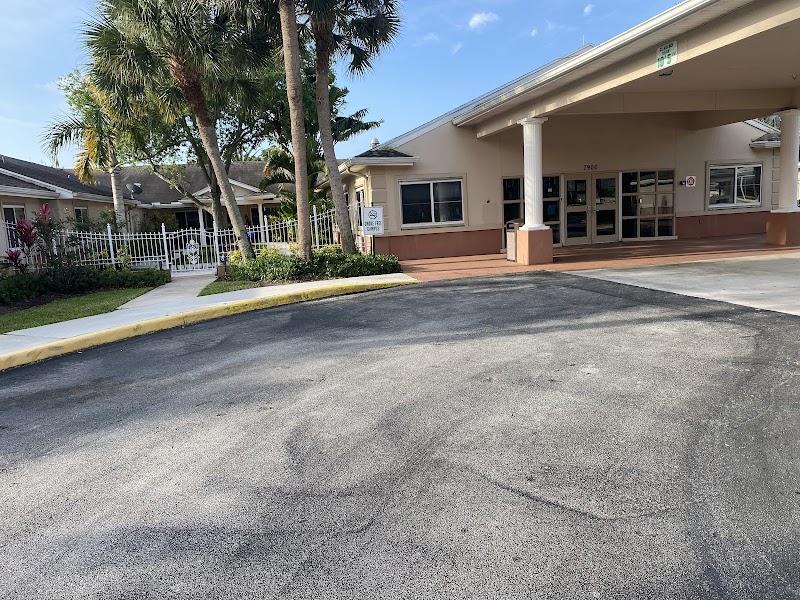
How is Ventura Center Staffed?

CMS rates VENTURA HEALTH AND REHABILITATION CENTER's staffing level at 4 out of 5 stars, which is above average compared to other nursing homes. Staff turnover is 31%, compared to the Florida average of 46%. This relatively stable workforce can support continuity of care.

What Have Inspectors Found at Ventura Center?

State health inspectors documented 41 deficiencies at VENTURA HEALTH AND REHABILITATION CENTER during 2022 to 2025. These included: 1 Immediate Jeopardy (the most serious level, indicating potential for serious harm or death), 2 that caused actual resident harm, 36 with potential for harm, and 2 minor or isolated issues. Immediate Jeopardy findings are rare and represent the most serious regulatory concerns. They require immediate corrective action.

Who Owns and Operates Ventura Center?

VENTURA HEALTH AND REHABILITATION CENTER is owned by a for-profit company. For-profit facilities operate as businesses with obligations to shareholders or private owners. The facility is operated by SIMCHA HYMAN & NAFTALI ZANZIPER, a chain that manages multiple nursing homes. With 99 certified beds and approximately 91 residents (about 92% occupancy), it is a smaller facility located in BOYNTON BEACH, Florida.
How Does Ventura Center Compare to Other Florida Nursing Homes?

Compared to the 100 nursing homes in Florida, VENTURA HEALTH AND REHABILITATION CENTER's overall rating (2 stars) is below the state average of 3.2, staff turnover (31%) is significantly lower than the state average of 46%, and health inspection rating (2 stars) is below the national benchmark.

What Should Families Ask When Visiting Ventura Center?

Based on this facility's data, families visiting should ask: "What changes have been made since the serious inspection findings, and how are you preventing similar issues?" "Can I visit during a mealtime to observe dining assistance and food quality?" "How do you handle medical emergencies, and what is your hospital transfer rate?" "Can I speak with family members of current residents about their experience?" These questions are particularly relevant given the facility's Immediate Jeopardy citations.

Is Ventura Center Safe?

Based on CMS inspection data, VENTURA HEALTH AND REHABILITATION CENTER has documented safety concerns. Inspectors have issued 1 Immediate Jeopardy citation (the most serious violation level indicating risk of serious injury or death). The facility has a 2-star overall rating and ranks #100 of 100 nursing homes in Florida. Families considering this facility should ask detailed questions about what corrective actions have been taken since these incidents.

Do Nurses at Ventura Center Stick Around?

VENTURA HEALTH AND REHABILITATION CENTER has a staff turnover rate of 31%, which is about average for Florida nursing homes (state average: 46%). Moderate turnover is common in nursing homes, but families should still ask about staff tenure and how the facility maintains care continuity when employees leave.

Was Ventura Center Ever Fined?

VENTURA HEALTH AND REHABILITATION CENTER has been fined $15,593 across 1 penalty action. This is below the Florida average of $33,235. While any fine indicates a compliance issue, fines under $50,000 are relatively common and typically reflect isolated problems that were subsequently corrected. Families should ask what specific issues led to these fines and confirm they've been resolved.

Is Ventura Center on Any Federal Watch List?

VENTURA HEALTH AND REHABILITATION CENTER is not on any federal watch list. The most significant is the Special Focus Facility (SFF) program, which identifies the bottom 1% of nursing homes nationally based on persistent, serious quality problems. Not being on this list means the facility has avoided the pattern of deficiencies that triggers enhanced federal oversight. This is a positive indicator, though families should still review the facility's inspection history directly.