GREENBRIAR HEALTHCARE REHABILITATION AND NURSING C
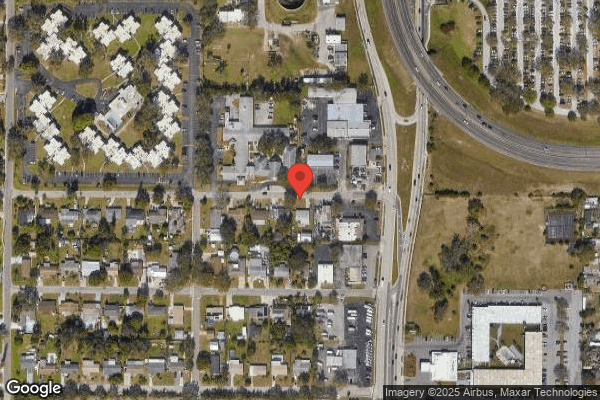
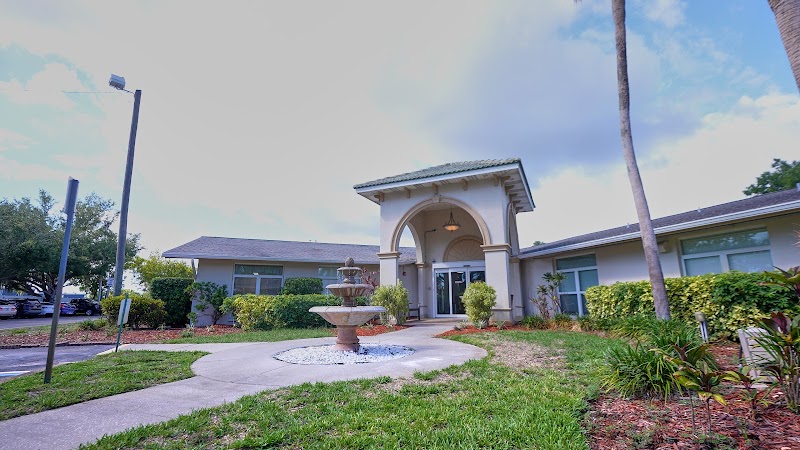
210 21ST AVE W, BRADENTON, FL 34205 (941) 747-3786
For profit - Corporation 79 Beds GOLD FL TRUST II Data: November 2025
Trust Grade
55/100
#355 of 690 in FL
Last Inspection: July 2025

Inspected within the last 6 months. Data reflects current conditions.

Overview

Greenbriar Healthcare Rehabilitation and Nursing has received a Trust Grade of C, indicating that it is average and falls in the middle of the pack for nursing homes. It ranks #355 out of 690 facilities in Florida, placing it in the bottom half of state options, and #8 out of 12 in Manatee County, meaning only a few local facilities are better. Unfortunately, the facility is worsening, with issues increasing from 2 in 2024 to 5 in 2025. Staffing is average with a 46% turnover rate, which is similar to the state average, but they face concerning fines of $30,610, higher than 81% of Florida facilities. There are some strengths, such as the facility having no critical issues, but there are notable concerns, including a serious incident where a resident was exposed to burn hazards during a coffee social hour and failures to store medications properly. Additionally, the activities program lacks a qualified director, which could impact the overall experience for residents.

Trust Score
C
55/100
In Florida
#355/690
Bottom 49%
Safety Record
Moderate
Needs review
Inspections
Getting Worse
2 → 5 violations
Staff Stability
⚠ Watch
46% turnover. Above average. Higher turnover means staff may not know residents' routines.
Penalties
✓ Good
$30,610 in fines. Lower than most Florida facilities. Relatively clean record.
Skilled Nurses
○ Average
Each resident gets 32 minutes of Registered Nurse (RN) attention daily — about average for Florida. RNs are the most trained staff who monitor for health changes.
Violations
⚠ Watch
20 deficiencies on record. Higher than average. Multiple issues found across inspections.
★★★☆☆
3.0
Overall Rating
★★★☆☆
3.0
Staff Levels
★★★★☆
4.0
Care Quality
★★★☆☆
3.0
Inspection Score
Stable
2024: 2 issues
2025: 5 issues

The Good

  • 4-Star Quality Measures · Strong clinical quality outcomes
  • Full Sprinkler Coverage · Fire safety systems throughout facility
  • No fines on record

Facility shows strength in quality measures, fire safety.

The Bad

3-Star Overall Rating

Near Florida average (3.2)

Meets federal standards, typical of most facilities

Staff Turnover: 46%

Near Florida avg (46%)

Higher turnover may affect care consistency

Federal Fines: $30,610

Below median ($33,413)

Moderate penalties - review what triggered them

Chain: GOLD FL TRUST II

Part of a multi-facility chain

Ask about local staffing decisions and management

The Ugly 20 deficiencies on record

1 actual harm
Jul 2025 5 deficiencies
CONCERN (D)

Potential for Harm - no one hurt, but risky conditions existed

Deficiency F0726 (Tag F0726)

Could have caused harm · This affected 1 resident

**NOTE- TERMS IN BRACKETS HAVE BEEN EDITED TO PROTECT CONFIDENTIALITY** Based on observations, record reviews and interviews, the facility failed to ensure nursing staff competency related to therapy ...

Read full inspector narrative →
**NOTE- TERMS IN BRACKETS HAVE BEEN EDITED TO PROTECT CONFIDENTIALITY** Based on observations, record reviews and interviews, the facility failed to ensure nursing staff competency related to therapy referrals for one resident (#5) out of ten residents sampled.On 07/14/2025 at 12:30 p.m., Resident #5 was observed sitting up in his bed with his tray table in front of him. He was observed trying to drink out of a cup and spilling fluids on his shirt. On 07/16/2025 at 8:41 a.m. Resident #5 was observed sitting up in his bed sleeping, with his breakfast placed in front of him untouched. The resident did not feed self. Record review of an admission record dated 07/17/2025 revealed Resident #5 was admitted to the facility originally on 9/22/2023 and readmitted on [DATE] with diagnoses to include unspecified dementia, moderate, with psychotic disturbance, need for assistance with personal care, type 2 diabetes mellitus with diabetic neuropathy, unspecified, and failure to thrive. Review of a Minimum Data Set (MDS) dated [DATE] revealed Resident #5 had a Brief Interview for Mental Status (BIMS) score of 09, which indicated moderate cognitive impairment. Review of the Change in Condition (CIC) report dated 06/29/2025 revealed Resident #5's change was reported due to food and/ or fluid intake, decreased or unable to eat and /or drink adequate amounts. The CIC revealed nursing observed, evaluated, and completed the referral to therapy form to have speech evaluate Resident #5. Review of a form Referral to Therapy dated 06/26/2025 revealed Nursing referred Resident #5 to be evaluated by therapy for eating/swallowing due to holding food or medication. The referral revealed the nurse observed Resident #5 pocketing medication. Further review revealed nursing completed section one and two on the referral. On 07/16/2025 at 2:18 PM, an interview was conducted with the Therapy Director. She stated she did not receive an evaluation for Resident #5 on 6/29/2025. While reviewing the therapy referral the Therapy Director stated, The nurse who initiated the referral saved and locked the referral so, therapy was not notified through the electronic system. She stated when a referral is initiated the first section is completed by the person requesting the referral. The second section on the referral is always completed by therapy with a response. However, the nurse completed both sections on the referral, so therapy did not receive the notification. She stated the referral process is whoever requests a therapy referral completes the first section, then the referral would show in the system that the referral is in progress. Then therapy will receive notification, then therapy will complete section two on the referral. The Director of Therapy confirmed his department did not receive the referral because the nurse completed both sections and locked it in the electronic system. On 07/16/2025 at 4:00 p.m. an interview was conducted with the Director of Nurses (DON). She stated when a nurse enters a referral in electronic medical record they are supposed to complete the first section and therapy completes the second section. She stated the nurse completed the referral wrong and that was why the resident was not seen by therapy for the pocketing and swallowing concerns. She stated the nurse that initiated the referral in the system is new so she will provide the nurse with more education. She stated nurses are given education when they are hired on how to use the electronic medical record and how to complete therapy referrals. The facility did not have a policy for nursing competencies.
CONCERN (D)

Potential for Harm - no one hurt, but risky conditions existed

Deficiency F0773 (Tag F0773)

Could have caused harm · This affected 1 resident

**NOTE- TERMS IN BRACKETS HAVE BEEN EDITED TO PROTECT CONFIDENTIALITY** Based on observations, record review and interviews, the facility failed to report critical labs in a timely manner for one resi...

Read full inspector narrative →
**NOTE- TERMS IN BRACKETS HAVE BEEN EDITED TO PROTECT CONFIDENTIALITY** Based on observations, record review and interviews, the facility failed to report critical labs in a timely manner for one resident ( #5 ) out of ten residents sampled. On 07/14/2025 at 12:30 p.m., Resident #5 was observed sitting up in his bed with his tray table in front of him. He was observed trying to drink out of a cup, spilling fluids on his shirt. On 07/16/2025 at 8:41 a.m. Resident # 5 was observed sitting up in his bed sleeping, with his breakfast placed in front of him untouched. The resident did not feed self. Record review of an admission record dated 07/17/2025 revealed Resident #5 was admitted to the facility originally on 9/22/2023 and readmitted on [DATE] with diagnoses to include but not limited to unspecified dementia, moderate, with psychotic disturbance, need for assistance with personal care, type 2 diabetes mellitus with diabetic neuropathy, unspecified,and failure to thrive. Review of a Minimum Data Set (MDS) dated [DATE] revealed Resident #5 had a Brief Interview Mental Status (BIMS) score of 09, which indicated Moderate cognitive impairment. Review of a Laboratory report with a collection date of 6/7/25 at 6:00 a.m. revealed the facility was notified on 6/7/2025 at 1:49 p.m. of Resident # 5's critical lab results.Review of the lab results for Resident #5 revealed the following:Sedimentation Rate results 72, millimeters per hour (mm/hr) , reference range 0-25, high ( H) final statusComplete Blood Count ( CBC) with auto DifferentialWhite Blood Count (WBC) results 13.3, kilo units per microliter ( K/uL), reference range 4.1-10.9, High (H) Final StatusRed Blood Count ( RBC) results 3.58, million per microliter, reference range 4.70-6.10, low (L) final statusHemoglobin ( HGB) results 10.0, grams per deciliter ( g/dL), reference range 14.0-18.0, low (L) final statusHematocrit ( HCT), results 31.2, percentage, reference range 42.0-52.0, low ( L), final statusPlatelet Count ( PLT), results 495, kilo units per microliter ( K/uL), reference range 130-440, high ( H), final statusNeutrophils ( NE#), results 9.8, L X10^3/u 2.0-6.9, High ( H) final statusComprehensive Metabolic Profile with eGFR Florida -Glucose , results 21 reviewed, millimeters per deciliter ( mg/dL) 70-99, critical low ( LL) final statusBlood Urea Nitrogen ( BUN) , results 34, millimeters per deciliter ( mg/dL ) 6-20, high ( H), final status. On 07/16/2025 at 12:00 p.m. an interview was conducted with Staff A, Licensed Practical Nurse (LPN)/ Weekend supervisor. Staff A stated the resident was getting weekly labs drawn by the infectious disease doctor. He was on antibiotics for an infection in his heel. He had a critical lab on 6/7/25 due to his glucose level reported as 21. Staff A, LPN stated while reviewing the labs the nurse that received the call from the lab should have notified the doctor and documented the doctor's recommendations. She stated it looks like the resident's labs were drawn at 6:00 a.m. Staff A, LPN stated the nurse took the resident's blood sugar at 7:30 a.m., with the reading showing a blood sugar level (BSL) of 118. She stated the nurse took his blood sugar again at 11:30 a.m. and his reading showed a BSL of 172. Staff A, LPN stated at that time the nurse did not need to do anything for the resident because his reading was normal. Staff A stated there were no other labs drawn on this resident because the infectious disease doctor discharged the resident from their services. She stated when she came to work the next day, she noticed the critical labs were not reviewed and reported this to the resident's doctor. Staff A, LPN stated she pulled the labs and texted the doctor and placed the results in his folder. She stated the doctor doesn't like to be notified on the weekend if it was not an emergency. On 07/16/2025 at 4:44 p.m., an interview was conducted with the Medical Director. He stated he was the provider for Resident #5. He stated the nurse should have reported the critical labs results to him when she was notified about the lab results. On 07/17/2025 at 11:00 a.m., an interview was conducted with the Director of Nurses (DON). The DON stated her expectation was nurses should report critical labs to providers when they are notified about the labs. The DON stated the Medical Director does not like to be contacted on the weekends. Review of the facility policy titled, Diabetes - Clinical Protocol Revised on September 2017, revealed - Monitoring and Follow-up, 1. The physician will follow up on any acute episode associated with a significant sustained change in blood sugars or significant deterioration of previous glucose control and document resident status at subsequent visits until the acute situation is resolved. 5. The staff will identify and report issues that may affect, or be affected by, a patient's diabetes and diabetes management such as foot infections, skin ulceration, increased thirst, or hypoglycemia. The Nurse administration stated they did not have a specific policy related to reporting critical labs.
CONCERN (D)

Potential for Harm - no one hurt, but risky conditions existed

Infection Control (Tag F0880)

Could have caused harm · This affected 1 resident

**NOTE- TERMS IN BRACKETS HAVE BEEN EDITED TO PROTECT CONFIDENTIALITY** Based on observation, interviews and record review, the facility did not ensure proper Personal Protective Equipment (PPE) for C...

Read full inspector narrative →
**NOTE- TERMS IN BRACKETS HAVE BEEN EDITED TO PROTECT CONFIDENTIALITY** Based on observation, interviews and record review, the facility did not ensure proper Personal Protective Equipment (PPE) for Contact Precautions were used for one resident (#60) out of thirty-three residents sampled. Based on observation, interviews and record review, the facility did not ensure proper Personal Protective Equipment (PPE) for Contact Precautions were used for one resident (#60) out of thirty-three residents sampled. On 7/15/2025 at 12:42 p.m., an observation was made of Staff L, Advance Nurse Practitioner, Geri-Med psychotherapist. Staff L, ARNP, entered Resident #40’s room without proper donning of appropriate PPE and/or handwashing. Outside Resident #40’s room was a cart containing PPE and three signs on the door for “Special Contact Precautions”. An observation was made of Staff L, ARNP, entering Resident #40’s room, leaning over her bed while interviewing the resident, touching the side of the bed with her clothing and items in her hands. Staff L, ARNP, was observed holding a clipboard with papers, a telephone and an ink pen in her hands. On 7/15/2025 at 12:46 p.m., Staff L, ARNP exited Resident #40’s room without washing her hands and walked across the hallway to the next resident in room [ROOM NUMBER]-B. An observation was made of Staff L, ARNP, during her rounds with the resident in 39-B. Staff L, ARNP, placed her clipboard with papers on the resident’s bedding and her telephone and ink pen were in her hand. Staff L, ARNP, exited room [ROOM NUMBER]-B without performing proper hand hygiene (alcohol based or soap and water) upon exiting or entering the next room. Staff L, ARNP, crossed the hallway to enter room [ROOM NUMBER] and was observed leaning against the footboard of the resident in 41-A. Staff L, ARNP, was observed moving to interview the resident in 41-B while the resident was eating her lunch. Staff L, ARNP, was observed exiting room [ROOM NUMBER] without hand hygiene (alcohol based or soap and water). At this time, the Director of Nursing (DON) arrived, and instructed Staff L, ARNP about Special Contact Precautions. Staff L, ARNP, stated she was unaware Resident #40 was on any isolation precautions and stated to the DON she did not notice the signs on the door and stated she thought Special Contact Precautions meant not to touch the resident. The DON educated Staff L, ARNP, of proper handwashing before entering and exiting any residents’ room and Resident #40 required hand hygiene with soap and water due to a diagnosis of Clostridium Difficile. Staff L, ARNP, expressed understanding of the directions and proceeded down the hallway without performing hand hygiene. The DON stated she would speak to Staff L, ARNP again. On 7/17/2025 at 11:41 a.m., an interview was conducted with the Infection Control Preventionist (ICP) during the Infection Control task. The ICP stated she was aware of the observations involving Staff L, ARNP. The ICP stated she has to do a better job addressing and educating the consultant staff members who come into the facility. A record review of Resident #40’s admission Record showed an initial admit date of 4/28/2025 with a readmit date of 6/08/2025. Diagnoses for Resident #40 include but are not limited to Enterocolitis due to Clostridium Difficile (C-diff), not specified as recurrent. A record review of Resident #40’s current physician orders include but are not limited to: · Contact precautions for C- diff every shift and · Vancomycin HCL 25 milligrams/milliliter solution reconstituted, give 5 milliliters by mouth every six hours for Infection for nine days. A review of the facility’s policy and procedure titled, “Infection Prevention and Control Program” revised in October 2018 showed the following policy statement: An infection prevention and control program (IPCP) is established and maintained to provide a safe, sanitary and comfortable environment and to help prevent the development and transmission of communicable diseases and infections. … 3. The infection prevention and control program is a facility -wide effort involving all disciplines and individuals and is an integral part of the quality assurance and performance improvement program. … 11. Prevention of Infection a. Important facets of infection prevention include: 3. Educating staff and ensuring that they adhere to proper techniques and procedures
CONCERN (E)

Potential for Harm - no one hurt, but risky conditions existed

Deficiency F0680 (Tag F0680)

Could have caused harm · This affected multiple residents

Based on interviews, review of facility records and policy, the facility failed to have a qualified professional over the activities program with potential to impact a full census of 77 out of 77 curr...

Read full inspector narrative →
Based on interviews, review of facility records and policy, the facility failed to have a qualified professional over the activities program with potential to impact a full census of 77 out of 77 current residents.Findings included:Review of the facility employee roster revealed staff M, Activity Director has worked at the facility since 12/4/2024.During an interview on 07/17/2025 at 10:30 a.m. with Staff M, Activity Director, Staff M stated he was the activities director at the facility. He stated he does not have any qualifications as an activity director, but he is currently taking classes to get his qualifications.During an interview with the Nursing Home Administrator (NHA) on 07/17/2025 at 12:35 p.m., The NHA stated she was aware the activities program has to be directed by a licensed, qualified professional. The NHA stated Staff M was currently enrolled in classes to obtain his certification while working at the facility as an activity's directorReview of the facility policy titled, Activity Programs - Staffing Revised August 2006, revealed policy statement, our activity program are staffed with personnel who have appropriate training and experience to meet the needs and interest of each resident. Policy Interpretation and Implementation:Our activity programs are under the direct supervision of a qualified professional who is a qualified Therapeutic Recreation Specialist or an Activities Professional who: (1) Is licensed or registered, if applicable, by the state in which practicing: AND (2) Is eligible for certification as a Therapeutic Recreation Specialist or as an Activities Professional by a recognized accrediting body on or after October 1, 1990; Has completed a training course approved by the state.
CONCERN (E)

Potential for Harm - no one hurt, but risky conditions existed

Deficiency F0761 (Tag F0761)

Could have caused harm · This affected multiple residents

Based on observations, staff interviews, resident interviews, medical record review, and facility policy review, it was determined that the facility failed to ensure all drugs and biologicals were sto...

Read full inspector narrative →
Based on observations, staff interviews, resident interviews, medical record review, and facility policy review, it was determined that the facility failed to ensure all drugs and biologicals were stored in locked compartments and kept under proper temperature controls.Findings included: 1. During a tour of the Rapid Recovery Unit (RRU) medication room on 7/15/25 at 2:30 p.m. an observation of the small, locked medication refrigerator was made with the Director of Nursing (DON). The top open shelf portion of the refrigerator was observed to be covered in hard white frost. The white frost was observed to take up most of the room in the top shelf area.The thermometer inside the refrigerator was observed to read 28 degrees ( ) Fahrenheit (F). The thermometer was shown to the DON and she was asked to confirm the temperature was reading 28 F. She stated yes. She then stated I guess this refrigerator needs to be defrosted.A review of the temperature log for this refrigerator revealed temperatures were recorded twice a day which ranged from 31 F to 38 F from July 1, 2025 thru July 15, 2025. The top of this log had printed information which stated, refrigerator should be between 32 F and 41 F. Observation of medications stored inside this refrigerator revealed three Mounjaro 7.5mg/0.5ml (milliliter) pens with a label that stated refrigerate, do not freeze, and one Orencia Clickject 125mg/ml pen with a label which stated, high alert, refrigerate, do not freeze.The DON was asked if these medications remained stable having been stored at 28 F. She stated I will call the pharmacy.In a second interview with the DON on 7/15/25 at 3:00 p.m., she stated I spoke with one of our pharmacists. He said the Mounjaro must be stored at 36 F to 46 F and is compromised. He told me to remove it and obtain an order to have it replaced. She was asked about the second medication in the refrigerator. She stated I will call back to ask about that one. The DON returned and stated the pharmacist said the Orencia cannot be subjected to freezing and they should discard the dose. The DON said, We will replace the dose by reordering it.On 7/16/24 at 10:15 a.m. an interview was conducted with Staff C,Licensed Practical Nurse (LPN)/Unit Manager for RRU. She was asked who checks the temperatures for the refrigerators in the medication room. She stated the night shift. She was asked who is responsible to defrost the refrigerators. She stated the night shift. She was asked how often they are defrosted. She stated it's based on pharmacy recommendations, when they say to do it, monthly. She was asked if there is a log showing the dates the refrigerator was defrosted. She stated no. She was asked when the refrigerator was last defrosted. She stated I don't know. A review of the facility policy titled Medication Storage (2017, revised as necessary) revealed:Purpose: To provide guidelines for proper storage of medications within the facility.Policy: Medications will be stored in a manner that maintains the integrity of the product ensures the safety of the residents and is in accordance with Department of health guidelines.Procedure:Medication will be stored at the appropriate temperature in accordance with the pharmacy and/or manufacturing labeling. Appropriate temperature will be determined as per the following:Cold place: 36-46 degrees FMedications requiring refrigeration will be stored in a refrigerator that is maintained between 36 -46 F.Refrigerators used for medication storage will contain a thermometer to indicate the temperature within.Temperature will be checked daily to ensure it is within a specified range. If temperature is out of range, the refrigerator thermostat will be adjusted.Refrigerator should be defrosted regularly, if required (every 3-4 weeks).A review of the medication Mounjaro, on the manufacturer's website (www.mounjarolilly.com) revealed this is an injectable medication use to treat type 2 diabetes.Under the instructions for use on the website, it stated:Storage and handling: Store your pen in the refrigerator between 36 F to 46 F. You may store your Pen at room temperature up to 86 F for up to 21 days. Do not freeze your Pen. If the Pen has been frozen, throw the Pen away and use a new Pen. A review of the medication Orencia, on the manufacturer's website (www.Orencia.com) revealed this is an injectable medication used to treat rheumatoid arthritis. Under the frequently asked questions on the website, it stated: How should I store my Orencia prefilled syringe or autoinjector? Store Orencia in the refrigerator at 36 F to 46 F until you are ready to use it. DO NOT freeze Orencia. 2. On 7/14/25 at 11:45 a.m., during an interview with Resident #3, there was a large box (approximately 3 feet by 2 feet in size) observed on the floor of his room. The box was against the wall and visible as you walked into the resident's room. The box flaps were open which exposed the contents on the top as visible. Three medication cards (the style of medication cards used by the facility) were visible at the top of the top contents. The resident was asked permission to remove the medication cards from the box, and he agreed. The medication cards were found to contain: Card 1: Tamsulosin capsules 0.4mg (milligram) (22 tablets); a prescription medication used to treat benign prostate hyperplasia.Card 2: Finasteride 5mg (25 tablets); a prescription medication used to treat benign prostate hyperplasia.Card 3: Oxycodone IR (immediate release) 20mg (5 tablets); a prescription medication used to treat moderate to severe pain. This medication is also classified as a Schedule II controlled substance by the USDEA (United States Drug Enforcement Agency.)The observation revealed each card had this resident's name on the card from [Name of Pharmacy]. The resident was asked if he knew why the medications were in his box on the floor. He stated no, I don't know, they just came with my stuff. He was asked if anyone had gone through the box. He stated no. He was asked where the box came from, and how long it's been in his room. He stated I don't know, I think it came with me when I came here. He was asked if he needed staff to assist him to go through the box. He stated no.On 7/14/25 at 3:30 p.m., The DON was asked to come to Resident #3's room. Resident #3 was observed in his room. He was asked if the DON could look in the open box on his floor, he stated yes. The DON was asked why there were medication cards in this box, unattended in the resident's room. She removed a total of 5 medication cards from the box (3 were visible right on top, 2 were under other items.) The additional two medication cards were:Card 4: Eliquis 5mg tablets (25 tablets); a prescription medication used to treat and prevent blood clots.Card 5: a second card of Oxycodone IR 20mg (10 tablets); a prescription medication used to treat moderate to severe pain. This medication is also classified as a Schedule II controlled substance by the USDEA. The DON stated the family brought this box in. She stated this box did not come with Resident #3 when he arrived to the facility on 6/26/25. The resident then stated he thought the box came with him when he arrived but stated he wasn't sure. He then stated he went through the box, but he didn't take any of the medications in the box. The DON removed the medication cards from the resident's room. In a continued interview, the DON stated the family must have brought the box in over the weekend, because she was in his room on Thursday and she stated she would have noticed this box on the floor if it were there. She stated she will have a Certified Nurse's Aide (CNA) come in to inventory the remaining items in the box. She was asked if the cards were from the pharmacy the facility uses. She stated yes, I think these went home with him when he was discharged from here to an Assisted Living Facility (ALF) on 6/11/25. She was asked to confirm what the medications were. She stated Eliquis, Tamsulosin, Finasteride, and two cards of Oxycodone. She was asked what the process is when residents or family brings items into the facility. She stated staff would add the items to the residents' inventory. She was asked if the items in this box were added to the resident's inventory. She stated no, I don't think so. On 7/14/25 at 3:50 p.m. an interview with Staff A, LPN/weekend supervisor. She was asked if she saw family bring in this box over the weekend. She stated I didn't see any visitors for Resident #3 this weekend, but I was back with activities.On 7/14/25 at 3:55pm, during an interview with Staff B, Registered Nurse (RN) who was caring for Resident #3 today, she stated she had just spoken to Resident #3. Staff B siad, he told me his family brought the box in a few days ago, but he didn't know what was in the box. A medical record review for Resident #3 revealed a Minimum Data Set assessment was conducted on 6/30/25. This assessment revealed a BIMS (Brief Interview for Mental Status) score of 11 indicating moderate cognitive impairment.Further medical record review revealed the following current medication orders for Resident #3:6/27/25: Tamsulosin HCl Oral Capsule 0.4 MG: one capsule by mouth daily 6/27/25: Finasteride 5mg: one tablet by mouth daily6/26/25: Eliquis 5mg: one tablet by mouth twice daily6/26/25: Oxycodone 20mg: one tablet by mouth every 6 hours as needed for chronic pain A review of the facility policy titled Medication Storage (2017, revised as necessary) revealed:Purpose: To provide guidelines for proper storage of medications within the facility.Policy: Medications will be stored in a manner that maintains the integrity of the product ensures the safety of the residents and is in accordance with Department of health guidelines.Procedure:With the exception of Emergency Drug, all medications will be stored in a locked cabinet, cart, or medication room that is accessible only to authorized personnel, as defined by facility policy.Medications will be stored in an orderly, organized manner in a clean area. (Photographic Evidence Obtained)
Aug 2024 2 deficiencies 1 Harm
SERIOUS (G) 📢 Someone Reported This

A family member, employee, or ombudsman was alarmed enough to file a formal complaint

Actual Harm - a resident was hurt due to facility failures

Accident Prevention (Tag F0689)

A resident was harmed · This affected 1 resident

**NOTE- TERMS IN BRACKETS HAVE BEEN EDITED TO PROTECT CONFIDENTIALITY** Based on observations, interviews, record review, and policy review, the facility failed to ensure one (#1) of four residents sa...

Read full inspector narrative →
**NOTE- TERMS IN BRACKETS HAVE BEEN EDITED TO PROTECT CONFIDENTIALITY** Based on observations, interviews, record review, and policy review, the facility failed to ensure one (#1) of four residents sampled were free from burn hazards during activities coffee social hour. Findings included: Review of the Resident admission Record dated 08/19/24, showed Resident #1 was originally admitted to the facility on [DATE] and readmitted on [DATE]. The resident was admitted with diagnoses that included but not limited to Dementia unspecified severity, without behavioral disturbance, weakness, need for assistance with personal care, cognitive communication deficit, muscle weakness, and encephalopathy. Review of a quarterly MDS (Minimum Data Set) dated 06/03/24, section C showed Resident #1 had a Brief Interview for Mental Status (BIMS) score of 06 which indicated severe cognitive impairment. Section GG showed the resident required moderate assistance for eating, meaning the helper did less than half the effort. Review of a care plan initiated 07/09/20, showed an Activities of Daily Living (ADL) focus for ADL self-care performance deficit related to ADL needs. Participation varied due to Dementia, limited mobility and weakness. Interventions included staff to offer and assist with meals. A second focus showed Resident #1 had impaired cognitive function or impaired thought processes related to dementia, impaired decision-making, long-term memory loss, and short-term memory loss. Interventions included to cue, reorient, and supervise as needed. Review of a document titled, Occupational Therapy (OT) Evaluation and Plan of treatment dated 08/01/24, showed Resident #1 was referred to OT for services. Reason for Referral: Patient is a [AGE] year-old female Long Term Care (LTC) resident within facility is referred to skilled occupational therapy services for update functional review with recent history of hot liquid injury. Patient presents at prior level of ADL and positioning function, recent downgrade to puree foods. Residents continues to demonstrate fluctuations in self-care levels 2/2. Patient changes in cognitive function and confusion with advancement of dementia, requiring frequent maximum are self-feeding. Patient provided eval assessment only to update self-care and self-feeding assistant requirements. Patient able to demonstrate ability to drink cold liquids from a cup with a straw but unable to demonstrate ability to cognitively execute self-feeding for bringing foods to mouth using fork and or spoon requiring mode/Max cell feeding assist. Patient recommended for use of Thermos sip cup with lid and handle for drinking of warm liquids with staff assistance patient not recommended for drinking of hot liquids 2/2 patient level of cognitive decline with safety awareness and fine gross motor coordination deficits. On 08/19/24 at 10:45 a.m., an observation and interview was conducted with Resident #1. She was observed in the activities room. The resident was appropriately dressed. Resident #1 was not interviewable. She did not respond to any questions or greetings. On 08/20/24 at 10:52 a.m., a telephone interview was conducted with Resident #1's Responsible Party (RP). The RP stated she did not know the resident had suffered coffee burns. She said, No one called me about her being burned with coffee. This is the first time I am hearing about it. She stated some time at the end of July, she had received a call from a nurse who reported two blisters that could have been from friction. She said, No one mentioned what caused the blisters. The RP stated the resident was not a big person. The friction story did not make any sense to her. She stated the resident's memory comes and goes and she could not count on her to report if she had suffered burns or if she was in pain. On 08/20/24 at 11:54 a.m., a telephone interview was conducted with Staff A, Certified Nursing Assistant (CNA) who was working with Resident #1 in the activities room. She stated she was familiar with the resident and worked with her before. She stated the resident had declined and required extensive assistance. She stated on 07/25/24, she had roughly eight residents in the activities room. She stated Resident #1 asked for coffee. She stated they had a [brand name of coffee machine] in the activities room. She was assisting the Activities Director (AD) who told her to make coffee. She said, I brewed the coffee, put creamer and sugar and handed it to [Resident #1]. She stated the resident had right side weakness and could barely move her right hand. She said, the resident was facing the TV at first, after I served her the coffee, I turned her around to face the sitting bar area. I poured the coffee into a [Brand name] cup. I said it is hot. She did not touch the coffee at first, I was sitting there charting, then I heard something spill, I looked over and saw the cup on the floor. She had some on herself. A little bit on the sweater and on pants. She did not yell or cream. She said 'Oooh!' She did not say she was in pain. I asked did you spill coffee on yourself? She did not answer. I got the napkins and started to clean her up. [Staff C, CNA] came to the room, and she went to get real towels. She helped to clean her up. Staff A stated it was approximately 15 - 20 minutes before lunch. She stated she told the resident's aide (Staff B, CNA) she had spilled coffee on herself. She stated the resident went to the dining room right after the incident and she was not changed immediately. Staff A stated they would normally serve coffee in [Brand name] cups during activities social hour. She confirmed it was not in a mug, it did not have a lid, and it did not have handles. Staff A said, No one said that I needed to check the coffee temperature before serving. Staff A said, I did not notify the nurse. I figured the assigned Aide would go get the nurse. She stated the assigned Aide (Staff B) wheeled her to the dining room. Staff A stated after lunch she saw the resident in her bed and a nurse was in the room. She said, I assumed she was aware. I did not know it was for other reasons. Staff A stated she had notified Staff D, Licensed Practical Nurse (LPN)/ MDS. She stated Staff D had walked in to the activities room to tell her to push fluids for Resident #1. Staff A said, I said Okay , she just spilled coffee on herself. She stated she did not know what Staff D, LPN did with that information as the nurse did not say anything. Staff A said, Looking back, I should have gone to tell the assigned nurse myself. On 08/20/24 at 11:54 a.m., an interview was conducted with Staff C, CNA. She stated she was not assigned to Resident #1. She was taking another resident to activities at approximately 10:30 a.m. when she noticed the resident had dropped her coffee. She said, I heard her making sounds. She is not loud, she does not speak up. I saw she had [spilled] her coffee on herself. I went and got towels from the resident's room and saw the CNA who was assigned [Staff B,CNA] in her room, making the bed. I told the CNA she had spilled coffee. We both walked back to the activities room and found Staff A trying to clean what she could with the napkins. I helped finish wiping down the area. I left and went back to my assigned area. I did not notify anyone other than the CNA who was assigned. Staff C said, It is an expectation that I should report, I assumed Staff A and Staff B would let the nurse know. In hindsight, it was a mistake. Once they asked, I was surprised. The next day I told them she was burned with coffee. On 08/20/24 at 12:32 p.m., an interview was conducted with Staff B, CNA (Assigned to Resident #1 on 7/25/24). She worked 7:00 a.m. to 7:00 p.m. on 07/25/24. She said, I was not in the activities room when she dropped the cup. I was in her room making her bed. [Staff C, CNA] came and got a towel and said the resident had [spilled] coffee on herself. I was in the room with another resident at the time and I could not leave right away. When I was done, I found they had cleaned her up. They wiped the coffee off her. When I got ready to lay her down after lunch, around 12:30 p.m. I put her to bed and noticed some bruises on her thigh, it was not bubbled yet. I thought it was from her brief. It was not there when I showered her earlier. When I went to check her later around 5:30 p.m., I saw she had blistered on her left thigh. I did not tell the Assistant Director of Nursing (ADON). It flipped (sic) my mind when I saw the blisters. I said to myself, she had burnt herself. I told her nurse [Staff F, LPN]. Staff B stated Resident #1 would not remember if she had spilled coffee on herself or not. Staff B stated she would not tell if she was in pain. Staff B said, She expresses with her face. She did not have any facial expressions. Staff B stated she did not report the burn incident to the nurse because she assumed the people that were in there should have told the nurse. On 08/19/24 at 9:59 a.m., an interview was conducted with the ADON/Unit Manager. She stated Resident #1 was alert, spoke very little and made her needs known through eye contact. Every now and then you could get her to speak. The ADON/UM, stated on 07/25/24, Resident #1 spilled coffee on herself during activities. The coffee was brewed in the activities room. She stated she was not sure they checked the temperatures. The ADON stated at approximately 12:00 p.m., herself and Staff D, LPN had gone into the resident's room to catheterize her. She said, At that time, we had noted what appeared to be old areas of irritation to her skin, we did not know about the burn incident. She had some irritation near her groin. Later that day, roughly 3 hours later, the CNA, [Staff B] came and said the resident had blistered areas. She said she did not know where the blisters came from. The ADON stated she notified Staff E, LPN who was assigned to the resident. She stated she thought Staff E had assessed the resident, called the doctor and put treatment in place. She said, I did not become aware of the burn incident until later in the day, sometime after 5 p.m. I notified the assigned nurse, Staff E. The ADON confirmed she did not assess the resident or call the doctor. She stated the assigned nurse should have. She stated she assessed Resident #1 the following morning and observed a blistered area to her left upper thigh area and one on the right inner middle thigh, lower than the brief area. She said, the resident did not express any pain. I called the doctor and received orders. The doctor came in later in the afternoon. On 08/19/24 at 2:43 p.m., a follow-up interview was conducted with the ADON. She said, I became aware of blisters at approximately 5 p.m. Staff B, CNA spoke to me. I went to the nurse and told her the CNA had notified me that the resident had blisters. I told her to do a CIC (Change in Condition), call the doctor and notify the family. I can't confirm if it was done or not. I did not ask. I did not follow up. She completed the risk form which does not prompt you to do any other documentation. The ADON confirmed Staff F did not document in the medical record. The ADON said, I did not call the doctor the day of the incident. I expected the nurse who was assigned to the resident to do it. I don't know why she did not. Yes, I am her supervisor. I did not review the record to see what she did. The resident did not receive any treatment that day. I don't know why there is no documentation. On 08/19/24 at 12:52 p.m., a telephone interview was conducted with Staff F, LPN assigned to Resident #1 on 07/25/24. She said, I was told by [Staff B, CNA] around maybe 6:45 p.m. She said the resident spilled coffee on herself. I asked her when. She said it happened earlier in the day. I asked why she did not tell me she said she forgot. I went to look at her [Resident #1]. She had two blisters in her thighs. She had one on her left side, a little bit under the groin area. The following day she had one on the right side too. I told [the ADON]. She was assessed by the ADON. The ADON called the doctor and made the notes. Staff F stated Staff B had reported the resident was in the activities room and they were having coffee when she spilled it on herself. Staff F stated she would have expected the CNAs to notify her if the resident had any incident. She stated she could not remember if she had documented in the resident's record. Staff F stated Resident #1 expressed pain through facial grimacing. She stated the resident did not normally talk but spoke only sometimes. On 08/20/24 at 11:16 a.m., a second in-person interview was conducted with Staff F, LPN, the nurse assigned to Resident #1. She stated on 07/25/24 at approximately 5 p.m., her supervisor, the ADON had notified her the resident had burned herself with coffee. She said, It was at the end of my shift. The ADON had stated she would notify the physician and family. Staff F confirmed she did not contact the physician or the family herself. She stated the ADON was supposed to do it. She confirmed during her shift she did not initiate any care related to the burn incident. Staff F, LPN confirmed she did not assess the resident herself and she did not document anything in the resident's record. She said, I thought my supervisor was supposed to do it. I did not know that no one called the doctor. We all missed it. I am sorry. On 08/20/24 at 10:24 a.m., a telephone interview was conducted with the facility's Medical Director (MD). He said, I went and saw the resident the day after the incident. I saw she had bruising on her inner thighs that looked linear. I heard she had spilled coffee on herself the day before. I did not hear of it that day. At the time of the assessment, she was sitting in her wheelchair. I saw what looked like an old burn, and the blisters had already deflated. They had been trying to catheterize her as she was having trouble urinating. I saw a linear bruising which at first, I thought was from the irritation during the catheterization. They did not call me when the burn happened. They called me to tell me she was not eating and to follow up on some labs I had ordered due to the voiding. The MD stated at the time the incident happened, they did not tell him. He stated he was notified the next day around 10 a.m. and when he came in that afternoon, he saw the resident in person and ordered treatment for her. The MD said, Of course they should have notified me at the time of the incident. We could have initiated treatment right away. The MD stated he continued to see the resident probably 6-7 times until her bruising had healed. On 08/19/24 at 2:39 p.m. an interview was conducted with Staff D, LPN/MDS. She stated she became aware of the burn incident in the evening. She denied having been notified by the CNA earlier. She confirmed she went to the activities room earlier in the day approximately 10:30 a.m. when she observed Resident #1 sitting in her wheelchair. She said, She had some dampness on her clothes to the side of her left leg, I touched it, and it was moist, like her clothes had touched something wet. I knew she had just come out of the shower. I did not see any appearance of coffee spilled on the floor or on the resident. The CNA was over at the table charting. Staff D stated she saw the skin irritation around 12:30 p.m. when they were trying to catheterize the resident. She stated she thought it was caused by her brief or something. She stated she did not investigate the irritation. She said, the CNA applied barrier cream. On 08/19/24 at 2:58 p.m., an interview was conducted with the Nursing Home Administrator (NHA) and the Director of Nursing (DON). The NHA stated on 07/25/24 around 10 a.m. the resident was served coffee during activities which she spilled coffee on herself. The NHA stated according to an internal document, the physician was notified the resident had suffered a coffee burn. She read the document and stated, CNA stated resident was drinking coffee in the activities room when accidentally she spilled her coffee on her lap. The NHA stated she did not speak to the nurse about why there were no treatment orders initiated at the time of the incident. She confirmed there were no clinical notes in the resident's record. The NHA said, She did not complete the paperwork. Both the NHA and DON confirmed there was no documentation of skin assessments, orders to treat, change in condition (CIC) or progress notes on 07/25/24 when the resident suffered burns from coffee. The DON said, I have reviewed the resident's EMR (Electronic Medical Record), you are right, I don't see anything. The DON stated she was not present when the incident occurred. She said, I cannot speak to this incident. I was not here but, I have reviewed the record just like you. I do not see any notes or orders. The DON stated she would have expected staff to ask the resident if she was in pain and to check the skin immediately to see if she had burns. Review of the July 2024 physician orders for Resident #1 showed treatment orders started 07/27/24 with an end date 08/10/24. Treatment as follows: apply skin prep to left inner thigh fluid blisters every shift for preventative skin care for 14 days. The review showed treatment orders dated 07/26/24, discontinued 07/27/24 to cleanse closed blister to upper left inner thigh, pat dry, apply skin prep and cover with dressing, change dressing daily AM and PM every day shift. The review confirmed there were no orders entered on 07/25/24 when Resident #1 suffered burns. Review of the EMR evaluations tab for Resident #1 revealed there were no assessments, change in condition forms or SBAR (Situation Background Assessment and Recommendations during the time of Resident #1's injury on 07/25/24 and 07/26/24. An SBAR dated 07/27/24 was documented revealing a skin evaluation showed the resident had blisters. There was no other information available. Review of Resident #1's EMR showed there were no documented progress notes or skin assessments related to the resident's burn or treatment plans from 07/25/24 at 10:30 a.m. to 07/26/24 at 4:38 p.m. Review of a progress note dated 07/26/24 at 4:38 p.m. showed The MD assessed blisters to left inner thigh and gave orders for treatment . A physician note dated 07/27/24 at 02:13 p.m., marked [late entry, entered 07/29/24] showed There was a reported spilling over coffee on her thigh, but the upper part of the thigh has no burn marks on it at all which would be very unusual this may be friction from trying to insert a Foley or a scratch with movement. We are monitoring there is no surrounding redness. Review of an IDT (Interdisciplinary team) progress note dated 07/29/24 showed, Resident noted to have fluid filled blisters to left upper thigh and right lower inner thigh and closed blistered area to left lower thigh. Treatment in progress. Review of the only skin and wound note dated 08/08/24, signed by the Nurse Practitioner showed, New recommendations: Facility requests to assess patient's inner thigh s/p (status post) burn. Resolved blisters noted. Recommend skin prep area daily to protect. No open wounds at this time of visit. On 08/19/24 at 10:20 a.m., an interview was conducted with the Kitchen Manager (KM). The KM stated they were not testing coffee temperatures. He stated the NHA informed him a resident was served coffee by a staff member in the activities room. He stated every day at 10 a.m., they brewed a special pot for the activities group. He said, I will add the activity coffee temperature check in the log. During the time of the interview, a temperature of the coffee poured into serving carafe's was tested. It read 165°. He said, The coffee is brewing at temperatures that are higher. A second temperature check of coffee brewed for the activities group on 08/19/24 at 10:26 a.m. revealed a temperature of 163.4°. He stated their plan was to add ice cubes until it was at the proper temperature prior to serving. Review of a facility policy titled, Accidents and Incidents, revised July 2017 showed all accidents or incidents involving residents, employees, visitors ,vendors etc., occurring on our premises shall be investigated and reported to the administrator. Policy interpretation and implementation. 1. The nurse supervisor/charge nurse/end or the department director or supervisor shall promptly initiate a document investigation of the accident or incident. 2. The following data is applicable shall be included on the report of incident/accident form: The date and time the accident or incident took place. The nature of the injury/illness. The circumstances surrounding the accident or incident. Where the accident or incident took place. The name(s) of witnesses and their accounts of the accident or incident. The injured person's account of the accident or incident. The time the injured person's attending physician was notified, as well as the time the physician responded and his or her instructions. The date/time the injured person's family was notified and by whom. The condition of the injured person, including his/her vital signs. The disposition of the injured. Any corrective action taken. Follow up information. Other pertinent data as necessary or required. The signature and title of the person completing the report. 5. The nurse supervisor/charge nurse and or the department director or supervisor shall complete a report of incident/accident form and submit the original to the director of nursing services within 24 hours of the incident or accident. 6. The director of nursing shall insure that the administrator receives a copy of the report of incident accident form for each occurrence. 7. Incident/accident reports will be reviewed by the safety committee for trends related to accident or safety hazards in the facility and to analyze any individual resident vulnerabilities. Review of a facility policy titled, Meal Distribution - Hot Beverage Considerations, dated October 2022 showed, it is the center policy that hot beverages will be served at proper temperatures to allow for resident palatability as well as safety. Older adults have delayed response time, skin sensitivity, and pre-existing health conditions that can cause damage to skin if heart beverages come in contact with skin. Action steps 1. The dining service director will ensure the coffee temperatures from the coffee machine do not exceed 155°. 2. The dining service director will ensure that coffee temperatures of hot beverages will arrive for service at a temperature range of 140-155°F. 3. (c). This staff will be provided with a probe thermometer and alcohol wipes to sanitize the thermometer staff who take the temperature will have adequate training on the proper sanitizing and use of a probe thermometer. (d). If the temperature exceeds 140° the beverage shall remain under the direction of the person reheating until the beverage is within the 120 to 140 degrees temperature range.
CONCERN (D) 📢 Someone Reported This

A family member, employee, or ombudsman was alarmed enough to file a formal complaint

Potential for Harm - no one hurt, but risky conditions existed

Notification of Changes (Tag F0580)

Could have caused harm · This affected 1 resident

**NOTE- TERMS IN BRACKETS HAVE BEEN EDITED TO PROTECT CONFIDENTIALITY** Based on interviews and record review, the facility failed to ensure the Physician and Resident Representative were notified of ...

Read full inspector narrative →
**NOTE- TERMS IN BRACKETS HAVE BEEN EDITED TO PROTECT CONFIDENTIALITY** Based on interviews and record review, the facility failed to ensure the Physician and Resident Representative were notified of a change in condition in a timely manner for one resident (#1) of two residents sampled. Findings included: Review of the admission Record for Resident #1 revealed she was admitted to the facility on [DATE]. A review of the contact information showed the resident had a responsible party designated as the POA (Power of Attorney) and Emergency Contact #1. Review of the medical record evaluations tab for Resident #1 revealed there were no assessments, change in condition forms or SBAR (Situation Background Assessment and Recommendations during the time of Resident #1's injury on 07/25/24 and 07/26/24. An SBAR dated 07/27/24 was documented revealing a skin evaluation showed the resident had blisters. On 08/20/24 at 10:24 a.m., a telephone interview was conducted with the facility's Medical Director (MD). He said, I went and saw the resident the day after the incident. I saw she had bruising on her inner thighs that looked linear. I heard she had spilled coffee on herself the day before. I did not hear of it that day. At the time of the assessment, she was sitting in her wheelchair. I saw what looked like an old burn, and the blisters had already deflated. They had been trying to catheterize her as she was having trouble urinating. I saw a linear bruising which at first, I thought was from the irritation during the catheterization. They did not call me when the burn happened. They called me to tell me she was not eating and to follow -up on some labs I had ordered due to the voiding. The MD stated at the time the incident happened, they did not tell him. He stated he was notified the next day around 10 a.m. and when he came in that afternoon, he saw the resident in person and ordered treatment for her. The MD said, Of course they should have notified me at the time of the incident. We could have initiated treatment right away. The MD stated he continued to see the resident probably 6-7 times until her bruising had healed. On 08/20/24 at 10:52 a.m., a telephone interview was conducted with Resident #1's Responsible Party (RP). The RP stated she did not know the resident had suffered coffee burns. She said, No one called me about her being burned with coffee. This is the first time I am hearing about it. She stated some time [at the] end of July, she had received a call from a nurse who reported two blisters that could have been from friction. She said, No one mentioned what caused the blisters. The RP stated the resident was not a big person. The friction story did not make any sense to her. She stated the resident's memory comes and goes and she could not count on her to report if she had suffered burns or if she was in pain. On 08/20/24 at 11:16 a.m., an interview was conducted with Staff F, LPN, the nurse assigned to Resident #1. She stated on 07/25/24 at approximately 5:00 p.m., her supervisor, the Assistant Director of Nursing (ADON), had notified her the resident had burned herself with coffee. She said, It was at the end of my shift. The ADON had stated she would notify the physician and family. Staff F confirmed she did not contact the physician or the family herself. She stated the ADON was supposed to do it. She confirmed during her shift she did not initiate any care related to the burn incident. Staff F, LPN confirmed she did not assess the resident herself and she did not document anything in the resident's record. She said, I thought my supervisor was supposed to do it. I did not know that no one called the doctor. We all missed it. I am sorry. On 08/19/24 at 2:58 p.m., an interview was conducted with the Nursing Home Administrator (NHA) and the Director of Nursing (DON). The NHA stated on 07/25/24 around 10:00 a.m., the resident was served coffee during activities which she spilled on herself. The NHA stated according to an internal document, the physician was notified the resident had suffered a coffee burn. She read the document and stated, CNA stated resident was drinking coffee in the activities room when accidentally she spilled her coffee on her lap. The NHA stated she did not speak to the nurse about why there were no treatment orders initiated at the time of the incident. She confirmed there were no clinical notes in the resident's record. The NHA said, She did not complete the paperwork. Both the NHA and DON confirmed there was no documentation of skin assessments, orders to treat, Change in Condition (CIC) or progress notes on 07/25/24 when the resident suffered burns from coffee. The DON said, I have reviewed the resident's EMR (Electronic Medical Record), you are right, I don't see anything. The DON stated she was not present when the incident occurred. She said, I cannot speak to this incident. I was not here but, I have reviewed the record just like you. I do not see any notes or orders. The DON stated she would have expected staff to ask the resident if she was in pain and to check the skin immediately to see if she had burns. Review of an undated facility policy titled, Changes in Resident's Condition or Status showed the facility shall promptly notify the resident his or her attending physician and representative of changes in the residence medical/mental condition and/or status (e.g., changes in level of care .). 1. The nurse will notify the residents attending physician or physician or call when there has been a(an): Accident or incident involving the resident Discovery of injuries of an unknown source Significant change in the residence physical/emotional/mental condition. Need to alter the residence medical treatment significantly. Specific instruction to notify the physician of changes in the resident's condition. 2. A significant change of condition is a major decline or improvement in the resident status that: Will not normally resolve itself without intervention by staff or by implementing standard disease related clinical interventions. Requires interdisciplinary review and/are revision to the care plan. 3. Prior to notifying the physician or healthcare provider, the nurse will make detailed observations and gather relevant and pertinent information for the provider, including (for example) information prompted by the Interact SBAR (Situation, Background, Assessment and Recommendation) communication form. 4. Unless otherwise instructed by the resident a nurse will notify the residents representative when The resident is involved in any accident or incident that results in any injuries . There is a significant change in the resident's physical mental or psychosocial status. 8. The nurse will record in the resident's medical record information relative to changes in the resident's medical/mental condition or status. Nurses must complete the change of condition evaluation in the [electronic medical record] for any changes of condition. Notify the physician, responsible party or emergency contact of the residents change of condition, and document the notification in the change of condition evaluation form in the [electronic medical record].
Jun 2023 9 deficiencies
CONCERN (D)

Potential for Harm - no one hurt, but risky conditions existed

Comprehensive Care Plan (Tag F0656)

Could have caused harm · This affected 1 resident

**NOTE- TERMS IN BRACKETS HAVE BEEN EDITED TO PROTECT CONFIDENTIALITY** Based on record review and interview, the facility failed to ensure a plan of care was implemented for one (Resident #19) of thi...

Read full inspector narrative →
**NOTE- TERMS IN BRACKETS HAVE BEEN EDITED TO PROTECT CONFIDENTIALITY** Based on record review and interview, the facility failed to ensure a plan of care was implemented for one (Resident #19) of thirty-six sampled residents. Findings Includes: A review of the admission record for Resident #9, showed the resident was admitted to the facility on [DATE] and readmitted on [DATE] with diagnoses to include but not limited to major depressive disorder, paranoid personality disorder, dementia in other disease classified elsewhere, unspecified, mood disorder due to known physiological condition, unspecified, and psychotic disorder with delusions due to known physiological condition. A review of the quarterly Minimum Data Set (MDS) dated [DATE], Section C, Cognitive Patterns, a Brief Interview for Mental Status, BIMS, showed no score was reported. Further review of the quarterly MDS dated [DATE] Section N, Medication, showed Resident #19 received antipsychotic medication on a routine basis only. A review of the physician order dated 8/11/2022, showed the resident received Depakote Oral Tablet Delayed Release 125 MG by month one time a day for Mood Disorder due to known Physiological Condition, Unspecified. A review of the physician order dated 1/24/2023, showed the resident was on Risperidone Tablet 0.25 MG by month at bedtime related to Dementia in Other Disease Classified Elsewhere, unspecified severity, with Other Behavioral Disturbance. A review of the physician order dated 3/27/2023, showed an order for Target Behavior Monitoring for Risperidone: Monitor resident for the following behavior: lashing out physically and verbally, kicking difficult to redirect. A review was conducted of Resident #19's care plan dated 5/2/2023, which showed the resident had a behavioral problem related to a history of threats of self, or harm to others, physically resisting with care at times, wandering, throwing things, tries to hit staff, wanders in and out of other resident's room, will throw communication board in trash, throws clothes in trash, has broken glass and thrown them in trash as well as dentures. A review of the care plan intervention dated 5/2/2023, showed monitor behavior episodes and attempt to determine underlying causes. Further review of the care plan record revealed no documentation of antipsychotic medicine use and no antipsychotic medication interventions documented for Resident #19. 06/07/23 at 3:24 p.m., an interview was conducted with the MDS Coordinator, License Practical Nurse, LPN. She said she developed a care plan during the time of admission, quarterly, and as needed according to changes in the resident's condition. During the admission process, her and the Interdisciplinary Team (IDT) team looked over the resident's clinical chart and reviewed specific areas and diagnosis to ensure the resident had a comprehensive care plan created which included sections that identified if the resident was on any anticoagulant or antipsychotic medication. In addition, if a resident was placed on a drug such as an anticoagulant, antipsychotic, and/or cardiac medication during their stay, she was responsible for revising their care plan to reflect the drug use and added the interventions for those medication. The LPN said in January 2023, Resident #19 was started on anticoagulant and psychotropic medication, but for some reason she missed the chance to develop a care plan and implement interventions that reflected the resident's use of these medications. 06/07/23 at 04:24 p.m., an interview was conducted with the Director of Nursing, DON. The DON stated when a resident was admitted , she expected her clinical staff to thoroughly assess the resident. The admission nurse was responsible for developing the residents a baseline care plan. The MDS nurse was responsible for developing a comprehensive care plan that would identify areas like the resident's ability to perform activities of daily living, cognition, and whether or not the resident was taking any anticoagulants or antipsychotics. The comprehensive care plan should include interventions that both the staff and the resident used. Care plans were also revised in accordance with the resident's condition changes. She stated she was informed that Resident #19's anticoagulant and antipsychotic care plan was not implemented but it was her expectation that a care plan was created to reflect the resident's care needs. A review of the facility policy, revised December 2016 Care Plan, Comprehensive Person -Centered, Policy statement, showed A comprehensive, person- centered care plan that includes measurable objectives and timetables to meet the resident's physical, psychological and functional needs is developed and implemented for each resident. Review of the facility, Care plan, Comprehensive Person- Centered policy interpretation and implementation: 8. The comprehensive, person - centered care plan will: g. Incorporate identified problem areas: h. Incorporate risk factors associated with identified problem. k. Reflect treatment goals, timetable and objectives in measurable outcomes.
CONCERN (D)

Potential for Harm - no one hurt, but risky conditions existed

Deficiency F0685 (Tag F0685)

Could have caused harm · This affected 1 resident

**NOTE- TERMS IN BRACKETS HAVE BEEN EDITED TO PROTECT CONFIDENTIALITY** Based on observation, record review, and interview, the facility failed to provide proper treatment and assistive devices for tw...

Read full inspector narrative →
**NOTE- TERMS IN BRACKETS HAVE BEEN EDITED TO PROTECT CONFIDENTIALITY** Based on observation, record review, and interview, the facility failed to provide proper treatment and assistive devices for two (Resident #60 and #9) of two residents sampled for vision and hearing. Findings included: 1. On 6/6/23 at 8:22 a.m., Resident #60 reported hearing loss in his left ear, and directed this writer to speak towards his right ear. The resident stated about a year and half ago, a woman (unknown) visited and he was supposed to get two hearing aids but had not received them yet. A review of the Audiologic Report, dated 4/6/22, located in Resident #60's clinical record indicated the recommendation, Based on today's testing results patient could benefit from amplification in both ears. Resident would like to pursue amplification to be able to hear more clearly and accurately. The Audiologic report identified the resident had normal-moderate sloping hearing loss in the right ear and mild-moderate sloping hearing loss in the left ear. A review of Resident #60's admission Record indicated he was admitted on [DATE]. The record included diagnoses not limited to Type 2 Diabetes Mellitus without complications, essential (primary) hypertension, moderate single episode major depressive disorder, and generalized anxiety disorder. The quarterly Minimum Data Set (MDS), dated [DATE], indicated the resident had adequate hearing with no difficulty in normal conversation, social interaction, and listening to television (TV). The quarterly comprehensive assessment indicated the resident had a Brief Interview for Mental Status score of 14, which indicated intact cognition. The review of Social Service notes, dated 4/13/22, 7/12/22, and 10/12/22, showed Resident #60 was alert and oriented and able to make (resident) needs known. The notes did not include any information regarding the Audiologic report. A social service note, dated 5/2/23 (thirteen months after the Audiologic report) documented the Social Service Director (SSD) had called the Audiology provider to follow up as resident said he has been waiting on his hearing aids for over a year. The note indicated the SSD had been told there was some miscommunication in their office last year. An additional note on 5/2/23 showed the SSD had faxed over the residents' face sheet to the provider. The care plan for Resident #60 included a potential for alteration in communication related to diagnosis of dementia and instructed staff to observe for changes in hearing, speech, (and) communication; notify physician if noted. 2. On 06/06/23 at 11:48 a.m., Resident #9 was observed in his room. The resident did not respond to the greeting/interview. Resident #9's roommate stated the resident was hard of hearing. The roommate said, you have to speak loudly. He can't hear you. A review of Resident #9's admission record revealed the resident was admitted to the facility on [DATE] with diagnoses to include dementia, cognitive communicative disorder, and need for assistance with personal care. A review of current physician orders for Resident #9 dated 06/08/23, showed hearing aids to be placed in medication cart at HS (hours of sleep), initiated 03/12/22. An admission nursing comprehensive evaluation for Resident #9 dated 01/27/22 showed the resident used bilateral hearing [device]. A care plan for Resident #9 initiated 01/28/22 showed a focus indicating the resident has an alteration in communication ability related to bilateral hearing [device]. Resident is hard of hearing responds only to simple direct communication due to diagnosis of dementia. The goal indicated the resident will maintain current level of communication ability through the next review date. Care plan interventions included to ensure the hearing appliance is in place. Assist in application/removal and maintenance/storage of device. Face resident when speaking and speaking clear direct tones. Repeat/rephrase messages as needed if resident misses part of intended message. Speak to residents in simple direct terms. Ask resident yes/no questions. Allow resident adequate time to respond, provide cues as needed if resident displays difficulty finding words. As president repeat verbalization and validate as needed. Keep calm light within reach and respond to communicated needs as needed. SLP to screen is needed. Observe changes in hearing, speech, communication and notify physician as needed. On 06/08/23 at 10:26 a.m., an interview was conducted with Staff K, Staff L and Staff M, all CNA's (Certified Nursing Assistants). They confirmed they had worked with Resident #9 and had taken care of him recently. Staff K stated she had worked with this resident a long time, over one year. She stated she did not know the resident was supposed to be wearing hearing aids. Staff L stated she did not know he had hearing devices. Staff M stated she knew she had to speak louder, but thought it was related to his dementia diagnosis. Staff M stated she did not know the resident required assistive hearing devices. On 06/08/23 at 11:38 a.m., an interview was conducted with Staff D, Licensed Practical Nurse (LPN ). She stated she did not have the hearing devices for Resident #9 in the medication cart. Staff D opened all the drawers and searched for the hearing devices and could not locate them. Staff D said, I did not know this resident wore hearing [devices]. On 06/08/23 at 11:49 a.m., an interview was conducted with Staff C, LPN, Unit Manager (UM). She stated the resident had hearing devices and two years ago he had dropped them. She said, I believe the [family member] said not to replace it. Do not quote me on that. We should have revised his care plan and educated staff on how to interact with him. Staff C stated everyone knew had to speak loudly. Staff C stated they had forgotten about the hearing devices because it had been two years. An interview was conducted on 06/08/23 at 2:02 p.m. with the Social Services Director (SSD). She stated she had contacted the resident's family member and she [family member] asked her [Social Services Director] to schedule an audiology exam. The SSD stated she had sent a referral and the resident would be seen the following week. The SSD said, someone should have followed up and referred him to an audiologist. The SSD stated she was new to the position and did not know the resident had trouble hearing. The policy, Care of Hearing-Impaired Resident, revised February 2018, showed that the staff would assist hearing-impaired residents to maintain effective communication with clinicians, caregivers, other residents, and visitors. The policy showed, Staff will assist the resident (or representative) with locating available resources, scheduling appointments and arranging transportation to obtain needed services. The implementation showed that staff were to determine the resident's awareness of and adaptation to hearing loss, and to evaluate and address avoidable obstacles to effective communication.
CONCERN (D)

Potential for Harm - no one hurt, but risky conditions existed

Deficiency F0742 (Tag F0742)

Could have caused harm · This affected 1 resident

**NOTE- TERMS IN BRACKETS HAVE BEEN EDITED TO PROTECT CONFIDENTIALITY** Based on observation, interview, and record review, the facility did not ensure a resident with a history of trauma received tim...

Read full inspector narrative →
**NOTE- TERMS IN BRACKETS HAVE BEEN EDITED TO PROTECT CONFIDENTIALITY** Based on observation, interview, and record review, the facility did not ensure a resident with a history of trauma received timely services related to evaluation and assessment for changes in behavior for one (Resident #29) of three residents Findings included: On 06/05/23 at 8:40 a.m., Resident #29 was observed in his room and stated he did not know why he was at the facility. Resident #29 said, I want to go home to check on my wife. Someone stole my car. On 06/05/23 at 12:58 p.m., an interview was conducted with Resident #29's family member. She stated she had noticed the resident was more confused than usual. The family member said, last night he wanted to go to the garage. He was looking for his car. He thought someone had broken in. The staff called me. The family member stated she did not know if the resident was receiving psychiatry services. She stated he had a history of trauma having served in the [name of] war. The family member stated she had noted a change in the last month. Review of the electronic medical record (EMR) revealed Resident #29 was admitted to the facility on [DATE] with diagnoses to include Parkinson's disease, major depressive disorder, vascular dementia, Dementia in other diseases, major depressive disorder, unspecified mood disorder, generalized anxiety disorder, post-traumatic stress disorder and hemiplegia and hemiparesis following cerebral infarction affecting right dominant side. A review of current physician orders for Resident #29 dated 06/08/23 showed the resident had orders for psychological/psychiatric evaluation and treatment as needed effective 03/20/23. A review of a care plan for Resident #29 showed a focus indicating the resident had potential for re-traumatization related to diagnosis of PTSD (Post Traumatic Stress Disorder) initiated on 02/03/2023. The goal indicated the resident will remain free of episodes of retraumatizing and will have minimal triggers. Interventions included administering medications as ordered. Observe for effectiveness and for side effects. Nursing to Establish a relationship of trust with the resident. Therapy to encourage participation in activities of choice . Encourage social interactions with staff and peers. Provide a calming and reassuring environment. Allow resident to make decisions related to daily cares/routine. Educate of unsafe choices as needed. Use a calm approach. Explain action during cares. Encourage resident to express emotions in a safe, private environment and to provide reassurance and reorientation to facility. A care plan focus dated 02/02/23 showed the resident had potential for adverse effects related to the use of psychotropic medications. Interventions included observing side effects related to psychotropic medication use and report to physician if any changes were noted. Psychotropic review for dose reduction as able. Psychiatry services /psychology services as ordered and to observe changes in mood/behavior to physician if noted. During facility tours on 06/05/23, 06/06/23, 06/07/23 and 06/08/23, Resident #29 was observed in his room, door closed, and not engaging in any activities, or interacting with others. 06/08/23 08:09 a.m., Resident #29 was observed sitting on the edge of his bed having breakfast. The resident did not engage in the conversation. He presented withdrawn and avoiding eye contact. On 06/08/23 at 8:18 a.m., an interview was conducted with Staff J, LPN (Licensed Practical Nurse). She stated she thought the resident was stable, but she had noticed he was sleepier. She said, the only change I can speak of is that he is a lot sleepier in the mornings for at least the last one month. He says he is okay. The nurses have not told me anything about him wanting to go outside to check on his car. I would have noted it. He is taking medications for depression. Staff J stated Resident #29 used to go out to smoke in the mornings after breakfast, but he has not done so in the last one month. Staff J confirmed such concerns or changes in routine should be discussed with the physician. A review of the EMR showed the incident described by the family member was not documented in the record. The review further showed concerns with changes in behavior, increased confusion, and excessive sleeping were not documented. On 06/08/23 at 8:16 a.m., an interview was conducted with the Social Services Director (SSD). She stated the resident was followed by psychiatry, but she would have to obtain the records from them. She stated she was not aware the resident had a change in condition, and she would have to review the record. On 06/08/23 at 8:26 a.m., an interview was conducted with the Director of Nursing (DON). The DON stated the resident was on psych medications, and he should be on the list of residents to be seen regularly. She stated the resident had diagnosis of depression, dementia, anxiety, PTSD. She stated they normally have a psych meeting where they discuss medications and changes in behaviors. She stated the nursing staff should have reported the resident was sleeping a lot more. The DON said, Yes, we should have addressed the restlessness at night and sleeping in the morning, not going out to smoke. He is not doing what he used to do. He will be seen on Monday. The DON stated she was not notified of the incident when the resident was trying to get out to confront someone breaking into his car. The DON stated that kind of behavior should be reported, given the resident's diagnosis. On 06/08/23 at 08:45 a.m., the DON (Director of Nursing) and this surveyor observed Resident #29 lying in bed, curled, and covered up with a sheet from head to toe. The DON said, I have seen him like that. I just did not zero in on the behavior. He is isolating himself. A review of the facility policy titled, Changes in a Resident's Condition or Status dated May 2017, showed the facility shall promptly notify the resident, his or her attending physician, and or representative Sponsor) of changes in the resident's medical/mental condition and/or status (e.g., changes in level of care .) Under policy interpretation and implementation, the nurse will notify the resident's attending physician or physician on call when there has been a significant change in the resident's physical/emotional/mental condition. A significant change of condition is a major decline or improvement in the resident's status that will not normally resolve itself without intervention by staff or by implementing standard disease related clinical interventions, impacts more than one area of the resident's health status, requires interdisciplinary review and/or revision to the care plan and ultimately is based on clinical staff and the guidelines outlined in the Resident Assessment Instrument (RAI). The nurse will record in the resident's medical record information relative to changes in the resident's medical/mental condition or status.
CONCERN (D)

Potential for Harm - no one hurt, but risky conditions existed

Pharmacy Services (Tag F0755)

Could have caused harm · This affected 1 resident

Based on observations, record reviews, and interviews, the facility failed to ensure the reconciliation of a controlled substance was reviewed and monitored for one (Resident #52) of five residents sa...

Read full inspector narrative →
Based on observations, record reviews, and interviews, the facility failed to ensure the reconciliation of a controlled substance was reviewed and monitored for one (Resident #52) of five residents sampled for unnecessary medications. Findings included: On 6/7/23 at 1:05 p.m., Resident #52 was observed with a Fentanyl patch dated 6/7/23 on his upper left chest. On 6/7/23 at 3:47 p.m , the resident was observed lying in bed and reported being administered a Fentanyl patch at the facility for the last 2 months, staff change (the patch) every 3 days, and had not gone without one. A review of the admission Record for Resident #52 revealed an admission date of 8/24/21 and included diagnoses not limited to Type 2 Diabetes Mellitus without complications, left knee contracture, left shoulder muscle contracture, left hand muscle contracture, hemiplegia affecting unspecified side, and malignant neoplasm of prostate. The quarterly Comprehensive Assessment, dated 5/18/23, showed that Resident #52 scored 15 out of 15 in a Brief Interview of Mental Status (BIMS) which indicated intact cognition. The resident reported occasional pain over the 5 days of the assessment, rating the worst pain felt was 4 out of 10. The Order Summary Report for Resident #52 identified a physician order, started on 3/23/23, for Fentanyl Patch 72 hour 25 microgram/hour (mcg/hr) - Apply 1 patch transdermally every night shift every 3 day(s) for nonacute pain, Rotate site. A review of Resident #52's March, April, May, and June 2023 Medication Administration Records (MAR) indicated that the residents' Fentanyl patch was to administered anytime during the night shift every 3 days. The MAR did not include an area to document the location where the residents patch was applied. The April MAR for Resident #52 showed a Fentanyl patch was applied on 4/1/23 and 4/4/23, the corresponding Control Drug Disposition Record (CDDR) showed a patch was applied on 4/1/23 at 10:00 p.m., a patch was applied sometime after 3:00 a.m. on 4/5/23, and did not show that a patch was applied on 4/4/23. The MAR did not indicate that a patch had been applied on 4/5/23 as documented on the CDDR. Further review of the April MAR and CDDR indicated that a Fentanyl patch was applied on 4/7/23 at 6:00 p.m. (66 hours after the patch was applied on 4/5/23). The April MAR showed that on 4/10/23, staff applied the resident's Fentanyl patch at 9:00 p.m., 75 hours after the patch on 4/7/23 was applied. The MAR showed that a patch was applied on 4/25/23, the CDDR indicated that no patch was applied on 4/25/23, but one was applied at 9:00 p.m. on 4/26/23. The CDDR showed that the next patch was applied on 4/28/23 at 9:00 p.m., 48 hours (2 days) after the last patch was applied on 4/26/23. The review of a CDDR showed the facility obtained 6 Fentanyl patches for Resident #52 on 4/19/23. The CDDR indicated that the fifth patch was applied on 5/2/23 at 0000 (midnight) and the sixth patch was applied at 9:00 p.m. on 5/5/23. The MAR showed that a patch was applied on 5/1/23 and the next was applied on 5/4/23. The MAR did not show that a patch was applied on either 5/2/23 or on 5/5/23 which was indicated on the CDDR. The May and June MAR's for Resident #52 showed that a Fentanyl patch was applied to the resident on 5/7/23 (2 days after the CDDR indicated that the sixth patch was applied on 5/5/23), 5/10, 5/13, 5/16, 5/19, 5/22, 5/25, 5/28, 5/31, and 6/3/23. The facility was unable to locate the disposition record for Resident #52's Fentanyl patches from 5/7 to 6/1/23. A review of a CDDR showed 5 patches were received on 5/31/23, and the first patch of the five was applied at 6:00 a.m. on 6/4/23. On 6/7/23 at 1:42 p.m., during an interview with the Director of Nurses (DON), she stated the process for controlled substance accounting was that she received the empty package and the CDDR that was matched against the MAR to make sure there was no diversion. The DON the pharmacy would be contacted to obtain CDDR records for the period from 5/8 to 6/3/23 as they were missing. On 6/7/23 at 3:15 p.m., the DON reported not remembering getting or not getting any empty Fentanyl boxes from Resident #52 and that the pharmacist was assisting in looking for the two missing Fentanyl reconciliation records for the resident. On 6/8/23 at 8:50 a.m., the DON stated that she had tore boxes apart and still was unable to locate the reconciliation (Fentanyl) reports. The DON reported, at approximately 4:00 p.m. on 6/8/23, because the resident's Fentanyl was scheduled to administered on the night shift, staff were able to document the application anytime during the shift. The policy, Controlled Substances, revised April 2019, revealed that The facility complies with all laws, regulations, and other requirements related to handling, storage, disposal, and documentation of controlled medications. The implementation of the policy indicated that the upon administration the nurse administering the medication was responsible for recording time of administration.
CONCERN (D)

Potential for Harm - no one hurt, but risky conditions existed

Medication Errors (Tag F0758)

Could have caused harm · This affected 1 resident

**NOTE- TERMS IN BRACKETS HAVE BEEN EDITED TO PROTECT CONFIDENTIALITY** Based on observations, record reviews, and interviews, the facility failed to monitor the behaviors of one (Resident #53) of one...

Read full inspector narrative →
**NOTE- TERMS IN BRACKETS HAVE BEEN EDITED TO PROTECT CONFIDENTIALITY** Based on observations, record reviews, and interviews, the facility failed to monitor the behaviors of one (Resident #53) of one resident sampled for mood and behaviors associated with the use of psychotropic medications. Findings included A review of Resident #53's admission Record indicated the resident was admitted on [DATE] and on 5/23/23. The record included diagnoses not limited to moderate depressed current episode bipolar disorder, moderate recurrent major depressive disorder, post-traumatic stress disorder, and generalized anxiety disorder. On 6/6/23 at 1:20 p.m., Resident #53 was observed in the activity room and moving between other residents. She appeared to be happy and smiling with staff and other residents. A review of Resident #53's Physician Order Summary Report, active as of 6/8/23 at 2:57 p.m., showed the resident was to receive 10 milligram (mg) of the antidepressant Escitalopram one time a day for depression and 0.5 mg of the antipsychotic Risperidone two times a day for schizophrenia. These orders were ordered on 5/23/23 (day of the resident's readmission). The physician orders did not include an order instructing staff to monitor the resident for any behaviors. The May 2023 Medication Administration Record (MAR) for Resident #53 showed the resident received Escitalopram 10 mg one time a day for depression, ordered 2/10/23 and discontinued on 5/17/23, and 0.5 mg of Risperidone two times a day related to bipolar disorder, ordered on 5/8/23, discontinued on 5/17/23. The MAR indicated behaviors related to the administration of Escitalopram was monitored on the day and night shifts then discontinued on 5/17/23. The behavior related to the administration of Risperidone was on the night shift of 5/15/23 and the day shift on 5/16/23. The monitoring on night shift of 5/16 indicated that the resident was hospitalized . The MAR did not include monitoring of behaviors or side effects after the resident was readmitted on [DATE]. The June 2023 MAR for Resident #53 showed the resident had received 10 mg of Escitalopram daily for depression from 6/1 through 6/8/23 and Risperidone 0.5 mg two times daily for schizophrenia related to bipolar disorder from 6/1 through 6/8/23. The MAR did not include staff documentation of the residents' behaviors or any side effects. The Psychology note, dated 5/23/23, showed staff had reported the [resident's] behavior as restless and nervous. The note summary indicated Resident #53's mood was anxious and depressed, continued to try and help others, restless and has been walking around facility aimless. A review of Resident #53's care plan showed the resident had an alteration or potential in mood as evidence by (AEB) complaints of (c/o) or displays the following: feeling down, depressed or hopeless due to an abusive home relationship. The interventions indicated staff were to administer medications as ordered, observe for effectiveness, and for adverse side effects (SE's). The care plan indicated that the resident had the potential for adverse side effects related to the use of psychotropic medications: antidepressant for treatment (tx) of depression. The interventions instructed staff to observe for effectiveness of psychotropic medications and to observe for adverse side effects related to psychotropic med use, report to physician if note and to observe for changes in mood/behavior report to physician if noted. The care plan indicated that the resident had potential for self-directed violence related to verbalizations of hurting self, would be better off dead. The interventions instructed staff to observe for decline in mood and for attempts of self-harm. The policy, Intervention and Monitoring Behavioral Assessment, revised December 2016, indicated that Behavioral symptoms will be identified using facilty-approved behavioral screening tool and the comprehensive assessment. The facilty will comply with regulatory requirements related to the use of medications to manage behavioral changes. The policy identified that the following: - nursing staff will identify, document, and inform the physician about specific details regarding changes in an individual's mental status, behavior, and cognition, including: onset, duration, intensity, and frequency of behavioral symptoms. - New onset or changes in behavior will be documented regardless of the degree of risk or others. - The Interdisciplinary Team (IDT) will monitor the progress of individuals with impaired cognition and behavior until stable. New or emergent symptoms will be documented and reported. - The nursing staff and the physician will monitor for side effects and complications related to psychoactive medications; for example, lethargy, abnormal involuntary movements, anorexia, or recurrent falling. - If antipsychotic medications are used to treat behavioral symptoms, the IDT will monitor their indication and implement a gradual dose reduction, or document why this cannot or should not be done (for example, recurrence of psychotic symptoms after several previous attempts to taper medications. The Director of Nursing (DON) reviewed, on 6/8/23 at 2:50 p.m., Resident #53's May and June MAR and confirmed behavior monitoring was not done. She stated the resident went to the hospital and they (staff) probably did not add the batch orders which included behavior monitoring when the resident came back.
CONCERN (D)

Potential for Harm - no one hurt, but risky conditions existed

Unnecessary Medications (Tag F0759)

Could have caused harm · This affected 1 resident

**NOTE- TERMS IN BRACKETS HAVE BEEN EDITED TO PROTECT CONFIDENTIALITY** Based on observations, interviews, and record review, the facility failed to ensure the medication error rate was less than 5.00...

Read full inspector narrative →
**NOTE- TERMS IN BRACKETS HAVE BEEN EDITED TO PROTECT CONFIDENTIALITY** Based on observations, interviews, and record review, the facility failed to ensure the medication error rate was less than 5.00%. Twenty six medication administration opportunities were observed, and two errors were identified for one (Resident #423) of three residents observed. These errors constituted a 7.62% medication error rate. Findings include: On 06/06/23 at 08:00 a.m., medication administration was observed with Staff A, Licensed Practical Nurse (LPN), for Resident #423. Staff A reviewed the Medication Administration Record (MAR) and prepared and administered by mouth the following medications. Eliquis 2.5 milligrams Metoprolol 25 milligrams Potassium Chloride 10 milliequivalent [NAME] Sulfate 325 milligrams Two medications, Omega-3 fatty acids 1000 milligrams and Cholecalciferol 25 milligrams, were ordered but Staff A was unable to locate the medications in the medication cart and they were not administered during the observation. On 06/06/23 at 10:15 a.m. medication reconciliation was conducted of MAR and revealed no documentation that the Omega-3 fatty acids and the Cholecalciferol were administered or held. Review of the MAR on the next day, 6/7/23 indicated the Omega 3 fatty acid and Cholecalciferol 25 milligrams were administered on 6/6/23. The Director of Nursing (DON) was interviewed on 06/07/23 at 4:46 p.m. The DON reviewed Resident #423's MAR that documented the medications were administered on 6/6/23 at 3:18 p.m. The DON explained the policy to administer medications was one hour before or after the prescribed time and this was an error. Review of facility policy Administering Medications revised April 2019 states: Policy Statement Medications are administered in a safe timely manner, as prescribed. Policy interpretation and implementation 4. Medications are administered in accordance with prescriber orders, including any required time frame. 5. Medication administration times are determined by resident need and benefit, not staff convenience. 6. Medication errors are documented, reported, and reviewed by the QAPI committee to inform process changes and or the need for additional staffing. 7. Medications are administered within one (1) hour of their prescribed time, unless otherwise specified (for example, before and after meal orders). 8. If a dosage is believed to be inappropriate or excessive for a resident, or a medication has been identified as having potential adverse consequences for the resident or is suspected of being associated with adverse consequences, the person preparing or administering the medication will contact the prescriber, the resident's Attending physician or the facility's Medical Director to discuss the concerns. 9. The individual administering medications verifies the resident's identity before giving the resident his/her medications. Methods of identifying the resident include: a. Checking the identification band; b. Checking photograph attached to the medical record; and c. If necessary, verifying resident identification with other facility personnel. 10. The individual administering the medication checks the label THREE (3) times to verify the right resident, right medication, right dosage, right time, and right method (route) of administration before giving the medication.
CONCERN (D) 📢 Someone Reported This

A family member, employee, or ombudsman was alarmed enough to file a formal complaint

Potential for Harm - no one hurt, but risky conditions existed

Deficiency F0760 (Tag F0760)

Could have caused harm · This affected 1 resident

Based on interviews and record reviews the facility failed to ensure Resident #69 was free from significant medication errors when he was misidentified and administered the wrong medications. Finding...

Read full inspector narrative →
Based on interviews and record reviews the facility failed to ensure Resident #69 was free from significant medication errors when he was misidentified and administered the wrong medications. Findings include: An interview was conducted with the Director of Nursing (DON) and Regional Nurse Consultant on 06/06/23 at 2:04 p.m. The DON said Resident #69 was misidentified and administered medications intended for another resident The DON said Resident #69 had self-propelled in wheelchair to the other side of the facility and was sitting next to the medication cart. The DON explained a nurse was passing medications and misidentified Resident #69 based on the picture in the Medication Administration Record (MAR). Based on the picture the nurse administered the medication. A Certified Nursing Assistant (CNA) was standing close by noticed the nurse addressed Resident #69 by another resident's name. The CNA told the nurse she addressed Resident #69 by the wrong name and the error was discovered. According to the DON the nurse reported the error and physician and family notification occurred. The DON stated the nurse who committed the error was suspended pending additional education and they will bring her back on duty when the additional education is complete. The medications he inadvertently received were: Apixaban 5 milligrams Vitamin B12 250 milligrams Digoxin 1.25 milligrams Ferric Sulfide 325 milligrams Folic Acid 1 milligram Metformin 500 milligrams Omega 3 1000 milligrams Spironolactone 50 milligrams Furosemide 20 milligrams Baclofen 5 milligrams Carvedilol 25 milligrams Gabapentin 100 milligrams The DON said the nurse called family and notified them of the mistake. According to the DON about 5 hours after receiving the medications Resident #69 had abdominal pain and nausea so he was sent to the hospital via Emergency Medical Services. On 06/07/23 at 4:30 p.m., an interview was conducted with Staff H, Licensed Practical Nurse (LPN). Staff H said she was working that day and confirmed the details of the incident. Review of Resident #69's medical record revealed: Nurse Narrative note 5/27/2023 14:32 (2:32 p.m.) by Staff H Resident was given the wrong medication. Resident states he was given meds on both hallways. Nurse assessed and collected data. Vital signs at this time are stable and within normal limits. MD and family notified. MD stated to continue to monitor and assess resident for any changes in condition. Nurse Narrative note 5/27/2023 18:21 (6:21 p.m.) by Staff H Resident sent out EMS to Manatee Memorial Hospital to eval/treat per Dr. and family request due to abdominal pain and nausea. Nurse Narrative note 5/28/2023 04:00 (4:00 a.m.) by Staff I Registered Nurse This writer followed up with Manatee Memorial Hospital. Resident has been admitted and is under observation. The Discharge Summary from Manatee Memorial hospital on 5/30/22 summarizes Resident #69's Hospital Course: Patient was admitted because of receiving the wrong mediation including Digoxin, Carvedilol and Eliquis. The family requested him to go to the hospital. Did not want him to go back to the same facility. During his stay he developed epistaxis may be aggravated by the Eliquis but he is already on Brilinta because of cardiac disease. He was seen by Ears, Nose Throat ice and packing and has resolved. Apparently he has had similar symptoms in the past. Be discharged in the skilled nursing facility for rehabilitation until his daughter figures out what she would like to do. Medication administration policy review. Review of facility policy Administering Medications revised April 2019 states: Policy Statement Medications are administered in a safe timely manner, as prescribed. Policy interpretation and implementation 4. Medications are administered in accordance with prescriber orders, including any required time frame. 5. Medication administration times are determined by resident need and benefit, not staff convenience. 6. Medication errors are documented, reported, and reviewed by the QAPI committee to inform process changes and or the need for additional staffing. 7. Medications are administered within one (1) hour of their prescribed time, unless otherwise specified (for example, before and after meal orders). 8. If a dosage is believed to be inappropriate or excessive for a resident, or a medication has been identified as having potential adverse consequences for the resident or is suspected of being associated with adverse consequences, the person preparing or administering the medication will contact the prescriber, the resident's Attending physician or the facility's Medical Director to discuss the concerns. 9. The individual administering medications verifies the resident's identity before giving the resident his/her medications. Methods of identifying the resident include: a. Checking the identification band; b. Checking photograph attached to the medical record; and c. If necessary, verifying resident identification with other facility personnel. 10. The individual administering the medication checks the label THREE (3) times to verify the right resident, right medication, right dosage, right time, and right method (route) of administration before giving the medication.
CONCERN (E)

Potential for Harm - no one hurt, but risky conditions existed

Deficiency F0645 (Tag F0645)

Could have caused harm · This affected multiple residents

**NOTE- TERMS IN BRACKETS HAVE BEEN EDITED TO PROTECT CONFIDENTIALITY** Based on record review, staff interviews, and review of the facility's policy, the facility failed to complete the Preadmission ...

Read full inspector narrative →
**NOTE- TERMS IN BRACKETS HAVE BEEN EDITED TO PROTECT CONFIDENTIALITY** Based on record review, staff interviews, and review of the facility's policy, the facility failed to complete the Preadmission Screening and Resident Reviews (PASARR) for residents with a mental disorder and individuals with intellectual disability following qualifying mental health diagnosis for nine out of nine residents sampled for PASARRs (Residents #68, #19, #31, #29, #12, #30, #60, #25 and #42). Findings included: Review of the electronic medical record (EMR) revealed Resident #68 was admitted to the facility on [DATE]. A Minimum Data Set (MDS) dated [DATE], showed in section I Resident #68 was admitted with neurological diagnoses of Non-Alzheimer's Dementia, Parkinson's Disease and psychiatric diagnoses of anxiety disorder, depression, and schizophrenia. A review of a level I PASARR for Resident #68 03/27/23 showed qualifying diagnoses were not checked and a level II was not submitted. Review of the EMR for Resident #19 revealed the resident was admitted to the facility on [DATE] with diagnoses to include major depressive disorder, Paranoid personality disorder, dementia, mood disorder, generalized anxiety disorder, psychotic disorder, and cognitive communication deficit. A review of a level I PASARR for Resident #19 dated 01/24/20 showed qualifying diagnoses were not checked and a level II was not submitted. Review of the EMR revealed Resident #31 was admitted to the facility on [DATE]. An MDS dated [DATE], showed in section I Resident #31's active diagnoses included aphasia, non-Alzheimer's dementia, seizure disorder, hemiplegia/hemiparesis, and depression. A review of a level I PASARR for Resident #31 dated 07/25/18 showed qualifying diagnoses were not checked and a level II was not submitted. Review of the EMR revealed Resident #29 was admitted to the facility on [DATE] with diagnoses to include Parkinson's disease, major depressive disorder, vascular dementia, Dementia in other diseases, major depressive disorder, unspecified mood disorder, generalized anxiety disorder, post-traumatic stress disorder and hemiplegia and hemiparesis following cerebral infarction affecting right dominant side. A review of a level I PASARR for Resident #29 dated 02/01/23 showed qualifying diagnoses were not checked and a level II was not submitted. Review of the EMR revealed Resident #12 was admitted to the facility on [DATE]. An MDS dated [DATE], showed in section I Resident #12's active diagnoses included non-Alzheimer's dementia, depression and post traumatic stress disorder. A review of a level I PASARR for Resident #12 dated 06/23/22 showed qualifying diagnoses were not checked and a level II was not submitted. Review of the EMR revealed Resident #30 was admitted to the facility on [DATE]. An MDS dated [DATE], showed in section I Resident #30's active neurological diagnoses included aphasia, cerebrovascular accident (CVA), Parkinson's disease and psychiatric diagnoses included depression, psychotic disorder, and schizophrenia. A review of a level I PASARR for Resident #30 dated 12/03/20 showed qualifying diagnoses were not checked and a level II was not submitted. Review of the EMR revealed Resident #60 was admitted to the facility on [DATE]. An MDS dated [DATE], showed in section I Resident #60's active neurological diagnoses included anxiety disorder and depression. A review of a level I PASARR for Resident #60 dated 07/23/21 showed the resident had a diagnosis of dementia indicated. The review revealed qualifying diagnoses were not checked and a level II was not submitted. Review of the EMR revealed Resident #25 was admitted to the facility on [DATE]. An MDS dated [DATE] showed in section I Resident #25's active neurological diagnoses included aphasia, non-Alzheimer's dementia, hemiplegia/hemiparesis and psychiatric diagnoses of anxiety disorder, depression. Psychotic disorder and schizophrenia. A review of a level I PASARR for Resident #25 dated 03/04/21 showed qualifying diagnoses were not checked and a level II was not submitted. Review of the EMR revealed Resident #42 was admitted to the facility on [DATE]. An MDS dated [DATE] showed in section I Resident #42's active neurological diagnoses included cerebrovascular accident (TIA), hemiplegia/hemiparesis and psychiatric diagnoses of anxiety disorder, depression. Psychotic disorder and schizophrenia. A review of a level I PASARR for Resident #42 dated 06/15/21 showed qualifying diagnoses were not checked and a level II was not submitted. On 06/08/23 at 08:16 a.m., an interview was conducted with the Social Services Director (SSD). The SSD stated she was new to the facility. She stated she did not know there were concerns with PASARRs. She stated they should be reviewing them upon admission and if a resident acquired a new psychiatric diagnosis. A follow -up interview was conducted on 06/08/23 at 08:26 a.m. with the Director of Nursing (DON) and the Regional Clinical. The DON stated they had changes in the SSD office. She stated they should be updating PASARRs with any new psychiatric diagnosis. The Regional Clinical stated they would audit all the residents with qualifying diagnosis and update the PASARRs per their policy. A review of an undated facility policy titled, PASARR, showed the facility will ensure each resident in a nursing facility is screened for a mental disorder (MD) if intellectual disability (ID) prior to admission and that individuals identified with MD or ID are evaluated and receive care and services in the most integrated setting appropriate to their needs by coordinating with the appropriate state designated authority. The facility will ensure that individuals with a mental disorder or intellectual disabilities continue to receive the care and services they need in the most appropriate setting when a significant change in their status occurs. Under guidelines on preadmission screening, the external liaison, internal admissions staff, or designee will obtain a completed preadmission screen (PASARR level I) on all individuals being admitted to the SNF (Skilled Nursing Facility) prior to admission. If the result of the level one screening indicates that serious mental illness (SMI) and/or intellectual disability (ID) or related condition appears to exist (positive level I screen) and the individual does not meet a provisional or hospital discharge exemption, the individual will be referred for a level 2 screening prior to the individual being accepted for SNF admission.
CONCERN (E) 📢 Someone Reported This

A family member, employee, or ombudsman was alarmed enough to file a formal complaint

Potential for Harm - no one hurt, but risky conditions existed

Deficiency F0925 (Tag F0925)

Could have caused harm · This affected multiple residents

**NOTE- TERMS IN BRACKETS HAVE BEEN EDITED TO PROTECT CONFIDENTIALITY** Based on record review, observations, and interviews, the facility failed to maintain an effective pest control program related ...

Read full inspector narrative →
**NOTE- TERMS IN BRACKETS HAVE BEEN EDITED TO PROTECT CONFIDENTIALITY** Based on record review, observations, and interviews, the facility failed to maintain an effective pest control program related to rodent activity in two (East and North) of five hallways. Finding included: On 6/07/23 at 4:29 pm, an interview was conducted with the resident in room [ROOM NUMBER]-A (North Hall) who stated, there's a rat or mouse in here. The resident stated a rodent was in her room (North Hall) approximately three weeks ago. The resident said she shared her concern with environmental and nursing services. On 6/07/23 at 4:45 pm, an interview with the Staffing Coordinator was conducted. The Staffing Coordinator stated there was a logbook that was used by the staff when a pest/rodent issue was seen or if a resident voiced a concern to the staff. The Pest Sighting logbook was in the front by the main entrance. On 6/08/23 at 8:23 am, an interview was conducted with Staff F and staff G of Environmental Services (housekeeping) in the Activity room. Staff F stated, There are no housekeeping services for the night shift. Staff F stated, If rodent droppings are found I would bleach the area and notify their supervisor(s). Staff F stated, I think the bug service comes weekly. On 6/08/23 at 8:37 am, an interview was conducted with the resident in room [ROOM NUMBER]-A (East Hall). The resident denied seeing rats but claimed the resident in room [ROOM NUMBER]-A (East Hall) across from her room was yelling out to staff about a rat in his room. The resident in 24-A could not recall a timeframe but stated, It was recent. A record review of the Pest Sighting Log showed an entry dated April 29, 2023, at 4:40 p.m., and May 1, 2023 at 12:00 p.m. for room [ROOM NUMBER]-A (East Hall) related to [rodent] sightings. On 6/08/23 at 9:23 a.m., an interview was conducted with the Director of Maintenance (DOM). The DOM stated communication from the facility to the pest control service was done through a logbook at the front desk. Any concerns regarding pests or rodents were logged in the book and the pest control company would review and treat the concern(s). Communication from the pest control company to the facility was done as an electronic service inventory sheet to the Nursing Home Administrator (NHA). Based off the inventory sheet from the pest control company, the DOM and his team would address any maintenance concerns. Maintenance repairs were logged into an electronic work log. An observation was made with the DOM of a completed work repair based on a concern for potential rodent entrance into resident room [ROOM NUMBER]-A, North Hall. On 6/08/23 at approximately 10:30 am, an observation with the DOM was made in resident room [ROOM NUMBER]-A. The resident in 41-A was not present in the room during this observation. The DOM pointed to a metal mesh over a current hole by the drain under the sink. On 6/08/23 at 10:48 am, an interview with the NHA was conducted. The NHA stated a former pest control service company was released of their duties on March 22, 2023. The NHA stated [name of the pest control service company] did not appropriately address the situation and more rat traps should have been utilized. The NHA presented a receipt from a company hired to professionally repair the outside perimeter of the facility including ninety-three holes repaired at that time of service (end of March 2023 to beginning of April 2023). The NHA stated with the new pest control company improvements had occurred regarding concerns for rodents. The NHA presented the Pest Sighting log for the months of April 2023 to May 2023 but was unable to account for the months of January 2023 through March of 2023 from the previous pest control company. A record review of the Service Inspection Reports from January 2023 -March 2023 showed: Pest Control Company #1 *01/05/2023 Call back request for reported rodent activity, met with NHA who reported rodent activity in the kitchen and rooms 6 & 37. Inspect and found droppings in the kitchen pantry where activity chase runs into the building. Placed several snap traps in the pantry to eliminate activity. Inspected 37 & 6 and found that rodents chewed through the drywall to enlarge the gaps around plumbing pipes. Set large rodent snap traps in both rooms and sealed holes with exclusion foam and cloth. *01/12/2023 Arrived at location checked in NHA and walked the kitchen reset rodent traps in pantry and treated the drains on the exterior served rodent stations and applied liquid residual around perimeter of building for pest prevention. *01/19/2023 checked traps in pantry and checked rodent stations bait was still good. *01/26/2023 Rounds with DOM maintenance-all exterior bates cleaned and replaced with fresh bait- no evidence of feeding at this time-Found rodent entry points all around exterior and showed maintenance and explained all need sealed ASAP, he had been trying to seal interior holes first, directed him to seal exterior first, there are rodent droppings in kitchen under equipment and behind equipment , in pantry under storage racks, this needs daily cleaning until activity is under control. No sight logs found at nurse's stations need 2. *2/9/2023 Arrived on property and checked in with front desk- checked both nurses stations no sight found for our logbook. Spoke with NHA. Inspected from 12 for 3 pests and found no activity at this time. Inspected room [ROOM NUMBER] and 37B for mice. I found no activity at this time - NHA would like mouse traps and rodent stations added to outside perimeter. There are still plenty of vents around the upper perimeter needing seal up. I inspected and treated all doors ways for help and preventing pest issues. Rat baits cleaned and rebaited- no feedings noted. *2/22/2023 There are still exclusion areas on top of roof, holes on left side of entire wall of building, AC conduits all need sealed rodents entire building hole in wall in kitchen area near cooler. *2/28/2023- NHA requested 2 rat glue boards in kitchen storage room, Missing logbooks x 2 - NHA to locate. Outside exclusion still needed to be completed. *3/7/2023 Checked both logbooks nothing in both books. Spoke with NHA. Inspected food pantry and found rat droppings. Set up 2 t [NAME] baited and 4 large glueboards. Reset another rat trap already there. Holes in walls-around entire left side and back of building soffit areas have evidence of rodents entering, hole in exterior wall ac conduits all need sealed rodents entering building, holes in walls in kitchen area by walk in cooler from rodents, holes in walls in pantry area by ac lines. *3/14/2023 Scanned both logbooks with no recorded activity. Found rat in glueboard in kitchen. Rodent station 1-4 with moderate rodent activity. Traps rebated. High Severity level to the facility continues for outside and kitchen potential rodent entry access. *3/21/2023 Kitchen staff reported rat activity with rat caught in trap by pantry. Additional rat trap added by pantry since one trap did not setting. Additional 2 glueboards added to pantry for a total of 4. High Severity level to the facility continue for outside and kitchen potential rodent entry access. A record review of the Service Inspection Reports from March 2023 -May 2023 showed for Pest Control Company #2: *3/23/2023 Inspection of outside perimeter with additional stations added. All stations cleaned and rebaited. *3/24/2023 reinspected traps in ceiling - no activity. Placed 2 cameras above the 1 through 10 room hall to monitor any activity. Removed 3 dead rodents caught on snap traps in the kitchen. Re set all snap traps and placed them back out. No Pest Service documentation was provided from facility from 3/25/2023-4/10/2023. *4/11/2023 inspected and serviced conference room, for rodent activity *4/13/2023 Inspected and serviced 14 rodent stations no activity was found. Inspected and serviced conference room, for rodent activity. Set up snap traps and glue boards at attic. Inspected and serviced room [ROOM NUMBER] and 12, for rodent activity. room [ROOM NUMBER] wall needs to be fix on the bottom by the base bore rodent shoot through the wall. See pictures attachment *4/20/2023 Inspected and serviced unit 6 and 10 for rodent activity *4/21/2023 Inspected and serviced dining, physical therapy and conference room at the ceiling tile for rodent activity. New glueboard and reset traps. *4/26/2023 Inspected and serviced unit 3,4,5,6,11,20,29,30 and 33 for rodent activity. In unit 6 and 5 hole under the sink need to be fixed. Inspected and serviced conference room and hallway for rodent activity. *5/4/2023 Inspected and serviced units 29,31,35 and 39 for rodent activity. No activity found. *5/11/2023 Inspected and serviced all hatches towards the attic for rodent activity death or life. No activity was found. Inspected and serviced units 34,35,38 and 41, for rodent activity, In unit 41 found under the sink need to be repair to prevent rodent getting inside the rooms. See pictures attachment *5/15/2023 Re(regarding) inspected Attic areas for rodent activity. Placed multiple glue boards throughout each wings attic areas, Removed dead squirrel today and disposed of. *5/24/2023 Inspected and serviced 13 rodent station no activity was found. Check all books no request. On 6/08/23 at 11:23 am, an interview was conducted with the pest control company representative who was providing service this day. The pest control service representative stated service started in April of 2023 with every other week visits. A review of the pest sighting logbook for the month of May 2023 showed six complaints of rodent and or rodent droppings. A review of the last logged complaint entry showed a rodent concern in room [ROOM NUMBER]-A (East Hall) for rat activity. An observation was made following this interview with the pest control service representative of room [ROOM NUMBER]-A. The resident who resides in the A bed was not present in the room, but the resident who resides in B bed was in bed at this time. The resident denied seeing any rodent activity nor hearing of any rodent activity. An observation was made of the room and rodent droppings were noted next to the wall and the closest for the resident in bed A. (Photographic Evidence Obtained). The rodent droppings were observed and confirmed by the pest control service representative. The pest control service representative brought these findings to the attention of the DOM.
Jul 2021 4 deficiencies
CONCERN (D)

Potential for Harm - no one hurt, but risky conditions existed

Transfer Notice (Tag F0623)

Could have caused harm · This affected 1 resident

**NOTE- TERMS IN BRACKETS HAVE BEEN EDITED TO PROTECT CONFIDENTIALITY** Based on record review and staff interview, the facility failed to provide a Nursing Home Transfer and Discharge Notice before a...

Read full inspector narrative →
**NOTE- TERMS IN BRACKETS HAVE BEEN EDITED TO PROTECT CONFIDENTIALITY** Based on record review and staff interview, the facility failed to provide a Nursing Home Transfer and Discharge Notice before a transfer to the hospital for one (Resident #59) and/or their representative of three closed resident records sampled. Findings included: A record review of Resident #59's profile sheet revealed that he was admitted into the facility on [DATE] with diagnoses of ventricular tachycardia, chronic kidney disease, congestive heart failure, and Type II Diabetes with hyperglycemia. Record review revealed a progress dated note dated 07/20/2021(untimed) that read as follows. At 1700 (5:00 p.m.) Patient had an episode of vomiting while in bed, was seen by in house RT (Respiratory Therapist) at the time due to shortness of breath (SOB), breathing treatment was given and respiration improved. At 1820 (6:20 p.m.) the resident presented with increased respiration difficulty and O2 saturations of 80% on room air, PRN O2 (as needed) applied. sat(saturation) rose to 95%. Patient had greater confusion and restlessness. On 07/20/2021 at 1826 (6:26 p.m.), a Situation, Background, Assessment, Recommendation (SBAR) was initiated by nursing for diagnoses of altered and change in mental status and shortness of breath (SOB). A progress noted written at 18:35 (6:35 p.m.) indicated that his spouse was notified of his change in condition and transfer to the hospital, per physician order. A further record review of Resident #59's medical record revealed that it did not contain a Nursing Home Transfer and Discharge Notice for the transfer to the hospital on [DATE]. An interview was conducted with the Nursing Home Administrator (NHA) and Regional Nurse on 7/22/2021 at 12:01 p.m. During the interview they were informed that Resident #59 did not have a Nursing Home Transfer and Discharge Notice form in his medical record. The NHA indicated that all Nursing Home Transfer and Discharge Notices and Discharge/Return paperwork was maintained in the documents section of the Electronic Medical Record. (EMR). The NHA revealed she could not find the form, in Resident #59's EMR, and would check with the facility business office to see if it was or was not scanned into the resident's EMR. A subsequent interview was conducted with the NHA on 07/22/2021 at 1:19 p.m. During the interview the NHA stated, Unfortunately we were not able to find that form [The Nursing Home Transfer and Discharge Notice], it's usually in the EMR, and looks like the nurses did not do it. During a telephone interview conducted with Resident #59's spouse on 07/23/2021 at 11:39 a.m., she was asked if the facility sent her a letter, email or called her to ask her to sign the Nursing Home Transfer and Discharge Notice, Resident #59's spouse stated, I did not get anything, they did not call me, but a nurse did call me to tell me he [Resident #59] was taken to the hospital on 7/20/2021. A facility provided policy titled, Transfer or Discharge Notice, Revised December 2016, Page 01 of 02 under Policy Interpretation and Implementation was reviewed and read as follows: 2. Under the following circumstances, the notice will be given as soon as it is practicable but before the transfer or discharge: a. The transfer is necessary for the resident's welfare and the resident's needs cannot be met in the facility. f. An immediate transfer or discharge is required by the resident's urgent medical needs. 3. The resident and or representative (sponsor) will be notified in writing of the following information: a. The reason for the transfer or discharge. b. The effective date of transfer or discharge. c. The location to which the resident is being transferred or discharged . e. The facility bed hold policy. 5. The reasons for the transfer or discharge will be documented in the resident's medical record.
CONCERN (D)

Potential for Harm - no one hurt, but risky conditions existed

Deficiency F0625 (Tag F0625)

Could have caused harm · This affected 1 resident

**NOTE- TERMS IN BRACKETS HAVE BEEN EDITED TO PROTECT CONFIDENTIALITY** Based on record review and staff interview the facility failed to provide a Bed Hold/Return Policy before a transfer to the hosp...

Read full inspector narrative →
**NOTE- TERMS IN BRACKETS HAVE BEEN EDITED TO PROTECT CONFIDENTIALITY** Based on record review and staff interview the facility failed to provide a Bed Hold/Return Policy before a transfer to the hospital for one (Resident #59) and/or representative of three closed resident records sampled. Findings included: A record review of Resident #59's profile sheet revealed that he was admitted into the facility on [DATE] with diagnoses of ventricular tachycardia, chronic kidney disease, congestive heart failure, and Type II Diabetes with hyperglycemia. Record review revealed a progress dated note dated 07/20/2021(untimed) that read as follows. At 1700 (5:00 p.m.) Patient had an episode of vomiting while in bed, was seen by in house RT (Respiratory Therapist) at the time due to shortness of breath (SOB), breathing treatment was given and respiration improved. At 1820 (6:20 p.m.) the resident presented with increased respiration difficulty and O2 saturations of 80% on room air, PRN O2 (as needed) applied. sat(saturation) rose to 95%. Patient had greater confusion and restlessness. On 07/20/2021 at 1826 (6:26 p.m.), a Situation, Background, Assessment, Recommendation (SBAR) was initiated by nursing for diagnoses of altered and change in mental status and shortness of breath (SOB). A progress noted written at 18:35 (6:35 p.m.) indicated that his spouse was notified of his change in condition and transfer to the hospital, per physician order. A further record review of Resident #59's medical record revealed that it did not contain a Bed Hold/Return policy for the transfer to the hospital on 7/20/21. An interview was conducted with the Nursing Home Administrator (NHA) and Regional Nurse on 7/22/2021 at 12:01 p.m. During the interview they were informed that Resident #59 did not have a Bed Hold/Return policy in his medical record. The NHA indicated that all Bed Hold/Return policy paperwork was maintained in the documents section of the Electronic Medical Record. (EMR). The NHA revealed she could not find the form, in Resident #59's EMR, and would check with the facility business office to see if it was or was not scanned into the resident's EMR. A subsequent interview was conducted with the NHA on 07/22/2021 at 1:19 p.m. During the interview the NHA stated, Unfortunately we were not able to find that form, we looked and could not locate the Bed Hold Notice, it's usually in the EMR, and looks like the nurses did not do it. During a telephone interview conducted with Resident #59's spouse on 07/23/2021 at 11:39 a.m., she was asked if the facility sent her a letter, email, or called her regarding the Bed Hold/Return Policy. Resident #59's spouse stated, I did not get anything, they did not call me, but a nurse did call me to tell me he [Resident #59] was taken to the hospital on 7/20/2021. A facility provided policy titled, Bed-Holds and Returns, Revised 3/2017, Page 01 of 01 under Policy Statement read as follows: Prior to transfers and therapeutic leaves, residents or resident representatives will be informed in writing of the bed hold return policy. Policy Interpretation and Implementation: 1. Residents may return to and resume residence in the facility after hospitalization or therapeutic leave as outlined in this policy 3. Prior to a transfer, written information will be given to the residents and the resident representatives that explains in detail: a. The rights and limitations of the residents regarding bed-holds. b. The reserve bed payment policy as indicated by the state plan (Medicaid residents); c. The facility per diem rate required to hold a bed (non-Medicaid residents), or hold a bed beyond the state bed-hold period (Medicaid residents); and d. The details of the transfer (per the Notice of Transfer.)
CONCERN (E)

Potential for Harm - no one hurt, but risky conditions existed

Comprehensive Care Plan (Tag F0656)

Could have caused harm · This affected multiple residents

**NOTE- TERMS IN BRACKETS HAVE BEEN EDITED TO PROTECT CONFIDENTIALITY** Based on record review, observations, interviews, and policy review, the facility did not ensure the care plan was followed rela...

Read full inspector narrative →
**NOTE- TERMS IN BRACKETS HAVE BEEN EDITED TO PROTECT CONFIDENTIALITY** Based on record review, observations, interviews, and policy review, the facility did not ensure the care plan was followed related to 1. one (Resident #11) of two residents reviewed for tube feeding, 2. one (Resident #57) of one resident reviewed for edema, and 3. one (Resident #61) of two residents reviewed for oxygen and respiratory care. Findings included: 1. Resident #11 was admitted to the facility with diagnoses of cerebral infarction and dysphagia, according to the face sheet in the admission record. A review of the MDS assessment dated [DATE] revealed a BIMS (Brief Interview for Mental Status) score of 2, indicating severe cognitive impairment. Further review of the assessment reflected in Section G, Functional Status, total dependence for eating with one person physical assistance. Section K, Swallowing/Nutritional Status, reflected Resident #11 had a feeding tube. A review of the care plan in the electronic medical record dated 6/18/18, reflected a Focus for: the resident required tube feeding r/t (related to) dysphagia, swallowing problem, CVA (cerebrovascular accident). Interventions included administer tube feeding and flushes as ordered (see current physician's orders and MAR (medication administration record). Review of Nutrition/Dietary notes in the electronic medical record dated 6/30/21 revealed the following: Following resident due to NPO (nothing by mouth) status and on TF (tube feed) for nutrition and hydration needs. Has orders for PEG (percutaneous endoscopic gastrostomy) [brand name of formula] tube feedings at 60 ml/hr (milliliters/hour) times 20 hours, auto flushed with 40 ml/hr water times 20 hours. TF off from 10:00 am to 2:00 pm. Tolerates TF. Weight is 176 # (pounds) and showed a weight loss of 3.2% times 30 days. Prior to this month was stable. Recommend increase TF 70 ml/hr times 20 hours, auto flushed with 60 ml/hr times 20 hours. A review of the physician's orders in the electronic medical record reflected an order dated 6/30/21 [brand name of formula] via feeding tube at 70 cc/hr (cubic centimeters or milliliters) per hour, for 20 hours with auto flushes at 60 cc/hr times 20 hours. Off at 10:00 and on at 14:00. On 7/22/21 at 9:21 a.m. an observation was conducted. Resident #11 was lying on his back in his bed with the head of the bed raised to approximately 45 degrees. The [brand name of formula] tube feeding was running through the tubing connected to the resident's abdomen, and the rate was set at 60 ml (milliliters) an hour with a water flush set at 40 ml an hour. *Photographic evidence was obtained. On 7/22/21 at 11:29 a.m., an observation and interview was conducted with Staff A, RN (Registered Nurse) in Resident #11's room. Staff A, RN confirmed that the setting on the tube feeding pump was at 60 ml/hr and 40 ml/hr water flushes. Staff A, RN said, He has been on that rate forever. Upon reviewing the current physician order in the electronic medical record, Staff A, RN confirmed the correct setting was 70 ml per hour. Staff A, RN also confirmed the water flushes were supposed to be set to 60 ml per hour. Staff A, RN also confirmed the emar (electronic medication administration record) reflected a tube feeding rate of 70 ml per hour for 20 hours, and auto flushes at 60 ml per hour. Staff A, RN confirmed the order was dated 6/30/21, with a start date of 7/1/21. On 7/22/21 at 4:32 p.m., an interview was conducted with the DON (Director of Nursing), Regional Nurse Consultant, and NHA (Nursing Home Administrator). The DON verified that the 6/30/21 dietary note said [brand name of formula] at sixty an hour and flushes at forty an hour for twenty hours. The Regional Nurse Consultant said they increased it on 7/1/21 to seventy an hour and sixty an hour water flushes. The photographic evidence was shared with the DON at that time. She confirmed the photographic evidence revealed the setting on the tube feeding was incorrect. On 7/23/21 at 1:09 p.m. an interview was conducted with Staff B, RN unit manager. Staff B, RN said the nurse should set the tube feeding to the rate that's ordered. The Registered Dietician puts the order in. The new order should be communicated in report. Review of the policy, Enteral Nutrition, revised 11/2018, reflected the following relevant information: Policy Statement Adequate nutritional support through enteral nutrition is provided to residents as ordered. Policy Interpretation and Implementation 11. The nurse confirms that the orders for enteral nutrition are complete. Complete orders include: e. Volume and rate of administration f. the volume/rate goals and recommendations for advancement toward these goals and g. Instructions for flushing (solution, volume, frequency, timing, and 24-hour volume). 2. Resident #57 was admitted to the facility with a diagnosis of cardiogenic shock, according to the face sheet in the admission record. A review of the MDS assessment dated [DATE] reflected a BIMS score of 15, indicating Resident #57's cognition was intact. Further review of the assessment reflected Resident #57 required extensive assistance of two persons for bed mobility. At the time of the assessment the resident also had an unstageable pressure ulcer and venous or arterial ulcer. A review of the physician's orders in the electronic medical record reflected an order dated 6/17/21 sponge boots to bilateral heels while in bed every shift for wound care. Review of the care plan dated 7/21/21 revealed a Focus for: Resident #57 had a potential skin impairment/pressure ulcers r/t requires staff assist to turn and reposition, incontinence of bowel, incontinence of bladder, has variable or poor appetite. Interventions included apply/remove foam boots to LE (lower extremities) as ordered. A review of the medication administration record (MAR) in the electronic medical record reflected the order had been signed every day during the month of July 2021. On 7/23/21 at 8:52 a.m., an observation was conducted. Resident #57 was sitting up in her bed eating breakfast. She was wearing non- skid socks on her bilateral feet. The sponge boots were not on. Bilateral lower extremity edema of 3+ was noted. Her feet were not elevated, nor were any sponge boots observed in the room. In an interview with Resident #57 conducted at the time of the observation, she said they have never given her any foam boots, just the socks with the skids she is wearing. On 7/23/21 at 8:57 a.m., an interview was conducted with Staff D, CNA (certified nursing assistant). Staff D, CNA said she put a pillow under Resident #57's feet and elevated them while the resident was in bed. Her feet start swelling toward the end of the day after she had been up a while. Staff D, CNA said the resident did not have any heel lifts that she knew of. On 7/23/21 at 12:37 p.m., an interview was conducted with Staff E, RN. Staff E, RN said, [Resident #57] went to the long term care side for a little while. When she came back to this private room she didn't come back with the sponge boots. She gets up in the morning and stays up most of the time. When she was here before she was in bed more. If the resident is in bed too much she wants them in the boots. But when she came back over to this unit she was up more, so the sponge boots 'weren't a priority on her [Staff E] shift.' She gets skin prep on her heels. She had an area on the left leg I consulted the wound care doctor and it is better. The right leg looked like she banged it and was swollen, so I called the doctor to see if we need to rule out a DVT (deep vein thrombosis). During the interview the resident's room was inspected for the sponge boots and they were not found. Resident #57 was sitting in her wheel chair in the room with shoes on. On 7/23/21 at 12:58 p.m., an interview was conducted with Staff B, RN unit manager. Staff B, RN said specialty equipment came from a company they call and have it delivered. Everybody was responsible for making sure the equipment came back with the patient when they were transferred from another room. Her heels have resolved so the sponge boots should have been taken off the orders. On 7/23/21 at 3:52 p.m., an interview was conducted with the DON, who said, They need to follow the order. 3. Resident #61 was admitted to the facility with a diagnosis of cerebral infarction, according to the face sheet in the admission record. A review of the MDS assessment dated [DATE] reflected a BIMS score of 4, indicating severe cognitive impairment. Review of the care plan dated 10/13/20 reflected a Focus for: the resident has actual/potential altered respiratory status related to: COPD (chronic obstructive pulmonary disease). Interventions included administer oxygen as ordered via O2 (oxygen) concentrator: 2 L (liters) via NC (nasal cannula) continuously and prn (as needed). Review of the physician's orders in the electronic medical record revealed an order dated 4/2/21 for oxygen at 2 liters/minute with humidification as needed every shift related to shortness of breath. On 7/21/21 at 10:48 a.m., an observation was conducted. Resident #61 was sitting in a wheel chair at the bed side in his room, wearing a nasal cannula. The setting on the concentrator was three liters. On 7/22/21 at 3:13 p.m., another observation was conducted. Resident #61 was in the bed with the oxygen concentrator set at three liters. On 7/22/21 at 3:21 p.m., an observation and interview was conducted with Staff A, RN. Staff A, RN confirmed the setting on the concentrator was three liters. *Photographic evidence was obtained during the observation. On 7/22/21 at 4:53 p.m., the photographic evidence was shared with the DON. In an interview conducted at that time, she confirmed the order was for two liters and the setting in the photo was three. On 7/23/21 at 1:07 p.m., an interview was conducted with the unit manager, Staff B, RN. Staff B, RN said the nurse should be observing the oxygen flow rate when she went in the resident's room.
CONCERN (E)

Potential for Harm - no one hurt, but risky conditions existed

Food Safety (Tag F0812)

Could have caused harm · This affected multiple residents

Based on observation, interview, and record review, the facility did not ensure proper testing and monitoring of the dishwasher sanitization solution (chlorine) for the low temperature dish machine us...

Read full inspector narrative →
Based on observation, interview, and record review, the facility did not ensure proper testing and monitoring of the dishwasher sanitization solution (chlorine) for the low temperature dish machine used to wash all resident dishware for the facility. During a tour of the facility kitchen on 07/22/21 at 10:20 a.m., the low temperature dish machine was observed. The Certified Dietary Manager (CDM) was present and performed a wash, rinse, and sanitization cycle with the machine for a tray of eating utensils used by the residents. He demonstrated use of a pH (scale of how acid or basic a solution is) testing strip to measure the parts per million (ppm) of the chlorine sanitizing agent. He placed the strip on the utensils to gather the water that was collected there and measured the color of the strip against a guide to determine the ppm The test strip result was observed below 50 ppm and the CDM confirmed that reading. He said the ppm was supposed to be around 100 and confirmed the reading was not acceptable. He confirmed that kitchen staff were expected to test the pH of the sanitizer three times a day (breakfast dish cycle, lunch dish cycle, dinner dish cycle). The log for July 2021 was reviewed and revealed all entries for 7/1 - breakfast 7/22 were 100 ppm except the following: out of service dinner 7/5 breakfast - dinner 7/7; lunch 7/13-7/15 were entered as 120 ppm Photographic evidence obtained. An interview was conducted on 07/22/21 at 11:03 a.m. with the CDM. He said he had called the dish machine vendor; they had advised changing the chemical bucket and re-priming the machine, but the result was not improved. He said he primed and completed 4 cycles to no avail and the ppm results for the sanitizer were still between 25 ppm and 50 ppm He said he had informed the Administrator (NHA) and his Regional Director of Operations (RDO). He said the NHA was contacting a locksmith to come to the facility to unlock the machine so he could adjust the sanitization levels. The CDM said that once the machine was unlocked, he would have the machine vendor talk him through what to do on the telephone. Given that lunch service needed to begin soon, the CDM said that if he could get the machine fixed in time to re-wash all the dishware before lunch, he would do that, but if not, he would serve lunch with disposable ware. Concern was expressed about the dish machine log entries for chemical sanitizer accuracy given the observation conducted that day and given that he did not have access to adjust sanitizer levels for the machine. He said, I think your concern is probably correct about that, and said, ultimately the responsibility falls on me. He said his course of action would be an in-service and said he had not trained the staff himself on the process for testing and logging chemical sanitization since starting in the position at the facility. He said, I have not been testing it myself since I've been here .again ultimately the responsibility comes to me. The CDM said that part of his daily routine going forward would be to test the machine himself and said, Knowing what I know now I will actually check it myself and watch them do it .I will do it every day until I feel confident it's being done correctly. He identified that one of the kitchen staff had logged the entry for 7/22/21 breakfast but had left for the day. Lunch on 07/22/21 was served using disposable dishware. At 12:00 p.m. on 07/22/21 the CDM reported he was able to fix the chemical sanitization levels due to gaining access to locked compartment. pH test revealed in acceptable range close to 100 ppm A follow-up visit to the kitchen was conducted on 07/23/21 at 9:36 a.m. Staff H, Dietary Aide was interviewed. She confirmed her usual shift was 6:00 a.m. - 2:00 p.m. and she was responsible for washing dishes and testing and recording chemical sanitization levels. She confirmed she had worked the morning of 07/22/21 but had left her shift early. Regarding recording the ppm she said, whatever it say we put it on there .supposed to be 50 at the most. Staff H could not answer why the chemical sanitization was tested, what the results meant, or what action steps to take depending on the results. The CDM was interviewed and confirmed that the initials entered in the log for breakfast entry on 07/22/21 were his and said, I didn't actually test it .I'm just as guilty for not testing it. He said he had entered 100 ppm because most of the other entries were 100 and he assumed that it was 100 without testing it. An interview was conducted with the kitchen RDO on 07/23/21 at 3:35 p.m. He said he was working with the dish machine vendor on the chemical sanitization process. He said he had conducted in-services with the facility kitchen staff on 06/01/21 and 07/21/21 that included process for dish machine use and testing. He provided documentation. Review revealed that on 07/15/21 kitchen staff were evaluated on low temperature machine sanitizer ppm testing. Facility policy titled Ware washing dated October 2019 revealed: It is the center policy that all dishware and service ware will be cleaned and sanitized after each use. Policy action steps included: The Dining Services Director insures that the nutrition service staff is knowledgeable in proper technique for processing dirty dish ware to clean through the dish machine and proper handling of sanitized dishware .The Dining Services Director is responsible for insuring appropriate completion of temperature and/or sanitizer concentration logs as appropriate.
Understanding Severity Codes (click to expand)
Life-Threatening (Immediate Jeopardy)
J - Isolated K - Pattern L - Widespread
Actual Harm
G - Isolated H - Pattern I - Widespread
Potential for Harm
D - Isolated E - Pattern F - Widespread
No Harm (Minor)
A - Isolated B - Pattern C - Widespread

Questions to Ask on Your Visit

  • "Can I speak with families of current residents?"
  • "What's your RN coverage like on weekends and overnight?"

Our Honest Assessment

Strengths
  • • Licensed and certified facility. Meets minimum state requirements.
Concerns
  • • 20 deficiencies on record, including 1 serious (caused harm) violation. Ask about corrective actions taken.
  • • $30,610 in fines. Higher than 94% of Florida facilities, suggesting repeated compliance issues.
  • • Grade C (55/100). Below average facility with significant concerns.
Bottom line: Mixed indicators with Trust Score of 55/100. Visit in person and ask pointed questions.

About This Facility

What is Greenbriar Healthcare Rehabilitation And Nursing C's CMS Rating?

CMS assigns GREENBRIAR HEALTHCARE REHABILITATION AND NURSING C an overall rating of 3 out of 5 stars, which is considered average nationally. Within Florida, this rating places the facility higher than 0% of the state's 100 nursing homes. This mid-range rating indicates the facility meets federal standards but may have areas for improvement.
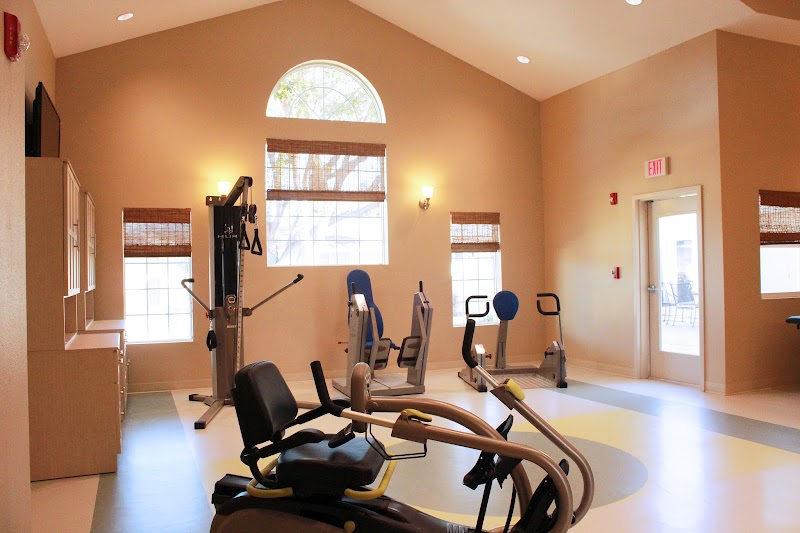
How is Greenbriar Healthcare Rehabilitation And Nursing C Staffed?

CMS rates GREENBRIAR HEALTHCARE REHABILITATION AND NURSING C's staffing level at 3 out of 5 stars, which is average compared to other nursing homes. Staff turnover is 46%, compared to the Florida average of 46%. This relatively stable workforce can support continuity of care. RN turnover specifically is 69%, which is notably high. RNs provide skilled clinical oversight, so turnover in this role can affect medical care quality.

What Have Inspectors Found at Greenbriar Healthcare Rehabilitation And Nursing C?

State health inspectors documented 20 deficiencies at GREENBRIAR HEALTHCARE REHABILITATION AND NURSING C during 2021 to 2025. These included: 1 that caused actual resident harm and 19 with potential for harm. Deficiencies causing actual harm indicate documented cases where residents experienced negative health consequences.
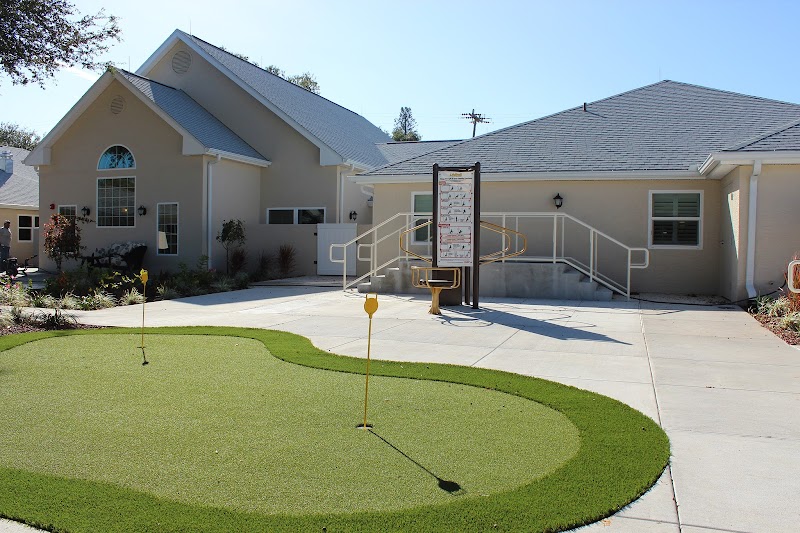
Who Owns and Operates Greenbriar Healthcare Rehabilitation And Nursing C?

GREENBRIAR HEALTHCARE REHABILITATION AND NURSING C is owned by a for-profit company. For-profit facilities operate as businesses with obligations to shareholders or private owners. The facility is operated by GOLD FL TRUST II, a chain that manages multiple nursing homes. With 79 certified beds and approximately 74 residents (about 94% occupancy), it is a smaller facility located in BRADENTON, Florida.
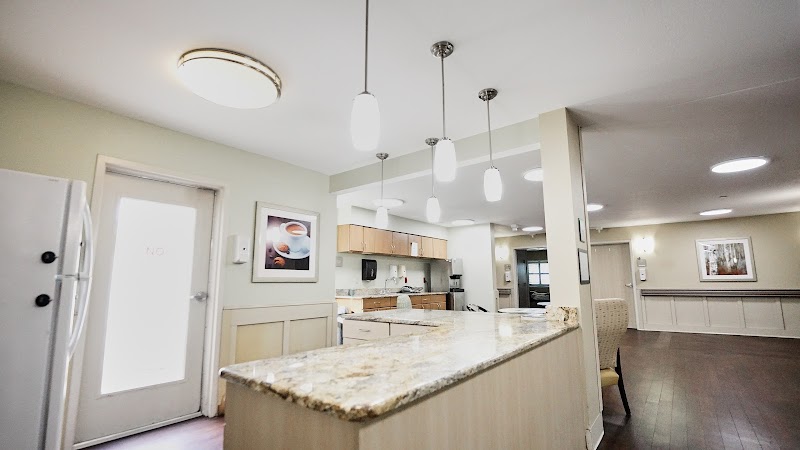
How Does Greenbriar Healthcare Rehabilitation And Nursing C Compare to Other Florida Nursing Homes?

Compared to the 100 nursing homes in Florida, GREENBRIAR HEALTHCARE REHABILITATION AND NURSING C's overall rating (3 stars) is below the state average of 3.2, staff turnover (46%) is near the state average of 46%, and health inspection rating (3 stars) is at the national benchmark.

What Should Families Ask When Visiting Greenbriar Healthcare Rehabilitation And Nursing C?

Based on this facility's data, families visiting should ask: "Can I visit during a mealtime to observe dining assistance and food quality?" "How do you handle medical emergencies, and what is your hospital transfer rate?" "Can I speak with family members of current residents about their experience?"

Is Greenbriar Healthcare Rehabilitation And Nursing C Safe?

Based on CMS inspection data, GREENBRIAR HEALTHCARE REHABILITATION AND NURSING C has a clean safety record: no substantiated abuse findings (meaning no confirmed cases of resident harm), no Immediate Jeopardy citations (the most serious violation level indicating risk of serious injury or death), and is not on the Special Focus Facility watch list (a federal program monitoring the lowest-performing 1% of nursing homes). The facility has a 3-star overall rating and ranks #100 of 100 nursing homes in Florida. While no facility is perfect, families should still ask about staff-to-resident ratios and recent inspection results during their visit.

Do Nurses at Greenbriar Healthcare Rehabilitation And Nursing C Stick Around?

GREENBRIAR HEALTHCARE REHABILITATION AND NURSING C has a staff turnover rate of 46%, which is about average for Florida nursing homes (state average: 46%). Moderate turnover is common in nursing homes, but families should still ask about staff tenure and how the facility maintains care continuity when employees leave.

Was Greenbriar Healthcare Rehabilitation And Nursing C Ever Fined?

GREENBRIAR HEALTHCARE REHABILITATION AND NURSING C has been fined $30,610 across 3 penalty actions. This is below the Florida average of $33,385. While any fine indicates a compliance issue, fines under $50,000 are relatively common and typically reflect isolated problems that were subsequently corrected. Families should ask what specific issues led to these fines and confirm they've been resolved.

Is Greenbriar Healthcare Rehabilitation And Nursing C on Any Federal Watch List?

GREENBRIAR HEALTHCARE REHABILITATION AND NURSING C is not on any federal watch list. The most significant is the Special Focus Facility (SFF) program, which identifies the bottom 1% of nursing homes nationally based on persistent, serious quality problems. Not being on this list means the facility has avoided the pattern of deficiencies that triggers enhanced federal oversight. This is a positive indicator, though families should still review the facility's inspection history directly.