LIFE CARE CENTER OF SARASOTA
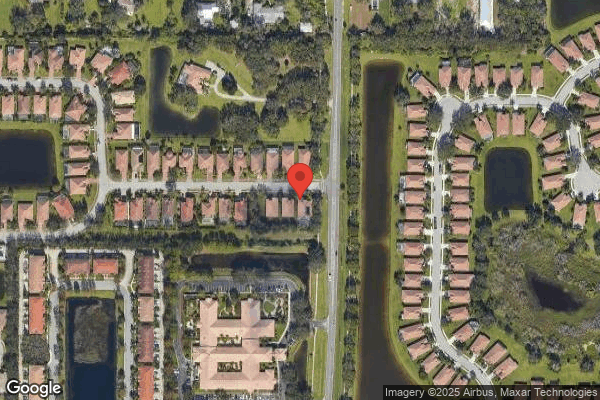

8104 TUTTLE AVE, SARASOTA, FL 34243 (941) 360-6411
For profit - Individual 120 Beds LIFE CARE CENTERS OF AMERICA Data: November 2025
Trust Grade
85/100
#71 of 690 in FL
Last Inspection: September 2025

Inspected within the last 6 months. Data reflects current conditions.

Overview

Life Care Center of Sarasota has a Trust Grade of B+, indicating it is above average and generally recommended for families considering care options. It ranks #71 out of 690 nursing homes in Florida, placing it in the top half, and is the best option among 12 facilities in Manatee County. However, the facility is experiencing a concerning trend as the number of issues reported has increased from 5 in 2023 to 7 in 2025, indicating a decline in quality. Staffing is rated at 4 out of 5 stars, with a turnover rate of 42%, aligning with the state average, which suggests some stability among staff. Notably, the facility has had no fines, which is a positive aspect, but specific incidents include failing to provide appropriate bed comfort for a resident and not reporting an injury from a resident's fall, highlighting areas that need improvement. Overall, while there are strengths in staffing and no fines, families should be aware of the increasing number of concerns and specific incidents that have been noted.

Trust Score
B+
85/100
In Florida
#71/690
Top 10%
Safety Record
Low Risk
No red flags
Inspections
Getting Worse
5 → 7 violations
Staff Stability
○ Average
42% turnover. Near Florida's 48% average. Typical for the industry.
Penalties
✓ Good
No fines on record. Clean compliance history, better than most Florida facilities.
Skilled Nurses
○ Average
Each resident gets 41 minutes of Registered Nurse (RN) attention daily — about average for Florida. RNs are the most trained staff who monitor for health changes.
Violations
⚠ Watch
18 deficiencies on record. Higher than average. Multiple issues found across inspections.
★★★★★
5.0
Overall Rating
★★★★☆
4.0
Staff Levels
★★★★★
5.0
Care Quality
★★★★☆
4.0
Inspection Score
Stable
2023: 5 issues
2025: 7 issues

The Good

  • 4-Star Staffing Rating · Above-average nurse staffing levels
  • 5-Star Quality Measures · Strong clinical quality outcomes
  • Full Sprinkler Coverage · Fire safety systems throughout facility
  • No fines on record
  • Staff turnover below average (42%)

    6 points below Florida average of 48%

Facility shows strength in staffing levels, quality measures, fire safety.

The Bad

Staff Turnover: 42%

Near Florida avg (46%)

Typical for the industry

Chain: LIFE CARE CENTERS OF AMERICA

Part of a multi-facility chain

Ask about local staffing decisions and management

The Ugly 18 deficiencies on record

Sept 2025 6 deficiencies
CONCERN (D)

Potential for Harm - no one hurt, but risky conditions existed

Deficiency F0558 (Tag F0558)

Could have caused harm · This affected 1 resident

**NOTE- TERMS IN BRACKETS HAVE BEEN EDITED TO PROTECT CONFIDENTIALITY** Based on observations, interviews and record review, the facility failed to provide one resident (#100) of thirty-nine sampled r...

Read full inspector narrative →
**NOTE- TERMS IN BRACKETS HAVE BEEN EDITED TO PROTECT CONFIDENTIALITY** Based on observations, interviews and record review, the facility failed to provide one resident (#100) of thirty-nine sampled residents with a bed that met his height needs and comfort during three days (9/8/2025, 9/9/2025 and 9/10/2025) of four days observed. Findings included: On 9/8/2025 at 10:45 a.m. and 1:00 p.m. Resident #100 was visited while in his room. Both times observed, he was noted lying flat in bed with his head on a pillow. Further observations revealed Resident #100 was utilizing a mechanical air loss mattress system with bolsters on each side of the bed. The residents both feet were either pressed up against the end of the foot board or positioned on top of the foot board. Photographic evidence was taken with permission from Resident #100's wife, who was his decision maker.On 9/9/2025 at 8:30 a.m. and at 9:40 a.m., Resident #100's feet were observed propped up and pressed up against the end of the foot board. It appeared Resident #100 was tall in stature and not fitting comfortably in the bed. On 9/9/2025 at 9:40 a.m. an interview with Resident #100's family member who revealed they visited the resident daily. The family member Resident #100 was six feet four inches and that he lies in bed all day, by choice and his feet are always scrunched up against or positioned on top of the foot board. The family member revealed the resident had wounds on his heels and are being treated but did not think having his feet pressed up against or placed on top of the hard wooden foot board helped with healing and comfort. The family member stated having notified facility staff and assumed there was nothing that could be done. Resident #100 who had cognitive deficiencies with dementia was not interviewable and could not express if the bed was too short and if he had any discomfort or pain related to his feet placed on the foot board. During multiple tours on 9/9/2025 and on 9/10/2025 Resident #100 was observed in the same condition, his feet pressed against the foot of the bed.On 9/10/2025 at 10:00 a.m. an interview with Staff T, Registered Nurse (RN)/Unit Manager (UM) revealed she was knowledgeable of Resident #100 and his care and service needs. Staff T revealed the resident has dementia and does not get out of bed. Staff T revealed Resident #100 had wounds on his heels that is being treated for by the wound care team, and that he utilizes a mechanical air loss mattress with bolsters for comfort as well as decreasing risk for further pressure ulcers. Staff T confirmed Resident #100 was tall but could not say exactly how tall he was. Staff T went to Resident #100's room and confirmed his feet were pressed up against the foot board with a portion of one of his feet positioned on top of the wooden foot board. Staff revealed the foot board was bordering and placed against the end of the mattress. She revealed the foot board could be adjusted out but had not been done. Staff T confirmed Resident #100's feet were not placed properly and should not be positioned on the foot board due to him already having foot ulcers. Staff T stated Resident #100 should be wearing foot heel protector boots and was not aware why he was not wearing them. She confirmed he does not refuse the use of the protector boots, and stated staff should have been aware of the resident's feet pressing on the board.Review of Resident #100's medical record revealed he was admitted to the facility on [DATE] with diagnoses to include but not limited to: Alzheimer's, dementia, depression, restlessness and agitation, seizures, and need for personal assistance.Review of the current physician's orders for the month of 9/2025 revealed the following but not limited to orders:- Wound treatment for Right heel: clean with n/s, apply silver alginate to wound bed, cover with gauze island w/bdr (with a bordered dressing), every night shift (order date 8/11/2025).- Air mattress with bilateral bolsters check placement and function, every shift (order date 8/2/2024).- Skin prep to heels for skin protection every night shift (order date 6/6/2024).- Elevate heels when in bed to alleviate pressure as tolerated every shift (order date 9/16/2022).Review of the quarterly Minimum Data Set (MDS) dated [DATE] revealed Resident #100 had a Brief Interview Mental Status (BIMS) score of 3 of 15 indicating the resident was severely impaired. Section GG revealed the resident had impairment on both sides with upper extremities, impairment on one side with lower extremity and was dependent on staff for ADLs (activities of daily living).Review of the current care plans with a next review date 10/19/2025 revealed the resident was at risk for break in skin integrity r/t (related to) impaired mobility, incontinence, dx. (diagnosis) of anemia, PVD (Peripheral Vascular Disease), history of pressure ulcers and arterial ulcers, with interventions in place to include air mattress with bilateral bolsters, check placement and function, heel elevating boots per current MD (medical doctor) order, pressure reducing mattress. On 9/11/2025 at 1:00 p.m. an interview was conducted with the Nursing Home Administrator (NHA) and the Director of Nursing (DON). They provided the Bed Inspection & Bed Maintenance and Bed Rail Installation policy and procedure with a last review date of 1/17/2025 for review. The policy revealed to conduct regular inspection of all bed frames, mattresses, and bed rails, if any, as part of a regular maintenance program to identify areas of possible entrapment. When mattresses are used and purchases separately frame, the facility must ensure that the bed rails, mattress, and bed frames are compatible.Procedure:1. All new beds will be inspected by the maintenance department upon arrival to the facility. 5 . Routine inspections of the seven zones of entrapment are required for all bed and when there are any changes to the bed frame, mattress.a. Entrapment may occur in flat or raised bed positions:vii. Between head or footboard and mattress end.iv. Ensure that the mattress is appropriately sized for the bed frame.
CONCERN (D)

Potential for Harm - no one hurt, but risky conditions existed

Report Alleged Abuse (Tag F0609)

Could have caused harm · This affected 1 resident

**NOTE- TERMS IN BRACKETS HAVE BEEN EDITED TO PROTECT CONFIDENTIALITY** Based on record review, interviews and policy review, the facility failed to report an injury of unknown origin for one resident...

Read full inspector narrative →
**NOTE- TERMS IN BRACKETS HAVE BEEN EDITED TO PROTECT CONFIDENTIALITY** Based on record review, interviews and policy review, the facility failed to report an injury of unknown origin for one resident (#11) of two residents sampled.Findings Included: On 09/09/2025 at 03:05 p.m. an interview was conducted with Staff M Licensed Practical Nurse (LPN) and Unit Manager (UM), of the Manatee unit. Staff M stated Resident #11 experienced a fall on 09/06/2025. Staff M stated the fall was not observed by staff. Staff M stated resident #11 went to the hospital on [DATE] after the resident complained of pain and an x-ray showed the resident had a hip fracture.On 09/10/2025 at 04:18 p.m. an interview was conducted with Staff R, Certified Nursing Assistant (CNA). Staff R explained seeing Resident #11 on the floor on the right side of the resident's bed and laying on their right side. Staff R stated Resident #11 was not seen falling to the floor. Staff R stated Resident #11 complained of pain while receiving a bed bath.On 09/10/2025 at 04:39 p.m.an interview was conducted with Staff S, Licensed Practical Nurse (LPN). Staff S stated how or why the resident fell was unknown.On 09/11/2025 at 10:40 a.m. an interview was conducted with Staff P, Registered Nurse (RN), and Staff I, CNA. Staff I explained walking by Resident #11's room and observing Resident #11 on the floor and having notified the nurse. Staff I, stated Resident #11 expressed pain in the right hip, while being picked up off the floor.On 09/18/2025 at 12:46 p.m., an interview was conducted with Staff W Physical Therapy Assistant (PTA). Staff W stated Resident #11's family member/decision maker reported the resident was in pain due to a fall over the weekend. Staff W stated one of Resident #11's legs was moved slightly and the resident expressed pain. Staff W stated a nurse was notified. Review of Resident #11's medical record revealed the resident was admitted to the facility on [DATE] and was readmitted on [DATE] with a primary diagnosis of displaced intertrochanteric fracture of right femur, subsequent encounter for closed fracture with routine healing. Other diagnoses included encounter for other orthopedic aftercare, muscle weakness, need for assistance with personal care, end stage renal disease, history of falling, and repeated falls.Review of a hospital history and physical for Resident #11 dated 09/09/2025 showed .the patient presented from nursing facility after having an outpatient X-ray that showed a femoral neck fracture. It was reported the patient had a fall on Saturday and had evaluation outpatient. Patient was complaining of hip pain while at dialysis. The X-ray showed a fracture. Patient does not appear in any discomfort or pain at this time. On arrival patient had a CT (Computed Tomography) of pelvis that showed a comminuted intertrochanteric fracture of the right femur with impaction; healed sacral and left pubic rami fractures. Compression screw noted within the left femoral neck per urology read.Review of a quarterly Minimum data Set (MDS) for Resident #11 dated 06/30/2025 revealed in section B the resident had impaired vision and sometimes understands verbal content. section C revealed the resident had a Brief Interview Mental Status score of 04, which meant severe cognitive impairment. Section GG revealed the resident used a wheelchair and walker for mobility and was dependent on staff for activities of daily living (ADLs) to include toileting hygiene, personal hygiene, and lower body dressing. Resident #11 required partial to moderate assistance for toilet transfers.Review of a progress note dated 09/06/2025 at 4:21 p.m. revealed, nurse alerted to the room. Pt (patient) was found on the floor on her right side, on the right side of the bed. Bed was in the lowest position. Neuros initiated . Nurse helped the CNA (Certified Nursing Assistant) put the patient back in her bed. Nurse cleansed the skin tear RUE (right upper extremity) with normal saline, Zeroform and clean, dry dressing. Physician made aware. POA (power of Attorney) made aware.On 09/18/2025 at 01:23 p.m. an interview was conducted with the Director of Nursing (DON) and the Risk manager (RM)/Assistant Director of Nursing (ADON). The DON stated how the resident fell was unknown. The DON stated the resident experienced a fall and the injury sustained by Resident #11 was unwitnessed. The DON stated a five-day adverse should have been completed. The DON stated the incident should have been reported.Review of a facility policy titled Abuse- protection of Residents, reviewed 06/17/2024 revealed a policy - the facility will ensure that all residents are protected from physical and psychosocial harm during and after the investigation.Procedure: The following methods to ensure the protection of residents during an investigation may include but are not limited to:5. Notification of the alleged violation to other agencies or law enforcement authorities.
CONCERN (D)

Potential for Harm - no one hurt, but risky conditions existed

Comprehensive Care Plan (Tag F0656)

Could have caused harm · This affected 1 resident

**NOTE- TERMS IN BRACKETS HAVE BEEN EDITED TO PROTECT CONFIDENTIALITY** Based on observations, interviews and record review, the facility failed to implement care plan interventions related to the use...

Read full inspector narrative →
**NOTE- TERMS IN BRACKETS HAVE BEEN EDITED TO PROTECT CONFIDENTIALITY** Based on observations, interviews and record review, the facility failed to implement care plan interventions related to the use of orthotics for one resident (#100) of two residents reviewed during three days (9/8/2025, 9/9/2025, and 9/10/2025) of four days observed. Findings included: During multiple tours conducted on 9/8/2025 between 10:45 a.m. and 2:45 p.m., and on 9/10/2025 at 7:30 a.m. and at 9:50 a.m., Resident #100 was observed in his room lying in bed with no Right-hand splint/brace/hand carrot on and no heel protector boots on either of his feet. On 9/9/2025 at 9:40 a.m. an interview with Resident #100's family member who revealed they visited the resident daily. The family member Resident #100 was six feet four inches and that he lies in bed all day, by choice and his feet are always scrunched up against or positioned on top of the foot board. The family member revealed the resident had wounds on his heels and are being treated but did not think having his feet pressed up against or placed on top of the hard wooden foot board helped with healing and comfort. The family member stated having notified facility staff and assumed there was nothing that could be done. Resident #100 who had cognitive deficiencies with dementia was not interviewable and could not express if the bed was too short and if he had any discomfort or pain related to his feet placed on the foot board. The family member revealed not being aware of Resident #100's heel protector boots or a Right-hand splint/hand carrot device and having not seen them applied to the resident. An interview was conducted on 9/10/2025 at 10:00 a.m. with Staff T, Registered Nurse (RN)/Unit Manager in100 hall. Staff T revealed she was aware and knowledgeable of Resident #100's care and services. Staff T stated not being aware Resident #100 had orders to utilize heel protector boots and stated they would look at the orders to get clarification. She reviewed the record and confirmed he was care planned and ordered for use of heel protector boots while in bed, and with feet to be elevated. Staff T went to Resident #100's room and confirmed Resident #100 was not wearing any type of Right-hand splint/brace or hand carrot device. Staff T revealed she believed it was the responsibility of Physical Therapy (PT) department to maintain the use and donning and doffing of the Heel protective boots and Right-hand splint/ hand carrot device on a daily basis. Staff T stated having reviewed Resident #100's medical record to include the Treatment Administration Record (TAR) for the month of 9/2025 and found there was no documentation of application of the orthotics. Staff T confirmed Resident #100 should be assisted with the heel protector boots and a Right-hand splint/hand carrot device. Review of Resident #100's medical record revealed he was admitted to the facility on [DATE] with diagnoses to include but not limited to: Alzheimer's, dementia, depression, restlessness and agitation, seizures, and need for personal assistance. Review of the current physician orders for the month of 9/2025 revealed the following orders:a . Monitor Splint/Brace/Medical device to R (right) hand. Check skin integrity around or under device, pain and circulation x shift and document any changes in progress notes (order date 8/27/2025).b . Splint/Brace/Medical device: Allmed therapy Carrot Hand Contracture Orthotics. Apply to R hand for at least 1 hour. On during the day and off at night. Assess pain level, circulation and skin integrity, every shift document in progress note any changes (order date 8/27/2025).c . Wound treatment for R heel: clean with n/s, apply silver alginate to wound bed, cover with gauze Island w/bdr, every night shift (order date 8/11/2025).d . Elevate heels when in bed to alleviate pressure as tolerated every shift (order date 9/16/2022). Review of the quarterly Minimum Data Set (MDS) dated [DATE] revealed Resident #100 had a Brief Interview Mental Status (BIMS) score of 3 of 15 indicating the resident was severely impaired. Section GG revealed the resident had impairment on both sides with upper extremities, impairment on one side with lower extremity and was dependent on staff for ADLs (activities of daily living). Review of the nurse's progress notes dated 6/1/2025 through 9/10/2025 revealed there was no documentation related to the use of orthotics or refusals. Review of a physician's progress note dated 8/25/2025 revealed Resident #100 was seen today for monthly follow up. Resident with Pressure ulcer right heel stage 4, Pressure ulcer left heel stage 3, Wound care onboard managing treatments to include Encourage off-loading of pressure from the affected areas using specialized footwear or heel protectors. Review of Resident #100's Medication Administration Record (MAR)dated 9/2025 revealed:- Monitor splint/brace/medical device to Right hand. Check skin integrity around or under device, pain and circulation every shift document any changes in progress notes and notify MD (medical doctor) if appropriate (order date 8/27/2025). - Splint/Brace/Medical device: Allmed therapy carrot hand contracture orthosis. Apply to R hand for at least one hour. On during the day, and off at night. Assess pain level, circulation, and skin integrity. Every shift document in progress notes of changes and notify MD if appropriate (order dated 8/27/2025)Review of the MAR for all days in 9/2025 indicated documented as completed for both day and night. However, observations revealed no splints were donned or offered on days 9/8/2025, 9/9/2025, and 9/10/2025.Review of the current care plans with a next review date 10/19/2025 revealed:A . Dependent on staff and wife for meeting emotional, intellectual, physical, and social needs r/t cognitive deficits, physical limitations, Alzheimer's. He chooses to stay in bed, with interventions in place. B . Has ADL self-care performance deficit r/t activity tolerance, progressive dementia with impaired cognition, psychosis with delusions, restless agitation, with interventions in place to include: Apply (R) hand carrot for at least one hour a day as tolerated and to be off at night. Assess pain level, circulation and skin integrity during use; Bed Mobility, the resident requires assist of (1) staff for repositioning and turning in bed.C . Impaired skin integrity Arterial ulcers R heel, with interventions in place to include: Enhanced barrier precautions, D . Risk for break in skin integrity r/t impaired mobility, incontinence, dx. of anemia, PVD, history of pressure ulcers and arterial ulcers, with interventions in place to include: Air mattress with bilateral bolsters, check placement and function, heel elevating boots per Current MD Order, Pressure reducing mattress On 9/10/25 at 1:50 p.m. an interview was conducted with Staff W, Registered Occupational Therapist. Staff W revealed he was responsible to don and doff the Right-hand splint/brace/carrot hand roll daily for Resident #100. He further revealed that if he does not get to it, nursing will. Staff W stated not being sure what nursing staff member would be responsible each day. Staff W confirmed on the days he does not work, nursing should be donning and doffing the hand device. He revealed this device is to be used for contracture management and to lower the risk for further breakdown. Staff W did not have any documentation to support when he dons and doffs the device. He also confirmed he does not document in the Medication Administration Record (MAR) or Treatment Administration Record (TAR), and that is the responsibility of the nurse. Various interviews were conducted on 9/10/2025 during the 7 a.m. -3 p.m. shift with assigned Certified Nursing Assistants and nurses on the 100 unit. These nursing staff did not know if Resident #100 utilizes heel protector boots or a Right-hand splint/hand carrot. The nursing staff stated not having seen Resident #100 with the devices. On 9/11/2025 at 2;00 p.m. the Director of Nursing (DON) provided the policy and procedure titled, Personal Centered Care Planning, with a last review date of 8/29/2025 for review. The Policy revealed; Each resident will have a person-centered comprehensive care plan developed and implemented to meet his or her preferences and goals, and address the resident's medical, physical, mental and psychosocial needs. Definitions included: Interventions - are actions, treatments, procedures, or activities designed to meet an objective; Measurable - is the ability to be evaluated or quantified.The Procedure section revealed:1 The facility will develop a person-centered care plan that addresses the goals, preferences, needs and strengths of the resident, including those identified in the comprehensive resident assessment, to assist the resident to attain or maintain his or her highest practicable well-being and prevent avoidable decline. 7. The care plan will be developed and implemented to ensure consistency with implementation across all shifts.
CONCERN (D)

Potential for Harm - no one hurt, but risky conditions existed

Deficiency F0688 (Tag F0688)

Could have caused harm · This affected 1 resident

**NOTE- TERMS IN BRACKETS HAVE BEEN EDITED TO PROTECT CONFIDENTIALITY** Based on observations, interviews and record review, the facility failed to to ensure care was provided in accordance with profe...

Read full inspector narrative →
**NOTE- TERMS IN BRACKETS HAVE BEEN EDITED TO PROTECT CONFIDENTIALITY** Based on observations, interviews and record review, the facility failed to to ensure care was provided in accordance with professional standards related to the use of orthotics for one resident (#100) of two residents reviewed during three days (9/8/2025, 9/9/2025, and 9/10/2025) of four days observed.Findings included: During multiple tours conducted on 9/8/2025 between 10:45 a.m. and 2:45 p.m., and on 9/10/2025 at 7:30 a.m. and at 9:50 a.m., Resident #100 was observed in his room lying in bed with no Right-hand splint/brace/hand carrot on and no heel protector boots on either of his feet. On 9/9/2025 at 9:40 a.m. an interview with Resident #100's family member who revealed they visited the resident daily. The family member Resident #100 was six feet four inches and that he lies in bed all day, by choice and his feet are always scrunched up against or positioned on top of the foot board. The family member revealed the resident had wounds on his heels and are being treated but did not think having his feet pressed up against or placed on top of the hard wooden foot board helped with healing and comfort. The family member stated having notified facility staff and assumed there was nothing that could be done. Resident #100 who had cognitive deficiencies with dementia was not interviewable and could not express if the bed was too short and if he had any discomfort or pain related to his feet placed on the foot board. The family member revealed not being aware of Resident #100's heel protector boots or a Right-hand splint/hand carrot device and having not seen them applied to the resident. An interview was conducted on 9/10/2025 at 10:00 a.m. with Staff T, Registered Nurse (RN)/Unit Manager in100 hall. Staff T revealed she was aware and knowledgeable of Resident #100's care and services. Staff T revealed she would follow up with the missing heel protector boots and Right-hand splint/brace. Staff T searched in the resident's room and confirmed both of his feet were without heel protector boots on and were positioned up against the footboard and he was not wearing a Right-hand splint/hand carrot. Staff T. confirmed Resident #100's feet should not have been pressed up against the foot board. Staff T left the room and was observed walking down the hallway with a clear plastic bag with contents to include heel protector boots. Staff T and another staff member entered the room with the bag of heel protector boots and donned them on the resident. A follow -up interview with Staff T confirmed she had to get boots from the therapy department. Staff T revealed the resident showed no behaviors or discomfort when placing the boots on. She confirmed the resident had not been assisted with the heel protector boots. Staff T confirmed not having observed the resident with the orthotics prior to this day. Review of Resident #100's medical record revealed he was admitted to the facility on [DATE] with diagnoses to include but not limited to: Alzheimer's, dementia, depression, restlessness and agitation, seizures, and need for personal assistance.Review of the current physician orders for the month of 9/2025 revealed the following orders:a . Monitor Splint/Brace/Medical device to R (right) hand. Check skin integrity around or under device, pain and circulation x shift and document any changes in progress notes (order date 8/27/2025).b . Splint/Brace/Medical device: Allmed therapy Carrot Hand Contracture Orthotics. Apply to R hand for at least 1 hour. On during the day and off at night. Assess pain level, circulation and skin integrity, every shift document in progress note any changes (order date 8/27/2025).c . Wound treatment for R heel: clean with n/s, apply silver alginate to wound bed, cover with gauze Island w/bdr, every night shift (order date 8/11/2025).d . Elevate heels when in bed to alleviate pressure as tolerated every shift (order date 9/16/2022). Review of the quarterly Minimum Data Set (MDS) dated [DATE] revealed Resident #100 had a Brief Interview Mental Status (BIMS) score of 3 of 15 indicating the resident was severely impaired. Section GG revealed the resident had impairment on both sides with upper extremities, impairment on one side with lower extremity and was dependent on staff for ADLs (activities of daily living).Review of the nurse's progress notes dated 6/1/2025 through 9/10/2025 revealed there was no documentation related to the use of orthotics or refusals. Review of a physician's progress note dated 8/25/2025 revealed Resident #100 was seen today for monthly follow up. Resident with Pressure ulcer right heel stage 4, Pressure ulcer left heel stage 3, Wound care onboard managing treatments to include Encourage off-loading of pressure from the affected areas using specialized footwear or heel protectors. Review of Resident #100's Medication Administration Record (MAR)dated 9/2025 revealed:- Monitor splint/brace/medical device to Right hand. Check skin integrity around or under device, pain and circulation every shift document any changes in progress notes and notify MD (medical doctor) if appropriate (order date 8/27/2025).- Splint/Brace/Medical device: Allmed therapy carrot hand contracture orthosis. Apply to R hand for at least one hour. On during the day, and off at night. Assess pain level, circulation, and skin integrity. Every shift document in progress notes of changes and notify MD if appropriate (order dated 8/27/2025)Review of the MAR for all days in 9/2025 indicated documented as completed for both day and night. However, observations revealed no splints were donned or offered on days 9/8/2025, 9/9/2025, and 9/10/2025.Review of the current care plans with a next review date 10/19/2025 revealed:A . Dependent on staff and wife for meeting emotional, intellectual, physical, and social needs r/t cognitive deficits, physical limitations, Alzheimer's. He chooses to stay in bed, with interventions in place. B . Has ADL self-care performance deficit r/t activity tolerance, progressive dementia with impaired cognition, psychosis with delusions, restless agitation, with interventions in place to include: Apply (R) hand carrot for at least one hour a day as tolerated and to be off at night. Assess pain level, circulation and skin integrity during use; Bed Mobility, the resident requires assist of (1) staff for repositioning and turning in bed.C . Impaired skin integrity Arterial ulcers R heel, with interventions in place to include: Enhanced barrier precautions,D . Risk for break in skin integrity r/t impaired mobility, incontinence, dx. of anemia, PVD, history of pressure ulcers and arterial ulcers, with interventions in place to include: Air mattress with bilateral bolsters, check placement and function, heel elevating boots per Current MD Order, Pressure reducing mattressOn 9/10/25 at 1:50 p.m. an interview was conducted with Staff W, Registered Occupational Therapist. Staff W revealed he was responsible to don and doff the Right-hand splint/brace/carrot hand roll daily for Resident #100. He further revealed that if he does not get to it, nursing will. Staff W stated not being sure what nursing staff member would be responsible each day. Staff W confirmed on the days he does not work, nursing should be donning and doffing the hand device. He revealed this device is to be used for contracture management and to lower the risk for further breakdown. Staff W did not have any documentation to support when he dons and doffs the device. He confirmed he does not document in the Medication Administration Record (MAR) or Treatment Administration Record (TAR), and that is the responsibility of the nurse.Various interviews were conducted on 9/10/2025 during the 7 a.m. -3 p.m. shift with assigned Certified Nursing Assistants and nurses on the 100 unit. These nursing staff did not know if Resident #100 utilizes heel protector boots or a Right-hand splint/hand carrot. The nursing staff stated not having seen Resident #100 with the devices. On 9/11/2025 at 3:00 p.m. an interview was conducted with the Nursing Home Administrator (NHA) and Director of Nursing (DON) They provided the facility's policy and procedure titled, splints and braces - upper extremity, review date of 9/20/2024 for review. The policy revealed: The facility will provide splints and braces to upper extremities in accordance with professional standards of practice, as outlined by [name of a digital reference tool and training platform] through the procedure link. The policy showed federal regulation stating - The services provided or arranged by the facility, as outlined by the comprehensive care plan, must meet professional standards of quality. The procedure section revealed; The facility will utilize the Lippincott procedures: Splints and braces, upper extremity.The NHA and DON stated the facility did not have a specific policy and procedure related to contracture management program nor had a policy related to splints and braces for lower extremities.
CONCERN (D)

Potential for Harm - no one hurt, but risky conditions existed

Accident Prevention (Tag F0689)

Could have caused harm · This affected 1 resident

**NOTE- TERMS IN BRACKETS HAVE BEEN EDITED TO PROTECT CONFIDENTIALITY** Based on observations, record review, and interviews, the facility failed to provide adequate supervision to prevent a fall resu...

Read full inspector narrative →
**NOTE- TERMS IN BRACKETS HAVE BEEN EDITED TO PROTECT CONFIDENTIALITY** Based on observations, record review, and interviews, the facility failed to provide adequate supervision to prevent a fall resulting in major injury and hospitalization for one resident (#11) of two residents reviewed.Findings Included:Review of Resident #11's medical record revealed the resident was admitted to the facility on [DATE] and was readmitted on [DATE] with a primary diagnosis of displaced intertrochanteric fracture of right femur, subsequent encounter for closed fracture with routine healing. Other diagnoses included encounter for other orthopedic aftercare, muscle weakness, need for assistance with personal care, end stage renal disease, history of falling, and repeated falls.Review of a hospital history and physical for Resident #11 dated 09/09/2025 showed .the patient presented from nursing facility after having an outpatient X-ray that showed a femoral neck fracture. It was reported the patient had a fall on Saturday and had evaluation outpatient. Patient was complaining of hip pain while at dialysis. The X-ray showed a fracture. Patient does not appear in any discomfort or pain at this time. On arrival patient had a CT (Computed Tomography) of pelvis that showed a comminuted intertrochanteric fracture of the right femur with impaction; healed sacral and left pubic rami fractures. Compression screw noted within the left femoral neck per urology read.Review of a quarterly Minimum data Set (MDS) for Resident #11 dated 06/30/2025 revealed in section B the resident had impaired vision and sometimes understands verbal content. section C revealed the resident had a Brief Interview Mental Status score of 04, which meant severe cognitive impairment. Section GG revealed the resident used a wheelchair and walker for mobility and was dependent on staff for activities of daily living (ADLs) to include toileting hygiene, personal hygiene, and lower body dressing. Resident #11 required partial to moderate assistance for toilet transfers.Review of progress notes for Resident #11 dated 09/04/2025 revealed Resident #11 who resided in the memory care (Serenity) unit was readmitted to the facility following Covid diagnosis and was moved from the unit for isolation. The progress note dated 09/04/2025 at 4:56 p.m. showed, family member aware [Resident #11] will return to Serenity unit once she is finished with isolation.Review of a physician note dated 09/04/2025 at 4 p.m. revealed under assessment plan, family member stated demented [Resident #11] is confused and demands a UA (urinalysis) . Continue above medications and fall precautions.Review of a progress note dated 09/06/2025 at 4:21 p.m. revealed, nurse alerted to the room. Pt (patient) was found on the floor on her right side, on the right side of the bed. Bed was in the lowest position. Neuros initiated . Nurse helped the CNA (Certified Nursing Assistant) put the patient back in her bed. Nurse cleansed the skin tear RUE (right upper extremity) with normal saline, Zeroform and clean, dry dressing. Physician made aware. POA (power of Attorney) made aware.Review of a progress note dated 09/06/2025 at 9:21 p.m. revealed the resident was given Acetaminophen 325 MG (milligram), Give 2 tablets by mouth as needed for mild pain (1-3).Review of a skilled note dated 09/09/2025 revealed .Resident is a fall risk and assisted with all ADLs by CNA. Resident pain and medications are managed by nursing staff.Review of a physician progress note dated 09/09/2025 at 12:51 p.m. showed, Fall out of bed on 9/6, found on right side, minimum pain-now with increased pain. X-ray ordered, found to have acute left femoral neck fracture.Review of a progress note dated 09/09/2025 at 1:52 p.m. revealed, doctor called from hospital and resident will be admitted to the hospital at this time.On 09/10/2025 at 04:39 p.m. an interview was conducted with Staff S, Licensed Practical Nurse (LPN). Staff S stated Resident #11 experienced a fall on 09/06/2025 and reported being alerted by the CNA of Resident #11's fall. Staff S stated Resident #11 was observed on the floor, after which the resident was assisted to bed, then evaluations were completed for the resident.During an interview on 09/11/2025 at 10:40 a.m. with Staff I, CNA and Staff P, Registered Nurse (RN), Staff I, CNA explained assisting Staff R, CNA and Staff S, LPN in response to Resident #11's fall. Staff I, CNA stated Staff S, LPN looked at the resident and stated the resident was fine and instructed the CNAs to pick the resident up. Staff I, CNA stated the resident expressed pain in the right hip and grabbed the right hip.On 09/09/2025 at 3:05 p.m. an interview was conducted with Staff M, LPN/Unit Manager (UM) who explained Resident #11 went to a local hospital due to a fall on 09/06/2025. The Unit Manager stated Resident #11 was a long-term care resident residing in the Serenity wing. The resident had a respiratory infection, went to a hospital, was diagnosed with Covid and returned to the facility on [DATE]. Staff M stated the resident went to the Manatee/Cardiac wing, away from the Walkie Talkie residents in the Serenity wing. Staff M stated the resident was placed in the Manatee Wing for isolation and was planning to return to the Serenity wing on 09/09/2025. Staff M stated the resident was found on the floor and skin and pain assessments were performed. The staff member stated the resident had a skin tear to the right upper extremity. Staff M stated neuro checks were initiated but the X-ray was not ordered at the time. Staff M stated on 09/08/2025 the resident started complaining of pain and the X-ray was ordered on 09/09/2025 which showed a dislocation to right hip. Staff M stated the resident was referred to the emergency room for further scans.On 09/10/2025 at 9:34 a.m. an interview was conducted with Staff Y, CNA. Staff Y stated Resident #11 would propel self-down the hall. She stated someone was always watching the resident and the resident had not fallen for at least 6 to 7 months. The staff member stated the resident's bed was usually in a low position, unless care was being performed. Staff Y stated the resident would never use a call light at the time. She stated seldom, the resident would sit up but never tried to get out if bed. Staff Y stated someone was always watching the resident during their shift. The staff member stated resident #11 was familiar to the environment.An interview was conducted with Staff Z, CNA on 09/10/2025 at 9:46 a.m. Staff Z stated Resident #11 was typically in the dayroom, being monitored by staff and even when the resident was not participating in the activities, the resident would be placed in the living room for monitoring. Staff Z stated the resident was not left in the room by themselves. Staff Z stated they never saw the resident using a call light.During an interview with Staff V, LPN on 09/10/2025 at 10:01 a.m., this staff member stated Resident #11 was typically confused and staff tried to keep the resident involved in activities. Staff V stated the resident would not be in the room and would be involved in activities and self-propelling around the unit. Staff V stated the resident could not use the call light and confirmed the resident had not had a fall in the memory care unit. Staff V stated they believed the resident fell out of bed, due to not being able to self-propel around, and after not being able to get out of bed and that was why they attempted to do so by themselves. Staff V stated the staff in the Serenity wing would help transfer the resident.An interview was conducted with Staff AA, CNA/Activities Aide on 09/18/2025 at 09:15 a.m. Staff AA stated Resident #11 was typically involved in the group setting activities and the resident is typically supervised by all staff in the Serenity unit. Staff AA said, in this unit, no resident is left by themselves. Staff AA stated the resident had not fallen in the memory care unit and they spent most of the time rolling self around in the wheelchair.An interview was conducted with Staff U, CNA on 09/10/2025 at 9:30 a.m. Staff U stated the residents in the Serenity unit are watched all day and the every two hours schedule does not apply. Staff U stated the residents, and staff were always in the activities room. Staff U stated the staff makes sure the residents are monitored.An interview conducted on 09/18/2025 at 10:15 a.m. with Staff CC and BB, CNAs revealed the residents in the Serenity unit cannot go anywhere unsupervised, however the resident in the cardiac unit can go anywhere by themselves and do things by themselves. The staff members stated the residents in the serenity unit require more supervision than the residents in the cardiac unit. The staff members said, For cardiac unit residents, one can take their eyes off of the resident, but for the Serenity unit, one must keep eyes on the residents. They stated residents who require more attention are placed near the nursing station to receive constant checks. The staff members stated Resident #11 was placed in a different room for Covid isolation. Staff BB confirmed working with the resident when the resident was in the Serenity unit and two other times in the cardiac unit. Staff BB stated if they knew a resident came from the Serenity unit to the cardiac unit, they would pay more attention to the resident because the residents from there required more attention.An interview was conducted with Staff I, CNA on 09/18/2025 at 10:45 a.m. Staff I who typically worked the cardiac unit (Manatee) stated they check on their residents every hour or one and half hours. Staff I stated working with Resident #11 who was confused all the time. Staff I stated not knowing why the resident was in the cardiac unit, but that the resident did require more attention and supervision. Staff I stated Resident #11 tried to get up without assistance and tried to walk without assistance. Staff I stated they were to follow-up every hour or one and a half hour. Staff I confirmed having assisted another CNA in getting the resident back to bed after the fall. Staff I stated the resident mentioned pain on their hip. Staff I stated the nurse checked the resident and took vitals. On 09/18/2025 at 10:35 a.m. an interview was conducted with Staff P, RN who works the cardiac/Manatee unit. Staff P stated residents that come from the Serenity unit required more supervision due to the mental state of the resident. Staff P stated the residents are unable to use call lights. Staff P stated checking on residents during rounds when shift starts. This staff member stated the expectation was to check on a resident every two to three hours. Staff P stated on 09/08/2025 Resident #11 mentioned pain when they were seen by therapy. Staff P stated they notified the provider and an X-ray was requested.On 09/18/2025 a 12:46 p.m. an interview was conducted with the Physical therapy Assistant (PTA) the PTA stated they went to assess the resident because the family member mentioned the resident was in a lot of pain from a fall over the weekend. The PTA stated when they tried to move the resident, the resident would say ouch and so forth. The PTA stated moving the resident's leg slightly and the resident was grimacing. The PTA stated they notified the nurse.A telephone interview was conducted with Resident #11's physician on 09/18/2025 at 12:17 p.m. The physician stated being familiar with the resident. The physician said if a resident has a fall, it is possible not to have pain until a couple days later, though it is seldom. The physician stated even though the X-ray for Resident #11 was delayed by three more days, the result would be no different.An interview was conducted with the Risk Manager (RM) and The Director of Nursing (DON) on 09/18/2025 at 01:23 p.m. The DON and RM stated residents in the secure/memory care unit require more supervision than the residents who are not in the unit. The RM stated Resident#11 was placed in the cardiac unit for isolation because the residents in the secure unit wander into others rooms. the RM stated the resident did not require further supervision because they were not an elopement risk. The DON stated she thought the resident fell because she was trying to take herself to the bathroom. The DON stated the resident was used to being very social and attended activities.Review of a care plan for Resident #11 last revised on 07/07/2025 showed:Focus 1. Resident #11 has an ADL self-care performance deficit related to impaired cognition and need for staff assistance with ADLs and transfers. Resident returned from the hospital and had a fall at the hospital with the left hip fracture and surgical repair. Interventions included resident required assistance of one staff for bed mobility personal hygiene toilet juice and transfers.Focus 2. Resident #11 has a diagnosis of anxiety and is at risk for increased restlessness related to anxiety. Interventions included to observe the resident for behavior episodes and attempts to determine underlying cause. Consider location time of day persons involved and situations.Focus 3. Resident #11 has impaired cognitive ability/ impaired thought process related to dementia. Interventions included To cue, reorient and supervised as needed and to Keep the residence routine consistent and try to provide consistent caregivers as much as possible in order to decrease confusion.Focus 4. Resident #11 is at risk for falls related to decreased mobility and cognition, initiated and history of recent fall. Interventions included Anti tippers to wheelchair, anticipate and meet the residents needs, assist with ADls as needed, call light within reach, provide appropriate footwear such as non skid socks or rubber soled shoes when ambulating or mobilizing in wheelchair, raised edge mattress, redirect from dining room after dinner and toileting programReview of a facility policy titled, Fall management, Revised 03/11/2025, revealed a Policy - The facility will assess the resident upon admission/readmission, quarterly, with change in condition, and with any fall event for any fall risks and will identify appropriate interventions to minimize the risk of injury related to falls. Definitions: 3. Implement interventions, including adequate supervision and assistive devices, consistent with a resident's needs, goals, care plan and current professional standards of practice in order to eliminate the risk, if possible, and, if not, reduce the risk of an accident. Supervision/Adequate Supervision - Refers to an intervention and means of mitigating the risk of an accident. Facilities are obligated to provide adequate supervision to prevent accidents. Adequate supervision is determined by assessing the appropriate level and number of staff required, the competency and training of the staff, and the frequency of supervision needed. This determination is based on the individual resident's assessed needs and identified hazards in the resident environment. Adequate supervision may vary from resident to resident and from time to time for the same resident.
CONCERN (D)

Potential for Harm - no one hurt, but risky conditions existed

Unnecessary Medications (Tag F0759)

Could have caused harm · This affected 1 resident

**NOTE- TERMS IN BRACKETS HAVE BEEN EDITED TO PROTECT CONFIDENTIALITY** Based on observations, record reviews, and interviews, the facility failed to ensure the medication error rate was less than 5%....

Read full inspector narrative →
**NOTE- TERMS IN BRACKETS HAVE BEEN EDITED TO PROTECT CONFIDENTIALITY** Based on observations, record reviews, and interviews, the facility failed to ensure the medication error rate was less than 5%. Thirty medication opportunities were observed, and four errors were identified for our residents (#39, #41, #71 and #88) out of eight residents resulting in an error rate of 13.33%. Findings included: On 9/9/25 at 8:32 a.m., Staff D, Registered Nurse (RN) was observed administering medication to Resident #39. Staff D, RN administered the following medications: Xanax 0.5mg (milligrams), Lexapro 20mg, losartan potassium 50mg, tamsulosin 0.4 mg and Lantus SoloStar pen injector. Staff D, RN dialed the dosage selector to 20 units on the Lantus SoloStar pen injector, cleaned the needle injector port with alcohol and inserted the needle into the injector port. Staff D, RN entered Resident #39's room prepared the injection site and administered the medication. When asked about priming the insulin injector pen Staff D, RN said, I don't do that.Review of Resident #39's admission record showed the resident was originally admitted on [DATE] and re-admitted on [DATE] with diagnoses not limited to Type 2 Diabetes Mellitus. On 9/9/25 at approximately 9:15 a.m., Staff V, Licensed Practical Nurse (LPN) was observed administering medication to Resident #71. Staff V, LPN crushed and administered the following medications: aspirin 81mg, cholecalciferol 1000 units, polysaccharide iron complex 150 mg, famotidine 20 mg, calcium citrate + vitamin D3 (calcium and vitamin D3 supplement).Review of Resident #71's admission record showed the resident was admitted on [DATE] with diagnoses to include fracture of the right femur, iron deficiency anemia and vitamin D deficiency.Review of Resident #71's orders showed orders including calcium citrate +oral tablet (multiple vitamins with minerals) Give 1 tablet two times daily for supplement, ordered date 2/25/25 and discontinued date 9/10/25. On 9/10/25 at 9:18 a.m. during an interview with the Director on Nursing (DON) and review of resident #71's Medication Administration Record (MAR), the DON said she recognized What's wrong and will contact Resident #71's Primary Care Physician (PCP) immediately.On 9/10/25 at 11:30 a.m., Staff A, LPN was observed administering medication to Resident #88. Staff A, LPN obtained fingerstick blood glucose and Resident #88's result was 251. Staff A, LPN reviewed the insulin orders and dialed the dosage selector to 6 units on the insulin Aspart, human pen injector, cleaned the needle injector port with alcohol and inserted the needle into the injector port. Staff A, LPN entered Resident #88's room prepared the injection site and administered insulin Aspart 6 units.Review of Resident #88's admission record showed the resident was originally admitted on [DATE] and re-admitted on [DATE]. The record include diagnoses of Diabetes Mellitus. On 9/10/25 at 11:38 a.m., Staff A, LPN was observed administering medication to Resident #41. Staff A, RN obtained fingerstick blood glucose, Resident #41's result was 396. Staff A, LPN reviewed the insulin orders and dialed the dosage selector to 13 units on the insulin lispro pen Injector, cleaned the needle injector port with alcohol and inserted the needle into the injector port Staff A, LPN entered Resident #41's room prepared the injection site and administered 13 units of insulin lispro. During an interview after the medications were administered, Staff A, LPN said, I forgot when asked about priming the insulin pen injectors. Review of Resident #41's admission record showed the resident was originally admitted on [DATE] and re-admitted on [DATE] with diagnoses to include Type 2 Diabetes Mellitus.During an interview on 9/10/25 at 12:50 p.m. the DON said insulin training was recently provided for the staff, and they were told to prime the pen. She said she expects staff to follow the training that was provided. Review of the facility's policy titled, Insulin Pen Administration, revised date 5/27/25 showed the following: Policy- The facility will ensure residents with orders for Insulin administration through the use of a pen delivery device is performed in accordance with current standards or practice and manufacturer's guidance. Procedure .4 The insulin pen should be primed prior to each use (in accordance with manufacturer's guidelines) to prevent the collection of air in the insulin reservoir.a. General guidance on priming an insulin pen in the absence of manufacturer's guidance.i). Dial 2 units by turning the dose selector clockwise ii, With the needle pointing up, push on the plunger, and watch to see that at least one drop of insulin appears on the tip of the needle. If not, repeat this procedure until at least one drop of insulin appears.Review of the facility's policy titled, General dose preparation and medication administration, revised date 11/15/24, revealed the following: Applicability- the procedures relating to general dose preparation and medication administration. Procedure .3. Prior to administration of medication, facility staff should take all measures required by facility policy and applicable law, including, but not limited to the following: 3.1 Verify each time a medication is administered that it is the correct medication, at the correct dose, at the correct route, at the correct rate, at the correct time, for the correct resident.
May 2025 1 deficiency
CONCERN (D) 📢 Someone Reported This

A family member, employee, or ombudsman was alarmed enough to file a formal complaint

Potential for Harm - no one hurt, but risky conditions existed

Accident Prevention (Tag F0689)

Could have caused harm · This affected 1 resident

**NOTE- TERMS IN BRACKETS HAVE BEEN EDITED TO PROTECT CONFIDENTIALITY** Based on observations, interviews, and record review, the facility failed to provide adequate supervision to prevent one residen...

Read full inspector narrative →
**NOTE- TERMS IN BRACKETS HAVE BEEN EDITED TO PROTECT CONFIDENTIALITY** Based on observations, interviews, and record review, the facility failed to provide adequate supervision to prevent one resident (#1) from exposure to the sun/heat, resulting in an altered mental status and skin damage to the legs, arms, and head, out of three residents sampled for outdoor activities. On 5/2/2025 Resident #1 was seated in a wheelchair in the courtyard area of the facility for approximately one hour from 2:45 p.m. to 3:45 p.m., during the hottest part of the day. Resident #1 was discovered to be unresponsive and had to be transferred to a higher level of care for treatment from sun/heat exposure. Findings included: Resident #1 was admitted to the facility in November 2024 with diagnoses including; Chronic Obstructive Pulmonary Disease (COPD), Type 2 Diabetes Mellitus with neuropathy and chronic kidney disease, heart failure, muscle weakness, difficulty walking, cognitive communication deficit, dementia, cardiac pacemaker, and need for assistance with personal care. A review of the quarterly Minimum Data Set (MDS), dated [DATE], revealed in Section C-Cognitive Patterns, a Brief Interview for Mental Status (BIMS) score of 14, indicating the resident was cognitively intact. A review of the Order Summary Report, dated 3/06/22025-5/12/2025, revealed the following: -Aloe Vera external gel apply to affected areas topically every shift for sunburn for 7 days, initiated 5/4/25. -Benadryl allergy oral capsule (Diphenhydramine Hydrochloride) give 25 mg (milligrams) by mouth every 8 hours as needed for possible allergic reaction to skin, initiated 5/4/25. -Consult wound care for blisters on top of head, bilateral thighs, and left forearm, initiated 5/5/25. -Transfer out to hospital for evaluation, initiated 5/5/25. -Prednisone oral tablet give 40 mg by mouth one time a day for empiric for 5 days, initiated 5/5/25. A review of the Care Plan Report, initiated on 11/18/2024, revealed the following: 1-Focus area: Resident #1 is dependent on staff and family for meeting emotional, physical, and social needs related to physical limitations. (initiated 12/16/24; revised 2/18/25) Goal: The resident will maintain involvement in cognitive stimulation, social activities as desire through review date. Interventions included: -The resident needs assistance/escort to activity functions. Can propel self in wheelchair. -The resident preferred activities are ice cream time, eating in the main dining room, the outdoors, and visiting with family. 2-Focus area: Diabetes Mellitus (initiated 11/15/2024; revised 1/03/25) Goal: The resident will have no complications related to diabetes through the review date. Interventions included: -Avoid exposure to extreme heat or cold. -Observe and report PRN (as needed) any signs and symptoms of hypoglycemia, sweating, tremor, increased heart rate, pallor, nervousness, confusion, slurred speech, lack of coordination, staggering gait. A review of the Progress notes for Resident #1 revealed the following: -5/2/2025 16:38 Health Status Note Note Text: Patient [family member] notified of transfer to hospital. A review of the hospital Emergency Department (ED) Physician record from admission date 5/2/2025 for Resident #1 revealed the following: History of Present Illness: The patient presented to this ED for evaluation via EMS from [Facility name]. Caregivers at [Facility name] found the patient to be somnolent and minimally responsive after he was out sitting in the sun for a bit. They could not arouse him, so EMS was called. No fall reported, no fever, no vomiting or diarrhea. On arrival here, the patient is awake and alert but poorly interactive, no facial droop, moving all 4 extremities. Medical Decision Making: The ER work up include EKG (electrocardiogram), chest x-ray, routine labs, urinalysis, viral swab, CT imaging of the brain. All are found to be unremarkable, no acute findings. Dehydration and Rhabdomyolysis have both been ruled out. Patient appears to be acting much better after receiving a liter of IV fluid. Impression and Plan: Altered mental state Heat exposure A review of the Progress notes for Resident #1 after the ED visit revealed the following -5/3/2025 06:47 Health Status Note Note Text: Resident brought back from [local hospital] around 2130. [Family member] was with him at bedside. [Family member] brought in a bottle of Aloe Vera and Aquaphor. Aloe Vera orders are in system. New skin care integrity assessment initiated. 2 blisters on top of head, and 2 blisters on each upper thighs noted upon return. Redness to face, neck, and thighs. -5/3/2025 18:30 Health Status Note Note Text: Pt (Patient) noted with a moderate amount of clear yellow drainage emitting from the top of the scalp area. Area cleansed and covered. Spoke with NP (Nurse Practitioner) who gave orders for wound care to evaluate on Monday -5/4/2025 11:06 Health Status Note Note Text: Per orders from NP, stat (emergent) CBC (complete blood count)/CMP (comprehensive metabolic profile) ,stat pharmacy delivery of Prednisone 40 mg, and a hold on PT's (patient's) cream that is applied have all been processed. Benadryl order placed as well. -5/4/2025 15:52 Health Status Note Note Text: Upon further inspection by this RN (Registered Nurse) and weekend supervisor, PTs facial swelling appears to be decreasing. Wife present and agrees. NP notified of current -5/5/2025 08:55 Skin/Wound Note Late Entry: Note Text: Pt seen by [Wound Care Consultant] ARNP [Advanced Registered Nurse Practitioner] today. Pt alert & oriented to self, able to follow directions. Pt noted with blisters in BUE (bilateral upper extremities), bilateral thighs and top of head. Other blister on top of head has popped and dry out. No wound or open skin area. Swelling in R (right) side of jaw line and neck. Pt able to talk clearly, swallow his medication with water without difficulty. Primary ARNP in room at the same time to evaluate pt. MD (Medical Doctor) contacted at that time by ARNP. Pt would not be followed by [Wound Care Consultant] group since pt does not have any skin open area. Will continue to monitor. -5/5/2025 10:50 Provider Note Chief Complaint/History of Present Illness: Re-admit Patient found unresponsive and sent to ER (Emergency Room). CT (Computed Tomography) imaging negative for acute findings .Sent back to facility. Patient then was reported to be outside and a couple days later reported that he had sporadic large fluid filled blisters on head, B/L (bilateral) arms, and B/L groin areas all where sun had been exposed. Head blister has opened, and wound care will follow for this. He is unsure how long he was outside for. Agree with wound care's diagnosis of sun exposure vs (versus) drug induced bullous pemphigoid (a chronic, autoimmune blistering skin disease primarily affecting older adults). He does have increased facial swelling on the right side that has worsened since starting Prednisone 40 mg po (by mouth) QD (daily). Concern for airway protection and recommend to send to ER for IV (intravenous) steroids and eval . -5/5/2025 16:53 Provider Note Chief Complaint/History of Present Illness: .MD evaluated the patient today with POA (Power of Attorney) present. Concern was held regarding the patient's breathing and swelling around his neck predominantly on the right side of his neck. Blisters were present on his arms and thighs. Per report and per MD revise of facility documentation, patient was outside the day before with normal daily activities for the patient. He was subsequentially reported altered outside and was subsequently brought inside for evaluation. Patient typically spends significant time with his spouse in and out of the facility. MD recommended EMS (Emergency Medical Services) to be called and patient was transported to the hospital in stable condition. Plan: MD reviewed imaging and facility records extensively and conferred with additional board-certified physicians internal medicine physicians including a board-certified dermatologist. Per exam patient has darkened pigment on his anterior forearms as well as thighs. Dermatologist advised after serial imaging review that patient likely has a history of long-term photosensitivity reactions indicative of someone with chronic sun exposure. Facility documentation was reviewed by MD the patient was outside for less than an hour and became symptomatic Patient was sent to the ED for a higher level of care for airway protection -5/5/2025 16:53 Event Note Late Entry Note text: At approximately 3:46 p.m. this nurse was notified by other staff members that patient needed assistance, this nurse quickly went with staff members to assess resident. This nurse assessed resident, resident was noted to be responsive, awake and slowly responding. Other nurse helped to assess resident. Resident noted not to appear at baseline medical provider notified gave order to send out via EMS. 911 called per order and resident sent out to hospital. Spouse notified of change in condition and hospital transfer . -5/5/2025 1802 Transfer to Hospital Note Text: Alert and oriented X2, resting in bed .MD was in to see pt. regarding fluid filled blisters, redness of skin and swelling in right neck. 2:30 p.m. orders to sent to ER for evaluation, 911 was called and patient was transferred to hospital via stretcher with paramedics A review of the hospital Emergency Department (ED) Physician record from admission date 5/5/2025 for Resident #1 revealed the following: History of Present Illness: Patient is an [AGE] year-old male who 2 days ago was left out in the sun accidentally by the staff at [Facility name] patient was evaluated at our facility at that time he had some sunburn on both upper thighs and his arms. The redness is turned to blisters on both upper thighs and on his arms. Patient also states he was sent here for evaluation of shortness of breath there was a lab order form from [Facility name]. Patient appears in no obvious distress at this time. Patient denies any chest pain. Impression and Plan: -Leukocytosis (condition in which the white cell count is above normal and is frequently a sign of an infection). -Sepsis (condition that arises when the body's response to infection causes injury to its own tissues and organs). An interview was conducted on 5/12/2025 at 11:21 a.m. with Staff A, Registered Nurse (RN). Staff A, RN stated she was the primary nurse for Resident #1 on 5/02/2025. She stated Resident #1's family member came to the facility around 9 to 10 a.m. and spent most of the day with the resident. She said the last time she had seen the resident was before lunch to record his blood sugar. She stated it was around 11:00 a.m. She said the nursing assistant (Staff B, Certified Nursing Assistant, CNA) toileted the resident in the morning and took the resident to activities with the family member. She stated she did not know when the resident went outside or how long he had been outside. She said the family member left the facility around 1:45 to 2:00 p.m. Staff A, RN stated she was walking in the hallway, and she heard staff saying they needed assistance in the patio area around three something in the afternoon. She said she ran to the outside patio and saw Resident #1 in the ice cream parlor, sitting in the wheelchair. She said the resident's eyes were open and she checked for a pulse. She said the resident had a pulse and she starting calling his name and doing a rub on his chest, but he was not able to state his name. She said he was just moaning. She stated Resident #1 appeared tired and lethargic. Staff A, RN stated one of the other nurses (Staff C, Licensed Practical Nurse, LPN) came to help and took over the care for Resident #1 while she went to go get the paperwork to send Resident #1 to the hospital. She could not recall exactly what the resident was wearing at the time. She stated she did not put a progress note into the record at the time of the incident because she thought the other nurse was going to do it. She stated she put a note in the record a few days later when she found out no note was written. She stated the activities staff are supposed to check on the residents and give them water if they are outside. She stated the CNA's are supposed to go and check on their resident's if the resident is outside. She stated is a resident is alert and oriented, they can go outside. An interview was conducted on 5/12/2025 at 11:56 a.m. with Staff C, LPN. Staff C, LPN stated Staff D, Physical Therapist (PT) was walking near the court yard and found Resident #1 unresponsive. She stated around 3:30-3:45 p.m. a staff member was screaming her name to come and help a resident. She said when she arrived she noticed it was Resident #1. She stated Staff D, PT was bringing the resident inside as she arrived in the ice cream parlor. Staff C, LPN stated they moved the resident to the private dining area, and he was very warm to the touch. She said they brought the resident to the ground and laid him on the floor. She stated they checked his blood sugar, and it was okay, so she started putting wet cool rags on his groin and head area. She said she instructed other staff members to call 911 and get paperwork ready for transfer. Staff C stated Resident #1 was responding by opening his eyes and opening his hands, but he was not able to speak. She stated it was warm outside that day, but it was not extremely hot. She stated the resident had on a pair of black basketball shorts, and a gray shirt with sneakers and no hat. She stated he had no obvious skin injuries or head injury at the time. An interview was conducted on 5/12/2025 at 12:07 p.m., with Staff D, PT. Staff D, PT stated she was finishing up her day and had clocked out around 3:40 p.m. She stated she went out to the courtyard to speak with another resident, and she saw Resident #1 sitting in the court yard. She stated she knew Resident #1 well and she went over to say hello. She said he appeared to be resting, and she tried to wake him up, but he was not responding. She said Resident #1 did not appear to be his usual self. She said she went inside the ice cream parlor and asked someone to call for help with a medical emergency. She said she went and brought Resident #1 inside in his wheelchair. She said the nursing staff took over providing care for the resident. She stated she had not seen him throughout the day on 5/02/2025. She stated she did not know how long Resident #1 had been outside and she did not see any other staff members outside in the courtyard at the time. An interview was conducted on 5/12/2025 at 12:15 p.m. with Staff E, Activities Assistant (AA). Staff E, AA stated he saw Resident #1 at 2:15 p.m. and instructed the resident that he could not go outside at the time because the landscapers were working in the courtyard. He stated he brought Resident #1 to activities in the dining room and gave him some ice cream at 2:30 p.m. He stated that was the last time he saw Resident #1. He stated he had seen Resident #1 earlier in the day with his family member in the hallway. He stated he offers water or juice and sunscreen to residents who are outside. He stated there was some areas of shade in the courtyard and Resident #1 can move around freely in his wheelchair. An interview was conducted on 5/12/2025 at 12:27 p.m. with the Director of Nursing (DON). The DON said there is a button for residents to use to go outside and enter the courtyard. She stated staff are responsible to do rounds and check on residents. She stated the CNA's check on residents, but they would not document in the record. She stated the CNA's are required to do two hour checks on the residents depending on their needs. She stated some residents may need more supervision. She stated Staff E, AA was the last one to see Resident #1 around 2:30-2:45 p.m. when the resident went outside to eat his ice cream. She said based on the investigation Resident #1 was outside from 2:45 p.m.-3:45 p.m. The DON stated at 3:45 p.m. Resident #1, appeared he was sleeping in the court yard and the physical therapist stated he was not responsive. She said on Monday she spoke with Resident #1, and he was slow to respond and that is his baseline. She said, He is low speaking. She said the resident told her he just fell asleep out there. She said when Resident #1 came back to the facility they found a blister on the top of his head, and his arm. She said the next day the resident had some swelling on the right side of his neck, and some weeping from his head. The DON said the resident was responding to the treatments ordered and all the lab results appeared in normal limits. She said the doctors were trying to rule out an autoimmune disorder or some type of reaction. She stated Resident #1 has always gone outside and has never had any type of problem related to heat or sun before. She stated Resident #1 is still hospitalized and doctors are still trying to figure out what is going on. She stated the activities staff were responsible for checking in on the residents outside and providing hydration and sunscreen. An interview was conducted on 5/12/2025 at 1:12 p.m. with the Activities Director (AD). The AD stated they are responsible for checking on residents who are outside and offering them water and sunscreen. She stated they are responsible to document resident participation in activities on a participation log. She stated Resident #1 was more independent and able to move around in his wheelchair. She stated he did not participate in all activities, and he would go outside a few times a day. She stated Resident #1 would come and get ice cream in the afternoon and take it outside in the courtyard to eat it. She said this was Resident #1's normal routine. An interview was conducted on 5/12/2025 at 2:23 p.m. with the Nursing Home Administrator (NHA) and the DON. The NHA stated the facility started an investigation into the incident with Resident #1 right away. The NHA stated based on their investigation they believe Resident #1 was outside for a little less than an hour when he was found. The NHA stated there had been no previous concerns with the resident related to being outside. He stated they are still working with the doctor to investigate this incident. He stated they started an Adhoc QAPI plan (Quality Assurance and Performance Improvement Plan). An interview was conducted on 5/12/2025 at 2:47 p.m. with the Primary Care Provider (PCP). The PCP stated he was very familiar with Resident #1. The PCP stated he came in to see the resident the day after the incident. He stated he consulted a Dermatologist to discuss the case. He stated Resident #1 has a history of chronic sun exposure and likes to be outside. He stated the Dermatologist believed this may be an autoimmune reaction to the sun exposure or a drug induced illness. He stated they are providing treatment at the hospital and Resident #1's body reacted to something but there is no absolute cause at this time. He stated he did not believe the reaction was related to a sunburn, but the sun might have been the catalyst for the reaction. He stated they are still working on a definite diagnosis. An interview was conducted on 5/12/2025 at 3:15 p.m. with Staff B, CNA. Staff B stated she did not work with Resident #1 very often. Staff B stated she came in at 7:00 a.m. and worked a double that day. She stated she saw Resident #1 at 7:30 a.m. after breakfast. She stated she assisted the resident to the bathroom and took him to activities. She stated a family member came to see Resident #1 and she saw them walking around and then they went to lunch. She said she checked on him around 2:30 p.m. and he was in the activity room eating ice cream. She said that was the last time she saw him before the incident. Staff B stated she was there when Resident #1 returned from the hospital. She said he came from hospital around 9:00 p.m. She said she helped get him to his room. She stated his skin had boils. A telephone interview was conducted on 5/12/2025 at 3:35 p.m. with Resident #1's POA. The POA stated Resident #1 was still in the hospital and was not doing well. The POA stated the hospital was going to transfer the resident to another facility where they had a burn unit. She stated the doctors still do not know what exactly happened, but it was started by the sun exposure for some reason. The POA stated the blisters have gone down some but now they think he may have a staph infection on his head. She stated she arrived at the facility on 5/02/2025 around 11:30 a.m. and stayed until around 1:30 p.m. She stated she did not take the resident outside during her visit and when she left Resident #1 was doing fine. The POA stated she received a call around 4:30 p.m. stating the resident was being sent to the hospital. She said Resident #1 was dressed in shorts and a tee shirt. She stated Resident #1 was being seen by several specialists and wound care. She stated the resident likes to be outside, but he does have some cognitive deficits, and he does not always know when to drink water or to get out of the sun. The POA stated she has never had the resident out in the sun for an hour, and she always gets him back inside after about 20 minutes. She said 20 minutes is as long as she can stand in the heat. The POA stated the resident, Can present better than he is, but he really does not have a concept of how long he was outside or if he needs to drink. A review of the facility's policy titled Inclement Weather Restrictions, Issued 4/12/2018; Revised 9/27/2024, revealed the following: Policy: Most facilities have courtyards, porches, or secured patios that are available for resident use and for outdoor facility activities and events. These are subject to inclement weather restrictions. Procedure: 1. Courtyards, secured patios, and porches are available for use for residents except during inclement weather conditions. Guidelines to consider: a. Temperature < 32 degrees or >90 degrees b. Heat index > 100 degrees c. Excessive wind chill d. Excessive humidity e. Precipitation f. Severe weather watches or warnings 2. Resident should be dressed appropriately for weather conditions if outside. 3. Each facility should provide for periodic monitoring of residents in courtyards, secured patios, or porches to provide hydration in warmer weather. 4. Resident with moderate to severe cognitive impairment should be attended by staff or visitor when outside.
Apr 2023 5 deficiencies
CONCERN (D)

Potential for Harm - no one hurt, but risky conditions existed

PASARR Coordination (Tag F0644)

Could have caused harm · This affected 1 resident

**NOTE- TERMS IN BRACKETS HAVE BEEN EDITED TO PROTECT CONFIDENTIALITY** Based on record review, interview, and review of the facility's policy, the facility failed to complete the Preadmission Screeni...

Read full inspector narrative →
**NOTE- TERMS IN BRACKETS HAVE BEEN EDITED TO PROTECT CONFIDENTIALITY** Based on record review, interview, and review of the facility's policy, the facility failed to complete the Preadmission Screening and Resident Review (PASARR) Level I upon a new qualifying mental health diagnosis for one (Resident #3) of five residents sampled for PASARRs . Findings included: Review of the electronic medical record (EMR) revealed Resident #3 was initially admitted to the facility on [DATE]. An admission Minimum Data Set (MDS) dated [DATE] showed Resident #3 did not have psychiatric or mood disorder diagnosis indicated. Review of a quarterly MDS dated [DATE] Section I, showed the resident had current diagnosis of Depression. Review of an admission record for Resident #3 dated 04/13/23, showed a diagnosis of depression, unspecified with an onset date of 12/23/22. Review of a physician order summary report for Resident #3 dated 04/13/23, showed Resident #3 was receiving Fluoxetine HCI (hydrochloride), give one tablet by mouth one time a day for depression. Review of Resident #3's PASSAR Level I screen dated 07/05/22 revealed no qualifying mental health diagnosis were indicated. Review of Resident #3's record revealed a PASSAR Level I screen was not submitted following a new qualifying mental health diagnosis of Depressive disorder. On 04/12/23 at 12:19 p.m., an interview was conducted with Staff C, Social Services Director (SSD). She stated she reviewed all PASARRs upon admission. She looked for errors and alerted the DON (Director of Nursing) if any errors were noted. She stated if a resident did not have a PASSAR and they had qualifying diagnoses, she would create a new PASARR upon admission or prior. Staff C stated if a new MDS diagnosis identified the resident had a new diagnosis, she would review the PASSAR. Staff C stated they did review PASARRs during care plan meetings for their long-term patients. She stated they were auditing charts to ensure accuracy. Staff C confirmed PASARRs should reflect the resident's current diagnosis and their care plan would be updated. Staff C stated they had started a PIP (Plan in Place) for PASARRs, and all new admissions had been revised. She stated their goal was to review all their long-term residents. On 04/12/23 at 11:24 a.m., an interview was conducted with the Regional Clinical Nurse (RNC). She confirmed the resident's PASSAR should have been completed following a new mental health diagnosis. She stated if a resident was admitted with a qualifying diagnosis, they would automatically update the PASSAR. She confirmed if a resident acquired new diagnoses during their stay, a level I PASSAR should be submitted. She stated a Level II PASSAR should be submitted accordingly if the resident had qualifying diagnosis. The RNC stated she would resubmit the resident's PASSAR. Review of facility-provided policy titled 'Pre-admission Screening and Resident Review,' dated 06/06/2019 and revised 10/06/2022 revealed: Policy: The facility will ensure that potential admissions are to be screened for possible serious mental disorders or intellectual disabilities (ID) and related conditions. This initial pre-screening is referred to as PASARR Level I and is completed prior to admission to a nursing facility. A negative Level I screen permits admission to proceed and ends the PASARR process unless a possible serious mental disorder or intellectual disability arises later. A positive Level I screen necessitates an in-depth evaluation of the individual by a state-designated authority, known as PASARR Level II, which must be conducted prior to admission to a nursing facility. 13. Any resident with a newly evident or possible mental disorder, ID or related condition must be referred by the facility to the appropriate state-designated mental health or intellectual disability authority for review.
CONCERN (D)

Potential for Harm - no one hurt, but risky conditions existed

Incontinence Care (Tag F0690)

Could have caused harm · This affected 1 resident

Based on observation, interview, medical record review, and policy on Indwelling Urinary Catheter Management, the facility failed to ensure one (Resident #52) of three residents sampled for indwelling...

Read full inspector narrative →
Based on observation, interview, medical record review, and policy on Indwelling Urinary Catheter Management, the facility failed to ensure one (Resident #52) of three residents sampled for indwelling urinary catheters was provided timely treatment and care in accordance with professional standards of practice. Findings Included: On 04/11/2023 at 11:01 a.m., an interview was conducted with Resident #52. She said her catheter was for urinary retention. She said she was a nurse for many years and knew about retention. She said she was not able to void, and nothing was coming out. She said she could feel distention in her bladder so she went to the hospital. Resident #52 stated, they straight cathed me and removed 4000 cubic centimeter (cc) of urine. They had performed tests at the hospital and found I had a cord compression to my spine. The compression was causing retention to my bladder. I had the surgery performed and went home with the catheter. She said after being at home, she recalled being dizzy when standing and fell. She said, I broke my hip and here for rehabilitation. Resident #52 denied any attempted voiding trials performed at the facility. She stated, I cant wait unit they remove it. I do Kegel exercises all the time. A Trial Without Catheter (TWOC) is when the catheter (the tube inserted into your bladder to drain urine) is removed from your bladder for a trial period to determine whether you can pass urine without it. Mayo Clinic Kegel exercises can prevent or control urinary incontinence and other pelvic floor problems. https://www.mayoclinic.org > in-depth > art-20045283. Review of the admission Record form revealed she had resided at the facility for close to a month. The form listed diagnoses of periprosthetic fracture around internal prosthetic right hip joint, urinary tract infection, and retention of urine. Review of Physician notes dated 04/10/2023 revealed Endnotes: unspecified cord compression, spondylosis. Review of the hospital admission orders revealed an order for Augmentin oral tablet 500-124 mg (Amoxicillin & pot Clavulante) Give one tablet by mouth three times a day for urinary tract infection (UTI) for 7 days dated, 03/14/2023. Review of the medication administration record (MAR) reflected on 03/14/2023, the scheduled 2:00 p.m. (1400) and 9:00 p.m. (2100) doses documented with a number 10. Review of the Chart Codes revealed number 10= Other /See Progress Note. Review of progress notes dated 03/14/2023 at 4:55 p.m. (16:55) revealed, Orders - Administration Note, Note Text: Augmentin Oral Tablet 500-125 MG Give 1 tablet by mouth three times a day for UTI for 7 Days dose not available. On 03/14/2023 at 9:05 p.m. (21:05) Orders - Administration Note, Note Text: Augmentin Oral Tablet 500-125 MG Give 1 tablet by mouth three times a day for UTI for 7 Days Awaiting from pharmacy. Review of the hospital Discharge Summary print date 03/14/2023, Pending Results Culture urine ordered on 03/11/2023 at 1:22 p.m. (13:22) Microbiology Identification and susceptibility to follow. The discharge paper work did not reflect the urine culture sensitivity results that would indicate which antibiotic would be appropriate to treat the urinary tract infection. Review of Physician orders Bactrim DS oral tablet 800-160 mg -SULFAMETHOZONE;-Trimethoprim give on tablet by mouth two times a day for UTI order dated, 04/08/2023 at 2:50 p.m. (1450). Review of the MAR reflected Bactrim DS was first administered on 04/10/2023 at 0900, which indicated a 43 hour delay in starting the antibiotic. Review of the treatment administration record revealed,change catheter bag as needed for infection, obstruction or when the closed system is compromised dated 03/14/2023. No documentation was located in the medical record that reflected the catheter bag was changed after an infection was identified on 04/08/2023. Review of physician orders dated, 04/04/2023 revealed, UA & C&S Point-of-care Test Device: none. No documentation was located in the medical record that indicated how the urine specimen was obtained. Further review of the medical record reflected Resident #52's indwelling urinary catheter was placed sometime prior to her admission. On 04/12/2023 at 3:30 p.m., an interview was conducted with the Director of Nursing (DON). She said, Typically the cath bag is changed on an as needed bases. And we don't change the catheter for new urinary specimen like we did before, that had changed. The DON indicated she was unaware Resident #52's catheter bag was not changed after an infection was identified. She stated, I'll have it changed out. The DON was unaware Resident #52 admission orders for Augmentin were not provided as ordered. She reviewed the medical record and stated typically they would call the MD and get an extension of the dose. When asked about Resident #52's second ordered antibiotic/Bactrim that was ordered on 04/08/2023 and not administered until 04/10/2023, she confirmed it was her expectation the medication was started in a timely manner. The DON went on to say she was aware the resident had a voiding trial while in the hospital but it had failed. She said I think she might have had one here, but am not sure I will have to check. The DON added, If the trial [removing the catheter] doesn't ' work we will set her up to be seen by a urologist. On 04/13/2023 at 9:24 a.m., the DON stated she had left a message for the physician related to the delay in starting the Bactrim, and they were okay with the delay. The DON confirmed it was the first time the physician had been notified of the delay. She added, [Resident #52] is set up to start a voiding trial today, 04/13/2023. On 04/13/2023 at 11:52 a.m., an interview was conducted with the Minimum Data Set Coordinator (MDSC) and the Infection Control Preventionist (ICP). The MDSC indicated he was the ICP just last month, and CP had worked the position for one month. The MDSC said part of the process for the Antibiotic Stewardship program was that he would follow an order for a urinary specimen. He spoke about ensuring the correct antibiotic was ordered by reviewing the laboratory results for the organism and its sensitivity. He would review the physician's antibiotic order for the correct duration and discontinue date. The MDSC confirmed he would check the MAR to ensure the antibiotic was given as ordered. The ICP confirmed she followed the same process that included reviewing the MAR. She reviewed the medical record for Resident #52 and confirmed the Augmentin received reflected two doses of omission. She then stated, I missed it. When asked about new admissions on antibiotics, the MDSC stated, I would reach out to Medical Records for the culture and sensitivity results. Typically the antibiotic the resident was on would have the culture and sensitivity results in the paper work. He said he had not encountered new admissions with pending culture and sensitivity. When asked about a new admission with an indwelling urinary catheter, the MDSC and ICF both stated it is removed as soon as possible. Review of Resident #52 Care Plan revealed, Focus: The resident has an indwelling urinary Catheter: Urinary Retention related to (r/t) Urinary Retention obstructive uropathy, Goal: Will have no complications r/t indwelling catheter use. Date Initiated: 03/15/2023. A second care plan was reviewed with the Focus: The resident has a Urinary Tract Infection r/t indwelling cath date initiated: 03/15/2023, Revision on: 04/10/2023, Goal: The resident urinary tract infection will resolve without complications by the review date Target Date 07/09/2023. Review of the policy titled Surveillance of Infections revised: 12/13/2021 Surveillance Definitions for Urinary Tract Infections (UTI) B. For residents with an indwelling catheter. 2. Comments: Urinary catheter specimens for culture should be collected following replacement of the catheter (if current catheter has been in place for greater than (>)14 d). Review of policy titled Indwelling Urinary Catheter (Foley) Management Revised : 08/22/2022 Policy: The facility will ensure that residents admitted with a urinary catheter, or determined to need a urinary catheter for a medical indication will have the following areas addressed; 1. Documentation for the involvement of the resident in the discussion of the risks and benefits of the use of a catheter, removal of the catheter when criteria or indication for use is no longer present, and the right to decline the use of the catheter; 3. Identification and documentation of the clinical indications for the use of a catheter; as well as criteria for the discontinuance of the catheter when the indication for use is no longer present; 4. Insertion, ongoing care and catheter removal protocols that adhere to professional standards of practice and infection prevention and control procedures; 5. Response of the resident during the use of the catheter; and 6. On going monitoring for changes in condition related to potential CAUTI's, recognizing response and addressing such changes. General Urinary Catheter Maintenance Guidelines: 5. Changing indwelling catheters or drainage bags at routine, fixed intervals is not recommended. Rather, it is suggested to change catheters and drainage bags base on clinical indication such as infection. Centers for Disease Control and Prevention. Healthcare-Associated Infections (HAIs)Catheter-associated Urinary Tract Infections (CAUTI) A urinary tract infection (UTI) is an infection involving any part of the urinary system, including urethra, bladder, ureters, and kidney. UTIs are the most common type of healthcare-associated infection reported to the National Healthcare Safety Network (NHSN). Among UTIs acquired in the hospital, approximately 75% are associated with a urinary catheter, which is a tube inserted into the bladder through the urethra to drain urine. Between 15-25% of hospitalized patients receive urinary catheters during their hospital stay. The most important risk factor for developing a catheter-associated UTI (CAUTI) is prolonged use of the urinary catheter. Therefore, catheters should only be used for appropriate indications and should be removed as soon as they are no longer needed. https://www.cdc.gov/hai/ca_uti/uti.html.
CONCERN (D)

Potential for Harm - no one hurt, but risky conditions existed

Deficiency F0698 (Tag F0698)

Could have caused harm · This affected 1 resident

**NOTE- TERMS IN BRACKETS HAVE BEEN EDITED TO PROTECT CONFIDENTIALITY** Based on interviews and record review, the facility failed to ensure pre and post dialysis care was provided for one (Resident #...

Read full inspector narrative →
**NOTE- TERMS IN BRACKETS HAVE BEEN EDITED TO PROTECT CONFIDENTIALITY** Based on interviews and record review, the facility failed to ensure pre and post dialysis care was provided for one (Resident #68) of four dialysis residents. Findings included: Review of the admission record dated 04/13/23, showed Resident #68 was admitted to the facility on [DATE] with diagnoses to include acute kidney failure and severe chronic kidney disease, stage 4, and dependence on renal dialysis. Review of active physician orders for Resident #68 showed: Dialysis patient receives dialysis at [name of facility] on Tuesday, Thursday, and Saturday at 10:30 a.m., start date 01/19/23. Check right chest dialysis port for bleeding or signs and symptoms of infection, every shift, start date 12/27/22. Liberal renal diet, Regular texture, thin consistency, start date 12/24/22. Medication orders around dialysis, at least 2 hours prior to or after return, start date 12/24/22. Review of a care plan with a revision date of 12/27/22 showed a focus on Dialysis- hemodialysis related to end stage renal disease. The goal showed the resident will have no signs/symptoms of complications from dialysis. Interventions included to check vital signs daily, dialysis treatments as ordered, dry weights obtained from dialysis center, encourage resident to attend dialysis, labs, and report to doctor, observed for bleeding at dialysis access site, observe for dry skin. Observe /report signs/symptoms of bleeding, hemorrhage, and provide therapeutic diet as ordered. Review of Resident #58's dialysis book dates 01/19/23 to 04/11/23 showed missing documentation for pre and post care. The document titled pre/post dialysis communication showed the following expectation: Pre dialysis (to be completed by SNF- [skilled nursing facility]): obtain vital signs, obtain weight, check lung sounds, assess condition of access/site, document if the resident is on antibiotic and diagnosis of the antibiotic use, check for bruit and thrill, indicate if the resident is to be given medications at the center, and if meal is to be given at the center. Post dialysis (to be completed by SNF): obtain vital signs, obtain weight, assess condition of access/site, check for bruit and thrill, and to indicate if there was change of site. Review of documents titled, pre/post dialysis communication showed: On 4/11/23 pre and post dialysis care was not documented as completed. On 3/23/23 post dialysis care was not documented as completed. On 3/14/23 pre and post dialysis care was not documented as completed. On 3/9/23 post dialysis care was not documented as completed. On 3/7/23 post dialysis care was not documented as completed. On 2/28/23 pre and post dialysis care was not documented as completed. On 2/25/23 pre and post dialysis care was not documented as completed. On 2/16/23 post dialysis care was not documented as completed. On 2/2/23 and 2/4/23: dialysis center section noted blank. On 1/28/23 pre and post dialysis care was not documented as completed. On 1/26/23 pre and post dialysis care was not documented as completed. On 1/24/23 pre and post dialysis care was not documented as completed. On 1/17/23 post dialysis care was not documented as completed. On 1/12/23 post dialysis care was not documented as completed. Two undated pages were also noted with no pre/post care documented as completed. On 04/12/23 at 09:23 a.m., an interview was conducted with Staff D, LPN (Licensed Practical Nurse). She stated she was assigned to the resident today and that she worked with him quite often. Staff D stated she prepared the resident for dialysis. Staff D said, Yes, the expectation is to make sure we are checking the bruit and thrill prior to sending the resident out. Makes sure the port is in place, no bleeding and obtain vitals. She stated she made sure the resident had taken their medications and they had lunch to take with them. Staff D confirmed the nurses should complete the dialysis communication documentation. On 04/12/23 10:29 a.m., an interview was conducted with Staff E, LPN. She stated the nurse assigned to the resident was responsible for completing the care pre and post dialysis. She stated they were expected to obtain vitals, check the site for bleeding, and document findings. She stated they review what the dialysis facility sent back to see if there were any care concerns. Staff E stated the nurse on duty should be reviewing the dialysis book and the Unit Manager (UM) should monitor the accuracy of the dialysis communication books. On 04/13/23 11:31 a.m., an interview was conducted with the Regional Clinical Nurse (RCN). She confirmed the documentation was missing. She stated the nurses were expected to complete the pre and post dialysis communication log. The RCN stated they should be monitoring the resident's vitals and port site as expected. On 04/13/23 11:33 a.m., an interview was conducted with the DON (Director of Nursing). She stated she would be educating the UM about monitoring documentation and addressing missed records. She stated she had reviewed Resident #68's record and noted the missed documentation. She stated she was concerned they would not be able to verify if the resident received the care, or if it was a documentation problem. She stated they reviewed all the other dialysis residents without concerns. The DON said, It was that one unit. We will be in-servicing staff to ensure post and pre dialysis care is completed and accurately documented. We should ensure any concerns are documented with appropriate notifications. A review of a facility policy revised 08/18/22 showed the facility assures that each resident receives care and services for the provision of hemodialysis and/or peritoneal dialysis consistent with professional standards of practice including the; on-going assessment of the resident's condition and monitoring for complications before and after dialysis treatments received at a certified dialysis facility and on-going communication and collaboration with the dialysis facility regarding dialysis care and services. Under procedure: the resident receiving dialysis shall receive consistent care pre and post dialysis. The vascular access site shall be checked daily with physician notification for any known or suspected problem. Under general guidelines: Assess for any signs/symptoms of infection, such as redness or edema at the vascular access site. Observe fluid restriction as ordered by physician. Assess vascular access site for signs of clotting or bleeding every shift. Monitor for any complaints of pain or discomfort at vascular access site. Notify the physician of any change in mental status or physical status. Document in the clinical nursing record, dialysis treatment completed, order changes, condition of shunt site, complaints from resident (if applicable). Pre dialysis: initiate pre/post dialysis communication form to be sent to the dialysis clinic with the resident. Post dialysis: obtain vital signs of resident upon return from dialysis and complete the pre/post dialysis communication form.
CONCERN (D)

Potential for Harm - no one hurt, but risky conditions existed

Medication Errors (Tag F0758)

Could have caused harm · This affected 1 resident

**NOTE- TERMS IN BRACKETS HAVE BEEN EDITED TO PROTECT CONFIDENTIALITY** Based on record review and interview, the facility failed to provide rationale for long term use or limit the use of as needed a...

Read full inspector narrative →
**NOTE- TERMS IN BRACKETS HAVE BEEN EDITED TO PROTECT CONFIDENTIALITY** Based on record review and interview, the facility failed to provide rationale for long term use or limit the use of as needed antianxiety medications to less than 14 days for two (Residents #29 and #91) of five residents surveyed for unnecessary medications. Findings include: 1. Resident #29 was originally admitted to the facility on [DATE]. While conducting a record review, an order was identified for Ativan 0.5 milligrams (mg) by mouth every 4 hours as needed for anxiety/agitation/shortness of breath. The order was written on 3/16/23 and did not have an expiration date or rationale for long term use. Further record review revealed on 3/22/23, a Medication Regimen Review was conducted by the Consultant Pharmacist with the following documentation: Recommendation: Please discontinue as needed Ativan, tapering as necessary. If the medication cannot be discontinued at this time, please document the indication for use, the extended duration of therapy, and the rationale for the extended time period. Rationale for Recommendation: Centers for Medicare & Medicaid Services (CMS) requires that as needed orders for non-antipsychotic psychotropic drugs be limited to 14 days unless the prescriber documents the diagnosed specific condition being treated, the rationale for the extended time period, and the duration for the as needed order. (photo evidence obtained). 2. Resident #91 was admitted to this facility on 8/31/22. While conducting a record review, two orders were identified for as needed anti-anxiety medication written on 12/1/22 with no expiration dates or rationale for long term use. The medications were as follows: Ativan Tablet 0.5 mg. Give 1 tablet by mouth every 6 hours as needed for moderate anxiety/agitation/shortness of breath. May dissolve in 2 drops of water. Ativan Tablet 0.5 mg. Give 2 tablets by mouth every 6 hours as needed for severe anxiety, restlessness, or insomnia. The Director of Nursing (DON) was interviewed on 04/13/23 at 12:20 p.m. During the interview, the DON said both residents were on hospice and the medication was required for end of life care. She said she had contacted the provider and asked them to enter rationale for extended as needed orders. Review of facility policy Psychotropic Medication Use revision date 10/24/22 revealed: Policy 8. As needed psychotropic medications should be ordered for no more than 14 days. Each Resident who is taking an as needed psychotropic drug will have his or her prescription reviewed by the physician or prescribing practitioner every 14 days and also by a pharmacist every month. 9. For psychotropic medications, excluding antipsychotics, that the attending physician believes an as needed order for longer than 14 days is appropriate, the attending physician can extend the prescription beyond 14 days for the resident by documenting their rationale in the resident's medical record.
CONCERN (E)

Potential for Harm - no one hurt, but risky conditions existed

Deficiency F0645 (Tag F0645)

Could have caused harm · This affected multiple residents

**NOTE- TERMS IN BRACKETS HAVE BEEN EDITED TO PROTECT CONFIDENTIALITY** 3. Review of an admission record dated 04/13/23, revealed Resident #43 was admitted to the facility on [DATE]. An admission MDS ...

Read full inspector narrative →
**NOTE- TERMS IN BRACKETS HAVE BEEN EDITED TO PROTECT CONFIDENTIALITY** 3. Review of an admission record dated 04/13/23, revealed Resident #43 was admitted to the facility on [DATE]. An admission MDS dated [DATE] showed under Section I active diagnoses, the resident had anxiety disorder, Non-Alzheimer's Dementia, seizure disorder/epilepsy, and depression. A review of a quarterly MDS for Resident #43 dated 03/10/23, showed under Section I active diagnoses, the resident had anxiety disorder, Non-Alzheimer's Dementia, seizure disorder/epilepsy, and depression. A review of Resident #43's level I PASARR dated 05/03/22, showed none of the qualifying diagnosis were checked. Review of a psychiatric progress note for Resident #43 dated 03/26/23, showed the resident was admitted with a psychiatric history of depression for 20 years, the resident attempted suicide in her 30's or 40's and had a documented history of trauma. The record review indicated Resident #43 was not screened for level II PASARR with known qualifying diagnoses, to include a primary diagnosis of dementia. 4. Review of an admission record dated 04/13/23, revealed Resident #13 was re-admitted to the facility on [DATE]. An admission MDS dated [DATE] showed under Section I active diagnoses, the resident was admitted with Non-Alzheimer's Dementia and depression. A review of a quarterly MDS for Resident #13 dated 03/18/23, showed under Section I active diagnoses, the resident had Non-Alzheimer's Dementia and depression. A review of Resident #13's level I PASARR dated 05/01/19, showed an incomplete PASSAR and none of the qualifying diagnosis were checked. On 04/12/23 at 12:19 p.m., an interview was conducted with Staff C, Social Services Director (SSD). She stated she reviewed all PASARRs upon admission. She looked for errors and alerted the DON (Director of Nursing) if any errors were noted. She stated if a resident did not have a PASARR and they had qualifying diagnoses, she would create a new PASARR upon admission or prior. Staff C stated if a new MDS diagnosis identified the resident had a new diagnosis, she would review the PASARR. Staff C stated they did review PASARRs during care plan meetings for their long-term patients. She stated they were auditing charts to ensure accuracy. Staff C confirmed PASARRs should reflect the resident's current diagnosis and their care plan would be updated. Staff C stated they had started a PIP (Performance Improvement Plan) for PASARRs, and all new admissions had been revised. She stated their goal was to review all their long-term residents. On 04/12/23 at 11:24 a.m., an interview was conducted with the Regional Clinical Nurse (RNC) she confirmed the resident's PASARR should have been completed following a new mental health diagnosis. She stated if a resident was admitted with a qualifying diagnosis, they would automatically update the PASARR. She confirmed if a resident acquired new diagnoses during their stay, a level I PASARR should be submitted. She stated a Level II PASARR should be submitted accordingly if the resident had qualifying diagnosis. The RNC stated she would resubmit the resident's PASARRs. Based on record review, interview, and review of the facility's policy, the facility failed to 1.) ensure the accuracy of a Preadmission Screening and Resident Review (PASARR) Level I for three (Residents #97, #43 and #13) of five residents admitted with mental health diagnoses and sampled for PASARR; and 2.) complete a PASARR Level II within 30 days for one (Resident #20) admitted to the facility under a 'hospital discharge exemption' of five residents sampled for PASARR. Findings include: 1. Review of the clinical record revealed Resident #97 was admitted to the facility on [DATE], and a primary diagnosis of Unspecified Dementia. Review of the admission Minimum Data Set (MDS) dated [DATE], for Resident #97 revealed under Section I, diagnoses that included Non-Alzheimer's Dementia, Anxiety and Psychotic Disorder; and under Section N, antipsychotic and antidepressant medications were received during seven of the past seven days. Review of a PASARR Level I dated 11/28/2022, revealed Section 1A with Depressive Disorder and Psychotic Disorder checked 'yes' and Section II Part 5, 'does the individual have a primary diagnosis of dementia' checked 'no.' The clinical record did not reveal any additional PASARR (Level I nor Level II) assessments. 2. Review of the clinical record revealed Resident #20 was admitted to the facility on [DATE], and a primary diagnosis of Unspecified Dementia. Additional diagnoses included Depression and Psychosis. Review of the annual MDS dated [DATE] for Resident #20 revealed under Section I, diagnoses that included Non-Alzheimer's Dementia, Anxiety Disorder, Depression and Psychotic Disorder (other than schizophrenia); and under Section N, antipsychotic and antidepressant medications were received during seven of the past seven days. Review of a PASARR Level I dated 09/19/2021, revealed Section 1A with Anxiety Disorder checked 'yes' and Section II, Part 3B 'Due to mental illness, the individual has experienced an episode of significant disruption to the normal living situation, for which supportive services were required to maintain functioning at home, or in a residential treatment environment, or which resulted in intervention by housing or law enforcement officials' checked 'yes.' Section II Part 5 'does the individual have a primary diagnosis of dementia' was checked 'yes.' Further review of the PASARR revealed Section III 'hospital discharge exemption' checked 'yes' and 'the individual is being admitted under the 30-day hospital discharge exemption. If the individual's stay is anticipated to exceed 30 days, the NF [nursing facility] must notify the Level I screener on the 25th day of the stay and the Level II evaluation must be completed no later than the 40th day of admission, on or before (date) [blank]' was checked 'yes.' The clinical record did not reveal any additional PASARR (Level I nor Level II) assessments. In an interview with Staff C, Social Services Director (SSD) on 04/12/2023 at 12:30 p.m., she confirmed Resident #20 was admitted under a hospital discharge exemption and a PASARR Level I or Level II was not completed within the 30-day timeframe. Additionally, the SSD confirmed Resident #97 had a primary diagnosis of Dementia checked 'no,' but the resident had a primary diagnosis of Dementia as per the admission face sheet. Review of facility-provided policy titled 'Pre-admission Screening and Resident Review,' dated 06/06/2019 and revised 10/06/2022 revealed: Policy: The facility will ensure that potential admissions are to be screened for possible serious mental disorders or intellectual disabilities (ID) and related conditions. This initial pre-screening is referred to as PASARR Level I and is completed prior to admission to a nursing facility. A negative Level I screen permits admission to proceed and ends the PASARR process unless a possible serious mental disorder or intellectual disability arises later. A positive Level I screen necessitates an in-depth evaluation of the individual by a state-designated authority, known as PASARR Level II, which must be conducted prior to admission to a nursing facility. 13. Any resident with a newly evident or possible mental disorder, ID or related condition must be referred by the facility to the appropriate state-designated mental health or intellectual disability authority for review. 14. Referral for Level II resident review evaluation is required for individuals previously identified by PASARR to have a mental disorder, intellectual disability, or related condition who experience a significant change.
Jun 2021 6 deficiencies
CONCERN (D)

Potential for Harm - no one hurt, but risky conditions existed

Resident Rights (Tag F0550)

Could have caused harm · This affected 1 resident

**NOTE- TERMS IN BRACKETS HAVE BEEN EDITED TO PROTECT CONFIDENTIALITY** Based on observations, interviews and records review, the facility did not ensure dignity was maintained related to catheter car...

Read full inspector narrative →
**NOTE- TERMS IN BRACKETS HAVE BEEN EDITED TO PROTECT CONFIDENTIALITY** Based on observations, interviews and records review, the facility did not ensure dignity was maintained related to catheter care for 1 out of 8 residents with an indwelling catheter, (Resident #32). Findings include: During multiple facility tours on 06/14/21, 06/15/21 and 06/16/21, Resident # 32 was observed in his room, lying in bed, the catheter was visible from the hallway. The resident's catheter did not have a cover and his output was visible to those walking in the hallway. Resident #32 was noted to keep his room door wide open throughout the survey. Resident #32 was admitted to the facility on [DATE] with a diagnosis of pneumonia due to COVID, hemiplegia and hemiparesis following other cerebrovascular disease affecting left non-dominant side, muscle weakness generalized, neuromuscular dysfunction of bladder, hypertensive chronic kidney disease, colostomy status and artificial opening of urinary tract status. Resident #32 is his own responsible party. An admission Minimum Data Set (MDS) dated [DATE]; Section C (cognitive patterns) resident has a BIMS (brief interview for mental status) of 15, indicating intact cognition. Section H (Bladder and Bowel) Resident has an indwelling catheter and ostomy. A review of the CNA (certified nurse's aide) task log in [NAME] under Bowel and Bladder elimination revealed under question 4: Urinary continence (continence not related due to indwelling catheter) with check marks documented 3 times daily. A review of Resident #32's Care plan with a start date of 4/21/21 revealed, Focus: The resident has an indwelling suprapubic catheter due to a diagnosis of neuromuscular dysfunction of bladder. Goal: Resident #32 will have no complications related to indwelling catheter use. Interventions noted in the Care plan indicated catheter care every shift, educate resident and family regarding indwelling catheter and care. Observe and report to medical doctor for signs and symptoms of UTI (urinary tract infection) On 06/16/21 at 08:35 a.m. An interview was conducted with Staff A, CNA. Staff A, CNA was notified of the observation of Resident # 32's catheter being visible from the hallway. Staff A, CNA walked towards the room and made the observation. Staff A, CNA stated that the catheter bag should be covered. Staff A, CNA stated that this was not one of their bags, indicating Resident #32 came to the facility with this bag. Staff A, CNA continued to say that the catheter bag should be hanging on the other side of the bed, where it would not be visible to anyone walking by. When asked what she has been trained to do, Staff A, CNA stated it should be inside a bag for privacy. An interview was conducted with Staff B, LPN unit nurse on 06/16/21 at 09:44 am. Staff B was asked what to expect related to catheter bag storage. Staff B, LPN stated that it should not be exposed, the catheter should be in a bag for dignity reasons. On 06/16/21 03:53 p.m. an interview was conducted with Staff C, CNA. When asked if she has taken care of resident #32's catheter, Staff C stated that she empties it all the time. When asked if she had noticed that it was not stored in a bag, Staff C, CNA said, Yes, and I replaced it this morning and I put it inside a privacy bag. When asked if it should have been in a bag all along, Staff C stated catheters should be covered for privacy. A follow up interview was conducted on 06/16/21 at 08:35 a.m. with the DON (Director of Nursing) who confirmed that she noticed the incident this morning and it was a dignity issue. The DON further stated that the catheter bag should be covered and she asked Staff C, CNA to change the resident's catheter and make sure it is inside a bag for privacy. The DON stated she would start an in-service to remind all staff of the expectation. A review of the facility's assessment tool originally issued October 2017 and recently updated on January 5, 2021, under resident support / care needs revealed that the facility provides Bowel / bladder care and training including bowel and bladder training programs, incontinence prevention and care in order to maintain continence and promote resident dignity. A review of the facility's policy titled, Dignity reviewed on 05/19/20, policy states that each resident has the right to be treated with dignity and respect. Page 2, number 7 of the policy gives examples of treating residents with dignity and respect including but not limited to: refraining from practices demeaning to residents, such as leaving urinary catheter bags uncovered.
CONCERN (D)

Potential for Harm - no one hurt, but risky conditions existed

Transfer Notice (Tag F0623)

Could have caused harm · This affected 1 resident

**NOTE- TERMS IN BRACKETS HAVE BEEN EDITED TO PROTECT CONFIDENTIALITY** Based on record review, and staff interviews the facility failed to provide two (#41, #86) of five residents sampled, or their r...

Read full inspector narrative →
**NOTE- TERMS IN BRACKETS HAVE BEEN EDITED TO PROTECT CONFIDENTIALITY** Based on record review, and staff interviews the facility failed to provide two (#41, #86) of five residents sampled, or their representatives, with a written copy of the notice of transfer when they were transferred to an acute care facility. Findings included: 1) Resident # 41 was admitted to the facility on [DATE] with the principal diagnosis of cerebral palsy, other pertinent diagnoses included hemiplegia, deaf and non-speaking, Barrett's esophagus, dysphagia and gastrostomy status. Resident # 41's comprehensive Minimum Data Set (MDS) dated [DATE] reflected that Resident #41's brief interview for mental status (BIMS) could not be completed, the document also reflected that he had a feeding tube, and was non-verbal. A review of the nurse progress notes revealed an event dated 03/28/21. Shortly before midnight on 03/27/21, it was discovered that Resident # 41 had produced coffee grounds emesis. The record revealed an order from the Physician Assistant to transfer Resident # 41 to an acute care facility for evaluation. The nurse progress note documented that the health care surrogate (HCS) was notified. During an interview with Resident #41's HCS on 06/15/21 at 4:45 p.m., she confirmed that she received a call on 03/28/21 at one in the morning that the Resident had been transferred to the hospital, she stated that she never received a written notification of the transfer. An interview with the Director of Nursing (DON) conducted on 06/17/21 at 2:03 p.m. revealed that the nurse had documented a progress note for the transfer of Resident #41 on 03/28/21, she added that there was no other documentation in the record, and said the transfer packet which is our usual procedure was not completed for this transfer. A review of the facility's transfer packet revealed that it consisted of 1. the facility Bed Hold Policy, 2. AHCA (Agency for Health Care Administration) Form 3120-0002 April 2014 Nursing Home Transfer and Discharge Notice, 3. A Capabilities List (listing of the contact information for staff at the facility who can take off-hours calls related to hospital admissions and the return to the facility) 4. An attachment listing additional services available at the facility 5. Florida Health Care Association's SNF (Skilled Nursing Facility) to Hospital and Hospital to SNF COVID 19 Transfer Communication Tool, 6. Acute Care Transfer Document Checklist. 2) Resident # 86 was admitted to the facility on [DATE] with the principal diagnosis of fibromyalgia, other pertinent diagnoses included cognitive communication deficit, type II diabetes mellitus with diabetic neuropathy, obesity, and hypertensive heart disease with heart failure. Resident #86's most recent quarterly MDS (minimum data set) dated 05/13/21 reflected a BIMS score of 14, indicating the resident had minimal to no cognitive impairment, the MDS section Q (participation in assessment and goal setting) documented that Resident #86 participated in the assessment and had no other legally authorized representative. A review of the Nursing Home to Hospital Transfer Form dated 05/01/21 at 07:57 a.m. revealed she was transferred to the hospital for evaluation of red swollen and painful bilateral lower extremities. The record included a copy of the facility's bed hold policy effective 11/28/16 signed by Resident # 86 on 5/1/21. An interview was completed on 06/17/21 with the Director of social service Staff I, she confirmed that residents who are their own responsible parties are asked to sign the bed hold policy document when they are transferred to the hospital. Staff I stated that transfer notices are not provided in writing to residents or their representatives, she confirmed that transfer notices in written form are faxed to the office of the State Long-term Care Ombudsman via a batch transfer performed monthly by the medical records department.
CONCERN (D)

Potential for Harm - no one hurt, but risky conditions existed

Deficiency F0625 (Tag F0625)

Could have caused harm · This affected 1 resident

**NOTE- TERMS IN BRACKETS HAVE BEEN EDITED TO PROTECT CONFIDENTIALITY** Based on record review, and staff interviews the facility failed to provide one (#41) of five residents sampled, or their repres...

Read full inspector narrative →
**NOTE- TERMS IN BRACKETS HAVE BEEN EDITED TO PROTECT CONFIDENTIALITY** Based on record review, and staff interviews the facility failed to provide one (#41) of five residents sampled, or their representatives, with a bed hold notice when they were transferred to an acute care facility. Findings included: Resident # 41 was admitted to the facility on [DATE] with the principal diagnosis of cerebral palsy, other pertinent diagnoses included hemiplegia, deaf and non-speaking, Barrett's esophagus, dysphagia and gastrostomy status. Resident # 41's comprehensive Minimum Data Set (MDS) dated [DATE] reflected that Resident #41's brief interview for mental status (BIMS) could not be completed, the document also reflected that he had a feeding tube, and was non-verbal. A review of the nurse progress notes revealed an event dated 03/28/21. Shortly before midnight on 03/27/21, it was discovered that Resident #41 had produced coffee grounds emesis. The record revealed an order from the Physician Assistant to transfer Resident # 41 to an acute care facility for evaluation. The nurse progress note documented that the health care surrogate (HCS) was notified. During an interview with Resident #41's HCS on 06/15/21 at 4:45 p.m. She confirmed that she received a call on 03/28/21 at one in the morning that the Resident had been transferred to the hospital, she stated that she never received a written notification of the transfer and was not given any information on the bed hold policy. An interview with the Director of Nursing (DON) conducted on 06/17/21 at 2:03 p.m. revealed that the nurse had documented a progress note for the transfer of Resident #41 on 03/28/21, she added that there was no other documentation in the record, she added, the transfer packet which is our usual procedure was not completed for this transfer. A review of the facility's transfer packet revealed that it consisted of 1. the facility Bed Hold Policy, 2. AHCA (Agency for Health Care Administration) Form 3120-0002 April 2014 Nursing Home Transfer and Discharge Notice, 3. A Capabilities List (listing of the contact information for staff at the facility who can take off-hours calls related to hospital admissions and the return to the facility) 4. An attachment listing additional services available at the facility 5. Florida Health Care Association's SNF (Skilled Nursing Facility) to Hospital and Hospital to SNF COVID 19 Transfer Communication Tool, 6. Acute Care Transfer Document Checklist. An interview was completed on 06/17/21 with the Director of social service Staff I, she confirmed that residents who are their own responsible parties are asked to sign the bed hold policy document when they are transferred to the hospital, Staff I stated that if their condition is such that they cannot sign it, then we obtain their consent over the phone, or the facility's liaison visits the hospital to obtain the signature when they are able to sign.
CONCERN (D)

Potential for Harm - no one hurt, but risky conditions existed

ADL Care (Tag F0677)

Could have caused harm · This affected 1 resident

**NOTE- TERMS IN BRACKETS HAVE BEEN EDITED TO PROTECT CONFIDENTIALITY** Based on observations, interviews and record review, the facility failed to ensure that nail care was provided for one (#41) of ...

Read full inspector narrative →
**NOTE- TERMS IN BRACKETS HAVE BEEN EDITED TO PROTECT CONFIDENTIALITY** Based on observations, interviews and record review, the facility failed to ensure that nail care was provided for one (#41) of 28 residents sampled as evidenced by the observations of the long fingernails on Resident #41's left hand and documentation from the record and interviews related to the condition of Resident #41's fingernails and toenails. Findings included: Observations of Resident #41 fingernails were done during a facility tour conducted on the University hallway on 06/14/21 at 9:28 a.m. they revealed a right hand with nails trimmed and the left hand with long thin nails with rough edges. Subsequent observations of Resident #41 fingernails on 06/14/21 at 12:30 p.m., and on 06/15/21 at 09:06 a.m. and 1:15 p.m. revealed the same findings; the fingernails of the right hand were trimmed, and the fingernails of the left hand were long thin and with rough edges. Resident #41 was admitted to the facility on [DATE], with diagnoses to include: cerebral palsy, hemiplegia, deaf and non-speaking, left elbow contracture, the need for assistance with personal care, and abnormal posture. A review of the Minimum Data Set (MDS) dated , 04/08/21 Section C (cognitive pattern) revealed a Brief Interview for Mental Status (BIMS) of 99 indicating that Resident #41 was unable to complete the assessment. A review of the care plan for Resident #41 revealed foci that included: initiated on 01/10/2019, The resident is at risk for break in skin integrity related to incontinence, immobility, weakness, contracture and deformity. Left upper extremity pain, percutaneous endoscopic gastrostomy (PEG) tube site, condom catheter. Interventions for this focus directed the certified nurse aide (CNA) to cleanse the left upper extremity and left hand between the skin folds, dry thoroughly, apply moisturizer, and cut nails as needed. Another focus initiated on 07/25/19 indicated: The resident requires ADL (Activity of Daily Living) assistance and therapy services as needed to maintain or attain the highest level of function for this Resident with congenital cerebral palsy, aspiration pneumonia, PEG insertion, pulmonary embolism, long history of dysphagia, Barrett's esophagus, and left hemiplegia. Interventions for this focus directed the nurse and CNA to assist with mobility as needed initiated 01/10/19. Requires extensive assistance with hygiene, oral care every shift initiated 07/25/21. Requires extensive/total assist of one with toileting and hygiene initiated 01/22/19. Transfers with extensive assist 1-2 persons, has left hemiplegia, stands on right lower extremity, left upper extremity contracture, attention to skin care initiated 10/27/19. Turn and reposition every 2 hours and as needed initiated 08/12/19. Uses gestures, interpreter (sister), uses I-pad to communicate needs initiated 01/10/19. During an interview with Resident #41's sister and health care surrogate (HCS) on 06/15/21 at 16:45, she expressed frustration related to the condition of Resident #41's fingernails and toenails, she stated that the nails grow quickly and are not maintained as needed for proper hygiene, she stated that she must remind the facility of this and did so during the most recent care plan meeting on 4/27/21. The HCS stated that when Resident #41 was transferred to the hospital on 3/28/21 she observed his nails, she stated that his fingernails on both hands were very long and jagged, and his toenails were long and thick, so long in fact that they were curling under. She stated that she was horrified at the state of his toenails. She stated that Resident #41, . has always been a very clean and neat person, and this upsets him very much. An interview with Staff H, RN was conducted on 06/15/21 at 5:30 p.m. at which time Staff H, RN confirmed that Resident #41's sister had asked her to cut the fingernails of his left hand earlier that day, she stated that she was happy to do it when asked. An interview was conducted on 06/16/21 at 9:30 a.m. with Staff G, CNA in which she confirmed that Resident #41's fingernails are trimmed on Sundays. Staff G, CNA stated that because of the contracture of his left arm she is not comfortable trimming his fingernails, she stated that she would tell the nurse if she observed that his fingernails needed to be trimmed. Staff G, CNA could not recall the most recent time she noticed that Resident 41's fingernails needed trimming. A follow-up interview was conducted with the director of nursing (DON) on 06/16/21 at 3:30 p.m. at which time the DON confirmed that Resident #41's sister had expressed concern that his toenails and fingernails were not being trimmed on a regular basis. She confirmed she was aware that CNAs were not comfortable performing nail care on Resident #41's left hand. The DON stated that the nurse could perform the task instead of the CNA. The DON could not confirm that this directive had been communicated to nursing, including in the form of a revised care plan. An interview was conducted on 06/17/21 at 03:29 p.m. with Staff I who confirmed that she was responsible for scheduling appointments with the podiatrist for Resident #41. Staff I stated that during the care plan meeting on 04/27/21, Resident #41's HCS brought concerns related to his fingernails and toenails that needed trimming, Staff I stated that the nurse present took care of the fingernails at that time. Staff I stated and then provided documentation that Resident #41 was an established patient of (Clinic Name) Podiatry and received services from them on 05/11/21. Staff I could not confirm the prior date that Resident #41 received services from (Clinic Name) Podiatry and did not provide any additional documentation for any additional services prior to our exit on 06/17/21 at 19:30 p.m. Review of the documentation for the services provided to Resident #41 from (Clinic Name) Podiatry Group of Florida on 05/11/21 revealed the following: Patient seen at the request of a representative from the facility . SEE AS EMERGENCY, the document reads under subjective: This [AGE] year old male returns and presents with toe nails that are difficult to cut. The patient is under the care of Dr. (Name). Mycotic Nail Pain: Painful when debriding and pain with palpitation. Objective: There are 10 mycotic nails located on L1, L2, L3, L4, L5, R1, R2, R3, R4, R5, long, thick, discolored, +odor, +subungual debries, painful and long toenails, incurvated, painful on palpation. Assessment: .Tinea unguium, .Pain in right toe(s), .Pain in left toe(s) Plan: .Sharply debrided 1-10 symptomatic dystrophic nails by manual debridement with the use of nail nippers to decrease pain, as required by medical necessity .Sharply debrided 6-10 symptomatic nails. Manual debridement by use of nail nippers to debride all fungal nails in order to decrease pain and risk as required by medical necessity. Review of the Facility's policy for Activities of Daily Living (ADLs) with a revised date of 5/5/2020 revealed the following: Purpose, to ensure facilities identify and provide needed care and services that are patient centered ., Policy, the resident will receive assistance as needed to complete ADLs. Any change in the ability to perform ADLs will be documented and reported to the licensed nurse .A resident who is unable to carry out activities of daily living receives the necessary services to maintain .grooming, and personal and oral hygiene .Procedure, for fingernail care, the following procedure will be followed: 1. Ensure fingernails are clean and trimmed to avoid injury and infection. 2. Explain the importance of fingernail care to the resident ., 5. Report any abnormalities to the nurse.
CONCERN (D)

Potential for Harm - no one hurt, but risky conditions existed

Deficiency F0692 (Tag F0692)

Could have caused harm · This affected 1 resident

**NOTE- TERMS IN BRACKETS HAVE BEEN EDITED TO PROTECT CONFIDENTIALITY** Based on observations, interviews, and record review, the facility failed to ensure that a mechanically altered therapeutic diet...

Read full inspector narrative →
**NOTE- TERMS IN BRACKETS HAVE BEEN EDITED TO PROTECT CONFIDENTIALITY** Based on observations, interviews, and record review, the facility failed to ensure that a mechanically altered therapeutic diet was provided according to orders for one (Resident #97) out of eight sampled residents. Findings included: An observation was made on 06/16/21 at 9:43 a.m. in Resident #97's room. There were signs printed with large print and taped on his closet door that read: Please wait after each bite for the patient to finish swallowing before you give him another bite. Feed the patient small bites and small sips. Staff J, Certified Nursing Assistant (CNA) was interviewed following this observation. She confirmed she was Resident #97's CNA and said he needed to be fed. Staff K, Registered Nurse (RN) was interviewed. She confirmed she was his RN and said the resident was very confused, was dependent for mobility and care, and had to be fed. She said that his wife usually visited and fed him lunch. Photographic evidence obtained. On 06/16/21 at 12:53 p.m. Resident #97 was observed in bed. His wife was present, standing at bedside, attempting to feed him lunch. She said that she thought that the food on his tray wasn't right and said, he can't eat that. The tray and meal ticket were observed. The meal ticket was printed with Mech-Soft. The plate had a whole breadstick, noodles, ground meat, and whole steamed vegetables that included whole green beans, large broccoli florets, and pieces of red pepper. There was an unopened dish of fruit chunks also on the tray. His wife said he had accepted a little of the meat and some of his nutritional shake. The resident was observed not accepting bites of food that were offered, keeping his mouth closed and shaking his head. Photographic evidence obtained. At 5:40 p.m. on 06/16/21 Resident #97 was observed in bed in his room. There was no dinner tray present. At 5:45 p.m. Staff K took his dinner tray into the room and set it on the tray table against the wall on his side of the room and left the room. At 5:59 p.m. Staff K was observed entering the room, setting up the dinner tray, and preparing to feed the resident. The meal ticket was printed with Mech-Soft and the plate contained a bowl of refried beans and a soft tortilla shell with coarsely chopped tomatoes, ground meat, and lettuce inside. There was also a covered plate with two whole cookies on the tray. Observation continued until the resident would not accept more food. He only accepted a few bites of the refried beans and then proceeded to accept some of his fortified shake, after which the tray was removed. Photographic evidence obtained. Review of Resident #97's medical record revealed that he was admitted to the facility on [DATE] with diagnoses that included dementia and dysphagia (difficulty swallowing). The Minimum Data Set (MDS) dated [DATE] revealed that he had severely impaired cognitive skills and required extensive assistance of one person providing physical assistance for eating. Physician orders revealed an order for regular diet with mechanical soft texture, order date 06/09/21. A Speech Language Pathology (SLP) evaluation completed 06/10/21 revealed that the resident was admitted to the facility on a mechanical soft diet and that recommendation for diet remained for mechanical soft textures for all solid foods. An observation of breakfast was made on 06/17/21 at 8:15 a.m. Resident #97 was being assisted by a nursing student who was seated at bedside. The meal ticket read Mech-Soft, and the plate had scrambled eggs and pancakes on it. On 06/17/21 at 8:51 a.m. Staff L, SLP was interviewed. She confirmed that she was providing therapy for Resident #97 related to eating. She said she was consulted because of his dysphagia and confirmed he was on a mechanical soft texture diet. Staff L defined a mechanical soft diet as, things that are easy to chew .ground meat, steamed vegetables, pasta, food you can put gravy on .things you can make softer and easier to swallow. She said if feeding foods such as full-size cooked green bean, the bean should be cut into four parts before feeding. She said she would not consider lettuce, tomatoes, or a flour tortilla to be mechanical soft items. Staff M, SLP was interviewed on 06/17/21 at 9:33 a.m. She said that in order to be considered mechanical soft, meat should be processed into tiny pieces hamburger consistency, potatoes should be mashed not baked, canned fruit was allowed but not fresh, salads must be chopped, but no tomatoes, no cucumbers. Observation was made of the lunch meal on 06/17/21 at 12:39 p.m. Resident #97 was observed in bed being fed lunch by Staff L who was seated at bedside. Staff L confirmed it was a therapy session to work on the goal of educating his wife on proper technique to safely feed the resident. The meal ticket read, Mech-Soft and the tray contained a whole dinner roll, steamed carrots that had been further chopped/mashed, ground meat with gravy, mashed potatoes with gravy, and a whole piece of cake. Photographic evidence obtained. An interview was conducted with Staff N, Registered Dietician (RD) on 06/17/21 at 01:17 p.m. Because the facility's Certified Dietary Manager (CDM) had quit prior to the survey, Staff N was assisting to supervise and manage kitchen operations during the survey period. Staff N said that morning before the breakfast tray line started she had re-educated the kitchen staff on textures. She said she had done that because yesterday a resident on mechanical soft in the dining room was served a regular tray .she started eating the vegetable and I walked over and I asked if I could exchange her plate. Staff N confirmed she had replaced the resident's food with mechanical soft textured foods. She said she had also counseled the dietary aide responsible for confirming tickets with trays on the line that day and he said he was in a hurry. Regarding that staff member, Staff N said, he's already put his notice in for July .he's just going through the motions. Staff N confirmed that it was expected that the kitchen check each tray before it was served to ensure it had items on it that matched any therapeutic diet texture that was listed on the meal ticket. She explained the process: before tray is made a person at start of line reads off the ticket, then the food gets put on the tray, and then the person at the end of the line is supposed to check and match the ticket with the tray. She said, it is important because that could be someone's life if they are having difficulty swallowing. Staff N revealed that she had conducted an in-service with the kitchen staff on 05/11/21 that included reading tray tickets to ensure correct food textures and said she had done that because I was coming across myself that diet textures were being missed. The photographic evidence of Resident #97's lunch and dinner trays from 06/16/21 were revealed to Staff N and she identified that the only items on his lunch and dinner plates that were considered mechanical soft were the ground meat and the refried beans. She said that compliant texture foods were defined by the facility's corporation and revealed a printed list. She said for example that certain kinds of soft breads were allowed, and vegetables must be cooked very well and soft enough to mash up. She said that nursing staff was also supposed to be educated on recognizing correct textures. A follow up interview was conducted on 06/17/21 at 2:11 with Staff L and Staff M. They viewed the photographic evidence from Resident #97's lunch and dinner from 06/16/21 and confirmed that neither tray should have been served as they both contained foods that were not considered mechanical soft: tortilla, green beans, tomato, lettuce and maybe the breadstick. On 06/17/21 at 3:51 p.m. the facility Director of Nursing (DON) was interviewed. She said that when serving meals to residents, nursing staff were expected to look at the meal ticket, check to make sure the tray had what was listed, and if it did not match they were expected to return the tray to the kitchen and get a correct tray before serving to the resident. Regarding training, the DON said that during orientation they go over diets. She said, as diets change there is communication that happens between speech [SLP] and nurses generally. In response to observations made regarding Resident #97 she said, there's probably more training opportunity .it's been a crazy six months for us. On 06/17/21 at 4:05 p.m. Staff N followed up and reported there was no corporate or facility policy on checking trays for therapeutic diets. She provided documentation of the in-service she gave on 05/11/21. Review revealed that kitchen staff had attended and received training on Importance of accurately reading tray tickets, this includes diet textures.
CONCERN (D)

Potential for Harm - no one hurt, but risky conditions existed

Medication Errors (Tag F0758)

Could have caused harm · This affected 1 resident

**NOTE- TERMS IN BRACKETS HAVE BEEN EDITED TO PROTECT CONFIDENTIALITY** Based on interview and record review the facility failed to ensure that orders and implementation for behavior monitoring were i...

Read full inspector narrative →
**NOTE- TERMS IN BRACKETS HAVE BEEN EDITED TO PROTECT CONFIDENTIALITY** Based on interview and record review the facility failed to ensure that orders and implementation for behavior monitoring were in place for psychotropic medications for one (Resident #10) out of five sampled residents. Findings included: Multiple observations were made of Resident #10 between the hours of 8 a.m. and 5 p.m. from 06/14/21 to 06/17/21. The Resident was always observed in bed, was awake and alert, engaged freely, and was confused. During an observation on 06/16/21 at 9:45 a.m., there was a person seated at the bedside who identified herself as a sitter hired through an agency. She said she was hired to sit with him during the day from 9:00 a.m. to 2:00 p.m. Staff K, Registered Nurse (RN) confirmed that the sitter was hired by the resident's family. Staff K was interviewed again on 06/16/21 at 2:48 p.m. She was seated at her medication cart just outside of Resident #10's open doorway. During the interview, the resident kept his eyes on Staff K. She confirmed that the sitter had left for the day so that was why she was positioned there in his view. She said he's calm, not agitated and as long as he can see you're there he's fine but said if she walked away out of his view he would try and get up which would cause him to fall. Review of Resident #10's medical record revealed that he was admitted to the facility on [DATE]. The resident's diagnoses included dementia, anxiety, and depression. The Minimum Data Set (MDS) dated [DATE] revealed a Brief Inventory of Mental Status (BIMS) score of 3 which meant the resident had severe cognitive impairment. The MDS revealed that the resident required extensive to total assist with all mobility and activities of daily living (ADL) and had mood disturbance that included little interest in doing things and lethargy or restlessness. Review of the Medication Administration Record (MAR) and Treatment Administration Record (TAR) for April 2021 revealed orders for buspirone HCL tablet 10mg two times a day for anxiety and duloxetine HCl capsule delayed release particles 40mg one time a day for depression. The medications were documented administered and there was no behavior monitoring. The MAR and TAR for May 2021 revealed orders for buspirone HCL tablet 10mg two times a day for anxiety and duloxetine HCl capsule delayed release particles 40mg one time a day for depression. The medications were documented administered and there was no behavior monitoring. The MAR and TAR for June 2021 revealed orders for revealed orders for buspirone HCL tablet 10mg two times a day for anxiety and duloxetine HCl capsule delayed release particles 40mg one time a day for depression. The medications were documented administered and there was no behavior monitoring. The most recent psychiatry note dated 06/04/21 revealed the following plan and recommendations: Continue monitoring for response/potential adverse reactions .monitor mood, behavior, and appetite. An interview was conducted with the facility Director of Nursing (DON) on 06/17/21 at 3:07 p.m. She consulted the Electronic Health Record (EHR) for Resident #10 and confirmed that there were no orders for behavior monitoring in place related to psychotropic use and no behavior monitoring was documented. She confirmed it had never been ordered or monitored since the resident's admission in September 2020. Regarding how it got missed she said, we audit every morning in clinical .we go through the list of recent orders that come through and I either give to the unit manager to check or follow up myself .I think this one just got missed .I'm going to put it in right now. A telephone interview was conducted on 06/17/21 at 6:10 p.m. with the facility's consulting pharmacist. She said she was new to the facility and had been assigned there for about a month. She said the only review she had completed at the facility so far was for May 2021. She confirmed that her review process included reviewing behavior monitoring. She said that if she found it to be missing, she would make a recommendation to put in place. She confirmed that she reviewed Resident #10 in her May 2021 review and did not note that behavior monitoring was missing and did not make any recommendations. The facility policy titled Psychotropic Medication Use revised 11/28/16 was reviewed. The procedure section revealed, Facility should comply with the Psychopharmacologic Dosage Guidelines created by the Centers for Medicare and Medicaid Services . and Facility staff should monitor the resident's behavior pursuant to Facility policy using a behavioral monitoring chart or behavioral assessment record for residents receiving psychotropic medication .Facility staff should monitor behavioral triggers, episodes, and symptoms. Facility staff should document the number and/or intensity of symptoms and the resident's response to staff interventions.
Understanding Severity Codes (click to expand)
Life-Threatening (Immediate Jeopardy)
J - Isolated K - Pattern L - Widespread
Actual Harm
G - Isolated H - Pattern I - Widespread
Potential for Harm
D - Isolated E - Pattern F - Widespread
No Harm (Minor)
A - Isolated B - Pattern C - Widespread

Questions to Ask on Your Visit

  • "Can I speak with families of current residents?"
  • "What's your RN coverage like on weekends and overnight?"

Our Honest Assessment

Strengths
  • • Grade B+ (85/100). Above average facility, better than most options in Florida.
  • • No major safety red flags. No abuse findings, life-threatening violations, or SFF status.
  • • No fines on record. Clean compliance history, better than most Florida facilities.
  • • 42% turnover. Below Florida's 48% average. Good staff retention means consistent care.
Concerns
  • • 18 deficiencies on record. Higher than average. Multiple issues found across inspections.
Bottom line: Generally positive indicators. Standard due diligence and a personal visit recommended.

About This Facility

What is Life Of Sarasota's CMS Rating?

CMS assigns LIFE CARE CENTER OF SARASOTA an overall rating of 5 out of 5 stars, which is considered much above average nationally. Within Florida, this rating places the facility higher than 99% of the state's 100 nursing homes. This rating reflects solid performance across the metrics CMS uses to evaluate nursing home quality.

How is Life Of Sarasota Staffed?

CMS rates LIFE CARE CENTER OF SARASOTA's staffing level at 4 out of 5 stars, which is above average compared to other nursing homes. Staff turnover is 42%, compared to the Florida average of 46%. This relatively stable workforce can support continuity of care.

What Have Inspectors Found at Life Of Sarasota?

State health inspectors documented 18 deficiencies at LIFE CARE CENTER OF SARASOTA during 2021 to 2025. These included: 18 with potential for harm.
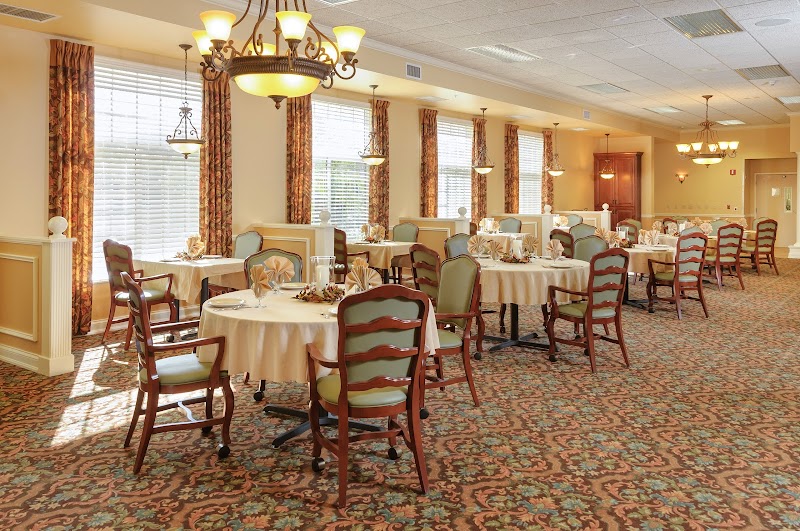
Who Owns and Operates Life Of Sarasota?

LIFE CARE CENTER OF SARASOTA is owned by a for-profit company. For-profit facilities operate as businesses with obligations to shareholders or private owners. The facility is operated by LIFE CARE CENTERS OF AMERICA, a chain that manages multiple nursing homes. With 120 certified beds and approximately 110 residents (about 92% occupancy), it is a mid-sized facility located in SARASOTA, Florida.
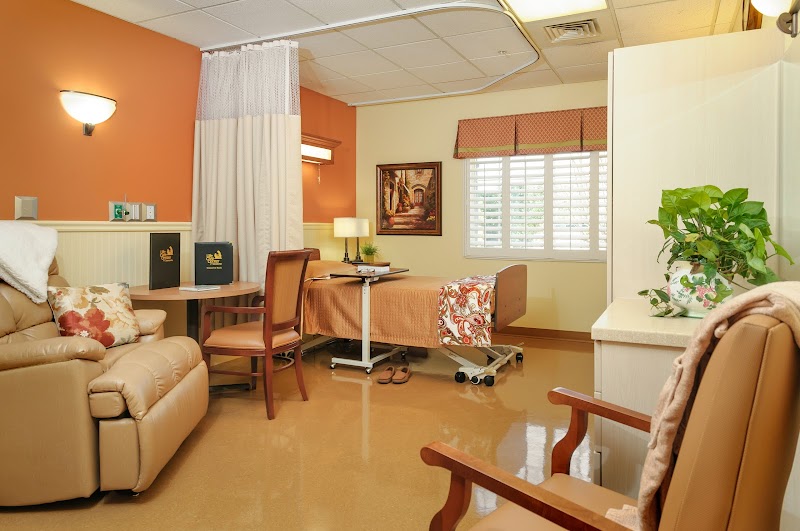
How Does Life Of Sarasota Compare to Other Florida Nursing Homes?

Compared to the 100 nursing homes in Florida, LIFE CARE CENTER OF SARASOTA's overall rating (5 stars) is above the state average of 3.2, staff turnover (42%) is near the state average of 46%, and health inspection rating (4 stars) is above the national benchmark.

What Should Families Ask When Visiting Life Of Sarasota?

Based on this facility's data, families visiting should ask: "Can I visit during a mealtime to observe dining assistance and food quality?" "How do you handle medical emergencies, and what is your hospital transfer rate?" "Can I speak with family members of current residents about their experience?"

Is Life Of Sarasota Safe?

Based on CMS inspection data, LIFE CARE CENTER OF SARASOTA has a clean safety record: no substantiated abuse findings (meaning no confirmed cases of resident harm), no Immediate Jeopardy citations (the most serious violation level indicating risk of serious injury or death), and is not on the Special Focus Facility watch list (a federal program monitoring the lowest-performing 1% of nursing homes). The facility has a 5-star overall rating and ranks #1 of 100 nursing homes in Florida. While no facility is perfect, families should still ask about staff-to-resident ratios and recent inspection results during their visit.

Do Nurses at Life Of Sarasota Stick Around?

LIFE CARE CENTER OF SARASOTA has a staff turnover rate of 42%, which is about average for Florida nursing homes (state average: 46%). Moderate turnover is common in nursing homes, but families should still ask about staff tenure and how the facility maintains care continuity when employees leave.

Was Life Of Sarasota Ever Fined?

LIFE CARE CENTER OF SARASOTA has no federal fines on record. CMS issues fines when nursing homes fail to meet care standards or don't correct problems found during inspections. The absence of fines suggests the facility has either maintained compliance or corrected any issues before penalties were assessed. This is a positive indicator, though families should still review recent inspection reports for the full picture.

Is Life Of Sarasota on Any Federal Watch List?

LIFE CARE CENTER OF SARASOTA is not on any federal watch list. The most significant is the Special Focus Facility (SFF) program, which identifies the bottom 1% of nursing homes nationally based on persistent, serious quality problems. Not being on this list means the facility has avoided the pattern of deficiencies that triggers enhanced federal oversight. This is a positive indicator, though families should still review the facility's inspection history directly.