INN AT FREEDOM VILLAGE, THE
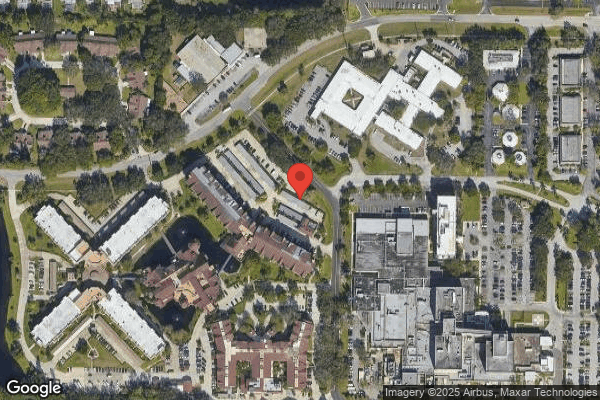

6410 21ST AVE W, BRADENTON, FL 34209 (941) 798-8300
For profit - Limited Liability company 120 Beds HEALTHPEAK PROPERTIES, INC. Data: November 2025
Trust Grade
48/100
#511 of 690 in FL
Last Inspection: July 2024

Within standard 12-15 month inspection cycle. Federal law requires annual inspections.

Overview

The Inn at Freedom Village has a Trust Grade of D, which means it is below average and has some significant concerns. It ranks #511 out of 690 nursing homes in Florida, placing it in the bottom half of facilities statewide, and #9 out of 12 in Manatee County, indicating only a few local options are better. The facility's performance is worsening, with reported issues increasing from 3 in 2022 to 9 in 2024. Staffing is a relative strength, rated at 4 out of 5 stars, but the turnover rate is at 48%, which is average for the state. However, the facility has faced fines totaling $7,901, which is concerning and suggests potential compliance problems. Specific incidents noted include a serious issue where a resident fell from their bed due to inadequate assistance, resulting in a nose fracture, and several concerns regarding the maintenance of food service equipment, with ice build-up observed in kitchen freezers. Additionally, there were inaccuracies in required screening evaluations for multiple residents, which could affect their care planning. Overall, while staffing appears solid, there are significant weaknesses in safety and compliance that families should consider.

Trust Score
D
48/100
In Florida
#511/690
Bottom 26%
Safety Record
Moderate
Needs review
Inspections
Getting Worse
3 → 9 violations
Staff Stability
⚠ Watch
48% turnover. Above average. Higher turnover means staff may not know residents' routines.
Penalties
○ Average
$7,901 in fines. Higher than 51% of Florida facilities. Some compliance issues.
Skilled Nurses
✓ Good
Each resident gets 46 minutes of Registered Nurse (RN) attention daily — more than average for Florida. RNs are trained to catch health problems early.
Violations
⚠ Watch
16 deficiencies on record. Higher than average. Multiple issues found across inspections.
★★☆☆☆
2.0
Overall Rating
★★★★☆
4.0
Staff Levels
★★★☆☆
3.0
Care Quality
★★☆☆☆
2.0
Inspection Score
Stable
2022: 3 issues
2024: 9 issues

The Good

  • 4-Star Staffing Rating · Above-average nurse staffing levels
  • Full Sprinkler Coverage · Fire safety systems throughout facility
  • No fines on record

Facility shows strength in staffing levels, fire safety.

The Bad

2-Star Overall Rating

Below Florida average (3.2)

Below average - review inspection findings carefully

Staff Turnover: 48%

Near Florida avg (46%)

Higher turnover may affect care consistency

Federal Fines: $7,901

Below median ($33,413)

Minor penalties assessed

Chain: HEALTHPEAK PROPERTIES, INC.

Part of a multi-facility chain

Ask about local staffing decisions and management

The Ugly 16 deficiencies on record

1 actual harm
Jul 2024 9 deficiencies
CONCERN (D)

Potential for Harm - no one hurt, but risky conditions existed

Deficiency F0583 (Tag F0583)

Could have caused harm · This affected 1 resident

Based on observations, interviews, and record reviews the facility failed to ensure privacy of personal health information on three medication carts (Wing A and Wing C) out of four medication carts ob...

Read full inspector narrative →
Based on observations, interviews, and record reviews the facility failed to ensure privacy of personal health information on three medication carts (Wing A and Wing C) out of four medication carts observed. Findings included: On 7/17/24 at 11:09 a.m. the facility's nursing shift report form was observed unattended on top of one of two medication carts on the Wing A hallway. The cart was assigned to Staff E, Registered Nurse (RN). (Photographic Evidence Obtained). On 7/17/24 at 11:10 a.m. the facility's nursing shift report form was observed unattended on top of one of two medications carts in the Wing C hallway. The cart was assigned to Staff J, Licensed Practical Nurse (LPN). On 7/18/24 at 11:19 a.m. the facility's nursing shift report form was observed unattended on top of the second medication cart in the Wing C hallway. The cart was assigned to Staff J, LPN (Photographic Evidence Obtained). The facility's nursing shift report form observed unattended on the three medication carts contained the following resident personal health information (PHI): -Room number -Date and shift skin check is scheduled -Resident's name -Mobility device -Blood sugar checks -Additional information such as type of diet, oxygen use, urinary catheter, etc., On 7/17/24 at 4:33 p.m. an interview was conducted with the Assistant Director of Nursing (ADON). The ADON stated nursing staff are expected to cover up or turn over their nursing report form to prevent disclosure protected health information. A review of the facilities policy titled, HIPAA Privacy and Security Safeguarding and Storing Protected Health Information, effective 8/1/2020, revealed the following: Purpose: To provide guidelines for safeguarding of protected health information . Policy: The policy of this community is to ensure, to the extent possible, that Protected Health Information (PHI) is not intentionally or unintentionally use or disclose in a manner that would violate the HIPAA privacy rule Safeguards for written PHI 1. Documents containing PHI should be stored appropriately to reduce the potential for incidental use or disclosure. Documents should not be easily accessible to any unauthorized staff or visitors .
CONCERN (D)

Potential for Harm - no one hurt, but risky conditions existed

Report Alleged Abuse (Tag F0609)

Could have caused harm · This affected 1 resident

**NOTE- TERMS IN BRACKETS HAVE BEEN EDITED TO PROTECT CONFIDENTIALITY** Based on interviews, and record review, the facility failed to report an alleged violation of abuse/neglect within the required ...

Read full inspector narrative →
**NOTE- TERMS IN BRACKETS HAVE BEEN EDITED TO PROTECT CONFIDENTIALITY** Based on interviews, and record review, the facility failed to report an alleged violation of abuse/neglect within the required timeframe, related to elopement for two residents (#43 and #281) out of the four residents sampled. Findings included: 1. Review of the admission Record showed Resident #43 was admitted to the facility on [DATE], and readmitted on [DATE], with diagnoses including atrial fibrillation, hypertension, unspecified dementia, and other co-morbidities. A review of Section C: Cognitive Patterns on the quarterly Minimum Data Set (MDS), dated [DATE], revealed Resident #43 had a Brief Interview Status (BIMS) score of 00 out of 15, indicating severely impaired cognition. Section G: Functional Status revealed Resident #43 needed the following assistance for activities of daily living: bed mobility, dressing, toilet use, and personal hygiene- being dependent; transfers- dependent; eating - supervision. A review of Resident #43's admission nursing evaluation showed the resident was not at risk for elopement. A review of a Progress Notes, dated 10/29/2023 at 2:20 PM, revealed the writer was alerted Resident #43 was in the parking lot. The nurse completed an evaluation, and the resident had no new concerns noted. The nurse completed an Elopement Risk Evaluation and determined Resident #43 was now at risk for elopement. The nurse contacted the physician and received new orders for urinalysis culture, sensitivity, and electronic monitoring device placement. All orders were carried out and the resident's care plan was updated as needed. 2. A review of the admission Record showed Resident #281 was admitted to the facility on [DATE], with diagnoses including Congestive Heart Failure with hypertensive heart disease, prostate cancer, atrial fibrillation, hypertension, Parkinson's disease, dementia, and other co-morbidities. A review of Section C: Cognitive Patterns of the quarterly Minimum Data Set (MDS), dated [DATE], revealed Resident #281 had a Brief Interview Status (BIMS) score of 8 out of 15, indicating moderately impaired cognition. Section G: Functional Status revealed Resident #281 needed the following assistance for activities of daily living: toileting - substantial/maximal assistance; bed mobility, dressing, transfers, and personal hygiene- being partial/moderate assistance; walking - dependent; eating - supervision. A review of Resident #281's admission nursing evaluation showed the resident was not at risk for elopement. Review of a Progress Note, dated 2/15/2024 at 3:45 PM, revealed the writer was alerted Resident #281 was in the parking lot. The nurse completed an evaluation, and the resident had no new concerns noted. The nurse completed an Elopement Risk Evaluation and determined Resident #281 was now at risk for elopement. The nurse contacted the physician and received new orders for an electronic monitoring device. All orders were carried out and the resident's care plan updated as needed. During an interview on 7/17/2024 at 10:25 AM the Nursing Home Administrator (NHA) and the Director of Nursing (DON) reviewed the elopement event of Resident #43 and Resident #281. The NHA stated elopements are not considered abuse or neglect therefore they are not reportable events for Day 1 and Day 5 abuse and neglect reporting. The facility submitted an Adverse Incident Form on 11/10/2023 for Resident #43, and 2/29/24 for Resident #281. Review of the facility's Policy and Procedures titled Abuse, Neglect, Exploitation or Misappropriation - Reporting and Investigating, dated revised September 2022, revealed the following: Policy Statement: All reports of resident abuse (including injuries of unknown origin), neglect, exploitation, or theft/misappropriation of resident property are reported to local, state and federal agencies (as required by current regulations) and thoroughly investigated by facility management. Findings of all investigations are documented and reported. Policy Interpretation and Implementation. Reporting Allegations to the Administrator and Authorities: 1. If resident abuse, neglect, exploitation, and misappropriation of resident property or injury of unknown sources suspected, the suspicion must be reported immediately to the administrator and to other officials according to state law. 2. The administrator or the individual making the allegation immediately reports his or her suspicion to the following persons or agencies: a. The state licensing/certification agency responsible for surveying/licensing the facility; b. The local/state ombudsman; c. The residents representative; d. Adult Protective Services(where state law provides jurisdiction and long term care); e. Law enforcement officials; f. The residents attending physician; g. The facilities medical director. 3. Immediately is defined as: a. Within two hours of an allegation involving abuse or results in serious bodily injury; Or b. Within 24 hours of an allegation that does not involve abuse or result in serious bodily injury. . Follow-Up Report: 1. Within five business days of the incident, the the chair will provide a follow-up investigation report. 2. The follow up investigation report will provide sufficient information to describe the results of the investigation, and indicate any corrective action taken if the allegation was verified. 3. The follow up investigation report will provide as much information as possible at the time of submission of the report. 4. The resident and/or representative are notified of the outcome immediately upon conclusion of the investigation. Review of the facility's policies and procedures titled Abuse and Neglect - Clinical Protocols dated revised March 2018 revealed the following: Definitions - . 2. Neglect as defined at §483.5, means the failure of the facility, its employees or service providers to provide goods and services to a resident that are necessary to avoid physical harm, pain, mental anguish or emotional distress.
CONCERN (D)

Potential for Harm - no one hurt, but risky conditions existed

Quality of Care (Tag F0684)

Could have caused harm · This affected 1 resident

**NOTE- TERMS IN BRACKETS HAVE BEEN EDITED TO PROTECT CONFIDENTIALITY** Based on observations, interviews, and record review, the facility failed to provide nursing care according to standards related...

Read full inspector narrative →
**NOTE- TERMS IN BRACKETS HAVE BEEN EDITED TO PROTECT CONFIDENTIALITY** Based on observations, interviews, and record review, the facility failed to provide nursing care according to standards related to properly dating skin care dressings one resident (#59) out of eight residents sampled. Findings included: Review of the admission Record revealed Resident #59 was admitted to the facility on [DATE] and readmitted on [DATE], with diagnoses to include metabolic encephalopathy, Rhabdomyolysis (skeletal muscle breaks down rapidly), history of falls and other co-morbidities. On 7/15/2024 at 10:58 AM, Resident #59 was observed and interviewed lying in the bed. Resident #59's feet were at the foot board of the bed with undated dressings. (Photographic Evidence was Obtained). The resident stated the dressings had not been changed for a couple of days. On 7/16/2024 at 11:31 AM, Resident #59 was observed and interviewed. Resident #59's feet were at the foot board of the bed with undated dressings. The Resident stated the dressing had been changed. A review of Resident #59's active Physician Order Summary Report, dated 6/27/2024, showed: Right inner Foot and side of 1st toe: Clean with normal saline/wound cleaner. Pat dry and skin prep peri wound. Cover open area with Xeroform and secure with Allevyn/CDD. If resident has fragile skin, secure with kerlix roll gauze and stretch net, as needed for replacement if soiled or dislodged, and every Monday, Wednesday, and Friday for wound care. A review of the Treatment Administration Record (TAR), for July 2024, revealed treatment was provided on 7/12/2024 and 7/15/2024. During an interview on 7/17/2024 at 1:39 PM Staff M, Licensed Practical Nurse (LPN) stated nursing was responsible for wound care with residents when ordered. Staff M, LPN stated if a resident is seen with a dressing not dated, then the dressing needs to be changed according to the physician orders and dated, The stated the event would be reported to the Unit Manager or Director of Nursing (DON). During an interview on 7/18/2024 at 11:20 AM the DON stated when dressings/treatments are completed the nurses are expected to date and initial the treatment. The DON reviewed Resident #59's foot treatments and stated the dressing/treatment should have been dated. A review of the facility's policies and procedures titled Wound Care, revised October 2010, revealed the following: Purpose: The purpose of this procedure is to provide guidelines for the care of wounds to promote healing. Steps in the Procedure: . 13. Dress wound. Pick up sponge with paper and apply directly to area. [NAME] tape with initials, time, and date and apply to dressing. Be certain all clean items are on clean field. A review of the facility's policies and procedures titled Dressings, Dry/Clean, revised September 2013, revealed the following: . Steps in the Procedure: 10. Label tape or dressing with date, time and initials. Place on clean field. 17. Apply the ordered dressing and secure with tape or bordered dressing per order. (Note: Use non-allergenic tape as indicated.) Label with date and initials to top of dressing.
CONCERN (D)

Potential for Harm - no one hurt, but risky conditions existed

Unnecessary Medications (Tag F0759)

Could have caused harm · This affected 1 resident

Based on observations, interviews, and record review, the facility failed to ensure the medication error rate was less than 5.00%. Twenty eight medication administration opportunities were observed, a...

Read full inspector narrative →
Based on observations, interviews, and record review, the facility failed to ensure the medication error rate was less than 5.00%. Twenty eight medication administration opportunities were observed, and three errors were identified for three residents (#23, #29 and #39) out of five residents observed. These errors constituted a 10.71% medication error rate. Findings included: On 7/17/24 at 8:04 a.m. a medication administration observation was conducted with Staff D, Registered Nurse, (RN), for Resident #21. Staff D, RN administered the following medications: -Amlodipine 5 mg (milligrams) for high blood pressure. -Abilify 5 mg for depression. - Plavix 75 mg for clot prevention. - Vitamin D 1000 units, 2 tablets for vitamin supplement. - Colace 100 mg to prevent constipation -Cymbalta 25 mg for depression - Loratadine 10 mg for allergy relief. - Senokot 2 tablets for constipation. - Multiple Vitamins with minerals 1 tablet for wound healing. - Metoprolol Succinate Extended Release 50 mg for high blood pressure -Potassium Chloride Extended Release 20 MEQ (milliequivalent) for hypokalemia [low potassium]. - Montelukast Sodium (Singular)10 mg for chronic obstructive pulmonary disease (COPD). - Spironolactone 12.5 mg for high blood pressure. Review of Resident #21's June Medication Administration Record (MAR) showed Staff D, RN, administered medications as ordered. On 7/17/24 at 9:00 a.m. a medication administration observation was conducted with Staff E, RN for Resident #29. Staff E, RN obtained Resident #29's vital signs and administered the following medications: -Hydrochlorothiazide 25 mg for high blood pressure. - Metformin 500 mg for diabetes mellitus type 2. -Potassium Chloride extended release 20 milliequivalent (meq.) for supplement. -Sertraline HCl 25 mg (1/2 tablet) for depression. -Aspirin Tablet Delayed Release 81 mg for clot prevention. -Calcium Carbonate 600 mg for supplement. -Polysaccharide Iron Complex 1 capsule for anemia. -Vitamin B12 100 micrograms (mcg) for vitamin B12 deficiency. -Vitamin D25 (Cholecalciferol) 1000 units for Vitamin D deficiency. - Med Pass 2.0 supplement drink 60 milliliters (mils) Review of Resident #29's June MAR showed Vitamin D25 (Cholecalciferol) 3000 units was ordered. Staff E, RN administered Vitamin D25 (Cholecalciferol) 1000 units (Photographic Evidence Obtained). The nine additional medications was administered as ordered. On 7/17/24 at 9:11 a.m. medication administration observation was conducted with Staff E, RN, for Resident #234. Staff E, RN administered the following medications: -Escitalopram Oxalate 10 mg, 0.5 tablet by mouth for Depression. -Glucerna Shake 237 mls (milliliters) for supplement. Review of Resident #234's June MAR showed Staff E, RN administered medications as ordered. During an interview on 7/18/24 at 8:38 a.m. the Assistant Director of Nursing (ADON) said she expects the nursing staff to administer medications one hour before and up to one hour after the scheduled time. On 7/17/24 at 9:22 a.m. Resident #23's MAR was highlighted red Staff E, RN confirmed Ascorbic Acid (vitamin c) 250 mg was scheduled to be given at 8:00 a.m., had not been administered and would be given late. On 7/17/24 at 5:30 p.m. Resident #23's June MAR showed an order for ascorbic acid 250 mg one time a day with breakfast. Staff E, RN initialed the MAR showing the medication was administered on time. On 7/17/24 at 9:23 a.m. Resident #39's MAR was highlighted red Staff E, RN confirmed Metformin Hydrochloride (HCL) 500 mg was scheduled to be given at 8:00 a.m., had not yet been administered and would be given late. On 7/17/24 at 5:23 p.m. Resident #39's June MAR showed an order for Metformin HCL 500 mg for diabetes each morning with breakfast. Staff E, RN had initialed the MAR showing the medication was administered on time. Review of the facility's Administering Medications, revised April 2019, showed the following: Policy: Medications are administered in a safe and timely manner, and as prescribed. Policy Interpretation and Implementation: .4. Medications are administered in accordance with prescriber's orders, including required time frame. 5. Medication administration times are determined by resident need and benefit, not staff convenience. Factors that are considered include: a. enhancing optimal therapeutic effect of the medication. .7. Medications are administered within one (1) hour of their prescribed time. .10. The individual administering the medication checks the label THREE (3) times to verify the right resident, right medication, right dosage, right time before giving the medication. .21 If a drug is .given at a time other than the scheduled time, the individual administering the medication shall initial and circle the MAR space provided for that drug and dose .
CONCERN (D)

Potential for Harm - no one hurt, but risky conditions existed

Deficiency F0761 (Tag F0761)

Could have caused harm · This affected 1 resident

Based on observations, interviews, and record review, the facility failed to store medications safely and securely for one resident (#22) of thirty-two residents sampled. Findings included: An observa...

Read full inspector narrative →
Based on observations, interviews, and record review, the facility failed to store medications safely and securely for one resident (#22) of thirty-two residents sampled. Findings included: An observation and interview with Resident #22 on 07/15/2024 at 11:28 AM revealed unsecured medications on Resident #22's bedside furniture including Tylenol, nasal spray and medicated powder. He said he takes Tylenol once in a while, he only takes a couple, no more than two and he lets the nurse know when he takes them. A review of Resident # 22's most recent Quarterly Minimum Data Set (MDS), with a date of 05/28/2024, revealed in section C-Cognitive Patterns: a Brief Interview for Mental Status (BIMS) score of 15 indicating he was cognitively intact. A review of Resident # 22's July 2024 physician orders revealed an order with a start date of 03/07/2024 and no end date for Acetaminophen 325 mg [milligram], Give two tablets by mouth every 4 hours as needed for mild pain NTE [not to exceed] 3 GMS [grams] 24hr [hour]. There was no order for self-administration of medications for Resident #22. A review of Resident #22's active care plans revealed no care plan indicating self-administration of medication was in place. An interview was conducted with Staff C, Licensed Practical Nurse, (LPN) on 07/18/2024 at 11:05 AM. She said if she found medications at the bedside, she would take the medications and tell the resident they are not allowed to have them. She would report it to a supervisor. An interview was conducted with the Director of Nursing (DON) on 07/18/2024 at 11:30 AM. She said the expectations for medications found at the bedside would be to get a lock box to store the medications in. She said the nurses would normally report it to her. She said if the patient were to self-administer, they would do an assessment and try to encourage the patient to give the medications to the nurse to be stored on the medication cart. A review of policy titled Self-Administration of Medications, dated February 2021, revealed the following: Policy: Any medications found at the bedside that are not authorized for self-administration are turned over to the nurse in charge for return to the family or responsible party. Self-administered medications are stored in a safe and secure place, which is not accessible by other residents. If safe storage is not possible in the resident's room, the medications of residents permitted to self-administer are stored on a central medication cart or in the medication room. The facility reorders self-administered medications in the same manner as other medications. A review of policy titled Storage of Medications, dated April 2007, revealed the following: Policy: Compartments (including, but not limited to, drawers, cabinets, rooms, refrigerators, carts, and boxes.) containing drugs and biologicals and shall be locked when not in use .
CONCERN (D)

Potential for Harm - no one hurt, but risky conditions existed

Deficiency F0773 (Tag F0773)

Could have caused harm · This affected 1 resident

**NOTE- TERMS IN BRACKETS HAVE BEEN EDITED TO PROTECT CONFIDENTIALITY** Based on interviews and record review, the facility failed to ensure laboratory results were reported to the provider, and/or ph...

Read full inspector narrative →
**NOTE- TERMS IN BRACKETS HAVE BEEN EDITED TO PROTECT CONFIDENTIALITY** Based on interviews and record review, the facility failed to ensure laboratory results were reported to the provider, and/or physician orders were followed up on for two residents (#333 and #336) out of three sampled for reporting laboratory test results. Findings include: 1. During an observation on 7/15/2024 at 11:00 a.m., Resident #333 was observed lying down in bed with his call light within reach. The resident was well-groomed with no signs of distress. A review of the medical record showed Resident #333 was originally admitted to the facility on [DATE], and readmitted on [DATE], with diagnoses including urinary tract infection, depression, unspecified, and chronic kidney disease, stage 3 B. Review of the Minimum Data Set (MDS), dated [DATE], showed the resident had a Brief Interview Mental Status (BIMS) score of 15, which indicated cognitively intact. Review of the medical record showed abnormal laboratory results for a CBC (completed blood count) and urinalysis were reported electronically to the facility on 7/10/2024. The medical record revealed the staff did not review the lab report, and the abnormal results had not been reported to the physician for review. 2. During an observation on 7/15/2024 at 11:20 a.m. Resident #336 was observed lying down on his bed, dressed well-groomed with no signs of distress. Review of the medical record showed Resident #336 was originally admitted to the facility on [DATE] with diagnoses to including chronic kidney disease, stage 3 A, Type 2 Diabetes Mellitus without Complications, and Depression. Review of the Minimum Data Set, dated [DATE], showed the resident had a Brief Interview Mental Status (BIMS) score of 15, which indicated cognitively intact. Review of the medical record showed abnormal laboratory results for a CBC were reported electronically to the facility on 7/13/2024. The medical record revealed the staff did not review the lab report and report the abnormal results to the physician for review. During an interview on 07/17/24 at 09:36 a.m., with the Assisted Director of Nurse, (ADON), she stated on admission a Complete Blood Count (CBC) and Complete Metabolic Panel (CMP) laboratory tests are ordered for each resident. Laboratory test orders are placed in the computer by the nursing staff. She stated the order is a reminder for the night shift nurse to complete the laboratory requisition form. The completed requisitions are placed in the laboratory binder used by the phlebotomist to identify residents with test orders. She stated laboratory tests results are available the following day unless the results are critical. For residents with critical lab values the laboratory staff calls the facility and notifies the nursing staff. For non-critical laboratory results the Physician Assistant (PA) reviews 80% of the test results daily. She stated for results not addressed by the PA the nursing staff notifies the resident's physician of the test results. The ADON confirmed on 7/13/2024 Resident #336's CBC results were not reviewed by the nursing staff and the staff had not notified the physician, and on 7/10/2024 Resident #333's CBC and urinalysis tests results were not reviewed by the nursing staff and the staff had not notified the physician. The ADON stated the facility has a new doctor who has remote access and the doctor may have reviewed the resident lab results and not document the test results were reviewed. She stated the facility's process for reporting laboratory test results is for the nurse to notify the doctor when the lab results are received. A review of the facility policy titled, Lab and Diagnostic Test Results- Clinical Protocol, revised November 2018, revealed the following: Option for Physician Notification: a. Facility staff should document information about when, how, and to whom the information was provided and the response. This should be done in the Progress Notes section of the medical record and not on the lab result report, because test results should be correlated with other relevant information such as the individual's overall situation, current symptoms, advance directives, prognosis, etc. b. Direct voice communication with the physician is the preferred means for presenting any results requiring immediate notification, especially when the resident's clinical status is unstable or current treatment needs review or clarification.
CONCERN (E)

Potential for Harm - no one hurt, but risky conditions existed

Deficiency F0645 (Tag F0645)

Could have caused harm · This affected multiple residents

**NOTE- TERMS IN BRACKETS HAVE BEEN EDITED TO PROTECT CONFIDENTIALITY** Based on interviews and record review, the facility failed to ensure the Level I Preadmission Screening and Resident Review (PAS...

Read full inspector narrative →
**NOTE- TERMS IN BRACKETS HAVE BEEN EDITED TO PROTECT CONFIDENTIALITY** Based on interviews and record review, the facility failed to ensure the Level I Preadmission Screening and Resident Review (PASRR) was accurate for four Residents (#1, #6, #30, #24) out of 9 residents sampled for PASRR review. Findings included: 1. Review of the medical record for Resident #1 showed an admission to facility on 07/20/23 with diagnoses including unspecified dementia moderate with mood disturbance, dissociative and conversion disorder, major depressive disorder, and panic disorder. Review of the PASRR, dated 6/14/2023, showed on page two panic disorder not marked on section A. Mental Illness or suspected mental illness. Page 5 marked no diagnosis or suspicion of serious mental illness or intellectual disability indicated. Level II PASRR evaluation required. The box on page showed A level II PASRR evaluation must be completed if the individual has a primary or secondary diagnosis of dementia or related neurocognitive disorder, and a suspicion or diagnosis of an Serious Mental Illness, Intellectual Disability, or both. A Level II PASRR may only be terminated by the Level II PASRR evaluator in accordance with 42 CFR [Code of Federal Regulation] 483.128(m) (2) (i) or 42 CFR 483.128 (m) (2) (ii). Resident with a primary diagnosis of dementia and secondary diagnoses including major depressive disorder, panic disorder and dissociative and conversion disorder with no Level II PASRR. Review of physician orders revealed: - Ativan oral tablet 0.5 tablet by mouth every 6 hours as needed for anxiety. - Duloxentine Hydrochloride capsule delayed release particles 20 mg (milligrams) by mouth one time a day for depression related to major depressive disorder. - Levetiracetam oral tablet 250 mg by mouth four times a day related to unspecified dementia moderate with mood disturbance, dissociative and conversion disorder. A review of the Minimum Date Set (MDS), dated [DATE], revealed: - Section C: Cognitive Patterns: showed a Brief Interview for Mental Status (BIMS) score of 12 indicating no cognitive impairment. - Section I: Diagnoses marked included non-Alzheimers Dementia, anxiety, depression, dissociative and conversion disorder. - Section N: Medications marked yes for antianxiety, antidepressant. A review of the care plan, dated 04/26/24, revealed: - A focus Has impaired cognitive function/dementia or impaired thought processes. Interventions included Collaborate with hospice as needed. - A focus Uses psychotropic medications. She receives antidepressant medication for depression, anxiolytic for anxiety and hypnotic for sleep. Intervention included administer medications as ordered, and monitor/document for side effects and effectiveness. 2. Review of medical record for Resident #6 showed an admission to facility on 09/20/23 with diagnoses including unspecified dementia, mood disorder due to known physiological condition with depressive features, bipolar disorder II, anxiety disorder, major depressive disorder. A review of Pre-admission Screening and Resident Review (PASRR), dated 09/23/23, showed no mental illness or suspected mental illness marked on page two section A, all boxes were left blank. Review of the physician orders revealed: - Paroxetine Hydrochloride oral tablet 20 mg, 1 tablet by mouth one time a day related to major depressive disorder. Review of the Minimum Data Set (MDS), dated [DATE], revealed: - Section I Diagnoses included anxiety, depression, bipolar, and non-Alzheimer's dementia. - Section C a Brief Interview for Mental Status (BIMS) score of 15 indicating no cognitive impairment. - Section N marked yes for antidepressant. Review of the care plan, dated 04/29/24, revealed: - A focus of Received antidepressant or dx of depression. Past attempt at GDR [gradual dose reduction] unsuccessful date initiated 12/08/22, revision on 03/28/23. Interventions including Administer medications as ordered. Monitor/document for side effects and effectiveness. Date initiated 12/08/2020. - A focus of Has depression related to disease process major depressive disorder. date initiated on 10/08/2020, revised on 12/17/2020. 3. Review of Resident #30's medical record showed an admission to facility on 07/28/17 with diagnoses including major depressive disorder, schizoaffective disorder bipolar type, vascular dementia mild with mood disturbance, and generalized anxiety disorder. Review of the physician orders revealed: - Quetiapine Fumarate oral tablet 25 mg. Give 12.5 mg by mouth at bedtime for schizoaffective disorder, bipolar type paranoia, mania symptoms, for failed dose decrease attempt. Review of the MDS, dated [DATE] revealed: - Section C Brief Interview for Mental Status (BIMS) score of 00 indicating severe cognitive impairment. - Section I diagnoses marked yes for anxiety disorder, depression, schizophrenia, and non-Alzheimer's dementia. - Section N marked yes for antipsychotics. Review of the care plan, dated 03/21/24, revealed: - A focus of Experiencing changes in psychosocial well-being, related to her diagnosis of schizoaffective disorder, bipolar type, psychosis. Date initiated 04/29/20, revision on 06/22/23. Interventions including clinical monitoring guidelines in the MAR to be filled out daily by nursing. - A focus of Potential to demonstrate physical behaviors related to dementia. Date initiated 10/12/20, revised on 03/22/23. Interventions including Assess and anticipate resident needs for food, thirst, toileting needs, comfort Review of PASRR, dated 07/25/17, showed no boxes marked on page 2 section A question MI [mental illness] or suspected MI. Section II on page 4, question #6 Does the individual have a secondary diagnosis of dementia, related neurocognitive disorder (including Alzheimer's disease) and the primary diagnosis is an SMI or ID marked No. Question #7 Does the individual have validating documentation to support dementia or related neurocognitive disorder (including Alzheimer's disease marked Yes. The outlined box on page 4 reveals Level II PASRR evaluation must be completed if the individual has a primary or secondary diagnosis of dementia or related neurocognitive disorder, and a suspicion or diagnosis of an SMI, ID, or both. A level II PASRR may only be terminated by the Level II PASRR evaluator in accordance with 42 CFR 483.128 (m)(2) (i) or 42 CFR 483.128(m) (2)(ii). No level II PASRR completed. 4. Review of the admission Record showed Resident #24 was admitted on [DATE] and readmitted on [DATE] with diagnoses of cerebral infarction due to unspecified occlusion or stenosis of right middle cerebral artery; major depressive disorder recurrent severe with psychotic symptoms; Bipolar disorder, unspecified dementia, mood disorder due to known physiological condition; anxiety disorder, and other comorbidities. Review of Resident #24's PASRR Level I Assessment, dated 5/17/2021, did not reveal a qualifying mental health diagnosis marked in section I A. nor was the diagnosis of Dementia. A level II PASRR was not completed. An interview was conducted with the Social Service Coordinator (SSC) on 7/18/2024 at 11:47 AM. The SSC stated the Director of Social Services (SSD) completes PASRR's, and the SSD was out of the facility but was able to be reached by telephone. The SSC then proceeded to call the SSD. The SSD stated the Assistant Director of Nursing (ADON) reviews the PASRR upon resident admission, the ADON will bring PASRR to the Interdisciplinary Team (IDT) meeting if any questions arise after review. A determination is made if the PASRR needs correction. She stated the ADON will initiate the Level II PASRR if it is warranted. An interview was conducted with the ADON on 11/18/2024 at 11:58 AM. The ADON stated on admission she completes a chart review for history, medications, diagnoses, and PASRR. She stated a review of the PASRR is done ensuring the marked diagnoses match the diagnosis list and a resident warrants an updated PASRR if a diagnosis is not identified at the hospital when admitted to the facility. She stated in addition to new residents the order listing report is completed for all residents each morning to see if a new antipsychotic or antidepressant, etc was added. She stated if any are added then a review of the resident's PASRR is completed to determine if an updated PASRR is needed. The ADON stated the facility does not have a process in place to alert the staff when new diagnoses are added to a resident chart unless they receive new orders. The ADON reviewed Residents: #1, #6, #24 and #30 and confirmed 4 of 4 residents have a primary or secondary diagnoses of dementia and/or Alzheimer's, along with a mental illness or suspected mental illness that was marked yes on their PASRR's page 2 and none of the residents had Level II PASRR completed. The ADON stated, I should have put the Dementia or Alzheimer under question #7 on page 4 other, this would have prompted an update of the Level I and indicated a Level II PASRR be completed. Review of the facility's policies and procedures titled admission Criteria, dated revised March 2019, revealed the following: Policy Statement: Our facility admits only residents whose medical and nursing care needs can be met. Policy Interpretation and Implementation: . 9. All new admissions and readmissions are screened for mental disorders (MD), intellectual disabilities (ID) or related disorders (RD) per Medicaid Pre-admission Screening and Resident Review (PASRR) process. a. The facility conducts a level 1 PASRR screen for all potential admissions, regardless of payer source, to determine if the individual meets the criteria for a MD, ID or RD. b. If the level one screen indicates that the individual may meet the criteria for AMD, ID, or RD., he or she is referred to the state PASRR representative for the level 2 (evaluation and determination) screening process. (1) The admitting nurse notifies the social services department when a resident is identified as having a possible (or event) MD, ID or RD. (2) The social worker is responsible for making referrals to the appropriate state designated authority. 3 c. Upon completion of the level 2 evaluation, the state PASRR representative determines if the individual has a physical or mental condition, what specialized or rehabilitative services he or she needs, and whether placement in the facility appropriate. d. The state PASRR representative provides a copy of the report to the facility. e. The interdisciplinary team determines whether the facility is capable of meeting the needs and services of the resident that are outlined in the evaluation. f brought back. Once the decision is made, the state PASRR representative, the potential resident and his or her representative are notified.
CONCERN (E)

Potential for Harm - no one hurt, but risky conditions existed

Infection Control (Tag F0880)

Could have caused harm · This affected multiple residents

Based on observations, interviews, and record review, the facility failed to ensure hand hygiene was offered prior to meals to residents in the dining room during one (7/15/24) of one meal observation...

Read full inspector narrative →
Based on observations, interviews, and record review, the facility failed to ensure hand hygiene was offered prior to meals to residents in the dining room during one (7/15/24) of one meal observations. Findings included: On 7/15/24 at 11:51 a.m. observations of the main dining room during the lunch meal revealed no hand hygiene was offered to residents prior to eating. There were sixteen resident in the dining room at the time of the observation. Residents were observed sitting down at their table of choice. Staff were observed assisting residents with positioning at the table. Staff were observed providing beverages and condiments to residents. At 12:29 p.m. staff started to provide each resident with their lunch meal. Observations of the main dining room from 11:51 a.m. to 12:40 p.m. revealed no hand hygiene was offered to the residents by the staff. On 7/18/24 at 9:48 a.m. an interview with Staff G, Certified Nursing Assistant (CNA) was conducted. She stated she typically assists in the dining area. She stated she provides hand hygiene when giving residents a bed bath, before they go in their wheelchair, and when they go to the bathroom. Staff G stated residents are offered hand sanitizer or assistance with washing their hands before meals. On 7/18/24 at 9:57 a.m. Staff I, CNA stated he washes resident's hands with a washcloth before they eat. He stated he typically assists residents who dine in their rooms. Staff I stated he doesn't know if staff provide hand hygiene to residents in the dining area. On 7/18/24 at 10:07 a.m. Staff H, Restorative Aide, stated she typically assists in the dining area. She stated staff offer [Vendor Name] wipes to resident's before and after they eat. Staff H stated staff assist residents with sitting at the table, obtaining their requests from the dining menu, and giving them beverages. She stated after providing the residents their beverages, is when staff provide the Sani-Hands wipes. An interview conducted on 07/18/24 at 10:31 a.m. with Resident #11 revealed she eats breakfast, lunch and dinner in the dining room. She stated she was not offered hand hygiene by staff prior to eating her breakfast this morning. She stated staff offer hand hygiene prior to meals, Once in a while. Resident #11 stated yesterday, on 7/17/24, she was provided hand hygiene by staff for one of three meals. She stated the staff gave her a wipe to clean her hands. During an interview on 7/18/2024 at 10:34 a.m. the Infection Preventionist (IP) stated it is an expectation hand hygiene is provided to residents before meals. The IP stated staff have received education on completing hand hygiene for the residents prior to meals. She stated hand hygiene was discussed during the facilities recent mock survey. The IP stated the facility has ordered hand Sani-Wipes to provide to residents prior to meals. She stated she doesn't think the CNAs are providing hand hygiene to residents. On 7/18/24 at 10:47 a.m. an interview with Resident #33 was conducted. The resident stated meals were eaten in the dining room, stated staff do not ask him if he wants to wash his hands before he eats. He stated, You have to be careful with germs in here. On 7/18/24 at 10:56 a.m. an interview with Resident #235, who typically eats meals in the dining room, the resident stated staff do not ask him about washing his hands before he eats. He stated, No one has offered me wet naps. A review of the facility's policy titled, Handwashing/Hand Hygiene, revised August 2019, includes the following policy statement: This facility considers hand hygiene the primary means to prevent the spread of infection. The Policy Interpretation and Implementation includes the following: .7. Use an alcohol-based hand rub containing at least 62% alcohol; or, alternatively, soap (antimicrobial or non-antimicrobial) and water for the following situations: . o. Before and after eating or handling food; .
CONCERN (F)

Potential for Harm - no one hurt, but risky conditions existed

Room Equipment (Tag F0908)

Could have caused harm · This affected most or all residents

**NOTE- TERMS IN BRACKETS HAVE BEEN EDITED TO PROTECT CONFIDENTIALITY** Based on observations, interviews, and record review the facility failed to ensure food service equipment was maintained in a sa...

Read full inspector narrative →
**NOTE- TERMS IN BRACKETS HAVE BEEN EDITED TO PROTECT CONFIDENTIALITY** Based on observations, interviews, and record review the facility failed to ensure food service equipment was maintained in a safe operating condition in two of two kitchen freezers. Findings included: On 7/15/24 at 9:44 a.m. a kitchen tour was conducted with the Director of Dining Services and the Assistant Director of Dining Services/Certified Dietary Manager (CDM). At 9:54 a.m. an observation of the large walk-in freezer revealed ice build-up on the floor upon walking in. Further observation of the large walk-in freezer revealed ice build-up and condensation throughout the freezer to include on top of racks and boxes of food items. The large walk-in freezer revealed icicles and ice build-up on the ceiling and floor. Observations of the back of the large walk-in freezer, by the blower unit, revealed icicles and ice build-up. The Director of Dining Services stated there were work orders for the large walk-in freezer and small walk-in freezer, which is inside the refrigerator. He stated the door handle of the large walk-in freezer was not working properly and does not close all the way. He stated this allows air into the freezer contributing to the ice build-up. An observation of the door revealed it did not seal and close all the way. At 9:56 a.m. an observation of the small walk-in freezer, inside the refrigerator, revealed ice build-up on the right corner of the blowing unit, as well as on the top of the rack next to the blower unit. An observation of the rack next to the blower unit revealed a small ice mound. On 7/15/24, after the kitchen tour, the CDM provided three work orders. A review of the work order for the small walk-in freezer, created on 6/27/24 by the CDM, revealed the request was completed by Staff L, Maintenance. A review of the second work order for the small walk-in freezer, created on 7/7/24 by the CDM, revealed the request was completed by the Nursing Home Administrator (NHA). A review of the work order for the large walk-in freezer, created on 7/6/24, revealed the request was completed by the Maintenance Director on 7/10/24. On 7/16/24 at 10:09 a.m. an interview with the Sous-chef regarding the work orders revealed he was told last week, by the Maintenance Director and Staff K, Maintenance, the small walk-in freezer was fixed. A second observation, with the Sous-chef present, of the small walk-in freezer revealed ice build-up on the right corner of the blower unit and a small ice mound on top of the rack next to the blower unit. The Sous-chef stated he would follow up with maintenance. A second observation of the large walk-in freezer revealed ice build-up on the floor upon walking in. Further observation of the large walk-in freezer revealed ice build-up and condensation throughout the freezer to include on top of racks and boxes of food items. The large walk-in freezer revealed icicles and ice build-up on the ceiling and floor. Observations of the back of the large walk-in freezer, by the blower unit, revealed icicles and ice build-up. On 7/16/24 at 2:45 p.m. an interview was conducted with the CDM. A review of the work order for the small walk-in freezer created on 6/27/24 by the CDM revealed the request was completed by Staff L, Maintenance. The CDM stated Staff L scraped the ice build-up away and applied sealant to the gaps leaking air. He stated he created another work order on 7/7/24 due to air leaking from the ceiling panel still occurring. A review of the second work order for the small walk-in freezer, created on 7/7/24 by the CDM, revealed the request was completed by the NHA. He stated the NHA closed the order by mistake. A review of the work order for the large walk-in freezer, created on 7/6/24, revealed the request was completed by the Maintenance Director on 7/10/24. For the large walk-in freezer, the CDM provided an approved estimate proposal dated 7/10/24 from [Vendor name]. The CDM stated the proposal was approved, however, the vendor was waiting for parts. At the time of the interview, he did not have documentation of the communication from the vendor regarding the delay of parts. On 7/17/24 at 12:57 p.m. an interview with the CDM revealed he did not follow-up with the vendor until today regarding the parts for the large walk-in freezer. He provided evidence of communication with the vendor, dated 7/17/24 at 9:48 a.m., to include, The needed parts will arrive within 7 days. An ETA [estimated time of arrival] will be set when they come in . For the small walk-in freezer the CDM provided evidence of communication from the vendor to include, Your technician will arrive between [DATE]:00PM and [DATE]:00PM . He stated this was a text message sent today from the vendor. A review of a service request from the vendor for the small walk-in freezer, created by Staff K, revealed a created date of 7/17/24. A review of the facility Food and Beverage Clinical Services policy titled, Equipment Maintenance, revealed under policy, It is the policy of the community to maintain equipment according to manufacturer's directions. Further review of the policy revealed under procedure, 1. All food service equipment will be operated, maintained, serviced, and cleaned according to manufacturer's directions.
Dec 2022 1 deficiency 1 Harm
SERIOUS (G) 📢 Someone Reported This

A family member, employee, or ombudsman was alarmed enough to file a formal complaint

Actual Harm - a resident was hurt due to facility failures

Comprehensive Care Plan (Tag F0656)

A resident was harmed · This affected 1 resident

**NOTE- TERMS IN BRACKETS HAVE BEEN EDITED TO PROTECT CONFIDENTIALITY** Based on record review and interviews, the facility failed to develop and implement a care plan to provide the level of assistan...

Read full inspector narrative →
**NOTE- TERMS IN BRACKETS HAVE BEEN EDITED TO PROTECT CONFIDENTIALITY** Based on record review and interviews, the facility failed to develop and implement a care plan to provide the level of assistance needed for one (#1) of three residents sampled for accidents. Resident #1 was assisted by one staff member with bed mobility during incontinence care resulting in a fall from the bed requiring a transfer to a higher level of care where she received treatment for her injuries of a nose fracture. Findings included: Review of Resident #1's admission record revealed an original admission date in 2017 and a most recent re-admission date of 6/29/22 with diagnoses to include fracture of nasal bones, subsequent encounter for fracture with routine healing, fall from bed, muscle weakness, unspecified lack of coordination, and spinal stenosis of the lumbar region without neurogenic claudication. Review of the quarterly Minimum Data Set (MDS) assessment, dated 04/05/22, indicated Resident #1 needed extensive assistance with bed mobility requiring two person physical assistance with moving to and from a lying position, turning side to side, and positioning body while in bed. Review of Resident #1's care plan revealed a focus area first initiated on 07/25/17, and revised on 08/07/19 indicating resident has an ADL (Activities of Daily Living) self-care performance deficit r/t (related to) ADL and mobility/balance deficits, weakness, cognitive impairment. The goal dated 08/08/17 and revised on 08/04/22 revealed Resident #1 will maintain current level of function . The interventions included requires assistance to turn and reposition in bed and requires staff assistance with incontinence care as needed with an initiated and revision date of 06/29/22. The care plan did not include person centered information to show the level of assistance needed to safely care for the resident to maintain the resident's highest practicable physical well-being. Review of Resident #1 [NAME] Report dated 06/20/22 revealed the resident required staff assistance to provide incontinence care as needed and required assistance to turn and reposition in bed. The [NAME] did not indicate the level of assistance the resident required such as supervision, one person physical assistance, or two person physical assistance. Review of a progress note dated 06/21/22 at 7:21 a.m. revealed: Resident had a fall at 6:15 am. Assessment was done and skin tear on bridge of nose and cut above head was found. Resident was assisted back into bed after assessment. Vitals were completed with no abnormal findings at the time. Currently experiencing pain. Physician Assistant was notified of incident at 6:45 am. Ambulance was called at 7:15 for transfer to hospital. Review of the Change in Condition Evaluation dated 06/21/22 revealed Resident #1 had a change in condition relating to her falls. The evaluation indicated the resident did not have any changes to her mental status but had a functional change relating to a fall associated with a serious injury. The evaluation further indicated the resident's primary physician was notified of the change in condition. Review of the SNF/NF (Skilled Nursing Facility/Nursing Facility) to Hospital Transfer Form dated 06/21/22 revealed Resident #1 was sent out to the hospital. Review of a progress note dated 06/21/22 at 1:41 p.m. revealed Resident returned back from [hospital] around 12:35 pm via stretcher. Resident is alert and oriented to self, situation, and place. Able to make needs known to staff. Resident has bruising on the bridge of her nose and underneath both eyes. A laceration to the bridge of her nose and posterior scalp. Review of hospital records revealed Resident #1 returned to the hospital on 6/24/22 for symptoms unrelated to her fall but during her hospital stay Resident #1 had closed nasal reduction with internal and external splinting on 6/27/22. The hospital report further revealed displaced nasal fracture, status post fall [6/21/22]. Interview with Staff J, Certified Nursing Assistant (CNA) on 12/01/22 at 3:35 p.m. revealed that while she was changing Resident #1 on 6/21/22 she fell. She noted she was not sure how it happened because she did not leave the resident's side and had her hand on the resident the entire time. She stated she was standing on the resident's left side of the bed and the resident fell. She reported she was wiping Resident #1 and the resident was facing away from her. She stated the bed was raised to about her waist level. Staff J stated at the time of the incident she had her hand on the resident and was reaching to the bed side table for a wipe. Resident #1 fell. She thought it could have been due to the bed not being wide enough. She indicated after Resident #1 fell, she checked to make sure she was okay before getting a nurse to help assist her. She reported she was gone for about a couple of minutes. She indicated she had worked with Resident #1 previously and had always changed her by herself. She indicated the aide before her would get the report that would indicate if the resident was a one or two person assist. She indicated the report did not clarify whether Resident #1 was a one or two person assist and assumed it was one person. She stated to her knowledge Resident #1 was not a two person assist and it was not indicated on the [NAME]. An interview on 12/01/22 at 10:39 a.m. with Staff C, CNA reported she asked for the report from the previous CNA and they did walking rounds and verbal report for hand-offs at shift change. She indicated if she didn't know the resident, she would ask the nurse or the previous CNA what level of assistance the resident needed. She noted sometimes the [NAME] has the level of assistance needed, but sometimes it doesn't. An interview was conducted on 12/01/22 at 10:40 a.m. with Staff D, CNA, stating if she does not know the resident, she would go to the [NAME] to get information on how much assistance they needed. She noted if the resident was new and was at the facility for rehab, sometimes she waits for therapy because they assess them to know how much assistance they needed. She stated she also can find out from the report from the shift before. She indicated they had in-services at the facility with therapy on how to safely perform transfers. She indicated she always gets somebody to help if she does not feel safe even if two people were not required. She stated above all, she wants to keep the residents and herself safe. Interview with Staff E, CNA, on 12/01/22 at 10:53 a.m. confirmed she was a permanent facility staff member. Stated she would check in the computer, the [NAME], to get information on how much assist needed for mobilizing a resident or would get the information in the report from the previous shift. She noted she would also ask the nurse. Interview with Staff H, CNA, on 12/01/22 at 5:30 p.m. confirmed she knew Resident #1 and had cared for her during the time period around the fall in June. She stated at that time, the resident could have been changed in the bed with one-person assistance because the resident could use her upper body and her enabler bar to pull herself over, but the resident did not have mobility from the waist down. She stated because the resident does not have mobility from the waist down and she was heavy, Staff H used two people for assisting this resident. She stated the determinations for how much assistance to provide depended on the skill and technique to some degree. Interview with Staff A, Restorative Aide, and Staff B, Restorative Aide, on 12/01/22 at 10:29 a.m. confirmed they were permanent facility staff. Staff B stated if a star was posted on a resident's door that meant they were a fall risk and would cue them that the resident needed assist of more than one person. Staff A and Staff B stated they consulted the [NAME] on how much assistance was required for mobilization and transfers. They stated if they were uncertain about the assistance, they could ask the nurses or therapy and a second person was always available when needed. Interview with the MDS Coordinator on 12/01/22 at 12:30 p.m. revealed that Section G of the MDS was where it showed if a resident needed a one person, or two person assist with bed mobility. The 04/05/22 quarterly MDS completed for Resident #1 prior to the fall in June 2022 was presented to the MDS Coordinator. The MDS Coordinator confirmed a 2 person assist with bed mobility was needed. She indicated the information gathered from the CNA (Certified Nursing Assistant) documentation generated the POC (Point of Care) data that helped make the determination on the MDS to enter the level of assistance needed. She stated if the resident was on restorative or rehab, they would use that documentation as well. She revealed her process for reviewing the POC in the chart system and showed how the CNAs had documented the two-person assistance about the same amount of time as they had documented the one-person assistance. Based on that information, she felt that the two-person assistance was appropriate to be entered into the MDS. She indicated the system triggered based on the POC data but if it was felt that the trigger was not accurate, it could have been changed, and it would be indicated by a note. She confirmed she had not entered this note in the MDS but said based on review she felt a two-person assist was accurate, and she didn't see a note stating otherwise. The Director of Nursing (DON) was present during the interview and explained how the information was entered into the CNA tasks lists. The DON stated either the Unit Manager or the nurse could enter that information and with regards to Resident #1, if she's evaluated that she was definitely a 2-person assist they would put that on the task. The DON stated there was nothing anywhere indicating for the care of Resident #1 she needed a two-person assist. She further indicated no one had ever said that she was a two person assist and there was no documentation to alert them that she was a two person assist. The DON indicated when a resident first comes to the facility, therapy will evaluate but if a resident has been at the facility for a long time and always been a one person assist, they will remain that way unless some kind of decline or change comes into play. MDS Coordinator stated the MDS should be a reference and the plan of care development was a clinical thing done by the clinical team and she wasn't involved in that. She indicated regarding Resident #1, the seven day look back indicated she did not always need two persons for assist with bed mobility and that would not go into her care plan. The DON stated they also talk to the CNA's during the IDT (Interdisciplinary Team) meetings to get care information to aide in informing and developing the care plan. An interview on 12/01/22 at 5:42 p.m. with Resident #1's physician confirmed the resident had sustained a fall with a fractured nose. He confirmed the resident had a reduction under anesthesia while at the hospital. He noted the plastic surgeon conducted the reduction. He stated the aide was holding onto Resident #1 and she fell. He felt it was an accident. He stated he felt the one person was fine, and maybe she could have two persons, but he did not know. Review of the policy titled Care Plans, Comprehensive Person-Centered revised March 2022 revealed: Policy Statement A comprehensive, person centered care plan that includes measurable objectives and timetables to meet the resident's physical, psychosocial and functional needs is developed and implemented for each resident. Policy Interpretation and Implementation: 1. The IDT, in conjunction with the resident and his/her family or legal representative, develops and implements a comprehensive, person-centered care plan for each resident . 3. The care plan interventions are derived from a thorough analysis of the information gathered as part of the comprehensive assessment. 4. Each resident's comprehensive person-centered care plan is consistent with the resident's rights to participate in the development and implementation of his or her plan of care, including the right to: a. participate in the planning process; b. identify individuals or roles to be included; c. request meetings; d. request revisions to the plan of care; e. participate in establishing the expected goals and outcomes of care; f. participate in determining the type, amount, frequency, and duration of care; g. receive the services and/or items included in the plan of care; and h. see the care plan and sign it after significant changes are made . 7. The comprehensive, person-centered care plan: .b. describes the services that are to be furnished to attain or maintain the resident's highest practicable physical, mental, and psychosocial well-being, including: (1) services that would otherwise be provided for the above, but are not provided due to the resident exercising his or her rights, including the right to refuse treatment . 9. Care plan interventions are chosen only after data gathering, proper sequencing of events, careful consideration of relationship between the resident's problem areas and their causes, and relevant clinical decision making . 11. Assessments of residents are ongoing and care plans are revised as information about the residents and the residents' conditions change. 12. The interdisciplinary team reviews and updates the care plan: a. when there has been a significant change in the resident's condition; b. when the desired outcome is not met; c. when the resident has been readmitted to the facility from a hospital stay; and d. at least quarterly, in conjunction with the required quarterly MDS assessment.
May 2022 2 deficiencies
CONCERN (D)

Potential for Harm - no one hurt, but risky conditions existed

Deficiency F0657 (Tag F0657)

Could have caused harm · This affected 1 resident

Based on observation, interview, and medical record review, the facility failed to ensure a care plan was revised/updated for one (#54) out of nine residents receiving hospice services related to adva...

Read full inspector narrative →
Based on observation, interview, and medical record review, the facility failed to ensure a care plan was revised/updated for one (#54) out of nine residents receiving hospice services related to advanced directives. Findings Include: On 05/17/22 at 10:05 a.m. Resident #54 was observed in his bedroom sitting up in his recliner. He was alert and receptive to an interview and confirmed he had recently started receiving hospice services but could not recall when he seen them last. He said he had been at the facility for a few weeks and denied any concerns. Medical record review was conducted of the admission Record form, which indicated he had resided at the facility since 04/07/2022, and diagnoses information listed atrial fibrillation and adult failure to thrive. Continued record review revealed Hospice services were initiated on 04/19/2022. Review of Hospice care plan dated 04/19/2022 indicated Advanced Directives: Do Not Resuscitate. Review of the facility care plan revealed: -Focus: has an Advanced Directive and has documentation in his medical record related to (r/t) Full Code, Revision on 04/10/2022. -Goal: wishes will be honored and maintained through next review date, Revision on: 05/03/2022 Revision by: Minimum Data Sheet Coordinator (MDSC). -Interventions: Collaborate with Hospice as needed (PRN) Date Initiated: 05/03/2022. Created by: MDSC. Review of Physician orders dated 04/15/2022 showed: -Advanced Directive Status: Current and Verified. -Order Type: Advanced Directive. -Description: Do Not Resuscitate (DNR). Medical record review dated 04/27/22 revealed a Care Plan conference was held at the facility with the Hospice nurse present via phone conference. On 05/17/22 at 3:40 p.m. an interview was conducted with Staff Member C, MDSC. She stated the creation of the care plan interventions with Hospice PRN is the responsibility of the Social Worker. She stated the computer system assigns her name when the care plan is opened. On 05/17/2022 at 4:00 p.m. an interview was conducted with the Social Worker. She confirmed the focus of the care plan should have been updated. Review of the facility Policy titled Goals and Objectives, Care Plans revision date April 2009 showed: -Policy Statement: Care Plans shall incorporate goals and objectives that lead to the resident's highest obtainable level of independence. -Policy and Interpretation and Implementation: 1. Care plan goals and objectives as the desired outcome for a specific resident problem. 5. Goals and objectives are reviewed and or revised a. When there had been a significant change in the resident's condition; b. When the desired outcome has not been achieved, d. At least quarterly.
CONCERN (D)

Potential for Harm - no one hurt, but risky conditions existed

Quality of Care (Tag F0684)

Could have caused harm · This affected 1 resident

**NOTE- TERMS IN BRACKETS HAVE BEEN EDITED TO PROTECT CONFIDENTIALITY** Based on observation, interview, and medical record review, the facility failed to ensure care and services were provided to one...

Read full inspector narrative →
**NOTE- TERMS IN BRACKETS HAVE BEEN EDITED TO PROTECT CONFIDENTIALITY** Based on observation, interview, and medical record review, the facility failed to ensure care and services were provided to one (#74) out of twenty-five residents, as evidenced by not providing an antiemetic prior to transport to aid in the prevention of nausea and vomiting. Findings Include: On 05/16/22 at 12:31 p.m. Resident #74 was observed lying in his bed and was receptive to an interview. He said he was just put in bed after he returned from a doctor's appointment and was not feeling well. He stated while at the eye doctor, I got sick. They usually give me something before I go out, but it didn't work this time. He went on to state I get car sick if I don't sit in the front seat. I have ever since I was a kid. He stated, I can't eat I am too nauseated from the car ride. The resident stated, once my eyes are fixed, I need to see an ear doctor to clean out my ears. Review of admission Record form revealed resident #74 has resided at the facility for two years and diagnoses information included chronic kidney disease, cerebral palsy, peptic ulcer disease and type 2 diabetes mellitus. Review of Nursing notes on 05/16/2022 did not reveal the resident had a change in condition related to nausea and vomiting. Review of Physician orders reflected an order for an antiemetic: Ondansetron HCL (Zofran) tablet 4 milligrams (mg) give 1 tablet by mouth every 6 hours as needed for nausea and vomiting dated 04/25/2022. Review of Medication Administration Record (MAR) for May 2022 revealed ondansetron (Zofran) 4mg tablet was administered on 05/02/2022 and on 05/08/2022. During an interview on 5/17/2022 at 9:50 a.m. Staff Member C Unit Manager (UM) confirmed she knew Resident #74 had got sick after transport to his appointment. She stated, He got his medication. On 05/17/2022 at 10:00 a.m. an interview was conducted with the Physician Assistant, who said he knew Resident #74. The Physician Assistant confirmed he was not aware the resident had nausea and vomiting when at his eye appointment on 05/16/2022. Review of medical record Physician Progress note dated 05/16/2022 read In order to schedule the patient we must first know if he can be transferred by stretcher and also medicated for his car sickness. Needs follow up Intraocular lens implant (IOL) appointment on 6/6/2022 12:50 p.m. and will need to be medicated for his car sickness. The Progress Note did not contain a Physicians signature. On 05/18/2022 at 12:22 p.m. an interview was conducted with the Staff C, UM, and Staff B. Licensed Practical Nurse (LPN). Staff BS confirmed she was the nurse assigned to Resident #74, and stated, did I forget to sign it out? Staff B was observed reviewing the resident's MAR. On 05/18/22 12:38 p.m. an interview was conducted with Staff A, Certified Nursing Assistant (CNA). She confirmed she knew Resident # 74, and said she escorted him to his appointment on 05/16/2022 at 10:00 a.m. She said she was unaware if he had received his medications before he left. Staff A stated after we arrived at the MD office we had to wait in the sitting room for a short period of time. When it was time, we entered the examination room the resident told me he felt sick. I grabbed the garbage can and he threw up two times. Staff A said he gets motion sick from the drive. And after we returned to the facility, I took him to his bedroom. He threw up again. Staff A stated they usually give him something, so he doesn't get sick. But this time it didn't work. On 05/19/22 10:00 a.m. an interview was conducted with Staff B, LPN. She confirmed at that time she had not provided the resident his Zofran prior to his appointment. She said, he was having pain after he was transferred into his wheelchair so, I gave him Tylenol. She then stated, he did not ask for the Zofran. Staff B confirmed she has provided the resident Zofran in the past prior transportation appointments, and confirmed she was aware transport makes the resident sick. Further review of an administration note dated 04/20/2022 at 8:09 a.m. showed: -Zofran tablet 4 mg give 1 tablet every 6 hours as needed for nausea -Note Text: per resident request due to being transported to [hospital name] medical center. Review of an administration Note dated 05/02/2022 at 8:17 a.m. showed: -Created by staff B, Ondansetron HCL (Zofran) tablet 4 mg give 1 tablet by mouth every 6 hours as needed for nausea and vomiting -Note Text: to prevent car sickness appt at 9 am. The note did not reflect the resident had requested the medication. On 05/19/22 at 1:15 p.m. an interview was conducted with the Director of Nursing (DON). The DON stated, it was a PRN medication, and he needs to ask for it. On 05/19/2022 at 2:40 p.m. the Director of Social Services provided a copy of Resident #74 Brief Interview for Mental Status (BIMS) dated 04/28/2022. She confirmed the BIMS score of 15 indicted no cognitive deficit. She stated, I had overheard the resident gets dizzy when he goes to appointments. Motion Sickness: What is motion sickness? If you've ever been sick to your stomach on a rocking boat or a bumpy airplane ride, you know the discomfort of motion sickness. It doesn't cause long-term problems, but it can make your life miserable, especially if you travel a lot. Children from 5 to [AGE] years old, women, and older adults get motion sickness more than others do. Motion sickness is sometimes called airsickness, seasickness, or carsickness. What causes it? You get motion sickness when one part of your balance-sensing system (your inner ear, eyes, and sensory nerves) senses that your body is moving, but the other parts don't. Accessed from https://joubinkhorsandmd.com/conditions/hw-view.php?DOCHWID=uf4437. on 05/19/2022.
Feb 2021 4 deficiencies
CONCERN (D)

Potential for Harm - no one hurt, but risky conditions existed

Comprehensive Care Plan (Tag F0656)

Could have caused harm · This affected 1 resident

**NOTE- TERMS IN BRACKETS HAVE BEEN EDITED TO PROTECT CONFIDENTIALITY** Based on observations, interview and record review the facility failed to implement care the resident care plans for 2 of 25 (#1...

Read full inspector narrative →
**NOTE- TERMS IN BRACKETS HAVE BEEN EDITED TO PROTECT CONFIDENTIALITY** Based on observations, interview and record review the facility failed to implement care the resident care plans for 2 of 25 (#18, #49) sampled residents related to posey application for #18, and documentation of meals for #49. Findings included: 1. Review of Resident #18's record revealed that he was admitted the facility on 10/1/19, and has diagnoses that include Parkinson disease; Muscle weakness, Macular degeneration, wounds to the right heel. Review of the physician orders revealed a order for Place posey 6 inch spiral foot elevator to left ankle to assist with prevention of further skin/joint integrity decline. Monitor frequently for skin integrity, circulation and ROM (range of motion). When in bed & in wheelchair. May remove for transfers, the order was dated 10/22/2020. Review of the care plan dated 9/4/20, with a revision date of 2/10/21 related to right heel and right lateral foot with unavoidable Right 2nd toe, revealed that it included an intervention to Place Posey 6 inch spiral foot elevator to left ankle to assist with prevention of further skin/joint integrity decline. Monitor frequently for skin integrity, circulation and ROM. When out of bed Observations 2/09/21 at 1:43 PM of the resident lying in bed revealed that there was no Posey present while the resident was in bed. Observations 2/10/21 at 8:35 AM revealed that Resident #18 was sitting up in bed with Staff G, Certified Nursing Assistant (CNA) feeding him his morning meal. Continued observation of the resident revealed that there was no Posey in place on the residents left ankle. Interview with Staff G at this time, she reported that the resident is supposed to wear the soft boots all the time for his skin. She was unable to verbalize if the resident uses any other devices. She reported that she was unsure because she floats and does not have a set assignment. Interview on 2/11/21 at 12:54 PM with the Director of Therapy revealed that the resident is on restorative care for passive ROM, and has soft boots for wounds on the foot. She reported that the resident does have a Posey for use on his left leg to prevent contractures and skin breakdown. She reported that at times the resident is non-compliant and attempting to cross his legs, and at one point the resident was on hospice and the residents wife would come for compassionate visits and she would take the posey off or put it on or move it. The Therapy Director reported that the posey was ordered jointly from therapy and nursing to also aid in wound healing. At this time this surveyor went to the resident's room to find the Posey with the Therapy Director present. The resident was not in his room and the Posey could not be located in his room. Observations on 2/11/21 at 1:06 PM of Resident #18 revealed him being wheeled to his room by Staff H, CNA with Staff B, Licence Practical Nurse (LPN) and the Therapy Director present. The Posey was noted to be on the residents left leg above the knee. Interview with Staff B, LPN at this time revealed that the resident is to have the posey on at all times. The Therapy Director was present in the room and noted that the Posey was on the residents left thigh above the knee, she was noted to adjust the posey by turning it counter clockwise but leaving it above the knee, as she verbalized that the resident continued to try to cross his legs. Interview on 2/11/21 at 1:13 PM with Staff H, CNA revealed that the resident is to have on his Posey everyday while in bed and in the wheelchair. She reported that she put it on this morning when she provided care to the resident. Interview on 2/11/21 at 1:15 PM with the DON and the Wound nurse, revealed that the resident has vascular issues and likes to cross his legs. The Wound nurse reported that the posey is for the knees and the ankles and should be on at all times. He reported that the Posey helps circulation and prevent legs from crossing all the time and should be placed around the ankle. Observations of Resident #18 on 2/11/21 at 1:20 PM with the Wound nurse present revealed that the resident had the Posey placed above his left knee. Interview with the Wound nurse at this time revealed that the Posey should be around the ankle, and that it should not be around his thigh. 2. Review of Resident #49's record revealed that this resident was admitted to the facility on [DATE] with a re-admission date of 12/27/20, and has diagnoses that includes chronic kidney disease; Major Depressive Disorder; Anxiety disorder; Malignant neoplasm of unspecified part of the Bronchus and other parts of the face. Observations of Resident #49 on 2/09/21 at 11:34 AM revealed the resident seated in his wheelchair in his room in front of his over-bed table which had his morning meal on it, which consisted of 1 slice of French toast, bacon, ham, syrup, milk, vanilla shake, Orange Juice, water. The resident was sitting with his head hanging down and sleeping and none of his breakfast had been eaten. (photographic evidence obtained) Observations on 2/09/21 at 11:39 AM Staff G, CNA noted to remove his meal tray out of the room. She was not observed to encourage the resident to eat the meal and she did not offer him any alternative. Observations on 2/09/21 at 12:30 PM revealed the residents mid-day meal tray was on his over-bed table, which consisted of spaghetti, meat sauce, green beans, roll, Ice cream, milk, water, Juice, house shake. The resident was noted to be asleep in his bed with his head covered with the sheets. Interview with Staff G, CNA at this time revealed that the resident wanted to go back in the bed, but she was getting someone to help her get him up now. She reported that he feeds himself. Observations on 2/09/21 at 1:15 PM revealed that Resident #49 was still in bed with sheets over his head and his mid-day meal was still on his over-bed table untouched. Observations on 2/09/21 at 1:52 PM revealed that Resident #49's midday meal tray was still on his over-bed table untouched, (photographic evidence obtained) while the resident was noted to still be in his bed with covers over his head. Observations of Resident #49 on 2/10/21 at 8:30 AM revealed that the resident was alert but hard of hearing. He reported that his bandage is covering his skin cancer and that he has 2 cancers and that he is a Bleeping mess It was noted that his morning meal tray was on his over bed table and consisted of eggs, potatoes, toast, corn hash, Orange Juice, strawberry shake, coffee, milk, water. The resident was noted to drink all fluids and asked for more fluids. He kept stating I want more to drink. An interview with the resident's aide Staff G at this time revealed that she was unsure if the resident is offered anything else if he does not eat his meal. She simply reported that he doesn't want anything, but was not observed to encourage the resident to eat his meal or to offer an alternate. At this time she told the resident that she will get him another tray. Review of the care plan related to the resident being at a nutritional risk with an initiated date of 12/30/20 and a revision date of 2/9/21 revealed interventions that included Monitor meal intake with each meal Review of the CNA documentation of percentage of meal eaten revealed that on 2/9/21 the resident ate 26%-50% of his morning and midday meals and refused his evening meal; On 2/10/21 the resident ate 26%-50% of his morning and midday meal and ate 0-25% of his evening meal; On 2/11/21 the resident at 51%-75% of his morning and midday meal and refused his evening meal. Interview on 2/12/21 at 11:27 AM with the Registered Dietician (RD) and the Dietetic Technician, Registered (DTR) revealed that the resident's weight was stable, that staff report that he does not eat well but may drink at times. She reported that supplements are helping to maintain his weights and they will continue to monitor. Interview on 2/12/21 at 1:06 PM with the DTR revealed that the staff should be documenting % correctly so that they can make appropriate interventions. She reported that the percentages documented do not reflect the actual amounts the resident ate. She reported that she will in-service the staff on documenting %. She confirmed that the % documented does not reflect the same as the actual amounts eaten. 3. Review of the facility policy titled Care Plans, Comprehensive Person-Centered with a revision date of December 2016 revealed that A comprehensive, person-centered care plan that includes measurable objectives and timetables to meet the reside's physical, psychosocial and functional needs is developed and implemented for each resident.
CONCERN (D)

Potential for Harm - no one hurt, but risky conditions existed

Deficiency F0761 (Tag F0761)

Could have caused harm · This affected 1 resident

Based on observation, interviews, and policy review, the facility did not appropriately secure medications in four (A Wing North, A Wing South, Center Hall, and North Hall) of four medication carts. F...

Read full inspector narrative →
Based on observation, interviews, and policy review, the facility did not appropriately secure medications in four (A Wing North, A Wing South, Center Hall, and North Hall) of four medication carts. Findings included: On 02/11/21 at 12:35 p.m. an observation of the A Wing South medication cart included two (2) loose tablets in the second drawer from the top of the medication cart. Staff A, Licensed Practical Nurse (LPN), confirmed the presence of the unsecured white tablets. On 02/11/21 at 10:31 a.m., an observation of the A Wing North medication cart included in the second drawer ¼ of a green tablet, one (1) white tablet and ½ of a white tablet in loose, and in the third drawer one loose white capsule. Staff B, (LPN) confirmed the presence of the unsecured tablets. On 02/11/21 at 12:55 p.m. an observation of the medication cart on Center Hall included in the second drawer one (1) white capsule, ¼ pink tablet and ¼ white tablet. Staff C, Registered Nurse, (RN) confirmed the presence of the unsecured tablets. On 02/11/21 at 01:15 p.m., an observation was conducted of the medication cart on the North Hall which included 2 oval white tablets and ½ white loose tablets in the second drawer from the top of the medication cart. The second drawer on the side of the medication cart, in the narcotic box included a ½ white loose tablet. Staff C, (RN) confirmed the presence of the unsecured tablets. On 02/11/21 at 1:32 p.m., an interview with the Director of Nursing (DON) was conducted. The DON was informed of observations made of four of four medication carts. The DON indicated there should not be unsecured pills in any medication carts. She stated My expectation is that if the nurses find unsecured medications, they should immediately destroy them, if they find unsecured narcotics in the narcotic box then they must bring those loose pills to me and I will destroy them , and record it properly. (Photographic Evidence Obtained.) A review of the facility policy titled, Storage of Medications, with a revision date of April 2007 Page 33, read: Policy Statement -The facility shall store all drugs and biologicals in a safe, secure, and orderly manner. Policy Interpretation and Implementation: 1. Drugs and biologicals shall be stored in the packaging, containers, or other dispensing systems in which they are received.
CONCERN (D)

Potential for Harm - no one hurt, but risky conditions existed

Deficiency F0790 (Tag F0790)

Could have caused harm · This affected 1 resident

**NOTE- TERMS IN BRACKETS HAVE BEEN EDITED TO PROTECT CONFIDENTIALITY** Based on record review, observation and interviews, the facility did not ensure that assistance was provided for dental services...

Read full inspector narrative →
**NOTE- TERMS IN BRACKETS HAVE BEEN EDITED TO PROTECT CONFIDENTIALITY** Based on record review, observation and interviews, the facility did not ensure that assistance was provided for dental services to meet the needs of one resident (Resident #13) out of 25 sampled residents. Findings included: Record review of Resident #13 medical record revealed that she was admitted to the facility on [DATE]. Diagnoses included unspecified dementia without behavioral disturbances, major depressive order. Review of the Brief Interview for Mental Status (BIMS) (3.0)-V1.1 dated 10/28/2020 Section D, titled Staff Interview #8 Making Decisions Regarding Task of Daily Life revealed a score of 3, indicated that the resident's cognition was severely impaired. Observation on 02/09/21 at 12:26 p.m. revealed Resident # 13 being fed by staff. The food on her tray appeared to be pureed or of soft consistency. Resident #13 had no teeth or dentures in place. During an interview on 2/09/2021 at 12:27 p.m. with staff E Certified Nurse's Assistant (CNA) present at time of observation. The CNA stated that Resident #13's dentures were loose, and they may have been sent out for repairs. During an interview with Staff F License Practical Nurse (LPN), unit manager on 2/11/2021 at 1:50 p.m., she stated that she needed to check to see what happened to Resident #13's denture. She proceeded to Resident #13's room and entered the bathroom. Upon observation a denture was observed in a blue denture cup. Upon closer observation, the denture appeared to be an upper denture. Staff F stated she was not sure what has happened Resident #13's lower denture and confirmed that she should have been wearing her denture. An interview was conducted on 2/11/2021 at 2:00 p.m. with the Social Worker. She stated that she recently assumed responsibility as the Social Worker beginning in December of 2020, and she is not aware of any reports, services or follow up with the dentist related to Resident #13's denture. During an interview with the Director of Nursing (DON) on 2/11/2021 at 2:15 p.m., the DON stated that she is not aware of Resident #13 missing lower denture. Review of care plan dated 8/21/2020 related to Resident #13 missing denture. The care plan revealed that Resident #13 lower denture was missing, and that social service was aware. A review of Dental Services Provider, Diagnosis and Recommended Treatment dated 11/19/20, revealed that patient present for screening. Patient has upper denture and no lower denture Patient will not respond if she wants a new set of dentures. No follow up needed. During a follow up interview with the DON on 2/12/2021 at 8:20 a.m., the DON stated that the unit manager usually follows up with recommendations for the residents. She stated that she will check to find out if there were any follow up information available for Resident #13. The DON confirm that the facility should have followed up with Resident #13's Responsible Party (RP) based on the Dental Service Provider recommendation, due to Resident severely impaired cognition. During an interview on 2/12/2021 at 9:15 a.m. with Resident #13's Responsible Party (RP) she stated that she had brought Resident's dentures (upper and lower) to the facility upon her admission to the facility. The RP stated that she noticed the lower denture missing either June or July of 2020 and has been communicating with the Social Worker and the Charge Nurse about replacing the lower denture. She was told how much it would cost to replace the denture and she agreed to pay the cost, but the facility has not followed up with her. Resident #13's RP stated that she would love Resident to get her lower denture, for her to be able to eat regular food (consistency). Review physician order dated 12/15/2020 revealed Resident #13 diet as Controlled Carbohydrate Diet (CCHO)Puree (Level1). Review Nutrition Risk Review dated 10/26/2020, revealed diet: CCHO, Texture Modified and on 1/4/21 revealed diet as CCHO, pureed consistency. Review progress note dated 11/19/2020, which stated that Residents #13's denture had been missing while in Health Center, and she had refused follow up with the dentist on 10/21/2020 per social services. Review social services notes dated 10/21/2020 stated that resident refused to see the dentist. Nurses note dated 10/21/2020 also confirmed that resident refused to go to see the dentist. Record review did not reveal that social service contacted Resident #13 RP due to her refusal to follow up with the dentist or to see the dentist. A review of Resident #13 Inventory of personal effects dated 4/23/2020, revealed that Resident #13 was admitted with full upper and lower dentures. Review of the Complaint/Grievance log dated 8/19/2020, revealed a report for Resident #13 lost lower denture. Record review of the facility policy and procedure titled, Dental Services, last revised December 2016 revealed: #6. Social services representative will assist residents with appointments, transportation arrangements, and for reimbursement of dental services under the state plan if eligible. #9. Lost or damage dentures will be replaced at the resident's expense unless an employee or contractor of the facility is responsible for accidentally or intentionally damaging dentures. #10. If dentures are damaged or lost, residents will be referred for dental services within 3 days. If the referral is not made within three days, documentation will be provided regarding what is being done to ensure that the resident is able to eat and drink adequately while awaiting dental services: and the reason for the delay.
CONCERN (D)

Potential for Harm - no one hurt, but risky conditions existed

Food Safety (Tag F0812)

Could have caused harm · This affected 1 resident

Based on observations, interview and record review the facility failed to appropriately maintain the kitchen equipment related to the range hood and 2 of 2 walk-in freezers. Findings included: Observa...

Read full inspector narrative →
Based on observations, interview and record review the facility failed to appropriately maintain the kitchen equipment related to the range hood and 2 of 2 walk-in freezers. Findings included: Observations of the kitchen during the initial tour of 2/9/21 at 9:59 AM revealed that the range hood located over the range unit was noted with dust and grease build-up. Observation of the purple service sticker indicated that the unit was last cleaned by the vendor October 2020 and was due to be serviced again 1/21. (Photographic evidence obtained) Interview with the Certified Dietary Manager (CDM) at this time revealed that the vendor is scheduled to come and clean the hood now. Observations on 2/11/21 at 9:15 AM during the Comprehensive tour of the kitchen revealed that the Dessert walk-in freezer was noted to have built up ice around door and under the fans directly over food, and icicles dripping and hanging from fans and located over food. (Photographic evidence obtained). Continued inspection of the kitchen revealed that the Food walk-in freezer had ice build-up around door, and ice formed and dripping on the ceiling over food. Interview with the CDM at this time revealed that she is aware of the walk-in freezers having ice build-up and that she put in a work request via the tells system and that someone came to look at it but they are waiting for a part to be ordered. Review of the work history report for the walk-in freezers revealed that they were last inspected on 1/18/21. No documentation of any concerns. Review of the work request provided by the CDM revealed that in the 1st floor kitchen the freezer leak when thawing during the day creating large amounts of ice in the freezer and attached to the units. Created 1/25/21 at 8:56 AM, assigned to Maintenance Manager at 9:06 AM (Set to Vendor Name Work Orders), 9:20 due date removed by maintenance manger. 1/27 Updated status 8:36 AM by maintenance Manager (set closed ) priority was medium general maintenance. Review of the work request provided by the Maintenance Manager revealed that the 1st floor kitchen The freezer leak when thawing during the day creating large amounts of ice in the freezer and attached to the units. created 1/25/8:56 AM, assigned to Maintenance Manager at 9:06 AM (Set to Vendor Name Work Orders) , 9:20 due date removed by maintenance manger. 1/27 Updated status 8:36 AM by maintenance Manager (set closed ) priority was medium general maintenance, with the addition of 2/11 Updated priority 9:42 AM set to High Review of the Invoice from the vendor for heat and refrigeration invoice dated 1/26/21 indicating that they serviced the healthcare 1st floor kitchen larger freezer, with labor that included Found that the drain pan hanger had pulled out of unit, pulled up pan and put in new screw to hold pan, water now draining properly. There was no documentation provided that would indicate that the ice build-up in the 2 walk-in freezers were resolved. Interview on 2/11/21 10:25 AM with the Maintenance Manager revealed that when there is an issue with equipment in the kitchen the kitchen staff are to put in a work request via the work order system and then the work will be completed or the vendor called to complete the work. Once the work is completed it is documented on the work order system. He reported that the vendor for the walk-in freezer was here the day after the kitchen put in a work request and that work was completed. He reported that he was unaware that there was additional work as the additional work request was not put in until today. Review of the facility policy titled Kitchen Equipment-Operation and Care with a revised date of August 2014 revealed To ensure that kitchen equipment be operated and maintained with the greatest care to protect and prolong the useful life of the equipment.
Understanding Severity Codes (click to expand)
Life-Threatening (Immediate Jeopardy)
J - Isolated K - Pattern L - Widespread
Actual Harm
G - Isolated H - Pattern I - Widespread
Potential for Harm
D - Isolated E - Pattern F - Widespread
No Harm (Minor)
A - Isolated B - Pattern C - Widespread

Questions to Ask on Your Visit

  • "Can I speak with families of current residents?"
  • "What's your RN coverage like on weekends and overnight?"

Our Honest Assessment

Strengths
  • • Licensed and certified facility. Meets minimum state requirements.
Concerns
  • • 16 deficiencies on record, including 1 serious (caused harm) violation. Ask about corrective actions taken.
  • • Grade D (48/100). Below average facility with significant concerns.
Bottom line: Trust Score of 48/100 indicates significant concerns. Thoroughly evaluate alternatives.

About This Facility

What is Inn At Freedom Village, The's CMS Rating?

CMS assigns INN AT FREEDOM VILLAGE, THE an overall rating of 2 out of 5 stars, which is considered below average nationally. Within Florida, this rating places the facility higher than 0% of the state's 100 nursing homes. A rating at this level reflects concerns identified through health inspections, staffing assessments, or quality measures that families should carefully consider.
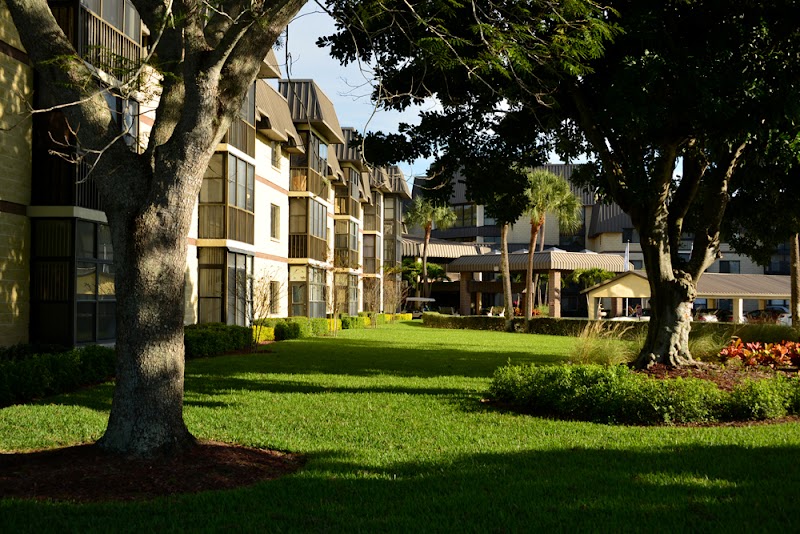
How is Inn At Freedom Village, The Staffed?

CMS rates INN AT FREEDOM VILLAGE, THE's staffing level at 4 out of 5 stars, which is above average compared to other nursing homes. Staff turnover is 48%, compared to the Florida average of 46%.

What Have Inspectors Found at Inn At Freedom Village, The?

State health inspectors documented 16 deficiencies at INN AT FREEDOM VILLAGE, THE during 2021 to 2024. These included: 1 that caused actual resident harm and 15 with potential for harm. Deficiencies causing actual harm indicate documented cases where residents experienced negative health consequences.

Who Owns and Operates Inn At Freedom Village, The?

INN AT FREEDOM VILLAGE, THE is owned by a for-profit company. For-profit facilities operate as businesses with obligations to shareholders or private owners. The facility is operated by HEALTHPEAK PROPERTIES, INC., a chain that manages multiple nursing homes. With 120 certified beds and approximately 81 residents (about 68% occupancy), it is a mid-sized facility located in BRADENTON, Florida.

How Does Inn At Freedom Village, The Compare to Other Florida Nursing Homes?

Compared to the 100 nursing homes in Florida, INN AT FREEDOM VILLAGE, THE's overall rating (2 stars) is below the state average of 3.2, staff turnover (48%) is near the state average of 46%, and health inspection rating (2 stars) is below the national benchmark.

What Should Families Ask When Visiting Inn At Freedom Village, The?

Based on this facility's data, families visiting should ask: "Can I visit during a mealtime to observe dining assistance and food quality?" "How do you handle medical emergencies, and what is your hospital transfer rate?" "Can I speak with family members of current residents about their experience?"

Is Inn At Freedom Village, The Safe?

Based on CMS inspection data, INN AT FREEDOM VILLAGE, THE has a clean safety record: no substantiated abuse findings (meaning no confirmed cases of resident harm), no Immediate Jeopardy citations (the most serious violation level indicating risk of serious injury or death), and is not on the Special Focus Facility watch list (a federal program monitoring the lowest-performing 1% of nursing homes). The facility has a 2-star overall rating and ranks #100 of 100 nursing homes in Florida. While no facility is perfect, families should still ask about staff-to-resident ratios and recent inspection results during their visit.

Do Nurses at Inn At Freedom Village, The Stick Around?

INN AT FREEDOM VILLAGE, THE has a staff turnover rate of 48%, which is about average for Florida nursing homes (state average: 46%). Moderate turnover is common in nursing homes, but families should still ask about staff tenure and how the facility maintains care continuity when employees leave.

Was Inn At Freedom Village, The Ever Fined?

INN AT FREEDOM VILLAGE, THE has been fined $7,901 across 1 penalty action. This is below the Florida average of $33,158. While any fine indicates a compliance issue, fines under $50,000 are relatively common and typically reflect isolated problems that were subsequently corrected. Families should ask what specific issues led to these fines and confirm they've been resolved.

Is Inn At Freedom Village, The on Any Federal Watch List?

INN AT FREEDOM VILLAGE, THE is not on any federal watch list. The most significant is the Special Focus Facility (SFF) program, which identifies the bottom 1% of nursing homes nationally based on persistent, serious quality problems. Not being on this list means the facility has avoided the pattern of deficiencies that triggers enhanced federal oversight. This is a positive indicator, though families should still review the facility's inspection history directly.