WESTMINSTER POINT PLEASANT
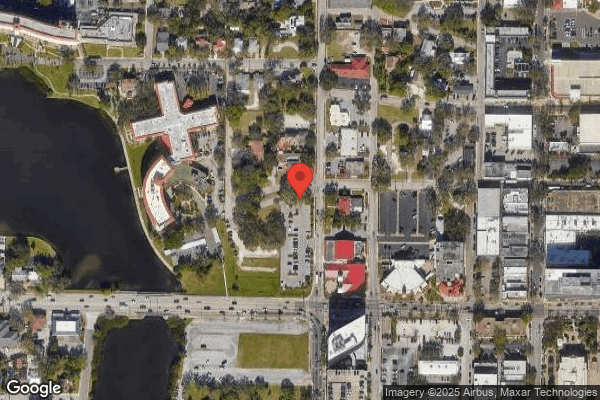

1533 4TH AVE W, BRADENTON, FL 34205 (941) 747-1881
Non profit - Corporation 120 Beds WESTMINSTER COMMUNITIES OF FLORIDA Data: November 2025
Trust Grade
83/100
#306 of 690 in FL
Last Inspection: August 2025

Inspected within the last 6 months. Data reflects current conditions.

Overview

Westminster Point Pleasant in Bradenton, Florida, has a Trust Grade of B+, which means it is recommended and above average compared to other facilities. It ranks #306 out of 690 in Florida, placing it in the top half, and #6 out of 12 in Manatee County, indicating that only five local options are better. However, the facility's trend is worsening, with reported issues increasing from 3 in 2023 to 7 in 2025. Staffing is a strength, with a 4 out of 5-star rating and a turnover rate of 29%, significantly lower than the state average. There are no fines on record, which is a positive sign, and while RN coverage is average, having more registered nurses can help catch potential problems. On the downside, there were specific concerns noted in recent inspections. For instance, the facility failed to maintain proper temperature settings for its dishwashing machine, which could risk sanitation. Additionally, they did not promptly report incidents of alleged abuse for three residents, indicating potential lapses in safety protocols. Lastly, they did not ensure that an advance directive was documented for one resident, which raises concerns about decision-making processes for those unable to communicate their wishes. Overall, families should weigh these strengths and weaknesses when considering care for their loved ones.

Trust Score
B+
83/100
In Florida
#306/690
Top 44%
Safety Record
Low Risk
No red flags
Inspections
Getting Worse
3 → 7 violations
Staff Stability
✓ Good
29% annual turnover. Excellent stability, 19 points below Florida's 48% average. Staff who stay learn residents' needs.
Penalties
✓ Good
No fines on record. Clean compliance history, better than most Florida facilities.
Skilled Nurses
✓ Good
Each resident gets 47 minutes of Registered Nurse (RN) attention daily — more than average for Florida. RNs are trained to catch health problems early.
Violations
⚠ Watch
12 deficiencies on record. Higher than average. Multiple issues found across inspections.
★★★★☆
4.0
Overall Rating
★★★★☆
4.0
Staff Levels
★★★★★
5.0
Care Quality
★★★☆☆
3.0
Inspection Score
Stable
2023: 3 issues
2025: 7 issues

The Good

  • 4-Star Staffing Rating · Above-average nurse staffing levels
  • 5-Star Quality Measures · Strong clinical quality outcomes
  • Low Staff Turnover (29%) · Staff stability means consistent care
  • Full Sprinkler Coverage · Fire safety systems throughout facility
  • No fines on record
  • Staff turnover is low (29%)

    19 points below Florida average of 48%

Facility shows strength in staffing levels, quality measures, staff retention, fire safety.

The Bad

Chain: WESTMINSTER COMMUNITIES OF FLORIDA

Part of a multi-facility chain

Ask about local staffing decisions and management

The Ugly 12 deficiencies on record

Aug 2025 6 deficiencies
CONCERN (D)

Potential for Harm - no one hurt, but risky conditions existed

Deficiency F0578 (Tag F0578)

Could have caused harm · This affected 1 resident

**NOTE- TERMS IN BRACKETS HAVE BEEN EDITED TO PROTECT CONFIDENTIALITY** Based on interviews and record review, the facility failed to formulate an advance directive and did not ensure a current copy w...

Read full inspector narrative →
**NOTE- TERMS IN BRACKETS HAVE BEEN EDITED TO PROTECT CONFIDENTIALITY** Based on interviews and record review, the facility failed to formulate an advance directive and did not ensure a current copy was in the resident's medical record for one resident (#45) of twenty-six residents sampled.Findings included: Review of the admission record revealed Resident #45 was admitted to the facility on [DATE]. Review of the advanced directives revealed the resident was a FULL CODE status and did not have documentation for the designated POA (Power of Attorney) and the primary decision-maker for care. Review of an admission MDS (Minimum Data Set) assessment, dated 7/17/2025, revealed Resident #45 had a Brief Interview for Mental Status (BIMS) assessment that was not scored, but revealed short-term (ST)/long-term (LT) memory problems with Severely Impaired Decision-Making Skills. An interview was conducted with Staff G, a social worker, on 08/12/2025 at 2:50 p.m. She reviewed the social assessment form that was completed for Resident #45. The form was completed by the resident's spouse on July 14, 2025. The documentation revealed that the spouse has a Power of Attorney (POA) document, and that they would provide the facility with a copy of the POA documentation. Staff G could not find the POA documentation or any evidence that the resident's spouse had been contacted any further to provide the document.An interview was conducted with the social services director, Staff H, on 08/13/2025 at 9:00 a.m. When asked about Resident #45's advanced directive, Staff H attempted to find the information in the electronic medical record. She confirmed that Resident #45 did not have a POA in the record. She stated that the resident's spouse was the emergency contact and has been responsible for the resident's care. Staff H confirmed the spouse reported there was a POA, and that no one from the facility had reached out to get the POA documentation.A follow up interview was conducted with Staff G, social worker, on 08/14/2025 at 9:17 a.m. She stated that the social services office could not find any further documentation relating to the Advance Directive or the Power of Attorney. At 9:20 a.m., a follow up interview was conducted with Staff H. She stated that the resident's spouse was called during the survey period, and a voicemail was left on 08/13/25 at approximately 9:30 a.m. to request the POA documentation.A follow up interview was conducted with Resident #45's spouse at 11:01 a.m. The spouse confirmed they had discussed the Advanced Directive and the Power of Attorney documentation during the initial admission session. The spouse confirmed Staff H called on 08/13/2025 to inquire about the POA. The spouse notes that pictures of the POA were texted to the facility on the morning of 08/14/2025.A review of the facility policy and procedure titled Residents' Rights Regarding Treatment and Advanced Directives with a revision date of 6/2025, revealed: On admission, the facility will determine if the resident has executed an advanced directive, and if not, determine whether the resident would like to formulate an advanced directive. Should the resident have an advanced directive, copies will be made and placed on the chart as well as communicated with staff.
CONCERN (D)

Potential for Harm - no one hurt, but risky conditions existed

Deficiency F0645 (Tag F0645)

Could have caused harm · This affected 1 resident

**NOTE- TERMS IN BRACKETS HAVE BEEN EDITED TO PROTECT CONFIDENTIALITY** Based on record review and staff interview, the facility failed to complete and update the Pre-admission Screening and Resident ...

Read full inspector narrative →
**NOTE- TERMS IN BRACKETS HAVE BEEN EDITED TO PROTECT CONFIDENTIALITY** Based on record review and staff interview, the facility failed to complete and update the Pre-admission Screening and Resident Reviews (PASARRs) for residents with qualifying mental health diagnoses for two residents (#3 and #10) of 6 residents reviewed for PASARRs. Findings included: Review of the admission record showed Resident #10 was admitted to the facility on [DATE] with a primary diagnosis of dementia on – 4/14/23 and secondary diagnoses with onset dates, mood disorder - 4/14/23, depression - 4/14/23 irritability and anger - 4/14/23 bipolar - 4/14/23 anxiety - 4/14/23 and failure to thrive - 4/14/23. Review of a level I PASARR for Resident #10 dated 5/28/24 revealed all the qualifying diagnoses were not checked. The review showed the Level I PASARR was incomplete, and a level II was not submitted for consideration following qualifying diagnoses. Review of the admission record showed Resident #3 was admitted to the facility on [DATE] with a primary diagnosis of cerebral infarction on – 2/19/25 and secondary diagnoses with onset dates, depression – 2/19/25 dementia – 2/15/25 psychotic disorder - 2/15/25. Review of level I PASARR for Resident #3 dated 5/28/24 revealed the qualifying diagnoses were not checked. The review showed the Level I PASARR was incomplete, and a level II was not submitted for consideration following qualifying diagnoses. An interview was conducted on 8/13/25 at 08:42 a.m. with Staff H, Social Services Director (SSD). After reviewing Resident #10's Level I PASARR, Staff H stated, “If I had reviewed the PASARR, I would have referred the resident for a Level II.” An interview was conducted on 8/13/25 at 11:55 a.m. with Staff H. After reviewing Resident #3's Level I PASARR, Staff H stated, “I should have triggered a level 2.” Review of an unsigned policy dated 5/2025 titled, Resident Assessment-Coordination with PASARR Program, showed the facility coordinates assessments with the preadmission screening and resident review (PASARR) program under Medicaid to ensure that individuals with a mental disorder, intellectual disability, or a related condition receives care and services in the most integrated setting appropriate to their needs.
CONCERN (D)

Potential for Harm - no one hurt, but risky conditions existed

Deficiency F0676 (Tag F0676)

Could have caused harm · This affected 1 resident

**NOTE- TERMS IN BRACKETS HAVE BEEN EDITED TO PROTECT CONFIDENTIALITY** Based on observations, record review and interviews, the facility failed ensure timely assistance with Activities of Daily Livin...

Read full inspector narrative →
**NOTE- TERMS IN BRACKETS HAVE BEEN EDITED TO PROTECT CONFIDENTIALITY** Based on observations, record review and interviews, the facility failed ensure timely assistance with Activities of Daily Living (ADLs) consistent with the assessed and care planned toileting needs for one resident (#48) of three residents sampled.Findings included: On 8/12/ 2025 at 11:30 a.m., Resident #48 was observed lying down in bed, with no signs of distress. The resident reported concerns with his care because a couple of days ago he was placed on a bed pan and left on it for approximately 45 minutes. An interview was conducted on 08/13/2025 at 2:36 p.m. with Resident #48 stating having had to wait about two hours to receive assistance after being placed on the bed pan. He said Staff T, certified Nursing Assistant (CNA) came to his room around 8:00 a.m. and told the resident she was not able to assist him because she could not find his bed pan and she had to go to the dining room. He said he waited for about 15 minutes then he put his call light back on. Another unidentified CNA answered the call light, but she told him she was not qualified to assist him with the bed pan. Resident #48 stated the nurse came to his room and looked everywhere and they were not able to find a bed pan for him. The resident confirmed not receiving toileting assistance and being placed on the bed pan until 10:00 a.m. Resident #48 waited approximately two hours to receive toileting assistance.Review of Resident # 48 admission record dated 08/14/2025 revealed he was admitted to the facility on [DATE] with diagnoses to include but not limited to encounter for orthopedic aftercare following surgical amputation, acquired Absence of left leg below knee, type 2 diabetes mellitus with hyperglycemia.Review of a Minimum Data Set (MDS) dated [DATE] revealed Resident #48 had a Brief Interview Mental Status (BIMS) score of 15 which indicated intact cognitive abilities.On 08/13/2025 at 3:00 p.m., an interview was conducted with Staff T, CNA. Staff T said she went to Resident #48's room around 8:05 a.m., but she was not able to assist him when he asked her to put him on the bed pan because she had to assist in the dining room. She stated she looked around his room but was not able to find his bed pan. She said she offered to transfer him on the toilet, but he told her he was not comfortable with her transferring him. Staff T stated the facility process is whenever they are assigned to the dining room they have to go, and they cannot leave the dining room until dining is finished. Staff T said while she was in the dining room someone came to tell her Resident #48 still needed to go to the bathroom. She said she told the person she could not leave the dining room. Staff T stated she was able to assist Resident #48 on the bed pan at 10:00 a.m.On 08/13/2025 at 5:30 p.m., an interview was conducted with Staff U, Registered Nurse, RN. Staff U said at approximately 8:30 a.m., Resident #48 told her he asked Staff T, CNA if she could assist him on the bedpan. Staff U stated the resident told him she could not assist him because she was not able to find his bed pan, and she had to assist in the dining room. Staff U, RN said she went to the dining room to ask Staff T if Resident #48 asked her to assist him on the bed pan. She stated Staff T replied, Yes, she told Resident #48 she could not find his bed pan, and she had to assist in the dining room. Staff U said whenever someone is assigned to the dining room they have to go. Staff U, RN said she looked all around Resident #48 room, but she was not able to find his bed pan. Staff U stated, I think someone threw the bed pan in the trash. Staff U said she asked her supervisor to ask if she can bring her a new bed pan for Resident #48 around 9:16 a.m. She stated the supervisor brought the bed pan up to the unit around 9:30 a.m. Staff U said she placed the bed pan in the resident's room and left the room to tell the CNA Resident #48 had a bed pan now and was ready to be assisted. Staff U said there was another CNA on the floor that answered Resident #48's call light, but she did not feel comfortable assisting Resident #48 by herself. Staff U confirmed Resident #48 did not receive timely assistance with toileting due to the bedpan not being found and the CNA having to assist in the dining room.On 08/13/2025 at 5:54 p.m., an interview was conducted with Staff Q, License Practical Nurse (LPN)/ Interim Assistant Director of Nurses (ADON). Staff Q confirmed receiving a text message from Staff U at approximately 9:16 a.m., asking her if she can bring her a bariatric bed pan. Staff U said she went to central supply and brought the bed pan up to Staff U at approximately 9:30 a.m. Staff Q, ADON said she was not aware Resident #48 had to wait so long to be put on the bed pan. Staff Q , ADON stated if an aide has to report to the dining room, then the other aide covering the floor should have assisted the resident with the help of the nurse.On 8/13/2025 at 5:58 pm. an interview was conducted with the Director of Nurses, DON. The DON said the first issue was that the staff did not provide Resident #48 with toileting as requested. The DON stated the second CNA, and the nurse could have assisted Resident #48 on the bed pan while the other aide was in the dining room. The DON said If the aide is assigned to the dining room but is in the middle of patient care ,they can switch with another CNA so they can continue with patient care. The DON said their process is for residents to be toileted before and after meals. The DON stated if a resident had an emergency, then someone should be alerted that a resident needs to go to the bathroom so the resident can be provided with assistance.On 08/13/2025 at 6:14 pm, an interview was conducted with the Therapy Director. The Therapy Director said Resident #48 was currently on therapy case load. She said Resident# 48 cannot transfer on the toilet at this time, so it is recommended that he uses the bed pan.Review of the facility policy titled, Abuse, Neglect, and Exploitation, revised 5/2025, revealed under policy - It is the policy of this facility to provide protection for the health, welfare and rights of each resident by developing and implementing written policies and procedures that prohibit and prevent abuse, neglect, exploitation and misappropriation of residents property. Definition: Neglect means failure of the facility, its employees, or services providers to provide goods and services to a resident necessary to avoid physical harm, pain, mental anguish, or emotional distress.
CONCERN (D)

Potential for Harm - no one hurt, but risky conditions existed

ADL Care (Tag F0677)

Could have caused harm · This affected 1 resident

**NOTE- TERMS IN BRACKETS HAVE BEEN EDITED TO PROTECT CONFIDENTIALITY** Based on observations, interviews and record review, the facility failed to provide meal assistance for two residents (#39 and #...

Read full inspector narrative →
**NOTE- TERMS IN BRACKETS HAVE BEEN EDITED TO PROTECT CONFIDENTIALITY** Based on observations, interviews and record review, the facility failed to provide meal assistance for two residents (#39 and #45) of thirty-four sampled residents during two of three meal observations on 8/11/2025 and 8/13/2025. Findings included: 1.8/11/2025 at 12:30 p.m. Resident #39 was observed seated in the third-floor dining room at a table and with two other residents. By 12:34 p.m. the other two table mates were served and set up with their lunch meal tray. A staff member was observed to serve one of the three residents at the same table and sat down in a chair and proceeded to assist that resident with eating activities. Resident #39 was still observed at the table and had no meal tray in front of her. The other two were eating as Resident #39 watched. Resident #39 was observed to fall asleep twice but would open her eyes from time to time and looked at her table mates. Resident #39 was not interviewable and would not be able to answer questions related to her medical care and day’s activities. At 12:50 p.m. a staff member then placed an uncovered meal tray in front of Resident #39 and walked away. The other two residents at the table were still eating or being assisted with eating from a staff member. Resident #39 sat at the table with her meal tray in front of her and was not able to self-feed and required eating assistance from staff. At 1:08 p.m., Staff B, Registered Nurse (RN) walked into the dining room and looked around and then grabbed a chair and sat next to Resident #39 and began to assist her with eating. She brought a loaded fork of bites of food items to the resident’s mouth, and the resident accepted the food. Resident #39 sat at a table with no food in front of her while other table mates ate for 24 minutes, from 12:34 p.m. to 12:50 p.m. and then waited 18 minutes with her meal tray placed in front of her with no staff assistance from 12:50 p.m. through to 1:08 p.m. Resident #39 waited a total of 42 minutes at the table while others at the table were eating, and she was not able to eat at the same time. On 8/11/2025 at 12:58 p.m. an interview with Staff B,RN who sat down and assisted the resident with eating, revealed she had just walked into the room to take over for Staff A, Licensed Practical Nurse (LPN)/Supervisor who had to leave the room. Staff B confirmed when she came into the room she noticed Resident #39 had her uncovered meal tray placed in front of her and others at the table were already eating. Staff B stated she was not sure why Resident #39 was not assisted with her meal at the same time as her table mates. Staff B, RN confirmed Resident #39 should not have waited that long to be served and assisted with her meal. On 8/12/2025 an interview with Staff A, LPN revealed he was in the dining room the day before on 8/11/2025 during the lunch meal service and he was overseeing the lunch meal service in the dining room. He confirmed he had sufficient staff to serve and assist with meals, and he had sat down to assist a resident with eating. He confirmed about halfway to the end of the meal service, he had to leave the dining room, and another nurse, Staff B came in the room to supervise. He confirmed he had seen Resident #39 at a table with other table mate’s, and he saw that she was continuing to nod off and had her meal tray in front of her. He confirmed Resident #39 does required eating assistance from staff and he had just missed her and was not able to get to her timely. He confirmed she should not have sat with her meal placed in front of her for a long period of time while others at the table were eating and being assisted with eating. Review of Resident #39’s medical record revealed she was admitted to the facility on [DATE] with diagnoses to include but not limited to: Dementia, Senile Degeneration of the brain, Adult failure to thrive, Weakness, Mood disorder, Anxiety, History of falls, Depression. Review of the current Physician’s Orders dated August 2025 revealed Resident #39 received a regular diet, regular texture, regular thin liquid (order date 9/8/2023). Review of a Significant Change Minimum Data Set (MDS) assessment dated [DATE], revealed the following- Cognition: Brief Interview Mental Status (BIMS) score – Not scored. The MDS revealed the resident had short term and long-term memory problems with severely impaired decision-making skills and required substantial/maximal assistance with eating. Review of the nurses progress notes dated 6/1/2025 through to current 8/12/2025 revealed there were no notes to indicated behaviors of refusing meals, refusing meal assistance. Review of the Therapy screen assessment dated [DATE] revealed; Resident screened in dining room. Resident has food in front of her, however, not awake. Aides demonstrated good understanding of not feeding her when she is not alert. Oral care attempted. No reports of difficulty in chewing or swallowing when awake and alert. No further speech therapy at this time. Review of the current care plan with a next review date 9/19/2025 revealed a focus- Current Functional Performance with interventions to include but not limited to: – Limited assist/two-person physical assist with eating. Focus - Impaired communication related to: Cognitive loss, sometimes makes needs known, sometimes understands others, with interventions in place as reviewed. 2. On 08/11/2025 at approximately 12:25 p.m., Resident #45 was observed seated in the third-floor dining room. Resident #45 appeared slightly agitated and constantly moved the left leg. At 12:35 p.m., Resident #45 received a meal tray and did not attempt to eat any of the food. None of the staff were observed to approach the resident for ten minutes. Staff A, Licensed Practical Nurse (LPN)/Supervisor, began to feed Resident #45 after he was asked about the resident’s status. While assisting Resident #45, Staff A fed the resident several bites and then he would leave and assist other residents. Staff A left the dining area at 1:08 p.m., and he was replaced by Staff B, Registered Nurse (RN). She sat down and began to help another resident. Staff B did not assist Resident #45 with his meal any further. Resident #45 still had over half of the food left to finish on his plate at 1:10 p.m. The resident was not assisted for a total of 25 minutes during this observed mealtime. On 08/13/2025 at 9:15 a.m., an interview was conducted with Staff D, Certified Nursing Assistant (CNA). She stated that the resident needed hands-on care due to dementia. Staff D stated that the resident will self-feed but requires encouragement. On 08/13/2025 at 12:33 p.m. Resident #45 was observed in the third-floor dining room. The resident appeared slightly agitated with a bowl of soup and a disposable juice cup in front of him. He was seated at a table with one other resident. Resident #45 did not attempt to eat the soup. Staff E, Speech Therapist (ST), sat down next to the resident at 12:35 p.m. to assist the other resident. He did not encourage Resident #45 to eat or attempt to feed the resident. At 12:45 p.m., the resident received his tray of food. At 12:52 p.m., the resident reached for his soup spoon and then stopped. At 12:58 p.m., a CNA, Staff F, helped the resident bring the food to his mouth and help cut up his food. At 1:00 p.m., Staff F poured his juice into a glass, and the resident began to drink it. An interview was conducted with Staff F at this time. She stated Resident #45 did not need assistance with his meal, but he does need encouragement to eat. Staff F stated she was unsure about the resident’s care plan, but she was told he needed assistance by one of the therapists. During this observed mealtime, Resident #45 was not assisted for a total of 25 minutes during this observed mealtime. Review of the admission record revealed Resident #45’s diagnoses to include but not limited to: Other Pulmonary embolism without acute COR pulmonale, Aphasia and Dysphagia following cerebral infarction and Unspecified dementia, unspecified severity without behavioral disturbance. Review of the current Physician’s Order Sheet for Resident #45 dated July 2025, revealed related to diet, - No added sugar diet, regular texture, regular thin liquids consistency. (7/11/2025) and Malnourished per Mini Nutritional Assessment (MNA) score of 7, indicates malnourished from stress related to hospital stay. BMI is above 23. A diagnosis of Dementia, CVA, Aphasia, with Albumin level of 3.2 on 7/12/2025, and requires assistance to eat. Review of the current care plan with a next review date 10/11/2025, revealed a focus - Current Functional Performance with Interventions to include but not limited to: Eating – Limited assist/one-person physical assist. A secondary focus revealed Resident #45 has impaired mobility and self-care deficits, with interventions to include the use of task segmentation and verbal cues as needed to promote resident participation and completion of tasks. A review of the current Minimum Data Set (MDS) assessment for Resident #45 dated 7/17/2025, section GG revealed the resident needs assistance with eating – The ability to use utensils to bring food and/or liquid to the mouth- the resident needed supervision or touching assistance. Review of a Speech Therapy Discharge Summary with dates of service 7/14/2025 through 8/13/2025, revealed the resident required set up for meals, and encouragement to initiate self-eating meals. Most of the time, resident required someone to set the fork up for the first few bites, and place the fork in the resident’s hand, and then 50% of the time or greater the resident will continue self-feeding, but not all of the time. On 08/13/2025 at 1:09 p.m. an interview was conducted with Staff C, ST. She stated if she loaded the fork for the resident and used verbal cues, then Resident #45 will begin to feed himself. Staff C stated the verbal cues must be specific. She stated she was unsure about what requirements were listed in the resident’s care plan. Staff C took Staff F’s place in assisting Resident #45 at 1:15 p.m. Staff C began to encourage the resident to eat, and he began to eat more of his meal. An interview was conducted with Staff A, LPN Supervisor, on 8/13/2025 at 1:17 p.m. He stated he wanted Resident #45 to feed himself as much as he could during the meals. He stated he was not sure about the required assistance that was listed in the care plan. When asked who was in charge in the dining room, Staff A stated that he was not in charge. Staff A reviewed Resident #45’s care plan and stated the aides should ask one of the nurses if they were unsure about the residents’ required care. Staff A stated the aides can also use their Kardex (a file that gives a brief overview of each patient), to review the resident’s nutrition care requirements. Staff A reviewed a copy of the Kardex, which showed Resident #45 required limited assistance/one-person physical assistance for eating. A follow-up interview was conducted with Staff C, ST, at 1:30 p.m. She confirmed the resident will often get distracted and may need to be helped during the meal. She stated once she cued Resident #45 to eat during lunch, he then continued to eat. She agreed that the resident should have been cued to eat his meal earlier. A telephone interview was conducted with Resident #45’s spouse on 08/13/2025 at 3:34 p.m. The spouse stated the resident gets distracted when eating. The spouse stated the resident can self-feed but will often lose train of thought. The resident is a slow eater and needs “management” during meals. The spouse stated this had been discussed with the staff. On 08/14/2025 at 9:40 a.m., an interview was conducted with Staff B, RN. She confirmed Resident #45 needs assistance with eating. Staff B said the resident will usually not self-initiate and will need someone to help get the meal started. She confirmed the aides should know the resident’s needs by reviewing the task bar in the record. Staff B stated that the kitchen staff oversees the food and knows the meal plans. She stated that the nurse present in the dining room is the supervisor of the aides and monitoring the residents. She stated the nurses will also assist with feeding residents if help is needed. An interview was conducted with the Director of Nursing (DON) on 08/14/2025 at 10:03 a.m. He stated the nurses and nursing aides can use the Kardex to find out the assistance needs for any resident in the dining room. He confirmed the nurses oversee the residents care in the dining room. Review of the facility policy titled, “Meal Supervision and Assistance” with a revision date of 5/2025 revealed the following under Compliance Guidelines section 4: -Assemble equipment and supplies needed. Do not serve the meal until the attendant is ready to assist the resident.
CONCERN (D)

Potential for Harm - no one hurt, but risky conditions existed

Unnecessary Medications (Tag F0759)

Could have caused harm · This affected 1 resident

Based on observations, record reviews, and interviews, the facility failed to ensure the medication error rate was less than 5%. Thirty-two medication opportunities were observed, and six errors were ...

Read full inspector narrative →
Based on observations, record reviews, and interviews, the facility failed to ensure the medication error rate was less than 5%. Thirty-two medication opportunities were observed, and six errors were identified for Resident #29 resulting in an error rate of 18.75%.Findings included: On 8/11/25 at 10:45 a.m., Staff P, Registered Nurse (RN) was observed administering medications to Resident #29. Staff P, RN administered the following medications: Pregabalin 25 mg, Amlodipine 5 mg, Aspirin 81mg, Zoloft 50 mg, Potassium chloride ER 10 meq and Tamsulosin 0.4 mg. Following the medication administration observation, a review of Resident# 29's Medication Administration Record (MAR) revealed the Pregabalin, Amlodipine, Aspirin, Zoloft, Potassium Chloride, and Tamsulosin was scheduled to be administered at 9:00 a.m.On 8/13/25 during an interview Staff O, Licensed Practical Nurse (LPN), said nurses are allowed to administer medications between one hour before and one hour after the scheduled medication administration time. On 8/13/25 at 2:56 p.m. during an interview the Director of Nursing interview (DON) said medications are expected to be administered one hour before and one hour after the time the medication is scheduled. Review of the facility's policy titled Medication Administration, reviewed/revised date 7/2023 revealed the following: Policy- Medications are administered by licensed nurses . in accordance with professional standards of practice . Policy Explanation and Compliance Guidelines .11b. Administer within 60 minutes prior to or after scheduled time unless otherwise ordered by physician.
CONCERN (F)

Potential for Harm - no one hurt, but risky conditions existed

Room Equipment (Tag F0908)

Could have caused harm · This affected most or all residents

Based on observations, staff interviews and facility record review, the facility failed to operate and maintain the dish washing machine per manufacturer's specifications related to the wash cycle not...

Read full inspector narrative →
Based on observations, staff interviews and facility record review, the facility failed to operate and maintain the dish washing machine per manufacturer's specifications related to the wash cycle not meeting temperature requirements for one machine of one dish washing machine observed. Findings included: During a kitchen tour on 8/11/2025 at 9:49 a.m., the Kitchen Manager indicated the facility operates a High temperature type dish washing machine and revealed the wash should reach at least 160 degrees Fahrenheit (F.) and a final rinse should reach 190 degrees F. He revealed all staff in the kitchen are trained on how to operate the machine and log temperatures. Review of the specification plate on the dish machine revealed the machine was operating as a high temperature dish washing machine and the wash temperature should reach 160 degrees F., and the Rinse temperature should reach 180 degrees F. The Kitchen Manager confirmed the machine's operations specificationsOn 8/11/2025 at 9:52 a.m., the Kitchen Manager and Staff K, Dining Services Technician, both confirmed they had been operating the machine for about ten to fifteen minutes and had already ran many crates of soiled dishes/eating utensils through the machine. The Kitchen Manager confirmed his staff had already primed the machine by running several empty crates through the machine to ensure appropriate wash and rinse temperatures were met.On 8/11/2025 at 9:56 a.m. Staff K was asked to run a crate of soiled dishes through the machine to show operation and temperature demonstration. He turned on and ran the machine through its wash cycle. The machine's wash analog temperature gauge reached a maximum temperature of 145-degrees F. before ending the wash cycle. The machine's analog rinse cycle temperature gauge read 195 degrees F. The Kitchen Manager confirmed both wash and rinse temperature and revealed the internal temperature of the machine is over 160 degrees F., and that is making the machine operate effectively. He confirmed the analog Wash temperature gauge would only reach 145 degrees F. The Kitchen Manager was asked how he was able to determine that, and he lifted the machine door and pointed downward into the machine. There was no thermometer in the inside of the machine. He closed the door and explained the heat booster is set to over 160 degrees F. and stated that was the temperature reaching the dishes that were running through the machine. The Kitchen Manager confirmed himself and his staff use the machine's analog wash and rinse temperature gauges on the topside of the machine, and he confirmed he goes by what the heating booster is set to. The Kitchen Manager was asked how he and his staff take temperatures of the dish machine operation during each meal service, and he only would say that the heating booster is set to 160 degrees F. and that the machine's outside service maintenance person will speak to that. During this observation, the wash temperature was fifteen degrees lower than the requirement.A second wash cycle revealed maximum temperature reached was 139 degrees F. and the rinse was 197 degrees F. It was found the wash cycle was not meeting the dish washing machines' specifications to reach at least 160 degrees F during the wash cycle and the temperature was twenty-one degrees lower than the requirement. During this tour, it was observed the previously washed dishes were not re-ran through the dish washing machine, nor were they properly cleaned though other cleaning/sanitizing methods. The Kitchen Manager revealed should the machine not run at proper specifications, he had other means of washing the dishes/utensils by way of three compartment sink cleaning and he could use paper and plastic. However, he was not observed to use these methods and his staff continued to utilize the dish washing machine to run soiled dishes through the dish machine's wash cycle readings were 139 degrees F.On 8/11/2025 at 3:50 p.m. a telephone interview was conducted with Staff N, an outsourced maintenance personnel. He revealed he received a complaint related to a possible wash temperature not reaching the machine's specifications. Staff N confirmed the machines specification plate was correct, revealing the machine operates at High temperature and that the wash cycle needs to reach at least 160 degrees F., and the Rinse cycle needs to reach at least 180 degrees F. Staff N revealed he had been to the facility and ran the machine. Staff N stated he found the wash cycle was not reaching at least 160 degrees F and stated he had to increase the temperature on the water heater booster for the machine, so the wash cycle can reach at least 160 degrees F. He revealed upon running the machine several times there was a thirty-degree deficit, and he needed to increase the booster to remove the deficit. Staff N explained another reason the machine was not reading the appropriate wash temperature was due to an internal side curtain not operating effectively and that he may need to replace it in the long term. Staff N confirmed staff needed to read the external analog wash and rinse temperature gauges to know what the cycle's temperature is at. He confirmed having the booster set to a certain degree does not mean the actual Wash and Rinse temperature will reach that level. On 8/12/2025 at 8:40 a.m. the Nursing Home Administrator (NHA) provided information about the current status of the kitchen's dish washing machine. He revealed the facility had switched the dish washing machine from a High temperature machine to a now Low temperature machine. The NHA, as well as an earlier interview with the Kitchen Manager, revealed the machine has the ability to do both High temp washing/rinsing process, as well as Low temp washing/rinsing/sanitizing process. The NHA revealed upon verbal interview with Staff N on 8/11/2025, the facility as an abundance of caution will have the dish washing machine work as a Low temperature and Sanitizing option. The NHA revealed they will await physical report from the maintenance company prior to going back to the High temperature option. The Kitchen Manager confirmed they had now switched to the use of a Low temperature dish washing machine due to the wash cycle not reaching the specified temperature.It was determined the facility did not have a specific dish washing machine operation policy and procedure.
Jun 2025 1 deficiency
CONCERN (E) 📢 Someone Reported This

A family member, employee, or ombudsman was alarmed enough to file a formal complaint

Potential for Harm - no one hurt, but risky conditions existed

Abuse Prevention Policies (Tag F0607)

Could have caused harm · This affected multiple residents

**NOTE- TERMS IN BRACKETS HAVE BEEN EDITED TO PROTECT CONFIDENTIALITY** Based on record review and interview, the facility failed to implement timely their Abuse, Neglect and Exploitation policy and p...

Read full inspector narrative →
**NOTE- TERMS IN BRACKETS HAVE BEEN EDITED TO PROTECT CONFIDENTIALITY** Based on record review and interview, the facility failed to implement timely their Abuse, Neglect and Exploitation policy and procedure related to reporting alleged abuse and neglect incidents for three residents (#1, #2, and #3) of three sampled for Abuse and Neglect. Findings included: 1. A review of the facility's Abuse Log showed Resident #1 had an incident, date notified of allegation was on 05/15/2025, reported to DCF (Department of Children and Families) on 05/15/2025. The incident was documented as Yes to being substantiated, and Yes it was an adverse related to Resident #1 did not receive medications for two days, which was communicated immediately to the Abuse Coordinator on 05/10/25, the date the event started. A review of Resident #1's admission Record documented an admission to the facility on [DATE]. Review of a progress note dated 05/08/2025 showed Resident #1 was transferred to a local hospital on [DATE] at 1312 (1:12 p.m.), for an evaluation and subsequently returned on 05/08/2025 at approximately 2000 (8 p.m.) The resident was transferred back to the hospital again on 05/10/2025. Her diagnoses list included but not limited to: Metabolic encephalopathy; Type 2 Diabetes mellitus without complication; dysphagia; cognitive communication deficit; difficulty in walking; cardiomegaly; elevated white blood cell count; anemia; polyneuropathy and severe chronic kidney disease stage 4. On 06/10/2025 at 1:27 p.m. an interview was conducted with the Nursing Home Administrator (NHA). The NHA stated the Interim Director of Nursing (IDON) became aware of the allegation when the Nurse Practitioner (NP) voiced a concern about Resident #1 not receiving her medications on 05/15/2025. The NHA stated, the IDON reported this to her that day at 1:46 p.m. The NHA said, I reported to DCF on 05/15/2025 at 2:06 p.m. For the investigation, we went back to look at the medical records to determine what happened when she left the building, what medications were ordered, and discussed with the NP her concern with the change in condition for the resident's trip to the hospital on 05/10. The NHA stated there were issues with documentation and their process for placing medications on hold was not followed. 2. A review of the facility's Abuse Log showed Resident # 2 had an incident, date notified of allegation was 06/01/2025 and DCF was notified on 06/03/2025. Incident was documented as not substantiated related to Resident #2's family member voiced an allegation of neglect on 06/01/25 at approximately 2:00 or 3:00 p.m. A review of Resident #2's clinical record, the minimum data set, Significant Change assessment dated [DATE], documented an admission of 01/24/2025. Her diagnoses list included but not limited to: Anemia, atrial Fibrillation, Coronary Artery Disease, and heart failure. An interview was conducted on 06/10/2025 at 12:03 p.m. with the NHA. The NHA stated the allegation for Resident #2 was that the resident was not given medication when she had a high blood pressure. The NHA said, I received the allegation by way of a text on 06/01/2025 at approximately 2:00 p.m. or 3:00 p.m. Resident #2's family member reported the resident's blood pressure was high, a reading of 186, and he was concerned the nurse was not going to do anything. The NHA said, Yes, he used the word neglect. A review of the reportable event submitted by the NHA reflected the NHA reported online to the DCF the allegation of neglect on 06/03/2025 at 5:00 p.m. The NHA confirmed she was the abuse coordinator. She stated the expectation was to report immediately which means within 2 hours but, no later than 24 hours. The NHA confirmed the allegation for Resident #2 was reported late. 3. A review of the facility's Abuse Log showed Resident #3 had an incident, date notified 06/05/2025. DCF was notified on 06/08/2025. The incident was documented as in progress. The review showed the resident self-reported an allegation on 06/06/2025 at approximately at 7p.m. Documentation revealed the allegation was not reported until 06/08/2025 at 4:02 p.m. with the facility not implementing protection for the resident. A review of Resident #3's admission Record documented an admission of 06/05/2025. Her diagnoses list included but not limited to displaced communicated fracture of shaft of humerus, right arm, subsequent encounter for fracture with routine healing, repeated falls, difficulty in walking and unspecified atrial fibrillation. An interview was conducted on 06/10/2025 at approximately 11:45 a.m. with the NHA regarding Resident #3. The NHA stated, Resident #3 was admitted on [DATE]. The allegation was the resident did not get any pain medication until the next day. The NHA stated Resident #3 reported the allegation to her on 06/06/2025. The NHA stated the resident was not satisfied with the care up to that point and the pain was not being addressed with the medication she was taking. The NHA stated she spoke to Staff A, Licensed Practical Nurse (LPN) who reported he had worked on a Percocet prescription for Resident #3. Staff A, LPN reported Resident #3 came from the hospital with orders for the Percocet. The NHA stated the prescription did not come with her from the hospital and the provider wrote a new prescription which was not sent to the pharmacy due to a fax machine issue. The NHA reported she had asked for the medication at 8:00 a.m., and it was around noon that the staff could retrieve it from the Emergency Drug kit. The NHA stated the reportable event was a work in progress and she had not had a chance to speak with Staff B, Registered Nurse (RN) who was the admitting nurse. The NHA stated, No, I have not had the chance to talk to her. I do not know if she worked in the days after the 06/05/2025 shift. A review of the reportable event submitted by the NHA, reflected that she had reported online DCF the allegation of neglect on 06/08/2025 at 4:02 p.m., which was more than 24 hours after she had received the allegation. An interview was conducted on 06/10/2025 at 4:23 p.m. with Staff C, LPN. while reviewing Resident #3's clinical chart. Staff C, LPN confirmed she had worked on 05/10/2025 and Resident #1 was running a temperature. Staff C stated she called the NP who gave orders for Augmentin confirmed at 8:50 p.m. Staff C stated she found out Resident's #1 medications had been placed on Hold. Staff C stated Resident #1's family member was at the facility and was upset about the medications being on Hold. Staff C said, I was not going to tell the [family member] the medications that were not given to the resident for the last couple of days. Staff C stated she notified the NP. She reported the NP stated, Nobody ever puts medications on hold. If there was an issue, then the DON (Director of Nursing) needs to be notified. A review of the facility Abuse, Neglect and Exploitation policy and procedure, last reviewed/ revised 05/2025, documented the policy: it is the policy of this facility to provide protection for the health, welfare and rights of each resident by developing and implementing written policies and procedures that prohibit and prevent abuse, neglect, exploitation and misappropriation of resident property. Included in the definitions: Alleged Violation is a situation or occurrence that is observed or reported by staff, resident, relative, visitor or others but has not yet been investigated and, if verified, could be indication of noncompliance with the Federal requirements related to mistreatment, exploitation, neglect, or abuse, including injuries of unknown source, and misappropriation of resident property. Neglect means failure of the facility, its employees, or service providers to provide goods and services to a resident that are necessary to avoid physical harm, pain, mental anguish, or emotional distress. Policy Explanation and Compliance Guidelines: .2. The facility will designate an Abuse Prevention Coordinator in the facility who is responsible for reporting allegations or suspected abuse, neglect, or exploitation to the state survey agency and other officials in accordance with state law. 3. The facility will provide ongoing oversight and supervision of staff in order to assure that its policies are implemented as written. In section VI. Protection of Resident: The facility will make efforts to ensure all residents are protected from physical and psychosocial harm, as well as additional abuse, during and after the investigation. Examples include but are not limited to: A. Responding immediately to protect the alleged victim and integrity of the investigation. B. Examining the alleged victim for any sign of injury, including a physical examination or psychosocial assessment if needed. C. Increased supervision of the alleged victim and residents. D. Room or staffing changes, if necessary to protect the resident(s) from the alleged perpetrator. E. Protection from retaliation. In section VII. Reporting/ Response: A. The facility will have written procedures that include: 1. Reporting of all alleged violations to the Administrator, state agency, adult protective services and to all other required agencies (e.g., law enforcement when applicable) within specific time frames: a. Immediately, but not later than 2 hours after the allegation is made, if the events that cause the allegation involve abuse or result in serious bodily injury, or b. Not later than 24 hours if the events that cause the allegation do not involve abuse and do not result in serious bodily injury.
Apr 2023 3 deficiencies
CONCERN (D)

Potential for Harm - no one hurt, but risky conditions existed

Comprehensive Care Plan (Tag F0656)

Could have caused harm · This affected 1 resident

**NOTE- TERMS IN BRACKETS HAVE BEEN EDITED TO PROTECT CONFIDENTIALITY** Based on observations, interviews and record review, the facility failed to ensure care planning interventions were implemented ...

Read full inspector narrative →
**NOTE- TERMS IN BRACKETS HAVE BEEN EDITED TO PROTECT CONFIDENTIALITY** Based on observations, interviews and record review, the facility failed to ensure care planning interventions were implemented related to; 1) Not providing adaptive eating equipment during meal service, and 2) Not offering and assisting with braces/splinting for contracture management for two residents (#83 and #36) out of twenty-two sampled residents. Findings included: 1) On 4/24/2023 at 12:40 p.m. Resident #83's room was approached and from the hallway, the resident could be seen in his room seated in a high-back wheelchair next to his bed, with the over the bed table positioned in front of him. The resident was noted to be alone in the room with his meal tray placed in front of him. The floor beneath him was observed with what appeared to be a puddle of red liquid. The resident was able to confirm he had dropped some liquid on the ground. Resident #83 was interviewed; he was noted to have to take time to answer general questions about his day. The resident was noted to have some food pocketed within his mouth on both sides. While in the room with Resident #83 from 12:40 p.m. through to 12:52 p.m., no staff were observed to enter the room to assist the resident with his meal. The meal tray was observed to be a non divided plate and both of his eating utensils were regular silverware. A review of the meal ticket on the tray, revealed; Resident #83, Diet - No Added Salt Mechanical Soft texture and Nectar Thick liquids, and AE Curved Utensil/Divided plate. No adaptive eating utensils were observed on the meal tray. Photographic evidence was taken. On 4/26/2023 at 12:40 p.m. Resident #83 was noted in his room and seated in his high back wheelchair next to the bedside. The over-the-bed table was positioned in front of him, and he had his lunch meal tray placed on the table. Staff A, Certified Nursing Assistant (CNA) was observed in the room and standing up in front of the resident with a spoonful of food being brought to his mouth. Staff A was asked if the resident had any adaptive equipment and she explained, No they took that away because he now requires assistance with feeding. The resident was not provided with a divided plate and was not provided with any adaptive built-up eating utensils per the current meal ticket. Photographic evidence was taken. Staff A stated she could not remember the last time he had the eating adaptive equipment. She continued to scoop food from his plate and tried to bring the spoon to his mouth, while standing in front of him. Resident #83 shook his head in a yes manner when asked if he could self-feed. Staff A gave him the spoonful of food item and allowed him to grip the spoon and he brought it to his mouth himself. She explained she needs to make sure she has her hand very close to the eating utensil as he really cannot eat on his own and needs assistance. While Resident #83 brought the spoon to his mouth, there was not any immediate concerns. Staff A was asked if speech therapy was working with the resident and she revealed, Yes, but I forgot her name. The resident then said, Staff B was the speech therapy member, and Staff A then confirmed the same name. On 4/26/2023 at 12:55 p.m. Resident #83's was observed seated in his room with his lunch meal tray placed in front of him. He had already started his meal with assistance from Staff A at 12:40 p.m., however, Staff A was not in the room. Resident #83 was not attempting to eat on his own. His meal tray still had approximately 50% uneaten food items on it. Staff A was observed in the room next door, seated in a chair, and assisting another resident with eating needs. At 1:00 p.m. Staff A was observed to get up from assisting the other resident and go over to Resident #83's room and begin to assist him with his meal. She brought forkfuls of food to his mouth, while allowing him to take bites slowly, and then chew and swallow slowly. At 1:15 p.m., Staff A was no longer in Resident #83's room, and she was again noted in the room next door seated in a chair and assisting the other resident with eating needs. There was no other staff member noted to be assisting Resident #83's during the meal. Resident #83 was not observed to try and eat on his own, but his meal tray was still observed with uneaten food items on it. At 1:20 p.m. Staff A stopped assisting the other resident in the next room and walked back to Resident #83's room to continue to assist him with his eating needs. Resident #83 accepted the food that was brought to his mouth. An interview with Staff A revealed, Resident #83 wanted a break so I ran over to start feeding the other resident and then I will go back and assist him. She stated, There are not a lot of staff on this hallway, and I do the best that I can with all those who require eating assistance. She stated the residents who require eating assistance should have staff in the room during the entire time of the meal service, and to not leave to help others. A review of Resident #83's medical record revealed he was admitted to the facility on [DATE]. The advance directives revealed Resident #83 had a Power of Attorney in place to make his medical and financial decisions. A review of the diagnosis sheet revealed diagnoses to include but not limited to: Parkinson's, dementia, seizures, Alzheimer's, dysphagia, depression, cognition communication deficit, and age-related physical debility. A review of the current Minimum Data Set (MDS) Quarterly assessment, dated 3/9/2023, revealed the following. Speech: Speech clarity section revealed - Unclear Speech, usually understood, understands others; Cognition/Brief Interview Mental Score/BIMS score - 15 of 15; Activities of Daily Living/ADL: EATING activities = Limited Assistance with One person assistance; Swallowing/Nutrition: Not checked for holding food, not checked for loss of liquids, not checked for coughing, or choking, not checked for complaints of pain or problem swallowing; Oral/Dental - Not checked for difficulty with chewing. A review of the 4/2023 order sheet, revealed the following but not limited to: - Extend speech therapy for dysphagia, daily x 3 days x one week x four weeks with order date 4/12/2023. - Please ensure additional assistance to self-feed is provided for resident at meal times. Is able to self-feed but very slowly (also wife's request), x shift with order date 3/24/2023. - No Added Salt diet, Mechanical soft texture, Nectar thick liquids with built up curved utensils and divided plate with order date 3/13/2023. - Speech therapy to evaluate and treat as indicated speech therapy to treat daily x 4 days x one week x four weeks for dysphagia therapy. Downgrade liquid to nectar thick liquid. Continue mechanical software, with order date 3/13/2023. A review of the therapy screen, dated 3/9/2023, revealed the following: Range of Motion/ROM, decreased strength, transfers; Self-care revealed not checked for needing assistance and is self-feed; Safety section revealed - not checked for choking or swallowing. Notes indicated - Recently discontinued from Physical Therapy on 2/14/2023, with no significant change in functional mobility status, no skilled therapy indicated this time. A review of the nurse progress notes revealed the following: 3/9/2023 09:26 mini nutrition - Not suffered psychological stress or acute disease in past three months. Has severe dementia. 3/9/2023 11:44 ADL only - Revealed EATING = Self performance, supervision, support provided and set up help only. 3/14/2023 16:16 Nutrition - Low risk malnutrition. Mech soft and had been eating well +75% some slight decrease in intakes noted past two days. SLP will be working with him. He continues to receive the built-up curved utensil and divided plate and is able to feed self after setting up with minimal assist. 3/19/2023 20:37 - Health status note - CNA updated on oral intake. Able to self-feed his cheesecake on his own but requires assistance to feed any other meals. 3/28/2023 22:14 - Resident has trouble swallowing meds, meds are crushed and placed into pudding to facilitate swallowing, resident holds meds in his mouth until they begin to drool from the mouth. Staff assist with meals, which is very long process related to the time it takes for the resident to swallow. 4/13/2023 19:36 - RD Nutrition note/assessment - Resident had diet downgraded. Diet is NAS mech soft with nectar thick liq. He does receive adaptive equipment for self-feeding efficiency. Has self feeding deficits. 4/21/2023 17:31 Communication with family - Resident requires assist with eating, able to feed self, but slow. A review of the comprehensive care plan, with next review date of 6/7/2023, revealed the following but not limited to problem areas: - Current Functional Performance with interventions in place to include but not limited to: Resident performance EATING - Limited assist/one-person physical assist. - Potential for Aspiration related to diagnosis dysphagia with difficulty chewing and swallowing. Resident is on a modified consistency diet related to history of pocketing food and medication with difficulty swallowing, with interventions in place to include but not limited to: All staff to be informed of special dietary and safety needs, Built up curved utensils and divided plate for all meals. Check mouth after meal for pocketing food and debris. Report to the nurse. Provide oral care to remove debris, Supervise and assist at mealtimes and with nutrition and fluid intake as need, instruct to eat in an upright position, to eat slowly, and to chew each bit thoroughly, Monitor for choking, drooling, holding food in mouth, several attempts at swallowing, appears concerned during meals, Refer to speech therapist for swallowing eval. - Self Care deficit, needs extensive assist with ADL related to Parkinson's needs assist with meals and adaptive equipment with interventions in place to include but not limited to: Allow for rest periods between ADL tasks, Divided plate, and built-up curved utensils for all meals, provide physical assistance to resident as needed to complete tasks. - Risk for malnutrition due to dementia, limited mobility and elevated BMI potential for weight variance and decline in intake due to Parkinson's, dementia, Alzheimer's, and depression. Significant wt. loss is noted. Needs assistance with set up help for all meals and feeding. Needs adaptive equipment to assist with self-feeding, with interventions in place to include but not limited to: Allow resident ample time to consume food, provide adaptive equipment as ordered each meal. The above listed care plan problem areas indicated Resident #83 should receive both Eating assistance and also the use of adaptive Eating equipment during meals. However, staff were not consistent with following the care plan interventions. On 4/26/2023 at 2:10 p.m. an interview was conducted with Staff B, Speech Therapist, and the Director of Rehabilitation Services (DOR). Staff B stated she was well acquainted with Resident #83 since his admission and was able to state his primary diagnosis of Parkinson's as a condition that will have periodic changes in presentation for his care. Staff B mentioned Resident #83 as a Foody that loves to eat. Staff B stated the resident would need ques to close his mouth at times in order to remind the patient to swallow. Staff B denied pocketing of food was an issue for the resident, and stated the resident had a strong cough response. Staff B stated assistive devices during meals for Resident #83, such as lipped plate with dividers and built-up eating utensils, was an Occupational Therapy plan and not a Speech Therapy plan. On 4/27/2023 at 9:15 a.m. an interview was conducted with Staff C, MDS Coordinator and Staff D, MDS Coordinator. Both were aware of the resident and needs in relation to care and services. Staff C stated she knew Resident #83 was assessed and care planned for Eating- Activities of Daily Living (ADL) and was coded for Limited Assistance with One-person Assistance. She stated a resident who was coded for Limited Assistance with One person Assistance would mean the staff member would indeed need to be present in the room or dining room during the entire time the resident was eating. Staff C and Staff D confirmed Resident #83 was on swallowing and chewing precautions and was being seen on case load from Speech Therapy. Staff C stated Resident #83 should be provided with Limited Assistance with Eating but also should be supervised at all times during his meal service. Staff C and Staff D confirmed Resident #83 was ordered, and care planned for Adaptive Eating equipment to include Built Up Eating utensils and a Divided Plate. They were not aware he did not receive adaptive equipment and he should have and still should receive the equipment with meals. 2) On 4/26/2023 at 7:40 a.m. Resident #36 was observed in his room. lying in bed with Head Over Bed (HOB) approximately 25 degrees, with his head on a pillow. The bed covers were pulled up to his neckline but both hands were exposed. There were no splints or braces on either of his hands. The room was visually free from any splints/braces. On 4/26/2023 at 9:40 a.m. Resident #36 was noted in his bed and lying under the covers with both his hands and arms exposed. Resident #83 was awake and alert. He was not observed with any type of splint or brace on his left hand. Resident #36 was asked about his left hand and if he had any pain. He denied any pain and said, I'm fine. He was asked if he had any special device he wears on his hand and he said, I'm fine. It was noted that the resident had cognitive deficits and could not be interviewed with relation to his care and services. The room was not observed with any type of splints/braces out in the open, nor placed on his Left hand. On 4/26/2023 at 11:35 a.m. the resident was observed in his room and was in bed. His eyes were observed closed and both of his hands were exposed. He was not observed wearing splint/brace on his Left or Right hand. On 4/26/2023 at 1:30 p.m. and 2:40 p.m. Resident #36 was noted in room and lying in bed. He was not wearing a splint/brace on his Left hand. There were no visible signs of a brace/splint in his room. On 4/27/2023 at 8:10 a.m. Resident #36 was again observed in his room and lying in bed. He was not observed with any splint/brace on his Left hand. The resident was not able to speak with relation to his medical care and services. A brace or any type of splints were not visible within the resident's room. On 4/27/2023 at 9:57 a.m. Resident #36 was noted in his room and seated upright in bed with the covers pulled up to his neckline. An interview was conducted with Staff F, CNA who was assigned to Resident #36. Staff F stated she was familiar with Resident #36 but normally works on another floor stating, I know of Resident, but I work on a different floor. Staff F was able to say Resident #36 was on a Nectar diet and was total care. She stated she was not aware Resident #36 had a contracture. Staff F stated she was not aware of Resident #36 requiring a splint on his left hand. Upon entering Resident #36's room, Staff F greeted the resident and demonstrated that a splint was on his left hand. Staff F did not remember if the splint was on or not when she came on shift this a.m. She also did not know who offered and donned the splint or when it was placed on. Staff F was unable to answer the schedule for splint. Staff F stated the therapy team notifies the nursing staff when a splint is needed. On 4/27/2023 at 10:04 a.m. an interview with Staff E, CNA who also worked with Resident #36 was conducted. She stated she was not aware of who assisted Resident #36 with the split this a.m. She stated perhaps the previous shift placed it on. The resident was observed on 4/27/2023 from 8:10 a.m. through 9:50 a.m. without any splints on his left hand. A review of Resident #36's medical record revealed he was admitted to the facility on [DATE]. A review of the advance directives revealed the resident had a Power of Attorney/POA in place to make his medical and financial decisions. A review of the diagnosis sheet revealed diagnoses to include but not limited to dementia, dysphagia, depression, Alzheimer's, contracture left hand, and peripheral vascular disease. A review of the current Minimum Data Set (MDS) Quarterly assessment, dated 3/30/2023 revealed the following; Cognition/Brief Interview Mental Status/BIMS score - 3 of 15 which indicated the resident would not have been able to speak with relation to his care and services; Activities of Daily Living/ADL - BED MOBILITY = Extensive assist with one person, TRANSFERS = Extensive assist with Two person, EATING = Extensive assist with one person, TOILET USE = Extensive assist with one person, PERSONAL HYGIENE = Extensive assist with one person; Health Condition - Not checked for falls prior to or upon admission; Active dx. Contracture Left hand; Nutrition - not documented for wt. loss, has mechanically altered diet. A review of the current Physician's Order Sheet for the month of 4/2023, revealed the following but not limited orders: Skin tear to Left elbow cleanse with wound wash, pat dry. Xeroform to wound bed and cover with foam dressing x night shift for wound care with order date 4/26/2023. Skin tear on left arm-Betadine swab to wound bed x evening shift for wound care 7 days with original order 4/26/2023. OT to treat QD x 2 days per week for 30 days for contracture management, orthotics/subsequent, therapeutic exercises, ROM/Strength, patient/caregiver education with original order date 3/30/2023. Resident to wear left hand functional position splint up to 4 hours daily on day shift as tolerated to prevent further contractures with original date 9/13/2022. A review of the nurse's progress notes revealed the following: - 3/23/2023 14:28 - Health Status Note - Resident noted to be having some contractures to bilateral hands, having difficulties in picking up items and needs help with other ADLs and feeding, referral made to OT. - 3/26/2023 11:58 Order note - Resident to wear left hand functional position splint up to 4 hours a day during day shift as tolerated and then palm protector all other times, excluding bathing/hygiene every day shift A review of the nurse's progress notes dating back from 1/30/2023 through to current notes on 4/27/2023, did not indicate any documentation that reflected Resident #36 ever refusing the use of a Left-hand splint. Nor were there any notes reflecting Resident #36 was not comfortable wearing the device. A review of the Occupational Therapy Certification period of 3/29/2023 through to 4/26/2023 assessment and plan of treatment revealed Resident #36 had a preexisting Left-hand contracture and that OT had a plan of treatment for. The assessment revealed treatment approaches may include Subsequent encounter, orthotics/prosthetics use. The goal revealed Resident #36 will improve ability to safely and efficiently perform eating tasks with supervision or touching assistance with use of built-up utensils to ensure adequate nutrition and hydration. The Plan of Treatment section Functional Skills Assessment revealed under Eating; Partial/moderate assistance is able to feed self, however, has difficulty holding regular utensils due to decreased joint flexibility and coordination. The Musculoskeletal System Assessment section Test/UE strength revealed use of Left-hand grip strength, NT due to contracture. The assessment summary revealed; Patient has presence of multiple joint contractures in left hand, elbow, right elbow, wears a palm protector daily which applies. The summary also indicated that Splint/Orthotic Recommendations are to continue with replacement splint for left hand, combined with hand hygiene to maintain skin integrity. The Occupational Therapy Discharge summary, dated [DATE], revealed the resident had been seen on case load for contracture management for the left hand. The Discharge summary revealed the resident met the highest practical level, with interventions to include Contracture management, staff is educated on providing adequate hand hygiene and to don/doff palm protector which is least aggressive to provide partial ROM and maintain skin integrity of left hand to prevent skin breakdown. A review of the current care plans with next review date 6/8/2023 revealed the following areas: (1.) Impaired mobility and self-care deficit related to weakness, cognitive impairment due to dementia, decreased balance and endurance left hand, with interventions in place to include but not limited to: Palm protector and splint to right hand as tolerated. Note: It was clarified through interview with the Director of Nursing and Interview with the MDS/Care Plan Coordinator Staff C, that the care plan should have indicated the Left hand, not Right hand as the problem area. (2.) Risk for skin impaired skin integrity related to decreased mobility, muscle weakness, incontinence, depression, psychotropic med use, cognitive impairment, repeated falls, Malignant neoplasms right forearm and left dorsal hand, declines further biopsy, contracture left hand, with interventions to include but not limited to: Palm protector and splint to Right hand as ordered. Note: It was clarified through interview with the Director of Nursing and Interview with the MDS/Care Plan Coordinator Staff C, the care plan should have indicated the Left hand, not Right hand as the problem area. On 4/27/2023 at 9:15 a.m. Minimum Data Set/Care Plan Coordinators Staff C and D were interviewed with relation to Resident #36, and both confirmed he had a left-hand contracture and has been seen on case load from OT/PT. Staff C and Staff D the resident does utilize a left hand/palm splint orthotic, and it is the responsibility of the aide to don and doff per the order and care plan. Staff C and Staff D confirmed if a resident refuses to wear the device, it should be noted in progress notes and brought to the attention of the nurse and then ultimately to MDS/Care Planning staff, so they can update with relevant interventions. They were not aware Resident #83 was not offered or assisted with his left-hand splint. Staff C and Staff D confirmed the resident did not currently have any care plan problem areas with regards to refusal of care and treatment, specifically with relation to his contracture management device. On 4/27/2023 at 11:00 a.m. the Director of Nursing provided the Comprehensive Care Plan policy and procedure with a revised date 4/2022, for review. The policy revealed the following: It is the policy of this facility to develop and implement comprehensive person-centered care plan for each resident, consistent with resident rights, which includes measurable objectives and timeframes to meet a resident's medical, nursing, and mental and psychosocial needs that are identified in the resident's comprehensive assessment. Under the Policy Explanation and Compliance Guidelines section of the policy revealed, (3) The Comprehensive care plan will describe, at a minimum, the following: a. The services that are to be furnished to attain or maintain the resident's highest practicable physical, mental, and psychosocial well-being. b. Any services that would otherwise be furnished but are not provided due to the resident's exercise of his or her right to refuse treatment. (8) Qualified staff responsible for carrying out interventions specified in the care plan will be notified of their roles and responsibilities for carrying out the interventions, initially and when changes are made.
CONCERN (D)

Potential for Harm - no one hurt, but risky conditions existed

Deficiency F0676 (Tag F0676)

Could have caused harm · This affected 1 resident

**NOTE- TERMS IN BRACKETS HAVE BEEN EDITED TO PROTECT CONFIDENTIALITY** Based on observations, interviews and record review, the facility failed to ensure eating assistance and adaptive eating equipme...

Read full inspector narrative →
**NOTE- TERMS IN BRACKETS HAVE BEEN EDITED TO PROTECT CONFIDENTIALITY** Based on observations, interviews and record review, the facility failed to ensure eating assistance and adaptive eating equipment was provided for one resident (#83) out of twenty-two sampled residents. Findings included: On 4/24/2023 at 12:40 p.m. Resident #83's room was approached and from the hallway, the resident could be seen in his room seated in a high-back wheelchair next to his bed, with the over the bed table positioned in front of him. The resident was noted to be alone in the room with his meal tray placed in front of him. The floor beneath him was observed with what appeared to be a puddle of red liquid. The resident was able to confirm he had dropped some liquid on the ground. Resident #83 was interviewed; he was noted to have to take time to answer general questions about his day. The resident was noted to have some food pocketed within his mouth on both sides. While in the room with Resident #83 from 12:40 p.m. through to 12:52 p.m., no staff were observed to enter the room to assist the resident with his meal. The meal tray was observed to be a non divided plate and both of his eating utensils were regular silverware. A review of the meal ticket on the tray, revealed; Resident #83, Diet - No Added Salt Mechanical Soft texture and Nectar Thick liquids, and AE Curved Utensil/Divided plate. No adaptive eating utensils were observed on the meal tray. Photographic evidence was taken. On 4/26/2023 at 12:40 p.m. Resident #83 was noted in his room and seated in his high back wheelchair next to the bedside. The over-the-bed table was positioned in front of him, and he had his lunch meal tray placed on the table. Staff A, Certified Nursing Assistant (CNA) was observed in the room and standing up in front of the resident with a spoonful of food being brought to his mouth. Staff A was asked if the resident had any adaptive equipment and she explained, No they took that away because he now requires assistance with feeding. The resident was not provided with a divided plate and was not provided with any adaptive built-up eating utensils per the current meal ticket. Photographic evidence was taken. Staff A stated she could not remember the last time he had the eating adaptive equipment. She continued to scoop food from his plate and tried to bring the spoon to his mouth, while standing in front of him. Resident #83 shook his head in a yes manner when asked if he could self-feed. Staff A gave him the spoonful of food item and allowed him to grip the spoon and he brought it to his mouth himself. She explained she needs to make sure she has her hand very close to the eating utensil as he really cannot eat on his own and needs assistance. While Resident #83 brought the spoon to his mouth, there was not any immediate concerns. Staff A was asked if speech therapy was working with the resident and she revealed, Yes, but I forgot her name. The resident then said, Staff B was the speech therapy member, and Staff A then confirmed the same name. On 4/26/2023 at 12:55 p.m. Resident #83's was observed seated in his room with his lunch meal tray placed in front of him. He had already started his meal with assistance from Staff A at 12:40 p.m., however, Staff A was not in the room. Resident #83 was not attempting to eat on his own. His meal tray still had approximately 50% uneaten food items on it. Staff A was observed in the room next door, seated in a chair, and assisting another resident with eating needs. At 1:00 p.m. Staff A was observed to get up from assisting the other resident and go over to Resident #83's room and begin to assist him with his meal. She brought forkfuls of food to his mouth, while allowing him to take bites slowly, and then chew and swallow slowly. At 1:15 p.m., Staff A was no longer in Resident #83's room, and she was again noted in the room next door seated in a chair and assisting the other resident with eating needs. There was no other staff member noted to be assisting Resident #83's during the meal. Resident #83 was not observed to try and eat on his own, but his meal tray was still observed with uneaten food items on it. At 1:20 p.m. Staff A stopped assisting the other resident in the next room and walked back to Resident #83's room to continue to assist him with his eating needs. Resident #83 accepted the food that was brought to his mouth. An interview with Staff A revealed, Resident #83 wanted a break so I ran over to start feeding the other resident and then I will go back and assist him. She stated, There are not a lot of staff on this hallway, and I do the best that I can with all those who require eating assistance. She stated the residents who require eating assistance should have staff in the room during the entire time of the meal service, and to not leave to help others. A review of Resident #83's medical record revealed he was admitted to the facility on [DATE]. The advance directives revealed Resident #83 had a Power of Attorney in place to make his medical and financial decisions. A review of the diagnosis sheet revealed diagnoses to include but not limited to: Parkinson's, dementia, seizures, Alzheimer's, dysphagia, depression, cognition communication deficit, and age-related physical debility. A review of the current Minimum Data Set (MDS) Quarterly assessment, dated 3/9/2023, revealed the following. Speech: Speech clarity section revealed - Unclear Speech, usually understood, understands others; Cognition/Brief Interview Mental Score/BIMS score - 15 of 15; Activities of Daily Living/ADL: EATING activities = Limited Assistance with One person assistance; Swallowing/Nutrition: Not checked for holding food, not checked for loss of liquids, not checked for coughing, or choking, not checked for complaints of pain or problem swallowing; Oral/Dental - Not checked for difficulty with chewing. A review of the 4/2023 order sheet, revealed the following but not limited to: - Extend speech therapy for dysphagia, daily x 3 days x one week x four weeks with order date 4/12/2023. - Please ensure additional assistance to self-feed is provided for resident at meal times. Is able to self-feed but very slowly (also wife's request), x shift with order date 3/24/2023. - No Added Salt diet, Mechanical soft texture, Nectar thick liquids with built up curved utensils and divided plate with order date 3/13/2023. - Speech therapy to evaluate and treat as indicated speech therapy to treat daily x 4 days x one week x four weeks for dysphagia therapy. Downgrade liquid to nectar thick liquid. Continue mechanical software, with order date 3/13/2023. A review of the therapy screen, dated 3/9/2023, revealed the following: Range of Motion/ROM, decreased strength, transfers; Self-care revealed not checked for needing assistance and is self-feed; Safety section revealed - not checked for choking or swallowing. Notes indicated - Recently discontinued from Physical Therapy on 2/14/2023, with no significant change in functional mobility status, no skilled therapy indicated this time. A review of the nurse progress notes revealed the following: 3/9/2023 09:26 mini nutrition - Not suffered psychological stress or acute disease in past three months. Has severe dementia. 3/9/2023 11:44 ADL only - Revealed EATING = Self performance, supervision, support provided and set up help only. 3/14/2023 16:16 Nutrition - Low risk malnutrition. Mech soft and had been eating well +75% some slight decrease in intakes noted past two days. SLP will be working with him. He continues to receive the built-up curved utensil and divided plate and is able to feed self after setting up with minimal assist. 3/19/2023 20:37 - Health status note - CNA updated on oral intake. Able to self-feed his cheesecake on his own but requires assistance to feed any other meals. 3/28/2023 22:14 - Resident has trouble swallowing meds, meds are crushed and placed into pudding to facilitate swallowing, resident holds meds in his mouth until they begin to drool from the mouth. Staff assist with meals, which is very long process related to the time it takes for the resident to swallow. 4/13/2023 19:36 - RD Nutrition note/assessment - Resident had diet downgraded. Diet is NAS mech soft with nectar thick liq. He does receive adaptive equipment for self-feeding efficiency. Has self feeding deficits. 4/21/2023 17:31 Communication with family - Resident requires assist with eating, able to feed self, but slow. A review of the comprehensive care plan, with next review date of 6/7/2023, revealed the following but not limited to problem areas: - Current Functional Performance with interventions in place to include but not limited to: Resident performance EATING - Limited assist/one-person physical assist. - Potential for Aspiration related to diagnosis dysphagia with difficulty chewing and swallowing. Resident is on a modified consistency diet related to history of pocketing food and medication with difficulty swallowing, with interventions in place to include but not limited to: All staff to be informed of special dietary and safety needs, Built up curved utensils and divided plate for all meals. Check mouth after meal for pocketing food and debris. Report to the nurse. Provide oral care to remove debris, Supervise and assist at mealtimes and with nutrition and fluid intake as need, instruct to eat in an upright position, to eat slowly, and to chew each bit thoroughly, Monitor for choking, drooling, holding food in mouth, several attempts at swallowing, appears concerned during meals, Refer to speech therapist for swallowing eval. - Self Care deficit, needs extensive assist with ADL related to Parkinson's needs assist with meals and adaptive equipment with interventions in place to include but not limited to: Allow for rest periods between ADL tasks, Divided plate, and built-up curved utensils for all meals, provide physical assistance to resident as needed to complete tasks. - Risk for malnutrition due to dementia, limited mobility and elevated BMI potential for weight variance and decline in intake due to Parkinson's, dementia, Alzheimer's, and depression. Significant wt. loss is noted. Needs assistance with set up help for all meals and feeding. Needs adaptive equipment to assist with self-feeding, with interventions in place to include but not limited to: Allow resident ample time to consume food, provide adaptive equipment as ordered each meal. The above listed care plan problem areas indicated Resident #83 should receive both Eating assistance and also the use of adaptive Eating equipment during meals. However, staff were not consistent with following the care plan interventions. On 4/26/2023 at 2:10 p.m. an interview was conducted with Staff B, Speech Therapist, and the Director of Rehabilitation Services (DOR). Staff B stated she was well acquainted with Resident #83 since his admission and was able to state his primary diagnosis of Parkinson's as a condition that will have periodic changes in presentation for his care. Staff B mentioned Resident #83 as a Foody that loves to eat. Staff B stated the resident would need ques to close his mouth at times in order to remind the patient to swallow. Staff B denied pocketing of food was an issue for the resident, and stated the resident had a strong cough response. Staff B stated assistive devices during meals for Resident #83, such as lipped plate with dividers and built-up eating utensils, was an Occupational Therapy plan and not a Speech Therapy plan. On 4/27/2023 at 9:15 a.m. an interview was conducted with Staff C, MDS Coordinator and Staff D, MDS Coordinator. Both were aware of the resident and needs in relation to care and services. Staff C stated she knew Resident #83 was assessed and care planned for Eating- Activities of Daily Living (ADL) and was coded for Limited Assistance with One-person Assistance. She stated a resident who was coded for Limited Assistance with One person Assistance would mean the staff member would indeed need to be present in the room or dining room during the entire time the resident was eating. Staff C and Staff D confirmed Resident #83 was on swallowing and chewing precautions and was being seen on case load from Speech Therapy. Staff C stated Resident #83 should be provided with Limited Assistance with Eating but also should be supervised at all times during his meal service. Staff C and Staff D confirmed Resident #83 was ordered, and care planned for Adaptive Eating equipment to include Built Up Eating utensils and a Divided Plate. They were not aware he did not receive adaptive equipment and he should have and still should receive the equipment with meals. On 4/27/2023 at 10:00 a.m. the Director of Nursing (DON) provided the Activities of Daily Living (ADL) policy and procedure with a revised date of 4/2022 which revealed the following: The Policy stated, the facility will, based on the resident's comprehensive assessment and consistent with the resident's needs and choices, ensure a resident's abilities in ADLs do not deteriorate unless deterioration is unavoidable. (#4) of the policy revealed; Eating to include meals and snacks. The Policy Explanation and Compliance Guidelines revealed the following but not limited to: (#1) Conditions which may demonstrate unavoidable decline in ADLs include: a. Natural progression of the resident's disease state with known functional decline, b. Deterioration of the resident's physical condition associated with the onset of an acute physical or mental disability while receiving care to restore or maintain functional abilities, c. Refusal of care and treatment by the resident or his/her representative to maintain functional abilities after efforts by the facility to inform and educate about the benefits/risks of the proposed care and treatment; counsel and/or offer alternatives to the resident or representative. (#3) A resident who is unable to carry out activities of daily living will receive the necessary services to maintain good nutrition, grooming, and personal oral hygiene.
CONCERN (D)

Potential for Harm - no one hurt, but risky conditions existed

Respiratory Care (Tag F0695)

Could have caused harm · This affected 1 resident

**NOTE- TERMS IN BRACKETS HAVE BEEN EDITED TO PROTECT CONFIDENTIALITY** Based on observations, record review, and interviews, the facility failed to provide care consistent with professional standards...

Read full inspector narrative →
**NOTE- TERMS IN BRACKETS HAVE BEEN EDITED TO PROTECT CONFIDENTIALITY** Based on observations, record review, and interviews, the facility failed to provide care consistent with professional standards of practice related to following physician orders for oxygen therapy for one resident (#52) out of two sampled residents for respiratory care. Findings included: A review of the admission Record for Resident #52 showed she was initially admitted into the facility on [DATE] with diagnoses that included chronic obstructive pulmonary disease with acute exacerbation and chronic respiratory failure with hypercapnia. A review of the Minimum Data Set (MDS) assessment, dated 04/11/23, revealed in Section C Cognitive Patterns, Resident #52 had a Brief Interview for Mental Status (BIMS) score of 15 out of fifteen indicating cognitively intact. Section O Special Treatments, Procedures, and Programs indicated Resident #52 was on oxygen while a resident. A review of the Order Summary Report with active orders as of 04/27/23 revealed the following order: -continuous oxygen at 2 liters per minute via nasal cannula every shift (01/17/23). A review of the Treatment Administration Record (TAR) for 04/01/23 to 04/30/23 revealed continuous oxygen was administered at 2 liters per minute via nasal cannula every shift. A review of the care plan for oxygen therapy initiated 12/13/22 showed an intervention to apply oxygen as ordered. On 04/24/23 at 11:52 a.m., Resident #52 was observed in bed in her room with the oxygen nasal cannula below her nose. She adjusted the nasal cannula when asked if she was breathing ok and stated no. The oxygen concentrator was observed at 3.5 liters per minute. On 04/25/23 at 1:56 p.m., Resident #52 was observed in bed in her room. She was wearing the oxygen nasal cannula appropriately and the oxygen concentrator was observed at 3.5 liters per minute. On 04/26/23 at 11:26 a.m., Resident #52 was observed in bed in her room. She was wearing the oxygen nasal cannula appropriately and the oxygen concentrator was observed at 3.5 liters per minute. On 04/26/23 at 11:28 a.m., Staff G, Licensed Practical Nurse (LPN), stated the oxygen concentrator should be set at 2 liters per minute per orders. She had never observed the resident adjusting the oxygen concentrator. Staff G, LPN, went into the room and confirmed the oxygen concentrator was set at 3.5 liters per minute and should have been set at 2 liters per minute. 04/27/23 09:15 a.m., the concern was presented to the Director of Nursing (DON). She did not state her expectations when asked but voiced that it would be fixed immediately. On 04/27/23 at 9:20 a.m., a policy related to following physician orders was requested, but not provided.
May 2021 2 deficiencies
CONCERN (D)

Potential for Harm - no one hurt, but risky conditions existed

Deficiency F0761 (Tag F0761)

Could have caused harm · This affected 1 resident

**NOTE- TERMS IN BRACKETS HAVE BEEN EDITED TO PROTECT CONFIDENTIALITY** Based on observations, interviews, and review of facility policy, the facility failed to ensure proper labeling and storage of d...

Read full inspector narrative →
**NOTE- TERMS IN BRACKETS HAVE BEEN EDITED TO PROTECT CONFIDENTIALITY** Based on observations, interviews, and review of facility policy, the facility failed to ensure proper labeling and storage of drugs and biologicals for two (Resident #77 and Resident #66) of eight residents observed for medication administration, in three of three medication carts observed, and in one of two medication storage rooms observed. Findings included: A medication cart inspection was conducted on 05/26/21 at 10:56 a.m. with Staff F, Licensed Practical Nurse (LPN) on the 200 unit of the facility. A container of glucose monitoring test strips was observed in the top drawer of the medication cart. The glucose monitoring test strips did not have a date labeled on them to indicate when they were opened. Staff F, LPN was not able to state whether or not the glucose monitoring test strips should have been dated upon opening and stated that she would not normally put a date on the bottle. Two small brown bottles of Nitroglycerin 0.4 milligram (mg) tablets was observed in the medication cart. One of the small brown bottles of Nitroglycerin 0.4 mg tablets was stored inside of the manufacturer's box, but did not have a lid. The bottle also did not have a date labeled on it to indicate when it was opened. Staff F, LPN was not able to state why the Nitroglycerin tablet bottle did not have a lid and stated that it may have come that way from the pharmacy. A second bottle of Nitroglycerin 0.4 mg tablets was observed to be stored inside of the manufacturer's box with a yellow label that read Date Opened. No date was documented on the label to indicate when the bottle was opened. Staff F, LPN was not able to state why the bottle of Nitroglycerin 0.4 mg tablets did not have a documented date of when it was opened. Staff F, LPN addressed that if a medication came from the pharmacy with a Date Opened label on it, then it should be dated with the date that it was opened by the nurse. During the inspection of the medication cart, 4 loose medication pills were observed throughout the medication cart. Staff F, LPN stated that the medication cart should not have loose medications in it and that the 11:00 p.m. to 7:00 a.m. shift nurse would normally inspect the medication carts to ensure that medications were properly labeled and that there were not any loose medications in the medication carts. An inspection of a medication storage room was conducted on 05/27/21 at 7:50 a.m. with Staff C, Assistant Director of Nursing (ADON) on the 300 unit of the facility. An observation was made during the inspection of a small yellow bin, just inside of the entrance to the medication storage room, which contained several medication cards, boxes, and plastic storage sleeves full of medications inside of it. Located on the left side of the sink in the medication storage room was a large red plastic container, which was filled with various medications and was not able to be properly closed. One large brown paper bag full of medications sat on top of the large red bin and a large brown paper bag full of medications was also sitting next to the large red bin on the counter of the medication storage room. A two tiered black storage bin was also observed to be full of various medications on the counter next to the brown paper bags and large red bin full of medications. The right side of the sink in the medication storage room contained another large brown paper bag full of various medications and two clear plastic bins full of medications next to it. Staff C, ADON stated that education needed to be conducted with the nursing staff related to proper procedures for returning medications to the pharmacy. Medications should be returned to the pharmacy using the large red bins and should be taken down when the pharmacy delivery came on the 11:00 p.m. to 7:00 a.m. shift. Staff C, ADON stated that the facility was having some staffing issues on the 11:00 p.m. to 7:00 a.m. shift and that the agency nurses may not have been aware of the proper procedure for returning medications to the pharmacy. The 11:00 p.m. to 7:00 a.m. nurse should also be conducting audits of the medication carts to ensure that there were no expired medications, medications were properly labeled, and to ensure that there were no loose medications in the medication carts. An interview was conducted on 05/27/21 at 8:05 a.m. with the facility's Director of Nursing (DON). The DON stated that the pharmacy would make a delivery on the 3:00 p.m. to 11:00 p.m. shift and that the nursing staff should be returning any medications to the pharmacy during that pharmacy run. The DON stated that the nursing staff may be forgetting to take the red bin down to return to the pharmacy when they pick up new medications that were delivered. The DON also addressed that the medication storage room should not contain a large number of medications to be returned to pharmacy and stated this never happens. A medication cart inspection was conducted on 05/27/21 at 10:45 a.m. with Staff A, Registered Nurse (RN) on the facility's 300 unit. During the inspection, a total of 5 loose medications were observed throughout the drawers of the medication cart. Staff A, RN stated that she did not routinely check the medication cart for the presence of loose medications but stated that there should not be any loose medications in the medication cart. An observation was made of the medication Arnuity Ellipta via inhaler with a white label reading Expires 42 Days After Date Opened. No date was documented on the label, but hand written documentation on the box revealed that the medication was opened on 03/28/2021. Staff A, RN addressed that the inhaler was considered expired since it had been over 42 days since it was opened. An observation was made on 05/27/21 at 11:07 a.m. of a medication cart on the 300 unit of the facility. The medication cart was observed to be unlocked. No staff members were observed in the immediate area of the medication cart and the medication cart was able to be inspected without staff being present. Shortly after beginning the medication cart inspection, Staff D, LPN returned to the medication cart. Staff D, LPN addressed that she should have locked the medication cart before stepping away from it. During the inspection of the medication cart, 2 loose pills were observed in the top drawer of the medication cart. Staff D, LPN stated that the medication cart should not have loose medications in the drawers, but she did not check for loose medications when she took responsibility of the medication cart. Staff D, LPN stated that she just hoped that the previous nurse checked for any issues with the medication cart because she was an agency nurse. Staff D, LPN also stated that she checked the expiration date of the medications as she gave the medications. A container of glucose monitoring test strips were observed in the top drawer of the medication cart. The glucose monitoring test strips did not have a date labeled on them to indicate when they were opened. An observation was made of a package of Restasis 0.4 milliliter (ml) single use eye drop vials. A yellow label on the package read Date Opened. No date was documented on the yellow label to indicate when the package was opened. A bottle of Latanoprost 0.005% eye drops were observed inside of a brown plastic bag in the medication cart. The bag and vial of eye drops both had a white label that read Expires 42 days from date opened. No date was documented on the bag or the vial to indicate when the vial was opened. A Combivent Respimat inhaler was observed in the manufacturer's box inside of the medication cart. A white label was observed on the box which read Expires 90 Days From Date Opened. No date was documented on the label to indicate when the inhaler was opened. Staff D, LPN stated that medications that have a label to document the date that it was opened should have a date documented on the label by the nurse. Staff D, LPN was not able to state why the medications were not dated properly. A follow up interview was conducted on 05/27/21 at 1:25 p.m. with the facility's DON. The DON stated that the cart audits that were supposed to be conducted on the 11:00 p.m. to 7:00 a.m. shift were not being followed properly and that the 11:00 p.m. to 7:00 a.m. shift should be checking for expiration dates of medications and the cleanliness of the medication cart. The DON also stated that nurse's should not walk away from the medication carts without first locking the cart. Photographic evidence was obtained. 2. On 05/24/2021 at 12:00 p.m., Resident #66 was observed in her bed asleep. On the left side of her bed, three medications were located on top of the bedside table. A closer look revealed a Breo Ellipta 200-25 MCG Inhaler, a clear medication cup with a white round tablet in it, and Fluticasone Prop 50 MCG Spray. The Resident was observed to wake up, and then looked at the clear medication cup containing the white round pill and stated Hi! what is that? (Pointing to the medication cup with the white round pill in it) I don't know, I don't know what it is A further interview was attempted with Resident #66, but she was unable to answer any questions related to the medications. Photographic Evidence Obtained. On 05/24/2021 at 12:02 p.m., an interview was conducted with Resident #66's nurse, Staff A, Registered Nurse, (RN) who was sitting at the nurse's station typing on the computer. Staff A was asked about the three medications observed on Resident #66's bedside table, and if the resident had an active physician order to administer the medication by herself. Staff A got up and indicated that she did not leave medications in the room and ran down to Resident #66's room. Staff A confirmed the presence of the medications left out and then asked Resident #66 to take the white round pill, handing her a Styrofoam cup filled with water. Staff A, then stated, I left the meds here. The resident across the hall's alarm on his chair went off and I forgot the medications were in the room, it's my fault I forgot them. I know I am not supposed to leave it in a resident room. She was observed to take the other two medications off the table and leave the room. Record review for Resident #66 indicated she was admitted on [DATE] with multiple diagnoses that included cognitive communication deficit, Muscular Dystrophy, Schizoaffective disorder, bipolar type, and generalized Anxiety Disorder and Dementia. A review of the quarterly Minimum Data Set (MDS) dated [DATE], identified in Section C, that Resident #66's Brief Interview for Mental Status (BIMS) score was 0, which indicated severe cognitive impairment. On 05/24/2021 at 12:30 p.m., an observation was conducted of Resident #77 sitting in a recliner chair in his room. The resident appeared to be sleeping as his eyes were closed. Observation of Triamcinolone 0.1% Ointment medication was on a shelf near the resident's closet. A record review for Resident # 77 indicated he was admitted on [DATE] with multiple diagnoses that included Cognitive Communication Deficit and Dementia with Behavioral Disturbance. A review of physician orders revealed Triamcinolone 0.1% Ointment daily at 9:00 a.m. and then as needed (PRN) in the evening for Rash. Record review of Minimum Data Set (MDS) dated [DATE], identified in Section C, that Resident #77's Brief Interview for Mental Status (BIMS) score was 3, which indicated severe cognitive impairment. An interview was conducted with the Director of Nursing (DON) and Nursing Home Administrator (NHA) on 05/26/2021 at 10:32 a.m. During the interview, the DON and NHA were informed of the observations made of Resident #66 and Resident #77 and were shown two photographs of medications left out in both resident rooms. The DON revealed that Staff A (RN), informed him of the white round pill she left on the bedside table. The DON indicated that the nurses should store all medications properly and stay in the resident's room during administration. The NHA stated, The nurses should follow the facility policy and they should not leave medications at bedside, in a resident room. On 05/27/2021 at 12:39 p.m., a telephone interview related to the observations was attempted with the Pharmacy Consultant, without success. A facility provided policy titled, Medication Storage, with Revision Date 07/2020, Page 01 of Page 02, was reviewed and read under Policy Heading It is the policy of this facility to ensure all medications housed on our premises will be stored in the pharmacy and/or medication rooms according to the manufacturer's recommendations and sufficient to ensure the proper sanitation, temperature, light, ventilation, moisture control, segregation, and security. Policy Explanation and Compliance Guidelines: 1. General Guidelines a. All drugs and biologicals will be stored in locked compartments (i.e., medication carts, cabinets, drawers, refrigerators, medication rooms, under proper temperature controls. c. During a medication pass, medications must be under the direct observation of the person administering medications or locked in the medication storage area/cart.
CONCERN (D)

Potential for Harm - no one hurt, but risky conditions existed

Food Safety (Tag F0812)

Could have caused harm · This affected 1 resident

Based on observation, interview, and policy review, the facility failed to follow their policy to appropriately store and maintain food in for a safe and sanitary manner in one of four refrigerators a...

Read full inspector narrative →
Based on observation, interview, and policy review, the facility failed to follow their policy to appropriately store and maintain food in for a safe and sanitary manner in one of four refrigerators and one freezer. Findings included: During the initial kitchen tour on 05/29/2021 at 9:30 a.m., an observation of the freezer revealed two large white plastic buckets of cornbread batter on the floor of the freezer. The Certified Dietary Manager (CDM) confirmed the presence on the floor, and indicated they need to be stored on a shelf. The CDM further indicated that they were moved there due to inventory process and placed each bucket on the bottom shelf. Observation of the walk-in refrigerator included on the side second shelf, a cardboard box that contained two moldy lemons. On the first shelf at the back of the refrigerator, a large bottle was seen without a cover, that contained garlic. The CDM, confirmed the presence of both moldy lemons, and asked an unidentified kitchen staff to remove the bottle of garlic, that she quickly threw away into a nearby garbage receptacle. (Photographic Evidence Obtained) A review of the facility's policy Westminster Communities of Florida Dining Services Standards and Guidelines, titled Food and Supplies Storage, Revised 9/2011, Pages 01-02 of Page 03, included under Guidelines reads: 4. All foods stored in walk-in refrigerators and freezers will be stored on shelves, on racks, dollies, or other surfaces that facilitate thorough cleaning. All food items shall be stored a minimum of 6 from the floor. 5. Food shall be rotated as delivered and used in a First In, First Out Method. 6. Prepared or opned foods stored in the refrigerator until served, shall be covered. Such food stored in a refrigerator must be placed in a storage container and tightly sealed with a tight fitting lid marked with the name o the item, and date of expiration (5 days after preparation or opening), or wrapped tightly with foil or plastic wrap and labeled.
Understanding Severity Codes (click to expand)
Life-Threatening (Immediate Jeopardy)
J - Isolated K - Pattern L - Widespread
Actual Harm
G - Isolated H - Pattern I - Widespread
Potential for Harm
D - Isolated E - Pattern F - Widespread
No Harm (Minor)
A - Isolated B - Pattern C - Widespread

Questions to Ask on Your Visit

  • "Can I speak with families of current residents?"
  • "What's your RN coverage like on weekends and overnight?"

Our Honest Assessment

Strengths
  • • Grade B+ (83/100). Above average facility, better than most options in Florida.
  • • No major safety red flags. No abuse findings, life-threatening violations, or SFF status.
  • • No fines on record. Clean compliance history, better than most Florida facilities.
  • • 29% annual turnover. Excellent stability, 19 points below Florida's 48% average. Staff who stay learn residents' needs.
Concerns
  • • 12 deficiencies on record. Higher than average. Multiple issues found across inspections.
Bottom line: Generally positive indicators. Standard due diligence and a personal visit recommended.

About This Facility

What is Westminster Point Pleasant's CMS Rating?

CMS assigns WESTMINSTER POINT PLEASANT an overall rating of 4 out of 5 stars, which is considered above average nationally. Within Florida, this rating places the facility higher than 99% of the state's 100 nursing homes. This rating reflects solid performance across the metrics CMS uses to evaluate nursing home quality.

How is Westminster Point Pleasant Staffed?

CMS rates WESTMINSTER POINT PLEASANT's staffing level at 4 out of 5 stars, which is above average compared to other nursing homes. Staff turnover is 29%, compared to the Florida average of 46%. This relatively stable workforce can support continuity of care.

What Have Inspectors Found at Westminster Point Pleasant?

State health inspectors documented 12 deficiencies at WESTMINSTER POINT PLEASANT during 2021 to 2025. These included: 12 with potential for harm.

Who Owns and Operates Westminster Point Pleasant?

WESTMINSTER POINT PLEASANT is owned by a non-profit organization. Non-profit facilities reinvest revenue into operations rather than distributing to shareholders. The facility is operated by WESTMINSTER COMMUNITIES OF FLORIDA, a chain that manages multiple nursing homes. With 120 certified beds and approximately 112 residents (about 93% occupancy), it is a mid-sized facility located in BRADENTON, Florida.

How Does Westminster Point Pleasant Compare to Other Florida Nursing Homes?

Compared to the 100 nursing homes in Florida, WESTMINSTER POINT PLEASANT's overall rating (4 stars) is above the state average of 3.2, staff turnover (29%) is significantly lower than the state average of 46%, and health inspection rating (3 stars) is at the national benchmark.

What Should Families Ask When Visiting Westminster Point Pleasant?

Based on this facility's data, families visiting should ask: "Can I visit during a mealtime to observe dining assistance and food quality?" "How do you handle medical emergencies, and what is your hospital transfer rate?" "Can I speak with family members of current residents about their experience?"

Is Westminster Point Pleasant Safe?

Based on CMS inspection data, WESTMINSTER POINT PLEASANT has a clean safety record: no substantiated abuse findings (meaning no confirmed cases of resident harm), no Immediate Jeopardy citations (the most serious violation level indicating risk of serious injury or death), and is not on the Special Focus Facility watch list (a federal program monitoring the lowest-performing 1% of nursing homes). The facility has a 4-star overall rating and ranks #1 of 100 nursing homes in Florida. While no facility is perfect, families should still ask about staff-to-resident ratios and recent inspection results during their visit.

Do Nurses at Westminster Point Pleasant Stick Around?

Staff at WESTMINSTER POINT PLEASANT tend to stick around. With a turnover rate of 29%, the facility is 17 percentage points below the Florida average of 46%. Low turnover is a positive sign. It means caregivers have time to learn each resident's needs, medications, and personal preferences. Consistent staff also notice subtle changes in a resident's condition more quickly.

Was Westminster Point Pleasant Ever Fined?

WESTMINSTER POINT PLEASANT has no federal fines on record. CMS issues fines when nursing homes fail to meet care standards or don't correct problems found during inspections. The absence of fines suggests the facility has either maintained compliance or corrected any issues before penalties were assessed. This is a positive indicator, though families should still review recent inspection reports for the full picture.

Is Westminster Point Pleasant on Any Federal Watch List?

WESTMINSTER POINT PLEASANT is not on any federal watch list. The most significant is the Special Focus Facility (SFF) program, which identifies the bottom 1% of nursing homes nationally based on persistent, serious quality problems. Not being on this list means the facility has avoided the pattern of deficiencies that triggers enhanced federal oversight. This is a positive indicator, though families should still review the facility's inspection history directly.