AVIATA AT CENTRAL PARK
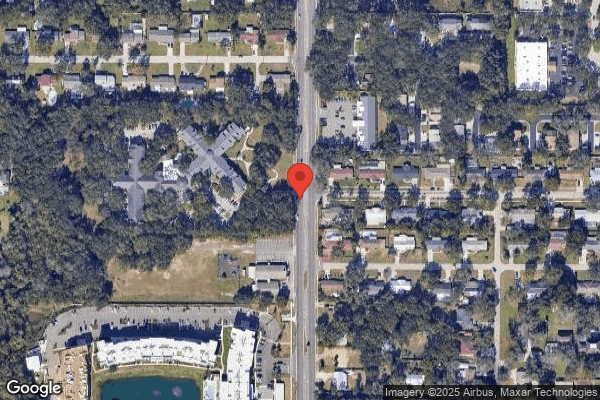
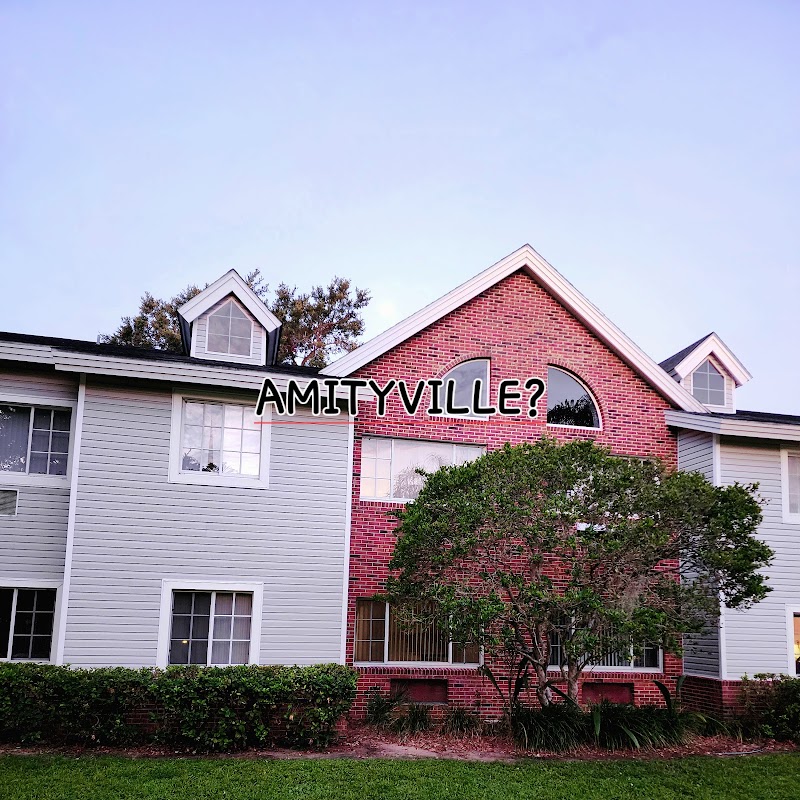
702 S KINGS AVE, BRANDON, FL 33511 (813) 651-1818
For profit - Corporation 120 Beds AVIATA HEALTH GROUP Data: November 2025
Trust Grade
48/100
#457 of 690 in FL
Last Inspection: January 2024

Within standard 12-15 month inspection cycle. Federal law requires annual inspections.

Overview

Aviata at Central Park has received a Trust Grade of D, indicating below-average performance with some concerns about care quality. It ranks #457 out of 690 facilities in Florida, placing it in the bottom half, and #18 out of 28 in Hillsborough County, suggesting limited local options. The facility is improving, with the number of issues decreasing from 7 in 2024 to 3 in 2025, but it still reports a concerning 31 potential harm issues overall. Staffing is rated at 2 out of 5 stars, with a turnover rate of 53%, which is close to the state average. Specific incidents include failing to provide dignified assistance during meals for several residents and not developing comprehensive care plans or providing necessary treatments for pressure wounds, highlighting both strengths in improved trends and weaknesses in care delivery.

Trust Score
D
48/100
In Florida
#457/690
Bottom 34%
Safety Record
Low Risk
No red flags
Inspections
Getting Better
7 → 3 violations
Staff Stability
⚠ Watch
53% turnover. Above average. Higher turnover means staff may not know residents' routines.
Penalties
○ Average
$7,456 in fines. Higher than 58% of Florida facilities. Some compliance issues.
Skilled Nurses
⚠ Watch
Each resident gets only 28 minutes of Registered Nurse (RN) attention daily — below average for Florida. Fewer RN minutes means fewer trained eyes watching for problems.
Violations
⚠ Watch
31 deficiencies on record. Higher than average. Multiple issues found across inspections.
★★☆☆☆
2.0
Overall Rating
★★☆☆☆
2.0
Staff Levels
★★★★☆
4.0
Care Quality
★★☆☆☆
2.0
Inspection Score
Stable
2024: 7 issues
2025: 3 issues

The Good

  • 4-Star Quality Measures · Strong clinical quality outcomes
  • Full Sprinkler Coverage · Fire safety systems throughout facility
  • No fines on record

Facility shows strength in quality measures, fire safety.

The Bad

2-Star Overall Rating

Below Florida average (3.2)

Below average - review inspection findings carefully

Staff Turnover: 53%

Near Florida avg (46%)

Higher turnover may affect care consistency

Federal Fines: $7,456

Below median ($33,413)

Minor penalties assessed

Chain: AVIATA HEALTH GROUP

Part of a multi-facility chain

Ask about local staffing decisions and management

The Ugly 31 deficiencies on record

Jan 2025 3 deficiencies
CONCERN (E) 📢 Someone Reported This

A family member, employee, or ombudsman was alarmed enough to file a formal complaint

Potential for Harm - no one hurt, but risky conditions existed

Resident Rights (Tag F0550)

Could have caused harm · This affected multiple residents

Based on observations, record review, and interviews, the facility failed to ensure four residents (Resident #5, Resident #6, Resident #7, and Resident #8) of five residents observed requiring assista...

Read full inspector narrative →
Based on observations, record review, and interviews, the facility failed to ensure four residents (Resident #5, Resident #6, Resident #7, and Resident #8) of five residents observed requiring assistance with eating, were provided a dignified dining experience. Findings included: On 1/7/25 at 12:50 p.m., an observation showed a staff member standing next to the bed of Resident #5 with utensil in hand. The staff member identified themselves as a speech therapist. On 1/7/25 at 1:02 p.m., an observation showed a covered meal tray sitting on the over-bed table of Resident #8. On 1/7/25 at 1:03 p.m., an observation revealed Staff E, Certified Nursing Assistant (CNA) entered Resident #7's room and stood between the privacy curtain and Resident #7's bed. The observation showed the resident's face was level with the mid-torso of the staff member as Staff E, CNA held a cup with a straw and encouraged the resident to eat. On 1/7/25 at 1:06 p.m., Staff E, CNA left Resident #7's room and was interviewed. Staff E, CNA reported feeding Resident #8 and the resident's roommate at same time. The staff member re-entered the room and sat down on Resident #7's bed, uncovered the meal, and spooned a helping of food into the resident's mouth. On 1/7/25 at 1:11 p.m., an observation revealed a staff member, later identified as Staff F, CNA, standing up between the bed of Resident #6 and the privacy curtain. The staff member placed a spoon with a large amount of food into the resident's mouth. An interview and observation was conducted on 1/7/25 at 1:13 p.m. with Staff G, Registered Nurse (RN). Staff G, RN watched the CNA assisting Resident #6 with eating and stated staff were supposed to stand up while assisting the residents with eating as the previous Director of Nursing said staff were not supposed to sit down. Staff G, RN identified on 1/7/25 at 1:55 p.m. the staff member standing next to Resident #6 was Staff F, CNA. An interview was conducted on 1/7/25 at 1:15 p.m. with Staff G, RN and Staff H, CNA. After speaking with Staff H, CNA, Staff G, RN stated staff were supposed to sit down while assisting residents with meals. Staff H, CNA confirmed staff were to sit down while assisting residents with eating. An interview was conducted on 1/7/25 at 4:25 p.m. with the Nursing Home Administrator (NHA). The NHA reported staff were not supposed to stand up while assisting the resident's with eating. The NHA also stated the facility did not have a policy regarding Activities of Daily Living (ADLs) for dependent residents. Review of the policy titled Resident Rights, effective 11/30/2014, revealed under Policy, it is the policy of the company to 1. Make residents and their legal representative aware of residents' rights (and) 2. Ensure that residents' rights are known to staff. The policy also showed under Procedure, ongoing training on resident rights will be given to staff members as required by state and/or federal regulations.
CONCERN (E) 📢 Someone Reported This

A family member, employee, or ombudsman was alarmed enough to file a formal complaint

Potential for Harm - no one hurt, but risky conditions existed

Comprehensive Care Plan (Tag F0656)

Could have caused harm · This affected multiple residents

**NOTE- TERMS IN BRACKETS HAVE BEEN EDITED TO PROTECT CONFIDENTIALITY** Based on observation, interviews, and record review, the facility failed to develop and implement a comprehensive person-centere...

Read full inspector narrative →
**NOTE- TERMS IN BRACKETS HAVE BEEN EDITED TO PROTECT CONFIDENTIALITY** Based on observation, interviews, and record review, the facility failed to develop and implement a comprehensive person-centered care plan for three residents (Resident #2, Resident #3, Resident #4) of three residents sampled for care plans. Findings included: 1. Review of the admission Record showed Resident #2 was originally admitted to the facility on [DATE]. Resident #2 was readmitted on [DATE] from the hospital and was discharged from the facility to the hospital on [DATE]. The admission Record also showed Resident #2 had diagnoses including but not limited to displaced comminuted fracture of shaft of right femur on 12/12/24, Parkinsonism, generalized muscle weakness, Chronic Obstructive Pulmonary Disease, anemia, hypertension, and disorders of bone density. Review of Resident #2's Minimum Data Set (MDS) assessment dated [DATE] showed under Section C - Cognitive Patterns, a Brief Interview for Mental Status (BIMS) score of 13, indicating Resident #2 was cognitively intact. The Assessment also showed under Section GG - Functional Abilities, Resident #2 was dependent for chair/bed-to-chair transfers. Review of Resident #2's December 2024 physician orders showed the following orders: - Stat x-rays for bilateral knees, hips, and pelvis related to acute pain after fall on 12/8/24. - Send to ER (Emergency Room) for stat CT (Computed Tomography) of right knee and pelvis related to ground level fall on 12/10/24. - Cleanse buttocks with soap and water, pat dry, apply zinc every shift as of 12/18/24 to 12/20/24. - Cleanse right buttock with wound cleanser, pat dry, apply collagen and dry dressing daily and as needed for soiled or dislodged as of 12/20/24 to 12/27/24. - Wound consult for right calf blister on 12/19/24. - Skin prep to right calf blister every shift for right calf blister as of 12/19/24 to 12/27/24. - Send to ER on [DATE]. Review of the Treatment Administration Record (TAR) for December 2024 showed the following: - Cleanse buttocks with soap and water, pat dry, apply zinc every shift as of 12/18/24 to 12/20/24 was performed on 12/18/24 and 12/19/24. - Cleanse right buttock with wound cleanser, pat dry, apply collagen and dry dressing daily and as needed for soiled or dislodged as of 12/20/24 to 12/27/2024 was performed on 12/20/24, 12/21/24, twice on 1/22/24, 12/23/24, 12/24/24, 12/25/24. - Skin prep to right calf blister every shift for right calf blister as of 12/19/2024 to 12/27/2024 was performed on 12/20/24, 12/21, 12/22, 12/23, 12/24, 12/25/24. Review of Resident #2's care plan showed the following: - Resident had an ADL self-care performance deficit related to confusion, dementia, impaired balance, limited mobility and shortness of breath initiated on 06/1/22 and revised on 06/1/22. Interventions included but not limited to skin inspection: required skin inspection daily during care to observe for redness, open areas, scratches, cuts, bruises and report changes to the nurse as of 06/1/22, transfer: required extensive assistance by 2 staff to move between surfaces and as necessary initiated on 06/01/22 and canceled on 12/19/24, and the resident required mechanical lift [brand name] with 2 staff assistance for transfers initiated on 02/16/23 and revised on 12/17/24. - Resident had a displaced comminuted fracture of shaft of right femur related to fall as of 12/20/24. Interventions included but not limited to monitor limb for swelling and skin changes, take pedal pulses (specify frequency) as of 12/20/24, and right knee immobilizer at all times as of 12/20/24. - Resident had potential for impairment of skin integrity related to fragile skin, incontinent, limited mobility; blister right arm resolved, right great ingrown toe nail resolved, red left heel resolved, red heels resolved; initiated 6/1/22 and revised on 8/20/24. Interventions included but not limited to monitor/document location, size and treatment of skin injury, report abnormalities, failure to heal, signs and symptoms of infection, maceration, etc. to MD (Medical Doctor) as of 6/1/22, and treatment as ordered resolved 2/16/23. Review of Resident #2's Weekly Skin Integrity Review showed the following: - On 12/04/24, skin intact - On 12/18/24, right buttock with two lesions in superior and lower site, clean, no drainage, Unit Manager aware. - On 12/25/24, right lower leg rear with blister; sacrum open area. Review of Resident #2's Medical Certification for Medicaid Long-Term Care Services and Patient Transfer Form (Form 3008) dated 12/22/24 showed skin intact and knee immobilizer on at all times. Review of Resident #2's physician, wound care physician, and nursing progress notes revealed the following: - On 12/8/24 at 11:47 a.m., review of the Situation, Background, Assessment, Recommendation (SBAR) showed right and left knee pain, stat x-ray of both knees and pelvis. - On 12/8/24 at 3:59 p.m., a nursing progress note showed, reported by a CNA, while transferring resident from the bed to the chair her legs became weak, and resident was lowered to the floor. Resident complained of knee pain, prn (as needed) pain medication was administered. Attending Physician notified, orders noted for stat x-ray of both knees and pelvis. Family member notified of Plan of Care. - On 12/9/24 at 1:32 a.m., a nursing progress note showed the writer called the attending physician to report results for bilateral knee and hip x-ray. Left voice mail requesting a return call to facility. Writer called family, notified of x-ray results, family verbalized understanding. - On 12/9/24 at 6:07 a.m., a nursing progress note showed x-ray results received and reported to APRN (Advanced Practice Registered Nurse). New order received to apply Voltaren gel 1% to bilateral knees 4 times a day for 30 days. - On 12/9/24 at 9:28 a.m., an Interdisciplinary Team (IDT) meeting note showed the IDT met to review a fall that occurred on 12/8/24 at 11:20 a.m. Resident was being transferred and CNA lowered resident to the floor due to knees buckling. Resident has no injury. IDT recommends therapy referral and staff education on transfers. - On 12/10/24 at 1:20 p.m., a physician progress note showed the resident had a non-syncopal ground level fall and was complaining of bilateral knee pain. Ordered x-rays for both knees. No fracture. Came to see her today. She was complaining of right knee pain, and she was unable to move or weight bearing with the right leg. The right knee was very swollen and tender. Will order a stat CT of the knee and pelvis, fracture could be missed in regular x-ray. - On 12/13/24 at 2:26 p.m., a late entry second skin check revealed an open area to the right upper buttock, open area to right lower buttock, and discolorations right lower extremity. - On 12/16/24 at 9:34 a.m., a physician progress note showed resident assumption of care following readmission, right femur fracture. On 12/10/24 the resident presented to the hospital due to a fall at the facility. The resident was found to have bilateral lower extremity deep vein thrombosis and right femur fracture. The resident was evaluated by orthopedics in the hospital and was deemed non-surgical with conservative management. The resident was stabilized and readmitted to the facility. The resident was seen sitting up in bed. The resident appears stable and in no apparent distress. The resident stated she was having 4/10 pain to right lower leg, but the pain was doing much better. - On 12/17/24 at 12:36 p.m., a physician note showed: nurse called due to Resident #2 ground level fall. The resident was complaining of pain. Ordered stat x-ray right knee and pelvis. Visited resident and she was complaining of right knee pain and the knee was very swollen and tender with specific tender point at the level of the post lateral condyle. Considering the possibility of fracture missing in regular x-ray. Resident was sent to the hospital for stat CT of the right femur and pelvis. CT was positive of fracture, acute mildly displaced left posterior condyle. Ultrasound positive for bilateral lower extremities deep vein thrombosis. Resident was evaluated by orthopedic, not a good candidate for surgery considering all her co-morbidities and age. The resident will be sent back to facility after discharge. She was seen today, and she was doing fine. Pain was under control. Family was at bedside. - On 12/18/24 at 3:41 p.m., a nursing progress note showed resident was noted with a skin lesion on the lower and superior buttock, measure was 1 cm (centimeter.) Clean. No drainage. Unit Manager was notified, and family was aware. - On 12/19/24, a Wound Assessment Physician progress note showed stage II buttock pressure ulcer, 2.0 x 1.0 x 0.1, present on admission, scant serous drainage. - On 12/19/24, a Physician note showed new blister to the right leg. The nurse called today that resident had blister right leg related to the brace in the leg. Will do wound care and decrease pressure in the area. Resident had right leg brace, skin was normal color and no open area, new blister on right leg, resident status post a fall, right femur fracture and bilateral deep venous thrombosis. - On 12/19/24 at 11:00 a.m., a review of the SBAR showed skin prep every shift to right calf blister. - On 12/19/24 at 4:32 p.m., a nursing progress note showed attending physician ordered wound care for right calf blister and skin prep every shift. - On 12/20/24 at 1:23 p.m., the IDT met to review the skin impairment observed on 12/19/24. Resident had a fluid filled blister to right calf due to right knee immobilizer. IDT recommends to continue current treatment and wrap Right Lower Extremity in ace wrap under immobilizer. - On 12/24/24, a Physician note showed Resident #2 was feeling fine. Pain was in control. Resident stated she was weaker after the fall. Blister on right leg, being followed by wound care in the facility. Resident had right leg brace, skin was normal color and no open area, new blister on right leg, resident status post a fall, right femur fracture and bilateral deep venous thrombosis. - On 12/26/24, a Wound Assessment Physician progress note showed: stage II right anterior buttock pressure injury, 1.0 x 1.0 x 0.1; present on admission, 100% dermis, scant serous drainage. - On 12/26/24, a Physician note showed Resident #2 was complaining of right leg pain, about 7 on the pain scale. Resident family at bedside. Had a long conversation with family, and she stated the resident was in pain. Family thinks brace was hurting her, not helping her. Family wanted resident to be evaluated by orthopedic today. Called the nurse to do orthopedic evaluation today. Resident had right leg brace, skin was normal color and no open area, new blister on right leg, resident status post fall, right femur fracture and bilateral deep venous thrombosis. - On 12/26/24 at 11:15 a.m., a review of the SBAR showed worsening pain, at fracture site, front of right knee; Send to ER. During an interview on 1/7/25 at 2:21 p.m. with the Nursing Home Administrator (NHA), Director of Nursing (DON), Regional Nurse Consultant (RNC), the NHA stated on 12/8/24 at 11:20 a.m., Staff A, CNA did an improper transfer and subsequently had to lower Resident #2 to the floor. The resident was care planned for a sit-to-stand transfer. The NHA stated Staff A, CNA stated she tried to pivot the resident alone and the resident went to the floor on her knees. Staff A, CNA called for help. The NHA stated Staff B, Licensed Practical Nurse (LPN) came in and did an assessment, including vital signs, and skin changes. The resident was complaining of pain in her knees. The attending physician was called and received an order for stat x-rays. The x-rays were negative and the APRN ordered Voltaren 1% and Tylenol. The NHA stated they performed an IDT meeting on 12/9/24 regarding the fall. Staff A, CNA, was educated on transfers on 12/9/24. The NHA read Staff A, CNA's statement, which showed she was transferring her alone and could not hold her weight and lowered the resident to the floor. Staff A, CNA wrote she called for help. The NHA stated Staff A, CNA did not specify why she did the transfer alone. Review of the statement by Staff B, LPN with the NHA showed Staff A, CNA reported while transferring Resident #2 from bed to chair, the residents legs became weak. Lowered to the floor on her knees. Upon examination no visible signs of injury noted. Moving all extremities. Complained of knee pain and medicated with pain meds as needed. Doctor was notified. Order for stat bilateral knee x-ray and pelvis. Family notified of change in condition and Plan of Care. Review of statement by Staff C, LPN with the NHA showed resident on the floor. Observed resident sitting on her knees with legs tucked underneath her. She was sitting on the floor by the bed. Wheelchair was locked between resident and bed. The NHA stated on 12/9/24 at 1:32 a.m., the facility received Resident #2's x-ray results, which were negative and reported them to the physician. The NHA stated on 12/10/24, the attending physician came in and saw the resident. The resident was complaining of pain and received an order for a CT scan and the resident was sent to the hospital for a CT scan on 12/10/24. The NHA stated on 12/12/24, at 12:43 p.m., the hospital sent over a record indicating the resident had a right femoral fracture. The NHA also stated on 12/12/24 at 7:57 p.m., they submitted the report and suspended the CNA during the investigation. The NHA stated on 12/12/24 at 10:10 p.m., the resident returned from the hospital with a soft brace. The NHA also stated on 12/13/24 they started an investigation. The NHA verified a re-admission assessment was not performed when the resident returned to the facility on [DATE]. The NHA verified due to a readmission assessment not being performed, there was not a skin assessment performed. The DON stated a resident in the hospital over 24 hours needed a re-admission assessment. They verified the resident was in the hospital for 48 hours and required a re-admission to the facility. The NHA verified Resident #2's Form 3008 showed the resident's skin was intact. The NHA verified a late entry in the nursing progress notes showing on 12/13/24 at 2:26 p.m., second skin check: open area right upper buttock, open area to right lower buttock, discolorations right lower extremity. The NHA verified A Weekly Skin Integrity Review on 12/18/24, showed right buttock with two lesions in superior and lower site, clean, no drainage, Unit Manager aware. The NHA verified this Weekly Skin Integrity Review was documented six days after Resident #2's re-admission. The NHA verified the resident was seen by the wound care physician on 12/18/24 and wound care was put into place, six days post re-admission. The NHA verified the wound physician note dated 12/19/24 showed the wound was on admission, even though the skin was not assessed upon Resident #2's re-admission. The resident was re-admitted on [DATE] with a soft brace in place on the right leg. The DON stated the protocol for the brace was to monitor capillary refill and monitor skin integrity daily. The NHA verified no documentation in the clinical record regarding monitoring the right lower leg and brace fitting was present. The NHA verified the lack of pressure ulcer and/or blister interventions on Resident #2's care plans. The NHA stated she would expect both the buttock pressure ulcer and right lower leg blister to be addressed on the care plans. The NHA verified the care plan related to brace care was not being followed. 2. A review of Resident #3's admission Record showed Resident #3 was admitted on [DATE] and readmitted on [DATE]. Review of the admission Record also showed diagnoses including but not limited to cerebral infarction with hemiparesis on the left side, diabetes, spinal stenosis in lumbar region, generalized muscle weakness, and chronic pain syndrome. Review of Resident #3's January 2025 physician orders and Treatment Administration Record (TAR) showed the following: - Cleanse sacrum with soap and water, pat dry and apply zinc daily and as needed as of 10/25/24 to 11/21/24. - Cleanse sacrum with wound cleanser and pat dry, apply collagen and cover with dry dressing daily and as needed as of 11/21/24 to 12/26/24. - Cleanse sacrum with normal saline, pat dry, apply Santyl, and cover with dry dressing as of 12/26/24 to 01/02/25. Review of Resident #3's Wound Physician progress notes showed the following: - On 11/07/24, sacrum wound was resolved. - On 11/21/24, stage III, sacrum wound, 1.5 x 1.0 x 0.2, 100% granulation, light serous drainage. - On 12/5/24, stage III, sacrum wound, 1 x 0.80 x 0.20, 100% granulation, light serous drainage. - On 12/12/24, stage III, sacrum wound, 0.80 x 0.50 x 0.20, 70% granulation, 30% slough, light serous drainage, improving. - On 12/18/24, stage III, sacrum wound, 0.50 x 0.50 x 0.20, 100% granulation, light serous drainage, improving. - On 12/26/24, stage III, sacrum wound, 0.50 x 0.50 x 0.20, 100% slough, light serous drainage, improving. Change in wound care to include Santyl. - On 1/2/25, stage III, sacrum wound, 0.50 x 0.30 x 0.20, 60% granulation, 40% slough, light serous drainage, improving. Change in wound care to include collagen. Review of Resident #3's care plans showed the following: - Resident #3 had a pressure injury, left heel, initiated on 9/25/24 and revised 10/18/24. Interventions included but not limited to require pressure relieving/reducing device on bed-chair as of 9/25/24 and weekly treatment documentation to include measurement of each area of skin breakdown's width, length, depth, type of tissue and exudate as of 9/25/24. During an observation on 1/7/25 at 1:55 p.m., Resident #3 was sitting with the head of the bed elevated. No air mattress was observed. During an interview on 1/7/24 at 2:11 p.m., Staff D, CNA entered the room and confirmed by pushing on the bed the resident did not have an air mattress. During an interview on 1/7/25 at 2:21 p.m. with the Nursing Home Administrator (NHA), Director of Nursing (DON), Regional Nurse Consultant (RNC), the NHA verified the sacrum pressure ulcer was not addressed on Resident #3's care plans and the expectation was for the sacrum pressure ulcer to be on the care plan, including interventions. The NHA and DON stated once a pressure wound has reached stage III or higher or if the wound care physician requested, an air mattress would be ordered. The NHA stated Resident #3 should be on an air mattress. 3. A review of Resident #4's admission Record showed Resident #4 was admitted on [DATE]. Review of the admission Record also showed diagnoses including but not limited to cutaneous abscess of buttock, Cerebral infarction, generalized muscle weakness, metabolic encephalopathy, traumatic subdural hemorrhage, dementia, underweight, Altered Mental Status, pleural effusion, anemia, and hypertension. Review of Resident #4's Baseline Care Plan and Summary dated 1/2/25 showed the following: - Altered Skin Integrity/Potential for showed goals as prevent any skin breakdown or injury and heal/improve current skin issue. Interventions: follow facility skin protocol, turn every 2 hours and as needed, immediately report any skin redness to nurse; report an y skin breakdown to charge nurse, provide incontinent care as needed. - Self-Care Deficit - ADL - Function Rehab Potential was blank for interventions. - Infection: blank. Review of Resident #4's care plans showed the following: - On IV antibiotic medications related to gluteal abscess as of 1/2/25. Interventions related to IV site only. Review of Resident #4's January 2025 physician orders and TAR for January 2025 showed the following: - Cleanse sacrum with wound cleanser, pat dry, apply collagen and dry dressing every day as of 1/2/25. - Cleanse sacrum wounds with normal saline and pat dry, apply Santyl and cover with super absorbent dressing daily and as needed as of 1/3/25. - Isolation type, enhanced barriers for wounds, Foley and midline as of 1/7/25. - Cefepime HCl (hydrochloride) IV (Intravenous) 1 gm (gram) every 12 hours for abscess of buttocks as of 1/1/25 to 1/10/25. - Micafungin Sodium IV 100 mg (milligrams) in the a.m. for abscess of buttocks as of 1/1/25 to 1/10/25. Review of a Wound Physician note dated 1/2/25 showed Resident #4 had a stage IV pressure injury of the sacrum back, 5 cm x 4 cm x 0.1 cm, 40% granulation and 60% slough, macerated peri-wound, moderate serous drainage. Review of a physician progress note dated 1/3/25 showed Resident #4 primary diagnosis of dementia. The resident presented to the hospital due to Altered Mental Status. Resident found to have right buttock abscess. Resident had an incision and drainage of wound and was placed on antibiotics. An observation on 1/7/25 at 1:59 p.m. showed Resident #4 was lying on an air mattress with an air pump in place. During an interview on 1/7/25 at 2:21 p.m. with the NHA, DON, and RNC, the NHA verified Resident #4's Baseline Care Plan lacked documentation related to the stage IV sacrum pressure wound, IV antibiotics for infected sacrum pressure wound, and did not have interventions for transfers. The NHA stated the expectation was for the Baseline Care Plan to be completed on admission. The DON stated she was not sure if the Infection Control Preventionist had revised the resident for appropriate antibiotics and isolation precautions. Review of the facility's policy titled Plans of Care, revised 9/25/17 showed an individualized person-centered plan of care will be established by the IDT with the resident and/or resident representative(s) to the extent practicable and updated in accordance with state and federal regulatory requirements. Plan of Care is to be maintained as part of the final medical record. The policy also revealed the following Procedure: - Develop a comprehensive plan of care for each resident that includes measurable objectives and timetables to meet the resident's medical, nursing, mental and psychosocial needs that are identified in the comprehensive assessment. - Develop and implement an individualized Person-Centered baseline plan of care within 48 hours of admission that includes, but not limited to, initial goals based on the admission orders, physician orders, dietary orders, therapy services, social services, PASARR (Preadmission Screening and Resident Review) recommendations, if applicable, and other areas needed to provide effective care of the resident that meets professional standards of care to ensure that the resident's needs are met appropriately until the Comprehensive plan of care is completed. - Review, update and / or revise the comprehensive plan of care based on changing goals, preferences and needs of the resident and in response to current interventions after the completion of each OBRA (Omnibus Budget Reconciliation Act) MDS assessment, and as needed. The interdisciplinary team shall ensure the plan of care addresses any resident needs and that the plan is oriented toward attaining or maintaining the highest practicable physical, mental, and psychosocial well-being. - The individualized Person-Centered plan of care may include but is not limited to the following: services to attain or maintain the resident's highest practicable physical, mental, and psychosocial well-being as required by state and federal regulatory requirements.
CONCERN (E) 📢 Someone Reported This

A family member, employee, or ombudsman was alarmed enough to file a formal complaint

Potential for Harm - no one hurt, but risky conditions existed

Pressure Ulcer Prevention (Tag F0686)

Could have caused harm · This affected multiple residents

**NOTE- TERMS IN BRACKETS HAVE BEEN EDITED TO PROTECT CONFIDENTIALITY** Based on observation, interviews, and record review, the facility failed to ensure residents received necessary treatment and se...

Read full inspector narrative →
**NOTE- TERMS IN BRACKETS HAVE BEEN EDITED TO PROTECT CONFIDENTIALITY** Based on observation, interviews, and record review, the facility failed to ensure residents received necessary treatment and services consistent with profession standards of practice related to pressure wounds/ ulcers for two residents (Resident #2 and Resident #3) of three residents sampled for pressure wounds/ ulcers. Findings included: 1. Review of the admission Record showed Resident #2 was originally admitted to the facility on [DATE]. Resident #2 was readmitted on [DATE] from the hospital and was discharged from the facility to the hospital on [DATE]. The admission Record also showed Resident #2 had diagnoses including but not limited to displaced comminuted fracture of shaft of right femur on 12/12/24, Parkinsonism, generalized muscle weakness, Chronic Obstructive Pulmonary Disease, anemia, hypertension, and disorders of bone density. Review of Resident #2's Minimum Data Set (MDS) assessment dated [DATE] showed under Section C - Cognitive Patterns, a Brief Interview for Mental Status (BIMS) score of 13, indicating Resident #2 was cognitively intact. The Assessment also showed under Section GG - Functional Abilities, Resident #2 was dependent for chair/bed-to-chair transfers. Review of Resident #2's December 2024 physician orders showed the following orders: - Stat x-rays for bilateral knees, hips, and pelvis related to acute pain after fall on 12/8/24. - Send to ER (Emergency Room) for stat CT (Computed Tomography) of right knee and pelvis related to ground level fall on 12/10/24. - Cleanse buttocks with soap and water, pat dry, apply zinc every shift as of 12/18/24 to 12/20/24. - Cleanse right buttock with wound cleanser, pat dry, apply collagen and dry dressing daily and as needed for soiled or dislodged as of 12/20/24 to 12/27/24. - Wound consult for right calf blister on 12/19/24. - Skin prep to right calf blister every shift for right calf blister as of 12/19/24 to 12/27/24. - Send to ER on [DATE]. Review of the Treatment Administration Record (TAR) for December 2024 showed the following: - Cleanse buttocks with soap and water, pat dry, apply zinc every shift as of 12/18/24 to 12/20/24 was performed on 12/18/24 and 12/19/24. - Cleanse right buttock with wound cleanser, pat dry, apply collagen and dry dressing daily and as needed for soiled or dislodged as of 12/20/24 to 12/27/2024 was performed on 12/20/24, 12/21/24, twice on 1/22/24, 12/23/24, 12/24/24, 12/25/24. - Skin prep to right calf blister every shift for right calf blister as of 12/19/2024 to 12/27/2024 was performed on 12/20/24, 12/21, 12/22, 12/23, 12/24, 12/25/24. Review of Resident #2's Weekly Skin Integrity Review showed the following: - On 12/04/24, skin intact - On 12/18/24, right buttock with two lesions in superior and lower site, clean, no drainage, Unit Manager aware. - On 12/25/24, right lower leg rear with blister; sacrum open area. Review of Resident #2's Medical Certification for Medicaid Long-Term Care Services and Patient Transfer Form (Form 3008) dated 12/22/24 showed skin intact and knee immobilizer on at all times. Review of Resident #2's physician, wound care physician, and nursing progress notes revealed the following: - On 12/8/24 at 11:47 a.m., review of the Situation, Background, Assessment, Recommendation (SBAR) showed right and left knee pain, stat x-ray of both knees and pelvis. - On 12/8/24 at 3:59 p.m., a nursing progress note showed, reported by a CNA, while transferring resident from the bed to the chair her legs became weak, and resident was lowered to the floor. Resident complained of knee pain, prn (as needed) pain medication was administered. Attending Physician notified, orders noted for stat x-ray of both knees and pelvis. Family member notified of Plan of Care. - On 12/9/24 at 1:32 a.m., a nursing progress note showed the writer called the attending physician to report results for bilateral knee and hip x-ray. Left voice mail requesting a return call to facility. Writer called family, notified of x-ray results, family verbalized understanding. - On 12/9/24 at 6:07 a.m., a nursing progress note showed x-ray results received and reported to APRN (Advanced Practice Registered Nurse). New order received to apply Voltaren gel 1% to bilateral knees 4 times a day for 30 days. - On 12/9/24 at 9:28 a.m., an Interdisciplinary Team (IDT) meeting note showed the IDT met to review a fall that occurred on 12/8/24 at 11:20 a.m. Resident was being transferred and CNA lowered resident to the floor due to knees buckling. Resident has no injury. IDT recommends therapy referral and staff education on transfers. - On 12/10/24 at 1:20 p.m., a physician progress note showed the resident had a non-syncopal ground level fall and was complaining of bilateral knee pain. Ordered x-rays for both knees. No fracture. Came to see her today. She was complaining of right knee pain, and she was unable to move or weight bearing with the right leg. The right knee was very swollen and tender. Will order a stat CT of the knee and pelvis, fracture could be missed in regular x-ray. - On 12/13/24 at 2:26 p.m., a late entry second skin check revealed an open area to the right upper buttock, open area to right lower buttock, and discolorations right lower extremity. - On 12/16/24 at 9:34 a.m., a physician progress note showed resident assumption of care following readmission, right femur fracture. On 12/10/24 the resident presented to the hospital due to a fall at the facility. The resident was found to have bilateral lower extremity deep vein thrombosis and right femur fracture. The resident was evaluated by orthopedics in the hospital and was deemed non-surgical with conservative management. The resident was stabilized and readmitted to the facility. The resident was seen sitting up in bed. The resident appears stable and in no apparent distress. The resident stated she was having 4/10 pain to right lower leg, but the pain was doing much better. - On 12/17/24 at 12:36 p.m., a physician note showed: nurse called due to Resident #2 ground level fall. The resident was complaining of pain. Ordered stat x-ray right knee and pelvis. Visited resident and she was complaining of right knee pain and the knee was very swollen and tender with specific tender point at the level of the post lateral condyle. Considering the possibility of fracture missing in regular x-ray. Resident was sent to the hospital for stat CT of the right femur and pelvis. CT was positive of fracture, acute mildly displaced left posterior condyle. Ultrasound positive for bilateral lower extremities deep vein thrombosis. Resident was evaluated by orthopedic, not a good candidate for surgery considering all her co-morbidities and age. The resident will be sent back to facility after discharge. She was seen today, and she was doing fine. Pain was under control. Family was at bedside. - On 12/18/24 at 3:41 p.m., a nursing progress note showed resident was noted with a skin lesion on the lower and superior buttock, measure was 1 cm (centimeter.) Clean. No drainage. Unit Manager was notified, and family was aware. - On 12/19/24, a Wound Assessment Physician progress note showed stage II buttock pressure ulcer, 2.0 x 1.0 x 0.1, present on admission, scant serous drainage. - On 12/19/24, a Physician note showed new blister to the right leg. The nurse called today that resident had blister right leg related to the brace in the leg. Will do wound care and decrease pressure in the area. Resident had right leg brace, skin was normal color and no open area, new blister on right leg, resident status post a fall, right femur fracture and bilateral deep venous thrombosis. - On 12/19/24 at 11:00 a.m., a review of the SBAR showed skin prep every shift to right calf blister. - On 12/19/24 at 4:32 p.m., a nursing progress note showed attending physician ordered wound care for right calf blister and skin prep every shift. - On 12/20/24 at 1:23 p.m., the IDT met to review the skin impairment observed on 12/19/24. Resident had a fluid filled blister to right calf due to right knee immobilizer. IDT recommends to continue current treatment and wrap Right Lower Extremity in ace wrap under immobilizer. - On 12/24/24, a Physician note showed Resident #2 was feeling fine. Pain was in control. Resident stated she was weaker after the fall. Blister on right leg, being followed by wound care in the facility. Resident had right leg brace, skin was normal color and no open area, new blister on right leg, resident status post a fall, right femur fracture and bilateral deep venous thrombosis. - On 12/26/24, a Wound Assessment Physician progress note showed: stage II right anterior buttock pressure injury, 1.0 x 1.0 x 0.1; present on admission, 100% dermis, scant serous drainage. - On 12/26/24, a Physician note showed Resident #2 was complaining of right leg pain, about 7 on the pain scale. Resident family at bedside. Had a long conversation with family, and she stated the resident was in pain. Family thinks brace was hurting her, not helping her. Family wanted resident to be evaluated by orthopedic today. Called the nurse to do orthopedic evaluation today. Resident had right leg brace, skin was normal color and no open area, new blister on right leg, resident status post fall, right femur fracture and bilateral deep venous thrombosis. - On 12/26/24 at 11:15 a.m., a review of the SBAR showed worsening pain, at fracture site, front of right knee; Send to ER. Review of Resident #2's care plan showed the following: - Resident had an ADL self-care performance deficit related to confusion, dementia, impaired balance, limited mobility and shortness of breath initiated on 06/1/22 and revised on 06/1/22. Interventions included but not limited to skin inspection: required skin inspection daily during care to observe for redness, open areas, scratches, cuts, bruises and report changes to the nurse as of 06/1/22, transfer: required extensive assistance by 2 staff to move between surfaces and as necessary initiated on 06/01/22 and canceled on 12/19/24, and the resident required mechanical lift [brand name] with 2 staff assistance for transfers initiated on 02/16/23 and revised on 12/17/24. - Resident had a displaced comminuted fracture of shaft of right femur related to fall as of 12/20/24. Interventions included but not limited to monitor limb for swelling and skin changes, take pedal pulses (specify frequency) as of 12/20/24, and right knee immobilizer at all times as of 12/20/24. - Resident had potential for impairment of skin integrity related to fragile skin, incontinent, limited mobility; blister right arm resolved, right great ingrown toe nail resolved, red left heel resolved, red heels resolved; initiated 6/1/22 and revised on 8/20/24. Interventions included but not limited to monitor/document location, size and treatment of skin injury, report abnormalities, failure to heal, signs and symptoms of infection, maceration, etc. to MD (Medical Doctor) as of 6/1/22, and treatment as ordered resolved 2/16/23. During an interview on 1/7/25 at 2:21 p.m. with the Nursing Home Administrator (NHA), Director of Nursing (DON), Regional Nurse Consultant (RNC), the NHA stated on 12/8/24 at 11:20 a.m., Staff A, CNA did an improper transfer and subsequently had to lower Resident #2 to the floor. The resident was care planned for a sit-to-stand transfer. The NHA stated Staff A, CNA stated she tried to pivot the resident alone and the resident went to the floor on her knees. Staff A, CNA called for help. The NHA stated Staff B, Licensed Practical Nurse (LPN) came in and did an assessment, including vital signs, and skin changes. The resident was complaining of pain in her knees. The attending physician was called and received an order for stat x-rays. The x-rays were negative and the APRN ordered Voltaren 1% and Tylenol. The NHA stated they performed an IDT meeting on 12/9/24 regarding the fall. Staff A, CNA, was educated on transfers on 12/9/24. The NHA read Staff A, CNA's statement, which showed she was transferring her alone and could not hold her weight and lowered the resident to the floor. Staff A, CNA wrote she called for help. The NHA stated Staff A, CNA did not specify why she did the transfer alone. Review of the statement by Staff B, LPN with the NHA showed Staff A, CNA reported while transferring Resident #2 from bed to chair, the residents legs became weak. Lowered to the floor on her knees. Upon examination no visible signs of injury noted. Moving all extremities. Complained of knee pain and medicated with pain meds as needed. Doctor was notified. Order for stat bilateral knee x-ray and pelvis. Family notified of change in condition and Plan of Care. Review of statement by Staff C, LPN with the NHA showed resident on the floor. Observed resident sitting on her knees with legs tucked underneath her. She was sitting on the floor by the bed. Wheelchair was locked between resident and bed. The NHA stated on 12/9/24 at 1:32 a.m., the facility received Resident #2's x-ray results, which were negative and reported them to the physician. The NHA stated on 12/10/24, the attending physician came in and saw the resident. The resident was complaining of pain and received an order for a CT scan and the resident was sent to the hospital for a CT scan on 12/10/24. The NHA stated on 12/12/24, at 12:43 p.m., the hospital sent over a record indicating the resident had a right femoral fracture. The NHA also stated on 12/12/24 at 7:57 p.m., they submitted the report and suspended the CNA during the investigation. The NHA stated on 12/12/24 at 10:10 p.m., the resident returned from the hospital with a soft brace. The NHA also stated on 12/13/24 they started an investigation. The NHA verified a re-admission assessment was not performed when the resident returned to the facility on [DATE]. The NHA verified due to a readmission assessment not being performed, there was not a skin assessment performed. The DON stated a resident in the hospital over 24 hours needed a re-admission assessment. They verified the resident was in the hospital for 48 hours and required a re-admission to the facility. The NHA verified Resident #2's Form 3008 showed the resident's skin was intact. The NHA verified a late entry in the nursing progress notes showing on 12/13/24 at 2:26 p.m., second skin check: open area right upper buttock, open area to right lower buttock, discolorations right lower extremity. The NHA verified A Weekly Skin Integrity Review on 12/18/24, showed right buttock with two lesions in superior and lower site, clean, no drainage, Unit Manager aware. The NHA verified this Weekly Skin Integrity Review was documented six days after Resident #2's re-admission. The NHA verified the resident was seen by the wound care physician on 12/18/24 and wound care was put into place, six days post re-admission. The NHA verified the wound physician note dated 12/19/24 showed the wound was on admission, even though the skin was not assessed upon Resident #2's re-admission. The resident was re-admitted on [DATE] with a soft brace in place on the right leg. The DON stated the protocol for the brace was to monitor capillary refill and monitor skin integrity daily. The NHA verified no documentation in the clinical record regarding monitoring the right lower leg and brace fitting was present. The NHA verified the lack of pressure ulcer and/or blister interventions on Resident #2's care plans. The NHA stated she would expect both the buttock pressure ulcer and right lower leg blister to be addressed on the care plans. The NHA verified the care plan related to brace care was not being followed. 2. A review of Resident #3's admission Record showed Resident #3 was admitted on [DATE] and readmitted on [DATE]. Review of the admission Record also showed diagnoses including but not limited to cerebral infarction with hemiparesis on the left side, diabetes, spinal stenosis in lumbar region, generalized muscle weakness, and chronic pain syndrome. Review of Resident #3's January 2025 physician orders and Treatment Administration Record (TAR) showed the following: - Cleanse sacrum with soap and water, pat dry and apply zinc daily and as needed as of 10/25/24 to 11/21/24. - Cleanse sacrum with wound cleanser and pat dry, apply collagen and cover with dry dressing daily and as needed as of 11/21/24 to 12/26/24. - Cleanse sacrum with normal saline, pat dry, apply Santyl, and cover with dry dressing as of 12/26/24 to 01/02/25. Review of Resident #3's Wound Physician progress notes showed the following: - On 11/07/24, sacrum wound was resolved. - On 11/21/24, stage III, sacrum wound, 1.5 x 1.0 x 0.2, 100% granulation, light serous drainage. - On 12/5/24, stage III, sacrum wound, 1 x 0.80 x 0.20, 100% granulation, light serous drainage. - On 12/12/24, stage III, sacrum wound, 0.80 x 0.50 x 0.20, 70% granulation, 30% slough, light serous drainage, improving. - On 12/18/24, stage III, sacrum wound, 0.50 x 0.50 x 0.20, 100% granulation, light serous drainage, improving. - On 12/26/24, stage III, sacrum wound, 0.50 x 0.50 x 0.20, 100% slough, light serous drainage, improving. Change in wound care to include Santyl. - On 1/2/25, stage III, sacrum wound, 0.50 x 0.30 x 0.20, 60% granulation, 40% slough, light serous drainage, improving. Change in wound care to include collagen. Review of Resident #3's care plans showed the following: - Resident #3 had a pressure injury, left heel, initiated on 9/25/24 and revised 10/18/24. Interventions included but not limited to require pressure relieving/reducing device on bed-chair as of 9/25/24 and weekly treatment documentation to include measurement of each area of skin breakdown's width, length, depth, type of tissue and exudate as of 9/25/24. During an observation on 1/7/25 at 1:55 p.m., Resident #3 was sitting with the head of the bed elevated. No air mattress was observed. During an interview on 1/7/24 at 2:11 p.m., Staff D, CNA entered the room and confirmed by pushing on the bed the resident did not have an air mattress. During an interview on 1/7/25 at 2:21 p.m. with the Nursing Home Administrator (NHA), Director of Nursing (DON), Regional Nurse Consultant (RNC), the NHA verified the sacrum pressure ulcer was not addressed on Resident #3's care plans and the expectation was for the sacrum pressure ulcer to be on the care plan, including interventions. The NHA and DON stated once a pressure wound has reached stage III or higher or if the wound care physician requested, an air mattress would be ordered. The NHA stated Resident #3 should be on an air mattress. Review of the facility's policy titled Clinical Guideline Skin and Wound dated 4/1/17 showed an Overview to provide a system for identifying skin at risk, implementing individual interventions, including evaluation and monitoring as indicated to promote skin health, healing and decrease worsening of prevention of pressure injury. The policy also revealed the following Process: - On admission/re-admission the resident's skin will be evaluated for baseline skin condition and documented in the medical record - Licensed Nurse to complete skin evaluation weekly and prior to transfer / discharge and document in the medical record - CNA to complete skin observations and report changes to Licensed Nurse - Licensed Nurse to document presence of skin impairment/new skin impairment when observed and weekly until resolved - Licensed Nurse to report changes in skin integrity to the physician/practitioner and resident / responsible party and document in the medical record - Develop individualized goals and interventions and document on the care plan and the CNA [NAME] - Monitor residents' response to treatment and modify treatment as indicated - Evaluate the effectiveness of interventions, and progress towards goals during the care management meeting and as needed.
Jan 2024 7 deficiencies
CONCERN (D) 📢 Someone Reported This

A family member, employee, or ombudsman was alarmed enough to file a formal complaint

Potential for Harm - no one hurt, but risky conditions existed

Safe Environment (Tag F0584)

Could have caused harm · This affected 1 resident

**NOTE- TERMS IN BRACKETS HAVE BEEN EDITED TO PROTECT CONFIDENTIALITY** Based on observation, interview and record review, the facility failed to ensure residents were provided a clean and homelike en...

Read full inspector narrative →
**NOTE- TERMS IN BRACKETS HAVE BEEN EDITED TO PROTECT CONFIDENTIALITY** Based on observation, interview and record review, the facility failed to ensure residents were provided a clean and homelike environment (Photographic evidence obtained). Findings include: 1. During an observation on 1/22/2023 at 9:03 AM, a previously repaired portion of the ceiling was split opened and was detaching from the rest of the ceiling in the hallway in front the nursing station near room [ROOM NUMBER]. During an observation on 1/23/2023 at 10:00 AM a previously repaired portion of the ceiling was split opened and was detaching from the rest of the ceiling in the hallway in front the nursing station near room [ROOM NUMBER]. 2. During an observation on 1/23/2023 at 9:54 AM, in Resident #23's room, the air vent in the ceiling had a black substance on it. The air vent was located over the resident's bed. During an observation on 12/24/2024 at 11:35 AM, in Resident #23's room, the air vent in the ceiling had a black substance on it. The air vent was located over the resident's bed. 3. During an observation on 1/23/2023 at 9:58 AM, in Resident #16's room, the air vent in the ceiling had a black substance on it. The air vent was located over the resident's bed. During an observation on 1/24/2024 at 11:35 AM, in Resident #16's room, the air vent in the ceiling had a black substance on it. The air vent was located over the resident's bed. During an interview on 1/24/2024 at 11:35 AM, while conducting a tour with the Administrator, she confirmed the observed physical environment concerns and stated that they need to be taken care of. Review of the facility policy and procedure titled Cleaning and Disinfecting Resident's Rooms last review on 10/04/2023revised in August 2013, reads, Purpose: The purpose of this procedure is to provide guidelines for cleaning and disinfecting residents' rooms. General Guidelines: 1. Housekeeping surfaces (e.g. floors, tabletops) will be cleaned on a regular basis, when spills occur, and when these surfaces are visibly soiled. 2. Environmental surfaces will be disinfected (or cleaned) on a regular basis (e.g. daily, three times per week) and when surfaces are visibly soiled.
CONCERN (D)

Potential for Harm - no one hurt, but risky conditions existed

ADL Care (Tag F0677)

Could have caused harm · This affected 1 resident

**NOTE- TERMS IN BRACKETS HAVE BEEN EDITED TO PROTECT CONFIDENTIALITY** Based on observation and interview, the facility failed to ensure residents who were unable to carry out activities of daily liv...

Read full inspector narrative →
**NOTE- TERMS IN BRACKETS HAVE BEEN EDITED TO PROTECT CONFIDENTIALITY** Based on observation and interview, the facility failed to ensure residents who were unable to carry out activities of daily living (ADLs) received the necessary care and services related to nail care, for 3 (Resident #48, #66, #88) of 8 residents out of a total sample of 39 residents. Findings include: 1. During an observation on 1/22/2024 at 9:50 AM, Resident #48's toenails of both feet were long and untrimmed. During an interview on 1/22/2024 at 9:50 AM, Resident #48's stated, I asked about cutting my toenails about a month ago and nobody has taken care of it. During an observation on 1/23/2024 at 2:30 PM, Resident #48's toenails of both feet were long and untrimmed. During an interview on 1/23/2024 at 2:30 PM, the resident stated, The toenails are the same. Somebody special needs to come and nobody has come. During an observation on 1/24/2024 at 8:09 AM, Resident #48 had long and untrimmed toenails. Review of the admission record for Resident #48 showed the resident was admitted on [DATE] with the diagnoses including nontraumatic intracerebral hemorrhage in cerebellum, nontraumatic subarachnoid hemorrhage from unspecified intracranial artery, other cerebral infarction due to occlusion or stenosis of small artery, benign neoplasm of meninges, and type 2 diabetes mellitus with hyperglycemia. Review of Resident #48's Minimum Data Set (MDS) Medicare 5-Day assessment dated [DATE] under Section GG - Functional Abilities and Goals documented the resident needed partial/moderate assistance for self-care related to showering/bathing. Review of care plan dated 12/11/2023 reads, Focus: [Resident #48's name] has an ADL self-care performance deficit r/t [related to] impaired balance. Date Initiated: 12/08/2023. Goal: [Resident #48's name] will improve current level of function in ADLs through the review date. Interventions: - Bathing/ Showering: Check nail length and trim and clean on bath day and as necessary. Report any changes to the nurse. 2. During an observation on 1/23/24 at 8:53 AM, Resident #88 had long and untrimmed toenails. During an interview on 1/23/24 at 8:53 AM, Resident #88 stated, My toenails are long and need to be cut. I can't reach them. I don't know who does that here. During on observation on 1/24/2024 at 8:15 AM, Resident #88 had long and untrimmed toenails. During an observation on 1/24/2024 at 10:51 AM with Staff E, Registered Nurse (RN), it was confirmed Resident #88's toenails were long and untrimmed. Review of Resident #88's MDS Medicare 5-Day assessment dated [DATE] Section GG - Functional Abilities and Goals documented the resident required substantial maximal assistance for self-care related to showering/ bathing. Review of Resident #88's care plan dated 12/22/2023, reads, Focus: [Resident #88's name] has an ADL self-care performance deficit r/t impaired balance, musculoskeletal impairment, and s/p [status post] surgery. Date Initiated: 01/02/2024. Goal: [Resident #88's name] will improve current level of function in ADLs through the review date. Date Initiated: 01/02/2024. Interventions: Bathing/Showering: Check nail length and trim and clean on bath day and as necessary. Report any changes to the nurse. During an Interview on 1/24/2024 at 11:33 PM, the Director of Nursing (DON) stated that her expectation from the staff was to provide care according to the care plan. During an interview on 1/24/2024 at 1:30 PM, the Social Services Director stated that the podiatry company comes twice a month. [Resident #48's name] and [Resident #88's name] were not on podiatry services and he was not aware why the residents were not on podiatry services. 3. During an observation 1/23/2024 at 9:26 AM, Resident #66 had long untrimmed fingernails. The fingernail beds had a yellow substance underneath. During an observation on 1/24/2024 at 8:11 AM, Resident #66 had long untrimmed fingernails with a yellow substance under the fingernail beds. Review of the admission record for Resident #66 showed the resident was admitted on [DATE] with the diagnoses included severe dementia without behavioral disturbance. Review of Resident #66's MDS Medicare 5-Day assessment dated [DATE] documented a BIMS (Brief Interview for Mental Status) score of 3 of 15 [indicating severe cognitive impairment] under Section C. Cognitive Patterns. Section GG. Functional Abilities and Goals documented the resident requires partial/moderate assistance for self-care related to showering/bathing. Review of Resident #66's care plan dated 1/23/2024, reads, Focus: [Resident #66's name] has an ADL self-care performance deficit r/t Activity Intolerance, Dementia, Fatigue, Limited Mobility. Date Initiated: 10/24/2023. Goal: Will improve current level of function in ADLs through the review date. Date Initiated: 10/24/2023. Interventions . - Bathing/ Showering: requires (mod. [moderate] assistance by 1) staff for bathing and grooming daily and showers per weekly schedule and as necessary. During an interview on 1/24/2024 at 10:25 AM, Staff E, Licensed Practical Nurse (LPN), confirmed that the resident had long, untrimmed, fingernail, and there was a yellow substance underneath the nail beds. During an interview on 1/24/2024 at 1:30 PM, the Social Services Director stated that the Podiatry company twice a month and the resident was not on podiatry services, and he was not aware why the resident was not on podiatry services.
CONCERN (D)

Potential for Harm - no one hurt, but risky conditions existed

Quality of Care (Tag F0684)

Could have caused harm · This affected 1 resident

Based on observation, interview, record review and policy and procedure review the facility failed to provide care for peripherally inserted central catheters in accordance with professional standards...

Read full inspector narrative →
Based on observation, interview, record review and policy and procedure review the facility failed to provide care for peripherally inserted central catheters in accordance with professional standards of practice for 1 out of 2 residents, Resident #88, out of a total sample of 39 residents. Findings include: During an observation on 1/25/2024 at 12:45 PM of medication administration for Resident #88 Staff E, Registered Nurse (RN) did not perform hand hygiene, donned gloves, locked the medication cart with one of her gloved hands, knocked on Resident #88's room door with one of her gloved hands and entered Resident #88's room. Resident #88 was observed in bed with a right upper arm double lumen PICC line (peripherally inserted central catheter). Staff E touched items on Resident #88's overbed table and placed supplies on the resident's dresser with her gloved hands. Staff E did not remove the gloves, did not perform hand hygiene, and opened an intravenous (IV) tubing package and connected the IV tubing to an IV bag of antibiotics. Staff E removed the end cap from the tubing and primed the tubing leaving the end of the tubing uncapped and hung the tubing on the IV pole. The uncapped end of the IV tubing was observed touching the IV pole. Staff E then scrubbed the needleless connector for less than three seconds, did not check for blood return and flushed the needleless connector with 5 milliliters of normal saline. Staff E scrubbed the second needleless connector for less than two seconds and without verifying for blood return flushed the remaining 5 milliliters into the second needleless connector. Staff E doffed the gloves and donned a new set of gloves without performing hand hygiene and attached the IV tubing to the needleless connector. During an interview on 1/25/2024 at 12:58 PM Staff E, RN stated, I did not wash my hands when I changed my gloves, I should have. I shouldn't have put my gloves on before I went into the room. I should not have uncapped the IV tubing when I primed the tubing. I didn't realize that it was touching the IV pole. I didn't realize that I couldn't use the same normal saline flush for both of them. I don't know if the order is for 5 or 10 milliliters. I didn't verify the placement before I flushed it. I did not verify, and I should have done that. I should have taken more time cleaning the connectors. During an interview on 1/25/2024 at 1:30 PM the Director of Nursing stated, I expect staff to complete hand hygiene and flush PICCs according to doctor orders. She should have verified placement of the PICC line before giving the saline. She should not have used the same syringe for both sides. The orders are for 10 ml (milliliter) flushes. Review of the admission record for Resident #88 documented diagnosis which include psoas muscle abscess [a collection of pus in the psoas muscle of the spine], discitis [an inflammation or infection in the cushion spaces between each part of the spine], paroxysmal atrial fibrillation [an irregular heart beat], anemia, acute embolism and thrombosis of deep vein of left upper extremity [blood clot], idiopathic peripheral autonomic neuropathy [nerve damage], unspecified glaucoma, major depressive disorder, and vertebral osteomyelitis [severe bone infection in the spine]. Review of the physician order for Resident #88 dated 12/21/2023 reads, Normal s Saline Flush Intravenous Solution 0.9% (Sodium Chloride Flush) Use 10 ml (milliliters) intravenously every shift for iv (intravenous) abt (antibiotic). Review of the physician order for Resident #88 dated 12/21/2023 reads, Cefazolin Sodium Intravenous Solution Reconstituted 2 GM (grams) (Cefazolin Sodium) Use 2 gram intravenously every 6 hours for sepsis/abscess until 01/31/2024. Review of the policy and procedure titled Flushing and Locking Central Vascular Access Device ( CVAD) last review 10/04/2023, reads, Policy: 4. Flushing/locking is performed to ensure and maintain catheter patency and to prevent the mixing of incompatible medications/solutions. 5. Needleless connectors require vigorous cleaning with alcohol prior to accessing to reduce the risk of catheter related bloodstream infections. 6. Licensed nurses caring for patients receiving infusion therapies are expected to follow infection control and safety compliance procedures. General Guidelines. 5. Catheter patency must be verified prior to each access. To assess patency, aspirate the catheter to obtain positive blood return. The aspirated blood should be the color and consistency of whole blood. 8. Single use flushing/locking systems must be used. Procedure. 4. Perform hand hygiene. 6. [NAME] gloves. 7. Vigorously cleanse needleless connector with alcohol. Allow to air dry. 9. Attach syringe filled with prescribed flushing agent to needleless connector. Aspirate the catheter to obtain positive blood return to verify vascular access patency.
CONCERN (D)

Potential for Harm - no one hurt, but risky conditions existed

Respiratory Care (Tag F0695)

Could have caused harm · This affected 1 resident

Based on observations, interviews, and record reviews the facility failed to administer oxygen per physician's orders and according to professional standards of practice for 2 of 3 residents reviewed ...

Read full inspector narrative →
Based on observations, interviews, and record reviews the facility failed to administer oxygen per physician's orders and according to professional standards of practice for 2 of 3 residents reviewed for respiratory care (Resident #5 and #27) out of a total sample of 39 residents. Findings include: During an observation on 1/22/2024 at 10:26 AM, Resident #5 was observed resting in bed receiving oxygen via nasal cannula. The oxygen concentrator was set at 4 liters. During an observation on 1/23/2024 at 7:27 AM, Resident #5 was sitting in bed with the head of bed elevated receiving oxygen via nasal cannula. The oxygen concentrator was running at 4 liters per minute. The oxygen concentrator was on her right side of the bed pushed against the wall out of the resident's reach. During an interview on 1/23/2024 at 7:27 AM Resident #5 stated, I can't reach the oxygen machine to change it. I don't have the strength to reach that far. During an observation on 1/24/24 at 7:15 AM, Resident #5 was resting in bed with the head of the bed elevated, receiving oxygen via nasal cannula. The oxygen concentrator was set at 4 liters per minute. The oxygen concentrator was on the right side of the resident's bed, against the wall at the head of her bed, out of residents reach. During an observation on 1/24/2024 at 7:16 AM with Staff I, Registered Nurse (RN) verified that oxygen was running at 4 liters nasal cannula and that oxygen concentrator was not within the resident's reach. During an interview on 1/24/2024 at 7:16 AM Staff I, RN, stated, This resident [Resident #5] doesn't play with her oxygen, she can't reach the oxygen tank to change it. It [the oxygen concentrator] is too far from her for her to reach it. I did not verify what the oxygen was running at, and we should do that every day. During an interview on 1/24/2024 at 8:10 AM the Director of Nursing (DON) stated, The staff should check the amount of oxygen a resident is getting at least when they are passing medications. Oxygen is considered a medication, and they should verify this. Review of the admission record for Resident #5 documented diagnosis which included chronic respiratory failure with hypoxia, chronic obstructive pulmonary disease (COPD), type 2 diabetes mellitus, unspecified combined systolic (congestive) and diastolic (congestive) heart failure (CHF), personal history of pulmonary embolism [a blood clot in the lungs], and unspecified atrial fibrillation [an irregular heartbeat]. Review of the physician's orders dated 12/8/2023 read, Respiratory: Oxygen 2 liters continuous every shift related to COPD. Review of the comprehensive resident centered care plan for Resident #5 revised on 1/4/2019 reads [Resident #5's Name] is at risk for ineffective gas exchange r/t (related to) COPD, O2 (Oxygen) therapy. Goal. Will have no s/sx (signs and symptoms) of poor oxygen absorption. Interventions. Oxygen settings: O2 as ordered. [Resident #5's Name] has potential for altered respiratory status/difficulty breathing r/t COPD, CHF. Goal. [Resident #5's Name] will maintain normal breathing pattern as evidenced y normal respirations, normal skin color, and regular respiratory rate/pattern. Interventions. Administer medications/puffers as ordered. Review of the policy and procedure titled, Oxygen Therapy last reviewed 10/4/2023, reads, Policy: Oxygen therapy is the administration of a FiO2 [Fraction of Inspired Oxygen; it is the amount of oxygen a patient is inhaling produced by an oxygen device] greater than 21% by means of various administration devices to: raise the residents PaO2 [partial pressure of oxygen; the oxygen pressure in arterial blood] to an acceptable baseline, to treat arterial hypoxemia, to decrease the work of breathing, to reverse and prevent tissue hypoxia and/or to decrease myocardial workload. Procedure: Review physicians order, , start O 2 flowrate at prescribed liter flow or appropriate liter flow for administration device. Review of the policy and procedure titled, Medication preparation for administering, last review on 10/4/2023, reads, Policy: All medications will be prepared and administered in a manner consistent with the general requirements outlined in this policy. Procedure: D. Medication Inspection: 1. Confirm the medication name and dose are correct. G. Prior to medication administration: 1. Verify each medication preparation that the medication is the right drug, at the right dose, the right route, at the right rate, at the right time, for the right customer. 2. During an observation on 1/22/2024 at 3:34 PM, Resident #27 was observed sitting in bed with the head of bed elevated with oxygen infusing via nasal cannula. The oxygen concentrator was set a 3 liters per minute. During an observation on 1/23/2024 at 9:19 AM, Resident #27 was observed in bed with the head of the bed elevated with oxygen infusing via nasal cannula. The oxygen concentrator was set at 3.5 liters. During an observation on 1/24/2024 at 7:12 AM Resident #27 was observed in bed with oxygen infusing via nasal cannula. The oxygen concentrator was set at 3.5 liters. During an interview on 1/24/24 at 7:12 AM, Staff I, RN verified that Resident #27's oxygen was running at 3.5 liters. During an interview on 1/24/2024 at 7:12 AM Staff I, RN stated, Her [Resident #27's oxygen] orders are for 2 liters. I did not have any change in condition last night. I did not verify what her oxygen was running at last night. We should complete this [verify oxygen administration] when we are administering meds [medications] and doing our checks. Review of the admission record for Resident #27 documented diagnosis which included acute respiratory failure with hypercapnia, pneumonia unspecified organism, chronic obstructive pulmonary disease, type 2 diabetes mellitus, unspecified combined systolic and diastolic heart failure, chronic ischemic heart disease, hypertensive heart and chronic kidney disease with heart failure, and chronic kidney disease stage 2. Review of the physician's orders for Resident #27 dated 12/7/2023 reads, Respiratory: Oxygen-continuous 2 LPM (liters per minute) every shift. Review of the nursing progress notes from 1/18/2024 through 1/22/2024, there were no progress notes or change of condition notes within the medical record. Review of the comprehensive resident centered care plan for Resident #27 initiated 5/08/2023 reads [Resident #27's Name] has oxygen therapy r/t ineffective gas exchange Goal. [Resident #27's Name] will have no s/sx of poor oxygen absorption. Interventions. Oxygen settings: O2 via nasal cannula as ordered. [Resident #27's Name] has potential for altered respiratory status/difficulty breathing r/t Sleep Apnea, COPD, CHF, and c/o (complaints of) SOB (shortness of breath) and wheezing at times. Goal. [Resident #27's Name] will maintain normal breathing pattern as evidenced by normal respirations, normal skin color, and regular respiratory rate/pattern. Interventions. Administer medications/puffers as ordered.
CONCERN (D)

Potential for Harm - no one hurt, but risky conditions existed

Infection Control (Tag F0880)

Could have caused harm · This affected 1 resident

Based on observation, interview, and record review, the facility failed to prevent the possible spread of infection during medication administration for 2 of 6 observations. Findings include: 1. Dur...

Read full inspector narrative →
Based on observation, interview, and record review, the facility failed to prevent the possible spread of infection during medication administration for 2 of 6 observations. Findings include: 1. During an observation on 1/22/2024 at approximately 2:02 PM of medication cart #3, Staff, C, Registered Nurse (RN) did not perform hand hygiene and began preparing medications for Resident #84. Staff C opened the medication cart drawer, pulled the medication blister packs up but did not remove the medication blister packs out of the drawer and began to pop the medications into her bare hand, then placed them into the medication cup for a total of six medications. Staff C went to Resident #84's room and without performing hand hygiene administered the medications and returned to the medication cart. Staff C did not perform hand hygiene and began to prepare medications for another resident. During an interview on 1/22/2024 at 2:05 PM Staff C, RN stated, Oh, I didn't realize that I did that. I should not have put the medicine into my hand, they need [the medications] to go directly into the medicine cup. I should have used the hand sanitizer. Review of the policy and procedure titled Medication Preparation for Administering last reviewed 10/4/2023 read, Policy: All medications will be prepared (blister card, vials, Artromick box [mobil medical storage]) and administered in a manner consistent with the general requirements outlined in this policy. Procedure: A. Prior to preparing or administering medications, follow the facility's infection control policies (e.g. hand washing). B. Medication Dose Preparation: 4. Do not touch the medication when opening a bottle or unit dose package. 2. During an observation on 1/25/2024 at 12:45 PM of medication administration for Resident #88 Staff E, RN did not perform hand hygiene, donned gloves, locked the medication cart with one of her gloved hands, knocked on Resident #88's room door with one of her gloved hands and entered Resident #88's room. Resident #88 was observed in bed with a right upper arm double lumen PICC line (peripherally inserted central catheter). Staff E touched items on Resident #88's overbed table and placed supplies on the resident's dresser with her gloved hands. Staff E did not remove the gloves, did not perform hand hygiene, and opened an intravenous (IV) tubing package and connected the IV tubing to an IV bag of antibiotics. Staff E removed the end cap from the tubing and primed the tubing leaving the end of the tubing uncapped and hung the tubing on the IV pole. The uncapped end of the IV tubing was observed touching the IV pole. Staff E then scrubbed the needleless connector for less than three seconds, did not check for blood return and flushed the needleless connector with 5 milliliters of normal saline. Staff E scrubbed the second needleless connector for less than two seconds and without verifying for blood return flushed the remaining 5 milliliters into the second needleless connector. Staff E doffed the gloves and donned a new set of gloves without performing hand hygiene and attached the IV tubing to the needleless connector. During an interview on 1/25/2024 at 12:58 PM Staff E, RN stated, I did not wash my hands when I changed my gloves, I should have. I shouldn't have put my gloves on before I went into the room. I should not have uncapped the IV tubing when I primed the tubing. I didn't realize that it was touching the IV pole. I should have taken more time cleaning the connectors. During an interview on 1/25/2024 at 1:30 PM the Director of Nursing stated, I expect staff to complete hand hygiene. Review of the policy and procedure titled Flushing and Locking Central Vascular Access Device (CVAD) last reviewed 10/4/2023 read, Policy: 5. Needleless connectors require vigorous cleaning with alcohol prior to accessing to reduce the risk of catheter related bloodstream infections. 6. Licensed nurses caring for patients receiving infusion therapies are expected to follow infection control and safety compliance procedures. Procedure: 4. Perform hand hygiene. 6. [NAME] gloves. 7. Vigorously cleanse needleless connector with alcohol. Allow to air dry.
CONCERN (E)

Potential for Harm - no one hurt, but risky conditions existed

Deficiency F0761 (Tag F0761)

Could have caused harm · This affected multiple residents

4. During an observation on 1/22/24 at 09:30 AM of Resident #86 it showed she was sitting in bed and there was a bottle of Voltaren gel on her over the bed table. During an observation on 1/23/24 at ...

Read full inspector narrative →
4. During an observation on 1/22/24 at 09:30 AM of Resident #86 it showed she was sitting in bed and there was a bottle of Voltaren gel on her over the bed table. During an observation on 1/23/24 at 08:30 AM of Resident #86 it showed she was laying in her bed and a bottle of Voltaren Gel was on her over the bed table. During an interview on 1/23/24 at 8:30 AM Resident #86 stated, I bought that online, and the staff are supposed to help me put it on my knees every 6 hours. Review of the physician's orders dated 12/28/23 read, Voltaren External Gel 1% (diclofenac sodium topical) Apply to knees topically every day shift for mild pain. During an interview on 1/24/24 at 10:00 AM the Regional Director of Clinical Services stated the residents must be assessed for self-administration to be able to have medications at their bedside. During an interview on 1/24/24 at 10:05 AM the Director of Nursing stated, Resident #86 has not had an assessment for self-medication, and there should be no medications left at her bedside. If she is capable of self-medication, we will get her a lock box where she can keep the Volteran gel. The Director of Nursing, stated resident #86 is not care planned for self-administration of medications. Based on observation, interview, and policy and procedure review the facility failed to label and store all medications in accordance with professional standards of practice for 3 of 4 medication carts, and failed to ensure all medications were stored to permit only authorized personnel access. Findings include: 1. During an observation on 1/22/24 at 8:46 AM with Staff A, Licensed Practical Nurse (LPN) of medication cart #1, there was one unopened Lantus insulin pen with pharmacy instructions to refrigerate until opened, one opened insulin glargine pen with no resident identifier, not in original pharmacy packaging, with no date opened, or expiration date, one opened bottle of Lispro insulin with no date opened or expiration date, one unopened bottle of Aspart insulin with pharmacy instructions to refrigerate until opened, and two opened bottles of tobramycin ophthalmic solution with no date opened or expiration dates. During an interview on 1/22/2024 at 8:50 AM Staff A, LPN stated, I don't know why they [the insulins] are not refrigerated, and all medications should be in the original pharmacy package for the resident and should have when they were opened or expire. Eye drops should be labeled. 2. During an observation on 1/22/2024 at 8:54 AM of medication cart #2 showed there was no staff present at the medication cart. Staff B, LPN returned to the medication cart after three minutes, unlocked the cart, and opened the top drawer. In the top drawer there was a medication cup containing ten medications, the cup was not labeled with a resident identifier, the medications, or who prepared the medications. There was one unopened Levemir insulin pen with pharmacy instructions to refrigerate until opened, one unopened Lantus insulin pen with pharmacy instructions to refrigerate until opened, and one opened bottle of Levemir insulin with no date opened or expiration date. During an interview on 1/22/2024 at 9:00 AM Staff B, LPN stated, I should not have pre poured the medication, but I just had to walk away from the cart. They should be labeled if I walk away. All insulins should be labeled when opened and kept in the refrigerator until its opened. 3. During an observation on 1/22/24 at 9:15 AM with Staff C, Registered Nurse (RN) of medication cart #4, there was one opened bottle of Latanoprost ophthalmic solution with no date opened or expiration date, one opened bottle of Timolol ophthalmic solution with a date opened of 12/9/2023, one opened bottle of Prednisolone ophthalmic solution with no date opened or expiration date, one opened bottle of Timolol ophthalmic solution with no date opened or expiration date, one opened bottle of Timolol ophthalmic solution with an expiration date of 12/31/2023, one opened bottle of Lumigan ophthalmic solution with an expiration date of 12/23/23, one opened Lispro insulin pen with an expiration date of 12/12/23 and labeled with pharmacy instruction to store using direction provided: Throw away any medication that remains 28 days after first use; one opened Novolin insulin pen with an expiration date of 1/6/2024, one opened Novolog pen with an expiration date of 12/28/2023, one opened Humalog pen with an expiration date of 1/13/2024, one opened Humalog pen with an expiration date of 1/13/2024, one opened Lantus pen with no date opened or expiration date, and one opened bottle of Levemir with no date opened or expiration date. During an interview on 1/22/2024 at 9:25 AM Staff C, RN stated, What can I say, all expired meds [medications] should not be on the cart they should have been thrown out. Everything the insulin and eye drops should be labeled when they are opened or when they are expiring. During an interview on 1/22/2024 at 1:55 PM the Director of Nursing stated, All expired medications should not be on the cart. All insulin and eye drops should have the date opened or expiration date on them. No meds should be pre-poured. Review of the Policy and Procedure titled, Medication Storage last revied on 10/4/2023 read, Policy: Medications will be stored in a manner that maintains the integrity of the product and ensures the safety of the residents and is in accordance with the FL [Florida] Department of Health guidelines. Procedure: E. Medications will be stored in the original, labeled containers received from pharmacy. F. Expired, discontinued and/or contaminated medications will be removed from the medication storage areas and disposed of in accordance with facility policy. G. Medications will be stored at appropriate temperature in accordance with the pharmacy and/or manufacturer labeling. Appropriate temperature will be determined as per the following: 3. Cold Place: 2-8 degrees Celsius (36-46 degrees F [Fahrenheit]. H. Medications requiring refrigeration will be stored in a refrigerator that is maintained between 2-8 degrees Celsius (36-46 degrees F). If a medication label indicates to store in a cool place, the medication will be stored in the refrigerator unless specifically noted otherwise.
CONCERN (E)

Potential for Harm - no one hurt, but risky conditions existed

Deficiency F0773 (Tag F0773)

Could have caused harm · This affected multiple residents

Based on interview and record review the facility failed to promptly notify the ordering physician of urine culture results requiring a change in treatment for 2 of 3 residents, Residents #31 and #84,...

Read full inspector narrative →
Based on interview and record review the facility failed to promptly notify the ordering physician of urine culture results requiring a change in treatment for 2 of 3 residents, Residents #31 and #84, in a total sample of 39 residents. Findings include: Review of the admission record for Resident #31 documented diagnosis to include paroxysmal atrial fibrillation (an irregular heartbeat), urinary tract infection, hypertensive heart disease without heart failure and gastroesophageal reflux disease. Review of the nursing progress note for Resident #31 dated 1/15/2024 read, Resident went to infectious disease appointment today, new order received from ID [infectious disease] doctor for CBC [complete blood count], CMP [complete metabolic profile], lipase, procalcitonin, U/A [urinalysis], C&S [urine culture and sensitivity] daughter aware. Review of the physician orders for Resident #31 dated 1/16/2024 read, U/A with micro C&S [culture and sensitivity] one time. Review of the lab results completed by [name of the laboratory group] for Resident #31 read, 1/17/2024 13:57 [1:57 PM] Comprehensive Panel/Lipase/CBC w/o Diff [differential]/Procalcitonin. Procalcitonin Result 0.670 ng/mL, Ref. [Reference] Range <0.100, Flag H [high]. Interpretation Guidelines >= 0.5 to <2.00 ng/mL [nanograms per millilitre]: Sepsis is possible; other conditions possible. WBC [white blood cell] Result 12.5, Flag HIGH, Referent Range/Cutoff 3.8 - 10/8. Review of the lab results completed by [name of the laboratory group] for Resident #31 read, Collection date 1/18/2024 3:39 AM, received date 1/18/2024 at 8:52 AM, originally reported on: 1/20/2024 11:30 AM, Urine culture: Organism Escherichia coli, Colony count: >100,00 cfu [colony forming units]/ml [milliliter]. Review of the physician orders for Resident #31 dated 1/22/2024 at 8:43 AM read, Cipro oral tablet 500 mg (Ciprofloxacin HCL) Give 1 tablet by mouth two times a day for UTI [urinary tract infection] for 5 days. During an interview conducted on 1/24/2024 at 9:58 AM the Director of Nursing (DON) verified the urine culture results were provided to the facility on 1/20/2024, there was no physician notification documented in the medical record, and no orders documented to treat Resident #31 for a UTI until 1/22/2024. The DON stated, This should have been called on 1/20 when we received the results. We should have notified the physician or ARNP [Advance Registered Nurse Practitioner] and gotten orders for the antibiotic then. It is my expectation that staff call culture results immediately. During an interview conducted on 1/24/2024 at 1:15 PM Staff C, Registered Nurse (RN) stated, I saw her [Resident #31] culture results on Monday morning. When I came on Monday, I looked for the results, but we should have called before Monday to get it [the UTI] treated. When it came in is when we should call [the physician]. During a telephone interview on 1/25/2024 at 9:00 AM the Medical Director (MD) stated, I fully expect staff to call immediately with any urine culture reports so that we may begin treatment. I was not notified in a proper amount of time. I should have been notified when the lab report was provided to the facility on 1/20. Given her elevated WBC, and elevated PCT [procalcitonin], she could have developed sepsis from the UTI. But ultimately she did not have any harm. During a telephone interview on 1/25/2024 at 1:35 PM Staff J, Registered Nurse stated, I really can't remember if I was aware of the C&S results for her [Resident #31]. They will come across the fax machine when they are completed. I should have checked the culture results and called them to the doctor for treatment. I can't tell you why I didn't. Review of the policy and procedure titled, Notification of Change in Condition revision date of 12/16/2020, last approval date of 10/4/2023 read, Policy: The Center to promptly notify the patient/resident, the attending physician, and the resident representative when there is a change in the condition or status. Procedure: The nurse to notify the attending physician and resident representative when there is a (n): Need to alter treatment significantly, new treatment. The nurse will contact the physician. In the event that the attending physician does not respond in a reasonable amount of time, the Medical Director may be contacted. 2. Review of the admission record for Resident #84 documented diagnosis that include cerebral Infarction (a stroke), secondary neoplasm of brain (brain cancer), malignant neoplasm of unspecified part of unspecified bronchus or lung (lung cancer), non-ST elevation myocardial infarction (a heart attack), anemia, and unspecified dementia. Review of the physician orders for Resident #84 dated 1/3/2023 read, UA, C&S one time only for 1 day. Review of the laboratory results report for Resident #84 dated 1/3/2024 read, Collection date 1/3/2024, received date 1/3/2024 08:42 reported date 1/5/2024 at 11:16 AM. Urine Culture: Organism: Klebsiella oxytoca 50,000-100,000 CFU/ml. Review of the physician orders for Resident #84 dated 1/8/2024 read, Ciprofloxacin HCL [hydrochloride] oral tablet 500 mg give 1 tablet by mouth two times a day for UTI for 5 days. During an interview on 1/25/2024 at 2:10 PM the DON stated, All culture results should be called when they are received. Her results were not called, and her UTI was not treated until 1/8/2024 and they should have been called when they came in on the 5th.
Oct 2023 4 deficiencies
CONCERN (D) 📢 Someone Reported This

A family member, employee, or ombudsman was alarmed enough to file a formal complaint

Potential for Harm - no one hurt, but risky conditions existed

Grievances (Tag F0585)

Could have caused harm · This affected 1 resident

**NOTE- TERMS IN BRACKETS HAVE BEEN EDITED TO PROTECT CONFIDENTIALITY** Based on interviews and record review, the facility failed to respond and resolve a grievance through to a conclusion for one re...

Read full inspector narrative →
**NOTE- TERMS IN BRACKETS HAVE BEEN EDITED TO PROTECT CONFIDENTIALITY** Based on interviews and record review, the facility failed to respond and resolve a grievance through to a conclusion for one resident (#1) out of three residents sampled for grievances. Finding included: Review of a grievance, filed on 8/31/23, revealed the following: Family was upset regarding actions taken after the resident expressed that he had chest pains. He stated the response time for 911 was too long. Also stated they were not informed of transport. The grievance investigation revealed Called family discussed constant refusal of care, family aware stated 'He's Bipolar.' Told family nurse followed MD [Medical Doctor] orders. The grievance plan revealed, Spoke with family about nursing procedures. The expected results of actions taken revealed Reassure family that appropriate steps were taken to provide care. A review of the medical record revealed Resident #1 was admitted on [DATE] and re-admitted on [DATE], with diagnoses including but not limited to, fracture of shaft of left femur, severe sepsis, Type 2 Diabetes Mellitus, chronic pain syndrome, hypertensive heart disease, stage IV pressure ulcer on sacrum, psychotic disorder with delusions and anxiety disorder. An interview was conducted on 10/9/23 at 2:26 p.m. with Resident #1's family members. The family stated on 8/20/23 they were on the phone with Resident #1, and he was complaining of pressure and pain in his chest. They stated the resident was yelling Ow and Nurse, but no one came. One family member said they stayed on the phone with the resident. They stated about 40 minutes passed and another family member called the nurses' station and told the person who answered the phone the resident was complaining of chest pain. They stated the person on the phone told them they would notify the nurse and get back to the family. They stated they remained on the phone and no one came in the room. They stated a second family member, after waiting 30 minutes, called the nurses' station again and they were told someone had been in to check on the resident. The family stated they told the person on the phone that had not been the case because they were on the phone the entire time. Eventually, the family heard the nurse come to the room and Resident #1 told the nurse he was having pressure/pain in his chest. The family stated they heard the nurse tell the resident, It was probably indigestion, then the nurse left the room. The family stated they notified the local police department, and sent an ambulance to the facility to take Resident #1 to the hospital. The family stated they were on the phone throughout the process with Resident #1 for approximately 2 hours. The family stated they called the police department at 7:35 p.m. and they heard paramedics arrive at approximately 7:40 p.m. The family said they later filed a grievance with the facility. A review of a Nursing Progress Note, dated 8/30/23 at 7:47 p.m., revealed Patient c/o [complaints of] of [sic]chest pain called 911 was transported to hospital. Review of progress notes, for August 2023, did not show any documentation that the family, or the provider was notified of Resident #1's change of condition or transfer to the hospital. A review of hospital records showed Resident #1 was admitted to the hospital on [DATE]. In the Emergency Department he was found to be hypotensive and nonresponsive to normal saline bolus. Testing performed showed a urinalysis was positive for a urinary tract infection with yeast, and a chest x-ray and CAT (Computed Axial Tomography) scan were positive for right lower lobe pneumonia. Resident #1 was admitted to the Intensive Care Unit for septic shock. An interview was conducted on 10/9/23 at 1:32 p.m. with the DON. The DON said they do not necessarily call family if a resident goes to the hospital via 911. She said Resident #1 is his own responsible party, so they do not have to notify the Power of Attorney/Emergency Contact. The DON said they Only have to notify the responsible party, and Resident #1 is responsible for himself. She said The power of attorney is just on stand-by until the resident is incompetent. The DON said she was on vacation at the time of this incident. She said when she returned, she was told the family had been concerned about how long it had taken for paramedics to arrive after 911 was called and staff did not know he had called 911. The DON reviewed the grievance and said the Assistant Director of Nursing (ADON) who filled out the grievance no longer worked at the facility. The DON said It is not acceptable. That's not an appropriate response. She should not have discussed refusals. That did not have anything to do with that grievance. She should have followed up with why the family was not notified. A review of a facility policy titled Complaint/Grievance, revised 10/24/22, showed the following: Policy: The Center will support each resident's right to voice a complaint/grievance without fear of discrimination or reprisal. The center will make prompt efforts to resolve the complaint/grievance and informed the resident of progress towards resolution. The resident should have reasonable expectations of care and services and the center should address those expectations in a timely, reasonable, and consistent manner Procedure: 8. The individual voicing the grievance will receive follow up communicating with the resolution, a copy of the grievance resolution will be provided to the resident upon request.
CONCERN (D) 📢 Someone Reported This

A family member, employee, or ombudsman was alarmed enough to file a formal complaint

Potential for Harm - no one hurt, but risky conditions existed

Accident Prevention (Tag F0689)

Could have caused harm · This affected 1 resident

**NOTE- TERMS IN BRACKETS HAVE BEEN EDITED TO PROTECT CONFIDENTIALITY** Based on observations, interviews, and record review, the facility failed to provide adequate supervision to mitigate the risk o...

Read full inspector narrative →
**NOTE- TERMS IN BRACKETS HAVE BEEN EDITED TO PROTECT CONFIDENTIALITY** Based on observations, interviews, and record review, the facility failed to provide adequate supervision to mitigate the risk of a fall with major injury for one resident (#1) out of three residents sampled for falls. Findings included: On 10/9/23 at 1:50 p.m., Resident #1 was observed lying in bed. During an interview, Resident #1 did not remember falling out of bed and did not want to talk further. Review of a facility document titled, Incident by Incident type, dated 10/09/23, showed on 7/22/23 at 8:45 p.m. Resident #1 had a fall incident. Review of the admission Record showed Resident #1 was originally admitted on [DATE], with diagnoses including gout, difficulty walking, idiopathic peripheral neuropathy, psychotic disorder with delusions, and lack of coordination. A diagnosis of left femur shaft fracture was added on 7/31/23. Review of Resident #1's Medicare 5-day Minimum Data Set (MDS), dated [DATE], Section C - Cognitive Patterns showed his Brief Interview for Mental Status (BIMS) score was 14, indicating he was cognitively intact. Section G - Functional Status showed for transfers the resident was total dependent with two plus person physical assist. Section G also showed Resident #1 has functional limitation in ROM (Range of Motion) in lower extremity and he required a wheelchair for mobility. Review of Resident's #1 care plan showed a Focus of Risk for falls related to deconditioning, gait/ balance problems, psychoactive drug use, initiated 01/12/23. Interventions included the following: -Anticipate meeting the resident's needs. -Educated the resident/resident's representatives / caregivers about safety reminders and what to do if a fall occurs. -Ensure that the resident is wearing appropriate footwear/ non-skid socks when ambulating or mobilizing in w/c (wheelchair). -PT (Physical Therapy) evaluate and treat as ordered or PRN (as needed). Review of Resident's #1 care plan showed a Focus on Behaviors, throws himself on the floor, initiated 01/16/23 and revised 8/22/23. Goal: cooperate with care, initiated 1/16/23 and revised 8/3/23. Interventions: praise when behavior is appropriate initiated 1/16/23. Review of Resident's #1 care plan showed a Focus on Behaviors, resident has mood swings, aggressiveness, yells and curses at staff, throws containers on the floor, initiated 1/31/23 and revised 8/17/23. Interventions included the following: -Administer medications as ordered -Anticipate and meet the resident's needs. -Educate the resident/resident's representatives / caregivers on successful coping and interaction strategies. Review of Resident's #1 Medication Administration Record (MAR) documentation of behaviors, initiated 4/23/23 and discontinued 7/17/23, showed on 7/2/23 resident resisted care, all other entries indicate no behaviors. Review of Resident's #1 Medication Administration Record (MAR) documentation of behaviors, initiated 7/22/23 at 7:00 p.m. and discontinued 7/25/23 at 11:13 a.m., showed on 7/22/23 during the 7:00 p.m. and 7:00 a.m. resident had agitation and verbally inappropriate All other entries indicate Not Applicable NA or No behaviors. Review of doctor's progress note, dated 5/6/23, revealed Resident #1 had generalized musculoskeletal weakness. Review of Resident #1's progress notes showed on 7/22/23 there was no documentation related to the fall. Review of a nursing progress note, dated 7/24/23, revealed, The resident had a fall on Saturday, (7/22/24) threw himself on the floor. Today resident states he has pain in the left hip, knee, and ankle. MD (medical doctor) notified and X-Rays ordered. Review of an Interdisciplinary Team (IDT) note, dated 7/24/23, revealed, The IDT met to review fall that occurred on 7/22, resident throws himself on the floor. Resident has behaviors. Medications are different from the last admission. MD notified. IDT recommends therapy referral and psych [psychiatry] consult with medication review. Review of the Fall Investigation Form, dated 7/22/24, timed 3:43 p.m., shift 7:00 a.m. to 3:00 p.m., revealed the facility did not complete a fall Root Cause Analysis for Resident #1. Review of physician orders, dated 7/24/23, revealed Resident #1 had an X-ray to left hip 2 views, left knee 2 views and left ankle view, portable services needed due to weakness and fall risk. Review of Radiology Result Report, dated 7/24/23, revealed recent left intertrochanteric (thigh bone) fracture of distal (away from the center of the body) femur. Review of a nursing progress note, dated 7/25/23, revealed Advanced Registered Nurse Practitioner (ARNP) called for X-ray results of recent left intertrochanteric fracture with new orders to send the resident to the hospital for evaluation/ treatment. Review of Resident #1's electronic medical record (EMR) on 07/22/23 during the 7:00 a.m. to 7:00 p.m. shift, revealed no documentation related to behaviors throughout the day. On 10/09/23 at 4:20 p.m. an interview was conducted with the Director of Nursing (DON). She stated the resident was trying to throw himself on the floor all day on 7/22/23. She said, They said he had behaviors all day. That is not documented. I know. The nurse put it on her statement. They should have notified the doctor if he was attempting to throw himself on the floor. The DON stated the resident did not complain of new pain immediately after fall. She stated the pain started to worsen, and Morphine was ordered. On Saturday 7/24/23 an X-ray was ordered. The results came in on the same day, showing he had suffered a fracture and was sent out on 07/25/23 and returned 07/31/23. The DON stated she investigated the fall and had spoken to all the nurses and Certified Nursing Assistants (CNAs). The DON produced two witness statements from Staff A, LPN and Staff B, CNA. The DON read Staff A, Licensed Practical Nurses' (LPN 's) statement, dated 07/22/23, Throughout the day patient was attempting to throw himself on the floor so he can go back to the hospital and get out of here gave resident his meds he calmed down. Went to pass meds came back in shortly and resident was on the floor next to the bed. Resident reports no new pain no new skin areas. Assisted off floor with [mechanical lift] back to bed. The DON read Staff B's statement, dated 7/22/23, CNA called me into [Resident's #1 room]. Resident was on the floor. Got resident up with a two person assist with a [mechanical lift] and back into bed. The DON stated the nurse should have notified the physician of resident's attempt to throw himself on the floor. On 10/09/23 at 5:18 p.m., an interview was conducted with Staff A, LPN. She stated she worked with the resident the day he fell. She stated she did not remember the resident having unusual behaviors. She stated she did not witness the fall. Staff A, LPN stated the resident had been telling staff he would show them how he could walk. Staff A stated if a resident was threatening to throw himself on the floor, she would notify the physician. She stated she would have contacted the DON and implemented interventions to ensure the resident's safety. Staff A stated she did not recall why the on-call [physician] was not notified. On 10/9/23 at 4:20 p.m., the DON said Staff B, CNA was not available to interview. She is out. On 10/09/23 at 4:13 p.m. an interview was conducted with Resident #1's Primary Care Physician/Medical Director (PCP/MD). He stated between him and his ARNP Resident #1 was seen at least 4 times a week. He stated during their visits, they conduct an exam, monitor vitals and document any relevant observations. He stated the resident was always the same during their visits and he did not have any concerns [including behaviors]. The PCP/MD did not have any additional information related to the resident's fall. On 10/09/23 at 5:24 p.m. an interview was conducted with the DON, Nursing Home Administrator (NHA), and the Regional Nurse Consultant (RNC). The DON stated she would have expected the nurse to notify the physician if the resident was verbalizing an intent to throw himself on the floor. The DON said, They could have laid fall mats and lowered the bed. You could not have expected the staff to provide 1:1 without orders. We did not have extra staff to sit with him, especially on a weekend. This resident has behaviors. Everyone knows that. The RNC stated if the resident was verbalizing wanting to throw himself on the floor, they would have implemented their safety procedures. She stated they would have notified the physician. Review of an undated facility document titled, New Fall Event Checklist, showed after a fall the resident is assessed, provided assistance to get up if appropriate with instructions not to move resident if injury is suspected. A risk management report to include a description of the event, what the resident reported happened and the assistance staff provided. The doctor and the resident's family / Power of Attorney (POA) is notified. The resident's change of condition, level of pain and all assessments is documented in risk management event documentation. A review of current medications is completed. A Root Cause Analysis (RCA) is completed by the IDT the next day. Review of a facility policy titled, Fall Management, revised on 07/29/19. Overview: Residents are evaluated for fall risk. Patient centered interventions are initiated, based on resident risk. A fall refers to unintentionally coming to rest on the ground, floor, or other lower level, but not as the result of an overwhelming external force (e.g., resident pushes another resident). An episode where a resident lost his/her balance and would have fallen, if not for another person or if he or she had not caught him/ herself, is considered a fall. Unless there is evidence suggesting otherwise, when a resident is found on the floor, a fall is considered to have occurred. Purpose: Is to identify residents at risk for falls and establish/modify interventions to decrease the risk of a future fall(s) minimize the potential for a resulting injury. Process: A. Fall Mitigation: 1. Resident to be evaluated for fall risk on admission / re-admission, quarterly, annually or upon identification of a significant status change. a. Fall risk is based off results of fall risk evaluation. b. Contributing factors i.e., medications, diagnosis. B. Fall Mitigation strategies: 1. Develop resident centered interventions based on resident risk factors. C. Post Fall strategies 1. Notify the Physician and resident representative. 2. IDT to review fall documentation and complete root cause analysis.
CONCERN (D) 📢 Someone Reported This

A family member, employee, or ombudsman was alarmed enough to file a formal complaint

Potential for Harm - no one hurt, but risky conditions existed

Deficiency F0726 (Tag F0726)

Could have caused harm · This affected 1 resident

**NOTE- TERMS IN BRACKETS HAVE BEEN EDITED TO PROTECT CONFIDENTIALITY** Based on observations, interviews, and record review the facility failed to provide nursing and related services to assure one r...

Read full inspector narrative →
**NOTE- TERMS IN BRACKETS HAVE BEEN EDITED TO PROTECT CONFIDENTIALITY** Based on observations, interviews, and record review the facility failed to provide nursing and related services to assure one resident (#1) out of three residents sampled, attained and maintained the highest practicable physical, mental, and psychosocial well-being related to 1) not identifying a change in condition in a timely manner, 2) not notifying provider and resident representative of change in condition, 3) not being prepared for wound care, and 4) not ensuring pain was managed adequately. Findings included: An interview was conducted on 10/9/23 at 2:26 p.m. with Resident #1's family members. The family said on 8/20/23 they were on the phone with Resident #1, and he was complaining of pressure and pain in his chest. They said the resident was yelling ow and nurse, but no one came. One family member said they stayed on the phone with the resident. After about 40 minutes, another family member stated they called the nurses' station and told the person that answered the phone the resident was complaining of chest pain. The person on the phone told them they would notify the nurse and get back to the family. The first family member remained on the phone, and heard no one come in the room. The second family member said after 30 minutes they called the nurses' station again and they were told someone had been in to check on the resident. The family said it had not been the case because they were on the phone the entire time. Eventually, the family heard the nurse come to the room and Resident #1 told the nurse he was having pressure/pain in his chest. The family said they heard the nurse tell the resident It was probably indigestion, then the nurse left the room. The family called the local police department and sent an ambulance to the facility to take Resident #1 to the hospital. The family said they were on the phone throughout the process with Resident #1 for approximately 2 hours. The family said they called the police department at 7:35 p.m. and they heard paramedics arrive at approximately 7:40 p.m. The family said the facility never reached out to them after they called the nurses' station or called to notify them of Resident #1's transfer to the hospital. They said at the time the facility didn't know it was them who called the ambulance. The family said they later filed a grievance with the facility. The family members also said they are concerned about the pain the resident has. They said they had told the nurse they would like to speak to the doctor, but the nurse told them the doctor doesn't speak to anyone. Review of a Nursing Progress Note, dated 8/30/23 at 7:47 p.m., showed Patient c/o [complaints of] of [sic]chest pain called 911 was transported to hospital. Review of admission records showed Resident #1 was admitted on [DATE] and re-admitted on [DATE] with diagnoses including fracture of shaft of left femur, severe sepsis, Type 2 Diabetes Mellitus, chronic pain syndrome, hypertensive heart disease, stage IV pressure ulcer on sacrum, psychotic disorder with delusions and anxiety disorder. Review of Resident #1's Medicare 5-day Minimum Data Set (MDS,) dated 9/15/23, Section C, Cognitive Patterns, showed the resident had a Brief Interview for Mental Status score of 14, indicating he was cognitively intact. Section G, Functional Status showed the resident was totally dependent for transfers, toilet use, and locomotion on and off the unit. Review of Resident #1's care plan showed a focus area of Chronic pain related to chronic pain syndrome, gout, neuropathy, and Acute Pain related to impaired mobility, wound, and left hip fracture, dated 1/12/23 and revised on 7/25/23. Interventions included the following: -Administer analgesia as per orders. -Anticipate the resident's needs for pain relief and respond immediately to any complaint of pain. -Monitor and document for side effects of pain medication. -Monitor/record/report to nurse any signs and symptoms of non-verbal pain. There was an additional focus area of pressure injury to sacrum, initiated 1/11/23. Interventions included: -Administer treatments as ordered and monitor for effectiveness. -If the resident refuses treatment, confer with the resident, IDT (interdisciplinary team), and resident representative to determine why and try alternative methods to gain compliance. -Treat pain as per orders prior to treatment/turning etc. to ensure the resident's comfort. Review of active orders showed the following: -Acetaminophen tablet 325 mg. Give 2 tablets by mouth every 6 hours as needed for mild pain. Date 9/12/23. -Oxycodone HCL oral tablet 10 mg. Give 1 tablet by mouth every 6 hours as needed for moderate pain non-acute pain exception. Date 10/1/23. -Cleanse sacrum with wound cleanser, pat dry apply Dakin's 0.25% and dry dressing. Every shift. Date 10/7/23. -Assess resident for pain every shift. Non-pharmacological interventions: 1=relaxation, 2=light touch, 3=imagery, 4=exercise, 5=music, 6=N/A, 7=other see progress notes. Document corresponding code and pain level in supplemental documentation. Date 9/11/23. -Pregabalin Oral Capsule 100 mg. 1 capsule twice a day for neuropathy. Order dated 9/12/23. Several attempts were made to interview the nurse who cared for Resident #1 on 8/29/23, but the Director of Nursing (DON) informed us the nurse was in class all day and couldn't call us. Review of Resident #1's assessments showed a Change in Condition form was started on 8/30/23 at 6:54 p.m. however, the form was never completed. No other Change in Condition forms were completed on 8/29/23 or 8/20/23 for Resident #1's transfer to the hospital. Review of progress notes did not show any documentation that the family or the provider was notified of Resident #1's change of condition or transfer to the hospital. Review of provider notes showed Resident #1 was seen by the primary care provider's nurse practitioner on 8/29/23 prior to going out to the hospital. The note showed the resident was seen for a follow-up appointment and he was lying in bed and was lucid, but a poor historian. The note showed the resident is slowly improving with inpatient rehabilitation and his wound is slowly improving. The physical exam showed Resident #1 was in no acute distress, had normal respiratory effort normal to auscultation, cardiovascular had regular rate and rhythm, and genitourinary was deferred. The plan showed Patient stable at the time of visit. Continue present management, wound care, diet, colostomy care, rehabilitation, tender loving care and supportive care. The nurse practitioner noted she would Continue to follow-up and monitor the patient very closely. This had been the identical note, word for word, entered by the nurse practitioner for previous visits on 8/25, 8/24, 8/18, 8/17, 8/11, 8/10, and 8/4/2023. Review of hospital records showed Resident #1 was admitted to the hospital on [DATE]. In the Emergency Department he was found to be hypotensive and nonresponsive to normal saline bolus. Lab tests showed urinalysis was positive for a urinary tract infection with yeast, and chest x-ray, and CAT scan (Computed Tomography Scan) were positive for right lower lobe pneumonia. Resident #1 was admitted to the Intensive Care Unit for septic shock. The DON provided a signed statement saying The resident went to the hospital on 8/30/23, no change in condition was done due to the nurse not being aware of the change in condition. EMS showed up to the facility and took patient. 911 not called by nurse or facility staff. An interview was conducted on 10/9/23 at 1:32 p.m. with the DON. The DON said they do not necessarily call family if a resident goes to the hospital via 911. She said Resident #1 is his own responsible party, so they do not have to notify the Power of Attorney/Emergency Contact. The DON said they only have to notify the responsible party and Resident #1 is responsible for himself. She said, The power of attorney is just on stand-by until the resident is incompetent. The DON said she was on vacation at the time of this incident. She said when she returned, she was told the family had been concerned about how long it took for paramedics to arrive after 911 was called and staff did not know he had called 911. The DON reviewed the grievance and said the Assistant Director of Nursing (ADON) who filled out the grievance no longer worked at the facility. The DON said It is not acceptable. That's not an appropriate response. She should not have discussed refusals. That did not have anything to do with that grievance. She should have followed up with why the family was not notified. Resident #1 returned to the facility from the hospital on 9/11/23. An interview was conducted on 10/09/23 at 11:55 a.m. with Staff A, Licensed Practical Nurse (LPN.) Staff A, LPN said Resident #1 stays in his bed and wants to sleep most of the day. She said she thinks the resident has given up. Staff A, LPN said she was told in morning report Resident #1 refused wound care this morning. She said she could try again and see if he would do it. When asked if he typically received pain medication prior to attempting wound care Staff A, LPN said, He is aware and can ask for it if he wants it. She added the resident hadn't asked for pain medication before wound care previously. Staff A, LPN said she would offer him pain medication and then see if he would allow wound care to be completed. Staff A, LPN said a pain management doctor does see Resident #1 for pain control. Staff A, LPN said the resident had scheduled Morphine and Oxycodone in between prior to going to the hospital. She said she doesn't know why the Morphine was stopped. Staff A, LPN said according to the resident it helped. She said Resident #1 regularly complains of pain. Review of Resident #1's September Medication Administration Record (MAR) showed pain monitoring in place beginning 9/12/23 every shift. Nurses signed off pain monitoring each shift but did not document the pain level per the order. Review of Resident #1's August 2023 MAR showed the resident was taking the following medications for pain prior to going to the hospital: -Pregabalin 300 mg. 1 capsule every 12 hours for neuropathy. -Morphine Sulfate Extended Release 30 mg. 1 tablet every 12 hours for moderate pain. -Roxicodone 30 mg. 1 tablet every 4 hours as needed for breakthrough moderate pain. -Robaxin 750 mg. 1 tablet every 12 hours as needed for moderate pain. August 2023, September 2023, and October 2023 MAR showed Resident #1 was regularly rating his pain level from 5-10 out of 10. An interview was conducted on 10/9/23 at 1:48 p.m. with Resident #1. The resident was lying in bed and had a grimace on his face when he moved. The resident said he didn't really remember the last visit to the hospital and what happened. The resident did not want to answer questions and said he was in pain. An observation was conducted on 10/9/23 at 1:50 p.m. of Staff A, LPN entering Resident #1's room and asking if she could do wound care on his sacral wound; the resident agreed. Staff A, LPN asked a Certified Nursing Assistant (CNA) to help her. At 1:52 p.m. the two staff members positioned Resident #1 on his right side for wound care. Staff A, LPN was then asked where the dressing and wound care supplies were and she said, Oh no, then left to go get the supplies. At 1:59 p.m. the resident was still propped on his right side assisted by the CNA. The treatment cart was outside Resident #1's room and the nurse was observed to be at the nurses' station looking for the wound cleaning solution that had been ordered. Staff A, LPN said it was in the treatment cart three days prior, but it wasn't at that time. The nurse found the solution on the 2nd floor of the facility. At 2:03 p.m. the nurse had the wound cleaning solution and headed back to Resident #1's room. On the way to the resident's room Staff A, LPN stopped and checked on a call light in another resident room, then stopped and talked to another resident about papers he was holding. At 2:06 Staff A, LPN had the wound care supplies and entered Resident #1's room. Fourteen minutes had passed since the resident had been positioned for wound care. When the nurse was prepared to begin the resident had already returned to lying on his backside and refused to have the wound care done. Resident #1 yelled several explicative phrases and would not allow the nurse to touch him. An interview was conducted on 10/9/23 at 1:32 p.m. with the DON. The DON said the resident was agitated and aggressive when he got to the facility. She said he would let them do wound care for a while then he started refusing. The DON said Resident #1 was on a lot of pain medications such as Lyrica, Oxycodone, and Morphine, but had gotten taken off a lot and she didn't know why. She said the resident needed a wound vacuum and she told him if he would allow the wound vacuum, they would get pain management to see what other pain medications they could give him. A follow-up interview was conducted on 10/9/23 at 2:51 p.m. with the DON. She confirmed the nurse should have had the supplies ready when the resident agreed to have wound care provided. The DON also confirmed a pain management doctor had seen the resident. The DON provided a note showing the resident had been seen by Pain Management on 2/9/23. Review of Resident #1's physician notes showed he was seen by a pain management physician on 2/7/23. The note showed the resident had constant tingling in his feet and low back with a constant pain level of 7 out of 10. His pain was worsened with heavy lifting, moving in bed, but was better with rest and pain meds. The note added the provider reviewed records, counseled the patient, discussed with rehabilitation and nursing staff to coordinate care. The note did not mention Pain Management discontinuing care for Resident #1. An interview was conducted on 10/9/23 at 4:05 p.m. with Resident #1's primary care physician. He said he had a visit with Resident #1 2-3 days ago. He said the resident was cooperative with him, but staff had told him the resident occasionally refused medication and/or treatment. The physician said Pain Management saw the resident to manage his pain. The primary care physician said he does give the facility prescriptions if Resident #1 needs refills, but the pain management doctor is the one to make changes to medications. The primary care physician said he was unaware Resident #1's pain medication had been decreased upon his return from the hospital on 9/11/23. He said he thought the resident had been okay with pain control. Review of progress notes did not reveal any documentation showing nursing staff had contacted any provider regarding Resident #1's lack of pain control or change in pain medications. At 5:15 p.m. the DON confirmed Pain Management last saw Resident #1 on 2/7/23. The DON said the pain management doctor said the resident was stable and quit seeing him. The DON said the resident's primary care provider had been taking care of Resident #1's prescriptions. The DON did not know why nurses did not document a pain level on the MAR with pain monitoring. Review of a facility policy titled Notification of Change in Condition, revised 12/16/20, showed the following: Policy: The Center to promptly notify the Patient/Resident, the attending physician, and the Resident Representative when there is a change in the status or condition. Procedure: -The nurse to notify the attending physician and Resident Representative when there is a(n): -Accidents -Significant change in the patient/resident's physical, mental, or psychosocial status -Need to alter treatment significantly . -A transfer or discharge of the Patient/Resident from the Center . -In the event of an emergency situation, 911 to be called and the attending physician and the Resident Representative to be notified as soon as possible. -The nurse to complete an evaluation of the Patient/Resident. Document evaluation in the medical record. -The nurse will contact the physician. In the event that the attending physician does not respond in a reasonable amount of time, the Medical Director may be contacted. -If the Medical Director does not respond, call 911 and document in the medical record. -Notify the patient/resident and the resident representative of the change in condition. -Document resident/patient change in condition on 24 hour report. -Complete SBAR as indicated. Review of a facility policy titled Family Notification, effective 11/30/14, showed the following: Policy: It is the policy of The Company to: Keep family informed Keep families involved Procedure: 1. The family will be notified of any resident changes, i.e.: a. Room changes b. Health problems c. Accomplishments . 2. Each member and/or family representative is asked to give a list of family and/or representative members, in order of preference, who can be contacted in case of emergency or urgency. Contact will begin with the first listed and end when contact is made. 5. All significant family contact will be documented. This should include discussion of transfer, discharges, problem with care or roommate, significant changes in family support systems, etc. Review of a facility policy titled Pain Management Guidelines, revised 8/28/17 showed the following: Policy: The center strives to improve patient/resident comfort and minimize pain in order to help a resident attain or maintain his or her highest practicable level of well-being. Purpose: To ensure residents receive the treatment and care in accordance with professional standards of practice, the comprehensive care plan, and the resident's choices related to pain management. Process: . Treatment -Develop patient centered interventions (pharmacologic and non-pharmacologic) to manage pain. -Document the interventions on the care plan. Monitoring -Monitor and document the patient/resident's response to the interventions. -Evaluate the effectiveness of the interventions and progress towards goals. -Discuss new interventions and goals with the resident and/or family/resident representative. Update the care plan as indicated.
CONCERN (D) 📢 Someone Reported This

A family member, employee, or ombudsman was alarmed enough to file a formal complaint

Potential for Harm - no one hurt, but risky conditions existed

Drug Regimen Review (Tag F0756)

Could have caused harm · This affected 1 resident

**NOTE- TERMS IN BRACKETS HAVE BEEN EDITED TO PROTECT CONFIDENTIALITY** Based on interviews, and record review the facility failed to respond to a pharmacist recommendation in a timely manner for one ...

Read full inspector narrative →
**NOTE- TERMS IN BRACKETS HAVE BEEN EDITED TO PROTECT CONFIDENTIALITY** Based on interviews, and record review the facility failed to respond to a pharmacist recommendation in a timely manner for one resident (#1) out of three resident sampled. Findings included: Review of a Pharmacy Consultation Report, dated 9/13/23, showed the pharmacist made a recommendation for The initial attempt at a gradual dose reduction (GDR,) please reduce Venlafaxine ER [extended release] to 75 mg (milligrams) daily AND/OR Divalproex DR [delayed release] 125 mg twice daily. The provider was notified, and he told the facility to refer to the psychiatric doctor. On 10/9/23 the psychiatric doctor had still not been notified of the pharmacist recommendation. Review of admission records showed Resident #1 was admitted on [DATE] and re-admitted on [DATE] with diagnoses including mood disorder, major depressive disorder, Type 2 Diabetes Mellitus, chronic pain syndrome, hypertensive heart disease, stage IV pressure ulcer on sacrum, psychotic disorder with delusions and anxiety disorder. Review of Resident #1's care plan showed a focus area of use of antidepressant medication related to depression, dated 1/12/23. Interventions included the following: -Administer antidepressant medication as ordered by physician. Monitor/document side effects and effectiveness every shift. -Educate the resident/resident representative about risks, benefits, and the side effects and/or toxic symptoms of antidepressant medication. Monitor/document/report PRN adverse reactions to antidepressant therapy. An additional focus area was use of psychotropic medications related to behavior management, dated 1/18/23. Interventions included the following: - Administer psychotropic medication as ordered by physician. Monitor/document side effects and effectiveness every shift. - Monitor/document/report PRN adverse reactions of psychotropic medications. An interview was conducted on 10/9/23 at 11:22 a.m. with the DON. The DON reviewed the pharmacy recommendation for Resident #1. She said the primary care doctor had been notified of the recommendation and he wanted to refer to psychiatry due to them being the provider that manages the medications mentioned. The DON said they were planning on discussing it at the psychiatric meeting on 10/10/23. The DON did not see any issues with it not being discussed until almost one month after the recommendation was made. An interview was conducted on 10/9/23 at 4:05 p.m. with Resident #1's Primary Care Provider (PCP). The PCP said he would have expected the pharmacy recommendation from 9/13/23 to have been responded to before now. He said it should not take a month to review and respond to the recommendation. Review of a facility provided policy titled Pharmacy Consultant Services, revised 4/1/17, did not address the process for responding to consultant pharmacist recommendations. No other policy was provided.
Aug 2023 1 deficiency
CONCERN (D) 📢 Someone Reported This

A family member, employee, or ombudsman was alarmed enough to file a formal complaint

Potential for Harm - no one hurt, but risky conditions existed

Deficiency F0624 (Tag F0624)

Could have caused harm · This affected 1 resident

**NOTE- TERMS IN BRACKETS HAVE BEEN EDITED TO PROTECT CONFIDENTIALITY** Resident #3 was admitted to the facility on [DATE] with a diagnosis of AMS (Altered Mental Status). Other diagnoses included Alz...

Read full inspector narrative →
**NOTE- TERMS IN BRACKETS HAVE BEEN EDITED TO PROTECT CONFIDENTIALITY** Resident #3 was admitted to the facility on [DATE] with a diagnosis of AMS (Altered Mental Status). Other diagnoses included Alzheimer's diseases, Parkinson's, encephalopathy and difficulty in walking, muscle wasting, Hyperlipidemia, Hypertensive, long term (current) use of insulin and benign prostatic hyperplasia without lower urinary tract system. The resident was discharged on 08/14/23. On 08/28/23 at 12:30 p.m. a telephone interview was conducted with Resident #3's family member. The family member stated the resident was admitted on a Thursday and on the following Monday she received a phone call to pick him up. The family member said, The facility stated he did not want to stay. I was upset because he was not stable to discharge. The nurse told me the family is there to take care of him. She said we could take him home because he could walk. The family member stated Resident #3 was not oriented to self. She said, He was confused and obviously was saying he wanted to go home because he was in an unfamiliar environment. He was not evaluated by any doctor that I know of. The family member stated she never spoke to any physician or any treating clinician during the 4-day stay. She stated she did not answer any questions related to care planning for his stay or even discharge. The family member stated the following morning, post-discharge she had reached out to the resident's Primary Care Physician's (PCP) office. He was seen from home by their Advanced Registered Nurse Practitioner (ARNP). Resident #3 continued with confusion while at home. The family member closely monitored the resident for fear he might get out of the home. The family member said, He was saying he wanted to go to Puerto Rico. He was obviously still in an altered mental state. I called the Director of Nursing (DON) to explain what was going on. Review of a document titled, Medical Certification for Medicaid Long-Term Care Services and Patient Transfer Form (Form 5000-3008), 08/10/23 showed Resident #3 was admitted to the facility with a primary diagnosis of dementia with confusion. An admission/readmission data collection form for Resident #3, dated 08/10/23 showed the resident was admitted from [name of hospital] for weakness/AMS (altered mental status). An elopement risk evaluation for Resident #3 dated 08/10/23 showed the resident was identified at risk. The resident was assessed as cognitively impaired, ambulates independently, has poor decision-making skills, has demonstrated exit-seeking behaviors, and wanders oblivious to safety needs. Review of progress notes for Resident #3 showed the following: 8/10/23 Resident new admit, independently ambulatory with walker, poor decision making, actively exit seeking. Elopement evaluation done and wanderguard applied. Will monitor and continue to evaluate cognition. 8/13/23 Skilled note: Mood: fidgety. Other socially inappropriate behaviors: Wandering. Wander guard in place. Resident had bowel movement in a corner of the room despite knowing where the bathroom is. A care plan initiated 8/11/23 showed a discharge focus indicating the resident wished to return home. The goals indicated the resident will verbalize/communicate an understanding of the discharge plan and describe the desired outcome by review date. The resident will verbalize/communicate required assistance post discharge and the services required to meet needs before discharge. Interventions included to encourage the resident to discuss feelings and concerns with impeding discharge. Monitor for and address episodes of anxiety, fear of anxiety, distress. Evaluate and discuss with resident/representative prognosis for independent/ assisted living. Evaluate the resident's motivation to return to the community and make arrangements with required community resources to support independence post discharge. On 08/28/23 at 2.57 p.m., a telephone interview was conducted with Resident #3's ARNP. She stated she saw the resident the following day after he was discharged from the facility. She stated at the time he was not back to his baseline, he was cooperative even though confused. She said, We did not receive a schedule request to follow -up with him upon discharge. No one contacted us regarding his follow-up care. The family member called me because the resident was confused, agitated, and demanding to be let out. I scheduled a home visit because she could not transport him. At the time, she described sun-downing behaviors, he was increasingly upset. The ARNP stated they had to do a medication review after assessing his mood and behavior and adjusted his medications. The ARNP said, I advised [the family member] to follow -up with AHCA (Agency for Health Care Administration) because I did not feel he was ready to discharge. On 08/28/23 at 11:20 a.m. an interview was conducted with the Director of Nursing (DON). She stated the resident was admitted to the facility for a short-term stay. He was only with us for a 4 day stay. He came in for therapy, I think. He was discharged home with family. He was ambulatory with a walker. The DON said, He was an elopement risk, constantly exit seeking the whole time he was here. We had a Wanderguard on him. He was in the elopement book. He just did not want to be here. The DON stated Resident #3 was exit seeking and was hard to redirect. On 08/28/23 at 11:40 a.m. an interview was conducted with Staff A, Licensed Practical Nurse (LPN). She stated Resident #3 was sent home with a walker, and a family member accompanied him. She said, The resident was ambulating, he was wandering the facility, actively exit seeking. He had a Wander guard. He had a suitcase on top of walker. He stated he wanted leave. He wanted us to call the [family member]. He was admitted for altered mental status and the discharge plan was to go home with family. Staff A said, He discharged because he wanted to go, He was alert and confused. Staff A stated she thought the discharge was planned. She stated if the resident was seen by a physician or social services there would be a note. On 08/28/23 at 1:41 p.m. an interview was conducted with the facility's ARNP. She stated she saw the resident the day he was discharged . She stated the resident was admitted with altered mental status. She said, He did not display any behaviors when I saw him. He was ready to go home. I did not know that he was displaying any agitation during stay. I saw him at the nurses station. He had packed all his belongings. He was wandering the halls with his suitcase stating he wanted to go. He did not display any other behaviors other than asking to leave. I don't know anything about his mental status other than he was confused. The facility's ARNP stated confusion was expected considering his Dementia diagnosis. She stated she did not know if that was out of his norm. She said, I could not hold him hostage. He had some capacity to make decisions. The nurse said he wanted to go home. I was not made aware of him exit seeking. He was alert and was asking to leave. The facility's ARNP stated the resident came from the hospital and his acute need was addressed. The ARNP stated she did not know if the resident was seen by any other physician. She stated she would normally document patient visits, but she had been busy. She stated there was no timeline on when the notes should be entered into the resident's record. On 08/28/23 at 1:55 p.m. an interview was conducted with the Social Services Director (SSD). She confirmed the discharge summary for Resident #3 was incomplete. She said, I was instructed by former SSD to initiate the discharge. I was undergoing training. I sent the home health request because the patient requested to go home. She stated the expectation would be for the SSD to see a patient within 5 days of admission. There should be a social services assessment if the resident was assessed. The SSD stated if the discharge was patient requested, they would ask the medical director to do an assessment and determine if the resident is ready to discharge. She stated after that they would then have the doctor sign off on the discharge order. The SSD said, We would notify the family and discuss the discharge location to ensure it was safe. This would all be documented in the resident's chart. The SSD confirmed she did not see any of the documentation. She said, I don't know why. The former SSD should have documented. Review of a facility policy titled, Discharge Planning, dated 11/30/14 showed an expectation to evaluate the resident's health status and formulate the best plan of discharge for each resident. Discharge planning begins the day of admission. The process involves the resident and family, care management/social services and the other members of the clinical team. 1.) An initial evaluation of a resident is completed upon admission. A discharge goal and length of stay will be established upon admission and reviewed/revised plan of care conferences. The goal is based upon clinical findings, availability of community and family resources and resident/family goals. 2.) Discharge planning record will be completed within 7 days after admission. Discharge planning is adjusted as appropriate. 3.) All discharge plans will be reviewed after 60 to 90 days according to the level of care. 4.) At the time of discharge, a discharge summary and home going instructions are provided to the resident or the residents caregiver . 5.) Residents discharged to home will be made aware of, understand, and agree with the proposed discharge plan, discharge date and other home care needs. 6.) Within 24 to 48 hours after discharge to home, another nursing facility or to another type of residential facility, a follow up phone call, or if necessary, home visit will be made to ascertain that community services/referrals are indeed being provided according to the discharge plan. 7.) Documentation of the after-discharge contact will be made on the social service progress note and labored, post discharge note. 8.) Should prescheduled services not be provided or arranged, the social worker will make every attempt to coordinate services and follow up again. Based on interviews, medical record review, and facility policy review, the facility failed to provide sufficient preparation and notification of discharge for two residents/resident representatives (#1 and #3) out of three residents reviewed for a safe and orderly discharge. Findings included: A review of Resident #1's medical record showed an admission date of 06/04/23 with diagnoses of Vascular Dementia with unspecified severity, Epilepsy unspecified, Hemiplegia and Hemiparesis following cerebral infarction affecting left non-dominant side, and mood disorder due to known physiological condition. A physician order, dated 06/07/23, showed Resident #1 had an order for an electronic monitoring device placement on the right ankle. The care plan, initiated 06/07/2023, showed Resident #1 was an elopement risk related to dementia. The goals showed Resident #1 will maintain safety though next review date and Will not leave facility unattended. An intervention included the electronic monitoring device and monitoring of the electronic monitoring device for placement and function. An additional focus on the care plan showed Resident #1 had impaired cognitive function related to dementia. The goal showed Resident #1 would remain current level of cognitive function through the review date. The intervention included Keep the resident's routine consistent and try to provide consistent care givers as much as possible to decrease confusion. A review of a psychiatric note, dated 07/25/23, showed, Per staff despite dementia he remains without behavioral disturbance. Per staff he continues to roam around the facility and wanders at times. A psychiatric note, dated 07/06/23, showed Resident #1 upon exam was pleasant and cooperative but was confused. The Minimal Data Set (MDS), dated [DATE], showed Resident #1 had a Brief Interview Mental Status (BIMS) of 05, indicating severe impairment. A certification of incapacity showed Resident #1 was evaluated and deemed incapacitated on 07/14/23. A review of progress notes revealed Resident #1 showed consistent confusion throughout his stay at the facility. The progress notes revealed the following: - A progress note, dated 07/22/23, showed, Level of consciousness noted as oriented to person oriented to place periods of confusion. - A progress note, dated 07/21/23, showed, Level of consciousness noted as oriented to person oriented to place periods of confusion. - A progress note, dated 07/19/23, showed, Level of consciousness noted as oriented to person oriented to place periods of confusion. - A progress note, dated 07/17/23, showed, Level of consciousness noted as oriented to person oriented to place periods of confusion. - A progress note, dated 07/12/23, showed, Level of consciousness noted as oriented to person oriented to place periods of confusion. A review of the Discharge Plan and Instructions, dated 08/09/23, showed Resident #1 was discharged to an Assisted Living Facility. The mode of transportation for discharge was noted to be in a car. There was no recapitulation of stay noted in the discharge plan. The discharge summary stated Resident #1 was discharged to an Assisted Living Facility on 08/09/23 via insurance transport. The responsible party was not notified and the section of notification acknowledgements was left blank on the Discharge plan and instructions. During an interview on 08/28/23 at 2:05 p.m., the Social Service Director (SSD) stated the process for discharging a resident was to contact the family, doctor, and make sure everyone was on the same page for discharge. The SSD stated care plan meetings take place on Tuesdays and Thursdays and that is where social services talk about discharge planning and if there were any issues. The SSD stated she would expect to see that a family representative was notified the day of discharge and the notification of discharge be completed on the Discharge Planning and Instructions Form. The SSD confirmed the Discharge Planning and Instructions Form was incomplete in Resident #1's medical record. The SSD confirmed Resident #1's care plan did not show Resident #1's discharge plan to an Assisted Living Facility but rather plans for Resident #1 to remain in Long Term Care. The SSD confirmed there were no social service progress notes related to Resident #1's discharge planning only the incomplete Discharge Planning and Instructions Form. During an interview on 08/28/23 at 2:25 p.m., the Administrator stated Resident #1's family representative was contacted about possible future discharge to an Assisted Living Facility (ALF) as a plan for discharge. The Administrator stated the problem was There was a total misunderstanding. The Administrator stated the ALF representative was in the facility for marketing purposes when Resident #1 was up dancing to music. The ALF representative stated Resident #1 would be great to have as a resident at the ALF, at which time the facility's previous social worker understood it as the ALF accepted Resident #1 and initiated discharge. The Administrator stated Resident #1 was discharged from the facility to the ALF via insurance transport on 08/09/23. The Administrator stated Resident #1's Representative came to the facility but Resident #1 had discharged . The Administrator stated Resident #1's family representative was not happy Resident #1 was discharged without being informed and Resident #1 rode over the the ALF by himself without supervision. The Administrator stated Resident #1's Representative explained to the Administrator they would have preferred to have rode over to the ALF with Resident #1 and certainly did not agree with Resident #1 going alone due to the fact that Resident #1 was confused and had dementia. The Administrator stated she spoke with the ALF administrator the day of Resident #1's discharge who agreed and understood the discharge was a total misunderstanding. The Administrator stated the ALF Administrator reported if the ALF formally accepted Resident #1 the ALF would have made plans to pick Resident #1 up at the facility and brought him to the ALF, not just have him sent by insurance transport alone. The Administrator stated ultimately the ALF chose to keep Resident #1 in the secure unit once discharged from the facility. The Administrator confirmed even though the previous social worker had talked to Resident # 1's family representative about future plans to discharge Resident #1 to an ALF, Resident #1's representative was not notified the day of Resident #1's discharge. During an interview on 08/28/23 at 3:10 p.m., the Assisted Living Facility (ALF) Administrator stated she was at the ALF when Resident #1 arrived in a taxi cab. The ALF Administrator stated the cab driver came to the ALF door and stated he was dispatched to drop Resident #1 off at this location but knew nothing else about Resident #1. The ALF Administrator stated the ALF was not expecting Resident #1 and at that time did not know Resident #1. The ALF Administrator stated Resident #1 was so confused that he didn't even know to get out of the cab. The ALF Administrator stated she had to physically go get Resident #1 out of the cab and escort him into the ALF. The ALF Administrator stated all Resident #1 carried was a see-through trash bag with a few things in it. The ALF Administrator stated Resident #1 told her he did not know why he was there and asked if he could just go home. The ALF Administrator stated she called the ALF Marketer the ALF Marketer stated Resident #1 was a potential admission, but the admission process was in the very beginning stages because Resident #1 hadn't even been evaluated to be admission candidate yet. The ALF Administrator stated the the Marketer said she had never even spoke to family yet about Resident #1 even being a resident yet. The ALF Administrator stated Resident #1 did not arrive at the ALF with any admission paperwork and Resident #1 had no identification. The ALF Administrator stated, If there wasn't a good Samaritan as a driver he could have disappeared easily. The ALF Administrator stated the ALF tried to call the facility but they kept hanging up on them. The ALF Administrator stated she finally called and demanded to talk to the Facility Administrator. The ALF Administrator stated when she reached the Facility Administrator Resident #1's Representative was in the Facility Administrators office and expressed being upset and worried about Resident #1's safety. The ALF Administrator stated when talking to the facility Administrator she expressed how horrified she was regarding Resident #1's discharge. The ALF Administrator stated she asked the Facility Administrator if the facility wanted ALF to send Resident #1 back to the facility until proper admission could take place however the ALF Administrator was told by the Facility Administrator she did not know if there was a room available for Resident #1 now. The ALF Administrator stated she notified Resident #1's family representative who came directly to the ALF. The ALF Administrator stated Resident #1's representative was furious for not being notified of Resident #1's discharge. The ALF Administrator stated Resident #1 was able to be admitted to the ALF. The ALF Administrator stated, This is the first time, I have ever seen a resident ever come in and dumped like a sack of potatoes. The ALF Administrator stated Resident #1 came to the ALF and was scared, confused and did not know why he was there. The ALF Administrator stated Resident #1 arrived in a cab alone which was also scary because the cab driver could have dropped Resident #1 off anywhere as confused as Resident #1 was but now being admitted in the ALF Resident #1 is now safe, doing well and happy. A review of the facility's policy Discharge to Resident to Home or Other Center revision date 08/03/18 stated, 1. Upon determination by the interdisciplinary team that resident is appropriate for discharge, the Nurse will obtain a physician's order for discharge to included: a) Place of discharge b) Community resources or referrals required c) Status of medications on discharge 2. Complete the Discharge Plans 3. The list of medications may be printed from the pharmacy for resident or legal representative review and signature. 5. Provide resident a copy of the Discharge Plan, and the pharmacy medication list. 6. Document final disposition in the resident's clinical record. A review of the facility's policy Notification of Change in Condition revision date 12/16/2020 stated, The nurse will notify the attending physician and resident representative when there is: - Accidents - Significant change in physical, mental and psychosocial changes - Alter treatment in including new or discontinued. - A transfer or discharge of the Patient/Resident from the Center - Event of emergency situation when 911 is called - Nurse will contact physician in the event the attending physician does not answer - If Medical Director does not respond, call 911 and document in medical record. - Notify patient/resident and the representative of the change in condition. - Document on a 24-hour report - Complete SBAR as indicated
Oct 2021 8 deficiencies
CONCERN (D)

Potential for Harm - no one hurt, but risky conditions existed

Deficiency F0577 (Tag F0577)

Could have caused harm · This affected 1 resident

Based on observations, interview and record review the facility failed to ensure the results of the most recent state or federal surveys were readily accessible to residents, or visitors to examine th...

Read full inspector narrative →
Based on observations, interview and record review the facility failed to ensure the results of the most recent state or federal surveys were readily accessible to residents, or visitors to examine the survey results without having to ask staff to see them. Findings included: During a confidential Resident Council meeting conducted on 10/11/21 at 10:00 a.m. with a group of five alert and oriented residents, the group reported they were not aware of where the survey results were kept. On 10/11/21 following the Resident Council meeting an inspection of the facility revealed a posting in a wood frame sitting on a small desk in the front lobby entrance indicating The Survey Results Are Here. Closer inspection of the desk revealed a box on the desk which contained survey results in sheet protectors (Photographic Evidence Obtained). Observations of the ground floor entrance revealed a wood framed posting that indicated the survey results could be found by the lobby. Additional inspection of the facility revealed the survey results are located in the lobby which was an area not accessible to the residents. To access this area, a code was needed to get beyond the secured door to access the lobby. An interview on 10/11/21 at 2:15 p.m. with the Nursing Home Administrator (NHA) revealed that all staff have the code to access the upstairs lobby. She reported no resident has the code to access the upstairs lobby. She reported that she did not realize a resident could not access the survey results and that she will change the system to have the survey results on the patient side of the secured door. The NHA reported the facility does not have a policy related to the availability of recent survey results. She reported the facility follows the regulations. Observations of the main lobby area on 10/12/21 at 11:34 a.m. revealed the survey results were still in the main lobby behind the secured doors and not accessible to residents. Review of the Resident [NAME] of Rights included in the admission packet provided by the facility revealed the following: (G) EXAMINATION OF INSPECTIONS- If you desire to, you may, upon reasonable request, examine the results of the most recent inspection of the facility conducted by a federal or state agency as well as any plan of correction in effect with respect to the facility.
CONCERN (D)

Potential for Harm - no one hurt, but risky conditions existed

Deficiency F0583 (Tag F0583)

Could have caused harm · This affected 1 resident

**NOTE- TERMS IN BRACKETS HAVE BEEN EDITED TO PROTECT CONFIDENTIALITY** Based on observations, interviews and record reviews, the facility failed to honor resident rights, by not ensuring 1. the facil...

Read full inspector narrative →
**NOTE- TERMS IN BRACKETS HAVE BEEN EDITED TO PROTECT CONFIDENTIALITY** Based on observations, interviews and record reviews, the facility failed to honor resident rights, by not ensuring 1. the facility had a system in place for residents to promptly receive mail on the day that it was delivered by the US Postal Service to include weekends, and 2. the privacy for all residents in a confidential and private manner related to having residents wear a colored wrist band to identify who had or had not been vaccinated for COVID-19. Findings included: 1. A confidential Resident Council meeting was conducted on 10/11/21 at 10:00 a.m. with a group of five alert and oriented residents in attendance. An interview with the Resident Council Group during the meeting revealed the US Postal Service delivered mail to the facility daily from Monday to Saturday. The group reported the mail was received during the week, and delivered to the residents by the Activities Department. The Resident Council Group reported that no one delivered mail to the residents on Saturdays and Sundays. An interview on 10/12/21 at 11:10 a.m. with the Community Life Director revealed the Activities Department picked up mail from the front desk when it arrives, and then the Activities Department was responsible to distribute the mail. She reported the mail was distributed daily during the week and every other weekend when an activities person is on duty. She reported that on the alternate weekend when there was no activities person in the building, if mail comes in on a Saturday, it will be delivered to the residents on Monday. In an interview on 10/12/21 at 11:39 a.m. with the Nursing Home Administrator (NHA), she reported that she spoke to the Receptionist who reported that if the resident's name is on the mail it goes straight into the activities box for the Activities Department to deliver. She reported that on July 19th the facility implemented a Manager On Duty, who is responsible for doing rounds, delivering mail, and supervision of staff. She reported there was no job description for the Manager on Duty, and staff just do the task of delivering mail. She reported the weekend receptionist also had the responsibility for delivering mail, and if it was not done, the Activities Department will deliver the mail on Monday. In an interview on 10/12/21 at 11:57 a.m. the NHA revealed that sometimes on the weekend the nursing home mail was delivered to the ALF (Assisted Living Facility), which was located next door. She reported that if the mail was delivered to the ALF on a Saturday, the nursing home did not get the mail until Monday. Review of the facility policy titled, Mail, with an effective date of May 2003, and a revision date of 5/29/2019, revealed the following: -5. Mail will be delivered to the resident on the day it is delivered to the center. (If the resident is on a Leave of Absence (LOA), the center will hold or forward as instructed). 2. Review of the Resident Council minutes from 4/7/21 to 9/1/21 revealed the following: -6/3/21-New Business: Each Resident whom have been vaccinated will be issued a yellow band to wear. This will signify who has, and have not been vaccinated. -7/7/21- Old Business: The yellow bands to know who have or have not been vaccinated. -7/14/21-Old Business: The yellow bands to know who have or have not been vaccinated. -8/4/21-Old Business: The yellow bands to know who have or have not been vaccinated. -9/1/21-Old Business: The yellow bands to know who have or have not been vaccinated. During the confidential Resident Council meeting with the five alert and oriented residents on 10/11/21 at 10:00 a.m. it was revealed that three of five of the residents in attendance were wearing a yellow band on their wrist, which was clearly visible from 12 feet away. When asked about the meaning of the wristbands, the group reported the yellow bands are to identify if they have had their COVID-19 vaccine. They reported that if you don't have your yellow band; then that means that you are not vaccinated against COVID. Three of the five residents in attendance at the meeting reported they had yellow bands, as they rose their hands in the air to show them, and one of the five in attendance reported that her wrist was too small and her band kept falling off, and one of the five reported that she took her yellow band off for showering and forgot to put it back on. An interview on 10/11/21 at 12:25 p.m. with the Nursing Home Administrator (NHA) and the Assistant Director of Nursing (ADON) revealed the yellow band was to let everyone know if a resident was vaccinated. The NHA reported, This process has been scrapped because it wasn't going to work. She reported the Administration was aware of the yellow band process being scrapped, but did not convey this information to all staff or to any residents. She reported the process started in June (2021) and was scrapped earlier this month. The NHA reported the yellow band was just to show who was vaccinated and was supposed to be prideful. The ADON confirmed it also identified those who have not had their vaccine, if they are not wearing a wrist band. Random observations on 10/12/21 at 12:29 p.m. of a resident residing in room [ROOM NUMBER] revealed that she was wearing a yellow band on her wrist. An interview with the resident at this time revealed the yellow band meant that she was vaccinated. An observation on 10/12/21 at 12:34 p.m. of Resident #77 revealed that she was wearing a yellow ban on her wrist. An interview with the resident at this time revealed the yellow band was to let everyone know that she was vaccinated and that she was safe. Review of page 1 of 6 of the Notice Of Privacy Practices, located in the admission packet revealed the following: our nursing facility is required to: -Maintain the privacy of your health information.
CONCERN (D)

Potential for Harm - no one hurt, but risky conditions existed

Comprehensive Care Plan (Tag F0656)

Could have caused harm · This affected 1 resident

**NOTE- TERMS IN BRACKETS HAVE BEEN EDITED TO PROTECT CONFIDENTIALITY** Based on record review, observations, and interviews the facility did not ensure the care plan was implemented for falls related...

Read full inspector narrative →
**NOTE- TERMS IN BRACKETS HAVE BEEN EDITED TO PROTECT CONFIDENTIALITY** Based on record review, observations, and interviews the facility did not ensure the care plan was implemented for falls related to floor mats for one resident (#55) of four residents sampled for falls, and for not ensuring partial dentures were provided for one resident (#55) of thirty-six sampled residents. Findings included: Resident #55 was admitted to the facility with diagnoses of dementia with behavioral disturbance and acquired absence of right and left above knee, upon review of the admission Record. A review of the Minimum Data Set (MDS) assessment dated [DATE], reflected a Brief Interview for Mental Status (BIMS) score of 6, indicating severe cognitive impairment. Review of the progress notes in the medical record revealed the following: 10/8/21 Resident was found on the floor in front of his bed by CNA (certified nursing assistant) during rounds. It appeared he fell out of his bed. No apparent no injury noted at this time. ROM (range of motion) performed. Resident denies any complaint of pain, stated I was going down but I couldn't stop it. Doctor was notified, new orders received for scoop mattress and floor mats. Resident's sister was also notified. Review of the physician's orders in the electronic medical record reflected an order dated 10/8/21 for bilateral floor mats. A review of the care plan dated 4/14/20 reveled a Focus as: [Resident #55] has had actual falls with no injury r/t (related to) poor balance, psychoactive drug use, bilateral AKA (above the knee amputation). An intervention dated 10/8/21 indicated the use of floor mats. Review of the CNA care instructions reflected the use of floor mats under Safety. On 10/10/21 at 11:43 a.m. an observation was conducted. Resident #55 was lying in his bed on a scoop mattress. There were no floor mats at the bedside or in the room. On 10/11/21 at 9:19 a.m. a telephone interview was conducted with Resident #55's family member. She said he fell a couple days ago. He falls out of the bed often. They said they are putting mats on the floor. They weren't down when he fell. He has fallen a number of times. In addition Resident #55's family member, said Resident #55's dentures went missing before the pandemic and they have not been found. The facility doesn't know where they are. Review of the 9/5/21 MDS assessment revealed no dental concerns. Review of the dental services notes in the medical record reflected the following: *4/4/19 Set of partial dentures delivered today. Dentures adjusted with acrylic until they seated properly in the mouth. Patient given instructions on new dentures and new denture cup. *7/18/19 Lower partial and upper partial were adjusted today. Patient given denture adhesive to help with discomfort. Follow up appointment for possible adjustment needed. *3/6/20 Patient has upper and lower partials with moderate soft deposits on the lower and no deposits on the upper. There were no further dental notes in the record. Review of the 4/4/19 dental services receipt revealed an upper partial and lower partial denture were delivered. A social services assistant acknowledged receipt of the dentures as well as a CNA who signed the receipt. Review of the CNA care instructions in the medical record reflected under care: The resident has upper and lower natural teeth with some missing. Upper and lower partials. Report changes to the nurse. The instructions also indicated for personal hygiene/oral care the resident is totally dependent on one staff for personal hygiene and oral care. On 10/12/21 at 9:31 a.m. an observation was conducted. Resident #55 was in his bed with his eyes closed. The bed was in the low position. There were no floor mats at the bedside or anywhere in the room. On 10/12/21 at 9:40 a.m. an interview was conducted with the resident's CNA, Staff C. Staff C said she has worked at the facility before and has been at the facility for the last three to four weeks. She has cared for Resident #55 before. Resident #55 does not have dentures. He said he doesn't like them. He has a regular diet and doesn't have any chewing problems. He is a fall risk. She was not aware that he had fallen recently. Staff C said Resident #55 gets frequent checks, every half to one hour. He used to live upstairs and he had the dentures then. He doesn't like them. He won't wear them. Staff C, CNA said she looks at the [NAME] in the computer to find out what the resident's care plan is. She said she was not aware of any falls mats on his care plan. On 10/12/21 at 9:48 a.m. an observation was conducted with Staff C, CNA who confirmed there weren't any floor mats in Resident #55's room. Upon review of the care [NAME] in the electronic medical record, Staff C confirmed there were floor mats on it. On 10/12/21 at 9:04 a.m. an interview was conducted with the Social Services Director (SSD). She stated dental comes out once a month and some residents have withdrawn from the program. We made a referral for him (Resident #55) in June. He withdrew from the program. Dental reached out to the POA (power of attorney) to see if he wanted to reinstate the service. They sent the authorization to start the program. They usually will call the family and follow up with the authorization. On 10/12/21 at 10:21 a.m. a follow up interview was conducted with the SSD. She said she put in the referral on July 5th and called the dental provider. They will see him October twenty-seventh. The dentures are new information to us. We didn't know they were missing. There are no grievances about them. On 10/12/21 at 10:46 a.m. an interview was conducted with Staff D, Registered Nurse (RN)/Unit Manager. Staff D said after a fall they do the assessment and notify the doctor and family. They look at the number of falls and look at what interventions are needed. They interview the patient and try to figure out why he fell. We talk to the nurse and the CNA and try to come up with an appropriate intervention. Once the intervention is in place, we let MDS know and we also talk about it in morning meeting or stand down meeting. He fell from his bed. She (Staff D) was here when it happened. The fall mats are being put in place right now. Our policy states the intervention is immediate. She said she would have to ask the nurse why the floor mats weren't placed. The intervention has to be placed immediately. We check to make sure we have the intervention. Then we put the orders in. If it was later on in the evening, then we would do it in the morning meeting. On 10/12/21 at 11:07 a.m. an interview was conducted with Staff B, RN Supervisor. She said the fall intervention was a scoop mattress. He doesn't have any floor mats. He doesn't have any dentures that she knows of. On 10/12/21 at 12:46 p.m. an interview was conducted with the ADON. She said the facility has a fall protocol. They have interventions they can put in before the IDT (interdisciplinary team) gets it. It depends on why he fell. Those are things the nurse would do first before the IDT looks at it. This fall was over the weekend. We come in Monday and review it. He fell before. They put him in a bigger bed, that was the IDT intervention. He is known to flip across the bed. They are supposed to get the mats the same night as he had the fall. There was an issue with the number of mats at the time. She doesn't think he wears dentures. On 10/13/21 at 9:05 a.m. an interview was conducted with the SSD. She said the note from March 2020 said he had partials. On 10/13/21 at 10:17 a.m. a follow up interview was conducted with the ADON. She said they meet as an IDT and talk about the falls after. It is something they do right away. We have a fall package with suggestions so you can do something right away. The nurse looks at it and puts an intervention from there in right away. Maybe the mats were picked up and they forgot to put them back. He had a fall a while ago and might have had them then. He was on hourly checks to see if he is wiggling around out of the bed. On 10/13/21 at 11:31 a.m. another interview was conducted with the ADON. She said he has his own teeth. She has never seen him with partials. He has been to the hospital several times back and forth. He might have come back without them. If the CNA has to sign off something on a daily basis, then they should look, and if they didn't see it then they should go to the nurse and then to social services. We have dental services here so she would get them out to look.
CONCERN (D)

Potential for Harm - no one hurt, but risky conditions existed

Tube Feeding (Tag F0693)

Could have caused harm · This affected 1 resident

**NOTE- TERMS IN BRACKETS HAVE BEEN EDITED TO PROTECT CONFIDENTIALITY** Based on record review, observations, and interviews, the facility failed to provide appropriate treatment and services for ent...

Read full inspector narrative →
**NOTE- TERMS IN BRACKETS HAVE BEEN EDITED TO PROTECT CONFIDENTIALITY** Based on record review, observations, and interviews, the facility failed to provide appropriate treatment and services for enternal feeding by not ensuring the physician's order for the tube feeding rate was followed for one resident (#195) of six residents with tube feedings. Findings included: Review of the admission record revealed Resident #195 was admitted to the facility on [DATE] with diagnoses of moderate protein calorie malnutrition and gastrostomy. Review of the 10/4/21 Initial Nutritional Evaluation revealed the following: III. Tube Feeding/Oral Nutrition A. Tube feeding orders: yes B. Tube feeding orders: Jevity 1.5 at 65 ml (milliliters) per hour Z5. Plan/Recommendations: Jevity 1.5 to run at 55 ml per hour times 20 hours/day. Review of the physician's orders in the electronic medical record dated 10/8/21 reflected Enteral feed order every shift 55 ml/ hr (hour) for 20 hours. Further review of the physician's orders dated 10/10/21 showed Jevity 1.5 at 55 ml/hr fro 20 hours. Review of the care plan dated 10/4/21 showed the following information: [Resident #195] is at risk for malnutrition r/t (related to) current diagnoses of moderate PCM (protein calorie malnutrition), dementia, COPD (chronic obstructive pulmonary disease), NPO (nothing by mouth) diet r/t esophageal stricture, failed swallow study 10/1/21. Enteral feeding provides 100% of estimated needs. Interventions included Enteral feeding as ordered. On 10/10/21 at 12:23 p.m. an observation was conducted. Staff A, Licensed Practical Nurse (LPN) came into Resident #195's room and restarted the tube feeding that was beeping. The setting on the tube feeding pump was Jevity 1.5 set at 65 ml per hour. On 10/12/21 at 9:25 a.m. an observation was conducted. The tube feed pump was running at 65 ml an hour. On 10/12/21 at 10:57 a.m. an interview was conducted with Staff B, Registered Nurse (RN) Supervisor. Staff B, RN reviewed the tube feeding order and confirmed it was 55 ml an hour. An observation at 11:01 a.m. was conducted with Staff B, RN in Resident #195's room. Staff B confirmed the setting on the pump was 65 ml an hour and wasn't correct. On 10/12/21 at 12:39 p.m. an interview was conducted with the Assistant Director of Nursing (ADON). She said when you get the note from the RD (registered dietician) the order is supposed to be changed right away. Change it on the patient and the orders. The ADON said she got the paper from the CDM (certified dietary manager) on Thursday, That's the day I put in the orders. I called the CDM and she got the RD eval (evaluation) for me. That was on Sunday. I put the orders in. Normally the nurses would do it. I don't know if she gave it to anyone or not. On 10/13/21 at 10:12 a.m. a follow up interview was conducted with the ADON. She said usually the order for the tube feed comes from the hospital. She said, The next morning the RD will check it and then make her recommendations. The doctor would put preliminary orders in if we didn't have one from the hospital. From looking at the paperwork that I got from the CDM on Sunday, the nurse had the information, but I don't know if they tell it in report. I would have to ask.
CONCERN (D)

Potential for Harm - no one hurt, but risky conditions existed

Unnecessary Medications (Tag F0759)

Could have caused harm · This affected 1 resident

Based on observation, interview and record review, the facility did not ensure the medication error rate was below 5.00%. A total of twenty-five medications were observed administered and three errors...

Read full inspector narrative →
Based on observation, interview and record review, the facility did not ensure the medication error rate was below 5.00%. A total of twenty-five medications were observed administered and three errors were identified for two (Resident #41 and #48) of four residents observed. These errors constituted a medication error rate of 12 percent. Findings included: An observation of First Level medication administration on 10/12/21 at 9:09 a.m., resulted in Staff E, Licensed Practical Nurse-Agency (LPN), not giving Resident #48 one capsule of Creon Delayed Release Particles 12000 Unit (Pancrelipase (Lip-Prot-Amyl)) on time and with meals as a digestive aid. During the observation Staff E, LPN confirmed the medication was late, and it was supposed to be administered at 7:30 (a.m.). Staff E, LPN stated, I came in and could not get access to the computer, it's always like this every time I work here. Staff E, LPN, further revealed he did not tell anyone in the facility that medications were late and did not call the physician. Staff E, LPN crushed a medication identified as Potassium Chloride CL ER Tablet Extended Release 10 milliequivalents (MEQ). On the pharmacy label, it read, Do not Chew or Crush take medication with water. Staff E, LPN indicated Resident #48 had a nectar thick diet, and all her medications needed to be crushed. He stated, I didn't realize I crushed it. According to the pharmaceutical manufacturer of CREON, their medication guide accessed at https://www.accessdata.fda.gov/drugsatfda_docs/label/2010/020725s007MedGuide.pdf Page 03 of Page 05 reads Take CREON exactly as prescribed, Page 04 of Page 05 reveals Always take CREON and with a meal or snack and enough liquid to swallow CREON completely. Record review of active physician orders for October 2021 for Resident #48 read, Creon Capsule Delayed Release Particles 12000 Unit (Pancrelipase (Lip-Prot-Amyl), Give 1 Capsule by mouth with meals for pancreatic enzyme replacement and give with meals. Review of the electronic medication administration record (EMAR) revealed the medication scheduled administration times are at 07:30, 1200 (noon) and 1700 (5:00 p.m.). The active physician order, dated 11/20/2020, read, Potassium Chloride CL ER Tablet Extended Release 10 MEQ Give 3 Tablet by mouth one time a day for Hypokalemia. A second observation of medication administration was conducted on the First Level with Staff E, LPN on 10/12/2021 at 11:36 a.m. During the observation Staff E, LPN was observed administering insulin Aspart Solution 100 Unit/milliliter (ML) and Injected 6 units subcutaneously in Resident #41's right upper arm. Staff E, LPN stated, I'm priming one unit and then the order is to give 5 units. Staff E was asked if it was the facility's policy to prime insulin flex-pens with one unit and he stated, A manufacturer pharmacist told me to do that. I was taught that way to do it. Review of the NovoLog FlexPen manufacturer's instructions for the of usage and safety guidelines: Page 02 of 14 read, Prime your pen: Turn the dose selector to 2 units. Press and hold the dose button. Make sure a drop appears. Select your dose: Turn the dose selector to select the number of units you need to inject. Record review of active physician orders for October 2021 for the Resident #41 read, Room Insulin Aspart Solution 100 Unit/ML Inject 5 unit subcutaneously three times a day related to Type 2 Diabetes Mellitus without Complications dated 08/26/2021. An interview was conducted with the Director of Nursing (DON) on 10/12/2021 at 2:26 p.m. The DON was notified of the medication administration observations made of Staff E, LPN. The DON stated, I hear two units, but other people say 1 or 2 units when priming the flex pens. She indicated that Staff E, LPN told her what happened, and she revealed she told him it was a medication error. The DON further indicated extended-release medications should not be crushed. On 10/13/2021 at 9:22 a.m., a telephone interview was conducted with the Pharmacy Consultant. The Pharmacy Consultant was informed of observations made of Staff E LPN during medication administration. The Pharmacist stated, As far as crushing Extended-Release Medications, it should never be crushed, it is not acceptable to crush and administer. She further revealed that if Creon was given out of the meal-time window, it is an error. The Pharmacy Consultant then stated, As far as the insulin priming goes, that is an odd situation, but yes it's the policy to do two units when priming flex-pens, and staff must follow manufacturer's guidelines. A facility provided policy titled, Insulin Administration-Injection Pens, revision date of 10/10/2017, Page 01 of 01 read under Procedure, .Prime per manufacturer's instructions. Facility policy titled, Administering Medications, revision date of April 2019, Page 01 of 03 read under Policy Statement, Medications are administered in a safe and timely manner. The Policy Interpretation and Implementation section included: 4. Medications are administered in accordance with prescriber orders, including any required time frame.
CONCERN (D)

Potential for Harm - no one hurt, but risky conditions existed

Deficiency F0761 (Tag F0761)

Could have caused harm · This affected 1 resident

**NOTE- TERMS IN BRACKETS HAVE BEEN EDITED TO PROTECT CONFIDENTIALITY** Based on observation, interview, and policy review the facility failed to ensure one medication was stored and locked up for one...

Read full inspector narrative →
**NOTE- TERMS IN BRACKETS HAVE BEEN EDITED TO PROTECT CONFIDENTIALITY** Based on observation, interview, and policy review the facility failed to ensure one medication was stored and locked up for one day (10/12/2021) of four days of the survey and failed to follow their policy to secure medications appropriately in three (First Floor-B Hall, First Floor - A Hall, Ground Floor - A Hall) of five medication carts. Findings included: On 10/11/2021 at 3:45 p.m., an observation of the medication cart on first floor B Hall medication cart included loose tablets as follows: two round white, one white oval, one round yellow, 1/2 yellow, and four white half pieces with a white ¼ piece. Staff F, Licensed Practical Nurse (LPN) confirmed the presence of the unsecured tablets. (Photographic Evidence Obtained.) On 10/11/2021 at 4:00 p.m., an observation was made of the First Floor medication cart located on the A Hall, and revealed one loose white tablet. Staff G, Registered Nurse (RN) confirmed the presence of the unsecured tablet. On 10/11/2021 at 4:15 p.m., an observation of the Ground Floor Medication Cart on the A Hall Ground Floor included a ½ white loose tablet. Staff H, LPN confirmed the presence of the unsecured ½ tablet. On 10/12/2021 at 9:09 a.m., an observation was made of the medication administration in resident room [ROOM NUMBER]-A. During the observation Staff E, LPN walked out of the resident's room and left medication of Artificial Tears Solution 1.4 Polyvinyl Alcohol in a clear medication cup on the resident's bedside table. When he came back into the room Staff E was immediately interviewed. Staff E, LPN did not say why, when he was asked about the unattended medication. On 10/13/2021 at 9:07 a.m., an interview with the Director of Nursing (DON) was conducted. During the interview she stated, My expectation is that there are no loose pills in the medication carts and no medications left at bedside. On 10/13/2021 at 9:22 a.m., a telephone interview was conducted with the Pharmacy Consultant. The Pharmacy Consultant was informed of observations made of the unattended medication during medication administration and the loose medications. The Pharmacist stated, As far as loose medications in the medication cart, they should not have any; and of course the staff should not leave medications unattended at bedside. A review of the facility's policy and procedure titled, [Name of Vendor] Drug Storage Guide, effective 2019 Page 01 of 02, read, Medication Cart Check: No loose pills in drawers or sticky drawers.
CONCERN (E)

Potential for Harm - no one hurt, but risky conditions existed

Safe Environment (Tag F0584)

Could have caused harm · This affected multiple residents

**NOTE- TERMS IN BRACKETS HAVE BEEN EDITED TO PROTECT CONFIDENTIALITY** Based on observations, interviews and policy review, the facility did not ensure a clean and sanitary environment was provided d...

Read full inspector narrative →
**NOTE- TERMS IN BRACKETS HAVE BEEN EDITED TO PROTECT CONFIDENTIALITY** Based on observations, interviews and policy review, the facility did not ensure a clean and sanitary environment was provided during four of four days (10/10/21 - 10/13/21) related to the ice machine not being clean, nine resident rooms (#50, #51, #52, #53, #55, #56, #57, #59 and #61)) not swept or mopped, ceiling vents were filled with dirt, debris and bio-growth in six resident rooms (#53, #55, #56, #57, #59 and #61), and privacy curtains and linens stained and soiled in six resident rooms (#52, #53, #55, #56, #57 and #65) in one hall (Ground Floor - Hall A) out of six halls. Findings included: During a facility tour on 10/10/21 at 9:54 a.m., resident rooms were observed on Ground Floor - Hall A with dirt, debris, and stains on the floors and the walls. room [ROOM NUMBER] was observed with stains on the walls from feeding tube spills and on the floor. room [ROOM NUMBER] was noted with a dead insect on the floor in front of bed B. In addition, the ceiling vents were observed with dirt, debris, and bio growth in resident rooms #55, #56, #57, #59, and #61. The vents were noted fully clogged with visible dark ashy-looking material. On 10/11/21 at 9:32 a.m. observations were made on Ground Floor - Hall A of resident rooms #50, #51, #52, #53, #56, #57, #59 and #61 and revealed dirt and stains on the floors and walls. A privacy curtain in resident room [ROOM NUMBER] was observed with brownish stains on the bottom hem. The ceiling vents were noted with dirt, debris, and bio growth in resident room [ROOM NUMBER]. At 10:45 a.m., room [ROOM NUMBER] and #52 were observed with bed sheets stained with brown-looking substance. On 10/11/21 at 12:20 p.m., an observation was made of a blue mattress in resident room [ROOM NUMBER], noted with brown and white satins on the surface. On 10/11/21 at 12:30 p.m., an interview was conducted with Staff L, Certified Nursing Assistant (CNA). Staff L stated that they disinfect mattresses each time they change the bed. Staff L stated that if they see stains on the sheets, they replace them. On 10/11/21 at 1:08 p.m., the ice machine on the lower-level dining room was observed with bio growth on the edges. The outside of the machine was noted with drip marks on the door surface. The floors around the ice-machine were observed with dirt, stains, and debris. On 10/12/21 at 10:09 a.m., an observation was made of the privacy curtains noted with stains and brown-looking substance in resident rooms #52, #55, #56 and #57. An interview was conducted on10/12/21 at 10:04 a.m. with Staff K, Housekeeping. Staff K stated he cleans all resident rooms once daily. He cleans walls if they are dirty. Staff K said, It is a fast-paced routine. Staff K stated if he notices a dirty privacy curtain, he cleans it. Staff K said, If it is dirty, I will clean it, or let my supervisor know. I communicate with laundry to see if they have a spare one. Staff K said the vents in this hall (Hall A) were last cleaned the previous Sunday (10/3/21). On 10/12/21 at 2:44 p.m. an interview was conducted with the Housekeeping Account Managers Staff N and Staff O. Staff N stated he supervises aides but also assists with cleaning if needed. Staff O stated he conducts walk throughs every time he is in the building, Monday through Friday. Staff O and Staff N were shown photographic evidenced of the tour conducted on Ground Floor - Hall A. Staff N said, That looks bad we will get on it right away. Staff O stated it was their expectation the rooms are cleaned daily. Staff N said they have trained the aides to report a pest siting to maintenance and add the room to the pest log. Staff O said during angel rounds in the morning, the angel team walks into each room and completes checks. Staff O said, We wash, dry, and replace with a clean one (privacy curtain). Staff O said, Yes, curtains are washed as needed. Staff N said, Curtains should not have stains. Staff O stated he was aware the ice-machine was leaking and that was why condensation build-up was on the equipment. Staff O said, It should not have bio-growth. A follow-up interview was conducted with the Nursing Home Administrator (NHA) on10/13/21 at 1:46 p.m. The NHA stated this hall [Ground Floor-Hall A] is the last of the areas that is on their working project. NHA said, We are aware of the vents situation. It's in our QA [quality assurance]. The NHA stated they had cleaned all rooms the day before and privacy curtains are being washed. She stated that she would be ordering some more. The NHA stated her expectation is that resident rooms should be cleaned at least once daily. The expectation is to maintain a clean environment for our residents. During a tour of Ground Floor - Hall A on 10/13/21 at 3:24 p.m., Rooms #56 and #57 were observed with dirt debris, and stains on the floors and walls. These rooms were observed in the same condition since 10/10/21. An immediate interview was conducted on 10/13/21 at 3:24 p.m. with Staff I, CNA. Staff I said, No, the rooms are not clean. They sure did not clean that. Staff I confirmed she had noticed the dirt and stains throughout the week. Staff I said, They [Housekeeping] should be cleaning all rooms every day. I can't say that it happens that way. On 10/13/21 at 3:28 p.m., an interview was conducted with Staff M, Housekeeping Aide. Staff M said, I try to clean all rooms when I'm here. Staff M stated she works two days a week. Staff M said, I don't know what happens the other days. It's hard to do a thorough job. On 10/13/21 3:31 p.m., a follow - up interview was conducted with the Housekeeping Managers (Staff N and Staff O). They were notified of the two rooms (#56 and #57) that had not been cleaned since Sunday [10/10/21]. Staff O and N conducted an immediate tour of rooms #56 and #57. Staff N stated that the rooms were on his list of rooms that needed attention. Staff O stated the expectation was the resident rooms will be maintained in a clean manner. Staff O said, No, that is not clean. The stains should be washed. When asked why the two rooms had not been cleaned since Sunday, Staff O said, It is not acceptable. we will clean now. Review of a document titled, [Name of Vendor] Quality Control Inspection - Housekeeping, dated 01/01/2000, revealed the facility's unsatisfactory inspection rating results conducted as follows: 09/27/21 room [ROOM NUMBER]: floors need cleaning. 09/29/21 room [ROOM NUMBER]: vent dusty. 10/01/21 room [ROOM NUMBER]: spills on wall, under bed floor debris, dusty vent. 10/04/21 room [ROOM NUMBER] floors with trash, vent need to be cleaned. 10/05/21 room [ROOM NUMBER] dusty floors under bed 10/06/21 room [ROOM NUMBER] vent dirty 10/08/21 room [ROOM NUMBER] trash by bed side table 10/11/21 room [ROOM NUMBER] dirty vent, floors need sweeping / mopping. 10/12/21 room [ROOM NUMBER]: floors need sweeping / mopping, vent dusty. 10/13/21 room [ROOM NUMBER]: scuffs on walls, dusty floor under bed, vent need cleaning. Review of a document titled, ground floor, dated 10/13/21, showed a privacy curtains audit conducted by Staff N and Staff O on 10/13/21 and indicated stains were present in rooms: #50 bed B, #51 bed B, #52 bed A, #53 bed A and B, #54 bed A and B, #55 bed A, #57 bed A, #58 bed A, and #59 bed A and B. Review of the facility's policy titled, Daily Patient Room Cleaning, revised 09/05/17, page 16, showed the 5-step room cleaning method should be followed as: 1. Empty trash. 2. Horizontal dusting with a cloth and disinfectant spot cleans all vertical surfaces. 3. Spot clean. With a cloth and disinfectant spot clean all vertical surfaces. 4. Dust mop floor. Use dust mop to gather all trash and debris on floor. Sweep to the door, pick up with dustpan. 5. Damp mop floor with germicide solution. Damp mop floor working from back corner to door. The same policy under the section of, Cleaning Cubicle Curtains, page 25, showed an expectation stating if a curtain is stained, remove immediately, have spare curtains on hand to immediately replace dirty or torn curtains. A review of a facility policy titled, Ice Machine and Ice Storage Chests, revised January 2012, showed a policy statement of: ice machines and ice storage or distribution containers will be used and maintained to assure a safe and sanitary supply. #3. Our facility has established procedures for cleaning and disinfecting ice machines which adheres to manufacturer's instructions. The Infection Preventionist (or designee) maintains a copy. (Photographic Evidence Obtained)
CONCERN (E)

Potential for Harm - no one hurt, but risky conditions existed

Food Safety (Tag F0812)

Could have caused harm · This affected multiple residents

Based on observations, interviews and policy review the facility did not ensure that foods were served from clean and sanitary dishware during two of two lunch meal service observations, in two (lower...

Read full inspector narrative →
Based on observations, interviews and policy review the facility did not ensure that foods were served from clean and sanitary dishware during two of two lunch meal service observations, in two (lower-level dining and main level dining) of two dining rooms. Findings included: On 10/11/21 at 12:31 p.m., a dining service observation was made in the lower-level dining room during the lunch meal. A group of residents were observed in the dining area being assisted by Staff I, Certified Nursing Assistant (CNA). An observation was made of the round plate covers noted with stainless steel tops and bottom inserts. The top covers were in direct contact with the resident's food during transport and service. The stainless-steel parts of the bottom and top covers were noted with brown, greasy, burnt, and built-up oily residue. (Photographic Evidence was Obtained) On 10/11/21 at 12:32 p.m., an interview was conducted with Staff I, CNA. Staff I was observed uncovering residents' trays and distributing lunch. Staff I was asked if the food covers were clean. Staff I said, Does not look clean to me. They should just scrub them. An interview was conducted on 10/11/21 at 12:46 p.m. with Staff J, CNA. Staff J was sitting at the table with lunch trays piled on one end of the table. Staff J was asked what the expectation was related to cleanliness of food covers. Staff J said, They look dirty to me. They have always been like that. I think they should clean them. Staff J confirmed that she has observed the food covers with the stained brown looking matter, but had not said anything to anyone. On 10/12/21 at 12:15 p.m., a second observation was made of serving tray covers in the main level dining room. The stainless-steel parts of the bottom and top covers were noted with brown, greasy, burnt, and built-up oily residue. Photographic Evidence was Obtained) An interview was conducted on 10/12/21 at 12:17 p.m. with the Kitchen Manager (KM). The KM observed the covers and said, Oh no, that's not good. The KM rubbed her fingers on the surface of the stainless-steel surface. Grease was noted on her fingers and the KM stated, we just need a scouring pad. The KM said, It should come off. Problem is that we run them through the machine. I don't think they are getting cleaned up. The KM stated that she would try and clean them. The KM said, If they don't clean -up, I will let the Nursing Home Administrator (NHA) know so they can purchase new ones. On 10/12/21 at 2:02 p.m., the Registered Dietician (RD) brought a cleaned plate cover and said, Look, they are cleanable. The RD stated that the KM was scrubbing all of them. The RD stated that residents should be served with clean dishware. The RD stated that she would communicate the expectation to the KM. On 10/13/21 at 10:38 a.m., when the RD was asked if she had noticed them before, the RD said, I have not paid attention to that. I prefer to leave them inserted in the cover. I do not look inside and underneath. An interview was conducted on 10/12/21 at 2:09 p.m. the NHA was asked if residents' dishware should look brownish with stains and built-up oil residue. The NHA said, Absolutely not. They should not look like that I will let the KM know they should be cleaned. A review of an undated facility policy titled, Dish Machine Operation, showed that the facility's goal was to ensure that all china, silverware, glassware, kitchen utensils, pots and pans are all spotlessly clean and sanitized.
Jan 2020 8 deficiencies
CONCERN (D)

Potential for Harm - no one hurt, but risky conditions existed

Deficiency F0561 (Tag F0561)

Could have caused harm · This affected 1 resident

Based on interviews, record review and observations, the facility failed to offer or arrange for outside activities for 4 (#69, #14, #46, and #100) of the 33 residents sampled, including but not limit...

Read full inspector narrative →
Based on interviews, record review and observations, the facility failed to offer or arrange for outside activities for 4 (#69, #14, #46, and #100) of the 33 residents sampled, including but not limited to, going out of doors in the fresh air when weather permitted and making periodic shopping trips for those who would enjoy them. Findings included: During a meeting of the Resident council on 01/30/20 at 10:00 AM, Resident #69 stated that the facility did not take residents outside for fresh air; he stated that unless they are able to get themselves out there on their own or have a visitor who takes them outside, then they don´t go outside. Resident #14 stated that the staff told her that they don´t have any way to transport them to a shopping location. Resident #46 stated that she was able to go outside, but that she cannot get to the store on her own. Resident #100 stated that the staff had not offered her any opportunities for any organized outings. Review of the Minimum Data Set (MDS) records for Residents #14, 46, 69 and 100 revealed that each of them specified that when asked about their preferences, going outside was at least somewhat important to them. An interview with the Social Services Director took place on 01/31/20 at 2:17 PM, at which time he revealed that he had never heard of a nursing home facility taking their residents on an organized outing. He stated that he had never had that request made to him, but that he had had requests from residents for items from the store. An interview with the Activities Director took place at 2:45 PM on 01/31/20; the Director stated that she did not routinely organize any activities outside in the fresh air and that she did not offer any opportunities for organized outings, like to a shopping center, to the residents. A subsequent interview with the Nursing Home Administrator at 04:00 PM on 01/31/20 revealed that she was not aware that the residents were not routinely offered time outside in the fresh air, and she was not aware that the residents would like to participate in any excursions outside of the facility.
CONCERN (D)

Potential for Harm - no one hurt, but risky conditions existed

Deficiency F0685 (Tag F0685)

Could have caused harm · This affected 1 resident

**NOTE- TERMS IN BRACKETS HAVE BEEN EDITED TO PROTECT CONFIDENTIALITY** Based on observation, interview and record review, the facility did not ensure assistive services were provided in a timely mann...

Read full inspector narrative →
**NOTE- TERMS IN BRACKETS HAVE BEEN EDITED TO PROTECT CONFIDENTIALITY** Based on observation, interview and record review, the facility did not ensure assistive services were provided in a timely manner for one (#18) of thirty-three residents related to concerns with hearing. Findings included: Review of Resident #18's clinical record included an admission date of 8/28/2018. Pertinent medical diagnoses revealed dysphagia following cerebral infraction and cognitive communication deficit. Review of Resident #18's care plan dated 8/09/2019 revealed a focus of communication problem related to Hearing deficit with interventions that included but was not limited to: Anticipate and meet needs and refer to Audiology for hearing consult as ordered. Review of the Quarterly Minimum Data Set, dated [DATE], revealed a brief interview for mental status (BIMS) score of 13, indicating a resident with only slight cognitive impairment. The resident was documented as having a moderate hearing difficulty with no use of hearing aid or other hearing appliance. On 01/29/20 at 10:00 am an interview was held with Resident #18, who stated that she was having trouble hearing in her left ear. She stated I have been here for a year and my hearing aids are at my granddaughter's house. On 01/30/20 at 01:10 pm Resident #18 was observed self-propelling from dining room area and when greeted, began speaking very loudly. She stopped speaking and shook her head and stated, I can't hear you. She then turned her head to right side to hear. Review of Social services note, dated 10/31/2018, revealed Resident #18 was last seen by the Audiologist on 10/31/2018. An additional note stated to refer to report for further details. Review of the report titled (company name), the Central Park Healthcare & Rehab Center form, was sent. The form was dated 10/24/2018, stating New referral-Tier 3 No Medicaid and 10/26/2018 Patient is interested in better hearing, recommended amplified if appropriate candidate. On 01/31/20 at 11:58 am, an interview with Social Services Director revealed, Audiology referrals are sent as a list. On 10/24/18 [Resident #18] did not have Medicaid and generally we have to wait until we get the Medicaid approved. At that time I had an assistant who took care of those services, and she should have been sent back once her Medicaid was approved, which was June of 2019. At this point, we just need to put her back on the audiologist list. Once the audiologist comes in, they assess her and then will provide her an exam, and if she meets the qualifications then they will provide the hearing aids. Generally, nursing would put the resident who they believe needs assistive services in the ancillary provider's book, and then we add them to the list that goes to the audiologist. We send out the list once received and as needed. On 01/31/20 at 04:01 pm Staff L, Licensed Practical Nurse, stated Resident #18 can speak for herself. She does talk loudly, and when you speak with her you must talk loudly. She can hold a conversation with you, but she is hard of hearing.
CONCERN (D)

Potential for Harm - no one hurt, but risky conditions existed

Pressure Ulcer Prevention (Tag F0686)

Could have caused harm · This affected 1 resident

**NOTE- TERMS IN BRACKETS HAVE BEEN EDITED TO PROTECT CONFIDENTIALITY** Based on observations, interviews and record reviews, the facility failed to provide necessary treatment and services to promote...

Read full inspector narrative →
**NOTE- TERMS IN BRACKETS HAVE BEEN EDITED TO PROTECT CONFIDENTIALITY** Based on observations, interviews and record reviews, the facility failed to provide necessary treatment and services to promote wound healing for one (Resident #54) of three sampled residents for wound care. Findings included: Resident #54 was admitted to the facility on [DATE] with a diagnosis of acute hematogenous osteomyelitis right femur and type 2 diabetes mellitus with foot ulcer. A review of the medical record indicated Resident #54 had a treatment order with a start date of 1/30/20 for Dakins (1/4 strength) solution 0.125%. Directions: Apply to right hip, coccyx topically every shift for wound until 02/06/2020 23:59. Cleanse right hip and coccyx with normal saline solution. Apply moistened Dakin's gauze to wound bed. Cover with silver alginate gauze and bordered foam dressing. A review of the comprehensive care plan for Resident #54 revealed a focus area as follows: Focus: Resident #54 has pressure injury and potential for pressure injury development related to immobility. Goal: Pressure injury will show signs of healing and have minimal risk of infection by/through review date. Interventions listed for Resident #54 included: administer medications as ordered, monitor/document for side effects and effectiveness and administer treatments as ordered and monitor for effectiveness. On 1/30/20 at 10:35 a.m. a wound care observation was conducted with Staff F, Licensed Practical Nurse (LPN), who was assisted by Staff B, Certified Nurse Aide (CNA). While looking up the orders for the wound care Staff F, LPN, stated she did not usually do the wound care and she was covering for the wound care nurse. Staff F, LPN, stated she was going to be changing the dressings for the right hip and the coccyx areas for Resident #54. Staff F, LPN, gathered supplies for the dressing change from the treatment cart including: red bag, two foam dressings, scissors, two sheets of wax paper, a supply of non-sterile 4 x 4's and a large bottle of Dakin's solution with a pharmacy label for Resident #54. Staff F, LPN, took all of the supplies into the resident room and placed one of the sheets of wax paper down on the overbed table and arranged the supplies on the wax paper. Staff F, LPN, proceeded to the resident bathroom and performed hand hygiene then donned a pair of non-sterile gloves. Staff F, LPN, placed the second sheet of wax paper on the bed below the buttocks. Staff F, LPN, removed the dressing from the right hip and placed it into the red bag. A wound approximately 4 inches in diameter and craterlike was observed. Staff F, LPN, removed the gloves, completed hand hygiene, in the resident bathroom, and donned a new pair of gloves. Staff F, LPN, proceeded to take the large bottle of Dakin's solution and squirt the solution directly into the wound while catching the run off with 4 x 4 sponges. Staff F, LPN, repeated this process three times. Staff F, LPN, then proceeded to place a dry non-sterile 4 x 4 over the wound and covered the 4 x 4 with a foam dressing dated 1/30/20. Staff F, LPN, and Staff B, CNA, proceeded to reposition the resident and prepare for the next dressing change. Staff F, LPN, removed the gloves, left the room to get more supplies (4 x 4 sponges), came back into the room, performed hand hygiene in the resident bathroom, and put on another pair of gloves. Staff F, LPN, proceeded to remove the old dressing from the coccyx area, pulled out the packing with the foam dressing, and placed everything into the red bag. A wound approximately 6 inches in diameter and craterlike was observed. Staff F, LPN, was not observed to change gloves or complete hand hygiene. Staff F, LPN, proceeded to take the large bottle of Dakin's solution and squirt the solution directly into the wound while catching the run off with 4 x 4 sponges. Staff F, LPN, repeated this process three times. Staff F, LPN, was not observed to change gloves or complete hand hygiene. Staff F, LPN, proceeded to wet two non-sterile 4 x 4 sponges with Dakin's solution and pack them into the wound with her gloved hand. Staff F, LPN, removed gloves and placed a new pair of gloves on her hands. Staff F, LPN, placed a foam dressing over the wound and dated it. Staff F, LPN, proceeded to gather all the garbage into the red bag and tie it up. No hand hygiene or glove change was observed. Staff F, LPN, proceeded to reposition the resident in the bed and cover the resident with the linen. Staff F, LPN, proceeded to utilize the bed controls to position the bed while wearing the same gloves used to do the wound care. Staff F, LPN, proceeded to reposition the overbed table. No cleaning of the overbed table was performed by the nurse. Staff F, LPN, then proceeded to remove her gloves and perform hand hygiene in the resident bathroom. Staff F, LPN, then picked up the scissors and the Dakin's solution from the table tray and took them out to the treatment cart. An interview was conducted with Staff F, LPN, directly following the wound care observation. Staff F, LPN, confirmed that she cleaned the wounds with Dakin's solution, and after reviewing the treatment orders stated, it was not done correctly and I will have to repeat the dressing change and do it correctly according to the orders. Staff F, LPN, stated that hand hygiene is expected to be done with each glove change, and she should also change gloves after handling and cleaning a dirty wound. On 1/30/20 at 3:15 p.m. an interview was conducted with Staff G, Registered Nurse (RN) Infection Preventionalist, the Director of Nursing (DON), and the Regional Nurse Consultant (RNC). Staff G, RN, stated that it is the expectation of all staff to wash their hands in between each glove change and while doing wound care nursing should wash hands and change gloves after they clean a wound. Staff G, RN, stated that it is not appropriate to do resident care with dirty gloves on that were used to do a dressing change. Staff G, RN, explained that all supplies should be gathered at one time so the nurse does not have to go in and out of the room during a dressing change. Staff G, RN, confirmed that a nurse should not bring in a multi-dose bottle to do a dressing change; the nurse should only bring in the amount needed for the procedure, to prevent contamination of the supplies. A review of the policy entitled Dressing Change with an effective date of 11/30/2014 and a revision date of 12/06/2017 indicated the following: Policy: A clean dressing will be applied by a nurse to a wound as ordered to promote healing. Procedure: Identify resident Explain procedure, provide privacy Assemble equipment as needed for dressing change Place supplies on prepped work surface Perform hand hygiene Apply gloves Remove and dispose of soiled dressing Remove gloves Perform hand hygiene clean dressing Discard gloves and perform hand hygiene Apply gloves Evaluate wound for type, color, amount of drainage Cleanse wound as ordered, dispose of gauze Removed gloves and perform hand hygiene Apply treatment as order and clean dressing Discard gloves and perform hand hygiene Document in medical record A review of the policy entitled Hand Hygiene with an effective date of 09/06/16 and a revision date of 05/10/2019 indicated the following: Purpose: To reduce the spread of germs in the healthcare setting. Process: Hand hygiene should be performed: Before initiating a clean procedure Before and after patient care After contact with blood, body fluids, or excretions, mucous membranes, non-intact skin, or wound dressings After contact with inanimate objects in the immediate patient vicinity When hands are moved from a contaminated body site to a clean body site during patient care After glove removal
CONCERN (D)

Potential for Harm - no one hurt, but risky conditions existed

Unnecessary Medications (Tag F0759)

Could have caused harm · This affected 1 resident

Based on observation, interview and record review, the facility did not ensure that the medication error rate was below 5% for one (#10) of 5 sampled residents who were administered medications. This ...

Read full inspector narrative →
Based on observation, interview and record review, the facility did not ensure that the medication error rate was below 5% for one (#10) of 5 sampled residents who were administered medications. This resulted in 5 errors from 26 medication administration opportunities, for a medication error rate of 19.23%. Findings Included: During medication administration on 1/30/20 at 9:35 a.m. with Staff Member J, RN, she prepared Resident #10's medication: Staff Member J, RN, observed the computer screen and removed one 400 mg tablet of guaifenesin from the over the counter medications and placed it in the medicine cup. One tablet of Depakote delayed release 125 mg's and placed in the medicine cup. One tablet of Amlodipine 10 mg tablet and placed in the medicine cup. Staff Member J, RN, stated she was finished with the pills for Resident #10. During review of the eye drops, she observed aspirin chewable 81 mg tablet was due and removed one from the drawer and placed that in the medicine cup. Staff Member J, RN, confirmed she had 4 pills in the medicine cup and poured them into a bag, crushed them, including the delayed release tablet, and mixed them in applesauce. Staff Member J, RN, mixed the miralax 17 grams in 8 ounces of water, and removed the Cromolyn eye drops and placed them in a plastic cup. She verified the resident was due for two different eye drops (Cromolyn 4% in the right eye for redness and Brimonidine 0.2% in the right eye for glaucoma) and Erythromycin eye ointment in both eyes for eye infection, that she would give 5 minutes apart. Miralax 17 grams mixed in 8 ounces of water. The resident drank the miralax without issues. Observation of the Cromolyn eye drops reflected Staff Member J, RN, washing her hands, donning gloves, placing one drop in the right eye and one drop in the left eye that was observed full of thick sticky mucus. The resident could barely open her left eye. During observation of the eye drops in both eyes, the nurse touched the eye lashes of both eyes with the tip of the bottle. The nurse doffed gloves and washed her hands and stated she would wait 5 minutes, then give the next set of drops. Staff Member J, RN was scrolling through the resident's medication and checking off the medications given on 1/30/20 at 9:52 a.m. A medication Nudexta 20-10 mg one capsule was timed for 10:00 a.m. Staff Member J, RN, scrolled across the medication quickly and checked the medication, and it disappeared from the screen. The nurse was asked why that medication was not given. Staff member J, RN, stated she was not familiar with the computer and would need to go back and find the medication, but confirmed she did not give Nudexta during this medication administration. Staff Member J, RN, removed the Brimonidine 0.2% eye drops from the cart at approximately 10:00 a.m. and placed them in a plastic cup, knocked on the door and entered the resident's room. Staff Member J, RN, washed her hands, donned gloves, and explained she had another eye drop to give. Resident #10 was asked to tilt her head back, and the nurse had difficulty getting her to open her eyes. The Brimonidine 0.2% bottle tip touched both eyes at the lashes when drops were placed in the right eye, then the left eye. Staff Member J, RN, doffed the gloves, washed her hands, and returned to the medication cart to retrieve the ointment. Staff Member J, RN, removed the Erythromycin ointment at approximately 10:05 a.m., placed the ointment in a plastic cup and entered the resident's room. Staff Member J, RN, washed her hands, donned gloves and placed the ointment in the right eye, then the left eye, doffed gloves, and washed her hands. She explained to the resident that she was finished with her medication and could leave her room again if she wanted. The resident was observed self-propelling down the hallway. During an interview with Staff Member J, RN, at 10:10 a.m. she confirmed the bottle she used of Guaifenesin contained 400 mg tablets and not 600 mg's, which were ordered. Staff Member J, RN, confirmed she put eye drops in both eyes and touched the resident's eye lashes wearing the same gloves for both eyes, although the drops were for redness and infection. Staff Member J, RN, confirmed she did give the drops in both eyes although they were ordered for the right eye only. Review of physician orders reflected Brimonidine tartrate solution 0.2% - instill one drop in the right eye two times a day for unspecified glaucoma dated 1/9/20, Cromolyn Sodium Solution 4% - instill 2 drops in the right eye two times a day for redness dated 1/9/20, Erythromycin ointment 5 mg/gm instill one application in both eyes every 6 hours for eye infection dated 1/9/20. Guaifenesin tablet give 600 mg by mouth one time a day related to acute atopic conjunctivitis, right eye for seven days dated 1/29/20. Depakote tablet delayed release 125 mg one tablet three times a day for unspecified mood affective disorder dated 1/9/20. Nudexta capsule 20-10 give one capsule by mouth two times a day related to pseudobulbar affect dated 1/9/20. Review of Resident #10's diagnoses included unspecified glaucoma 6/27/18, and acute atopic conjunctivitis, right eye dated 10/23/19. During an interview on 1/30/20 at 2:29 p.m. with the Infection Prevention Nurse, she stated the eye drops should have been administered five minutes apart and the directions to apply in the right eye only should have been followed. The Infection Prevention Nurse stated that she would expect the medication to be opened one pill at a time, and delayed release medication should not be crushed. The Infection Prevention Nurse confirmed that eye drops should be administered separately by doffing and washing hands between eyes, so that the infection does not transfer from one eye to the other. The Infection Prevention Nurse stated the resident was sent to the hospital to assure she did not have an infection, and returned with eye problems that may need surgery later. She confirmed the resident had redness on and off, and that is why she was on the medication and had not observed her eyes being red with mucus in the left. During an interview on 1/31/20, at 2:45 p.m., with Staff Member H, RN, she confirmed Resident #10 takes her medication whole and is on eye drops for her right eye only. Staff Member H, RN, stated she works with the resident 3 to 4 days a week, and was not working with her yesterday, and noticed her left eye is much more red and irritated today, but both eyes are extremely red. During a phone interview on 1/31/20 at 12:21 p.m., the pharmacy consultant confirmed the eye drops are for the right eye only, and the ointment was written for an eye infection. The pharmacy consultant confirmed the Nudexta could affect the resident's mood and each person would react differently to missing a dose. The pharmacy consultant stated the crushing of Depakote delayed release would also affect the resident as she would not be getting delayed as ordered. The pharmacy consultant could not say how it would affect Resident #10, as each person responds differently, and her medication reconciliation would not have caught these problems except during medication administration, and stated the nurse should have followed physician orders. Review of the policy and procedures for Eye drops administration revised on 8/22/17, document N-815, page one of one reflected: perform hand hygiene, apply gloves, wipe away discharge if present. Cleanse from inner to outer canthus. Remove gloves, perform hand hygiene, and apply clean gloves. Draw lower lid away from the eye ball to form a small pocket. Drop the solution into the middle of the lower lid. Do not touch eye with dropper.
CONCERN (D)

Potential for Harm - no one hurt, but risky conditions existed

Deficiency F0761 (Tag F0761)

Could have caused harm · This affected 1 resident

Based on observations, interviews and record review, the facility failed to maintain drugs and biologicals used in the facility in a safe and secure manner in one (ground floor) of two medication stor...

Read full inspector narrative →
Based on observations, interviews and record review, the facility failed to maintain drugs and biologicals used in the facility in a safe and secure manner in one (ground floor) of two medication storage rooms and one (C) of six medication carts. Finding included: On 01/28/2020 at 7:15 a.m., an observation of the ground floor medication storage room was conducted with Staff C, Registered Nurse (RN). Staff C, RN, was asked to open the medication storage room for inspection. Upon entry to the medication storage room, the refrigerator was found to be unlocked. A metal box was observed inside of the refrigerator that was not permanently affixed. The metal box was removed from the refrigerator and Staff C, RN, was asked to open the metal box. Inside of the metal box were six vials of Ativan 2mg/ml (a schedule IV controlled medication) in a plastic bag. An interview was conducted with Staff C, RN, at the time of the observation. Staff C, RN, stated that the refrigerator is never locked and the Ativan is kept in the refrigerator for emergency use. (Photographic evidence was obtained.) On 01/31/20 at 2:00 p.m., an observation of medication cart C on level one of the facility was conducted with Staff D, RN. One vial of Lantus insulin 100 units per milliliter was observed in the cart with no open date and no expiration date on the label. The vial was warm to the touch. An interview was conducted with Staff D, RN, who stated insulin is to be dated once removed from the refrigerator for use and placed into the medication cart. Staff D, RN, was not able to state when the vial was removed from the refrigerator for use. Staff D, RN, stated she had not removed the vial from the refrigerator, and she had not used the vial during the shift to give insulin to the resident. Staff D, RN, removed the vial from the medication cart and ordered a new vial for the resident. (Photographic evidence was obtained.) On 01/31/20 at 2:20 p.m., an observation of the ground floor medication storage room was conducted with Staff E, RN. Upon entry to the medication storage room, the refrigerator was found to be unlocked. A metal box was observed inside of the refrigerator that was not permanently affixed. The metal box was removed from the refrigerator and Staff E, RN was asked to open the metal box. Inside of the metal box were six vials of Ativan 2mg/ml (a schedule IV controlled medication) in a plastic bag. (Photographic evidence obtained.) On 01/31/20 at 2:25 p.m., an interview was conducted with the Director of Nursing (DON) in the ground floor medications storage room. The DON stated the refrigerator was supposed to be locked at all times. The DON stated the metal box containing the Schedule IV medication was supposed to be affixed inside of the refrigerator and stated she had requested this to be done by maintenance, and did not know why this had not been completed. On 01/31/20 at 3:20 p.m., an interview was conducted with the Consulting Pharmacist. The Pharmacist stated the insulin has to be dated when removed from the refrigerator for use by nursing. The Pharmacist stated when checking carts if she sees this she has the nurse get rid of the medication. A review of the policy entitled 5.3 Storage and Expiration of Medication, Biologicals, Syringes and Needles with an effective date of 12/01/07 and a revision date of 10/31/16 revealed the following: Procedure: 5 Once any medication or biological package is opened, facility should follow manufacturer/supplier guidelines with respect to expiration dates for opened medications. Facility staff should record the date opened on the medication container when the medication has a shortened expiration date once opened. 12.1 Facility should ensure that Schedule II-V controlled substances are only accessible to licensed nursing, pharmacy and medical personnel designated by facility. 12.2 After receiving controlled substances and adding to inventory, facility should ensure that Schedule II-V controlled substances are immediately placed into a secured storage area. 12.3 Facility should ensure that all controlled substances are stored in a manner that maintains their integrity and security.
CONCERN (D)

Potential for Harm - no one hurt, but risky conditions existed

Laboratory Services (Tag F0770)

Could have caused harm · This affected 1 resident

Based on observation, interview and record review, the facility failed to obtain and ensure timeliness of laboratory results for one (#68) of 3 residents sampled related to stool samples for Clostridi...

Read full inspector narrative →
Based on observation, interview and record review, the facility failed to obtain and ensure timeliness of laboratory results for one (#68) of 3 residents sampled related to stool samples for Clostridium Difficile on 4 different days. Findings Included: During observation of Resident #68's medication administration with Staff Member I, RN, on 1/30/20 at 9:02 a.m. revealed the resident turned to her right side with white bed sheets observed up to her chest. Resident #68 turned back toward Staff Member I, RN, and looked at her as brown, watery, odorous stool oozed through the white sheets. Resident #68 used her left hand to pull the sheet away from her by placing her left hand in the watery stool and lifting the white sheet. Staff Member I, RN, observed the resident moving the sheets, and walked back to the door and asked the CNA in the hall to get the resident changed. Staff Member I, RN, walked back in the room and placed her personal blood pressure cuff on Resident #68's left arm and sat the resident up in bed to finish giving her medications. Resident #68's sheets were observed becoming more saturated with brown, watery, odorous stool as the stool leaked close to the edge of the bed. Resident #68 moved the brown, soaked sheet with her left hand while Staff Member I, RN stood close to the wet sheets hanging over the bed. Staff Member I, RN took the blood pressure and pulse, reflecting 158/81 with a pulse of 89, and left the room. Staff Member I, RN removed gloves from the cart and cleaned the blood pressure cuff with bleach wipes. During an interview with Staff Member I, RN, on 1/30/20 at 9:20 a.m., she stated the resident had runny odorous stool for two days, and the night shift nurse stated she needed a stool sample for Clostridium Difficile (c-diff). Review of Resident #68's physician orders reflected an order for stool samples dated 1/24/20, 1/25/20 documented as completed on 1/26/20, 1/27/20 documented as completed on 1/29/20. During record review, the lab results were not found. During an interview on 1/30/20 at 2:06 p.m. with the Infection Prevention Nurse, she confirmed that once the staff suspect C-Diff on a resident, they will inform me and start isolation precautions, and call the physician to get an order for isolation until the lab results come back. The Infection Prevention Nurse confirmed the resident was not on isolation precautions now, as she was unaware the resident had watery, odorous stool since 1/23/20. The DON provided a copy of an email from the lab on 1/31/20 at 4:30 p.m., reflecting the stool specimen picked up from 1/29/20 was processed but lost, and could see another specimen dated 1/31/20 would be processed on 2/1/20. Review of the lab results dated 1/29/20 reflected a sample tested for C-Difficile was pending. Review of the nursing progress notes dated 1/23/20 at 5:56 p.m. reflected Resident #68 had foul-smelling diarrhea on 1/22/20. Review of the 1/24/20 nursing progress notes at 4:01 p.m. reflected Resident #68 with loose, foul-smelling stool. Physician notified and order to obtain C-Diff sample. Review of the nursing progress notes dated 1/25/20 at 6:30 a.m. reflected one episode of liquid stool. Unable to collect a sample. Review of the nursing progress notes dated 1/25/20 at 11:23 p.m. reflected stool sample collected to check for C-Diff. Review of the nursing progress notes dated 1/26/20 at 6:17 a.m. reflected stool sample collected for C-Diff, waiting for lab pick up. Review of the nursing progress notes dated 1/30/20 at 1:47 p.m. reflected Resident #68 with one episode of loose stool and order for isolation. Review of the nursing progress note dated 1/30/20 at 2:58 p.m. reflected one episode of stool that morning, collected for lab to rule out C-diff. During an interview with the Medical Director on 1/31/20 at 10:55 a.m., she stated the staff called and stated the resident had diarrhea on 1/25/20 and an order to send stool for C-diff was given. The Medical Director stated she usually will get three stool samples to confirm C-Diff. She was unaware of the resident having watery, odorous stool on 1/23/20. The Medical Director stated, we have a new lab and they have lost the results. She stated the resident should have been put on isolation precautions after the first observation of watery, odorous stool was observed, but no one ever stated those words, just loose stools. Review of the best practices - 24 hour report dated 12/20/16 one page reflected: to have a written method for communicating clinical information, unusual occurrences, changes in condition, changes in plan of care including physician orders and diagnostic tests. The licensed nurse will utilize the 24 hour report to communicate information, in order to maintain the continuum of safe patient care.
CONCERN (D)

Potential for Harm - no one hurt, but risky conditions existed

Room Equipment (Tag F0908)

Could have caused harm · This affected 1 resident

Based on observation, interview and record review, the facility failed to maintain all kitchen equipment in a safe operating condition, related to 3 of 6 (top middle, top right, and bottom middle) bur...

Read full inspector narrative →
Based on observation, interview and record review, the facility failed to maintain all kitchen equipment in a safe operating condition, related to 3 of 6 (top middle, top right, and bottom middle) burners on the stove. Findings included: Observations of the main kitchen during the comprehensive tour of the kitchen on 1/30/20 at 1:45 pm revealed that the main kitchen houses a 6-burner stove. Close observation of the stove revealed the top middle, top right burner and bottom middle burner did not have pilot lights lit. On 01/30/20 at 2:00 pm, an observation was made of Pilot lights for the six-burner stove in the kitchen. At such time the top middle and top right stove burners were not operable, and the bottom middle burner did not light upon turning of stovetop knobs. Kitchen staff obtained a handheld lighter from close by to light burner. Staff stated the burners in the back are not used when cooking. On 01/30/20 at 02:10 pm, an interview with the Dietary Technician and Dietician revealed there was no knowledge of the pilot lights being operable. The Dietary Technician The Assisted Living Facility (ALF) is responsible for maintaining the kitchen equipment. The Kitchen Manager is very good about communicating with us if he needs anything. We don't keep a log; we just communicate over the phone or through text. We can start a log to keep track of these types of issues. During an interview with the Dietician on 1/20/20 at 2:51, she stated Currently, I don't believe we have a policy for maintaining kitchen equipment. Since this kitchen isn't ours, the ALF is responsible for it. I don't know if there is a policy for it, but I can look at the contract. I'm not sure if it's the kitchen staff or the maintenance that is responsible for the kitchen equipment cleaning since it belongs to the Assisted Living Facility. On 01/30/20 at 03:20 pm, a follow-up observation with the Kitchen manager for the ALF revealed three out of six burners remained inoperable at this time. The Kitchen manager stated, We use the lighter if we have an issue with the pilot lights not working. We don't maintain the equipment, but sometimes we use the work orders normally used by residents to make maintenance aware. We clean the stove area, but if it's not functioning, we don't handle that. The last time the stove was cleaned was 1/25/20. We don't have a process written on paper. The top burners are not used because there is no necessity for it, we only need the ones that are working that are on the bottom. On 01/31/20 at 02:00 pm an interview with the Administrator stated, the facility has a contract that speaks to the facility not being in control of the kitchen equipment. A Performance Improvement Plan was put in place for cleanliness and sanitization for the kitchen. She continued and stated the Performance Improvement Plan was put in place back in December 2019 and did not include the stove top pilot lights not working. The executive director of the ALF stated, someone came in this morning and she confirmed all the pilot lights were in working condition. The contract for nutrition services management agreement, Stove cleaning schedule and service request for pilot light maintenance was provided.
CONCERN (E)

Potential for Harm - no one hurt, but risky conditions existed

Infection Control (Tag F0880)

Could have caused harm · This affected multiple residents

4. On 01/28/20 at 11:08 am, Resident #113 was observed in private room with the door wide open. The resident was observed alone in the room at the edge of the bedside. Personal Protective Equipment (P...

Read full inspector narrative →
4. On 01/28/20 at 11:08 am, Resident #113 was observed in private room with the door wide open. The resident was observed alone in the room at the edge of the bedside. Personal Protective Equipment (PPE) was inside a see-through cart that was three shelves high. A stop sign was observed sitting on top of the cart, but no signage was posted on the door at this time. On 01/28/20 at 12:59 pm Staff I, Registered Nurse, was observed donning PPE including mask, gown and gloves. The staff member then went into the resident's room with the Blood Pressure machine. Staff I assisted the resident with comfortable wheelchair placement, and using the blood pressure cuff, began taking the resident's blood pressure. At 1:19 pm, the blood pressure machine was observed out of the room. At 01:20 pm, Staff I confirmed the use of the machine was not just for the isolated resident, but for everyone. Staff continued and stated We check vital signs with it. Staff I was not sure what wipes were used to clean the machine. On 01/28/20 at 01:25 pm Staff G, Registered Nurse (RN) stated she was the Infection Preventionist, and she confirmed the proper cleaning of the blood pressure machine and shared what training takes place for new employees. On 01/29/20 at 02:31 pm, Resident #113's family member was observed in the room with the resident without PPE on. No signage was observed on the Resident's door to alert of precaution needed. On 01/29/20 at 02:37 pm, an interview with Staff I, RN, and Staff K, RN, confirmed family members are required to wear PPE as well. Both nurses were unaware of the family being in the room with the resident, and both nurses confirmed the family member should not be in room without gown or gloves. At 2:40 pm the family members in Resident #113's room were made aware by the nursing staff of the need for PPE due to the resident being on isolation precautions. Review of Physician Order dated 1/15/2020 revealed Resident #113 in on Contact Isolation for Clostridium Difficile. On 01/29/20 at 03:15 pm, Resident #113's family members were still observed without PPE. On 01/29/20 at 03:23 pm an interview with Staff G, Registered Nurse stated she was not sure why there is no sign on the door, but there should be one there. Staff G continued, I just printed one out to post again. Staff G stated education was provided to Resident #133's family, but they still refused to put on PPE. We've educated them on why using the protective equipment is important, and also encourage hand washing. During an interview on 1/28/20 at 1:23 p.m. with Staff Member I, RN, she stated she took the the blood pressure machine into Resident #113's room. Staff Member I, RN, confirmed the resident is on isolation for clostridium difficile (c-diff), and checked her blood pressure, then rolled the machine back to the hallway. Staff Member I, RN, stated she usually cleans the machine with a bleach wipe for 30 seconds to a minute, but did not do that after leaving the isolation room. She stated she had not used the machine on anyone else and stated she would clean the cart right now. During the interview with Staff Member I, RN, the Infection Prevention Nurse stated on 1/28/20 at 1:26 p.m. that she showed Staff Member I, RN, the isolation cart and supplies that are dedicated to the room. The Infection Prevention Nurse stated, We do not use disposable blood pressure cuffs, but clean it well after the resident is discharged , but use disposable stethoscopes and reusable thermometers. The Infection Prevention Nurse stated she would take the blood pressure cart down for deep cleaning to assure it was cleaned properly and would start an inservice for staff. During an interview with the Infection Prevention Nurse on 1/28/20 at 2:15 p.m., she stated that residents on modified isolation would still require gowns and gloves to be worn. The Infection Prevention Nurse stated that the staff are inserviced on orientation at the annual health fair and periodically. The Infection Prevention Nurse stated that she would expect the bleach wipes used on equipment to stay wet at least 30 seconds before use, then stated Oh, I thought you meant how long to clean. Review of Polices and Procedures titled, Personal Protective Equipment Program dated 11/30/2014, with revision date 03/01/2015, on Page 6 of 6 Section 2.5 states Any worker required to wear PPE shall receive training in the proper use and care of PPE. Safety Officer shall offer periodic retraining to both the employees and the supervisors, as needed. The training shall include, but not necessarily be limited to, following subjects: When PPE is necessary to be worn. What PPE is necessary, how to properly don, doff, adjust and wear PPE. The proper care, maintenance, useful life and disposal of the PPE. Review of Education provided to employees and family members revealed Guideline for Isolation Precautions: Titled Preventing Transmission of Infectious Agents in Healthcare Settings (2007). Section II.B1 Contact precautions stated When a single-patient room is not available, consultation with infection control personnel is recommended to assess the various risks associated with other patient placement options. Healthcare personnel caring for patients on Contact Precautions wear a gown and gloves for all interactions that may involve contact with the patient or potentially contaminated areas in the patient's environment. Donning PPE upon room entry and discarding before exiting the patient room. 5. At the completion of a wound care observation for Resident #35, on 01/30/20 at 09:50 AM, Staff A, RN, placed the hazardous waste bag, which contained the soiled dressing that was removed during the dressing change, into the bathroom at the suggestion of Staff B, CNA, who stated she would place it in the soiled utility room along with the trash she was collecting at the bedside while providing pericare and repositioning the Resident. Staff B, CNA, was then seen exiting the room moments later with two clear plastic trash bags (one contained towels, the other contained trash) atop a red biohazard bag. She entered the soiled utility room and was seen exiting moments later. An interview with Staff G, RN, at 02:30 PM, revealed that it was not acceptable to place a red garbage bag into a clear garbage bag to dispose of it. A review of the facility´s policy HL-250 entitled Solid Waste Management, dated 11/30/2014, documented ¨ .4. Hazardous and infectious waste shall never be placed in the solid waste dumpster or compactor. Refer to Hazardous Materials and Bio Medical Waste Policies in Infection Control Manual.¨ A review of the facility´s policy IC-106 entitled Medical Waste Handling dated 09/01/17 documented ¨ .Medical wastes include human blood and blood-soiled articles, .(i.e soiled dressings) . items must be placed in plastic bags or containers .and handled as medical waste. Medical wastes will be weighted at the time of collection .only authorized vendors are permitted to collect regulated wastes.¨ At 6:20 PM the NHA stated that, after interviewing Staff B, CNA, it was determined that the clear plastic bag which contained the red biohazard bag had been placed in the biohazard collection receptacle in the soiled utility room. The NHA confirmed that Staff B, CNA, had not followed the facility policy regarding disposing of medical wastes. Based on observation, interview and record review, the facility failed to maintain an effective infection prevention and control program for 5 (#11, #68, #10, #113, #35) of 33 sampled residents related to Resident #11 by failing to disinfect the glucometer and performing hand hygiene after touching the glucometer; the facility failed to ensure Resident #68 was placed on contact precautions after observation of watery odorous stool started on 1/23/20; the facility failed to ensure eye drops were administered for Resident #10 without contaminating the bottles; the facility failed to ensure staff entering Resident #113's room donned PPE and did not take in reusable equipment, and the facility failed to ensure medical waste for Resident #35 was disposed of according to their policy. Findings Included: 1. During observation of Resident #11's glucose testing, on 1/29/20 at 4:01 p.m., Staff Member I, RN, obtained the lancet and alcohol pad from the medication cart. Staff Member I, RN, knocked and asked Resident #11 if she could check his blood sugar. The resident agreed and the nurse opened the top drawer of his bedside table and removed the glucometer from the clear plastic bag labeled with Resident #11's name. Staff Member I, RN, stated, each resident has their own glucometer. She placed the glucometer on the over-bed table and went to wash her hands and donned gloves. The blood sugar was 119 and Staff Member I, RN, stated [Resident #11] did not need insulin coverage. Staff Member I, RN, disposed of the garbarge and lancet in the sharps container and washed her hands. Staff Member I, RN, picked up the glucometer off the table with bare hands and stated the glucometer did not need to be cleaned with a bleach wipe, since no visible blood was observed on the glucometer. Staff Member I, RN, placed the glucometer in the clear plastic bag, then back in the drawer, and left the room without hand hygiene. Review of the manufacturer's instructions for use included three pages 10 to 12 without dates. Cleaning and Disinfecting reflected 1. Wash hands with soap and water, 2. put on single use medical protective gloves, 3. Inspect for blood, debris, dust, or lint anywhere on the meter. Blood and bodily fluids must be thoroughly cleaned form the surface of the meter. 4. To clean the meter use a moist (not wet) lint-free cloth dampened with a mild detergent. Wipe all external areas front and back surfaces untill visably clean. Avoid wetting the meter strip port. 5. To disinfect the meter, clean the meter surface with one of the approved disinfecting wipes. 2. During observation of Resident #68's medication administration with Staff Member I, RN, on 1/30/20 at 9:02 a.m., revealed the resident turned to her right side with white bed sheets observed up to her chest. Resident #68 turned back toward Staff Member I, RN, and looked at her as brown, watery, odorous stool oozed through the white sheets. Resident #68 used her left hand to pull the sheet away from her, by placing her left hand in the watery stool and lifting the white sheet. Staff Member I, RN observed the resident moving the sheets and walked back to the door, and asked the CNA in the hall to get the resident changed. Staff Member I, RN, walked back in the room and placed her personal blood pressure cuff on Resident #68's left arm and sat the resident up in bed to finish giving her medications. Resident #68's sheets were observed becoming more saturated with brown, watery, odorous stool as the stool leaked close to the edge of the bed. Resident #68 moved the brown, soaked sheet with her left hand while Staff Member I, RN, stood close to the wet sheets hanging over the bed. Staff Member I, RN took the blood pressure and pulse, reflecting 158/81 with a pulse of 89, and left the room. Staff Member I, RN removed gloves from the cart and cleaned the blood pressure cuff with bleach wipes. During an interview with Staff Member I, RN, on 1/30/20 at 9:20 a.m., she stated the resident had runny, odorous stool for two days, and the night shift nurse stated she needed a stool sample for clostridium difficile (c-diff). Review of Resident #68's physician orders reflected an order for stool samples dated 1/24/20, 1/25/20 documented as completed on 1/26/20, 1/27/20 documented as completed on 1/29/20. During record review, the lab results were not found. During an interview on 1/30/20 at 2:06 p.m. with the Infection Prevention Nurse, she confirmed that, once the staff suspect C-Diff on a resident, they will inform me and start isolation precautions, and call the physician to get an order for isolation until the lab results come back. The infection prevention nurse confirmed the resident was not on isolation precautions now, as she was unaware the resident had watery, odorous stool since 1/23/20. Review of the nursing progress notes dated 1/23/20 at 5:56 p.m. reflected Resident #68 had foul-smelling diarrhea on 1/22/20. Review of the 1/24/20 nursing progress notes at 4:01 p.m. reflected Resident #68 with loose, foul-smelling stool. Physician notified and order to obtain C. Diff sample. Review of the nursing progress notes dated 1/25/20 at 6:30 a.m. reflected one episode of liquid stool. Unable to collect a sample. Review of the nursing progress notes dated 1/25/20 at 11:23 p.m. reflected stool sample collected to check for C-Diff. Review of the nursing progress notes dated 1/26/20 at 6:17 a.m. reflected stool sample collected for C-Diff, waiting for lab pick up. Review of the nursing progress notes dated 1/30/20 at 1:47 p.m. reflected Resident #68 with one episode of loose stool and order for isolation. Review of the nursing progress note dated 1/30/20 at 2:58 p.m. reflected one episode of stool that morning, collected for lab to rule out C-diff. During an interview with the Medical Director on 1/31/20 at 10:55 a.m., she stated the staff called and stated the resident had diarreha on 1/25/20 and an order to send stool for C-diff was given. We have a new lab and the sample was not tested, or lost. The Medical Director stated she usually will get three stool samples to confirm C-Diff. She was unaware of the resident having watery, odorous stool on 1/23/20. The Medical Director stated we have a new lab and they have lost the results. She stated the resident should have been put on isolation precautions after the first observation of watery, odorous stool was observed, but no one ever stated those words, just loose stools. 3. During observation of medication administration for Resident #10, on 1/30/20 at 9:35 a.m., with Staff Member J, RN, observed washing her hands, donning gloves, placing one drop in the right eye and one drop in the left eye that was observed full of thick sticky mucus. The resident could barely open her left eye. During observation of the eye drops in both eyes, the nurse touched the eye lashes of both eyes with the tip of the bottle. The nurse doffed gloves and washed her hands. and stated she would wait 5 minutes, then give the next set of drops. Staff Member J, RN, removed the Brimonidine 0.2% eye drops from the cart at approximately 10:00 a.m. and placed them in a plastic cup, knocked on the door and entered the resident's room. Staff Member J, RN, washed her hands, donned gloves and explained she had another eye drop to give. Resident #10 was asked to tilt her head back, and the nurse had difficulty getting her to open her eyes. The Brimonidine 0.2% bottle tip touched both eyes at the lashes when drops were placed in the right eye, then the left eye. Staff Member J, RN, doffed the gloves, washed her hands, and returned to the medication cart to retrieve the ointment. Staff Member J, RN, removed the Erythromycin ointment at approximately 10:05 a.m., placed the ointment in a plastic cup, and entered the residents room. Staff Member J, RN, washed her hands, donned gloves, and placed the ointment in the right eye, then the left eye, and doffed gloves and washed her hands. She explained to the resident that she was finished with her medication and could leave her room again if she wanted. The resident was observed self-propelling down the hallway. During an interview with Staff Member J, RN, at 10:10 a.m., she confirmed she put eye drops in both eyes and touched the resident's eye lashes wearing the same gloves for both eyes, although the drops were for redness and infection. Staff Member J, RN confirmed she did give the drops in both eyes, although they were ordered for the right eye only. Review of physician orders reflected Brimonidine tartrate solution 0.2% - instill one drop in the right eye two times a day for unspecified glaucoma dated 1/9/20, Cromolyn Sodium Solution 4% - instill 2 drops in the right eye two times a day for redness dated 1/9/20, Erythromycin ointment 5 mg/gm instill one application in both eyes every 6 hours for eye infection dated 1/9/20. Review of Resident #10's diagnoses reflected unspecified glaucoma 6/27/18, and acute atopic conjunctivitis, right eye dated 10/23/19. During an interview, on 1/30/20 at 2:29 p.m., with the Infection Prevention Nurse, she stated the eye drops should have been administered five minutes apart, and the directions to apply in the right eye only should have been followed. The Infection Prevention Nurse confirmed that eye drops should be administered separately by doffing and washing hands between eyes, so that the infection does not transfer from one eye to the other. The Infection Prevention Nurse stated the resident was sent to the hospital to assure she did not have an infection and returned with eye problems that may need surgery later. She confirmed the resident had redness on and off, and that is why she was on the medication and had not observed her eyes being red with mucus in the left. During an interview on 1/31/20 at 2:45 p.m. with Staff Member H, RN, she confirmed Resident #10 is on eye drops for her right eye only. Staff Member H, RN, stated she works with the resident 3 to 4 days a week, and was not working with her yesterday ,and noticed her left eye is much more red and irritated today, but both eyes are extremely red. During a phone interview on 1/31/20 at 12:21 p.m., the Pharmacy Consultant confirmed the eye drops are for the right eye only, and the ointment was written for an eye infection, and her medication reconciliation would not have caught these problems except during medication administration, and stated the nurse should have followed physician orders. Review of the policy and procedures for Eye drops administration revised on 8/22/17, document N-815, page one of one reflected: perform hand hygiene, apply gloves, wipe away discharge if present. Cleanse from inner to outer canthus. Remove gloves, perform hand hygiene, and apply clean gloves. Draw lower lid away from the eye ball to form a small pocket. Drop the solution into the middle of the lower lid. Do not touch eye with dropper. Review of the policy and procedure for Infection Preventionist, IC-315, dated 9/1/17, one page reflected: 1. The Infection preventionist shall coordinate the development and monitoring of our facility's established infection prevention and control policies and practices. Review of the policy and procedure for Infection Prevention and Control program, IC-310 reviewed on 9/1/17, three pages reflected: 1) The infection prevention and control program is a facility wide effort involoving all disciplines and individuals and is an intergral part of the quality assurance and perfomance improvement plan. 7) Prevention of Infection a.(1) identifying possible infections or potential complications of existing infections. a(3) educating staff and ensuring that they adhere to proper techniques and procedures. a(4) enhancing screening for possible significant pathogens. a(6) implementing appropriate isolation precautions when necessary.
Understanding Severity Codes (click to expand)
Life-Threatening (Immediate Jeopardy)
J - Isolated K - Pattern L - Widespread
Actual Harm
G - Isolated H - Pattern I - Widespread
Potential for Harm
D - Isolated E - Pattern F - Widespread
No Harm (Minor)
A - Isolated B - Pattern C - Widespread

Questions to Ask on Your Visit

  • "Can I speak with families of current residents?"
  • "What's your RN coverage like on weekends and overnight?"

Our Honest Assessment

Strengths
  • • No major safety red flags. No abuse findings, life-threatening violations, or SFF status.
Concerns
  • • 31 deficiencies on record. Higher than average. Multiple issues found across inspections.
  • • Grade D (48/100). Below average facility with significant concerns.
Bottom line: Trust Score of 48/100 indicates significant concerns. Thoroughly evaluate alternatives.

About This Facility

What is Aviata At Central Park's CMS Rating?

CMS assigns AVIATA AT CENTRAL PARK an overall rating of 2 out of 5 stars, which is considered below average nationally. Within Florida, this rating places the facility higher than 0% of the state's 100 nursing homes. A rating at this level reflects concerns identified through health inspections, staffing assessments, or quality measures that families should carefully consider.
How is Aviata At Central Park Staffed?

CMS rates AVIATA AT CENTRAL PARK's staffing level at 2 out of 5 stars, which is below average compared to other nursing homes. Staff turnover is 53%, compared to the Florida average of 46%. RN turnover specifically is 65%, which is notably high. RNs provide skilled clinical oversight, so turnover in this role can affect medical care quality.

What Have Inspectors Found at Aviata At Central Park?

State health inspectors documented 31 deficiencies at AVIATA AT CENTRAL PARK during 2020 to 2025. These included: 31 with potential for harm.
Who Owns and Operates Aviata At Central Park?

AVIATA AT CENTRAL PARK is owned by a for-profit company. For-profit facilities operate as businesses with obligations to shareholders or private owners. The facility is operated by AVIATA HEALTH GROUP, a chain that manages multiple nursing homes. With 120 certified beds and approximately 115 residents (about 96% occupancy), it is a mid-sized facility located in BRANDON, Florida.
How Does Aviata At Central Park Compare to Other Florida Nursing Homes?

Compared to the 100 nursing homes in Florida, AVIATA AT CENTRAL PARK's overall rating (2 stars) is below the state average of 3.2, staff turnover (53%) is near the state average of 46%, and health inspection rating (2 stars) is below the national benchmark.

What Should Families Ask When Visiting Aviata At Central Park?

Based on this facility's data, families visiting should ask: "Can you walk me through typical staffing levels on day, evening, and night shifts?" "Can I visit during a mealtime to observe dining assistance and food quality?" "How do you handle medical emergencies, and what is your hospital transfer rate?" "Can I speak with family members of current residents about their experience?" These questions are particularly relevant given the below-average staffing rating.

Is Aviata At Central Park Safe?

Based on CMS inspection data, AVIATA AT CENTRAL PARK has a clean safety record: no substantiated abuse findings (meaning no confirmed cases of resident harm), no Immediate Jeopardy citations (the most serious violation level indicating risk of serious injury or death), and is not on the Special Focus Facility watch list (a federal program monitoring the lowest-performing 1% of nursing homes). The facility has a 2-star overall rating and ranks #100 of 100 nursing homes in Florida. While no facility is perfect, families should still ask about staff-to-resident ratios and recent inspection results during their visit.

Do Nurses at Aviata At Central Park Stick Around?

AVIATA AT CENTRAL PARK has a staff turnover rate of 53%, which is 7 percentage points above the Florida average of 46%. Moderate turnover is common in nursing homes, but families should still ask about staff tenure and how the facility maintains care continuity when employees leave.

Was Aviata At Central Park Ever Fined?

AVIATA AT CENTRAL PARK has been fined $7,456 across 2 penalty actions. This is below the Florida average of $33,153. While any fine indicates a compliance issue, fines under $50,000 are relatively common and typically reflect isolated problems that were subsequently corrected. Families should ask what specific issues led to these fines and confirm they've been resolved.

Is Aviata At Central Park on Any Federal Watch List?

AVIATA AT CENTRAL PARK is not on any federal watch list. The most significant is the Special Focus Facility (SFF) program, which identifies the bottom 1% of nursing homes nationally based on persistent, serious quality problems. Not being on this list means the facility has avoided the pattern of deficiencies that triggers enhanced federal oversight. This is a positive indicator, though families should still review the facility's inspection history directly.