FLAGLER HEALTH AND REHABILITATION CENTER
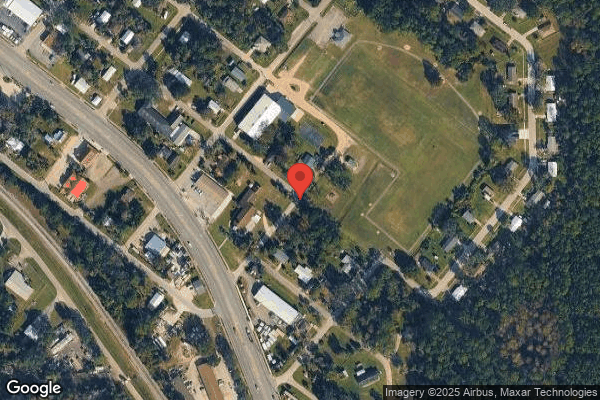
300 DR CARTER BOULEVARD, BUNNELL, FL 32110 (386) 437-4168
For profit - Limited Liability company 120 Beds ASTON HEALTH Data: November 2025
Trust Grade
70/100
#207 of 690 in FL
Last Inspection: December 2023

Within standard 12-15 month inspection cycle. Federal law requires annual inspections.

Overview

Flagler Health and Rehabilitation Center has a Trust Grade of B, indicating it is a good choice among nursing homes, though there are some concerns to consider. It ranks #1 out of 2 facilities in Flagler County and sits at #207 out of 690 in Florida, placing it in the top half of options available. However, the facility is experiencing a worsening trend, with issues increasing from 2 in 2022 to 4 in 2023. Staffing is a notable weakness, with a rating of 2 out of 5 stars and a high turnover rate of 76%, significantly above the state average of 42%. On the positive side, there have been no fines on record, indicating compliance with regulations, and the facility has average RN coverage, ensuring some level of professional oversight. Specific incidents noted in recent inspections include failures in food handling practices, where dietary staff did not follow proper sanitation and hygiene measures, potentially risking foodborne illnesses among residents. Additionally, there were concerns about the maintenance of kitchen equipment, as the temperature of the dishwashing machine was not at the required level, which could compromise sanitation. Lastly, there were lapses in maintaining an infection prevention program, with some residents not receiving necessary tuberculosis screenings, which raises significant health concerns. Overall, while there are strengths in the facility, families should carefully weigh these issues when making their decision.

Trust Score
B
70/100
In Florida
#207/690
Top 30%
Safety Record
Low Risk
No red flags
Inspections
Getting Worse
2 → 4 violations
Staff Stability
⚠ Watch
76% turnover. Very high, 28 points above average. Constant new faces learning your loved one's needs.
Penalties
✓ Good
No fines on record. Clean compliance history, better than most Florida facilities.
Skilled Nurses
✓ Good
Each resident gets 42 minutes of Registered Nurse (RN) attention daily — more than average for Florida. RNs are trained to catch health problems early.
Violations
⚠ Watch
11 deficiencies on record. Higher than average. Multiple issues found across inspections.
★★★★☆
4.0
Overall Rating
★★☆☆☆
2.0
Staff Levels
★★★★★
5.0
Care Quality
★★★☆☆
3.0
Inspection Score
Stable
2022: 2 issues
2023: 4 issues

The Good

  • 5-Star Quality Measures · Strong clinical quality outcomes
  • Full Sprinkler Coverage · Fire safety systems throughout facility
  • No fines on record

Facility shows strength in quality measures, fire safety.

The Bad

Staff Turnover: 76%

30pts above Florida avg (46%)

Frequent staff changes - ask about care continuity

Chain: ASTON HEALTH

Part of a multi-facility chain

Ask about local staffing decisions and management

Staff turnover is very high (76%)

28 points above Florida average of 48%

The Ugly 11 deficiencies on record

Dec 2023 4 deficiencies
CONCERN (D)

Potential for Harm - no one hurt, but risky conditions existed

ADL Care (Tag F0677)

Could have caused harm · This affected 1 resident

**NOTE- TERMS IN BRACKETS HAVE BEEN EDITED TO PROTECT CONFIDENTIALITY** Based on observation, interview and record review, the facility failed to ensure that one (Resident #72) of three residents revi...

Read full inspector narrative →
**NOTE- TERMS IN BRACKETS HAVE BEEN EDITED TO PROTECT CONFIDENTIALITY** Based on observation, interview and record review, the facility failed to ensure that one (Resident #72) of three residents reviewed for activities of daily living (ADL), from a total sample of 32 residents, received adequate and appropriate nail care to maintain personal hygiene. The findings include: On 12/18/23 at 11:45 AM, Resident #72 was observed resting in her room. The resident's fingernails extended approximately three quarters of an inch from the edge of the nail bed. The nails were yellow with dirt accumulated at the bottom edge of the nail bed. The resident explained that she did not like her nails so long and repeatedly asked members of facility staff to trim them. The resident could not recall a specific name of facility staff who she asked to trim her nails and said she asked several certified nursing assistants (CNAs) and licensed practical nurses (LPNs). (Photographic evidence obtained) On 12/21/23 at 10:00 AM, a second observation was made of the resident resting in bed with eyes her closed. The resident's fingernails extended approximately three quarters of an inch from the edge of the nail bed. (Photographic evidence obtained) On 12/21/23 at 10:30 AM, a third observation was made of the resident resting in bed with eyes her closed. The resident's fingernails extended approximately three quarters of an inch from the edge of the nail bed. (Photographic evidence obtained) A review of Resident #72's record revealed the resident was admitted to the facility on [DATE] with diagnoses including dementia, unspecified severity, without behavioral disturbance, psychotic disturbance, mood disturbance, and anxiety, history of transient ischemic attack and cerebral infarction, bipolar disorder, type II diabetes mellitus, hypertension and atrial fibrillation. The quarterly minimum data set (MDS) assessment, dated 09/23/23, documented the resident's brief interview for mental status (BIMS) score was 13 out of 15 possible points, indicating the resident's cognition was intact. The MDS further documented the resident had no potential indicators of psychosis; no indications of physical and/or verbal behavioral symptoms directed towards others; exhibited no rejection of care and no wandering behaviors. The resident's bed mobility was extensive assistance with a two person assist required. Transfer, walk in room, walk in corridor, locomotion on and off unit did not occur during the assessment. The resident's dressing required extensive assistance with a two person assist. Eating required supervision with set up only. Toilet use required extensive assistance with a one person assist. Personal hygiene required extensive assistance with a one person assist. The resident's quarterly MDS dated [DATE], revealed the same data as the MDS dated [DATE]. Resident #72's care plan dated 09/23/23, documented a focus area noting the resident required assistance with ADL functions related to weakness and debility. The care plan focus was initiated on 08/25/22 and revised on 03/23/23. The care plan goal projected the resident will have bathing, dressing and grooming needs met as evidenced by lack of unpleasant body odors, neat and clean appearance on a daily ongoing basis. The care goal was initiated 08/25/22 and revised 05/13/23. Interventions to the care plan documented assistive devices as ordered and/or indicated. Enablers as ordered to promote functional bed mobility. Encourage and assist with all activities of daily living (ADL) tasks as indicated, as tolerated by resident, including locomotion, bathing, bed mobility, transfers, toileting tasks, meals, personal/oral hygiene, etc. On 12/21/23 at 10:30 AM, an interview was conducted with Certified Nursing Assistant (CNA) A. She reported she had worked at the facility for a little over 22 years. She explained that she was familiar with the resident and the resident's needs. She said she had not been asked by the resident to have her fingernails trimmed. She expressed that the process while providing activities of living care was to observe residents' fingernails. If the fingernails appearred long, the expectation was to trim the resident's fingernails at bedside. She described the definition of excessively long nails, which have the potential of scratching a resident's skin, as a minimum of a quarter inch beyond the edge of the nail bed. The CNA pulled back the resident's blanket and observed the resident's fingernails. On 12/21/23 at 11:45 AM, an interview was conducted with Licensed Practical Nurse (LPN) B. She reported she had worked as an Agency employee at the facility for approximately one month. She explained the process for a resident needing a fingernail trim started with the CNA while the care was provided. If she administered medication to a resident and noticed a resident's fingernails exceeded a half an inch beyond the nail bed, she should report it to the CNA who was responsible for trimming the resident's fingernails. She only gave the CNAs verbal notice and did not document a resident's excessive fingernail length in the facility's electronic medical records. On 12/21/23 at 12:40 PM, an interview was conducted with the facility's Director of Nursing (DON). She reported she had worked at the facility for approximately three years. She explained that every resident was different, and some residents did not like their fingernails trimmed. She further explained that fingernail trimming should be included with activities of daily living (ADL) care. She informed CNAs that they should only file fingernails and not clip them. Clipping fingernails was the responsibility of the nurses. Fingernail filing and trimming or requests for filing or trimming were not documented in the facility's electronic medical records. If a resident requested to have their nails trimmed, the expectation was to have the resident's nails filed or clipped within the same day. She explained that if a nurse noticed nails were long during medication administration, they would initiate the trim right there and then. A review of the facility's Activities of Daily Living (ADL) policy documented. 2. Appropriate care and services will be provided for residents who are unable to carry out ADLs independently, with the consent of the resident and in accordance with the plan of care, including appropriate support and assistance with: a. Hygiene (bathing, dressing, grooming, nail care and oral care. .
CONCERN (D)

Potential for Harm - no one hurt, but risky conditions existed

Tube Feeding (Tag F0693)

Could have caused harm · This affected 1 resident

**NOTE- TERMS IN BRACKETS HAVE BEEN EDITED TO PROTECT CONFIDENTIALITY** Based on observations, interview and record review, the facility failed to ensure that one (Resident#33) of four residents recei...

Read full inspector narrative →
**NOTE- TERMS IN BRACKETS HAVE BEEN EDITED TO PROTECT CONFIDENTIALITY** Based on observations, interview and record review, the facility failed to ensure that one (Resident#33) of four residents receiving enteral feedings received adequate nutrition as prescribed. There were 32 residents in the total sample. Failure to provide enteral nutrition as prescribed could result in caloric deficit and eventual malnutrition. The findings include: During a tour on 12/19/23 at 10:12 am, Resident #33 was observed lying in bed. He was receiving tube feeding Jevity 1.5 cal at 60 milliliters per hour ml/hr. (Photographic evidence obtained) Another observation was made on 12/19/23 3:27 pm. Resident #33 was observed receiving Jevity 1.5 cal at 60 ml/hr. On 12/20/23 at 9:08 am, Resident #33 was observed in bed lying supine with the head of the bed elevated at 30 degrees. Jevity 1.5 was running at 60 ml/hr. (Photographic evidence obtained) In an interview on 12/20/23 at 9:28 am, Licensed Practical Nurse (LPN) C stated she was assigned to Resident #33. When asked about the resident's tube feeding times, she reviewed the physician's orders and stated the order read Jevity 1.5 cal at 70 ml per hour on at 2:00 pm and off at 10:00 am. She confirmed that the order was changed from 60 ml to 70 ml on 12/11/23. She was accompanied to the resident's room and confirmed that the resident was receiving the feeding at 60 ml/hr. She added that she would adjust the rate to 70 ml/hr. A review of the medical record indicated that Resident #33 was admitted to the facility on [DATE] with diagnoses including sequelae of cerebral infarction, gastrostomy status, dysphagia, severe protein calorie malnutrition, pneumonitis due to inhalation of food and vomit. Physician orders dated 12/11/23, revealed Jevity 1.5 cal at 70 ml/hr x 20 hours (1400 - 1000 o'clock). Additional orders dated 9/6/23, indicated to provide hydration 125 ml of free water flush every 4 hours for hydration. Encourage resident to remain NPO (nothing by mouth). Check residual every shift. If 60 ml hold feeding for one hour. If residual remains greater than 60 ml, continue to hold and notify the physician. Change tube feeding set/bag every night shift. A review of the care plan dated 9/5/23, indicated that the resident required tube feeding related to dysphagia, a history of aspiration, cardiovascular accident, severe calorie malnutrition, and low BMI (body mass index)/low weight. Interventions included to follow physician's orders regarding nutrition orders and flushes. Check tube placement and gastric content/residual volume per facility protocol and record. Turn off G-tube (feeding tube) while providing care and when head of bed is down. Encourage resident to keep head of bed elevated. A review of the 5-day Minimum Data Set (MDS) assessment with an assessment reference date (ARD) of 10/05/23, revealed that the resident had severe cognitive impairment with a Brief Interview for Mental Status (BIMS) score of 3 out of 15 possible points, indicating severe cognitive impairment. He was dependent on staff for toileting, bed mobility and hygiene care. The resident was dependent on a feeding tube for nutritional support. A review of the Nutrition Note dated 12/11/23, indicated that the resident was reviewed for a quarterly assessment. He was tolerating tube feedings well and his weight was trending down some. Recommended increasing the tube feeding regimen to help combat further weight loss. Continue NPO. Increase tube feeding to Jevity 1.5 70 ml/hr x 20 hrs 2 pm - 10 am, 200 ml free water flush QID (four times daily) to provide 1400 ml formula, 2100 kcal, 89 grams of protein and 1864 ml free water meeting 100% kcal, 95 % protein and 99% free water needs. The tube feeding regime meets 90-110% estimated nutritional needs. A review of the Nursing Progress Notes for 12/12/23-12/19/23 revealed that the resident was receiving Jevity 1.5 at 60 ml/hr. (Copies obtained) A review of the resident's recorded weights revealed that the resident weighed 126.2 pounds on 9/5/23 and 117.0 on 12/6/23. In an interview on 12/20/23 at 9:45 am, LPN D stated she was covering for the unit manager. When asked about Resident #33's enteral feeding orders, she stated when the dietician made any changes, he updated the new orders in the computer and also notified the nurses of the new changes. She confirmed that Resident #33's orders for tube feedings were changed on 12/11/23 to Jevity 1.5 Cal at 70 ml/hr and the nurses had documented providing the feeding at 60 ml/hr. She added that the nurse's night note had adjusted the pump setting. A review of the facility's policy and procedure titled: Enteral Nutrition (Revised January 2014), revealed the following: The policy statement indicated that adequate nutritional support through enteral feeding will be provided to residents as ordered. The policy implementation and interpretation read: 3. The Dietitian, with input from the physician and Nurse will: a. Estimate calorie, protein, nutrient ad fluid needs; b. Determine whether the resident's current intake is adequate to meet his or her nutritional needs; c. Recommend special food formulation and d. Calculate fluid to be provided ( beyond free fluid in formula). 4 . Enteral nutrition will be ordered by the physician based on the recommendation of the Dietitian. If a feeding tube is ordered, the physician and interdisciplinary team will document why enteral nutrition is medically necessary. 5 . Some examples of possible benefits of using a feeding tube include : a. Addressing malnutrition and hydration c. Allowing a resident to gain strength that may allow him or her to return to oral feeding. .
CONCERN (F)

Potential for Harm - no one hurt, but risky conditions existed

Food Safety (Tag F0812)

Could have caused harm · This affected most or all residents

Based on kitchen food service observations, staff interviews, facility document review and facility policy and procedure review, the facility failed to follow proper sanitation and food handling pract...

Read full inspector narrative →
Based on kitchen food service observations, staff interviews, facility document review and facility policy and procedure review, the facility failed to follow proper sanitation and food handling practices to prevent the outbreak of foodborne illness. The facility failed to ensure that the dietary staff practiced the proper procedures for hand hygiene, disposable glove use, food storage and proper sanitation practices in the kitchen. Hand hygiene, food handling and sanitation is important in health care settings serving nursing home residents due to the risk of serious complications from foodborne illness as a result of their compromised health status. Unsafe food handling practices represent a potential source of pathogen exposure. This had the potential to impact any resident receiving food from the facility. The findings include: During the first tour of the facility kitchen on 12/18/2023 at 10:12 AM one of the reach-in freezers located in a back hallway of the kitchen, had large blocks of frozen ice built up on the inside of the unit covering packages of food products. The walk-in cooler had black biological growth and food debris on the shelving where food was stored. Cheese wrapped in plastic food storage wrap had black magic marker dates written on the plastic that was not legible. Sandwiches were stored in a plastic bag with no date mark. The floor of the cooler had dirt, food particle debris and food wrappers. The walk-in freezer had food stored on the floor. The floor had dark black dirt, food debris, paper and cardboard food containers particles on the floor. The gaskets on the reach -in coolers and freezers had a black build up of biological substance in the creases. The ceiling and walls in the dry storage room had a buildup of dust debris. Previously unsealed packages of sugar product were stored in plastic resealable bags that were left open with no date mark. There was a buildup of dust covering the drink machine filter. The dispensers were sitting in a red liquid in a plastic container on the counter top. The Certified Dietary Manager (CDM) pulled them up out of the liquid and stated they need to be allowed to drip. The sanitizer buckets tested at 500+ parts per million (ppm) quaternary ammonium. The CDM stated that it was a toxic level and instructed the staff to change the water out. The kitchen walls and floors had a buildup of dark brown grease, dust and food debris. There was a buildup of grease and debris under the fryer and the stove. The walls of the dish room were covered with a buildup of black food debris and water that had run down the wall and dried. There was a plastic bowl with no handle down in the bulk flour bin. The can opener had a buildup food debris. There were missing tiles from the floor of the dish room and the kitchen wall (Photographic evidence obtained). During a tour of the kitchen on 12/19/2023 at 9:15 AM, the walls and floors of the kitchen and the coolers had not been cleaned. The shelves of the walk-in cooler had not been cleaned. The gaskets had not been cleaned. There was a buildup of grease and debris under the fryer and the stove (Photographic evidence obtained). During a tour of the kitchen on 12/20/2023 at 11:15 AM Employee H, Cook, Employee E, Cook, and Employee G, dietary aide, Employee F and other unsampled dietary staff were present. The walls were dirty under dish machine and under ware washing sink. Preparation tables were dirty with food debris under the drink machines and under preparation table next to the fryer. The table was rusting. The tiles under the warewashing sink had little to no grout. Food debris and dirt were stuck between the tiles. Broken tiles were observed in the kitchen. Food debris, grease and dirt was observed under the stove and fryer line (Photographic evidence obtained). Observed new ice beginning to form on the inside of the reach in freezer in the back hallway of the kitchen. The tray line was set up and the meal service started at 11:48 AM. Employee H, Cook, started plating food. At 11:52 AM she changed gloves without washing her hands. She then continued to plate food. At 12:07 PM Employee E, Cook, came over to the tray line and replaced Employee H. He began plating the food. At 12:10 PM he changed gloves without washing his hands. He then continued to plate food. During an interview with the CDM on 12/20/2023 at 12:15 PM. She stated she emptied out the two reach in freezers that were leaking water inside and the ice had built up. She stated that she thinks the drip pans from the condensers were clogged and that was what was causing them to freeze up inside. She was informed of the observation of the ice beginning to form on the inside of the reach in freezer in the back hallway of the kitchen. She indicated she was unaware of the new ice formation. She was informed of the staff changing gloves without washing their hands. She stated that they should have washed their hands after taking the soiled gloves off and donning new gloves. They both have been trained to wash their hands between glove changes. She confirmed that the kitchen only has one hand washing sink and it is not near the tray line. She stated that it is hard for the cook to stop what they are doing and go wash their hands. The sink is not conveniently located. During a tour of the kitchen on 12/21/2023 the walls and floors of the kitchen, the walk-in cooler and freezer had not been cleaned. The shelves of the walk-in cooler had not been cleaned. The gaskets on the coolers had not been cleaned. The buildup of grease and debris under the fryer and the stove had not been cleaned. Food products were stored on the floor of the freezer (Photographic evidence obtained). Review of the facility dietary cleaning schedules provided revealed the last week deep cleaning had been initialed as being done was 11/12/2023 through 11/18/2023 (Copy obtained). During an interview with the CDM on 12/21/2023 at 2:40 PM she stated that she was on leave for a while and things just did not get done. and her morning cook was out for a while and she had to cook the breakfast and lunch meals herself. Review of the staff in-services for hand hygiene revealed Employee H received training on 12/12/2022. Employee E received training on 09/27/2023 (Copy obtained). Review of the facility policy and procedure titled Hand Hygiene revealed it read: Handwashing/hand hygiene shall be regarded by this Center as a means of preventing the spread of infections. 1. All personnel shall follow tour established handwashing procedures to prevent the spread of invention and disease to other personnel, patients and visitors. 2. Associates must perform appropriate handwashing procedures under the following conditions: j. after removing gloves. 3. The use of gloves does not replace handwashing (Copy obtained). References: Except as specified in (B) and (C) of this section, FOOD shall be protected from contamination by storing the FOOD: (1) In a clean, dry location; (2) Where it is not exposed to splash, dust, or other contamination. Reference: United States Food and Drug Administration Food Code 2022. Sections 3-305.11 Food Storage https://www.fda.gov/food/fda-food-code/food-code-2022 FOOD EMPLOYEES shall clean their hands and exposed portions of their arms as specified under § 2-301.12 immediately before engaging in FOOD preparation including working with exposed FOOD, clean EQUIPMENT and UTENSILS, and unwrapped SINGLE-SERVICE and SINGLE-USE ARTICLESP and: (H) Before donning gloves to initiate a task that involves working with FOOD; and (I) After engaging in other activities that contaminate the hands. Reference: United States Food and Drug Administration Food Code 2022, Sections 2-301.13 Special Handwash Procedures. 2-301.14 When to Wash. (A-I). Page 79. U.S. Department of Health and Human Services Public Health Service, Food and Drug Administration. https://www.fda.gov/food/fda-food-code/food-code-2022 .
CONCERN (F)

Potential for Harm - no one hurt, but risky conditions existed

Room Equipment (Tag F0908)

Could have caused harm · This affected most or all residents

Based on kitchen food service observations, staff interviews, and facility document review, the facility failed to ensure that all mechanical equipment in the kitchen was maintained in a safe operatin...

Read full inspector narrative →
Based on kitchen food service observations, staff interviews, and facility document review, the facility failed to ensure that all mechanical equipment in the kitchen was maintained in a safe operating condition. This failure had the potential to impact any resident receiving food from the facility's kitchen. The findings include: During the first tour of the facility kitchen on 12/18/2023 at 10:12 AM the Certified Dietary Manager (CDM) participated in the tour. Dietary Aide F was observed operating the dish machine. The wash cycle temperature was 110 degrees Fahrenheit ('F). Three loads were observed and the temperature did not change. The chlorine bleach sanitizer level was tested and resulted in 100 parts per million (ppm). Employee F did not know the wash cycle temperature was only 110'F. She stated that it was 130'F when she started washing dishes this morning. She stated that it was supposed to be 120'F or higher. Review of the dish machine temperature log revealed the wash cycle had been recorded to be 130'F and the wash cycle was recorded to be 130'F. During a tour of the kitchen on 12/19/2023 at 9:15 AM the dish machine was being operated by Employee G. The wash cycle temperature was 118'F and the rinse cycle temperature was 120'F on the first load observed. The wash cycle temperature was 110'F and the rinse cycle temperature was 128'F on the second load. The chlorine bleach sanitizer was tested and the result was 100 ppm. Review of the manufacturer's specifications revealed the wash cycle temperature is to be 120'F at a minimum. The chlorine bleach sanitizer should be 50 ppm at a minimum. Detergent Control. Water temperature is an important factor in ensuring the machine functions properly, and the machine's data plate details what the minimum temperatures must be for the incoming water supply, the wash tank, and the rinse tank. If minimum requirements are not met, ware might not be clean or sanitized. Preventative Maintenance: 1. Ensure that the water temperatures match those listed on the machine data plate. Water temperature could be too low for a variety of reasons (Copy obtained). During an interview on 12/20/2023 08:38 AM with the Administrator. He stated that he was made aware of the dish machine not working properly. He was informed of the failure of the machine to reach 120'F during the wash cycle. He stated he did not know that the wash cycle was not reaching the minimum temperature. He stated that the facility does not have control of the settings on the dish machine. He stated that he would make sure the contracted provider of maintenance would be called to come and fix the machine. During the lunch meal service at 11:55 AM the contracted provider of maintenance for the dish machine was observed in the dish room working on the dish machine. During a tour of the kitchen on 12/21/2023 at 9:05 AM Employee G was observed loading the dish machine. The dish machine wash cycle at 110'F, the rinse cycle was 112'F. The CDM opened the machine and looked inside. She stated that there was no water in the machine. She looked down in the well and pulled out a plastic sippy cup lid and put in in the dish rack to be re-washed. She stated that the lid had been blocking the water flow inside the machine. She shut the doors and let the machine run again. She ran the machine through 4 cycles. Each time the wash temperature only reached 110'F and the rinse cycle only reached 112'F. She confirmed the temperatures. She stated that the contracted maintenance provider was called to fix the machine yesterday, 12/20/2023 and they came and conducted maintenance on the machine. She observed the machine while they were at the facility and again after they left and the wash cycle and rinse cycle were above 120'F. She stated she does not know why the temperatures are so low again today. During an interview with the Maintenance Director on 11/21/2023 at 9:20 AM. He stated he raised the temperature on the water heater for the kitchen yesterday, 12/20/2023, by 5'F making the water temperature 150'F. He checked the machine again after that and the wash and rinse cycles were both above 120'F. He stated he does not understand why the temperature is so low. He suggested using a thermometer to test the temperature of the water in the machine. The CDM went and retrieved a digital thermometer and tested the water twice. The first reading was 105'F and the second one was 108'F (Photographic evidence obtained). The Maintenance Director gave the Administrator an infrared thermometer to test the water. He tested the water in the machine and the reading was 105'F. Review of the facility water temperature log dated 12/20//2023 revealed a handwritten note at the bottom that read: Turned hot water heater up 5 degrees on 12/20/2023 (kitchen). Review of the contracted provider for dish machine maintenance receipt for service dated 12/21/2023 revealed it read: Issue (s) Called in for Dishmachine sanitizer to high, testing at 1:00 PM. Work Performed: Rep adjusted dish machine sanitizer to 75 ppm (range is 50pm-100pm) Sanitizer is with in range. Checked Dishmachine temperature, wash and rinse are both at 120 (minimum temp is 120) temperatures with in range. Recommendations/Comments: 1. Test both sanitizers daily. 2. To insure proper washing and rinsing temperatures are with in range please run the water until the Dishmachine water reaches 120. Reference: The requirement for the presence of a temperature measuring device in each tank of the warewashing machine is based on the importance of temperature in the sanitization step. When chemical sanitizers are used, specific minimum temperatures must be met because the effectiveness of chemical sanitizers is directly affected by the temperature of the solution. FDA Food Code 2022 Annex 3. Public Health Reasons/Administrative Guidelines Annex 3 - C. Section 4-204.115 Warewashing Machines, Temperature Measuring Devices. pages 165, 170-171. https://www.fda.gov/food/fda-food-code/food-code-2022 .
Feb 2022 2 deficiencies
CONCERN (D)

Potential for Harm - no one hurt, but risky conditions existed

Deficiency F0676 (Tag F0676)

Could have caused harm · This affected 1 resident

**NOTE- TERMS IN BRACKETS HAVE BEEN EDITED TO PROTECT CONFIDENTIALITY** Based on observation, interviews and record review, the facility failed to ensure it provided appropriate restorative services t...

Read full inspector narrative →
**NOTE- TERMS IN BRACKETS HAVE BEEN EDITED TO PROTECT CONFIDENTIALITY** Based on observation, interviews and record review, the facility failed to ensure it provided appropriate restorative services to maintain or improve the ability to carry out the activities of daily living for one (Resident #39) of one resident sampled for restorative care, out of a total sample of 36 residents. This placed resident #39 at risk for functional decline. The findings include: A review of clinical records for Resident #39 revealed he was admitted to the facility on [DATE] with diagnoses that included dementia without behavioral disturbance, congestive heart failure, atrial fibrillation, chronic kidney disease, major depressive disorder, and hypertension. The resident required limited assistance with walking by staff. A review of Resident #39's significant change minimum data set (MDS) assessment dated [DATE] revealed a brief interview for mental status (BIMS) score of 15 out of 15, indicating cognitively intact. The assessment included his activities of daily living (ADL's) which revealed walking with limited assist with 1-person assistance; locomotion with supervision and setup only and toileting with supervision. In addition, the resident's balance and walk are not steady and are only stable with staff assistance. On 01/30/22 at 1:00 PM, an interview was conducted with Resident #39. He explained that he was placed on a restorative program and that he was to be assisted by staff to walk in the hallway with his walker. He further explained that his restorative therapy should have started on 12/02/21, but he has not received it. Further record review of Resident #39 revealed he had a physical therapy order, dated 11/29/21 for 2 to 4 times a week for 30 days utilizing therapeutic exercise, therapy included tic activities, neuromuscular [NAME], group therapy and gait therapy. He was discharged on 01/13/21 from physical therapy. On 12/02/21 Resident #39 was referred to restorative therapy services. A review of the resident's care plan revealed, he required assistance with ADL functions due to dementia and he was also at risk for falls due to muscle weakness, impulsiveness, dementia, and use of psychotic medications. On 01/06/22 a progress note was written for restorative program to do upper range ROM, tolerates well, and will add ambulation at this time. Additionally a therapy to nursing communication assessment was done on 01/13/22, which stated, patient to ambulate up to 250 feet x 1 with supervision in hallway using R (right) knee unloader brace. (Copy obtained) An interview was conducted with Employee D, Director of Therapy (DOT) on 02/02/22 at 3:45 PM. She explained that Resident #39 was discharged from physical therapy on 01/13/22. She went on to say that therapy wrote recommendations to restorative nurse program for upper body strengthening and ambulation in the hallways. The DOT said, When a resident is put on restorative therapy we send out recommendations to nursing and they will make the orders for restorative therapy. On 02/02/22 at 4:00 PM, an interview was conducted with the resident's Restorative aide, Employee E regarding the restorative plan for Resident #39. He reported that as a restorative aide, he will do exercises, put on splints, and walk residents, depending on orders and needs of resident. Employee E confirmed that resident #39 is on restorative nursing but was not seen today. He stated that the resident was scheduled for restorative nursing on Tuesdays, Thursdays, and Saturday sessions. When he was asked if had assisted Resident #39 with walking in the hallways, he stated that he did not have any orders for walking Resident #39. He explained that the resident's had orders to do upper and lower extremity exercises. On 02/02/22 at 4:19 PM, an interview was conducted with Employee F, Registered Nurse Supervisor who oversees the restorative nursing program. She stated that when a resident is discharged from therapy, the clinical team will decide if they can benefit from restorative nursing program. If a benefit can be achieved, then the therapy department will fill out a communication sheet identifying what programs the resident will need for the restorative program. When Employee F, was asked the current status of #39, she stated, he is on passive/active range of motion with upper and lower exercises which are to be done with the staff. Employee F was asked to provide the communication from therapy to restorative department communication form for recommendations related to Resident #39. Employee F confirmed that the form dated 01/25/22, from therapy to nursing requested that Resident #39 ambulate up to 250 feet x 1 with supervision in hallway using right knee unloader brace. (Copy obtained) Employee F acknowledged that the resident did not ambulate up to 250 feet x 1 with supervision in hallway using right knee unloader brace with restorative aide and confirmed it should be done 3 times a week. She explained that if the restorative aide does not do this activity with the resident, then the certified nursing aides (CNAs) should do it. She went on to say that the agency CNAs might not be doing it. She reported it should have been documented in computer as a restorative duty and proceeded to input it in computer while being interviewed at this time. Employee F was observed adding the restorative exercise into the duties of restorative aides. On 02/02/22 at 4:42 PM, Resident #39 was observed in a wheelchair with his knee brace on. He was asked if he had received his walking exercises in the last week? He stated, No, I have gotten exercises with restorative, but I have not been walked. A review of Resident #39's restorative program record revealed Employee F's recorded an order on 02/02/22 to nursing rehabilitation tasks that stated walking with distance up to 250 feet times 1 with supervision in hallway using Right Knee Loader brace with Front wheeled walker. .
CONCERN (D)

Potential for Harm - no one hurt, but risky conditions existed

Medical Records (Tag F0842)

Could have caused harm · This affected 1 resident

Based on observations, interviews and record review, the facility failed to maintain complete and accurate medical records in accordance with professional standards for one (Resident #7) of one reside...

Read full inspector narrative →
Based on observations, interviews and record review, the facility failed to maintain complete and accurate medical records in accordance with professional standards for one (Resident #7) of one resident sampled for mobility, from a total sample of 36 residents. The findings include: A record review for Resident #7 revealed an admission date of 06/25/18, with diagnoses including dementia without behavioral disturbance, type 2 diabetes mellitus, congestive heart failure, generalized anxiety disorder, major depressive disorder, hypertension, tremor, edema, and anemia. A review of Resident #7's quarterly minimum data set (MDS) assessment, dated 01/22/22 revealed a brief interview for mental status (BIMS) score of 06, indicating severe cognitive impairment. A review of Resident #7's current physician's orders dated October 18, 2021, read: knee immobilizer to left leg every shift with no discontinuation date observed. On 01/31/22 at 10:00 AM, Resident #7 was observed in hallway by her room, self-propelling in a wheelchair. She was observed dressed for day without an immobilizer on her left knee. On 02/01/22 at 4:00 PM, Resident #7 was observed for a second time. She was in her room, sitting in a wheelchair beside her bed, dressed in day clothes. No knee immobilizer was observed on resident's left knee. Resident was asked if she usually wears any type of a brace, splint, or immobilizer on her leg. She stated, I don't think so, no. On 02/02/22 at 10:10 AM, Resident #7 was observed for a third time. She was sitting in her wheelchair in the hallway, dressed in day clothes without a knee immobilizer on her left knee. Resident was asked if she had a brace or immobilizer for her left knee. She stated, No, I think I used to. But I don't anymore. A record review of Resident #7's Treatment Administration Record (TAR) for October 18-31, 2021, November 2021, December 2021, and January 2022 revealed documentation that the resident received the treatment of knee immobilizer to LEFT leg every shift for s/p left hip hemiarthroplasty on each of those days. On 02/02/22 at 10:15 AM, Employee B, Certified Nursing Assistant (CNA) was asked if she had assisted Resident #7 with her morning care, she replied, Yes I did. She was then asked if the resident had a left knee brace/immobilizer, she replied, No, I don't think so, not that I am aware of. On 02/02/22 at 10:20 AM, Employee A, Licensed Practical Nurse (LPN) was asked if she was caring for resident #7 today, she replied, Yes. She was then asked if the resident was using a knee immobilizer, she replied, No, I don't think so, I haven't seen one. During an interview on 02/02/22 at 2:10 PM, Employee D, Director of Physical Therapy confirmed that had worked with Resident #7 and the resident was currently on restorative therapy now. When she was asked if the resident was using a left knee immobilizer, she stated, I know she was using one back in October, when she came back from having her hip surgery. But I think that has been discontinued by now. I know she wasn't using it this last time with her physical therapy. On 02/02/22 at 4:25 PM, an interview was conducted with the Director of Nursing (DON). She was asked if she had any knowledge of Resident #7's physician order for a left knee immobilizer. She said, I saw that it was discontinued by her orthopedic doctor in December. The DON provided a Physician Visit Form dated 10/29/21 with a Physician Progress Note that stated, knee immobilizer in place until 12/14/21. When the DON was asked if the resident was still wearing the knee immobilizer, she stated, No. She was then asked if she knew why the nurses were signing off the left knee immobilizer as in place each shift since it was ordered until today in the TAR. She stated, I don't know why they are signing it off, it's not being used. The nurse who took the order just realized she didn't discontinue it in the system, and that's why it still shows up on the TAR. .
Jan 2020 5 deficiencies
CONCERN (D)

Potential for Harm - no one hurt, but risky conditions existed

ADL Care (Tag F0677)

Could have caused harm · This affected 1 resident

Based on observation, a review of resident records and interviews with staff, the facility failed to provide nail care to one (Resident #90) of two sampled dependent residents reviewed for activities ...

Read full inspector narrative →
Based on observation, a review of resident records and interviews with staff, the facility failed to provide nail care to one (Resident #90) of two sampled dependent residents reviewed for activities of daily living (ADLs), from a total sample of 38 residents. The findings include: Resident #90 was observed on 1/27/20 at 10:56 AM in her bed. Her left hand was contracted (rigidity and deformity due to muscle shortening and tightness) and her right hand was under the covers. An unidentified gray colored matter was observed under each of the nails of her left hand. An interview was attempted at this time, but found Resident #90 was non-verbal and only able to respond making a sighing sound (ah-ha). Resident # 90 was observed in her room on 1/29/20 at 9:24 AM. She was in bed and had her partially eaten breakfast on an over bed table. While pointing to her left and right hands, she was asked about the condition of her fingernails. Resident #90 raised her left hand which was still observed to have dark matter under each of the nails. She attempted to lift her right hand, which was hidden under the covers, but was not able to do so. Resident 90 was observed in her room on 1/29/20 at 1:12 PM. Her fingernails on her left hand were observed with the same dark matter under each of her nails. Employee E, Certified Nursing Assistant (CNA), was interviewed at this time. She stated resident nail care was performed on shower days by the CNAs, and the ladies in activities did nail care on Wednesdays in the dining room. When shown that Resident #90's nails appeared to need cleaning, Employee E did not respond. An observation of Resident #90 on 1/30/20 at 8:47 AM found the fingernails on her left hand were now clean. An interview was conducted with Employee K, CNA, on 1/30/20 at 11:10 AM. She stated residents' nail care could be done by the aides at any time if needed. Employee K stated she did not know why Resident #90's nails would have had gray matter underneath per the described observations. A record review for Resident #90 found an annual minimum data set (MDS) assessment with an assessment reference date of 1/7/20. Resident #90 had a brief interview for mental status (BIMS) score of 7 out of 15 points, indicating severely impaired cognition for daily decision making. She required extensive assistance with ADLs (activities of daily living). The resident's diagnoses included aphasia (the inability to formulate words due to brain damage), hemiplegia or hemiparesis (paralysis), and cerebrovascular accident (CVA or stroke). Resident #90 was care planned for requiring extensive assistance by staff with the completion of her activities of daily living and personal hygiene. The interventions instructed staff to wash Resident #90's hands each morning, evening and as needed. .
CONCERN (D)

Potential for Harm - no one hurt, but risky conditions existed

Deficiency F0730 (Tag F0730)

Could have caused harm · This affected 1 resident

Based on record review and staff interview, the facility failed to provide education or skill competency of at least 12 hours per year for two (Employees H and I) of six Certified Nursing Assistants (...

Read full inspector narrative →
Based on record review and staff interview, the facility failed to provide education or skill competency of at least 12 hours per year for two (Employees H and I) of six Certified Nursing Assistants (CNAs) sampled. The findings include: On 1/29/2020 at 1:30 PM during record review, 12 hours of education and skill check off could not be located in the employee personnel or education files for Employees H or I. The DON was notified. On 1/30/20 at 11:20 AM, an interview was conducted with the Director of Nursing (DON) and Corporate Consultant Registered Nurse (RN). The DON stated all employees were required to complete online learning monthly and face to face in-service training as needed two to four times a month. The DON further stated she was responsible for making sure education and skills were checked off and completed. On 1/30/20 at 2:39 PM, the DON provided education from 2014 for Employee I. She was told there was a need to review education completed over Employee I's most recent 12 months of employment. The DON then stated she had 12 hours of education for Employee H. No annual employee education and/or competencies were provided for Employees H or I during the course of the survey. .
CONCERN (D)

Potential for Harm - no one hurt, but risky conditions existed

Deficiency F0761 (Tag F0761)

Could have caused harm · This affected 1 resident

Based on observations, interviews, review of the facility's policy and procedure and medical records, the facility failed to ensure that stored medications appropriately and securely for one (Resident...

Read full inspector narrative →
Based on observations, interviews, review of the facility's policy and procedure and medical records, the facility failed to ensure that stored medications appropriately and securely for one (Resident #244) of 38 sampled residents. The findings included: An interview was conducted with Resident #244 on 1/28/2020 at 10:07 AM. During the interview an observation was made of a medication cup containing 1/2 white tablet and 1 white whole tablet that was left on the resident's overbed table unattended by nursing staff. Resident #244 stated he did not know where the medication came from and stated, Maybe that is my pain pill. The medication was secured with the permission of Resident #244 and taken to Employee A, Registered Nurse (RN), who was assigned to care for Resident #244. On 1/28/2020 at 10:13 AM an interview was conducted with Employee A, RN. She confirmed the two medications in the plastic medication cup. She reviewed the Medication Administration Record (MAR) for Resident #244, the medication pill pack for Glipizide, which had 1/2 of 5 milligram (mg) tablets and Carvedilol 3.125 mg. The MAR indicated the medications were administered. Employee A confirmed that the 9:00 AM medication administration was completed by her and she watched Resident #244 take all of his medications. Employee A did not know where the medications came from. She reviewed the MAR again and provided a visual confirmation that the pills in the cups were Glipizide 5 mg give 1/2 tablet and Carvedilol 3.125 mg. An interview was conducted with the Director of Nursing (DON) on 1/30/2020 at 10:33 AM, and she confirmed that Employee A, RN, had reported the concern about the two medications left unattended in Resident #244's room. The DON stated that the nurse was to watch the resident take the medication completely and that medication should not to be left behind. The DON also stated that a medication discrepancy report was generated for the date of discovery on 1/28/2020 at 9:00 AM to address the two medications. A review of Resident #244's MAR for January 21, 2020 through January 28, 2020 revealed an order for Carvedilol tablet 3.125 mg give 1 tablet by mouth two times a day related to essential hypertension was documented for 9:00 AM and 5:00 PM shifts. There was no documented a reason why Carvedilol 3.125 mg for hypertension was found on the over the bed table, unattended for Resident #244. Further review of the MAR revealed that on the following dates from January 21, 2020 through January 28, 2020, Glipizide 1/2 of a 5 mg tablet to equal 2.5 mg, by mouth one time a day for diabetes was documented as administered each day. There was no documented reason why the tablet was observed unattended, on the over the bed table for Resident #244. A review of the blister packs for both medications Glipizide 5 mg; give 1/2 of 5 mg tablet for 2.5 mg and Carvedilol tablet 3.125 mg was conducted with Employee A on 1/28/2020 at 10:13 AM. It was confirmed that these were the medications in the cup left unattended in Resident #244's room during the 9:00 AM medication pass. A review of the facility's policy forAdministration of Drugs revealed no specific detail to account for the two pills left in the medication cup, but at line 12 in the policy it was documented that Should a drug be withheld, refused or given other than at the scheduled time, the nurse should give the appropriate chart code inside electronic Medical Administration Record (eMAR) that states the reason for not administering that particular drug. A review of the medication administration record was conducted and revealed no documented nurse note entry that supported that Resident #244 had refused Glipizide 5 mg; give 1/2 of 5 mg tablet for 2.5 mg and Carvedilol tablet 3.125 mg. A review of the facility policy Storage of Medications included that Drugs and biologicals should be stored in a safe, secure, orderly manner. .
CONCERN (E)

Potential for Harm - no one hurt, but risky conditions existed

Infection Control (Tag F0880)

Could have caused harm · This affected multiple residents

**NOTE- TERMS IN BRACKETS HAVE BEEN EDITED TO PROTECT CONFIDENTIALITY** Based on a review of resident records, facility policies and procedures and interviews with staff, the facility failed to mainta...

Read full inspector narrative →
**NOTE- TERMS IN BRACKETS HAVE BEEN EDITED TO PROTECT CONFIDENTIALITY** Based on a review of resident records, facility policies and procedures and interviews with staff, the facility failed to maintain its own infection prevention program designed to prevent the development and transmission of tuberculosis for eight (Residents #70, #294, #299, #60, #196, #147, #48 and #41) of nine residents reviewed, from a total of 38 residents in the sample. The findings include: 1. A record review conducted for Resident #70 revealed an admission date of 12/12/19. Physician's orders included the following: Two-step PPD (tuberculosis skin test) or chest x-ray upon admission and TB (tuberculosis) screening annually thereafter. Do Not Send. Further review of the Resident #70's record (electronic and hardcopy) revealed hospital records including a chest x-ray, but the x-ray was not for TB and results did not specify a negative TB status. The facility did not obtain a chest x-ray to confirm the resident was negative for tuberculosis or administer the PPD skin test on admission. 2. A record review was conducted for Resident #294 revealing an admission date of 1/14/20. Physician's orders included the following: Two-step PPD (tuberculosis skin test) or chest x-ray upon admission and TB (tuberculosis) screening annually thereafter. Do Not Send. Further review of Resident #294's medical record (electronic and hardcopy) revealed that the facility had not obtained a chest x-ray showing the resident was negative for tuberculosis. The facility also failed to administer the PPD skin test. 3. A record review was conducted for Resident #299 revealing an admission date of 1/7/20. Physician's orders included the following: Two-step PPD (tuberculosis skin test) or chest x-ray upon admission and TB (tuberculosis) screening annually thereafter. Do Not Send. Further review of Resident #299's medical record (electronic and hardcopy) revealed hospital records including a chest x-ray, but the x-ray was not for TB and results did not specify a negative TB status. The facility did not obtain a chest x-ray showing the resident was negative for tuberculosis or administer the PPD skin test on admission. 4. A clinical record review for Resident #60 revealed he was admitted to the facility on [DATE]. He had a physician's order dated 12/23/19 for a 2-step PPD or chest x-ray upon admission and a TB screening annually thereafter. Do Not Send. There were no directions specified for this order. Review of the Medication Administration Record (MAR) and the remainder of the clinical record found no documentation that the PPD or chest x-ray was performed on admission, as ordered. 5. A clinical record review for Resident #196 revealed he was admitted to the facility on [DATE]. He had a physician's order dated 1/13/20 for a 2-step PPD or chest x-ray upon admission and a TB screening annually thereafter. Do Not Send. Review of the clinical record and MAR found no evidence the PPD or chest x-ray was obtained, as ordered. 6. A clinical record review for Resident #147 revealed she was admitted on [DATE]. She had a physician's order dated 1/10/20 for a 2-step PPD or chest x-ray upon admission and a TB screening annually thereafter. Resident #147's record noted that she had a chest x-ray on 12/31/19 (photo obtained) and two additional chest x-rays during her prior hospital stay, however, there was no indication the chest x-ray screened for tuberculosis. 7. A record review revealed Resident #48 was admitted on [DATE] and had a physician's order for a 2-step PPD or chest x-ray upon admission and a TB screening annually thereafter. The record included an annual TB Signs/Symptoms Screening dated 8/23/18, however, there was no re-screening in 2019 as ordered. 8. A record review revealed Resident #41 was admitted on [DATE] and had a physician's order for a 2-step PPD or chest x-ray upon admission and a TB screening annually thereafter. The record contained an annual TB Signs/Symptoms Screening dated 8/26/18, however, there was no re-screening performed in 2019 as ordered. Photographic evidence of all orders was obtained. A review of the facility's Infection Prevention and Control Policy titled Tuberculosis Screening- Resident dated November 2019 revealed the following: Policy: All residents must comply with our established tuberculosis screening procedures. Policy Interpretation and Implementation: 1. Prior to, or at the time of admission, residents will be assessed for M. tuberculosis infection. Should the assessment or medical history reveal no chest x-ray or PPD test has been provided, such test (as appropriate) must be conducted within seventy-two (72) hours of admission to the center. Chest X-ray and TB test needed prior to admission within 30 days . .7. SNF Florida Only: After initial screening, TB Signs/Symptoms Screen will be done annually . An interview was conducted with Employee F, Licensed Practical Nurse (LPN), on 1/28/20 at 11:40 AM. She stated residents' PPD results would be documented in the electronic clinical record under the immunizations section. An interview was conducted with the Director of Nursing on 1/30/20 at 11:27 AM in regards to the hospital chest x-ray results the facility was utilizing in lieu of tuberculosis screenings on admission. She reviewed the chest x-rays that she had provided for Residents #70, #147 and #299. She confirmed that the hospital chest x-rays did not confirm that the residents were negative of tuberculosis. An interview was conducted with the Advanced Registered Nurse Practitioner on 1/30/20 at 2:39 PM. She acknowledged the current facility policy and procedure was for a chest x-ray or 2-step PPD on admission. When advised that the annual screenings had not been consistently performed, she stated she had identified this issue a year ago and had spoken with the facility at that time. She thought the Infection Nurse at that time was going to implement a system for maintaining residents' TB status and annual screenings in one binder. She agreed the system for TB screening had deteriorated, speculating staff turnover might be to blame. An interview was conducted with the Regional Nurse Consultant on 1/30/20 at 3:24 PM. She acknowledged the TB screenings were not being performed as ordered. .
CONCERN (E)

Potential for Harm - no one hurt, but risky conditions existed

Room Equipment (Tag F0908)

Could have caused harm · This affected multiple residents

Based on observations and interviews with staff, the facility failed to maintain oxygen concentrator annual inspections to ensure they were in safe operating condition for five of five oxygen concentr...

Read full inspector narrative →
Based on observations and interviews with staff, the facility failed to maintain oxygen concentrator annual inspections to ensure they were in safe operating condition for five of five oxygen concentrators observed, from a total of 10 concentrators in use in the facility. This had the potential to lead to equipment malfunction and possible harm to any residents requiring the use of the devices. The findings include: During a facility tour with the Administrator and Director of Maintenance on 1/28/2020 between 12:00 PM and 3:30 PM it was discovered that the annual inspection and calibration of the facility oxygen concentrators (patient care equipment) was past due in five of five concentrators sampled. According to the labels on the equipment, inspection/calibration/testing was due in July of 2019 (they were last tested in 7/2018). During an interview with the Administrator and Director of Maintenance at 1:15 PM on 1/28/2020, it was acknowledged that the equipment was past due for inspection. The Administrator then stated that they would be diligent in getting the inspections done and that quality assurance would be put in place to ensure future compliance. An interview was conducted with the Director of Nursing (DON) on 1/30/20 at 3:04 PM. She was asked for the facility's policy and procedure on respiratory equipment/oxygen concentrator care and maintenance. At 3:14 PM on 1/30/20 the Regional Nurse reported there was no specific policy or procedure. In a second interview with the DON at 4:35 PM on 1/30/20, she stated there were a total of 10 oxygen concentrators in use at the time of survey. .
Understanding Severity Codes (click to expand)
Life-Threatening (Immediate Jeopardy)
J - Isolated K - Pattern L - Widespread
Actual Harm
G - Isolated H - Pattern I - Widespread
Potential for Harm
D - Isolated E - Pattern F - Widespread
No Harm (Minor)
A - Isolated B - Pattern C - Widespread

Questions to Ask on Your Visit

  • "Why is there high staff turnover? How do you retain staff?"
  • "Can I speak with families of current residents?"
  • "What's your RN coverage like on weekends and overnight?"

Our Honest Assessment

Strengths
  • • No major safety red flags. No abuse findings, life-threatening violations, or SFF status.
  • • No fines on record. Clean compliance history, better than most Florida facilities.
Concerns
  • • 11 deficiencies on record. Higher than average. Multiple issues found across inspections.
  • • 76% turnover. Very high, 28 points above average. Constant new faces learning your loved one's needs.
Bottom line: Mixed indicators with Trust Score of 70/100. Visit in person and ask pointed questions.

About This Facility

What is Flagler Center's CMS Rating?

CMS assigns FLAGLER HEALTH AND REHABILITATION CENTER an overall rating of 4 out of 5 stars, which is considered above average nationally. Within Florida, this rating places the facility higher than 99% of the state's 100 nursing homes. This rating reflects solid performance across the metrics CMS uses to evaluate nursing home quality.

How is Flagler Center Staffed?

CMS rates FLAGLER HEALTH AND REHABILITATION CENTER's staffing level at 2 out of 5 stars, which is below average compared to other nursing homes. Staff turnover is 76%, which is 30 percentage points above the Florida average of 46%. High turnover can affect care consistency as new staff learn residents' individual needs. RN turnover specifically is 58%, which is notably high. RNs provide skilled clinical oversight, so turnover in this role can affect medical care quality.

What Have Inspectors Found at Flagler Center?

State health inspectors documented 11 deficiencies at FLAGLER HEALTH AND REHABILITATION CENTER during 2020 to 2023. These included: 11 with potential for harm.
Who Owns and Operates Flagler Center?

FLAGLER HEALTH AND REHABILITATION CENTER is owned by a for-profit company. For-profit facilities operate as businesses with obligations to shareholders or private owners. The facility is operated by ASTON HEALTH, a chain that manages multiple nursing homes. With 120 certified beds and approximately 97 residents (about 81% occupancy), it is a mid-sized facility located in BUNNELL, Florida.
How Does Flagler Center Compare to Other Florida Nursing Homes?

Compared to the 100 nursing homes in Florida, FLAGLER HEALTH AND REHABILITATION CENTER's overall rating (4 stars) is above the state average of 3.2, staff turnover (76%) is significantly higher than the state average of 46%, and health inspection rating (3 stars) is at the national benchmark.

What Should Families Ask When Visiting Flagler Center?

Based on this facility's data, families visiting should ask: "How do you ensure continuity of care given staff turnover, and what is your staff retention strategy?" "Can you walk me through typical staffing levels on day, evening, and night shifts?" "Can I visit during a mealtime to observe dining assistance and food quality?" "How do you handle medical emergencies, and what is your hospital transfer rate?" These questions are particularly relevant given the facility's high staff turnover rate and the below-average staffing rating.

Is Flagler Center Safe?

Based on CMS inspection data, FLAGLER HEALTH AND REHABILITATION CENTER has a clean safety record: no substantiated abuse findings (meaning no confirmed cases of resident harm), no Immediate Jeopardy citations (the most serious violation level indicating risk of serious injury or death), and is not on the Special Focus Facility watch list (a federal program monitoring the lowest-performing 1% of nursing homes). The facility has a 4-star overall rating and ranks #1 of 100 nursing homes in Florida. While no facility is perfect, families should still ask about staff-to-resident ratios and recent inspection results during their visit.

Do Nurses at Flagler Center Stick Around?

Staff turnover at FLAGLER HEALTH AND REHABILITATION CENTER is high. At 76%, the facility is 30 percentage points above the Florida average of 46%. Registered Nurse turnover is particularly concerning at 58%. RNs handle complex medical decisions and coordinate care — frequent RN changes can directly impact care quality. High turnover means new staff may not know residents' individual needs, medications, or preferences. It can also be disorienting for residents, especially those with dementia who rely on familiar faces. Families should ask: What is causing the turnover? What retention programs are in place? How do you ensure care continuity during staff transitions?

Was Flagler Center Ever Fined?

FLAGLER HEALTH AND REHABILITATION CENTER has no federal fines on record. CMS issues fines when nursing homes fail to meet care standards or don't correct problems found during inspections. The absence of fines suggests the facility has either maintained compliance or corrected any issues before penalties were assessed. This is a positive indicator, though families should still review recent inspection reports for the full picture.

Is Flagler Center on Any Federal Watch List?

FLAGLER HEALTH AND REHABILITATION CENTER is not on any federal watch list. The most significant is the Special Focus Facility (SFF) program, which identifies the bottom 1% of nursing homes nationally based on persistent, serious quality problems. Not being on this list means the facility has avoided the pattern of deficiencies that triggers enhanced federal oversight. This is a positive indicator, though families should still review the facility's inspection history directly.