OSPREY POINT NURSING CENTER

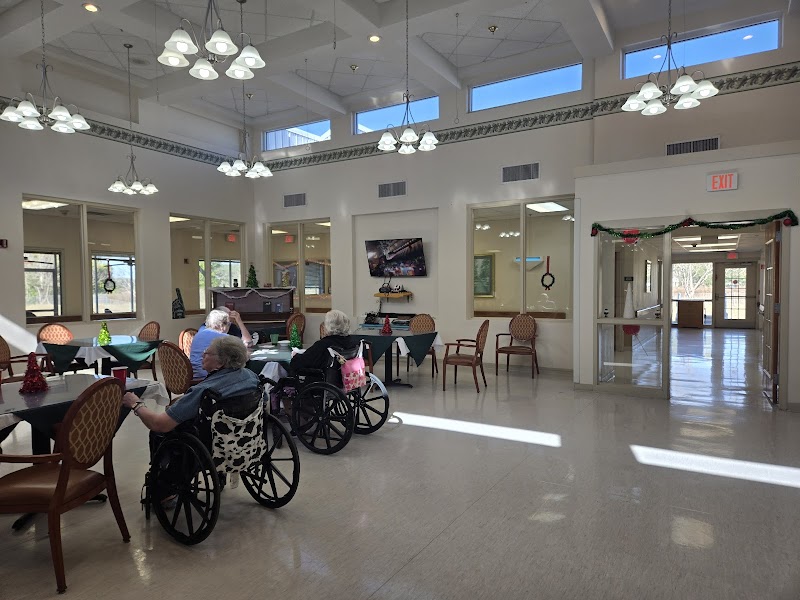
1104 NORTH MAIN STREET, BUSHNELL, FL 33513 (352) 568-8777
For profit - Limited Liability company 60 Beds CONSULATE HEALTH CARE/INDEPENDENCE LIVING CENTERS/NSPIRE HEALTHCARE/RAYDIANT HEALTH CARE Data: November 2025
Trust Grade
90/100
#84 of 690 in FL
Last Inspection: March 2025

Within standard 12-15 month inspection cycle. Federal law requires annual inspections.

Overview

Osprey Point Nursing Center in Bushnell, Florida, has earned a Trust Grade of A, which means it is considered excellent and highly recommended. Ranking #84 out of 690 facilities in Florida places it in the top half, while its county rank of #2 out of 4 indicates that only one local option is better. The facility is improving, with issues decreasing from seven in 2023 to two in 2025. Staffing received a 3 out of 5 stars, indicating average performance, with a turnover rate of 50%, which is higher than the state average. One concern is that there is less registered nurse (RN) coverage than 81% of Florida facilities, which could impact the quality of care. Specific incidents reported include a resident's PICC line being improperly cared for, with visible leakage and a lack of proper dressing. Additionally, food safety issues were noted, such as expired items in the kitchen and unsafe food handling practices during meal assistance, highlighting areas that need improvement. Overall, while Osprey Point has many strengths, addressing these concerns is essential for ensuring the well-being of residents.

Trust Score
A
90/100
In Florida
#84/690
Top 12%
Safety Record
Low Risk
No red flags
Inspections
Getting Better
7 → 2 violations
Staff Stability
⚠ Watch
50% turnover. Above average. Higher turnover means staff may not know residents' routines.
Penalties
✓ Good
No fines on record. Clean compliance history, better than most Florida facilities.
Skilled Nurses
⚠ Watch
Each resident gets only 28 minutes of Registered Nurse (RN) attention daily — below average for Florida. Fewer RN minutes means fewer trained eyes watching for problems.
Violations
⚠ Watch
12 deficiencies on record. Higher than average. Multiple issues found across inspections.
★★★★★
5.0
Overall Rating
★★★☆☆
3.0
Staff Levels
★★★★★
5.0
Care Quality
★★★★☆
4.0
Inspection Score
Stable
2023: 7 issues
2025: 2 issues

The Good

  • 5-Star Quality Measures · Strong clinical quality outcomes
  • Full Sprinkler Coverage · Fire safety systems throughout facility
  • No fines on record

Facility shows strength in quality measures, fire safety.

The Bad

Staff Turnover: 50%

Near Florida avg (46%)

Higher turnover may affect care consistency

Chain: CONSULATE HEALTH CARE/INDEPENDENCE

Part of a multi-facility chain

Ask about local staffing decisions and management

The Ugly 12 deficiencies on record

Mar 2025 2 deficiencies
CONCERN (D)

Potential for Harm - no one hurt, but risky conditions existed

Food Safety (Tag F0812)

Could have caused harm · This affected 1 resident

Based on observation, interview, and record review, the facility failed to ensure food was safely stored, labeled, or discarded in the areas of the kitchen and walk-in cooler. Findings include: During...

Read full inspector narrative →
Based on observation, interview, and record review, the facility failed to ensure food was safely stored, labeled, or discarded in the areas of the kitchen and walk-in cooler. Findings include: During an observation while conducting an initial tour of the kitchen on 3/10/25 at 10:05 AM with the Certified Dietary Manager (CDM), there were one large container of sour cream on a shelf with an expiration date of 3/2/25 and three rolls of a meat product on another shelf without an identifying label in the walk-in cooler. In the walk-in freezer, there was one bag of tots that had a hole exposing the food product to the elements that could result in freezer burn. On the bread rack, there were two partial loaves of bread that did not have an expiration date on the package and were not labeled with the open date. During an interview on 3/10/25 at 10:10 AM, the CDM confirmed the products identified as expired and/or not labeled. The CDM stated that the container of sour cream should have been discarded on 3/2/25 and the rolls of meat were turkey and should have had an identifying label as the product was out of the original container and the bread should have had an open date on each package. During an interview on 3/12/25 at 8:17 AM, when requested for the policy and procedures related to food storage, the Registered Dietician (RD) stated the facility goes by the Food Code and not a particular policy. Review of the U.S. Food and Drug Administration' s (FDA) Food Code and the Centers for Disease Control and Prevention's (CDC) food safety guidance as national standards to procure, store, prepare, distribute, and serve food in long term care facilities in a safe and sanitary manner showed it read, Food Receiving and Storage - When food, food products or beverages are delivered to the nursing home, facility staff must inspect these items for safe transport and quality upon receipt and ensure their proper storage, keeping track of when to discard perishable foods and covering, labeling, and dating all PHF/TCS foods stored in the refrigerator or freezer as indicated.
CONCERN (D)

Potential for Harm - no one hurt, but risky conditions existed

Infection Control (Tag F0880)

Could have caused harm · This affected 1 resident

Based on observation, interview, and record review, the facility failed to ensure a safe and sanitary environment while assisting residents with meals for 1 of 3 residents reviewed, Resident #42. Find...

Read full inspector narrative →
Based on observation, interview, and record review, the facility failed to ensure a safe and sanitary environment while assisting residents with meals for 1 of 3 residents reviewed, Resident #42. Findings include: During an observation on 3/10/25 at 12:22 PM in the dining room, Staff A, Certified Nursing Assistant (CNA), was assisting Resident #42 with a partially eaten tuna fish sandwich during lunch. Staff A had the partially eaten sandwich in her bare hands encouraging Resident #42 to take another bite. During an interview on 3/10/25 at 12:23 PM, Staff A, CNA, confirmed she had the sandwich in her bare hands. Staff A stated she was trying to get the resident to take the sandwich, and acknowledged she was handling it with her bare hands and should have used a utensil or gloved hand. During an interview on 3/10/25 at 12:30 PM, the Director of Nursing (DON) stated that good hand hygiene was mandatory for any staff assisting residents with their meals. During an interview on 3/12/25 at 12:05 PM, the Infection Preventionist (IP) stated, For a staff member to handle a resident's food with bare hands, that would be considered an infection control issue as standard precautions were not followed for safe food handling.
Nov 2023 6 deficiencies
CONCERN (D)

Potential for Harm - no one hurt, but risky conditions existed

Assessment Accuracy (Tag F0641)

Could have caused harm · This affected 1 resident

Based on record review and interview the facility failed to ensure resident assessments accurately reflected the resident's status for 2 residents, (Resident #17 and Resident #19), of 5 residents revi...

Read full inspector narrative →
Based on record review and interview the facility failed to ensure resident assessments accurately reflected the resident's status for 2 residents, (Resident #17 and Resident #19), of 5 residents reviewed for restraints and unnecessary medications. Findings include: 1. Review of Resident #17's minimum data set assessment, dated 10/11/2023, documented under Section P titled Restraints and Alarms physical restraints in the form of bed rails were used daily. Review of Resident #17's care plan, revised on 11/19/2020, documented BED MOBILITY: The resident uses bilateral ¼ side rails to maximize independence with turning and repositioning in bed. Review of Resident #17's physician's order dated 2/13/2023 documented Bilateral ¼ side rails as enablers, and order dated 5/14/2022 documented 1/4 side rails x 2 while in bed for positioning, mobility and sense of security. Both physician's orders appeared on the Order Summary Report dated Active Orders As Of: 11/29/2023. 2. Review of Resident #19's minimum data set assessment, dated 10/13/2023, documented under Section P titled Restraints and Alarms physical restraints in the form of bed rails were used daily. Review of Resident #19's care plan, revision on 1/24/2022, SIDE RAILS: ¼ SR [side rail] when in bed as enablers for increased independence with bed mobility. Review Resident #19's physician's order dated 2/13/2023 documented Bilateral ¼ side rails as enablers. During an interview on 11/29/2023 at 7:59 AM, Staff B (Registered Nurse) stated [Resident #17's Name and Resident #19's Name] bed rails were used as enablers during turning. They [Resident #17 and Resident #19] could not get out of bed without assistance and the bed rails help them with mobility. They were not restrained in any way by the bed rails. During an interview on 11/29/2023 at 8:06 AM, the Minimum Data Set Coordinator agreed the bedrails were not used to restrain [Resident #17's Name and Resident #19's Name]. He stated [Resident #17's Name and Resident #19's Name] minimum data set assessments had been coded incorrectly.
CONCERN (D)

Potential for Harm - no one hurt, but risky conditions existed

PASARR Coordination (Tag F0644)

Could have caused harm · This affected 1 resident

Based on interview and record review, the facility failed to ensure residents with newly evident or possible serious mental disorder, intellectual disability, or a related condition were reviewed for ...

Read full inspector narrative →
Based on interview and record review, the facility failed to ensure residents with newly evident or possible serious mental disorder, intellectual disability, or a related condition were reviewed for level II pre-admission screening and resident review (PASARR) for 1 of 3 residents. (Resident #19) Findings include: Review of Resident #19's most recent PASARR Level l, dated 9/6/2021, documented Resident #19 as having no diagnosis or suspicion of serious mental illness or intellectual disability. Review of Resident #19's admission record documented Resident #19 was later diagnosed with unspecified psychosis not due to a substance or known physiological condition, onset date: 1/20/22. Review of Resident #19's psychiatry subsequent note, date of service 11/17/2023, documented chief psychiatric complaints included Parkinson's psychosis. Review of Resident #19's clinical records failed to reveal documentation that the resident was referred to the appropriate state designated authority for a Level II evaluation and determination following the identification of a newly evident or possible serious mental disorder. During an interview on 11/28/2023 beginning at 1:50 PM, the Director of Nursing stated the facility did not have documentation Resident #19's Level I PASARR had been revised to show the new diagnosis of unspecified psychosis and to initiate a Level II PASARR screening.
CONCERN (D)

Potential for Harm - no one hurt, but risky conditions existed

Medical Records (Tag F0842)

Could have caused harm · This affected 1 resident

Based on interview and record review the facility failed to maintain resident medical records that were accurately documented and complete for 1 of 3 residents reviewed for intravenous infusion and wo...

Read full inspector narrative →
Based on interview and record review the facility failed to maintain resident medical records that were accurately documented and complete for 1 of 3 residents reviewed for intravenous infusion and wound care (Resident #48). Findings include: Review of the physician's order dated 10/31/23 for Resident #48 reads IV's (Intravenous): Evaluate site for leakage/bleeding/signs of infection every shift. Review of Treatment Administration Record (TAR) for the period of 11/1/23 through 11/30/23 read, IV's: Evaluate site for leakage/bleeding/signs of infection every shift. There was no documentation on November 1, November 16, and November 17 by the nurse indicating the evaluation was completed. Review of the physician's order dated 11/1/23 for Resident #48 read, Change PICC line dressing every week on Wednesday night shift. Review of the physician's order dated 10/31/23 for Resident #48 read, Change dressing on admission or 24 hours after insertion and weekly thereafter and PRN (as needed). Review of the physician's order dated 11/1/23 for Resident #48 read, PICC or MIDLINE: Measure upper arm circumference and external catheter length on admission, with each dressing change and PRN, every night shift, every Wednesday, for PICC line dressing change. Review of Medication Administration Record (MAR) for the period of 11/1/23 through 11/30/23 read, PICC or MIDLINE: Measure upper arm circumference and external catheter length on admission, with each dressing change and PRN, every night shift, every Wednesday, for PICC line dressing change. There was no circumference and length documented on November 8 and November 21 and on November 15, there was no documentation of circumference, length or dressing change documented by the nurse to indicate if the measurements were completed. During an interview on 11/28/23 at 12:00 PM, the Director of Nursing (DON) stated, I don't see where the documentation was done on the circumference and length of catheter on November 8th and November 21st. I see on the 15th [of November] they missed all the circumference, length of catheter and dressing change. My expectation is for nurses to follow the doctor's orders. Review of the policy titled Central Vascular Access Device (CVAD) Dressing Change, revision date 6/1/21 reads Application. Licensed Nurses Providing Infusion Therapy in the Post-Acute Care Facility. Procedure. 24. Documentation in the medical record includes, but is not limited to: 24.1 Date and time. 24.2 Site assessment. 24.3 Length of external catheter. 24.4 Arm circumference. 24.5 Reason for dressing change. 24.6 Patient response to procedure. 24.7 Patients/significant other teaching.
CONCERN (D)

Potential for Harm - no one hurt, but risky conditions existed

Infection Control (Tag F0880)

Could have caused harm · This affected 1 resident

Based on observation, interview, and record review the facility failed to ensure staff performed hand hygiene during wound care to prevent the possible development and transmission of infections for 1...

Read full inspector narrative →
Based on observation, interview, and record review the facility failed to ensure staff performed hand hygiene during wound care to prevent the possible development and transmission of infections for 1 of 3 resident (Resident #35). Findings include: On 11/29/23 at 1:45 PM, an observation of wound care for Resident #35, with Staff B Registered Nurse (RN) was completed. Staff B, RN was observed to start wound care without washing her hands and donned clean gloves. Staff B, RN was observed to remove the old dressing from the resident wound and proceed to clean the wound without removing the soiled gloves. Staff B, RN was observed to clean the wound perimeter and move towards the center of wound wiping the area several times folding over the gauze repeating the move. Staff B, RN was observed to continue to scrub wound in the same direction towards the center using a new gauze several times rather than discarding after each pass. Staff B, RN was observed to remove the soiled gloves and don clean gloves without performing hand hygiene. Staff B, RN was observed to apply med honey and calcium alginate and cover with a foam bordered dressing, remove gloves, discard unused supplies, and leave the room without performing hand hygiene. During an interview on 11/29/23 at 1:55 PM, Staff B, RN, stated, I should have changed my gloves, and I did not even have hand sanitizer in there. During an interview on 11/29/23 at 2:04 PM, the Director of Nursing (DON) stated, My expectation is for all the nurses that do wound care, change gloves, and wash/sanitize their hands. Review of the policy and procedure titled Dressing, Dry/Clean, revised September 2013 read, Level III. Purpose. The purpose of this procedure is to provide guidelines for the application of dry, clean dressings. Steps in the Procedure. 5. Wash and dry your hands thoroughly. 6. Put on clean gloves. Loosen tape and remove soil dressing. 7. Pull glove over dressing and discard into plastic or biohazard bag. 8. Wash and dry your hands thoroughly. 13. Put on clean gloves. 15. Cleanse the wound with ordered cleanser. If using gauze, use clean gauze for each cleansing stroke. Clean from the least contaminated area to the most contaminated area (usually, from the center outward). 19. Remove disposable gloves and discard into designated container. Wash your and dry your hands thoroughly.
CONCERN (E)

Potential for Harm - no one hurt, but risky conditions existed

Quality of Care (Tag F0684)

Could have caused harm · This affected multiple residents

**NOTE- TERMS IN BRACKETS HAVE BEEN EDITED TO PROTECT CONFIDENTIALITY** Based on observation, interview, and record review the facility failed to provide treatment and care in accordance with professi...

Read full inspector narrative →
**NOTE- TERMS IN BRACKETS HAVE BEEN EDITED TO PROTECT CONFIDENTIALITY** Based on observation, interview, and record review the facility failed to provide treatment and care in accordance with professional standards of practice for 2 of 3 residents reviewed for intravenous infusion and wound care (Resident #48 and #35). Findings include: 1. During an observation on 11/28/23 at 7:45 AM of Resident #48's peripherally inserted central catheter (PICC) line dressing revealed was not dated, there was no gauze or bio-patch, and the stabilizer is observed outside of the transparent dressing. The PICC line had residue, there was a kink in the catheter and the insertion site had bloody leakage (photographic evidence). During an interview on 11/28/23 at 7:45 AM, Resident #48 stated My PICC line has been in since October 21st; I finished my antibiotics yesterday. Yesterday, the nurse taped the bandage because she told me it was probably coming out soon. No one has said anything to me about removing it before I go home. Review of the electronic medical record for Resident #48 documented an admission date of 10/26/23, with a pertinent diagnosis of chronic osteomyelitis of left ankle and foot, chronic ulcer of left foot, and diabetes. The PICC line was placed on 10/21/23 during the hospitalization prior to being admitted to facility. Review of the prescription from the hospital dated 10/23/23 reads Vancomycin HCI (Hydrochloride) 1 g (gram) Intravenous Solution Reconstituted. Inject 1 (one) g into the vein every 12 hours for 35 days. End date of [DATE]. Review of the Medical Certification For Medicaid Long-Term Care Services and Patient Transfer Form [commonly known as the 3008], Resident #48 arrived at the facility with PICC line noted in the left arm and the date inserted was 10/21/23. Review of the physician's order dated 10/31/23 for Resident #48 reads IV's (Intravenous): Evaluate site for leakage/bleeding/signs of infection every shift. Review of Treatment Administration Record (TAR) for the period of 11/1/23 through 11/30/23 read, IV's: Evaluate site for leakage/bleeding/signs of infection every shift. There was no documentation on November 1, November 16, and November 17 by the nurse indicating the evaluation was completed. Review of the physician's order dated 11/1/23 for Resident #48 read, Change PICC line dressing every week on Wednesday night shift. Review of the physician's order dated 10/31/23 for Resident #48 read, Change dressing on admission or 24 hours after insertion and weekly thereafter and PRN (as needed). Review of the physician's order dated 11/1/23 for Resident #48 read, PICC or MIDLINE: Measure upper arm circumference and external catheter length on admission, with each dressing change and PRN, every night shift, every Wednesday, for PICC line dressing change. Review of Medication Administration Record (MAR) for the period of 11/1/23 through 11/30/23 read, PICC or MIDLINE: Measure upper arm circumference and external catheter length on admission, with each dressing change and PRN, every night shift, every Wednesday, for PICC line dressing change. There was no circumference and length documented on November 8 and November 21 and on November 15, there was no documentation of circumference, length or dressing change documented by the nurse to indicate if the measurements were completed. During an interview on 11/28/23 at 9:00 AM Staff A, Licensed Practical Nurse (LPN) stated, The dressing should be dated and initialed. I did look at it, but I didn't look at it closely. I looked at the dressing through the mesh. During an interview on 11/28/23 at 9:10 AM the Director of Nursing (DON) stated, This is not acceptable. It should have been a full dressing change regardless of whether the PICC line was supposed to be removed or not. My expectation is for the nurses to change the dressing weekly or when soiled or dislodged completely. During an interview on 11/29/23 at 11:18 AM the Medical Director observed the photographic evidence and stated, I see the kink and the site looks like it has some irritation. The Medical Director stated that he expected the PICC line to be better dressed and this was an opportunity to do better. Review of the policy titled Central Vascular Access Device (CVAD) Dressing Change, revision date 6/1/21 reads Application. Licensed Nurses Providing Infusion Therapy in the Post-Acute Care Facility. Considerations: 2. The catheter insertion site is potentially entry site for bacteria that may cause a catheter related infection. Procedure.16. Apply transparent dressing, covering catheter insertion site and securement device, if applicable, according to manufacturer's instructions. Smooth around the catheter starting at the insertion site and moving periphery. 23. Label dressing with: 23.1 Date end time. 23.2 Nurse's initials. 24. Document in the medical record includes, but is not limited to: 24.1 Date and time. 24.2 Site assessment. 24.3 Length of external catheter. 24.4 Arm circumference. 24.5 Reason for dressing change. 24.6 Patient response to procedure. 24.7 Patients/significant other teaching. 2. On 11/29/23 at 1:45 PM, an observation of wound care for Resident #35, with Staff B Registered Nurse (RN) was completed. Staff B, RN was observed to start wound care without washing her hands and donned clean gloves. Staff B, RN was observed to remove the old dressing from the resident wound and proceed to clean the wound without removing the soiled gloves. Staff B, RN was observed to clean the wound perimeter and move towards the center of wound wiping the area several times folding over the gauze repeating the move. Staff B, RN was observed to continue to scrub wound in the same direction towards the center using a new gauze several times rather than discarding after each pass. Staff B, RN was observed to remove the soiled gloves and don clean gloves without performing hand hygiene. Staff B, RN was observed to apply med honey and calcium alginate and cover with a foam bordered dressing, remove gloves, discard unused supplies, and leave the room without performing hand hygiene. During an interview on 11/29/23 at 1:55 PM Staff B, RN stated The way I scrubbed the wound repeatedly was not good and I did not perform hand hygiene. During an interview on 11/29/23 at 02:04 PM, the Director of Nursing (DON) stated, That is something every nurse should know. The wound should be cleaned from the center out. My expectation is for all the nurses that do wound care, change gloves and wash/sanitize their hands. Review of the policy and procedure titled Dressing, Dry/Clean, revised September 2013 read, Level III. Purpose. The purpose of this procedure is to provide guidelines for the application of dry, clean dressings. Steps in the Procedure. 15. Cleanse the wound with ordered cleanser. If using gauze, use clean gauze for each cleansing stroke. Clean from the least contaminated area to the most contaminated area (usually, from the center outward).
MINOR (C)

Minor Issue - procedural, no safety impact

Staffing Information (Tag F0732)

Minor procedural issue · This affected most or all residents

Based on observation, interview and record review the facility failed to ensure nurse staffing information was posted on a daily basis for 1 of 4 days. Findings include: On Monday, 11/27/2023 at 9:0...

Read full inspector narrative →
Based on observation, interview and record review the facility failed to ensure nurse staffing information was posted on a daily basis for 1 of 4 days. Findings include: On Monday, 11/27/2023 at 9:05 AM, observation of the posted nurse staffing information revealed the daily nurse staffing information had not been posted since Tuesday, 11/21/2023. During an interview on 11/27/2023 at 9:25 AM, the Director of Nursing stated the Staffing Coordinator was responsible for updating the nurse staffing information. During an interview on 11/28/2023 at 7:51 AM, the Administrator reported the Staffing Coordinator had completed the nurse staffing information, but the staff assigned to post the nurse staffing information had forgotten to post the staffing information sheets. During an interview on 11/28/2023 at 11:43 AM, the Administrator reported the facility did not have a policy related to posting nurse staffing information but was aware the nurse staffing information should have been posted.
Apr 2023 1 deficiency
CONCERN (D) 📢 Someone Reported This

A family member, employee, or ombudsman was alarmed enough to file a formal complaint

Potential for Harm - no one hurt, but risky conditions existed

Medical Records (Tag F0842)

Could have caused harm · This affected 1 resident

**NOTE- TERMS IN BRACKETS HAVE BEEN EDITED TO PROTECT CONFIDENTIALITY** Based on interview and record review the facility failed to ensure records were complete and accurate for 1 of 3 residents, Resi...

Read full inspector narrative →
**NOTE- TERMS IN BRACKETS HAVE BEEN EDITED TO PROTECT CONFIDENTIALITY** Based on interview and record review the facility failed to ensure records were complete and accurate for 1 of 3 residents, Resident #1. Findings include: Review of the medical record for Resident #1 documented diagnosis to include osteomyelitis of vertebra thoracic region, gastroesophageal reflux disease without esophagitis, chronic atrial fibrillation unspecified, essential primary hypertension, other abnormalities of gait and mobility, major depressive disorder, recurrent unspecified opioid abuse disorder, atherosclerotic heart disease of native coronary artery without angina pectoris, opioid use disorder, non-Hodgkin's lymphoma, post-traumatic stress disorder chronic, old myocardial infarction, anxiety disorder, low back pain, presence of coronary angioplasty implant and graft, presence of cardiac pacemaker, and insomnia. Review of the 3008 [medical certification for Medicaid long-term care services and patient transfer form] completed by the hospital documented Resident #1 has a right subclavian [NAME] catheter [a central line catheter that is placed on the right side of the chest wall]. Review of Resident #1's admission assessment dated [DATE] did not provide documentation of the resident having a right subclavian [NAME] catheter. Review of the Medication Administration Record for the period of 08/22/2023 through 09/30/2023 documented Vancomycin and Cefepime was administered to Resident #1 through a PICC [peripherally inserted central catheter line] per the physician's orders. Review of the physician orders dated 09/22/2022 read, DC [discontinue] PICC IV [intravenous] Vancomycin completed. Review of nursing progress note dated 9/30/2022 at 1506 [3:06 PM] reads, Spoke with [Doctor's name] ID MD [infectious disease medical doctor]. Update him with resident's recent Vanco [Vancomycin] trough of 25.09 and need to hold final dose of ABT [antibiotic] MD stated to D/C Vanco and PICC line. ABT therapy is complete at this time. Review of Resident #1 medical record did not provide documentation of the PICC line having been discontinued. Review of the physician orders dated 10/15/2022 read, Cover [NAME] Port with sterile border dressing until it is removed. Review of the transportation record for Resident #1 dated 12/28/2022 read, Transportation to have [NAME] catheter removed. Review of Resident #1's medical record does not provide for documentation of the [NAME] catheter having been discontinued. During an interview on 4/27/2023 at 9:55 AM the Director of Nursing (DON) stated, A nurse did attempt to remove his [Resident #1's] [NAME] catheter, her name was [Staff C's name], it is not professional standard of practice to do this, this is a tunneled catheter and needs to be removed by the physician. I was not the DON when this happened. Review of Resident #1's medical record did not provide for documentation of Staff C, RN's (Registered Nurse) attempt to remove the [NAME] catheter. During an interview on 4/27/2023 at 12:25 PM via telephone Staff C, RN stated, I did attempt to remove the [NAME] catheter and he needed to go out and have radiology do it. I did remove the stitches and I did attempt to remove it. I now know that it is not within my scope of practice to remove those. We were not using his [NAME] he had a PICC line and got antibiotics. He was sent out to get his [NAME] removed. I did not document anything in the chart about attempting to remove the [NAME] catheter. Review of the physician's progress notes did not provide documentation of the [NAME] catheter or the removal of the [NAME] catheter.
Jun 2022 3 deficiencies
CONCERN (D)

Potential for Harm - no one hurt, but risky conditions existed

ADL Care (Tag F0677)

Could have caused harm · This affected 1 resident

**NOTE- TERMS IN BRACKETS HAVE BEEN EDITED TO PROTECT CONFIDENTIALITY** Based on observation, interview, and record review, the facility failed to ensure a resident who is unable to carry out activiti...

Read full inspector narrative →
**NOTE- TERMS IN BRACKETS HAVE BEEN EDITED TO PROTECT CONFIDENTIALITY** Based on observation, interview, and record review, the facility failed to ensure a resident who is unable to carry out activities of daily living received the necessary services to maintain good personal hygiene for 1 of 3 sampled residents, Resident #6, in a total sample of 31 residents. Findings include: During an observation on 6/1/2022 at 9:18 AM, Resident #6 was in bed eating breakfast. Resident #6's fingernails were untrimmed, jagged and dirty (Photographic evidence obtained). During an interview on 6/1/20 22 at 9:20 AM, Resident #6 stated, I would like my fingernail trimmed. During an observation on 6/2/2022 at 1:44 PM, Resident #6 was had fingernails untrimmed, jagged and dirty. During an interview on 6/2/2022 at 2:01 PM, Staff A, Licensed Practical Nurse (LPN), confirmed that Resident #6's fingernails were untrimmed, jagged and dirty. During an interview on 6/2/2022 at 2:11 PM, the Director of Nursing confirmed that Resident #6's fingernails were untrimmed, jagged and dirty. Review of Resident #6's admission records revealed the resident was initially admitted on [DATE] and readmitted on [DATE] with diagnoses that included chronic obstructive pulmonary disease, unspecified cerebral infarction, cerebral infraction, other lack of coordination, need for assistance with personal care, cognitive communication deficit. Review of Resident #6's Minimum Data Set (MDS) dated [DATE], reads, Section G- Functional Status. G0110. Activities of Daily Living (ADL) Assistance. J. Personal Hygiene: 1. Self-performance: 3. Extensive Assistance. Support: 3. Two + persons physical assist. Review of Resident #6's care plan dated 3/17/2022 reads, [Resident #6's name] has an ADL self-care performance deficit r/t [related to] impaired mobility, weakness, self limiting behavior . Interventions: . Bathing/Showering: Check nail length and trim and clean on bath day and as necessary. Report any changes to the nurse. Record of CNA (Certified Nursing Assistant) Bath Sheets dated 4/14/2022, 4/21/2022, 5/14/2022, 5/18/2022, and 5/28/2022 for Resident #6 showed the resident did not receive nail care. Bath sheets dated 5/2/2022, 5/8/2022, and 5/16/2022 showed no record documented for nail care. Review of the facility policy and procedures titled Care of Nails revised in on 9/1/2017 reads, Procedure: Perform hand hygiene. Explain procedure to resident and bring the following equipment to resident's bedside: Basin, optional; towel; emery board; orange stick; nail clippers.
CONCERN (D)

Potential for Harm - no one hurt, but risky conditions existed

Respiratory Care (Tag F0695)

Could have caused harm · This affected 1 resident

**NOTE- TERMS IN BRACKETS HAVE BEEN EDITED TO PROTECT CONFIDENTIALITY** Based on observation, interview and record review, the facility failed to ensure a resident who needs respiratory care was provi...

Read full inspector narrative →
**NOTE- TERMS IN BRACKETS HAVE BEEN EDITED TO PROTECT CONFIDENTIALITY** Based on observation, interview and record review, the facility failed to ensure a resident who needs respiratory care was provided such care consistent with professional standards of practice for 1 of 3 residents, Resident #6, in a total sample of 31 residents Findings include: During an observation on 5/31/2022 at 9:18 AM, Resident #6 was in bed receiving oxygen at 2.5 liter/minute via concentrator and nasal cannula. During an observation on 6/1/2022 a 9:29 AM, Resident #6 was in bed receiving oxygen at 2.5 liter/minute via concentrator and nasal cannula. During an observation on 6/2/2022 at 8:50 AM, Resident #6 was in bed receiving oxygen at 2.5 liter/minute via concentrator and nasal cannula. During an observation on 6/2/2022 at 2:00 PM, Resident #6 was in bed receiving oxygen at 2.5 liter/minute via concentrator and nasal cannula. Review of Resident #6's admission records revealed the resident was initially admitted on [DATE] and readmitted on [DATE] with diagnoses that included chronic obstructive pulmonary disease, unspecified cerebral infarction, cerebral infraction, other lack of coordination, need for assistance with personal care, cognitive communication deficit. Review of the physician order dated 2/15/2021 for Resident #6 reads, Oxygen 2 L/min [liter/minute] via NC [Nasal Cannula] PRN [as needed] as needed related to chronic obstructive pulmonary disease. Review of Resident #6's care plan dated 3/17/2022, reads, Focus: The resident has congestive heart failure . Interventions: . Oxygen setting: O2 [Oxygen] via nasal prongs @ [at] 2 L PRN. During an interview on 6/2/2022 at 2:01 PM, Staff A, Licensed Practical Nurse (LPN), confirmed that Resident #6 oxygen was at 2.5 liter per minute. During an interview on 6/2/2022 at 2:11 PM, the Director of Nursing (DON) confirmed that Resident #6 oxygen was at 2.5 liter per minute. Review of the facility policy and procedures titled Oxygen Therapy revised on 8/28/2017 reads, Procedure: Physician's order for oxygen therapy shall include: Administration modality; FiO2 [Fraction of Inspired Oxygen] or liter flow; Continuous or PRN; PRN orders must include specific guidelines as to when the resident is to use oxygen.
CONCERN (D)

Potential for Harm - no one hurt, but risky conditions existed

Drug Regimen Review (Tag F0756)

Could have caused harm · This affected 1 resident

Based on record review and interview, the facility failed to ensure the physician acknowledged and responded to the pharmacist's recommendations for 1 of 5 residents reviewed for unnecessary medicatio...

Read full inspector narrative →
Based on record review and interview, the facility failed to ensure the physician acknowledged and responded to the pharmacist's recommendations for 1 of 5 residents reviewed for unnecessary medications, Resident #10. Findings include: Review of Resident #10's pharmacy consultation report dated 4/14/2022 reads, 1. Prednisone Tablet 5 mg [milligrams], Give 1 tablet by mouth one time a day for inflammation. Recommendation: Please reevaluate continued Prednisone use. Rationale for Recommendation: Long term oral corticosteroid use has been associated with adverse effects (e.g. hyperglycemia, osteoporosis, GI [gastrointestinal] disorders, hypertension, insomnia). The pharmacy consultation report documented the physician/designee had not acknowledged the recommendation from the pharmacist until 6/1/2022. During an interview on 6/2/2022 at 1:02 PM, the Director of Nursing verified the physician/designee had not acknowledged the recommendation made by the pharmacist on 4/14/2022 until 6/1/2022 (48 days after the recommendation). She confirmed the expectation the physician should respond to non-urgent recommendations from the pharmacist within 21 days and should respond to urgent recommendations from the pharmacist immediately. Review of the facility policy and procedures titled Monthly Drug Regimen Review, last reviewed on 1/13/2022, reads, Procedure: . Non-Urgent: Report provided to the attending physician for timely response: Day 1-14 provide recommendation(s) to physician(s) for review and response; Day 15-21 the DON [Director of Nursing]/designee will contact the physician(s) with any outstanding recommendations; if no response from physician notify the Medical Director for further assistance. Urgent recommendation(s) communicated to the physician/center at the time of the consultant pharmacist visit for timely response.
Understanding Severity Codes (click to expand)
Life-Threatening (Immediate Jeopardy)
J - Isolated K - Pattern L - Widespread
Actual Harm
G - Isolated H - Pattern I - Widespread
Potential for Harm
D - Isolated E - Pattern F - Widespread
No Harm (Minor)
A - Isolated B - Pattern C - Widespread

Questions to Ask on Your Visit

  • "Can I speak with families of current residents?"
  • "What's your RN coverage like on weekends and overnight?"

Our Honest Assessment

Strengths
  • • Grade A (90/100). Above average facility, better than most options in Florida.
  • • No major safety red flags. No abuse findings, life-threatening violations, or SFF status.
  • • No fines on record. Clean compliance history, better than most Florida facilities.
Concerns
  • • 12 deficiencies on record. Higher than average. Multiple issues found across inspections.
Bottom line: Generally positive indicators. Standard due diligence and a personal visit recommended.

About This Facility

What is Osprey Point Nursing Center's CMS Rating?

CMS assigns OSPREY POINT NURSING CENTER an overall rating of 5 out of 5 stars, which is considered much above average nationally. Within Florida, this rating places the facility higher than 99% of the state's 100 nursing homes. This rating reflects solid performance across the metrics CMS uses to evaluate nursing home quality.
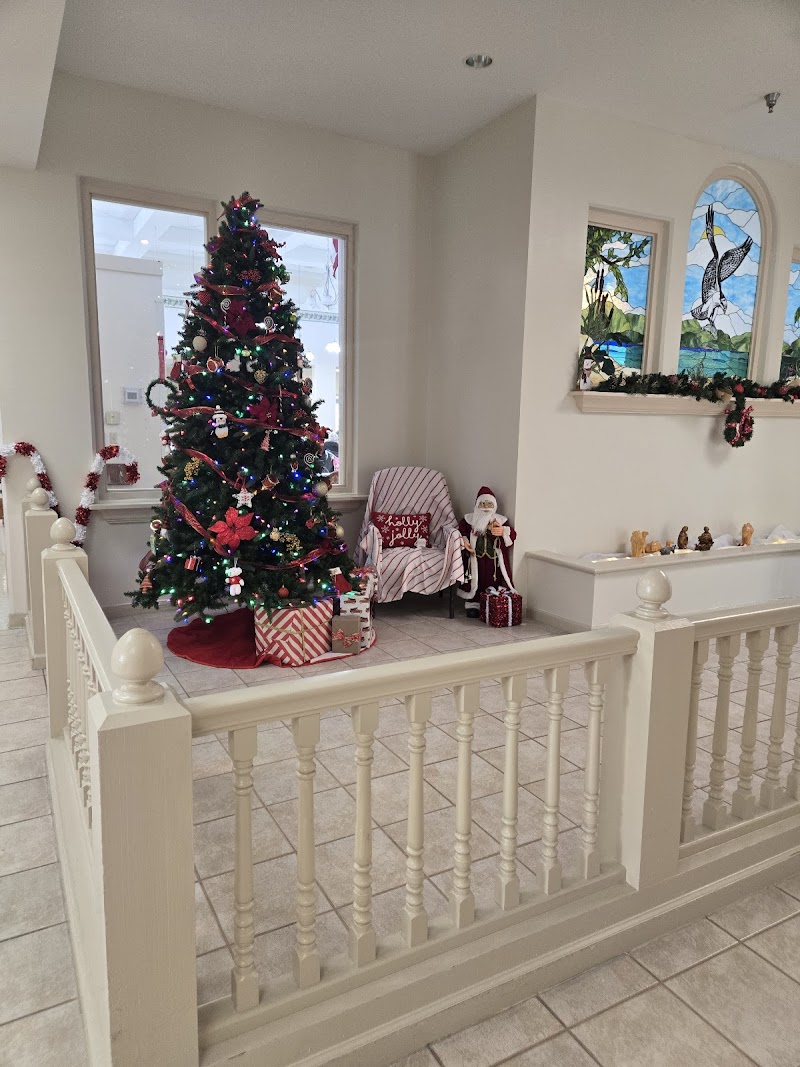
How is Osprey Point Nursing Center Staffed?

CMS rates OSPREY POINT NURSING CENTER's staffing level at 3 out of 5 stars, which is average compared to other nursing homes. Staff turnover is 50%, compared to the Florida average of 46%. RN turnover specifically is 71%, which is notably high. RNs provide skilled clinical oversight, so turnover in this role can affect medical care quality.

What Have Inspectors Found at Osprey Point Nursing Center?

State health inspectors documented 12 deficiencies at OSPREY POINT NURSING CENTER during 2022 to 2025. These included: 11 with potential for harm and 1 minor or isolated issues.
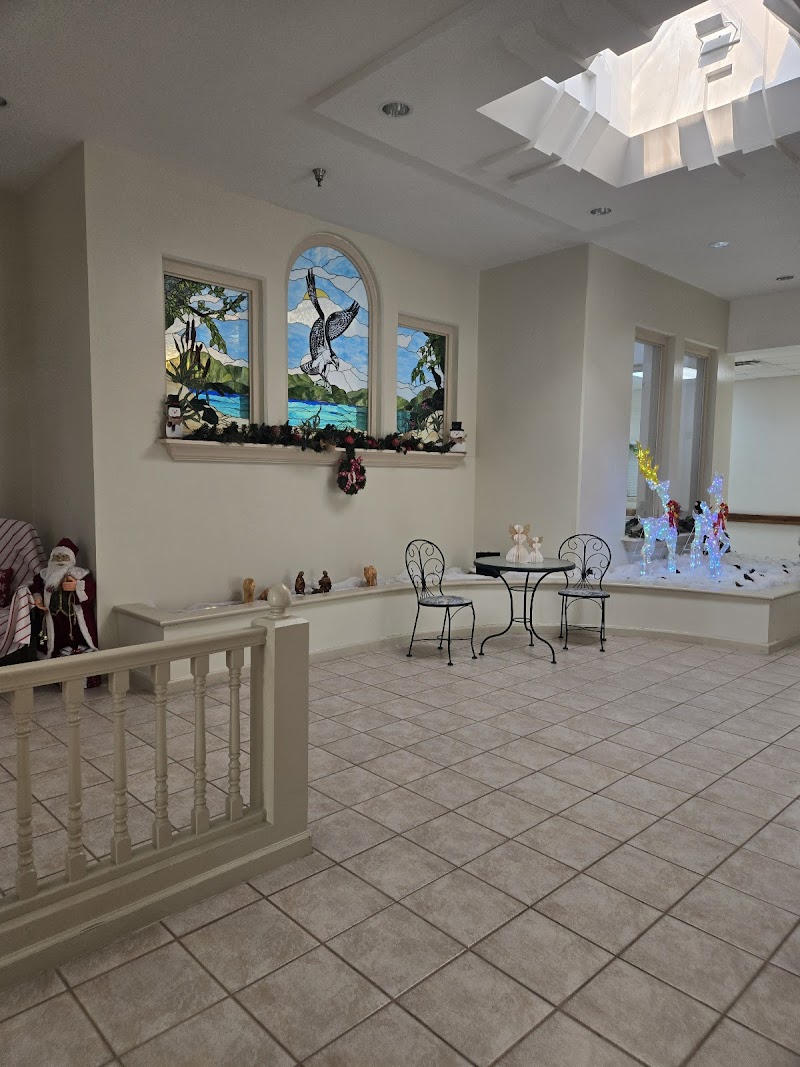
Who Owns and Operates Osprey Point Nursing Center?

OSPREY POINT NURSING CENTER is owned by a for-profit company. For-profit facilities operate as businesses with obligations to shareholders or private owners. The facility is operated by CONSULATE HEALTH CARE/INDEPENDENCE LIVING CENTERS/NSPIRE HEALTHCARE/RAYDIANT HEALTH CARE, a chain that manages multiple nursing homes. With 60 certified beds and approximately 54 residents (about 90% occupancy), it is a smaller facility located in BUSHNELL, Florida.
How Does Osprey Point Nursing Center Compare to Other Florida Nursing Homes?

Compared to the 100 nursing homes in Florida, OSPREY POINT NURSING CENTER's overall rating (5 stars) is above the state average of 3.2, staff turnover (50%) is near the state average of 46%, and health inspection rating (4 stars) is above the national benchmark.

What Should Families Ask When Visiting Osprey Point Nursing Center?

Based on this facility's data, families visiting should ask: "Can I visit during a mealtime to observe dining assistance and food quality?" "How do you handle medical emergencies, and what is your hospital transfer rate?" "Can I speak with family members of current residents about their experience?"

Is Osprey Point Nursing Center Safe?

Based on CMS inspection data, OSPREY POINT NURSING CENTER has a clean safety record: no substantiated abuse findings (meaning no confirmed cases of resident harm), no Immediate Jeopardy citations (the most serious violation level indicating risk of serious injury or death), and is not on the Special Focus Facility watch list (a federal program monitoring the lowest-performing 1% of nursing homes). The facility has a 5-star overall rating and ranks #1 of 100 nursing homes in Florida. While no facility is perfect, families should still ask about staff-to-resident ratios and recent inspection results during their visit.

Do Nurses at Osprey Point Nursing Center Stick Around?

OSPREY POINT NURSING CENTER has a staff turnover rate of 50%, which is about average for Florida nursing homes (state average: 46%). Moderate turnover is common in nursing homes, but families should still ask about staff tenure and how the facility maintains care continuity when employees leave.

Was Osprey Point Nursing Center Ever Fined?

OSPREY POINT NURSING CENTER has no federal fines on record. CMS issues fines when nursing homes fail to meet care standards or don't correct problems found during inspections. The absence of fines suggests the facility has either maintained compliance or corrected any issues before penalties were assessed. This is a positive indicator, though families should still review recent inspection reports for the full picture.

Is Osprey Point Nursing Center on Any Federal Watch List?

OSPREY POINT NURSING CENTER is not on any federal watch list. The most significant is the Special Focus Facility (SFF) program, which identifies the bottom 1% of nursing homes nationally based on persistent, serious quality problems. Not being on this list means the facility has avoided the pattern of deficiencies that triggers enhanced federal oversight. This is a positive indicator, though families should still review the facility's inspection history directly.