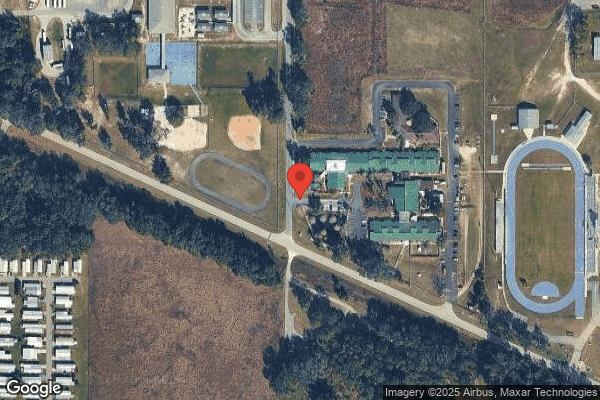
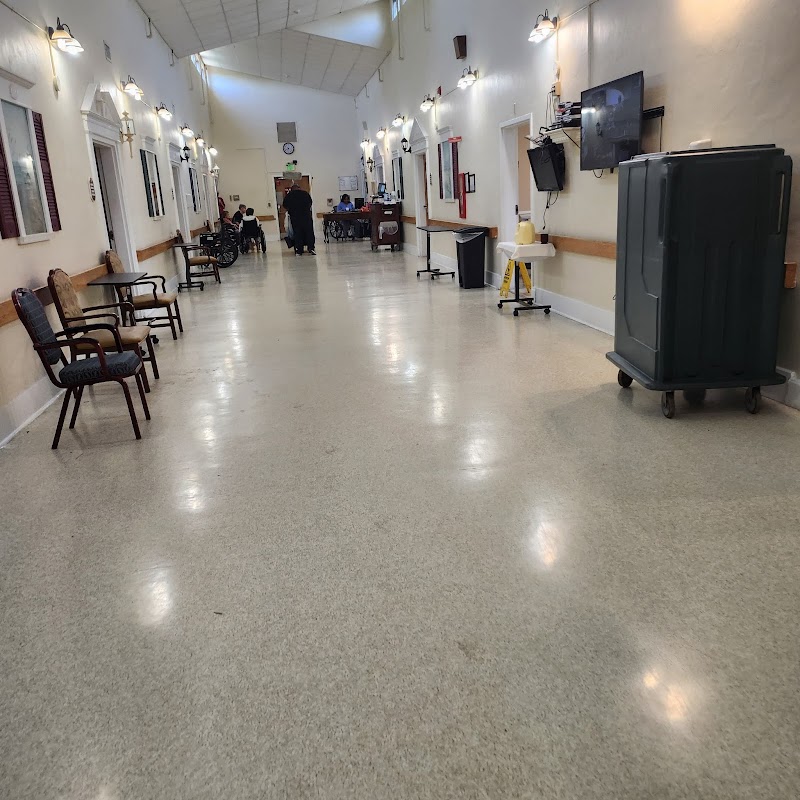
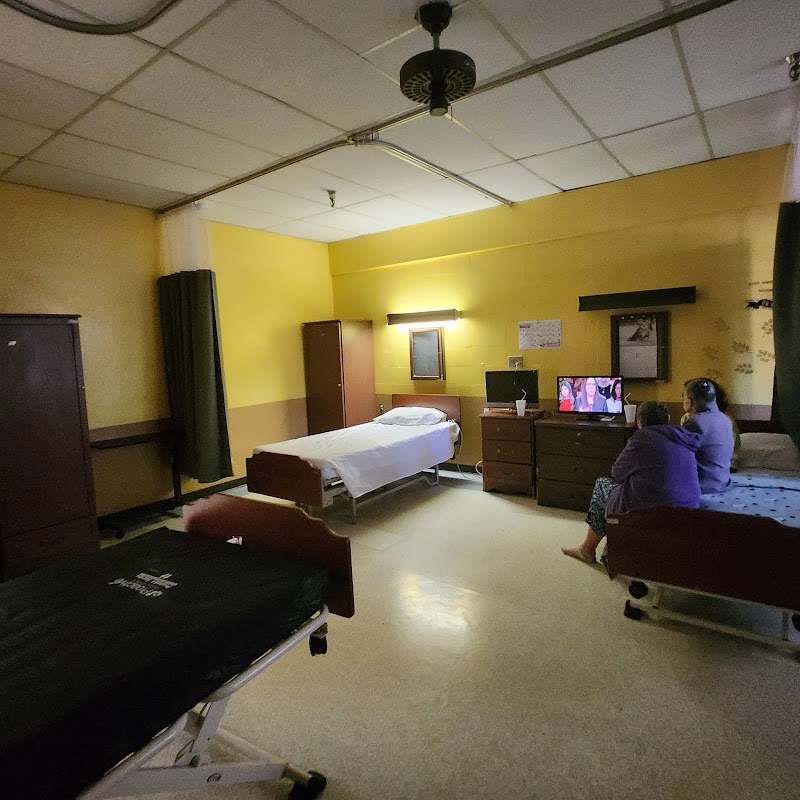
CYPRESS CARE CENTER

490 S OLD WIRE RD, WILDWOOD, FL 34785 (352) 748-3322
For profit - Limited Liability company 180 Beds GOLD FL TRUST II Data: November 2025
Trust Grade
35/100
#490 of 690 in FL
Last Inspection: March 2025

Within standard 12-15 month inspection cycle. Federal law requires annual inspections.

Overview

Cypress Care Center has received a Trust Grade of F, which indicates significant concerns about the quality of care provided. Ranking #490 out of 690 facilities in Florida places it in the bottom half, and it is the lowest-ranked option in Sumter County at #4 out of 4. The facility's performance is stable, with 12 issues identified both in 2023 and 2025. Staffing is rated average with a 3/5 star rating, but the 52% turnover rate is concerning, indicating that staff may not stay long enough to build strong relationships with residents. There have been serious incidents, including a failure to inform a resident's physician about a critical lab result which delayed necessary care, and concerns regarding the improper storage and labeling of medications. Additionally, hand hygiene was not performed during medication administration, posing an infection risk. Despite some strengths in quality measures, the overall picture suggests families should proceed with caution.

Trust Score
F
35/100
In Florida
#490/690
Bottom 29%
Safety Record
Moderate
Needs review
Inspections
Holding Steady
12 → 12 violations
Staff Stability
⚠ Watch
52% turnover. Above average. Higher turnover means staff may not know residents' routines.
Penalties
○ Average
$52,051 in fines. Higher than 50% of Florida facilities. Some compliance issues.
Skilled Nurses
⚠ Watch
Each resident gets only 20 minutes of Registered Nurse (RN) attention daily — below average for Florida. Fewer RN minutes means fewer trained eyes watching for problems.
Violations
⚠ Watch
32 deficiencies on record. Higher than average. Multiple issues found across inspections.
★★☆☆☆
2.0
Overall Rating
★★★☆☆
3.0
Staff Levels
★★★★☆
4.0
Care Quality
★★☆☆☆
2.0
Inspection Score
Stable
2023: 12 issues
2025: 12 issues

The Good

  • 4-Star Quality Measures · Strong clinical quality outcomes
  • Full Sprinkler Coverage · Fire safety systems throughout facility
  • No fines on record

Facility shows strength in quality measures, fire safety.

The Bad

2-Star Overall Rating

Below Florida average (3.2)

Below average - review inspection findings carefully

Staff Turnover: 52%

Near Florida avg (46%)

Higher turnover may affect care consistency

Federal Fines: $52,051

Above median ($33,413)

Moderate penalties - review what triggered them

Chain: GOLD FL TRUST II

Part of a multi-facility chain

Ask about local staffing decisions and management

The Ugly 32 deficiencies on record

1 actual harm
Sept 2025 1 deficiency
MINOR (C) 📢 Someone Reported This

A family member, employee, or ombudsman was alarmed enough to file a formal complaint

Minor Issue - procedural, no safety impact

Staffing Information (Tag F0732)

Minor procedural issue · This affected most or all residents

Based on observation and interview, the facility failed to ensure accurate nurse staffing information was posted on a daily basis. Findings include:During an observation on 9/22/2025 at 9:15 AM, the f...

Read full inspector narrative →
Based on observation and interview, the facility failed to ensure accurate nurse staffing information was posted on a daily basis. Findings include:During an observation on 9/22/2025 at 9:15 AM, the facility posted nurse staffing information for September 15, 2025, September 16, 2025, September 17, 2025 and September 18, 2025. There was no nurse staffing information for 9/22/2025 (Photographic evidence obtained).During an observation on 9/23/2025 at 9:00 AM, the facility posted nurse staffing information for September 15, 2025, September 16, 2025, September 17, 2025 and September 18, 2025. There was no nurse staffing information for 9/23/2025.During an interview on 9/23/2025 at approximately 10:00 AM, the Administrator stated, The expectation is for the staffing to be posted daily by Staffing Coordinator. That should have been taken care of and updated yesterday.
Mar 2025 10 deficiencies
CONCERN (D)

Potential for Harm - no one hurt, but risky conditions existed

Assessment Accuracy (Tag F0641)

Could have caused harm · This affected 1 resident

**NOTE- TERMS IN BRACKETS HAVE BEEN EDITED TO PROTECT CONFIDENTIALITY** Based on observations, interviews, and record reviews, the facility failed to ensure each resident was provided with an assessme...

Read full inspector narrative →
**NOTE- TERMS IN BRACKETS HAVE BEEN EDITED TO PROTECT CONFIDENTIALITY** Based on observations, interviews, and record reviews, the facility failed to ensure each resident was provided with an assessment which accurately reflects the resident's status for 3 (Resident #111, #24, #4) of 10 residents reviewed for communication, nutrition and activities of daily living. Findings include: 1.) During an interview conducted in Spanish on 3/17/2025 at 10:42 AM with Resident #111, she stated, Communication with staff can be hard. I speak Spanish and it is very hard to communicate with staff. They have a few staff members that speak Spanish, but they may not be always available. I am Hispanic of Cuban decent. Review of Resident #111's Minimum Data Set (MDS) Comprehensive Quarterly assessment dated [DATE] documented Resident #111 was not Hispanic, and her preferred language was English. Review of Resident #111's Social Service admission Evaluation dated 11/22/2024 read, Ethnicity: E2d. Yes, Cuban. Summary /Additional Comments: .Patient speak Spanish. During an interview on 3/19/2025 at 10:05 AM, Staff H, License Practical Nurse (LPN), stated, [Resident #111's Name] sometimes will not understand our conversation, she speaks Spanish. I will get the Environmental Service Supervisor or a restorative aide that speak Spanish in order to better communicate with her. During an interview on 3/19/2025 at 10:15 AM the Environmental Service Supervisor stated, [Resident #111 Name] speaks Spanish and she is one of the residents included in my rounds do to that [speaking Spanish]. I will translate for her or ask her if she needs anything so that I can tell the nurse for her. During an interview on 3/20/2025 at 12:55 PM, the Minimum Data Set Lead License Practical Nurse, stated, Hispanic should have been marked and a correction her prefer language needs to be made. 2.) During an observation on 3/17/2025 at 12:30 PM, Resident #24 was sitting up in bed feeding self, following set-up assistance. During an observation on 3/19/2025 at 12:10 PM, Resident #24 was sitting up in bed, feeding self, following set-up assistance. During an interview on 3/19/2025 at 10:00 AM, Staff K, Certified Nursing Assistant (CNA), stated, She's [Resident #24] set up assist; she usually eats 50-75% of her meals; set her up and leave if you want her to eat. During an interview on 3/19/2025 at 1:00 PM, Staff L, Licensed Practical Nurse (LPN) stated, She'll [Resident #24] feed herself if we set it up. If we try and feed her, she starts yelling and throwing things. Review of the Minimum Data Set (MDS) Comprehensive Quarterly Assessment completed on 2/4/2025 documented under Section GG0130-Self-Care the resident was listed as being dependent with eating. Review of the MDS Quarterly Assessment completed on 2/4/2025, Section K0300-Weight Loss, no was selected. Review of the clinical record documented Resident #24 had a 10.2% weight loss in the last 6 months. 3.) Review of Resident #4's admission record included the following diagnosis: metabolic encephalopathy, abnormalities of gait and mobility, need for assistance with personal care, muscle weakness and morbid obesity. Review of Resident #4's MDS comprehensive quarterly assessment dated [DATE] documented under section C a BIMS (Brief Interview for Mental Status) of 00, indicating severely impaired cognition. Review of Resident #4's MDS comprehensive quarterly assessment dated [DATE] documented Resident #4 was independent for the following functional abilities: eating, oral hygiene, toileting hygiene, shower/bathing, dressing both upper and lower body, putting on footwear and personal hygiene. Review of Resident #4's comprehensive plan of care dated 2/25/2025 revealed a focus for self-care deficits with dressing, grooming and bathing related to impaired mobility, generalized weakness, limited endurance. Review of Resident #4's task documentation for showering and bathing herself from 2/21/2025 through 3/18/2025 revealed no documentation of Resident #4 independently completing the task. Review of Resident #4's last documented PT (physical therapy)/ OT (occupational therapy)/ Restorative Note dated 4/7/2024 revealed that for the following activities the resident needed some form of assistance: oral hygiene, toileting hygiene, shower/bathing self, upper and lower body dressing, putting on and taking off footwear and personal hygiene. During an interview on 3/20/2025 at 2:18 PM with the MDS Coordinator, stated I get the information to fill out the MDS section GG from staff documentation, communicating with direct care staff or independently observing the resident. During an interview on 3/20/2025 at 2:40 PM with Staff I, LPN (Licensed Practical Nurse) stated (Resident #4's Name) is not independent with any of her ADL's and hasn't been for some time now. During an interview on 3/20/2025 at 2:48 PM, Staff M, CNA (Certified Nursing Assistant) stated that (Resident #4's Name) is not independent with any of her ADL's (Activities of Daily Living) and at best, she would require at least partial assistance.
CONCERN (D)

Potential for Harm - no one hurt, but risky conditions existed

Comprehensive Care Plan (Tag F0656)

Could have caused harm · This affected 1 resident

Based on interview and record review, the facility failed to develop and implement a comprehensive care plan for 2 (Resident #111 and #91) of 5 residents reviewed for communication and respiratory car...

Read full inspector narrative →
Based on interview and record review, the facility failed to develop and implement a comprehensive care plan for 2 (Resident #111 and #91) of 5 residents reviewed for communication and respiratory care. Findings include: 1.) During an interview in Spanish on 3/17/2025 at 10:42 AM, with Resident #111, she stated, Communication can be hard. I speak Spanish and it is very hard to communicate with staff. They have a few staff members that speak Spanish, but they may not be always available. During an interview on 3/19/2025 at 10:01 AM, Staff G, License Practical Nurse (LPN,) stated, [Resident #111 Name] can speak a little bit of English. If she does not understand what I am saying to her [Resident #111] I will get a Spanish speaking employee to translate. During an interview on 3/19/2025 at 10:05 AM, Staff H, LPN, stated, [Resident #111 name] sometimes will not understand our conversation, she speaks Spanish. I will get the Environmental Service Supervisor or a restorative aide that speak Spanish in order to better communicate with her. During an interview on 3/19/2025 at 10:15 AM, the Environmental Service Supervisor stated, [Resident #111 Name] speaks Spanish and she is one of the residents included in my rounds for that reason. I will translate for her or ask her if she needs anything so that I can tell the nurse for her. Review of Resident #111's Social Service admission Evaluation dated 11/22/2024 read, Ethnicity: E2d. Yes, Cuban. Summary /Additional Comments: .Patient speak Spanish. Review of Resident #111's comprehensive care plan did not document a focus of communication. During an interview on 3/20/2025 at 9:39 AM, the Social Service Assistant stated, [Resident #111 Name], when I have spoken to her she can speak broken English. I am not too familiar with [Resident #111 name] but we do have staff in the building that speak Spanish and can be used to translate. During an interview on 3/20/2025 at 12:55 PM, the Minimum Data Set Lead LPN, stated, Social Services will do an admission assessment and would be the one to develop that section of the care plan. If a resident has a communication need it should be care planned. Usually, staff will come and tell us or during meetings we will be informed of each residents needs. Review of the facility policy and procedure titled Comprehensive Assessments and Care plans with a last review date 1/29/2025 read, Standard: It will be standard of this facility to make a comprehensive assessment of a resident's needs, strengths, goals, life history and preferences using the resident assessment instrument (RAI). Guidelines: 1. The facility will conduct initially and periodically a comprehensive, accurate, standardized reproducible assessment of each resident's functional capacity. 8. The facility will develop and implement a comprehensive person-centered care plan for each resident, consistent with the resident rights set forth .that includes measurable objectives and timeframes to meet a resident's medical nursing, and mental and psychosocial needs that are identified in the comprehensive assessment. 2.) Review of the admission record for Resident #91 documented an admission date of 11/1/24 with diagnosis that included metabolic encephalopathy (admitting diagnosis), altered mental status, (unspecified), essential hypertension, seizures, and history of falling. Review of the physician's orders for Resident #91 documented Levetiracetam Oral Solution 100 MG/ML [milligrams over milliliters]. Give 5 ml by mouth two times a day for seizures. Review of the comprehensive care plan for Resident #91 did not document any care plan related to seizures. During an interview on 3/19/2025 at 2:45 PM, the Director of Nursing stated, I would expect that if they (residents) had a history of seizure and are treated for it [seizures], it would be part of their comprehensive care plan. Review of the policy and procedure titled, P & P Seizures, last reviewed on 1/29/2025, read, Policy: It will be the policy of this facility to provide safe care and services for resident with the potential for or actual seizures. Procedure. 13. Residents with a seizure disorder or receiving medication to prevent seizures specifically should have a person-centered plan of care related to potential for seizures.
CONCERN (D)

Potential for Harm - no one hurt, but risky conditions existed

Deficiency F0658 (Tag F0658)

Could have caused harm · This affected 1 resident

Based on observations, interviews, and record reviews, the facility failed to ensure professional standards of practice were implemented for 2 (Resident #124 and #147) of 4 residents reviewed for gast...

Read full inspector narrative →
Based on observations, interviews, and record reviews, the facility failed to ensure professional standards of practice were implemented for 2 (Resident #124 and #147) of 4 residents reviewed for gastric tubes. Findings include: 1.) During an observation on 3/19/2025 at 9:17 AM Staff G, License Practical Nurse, (LPN) entered Resident #147's room wearing a gown, gloves, and surgical mask. Staff G, without checking placement or residual, began to flush the gastric tube with 30 milliliters of water. Staff G began to administer medications via gastric tube performing flushes of 5milliters of water in between each medication administration. Staff G finished administering medications and flushed the gastric tube with 30 milliliters of water. Review of Resident #147's physician order dated 3/16/2025 read, Flush feeding tube with 30ML (milliliters) of water before and after medication administration every shift. Review of Resident #147's physician order dated 3/16/2025 read, Check tube placement and for residual before addition of feeding, flush, or medications. If residual is 100cc (milliliters) or more, hold feeding and notify MD (Medical Doctor). every shift. Review of Resident #147's physician order dated 3/16/2025 read, Crush medications that can be crushed and dilute each with 5-10 cc water. Flush with 5 ml of water between each mediation unless otherwise specified every shift for Prophylaxis. 2.) During an observation on 3/19/2025 at 1:55 PM, Staff G, License Practical Nurse (LPN) donned a gown and gloves and entered Resident #124's room. Staff G, without checking for placement or residual proceeded to flush Resident #124 gastric tube with 60 cc of water pre bolus and administer Glucerna 1.2 bolus and flushed the gastric tube post administration of the bolus. During an interview on 3/19/2024 at 2:20 PM, Staff G, LPN stated, I did forget to check for the residual of the gastric tube before starting the administration. We should check to ensure placement and if they have residuals we can communicate with the provider and let them know. Review of Resident #124's physician order dated 2/26/2025 read, Enteral Feed Order every 4 hours for Prophylaxis every 4 hours for nutrition and hydration Glucerna 1.2 bolus 6x (6 times) per day/1 can or 237 ml Q_4hours (per day 1 can or 237 milliliters every 4 hours). Flush with 60cc of water pre/post bolus. Review of Resident #124's physician order dated 2/25/2025 read, Check feeding tube placement every shift. During an interview on 3/20/2025 at 7:19 AM, the Director of Nursing stated, The nursing staff should be checking residuals before flushing a gastric tube or administering anything via the gastric tube of a resident. Review of the policy and procedure titled Medication Administration via Enteral Feeding Tube with a last review date of 1/29/2025 read, Policy: Medications shall be prepared and administered according to the following established guidelines. Licensed Staff should not administer a drug that is inadequately dissolved (i.e., particulate matter still evident); that may clog the enteral feeding tube. Tube placement will be verified prior to the administration of a medication. Procedure: 5. Verify feeding tube placement.
CONCERN (D)

Potential for Harm - no one hurt, but risky conditions existed

Quality of Care (Tag F0684)

Could have caused harm · This affected 1 resident

Based on observations, interviews and record reviews the facility failed to provide care and services in accordance with professional standards of practice for 2 (Resident #267, #118)) of 10 residents...

Read full inspector narrative →
Based on observations, interviews and record reviews the facility failed to provide care and services in accordance with professional standards of practice for 2 (Resident #267, #118)) of 10 residents reviewed for central venous access devices and medication administration. Findings include: 1.) During an observation on 3/17/2025 at 9:17 AM, Resident #267 was lying in bed. A single lumen midline was observed on the upper right arm with a transparent dressing dated 3/7/2025 in black marker. Review of Resident #267's Medical Certification for Medicaid Long Term Care Service and Patient Transfer form dated 3/7/2025 documented a midline dated 3/7/2025. Review of Resident #267's physician orders did not document any intravenous catheter dressing changes orders. Review of Resident #267's physician orders did not document orders for flushing intravenous central line. Review of Resident #267's physician orders dated 3/10/2025 read, Fetroja Intravenous Solution Reconstituted 1 GM [Gram] (Cefiderocol Sulfate Tosylate) Use 1500 mg [milligrams] intravenously every 8 hours for Wound infection/UTI [Urinary Tract Infection] for 10 Days. During an interview on 3/20/2025 at 7:04 AM the Director of Nursing (DON) stated, IV dressing changes should be done every 7 days and there should be orders in the system for flushes and dressing changes, so we are able to track that staff are doing them. Review of the policy and procedure titled PICC IV (Peripherally Inserted Central Catheters) Line with a last review date 1/29/2025 read, Policy: It will be policy of this facility to adhere to IV/PICC line administration guidelines as set for by infection control, state and federal regulations. Licensed nurses shall provide care according state and federal law. Dressing Changes: 1. Sterile dressing change using transparent dressing is performed: At least weekly. 2.) Review of Resident #118's physician order dated 8/21/2024 read, Losartan Potassium Oral Tablet 25 MG (milligrams) give 25 mg by mouth one time a day for hypertension hold for SBP (systolic blood pressure) less than 120. Review of Resident #118's Medication Administration Record (MAR) for the month of March 2025, Losartan was given out of parameters at 0800 (8:00AM) on 3/3/2025 with a SBP of 112, on 3/5/2025 with a SBP of 115, and on 3/6/2025 with a SBP of 118. Review Resident #118's physician order dated 9/13/2024 read, Clonidine HCI (Hydrochloride) Tablet 0.1mg give 1 tablet by mouth every 8 hours for hypertension for systolic pressure over 160. Review of Resident #118's Medication Administration Record (MAR) for the month of March 2025 Clonidine HCI Tablet 0.1 MG was administered out of parameters at 0600 (6:00 AM) on 3/1/2025 with a SBP of 129, 3/2/2025 with a SBP of 130, 3/33035 with a SBP of 117, 3/4/2025 with a SBP of 134, 3/9/2025 with a SBP of 133, 3/10/2025 with a SBP of 137, 3/12/2025 with a SBP of 141. At 1400 (2:00 PM) on 3/1/2025 with a SBP of 128, 3/4/2025 with a SBP of 135, 3/7/2025 with a SBP of 122, 3/11/2025 with a SBP of 107, 3/12/2024 with a SBP of 141. At 2200 (10:00 PM) on 3/1/2025 with a SBP of 127, 3/2/2025 with a SBP of 136, 3/3/2025 with a SBP of 121, 3/4/2025 with a SBP of 124, 3/6/2025 with a SBP of 115, 3/7/2025 and 3/8/2025 with a SBP of 145, 3/10/2025 with a SBP of 134 and 3/11/2025 with a SBP of 144. During an interview on 3/18/2025 at 2:30 PM the Director of Nursing stated, [Resident #118's Name] blood pressure medication was given out of parameters. Nursing staff should follow physician orders or contact the provider with any questions they may have. During an interview on 3/20/2025 at 2:05 PM, Medical Doctor #1 stated, I expected nursing staff to follow physician orders and the parameters for the medication that are in place. Review of the policy and procedure titled Medication Administration with a last review date of 1/29/2025 read, Policy: It will be the policy of this facility to administer medications in a timely manner and as prescribed by the physician, unless otherwise clinically indicated or necessitated by other circumstances such as lack of availably of medication or refusals of medications by the resident.
CONCERN (D)

Potential for Harm - no one hurt, but risky conditions existed

Accident Prevention (Tag F0689)

Could have caused harm · This affected 1 resident

**NOTE- TERMS IN BRACKETS HAVE BEEN EDITED TO PROTECT CONFIDENTIALITY** Based on observations, interviews, and record reviews, the facility failed to ensure the residents environment was free from acc...

Read full inspector narrative →
**NOTE- TERMS IN BRACKETS HAVE BEEN EDITED TO PROTECT CONFIDENTIALITY** Based on observations, interviews, and record reviews, the facility failed to ensure the residents environment was free from accident hazards when 2 (Resident #77 and Resident #139) of 4 residents were not assessed for safe smoking. Findings include: During an observation on 3/17/2025 at 9:20 AM, Resident #77 was observed with a pack of cigarettes and a lighter on the bedside table. During an observation on 3/17/2025 at 10:45 AM, Resident #77 was observed on the smoking patio smoking a cigarette. During an interview on 3/18/2025 at 1:15 PM, Resident #77 stated I keep my cigarettes and my lighter [with me]. In fact, I need to go and get cigarettes. During an interview on 3/20/2025 at 10:15 AM, Staff K, Certified Nursing Assistant (CNA), stated He [Resident #77] keeps his cigarettes and lighter with him. Review of the admission nursing assessment for Resident #77 documented in Section R, Smoking Safety, questions 7-12 were blank. These questions described resident observations for demonstrating safe smoking practices and the need for supervision. Review of the policy titled, Smoking Policy - Residents, last reviewed on 1/29/2025, reads, Policy Statement. This facility shall establish and maintain safe resident smoking practices. Policy Interpretation and Implementation. 1. a. Smoking assessment is completed before or upon admission. 2. During an observation on 3/19/2025 at 1:30 PM, Resident #139 was observed sitting in his wheelchair, on the smoking patio, with a lit cigarette in his right hand. During an interview on 3/19/2025 at 3:00 PM, Staff J stated He [Resident #139] keeps his own cigarettes and lighter [with him]. Review of the Nursing admission assessment dated [DATE] documented in Section P: Tobacco Use, that the resident was a Past Smoker. Review of Resident #139's clinical record documented no smoking screen or safe smoking assessment to demonstrate the resident's smoking practices and or the need for supervision.
CONCERN (D)

Potential for Harm - no one hurt, but risky conditions existed

Tube Feeding (Tag F0693)

Could have caused harm · This affected 1 resident

Based on observation, interviews and record reviews, the facility failed to ensure that residents fed by enteral means received the care and services as prescribed by the physician for 1 Resident (Res...

Read full inspector narrative →
Based on observation, interviews and record reviews, the facility failed to ensure that residents fed by enteral means received the care and services as prescribed by the physician for 1 Resident (Resident #134) of 3 residents reviewed for tube feeding services. Findings include: During an observation on 3/19/2025 from 12:39 PM until 3:00 PM of Resident #134, there was no bolus feed given as per physician's orders at 2:00 PM. During an interview on 3/19/2025 at 3:00 PM with Staff I, LPN, stated I did not have an enteral feeding to administer to (Resident #134 Name). Review of the physician's order dated 1/25/2025 for Resident #134 read, Enteral Feed. Every shift for GTF [gastric tube feed] Jevity 1.5 vis feeding tube at 100 cc/hr for 12 hours, off at 5 am and on at 5 pm. Bolus 325 ml (milliliters) via enteral feeding tube at 6 am and 2 pm. During an interview on 3/19/2025 at 3:00 PM following the review of the physician's orders for Resident #134, Staff I, LPN, stated I didn't see that portion of the order. During an interview on 3/19/2025 at 3:05 PM, Staff N, LPN stated, (Resident #134's Name) should have received that feeding and a risk associated with not receiving the ordered feedings could result in weight loss.
CONCERN (D)

Potential for Harm - no one hurt, but risky conditions existed

Respiratory Care (Tag F0695)

Could have caused harm · This affected 1 resident

Based on observations, interviews, and record reviews, the facility failed to ensure services for respiratory care, consistent with professional standards of practice ,were provided for 2 (Resident #1...

Read full inspector narrative →
Based on observations, interviews, and record reviews, the facility failed to ensure services for respiratory care, consistent with professional standards of practice ,were provided for 2 (Resident #124 and # 91) of 6 residents reviewed for oxygen therapy. Findings include: During an observation on 03/17/25 at 11:25 AM, Resident #124 was resting calmly with eyes closed; oxygen was being administered via nasal cannula at 3.5 liters per minute. During an observation on 3/18/2025 at 8:27 AM, Resident #124 was resting calmly with eyes closed; oxygen was being administered via nasal cannula at 3.5 liters per minute. During an observation on 3/19/2025 at 2:15 PM with Staff G, License Practical Nurse (LPN), Resident #124 was lying in bed; oxygen was being administered via nasal cannula at 3.5 liters per minute. During an interview on 3/19/2025 at 2:15 PM, Staff G, LPN, stated, [Resident #124's name] has orders for 2 liters per minute. The flow rate is incorrect and needs to be adjusted. Review of Resident #124's physician order dated 2/25/2025 read, May apply O2 @ 2 LPM (oxygen at 2 liters per minute) via nasal cannula as needed for maintaining O2 sats > or = 92%. (greater than or equal to 92 percent). During an interview on 3/20/2025 at 8:54 AM the Director of Nursing (DON) stated, Staff should follow physician orders and make sure the oxygen flow rate is at the correct rate. The staff should be checking every shift what the flow rate is on the oxygen concentrator. Review of the policy and procedure titled Respiratory Care with a last review date 1/29/2025 read, Policy: It is the policy of this facility to provide respiratory care and safe oxygen administration of meet the needs of the residents. Procedure: 1. Verify that there is a physician's order for respiratory procedures or oxygen use. Review the physician's orders for oxygen administration, nebulizer treatments, inhalers, trach care, chest tube/PleurX care, BiPAP, CPAP, or medication administration. 2. Review of the admission record for Resident #91 documented an admission date of 11/1/24 with diagnosis that included metabolic encephalopathy (admitting diagnosis), altered mental status, (unspecified), essential hypertension, seizures, and history of falling. During an observation on 3/17/2025 at 10:18 AM, Resident #91 was observed laying in her bed; she was not wearing any oxygen during the observation. There was an oxygen concentrator stored by a bedside table not in use. During an observation on 3/17/2025 at 12:53 PM, Resident #91's was observed sitting in her room resting. She did not have any oxygen on during the time of the observation. During an observation on 3/18/2025 at 8:37 AM, Resident #91 was observed sitting up in her bed eating breakfast. She was not wearing any oxygen during this observation. During an observation on 3/18/2025 at 11:45 AM, Resident #91 was observed sitting in a common area in her wheelchair. She was not wearing any oxygen during the observation. Review of the document titled, Change of Condition dated 2/11/2025 read, Nursing observation, evaluation and recommendations are: I observed resident with an acute cough, oxygen 83% (2 liters of oxygen was placed on the resident, oxygen is now 96%). [Name of Medical Doctor] ordered stat [Stat comes from the Latin word statim, which translates to immediately] chest x-ray, stat labs, covid test came back negative, and midline placement for anticipation for antibiotics. Review of the physician's order dated 2/11/2025 for Resident #91 read, Continuous O2 at 2L/MIN [2 liter per minute] via NC q shift. During an interview on 3/19/2025 at 9:01 AM, Staff I, Licensed Practical Nurse (LPN) confirmed the orders for oxygen were continuous and the resident [Resident #91] was not on oxygen.
CONCERN (D)

Potential for Harm - no one hurt, but risky conditions existed

Deficiency F0773 (Tag F0773)

Could have caused harm · This affected 1 resident

Based on interview and record review, the facility failed to obtain a urinalysis when ordered by the physician for 1 (Resident #82) resident of 5 residents reviewed for unnecessary medications. Findi...

Read full inspector narrative →
Based on interview and record review, the facility failed to obtain a urinalysis when ordered by the physician for 1 (Resident #82) resident of 5 residents reviewed for unnecessary medications. Findings include: Review of Resident #82's admission record documented medical diagnosis including obstructive and reflux uropathy (a condition where urine flow is blocked or flows backward into the bladder). Review of Resident #82's physician order dated 3/12/2025 reads, UA(urinalysis) with C/S (culture and sensitivity). Review of Resident #82's medication administration record(MAR), treatment administration record (TAR), nursing progress notes and laboratory results revealed no documentation of a UA with C/S being completed or resident refusing laboratory test. During an interview on 3/17/2025 at 10:03 AM Resident # 82 stated, I am having pain in my abdomen, and it feels like I am getting a UTI (urinary tract infection). I told the staff several days ago and they said they would collect it(a urine specimen) but they haven't done it. During an interview on 3/18/2025 at 10:38 AM Staff N, Licensed Practical Nurse (LPN), stated, The UA (uranalysis) should have been collected on 3/12/2025.
CONCERN (E)

Potential for Harm - no one hurt, but risky conditions existed

Deficiency F0761 (Tag F0761)

Could have caused harm · This affected multiple residents

**NOTE- TERMS IN BRACKETS HAVE BEEN EDITED TO PROTECT CONFIDENTIALITY** Based on observation, interview and record the facility failed to ensure the drugs and biologicals used in the facility were sto...

Read full inspector narrative →
**NOTE- TERMS IN BRACKETS HAVE BEEN EDITED TO PROTECT CONFIDENTIALITY** Based on observation, interview and record the facility failed to ensure the drugs and biologicals used in the facility were stored and labeled in accordance with currently accepted professional principles for 5 out of 8 medication carts and 1 out of 4 units reviewed for unattended medication. Findings include: During an observation on [DATE] at 9:17 AM Resident #267 was lying on her bed with intravenous medication running. There was a medication cup on top of Resident # 267 which contained white circular tablets and a red color tablet. During an interview on [DATE] at 9:17 AM Resident #267 stated, The nurses leave my medication at bedside because I prefer to take them when I get out of bed. During an interview on [DATE] at 9:27 AM Staff A, Certified Nursing Assistant (CNA), stated, [Resident #267's name] has a medication cup that contains medications at her bedside. During an interview on [DATE] at 9:28 AM Staff B, License Practical Nurse (LPN), stated, I thought she (Resident #267) had taken her medications. The medications were in the room. I got sidetracked because the resident across the hall was yelling. During an observation on [DATE] at 9:44 AM with Staff B LPN of medication cart labeled [NAME] long cart there was 1 open Lyumjev Insulin pen with no open or expiration date and 1 bottle of glucose strips with no open date written on the bottle. (photographic evidence obtained) During an interview on [DATE] at 9:46 AM Staff B, LPN, stated, Insulin pen should be labeled with an open date and an expiration date once it is open. The glucose blood strip bottle should also have the open date written on the bottle. During an observation on [DATE] at 9:50 AM with Staff C, LPN, of Spanish Village North medication cart there was 1 open Insulin Aspart pen with no open or expiration date, there was 1 unopen Lantus insulin pen, and 2 loose white circular tablets in the medication drawers. (photographic evidence obtained) During an interview on [DATE] at 9:54 AM Staff C, LPN, stated, Insulin that is not open should be stored in the refrigerator. Any insulin that is open should be labeled with an open date and an expired date. Loose medication should be disposed of. During an observation on [DATE] at 9:55 AM with Staff D LPN of [NAME] Palm Medication Cart there was 1 unopened vial of Lantus insulin with a blue sticker that read refrigerate. There was 1 opened Fiasp Flextouch insulin pen with an open date of [DATE], 1 opened Insulin Aspart Pen with an expiration date of [DATE], 1 opened vial of insulin glargine with an open date of [DATE], 1 opened Lantus solostart insulin pen with no open or expiration date, 2 opened vials of Lispro with no open or expired date and 1 open vial of Lantus with no open or expired date. During an interview on [DATE] at 10:00 AM Staff D, LPN, stated, Expired medication should be discarded and not be kept in the medication cart. Open insulin should be labeled with an open and expired date and if the insulin is not open it should be refrigerated. During an observation on [DATE] at 10:14 AM with Staff E, LPN, French Quarter Cart #1 there was loose medication in the medication cart drawers, there was 1 opened insulin Aspart pen with no open or expired date and 1 unopen insulin Aspart insulin pen with a white label reading refrigerate. During an interview on [DATE] at 10:16 AM Staff E, LPN stated, Loose medication should be disposed of. Insulin should be dated once open and if it is not open it should be stored in a refrigerator. During an observation on [DATE] at 10:24 AM Staff F LPN of French Quarters Cart #2 there was 1 vial of Fiasp with an expiration date of [DATE], there were 2 vials of Lispro with an open date of [DATE], 1 insulin Aspart pen with an expiration date of [DATE], 1 insulin Aspart pen with an expiration date of [DATE], and 1 bottle of Timolol Maleate 0.5% with an open date of [DATE],1 open bottle of Latanoprost 0.005% with an open date of [DATE], 1 open bottle of Brimonidine Tart 0.2% eye drops with no open or expiration date, there were 3 opened insulin Aspart pens with no open or expired date, there was 1 opened vial of lispro insulin with no open or expired date, and 1 vial of Aspart insulin with no open or expire date. During an interview on [DATE] at 10:24 AM with Staff F, LPN, stated, Medication should be labeled when opened and expired medication should be dispose. Eye drops are good for 30 days after opening . During an interview on [DATE] at 7:19 AM with the Director of Nursing (DON) stated, Insulin pens and eye drops should be labeled when opened with an open and expiration date. If the inulin is not open it should be stored in the refrigerator. Medication that is expired should be disposed of and not kept in the cart and if there is loose medication in the cart it should also be disposed of and not kept in the medication cart. Insulin and eye drops once open are good for 28 days after the open date or based on manufactures guidelines. Medication should not be left unattended. We do not have any other policy available other than the one provided. Review of the facility policy and procedure titled Medication/Biological Storage with a last review [DATE] read, Policy: It will be the policy of this facility to store medications, drugs and biologicals in a safe, secure and orderly manner. Procedure:4. The facility shall not use discontinued, outdated up to including (7-Days) or deteriorated medications, drugs or biologicals.8. Drugs shall be stored in an orderly manner in cabinets, drawers, carts or automatic dispensing system 10. Medications requiring refrigeration must be stored in a refrigerator located in the drug room at the nurse's station or other secured location .
CONCERN (E)

Potential for Harm - no one hurt, but risky conditions existed

Food Safety (Tag F0812)

Could have caused harm · This affected multiple residents

Based on observation, interview, and policy review, the facility failed to ensure food is safely stored, covered, and cooked in a manner that preserves the nutritional value, and that sanitation was m...

Read full inspector narrative →
Based on observation, interview, and policy review, the facility failed to ensure food is safely stored, covered, and cooked in a manner that preserves the nutritional value, and that sanitation was maintained in the kitchen. Findings include: A walk-through tour of the kitchen was conducted on 3/17/25 at 09:12 AM with the facility Administrator. An observation was made of a large bulk bin of flour with a partial open lid and food particles were observed in the bin with the flour. There were 3 bins that were dirty on the exterior with buildup of dirt and splashes. There was a large can opener with the base affixed to a stainless-steel prep table that had a buildup of brown, red, and black particles and food particles on the blade portion of the can opener. There was a deep fryer that was full of dirty oil, that was brownish in color and the oil had food particles and a buildup of food particles on the deep fryer top, edges, and sides. There were 3 dirty rags on the stainless food table and were not stored in sanitizing or cleaning buckets. There were approximately 34 food serving trays with chipped edges exposing metal. The food-catch-tray that pulls out under the pilot lights on the cooking range had a buildup of black food particles and 5 steam table pans of lunch food items were placed on the steam table at 9:30AM. During an interview on 3/17/25 at 09:12 AM the Morning [NAME] confirmed the 5 pans of food items on the steam table were for the lunch meal were vegetables both regular and pureed. The cook verified the food was on the tray line at 9:30AM. During an interview on 3/17/25 at 9:25AM the Administrator confirmed that the food particles were found on the can opener, in the flour bin, in the catch tray on the cooking range and on the deep fryer. The Administrator confirmed the dirty rags should have been in a sanitizing solution when not in use. The Administrator confirmed numerous food trays had chipped edges exposing metal that could pose a danger. During an observation on 3/18/25 at 6:30AM the male morning cook had a mustache and small goatee with no beard guard. There was a black cart loaded with clean dishes and a shelf with 24 regular, 3 divided, 8 scoop plates, approximately 50 fruit bowls, 6 scoop bowls, and approximately 53 bread plates that were not stored inverted. During an interview on 3/18/25 at 6:55 AM the Dietary Manager (DM) confirmed that the dishes were not stored inverted to keep them clean and the cook should be wearing a beard guard. During an interview on 3/20/25 at 10:40 AM the [NAME] President of Dietary and EVS [environmental services] stated that it is his expectation that the dietary manager and dietary staff follow the policies for preparing and holding of food and cleaning of equipment with good sanitation practices. Food should be placed on the steam table not more than 30 minutes prior to serving and that all soiled rags should be stored in sani[sanitation]-buckets and that food storage bin lids should be closed tightly to ensure foods are protected from exposure and spills. Review of the policy titled Food Serving Temperatures, last approval date of 1/29/25 read, Holding Temperatures 7. Heating food in the steam table is prohibited. Heating food to the proper temperature is accomplished by direct heat (stove, oven, steamer, etc.) and food is then transferred to the steam table not more than 30 minutes before meal service. Review of the policy titled Policy and Procedure Manual: Dietary Kitchen Sanitation dated 10/01/2023, last approval date of 1/29/25 read, 2. Utensils, counters, shelves and equipment shall be kept clean, maintained in good repair and shall be free from breaks, corrosions, seams, cracks and chipped areas that may affect their use or proper cleaning. 5. Between uses, clothes and towels used to wipe kitchen surfaces will be soaked in containers filled with approved sanitizing solution. 13. Staff will wear hairnets and/or beard guards when in the kitchen food preparation areas to prevent potential contamination of food products.
Mar 2025 1 deficiency
CONCERN (D) 📢 Someone Reported This

A family member, employee, or ombudsman was alarmed enough to file a formal complaint

Potential for Harm - no one hurt, but risky conditions existed

Deficiency F0552 (Tag F0552)

Could have caused harm · This affected 1 resident

2) Review of Resident #1's medical record provided a request signed by Resident #1 dated 09/30/2024 for the disenrollment from the resident's current health insurance coverage to different health insu...

Read full inspector narrative →
2) Review of Resident #1's medical record provided a request signed by Resident #1 dated 09/30/2024 for the disenrollment from the resident's current health insurance coverage to different health insurance coverage. The record did not provide documentation of an attestation signed by the facility staff that assisted with the change in enrollment for Resident #1 attesting that Resident #1 or the representative requested the change or that the beneficiary or representative received and understood the minimum required information. During an interview on 3/4/2025 at 11:50 AM the Community Liaison stated, We do not have a sign attestation that we as a facility have reviewed all the information with the resident [Resident #1] and that the resident is the one requesting to dis-enroll and enroll into traditional Medicare. Based on interview and record review, the facility failed to ensure guidance was provided to 2 of 3 residents, Residents #1 and #2, of informed health status treatment and changes related to the enrollment/disenrollment from health plan coverage, and failed to develop a written policy and procedure regarding the process of assisting beneficiaries with changing their health care coverage. Findings include: 1) Review of the medical record for Resident #2 contained disenrollment paperwork signed by Resident #2 for the disenrollment from the resident's current health insurance coverage to different health insurance coverage. The record did not provide documentation of an attestation signed by the facility staff that assisted with the change in enrollment for Resident #2 attesting that Resident #2 or the representative requested the change or that the beneficiary or representative received and understood the minimum required information. The documentation was requested from the Community Liaison/Admissions Director. The Community Liaison/Admissions Directed stated, The facility staff did not sign an attestation. No additional documentation was provided. During an interview on 3/4/2025 at 12:00 PM, the Community Liaison/Admissions Director stated, Nursing, Therapy and MDS [Minimum Data Set] sit down and see what the residents' needs are and anticipate if a resident will need more than 100 days [in facility care and services]. If they are not progressing and need longer than 100 days, residents are provided with the option to disenroll from their insurance and go to regular Medicare, so they are not threatened to be cut off for therapy based on their insurance managed plan. There are weekly updates sent to the resident's insurance company and the insurance company usually gives us a heads up that they are only provided [the resident] a set number of days after the progress reports are received from us. We need to offer the option to dis-enroll prior to the first of the next month. We discuss the options of Medicare Part D, but [Name of Company] provides a zero deductible for all drugs that we provide here at this facility. We provide them the information to re-enroll. We do go over everything with them verbally, have the resident sign to disenroll and provide the resident with a copy of the documents. This is not mandatory. They have 60 days to re-enroll and the member has to be present, which can be on the phone. A policy and procedure for the process of assisting beneficiaries with changing their health care coverage was requested. The Community Liaison/Admissions Director stated, We do not have a policy and procedure in place describing the process.
Dec 2023 9 deficiencies
CONCERN (D)

Potential for Harm - no one hurt, but risky conditions existed

Assessment Accuracy (Tag F0641)

Could have caused harm · This affected 1 resident

**NOTE- TERMS IN BRACKETS HAVE BEEN EDITED TO PROTECT CONFIDENTIALITY** Based on record review and interview, the facility failed to ensure Minimum Data Set (MDS) was accurate for 1 of 3 discharged re...

Read full inspector narrative →
**NOTE- TERMS IN BRACKETS HAVE BEEN EDITED TO PROTECT CONFIDENTIALITY** Based on record review and interview, the facility failed to ensure Minimum Data Set (MDS) was accurate for 1 of 3 discharged residents, Resident #167. Findings include: Review of Resident #167's medical records showed the resident was admitted to the facility on [DATE] and discharged to an Assisted Living Facility (ALF) on 11/13/2023. Review of Resident #167's physician order dated 11/7/2023 reads, Pt.'s [Patient's] spouse requested discharge to [ALF's name] on Monday, 11/13/23. [Staff Name] w [with]/ [ALF's name] to arrange Home Health (if needed) and transportation, PU [pick up] approx. [approximately] 11Am. DME: 18' WC [wheelchair] w/leg rest. DC [discharge] with all medications and belongings. Review of Resident #167's Discharge, Return Not Anticipated MDS dated [DATE] showed the resident was discharged on 11/13/2023 to a short-term general hospital. The MDS was signed on 11/15/2023 at 2:54 PM. Review of Resident #167's modified MDS dated [DATE] showed the resident was discharged on 11/13/2023 to home under care of organized home health service organization. The MDS was signed on 12/4/2023 at 2:25 PM. During an interview on 12/6/2023 at 3:50 PM, Staff M, Licensed Practical Nurse (LPN)/ MDS Coordinator, stated, The initial MDS was signed on 11/15/23. It was through an audit by our Regional MDS Manager that she [the Regional MDS Manager] caught that the MDS discharge status was coded wrong. She corrected it on 12/4/23. We would select number 01. Home/Community if the resident were going to an assisted living facility, but they want us to select number 12. Home under care of organized home health service organization if the resident is going home. During an interview on 12/7/2023 at 9:26 AM, when asked if the coding was accurate on Resident #167's modified MDS, Staff M, LPN/ MDS Coordinator, stated, I don't think the manager realized that she [Resident #167] did not go home, but that she went to an assisted living facility. She must have looked at an old order. Now we have to do a modification on the modification for incorrect coding.
CONCERN (D)

Potential for Harm - no one hurt, but risky conditions existed

ADL Care (Tag F0677)

Could have caused harm · This affected 1 resident

Based on observation, interview, and record review, the facility failed to ensure residents who were unable to carry out activities of daily living received nail care for 1 of 3 reviewed residents, Re...

Read full inspector narrative →
Based on observation, interview, and record review, the facility failed to ensure residents who were unable to carry out activities of daily living received nail care for 1 of 3 reviewed residents, Resident #132. Findings include: During an observation on 12/3/2023 at 9:40 AM, Resident #132 was sitting outside of his room in his wheelchair. Resident #132's fingernails on his right and left hands were long with dark brown and black substances underneath the nails. There was an injury on the resident's right cheek. Review of Resident #132's care plan, revised on 10/24/2023, revealed the resident had a self-care deficit related to generalized weakness and psychomotor deficit. Resident #132's care plan documented activities of daily living self-care interventions that included assist with nail shaping, keep nails short and clean. Review of Resident #132's personal hygiene task documentation dated 11/23/2023 through 12/3/2023, revealed no documentation indicating the resident had refused to participate in personal hygiene care. During an interview on 12/3/2023 at 9:44 AM, Staff A, Certified Nursing Assistant (CNA), stated that Resident #132's nails needed to be trimmed and cleaned and the resident liked to dig and suggested that he might have scratched his face. During an interview on 12/6/2023 at 8:40 AM, the Director of Nursing stated that the CNA staff should have taken care of Resident #132's fingernails.
CONCERN (D)

Potential for Harm - no one hurt, but risky conditions existed

Quality of Care (Tag F0684)

Could have caused harm · This affected 1 resident

**NOTE- TERMS IN BRACKETS HAVE BEEN EDITED TO PROTECT CONFIDENTIALITY** Based on observation, interview, and record review, the facility failed to ensure residents received treatment and care in accor...

Read full inspector narrative →
**NOTE- TERMS IN BRACKETS HAVE BEEN EDITED TO PROTECT CONFIDENTIALITY** Based on observation, interview, and record review, the facility failed to ensure residents received treatment and care in accordance with professional standards of practice for 2 of 5 residents receiving intravenous infusion via Peripherally Inserted Central Catheter (PICC) Line, Residents #18 and #62. Findings include: 1. During an observation on 12/5/2023 at 9:15 AM, Resident #18's PICC line dressing was not dated and there was no gauze or bio-patch under the dressing. There was dry residue under the dressing and there was no needleless connector at the end of the valve (Photographic evidence obtained). During an interview on 12/5/2023 at 9:15 AM, Resident #18 stated, I had this line in the hospital before I came. No one has changed it [dressing] here. Review of Resident #18's admission records showed the resident was admitted to the facility on [DATE] with diagnoses including Methicillin-Resistant Staphylococcus Aureus (MRSA) bacterial infection of the right lower leg. Review of Resident #18's Catheter Insertion Procedure Note dated 11/27/2023 showed the PICC line was placed on the resident's right upper extremity on 11/27/2023. Review of Resident #18's physician order dated 11/29/2023 reads, Daptomycin Intravenous Solution Reconstituted 350 mg [milligrams]. Use 350 mg/ml [milliliters] intravenously every 24 hours for MRSA Infection for 10 days . Start Date: 11/30/2023. Review of Resident #18's physician order dated 12/4/2023 reads, Observe IV [intravenous] site at every shift, every shift for IV site integrity Transparent dressing- change Q [every] seven days and PRN [as needed] Securement device with each dressing change as needed. During an interview on 12/5/2023 at 11:26 AM, the Director of Nursing (DON) stated, My expectation is that there is a date/time on the dressing change. If there is no connector on the valve, then it is at risk for infection. During an interview on 12/5/2023 at 11:27 AM, Staff E, Registered Nurse (RN)/ Unit Manager, stated, It [the dressing] came like this from the hospital. I changed the dressing yesterday and I put the date and time on a sticker on the dressing. I put a valve on the line as well. Someone must have taken it off. During an interview on 12/5/2023 at 11:32 AM, Staff B, Licensed Practical Nurse (LPN), stated, I did not assess the valve/connector. I did look for redness and signs of infection this morning. I am not trained in IV [intravenous] therapy. During an interview on 12/6/2023 at 9:50 AM, Staff E, RN, stated, We don't check arm circumferences here, we just monitor for signs and symptoms of infection, if the IV is infusing correctly and monitor the line. Review of the facility policy and procedures titled P&P PICC/Midline IV Line issued on 4/1/2022 reads, Policy: It will be the policy of this facility to adhere to IV/PICC/Midline administration guidelines as set forth by infection control, state, and federal regulations. Licensed nurses shall provide care according to state and federal law. Considerations: Central Venous Catheters include Peripherally Inserted Central Catheters (PICC)/Midline, Non-tunneled Catheters (Subclavian, jugular, femoral) Tunneled Catheters, Implanted Venous Ports. Guidelines: 1. Medications shall be administered in accordance with physician orders. 2. Medication administration shall be documented in the clinical record. Dressing changes: 1. Sterile dressing change using transparent dressings is performed: 24 hours post-insertion or upon admission if not dated upon admission, at least weekly, if the integrity of the dressing has been compromised (wet, loose, or soiled). 2. Dressing changes will be documented in the clinical record. Review of PharmScript Infusion Intravenous (IV) Access Line Maintenance Protocol with an effective date of February 7, 2020 reads, Nurses must: 1. Follow individual therapy procedures for administration of infusion medications and line maintenance. 2) Assess the patient for conditions that may require concentration or volume changes. 3) Assess IV access patency (aspirate a blood return from the catheter. The blood return should be the color/consistency of whole blood. Note: Once a secondary set is detached from a primary set, the secondary set shall be considered a primary set for the instructions below. PICC- Flush Protocols: Maintenance Flush Each Lumen: Non-valved Q12, 10 ml NS [normal saline], 5 ml 10 units/ml Heparin; Valved 10 ml NS Q week. Intermittent non-valved: 10 ml NS, Medication, 10 ml NS, 5 ml 10 units/ml Heparin. Intermittent valved: 10 ml NS, Medication, 10 ml NS . Site Management: Transparent Dressing Changes: On admission or 24' post insertion, then weekly & PRN. Measure upper arm circumference and exterior catheter length with each dressing change and PRN. Needless [Sic.] Connector Changes: On admission Q week & prn, Q 24'with TPN Post Blood Draw Post Blood Transfusion. Administration Set Changes . Primary Intermittent: 24'. 2. Review of Resident #62's admission record showed the was admitted with diagnoses including peripheral vascular disease and mild protein calorie malnutrition. Review of Resident #62's physician order dated 10/30/2023 showed the order to cleanse the right arm with normal saline, pat dry, apply Xeroform and cover with pad two times a day for skin tear. During an observation on 12/4/2023 at 9:22 AM, Resident #62 was lying in bed with a dressing on the right upper arm dated 11/29/2023. During an observation on 12/4/2023 at 12:10 PM, Resident #62 had a dressing on the right upper arm dated 11/29/2023. During an interview on 12/4/2023 at 9:22 AM, Resident #62 stated, I don't know why that is there. During an interview on 12/5/2023 at 7:31 AM, Staff L, LPN, stated, I don't know why she has that dressing really, but I removed it and changed it yesterday. It has not been changed since last week. I changed it yesterday when I saw that the dressing had not been changed since November 29, 2023. During an interview on 12/5/2023 at 7:55 AM, the Director of nursing stated, The physician orders need to be followed and the dressing should be changed twice a day. Review of the facility policy and procedures titled Wound Care issued on 4/1/2022 reads, Policy: It will be the policy of this facility to provide assessment and identification of residents at risk of developing pressure injuries, other wounds and the treatment of skin impairment. Procedure . 6. Wound care procedures and treatments should be performed according to physician orders.
CONCERN (D)

Potential for Harm - no one hurt, but risky conditions existed

Deficiency F0692 (Tag F0692)

Could have caused harm · This affected 1 resident

Based on observation, interview, and record review, the facility failed to ensure residents maintained the nutritional status for 1 of 6 residents reviewed for nutrition, Resident #81. Findings inclu...

Read full inspector narrative →
Based on observation, interview, and record review, the facility failed to ensure residents maintained the nutritional status for 1 of 6 residents reviewed for nutrition, Resident #81. Findings include: Review of Resident #81's physician order dated 10/27/2023 reads, NAS (No Added Salt) diet Finger Food texture, Thin consistency, Finger foods preferred. Review of Resident #81's care plan revised on 9/22/2023 revealed the resident was at risk for alteration in nutrition and/or hydration. Resident #81's care plan documented nutritional interventions that included Provide diet as ordered. Offer and provide alternate as needed and honor food preferences. Review of Resident #81's weight history showed a weight of 155 pounds on 10/25/2023 and a weight of 153.4 pounds on 11/21/2023, which was a 1.03% weight loss. Further review showed a weight of 169.6 pounds on 7/5/2023 and a weight of 153.4 pounds on 11/21/2023, which was a 9.55% weight loss. During an observation on 12/4/2023 at 1:09 PM, Resident #81 received ham, scalloped potatoes, beets in juice and fruit in juice as her midday meal. Resident #81 ate her meal using her hands. Resident #81 did not use utensils. During an observation on 12/5/2023 at 9:13 AM, Resident #81 received oatmeal, scrambled eggs, pancakes with syrup and bacon as her morning meal. Resident #81 ate her meal using her hands. Resident #81 did not use utensils. During an interview on 12/5/2023 at 9:15 AM, Staff I, Certified Nursing Assistant (CNA), stated, [Resident #81's name] ate with her hands and she was supposed to be on finger foods. On 12/5/2023 at 12:26 PM, Resident #81 received spaghetti and meatballs, green beans and apple crisps as her midday meal. Resident #81 ate her meal using her hands. Resident #81 did not use utensils. During an interview on 12/6/2023 at 7:47 AM, the Dietary Manager stated, We are to provide finger friendly foods. Typically, we take the main course entrée and serve it in a sandwich for finger friendly foods. I see the finger food order. Should have chosen the alternate meal and turned that into a sandwich. He confirmed that the meal items served to Resident #81 were not finger food friendly. He stated, It appears the diet was changed on 11/1/2023 and we did not get communication of it. Supposed to get notified by nursing. During an interview on 12/6/2023 at 8:50 AM, the Registered Dietician stated, We rely on nurses to let us know. [Resident #81's name] problem is not her appetite but more of function and [Resident #81's name] will benefit from being able to get food in her mouth.
CONCERN (D)

Potential for Harm - no one hurt, but risky conditions existed

Unnecessary Medications (Tag F0759)

Could have caused harm · This affected 1 resident

Based on observation, interview, and record review, the facility failed to ensure medication error rate was below 5%. The facility's medication error rate was 7.14%. Findings include: 1. During an obs...

Read full inspector narrative →
Based on observation, interview, and record review, the facility failed to ensure medication error rate was below 5%. The facility's medication error rate was 7.14%. Findings include: 1. During an observation on 12/5/2023 at 8:50 AM, Staff G, Licensed Practice Nurse (LPN), administered Brimonidine Tartrate 0.1% Ophthalmic Solution for Resident #65's eyes. Record review of Resident #65's medication order showed the order for Brimonidine Tartrate 0.2% Ophthalmic Solution to instill one drop both eyes two times a day for glaucoma. Review of the medication package label reads Brimonidine 0.1% Ophthalmic solution, instill one drop in both eyes two times a day for glaucoma. During an interview on 12/6/2023 at 9:41 AM, Staff G, LPN, stated, I didn't check the medicine against the order. I should have. During an interview on 12/6/2023 at 12:34 PM, the Director of Nursing (DON) stated, The nurse would call the family, doctor, supervisor, and fill out an incident form for a wrong medication dose or wrong medication given. 2. During an observation on 12/5/2023 at 9:03 AM, Staff G, LPN, administered Mucous Relief DM Guaifenesin and Dextromethorphan HBr ER tablets 600 mg (milligrams)/ 30 mg for Resident #98. Record review of Resident #98's medication order showed the order for Mucinex Oral Tablet Extended Relief 12-hour 600 mg to give one tablet by mouth two times a day for cough for 10 days, with the start date of 12/1/2023. Review of the medication package label reads, Mucous Relief DM Guaifenesin and Dextromethorphan HBr ER tablets 600 mg/ 30 mg, expectorant and cough suppressant. During an interview on 12/6/2023 at 12:08 PM, Staff G, LPN, stated, The order does not match the medication label. We get over-the-counter medicine from central supply. During an interview on 12/6/12023 at 12:34 PM, the DON stated, The nurse would call the family, doctor, supervisor, and fill out an incident form. I was not notified of this. Review of the Facility policy and procedures titled P&P Medication Administration issued on 4/1/2022, reads Procedure . 8. After successfully identifying the resident to receive medication administration, the individual administering the medication should ensure that the right medication, right dosage, right time, and right method of administration are verified.
CONCERN (D)

Potential for Harm - no one hurt, but risky conditions existed

Deficiency F0810 (Tag F0810)

Could have caused harm · This affected 1 resident

Based on observation, interview, and record review, the facility failed to ensure adaptive eating equipment or devices were provided to 1 of 6 residents reviewed for nutrition, Resident #469. Findings...

Read full inspector narrative →
Based on observation, interview, and record review, the facility failed to ensure adaptive eating equipment or devices were provided to 1 of 6 residents reviewed for nutrition, Resident #469. Findings include: During an observation on 12/4/2023 at 9:17 AM, Resident #469 was using plastic disposable utensils to eat his breakfast. During an observation on 12/5/2023 at 12:40 PM, Resident #469 was using plastic disposable utensils to eat his meal. Review of Resident #469's physician order dated 9/15/2023 showed the order reads, Pt [Patient] to utilize built-up utensils for all meals. During an interview on 12/4/2023 at 12:43 PM, the Speech Therapist stated that she was aware Resident #469 was supposed to be using built-up utensils. During an interview on 12/6/2023 at 8:00 AM, the Certified Dietary Manager (CDM) stated, The dishwasher is not functioning currently and residents are being given disposable dishware. The specialized utensils should have been going out to residents but the new staff is in need of further training.
CONCERN (D)

Potential for Harm - no one hurt, but risky conditions existed

Infection Control (Tag F0880)

Could have caused harm · This affected 1 resident

**NOTE- TERMS IN BRACKETS HAVE BEEN EDITED TO PROTECT CONFIDENTIALITY** Based on observation, record review, and interview, the facility failed to ensure staff performed assessment and proper dressing...

Read full inspector narrative →
**NOTE- TERMS IN BRACKETS HAVE BEEN EDITED TO PROTECT CONFIDENTIALITY** Based on observation, record review, and interview, the facility failed to ensure staff performed assessment and proper dressing changes for Peripherally Inserted Central Catheter (PICC) Line and attach a needleless connector to the PICC line valve to help prevent the development and transmission of infection for 1 of 3 residents, Resident #18, and failed to ensure infection control standards were followed for 1 of 3 residents reviewed for indwelling urinary catheter, Resident #470. Findings include: 1. During an observation on 12/5/2023 at 9:15 AM, Resident #18's peripherally inserted central catheter (PICC) line dressing was not dated and there was no gauze or bio-patch under the dressing. There was dry residue under the dressing and there was no needleless connector at the end of the valve (Photographic evidence obtained). During an interview on 12/5/2023 at 9:15 AM, Resident #18 stated, I had this line in the hospital before I came. No one has changed it [dressing] here. Review of Resident #18's admission records showed the resident was admitted to the facility on [DATE] with diagnoses including Methicillin-Resistant Staphylococcus Aureus (MRSA) bacterial infection of the right lower leg. Review of Resident #18's Catheter Insertion Procedure Note dated 11/27/2023 showed the PICC line was placed on the resident's right upper extremity on 11/27/2023. Review of Resident #18's physician order dated 11/29/2023 reads, Daptomycin Intravenous Solution Reconstituted 350 mg [milligrams]. Use 350 mg/ml [milliliters] intravenously every 24 hours for MRSA Infection for 10 days . Start Date: 11/30/2023. During an interview on 12/5/2023 at 11:32 AM, Staff B, Licensed Practical Nurse (LPN), stated, I did not assess the valve/connector. I did look for redness and signs of infection this morning. I am not trained in IV [intravenous] therapy. During an interview on 12/6/2023 at 9:50 AM, Staff E, RN, stated, We don't check arm circumferences here, we just monitor for signs and symptoms of infection, if the IV is infusing correctly and monitor the line. Review of the facility policy and procedures titled P&P PICC/Midline IV Line issued on 4/1/2022 reads, Policy: It will be the policy of this facility to adhere to IV/PICC/Midline administration guidelines as set forth by infection control, state, and federal regulations. Licensed nurses shall provide care according to state and federal law. Considerations: Central Venous Catheters include Peripherally Inserted Central Catheters (PICC)/Midline, Non-tunneled Catheters (Subclavian, jugular, femoral) Tunneled Catheters, Implanted Venous Ports. Guidelines: 1. Medications shall be administered in accordance with physician orders. 2. Medication administration shall be documented in the clinical record. Dressing changes: 1. Sterile dressing change using transparent dressings is performed: 24 hours post-insertion or upon admission if not dated upon admission, at least weekly, if the integrity of the dressing has been compromised (wet, loose, or soiled). 2. Dressing changes will be documented in the clinical record. 2. During an observation on 12/4/2023 at 9:23 AM, Resident #470's catheter bag was on the floor. During an interview on 12/4/2023 at 9:23 AM, Staff B, Licensed Practical Nurse (LPN), stated, I usually check cath [catheter] bags each morning, but I was not able to get into his room this morning because I was busy and running, but it should have been checked. During an interview on 11/6/2023 at 9:33 AM, the Director of Nursing stated that it was her expectation for the nurses on the floor to check the catheter bags while passing medication. Review of the facility policy and procedure titled, P&P Prevention of Catheter Associated Urinary Tract Infections (CAUTIs) reads, Guidelines . 11. Keep the collecting bag below the level of the bladder at all times. Do not rest the bag on the floor.
CONCERN (E)

Potential for Harm - no one hurt, but risky conditions existed

Deficiency F0761 (Tag F0761)

Could have caused harm · This affected multiple residents

**NOTE- TERMS IN BRACKETS HAVE BEEN EDITED TO PROTECT CONFIDENTIALITY** Based on observation, record review, and interview, the facility failed to ensure that opened blood glucose test strips were lab...

Read full inspector narrative →
**NOTE- TERMS IN BRACKETS HAVE BEEN EDITED TO PROTECT CONFIDENTIALITY** Based on observation, record review, and interview, the facility failed to ensure that opened blood glucose test strips were labeled in 3 of 6 medication carts observed. Findings include: During an observation of Medication Cart #1 in Hall 200- Spanish Village Unit on [DATE] at 9:10 AM, there was one opened bottle of blood glucose strips with no open date written on the bottle. During an interview on [DATE] at 9:10 AM, Staff D, Licensed Practical Nurse (LPN), stated, I do not write the date on the bottle when I open them. I do not know what the policy for this facility is. During an observation of Medication Cart #2 on Hall 200- Spanish Village Unit on [DATE] at 9:30 AM, there was one opened bottle of blood glucose strips with no open date written on the bottle. During an interview on [DATE] at 9:30 AM, Staff C, LPN, stated that the glucose strips were supposed to be dated when the bottle was opened and were good for 90 days after they were opened. During an interview on [DATE] at 10:54 AM, Staff F, LPN, stated that the glucose strips were opened, and the date opened should be written on the bottle. Staff F confirmed the strips would expire 30 days after the bottle was opened. During an interview on [DATE] at 11:20 AM, Staff G, LPN, stated that glucose strips should be dated with the open date when the bottle of strip were opened and would be good for 90 days after they were opened. During an observation of Medication Cart #1 on French Quarter Hall on [DATE] at 12:10 PM, with Staff J, LPN, Nursing Manager, there was one opened bottle of blood glucose strips with no open date written on the bottle. During an interview on [DATE] at 12:10 PM, Staff K, LPN, stated, The dates should be written on the strips when it is opened. I do not know how long they are good for after they have been opened. I thought we went by the expiration date on the bottle from the manufacturer. During an interview on [DATE] at 12:18 PM, Staff J, LPN, Nursing Manager for French Quarter, stated, Blood sugar strips are to be dated when the bottle of strips are opened. The date the bottle is opened should be written on the top of the strips. I do not know for sure how long the strips are good after they are opened. I will have to check. There is an expiration on the bottle of strips by the manufacturer. During an interview on [DATE] at 12:41 PM, the Director of Nursing (DON) stated, My expectation is for the nurses to write the open date on top of the glucose strips. We go by the expiration date written on the bottle by the manufacturer. Review of Assure Prism Multi Blood Glucose Monitoring System Quality Assurance/Quality Control Reference Manual reads, Storage and Handling . Use all of the test strips within the expiration date printed on the test strips bottle/box label. Do not use the expired strips and dispose the expired test strips immediately because using test strips past the expiration dates can produce incorrect test results . Warnings and Precautions . Do not use beyond 3 months (90 days) after opening the bottle. Record the discard date (3 months from the day the bottle was opened) on the bottle label.
CONCERN (E)

Potential for Harm - no one hurt, but risky conditions existed

Medical Records (Tag F0842)

Could have caused harm · This affected multiple residents

**NOTE- TERMS IN BRACKETS HAVE BEEN EDITED TO PROTECT CONFIDENTIALITY** 3. During an observation on 12/4/2023 at 9:22 AM, Resident #62 was lying in bed with a dressing on the right upper arm dated 11/...

Read full inspector narrative →
**NOTE- TERMS IN BRACKETS HAVE BEEN EDITED TO PROTECT CONFIDENTIALITY** 3. During an observation on 12/4/2023 at 9:22 AM, Resident #62 was lying in bed with a dressing on the right upper arm dated 11/29/2023. During an observation on 12/4/2023 at 12:10 PM, Resident #62 had a dressing on the right upper arm dated 11/29/2023. Review of Resident #62's physician order dated 10/30/2023 showed the order to cleanse the right arm with normal saline, pat dry, apply Xeroform and cover with pad two times a day for skin tear. Review of Resident #62's Treatment Administration Record for November 2023 and December 2023 revealed the wound care and dressing change was completed on 11/30/2023, 12/1/2023, 12/2/2023, 12/3/2023. During an interview on 12/6/2023 at 1:53 PM, the Director of Nursing stated that the dressing had not been changed since November 29, 2023, and that the nurses documented that the skin care on the upper right arm was completed. The Director of Nursing stated that the nurses documented the dressing changes in error when the dressing was not completed. She confirmed the dressing changes were not completed on 11/30/2023, 12/1/2023, 12/2/2023, 12/3/2023. 4. Review of Resident #1's admission record revealed the resident was admitted on [DATE] and re-admitted on [DATE] with diagnoses that included fracture of unspecified part of neck of left femur. Review of Resident #1's physician order dated 1/2/2013 reads, Send to ER [Emergency Room] to eval [evaluate] and treat as indicated. Review of Resident #1's nursing home to hospital transfer form dated 1/2/2023 revealed the resident was transferred to hospital on 8/26/2022 for abnormal white blood cell count (High). During an interview on 12/5/2023 at 3:00 PM, the Director of Nursing stated, Nursing home to hospital transfer form has the wrong date and reason for transfer written on the transfer form. It is dated correctly on the bottom. The patient was transferred after a fall on 1/2/2023 with complaint of leg pain after a fall. During an interview on 12/6/2023 at 3:14 PM, the Corporate Regional Registered Nurse stated, Nursing home to hospital transfer form had the wrong date and reason, but is time stamped on the bottom of the form with the correct date. During an interview on 12/6/2023 at 3:40 PM, the Assistant Director of Nursing stated, I do not know why wrong date or diagnosis is written on the nursing home to hospital transfer form. It must automatically fill in from the computer. He was transferred out because he fell and broke his hip on 1/2/2023. Review of the facility's policy and procedures titled Transfer and Discharge reviewed on 1/18/2023 reads 3. Appropriate documentation and forms will be sent to the receiving facility/accompany the resident during transport and attempt to have them singed by the resident/resident representative should be made. Based on observation, record review, and interview, the facility failed to ensure medical records were accurate for 1 of 4 residents reviewed for PASRR, Resident #141, for 3 of 6 residents reviewed for nutrition, Residents #81, #141 and #156, for 1 of 5 residents reviewed for wound care, Resident #62, and for 1 resident transferred to the hospital, Resident #1. Findings include: 1. Review of Resident #141's admission record showed the resident was originally admitted on [DATE] and was diagnosed with brief psychotic disorder on 4/3/2023. Review of Resident #141's PASRR dated 11/1/2023 showed no diagnosis of psychotic disorder. During an interview on 12/6/2023 at 8:38 AM, the Director of Nursing confirmed Resident #141's PASRRs was inaccurate. 2. Review of Resident #141's weight summary showed the resident weighed 85.6 pounds on 11/3/2023 and 82.1 pounds on 12/4/2023. Resident #141's historical weight record showed the resident had a body mass index of 12.9 (underweight). Review of Resident #141's care plan revised on 11/3/2023 revealed the resident was at risk for an alteration in nutrition and/or hydration related to a fracture of unspecified part of neck, moderate protein-calorie malnutrition, dementia, chronic obstructive pulmonary disease, dysphagia, low body mass index and the need of a therapeutic diet. Review of Resident #141's percentage of meal eaten data from 11/23/2023 through 12/5/2023 showed the percentage of meal intake was not recorded for all meals on 10 of 14 days reviewed. Review of Resident #156's weight summary showed the resident weighed 128.8 pounds on 9/28/2023 and 124.4 pounds on 12/4/2023. Resident #156's historical weight record showed the resident had a body mass index of 17.8 (underweight). Review of Resident #156's care plan revised on 10/3/2023 revealed the resident was at risk for an alteration in nutrition and/or hydration related to unspecified dementia, Alzheimer's disease, major depressive disorder and hypertension. Review of Resident #156's percentage of meal eaten data from 11/23/2023 through 12/5/2023 showed the percentage of meal intake was not recorded for all meals on 3 of 12 days reviewed. Review of Resident #81's weight summary showed the resident weighed 169.6 pounds on 7/5/2023 and 153.4 pounds on 11/21/2023, which was a 9.55% weight loss. Review of Resident #81's care plan revised on 9/22/2023 revealed the resident was at risk for an alteration in nutrition and/or hydration related to mood disorder, hyperlipidemia, hypothyroidism, hypertension, dementia, depression, obese and planned weight loss program unrealistic based on diagnosis of dementia. Review of Resident #81's percentage of meal eaten data from 11/23/2023 through 12/5/2023 showed the percentage of meal intake was not recorded for all meals on 11 of 13 days reviewed. During an interview on 12/6/2023 at 1:45 PM, the Director of Nursing confirmed meal percentage intakes should have been consistently recorded daily for Resident #141, Resident #156 and Resident #81.
May 2023 1 deficiency 1 Harm
SERIOUS (G) 📢 Someone Reported This

A family member, employee, or ombudsman was alarmed enough to file a formal complaint

Actual Harm - a resident was hurt due to facility failures

Notification of Changes (Tag F0580)

A resident was harmed · This affected 1 resident

**NOTE- TERMS IN BRACKETS HAVE BEEN EDITED TO PROTECT CONFIDENTIALITY** Based on interview and record review, the facility failed to ensure a resident's physician was immediately informed when there w...

Read full inspector narrative →
**NOTE- TERMS IN BRACKETS HAVE BEEN EDITED TO PROTECT CONFIDENTIALITY** Based on interview and record review, the facility failed to ensure a resident's physician was immediately informed when there was a laboratory result that required physician notification for infection that resulted in a delay of care and transfer to a higher level of care and failed to ensure that a resident representative was notified of the change in condition for 1 of 3 residents reviewed for change in condition and wound care (Resident #1). Findings include: Review of the admission record for Resident #1 documented the resident was admitted to the facility on [DATE] with a diagnosis that included schizoaffective disorder, major depressive disorder, hypertensive heart disease without heart failure, Picks disease (frontotemporal dementia), hyperlipidemia, generalized anxiety disorder, unspecified dementia, and on 4/18/2023 a new diagnosis of pressure ulcer of right ankle. Review of the nursing progress note for Resident #1 dated 4/4/2023 at 8:29 AM reads, Observed reopened area on r (right) outer ankle size of a dime. Review of the wound care physician progress note for Resident #1 dated 4/7/23 read, Right lateral ankle. Wound status: New, Acquired in house: yes, Etiology: pressure wound unstageable, Drainage amount: moderate, Drain description: serosanguinous, Other: skin prep periwound. Review of the wound care physician progress note for Resident #1 dated 4/14/23 read, Right lateral ankle: 1.59 cm (centimeters) x 1.29 cm x 0.20 cm, Wound status: worsening, Etiology: pressure wound unstageable, Drainage amount: moderate, Drain description: serosanguinous, Periwound: erythema (redness), Other: skin prep periwound. Review of the wound care physician progress note for Resident #1 dated 4/20/23 read, Right lateral ankle: 2.06 cm x 1.98 cm x 1.30 cm, Wound status: worsening, Acquired in house: yes, Etiology: pressure ulcer Stage 4, Additional wound bed details: exposed bone, Drainage amount: moderate, Drain description: serosanguinous, Periwound erythema, Other: skin prep periwound, recommend wound cx (culture), CMP (complete metabolic profile), CBC (complete blood count), ESR (erythrocyte sedimentation rate), CRP (C reactive protein) and x-ray to rule out osteomyelitis (inflammation and infection of the bone) . Review of the physician's order for Resident #1 dated 4/20/23 read wound culture, right ankle. Review of Resident #1's medical record revealed no laboratory results for a CMP, CBC, ESR or CRP. Review of the physician orders documented no orders for a CMP, CBC, ESR or CRP. Review of the right ankle wound culture for Resident #1 documented a collection date of 4/20/23 at 2300 (11:00 PM) and a reported date of 4/24/23 at 10:57 AM that read, Final report: Gram stain: two plus gram negative rods, two plus gram positive cocci no, WBC (white blood cells) seen. Result moderate growth, normal skin flora, moderate growth gram negative rods: Escherichia coli isolate 1, morganella morgani isolate #2, providencia stuartii isolate #3. Review of the medical record for Resident #1 documented no notification of the wound culture results to the admission physician or nurse practitioner who ordered the tests. Review of the wound care physician progress note for Resident #1 dated 4/27/2023 read, Right lateral ankle: 2.94 x 2.71 x 1.30, Wound status: worsening, Etiology: pressure ulcer Stage 4, Additional wound bed details: exposed bone, Drainage amount: heavy, Drain description: serosanguinous, Other: skin prep periwound, refer to hospital ASAP (as soon as possible), stalled wound healing cycle despite treatment, underlying osteomyelitis. Review of the Skin/Wound care progress note for Resident #1 dated 4/27/2023 read, wound plan of care: wound culture positive for E coli, morganella morgani and providencia stuartii. This writer called PCP (Primary Care Physician), ARNP (Advanced Registered Nurse Practitioner) [ARNP's name] at the bedside and discussed deterioration of wound. Discussed high possibility for osteomyelitis. Recommended labs ordered last week was not done. X-ray was unremarkable. Discussed the need for resident to go to hospital ASAP (as soon as possible) for osteomyelitis treatment. PCP and ARNP agreed. During an interview on 5/8/2023 at 10:30 AM, Resident #1's son stated, I was not notified that her ankle [wound] was worsening until the day they sent her to the hospital. I did not know that they did a wound culture and then didn't give her any antibiotics until I got to the hospital with her. They should have let me know when it began to worsen. They should have called her doctor and gotten her some treatment before they did. My mother has dementia and could not tell me herself about her leg, or that it was worsening. When I saw her, she always had on socks and shoes. They should have done something before they did and maybe she would still have her leg. She has had a below the knee amputation because of this. During an interview on 5/8/2023 at 12:45 PM the Director of Nursing (DON) stated, The nurse practitioner did not place the orders in PCC (point click care) and gave the nurse a verbal order for the x ray, wound culture and all the labs in her note. The labs should have been done. I don't know why they weren't. I don't think the nurse practitioner can place the orders in for labs, the staff need to do that. I can't say why the culture wasn't called to the wound care APRN or the primary doctor. I don't see any notes indicating they were called. They should have been called right away. Staff should have completed documentation either in a progress note or change of condition SBAR (Situation, Background, Assessment, Recommendation) for the wound culture and we should have notified the family that the wound was worsening. I can't find any indication that her son was notified that the wound was worsening. During an interview on 5/8/2023 at 12:58 PM Staff A, Licensed Practical Nurse (LPN) stated, I missed this and did not order the labs, I just didn't hear her say them. I only heard for the x-ray and the wound culture. I did not hear the nurse practitioner say she wanted the labs. We put the labs in for the wound care. I was rounding with her (the wound care APRN) that day. I should have followed up and made sure I got everything that she wanted. We will usually notify the family that there has been a decline in the wound. I did not call her son. I did not call the family. I was involved the day she was sent to the hospital, although I wasn't her nurse. I got the culture, but did not see any wound culture results, but I know I passed along to his nurse that one was done, and they should be following up on that. Any wound culture should be called to the doctor. Any cultures at all should be called to them. During a telephone interview on 5/8/2023 at 1:11 PM APRN stated, I did ask for a CMP, CBC, CRP, ESR, wound culture, and x-ray as her [Resident #1] wound significantly worsened and wasn't getting better. I don't know why the labs weren't ordered, I asked for them. When I saw her the following week, her wound deteriorated even further, and I discussed with medical the need to send her out for probable osteomyelitis. That is when I saw that her labs weren't ordered. These were ordered to determine if she had an infection and osteomyelitis. I was not notified that her wound culture had come back, I saw it the day she was sent to the hospital. I would have liked it if I was notified. I do think that there was a delay in care and that the delay was potentially harmful to the patient. Had I been notified; I definitely would have recommended IV (intravenous) antibiotics and possibly vascular studies or to possibly been sent out to the hospital. When I saw the further wound deterioration, I felt we should immediately send her to the hospital for evaluation of her osteomyelitis. It was my opinion that she could not be treated here and needed to go to the hospital. I believe that there was a delay in getting antibiotics started and that did worsen her wound, and this could worsen her outcome. Review of the policy and procedure titled Change of Condition dated 4/1/2022, approval date of 01/2023 read, Policy: It will be the policy of this person's facility to notify the physician, family, resident, and/or responsible party/resident representative (as is applicable) of significant changes in condition and providing treatment(s) according to the residents wishes and physician orders. Procedure: 1. Observe resident during routine care and during monthly/quarterly/annual assessment periods to identify significant changes in physical or mental conditions, orientation, change in vital signs, weights, etcetera. 4. When significant changes in skin condition or weight are noted it is appropriate to contact the physician and responsible party/resident representative (if applicable) to notify them and receive orders such as consultations, root cause analysis or implementation of further monitoring.
Feb 2023 2 deficiencies
CONCERN (D) 📢 Someone Reported This

A family member, employee, or ombudsman was alarmed enough to file a formal complaint

Potential for Harm - no one hurt, but risky conditions existed

Deficiency F0804 (Tag F0804)

Could have caused harm · This affected 1 resident

Based on observation, interview, and record review, the facility failed to ensure delivered food and drink was palatable and at a safe and appetizing temperature. Findings include: During an interview...

Read full inspector narrative →
Based on observation, interview, and record review, the facility failed to ensure delivered food and drink was palatable and at a safe and appetizing temperature. Findings include: During an interview on 2/9/2023 at 10:25 AM, Resident #14 stated, The food is terrible and cold. During an interview on 2/9/2023 at 10:50 AM, Resident #2 stated, The food is terrible. I eat in my room and the food is always cold. During an interview on 2/9/2023 at 11:01 AM, Resident #15 stated, The food is always cold. During an interview on 2/9/2023 at 11:07 AM, Resident #16 stated, The food is always cold. During an interview on 2/9/2023 at 11:15 AM, Resident #17 stated, The food is always cold. During an observation on 2/9/2023 at 11:55 AM, the Dietary Manager obtained the temperatures of the meals refused by Residents #8 and #9, which were still in the serving cart. Temperatures of the pasta for Resident #8 and Resident #9 were 102 and 120 degrees Fahrenheit, respectively. All meals were served in Styrofoam containers and the last meal was just delivered. During an interview on 2/9/2023 at 12:30 PM, Resident #19 stated, The food is awful. During an interview on 2/9/2023 at 12:42 PM, the Dietary Manager stated, When the food is delivered to the floors, the food temperature is 160 degrees. I normally use insulated tops and bottoms for the plates when we're using normal dishware to keep the food heated, but right now, I must use Styrofoam dishware. I do not have enough staff to clean washable dishware. The lunch trays had been on the unit today for at least 25 minutes before we tested. Review of the facility policy and procedure titled Food and Nutrition Services reads, Policy statement: Each resident is provided with a nourishing, palatable, well-balanced diet that meets his or her daily nutritional and special dietary needs, taken into consideration the preference of each resident. Policy Interpretation and Implementation . 7 Food and nutrition services staff will inspect food trays to ensure that the correct meal is provided to each resident, the food appears palatable and attractive, and it is served at a safe and appetizing temperature.
CONCERN (D) 📢 Someone Reported This

A family member, employee, or ombudsman was alarmed enough to file a formal complaint

Potential for Harm - no one hurt, but risky conditions existed

Medical Records (Tag F0842)

Could have caused harm · This affected 1 resident

Based on record review and interview, the facility failed to ensure Medication Administration Record (MAR) were complete and accurate for 2 of 3 residents reviewed, Residents #10 and #11. Findings inc...

Read full inspector narrative →
Based on record review and interview, the facility failed to ensure Medication Administration Record (MAR) were complete and accurate for 2 of 3 residents reviewed, Residents #10 and #11. Findings include: Review of Residents #10's clinical records revealed medical diagnoses including encephalopathy, dementia, falling, difficulty walking, muscle weakness, needs for personal assistance, pulmonary disease, low back pain, depression, gastric esophageal reflux disease, hypertension, anxiety disorder, anemia, atrial fib, hyperlipidemia, hernia, emphysema, and osteoporosis. Review of the physician orders for Residents #10 reads, Aricept Tablet 10 MG [milligrams] (Donepezil HCl [hydrochloride]) Give 1 tablet by mouth at bedtime for dementia. Order Date: 09/20/2022 . Aspirin 81 MG Chew Tab Give 81 mg orally one time a day related to unspecified atrial fibrillation. Order Date: 09/25/2019 . Buspirone HCl Tablet 15 MG Give one tablet by mouth three times a day for anxiety related to anxiety disorder. Order Date: 09/26/2022 . Folic Acid 400 MCG [micrograms] Tab [Tablet] Give two tablets orally one time a day related to anemia. Order Date: 09/25/2019 . Miralax Powder 17 GM [gram]/ scoop (Polyethylene Glycol 3350) Give one scoop by mouth one time a day for constipation. Order Date: 10/29/2020 . Mirtazapine Tablet 7.5 MG Give 7.5 mg by mouth at bedtime for depression related to poor appetite related to major depressive disorder. Recurrent, mild. Order Date: 06/25/2022 . Protonix Tablet Delayed Release 20 MG (Pantoprazole Sodium) Give one tablet by mouth one time a day related to gastro-esophageal reflux disease without esophagitis. Order Date: 12/14/2022 . Sertraline HCl Tablet 50 MG Give 50 mg by mouth one time a day related to major depressive disorder, recurrent, moderate. Order Date: 01/05/2023 . Thymine 100 MG Tablet Give one tablet orally one time a day related to anemia. Order Date: 09/25/2019. Review of Resident #10's MAR revealed no documentation for administration of Aricept Tablet 10 MG and Mirtazapine Tablet 7.5 MG on 2/4/2023 at 9:00 PM, and no documentation for administration of Aspirin 81 MG Chew Tablet, Folic Acid 400 mcg tablet, Miralax Powder 17 gm/scoop, Sertraline tablet, and Thymine 100 MG tablet on 2/4/2023 and 2/5/2023 at 9:00 AM. Review of Resident #11's clinical record revealed the diagnoses including cellulitis of the left upper limb, unsteadiness on feet, need for personal assistance, muscle weakness, mixed hyperlipidemia, modern protein calorie malnutrition, dementia, hypertension. Review of the physician orders for Resident #11 reads, Atorvastatin Calcium Tablet 40 MG Give 1 tablet by mouth at bedtime for hyperlipidemia. Order Date: 10/28/2022 . Fluticasone Propionate Suspension 50 MCG/ ACT 1 spray in each nostril two times a day for allergic rhinitis. Order Date: 10/28/2022 . Mirtazapine Tablet 15 MG Give one tablet by mouth at bedtime for depression. Order Date: 10/28/2022 . Nu-Iron Capsule 150 MG (Polysaccharide Iron Complex) Give 1 capsule by mouth one time a day for anemia. Order Date: 10/28/2022 . Scopolamine Patch 72 Hour 1 MG/3 days Apply 1 patch transdermally every 72 hours for drawing Apply to the back of ear every 3 days and remove per schedule. Order Date: 12/19/2022. Review of Resident #11's MAR revealed no documentation for administration of Atorvastatin Calcium Tablet 40 MG and Mirtazapine Tablet 15 MG on 2/4/2023 at 9:00 PM, Nu-Iron Capsule 150 MG on 2/4/2023 and 9:00 AM, Fluticasone Propionate 50 Suspension mcg/act on 2/4/2023 at 9:00 AM and 7:00 PM and on 2/5/2023 at 9:00 AM, and Scopolamine Patch 72 Hour 1 MG/3 days on 2/5/2023. During an interview via phone on 2/9/2023 at 6:25 PM, Staff G, LPN, House Supervisor, confirmed that she was responsible for Resident #10 and Resident #11 and stated, I must not have clicked the green button to save the documentation. That is why the medication does not show given and is not charted. I gave the medications. During an interview on 2/9/2022 at 6:15 PM, the Director of Nursing stated that her expectation was that medications were documented when they were administered. Review of the facility policy and procedure titled Medication Administration dated 4/1/2022 reads, Policy: It will be the policy of this facility to administer medications in a timely manner and as prescribed by the physician, unless otherwise clinically indicated or necessitated by other circumstances such as a lack of availability of medication or refusal of medication by the resident. Procedure . 9. The individual administering the medication must initial the resident's MAR on the appropriate line and date for that specific date when administering the medication if the facility is using electronic health records and EMAR electronic signature is appropriate.
Jun 2022 8 deficiencies
CONCERN (D)

Potential for Harm - no one hurt, but risky conditions existed

Deficiency F0578 (Tag F0578)

Could have caused harm · This affected 1 resident

Based on record review and interview the facility failed to ensure residents were provided with information of the right to accept or refuse medical or surgical treatment and, at the resident's option...

Read full inspector narrative →
Based on record review and interview the facility failed to ensure residents were provided with information of the right to accept or refuse medical or surgical treatment and, at the resident's option, formulate an advance directive for 1 of 5 residents, Resident #167, reviewed for advance directives. Findings include: Review of Resident #167's admission Packet Attempt Log dated 3/8/2022 read, Patient want (sic) family member to review agreement prior to signing. Sibling would be coming. Resident #167's record failed to show follow up documentation related to providing Resident #167 information concerning the right to accept or refuse medical or surgical treatment and, at the resident's option, formulate an advance directive. During an interview on 6/21/2022 at 10:54 AM, the Social Services Director confirmed Resident #167's record does not contain documentation the facility had followed up with Resident #167 to provide information concerning the right to accept or refuse medical or surgical treatment and, at the resident's option, formulate an advance directive.
CONCERN (D)

Potential for Harm - no one hurt, but risky conditions existed

Deficiency F0655 (Tag F0655)

Could have caused harm · This affected 1 resident

**NOTE- TERMS IN BRACKETS HAVE BEEN EDITED TO PROTECT CONFIDENTIALITY** Based on record review and interview, the facility failed to develop and implement a baseline care plan for each resident that i...

Read full inspector narrative →
**NOTE- TERMS IN BRACKETS HAVE BEEN EDITED TO PROTECT CONFIDENTIALITY** Based on record review and interview, the facility failed to develop and implement a baseline care plan for each resident that included the instructions needed to provide effective and person-centered care of the resident within 48 hours of a resident's admission, for 1 of 3 newly admitted residents, Resident #518, in a total sample of 52 residents. Findings include: Review of Resident #518's medical record admission documentation read the resident was admitted to the facility on [DATE] with diagnoses to include metabolic encephalopathy (a problem in the brain caused by a chemical imbalance in the blood caused by organs not working as well as they should), dementia in other diseases classified elsewhere with behavioral disturbance, muscle weakness (generalized), history of falling, essential (primary) hypertension (occurs when you have abnormally high blood pressure that's not the result of a medical condition), pure hyperglyceridemia (high concentration of triglycerides in the blood), need for assistance with personal care. During an observation on 06/20/22 at 09:59 AM, Resident #518 was observed on the floor in the entry of the hallway in front of room [ROOM NUMBER]. During an observation on 06/21/2022 at 7:50 AM Resident #518 was observed on the floor in his room. Review of Resident #518's medical record revealed a baseline care plan was not in the medical record. During an interview on 6/22/2022 at 11:13, Staff D, Licensed Practical Nurse (LPN), stated, Normally we do a baseline care plan. Staff D reviewed the electronic record and confirmed Resident #518 did not have a baseline care plan. During an interview on 6/22/2022 at 3:40 PM the Director of Nursing (DON) reviewed the medical record for Resident #518 for a baseline care plan, she confirmed the resident did not have a baseline care plan.
CONCERN (D)

Potential for Harm - no one hurt, but risky conditions existed

Deficiency F0658 (Tag F0658)

Could have caused harm · This affected 1 resident

**NOTE- TERMS IN BRACKETS HAVE BEEN EDITED TO PROTECT CONFIDENTIALITY** Review of the medical record for Resident #157 documented the resident was admitted on [DATE] with the following diagnoses: Park...

Read full inspector narrative →
**NOTE- TERMS IN BRACKETS HAVE BEEN EDITED TO PROTECT CONFIDENTIALITY** Review of the medical record for Resident #157 documented the resident was admitted on [DATE] with the following diagnoses: Parkinson's disease, unspecified Alzheimer disease, hypothyroidism, hyperlipidemia, unspecified mood disorder, hydronephrosis, adult failure to thrive, and unspecified protein-calorie malnutrition Record review of the physician orders on 03/30/2022 reads Check tube placement and for residual before addition of feeding, flush, or medications. Record quantity. If residual is 100 cc or more, hold feeding and notify MD. During an observation on 06/22/2022 at 1:30 PM Staff E, LPN, entered Resident #157's room with the crushed medication and one carton of Jevity 1.2 for a bolus feeding (a type of feeding where a syringe is used to send formula through a feeding tube). Staff E, LPN placed the medication and administration supplies on the resident's bed side table. Staff E, LPN did not perform hand hygiene and donned gloves, did not check for residual and administered 30 ml of water into the gastrostomy tube and administered the medication and bolus feeding. During an interview on 06/22/2022 at 1:40 PM Staff E, LPN stated, I should have performed hand hygiene and checked for residual. Review of the policy and procedure titled, Administering Medications Through an Enteral [by way of] Tube with an approval date of 1/24/2022, reads Purpose: The purpose of this procedure is to provide guidelines for the safe administration of medication through an enteral tube. Standards: Medications shall be prepared and administered according to the following established guidelines: .Tube placement will be verified prior to administration of a medication. The enteral tube will usually be flushed with 30-50 ml of water before and after administration and 5-10 ml water between medications administered, unless otherwise ordered by physician. Guidelines: 2. Wash hands and prepare medications per physician order. 5. Verify feeding tube placement. 7. Pour medication into syringe attached to feeding tube. Flush with 5-10 ml of water between each medication administered. Based on observation, interview and record review the facility failed to provide services in accordance with professional standards of practice for gastrostomy tube medication administration for 2 of 6 residents, Residents #58 and #157 sampled for gastrostomy tubes, in a total sample of 52 residents. Findings include: Review of the medical record for Resident #58 documented the resident was admitted to the facility on [DATE] with the following diagnoses: unspecified dementia without behavioral disturbances, generalized anxiety disorder, hypertensive retinopathy, Parkinson's disease, status post gastrostomy tube (a tube in the stomach that brings food directly to the stomach), iron deficiency, presence of left artificial hip joint, left ankle contracture, right ankle contracture, hypothyroidism, essential (primary) hypertension, cerebral infarction, (stroke) dysphagia (difficulty swallowing foods or liquids), and major depressive disorder. Review of the physician orders dated 12/18/2019 reads, Check tube feeding placement each shift and for residual [refers to the fluid/contents that remain in the stomach] before addition of feeding, flush, or medications. Record quantity. If residual is 100 cc (cubic centimeter) or more, hold feeding and notify MD (Medical Doctor) every shift record quantity of residual. During an observation of medication administration conducted on 6/21/22 at 10:13 AM for Resident #58, Staff E, Licensed Practical Nurse (LPN) crushed the medications docusate, hydrochlorothiazide, sertraline, simethicone 1 tablet, Vitamin C tablet, sennoside, acetaminophen, and gabapentin, and poured the medications into a 120 milliliter (ml) cup, added 50 ml of water and ferrous sulfate 300 mg liquid to the cup. Staff E placed the medications at the bedside, obtained 30 ml of water and flushed the gastrostomy tube, Staff E did not verify gastrostomy tube placement or residual. Staff E then administered all medication at one time and flushed the gastrotomy tube after administering the medications. During an interview conducted on 6/21/2022 at 2:00 PM Staff E, LPN stated, I did not verify the gastrostomy tube placement, I should have. I did not separate the medicines and give them separately and I should have. During an interview conducted on 6/22/2022 at 1:00 PM the Director of Nursing stated, All medications given by g [gastrostomy] tube should be done according to practice standards and administered separately, and the g tube should be verified by checking for a residual before administering meds.
CONCERN (D)

Potential for Harm - no one hurt, but risky conditions existed

ADL Care (Tag F0677)

Could have caused harm · This affected 1 resident

**NOTE- TERMS IN BRACKETS HAVE BEEN EDITED TO PROTECT CONFIDENTIALITY** Based on observation, interview, and record review, the facility failed to ensure residents who were unable to carry out activit...

Read full inspector narrative →
**NOTE- TERMS IN BRACKETS HAVE BEEN EDITED TO PROTECT CONFIDENTIALITY** Based on observation, interview, and record review, the facility failed to ensure residents who were unable to carry out activities of daily living received the necessary services to maintain good personal hygiene for 2 of 3 residents, Residents #130 and #46, in a total sample of 52 residents. Findings include: During an observation on 6/20/2022 at 3:13 PM, Resident #130 has untrimmed long fingernails with a dark substance underneath the nail beds. During an observation on 6/21/2022 at 8:08 AM, Resident #130 has untrimmed long fingernails with a dark substance underneath the nail beds. During an observation on 6/22/2022 at 8:58 AM, Resident #130 has untrimmed long fingernails with a dark substance underneath the nail beds. Review of Resident #130's admission records showed the resident was admitted on [DATE] with the diagnoses to include unspecified dementia, dysphagia, oral phase, difficulty in walking, muscle weakness (generalized), need for assistance with personal care, cognitive communication deficit, hyperlipidemia, type 2 diabetes mellitus without complications. COVID-19. Review of Resident #130's care plan reads, Focus: [Resident #130's name] has a self-care deficit with dressing, grooming r/t [related to]: cognitive deficient r/t:, impaired mobility r/t dx [diagnosis] of: generalized weakness . Interventions: Assist with nail shaping, keep nails short and clean. Review of the Skin Monitoring: Comprehensive CNA [Certified Nursing Assistant] Shower Review for Resident #130 dated 6/10/2022, showed blanks for cutting fingernails for Monday through Saturday. During an interview on 6/22/2022 at 1:35 PM, Staff H, Licensed Practical Nurse (LPN), confirmed Resident #130's fingernails were long and needed to be cut. During an interview with the Director of Nursing (DON) on 6/22/2022 at 3:35 PM, when asked about the nail care for the residents, she stated, My expectation is that they do nail care and document if it was provided or refused. During an observation on 6/20/2022 at 3:23 PM, Resident #46 has long untrimmed fingernails. During an observation on 6/21/2022 at 8:15 AM, Resident #46 has long untrimmed fingernails. During an observation on 6/22/2022 at 9:18 AM, Resident #46 has long untrimmed fingernails. During an interview on 6/22/2022 at 1:35 PM, Staff H, LPN, confirmed Resident #46's fingernails were long and needed to be cut. During an interview on 6/23/2022 at 11:24 AM, Resident #46 stated, My nails are split. I need my nails cut. Review of Resident #46's admission records showed the resident was initially admitted on [DATE] and readmitted on [DATE], with diagnoses to include pneumonia, type 2 diabetes mellitus with ketoacidosis without coma, personal history of other specified (corrected) congenital malformations of genitourinary system, major depressive disorder, unspecified dementia with behavioral disturbance, mood disorder due to known physiological condition with mixed features, essential (primary) hypertension, muscle weakness (generalized), difficulty in walking, pseudobulbar effect, hypo-osmolality and hyponatremia, unspecified psychosis not due to a substance or known physiological condition. Review of Resident #46's care plan reads, Focus: [Resident #46's name] has a self-care deficit with dressing, grooming, bathing, r/t: impaired mobility r/t dx of: generalized weakness, limited endurance r/t: visual limitations. Date Initiated: 03/20/2022. Revision on: 03/20/2022 . Interventions: . Provide hands on assistance with dressing, grooming, bathing as needed. Review of Skin Monitoring: Comprehensive CNA [Certified Nursing Assistant] Shower Review for Resident #46 dated 6/10/2022, showed blanks for cutting fingernails for Monday through Saturday. Review of the facility policy and procedure titled Activities of Daily Living (ADLs), Supporting, last reviewed on 1/24/2022, reads, Policy Statement: Residents will provided [Sic.] with care, treatment and services as appropriate to maintain or improve their ability to carry out activities of daily living (ADLs). Policy Interpretation and Implementation: . 2. Appropriate care and services will be provided for residents who are unable to carry out ADLs independently with the consent of the resident and in accordance with the plan of care, including appropriate support and assistance with: a. Hygiene (bathing, dressing, grooming, and oral care).
CONCERN (D)

Potential for Harm - no one hurt, but risky conditions existed

Respiratory Care (Tag F0695)

Could have caused harm · This affected 1 resident

**NOTE- TERMS IN BRACKETS HAVE BEEN EDITED TO PROTECT CONFIDENTIALITY** 3. During an observation of Resident #105 on 6/20/22 at 1:48 PM the oxygen concentrator was administering oxygen at 2 liters via...

Read full inspector narrative →
**NOTE- TERMS IN BRACKETS HAVE BEEN EDITED TO PROTECT CONFIDENTIALITY** 3. During an observation of Resident #105 on 6/20/22 at 1:48 PM the oxygen concentrator was administering oxygen at 2 liters via nasal cannula. Review of the medical record for Resident #105 documented the resident was admitted to the facility on [DATE] with the following diagnoses: chronic obstructive pulmonary disease (COPD), pneumonia, essential hypertension, chronic kidney disease, unspecified, dependence on supplemental oxygen. Review of the physician's order dated 1/12/2022 reads, Continuous O2 [oxygen] at 4 l [liters]/min [minute] via nc [nasal cannula] q [every] shift. During an observation of Resident #105 conducted on 6/21/22 at 8:32 AM O2 was being administered at 2 liters via nasal cannula During an interview conducted on 6/21/2022 at 12:38 PM Staff E, LPN stated, I'm not sure what her oxygen is set at. I will check the orders. It is ordered for 4 liters. 4. Review of the medical record for Resident #58 documented the resident was admitted to the facility on [DATE] with the following diagnoses: unspecified dementia without behavioral disturbances, pleural effusion (a fluid build-up between the tissue that lines the lungs), generalized anxiety disorder, hypertensive retinopathy, Parkinson's disease, status post gastrostomy tube (a tube in the stomach that brings food directly to the stomach), iron deficiency, presence of left artificial hip joint, left ankle contracture, right ankle contracture, hypothyroidism, essential (primary) hypertension, cerebral infarction, (stroke) dysphagia (difficulty swallowing foods or liquids), and major depressive disorder. Review of the Physician's order dated 6/21/2021 reads, Ipratropium-Albuterol Solution 0.5-2.5 (3) mg [milligram]/3 ml [milliliter], 3 ml inhale orally four times a day for wheezing. During an observation conducted on 6/21/22 at 10:32 AM, Staff E, LPN administered Ipratropium-Albuterol Solution 0.5-2.5(3) mg/3 ml. Staff E placed 3 ml into the passive nebulizer medication chamber, placed the face mask on the resident and started the machine. Staff E did not assess the lung sounds or vital signs of the resident. After turning on the nebulizer machine Staff E left the room and returned to the medication cart. After 15 minutes Staff E returned to Resident #58's room, did not assess breath sounds or vital signs for the resident, removed the mask and placed it back on the nightstand. During an interview conducted on 6/21/22 at 11:11 AM Staff E, LPN stated, All the passive nebulizers should be cleaned after they get used and they should be placed in a plastic bag until they are used again. I should have washed my hands and put on gloves. I should have checked the resident's lung sounds before I administered the breathing treatment and after to see if it helped. During an interview conducted on 6/22/22 at 1:17 PM the DON (Director of Nursing) stated, I do expect all staff to wash their hands, assess a residents lung sounds before and after administering any respiratory treatments. Review of the policy and procedure titled, Oxygen Administration reads, Purpose: The purpose of this procedure is to provide guidelines for safe oxygen administration. Preparation: 1. Verify that there is a physician's order for this procedure. Review the physician's orders or facility protocol for oxygen administration. General guidelines: 1. Oxygen therapy is administered by way of an oxygen mask, nasal cannula, and/or nasal catheter. b. The nasal cannula is a tube that is placed approximately one-half inch into the resident's nose. Assessment: Before administering oxygen, and while the resident is receiving oxygen therapy, assess for the following: 4. Vital signs: 5. Lung sounds. Steps in procedure: 12. Change oxygen tubing per physician orders. 2. During an observation on 6/20/2022 at 3:14 PM, Resident #166 was being administered oxygen at 2 L/min (liters/minute) via nasal cannula. The oxygen tubing was not labeled with a date. During an observation on 6/21/2022 at 8:00 AM, Resident #166 was in the hallway. The resident was being administered oxygen via nasal cannula at 2 L/min. The oxygen tubing was not labeled with a date. During an observation on 6/21/2022 at 1:01 AM, Resident #166 was in her room being administered oxygen at 2 L/min. The oxygen tubing was not labeled with a date. Review of Resident #166's admission records revealed the resident was admitted to the facility on [DATE] with the diagnoses to include metabolic encephalopathy, major depressive disorder, recurrent, mild, generalized anxiety disorder, moderate protein-calorie malfunction, pneumonia, unspecified organism, acute cystitis without hematuria, unspecified osteoarthritis, unspecified site, muscle weakness (generalized), and gastro-esophageal reflux diseases without esophagitis. Review the physician order for Resident #166 reads, Order: Check oxygen saturations Q [every] shift. Directions: Every shift and as needed for being noncompliance [Sic.} with oxygen use. Status: Active. Order Date: 6/14/2022 10:15 [10:15 AM] Review of Resident #166's physician order showed no order for administration of oxygen at a specific rate or oxygen tubing change. Review of the Minimum Data Set (MDS) dated [DATE] under Section O-Special Treatments, Procedures, and Programs read, the resident uses oxygen while not a resident and while is a resident. This section was checked yes. Review of Resident #166's care plan reads, Focus: [Resident #166's name] has a potential for complications of respiratory distress dx [diagnosis] of: COPD [Chronic Obstructive Respiratory Disease] recent dx [diagnosis] of pneumonia and CHF [Congestive Heart Failure] History O2 [oxygen] ordered continuous. Date Initiated: 06/14/2022. Revision on: 06/21/2022 . Interventions: O2 sats [saturations] as ordered. Administer O2 as ordered. Date initiated: 06/14/2022. During an interview on 6/22/2022 at 11:13 AM, Staff D, Licensed Practical Nurse (LPN), verified Resident #166 was being administered oxygen at 2 L/m and verified the oxygen tubing was not labeled with a date. Staff D reviewed the medical record for Resident #166's for oxygen therapy. After checking the electronic system Staff D confirmed Resident #166 does not have a physician's order for the administration of oxygen.Based on observation, interview and record review, the facility failed to provide respiratory care services in accordance with professional standards of practice for 4 of 13 residents who received respiratory care services, Resident #50, #58, #166 and #105. Findings include: 1. An observation of Resident #50 was conducted on 6/20/2022 at 10:00 AM. Resident #50 was observed resting in bed with her eyes open. Oxygen was being administered at 2.5 liters per minute via nasal cannula. An observation of Resident #50 was conducted on 6/21/2022 at 9:52 AM. Resident #50 was observed lying in her bed. An oxygen concentrator was at the side of the bed. The oxygen concentrator was administering oxygen at 2.5 liters per minute via nasal cannula. An observation of Resident #50 was conducted on 6/22/2022 at 8:49 AM. Resident #50 was lying in her bed. An oxygen concentrator was beside her bed and was administering oxygen at 2.5 liters per minute via nasal cannula. The oxygen tubing was lying beside the resident on the bed. On 6/22/2022 at 8:49 AM an observation of Resident #50 was completed with Staff F, Registered Nurse. Staff F confirmed the oxygen concentrator beside Resident #50's bed was administering oxygen at 2.5 liters per minute. Staff F placed the nasal cannula prongs into Resident #50's nose. Review of Resident #50's Medical Certification for Medicare Long Term Care Services and Patient Transfer Form, dated 5/6/2022, showed a physician order for Resident #50 to receive oxygen continuously at 2 liters per minute. During an interview on 6/22/2022 at 8:51 AM, Staff F, Registered Nurse, confirmed the physician had ordered Resident #50 receive oxygen at 2 liters per minute.
CONCERN (D)

Potential for Harm - no one hurt, but risky conditions existed

Garbage Disposal (Tag F0814)

Could have caused harm · This affected 1 resident

Based on observation and interview the facility failed to ensure garbage and refuse was properly disposed of. Findings include: During an observation on 06/20/22 at 09:19 AM with the Certified Dieta...

Read full inspector narrative →
Based on observation and interview the facility failed to ensure garbage and refuse was properly disposed of. Findings include: During an observation on 06/20/22 at 09:19 AM with the Certified Dietary Manager in the back of the facility building outside in the dumpster area there is debris consisting of soiled briefs in plastic bags, soiled gloves, plastic cups, paper, straws and milk cartons near garbage receptacles, not in the garbage receptacles. (Photographic evidence obtained) During an interview on 06/20/22 at 09:20 AM the Certified Dietary Manager confirmed the observation, and stated, That trash is not supposed to be there. A request was made for the policy and procedure for garbage disposal. The Certified Dietary Manager stated, No policy exist, we are to put the garbage in the dumpsters and the area should be clean.
CONCERN (F)

Potential for Harm - no one hurt, but risky conditions existed

Deficiency F0761 (Tag F0761)

Could have caused harm · This affected most or all residents

Based on observation, interview, and record review, the facility failed to ensure the drugs and biologicals used in the facility were stored and labeled in accordance with currently accepted professio...

Read full inspector narrative →
Based on observation, interview, and record review, the facility failed to ensure the drugs and biologicals used in the facility were stored and labeled in accordance with currently accepted professional principles in 6 of 8 medication carts. Findings include: During an observation of medication cart #1 conducted on 6/20/2022 at 8:57 AM with Staff A, Licensed Practical Nurse(LPN), there was one opened Levemir insulin with no date opened, no resident identifier, and not in the original pharmacy packaging, one opened Lantus insulin pen with no date opened or expiration date, one opened Latanoprost Ophthalmic Solution with no date opened or expiration date, and one medication cup with eleven medications with no resident identifier or list of what the medication were. During an interview conducted on 6/20/2022 at 9:05 AM Staff A, LPN, stated, All insulin should be labeled with the resident who they are for and when they are opened or expire. I know who the medications are for, but I shouldn't have left them in the cart. During an observation of medication cart #2 conducted on 6/20/2022 at 9:10 AM with Staff B, LPN, there was one opened Novolog insulin pen with no date opened or expiration date, one unopened Novolog insulin with pharmacy instructions to refrigerate until opened, one opened Humalog insulin with no date opened or expiration date, and one opened bottle of Novolog insulin with no date opened, resident identifier or original pharmacy packaging. During an observation of medication cart #3 conducted on 6/20/2022 at 9:17 AM with Staff B, LPN, there was one unopened Novolog insulin with pharmacy instructions to refrigerate until opened and one opened Novolog insulin with no date opened or expiration date. During an interview conducted on 6/20/2022 Staff B, LPN stated, All insulin should stay in the refrigerator until we are ready to use it and it should be labeled when we open it with the date we opened it or when it expires. During an observation of medication #4 conducted on 6/20/2022 at 9:25 AM with Staff C, LPN, there was one unopened Novolog insulin with pharmacy instructions to refrigerate until opened and one opened bottle of artificial tears with no date opened or expiration date. During an observation of medication cart #5 on 6/20/2022 at 9:35 AM with Staff C, LPN, there was on opened Humalog Insulin with no resident identifier and no date opened or expiration date and not in original pharmacy packaging, one opened Levemir insulin with no date opened or expiration date, one bottle of Humalog 75/25 insulin with no resident identifier, no date opened or expiration date and not in the original pharmacy packaging and one unopened vial of Promethazine 25 mg/ml (milligram/milliliter) with no resident identifier and not in original pharmacy packaging. During an interview conducted on 6/20/2022 at 9:40 AM Staff C, LPN stated, All medications should stay in the pharmacy package. If they are opened, they need to be labeled when they were opened or when they expire. During an observation of medication cart #6 on 6/20/2022 at 9:50 AM with Staff D, LPN, there were two medications one white circular pill and one orange circular pill in the top drawer, not in a medication cup and two bags of M&M candy, one bag was opened. During an interview conducted on 6/20/2022 at 9:53 AM Staff D, LPN stated, I have no idea what those two pills are, and we should not have food on the medication carts. During an interview conducted on 6/23/2022 at 8:00AM the Director of Nursing stated, Nurses are to label medication with open dates and label expiration dates. Medication should have resident identifiers. Nurses are supposed to store medication as pharmacy instructed. Unopened medication should be refrigerated if that is the instructions provided. Medications must be secure in the medication cart at all times. Review of the policy and procedure titled, Administering Medication revised January 2022, read: 9. The expiration/beyond use date on the medication label must be checked prior to administering. When opening a multi-dose container, the date opened shall be recorded on the container. Review of the policy and procedure titled, Storage of Medications revised January 2022, read: 2. Drugs and biologicals are stored in the packaging, containers, or other dispensing system in which they are received. 11. Medications requiring refrigeration are stored in a refrigerator located in the drug room at the nurses' station or other secure location. Review of the policy and procedure titled, Labeling of Medication Containers revised January 2022, read: 3. Labels for individual resident medication include all necessary information, such as: a. The resident's name; b. The prescribing physician's name; c. The name, address, and telephone number of the issuing pharmacy; d. The name, strength, and quantity of the drug; e. The prescription number (if applicable); f. The date that the medication was dispensed; g. Appropriate accessory and cautionary statements; h. The expiration date when applicable; and i. Directions of use.
CONCERN (F)

Potential for Harm - no one hurt, but risky conditions existed

Infection Control (Tag F0880)

Could have caused harm · This affected most or all residents

**NOTE- TERMS IN BRACKETS HAVE BEEN EDITED TO PROTECT CONFIDENTIALITY** 6. Review of the medical record for Resident #157 documented the resident was admitted on [DATE] with the following diagnoses: P...

Read full inspector narrative →
**NOTE- TERMS IN BRACKETS HAVE BEEN EDITED TO PROTECT CONFIDENTIALITY** 6. Review of the medical record for Resident #157 documented the resident was admitted on [DATE] with the following diagnoses: Parkinson's disease, unspecified Alzheimer disease, hypothyroidism, hyperlipidemia, unspecified mood disorder, hydronephrosis, adult failure to thrive, and unspecified protein-calorie malnutrition Record review of the physician orders on 03/30/2022 reads Check tube placement and for residual before addition of feeding, flush, or medications. Record quantity. If residual is 100 cc or more, hold feeding and notify MD. During an observation on 06/22/2022 at 1:30 PM Staff E, LPN, entered Resident #157's room with the crushed medication and one carton of Jevity 1.2 for a bolus feeding (a type of feeding where a syringe is used to send formula through a feeding tube). Staff E, LPN placed the medication and administration supplies on the resident's bed side table. Staff E, LPN did not perform hand hygiene and donned gloves, did not check for residual and administered 30 ml of water into the gastrostomy tube and administered the medication and bolus feeding. During an interview on 06/22/2022 at 1:40 PM Staff E, LPN stated, I should have performed hand hygiene and checked for residual. Review of the policy and procedure titled, Administering Medications Through an Enteral [by way of] Tube with an approval date of 1/24/2022, reads Purpose: The purpose of this procedure is to provide guidelines for the safe administration of medication through an enteral tube. Standards: Medications shall be prepared and administered according to the following established guidelines: .Tube placement will be verified prior to administration of a medication. The enteral tube will usually be flushed with 30-50 ml of water before and after administration and 5-10 ml water between medications administered, unless otherwise ordered by physician. Guidelines: 2. Wash hands and prepare medications per physician order. 5. Verify feeding tube placement. 7. Pour medication into syringe attached to feeding tube. Flush with 5-10 ml of water between each medication administered. 7. Review of the medical record documented Resident #13 was admitted on [DATE] with the following diagnoses: Type 1 Diabetes Mellitus with diabetic neuropathy, non-pressure chronic ulcer of other part of unspecified foot with unspecified severity, pain in unspecified joint, morbid (severe) obesity due to excess calories, obstructive sleep apnea, generalized muscle weakness, unspecified peripheral vascular disease, acquired absence of other right toes. Review of the physician's order on 2/18/2022 reads, Betamethasone Dipropionate Cream 0.05%, apply to back topically every shift for rash. Review of the physician's order on 05/17/2022 reads, Silvadene Cream 1%, apply to testicles topically every 7 days for irritation. Review of the physician's order on 06/22/2022 reads, Apply house barrier cream to buttocks as needed for prevention each brief change and/or incontinence episode. During an observation on 06/22/2022 at 1:40 PM with Staff I, LPN of wound care it showed Staff I entered Resident #13's room with the treatment cart, placed a barrier without disinfecting the top of the treatment cart. Staff I, did not perform hand hygiene and placed Bamethasone Dipropionate Cream 0.05%, Silvadene Cream 1%, and Barrier Ointment on the upper left corner of the barrier. Staff I, assembled the remaining needed supplies of normal saline, 4x4 gauze, and a border foam dressing on the barrier. Staff I did not perform hand hygiene, donned gloves, and assisted the resident to turn to his right side. Staff I did not doff the gloves or perform hand hygiene and removed the Bamethasone Dipropionate Cream 0.05% from the barrier and applied the cream on the resident's back. Staff I doff the gloves, did not perform hand hygiene, and donned a new pair of gloves. Staff I cleaned the wound to the resident's left buttock with normal saline. Staff I used the same gauze multiple times to clean the left buttock wound and surrounding area, wiping from front to back. Staff I discarded the used gauze on the barrier. Staff I, patted the buttock dry and placed the gauze on the clean barrier and doff the gloves, placing them on top of barrier. Staff I did not perform hand hygiene, donned a new set of gloves and applied Barrier Ointment to the wound area. Staff I doff the gloves, placed the used gloves on the clean barrier. Staff I did not perform hand hygiene, donned new gloves and applied the foam dressing. During an interview on 6/22/2022 at 2:05 P.M. Staff I, LPN stated, I should have performed hand hygiene before and after putting on gloves during the resident's wound care. I should have discarded all dirty gloves and gauze in the trash can instead of contaminating the barrier. I was nervous. During an interview on 06/23/2022 at 8:05AM the Director of Nursing stated, Nurses are expected to wash their hands before and wear gloves. When they are finished, they are supposed to wash hands. Review of the policy and procedure titled, Wound Care with an approval date of 1/24/2022 reads, Purpose: The purpose of this procedure is to provide guidelines for the care of wounds to promote healing. Steps in the procedure: 2. Wash and dry hands thoroughly. 5. Pull glove over dressing and discard into appropriate receptacle. Wash and dry your hands thoroughly. 16. Discard disposable items into the designated container. 3. During an observation on 6/21/2022 at 10:13 AM of Staff E, LPN during medication administration showed Staff E exiting a resident's room after administering medications without performing hand hygiene. Staff E returned to the medication cart, unlocked the cart, did not perform hand hygiene, and began pouring medications for Resident #58. Staff E crushed all the medications, placed them in a cup and added water. Staff E locked the medication cart, enter the resident's room, did not perform hand hygiene, and donned gloves. Staff E administered the medications, removed her gloves, did not perform hand hygiene, returned to the medication cart, unlocked the cart and began to prepare medications for Resident #93. Staff E entered Resident #93's room, did not perform hand hygiene, and administered the medications. Staff E returned to the medication cart, did not perform hand hygiene, and prepared medications for Resident #79. Staff E entered Resident #79's room, did not perform hand hygiene, administered medications to Resident #79, exited the room, returning to the medication cart, did not perform hand hygiene, and began to prepare medications for another resident. During an interview conducted on 6/21/2022 at 10:59 AM Staff E, LPN stated, I should have washed my hands when I went into the rooms and after I left. I just got nervous. 4. During an observation on 6/22/2022 at 1:58 PM of Staff C, LPN of IV (intravenous) medication administration it showed Staff C prepared the medication for Resident #161, entered the room, did not perform hand hygiene, and donned gloves. Staff C uncapped the 10 milliliters (ml) syringe of normal saline, removed the air and placed the syringe down on the overbed table, uncapped. Staff cleaned the needleless connector with alcohol and administered the 10 milliliters of normal saline without checking for blood return to verify placement of the line. Staff C prepared the medication and connected the medication to the IV tubing, inserted the tubing into the IV pump and connected the IV tubing to the PICC (peripherally inserted central catheter which provides access to the large central veins near the hear) line needleless connector without cleaning the needless connector. During an interview on 6/22/2022 at 2:12 PM Staff C, LPN stated, I shouldn't have put the saline on the table uncapped. I should have checked for blood return, and I should have cleaned the connector again before I placed the medication into the line. I was just so nervous. Review of the policy and procedure titled, Handwashing/hand hygiene with a revision date of January 2022, reads, Policy statement: This facility considers hand hygiene the primary means to prevent the spread of infection. Policy interpretation and implementation. 7. Use an alcohol based hand rub containing at least 62% alcohol; or alternatively, soap (antimicrobial or non-antimicrobial) and water for the following situations; before preparing or handling medications; e. Before and after handling any invasive device (e.g., urinary catheters, IV access sites); g. before handling clean or soiled dressings, gauze pads, etc.; k. after handling used dressings, contaminated equipment, m. after removing gloves. 8. Hand hygiene is the final step after removing and disposing of personal protective equipment. 9. The use of gloves does not replace handwashing/hand hygiene. Integration of glove use along with routine hand hygiene is recognized as the best practice for preventing healthcare - associated infections. 5. Review of the medical record for Resident #58 documented the resident was admitted to the facility on [DATE] with the following diagnoses: unspecified dementia without behavioral disturbances, pleural effusion (a fluid build-up between the tissue that lines the lungs), generalized anxiety disorder, hypertensive retinopathy, Parkinson's disease, status post gastrostomy tube (a tube in the stomach that brings food directly to the stomach), iron deficiency, presence of left artificial hip joint, left ankle contracture, right ankle contracture, hypothyroidism, essential (primary) hypertension, cerebral infarction, (stroke) dysphagia (difficulty swallowing foods or liquids), and major depressive disorder. Review of the Physician's order dated 6/21/2021 reads, Ipratropium-Albuterol Solution 0.5-2.5 3 mg/3 ml [milligram/milliliter], inhale orally four times a day for wheezing. During an observation conducted on 6/21/22 at 10:32 AM, Staff E, LPN administered Ipratropium-Albuterol Solution 0.5-2.5 3 mg/3 ml. Staff E placed 3 ml into the passive nebulizer medication chamber, placed the face mask on the resident and started the machine. Staff E did not assess the lung sounds or vital signs of the resident. After turning on the nebulizer machine Staff E left the room and returned to the medication cart. After 15 minutes Staff E returned to Resident #58's room, did not assess breath sounds or vital signs for the resident, removed the mask and placed it back on the nightstand. Staff E did not clean the passive nebulizer mask. During an interview conducted on 6/21/22 at 11:11 AM Staff E, LPN stated, All the passive nebulizers should be cleaned after they get used and they should be placed in a plastic bag until they are used again. I should have washed my hands and put on gloves. I should have checked the resident's lung sounds before I administered the breathing treatment and after to see if it helped. During an interview conducted on 6/22/22 at 1:17 PM the DON (Director of Nursing) stated, I do expect all staff to wash their hands, assess a residents lung sounds before and after administering any respiratory treatments. Review of the policy and procedure titled, Oxygen Administration reads, Purpose: The purpose of this procedure is to provide guidelines for safe oxygen administration. Preparation: 1. Verify that there is a physician's order for this procedure. Review the physician's orders or facility protocol for oxygen administration. General guidelines: 1. Oxygen therapy is administered by way of an oxygen mask, nasal cannula, and/or nasal catheter. b. The nasal cannula is a tube that is placed approximately one-half inch into the resident's nose. Assessment: Before administering oxygen, and while the resident is receiving oxygen therapy, assess for the following: 4. Vital signs: 5. Lung sounds. Steps in procedure: 12. Change oxygen tubing per physician orders. Based on observation, interview, and record review the facility failed to ensure infection control procedures were followed to prevent the possible spread of infection. Findings include: 1. During an observation on 6/21/2022 at 9:33 AM of the laundry room it showed the door between the soiled laundry hold and the clean laundry area was propped open with a bucket. In the clean utility room near the dryers there was a pink bottle of water/ice on the table that contained folded linen and curtains. A Styrofoam cup containing ice and water was on the metal frame four tier laundry cart that contained clean linen. During an interview on 6/21/22 at 9:42 AM the Director of Environmental Services stated, In the staff's defense the air conditioner was broken, and the staff had the liquids to stay hydrated. The staff has been in-survived on not having drinks in the laundry or having drinks in the linen areas. The doors should not be propped open. I don't know why the door is propped open. 2. During an observation on 6/22/2022 at 2:33 PM it showed Resident #40 rolled himself up to the red and white ice chest located on the 300 hallway near the nurses' station and lifted the white lid to the ice chest. He used a blue ice scoop that was on the side of the ice chest and scooped ice into a stainless-steel cup. The resident was not observed to cleanse/sanitize his hands before scooping the ice. During an Interview on 6/22/2022 at 2:36 PM Staff C, Licensed Practical Nurse (LPN) stated, Resident #40 is very impatient and doesn't want to wait for ice. The residents will scoop their own ice. The ice chest supplies all of the residents' ice from rooms 301-330. Review of the policy and procedure titled, Environmental Services last reviewed in January 2022 read, Keep soiled and clean linen, and their respective hampers and laundry carts, separate at all times. Review of the policy and procedure titled, Ice Machines and Ice Storage Chest read, Ice-making machines, ice storage chest/containers and ice can all become contaminated by: unsanitary manipulation by employees, residents, and visitors. Limit access to ice machines or ice storage chests/containers to employees only.
Understanding Severity Codes (click to expand)
Life-Threatening (Immediate Jeopardy)
J - Isolated K - Pattern L - Widespread
Actual Harm
G - Isolated H - Pattern I - Widespread
Potential for Harm
D - Isolated E - Pattern F - Widespread
No Harm (Minor)
A - Isolated B - Pattern C - Widespread

Questions to Ask on Your Visit

  • "Can I speak with families of current residents?"
  • "What's your RN coverage like on weekends and overnight?"

Our Honest Assessment

Strengths
  • • Licensed and certified facility. Meets minimum state requirements.
Concerns
  • • 32 deficiencies on record, including 1 serious (caused harm) violation. Ask about corrective actions taken.
  • • $52,051 in fines. Extremely high, among the most fined facilities in Florida. Major compliance failures.
  • • Grade F (35/100). Below average facility with significant concerns.
Bottom line: Trust Score of 35/100 indicates significant concerns. Thoroughly evaluate alternatives.

About This Facility

What is Cypress's CMS Rating?

CMS assigns CYPRESS CARE CENTER an overall rating of 2 out of 5 stars, which is considered below average nationally. Within Florida, this rating places the facility higher than 0% of the state's 100 nursing homes. A rating at this level reflects concerns identified through health inspections, staffing assessments, or quality measures that families should carefully consider.

How is Cypress Staffed?

CMS rates CYPRESS CARE CENTER's staffing level at 3 out of 5 stars, which is average compared to other nursing homes. Staff turnover is 52%, compared to the Florida average of 46%.

What Have Inspectors Found at Cypress?

State health inspectors documented 32 deficiencies at CYPRESS CARE CENTER during 2022 to 2025. These included: 1 that caused actual resident harm, 30 with potential for harm, and 1 minor or isolated issues. Deficiencies causing actual harm indicate documented cases where residents experienced negative health consequences.

Who Owns and Operates Cypress?

CYPRESS CARE CENTER is owned by a for-profit company. For-profit facilities operate as businesses with obligations to shareholders or private owners. The facility is operated by GOLD FL TRUST II, a chain that manages multiple nursing homes. With 180 certified beds and approximately 167 residents (about 93% occupancy), it is a mid-sized facility located in WILDWOOD, Florida.

How Does Cypress Compare to Other Florida Nursing Homes?

Compared to the 100 nursing homes in Florida, CYPRESS CARE CENTER's overall rating (2 stars) is below the state average of 3.2, staff turnover (52%) is near the state average of 46%, and health inspection rating (2 stars) is below the national benchmark.

What Should Families Ask When Visiting Cypress?

Based on this facility's data, families visiting should ask: "Can I visit during a mealtime to observe dining assistance and food quality?" "How do you handle medical emergencies, and what is your hospital transfer rate?" "Can I speak with family members of current residents about their experience?"

Is Cypress Safe?

Based on CMS inspection data, CYPRESS CARE CENTER has a clean safety record: no substantiated abuse findings (meaning no confirmed cases of resident harm), no Immediate Jeopardy citations (the most serious violation level indicating risk of serious injury or death), and is not on the Special Focus Facility watch list (a federal program monitoring the lowest-performing 1% of nursing homes). The facility has a 2-star overall rating and ranks #100 of 100 nursing homes in Florida. While no facility is perfect, families should still ask about staff-to-resident ratios and recent inspection results during their visit.

Do Nurses at Cypress Stick Around?

CYPRESS CARE CENTER has a staff turnover rate of 52%, which is 6 percentage points above the Florida average of 46%. Moderate turnover is common in nursing homes, but families should still ask about staff tenure and how the facility maintains care continuity when employees leave.

Was Cypress Ever Fined?

CYPRESS CARE CENTER has been fined $52,051 across 2 penalty actions. This is above the Florida average of $33,599. Fines in this range indicate compliance issues significant enough for CMS to impose meaningful financial consequences. Common causes include delayed correction of deficiencies, repeat violations, or care failures affecting resident safety. Families should ask facility leadership what changes have been made since these penalties.

Is Cypress on Any Federal Watch List?

CYPRESS CARE CENTER is not on any federal watch list. The most significant is the Special Focus Facility (SFF) program, which identifies the bottom 1% of nursing homes nationally based on persistent, serious quality problems. Not being on this list means the facility has avoided the pattern of deficiencies that triggers enhanced federal oversight. This is a positive indicator, though families should still review the facility's inspection history directly.