AVIATA AT SANTA BARBARA
216 SANTA BARBARA BLVD, CAPE CORAL, FL 33991 (239) 772-4600
For profit - Individual 120 Beds AVIATA HEALTH GROUP Data: November 2025 5 Immediate Jeopardy citations
Trust Grade
0/100
#466 of 690 in FL
Last Inspection: September 2023

Over 2 years since last inspection. Current conditions may differ from available data.

Overview

Aviata at Santa Barbara has received a Trust Grade of F, indicating poor quality and significant concerns regarding resident care. It ranks #466 out of 690 nursing homes in Florida, placing it in the bottom half of facilities statewide, and #11 out of 19 in Lee County, meaning only a few local options are worse. The facility is experiencing a worsening trend, with issues increasing from 1 in 2024 to 3 in 2025. Staffing is rated average with a turnover rate of 40%, which is better than the state average, but the facility has concerning fines totaling $498,334, higher than 98% of Florida facilities, suggesting serious compliance issues. Critical incidents include a failure to supervise a resident with dysphagia properly, leading to choking and eventual death, and inadequate assessments of swallowing ability for residents, highlighting significant deficiencies in care and oversight.

Trust Score
F
0/100
In Florida
#466/690
Bottom 33%
Safety Record
High Risk
Review needed
Inspections
Getting Worse
1 → 3 violations
Staff Stability
○ Average
40% turnover. Near Florida's 48% average. Typical for the industry.
Penalties
✓ Good
$498,334 in fines. Lower than most Florida facilities. Relatively clean record.
Skilled Nurses
○ Average
Each resident gets 35 minutes of Registered Nurse (RN) attention daily — about average for Florida. RNs are the most trained staff who monitor for health changes.
Violations
⚠ Watch
25 deficiencies on record. Higher than average. Multiple issues found across inspections.
★★☆☆☆
2.0
Overall Rating
★★★☆☆
3.0
Staff Levels
★★★★★
5.0
Care Quality
★☆☆☆☆
1.0
Inspection Score
Stable
2024: 1 issues
2025: 3 issues

The Good

  • 5-Star Quality Measures · Strong clinical quality outcomes
  • Full Sprinkler Coverage · Fire safety systems throughout facility
  • No fines on record
  • Staff turnover below average (40%)

    8 points below Florida average of 48%

Facility shows strength in quality measures, fire safety.

The Bad

2-Star Overall Rating

Below Florida average (3.2)

Below average - review inspection findings carefully

Staff Turnover: 40%

Near Florida avg (46%)

Typical for the industry

Federal Fines: $498,334

Well above median ($33,413)

Significant penalties indicating serious issues

Chain: AVIATA HEALTH GROUP

Part of a multi-facility chain

Ask about local staffing decisions and management

The Ugly 25 deficiencies on record

5 life-threatening 2 actual harm
Aug 2025 2 deficiencies
CONCERN (E) 📢 Someone Reported This

A family member, employee, or ombudsman was alarmed enough to file a formal complaint

Potential for Harm - no one hurt, but risky conditions existed

Quality of Care (Tag F0684)

Could have caused harm · This affected multiple residents

Based on record review and interview, the facility failed to ensure 3 (Residents #1, #2 and #3) of 3 residents reviewed received care and services in accordance with professional standards of practice...

Read full inspector narrative →
Based on record review and interview, the facility failed to ensure 3 (Residents #1, #2 and #3) of 3 residents reviewed received care and services in accordance with professional standards of practice by failing to ensure laboratory testing were done as ordered for Residents #1, #2, and #3. The facility failed to document family reported concerns and failed to notify the practitioner of several episodes of loose stools for Resident #1.The findings included:Resident #1:Review of the facility's policy and procedure titled, Laboratory, Diagnostic and X-Ray with a revision date of 02/02/2024 revealed, Procedure: Obtain a physician's order for laboratory work, diagnostic testing, and x-ray. Complete the required requisition form(s). Schedule laboratory work, diagnostic test and or x-ray as indicated.Review of the clinical record for Resident #1 revealed an admission date of 6/12/25.Review of the progress notes revealed on 7/5/25 the Advanced Practice Registered Nurse (APRN) documented Resident #1 was evaluated for persistent bilateral leg edema (swelling) and shortness of breath. Lungs with bilateral rhonchi and wheezing (abnormal breath sounds). The practitioner documented a CMP (Complete metabolic panel) and Pro-BNP (measures a specific protein) were ordered to monitor electrolytes and volume status. The plan of care was discussed with the nurse. The progress note documented next labs pending were comprehensive panel, CBC (complete blood count) and Pro-BNP.Review of the Treatment Administration Record (TAR) for July 2025 revealed on 7/7/25, the Licensed Nurse placed her initials, indicating Resident #1's blood was drawn for the CMP, CBC and Pro-BNP.On 7/8/25 the APRN documented in a progress note Resident #1 complained of dysuria (painful urination). A urinalysis revealed a urinary tract infection. The practitioner ordered an antibiotic. The progress note documented the nursing staff reported that the resident had a foul smelling vaginal discharge consistent with suspected bacterial vaginosis (vaginal infection). The resident was started on empiric antibiotic treatment. The APRN documented the laboratory tests were currently pending results to monitor kidney function and electrolytes. On 8/4/25 review of the clinical record for Resident #1 failed to reveal results for the CBC, BMP and Pro-BNP the licensed nurse signed as obtained on 7/7/25.On 8/4/25 at 2:50 p.m., in an interview the Director of Nursing (DON) and Regional Nurse verified the lack of results for the CBC, BMP and Pro-BNP the APRN ordered on 7/5/25. They said they were not aware the resident's blood was never drawn.Further review of the progress notes revealed on 6/14/25 the APRN documented Resident #1 complained of diarrhea and there was no documentation on the chart about diarrhea. The APRN documented he will order Imodium (antidiarrheal) and probiotics and if patient continues to have diarrhea collect sample for C diff (clostridium difficile, bacteria that causes inflammation of the colon) and put patient in isolation. Monitor for loose, watery stool, bloating, abdominal cramps, and nausea. Monitor for fever, severe pain, vomiting, blood or mucus in stool or weight loss. Monitor for symptoms of dehydration. Medications as ordered: Imodium 2 mg capsules.Review of the Documentation Survey Report for 6/2025 and 7/2025 revealed Resident #1 had large loose stools:On 6/14/25, 6/16/25, 6/18/25, 7/7/25, and 7/8/25 during the day shift (6:00 a.m., to 2:00 p.m.).On 6/28/25 during the evening shift (2:00 p.m., to 10:00 p.m.).On 6/13/25, 6/17/25, and 7/7/25, during the night shift (10:00 p.m., to 6:00 a.m.). There was no documentation in the clinical record the Practitioner was informed Resident #1 had large loose stools.On 8/4/25 at 1:22 p.m., in an interview LPN Staff A said he recalled talking with Resident #1's brother. He said Resident #1 had a lot of fluid in her legs and was on diuretics (medication to help urinate excess fluid). LPN Staff A said, according to the charting, the five days before she was sent to the hospital, Resident #1 had mixed stools, some formed and some loose. He went over the resident's medications with the brother. He said she did not recall anyone telling him they found Resident #1 in diarrhea. The resident's labs indicated she had a urinary tract infection. He talked with the family about getting checked out. Basically, he explained to them what was happening with the resident and what the facility was doing to treat it. He said the scheduled Morphine (pain medication) was causing the slurred speech and they stopped it.On 8/5/25 at 9:23 a.m., in a telephone interview, Resident #1's brother said at the beginning of July 2025 he was on the phone with his sister (Resident #1). She was mumbling, crying, trying to talk, she just couldn't talk. He said he was concerned and flew down to see her. He said several times when he visited, he found her soiled, a mess, diarrhea on the bed. She was having difficulty speaking clearly. He asked his cousin to come to the facility. On Monday 7/7/25, he and his cousin spoke with Licensed Practical Nurse (LPN) Staff A about their concerns related to Resident #1's mentation, medications, finding her in soiled diapers multiple times. They were concerned Resident #1would end up with a urinary tract infection and go septic. They requested to have Resident #1 sent to the hospital to be examined. LPN Staff A told them they were adjusting Resident #1's medications and there was nothing they could do at the hospital that they couldn't do at the facility. He said he returned home and within 24 hours, he received a call from the hospital informing him Resident #1 was sent to the emergency room on 7/8/25 and was admitted to the Intensive Care Unit with a diagnosis of septic shock and C-diff.On 8/5/25 at 9:47 a.m., in an interview LPN Staff A said when Resident #1's brother showed up he spoke with him about pharmacology and fluid. Staff A said he went through labs at the time. They spoke about the scheduled morphine. Resident #1 said she felt off and it was visually apparent. Her speech was off, her posture was affected. It was difficult for her to sit up, it seemed like she was drugged. LPN Staff A said they reached out to pain management and the morphine was discontinued.On 8/5/25 at 10:03 a.m., in a telephone interview the APRN said sometimes the ordered labs are not done. Sometimes the residents refuse. The APRN said if the labs had been drawn and resulted in critical levels, he would have sent Resident #1 to the hospital. The APRN said no one told him the resident was experiencing loose stools.On 8/5/25 at 3:23 p.m., in an interview the Assistant Director of Nursing (ADON), Registered Nurse (RN) Staff B said on 7/7/25 he spoke with Resident #1's brother and one other person. He said Resident #1 had confusion, bipolar and pain. He spoke with the family about bipolar disease and that Resident #1 could be cycling, making her more confused. He said the family did not complain to him about Resident #1 having loose or foul smelling stools or diarrhea. They did not say anything about concern of a urinary tract infection or sepsis. He talked to them about trying to assist Resident #1 to the bathroom with a Certified Nursing Assistant but Resident #1 couldn't do it because she was too weak. ADON, RN Staff B said he did not document the concerns the family brought to his attention.Record review of Resident #1's clinical record and grievance log revealed no documentation of the concerns expressed by Resident #1's family members on 7/7/25.On 8/6/25 at 11:07 a.m., in an interview the Administrator said they looked through Resident #1's clinical record and didn't find any lack of services. They did not catch that the lab was missed. The Administrator said, I would think there would be a nursing note to address the cause of the resident's confusion. There were some medication changes, but review of the chart showed no progress note of contacting the doctor or what the concerns were.Resident #2:Review of Resident #2's clinical record on 8/6/25 revealed a practitioner's order for blood work dated 7/24/25 for CBC, Comprehensive Panel and a Hemoglobin A1C. The lab collected blood work on 7/25/25, but not the Hemoglobin A1C. On 8/5/25 a new order was placed for the Hemoglobin A1C. Resident #3:On 8/6/25, review of Resident #3's clinical record revealed a practitioner's order for blood work dated 8/4/25. On 8/5/25, a progress note noted the labs were not drawn. The APRN was notified and the labs were reordered and rescheduled to be drawn on 8/6/25.On 8/6/25 at 11:41 p.m., in an interview the Regional Nurse said on 8/4/25 when they became aware of the missed blood work for Resident #1, they audited the clinical records for missed labs from 7/5/25 through 8/5/25. During the audits, they identified 13 other residents with missing labs, including Residents #2 and #3.
CONCERN (E) 📢 Someone Reported This

A family member, employee, or ombudsman was alarmed enough to file a formal complaint

Potential for Harm - no one hurt, but risky conditions existed

Laboratory Services (Tag F0770)

Could have caused harm · This affected multiple residents

Based on record review and interview, the facility staff failed to follow processes to ensure laboratory testing were done as ordered to meet the needs of 3 (Residents #1, #2 and #3) of 3 residents re...

Read full inspector narrative →
Based on record review and interview, the facility staff failed to follow processes to ensure laboratory testing were done as ordered to meet the needs of 3 (Residents #1, #2 and #3) of 3 residents reviewed.The findings included:Review of the facility's policy and procedure titled, Laboratory, Diagnostic and X-Ray with a revision date of 02/02/2024 revealed, Procedure: Obtain a physician's order for laboratory work, diagnostic testing, and x-ray. Complete the required requisition form(s). Schedule laboratory work, diagnostic test and or x-ray as indicated.Review of the clinical record for Resident #1 revealed an admission date of 6/12/25.Review of the progress notes revealed on 7/5/25 the Advanced Practice Registered Nurse (APRN) documented Resident #1 was evaluated for persistent bilateral leg edema (swelling) and shortness of breath. The practitioner documented a CMP (Complete metabolic panel) and Pro-BNP (measures a specific protein) were ordered to monitor electrolytes and volume status. The plan of care was discussed with the nurse. The progress note documented next labs pending were comprehensive panel, CBC (complete blood count) and Pro-BNP.Review of the Treatment Administration Record (TAR) for July 2025 revealed on 7/7/25, the Licensed Nurse placed her initials, indicating Resident #1's blood was drawn for the CMP, CBC and Pro-BNP.On 7/8/25 the APRN documented in a progress note Resident #1 complained of dysuria (painful urination). A urinalysis revealed a urinary tract infection. The APRN documented the laboratory tests were currently pending results to monitor kidney function and electrolytes. On 8/4/25 review of the clinical record for Resident #1 failed to reveal results for the CBC, BMP and Pro-BNP the licensed nurse signed as obtained on 7/7/25.On 8/4/25 at 2:50 p.m., in an interview the Director of Nursing (DON) and Regional Nurse verified the lack of results for the CBC, BMP and Pro-BNP the APRN ordered on 7/5/25. They said they were not aware the resident's blood was never drawn.Review of Resident #2's clinical record on 8/6/25 revealed a practitioner's order for blood work dated 7/24/25 for CBC, Comprehensive Panel and a Hemoglobin A1C. The lab collected blood work on 7/25/25, but not the Hemoglobin A1C. On 8/5/25 a new order was placed for the Hemoglobin A1C. On 8/6/25, review of Resident #3's clinical record revealed a practitioner's order for blood work dated 8/4/25. On 8/5/25, a progress note noted the labs were not drawn. The APRN was notified and the labs were reordered and rescheduled to be drawn on 8/6/25.On 8/6/25 at 10:55 a.m., in an interview the DON said the laboratory is integrated in the facility's electronic clinical record. When a laboratory order is entered in the electronic clinical record, it goes directly to the lab and is automatically transcribed on the TAR. She said the practitioners and licensed nurses who enter lab orders in the electronic clinical records were responsible to print the laboratory requisition and place it in the laboratory binder at the nurse's station. She said the laboratory technician uses the printed laboratory requisition to obtain the residents' specimen.She said the binder also contains a laboratory log where the laboratory technician signs off on the specimen obtained. She said, the licensed nurses or the lab technicians can enter the laboratory testing ordered on the log.Review of the facility provided Lab Monitoring Sheet for July 7, 2025, and July 8, 2025, failed to reveal documentation the CMP, CBC and Pro-BNP were obtained for Resident #1 as ordered.When asked about the process to track lab orders, the DON said the Unit Managers were responsible to ensure the labs were done, the results obtained and reported to the physician. She said the Unit Managers were supposed to pull the 24-hour report for their assigned unit, including the lab orders. In clinical morning meeting, they go over the order listing report.The DON verified the process was not followed for Resident #1, #2, and #3.On 8/6/25 at 11:41 p.m., in an interview the Regional Nurse said on 8/4/25 when they became aware of the missed blood work for Resident #1, they audited the clinical records for missed labs from 7/5/25 through 8/5/25. During the audits, they identified 13 other residents with missing labs, including Residents #2 and #3.
Feb 2025 1 deficiency
CONCERN (E) 📢 Someone Reported This

A family member, employee, or ombudsman was alarmed enough to file a formal complaint

Potential for Harm - no one hurt, but risky conditions existed

Accident Prevention (Tag F0689)

Could have caused harm · This affected multiple residents

**NOTE- TERMS IN BRACKETS HAVE BEEN EDITED TO PROTECT CONFIDENTIALITY** Based on observations, interview, and record review the facility failed provide appropriate interventions to prevent falls for 2...

Read full inspector narrative →
**NOTE- TERMS IN BRACKETS HAVE BEEN EDITED TO PROTECT CONFIDENTIALITY** Based on observations, interview, and record review the facility failed provide appropriate interventions to prevent falls for 2 (Residents #1, and #2) of 3 residents surveyed with a history of falls with major injury. Failure to provide appropriate fall interventions creates a potential for falls and fall related injuries to the residents. The findings included: The facility policy on Fall Management Document N-1259 effective 11/30/14 and last revised 7/29/19 reads, Residents are evaluated for fall risk. Patient Centered interventions are initiated, based on resident risk . Purpose: Is to identify residents at risk for falls and establish/modify interventions to decrease the risk of future falls and minimize the potential for resulting injury. Clinical record review revealed Resident #1 was admitted to the facility on [DATE]. Diagnoses included Metabolic Encephalopathy, Osteoarthritis, Bradycardia (heart rate below 60 beats per minute) and Idiopathic Hypotension. Review of the care plan initiated on 4/1/24 revealed Resident #1 was at risk for recurrent falls and falls related injuries related to gait/balance problems, incontinence, poor communication, comprehension, unaware of safety needs, hearing problems and a history of falls. On 6/26/24 the facility updated the care plan showing Resident #1 had an actual fall, refusing hipsters (briefs with impact absorbing padding over hips areas). Review of the Quarterly Minimum Data Set (MDS) Assessment with a target date of 7/8/24 noted the resident's cognition was severely impaired with a Brief Interview for Mental Status score of 04. Resident #1 required partial/moderate assistance with transferring, did not exhibit behaviors or refuse care. Review of facility's incident investigations revealed on 7/8/24, Resident #1 sustained an unwitnessed fall. X-rays obtained at a local hospital were negative for fracture. Resident #1 complained of pain on and off to the left hip and thigh after the fall. On 7/12/24, a new X-ray showed a questionable fracture of the left femur. Resident #1 was transferred to a local hospital and underwent a surgical repair of the fracture. The facility's investigation showed on 7/8/24 staff did not ensure Resident #1 was wearing the hipsters as per the care plan. The corrective action initiated by the facility at the time of the fall included weekly audits to ensure fall precautions and care plans were being followed. Staff A was suspended secondary to not following the care plan, putting the resident at risk. The care plan for actual fall initiated on 6/26/24 and revised on 8/28/24 had a target date of 3/25/25. The goal was for Resident #1 to resume usual activities and minimize the risk of further incident. The interventions included: Provide hipsters as indicated (initiated on 6/26/24) and, Provide Dysem to wheelchair (initiated on 7/9/24). A Dysem (Dycem) is a square piece of blue silicone used to prevent the resident from sliding out of the wheelchair. On 2/25/25 at 10:30 a.m., in an interview Certified Nursing Assistant (CNA) Staff B said she was assigned to care for Resident #1. She said this was the first day she had been assigned the resident. When asked if Resident #1 was on fall precautions, CNA Staff B said she did not know. On 2/25/24 at 10:32 a.m., Resident #1 was observed sitting in a wheelchair. CNA Staff B assisted the resident to stand up from the chair. No Dysem was observed on the wheelchair. CNA Staff B felt the resident's hips and verified Resident #1 was not wearing the hipsters. CNA Staff B said she did not know where the Dysem was. CNA Staff B looked into the resident's drawer and found the resident's hipsters. CNA Staff B said Resident #1 should be wearing the hipsters during the day and night. On 2/25/24 at 10:47 a.m., a telephone interview was conducted with Resident #1's daughter. The Dysem and hipsters were described to the daughter. Resident #1's daughter said she had not seen a Dysem in the resident's chair and had not seen her wearing hipsters. On 2/25/24 at 12:30 p.m., in an interview the Director of Nursing (DON) said she was not aware Resident #1 sustained a fall resulting in a fracture in July 2024. She said she was not aware Resident #1's fall interventions included hipsters and Dysem to the wheelchair. The DON said staff should sign off the fall prevention interventions daily on the Treatment Administration Record (TAR). On 2/27/25 at approximately 11:00 a.m., in a follow up interview the DON said the current administration did not require documentation of fall intervention on the TAR. She said the interventions were listed on the care plan and the CNA [NAME] (Provides instructions for safe care). She verified there was no documentation verifying the care plan interventions were being completed daily. The DON also verified there was no documentation Resident #1 was refusing to wear hipsters or refusing the Dysem in her wheelchair. 2. Clinical Record review revealed Resident #2 was admitted to the facility on [DATE]. Diagnoses included history of Moderate Protein Malnutrition, Hemiplegia (paralysis of one side of the body), Pain, and Osteoarthritis. Review of the admission MDS with a target date of 7/12/24 noted the resident's cognition was severely impaired with a BIMS score of 06. Resident #2 required partial/moderate assistance of staff for transfers. He did not refuse care and had no behaviors. Review of the care plan initiated on 7/8/24 revealed Resident #2 was at risk for falls and fall related injuries related to decreased physical mobility, incontinent, and impaired cognition. The care plan initiated on 7/20/24 noted Resident #2 had an actual fall. The goal with a target date of 3/31/25 was to resume usual activities and minimize the risk of further incident. The interventions included: Ensure left side floor mat is in place (initiated on 7/22/24). Ensure right side floor mat is in place (Initiated on 8/8/24). Review of a late entry progress note dated 10/7/24 at 8:00 p.m., revealed Resident #2 was on the floor beside his bed, no complaint or signs and symptoms of injury. Resident #2 was transferred to the wheelchair, then to bed, monitoring frequently. The alert note dated 10/9/24 at 10:30 a.m., documented Resident #2 was sent to the hospital for external rotation of the right leg. Swelling and pain were noted. Resident #2 was re-admitted from the hospital on [DATE] with a diagnosis of closed fracture of the neck of the right femur (thigh bone). On 2/26/25 at 8:30 a.m., and 2/27/25 at 8:10 a.m., Resident #2 was observed lying in bed. There were no floor mats on either side of the bed. No floor mats were observed in Resident #2's room. On 2/27/25 at 8:15 a.m., in an interview CNA Staff C said she did not know if Resident #2 was supposed to have floor mats next to his bed. She said she had not been assigned to the resident for a while, she was just assigned to him today. Staff C verified Resident #2 was in bed and the fall mats were not in place on the right side or the left side of the bed as per the care plan. Staff C verified no fall mats were located in the resident's room. Review of the CNA [NAME] revealed safety instructions that included to ensure the left side floor mat and the right side floor mat were in place. On 2/27/25 at approximately 11:00 a.m., the DON said per the current administration policy, the mats would be listed on the care plan and on the [NAME]. The DON verified the floor mats were listed on Resident #2's care plan and CNA [NAME].
Jul 2024 1 deficiency
CONCERN (D) 📢 Someone Reported This

A family member, employee, or ombudsman was alarmed enough to file a formal complaint

Potential for Harm - no one hurt, but risky conditions existed

Report Alleged Abuse (Tag F0609)

Could have caused harm · This affected 1 resident

**NOTE- TERMS IN BRACKETS HAVE BEEN EDITED TO PROTECT CONFIDENTIALITY** Based on record review, review of facility's policy and procedure review, and staff interviews, the facility failed to report an...

Read full inspector narrative →
**NOTE- TERMS IN BRACKETS HAVE BEEN EDITED TO PROTECT CONFIDENTIALITY** Based on record review, review of facility's policy and procedure review, and staff interviews, the facility failed to report an injury of unknown source and serious bodily injury was reported to the State Survey Agency within the prescribed timeframe for 1 (Resident #1) of 1 resident reviewed. The findings included: Review of the facility's policy and procedure for Abuse, Neglect, Exploitation and Misappropriation with a revision date of 11/16/22 noted, Any employee or contracted service provider who witnesses or has knowledge of an act of abuse or an allegation of abuse, neglect, exploitation or mistreatment, including injuries of unknown source . to a resident, is obligated to report such information immediately, but no later than 2 hours after the allegation is made, if the events that cause the allegation involve abuse or result in serious bodily injury, or not later than 24 hours if the events that cause the allegation do not involve abuse and do not result in serious bodily injury, to the Administrator and to other officials in accordance with State law . Review of the clinical record revealed Resident #1 was admitted to the facility on [DATE]. Diagnoses included senile degeneration, moderate dementia with behavioral disturbance. Review of the facility's incident investigations revealed on 5/28/24 at approximately 8:55 p.m., staff noticed bruising to Resident #1's left hip, thigh and groin area. Resident #1 was not able to state, what happened if anything to staff. Diagnostic studies identified an acute left femoral fracture. The incident investigation noted, It appears that some time 5/28/24 in the evening is when the bruising was identified based on all the statements obtained. Due to her history, it is no unlikely that maybe she attempted to get out of bed unassisted and possible injury occurred that staff were not made aware to due to the cognitive impairment of the resident . On 7/11/24 at 2:54 p.m., in an interview Licensed Practical Nurse Staff A said the Certified Nurse Assistant Staff B notified him of the bruising on Resident #1's left thigh on 5/28/24 at 8:55 p.m. He assessed the resident and notified Power of Attorney (POA) (for the resident), MD (Doctor of Medicine), Hospice, and Assistant Director of Nursing (ADON). He said he got witness statements done. He placed a progress note in the electronic medical record at 3:00 a.m. The record showed that he received no new orders from the MD and Hospice would send out a nurse to evaluate Resident #1. He got the witness statement from the CNA before her shift ended at 10:00 p.m. He said, I am almost certain that I did the calls within that hour. Review of the Agency for Health Care Administration Nursing Home Federal Report revealed the preliminary report for an injury of unknown source and serious bodily injury was submitted to the State Survey Agency on 5/30/24 at 9:03 p.m., 48 hours after the facility became aware of the injury of unknown source for Resident #1. On 7/11/2024 at 5:05 p.m. in an interview the Regional Nurse Consultant and the Assistant Director of Nursing verified Resident #1's injury was identified on 5/28/24 at 8:55 p.m., and the report to the State Survey Agency the injury of unknown source and acute femoral fracture was reported to the Abuse Registry, law enforcement and the State Survey Agency on 5/30/24.
Sept 2023 3 deficiencies
CONCERN (D)

Potential for Harm - no one hurt, but risky conditions existed

Deficiency F0582 (Tag F0582)

Could have caused harm · This affected 1 resident

Based on record review, review of facility policy and staff interviews, the facility failed to provide the Skilled Nursing Advance Beneficiary Notice of Non-coverage to 1 (Resident #31) of 3 residents...

Read full inspector narrative →
Based on record review, review of facility policy and staff interviews, the facility failed to provide the Skilled Nursing Advance Beneficiary Notice of Non-coverage to 1 (Resident #31) of 3 residents who was discharged from Medicare Part A services but remained at the facility. The findings included: The facility Policy and Procedure for Advance Beneficiary Notice - ABN with effective date of 11/30/2014 and revised 11/10/2015 stated, An ABN will be utilized to notify residents of the possibility that Medicare will not pay for the item(s) or service(s) that are described on the form. The facility will place their name, address, and telephone number at the top of the notice header; and may elect to include their logo. The form cannot otherwise be modified other than the additional information that is required. The form will be reviewed with the resident or authorized representative. A review of the SNF Beneficiary Protection Notification Review form completed by the Business office Director for Resident #31 noted Medicare Part A Skilled Services Episode start date of 5/29/23 and a last covered date of 7/7/23. The form noted the facility initiated the discharge from Medicare Part A Services when benefit days were not exhausted. The resident remained at the facility. Resident #31 was not provided the Skilled Nursing Facility Advanced Beneficiary Notice of Non-coverage (SNF ABN) Form CMS-10055 to inform the resident about potential non-coverage. The form noted the facility did not provide the SNF ABN form CMS-10055 to Resident #31 due to a transition between Social Services and education was being done. On 9/14/23 at 10:30 a.m. The Business Office Director stated, I will have to in-service the social worker who completed these. She was new and did not know they were required.
CONCERN (E)

Potential for Harm - no one hurt, but risky conditions existed

Deficiency F0688 (Tag F0688)

Could have caused harm · This affected multiple residents

Based on observation, review of facility policy and procedure, clinical record review and staff interviews, the facility failed to provide appropriate services and interventions to maintain function a...

Read full inspector narrative →
Based on observation, review of facility policy and procedure, clinical record review and staff interviews, the facility failed to provide appropriate services and interventions to maintain function and prevent the decline in range of motion for 2(Resident #19 and #24) of 3 residents sampled with a limitation in range of motion (ROM). The findings included: The facility policy N-904, Contractures, Prevention (revised 8/22/17) documented To prevent contracture of extremities for those residents who no longer have full use of their extremities . Each resident must be evaluated for need of contracture prevention procedures on admission, readmission and as needed. Residents with inactive extremities should have ROM exercises done to those extremities as part of their daily care . Hand rolls may be placed in any hand that the resident cannot move. These can be commercial rolls or wash cloths rolled up and should be removed daily during care . Some residents may have braces or splints to prevent or help release contractures, so be sure to follow physician's order regarding schedule of when to put these on and when to remove them . 1. Review of the clinical record revealed Resident #19 had an admission date of 2/28/19 with diagnoses including muscle weakness, morbid obesity and nonverbal. The Quarterly Minimum Data Set (MDS) (standardized assessment tool that measures health status in nursing home residents) with an assessment reference date of 8/9/23 documented Resident #19 was dependent with assistance of two persons for bed mobility, toileting, transfers, and required extensive assistance with eating. The MDS documented Resident #19 had functional limitation in ROM on both sides of the upper and lower body. The MDS noted Resident #19's cognitive skills for daily decision making were severely impaired. The clinical record revealed a physician order dated 8/16/23 and instructed staff to place a rolled washcloth in bilateral (B/L) palms for comfort and contracture prevention every 12 hours as needed. On 9/11/23 at 3:24 p.m., and 9/13/23 at 8:45 a.m., Resident #19 was observed in her bed with her hands in tightly closed fists. The resident was not able to follow cues to open her hands. There were no splints or rolled washcloths in her hands. On 9/12/23 at 3:05 p.m., the Therapy Director (TD) said Resident #19 was able to open both of her hands and was not receiving restorative therapy or occupational therapy for hand contractures. The TD said Resident #19 had a decline after a recent hospital admission and was at her optimal level of function. On 9/12/23 at 3:52 p.m., the Director of Nursing (DON) said Resident #19 was able to open both of her hands and was now on hospice services. On 9/13/23 at 9:55 a.m., Restorative Certified Nursing Assistant (CNA) Staff E said she sees patients on Tuesdays and Thursdays and the average visit is 15 minutes. Staff E said therapy screens residents every three months, write programs for restorative, and they give it to her, and they go over it with her. Staff E confirmed Resident #19 was not on a restorative program and did not receive any splints or rolled wash cloth in her hands for contractures. On 9/13/23 at 10:35 a.m., the DON said she was unaware Resident #19 had an order for rolled wash cloths in her hands and said the nurse would be responsible to assess the need for the rolled washcloths to be placed. The DON said the CNAs provide the actual placement of the rolled washcloths in the patient's palms. The DON said Resident #19 was able to open her hands and would remove the washcloths when placed. On 9/13/23 at 10:49 a.m., the DON said she reviewed Resident #19's clinical record and found no documentation the resident refused care for the contractures. The DON said she reviewed the order for the rolled washcloths to be placed as needed to B/L hands and said she did not know why the order was written as needed. The DON said the staff place the rolled washcloths and Resident #19 pulls them out, but there is nothing documented. The DON said, all I can do is have therapy screen her and see what they can do if anything. On 9/14/23 at 9:28 a.m., CNA Staff G said Resident #19 was not able to open her hands and she did not have splints, or anything placed in her hands that she was aware of. Staff G said she will try and open the Resident's hands to clean her hands when she was assigned to care for Resident #19. Staff G said if there was an order for anything for her hands that said as needed, she would ask the nurse. Staff G said she had not seen any rolled washcloths or anything in the resident's hands and said, no one told me to put one in her hands but if she needs it I can do it. On 9/14/23 at 9:41 a.m., Resident #19's hands were observed with CNA Staff G and the Registered Nurse, Infection Preventionist. The Infection Preventionist was able to use gentle touch to open Resident #19's right hand halfway. Resident #19 was yelling and attempted to strike the nurse and was tearful during the observation. The RN said the left hand was more rigid and said Resident #19 was resisting. The left hand was partially opened by the RN. On 9/14/23 at 10:14 a.m., CNA Staff G said she works with Resident #19 every day, and she can't open her hands. She said, She is not able to open her hands and she keeps them in a tight fist all day long. She will scream if you try to open her hands, you saw that. On 9/14/23 at 10:25 a.m., the Therapy Director said therapy screens did not document hand assessments, ROM, or contractures. The Therapy Directory said, We look at the residents we don't actually touch them when we are doing a screen. The Director said, You do know Resident #19 is on hospice services, don't you? On 9/14/23 at 11:44 a.m., the Regional Nurse Consultant (RNC) said she reviewed Resident #19's clinical record and verified Resident #19 was not receiving hospice services. On 9/14/23 at 8:16 a.m., the Therapy Director said Resident #19 did not have a contracture and was screened quarterly. She said, we don't place anything in her hands because there is no need. The Therapy Director confirmed there were no interventions in place for the residents hands. 2. Review of the clinical record revealed Resident #24 had an admission date of 1/15/20 with diagnoses including Alzheimer's disease, cardiac pacemaker, anxiety, osteoarthritis, and dementia. The Quarterly Minimum Data Set with an assessment reference date of 8/7/23 documented Resident #24 was dependent with assistance of two for activities of daily living (ADLs). The MDS documented Resident #24 had limitation in ROM on both sides of the upper and lower body. The MDS noted Resident #24's cognitive skills for daily decision making were severely impaired. On 9/11/23 at 10:12 a.m., and 1:13 p.m., and on 9/12/23 at 9:36 a.m., Resident #24 was observed in her room in bed. The resident's fingers in both hands were curled in tightly closed fists. Her elbows were flexed with her hands resting on her shoulders. No splints or rolled washcloth were in the palms of her hands. 9/11/23 at 1:30 p.m., RN Staff H said Resident #24 would hold a cup at times with her hands despite the contractures. RN Staff H said Resident #24 did not have splints or devices for her hands. On 9/13/23 at 9:55 a.m., CNA Staff E said Resident #24 was not on a restorative program and did not receive any splints or rolled wash cloth in her hands for contractures. Staff E said, Since you brought it up, Resident #24 could use something in her hands. On 9/13/23 at 2:07 p.m., CNA Staff F said Resident #24's arms and legs are very stiff and she will try and punch you and screams during any care. CNA Staff F said Resident #24 did not really speak more than a few words and was dependent for all care needs. The CNA said Resident #24 was not able to open her hands and said, when I try and clean her it is very difficult to get a washcloth in there to clean her hand. The CNA said she did not place any splints or wash cloths in her hands because she is not able to get the washcloth in her hands. On 9/14/23 at 9:16 a.m., CNA Staff G said Resident #24 can use her hands at times to hold a cup and drink but was total care for ADL's. The CNA said the resident does not let you touch her hands, she will scream and try to punch you if you even try. I know when I clean her hands she fights and screams. I try to wash her hands as best I can, but she won't let you put anything in her hands. I have not seen anything placed in her hands. On 9/14/23 at 8:57 a.m., the Therapy Director said Resident #24 does not allow anyone to touch her hands. She will punch and scream the minute you touch her hand. The Therapy Director said Resident #24 did have a carrot (a soft positioning device for hands) previously, but she would not allow anyone to place it in her hands and it was discontinued. The Therapy Director confirmed there were no current interventions in place to prevent the worsening of Resident #24's contractures.
CONCERN (E)

Potential for Harm - no one hurt, but risky conditions existed

Deficiency F0761 (Tag F0761)

Could have caused harm · This affected multiple residents

Based on observation, review of facility policy and procedures and staff interviews, the facility failed to ensure insulin pens were properly labeled and dated when opened in 2 (Cart #4 and #5) of 3 m...

Read full inspector narrative →
Based on observation, review of facility policy and procedures and staff interviews, the facility failed to ensure insulin pens were properly labeled and dated when opened in 2 (Cart #4 and #5) of 3 medication carts reviewed. This had the potential for residents to receive medications that could create hazardous health consequences. The findings included: The facility policy 5.3 Storage and Expiration Dating of Medications, Biologicals, documented, Once any medication or biological package is opened, facility should follow manufacturer/supplier guidelines with respect to expiration dates for opened medications. Facility staff should record the date opened on the primary medication container (vial, bottle, inhaler) when the medication has a shortened expiration date once opened. 1. On 9/11/23 at 10:06 a.m., observation of medication cart #4 with Registered Nurse (RN) Staff H revealed: One opened Glargine insulin 100-unit Pen for Resident #19 with no date of when it was opened. The Pharmacy label specified to discard unused medication after 28 days. Photographic evidence obtained. One opened insulin Aspart 100 unit/milliliter(ml) Pen for Resident #1 with no date of when it was opened. One opened Novolog Mix 70/30 insulin flex pen for Resident #1 with no date of when it was opened. The Pharmacy label specified to discard unused medication after 28 days. Photographic evidence obtained. One opened Lantus Solostar insulin pen for Resident #14 with no date of when it was opened. The Pharmacy label specified to discard unused medication after 28 days. Photographic evidence obtained. The findings in medication cart #4 were confirmed with RN Staff H. 2. On 9/11/23 at 10:26 a.m., observation of Medication Cart #5 with RN Staff J, revealed: One opened Glargine insulin pen. The insulin pen had no pharmacy label, resident's name, or date opened. Photographic evidence obtained. One opened Novolog(Aspart) 100 units per milliliter (ml) insulin pen, and one opened Glargine 100 units/3 ml. insulin pen were stored in a clear plastic zip log bag. The zip log bag did not have a label. The opened insulin pens were not labeled and had no date opened. RN Staff J verified the clear plastic bag, and the insulin pens were not labeled. She verified the insulin pens were opened but not dated. She said the insulin pens belonged to Resident #35. Photographic evidence obtained. One open insulin Aspart 100 units/ml pen for Resident #49 with no opened date. The Pharmacy label specified to discard unused medication after 28 days. Photographic evidence obtained. One opened Basaglar 100 units/ml Kwik pen for Resident #20 with no date opened. The findings in medication cart #5 were confirmed with RN Staff J who verified without a date indicating when the insulin pens were opened, it was impossible to determine when to discard the unused medication.
Feb 2023 6 deficiencies 5 IJ
CRITICAL (J) 📢 Someone Reported This

A family member, employee, or ombudsman was alarmed enough to file a formal complaint

Immediate Jeopardy (IJ) - the most serious Medicare violation

Free from Abuse/Neglect (Tag F0600)

Someone could have died · This affected 1 resident

**NOTE- TERMS IN BRACKETS HAVE BEEN EDITED TO PROTECT CONFIDENTIALITY** Based on record review, staff and resident representative interviews, the facility failed to protect residents' rights to be fre...

Read full inspector narrative →
**NOTE- TERMS IN BRACKETS HAVE BEEN EDITED TO PROTECT CONFIDENTIALITY** Based on record review, staff and resident representative interviews, the facility failed to protect residents' rights to be free from neglect. The facility failed to provide the necessary services to a resident to avoid physical harm, pain, mental anguish, or emotional distress, by failing to develop an appropriate care plan and closely supervise 1 (Resident #1) of 5 sampled residents with dysphagia (impaired swallowing) with known multiple incidents of choking during meals. Staff failed to address family's previous reports of Resident #1 stuffing food and choking during meals. On 12/22/22 Resident #1 was left unsupervised during meals. Resident #1 was found unresponsive. Staff performed CPR (Cardiopulmonary Resuscitation) and called EMS (Emergency Medical Services). EMS removed a golf size clump of food out of the resident's throat. Resident #1 was transferred to the hospital where she expired on 12/22/22. The facility's failure to provide the necessary structures to prevent neglect and closely supervise residents with dysphagia with known incidents of choking during meals resulted in the determination of Immediate Jeopardy (IJ) at a scope and severity of isolated (J) starting on 12/22/22. The Administrator was notified of the Immediate Jeopardy (IJ) on 2/6/23 at 3:15 p.m. and provided the IJ templates. The Immediate Jeopardy was ongoing. The census was 114, with five current residents with dysphagia. The findings included: Cross reference F641, F684, F689 and F835. The facility policy, Abuse, Neglect, Exploitation & Misappropriation with a revision date of 11/16/22 noted, Neglect is the failure of the center, its employees or service providers to provide goods and services to a resident that are necessary to avoid physical harm, pain, mental anguish or emotional distress . Failure to take precautionary measures to protect the health and safety of the residents. Resident #1 was a [AGE] year-old female admitted to the facility on [DATE] with diagnoses including Parkinson's disease (Long term degenerative disorder of the central nervous system). Review of the clinical record revealed a Speech Therapy (ST) evaluation dated 11/27/20 which noted Resident #1 was having more difficulty with mastication and swallowing, exhibiting coughing. The resident was now completely dependent on staff for feeding due to her Parkinson's. The Speech Language Pathologist noted she witnessed Resident #1 gagging on food and coughing after swallowing at times. The SLP documented a diagnosis of Oropharyngeal Dysphagia, (Swallowing issues in the mouth and/or the throat) phase. On 12/30/20 the ST documented in a discharge summary, Patient education on . compensatory strategies to improve oral management of the bolus (ball-like mixture of chewed food and saliva) and clear lingual residue. use of compensatory strategies and exercises for more effective and safe swallowing. Staff education on cueing and feeding strategies. The ST noted Resident #1 was controlling the bolus more effectively, the resident's Parkinson's disease was progressing, and she was no longer able to feed herself. Review of the Quarterly Minimum Data Set (MDS) v1.17.1 Assessment with an assessment reference date of 9/11/22 noted Resident #1 required set up and supervision (oversight, encouragement, cueing) for eating. The facility provided an Activity of Daily Living (ADL) MDS coding instruction sheet which noted set up meant opening food containers, cutting up food and providing one food at a time. Supervision meant observation during meals due to history of choking, orientation to food and fluid location on tray or plate, food to be given one item at a time. The physician's orders dated 9/10/20 noted Resident #1 received a regular texture diet with thin liquids, and two handled cups with lid for all meals. Resident #1's care plan initiated on 6/3/20 noted a diagnosis of Parkinson's disease. The interventions included to monitor, document, report to the physician as needed signs and symptoms of aspiration, or dysphagia, choking, coughing. Staff was to refer to Speech Therapy for any dysphagia problem. As of 6/17/20, the care plan indicated the resident was able to eat independently. The care plan was not updated to reflect the Speech Therapist's statement of 12/30/30 which noted Resident #1's Parkinson's disease had progressed, and she was no longer able to feed herself independently. On 6/6/21 the care plan was updated to provide meals in separate bowls as to not overwhelm the resident. As of 10/25/22 staff was to monitor, document, report PRN (as needed) any signs and symptoms of dysphagia including pocketing, choking, coughing, drooling, holding food in mouth, several attempts at swallowing, refusing to eat, appears concerned at meals. Review of the Certified Nursing Assistants (CNAs) Activities of daily living tracking forms for November 2022 noted the CNAs were to answer Y(Yes) or N(No) to the question: Has the resident been coughing during meals; has the resident held food in mouth or cheeks or had food in mouth after meals? The form was blank for 50 of the 90 meals offered in November 2022. Six times the CNAs documented N/A meaning not applicable. On 11/21/22 for day and evening the CNA answered Y (Yes) twice during the shift to the question Has the resident been coughing during meals. There was no documentation the CNA reported the observation of Resident #1's coughing during meals on 11/21/22, despite the care plan's specific instructions. On 1/31/23 at approximately 3:30 p.m., the Director of Nursing (DON) said she did not know why the care plan said Resident #1 required supervision as needed. She said Resident #1 should have been observed during meals. Review of the progress notes revealed on 7/23/22 at 9:44 p.m., Registered Nurse (RN) Staff A documented, Resident had visitors in the morning up until 3:30 p.m. When she returned with her brother and daughter, the latest told me that while having lunch outside, Resident #1 choked with a piece of chicken nugget, she had to press her epigastric to make her expel the piece. Resident is currently ok, she is breathing without issues . On 7/25/22 at 2:31 p.m., Licensed Practical Nurse Staff B documented, Daughter [name] called to report when they brought patient out on Sunday that she choked on a chicken nugget. She states she kept shoving food into her mouth, noted no problems with her swallowing. States she had to do the Heimlich (abdominal thrusts to clear upper airway obstruction) . states patient has done this before . The clinical record lacked documentation the physician or speech therapist were notified of the resident's episodes of coughing and choking during meals for further evaluation as necessary. On 1/31/23 at 12:45 p.m., in a telephone interview Resident #1's daughter said in the last three to four months, Resident #1 had bad choking episodes while eating. She would tell the nursing staff each time it occurred. She said, you could only give her a couple of pieces of food on her tray at a time, like a toddler since she would stuff it into her mouth. She was a danger to herself, which is why she was at the facility. She said, I have reported it to the nurse, but I don't know if they ever did anything about it. Pretty much every time we visited there in the morning, she was by herself with her breakfast tray. They used to have someone to help feed and watch her when she first got there but that has stopped. On 1/31/2023 at 1:20 p.m., RN staff A said Resident #1 was at risk for choking. He confirmed he wrote the note on 7/23/22 when the family reported the resident choked on a chicken nugget. He said he could not recall any other information. On 1/31/23 at 3:15 p.m., the Director of Rehab said she was not aware of the concerns of choking during meals Resident #1's family members reported to the staff. She said if she had known they would have done an evaluation. On 1/31/23 at approximately 3:30 p.m., the Director of Nursing (DON) said based on the notes dated 7/23/22 and 7/25/22 documenting the family reported Resident #1 choking on her food, she would expect a nursing assessment, communication with the physician and a referral for a Speech evaluation. After reviewing the clinical record, the DON said there was no documentation the physician was notified of the resident's choking during meals. She also verified there was no referral for a speech evaluation. On 2/1/23 at 2:17 p.m., Resident #1's brother who is the power of attorney said due her Parkinson's disease, Resident #1 had trouble with controlling her throat. She was supposed to always be supervised directly during eating or taken to a group dining room. But when he would come to visit her, she would be alone in her room with the food on her tray. He said there were several times that she had trouble getting her food down, he would remove the food from her mouth and remind her to eat slower. He said he told the staff each time she tried to put too much food in her mouth. Further review of the progress notes showed on 12/22/22 at 8:15 a.m., the Unit Manager documented Resident #1 was up in a wheelchair eating breakfast, took all her morning medications, yelling out at times. On 12/22/22 at 9:24 a.m., Registered Nurse Staff C documented, CNA informed nurse that resident was unresponsive. Nurse called Code Blue., resident a full code per chart 0925 CPR (cardiopulmonary resuscitation) started, crash cart in room, no v/s [vital signs] detected, 0930 911 called. Review of the EMS patient care record revealed they arrived onsite on 12/22/22 at 9:35 a.m. EMS noted what appeared to be signs of a foreign body airway obstruction. Patient had JVD (Jugular vein distention) and swelling in the throat. Patient also exhibited no chest rise and absent lung sounds during ventilations. EMS performed suction with no relief. EMS used a laryngoscope (tube with light to look at the voice box) and [NAME] forceps (angled forceps that can be used to remove foreign bodies) to open patient's airway. EMS was able to remove a golf ball size clump of oatmeal out of the patient's throat. EMS documentation noted Resident #1's cardiac arrest etiology (cause) was respiratory/asphyxia. Ventilation improved remarkably. Patient was transported to the local Emergency Room. Review of the local emergency room documentation dated 12/22/22 noted EMS found the resident unresponsive, pulseless, and apneic (not breathing) and took over CPR. EMS opened airway and noted airway obstruction; Large bolus (mass of chewed food) removed from airway by EMS and airway secured. The primary encounter diagnosis noted was airway obstruction due to foreign body. Resident #1 expired on 12/22/22 at the hospital. On 1/31/23 at approximately 3:30 p.m., the Director of Nursing said she did not know why the care plan said Resident #1 required supervision as needed. She said Resident #1 should have been observed during meals. On 2/2/23 at approximately 4:00 p.m., the Administrator said he thought Resident #1 expired due to cardiac arrest until 1/18/23 when the Department of Children and Families reported an allegation of neglect for the lack of supervision during meals for Resident #1.
CRITICAL (J) 📢 Someone Reported This

A family member, employee, or ombudsman was alarmed enough to file a formal complaint

Immediate Jeopardy (IJ) - the most serious Medicare violation

Assessment Accuracy (Tag F0641)

Someone could have died · This affected 1 resident

**NOTE- TERMS IN BRACKETS HAVE BEEN EDITED TO PROTECT CONFIDENTIALITY** Based on record review, staff, and resident representative interviews, the facility failed to have processes in place to ensure ...

Read full inspector narrative →
**NOTE- TERMS IN BRACKETS HAVE BEEN EDITED TO PROTECT CONFIDENTIALITY** Based on record review, staff, and resident representative interviews, the facility failed to have processes in place to ensure accurate assessment of swallowing ability for 2 (Resident #1 and #3) of 3 residents reviewed with a diagnosis of dysphagia (difficulty swallowing). Resident #1 had a diagnosis of Parkinson's disease and oropharyngeal dysphagia. Resident #1's power of attorney complained to several staff members of episodes of choking during meals. Resident #1's assessment did not accurately reflect Resident #1's episodes of coughing and choking during meals, resulting in an inadequate individualized care plan to ensure supervision and safe swallowing during consumption of food. On 12/22/22 Resident #1 did not receive the necessary supervision during meals. The resident was found unresponsive, staff performed CPR (Cardiopulmonary resuscitation) and called EMS (Emergency Medical Services). EMS removed a golf ball size clump of food out to the resident's throat. Resident #1 was transferred to the hospital and expired on 12/22/22. The facility's failure to follow the necessary steps to accurately assess residents' ability to swallow safely resulted in the determination of Immediate Jeopardy which started on 12/22/22. The Administrator was notified of the Immediate Jeopardy (IJ) on 2/6/23 at 3:15 p.m. and provided the IJ templates. The Immediate Jeopardy was ongoing. The census was 114, with five current residents with dysphagia. The findings included: Cross reference F600, F684, F689 and F835. The Resident Assessment Instrument (RAI) manual (Used to gather information on residents' strengths and needs which must be addressed in an individualized care plan) version 3.0, V1.17.1 notes section K is intended to assess the many conditions that could affect the resident's ability to maintain adequate nutrition and hydration. The RAI manual noted the ability to swallow safely can be affected by many disease processes and functional decline. Alterations in the ability to swallow can result in choking and aspiration. The RAI manual listed the following signs and symptoms of possible swallowing disorder: Loss of liquids/solids from mouth when eating or drinking. Holding food in mouth/cheeks or residual food in mouth after meals. Coughing or choking during meals or when swallowing medications, Complaints of difficulty or pain with swallowing. The steps for assessment listed in the RAI manual included: 1. Ask the resident if he or she has had any difficulty swallowing during the 7-day look-back period. 2. Observe the resident during meals or at other times when he or she is eating, drinking, or swallowing to determine whether any of the listed symptoms of possible swallowing disorder are exhibited. 3. Interview staff members on all shifts who work with the resident and ask if any of the four listed symptoms were evident during the 7-day look-back period. Care planning should include provisions for monitoring the resident during mealtimes and during functions/activities that include the consumption of food and liquids. Care plan should be developed to assist resident to maintain safe and effective swallow using compensatory techniques, alteration in diet consistency, and positioning during and following meals. 1. Resident #1 was a [AGE] year-old female admitted to the facility on [DATE]. Diagnoses included Parkinson's disease (Long term degenerative disorder of the central nervous system). Review of the clinical record revealed a Speech Therapy (ST) evaluation dated 11/27/20 which noted Resident #1 was having more difficulty with mastication and swallowing, exhibiting coughing. The resident was now completely dependent on staff for feeding due to her Parkinson's. The Speech Language Pathologist noted she witnessed Resident #1 gagging on food and coughing after the swallow at times. The SLP documented a diagnosis of oropharyngeal dysphagia, (Impaired swallowing in the mouth and/or the throat) phase. On 12/30/20 the SLP documented in a discharge summary, Patient education on . compensatory strategies to improve oral management of the bolus and clear lingual residue. use of compensatory strategies and exercises for more effective and safe swallowing. Staff education on cueing and feeding strategies. The ST noted Resident #1 was controlling the bolus (ball-like mixture of food and saliva) more effectively, the resident's Parkinson's disease was progressing, and she was no longer able to feed herself . On 4/27/22 a Speech Therapist Evaluation showed documentation Resident #1 was declining in her ability to communicate effectively. The SLP documented Resident #1 had a severe impairment with expressive language skills, and a severe impairment with oral motor and speech production. The Discharge Summary completed on 5/7/22 showed the patient was uncooperative and unable to be tested clinically due to, perseverative crying and agitated behavior. At discharge The SLP recommended supervision and anticipation of patient needs for optimal safety and quality of life at this time. On 1/31/23 at 12:45 p.m., in a telephone interview Resident #1's daughter said in the last three to four months, Resident #1 had bad choking episodes while eating. She would tell the nursing staff each time it occurred. She said, you could only give her a couple of pieces of food on her tray at a time, like a toddler since she would stuff it into her mouth. She was a danger to herself, which is why she was at the facility. She said, I have reported it to the nurse, but I don't know if they ever did anything about it. Pretty much every time we visited there in the morning, she was by herself with her breakfast tray. They used to have someone to help feed and watch her when she first got there but that has stopped. On 2/1/23 at 2:17 p.m., Resident #1's brother who is the power of attorney said due her Parkinson's disease, Resident #1 had trouble with controlling her throat. She was supposed to always be supervised directly during eating or taken to a group dining room. But when he would come to visit her, she would be alone in her room with the food on her tray. He said there were several times that she had trouble getting her food down she he would take the food from her mouth and remind her to eat slower. He said he told the staff when it occurred that she tried to put too much food in her mouth. Review of the Quarterly Minimum Data Set (MDS) Assessment with an assessment reference date of 9/11/22 noted Resident #1 required set up and supervision (oversight, encouragement, cueing) for eating. The assessment noted Resident #1 did not display signs and symptoms of possible swallowing disorder as listed in the RAI manual, v1.17.1 The MDS noted the section related to the swallowing was completed by the Dietetic Technician , Registered (DTR) who signed the assessment verifying the information accurately reflected the resident assessment information and the information noted in the assessment was collected in accordance with applicable Medicare and Medicaid requirements. The clinical record lacked documentation of meal observation, or resident/representative interview as per the steps for assessment listed in the RAI manual. The Nutritional Review form completed by the DTR on 9/16/22 noted instructions to complete the review using information from the resident's medical record and resident/responsible party (as applicable). The form noted Resident #1 required assistance to feed herself. The DTR documented she was unable to obtain or update the resident's food preferences. There was no documentation Resident #1's family was contacted to participate in the nutritional review. On 2/1/23 at 2:00 p.m., in a telephone interview, the DTR verified she completed the swallowing section for the Quarterly MDS with an Assessment Reference Date of 9/11/22 indicating Resident #1 did not display signs or symptoms of possible swallowing disorder. She said she coded the assessment based on the answers the CNAs (Certified Nursing Assistants) documented about swallowing and looked for the information in Point Click Care (Electronic documentation software) to see how the resident was doing overall. She said she was not aware Resident #1 had choking episodes. She said she did not speak with Resident #1's family members before coding the MDS. She said the Registered Dietitian (who was no longer employed at the facility) was responsible to handle family communication. 2. Resident #3 was admitted to the facility on [DATE] with diagnoses including cerebrovascular accident and dysphagia. Resident #3 received a pureed diet. The Speech Language Pathologist (SLP) evaluation dated 1/16/23 noted Resident #3 required Speech Language Pathology services due to recent history of aspiration, and oropharyngeal dysphagia. Resident #3 completed a modified barium swallow (an imaging test that uses barium and X-rays to create images of the upper gastrointestinal tract) at the hospital resulting in recommendations for restorative exercises and compensatory strategies to improve safety and efficiency of swallowing function. The Speech Therapist noted during the clinical feeding evaluation of 1/16/23 Resident #3 completed small bites of pureed solids without overt signs and symptoms of aspiration. The therapist documented the Resident was a known silent aspirator (food or liquid enters the airway and eventually the lungs without any outward signs of swallowing difficulty) and required cues to re-swallow. Penetration aspiration of 6 noted with straw sips of nectar thick. The assessment summary noted Resident #3 demonstrated coughing or choking during meals or when swallowing medications. The therapist documented the resident required supervision and assistance at mealtime due to swallowing safety 91 to 100% of the time. The admission MDS v1.17.1. assessment with an assessment reference date of 1/17/23 noted Resident #3 required extensive physical assistance of one person for eating. The assessment also noted Resident #3 did not display any signs or symptoms of possible swallowing disorder, including coughing or choking during meals or swallowing medications, despite the Speech Therapist's evaluation dated 1/16/23 which noted Resident #3 demonstrated coughing or choking during meals or when swallowing medications. On 2/2/23 at 10:00 a.m., the current Registered Dietitian said she has been employed at the facility since October 2022. She said the section related to swallowing is completed by the Registered Dietitian and correlates with the dietary assessment. She said she gathers all information by looking back one to six months. The care plan initiated on 1/18/23 noted the resident had a potential for altered nutrition related to therapeutic/mechanically altered diet and multiple diagnoses. The care plan did not include the precautionary measures noted in the SLP evaluation completed at the hospital to ensure safe swallowing and prevent aspiration. On 2/3/23 at 1:30 p.m., the SLP said Resident #3 needed to be sitting at a 90 degree angle when eating and needed one to one supervision during meals to cue for second swallow with each bite of food. She verified the care plan was not individualized to meet the needs of the resident and ensure safe swallowing. She said the facility developed a care plan to address the resident's dysphagia on 2/2/23. Review of Resident #3's care plan developed on 2/2/23 showed Resident has a swallowing problem related to difficulty with thin liquids, nectar thick liquids. The interventions listed included to keep the head of the bed elevated at 45 degrees during meals, not the 90 degrees recommended by the SLP. The care plan did not include the necessary one to one supervision when consuming food and liquids to cue the resident to swallow twice with each bite of food. The care plan did not have an intervention Resident #3 was not to use straws when drinking due to the potential for choking.
CRITICAL (J) 📢 Someone Reported This

A family member, employee, or ombudsman was alarmed enough to file a formal complaint

Immediate Jeopardy (IJ) - the most serious Medicare violation

Quality of Care (Tag F0684)

Someone could have died · This affected 1 resident

**NOTE- TERMS IN BRACKETS HAVE BEEN EDITED TO PROTECT CONFIDENTIALITY** Based on observation, record review, staff and resident representative interview, the facility failed to ensure ongoing clinical...

Read full inspector narrative →
**NOTE- TERMS IN BRACKETS HAVE BEEN EDITED TO PROTECT CONFIDENTIALITY** Based on observation, record review, staff and resident representative interview, the facility failed to ensure ongoing clinical assessment, care planning and effective coordination to promptly identify and address significant decline in condition to meet the needs of 2 (Resident #1, and #3) of 3 sampled residents with a diagnosis of dysphagia (difficulty swallowing) requiring supervision. Resident #1 was a vulnerable resident with a diagnosis of Parkinson's disease. Resident #1 was diagnosed on [DATE] with oropharyngeal dysphagia (Swallowing issues in the mouth and/or the throat). The facility failed to have documentation of periodic accurate assessment to monitor for decline in ability to swallow safely. The facility failed to demonstrate effective coordination and address multiple complaints of coughing and choking with meals voiced by the family. On 12/22/22 Resident #1 was found unresponsive when left unsupervised during meal. Staff started CPR (Cardiopulmonary resuscitation) and called EMS (Emergency Medical Services). EMS removed a golf ball size clump of oatmeal in the resident's throat. Resident #1 was transferred to the hospital where she expired on 12/22/22. The facility's failure to ensure ongoing accurate assessment, development of individualized care plan to meet of residents with dysphagia, and the failure to coordinate and address multiple complaints of coughing and choking during meals resulted in the determination of Immediate Jeopardy (IJ) at a scope and severity of isolated (J) starting on 12/22/22. The Administrator was notified of the Immediate Jeopardy on 2/6/23 at 3:15 p.m. and provided the IJ templates. The Immediate Jeopardy was ongoing. The census was 114, with 5 current residents with dysphagia. The findings included: Cross reference to F600, F641, F689 and F835 The facility's policy and procedure for Therapy Screenings with a review date of 7/26/22 notes, Screens are provided as permitted according to professional standards of practice and ethics, and within site of service, state, and federal regulatory guidelines. Screens are used for preliminary information gathering, and do not require a physician's order. Screens may be conducted: Upon admission or readmission, upon change in condition, upon request of the interprofessional team. upon a regularly scheduled frequency to support optimal function, health, and wellness. The Center for Medicare and Medicaid Services Resident Assessment Instrument (RAI) version 3.0 Manual, v1.17.1, noted, Federal requirements dictate, at a minimum, three Quarterly assessments be completed in each 12-month period. The RAI manual specifies the steps for assessment for swallowing include an observation of the resident during meals. Resident #1 was a [AGE] year-old female admitted to the facility on [DATE]. Diagnoses included Parkinson's disease (Long term degenerative disorder of the central nervous system). Review of the clinical record revealed a Speech Therapy (ST) evaluation dated for dysphagia on 11/27/20 which noted Resident #1 was having more difficulty with mastication and swallowing, exhibiting coughing. The resident was now completely dependent on staff for feeding due to her Parkinson's. The Speech Language Pathologist noted she witnessed Resident #1 gagging on food and coughing after the swallow at times. The ST documented a diagnosis of Dysphagia, oropharyngeal (impaired swallowing issues in the mouth and/or the throat) phase. The Speech Therapy Discharge Summary dated 12/30/22 noted Resident #1 was within functional limit on dysphagia advanced diet and thin liquids. The therapist documented the prognosis to maintain the current level of functioning was excellent with consistent staff support. Review of the physician's orders revealed Resident #1 as of 9/10/20 was receiving a Regular Diet regular texture/thin liquids consistency, fortified foods all meals, 2 handled cup with lid for meals. There was no documentation in the clinical record Resident #1 received the dysphagia advanced diet recommended by the Speech Therapist on 12/30/20. On 4/27/22 a Speech Therapist Evaluation showed Resident #1 was declining in her ability to communicate effectively. The Speech Therapist documented Resident #1 had a severe impairment with expressive language skills, and a severe impairment with oral motor and speech production. The Discharge Summary completed on 5/7/22 showed the patient was uncooperative and unable to be tested clinically due to, perseverative crying and agitated behavior. At discharge The Speech Language Pathologist recommended to continue supervision and anticipation of patient needs for optimal safety and quality of life at this time. There was no documentation the Speech Therapist assessed Resident #1's ability to swallow safely. Review of the Quarterly Minimum Data Set (MDS), v1.17.1, dated 6/9/22, and 9/11/22 showed no decrease in Resident #1's cognition. Her Brief Interview for Mental Score was 14 which showed no cognitive impairment. The MDS showed no swallowing difficulties were being assessed. A progress note dated 9/4/22 showed Resident #1 had a decline in weight of 10.3%. the Dietitian documented Weight stable the past week. Continue with current plan of care. RD [Registered Dietitian] will continue to monitor and follow up as needed. Resident #1's care plan initiated on 6/3/20 noted a diagnosis of Parkinson's disease. The interventions included to monitor, document, report to the physician as needed signs and symptoms of aspiration, or dysphagia, choking, coughing. Staff was to refer to Speech Therapy for any dysphagia problem. Review of the progress notes revealed on 7/23/22 at 9:44 p.m., Registered Nurse (RN) Staff A documented, Resident had visitors in the morning up until 3:30 p.m. When she returned with her brother and daughter, the latest told me that while having lunch outside, Resident #1 choked with a piece of chicken nugget, she had to press her epigastric to make her expel the piece. Resident is currently ok, she is breathing without issues . On 7/25/22 at 2:31 p.m., Licensed Practical Nurse Staff B documented, Daughter [name] called to report when they brought patient out on Sunday that she choked on a chicken nugget. She states she kept shoving food into her mouth, noted no problems with her swallowing. States she had to do the Heimlich (abdominal thrusts to clear upper airway obstruction) . states patient has done this before . On 1/31/23 at 12:45 p.m., in a telephone interview Resident #1's daughter said in the last three to four months, Resident #1 had bad choking episodes while eating. She would tell the nursing staff each time it occurred. She said, you could only give her a couple of pieces of food on her tray at a time, like a toddler since she would stuff it into her mouth. She was a danger to herself, which is why she was at the facility. She said, I have reported it to the nurse, but I don't know if they ever did anything about it. Pretty much every time we visited there in the morning, she was by herself with her breakfast tray. They used to have someone to help feed and watch her when she first got there but that has stopped. On 2/1/23 at 2:17 p.m., Resident #1's brother who is the power of attorney said due her Parkinson's disease, Resident #1 had trouble with controlling her throat. She was supposed to always be supervised directly during eating or taken to a group dining room. But when he would come to visit her, she would be alone in her room with the food on her tray. He said there were several times that she had trouble getting her food down she he would take the food from her mouth and remind her to eat slower. He said he told the staff when it occurred that she tried to put too much food in her mouth. The clinical record lacked documentation the facility addressed Resident #1 concerns of choking during meals voiced by the family. On 1/31/2023 at 1:20 p.m., RN staff A said Resident #1 was at risk for choking. He confirmed he wrote the note on 7/23/22 when the family reported the resident choked on a chicken nugget. He said he could not recall any other information. On 2/1/23 at 2:00 p.m., during a telephone interview, the Dietetic Technician, Registered (DTR) described her process for completing quarterly nutritional assessments. She said there are questions that the CNAs (Certified Nursing Asssistants) answer about swallowing which she reviews and also uses the facility communication. she goes through the questions on the assessment, pulls information from PCC (Electronic documentation system) in terms of how the resident is doing overall. The DTR stated she did not discuss the resident's status with the family. She said the resident had not been able to communicate her needs during the time of the MDS assessments. the DTR did not say she observed the resident during meals to determine if the resident was experiencing swallowing difficulties. Review of the Certified Nursing Assistants (CNAs) Activities of daily living tracking forms for November 2022 noted the CNAs were to answer Y(Yes) or N(No) to the questions: Has the resident been coughing during meals; has the resident held food in mouth or cheeks or had food in mouth after meals. On 11/21/22 for day and evening the CNA answered Y twice during the shift to the question Has the resident been coughing during meals. There was no documentation the CNA reported the observation of Resident #1's coughing during meals, despite the care plan's specific instructions. There was no documentation for December 2022 the CNAs observed Resident #1 during meals for signs and symptoms of dysphagia. On 1/31/23 at 3:15 p.m., the Director of Rehab said she was not aware of the concerns of choking during meals Resident #1's family members reported to the staff. She said if she had known they would have done an evaluation. On 1/31/23 at approximately 3:30 p.m., the Director of Nursing (DON) said based on the notes dated 7/23/22 and 7/25/22 documenting the family reported Resident #1 choking on her food, she would expect a nursing assessment, communication with the physician and a referral for a Speech evaluation. After reviewing the clinical record, the DON said there was no documentation the physician was notified of the resident's choking during meals. She also verified there was no referral for a speech evaluation. She said it was the Unit Manager's responsibility to check the 24 hours report and discuss concerns during morning meetings with the interdisciplinary team. She said back in July when the family complained of Resident #1 choking during meals, she was on vacation and did not know why the concern was not addressed. On 1/31/23 at 3:15 p.m., the Director of Therapy said therapy does not do routine speech therapy evaluations. Therapy does quarterly and annual screenings which do not include observing the resident during meals. She said Therapy was not aware of the family complaining of the resident choking during her meals in July 2022, and did not screen Resident #1 for a decline in ability to swallow safely. She said if she would have known she would have evaluated the resident's swallowing ability. On 1/31/23 at approximately 3:30 p.m., the Director of Nursing said she did not know why the care plan said Resident #1 required supervision as needed. She said Resident #1 should have been observed during meals. On 2/2/23 at 10:30 a.m., the Registered Dietitian (RD) said it was the responsibility of the RD to complete Section K of the MDS every three months. The RD verified Section K of the MDS had four specific questions related to swallowing ability which needed to be answered during the assessment. She said she reviewed the record and spoke with staff and at times if they were available she would speak with the resident's family. the RD said it was not part of her assessment to observe the residents eat during the comprehensive assessment period. On 12/22/22 at 9:24 a.m., Registered Nurse Staff C documented, CNA informed nurse that resident was unresponsive. Nurse called code blue., resident a full code per chart 0925 CPR (cardiopulmonary resuscitation) started, crash cart in room, no v/s [vital signs] detected, 0930 911 called. Review of the EMS patient care record revealed they arrived onsite on 12/22/22 at 9:35 a.m. EMS noted what appeared to be signs of a foreign body airway obstruction. Patient had JVD (Jugular vein distention) and swelling in the throat. Patient also exhibited no chest rise and absent lung sounds during ventilations. EMS performed suction with no relief. EMS used a laryngoscope (tube with light to look at the voice box) and [NAME] forceps (angled forceps that can be used to remove foreign bodies) to open patient's airway. EMS was able to remove a golf ball size clump of oatmeal out of the patient's throat. EMS documentation noted Resident #1's cardiac arrest etiology (cause) was respiratory/asphyxia. Ventilation improved remarkably. Patient was transported to the local Emergency Room. Review of the local emergency room documentation dated 12/22/22 noted EMS found the resident unresponsive, pulseless, and apneic (not breathing) and took over CPR. EMS opened airway and noted airway obstruction; Large bolus (mass of chewed food) removed from airway by EMS and airway secured. The primary encounter diagnosis noted was airway obstruction due to foreign body. Resident #1 expired at the hospital on [DATE]. 2. Resident #3 was admitted to the facility on [DATE] with diagnoses including cerebrovascular accident and dysphagia. Resident #3 received a pureed diet. The Speech Language Pathologist evaluation dated 1/16/23 noted Resident #3 required Speech Language Pathology services due to recent history of aspiration, and oropharyngeal dysphagia. Resident #3 completed a modified barium swallow at the hospital resulting in recommendations for restorative exercises and compensatory strategies to improve safety and efficiency of swallowing function. The Speech Therapist noted during the clinical feeding evaluation of 1/16/23 Resident #3 completed small bites of pureed solids without overt signs and symptoms of aspiration. The therapist documented the Resident was a known silent aspirator (food or liquid enters the airway and eventually the lungs) and required cues to re-swallow. Penetration aspiration of 6 noted with straw sips of nectar thick. The assessment summary noted Resident #3 demonstrated coughing or choking during meals or when swallowing medications. The therapist documented the resident required supervision and assistance at mealtime due to swallowing safety 91 to 100% of the time. The admission Minimum Data Set (MDS) assessment with an assessment reference date of 1/17/23 noted Resident #3 required extensive physical assistance of one person for eating. The assessment also noted Resident #3 did not display any signs or symptoms of possible swallowing disorder, including coughing or choking during meals or swallowing medications, despite the Speech Therapist's evaluation dated 1/16/23 which noted Resident #3 demonstrated coughing or choking during meals or when swallowing medications. The care plan initiated on 1/18/23 noted the resident had a potential for altered nutrition related to therapeutic/mechanically altered diet and multiple diagnoses. The care plan did not include provision to cue the resident to re-swallow as per the Speech Therapy's swallowing assessment to ensure swallow safety. On 2/3/23 at 1:30 p.m., the Speech Therapist said Resident #3 needed to be sitting at a 90 degree angle when eating and needed one-to-one supervision during meals to cue for second swallow with each bite of food. She verified the care plan was not individualized to meet the needs of the resident and ensure safe swallowing. Review of Resident #3's care plan developed on 2/2/23 showed Resident #3 has a swallowing problem related to difficulty with thin liquids, nectar thick liquids. The interventions listed included to keep the head of the bed elevated at 45 degrees during meals, not the 90 degrees recommended by the Speech Therapist. The care plan did not include the necessary one-to-one supervision when consuming food and liquids to cue the resident to swallow twice with each bite of food. The care plan did not specify Resident #3 was not to use straws when drinking due to the potential for choking.
CRITICAL (J) 📢 Someone Reported This

A family member, employee, or ombudsman was alarmed enough to file a formal complaint

Immediate Jeopardy (IJ) - the most serious Medicare violation

Accident Prevention (Tag F0689)

Someone could have died · This affected 1 resident

**NOTE- TERMS IN BRACKETS HAVE BEEN EDITED TO PROTECT CONFIDENTIALITY** Based on observation, record review, residents' representatives and staff interviews, the facility failed to implement processes...

Read full inspector narrative →
**NOTE- TERMS IN BRACKETS HAVE BEEN EDITED TO PROTECT CONFIDENTIALITY** Based on observation, record review, residents' representatives and staff interviews, the facility failed to implement processes to ensure adequate supervision of residents with dysphagia (Impaired swallowing) and known episodes of choking during meals for 3 (Resident #1, #2 and #3) of 5 sampled residents with dysphagia. On 12/22/22 Resident #1 who had dysphagia did not receive the necessary supervision during meals. Resident #1 was found unresponsive. Staff performed CPR (Cardiopulmonary Resuscitation) and called Emergency Medical Services (EMS). EMS noted signs of foreign body airway obstruction and removed a golf ball size of oatmeal out of the resident's throat. Resident #1 was resuscitated and transferred to the hospital where she expired on 12/22/22. The facility failure to ensure adequate supervision of residents with dysphagia to prevent choking which could lead to serious injury or death resulted in the determination of Immediate Jeopardy (IJ) at a scope and severity of isolated (J) starting on 12/22/22. The Administrator was notified of the Immediate Jeopardy on 2/6/23 at 3:15 p.m. and provided the IJ templates. The Immediate Jeopardy was ongoing. The census was 114, with five current residents with dysphagia. The findings included: Cross reference F600, F641, F684, and F835. Resident #1 was a [AGE] year-old female admitted to the facility on [DATE]. Diagnoses included Parkinson's disease (Long term degenerative disorder of the central nervous system). On 9/10/20 Resident #1's physician's orders included a Regular Diet regular texture/thin liquids consistency, fortified foods all meals, 2 handled cup with lid for meals. Review of the clinical record revealed a Speech Language Pathology (SLP) evaluation dated 11/27/20 which noted Resident #1 was having more difficulty with mastication and swallowing, exhibiting coughing. The resident was now completely dependent on staff for feeding due to her Parkinson's. The SLP noted she witnessed Resident #1 gagging on food and coughing after the swallow at times. The SLP documented a diagnosis of oropharyngeal dysphagia, (impaired swallowing in the mouth and/or the throat) phase. On 12/30/20 the ST documented in a discharge summary, Patient education on . compensatory strategies to improve oral management of the bolus and clear lingual residue . use of compensatory strategies and exercises for more effective and safe swallowing . Staff education on cueing and feeding strategies. The ST noted Resident #1 was controlling the bolus more effectively, the resident's Parkinson's disease was progressing, and she was no longer able to feed herself . The Speech Therapist diagnosis was documented as WFL [within functional limits] on Dysphagia Advanced diet [referring to the National Dysphagia Diet, Dysphagia-Advanced Level 3 (soft foods that require more chewing ability)] and thin liquids. On 4/27/22 a SLP Evaluation showed Resident #1 was declining in her ability to communicate effectively. The SLP documented Resident #1 had a severe impairment with expressive language skills, and a severe impairment with Oral Motor and speech production. The Discharge Summary completed on 5/7/22 showed the patient was uncooperative and unable to be tested clinically due to, perseverative crying and agitated behavior. At discharge The SLP recommended supervision and anticipation of patient needs for optimal safety and quality of life at this time. There was no documentation the SLP assessed Resident #1's ability to swallow safely. Review of the Quarterly Minimum Data Set v1.17.1, Assessment with an assessment reference date of 9/11/22 noted Resident #1 required set up and supervision (oversight, encouragement, cueing) for eating. The assessment showed no swallowing or choking issues were observed during the 7 day look back period. Resident #1's care plan initiated on 6/3/20 and revised on 12/23/22 (one day after the resident expired) noted a diagnosis of Parkinson's disease. The interventions included to monitor, document, report to the physician as needed signs and symptoms of aspiration, or dysphagia, choking, coughing. Staff was to refer to Speech Therapy for any dysphagia problem. As of 10/25/22 staff was to monitor, document, report PRN (as needed) any signs and symptoms of dysphagia including pocketing, choking, coughing, drooling, holding food in mouth, several attempts at swallowing, refusing to eat, appears concerned at meals. Review of the Certified Nursing Assistants (CNAs) Activities of daily living tracking forms for November 2022 noted the CNAs were to answer Y(Yes) or N(No) to the question: Has the resident been coughing during meals; has the resident held food in mouth or cheeks or had food in mouth after meals?. The form was blank for 50 of the 90 meals offered in November 2022. Six times the CNAs documented N/A meaning not applicable. On 11/21/22 for day and evening the CNA answered Y twice during the shift to the question Has the resident been coughing during meals?. There was no documentation the CNA reported the observation of Resident #1's coughing during meals, despite the care plan's specific instructions. On 12/22/22 at 9:24 a.m., Registered Nurse Staff C documented, CNA informed nurse that resident was unresponsive. Nurse called Code Blue., resident a full code per chart 0925 CPR (cardiopulmonary resuscitation) started, crash cart in room, no v/s [vital signs] detected, 0930 911 called. Review of the EMS patient care record revealed they arrived onsite on 12/22/22 at 9:35 a.m. EMS noted what appeared to be signs of a foreign body airway obstruction. Patient had JVD (Jugular vein distention) and swelling in the throat. Patient also exhibited no chest rise and absent lung sounds during ventilations. EMS performed suction with no relief. EMS used a laryngoscope (tube with light to look at the voice box) and [NAME] forceps (angled forceps that can be used to remove foreign bodies) to open patient's airway. EMS was able to remove a golf ball size clump of oatmeal out of the patient's throat. EMS documentation noted Resident #1's cardiac arrest etiology (cause) was respiratory/asphyxia. Ventilation improved remarkably. Patient was transported to the local Emergency Room. Review of the local emergency room documentation dated 12/22/22 noted EMS found the resident unresponsive, pulseless, and apneic (not breathing) and took over CPR. EMS opened airway and noted airway obstruction; Large bolus (mass of chewed food) removed from airway by EMS and airway secured. The primary encounter diagnosis noted was airway obstruction due to foreign body. Resident #1 expired at the hospital on [DATE]. Review of the witness statement dated 12/22/22 showed the agency CNA assigned to care for Resident #1 documented on 12/22/22 she provided care to Resident #1 in her room, transferred her to a wheelchair and set her up with her breakfast at around 8:00 a.m. On 12/22/22 at around 9:22 a.m., she went to check on the resident and found her with her head tilted back and unresponsive. She quickly told the nurse who went to assess the resident. The nurse called a code blue. On 1/31/23 at approximately 3:30 p.m., the Director of Nursing said Resident #1 should have been observed during meals. On 2/1/23 at 2:17 p.m., Resident #1's brother who is the power of attorney said due her Parkinson's disease, Resident #1 had trouble with controlling her throat. She was supposed to always be supervised directly during eating or taken to a group dining room. But when he would come to visit her, she would be alone in her room with the food on her tray. He said there were several times that she had trouble getting her food down he would take the food from her mouth and remind her to eat slower. He said he told the staff when it occurred that she tried to put too much food in her mouth. 2. Resident #3 was admitted to the facility on [DATE] with diagnoses including cerebrovascular accident and dysphagia. Resident #3 received a pureed diet. The Speech Language Pathologist evaluation dated 1/16/23 noted Resident #3 required Speech Language Pathology services due to recent history of aspiration, and oropharyngeal dysphagia. Resident #3 completed a modified barium swallow (an imaging test that uses barium and X-rays to create images of the upper gastrointestinal tract) at the hospital resulting in recommendations for restorative exercises and compensatory strategies to improve safety and efficiency of swallowing function. The SLP noted during the clinical feeding evaluation of 1/16/23 Resident #3 completed small bites of pureed solids without overt signs and symptoms of aspiration. The SLP documented the resident was a known silent aspirator (food or liquid enters the airway and eventually the lungs without any outward signs of swallowing difficulty) and required cues to re-swallow. Penetration aspiration of 6 noted with straw sips of nectar thick. The assessment summary noted Resident #3 demonstrated coughing or choking during meals or when swallowing medications. The SLP documented the resident required supervision and assistance at mealtime due to swallowing safety 91 to 100% of the time. The admission Minimum Data Set (MDS) v1.17.1. assessment with an assessment reference date of 1/17/23 noted Resident #3 required extensive physical assistance of one person for eating. The assessment also noted Resident #3 did not display any signs or symptoms of possible swallowing disorder, including coughing or choking during meals or swallowing medications, despite the Speech Therapist's evaluation dated 1/16/23 which noted Resident #3 demonstrated coughing or choking during meals or when swallowing medications. The care plan initiated on 1/18/23 noted the resident had a potential for altered nutrition related to therapeutic/mechanically altered diet and multiple diagnoses. The care plan did not include provision to cue the resident to re-swallow as per the SLP's swallowing assessment to ensure swallow safety. Review of Resident #3's care plan developed on 2/2/23 showed Resident #3 has a swallowing problem related to difficulty with thin liquids, nectar thick liquids. The interventions listed included to keep the head of the bed elevated at 45 degrees during meals, not the 90 degrees recommended by the Speech Therapist. The care plan did not include the necessary one-to-one supervision when consuming food and liquids to cue the resident to swallow twice with each bite of food. The care plan did not have an intervention Resident #3 was not to use straws when drinking due to the potential for choking. On 2/3/23 at 1:30 p.m., the SLP said Resident #3 needed to be sitting at a 90 degree angle when eating and needed one-to-one supervision during meals to cue for second swallow with each bite of food. She verified the care plan was not individualized to meet the needs of the resident and ensure safe swallowing. 3. Resident #2 was initially admitted to the facility on [DATE] and diagnosed with dysphagia on 9/22/21. Resident #2's diet order dated 6/9/21 read, Dysphagia Advanced Diet texture [referring to the National Dysphagia Diet, Dysphagia-Advanced Level 3 (soft foods that require more chewing ability)], Nectar Thickened Fluids Consistency. Resident #2's care plan initiated on 10/19/2018 read, potential for ineffective airway clearance/aspiration . need for altered consistency diet and fluids with a history of Cerebral Vascular Accident. Interventions listed in Resident #2's care plan related to dysphagia included diet as ordered, observe during meals, Speech Therapy consult as ordered. On 1/30/23 at 12:50 p.m., observed a Styrofoam cup of thin water at Resident #2's bedside. Agency CNA, Staff B assigned to resident #2 verified the Styrofoam cup contained thin water. Staff B said no one reported to her Resident #2 was on thickened liquids. Staff B said there was no set process to pass on the information about meal supervision, assistance, and thickened liquid information. Staff B said the facility has a list of residents who need to go to the dining room for meals since the dining room is always supervised. On 2/3/23 at 11:55 a.m., Resident #2 was observed eating her lunch (rice, chicken, lima beans, cake, and ice cream) while lying in bed. The head of the bed was elevated approximately 40 degrees. The bed controller was observed at the foot of her bed and out of the resident's reach. Resident #2 was sliding down in the bed. There was no staff in the room assisting the resident. Resident #2 was not using utensils to eat. She was grabbing and bringing the food to her mouth with her right hand. On 2/3/23 12:58 p.m., Agency CNA, Staff C said she thought she had placed the head of the resident's bed at 90 degrees when she set up her tray. Staff C said she was not aware Resident #2 needed continued observation and assistance during meals. On 2/3/23 at 1:30 p.m., the Speech Therapist said on 2/2/23 she received a referral to assess Resident #2 for dysphagia. She said she was a graduate Speech Therapist and was still learning. She said she did not know how to ensure her recommendations for interventions to prevent choking could be a part of the resident's care plan. The Speech Therapist said Resident #2 should only be allowed to eat when she is awake, alert, and sitting upright at 90 degrees. The Speech Therapist said she would recommend periodic observations by staff during her meals. On 1/31/23 at approximately 3:30 p.m., the DON said staff should be observing Resident #2 during meals. The DON said Resident #2 shouldn't have had thin water at the bedside on 1/30/23. She said she was working with communication and documentation among all staff, but it was hard with so many agency staff being used by the facility.
CRITICAL (J) 📢 Someone Reported This

A family member, employee, or ombudsman was alarmed enough to file a formal complaint

Immediate Jeopardy (IJ) - the most serious Medicare violation

Administration (Tag F0835)

Someone could have died · This affected 1 resident

**NOTE- TERMS IN BRACKETS HAVE BEEN EDITED TO PROTECT CONFIDENTIALITY** Based on record review, resident and staff interview the facility administration failed to use its resources effectively to prot...

Read full inspector narrative →
**NOTE- TERMS IN BRACKETS HAVE BEEN EDITED TO PROTECT CONFIDENTIALITY** Based on record review, resident and staff interview the facility administration failed to use its resources effectively to protect residents' rights to be free from neglect. The facility administration failed to ensure ongoing, accurate assessment, care planning, and adequate supervision of residents with dysphagia. Resident #1 who had dysphagia was not adequately assessed and did not have a care plan to meet her individualized needs for supervision during meals. On 12/22/22 Resident #1 did not receive the necessary supervision during meals. The resident was found unresponsive. Staff performed CPR (Cardiopulmonary resuscitation) and called Emergency Medical Services (EMS). EMS noted signs of foreign body airway obstruction and removed a golf ball size of oatmeal out of the resident's throat. Resident #1 was transferred to the hospital where she expired on 12/22/22. The failure of the facility's administration to prevent neglect and ensure ongoing, accurate assessment and provide necessary supervision of residents with dysphagia resulted in a determination of Immediate Jeopardy (IJ) at a scope and severity of isolated (J) starting on 12/22/22. The Administrator was notified of the Immediate Jeopardy on 2/6/23 at 3:15 p.m. and provided the IJ templates. The Immediate Jeopardy was ongoing. The findings included: Cross reference F600, F641, F684, and F689. Review of the Executive Director I (Administrator) job description showed the primary purpose of the Executive Director is to direct the day-to-day functions of the facility in accordance with current federal, state and local standards, guideline, and regulations that govern nursing facilities to ensure that the highest degree of quality care can be provided to our residents at all times . Job functions. Supervises Director of Clinical Services . Director of Rehabilitation Services . Duties and Responsibilities . Schedule regular meeting with direct report staff to provide supervision, ensure communication and to monitor facility operations. Maintain and guide the implementation of facility policies and procedures in compliance with corporate, state, federal, and other regulatory guidelines. Support and guide the facility's quality improvement process. Review of the Director of Clinical Services I (Director of Nursing) job description noted the purpose of the job position, . Entrusted with the responsibility of caring for our residents, families, co-workers, visitors, and all others . The primary purpose of your job position is to plan, organize, develop, and direct the overall operation of our Nursing Service Department in accordance with current federal, state, and local standards, guidelines, and regulations that govern our facility, and as may be directed by the Executive Director to ensure that the highest degree of quality care is maintained at all times. Job Functions. As Director of Clinical Services I, you are delegated the administrative authority, responsibility, and accountability necessary for carrying out your assigned duties. Responsible for planning, organizing, and directing the functions for the nursing department . Duties and Responsibilities . Recruit and hire a sufficient number of qualified nursing staff to deliver efficient resident care in accordance with established staffing plan . Actively participate in the quality improvement process for the facility . Schedule, direct and document regular meetings with nursing staff to assure effective communication. The facility policy, Abuse, Neglect, Exploitation & Misappropriation with a revision date of 11/16/22 noted, Neglect is the failure of the center, its employees or service providers to provide goods and services to a resident that are necessary to avoid physical harm, pain, mental anguish or emotional distress . Failure to take precautionary measures to protect the health and safety of the residents. 1. Resident #1 was a [AGE] year-old female admitted to the facility on [DATE] with diagnoses including Parkinson's disease (Long term degenerative disorder of the central nervous system). Review of the clinical record revealed a Speech Therapy (ST) evaluation dated 11/27/20 which noted Resident #1 was having more difficulty with mastication and swallowing, exhibiting coughing. The resident was now completely dependent on staff for feeding due to her Parkinson's. The Speech Therapist noted she witnessed Resident #1 gagging on food and coughing after the swallow at times. The ST documented a diagnosis of Dysphagia, oropharyngeal (Swallowing issues in the mouth and/or the throat) phase. Resident #1 received Speech Therapy and on 12/30/20 the Speech Therapist documented in a discharge summary, Patient education on . compensatory strategies to improve oral management of the bolus (mass of chewed food) and clear lingual residue. use of compensatory strategies and exercises for more effective and safe swallowing. Staff education on cueing and feeding strategies. The ST noted Resident #1 was controlling the bolus more effectively, the resident's Parkinson's disease was progressing, and she was no longer able to feed herself. Resident #1's care plan initiated on 6/3/20 and revised on 12/23/22 (one day after the resident expired) noted a diagnosis of Parkinson's disease. The interventions included to monitor, document, report to the physician as needed signs and symptoms of aspiration, or dysphagia, choking, coughing. Staff was to refer to Speech Therapy for any dysphagia problem. On 4/27/22 a Speech Therapist Evaluation showed Resident #1 was declining in her ability to communicate effectively. The Speech Therapist documented Resident #1 had a severe impairment with expressive language skills, and a severe impairment with oral motor and speech production. The Discharge Summary completed on 5/7/22 showed the patient was uncooperative and unable to be tested clinically due to, perseverative crying and agitated behavior. At discharge The Speech Therapist recommended supervision and anticipation of patient needs for optimal safety and quality of life at this time. There was no documentation the Speech Therapist assessed Resident #1's ability to swallow safely during the evaluation and treatment. The care plan as of 10/25/22 staff was to monitor, document, report PRN (as needed) any signs and symptoms of dysphagia including pocketing, choking, coughing, drooling, holding food in mouth, several attempts at swallowing, refusing to eat, appears concerned at meals. Review of the Certified Nursing Assistants (CNAs) Activities of daily living tracking forms for November 2022 noted the CNAs were to answer Y (Yes) or N (No) to the question: Has the resident been coughing during meals, has the resident held food in mouth or cheeks or had resident food in mouth after meals? The form was blank for 50 of the 90 meals offered in November 2022. Six times the CNAs documented N/A meaning not applicable. On 11/21/22 for day and evening the CNA answered Y twice during the shift to the question Has the resident been coughing during meals. There was no documentation in the clinical record the CNA reported the episodes of coughing during meals as per the care plan instructions. CNA staff documented seven times during the month of 12/22 from 12/7/22 to 12/21/22 Resident #1 was dependent of staff for eating her meals. There was no documentation staff observed Resident #1 during meals from 12/7/22 to 12/22/22 for signs and symptoms of difficulty swallowing, aspiration, or dysphagia. On 12/22/22 at 9:24 a.m., Registered Nurse Staff C documented, CNA informed nurse that resident was unresponsive. Nurse called Code Blue., resident a full code per chart 0925 CPR started, crash cart in room, no v/s [vital signs] detected, 0930 911 called. Review of the EMS patient care record revealed they arrived onsite on 12/22/22 at 9:35 a.m. EMS noted what appeared to be signs of a foreign body airway obstruction. Patient had JVD (Jugular vein distention) and swelling in the throat. Patient also exhibited no chest rise and absent lung sounds during ventilations. EMS performed suction with no relief. EMS used a laryngoscope (tube with light to look at the voice box) and [NAME] forceps (angled forceps that can be used to remove foreign bodies) to open patient's airway. EMS was able to remove a golf ball size clump of oatmeal out of the patient's throat. EMS documentation noted Resident #1's cardiac arrest etiology (cause) was respiratory/asphyxia [a condition arising when the body is deprived of oxygen, causing unconsciousness or death]. Ventilation improved remarkably. Patient was transported to the local Emergency Room. Review of the local emergency room documentation dated 12/22/22 noted EMS found the resident unresponsive, pulseless, and apneic (not breathing) and took over CPR. EMS opened airway and noted airway obstruction; Large bolus removed from airway by EMS and airway secured. Review of the Emergency Department physician's documentation showed the primary encounter diagnosis documented was airway obstruction due to foreign body. Review of the facility's investigation dated 12/22/22 showed the agency CNA assigned to care for Resident #1 documented in a witness statement on 12/22/22 she provided care to Resident #1 in her room, transferred her to a wheelchair and set her up with her breakfast at around 8:00 a.m. On 12/22/22 at around 9:22 a.m., she went to check on the resident and found her with her head tilted back and unresponsive. She quickly told the nurse who went to assess the resident. The nurse called a code blue. The facility administration failed to conduct a thorough investigation of the incident. Review of the Nursing Home Federal Reporting submitted to the Florida Agency for Health Care Administration showed the facility did not substantiate the allegation of neglect for failure to provide the necessary supervision to Resident #1 on 12/22/22 when she was left unsupervised during meals. On 1/31/23 at approximately 3:30 p.m., the Director of Nursing said she did not know why the care plan said Resident #1 required supervision as needed. She said Resident #1 should have been observed during meals. On 2/2/23 at approximately 4:00 p.m., the Administrator said he thought Resident #1 expired due to cardiac arrest. He said on 1/18/23 he became aware of the allegation of neglect related to Resident #1 aspirating reported to him by adult protective services [Florida Department of Children and Families abuse investigator]. The Administrator provided a single sheet of paper signed and dated 2/1/23 by the Director of Nursing and Administrator listing the interventions implemented based on the incident involving Resident #1. The document read, Review in stand up meeting and it was decided by the team to restart the feeding program for resident at risk for dysphagia with emphasis on altered diet and fluids. PIP (Performance Improvement Project) was done in increase the number of residents attending dining room. Staff in serviced on documentation, checking [NAME] (gives overview of each resident's needs), huddle to emphasis on eating with supervision. Plan of care for residents with like diagnosis checked and ongoing. Referral to be sent to speech on any change in condition pertaining to eating. Review of the Education In-service Attendance record dated 1/19/23, 1/20/23, 1/24/23 and 1/25/23 showed education on Check [NAME] for assistance with eating and supervision was provided to nine of 20 Certified Nursing Assistants and four of 21 licensed nurses employed at the facility. There was no documentation the agency staff (Licensed Nurses and CNAs) were educated. There was no documented plan to ensure agency staff were educated prior to the start of their shift. The Administrator provided an ad hoc (unplanned) Quality Assurance and Performance Improvement meeting dated 1/3/23 to Increased in the number of residents attending the Main dining room for meals. The Administrator did not have documentation of a Performance Improvement Project with action steps and target date. The Administrator failed to provide documentation the facility administration discussed a process to ensure accurate evaluation , care planning, and the availability of staff to ensure residents with a diagnosis of dysphagia receive the necessary assistance and supervision during meals, or activities involving consumption of food and liquids. There was no audit to identify residents with dysphagia and ensure an accurate assessment and care plan was in place and implemented. 2. On 2/2/23 the facility provided a list of five residents with a diagnosis of dysphagia. Residents #2 and #3 were sampled for review. Resident #2 was initially admitted to the facility on [DATE] and diagnosed with dysphagia on 9/22/21. Resident #2's diet order dated 6/9/21 read, Dysphagia Advanced Diet texture, Nectar Thickened Fluids Consistency. Resident #2's care plan initiated on 10/19/2018 read, potential for ineffective airway clearance/aspiration . need for altered consistency diet and fluids with a history of Cerebral Vascular Accident. Interventions listed in Resident #2's care plan related to dysphagia included diet as ordered, observe during meals, Speech Therapy consult as ordered. On 1/30/23 at 12:50 p.m., observed a Styrofoam cup of thin water at Resident #2's bedside. Agency CNA, Staff B assigned to resident #2 verified the Styrofoam cup contained thin water. Staff B said no one reported to her Resident #2 was on thickened liquids. Staff B said there was no set process to pass on the information about meal supervision, assistance, and thickened liquid information. On 2/3/23 at 11:55 a.m., Resident #2 was observed eating her lunch (rice, chicken, lima beans, cake, and ice cream) while lying in bed. The head of the bed was elevated approximately 40 degrees. The bed controller was observed at the foot of her bed and out of the resident's reach. Resident #2 was sliding down in the bed. There was no staff in the room assisting the resident. Resident #2 was not using utensils to eat. She was grabbing and bringing the food to her mouth with her right hand. On 2/3/23 12:58 p.m., Agency CNA, Staff C said she was not aware Resident #2 needed continued observation and assistance during meals. On 2/3/23 at 1:30 p.m., the Speech Language Pathologist (SLP) said on 2/2/23 she received a referral to assess Resident #2 for dysphagia. She said she was a graduate Speech Therapist and was still learning. She said she did not know how to ensure her recommendations for interventions to prevent choking could be a part of the resident's care plan. 3. Resident #3 was admitted to the facility on [DATE] with diagnoses including cerebrovascular accident and dysphagia. Resident #3 received a pureed diet. The SLP noted during the clinical feeding evaluation of 1/16/23 Resident #3 was a known silent aspirator (food or liquid enters the airway and eventually the lungs, without any outward signs of swallowing difficulty) and required cues to re-swallow. The SLP documented the resident required supervision and assistance at mealtime due to swallowing safety 91 to 100% of the time. The care plan initiated on 1/18/23 did not include provision to cue the resident to re-swallow as per the Speech Therapy's swallowing assessment to ensure swallow safety. On 2/3/23 at 1:30 p.m., the SLP said Resident #3 needed to be sitting at a 90 degree angle when eating and needed one-to-one supervision during meals to cue for second swallow with each bite of food. She verified the care plan was not individualized to meet the needs of the resident and ensure safe swallowing. 4. Review of the Facility assessment dated [DATE] showed documentation the facility will staff according to the minimum staffing hours required of one hour of licensed nursing hours per person per day and two hours of certified nursing assist hours per person per day. The Facility assessments noted the facility will meet the minimum daily required ratios for staffing daily. The facility assessment did not include an evaluation of the residents' acuity level to ensure appropriate competent staffing, and equipment to meet each resident's individual needs. Review of the CMS Resident Census and Condition of Residents dated 1/30/23 showed the facility's census was 114. 23 residents were totally dependent on staff for eating, and toileting, and 49 residents required the assistance of at least one staff member for eating, and toileting. On 2/2/23 at 10:45 a.m., the Director of Nursing (DON) said the facility did not address the residents acuity when staffing the facility. She said due to the daily admissions she asks for extra assistance at least twice a week. The DON stated she did not have any role in completing the Facility Assessment, and administration did not include her in calculating staffing needs.
CONCERN (F) 📢 Someone Reported This

A family member, employee, or ombudsman was alarmed enough to file a formal complaint

Potential for Harm - no one hurt, but risky conditions existed

Deficiency F0838 (Tag F0838)

Could have caused harm · This affected most or all residents

Based on a review of the Facility Assessment, review of the CMS (Center for Medicare and Medicaid Services) form Resident Census and Condition of Residents, and staff interview, the facility failed to...

Read full inspector narrative →
Based on a review of the Facility Assessment, review of the CMS (Center for Medicare and Medicaid Services) form Resident Census and Condition of Residents, and staff interview, the facility failed to have documentation of an evaluation of the resident population, including diseases, conditions, physical, functional, cognitive status, and acuity of residents to ensure sufficient number of qualified staff are available to meet each resident's needs. Without a comprehensive assessment of residents' acuity level, the facility was not able to ensure enough competent staff, and equipment was available to provide appropriate care. The findings included: Review of the Facility Assessment Tool reviewed by the Quality Assessment Improvement Committee dated 1/6/23 showed the facility was licensed for 120 beds. The Facility Assessment noted the facility will staff according to the minimum staffing hours required of one hour of licensed nursing hours per person per day and two hours of certified nursing assist hours per person per day. The Facility assessments noted the facility will meet the minimum daily required ratios for staffing daily. The facility assessment did not include an evaluation of the residents' acuity level to ensure sufficient, competent staffing, and equipment to meet each resident's individual needs. Review of the CMS Resident Census and Condition of Residents dated 1/30/23 showed the facility's census was 114. 29 residents were completely dependent of staff for transferring, 70 residents required the assistance of one to two staff members for transferring. 23 residents were totally dependent on staff for eating, and toileting, and 49 residents required the assistance of at least one staff member for eating, and toileting. On 2/2/23 at 10:45 a.m., the Director of Nursing (DON) said there were more than 29 current residents who required the use of a mechanical lift and two staff members assistance for transfer. She verified 23 current residents were totally dependent on staff for eating, and toileting. The DON said there was no current system to calculate the acuity of the residents to determine staff needed to provide care. The DON said there was no current system for calculating the acuity of the residents with staff needed to provide care. the DON said the facility did not address residents acuity when staffing the facility. She said the facility staffed to the State minimum required staffing hours of one hour of nursing and two hours of certified nursing assistants per resident per day. The DON said due to the daily admissions she asks for extra assistance at least twice a week. The DON stated she did not have any role in completing the Facility Assessment, and administration did not include her in calculating staffing needs. The DON verified staffing the facility solely based on the minimum staffing requirement numbers causes residents care to suffer from not being able to attend to the residents needs in a timely manner. On 2/2/23 at approximately 11:00 a.m., the Administrator said he was having staffing challenges and was using a staffing agency. He said he felt the minimum staffing hours required by the state were enough to provide care to the current residents residing at the facility.
Oct 2021 1 deficiency
CONCERN (D)

Potential for Harm - no one hurt, but risky conditions existed

Deficiency F0761 (Tag F0761)

Could have caused harm · This affected 1 resident

Based on observation, review of facility policy, and staff interviews, the facility failed to ensure proper storage of medications in 1 (Medication cart #4) of 3 medication carts reviewed for proper s...

Read full inspector narrative →
Based on observation, review of facility policy, and staff interviews, the facility failed to ensure proper storage of medications in 1 (Medication cart #4) of 3 medication carts reviewed for proper storage and labeling of medications. The findings included: The facility policy N-853 Medication-Oral Administration (revised 8/15/19) instructed to, . Prepare medication for one resident at a time . On 10/13/21 at 10:12 a.m., during an observation of medication cart number 4, revealed three medication cups with unidentified pills and two medication cups with a brown powder. *Photographic Evidence Obtained* On 10/13/21 at 10:04 a.m., in an interview, Registered Nurse (RN) Staff B confirmed the findings in the medication cart. RN Staff B said the residents were not in their rooms, so he wrote the room number on the medication cups to administer the medications later. On 10/13/21 at 10:06 a.m., in an interview Unit Manager Registered Nurse Staff A confirmed the findings of the unidentified medications and said RN Staff B should not have pre-poured the medications.
Dec 2019 11 deficiencies 2 Harm
SERIOUS (G)

Actual Harm - a resident was hurt due to facility failures

ADL Care (Tag F0677)

A resident was harmed · This affected 1 resident

**NOTE- TERMS IN BRACKETS HAVE BEEN EDITED TO PROTECT CONFIDENTIALITY** Based on record review, resident and staff interviews the facility failed to provide the necessary services to maintain continen...

Read full inspector narrative →
**NOTE- TERMS IN BRACKETS HAVE BEEN EDITED TO PROTECT CONFIDENTIALITY** Based on record review, resident and staff interviews the facility failed to provide the necessary services to maintain continence for 2 (Residents #260 and #261) of 2 residents sampled requiring toileting assistance. The failure to provide assistance with activities of daily living (ADL) caused the residents anxiety, apprehension, frustration, skin breakdown, and pain. (Also, see citation at F725.) The findings included: 1. On 12/9/19 at 1:15 p.m., Resident #260 said, I can't get to the bathroom because I fell prior to coming here and fractured my right hip and left arm. I need help to go to the toilet, but when I ask to be changed, they get nasty with me and tell me, 'I'll change you now but I'm not coming back again.' I have to sit in a wet brief, and I get frustrated. It is uncomfortable to sit in this wheelchair when you are wet. If I put the light on and it is during meal times, they tell me they can't help me because they can't stop until all the residents are served and assisted in the dining room and hallways. A review of Resident #260's medical record revealed the resident was admitted to the facility on [DATE] with a fracture of the right femur (hip) and the left humerus (upper arm). The admission data collection tool dated 12/4/19 included documentation Resident #260 was occasionally incontinent and had skin condition on the buttocks. Record review on 12/12/19 revealed a physician's order dated 12/12/19 to apply Inzo (a barrier cream/ skin protectant) to the coccyx every shift. On 12/12/19 at 8:14 a.m., in an interview, the Unit Manager said Resident #260 is receiving a skin protectant to her buttocks for excoriation (loss of the surface layers of the skin possibly caused by exposure to urine, feces, or friction). The Unit Manager said Resident #260 required extensive assistance of one for toileting and incontinent care. 2. On 12/9/19 at 3:47 p.m., Resident #261 said, I ask to use the bedpan and they don't get it for me. They don't change me when I am wet; they make me wait, and they leave me here to suffer. When I am wet and sitting in it for a while it burns my skin. When I tell you I have to go, I have to go, and I can't hold it for long so I wet myself, and then they don't want to change me. A review of medical record revealed Resident #261 was admitted on [DATE] and required extensive assistance of one for toileting. The care plan dated 12/6/19 indicated Resident #261 has the potential for pressure injury development related to limited mobility, ADL deficits, weakness, and diabetes. The interventions included to follow the facility policies/protocols for the prevention/ treatment of skin breakdown. The facility policy Bowel and Bladder Evaluation, N-204 (revised 8/28/17) described on admission, residents are evaluated for continence. Residents who are determined to be incontinent without a documented irreversible cause are to be further evaluated for potential bowel and bladder management. 3. On 12/11/19 at 4:50 p.m., in an interview, the Unit Manager said a bowel and bladder assessment was completed for all new admissions for 3 days and then reviewed to determine what the resident's needs were for toileting. The Unit Manager said if a resident needed to be placed on the toileting program, she would initiate it once the assessment was completed. The Unit Manager confirmed the Bowel and Bladder assessment for Resident #260 and #261 were not completed on admission. The Unit Manager said Resident #260 and #261 were not on a scheduled toileting program. 4. On 12/11/19 at 5:57 p.m., the Director of Nursing (DON), said when a resident was admitted , the nurse was to complete the Potential for Bowel and Bladder form within 24 hours and score would determine if the resident would benefit from a toileting schedule or routine incontinent care. The DON confirmed the Bowel and Bladder assessment had not been completed for Resident #260 and #261 at the time of admission.
SERIOUS (G)

Actual Harm - a resident was hurt due to facility failures

Deficiency F0725 (Tag F0725)

A resident was harmed · This affected 1 resident

**NOTE- TERMS IN BRACKETS HAVE BEEN EDITED TO PROTECT CONFIDENTIALITY** 16. In an interview on 12/9/19 at 1:15 p.m., Resident #260 said if I ask to go back to bed, they tell me I will have to wait, an...

Read full inspector narrative →
**NOTE- TERMS IN BRACKETS HAVE BEEN EDITED TO PROTECT CONFIDENTIALITY** 16. In an interview on 12/9/19 at 1:15 p.m., Resident #260 said if I ask to go back to bed, they tell me I will have to wait, and then they don't come back. The resident said, I can't get to the bathroom because I fell prior to coming here and fractured my right hip and left arm. I need help to go to the toilet but when I ask to be changed they get nasty with me and tell me, 'I'll change you now but I'm not coming back again.' I have to sit in a wet brief and I get frustrated. It is uncomfortable to sit in this wheelchair when you are wet. If I put the light on and it is during meal times, they tell me they can't help me because they can't stop until all the residents are served and assisted in the dining room and hallways. Resident #260's medical record showed the resident was admitted to the facility on [DATE] with a fracture of the right femur and the left humerus. The admission data collection tool dated 12/4/19 contained documentation Resident #260 was occasionally incontinent and had skin condition on areas on the buttocks. 17. In an interview on 12/9/19 at 3:47 p.m., Resident #261 said, I ask to use the bedpan, and they don't get it for me. They don't change me when I am wet, they make me wait and they leave me here to suffer. When I am wet and sitting in it for a while it burns my skin. Resident #261 said, When I tell you I have to go, I have to go and I can't hold it for long, so I wet myself and then they don't want to change me. A physician's order for Resident #260 dated 12/12/19 to apply Inzo (barrier cream, skin protectant) to the coccyx every shift. On 12/12/19 at 8:14 a.m., the Unit Manager, she said Resident #260 was receiving a skin protectant to her buttocks for excoriation (loss of the surface layers of the skin caused by exposure to urine, feces or friction). The Unit Manager said Resident #260 required extensive assistance of one for toileting and incontinent care. 18. A review of the grievance log for November and December 2019 revealed 15 concerns related to nursing care, including: resident and family complaints about not receiving scheduled showers, nurse aides on all shifts refusing to respond to requests for assistance, not assisting residents to clean their mouths after meals, and not receiving fluids. 19. In an interview on 12/12/19 at 3:00 p.m., the Administrator said they are having difficulty scheduling CNAs. She said the worst scenario is when an agency CNA calls off. She said they are using non-certified resident assistants to change beds and transport residents. The Administrator confirmed that the CNA hours are below the State requirement and care of the residents is delayed. Based on observation, record review, resident, staff, and family interview staff interview, the facility failed to provide nursing care and services to meet the needs for 13 (Residents #161, #27, #162, #34, #308, #408, #159, #18, #69, #66, #103, #262, and #263) of 22 dependent residents interviewed and a confidential family interview. The facility also failed to provide adequate services for 2 (Residents #260 and #261) of 2 residents requiring assistance with activities of daily living. The failure to provide assistance with activities of daily living caused these residents anxiety, frustration, apprehension, and pain. The findings included: 1. On 12/9/19 at 10:06 a.m., Resident #161 said the nursing staff don't come quickly. He said, The time it takes depends. On 12/12/19 at 1:50 p.m., Resident #161 said the facility does not have enough staff to meet his needs. He said just to give an example, last night he needed his leg bag to be switched to the larger drainage bag to go to bed, it took them a very long time to switch the leg bag and he wanted to go to bed. 2. On 12/12/19 at 1:55 p.m., Resident #27 said he's been living at the facility for about a year. He said he can never find a CNA when he needs one. He said there used to be 3 CNAs on his hall but now there are none. He said the situation has gotten worse over the past year. He can ask for water and doesn't get it until God knows when. He said he's complained to all of them, but nothing has been done. He said, They don't want to be bothered. 3. On 12/12/19 at 1:57 p.m., Resident #162 said the night before, it took 1½ hours to get a treatment that was due at 6:00 p.m. The resident said it takes over an hour to get a glass of water or juice. 4. On 12/12/19 at 2:05 p.m., Resident #34 said she does not get the care that she needs. She said if she asks for water, the aide would say she'll be back and they never come back. She can ask to have her bed made and they never do it. She said she did not use the call button frequently, but when she asks for something, the aides would say I will be back and never come back. 5. On 12/9/19 at 9:37 a.m., Resident #308 stated she sometimes lays in bed in a dirty brief for at least an hour, waiting for staff to come change her when she puts her call light on. On 12/10/19 at 8:50 a.m., Resident #308 said she pulled her call light last night and had to wait a while. She said the night shift staff are not very helpful. The resident said she was in severe pain last night as she was laying on her back. She said her butt was hurting so she asked the aide for an extra pillow to put under her to relieve the pain but was told there are no extra pillows. The resident said she told the nurse it hurts so much she could scream, and the nurse told her to go ahead and scream. 6. On 12/9/19 at 1:47 p.m., Resident #408 said the facility was not staffed on Sunday (12/8/19) to provide coverage for smoking in the evening. The resident said a lot of times call lights are not answered promptly. The resident said nurses will respond to a call light and say I'll send in a CNA (certified nursing assistant), then turn the call light off; no aide comes. 7. On 12/9/19 at 4:32 p.m., Resident #159 was observed sitting in a wheelchair in his room. The resident said when he rings his bell it takes an hour or two for the staff to come. The resident said this happens primarily in the evenings and nights. 8. On 12/10/19 at 9:20 a.m., Resident #18 said the nurse aides are taken off the floor during meal time to be in the dining room. The resident said in the morning when he first gets up is the worst time for the call bell responsiveness. He said it took an hour the last time. 9. On 12/12/19 at 1:57 p.m., Resident #69 said she gets the help she needs but she is fairly independent but feels like it may not be enough staff for some other residents. Resident #69 said other residents require more care and sometimes there is not enough staff to help them, especially if they are agency staff. The resident said sometimes she has to wait long times when she puts on the call light. The resident said the longest wait has been 20 minutes. The resident said she worries that if she falls in her bathroom and pulls the call light no one will come to her assistance. 10. On 12/12/19 at 2:05 p.m., Resident #66 reiterated the concern from Resident Council interview that the residents have to wait a long time when they pull the call light, usually from 15 to 20 minutes and sometimes over an hour. The resident said this occurs on all shifts. The resident feels the facility needs more staff to assist with residents' needs. 11. On 12/12/19 at 3:08 p.m., Resident #103 said the facility said the facility is short staffed and it takes over 15 minutes for someone to answer his call light. 12. On 12/12/19 at 3:12 p.m., Resident #262 said they are trying to get people in here to work, but they weren't having any luck. I wait a long time to go back to bed when I ask. 13. On 12/12/19 at 3:17 p.m., Resident #263 said sometimes they are short on staff, and it takes a while for them to answer the call light. 14. On 12/12/19 at 1:45 p.m., an interview was conducted with a family member who wishes to remain anonymous. The family member said her spouse said the resident was recently admitted to the facility, and they do not have enough staff to meet her spouse's needs. It takes as long as 45 minutes to an hour to respond to her request for assistance for her husband. 15. During Resident Council meeting on 12/10/19 at 10:00 a.m., when asked if they get assistance for toileting and in a timely manner or if they have to wait long periods for help, the consensus was sometimes they have to wait long times when they pull the call light, usually 15-20 minutes. They said sometimes they have had to wait for over an hour, and it happens on all the shifts.
CONCERN (D)

Potential for Harm - no one hurt, but risky conditions existed

Deficiency F0554 (Tag F0554)

Could have caused harm · This affected 1 resident

Based on observation, resident and staff interview, and record review the facility failed to determine a resident is safe to self-administer medication for 1 (Resident #159) of 1 resident reviewed for...

Read full inspector narrative →
Based on observation, resident and staff interview, and record review the facility failed to determine a resident is safe to self-administer medication for 1 (Resident #159) of 1 resident reviewed for self-administration of medication. The findings included: Observation on 12/9/19 at 4:38 p.m., in Resident #159's room revealed an unsecured tube of Lidocaine/Prilocaine 2.5%/2.5% ointment left sitting on the counter. Photographic evidence obtained. A review of facility policy and procedure for Self-Administration of Medication at Bedside, N-872 (revised 8/22/17) included the following criteria for self-administering medication: A physician order for self-administration of specific medications under consideration; A resident evaluation for self-administration of medications; A care plan for approved self-administered drugs; The Medication Administration Record (MAR) must identify meds that are self-administered and the medication nurse will document when given and storage of medication during each medication pass; If kept at bedside, the medication must be kept in a locked drawer. During an interview at the time, Resident #159 said he puts the ointment on himself before his dialysis treatment to numb the area of his arm where the dialysis needles puncture his skin. On 12/11/19 at 1:30 p.m., during an interview the Unit Manager confirmed the Lidocaine/Prilocaine was unsecured. She said she would evaluate Resident #159 to determine if the resident was able to keep the medication on the bedside, and if he could safely administer his medication. She said she would also provide a locked box to the resident to safely keep the medication. A review of Resident #159's record failed to find any of the criteria met.
CONCERN (D)

Potential for Harm - no one hurt, but risky conditions existed

Deficiency F0688 (Tag F0688)

Could have caused harm · This affected 1 resident

Based on observation, resident and staff interview, and record review, the facility failed to provide appropriate interventions to prevent the worsening of contracture for 1 (Resident #29) of 4 reside...

Read full inspector narrative →
Based on observation, resident and staff interview, and record review, the facility failed to provide appropriate interventions to prevent the worsening of contracture for 1 (Resident #29) of 4 residents reviewed for management of contracture. The findings included: Observations on 12/9/19, 12/10/19, and 12/11/19 of Resident #29 in her room revealed the resident unable to move her left arm and hand and her left fingers were closed tightly in a fist. She was not wearing a splinting device. In an interview at this time, Resident #29 said there was pain in her left hand. She said no one was assisting her with exercises. A review of Resident #29's record revealed she had a left-hand contracture and an active physician order for restorative/maintenance program as of 6/12/19. A physician's order dated 10/10/19 included to put on (don) and remove (doff) left hand protector for up to 6 hours, monitor skin before (pre) and after (post), report any skin changes to nursing, and to do this 7 times a week for 4-6 hours. The order also directed to complete right upper extremity (RUE) active range of motion (AROM) and strengthening with green TheraBand (resistance bands) 20 repetitions times 3 sets, and do this 5 times a week. In an interview on 12/11/19 at 11:30 a.m., Restorative Certified Nursing Assistant (CNA) M said Resident #29 had not been on a restorative program for approximately 2 months. In an interview on 12/11/19 at 11:40 a.m., Occupational Therapy Assistant (OTA) Staff D said Resident #29 was discharged from occupational therapy around 10/10/19 and referred to the restorative nursing program around that time. OTA Staff D provided the occupation therapy communication letter to the restorative nursing program dated 10/2/19 to begin using a left hand palm protector and to begin RUE AROM and strengthening with green TheraBand. OTA Staff D said Resident #29 should have begun wearing the left-hand splint with the restorative nursing program. In an interview on 12/11/19 at 12:05 p.m., the Director of Nursing (DON) said Resident #29 went out to the hospital and returned on 10/23/19. She confirmed there was an order for restorative therapy at that time. She acknowledged the resident had not been receiving the restorative therapy as ordered. Unit Manager Staff B was present during the interview. Observation on 12/11/19 at 12:20 p.m., with CNA Staff M, Unit Manager Staff B tried to extend Resident #29's hand. Resident #29 complained of pain when the nurse tried to extend her fingers. Observation on 12/11/19 at 1:36 p.m., Occupational Therapist (OT) Staff F conducted an evaluation of Resident #29. OT Staff F said she was told the resident had not been wearing the splint for a while. Staff F manipulated the left-hand fingers in effort to open the resident's fist. OT Staff F said if the hand was always closed, contracture can worsen in weeks to months. She said she would start to see the resident for occupational therapy.
CONCERN (D)

Potential for Harm - no one hurt, but risky conditions existed

Respiratory Care (Tag F0695)

Could have caused harm · This affected 1 resident

Based on observation, record review, policies and procedures review, and resident and staff interviews the facility failed to provide oxygen as per physician's order and failed to develop a care plan ...

Read full inspector narrative →
Based on observation, record review, policies and procedures review, and resident and staff interviews the facility failed to provide oxygen as per physician's order and failed to develop a care plan to address respiratory needs for of 1 (Resident #261) of 2 residents sampled requiring the use of oxygen. The findings included: Review of facility policy for Oxygen Therapy, RT-430 (revised 8/28/17) included in the procedure to review the physician's order. Observation on 12/9/19 at 9:21 a.m., Resident #261 was in her wheelchair in her room. She had an oxygen concentrator on with a flow rate set at about 2.75 liters per minute through a nasal cannula. Photographic evidence obtained. At 11:31 a.m., Resident #261 was in her wheelchair in her room. She had an oxygen concentrator on with a flow rate set at 2 liters per minute through a nasal cannula. At 4:00 p.m., Resident #261 was in her wheelchair in her room. The oxygen concentrator was set at a flow rate of 2 liters per minute. At this time the resident said the therapist or nurse turns it on and changes it. The resident stated, I get short of breath a lot. A review of Resident #261's medical record revealed Resident #261 had a diagnosis of acute and chronic respiratory failure and chronic obstructive pulmonary disease (a progressive lung disease characterized by increasing breathlessness). The medical record revealed a physician order dated 11/23/19 to administer oxygen continuously at 4 liters per minute via a nasal cannula for shortness of breath. On 12/10/19 at 2:19 p.m., Licensed Practical Nurse (LPN), Staff A said Resident #261 was always saying she was short of breath. The LPN verified the resident's oxygen flow rate was set on 2 liters per minute and confirmed the physician order was for the oxygen flow rate at 4 liters per minute continuous. On 12/11/19 at 2:30 p.m., review of Resident #261's care plan found it failed to address Resident #261's respiratory needs and use of oxygen. On 12/11/19 at 2:40 p.m., the Care Plan Coordinator confirmed the resident's care plan did not address the her respiratory needs or the use of oxygen.
CONCERN (D)

Potential for Harm - no one hurt, but risky conditions existed

Deficiency F0698 (Tag F0698)

Could have caused harm · This affected 1 resident

Based on observation, resident and staff interviews, and clinical record review the facility failed to administer dialysis-related medication for 1 (Resident #159) of 1 resident sampled receiving dial...

Read full inspector narrative →
Based on observation, resident and staff interviews, and clinical record review the facility failed to administer dialysis-related medication for 1 (Resident #159) of 1 resident sampled receiving dialysis. The facility failed to administer the phosphate binder medication to Resident #159. This medication helps control the phosphorus level in a person in renal failure. Elevated phosphorus can lead to adverse health outcomes. The findings included: On 12/9/19 at 4:27 p.m., during an interview, Resident #159 said the facility packs a lunch for him to take to his dialysis treatments on Monday, Wednesday, and Friday. He said he did not take any medication while he was at dialysis treatment. Resident #159 said he takes Phoslyra solution (an oral phosphate binder) when he was at the facility. He said he had never taken the phosphate binder at dialysis. Review of Resident #159's clinical record revealed a physician order on 12/2/19 for Phoslyra 667 milligrams (mg) per 5 milliliters (ml) - give 10 ml by mouth three times a day with meals. The physician emphasized the instructions with meals by underlining those two words. The December 2019 medication administration record (MAR) showed , the facility sent a bagged lunch to dialysis with Resident #159 on 12/2/19, 12/4/19, 12/6/19, and 12/9/19. Review of Resident #159's MAR for December 2019 showed the Phoslyra Solution was not administered with lunch from 12/3/19 through 12/10/19, even on non-dialysis days. The MAR documentation noted the resident on Leave of Absence from 12/3/19 through 12/10/19. In an interview on 12/10/19 at 2:48 p.m., the Registered Dietician said Resident #159 gets a bagged lunch each time he went to dialysis and the phosphorus binder was to be given with the lunch meal. In an interview on 12/11/19 at 10:36 a.m., Registered Nurse (RN) Staff H said she did not give the Phoslyra to Resident #159 when the resident went out for dialysis. RN Staff H confirmed she documented the MAR with the chart code Leave of Absence when Resident #159 goes out to dialysis. RN Staff H confirmed she sends a bagged lunch with Resident #159 on dialysis days. In an interview on 12/11/19 at 10:57 a.m., Unit Manager RN Staff B confirmed the facility was not administering the Phoslyra Solution per the physician's orders. She confirmed the nurses were documenting Leave of Absence for the 12:00 p.m., lunch meal for Resident #159 and he was not getting the prescribed medication. Hyperphosphatemia [high phosphorus level] is a nearly universal complication of end-stage renal disease that is widely recognized as one of the most important and most challenging clinical targets to meet in the care of dialysis patients . Data from observational studies demonstrate that an elevated serum phosphorus level is an independent risk factor for mortality, and that treatment with phosphate binders is independently associated with improved survival . (National Institutes of Health, Phosphate control in end-stage renal disease: barriers and opportunities downloaded 12/16/19 from: https://www.ncbi.nlm.nih.gov/pmc/articles/PMC3843343/)
CONCERN (D)

Potential for Harm - no one hurt, but risky conditions existed

Unnecessary Medications (Tag F0759)

Could have caused harm · This affected 1 resident

Based on observation, staff interview, and record review, the facility failed to ensure a medication error rate of less than 5%. During medication pass, 2 errors out of 25 opportunities gave an error ...

Read full inspector narrative →
Based on observation, staff interview, and record review, the facility failed to ensure a medication error rate of less than 5%. During medication pass, 2 errors out of 25 opportunities gave an error rate of 8%. The findings included: 1. On 12/10/19 at 4:49 p.m., observed Licensed Practical Nurse (LPN) Staff E administer Potassium Chloride 20 milliequivalents (meq) to Resident #52. Review of Resident #52's record revealed a physician's order dated 12/9/19 for Potassium Tablet give 40 meq by mouth 2 times a day for 3 days. The medication administration record (MAR) revealed an order for Potassium Tablet give 40 meq by mouth 2 times a day at 9:00 a.m. and 5:00 p.m. for 3 days. Staff E signed off that he gave the 40 meq dose at 5:00 p.m., on 12/10/19 when he only gave Potassium 20 meq. On 12/12/19 at 3:27 p.m., Staff E confirmed he gave the wrong dose of Potassium to Resident #52 on 12/10/19. 2. On 12/11/19 at 4:32 p.m., observed Registered Nurse (RN) Staff C administer a tablet of Calcium 600 milligrams (mg) with Vitamin D 200 international units (IU) to Resident #25. Review of Resident #25's record revealed a physician's order for Calcium-Vitamin D 600/400 tablet give 1 tablet by mouth two times a day. During an interview at 4:37 p.m., RN Staff C confirmed he gave the wrong dose (600/200, not 600/400) of medication to the Resident #25.
CONCERN (D)

Potential for Harm - no one hurt, but risky conditions existed

Deficiency F0761 (Tag F0761)

Could have caused harm · This affected 1 resident

Based on observation, resident and staff interview, and record review the facility failed to secure all medications in a locked storage area for 1 (Resident #159) of 1 resident reviewed for medication...

Read full inspector narrative →
Based on observation, resident and staff interview, and record review the facility failed to secure all medications in a locked storage area for 1 (Resident #159) of 1 resident reviewed for medication storage. The findings included: Observation on 12/9/19 at 4:38 p.m., in Resident #159's room revealed an unsecured tube of Lidocaine/Prilocaine 2.5%/2.5% ointment sitting on the counter. The medication was easily accessible to other residents, staff members, and visitors. Photographic evidence obtained. During an interview at the time, Resident #159 said he puts the ointment on himself before his dialysis treatment to numb the area of his arm where the dialysis needles puncture his skin. A review of facility policy and procedure for Self-Administration of Medication at Bedside, N-872 (revised 8/22/17) included the following criteria for self-administering medication: A physician order for self-administration of specific medications under consideration; a resident evaluation for self-administration of medications; a care plan for approved self-administered drugs; the Medication Administration Record (MAR) must identify meds that are self-administered and the medication nurse will document when given and storage of medication during each medication pass; if kept at bedside, the medication must be kept in a locked drawer. A review of Resident #159's record failed to find any of the criteria met. On 12/11/19 at 1:30 p.m., during an interview the Unit Manager confirmed the medication was unsecured. She said she would educate the resident and evaluate him to determine if the resident was able to keep the medication on the bedside, and if he could safely administer his medication. She said she would also provide a locked box to the resident to safely keep the medication.
CONCERN (D)

Potential for Harm - no one hurt, but risky conditions existed

Deficiency F0883 (Tag F0883)

Could have caused harm · This affected 1 resident

Based on record review, policy review, and staff interview, the facility failed to offer and administer the influenza vaccine to 2 (Residents #108 and #29) of 5 residents reviewed for influenza and pn...

Read full inspector narrative →
Based on record review, policy review, and staff interview, the facility failed to offer and administer the influenza vaccine to 2 (Residents #108 and #29) of 5 residents reviewed for influenza and pneumococcal immunization. The findings included: The facility policy for Influenza, Prevention and Control of Seasonal, IC-545 (reviewed 9/1/17) addressed multiple modes of transmission of this contagious respiratory infection. The procedure directed, The Infection Preventionist will promote and administer seasonal influenza vaccine. 1. A review of Resident #108's record revealed a consent form signed on 11/29/19 indicating the resident wanted to receive the influenza vaccine. The medical record did not provide documentation that Resident #108 received the influenza vaccine. On 12/10/19 at 2:25 p.m., the Assistant Director of Nursing (ADON) confirmed the influenza vaccine was not administered to Resident #108. 2. A review of Resident #29's record revealed no documentation the resident was offered the influenza or pneumococcal vaccine for the current influenza season that began on 10/1/19. On 12/10/19 at 2:22 p.m., the ADON confirmed there was no documentation Resident #29 had been offered the influenza or pneumococcal vaccines.
CONCERN (E)

Potential for Harm - no one hurt, but risky conditions existed

Transfer Notice (Tag F0623)

Could have caused harm · This affected multiple residents

Based on record review and staff interview, the facility failed to notify the state's Long-Term Care Ombudsman Council (LTCOC) of facility-initiated transfers and discharges since March 2019. The Ombu...

Read full inspector narrative →
Based on record review and staff interview, the facility failed to notify the state's Long-Term Care Ombudsman Council (LTCOC) of facility-initiated transfers and discharges since March 2019. The Ombudsman was not notified of 8 (Resident #801, #802, #28, #803, #804, #92, #805, and #29) of 8 sampled facility-initiated transfer/discharges. The findings included: Review of the documentation dated 12/9/19 provided by a representative of the LTCOC revealed their office received only 1 discharge notice from the facility for October 2019. Review of the facility discharge log from 3/7/19 through 12/19/19 revealed a total of 379 discharges; which consisted of 193 discharges to the community, 134 transfers to acute care hospitals and 51 transfers to other healthcare facilities. Sampling of facility-initiated discharges March through October found: March 2019, Resident #801 was transferred 3/10/19 to an acute care hospital. April 2019, Resident #802 was transferred 4/9/19 to an acute care hospital. May 2019, Resident #28 was transferred 5/5/19 to an acute care hospital. June 2019, Resident #803 was transferred 6/1/19 to an acute care hospital. July 2019, Resident #804 was transferred 7/6/19 to an acute care hospital. August 2019, Resident #92 was transferred 8/2/19 to an acute care hospital. September 2019, Resident #805 was transferred 9/1/19 to an acute care hospital. October 2019, Resident #29 was transferred 10/15/19 to an acute care hospital. There was no documentation at the time of the survey that the facility notified the LTCOC of the facility-initiated discharges. During an interview on 12/10/19 at 10:55 a.m., the Social Service Director (SSD) said she has been employed at the facility since March and only recently found out she was responsible to send the discharge notices to the LTCOC office. The SSD said she could not locate documentation supporting LTCOC notification of the facility-initiated transfers and discharges from March 2019 to present.
CONCERN (E)

Potential for Harm - no one hurt, but risky conditions existed

Safe Environment (Tag F0921)

Could have caused harm · This affected multiple residents

**NOTE- TERMS IN BRACKETS HAVE BEEN EDITED TO PROTECT CONFIDENTIALITY** Based on observation and resident and staff interview the facility failed to maintain and store resident care equipment in a san...

Read full inspector narrative →
**NOTE- TERMS IN BRACKETS HAVE BEEN EDITED TO PROTECT CONFIDENTIALITY** Based on observation and resident and staff interview the facility failed to maintain and store resident care equipment in a sanitary manner and failed to maintain a clean and sanitary environment in residents' rooms and common areas for 14 of 64 resident rooms in the facility. The findings included: 1. On 12/9/19 during the initial tour of the South Wing Unit beginning at 9:55 a.m., observations included: In room [ROOM NUMBER], there was a pile of soiled towels on top of the commode and on the top of the toilet tank in the bathroom. Photographic evidence obtained. In room [ROOM NUMBER], there was a bed pan placed in the handrail of a shared bathroom. Photographic evidence obtained. In room [ROOM NUMBER], there was a bed pan placed in the hand rail of a shared bathroom. Photographic evidence obtained. 4. On 12/9/19 at 10:00 a.m., during the initial tour of the facility, an unlabeled, uncovered bedpan was observed on the floor next to the toilet in room [ROOM NUMBER] which was a double occupancy room. The same observation was made on 12/9/19 at 4:38 p.m., on 12/10/19 at 8:55 a.m., and on 12/11/19 at 10:43 a.m. On 12/12/19 at 4:15 p.m., the Regional Nurse Consultant said she could not locate a specific policy for the storage of the bedpans and urinals but said they definitely should not be stored on the floor. 2. On 12/9/19 during the initial tour of the 200 Hall beginning at 9:45 a.m., observations included: A strong pungent odor was encountered when entering the shower room. At this time the certified nursing assistant (CNA) who provided access to the shower room, commented the room stinks and used towels and gloves were left on the floor. In room [ROOM NUMBER]B the tube feeding pump and pole was dirty with splattered liquid residue. In room [ROOM NUMBER]A the tube feeding pump and pole was dirty with splattered liquid residue. In rooms 207A, 211, 218A, 219A, 224A, and 125 the over-bed tables were in disrepair: The tops were deteriorating with laminate bubbling up, edges chipped, edge trim missing, fiber board flaking off, and stands rusting. 3. On 12/9/19 at 10:15 a.m., during initial observation of residents the assist-to-stand mechanical lift on the 200 Hall had residue and debris on the foot platform, on the knee pads, and on the support column. While observing the lift, a CNA took the lift into a resident room without wiping down the contact surfaces. The assist-to-stand lifts on the 100 Hall were also dirty with sticky residue and debris. In an interview on 12/9/19 at 1:52 p.m., Resident #408 in room [ROOM NUMBER] A, said she needs the assist-to-stand lift to transfer out of bed to a wheelchair. The resident said the lift was dirty and needed to be maintained. She said the wheels were not turning properly, and it was sticking. The lifts and tube feeding pumps remained in the dirty condition for the duration of the survey. On 12/12/19 at 11:00 a.m., an environmental tour of the facility was conducted with the Assistant Director of Nursing (ADON), the District Housekeeping Manager, and the Maintenance Director. The ADON acknowledged the lifts were not maintained in a sanitary manner. She said nursing should be wiping down the lifts between each resident use. The Maintenance Director said there was a program for thorough cleaning of the lifts but did not know the schedule. He could not recall the last time the lifts were cleaned. A copy of the Cleaning and Disinfection of Resident-Care Items and Equipment policy was provided and the ADON confirmed it was not being followed. The ADON said the tube feeding pumps should be wiped down when nourishment bags are changed. The Maintenance Director confirmed over-bed tables identified were in disrepair and should not be used. Policy and procedure for Cleaning and Disinfection of Resident-Care Items and Equipment, IC-118 (reviewed 9/1/17) included: 3. Durable medical equipment (DME) must be cleaned and disinfected before reuse by another resident. 4. Reusable resident care equipment will be decontaminated and/or sterilized between residents according to manufacturers' instructions.
Understanding Severity Codes (click to expand)
Life-Threatening (Immediate Jeopardy)
J - Isolated K - Pattern L - Widespread
Actual Harm
G - Isolated H - Pattern I - Widespread
Potential for Harm
D - Isolated E - Pattern F - Widespread
No Harm (Minor)
A - Isolated B - Pattern C - Widespread

Questions to Ask on Your Visit

  • "What changes have you made since the serious inspection findings?"
  • "Can I speak with families of current residents?"
  • "What's your RN coverage like on weekends and overnight?"

Our Honest Assessment

Strengths
  • • 40% turnover. Below Florida's 48% average. Good staff retention means consistent care.
Concerns
  • • Multiple safety concerns identified: 5 life-threatening violation(s), 2 harm violation(s), $498,334 in fines. Review inspection reports carefully.
  • • 25 deficiencies on record, including 5 critical (life-threatening) violations. These warrant careful review before choosing this facility.
  • • $498,334 in fines. Extremely high, among the most fined facilities in Florida. Major compliance failures.
  • • Grade F (0/100). Below average facility with significant concerns.
Bottom line: This facility has 5 Immediate Jeopardy findings. Serious concerns require careful evaluation.

About This Facility

What is Aviata At Santa Barbara's CMS Rating?

CMS assigns AVIATA AT SANTA BARBARA an overall rating of 2 out of 5 stars, which is considered below average nationally. Within Florida, this rating places the facility higher than 0% of the state's 100 nursing homes. A rating at this level reflects concerns identified through health inspections, staffing assessments, or quality measures that families should carefully consider.
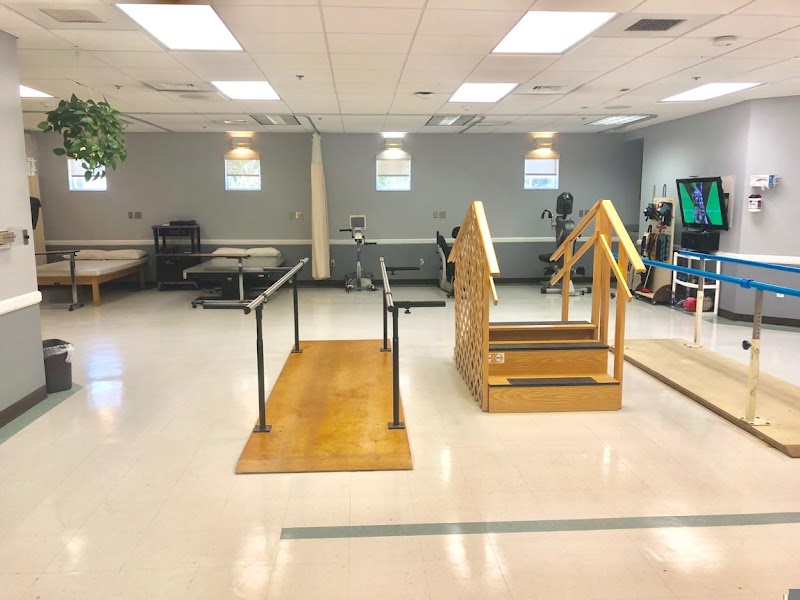
How is Aviata At Santa Barbara Staffed?

CMS rates AVIATA AT SANTA BARBARA's staffing level at 3 out of 5 stars, which is average compared to other nursing homes. Staff turnover is 40%, compared to the Florida average of 46%. This relatively stable workforce can support continuity of care.

What Have Inspectors Found at Aviata At Santa Barbara?

State health inspectors documented 25 deficiencies at AVIATA AT SANTA BARBARA during 2019 to 2025. These included: 5 Immediate Jeopardy (the most serious level, indicating potential for serious harm or death), 2 that caused actual resident harm, and 18 with potential for harm. Immediate Jeopardy findings are rare and represent the most serious regulatory concerns. They require immediate corrective action.

Who Owns and Operates Aviata At Santa Barbara?

AVIATA AT SANTA BARBARA is owned by a for-profit company. For-profit facilities operate as businesses with obligations to shareholders or private owners. The facility is operated by AVIATA HEALTH GROUP, a chain that manages multiple nursing homes. With 120 certified beds and approximately 109 residents (about 91% occupancy), it is a mid-sized facility located in CAPE CORAL, Florida.

How Does Aviata At Santa Barbara Compare to Other Florida Nursing Homes?

Compared to the 100 nursing homes in Florida, AVIATA AT SANTA BARBARA's overall rating (2 stars) is below the state average of 3.2, staff turnover (40%) is near the state average of 46%, and health inspection rating (1 stars) is much below the national benchmark.

What Should Families Ask When Visiting Aviata At Santa Barbara?

Based on this facility's data, families visiting should ask: "What changes have been made since the serious inspection findings, and how are you preventing similar issues?" "Can I visit during a mealtime to observe dining assistance and food quality?" "How do you handle medical emergencies, and what is your hospital transfer rate?" "Can I speak with family members of current residents about their experience?" These questions are particularly relevant given the facility's Immediate Jeopardy citations.

Is Aviata At Santa Barbara Safe?

Based on CMS inspection data, AVIATA AT SANTA BARBARA has documented safety concerns. Inspectors have issued 5 Immediate Jeopardy citations (the most serious violation level indicating risk of serious injury or death). The facility has a 2-star overall rating and ranks #100 of 100 nursing homes in Florida. Families considering this facility should ask detailed questions about what corrective actions have been taken since these incidents.

Do Nurses at Aviata At Santa Barbara Stick Around?

AVIATA AT SANTA BARBARA has a staff turnover rate of 40%, which is about average for Florida nursing homes (state average: 46%). Moderate turnover is common in nursing homes, but families should still ask about staff tenure and how the facility maintains care continuity when employees leave.

Was Aviata At Santa Barbara Ever Fined?

AVIATA AT SANTA BARBARA has been fined $498,334 across 12 penalty actions. This is 13.1x the Florida average of $38,062. Fines at this level are uncommon and typically indicate a pattern of serious deficiencies, repeated violations, or failure to correct problems promptly. CMS reserves penalties of this magnitude for facilities that pose significant, documented risk to resident health or safety. Families should request specific documentation of what issues led to these fines and what systemic changes have been implemented.

Is Aviata At Santa Barbara on Any Federal Watch List?

AVIATA AT SANTA BARBARA is not on any federal watch list. The most significant is the Special Focus Facility (SFF) program, which identifies the bottom 1% of nursing homes nationally based on persistent, serious quality problems. Not being on this list means the facility has avoided the pattern of deficiencies that triggers enhanced federal oversight. This is a positive indicator, though families should still review the facility's inspection history directly.