REHAB & HEALTHCARE CENTER OF CAPE CORAL
2629 DEL PRADO BLVD, CAPE CORAL, FL 33904 (239) 574-4434
Non profit - Other 118 Beds FLORIDA INSTITUTE FOR LONG-TERM CARE Data: November 2025 2 Immediate Jeopardy citations
Trust Grade
6/100
#665 of 690 in FL
Last Inspection: February 2025

Within standard 12-15 month inspection cycle. Federal law requires annual inspections.

Overview

The Rehab & Healthcare Center of Cape Coral has received a Trust Grade of F, indicating significant concerns about the quality of care provided. Ranking #665 out of 690 facilities in Florida places it in the bottom half of nursing homes statewide and #18 out of 19 in Lee County, suggesting very few local options are better. The facility is experiencing a worsening trend, with problems increasing from 4 issues in 2024 to 14 in 2025, and has been assessed with $74,301 in fines, which is higher than 86% of Florida facilities and raises concerns about compliance. Staffing is relatively stable with a 3 out of 5 star rating and a turnover rate of 36%, which is below the state average, and there is more RN coverage than 84% of facilities, which is a positive aspect. However, specific incidents of concern include a critical failure to supervise a cognitively impaired resident who wandered outside unnoticed for two hours and multiple residents not having their call lights within reach, potentially leaving them unable to request assistance when needed. Overall, while there are some strengths, the significant issues highlighted make this facility a concerning choice for families.

Trust Score
F
6/100
In Florida
#665/690
Bottom 4%
Safety Record
High Risk
Review needed
Inspections
Getting Worse
4 → 14 violations
Staff Stability
○ Average
36% turnover. Near Florida's 48% average. Typical for the industry.
Penalties
✓ Good
$74,301 in fines. Lower than most Florida facilities. Relatively clean record.
Skilled Nurses
✓ Good
Each resident gets 51 minutes of Registered Nurse (RN) attention daily — more than average for Florida. RNs are trained to catch health problems early.
Violations
⚠ Watch
36 deficiencies on record. Higher than average. Multiple issues found across inspections.
★☆☆☆☆
1.0
Overall Rating
★★★☆☆
3.0
Staff Levels
★★★★☆
4.0
Care Quality
★☆☆☆☆
1.0
Inspection Score
Stable
2024: 4 issues
2025: 14 issues

The Good

  • 4-Star Quality Measures · Strong clinical quality outcomes
  • Full Sprinkler Coverage · Fire safety systems throughout facility
  • No fines on record
  • Staff turnover below average (36%)

    12 points below Florida average of 48%

Facility shows strength in quality measures, fire safety.

The Bad

1-Star Overall Rating

Below Florida average (3.2)

Significant quality concerns identified by CMS

Staff Turnover: 36%

Near Florida avg (46%)

Typical for the industry

Federal Fines: $74,301

Well above median ($33,413)

Moderate penalties - review what triggered them

Chain: FLORIDA INSTITUTE FOR LONG-TERM CAR

Part of a multi-facility chain

Ask about local staffing decisions and management

The Ugly 36 deficiencies on record

2 life-threatening
May 2025 3 deficiencies
CONCERN (E) 📢 Someone Reported This

A family member, employee, or ombudsman was alarmed enough to file a formal complaint

Potential for Harm - no one hurt, but risky conditions existed

Deficiency F0558 (Tag F0558)

Could have caused harm · This affected multiple residents

Based on observation, residents and staff interviews, the facility failed to ensure reasonable accommodation of needs by failure to ensure the call light was within reach to request assistance as need...

Read full inspector narrative →
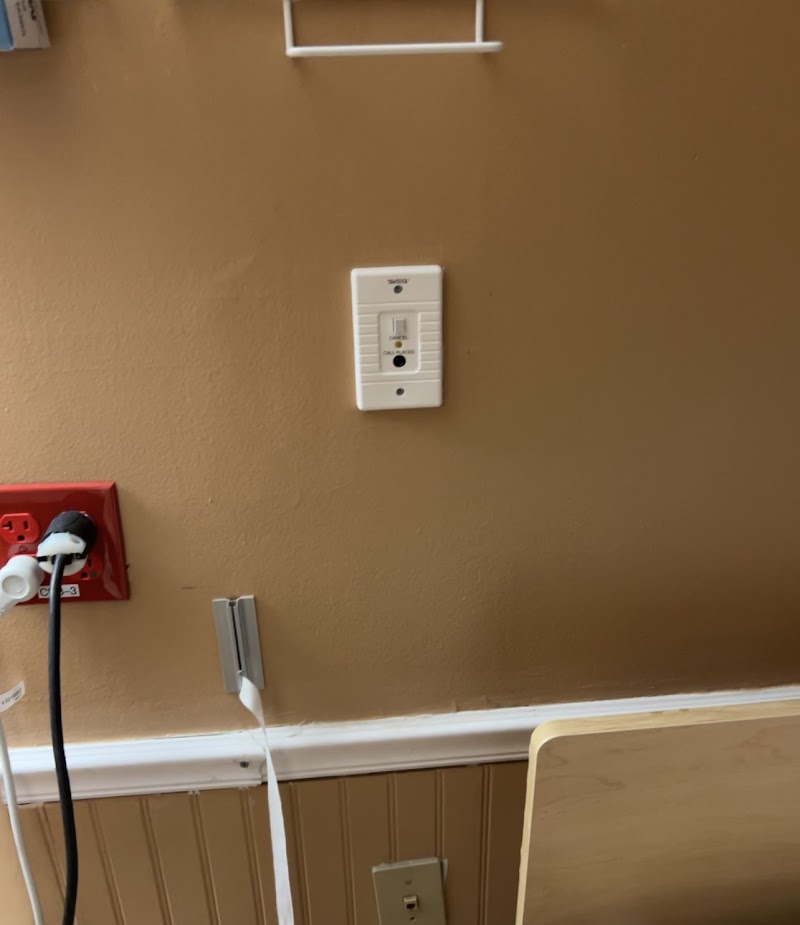
Based on observation, residents and staff interviews, the facility failed to ensure reasonable accommodation of needs by failure to ensure the call light was within reach to request assistance as needed for 9 (Residents #900, #1000, #1001, #20, #12, #89, #10, #1002, and #1004 ) of 18 sampled residents The findings included: On 5/12/25 at 8:45 a.m., during an initial tour of the facility the following observations were made: 1. Resident #900's room. The call light was hooked to a metal bracket that contained a box of gloves, on the wall behind the head of the bed. In an interview, Resident #900 said he did not know where the call light was. Photographic evidence obtained. 2. Resident #1000's room. Resident #1000 was observed sleeping in bed. The call light was hooked to a metal bracket that contained a box of gloves. Photographic evidence obtained. 3. Resident #1001's room. Resident #1001 was observed in bed. The call light was on the floor near the head of the bed. 4. Resident #20's room. Resident #20 was observed in bed and did not respond to interview questions. The call light was hanging from the glove rack and not within the resident's reach. On 5/12/25 at 9:13 a.m., Registered Nurse (RN) Staff E verified Resident #20's call light was hanging from the glove rack on the wall behind the resident's bed and was not within the resident's reach. RN Staff E said, It should not be like that, it should be within the resident's reach. 5. Resident #12. Resident #12 was observed in bed yelling out repeatedly for help. The call light was on the floor, not within reach of the resident. 6. Resident #89. Resident #89 was observed in bed. The call light was on the floor and not within the resident's reach. In an interview Resident #89 said he did not know what happened to the call light and could not find it. He said, I just yell for someone. 7. Resident #10. Resident #10 was observed in bed. In an interview Resident #10 said he did not know where the call light was. He said, If I need anything believe me, I will call out for them. 8. Resident #1002. Resident #1002 was observed in bed. The call light was on the floor behind the headboard of the bed. In an interview Resident #1002 said it takes up to an hour at times before someone answers the call light. 10. Resident #1004. Resident #1004 was observed sitting in a wheelchair in her room. The call light was on the floor behind the wheelchair and not within reach of the resident. In an interview Resident #1004 said she could not reach the call light. She said sometimes it takes a while, more than 30 minutes for someone to answer the call light.
CONCERN (E) 📢 Someone Reported This

A family member, employee, or ombudsman was alarmed enough to file a formal complaint

Potential for Harm - no one hurt, but risky conditions existed

Free from Abuse/Neglect (Tag F0600)

Could have caused harm · This affected multiple residents

Based on record review, review of facility's policies and procedures, and staff interviews, the facility failed to protect residents' rights to be free from neglect by failing to provide the necessary...

Read full inspector narrative →
Based on record review, review of facility's policies and procedures, and staff interviews, the facility failed to protect residents' rights to be free from neglect by failing to provide the necessary care and services to maintain personal hygiene for 3 (Resident #999, #89, and #27) of 5 sampled residents. The findings included: The facility policy Abuse Prevention Program documented The facility has designated and implemented processes, which strive to reduce the risk of . neglect . The policy defined neglect as, Failure to provide goods and services necessary to avoid physical harm, mental anguish or mental illness. The facility Policy Documentation for CNA'S (Certified Nursing Assistants) instructed CNA's to Document what you did for the resident (assisting with ADL's). 1. Review of the clinical record revealed Resident #999 had an admission date of 4/17/25. Diagnoses included cerebral vascular accident with left hemiparesis (weakness of one side of the body) and chronic kidney disease stage 4. Review of the Discharge Minimum Data Set (MDS) (standardized assessment tool that measures health status in nursing home residents) with a date of 4/22/25 documented Resident #999 required substantial to maximum assistance with showers and was dependent for transfers. Resident #999 was alert and oriented. Review of the shower schedule revealed the Resident was scheduled for showers on the 3:00 p.m., to 11:00 p.m., shift on Mondays and Thursdays. Review of the CNA documentation for April 2025 failed to reveal documentation Resident #999 received the scheduled showers on Mondays and Thursdays during the 3:00 p.m., to 11:00 p.m. shift. On 4/17/25 (Thursday) the CNA entered N/A (not applicable). On 4/18/25, 4/19/25, and 4/20/25 a bed bath was documented for the 7:00 a.m. to 3:00 p.m. shift. On 4/21/25, a partial bed bath was documented. Review of the CNA documentation for personal hygiene including oral care and shaving revealed Resident #999 was dependent for hygiene. There was no documentation Resident #999 received assistance with personal hygiene during the day shift on 4/21/25. No personal hygiene care was documented for the 3:00 p.m., to 11:00 p.m., shift on 4/18/25, 4/21/25 and 4/22/25. 2. Review of the clinical record revealed Resident #89 had an admission date of 9/11/24 with diagnoses including alcohol abuse, dementia and multiple sclerosis. Review of the significant change in status MDS assessment with a target date of 3/13/25 noted Resident #89's cognition was moderately impaired with a Brief Interview for Mental Status score of 07. The MDS noted the resident required partial/moderate assistance with personal hygiene. Resident #89 required supervision or touching assistance with oral hygiene and substantial to maximal assistance with showers. On 5/13/25 at 10:00 a.m., Resident #89 was observed in his room in bed. He was unshaven. He had had very foul breath and his teeth were coated with a white film. In an interview, Resident #89 said he could not remember the last time he had a shower and he would really like one. He added, I don't think I have ever had one. Review of the shower schedule revealed Resident #89's scheduled showers were on Tuesdays and Fridays during the 3:00 p.m., to 11:00 p.m., shift. Review of the CNA documentation for April 2025, and May 2025 failed to reveal documentation Resident #89 received his scheduled showers. On 4/1/25, 4/4/25, 4/8/25, 4/11/25, 4/15/25, 4/18/25, 4/22/25, 4/29/25, 5/6/25 and 5/9/25, a bed bath was documented. On 4/25/25, and 5/2/25, the shower documentation was blank. There was no documentation of personal hygiene for the 7:00 a.m., to 3:00 p.m. shift on 5/5/25, 5/10/25 and 5/13/25. No care was documented for the 3:00 p.m., to 11:00 shift on 5/1/25 through 5/5/25, and on 5/10/24. 3. Review of the clinical record revealed Resident #27 had an admission date of 8/18/23 with diagnoses including end-stage renal disease, dependent on renal dialysis, diabetes mellitus, cerebral vascular accident, and malnutrition. On 5/13/25 at 9:51 a.m., in an interview Resident #27 said he only had four showers in the two years he has resided in the facility. He said he gets a bed bath but would prefer a shower. Review of the CNA documentation revealed Resident #27's showers were scheduled on Mondays and Thursdays during the 3:00 p.m., to 11:00 p.m. shift. There was no documentation Resident #27 received his scheduled showers on 4/24/25, 4/28/25, 5/1/25 and 5/5/25. On 5/13/25 at 11: 55 a.m., in an interview Unit Manager Registered Nurse Staff M said every room has an assigned day and shift for showers. She said showers are entered in the computer within 72 hours of admission. She said Resident #27 has refused a shower since he has been on this unit. She said the resident was very particular when he wants a shower. She said the care plan is normally updated if a resident frequently refuses care. She said Resident #27 has been on this unit for about a month and did not think he has had a shower. On 5/13/25 at 11:25 a.m., in an interview the Administrator said if a resident refused a shower, the next step was a bed bath. The CNA should document the shower refusal and let the nurse know. They document the resident refused the shower, and a bed bath was provided. The Administrator said there was no policy on ADL (Activities of Daily Living) care, only documentation for CNA's.
CONCERN (E) 📢 Someone Reported This

A family member, employee, or ombudsman was alarmed enough to file a formal complaint

Potential for Harm - no one hurt, but risky conditions existed

Deficiency F0825 (Tag F0825)

Could have caused harm · This affected multiple residents

Based on review of the clinical record and staff interviews, the facility failed to provide specialized rehabilitative services as directed by the plan of care for 1(Resident #999) of 3 residents for ...

Read full inspector narrative →
Based on review of the clinical record and staff interviews, the facility failed to provide specialized rehabilitative services as directed by the plan of care for 1(Resident #999) of 3 residents for rehabilitative services. The findings included: Review of the clinical record revealed Resident #999 had an admission date of 4/17/25. Diagnoses included cerebral vascular accident with left hemiparesis (weakness of one side of the body). On 5/12/25 at 1:35 p.m., in a telephone interview a family member said Resident #999 did not receive therapy during his stay at the facility. Review of the plan of care initiated 4/23/25 revealed Resident #999 had an activities of daily living self-care performance deficit. The goals for the resident included Occupational Therapy (OT) as ordered, goals are established per the OT plan of care. PT (Physical Therapy) is ordered and goals are established per the PT plan of care. Will improve level of self-performance by next review period. Review of the Physical Therapy (PT) evaluation dated 4/18/25 revealed, Resident to be seen 6 x's a week (six times a week) for 8 weeks. Focus on focus on therapy exercises, therapy activity, gait training, resident caregiver education, group treatment when appropriate and discharge planning one time only for eight weeks. Review of the Physical Therapy Missed Visit Details documented on 4/21/25 Withheld. On 4/22/25 withheld, patient kept his eyes closed and was not participating. Review of the OT evaluation completed 4/18/25 revealed a plan of treatment that included therapeutic exercises, neuromuscular reduction, occupational therapy evaluation, therapeutic activities, self-care management training, and wheelchair management and training period. The frequency for the occupational therapy was six times a week for eight weeks. A review of the OT documentation revealed a note dated 4/21/25 stating patient withheld from therapy. On 4/24/25 the Occupational Therapist documented Patient discharged to hospital. Progress limited due to short stay. There was no documentation Resident #999 received Occupational Therapy as ordered during his stay at the facility. On 5/12/25 at 12:12 p.m., in an interview the Rehab Director said Resident #999 received therapy but he was in the facility only for a few days. She said she would review the therapy notes. On 5/12/25 at 3:57 p.m., in a follow up interview the Rehab Director said the Occupational Therapist who treated Resident #999 was no longer employed at the facility. She said, I have looked and I can't find any other notes. He was evaluated by PT and OT on 3/18/25. He was a Monday to Friday case load. I know PT tried to work with him, but he documented the resident would not participate. All I have is the completed evaluations. He did not receive any therapy because he was here only a few days. He arrived on 4/17/25 in the evening and was discharged on 4/22/25.
Feb 2025 11 deficiencies
CONCERN (D)

Potential for Harm - no one hurt, but risky conditions existed

Deficiency F0558 (Tag F0558)

Could have caused harm · This affected 1 resident

**NOTE- TERMS IN BRACKETS HAVE BEEN EDITED TO PROTECT CONFIDENTIALITY** Based on observation, interview, and record review, the facility failed to accommodate smoking needs and preferences for 1 (Resi...

Read full inspector narrative →
**NOTE- TERMS IN BRACKETS HAVE BEEN EDITED TO PROTECT CONFIDENTIALITY** Based on observation, interview, and record review, the facility failed to accommodate smoking needs and preferences for 1 (Resident #470) of 2 reviewed for smoking, who required a specialized chair for transport to the smoking area, which was not available, that prevented the resident from smoking. This failure caused unnecessary anxiety to the resident, who was a long-term smoker, who required assistance from the facility staff and specialized equipment to get to the designated smoking area. The findings included: Review of the facility policy for Resident Rights Effective November 2024 noted the facility strives to assure that each resident has a dignified existence and self-determination (Self-determination is a set of concepts and values that people with disabilities should have the freedom and support to decide how they live and participate in the community) Review of the facility policy for Smoking/Tobacco Use Effective October 2021, the facility permits smoking and use of tobacco products in accordance with state-specific regulations .The objective of this policy and procedure is not to discourage or restrict one's smoking privileges, but to promote safety for residents, visitors, and employees. Page 2 - The Nursing Home Administrator (NHA) and facility Interdisciplinary Team (IDT) will determine the needs of the residents and establish smoking times . Page 3 - Provide the smoker with assistance and safety devices indicated. Page 4 - Stop Smoking Assistance: Obtain an order from the physician for the use of specific stop smoking assistance techniques and self-help programs (i.e., gum, dermal patches, and oral medications). Review of the Resident Handbook, page 20: Smoking is not permitted inside the facility. Smoking is permitted in the facility's designated smoking areas but only at posted times and under staff supervision. The admission Data Collection and Baseline Care Plan revealed Resident #470 was transferred from another skilled nursing facility and arrived at the facility on 2/5/25 at 5:25 p.m. Diagnoses included right cerebrovascular accident (CVA) with left side affected hypertension, atrial fibrillation, and depression. Resident 470 was oriented to person, place, time and current year and was at the facility for long term care. The Data Collection and Baseline Care Plan revealed Resident #470 smoked and used cigarettes. Resident #470 was not interested in a smoking cessation program. Resident #470's care plan initiated 2/5/25 revealed the resident was a current smoker. Interventions included informing the resident of the smoking policy, informing of designated smoking areas and time, and smoking materials kept by facility staff. Resident #470's smoking evaluation not completed until 2/11/25, six days after admission. On 2/9/25 11:03 a.m., observation of Resident #470 in the bed in the resident's room revealed left sided tightness of the left elbow and hand. The left elbow was bent, and the left hand was drawn to the resident's chest and tightly closed. The resident's left leg was bent and drawn up to the hip area. The resident said she was admitted on [DATE] and her power scooter did not arrive with her. The resident said because of her contractures (a condition of shortening and hardening of muscles, tendons, or other tissue, often leading to deformity and rigidity of joints.) she requires a specialized chair to be transported to the smoking area. She said she told the nurse and several other staff. They told her the chair was coming. She said the chair has not arrived and she has not been able to leave the bedroom. The resident said someone came in to complete the smoking evaluation, but they left and did not come back. Resident #470 said she was going through withdrawal, was miserable. The resident began to cry. On 2/9/25 at 11:15 a.m., in an interview Certified Nursing Assistant (CNA) Staff O said the resident requires a high back chair or something. She said she thinks they are aware of the smoking situation. On 2/9/25 at 11:20 a.m., in an interview the Social Services Director (SSD) said she met with Resident #470 and was not aware of any special issues with the resident. She checked on the resident when she arrived at the facility. She asked the resident if she needed anything, and the resident told her no. On 2/9/25 at 12:41 p.m., in an interview the SSD said she spoke to the resident and went over her goals and the reason she was here at the facility. She said she did not hear of any problems the resident was having. On 2/10/25 at 4:10 p.m., in an interview Licensed Practical Nurse (LPN) Staff W said Resident #470 needed a power chair but it was left at the other facility. Staff W said the resident was unable to smoke and was just lying in bed because the facility did not have a chair for her. She said Resident #470 needed a special high-back chair or Broda chair but the facility only had one and it was currently being used by another resident. On 2/10/25 at 5:06 p.m., in an interview the Rehabilitation Director said they were performing therapy sessions in Resident #470's bedroom because the facility did not have the necessary equipment to transport her out of the bedroom. The Therapy Director said the resident's contractures have been there for years and she needed a special chair to accommodate her transport out of the bedroom. She said Unit Manager LPN Staff M was aware of it. On 2/10/25 at 5:35 p.m., in an interview Unit Manager Staff M said they were trying to find an appropriate wheelchair for Resident #470 so she could get out of bed. She said she met with the resident on 2/6/25. The resident told her she wanted to smoke. Staff M said they did not complete a smoking evaluation since the resident could not leave her room to go smoke. She said the admissions coordinator called the previous facility to arrange for pickup or delivery of the resident's specialized scooter. She said the provider offered the nicotine patch, but the resident declined. Staff M said she did not know the provider's name. On 2/10/25 at 5:57 p.m., in an interview the NHA said he was not aware Resident #470 needed a specialized chair to get out of bed. He said he would obtain a chair from another facility. On 2/11/25 at 9:11 a.m., in an interview the Admissions Director said she reviews the medical record before admission and meets the resident if possible. She said she was not aware the resident required a specialized chair. She said she accepted the resident for admission because she thought they had everything in place to accommodate her needs, but they did not. On 2/12/25 at 12:01 p.m., in an interview Resident 470 said she was not offered the nicotine patch in the beginning when it was determined there was no chair for her to be transported outside to smoke. She said at that time she was very upset and anxious and probably would have accepted the nicotine patch. She was not aware that it would take as long as it did (6 days) to acquire a special chair for her to use.
CONCERN (D)

Potential for Harm - no one hurt, but risky conditions existed

Comprehensive Care Plan (Tag F0656)

Could have caused harm · This affected 1 resident

**NOTE- TERMS IN BRACKETS HAVE BEEN EDITED TO PROTECT CONFIDENTIALITY** Based on observation, review of the clinical record, and resident and staff interviews, the facility failed to develop a care pl...

Read full inspector narrative →
**NOTE- TERMS IN BRACKETS HAVE BEEN EDITED TO PROTECT CONFIDENTIALITY** Based on observation, review of the clinical record, and resident and staff interviews, the facility failed to develop a care plan that described the resident's medical, physical, mental and psychosocial needs and preferences and how the facility will assist in meeting these needs and preferences for 1 (Resident #83) of 28 care plans reviewed. The failure to complete an accurate and individualized care plan has the potential to impact the resident's quality of life and quality of care. The findings included: Review of the clinical record revealed Resident #83 was a [AGE] year-old male with a readmission date of 11/8/24. Diagnoses for the resident included hemiplegia (paralysis of one side of the body) and hemiparesis (weakness of one side of the body) following cerebral vascular infarction, anxiety, major depressive disorder, and muscle wasting. The record indicated Resident #83 was on hospice services beginning 1/9/25. A significant change Minimum Data Set (MDS) assessment dated [DATE] documented the resident had a limitation in range of motion (ROM) on both sides of the lower extremities and one side of the upper extremity. The MDS noted Resident #83's cognitive skills for daily decision making were intact. The care plan initiated on 1/9/23 identified Resident #83 was dependent on staff for activities of daily living (ADLs). On 2/9/25 at 11:55 a.m., Resident #83 was observed in bed in a fetal position on his left side. He was noted to hold his left hand in a tight fist and his knees were bent with his heels toward his buttocks. There were no splinting devices or pillows in place to assist the resident with positioning. The resident said he was not able to move his left hand or straighten his legs. During observations on 2/10/25 at 10:01 a.m., and 2/11/25 at 2:14 p.m., Resident #83 was in bed with his left hand in a fist position and his legs and knees drawn up toward his chest and his heels toward his buttocks. He had no splints or positioning devices in place including pillows. Resident #83 said he could move his right leg but when encouraged he was not able to move his leg. On 2/10/25 at 4:35 p.m., in an interview the Director of Rehab said Resident #83 was now on hospice services but had been on case load on and off through the years. The Director of Rehab said therapy had tried all different types of splints and positioning devices for his legs. The resident said would say he was going to wear it and then would refuse. On 2/11/25 at 4:45 p.m., in an interview Registered Nurse (RN) Staff B said she looked in the residents record and found no information regarding the use of splints, pillows etc., for Resident #83's legs contractures. RN Staff B said, I have not been able to find anything that he refused care or splints. He does refuse care all the time. But I did not find any documentation. I know, if it wasn't documented it wasn't done. On 2/12/25 at 9:08 a.m., in an interview the Director of Nursing (DON) said she was unaware of the resident's contractures, and the lack of documentation or services for the management of resident #83's contractures. On 2/12/25 at 9:25 a.m., in an interview Care Plan Coordinator Staff I confirmed there was no care plan to address the lower leg contractures for Resident #83. The Care Plan Coordinator said the loss of ROM in the left hand was addressed but confirmed there were no interventions for the left hand including ROM, splints, pillows. Staff I said the Resident #83 was on hospice services and did not receive therapy. Staff I said, We have Interdisciplinary team meetings weekly and there was no mention regarding the presence or care of the lower leg contractures. On 2/12/25 at 10:08 a.m., in an interview Care Plan Coordinator Staff I said Resident #83 received therapy on 11/8/24 after a return from the hospital and he was refusing it. She confirmed the therapy was dated for one day only and was actually an evaluation the resident refused. She confirmed there was no additional documentation of therapy for Resident #83. On 2/12/25 at 10:15 a.m., in an interview RN Care Plan Coordinator Staff H said she completed the Significant change MDS dated [DATE]. She said Resident #83 was not contracted like that when she saw him for the significant change MDS. She said a limitation in ROM does not mean a contracture. She observed the resident and he is contracted now. She confirmed the limited ROM or contracture was not identified in the care plan. On 2/12/25 at 10:43 a.m., in an interview the DON said the facility did not have a restorative program and there was no documentation the direct care staff was educated to provide ROM, or splints to address the resident's contractures.
CONCERN (D)

Potential for Harm - no one hurt, but risky conditions existed

Deficiency F0688 (Tag F0688)

Could have caused harm · This affected 1 resident

**NOTE- TERMS IN BRACKETS HAVE BEEN EDITED TO PROTECT CONFIDENTIALITY** Based on observation, clinical record review, staff and resident interviews, and review of facility policy and procedure, the fa...

Read full inspector narrative →
**NOTE- TERMS IN BRACKETS HAVE BEEN EDITED TO PROTECT CONFIDENTIALITY** Based on observation, clinical record review, staff and resident interviews, and review of facility policy and procedure, the facility failed to identify and provide the appropriate services and interventions for the management of contractures and limitations in range of motion (ROM) for 1(resident #83) of 3 residents reviewed for limitations in ROM. The failure to provide the necessary services and interventions has the potential to cause pain and worsening of the contracture and loss of ROM. The findings included: The facility policy Restorative Nursing Programs and Guidelines (revised 10/17) documented The facility provides Restorative Nursing Programs that involve interventions to improve or maintain the optimal physical functioning. Contracture management and prevention.includes the provision of active and or passive ROM exercises/movements to maintain or improve joint flexibility as well as strength. Review of the clinical record revealed Resident #83 was a [AGE] year-old male with a readmission date of 11/8/24. Diagnoses for the resident included hemiplegia and hemiparesis following cerebral vascular infarction, anxiety, major depressive disorder, and muscle wasting. The record indicated Resident #83 was on hospice services beginning 1/9/25. The facility identified Resident #83 had a change in his condition and a significant change MDS standardized assessment tool that measures health status in nursing home residents) dated 1/16/25 documented the resident had a limitation in range of motion (ROM) on both sides of the lower extremities and one side of the upper extremity. The MDS noted Resident #83's cognitive skills for daily decision making were intact. The care plan initiated on 1/9/23 identified Resident #83 was dependent on staff for activities of daily living (ADL's). Review of the Occupational Therapy (OT) Discharge summary dated [DATE] documented LLE (left lower extremity) splint for increased extension/ROM of LLE.PROM/AAROM (passive/active range of motion) of LUE (left upper extremity).Patient denies splint wear tolerance, behavioral outbursts when attempted on LLE increasing caregiver burden and increased risk of contractures and joint stiffness. The OT discharge summary for services from 2/5/24 to 4/30/24 documented, Therapist provided patient with gentle/prolonged stretch of LLE fingers and wrist in preparation for LUE splint tolerance and increased ROM, decreased stiffness needed. Therapist engaged patient in donning LUE hand splint. Patient requires assistance with donning and doffing of bilateral hand splints. On 11/9/24 Resident #83 was referred to OT after an inpatient hospital stay but the resident refused the evaluation. Review of Physical Therapist (PT) progress and discharge summary from 4/11/23 to 4/30/23 documented, the patient presents with right knee flexion contracture.the goal indicated The patient will demonstrate decreased right knee contracture. The goal was not met due to patient not very cooperative with PT and inconsistent participation. On 11/4/24 Resident #83 had a PT evaluation and refused services. On 2/9/25 at 11:55 a.m., Resident #83 was observed in bed in a fetal position on his left side. He was noted to hold his left hand in a tight fist and his knees were bent with his heels toward his buttocks. There were no splinting devices or pillows in place to assist the resident with positioning. The resident said he was not able to move his left hand or straighten his legs. During random observation on 2/10/25 at 10:01 a.m., and 2/11/25 at 2:14 p.m., Resident #83 was in bed with his left hand in a fist position and his legs and knees drawn up toward his chest and his heels toward his buttocks. He has no splints or positioning devices in place including pillows. Resident #83 said he could move his right leg but when encouraged he was not able to move his leg. On 2/10/25 at 3:16 p.m., in an interview with Registered Nurse Unit Manager Staff E said Resident #83 refuses and does not tolerate anything for positioning not even pillows. On 2/10/25 at 4:35 p.m., in an interview with the Director of Rehab said Resident #83 is now on hospice services but was on case load on and off through the years. The Director of Rehab said therapy had tried all different types of splints and positioning devices for his legs and he would say he was going to wear it and then would refuse. On 2/11/25 at 11:20 a.m., in an interview the hospice certified nursing assistant (CNA) said she visits twice a week to provide showers/bed bath for the resident. She said, Resident #83 has never been physically aggressive to her but he was very verbally combative, he will curse and yell and say don't touch me, get out. Resident #83 was observed in bed and he was using the bed controls to put the head of the bed up and down repeatedly. He was noted in the same position as previous observations with no positioning devices. The CNA said I wash him, and I put a pillow between his legs because of the pressure. I don't know if he keeps it on or not because I leave after I am done. I was not informed by the facility staff of any splints or anything for him. On 2/11/25 at 11:43 a.m., in an interview the Director of Rehab said Resident #83 was on hospice services and is not followed by therapy unless there was a problem that needed to be addressed. On 2/11/25 at 4:45 p.m., in an interview RN Staff B said she looked in the residents record and found no information regarding the use of splints, pillows etc., for Resident #83's leg contractures. RN Staff B said I have not been able to find anything that he refused care or splints. He does refuse care all the time. But I did not find any documentation, I know, if it wasn't documented it wasn't done. On 2/12/25 at 8:56 a.m., in an interview CNA Staff C said if a resident had a problem with ROM we tell the nurse and the nurse lets therapy know. If they have a splint the directions would be on the inside of the closet door. On 2/12/25 at 9:08 a.m., in an interview the Director of Nursing (DON) said she was unaware of the resident's contractures, and the lack of documentation or services for the management of Resident #83's contractures. On 2/12/25 at 9:25 a.m., Care Plan Coordinator Staff I confirmed there was no care plan to address the lower leg contractures for Resident #83. The Care Plan Coordinator said the loss of ROM in the left hand was addressed but confirmed there were no interventions for the left hand including ROM, splints, pillows. Staff I said the Resident #83 was on hospice services and did not receive therapy. Staff I said we have interdisciplinary team meetings weekly and there was no mention regarding the presence or care of the lower leg contractures. On 2/12/25 at 9:41 a.m., in an interview CNA Staff A said she has worked at the facility for three years and Resident #83 has had the left hand and both knee contractures since she started working at the facility. He has not had any splints that I'm aware of. There were two positioning wedges located on top of the closet and the CNA said we do use them when we position him. On 2/12/25 at 10:08 a.m., in an interview Care Plan Coordinator Staff I said Resident #83 received therapy on 11/8/24 after a return from the hospital and he was refusing it. She confirmed the therapy was dated for 1 day only and was actually an evaluation the resident refused. She confirmed there was no additional documentation of therapy for Resident #83. On 2/12/25 at 10:15 a.m., in an interview RN Care Plan Coordinator Staff H said she completed the significant change MDS dated [DATE]. She said she observed the resident and Resident #83 was not contracted like that when I saw him for the significant change MDS. She said a limitation in ROM does not mean a contracture, but he is contracted now. She confirmed the limited ROM or contracture was not identified in the care plan. On 2/12/25 at 10:43 a.m., the DON confirmed the facility did not have a restorative program and there was no documentation of education provided for the staff on ROM, contractures or splints.
CONCERN (D)

Potential for Harm - no one hurt, but risky conditions existed

Incontinence Care (Tag F0690)

Could have caused harm · This affected 1 resident

**NOTE- TERMS IN BRACKETS HAVE BEEN EDITED TO PROTECT CONFIDENTIALITY** Based on observations, record review, and staff interviews, the facility failed to provide appropriate care and services to prev...

Read full inspector narrative →
**NOTE- TERMS IN BRACKETS HAVE BEEN EDITED TO PROTECT CONFIDENTIALITY** Based on observations, record review, and staff interviews, the facility failed to provide appropriate care and services to prevent urinary tract infection for 1 (Resident #107) of 2 residents reviewed with indwelling urinary catheter. The findings included: Clinical record review revealed Resident #107 was admitted to the facility on [DATE] and had a re-admission date of 1/23/25. The admission Minimum Data Set (MDS) assessment with a target date of 1/23/25 noted the resident was rarely/never understood. Diagnoses included cerebral infarction, cerebral edema (swelling), compression of the brain, obstructive uropathy (flow of urine is blocked in the urinary tract). Resident #107 had an indwelling urinary catheter (catheter inserted into the bladder to drain urine). The care plan initiated on 12/2/24 noted Resident #107 used a urinary catheter with risk for infection and/or complications related to retention. The goal was for early identification and treatment of UTI (urinary tract infection). The interventions included but were not limited to: Provide catheter care daily and as needed. Review of the Interdisciplinary Team progress note dated 12/10/24 revealed Resident #107 was recently started on antibiotics related to a complicated urinary tract infection with the addition of prophylactic methenamine (anti-infective) due to history of recurrent urinary tract infections. On 2/12/25 at 4:59 p.m., Certified Nursing Assistant (CNA) Staff BB and CNA Staff CC were observed providing incontinent care and catheter care to Resident #107. The Director of Nursing (DON) was in the room observing. A wash basin with soapy water was observed on the resident's over the bed table. When asked about the soap used for catheter care, the DON said CNA Staff BB used the soap from the hand soap dispenser in the bathroom. CNA Staff BB donned gloves and used a washcloth with the soapy water. She wiped between the resident's right and left thighs and outer labia from front to back. CNA Staff BB used another washcloth with soapy water and wiped the resident's inner thighs. She used another soapy washcloth and wiped the resident from back to front (rectal area to catheter insertion site). CNA Staff CC stopped her and instructed her to wash from front to back. CNA Staff BB did not reply and turned the resident to her side. She said she was done with the catheter care. On 2/12/25 at 5:10 p.m., in an interview the DON said CNA Staff BB did a great job with the perineal care and catheter care. Review of the facility's competency for Perineal Care/Catheter care revealed: Female residents: 1. Applies a small amount of liquid soap to each wash cloth as it is being used. 2. Cleans in a downward motion from front to back. 3. Properly separates labia for procedure. 4. Changes water and repeats procedure to remove soap, changes gloves, washes hands and re-gloves. 5. Dries entire perineal area, using a blotting motion from front to back. Catheter care Male and Female For those residents with foley catheters: PCAs (Patient Care Assistants) may need additional wash cloths. 1. PCA uses a wash cloth for the cleaning with soap and rinsing with changed water. 2. Catheter is held with thumb and index finger where it exits the urethral meatus. 3. Catheter is cleansed downward from the meatus exit four inches. On 2/12/25 at 5:15 p.m., the facility's perineal care, catheter care step by step list was reviewed with the DON. The DON said the CNAs did not provide perineal care or catheter care correctly which placed the resident at risk for urinary tract infection. She verified CNA Staff BB did not follow the steps in the list for the catheter care and perineal care. Review of CNA Staff BB's competency review revealed on 4/25/24 CNA Staff BB completed a competency related to performing female perineal care, and catheter care. CNA Staff BB also attended an in-service on 1/6/25 on perineal care and catheter care, using the step by step list.
CONCERN (D)

Potential for Harm - no one hurt, but risky conditions existed

Tube Feeding (Tag F0693)

Could have caused harm · This affected 1 resident

Based on observation, review of facility policy and procedure, record review and staff interview the facility failed to follow physician's orders for an abdominal binder over a feeding tube for 1 (Res...

Read full inspector narrative →
Based on observation, review of facility policy and procedure, record review and staff interview the facility failed to follow physician's orders for an abdominal binder over a feeding tube for 1 (Resident #26) of 1 resident reviewed, to prevent pulling and accidental removal of the tube. The findings included: The facility policy Medication Administration General Guidelines documented The individual who administers the medication, records the administration on the resident's MAR immediately following the medication being given. If a scheduled medication is withheld, refused, the space provided on the front of the MAR/TAR (treatment administration record) for that dosage administration is initialed and circled. An explanatory note is entered. Review of the clinical record revealed Resident #26 had a readmission date of 1/28/25 with diagnoses including dysphagia, need for assistance with personal care, delusional disorders, and obesity. The record indicated the resident was Spanish speaking only. A nursing progress note with a date of 1/30/25 documented SOC (standards of care) meeting today. Resident readmitted to facility 2 days ago after hospitalization. Resident previously pulled her feeding tube out and was reinserted during hospitalization. Abdominal binder in place for protection to be removed for skin integrity checks and feeding tube care every shift. Will continue to monitor. A physician order dated 1/30/25 instructed Maintain abdominal binder in place. Remove for PEG tube care and to monitor skin integrity, every shift for monitoring skin integrity. On 2/9/25 at 12:07 p.m., during an observation Resident #26 was in bed wearing a hospital gown she had pulled up, exposing the feeding tube. The feeding tube insertion site was leaking on resident's gown. There was no abdominal binder covering the feeding tube. On 2/9/25 at 1:20 p.m., during an observation of the feeding tube with Registered Nurse (RN) Staff K said the resident was to have an abdominal binder on because she will pull the feeding tube out, but they could not find it. She had the feeding tube covered with a towel and the towel had a large stain form the leaking tube feeding. RN Staff K said the resident had recently pulled the feeding tube out twice. A review of the Treatment Administration Record (TAR) revealed RN Staff K had signed the TAR for the day and evening shifts indicating the abdominal binder was in place. On 2/10/25 at 3:23 p.m., Resident #26 was in bed, the room door was open. The resident had the covers down and her shirt up. She had the feeding tube in her hand pulling on the tube. A review of the TAR revealed the abdominal binder was signed on the TAR as applied by the nurse for the day and evening shift on 2/10/25. On 2/10/25 at 3:44 p.m., an observation with RN Unit Manager Staff E verified the abdominal binder had not been applied for resident #26 as ordered by the physician. She said it was sent to the laundry to be washed. RN Staff E confirmed if the abdominal binder was not available, the nurse should not have documented it was applied. On 2/11/25 at 10:00 a.m., RN Staff K said she did not sign the TAR to indicate the abdominal binder was in place on 2/9/25. RN Staff K said it was in the laundry and so we used a sheet and wrapped it around her abdomen because she has pulled the feeding tube out twice now. RN Staff K confirmed she had signed the TAR indicating she had applied and checked the placement of the abdominal binder
CONCERN (D)

Potential for Harm - no one hurt, but risky conditions existed

Deficiency F0694 (Tag F0694)

Could have caused harm · This affected 1 resident

Based on observation, interview and record review, the facility failed to ensure short peripheral catheter (a thin, flexible tube is inserted into a vein, usually in the back of the hand, the lower pa...

Read full inspector narrative →
Based on observation, interview and record review, the facility failed to ensure short peripheral catheter (a thin, flexible tube is inserted into a vein, usually in the back of the hand, the lower part of the arm) cover dressing was changed every 7 days to prevent local and systemic infection related to the intravenous (IV) catheter for 2 residents (271 and 23) of 3 reviewed for IV catheters. The findings included: Review of the policy for Vascular Access Devices and Infusion Therapy Procedures Dressing Change for Vascular Access Devices dated 10/2024, the purpose is to prevent local and systemic infection related to the IV catheter. A sterile dressing is maintained on all peripheral and central vascular access devices to protect the site, provide microbial barrier, and to provide vascular access device securement. Short peripheral catheter dressings are changed every 7 days or when the integrity of the dressing is compromised. On 2/9/25 at 10:16 a.m., Resident #271 was observed in bed with intravenous (IV) antibiotic infusing through an IV line inserted in the resident's right upper arm. The insertion site dressing dressing was dated 1/22. Photographic evidence obtained. On 2/9/25 at 10:40 a.m., Licensed Practical Nurse (LPN) Supervisor Staff V entered the bedroom and observed the IV dressing. In an interview LPN Staff V stated, The IV cover dressing is outdated and should be changed every 7 days. Review of Resident 271's Medication Administration Record (MAR) for February 2024 revealed a physician's order written on 1/27/25 at 1:50 p.m. to change the IV cover dressing every 7 days and as needed for soiling or dislodgement. The MAR contained documentation that the nurse signed off the dressing was changed on 2/3/25. Review of Resident #271's care plans revealed a care plan initiated on 1/28/25 for IV medications with instructions to check the IV catheter site daily and change the IV dressing per physician's orders and facility policy. Review of the progress notes from 1/27/25 through 2/11/25 revealed no documentation Resident #271 refused to have the IV cover dressing changed. On 2/9/25 at 10:54 a.m., Resident #23 was observed with an IV insertion site to the left upper arm. The dressing was dated 1/31/25. The dressing was eight days old. Photographic evidence obtained. Review of Resident #23's MAR for February 2024 revealed a physician's order dated 1/31/25 at 4:56 p.m. to change the IV cover dressing every 7 days and as needed for soiling or dislodgement. The MAR contained documentation that the nurse signed off the dressing was changed on 2/1/25 and 2/8/25. Review of Resident #23's care plans revealed a history of refusing care including medications and activities of daily living care dated 7/17/23. The care plan did not include information Resident #23 refused IV catheter dressing change. Review of the nursing progress notes from 1/30/25 through 2/12/25 revealed no documentation that Resident #23 refused to have the IV cover dressing changed. On 2/12/25 at 9:06 a.m., in an interview the Director of Nursing (DON) said the IV dressings are changed every seven days to prevent infection. The DON said the nurses did not follow physician's orders to change the dressings for Resident #271 and #23. The DON said the expectation is the nurse signs off when a task is completed and not prior to completing the task, in case the nurse does not get to the task because of being side-tracked or forgetting to do it. She said the MARS for February 2024 for both Residents #271 and #23 were incorrect. She said the nurses documented completion of dressing changes that were not done.
CONCERN (E)

Potential for Harm - no one hurt, but risky conditions existed

Safe Environment (Tag F0584)

Could have caused harm · This affected multiple residents

Based on observations, staff interviews and record reviews, the facility failed to provide a safe, sanitary, and homelike environment as evidenced by dry wall damage in resident's rooms. Failure to id...

Read full inspector narrative →
Based on observations, staff interviews and record reviews, the facility failed to provide a safe, sanitary, and homelike environment as evidenced by dry wall damage in resident's rooms. Failure to identify and complete needed repairs could cause safety and sanitary hazards to residents on Unit 1, which had damage in 8 of 31 rooms. The findings included: On 2/9/25 during the initial tour of Unit 1's resident rooms: observation revealed the drywall and chair-rails behind resident's beds in rooms 6, 9, 14, 18, 21, 35, 37 and 39 were damaged and chair-rails were on the floor. Holes were observed in the dry walls next to the bathroom door in rooms 6, 9, 14, 21, and 39. On 2/9/25 at 10:23 a.m., in an interview with Resident #55, he said the chair rail molding behind bed A and B had been damaged and broken for the past several months. He said he told the staff about the drywall damage in the room, but nothing had been done to repair the drywall damage and the missing chair rails behind the beds in months. The review of the Maintenance Director's Job Description stated they were responsible for the overall maintenance of the facility and provided directions for all activities related to plan operations. Job duties and responsibilities include but were not limited to minor repairs and supervision of the day-to-day repair, improvement and preventive maintenance of the facility to ensure that machines continued to run smoothly, building systems operated effectively, or the physical condition of the facility did not deteriorate. Review of the Physical Environment policy and procedure, effective August 2024, stated a safe, clean, comfortable, and home-life environment would be provided for each resident. Review of the facility policy and procedure titled, Work Orders, with an effective date of April 2017, the policy noted work orders outside of the service reports and equipment records are a mandatory means of maintenance communication. Work orders should be used and completed with priority classification noted by ether the department head or the Administrator. On 2/12/25 at 11:44 a.m., in an interview with the Maintenance Director, he said he was hired as the Maintenance Director 6 days ago. He was told the facility did not have a Maintenance Director for the past several months. He said he was told the Regional Maintenance Director had overseen the continuous maintenance of the facility during the time the facility did not have a full time Maintenance Director. On 2/12/25 at 12:00 p.m., during the tour of residents' rooms on Unit 1, the Maintenance Director confirmed the drywall and chair rails behind resident's beds in rooms 6, 9, 14, 18, 21, 35, 37 and 39 were damaged and chair-rails were on the floor. He also confirmed there was dry wall damage and holes in the drywall next to the bathroom door in rooms 6, 9, 14, 21, and 39. The Maintenance Director said after reviewing the Work Orders in their maintenance computer program, the damage he observed in rooms 6, 9, 14, 18. 21, 35, 37 and 39 were not documented on a Work Order in their computer system as required. He said he was not told of the resident room damage identified during the tour. On 2/12/25 at 12:30 p.m., during an interview with the Administrator, he confirmed the facility did not have a full-time Maintenance Director for several months. He confirmed the facility had hired a new Maintenance Director several days ago. He confirmed part of the Maintenance Director responsibilities was to ensure minor repairs and the supervision of the day-to-day maintenance so the building could continue to run smoothly, building systems would operate efficiently, and the physical condition of the facility did not deteriorate as noted by the drywall damage in rooms 6, 9, 14, 18. 21, 35, 37 and 39.
CONCERN (E)

Potential for Harm - no one hurt, but risky conditions existed

ADL Care (Tag F0677)

Could have caused harm · This affected multiple residents

**NOTE- TERMS IN BRACKETS HAVE BEEN EDITED TO PROTECT CONFIDENTIALITY** Based on observation, review of job description, clinical record review, staff and resident interviews, the facility failed to p...

Read full inspector narrative →
**NOTE- TERMS IN BRACKETS HAVE BEEN EDITED TO PROTECT CONFIDENTIALITY** Based on observation, review of job description, clinical record review, staff and resident interviews, the facility failed to provide the necessary care and services to maintain personal hygiene for 5 (Resident #24, #69, #72, #83 and #271) of 6 residents reviewed for activities of daily living (ADL's). The findings included: The facility Job Description, Position: CNA's documented The CNA is responsible for assisting with direct residents/patients care. Ensures that each resident's personal care needs are being met in accordance with the resident's/patient' wishes.Bathes residents (recognizing that some residents may physically resist bathing). Gives oral hygiene. Shaves patients. Provides nail and hair care. 1. Review of the clinical record revealed Resident #24 had a readmission date of 10/30/24 with diagnoses including dementia, psychosis, and anxiety. The Quarterly Minimum Data Set (MDS) (standardized assessment tool that measures health status in nursing home residents) with an assessment reference date of 1/17/25 documented Resident #24 required substantial to maximum assistance with showers, partial to moderate assistance with toileting and supervision with personal hygiene. The MDS noted Resident #24's cognitive skills for daily decision making were intact. The care plan initiated 3/2/21 identified Resident #24 had an ADL Self Care Performance Deficit and was incontinent of bowel and bladder. The goal specified Will have ADL needs anticipated and met by staff. The interventions included Shower per schedule & as needed; see shower schedule for details. On 2/9/25 at 9:28 a.m., Resident #24 was observed in her bed. Her hair was greasy and matted, her fingernails extended approximately 1/4 inch in length with a brown and black substance under the nails. The resident had a pungent body odor. On 2/10/25 at 9:51 a.m., Resident #24 was observed in bed, her hair was greasy, her fingernails remained long with a brown and black substance under the nails. Resident #24 was lying on her right side in a fetal position. The resident was wearing a shirt and an adult brief. The resident kept repeating, I need a diaper change. On 2/10/25 at 9:59 a.m., Registered Nurse (RN) Staff J said Ok thank you. when informed of the resident's request for an incontinent brief change. On 2/10/25 at 10:17 a.m., 2/10/25 at 10:41 a.m., Resident #24 was was observed in bed in the same position. The call light was on the floor. Resident #24 kept asking for an incontinent brief change. 2. Review of the clinical record revealed Resident #69 had a readmission date of 11/12/23 with diagnoses including quadriplegia, anxiety, need for assistance with personal care, and muscle weakness. The Quarterly MDS dated [DATE] documented Resident #69 had limitations in range of motion on both sides of the upper and lower extremities. The MDS documented the resident was dependent on staff for showers and required supervision for personal hygiene. The MDS noted Resident #24's cognitive skills for daily decision making were intact. The care plan revised 11/12/23 indicated the Resident has an ADL Self Care Performance Deficit related to quadriplegia. The goal for Resident #69 specified Will minimize risk of decline in ADL self performance. On 2/9/25 at 12:11 p.m., Resident #69 was observed in bed. the left hand fingernails extended approximately ½ in length with brown substances under the nails. In an interview during the observation, the resident said he couldn't cut his own nails, and no one had done it for him. On 2/10/25 at 11:06 a.m., and 2/11/25 at 10:44 a.m., Resident #69 was observed in bed. His fingernails remained approximately 1/2 in in length with a brown substance under the nails. On 2/11/25 at 10:45 a.m., in an interview Resident #69 said, Yes the nails are long but they are not cutting into the skin yet. I will have someone cut them because I can't do it myself. On 2/12/25 at 12:20 p.m., in an interview the Assisted Director of Nursing (ADON) said the expectation if a resident refused care, the CNA was to notify the nurse. The nurse will speak with the resident and document the reason of the refusal of care. 3. Review of the clinical record revealed Resident #72 had a readmission date of 5/8/24 with diagnoses including depression, anxiety and vascular dementia, cerebral infarction, and mood disorder. The Quarterly MDS dated [DATE] documented Resident #72 required substantial to maximum assistance with showers/bathing and partial/moderate assistance with personal hygiene. The MDS noted Resident #72's cognitive skills for daily decision making were severely impaired. The care plan initiated on 3/3/23 documented The Resident has an ADL Self Care Performance Deficit. Resident re-admitted under hospice services for end of life. The goal for Resident #72 specified Will have ADL Needs anticipated and met by staff through next review Date Initiated: 09/01/2022 Revision on: 06/13/2024. The interventions included the resident was totally dependent on staff for ADL's. On 2/9/25 at 9:41 a.m., Resident #72 was observed in bed. The resident looked unkempt with approximately seven days of facial hair growth. His fingernails extended approximately 1/4 of an inch with a brown substance under the nails. On 2/9/25 at 2:09 p.m., in an interview CNA Staff F said Resident #72 required total care and assistance of two for transfers. CNA Staff F said the resident was incontinent and not able to do anything for himself. On 2/10/25 at 10:04 a.m., Resident #72 was observed in bed. He had approximately eight days of facial hair growth. His fingernails remained with a brown substance under the nails. Review of the CNA documentation for January 2025 revealed Resident #72 was scheduled for showers on Tuesdays and Fridays on the 7:00 a.m. to 3:00 p.m. shift. There was no documentation the scheduled showers were provided on 1/3/25, 1/6/25, 1/7/25, 1/10/25, 1/17/25, 1/21/25, 1/28/25. On 1/14/25 Resident #72 refused his shower. On 1/24/25 and 21/31/25 there was no documentation the resident refused a shower, he received a bed bath. Review of the February 2025 CNA documentation showed on 2/4/25, 2/7/25 and 2/11/25 the resident refused bathing. 4. Review of the clinical record revealed Resident #83 was a [AGE] year-old male with a readmission date of 11/8/24. Diagnoses included hemiplegia and hemiparesis following cerebral vascular infarction, anxiety, major depressive disorder, muscle wasting, mood disorder and psychotic mood disorder. Resident #83 received hospice services. Review of the significant change MDS dated [DATE] revealed Resident #83 had a limitation in range of motion (ROM) on both sides of the lower extremities and one side of the upper extremities. The MDS noted Resident #83's cognitive skills for daily decision making were intact. The care plan initiated on 1/9/23 identified Resident #83 was dependent on staff for ADL's. On 2/9/25 at 11:55 a.m., Resident #83 was observed in bed wearing an adult incontinent brief and a hospital gown. His hair was matted, greasy and extended to his neck. The resident's fingernails extended approximately ½ inch in length with a brown substance under the nails. On 2/9/25 at 1:02 p.m., in an interview CNA staff F said the resident will feed himself but that is all he can do. She said the resident was dependent for his care and he receives a shave when needed. On 2/10/25 at 9:52 a.m., Resident #83's call light was on. In an interview, the resident said he needed water because he had a pill stuck in his throat. He said he was wet and needed to be changed. RN Staff J was informed Resident #83 said he needed water because he had a pill stuck in his throat and also needed to be changed. RN Staff J replied, Ok, thank you. On 2/10/25 at 10:08 a.m., Resident #83's call light was on. Resident #83 asked for water and said he wet and needed to be changed. He was unkempt with long greasy, matted hair, approximately one inch of facial hair growth. His fingernails had a brown substance under the nails. On 2/10/25 at 3:05 p.m., in an interview CNA Staff G said Resident #83 refuses showers. He will resist you and says to leave him alone. When he refuses she tells the nurse. On 2/10/25 at 3:00 p.m., in an interview the Administrator said the expectation is for the staff to check oral care, shaving and nail care daily and provide it if needed. For incontinent care they check the residents every two hours and as needed. The Administrator said staff shower residents according to the shower list and if they refuse, the staff are to notify the nurse. On 2/10/25 at 3:16 p.m., in an interview Unit Manager RN Staff E said Resident #83 was a hospice patient and refuses care. RN Staff E said the expectation is for the residents to be cleaned daily. She said she made an appointment with the beautician for Resident #83 for a hair cut and a shave this week. RN Staff E said if a resident is refusing care it should be documented in the progress note, that is, if the CNA lets you know. On 2/12/25 at 8:55 a.m., in an interview CNA Staff C said The shower schedule was at the desk, and we follow it. We shave and cut or clean nails when the resident needs it. If a resident refuses we notify the nurse. On 2/12/25 at 9:21 a.m., in an interview CNA Staff A said, shaving for males is done weekly at the beauty shop and nail care is done by the nurse, we are not allowed to cut fingernails. For showers, there is a list and we follow the shower schedule. CNA Staff A said if a resident refuses care then we let the nurse know. Review of the CNA documentation for January 2025 documented showers were scheduled every Tuesday and Friday on the 3-11 shift. The documentation showed on 1/3/25, 1/7/25, 1/10/25, 1/14/25, 1/21/25 and 1/24/25 Resident #83 received bed baths only. There was no documentation the resident refused care and showers. 5. On 2/9/25 at 10:16 a.m., in an interview Resident #271 said he was not a complainer, but he had not had a shower since he was admitted and would love to feel warm water on his skin. He said he would appreciate a beard trim and have his neck shaved. He said no one has offered a shower or a shave. He said he has a hard time standing but can sit up in the wheelchair. On 2/10/25 at 3:50 p.m., in an interview Resident #271 said he still has not been showered or shaved. The beard was long and covered most of his neck. On 2/10/25 at 4:12 p.m., in an interview LPN Staff W said the rule was showers twice a week by the CNA. She said if the resident refuses, the CNA should report to the nurse, and she will check with the patient and document in the progress notes the refusal. She said she is taking care of Resident #271 and was not aware of any recent refusals. On 2/10/25 at 4:17 p.m., in an interview Unit Manager LPN Staff M said Resident #271's showers were scheduled on Wednesdays and Saturdays on the evening shift. The residents get their beards shaved or trimmed on shower days and by special request. On 2/10/25 at 4:37 p.m., in an interview the Minimum Data Set (MDS) Coordinator said Resident #271 was alert and oriented. She could not recall the resident refusing showers. She said he got a partial bed bath on 1/27/25, partial bed bath on 1/29/25, and a bed bath on 2/1/25. She said there were no behaviors listed for Resident 271. On 2/10/25 at 4:48 p.m., CNA Staff Q said she takes care of the resident on the evening shift, but showers don't fall on her shift. She said Resident #271 never refuses care but she's never shaved him. On 2/10/25 at 5:32 p.m., Staff Q said she shaved the resident but did not ask him if he wanted a shower. On 2/12/25 at 10:58 a.m., in an interview CNA Staff O said she took care of Resident #271 during day shift and gave him a good bed bath. She said he has all those tubes and things in the abdomen, and she did not think it was a good idea to give a shower. She said no one ever told her the resident could not get a shower; she just figured it was not a good idea. She said she did not shave or shower him. Review of the care plans for ADLs included instructions for Shower Device: Shower Bed; shower per schedule and as needed; see shower schedule for details, initiated on 1/27/25. Resident 271's care plan did not include refusals of care, including showers. Review of the progress notes failed to show documentation Resident 271 refused showers or care. Review of the CNAs ADL documentation record for 1/2025 and 2/2025 revealed Resident #271's showers were scheduled on Wednesdays and Saturdays on the 3:00 p.m., to 11:00 p.m. shift. On 1/27/25 the resident received a partial bath at 10:55 p.m. On 1/29/25 the resident was given a bed bath at 10:57 p.m. There were no additional entries on the February ADL sheet from 2/2/25 through 2/11/25.
CONCERN (E) 📢 Someone Reported This

A family member, employee, or ombudsman was alarmed enough to file a formal complaint

Potential for Harm - no one hurt, but risky conditions existed

Quality of Care (Tag F0684)

Could have caused harm · This affected multiple residents

**NOTE- TERMS IN BRACKETS HAVE BEEN EDITED TO PROTECT CONFIDENTIALITY** Based on record review, and staff interviews, the facility failed to have documentation nursing staff addressed a reported chang...

Read full inspector narrative →
**NOTE- TERMS IN BRACKETS HAVE BEEN EDITED TO PROTECT CONFIDENTIALITY** Based on record review, and staff interviews, the facility failed to have documentation nursing staff addressed a reported change of condition for 2 (Residents #46 and #66) of 3 residents reviewed for changes that may indicate a change in health status and need to revise the plan of care. The findings included: Review of the facility's policy and procedure titled, Notification of Resident/Patient Change in Condition effective October 2021 revealed, Notify the Physician . if there is a significant change in condition, regardless of the time of day . Review of the facility's Stop and Watch Early Warning Tool noted, If you have identified a change while caring for or observing a resident, please circle the change and notify a nurse. Either give the nurse a copy of this tool or review it with her/him as soon as you can. The symptoms to report included but were not limited to: Overall needs more help, ate less, tired, weak, confused, or drowsy, help with walking, transferring, toileting more than usual. Review of the clinical record revealed Resident #46 was admitted to the facility on [DATE]. Diagnoses included but were not limited to obstructive and reflux uropathy, compression fracture of lumbar vertebra, and history of pulmonary embolism. Review of the admission Minimum Data Set (MDS) Assessment with a target date of 1/15/25 revealed Resident #46 scored 15 on the Brief Interview for Mental Status (BIMS), indicating intact cognition. Diagnoses included but were not limited to Respiratory failure, Cerebrovascular Accident, and Obstructive uropathy (urine flow blockage). The care plan initiated on 1/24/25 noted Resident #46 used an indwelling urinary catheter (catheter inserted in the bladder to drain urine) with risk for infection and/or complications: Uropathy. The interventions included to observe, document, report to the physician signs and symptoms of urinary tract infection which included but were not limited to altered mental status, change in behavior, change in eating patterns. Review of the progress notes revealed: 1. On 2/2/25 at 12:23 p.m., Physical Therapy Assistant (PTA) Staff S documented, PTA facilitated functional transfer from bed to w/c (wheelchair) with max (maximum) assist. Patient reported not feeling well and hot. Checked room air and conditioner not working today. Nurse reports putting info in TELS (Electronic building management platform) . PTA instructed patient with BLE (Bilateral Lower Extremities) exercises with patient unable to follow commands. Returned to nursing and patient placed in bed. Nursing notified . On 2/10/25 at 3:20 p.m., in an interview PTA Staff S said on 2/2/25 when she saw Resident #46, Something with his transfers was more difficult. We got him sitting on the side of the bed, asked him to reach for the arm rest. He went from a moderate to maximum assistance with transfers. She said, The therapists don't know if there is anything going on medically with the resident, that's why they report their observation to nursing. The clinical record lacked documentation of a nursing evaluation. Review of the TELS log for 2/1/25, 2/2/25 and 2/3/25 showed no documentation of request for repair (work order) for the air-conditioning unit in Resident #46's room. The log noted, There are no completed work orders matching your filters. On 2/11/25 at 11:43 a.m., in an interview the Director of Nursing (DON) said she reviewed Resident #46's clinical record and could not find documentation nursing addressed the concern PTA Staff S reported. She said, If someone brings a resident back and the resident says they're not feeling well, they should document an assessment. 2. On 2/2/25 at 2:14 p.m., Certified Occupational Therapist Assistant (COTA) Staff Y documented in a progress note she reported to the nurse Resident #46 stated he wasn't feeling well. The nurse took the resident's temperature which was 97.1. The clinical record lacked documentation of a nursing evaluation. On 2/2/25 at 4:51 p.m., Licensed Practical Nurse (LPN) Staff W documented a pulse of 66, and a blood pressure of 127/65. On 2/11/25 at 11:43 a.m., in an interview the Director of Nursing (DON) said when COTA Staff Y reported Resident #46 was not feeling well, the nurse took the resident's temperature but there was no documentation the nurse evaluated the resident. The DON said the nurse should have assessed the resident and should have documented her assessment. 3. On 2/3/25 at 4:10 p.m., Occupational Therapist (OT) Staff AA documented a missed session in a progress note. The OT documented the session was withheld due to the resident's status. Resident #46 appeared to be, not at normal baseline with shortness of breath at rest. Unable to get clear reading on vitals (pulse, respiration, blood pressure). Further therapy withheld. Nursing conferred on patient status and notified. On 2/10/25 at 3:00 p.m., in an interview Certified Nursing Assistant Staff N said she remembered Resident #46. She said she reported to the nurse on 2/3/25 that he was not acting right, he was not talking as much and did not eat as much. On 2/11/25 at 11:43 a.m., in an interview the DON said she could not find documentation nursing obtained vital signs or assessed Resident #46 on 2/3/25 when OT Staff AA reported to nursing that therapy was withheld due to patient status, shortness of breath at rest and unable to get clear readings on vitals. She said 911 should have probably been called then. The DON said, When you have therapists hounding you and telling you someone is not feeling well, you should assess the resident and call the doctor. On 2/11/25 at 4:45 p.m., in an interview Occupational Therapist Staff AA said on 2/3/25 when she went to see Resident #46 with the Physical Therapist, he looked pretty sick. Staff AA said, I hope he's alright. She said she tried to get vital signs on different machines but could not get a reading, including the resident's oxygen saturation. They reported it to RN Staff R. 4. On 2/3/25 at 5:17 p.m., PTA Staff Z documented in a progress note, . Patient is observed to be SOB (short of breath) and isn't as mobile. Therapy after multiple failed attempts to get BP (blood pressure), HR (heart rate), O2 (oxygen) reported patient current condition to nursing and left patient in nursing care . On 2/12/25 at approximately 2:00 p.m., in an interview the Administrator said he reviewed the facility's surveillance video for 2/3/25 and it showed PTA Staff Z saw resident #46 at approximately 1:48 p.m. The clinical record lacked documentation of nursing evaluation addressing the concerns by PTA Staff Z . 5. On 2/3/25 at 5:35 p.m., the Advanced Practice Registered Nurse (APRN) documented in a progress note Resident #46 was seen and evaluated today for ataxic gait and general management of his medical comorbidities. The assessment and plan was to continue with physical/occupational therapy for the ataxic gait; coronary artery disease, aspirin and continue supportive care; atrial fibrillation, continue to monitor heart rate, Gastroesophageal reflux, proton pump inhibitor and continue supportive care. On 2/10/25 at 12:10 p.m., in an interview the APRN said on 2/3/25 she saw Resident #46 before lunch. It was between 10:00 a.m., and 11:00 a.m., but wrote the progress note on 2/3/25 at 5:30 p.m. She said the Certified Nursing Assistant was in the room providing care. Resident #46 was ok and talking with her. She did not notice any signs of distress. She did not look at the resident's urine in the catheter as it was covered and the aide was providing care. She said the resident was alert and oriented and able to say if he wasn't feeling well. She said when she saw him that morning, he did not voice any concerns. He was his normal self. On 2/12/25 at approximately 2:00 p.m., in an interview the Administrator said he reviewed the facility's surveillance video for 2/3/25 and it showed the APRN saw resident #46 at approximately 11:45 a.m. 6. On 2/3/25 at 6:45 p.m., Registered Nurse (RN) Staff B, Evening Supervisor documented in a progress note the resident noted to have increased confusion and shortness of breath. Oxygen saturation was 88 and put onto oxygen at 3 liters. Blood pressure low and call to physician with new orders noted for updraft treatment (nebulizer therapy to deliver medication to the lungs) and give one dose of Solumedrol (steroid) intramuscularly (IM). Updraft treatment and IM Solumedrol given per order. The note did not specify a blood pressure reading. On 2/11/25 at 10:10 a.m., in an interview Evening Supervisor RN Staff B said on 2/3/25 RN Staff R called her to come and evaluate Resident #46. It was around 6:30 p.m. His oxygen saturation was 70%. She put him on oxygen and called the Practitioner on call. The APRN gave an order for the Solumedrol and Oxygen. She said to monitor him and if not better in an hour to send him to the hospital. She said she retrieved the Solumedrol from the emergency drug kit and they administered it to the resident right away. A while later the nurse called again and said Resident #46 got better but then got worse. She went and assessed the resident. His nailbeds were blue. They called 911. RN Staff B said she could not find her handwritten notes with a timeline of the event. A review of the transaction print out of the emergency drug kit revealed the Solumedrol was removed from the machine on 2/3/25 at 6:27 p.m. 7. On 2/3/25 at 8:05 p.m., Evening Supervisor RN Staff B documented in a progress note the resident was noted with some improvement earlier after updraft treatment and solumedrol injection. She went to see the resident again and he had declined again with lower oxygen level. Vital signs were unstable and oxygen level decreased and the resident was on a non-rebreather (oxygen face mask) at this time. The resident was sent to the emergency room via 911. On 2/11/25 at 5:00 p.m., in an interview RN Staff R said on 2/3/25 she was assigned to Resident #46 when he was sent to the hospital. She said she spent a lot of time with the resident that day, checked his oxygen saturation but did not document her assessments. She said, I am sorry. I am still new here. RN Staff R said she thought RN Staff B the Evening Supervisor would document everything. Review of the hospital record for 2/3/25 revealed Resident #46 presented to the emergency department via ambulance due to concerns of respiratory distress. Emergency Medical Services report the patient was hypotensive (low blood pressure) on scene. They felt as though he was periarrest. They gave him fluids and transported him to the hospital. The patient is unresponsive and in respiratory distress. Patient with agonal respirations on arrival (gasping, labored breathing). Resident #46 was intubated and transferred to the Intensive Care Unit for further management. The admitting diagnosis was sepsis (life threatening complication of an infection). Review of the clilnical record for Resident #66 revealed an admission date of 12/9/24. Diagnoses included rapid atrial fibrillation, muscle wasting, pneumonia, chronic obstructive pulmonary disease and respiratory failure. Review of the admission and discharge log revealed: On 12/27/24, Resident #66 was transferred to the hospital. Diagnoses listed on the hospital 3008 form included intractable nausea and vomiting. On 1/10/25, Resident #66 was transfered to the hospital. Diagnoses upon return included Salmonella enteritis (bacterial infection of the intestines) and rapid Atrial Fibrillation. Review of the heart rate log revealed: On 1/9/25 at 2:55 p.m., the resident's heart rate was76 beats per minute. On 1/10/25 at 11:51 a.m., the resident's heart rate was 135 beats per minute, new onset and irregular. Review of the nursing progress note revealed on 1/10/25 at 6:50 a.m., Registered Nurse (RN) Staff X documented, Resident called nurse for pain medication, and nurse gave her the pain relief medication. The resident asked for ice water, which the nurse gave to her as well. However, the resident kept pouring the water in her basin and said that she needed more water. I gave her ice chips instead because she kept pouring the water in her basin. For that reason, she said that she wanted to go to the hospital because they would treat her better there, and she asked the nurse to have the supervisor to come into the room. The nurse went and told the supervisor about the resident's request. Review of the nursing progress notes and assessments from 1/9/25 at 11:00 p.m. through 1/10/25 at 6:50 a.m., failed to reveal documentation RN Staff X assessed Resident #66 when she requested to go to the hospital. On 1/10/25 at 11:48 a.m., a nursing progress note revealed the practitioner was at the facility, saw Resident #66 and issued an order for the resident to be transfered to the hospital. Review of the practitioner's late entry progress note dated 1/10/25 revealed Attempt at obtaining an IV (intravenous) line were unsuccessful due to hypovolemia and hypotension due to multiple vomiting episodes. Resident is not medically stable and requires hospitalization. On 2/10/25 at 11:44 a.m., in an interview Resident #66 said the incident on 1/9/25 really bothered her. She said on 1/9/25 she had been sick all day with nausea and vomiting. On 1/10/25 at 2:30 a.m., after vomiting all day and vomiting several cups of water, she told Registered Nurse (RN) Staff X she wanted to go to the hospital. Resident #66 said RN Staff X said he could not call the doctor at 2:30 in the morning. She asked to see the supervisor but the supervisor never came. Later on the morning of 1/10/25, she told Unit Manager LPN Staff M she wanted to go to the hospital. Staff M told her the practitioner would be at the facility in 30 minutes to see her. She said LPN Staff M took her pulse and it was 135 beats per minute. On 2/11/25 at 1:43 p.m., in an interview the Risk Manager said she was not aware of the incident involving Resident #66 on 1/9/25 and 1/10/25 until today. She interviewed the resident and RN Staff X. Staff X told her Resident #66 requested to go to the hospital, but he did not contact the provider and did not transfer the resident to the hospital. The risk manager said RN Staff X was suspended pending the outcome of the investigation. The risk manager said RN Staff X that could have initiated the hospital transfer without a doctor's order. It is similar to a resident calling 911 for themselves if they were at home. Review of the facility's investigation initiated on 2/10/25 revealed Resident #66 signed a statement noting, On the day I went to the hospital, around 2:30 a.m., I told (Staff X) I had chest pain and wanted to go to the hospital. He gave me a pain pill and it didn't stay down. I was told the doctor said stay and will see me in the morning. Around 10:30 - 11:00 a.m., a provider came to see me. She said if they couldn't start an intravenous line (IV) they would send me to the hospital. They couldn't get the IV in, so I went to the hospital. In the ambulance they couldn't start an IV. I went to (Hospital name). I didn't tell anyone except my husband, and he was going to call the state. Review of RN Staff X's hand-written witness statement dated 2/11/25 revealed, Resident was asking for water. I gave the resident a cup of water. After a couple minutes, a CNA was passing by the resident's room, and I heard the resident ask the CNA for water. I went into the resident's room and told her that I just gave her water. However, the resident said she threw it up and wanted another cup. I went and got her another cup of water, but that time I did not leave the room fully. I was hiding myself behind the curtain to see what the resident was doing and I saw the resident poured the cup of water in her basin. I told her, Okay, I see what's going on with the water. I will give you ice chips instead. I went and gave her a cup of ice chips. The resident kept saying that she wanted to go to the hospital. When I asked her to give me a reason or something to say to the provider, she said that they will treat her better at the hospital because they will give her water there. On 2/11/25 at 4:24 p.m., in an interview Unit Manager Staff M said on 1/10/25 in the morning, Resident #66 refused therapy. She went to see the resident in her room. Resident #66 was pale, sweating, and had an abnormally fast heartbeat at 135 beats per minute (normal heart rate is between 60 and 100 beats per minute). She said she recognized it as an emergency and called the doctor. The doctor ordered Zofran (used for nausea and vomiting). Resident #66 refused the Zofran. She wanted to go to the hospital. The provider came to the facility and gave the order to send Resident #66 to the hospital. On 2/11/25 at 4:56 p.m., Resident #66 said RN Staff X the night shift nurse told her she would be kicked off the physician's service for going to the hospital too many times. She said it was scary at the facility, and she wanted to go home. On 2/12/25 at 1:24 p.m., in an interview Licensed Practical Nurse (LPN) Staff M said she inaccurately documented the vital signs and transfer date on the 1/10/25 hospital transfer form. She obtained the vital signs from 1/9/25, and those vital signs did not portray an accurate description of the resident at the transfer time. Staff M said there was no nursing assessment for the night shift when the resident initially requested hospital transfer. She said if the nurse was not going to call the doctor, he should have assessed the resident and/or sent the resident to the hospital. On 2/12/25 at 3:49 p.m., the Director of Nursing (DON) said she would expect RN Staff X to document a nursing assessment during the night shift when the resident requested transfer to the hospital, but there was nothing in the progress notes, vital signs log or evaluations. The DON said if Staff X was unwilling to contact the physician and the nurse did not transfer the resident, the nurse should have documented that everything was okay. The DON said Staff X was suspended pending the investigation outcome. Review of the Hospital Progress note dated 1/13/25 at 6:40 a.m., noted Resident #66 presented to the hospital with nausea, vomiting and diarrhea going on for two days. The resident was admitted for further evaluation. A stool panel was positive for Salmonella (bacterial infection). Her IV went out and was unable to find an IV per Emergency Medical Personnel . Central line was placed on 1/12. Was continued on IV Amiodarone for rate control, continued hydration. Patient still with reasonable nausea and vomiting . Central line was placed yesterday due to lack of access. Review of the progress note Revealed Resident #66 returned to the facility on 1/20/25, 10 days after she was transfered to the hospital.
CONCERN (E)

Potential for Harm - no one hurt, but risky conditions existed

Unnecessary Medications (Tag F0759)

Could have caused harm · This affected multiple residents

Based on observation, clinical record review and staff interviews the facility failed to ensure a medication error rate less than 5 percent. 29 opportunities, 5 residents and four different nurses wer...

Read full inspector narrative →
Based on observation, clinical record review and staff interviews the facility failed to ensure a medication error rate less than 5 percent. 29 opportunities, 5 residents and four different nurses were observed. Four medication errors were identified resulting in a medication error rate of 13.79%. The findings included: On 2/9/25 at 9:15 a.m., Registered Nurse (RN) Staff R was observed administering 11 different medications to Resident #470, including: Lidocaine Patch 5% (topical anesthetic), one patch to the resident's left shoulder and one patch to the resident's left knee. Loratadine (antihistamine) 10 milligrams (mg), one tablet by mouth. Venlafaxine 75 mg (antidepressant), one tablet by mouth. Reconciliation of the medication administration observation with the physician's orders revealed the current physician's orders included: Lidocaine external patch 4%, apply to left shoulder/left leg topically one time a day for chronic pain. Venlafaxine HCL (Hydrochloride) 75 mg, give one tablet by mouth one time a day related to Major Depressive Disorder, administer with 37.5 mg total to be administered is 112.5 mg. The physician's orders included to administer Cetirizine 10 mg, one tablet one time a day for allergies. The medication was scheduled to be administered daily at 9:00 a.m. RN Staff R was not observed administering the Cetirizine as ordered. Complete review of the clinical record failed to reveal a physician's order for Loratadine 10 mg administered to the resident. On 2/9/25 at 3:22 p.m., in an interview RN Staff R verified she did not administer Venlafaxine 37.5 mg with the Venlafaxine 75 mg per the physician's order. She verified there was no physician's order for the Loratadine 10 mg she administered to Resident #470. RN Staff R said she administered Loratadine 10 mg instead of Cetirizine 10 mg to the resident. She said, That's an allergy pill, that's what we give. RN Staff R asked if the Loratadine and Cetirizine were not the same thing. She said she did not realize the strength of the Lidocaine patches she applied to the resident's left shoulder and left knee were 5%. She did not realize the physician's order was for Lidocaine patch 4%. On 2/9/25 10:11 a.m., RN Staff K was observed administering four medications to Resident #60, including one tablet of Torsemide 10 mg. Review of the physician's orders for Resident #60 revealed to administer Torsemide 5 mg, one tablet by mouth one time a day for Congestive Heart Failure/edema (swelling caused collection of fluid in the tissues). On 2/9/25 at 3:37 p.m., in an interview RN Staff K verified the physician's order was to administer Torsemide 5 mg one time a day to the resident. She acknowledged the medication error and said she administered Torsemide 10 mg to Resident #60, which was twice the amount of Torsemide ordered.
CONCERN (E)

Potential for Harm - no one hurt, but risky conditions existed

Infection Control (Tag F0880)

Could have caused harm · This affected multiple residents

**NOTE- TERMS IN BRACKETS HAVE BEEN EDITED TO PROTECT CONFIDENTIALITY** Review of the clinical record for Resident #107 revealed an admission date of 11/27/24 and re-admission date of 1/21/25. Diagnos...

Read full inspector narrative →
**NOTE- TERMS IN BRACKETS HAVE BEEN EDITED TO PROTECT CONFIDENTIALITY** Review of the clinical record for Resident #107 revealed an admission date of 11/27/24 and re-admission date of 1/21/25. Diagnoses included cerebral infarction, cerebral edema (swelling), Hemiplegia (paralysis) and hemiparesis (weakness). Resident #107 was bedbound and dependent on staff for all activities of daily living. Review of the progress note dated 1/22/25 revealed Resident #107 was readmitted with a surgical wound to the sacral area with staples and sutures, and a stage 3 pressure injury to the left ear. On 2/11/25 at 2:00 p.m., Registered Nurse (RN) Staff K was observed changing the dressings to the resident's sacral wound and the stage 3 pressure ulcer to the resident's left ear. Evening Supervisor RN Staff B was assisting with the wound care. RN Staff K donned gloves placed a barrier field on the resident's over the bed table. She placed her supplies, including Mupirocin 2% ointment (antibiotic), Gentamycin 0.1% (antibiotic) squeezed into individual medicine cups, collagen wound dressing, silicone dressing, and opened packs of gauze which she placed into plastic cups. RN Staff K removed the gloves. RN Staff K picked up a bottle of wound cleanser from the treatment cart and dropped it on the floor in the resident's room. She donned gloves, picked up the bottle of wound cleanser and placed it on the barrier field with the rest of the clean and sterile wound care supplies. RN Staff B Evening Supervisor turned Resident #107 to the left. RN Staff K removed the soiled dressing to the resident's right buttock. She removed her gloves, performed hand hygiene and donned a clean pair of gloves. RN Staff K took her glasses from the top of her head and placed them on her face. She did not change gloves or perform hand hygiene. She used the bottle of wound cleanser she picked up from the floor and sprayed wound cleanser on 4 by 4 gauze. She wiped the resident's wound multiple times, going from the wound to the surrounding area, wiped between the resident's buttocks and wiped back into the wound. RN Staff K did not remove her gloves or performed hand hygiene. She used her gloved fingers to apply the mupirocin ointment and the gentamicin ointment in and around the wound. She spread the ointments in the resident's wound, the surrounding skin, between the resident's buttocks and back to the wound bed. She applied a silicone dressing to the wound. RN Staff K performed hand hygiene and donned gloves. She removed the dressing to the resident's left ear. She sprayed wound cleanser onto 4 by 4 gauze. She removed her gloves and donned a new pair of gloves. She wiped the wound to the left ear multiple times in an up and down motion. She applied a collagen dressing to the left ear and secured the dressing with rolled gauze she wrapped around the resident's head. She removed her gloves, did not wash her hands. She went to the treatment cart, retrieved scissors which she placed on the resident's nightstand. RN Staff K did not clean or sanitize the scissors. She used it to cut the rolled gauze and tape to secure the dressing to the left ear. She then unwrapped the resident's left and right heel without performing hand hygiene or changing her gloves. She applied skin prep (skin protective film) to the resident's heels. On 2/11/25 at 5:30 p.m., in an interview, RN Staff K said she realized she failed to follow infection prevention technique during the wound care which placed Resident #107 at risk for wound infection. RN Staff K said, Thank you for telling me. On 2/12/25 at approximately 12:15 p.m., in an interview the Assistant Director of Nursing said it was not acceptable for the nurse to pick up the bottle of wound cleanser from the floor and use it. Review of the facility's aseptic dressing change skills checklist revealed to apply gloves, remove the soiled dressing, remove gloves, wash hands, cleanse the wound with Normal Saline (Clean to dirty) or other physician ordered cleansing agent. Then, remove gloves and wash hands. Apply gloves perform the wound treatment according to the physician's order. Based on observation, staff interview and facility policy review the facility failed to provide appropriate infection control practices during wound care for 2 (Residents #53 and #107) of 3 residents reviewed for Infection control/Enhanced Barrier Precautions. The findings included: Review of the clinical record revealed Resident #53 was admitted to the facility on [DATE]. Her medical history included Senile Degeneration, Dementia, Weight Loss, and pressure wounds. She had Physician orders for daily wound care. She also had Physician orders for Enhanced Barrier Precautions. There was PPE (Personal Protective Equipment) and a sign on her room door along with a sign over her bed that said EBP (Enhanced Barrier Precautions); Gown and gloves required. The Policy and Procedure provided by the facility for Barrier Precautions with an effective date of April 2024 stated Enhanced Barrier Precautions (EBP) refers to an infection control intervention designed to reduce transmission or multi-drug-resistant organisms that employ targeted gown and glove use during high contact resident activities. EBP are used in conjunction with standard precautions and expand the use of PPE to donning of gown and gloves during high contact resident care activities that provide opportunities for transfer of MDROs (Multi Drug Resistant Organization) to staff hands and clothing. EBP is indicated for residents with any of the following: 1. Infection or colonization with a CDC (Center for Disease Control)-targeted multi-drug-resistant organism when Contact Precautions do not otherwise apply or, 2. Wounds and/or indwelling medical devices even if the resident is not known to be infected or colonized with a multi-drug resistant organism. On 2/12/2025 at 11:00 a.m., Licensed Practical Nurse (LPN) Staff M, and Registered Nurse (RN) Staff L were observed providing wound care for Resident #53. Staff M, LPN and Staff L, RN only utilized gloves during wound care. After wound care was completed for Resident #53, they were asked if Resident #53 was on EBP precautions. They both answered yes. They were then asked if gowns should have been worn during wound care? They both answered yes. On 2/12/2025 at 11:30 a.m., in an interview the Director of Nursing (DON) and the Regional DON were asked if Enhanced Barrier Precautions Policy required staff to wear a gown and gloves during dressing change for wound care. Both answered yes.
May 2024 4 deficiencies
CONCERN (D) 📢 Someone Reported This

A family member, employee, or ombudsman was alarmed enough to file a formal complaint

Potential for Harm - no one hurt, but risky conditions existed

Grievances (Tag F0585)

Could have caused harm · This affected 1 resident

Based on review of facility records, review of facility policies and procedure and resident and staff interviews the facility failed to ensure appropriate corrective action to resolve the expressed co...

Read full inspector narrative →
Based on review of facility records, review of facility policies and procedure and resident and staff interviews the facility failed to ensure appropriate corrective action to resolve the expressed concerns with broken furniture and call light for 1(Resident #24) of 3 residents reviewed for grievances. The findings included: The facility policy Grievance/Concerns Management effective 2/21, documented Residents/representative has the right to present concern on behalf of themselves, and/or others to the staff and or administrator of the facility, to government officials, or to any other person. The concern may be filed verbally or in writing, and the reporter may request to remain anonymous. On 5/6/24 at 10:26 a.m., in an interview Resident #24's representative said the resident's closet drawer was broken and the call light had frayed and exposed wires for several months. The representative said he had notified the facility Administrator of the concerns and work orders for maintenance were filed but the repairs were not completed. He said he voiced the grievances to the Administrator but nothing was done. On 5/6/24 at 5:30 p.m., during an observation of Resident #24's room, it was noted the closet drawer was missing. Photographic evidence obtained. Observation of Resident #24's call light revealed exposed wiring. The call light had been placed on the bed for the Resident to use. Photographic evidence obtained. On 5/7/24 9:00 a.m., in an interview the Regional Director of Maintenance said he was not aware of the maintenance concerns in the building. I am here once a month or so to meet with the maintenance director. I did not know repairs were not being completed. The Regional Director toured Resident #24's room with this surveyor and confirmed the closet drawer was missing. He was shown the frayed wiring of the call light and said When I'm here, things get taken care of. He removed the frayed call light, saying I can replace it right away. The closet drawer might take some time I will have to order replacements. Review of the Maintenance Log revealed the frayed/exposed call light wires for Resident #24 were reported on 2/21/24. The Maintenance Log revealed the missing closet drawer for Resident #24 was reported on 7/7/23, 7/10/23, 8/23/23, and 2/19/24. On 5/7/24 at 10:10 a.m., in an interview the Administrator said the Maintenance Director was no longer employed at the facility and had left two weeks ago. The Administrator said the process for repairs was in morning meetings I gave him the list of things requiring repair. The Administrator said he did not know who was responsible to ensure the Maintenance Director completed the repairs each day and said, I guess it would be me. He confirmed he did not check to ensure the repairs were made, I just gave him the list and assumed he took care of it.
CONCERN (E) 📢 Someone Reported This

A family member, employee, or ombudsman was alarmed enough to file a formal complaint

Potential for Harm - no one hurt, but risky conditions existed

Safe Environment (Tag F0584)

Could have caused harm · This affected multiple residents

**NOTE- TERMS IN BRACKETS HAVE BEEN EDITED TO PROTECT CONFIDENTIALITY** Based on observation, review of facility policy and procedure, staff and resident interviews the facility failed to ensure a saf...

Read full inspector narrative →
**NOTE- TERMS IN BRACKETS HAVE BEEN EDITED TO PROTECT CONFIDENTIALITY** Based on observation, review of facility policy and procedure, staff and resident interviews the facility failed to ensure a safe, clean, comfortable and sanitary environment for residents and failed to make necessary repairs inside of the facility for 2 (North and South) of 2 units observed. The findings included: The facility policy Equipment- Cleaning/Disinfecting effective 10/21 documented, The facility will take action to prevent resident care equipment and supplies from becoming sources of infection. A facility specific cleaning schedule will be developed for the routine cleaning of noncritical equipment. The facility policy and procedure Ice Machine documented, The ice machine, scoop and storage container will be maintained in a clean and sanitary condition. The ice machine will be cleaned once per month or more often as needed. The scoop and storage container will be cleaned once per day. On 5/6/24 at 12:03 p.m., during an initial tour of the facility, the following was observed: 1. room [ROOM NUMBER]: Behind the oxygen concentrator, a large live brown insect was on its back with legs moving. Photographic evidence obtained. 2. room [ROOM NUMBER]: A wash basin was stored on the floor of a shared bathroom. Photographic evidence obtained. 3. room [ROOM NUMBER]: Exposed wires of the call light, and the closet was missing a drawer. Photographic evidence obtained. 4. room [ROOM NUMBER] A: A large section of the vinyl flooring was missing near the head of the bed. Photographic evidence obtained. 5. room [ROOM NUMBER]: The baseboard was missing at the entry to the room exposing cracked and missing drywall. Photographic evidence obtained. 6. room [ROOM NUMBER] B: The vinyl flooring was bubbled and raised near the head of bed, making the floor uneven. Photographic evidence obtained. 7. The ice Machine in the main dining room had a white substance on the front of the machine with white drip marks. The overflow tray contained a white film and there was dust on the top of the tray. Photographic evidence obtained. On 5/6/24 at 12:15 p.m., in an interview Licensed Practical Nurse (LPN) Staff A said the facility had bugs, the big ones. She said, We put it in a log when we see them and they spray, it helps for a while, but they come back. On 5/6/24 at 12:25 p.m., in an interview Resident #850 said, There are roaches in here all the time, they crawl on the walls. The nurses step on them, they are good at that, they crunch them. On 5/6/24 at 1:00 p.m., in an interview Resident #700's spouse said, There are big roaches in here every day. I killed two of them in the bathroom yesterday. I tell the nurse, they know. On 5/6/24 at 1:10 p.m., LPN Staff B said, There are roaches and bugs in here all the time. There is a list at the desk and you write where you see them and they are supposed to spray. Things are never fixed here. You place the problem in the electronic Work Order Request, and nothing is done for several weeks. The beds don't work and then we have to change beds or rooms trying to get one that works. On 5/6/24 at 1:20 p.m., in an interview Certified Nursing Assistant (CNA) Staff C said, I have seen big roaches and palmetto bugs in here usually after it rains. I let the nurse know and they notify the exterminator. On 5/6/24 at 1:30 p.m., in an interview LPN Staff D said, There are always bugs in here and not the flying ones. They are the big roaches. We put it on a piece of paper at the nurses station and they spray but it does not seem to be working. When we have a problem with equipment that needs repairs we put a work order in the computer, but it takes weeks if you are lucky to get it repaired, sometimes nothing is fixed. On 5/ 7/24 8:30 a.m., the observations made in rooms #59, #50, #15, #71, #70 and the main dining room were shared with the Director of Nursing (DON ) and the Administrator. The Administrator declined to tour the facility to observe the concerns in the residents' rooms and main dining room. On 5/7/24 8:44 a.m., in an interview the Regional Nurse Consultant said she was informed of the concerns with pests, facility repairs and facility environment. On 5/7/24 at 9:00 a.m., the Regional Director of Maintenance verified the missing closet drawer in Resident #24's room and the frayed wiring of the call light. He said he was not aware of the maintenance concerns in the building. He said, I am here once a month or so to meet with the maintenance director. I did not know repairs were not being completed. He added, When I'm here things get taken care of. The Regional Director of Maintenance said, No when asked to conduct a joint tour of the facility and walked out of Resident #24's room. On 5/8/24 at 10:00 a.m., a second facility tour was conducted and the following was observed: 1. room [ROOM NUMBER]; Bedside table was rusted, dirty and grimy. Photographic evidence obtained. 2. room [ROOM NUMBER] A: The closet drawer was missing. Two wash basins were visible, stored on the floor. Photographic evidence obtained. 3. room [ROOM NUMBER] A: The closet was missing a drawer. Photographic evidence obtained. 4. room [ROOM NUMBER] A: The bedside table was rusted and grimy. Photographic evidence obtained. 5. room [ROOM NUMBER] A: The bedside table had a brown substance that had dripped and dried down the table leg. The table support legs were covered in a thick layer of grime. Photographic evidence obtained. 6. room [ROOM NUMBER] A: The bedside table was grimy, and dirty. Photographic evidence obtained. 7. room [ROOM NUMBER] B: The bedside table was rusted and dirty. Photographic evidence obtained. On 5/7/24 at 10:10 a.m., in an interview the Administrator said he reviewed the list of environmental concerns but had not toured the facility to observe them. He said the former Maintenance Director left two weeks ago. He explained in morning meetings he would give him the list of items needing repairs that were entered in the electronic log. He said, I just gave him the list and assumed he took care of it. The Administrator said he did not know who was responsible to ensure the Maintenance Director completed the repairs and said, I guess it would be me. He confirmed he did not check to ensure the repairs were made. The Administrator said the dietary staff were responsible for cleaning the ice machines and the ice coolers used by the CNA's, but he had no documentation the ice machine and ice coolers were being clean and sanitized. He said the management team does daily rounds of each room and looks at everything including cleanliness and broken furniture. On 5/7/24 at 11:25 a.m., in an interview the Certified Dietary Manager said dietary staff clean the ice machines and the ice cooler daily with a disinfectant and she had a schedule but did not have documentation it was actually completed. On 5/9/24 at 9:09 a.m., in an interview Housekeeper Staff I said she cleans the bedside tables with a rag and disinfectant every day and if they spill something she cleans it up. She said she wipes down the outside of the ice coolers, but not the inside. She said, I see roaches here every day, big ones and little ones. They are usually in the rooms of residents who have a lot of food. I let the nurse know. I have seen the guy spray in here for the bugs.
CONCERN (E) 📢 Someone Reported This

A family member, employee, or ombudsman was alarmed enough to file a formal complaint

Potential for Harm - no one hurt, but risky conditions existed

ADL Care (Tag F0677)

Could have caused harm · This affected multiple residents

**NOTE- TERMS IN BRACKETS HAVE BEEN EDITED TO PROTECT CONFIDENTIALITY** Based on observation, review of the clinical record, and staff and resident interviews, the facility failed to provide the neces...

Read full inspector narrative →
**NOTE- TERMS IN BRACKETS HAVE BEEN EDITED TO PROTECT CONFIDENTIALITY** Based on observation, review of the clinical record, and staff and resident interviews, the facility failed to provide the necessary care and services to maintain hygiene for 3 (Resident #24, #750 and #999) of 3 residents reviewed for activities of daily care (ADLs). The findings included: 1. On 5/6/24 at 10:26 in a telephone interview, Resident #24's representative said the resident was not receiving her scheduled showers. Review of the clinical record revealed Resident #24 had an admission date of 2/9/22 with diagnoses including depression, chronic obstructive pulmonary disease and type 2 diabetes mellitus. The Annual Minimum Data Set (MDS) (standardized assessment tool that measures health status in nursing home residents) dated 2/15/24 documented Resident #24 required partial to moderate assistance with bathing. The MDS noted Resident #24's cognitive skills for daily decision making were moderately impaired. Review of the Certified Nursing Assistant (CNA) documentation for March 2024 showed Resident #24 was scheduled for showers on the 7:00 a.m. to 3:00 p.m., shift on Mondays and Thursdays. The documentation revealed Resident #24 received a bed bath on 3/5/24 and 3/11/24. There was no documentation for scheduled shower days on 3/7/24, 3/14/24, 3/18/24 and 3/25/24. N/A (not applicable) was charted on 3/28/24. On 3/21/24 Resident #24 received a shower, the only one documented for the month of March. Review of the CNA documentation for April 2024 documented a bed bath was provided on 4/8/24 and 4/15/24. There was no documentation Resident #24's scheduled showers were provided on 4/1/24, 4/4/24, 4/11/24, 4/18/24, 4/22/24, 4/25/24 and 4/29/24. Resident #24 received no scheduled showers in April 2024. 2. On 5/6/24 at 10:45 a.m., in a telephone interview, Resident #999's daughter said her mother was at the facility for two months and never received a shower. Review of the clinical record revealed Resident #999 had an admission date of 10/14/23 and was discharged on 11/17/23. Diagnoses included Chronic Kidney Disease, stage 4 metastatic breast cancer and type 2 Diabetes Mellitus. The discharge MDS dated [DATE] documented Resident #999 required substantial to maximum assistance with bathing and showers. The MDS noted the residents cognitive skills for daily decision making were intact. Review of the CNA documentation for October 2023 revealed Resident #999 was to receive showers on the 7:00 a.m. to 3:00 p.m., shift on Tuesdays and Fridays. On 10/14/23 she received a partial bed bath. On 10/20/23 she received a bed bath. On 10/24/23 and 10/27/23 there was no documentation for bathing or showering. On 10/31/23 she received a partial bed bath. The documentation showed Resident #999 received no scheduled showers from the day of admission on [DATE] to 10/31/23. Review of the CNA documentation for November 2023 documented a partial bed bath was provided on 11/3/23, 11/7/23, 11/10/23 and 11/17/23 on the scheduled shower days. On 11/14/23 the resident received a bed bath. Resident #999 received no scheduled showers and there was no documentation that she refused her showers. 3. On 5/6/24 at 12:37 p.m., Resident #750 said, I have been here since 4/29/24 and I have not received a single shower. I ask for one and I don't get it, nobody tells you why. Review of the clinical record revealed Resident #750 had an admission date of 4/29/24 with diagnoses including morbid obesity, weakness and need for assistance with personal care. The admission MDS dated [DATE] documented the resident required substantial to maximum assistance with showers/bathing. The MDS noted Resident #750's cognitive skills for daily decision making were intact. Review of the CNA shower schedule revealed the resident was to be showered on Mondays and Thursdays on the 7:00 a.m. to 3:00 p.m., shift. Review of the CNA documentation showed Resident #750 received no scheduled showers on 4/29/24 and 4/30/24. Review of the CNA documentation for May 2024 revealed no showers were provided to the resident from 5/1/24 to 5/7/24. On 5/7/24 at 9:00 a.m., in an interview CNA Staff G said, The shower schedule was at the desk. 7-3 and 3-11 shift shower the residents. If they refuse you tell the nurse. I document the shower in the CNA charting on the computer, everyone does. I have Resident #750 on my assignment today. I have not showered him and I did not know he requested one, no one said anything to me. Sometimes we are busy and we do a bed bath, we do what we can. On 5/7/24 at 10:10 a.m., in an interview the Director of Nursing said the facility had no policy on ADLs or bathing of residents. She said she has been employed at the facility for two weeks and was not certain who was responsible to ensure showers were completed as assigned.
CONCERN (E) 📢 Someone Reported This

A family member, employee, or ombudsman was alarmed enough to file a formal complaint

Potential for Harm - no one hurt, but risky conditions existed

Deficiency F0925 (Tag F0925)

Could have caused harm · This affected multiple residents

Based on observation, and resident and staff interviews, the facility failed to maintain an effective pest control program and a sanitary environment free from pests for residents residing in the skil...

Read full inspector narrative →
Based on observation, and resident and staff interviews, the facility failed to maintain an effective pest control program and a sanitary environment free from pests for residents residing in the skilled nursing facility. The findings included: On 5/6/24 at 12:30 p.m., during an initial tour of the facility one large live brown insect was observed on its back with legs moving in a resident's room next to an oxygen contractor. Photographic evidence obtained. On 5/6/24 at 12:10 p.m., Resident #900 said he had bugs in his room all the time and reported it to the nurse. He said, they are in here crawling on the walls at times, and the time of the day does not matter. On 5/6/24 at 12:15 p.m., in an interview Licensed Practical Nurse (LPN) Staff A said the facility has bugs, the big ones. We put it in a log when we see them and they spray. It works for a while, but they come back. On 5/6/24 at 12:25 p.m., in an interview Resident #850 said, There are roaches in here all the time, they crawl on the walls. The nurses step on them, they are good at that, they crunch them. On 5/6/24 at 12:37 p.m., Resident #750 said, There are bugs in here, they crawl on you at night, it is disgusting. I told the nurse about the bugs. On 5/6/24 at 1:00 p.m., in an interview Resident #700's spouse said, There are big roaches in here every day. I killed two of them in the bathroom yesterday. I tell the nurse, they know. On 5/6/24 at 1:10 p.m., LPN Staff B said, There are roaches and bugs in here all the time. There is a paper at the desk, and you write where you see them and they are supposed to spray. On 5/6/24 at 1:20 p.m., in an interview Certified Nursing Assistant (CNA) Staff C said, I have seen big roaches and palmetto bugs in here usually after it rains. I let the nurse know and they notify the exterminator. On 5/6/24 at 1:30 p.m., in an interview with LPN Staff D said, There are always bugs in here and not flying ones. They are big roaches. We put it on a piece of paper at the nurse's station and they spray but it does not seem to be working. LPN Staff D was not able to locate the pest log. On 5/ 7/24 at 8:30 a.m., the Director of Nursing (DON) and the Administrator were informed of concerns with the facility environment, and the pests. On 5/7/24 at 9:10 a.m., in an interview the pest control exterminator said he has been working with the company for eight month but it was his first visit to the facility. He said the previous exterminator for the building did not provide him with a report of the pest activity, he was told everything was fine. He said, The big roaches the residents are telling you they see, usually come up from the old sewer lines because they hang out in the old copper pipes and they come up looking for food. We treat the outside mulch because they like to hide in there as well. I will spray but as soon as it rains, they will be back. I will talk to the Administrator about it after I have a look around the facility. Review of the Exterminator Log Book showed the last date of service was 4/25/24 and documented no pest activity found. On 3/28/24 documented no pest activity found. On 3/22/24 documented no pest activity found. On 2/28/24 documented no pest activity found. On 5/7/24 at 2:20 p.m., in an interview CNA Staff G said I have seen big bugs in here on the floor in resident rooms. I don't like them, they scare me, but you have to step on them. I tell the nurse. 5/7/24 at 3:07 p.m., in an interview with Resident #650 he said, I have seen the big roaches all the time, they climb the walls, they don't fly but we have those too. On 5 /7/24 at 12:57 p.m., during an interview with the DON a small brown dead bug was observed on the conference room table. The DON removed the bug and used a disinfecting wipe to clean the table. On 5/9/24 at 9:30 a.m., in an interview Registered Nurse Staff H said I see little and big roaches in here every day. I just step on them, squish them and clean it up. What else can you do, you can't leave them there. I put a note in the log at the desk for the exterminator.
Jun 2023 3 deficiencies
CONCERN (D) 📢 Someone Reported This

A family member, employee, or ombudsman was alarmed enough to file a formal complaint

Potential for Harm - no one hurt, but risky conditions existed

Deficiency F0925 (Tag F0925)

Could have caused harm · This affected 1 resident

Based on review of facility policies and procedures, and resident and staff interviews, the facility failed to maintain an effective pest control program and a sanitary environment free from pests for...

Read full inspector narrative →
Based on review of facility policies and procedures, and resident and staff interviews, the facility failed to maintain an effective pest control program and a sanitary environment free from pests for 3 (Resident #1, #472 and #995) of 108 residents residing in the skilled nursing facility. The findings included: The facility policy Pest/Insect Control, effective 6/12 specified The facility strives to protect the residents/patients, staff and visitors from insects and other pests by controlling infestation through contracts with outside agencies. Evaluate effectiveness of services and contact pest control agency if additional services are needed. On 6/7/23 at 10:00 a.m., in an interview with Resident #1 said there were roaches in the room every week and she reported seeing one yesterday on her bedside table. On 6/7/23 at 10:10 a.m., in an interview, Resident #995 said I had a small brown roach run on my bedside table this morning during breakfast and I chased it, and it ran onto my bed. I have not reported the bug yet, but I will. I usually tell the nurse or the aide. I see roaches here all the time, they spray but they are here. On 6/7/23 at 10:25 a.m., in an interview Resident #472 who was the acting Resident Council President, said there are small, brown and large black roaches here. The guy comes and sprays, they disappear for a few days, but they always come back. On 6/7/23 at 10:45 a.m., in an interview Certified Nursing Assistant (CNA) Staff A said the facility has bugs and I see them in the resident rooms, the time of the day doesn't matter. The facility knows about the bugs, we have meetings. On 6/7/23 at 11 a.m., CNA Staff B said the roaches big and small, they are a problem. I see them in the resident rooms, in their things and in their dressers. We report it to the Administration, and they spray but it doesn't help, they are still here. On 6/7/23 at 11:10 a.m., in an interview CNA Staff C said there are small brown bugs here all the time in the rooms. I always report it but they are still here. On 6/7/23 at 11:20 a.m., in an interview CNA Staff D said she has seen bugs in the resident's rooms. On 6/7/23 at 11:30 a.m., in an interview Registered Nurse Staff E said, I occasionally see bugs in the resident rooms, small and large, take your pick. On 6/7/23 at 12:15 p.m., in an interview with the Administrator, he said he was aware of the concerns regarding the pests in the facility. He said the pest control company is contracted for scheduled pest control treatments and any extra treatments between the monthly visits as needed. He said there were pest control logs on each nursing unit and staff were to write concerns and observations for the exterminator in the logs. The Administrator said most of the staff do not use the logs and inform the maintenance director who will notify the pest control company. On 6/8/23 at 10:30 a.m., in an interview, the Maintenance Director said, the process previously for pest control concerns was the staff would let me know if they saw a bug and I contacted pest control. The Maintenance Director said two weeks ago the exterminator delivered the pest control logs for staff to write pest observations and concerns.
CONCERN (E) 📢 Someone Reported This

A family member, employee, or ombudsman was alarmed enough to file a formal complaint

Potential for Harm - no one hurt, but risky conditions existed

Safe Environment (Tag F0584)

Could have caused harm · This affected multiple residents

**NOTE- TERMS IN BRACKETS HAVE BEEN EDITED TO PROTECT CONFIDENTIALITY** Based on observation, and staff interviews, the facility failed to maintain a safe, sanitary, and comfortable environment for re...

Read full inspector narrative →
**NOTE- TERMS IN BRACKETS HAVE BEEN EDITED TO PROTECT CONFIDENTIALITY** Based on observation, and staff interviews, the facility failed to maintain a safe, sanitary, and comfortable environment for residents on 2 (Unit 1, and Unit 2) of 2 units of the facility, by storing and maintaining resident's personal items in an unsanitary manner in resident shared bathrooms. Not maintaining a sanitary environment has the potential for cross contamination. The findings included: On 6/7/23 at 8:41 a.m., during a tour of the facility the following was observed: 1. room [ROOM NUMBER] the shared bathroom had a bed pan stored on the floor under the toilet. Photographic evidence obtained. 2. room [ROOM NUMBER] residents' unlabeled personal items including a razor, shaving cream, body soap and uncovered dentures were stored on the sink in the shared bathroom. Photographic evidence obtained. 3. room [ROOM NUMBER] in the shared bathroom on the sink was an uncovered, and unlabeled toothbrush, toothpaste, a hairbrush, and body soap. Photographic evidence obtained. 4. room [ROOM NUMBER] an unlabeled and uncovered bedpan was stored on the shared bathroom handrail. Photographic evidence obtained. 5. room [ROOM NUMBER] personal items in the shared bathroom including two unlabeled and uncovered toothbrushes, toothpaste and deodorant were stored on the bottom of the wall mounted soap dispenser tray. Photographic evidence obtained. 6. room [ROOM NUMBER] in the shared bathroom, there was an unlabeled and uncovered urinal stored on the handrail. There were three bottles of soap, two soiled towels and two rolls of toilet paper stored on the handrail. Photographic evidence obtained. 7. room [ROOM NUMBER] on the bathroom floor was a pile of soiled linen, and trash on the floor. Personal care items were stored uncovered and unlabeled on the sink and on the handrail near the toilet. Photographic evidence obtained. 8. On nursing unit 1 in the back hall was a commode, a standing room fan, a wheelchair and a mechanical lift stored in the hall outside resident rooms. Photographic evidence obtained. 9. room [ROOM NUMBER] the mattress on the bed was soiled and had a large surface area of missing fabric, from the mattress cover. The mattress had debris on the cover. The Director of Nursing (DON) said he had several mattresses covers on order and did not remove the damaged mattress cover because he did not have any to replace it with. Photographic evidence obtained. 10. room [ROOM NUMBER] in the shared bathroom an unlabeled plastic caddy containing personal grooming supplies was uncovered and stored on the bathroom floor. Photographic evidence obtained. 11. room [ROOM NUMBER] had a bottle of shampoo and an uncovered and unlabeled urinal on the shared bathroom handrail. The urinal had a layer of black grime inside the bottom of the urinal. Photographic evidence obtained. 12. room [ROOM NUMBER] in the shared bathroom were two uncovered urinals hanging from the handrail. There was an uncovered wash basin on the seat of a portable commode. The findings in room [ROOM NUMBER] were verified by DON, who confirmed all personal items should be labeled and stored in plastic bags. Photographic evidence obtained.
CONCERN (E) 📢 Someone Reported This

A family member, employee, or ombudsman was alarmed enough to file a formal complaint

Potential for Harm - no one hurt, but risky conditions existed

Safe Environment (Tag F0921)

Could have caused harm · This affected multiple residents

Based on observation, review of facility policies and procedures and staff interviews, the facility failed to maintain ice and water dispensers in a clean and sanitary manner for residents, staff and ...

Read full inspector narrative →
Based on observation, review of facility policies and procedures and staff interviews, the facility failed to maintain ice and water dispensers in a clean and sanitary manner for residents, staff and the public. This had the potential to cause contaminated ice and water to be consumed. The findings included: The facility policy Maintenance and Repair to Prevent spread of Infection, effective 10/21 specified The facility maintenance department assists in the prevention and or spread of Healthcare Associated Infection and communicable disease through the maintenance and repair of facility structures, equipment and utilities as applicable. Ice makers, perform regular preventive maintenance including cleaning the condensers, flushing lines, and rinsing bins with sodium hypochlorite solution. On 6/7/23 at 8:45 a.m., an observation of the nursing unit 2 pantry, the ice machine had dirt and grime in the drainage tray. The ice machine front and the dispensing tube was grimy and dirty. The surrounding area of the ice machine was covered in grime, dust and debris. Photographic evidence obtained. On 6/7/23 at 9:30 a.m., an observation of the nursing unit 1 pantry, the ice machine had a large area of rust on the front of the machine, and on the dispenser tube. The front of the machine was dirty, and grimy. The drainage tray had brown rust, and debris on the tray. The counter where the machine was located was covered in white and brown grime. The sink next to the ice machine had a water drainage pipe draining into the sink. The sink had a layer of white grime, rust and debris. The Director of Nursing (DON) and the Administrator verified the observation. Photographic evidence obtained. On 6/7/23 at 9:40 a.m., an observation with the DON of the dining room ice machine used by the kitchen staff, visitors and residents was noted to have a large amount of white grime on the front of the machine. The drainage collection tray was dirty with trash and debris. The area of the machine where the water and ice are dispensed was covered with rust, dirt and had a white grimy substance on the machine surrounding the dispensing tubes. The DON verified the observation. Photographic evidence obtained. On 6/8/23 at 10:15 a.m., the Administrator said the Maintenance Director was responsible for cleaning the ice machines weekly. He said the machines were serviced twice a year by the contracted company. On 6/8/23 at 10:30 a.m., in an interview the Maintenance Director said, I clean the ice machines monthly; I clean the trays and I reach my hand up into the areas I can reach and make sure they are clean. The contracted company comes twice a year to do deep cleaning and repairs of the ice machines. I don't know who is responsible for cleaning them daily or weekly and there is no log of when the machines are cleaned.
Feb 2023 9 deficiencies
CONCERN (D)

Potential for Harm - no one hurt, but risky conditions existed

Deficiency F0558 (Tag F0558)

Could have caused harm · This affected 1 resident

**NOTE- TERMS IN BRACKETS HAVE BEEN EDITED TO PROTECT CONFIDENTIALITY** Based on observation, record review, resident and staff interview, the facility failed to provide a call light to accommodate th...

Read full inspector narrative →
**NOTE- TERMS IN BRACKETS HAVE BEEN EDITED TO PROTECT CONFIDENTIALITY** Based on observation, record review, resident and staff interview, the facility failed to provide a call light to accommodate the needs, of 1 (Resident #108) of 5 residents reviewed for call light needs. The findings included: Review of the clinical record revealed Resident #108 was admitted to the facility on [DATE] with diagnoses including quadriplegia (paralysis of all four limbs). The admission Minimum Data Set (MDS) assessment with an assessment reference date of 12/22/22 noted the resident required extensive physical assistance of two persons for all activities of daily living, including bed mobility and transfer. On 2/19/23 at 10:16 a.m., Resident #108 was observed in bed. A flat pad call light (specialized call light for residents with limited dexterity activated by slight pressure) was on the floor, not accessible to the resident. Resident #108 said, I can't use it anyway. On 2/20/23 at 9:02 a.m., Resident #108 was observed in bed. A flat pad call light was on a pillow by the resident's right shoulder. Resident #108 said she could not activate the call light. She said, I don't have the strength. Registered Nurse (RN) Staff R was present during the observation. She said she didn't know it the resident could activate the call light. RN Staff R said Resident #108 could benefit from a puff call light (specialized call light activated by a sip or blow puff into a straw like wand). On 2/20/23 at 9:04 a.m., Certified Nursing Assistant (CNA) Staff P said she was assigned to Resident #108. She said the resident had the flat pad call light and, hits it with her chin. CNA Staff P said Resident #108 did not usually use the call light, she just calls out when she needs something. CNA Staff P said she just leaves the door open for Resident #108 to call out when she needs something. On 2/21/23 at 8:45 a.m., Resident #108 was observed in bed with a puff call light to the left of her face. Resident #108 said she was very happy to have a call light that she could use to call for assistance when needed. On 2/22/23 at 11:20 a.m., the Administrator verified Resident #108 had been at the facility for two months. He said Resident #108 should have had a blow bell right away to meet her needs.
CONCERN (D)

Potential for Harm - no one hurt, but risky conditions existed

Incontinence Care (Tag F0690)

Could have caused harm · This affected 1 resident

Based on observation, record review, and staff interview the facility failed maintain an indwelling catheter (tube inserted into the bladder to drain urine) in a safe and sanitary manner for 1(Residen...

Read full inspector narrative →
Based on observation, record review, and staff interview the facility failed maintain an indwelling catheter (tube inserted into the bladder to drain urine) in a safe and sanitary manner for 1(Resident #69) of 1 resident sampled with an indwelling catheter. This had the potential to cause urinary tract infection and complications. The findings included: Review of the clinical record revealed Resident #69 had an admission date of 9/19/22 with diagnoses including dementia, epilepsy and hemiplegia affecting the left side, urinary tract infections and neurogenic bladder (lack of bladder control due to brain, spinal cord, or nerve problem). The Quarterly Minimum Data Set (MDS) (standardized assessment tool that measures health status in nursing home residents) with an assessment reference date of 12/21/22 documented Resident #69 required extensive assistance with transfers and bed mobility. The MDS noted Resident #69's cognition was intact. The care plan initiated on 9/19/22 documented the Resident uses a urinary catheter with risk for infection and or complication. The care plan goal specified to minimize the risk of complications associated with catheter usage. The care plan interventions specified, provide catheter care daily and as needed, and keep drainage bag (collects urine from the catheter) below level of bladder. Observations on 2/19/23 at 9:53 a.m., 11:24 a.m., and 3:47 p.m., Resident #69 was in bed. The urinary catheter drainage bag was lying on the floor next to the bed. Photographic evidence obtained. On 2/20/23 at 8:29 a.m., during an observation with Registered Nurse (RN) Staff R, the urinary catheter drainage bag for Resident #69 was lying on the floor next to the bed. RN Staff R confirmed the observation and said the urinary drainage bag should be positioned off the floor. On 2/21/23 at 11:30 a.m., the Regional Nurse Consultant said the facility had no policy regarding catheter drainage bags or care.
CONCERN (D) 📢 Someone Reported This

A family member, employee, or ombudsman was alarmed enough to file a formal complaint

Potential for Harm - no one hurt, but risky conditions existed

Deficiency F0692 (Tag F0692)

Could have caused harm · This affected 1 resident

Based on record review, resident's family and staff interview, the facility failed to ensure the administration of intravenous (IV) fluids as prescribed by the physician for 1 (Resident #106) of 2 res...

Read full inspector narrative →
Based on record review, resident's family and staff interview, the facility failed to ensure the administration of intravenous (IV) fluids as prescribed by the physician for 1 (Resident #106) of 2 residents sampled for IV hydration. The findings included: Review of the clinical record revealed Resident #106 had an admission date of 12/28/22 with diagnoses including Type 2 diabetes, anxiety disorder, unspecified heart failure, and peripheral vascular disease. The care plan initiated on 1/10/23 noted Resident #106 had a nutritional problem Resident was at risk for malnutrition related to diagnosis of hypo-osmolality (levels of electrolytes, proteins and nutrients in the blood are lower than normal) and hyponatremia (low sodium). The care plan goal revised on 1/18/23 was for Resident #106 to maintain hydration and show no signs or symptoms of malnutrition. The interventions included to observe the resident for increased shortness of breath, anxiety, edema and change in baseline level of orientation/alertness. Notify and report to physician. The clinical record revealed an Advanced Practice Registered Nurse (APRN) progress note dated 2/14/23, documented Chief complaint: increasing lethargy (lack of energy and decreased mental alertness), poor fluids and food intake, continued muscle weakness. The APRN ordered to administer Dextrose-NaCl (sodium chloride) IV solution 5-0.45% at 80 milliliter an hour (ml/hr) IV every shift for hydration for three days. A review of the medication administration record (MAR) for February 2022 showed the first IV solution was administered on 2/14/23. On 2/15/23 and 2/16/23 on the evening shift, the IV solution was not administered. The nurse documented the IV solution was not available from the pharmacy. The MAR revealed on 2/16/23 on the day shift the MAR was not signed, making it impossible to determine if the IV solution was administered. The clinical record showed no documentation the physician was notified the IV was not administered for Resident #106 on 2/15/23 and 2/16/23 as ordered. On 2/19/23 at 9:31 a.m., Resident #106 spouse said his wife had not been eating or drinking for over a week now, her intake was very poor. He said he was concerned and wanted the resident sent to the emergency room for evaluation as she was declining and not improving since her admission to the facility. Resident #106's spouse said, I keep telling them, she is not eating, she is declining, and they are not listening. He said he was at the facility every day for four hours and during that time the staff do not come to provide care to the resident when he is present. On 2/19/23 at 10:22 a.m., Resident #106 was transferred to a local emergency room for evaluation due to functional decline and did not return to the facility. On 2/21/23 at 11:07 a.m., the Regional Nurse Consultant confirmed there was no documentation Resident #106 received the IV fluids as ordered by the physician on 2/15/23 on the evening shift and on both shifts on 2/16/23.
CONCERN (D)

Potential for Harm - no one hurt, but risky conditions existed

Deficiency F0700 (Tag F0700)

Could have caused harm · This affected 1 resident

Based on observation, record review, review of facility policy, and staff interviews, the facility failed to ensure 1(Resident #69) of 1 resident reviewed for accidents was assessed for alternative in...

Read full inspector narrative →
Based on observation, record review, review of facility policy, and staff interviews, the facility failed to ensure 1(Resident #69) of 1 resident reviewed for accidents was assessed for alternative interventions prior to the use of bed rails. The facility failed to review the risks and benefits of bed rails with the resident or resident representative and obtain informed consent prior to installation. In addition, the facility failed to have ongoing routine maintenance of the bed rails to ensure they remained safe for resident's use. The findings included: The facility policy Side Rail-Assistive Device (effective 10/21) documented, Side rails will not be used unless or until all other alternative devices have been exhausted. If a side rail is used the facility must ensure correct installation, use and maintenance of rail. Side rails may be a restraint or entrapment risk. Side rails will not be used as a restraint. The facility strives to ensure the safety of residents by following manufacturer's instructions and through preventive maintenance of side rails. Facility will maintain a list of residents utilizing side rails as assistive devices and will routinely audit for appropriate usage, safety and function. Assistive device: Any item used by, or in the care of the resident to promote, supplement, or enhance resident function and or safety. Side rails: include rails of various sizes. Review of the clinical record revealed Resident #69 had an admission date of 9/19/22 with diagnoses including dementia, epilepsy (seizure) and hemiplegia (paralysis) affecting the left side. The Quarterly Minimum Data Set (MDS) (standardized assessment tool that measures health status in nursing home residents) with an assessment reference date of 12/21/22 documented Resident #69 required extensive assistance with transfers and bed mobility. The MDS noted Resident #69's cognitive skills for daily decision making was intact. On 2/19/23 at 3:41 p.m., Resident #69 was observed in a low bed, on an air mattress with inflatable sides. The bed had grab bars in the raised position on both sides of the bed. Resident #69 said he did not know what a grab bar was and was not observed using the device. Further review of the clinical record for Resident #69 revealed no documentation of signed consent or alternative interventions attempted prior to the use of the grab bars. On 2/22/23 at 8:25 a.m., the Regional Nurse Consultant (RNC) said she was not able to locate a consent or documentation of alternative interventions before the use of grab bars for Resident #69. The RNC said, it was her understanding grab bars were not considered side rails. The RNC said therapy usually assesses a resident for grab bars, but she found no documentation that therapy assessed the resident prior to the use of the grab bars. The facility failed to provide requested documentation of routine maintenance including assessment of entrapment for use of the grabs used for Resident #69.
CONCERN (D)

Potential for Harm - no one hurt, but risky conditions existed

Drug Regimen Review (Tag F0756)

Could have caused harm · This affected 1 resident

Based on a review of the Consultant Pharmacist's Medication Regimen Review report, and staff interview, the facility failed to have documentation of monthly medication review for 2 (Resident #93, and ...

Read full inspector narrative →
Based on a review of the Consultant Pharmacist's Medication Regimen Review report, and staff interview, the facility failed to have documentation of monthly medication review for 2 (Resident #93, and #27) of 5 residents sampled for unnecessary medication review. The findings included: Review of the facility policy Medication Monitoring Section 8.1 Medication Regimen Review (MRR) and Reporting dated 09/18 Procedures: The consultant pharmacist reviews the medication regimen and medical chart of each resident at least monthly . The findings are communicated to the Director of Nursing (DON) or designee and the medical director. The findings are documented and filed with other consultant pharmacist recommendations in the resident's chart. Resident specific MRR recommendations and findings are documented and acted upon by the nursing care center and/or physician. A record of the consultant pharmacist's recommendations is made available .within 48 hours of completion. The nursing care center follows-up on the recommendations to verify that appropriate action has been taken. Recommendations shall be acted upon within 30 calendar days. 1. Review of Resident #27's clinical record revealed an admission date of 6/14/22. The resident remained at the facility without discharge or transfer to the hospital. Review of the Consultant Pharmacist's Medication Regimen Review from 6/2022 through January 2023 failed to show documentation the Consultant Pharmacist reviewed Resident #27's medication regimen in September 2022 or January 2023. 2. Review of the clinical record for Resident #93 revealed an admission date of 8/17/22. Resident #93 remained at the facility without discharges or transfer to the hospital. Review of the Consultant Pharmacist's Medication Regimen Review from 8/2022 through January 2023 failed to show documentation the Consultant Pharmacist reviewed Resident #93's medication regimen in December 2022. On 2/22/23 at 10:00 a.m., the DON said he could not locate documentation the Consultant Pharmacist reviewed the Medication Regimen for Resident #27 in July 2022 or January 2023. He said he did not have documentation of Medication Regimen Review for Resident #93 for December 2022.
CONCERN (E) 📢 Someone Reported This

A family member, employee, or ombudsman was alarmed enough to file a formal complaint

Potential for Harm - no one hurt, but risky conditions existed

ADL Care (Tag F0677)

Could have caused harm · This affected multiple residents

**NOTE- TERMS IN BRACKETS HAVE BEEN EDITED TO PROTECT CONFIDENTIALITY** Based on observation, record review, staff, and resident interview, the facility failed to provide the necessary care and servic...

Read full inspector narrative →
**NOTE- TERMS IN BRACKETS HAVE BEEN EDITED TO PROTECT CONFIDENTIALITY** Based on observation, record review, staff, and resident interview, the facility failed to provide the necessary care and services to maintain personal grooming and hygiene for 3 residents (#57, #65, #100) of 7 residents reviewed that required assistance with activities of daily living. The findings included: The Certified Nursing Assistant (CNA) job description, with an effective date of 7/1/2019, noted the CNA's direct care responsibilities included to provide nail and hair care, bathe and shave patients. The CNA will record all entries on flow sheets, notes, charts, etc. in an informative and descriptive manner. 1. On 2/19/23 at 2:55 p.m., and 4:32 p.m., Resident #57 was observed in bed, asleep on his back, wearing a hospital gown, with approximately seven days of facial hair growth, and matted hair. His fingernails were extending half inch from the base with a large accumulation of a brown substance underneath the nails. The same observation was made on 2/20/23 at 7:54 a.m. Review of the care plan revised on 2/26/2019 revealed Resident #57's cognition was impaired. The resident was dependent on staff for all Activities of Daily Living due to dementia, weakness decreased mobility, muscle wasting and atrophy. On 2/20/23 at 8:01 a.m., Certified Nursing Assistant (CNA), Staff X was observed in the room, assisting Resident #57 with his breakfast meal. She removed blankets from the resident's feet. The resident's toenails were long, jagged, and curling over the toes. She stated he does not refuse care. On 2/20/23 at 1:57 p.m., the resident's feet were observed with Registered Nurse (RN) Staff D, and RN Staff M. Both nurses verified the resident's toenails were too long, jagged, and curling over the toes. They said the toenails needed to be trimmed. RN Staff D stated she would have the resident added to the podiatry list for nail care. Review of the Certified Nursing Assistants documentation of nail care for February 2022, revealed nail care was provided on 2/18/22, 2/19/22 and 2/20/22. On 2/21/23 at 8:50 a.m., resident #57 was observed awake, lying on his back in bed, unable to answer questions. CNA staff E entered the room and pulled resident #57 up in bed. His incontinent brief was saturated with urine, the toenails and fingernails remain long, jagged with a brown substance underneath the fingernails. He had dry, flaky skin and had not been shaven. On 2/21/23 at 9:01 a.m., CNA staff E stated she was assigned to resident #57 today. She said Resident #57 was totally dependent on staff, and gets a bath on Mondays, Wednesdays, and Fridays but if needed, he gets one on other days. She said she washes his hair and shaves him. The beauty shop does his hair. On 2/22/23 at 8:55 a.m., Licensed Practical Nurse (LPN) Staff A, confirmed resident #57 needed to be shaved, and his nails were dirty and long. She said the resident would need to see the podiatrist for his toenails. 2. On 2/19/23 at 9:30 a.m., resident #100's fingernails were observed to extend half inch from the base with an accumulation of brown substance under his nails. The resident had approximately seven days of facial hair growth. Resident #100 said he would like to have his nails trimmed and stated, I prefer to be shaved, and my last shave was about a week ago. Review of the care plan initiated on 12/7/22 revealed Resident #100 had activities of daily living self-care performance deficit. Resident #100's right side was paralyzed. The resident required assistance of one person for personal hygiene. On 2/20/23 at 7:51 a.m., resident #100 was observed sitting in bed wearing a hospital gown. He remained unshaven. His nails remained long, extending approximately half inch from the base with an accumulation of a brown substance underneath. On 2/21/23 at 9:11 a.m., resident #100 stated he needed his nails trimmed and shaved. He said, it's been quite a while. Review of the activities of daily living flow sheets for February 2022, revealed documentation nail care was provided on 2/18/22, 2/19/22 an 2/20/22. On 2/22/23 at 8:55 a.m., LPN Staff F, confirmed resident #100's nails extended half an inch from the base with an accumulation of brown substance underneath the nails. She said the resident needed to be shaved and his nails were long, and dirty. On 2/22/23 at 10:05 a.m., The Director of Nursing (DON) reviewed the Activities of Daily Living (ADL) care flow sheets for Resident #57 and #100 for February 2022. She said staff was not consistently documenting personal care, including nail care, and shaving was provided to the residents. On 2/22/23 at 10:23 a.m., the Regional Nurse Consultant reviewed the ADL care flow sheets for residents #57 and #100. She verify the lack of documentation the needed care was provided to the residents. She said the Resident's nails, shaving, and eating were not being completed or documented. She stated she saw there was a problem. 3. Review of the clinical record revealed Resident #65 had an admission date of 9/26/22 with diagnoses including left leg above the knee amputation, epilepsy, cerebral infarction with left hand contracture. The Quarterly Minimum Data Set (MDS) (standardized assessment tool that measures health status in nursing home residents) with an assessment reference date of 11/10/22 documented Resident #65 required extensive assistance with transfers and limited assist of 1 for personal hygiene and bathing. The MDS noted Resident #65's cognitive skills for daily decision making was intact. On 2/19/23 at 11:14 a.m., during an interview and observation Resident #65 said he had received only one shower in the last several weeks. He asked for a shower and the CNA took him to the bathroom for a shower. He said the staff do not ask him if he wants a shower. Resident #65 had long fingernails with a brown substance under the nail beds. He said he had not been offered a shave in a while and had over four days of growth on his face. Review of the Certified Nursing Assistant (CNA) shower list and care [NAME] (Provides care information) showed Resident #65 was scheduled for showers on the day shift on Tuesdays, Thursdays and Saturdays. A review of the CNA documentation for January 2023 revealed Resident #65 received a scheduled shower on 1/3/23, 1/17/23 and 1/31/23. Resident #65 received a bed bath on 1/7/23, 1/10/23, 1/14/23, 1/19/23, 1/24/23. There was no documentation for scheduled shower days on 1/5/23, 1/12/23, 1/26/23 and 1/28/23. A review of the February CNA documentation from 2/1/23 through 2/18/23 revealed Resident #65 did not receive any scheduled showers. On 2/21/23 at 8:04 a.m., Nurse Staff M said the CNA's follow the shower list for providing showers. If the resident refuses the shower, the CNA notifies the nurse, and it is documented. On 2/21/23 at 8:16 a.m., CNA Staff K said the shower schedule is on the CNA [NAME] and the CNA documentation. CNA Staff K said Resident #65 gets his scheduled showers and he did not refuse care. On 2/21/23 at 10:26 a.m., the Regional Nurse Consultant (RNC) said the resident shower sheet, [NAME] and Care plan should all have the same information. The RNC said the CNA's follow the [NAME] for care and showers and document the care provided. The RNC confirmed the documentation provided for resident #65 showed he was not receiving scheduled showers.
CONCERN (E) 📢 Someone Reported This

A family member, employee, or ombudsman was alarmed enough to file a formal complaint

Potential for Harm - no one hurt, but risky conditions existed

Pressure Ulcer Prevention (Tag F0686)

Could have caused harm · This affected multiple residents

Based on observation, record review, review of facility's policies and procedures, resident and staff interview the facility failed to provide ongoing assessment and failed to provide wound care and i...

Read full inspector narrative →
Based on observation, record review, review of facility's policies and procedures, resident and staff interview the facility failed to provide ongoing assessment and failed to provide wound care and interventions to prevent the development and worsening of avoidable pressure ulcer for 2 (resident #19 and Resident #106) of 4 residents sampled with in house acquired pressure ulcers. The findings included: The facility policy and procedure Wound Prevention and Treatment Overview, effective 10/21, documented, The facility strives to ensure that a Resident/Patient entering the facility without ulcers, does not develop them unless the individuals clinical condition demonstrates they were unavoidable . Review skin integrity on a weekly basis as a proactive approach enabling the facility staff to identify possible changes in skin integrity/condition. 1. Review of the clinical record showed Resident #19 had a re admission date of 1/4/23 with diagnoses including osteogenesis imperfecta (fragile bones that break easily) muscle wasting and atrophy, morbid obesity and anxiety disorder. The admission Braden score (a tool used to determine a resident's risk skin breakdown) dated 1/20/23 documented a score of 14 indicating the resident was at moderate risk for skin breakdown. The admission Minimum Data Set (MDS) assessment (standardized assessment tool that measures health status in nursing home residents) with an assessment reference date of 1/6/23 documented Resident #19 was dependent on the staff for turning and repositioning in bed and required a two person assist. The MDS noted Resident #19 had two stage 3 (Full thickness tissue loss) pressure ulcers at the time of admission. The care plan initiated on 1/4/23 (revised 1/25/23) identified Resident #19 had a wound on the left ankle. The care plan interventions instructed the nurse to monitor the wound weekly of location, stage and measure length, width and depth, color of wound bed and drainage and report declines to the physician. A weekly wound note on 1/24/23 noted a pressure ulcer to the left ankle measuring 2.5 centimeters (cm) by 1.5 cm. The weekly wound note documented a pressure ulcer to the right ankle 2.2 cm by 1.0 cm. No other measurements were noted in the clinical record after 1/24/23. Review of the treatment administration record (TAR) for January 2023, documented wound care was not initiated for the left or the right ankle until 1/13/23, approximately nine days after admission. The TAR documented a treatment to the left lateral ankle ordered 1/13/23 for Santyl ointment (a wound debridement ointment) to be applied every night shift and cover with a dry, padded dressing. The TAR revealed the treatment was not documented as provided on 1/14/23, 1/16/23, 1/19/23, 1/20/23, 1/23/23 and 1/31/23. On 1/13/23 the same wound care treatment was ordered for the right ankle. The TAR documented the wound care was not provided on 1/16/ 23 and 1/23/23. A review of the February 2023 TAR documented resident #19 did not receive wound care to the left ankle on 2/1/23 and 2/5/23. The TAR revealed Resident #19 did not receive wound care to the right ankle as ordered by the physician on 2/1/23, 2/6/23 and 2/13/23. On 2/22/23 at 1:11 p.m., the Director of Nursing (DON) said he was not aware Resident #19 had wounds on both ankles and was not able to locate additional wound measurements. 2. Review of the clinical record revealed Resident #106 had an admission date of 12/28/22 with diagnoses including Type 2 diabetes, anxiety disorder, unspecified heart failure, peripheral vascular disease, and a right hallux (great toe) amputation. The admission Minimum Data Set with an assessment reference date of 12/30/22 documented Resident #106 required extensive assistance with 2 persons for bed mobility. The MDS documented the resident was at risk for developing pressure ulcers and had no pressure ulcers upon admission. The care plan initiated 12/29/22 identified the resident had an actual wound but did not identify a location. The interventions included for the Certified Nursing Assistants (CNAs) to assist the resident to turn and reposition, treatment as ordered and monitor the wound weekly of location, stage and measure length, width and depth, color of wound bed and drainage and report declines to the physician. Review of the CNA documentation (Documentation Survey Report) for February 2022 revealed the CNAs were to answer Y (Yes) or N (No) each shift to the question, Did you turn and reposition? During the day shift (7:00 a.m., to 3:00 p.m.) no entry was made on 2/5/23, 2/6/23, 2/14/23, and 2/17/23. On 2/7/23, 2/8/23, 2/9/23, 2/16/23 ad 2/18/23, the CNA entered N indicating the resident was not turned and repositioned. During the evening shift (3:00 p.m., to 11:00 p.m.) no entry was made on 2/1/23, 2/5/23, 2/7/23, 2/11/23, 2/12/23, 2/15/23 and 2/17/23. On 2/9/23 and 2/16/23 the CNA entered N indicating the resident was not turned and repositioned. During the night shift (11:00 p.m., to 7:00 a.m.) no entry was made on 2/1/23, 2/3/23, 2/4/23, 2/6/23, 2/7/23, 2/8/23, 2/13/23, 2/14/23, 2/17/23 and 2/18/23 making it impossible to determine if the resident was turned and repositioned as per the care plan instructions. A review of the February 2023 TAR documented skin prep to the left heel eschar (dead tissue), cover with clean dry dressing every day shift for wound management, start 2/5/23. The TAR revealed the wound care was not provided on 2/6/23, 2/15/23 and 2/16/23. Review of the progress notes revealed no documentation of the left heel wound. On 2/19/23 at 9:28 a.m., during an observation and interview Resident #106 was in bed with her spouse at the bedside. The spouse said Resident #106 had wounds that were surgical on her lower legs and healing, but he had a concern with the left heel wound. The spouse removed the covers to show Resident #106 had on heel boots from toes to below knees. He said there was a wound on the left heel and removed the boot. A border dressing, with no date was loosely covering the heel and the spouse removed one side. The entire heel was dark brown, with an unstageable wound from the bottom of the heel to the back of the ankle. The spouse said sometimes, no one takes care of the wound when he is present and said, I don't know how she got this one, but it is bad. On 2/19/23 at 10:22 a.m., Resident #106 was transferred to a local emergency room for evaluation due to functional decline and did not return to the facility. On 2/19/23 at 11:35 a.m., Licensed Practical Nurse (LPN) Staff N said the nurse was responsible to do the wound care daily as ordered by the physician. LPN Staff N said the facility did not have a wound care nurse. She said the nurse manager would measure the wounds, but she was no longer here. On 2/21/23 2:00 p.m., the DON provided a skin observation task consisting of dates and check marks on a grid. He said it was the skin checks completed by the Certified Nursing Assistants (CNAs). The DON said he did not have weekly skin assessments completed by the nurse for Resident #106. On 2/22/23 at 9:19 a.m., the DON said he was not able to locate any documentation for wound care or wounds in the facility. He said, I started two weeks ago and identified there was a problem with the wounds, no one was keeping track, measuring the wounds, or completing skin assessments. I have two nurses completing skin assessments on everyone in house today. The DON provided a Skin Grid dated 2/13/23 for Resident #106's left heel wound. The measurement was 5.0 x's 6.0 centimeters, eschar. The DON confirmed the wound was an in house acquired pressure ulcer. The DON said he identified the problem with the wounds, and initiated a Performance Improvement Plan (PIP) on 2/13/23 for completion of skin grids with new admissions or newly identified wounds. The DON said at this time the PIP was not initiated and no education was provided to the staff.
CONCERN (E)

Potential for Harm - no one hurt, but risky conditions existed

Deficiency F0761 (Tag F0761)

Could have caused harm · This affected multiple residents

**NOTE- TERMS IN BRACKETS HAVE BEEN EDITED TO PROTECT CONFIDENTIALITY** Based on observation, interview, and record review, the facility failed to remove outdated medications from the refrigerator and...

Read full inspector narrative →
**NOTE- TERMS IN BRACKETS HAVE BEEN EDITED TO PROTECT CONFIDENTIALITY** Based on observation, interview, and record review, the facility failed to remove outdated medications from the refrigerator and failed to ensure proper storage of medications to prevent unauthorized access for 1 (Unit 2) of 2 units observed. The findings included: The Facility policy titled: Medication Storage, Section 4.1, dated 9/18, was provided. The policy stated the medication supply shall be accessible only to licensed nursing personnel, pharmacy personnel or staff members lawfully authorized to administer medications. Procedure #3 indicated in order to limit access to prescription medications, only licensed nurses, pharmacy staff, and those lawfully authorized to administer medications are allowed access to medication carts. Medication rooms, cabinets, and medication supplies should remain locked when not in use or attended by persons with authorized access. Procedure #14 indicated outdated, contaminated, discontinued, or deteriorated medications, and those in containers that are cracked, soiled or without secure closures are immediately removed from stock, and disposed of according to procedures for medication disposal. 1. On [DATE] at 12:30 p.m., observation of Unit 2 medication storage room refrigerator with Licensed Practical (LPN) Staff A revealed two pre-drawn tubersol (test to diagnose tuberculosis infection) syringes expired [DATE], and [DATE]. LPN Staff A verified the tubersol syringes were expired and said she would discard them. 2. On [DATE] at 10:32 a.m., an opened box containing seven bottles of medications was observed on the counter of Unit 2's nurse's station. Registered Nurse Staff D closed the box, placed a 3-hole puncher and stapler on the box and walked away from the nurse's station, leaving the box of medications unattended and accessible to residents, visitors and unauthorized staff. 3. On [DATE] at 10:46 a.m., the administrator came to unit 2 nursing station and verified the box of medication was unattended at the nurse's station. He removed the box and stated he would take it to the Director of Nursing (DON). On [DATE] at 3:43 p.m., the DON said he needed to remind and educate staff to lock medication and treatment carts.
MINOR (B)

Minor Issue - procedural, no safety impact

Staffing Information (Tag F0732)

Minor procedural issue · This affected multiple residents

Based on observation and staff interview, the facility failed to post the required current daily staffing data in a prominent place readily accessible to residents and visitors. The findings included:...

Read full inspector narrative →
Based on observation and staff interview, the facility failed to post the required current daily staffing data in a prominent place readily accessible to residents and visitors. The findings included: On 2/19/2023 at 11:21 a.m., the facility daily staffing was posted and reflected a current census of 114 for 2/19/2023. On 2/20/2023 at 7:29 a.m., the facility daily staffing posted and remained dated as 2/19/23 but the census was changed to 111. On 2/20/23 at 3:38 p.m., the facility daily staffing was not updated and remained dated as of 2/19/23. On 2/22/23 at 12:25 p.m., the facility daily staffing was not updated and remained dated 2/19/23 with a census of 111. On 2/22/23 at 12:30 p.m., the administrator stated the staffing coordinator was responsible for posting and updating the staffing numbers. He said The process needed to be posted and updated daily for all visitors or residents to view at the receptionist desk. The administrator stated the staffing should reflect today's date and verified the staff information posted was from 2/19/23.
Jan 2023 3 deficiencies 2 IJ
CRITICAL (J) 📢 Someone Reported This

A family member, employee, or ombudsman was alarmed enough to file a formal complaint

Immediate Jeopardy (IJ) - the most serious Medicare violation

Free from Abuse/Neglect (Tag F0600)

Someone could have died · This affected 1 resident

**NOTE- TERMS IN BRACKETS HAVE BEEN EDITED TO PROTECT CONFIDENTIALITY** Based on observation, record review, review of surveillance camera video recording, review of the facility's abuse and neglect p...

Read full inspector narrative →
**NOTE- TERMS IN BRACKETS HAVE BEEN EDITED TO PROTECT CONFIDENTIALITY** Based on observation, record review, review of surveillance camera video recording, review of the facility's abuse and neglect policy and procedure, resident representative and staff interview, the facility failed to protect residents' right to be free from neglect. The facility failed to closely supervise 1 (Resident #1) of 1 vulnerable resident with known exit seeking behavior and previous attempt at leaving the facility without staff knowledge. On 12/29/22 at approximately 10:24 p.m., Resident #1 who was cognitively impaired, and had a wander alarm followed a Physical Therapist through the front door of the facility, setting off the wander alarm. The Physical Therapist did not respond to the alarm and did not make sure the door was completely closed. A Certified Nursing Assistant (CNA) turned off the wander alarm without checking if a resident had left the building. At the change of shift the staff did not make round per facility protocol to ensure all residents were accounted for. The facility did not know the resident was missing for two hours when the police found him approximately 0.7 mile away from the facility next to a busy six lanes road. Resident #1 had a likelihood for serious harm, injury, or death, due to risk for serious injury due to a fall, being hit by a car, getting lost, as he traveled alone at night, switching from one side of the road to the other walking uneven surfaces. The facility failure to protect vulnerable residents from unsafe wandering and elopement resulted in a determination of Immediate Jeopardy at a scope and severity of isolated (J) starting on 12/29/22. The Administrator was notified of the Immediate Jeopardy of 1/12/23 at 7:14 p.m. and provided the IJ templates. The Immediate Jeopardy was removed on 1/6/23 at 5:15 p.m., and the scope and severity was reduced to D, no actual harm with potential for more than minimal harm that is not Immediate Jeopardy. The findings included: Cross Reference to F689 The facility's Abuse Prevention Program with the most recent date change of August 2022 noted, The facility has designated and implemented processes, which strive to reduce the risk of . neglect . Resident #1 was an [AGE] year-old male originally admitted to the facility on [DATE]. The most recent admission was 8/7/22 with diagnoses including muscle wasting and atrophy (partial or complete wasting away of a part of the body), unsteadiness on feet, and heart failure. The elopement risk care plan initiated on 5/25/22 and revised on 11/15/22 noted Resident #1 was at risk for elopement. The resident had cognitive impairment, was independently mobile, was actively exit seeking and verbalizing the desire to leave. The goal was for the resident not exit the facility without staff knowledge or appropriate supervision. The interventions include to apply an electronic wander bracelet (Bracelet with a sensor to alert staff when a resident wanders away from a safe area). Review of the progress notes revealed an entry dated 12/14/22 at 8:00 p.m., noted Resident #1 had an argument with his roommate. Resident #1 tried to leave the facility because he didn't want to share a room with his roommate. The nurse documented she notified Resident #1's spouse of the incident and moved the roommate to stop the argument. The care plan for elopement was not revised with additional interventions to prevent unsafe wandering and elopement. On 1/12/23 at 4:08 p.m., in a telephone interview, Resident #1's spouse said approximately one month before Resident #1 eloped, the facility nurse called her around 8:00 p.m., to 9:00 p.m., and said her husband tried to get out of the door. She told the nurse her husband was supposed to be safe at the facility. He was always confused and screaming. She was surprised when they found him walking down the road on 12/30/22. Resident #1's spouse said, They should have watched him. On 1/12/23 at 4:25 p.m., Licensed Practical Nurse (LPN) Staff B said approximately three to four weeks before Resident #1 eloped, he got upset with his roommate and left the room. She said Resident #1 attempted to leave the facility through the back door, setting off the alarm. Staff reached him and brought him back. She said she called the wife to inform her of the incident. She said she did not document the incident or reported it since she was off the clock. The oncoming nurse should have done that. On 1/12/23 at 5:15 p.m., the Director of Nursing (DON) said she was aware of the altercation Resident #1 had with the roommate on 12/14/22 at 8:00 p.m., but the nurses never told her Resident #1 attempted to leave the facility. Review of the facility's investigation dated 12/31/22 noted on 12/30/22 at approximately 12:20 a.m., an officer from the local police department notified the facility Resident #1 was found 0.7 mile from the facility. The police returned Resident #1 to the facility at approximately 12:24 a.m. The facility was not aware Resident #1 had left the facility without the necessary supervision and had been missing for approximately two hours. The facility investigated and substantiated the allegation of neglect based on a review of the video recording of the incident, and staff interview. On 1/11/23, review of the facility surveillance video recording revealed on 12/29/22 at approximately 10:24 p.m., Resident #1 was at the main lobby. where he remained for approximately three minutes. He appeared to be surveying the exit door until he saw Physical Therapist (PT) Staff E exiting the facility. As Staff E put in his code and exited, Resident #1 rapidly approached the exit where he captured the door prior to closure and pushed through (tailgated). While outside the facility, Resident #1 self-propelled to the entrance of the facility, stopped for approximately two minutes before balancing himself with his wheelchair, took a cane (determined later to be his roommate's cane) on his lap to ambulate. PT Staff E did not turn around to verify door security after exiting the building. Resident #1 is seen crossing the road after looking both ways. On 12/29/22 at approximately 10:27 p.m., CNA Staff F was seen arriving at the front door, entered a code and disarmed the alarm. He did not open the door to see who, if anyone, had exited the building. On 1/12/23 at 8:57 a.m., in a telephone interview PT Staff E said, I did not even see the resident. It was 10:20 at night, I went out. I did not hear anyone behind me. On 1/12/23 at 8:59 a.m., in a telephone interview CNA Staff F verified he turned off the alarm at the front lobby on 12/29/22 at approximately 10:27 p.m. He said it was the regular door alarm that goes off if someone pushes on the door for 15 seconds. On 1/12/23 at 9:10 a.m., in a telephone interview CNA Staff G said they are supposed to do walking rounds at the beginning of the shift with the outgoing staff but most of the time they have already left. She said when she came on duty that night at 11:00 p.m., the CNA who worked the evening shift had already left. She did not look for Resident #1 and started working. On 1/12/23 at approximately 5:30 p.m., in a telephone interview the psychiatric Advanced Practice Registered Nurse said Resident #1 was at the beginning stages of Dementia, was unpredictable and not safe to leave the facility unsupervised. On 1/13/23 at 12:10 p.m., the Regional Director of Clinical Operations confirmed Resident #1 tailgated PT Staff E and exited the facility. PT Staff E exited the facility, did not make verify door security, and did not respond to the alarming door. He said CNA Staff F turned off the front door alarm without checking outside to see if anyone had left. He said CNA Staff G did not verify Resident #1's whereabouts when starting her shift. The facility submitted an acceptable Immediate Jeopardy removal plan. The facility's immediate actions to remove the Immediate Jeopardy verified by the survey team on 1/13/23 included: The facility immediately reviewed resident care plan and the interdisciplinary team made and implemented the following recommendations: Resident #1 was placed and remained on one on one [staff] supervision. Surveyor confirmed by observation throughout survey. Resident #1 was care planned for exit seeking behaviors. The resident's care planned electronic bracelet remains in place. Staff were educated to the residents exit seeking behavior. Reviewing the resident care plan and ensuring adequate staff supervision for all residents who are elopement risk and exhibiting exit seeking behavior. All resident care plans and new elopement evaluations were completed, and staff educated to any changes. Facility revised the staff education, reeducated all facility staff to include contracted Therapy, housekeeping staff. Proficiency verified of the education through testing, competency, drills and advanced monitoring to ensure resident supervision. The Resident was evaluated by the Attending Psychiatrist on 12/30/22, 1/2/23, 1/4/23, 1/10/23 and his medications were adjusted, she noted that the resident has no negative psychosocial effects related to the event and remains stable. Surveyor review of Psychiatry notes confirmed this. Resident was seen by the Attending Physician on 12/30/22 and is noted in stable condition. The surveyor reviewed and confirmed the attending physician assessed Resident #1 on 12/30/22. A Federal Immediate report [to the Florida state survey agency] was submitted on the allegation of neglect on 12/31/22 and an investigation was initiated. The Florida Department of Children and Family was notified on 12/31/22. Law Enforcement was notified on 12/30/22. The Attending Physician and Responsible Party were notified on 12/30/22. A full house head count was conducted on 12/30/22 and all residents were accounted for. Doors were checked and functioning properly on 12/30/22. Surveyor reviewed and confirmed work order on 1/12/23. Interviews conducted with Therapist and CNA directly involved on 12/30/22 and they were suspended pending the investigation. The Door Vendors completed an assessment of the facility doors for function on 12/30/22. Surveyor reviewed and verified on 1/12/23. Ad Hoc QA&A Compliance Committee Meeting conducted on 12/30/22 to include the Medical Director who reviewed and approved the plan. Surveyor verified on 1/13/23. Director of Nursing and Nursing Home Administrator re-signed job descriptions. DON reviewed each facility resident for cognition/ BIMS (Brief Interview for Mental Status) Score and mobility. Residents with impaired cognition who are mobile (ambulatory or via wheelchair) were identified as an elopement risk on 12/30/22. The surveyor reviewed the audit on 1/13/23. Residents identified as an elopement risk were reviewed to verify placement and function of the wander guard bracelet on 12/30/22. Surveyor reviewed on 1/13/23. Wander guard transmitters were checked for function on 12/30/22. Surveyor reviewed on 1/13/23. Residents identified as elopement risk were reviewed to ensure each have orders for a wander guard bracelet and care plan. Special instructions are in PCC (Point Click Care) allowing information to be visible to the CNAs when they are using POC (Point of Care). Each resident has a photo and patient information sheet in the facility elopement books. 12/30/22. The surveyor reviewed the audit on 1/13/23. Residents were reviewed to determine if any resident is exhibiting exit seeking behavior on 12/30/22. No new residents were identified. The surveyor reviewed the audit reviewed on 1/13/23. Elopement Evaluations in PCC will continue to be completed on admissions, every three days for new admissions until day 21, quarterly and with any significant change in condition. 100% of active staff were educated on Abuse/Neglect/Exploitation by Director of Nursing/Designee. The education was initiated on 12/30/22 and completed on 1/4/23. The surveyor reviewed 1/11to 1/13/23 and verified via random interviews of staff. 100% of active staff who were educated on Elopement Prevention/Code Silver Process including checking for placement and function of wander guards by the Director of Nursing/Designee. The education was initiated on 12/30/22 and completed on 1/4/23. The surveyor reviewed 1/11 to 1/13/23 and verified via random interviews of six Licensed Nurses and six CNAs. 100% of active staff were educated on response to the facility door alarms and when exiting and entering the facility doors to watch for resident's tail gaiting out the door and ensuring the door is closed and secure prior to walking away by the Director of Nursing/Designee. The education was initiated on 12/30/22 and completed on 1/4/23. The surveyor reviewed 1/11 to 1/13/23 and verified via random interviews of six Licensed Nurses and six CNAs. 100% of active staff were educated on reporting exit seeking behaviors to include residents saying they want to leave, packing personal items, sitting near, and watching doors, escalating behaviors and placing resident on one to one staff monitoring and notifying the DON/NHA (Nursing Home Administrator) by Director of Nursing/Designee. The education was initiated on 13/30/22 and completed on 1/4/23. The surveyor reviewed 1/11 to 1/13/23 and verified via random interviews of six Licensed Nurses. 100% of active staff were educated on Supervision; knowing where your residents are by Director of Nursing/Designee. The education was initiated on 12/20/22 and completed on 1/4/23. The surveyor reviewed 1/11 to 1/13/23 and verified via random interviews of six licensed nurses and six CNAs. 100% of active staff were educated on conducting walking rounds at the beginning and end of shift by Director of Nursing/Designee. The education was initiated on 12/20/22 and completed on 1/4/23. The surveyor reviewed 1/11 to 1/13/23 and verified via random interviews of six licensed nurses and six CNAs. 100% of active staff completed a posttest to confirm understanding of the education. The surveyor reviewed on 1/12/23. New hire orientation will include education on: Abuse/Neglect/Exploitation Elopement Prevention/Code Silver Process including checking for placement and function of wander guards. Response to the facility door alarms and when exiting and entering the facility doors to watch for resident's tail gaiting out the door and ensuring the door is closed and secure prior to walking away. Reporting exit seeking behaviors to include residents saying they want to leave, packing personal items, sitting near, and watching doors, escalating behaviors, and placing resident on 1:1 monitoring and notifying the DON/NHA. Supervision: knowing where your residents are; Conducting walking rounds at the beginning and end of shift IDT (Interdisciplinary Team) to review 24 hour report for changes in resident condition that may impact elopement risk (increase in mobility or decrease in cognition) and any documented exit seeking behaviors. DON and DOR (Director of Rehab) to communicate with IDT any changes in function and/or cognition in morning meeting. Posters put on front door asking visitors/family not to push on doors to enter or exit and to ask staff for assistance. The surveyor observed on 1/11/13. Code Silver Drills daily to ensure appropriate response from staff began on 12/30/22. The surveyor reviewed on 1/13/23 and confirmed via random interviews of six Licensed Nurses and six CNAs. The staff achieved competency as evidenced by achieving successful Code Silver outcome and observation of each person monitoring behind each entry and exit of the doors achieved on 1/6/23. Monitoring continued each shift until this current day. Compliance and competency of staff remains sufficient. Four employees currently on an approved FMLA (Family Medical Leave of Absence) will be required to complete all education, posttests and competencies and participate in a Code Silver Drill to verify competency prior to returning to work.
CRITICAL (J) 📢 Someone Reported This

A family member, employee, or ombudsman was alarmed enough to file a formal complaint

Immediate Jeopardy (IJ) - the most serious Medicare violation

Accident Prevention (Tag F0689)

Someone could have died · This affected 1 resident

**NOTE- TERMS IN BRACKETS HAVE BEEN EDITED TO PROTECT CONFIDENTIALITY** Based on observation, record review, review of surveillance camera video recording, Resident representative and staff interviews...

Read full inspector narrative →
**NOTE- TERMS IN BRACKETS HAVE BEEN EDITED TO PROTECT CONFIDENTIALITY** Based on observation, record review, review of surveillance camera video recording, Resident representative and staff interviews, the facility failed to adequately supervise 1 (Resident #1) of 1 cognitively impaired resident with exit seeking behaviors to prevent unsafe wandering and elopement. Resident #1 was a vulnerable adult and was dependent on staff for appropriate supervision due to cognitive impairment. On 12/29/22 at approximately 10:24 p.m., Resident #1 who was independently mobile, had a wander alarm, and was care planned for active exit seeking followed a Physical Therapist through the front door of the facility setting off the wander alarm. The therapist did not respond to the alarm. A Certified Nursing Assistant (CNA) reset the alarm without checking to see if a resident had left the building. At the change of shift the staff did not make rounds per facility protocol to ensure all residents were accounted for. The facility did not know the resident was missing for two hours when the police found him on 12/30/22 at 12:24 a.m., approximately 0.7 mile away from the facility. Resident #1 crossed a busy six lanes road. Resident #1 had a likelihood for serious harm, injury, or death, due to risk for serious injury due to a fall, being hit by a car, getting lost, as he traveled alone at night, switching from one side of the road to the other walking uneven surfaces. The failure to ensure adequate supervision to protect vulnerable residents from unsafe wandering and elopement resulted in a determination of Immediate Jeopardy at a scope and severity of isolated (J) starting on 12/29/22. The Administrator was notified of the Immediate Jeopardy of 1/12/23 at 7:14 p.m. and provided the IJ templates. The Immediate Jeopardy was removed on 1/6/23 at 5:15 p.m., and the scope and severity was reduced to D, no actual harm with potential for more than minimal harm that is not Immediate Jeopardy. The findings included: Cross reference to F600 The facility's Elopement Overview policy dated October 2021, defined elopement as Elopement occurs when a resident leaves the premises or a safe area without authorization . and/or any necessary supervision to do so . The Elopement Facility Practices policy updated January 2022 noted, Assess the security and function of potential internal environmental risk factors including but not limited to the following to reduce the risk of potentially unsafe exiting and or tailgating on . exit doors by residents . Monitor whereabouts of the at risk resident/patient during rounds . Train staff to look for behaviors and/or comments that the resident/patient may desire to leave facility, for example: . Loitering around exit doors . Review of the clinical record revealed Resident #1 was a vulnerable [AGE] year old male with a most recent admission date of 8/7/22 with diagnoses including muscle wasting and atrophy (partial or complete wasting away of a part of the body), unsteadiness on feet, and heart failure. The Quarterly Minimum Data Set (MDS) assessment with a target date of 11/26/22 noted Resident #1 required extensive physical assistance of one person to walk in his room. The resident was not steady when walking, turning around and facing the opposite direction while walking, and only able to stabilize with human assistance. Resident #1's care plan identified him as at risk for falls on 5/24/22. A care plan initiated on 5/22/22 identified Resident #1 as at risk for elopement related to cognitive impairment. The interventions included a wander alert bracelet and check alert bracelet placement every shift and functioning daily. Review of the progress notes revealed a post event note dated 12/30/22 at 12:24 a.m., which noted Resident #1 was last seen on 12/29/22 at 10:18 p.m., in the lobby area. Resident #1 exited the facility via an unauthorized leave. On 12/30/22 at 12:24 a.m., the resident was observed by law enforcement and brought to facility. Review of the Facility's investigation dated 12/31/22, revealed on 12/30/22 at approximately 12:21 a.m., an officer from the local police department notified Resident #1's spouse that Resident #1 was at a local restaurant, 0.7 miles away from the facility. Resident #1 indicated he was going home to meet his wife who lived in the immediate area. Emergency Medical Services was on site, evaluated and confirmed he was clear to return to the facility. The police returned Resident #1 to the facility on [DATE] at approximately 12:24 a.m. Certified Nursing Assistant (CNA) Staff F on the 3 to 11 p.m. shift said he heard alarms going off in the front lobby, he assumed it was a family member who had triggered the alarms leaving the facility, so he reset the alarm. He did not go outside the front door and check to see if anyone had exited. He said he thought Resident #1 was in bed but didn't check his assignment. He said he and the oncoming CNA Staff G had not conducted a handoff. CNA Staff G arrived to work at 11 p.m. and completed routine rounding on her assigned rooms. She observed that Resident #1 was not in his bed but did not find it alarming as he likes to socialize around the facility. Record review revealed CNAs, Staff E, F and G completed elopement training in the past three months. The most recent Elopement drill was completed on 12/6/22. On 1/11/23, review of the facility surveillance video recording revealed on 12/29/22 at approximately 10:24 p.m., Resident #1 was at the main lobby. where he remained for approximately three minutes. He appeared to be surveying the exit door until he saw Physical Therapist (PT) Staff E exiting the facility. As Staff E put in his code and exited, Resident #1 rapidly approached the exit where he captured the door prior to closure and pushed through (tailgated). While outside the facility, Resident #1 self-propelled to the entrance of the facility, stopped for approximately two minutes before balancing himself with his wheelchair, took a cane (determined later to be his roommate's cane) on his lap to ambulate. PT Staff E did not turn around to verify door security after exiting the building. Resident #1 was seen on the video crossing the road after looking both ways. On 12/29/22 at approximately 10:27 p.m., CNA Staff F was seen arriving at the front door. He entered a code and disarmed the alarm. CNA Staff F did not open the door to see who, if anyone, had exited the building. On 1/11/23, the route Resident #1 walked was observed to be a very busy road with three traffic lanes on each side of the road. There was a sidewalk, and it was lit with street lights. Resident #1 had to cross three busy intersections with traffic lights creating a likelihood for serious injuries from a fall, being hit by a car, getting lost, as he traveled alone at night. On 1/12/23 at 8:57 a.m., in a telephone interview PT Staff E said, I did not even see the resident. It was 10:20 at night, I went out. I did not hear anyone behind me. On 1/12/23 at 8:59 a.m., in a telephone interview CNA Staff F verified he turned off the alarm at the front lobby on 12/29/22 at approximately 10:27 p.m. He said it was the regular door alarm that goes off if someone pushes on the door for 15 seconds. On 1/12/23 at 9:10 a.m., in a telephone interview CNA Staff G said they are supposed to do walking rounds at the beginning of the shift with the outgoing staff but most of the time they have already left. She said when she came on duty that night at 11:00 p.m., the CNA who worked the evening shift had already left. She did not look for Resident #1 and started working. On 1/12/23 at approximately 5:30 p.m., in a telephone interview the psychiatric Advanced Practice Registered Nurse said Resident #1 was at the beginning stages of Dementia, was unpredictable and not safe to leave the facility unsupervised. On 1/13/23 at 12:10 p.m., the Regional Director of Clinical Operations verified staff failed to adequately supervise Resident #1. He confirmed Resident #1 tailgated PT Staff E and exited the facility. PT Staff E did not verify door security when he left the facility and did not respond to the alarming door. He said CNA Staff F turned off the front door alarms without checking outside to see if anyone had left. He also verified CNA Staff G did not verify Resident #1's whereabouts when starting her shift. The facility submitted an acceptable Immediate Jeopardy removal plan. The facility's immediate actions to remove the Immediate Jeopardy verified by the survey team on 1/13/23 included: The facility immediately reviewed resident care plan and the interdisciplinary team made and implemented the following recommendations: Resident #1 was placed and remained on one on one [staff] supervision. Surveyor confirmed by observation throughout survey. Resident #1 was care planned for exit seeking behaviors. The resident's care planned electronic bracelet remains in place. Staff were educated to the resident's exit seeking behavior. Reviewing the resident care plans and ensuring adequate staff supervision for all residents who are elopement risk and exhibiting exit seeking behavior. All resident care plans and new elopement evaluations were completed, and staff educated to any changes. Facility revised the staff education, reeducated all facility staff to include contracted Therapy, housekeeping staff. Proficiency verified of the education through testing, competency, drills and advanced monitoring to ensure resident supervision. The Resident was evaluated by the Attending Psychiatrist on 12/30/22, 1/2/23, 1/4/23, 1/10/23 and his medications were adjusted, she noted that the resident has no negative psychosocial effects related to the event and remains stable. Surveyor review of Psychiatry notes confirmed this. Resident was seen by the Attending Physician on 12/30/22 and noted in stable condition. The surveyor reviewed and confirmed the attending physician assessed Resident #1 on 12/30/22. A Federal Immediate report was submitted [to the Florida state survey agency] on the allegation of neglect on 12/31/22 and an investigation was initiated. The Florida Department of Children and Family was notified on 12/31/22. Law Enforcement was notified on 12/30/22. The Attending Physician and Responsible Party were notified on 12/30/22. A full house head count was conducted on 12/30/22 and all residents were accounted for. Doors were checked and functioning properly on 12/30/22. Surveyor reviewed and confirmed work order confirmed on 1/12/23. Interviews conducted with Therapist and CAN directly involved on 12/30/22 and they were suspended pending the investigation. The Door Vendors completed an assessment of the facility doors for function on 12/30/22. Surveyor reviewed and verified on 1/12/23. Ad Hoc QA&A (Quality Assurance) Compliance Committee Meeting conducted on 12/30/22 to include the Medical Director who reviewed and approved the plan. surveyor verified on 1/13/23. Director of Nursing and Nursing Home Administrator re-signed job descriptions. DON reviewed each facility resident for cognition/ BIMS (Brief Interview for Mental Status) Score and mobility. Residents with impaired cognition who are mobile (ambulatory or via wheelchair) were identified as an elopement risk on 12/30/22. The surveyor reviewed the audit and verified on 1/13/23. Residents identified as an elopement risk were reviewed to verify placement and function of the wander guard bracelet on 12/30/22. Surveyor reviewed on 1/13/23. Wander guard transmitters were checked for function on 12/30/22. Surveyor reviewed on 1/13/23. Residents identified as elopement risk were reviewed to ensure each have orders for a wander guard bracelet and care plan. Special instructions are in PCC (Point Click Care) allowing information to be visible to the CNAs when they are using POC (Point of Care). Each resident has a photo and patient information sheet in the facility elopement books. 12/30/22. The surveyor reviewed the audit on 1/13/23. Residents were reviewed to determine if any resident is exhibiting exit seeking behavior on 12/30/22. No new residents were identified. The surveyor reviewed the audit on 1/13/23. Elopement Evaluations in PCC will continue to be completed on admissions, every three days for new admissions until day 21, quarterly and with any significant change in condition. 100% of active staff were educated on Abuse/Neglect/Exploitation by Director of Nursing/Designee. The education was initiated on 12/30/22 and completed on 1/4/23. The surveyor reviewed 1/11 to 1/13/23 and verified via random staff interviews. 100% of active staff who were educated on Elopement Prevention/Code Silver Process including checking for placement and function of wander guards by the Director of Nursing/Designee. The education was initiated on 12/30/22 and completed on 1/4/23. The surveyor reviewed 1/11 to 1/13/23 and verified via random interviews of six Licensed Nurses and six CNAs. 100% of active staff were educated on response to the facility door alarms and when exiting and entering the facility doors to watch for residents' tail gaiting out the door and ensuring the door is closed and secure prior to walking away by the Director of Nursing/Designee. The education was initiated on 12/30/22 and completed on 1/4/23. The surveyor reviewed 1/11 to 1/13/23 and verified via random interviews of six Licensed Nurses and six CNAs. 100% of active staff were educated on reporting exit seeking behaviors to include residents saying they want to leave, packing personal items, sitting near, and watching doors, escalating behaviors and placing resident on one to one staff monitoring and notifying the DON/NHA (Nursing Home Administrator) by Director of Nursing/Designee. The education was initiated on 13/30/22 and completed on 1/4/23. The surveyor reviewed 1/11 to 1/13/23 and verified via random interviews of six Licensed Nurses. 100% of active staff were educated on Supervision; knowing where your residents are by Director of Nursing/Designee. The education was initiated on 12/20/22 and completed on 1/4/23. The surveyor reviewed 1/11 to 1/13/23 and verified via random interviews of six licensed nurses and six CNAs. 100% of active staff were educated on conducting walking rounds at the beginning and end of shift by Director of Nursing/Designee. The education was initiated on 12/20/22 and completed on 1/4/23. The surveyor reviewed 1/11 to 1/13/23 and verified via random interviews of six licensed nurses and six CNAs. 100% of active staff completed a posttest to confirm understanding of the education. The surveyor reviewed on 1/12/23. New hire orientation will include education on: Abuse/Neglect/Exploitation Elopement Prevention/Code Silver Process including checking for placement and function of wander guards. Response to the facility door alarms and when exiting and entering the facility doors to watch for resident's tail gaiting out the door and ensuring the door is closed and secure prior to walking away. Reporting exit seeking behaviors to include residents saying they want to leave, packing personal items, sitting near, and watching doors, escalating behaviors, and placing resident on 1:1 monitoring and notifying the DON/NHA. Supervision: knowing where your residents are, conducting walking rounds at the beginning and end of shift. IDT (Interdisciplinary Team) to review 24 hour report for changes in resident condition that may impact elopement risk (increase in mobility or decrease in cognition) and any documented exit seeking behaviors. DON and DOR (Director of Rehab) to communicate with IDT any changes in function and/or cognition in morning meeting. Posters put on front door asking visitors/family not to push on doors to enter or exit and to ask staff for assistance. The surveyor observed on 1/11/13. Code Silver Drills daily to ensure appropriate response from staff began on 12/30/22. The surveyor reviewed on 1/13/23 and confirmed via random interviews of six Licensed Nurses and six CNAs. The staff achieved competency as evidenced by achieving successful Code Silver outcome and observation of each person monitoring behind each entry and exit of the doors achieved on 1/6/23 and monitoring continued each shift until this current day, Compliance and competency of staff remains sufficient. Four employees currently on an approved FMLA(Family Medical Leave of Absence) will be required to complete all education, posttests and competencies and participate in a Code Silver Drill to verify competency prior to returning to work. On 1/12/23 at 4:00 p.m., The surveyor confirmed CNA Staff I and J they have received training on elopement prevention. They said they are now conducting rounds at the beginning of each shift to ensure each resident is accounted for. They were able to describe the process to respond to the door alarms. The Immediate Jeopardy was removed on 1/6/23.
CONCERN (D) 📢 Someone Reported This

A family member, employee, or ombudsman was alarmed enough to file a formal complaint

Potential for Harm - no one hurt, but risky conditions existed

Deficiency F0843 (Tag F0843)

Could have caused harm · This affected 1 resident

Based on record review and staff interview, the facility failed to have a written transfer agreement in effect with one or more hospitals approved for participation under the Medicaid and Medicare p...

Read full inspector narrative →
Based on record review and staff interview, the facility failed to have a written transfer agreement in effect with one or more hospitals approved for participation under the Medicaid and Medicare programs. The findings included: On 1/12/23, record review revealed no evidence of a written transfer agreement in effect with one or more hospitals approved for participation under the Medicaid and Medicare programs. On 1/12/23 at 4:13 p.m., in an interview, the Regional [NAME] President said they could not locate a written transfer agreement in effect with one or more hospitals approved for participation under the Medicaid and Medicare programs.
Jul 2021 3 deficiencies
CONCERN (E)

Potential for Harm - no one hurt, but risky conditions existed

Deficiency F0563 (Tag F0563)

Could have caused harm · This affected multiple residents

Based on observation, review of the facility's policies and procedures, staff, resident, and family member interview, the facility failed to ensure residents' right to receive visitors of his or her c...

Read full inspector narrative →
Based on observation, review of the facility's policies and procedures, staff, resident, and family member interview, the facility failed to ensure residents' right to receive visitors of his or her choosing at the time of his or her choosing. The findings included: Review of the Centers for Medicare and Medicaid Services memorandum dated 3/10/21 for new guidance for visitation in nursing homes during the COVID-19 Public Health Emergency (PHE), including the impact of COVID-19 vaccination read, Responsible indoor visitation should be allowed at all times and for all residents, regardless of vaccination status of the resident. Review of facility policy for visitation, effective April 2021, stated, The facilities will not restrict visitation without a reasonable clinical or safety cause. Review of the facility letter signed by facility administrator dated 6/3/21, sent to residents and families as communication regarding the facility's visitation policy read, . As a reminder, the facility is currently open for general visitation during the following hours: Monday, Tuesday, Thursday, Friday and Saturday from 7:00 a.m. to 3:00 p.m., and on Wednesdays from 7:00 a.m. to 7:00 p.m. On 7/12/21 at 9:00 a.m., observation of the posting on the entrance door of the facility revealed the facility was opened for visitations Mondays, Tuesdays, Thursdays, and Saturdays. The same posting was observed on the door during random observations from 7/12/21 through 7/14/21. On 7/14/21 at 12:00 p.m., in an interview the Activity Director confirmed the visitation hours were posted on the door of the facility. The Activity Director said, They can visit Monday, Tuesday, Thursday, Friday, and Saturday, 7:00 a.m. to 3:00 p.m., and Wednesday 7:00 a.m. to 7:00 p.m., for those who work. There is no visitation on Sunday at the facility. The Activity Director said she did not know why there was no visitation on Sundays. On 7/14/21 at 12:15 p.m., in an interview Receptionist Staff C said she worked Monday through Thursday. I used to work on Sundays, but they stopped that since they did not want overtime. Staff C said visitation was not allowed on Sundays. She said, That is the day for resting so no, we do not have visitors on Sundays. The visitation times are posted on the door of the facility. On 7/14/21 at 1:40 p.m., in an interview Certified Nurse Assistant (CNA) Staff B said she screened visitors on Fridays and Saturdays. CNA Staff B said, We don't have visitors on Sundays, unless someone is actively dying or if it is a holiday, like Mother's Day that falls on a Sunday. They are still limited to 30-minute visits unless actively dying. On 7/14/21 at 3:27 p.m., in an interview the Director of Nursing (DON) confirmed the posted visitation hours for facility and confirmed they did not permit Sunday visitation, except for compassionate care visitation. On 7/14/21 at 3:45 p.m., in an interview Resident #6 said, My husband comes but I wish he could stay longer. I would like visits on Sundays, too. On 7/14/21 at 3:55 p.m., interviewed Resident #16 who said, I would rather have longer visit with my family. They have to work, and I feel bad that they can't come on Sundays. On 7/14/21 at 4:00 p.m., in an interview Resident #51 said, I wasn't aware that there was no visitation on Sundays, and I don't think that is good. I am not happy about that since my grandniece is moving to the area and my daughter lives here. It would be good for them to be able to come anytime on the weekend. They both work during the week so Sundays should be open. On 7/15/21 at 11:30 a.m., in an interview Resident #113's daughter said, They explained on admission that only 1 person could visit once a day. I don't understand why they don't have visitation on Sundays. Families should be allowed to visit whenever they want. On 7/15/21 1:02 p.m., in an interview about visitation Licensed Practical Nurse (LPN) Staff A said, I don't know why we don't have Sunday visitation. I asked in general once and was told that we don't have Sunday visits because we do not have screeners and we can't keep going to the front to screen people.
CONCERN (E)

Potential for Harm - no one hurt, but risky conditions existed

Deficiency F0661 (Tag F0661)

Could have caused harm · This affected multiple residents

**NOTE- TERMS IN BRACKETS HAVE BEEN EDITED TO PROTECT CONFIDENTIALITY** Based on record review, and interview, the facility failed to have documentation of a discharge summary including recapitulation...

Read full inspector narrative →
**NOTE- TERMS IN BRACKETS HAVE BEEN EDITED TO PROTECT CONFIDENTIALITY** Based on record review, and interview, the facility failed to have documentation of a discharge summary including recapitulation and post discharge plan of care to ensure a safe transition home for 3 (Resident #413, #164, and #165) of 3 sampled discharged residents. The findings included: 1. On 7/14/21 review of the clinical record revealed Resident #413 was admitted to the facility on [DATE] with diagnoses including muscle wasting, gastrointestinal hemorrhage, history of fall with injury to the face, dementia, and anemia. Review of the Minimum Data Set (MDS) admission assessment with an assessment reference date of 5/30/21, revealed the resident required limited physical assistance of 1 person for transfer and ambulation. Resident #413 received Physical and Occupational Therapy from 5/29/21 through 6/14/21. The Physical Therapy Discharge summary dated [DATE], noted Resident #413's goals were not met. The explanation was Pt [patient] and family's decision to go home and have home health care. The physician's orders dated 6/14/21, noted to discharge the resident home and the patient requested no home health care and no durable medical equipment. On 6/11/21 the nurse documented in a progress note she spoke with the resident at length, who verbalized she was looking forward to discharging home on Monday 6/14/21. She had progressed well in therapy. The note also noted the nurse spoke with the resident's neighbor at length regarding the discharge process, medications, and the importance of following up with primary care physician once she returned to the community. She also encouraged her to call back if she had any more questions. The clinical record lacked documentation Resident #413 received a written individualized, detailed discharge summary and instructions for safe transition home. The clinical record lacked documentation of a concise summary of the resident's stay and course of treatment in the facility. On 7/14/21 at 1:00 p.m., in an interview the Director of Nursing and the Regional Nurse Consultant said they could not locate a discharge summary or post discharge plan of care for the resident. On 7/14/21 at 1:40 p.m., in a telephone interview Resident #413's neighbor said as far as discharge paperwork she got nothing for her. She said she scheduled and took Resident #413 to a follow up doctor's appointment in the community. She said the physician complained about the lack of information. 2. On 7/15/21 review of the clinical record revealed Resident #164 was admitted to the facility on [DATE] and discharged home on 6/22/21. The Minimum Data Set (MDS) admission assessment, with an assessment reference date of 5/31/21, noted diagnoses including heart failure, anxiety disorder, and asthma. Resident #164 required extensive physical assistance of two persons for activities of daily living, including transfer and bed mobility. Further review of the progress notes revealed on 6/22/21 the nurse documented Resident #164 ambulated for 3 minutes with oxygen off. The oxygen saturation was 73% after ambulation and increased to 94% with oxygen on and sitting. The resident became short of breath with pulse of 116 without oxygen. The resident recovered after several minutes with oxygen on, as ordered with oxygen saturation of 93%. The clinical record lacked documentation Resident #413 received a written, individualized, detailed discharge summary and instructions for safe transition home, including a medication reconciliation. The clinical record lacked documentation of a concise summary of the resident's stay and course of treatment in the facility. On 7/15/21 at 12:35 p.m., the Medical Record Custodian said she was unable to find a recapitulation of stay, discharge summary, or post discharge plan of care for Resident #164. 3. On 7/15/21 review of the clinical record revealed Resident #165 was admitted to the facility on [DATE] with diagnoses including alcohol dependency withdrawal, heart disease, disorder of the kidneys. Review of the physician's orders revealed on 6/14/21 the physician ordered for the resident to be discharged on 6/14/21 with home health care follow up. The interdisciplinary resident/patient discharge instructions form signed by the Resident on 6/14/21 listed the name and telephone number of a home health agency. The form noted a wheelchair to be delivered to home. Resident #165 also signed a copy of the order summary report, which included a list of all medications. The clinical record lacked documentation of a recapitulation of stay and a post discharge plan of care for a safe transition home. On 7/15/21 at 12:35 p.m., in an interview the Medical Record Custodian verified the lack of documentation of a recapitulation of stay and post discharge plan of care for Resident #165. On 7/15/21 at 12:35 p.m., in an interview the Regional Nurse Manager Consultant verified the lack of discharge planning documents. She said the process was for the Social Worker to open the discharge summary on the computer for all the disciplines to fill out their part. Once completed, the Social Worker closed the discharge summary. She said she was aware the discharge process was not complete.
CONCERN (E)

Potential for Harm - no one hurt, but risky conditions existed

Deficiency F0679 (Tag F0679)

Could have caused harm · This affected multiple residents

3. Review of the Quarterly Activities Assessment for Resident #5 dated 4/15/21 revealed documentation Resident #5 requires physical assistance to and from activities, resident would benefit from large...

Read full inspector narrative →
3. Review of the Quarterly Activities Assessment for Resident #5 dated 4/15/21 revealed documentation Resident #5 requires physical assistance to and from activities, resident would benefit from large group, in room and general activities, resident prefers sitting outside, watching TV, watching movies, listening to music, pet interaction, crafts and painting. The Quarterly MDS assessment with a target date of 3/27/21 noted Resident #5 had short term, long-term memory problem and severely impaired cognitive skills for daily decision making. On 7/14/21 at 3:30 p.m., observed Resident #5 in wheelchair, in the hallway near the nurses' station. Resident #5 smiled and responded when surveyor greeted her. On 7/15/21 at 10:24 a.m., interviewed Activity Director about Resident #5's activities program. The Activity Director said, I do individualized activities and go around room to room. Resident #5 likes her baby doll, and she likes to get snacks. I go and visit with her. Review of the activities progress notes with the Activity Director noted 37 entries from 1/1/21 to 7/15/21 which included 30 notes about communicating with the Resident's daughter, five room visits, one note for bingo and one note for church. The Activity Director said, I have gotten behind on charting. She confirmed there was no specific activity program for residents with dementia or Alzheimer's disease. On 7/15/21 at 12:30 p.m., in an interview the Director of Nursing (DON) reviewed Resident #5's documentation for individual activity, group activities, and self-directed activities for the past thirty days. The DON confirmed there had been no documentation for activities placed in the clinical record. On 7/15/21 at 12:36 p.m., in an interview Certified Nursing Assistant (CNA) Staff E confirmed, there was not a formal activity program set up for Resident #5 but we distract her with singing and puzzles. Licensed Practical Nurse (LPN) Staff A who participated in the interview said, Nothing is scheduled but Resident #5 likes her baby doll and likes to sing. On 7/15/21 at 12:45 p.m., Resident #5 observed in bed after lunch in hospital gown with television on. Based on observation, interview, and record review, the facility failed to provide a meaningful, resident centered activity program for 3 (Resident #88, #92 and #5) of 3 residents with cognitive impairment. The lack of individualized activity program has the potential to not maintain a physical and psychological quality of life. The findings included: Review of the facility policy 12.1.1 titled, Activities Program, dated November 2013 which said, . Scheduled activities shall be planned to include recreational, social and educational opportunities, offering no less than 12 hours weekly of activities, 6 days each week. The activities policy provided by the facility did not list specific activities for residents with cognitive decline. 1. Review of the admission Activity Assessment dated 6/29/21, showed Resident #88 required physical assistance to and from activities. The assessment noted Resident #88 would prefer or benefit from sitting outside, listening to music, watching movies and enjoyed sports and fishing. The admission Minimum Data Set (MDS) assessment with a target date of 6/25/21 noted it was very important for Resident #88 to do things with a group of people, go outside to get fresh air when the weather is good and to be around animals such as pets. On 7/12/21 at approximately 10:40 a.m., Resident #88 was observed lying in bed in a tee shirt and an adult brief. The resident was not interviewable due to ongoing cognitive decline related to a history of a Cerebral Vascular Accident. No activities were observed. On 7/12/21 at approximately 2:30 p.m., Resident #88 was observed lying on his back with his head elevated. No activities were observed. On 7/13/21 at 11:15 a.m., Resident #88 was observed lying in bed on his back with the head of his bed elevated. No activities were observed with staff or other residents. On 7/13/21 at 3:00 p.m., Resident #88 was observed lying in bed on his back with his foot hanging off the bed. No activities were observed with staff or other residents. On 7/14/21 at 9:20 a.m., Resident #88 was observed lying in the bed on his back. No activities were observed. On 7/14/21 at 1:30 p.m., Resident #88 was observed lying in the bed. No activities were observed. On 7/15/21 at 9:00 a.m., review of the Documentation Survey Report V2 under the title, Self-Directed Activity, showed no documentation staff members provided activities with Resident #88 from 7/1/21 through 7/14/21. On 7/15/21 at 9:20 a.m., in an interview the Activity Director said she did room visits with Resident #88, provided television and music but did not have time to document her visits. She said family members visited him once and she should have documented the visit as an activity. The Activity Director said she had some puzzles, and she assisted some residents with dementia in playing but had no special training in providing activities to residents with dementia or cognitive impairment. On 7/15/2021 at 11:31 a.m., in an interview Resident #88's stepdaughter said when she visited, she always found the resident in bed and had not seen him engaged in any activities. She said her father would like to go outside and get fresh air. He enjoyed just sitting outside and watching activities going on around him. On 7/15/2021 at 12:15 p.m., in an interview the Administrator stated she was aware of the lack of documentation with providing resident's activities. She verified at the time, the lack of in-service training for the Activities Director in providing on-going activities to residents with impaired cognition. 2. Review of the admission Activities Assessment completed on 6/28/21 showed Resident #92 enjoyed attending group, sitting outside, watching television, word puzzles, listening to music, pet interaction and crafts. Review of the Documentation Survey Report V2 for the months of June and July of 2021, showed no documentation that staff provided activities for Resident #92 while she was residing at the facility. Review of the admission MDS with a target date of 6/18/21 noted Resident #92 scored a 10 on the Brief Interview for Mental Status (BIMS), indicating moderately impaired cognition. On 7/12/2021 at 12:57 p.m., in an interview Resident #92's son said when his mother resided at the facility, he never saw her engaged in any activities when he visited. He said staff would get his mother up to a chair once a day and put her back in the bed. He said he met with the previous Administrator and let her know how unhappy he was with the care his mother was receiving. On 7/15/21 at 10:00 a.m., in an interview the Activities Director said she remembered Resident #92 and had provided one to one activity with her. She stated she had not documented this interaction and could not provide any specifics about times or activities provided to the resident.
Understanding Severity Codes (click to expand)
Life-Threatening (Immediate Jeopardy)
J - Isolated K - Pattern L - Widespread
Actual Harm
G - Isolated H - Pattern I - Widespread
Potential for Harm
D - Isolated E - Pattern F - Widespread
No Harm (Minor)
A - Isolated B - Pattern C - Widespread

Questions to Ask on Your Visit

  • "What changes have you made since the serious inspection findings?"
  • "Can I speak with families of current residents?"
  • "What's your RN coverage like on weekends and overnight?"

Our Honest Assessment

Strengths
  • • 36% turnover. Below Florida's 48% average. Good staff retention means consistent care.
Concerns
  • • Multiple safety concerns identified: 2 life-threatening violation(s), $74,301 in fines, Payment denial on record. Review inspection reports carefully.
  • • 36 deficiencies on record, including 2 critical (life-threatening) violations. These warrant careful review before choosing this facility.
  • • $74,301 in fines. Extremely high, among the most fined facilities in Florida. Major compliance failures.
  • • Grade F (6/100). Below average facility with significant concerns.
Bottom line: Trust Score of 6/100 indicates significant concerns. Thoroughly evaluate alternatives.

About This Facility

What is Rehab & Healthcare Center Of Cape Coral's CMS Rating?

CMS assigns REHAB & HEALTHCARE CENTER OF CAPE CORAL an overall rating of 1 out of 5 stars, which is considered much below average nationally. Within Florida, this rating places the facility higher than 0% of the state's 100 nursing homes. A rating at this level reflects concerns identified through health inspections, staffing assessments, or quality measures that families should carefully consider.
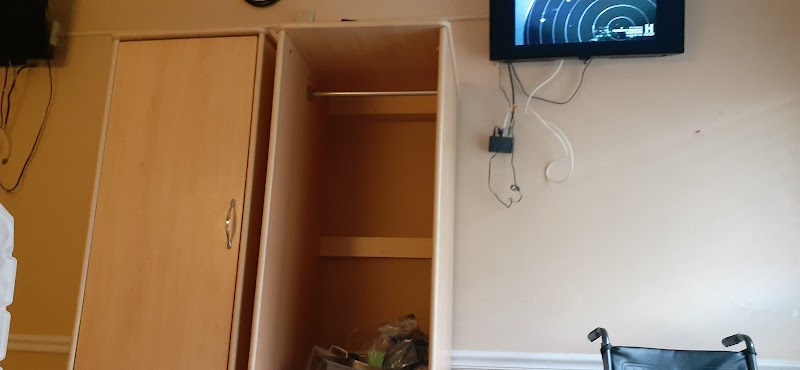
How is Rehab & Healthcare Center Of Cape Coral Staffed?

CMS rates REHAB & HEALTHCARE CENTER OF CAPE CORAL's staffing level at 3 out of 5 stars, which is average compared to other nursing homes. Staff turnover is 36%, compared to the Florida average of 46%. This relatively stable workforce can support continuity of care. RN turnover specifically is 56%, which is notably high. RNs provide skilled clinical oversight, so turnover in this role can affect medical care quality.

What Have Inspectors Found at Rehab & Healthcare Center Of Cape Coral?

State health inspectors documented 36 deficiencies at REHAB & HEALTHCARE CENTER OF CAPE CORAL during 2021 to 2025. These included: 2 Immediate Jeopardy (the most serious level, indicating potential for serious harm or death), 33 with potential for harm, and 1 minor or isolated issues. Immediate Jeopardy findings are rare and represent the most serious regulatory concerns. They require immediate corrective action.
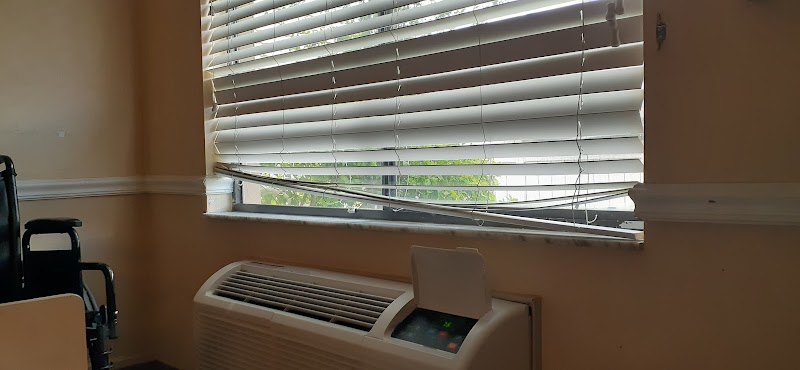
Who Owns and Operates Rehab & Healthcare Center Of Cape Coral?

REHAB & HEALTHCARE CENTER OF CAPE CORAL is owned by a non-profit organization. Non-profit facilities reinvest revenue into operations rather than distributing to shareholders. The facility is operated by FLORIDA INSTITUTE FOR LONG-TERM CARE, a chain that manages multiple nursing homes. With 118 certified beds and approximately 107 residents (about 91% occupancy), it is a mid-sized facility located in CAPE CORAL, Florida.
How Does Rehab & Healthcare Center Of Cape Coral Compare to Other Florida Nursing Homes?

Compared to the 100 nursing homes in Florida, REHAB & HEALTHCARE CENTER OF CAPE CORAL's overall rating (1 stars) is below the state average of 3.2, staff turnover (36%) is near the state average of 46%, and health inspection rating (1 stars) is much below the national benchmark.

What Should Families Ask When Visiting Rehab & Healthcare Center Of Cape Coral?

Based on this facility's data, families visiting should ask: "What changes have been made since the serious inspection findings, and how are you preventing similar issues?" "Can I visit during a mealtime to observe dining assistance and food quality?" "How do you handle medical emergencies, and what is your hospital transfer rate?" "Can I speak with family members of current residents about their experience?" These questions are particularly relevant given the facility's Immediate Jeopardy citations.

Is Rehab & Healthcare Center Of Cape Coral Safe?

Based on CMS inspection data, REHAB & HEALTHCARE CENTER OF CAPE CORAL has documented safety concerns. Inspectors have issued 2 Immediate Jeopardy citations (the most serious violation level indicating risk of serious injury or death). The facility has a 1-star overall rating and ranks #100 of 100 nursing homes in Florida. Families considering this facility should ask detailed questions about what corrective actions have been taken since these incidents.

Do Nurses at Rehab & Healthcare Center Of Cape Coral Stick Around?

REHAB & HEALTHCARE CENTER OF CAPE CORAL has a staff turnover rate of 36%, which is about average for Florida nursing homes (state average: 46%). Moderate turnover is common in nursing homes, but families should still ask about staff tenure and how the facility maintains care continuity when employees leave.

Was Rehab & Healthcare Center Of Cape Coral Ever Fined?

REHAB & HEALTHCARE CENTER OF CAPE CORAL has been fined $74,301 across 6 penalty actions. This is above the Florida average of $33,822. Fines in this range indicate compliance issues significant enough for CMS to impose meaningful financial consequences. Common causes include delayed correction of deficiencies, repeat violations, or care failures affecting resident safety. Families should ask facility leadership what changes have been made since these penalties.

Is Rehab & Healthcare Center Of Cape Coral on Any Federal Watch List?

REHAB & HEALTHCARE CENTER OF CAPE CORAL is not on any federal watch list. The most significant is the Special Focus Facility (SFF) program, which identifies the bottom 1% of nursing homes nationally based on persistent, serious quality problems. Not being on this list means the facility has avoided the pattern of deficiencies that triggers enhanced federal oversight. This is a positive indicator, though families should still review the facility's inspection history directly.