NORTHWEST FLORIDA COMMUNITY HOSPITAL (SNU)
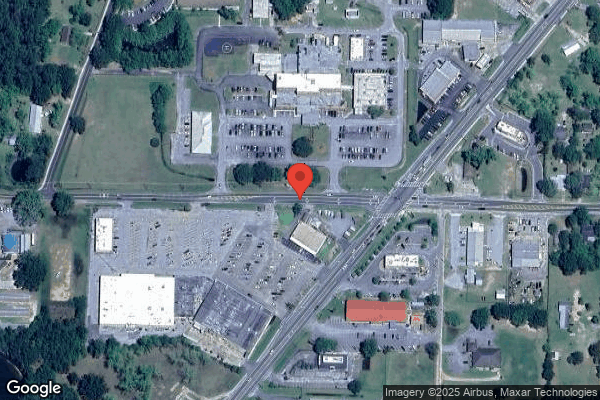
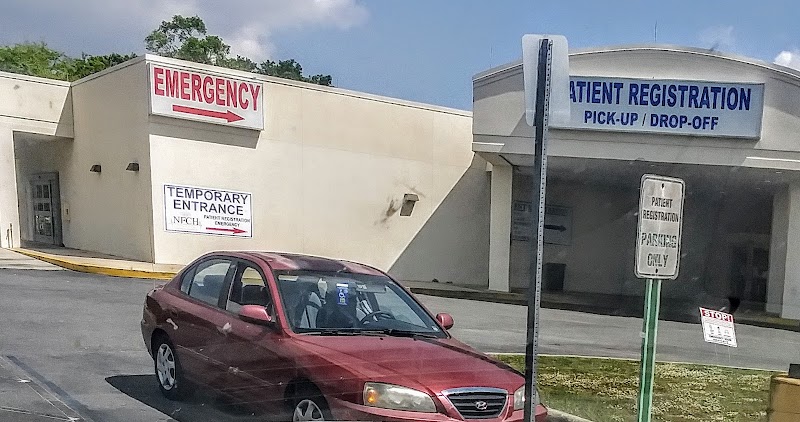
1360 BRICKYARD RD, CHIPLEY, FL 32428 (850) 415-7400
For profit - Corporation 34 Beds Independent Data: November 2025
Trust Grade
70/100
#239 of 690 in FL
Last Inspection: July 2025

Inspected within the last 6 months. Data reflects current conditions.

Overview

Northwest Florida Community Hospital (SNU) has a Trust Grade of B, which indicates it is a good choice among nursing homes. It ranks #239 out of 690 facilities in Florida, placing it in the top half, and #2 out of 2 in Washington County, meaning only one local option is better. The facility is improving, with the number of issues found decreasing from 2 in 2024 to 1 in 2025. However, staffing is a concern, as it received a poor rating of 1 out of 5 stars and has a high turnover rate of 86%, significantly above the state average of 42%. On a positive note, there have been no fines, and the facility offers more RN coverage than 98% of Florida nursing homes, which is beneficial for resident care. Some specific incidents of concern include improper food storage practices, where outdated food items were found in the kitchen, and issues with medication management, such as expired medications present for some residents. Additionally, there was a failure to accurately document and communicate the Do Not Resuscitate (DNR) status for a resident, which could lead to serious consequences in an emergency. Overall, while there are strengths in RN coverage and an improving trend, families should be aware of staffing challenges and specific compliance issues.

Trust Score
B
70/100
In Florida
#239/690
Top 34%
Safety Record
Low Risk
No red flags
Inspections
Getting Better
2 → 1 violations
Staff Stability
⚠ Watch
86% turnover. Very high, 38 points above average. Constant new faces learning your loved one's needs.
Penalties
✓ Good
No fines on record. Clean compliance history, better than most Florida facilities.
Skilled Nurses
○ Average
Each resident gets 32 minutes of Registered Nurse (RN) attention daily — about average for Florida. RNs are the most trained staff who monitor for health changes.
Violations
○ Average
6 deficiencies on record. Average for a facility this size. Mostly minor or procedural issues.
★★★★☆
4.0
Overall Rating
★☆☆☆☆
1.0
Staff Levels
★★★☆☆
3.0
Care Quality
★★★★★
5.0
Inspection Score
Stable
2024: 2 issues
2025: 1 issues

The Good

  • Full Sprinkler Coverage · Fire safety systems throughout facility
  • No fines on record

Facility shows strength in fire safety.

The Bad

Staff Turnover: 86%

39pts above Florida avg (46%)

Frequent staff changes - ask about care continuity

Staff turnover is very high (86%)

38 points above Florida average of 48%

The Ugly 6 deficiencies on record

Jul 2025 1 deficiency
CONCERN (D)

Potential for Harm - no one hurt, but risky conditions existed

Food Safety (Tag F0812)

Could have caused harm · This affected 1 resident

Based on observation, interview, and policy review, the facility failed to store food in accordance with professional standards for food service safety. The findings include:On the initial tour of the...

Read full inspector narrative →
Based on observation, interview, and policy review, the facility failed to store food in accordance with professional standards for food service safety. The findings include:On the initial tour of the kitchen on 6/30/2025 at approximately 11:15 am, an observation was made in the produce refrigerator located in the hospital's kitchen. The General Manager was present for the tour. The following was found on shelves inside: Two pieces of cooked salmon were in a pan covered with plastic wrap with a handwritten label that stated 'Salmon 5/24/25, out 6/2/25'. A pan of cooked rice with a handwritten label dated 6/28/25. Cooked bacon was wrapped in plastic wrap and unlabeled. Sliced peaches in liquid were in a plastic wrap covered pan with a printed label that stated 'Prep 6/12/25 12:56 pm, Enjoy by 6/17/25 12:56 pm'. (Photographic evidence obtained)An interview was conducted with the Kitchen Supervisor on 6/30/25 at approximately 11:20 am about the process of cleaning and removing outdated food items from the refrigerators. When asked if the outdated food should have been removed, she agreed that the food is expired and should have been removed. She stated that they have a cleaning assignment task list that is to be signed off by staff at the end of shift. The logs are then reviewed by a supervisor or manager to ensure task completion. When asked if the logs are kept for review, she stated the logs are not kept once reviewed. An interview was conducted with the General Manager on 6/30/25 at approximately 11:30 am about the expired food found in the fridge. He states that they have recently hired a new utility person who will check the refrigerator to ensure that old food is removed. The process has been a supervisor or manager is to check daily for expired foods for disposal.An undated policy entitled 'Cleaning and Sanitizing' states, IV. Procedures b. cleaning logs/schedules are available for all areas of the kitchen and retail areas. (dish room, tray line, walk-ins, freezers, refrigerators, offices, beverage dispensers, cafeteria, etc.)
Sept 2024 2 deficiencies
CONCERN (D)

Potential for Harm - no one hurt, but risky conditions existed

Deficiency F0578 (Tag F0578)

Could have caused harm · This affected 1 resident

Resident #23: The chart for Resident #23 had a sticker stating NO CODE. A Do Not Resuscitate (DNR) form was not found in the chart of Resident #23. The medication administration record (MAR) code stat...

Read full inspector narrative →
Resident #23: The chart for Resident #23 had a sticker stating NO CODE. A Do Not Resuscitate (DNR) form was not found in the chart of Resident #23. The medication administration record (MAR) code status however indicated, FULL CODE. A review of the advance directives for Resident #23 revealed a document signed on 3/21/24 by the legal representative for Resident #23 which indicated the desire for no resuscitative measures to be taken. On 09/24/24 at approximately 12:25 PM, during an interview with Staff A, the Minimum Data Set coordinator (MDS) stated that Resident 23 was a DNR, NO CODE. She indicated that the FULL CODE printed on the MAR was an error. She stated that the facility had not communicated the correct code status with the pharmacy who is responsible for printing out the MAR. Based on record review and interview, the facility failed to have accurate Advance Directive information on the medical chart for 2 of 4 residents sampled (Resident #19 and #23). The findings include: Resident #19: Resident #19 was observed to have a No Code sticker on the front of the medical chart. However, Resident #19's face sheet listed the resident as a full code dated 8/5/2024. On 5/19/23, the resident had signed a form saying he wished to be DNR (Do Not Resuscitate). On 09/23/24 at 04:50 PM, during an interview with Staff B, a registered nurse (RN), she was asked what No Code means. Staff B stated that the resident has chosen not to be resuscitated. When asked how new staff would find out the resident's advance directives, Staff B stated they were always instructed to look at the face sheet in the medical chart. On 09/24/24 at 12:21 PM, an interview with the facilities Minimum Data Set (MDS) coordinator was held. When asked about Resident #19's advance directives, the MDS coordinator stated this resident was a DNR. When shown that the record contained conflicting information, the MDS coordinator stated that was done in error. She explained the pharmacy prints out the face sheets and the facility had forgotten to update the pharmacy, so it was showing inaccurate information. The DON was present and was asked how staff would know the advance directives, the DON stated they go by the sticker. She also stated they would correct the discrepancy right away.
CONCERN (D)

Potential for Harm - no one hurt, but risky conditions existed

Deficiency F0761 (Tag F0761)

Could have caused harm · This affected 1 resident

**NOTE- TERMS IN BRACKETS HAVE BEEN EDITED TO PROTECT CONFIDENTIALITY** Based on observations, staff interviews, and record reviews, the facility failed to store and discard medications properly for 3...

Read full inspector narrative →
**NOTE- TERMS IN BRACKETS HAVE BEEN EDITED TO PROTECT CONFIDENTIALITY** Based on observations, staff interviews, and record reviews, the facility failed to store and discard medications properly for 3 of 20 patients observed. (Resident #8, #19, and #15) The findings include: Residents #8 and #19: On 09/24/24 at approximately 01:46 PM, an observation of the west hall medication cart revealed expired medications were present for two residents, Resident #8 and Resident #19. For Resident #8, it was observed that Lasix (a medication used to remove assess fluid from the body) 20mg tablets were present, although the tablets had an expiration date on 06/30/2024. A review of the physician's order revealed the medication was ordered on 10/20/2023 and was currently an active order. (photographic evidence obtained) For Resident #19, it was observed that Clonidine 0.1mg tablets for high blood pressure was present, although the packaging stated the tablets had expired on 08/31/2024. A review of the physician's order revealed the medication was ordered on 08/10/2020 and was currently an active order. (photographic evidence obtained) On 09/24/24 at approximately 2:01 PM, during an interview with the director of nursing (DON) and assistant director of nursing (ADON), the DON stated, the night shift nurses check medication expiration dates on the cart daily. I don't know that they check the expirations on the blister packs because they go through them so quickly. The DON also stated, the pharmacist does monthly cart checks for expired medications and completes audit reports. A review of the medication audit report dated 8/13/2024 and 9/17/2024 performed by the Pharmacist revealed, no irregularities, no expired medications for the east medication cart, west medication cart and medication room. A review of the facilities policy labeled Expired Medications revealed, The night shift nurse on duty will monitor the upcoming expiration dates of any medications prescribed to the residents of the skilled nursing unit. The pharmacist provided by Omnicare comes to the facility monthly for routine medication and chart audits. At this time both medication administration carts as well as the medication administration room is assessed for any expired medications by the pharmacist herself. Any expired medications will be removed from the cart/medication room. Routine medications are returned to the prescribing pharmacy (Omnicare). Narcotics are destroyed on site. Resident #15: During a tour of the facility conducted on 09/23/24 at 12:37 PM, it was observed that Resident #15 had 4 packets of Calmoseptine ointment (this medication is used to prevent skin irritation) and 1 tube of Hydrocortisone cream (this medication is used to treat skin irritation) at their bedside with no staff present. (photographic evidence obtained) During a tour of the facility conducted on 09/24/24 at 10:01 AM, the surveyor observed the Hydrocortisone cream tube was still present along with 2 packets of the Calmoseptine ointment. A review of Resident #15's Quarterly Minimum Data Set, dated [DATE], revealed Resident #15 had a Brief Interview of Mental Status score of 5, indicating she had severe cognitive impairment. A review of Resident #15's Medication Administration Record (MAR) revealed there were active physician orders for both medications. However, the Hydrocortisone cream had not been signed off by the staff for the month of September and the Calmoseptine ointment had been signed off only on 09/17/24 and 09/18/24. An interview was conducted with Staff D, a Licensed Practical Nurse, on 09/24/24 at 12:32 PM revealed that she cares for Resident #15 often. Staff D stated she was unaware these medications were present in Resident #15's room. She stated she did not know when the medications were given last but that the Hydrocortisone cream should be kept in the medication cart. She confirmed the Hydrocortisone cream should be given by a nurse. Staff D also confirmed that the nursing staff should be signing off each application of these medications.
Oct 2023 3 deficiencies
CONCERN (D)

Potential for Harm - no one hurt, but risky conditions existed

Deficiency F0645 (Tag F0645)

Could have caused harm · This affected 1 resident

**NOTE- TERMS IN BRACKETS HAVE BEEN EDITED TO PROTECT CONFIDENTIALITY** Based on resident record review, staff interview, and facility policy review, the facility failed to refer a resident with a dia...

Read full inspector narrative →
**NOTE- TERMS IN BRACKETS HAVE BEEN EDITED TO PROTECT CONFIDENTIALITY** Based on resident record review, staff interview, and facility policy review, the facility failed to refer a resident with a diagnosis of Dementia and a serious mental disorder for a PASRR (pre-admission screening and resident review) Level II evaluation for 1 of 2 sampled residents reviewed for PASRR. (Resident #16) The findings include: A review of the PASRR form for Resident #16 (dated 03/17/2021) noted an identified diagnosis of Anxiety Disorder and a primary diagnosis of Dementia. Per the PASRR form, the combination of a Serious Mental Illness (SMI) diagnosis and Dementia or neurocognitive disorder would trigger the requirement for the resident to receive a PASRR Level II evaluation. A review of the admission diagnosis in the medical record (dated 03/15/2021) noted diagnoses of Dementia, Depression, and Anxiety. On 10/21/2021, a diagnosis of Dementia with psychosis was added to Resident #16's list of diagnoses. A review of the Care Plan for Resident #16 revealed the resident was care planned for antipsychotic and antidepressant therapy for a diagnosis of Dementia with psychosis. A review of the medication administration record revealed Resident #16 was receiving the following psychotropic medications: Mirtazapine, Namenda, Sertraline, Oxcarbazepine, Donepezil, and Quetiapine Fumarate, for diagnoses of Dementia with psychosis, Depression, and Anxiety. A review of the annual Minimum Data Set (MDS) dated [DATE] revealed that section A did not acknowledge the submission of a PASRR Level II and Section I included active diagnoses of Dementia, Anxiety Disorder, Depression, and Psychotic Disorder. A review of the complete medical record could not locate a Level II PASRR for Resident #16. On 10/03/2023 at approximately 4:40pm, the Director of Nursing (DON) was asked about the PASRR process, and she explained that all residents should come with a PASRR prior to admission. The DON was advised that a Level II PASRR could not be located for Resident #16. After reviewing Resident #16's PASRR, the DON acknowledged that a Level II PASRR was not done but should have been based on Resident #16's admission diagnoses, further stating the form was filled out incorrectly by a previous DON. A review of the policy titled, admission of Resident to SNU, stated in item #5, The LPN or RN will complete admission paperwork to include PASRR and establish a medical record for the new resident. A review of the policy titled, Antipsychotic Medication Use, stated in item #5, The interdisciplinary team will complete PASRR screening (preadmission screening for mentally ill and intellectually disabled individuals), if appropriate.
CONCERN (D)

Potential for Harm - no one hurt, but risky conditions existed

Deficiency F0740 (Tag F0740)

Could have caused harm · This affected 1 resident

**NOTE- TERMS IN BRACKETS HAVE BEEN EDITED TO PROTECT CONFIDENTIALITY** Based on observations, interviews and record review the facility failed to provide behavior health services to maintain the high...

Read full inspector narrative →
**NOTE- TERMS IN BRACKETS HAVE BEEN EDITED TO PROTECT CONFIDENTIALITY** Based on observations, interviews and record review the facility failed to provide behavior health services to maintain the highest practicable physical, mental and psychosocial well being for 1 of 2 residents reviewed for behavior services. (Resident #8) The findings include: On [DATE] at 1:18 PM, an observation was made of the Resident #8 in her room. The resident appeared depressed and withdrawn. The resident would answer questions with a simple yes or no. The resident would not make open conversation. On [DATE] at 9:35 AM, an observation was made of Resident #8 in the dining area. The resident was sitting in a chair with her eyes closed. The resident responded to verbal stimuli with simple yes or no answers. The resident was asked if she was happy. The resident indicated no. The resident indicated she feels alone. On [DATE], a record review was conducted for Resident #8. The records indicated the resident was on Lexapro 10mg PO once a day when admitted to facility. The admitting diagnoses did not list depression as a diagnosis. A Pharmacy Consult Report dated [DATE] indicated the resident's family requested an increase in antidepressants due to the resident's depression becoming more severe and the resident being more withdrawn. The report indicated the resident has been on Lexapro 10mg qd since [DATE] with no improvement. There is no evidence in the record of the facility contacting the psychiatrist to report the family's concern and request. A review of the psychiatric notes indicated the resident has a history of depression. A neuropsychological evaluation on [DATE] indicated the resident suffered a decline in April of 2021 following the death of her son, becoming socially withdrawn. Additionally, a review of the care plan indicated the resident was not care planned for depression or possible side effects of antidepressant medication being prescribed. A review of the psychiatric note from [DATE] indicated the resident's depression was stable. The neuropsychological evaluation on [DATE] indicates the resident suffered a decline in [DATE] following the death of her son. She also became socially withdrawn. On [DATE] at 1:36 PM, an interview was conducted with the resident's daughter and Power of Attorney (POA) regarding resident's psychiatric care and history. The daughter indicated the resident was abused by a former husband physically and emotionally. Her two sons were also physically abused by the husband. The daughter indicated her mother has a history of seasonal depression due to the abuse from the former husband. She indicated her mother's depression worsened after the death of her oldest brother in 2021. The daughter indicated her mother and the deceased brother had a strange relationship. She indicated her mother was placed on Lexapro by her Primary Care Physician (PCP) while she was living with her daughter in [DATE]. The daughter indicated her mother has never been had visual or auditory hallucinations. She also indicated her mother has never been diagnosed with psychosis or any other psychiatric disorders other than depression. \On [DATE] at 2:13 PM, an interview was conducted with the Assistant Director of Nursing (ADON) regarding the resident's family's request to increase the antidepressant dosage and observations of increased depression and withdrawal. The ADON was asked if the psychiatrist was notified following the family's request and multiple observations of the resident's depression worsening. She indicated no, the psychiatrist was not notified because she knew the psychiatrist would be visiting soon. On [DATE] at 2:35 PM, an interview with the Director of Nursing (DON) was conducted regarding the resident not being care planned for depression. The DON acknowledged the resident does take an antidepressant for depressed mood. She also acknowledged the resident is seen by psychiatry. She indicated the resident should be care planned for depression/mood. She indicated she was not sure why the diagnosis was overlooked. She also indicated the resident should be care planned for possible side effects of the antidepressant.
CONCERN (D)

Potential for Harm - no one hurt, but risky conditions existed

Medical Records (Tag F0842)

Could have caused harm · This affected 1 resident

Resident #12 On 10/02/2023 a review of Resident #12's medical record was performed which revealed diagnoses of Parkinson's Disease, Hypertension, Gastro-Esophageal Reflux Disease, Anxiety Disorder, D...

Read full inspector narrative →
Resident #12 On 10/02/2023 a review of Resident #12's medical record was performed which revealed diagnoses of Parkinson's Disease, Hypertension, Gastro-Esophageal Reflux Disease, Anxiety Disorder, Depressive Disorder, Squamous Cell Carcinoma, and Macular Degeneration (all dated 12/16/22). The record failed to contain the psychiatric progress notes. On 10/03/2023 at approximately 4:00 PM, an interview was conducted with the DON, who was asked to assist in locating the missing psychiatric progress notes from the medical record. The DON explained the notes were not in the record and described difficulties in obtaining these notes from the psychiatrist. A further explanation was provided of the ADON notifying the psychiatrist and his office staff on 10/02/2023 that the facility was undergoing a current survey, and surveyors were requesting resident medical records from psychiatric consult visits. The DON confirmed the psychiatrist's office sent a large number of progress notes via fax today and they are in the process of separating/sorting them and would provide them to the surveyor in the morning. On 10/04/2023, the psychiatric progress notes for Resident #12 were provided and a review was performed of the notes dated 01/26/2023, 05/18/2023, and 07/13/2023. A review of the visit dated 01/26/2023 did not include a diagnosis or a physician signature. A review of the visit dated 05/18/2023 did not contain a physician signature, however it listed diagnoses of Schizophrenia and Dementia with psychotic disturbance. A review of the visit dated 07/13/2023 did not contain a physician signature, but did list diagnoses of Schizophrenia, Dementia with psychotic disturbance, and generalized anxiety disorder. (Photographic evidence obtained) A thorough review of resident #12's complete medical record showed no supporting evidence that the diagnosis of Schizophrenia was identified nor readily available in the medical record prior to this review. On 10/04/2023 at approximately 6:00 PM, an interview was conducted with the DON and ADON, who were asked if Resident #12 had a diagnosis of Schizophrenia, both answered no, they were not aware. They confirmed that Resident #12's medical record did not contain any documentation to support that care staff, including the primary care doctor, was aware of this new diagnosis. On 10/05/2023 at approximately 11:15 AM, a telephone interview was conducted with the psychiatrist, who confirmed familiarity with Resident #12. The psychiatrist was made aware of the surveyor findings, discrepancies within the records, and care staff reports. The psychiatrist was asked to confirm the accuracy of documenting a new Schizophrenia diagnosis for Resident #12, as it is reflected in the progress note dated 05/18/2023 and again on 07/13/2023. The psychiatrist stated that the information likely came from within the medical record. He stated he probably reviewed the list then added it or it came from nursing staff reporting symptoms or behaviors. The psychiatrist was asked to describe his process for comprehensively assessing Resident #12 which led to concluding a new diagnosis of Schizophrenia. He stated that he would have to look at the medical record to ensure this diagnosis is correct, and that his notes may not be inclusive enough. The psychiatrist was then asked how he ensures that care staff have accurate and sufficient information to respond to the changing status and needs of the residents. He replied, obviously that is something we need to work on. On 10/05/2023 at approximately 12:30 PM an interview was conducted with Employee D, a Registered Nurse, who explained she rounds with the psychiatrist and provides compiled information obtained from care staff and resident behavior records. She provided retained information from those rounds and stated that she never reported any behaviors for Resident #12. (Photographic evidence obtained) Employee D confirmed that the medical record did not contain psychiatric progress notes from the psychiatrist's consults prior to now and that she was unaware of Resident #12 having a diagnosis of Schizophrenia. A review of the facility provided Bylaws for the Medical Staff updated on December 2012 states on page 6 of 73 Section 3.5, d. Preparing and completing in timely fashion medical records for all the patients, to whom the member provides care at the hospital. An interview with the DON on 10/05/2023 at approximately 11:25 AM confirmed that there were no other policies or procedures that outlined the process/procedure for maintaining a complete medical record. Based on interviews and record review, the facility failed to maintain medical records by not including psychiatric visit records and psychiatric progress notes within the medical record for 2 of 2 residents reviewed. (Residents #8 and #12) The findings include: Resident #8 On 10/03/23 at 2:20 PM, a binder titled Psych Progress Notes was reviewed. The binder contained psychiatric notes for multiple residents. A note from a psychiatric visit on 1/26/23 was found for Resident #8 and was signed by the psychiatrist. The note indicated the resident was found to be currently stable with her depression. He reported the resident was sleeping well and eating well with no side effects from medication. He describes the resident's feelings of depressed mood as frequent, excessive worry is frequent, hopelessness is frequent. He also describes feelings of paranoia and racing thoughts as frequent. On 10/04/23 at 10:05 AM, an interview was conducted with the Director of Nursing (DON) and the Assistant Director of Nursing (ADON) regarding psychiatric notes not being part of the medical chart. The DON and ADON were asked for further and more recent psychiatric notes and have been unable to provide them. The ADON indicated the psychiatrist comes to visit and then has notes dictated later. The ADON indicated it can be months before the notes are received. The ADON was asked why the psychiatric notes are not kept in the medical record. She indicated they have always been kept in a separate binder in her office. On 10/05/23 at 11:03 AM, a phone interview conference call was conducted with the psychiatrist regarding Resident #8. The physician was made aware of the resident's diagnoses listed from his visits on 5/18/23 and 7/13/23. The diagnoses are schizophrenia, unspecified, unspecified dementia, unspecified severity, with psychotic disturbances, unspecified mood (affective) disorder, major depressive disorder, recurrent severe without (w/o) psychosis. The physician was informed during the call that the resident was on Lexapro when she was admitted to facility with a history of depression. The physician indicated at the beginning of the call that he was familiar with the resident. The physician asked questions throughout the call as to what medications the resident was currently taking and what diagnoses were listed in medical record. The physician indicated perhaps a nurse told him during rounds that the resident was schizophrenic. He indicated he is not sure why he diagnosed the resident with schizophrenia and other psychotic disorders. The physician indicated he thought it was in the medical record. The physician indicated he is not sure why his psychiatric notes do not make their way to the resident's medical record. The physician indicated during the Covid 19 outbreak that he was aware the process was broken getting his psychiatric notes into the medical records. The surveyor asked the physician why his notes state on the last page Note has not been signed. He indicated his notes may not be completed if there is not an electronic signature. He indicated his office is responsible for making sure his notes are given to the facility. On 10/05/23, a review of the facility's Psychiatric Service Agreement, dated August 4, 2011 was conducted. The agreement does not address the psychiatric provider providing records to the facility.
Understanding Severity Codes (click to expand)
Life-Threatening (Immediate Jeopardy)
J - Isolated K - Pattern L - Widespread
Actual Harm
G - Isolated H - Pattern I - Widespread
Potential for Harm
D - Isolated E - Pattern F - Widespread
No Harm (Minor)
A - Isolated B - Pattern C - Widespread

Questions to Ask on Your Visit

  • "Why is there high staff turnover? How do you retain staff?"
  • "Can I speak with families of current residents?"
  • "What's your RN coverage like on weekends and overnight?"

Our Honest Assessment

Strengths
  • • No major safety red flags. No abuse findings, life-threatening violations, or SFF status.
  • • No fines on record. Clean compliance history, better than most Florida facilities.
Concerns
  • • 86% turnover. Very high, 38 points above average. Constant new faces learning your loved one's needs.
Bottom line: Mixed indicators with Trust Score of 70/100. Visit in person and ask pointed questions.

About This Facility

What is Northwest Florida Community Hospital (Snu)'s CMS Rating?

CMS assigns NORTHWEST FLORIDA COMMUNITY HOSPITAL (SNU) an overall rating of 4 out of 5 stars, which is considered above average nationally. Within Florida, this rating places the facility higher than 99% of the state's 100 nursing homes. This rating reflects solid performance across the metrics CMS uses to evaluate nursing home quality.
How is Northwest Florida Community Hospital (Snu) Staffed?

CMS rates NORTHWEST FLORIDA COMMUNITY HOSPITAL (SNU)'s staffing level at 1 out of 5 stars, which is much below average compared to other nursing homes. Staff turnover is 86%, which is 39 percentage points above the Florida average of 46%. High turnover can affect care consistency as new staff learn residents' individual needs.

What Have Inspectors Found at Northwest Florida Community Hospital (Snu)?

State health inspectors documented 6 deficiencies at NORTHWEST FLORIDA COMMUNITY HOSPITAL (SNU) during 2023 to 2025. These included: 6 with potential for harm.
Who Owns and Operates Northwest Florida Community Hospital (Snu)?

NORTHWEST FLORIDA COMMUNITY HOSPITAL (SNU) is owned by a for-profit company. For-profit facilities operate as businesses with obligations to shareholders or private owners. The facility operates independently rather than as part of a larger chain. With 34 certified beds and approximately 32 residents (about 94% occupancy), it is a smaller facility located in CHIPLEY, Florida.
How Does Northwest Florida Community Hospital (Snu) Compare to Other Florida Nursing Homes?

Compared to the 100 nursing homes in Florida, NORTHWEST FLORIDA COMMUNITY HOSPITAL (SNU)'s overall rating (4 stars) is above the state average of 3.2, staff turnover (86%) is significantly higher than the state average of 46%, and health inspection rating (5 stars) is much above the national benchmark.

What Should Families Ask When Visiting Northwest Florida Community Hospital (Snu)?

Based on this facility's data, families visiting should ask: "How do you ensure continuity of care given staff turnover, and what is your staff retention strategy?" "Can you walk me through typical staffing levels on day, evening, and night shifts?" "Can I visit during a mealtime to observe dining assistance and food quality?" "How do you handle medical emergencies, and what is your hospital transfer rate?" These questions are particularly relevant given the facility's high staff turnover rate and the below-average staffing rating.

Is Northwest Florida Community Hospital (Snu) Safe?

Based on CMS inspection data, NORTHWEST FLORIDA COMMUNITY HOSPITAL (SNU) has a clean safety record: no substantiated abuse findings (meaning no confirmed cases of resident harm), no Immediate Jeopardy citations (the most serious violation level indicating risk of serious injury or death), and is not on the Special Focus Facility watch list (a federal program monitoring the lowest-performing 1% of nursing homes). The facility has a 4-star overall rating and ranks #1 of 100 nursing homes in Florida. While no facility is perfect, families should still ask about staff-to-resident ratios and recent inspection results during their visit.

Do Nurses at Northwest Florida Community Hospital (Snu) Stick Around?

Staff turnover at NORTHWEST FLORIDA COMMUNITY HOSPITAL (SNU) is high. At 86%, the facility is 39 percentage points above the Florida average of 46%. High turnover means new staff may not know residents' individual needs, medications, or preferences. It can also be disorienting for residents, especially those with dementia who rely on familiar faces. Families should ask: What is causing the turnover? What retention programs are in place? How do you ensure care continuity during staff transitions?

Was Northwest Florida Community Hospital (Snu) Ever Fined?

NORTHWEST FLORIDA COMMUNITY HOSPITAL (SNU) has no federal fines on record. CMS issues fines when nursing homes fail to meet care standards or don't correct problems found during inspections. The absence of fines suggests the facility has either maintained compliance or corrected any issues before penalties were assessed. This is a positive indicator, though families should still review recent inspection reports for the full picture.

Is Northwest Florida Community Hospital (Snu) on Any Federal Watch List?

NORTHWEST FLORIDA COMMUNITY HOSPITAL (SNU) is not on any federal watch list. The most significant is the Special Focus Facility (SFF) program, which identifies the bottom 1% of nursing homes nationally based on persistent, serious quality problems. Not being on this list means the facility has avoided the pattern of deficiencies that triggers enhanced federal oversight. This is a positive indicator, though families should still review the facility's inspection history directly.