BELLEAIR HEALTH CARE CENTER
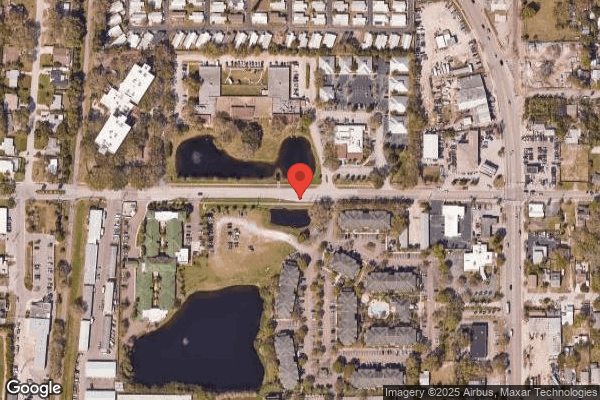

1150 PONCE DE LEON BLVD, CLEARWATER, FL 33756 (727) 585-5491
For profit - Partnership 120 Beds CLEAR CHOICE HEALTHCARE Data: November 2025
Trust Grade
70/100
#180 of 690 in FL
Last Inspection: August 2025

Inspected within the last 6 months. Data reflects current conditions.

Overview

Belleair Health Care Center has a Trust Grade of B, indicating it is a good choice for families, as it performs solidly among nursing homes. It ranks #180 out of 690 facilities in Florida, placing it in the top half, and #6 of 64 in Pinellas County, meaning only five local options are better. However, the facility is trending downward, with reported issues increasing from 2 in 2024 to 5 in 2025. Staffing is a concern, with a rating of 2 out of 5 stars and a turnover rate of 56%, higher than the state average, which may affect the consistency of care. On a positive note, the facility has not incurred any fines, indicating compliance with regulations, although it has less RN coverage than 99% of Florida facilities, which could impact the quality of care. Specific incidents noted include a failure to maintain proper food temperature during meal service, which could pose health risks, and a lack of appropriate care planning for a resident with dietary restrictions, as well as inadequate wound care management for another resident. These issues highlight both the strengths and weaknesses of the facility, making it crucial for families to weigh their options carefully.

Trust Score
B
70/100
In Florida
#180/690
Top 26%
Safety Record
Low Risk
No red flags
Inspections
Getting Worse
2 → 5 violations
Staff Stability
⚠ Watch
56% turnover. Above average. Higher turnover means staff may not know residents' routines.
Penalties
✓ Good
No fines on record. Clean compliance history, better than most Florida facilities.
Skilled Nurses
⚠ Watch
Each resident gets only 16 minutes of Registered Nurse (RN) attention daily — below average for Florida. Fewer RN minutes means fewer trained eyes watching for problems.
Violations
⚠ Watch
15 deficiencies on record. Higher than average. Multiple issues found across inspections.
★★★★☆
4.0
Overall Rating
★★☆☆☆
2.0
Staff Levels
★★★☆☆
3.0
Care Quality
★★★★☆
4.0
Inspection Score
Stable
2024: 2 issues
2025: 5 issues

The Good

  • Full Sprinkler Coverage · Fire safety systems throughout facility
  • No fines on record

Facility shows strength in fire safety.

The Bad

Staff Turnover: 56%

10pts above Florida avg (46%)

Frequent staff changes - ask about care continuity

Chain: CLEAR CHOICE HEALTHCARE

Part of a multi-facility chain

Ask about local staffing decisions and management

Staff turnover is elevated (56%)

8 points above Florida average of 48%

The Ugly 15 deficiencies on record

Aug 2025 5 deficiencies
CONCERN (D)

Potential for Harm - no one hurt, but risky conditions existed

Comprehensive Care Plan (Tag F0656)

Could have caused harm · This affected 1 resident

Based on observations, interviews and record reviews, the facility failed to develop and implement a comprehensive person-centered care plan for one resident (#93) of two residents sampled for nutriti...

Read full inspector narrative →
Based on observations, interviews and record reviews, the facility failed to develop and implement a comprehensive person-centered care plan for one resident (#93) of two residents sampled for nutrition.Findings include: On 08/12/25 at 2:25 PM an observation was made of Resident #93. The resident was observed with a pink NPO (nothing by mouth) wrist band to right wrist and was noted to be drinking from a cup at the bedside. Resident #93 said family had provided the cup, and he was aware he was not supposed to be drinking from it, but he was thirsty.Review of Resident #93's medical record revealed a physician's order dated 07/27/25 and no end date for NPO diet, NPO texture, NPO consistency.Review of Resident #93's care plan with a revision date of 07/15/25 revealed [Resident #93] has a swallowing problem r/t [related to] oral cancer, and dysphagia [difficulty swallowing]. The goal revealed [Resident #93] will not have injury related to aspiration through the review date. The interventions revealed, Diet to be followed as prescribed. Encourage resident to eat in an upright position, to eat slowly, and to chew each bite thoroughly.On 08/13/25 at 2:45 PM an interview was conducted with the Care Plan Coordinator who said Resident #93 is NPO and confirmed the intervention of encouraging the resident to eat in an upright position, and to chew each bite thoroughly would not be appropriate for this resident. The Care Plan Coordinator said the care plan would not be considered a person-centered care plan for Resident #93.On 08/13/25 at 2:55 PM an interview was conducted with the Director of Nursing (DON). The DON said Resident #93's care plan interventions were not appropriate for the resident and confirmed the care plan should be patient centered.
CONCERN (D)

Potential for Harm - no one hurt, but risky conditions existed

Quality of Care (Tag F0684)

Could have caused harm · This affected 1 resident

Based on observations, interviews, and record review the facility failed to provide appropriate wound care by not following professional standards of care for one resident (#87) of three residents sam...

Read full inspector narrative →
Based on observations, interviews, and record review the facility failed to provide appropriate wound care by not following professional standards of care for one resident (#87) of three residents sampled for non-pressure related skin conditions.Findings included: On 08/12/25 at 1:45 PM an interview was conducted with Resident #87, who said he was here at the facility due to a wound on the right foot that became infected prior to admission to the facility. Observation of the resident's right foot revealed the right foot was covered in a gauze dressing and dated 08/12/25. Resident #87 said the dressing had been changed earlier today.An observation was conducted on 08/13/25 at 12:00 PM of Resident #87's right foot covered in a gauze dressing dated 08/13/25. Review of Resident #87's electronic medical record revealed a wound care physician order dated 07/29/25 for wound care-right hallux/plantar-apply collagen then apply calcium alginate-wrap with (gauze) and then (self-adherent bandage) daily and as needed. The physician order for the right heel dated 07/30/25 revealed wound care-right heel-cleanse with normal-saline pat dry-apply collagen-then apply calcium alginate-cover with dry dressing every day and as needed. Review of the physician order dated 07/06/25 for Resident #87's right foot revealed Medi honey wound/burn dressing external gel apply to open area right foot. On 08/14/25 at approximately 2:30 PM an observation of wound care for Resident #87's right foot was conducted provided by Nurse F, a Licensed Practical Nurse. Nurse F was observed to perform hand hygiene and don a gown and gloves prior to removing the soiled dressing from Resident #87's right foot. Nurse F then removed gloves and did not perform hand hygiene before donning new gloves and proceeded to clean the right plantar wound. Nurse F then cleaned the wound to the resident's right heel without changing gloves or performing hand hygiene. Nurse F was then observed to apply collagen and dry dressing to the right heel and then applied Medi honey and collagen to the right plantar wound without changing gloves or performing hand hygiene and covered both wounds with (gauze) dressing and secured with tape. Nurse F then removed the gloves and gown and performed hand hygiene. On 08/14/25 at 2:40 PM an interview was conducted with Nurse F who confirmed hand hygiene was not performed after removing the soiled dressing and applying clean gloves, and further confirmed gloves were not changed and hand hygiene was not performed between the two different wounds on Resident #87's right foot and that would be considered an infection control issue. After reviewing the physician orders for wound care for Resident #87 with Nurse F, Nurse F indicated the treatment order was not followed because the calcium alginate was not applied to either wound nor was the wound covered with (self-adherent bandage). On 08/14/25 at approximately 2:50 PM an interview was conducted with the Director of Nursing (DON) who said the expectation was that the nurse follows the physician orders for treatments and use good infection control practices and hand hygiene in between each step of the wound care process and in between each wound as well.
CONCERN (D)

Potential for Harm - no one hurt, but risky conditions existed

Deficiency F0688 (Tag F0688)

Could have caused harm · This affected 1 resident

Based on observation, interview, and record review the facility failed to ensure splints were applied according to physician orders for one resident (#14) out of one resident reviewed for splints.Find...

Read full inspector narrative →
Based on observation, interview, and record review the facility failed to ensure splints were applied according to physician orders for one resident (#14) out of one resident reviewed for splints.Findings included: An observation was conducted on 08/12/2025 at 1:52 PM. Resident #14 was lying in bed asleep with covers up to neck with both hands exposed. Resident #14 was observed to have a right-hand contracture with no splint in place. An observation was conducted on 08/14/2025 at 9:43 AM. Resident #14 was in bed watching television. The right hand was contracted with no splint or washcloth in place. Review of Resident #14's physician orders revealed an order dated 08/13/25 Restorative Nursing for splinting. Pt [patient] to tolerate R [right] palm guard with finger separators and rolled towel placed in elbow crease on 24 hours with removal for skin checks and hygiene.Review of Resident #14's Therapy Comprehensive Screen with an effective date of 8/11/25 revealed Resident #14 had current orders for adaptive equipment/device/splint/brace. The type of adaptive equipment /device/splint/brace was R [right] Hand palm guard with finger sep. [separators].Review of Resident #14's OT [Occupational Therapy] Discharge summary with dates of service being 03/13/225-05/05/2025 revealed a goal of patient to improve tolerance for hand positioning with palm guard to four hours daily. The goal was met on 04/03/2025. Therapist to develop and train patient/restorative aid in range of motion (ROM) and splinting program to decrease risk of worsening contracture. On 05/05/25 restorative aide trained, and restorative program implemented. On 08/14/2025 at 11:23AM an interview was conducted with Staff E, Licensed Practical Nurse (LPN). Staff E, LPN said Resident#14 does have a splint for the right hand. Staff E, LPN was observed to assess Resident #14's right hand by opening the hand. Staff E, LPN did not put Resident #14's splint on the right hand after the assessment. On 08/14/25 at 1:35PM, an interview was conducted with the Director of Nursing (DON). The DON stated therapy puts orders in the system and therapy puts the splints on the resident and the floor staff monitor for skin and cleaning checks. On 08/14/25 at 1:45PM, an interview was conducted with the Rehabilitation Director (RD). The RD stated therapy ended for Resident #14 on 05/05/25 with the restorative program to continue therapy.
CONCERN (D)

Potential for Harm - no one hurt, but risky conditions existed

Deficiency F0761 (Tag F0761)

Could have caused harm · This affected 1 resident

Based on observations and interviews the facility failed to provide proper storage of medications for two residents (#93 and #11) of 38 sampled residents. Findings included: On 8/12/25 at 2:33 PM an o...

Read full inspector narrative →
Based on observations and interviews the facility failed to provide proper storage of medications for two residents (#93 and #11) of 38 sampled residents. Findings included: On 8/12/25 at 2:33 PM an observation was made of a bottle of “Dakin's Solution quarter strength” (a pharmacy grade bleach solution to treat wounds) was noted on Resident #93's dresser in his room. On 08/13/25 at 1:13 PM an observation was made of Resident's #93's dresser and revealed the bottle of “Dakin's Solution” was still present in the resident's room. On 08/13/25 at 1:14 PM an interview was conducted with Nurse F, a Licensed Practical Nurse who confirmed that the bottle of “Dakin's Solution” should not be kept on the resident's dresser in the room but should be stored on the treatment cart. Nurse F then removed the bottle from the resident's room. On 08/13/25 at 1:15 PM an interview was conducted with the Director of Nursing (DON). The DON said it was her expectation treatment supplies and medications were to be stored on the treatment cart and secured. 2. On 08/12/25 at 9:02 AM a container of Desitin cream (a cream used to prevent rash and provide skin protection) was observed on a shelf next to Resident #11’s bedside. Resident #11 was not inside the room. On 08/12/2025 at 12:04 PM, an interview was conducted with Resident #11 and said her family ordered the Desitin cream because she did not have it for four weeks and her perineal went raw. Resident #11 said there was a physician order to apply another cream, but that cream was too thick and Desitin worked better. Resident #11 said staff applied the Desitin cream every time she had an incontinent episode. On 08/13/2025 at 12:27 PM the Desitin cream was observed at bedside inside Resident #11’s room. On 08/13/2025 at 2:46 PM, the Desitin cream was observed on a shelf, inside Resident #11’s room. Photographic evidence was obtained. A review of Resident #11 medical record was conducted and there were no physician’s orders for Desitin cream. On 08/14/2025 at 2:25 PM, an interview was conducted with Staff A, a Certified Nurse Assistant (CNA). She stated she assisted Resident #11 with incontinence care, and she would apply Desitin cream every time during perineal care. On 08/14/2025 at 3:45 PM, an interview was conducted with Staff B, a Licensed Practical Nurse (LPN). She stated she was not aware, until yesterday, that Resident #11 kept Desitin inside her room. She reviewed Resident #11's medical record and verified Resident #11 did not have a physician order for the cream. On 08/14/2025 at 3:35 PM, an interview was conducted with Staff C, Unit Manager (UM). Staff C, UM stated he was not aware the CNA’s were applying Desitin cream to Resident #11 and he was not aware visitors were bringing it into the facility. Review of the facility policy titled Storage of Medications revised January 2018 revealed: Policy: Medication and biologicals are stored safely, securely, and properly, following manufacture's recommendations or those of the supplier. The medication supply is accessible only to licensed nursing personnel, pharmacy personnel, or staff members lawfully authorized to administer medications.
CONCERN (D)

Potential for Harm - no one hurt, but risky conditions existed

Infection Control (Tag F0880)

Could have caused harm · This affected 1 resident

Based on observations, interviews, and record review the facility failed to maintain proper infection control practice during wound care for one resident (#87) of three residents sampled for non-press...

Read full inspector narrative →
Based on observations, interviews, and record review the facility failed to maintain proper infection control practice during wound care for one resident (#87) of three residents sampled for non-pressure related skin conditions.Findings included:On 08/12/25 at 1:45 PM an interview was conducted with Resident #87, who said he was here at the facility due to a wound on the right foot that became infected prior to admission to the facility. Observation of the resident's right foot revealed the right foot was covered in a gauze dressing and dated 08/12/25. Resident #87 said the dressing had been changed earlier today.An observation was conducted on 08/13/25 at 12:00 PM of Resident #87's right foot covered in a gauze dressing dated 08/13/25. Review of Resident #87's electronic medical record revealed a physician order dated 07/29/25 for wound care-right hallux/plantar-apply collagen then apply calcium alginate-wrap with (gauze) and then (self-adherent bandage) daily and as needed. The physician order for the right heel dated 07/30/25 revealed wound care-right heel-cleanse with normal-saline pat dry-apply collagen-then apply calcium alginate-cover with dry dressing every day and as needed. Review of the physician order dated 07/06/25 for Resident #87's right foot revealed Medi honey wound/burn dressing external gel apply to open area right foot. On 08/14/25 at approximately 2:30 PM an observation of wound care for Resident #87's right foot was conducted provided by Nurse F, a Licensed Practical Nurse. Nurse F was observed to perform hand hygiene and don a gown and gloves prior to removing the soiled dressing from Resident #87's right foot. Nurse F then removed gloves and did not perform hand hygiene before donning new gloves and proceeded to clean the right plantar wound. Nurse F then cleaned the wound to the resident's right heel without changing gloves or performing hand hygiene. Nurse F was then observed to apply collagen and dry dressing to the right heel and then applied Medi honey and collagen to the right plantar wound without changing gloves or performing hand hygiene and covered both wounds with (gauze) dressing and secured with tape. Nurse F then removed the gloves and gown and performed hand hygiene. On 08/14/25 at 2:40 PM an interview was conducted with Nurse F who confirmed hand hygiene was not performed after removing the soiled dressing and applying clean gloves, and further confirmed gloves were not changed and hand hygiene was not performed between the two different wounds on Resident #87's right foot and that would be considered an infection control issue. After reviewing the physician orders for wound care for Resident #87 with Nurse F, Nurse F indicated the treatment order was not followed because the calcium alginate was not applied to either wound nor was the wound covered with (self-adherent bandage).On 08/14/25 at approximately 2:50 PM an interview was conducted with the Director of Nursing (DON) who said the expectation was that the nurse follows the physician orders for treatments and use good infection control practices and hand hygiene in between each step of the wound care process and in between each wound as well.
Sept 2024 2 deficiencies
CONCERN (D) 📢 Someone Reported This

A family member, employee, or ombudsman was alarmed enough to file a formal complaint

Potential for Harm - no one hurt, but risky conditions existed

Deficiency F0565 (Tag F0565)

Could have caused harm · This affected 1 resident

Based on observation, record review, and interview, the facility failed to demonstrate an effective response to grievances pertaining to care and life in the facility voiced by Resident Council. In ad...

Read full inspector narrative →
Based on observation, record review, and interview, the facility failed to demonstrate an effective response to grievances pertaining to care and life in the facility voiced by Resident Council. In addition, four (#6, #7, #8, and #5) of eleven sampled residents reported call bell light untimeliness response by staff. Findings included: A review of Resident Council meeting minutes for 05/2024, 06/2024, 07/22024, 08/2024, and 09/2024 was conducted on 09/23/2024. Review of the meeting minutes dated 05/16/2024, reflected Old Business concerns showed two room numbers beds not being made, 11-7 talking loud in hallway, not getting ice water 3-11. Further review of the meeting minutes reflected no response from the facility pertaining to the concerns. Review of the meeting minutes dated 06/11/2024, reflected no documentation of Old Business concerns. New Business concerns for nursing were listed, 400 hall call lights 11-7. Review of the meeting minutes dated 07/02/2024, reflected an Old Business concern, call lights 11-7. The meeting notes documented New Business concerns: call light response time/ beds not being made at times/ noise in hallway at evening shift change/ shower time accurisy (sic). Further review of the meeting minutes reflected no response from the facility pertaining to the concerns. Review of meeting minutes dated 08/05/2024 reflected Old Business concerns: water refills are slow/ call light times. New Business concerns: Loud TVs (televisions) at night/ good nursing/ loud at shift change/ water refills are slow/ beds sometimes not being made. Further review of the meeting minutes reflected no response from the facility pertaining to the concerns. Review of meeting minutes dated 09/05/2024 reflected Old Business concerns: Loud TVs at night/ Loud at shift change/ slow water refills/ beds sometimes not being made. New Business concerns included: Slow call light response times. On 09/23/2024 at approximately 2:52 p.m., an interview was conducted with the Director of Nursing (DON) regarding Resident Council meetings. She stated, she had attended the last meeting, which had been conducted on 09/05/2024. She stated the problems voiced by the Council were: Ice water, slow water refills, the concern the residents had was they had to ask for it and it could take a while for the water to get to the room. TVs were loud at night, also staff at night could be loud. Beds were not being made. She stated she did not know the particulars of this. She stated Activities would bring the concerns to her, it was not a standard, but it could go to the nurses. Education was started. She stated if the grievance was patient care, there should be a grievance. When asked if she or staff had conducted any call bell light audits within the last four months, she stated, no. On 09/23/2024 at 4:10 pm, the DON was re-interviewed, she stated, No audits have been conducted for call bell light services. When asked how she determined if the education she provided staff was effective, she said, Answering a call bell light expectation, is 7-10 minutes. What we do, we have our managers do guardian angel rounds. That is where we go in and check on the residents, ask them if they have any comments or concerns. If they, the residents, happen to say anything at that time to the guardian angel, that is how we ensure that the education has been heard. If they have issues with the call light they will say. When asked about a resident who could not tell her, she stated, That is a good question; the process involves observations. I talk to families all the time, typically when they call me. A couple have told me the call bell light is an issue. An exorbitant amount of time is 20-30 minutes, then it would be on the grievance. An interview was conducted on 09/24/2024 at 10:45 a.m. with Resident #6. She stated she was the Resident Council President. When asked about the call bell light response, she stated, sometimes we have to wait ½ hour to an hour and sometimes they will come in and turn it off. She stated she had verbalized the concerns at the meetings. She stated, we have received no feedback from Administration. When we state our grievance at the meetings, we never know one way or the other. It would be nice to know whether or not and for what reason. She stated, for example, we put in a request for the cleaning of wheelchairs. They said it was maintenance's job, and he was busy. Another example is I asked about them cleaning the windows. Did not hear back on that. For the water, I have had to chase them down. I do drink a lot of water. For the beds, there were 2 weeks where the beds did not get made. No bed making improvement. No water delivery improvement. No call bell light improvement. An interview was conducted on 09/24/2024 at 10:50 a.m. with Resident #7. She was observed sitting in her wheelchair (w/c) dressed in seasonally appropriate clothing. She stated for the call bell light it can take up to an hour. She said, they made our beds today because you were here. An interview was conducted on 09/24/2024 at 10:53 a.m. with Resident #8. He was observed lying in bed, he had a book at his bedside, he agreed to an interview. He was observed in his hospital gown. When asked if he had been abused or neglected, he stated, neglect, it can take half hour to forty-five minutes for them to answer the call bell light. They do not come. Yes, I have complained to the care person and the supervisor. An observation was conducted on 09/23/2024 at 10:21 a.m. of Resident #5, sitting on the front porch area, reading a book, dressed in seasonally appropriate clothing. She agreed to an interview. She stated, sometimes the call light takes 1 hour or more. I have asked them to put an extra chuck under me because sometimes I cannot wait so long. It used to bother me, but I do not worry about it now.
CONCERN (D) 📢 Someone Reported This

A family member, employee, or ombudsman was alarmed enough to file a formal complaint

Potential for Harm - no one hurt, but risky conditions existed

Grievances (Tag F0585)

Could have caused harm · This affected 1 resident

Based on observation, record review, and interview, the facility failed to ensure a functioning grievance process for two (#3 and #5) of three sampled residents related to missing items. Findings inc...

Read full inspector narrative →
Based on observation, record review, and interview, the facility failed to ensure a functioning grievance process for two (#3 and #5) of three sampled residents related to missing items. Findings included: 1. A review of Resident #3's clinical chart, the face sheet reflected an admission of 10/22/2023 and a subsequent discharge of 11/03/2023 to another skilled nursing facility. On 09/23/2024 at 1:43 p.m., Resident #3's family member was interviewed by phone. He stated he had filed the grievance in October 2023 about a missing hearing aid. He said he was told by the nurse to fill it out. They were supposed to set up an appointment with the audiologist and they never followed up. I called the administrator several times. I left e-mails. We wanted to see if the audiologist would come to her new facility for the appointment. Four months later, we had no results. They never followed up with an appointment. We tried the grievance process. It did not work for us. We ended up buying her a new pair after waiting so long, she could not hear without them. We would like to be reimbursed. A review of a Grievance/ complaint report, dated 10/24/2023, received by the Social Service Director (SSD), from Resident #3's (family member), documented a grievance of a missing hearing aid. The grievance documented the family member suspected the hearing aid had gone to the laundry. For Actions taken: SSD & nursing looked in resident's room for missing hearing aid and could not find it. SSD informed the kitchen supervisor and housekeeping director of missing hearing aid, and it has not been found or turned in. It is very small with clear wiring. 10/26, Audiology to see, for follow (sic) hearing aid. 11/05, Call placed to son and voice mail left. Results of actions taken: Replacement authorized. The form documented the resident or the person acting on resident's behalf was satisfied with the grievance resolution with a comment, yes, will follow up with facility. The form was signed off as completed on 10/31/2023. Review of clinical record progress notes for Resident #3 reflected no documentation regarding an audiologist appointment, lost hearing aid, or replacement of hearing aid. A review of Resident #5's clinical chart, the face sheet reflected an admission in 02/2023. An observation was conducted on 09/23/2024 at 10:21 a.m. of Resident #5, sitting on the front porch area, reading a book. She was dressed in seasonally appropriate clothing and agreed to an interview. She stated, I have a missing hearing aid. The company I got them through has a program for replacement. I am waiting on an audiologist appointment. Have not heard from anyone when it might be. I have a hard time hearing without it. A review of a grievance dated 08/23/2024 for Resident #5. Hearing lost. c/o (complained of) roommate had them, was looking at them, then they got lost. Actions taken: Obtained the name of the place she got the hearing aids from. Informed social services for replacement. Educated resident (roommate). Calls placed 08/23 and 08/26, awaiting call back, still have not received call back from provider. Facility agreed to have resident seen in house and will provide replacement. Signed off a completed 08/23/2024. An interview was conducted on 09/23/2024 at 1:20 p.m. with the Social Services Director (SSD). When asked how often the Audiologist came to the building, she stated they were supposed to come in one time per month. She stated the last two times they had come in was 07/09/2024 and 09/19/2024. For Resident #5, she stated she found out about the missing hearing aid in August (2024). Yes, there was a grievance for it. She stated, Resident #5 was supposed to be seen on 09/19/2024. She did not know if the resident was seen or not and was trying to call the audiologist company to find out. The SSD explained, Resident #5 was out of the facility for medical appointments 3 times a week. We were trying to coordinate. When the SSD was asked if she had documented any information about the audiologist, missing hearing aid, in Resident #5's clinical chart, she shook her head, no. During the interview, the Regional [NAME] President (RVP), stated, we are having it go through our grievance process. He provided the Audiologist Provider #1 visit notification for September 19th, and stated, we are trying to coordinate for the provider to see the resident. A review of the Audiology (Provider #1) Visit Notification for scheduled visit for 09/19/2024 listed sixteen residents' names printed with Resident #5's name handwritten with add-on per administrator. Record review of Resident #5's clinical chart reflected no documentation regarding the missing hearing aid, her audiology company (Audiologist Provider #2) who she had originally received the hearing aid from, nor any arrangements for hearing aid services through the facility audiology provider (Audiologist Provider #1). A phone interview was conducted on 09/23/2024 at 3:36 p.m. with Audiologist Provider #1, Representative #A. She stated the provider visited the facility once every 75-90 days: once per quarter. She explained how the Audiologist provider worked. She said, the resident had to be on the hearing policy. The residents had to sign up. They could ask the SSD, and the SSD would provide the face sheet to the provider for the resident. The enrollment team would contact the Business Office Manager (BOM) to review the resident's patient liability. Once the resident was enrolled in the program, an initial comprehensive examination was scheduled. She stated for Resident #5, it looked like the resident's face sheet was sent over to on 09/17/2024. It was then forwarded to the enrollment team. She stated for Resident #3, there was no documentation of receiving a request to see this resident. An interview was conducted on 09/24/2024 at 10:14 a.m. with Staff B, Licensed Practical Nurse (LPN) Unit Manager. She confirmed she was aware of Resident #5's missing hearing aid. She stated, Resident #5] came to me, told me about her roommate. Her roommate has a little confusion. I did the grievance. [Resident #5] gave me the number to [Audiologist Provider #2], that was where she got the hearing aids from. She gave me the number. I tried to call one time. I gave the number to social services. Social services tried to call. Staff B She said, [Resident #5] wanted to go to [Audiologist Provider #2] because it was where she had gotten her hearing aids originally and she gets some kind of percentage off. An interview was conducted on 09/24/2024 at 11:01 a.m. with Staff B, LPN. She confirmed she did not document her effort with calling the audiologist for Resident #5. On 09/24/2024 at 12:03 p.m., the SSD was re-interviewed. She stated she had been able to contact [Audiologist Provider #2] yesterday, 09/23/2024. She stated she had spoken with the provider with the resident present, and they were going to e-mail a form for the resident to sign and then they would send an invoice for the hearing aid, $500.00. The hearing aid was under warranty and that would be the cost for the new set. She stated the facility would cover the cost. A review of the facility's Grievance/ Complaint Report policy and procedure, copyright 2008, documented the Purpose: To document receipt of a grievance or complaint, the facility actions and resolution. A grievance is defined as a concern or complaint that is unable to be immediately resolved and requires further investigation and action by facility leadership to achieve resolution. Procedure included: Responsible Person: Maybe initiated by any staff member upon identification of grievance or complaint. Follow up conducted by Grievance Official, Administrator or the director of Social Services or designee. When: Upon identification of grievance/ complaint Follow up done as soon as possible after identification . .Assignment of Actions: 8. Identify and document the individual(s) designated to take action on the concern. 9. Enter the date assigned and the date to be resolved by. 10. Note: Initial investigation and report will occur within three (3) working days, of receipt of the grievance. 11. Describe any other action taken to resolve the concern and the results of the action.
Oct 2023 3 deficiencies
CONCERN (D)

Potential for Harm - no one hurt, but risky conditions existed

Deficiency F0561 (Tag F0561)

Could have caused harm · This affected 1 resident

**NOTE- TERMS IN BRACKETS HAVE BEEN EDITED TO PROTECT CONFIDENTIALITY** Based on observation, record review, and interview, the facility failed to give the opportunity to choose activities of interest...

Read full inspector narrative →
**NOTE- TERMS IN BRACKETS HAVE BEEN EDITED TO PROTECT CONFIDENTIALITY** Based on observation, record review, and interview, the facility failed to give the opportunity to choose activities of interest for one (Resident #322) of five residents sampled. Findings included: An observation was conducted on 10/4/2023 at 9:23 a.m. Resident #322 was heard from the hallway, crying loudly. Staff B, Licensed Practical Nurse (LPN) went into the resident's room and the Director of Nursing (DON) was observed to be standing outside of Resident #322's room. Staff B, LPN came out of the room and said to the DON, I think I have [Resident #322] calmed down. Resident #322 began to cry loudly again and Staff B, LPN said, Oh, I guess he's not calmed down. Resident #322 was observed to be on the phone crying saying, I need your help, I need you here. The DON instructed Staff B, LPN to get a psychiatric consult. An interview was conducted with Staff B, LPN on 10/4/2023 at 10:04 a.m. Staff B, LPN stated, we are getting him a psych consult, but I would hate to give him Ativan as Resident #322 has never acted in this way before. During the interview, Resident #322's family arrived. The family member approached Staff B, LPN and stated, you see what happens when there is nothing to do. The cable service has been out for over a week now, and no other activities have been provided. All they can do is look at the walls. Resident #322 cannot even leave the room, so the only thing to do is think about their medical conditions. Resident #322 doesn't have anything to take his mind off things. Resident #322 is bored to death and is losing it. Can you please put him in a temporary room or something where the TV works, or some other options. The family member then went to try and calm Resident #322 down. A review of the facility grievance log revealed a grievance for Resident #322 for 10/4/2023, regarding no TV. The resolution for Resident #322 was a word search was provided. A review of Resident #322's Activity progress note dated 10/2/2023 at 9:24 a.m. revealed, Resident #322 preferred independent activities. Resident #322 has interest(s) in reading, conversation, and watching TV. Resident needs assistance getting to and from activity areas. An interview was conducted with the Activity Director on 10/4/2023 at 4:40 p.m. The Activity Director explained the facility had been without cable service since 9/28/2023. The Activity Director continued to state the facility was amid changing service providers and the new provider had run into some equipment issues. The new service was expected to be active no later than 10/5/2023. The Activity Director stated, Resident #322's had not participated in group activities. The Activity Director continued to state, Resident #322 was not in need of additional activities, as Resident #322 had a cell phone that could be utilized for entertainment. An interview was conducted with Resident #322 on 10/4/2023 at 5:05 p.m. Resident #322 stated, it is absolutely ridiculous. The facility didn't even discuss the TV issue with me until I had a breakdown. They gave me a word search; you can only do word search for so long. I don't get to leave this room, not even for therapy. I cannot get out of bed until therapy can get me a wheelchair that fits. The only thing I have to take my mind off things is to watch TV. I told them, I don't have a fancy cell phone. I can only make calls on my phone. Too much silence. A radio or something would be nice but has not been offered. The word search was nice but something with noise would be nice. A review of Resident #322's admission Record revealed, resident admitted [DATE], with diagnoses of surgical aftercare following surgery on the digestive system, hypertension, back pain, osteoarthritis, lumbar spondylosis, spinal stenosis, insomnia, and other co-morbidities. A review of the Minimum Data Set (MDS), Section C Cognitive Pattern, dated 10/3/2023 revealed a Brief Interview for Mental Status (BIMS) score of 13/15, which meant the resident was cognitively intact. An interview was conducted with Staff B, LPN on 10/5/2023 at 11:15 a.m. Staff B, LPN stated, [Resident #322] was much better today. I was very worried; it was pitiful yesterday. I have never seen him so upset. Very sad, I'm glad his family came to visit, it gave him something to do. A policy for choices or accommodation of need was requested. No policies were produced at the time of the survey.
CONCERN (D)

Potential for Harm - no one hurt, but risky conditions existed

PASARR Coordination (Tag F0644)

Could have caused harm · This affected 1 resident

**NOTE- TERMS IN BRACKETS HAVE BEEN EDITED TO PROTECT CONFIDENTIALITY** Based on record review and staff interviews, the facility failed to complete the Preadmission Screening and Resident Review (PAS...

Read full inspector narrative →
**NOTE- TERMS IN BRACKETS HAVE BEEN EDITED TO PROTECT CONFIDENTIALITY** Based on record review and staff interviews, the facility failed to complete the Preadmission Screening and Resident Review (PASARR) Level II upon a new qualifying mental health diagnosis for two (Residents #77, #32) of three residents sampled for PASARR Level II. Findings included: A review of Resident #77's admission record showed the resident was initially admitted to the facility on [DATE]. He was readmitted back to the facility on [DATE] with diagnoses of traumatic brain injury, schizoaffective disorder bipolar type, anxiety disorder, and major depression disorder. A review of Resident #77's Preadmission Screening and Resident Review (PASARR) dated 10/26/20 showed qualifying mental health diagnoses of anxiety disorder, bipolar disorder, and depressive disorder and no PASARR Level II was required. A review of the admission Minimum Data Set (MDS), Section I, Active Diagnoses, with an Assessment Reference Date (ARD) of 9/28/2020, quarterly MDS with ARD of 7/30/23, 1/29/23, 7/31/22, and annual MDS with an ARD of 10/30/2022 revealed medical diagnoses of anxiety disorder, depression, bipolar disorder, schizophrenia, and post-traumatic stress disorder (PTSD). Review of the medical record revealed the resident was not assessed for PASARR Level II. 2. A review of Resident #32's admission record revealed he was admitted to the facility on [DATE] with a medical diagnosis, not limited to, dementia without behavioral disturbances or psychotic disturbances or mood disturbances or anxiety. A review of Resident #32's PASARR dated 2/11/2023 revealed no qualifying mental health diagnosis and no PASARR Level II was required. A review of Resident #32's admission MDS dated [DATE] section I, Active Diagnoses, revealed depression and psychotic disorder. Review of Resident #32's quarterly MDS dated [DATE] and 8/16/23 revealed a diagnosis of depression and psychotic disorder. Review of Resident #32's medical record revealed the resident was not assessed for PASARR Level II. An interview was conducted on 10/4/23 at 3:20 p.m. with the Staff I, Social Services Director. She stated she had been in this position for about a week and half and she handled PASARR's but the facility was working on her getting access to the program. She reviewed Resident #77's PASARR, medical diagnoses, and MDS and said the PASARR should be updated. She also reviewed Resident #32's PASARR, MDS, and medical diagnoses and said maybe he had a diagnosis added from psych, but the PASARR should have been updated. An interview was conducted with the facility's Regional Nurse Consultant on 10/05/23 at 11:38 a.m. she said, we do not have a policy on the PASARR's it's a hospital form and we trust they do it right but they screw us every time.
CONCERN (D)

Potential for Harm - no one hurt, but risky conditions existed

Comprehensive Care Plan (Tag F0656)

Could have caused harm · This affected 1 resident

**NOTE- TERMS IN BRACKETS HAVE BEEN EDITED TO PROTECT CONFIDENTIALITY** Based on observation, record review, and interview, the facility failed to ensure one (Resident #34) of thirty-eight sampled res...

Read full inspector narrative →
**NOTE- TERMS IN BRACKETS HAVE BEEN EDITED TO PROTECT CONFIDENTIALITY** Based on observation, record review, and interview, the facility failed to ensure one (Resident #34) of thirty-eight sampled residents, who were reviewed for care planning, was care planned with problem areas, goals, and interventions. Findings included: On 10/2/2023 and 10/3/2023 during the 7:00 a.m.-3:00 p.m. shift, Resident #34 was visited several times while in her room. She was observed initially lying in bed and with her legs propped up on a pillow and positioned very close to the edge of the bed. Resident #34 was not presenting with any behaviors, pain or discomfort during each time visited. However, Resident #34's bilateral upper extremities appeared to be somewhat contracted, and/or with movement impairment. She was not wearing braces or splints on her extremities. There were no braces or splints in the room. Resident #34 was interviewable. She was very pleasant and happy to be visited. The resident said she could not move her fingers and at times had pain. She said her fingers had been that way since before she was admitted to the facility. She said she had been in therapy in the past, but not at this time. She confirmed she was not receiving nursing restorative care for her upper extremities. She said prior to her moving to this facility, she was wearing hand splints, and when her daughter moved her belongings from one facility to this one, she must have lost them. She said the splints helped but she did not like to wear them all the time. On 10/3/2023 around 1:00 p.m., during lunch, Resident #34 was noted in her room and seated on the side edge of her bed, with the over the bed table placed in front of her. She was observed eating her meal unassisted and was noted using two types of eating utensils. She had adaptive eating equipment to include a weighted fork and weighted spoon, but she was using a plastic fork to eat with her right hand. She said the weighted spoon and weighted fork were too heavy for her to use and she could not use them. She could not remember if she had spoken to anyone about it but most of the time she received eating utensils that were not weighted. She said she had her own plastic eating ware and had extras that were given to her. She said she would use them when she was accidentally provided with weighted spoons and forks. A review of the meal ticket which was placed on her meal tray, showed she was to use adaptive eating equipment that were built-up but did not indicate if the equipment should be weighted. Resident #34 was observed and interviewed during the 7:00 a.m.-3:00 p.m. shift at least four times during the next couple of days to include 10/4/2023 and 10/5/2023. She was observed during two more meal observations, including a breakfast and lunch observation. During those two meal observations, she received adaptive eating equipment to include a built up spoon and fork. The utensils were not weighted. The resident was observed using the utensils with no concerns. She said she could benefit from wearing some type of splint or brace on both her right and left hand, just not during meal times. On 10/5/2023 at 9:10 a.m., an interview with Staff D, Resident #34's assigned Certified Nursing Assistant (CNA) was conducted. She said Resident #34 did not wear any type of hand splints and did not believe she had any in her room. Staff D confirmed the resident had impaired use of both of her hands. She said there was no current care plan for her to place hand splints or braces on the resident. A review of Resident #34's medical record revealed she was admitted to the facility on [DATE]. A review of the advance directives revealed Resident #34 was her own responsible party with family contacts only. A review of the diagnosis sheet revealed a diagnosis to include but not limited to Age related osteoporosis. A review of the current 10/2023 physician's order sheet (POS) revealed orders to include but not limited to: (a.) Patient to utilize built up utensils with all meals with a start order date of 4/18/2023. A review of the quarterly Minimum Data Set (MDS) assessment dated [DATE], showed: Cognition/Brief Interview Mental Score or BIMS score - 15 of 15 which indicated intact cognition; Activities of Daily Living (ADL) - Bed Mobility = Extensive Assistance with one person assistance, Dressing = Extensive Assistance with one person assistance, Eating = Supervision Oversight with one person physical assistance. Review of the daily nurse progress notes and assessments showed the following: 1. Therapy Screen dated 7/18/2023 15:05 (3:05 p.m.) - Screening progress note; Requires assistance with bed mobility. Resident is independent with feeding. Resident requires assistance with toileting. Resident has orders for adaptive equipment. 2. 8/14/2023 11:38 a.m. Therapy Screen - Resident is currently utilizing side rail x 2. Therapy screen for side rail indicated. Side rail x 2. Rational recommendation pt refuses participation with physical therapy. Skilled PT eval not indicated at this time. Review of the current care plans with next review date 9/19/2023 showed the following: (a.) Resident #34 has an ADL self care performance deficit related to fractured left tibia, impaired mobility with interventions to include but not limited to: Built up utensils with all meals. There were no interventions related to orthotics/splint use (b.) Resident #34 at risk for alteration in nutrition/hydration, with interventions in place. There were no interventions related to orthotics/splint use. (c.) ADL self care deficit performance deficit r/t fracture left tibia impaired mobility with interventions in place to included but not limited to: built up eating utensils. There were no interventions related to orthotics/splint use. Review of the Occupational Therapy Evaluation and Plan of Treatment with a certification period of 3/28/2023 - 5/11/2023 revealed the following information: (1.) The goals mentioned included but not limited to: Patient will complete self feeding tasks with set-up using AE PRN (may benefit from built up utensils), in order to ensure proper nutrition and hydration. (2.) The initial assessment with current referral notes revealed; Reason for referral to include but not limited to: Increased need for assistance from others, limited and painful movement and pain, with diagnoses of Osteoporosis. (3.) The Musculoskeletal System Assessment section revealed; a. Upper Extremity Range of Motion = Right Upper Extremity impaired; Left Upper Extremity impaired; b. Right Upper Extremity Hand = impaired, Thumb = impaired, Index finger = impaired, Middle finger = impaired, Ring finger = impaired, Little finger = impaired; c. Left Upper Extremity Hand = impaired, Thumb = impaired, Index finger = impaired, Middle finger = impaired, Ring finger = impaired, Little finger = impaired. (5.) The Reason for Therapy section of the assessment summary revealed; Use adaptive equipment for performance during ADL and facilitate follow-through with techniques and strategies. Due to the documented physical impairments and associated functional deficits, without skilled therapeutic intervention, the patient is at risk for to include but not limited to: Decreased participation with functional tasks, immobility, increased dependency upon caregivers, limited out-of-bed activity and muscle atrophy. A review of the Occupational Therapy Discharge summary dated [DATE] showed; Short term goals = Patient will complete self feeding tasks with set-up using AE PRN (may benefit from built up utensils), in order to ensure proper nutrition and hydration; Discharge Reason = discharged per Physician or Case Manager; Skilled Interventions = Use of assistive devices in order to achieve optimal level of functioning and discharge site with least amount of assistance required safely; Test/UE Strength - Right Arm Curl Test = Not Tested; Left Arm Curl Test = Not Tested; Right Hand Grip Strength = Not Tested; Left Hand Grip Strength = Not Tested; Discharge Recommendations = Patient to remain here at the facility; Restorative Programs = Not indicated at this time. On 10/5/2023 at 11:45 a.m. an interview with Staff H, Rehabilitation Manager, revealed she was familiar with Resident #34 and did have her on Occupational Therapy (OT), and Physical Therapy (PT) case load during the certification period of 3/28/2023 - 5/11/2023. She said Resident #34's services for PT and OT ended with a Discharge summary dated on 4/25/2023, as she had plateaued and met her goals. Staff H revealed Resident #34 had several PT and OT screens since being discharged from therapy on 4/25/2023, which were conducted on 7/18/2023, 8/14/2023 (resident refused), and 9/24/2023 with no indications of contractures or impairment with Right and Left upper extremities. She revealed that during those screens, her and her team did not find Resident #34 had any contractures, but did find Resident #34 had Right Upper Extremity, and Left Upper Extremity limitations. Staff H revealed this was due to Arthritis and Osteoporosis, but there were not any contractures per their assessment. Staff H clarified the OT assessment related to Right Upper Extremity impaired; Left Upper Extremity impaired; b. Right Upper Extremity Hand = impaired, Thumb = impaired, Index finger = impaired, Middle finger = impaired, Ring finger = impaired, Little finger = impaired; c. Left Upper Extremity Hand = impaired, Thumb = impaired, Index finger = impaired, Middle finger = impaired, Ring finger = impaired, Little finger = impaired. She said this meant Resident #34 had upper right and left extremities (hands), that were impaired and with decreased movement. She said that it did not necessarily mean her hands were contracted, but they would do a new PT and OT screen to assess for contractures or increased further impairment. On 10/5/2023 at 9:40 a.m. an interview was conducted with the Staff F, Licensed Practical Nurse (LPN),400 Unit Manager. She said she was not sure if Resident #34 had contractures, had ever been seen by PT OT for contractures or contracture management, and did not know if she was care planned for contractures and or contracture management. On 10/5/2023 at 11:04 a.m. a second interview with Staff F revealed she followed up with record review and did not find anything related to contracture or contracture management related to Resident #34. She revealed that the resident did utilize adaptive eating utensils when eating and had been screened by therapy a number of times but the assessments did not indicate any contractures. Staff F also indicated that she spoke with Resident #34 today (10/5/2023) about the use of splints or braces while eating meals. The resident told her she did not want splints/braces on during meals because when using her hands with a brace on, she would have hand pain. On 10/5/2023 at 10:55 a.m. during an interview with the Staff E, LPN, 400 Unit E who had routinely had Resident #34 on her assignment, said she was aware Resident #34 had Arthritis and Osteoporosis and used built up adaptive equipment during meals. She explained that PT and OT did not assess the Resident #34 as having contractures on her upper extremities and felt the resident could complete her eating tasks fine with the equipment. Staff E confirmed Resident #34 could not open her hands and spread her fingers open completely, nor move her fingers in a manner to do range of motion. She said Resident #34 could benefit from the use of some sort of extremity orthotic. On 10/5/2023 at 9:45 a.m. an interview with the MDS Coordinator Staff G revealed she was knowledgeable of Resident #34 and her care needs. She was not aware nor remembered if Resident #34 had upper extremities contractures and did not remember if she was on any type of contracture management plan. Staff G revealed she would need to look a her record and clarify. Staff G said Resident #34 had a diagnosis of Rheumatoid Arthritis and Osteoporosis and was care planned for Osteoporosis under a Tibia fracture and pain management problem. However Staff G confirmed by reviewing the current care plans, there were no problem areas with goals and interventions related to contractures and contracture management. Staff G confirmed there was no specific care plan problem area with goals and interventions related to Left and Right Upper Extremity impairment. On 10/5/2023 at 1:15 p.m. the Nursing Home Administrator provided the facility's Baseline, Resident Centered Comprehensive Care Plans, and Care Plan Summary Policy and Procedure, with no effective or last revision date, for review. The Purpose section of the policy revealed: Implementation of the baseline care plan within 48 hours of a resident's admission is intended to promote continuity of care and communication among nursing home staff, increase resident safety, and safeguard against adverse events that are most likely to occur right after admission; and to ensure the resident and representative, if applicable, are informed of the initial plan for deliver of care and services by receiving a written summary. The Procedure section of the policy revealed the following but not limited to: 1. The Baseline Care Plan must be initiated within the first 48 hours of admission and must include the healthcare information necessary to properly care for each resident immediately upon their admission. 2. Baseline Care Plan areas will trigger from questions answered on the Nursing admission Evaluation (Make edits to any items that require personalization or require changes.) 3. Within the first 48 hours of admission the facility staff must implement interventions to assist the resident to achieve care plan goals and objectives. 4. The Baseline Care Plan must be updated to reflect changes to approaches, as necessary, resulting from significant changes in condition or needs occurring prior to development of the comprehensive Care Plan. 5. The Care Plan Summary will be initiated by the MDS coordinator and completed by IDT: Must include (Initial goals for the resident, Services and Treatments to be administered by the facility.) 6. Comprehensive Care Plans must be developed within 7 days after completion of the comprehensive assessment (Admission, Annual or Significant Change in Status) and review and revise the care plan after each assessment. 7. If the Comprehensive assessment and comprehensive care plan identified change in the resident's goals, or physical, mental, or psychosocial functioning, which was otherwise not identified in the baseline care plan, those changes must be incorporated in to an updated summary provided it the resident and his or her representative, if applicable.
May 2023 1 deficiency
CONCERN (D) 📢 Someone Reported This

A family member, employee, or ombudsman was alarmed enough to file a formal complaint

Potential for Harm - no one hurt, but risky conditions existed

Quality of Care (Tag F0684)

Could have caused harm · This affected 1 resident

**NOTE- TERMS IN BRACKETS HAVE BEEN EDITED TO PROTECT CONFIDENTIALITY** Based on observations, record reviews, and interviews, the facility failed to provide treatment and care in accordance with prof...

Read full inspector narrative →
**NOTE- TERMS IN BRACKETS HAVE BEEN EDITED TO PROTECT CONFIDENTIALITY** Based on observations, record reviews, and interviews, the facility failed to provide treatment and care in accordance with professional standards for two (Residents #3 and #4) of three sampled residents related to the maintenance of intravenous access devices and the provision of wound care as ordered by the physician. Findings included: 1. On 5/1/23 at 10:37 a.m., an observation was conducted of Resident #3 sitting in a wheelchair in his room. The observation revealed a triple lumen peripherally inserted central catheter (PICC) line in his right upper arm with an inclusive dressing dated 4/21. A medication pole was observed at the head of his bed opposite of where he was sitting. An empty clear intravenous bag was hanging from the pole. The resident said he was receiving an antibiotic. Resident #3 was also observed with an undated pink foam dressing near the left antecubital area. An observation and interview was conducted with Staff A, Licensed Practical Nurse (LPN) on 5/1/23 at 10:42 a.m. She said the resident was on intravenous antibiotics and the PICC line dressing should be changed one time a day. Staff A confirmed the dressing date was 4/21 and said it should have been changed over the weekend. Staff A removed the foam dressing from the left arm of the resident with her bare hands, folded the dressing up, and confirmed the dressing should have been dated. The white foam of the dressing contained dried dark red/brown substance, the area under the dressing was a raw and wet-looking area approximately two centimeters length and width. The resident stated that it (the wound) happened about week and half ago, the nurse did it when attempting to lift the resident. A review of the admission Record indicated that Resident #3 was initially admitted on [DATE] and re-admitted on [DATE]. The record included diagnoses not limited to unspecified organism pneumonia, chronic obstructive pulmonary disease with (acute) exacerbation, and unspecified diastolic (congestive) heart failure. The Admission/readmission progress note, dated 4/26/23 at 10:52 p.m., identified that Resident #3 had a skin tear on the left forearm. A review of Resident #3's April 2023 Medication Administration Record (MAR) identified the following administrations: - Nafcillin Sodium in Dextrose Intravenous Solution 2 gram (GM)/100 milliliter (mL) - Use 100 mL intravenously (IV) six times a day for sepsis, started 4/26 and discontinued 4/28/23. The MAR identified that this antibiotic was administered on 4/26 - 4/28/23. - Nafcillin Sodium Intravenous Solution Reconstituted 2 GM - Use 100 mL intravenously every 4 hours for sepsis until 5/21/23, started on 4/29/23. The MAR indicated that the medication was administered as ordered. - Flush PICC with normal saline 10 mL prior to administration of IV medication, then flush with normal saline 10 mL followed by 5 mL of Heparin 10 units/mL post IV medication administration, started 4/27/23. A review of Resident #3's April 2023 Treatment Administration Record (TAR) identified the following physician orders: - Dressing change every week and as needed (prn). Measure length of line and circumference of arm upon admission/insertion then weekly. To measure length start from hub of PICC line to insertion site of forearm. To measure arm circumference measure at the insertion site around the forearm. Continue weekly until line discontinued. Document the length of line & circumference of arm upon admission/insertion below. PICC line length: (blank) centimeter (cm). Arm Circumference: (blank) cm as needed for IV maintenance. Report signs/symptoms (s/s) of infections/infiltration/dislodgement to MD. Change dressing prn and document measurement of line, started on 4/27/23 and discontinued at 9:23 a.m. on 4/27/23. The TAR identified that the order was scheduled as needed (prn) and did not indicate a dressing change had been completed as needed on 4/27/23. - Dressing change every week and as needed (prn). Measure length of line and circumference of arm upon admission/insertion then weekly. To measure length start from hub of PICC line to insertion site of forearm. To measure arm circumference measure at the insertion site around the forearm. Continue weekly until line discontinued. Document the length of line & circumference of arm upon admission/insertion below. PICC line length: (blank) centimeter (cm). Arm Circumference: (blank) cm every shift every 7 day(s) for IV maintenance. Report signs/symptoms (s/s) of infections/infiltration/dislodgement to MD. Change dressing weekly and document measurement of line, started on 4/27/23 and discontinued on 4/27/23. The TAR indicated that this order was to be completed every shift and was not completed prior to its discontinuation at 9:23 a.m. on 4/27/23. - Dressing change every week and as needed (prn), Right Upper Extremity (RUE). Measure length of line and circumference of arm upon admission/insertion then weekly. To measure length start from hub of PICC line to insertion site of forearm. To measure arm circumference measure at the insertion site around the forearm. Continue weekly until line discontinued. Document the length of line & circumference of arm upon admission/insertion below. PICC line length: (blank) centimeter (cm). Arm Circumference: (blank) cm as needed for IV maintenance. Report signs/symptoms (s/s) of infections/infiltration/dislodgement to MD. Change dressing prn and document measurement of line, started t 9:30 a.m. on 4/27/23. The TAR indicated this order was scheduled as needed and allowed for daily completion starting on 4/27/23. The TAR did not indicate a dressing change to Resident #3's PICC line had been completed in April. A further review of Resident #3's April TAR did not include a physician order for the care of the skin tear on the left forearm that was noted on the residents Admission/readmission evaluation or as observed on 5/1/23. The review of Resident #3's May MAR indicated that the resident continued to receive the antibiotic Nafcillin every 4 hours and the PICC line was flushed with normal saline and Heparin every shift. The order for flushing identified that the residents PICC line was to be flushed with normal saline prior to the administration of IV medication (ordered every 4 hours) and flushed after the administration with normal saline followed by heparin every shift. The documentation indicated that flushing was done one time per shift and did not document the administration of Heparin. A review of Resident #3's physician orders identified an order that was obtained on 5/1/23 at 11:29 a.m. (37 minutes after the observation was made with Staff A) that instructed staff to clean skin tear to left arm with normal saline, apply oil emulsion, and to cover until healed, every day shift every 3 day(s) for skin tear. The May TAR indicated that the order was to start on 5/3/23. The review of Resident #3's physician orders indicated the following dressing changes related to the residents' PICC line: - Dressing change every week and as needed (prn), Right Upper Extremity (RUE). Measure length of line and circumference of arm upon admission/insertion then weekly. To measure length start from hub of PICC line to insertion site of forearm. To measure arm circumference measure at the insertion site around the forearm. Continue weekly until line discontinued. Document the length of line & circumference of arm upon admission/insertion below. PICC line length: (blank) centimeter (cm). Arm Circumference: (blank) cm every day shift every Monday (Mon) for IV maintenance. Report signs/symptoms (s/s) of infections/infiltration/dislodgement to MD. Change dressing weekly and document measurement of line, started on 5/1/23. The Director of Nursing (DON) stated, on 5/1/23 at 3:23 p.m., that Resident #3 had come back from the hospital on Nafcillin every 4 hours and that the PICC line dressing should be changed every 7 days and (any) dressings should be dated. The DON reported that the nurse put in the order (PICC dressing) to be changed every 7 days with the incorrect start date. The DON stated, in regards to the skin tear, Oh it just happened. The policy - Central Venous Catheter Dressing Changes, dated 2009 and revised July 2011, identified Central venous catheter dressings will be changed at specific intervals, or when needed, to prevent catheter-related infections that are associated with contaminated, loosened, soiled, or wet dressings. The guidelines instructed that Registered and Licensed Practical Nurses were to: - Apply an maintain sterile dressing on intravenous access devices. Dressings must stay clean, dry, and intact. - Catheter site care and dressing changes will include: removal of the old dressing, observation, and evaluation of the catheter-skin junction and surrounding tissue, cleansing with an approved antiseptic solution (e.g. chlorhexidine solution), replacement of any stabilization device and application of a sterile dressing. - Change transparent semi-permeable membrane (TSM)dressings every 5 to 7 days and prn (when wet, soiled, or not intact). 2. An observation was made at 10:25 a.m. on 5/1/23 of Resident #4 sitting at the nursing station in a wheelchair. The resident had a large greenish-purple bruise on the left side of her face and an undated pink foam dressing on her left elbow. Staff A, LPN, said the resident had fallen prior to admission to the facility. Staff A reviewed the resident's record and indicated Resident #4 had been admitted on [DATE]. Staff A said she did not know when the dressing was put on. On 5/1/23 at 10:31 a.m., Staff A observed Resident #4's left elbow dressing and confirmed the dressing was not dated. She said dressings were to be dated when applied. Staff A removed the resident's elbow dressing with her bare hands. The dressing had dark red and bright red drainage and the area underneath was raw-looking. A review of the admission Record identified that Resident #4 was admitted on [DATE] and with diagnoses not limited to subsequent encounter (of) diffuse traumatic brain injury with loss of consciousness status unknown and history of falling. The Admission/readmission evaluation, dated 4/25/23, revealed the resident was admitted with discoloration to left-side of face, skin tear, brace, and discoloration to left arm, scab to left knee, and discoloration to right hand/arm. The intervention implemented was skin protectant/off loading. A review of Resident #4's April and May Medication Administration Records (MAR) did not include any physician order for a dressing change to the resident's left elbow. A review of Resident #4's April Treatment Administration Record (TAR) did not include a physician order for the skin tear to the resident's left elbow. A physician order was obtained on 5/1/23 at 11:28 a.m., instructing staff to Clean skin tear left (lt) arm with normal saline (ns), apply oil emulsion, and cover every 3 days (q 3 days) until healed. This order was to be completed every day shift, every 3 day(s) for skin tear. The order was created 1 hour and 3 minutes after the observation was made with Staff A of Resident #4's left elbow wound. The review of Resident #4's May TAR included physician orders for the wound care to the residents' left elbow: - Clean skin tear left (lt) arm with normal saline (ns), apply oil emulsion, and cover every (q) 3 days until healed. One time a day every 3 day(s) for skin tear, started 5/2/23 at 9:00 a.m., and discontinued at 11:27 a.m. on 5/1/23. - Clean skin tear lt arm with ns, apply oil emulsion, and cover q 3 days until healed. Every day shift every 3 day(s) for skin tear, started on 5/3/23. The care plan for Resident #4 indicated the resident had an actual impairment to skin integrity of the (specify location) related to (r/t), initiated on 4/26/23. The interventions included: Administer treatments as ordered and monitor for effectiveness. The May TAR did not indicate wound care had been provided to the skin tear on Resident #4's left elbow. During an interview with the Director of Nursing (DON), on 5/1/23 at 3:23 p.m., the DON stated you know the answer to that regarding Staff A removing dressings from Resident #3 and Resident #4 with her bare hands. The policy - Dressing Change - Non Sterile and Sterile, dated 2008, identified that the purpose was To perform dressing changes according to Physician's orders. The procedure indicated: - 1. Verify physician order for most current order. - 7. Wash hands, don gloves, and open dressing packs and leave on bottom half of wrapper if possible. - 8. Write date, time, and initials on cover dressing or pre-cut tape. - 9. Position patient. - 10. Remove soil dressings, discard. - 11. Remove gloves, wash hands, swab scissors with alcohol wipe if used. The policy indicated that documentation should include condition of wound site and surrounding area, dressing change, and tolerance to procedure. The dressing change should be recorded in the treatment record.
Aug 2021 4 deficiencies
CONCERN (D)

Potential for Harm - no one hurt, but risky conditions existed

Assessment Accuracy (Tag F0641)

Could have caused harm · This affected 1 resident

Based on observations, resident and staff interviews, and medical record review, the facility failed to ensure one of thirty-four sampled residents (#54) was assessed for a wound. Findings included: O...

Read full inspector narrative →
Based on observations, resident and staff interviews, and medical record review, the facility failed to ensure one of thirty-four sampled residents (#54) was assessed for a wound. Findings included: On 8/24/2021 at 10:00 a.m. and at 12:15 p.m., Resident #54 was observed in her room, seated in a wheelchair with an unraveled dressing on her right lower leg. Two ends of the dressing were touching the floor and appeared blood stained. On 8/24/2021 at 12:15 p.m., Resident #54 confirmed she had a wound on her leg and that it itched at times which was why the bandage had unraveled. Resident #54 also reported that she had another area on her right arm that burned and itched as well. She was wearing long sleeves and proceeded to push up her right sleeve past her elbow. Observation revealed the right inner bend of the arm had a raised area approximately the size of a nickel. The area was deep red in color and appeared to be scabbed on the left side of the wound. A large rectangular bandage was observed pulled off and barely sticking on the lower part of the resident's arm. It appeared as though the bandage was supposed to be covering the reddened area, but was pulled away from the wound. Resident #54 reported that a staff member had given her a bandage last night, but does not remember if she was given any type of ointment, cream, or medication for it. Resident #54 said the raised reddened area does burn a little and also itches. She was observed to scratch the area during the interview. Resident #54 reported that she had this right arm wound for, . about a year now. She stated that she cared for the area on her own but could not provide specific information on how she cared for it. On 8/25/2021 at 7:10 a.m. and at 9:30 a.m. Resident #54 was again visited in her room. Resident #54 pushed up her sleeve to expose the the red wound area, with no bandage present. Resident #54 said it was hot, but not itchy. However, she was observed to scratch the surface of the raised area with her fingers. On 8/25/2021 at 9:50 a.m., an interview with Staff A, Licensed Practical Nurse (LPN) revealed she was assigned to the resident, normally has her on her assignment and is familiar with the resident. Staff A revealed that the resident had a wound on her leg and foot and that wound care staff was just in to re-dress her right leg. The nurse was asked about the area on the resident's right arm. At first, Staff A indicated she was not aware of the area, but then recalled that there was an area on the bend of her arm. Staff A did not think there were any orders for a treatment and/or dressing for this area. Staff A thought the area had been there for a long time and did not believe it needed any creams or dressing. She reported that Resident #54 had never complained about the area being hot or itchy. On 8/25/2021 at 2:40 p.m., an interview with the Wound Care Nurse/100-200 Unit Manager revealed she had provided wound care and a dressing change to Resident #54 at the beginning of the 7 AM to 3 PM shift. She revealed she had changed the dressing on the left foot and right leg. The wound care nurse was not aware of any area on the right arm but stated she would check on it. On 8/26/2021 at 7:09 a.m. and at 11:50 a.m., this surveyor, a Registered Nurse (RN) surveyor, and the facility's wound care nurse, visited Resident #54 in her room. Resident #54 gave permission to view her right arm. As the resident was trying to move up her right sleeve with her left hand, she began to call out, ow, ow, ow. She was able to get her sleeve pushed up past her elbow. Resident #54 revealed the area on her arm was hurting and burning. Observations of the area revealed a reddened nodule about the size of a nickel or about 1 inch by 1 and a half inches and raised about ¾ of an inch. The raised area was observed with some dried blood/scabbing on the left side of the wound. During the observation, Certified Nursing Assistant (CNA)/Staff B was present in the room assisting the resident's roommate. Staff B looked at Resident #54's right arm and reported she was not aware of the raised reddened area. Staff B reported that she had not provided care to Resident #54 that day but expressed that if she saw something like that, she would report it immediately to the nurse. She revealed that she had never noticed that area on the resident's arm before. On 8/26/2021 at 1:30 p.m., a phone interview with Staff C, CNA revealed she normally works the 3 PM to 11 PM shift and has Resident #54 on her assignment routinely. Staff C revealed that she was responsible for things such as changing the resident, assisting to the toilet if needed, changing clothing, and was also responsible for showering/bathing the resident during her shift. Staff C reported showering the resident most recently on or around 8/24/2021. Staff C reported that the only skin area of note for Resident #54 was the wound on her leg and foot. Staff C confirmed that she routinely does skin checks during showers but had not noticed any area of concern on the resident's right inner arm. She stated that if she had seen anything that was raised, reddened, bleeding or bruised, she would report it to the nurse immediately. Staff C again revealed she had not noticed anything out of the ordinary on Resident #54's arms. She also did not know about a bandage on her arm and did not see one during her last shift. On 8/26/2021 at 2:10 p.m., an interview with Staff D, the RN assigned to the 300 hall revealed she had Resident #54 on her assignment routinely and knows the resident well. Staff D knew about Resident #54's wounds on her left foot and right leg, but was unaware of any wounds, reddened areas, open areas, or areas that were scabbed over on her arm. Staff D reported that the resident wears long sleeve shirts most days, and she has had no reason to pull up the sleeves to look at her arms. Staff D also reported that the resident had not brought any type of itchy areas, reddened areas or areas that burned on her arm to her attention. Staff D reported that the aides were to report to the nurse any areas of concern to the nurse, and the nurse will assess and identify. Staff D indicated that no staff had ever reported to her any type of areas on Resident #54's arm so she was unaware of anything at this time. On 8/27/2021 at 1:00 p.m., the Director of Nursing (DON) confirmed, after review of Resident #54's medical record and the wound log book, that no documentation or assessments would reflect the presence of a wound on the right upper extremity for Resident #54. The DON confirmed the resident did have a reddened and raised area with scabbing and that nursing should have caught that during skin checks and/or showers. Review of Resident #54's medical record revealed she was most recently readmitted to the facility in December of 2020. Review of the current annual Minimum Data Set (MDS) assessment, dated 7/12/2021, revealed a Brief Interview of Mental Status (BIMS) score of 12, indicating moderate cognitive impairment. Review of the current Physicians Order Sheet (POS) dated for the month of August 2021 revealed no treatments or other indications of a wound area on the right arm. Review of the weekly skin grid pressure-non pressure assessments dated (5/5/2021, 6/16/2021, 6/23/2021, 6/30/2021, 7/7/2021, 7/14/2021, 7/21/2021, 7/28/2021, 8/4/2021, 8/11/2021, 8/18/2021, and 8/25/2021) all did not indicate any wounds, reddened areas, or scabbed areas on the resident's right medial arm at the bend. Review of the progress notes dated 6/15/2021 to 8/26/2021 revealed no indications of any reddened raised areas and with scabs/bleeding on the right medial arm located on the bend. Review of the current care plans with next review date of 10/18/2021 and with the last review date of 7/30/2021 reflected any type of skin impairment related to the right arm skin nodule and/or reddened area. Further, review of the shower skin sheets, dated 8/14/2021 and 8/21/2021, revealed a skin tag area on the front right medial inner arm. Review of these skin sheets revealed that the right arm area was identified by a CNA, however, the sheets were not reviewed and there was no indication that a nurse was made aware of the area. On 8/27/2021 at 1:00 p.m., an interview with the Infection Control Nurse confirmed that the unit nurse and the unit manager should have been aware of the area on Resident #54's arm, and from review of the skin sheets, it appeared as though the area had been there from at least 8/14/2021. The Infection Control Nurse did not know why this information was not reviewed by a nurse, and why the area was not properly identified with treatment started. Interview with the DON on 8/27/2021 at 1:45 p.m. revealed the facility did not have a policy related to identification of wounds or areas of unknown origin. She further confirmed there had not been a more recent comprehensive MDS assessment since 7/12/2021.
CONCERN (D)

Potential for Harm - no one hurt, but risky conditions existed

Deficiency F0698 (Tag F0698)

Could have caused harm · This affected 1 resident

**NOTE- TERMS IN BRACKETS HAVE BEEN EDITED TO PROTECT CONFIDENTIALITY** Based on observation, record review, and staff and resident interview, the facility failed to ensure that one of one (#319) samp...

Read full inspector narrative →
**NOTE- TERMS IN BRACKETS HAVE BEEN EDITED TO PROTECT CONFIDENTIALITY** Based on observation, record review, and staff and resident interview, the facility failed to ensure that one of one (#319) sampled dialysis resident of two facility residents receiving dialysis received care consistent with professional standards of practice and the resident's plan of care. The facility failed to ensure communication with the dialysis facility in order to ensure antibiotics were provided in accordance with physician's orders for Resident #319. The findings included: Clinical record review for Resident # 319 revealed an admission record with an admission date of 08/16/21 with diagnoses to include: end-stage renal disease (ESRD), pneumonia, cellulitis unspecified, and acute osteomyelitis of the left ankle and foot. A review of the most recent minimum data set (MDS) assessment dated [DATE] documented a brief interview for mental status (BIMS) score of 12 indicating moderate cognitive impairment. Section N of the MDS documented that Resident # 319 received an antibiotic for five days since admission and Section O documented that Resident # 319 received IV medications while not a resident and Dialysis while not a resident and while a resident. Review of the physician's orders revealed Resident #319 received hemodialysis treatment three times per week at a local dialysis center on Tuesday-Thursday-Saturday and vancomycin 750 mg intravenously (IV) at dialysis every other day for 7 days active as of 08/17/21. During an interview with Staff E, Registered Nurse on 08/25/21 at 3:30 p.m. it was confirmed that the most recent documentation from the dialysis facility was dated 08/21/21 and it did not include a confirmation that the antibiotic vancomycin was administered. Further review of the Dialysis Communication Forms dated 8/17/21, 8/19/21, and 8/24/21 also revealed no evidence that vancomycin was administered as ordered. On 08/25/21 at 4:08 p.m., the ordering physician confirmed that she had ordered the vancomycin per the reconciliation of the admission orders from the hospital. The physician stated that it was her expectation to receive a telephone call from nursing if there was a problem with one of her orders. She stated that she did not receive any such information, and she signed off her orders while at the facility on 08/21/21. The physician stated that she expected that Resident # 319 was receiving vancomycin after each dialysis treatment, as was documented on her physician progress notes. Review of the physician's progress notes revealed an entry on 08/19/21 at 3:47 p.m.Left 5th proximal phalange and metatarsal osteomyelitis: cultures + methicillin-resistant staphylococcus aureus (MRSA): on Vanco [mycin] IV with hemodialysis (HD) until 8/20/21 . Another physician progress note on 08/23/21 at 4:29 p.m. documented the vancomycin was Completed. However, a more recent physician progress note dated 08/26/21 at 4:15 p.m. documented .It came to light yesterday after speaking with nursing that the dialysis center hasn't been giving him his vancomycin .as was ordered. He was supposed to be done with antibiotics 08/20/21, but now will extend to 09/02/21. An interview with Resident #319 was conducted on 08/25/21 at approximately 3 p.m. Resident # 319 stated that he didn't know if he was taking any antibiotics. Follow-up interview on 08/27/21 at 10:00 a.m. with Resident # 319 revealed that he was told by the dialysis nurse that he would be getting antibiotics after his next dialysis treatment, which was scheduled for 08/28/21. On 08/26/21 at 10:43 a.m., the Director of Nursing (DON) stated that after speaking with the dialysis center, she confirmed that Resident # 319 never received the vancomycin to date. The DON was asked for the facility's policy on communications with the dialysis treatment centers, she stated that they did not have such a policy. The DON could not say why nursing did not verify the completed administration of the vancomycin. Review of the Skilled Nursing Facility (SNF) Outpatient Dialysis Services Agreement effective May 13, 2013 between the facility and the dialysis treatment center revealed under section A. Obligations of Nursing Facility and/or Owner, sub-section 1. End Stage Renal Disease (ESRD) Residents Information. The nursing Facility shall ensure that all appropriate medical and administrative information accompanies all ESRD Residents at the time of referral to the ESRD Dialysis Unit. This information, shall include, but is not limited to, where appropriate, the following: E. treatment presently being provided to the ESRD Resident, including medications, and G. Prescription for treatment by any other prescribing physician, as appropriate . and 2. Interchange of Information. The Nursing Facility shall provide for the interchange of information useful or necessary for the care of the ESRD Residents, including a Registered Nurse as a contact person at the Nursing Facility whose responsibilities include oversight of provision of Services to the ESRD Residents.
CONCERN (D)

Potential for Harm - no one hurt, but risky conditions existed

Deficiency F0761 (Tag F0761)

Could have caused harm · This affected 1 resident

Based on observations, staff and resident interviews, medical record review and policy review, the facility failed to ensure medications to include one tube of Anti-itch cream was properly stored and ...

Read full inspector narrative →
Based on observations, staff and resident interviews, medical record review and policy review, the facility failed to ensure medications to include one tube of Anti-itch cream was properly stored and secured to ensure one (#54) of 34 sampled residents could not access it, during two (8/24/2021 and 8/25/2021) of four days observed. Findings included: On 8/24/2021 at 12:15 p.m., Resident #54 was observed in her room . She was noted with bandage dressing that was unraveled on her right lower leg. Upon interviewing Resident #54, she expressed that staff had put the dressing on and she does have itching in the area where the dressing was placed. During the interview, the surveyor observed a full 35 gram tube of Extra Strength Anti-Itch Cream, Ban-Itch topical analgesic and skin protectant on the resident's wall dresser. Resident #54 was asked where the tube of itch cream came from and she said that they gave it to her and she uses it when she needs it. Resident #54 could not remember a specific person who gave her the tube of cream, but did reported that it was from a nurse. She said that she has had the tube of itch cream for about a week. There was no pharmacy label on the tube of cream. Photographic evidence was obtained. On 8/24/2021 at 3:30 p.m., Resident #54 was again observed in her room, and the tube of anti-itch cream was still placed in the same place on the wall dresser. On 8/25/2021 at 7:10 a.m., Resident #54's room was approached and the door was half open. Resident #54 allowed the surveyor to come in the room and there were observations of the same tube of anti-itch cream placed on the wall dresser. Photographic evidence was obtained. On 8/25/2021 at 9:30 a.m., Resident #54 was again visited while in her room. The wall dresser was now observed without the tube of anti-itch cream. Resident #54 was asked about the tube of anti-itch cream and she stated, Oh, I don't know where it went, but I can sure use it now. On 8/25/2021 at 9:50 a.m., an interview with the floor nurse, Employee A revealed she had Resident #54 on her assignment today and normally has her routinely. Employee A revealed that the resident had a wound on her leg and that wound care was just in the room to redress her right leg. Employee A was asked if Resident #54 was able to self administer medications and or treatments. She revealed that Resident #54 was not assessed to do so. When asked if the resident used anti-itch cream she did not know about any tube of creams in her room. She did look at the room and no anti-itch cream was present at that time. On 8/25/2021 at 2:35 p.m., a follow up interview was obtained with Employee A. She was shown the photographic evidence taken on 8/24/21 and 8/25/21. She agreed that the tube of cream was there but stated she did not put them there. She stated that when the resident had wound care that morning, perhaps the wound care nurse saw the tube of cream. Employee A reported that she does keep tubes of anti-itch cream in the medication cart, but did not know anything about the one that was in the resident's room. On 8/25/2021 at 2:40 p.m., an interview with the wound care nurse/100-200 Unit Manager revealed she had provided the resident with wound care that morning at the beginning of the 7 AM to 3 PM shift. She stated that she changed the dressing on the resident's left foot and right leg. She reported that she did not see any cream/ointment in the room when she was in there. She confirmed that the cream should not be in the room and also confirmed that Resident #54 does not self administer medications/creams/ointments. Review of Resident #54's medical record revealed the current Minimum Data Set Annual assessment, dated 7/12/2021, had a Brief Interview Mental Status (BIMS) score of 12, which indicated moderate cognitive impairment. Review of the current Physician's Order Sheet dated for the month of August 2021 did not reveal or indicate any order to utilize any type of Anti Itch cream. On 8/26/2021 at 10:00 a.m., the 200/300 Unit Manager again confirmed that Resident #54 did not have an order for any type of anti-itch cream and that the tube of anti-itch cream should not have been in the room unsecured for any amount of time. The Unit Manager reported that Resident #54 finds things around the facility and brings them to her room. She revealed that floor staff who go in the room should have seen the tube of cream and not have left it in the room for at least two days. Review of the Storage of Medications policy and procedure, last revised 8/2014 revealed the following: Policy: Medications and biologicals are stored safely, securely, and properly, following manufacturer's recommendations or those of the supplier. The medications supply is accessible only to licensed nursing personnel, pharmacy personnel, or state members lawfully authorized to administer medications. Procedures revealed the following: b. Only licensed nurses, pharmacy personnel, and those lawfully authorized to administer medications (such as medication aides) permitted to access medications. Medication rooms, carts, and medication supplies are locked when not attended by persons with authorized access. c. All medications dispensed by the pharmacy are stored in the container with the pharmacy label. d. Orally administered medications are kept separate from externally used medications and treatments such as suppositories, ointments, creams, vaginal products, etc. Eye medications are stored separately per facility policy. f. Medications labeled for individual residents are stored separately form floor stock medications when not in the medication cart.
CONCERN (E)

Potential for Harm - no one hurt, but risky conditions existed

Food Safety (Tag F0812)

Could have caused harm · This affected multiple residents

Based on observation, interview, review of temperature recording logs and review of policies and procedures, the facility failed to ensure that cold Time/Temperature Control for Safety (TCS) food was ...

Read full inspector narrative →
Based on observation, interview, review of temperature recording logs and review of policies and procedures, the facility failed to ensure that cold Time/Temperature Control for Safety (TCS) food was held at 41 degrees Fahrenheit (F) or below during the lunch meal service on 8/26/21. The affected food was intended to be served to 8 residents out of 104 residents who consumed the facility's prepared food. The findings included: On 08/26/21 at 12:06 PM, during the lunch meal service, there was a tray of approximately 17 individual butterscotch puddings held without ice or cooling device. The surveyor took the holding temperature of an individual butterscotch pudding from this tray, using the facility's thermocouple, and the temperature was 55 degrees F, rather than at 41 degrees F or below. Photographic evidence obtained. Butterscotch pudding is a TCS food. Interview with the Food Service Director (FSD) at that time revealed that the butterscotch pudding came from a can that was refrigerated overnight. During an interview on 08/26/21 at 12:07 PM with Dietary Aide, Staff H, she said she prepared the butterscotch pudding that morning. She dished up the butterscotch pudding into individual portions at 10:30 AM and then put them in the walk-in refrigerator until the lunch service. She said she took the tray of butterscotch puddings out of the walk-in refrigerator at 11:30 AM for the lunch meal service. At 12:15 PM on 8/26/21, the temperature was taken of another individual serving of butterscotch pudding on the other end of the tray line with the facility's thermocouple, and it was 57 degrees F. Photographic evidence obtained. Review of the August 2021 Prepared Food Temperature Record (food holding temperature log) showed that the temperature of the butterscotch pudding was 38 degrees F at the beginning of meal service. Photographic evidence obtained. On 8/26/21 at 12:16 PM, the surveyor shared the findings for the elevated holding temperatures of the butterscotch puddings with the FSD and the FSD had witnessed the second temperature taken of the butterscotch pudding. The surveyor asked the FSD what she planned to do with the remaining butterscotch puddings on the tray. She said she could put them back in the freezer, but they would not cool down fast enough for the service, so she put the remaining individual puddings on ice in a pan. On 8/27/21 at 1:08 PM, the surveyor asked the FSD which residents were served the butterscotch pudding, since this item was not on the regular or modified menus. She responded that the butterscotch pudding was served to residents prescribed thickened liquids. The number of residents receiving thickened liquids was requested. Later, the FSD provided a list of residents receiving thickened liquids and the total number was 8 residents. She also provided the facility policy on holding temperatures of foods. The facility's Holding foods policy, undated, but was copyrighted in 2015 stated: Cold foods 1. Utilize cold-holding equipment that can keep foods at 41 degrees F or lower. Cold holding equipment may include: - Refrigerators - Freezers - Coolers - Ice bath . . 3. Cold temperatures will be taken prior to meal service and record and halfway through service. . 5. Cold food items should be taken from cold-holding equipment one tray at a time. Photographic evidence obtained. Review of the facility August 2021 Prepared Food Temperature Record (temperature log), the facility did not take holding temperatures halfway through service according to their policy. The temperature record showed only one set of temperatures taken at each meal.
Understanding Severity Codes (click to expand)
Life-Threatening (Immediate Jeopardy)
J - Isolated K - Pattern L - Widespread
Actual Harm
G - Isolated H - Pattern I - Widespread
Potential for Harm
D - Isolated E - Pattern F - Widespread
No Harm (Minor)
A - Isolated B - Pattern C - Widespread

Questions to Ask on Your Visit

  • "Why is there high staff turnover? How do you retain staff?"
  • "Can I speak with families of current residents?"
  • "What's your RN coverage like on weekends and overnight?"

Our Honest Assessment

Strengths
  • • No major safety red flags. No abuse findings, life-threatening violations, or SFF status.
  • • No fines on record. Clean compliance history, better than most Florida facilities.
Concerns
  • • 15 deficiencies on record. Higher than average. Multiple issues found across inspections.
  • • 56% turnover. Above average. Higher turnover means staff may not know residents' routines.
Bottom line: Mixed indicators with Trust Score of 70/100. Visit in person and ask pointed questions.

About This Facility

What is Belleair Health's CMS Rating?

CMS assigns BELLEAIR HEALTH CARE CENTER an overall rating of 4 out of 5 stars, which is considered above average nationally. Within Florida, this rating places the facility higher than 99% of the state's 100 nursing homes. This rating reflects solid performance across the metrics CMS uses to evaluate nursing home quality.

How is Belleair Health Staffed?

CMS rates BELLEAIR HEALTH CARE CENTER's staffing level at 2 out of 5 stars, which is below average compared to other nursing homes. Staff turnover is 56%, which is 10 percentage points above the Florida average of 46%. High turnover can affect care consistency as new staff learn residents' individual needs. RN turnover specifically is 70%, which is notably high. RNs provide skilled clinical oversight, so turnover in this role can affect medical care quality.

What Have Inspectors Found at Belleair Health?

State health inspectors documented 15 deficiencies at BELLEAIR HEALTH CARE CENTER during 2021 to 2025. These included: 15 with potential for harm.
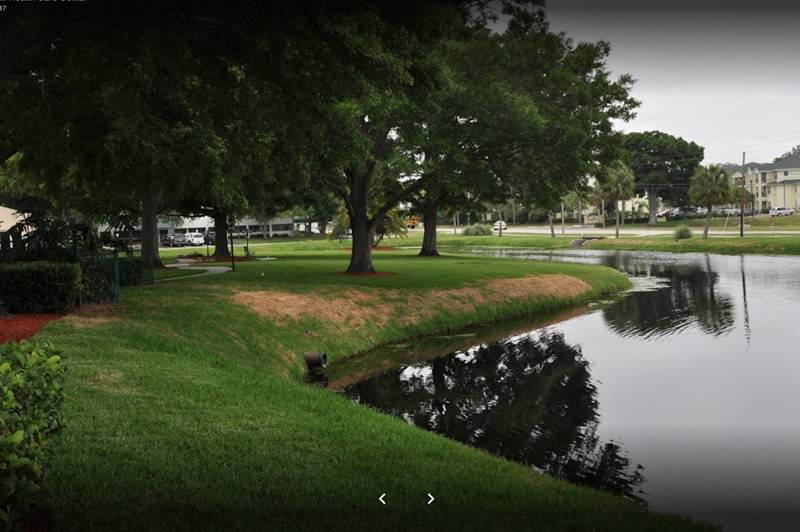
Who Owns and Operates Belleair Health?

BELLEAIR HEALTH CARE CENTER is owned by a for-profit company. For-profit facilities operate as businesses with obligations to shareholders or private owners. The facility is operated by CLEAR CHOICE HEALTHCARE, a chain that manages multiple nursing homes. With 120 certified beds and approximately 112 residents (about 93% occupancy), it is a mid-sized facility located in CLEARWATER, Florida.
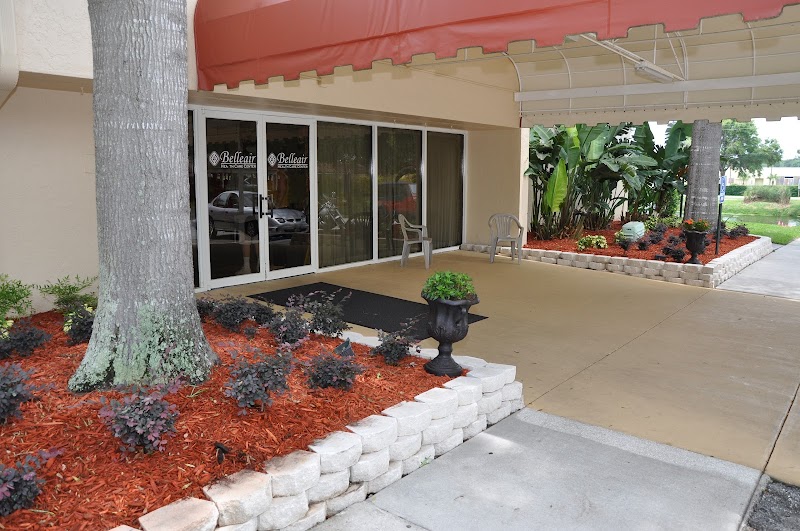
How Does Belleair Health Compare to Other Florida Nursing Homes?

Compared to the 100 nursing homes in Florida, BELLEAIR HEALTH CARE CENTER's overall rating (4 stars) is above the state average of 3.2, staff turnover (56%) is significantly higher than the state average of 46%, and health inspection rating (4 stars) is above the national benchmark.

What Should Families Ask When Visiting Belleair Health?

Based on this facility's data, families visiting should ask: "How do you ensure continuity of care given staff turnover, and what is your staff retention strategy?" "Can you walk me through typical staffing levels on day, evening, and night shifts?" "Can I visit during a mealtime to observe dining assistance and food quality?" "How do you handle medical emergencies, and what is your hospital transfer rate?" These questions are particularly relevant given the facility's high staff turnover rate and the below-average staffing rating.

Is Belleair Health Safe?

Based on CMS inspection data, BELLEAIR HEALTH CARE CENTER has a clean safety record: no substantiated abuse findings (meaning no confirmed cases of resident harm), no Immediate Jeopardy citations (the most serious violation level indicating risk of serious injury or death), and is not on the Special Focus Facility watch list (a federal program monitoring the lowest-performing 1% of nursing homes). The facility has a 4-star overall rating and ranks #1 of 100 nursing homes in Florida. While no facility is perfect, families should still ask about staff-to-resident ratios and recent inspection results during their visit.

Do Nurses at Belleair Health Stick Around?

Staff turnover at BELLEAIR HEALTH CARE CENTER is high. At 56%, the facility is 10 percentage points above the Florida average of 46%. Registered Nurse turnover is particularly concerning at 70%. RNs handle complex medical decisions and coordinate care — frequent RN changes can directly impact care quality. High turnover means new staff may not know residents' individual needs, medications, or preferences. It can also be disorienting for residents, especially those with dementia who rely on familiar faces. Families should ask: What is causing the turnover? What retention programs are in place? How do you ensure care continuity during staff transitions?

Was Belleair Health Ever Fined?

BELLEAIR HEALTH CARE CENTER has no federal fines on record. CMS issues fines when nursing homes fail to meet care standards or don't correct problems found during inspections. The absence of fines suggests the facility has either maintained compliance or corrected any issues before penalties were assessed. This is a positive indicator, though families should still review recent inspection reports for the full picture.

Is Belleair Health on Any Federal Watch List?

BELLEAIR HEALTH CARE CENTER is not on any federal watch list. The most significant is the Special Focus Facility (SFF) program, which identifies the bottom 1% of nursing homes nationally based on persistent, serious quality problems. Not being on this list means the facility has avoided the pattern of deficiencies that triggers enhanced federal oversight. This is a positive indicator, though families should still review the facility's inspection history directly.