EAST BAY REHABILITATION CENTER
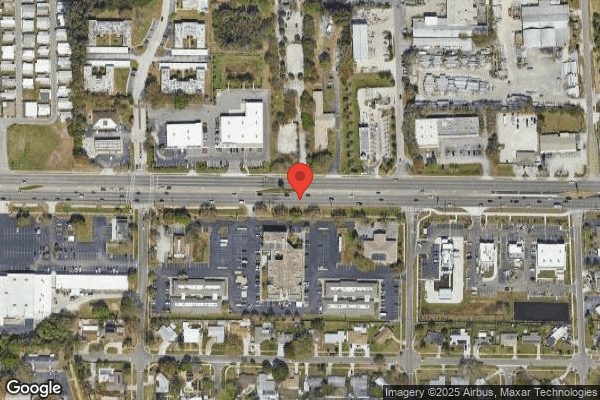
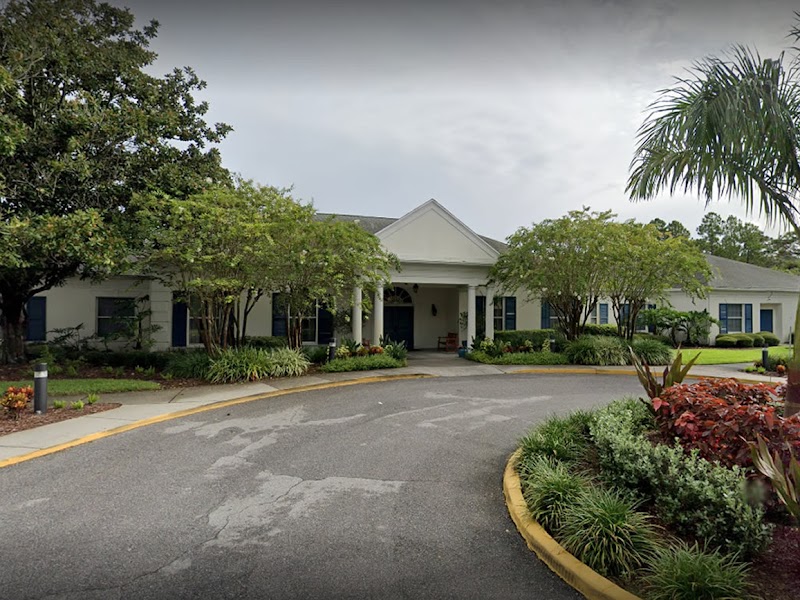
4470 E BAY DR, CLEARWATER, FL 33764 (727) 530-7100
For profit - Limited Liability company 120 Beds CLEAR CHOICE HEALTHCARE Data: November 2025
Trust Grade
65/100
#344 of 690 in FL
Last Inspection: February 2024

Within standard 12-15 month inspection cycle. Federal law requires annual inspections.

Overview

East Bay Rehabilitation Center has a Trust Grade of C+, indicating it is slightly above average but not exceptional. It ranks #344 out of 690 facilities in Florida, placing it in the top half, and #16 out of 64 in Pinellas County, meaning there are only 15 local options that are better. However, the facility is experiencing a concerning trend, worsening from 1 issue in 2023 to 6 in 2024. Staffing appears to be a strength with a rating of 4 out of 5 stars, but the turnover rate is at 44%, which is around the state average. Notably, the facility has not incurred any fines, which is a positive sign, but it has less RN coverage than 81% of facilities in the state, raising some concerns about oversight. Specific incidents reported include issues with kitchen cleanliness, such as broken trash receptacles and excessive dust in food prep areas, which could pose health risks. Additionally, there was a failure to implement proper care interventions for a resident, leading to potential harm related to their medical conditions. While there are some strengths in staffing and no fines, the facility's declining trend and specific deficiencies highlight areas that families should carefully consider.

Trust Score
C+
65/100
In Florida
#344/690
Top 49%
Safety Record
Low Risk
No red flags
Inspections
Getting Worse
1 → 6 violations
Staff Stability
○ Average
44% turnover. Near Florida's 48% average. Typical for the industry.
Penalties
✓ Good
No fines on record. Clean compliance history, better than most Florida facilities.
Skilled Nurses
○ Average
Each resident gets 30 minutes of Registered Nurse (RN) attention daily — about average for Florida. RNs are the most trained staff who monitor for health changes.
Violations
⚠ Watch
13 deficiencies on record. Higher than average. Multiple issues found across inspections.
★★★☆☆
3.0
Overall Rating
★★★★☆
4.0
Staff Levels
★★★★☆
4.0
Care Quality
★★★☆☆
3.0
Inspection Score
Stable
2023: 1 issues
2024: 6 issues

The Good

  • 4-Star Staffing Rating · Above-average nurse staffing levels
  • 4-Star Quality Measures · Strong clinical quality outcomes
  • Full Sprinkler Coverage · Fire safety systems throughout facility
  • No fines on record
  • Staff turnover below average (44%)

    4 points below Florida average of 48%

Facility shows strength in staffing levels, quality measures, fire safety.

The Bad

3-Star Overall Rating

Near Florida average (3.2)

Meets federal standards, typical of most facilities

Staff Turnover: 44%

Near Florida avg (46%)

Typical for the industry

Chain: CLEAR CHOICE HEALTHCARE

Part of a multi-facility chain

Ask about local staffing decisions and management

The Ugly 13 deficiencies on record

Feb 2024 6 deficiencies
CONCERN (D)

Potential for Harm - no one hurt, but risky conditions existed

Comprehensive Care Plan (Tag F0656)

Could have caused harm · This affected 1 resident

**NOTE- TERMS IN BRACKETS HAVE BEEN EDITED TO PROTECT CONFIDENTIALITY** Based on observations, interviews, and record review, the facility failed to implement interventions in the comprehensive care p...

Read full inspector narrative →
**NOTE- TERMS IN BRACKETS HAVE BEEN EDITED TO PROTECT CONFIDENTIALITY** Based on observations, interviews, and record review, the facility failed to implement interventions in the comprehensive care plan one resident (#90) of three resident sampled. Findings included: A review of the admission record showed Resident #90 was admitted to the facility on [DATE] with diagnoses including disorder of the skin and subcutaneous tissue, adult failure to thrive, cachexia (unintentional weight loss), and abnormal weight loss. A review of the active orders, as of February 2024, showed the following: -Bilateral heel elevation boots when in bed every shift. Remove for skin checks, hygiene and all cares as needed. Start date 4/5/23. A review of Resident #90's quarterly Minimum Data Set (MDS), dated [DATE], revealed the following: -Section C-Cognitive Patterns: Brief Interview for Mental Status (BIMS) score of 7, indicating severe cognitive impairment. -Section M M1200-Skin Conditions: requires pressure relieving devices while in bed and requires substantial/ maximal assistance (helper does more than half the effort) to roll from left to right in bed. A review of Resident #90's care plan, initiated 10/26/22 and revised on 1/23/24, showed Resident #90 had actual impairment to skin integrity of the right lateral foot. Interventions included bilateral heel elevation boots when in bed every shift; may remove for skin checks, hygiene and all cares as needed. A review of Resident #90's Treatment Administration Record (TAR), for February 2024, revealed a nursing treatment for bilateral heel elevation boots when in bed every shift. May remove for skin checks, hygiene and all cares as needed. Every shift for impaired skin integrity. Start date 4/5/2023. The nursing documentation revealed the treatment was administered by each shift from 2/1/2024 through 2/14/24. On 2/12/24 at 10:15 a.m. Resident #90 was observed lying in bed without heel elevation boots in place as ordered. On 2/13/24 at 9:40 a.m. Resident #90 was observed lying in bed without heel elevation boots in place as ordered. On 2/14/24 at 7:40 a.m. Resident #90 was observed lying in bed. The resident stated she slept well. Staff F, Certified Nurse Assistant (CNA) was present in the room and removed the covers to expose Resident 90's legs and feet. The resident was not wearing heel elevation boots as ordered. On 2/14/24 at 2:45 p.m. an interview was conducted with Staff L, Licensed Practical Nurse (LPN). Staff L stated, Resident #90 Should have heel elevation boots on, unless they are in the laundry. On 2/14/24 at 2:52 p.m. an interview was conducted with Staff I, RN, Assistant Director of Nursing (ADON). She said residents usually have two pairs of heel protector boots, and it Does not take long for the elevation boots to be returned from the laundry. She was unable to state what the turnaround time was for laundering the boots.
CONCERN (D)

Potential for Harm - no one hurt, but risky conditions existed

Deficiency F0676 (Tag F0676)

Could have caused harm · This affected 1 resident

**NOTE- TERMS IN BRACKETS HAVE BEEN EDITED TO PROTECT CONFIDENTIALITY** Based on observations, interviews, and record review, the facility failed to ensure one resident (#98), who was dependent on sta...

Read full inspector narrative →
**NOTE- TERMS IN BRACKETS HAVE BEEN EDITED TO PROTECT CONFIDENTIALITY** Based on observations, interviews, and record review, the facility failed to ensure one resident (#98), who was dependent on staff for eating assistance, received eating assistance in a manor to promote a safe and comfortable eating experience out of forty-seven sampled residents during one observed meal (12/12/2024) of one meal observed. Findings included: On 2/12/2024 at 11:55 a.m. an observation in the main dining room during the lunch meal was conducted. There were two sections of the dining room. A large section with ten tables where residents who dine and eat without eating assistance, and a smaller section with six tables where residents were assisted with their meals. Residents who dine in the small assistive dining room, require forms of assistance to include cueing, supervision or assistance with eating activities. Resident #158 was observed seated in a wheelchair at a table along with Resident #98, who was lying back in a reclined Geri chair. Resident #98 was observed with sheets covering her entire body, and a pillow on the right side of the head rest. Resident #98 was overheard calling out and moaning out loudly. Staff intervened and comforted her twice. Every time staff left Resident #98 began to moan aloud again. At 12:00 p.m. Residents #158 and #98 were still seated at the same table together. Resident #158 received his meal tray at 12:18 p.m. At 12:23 p.m. Resident #158 received a family member visit who sat down at the table with him. Staff B, Speech Therapy was observed to enter the room and seat herself at the table next to Resident #158 and across the table from Resident #98. Staff B evaluated and assisted Resident #158 with the meal. Resident #98 continued to sit reclined in her Geri chair and did not have her meal yet. At 12:27 p.m. all residents seated in the restorative/assistive dining room had all been served, set-up, and were being assisted with their meals. Resident #98 was still at the table and had not been served the meal. At 12:32 p.m. a Staff A, Certified Nursing Assistant (CNA), was observed bringing an uncovered plate of food into the assistive section of the dining room and placed it on the table next to Resident #98. Staff A left the area, leaving Resident #98 seated next to her food. The plate of food was uncovered exposing all the food items to the air element. Staff B, Speech Therapy continued to assist and evaluate Resident #158 while talking with his family member. At 12:42 p.m., Staff A, CNA walked into the room. At 12:44 p.m. Staff A sat down next to Resident #98 and tried to give her a spoonful of food while she was still in a reclined position with her head tilted on the right side on a pillow. Staff A got up and adjusted the head portion of the Geri chair to a 30 - 40 degree position. Staff A tried to give the resident a spoonful of food while her head was still tilted on the side on the pillow. Resident #98 opened her mouth but was not able to properly take food in and swallow. The resident had a puree textured diet, and was not able to accept bites appropriately due to head positioning. At 12:45 p.m. an interview was conducted with Staff A, CNA. Staff A, stated she assists Resident #98 with eating almost daily and she was fully dependent on staff for eating assistance. Staff A stated she brought in the meal for Resident #98 and had to leave to assist with the rest of the tray pass in the dining room. At 12:46 p.m. an interview with Staff B, Speech Therapy was conducted. Staff B stated Resident #98 was on her case load and she would be working with the resident, but positioning would be something for Occupational Therapy would address. She stated she was not aware if Occupational Therapy had Resident #98 on their case load. Staff B stated Resident #98 would not be comfortable eating in the position she was in. A review of Resident #98's medical record revealed she was admitted to the facility on [DATE], with a diagnoses to include sepsis, dehydration, protein calorie malnutrition, acute kidney failure, dysphagia, adult failure to thrive, and dementia. A review of the advance directives revealed Resident #98 had a Power of Attorney in place to make her medical decisions. A review of the admission Minimum Data Set (MDS), dated [DATE], revealed the following: -Section C-Cognition: Brief Interview Mental Status score 7 of 15, which indicated severe cognitive impairment. Section GG-Activities of Daily Living (ADL): utilizes a manual wheelchair, chair/bed-to-chair transfer = substantial assistance from staff. A review of the Physician's Order Sheet, dated 2/2024, revealed an order to include: Comfort Measures Only No weights, no labs, No tube feeding or artificial Hydration. Order date was 1/31/2024. A review of the CNA ADL flow sheet and [NAME], for February 2024, revealed staff are to monitor and complete the following: 1. ADL - Eating 1. IF NPO/tube feed indicate here, 2. Requires (1 or 2) person is (independent, set up/supervision, limited, extensive, or total) 3. May indicate if participating in restorative dining here. 2. ADL - Locomotion on Unit 1. Requires (1 or 2) person & is (independent, set up/supervision, limited, extensive, or total) assist., 2. Uses (walker, cane, w/c, electric w/c, ambulatory, Geri/Broda chair, &/or specify specific device). 3. ADL - Locomotion off Unit1. Requires (1 or 2) person & is (independent, set up/supervision, limited, extensive, or total) assist.2. Uses (walker, cane, w/c, electric w/c, ambulatory, Geri/Broda chair, &/or specify specific device) A review of the Occupational Therapy Evaluation and Plan of Treatment, with a certification period of 1/31/2024 - 3/15/2024 and with a start of care date of 1/31/2024, revealed the following; Treatment approaches to include: Therapeutic exercises, Manual therapy exercises, Occupational Therapy (OT) evaluation moderate complexity, Self care management training for five days a week and with a duration period of 45 days. A review of the Occupational Therapy Treatment Encounter note, dated 2/9/2024, revealed a summary of daily skilled services to include: Wheelchair management and analysis of patient's body alignment and functional skills in a new or existing wheelchair and assessment of current seating system for appropriate modifications as patient is heavy left side lean even after neck light stretch and pillow for additional support. The skilled services also included; Patient was transferred max a to Geri chair which fully reclined and has the support of body as she needs for comfort and limited leaning head rest with half moon cut out. Patient requires light repositioning of neck i.e. gentle stretching and realignment, leans heavy to the right and fatigues easy, positioning with some mild yelling out. A review of the care plan, with next review date 4/30/2024, revealed the following: - The resident has an ADL self-care performance deficit r/t generalized weakness, impaired mobility, failure to thrive, with interventions in place, to include but not limited to: TRANSFER: extensive x 1. - The resident has impaired cognitive function or impaired thought processes r/t dementia, with interventions in place to include but not limited to: : Cue, reorient and supervise as needed. - The resident has a swallowing problem and is on a mechanically altered diet with thickened liquids, refer to physician's order for current diet orders, with interventions in place to include: Encourage resident to eat in an upright position, to eat slowly, and to chew each bite thoroughly, Keep head of bed elevated 45 degrees during meal and thirty minutes afterwards, Monitor/document/report PRN any signs and symptoms of dysphagia: Pocketing, Choking, Coughing, Drooling, Holding food in mouth, Several attempts at swallowing, Refusing to eat. On 2/14/2024 at 11:15 a.m. an interview was conducted with Staff C, Occupational Therapist (OT). Staff C stated she was familiar with Resident #98 and did have her on OT case load. Staff C stated Resident #98 had been declining and was on comfort measures only for a few weeks. Staff C revealed she had seen Resident #98 for positioning while in Geri chair and had to try different interventions to include more padding, in order for her to be correctly positioned. She further revealed Resident #98's head would routinely tilt to the side on her right side and off onto the side of the head of the Geri chair. She revealed an intervention to include an extra pillow on her right side helped some, but her head would still tilt off to the side. Staff C revealed she tried various interventions with her head positioning in order to decrease mouth drooling. She stated the resident would only keep her head in an upright position for so long and then her head would just tilt back to the side again. She stated there was routine staff intervention with the head repositioning and intervening when the resident would moan aloud. Staff C stated Resident #98 should not have been assisted with eating while her head was lowered and tilted to the side. She stated staff should have made sure she was positioned correctly while being assisted with her meal. A review of the policy titled Activities of Daily Living (ADL), Supporting, dated 01/2022, reveled the following: Policy: Residents will be provided with care, treatment and services as appropriate to maintain or improve their ability to carry out activities of daily living (ADLs). Residents who are unable to carry out activities of daily living independently will receive the services necessary to maintain good nutrition, grooming and personal and oral hygiene. Procedure: 1. Residents will be provide with care, treatment and services to ensue that their activities of daily living (ADLs) do not diminish unless the circumstances of their clinical condition(s) demonstrate that diminishing ADLs are unavoidable. 2. Appropriate care and services will be provide for residents who are unable to carry out ADLs independently, with the consent of the resident and in accordance with the plan of care, including appropriate support and assistance with, to include: Mobility (transfers and ambulation, including walking), Dining (meals and snacks).
CONCERN (D) 📢 Someone Reported This

A family member, employee, or ombudsman was alarmed enough to file a formal complaint

Potential for Harm - no one hurt, but risky conditions existed

Quality of Care (Tag F0684)

Could have caused harm · This affected 1 resident

**NOTE- TERMS IN BRACKETS HAVE BEEN EDITED TO PROTECT CONFIDENTIALITY** Based on observations, interviews, and record review, the facility failed to provide quality care and services related to wound ...

Read full inspector narrative →
**NOTE- TERMS IN BRACKETS HAVE BEEN EDITED TO PROTECT CONFIDENTIALITY** Based on observations, interviews, and record review, the facility failed to provide quality care and services related to wound care for one resident (#88) out of 5 sampled residents. Findings included: Review of Resident #88's admission Record revealed he was admitted to the facility on [DATE] from an acute care hospital. His diagnoses included weakness, altered mental status, need for assistance with personal care, cognitive communication deficit, muscle weakness, and a history of falling. An observation was conducted on 02/12/24 at 10:02 AM. Resident #88 was observed to have a bandage on his right shin which was not dated and was soiled with brownish yellowish drainage. Resident #88 said the bandage had been changed a few days ago. He said he can't remember how he got the wound. (Photographic evidence obtained) An interview was conducted on 02/12/24 at 12:28 PM with Resident #88's family member. The family said Resident #88 gets skin tears very easily. The family member said he was at the facility on Wednesday (2/7/24) and the resident did not have the bandage on his right shin at that time. The family member said the bandage was not dated and he was not sure when it happened or how. An observation was conducted on 02/12/24 at 01:51 PM. Resident #88 was observed to be sitting in his chair with the same unlabeled, soiled dressing on his right shin. An observation was conducted on 02/13/24 at 9:40 AM. Resident #88 was observed to be putting on his jacket with the same unlabeled, soiled dressing on his right shin. Review of Resident #88's medical record did not reveal a progress note about the right shin wound, there was no physician order to change or monitor the right shin wound, there was no change of condition related to the right shin wound, and there was no documented family or physician notification about the right shin wound. Review of Resident #88's Weekly skin observation tool, dated 2/6/24, revealed the following: Prior to skin check does the resident have any of the preexisting areas identified. 1. Check all areas that apply: 1. skin tears .4. bruises 3. Are there any new areas of skin irregularities notes for this skin check. No. An interview was conducted on 2/14/24 at 10:55 AM with the Director of Nursing (DON). He reviewed the photographic evidence of Resident #88's right shin dressing and confirmed it should be labeled, a change in condition should be documented, and notification to the family and physician should be documented. He said there should be physician orders to change the wound bandage. An interview was conducted on 2/14/23 at 12:58 PM with the DON. He said per the family, the resident hit his leg on the bed frame on Sunday (2/11/24) and the nurse put a bandage on it. The DON confirmed there was no physician order, the bandage should have been dated, and it should not have been soiled. Review of the facility's Skin Integrity policy, dated 09/2017, revealed the following: Purpose To Provide consistent assessment and evaluation, monitoring, documentation, and implementation of therapeutic interventions to heal and maintain skin integrity . .Assessment/Evaluation: .3. The resident will be placed on a weekly skin check by the Licensed Nurse, If new skin areas/areas are identified. A Change in Condition Evaluation will be completed. If indicated, with notifications of Physician and Resident/POA [Power of Attorney] or Resident Representative. Treatment orders will be implemented per Physician's orders.
CONCERN (D)

Potential for Harm - no one hurt, but risky conditions existed

Deficiency F0761 (Tag F0761)

Could have caused harm · This affected 1 resident

**NOTE- TERMS IN BRACKETS HAVE BEEN EDITED TO PROTECT CONFIDENTIALITY** Based on observations, interviews, and record review the facility failed to ensure 1) Medication pill splitters were maintained ...

Read full inspector narrative →
**NOTE- TERMS IN BRACKETS HAVE BEEN EDITED TO PROTECT CONFIDENTIALITY** Based on observations, interviews, and record review the facility failed to ensure 1) Medication pill splitters were maintained in a clean and sanitary manner in two of four medication carts, and 2) discontinued resident medications were disposed of within thirty days in two of two medication rooms. Findings included: On [DATE] beginning at 8:10 a.m. the Medication Storage facility task was conducted with Staff J, LPN Unit Manager, (LPM, UM). The following observations were noted: -In two of the facility's two medication storage rooms resident medications were stores in cardboard boxes labeled personal (Photographic Evidence Obtained). The boxes contained medication containers without a resident's name or the contents. -A clear amber pill bottle without a resident's name and the word Pepcid written on the lid, contained three different pill shapes and sizes (a capsule, a white round tablet, a white oblong tablet). (Photographic Evidence Obtained). - A three-section amber pill organizer was also in the box. (Photographic Evidence Obtained). -Staff J LPN, UM, said the pills are stored when residents are admitted and do not want the pills to be discarded. She stated she did not know which resident the pills belonged to or how long the pills had been stored in the medication room. -The medications belonged to residents who were discharged from the facility on [DATE] and [DATE]. -A heating pad, hearing aid containers, batteries, and hairbrush were stored in the medication box. (Photographic Evidence Obtained) -A bag with Intravenous (IV) antibiotic labeled Do Not Use after [DATE] was in the medication storage refrigerator. (Photographic Evidence Obtained). -Staff J LPN, UM said expired medication should be placed in the return to pharmacy bin. -A DNA test kit that contained a test tube labeled collect saliva by 2023-11-27 was stored in a drawer with medical supplies including syringes. -Staff J LPN, UM, said she did not know why the test kit was stored in the drawer. (Photographic Evidence Obtained). -Two of the facility's medication carts were observed with pill cutters that contained rust and scattered white powder. (Photographic evidence obtained). Review of facility policy titled IC12: Medications brought to the Facility by a Resident or responsible party, undated, revealed the following: -Policy: Medications brought into the facility by a resident or responsible party are used only upon written order by the resident's attending physician, after the contents are verified, and if the packaging meets the facility's guidelines. Unauthorized medications are not accepted by the facility. -Procedures: C. Medications not ordered by the resident's physician are unacceptable for other reasons, are returned to the responsible party or designated agent. If unclaimed within 30 days, the medications are disposed of in accordance with facility medication destruction / disposal procedures. Review of the facility's Temperature log for vaccines revealed the following instruction, place an x in the box that corresponds with the temperature. The hatched represent unacceptable temperatures ranges. Review of facility policy, undated, titled Equipment and Supplies for Administering Medications. -Policy: the facility maintains equipment and supplies necessary for the preparation and administration of medications to the residence. -Procedures: -the following equipment and supplies are acquired and maintained by the facility for the proper storage preparation and administration of medications 6) devices for crushing and splitting pills -the charge nurse on duty ensures that equipment and supplies relating to medication administration or clean and orderly -the charge nurse is notified if supplies are inadequate, or equipment failed to work properly. The charge nurse reports equipment and supply deficiencies to the director of nurses,
CONCERN (D)

Potential for Harm - no one hurt, but risky conditions existed

Infection Control (Tag F0880)

Could have caused harm · This affected 1 resident

Based observations, interviews, and record review, the facility failed to follow infection control guidelines related to hand hygiene during two of six medication administration observations. Finding...

Read full inspector narrative →
Based observations, interviews, and record review, the facility failed to follow infection control guidelines related to hand hygiene during two of six medication administration observations. Findings Included: On 2/13 /2024 at 8:30 a.m. Staff M, Registered Nurse (RN) was observed during medication administration for Resident #37. Staff M did not perform hand hygiene before beginning the procedure. Staff M, RN prepared seven medications for the resident and administered them as ordered. An interview was conducted with Staff M and she stated she did not perform hand hygiene prior to her medication administration. Staff M stated she did not follow the hand hygiene policy. On 2/13/2024 at 8:50 a.m. Staff N, RN was observed during medication administration for Resident #358. Staff N, RN did not perform hand hygiene before beginning the procedure. Staff N, RN prepared twelve medications for the resident and administered them as ordered. An interview was conducted with Staff N and she stated she did not perform hand hygiene prior to her medication administration. Staff N stated she did not follow the hand hygiene policy. A review of the facility policy titled Medication Administration-General Guidelines revealed the following: Policy: Medications are administered as prescribed in accordance with good nursing principles and practices and only by the persons legally authorized to do so personnel authorized to administer medications do so only after they have been properly oriented to the facilities medication distribution system, procurement, storage, handle in and administration. The facility has sufficient staff and a medication distribution system to ensure safe administration of medications without unnecessary interruptions. -Procedures 2) Hand washing and hand sanitation: the person administered medication at the ears to good hand hygiene, which includes washing hands thoroughly -before beginning a medication passed, -prior to handling medications
CONCERN (F)

Potential for Harm - no one hurt, but risky conditions existed

Food Safety (Tag F0812)

Could have caused harm · This affected most or all residents

Based on observations, interviews, and record review, the facility failed to ensure a clean, sanitary and maintained kitchen space to include: 1. Broken/missing trash receptacles at two of two hand wa...

Read full inspector narrative →
Based on observations, interviews, and record review, the facility failed to ensure a clean, sanitary and maintained kitchen space to include: 1. Broken/missing trash receptacles at two of two hand washing stations; 2. A walk in freezer unit observed with heavy frosting crystallization on food items, shelving, and boxes of food items; 3. Overhead ceiling vents and ceiling tiles located above food prep and food service stations with dust and debris, 4. Various rusted areas near washed/sanitized cups and eating ware; and 5. Staff not wearing hair/beard covers appropriately while at food preparation and food service stations during three of four days observed, (2/12/2024, 2/13/2024, 2/14/2024). Findings included: 1. On 2/12/2024 at 9:07 a.m., the facility's kitchen was entered and toured with the Certified Dietary Manager (CDM). The hand washing sink was in a room next to the dish washing machine. The CDM stated he had only been back at the facility for two weeks, but has been employed at the facility about four years. A foot pedal operated trash receptacle was positioned at the right of the hand washing sink. The lid would not open when the foot pedal was depressed to dispose of paper towels used for hand hygiene. The only way to get the used paper towels in the receptacle was to lift the soiled lid. The lid to the receptacle was observed with various hardened food debris and dried colored liquid. The CDM stated he had been meaning to get a new trash receptacle. He confirmed due to the hand washing sink trash receptacle being in disrepair, staff would have to lift the lid with their bare hands to discard paper towels and other refuse. The CDM pointed out another hand washing sink in the kitchen, which was near a food preparation station. No trash receptacle was at or near the hand washing sink. There were no trash receptacles within eyesight of this hand washing station. The CDM again stated he was meaning to get a trash receptacle for this area. He stated when staff use this hand washing station, they would have to walk to another section of the kitchen and lift a lid to a trash receptacle and then discard their refuse. He stated the staff should not have to lift soiled trash receptacle lids with their clean/sanitized bare hands. (Photographic evidence was taken). 2. On 2/12/2024 at 9:30 a.m., and 2/14/2024 at 12:55 p.m. the kitchen's walk in refrigerator unit was entered. While inside and at the back of the unit, the back wall was observed with a cooling motor with a plastic covering/housing. The plastic housing for the main fan was observed with many areas with black biogrowth/debris. The inside of the refrigerator unit was observed full with packaged food items as well as boxes of unpackaged and uncovered vegetables and fruits. The boxes of vegetables and fruits were noted placed on shelves directly under the motor fan housing. The walk in freezer unit door was opened and there were about seven to ten plastic slats utilized as an air resistance curtain. All the plastic slats were observed with heavy built up icing. The CDM stated the unit has had recent repairs and everything was corrected during that repair. He could not remember exactly how long the repair was, but revealed the temperatures within the unit were at and below 32 degrees F. Upon entering the inside of this unit, there were shelves on either side as well as at the back of the unit. Observation revealed heavy icing and frosting at and near the motor housing; heavy icing on two of three shelves on the right side of the unit; heavy icing on three boxes of packaged food; heavy icing and frosting on an open box of food that contained plastic a large plastic wrapped roast, bags of opened vegetables, and other items within this box. Some of the items that had icing and frosting on them, could not be identified as the icing/frosting covered the entire food item. (Photographic evidence was taken). The CDM stated the iced and frosted food items should have been already thrown away, but he along with his staff must have missed those boxes of food items. He stated the unit appeared to be frosting/icing on one side of the unit and would need to put in a work order to get it fixed. He was not sure how long the inside of the freezer unit had been building up with ice and frost crystallization. 3. On 2/12/2024 at 9:30 a.m. and 2/14/2024 at 12:55 p.m. the main food service and food preparation area/station was observed with two ceiling vents directly above the food preparation table and the steam table where food is served from. The ceiling vents and surrounding ceiling tiles were observed with heavy dust/debris build up. The CDM stated the Maintenance Department is responsible for the cleaning and maintenance of the kitchen's ceiling and ceiling vents. He believed maintenance comes in about one a month or so. The CDM was not exactly sure how often maintenance has come in to clean the ceiling, but did confirm that he along with his staff should have seen all that dust/debris and should have put in a work order for maintenance to clean. 4. On 2/12/2024 at 9:30 a.m. and 2/14/2024 at 12:55 p.m. during kitchen tour, the back section of the room, where there was a food preparation table, and with staff preparing food items for resident consumption; revealed a long stainless steel shelf hanging on the wall directly above the table. Further observations revealed heavy rusting on the undercarriage of the shelf. The rusted areas were observed chipping and peeling away, which caused a risk for the debris to fall on exposed food items. Interview with the dietary staff in the room and the CDM revealed they were unaware of the rusted shelf. The area near the dish washing machine was observed with a large plastic and metal bug zapper device. The metal grating on this device was observed rusted and with paint chipping away. Directly below this device were crates of cleaned and sanitized cups and glasses. The rusted grating revealed chipped sections of paint and caused risk for the debris to fall on the already cleaned eating/drinking ware. On 2/14/2024 at 12:55 p.m. during the kitchen tour, the back room where a food preparation station was at, and also near the hand washing sink was observed with a long metal food preparation table. The metal table with an under shelf, was observed with a large gray round soiled trash can lid placed on the lower table shelf and leaning up against four various cleaned colored plastic cutting boards. Another section of under the metal table was observed with two full and used red and green sanitizer buckets with rags inside them. The buckets were observed placed directly next to a large clear plastic container of dry food product. The CDM stated the trash can lid and sanitizer bucket should not be in this area and certainly should not be leaning up against clean equipment. He stated the container of food should not have been in the same area as the sanitizer buckets and soiled trash lid. (Photographic evidence was taken). 5. On 02/14/24 at 1:31 p.m. during the kitchen tour Staff D, cook was observed with exposed facial hair from the chin up to his lower lip. On 02/14/24 at 1:34 p.m. an during an interview CDM, said staff should not have exposed hair while on duty. The CDM revealed he oversees the kitchen cleaning process and had listed duties each day, and a dedicated staff member has to complete and initial each task. He revealed there is a weekly cleaning scheduled for most areas and equipment in the kitchen. However, in between meal services, staff are expected to clean the floors, cooking equipment, eating ware, and as need areas. The CDM revealed during the cleaning process, he and his staff should have caught the above listed areas and either cleaned the areas or notified the maintenance department to repair equipment. A review of facility policy titled, Dietary Guidelines Manual, undated, Subject Person Hygiene revealed the following: Purpose: Staff involved in handling food follows proper hygiene practices to prevent contamination of food. -4) wear a hairnet at all times. -- caps are acceptable -- cover all hair including beards and mustaches. A review of the policy titled Dietary Guideline Manual related to Cleaning Freezers, dated 2015, revealed the following: Policy: The Freezers will be defrosted as needed (when frost is ¼ inch thick, the freezer should be defrosted), or per the manufacturer's instruction. Procedures: Remove all food from the freezer. Sort out and throw away all that is not unusable. Store good food in another freezer, refrigerator or cooler until the freezer is cleaned. A specific policy with relation to kitchen and kitchen equipment sanitation was not provided.
Jun 2023 1 deficiency
CONCERN (D) 📢 Someone Reported This

A family member, employee, or ombudsman was alarmed enough to file a formal complaint

Potential for Harm - no one hurt, but risky conditions existed

Deficiency F0554 (Tag F0554)

Could have caused harm · This affected 1 resident

Based on observation, interview, and record review, the facility failed to ensure medications were administered by a licensed nurse and not stored on an over bed table for self-administration for one ...

Read full inspector narrative →
Based on observation, interview, and record review, the facility failed to ensure medications were administered by a licensed nurse and not stored on an over bed table for self-administration for one (#4) out of three sampled residents. Findings Included: On 06/19/2023 at 10:00 a.m., the west unit was toured and revealed a souffle cup sitting on top of an over bed table. The cup was observed with multiple pills that ranged in different sizes and colors. Resident #4 was not in the bedroom at the time (photographic evidence obtained). At 10:11 a.m., Staff A, Assistant Director of Nursing (ADON) was in the hallway, and was asked who administered medications on the west unit. She stated, she's right there. The ADON went to the nursing station and returned shortly with Staff B, Registered Nurse. At 10:12 a.m., Staff B, along with the ADON observed the cup of medications on Resident #4's, over bed table. At that time, the ADON pushed the souffle cup next to the tissue box. Staff B stated, he can take his own medications. He went to take a shower first then to physical therapy. The ADON and RN were asked if the resident had a self-administration assessment. They left the bedroom and returned to the nursing station. The medications remained unsupervised on the over bed table. Staff B provided a copy of Resident #4 Self Administration of Medication Evaluation form with Effective Date: 01/10/2023. Review of the form Instructions: Complete this assessment prior to resident initiating self administration of medication and with any medication order changes, changes in function/condition that might affect the resident ability to safely self administer medications. A. List all medications that are being considered for resident self administration. List medication, route, dose and frequency. Number of medications considered for self administration Medication #1 order: albuterol inhaler, Medication #2 order: anoro elipata. At 10:28 a.m., the Director of Nursing (DON) was asked about their process on leaving medications at the bedside. He did not immediately respond. The DON observed the medications that remained on Resident #4's over bed table and removed the cup. The DON confirmed medications should not be left unattended. He was informed the ADON and Staff B had observed the cup of medications on the table and left the bedroom and the medications indicating it was common practice. The DON confirmed it was not a facility practice to leave medications unsupervised. Medical record of Resident #4 admission Record form revealed he had resided at the facility over two years and was geriatric in age. The diagnosis information listed constipation, benign prostatic hyperplasia, anemia, type 2 diabetes, hypoglycemia, major depression disorder, hypertension, and Parkinson's disease. Review of Physician orders showed, May self-administer inhaler medications WITH SUPERVISION, dated 07/01/2022. On 06/19/2023 at approximately 1:00 p.m., the DON provided a copy of Resident #4's Progress note dated 06/19/2023 at 11:07 a.m., all 9 am medications were appropriately administered at 10:50 a.m. On 06/19/2023 at 3:57 p.m., an interview was conducted with Resident #4. He confirmed he had a shower this morning and went to physical therapy. Resident #4 stated, I don't know how many pills in the morning I'm supposed to have. He denied knowing the names of the pills and what they were for. Resident #4 stated a lot of them leave my medications on the table. I don't know who they are, but it happens a lot. Resident #4 stated I just take them when I return to my room. Review of facility policy Preparation and General Guidelines dated August 2014. II2 Medication Administration General Guidelines Policy: Medications are administered as prescribed in accordance with good nursing principles and practices and only by persons legally authorized to do so. Personnel authorized to administer medications do so only after they have been properly oriented to the facility's medication system (procurement, storage, handing, and administration). Procedures A. preparation 4) FIVE RIGHTS- Right resident, right drug, right dose, right route, and right time, are applied for each medication being administered. B. Administration 4). When medications are administered by a mobile cart taken to the resident location medications are administered the time, they are prepared. 7) The person who prepares the does for administration is the person who administers the dose. 14) Residents are allowed to self-administer medications when specifically authorized by the attending physician and in accordance with the procedures for self-administration of medications. 17) For residents not in their rooms or otherwise unavailable to receive medications on the pass, the MAR is flagged with [tags, colored plastic strips, drinking straw, or paper clips]. After completing the medication pass, the nurse returns to the missed resident to administer the medication. 18) The resident is always observed after administration to ensure that the dose was completely ingested.
Nov 2021 3 deficiencies
CONCERN (D)

Potential for Harm - no one hurt, but risky conditions existed

Resident Rights (Tag F0550)

Could have caused harm · This affected 1 resident

**NOTE- TERMS IN BRACKETS HAVE BEEN EDITED TO PROTECT CONFIDENTIALITY** Based on observation, interview, and record review, the facility failed to promote and honor resident rights for three (Resident...

Read full inspector narrative →
**NOTE- TERMS IN BRACKETS HAVE BEEN EDITED TO PROTECT CONFIDENTIALITY** Based on observation, interview, and record review, the facility failed to promote and honor resident rights for three (Residents #96, #106, and #20) of 15 sampled residents, related to ensuring that dignity was maintained related to urinary drainage bags. Findings included: 1) A review of Resident #96's admission record revealed that she was originally admitted to the facility on [DATE] and readmitted on [DATE], with diagnoses that included severe sepsis with septic shock, urinary tract infection, and acute cystitis without hematuria. A review of Resident #96's most recent Minimum Data Set (MDS) dated [DATE], documented in Section C (Cognitive Patterns) that Resident #96's cognition was intact with a Brief Interview for Mental Status (BIMS) score of 15. Review of Section G (Functional Status) reflected that Resident #96 required physical assistance with toileting, bed mobility, and supervision with eating. Section H (Bladder and Bowel) indicated that she had an indwelling catheter. On 11/02/21 at 11:18 a.m., Resident # 96 was observed sitting in a wheelchair in her bedroom. A urinary drainage bag was observed attached to the side of the wheelchair. The urinary drainage bag was not covered or placed in a privacy bag. On 11/03/21 at 7:59 a.m., Resident #96 was observed lying in bed. The urinary drainage bag was observed attached to the bed frame. The drainage bag was not covered with a privacy bag. On 11/03/21 at 8:09 a.m., in an interview with Staff J, Certified Nursing Assistance (CNA), she stated that Resident #96 's urinary drainage bag should have been placed in a privacy bag. She stated that she was not assigned to the resident but confirmed that the drainage bag should have been covered. On 11/03/21 at 8:12 a.m., in an interview with Staff H, Licensed Practical Nurse (LPN), he stated that urinary catheter drainage bags should be placed in privacy bag. He stated that he was not sure of the facility policy related to urinary drainage bag, but concurred that the resident's drainage bag should have a privacy bag. On 11/03/21 at 10:10 a.m., in an interview with the Regional Registered Nurse, she stated the resident's drainage bag should be covered to provide dignity. 2) A review of the admission record for Resident #106 revealed that she was admitted to the facility on [DATE] and readmitted on [DATE], with diagnoses to include chronic respiratory failure with hypoxia, urinary tract infection, cerebral infraction, and metabolic Encephalopathy. A review of Resident #106's MDS dated [DATE], in Section C (Cognitive Patterns), reflected a Brief Interview for Mental Status score (BIMS) of 15 indicating that her cognition was intact. Further review of Section G (Functional Status) revealed a score of 3, which indicated that Resident #106 required Two +persons physical assist with toileting, and bed mobility. On 11/2/2021 at approximately 8:40 a.m. during a tour of the facility east wing, Resident#106 was observed lying in bed. Her urinary drainage bag was observed attached to bed frame. The drainage bag was visible from the hallway with the door opened. A subsequent observation on 11/03/21 at 7:57 a.m., revealed Resident #106's drainage bag attached to the bed frame towards the door. The urinary drainage bag was not covered nor was a privacy bag in place. On 11/03/21 8:09 a.m., an interview was conducted with Staff J, Certified Nursing Assistance (CNA). She stated that Resident #106's drainage bag should have been placed in a privacy bag. She stated that she thought she had provided a privacy bag for the drainage bag yesterday. On 11/03/21 at 8:12 a.m., an interview was conducted with Staff H, Licensed Practical Nurse (LPN). Staff H stated that urinary catheter drainage bags should be placed in a privacy bag. He stated that he was not sure of the facility policy related residents with urinary drainage bags. On 11/03/21 at 10:10 a.m., an interview was conducted with the Regional Registered Nurse. She stated that urinary drainage bags should be covered to provide dignity. 3) A review of Resident #20's medical records revealed that she was originally admitted to the facility on [DATE] and readmitted on [DATE], with diagnoses to include osteomyelitis of vertebra, lumbosacral Region, pressure ulcer of sacral region stage 4, and type 2 Diabetes Mellitus A review of Resident #20 's MDS dated [DATE], documented in Section C (Cognitive Pattern) a Brief Interview for Mental Status (BIMS) score of 14, indicative of intact cognition. On 11/02/21 at 11:09 a.m., Resident #20 was observed sitting in her bedroom in a motorized wheelchair, with a urinary drainage bag attached to the front of the wheelchair. The drainage bag was visible to anyone entering the room. There was no privacy bag or covering to protect the drainage bag. On 11/02/21 at 3:15 p.m., Resident #20 was observed in her electric wheelchair in the hallway, with her urinary drainage bag attached to the front of the wheelchair. The urinary drainage bag was not covered, and was visible to staff, other residents, and visitors in the hallway. On 11/3/2021 at 9:00 a.m., during an interview with Staff I, Registered Nurse (RN), Unit Manger, she stated that Resident #20 had a privacy bag for her urinary drainage bag. She stated that Resident #20 removed her privacy bag as desired. Staff I concurred that the resident's urinary drainage bag should have been covered. On 11/03/21 at 10:10 a.m., during an interview with the Regional Registered Nurse, she stated that Resident #20 was noncompliant with the privacy bag for her urinary drainage bag. She confirmed that residents' urinary drainage bag should have been covered to provide dignity.
CONCERN (D)

Potential for Harm - no one hurt, but risky conditions existed

Comprehensive Care Plan (Tag F0656)

Could have caused harm · This affected 1 resident

**NOTE- TERMS IN BRACKETS HAVE BEEN EDITED TO PROTECT CONFIDENTIALITY** Based on observations, staff interviews, and medical record review, the facility failed to ensure care plans were followed relat...

Read full inspector narrative →
**NOTE- TERMS IN BRACKETS HAVE BEEN EDITED TO PROTECT CONFIDENTIALITY** Based on observations, staff interviews, and medical record review, the facility failed to ensure care plans were followed related to checking for incontinence and repositioning for one (Resident #89) of fifty one sampled residents. Findings included: On 11/4/2021 from 7:20 a.m. -10:22 a.m., Resident #89 was observed seated in a fully reclined [Brand name] chair, positioned in the [NAME] unit television/activity lounge, which was directly across from the nurses' station. Resident #89 was positioned in the lounge and in front of the television. She was observed lying in a manner where she could watch the television. She was observed in the same position and without staff checking on her or interacting with her from at least 7:20 a.m. through to 10:22 a.m., which was over three (3) hours. During this period, staff did not speak with her, offer her hydration, nor repositioned her. Resident #89 was noted as dressed for the day and had a blanket over most of her body up to her neckline. She was observed with padding positioned off the head rest of the [Brand name] chair with her head positioned on the bar of the head rest. On 11/4/2021 at 10:22 a.m. Staff A, Certified Nursing Assistant (CNA) walked over to Resident #89 and asked her how she was doing. Staff A did not reposition the resident's head cushion so that her head was not lying on the bare metal frame. Staff A visited the resident for about twenty seconds and then left. On 11/4/2021 at 12:15 p.m., the [NAME] Unit Manger came into the lounge area, removed Resident #89 from the television/activity lounge, and transported the resident to her room. The door was closed after the Unit Manager took the resident into her room. The door was opened at 12:17 p.m. and the Unit Manager left the room. At 12:23 p.m., a staff member brought a meal tray to the roommate of Resident #89. However, Resident #89 was not provided her meal tray or eating assistance. Resident #89's roommate continued to eat from 12:23 p.m. until 12:44 p.m. On 11/4/2021 at 12:44 p.m., Staff B, CNA, was observed to a carry a lunch meal tray to Resident #89's room. Staff B confirmed she was bringing in Resident #89's meal tray. She said she would set up the meal tray and assist her with eating. Staff B could not provide an answer as to why the resident sat in her room for twenty-one minutes while her roommate was eating. She confirmed the resident did not have hydration served during that time. On 11/5/2021 at 7:07 a.m., Resident #89 was observed dressed for the day and reclined in her Geri chair in the [NAME] unit television lounge/activities area. She was noted positioned in front of the television and had a blanket over her upper body and entire head. On 11/5/2021 at 7:23 a.m., Staff C, CNA was observed to walk over to Resident #89, reposition her closer to the television, and remove the blanket from her head. The aide did not speak with her, but rather just moved her and then walked away. Staff C did not ask the resident if she was ok, if she needed anything, nor did she check her for incontinence. On 11/5/2021 from 7:23 a.m. through to 9:48 a.m., which was over two hours and twenty-five minutes, Resident #89 was observed in the lounge/activities area facing the television, with a blanket over her head, in the same position, and with no staff interaction. On 11/5/2021 9:48 a.m., Staff C was observed to walk over to the resident, pull the blanket off her head, pull up the surgical mask to cover both her mouth and nose, and walk away. On 11/5/2021 from 9:48 a.m. through to 9:54 a.m., Resident #89 again sat in the same position without any further staff interaction. At 9:54 a.m., Resident #89's husband came over to her, sat down in a chair, removed the blanket from her face, spoke to her for about four minutes, and then left. On 11/5/2021 from 9:58 a.m. through to 11:00 a.m., Resident #89 sat in the same position totally reclined in her Geri chair without any staff interaction, without being repositioned, and without being checked for incontinence. On 11/5/2021 at 11:00 a.m., Staff C was observed to walk to the resident. She took off the resident's right shoe, replaced it, and tied the laces. She then repositioned the blanket over the resident's entire body and repositioned the resident's head and feet. On 11/5/2021 at 7:10 a.m., an interview with Staff G, CNA revealed that the expectation was to check, change, and reposition a resident whether they were in bed, in a chair, or out of their room, at least every two hours per shift. He confirmed that he did not have Resident #89 on his work assignment. On 11/5/2021 at 10:00 a.m., an interview with Staff F, CNA revealed that during the shift, he was to check, change, and reposition a resident at least every two hours. He confirmed that even if the resident was out of the room and seated in a chair, the resident was to be checked for incontinence, or checked on to see if they needed anything. If positioned in a chair, they were to be repositioned at least every two hours. Staff F confirmed that he did not have Resident #89 on his work assignment. On 11/5/2021 at 11:01 a.m., an interview was conducted with CNA Staff C. She revealed that she checked her assigned residents for incontinence episodes twice a shift. She revealed that for Resident #89, she checked on her more than twice a shift. She revealed she would usually ask if she needed anything to drink or wanted anything. Staff C confirmed that she checked on the resident one time since breakfast this morning, 11/5/2021. She said the resident was sleeping so she did not wake her, nor did she check her for incontinence. Staff C further explained that the resident had therapy but not today. She confirmed that the resident was usually positioned in front of the television in the lounge after breakfast and just before lunch meal. Staff C said she had Resident #89 on her work assignment today and usually did every day. She did not have a reason as to why Resident #89 was not checked and repositioned for over two hours on both 11/4/2021 and 11/5/2021. On 11/5/2021 at 11:56 a.m., an interview with Staff E , [NAME] Unit Nurse revealed that residents were expected to be checked or changed every two hours at the very least. She revealed that Resident #89 sat out in the lounge so they (staff) could see and monitor her from the nurses' station at all times. She could not confirm that staff had repositioned the resident, checked the resident for incontinence, or asked her if she needed anything to drink this morning,11/5/2021. She further confirmed that the CNA should have checked and repositioned the resident while seated in the [Brand name] chair at least every two hours. Review of the medical record revealed that Resident #89 was admitted to the facility on [DATE]. Review of the advance directives revealed the resident had a Health Care Surrogate in place. Review of the diagnosis sheet revealed diagnoses to include but not limited to: Dehydration and Huntington's disease. Review of the Minimum Data Set for a significant change assessment dated [DATE] revealed: Cognition/Brief Interview Mental Status score - No score but indicated short term and long term memory problem and with Severely Impaired decision making skills; Activities of Daily Living - Toileting was total dependence on staff; Bowel and Bladder - Always incontinent of Bowel and Bladder and not on a retraining program. Review of the current Physician's Order Sheet dated for the month 11/2021 revealed the following orders: [Brand name] chair with side supports when OOB (out of bed) with seat encouraged to keep in reclined position when not participating in any structured activities. [Brand name] chair to assist with optimal comfort and positioning, recline as needed to minimize the risk of falls Dx.(diagnoses) Huntington's disease dated 3/26/2021. Review of the current care plans with next review date 12/28/2021 revealed the following areas: 1. Resident #89 prefers identification/arm band on her wheelchair. Resident #89 likes to put a blanket over her head and face when sitting in the common areas. She uses a [Brand name] chair and prefers to rest her head on the side of the chair instead of using a pillow or other supportive device, she will remove padding/pillow from the chair to rest her head on the chair. Interventions included but not limited to: Offer and assist with providing pillow/padding to chair for her to rest her head on as tolerated; Offer and assist with repositioning frequently to prevent pressure due to resting head on the chair instead of pillow while in chair. 2. Resident #89 is at risk for falls related to Huntington's disease, decreased safety awareness, weakness, gait disorder, and incontinence with interventions in place to include: [Brand name] chair to be utilized for safety and positioning; Is incontinent of Bowel and Bladder and is dependent on staff for incontinence care. 3. Resident #89 is at risk for constipation related to decreased mobility with interventions in place to include but not limited to: Encourage intake of fluids and food is not contraindicated, Encourage resident to sit on toilet to evacuate bowels if possible and assist as needed, Follow facility bowel protocol for bowel management 4. Resident #89 has bowel incontinence related to confusion, immobility, disease process with interventions to include but not limited to: Check resident frequently during each shift and assist with toileting as needed. 5. Resident #89 has risk of pressure injury related to immobility, incontinence, multiple co-morbidities with interventions to include but not limited to: Follow facility policies/protocols for the prevention/treatment of skin breakdown. 6. Resident #89 at risk for skin breakdown related to incontinence, decreased mobility, advancing disease process with interventions to include but not limited to: Check as required for incontinence, wash, rinse, and dry perineum. Change clothing PRN after incontinence episodes. Keep clean, dry, odor free as needed 7. Resident #89 is incontinent of bowel and bladder. Risk for UTI/skin breakdown related to incontinence. Resident is not a candidate for retraining and with interventions to include but not limited to: Check as required for incontinence. The Director of Nursing was unable to provide a policy and procedure related to implementation of care plan interventions. However, the Director of Nursing did explain that direct care staff were trained and in-serviced on care plans and interventions. He further explained that the expectation was for staff to follow each intervention.
CONCERN (E)

Potential for Harm - no one hurt, but risky conditions existed

Food Safety (Tag F0812)

Could have caused harm · This affected multiple residents

Based on observations, record reviews, and interviews, the facility failed to store, distribute, and prepare food in accordance with professional standards for food service safety related to food stor...

Read full inspector narrative →
Based on observations, record reviews, and interviews, the facility failed to store, distribute, and prepare food in accordance with professional standards for food service safety related to food stored underneath vents with an excessive amount of black build up in the mechanical room, a window blind with an excessive amount of dust and black build up directly behind food in the mechanical room, water stored on the floor in the mechanical room, a broken foot petal device on the trash can at the hand washing sink, inappropriate storage of utensils, and black buildup on the ice machine. Findings included: On 11/02/21 at 9:47 a.m., the Kitchen Manager reported that the hurricane supply was stored in the mechanical rooms, and he would have to get a key to open the door. At 9:49 a.m., the Kitchen Manager returned with the key and escorted the surveyor to the mechanical room next to the conference room near the 200 unit. The vent above cases of mashed potatoes, graham crackers, canned tuna, and juices was observed with an excessive amount of black build up. The window blind behind cans of chicken and dumplings was observed with an excessive amount of dust and black buildup (photographic evidence obtained). A second mechanical room near the 100 unit was observed with the Kitchen Manager. Three cases of water and one big bottle of water was stored on the floor. On 11/02/21 at 10:00 a.m., an initial tour of the kitchen was conducted. The foot petal device used to lift the lid of the trash can at the handwashing sink near the three-compartment sink was not working. There was a second trash can at this handwashing sink without a foot petal to lift the lid of the trash can. There was a spoon observed hanging from the bin of flour that was uncovered. The Kitchen Manager stated that the spoon was used to get flour from the bin and immediately removed the spoon. The ceiling and ceiling vents throughout the kitchen were observed with an excessive amount of dust and black buildup. The white flap in the inside of the ice machine was observed with black build up (photographic evidence obtained). The Kitchen Manager stated it looked like mold and that he would get it cleaned. On 11/04/21 2:40 p.m., an interview was conducted with the Kitchen Manager, the Assistant Kitchen Manager, and the Regional Director of Employee Relations and Purchasing. During the interview, the Kitchen Manager reported that Maintenance was responsible for cleaning the vents, ceilings, and blinds. He stated that there was a work order in for the vents and ceiling, but the work order was probably not completed due to the change in Administration. He reported that the cases of water should be stored at least six inches off the floor. The Regional Director of Employee Relations and Purchasing stated that they use a system to submit work orders, but there was not an option in the system to submit a work order for vents. The Kitchen Manager reported that all kitchen staff was responsible for completing the Dietary Service Monitoring Sheet. The policy provided by the facility Food Storage Overview with a copyright date of 2015 revealed the following: Food is stored by methods designed to prevent contamination. 11. Food is stored a minimum of 6 inches above the floor and 18 inches from the ceiling on clean racks or other clean surfaces, and is protected from splash, overhead pipes, or other contamination. The policy provided by the facility Cleaning Ice Machines and Equipment with a copyright date of 2015 revealed the following: The ice machine and equipment (scoops) will be cleaned on a regular basis to maintain a clean, sanitary condition. The Daily Cleaning List reflected the following areas that would be checked: ice machine wiped down and ceiling clean. The Monthly Cleaning Schedule indicated that the interior of the ice machine would be cleaned. The Dietary Service Monitoring Sheet with a copyright date of 2015 indicated that the ceiling tiles would be free of stains and the ceiling vents would be free from dust.
Feb 2020 3 deficiencies
CONCERN (D)

Potential for Harm - no one hurt, but risky conditions existed

Deficiency F0561 (Tag F0561)

Could have caused harm · This affected 1 resident

**NOTE- TERMS IN BRACKETS HAVE BEEN EDITED TO PROTECT CONFIDENTIALITY** Based on observation, interview and medical record review the facility failed to honor the bathing preference of a shower for on...

Read full inspector narrative →
**NOTE- TERMS IN BRACKETS HAVE BEEN EDITED TO PROTECT CONFIDENTIALITY** Based on observation, interview and medical record review the facility failed to honor the bathing preference of a shower for one resident (#75) of forty nine sampled residents. Findings included: On 2/17/2020 at 9:35 a.m. a family member was observed at the 100-unit nursing station asking the nurse, Is my father going to get his shower this morning. She then asked the nurse for towels as she was heard saying my father has food in his beard. At 10:37 a.m. an interview was conducted with Resident #75's daughter and she said that she had concerns with her father getting his weekly showers since he had been admitted . Resident #75's daughter stated, My father is supposed to get two showers a week and that has not been happening. The daughter was asked if she had told anyone about her concerns, she stated, I told his nurse today. I went to the desk this morning and had to ask for towels. My father had food in his beard this morning when I got here. I know he didn't get his shower this morning. Resident# 75's daughter said that she comes to the facility every day to make sure he gets out of bed and that he gets his showers. She said that it takes two people to give him a shower. It takes a long time because he is a mechanical lift. His shower is normally in the morning. I don't know why he hadn't had his shower today. She went on to say his last shower was last week on Monday. He was scheduled for one on Thursday, and I know that he didn't get it. I can tell he didn't get it just by his hair and beard. She was asked if her father has ever refused. She said that he is confused and will resist at times. But I told them I am just eight minutes down the road, and to call me and I will come in and help with my father whenever they need help. Resident #75 was observed in a chair during the interview and would not verbalize. A review of the admission Record for Resident #75 revealed an original admission date of 3/8/18 and a re-admission date of 2/1/20. The diagnoses included morbid obesity, unspecified dementia with behavioral disturbance, sepsis, unspecified mood disorder, arthritis due to other bacteria, right hip and difficulty in walking. A review of the Minimum Data Set (MDS) dated [DATE] revealed in Section F-Preferences for Customary Routine and Activities that choosing between a tub bath, shower, bed bath, or sponge bath was very important to Resident #75. The Shower Schedule sheet indicated Resident #75's showers were scheduled on Mondays and Thursdays on the day shift (7:00 a.m. - 3:00 p.m.). The documentation in the Task Section for 2/3/20 - 2/17/20 showed that only one shower was provided. The bathing was documented as follows: 2/3/2020 - a bed bath was given 2/6/2020 - marked as not applicable 2/7/2020 - a bed bath was given 2/10/2020 - a shower was given 2/13/2020 - a bed bath was given 2/17/2020 - a bed bath was given On 2/18/20 at 4:38 p.m. an interview was conducted with the Director of Nursing (DON) and Nursing Home Administrator related to the concern of Resident #75's daughter with her father not getting his scheduled showers. The Nursing Home Administrator said we look at assignments. It's something that we look at and if it has more to do with the patient. She said that he was not always cooperative with staff. Resident #75's current care plan revised on 2/3/2020 was reviewed and did not reveal a plan of care was in place related to the resident refusing showers and or being resistant with staff during care. A review of the nursing progress notes revealed a note dated 2/3/2020 at 7:18 (a.m.), Upon admission alert with confusion . Requires total assist with adl's [activities of daily living] with mechanical transfers . history of noncompliance and refusal of care with behaviors .he was admitted with a diagnosis of sepsis hypernatremia and uti . Vancomycin IV thru 2/11/2010 for sepsis and uti . Bactroban ointment to nares for colonized mrsa (Methicillin-Resistant Staphylococcus Aureus). On 2/20/20 9:58 a.m. an interview was conducted with Staff A, Licensed Practical Nurse (LPN) that confirmed she use to be the unit manager on the unit and still works on the unit. She confirmed Resident #75's daughter has always told the staff to call her if they needed help. She said, I have seen her a lot of times here helping get him in the shower. She said that she was aware the daughter had come in the evening shift to help them out. She said that he is adamant at times. If he doesn't want to do something. On 2/20/20 at 10:09 a.m. an interview was conducted with Staff C, Certified Nursing Assistant (CNA). She said he (Resident #75) had one today. She said on Monday (2/17/2020) we gave him a bed bath. Staff C, CNA stated, After he came back from the hospital and had that infection, I wasn't sure if I could take him in to the shower room, because the infection in his urine and they say he pees a lot. I didn't want to spread whatever he had in the shower. So, we gave him bed baths. She stated that his daughter wants us to get him up every day. Even when he doesn't want to. He is very time consuming when we give him a shower. We have to do multiple [mechanical] lifts. She denied that he was physically aggressive. On 2/20/20 at 11:39 a.m. an interview was conducted with Staff B, CNA. She confirmed that she had cared for Resident #75 every day, before he went to the hospital. After he came back from the hospital he was on a different assignment. She stated, I still help him with his showers, it takes two people. Staff B, CNA was asked about the documentation in the Task section on the Shower Sheet. She said that she knew after he came back from the hospital, he had MRSA (Methicillin-Resistant Staphylococcus Aureus), so we had to gown up and gave him a bed bath. She went on to say that the resident's (#75) daughter told her it was okay for a bed bath instead of a shower. Staff B, CNA stated, The daughter helps us bathe him and she wanted him to have a shower. Staff B, CNA was asked how often the daughter visits and she said that she comes here every day. Staff B, CNA stated, It takes a lot for us to get him ready. He grabs the railing of the bed and he won't let it go. She said sometimes it takes a half an hour before he will let go of the railing. She was asked if he is aggressive during this time. Staff B said that he will get mad by showing you his fists. That's about all he does. On 2/20/2020 at 2:30 p.m. during an interview with the facility's Infection Control Preventionist and DON it was relayed that the CNAs confirmed they had been providing bed baths to Resident #75 instead of showers due to not wanting to spread his infection (MRSA) in the shower. The DON said we have things for that (indicating the shower can be cleaned). He stated, The resident could have had a shower.
CONCERN (D)

Potential for Harm - no one hurt, but risky conditions existed

Deficiency F0761 (Tag F0761)

Could have caused harm · This affected 1 resident

Based upon observation, interviews, and record review the facility failed to appropriately secure medications in two medication carts (#2 East Hall, #1 [NAME] Hall) of four medication carts sampled. ...

Read full inspector narrative →
Based upon observation, interviews, and record review the facility failed to appropriately secure medications in two medication carts (#2 East Hall, #1 [NAME] Hall) of four medication carts sampled. Findings included: A review of the facility policy titled, Medication Storage in the Facility, Page 48, with a revision date of August 2014, reads under Procedures: A. The provider pharmacy dispenses medications in containers that meet regulatory requirements, including standards set forth by the United States (USP). Medications are kept in these containers. C. All Medications dispensed by the Pharmacy are stored in the container with the pharmacy label. On 02/20/2020 at 11:25 a.m., an observation of the East Hall Medication Cart #2 was conducted. The second drawer from the top of the medication cart contained a one-half (½) loose orange tablet, and in the back of the drawer it was observed that one-half (½) of a pink tablet was also loose amongst the punch cards in the drawer. Staff D, Registered Nurse (RN) confirmed the presence of the unsecured tablets. (Photographic Evidence Obtained) On 02/20/2020 at 11:40 a.m., an observation of the [NAME] Hall Medication Cart #1 was conducted. The fourth drawer from the top of the medication cart was pulled out and it was observed to contain, behind the drawer, a loose one-quarter (¼) white tablet. Staff E, Licensed Practical Nurse (LPN) reached behind the drawer and confirmed the presence of the unsecured tablet. On 02/20/2020 at 12:00 p.m., an interview with the Director of Nursing (DON) was conducted. He was informed of the observations made, and indicated he was made aware of the loose and unsecured tablets by both Staff D,RN and Staff E, LPN prior to the interview. He stated, My expectation is that there are no loose or unsecured pills in the medication carts.
CONCERN (D)

Potential for Harm - no one hurt, but risky conditions existed

Infection Control (Tag F0880)

Could have caused harm · This affected 1 resident

Based on observation, interview, record review and review of the Centers for Disease Control and Prevention guidelines, the facility failed to ensure that direct caregivers (Staff G, Staff I and a The...

Read full inspector narrative →
Based on observation, interview, record review and review of the Centers for Disease Control and Prevention guidelines, the facility failed to ensure that direct caregivers (Staff G, Staff I and a Therapy Tech) followed standard infection control precautions related to artificial nails and nail length. Findings included: On 2/17/20 at 12:15 p.m. lunch trays were being distributed to residents in the 100-hallway. Staff G, Certified Nursing Assistant (CNA) was observed delivering meal trays to multiple resident rooms. She was observed to have fingernails approximately one inch in length from the nail bed. She was observed to use a hand sanitizer as she rubbed the front and back of her hands with no care to the front or under sides of her fingernails. On 2/17/20 at 2:00 p.m. Staff G, CNA was observed leaving a resident room in the 100-hallway. She was carrying a clear colored plastic bag that contained an incontinent product. She went to the soiled utility room as she disposed of the bag. She was observed to have fingernails approximately one inch in length from the nail bed. She was observed to use a hand sanitizer as she rubbed the front and back of her hands with no care to the front or under sides of her fingernails. On 2/18/2020 at 11:00 a.m. a therapy tech was observed in the 100-hallway exiting a room while pushing a resident in a wheelchair. She went to the therapy room with the resident. She shortly left the therapy room. She was observed walking up to a resident and touched her left shoulder with her left hand. The therapy tech was observed with long artificial nails approximately one inch in length. She was observed to use a hand sanitizer as she rubbed the front and back of her hands with no care to the front or under sides of her fingernails. On 2/19/2020 at 12:21 p.m. Staff G, CNA was observed in the main dining room as she delivered soup to a resident. She was observed to have fingernails approximately one inch in length from the nail bed. She was observed to use a hand sanitizer as she rubbed the front and back of her hands with no care to the front or under sides of her fingernails. Staff G was observed to walk over to a large serving tray and picked up a plate of food with her right hand. As she walked over to a table, she transferred the plate of food to her left hand, in doing this her left thumb nail was touching the roast beef on the plate. She then placed the plate of food in front of the resident to eat. On 2/19/2020 at 1:50 p.m. Staff I, CNA was observed on the 100-hallway walking toward the nursing station. She was noted to be carrying a clear plastic bag. She entered the soiled utility room. Her fingernails appeared to be over an inch in. She was observed to use a hand sanitizer as she rubbed the front and back of her hands with no care to the front or under sides of her fingernails. On 2/19/2020 at 2:30 p.m. an interview was conducted with the Director of Nursing (DON) as he was asked about the facility policy on staff members and their fingernails. He was asked to observe Staff G's fingernails. Staff G was in the 100-hallway and she was asked how long her fingernails were and she confirmed that they were about an inch in length and were artificial. She confirmed that they were long and added, it's time to get them cut and down again. Staff H,CNA was also observed on 100-hallway using a computer screen. The DON was asked what Staff H's job position was. He said that she is a nursing assistant. He confirmed that she provided direct care to the residents at the facility. Her nails were observed to be over an inch in length that contained multiple different colored glistening jewels. On 20/20/20 at 12:55 p.m. an interview related to hand hygiene and the length of direct care staff fingernails was conducted with the Infection Control Preventionist Nurse. She stated that artificial nails are not recommended. She provided a copy of her random audits that she performs in the facility. A review of the undated audit titled, Handwashing and Hand Hygiene Surveillance Audit, showed an area of maximum points awarded. Listed under hand hygiene 1. No artificial nails or nail enhancements. Max points awarded 50. 2 Natural nails are short and well- groomed points awarded 25. The facility's Dress Code Guideline, documented, The facility expects you to maintain a neat, well-groomed appearance at all times. This means good personal grooming habits and the proper attire for your position with the facility. The following guidelines have been established to assist you in understanding the Facility's basic standards. Please note this guideline is in effect as of February 1,2017 . *Fingernails should be kept short to below the fingertip with smooth edges in order to maintain infection control and prevent injury. *Associates working in dietary cannot wear acrylic, gel or other nail extensions. The facility's undated Certified Nursing Assistant job description showed: Position Overview . Competencies of Position: Safety Awareness .consistently follows infection control and universal precautions and other guidelines . Centers for Disease Control and Prevention guidelines for Skin and Nail Care (https://www.cdc.gov/handhygiene/providers/index.html) showed: Fingernail care and jewelry - *Germs can live under artificial fingernails both before and after using an alcohol-based hand sanitizer and handwashing * It is recommended that healthcare providers do not wear artificial fingernails or extensions when having direct contact with patients at high risk (e.g., those in intensive-care units or operating rooms) *Keep natural nail tips less than ¼ inch long . Guideline for Isolation Precautions: Preventing Transmission of Infectious Agents in Healthcare Settings https://www.cdc.gov/infectioncontrol/pdf/guidelines/isolation-guidelines-H.pdf, updated July 2019, pages 50 - 51, revealed: The effectiveness of hand hygiene can be reduced by the type and length of fingernails 559, 718, 719. Individuals wearing artificial nails have been shown to harbor more pathogenic organisms, especially gram negative bacilli and yeasts, on the nails and in the subungual area than those with native nails720, 721. In 2002, CDC/HICPAC recommended (Category IA) that artificial fingernails and extenders not be worn by healthcare personnel who have contact with high-risk patients due to the association with outbreaks of gram-negative bacillus and candida infections as confirmed by molecular typing of isolates30, 31, 559, 722-725.The need to restrict the wearing of artificial fingernails by all healthcare personnel who provide direct patient care or by healthcare personnel who have contact with other high risk groups (e.g., oncology, cystic fibrosis patients), has not been studied, but has been recommended by some experts20.
Understanding Severity Codes (click to expand)
Life-Threatening (Immediate Jeopardy)
J - Isolated K - Pattern L - Widespread
Actual Harm
G - Isolated H - Pattern I - Widespread
Potential for Harm
D - Isolated E - Pattern F - Widespread
No Harm (Minor)
A - Isolated B - Pattern C - Widespread

Questions to Ask on Your Visit

  • "Can I speak with families of current residents?"
  • "What's your RN coverage like on weekends and overnight?"

Our Honest Assessment

Strengths
  • • No major safety red flags. No abuse findings, life-threatening violations, or SFF status.
  • • No fines on record. Clean compliance history, better than most Florida facilities.
  • • 44% turnover. Below Florida's 48% average. Good staff retention means consistent care.
Concerns
  • • 13 deficiencies on record. Higher than average. Multiple issues found across inspections.
Bottom line: Mixed indicators with Trust Score of 65/100. Visit in person and ask pointed questions.

About This Facility

What is East Bay Rehabilitation Center's CMS Rating?

CMS assigns EAST BAY REHABILITATION CENTER an overall rating of 3 out of 5 stars, which is considered average nationally. Within Florida, this rating places the facility higher than 0% of the state's 100 nursing homes. This mid-range rating indicates the facility meets federal standards but may have areas for improvement.
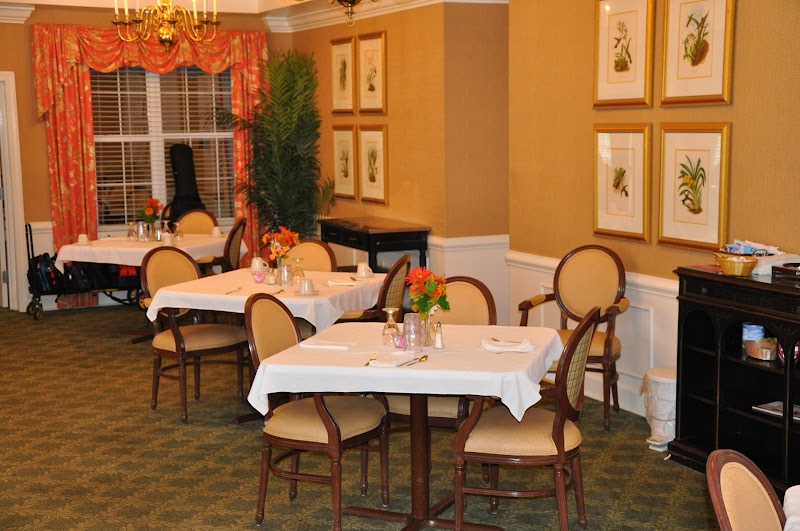
How is East Bay Rehabilitation Center Staffed?

CMS rates EAST BAY REHABILITATION CENTER's staffing level at 4 out of 5 stars, which is above average compared to other nursing homes. Staff turnover is 44%, compared to the Florida average of 46%. This relatively stable workforce can support continuity of care.

What Have Inspectors Found at East Bay Rehabilitation Center?

State health inspectors documented 13 deficiencies at EAST BAY REHABILITATION CENTER during 2020 to 2024. These included: 13 with potential for harm.

Who Owns and Operates East Bay Rehabilitation Center?

EAST BAY REHABILITATION CENTER is owned by a for-profit company. For-profit facilities operate as businesses with obligations to shareholders or private owners. The facility is operated by CLEAR CHOICE HEALTHCARE, a chain that manages multiple nursing homes. With 120 certified beds and approximately 113 residents (about 94% occupancy), it is a mid-sized facility located in CLEARWATER, Florida.
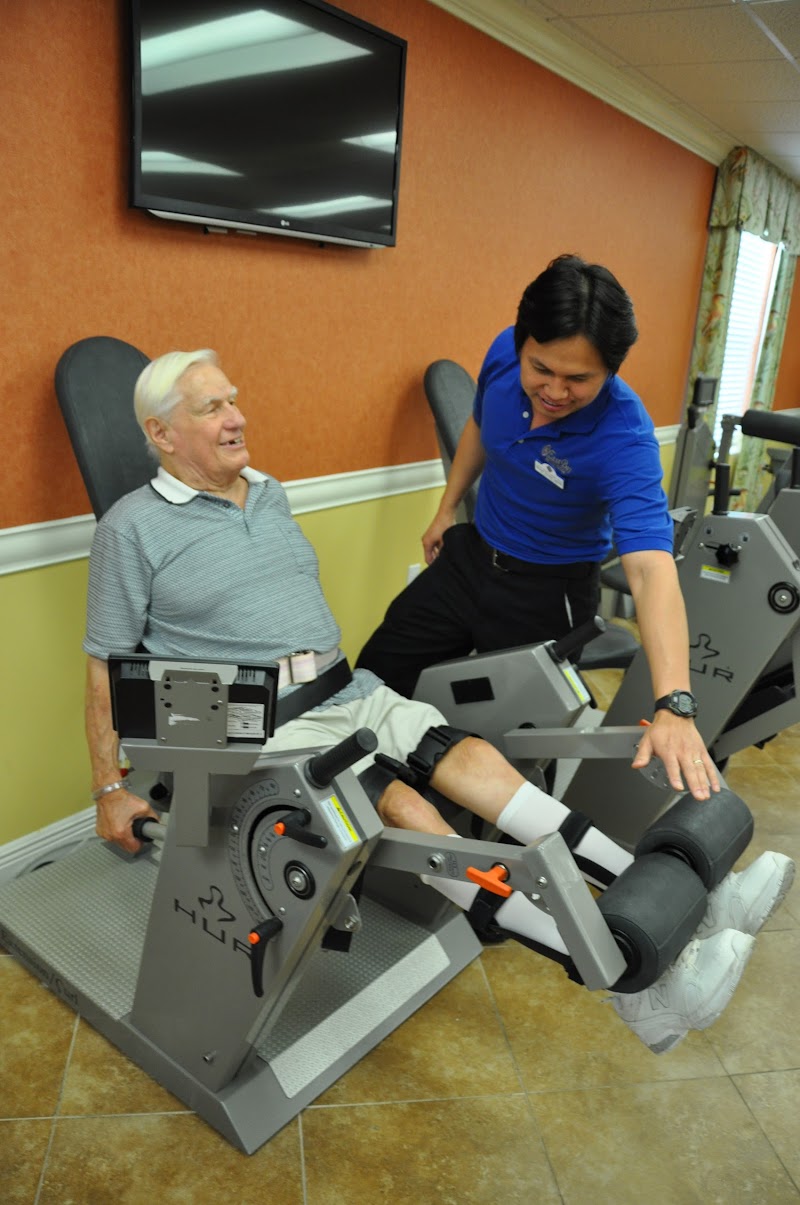
How Does East Bay Rehabilitation Center Compare to Other Florida Nursing Homes?

Compared to the 100 nursing homes in Florida, EAST BAY REHABILITATION CENTER's overall rating (3 stars) is below the state average of 3.2, staff turnover (44%) is near the state average of 46%, and health inspection rating (3 stars) is at the national benchmark.

What Should Families Ask When Visiting East Bay Rehabilitation Center?

Based on this facility's data, families visiting should ask: "Can I visit during a mealtime to observe dining assistance and food quality?" "How do you handle medical emergencies, and what is your hospital transfer rate?" "Can I speak with family members of current residents about their experience?"

Is East Bay Rehabilitation Center Safe?

Based on CMS inspection data, EAST BAY REHABILITATION CENTER has a clean safety record: no substantiated abuse findings (meaning no confirmed cases of resident harm), no Immediate Jeopardy citations (the most serious violation level indicating risk of serious injury or death), and is not on the Special Focus Facility watch list (a federal program monitoring the lowest-performing 1% of nursing homes). The facility has a 3-star overall rating and ranks #100 of 100 nursing homes in Florida. While no facility is perfect, families should still ask about staff-to-resident ratios and recent inspection results during their visit.

Do Nurses at East Bay Rehabilitation Center Stick Around?

EAST BAY REHABILITATION CENTER has a staff turnover rate of 44%, which is about average for Florida nursing homes (state average: 46%). Moderate turnover is common in nursing homes, but families should still ask about staff tenure and how the facility maintains care continuity when employees leave.

Was East Bay Rehabilitation Center Ever Fined?

EAST BAY REHABILITATION CENTER has no federal fines on record. CMS issues fines when nursing homes fail to meet care standards or don't correct problems found during inspections. The absence of fines suggests the facility has either maintained compliance or corrected any issues before penalties were assessed. This is a positive indicator, though families should still review recent inspection reports for the full picture.

Is East Bay Rehabilitation Center on Any Federal Watch List?

EAST BAY REHABILITATION CENTER is not on any federal watch list. The most significant is the Special Focus Facility (SFF) program, which identifies the bottom 1% of nursing homes nationally based on persistent, serious quality problems. Not being on this list means the facility has avoided the pattern of deficiencies that triggers enhanced federal oversight. This is a positive indicator, though families should still review the facility's inspection history directly.