GULFSIDE HEALTH AND REHABILITATION CENTER
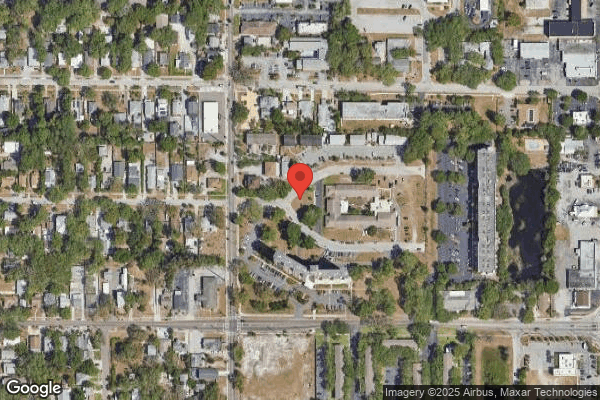
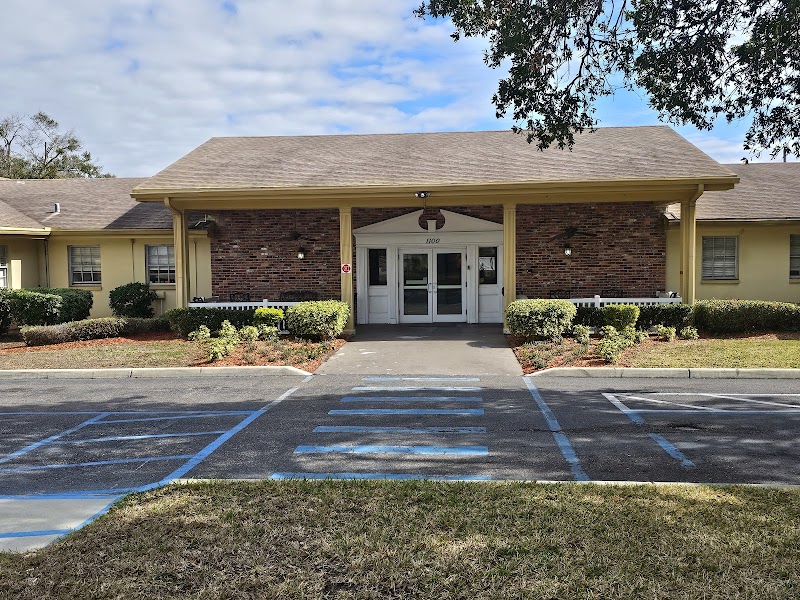
1100 N PINE ST, CLEARWATER, FL 33756 (727) 442-7106
For profit - Limited Liability company 76 Beds SIMCHA HYMAN & NAFTALI ZANZIPER Data: November 2025
Trust Grade
35/100
#501 of 690 in FL
Last Inspection: January 2024

Within standard 12-15 month inspection cycle. Federal law requires annual inspections.

Overview

Gulfside Health and Rehabilitation Center has received a Trust Grade of F, indicating significant concerns and overall poor performance. It ranks #501 out of 690 nursing homes in Florida, placing it in the bottom half of facilities in the state, and #35 of 64 in Pinellas County, meaning only a few local options are worse. The facility's trend is worsening, with the number of issues increasing from 11 in 2023 to 16 in 2024. Staffing is rated average with a 3/5 star rating, but the turnover rate is concerning at 67%, much higher than the state average of 42%. Additionally, the center has incurred $53,128 in fines, which is higher than 87% of Florida facilities, indicating repeated compliance problems. While more registered nurse coverage is a positive aspect, ranking better than 82% of state facilities, the facility has numerous concerning inspection findings. For example, residents were not adequately supervised, leading to multiple unwitnessed falls, and food safety issues were noted with expired and unlabeled items in a resident refrigerator. Overall, while there are some strengths, the significant issues and trends at Gulfside Health and Rehabilitation Center would raise red flags for families considering this facility for their loved ones.

Trust Score
F
35/100
In Florida
#501/690
Bottom 28%
Safety Record
Moderate
Needs review
Inspections
Getting Worse
11 → 16 violations
Staff Stability
⚠ Watch
67% turnover. Above average. Higher turnover means staff may not know residents' routines.
Penalties
✓ Good
$53,128 in fines. Lower than most Florida facilities. Relatively clean record.
Skilled Nurses
✓ Good
Each resident gets 55 minutes of Registered Nurse (RN) attention daily — more than average for Florida. RNs are trained to catch health problems early.
Violations
⚠ Watch
36 deficiencies on record. Higher than average. Multiple issues found across inspections.
★★☆☆☆
2.0
Overall Rating
★★★☆☆
3.0
Staff Levels
★★★★☆
4.0
Care Quality
★★☆☆☆
2.0
Inspection Score
Stable
2023: 11 issues
2024: 16 issues

The Good

  • 4-Star Quality Measures · Strong clinical quality outcomes
  • Full Sprinkler Coverage · Fire safety systems throughout facility
  • No fines on record

Facility shows strength in quality measures, fire safety.

The Bad

2-Star Overall Rating

Below Florida average (3.2)

Below average - review inspection findings carefully

Staff Turnover: 67%

21pts above Florida avg (46%)

Frequent staff changes - ask about care continuity

Federal Fines: $53,128

Above median ($33,413)

Moderate penalties - review what triggered them

Chain: SIMCHA HYMAN & NAFTALI ZANZIPER

Part of a multi-facility chain

Ask about local staffing decisions and management

Staff turnover is elevated (67%)

19 points above Florida average of 48%

The Ugly 36 deficiencies on record

Dec 2024 2 deficiencies
CONCERN (D) 📢 Someone Reported This

A family member, employee, or ombudsman was alarmed enough to file a formal complaint

Potential for Harm - no one hurt, but risky conditions existed

Report Alleged Abuse (Tag F0609)

Could have caused harm · This affected 1 resident

**NOTE- TERMS IN BRACKETS HAVE BEEN EDITED TO PROTECT CONFIDENTIALITY** Based on record reviews and interviews the facility failed to report an injury of unknown origin following an unwitnessed fall f...

Read full inspector narrative →
**NOTE- TERMS IN BRACKETS HAVE BEEN EDITED TO PROTECT CONFIDENTIALITY** Based on record reviews and interviews the facility failed to report an injury of unknown origin following an unwitnessed fall for one (#5) out of two residents sampled. Findings included: Review of Resident #5's admission Record revealed the resident was admitted on [DATE]. The resident's record included admission diagnoses not limited to unspecified severity unspecified dementia with other behavioral disturbance, delirium due to known physiological condition, other encephalopathy, generalized muscle weakness, and need for assistance with personal care. Review of the facility's Incident Log, revealed Resident #5 had unwitnessed falls on 9/23/24 at 11:45 p.m. and 9/28/24 at 8:30 p.m. Review of Resident #5's Situation, Background, Appearance, and Recommendation (SBAR) Change in Condition, dated 9/23/24 at 11:30 p.m. revealed the resident was observe(d) walking across the hall from her room the the [sic]) room across the hall. Resident was seen one minute then she was not seen. When staff walked around the nurses cart resident was seen sitting on the floor. When staff got closer to resident, she had blood on her face and there was blood on the wall. Resident has a 2 centimeter (cm) by ¼ cm laceration to the right of her right eye. Residents left eye swollen shut. Resident never lost consciousness. The primary care providers recommendation was to send to emergency room (ER) for evaluation and treatment. Review of Resident #5's hospital records dated 9/24/24 revealed a C-spine computed Tomography scan (CT) result examination demonstrates within the posterior wall of the right maxillary sinus there is a minimally displaced fracture. A CT scan of facial bones revealed Examination demonstrates a displaced fracture within the posterior wall of the left maxillary sinus. Within the right orbital floor, there is a communicated inferiorly displaced fracture. This involves the infraorbital foramen. There is herniation of infraorbital fat into the superior sinus. Review of Resident #5's admission Minimum Data Set (MDS), dated [DATE], revealed the resident's Brief Interview of Mental Status score was 3 of 15, indicative of severe cognitive impairment. The assessment revealed the resident required supervision or touching assistance for rolling left and right, partial/moderate assist with chair/bed-to-chair transfers and ambulating 10 feet. The MDS showed the resident had no fall in the previous 6 months to admission and had one fall with major injury since admission or prior assessment. An interview was conducted on 12/17/24 at 3:42 p.m. with the Nursing Home Administrator (NHA), Director of Nursing (DON), and Social Service Director (SSD). The SSD stated Resident #5 did not do much, was sundowning, was a different resident at night. The DON reported the resident had a fall, was unsteady, very new to the facility, was up at night, sometimes coming to the nursing station, and wandering the halls. On 9/23/24 the resident had dementia and was impulsive, the staff monitored her, doing rounds and checking on her. The DON stated generally we have an aide who stays down on that end of hall, and the resident had just been seen in hallway then was seen sitting on floor in room, staff noticed blood on face and laceration above right eye. The physician was notified, and resident was transferred to the emergency room around 12:05 a.m., returning at approximately 5:45 a.m. The NHA stated drawing a blank on whether the incident had been reported. Review of the facility's Reportable Event Tracking Log did not reveal Resident #5's fall with major injury had been reported.
CONCERN (E) 📢 Someone Reported This

A family member, employee, or ombudsman was alarmed enough to file a formal complaint

Potential for Harm - no one hurt, but risky conditions existed

Accident Prevention (Tag F0689)

Could have caused harm · This affected multiple residents

**NOTE- TERMS IN BRACKETS HAVE BEEN EDITED TO PROTECT CONFIDENTIALITY** Based on observation, record review, and interview, the facility failed to provide adequate supervision for four (#5, #6, #3, an...

Read full inspector narrative →
**NOTE- TERMS IN BRACKETS HAVE BEEN EDITED TO PROTECT CONFIDENTIALITY** Based on observation, record review, and interview, the facility failed to provide adequate supervision for four (#5, #6, #3, and #7) of four residents in a manner that protected them from falls resulting in injuries. Findings included: 1. Review of the facility's Incident Log, revealed Resident #5 had unwitnessed falls on 9/23/24 at 11:45 p.m. and 9/28/24 at 8:30 p.m. Review of Resident #5's admission Record revealed the resident was admitted on [DATE]. The resident's record included admission diagnoses not limited to unspecified severity unspecified dementia with other behavioral disturbance, delirium due to known physiological condition, other encephalopathy, generalized muscle weakness, and need for assistance with personal care. Review of Resident #5's Admit/Readmit Screener, dated 9/17/24, revealed the resident was admitted due to Urinary Tract Infection (UTI), Altered Mental Status (AMS), and dementia. The evaluation showed the resident was alert to person only, required supervision or touching assistance for toilet transfers, chair/bed-to-chair transfers, and walking 10 feet, and was independent with rolling left and right in bed. The screening revealed the resident had a history of falling, ambulated with either crutches, cane, or walker, had an impaired gait, overestimated or forgot limits to ambulate safely, and was at risk for elopement. The evaluation revealed the resident was a High Risk for Falling with a Morse Fall Scale score of 90 out of a possible 125. The Morse Fall scale showed a score of greater than 45 which indicated the person was a high risk for falling. Review of Resident #5's care plan revealed the following: - Resident was at risk for falls and fall-related injury (due to) behaviors, cognitive loss/decline, medication usage, (and) weakness. The focus was created and revised on 9/19/24. The goal was to minimize risk for falls and fall-related injuries through next review date, initiated 9/19/24 with a target date of 1/3/25. The interventions instructed for staff to assist with toileting and transfers as needed (initiated 9/19/24), to ensure call light was within reach and encourage use for assist with standing/transferring and ambulation (initiated 9/19/24), report falls to physician and responsible party (initiated 9/19/24), to observe for side effects of any drugs that can cause: (if noted, report to nurse) gait disturbance, orthostatic hypotension, weakness, sedation, Lightheadedness, dizziness, (and) change in mental status. Report to physician if abnormal findings (initiated 9/19/24). - Review of Resident #5's admission Minimum Data Set (MDS), dated [DATE], revealed the resident's Brief Interview of Mental Status score was 3 of 15, indicative of severe cognitive impairment. The assessment revealed the resident required supervision or touching assistance for rolling left and right, partial/moderate assist with chair/bed-to-chair transfers and ambulating 10 feet. The MDS showed the resident had no fall in the previous 6 months to admission and had one fall with major injury since admission or prior assessment. Review of Resident #5's progress notes revealed the following: - Order Administration note, effective 9/19/24 at 1:12 a.m., Resident continues to come into the hallway, unassisted with an unsteady gait and at one point untied long shoelaces. Resident thinks she is visiting the woman in the door bed, and she keeps coming up to the nurses station because she believes it's her job to take care of the woman in the door bed. Resident has been oriented to reality multiple times without success. Resident states that she is only going (to) stay a while longer than [sic] go home. Resident educated that she was going to sleep here tonight and she was encouraged to try and get some rest. Will medicate resident in hopes to elicit cooperation and resident will get some sleep so she can participate in therapy and community activities. - Situation, Background, Appearance, Recommendation (SBAR), effective 9/19/24 at 3:00 a.m., revealed a change in condition evaluation was reported due to behavioral symptoms (e.g. agitation, psychosis). The Psych physician ordered a one time dose of Haldol, to start Depakote 375 milligram twice daily and for lab tests in one week. - Behavior note, effective 9/19/24 at 6:00 a.m., revealed Resident #5's behaviors escalated through out the shift (7:00 p.m. to 7:00 a.m.). The nurse documented the resident's family member was unable to re-orient her to reality or assist with de-escalating resident or her behavior. The psych physician had been notified as alternative therapies of 1:1 with staff, medications, family intervention and re-orientation was unsuccessful. The note revealed the resident rested for approximately 30 minutes after an injection of Haldol then was again ambulating unassisted in the hallway. - SBAR Change in Condition, 9/23/24 at 11:30 p.m., showed the evaluation was due to Falls and the resident had been started on Depakote then the dosage had been decreased. Resident observe(d) walking across the hall from her room the (the) room across the hall. Resident was seen one minute then she was not seen. When staff walked around the nurses cart resident was seen sitting on the floor. When staff got closer to resident, she had blood on her face and there was blood on the wall. Resident has a 2 centimeter (cm) by ¼ cm laceration to the right of her right eye. Residents left eye swollen shut. Resident never lost consciousness. The primary care providers recommendation was to send to emergency room (ER) for evaluation and treatment. - Behavior note, effective 9/24/24 at 6:00 a.m., 9/23 7 p.m.-7 a.m. shift: Resident medication compliant but does not follow the directives of calling for help, waiting for staff to assist, and not to walk alone as her gait is unsteady. Resident impulsive and suffers from dementia and overestimates her own abilities. Resident has been redirected back to bed several times, away from walking in her room, and trying to walk down the hallway. The note revealed the resident had an unwitnessed fall resulting in a laceration to the right of the right eye and left eye swollen shut. The resident was sent out to the ER and returned on 9/24/24 at approximately 5:45 a.m. Review of Resident #5's hospital records dated 9/24/24 revealed a C-spine computed Tomography scan (CT) result examination demonstrates within the posterior wall of the right maxillary sinus there is a minimally displaced fracture. A CT scan of facial bones revealed Examination demonstrates a displaced fracture within the posterior wall of the left maxillary sinus. Within the right orbital floor, there is a communicated inferiorly displaced fracture. This involves the infraorbital foramen. There is herniation of infraorbital fat into the superior sinus. Review of Resident #5's care plan showed the resident continued to be at risk for falls and fall related injuries and the intervention of Increased monitoring instituted. Medications reviewed was initiated on 9/24/24. Review of Resident #5's progress notes showed (as previously documented) the resident returned to the facility on 9/24/24 at approximately 5:45 a.m. The notes did not reveal the resident was evaluated after returning from the acute care facility. A note on 9/24/24 at 1:16 p.m. showed an order for the pain medication, Tramadol was entered into the resident's profile. A sequential note, effective 9/24/24 at 10:42 p.m., revealed Resident unable to swallow whole pills. Unable open mouth and swallow the medications. Medications crushed in pudding. The note did not reveal why the resident was unable to swallow whole pills, unable to open mouth, and/or if the provider was notified of this change. Review of a note on 9/25/24 at 12:07 p.m. revealed the Resident is sedated. The note did not reveal the physician was notified of the resident's sedation. A note on 9/25/24 at 10:18 p.m. revealed the resident was administered 1 milligram of Lorazepam as needed due to showing signs of anxiety and agitation, attempting to self-ambulate, was unable to be redirected and able to stand. Review of the facility's Neuro Check Assessment Form revealed Neuro checks were to be completed every 15 minutes for 1 hour, every 30 minutes for 1 hour, every 1 hour for 4 hours, every 4 hours for 24 hours, and every shift until 72 hours. Review of Resident #5's Neuro Check Form dated 9/24/24 showed the assessments began at 8:15 a.m., approximately 2.5 hours after the resident returned from the hospital following an unwitnessed fall with injury. The assessments should have concluded on 9/27 at 5:45 a.m. (72 hours after return). The form showed staff had completed two of the six opportunities for every 4 hours times 24-hour checks (24/4 = 6 opportunities), and no neuro checks had been completed on 9/26/24. Review of the Interdisciplinary (IDT) Post-Fall Review, effective 9/24/24 at 5:05 p.m. revealed Resident #5 had a fall on 9/23/24 at 11:45 p.m. The predisposing diseases included dementia, with unsteady gait, muscle weakness, and cognitive deficits contributing to the fall. The IDT review revealed the resident received cardiovascular, anti-anxiety and anti-psychotic medications. The IDT recommendations was for a rehab screen, resident education, physician consult, and other which showed the resident was educated on call light use and staff to assist 1:1 supervision. Review of Resident #5's 30-minute checks showed the monitoring started at 12:00 a.m. on 9/27/24, two days and 7 hours after the IDT recommendation for staff to assist 1:1 supervision. The monitoring forms showed the resident was not monitored: 9/28: 11:00 a.m., 11:30 a.m., 12:00 p.m. to 12:30 a.m. on 9/29. 9/29: 10:30 a.m., 11:00 a.m., 11:30 a.m., 12:00 p.m. and 12:30 p.m. to 12:00 a.m. on 9/30. 9/30: 12:30 p.m. to 12 a.m. on 10/1. 10/1: 7:30 a.m. to 3 p.m. 10/2: 12 a.m. to 12:30 a.m., 3:30 a.m. to 6:30 a.m., 12:00 p.m. to 3:30 p.m. and 11:30 p.m. to 12:00 a.m. on 10/3. 10/4: 12:00 a.m. to 3:00 p.m. and 11:30 p.m. 10/5: 7:30 a.m. to 12:00 a.m. on 10/6. 10/6: 7:30 a.m. to 8:05 p.m. on 10/7/24. Review of a progress note, effective 10/7/24 at 8:05 p.m., revealed the Nursing Home Administrator, Social Service Director, and Director of Nursing informed Resident #5's family member that the 1:1 monitoring had been discontinued and the resident was placed on every 15-minute checks. Review of Resident #5's progress note, effective 9/29/24 at 4:30 a.m. showed the resident had a fall in her room, found lying supine on the floor. Assessed and later transferred to ER for evaluation to rule out (R/O) hemorrhage. A progress notes, effective 9/29/24 at 4:57 a.m. revealed the resident had returned to the facility via ambulance, resident was sleepy, mumbling to self, bed was at lowest position, 15-minute (min) checks were initiated and neuro checks in place. Review of Resident #5's progress note, effective 9/29/24 at 2:36 p.m. showed the facility reported to the family member the resident was placed on 1:1 (supervision). Review of Resident #5's Neuro Check Assessment Form, dated 9/29/24, revealed neuro checks began at 5:00 a.m. and staff had completed 15 minute checks for 1 hour, 30 minute checks for 2 hours, 3 of 4 - 1 hour checks, and no further neuro checks had been completed. Instructions written at top of form showed staff were to complete checks every 4 hours for 24 hours and every shift until 72 hours (10/2/24 at 4:57 a.m.). Review of Resident #5's progress notes from 9/29 to 10/2/24 showed the staff did not document neuro checks electronically. The notes did reveal on 10/2/24 at 12:07 a.m. the resident continued on 1:1 supervision and currently very lethargic, resident's name called several times, light turned on and 1:1 aide attempted to touch resident to wake her up without any success. The note did not indicate a change in condition was completed or the physician notified. Review of Resident #5's care plan revealed the resident was at risk for falls and fall related injuries. The interventions included staff were to observe for side effects of any drugs that can cause: (if noted, report to nurse) gait disturbance, orthostatic hypotension, weakness, sedation, Lightheadedness, dizziness, change in mental status. Report to physician if abnormal findings (initiated 9/19/24). An interview was conducted on 12/17/24 at 3:42 p.m. with the NHA, DON, and SSD. The SSD stated Resident #5 did not do much, was sundowning, was a different resident at night. The DON reported the resident had a fall, was unsteady, very new to the facility, was up at night, sometimes coming to the nursing station, and wandering the halls. On 9/23/24 the resident had dementia and was impulsive, the staff monitored her, doing rounds and checking on her. The DON stated generally we have an aide who stays down on that end of hall, and the resident had just been seen in hallway then was seen sitting on floor in room, staff noticed blood on her face and laceration above her right eye. The physician was notified and resident was transferred to the emergency room around 12:05 a.m., returning at approximately 5:45 a.m. 2. Review of the facility Incident Log from 9/1 to 12/18/24 showed Resident #6 had 8 unwitnessed falls (9/2, 9/4, 10/13, 11/8, 11/12, twice on 11/14, and one on 11/20/24) during that period. Review of Resident #6's admission Record showed the resident was admitted on [DATE]. The record included diagnoses not limited to unspecified severity unspecified dementia without behavioral disturbance, psychotic disturbance, mood disturbance, and anxiety, history of falling, laceration without foreign body of scalp subsequent encounter, subsequent encounter contusion of scalp, restlessness and agitation, weakness, and repeated falls. An observation on 12/17/24 at 9:59 a.m. was made of Resident #6 lying in a [reclining chair]-chair with leg rests raised and back laid back. The resident was drowsy but able to answer simple questions, reporting a broken back and 2 broken legs. The observation made at 10:02 a.m. revealed Staff B, Certified Nursing Assistant (CNA) and another unknown staff member taking resident to room, where the resident was later observed lying in bed. Review of Resident #6's care plan included the following focuses and interventions: - Has impaired cognitive function/impaired thought processes related to (r/t) end-stage dementia (initiated 12/29/23 and revised 7/12/24). The interventions included: Ask yes/no questions in order to determine the resident's needs and to cue, reorient, and supervise resident as needed (initiated 12/29/23). - At risk for decreased ability to perform activities of daily living(ADLS) in bathing, grooming, personal hygiene, dressing, eating, bed mobility, transfer, locomotion, and toileting related to chronic disease process, impaired mobility, (and) impaired cognition. Resident's need for assistance can vary with time of day, pain, and fatigue. The associated interventions revealed the resident was max to dependent for oral hygiene, Max to total assistance with toileting, dependent with bathing and personal hygiene, maximum assist with dressing, bed mobility, and transfers, and nursing was to provide cueing for safety and sequencing to maximize current level of function. - Is at risk for falls and fall related injury related to (r/t) change in cognitive loss/ decline, difficulty in walking, history of falls, impaired mobility, (and) weakness. Has episodes of increased agitation and restlessness and will repeatedly attempt to get out of bed without assistance. Noted as lying near edge of bed often (initiated 12/29/23 and revised 11/20/24). The interventions included assist resident out of bed in the early morning, ensure call light is within reach and encourage use for assist with standing/ transferring and ambulation (created 12/29/23), floor mat to both sides of the bed when resident is in bed (created 2/29/24 and revised 5/13/24), Use of [reclining chair] chair went out of bed due to positioning deficits and increased fall risks (created 11/18/24), Offer to keep that in lowest position when in bed (created 3/11/24), perimeter mattress to bed for safety (initiated 1/14/24), Review environment of room (initiated 11/15/24), Room move to be closer to nurse station (initiated 8/9/24). - Has the following behavior problem(s) easily agitated, resists care, (and) restlessness. Has confusion and when agitated will attempt to rise independently placing him at high fall risk. Becomes verbally aggressive and swears when attempts to redirect at times period when agitated he at times will spit out medications (initiated 1/1/24). Review of Resident #6's quarterly Minimum Data Set assessment, dated 9/26/24, revealed a Brief Interview of Mental Status score of 0 of 15, which indicated severe cognitive impairment. The assessment showed the resident had two or more falls without injuries since admission or the prior assessment. Review of the Morse Fall Scale, effective 7/1/24 at 4:41 p.m., showed Resident #6 had fallen before, had more than one diagnosis, exhibited an impaired gait, and overestimated or forgets limits. The scale determined the resident had a score of 75 of 125, which indicated a High Risk for Falling. Review of the Fall Scale, effective 8/8/24 showed the residents score of 75 was unchanged and continued to be a High Risk for Falling. Review of Resident #6's progress notes and evaluations revealed the following: - 9/2/2/24 at 3:00 p.m., Change in Condition: Falls. No observation was documented. o 9/2/24 at 3:15 p.m. Narrative note: Resident noted to have a fall from wheelchair (w/c) today without any observed injuries. The note described the resident appeared to have attempted to transfer self from w/c to bed without assistance. Denied pain, neuro checks, vital signs and range of motion (ROM) were within normal limits. The physician and resident (self-responsible) were notified. o Morse Fall Scale, effective 9/2/24 at 3:13 p.m. revealed the resident had fallen before, had more than one diagnosis, ambulatory aids used none/bedrest/wheelchair/nurse assist, normal/bedrest/wheelchair gait, and overestimated or forgot limits. The score was 55, indicating a High Risk for Falling. - 9/4/24 at 11:30 a.m., Narrative note: Resident noted to have had another fall from w/c to floor while in the dining room. Small skin tear noted to back of right hand. Therapy to screen for positioning in w/c or the use of anti-rollbacks d/t patient forgetting to lock w/c. The note did not reveal the primary care physician was notified of the fall or the injury (skin tear). The documentation did not show a change in condition was completed. o Morse Fall Scale, effective 9/4/24 at 11:30 a.m. score of 55 indicating a High Risk for Falling. - 10/13/24 at 7:38 p.m., Change in Condition: Falls. No observations or evaluations were completed. Primary Care Provider recommended neuro checks. o 10/13/24 at 7:54 p.m. a narrative note showed the nurse was paged overhead for a fall at the smoking patio. The nurse observed Resident #6 on the floor and reported trying to spit and fell off wheelchair. The nurse assess resident, no complaint of pain or discomfort and vital signs were within normal limits (WNL). (No evidence of neuro checks had been completed for this unwitnessed fall.) o Morse Fall Scale, effective 10/14/24 at 4:32 a.m. revealed a score of 75 and a High Risk for Falling. The resident had fallen before, had more than one diagnosis, ambulatory aids were none/bedrest/wheelchair/nurse assist, impaired gait, and overestimated or forgot limits. o Interdisciplinary (IDT) Post Fall Review, effective 10/14/24 at 9:38 a.m. showed the resident had a fall on 10/13/24 at 7:48 p.m. The review showed the resident had a predisposing disease of Dementia/Alzheimer's, had an unsteady gait, history of falls, muscle weakness, and a cognitive deficit that contributing to the fall, received no medications on the day of the fall, and the IDT recommendation was for a Rehab Screen. - 11/8/2024 at 10:02 p.m. a narrative note revealed Certified Nursing Assistant (CNA) found resident on the floor, run to the nursing station and get the nurse. Nurse came in found resident laying on the floor, close to the bed, with bed at the lowest position. Resident is assessed by nurse; resident has two depressions on the right side of the face but refuses any pain. No wound or open spot found upon assessment. Neuro checks initiated, Bed maintained in lowest position and call light and frequently reached items placed within reach. DON and physician notified of fall. No new orders received at this time. o IDT Post Fall Review, effective 11/9/24 at 5:42 p.m. showed the resident had a fall on 11/8/24 at 8:00 p.m. - 11/12/2024 at 3:51 p.m., a narrative note revealed Resident (Res.) attempted to get himself out of bed and slid to the floor. Res. found lying on the floor next to the bed. Res. assessed for injuries. No injuries noted. Res. denied pain. Res. did not have slipper socks on. Call light was within reach, but not engaged at the time. Res. has poor safety awareness and overestimates his ability to complete tasks independently. Res. assisted back to bed by staff, cleaned up and placed in a w/c in an area of high visibility. MD notified of fall. Neuro checks initiated, and at res's baseline at this time. o IDT Post Fall Review, effective 11/13/24 at 9:45 a.m. showed the resident had a fall on 11/12/24 at 3:15 p.m. The IDT recommendation was for labs. o The facility provided a Neuro Check Assessment form, dated 11/12/24 started at 3:15 p.m. and continued to 11/12/24 at 9:15 p.m. despite instructions for the checks to be completed every 4 hours for 24 hours then every shift until 72 hours (after fall). - 11/14/2024 at 7:27 p.m. a narrative note revealed Resident fell from his bed with a head injury. Notified Advanced Registered Nurse Practitioner (ARNP) (proper name) and new orders to send resident (to) emergency room (ER) for evaluation and treatment. - 11/14/24 at 7:45 p.m. an incident note revealed Resident was found on the floor next to his bed. He was bleeding from his head and being a poor historian was not able to communicate how the incident happened. Roommate related that the resident was trying to get out of bed (OOB). Resident has a history (hx) of Dementia. ARNP (proper name) made aware of situation and new order to transfer Resident to ER for further evaluation due to head injury. All paperwork printed and send with Medics. o Review of hospital History & Physical revealed the chief complaint was unwitnessed fall, head injury, scalp wound, and aspiration with staples. o A note on 11/16/24 at 7:29 p.m. showed the resident had returned last evening with 2 staples in top of head and neuro checks were initiated. The bed was placed in lowest position with a fall mat next the bed. - 11/20/24 a change in condition note showed the resident was found on the floor next to the door. Bed was in lowest position with parameter mattress, and floor mats in place. Upon assessment there were no physical injuries noted. Resident was assisted with 2-assist back to bed. Hydrated and made comfortable. Check and change in place and 30 minutes watch had already been initiated. Resident's brief was dry. Vital signs stable to his baseline. Primary Care Physician (PCP) notified 11/20 at 4:15 a.m., continue to assess and report any changes. o IDT Post Fall Review effective 11/21/24 at 9:47 a.m. showed the resident had a fall on 12/20/24 at 4:00 a.m. the resident had received the antidepressant Trazodone on the day of the fall and the IDT's recommendation was for increased supervision. Review of a grievance filed on behalf of Resident #6 revealed the resident had an unwitnessed fall from bed resulting in a transfer to emergency room (ER). The investigation showed the resident fell from bed to floor. A perimeter mattress was not transferred to the resident's bed upon transfer to (a) new room. The plan to resolve the grievance was to review care plan and fall interventions, update safety apparatus as ordered. An interview was conducted on 12/17/24 at 3:21 p.m. with the Director of Nursing (DON) and Nursing Home Administrator (NHA). The staff members reported Resident #6 had a fall (on 11/14/24) and was transferred to the hospital. The care plan was for a perimeter mattress but during inspection there was no perimeter mattress on the resident's bed. The resident had a laceration to the back of head with 2 staples. The fall had been unwitnessed. The DON and NHA stated the resident had been previously care planned for fall mats and at the time of the fall there should have been one but (it) was not in place. The staff members reported the resident was moved from a 4-person room to a semi-private room to be closer to the nursing station due to falls, getting up in age and later stage of dementia. The DON and NHA reported the facility had completed education regarding abuse/neglect/exploitation and following the care plan/Kardex, also a fall program. The new fall program rolled out approximately 3-4 months ago and staff were to use a post-fall sheet to capture everything (details), environmental things, do a Guardian Angel rounds, and when a room change is done to make sure specialized equipment gets moved with the resident. A written request was made twice on 12/18/24 between 4 p.m. and 5 p.m. for Resident #6's progress notes September - current - the facility provided notes from 9/2 through 10/13/24 notes, Neuro checks for falls September (Sept) to current - the facility provided neuro checks for 11/8 to 11/12/24, no neuro checks were provided for September or October falls or for the fall suffered on 11/21/24, and IDT Post Fall Review(s) (no effective dates given) - the facility provided 8/12, 10/14, 11/9, 11/13, and 11/21/24, none were provided related to the falls suffered on 9/2 or 9/4/24. During an interview on 12/18/24 at 2:02 p.m. the DON stated neuro check documentation was in paper form and would require to be uploaded in the residents' records. On 12/18/24 at 2:15 p.m. the DON stated neuro checks would be initiated after the return from hospital if the fall was unwitnessed, depending on length of time at hospital. She stated the checks would have been initiated for Resident #6 if at the hospital for 24 hours. 3. Resident #3 was admitted on [DATE], readmitted on [DATE] and discharged on 12/07/2024. Review of the admission Record showed diagnoses included but not limited to dementia, , history of falls, dementia with mild mood disorder, attention and concentration deficit, cognitive communication deficit, muscle wasting and atrophy, restlessness and agitation, generalized anxiety, and Wernicke's encephalopathy. Review of the Minimum Data Set (MDS) dated [DATE] showed a Brief Interview for Mental Status (BIMS) score of 00 which indicated severe cognitive impairment. rely impaired). Section GG, Functional Abilities showed resident was dependent related to toileting and bathing. Review of the physician orders showed Every 30-minute checks every shift, document on 30-minute check sheets as of 09/11/2024; perimeter mattress as of 01/18/2024; OT (Occupational Therapy) to screen for wheelchair positioning on 02/22/2024; one fourth side rail on both sides as of 09/30/2024. Review of the nursing progress notes showed: On 10/29/2024 at 8:43 a.m. CNA (Certified Nursing Assistant) alerted nurse the patient had fallen out of bed during breakfast. Patient's vitals were stable, pulse elevated due to fall, no visible injuries noted, patient was alert with confusion but denies pain or discomfort. MD (Medical Doctor) was notified. Bed in low position, continue to monitor patient during shift for any neuro changes. On 10/29/2024 at 7:14 a.m. Change in Condition showed resident had a fall. Observed patient sitting next to bed, legs stretched out in front of patient, no injuries noted at time and no complaint of paint. Recommend bed in low position. On 12/07/2024 at 11:54 a.m. Nurse was coming out of the bathroom to find resident falling forward out of her wheelchair. Fell to her knees and fell onto the floor with her face hitting the floor. Upon running over to resident, found her yelling out. She had a bloody nose and skin tear to the back of her left hand near her thumb. Bleeding controlled on both sites with gauze. Full assessment done. Resident was neurologically intact answering questions appropriately. Vital signs done and found to be B/P 109/64, Pulse 79, Resp 18, Temp 97.3, and SpO2 97% on room air. Resident was complaining of pain to both back and nose. Resident left on floor where she fell so as to not further injure resident. C-spine maintained. Fall star paged overhead. 911 called. Paperwork gathered and given to EMS (Emergency Medical Service) upon arrival at approximately 10:15 a.m. Resident was transported to hospital for further evaluation. On 12/07/2024 at 7:41 p.m. showed change in condition from fall. Resident had fallen form wheelchair where she hit her head on the floor. Bleeding noted from nose. C-spine held to prevent further damage. She also had a skin tear to the back of her left hand that was cleaned and dressed with foam dressing. Send to ER (Emergency Room) via ambulance. Review of the IDT (Interdisciplinary Team) Post Fall Review dated 10/29/2024 showed time of fall was 8:40 a.m. Recommendations were performing a medication regimen review. Review of the IDT Post Fall Review dated 12/09/2024 showed a fall on 12/07/2024 at 9:40 a.m. IDT recommendations: equipment (specify below) and rehab screen. Therapy evaluation / wheelchair reviewed. Wheelchair to change to hemi-height, pommel cushion trial for positioning. Review of Morse Fall Scale dated 10/04/2024 showed a score of 75 or high risk if 45 or higher. Review of Morse Fall Scale dated 10/29/2024 showed a score of 95; high risk if 45 or higher. Review of Morse Fall Scale dated 10/30/2024 showed a score of 95; high risk if 45 or higher. Review of Morse Fall Scale dated 12/07/2024 showed a score of 75; high risk if 45 or higher. Neuro checks were not provided for the 10/29/2024 fall. Review of the care plans showed Resident #3 was at risk for falls and fall related injury related to cognitive impairment, Impulsive behavior[TRUNCATED]
Jan 2024 1 deficiency
CONCERN (D) 📢 Someone Reported This

A family member, employee, or ombudsman was alarmed enough to file a formal complaint

Potential for Harm - no one hurt, but risky conditions existed

Pharmacy Services (Tag F0755)

Could have caused harm · This affected 1 resident

**NOTE- TERMS IN BRACKETS HAVE BEEN EDITED TO PROTECT CONFIDENTIALITY** Based on interviews, record reviews, and review of facility policy, the facility failed to provided physician ordered medication...

Read full inspector narrative →
**NOTE- TERMS IN BRACKETS HAVE BEEN EDITED TO PROTECT CONFIDENTIALITY** Based on interviews, record reviews, and review of facility policy, the facility failed to provided physician ordered medications to one (Resident #2) of three residents sampled for pharmacy services. Findings included: A review of Resident #2's medical record revealed Resident #2 was admitted to the facility on [DATE] with diagnoses of Wilson's Disease, autistic disorder, borderline personality disorder, and generalized anxiety disorder. Resident #2 was discharged from the facility on 1/13/2024. A review of Resident #2's physician's orders revealed an order, dated 12/21/2023 for Lorazepam 1 milligram (mg) by mouth two times a day at 9:00 AM and 5:00 PM for anxiety. A review of Resident #2's care plan revealed a focus area, initiated 12/21/2023, Resident #1 used anti-anxiety medications related to a diagnosis of generalized anxiety disorder. Interventions included to administer anti-anxiety medications as ordered by the physician and monitor for side effects and effectiveness every shift. A review of Resident #2's Medication Administration Record (MAR) for December 2023 revealed Resident #2 did not receive Lorazepam 1 mg from 12/21/2023 at 5:00 PM until 12/25/2023 at 5:00 PM. The medication was documented as 2=Drug Refused on 12/24/2003 at 9:00 AM and 5=Hold/See Progress Notes on 12/24/2023 at 5:00 PM. The remaining entries during the time period were documented 9=Other / See Progress Notes A review of Resident #2 Progress Notes for December 2023 revealed the following MAR notes related to Resident #2's Lorazepam 1 mg not being administered: - A note dated 12/21/2023 at 10:10 PM: pharmacy notified. The note did not reveal notification of Resident #2's physician. - A note dated 12/22/2023 at 9:32 AM: on order. The note did not reveal notification of Resident #2's physician or an attempt to contact the pharmacy. - A note dated 12/22/2023 at 7:54 PM: on order. The note did not reveal notification of Resident #2's physician or an attempt to contact the pharmacy. - A note dated 12/23/2023 at 12:11 PM: on order. The note did not reveal notification of Resident #2's physician or an attempt to contact the pharmacy. - A note dated 12/23/2023 at 5:30 PM: Awaiting script (prescription). Will monitor. The note did not reveal notification of Resident #2's physician or an attempt to contact the pharmacy. - A note dated 12/24/2023 at 10:27 AM: Resident is awaiting for script. The note did not reveal notification of Resident #2's physician or an attempt to contact the pharmacy. The note also did not reveal Resident #2 refusing the medication as documented in the MAR. - A note dated 12/24/2023 at 9:35 PM: Pending pharmacy on order. The note did not reveal notification of Resident #2's physician or an attempt to contact the pharmacy. - A note dated 12/25/2023 at 9:21 AM: on order. The note did not reveal notification of Resident #2's physician or an attempt to contact the pharmacy. - A note dated 12/25/2023 at 5:29 PM: awaiting medication. The note did not reveal notification of Resident #2's physician or an attempt to contact the pharmacy. A review of Resident #2's MAR for January 2024 revealed Resident did not receive Lorazepam 1 mg on 1/7/2024 at 9:00 AM. The MAR also revealed Resident #2 did not receive Lorazepam 1 mg from 1/8/2024 at 9:00 AM through 1/9/2024 at 5:00 PM. The MAR revealed Resident #2 did not receive Lorazepam 1 mg on 1/10/2024 at 5:00 PM and on 1/12/2024 at 9:00 AM. The entries in the MAR on those dates and times were documented 9=Other / See Progress Notes. A review of Resident #2 Progress Notes for January 2024 revealed the following MAR notes related to Resident #2's Lorazepam 1 mg not being administered: - A note dated 1/7/2024 at 9:31 AM: awaiting script from provider. The note did not reveal notification of Resident #2's physician or an attempt to contact the pharmacy. - A note dated 1/8/2024 at 12:07 PM: Script was for 14 days. Call placed to psych for further directions. Resident aware. Awaiting return call. - A note dated 1/8/2024 at 4:04 PM: Awaiting new Rx (prescription) from psych MD (Medical Doctor). The note did not reveal notification of Resident #2's physician or an attempt to contact the pharmacy. - A note dated 1/9/2024 at 12:23 PM: Awaiting script. PCP (Primary Care Provider) notified. Office to fax it in to pharmacy. - A note dated 1/9/2024 at 6:32 PM: awaiting med (medication). The note did not reveal notification of Resident #2's physician or an attempt to contact the pharmacy. - A note dated 1/10/2024 at 6:21 PM: Pending delivery from pharmacy. The note did not reveal notification of Resident #2's physician or an attempt to contact the pharmacy. - A note dated 1/12/2024 at 8:47 AM: Awaiting delivery from pharmacy. MD notified. The note did not reveal an attempt to contact the pharmacy. An interview was conducted on 1/31/2024 at 2:45 PM with the facility's Director of Nursing (DON). The DON stated she would expect nursing staff to reach out to the pharmacy if they needed a medication for a resident and the nursing staff should reach out to the resident's physician if a new prescription for the medication was needed. The DON also stated the medication could be pulled from the facility's emergency drug kit (EDK) if the resident had a prescription. If the the resident did not have a prescription, the resident's physician could send the prescription to the pharmacy and the nursing staff would receive a code from the pharmacy to pull a dose of the medication from the EDK. The DON stated she would not expect nursing staff to wait until the resident had no medication left before attempting to get the resident a new prescription and order more doses of the medication from the pharmacy. The DON also stated she would expect nursing staff to reach out to the resident's physician at least once a shift if a new prescription was still needed. During the interview, Staff A, Licensed Practical Nurse (LPN) and Unit Manager (UM) entered the room and was interviewed. Staff A, LPN UM stated she was not notified of Resident #2's medication not being available upon his admission to the facility and was not notified of Resident #2 not receiving his medications during his admission. A review of the facility's EDK medication list revealed Lorazepam 1 mg was available in the facility's EDK. An interview was conducted on 1/31/2024 at 4:07 PM with Staff B, Registered Nurse (RN). Staff B, RN stated if a resident was out of medications and needed a new prescription, they call the resident's physician to obtain the prescription. If the physician delays to send the prescription, the pharmacy will not release the medication. Staff B, RN also stated he had experienced difficulties in the past with physician's not answering calls on the weekends or during the night and it had been difficult to obtain new prescriptions for residents. A review of the facility policy titled Pharmacy Services, revised on 1/31/2024, revealed under the section titled Policy it is the policy of the facility to ensure that pharmaceutical services are provided to meet the needs of each resident, are consistent with state and federal requirements, and reflect current standards of practice. The policy also revealed under the section titled Compliance Guidelines the facility will provide pharmaceutical services to include procedures that assure the accurate acquiring, receiving, dispensing, and administering of all routine and emergency drugs and biologicals to meet the needs of each resident. The facility will maintain a limited supply of medications for emergency or after-hours situations in accordance with facility policy and applicable state laws.
Jan 2024 13 deficiencies
CONCERN (D)

Potential for Harm - no one hurt, but risky conditions existed

Deficiency F0582 (Tag F0582)

Could have caused harm · This affected 1 resident

Based on record review and interview, the facility failed to ensure one (Residents #29) of three residents sampled for Beneficiary Notice, received Beneficiary Notice when discharged from a Medicare c...

Read full inspector narrative →
Based on record review and interview, the facility failed to ensure one (Residents #29) of three residents sampled for Beneficiary Notice, received Beneficiary Notice when discharged from a Medicare covered Part A stay and remained in the facility. Findings Included: Review of documentation provided by the facility's Director of Social Services related to Beneficiary notification for Resident #29 revealed a last covered Medicare Part A Day was 10/27/2023 and he remained in the facility. Documentation on the SNF Beneficiary Protection Notification Review form revealed a SNF ABN Form CMS -10055 (Skilled Nursing Facility Advance Beneficiary Notice of Non-Coverage (SNFABN)) form was not provided to the resident. Continued review of the form revealed a handwritten note under Other Explain which indicated Resident payor source changed on 10/28/2023 and remained in the facility. On 01/17/24 at 11:00 a.m., an interview was conducted with the Social Service Director (SSD). The SSD said she did not really know the beneficiary notices process until the new administrator started. She confirmed Resident # 29 was removed from therapy services due to his change in payor source and he was not provided with an advanced beneficiary notice. A policy related to beneficiary notification was requested; however the facility did not provider by completion of the survey.
CONCERN (D)

Potential for Harm - no one hurt, but risky conditions existed

Transfer Requirements (Tag F0622)

Could have caused harm · This affected 1 resident

**NOTE- TERMS IN BRACKETS HAVE BEEN EDITED TO PROTECT CONFIDENTIALITY** Based on interviews and record review, the facility failed to provide discharge documentation for two residents (#265, # 61) out...

Read full inspector narrative →
**NOTE- TERMS IN BRACKETS HAVE BEEN EDITED TO PROTECT CONFIDENTIALITY** Based on interviews and record review, the facility failed to provide discharge documentation for two residents (#265, # 61) out of eight residents sampled. Findings Included 1. Review of the admission Record revealed Resident #265 was admitted [DATE] with a primary diagnosis of Type 2 Diabetes Mellitus without Complications, Difficulty in Walking, not elsewhere classified, major depressive disorder, recurrent, moderate, other specified persistent mood disorders, depression, unspecified. Review of Nursing progress note dated 12/22/2023 showed Resident #265 wanted to discharge Against Medical Advice (AMA) and had been informed of the risk. It was noted that he signed all the paperwork and was escorted to the front door with all his belongings. Further clinical record review showed no evidence of Resident #265 AMA paperwork and no physician notification related to the resident leaving the facility AMA. During an interview on 01/18/2024 at 4:21 p.m., with the Director of Nursing (DON). She confirmed the facility did not have paperwork related to Resident #265's AMA discharge. Review of the facility Policy titled Transfer and Discharge (Including AMA) dated 7/17/2023. Policy: It is the policy of this facility to permit each resident to remain in the facility, and not initiate transfer or discharge for the resident from the facility, except in limited circumstances. 13. Discharge Against Medical Advice (AMA) b. The physician should be notified of the intended AMA discharge and be encouraged to speak with the resident to encourage them to stay at the facility. c. Documentation of this notification should be entered in the nurses' notes by the nursing department. The social services designee should document any discussions held with the resident/family in the social services progress notes, if present 2. Review of the clinical record revealed Resident #61 was admitted on [DATE], with a primary diagnosis of a traumatic subdural hemorrhage with loss of consciousness on 10/16/2023, as well as multiple fractures. Review of a Transfer / Discharge Report showed he transferred on 10/21/2023. Review of the nursing progress showed no documentation regarding a transfer or discharge. Review of the County Emergency Medical Services Patient Care Report showed they received a call on 10/21/23 at 14:31 and the resident was transported to [name of hospital]. During an interview on 01/17/24 at 1:55 p.m. the Registered Nurse Consultant and the Director of Nursing (DON) stated the resident was discharged to the hospital due to family request. They both verified there was no documentation in the clinical record related to his transfer / discharge to the hospital. On 01/18/24 at 1:50 p.m. during an interview the DON stated no further documentation related to the resident's discharge was found. Review of the facility's policy, Transfer and Discharge, revised on 07/17/2023 showed it is the policy of this facility to permit each resident to remain in the facility, and not initiate transfer or discharge for the resident from the facility, except in limited circumstances. 12. Emergency Transfers/Discharges- initiated by the facility for medical reasons to an acute care setting such as a hospital, for the immediate safety and welfare of a resident (nursing responsibilities unless s otherwise specified). A. obtain physicians' orders for emergency transfer or discharge, stating the reason the transfer or discharge is necessary on an emergency basis. B. contact an ambulance service and provider hospital, or facility of resident's choice, when possible, for transportation and admission arrangements. C. for a transfer to another provider, ensue necessary information listed in #9 of this policy is provided along with, or as part of, the facility's transfer form. D. the original copies of the transfer form and Advance Directive accompany the resident. Copies are retained in the medical record. E. provide orientation for transfer or discharge to minimize anxiety and to ensure safe and orderly transfer or discharge, in a form and manner that the resident can understand. F. document assessment findings and other relevant information regarding the transfer in the medical record. G. provide a notice of transfer and the facility's bed hold policy to the resident and representative as indicated. H. the Social Service Director, or designee, will provide copies of notices for emergency transfer to the Ombudsman, but they may be sent when practicable, such as in a list of residents on a monthly basis, as long as the list meets all requirements for content of such notices. I. the resident will be permitted to return to the facility upon discharge from the acute care setting.
CONCERN (D)

Potential for Harm - no one hurt, but risky conditions existed

Assessment Accuracy (Tag F0641)

Could have caused harm · This affected 1 resident

**NOTE- TERMS IN BRACKETS HAVE BEEN EDITED TO PROTECT CONFIDENTIALITY** Based on record review and interview, the facility failed to ensure the comprehensive Minimum Data Set (MDS) assessment was accu...

Read full inspector narrative →
**NOTE- TERMS IN BRACKETS HAVE BEEN EDITED TO PROTECT CONFIDENTIALITY** Based on record review and interview, the facility failed to ensure the comprehensive Minimum Data Set (MDS) assessment was accurately coded for one (Resident #8) of fifteen sampled residents. Findings included: During an interview on 01/16/24 at 9:56 a.m., Resident #8 stated she was not a diabetic and did not receive insulin. Review of the admission Record showed Resident #8 was originally admitted to the facility on [DATE] with diagnoses that included but was not limited to Multiple Sclerosis, Myelodyplastic Syndrome, Paraplegia, Epilepsy and Cervicalgia. A diagnoses of Diabetes was not noted in the diagnoses information. Review of all current and discontinued physician orders showed insulin was never ordered, or administered, for Resident #8. Review of Resident #8's care plan did not identify a Focus of diabetes mellitus or insulin administration. Review of the Quarterly Minimum Data Set (MDS) dated [DATE] Section N0350 Insulin showed Resident #8 received seven days of insulin injections. During an interview on 01/18/23 at 12:03 p.m., Staff E Registered Nurse (RN), MDS Coordinator stated she had worked in the facility for about a month. Staff E RN, MDS Coordinator reviewed Resident #8's current and discontinued orders as well as the October 2023 Medication Administration Record (MAR) and confirmed, Resident #8 had never received insulin and the MDS assessment was incorrect.
CONCERN (D)

Potential for Harm - no one hurt, but risky conditions existed

Deficiency F0645 (Tag F0645)

Could have caused harm · This affected 1 resident

**NOTE- TERMS IN BRACKETS HAVE BEEN EDITED TO PROTECT CONFIDENTIALITY** Based on record review, interviews, and review of the facility's policy titled Resident Assessment-Coordination with PASARR Prog...

Read full inspector narrative →
**NOTE- TERMS IN BRACKETS HAVE BEEN EDITED TO PROTECT CONFIDENTIALITY** Based on record review, interviews, and review of the facility's policy titled Resident Assessment-Coordination with PASARR Program, the facility failed to ensure the Level I Preadmission Screening and Resident Review (PASRR) was accurate upon admission for two (Resident #38 and #47) of fifteen residents sampled for PASRR review. Findings included: 1. Review of the admission Record showed Resident #47 was admitted to the facility on [DATE] with diagnoses that included but was not limited to Major Depressive Disorder, Anxiety Disorder and Schizophrenia. A review of Resident #47's PASRR assessment, dated 01/27/23 revealed, under the section titled A. MI (Mental Illness) or suspected MI (check all that apply), the checkbox for the selection Schizophrenia was not checked. Review of Resident #47's Quarterly Minimum Data Set (MDS) dated [DATE] Section I-Active Diagnoses showed Resident #42 had diagnoses of Anxiety Disorder, Depression and Schizophrenia. During an interview on 01/18/24 at 2:00 p.m., the Director of Nursing (DON) stated that when a new Resident is admitted to the facility a team of staff reviewed all PASRRs after morning meeting to ensure the PASRR was correct. The DON stated if the team of staff found a PASRR to be inaccurate the facility would request for a new a PASRR to be completed. The DON reviewed Resident #47's level I PASRR and admitting diagnoses and stated the Level I PASRR was incorrect but was never corrected. Review of the facility's policy titled Resident Assessment- Coordination with PASARR Program revised date 09/18/23 showed, This facility coordinates assessments with the preadmission screening and resident review (PASARR) program under Medicaid to ensure that individuals with a mental disorder, intellectual disability or a related condition receives care and services in the most integrated setting appropriate to their needs 1. All applicants to this facility will be screened for serious mental disorder or intellectual disabilities and related conditions in accordance with State's Medicaid rules for screening. 2. Review of the clinical record revealed Resident #38 was admitted on [DATE], a primary diagnosis of moderate recurrent depressive disorder as of 12/15/2023 according to the admission face sheet. Further review of the admission face sheet revealed subsequent diagnoses that included but were not limited to catatonic disorder due to known physiological condition as of 11/27/2023, dementia as of 11/27/2023, brief psychotic disorder as of 12/15/2023, generalized anxiety disorder as of 12/15/2023 and mood disorder as of 12/20/2023. Review of the admission Minimum Data Set (MDS) dated [DATE] showed under Section C, Cognitive Patterns a BIMS score of 15 (cognitively intact). Section I, diagnoses that included non-Alzheimer' s dementia, depression. Review of the Psychiatry Evaluation note dated 12/01/2023 showed chief complaint was depression and anxiety. Resident #38 with past psychiatric history of depression and anxiety. Patient was a new admit to this facility requiring evaluation for underlying psychiatric conditions and treatments. Patient feels her symptoms of depression and anxiety are controlled with medication that she was taking. Patient has depression. Patient denies having anxiety. On 12/22/2023, psychiatry subsequent note showed chief complaint was depression, anxiety and psychosis. Patient to access tolerability and effectiveness after recent medication changes. Patient with past psychiatric history of depression, anxiety and psychosis. During last visit, patient had no motivation and interest. Decreased Zyprexa 2.5 mg to twice a day for brief psychosis. Review of the care plans showed Resident #38 was at risk for adverse reactions to anti-anxiety, antidepressant and antipsychotic medications initiated on 12/04/2023. Interventions included but were not limited to administer anti-anxiety medications as ordered by physician. Monitor for side effects and effectiveness every shift as of 12/04/2023. Resident had potential for psychosocial well-being problem related to depression care plan initiated on 12/11/2023. Resident was at risk for complications related to the use of psychotropic drugs care plan initiated on 12/11/2023. Interventions included but were not limited to Gradual dose reduction as ordered as of 12/11/2023, monitor for need for continued medication as related to behavior and mood as of 12/11/23. Resident uses psychotropic medications related to brief psychotic disorder, depression, anxiety care plan as of 12/18/2023, Interventions included but were not limited to administer psychotropic medications as ordered by physician. Monitor for side effects and effectiveness every shift as of 12/18/2023. Review of the PASARR Level I dated 11/26/2023 revealed Section 1A was blank. All of Section II was marked no. Section III was marked not a provisional admission; Section IV was marked no diagnosis or suspicion of Serous Mental Illness or Intellectual Disability indicated. Level II PASARR evaluation not required.
CONCERN (D) 📢 Someone Reported This

A family member, employee, or ombudsman was alarmed enough to file a formal complaint

Potential for Harm - no one hurt, but risky conditions existed

Deficiency F0657 (Tag F0657)

Could have caused harm · This affected 1 resident

**NOTE- TERMS IN BRACKETS HAVE BEEN EDITED TO PROTECT CONFIDENTIALITY** Based on interview and record review, the facility failed to review and revise the Person-Centered Comprehensive Care Plan for 1...

Read full inspector narrative →
**NOTE- TERMS IN BRACKETS HAVE BEEN EDITED TO PROTECT CONFIDENTIALITY** Based on interview and record review, the facility failed to review and revise the Person-Centered Comprehensive Care Plan for 1 (#13) of 28 sampled residents related to a new diagnoses of Melanoma requiring a biopsy and wound care. Findings included: Review of the clinical record revealed Resident #13 was admitted on [DATE] and readmitted on [DATE]. Further review of the admission face sheet revealed diagnoses that included but were not limited to, psychosis as of 08/06/2012, recurrent major depression disorder as of 08/06/2012, CVA as of 08/06/2012, anxiety as of 08/06/2012, diabetes as of 07/24/2014, vascular dementia as of 02/17/2015, mood disorder as of 08/28/2018, and dementia as of 06/12/2020. Review of the annual Minimum Data Set (MDS) dated [DATE] showed in Section C, Cognitive Patterns showed a Brief Interview for Mental Status (BIMS) score of 06 (severe impairment). Section I, Active Diagnoses showed non-Alzheimer's dementia, anxiety disorder, depression, psychotic disorder (other than schizophrenia). Section M, Skin Conditions showed open lesions other than ulcers, rashes, cuts, application of nonsurgical dressings. Review of physician's orders showed as of 11/17/2023 wound care, cleanse biopsy to chest with normal saline, and cover with border foam daily and as needed. The Treatment Administration Report (TAR) showed wound care provided as per order. Review of the progress notes showed: On 11/04/23, the resident's family into see resident and noted a mole in middle of the resident's chest and wanted resident to be seen by the dermatologist. On 11/06/23, Social Services referred resident to dermatologist for a mole on her chest, awaiting a response for the next dermatology appointment date. On 11/09/23, the Dermatologist notified the social worker that he would be there on 11/13/23. The sister was called and notified of the date of dermatology appointment. On 11/13/23, Dermatology took biopsy of area on chest. Dermatologist also noted area to left breast. Left breast biopsy also taken. On 11/21/23, Social Services was notified by Dermatology that the biopsy results were in. On 12/08/23, referral faxed to Cancer Center, awaiting return call On 12/22/24, Social services spoke with resident's sister and advised that resident's appointment at Cancer Center was on 01/05/2024 at 10:30 a.m. On 01/04/24, the resident's upcoming appointment at Cancer Center, appointment was rescheduled due to Covid + results. Sister was notified. Weekly Skin Evaluations showed: On 11/07/2023, mole in the middle of the chest On 11/14/2023, middle of chest already noted On 11/21/2023, middle of chest already noted On 11/28/2023, chest blister On 12/05/2023, middle of chest On 12/12/2023, chest On 12/19/2023, skin intact On 12/26/2023, chest, already being treated On 01/02/2024, pre-existing open area to chest On 01/11/2024, middle of chest Review of the pathology report dated 11/13/2023 showed melanoma in situ of mid chest and compound melanocytic nevus of left breast. Review of the care plans showed: Resident #13 had potential for impaired skin integrity related to decreased mobility, bowel and bladder incontinence and diabetes initiated 03/09/2014. Interventions included but were not limited to observe skin daily with care, preventive skin care as of 03/09/2014. Inspect and chart skin integrity weekly and as needed as of 03/09/2014; weekly skin checks, observe and document as of 03/09/2014. No documentation noted regarding melanoma, melanoma biopsy or wound care. During an interview on 01/17/2024 at 5:20 p.m. the Registered Nurse Consultant verified there was no description of the wound / biopsy in the progress notes, there were no measurements documented in the chart. The Care Plan was not updated to reflect the diagnoses of melanoma, biopsy, or wound care. She verified the biopsy was performed on 11/13/23 and wound care was put into place. During the same interview, Staff G Registered Nurse, the wound care nurse, confirmed there were no descriptions, measurements, etc. in the chart. Staff G stated, she did not know to do that until recently. They both verified the skin sheets/documentation did not address the wound. Review of the facility's policy, Comprehensive Care Plan, revised 07/27/2022 showed it is the policy of this facility to develop and implement a comprehensive person-centered care plan for each resident, consistent with resident rights, that includes measurable objectives and timeframes to meet a resident's medical, nursing, and mental and physiological needs that are identified in the resident's comprehensive assessment. Policy Explanation and Compliance Guidelines: 3. He comprehensive care plan will describe, at a minimum, the following: a. the services that are to be furnished to attain or maintain the resident's highest practicable physical, mental, and psychosocial well-being. Review of the facility's policy, Care Plan Revisions Upon Status Change, revised 04/02/2023 showed the purpose of this procedure is to provide a consistent process for reviewing and revising the care plan for those residents experiencing a status change. Policy Explanation and Compliance Guidelines: 1. The comprehensive care plan will be reviewed, and revised as necessary, when a resident experiences a status change. 2. Procedure for reviewing and revising the care plan when a resident experiences a status change: a. upon identification of a change in status, the nurse will notify the MDS Coordinator, the physician, and the resident representative, if applicable. b. The MDS Coordinator and the Interdisciplinary team will discuss the resident condition and collaborate on intervention options. c. The team meeting discussion will be documented in the nursing progress notes d. The care plan will be updated wit the new or modified interventions. e. Staff involved in the care of the resident will report resident response to new or modified interventions f. Care plans will be modified as needed by the MDS Coordinator or other designated staff member g. The Unit Manager or other designated staff member will communicate care plan interventions to all staff involved in the resident's care.
CONCERN (D) 📢 Someone Reported This

A family member, employee, or ombudsman was alarmed enough to file a formal complaint

Potential for Harm - no one hurt, but risky conditions existed

Quality of Care (Tag F0684)

Could have caused harm · This affected 1 resident

**NOTE- TERMS IN BRACKETS HAVE BEEN EDITED TO PROTECT CONFIDENTIALITY** An observation on 01/16/24 at 9:47 a.m., showed Resident #49 was on Contact Precautions. (photographic evidence obtained) Review...

Read full inspector narrative →
**NOTE- TERMS IN BRACKETS HAVE BEEN EDITED TO PROTECT CONFIDENTIALITY** An observation on 01/16/24 at 9:47 a.m., showed Resident #49 was on Contact Precautions. (photographic evidence obtained) Review of the admission record showed Resident #49 was originally admitted to the facility on [DATE] with diagnoses included but not limited to Adult failure to thrive, hyperlipidemia, paroxysmal atrial fibrillation and Dementia. A review of a current order dated 01/13/23 showed contact isolation related to Clostridioides Difficile (C-Diff). There were no other current physician orders related to C-Diff. Review of the Resident #49's stool testing results with reported date 01/10/24 showed Resident #49 was positive for C. Difficile/EPI Ceph. Review of Resident #49's care plan revised on 01/14/24 showed Focus: [Resident #49] has active infection: C-Diff. Goal: [Resident #49] will be kept comfortable through medical interventions as evidenced by s/s of effective pain management through the review date. Interventions/Tasks · Administer medications as ordered · Monitor for pain and administer medications for pain as ordered. · Observe facility policies for infection control Review of progress note Orders - Administration Note dated 01/11/24 showed, Vancocin Oral Capsule 125 MG. Give 1 capsule by mouth every 6 hours for C-diff for 14 Days awaiting delivery. May administer upon delivery. PCP [primary care physician] aware. During an interview on 01/18/24 at 11:20 a.m., Staff B, Licensed Practical Nurse (LPN) stated, Resident # 49 was on contact precautions for C-diff. Staff B, LPN stated there were no orders for an antibiotic for C-diff and she did not administer Resident #49 any antibiotics for C-Diff on 01/13/24 and 01/18/24. During an interview on 01/18/24 at 11:25 p.m., Staff A Licensed Practical Nurse (LPN), Unit Manager (UM) stated Resident #49 did have C-Diff. Staff A LPN, UM stated Resident #49 was recently admitted to Hospice care and was now considered to be on comfort measures only. Staff A LPN, UM stated Hospice may have taken Resident # 49 off all medications and to put him on comfort measures. During an interview on 01/18/24 at 12:30 p.m., Staff C, Regional Nurse Consultant (RNC) stated just because a resident was placed on Hospice should be no reason to not treat an active C-diff infection with antibiotics. During an interview on 01/18/24 at 11:37 a.m., the Director of Nursing (DON) stated maybe hospice discontinued all meds and put him on comfort measures only, but I would check on that. Review of Resident #49's physical medical record showed a Hospice progress note dated 01/16/24. The progress note stated medications: 1. D/C [discontinue] current Ativan and Morphine. 2. Start Morphine 100 mg[milligrams]/5 ML[milliliters] (20 MG/ML) give 0.25 ML's Po Q 8 Routine for pain/ sob. 3. Start Lorazepam 2 mg/ml give 0.5 ml's Po Q 8 routine for anxiety. 4. Start Hyoscyamine 0.125 mg Q 6 PRN [as needed] for secretions. During an interview on 01/18/24 at 11:57 a.m., Resident #49's Primary Care Physician (PCP) stated that no one from the facility informed him Resident #49 had a C-Diff infection. Resident #49's PCP stated if Resident #49 had diarrhea and had active symptoms of C-Diff then Resident #49 should have been treated for the infection. Review of Resident #49's Bowel and Bladder Elimination documentation showed the following: 01/11/24- Bowel movement was Loose/Diarrhea 01/12/24- Bowel movement was Loose/Diarrhea 01/13/24- Bowel movement was Loose/Diarrhea 01/14/24- Bowel movement was Loose/Diarrhea 01/15/24- Bowel movement was formed/normal 01/16/24- No Bowel Movement 01/17/24- No Bowel Movement 01/18/24-No Bowel Movement During an interview on 11/18/24 at 12:10 p.m., the DON stated there were discontinued physician orders that showed Vancocin Oral Capsule was ordered on 01/11/24 for C-diff and a progress note to show that Resident #49's Nurse Practitioner (NP) discontinued the antibiotic. Review of Resident #49's discontinued orders dated 01/11/24 showed three Vancocin Oral Capsule orders. The orders were as follows: -Vancocin Oral Capsule 125 MG [milligrams] (Vancomycin HCI) Give 1 capsule by mouth every 12 hours for C-Diff for 7 days -Vancocin Oral Capsule 125 MG [milligrams] (Vancomycin HCI) Give 1 capsule by mouth every 6 hours for C-Diff for 14 days -Vancocin Oral Capsule 125 MG [milligrams] (Vancomycin HCI) Give 1 capsule by mouth one time a day for C-Diff for 7 days Review of a progress note dated 01/11/24 showed, Resident continues to decline. Daughter expresses that she does not want the resident to go to the hospital and wants a Hospice consult. Notified NP [name of NP] regarding resident status and the wishes of the daughter/resident. New orders for CMO, discontinue all medications, and Hospice Consult, and Morphine and Ativan for comfort. Notified daughter and she is agreeance of the plan of care. During an interview on 01/18/24 at 12:18 p.m., Staff D, Nurse Practitioner (NP) stated, I was the one who discontinued Resident #49's medications including the antibiotic. The NP stated Resident #49 was very lethargic and felt allowing Resident #49 to take pills since he was having difficulty swallowing was a safety concern. Staff D NP stated she knew Resident #49 had tested positive for C-Diff but the risks out weighted the benefits at that time. Staff D NP stated she knew Resident #49 was being referred to Hospice so all medications were discontinued and was going to let Hospice take over.Staff D NP stated, usually the facility will call and update her on the Hospice recommendations for coordination of care but the facility did not. Staff D NP stated, I do not even know if Hospice has even been in to see him yet. Staff D NP stated there should have been follow up between the facility and physician services. Based on record review and interview, the facility failed to provide care and services related to 2 of 2 sampled residents (#13 and #49). Resident #13 lacked documentation related to a new diagnoses of melanoma, biopsy, care, and documentation of the characteristics of the wound. Resident #49 lacked follow up regarding need for antibiotics with the physician and Hospice. Findings included: Review of the clinical record revealed Resident #13 was admitted on [DATE] and readmitted on [DATE]. Further review of the admission face sheet revealed diagnoses that included but were not limited to, psychosis as of 08/06/2012, recurrent major depression disorder as of 08/06/2012, CVA as of 08/06/2012, anxiety as of 08/06/2012, diabetes as of 07/24/2014, vascular dementia as of 02/17/2015, mood disorder as of 08/28/2018, and dementia as of 06/12/2020. Review of the annual Minimum Data Set (MDS) dated [DATE] showed in Section C, Cognitive Patterns showed a Brief Interview for Mental Status (BIMS) score of 06 (severe impairment). Section I, Active Diagnoses showed non-Alzheimer's dementia, anxiety disorder, depression, psychotic disorder (other than schizophrenia). Section M, Skin Conditions showed open lesions other than ulcers, rashes, cuts, application of nonsurgical dressings. Review of physician's orders showed as of 11/17/2023 wound care, cleanse biopsy to chest with normal saline, and cover with border foam daily and as needed. The Treatment Administration Report (TAR) showed wound care provided as per order. Review of the progress notes showed: On 11/04/23, the resident's family into see resident and noted a mole in middle of the resident's chest and wanted resident to be seen by the dermatologist. On 11/06/23, Social Services referred resident to dermatologist for a mole on her chest, awaiting a response for the next dermatology appointment date. On 11/09/23, the Dermatologist notified the social worker that he would be there on 11/13/23. The sister was called and notified of the date of dermatology appointment. On 11/13/23, Dermatology took biopsy of area on chest. Dermatologist also noted area to left breast. Left breast biopsy also taken. On 11/21/23, Social Services was notified by Dermatology that the biopsy results were in. On 12/08/23, referral faxed to Cancer Center, awaiting return call On 12/22/24, Social services spoke with resident's sister and advised that resident's appointment at Cancer Center was on 01/05/2024 at 10:30am. On 01/04/24, the resident's upcoming appointment at Cancer Center, appointment was rescheduled due to Covid + results. Sister was notified. Weekly Skin Evaluations showed: On 11/07/2023, mole in the middle of the chest On 11/14/2023, middle of chest already noted On 11/21/2023, middle of chest already noted On 11/28/2023, chest blister On 12/05/2023, middle of chest On 12/12/2023, chest On 12/19/2023, skin intact On 12/26/2023, chest, already being treated On 01/02/2024, pre-existing open area to chest On 01/11/2024, middle of chest Review of the pathology report dated 11/13/2023 showed melanoma in situ of mid chest and compound melanocytic nevus of left breast. Review of the care plans showed: Resident #13 had potential for impaired skin integrity related to decreased mobility, bowel and bladder incontinence and diabetes initiated 03/09/2014. Interventions included but were not limited to observe skin daily with care, preventive skin care as of 03/09/2014. Inspect and chart skin integrity weekly and as needed as of 03/09/2014; weekly skin checks, observe and document as of 03/09/2014. No documentation noted regarding melanoma, melanoma biopsy or wound care. During an interview on 01/17/2024 at 5:20 p.m. the Registered Nurse Consultant verified there was no description of the wound / biopsy in the progress notes, there were no measurements documented in the chart. The Care Plan was not updated to reflect the diagnoses of melanoma, biopsy, or wound care. She verified the biopsy was performed on 11/13/23 and wound care was put into place. During the same interview, Staff G Registered Nurse, the wound care nurse, confirmed there were no descriptions, measurements, etc. in the chart. Staff G stated, she did not know to do that until recently. They both verified the skin sheets/documentation did not address the wound. Review of the facility's policy, Wound Treatment Management, revised on 11/23/2022 showed to promote wound healing of various types of wounds, it is the policy of this facility to provide evidence-based treatments in accordance with current standards of practice and physician orders. Policy and Explanation and Compliance guidelines: 5. b. characteristics of the wound: i. pressure injury stage. ii. size- including shape, depth, and presence of tunneling and / or undermining iii. volume and characteristics of exudate. iv. presence of pain v. presence of infection or need to address bacterial bioburden. vi. conditions of eh tissue in the wound bed vii. condition of the peri-wound skin 5. c. Location of the wound 5. d. Goals and preferences of the resident/ representative. 8. The effectiveness of treatments will be monitored through ongoing assessment of the wound. Considerations for needed modifications include: a. lack of progression towards healing. b. Changes in the characteristics of the wound c. Change in the resident's goals and preferences, such as at end-of-life or in accordance with his/her rights.
CONCERN (D)

Potential for Harm - no one hurt, but risky conditions existed

Pressure Ulcer Prevention (Tag F0686)

Could have caused harm · This affected 1 resident

**NOTE- TERMS IN BRACKETS HAVE BEEN EDITED TO PROTECT CONFIDENTIALITY** Based on interview and record review, the facility failed to provide adequate care related to pressure ulcer care for 1 of 3 sam...

Read full inspector narrative →
**NOTE- TERMS IN BRACKETS HAVE BEEN EDITED TO PROTECT CONFIDENTIALITY** Based on interview and record review, the facility failed to provide adequate care related to pressure ulcer care for 1 of 3 sampled residents (#17). The facility failed to document the characteristics of the pressure ulcer in the medical record. Findings included: Review of the clinical record revealed Resident #17 was admitted on [DATE] and readmitted on [DATE]. Further review of the admission face sheet revealed diagnoses that included but were not limited to paraplegia due to an injury of T7-T10 as of 03/20/2014, Stage IV pressure ulcer on sacrum as of 09/30/2019, contractures of right and left feet and ankles as of 08/18/2021, unspecified protein-calorie malnutrition as of 02/28/2023, hypertension as of 11/23/2020, and recurrent major depressive disorder as of 05/21/2020. Review of the quarterly Minimum Data Set (MDS) dated [DATE] showed in Section C, Cognitive Patterns showed a Brief Interview for Mental Status (BIMS) score of 15 (cognitively intact). Section I, Active Diagnoses showed hypertension, diabetes, paraplegia, depression, Stage IV pressure ulcer of sacrum. Section M, Skin Conditions showed a stage IV pressure ulcer. Section N, Medications showed antianxiety, antidepressants, and opioids. Review of the physician's orders showed cleanse the sacral wound bed with wound cleanser then pat dry, place protective barrier cream around the wound, place Aquacel, place wound dressing over Aquacel into wound, cover with sacral foam border dressing daily and as needed, low air loss mattress. Review of nursing progress notes showed no documentation regarding the stage IV pressure ulcer on sacrum. Review of the care plans for Resident #17 revealed he had a wound on the sacrum was unavoidable related to impaired mobility, chronic voiding dysfunction and diagnosis of paraplegic, initiated on 08/05/2019. Interventions included but were not limited to observe and report signs and symptoms of infection and poor healing as of 03/25/2021. Review of the outside wound care clinic documentation revealed location of wound, orders related to wound, but no documentation of wound characteristics. During an interview on 01/17/24 at 1:55 p.m. with the Registered Nurse Consultant (RNC) she stated she had advised the Director of Nursing (DON) to do weekly wound notes even though the resident goes out to the wound care clinic. She stated they (the facility) are responsible to do weekly notes related to the wound. She verified there was only one note in the chart related to the wound. She verified the wound notes from the outside wound care clinic, that was scanned into the chart. did not include the wound sizes, etc. During an interview on 01/17/2024 at 2:13 p.m. Staff G, Registered Nurse (RN) wound care nurse, stated she had just started documenting the wound sizes around 01/04/2024 due to the RNC informing her the wound documentation needed to be in the chart. She stated prior to that she had not been documenting the information into the chart, only updating the physician orders. During an interview on 01/17/2024 at 2:00 p.m. the Director of Nursing (DON) stated she had called the wound care clinic for wound measurements, etc. The DON stated the wound care nurse provides the wound care to the resident Monday through Friday and on Saturday and Sunday the floor nurses provide the care. The DON stated the resident goes to an outside wound care clinic weekly. Review of the facility's policy, Wound Treatment Management, revised on 11/23/2022 showed to promote wound healing of various types of wounds, it is the policy of this facility to provide evidence-based treatments in accordance with current standards of practice and physician orders. Policy and Explanation and Compliance guidelines: 5. b. characteristics of the wound: i. pressure injury stage. ii. size- including shape, depth, and presence of tunneling and / or undermining iii. volume and characteristics of exudate. iv. presence of pain v. presence of infection or need to address bacterial bioburden. vi. conditions of eh tissue in the wound bed vii. condition of the peri-wound skin 5. c. Location of the wound 5. d. Goals and preferences of the resident/ representative. 8. The effectiveness of treatments will be monitored through ongoing assessment of the wound. Considerations for needed modifications include: a. lack of progression towards healing. b. Changes in the characteristics of the wound c. Change in the resident's goals and preferences, such as at end-of-life or in accordance with his/her rights.
CONCERN (D)

Potential for Harm - no one hurt, but risky conditions existed

Incontinence Care (Tag F0690)

Could have caused harm · This affected 1 resident

**NOTE- TERMS IN BRACKETS HAVE BEEN EDITED TO PROTECT CONFIDENTIALITY** Based on observations, interviews, and record review, the facility failed to ensure one resident (# 4) was assessed to conduct s...

Read full inspector narrative →
**NOTE- TERMS IN BRACKETS HAVE BEEN EDITED TO PROTECT CONFIDENTIALITY** Based on observations, interviews, and record review, the facility failed to ensure one resident (# 4) was assessed to conduct self- catheterization out of four residents sampled. Finding included: On 01/16/24 at 12:16 p.m., Resident # 4 observed laying down in bed with his call light within his reach and bedside table next to him. Resident was observed with his catheter bag stored in a trash can with two urinals placed on the side of the trash can. The room was observed little cluttered, proper lightening and home like environment. On 01/17/2024 at 3:00 p.m., Resident # 4 observed laying down in bed with his call light within his reach. 12-inch catheter products were observed on the resident nightstand. He said he took his indwelling catheter out yesterday and inserted the 12-inch catheter. His 12 inch catheter products came in that he normally uses, which is easier for him to insert himself. He wishes the facility keeps the 12-inch catheter in stock because they are easier from him to insert instead of the indwelling catheter. He said no one observes and assesses him to conduct his self-catheter. Review of the admission Record dated 01/18/2024, showed Resident # 4 was admitted originally on 11/10/2021 and readmitted on [DATE] with diagnoses to included but not limited to Neuromuscular Dysfunction of Bladder, Unspecified, Pain Unspecified, Need for assistance with Personal Care, Pressure Ulcer of Sacral Region Stage 3 Review of Annual Minimum Data Target date 11/2/2023 showed Section C, Cognitive Patterns, Brief Interview for Mental Status showed no score recorded. Review of Order Summary Report dated 01/18/2023 showed active order revealing resident may straight Catheterize Self (Self Cath) every 4 hours (Q4hrs) while awake. For bladder retention. Active order date 11/11/2021. Review of Care plan dated 11/27/2023 showed Resident #4 is at risk for infection and voiding difficulty. Resident straight catheterizes self-due to neurogenic bladder. Further review of the care plan intervention showed to ensure resident uses good infection control techniques, provided needed equipment, and supplies to do so. During an Interview on 01/17/2024 at 1:45 p.m., the Director of Nurses said Resident # 4 has an order to conduct Self-Catheterization but was not assessed to ensure he can safely Self-Catheterize himself. Her expectation is that if a resident has an order to Self-Cath that the nursing staff conducted an assessment to ensure that the resident is capable to do it safely. She confirmed the facility did not have a policy to provide for self-catheterization. Review of facility policy titled, Catheter Care Revision date 1/6/2023 showed Policy: It is the policy of this facility to ensure that resident with indwelling catheters received appropriate catheter care and maintain their dignity and privacy when indwelling catheters are in use. Policy Explanation: 1. Catheter care will be performed every shift and as needed by nursing staff.
CONCERN (D)

Potential for Harm - no one hurt, but risky conditions existed

Unnecessary Medications (Tag F0759)

Could have caused harm · This affected 1 resident

Based on observation, interview and record review, the facility failed to ensure the medication error rate was below 5% for three (#10, #31, #35) of 6 sampled residents who were administered medicatio...

Read full inspector narrative →
Based on observation, interview and record review, the facility failed to ensure the medication error rate was below 5% for three (#10, #31, #35) of 6 sampled residents who were administered medications. This resulted in 3 errors of 30 medication administration opportunities for a medication error rate of 10%. Findings included: On 01/16/2024 at 9:45 a.m. Staff I, Registered Nurse (RN) was observed performing medication administration for Resident #10. She administered -Oscal 500/200, D-3 milligrams (mg)-unit daily for supplement; -Vitamin B 12 extended release 1000 micrograms (mcg) daily for supplement; -Refresh solution 1.4-0.6%, instill 1 drop in both eyes four times a day for dry eyes Review of the Medication Administration Record (MAR) showed: Lysine 500 mg in the morning for a supplement was documented as given by Staff I. During an interview on 01/18/2023 at 1:45 p.m., Staff I stated that was an error, she did not have any Lysine in the medication cart or facility to give the resident. She did not receive her Lysine that day. The Director of Nursing (DON) verified the documentation. On 01/16/2024 at 9:55 a.m. Staff I, RN was observed performing medication administration for Resident #31. She administered Advair diskus aerosol powder breath activated 250 / 50 mcg / dose every 12 hours for SOB [shortness of breath], rinse mouth and spit after each use and Ventolin 1 puff every 4 hours as needed for SOB was administered, including rinse and spitting. Review of the MAR revealed Ventolin 1 puff every four hours as needed had not been documented as given, instead Albuterol sulfate HFA 108 (90 base) MCG/ACT aerosol, 1 puff inhale orally every 6 hours for SOB/Wheezing was documented as administered. During an interview on 01/18/2023 at 1:45 p.m., Staff I stated that she had given the resident his Albuterol not Ventolin. The DON verified Staff I had documented she had given the Albuterol not the Ventolin. On 01/16/2024 at 11:45 a.m. Staff H, Licensed Practical Nurse (LPN) was observed performing a blood glucose monitoring procedure and insulin injection for Resident #35. The glucose monitoring results were 224. The order was for Humalog 4 units with the use of an insulin pen. Staff H, LPN removed the insulin pen and turned the knob to 4 units. She took the insulin pen and the needle in a container into the resident's room. She placed the needle on the insulin pen and donned gloves. She gave the insulin in the abdomen. Staff H removed her gloves, exited the room, placed the insulin pen back into the medication cart and then hand sanitized. During an interview with Staff H, LPN following the administration, she stated she has never primed an insulin pen before. She just looks to see there was no air in the needle. She looked up the insulin pen directions on her phone. It showed to remove the air from the needle by priming the pen first with 2 units of insulin and make sure the insulin came out the needle. She stated without priming the needle, she guessed the resident was not getting the full dose of ordered insulin. Review of Resident #35's physician orders showed the following: HumaLOG KwikPen 100 UNIT/ML (units per milliliter) Solution pen-injector, Inject as per sliding scale: if 151 - 200 = 2 units NOTIFY MD IF BS BELOW 70; 201 - 250 = 4 units; 251 - 300 = 6 units; 301 - 350 = 8 units; 351 - 400 = 10 units CALL MD (physician) IF BS OVER 400, subcutaneously before meals and at bedtime related to TYPE 2 During an interview on 01/16/2023 at 12:00 noon, the Director of Nursing (DON) stated she would have to look at the facility policy regarding priming of insulin pens. She stated she did know the insulin pens needed to be primed. Review of the facility's policy, Insulin Pen, revised on 05/03/2022 showed it is the policy of this facility to use insulin pens in order to improve the accuracy of insulin dosing, provide increased resident comfort, and serve as a teaching aid to prepare residents for self-administration of insulin therapy upon discharge. Policy Explanation and Compliance Guidelines: 1. Insulin pens contain doses of insulin but are used for a single resident only. 4. A new needle will be used for each injection. 5. Monitor blood sugar as ordered by physician. 6. Insulin pens will be primed prior to each use to avoid collection of air in the insulin reservoir. 11. Procedure: A. gather supplies needed B. perform hand hygiene. C. [NAME] gloves. D. verify resident identification. E. check the expiration date on the pen. F. examine the appearance of the insulin. G. attach pen needle. H. prime the insulin pen: i. dial 2 units of insulin by turning the dose selector clockwise. Ii. With the needle pointing up, push the plunger, and watch to see that at least one drop of insulin appears on the tip of the needle. If not, repeat until at least one drop appears. I. set the insulin dose. J. inject the insulin. K. remove gloves and perform hand hygiene. L. document the dosage, site, and time in the medication record along with nurse signature. Review of the facility's policy, Medication Administration, revised 10/2023 showed medications are administered by licensed nurses or other staff who are legally authorized to do so in this state, as ordered by the physician and in accordance with professional standards of practice, in a manner to prevent contamination or infection. Policy and Explanation Compliance Guidance: 3. Identify resident by photo in the MAR 4. Wash hands prior to administering medication per facility protocol and product 8. Obtain and record vital signs, when applicable or per physician orders 10. Review MAR to identify medication to be administered 11. Compare medication source with MAR to verify resident name, medication name, form, dose, route and time. A. refer to drug reference material if unfamiliar with the medication, including its mechanism of action or common side effects. 13. Remove medication from source, taking care not to touch medication with bare hand 14. Administer medication as ordered in accordance with manufacturer specifications 16 Wash hands using facility protocol and product 17. Sign MAR after administered. For those medications requiring vital signs, record the vital sign onto the MAR.
CONCERN (D) 📢 Someone Reported This

A family member, employee, or ombudsman was alarmed enough to file a formal complaint

Potential for Harm - no one hurt, but risky conditions existed

Deficiency F0804 (Tag F0804)

Could have caused harm · This affected 1 resident

**NOTE- TERMS IN BRACKETS HAVE BEEN EDITED TO PROTECT CONFIDENTIALITY** Based on observation, interviews and review of the facility's policy titled Food: Quality and Palatability the facility failed t...

Read full inspector narrative →
**NOTE- TERMS IN BRACKETS HAVE BEEN EDITED TO PROTECT CONFIDENTIALITY** Based on observation, interviews and review of the facility's policy titled Food: Quality and Palatability the facility failed to serve food at an appetizing temperature for one Resident (#48) out of 15 sampled residents reviewed for food services. Findings included: During an interview on 01/16/24 at 10:43 a.m., Resident #48 stated hot food was being served cold. Resident #48 stated dinner on 01/14/24 was cold. The State Surveying Agency (SSA) requested a test tray be placed on the last tray cart leaving the kitchen for 01/17/24 lunch meal. An observation on 01/17/24 at 12:25 p.m., showed the test tray remained on the tray cart until the last resident tray was delivered. The test tray was then removed by Staff F, Food Service Director (FSD) for food temperatures. During an interview on 01/17/24 at 12:25 p.m., Staff F, FSD stated the thermometer had been calibrated and was ready to take food temperatures. Staff F, FSD stated he expected all cold food to be under 41 degrees Fahrenheit (F) and would expect all hot foods to be above 135 degrees Fahrenheit for appetizing temperatures. The test tray food temperatures were completed and results were as follows: -Milk- 40.8 degrees F -Juice-46 degrees F -Ice cream- 20.3 degrees F -[NAME]- 124.2 degrees F -Broccoli- 117.3 degrees F -Noodles- 114.2 degrees F -Biscuit- 100.2 degrees F An observation on 01/17/24 at 12:25 p.m., showed no steam from the plate of hot food when the plate cover was removed. The State Surveyor felt the [NAME] on the plate with finger and the fish and other food items were not hot. During an interview on 01/17/24 at 12:30 p.m., Staff F, FSD stated the test tray did not meet appetizing temperature levels. Staff F, DFS stated the food items did not meet appetizing temperatures because the hot food items were not at 135 degrees or higher and the juice was too warm because it was above 41 degrees. A review of the facility's policy titled, Food: Quality and Palatabilitydated October 2019 showed, It is the center policy that, food is prepared by methods that conserve nutritive value, flavor and appearance. Food is palatable, attractive, and served at a safe and appetizing temperature. Proper temperature means both appetizing to the resident and minimizing the risk for burns.
CONCERN (D)

Potential for Harm - no one hurt, but risky conditions existed

Infection Control (Tag F0880)

Could have caused harm · This affected 1 resident

Based on observation, interview and record review, the facility failed to ensure staff followed acceptable standards of practice related to infection control including hand hygiene, disinfecting of th...

Read full inspector narrative →
Based on observation, interview and record review, the facility failed to ensure staff followed acceptable standards of practice related to infection control including hand hygiene, disinfecting of the glucose monitoring machines, and water testing. Findings included: On 01/16/2024 at 9:55 a.m. Staff H, Licensed Practical Nurse (LPN) was observed performing medication administration for Resident #34. During the medication administration hand sanitizing was not performed. On 01/16/2024 at 10:00 a.m. Staff H, LPN was observed performing medication administration for Resident #50. No hand sanitizing was performed prior to gathering medications, before entering room and none post medication administration. On 01/16/2024 at 11:45 a.m. Staff H, Licensed Practical Nurse (LPN) was observed performing a blood glucose monitoring procedure and insulin injection for Resident #35. Staff H, LPN removed blood glucose monitoring machine and placed it, the container of strips and lancet on top of the medication cart. Staff H applied gloves without hand sanitizing and removed a wipe from the purple top cleaning wipes container. She wiped the blood glucose monitoring machine and replaced it on top of the medication cart. She removed her gloves. She did not hand sanitize and picked up the supplies including a pair of gloves and entered the resident's room. She placed the supplies on the over bed table without a barrier. She then applied her gloves and removed a strip from the bottle and placed it in the blood glucose monitoring machine. She then cleaned the left pointer finger of Resident #35 with alcohol. She used the lancet and stuck his finger. She placed a drop of blood on the blood glucose monitoring machine strip and the results were 224. She removed her gloves and exited the room carrying the blood glucose monitoring machine, used lancet and strip. She placed the lancet and strip in the biohazard box on the side of the medication cart. She sat the blood glucose monitoring machine and strip bottle on the medication cart. Without hand sanitizing or donning gloves, she removed a wipe from the purple topped container and wiped down the blood glucose monitoring machine. She sat both the blood glucose monitoring machine and bottle of strips into the top drawer of the medication cart. She then touched the computer, hand sanitized and inputted data into the computer. The order was for Humalog 4 units with the use of an insulin pen. Staff H, LPN removed the insulin pen and turned the knob to 4 units. She took the insulin pen and the needle in a container into the resident's room. She placed the needle on the insulin pen and donned gloves. She gave the insulin in the abdomen. Staff H removed her gloves, exited the room, placed the insulin pen back into the medication cart and then hand sanitized. On interview Staff H, LPN stated the blood glucose monitoring machine was to be cleaned between residents. She stated she wipes it down and places it in the medication cart, it will be cleaned again before she uses it for another resident. When asked long it took for the disinfectant to clean the blood glucose monitoring machine, she stated she did not know, but she would be cleaning it again before the next resident. Reviewed the purple top disinfectant container which directed for the machine to need to be wet for 2 minutes to disinfect. She stated she had never timed how long she was wiping the blood glucose monitoring machine. She thought it just could not be used for 2 minutes between cleanings. During an interview on 01/16/2023 at 12:00 noon, the Director of Nursing (DON) stated she would have to look at the policy before she could accurately say how long the blood glucose monitoring machine needed to be wet to disinfect it. During an interview on 01/18/2024 at 9:57 a.m. the Registered Nurse Consultant stated she would expect the nurses to perform hand sanitizing during medication pass and before and after gloves. During an interview on 01/18/2024 at 11:15 a.m. the Infection Control Preventionist (ICP) stated that hand sanitizing was supposed to be done prior and after contact with the medications, with the residents, after taking off your gloves. She stated hand sanitizing was supposed to be performed before and after gloves changes. The ICP stated the staff was to clean the blood glucose monitoring machine with the wipes in the purple top container. The machine was supposed to be left wet for 2 minutes. They are supposed to have to blood glucose monitoring machines so one was ready to use at all times. They are supposed to disinfectant between residents. The machine and supplies should be laid on a barrier to keep them clean and not place on a dirty surface. The staff was to wear gloves during the cleaning process of the blood glucose monitoring machine, it is toxic. The staff was to hand sanitize between all processes. During interview on 01/18/2024 at 4:22 p.m. the Director of Nursing (DON) stated they were unable to find any education documentation that infection control practices was provided to the staff including hand sanitizing, Personal Protective Equipment (PPE), etc. Review of the Legionnaires Precaution Plan showed Center Specific Plan: -Water features on property: No water features on property. -Other areas that could potentially spread water droplets: none. -The purpose of the procedure is to provide guidelines for changing, maintaining, and disinfecting devices that potentially create aerosolization of water and / or prevention of water stagnation to minimize exposure to potential legionnaires. -The Legionnaires Precaution Plan nor the Legionella Water management Plan address the water feature / pond in the outdoor, common area. During an interview on 01/18/2024 at 11:17 a.m. the Maintenance Director stated they had a pond water feature on the patio. They had a Legionnaires Precaution Plan. He stated they had sent water samples to a company about 6 months ago. They did not receive the results back because the bill had not been paid. He stated they regularly check the temperatures in the kitchen, resident rooms, showers and sinks. They run water through any bathrooms of resident rooms not occupied. During an interview on 11/18/2024 in the afternoon, the Regional Administrator stated he had spoken with the water testing company and they had thrown away the results. They were going to send water samples again and have the water retested. Review of the facility's policy, Glucometer Disinfection, revised 08/15/2022 showed the purpose of this procedure is to provide guidelines for the disinfection of capillary-blood glucose sampling devices to prevent transmission of blood borne diseases to residents and employees. Definitions: Cleaning is the removal of visible soil from objects and surfaces normally accomplished manually or mechanically using water with detergents or enzymatic products. Disinfection is a process that eliminates many or all pathogenic microorganisms, except bacterial spores, on inanimate objects. Policy Explanation and Compliance Guidelines: 1. The facility will ensure blood glucometers will be cleaned and disinfected after each use and according to manufacturer's instructions for multi-resident use. 3. The glucometers will be disinfected with a wipe pre-saturated with an EPA registered healthcare disinfectant that is effective against HIV, Hepatitis C, and Hepatitis B virus. 5. Procedure: A. obtain needed equip and supplies: gloves, glucometer, alcohol pads, gauze pads, single-use lancet, blood glucose testing strips, disinfecting wipes b. wash hands c. explain the procedure to the resident d. provide privacy e. put on gloves f. obtain capillary blood glucose sampling according to facility policy g. remove and discard gloves, perform hand hygiene prior to exiting room h. reapply gloves i. retrieve 2 disinfectant wipes from container j. using first wipe, clean first to remove heavy soil, blood and / or other contaminates left on the surface of the glucometer k. after cleaning, use second wipe to disinfect the glucometer thoroughly with the disinfectant wipe, follow the manufacturer's instructions. Allow the glucometer to air dry. l. discard disinfectant wipes in waste receptacle. m. perform hand hygiene. Review of the facility's policy, Hand Hygiene, revised 05/21/2022 showed staff will perform proper hand hygiene procedures to prevent the spread of infection to other personnel, residents, and visitors. This applies to staff working in all locations within the facility. Policy Explanation and Compliance Guidelines: 1. Staff will perform hand hygiene when indicated, using proper technique consistent with accepted standards of practice. 2. hand hygiene is indicated and will be performed under the conditions listed in, but not limited to, the attached hand hygiene table. 6. Additional considerations: a. the use of gloves does not replace hand hygiene. If your tasks requires gloves, perform hand hygiene prior to donning gloves, and immediately after removing gloves. Hand Hygiene Table: Between resident contacts After handling contaminated objects Before performing invasive procedures Before applying and after removing personal protective equipment (PPE) including gloves Before preparing or handling medications Before performing resident care procedures When in doubt
CONCERN (E)

Potential for Harm - no one hurt, but risky conditions existed

PASARR Coordination (Tag F0644)

Could have caused harm · This affected multiple residents

**NOTE- TERMS IN BRACKETS HAVE BEEN EDITED TO PROTECT CONFIDENTIALITY** 4. Review of the admission Record showed Resident #42 was admitted to the facility on [DATE] with diagnoses that included but wa...

Read full inspector narrative →
**NOTE- TERMS IN BRACKETS HAVE BEEN EDITED TO PROTECT CONFIDENTIALITY** 4. Review of the admission Record showed Resident #42 was admitted to the facility on [DATE] with diagnoses that included but was not limited to unspecified protein-calorie malnutrition, Atherosclerotic heart disease, peripheral vascular disease and personal history of transient ischemic attack (TIA). The admission Record showed a new diagnosis of Unspecified Dementia, unspecified severity, without behavioral disturbance, psychotic disturbance, mood disturbance and anxiety with onset date of 04/26/23. Review for Resident #42's Level II Preadmission Screening and Resident Review (PASARR) for the new diagnosis of Dementia with onset date of 04/26/23 showed no Level II referral with review results were available for review. Review of Resident #42's Quarterly Minimum Data Set (MDS) dated [DATE] Section I-Active Diagnoses showed Resident #42 had a diagnosis of Non-Alzheimer's Dementia. During an interview on 01/18/24 at 2:00 p.m., the Director of Nursing (DON) stated when a Resident was diagnosed with a new mental diagnosis or intellectual disability, the facility should have referred the Resident to the state agency for a Level II review. The DON reviewed and confirmed that Resident #42 was diagnosed a new mental diagnosis after admission but a Level II review had not occurred. The DON also confirmed a PASSAR Level II was not present for residents #13, #17, and #46. Review of the facility's policy titled Resident Assessment- Coordination with PASARR Program revised date 09/18/23 showed, 9. Any Resident who exhibits a newly evident or possible serious mental disorder, intellectual disability, or a related condition will be referred promptly to the state mental health or intellectual disability authority for a level II resident review. Based on interview, record review and review of the facility's policy, the facility failed to complete the Preadmission Screening and Resident Review (PASARR) Level II upon a new qualifying mental health diagnosis and / or ensure the accuracy of a PASARR Level I for 4 (#13, #17, #46, #42) of 7 sampled residents with mental health diagnoses Findings included: 1. Review of the clinical record revealed Resident #13 was admitted on [DATE] and readmitted on [DATE]. Further review of the admission face sheet revealed diagnoses that included but were not limited to, psychosis as of 08/06/2012, recurrent major depression disorder as of 08/06/2012, cerebral vascular accident (CVA) as of 08/06/2012, anxiety as of 08/06/2012, diabetes as of 07/24/2014, vascular dementia as of 02/17/2015, mood disorder as of 08/28/2018, and dementia as of 06/12/2020. Review of the annual Minimum Data Set (MDS) dated [DATE] showed in Section C, Cognitive Patterns showed a Brief Interview for Mental Status (BIMS) score of 06 (severe impairment). Section I, Active Diagnoses showed non-Alzheimer's dementia, anxiety disorder, depression, psychotic disorder (other than schizophrenia). Section M, Skin Conditions showed open lesions other than ulcers, rashes, cuts, application of nonsurgical dressings. Review of the Preadmission Screening and Resident Review (PASARR) dated 07/20/2021 showed under Section IA, depressive disorder and psychotic disorder. Section III showed to not be a provisional admission. Section IV showed a serious mental illness. A PASSAR Level II referral was not present in the clinical record. Progress Psychiatry Notes showed: On 12/15/2023 and 01/12/2024, Patient with past psychiatric history of depression and dementia. Patient denied mood swings and behavioral outbursts. No symptoms of depression or anxiety were observed. Review of the care plans showed: Resident #13 had a psychiatric diagnosis of psychosis, depression and dementia. She was on antidementia medications. She was at risk for side effects of medications initiated on 08/13/2012. Interventions included but were not limited to administering medications as ordered as of 04/08/2022; observe for effect, possible side effects as of 08/13/2012. 2. Review of the clinical record revealed Resident #17 was admitted on [DATE] and readmitted on [DATE]. Further review of the admission face sheet revealed diagnoses that included but were not limited to paraplegia due to an injury of T7-T10 as of 03/20/2014, Stage IV pressure ulcer on sacrum as of 09/30/2019, contractures of right and left feet and ankles as of 08/18/2021, unspecified protein-calorie malnutrition as of 02/28/2023, hypertension as of 11/23/2020, and recurrent major depressive disorder as of 05/21/2020. Review of the quarterly Minimum Data Set (MDS) dated [DATE] showed in Section C, Cognitive Patterns showed a Brief Interview for Mental Status (BIMS) score of 15 (cognitively intact). Section I, Active Diagnoses showed hypertension, diabetes, paraplegia, depression, Stage IV pressure ulcer of sacrum. Section M, Skin Conditions showed a stage IV pressure ulcer. Section N, Medications showed antianxiety, antidepressants, and opioids. Review of the Preadmission Screening and Resident Review (PASARR) dated 02/27/2015 showed under Section I was a request for admission to a nursing facility (NF). Section IIA was blank. Section III showed all no answers. Section IV showed to be not a provisional admission. Section V showed an individual may be admitted to the nursing facility (NF). A PASSAR Level II referral was not present in the clinical record. Review of the psychiatric progress notes showed: On 12/15/2023 and 01/12/2024 both showed the chief complaint was for depression, anxiety, and insomnia. Resident had past psychiatric history of depression, anxiety and insomnia. He has not been depressed and anxious. His mood was good. Resident was on Bupropion HCL ER (XL) tablet extended release 24-hour 150 milligram (mg) at bedtime for anxiety; Trazodone HCl 50 mg at bedtime related to recurrent major depressive disorder. Review of the care plans for Resident #17 revealed a psychiatric diagnosis of depression, is at risk of exacerbation of symptoms and behaviors associated with psychiatric diagnoses has potential for side effects of psychotropic drugs use related to: anti-depressant failed gradual dose reduction (GDR), restart anti-depressant hypnotic, has diagnoses of insomnia initiated on 03/20/2014. Interventions included but were not limited to medications as ordered, observe for effect, possible side effects initiated on 03/20/2014. 3. Review of the clinical record revealed Resident #46 was admitted on [DATE] and readmitted [DATE], a primary diagnosis of local infection of the skin on 12/18/2023 according to the admission face sheet. Further review of the admission face sheet revealed subsequent diagnoses that included but were not limited to bipolar disorder, current episode depressed, mild or moderate severity as of 12/18/2023, recurrent moderate major depressive disorder as of 11/04/2022 and anxiety disorder as of 10/01/2022. Review of the Minimum Data Set (MDS) dated [DATE] showed under Section I, diagnoses that included anxiety disorder, depression, bipolar disorder. Section N, Medications showed resident was taking anti-anxiety and antidepressant medications. Review of the physician's orders showed Clonazepam 0.25 mg via g-tube every 24 hours as needed for anxiety at bedtime on 01/07/2024; Sertraline HCL 50 mg via g-tube daily for depression as of 01/07/2024; trazodone HCL 50 mg via g-tube at bedtime for depression as of 01/17/2024. Review of the psychiatry subsequent note 12/01/2023 showed the chief complaint was depression, anxiety and insomnia. The Resident with a past psychiatric history of depression, anxiety and insomnia. Patient had no symptoms of depression or anxiety noted. No medication changes were done. During last visit, patient had signs of depression. Patient endorsed feeling sad due to health conditions. No anxiety symptoms noted. No mood swings or behavioral outbursts were noted. Review of the psychiatry subsequent note 12/29/2023 showed the chief complaint was depression, anxiety and insomnia. The Resident with a past psychiatric history of depression, anxiety and insomnia. Prior to last visit, patient had symptoms related to depression but denies anxiety. No mood swings or behavior outbursts were seen. During the last visit, patient was doing well. Patient denied overt symptoms of depression and anxiety. No medication changes were done. Review of Resident #46 care plans showed he uses anti-anxiety medications related to anxiety disorder as of 12/20/2023. Interventions included but were not limited to administer anti-anxiety medications as ordered by physician. Monitor for side effects and effectiveness every shift as of 12/20/2023. Resident #46 was at risk for complications related to use of psychotropic drugs. Antidepressant and anti-anxiety medication as of 10/01/2022. Interventions included but were not limited to monitor for continued need of medication as related to behavior and mood as of 10/03/2022. Review of the PASARR Level I dated 09/21/2022 revealed Section 1A was blank. All of Section II was marked no. Section III was marked not a provisional admission; Section IV was marked no diagnosis or suspicion of Serous Mental Illness or Intellectual Disability indicated. Level II PASARR evaluation not required.
CONCERN (E)

Potential for Harm - no one hurt, but risky conditions existed

Food Safety (Tag F0812)

Could have caused harm · This affected multiple residents

Based on observation, interviews and review of the facility's policy titled Use and Storage of Food brought in by Family of Visitors, the facility failed to ensure food items were stored in accordance...

Read full inspector narrative →
Based on observation, interviews and review of the facility's policy titled Use and Storage of Food brought in by Family of Visitors, the facility failed to ensure food items were stored in accordance with professional standards for food service safety for one refrigerator (dining area) out of three refrigerators reviewed in the facility. Findings included: An observation on 01/16/24 at 12:12 p.m., revealed a refrigerator designated for residents located in the dining area. The resident refrigerator had a sign on it that stated, Resident Refrigerator Only This refrigerator will be checked every Tuesday any items expired or not dated will be thrown in the trash. On the inside of the resident refrigerator revealed an expired egg nog with an expiration date of 12/23/23, a container of a red substance not labeled or dated and a bag of food items that were not labeled or dated. On the outside of the resident refrigerator showed an empty sleeve with no temperature log available. (photographic evidence obtained) During an interview on 01/16/24 at 12:13 pm., Staff F, Director of Food Services (DFS) stated, To be honest, I didn't even know this was here. Staff F, DFS looked inside the resident refrigerator and saw the egg nog dated 12/23/23 and stated that is old. Staff F, DFS stated the container of unknown red substance was not labeled or dated and the bag of food items was not labeled or dated both needed to be discarded immediately. Staff F, DFS stated there should be a temperature log available in the empty sleeve to the outside of the refrigerator but stated that would be the Certified Nursing Assistance (CNA) responsibility for that. During an interview on 01/16/24 at 12:30 p.m., Staff A Licensed Practical Nurse (LPN) and Unit Manager (UM) stated the refrigerator in the dining room was designated as a resident refrigerator and used by all residents. Staff A, LPN, UM stated any staff can store resident food in the resident refrigerator. Staff A LPN, UN confirmed there should have been a temperature log in the plastic sleeve on the outside of the resident refrigerator and that both the dietary department and nursing department was responsible for the resident refrigerator. Staff A LPN, UM stated she would expect that all items in the resident refrigerator be labeled and dated and no expired food items should have been in there. Review of the facility's policy titled Use and Storage of Food brought in by Family of Visitors revised date 03/20/23 showed, 2. All food items that are already prepared by the family or visitor brought in must be labeled with content and dated. 2a. The facility may refrigerate labeled and dated prepared items in the nourishment refrigerator. 2b. The prepared food must be consumed by the resident within 3 days. 2c. If not consumed within 3 days, food will be thrown away by the facility staff.
Nov 2023 2 deficiencies
CONCERN (D) 📢 Someone Reported This

A family member, employee, or ombudsman was alarmed enough to file a formal complaint

Potential for Harm - no one hurt, but risky conditions existed

Deficiency F0573 (Tag F0573)

Could have caused harm · This affected 1 resident

**NOTE- TERMS IN BRACKETS HAVE BEEN EDITED TO PROTECT CONFIDENTIALITY** Based on medical record review, staff and resident/resident representative interviews, the facility failed to provide requested ...

Read full inspector narrative →
**NOTE- TERMS IN BRACKETS HAVE BEEN EDITED TO PROTECT CONFIDENTIALITY** Based on medical record review, staff and resident/resident representative interviews, the facility failed to provide requested medical record access, and copies of medical records for one (#2) of two sampled residents. Findings included: Review of the medical record for Resident #2 revealed admission to the facility on [DATE] as per the admission face sheet. Review of the advance directives revealed resident #2 had a POA (power of attorney) for care and financial decisions, and was confirmed as a family member. Further review of the POA document, revealed it was signed and dated as of 11/11/2022 and signed by the resident, notary public and two witnesses. Further review of the medical record did not indicate any further change of POA status, leading up to Resident #2's transfer to the hospital on [DATE]. Review of the 10/2/2023 8:30am - SBAR (situation, background, assessment and recommendation) note revealed; Shortness Of Breath (SOB) and seems different as usual, talks less. Recommendation to send to Emergency Department for evaluation. During a telephone interview with Resident #2's family member, who was the designated POA, the POA revealed she formally requested copies of Resident #2's medical records on 10/04/2023. She revealed she discussed this request with the Director of Nursing (DON) and was informed there would be a charge for the records. Resident #2's POA paid a fee in the sum of $30.00 for copies of the record. The POA confirmed she had not received the requested medical records. Review of a medical records receipt revealed; Receipt #723247, dated 10/4/2023 and with $30.00 received from Resident #2's POA, and signed by the Director of Nursing. The receipt noted: Medical record request. Continued Record review on 11/2/2023 did not reveal any evidence the medical records request was complete and records were provided to Resident #2's POA. On 11/2/2023 at 12:15 p.m. during an interview with Staff A, Receptionist (formally the Medical Records Tech) revealed she was hired at the facility around 5/2023. She revealed she has previous experience with Hospital record keeping, prior to her hire at this nursing facility. Staff A said she had been learning while here at this facility and believed when a resident or representative requested a copy of a portion or portions of the medical record; they (the facility) had 30 days to honor that request. She did not know where that was documented and was unaware of the facility's policy related to the medical record request process. Staff A said she was knowledgeable of Resident #2 and her POA and revealed that the POA had made a request to get Resident #2's medical record on 10/4/2023. Staff A said she put the request in with administration to include the Director of Nursing. On 11/2/2023 at 1:30 p.m. an interview with the Director of Nursing (DON) revealed she did remember Resident #2's POA requesting medical records copies after Resident #2 was transferred/discharged out to the hospital on [DATE]. The DON confirmed Resident #2's POA requested records on 10/4/2023 and paid $30.00 for copies of the record to be made and provided to her. The DON confirmed she wrote the paid receipt, which was receipt #723247. The DON revealed she had to send the request to the corporate office and did not know Resident #2's POA had not received the records as of yet. The DON revealed the process of records request is either the resident or the resident's representative will make a verbal or written request for medical records review or medical records copies. If it is a request for medical records copies, they will charge a fee for paper and time making the copies. She revealed management at the facility will also send a request to the corporate office and they usually will give permission within a few days. The DON confirmed that Resident #2's POA should have received the copies of previously paid for medical records, and there was not a reason why it would take longer than the 2 days. During an interview on 11/2/2023 at 1:45 p.m. the Nursing Home Administrator (NHA) provided a blank copy of Authorization for Use and Disclosure of Protected Health Information, that is provided to residents and or their representatives when making medical records requests. Under the Understanding and Agreement of Requestor section, #3, it revealed; The Health Insurance Portability and Accountability Act (HIPPA) allows healthcare providers (2) days to process records requested by the resident. If we need more time to process your request, we can take another 30 days if we notify you that additional time is needed. The facility strives to provide records timelier, however, occasionally the full 30 days are required. On 11/2/2023 at 1:45 p.m. the NHA provided the Release of Medical Records policy and procedure, with a revised date of 10/2023, for review. The policy revealed; Medical records will be released with a valid request and in accordance with state and federal laws. The Policy Explanation and Compliance guidelines revealed the following but not limited to: 1. Medical records are a collection of documents prepared and maintained during the course of a resident's stay in the facility that records the clinical/medical care of the resident. These documents can be written or electronic information and include progress notes, physician orders, nursing notes, consultations, laboratory and diagnostic reports, and plans of care. These documents do not include risk management reports such as incident reports, investigation reports, witness statements, or other quality assurance documents such as skin reports, weight loss reports, etc. 2. Requests for records should be referred to the Director of Nursing or Administrator or another staff member previously designated by the facility. 3. Upon request to access or obtain copies of the medical record, the facility should review the authorization to ascertain access rights of that person. Authority to access or release records is only granted by the resident or the resident's legal representative. The facility should request copies of any legal papers necessary to authenticate authority. The legal papers should be attached to the request for records. 4. The corporate office/risk manager should be notified of the request for records. Records should not be released prior to discussion with the corporate office/risk manager, to further validate authenticity of the request. 5. Upon receipt of a request for medical records copies, the facility should notify the requesting party, in writing, of the cost for obtaining records and that records are available 2 days after receipt of payment for the copies. Copies should not be released prior to the receipt of payment for copying charges. Review of the Access Rights to Medical Information of the policy, revealed information is as follows but not limited to: (a.) The resident (current resident) - The resident's record is accessible to him/her within 24 hours (excluding weekends and holidays) notice, following an oral or written request. The resident is encouraged to review the record in the presence of the attending physician or a representative of the facility. The resident may have designated a legal representative who can exercise the same rights as the resident. The resident or his/her legal representative may receive a copy of his/her record within 2 working days after the request has been made. The facility may impose a reasonable, cost-based fee on the provision of copies, provided that the fee includes only the cost of: - Labor for copying the records request by the individual, whether in paper or electronic form; - Supplies for creating the paper copy or electronic media if the individual requested that the electronic copy be provided on portable media, and - Postage when the individual has requested the copy be mailed. The facility must ensure that information is provided to each resident in a form and manner the resident can access and understand including in an alternative format or in a language that is in a language that the resident can understand. (b.) Resident's Family - The resident's family has no right to access the resident's medical record without a valid authorization by the resident or his/her legal representative.
CONCERN (D) 📢 Someone Reported This

A family member, employee, or ombudsman was alarmed enough to file a formal complaint

Potential for Harm - no one hurt, but risky conditions existed

Deficiency F0625 (Tag F0625)

Could have caused harm · This affected 1 resident

**NOTE- TERMS IN BRACKETS HAVE BEEN EDITED TO PROTECT CONFIDENTIALITY** Based on staff and resident representative interviews, and medical record review, the facility failed to provide one (#2) of two...

Read full inspector narrative →
**NOTE- TERMS IN BRACKETS HAVE BEEN EDITED TO PROTECT CONFIDENTIALITY** Based on staff and resident representative interviews, and medical record review, the facility failed to provide one (#2) of two sampled residents with a Bed Hold Notice, prior to and/or after the resident was transferred to a higher level of care facility. Findings included: On 11/2/2023 during medical record review for Resident #2, the admission record revealed she was admitted to the facility on [DATE]. Review of the electronic nurse notes revealed the following: 1. SBAR (situation, background, assessment and recommendation) note dated 10/2/2023 8:30am- Shortness of Breath and seems different as usual, talks less. Recommendations to send to ED [emergency department] for evaluation. 2. Nurse progress note dated 10/2/2023 8:30am - Resident presented with Shortness of Breath RR [respiratory rate] 22, O2 [oxygen] 65@ 2L/M [liters per minute] via NC [nasal cannula], productive cough, wheezing and rales in lower bilateral lobes. Patient did not respond to verbal stimuli. BP [blood pressure] 86/50 HR [heart rate] 60. Resident sent to Emergency Department for eval [evaluation]. Medical Doctor and family notified. Review of the Discharge/Transfer Summary dated 10/2/2023 revealed the facility could not meet needs and Resident #2 needed higher level of care (hospitalization). On 11/2/2023 the Director of Nursing (DON) provided the Bed Hold Notice allegedly provided to Resident #2 and/or the resident's POA (power of attorney). Review of the notice showed only had the resident's name handwritten by staff and also a handwritten note, unable to sign. The notice did not have a date, it was not signed by a facility official, nor did the notice indicate a reason why it was being presented. There was a section that had a choice of either, 1. admission to Hospital, 2. Temporary therapeutic leave from the facility; neither boxes were checked. The DON confirmed she completed the form and did not put the date and did not sign. During a telephone interview with Resident #2's Power of Attorney she confirmed she had not received a Bed Hold notice from the facility Review of the policy titled, Bed Hold Notice Upon transfer, with a last revision date of 8/2023 showed: Policy; At the time of transfer for hospitalization or therapeutic leave, the facility will provide to the resident and/or the resident representative written notice which specifies the duration of the bed-hold policy and addresses information explaining the return of the resident to the next available bed. The Definition section of the policy revealed the following but not limited to: Bed-Hold means the holding or reserving a resident's bed while the resident is absent from the facility for therapeutic leave or hospitalization. The policy explanation and compliance guideline revealed; Bed Hold Notice Upon Transfer 1. Before a resident is transferred to the hospital or goes on therapeutic leave, the facility will provide to the resident/or the resident's representative written information that specifies: a. The duration of the bed-hold policy, if any, during which the resident is permitted to return and resume residence in the nursing facility; b. The reserve bed payment policy in the state plan policy, if any. c. The facility policies regarding bed-hold periods to include allowing a resident to return to the next available bed. d. Conditions upon which the resident would return to the facility; - The resident requires the services which the facility provides; - The resident is eligible for Medicare skilled nursing facility services or Medicaid nursing facility services. 2. The facility will keep a signed and dated copy of the bed-hold notice information given to the resident and/or resident representative in the resident's file.
Aug 2023 3 deficiencies
CONCERN (D) 📢 Someone Reported This

A family member, employee, or ombudsman was alarmed enough to file a formal complaint

Potential for Harm - no one hurt, but risky conditions existed

Grievances (Tag F0585)

Could have caused harm · This affected 1 resident

**NOTE- TERMS IN BRACKETS HAVE BEEN EDITED TO PROTECT CONFIDENTIALITY** Based on record review and interview, the facility failed to ensure prompt efforts were taken to resolve a grievance for one (Re...

Read full inspector narrative →
**NOTE- TERMS IN BRACKETS HAVE BEEN EDITED TO PROTECT CONFIDENTIALITY** Based on record review and interview, the facility failed to ensure prompt efforts were taken to resolve a grievance for one (Resident #12) of one resident reviewed on the facility's grievance process. Findings included: A review of the facility's Grievance Log dated June 2023 showed an entry for Resident #12 dated 06/14/23. The entry showed Resident #12's grievance was about Resident deliveries. The column on the grievance form titled,disposition of grievance was left blank. A review of Resident #12's Grievance Form dated 06/14/23 showed Resident indicted a package was delivered in February and Resident did not receive package. Order was tracked and package was shown to be delivered. This was a wrist blood pressure cuff. The grievance follow up showed, Resident re-ordered a wrist blood pressure cuff back in [DATE]. We cannot reimburse resident, however we could have re-ordered the cuff. During an interview on 08/17/23 at 9:50 a.m., Staff Q Social Service Director (SSD) stated Resident #12's grievance started back in February 2023. Staff Q stated the grievance remained un-resolved in June 2023 when she took over as grievance officer. In June 2023, Staff Q followed up with Resident #12's missing property but informed Resident #12 there was nothing the facility could do as the facility did not replace resident's missing property so, Resident #12 chose to re-order the blood pressure again. Staff Q stated the grievance remained unresolved as there was nothing the facility could do for Resident #12. During an interview on 08/17/23 at 10:00 a.m., Resident #12 stated she had ordered a blood pressure cuff in February 2023 but never got it. Resident #12 stated the package tracker said the package was delivered to the facility. Resident #12 stated when she asked for the package the facility stated the package was missing. Resident #12 stated in June 2023, [Staff Q] discussed the missing blood pressure cuff with me but told me I would need to reorder my blood pressure cuff as the facility did not replace missing items. During an interview on 08/17/23 at 11:00 a.m., the Director of Nursing (DON) stated the facility did replace missing items for residents. The Staff Q was a fairly new employee and would need to be educated on the facility's policy and procedures for missing resident items. The DON stated Resident #12 would be reimbursed, and the SSD would be educated prior to the survey team leaving the facility today. During an interview on 08/17/23 at 11:05 a.m., the Regional Nurse Consultant (RNC) stated that facility policy and procedure was to reimburse residents for missing items and it was the expectation that the missing item should have been replaced when it was reviewed by Staff Q, SSD in June 2023. During an interview on 08/17/23 at 3:56 p.m., the Regional Director of Operations stated resident reimbursement is on a case by base basis but if the facility lost or destroyed a resident's belonging then it was expected that the facility be responsibility to replace the item. Review of the facility's policy Resident and Family Grievances revised date 08/14/2023 stated, 10 Procedure: d. The Grievance Official will take steps to resolve the grievance, and record information about the grievance, and those actions, on the grievance form. 12. The facility will make prompt effort to resolve grievances. Review of the facility's policy Resident Personal Belongings revised date 08/14/2023 stated, 2. The facility will support the resident's right to use personal possessions to promote a homelike environment and maintain their independence. 7. The facility will exercise reasonable care for the protection of the resident's property from loss and theft.
CONCERN (D) 📢 Someone Reported This

A family member, employee, or ombudsman was alarmed enough to file a formal complaint

Potential for Harm - no one hurt, but risky conditions existed

Deficiency F0680 (Tag F0680)

Could have caused harm · This affected 1 resident

Based on interview and record review, the facility failed to ensure the resident activities program for three (Residents #14,#15, and #16) of 21 sampled residents was directed by a qualified activitie...

Read full inspector narrative →
Based on interview and record review, the facility failed to ensure the resident activities program for three (Residents #14,#15, and #16) of 21 sampled residents was directed by a qualified activities professional. An interview was conducted at 10:01 a.m. on 8/17/23, with the activities director who stated she had worked at the facility for several years as a Certified Nursing Assistant (CNA) and was promoted to activities director approximately three months ago. She confirmed she had not taken an approved training course and that the last administrator was supposed to help her sign up for the required training, but did not do so before he left. She stated she participated in resident care plan meetings and documented in the resident records. Record review of the attendance logs for the sampled Residents ( #14, #15, and #16), confirmed she directed resident group and one on one activities; and documented participation at group and one on one activities. Record review of the care plans for the sampled Residents (#14, #15,and #16) confirmed she participated in the activities care plan meetings with updates and activity assessments. An interview with the regional nursing consultant on 8/17/2023 at 1:00 p.m., confirmed the activities director was not qualified and that they would put a plan in place to make sure she became qualified as soon as possible.
CONCERN (D) 📢 Someone Reported This

A family member, employee, or ombudsman was alarmed enough to file a formal complaint

Potential for Harm - no one hurt, but risky conditions existed

Quality of Care (Tag F0684)

Could have caused harm · This affected 1 resident

**NOTE- TERMS IN BRACKETS HAVE BEEN EDITED TO PROTECT CONFIDENTIALITY** Based on observation, record review, and interview, the facility failed to complete a neurochecks assessment and accurate skin a...

Read full inspector narrative →
**NOTE- TERMS IN BRACKETS HAVE BEEN EDITED TO PROTECT CONFIDENTIALITY** Based on observation, record review, and interview, the facility failed to complete a neurochecks assessment and accurate skin assessments for one (Resident #12) of three residents reviewed for falls. Findings included: An observation on 08/17/23 at 10:00 a.m., revealed Resident #12 was sitting in bed and had bruising on her right arm. (Photographic Evidence Obtained) During an interview on 08/17/23 at 10:00 a.m., Resident #12 stated she fell a couple nights ago. She stated she got up to go to the bathroom and fell. She stated staff came in and helped her off the floor. Resident #12 stated no one assessed her arm after her fall. She said her bruised arm was sore but her butt where she fell hurt more than her arm. A review of the facility's fall log for [DATE] showed Resident #12 had an unwitnessed fall on 08/14/23 at 6:06 a.m. A review of Resident #12's medical record showed she was admitted to the facility on [DATE] with diagnoses of Atherosclerotic Heart Disease of native coronary artery with unstable angina pectoris, lack of coordination, muscle weakness, difficulty walking and repeated falls. The facesheet showed Resident #12 was her own responsible party. The care plan, initiated on 1/27/23, showed Resident #12 was at risk for falls and fall related to injury related to difficulty walking, history of halls and impaired mobility. The interventions included: Anticipate needs, provide prompt assistance, Encourage [Resident #12] to wear nonskid socks when getting out of bed and ambulating, Ensure call light is within use and encourage use for assist with standing/transferring and ambulation, Keep frequently used items within reach and Needs a safe environment with even floors free from spills and/or clutter; adequate, glare-free light; a working and reachable call light, the bed in low position at night; personal items within reach. Further review of Resident 12's medical record showed a Post Fall Evaluation dated 08/15/23 that showed, Resident #12 had an unwitnessed fall on 08/14/23 at 2:30 a.m. The evaluation showed Resident #12 slipped while going to the bathroom. Resident #12 was wearing slipper and non-skid socks. neurochecks were initiated. There was no change of condition evaluation available for Resident #12's 08/14/23 fall and no physician orders available addressing Resident #12's right arm injury. Review of Resident #12's Neuro Check Assessment Form with start date 08/14/23 showed neurochecks are to be completed with the following timeline: - every 15 minutes for one hour - every 30 minutes for one hour - every one hour for four hours - every four hours for 24 hours - every shift until 72 hours after fall. Resident #12 had three of four 15 minute checks completed during the first hour. Resident #12 had one of two 30 minute checks completed during the second hour. Resident #12 had three of four one hour checks during the next four hours. A column dated 08/14/23 at 2:45 p.m. was left blank with no Neuro checks check completed. Review of the 72 Hour Monitoring forms revealed there were four skin assessments conducted after Resident #12's fall on 08/14/23. The four assessments showed: - 72 Hour Monitoring dated 08/17/23 at 6:36 a.m. showed no new altered skin alterations. - 72 Hour Monitoring dated 08/16/23 at 10:29 p.m. showed no new altered skin alterations. - 72 Hour Monitoring dated 08/16/23 at 1:37 p.m. showed no new altered skin alterations. - 72 Hour Monitoring dated 08/15/23 at 10:47 a.m. showed no new altered skin alterations. During an interview on 08/17/23 at 1:26 p.m., Staff P, Unit Manager (UM) stated Resident #12's Neuro Check Assessment Form with start date 08/14/23 was not completed accurately. Staff P stated Resident #12's Neuro Check Assessment Form was incomplete with blank spaces and she would expect the nurses to follow the timeline directions located in the top left of the Neuro Check Assessment Form when completing which was also inaccurate. During an interview on 08/17/23 at 1:36 p.m., the Regional Nurse Consultant (RNC) stated she would expect the neurochecks frequency to match the timeline listed on the top left of the neurochecks form. The RNC reviewed Resident #12's Neuro Check Assessment Form with a start date of 08/14/23 and confirmed neurochecks were not competed accurately. RNC reviewed Resident #12's 72 Hour Monitoring Assessments and confirmed the assessments were inaccurate as Resident #12 had bruising on her right arm. RNC stated she would expect to see a change of condition evaluation after a resident falls but there was no change of condition form completed in the medical record after Resident #12's fall on 08/14/23. During an additional interview on 08/17/23 at 3:13 p.m., Staff P stated every nurses station had a Resident fall guideline for the nurses. Staff P stated fall guidelines were titled, Falls Education What to do with every fall. and was used by the facility as a guidelines on the necessary tasks nurses needed to complete after a Resident falls. Review of Falls Education What to do with every fall. not dated showed: * Head to toe assessment * eInteract Change of Condition evaluation *Risk Management report *Treatment for any injury on the TAR *Intervention for fall *Neuro checks for 72 hours * Pass on in report Review of the facility's policy titled, Fall Prevention Program revised date 04/2023 showed, 7. When any resident experiences a fall, the facility will: a. Assess the resident b. Initiate neuro checks if resident hits head and/or fall is unwitnessed. c. Complete an incident report d. Notify physician and family e. Review the resident's care plan and update as indicated. f. Document all assessment and actions g. Complete a fall investigation which may include obtaining statement from the resident and/or witnesses.
Jun 2023 6 deficiencies
CONCERN (D) 📢 Someone Reported This

A family member, employee, or ombudsman was alarmed enough to file a formal complaint

Potential for Harm - no one hurt, but risky conditions existed

Report Alleged Abuse (Tag F0609)

Could have caused harm · This affected 1 resident

**NOTE- TERMS IN BRACKETS HAVE BEEN EDITED TO PROTECT CONFIDENTIALITY** Based on staff interviews, clinical record reviews, and review of facility investigation, the facility failed to submit federal ...

Read full inspector narrative →
**NOTE- TERMS IN BRACKETS HAVE BEEN EDITED TO PROTECT CONFIDENTIALITY** Based on staff interviews, clinical record reviews, and review of facility investigation, the facility failed to submit federal immediate report for 1 or 3 residents sampled for abuse (Resident #8). The facility failed to report an injury of unknown source and a transfer of the same resident to the hospital for a right femoral fracture that occurred while the resident was in the facility. The findings include: A review was conducted of the medical record for resident #8 which revealed that on 2/20/23 resident #8 complained of right hip pain, an x-ray was ordered and revealed an acute right intertrochanteric fracture with possible involvement of the femoral neck. The resident was transferred to the emergency room on 2/20/23. A review of the hospital records revealed a Diagnostic Imaging report for a CT Scan of the head dated 2/20/23 at 21:29 (9:29 PM), Impression: Right Occipital skull fracture, no cervical spine fracture, and states the clinical indication: Head trauma, mod severe, Impression: right occipital bone fracture is seen without displacement. No acute infarct mass effect or intracranial hemorrhage. This report also identified findings There is an acute right intertrochanteric fracture with possible involvement of the femoral neck as well. No lytic process is seen. Impression Acute right intertrochanteric fracture with likely involvement of the right femoral neck. A reexamination/reevaluation completed on 2/20/23 at 10:28 PM, under assessment/plan states acute right intertrochanteric hip fracture, right occipital skull fracture, UTI (urinary tract infection). A review of the history and physical dated 2/21/23 at 3:46 PM revealed [AGE] year old female present to the ER from her living facility complaining of hip pain. Diagnosed with right hip fracture and occipital bone fracture. The history of present illness for a consultation dated 2/21/23 at 11:13 AM, stated [AGE] year old female admitted to the hospital. She has an extensive medical history and is not a great historian. Unclear if she had a fall and/or loss of consciousness, but she was complaining of hip pain and was found to have a hip fracture and CT head demonstrated a right occipital skull fracture. The assessment and plan for this consultation stated, [AGE] year old female with right hip fracture and nondisplaced right occipital skull fracture without intracranial hemorrhage is a poor historian but denies a fall. It is difficult to assess the timing or when actually she had this fracture. Regardless this is a nondisplaced skull fracture without intracranial hemorrhage there is nothing neurosurgical to do. This will heal on its own over the next 4 to 8 weeks. A review of the Unit Manager's witness statement dated 2/21/23, revealed that she had worked with resident #8 on 2/18/23, and documented, Resident was fine and doing good. No complaints of any hip pain. The statement goes on to state that she worked on 2/20/23 and at approximately 1:00 PM the resident started to scream in pain when I ask her what was wrong she said her hip hurt and she rub the right leg. The statement states that the Unit Manager asked the Certified Nursing Assistant (CNA) if the resident had been complaining on Sunday about leg pain. The CNA said (resident #8) was complaining when she put her to bed and she notified the nurse (staff member F, Licensed Practical Nurse) and she said resident was fine. The UM goes on to state that she ordered an xray and called the medical director with the results of an acute femoral right fracture. The statement goes on to state that she called the resident's husband who told her that he had been with the resident on Sunday and she had not complained of pain. A review of an undated witness statement for staff member H, CNA, revealed she was working in another room on 2/19/23 with another resident right before dinner and she and the resident she was assisting heard resident #8 scream out not to loud but loud enough for me to hear it, and some male resident was sitting there, I'm thinking in front of her door talking to her telling her to stop trying to stand up. The CNA went on to document that she heard resident #8 say, I heard my leg crack. She further documents that at approximately 7:30 PM, two CNAs went to put the resident in bed and I heard her scream really loud that time so I walked down to the room and the CNA said she complaining about her leg hurting that it was difficult to put her to bed She goes on to write that the nurse came down to the room at which time she left the room, I walked away to finish put my other resident to bed cause I figured the nurse was there she will see what the problem was. Three residents were interviewed by the facility using a printed document that had questions relating to resident #8, the answers to the questions were transcribe by an unidentified staff member, all were unsigned and all were dated 2/22/23. Resident #9, stated that resident #8 was screaming in pain on & off. Sunday (2/19/23) not sure when friend was here and stated yelling around 6-8. Not sure where she was in her room in bed or in chair. Didn't see her only hear her yelling. Resident #6, stated Saw pt stand up hold railing. He heard a pop. He heard her say (not legible) she went to lay down. Resident #10 stated Her husband was rude to (resident) and angry he asked her for her bag he placed in drawer week before she said she didn't know. He said what do you know, and you don't even know what day it is. Sunday after husband left, she was in pain still light outside not sure of time. She was okay before she went out with husband her husband brought her in w/c (wheelchair) left her in room kissed her and left. He was yelling at her before they left the room. On 6/13/23 at approximately 2:13 PM an interview was conducted with the Administrator who stated that there was no evidence that resident #8 had fallen in the facility therefore he did not report the hip fracture to the regulatory agency. He stated that he assisted in the investigation, and it was determined that the resident had not fallen and that a resident had heard a pop when she was trying to stand up. He did not mention the skull fracture. On 6/13/23 at approximately 1:44 PM, an interview was conducted with the Unit Manager regarding resident #8 fractures. She was asked about the skull fracture she stated there had not been two fractures that it was only the resident's right hip. When shown the hospital record that identified two fractures one in the right hip and the other being the right occipital skull fracture, she stated that the skull fracture was old and from before the resident was admitted . On 6/14/23 at approximately 8:40 AM a telephone interview was conducted with the spouse of resident #8 during which he restated that the facility told him no one saw anything and they do not know how she injured her hip. She just started to complain of pain. He further reported that prior to this she had no history of head injuries or skull fractures. On 6/14/23 at approximately 10:01 AM an interview was conducted with the Medical Director who stated that in his opinion the resident's skull fracture was old because there were no obvious signs of trauma, but he confirmed that he had not seen the resident after her fall and did not assess her. He reported that the facility reported this information too him today and that he had not read the hospital record. He reported that the Administrator provided him with a verbal report this morning (6/14/23) of what was in the hospital record, saying that he was told the record said, age undetermined and that there was no obvious trauma. He stated that he was not aware that the record did not specifically say this, that the facility had interpreted the results. He was asked if the skull fracture could be an injury of unknown origin he stated, I can see how you could interpret this as an injury of unknown origin because we do not know how it happened. 6/13/23 at approximately 1:44 PM, a follow up interview was conducted with the Unit Manager regarding resident #8 fractures. She was asked about the skull fracture she stated there had not been two fractures that it was only the resident's right hip. When shown the hospital record that identified two fractures one in the right hip and the other being the right occipital skull fracture, she stated that the skull fracture was old and from before the resident was admitted . On 6/14/23 at approximately 10:22 AM an interview was conducted with the Regional Operations Director and the current Administrator who reported that the record clearly shows that the skull fracture was old because there were no obvious signs of trauma. When asked to show where in the record this was, the Regional Operations Director pointed to the Assessment/Plan portion of the Consultations report from the hospital record. The Regional Operations Director verbalized age undetermined while running his right index finger over the words on the paper. When asked to specifically point out the words age undetermined he stated that it did not say those words, but they were implied. When asked if these injuries had been reported to the regulatory agency he stated that they had not because they did not see them as reportable events and even if they had been they had 15 days to investigate. He further stated that during those 15 days they determined the resident had not fallen and therefore did not need to report anything. He was asked if an injury of unknown origin or the transfer of a resident to a higher level of care with a bone fracture would require an immediate report to the agency he stated no because they have 15 days to investigate. A record review was conducted for resident #8 which revealed she was admitted to the facility on [DATE] with diagnoses of Warnicke's encephalopathy, hypertension, hypothyroidism, COPD and a history of TIA. Her Brief Interview for Mental Status (BIMS) was noted to be a 9 indicating moderately impaired cognition, on the last updated MDS dated [DATE]. Wernicke's encephalopathy is a degenerative brain disorder caused by the lack of vitamin B1, symptoms included confusion, loss of mental activity, loss of muscle coordination and vision changes. Review of the resident's plan of care included risk for falls and fall related injuries related to cognitive loss/decline, impaired mobility. A review of the Adverse Event Reporting Policy dated 11/2020 and revised 1/2022 states that an, Adverse Event - An event over which facility personnel could have exercised control and which is associated in whole or in part with the facility's intervention, rather than the condition for which such intervention occurred, and which results in one of the following outcomes: item 4. Fracture or dislocation of bones or joints and item 7. Any condition that required the transfer of the resident, within or outside the facility, to a unit providing a more acute level of care due to the adverse incident, rather than the resident's condition prior to the adverse incident. The policy goes on to state The facility will conduct a complete and thorough investigations to identify if an even meets the definition of an adverse event.
CONCERN (D) 📢 Someone Reported This

A family member, employee, or ombudsman was alarmed enough to file a formal complaint

Potential for Harm - no one hurt, but risky conditions existed

Investigate Abuse (Tag F0610)

Could have caused harm · This affected 1 resident

**NOTE- TERMS IN BRACKETS HAVE BEEN EDITED TO PROTECT CONFIDENTIALITY** Based on record review and interviews the facility failed to investigate an injury of unknown source for 1 of 3 residents review...

Read full inspector narrative →
**NOTE- TERMS IN BRACKETS HAVE BEEN EDITED TO PROTECT CONFIDENTIALITY** Based on record review and interviews the facility failed to investigate an injury of unknown source for 1 of 3 residents reviewed for abuse. Resident #8 was found to have an occipital skull fracture while being treated in the emergency room for a right hip fracture obtained in the facility. The facility's investigation failed to include the resident's skull fracture. The findings include: On 6/12/23 at approximately 110 PM an interview was conducted with the spouse of resident #8 who stated the resident broke her hip while at the facility. He stated the facility told him that no one saw anything, and they do not know how she injured her hip. He stated they reported to him that she just started to complaint about pain in her hip, so they did an x-ray and found a fracture. She had surgery and returned to the facility sometime in February. A review of the resident's electronic medical record revealed a nursing note dated 2/20/23 at 16:09 (4:09 PM) documented by the Unit Manager, resident complaining of right hip pains mobile xray ordered. A follow up progress note dated 2/20/23 at 18:30 (6:30 PM) xray result came back right femoral acute fracture Doctor (name) was notified the statement includes that the resident's spouse was also notified. At 20:14 (8:14 PM) a narrative note revealed that the hospital called wanted to know when did she fall. I explained to them that we have no report of any fall. I let them know that resident is very confused and doesn't remember things resident was in bed sleep for majority of the day shift and when she woke up she was complaining of right hip pain x-ray was ordered and completed and resident was sent to ER (Emergency Room). There is no documentation in the record prior the 2/20/23 regarding the resident complaining of hip pain. A record review was conducted for resident #8 which revealed she was admitted to the facility on [DATE] with diagnoses of Warnicke's encephalopathy, hypertension, hypothyroidism, COPD and a history of TIA. Her Brief Interview for Mental Status (BIMS) was noted to be a 9 indicating moderately impaired cognition, on the last updated MDS dated [DATE]. Wernicke's encephalopathy is a degenerative brain disorder caused by the lack of vitamin B1, symptoms included confusion, loss of mental activity, loss of muscle coordination and vision changes. Review of the resident's plan of care included risk for falls and fall related injuries related to cognitive loss/decline, impaired mobility. A review of the Unit Manager's witness statement dated 2/21/23, revealed that she had worked with resident #8 on 2/18/23, and documented, Resident was fine and doing good. No complaints of any hip pain. The statement goes on to state that she worked on 2/20/23 and at approximately 1:00 PM the resident started to scream in pain when I ask her what was wrong she said her hip hurt and she rub the right leg. The statement states that the Unit Manager asked the Certified Nursing Assistant (CNA) if the resident had been complaining on Sunday about leg pain. The CNA said (resident #8) was complaining when she put her to bed and she notified the nurse (staff member F, Licensed Practical Nurse) and she said resident was fine. The UM goes on to state that she ordered an xray and called the medical director with the results of an acute femoral right fracture. The statement goes on to state that she called the resident's husband who told her that he had been with the resident on Sunday and she had not complained of pain. A review of an undated witness statement for staff member H, CNA, revealed she was working in another room on 2/19/23 with another resident right before dinner and she and the resident she was assisting heard resident #8 scream out not to loud but loud enough for me to hear it, and some male resident was sitting there, I'm thinking in front of her door talking to her telling her to stop trying to stand up. The CNA went on to document that she heard resident #8 say, I heard my leg crack. She further documents that at approximately 7:30 PM, two CNAs went to put the resident in bed and I heard her scream really loud that time so I walked down to the room and the CNA said she complaining about her leg hurting that it was difficult to put her to bed She goes on to write that the nurse came down to the room at which time she left the room, I walked away to finish put my other resident to bed cause I figured the nurse was there she will see what the problem was. Three residents were interviewed by the facility using a printed documented that had questions relating to resident #8, the answers to the questions were transcribe by an unidentified staff member, all were unsigned and all were dated 2/22/23. Resident #9, stated that resident #8 was screaming in pain on & off. Sunday (2/19/23) not sure when friend was here and stated yelling around 6-8. Not sure where she was in her room in bed or in chair. Didn't see her only hear her yelling. Resident #6, stated Saw pt stand up hold railing. He heard a pop. He heard her say (not legible) she went to lay down. Resident #10 stated Her husband was rude to (resident) and angry he asked her for her bag he placed in drawer week before she said she didn't know. He said what do you know, and you don't even know what day it is. Sunday after husband left, she was in pain still light outside not sure of time. She was okay before she went out with husband her husband brought her in w/c (wheelchair) left her in room kissed her and left. He was yelling at her before they left the room. A review of the hospital records for resident #8 revealed a Diagnostic Imaging report for a CT Scan of the head dated 2/20/23 at 21:29 (9:29 PM), Impression: Right Occipital skull fracture, no cervical spine fracture, and states the clinical indication: Head trauma, mod severe, Impression: right occipital bone fracture is seen without displacement. No acute infarct mass effect or intracranial hemorrhage. This report also identified findings There is an acute right intertrochanteric fracture with possible involvement of the femoral neck as well. No lytic process is seen. Impression Acute right intertrochanteric fracture with likely involvement of the right femoral neck. Review of the Emergency Department Documents I spoke with a nurse at the facility named (unit manager) who advised me that she worked on Saturday (2/18/23) and the patient did not have any complaints. Today (2/20/23) the patient complained of right sided hip pain so an x-ray was done which showed a fracture. However, there were no reported falls, patient was never found on the ground. She reports that the patient is at her baseline mental status. Further review of the document revealed a rationale for a CT Scan of the head as X-ray here also shows an acute right intertrochanteric fracture. Head CT was performed due to the unclear details of her fall. This showed an occipital fracture. I discussed this with the PA on -call for neurosurgery. They advised the patient would be appropriate for the floor given she is at her baseline mental status, does not seem to have any acute symptoms related to this and there is no associated intracranial hemorrhage. A reexamination/reevaluation completed on 2/20/23 at 10:28 PM, under assessment/plan states acute right intertrochanteric hip fracture, right occipital skull fracture, UTI (urinary tract infection). A review of the history and physical dated 2/21/23 at 3:46 PM revealed [AGE] year old female present to the ER from her living facility complaining of hip pain. Diagnosed with right hip fracture and occipital bone fracture. The history of present illness for a consultation dated 2/21/23 at 11:13 AM, stated [AGE] year old female admitted to the hospital. She has an extensive medical history and is not a great historian. Unclear if she had a fall and/or loss of consciousness, but she was complaining of hip pain and was found to have a hip fracture and CT head demonstrated a right occipital skull fracture. The assessment and plan for this consultation stated, [AGE] year old female with right hip fracture and nondisplaced right occipital skull fracture without intracranial hemorrhage is a poor historian but denies a fall. It is difficult to assess the timing or when actually she had this fracture. Regardless this is a nondisplaced skull fracture without intracranial hemorrhage there is nothing neurosurgical to do. This will heal on its own over the next 4 to 8 weeks. On 6/13/23 at approximately 12:26 PM an interview was conducted with staff member E, CNA, who reported she was on leave from the facility at this time. She stated she worked with resident #8 as a CNA on 2/19/23 and remembered the resident complaining about her leg hurting. She reported she let the nurse know who told her that she was already aware. She stated she was not aware of the resident falling or of anything popping. She stated there was no way to tell when or how the resident got hurt because the resident is very forgetful and confused all the time. She stated that she worked the two or three days after this and no one asked her what happened or asked her to write a witness statement. She clarified that no one in the facility talked to her about this incident until today (6/13/23) when the facility called to tell her the state would be calling her. On 6/13/23 at approximately 12:31 PM an interview was conducted with staff member F, an agency Licensed Practical Nurse (LPN), she does not remember working with this resident but does remember working that day because the facility never paid her and she had not worked there since. She stated she was not contacted by the facility regarding resident #8 until today (6/13/23). She stated she was not asked what happened that day nor was she asked to give a witness statement. On 6/13/23 at approximately 1:44 PM, a follow up interview was conducted with the Unit Manager regarding resident #8 fractures. She was asked about the skull fracture she stated there had not been two fractures that it was only the resident's right hip. When shown the hospital record that identified two fractures one in the right hip and the other being the occipital skull fracture, she stated that the skull fracture was old and from before the resident was admitted . On 6/13/23 at approximately 2:13 PM an interview was conducted with the Administrator who stated that there was no evidence that resident #8 had fallen in the facility therefore he did not report the hip fracture to the regulatory agency. He stated that he assisted in the investigation, and it was determined that the resident had not fallen and that a resident had heard a pop when she was trying to stand up. He did not mention the skull fracture. On 6/13/23 at approximately 2:51 PM an interview was conducted with the Director of Nursing during which she stated that in the event of a patient injury the facility would contact the clinical adviser and if she was not in the facility she would come in immediately. She would conduct an investigation and interview anyone who previously cared for the patient, to include housekeeping, CNAs, but especially the nurse who was taking care of the resident. She stated that she would not usually get a statement from a resident unless they were directly involved but prefers getting information from staff. On 6/14/23 at approximately 8:40 AM a follow-up interview via telephone was conducted with the spouse of resident #8 during which he restated that the facility told him no one saw anything and they do not know how she injured her hip. She just started to complain of pain. He further reported that prior to this she had no history of head injuries or skull fractures. On 6/14/23 at approximately 9:55 AM an interview was conducted with the Regional Nurse Consultant who stated that the resident did not have a fall in the facility and the records show that the resident denied a fall but stated the resident was confused at all times and is not a good historian She offered that staff heard a pop and that is why they feel it was not a fall. She went on to state the skull fracture was old, age undetermined because there were no obvious signs of trauma. When asked why the emergency room would have done a CT Scan of the resident's head if she had been complaining of hip pain she stated that it was routine that the ER will do a full body CT scan for hip pain. On 6/14/23 at approximately 10:01 AM an interview was conducted with the Medical Director who stated that in his opinion the resident's skull fracture was old because there were no obvious signs of trauma, but he confirmed that he had not see the resident after her fall and did not assess her. He reported that the facility reported this information too him today and that he had not read the hospital record. He reported that the Administrator provided him with a verbal report this morning (6/14/23) of what was in the hospital record, saying that he was told the record said, age undetermined and that there was no obvious trauma. He stated that he was not aware that the record did not specifically say this, that the facility had interpreted the results. He was asked if the skull fracture could be an injury of unknown origin he stated, I can see how you could interpret this as an injury of unknown origin because we do not know how it happened. On 6/14/23 at approximately 10:22 AM an interview was conducted with the Regional Director of Operations and the current Administrator who reported that the record clearly shows that the skull fracture was old because there were no obvious signs of trauma. When asked to show where in the record this was, the Regional Director of Operations pointed to the Assessment/Plan portion of the Consultations report from the hospital record. The Regional Director of Operations verbalized age undetermined while running his right index finger over the words on the paper. When asked to specifically point out the words age undetermined he stated that it did not say those words, but they were implied. He stated again that there were no obvious signs of trauma. At this time, he was asked to point to the area on his own head where he believed the occipital portion of the skull was, he raised his right hand and using his right index finger he made half circle around his right eye. When told this was not correct that the occipital potion of the skull was at the back of the head, he raised his left arm and placed his hand on the back of his head. He confirmed that the hair on the back of the head could cover signs of trauma. On 6/14/23 at approximately 11:33 AM an interview was conducted with the Business Office Manager who reported that she does not have copies of abuse training for any employee who started prior to her starting her position in January 2023. This would include the two staff members working with Resident #8 on 2/19/23 (staff members E & F). She said she had not been able to find any reports from the previous Business Office Manager and feels they were lost or in a box that is somewhere in the building but she has given up trying to find them and started new with anyone who has been hired since she started. She was able to pull up the schedule for staff member E, CNA, for the days after the issue with resident #8 which revealed she was working in the building for two days fallowing the concern. On 6/14/23 at approximately 2:05 PM a follow-up interview was conducted with the current administrator in the presence of the newly hired Administrator. The current administrator was asked about the investigation of resident #8s skull fracture. He reported that he had not actually obtained the witness statements that it was either the Director of Nursing or the pervious administrator. He agreed that the two staff members who had been assigned to work with resident #8 on 2/19/23 when the resident was noted to scream out in pain, should have been interviewed. He reported at the time of this incident he had just started at the facility as an assistant administrator. He also verified that that there should have been a progress note written when the resident complained of pain or had reported hearing a popping sound in her hip, he again verified that there was no documentation regarding this in the resident's medical record. He stated that the investigation into the hip fracture began on 2/20/23 and took until the 23rd or the 24th to complete. He verified that he had not reported this to the regulatory agency because it was not a reportable event. When asked what his definition was of an injury of unknown origin, he reported that an injury of unknown origin is identified if there is an injury that you cannot figure out how it happened or what caused it. The interviews with residents and staff are what made us (the facility) determine it was a pop that caused the resident's hip injury. When asked if the skull fracture could have been an injury of unknown origin, he responded that they became aware of the skull fracture after the CT scan but that the administrative team determined that the skull fracture was old, and the age could not be determined because there was no trauma. He offered that You could argue that this was a fall, but we (the Administration) determined that this was from her repositioning in her wheelchair and that there was no evidence of a fall because the skull fracture was old. He verified that the words age undetermined were not written anywhere in the hospital record and stated that he believes it was an interpretation of the wording by the previous administrator. A review of the Adverse Event Reporting Policy dated 11/2020 and revised 1/2022 states that an, Adverse Event - An event over which facility personnel could have exercised control and which is associated in whole or in part with the facility's intervention, rather than the condition for which such intervention occurred, and which results in one of the following outcomes: item 4. Fracture or dislocation of bones or joints and item 7. Any condition that required the transfer of the resident, within or outside the facility, to a unit providing a more acute level of care due to the adverse incident, rather than the resident's condition prior to the adverse incident. The policy goes on to state The facility will conduct a complete and thorough investigations to identify if an even meets the definition of an adverse event. A review of the Incidents and Accidents policy dated 11/2020 and reviewed on 10/01/22 states that It is the policy of this facility for staff to report, investigate and review any accident or incidents that occur or allegedly occur, on facility property and may involve or allegedly involve a resident. The policy defines an accident as refers to any unexpected or unintentional incident which results or may results in injury or illness to a resident. The purpose of the incident reporting can include conducting a root cause analysis to ascertain causative/contributing factors as part of the Quality Assurance performance Improvement (QAPI) to avoid further occurrences. Incidents that rise to the level of abuse, misappropriation or neglect will be managed and reported timely to the facility Risk Manager, Administrator and/or Director of Nursing and in accordance with state and federal regulations. Included on the list of incidents/accidents that require an incident report include Alleged abuse and falls. Documentation should include the date, time nature of the incident, locations, initial findings, immediate interventions, notifications and orders obtained for follow-up interventions. The facility was asked for a policy regarding injury of unknown origins however this was not provided by the end of the survey on 6/14/23 at approximately 2:59 PM.
CONCERN (E) 📢 Someone Reported This

A family member, employee, or ombudsman was alarmed enough to file a formal complaint

Potential for Harm - no one hurt, but risky conditions existed

Safe Environment (Tag F0584)

Could have caused harm · This affected multiple residents

Based on observations, interview and record review, the facility failed to maintain a safe and homelike environment free of pest for 1 of 2 halls observered (north hall). The findings include: On 6/...

Read full inspector narrative →
Based on observations, interview and record review, the facility failed to maintain a safe and homelike environment free of pest for 1 of 2 halls observered (north hall). The findings include: On 6/12/23 at approximately 2:11 PM, an interview was conducted at the nursing station with staff member D, Certified Nursing Assistant (CNA). During the interview multiple large, brown, cockroaches were noted scurrying about the nursing station floor. At this time the CNA stated that there has been an issue with roaches in the nursing station that has been getting worse. On 6/12/23 at approximately 2:39 PM, an interview was conducted with the Unit Manager who stated that there is an ongoing issue with roaches on the North side of the building. They come and spray about once a month but it is getting worse. On 6/13/23 at approximately 9:55 AM an interview was conducted with a family member of resident #11 who reported the resident had been here for about 5 months and came for skilled nursing care to get her strength back. She reported that she and the resident had observed roaches in her room she is not sure if the facility is spraying or not. On 6/13/23 at approximately 11:18 AM, an interview was conducted with the Resident Council President who reported during the meetings there had been complaints about cold food and that rooms were not getting cleaned. She stated the facility does respond to their concerns, however the issue with roaches is an ongoing issue. On 6/14/23 at approximately 9:00 AM, an interview was conducted with the pest control services provider for the facility who stated that the facility had an active and current contract with them and had amended their contract in June 2021 to allow for twice monthly services due to ongoing roach issues. The pest control company reported that they sprayed the facility twice in June on the 1st and again on the 13th where they sprayed the north wing for American cockroaches and did a preventative treatment in the kitchen. A review was conducted of the pest control licenses for fumigation, general household pest and rodent control, lawn and ornamental, termite and other WDO control revealed the license had been issued on March 1, 2022 and expired on February 28, 2023.
CONCERN (E) 📢 Someone Reported This

A family member, employee, or ombudsman was alarmed enough to file a formal complaint

Potential for Harm - no one hurt, but risky conditions existed

Deficiency F0657 (Tag F0657)

Could have caused harm · This affected multiple residents

Based on interview and record review, the facility failed to ensure interdisciplinary team involvement in the development and review of the comprehensive plan of care for 3 of 3 residents reviewed. (R...

Read full inspector narrative →
Based on interview and record review, the facility failed to ensure interdisciplinary team involvement in the development and review of the comprehensive plan of care for 3 of 3 residents reviewed. (Residents #2, #8 and #11). The findings include: On 6/12/23 at approximately 1:10 PM an interview was conducted with the spouse of resident #8 during which he stated that the resident had been in the facility for about 10 months, and he had not been told what services his wife was receiving especially related to therapy. He stated he received a letter from the facility shortly after she was admitted about attending a care plan meeting but has not received one since. He stated that he was not able to attend this meeting due to living so far from the facility and was not given the option to attend via conference call. On 6/13/23 at approximately 9:55 AM an interview was conducted with the daughter of resident #11 during which she stated that the facility does not have care plan meetings and that she has not been invited to attend any since her mother was admitted in January. On 6/13/23 at approximately 12:51 PM an interview was conducted with the MDS coordinator. She stated that families are called to let them know there is a care plan meeting and are given the date and the time of the meeting. She reported the facility does not send letters to the families just attempts to call them. She stated that she is behind in putting the care plan notices into the computer. She provided the Quarterly Care Plan Meeting Minutes for 3 residents. She stated these were all that she had and that the staff members listed are the only ones who have attended the meetings. Documentation revealed: -Resident #11 had a Quarterly care plan meeting on 4/26/23. The team members in attendance were the MDS coordinator and staff member J, a certified nursing assistant (CNA). -Resident #2 had a Quarterly Care plan meeting on 3/29/23. The team members in attendance were the MDS Coordinator and staff member K, whose title is agency staff. - -Resident #8 had a Quarterly Care plan meeting on 4/19/23. The team members in attendance were the MDS Coordinator and staff member K, agency staff. On 6/13/23 at approximately 12:31 PM an interview was conducted with the Social Services Director who stated that she started her job in May and has not attended a care plan meeting. On 6/14/23 at approximately 1:28 PM an interview was conducted with the Director of Nursing who stated that care plan meetings are scheduled by the MDS coordinator and therapy. She stated that she is not always able to go. She reported that families should be notified of the meetings via letter and via telephone, and if not able to attend offered to call in via conference call. These communications should be documented in the electronic medical record. A review of the Comprehensive Care Plans policy dated 11/2020 and revised on 7/27/22 states that the comprehensive care plan will be prepared by an interdisciplinary team that includes but is not limited to the attending physician, a registered nurse who responsibility for the resident, the nurse aide with responsibility for the resident, a member of the food and nutrition services staff, the resident and the resident representative other appropriate staff or professionals in disciplines as determined by the resident's needs or requested by the residents. The comprehensive care plan will be reviewed and revised by the interdisciplinary team after each comprehensive and quarterly MDS assessment.
CONCERN (E) 📢 Someone Reported This

A family member, employee, or ombudsman was alarmed enough to file a formal complaint

Potential for Harm - no one hurt, but risky conditions existed

Infection Control (Tag F0880)

Could have caused harm · This affected multiple residents

**NOTE- TERMS IN BRACKETS HAVE BEEN EDITED TO PROTECT CONFIDENTIALITY** Based on observation, record review, staff interview, and policy review, the facility failed to ensure staff follow appropriate ...

Read full inspector narrative →
**NOTE- TERMS IN BRACKETS HAVE BEEN EDITED TO PROTECT CONFIDENTIALITY** Based on observation, record review, staff interview, and policy review, the facility failed to ensure staff follow appropriate isolation precautions during the provision of resident care for 1 of 3 sampled residents on transmission-based precautions. (Resident #6). This has the potential to affect all residents in the facility who receive care by facility staff and who come in contact with the resident as he propels himself through the facility. The findings include: On 6/12/23 at approximately 11:15 AM an observation was made of resident #6. On the door of his room was observed a sign that stated STOP Contact Precautions Everyone Must: Clean their hands, including before entering and when leaving the room. Providers and Staff must also: put on gloves before room entry. Discard gloves before room exit. Put on gown before room entry. Discard gown before room exit. Do not wear the same gown and gloves for the care of more than one person. Use dedicated or disposable equipment. Clean and disinfect reusable equipment before use on another person. An isolation kit was noted hanging from the top of the door that included blue disposable isolation gowns, blue foot covers and three boxes of gloves. A machinal lift was blocking the doorway. Two certified nursing assistants (CNAs) were observed assisting the resident in his wheelchair, applying the leg rests to the chair and cleaning up around the room. The resident was observed to have the mechanical lift sling under him. The two CNAs, staff members C and D, were not noted to being wearing any personal protective equipment (PPE). During the observation a housekeeper was observed to enter the room and replace the alcohol-based hand sanitizer on the wall, he also did not donn PPE before entering the room and was not observed to perform hand hygiene. The CNAs exited the room pushing the mechanical lift against the wall across from the room. At no time was either CNA observed to perform hand hygiene or sanitize the mechanical lift. On 6/12/23 at approximately 11:21 AM an interview was conducted with resident #6 during which he stated that he had been in the facility for approximately 7 months and that he had c-diff (Clostridioides difficile). He stated that staff were fairly good at putting on PPE and offered they did it approximately 85% of the time. He stated the CNAs were helping him get up for the day and had used the lift to get him out of bed, he verified that the CNAs did not have on gowns or gloves but stated that they never touched him just got him out of bed. He stated the facility cannot keep him in his room and he is free to go where he wants, he is not a prisoner. At the end of the observation the surveyor attempted to find a trash bin to discard PPE and the resident went to his bathroom and removed a small trash can with paper towels and other debris stating just throw it in here there there was no discarded PPE noted in the trash bin and no other container noted in the room for discarded PPE. According to the Centers for Disease Control and Prevention (CDC) C. diff is a highly contagious bacterium (germ) that causes diarrhea and colitis (an inflammation of the colon). C.diff is infections and can be life-threatening. The CDC Recommendations for the healthcare setting is to use contact precautions for patients with known or suspected c-diff; wear gloves and a gown when entering a c-diff patient's room and during care. There is no single method of hand hygiene that will eliminate all c-diff spores using gloves to prevent hand contamination remains the cornerstone of preventing c-dff transmission via the bad of healthcare personnel. Dedicate or perform cleaning and disinfecting of any shared medical equipment between patients. Implement an environmental cleaning and disinfection strategy by ensuring adequate cleaning and disinfection of environmental surfaces and reusable devices, especially items likely to be contaminated with feces and surfaces that are touched frequently. Retrieved on 6/13/23 from https://www.cdc.gov/cdiff/clinicians/resources.html On 6/12/23 at approximately 1:25 PM an interview was conducted with staff member C, CNA, who had been observed without PPE while caring for resident #6. She reported the resident had been on isolation for about two weeks for C-diff. She stated that they only have to put on PPE when they have physical contact with the resident. She stated that hand sanitizer or soap was okay to use when sanitizing your hands. On 6/12/23 at approximately 1:40 PM an observation was made of Resident #6 who was resting in his wheelchair in the smoking area talking with other residents and the CNA who was monitoring the smoking porch. He was observed to hand the CNA a round container of tobacco at which time he stated that he had to give it to her (the CNA) because he was not allowed to keep it in his room. He was not wearing PPE. The CNA was observed to put the container of tobacco into the cart with other residents' cigarettes and lighters. The CNA was not wearing gloves and did not perform hand hygiene. On 6/12/23 at approximately 2:11 PM an interview was conducted with staff member D, CNA, who was observed earlier in the day providing care to resident #6 without PPE. She stated, we did not know he was on isolation and offered that the resident roams around the facility, so no one knows he is on isolation. She offered that the nurses usually let them know when someone is on isolation but she did not know. She also stated that she only put the feet on the resident's wheelchair and did not touch the resident so she really did not need to have on PPE. On 6/12/23 at approximately 2:39 PM an interview was conducted with the unit manager who reported that the isolation crates on the doors should alert staff when a resident is on isolation. She stated that resident #6 is on isolation for c-dff is total care and staff should be donning PPE, to include gowns, gloves and booties (shoe covers) before they enter his room. She said if staff just have a quick question they can stand at the doorway and ask a question but if they enter the room, they must donn PPE. She offered that he is a smoker and that she had notified the big bosses that he was going to the smoke area. She reported the c-diff was contained so it is okay for him to go outside to smoke. It is not spread by coughing or sneezing, but he should not share a room, he is in a private room. She stated that they remind him he is on isolation. He hates to be inside all the time, so he goes outside to the smoke porch. He is incontinent and total care. He chews tobacco he has a can of dip that they keep locked up in the bin on the smoke porch. He can do his own dip and handles the container himself. She stated that she had been told about the two CNAs not wearing PPE this morning and has started in-services with staff. She stated, they should have known and verified the lift was used for more than one resident and should have been cleaned after use. On 6/12/23 at approximately 3:40 PM an interview was conducted with the Administrator who presented a Performance Improvement Plan (PIP) dated for today (6/12/23) for infection control/isolation. He stated that he was not sure if the resident had been provided education on how to keep other resident's safe from exposure to C-diff but would get the Director of Nursing (DON). He stated that the resident does not wish to stay in his room and likes to go outside to chew tobacco during smoking times. He stated that he has encouraged the resident to stay in his room but feels he cannot force him. 6/12/23 at approximately 3:59 PM, an interview was conducted with the DON and the Administrator during which the DON stated that they recommend the resident stay in his room but it is difficult to keep him there. He is alert and oriented, but he is not compliant with the policy and procedures. The DON verified that there is no education documented in his electronic medical record but they have talked to him about protecting other residents. He was readmitted to the facility on [DATE] and returned positive for c-diff. She stated all education had been verbal. 6/12/23 at approximately 4:20 PM a follow-up interview was conducted with resident #6 in the presence of the Administrator, who was observed in his wheelchair talking in the doorway of another resident's room. He stated that he had not been offered any education on c-diff by the facility, they had just told him he should stay in his room. Her verified again that the CNAs did not wear PPE while transferring him using the mechanical list this morning but again stated they never touched him during the transfer. He voiced concern that the CNAs were written up for not using PPE and stated he does not touch anyone when his is outside his room and never high-[NAME] anyone just does elbow bumps which he demonstrated with the Administrator as they bumped their elbows together, both were wearing short sleeve shirts, their elbows made contact. They both stated they do this all the time most every time they pass in the hallway. The resident said he likes going to the smoke area and can't stay in his room he'd go crazy staying in there all time. He stated he educated himself on google about c-diff and that the staff have not talked to him about it outside of the need to stay in his room. 6/13/23 at approximately 11:38 AM an interview was conducted with staff member G, CNA, who was observe monitoring the smoking porch and assisting resident #6 with his chewing tobacco. She stated that she hands the resident his can of tobacco to the resident and he gets out his own tobacco. After he is finished she placed it back into the drawer. She does not clean the can or sanitize her hands because he is not providing care. There is no observation of cleaning supplies or alcohol based hand sanitizer noted on the smoke porch. On 6/14/23 at approximately 1:44 PM a follow up interview was conducted with the Unit Manager who stated that training on isolation is done in orientation via the infection control portion of the training. She stated she had put up the isolation crate on Friday so between Friday and Monday someone took it down. She offered that soap and water is preferred because it kills everything, but alcohol-based hand sanitizer can be used if you just touch his tray or the doorknob in his room. She stated that you should preform hand hygiene when you exit his room but to use soap and water you would have to walk through his room after you wash your hands because the bathroom is toward the back and that is where the sink is. A review of the medical record for resident #6 revealed he was readmitted to the facility on [DATE] with a stage 4 pressure ulcer, amputation of two or more left toes, COPD, PVD, asthma and diverticulitis. The admitting 3008 identifies C-diff contact bleach. Contract Isolation was initiated on 5/30/23. Review of the last quarterly MDS revealed he is frequently incontinent of bowel and bladder and requires one person physical assist with toilet use and personal hygiene. BIMS is 15. Review of the plan of care indicated the resident is on contact isolation for c-diff. interventions include encourage food clean hygiene techniques to avoid cross contamination, especially hand washing before meals and after bowel movement observe facility policies for infection control. Contact isolation every shift for c-diff until 6/29/23. A review of the Transmission-based (Isolation) Precautions policy dated 11/2022 and revised May 2023 states that contact precautions refer to measures that are intended to prevent transmission of infections agents which are spread by direct or indirect contract with the resident or their resident's environment. Contact precautions include c. Healthcare personnel caring for residents on Contact Precautions wear a gown and gloves for all interactions that may involve contact with the resident or potentially contaminated areas in the residents' environment. D. Donning personal protective equipment (PPR) upon room entry and discarding before exiting the room is done to contain pathogens especially those that have been implicated I transmission through environments contamination (i.e VRE, c. difficile . The policy states that clostridioides difficile, formerly clostridium difficile requires contact isolation for the duration of the illness and states that hand hygiene will soap and water.
CONCERN (E) 📢 Someone Reported This

A family member, employee, or ombudsman was alarmed enough to file a formal complaint

Potential for Harm - no one hurt, but risky conditions existed

Deficiency F0943 (Tag F0943)

Could have caused harm · This affected multiple residents

Based on record review and interview, the facility failed to ensure that staff were provided with abuse education at least annually for 7 of 8 staff members reviewed. (Staff Members C, D, E, F, M, N, ...

Read full inspector narrative →
Based on record review and interview, the facility failed to ensure that staff were provided with abuse education at least annually for 7 of 8 staff members reviewed. (Staff Members C, D, E, F, M, N, and O) The findings include: On 6/13/23 at approximately 1:27 PM, an interview was conducted with the Business Office Manager (BOM) who stated she started with the facility in January 2023. She stated that she ensures that all staff are on the employee roster and maintains the employee files to include education files. At this time she was given a list of employees with the request to provide the dates they had received training on abuse. These employees were employee C, certified nursing assistant (CNA) with a date of hire of 11/01/19; employee D, CNA, with a date of hire of 6/9/22; employee E, CNA, date of hire 8/31/22; employee M, Contractor with a date of hire of 9/12/22; employee N, Registered Nurse with a date of hire of 7/11/22 and employee O, Maintenance with a date of hire of 5/11/22. The request included employee F, Licensed Practical Nurse (LPN) date of hire not available and the Unit Manager. On 6/14/23 at approximately 11:33 AM, an interview was conducted with the BOM who reported that she does not have copies of abuse training for any employee who started prior to her starting her position in January 2023. She said she had not been able to find any reports from the previous Business Office Manager and feels they were lost or in a box that is somewhere in the building, but she has given up trying to find them and started new with anyone who has been hired since she started. On 6/14/23 at approximately 1:28 PM, the Director of Nursing (DON) who stated that she did in-services with staff on abuse and kept the sign-in sheets in a binder in her office. She stated that employee F, LPN was an agency nurse. At this time, she accessed an electronic employee file from the staffing agency the facility utilized for nursing staff. Staff member F's name appeared on the screen, but abuse training was not listed as being provided. The DON then stated that she was sure the staff member had received abuse training and she would review her binders for the nurse's name. By the time of survey exit abuse training related to staff member F, had not been provided by the DON.
Dec 2021 2 deficiencies
CONCERN (D)

Potential for Harm - no one hurt, but risky conditions existed

Deficiency F0679 (Tag F0679)

Could have caused harm · This affected 1 resident

**NOTE- TERMS IN BRACKETS HAVE BEEN EDITED TO PROTECT CONFIDENTIALITY** Based on observations, staff and resident interview and record review, the facility failed to ensure two residents (#21 and #16)...

Read full inspector narrative →
**NOTE- TERMS IN BRACKETS HAVE BEEN EDITED TO PROTECT CONFIDENTIALITY** Based on observations, staff and resident interview and record review, the facility failed to ensure two residents (#21 and #16) of twenty-four sampled residents were invited and accommodated with activities that met their interest, and to group activities scheduled during three of three days observed (12/27/2021, 12/28/2021 and 12/29/2021). Findings included: 1. On 12/27/2021 at 10:50 a.m. Resident #21 was observed in her room lying in bed, on top of the covers, dressed for the day and with her eyes closed. An interview on this day at 12:22 p.m. with Resident #21 while in her room revealed her seated in her wheelchair at the bedside. Resident #21 was asked if she attended any out-of-the-room activities and she shook her head side to side indicating, no. Resident #21 explained she was told by staff that she should stay in her room and not attend any group activities due to her health concerns. Resident #21 confirmed she would attend most of the group activities, if she could. Resident #21 explained several staff members told her this. On 12/27/2021 at 1:00 p.m. the South Hallway wall between resident room [ROOM NUMBER] and the main dining room was observed with a large Activities Calendar. The Activities Calendar was dated for the month of 12/2021 and indicated each day had scheduled activities. It was determined for each day from 12/1/2021 to 12/31/2021 all scheduled activities ended at 2:00 p.m. The following activities were scheduled from 12/27/2021 to 12/29/2021: 12/27/2021: 10:00 a.m. Morning walk, 11:00 a.m. Hangman, 2:00 p.m. Bingo; 12/28/2021: 10:00 a.m. Arts and Crafts, 11:00 a.m. Nail Care (a picture of a female hand with painted fingernails on this calendar day, 2:00 p.m. Resident's choice; 12/29/2021: 10:00 a.m. Morning Walk, 11:00 a.m. Coffee Social, 2:00 p.m. Bingo. (Photographic Evidence Obtained) On 12/28/2021 at 10:00 a.m. Resident #21's room door was closed. Upon opening it after knocking, she was observed seated upright in bed. She did not have her television on and there was no music playing. She was dressed for the day. Resident #21 was asked how she was doing, and she stated, I'm doing. She was asked if she had been invited to the scheduled activity this a.m. and she confirmed that she had not. At 1:30 p.m. Resident #21 was visited again while in her room and she did not have her television on, nor was there any music playing. Resident #21 revealed she would attend activities if offered, but nobody offered today. She confirmed she loves any activity related to nail care and was unaware there was a nail care activity this a.m. (11:00 a.m.). She also would have liked to participate in the arts and crafts activity this a.m. (10:00 a.m.) but was unaware of it. She further confirmed sometimes activities staff come in and ask her if she needs anything for room activities, but that is about it. It was observed at 11:00 a.m. on 12/28/2021 a scheduled group and room to room pretty nails activity. The activities staff did not offer Resident #21 to attend, nor did they visit her while in her room to conduct this activity. An observation on 12/28/2021 at 2:37 p.m. revealed an activities assistant and Staff D, Certified Nursing Assistant (CNA) in Resident #21's room providing the resident with nail care. The resident looked over at this surveyor and said, Thank you so much, they are now helping me with the nail activity. Review of Resident #21's admission Record revealed she was admitted to the facility on [DATE] and readmitted on [DATE] and the diagnoses included: acute respiratory failure, muscle weakness, unsteady gait, need for assistance with personal care, lack of coordination, and glaucoma, malignant neoplasm of upper lobe, right bronchus or lung. Review of the CNA ADL (Activities of Daily Living) flow sheet/task descriptions for the months of 11/2021 and 12/2021, revealed: - To group activities fancy nails and for the Activities Assistant, Activities Director and Certified Nursing Assistant to accommodate. - One to One activities for the Activities Assistant, and Activities Director to accommodate. - Self-Directed / Independent Activities going outdoors, watching TV, reading daily chronicle for the Activities Assistant and Activities Director to accommodate. Review of the current Physician Order Sheet dated for the month 12/2021 revealed: May participate in activities as tolerated per plan of care and resident choice with order date of 11/17/2021. Review of the current care plans with the next review date of 2/15/2022 revealed the following areas: - Has Cancer of lung post hospitalization Chemo/radiation readmission 5/12/2021 with interventions in place to include: Reverse isolation per orders - Resident will choose her own activities of choice daily, with interventions in place to include: Invite remind escort to activity of choice i.e. fancy nails, post activity calendar in room, promote out of room activities and socialization. An interview on 12/28/2021 at 2:40 p.m. with Staff D, CNA confirmed Resident #21 was not in attendance at the group nail care activity this a.m. She did not know why the resident did not attend, but she confirmed she did not offer to accommodate her to that activity. Staff D did not know what the term Reverse Isolation meant and could not confirm if Resident #21 was on Reverse Isolation or not. On 12/29/2021 at 11:25 a.m. an interview with Staff A, CNA and Staff B, CNA was conducted. Staff A revealed she had Resident #21 on her work assignment today and knows her pretty well. She revealed Resident #21 stays in her room most of the day and has seen her in some group activities recently to include the Christmas Party, and a field trip to [local store] within the past week. Staff A explained Resident #21 does like group activities, but as of late she had been in her room more and more. Staff B, who cares for Resident #21 during the 3:00 p.m. -11:00 p.m. shift, also confirmed Resident #21 has gone to group activities in the past but has been observed staying in her room more and more lately. Staff B confirmed Resident #21 had been seen at the Christmas group party and also attended a trip to [local store] recently. When both Staff A and B were asked what Reverse Isolation meant, they stated it was to keep the Resident safe from others and the resident was supposed to stay in the room. They were unaware of what precautions they needed to do or what the intervention included with relation to Reverse Isolation. Staff A confirmed Resident #21 does receive treatments and her immune system is at risk. Staff A and B confirmed there should not be any problems with Resident #21 attending various group activities and they would ensure she sits away from others, but in a position where she could enjoy that activity. On 12/29/2021 at 11:32 a.m. an interview with the Staff C, Licensed Practical Nurse (LPN) confirmed Resident #21 had a compromised immune system and receives medical treatments. She also confirmed Resident #21 has a care plan intervention of, on Reverse Isolation. Staff C explained this intervention was to ensure the resident was isolated and does not get sick from others. She confirmed that Resident #21 should stay in her room as much as possible but should not keep her from attending various group activities. She was unaware that Resident #21 was told she needed to stay in her room and not go to any of the group activities because of the need to be isolated in her room. Staff C confirmed she will need to get clarification with regards to what exactly Reverse Isolation means and what they (direct care staff, and activities staff) need to do to work around it and ensure Resident #21's rights and activity choices are met. Review of the Quarterly Minimum Data Set (MDS) assessment, dated 10/26/2021 revealed the following: Section C - Cognitive Patterns a Brief Interview for Mental Status score of 15 out of 15, which indicated Resident #21 was cognitively intact; Section G - Functional Status indicated Activities of Daily Living (ADLs) included Supervision with most ADLs other than dressing and bathing, which was limited assist; Section F Preferences for Customary Routine Activities was not completed. Review of the previous MDS assessments to include: 11/8/2021 - End of PPS; 10/26/2021 - Quarterly; 10/19/2021 - Entry; 10/12/2021 - Discharge with return anticipated; 9/7/2021 - Entry; 8/13/2021 - Quarterly; 7/18/2021 - Entry; and 7/14/2021 - Discharge with return anticipated revealed all Activities/Preferences sections were not assessed and documented. The last MDS assessment that had the Activities/Preference section completed was: 5/19/2021 - admission day 5, which indicated: Activities/Preferences - Section A. how important is it to you to choose what clothes to wear - Very Important, Section E. how important is it to you to do things with groups of people - Somewhat Important, Section F. how important is it to do your favorite activities - Very Important, Section G. how important is it to you to go outside to get fresh air when the weather is good - Very Important, Section H. how important is it to you to participate in religious services or practices - Somewhat Important. On 12/29/2021 at 11:00 a.m. an interview with the Activities Director revealed that she was responsible for completing the Activities/Preference section of the MDS and did not know why the Activities/Preference sections for the MDS assessments, as listed above, were not completed. She revealed that MDS coordinator checks behind her and if there are any problems she will notify her and they will make changes. Review of the Activities Quarterly assessment dated [DATE] Section B. Attendance Summary revealed resident (#21) prefers small groups and independent activities and indicated likes fancy nails activities. Review of the Activities Initial assessment dated [DATE] did not indicate anything related to Resident #21 not wanting to attend or be part of activities. Review of the nurse progress notes (Social Service IDT), dated 7/20/2021 12:33 (12:33 p.m.) revealed: Re- admit from hospital on 7/8/2021. She is in a private room and has been staying in the room due to reverse isolation. Discharge Plan is Long Term Care; Note dated 8/16/2021 12:10 (MDS care plan note - Care Plan meeting held. History of prolonged hospital stays with chemo and radiation treatment. She is currently followed by oncology and is under weekly chemo treatment. Use of wheelchair is primary means of mobility. She is on reverse isolation so stays in her room except for appointments. She stays active in activities or interest i.e. watching television; Note dated 9/10/2021 09:16 revealed, remains on reverse isolation There were no notes that reflected resident did not or does not want to attend group activities, or outside room activities. On 12/29/2021 at 1:45 p.m. an interview with the Director of Nursing (DON) revealed Reverse Isolation means the resident should be wearing personal protective equipment to include masks while in her room to ensure she does not contract anything from staff or other residents. The DON further confirmed that Resident #21 does receive medical treatments that compromise her immune system, and they want her to be protected as much as possible. She further confirmed Resident #21 would be able to leave the room when she wants and she should not be held back from doing group activities. She was unaware Resident #21 had not been invited to group activities as of late but revealed Reverse Isolation should not stop her from choosing her activities or when she can leave her room. 2. On 12/27/2021 at 10:30 a.m., 11:15 a.m., 1:00 p.m. and 2:45 p.m. Resident #16 was observed in her room and lying in bed with her eyes open. Resident #16 was observed under the covers but with her arm placed over the covers on her lap. During all four observed times, Resident #16 was in her room with no television on and no music on. Activities and nursing staff did not offer nor accommodate Resident #16 to any of the scheduled activities on 12/27/2021. In addition, during each observed time, there was no indication of audio books playing. On 12/28/2021 at 7:43 a.m. Resident #16 was observed in her room and lying in bed with the covers over her. Further observations at 10:15 a.m., 12:00 p.m., 1:00 p.m. and 2:45 p.m. revealed Resident #16 being visited by a nursing aide. Upon going in her room, both the television was off, there were no audio books on, nor was there any music playing. On 12/28/2021 at 2:50 p.m. an interview with Staff B, CNA and Staff D, CNA revealed they were both knowledgeable of Resident #16 and her care. Staff B had Resident #16 on her work assignment. Staff B and D confirmed Resident #16 usually stays in her room most of the day and she does not attend most group activities. Both Staff B and D were not knowledgeable if Resident #16 had any type of individual activities that would include music in the room, specific television programs to play while she is in her room and did not know if she has audio books to be played while in her room. Staff B and D continued to say they believed activities staff visit Resident #16 while in her room. Review of Resident #16's admission Record revealed she was admitted to the facility on [DATE] and readmitted to the facility on [DATE] and diagnoses included but not limited to: aphasia, quadriplegia, contractures right hand, right knee, left hand, and left knee. Review of the current Annual MDS assessment dated [DATE] revealed: Section C - Cognitive Patterns her BIMS was not scored but revealed Short/Long Term memory deficits with severely impaired decision making skills; Section E Behaviors had none documented; Section G Functional Status showed Activities of Daily Living/ADL as Total Dependence with most ADL with two person assist; Section F Preferences for Customary Routine Activities was documented activities as not assessed, however, documented as yes for listening to music. Review of all nurse progress notes to include activities notes dated from 7/1/2021 to 12/29/2021 did not indicate any documentation indicating Resident #16 refused or refuses any activities to include social activities, group activities, music activities. Review of the CNA task description notes/documentation revealed the following [NAME] ADL flow sheets: A. Group Activities - frequency as necessary with activities assistant, activities director and certified nursing assistants. B. One to One Activities - frequency as necessary with activities assistant, activities director and certified nursing assistants. C. Resident to be Dressed and Out From Bed as tolerated (Tuesday/Thursday 7[a.m.]-3 [p.m.]) by Certified Nursing Assistant. Review of the Activities Quarterly assessment dated [DATE] revealed: 1:1 visits, Spanish talking books, semi-active during visits. Review of the current care plans with the next review date of 1/26/2022 revealed the following areas: - Has little involvement in group activities, related to health issues. 2/19/2020 room visits semi active. 5/13/2020 no changes. 1/21/21 continue one to one visits with activities. Continue Plan of Care 4/19/2021 one to one visits . Semi active visits with interventions in place to include: [NAME] contacts with family, friends peers and volunteers, Impart sense of warmth and caring by speaking to resident and gentle touch during activities, Keep instructions simple, observe activities for involvement on a routine basis, promote out of room activities and socialization, stimulation in room i.e. tv and radio. On 12/29/2021 at 10:30 a.m. an interview with the Activities Director revealed she was not aware staff were not playing audio books for Resident #16, nor was she aware staff were not playing any type of music in the room while Resident #16 was in bed. She revealed nursing staff and activities staff are all responsible for setting up the audio book, playing music or turning on the television for her. The Activities Director nor Staff C, LPN/ Unit Nurse had documentation to support any of the activities were set up, offered and or conducted for Resident #16. Staff C confirmed Resident #16 has not refused audio books, has not refused music or television in the past. Further interview with the Activities Director revealed the facility has two activities staff to include her and her assistant works on Saturday, and nursing staff are responsible for following and conducting the scheduled activities for Sundays. The Activities Director further revealed that she has been the activities director for approximately three months. The Activities Director confirmed that she, along with residents will plan for months activities and also confirmed that all scheduled activities are last scheduled at 2:00 p.m. The Activities Director revealed that she along with her assistant leave the facility around 5:00 p.m. and further confirmed that they should have more scheduled activities after 2:00 p.m. every day. She did not know the reason why scheduled activities stopped at 2:00 p.m. every day. The Activities Director explained that it is the responsibility of activities staff and nursing staff to invite and accommodate residents to scheduled activities daily. The Activities Director explained that they have been doing small group activities for a couple months now and that she and her assistant also do 1:1 group activities for residents who do not participate in group activities. When asked, the Activities Director was not aware what Reverse Isolation meant and could not confirm if Resident #21 was on that precaution or not. She did confirm that Resident #21 does like group activities at times but sometimes wants to stay in her room. The Activities Director could not provide any documentation to support Resident #21 refuses going to scheduled activities. The Activities Director was unaware Resident #21 missed the nail care activity that was held on 12/28/2021 at 11:00 a.m. She confirmed Resident #21 loves that activity and that she should have been invited and assisted with that activity during the time it was conducted. She was also unaware Resident #16 was not provided with a music or television activity of choice for the days of 12/27/2021 and 12/28/2021. On 12/29/2021 at 2:45 a.m. an interview with the Director of Nursing revealed Residents #21 and #16 should have been offered and accommodated with activities of their interest, and as scheduled on 12/27/2021 and 12/28/2021. She revealed Resident #21 should have attended the Pretty Nails activities when it was scheduled and staff should have provided and accommodated Resident #16 with audio books, music and television through the day, on days 12/27/2021 and 12/28/2021. A review of the policy and procedure titled, Resident Self Determinations and Participation (Activities), with no revision date and a copyright date of 2021, revealed: The facility's activity program is designed to promote and facilitate resident self-determination through support of resident choice and resident rights. Each resident has the opportunity to exercise his or her autonomy regarding those things that are important in his or her lift. The policy explanation and compliance guidelines revealed: #1. A resident's right to self-determination includes but not limited to: d. The right to participate in other activities, including social, religious, and community activities that do not interfere with the rights of other residents in the facility. #2. The Activity Director shall assist the resident to maintain as normal a lifestyle as possible while in the facility through the provision of activities consistent with the resident's interests. #5. Resident preferences and interests shall be accommodated. Strategies to make accommodations shall be documented in the resident's care plan. Examples include, but not limited to: a. Scheduling therapy sessions around resident's favorite TV show or activity. b. Getting resident out of bed in time for preferred activities. #6. The Activity Director should assist in obtaining supplies or equipment to assist the resident in developing a lifestyle in the facility, similar to that at home (examples may include a TV, hearing aid, radio, newspapers, writing paper and pencils, etc.).
MINOR (C)

Minor Issue - procedural, no safety impact

Staffing Information (Tag F0732)

Minor procedural issue · This affected most or all residents

Based on observations, staff interview and facility record review, the facility failed to ensure the daily nurse staffing numbers were posted to reflect the current date for one day (12/27/2021) of th...

Read full inspector narrative →
Based on observations, staff interview and facility record review, the facility failed to ensure the daily nurse staffing numbers were posted to reflect the current date for one day (12/27/2021) of three days observed. Findings included: On 12/27/2021 at 8:58 a.m. upon entering the building a sheet of paper, that was hanging on the wall and behind clear plastic, revealed the nurse staffing numbers sheet. The current sheet read: [Name of Facility], date of 12/23/2021, and indicated numbers for nurses and aides for all three shifts to include 11:00 p.m.-7:00 a.m., 7:00 a.m.-3:00 p.m. and 3:00 p.m.-11:00 p.m. On 12/29/2021 at 12:17 p.m. an interview with the receptionist, Staff E was obtained. Staff E revealed she was unaware of what the nurse staffing numbers sheet was, but usually the Staffing Coordinator completes the sheet on the wall and posts it daily. On 12/29/2021 at 12:22 p.m. an interview with the Staff F, Staffing Coordinator revealed she was responsible for updating and posting the nurse staffing numbers sheet daily. She revealed when she was not at the facility, particularly on the weekends, the nurse supervisor or even the Administrator if he is here, was responsible to post the sheet. Staff F revealed during the weekdays, she usually posts the sheet before 9:00 a.m. Staff F confirmed the Nursing Staffing sheet was not posted for resident and visitor review for the dates 12/24/2021, 12/25/2021, 12/26/2021 and 12/27/2021. Staff F further confirmed there was only one place they hang this information, which was in the front lobby area.
Oct 2020 7 deficiencies
CONCERN (D)

Potential for Harm - no one hurt, but risky conditions existed

Resident Rights (Tag F0550)

Could have caused harm · This affected 1 resident

**NOTE- TERMS IN BRACKETS HAVE BEEN EDITED TO PROTECT CONFIDENTIALITY** Based on observations, interviews, and record review the facility failed to promote care in a manner that ensured resident right...

Read full inspector narrative →
**NOTE- TERMS IN BRACKETS HAVE BEEN EDITED TO PROTECT CONFIDENTIALITY** Based on observations, interviews, and record review the facility failed to promote care in a manner that ensured resident rights were maintained for a dignified existence related to assistance after meals for two residents (#68 and #54) out of 27 sampled residents. Findings included: During a facility tour on 10/12/20 at 11:05 AM, the first observation was made of Resident #68 in bed with wet, reddish liquid on his hospital gown. When asked what was on the gown, Resident #68 reported having spilled breakfast juice on self. Breakfast service for residents started at 7:30 am. On 10/12/20 at 11:10 AM, an interview was conducted with Staff G, Certified Nursing Assistant (CNA), who stated that she was taking care of other residents and had not gotten around to Resident #68. Breakfast service started at 7:30 a.m. An interview was conducted on 10/12/20 at 11:10 AM with Staff F, Licensed Practical Nurse (LPN), who reported that Resident #68 must have spilled juice on self during breakfast. We'll get it cleaned right now. A review of Resident #68's medical record revealed a primary diagnosis of multiple sclerosis. The Quarterly Minimum Data Set (MDS) dated [DATE] revealed a Brief Interview for Mental Status (BIMS) score of 8, indicating moderate impairment. In Section G Functional Status and Section K Nutrition it was documented that Resident #68 is at risk for coughing and choking during meals and is totally dependent and extensive assistance is required for eating and hygiene. A review of Resident #68's care plan, initiated on 9/24/20 revealed a focus for assisting with meals at all times with a goal to promote independence with self feeding. The active care plan also indicated a focus as nutritional/fluid balance and required a therapuetically altered diet secondary to diabetes diagnosis and the interventions included to evaluate fluid and nutritional needs, offer fluids between meals and observe for fluid imbalance. A second observation was made on 10/13/20 at 12:36 PM of Resident #68. Resident #68 was observed in bed eating lunch, with food spilled all over the white bed sheet laid on the chest area. Resident #68 was observed wiping his mouth with a mask during the meal. An interview was conducted with the Director of Nursing (DON) on 10/13/20 at 12:46 PM. She was observed handing Resident #68 a napkin and removing the soiled mask. She reported that he was declining and losing motor ability and that an assessment will be done to see why Resident #68 is declining so fast. She also stated, I have so many people needing assistance. During a tour on 10/12/20 at 2:37 PM, an observation was made of Resident #54. Resident 54's face, hands, clothing, mattress pad and bedside table were all soiled. The observation was completed after the lunch meal that was served at 12:30 PM. Resident #54's hands were red with spaghetti sauce. Spaghetti sauce was smeared on a tissue box and a urinal by the bed. Resident #54 attempted to clean self. Tissues were observed on the bedside table. An interview attempt was made and the resident would not respond. An interview was conducted on 10/12/20 at 2:39 PM with Staff F, LPN related to the observation of Resident #54 not being cleaned up after lunch which was served at 12:30 p.m. She walked into the room, looked at the resident and stated, That is not good. Staff F proceeded to get a CNA to assist. A review of the medical record for Resident #54 revealed a diagnosis of nondisplaced intertrochanteric fracture of right femur, subsequent encounter for closed fracture without routine healing. A Quarterly MDS dated [DATE], Section G Functional Status revealed that Resident #54 was independent with meals and required extensive assistance with hygiene. A review of the active care plan for Resident #54 revealed he was a long term resident and his needs will be met daily and on-going. A focus for nutritional/fluid balance concern and need for a mechanically altered diet revealed one of the interventions as assist with meal setup and supervise for safety; assist as needed, initiated on 9/18/17 and revised 10/5/20. On 10/12/20 at 2:44 PM, following an observation of Resident #54, the DON stated that this was not okay, and that resident's care is their priority. A review of the facility's policy titled; Dignity, dated December 2017, revealed the following: Treat each resident with respect and dignity with regards to the following: * Personal Care * Assisting with eating and other activities of daily living. A review of the job description for Certified Nurse's Aide (CNA), Job Code 200SchCNA with an effective date of 5/30/2018, revealed the following essential duties and responsibilities: Give personal care to residents. Prepare resident for meals and assists with meal service. Treats resident with dignity.
CONCERN (D)

Potential for Harm - no one hurt, but risky conditions existed

Comprehensive Care Plan (Tag F0656)

Could have caused harm · This affected 1 resident

**NOTE- TERMS IN BRACKETS HAVE BEEN EDITED TO PROTECT CONFIDENTIALITY** Based on observation, interview and medical record review the facility failed to ensure that one resident (#5) out of 27 residen...

Read full inspector narrative →
**NOTE- TERMS IN BRACKETS HAVE BEEN EDITED TO PROTECT CONFIDENTIALITY** Based on observation, interview and medical record review the facility failed to ensure that one resident (#5) out of 27 residents sampled had a comprehensive plan of care developed for smoking. Findings included: On 10/12/20 at 11:49 A.M. Resident#5 was observed going to the smoking patio, he reported that he has been smoking his whole life. Resident #5 was observed smoking on the smoking patio with several other residents and a staff member. When Resident #5 returned from smoking he was asked where his cigarettes were maintained; he reported in the smoking cart and added that all smoking materials are kept in the smoking cart. On 10/12/20 at 1:01 P.M. a second observation was conducted of Resident #5 smoking. The resident was greeted in the smoking patio and was observed smoking. Staff was providing hand sanitizer for the residents. A medical record review was conducted for Resident #5 on 10/12/2020, which revealed that he was admitted to the facility on [DATE] with an original date of admission of 4/20/2015. Resident #5 has multiple diagnoses but not limited to complete traumatic amputation, depression and peripheral vascular disease. Resident #5 was alert and oriented and was able to make his own decisions. He had a Brief Interview for Mental Status (BIMS) score of 13 indicating he was cognitively intact. Further medical review revealed that on 6/30/2020 a smoker screen was conducted and completed and signed by the Assistant Director of Nursing. The medical record was silent regarding a resident centered and individualized plan of care for smoking indicating goals and objectives for smoking. On 10/14/20 at 11:35 A.M. an interview was conducted with the Corporate Registered Nurse regarding Resident #5 not having a care plan for smoking. She confirmed that the care plan was not developed until yesterday (10/13/20). The resident was admitted to the facility on [DATE] and screened as being a safe smoker, however, there had not been a plan of care developed for this resident. A facility policy was provided by the Director of Nursing for the development and implementation of care plans. The facility was titled, Goals and Objectives, with an effective date of November 2019. The policy indicated that care plans shall incorporate resident-centered/trauma-informed goals and objectives that lead to the resident's goals for admission and desired outcomes.
CONCERN (D)

Potential for Harm - no one hurt, but risky conditions existed

Deficiency F0657 (Tag F0657)

Could have caused harm · This affected 1 resident

**NOTE- TERMS IN BRACKETS HAVE BEEN EDITED TO PROTECT CONFIDENTIALITY** Based on observations, interviews and record review the facility failed to review and revise the resident centered care plan rel...

Read full inspector narrative →
**NOTE- TERMS IN BRACKETS HAVE BEEN EDITED TO PROTECT CONFIDENTIALITY** Based on observations, interviews and record review the facility failed to review and revise the resident centered care plan related to weight loss and assistance with eating care for one (Resident #51) of twenty-seven sampled residents. Findings included: Resident #51 was admitted to the facility on [DATE] with diagnoses of protein calorie malnutrition, Alzheimer's disease, dementia and hypokalemia. A review of the current nutritional orders for October 2020 for Resident #51 revealed the following: Ready Care 2.0 supplement three times a day 120 milliliters for malnutrition Eldertonic Liquid 15 milliliters three times a day for decreased appetite prior to meals Floor Maintenance Program (FMP) for cueing and encouragement to eat during meals Nutritional treat daily Regular diet regular texture, thin consistency Vitamin D3 400 IU (international unit) two times a day for supplement Protonix for gastro-intestinal prophylaxis Multi-vitamin with minerals two times a day for supplement A review of the admission Minimum Data Set (MDS) for Resident #51 dated 9/3/20 revealed a Brief Interview of Mental Status (BIMS) score of 10 indicating moderately impaired cognition. A review of the Comprehensive Care Plan for Resident #51 revealed the following: Focus area: FMP for supervision and cues to eat at all meals (initiated 9/24/20) Goal: Maintain healthy weight (initiated 9/24/20) Interventions: (initiated 9/24/20) -set up tray and orient resident that tray is in front of her and that it is mealtime -take to dining room for meals -keep food tray in field of vision -cue and encourage to feed self during meals A review of the Registered Dietician (RD) notes revealed a late entry for 9/14/20 at 13:38 (1:38 p.m.) the current body weight for Resident #51 was 108 pounds and on 8/27/20 the recorded body weight was 119 pounds. The RD noted the Ideal Body Weight (IBW) was 130 pounds for Resident #51. The notes indicated the resident had lost 9% over a one-month period and the weight recorded on admission may be from the hospital 3008 form. The notes indicated the weight loss could possibly be related to poor oral intake of meals. Resident #51 was noted to be at 83% of her IBW with a Body Mass Index (BMI) of 17.5, emaciated for height and malnourished. The RD noted the resident consumes an average of 25-50% of meals with 120-240 milliliters of fluid per meal. The RD noted the resident needs cueing and supervision with meals, receives Ready Care 120 milliliters three times a day and consumes 100% and receives nutritional treat with lunch and consumes supplements 50-100% of the time. The RD recommended Elder tonic 15 milliliters three times a day prior to meals to help improve appetite. The goal listed by the RD was to stabilize weight with possible weight gain towards IBW, abnormal laboratory results to be within normal limits, and oral intake of meals to improve toward 50%. On 10/07/20 the Registered Dietician note indicated the current body weight for Resident #51 was 106.8 pounds and the resident has lost two more pounds. Significant weight loss of 10% over a one-month period. The RD noted the resident continued a regular diet, oral intake of meals was averaging 50%, resident was receiving supplements and recommended an increase of Ready Care to 120 milliliter three times a day to increase calories and proteins. Goal to regain IBW and continue with weekly weights. A review of the weights and vitals summary data for Resident #51 indicated the following: 8/27/20 119 pounds standing 9/8/20 108.2 pounds standing 9/14/20 108.4 pounds standing 9/21/20 110 pounds standing 9/28/20 108 pounds standing 10/5/20 106.8 pounds standing 10/12/20 106.0 pounds standing A review of the meal consumption recorded by the certified nursing assistants for Resident #51 revealed between 9/16/2020 and 10/14/2020 the resident consumed 0-25% of meals 16 times, 25-50% of meals 33 times, 51-75% of meals 13 times and 75-100% of meals one time. On 10/12/20 at 11:57 a.m. Resident #51 was observed lying in bed fully dressed. The resident was noted to be confused and unable to answer questions. The resident stated she had been at the facility for years, but did not know why she came to the facility. The resident stated she thought she had lost some weight. On 10/14/20 at 1:00 p.m. Resident #51 was observed sitting up at the side of the bed in a chair. A table tray was positioned in front of the resident with a lunch tray set-up on the table. The resident was holding a fork in her right hand. The resident stated she was eating and so far, she has just tasted the peas. The resident was eating slowly and appeared to be picking at the peas on the plate. There was no staff member present in the room for cueing during the meal. Less than 25% of the meal was observed to be missing from the tray. On 10/14/20 at 1:10 p.m. the resident was observed out in the hallway in her wheelchair. The lunch tray had been removed from the resident's room. On 10/14/20 at 1:59 p.m. an interview was conducted with the RD. The RD stated the FMP stands for floor maintenance program and is for the restorative nurse to assist residents. The RD stated she did not know what the order meant that is related to cueing for food. She stated she does not put any orders in related to the nursing staff assisting residents with meals. She stated she would talk to the nurse who entered the order to verify what the order meant. The RD stated she really questioned the admission weight for the resident. The RD stated she thought it was a weight from the hospital 3008 because all the other weights since admission have been consistent. The RD stated she has been unable to get an answer from the nursing staff about the initial weight documented. The RD stated that the expectation for taking weights is to take them weekly for four weeks and then monthly if the weight is stable for the resident. She confirmed that the recorded weights for Resident #51 showed a significant weight loss of more than 10% in the last month. On 10/15/20 at 11:05 a.m. Resident #51 was observed sitting in her room. The resident stated she was hungry and waiting for lunch. The resident was asked if she could reach the water on the tray and drink from the cup. She stated yes and was able to pick up the cup and take a sip of water from the straw. She stated she did not like the water because it was too cold, and it had too much ice in it. On 10/15/20 11:15 a.m. an interview was conducted with the Director of Nursing (DON) and the Regional Director of Nursing (RDON). The DON confirmed the practice for taking weights on admission was the nurse takes a weight and if unable to do so on admission it is taken the next day. The DON confirmed Resident #51 had not had a weight taken on admission and the documented weight was from the hospital 3008. She stated that was not acceptable as an admission weight. The DON confirmed the next weight taken for Resident #51 was not for eleven days. She stated the expectation for weight was once a week for four weeks and then monthly if a resident has stable weights. A review of the resident record with the DON and ADON revealed that the resident was started on an assisted feeding program where the resident was taken to the dining room for assistance with meals. The DON and RDON confirmed that since the intervention the resident was still losing two pounds a week and no new interventions had been added to the resident care plan. The DON stated they did not have someone assisting the resident during the current week because surveyors were in the building and were in the dining room so the staff had just been cueing the resident on their way by the resident from the hallway at each meal. The DON and RDON indicated that it was the job of the restorative aide to take the weights as ordered. On 10/15/20 at 12:06 p.m. an interview was conducted with Staff A, restorative nursing aide. The aide stated they are required to take the actual height and weight on admission for each resident. The aide stated on the off shifts any aide can do it but if it is not done then it must be completed the next morning when the restorative aide comes in. The aide stated he never uses a weight from the 3008 because it may not be accurate. The aide confirmed weights are done weekly for the first month and then monthly if the weight is stable. The aide stated the weights are reported to nursing and the RD. A review of the policy entitled, Weighting and Weight at-risk Protocol. Nutritional Services March 2020 indicated the following: Weights: -Restorative to complete all weights with re-weights on the following parameters: 0-175 pounds variances of 4 pounds loss or gain 175 pound and above variances of 7 pounds loss or gain Over 250 pounds variances of 10 pounds loss or gain -Ensure same time of day, same clothing, same scale, and same chair are used every time -Monthly weights are recommended to be taken on the same day of the week -Weights should be entered into PCC upon completion into the electronic health record admission: Weights-weigh daily for 3 days enter all three weights into the electronic health record Scale: 2 Ensure all restorative staff knows how to work scale and alert management if scale inaccurate or not working 3 Ensure residents are placed appropriately on scale Identification: When all weights are completed Dietary Department to review weights for significant weight loss and at risk weight loss and determining variances with re-weights as noted above Dietary Department to notify nursing staff of significand and at risk residents next day during morning meeting Investigation: Dietary Department and nursing staff begin investigating weight loss some questions to investigate are: 1 Is the resident assisted with eating? Is staff assisting with eating appropriately? Giving enough time? 5 Does the resident need appetite stimulant? 7 Does the resident like food? Have food preferences? Family involved in bringing food. 8 Does the resident need small, frequent meals? Alternative eating schedule? Intervention: 1 Notify dietician of newly identified significant weight loss 3 Frequent meals or snacks 5 Review intakes at minimum weekly Documentation: 1 Dietary to document within 72 hours of investigation 2 Dietary to document monthly until resolved 3 Narrative documentation should include areas identified and measures put in place to show intervention 4 Care plans should be reviewed, if no existing care plan on weight loss/gain, care plan should be initiated 5 Nursing may also document intake and any monitoring being done for acute problems identified 6 Review weekly with nursing and dietary until weight loss resolved. Keep minutes of meeting, residents reviewed, and interventions initiated on all residents with significant weight loss and at risk.
CONCERN (D)

Potential for Harm - no one hurt, but risky conditions existed

Quality of Care (Tag F0684)

Could have caused harm · This affected 1 resident

Based on record review, interviews, and policy review the facility failed to provide necessary care and services related to: 1. constipation was not identified and treated for one resident (#27), and ...

Read full inspector narrative →
Based on record review, interviews, and policy review the facility failed to provide necessary care and services related to: 1. constipation was not identified and treated for one resident (#27), and 2. the facility did not ensure the physician's order was entered correctly in the electronic medical record, and implemented for one resident (#11) of 27 sampled residents. Findings included: 1. On 10/12/20 at 11:06 a.m. an interview was conducted with Resident #27. She said she hadn't had a BM (bowel movement) in a week. Resident #27 was admitted to the facility with a relevant diagnosis of fecal impaction, according to the face sheet in the admission record. Review of the Minimum Data Set (MDS) assessment, Section H, Bladder and Bowel, dated 8/23/20, reflected Resident #27 was always incontinent of bowel. A review of the physician orders for October 2020 in the medical record reflected an order dated 8/25/20 for Milk of Magnesia (MOM) Suspension 1200 mg/15 ml (milligram/milliliter) give 30 ml by mouth every 24 hours as needed for constipation. A review the BM record for the last 30 days reflected Resident #27 did not have a BM from 10/3/20 to 10/6/20, four days. Resident #27 also did not have a BM from 9/26/20-9/29/20, four days. A review of the October 2020 Medication Administration Record (MAR) revealed the MOM order was not administered. Review of the September 2020 MAR revealed the MOM order had not been given. On 10/14/20 at 1:36 p.m. an interview was conducted with Staff C, Certified Nursing Assistant (CNA). Staff C said Resident #27 has never complained about anything. Sometimes she is constipated. She uses the brief. She is incontinent. On 10/14/20 at 2:25 p.m. in an interview with Staff E, Licensed Practical Nurse (LPN); she said Resident #27 has never complained of constipation. She (Resident #27) reported an upset stomach since last night. The doctor was here, and I told him. The CNA would report diarrhea or constipation. There is a flag on the MAR also. These residents are alert and oriented for the most part and can tell you. On 10/15/20 at 9:28 a.m. in a follow up interview with Staff E, LPN she said The residents down here are pretty oriented. They tell me if they are constipated or want MOM. The girls (cnas) come and tell us too. I did see a drop down I think that alerts us if someone hasn't had a BM. The Director of Nursing (DON) who was present during the interview said, Yes, there is a dashboard. The nurses can see the dashboard, they monitor it. And the double check is the clinical meeting Monday through Friday. I have a follow up form for the ADON (assistant director of nursing). Then the ADON comes out and follows up with the nurses. Staff E, LPN said the dashboard says, No BM in 48 hours. The DON said we start with the CNA going in and asking if they had a BM; if they are alert and oriented. We start with MOM or Dulcolax if they haven't, if there's an order. If not, we get an order. The DON said Resident #27 has loose stools. The DON said that they have been working on that (documentation). Some of them were charting in the progress notes. The CNAs weren't always charting in the computer program, but they are now. Staff E, LPN said usually [Resident #27] tells me. I go in there and talk to the residents. She has not told me anything about constipation. 2. On 10/13/20 at 9:36 a.m. an interview was conducted with Resident #11. He said he has an ongoing yeast infection and only gets antifungal cream once a day. A catheter was observed hanging on Resident #11's right side of the bed off the floor in a privacy bag. Resident #11 was admitted to the facility with diagnoses including neuropathic bladder and urinary retention, according to the face sheet in the admission record. A review of the October 2020 physician orders in the medical record reflected an order dated 8/24/20 for Phytoplex Z- guard paste (petrolatum-zinc oxide) apply to penis topically every day and evening shift for fungal cleanse area with warm soapy water, pat dry, apply paste. A review of the 7/16/20 MDS assessment, Section H, Bladder and Bowel, in the medical record reflected an indwelling catheter. Further review of the MDS reflected a BIMS score of 15, indicating Resident #11 was cognitively intact. A review of the written physician order dated 8/21/20 revealed house antifungal cream to penis bid (twice a day)-indefinite. Review of the Treatment Administration Record (TAR) for August, September, and October 2020 revealed the Phytoplex Z-guard paste was entered and being used, rather than antifungal cream. On 10/15/20 at 11:23 a.m. an interview was conducted with the ADON. She said, Yes, that is a zinc. It's a zinc paste. It (the order) says it's for fungal. He is an [Insurance Company] patient so his ARNP (Advanced Registered Nurse Practitioner) is probably the one who ordered that. House skin anti fungal to penis twice a day. The ARNP ordered it. We use Miconazole. The surveyor asked why wasn't Resident #11 getting the Miconazole The ADON said, That's a good question. I agree with you. On 10/15/20 at 1:53 p.m. a telephone interview was conducted with the resident's PA (physician's assistant). She said she hasn't looked at it lately. He has diabetes and has had a fungal infection in the past. He has complained of it and is at risk for fungal; so I have no problem having him on a house antifungal. It could be an irritation, or it could be moisture. I did not order the zinc paste. Review of the facility policy titled, Physician's orders, dated November 2017, revealed the following: Policy Resident medications, treatments, and services must be ordered by a licensed physician or licensed practitioner. Policy Interpretation and Implementation 2. All medications administered to the resident must be ordered by the resident's attending physician or licensed. 5. Medications may not be administered to the resident without the written approval from the attending physician.
CONCERN (D)

Potential for Harm - no one hurt, but risky conditions existed

Food Safety (Tag F0812)

Could have caused harm · This affected 1 resident

Based on observations, staff interviews and policy review, the facility failed to discard expired food in accordance with professional standards for food service. Findings included: An initial tour of...

Read full inspector narrative →
Based on observations, staff interviews and policy review, the facility failed to discard expired food in accordance with professional standards for food service. Findings included: An initial tour of the kitchen was conducted on 10/12/20 at 10:00 A.M. with the Registered Dietician (RD). The following was observed: A case of goldfish crackers was observed with an expiration date of 09/13/20, and 3 cans of [Brand Name] Pulled Pork with an expiration date of 12/18/18 . (Photographic Evidence Obtained) An additional tour of the kitchen was conducted on 10/12/20 at 11:46 AM, a plastic bag containing cookies was observed and had a date of 9/22/20. The cookies were in a snack bin that was to be delivered to the units for evening snacks for the residents. (Photographic Evidence Obtained) The RD threw them away. Following this observation, an interview was conducted with the RD, who confirmed that the residents should not consume expired food, and that all expired items would be removed. She added that the food policy indicated employees are to throw out the outdated food items every 3 days. Upon further inquiry, the RD explained that the policy to throw out food that is past manufacturer's dates and storage is very clear. A review of the facility's policy titled, Food Storage, dated November 2017 revealed that food expiration and dating protocols were not addressed.
CONCERN (D)

Potential for Harm - no one hurt, but risky conditions existed

QAPI Program (Tag F0867)

Could have caused harm · This affected 1 resident

**NOTE- TERMS IN BRACKETS HAVE BEEN EDITED TO PROTECT CONFIDENTIALITY** Based on observation and interviews, the facility failed to implement an appropriate plan of action to correct an identified def...

Read full inspector narrative →
**NOTE- TERMS IN BRACKETS HAVE BEEN EDITED TO PROTECT CONFIDENTIALITY** Based on observation and interviews, the facility failed to implement an appropriate plan of action to correct an identified deficiency, F812, as evidenced by not ensuring food storage practices were implemented in accordance with professional standards; and not training the Certified Dietary Manager to implement the facility plan of correction for appropriate food storage. In addition, the facility had conflicting documentation of QA (Quality Assurance) meetings and attendance. Findings include: During the recertification survey conducted on 10/12/20 to 10/15/20, the facility was cited F812, the facility failed to discard expired food in accordance with professional standards for food service. For the plan of correction, the facility included the following corrective actions: An initial audit of food shelves and refrigerators were completed on 10/12/20 and no additional issues were identified. Current dietary staff were educated on ensuring that no expired foods are on shelves, refrigerator, etc. on 10/12/20. The Dietary Manager, or designee shall spot check refrigerators and shelves for compliance, and document accordingly. The Dietary manager or designee will randomly audit shelves and refrigerators via observation for compliance weekly x 4 weeks and monthly thereafter until substantial compliance is achieved. The completion date of the plan of correction was documented to be 11/15/20. On 01/06/21 a Revisit survey was conducted to the facility. At 10:40 a.m., a tour of the kitchen with Staff A, [NAME] and a review of the dry goods area was conducted. Staff A stated that the Certified Dietary Manager (CDM) was in charge of the emergency supply. She stated that that was where the expired food products were found during the recertification survey. She stated that the CDM had to cook this evening and she would be in later. Observations conducted at approximately 10:52 a.m. with Staff A of the emergency supply and a shelving unit across from the emergency supply that held dry goods: 1. An open box with a bag of single serve pie shells, the date on the bag was 10/10. Staff A was asked what the item was for. She stated that it was for when they made pies. She confirmed that she did not know how long they were good for. Approximately 24 single serve pie shells in the bag in aluminum pie pans, some broken and crumbling. (photo) 2. In the open box, under the pie shell bag was an unsealed blue bag. Staff A identified the contents as panko breadcrumbs. She confirmed that there was no label on the bag. 3. A second opened box with an unsealed blue bag was observed on the shelving unit. Staff A identified the contents as panko breadcrumbs. She was asked if the food product was stored correctly. She stated no, that it should be in a sealed, labeled container. The box had a written date, opened 11/24/20. 4. In an open box for oatmeal cookies was a gallon bag of miscellaneous breakfast bars, oatmeal cookies, nutrition bars. No labeling on the bag was observed. When the bars were reviewed, no expiration date was observed. Staff A was not able to state when the expiration date was of the bars. 5. Observed on the shelving unit with the spices were 15 boxes of [NAME] Choice Iodized salt, 40 ounces each. The fronts of the boxes had visual compromise, pealing paper and bumps. When the boxes were picked up, the product in the box felt rock hard as if the product had been wet and solidified. An interview was conducted on 01/06/21 at 11:45 a.m. with the CDM. She stated that she had not been at the facility during the recertification survey, she had been off for 3 months and that she had returned on 12/12/20. The CDM was asked, who was in charge while you were gone? She stated, we had a couple of dieticians due to the ownership change, believe that it was the corporate dieticians that came in. When you came back, did the facility share with you the deficient practice that was identified in the kitchen/food products? The CDM stated, I thought that it was taken care of by the former dieticians. It was not something that I focused on. I did not participate in the correction. Are you in charge of the kitchen? Yes. At 12:07 p.m., the dry storage area was reviewed with the CDM. The bag of bars was observed to be removed from the box of oatmeal cookies box. The CDM stated that she was unaware of what had been in the box. In addition, the 2 unsealed bags of panko breadcrumbs in the unsealed boxes had been removed. The CDM stated that the boxes, they got rid of those, they had old outdated contents. I do not know what was in them. The CDM reviewed the 15 boxes of salt on the shelf, she stated those are a little hard. She confirmed that she would not use any of them. She stated that they were delivered in 07/20. On 01/06/21 at 1:05 p.m., an interview was conducted with the Nursing Home Administrator (NHA), the surveyor requested a copy of the sign in sheets for the QA (Quality Assurance) meetings that were conducted since the recertification survey, 10/15/20. She stated that they had only one meeting; that they had combined one of the months. At 1:25 p.m., the NHA provided a copy of the Risk Management and QAA committee meeting signature page dated 11/20/20. She stated that there was not a meeting held in December 2020. The January meeting has not been held yet. We have had just the one meeting since the recertification survey. At 1:30 p.m., the Director of Nursing (DON) provided a signature list, dated 11/20/20 for the Risk Management and QAA Committee Meeting Signature page. She identified one of the signatures as the CDM's. She was asked if she was sure that was the CDM's signature because, the CDM had stated that she did not return to the facility until 12/15/20. The DON stated, oh, that may have been one of the contracted dieticians. At 1:35 p.m., the DON returned with a different sign in sheet that was dated 12/29/20. She stated that the QA meeting was really held on 12/29/20 and that the CDM did attend this meeting. The DON stated no meeting was held on 11/20/20. At 1:38 p.m. the NHA was re-interviewed. She stated, that the 11/2020 meeting was held. She said herself, the DON, Social Services, the Activities director, and the Medical director, but the (CDM) was not there for the whole meeting. The NHA stated, for 11/2020, the CDM was not here; she signed the form by accident in the 12/2020 meeting. The CDM was on family medical leave in 11/2020. An interview conducted on 01/06/21 at 4:34 p.m. with the Nursing Home Administrator (NHA). She stated that the in-service sheet, dated 10/12/20, was provided by a Regional Dietician. The NHA stated that no other training had been provided to the dietary staff that she was aware of. In addition, the NHA confirmed that no training had been conducted after the 10/12/20 training that included the CDM. Also, during the interview, the NHA stated that she conducted the audits. That she had completed them weekly from 11/06/20 thru 12/11/20; and that they would be conducted monthly thereafter. At 5:05 p.m., the NHA provided an audit tool, Emergency Food Audit, that listed audits conducted on 11/06/20, 11/13/20, 11/20/20, 11/27/20, 12/11/20. The NHA stated that she only checked the Emergency Food Supply because that is what the facility was cited on. A review of the CDM's Job Description, dated 12/12/20, documented essential duties & responsibilities which included: Develop plan of correction following State, Federal and QA surveys, as needed.
CONCERN (E)

Potential for Harm - no one hurt, but risky conditions existed

Room Equipment (Tag F0908)

Could have caused harm · This affected multiple residents

Based on observations, staff interview and photographic evidence, the facility failed to ensure that one of one walk-in freezers was maintained in a safe operating condition to ensure appropriate food...

Read full inspector narrative →
Based on observations, staff interview and photographic evidence, the facility failed to ensure that one of one walk-in freezers was maintained in a safe operating condition to ensure appropriate food storage. Findings included: On 01/06/21 at 11:08 a.m. a tour of the kitchen with Staff A, [NAME] was conducted. An observation of the facility walk-in refrigerator revealed a door to the walk-in freezer with approximately 10 inches of 1-inch thick ice buildup on the floor of the door of the freezer on the outside. When the freezer door was opened, the door seal area had an approximate 1.5-2 inches of ice buildup on the right side down the length of the door, the top of the door and the left of the door had approximately 1 inch of build up along the seal. The top of the freezer was observed to have frozen droplets of ice throughout. (Photographic Evidence Obtained). An interview was conducted on 01/06/21 at 11:45 a.m. with the Certified Dietary Manager (CDM). The CDM reviewed the freezer and stated, That must have happened last night. It was not like that yesterday. An interview was conducted on 01/06/21 at 3:44 p.m. with the Maintenance Director. He was asked if he had been aware of the ice buildup in the walk-in freezer. He confirmed that he was not aware of the freezer malfunctioning until the CDM had called him that morning. He stated, sometimes if they do not shut the door all the way, it will condensate on the inside or the heat strip that goes on the inside of the door-jam will malfunction. He stated, I chipped away all the ice and spoke to the dietary staff. He stated that he was going to see how the freezer did over night to determine whether he needed a new strip or that staff were not closing the door right. He further stated that since the changeover in ownership, the Computerized Name Brand system was not up and running. Normally, staff will put into the Computerized Name Brand system a maintenance request, and that is how he would find out if something needed to be fixed.
Understanding Severity Codes (click to expand)
Life-Threatening (Immediate Jeopardy)
J - Isolated K - Pattern L - Widespread
Actual Harm
G - Isolated H - Pattern I - Widespread
Potential for Harm
D - Isolated E - Pattern F - Widespread
No Harm (Minor)
A - Isolated B - Pattern C - Widespread

Questions to Ask on Your Visit

  • "Why is there high staff turnover? How do you retain staff?"
  • "Can I speak with families of current residents?"
  • "What's your RN coverage like on weekends and overnight?"

Our Honest Assessment

Strengths
  • • Licensed and certified facility. Meets minimum state requirements.
Concerns
  • • 36 deficiencies on record. Higher than average. Multiple issues found across inspections.
  • • $53,128 in fines. Extremely high, among the most fined facilities in Florida. Major compliance failures.
  • • Grade F (35/100). Below average facility with significant concerns.
  • • 67% turnover. Above average. Higher turnover means staff may not know residents' routines.
Bottom line: Trust Score of 35/100 indicates significant concerns. Thoroughly evaluate alternatives.

About This Facility

What is Gulfside Center's CMS Rating?

CMS assigns GULFSIDE HEALTH AND REHABILITATION CENTER an overall rating of 2 out of 5 stars, which is considered below average nationally. Within Florida, this rating places the facility higher than 0% of the state's 100 nursing homes. A rating at this level reflects concerns identified through health inspections, staffing assessments, or quality measures that families should carefully consider.
How is Gulfside Center Staffed?

CMS rates GULFSIDE HEALTH AND REHABILITATION CENTER's staffing level at 3 out of 5 stars, which is average compared to other nursing homes. Staff turnover is 67%, which is 21 percentage points above the Florida average of 46%. High turnover can affect care consistency as new staff learn residents' individual needs. RN turnover specifically is 72%, which is notably high. RNs provide skilled clinical oversight, so turnover in this role can affect medical care quality.

What Have Inspectors Found at Gulfside Center?

State health inspectors documented 36 deficiencies at GULFSIDE HEALTH AND REHABILITATION CENTER during 2020 to 2024. These included: 35 with potential for harm and 1 minor or isolated issues.
Who Owns and Operates Gulfside Center?

GULFSIDE HEALTH AND REHABILITATION CENTER is owned by a for-profit company. For-profit facilities operate as businesses with obligations to shareholders or private owners. The facility is operated by SIMCHA HYMAN & NAFTALI ZANZIPER, a chain that manages multiple nursing homes. With 76 certified beds and approximately 62 residents (about 82% occupancy), it is a smaller facility located in CLEARWATER, Florida.
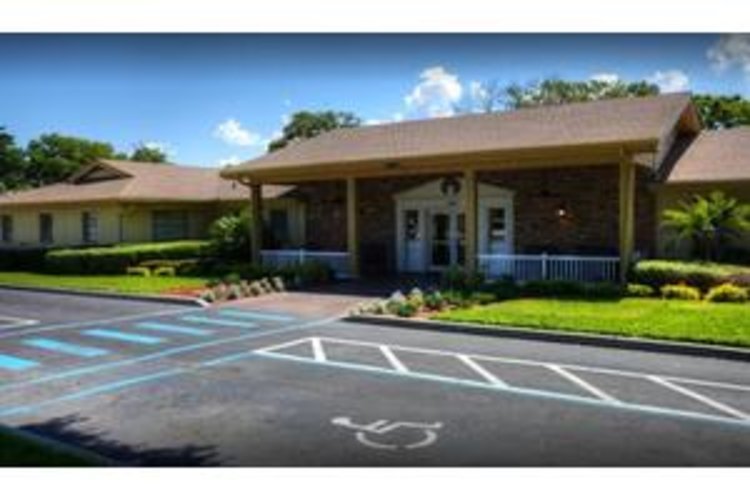
How Does Gulfside Center Compare to Other Florida Nursing Homes?

Compared to the 100 nursing homes in Florida, GULFSIDE HEALTH AND REHABILITATION CENTER's overall rating (2 stars) is below the state average of 3.2, staff turnover (67%) is significantly higher than the state average of 46%, and health inspection rating (2 stars) is below the national benchmark.

What Should Families Ask When Visiting Gulfside Center?

Based on this facility's data, families visiting should ask: "How do you ensure continuity of care given staff turnover, and what is your staff retention strategy?" "Can I visit during a mealtime to observe dining assistance and food quality?" "How do you handle medical emergencies, and what is your hospital transfer rate?" "Can I speak with family members of current residents about their experience?" These questions are particularly relevant given the facility's high staff turnover rate.

Is Gulfside Center Safe?

Based on CMS inspection data, GULFSIDE HEALTH AND REHABILITATION CENTER has a clean safety record: no substantiated abuse findings (meaning no confirmed cases of resident harm), no Immediate Jeopardy citations (the most serious violation level indicating risk of serious injury or death), and is not on the Special Focus Facility watch list (a federal program monitoring the lowest-performing 1% of nursing homes). The facility has a 2-star overall rating and ranks #100 of 100 nursing homes in Florida. While no facility is perfect, families should still ask about staff-to-resident ratios and recent inspection results during their visit.

Do Nurses at Gulfside Center Stick Around?

Staff turnover at GULFSIDE HEALTH AND REHABILITATION CENTER is high. At 67%, the facility is 21 percentage points above the Florida average of 46%. Registered Nurse turnover is particularly concerning at 72%. RNs handle complex medical decisions and coordinate care — frequent RN changes can directly impact care quality. High turnover means new staff may not know residents' individual needs, medications, or preferences. It can also be disorienting for residents, especially those with dementia who rely on familiar faces. Families should ask: What is causing the turnover? What retention programs are in place? How do you ensure care continuity during staff transitions?

Was Gulfside Center Ever Fined?

GULFSIDE HEALTH AND REHABILITATION CENTER has been fined $53,128 across 12 penalty actions. This is above the Florida average of $33,610. Fines in this range indicate compliance issues significant enough for CMS to impose meaningful financial consequences. Common causes include delayed correction of deficiencies, repeat violations, or care failures affecting resident safety. Families should ask facility leadership what changes have been made since these penalties.

Is Gulfside Center on Any Federal Watch List?

GULFSIDE HEALTH AND REHABILITATION CENTER is not on any federal watch list. The most significant is the Special Focus Facility (SFF) program, which identifies the bottom 1% of nursing homes nationally based on persistent, serious quality problems. Not being on this list means the facility has avoided the pattern of deficiencies that triggers enhanced federal oversight. This is a positive indicator, though families should still review the facility's inspection history directly.