KENSINGTON GARDENS REHAB AND NURSING CENTER
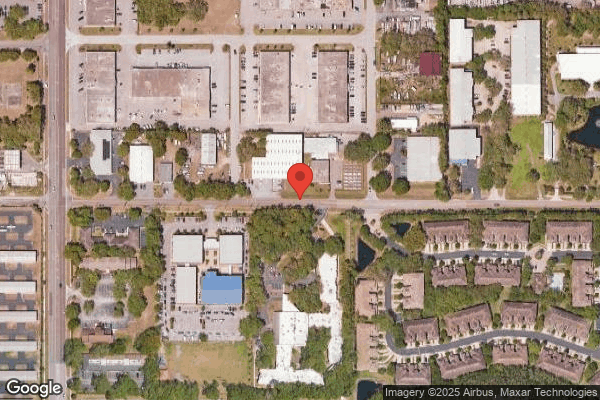
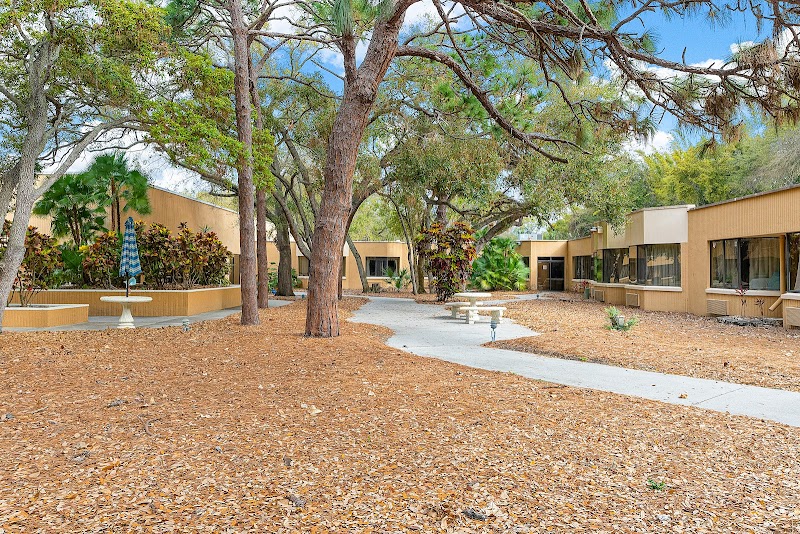
2055 PALMETTO ST, CLEARWATER, FL 33758 (727) 461-6613
For profit - Individual 150 Beds ASTON HEALTH Data: November 2025
Trust Grade
43/100
#512 of 690 in FL
Last Inspection: February 2024

Within standard 12-15 month inspection cycle. Federal law requires annual inspections.

Overview

Kensington Gardens Rehab and Nursing Center has a Trust Grade of D, indicating below-average quality and some concerns. It ranks #512 out of 690 facilities in Florida, placing it in the bottom half of state options, and #36 out of 64 in Pinellas County, meaning only a few local facilities are rated lower. The facility is showing some improvement, as the number of issues has decreased from 10 in 2024 to 6 in 2025. Staffing is rated average with a turnover rate of 57%, which is concerning compared to the Florida average of 42%, indicating that staff may not stay long enough to build strong relationships with residents. Recent inspections found several issues, including a lack of posted nurse staffing data and unsafe equipment in resident rooms, which raises questions about the facility's attention to safety and comfort.

Trust Score
D
43/100
In Florida
#512/690
Bottom 26%
Safety Record
Low Risk
No red flags
Inspections
Getting Better
10 → 6 violations
Staff Stability
⚠ Watch
57% turnover. Above average. Higher turnover means staff may not know residents' routines.
Penalties
✓ Good
$18,070 in fines. Lower than most Florida facilities. Relatively clean record.
Skilled Nurses
○ Average
Each resident gets 32 minutes of Registered Nurse (RN) attention daily — about average for Florida. RNs are the most trained staff who monitor for health changes.
Violations
⚠ Watch
31 deficiencies on record. Higher than average. Multiple issues found across inspections.
★★☆☆☆
2.0
Overall Rating
★★★☆☆
3.0
Staff Levels
★★★★☆
4.0
Care Quality
★★☆☆☆
2.0
Inspection Score
Stable
2024: 10 issues
2025: 6 issues

The Good

  • 4-Star Quality Measures · Strong clinical quality outcomes
  • Full Sprinkler Coverage · Fire safety systems throughout facility
  • No fines on record

Facility shows strength in quality measures, fire safety.

The Bad

2-Star Overall Rating

Below Florida average (3.2)

Below average - review inspection findings carefully

Staff Turnover: 57%

11pts above Florida avg (46%)

Frequent staff changes - ask about care continuity

Federal Fines: $18,070

Below median ($33,413)

Minor penalties assessed

Chain: ASTON HEALTH

Part of a multi-facility chain

Ask about local staffing decisions and management

Staff turnover is elevated (57%)

9 points above Florida average of 48%

The Ugly 31 deficiencies on record

Jun 2025 3 deficiencies
CONCERN (D) 📢 Someone Reported This

A family member, employee, or ombudsman was alarmed enough to file a formal complaint

Potential for Harm - no one hurt, but risky conditions existed

Report Alleged Abuse (Tag F0609)

Could have caused harm · This affected 1 resident

**NOTE- TERMS IN BRACKETS HAVE BEEN EDITED TO PROTECT CONFIDENTIALITY** Based on interviews and record review, the facility failed to develop and implement policies and procedures for ensuring the rep...

Read full inspector narrative →
**NOTE- TERMS IN BRACKETS HAVE BEEN EDITED TO PROTECT CONFIDENTIALITY** Based on interviews and record review, the facility failed to develop and implement policies and procedures for ensuring the reporting of a reasonable suspicion of a crime in accordance with section 1150B of the Act for one resident (#3) out of four residents sampled. Findings included: Review of Resident #3's admission Record revealed she was admitted to the facility on [DATE] with medical diagnoses of displaced fracture of upper end of right humerus, with routine healing, asthma, dysphagia, unsteadiness on feet, lack of coordination, abnormalities of gait and mobility, muscle weakness, major depressive disorder, post traumatic stress disorder (PTSD), and generalized anxiety disorder. An interview was conducted on 6/11/25 at 11:03AM with Resident #3. She said it was a Saturday around the last week of May 2025; she came out of the bathroom and was in a towel. She said Staff C, Occupational Therapist Assistant (OTA) knocked, came into her room, and she realized it was a male, so she said, I'm not dressed get out! She said Staff C, OTA said to her I can walk in anytime I want to I'm with physical therapy. She said she told him again to get out of her room, and he left. She said he tried to come into her room the next day for therapy, but she refused therapy because she did not want to work with Staff C, OTA. Resident #3 said she did not have any problems with him leaving her room that day. She said she felt sexually harassed and abused. She said on the Monday after it happened, she told a female supervisor what happened and she told the Director of Nursing (DON) she did not want Staff C, OTA in her room anymore and told her what happened over the weekend as well. Review of Resident #3's admission Minimum Data Set (MDS) dated [DATE], Section C, Cognitive Patterns, revealed a Brief Interview for Mental Status (BIMS) score of 13 out of 15 indicating she is cognitively intact. Review of the facility's state agency reportable log did not reveal evidence a report was filed to stage agencies, or an investigation was conducted related to Resident #3. An interview was conducted on 6/12/25 at 9:56AM with the Director of Rehabilitation. She said it was around Memorial Day (the last Monday in May) Resident #3 came to her and said Staff C, OTA came into her room and she was in the bathroom and he knocked on the door and she said enter, she saw it was a man and she said oh my god I'm naked get out! The Director of Rehabilitation said Resident #3 told her Staff C, OTA said something back to her but the Director of Rehabilitation could not remember what Resident #3 told her Staff C, OTA said But then he left the room. The Rehabilitation Director said Resident #3 told her Staff C, OTA came back on Sunday to work with her, but she kicked him out of her room. However, he did not come back on Sunday because no one was on the schedule on Sunday. The Director of Rehabilitation said she went to talk to Staff C, OTA the same day Resident #3 told her what happened. The Director of Rehabilitation said Staff C, OTA told her he knocked on the door heard enter, he poked his head in the bathroom, and she said, oh my god I'm naked get out! and he said, no you're dressed and she said, no I'm not get out. The Director of Rehabilitation said Resident #3 had also told her Therapy was sexually harassing her but she changed the story, it wasn't about Staff C, OTA anymore. The Director of Rehabilitation said after Resident #3 told her what happened, and she interviewed Staff C, OTA, she told the DON what Resident #3 had said and what Staff C, OTA had said. The Director of Rehabilitation said she could not remember what the DON told her, but she thinks she said she'd look into it. I'm sure they took action. The Director of Rehabilitation said she reported it to the DON because the DON was the abuse coordinator and Resident #3 reported a serious allegation of Sexual Harassment. An interview was conducted on 6/12/25 at 11:07 AM with the DON and the Nursing Home Administrator (NHA). The DON said the Director of Rehabilitation did not come to her with sexual harassment concerns related to Resident #3 and Staff C, OTA. The DON said Resident #3 came to her and said when the therapist went into her room she said she was not ready for therapy, so he left. The DON said to Resident #3 well maybe we can come up with a schedule, so she was ready for therapy, and she said well who is going to be my therapist, and she said she didn't want it to be this person and that person. The DON said she does not recall Resident #3 saying any specific therapist names. So, the DON went to the Director of Rehabilitation and asked if Resident #3 could have a therapy schedule so she could be ready for therapy. The Director of Rehabilitation said, okay I'll take care it. The DON said the Director of Rehabilitation never came to her and told her there was a sexual harassment allegation against Staff C, OTA. If there was, she would have suspended the staff member, reported the allegation and carried out an investigation. The DON said if a resident tells any staff member of an allegation of abuse or sexual harassment, they are to report the allegation to her immediately so it could be reported and investigated. The DON reviewed the reportable events log and confirmed there was not a report, or an investigation conducted related to Resident #3's allegation. A phone interview was conduncted on 6/12/25 at 11:24PM with Staff C, He said Resident #3 is hard to forget because she confabulates a lot, you have to redirect her into what is actually going on. He said about three weeks ago, he knocked on Resident #3's door, someone said come in, so he walked in, Resident #3 said get out of here I'm not dressed, and he said you're dressed and she said no I'm not, and he said you are fully dressed, shirt, pants, and she no I'm not, get out of here and so he left the room. Staff C, OTA said no one talked to him or asked him what happened except for another therapist told him Resident #3 was very mad at him and all he said was okay sorry. He said he went to the Director of Rehabilitation and asked not to be assigned to Resident #3 anymore and the Director of Rehabilitation said she wouldn't assign her to him anymore. Review of the facility's policy Abuse, Neglect, Exploitation, Misappropriation, Mistreatment, and Injury of Unknown Origin (ANEMMI) revised on 3/2025 revealed Standard: The resident has the right to be free from abuse, neglect, exploitation, misappropriation of resident property, mistreatment, and exploitation as defined in this subpart . Definitions: 1. Abuse, is defined .as the willful infliction of injury, unreasonable confinement, intimidation, or punishment with resulting physical harm, pain or mental anguish .Instances of abuse of all residents, irrespective of any mental or physical condition, cause physical harm, pain or mental anguish. It includes verbal abuse, sexual abuse, physical abuse, and mental abuse including abuse facilitated or enabled through the use of technology. 4. Willful, . in the definition of abuse, and means the individual must have acted deliberately, not that the individual must have intended to inflict injury or harm. Reporting: The facility must develop and implement written policies and procedures that: 1. §483.12(b)(5) Ensure reporting of crimes occurring in federally-funded long-term care facilities in accordance with section 1150B of the Act. 3. Staff are required to report any allegation of NEMMI to the facility risk manager, direct supervisor, and/or abuse coordinator immediately upon knowledge of the allegation. 4. Allegations of possible ANEMMI will be reported to state agencies per the federal regulation timeframe. State agencies may include (but are not limited to): - Abuse Hotline (Department of Children and Families) - State Agencies (Agency for Health Care Administration) - Local Law Enforcement .
CONCERN (D) 📢 Someone Reported This

A family member, employee, or ombudsman was alarmed enough to file a formal complaint

Potential for Harm - no one hurt, but risky conditions existed

Investigate Abuse (Tag F0610)

Could have caused harm · This affected 1 resident

**NOTE- TERMS IN BRACKETS HAVE BEEN EDITED TO PROTECT CONFIDENTIALITY** Based on interview and record review, the facility failed to thoroughly investigate a resident-to-resident allegation of abuse i...

Read full inspector narrative →
**NOTE- TERMS IN BRACKETS HAVE BEEN EDITED TO PROTECT CONFIDENTIALITY** Based on interview and record review, the facility failed to thoroughly investigate a resident-to-resident allegation of abuse involving two residents (#14 and #15) out of four reportable events sampled. Findings included: Review of the facility's state agency reportable log revealed on 5/22/25 a resident to resident report was made involving Resident #14 and Resident #15. An interview was conducted on 6/11/25 at 1:21 PM with the Director of Nursing (DON) and the Nursing Home Administrator (NHA) on 6/11/25 at 1:21PM. The DON said she was the one who reported and investigated the event and the NHA said she was not working at the facility at the time the event occurred. The DON said the event occurred on 5/22/25 around 6:00 PM and she reported the event the state agencies on 5/22/25 at 6:00 PM. The DON said staff reported to Staff D, Eat Wing Unit Manager (UM) that Resident #14 made contact with Resident #15 to the back of his head. Staff were noted to be within close immediate proximity with both residents and intervened immediately and placed Resident #14 on one-to-one supervision monitoring. Resident #15 was immedieitly assessed by nursing, vitals were within normal limits, they notified the physician and out of the abundance of caution Resident #15 was sent to the emergency department where a computed tomography (CT) scan was conducted, and the results were negative. Resident #14 did not say what caused the interaction to happen and he was unable to state what he was attempting to do. The DON said from staff interviews Resident #14 grazed the back of Resident #15's head with a white plastic tube (The DON clarified the white plastic tube was a polyvinyl chloride (PVC) pipe). The DON said Resident #15 returned to the facility the same day. The DON said Resident #14 was sent to the hospital for increased agitation. The DON said at the time of the incident both residents were under adequate supervision on the smoking patio. And staff responded immediately to the residents change in behavior. Other alert and oriented residents were interviewed without concerns for care, safety, or supervision. The DON said, after a thorough investigation the allegation of abuse was not substantiated. The DON said she obtained statements as part of her investigation and said Staff B, Licensed Practical Nurse (LPN) statement was collected and said, she was sitting at the nurse's station when she heard yelling coming from one of the CNA's. Resident #14 had made contact with the CNA. After making contact with the CNA the resident was placed on one-on-one supervision. Resident #14 had increased agitation after being placed on one-on-one supervision, so the resident was then placed on 15-minute checks and within the first 15 minutes, he was noted outside in the smoking area pacing but not showing aggressive behaviors at that time. The DON said Staff D, East wing UM statement said on 5/22/25 I was notified that [Resident #14] was outside on the smoking area and made contact with [Resident #15's] head. The residents were immedieitly separated Resident #15 was assessed and he had a reddened raised area which was observed on Resident #15's posterior scalp. He denied pain. He notified DON. [Physician] was notified, and new orders were received to send the resident to the ER [emergency room] for further eval [evaluation]. Resident #14 was assisted to his room and [Physician] was notified to send the resident to the ER for further eval [evaluation] and treatment. The DON said the facility's Psychologist initiated an involuntary hospitalization for Resident #14. They attempted medication to manage his behaviors, but his behaviors continued to escalate. The DON said Resident #14 was emergently transferred related to the incident because they could not redirect him. The DON said Staff T, CNA was the CNA who was out on the smoking patio at the time of the event and his statement was, he was sitting in the smoking patio when he saw Resident #14 behind Resident #15. He said Resident #14 had his hand behind his back and he kept walking closer to Resident #15. He said Resident #14 pulled his hand out from behind his back and he had a PVC pipe in his hand, the CNA said he yelled at Resident #14 to drop it, and Staff T, CNA said he got closer to Resident #14 and when he got closer to Resident #14, he swung at Resident #15 with it. The DON said there are no cameras on the smoking patio therefore there was no video footage to review. An interview was conducted on 6/11/25 at 11:03AM with Resident #3. Resident #3 said she has not seen Resident #14 since he left when he hit another resident over the head with a pipe. 1. Review of Resident #14's admission Record revealed he was admitted to the facility on [DATE] and discharged on 5/22/25. His medical diagnoses included Major depressive disorder, Post Traumatic Stress Disorder (PTSD), generalized anxiety disorder, insomnia, Parkinsons disease, and dementia without behavioral disturbances, psychotic disturbances, mood disturbance, and anxiety. Review of Resident #14's care plan with an initiated date of 12/13/25 and a revision date of 5/22/25 revealed a focus of [Resident #14] has a history of exhibiting the following behaviors: Confabulation, verbally aggressive. Pacing. removing wander guard, combative at times. The goal revealed [Resident #14] will have fewer episodes of the identified behavior through the next review date. The intervention dated 12/13/2023 revealed Acknowledge/commend the resident's progress/improvement in behavior. Administer medications as ordered. Monitor/document for side effects and effectiveness. Encourage and assist the resident to develop more appropriate methods of coping and interacting as able. Encourage the resident to express feelings as needed. Encourage resident to interact with staff members as tolerated. Explain procedures to the resident before starting and allow the resident time to adjust to changes as needed. If reasonable/appropriate, discuss the behavior with the resident. Explain/reinforce why behavior is inappropriate and/or unacceptable. Intervene and/or redirect resident behavior as necessary. Approach/Speak in a calm manner. Divert attention. Remove from situation and take to alternate location as needed. Minimize potential for the resident's disruptive behaviors by offering tasks which divert attention/redirect behavior as indicated. Monitor behavior episodes and attempt to determine underlying cause. Consider location, time of day, persons involved, and situations. Document behavior and potential causes. Offer Psychology/Psychiatry services as needed. Provide a program of activities that is of interest and accommodates residents status. Social Services will offer education for the resident/family member on successful coping and interaction strategies specific to individual resident needs. Review of the intervention with an initiated date of 5/22/25 revealed Intervene and/or redirect resident behavior as necessary. Approach/Speak in a calm manner. Divert attention. Remove from situation and take to alternate location as needed. Review of Resident #14's Crisis Intervention Note with a service date of 5/22/25 at 6:49PM revealed Summary Narrative of Session: Staff reported that the patient has unpredictable episodes of aggression towards others. Another provider attempted medication earlier today to manage aggressive behaviors after the patient hit a CNA with his hands, pushing her face and later hitting her arms. This afternoon, the patient managed to remover [sic] forcefully a PVC pipe from the courtyard area of the facility and hit another patient with the pipe on their head. Attempts to use behavioral redirection and psychotropic medication failed. [involuntary hospitalization] initiated. 2. Review of Resident #15 admission Record revealed he was admitted on [DATE] with medical diagnoses of Dementia with mild agitation, spinal stenosis, lumber region without neurogenic claudication, muscle wasting and atrophy. An interview was conducted on 6/11/25 at 4:07pm with Resident #15. He said about two weeks ago a guy hit him on my head, [explicit] yes it hurt. Review of Resident #15's Annual, Minimum Data Set (MDS) dated [DATE] revealed a brief interview for mental status (BIMS) score of 11 out of 15 indicating moderate cognitive impairment. Review of Resident #15's change in condition dated 5/22/25 at 9:57PM revealed the change in condition, symptoms or signs was: .head injury. This started on 5/22/25 in the afternoon. Is a skin assessment relevant to the change in condition been reported? Not clinically applicable to the change in condition being reported. Were the change in condition and notifications reported to the primary care clinical? No . Review of Resident #15's Progress notes revealed on 5/22/25 at 9:57PM a Situation Background Assessment Recomendation (SBAR) summary for providers revealed a change in condition other change in condition outcome of physical assessment: Positive findings reported on the residents evaluation for this change in condition were: no changes in mental status observed, no changes in functional status observed, no documentation for a skin status evaluation, no documentation for a pain status evaluation and there was no documentation the physician was notified of the change in condition. Review of Resident #15's medical record did not reveal documentation of a skin assessment from the time of the event. Review of Resident #15's transfer form dated 5/22/25 revealed he was being transferred to a hospital for an unplanned CT of the head. Review of Resident #15's progress note dated 5/22/25 at 10:00PM, written by the DON, revealed Resident returned from [Hospital] after being sent out in the abundance of caution for ED [Emergency Department] evaluation. CT of head completed with no acute findings, no intracranial hemorrhage. Skin assessment completed skin remains intact, resident denies pain at this time. MD [Medical Doctor] made aware of return, NNO [no new orders.] An interview was conducted on 6/11/25 at 3:46pm with Staff D, East Wing Unit Manager (UM). He said Staff T, CNA came to him and told him Resident #14 hit Resident #15 in the back of the head with a PVC pipe. Staff D, UM said Resident #15 did not have any injures but he was sent out to the hospital to get evaluated. He said Resident #14 definitely got hit by the PVC pipe on his head. An interview was conducted on 6/12/205 at 1:17PM with Staff B, Licensed Practical Nurse (LPN) she confirmed she was familiar with Resident #14, and she was his nurse on 5/22/25. Staff B, LPN said shortly after the start of the 3:00 PM to 11:00PM shift Resident #14 started to sundown. She said when it comes to sundowning time Resident #14 is a whole different person. On 5/22/25 around the start of the 3:00PM-11:00PM shift we heard his CNA yelling and when we went in there, he was hitting her, and she was covering her face. So, she separated him from the CNA and placed Resident #14 on one-to-one supervision. Staff B, LPN said they called his physician and his psychiatrist to get as needed medications to calm him down they ordered an extra dose of Rexulti and Vistaril and labs for the next day. Staff B, LPN said she gave him his as needed Ativan and the other medications, but nothing worked. So, they put him on one-to-one supervision. Staff B, LPN said Resident #14 wasn't too comfortable with the one-to-one supervision and he was very annoyed with someone being close by him. Staff B, LPN said either Staff D, UM or The DON gave her directive to place Resident #14 on 15-minute checks because he was getting agitated with the one-to-one supervision and we didn't want to make things worse. She said she was the one who completed the 15-minutes checks, and he was observed to be outside on the smoking patio pacing with his hands behind his back but that's just how he walks. Staff B, LPN said Staff T, CNA was the smoking aide that day and he brought Resident #14 to her and Staff T, CNA told her he just hit a resident in the back of his head with some kind of pole. Staff B, LPN said she escorted Resident #14 to his room, he was agitated because it had just happened. Staff B, LPN said she sat with him for a little bit and started to talk to him he calmed down a little bit but you could tell he was still a little agitated because he started to run down the hall so we ran down the hall with him and then he ran back down the hall and into his room. Staff B, LPN said she continued to sit with him and shortly after, the Emergency Medical Technicians (EMT) came and got him. She said from the CNA got hit by Resident #14 to the time Resident #14 hit Resident #15 with the PVC pipe was about two hours. She confirmed she was told by Staff T, CNA Resident #14 hit Resident #15 with the PVC pipe on his head. An interview was conducted on 6/12/25 at 9:03AM with the DON she stated she reported to the State Agency Resident #14 attempted to make contact with Resident #15 with a white tube which she clarified was a PVC pipe. She said she reported Resident #14 attempted to hit Resident #15 because since Resident #15 did not have any injuries to his head and the CT scan results did not show any injuries she could not prove he was actually hit by the PVC pipe therefore she did not substantiate the allegation of abuse. Review of the facility's policy Abuse, Neglect, Exploitation, Misappropriation, Mistreatment, and Injury of Unknown Origin (ANEMMI) revised on 3/2025 revealed Standard: The resident has the right to be free from abuse, neglect, exploitation, misappropriation of resident property, mistreatment, and exploitation as defined in this subpart . Definitions: 1. Abuse, is defined .as the willful infliction of injury, unreasonable confinement, intimidation, or punishment with resulting physical harm, pain or mental anguish .Instances of abuse of all residents, irrespective of any mental or physical condition, cause physical harm, pain or mental anguish. It includes verbal abuse, sexual abuse, physical abuse, and mental abuse including abuse facilitated or enabled through the use of technology. .4. Willful, . in the definition of abuse, and means the individual must have acted deliberately, not that the individual must have intended to inflict injury or harm. Follow-up investigation Report 1. Within 5 working days of the incident, the facility must provide in its report sufficient information to describe the results of the investigation, and indicate any corrective actions taken, if the allegation was verified. It is important that the facility provide as much information as possible, to the best of its knowledge at the time of the submission of the report, so that State agencies can initiate action necessary to oversee the protection of the nursing home residents . The facility should include any updates to information provided in the initial report. .Investigation: 1.In response to allegations of abuse, neglect, exploitation, misappropriation, mistreatment, or injury of unknown origin the facility must: . a. Have evidence that all alleged violations are thoroughly investigated . b. Prevent further potential abuse, neglect, exploitation, misappropriation, mistreatment, or injury of unknown origin while the investigation is in progress . c. Report the results of all investigations to the administrator or his or her designated representative and to other officials in accordance with State law, including to the State Survey Agency, within 5 working days of the incident, and if the alleged violation is verified appropriate corrective action must be taken. d. Conduct observations of the alleged victim, including identification of any injuries as appropriate, the location where the alleged situation occurred, interactions and relationships between staff and the alleged victim and/or other residents, and interactions/relationships between resident to the other residents; e. Conduct interviews with, as appropriate, the alleged victim and representative, alleged perpetrator, witness, practitioner, interviews with personnel from outside agencies such as other investigatory agencies, and hospital or emergency room personnel. f. Conduct record review for pertinent information related to the alleged violation, as appropriate, such as progress notes (Nurse, social services, physician, therapist, consultants as appropriate, etc.), financial records incident reports (if used), reports from hospital/emergency room records, laboratory or x-ray reports, medication administration records, photographic evidence, and reports from other investigatory agencies.
CONCERN (E) 📢 Someone Reported This

A family member, employee, or ombudsman was alarmed enough to file a formal complaint

Potential for Harm - no one hurt, but risky conditions existed

Safe Environment (Tag F0584)

Could have caused harm · This affected multiple residents

**NOTE- TERMS IN BRACKETS HAVE BEEN EDITED TO PROTECT CONFIDENTIALITY** Based on observations, interviews and record review, the facility did not ensure equipment was safe, sanitary and operational, a...

Read full inspector narrative →
**NOTE- TERMS IN BRACKETS HAVE BEEN EDITED TO PROTECT CONFIDENTIALITY** Based on observations, interviews and record review, the facility did not ensure equipment was safe, sanitary and operational, and failed provide a safe, functioning, sanitary and comfortable environment in resident's rooms for six residents (#5, #6, #7, #11, #12 and #13) out of 15 residents sampled, and in common areas to include food storage areas. Findings included: On 6/11/2025 at 10:45 a.m., an observation and interview were conducted with Resident #5 in his room. Resident #5 stated his overhead light does not work very well, and stated, it flickers on and off, and stated his roommate's [Resident #6] light, does not work at all. Staff P, Certified Nurse Assistant (CNA), entered the room and agreed the lights were not working properly. Staff P, CNA stated this was not her assignment. She stated she will notify their nurse. On 6/11/2025 at 10:52 a.m., an interview was conducted with Resident #7. Resident #7 stated she received a new bed this morning because the other bed was not working but stated, this bed's head will not go up and down. The resident stated she will have to start the whole process of requesting a new bed all over again. On 6/11/2025 at 10:11 a.m., an observation was made of the activities room on the south hallway. Inside the activities room ceiling was a ceiling tile to the left upon entry with scattered areas of small gray/black circles, then concentric circles of various shades of tan, rusty brown. During observation, Staff P, CNA stated, that's been there for a while.' Staff P, CNA stated over the weekend there was water on the floor in the activity room when she came to work. An observation was made of loose baseboards along the perimeter of the activities room. An observation was made of thick green bio growth substance outside the sliding glass door to the left of the activities room exiting to a courtyard. Directly outside the activities room adjacent to the ceiling tile, there was black bio growth substance and peeling paint with a heavy color of dark brown/black substance. Some missing ceiling texture were observed with light brown discoloration and dark heavy collection of black bio growth at the area where the wall meets the ceiling. A tall white garbage can was observed underneath this area with a collection of lightly discolored water inside garbage can approximately six inches. On 6/11/2025 at 10:30 a.m., an observation and interview was conducted with the Nursing Home Administrator (NHA) and Director of Nursing (DON) during tour of south hallway in the activities room. The NHA and the DON stated they had not seen these two areas before. On 6/11/2025 at 11:03 a.m., an observation and interview was conducted with Resident #11. Resident #11 stated her overhead bed light does not work. Staff P, CNA arrived in the room and stated her light works, She said, you don't have the switch. Staff P, CNA turned the light switch on by the doorway of Resident #11's room, then went to the bedside to pull the cord to turn on the overhead light. The light did not go on, and Staff P, CNA pulled the cord multiple times until the light flickered, and stated, see it works. Staff P, CNA had to pull the cord aggressively again to turn off the light. Resident #11 stated she did not think she could pull the cord the same way Staff P, CNA pulled the cord. On 6/11/2025 at 1:20 p.m., an observation was made of the pantry room in the east hallway. The refrigerator for the residents in the east hall had a temperature log on the outside door. A documented entry for 6/11/2025 showed a reading for the refrigerator at 50 degrees Fahrenheit and the freezer was documented at 28 degrees Fahrenheit. No documented entries were entered for 6/10/2025. The current refrigerator temperature reading was 58-60 degrees Fahrenheit, and the freezer temperature reading was 36-40 degrees Fahrenheit. Staff J, CNA was witness to the current temperatures for the refrigerator. Inside the refrigerator there were four quarts of milk with a resident's name on them. The milk was lukewarm to touch. In the freezer, there were three half gallons of orange sherbert ice cream, a box of ice cream sandwiches and a box of popsicles. All of the freezer items were observed to be thawed. Staff J, CNA agreed the items were soft to touch and not frozen. Staff D, Licensed Practical Nurse/Unit Manager (LPN/UM) for the east hallway was made aware of the refrigerator temperature readings. Staff D, LPN/UM stated according to the temperature log on the refrigerator, the temperature for the refrigerator had been adjusted but agreed the temperature reading were out of normal range. An observation was made of the inside of the cupboard under the sink of the east pantry room. Under the sink there was a large collection of dark brown/black bio growth matter throughout the underside inside the pantry cabinet. An observation was made of the ceiling tile directly above the door partially hanging down. Directly across the entry doorway, was a fan in the wall with a collection of leaves and debris and an opening to the outside environment approximately one inch wide. Staff D, LPN/UM acknowledged these findings. On 6/11/2025 at 3:15 p.m., an observation was made of room [ROOM NUMBER] with open areas of flooring visualized from the hallway. The resident in the room allowed further observation revealing the flooring could be lifted with a slide of the foot. On 6/11/2025 at 3:20 p.m., an observation was made in Residents #12 and #13. The room was designed for a three-resident occupancy. The room was noticeably warmer. Resident #12 stated his roommate #13's AC does not work but his works. Resident #12 had his headboard directly next to his AC unit with his privacy curtain over his headboard where he could receive a direct flow of air from his AC personal unit. Resident #12 stated he moved the curtain because he gets better direct airflow from his AC unit. Resident #12 stated, they know about his AC unit not working. Resident #13's AC unit was powered on, set at 61 degrees Fahrenheit. No air flow was noted. AC filters were observed with a heavy black bio growth. Resident #13 stated he felt his room was hot. A hygrometer reading of 80 degrees Fahrenheit was obtained. Photographic evidence obtained On 6/11/25 at 3:36 p.m., observation was conducted of the bathroom for Resident's #12 and #13. A ceiling tile was observed to be missing with exposed pipes present. On 6/11/2025 at 3:40 p.m., an observation was made of loose flooring on the east hallway. An unidentified resident was walking the hallway with her walker and stated, be careful, you can trip over the loose floor. during this tour, numerous observations were made of loose flooring. The flooring easily would come up when sliding foot over the areas. On 6/11/2025 at 4:46 p.m., a walking tour was conducted with the NHA, DON, maintenance assistant, maintenance director from another facility and Staff D, LPN/UM. The NHA became aware of the loose flooring, especially in the 200 hallways. The team acknowledged the refrigerator was removed in the east hallway pantry. The team acknowledged the ceiling tile directly above the entry door, the heavy dark brown/black bio growth under the sink cabinet, and the exposed area to the outside environment along the wall fan/vent. The team toured Resident #13's room to witness a non-functioning A/C (Air Conditioning) unit, with dark black bio growth substance on the A/C filter. The administration team confirmed the observations and the missing bathroom ceiling tile with exposed pipes. During the tour on 6/11/2025 at 5:20 p.m., the NHA, DON, maintenance assistant, maintenance director from another facility and Staff D, LPN/UM confirmed these areas of concerns and stated they would be addressed immediately. Review of a facility policy titled, Standards and Guidelines: General cleaning dated 01/2024 showed a standard: It is the policy of this facility to provide a clean, safe, orderly, comfortable and attractive home like environment as outlined below: 1. Accepted practices and procedures are used to keep the facility free from odors, accumulations of dirt, dust and safety hazards. 2. Floors and horizonal surfaces are cleaned routinely. Finishes on floors provide an appropriate finish and disinfectants are used where required. 3. Walls and ceilings are maintained free from dirt or other matters. 4. Entrances, exits, walkways, driveways and other outside or entry areas are kept free from debris and dirt. 5. Beds, bedside tables, chairs overbed tables, nightstands and dressers should be cleaned with a germicidal and allowed to air dry. 6. Dry dusting is used on items such as pictures, plaques, mirrors, bulletin boards, tops of partitions, vents, tops of cabinets, coat racks and window/door frames. Damp dusting may be used as needed. (Photographic Evidence Obtained.)
May 2025 3 deficiencies
CONCERN (D) 📢 Someone Reported This

A family member, employee, or ombudsman was alarmed enough to file a formal complaint

Potential for Harm - no one hurt, but risky conditions existed

Room Equipment (Tag F0908)

Could have caused harm · This affected 1 resident

Based on observation, record review, and interviews, the facility failed to ensure timely repair of essential equipment, two (#5 and #19) roof top air-conditioning units of 19 roof top air-conditionin...

Read full inspector narrative →
Based on observation, record review, and interviews, the facility failed to ensure timely repair of essential equipment, two (#5 and #19) roof top air-conditioning units of 19 roof top air-conditioning units. Findings included: An interview was conducted on 5/13/2025 at 10:30 a.m. with the facility's Maintenance Director. He stated the facility had 19 rooftop air conditioning (A/C) units and the units were assigned numbers 1 through 19. He expressed concerns for A/C unit #19, located over the facility's North Wing near the nurse's station; A/C unit# 5, located over the facility's dining room; and A/C unit #1, located over the facility therapy gym. The Maintenance Director stated A/C unit #5, over the dining room, had been out of working order since 1/19/2025. He said if the dining room gets too warm, 81 degrees or anything above that, they move the residents to their room. The Maintenance Director stated A/C unit #19, over the North Wing nurses station, was an older unit and it started having issues at the end of 7/2024. At the end of 7/2024 or the beginning of 8/2024, A/C unit #19 went out. The Maintenance Director stated A/C unit #1, over the therapy unit, went out of service 10/2024 and a portable A/C unit was placed in the therapy room. The Maintenance Director stated he received quotes for the A/C service repair, but the facility had a lot of past due monies owed to A/C companies and so it has been difficult to get the companies back out to do the work since they wanted to be paid for the prior work before coming out. He said he had a quote for A/C units #19 and #1, but not for #5. He stated, at this time, there were no estimate of the time for the work to start on the repair of the A/C units. On 5/13/2025, the Maintenance Director provided the following two quote documents: One for proposal dated October 17, 2024, quote for A/C unit #1 for replacement of the unit. One for proposal dated September 5, 2024, quote for A/C unit #19 for replacement of the unit. No evidence was provided by the facility during the survey for the repair of A/C unit #5 over the dining room. On 5/13/2025 at 1:10 p.m. an interview was conducted with Staff A, Licensed Practical Nurse. She stated the dining room would get warm and the residents would come back to their room because of it.
CONCERN (D) 📢 Someone Reported This

A family member, employee, or ombudsman was alarmed enough to file a formal complaint

Potential for Harm - no one hurt, but risky conditions existed

Safe Environment (Tag F0921)

Could have caused harm · This affected 1 resident

Based on observations and interviews, the facility failed to ensure one pantry (South Wing) of three pantries and one of five eye wash stations, was maintained in a safe and sanitary manner. Findings ...

Read full inspector narrative →
Based on observations and interviews, the facility failed to ensure one pantry (South Wing) of three pantries and one of five eye wash stations, was maintained in a safe and sanitary manner. Findings included: On 5/13/2025 at 1:10 p.m. during the tour of the facility's South Wing, an odor of strong musty smell was identified at the rear corner of the nurses station. The odor was located near the pantry door at the rear of the nurses station. When the door was opened, a strong smell was present in the room. The room was observed to have multiple areas of water damage. (Photographic Evidence Obtained) During the observation, interviews with staff were conducted: Staff A, Licensed Practical Nurse (LPN) stated she could smell the odor from the pantry. She said some of the nurses will not work on the South Wing due to the odor. Staff A, LPN stated, We cannot use the pantry. The refrigerator was moved to the small activity room across from the nurses' station. We have to go to the East Wing for ice. Snacks are stored in the activity room. We do not let the residents in the activity room because of the refrigerator and the snacks there. The residents used to hang out and watch television there. Not now. An observation was conducted of the activity room across from the South Wing nurses station. The door was closed with a number code key lock present on the door. The room was observed to have a refrigerator present. Staff B, Certified Nursing Assistant (CNA), said, You cannot go into the pantry, it smells so bad. We cannot use it. Staff C, CNA, said, There is mold in the panty, the smell is really bad. Staff D, CNA, said, The pantry has been like that for about 8 months, there is an odor standing outside of the door. An interview was conducted with the facility Maintenance Director on 5/13/2025 at 1:39 p.m., regarding the pantry on the South Wing. He stated the building had 3 pantries and, The one on the South, there was a pipe leaking in the wall. We shut it off. It had leaked and caused damage. I was in the process of ordering the materials. When asked when the pipe damage occurred, he stated, two months ago. He stated, I put a key code on the activity door so there would not be any unauthorized access to the refrigerator now located in the activity room. He confirmed the residents did not have the code to the door. During the interview, the Maintenance Director was asked to provide evidence date of finding the issue of the broken pipe in the pantry and any evidence of an attempt to resolve the issue. He stated on 2/5/2025, the refrigerator was moved out of the pantry and he requested materials to work on the room. He stated he had not been back to the room until today, 5/13/2025. A review of the South Wing pantry was conducted on 5/13/2025 at 1:47 p.m. with the Maintenance Director. The door was observed to have a Do Not Enter sign present on the outside of the door. The Maintenance Director stated, the staff must have put the sign on the door. When the door was opened to the pantry room, the Maintenance Director confirmed the smell in the room, stating it was strong. The Maintenance Director stated, the room has an eye wash station, five eye wash stations in the building total. I cannot put a lock on the pantry door due to the room having an eye wash station. It is the only eye wash station on the South Wing. The Maintenance Director confirmed staff would have to use the eye wash station in an emergency; he confirmed it worked; and demonstrated by turning it on. The sink was observed to have water collect in it. The bottom of the sink was observed to have brown and tan crusted material present. When the under the sink cabinet area was observed, the Maintenance Director stated the darkened black areas were mildew. Towels, loose floorboard material; an unclean resident hospital gown; brown, black discoloration on the wall behind the pipe; and a black discoloration on the flooring area under the sink were observed in the room. (Photographic Evidence Obtained) During the review, an observation was made of a window a/c (air conditioning) unit located in the wall, approximately 5 feet above the floor. The wall under the a/c unit was observed to have dislodged wall covering, exposing the innards of the wall from under the a/c unit down to the floor, with blackish brown discoloration present on the innards of the wall; cracked wall; and dislodged floorboard material. An ice maker machine was present in the room. The Maintenance Director stated, They had put the wrong size a/c unit there and there was water damage. The Maintenance Director stated, The ice machine would have to be replaced. The pipe leak had occurred under the sink. On 5/13/2025 at 3:30 p.m., an interview was conducted with the Director of Nursing. When asked what the eye wash station was used for, she stated, In case you get hazardous materials in your eyes, it is to clean them out, in case of emergencies, and emergencies happen. Yes, it is important to have the eye wash station in a clean and sanitary environment to prevent contamination. Yes, I have seen the room, it needs some work. On 5/13/2025 at 3:30 p.m. during an interview with the Nursing Home Administrator, he stated, I did not know about the condition of the pantry.
CONCERN (E) 📢 Someone Reported This

A family member, employee, or ombudsman was alarmed enough to file a formal complaint

Potential for Harm - no one hurt, but risky conditions existed

QAPI Program (Tag F0867)

Could have caused harm · This affected multiple residents

**NOTE- TERMS IN BRACKETS HAVE BEEN EDITED TO PROTECT CONFIDENTIALITY** Based on observation, record review, interviews, and review of the Plan of Correction (PoC) the facility failed to ensure it had...

Read full inspector narrative →
**NOTE- TERMS IN BRACKETS HAVE BEEN EDITED TO PROTECT CONFIDENTIALITY** Based on observation, record review, interviews, and review of the Plan of Correction (PoC) the facility failed to ensure it had a functioning Quality Assurance Performance Improvement (QAPI) plan. The facility was actively involved in the creation, implementation, and monitoring of their PoC for deficient practice identified during a complaint survey on 05/13/2025. The plan was ineffective resulting in citation F908 being recited related to ensuring timely repairs of essential equipment, for one roof-top Air-Conditioning (A/C) unit (#11) of 19 roof- top A/C units and F908 being recited related to failure to ensure equipment was safe, sanitary and operational, and failure to provide a safe, functioning, sanitary and comfortable environment in resident's rooms for six residents (#5, #6, #7, #11, #12 and #13) out of 15 residents sampled, and in common areas to include food storage areas. Findings included: A review of an undated facility policy titled, Quality Assurance and Performance Improvement (QAPI), showed a policy statement: This facility shall develop, implement, and maintain on ongoing, facility-wide, data-driven QAPI program that is focused on indicators of the outcomes of care and quality of life for out residents. The objectives of the QAPI program are to: 1. Provide a means to measure current and potential indicators for outcomes of care and quality of life. 2. Provide a means to establish and implement performance improvement projects to correct identified negative or problematic indicators. 3. Reinforce and build upon effective systems and processes related to the delivery of quality care and services. 4. Establish systems through which to monitor and evaluate corrective actions. Authority: 1. The owner and/ or governing board body of our facility is ultimately responsible for the QAPI program 2. The governing board/owner evaluates the effectiveness of its QAPI program at least annually and presents findings to the QAPI committee. 3. The administrator is responsible for assuring that this facilities QAPI program complies with federal, state, and local Regulatory agency requirements. 4. The QAPI committee reports directly to the administrator Implementation: 1. The QAPI Committee overseas implementation of our QAPI plan, which is the written component describing the specifics of the QAPI program, how the facility will conduct its QAPI functions, and the activities of the QAPI committee. 2. The QAPI plan describes the process for identifying and correcting quality deficiencies. Key components of this process include: a. Tracking and measuring performance. b. Establishing goals and thresholds for performance measurement. c. Identifying and prioritizing quality deficiencies. d. Systematically analyzing underlying causes of systemic quality deficiencies. e. Developing and implementing corrective action or performance improvement activities and f. Monitoring or evaluating the effectiveness of corrective action performance improvement activities, and revising is needed. Coordination: 1. The QAPI Coordinator coordinates QAPI Committee activities and changes to the QAPI plan. 2. The QAPI coordinator assists other committees, individuals, departments, and/or services in developing quality indicators, monitoring tools, assessment methodologies and documentation, and in making adjustments to the plan. 3. The QAPI coordinator serves as a liaison between the QAPI committee and the individuals, services, and/or department regarding QAPI activities 1. On 6/11/2025 at 10:45 a.m., an observation and interview were conducted with Resident #5 in his room. Resident #5 stated his overhead light does not work very well, and stated, it flickers on and off, and stated his roommate's [Resident #6] light, does not work at all. Staff P, Certified Nurse Assistant (CNA), entered the room and agreed the lights were not working properly. Staff P, CNA stated this was not her assignment. She stated she will notify their nurse. On 6/11/2025 at 10:52 a.m., an interview was conducted with Resident #7. Resident #7 stated she received a new bed this morning because the other bed was not working but stated, this bed's head will not go up and down. The resident stated she will have to start the whole process of requesting a new bed all over again. On 6/11/2025 at 10:11 a.m., an observation was made of the activities room on the south hallway. Inside the activities room ceiling was a ceiling tile to the left upon entry with scattered areas of small gray/black circles, then concentric circles of various shades of tan, rusty brown. During observation, Staff P, CNA stated, that's been there for a while.' Staff P, CNA stated over the weekend there was water on the floor in the activity room when she came to work. An observation was made of loose baseboards along the perimeter of the activities room. An observation was made of thick green bio growth substance outside the sliding glass door to the left of the activities room exiting to a courtyard. Directly outside the activities room adjacent to the ceiling tile, there was black bio growth substance and peeling paint with a heavy color of dark brown/black substance. Some missing ceiling texture were observed with light brown discoloration and dark heavy collection of black bio growth at the area where the wall meets the ceiling. A tall white garbage can was observed underneath this area with a collection of lightly discolored water inside garbage can approximately six inches. On 6/11/2025 at 10:30 a.m., an observation and interview was conducted with the Nursing Home Administrator (NHA) and Director of Nursing (DON) during tour of south hallway in the activities room. The NHA and the DON stated they had not seen these two areas before. On 6/11/2025 at 11:03 a.m., an observation and interview was conducted with Resident #11. Resident #11 stated her overhead bed light does not work. Staff P, CNA arrived in the room and stated her light works, She said, you don't have the switch. Staff P, CNA turned the light switch on by the doorway of Resident #11's room, then went to the bedside to pull the cord to turn on the overhead light. The light did not go on, and Staff P, CNA pulled the cord multiple times until the light flickered, and stated, see it works. Staff P, CNA had to pull the cord aggressively again to turn off the light. Resident #11 stated she did not think she could pull the cord the same way Staff P, CNA pulled the cord. On 6/11/2025 at 1:20 p.m., an observation was made of the pantry room in the east hallway. The refrigerator for the residents in the east hall had a temperature log on the outside door. A documented entry for 6/11/2025 showed a reading for the refrigerator at 50 degrees Fahrenheit and the freezer was documented at 28 degrees Fahrenheit. No documented entries were entered for 6/10/2025. The current refrigerator temperature reading was 58-60 degrees Fahrenheit, and the freezer temperature reading was 36-40 degrees Fahrenheit. Staff J, CNA was witness to the current temperatures for the refrigerator. Inside the refrigerator there were four quarts of milk with a resident's name on them. The milk was lukewarm to touch. In the freezer, there were three half gallons of orange sherbert ice cream, a box of ice cream sandwiches and a box of popsicles. All of the freezer items were observed to be thawed. Staff J, CNA agreed the items were soft to touch and not frozen. Staff D, Licensed Practical Nurse/Unit Manager (LPN/UM) for the east hallway was made aware of the refrigerator temperature readings. Staff D, LPN/UM stated according to the temperature log on the refrigerator, the temperature for the refrigerator had been adjusted but agreed the temperature reading were out of normal range. An observation was made of the inside of the cupboard under the sink of the east pantry room. Under the sink there was a large collection of dark brown/black bio growth matter throughout the underside inside the pantry cabinet. An observation was made of the ceiling tile directly above the door partially hanging down. Directly across the entry doorway, was a fan in the wall with a collection of leaves and debris and an opening to the outside environment approximately one inch wide. Staff D, LPN/UM acknowledged these findings. On 6/11/2025 at 3:15 p.m., an observation was made of room [ROOM NUMBER] with open areas of flooring visualized from the hallway. The resident in the room allowed further observation revealing the flooring could be lifted with a slide of the foot. On 6/11/2025 at 3:20 p.m., an observation was made in Residents #12 and #13. The room was designed for a three-resident occupancy. The room was noticeably warmer. Resident #12 stated his roommate #13's AC does not work but his works. Resident #12 had his headboard directly next to his AC unit with his privacy curtain over his headboard where he could receive a direct flow of air from his AC personal unit. Resident #12 stated he moved the curtain because he gets better direct airflow from his AC unit. Resident #12 stated, they know about his AC unit not working. Resident #13's AC unit was powered on, set at 61 degrees Fahrenheit. No air flow was noted. AC filters were observed with a heavy black bio growth. Resident #13 stated he felt his room was hot. A hygrometer reading of 80 degrees Fahrenheit was obtained. Photographic evidence obtained On 6/11/25 at 3:36 p.m., observation was conducted of the bathroom for Resident's #12 and #13. A ceiling tile was observed to be missing with exposed pipes present. On 6/11/2025 at 3:40 p.m., an observation was made of loose flooring on the east hallway. An unidentified resident was walking the hallway with her walker and stated, be careful, you can trip over the loose floor. during this tour, numerous observations were made of loose flooring. The flooring easily would come up when sliding foot over the areas. On 6/11/2025 at 4:46 p.m., a walking tour was conducted with the NHA, DON, maintenance assistant, maintenance director from another facility and Staff D, LPN/UM. The NHA became aware of the loose flooring, especially in the 200 hallways. The team acknowledged the refrigerator was removed in the east hallway pantry. The team acknowledged the ceiling tile directly above the entry door, the heavy dark brown/black bio growth under the sink cabinet, and the exposed area to the outside environment along the wall fan/vent. The team toured Resident #13's room to witness a non-functioning A/C (Air Conditioning) unit, with dark black bio growth substance on the A/C filter. The administration team confirmed the observations and the missing bathroom ceiling tile with exposed pipes. During the tour on 6/11/2025 at 5:20 p.m., the NHA, DON, maintenance assistant, maintenance director from another facility and Staff D, LPN/UM confirmed these areas of concerns and stated they would be addressed immediately. Review of a facility policy titled, Standards and Guidelines: General cleaning dated 01/2024 showed a standard: It is the policy of this facility to provide a clean, safe, orderly, comfortable and attractive home-like environment as outlined below: 1. Accepted practices and procedures are used to keep the facility free from odors, accumulations of dirt, dust and safety hazards. 2. Floors and horizonal surfaces are cleaned routinely. Finishes on floors provide an appropriate finish and disinfectants are used where required. 3. Walls and ceilings are maintained free from dirt or other matters. 4. Entrances, exits, walkways, driveways and other outside or entry areas are kept free from debris and dirt. 5. Beds, bedside tables, chairs overbed tables, nightstands and dressers should be cleaned with a germicidal and allowed to air dry. 6. Dry dusting is used on items such as pictures, plaques, mirrors, bulletin boards, tops of partitions, vents, tops of cabinets, coat racks and window/door frames. Damp dusting may be used as needed. (Photographic Evidence Obtained.) 2. On 6/11/2025 at 11:38 a.m., an interview was conducted with Staff O, Maintenance Assistant and a Maintenance Director from another facility. Staff O stated the Air Conditioner (A/C) unit #11 was not functioning properly and stated there was a bent blade in the A/C fan causing the issue. Staff O stated the issue had been going on since October 2024. The maintenance director from another facility stated they were contacting the A/C company to have the A/C fixed. An unidentified nursing staff member was witnessed standing in the south hallway close to the nurses' station down the hallway to the right, fanning her face with her hand and stated, I found a cool spot. During a tour on 6/11/2025 at 4:46 p.m. with the administrative team - Nursing Home Administrator (NHA), the director of Nursing (DON) and Staff O, Maintenance Assistant, Maintenance Director from another facility and Staff D, Licensed Practical Nurse/Unit manager (LPN/UM) of the east hallway. The NHA stated the A/C company was up on the roof today taking measurements to fix A/C unit #1 in the physical therapy gym) and A/C unit #19 (north nurses' station and hallway). The NHA stated A/C unit #11 was a new request. Staff O, Maintenance Assistant confirmed A/C unit #11 in the south hallway/activities room area had been an on-going problem since October 2024. On 6/12/2025 at 12:11 p.m., an interview was conducted with the administrative team. The NHA stated the A/C company took measurements yesterday, (6/11/2025) during the revisit survey to fix the A/C concerns identified previously. The NHA could not confirm a payment had been made to the A/C company for the original requests, but provided a new quote dated 6/11/2025 for repairs of A/C unit #11. The NHA stated she was unaware of the issues with A/C unit #11 until yesterday, but the maintenance assistant stated it had been an ongoing issue since October 2024. The facility did not have a policy on A/C units maintenance and repairs.
Feb 2024 10 deficiencies
CONCERN (D)

Potential for Harm - no one hurt, but risky conditions existed

Grievances (Tag F0585)

Could have caused harm · This affected 1 resident

**NOTE- TERMS IN BRACKETS HAVE BEEN EDITED TO PROTECT CONFIDENTIALITY** Based on interviews, observations, and record review, the facility failed to ensure all grievances were tracked through to their...

Read full inspector narrative →
**NOTE- TERMS IN BRACKETS HAVE BEEN EDITED TO PROTECT CONFIDENTIALITY** Based on interviews, observations, and record review, the facility failed to ensure all grievances were tracked through to their conclusions for two residents (#56 and #16) of seven sampled residents for choices. Findings included: On 1/29/2024 at 12:48 PM an observation of Resident # 56's room revealed an un-opened box containing an electric wheelchair sitting at the foot of the resident bed against the wall. An interview was conducted on 1/29/2024 with Resident #56 regarding the electric wheelchair. Resident #56 stated,They haven't hooked it up for me. It's just sitting in the box. Look at it. I can't get around if I wanted to. I would like to go to activities. It's been sitting here since September. A review of Resident #56's medical record revealed the following progress note: 12/14/2023 at 11:30 AM: Social Service Note Resident has an electric scooter /chair in her room and was given the okay to use it by the Administrator. She is unable to use a regular wheelchair due to immobility reasons. Rehab Director asked to have social worker reach out to a company that will be able to assemble the scooter Will follow up. [Social Service Director]. A follow- up interview was conducted with Resident #56 on 1/30/24 at 1:54 PM. Resident #56 stated, Yes, they did come and talk to me about it a while ago. They gave me a phone number to call and ask for someone to come and assemble it for me. The number they gave me wasn't worth [expletive] .I told them that it didn't work, and they said they would try to contact someone else. I haven't heard nothing about it since then .I kept getting the run-around, so I just gave up. An interview was conducted with the Social Services Director (SSD) and Director of Rehabilitation Services (DOR) on 1/30/24 at 2:49 PM. The SSD stated, .The Maintenance Director at the time gave me a number to a contractor that would assemble the wheelchair but the number he gave me wasn't a working number. I went to the room and looked on the wheelchair box for a customer service telephone number for help. There was no telephone number, but I found a website. I went online and submitted information for them to call me back. They never responded .I did reach out again to the website and submitted a request but didn't get anything. Maybe last week or so she (Resident #56) asked me again for a status on the wheelchair and I told her I would do what I can. This has kind of got left in my hands to deal with and I don't know what to do. An interview was conducted with Resident #16 on 1/30/24 at 11:41 AM. Resident #16 stated,Every morning when they come to give my roommate her meds, they turn on the lights. When they turn on her lights, [NAME] come on too. There's no way to turn it off. The switch isn't working correctly. It's annoying as hell. Every morning it wakes me up and I have to fight myself back to sleep. It's [expletive]me off. I've told them over and over. They haven't done anything about it. An observation of Resident #16's room revealed the light switch that controls her overhead light was not working as designed. A follow-up interview was conducted with Resident #16 on 1/31/24 at 10:24 AM. Resident #16 stated, Yes, I told them again right after you left yesterday. I even told the previous Administrator about this. We were going back and forth about this for months. He kept telling me and telling me that he would get it fixed, but nothing has happened. He is gone now. They just not going to do anything about it. It's really [expletive] me off. An interview was conducted on 1/31/24 at 2:27 PM with the Director of Maintenance (DOM). The DOM confirmed the light switch was not working as designed and stated, .This looks like there's two hot wires on that fixture. Basically, it's just wired incorrectly, an easy fix will get that rectified. A follow up observation of Resident #16's room on 2/01/24 at 1:38 PM revealed that the resident light switch/fixture was not working as designed. A review of the facility's Grievance log on 2/01/24 at 1:41 PM revealed no entries or resolutions related to voiced concerns for Resident #56 and Resident #16. A review of the facility's policy titled Grievances- Resident Rights last revised 6/2023 revealed the following: Standard: Residents and their representatives have the right to file grievances, either orally or in writing, to the facility staff or to the agency designated to hear grievances. Guideline: The Administrator and staff will make prompt efforts to resolve grievances to the satisfaction of the resident and/or representative.
CONCERN (D) 📢 Someone Reported This

A family member, employee, or ombudsman was alarmed enough to file a formal complaint

Potential for Harm - no one hurt, but risky conditions existed

Report Alleged Abuse (Tag F0609)

Could have caused harm · This affected 1 resident

Based on interviews and record review and facility failed to ensure allegations of neglect involving one resident (#106) out of one sampled resident for dialysis was reported immediately to the govern...

Read full inspector narrative →
Based on interviews and record review and facility failed to ensure allegations of neglect involving one resident (#106) out of one sampled resident for dialysis was reported immediately to the governing agency in accordance with State law and thoroughly investigated. Findings included: On 1/30/24 at 5:12 p.m., an interview was conducted with Staff K, Registered Nurse (RN). Staff K stated he worked with Resident #106 quite often. Staff K stated the resident was alert and oriented, and used to go to dialysis on Monday, Wednesday, and Friday, but now goes on Thursday and Friday. The nurse stated Resident #106 received peritoneal drainage on 11pm to 7am shift. Staff K, RN stated sometime in December 2023, on a Tuesday, the police had come to speak with the resident because someone had called to report Resident #106 had missed too many dialysis appointments. Staff K, RN said, I was here, he was missing dialysis appointments. The police interviewed him. The problem was lack of transportation. The police resolved it. I believe it turned out to be miscommunication issues. Staff K stated the resident never refused care. On 2/01/24 at 10:24 a.m. an interview was conducted with the Nursing Home Administrator (NHA) and a sister facility NHA. The NHA stated she had just become aware yesterday the police came to the facility to speak to Resident #106. She stated she was informed on 1/20/24 the dialysis center had sent a Law Enforcement Officer (LEO) to conduct a welfare check. She said, They [Law Enforcement] came in just to check on him because he had not received dialysis care from the dialysis center. They spoke to the resident and the nurse. The nurse should have documented and notified me. The NHA stated the resident received dialysis care from the hospital. She stated this was not ideal. She stated the resident missed a couple times. She stated the LEO visit was not documented in the record. She stated she was notified the LEO had reported care concerns. She said, This should have been investigated. Yes, it should have been reported. Someone should have let me know that the police was here. She said, Yes, communication with dialysis could have prevented their cause for concern. A review of a facility policy titled Abuse, Neglect, Exploitation, Misappropriation, Mistreatment and Injury of Unknown origin (ANEMMI), revised 10/22, showed the following: .Page 6. Any resident event that is reported to any staff by resident, family, other staff, or any other person will be considered as possible ANEMMI if it meets any of the following criteria: (d) any complaint of deprivation by any individual caregiver of goods and services necessary to attain or maintain physical, mental, and psychological well-being. .Page 7. Procedure: Any and all staff observing or hearing about such events must report the event immediately to the administrator, immediate supervisor, in one of the following director of nursing, ANEMMI prevention coordinator, or risk manager, so that appropriate reporting an investigation procedures take place immediately. Investigation policy: Any employee having either direct or indirect knowledge of any event that might constitute ANEMMI must report the event promptly. Page 8. All events reported as possible ANEMMI will be investigated to determine whether ANEMMI occurred. Procedure: The ANEMMI prevention coordinator will initiate investigation action. All necessary corrective actions depending on the result of the investigation will be taken.
CONCERN (D)

Potential for Harm - no one hurt, but risky conditions existed

Deficiency F0657 (Tag F0657)

Could have caused harm · This affected 1 resident

**NOTE- TERMS IN BRACKETS HAVE BEEN EDITED TO PROTECT CONFIDENTIALITY** Based on observations, interviews, and record review, the facility failed to ensure one resident (#120) out of four residents re...

Read full inspector narrative →
**NOTE- TERMS IN BRACKETS HAVE BEEN EDITED TO PROTECT CONFIDENTIALITY** Based on observations, interviews, and record review, the facility failed to ensure one resident (#120) out of four residents reviewed for falls had the comprehensive care plan revised with additional interventions after a fall. Findings included: An observation on 01/29/24 at 10:13 a.m. showed Resident #120 had a bruised left eye. During an interview on 01/29/24 at 10:13 a.m., Resident # 120's Family Representative (FR) stated Resident #120 obtained her black eye from a fall roughly a week and half ago. Resident #120's FR stated the fall occurred in the bathroom. Resident #120's FR stated he asked staff about maybe bed rails or other interventions to be put in place so Resident #120 didn't fall again but the facility said Resident #120 could not have bed rails because that would be considered a restraint. Review of the facility's Incident Log for January 2024 showed Resident #120 had a fall on 01/19/24. Review of the admission Record showed Resident #120 was admitted to the facility on [DATE] with diagnoses included but not limited to Motor Neuron Disease, contusion of other part of the head, muscle weakness, and abnormal gait and mobility. Review of the care plan with focus area, dated 01/09/24, showed [Resident #120] is at risk for falls with history of falls, unsteady gait/poor balance, use of antihypertensive medications. The Goal revised on 01/22/24 showed [Resident #120] potential for sustaining a fall related injury will be minimized by utilizing fall precautions/interventions through next review date. The Interventions all dated 01/09/24 showed, -Encourage and assist resident to use bed in lowest position as tolerated - Encourage and assist the resident to increase activity participation - Encourage the resident to wear appropriate footwear such as rubber soled shoes, non-slip bedroom slippers etc. when ambulating, transferring and toileting as indicated. - Encourage and remind resident to use the call bell to wait for staff assistance with transfers, ambulation, toileting as indicted. - Physical and Occupational Therapy consulted as needed. Review of a progress note titled Nursing Note, dated 01/19/24 showed, Called to resident's bathroom by cna [Certified Nursing Assistant]. Resident was observed sitting on the bathroom floor in front of the toilet. Resident was assisted to the bathroom by resident's cna prior to fall. Resident's cna stated he was in resident room making resident's bed when he heard a noise and saw resident sitting on the floor. Resident was assessed for injuries. Sustained a hematoma to left eyebrow/eyelid. Sustained cut on left cheek bone and abrasion to right finger. First aid applied. No complaints of headache or dizziness. Resident ROM [Range of Motion] was within normal limits. Resident was assisted back to her wheelchair. Resident was assessed by in house [provider] and ordered resident to be sent to ER [emergency room] for evaluation. Resident's physician and spouse was notified of above information. Paramedics was called and arrived. Resident transported to [local] Hospital. Review of a progress note titled Fall Evaluation, dated 01/19/24 showed, Resident is oriented X 2. Resident has the following safety awareness behaviors. Lack of understanding of physical limitations. Resident had one or more falls within the last 90 days. History of multiple falls. The following interventions and approaches have been implemented for the resident: call light orientation. The outcome of the education provided was verbalizes understanding. Review of facility's policy Standards and Guidelines: Falls- Managing, preventing and Documentation, revised date 01/2024, showed, Resident-Centered Approaches to managing Falls and Fall Risk 4. If falling recurs despite initial intervention, staff will implement additional or different interventions, or indicate why the current approach remains relevant. Documentation 3. The residents care plan should be updated with the new interventions determined by the interdisciplinary team. During an interview on 01/31/24 at 5:45 p.m., the Director of Nursing (DON) stated anytime a resident falls in the facility new and additional interventions will be discussed in the next Interdisciplinary team (IDT) meeting with any new interventions being updated and revised on that resident's care plan. Reviewed of the care plan with DON confirmed no additional interventions were revised on Resident #120's care plan after the fall on 01/19/24.
CONCERN (D) 📢 Someone Reported This

A family member, employee, or ombudsman was alarmed enough to file a formal complaint

Potential for Harm - no one hurt, but risky conditions existed

Accident Prevention (Tag F0689)

Could have caused harm · This affected 1 resident

**NOTE- TERMS IN BRACKETS HAVE BEEN EDITED TO PROTECT CONFIDENTIALITY** Based on observations, interviews, and record review the facility failed to evaluate and analyze hazards and risks, implement in...

Read full inspector narrative →
**NOTE- TERMS IN BRACKETS HAVE BEEN EDITED TO PROTECT CONFIDENTIALITY** Based on observations, interviews, and record review the facility failed to evaluate and analyze hazards and risks, implement interventions to reduce hazards and risk, monitor for the effectiveness of the interventions, and ensure neurological monitoring was completed after a head injury for one resident (#48) out of two residents sampled. Findings included: A family interview was conducted on 01/29/24 at 10:23 AM. He said a couple weeks ago the resident fell from his bed and hit his head on the dresser and that is why there is a hole in his dresser. The family member said Resident #48 had a bruise on the right side of his forehead because of the fall. An observation was conducted on 1/29/24 at 10:23 AM, during the family interview, and Resident #48 was observed to be in bed looking around the room, wearing a hospital gown. The bed was in the lowest position, there was a fall mat only on the right side of the bed. There was no fall mat on the left side of the bed. The dresser was observed to be pushed against the wall with the drawers facing the wall. The dresser was observed to have a circular crack and dent towards the lower-left side. (Photographic evidence obtained) Review of Resident #48's admission Record revealed he was admitted to the facility on [DATE] from an acute care hospital. His medical diagnoses included neurocognitive disorder with Lewy Bodies, Parkinson's Disease without dyskinesia, anxiety disorder, major depressive disorder, and mood disorder with delusions due to known physiological condition. An observation was conducted on 1/31/24 at 10:44 a.m. Resident #48 was observed in bed with his eyes closed and the bed in the low position. There was only a fall mat on the right side of the bed. Review of Resident #48's eMar-Shift Level Administration note, dated 1/14/24 at 4:16 a.m., revealed the following, nurse was informed by CNA [Certified Nursing Assistant] pt [patient] attempted to get out of bed stublmed [sic] and hit the dresser, has a bump on his right forehead, nurse and cna redirected pt back to bed. [Physician] called and informed about behavior, Dr. ordered ativan 2mg stat and labsordered[sic]:cmp, cbc, u/a c+s rexulti 2mg a t[sic] night. Review of Resident #48's Nursing note, dated 1/14/24 at 2:59 PM, revealed .Slightly raised bruised area to right forehead . Review of the incident log did not reveal any documentation related to Resident #48 on 1/14/24. Review of Resident #48's medical record did not reveal a change in condition was documented on 1/14/24. Review of Resident #48's medical record did not reveal completed neuro check documentation for 1/14/24. Review of Resident #48's care plan did not reveal an updated care plan with interventions on 1/14/24. Review of Resident #48's care plan revised on 1/31/23 revealed [Resident #48] has had a fall and continue to be at risk for falls R/T [related to] severe cognitive impairment, impaired balance, wanders and requires use of medications that can alter is balance and awareness 3/12/22 no longer ambulatory but remains risk for falls r/t hx [history] of, impaired cognition and medications. The goal revealed Will be free from injury r/t falls thru next review. The interventions included fall matt both sides. An interview was conducted on 01/31/24 at 5:32 PM with the Director of Nursing [DON], she said in an ideal world, the nurse will immediately update the care plan, and then do a change of condition, rehab referral, pain assessment, skin assessment, notification to physician and family. Then the nurses send me a packet with statements and the neuro checks are done on paper. Then, in morning meeting, the next morning the IDT [interdisciplinary team] along with therapy will look at all the falls and we work collaboratively to make sure the interventions are appropriate. The DON confirmed the resident's fall on 1/14/24 should have been an accident that was reviewed and investigated. The DON confirmed the accident was not on the incident log and should have been. An interview was conducted on 1/31/24 at 5:50 p.m. with Staff I, Regional Nurse Consultant (RNC) she was informed of the documentation in Resident #48's medical record on 1/14/24 at 4:16 a.m. and she said doesn't sound like a fall. An interview was conducted on 02/01/24 at 1:00 PM with Staff J, RNC/Pervious DON, she said what you see in the medical is record is what we have. On 2/1/24 at 1:57 p.m. Staff J, RNC provided neuro check documentation dated 1/14/24 through 1/17/24 for Resident #48 and confirmed the documentation is not complete. Review of the facility's policy Standards and Guidelines: Falls-Managing, Preventing, and Documentation revised on 1/2024 revealed the following: Standard: Based on previous evaluations and current data, the staff will identify interventions related to the resident's specific risks and causes to try to prevent the resident from falling and to try to minimize complications from falling. Guideline: The residents plan of care will be developed and followed accordingly to prevent or minimize the risk of falls or fall related injuries. Definition: Fall refers to unintentionally coming to a rest on the ground, floor, or other lower level, but not as a result of an overwhelmingly external force (e.g. Resident pushes another resident). An episode where a resident lost his/her balance and would have fallen, if not for staff intervention, is considered a fall. A fall without injury is still a fall. Unless there is evidence suggesting otherwise, when a resident is found on the floor, a fall is considered to have occurred. 4. If falling recurs despite initial interventions, staff will implement additional or different interventions, or indicate why the current approach remains relevant. 6. Staff will identify and implement relevant interventions to try to minimize serious consequences of falling. Documentation 1. Residents who experience a fall will have appropriate documentation completed through the facilities incident management process. 3. The residents care plan should be updated with the new interventions determined by the interdisciplinary team.
CONCERN (D)

Potential for Harm - no one hurt, but risky conditions existed

Respiratory Care (Tag F0695)

Could have caused harm · This affected 1 resident

**NOTE- TERMS IN BRACKETS HAVE BEEN EDITED TO PROTECT CONFIDENTIALITY** Based on observations, interviews, and record review, the facility failed to provide care and services related to accessible eme...

Read full inspector narrative →
**NOTE- TERMS IN BRACKETS HAVE BEEN EDITED TO PROTECT CONFIDENTIALITY** Based on observations, interviews, and record review, the facility failed to provide care and services related to accessible emergent tracheostomy supplies at the bedside and providing oxygen as ordered for one resident (#109) out of one resident reviewed for tracheostomy care. Findings included: Review of Resident #109's admission Record revealed she was initially admitted to the facility on [DATE] and readmitted on [DATE]. Her medical diagnoses included Hemiplegia and Hemiparesis following cerebral infarction affecting the right dominant side, encounter for attention to tracheostomy, acute respiratory failure with hypoxia, dysphagia, and need for assistance with personal care. An observation was conducted on 01/29/24 at 11:05 AM. Resident #109 was observed to be in bed, looking around the room, with her head of bed elevated, breathing comfortably. Resident #109 was observed to have a tracheostomy tube in place. She was receiving 28% humidified oxygen with the oxygen concentrator set on two liters via trach collar. Four Shiley size six tracheostomy inner cannulas and one Shiley size six tracheostomy was observed to be in the bedside dresser drawer. Review of Resident #109's physician orders revealed a physician order with a start date of 11/28/23 for Extra Trach [tracheostomy] #8 at bedside. A physician's order with a revision date of 11/28/23 and no end date revealed Trach: Humidified Oxygen 30% on 8 Liters via trach collar. Review of Resident #109 clinical record did not contain a physician order related to the size and type of tracheostomy tube Resident #109 had. An observation and interview were conducted on 1/31/24 at 11:00 a.m. with Staff G, Licensed Practical Nurse (LPN). Resident #109 was observed to be in bed, eyes closed, with the head of her bed elevated, breathing comfortably. Staff G, LPN confirmed Resident #109 was on 28% humidified oxygen on two liters via trach collar. She confirmed there were four Shiley size six inner cannulas in her bedside drawer along with a Shiley size six tracheostomy in her bedside drawer. She said the resident used to have a Shiley size eight, but she pulled it out and went to the hospital and the hospital downsized her trach to a Shiley size six and stitched it to her neck. Staff G, LPN reviewed the physicians orders and confirmed the order said to keep an extra trach number 8 at the bedside. She said when the resident came back from the hospital they probably just reordered the same order and did not change it. An interview was conducted with the Director of Nursing (DON) on 2/1/24 at 12:50 p.m. she said Resident #109 had a size 8 tracheostomy and she pulled it out and was sent back to the hospital because they were unable to get a new tracheostomy back in. She said when Resident #109 returned from the hospital she had a size six tracheostomy. She said there should be a size 6 tracheostomy and a size four tracheostomy at the bedside. She said there should be a physician's order for the type and size tracheostomy each resident has. She also confirmed physician oxygen orders should be followed. A tracheostomy management and care policy was requested from the facility. The only policy provided was TRACHEOSTOMY-CARING FOR THE PATIENT. Administering Tracheostomy Care Procedure According to Tracheostomy Education dated 2021, revealed All clinical staff should be aware of the location of equipment for individuals with tracheostomy. Equipment should be kept at bedside in an easily accessible location for both routine and emergency use. At a minimum a replacement tracheostomy tube of the same size and one of a smaller size should be available at bedside. https://tracheostomyeducation.com/emergency-equipment/.
CONCERN (E) 📢 Someone Reported This

A family member, employee, or ombudsman was alarmed enough to file a formal complaint

Potential for Harm - no one hurt, but risky conditions existed

Safe Environment (Tag F0584)

Could have caused harm · This affected multiple residents

**NOTE- TERMS IN BRACKETS HAVE BEEN EDITED TO PROTECT CONFIDENTIALITY** 2) A family interview was conducted on 01/29/24 at 10:23 AM. The family member said, Resident #48 would go through his dresser d...

Read full inspector narrative →
**NOTE- TERMS IN BRACKETS HAVE BEEN EDITED TO PROTECT CONFIDENTIALITY** 2) A family interview was conducted on 01/29/24 at 10:23 AM. The family member said, Resident #48 would go through his dresser drawers so the staff turned around the dresser so the drawers are against the wall, and he can't wear his clothes. The family member stated the staff said Resident #48 picked off the wood floor and they have not replaced the flooring in approximately a year and a half. The family member stated the rack in the closet has been broken for about 6 months so the clothes cannot be hung up properly. The family member stated he has told staff all about the environmental concerns and they say they will get right on it but they have not. An observation was conducted on 1/29/24 at 10:23 AM, during the family interview, and Resident #48 was observed to be in bed looking around the room, wearing a hospital gown. Next to the resident's bed on the right side there was missing flooring which expanded the length of the bed and under the bed. There was a fall mat covering the missing flooring on the right side of the bed. The closet was observed to have the clothing rack leaned up against the wall with clothes hanging on it and a hole in the closet. The dresser was observed to be pushed against the wall with the drawers facing the walls. The dresser was observed to have a circular crack and dent towards the lower left side. (Photographic evidence obtained). An observation was conducted on 1/31/24 at 10:44 AM. Resident #48 was observed in bed with his eyes closed. Next to the resident's bed on the right side there was missing flooring which expanded the length of the bed and under the bed. The clothing rack was observed still leaning against the closet wall with clothes hanging on it. Based on observations, interviews, and record review, the facility failed to ensure a clean, comfortable, home-like environment in three of four community shower rooms, one of one dining rooms, and resident rooms in two of three units, on four of four days observed (1/29/2024, 1/30/2024, 1/31/2024 and 2/1/2024) during the survey. Findings included: 1) On 1/29/2024 at 9:30 a.m. and 2:00 p.m.; On 1/30/2024 at 7:45 a.m.; On 1/31/2024 at 10:00 a.m.; and on 2/1/2024 at 9:00 a.m., tours were conducted in the South Unit Community Shower Room which revealed the following: --Two of three white plastic (PVC) and plastic webbed backed shower chairs were observed with black and pink biogrowth on the under seat railing, the joints of all four legs, and heavy black biogrowth on all four legs at and near the wheel castors. --The plastic webbed backing of the chairs were observed with a white biogrowth coating. --The walls in the room at and near the shower stalls, especially at the baseboards, revealed many holes and gouges that were not cleanable. There were some areas that had holes all the way through the drywall. --The shower stall wall tiles and floor tiles were observed with black biogrowth within and surrounding grout lines, as well as the shower drain area. --Heavy scuffing along the walls were observed throughout the shower room. (Photographic evidence was obtained). On 1/29/2024 at 9:38 a.m. and 10:30 a.m. tours on the East Unit Community Shower Room revealed the following: --The toilet and surrounding floor area was observed with large amounts of fecal matter. There were two large piles of fecal matter on the floor, along with a used hospital gown also with freshly stained fecal matter. --The toilet seat, and metal grab bar was also observed with a heavy smearing of fecal matter. --Five various staff members were observed to enter the community shower room and none reported the soiled room immediately. --One resident walked into the shower room, and left immediately. (Photographic evidence was obtained). Observations on 1/30/2024 at 7:45 a.m.; on 1/31/2024 at 8:15 a.m.; and on 2/1/2024 at 8:30 a.m. of the East Unit Community Shower room revealed the following: --One white plastic (PVC) plastic webbed backed shower chairs were observed with black and pink biogrowth on the under seat railing, the joints of all four legs, and with heavy black biogrowth on all four legs at and near the wheel castors. --All four walls of the room along with the entry hallway walls were observed heavily scuffed and with holes in the wall. --One divider section of the room was observed with missing drywall and baseboard, exposing metal frames and areas that were non cleanable. --A section near the toilet was observed with a linen cart with folded towels, wash cloths, hospital gowns and other various linen supplies. --Some of the linen and towels were observed unfolded and askew. --This cart was near the toilet and floor area where the piles of fecal matter were at. --The toilet seat was observed heavily gouged, pitted and stained. The seat was no longer cleanable. (Photographic evidence was obtained). On 1/29/2024 at 9:30 a.m. and 2:00 p.m.; On 1/30/2024 at 7:45 a.m.; On 1/31/2024 at 10:00 a.m.; and on 2/1/2024 at 9:00 a.m., multiple tours conducted in the North Unit Community Shower Room revealed the following: --The ceiling vent was observed rusted and with black biogrowth in, on and at the surrounding ceiling. --Several wall tiles near the base boards were noted chipped and missing, leaving a non cleanable surface. --Sections of the floor tiles in the shower stall revealed black biogrowth in the grout lines as well as near and at the shower drain. (Photographic evidence was obtained). During tour on 1/29/2024 at 9:30 a.m. and again on 2/1/2024 at 8:30 a.m. resident room [ROOM NUMBER]'s bathroom was observed with a metal over the commode device with heavy rusting and with paint peeling at and near the legs and seat area. Three of the floor tiles were observed separated from the floor, sticking up leaving gaps near the base of the toilet. The back wall behind the toilet was observed with holes, gouges and heavy water damage, leaving a non-cleanable surface. (Photographic evidence was obtained). On 1/29/2024, 1/30/2024, 1/31/2024, and 2/1/2024 during the breakfast meal service and lunch meal service the main dining room was observed with ten very long and thin ceiling air vents. Each of these vents were noted approximately four feet long and four inches wide. Each vent had a dropped plastic tray that was held up with chains on all four corners of the vents. The dropped plastic trays were positioned in a manner to keep condensation drops from falling on the floor and seated residents. Eight of the ten metal vent plates were observed with black spotting and what appeared to be biogrowth. The spotting was observed heavy in some places on each vent. The vents were observed directly above where residents dine and participate in group activities throughout the day. (Photographic evidence was obtained). On 1/29/2024, 1/30/2024, 1/31/2024, and 2/1/2024 the ceiling area that was between the south entrance of the dining room and south unit hall was observed with a ceiling vent with black biogrowth and dust debris on it. The popcorn ceiling surrounding all four sides of the vent revealed black biogrowth and dust debris extending out at least two feet on each side of the vent. (Photographic evidence was obtained). On 1/30/2024 at 7:55 a.m. and on 2/1/2024 at 8:04 a.m., a Laundry Aide was observed pushing a laundry or soiled linen cart through each of the three hallways on the South Unit. The white plastic cart was observed with wheels that were causing an extremely loud noise. The noise continued while the cart was being pushed. There were still some residents who were in their rooms sleeping at the time. On 2/1/2024 at 8:30 a.m. a Laundry Aide was observed pushing a large dark gray laundry cart though each of the three halls on the South Unit. The wheel castors were shaking and causing a very loud noise when the cart was moving. The noise was very loud. During a facility tour on 1/29/24, an observation was made of blinds hanging crooked in room [ROOM NUMBER]. On 1/29/24 at 10:39 a.m., an observation was made of blinds set on top of the dresser in room [ROOM NUMBER]. The resident stated it had been like that for a month or more. He stated they could not keep the sun out. The resident expressed concerns related to privacy during care. He said, Someone can look in especially at night, when they are changing not comfortable. On 02/01/24 at 11:11 a.m. a follow-up tour of room [ROOM NUMBER] was conducted revealing the blind was removed from the top of dresser. The window was observed without a blind/curtain. On 02/01/24 09:41 a.m., an observation was made of the baseboard peeled off the wall next to a resident's bed in room [ROOM NUMBER]. On 2/1/2024 at 1:40 p.m. an interview with the Maintenance Director and the Housekeeping Director was conducted. The Maintenance Director could not provide current work orders to include the above listed concern areas. He stated he was still getting used to the facility and trying to gather information in order to present to the Nursing Home Administrator to fix and/or replace needed areas and/or equipment. The Maintenance Director was not aware of the ceiling vents in the Main Dining Room and stated he should be cleaning them at least once a month. The Housekeeping Director stated the housekeeping staff are responsible for the general cleaning of the facility and cleaning included: light and deep cleaning of resident rooms, resident bathrooms, community shower rooms, hallways, and shower equipment. The Housekeeping Director stated when a resident is showered, it is the responsibility of the direct care nursing staff ,to include Certified Nursing Assistants (CNAs), to sanitize the equipment after each use. He stated the housekeeping staff will deep clean the equipment once a week. The Housekeeping Director provided the 1/2024 calendar that specified cleaning dates and what was to be cleaned, for review. The calendar assignment revealed specific dates for individual rooms to be cleaned. The calendar did not specify when shower room equipment was to be cleaned. The Housekeeping Director provided a 5-Step Daily Room Cleaning procedure, dated 10/25/2016, for review. The procedure revealed a purpose to include: To teach Environmental Services employees the proper cleaning method to sanitize a patient room or any area in a healthcare facility. The 5-Step procedure included the following areas; 1. Empty Trash; 2. Horizontal surfaces; 3. Spot clean walls; 4. Dust mop; 5. Damp mop. The Housekeeping Director also provided a 5-Step Daily Washroom Cleaning procedure, dated 10/25/2026, for review. The procedure revealed a purpose to include: To teach Environmental Services employees the proper method to sanitize a washroom or bathroom in a long term care and hospital facility. The 5-Step procedure included the following areas; 1. Check supplies; 2. Empty trash; 3. Dust mop floor; 4. Clean and sanitize sink and tub; 5. Sanitize Commode; 5. Spot clean walls and/or partitions. The procedure did not include how and when shower room bathing equipment should be cleaned. The Housekeeping Director stated he did not have a specific policy and procedure, or schedule to include community shower rooms bathing equipment. On 2/1/2024 at 1:00 p.m. the Nursing Home Administrator stated there was no special ongoing work orders that included the above listed areas of concern. She also stated there was not any specific housekeeping policy and procedure with relation to housekeeping services or maintenance of equipment.
CONCERN (E)

Potential for Harm - no one hurt, but risky conditions existed

PASARR Coordination (Tag F0644)

Could have caused harm · This affected multiple residents

**NOTE- TERMS IN BRACKETS HAVE BEEN EDITED TO PROTECT CONFIDENTIALITY** Based on interview and record review, the facility failed to ensure the accuracy of the Preadmission Screening and Resident Revi...

Read full inspector narrative →
**NOTE- TERMS IN BRACKETS HAVE BEEN EDITED TO PROTECT CONFIDENTIALITY** Based on interview and record review, the facility failed to ensure the accuracy of the Preadmission Screening and Resident Review (PASARR) Level I for six (#61, #43, #5, #342, #48, and #45) of fifty-seven residents reviewed; and failed to ensure a PASARR Level II was completed for one (#100) of fifty-seven residents reviewed. Findings included: Review of the clinical record for Resident #61 revealed admission to the facility on [DATE], with admission diagnosis that included, but not limited to, major depressive disorder, anxiety, and adjustment disorder with anxiety as per the face sheet. Review of the PASARR dated 12/05/2023 for Resident #61 revealed no diagnosis checked in Section I A (mental illness or suspected mental illness). Review of the clinical record for Resident #43 revealed admission to the facility on [DATE], with admission diagnosis that included, but not limited to, depression as per the face sheet. Review of the PASARR dated 12/15/2023 for Resident #43 revealed no diagnosis checked in Section I A (mental illness or suspected mental illness). Review of the clinical record for Resident #5 revealed admission to the facility on [DATE] and readmission on [DATE], with admission diagnosis that included, but not limited to, schizophrenia, depression, and antisocial personality disorder as per the face sheet. Review of the PASARR dated 10/30/2023 for Resident #5 revealed no diagnosis checked in Section I A (mental illness or suspected mental illness). Review of the clinical record for Resident #342 revealed admission to the facility on [DATE], with admission diagnosis that included, but not limited to, anxiety disorder as per the face sheet. Review of the PASARR dated 01/18/2024 for Resident #342 revealed no diagnosis checked in Section I A (mental illness or suspected mental illness). Review of Resident #45's medical record revealed admission to the facility on [DATE] and with a readmission date of 1/11/2024. Review of the advance directives revealed Resident #45 was her own responsible party. Review of the admission diagnosis sheet revealed diagnoses to include but not limited to: Morbid obesity, Major Depression (as of 12/23/2023), Need for assistance with personal care, Adult Failure to thrive, Psychosis (as of 12/21/2023), Post Traumatic Stress Disorder (PTSD), unspecified (as of 12/21/2023). Review of the Level 1 Preadmission Screening and Resident Review (PASRR) screen dated 1/11/2024 revealed on page 2 and to include Section I: PASRR Screen Decision-Making, part (A) did not have any specific diagnoses checked. No diagnoses were checked in section I part (A), mental illness or suspected mental illness. Review of the current Minimum Data Set (MDS) admission 5 day assessment, dated 1/14/2024 for Resident #45 revealed; (Cognition/Brief Interview Mental Status or BIMS score - 15 of 15, which indicated the resident had no cognitive deficits and was able to make her decisions); (Behaviors - None checked as exhibited during the assessment period); (Active Diagnosis - Checked Yes for Trauma/PTSD). On 1/30/2024 at 10:30 a.m. Resident #45 was observed in her room and was lying in bed under the covers. She was briefly interviewed and confirmed she felt comfortable and safe at the facility and also confirmed she has had a history of PTSD, but did not want to specify what trauma she experienced. She did confirm she does have depression as well and has had depression prior to her nursing center admission. On 1/30/2024 at 10:00 a.m. an interview with the South Unit Manager confirmed social services and admission handles the intake of the Level 1 PASRR screen and she believed that it was the responsibility of either the Social Services Director or the Nursing Home Administrator. The South Unit Manager reviewed Resident #45's Level 1 PASRR screen dated 1/11/2024. She confirmed section I part (A) on page 2 did not identify any MI diagnoses to include Depression and Psychosis. She also confirmed Resident #45 was admitted with these diagnoses. Review of Resident #100's medical record revealed she was admitted to the facility on [DATE]. Review of the advance directives revealed the resident was her own decision maker. Review of the admission diagnosis sheet revealed diagnoses to include but not limited to: Major Depression (as of 3/21/2023), and Psychosis (as of 3/21/2023). Review of the Level 1 Preadmission Screening and Resident Review (PASRR) screen, dated 3/3/2023, revealed on page 2 and under section I (A), MI or Suspected MI to include Other: Unspecified Psychosis. This section did not identify Resident #100 as having depression. Section II #3, asks; Is there an indication that the individual has receive recent treatment for a mental illness with an indication that the individual has experienced at least one of the following? Part (a) was checked, Yes indicating Psychiatric treatment more intensive than outpatient care. (e.g. partial hospitalization or inpatient hospitalization). Part (b) was checked, Yes indicating Due to the mental illness, the individual has experienced an episode of significant disruption to the normal living situation, for which supportive services were required to maintain functioning at home, or in a residential treatment environment, or which resulted in intervention by housing or law enforcement officials. The Level 1 PASRR screen instructed; A level II PASRR evaluation must be completed prior to admission if any box in Section I, (A). or I (B). is checked and there is a Yes checked in Section II.1, II.2, or II.3, unless the individual meets the definition of a provisional admission or a hospital discharge exemption. Per review of this Level I PASRR screen, it was confirmed that Section I (A) had a diagnoses, as well as Section II (A) and Section II (B) were checked Yes. There was no evidence Resident #100 had a provisional admission or exemption. Review of the most current Quarterly MDS assessment, dated 12/11/2023 reveled; (Cognition/BIMS score 14 of 15, which indicated Resident #100 was able to make her own decisions); (Behaviors - None exhibited during the assessment timeframe). On 2/1/2024 at 11:00 a.m. the South Unit Manager reviewed and confirmed Resident #100's Level I PASRR screen dated 3/3/2023 appeared to have been assessed and to obtain a Level II PASRR screen. She understood the criteria for the need for a Level II PASRR and felt one should have been completed. She revealed that the Social Service Director and or the Nursing Home Administrator are the staff that usually reviews the Level I and Level II PASRR screens. The South Unit Manager did not know why Resident #100 did not have a Level II PASRR completed.
CONCERN (E) 📢 Someone Reported This

A family member, employee, or ombudsman was alarmed enough to file a formal complaint

Potential for Harm - no one hurt, but risky conditions existed

Deficiency F0698 (Tag F0698)

Could have caused harm · This affected multiple residents

**NOTE- TERMS IN BRACKETS HAVE BEEN EDITED TO PROTECT CONFIDENTIALITY** Based on interviews and record review, the facility failed to ensure one resident (#106) out of three residents reviewed receive...

Read full inspector narrative →
**NOTE- TERMS IN BRACKETS HAVE BEEN EDITED TO PROTECT CONFIDENTIALITY** Based on interviews and record review, the facility failed to ensure one resident (#106) out of three residents reviewed received scheduled dialysis treatments as ordered in accordance with professional standards. Findings included: A review of the medical record for Resident #106 revealed the resident was re-admitted to the facility after hospitalization on 12/17/2023 with a diagnoses to include: End Stage Renal Disease (ESRD), alcoholic cirrhosis of liver with ascites, Type 2 Diabetes Mellitus, and dependence on renal dialysis. A review of Physician orders for Resident #106 revealed the following: -Hemodialysis (HD)-Resident receives HD every (Monday and Friday at [name of facility], chair time is 10:45 a.m. -Hemodialysis- right chest - [Type of catheter] dialysis access port/line. Monitor site for s/s (signs and symptoms) of infection, pain, drainage, increased temp, edema . Notify physician of abnormal findings -Hemodialysis -right/ chest - [Type of Catheter] dialysis access port/line. HD center to complete routine dressing changes. May reinforce the dressing if dislodged. May replace the dressing if unable to reinforce using sterile technique. -Fluid Restriction 1500 cc (cubic centimeters) as follows: Dietary may give 900 cc provided on trays with meals nursing may give 600 cc . 7a.m. -3 p.m. may give 240 cc, 3 p.m. -11 p.m. may give 300 cc , 11 p.m.-7 a.m. may give 60 cc. -Peritoneal drain site care. Cleanse RT (Right) ABD (abdomen) drain site with NS (normal saline), pat dry , apply dry gauze, secure with tape, and change QD (every day) and PRN. May leave open to air if no drainage. -Peritoneal drain site care. - Drain Peritoneal monitor drain RT lower ABD every Tuesday and Thursday for changes in skin color, temp, increased drainage, increased pain, purulent drainage. Notify physician of abnormal findings. Record amount of drainage emptied in ml's (milliliters) every shift. HD right/chest [Type of Catheter] dialysis access port/line: Do not access this line for Hemodialysis use only. -Hemodialysis - Offer resident a packaged meal and or snack on (Monday, Wednesday, and Friday) before 9:00 a.m. for HD appointment. A review of the Comprehensive Care Plan for Resident #106 revealed the following: Focus area: (initiated on 11/08/23) Resident #106 was at risk for complications related to hemodialysis, diagnosis of ESRD, and had a right chest port. Goal: Resident #106 will be compliant with dialysis appointments, nursing interventions and physician orders through the review date. Interventions included: Providing snacks/meals to go with residents on dialysis days; Encourage resident to attend the scheduled dialysis appointments; Avoid blood pressure, blood work, IV (intravenous) insertion on right arm; Monitor/document/report PRN (as needed) any signs and symptoms of infection to access site: Redness, swelling, warmth or drainage; Right chest port; Monitor for dry skin and apply lotion as needed; Monitor vital signs as ordered and PRN; Notify MD (Medical Doctor) of significant abnormalities; Report abnormal labs to doctor as indicated; Monitor /document/report PRN for signs and symptoms of renal insufficiency: changes in level of consciousness, changes in skin turgor, oral mucosa, changes in heart and lungs sounds; Monitor/documents/report PRN for signs and symptoms of the following: bleeding, hemorrhage and bruising; Monitor/document/report PRN new /worsening peripheral edema; Work with resident to relieve discomfort for side effects of the disease and treatment such as cramping, fatigue, headaches, itching, anemia, bone demineralization, body image change and role disruption. A review of the dialysis schedule for Resident #106 for the months of December 2023 and January 2024 and corresponding progress notes from the medical record for Resident #106 revealed the following: On 12/06/23, a Wednesday, Resident #106 was readmitted to the facility after a 5-day hospitalization. Physician orders showed the resident should receive dialysis on M-W-F. Review of the medical record did not show when the resident last received dialysis. An SBAR (situation background assessment recommendation), dated 12/7/23, showed an assessment was conducted revealing Resident #106 had increased confusion and decreased mobility. Physician orders revealed on 12/08/23 at 10:45 a.m., Resident #106 should have received dialysis as scheduled. A progress note, dated 12/08/23 at 3:21 p.m., showed, Resident did not end up going to dialysis today. Resident was waiting by front door during visit. Attempted to speak with resident who was in a deep sleep. Will follow-up. RD [Registered Dietitian] available PRN [as needed]. A hospital transfer form, dated 12/08/23 at 6:46 p.m., showed Resident #106 was transferred out to [name of hospital] due to abnormal vital signs. Resident #106's blood pressure was 107/65. The resident was hospitalized from [DATE] to 12/18/23. On 12/19/23, a Tuesday, Resident #106 was readmitted to the facility after an 11-day hospitalization. Physician orders showed the resident should receive dialysis on M-W-F. Review of the medical record did not show when the resident last received dialysis during the hospitalization. Physician orders revealed on 12/20/23 at 10:45 a.m., Resident #106 should have received dialysis as scheduled. Review of the medical record showed no evidence the resident received dialysis as ordered. Physician orders revealed on 12/22/23 at 10:45 a.m., Resident #106 should have received dialysis as scheduled. Review of the medical record showed no evidence the resident received dialysis as ordered. Review of a nursing note, dated 12/22/23 at 11:25 a.m., revealed The dialysis staff called the nurse and stated to send him out to ER [emergency room] due to missed dialysis therapy. Family member was left a voicemail request a call back. Review of a nursing progress note, dated 12/22/23 at 11:35 a.m., revealed, scheduled transportation failed to pick the patient for dialysis. Review of a physician progress note, dated 12/22/23, showed: Chief complaint/nature of presenting problem missed dialysis appointments. History of presenting illness, a [AGE] year-old male presenting . generalized weakness who was seen following multiple missed dialysis appointments. Resident returned back to the facility on 12/19 and missed dialysis for 12/20 and today. Apparently, resident has been missing dialysis due to transportation issues. Resident has now been ordered to be sent to ED (emergency department for emergent dialysis given complicated comorbidities. Nursing staff aware of POC [Plan of Care], nursing staff to notify POA [Power of Attorney]. Review of a nursing progress note, dated 12/22/23 at 12:02 p.m., revealed, the patient was sent out to ER (emergency room). The facility calendar showed the resident was sent out due to missed treatment. On 12/27/23, a Wednesday, Resident #106 was readmitted to the facility after a 5-day hospitalization. physician orders showed the resident should receive dialysis on M-W-F. Review of the medical record did not show when the resident last received dialysis during the 5- day hospitalization or if he needed dialysis on this day. Physician orders revealed on 12/29/23 at 10:45 a.m., Resident #106 should have received dialysis as scheduled. Review of medical record showed no evidence the resident received dialysis as ordered. Review of a progress note, dated 12/29/23 4:55 p.m., showed, dialysis center rescheduled for next Sunday, 12/31 at 10:30 a.m. Requested pt [patient] drop off 15 minutes earlier of appointment. On 12/31/23 at 10:30 a.m., Resident #106 should have received dialysis as re-scheduled. Review of the medical record showed no evidence the resident received dialysis as ordered. A progress note, dated 01/01/24, showed, Resident was schedule for dialysis on 12/31/23 but missed once again due to transportation issues. Next scheduled HD appointment is 01/03/23 . Hospital evaluation will be recommended should he miss his next dialysis session. Physician orders revealed on 01/03/24 at 10:45 a.m., Resident #106 should have received dialysis as scheduled. Review of the medical record showed no evidence the resident received dialysis as ordered. Review of a progress note, dated 01/03/24 at 09:17 p.m., showed, PT c/o (complains of) 10/10 pain to abdomen . when asked if pt would like to go to the hospital, patient sates I'll just want to wait until I go to dialysis in the morning. Review of [name of hospital] records showed an admission date of 12/22/2023, chief complaint, Sent for missing HD appointments. Reason for Hospitalization, End stage renal disease on dialysis, missed dialysis, unclear etiology as to why patient chronically misses dialysis. The record showed, PT FROM [NAME OF FACILITY] MISSED LAST 4 DIALYSIS APPTS. NEEDS DIALYSIS. PER PT HIS RIDE NEVER SHOWS UP. PER STAFF PT IS REFUSING. The hospital admission H&P (history and physical) dated 12/23/2023 showed the patient is a [AGE] years old male a dialysis patient with a right chest dialysis site and also a peritoneal drainage Cath on the right and an indwelling Foley presenting for dialysis as he has missed several appointments. He is in a wheelchair usually and goes to [name of dialysis center]. The patient is missing HD with conflicting stories as to why. The assessment/Plan showed Diagnosis was a dialysis problem (Dialysis problem) of fluid overload, acute exacerbation. mild hyperkalemia and hyponatremia. Review of a dialysis document titled, Hemodialysis Treatment, report dates 11/01/23 to 1/31/24 confirmed Resident #106 did not receive dialysis treatment from the center for the month of December 2023. The report confirmed dates when the resident was seen at the center and noted vitals pre and post dialysis. Review of an undated National Kidney Foundation Journal showed, When you skip treatments, extra fluid will need to be removed when you go back to dialysis, and this may make your next treatment harder for you. Removing extra fluid can cause cramping, headaches, low blood pressure, or nausea as the healthcare teams tries to get you back to your dry weight. https://www.kidney.org/atoz/content/missing-dialysis-treatment-dangerous-your-health On 01/30/24 at 03:20 PM, a telephone interview was conducted with the dialysis center Social Services (SS). She stated she knew the resident [Resident #106] well. She said he was a patient at [name of dialysis center]. She stated the resident missed dialysis so many times. She stated she was concerned about his care. She stated in December 2023 and January 2024, the resident missed receiving dialysis at their facility multiple times. She stated the facility (nursing home) did not communicate regarding the status of the resident. She stated dialysis center would call the facility to initiate rescheduling after missed appointments. She stated the resident was hospitalized on [DATE] due to missed dialysis. She said, I called and asked them to send him to the Emergency Room. She stated when she inquired why the resident missed his dialysis appointments, the facility said transportation did not show up. The Dialysis SS stated she was very concerned for this resident's well-being. On 01/30/24 at 04:23 p.m., an interview was conducted with the DON (Director of nursing) and Staff J, Regional Nurse Consultant (RNC). The DON stated transportation is arranged by admissions prior to a new resident's admission. The admission department works with hospital Case Managers to figure out where they go, what the chair time is and who transports. She stated when in the facility, the address is changed to the facility and the admissions department would call transport to confirm address and pick up time. The DON said, We have worked with some difficult transportation companies. They would not show up. We would call and they would say the driver was running late or something, but the chair time window would be gone by the time they show up. Staff J said, If a resident missed dialysis, the expectation was to call physician and get direction on what to do. The DON stated when Resident #106 would miss dialysis, she would reach out to the transport company's dispatcher and their supervisor to figure out what went wrong. The DON stated nursing staff should document if the resident missed the appointment, if the doctor was notified, if they were sent out or if the dialysis chair time was rescheduled. The DON stated the nurse or unit manager should call the dialysis center and the transport company to reschedule. Staff J stated the facility had a transporter and a van. She stated the problem was the lift was not working. The DON said, Not sure when it broke. We could not use it on him. The DON stated she was notified each time there was a dialysis cancellation. She said the unit manager lets her know when transportation does not show up. The DON stated the dialysis appointment does not pop up like a medication, they follow [name of documentation software]. She said the nurses know who is on dialysis through the MAR (Medication Administration Record) and it is listed on their nurse-to-nurse report sheet. She stated she did not know if they were documenting if a resident went to dialysis or not. Staff J, RNC said, We chart by exception, meaning only if we have a problem. On 1/30/24 at 5:12 p.m., an interview was conducted with Staff K, Registered Nurse, RN, Staff L, RN and Staff M, RN nurses assigned to the North hall. Staff L stated they had two residents who received dialysis in the North hall, one who was in the hospital and another in room [ROOM NUMBER]. She stated upon admission, the 3008 form shows if a resident was on dialysis. The nurse does an admission assessment, verifies the port, and finds out the place where they receive dialysis. She stated they call confirm chair time and confirm pick up time with the transportation company. She stated the transport arrives at least an hour before. Staff K stated the information was listed in the physician orders and lists transport and chair time. He stated they pass on the information regarding dialysis from nurse -nurse. Staff M stated if a resident missed dialysis, they would notify the doctor and follow orders to send them to the ED. Staff K, RN stated he worked with Resident #106 quite often. He was alert and oriented. He used to go to dialysis M-W-F. now he goes on T, TH. He received peritoneal drainage on 11pm to 7am shift. He stated sometimes in December on a Tuesday, the police had come to speak with the resident because someone called to report he had missed too many dialysis appointments. Staff K, RN said I was here, he was missing dialysis appointments. The police interviewed him. The problem was lack of transportation. The police resolved it. I believed it turned out to be miscommunication issues. Staff K stated this resident never refused care. He said, No, he never refused dialysis. Staff M said, The resident is compliant, he takes his meds. He never refuses care. He always wants to go to dialysis. Staff M stated the nurses are expected to document, fill out post dialysis care forms. The nurse sending the resident does the pre- dialysis part and the one receiving completes the post part. She stated the resident returns during shift change and that might affect which nurse does the documentation. If it is missed, that could be why. On 1/30/24 at 5:30 p.m. an interview was conducted with Staff B, North Unit Manager. She stated she had not receive any education on monitoring dialysis since becoming the Unit Manager. She said, No one said anything about monitoring his fluids. I did not know he had fluid restrictions. If he misses dialysis, we are to notify the physician and document. Staff B stated Resident #106 had issues with transportation due to insurance issues. She stated they could not use the facility van because the lift was broken. She stated she did not know if the facility had an alternate transportation. On 1/31/23 at 11:19 a.m. an interview was conducted with the NHA and the DON. The NHA presented the facility's emergency transportation plan. She stated if the facility's vehicle was not in service, they would contact their emergency transportation provider. The NHA provided documentation, dated 8/21/23, showing an agreement to provide wheelchair transportation. The DON stated she had never seen this document. She stated if she knew the facility had alternate transportation available, she would have utilized it for Resident #106. She stated the unit managers did not know about this transportation option. She stated she would educate her staff. The DON stated she did not know how many times this resident missed dialysis. She stated she had not audited the number of times this resident missed dialysis. She stated they discussed it [missed appointments] in their IDT meeting. She confirmed they did not have the documentation to show what was said. On 1/31/24 at 11:46 a.m., a follow-up interview was conducted with the dialysis center staff. The Dialysis SS stated each time she reached out to the facility, they said transportation was the main reason the resident missed dialysis. The dialysis nurse stated the resident did not get peritoneal dialysis; he was drained at the facility. He was receiving hemodialysis. She stated they would have to use a Hoyer lift to move him. She said, He has a very slow response, confused as a normal, he does not show a lot of physical changes, but I can't speak of what is happening on the inside. Review of medical records received from dialysis revealed the following: 1/3/24: Pt no show due to transportation. Rescheduled to 1/4/24. 12/31/23 Pt no show due to transportation. 12/29/23 Pt no show due to transportation. 12/22/23 Pt no show due to transportation. Dialysis SS called and asked for resident to be sent out. 12/20/23 Pt no show due to transportation. Review of dialysis center documentation showed Resident #106 missed dialysis as follows: 12/20/23: no documentation of missed dialysis. 12/22/23: MD (Medical Doctor) note revealed missed dialysis on 12/20 and 12/22 and has missed multiple dialysis d/t transportation. Ordered to be sent to ED for emergent dialysis due to complicated comorbidities readmitted back to facility on 12/27/23. 12/29/23: per MD note missed 12/29/23 dialysis d/t transportation rescheduled dialysis for 12/31/23. 12/31/23: per MD note missed 12/31 dialysis d/t transportation. Next scheduled appt 1/3/24 md ordered if Resident misses 1/3/24 dialysis to send to ER. On 1/3/24 documentation resident had coughing, 3+ pitting edema and 10/10 pain to abdomen. Called MD about observations and abnormal lab results. On 1/30/24 at 4:32 p.m. an interview was conducted with the DON. The DON stated they communicated with dialysis center using a communication form. The DON said, There should be a binder with flow sheets which should be returned when the resident come back from dialysis. It is attached to the dialysis communication form. The nurses fill out pre-dialysis section and we receive the dialysis middle section filled out by the center, and the nurse receiving the resident after dialysis completes the post dialysis section. The DON provided 8 dialysis communication forms. Of the eight, only one, dated 01/10/24, was fully completed. Review of the dialysis communication forms showed the following: 1/26/24 the form showed dialysis frequency M-W-F. medications administered prior to dialysis. The form did not have dialysis center information and did not show post dialysis care. 1/15/24 the form showed pre-dialysis portion completed, showing dialysis frequency M-W-F. medications administered prior to dialysis. The form did not have dialysis center information and did not show post dialysis care. 1/12/24 the form showed pre-dialysis portion completed, showing dialysis frequency M-W-F. medications administered prior to dialysis. The form did not have dialysis center information and did not show post dialysis care was completed. 1/4/24: the form showed pre-dialysis portion completed, showing dialysis frequency M-W-F. medications administered prior to dialysis and dialysis center information completed and did not show post dialysis care was completed. No dialysis communication forms for the month of December 2023. 11/20/23 the form showed dialysis frequency M-W-F. The rest of the form was blank and did not have dialysis center information and did not show post dialysis care was completed. 11/15/23 the form showed pre-dialysis portion completed, showing dialysis frequency M-W-F and medications administered prior to dialysis. Dialysis center information was not completed, and it did not show post dialysis care was completed. Review of nephrology visits conducted by the APRN (Advanced Physician Registered Nurse), dated 1/25/24, 1/18/24, 1/16/24, 1/4/24, 1/2/24, and 12/28/23, revealed the same identical progress note duplicated for all the visits, with vitals the only change noted. The note showed, The chief complaint was ESRD. History of present illness This is a 66 y/o (year old) M (male) being seen at (name of facility) from the renal standpoint. He carries a PMHx significant for ESRD, alcoholic cirrhosis, T2DM (Type 2 Diabetes Mellitus) heart sic (heart) valve replacement, CAD [Coronary Artery Disease], HTN [Hypertension], HLD [Hyperlipidemia], and anemia. The admission date was 12/27/23. Seen sitting in wheelchair during rounds today. An interview was conducted on 01/30/24 at 05:20 p.m. with the DON and the Director of Admissions. The Director of Admissions said, if a new admission comes in and they are on dialysis we would find out where they go for dialysis and how they get there. The insurance company is the biggest dictator regarding who does the transportation. [Resident #106]'s insurance had recently changed transportation company's and we found that out because within the last 60 days he missed several dialysis appointments. The Director of Admissions stated the insurance company changed their transportation provider. She stated when Resident #106 would miss his dialysis appointments, nursing was on the phone with the dialysis center to try and get a later chair time. He stated the facility had a transport van as a backup. The DON said, The lift is broken on the van and the resident is in a wheelchair so the van could not be used. According to the NIH (National Library of Medicine) dated November 1994, .Patients with chronic renal failure who have not yet received dialysis may develop symptoms ranging from mild sensorial clouding to delirium and coma. Metabolic encephalopathy as a complication of renal failure: mechanisms and mediators - PubMed (nih.gov). An interview was conducted on 1/31/24 at 5:50 p.m. with the DON she said, on 12/22/23 she reached out to the unit manager and admissions to follow up with the transportation company to see what the problem was. She said on January 3rd when his transportation did not show up, she reached back out again to research the problem. The dialysis center was asking about the resident on the facility van, but the van lift was broken at that time. The DON said she was not aware of the contract the facility had with another transportation company. An interview was conducted on 1/31/24 at 5:59 p.m. with Staff I, RNC. She stated believed there were a couple problems. The RNC said the old NHA verbally told the previous Maintenance Director about the van being broken probably sometime in November 2023. The DON and Staff I, RNC stated if staff had used the alternate transportation option, it would have prevented the resident from going to the ED for dialysis. A review of a document titled, Long -Term Care Facility (LTC) Renal Dialysis Affiliation Agreement, dated 04/01/18, showed the following: .(2.). Control of care: The medical management of the dialysis resident will be under the direction of each dialysis resident's attending physician. The LTC facility retains primary responsibility for the development and implementation of each dialysis resident's overall plan of care. The dialysis facility will cooperate with the LTC facility in developing and coordinating this plan of care when Reno dialysis is involved. Coordination of care may include coordination of the following: A. Day(s), date(s) and time(s) of appointments with the dialysis facility. B. Transportation arrangements if necessary. C. Information transmitted to the dialysis facility by the LTC facility. D. Information transmitted to the LTC facility by the dialysis facility. E. Dialysis access orders. F. The LTC facility will provide consulting privileges for a dialysis residence nephrologist that has been credentialed by dialyze direct. Communication: Emergency and non-emergency changes in dialysis residents medical condition will be promptly communicated by the party having primary knowledge of the change to the other party regardless of the location of the patient at the time of the change. The LTC facility will notify the dialysis center when the dialysis resident refuses scheduled medical management or demonstrate noncompliance with medical management relating to renal replacement therapy such as diet fluid restriction and medications. The LTC facility will notify the dialysis center as soon as possible if the dialysis resident will be unable to keep a scheduled appointment with the dialysis facility for any reason, and specifically we'll notify the dialysis facility if the dialysis resident has been hospitalized . A review of a facility policy titled Dialysis Care, revised 08.2023, showed the following: Policy: A standard to encourage residents' compliance with dialysis schedule/ appointment, diet modification/fluid restriction, medications regimes, supplements. The facility will implement individualized plans of care to include the interdisciplinary team as well as the dialysis care team in coordination with the attending physician. Procedure showed. 1. The facility will provide education to residents and resident representatives regarding dialysis appointments, diet restrictions, dialysis access site, the importance of adhering to the dialysis schedules, medication regimens as needed. 2. Facility personnel will provide useful or necessary information for the resident's care to the dialysis center as needed. 3. The facility will help coordinate transport to and from dialysis appointments. 4. Correspondence from the dialysis center will be addressed by facility staff and will be recorded in the plan of care as indicated. 5. The facility will communicate nonadherence of the dialysis regimen to the dialysis center as well as attending physician.
CONCERN (E) 📢 Someone Reported This

A family member, employee, or ombudsman was alarmed enough to file a formal complaint

Potential for Harm - no one hurt, but risky conditions existed

Unnecessary Medications (Tag F0759)

Could have caused harm · This affected multiple residents

Based on observations, interviews, and record review, the facility failed to ensure the medication error rate was less than 5.00%. Forty-three medication administration opportunities were observed, an...

Read full inspector narrative →
Based on observations, interviews, and record review, the facility failed to ensure the medication error rate was less than 5.00%. Forty-three medication administration opportunities were observed, and twenty errors were identified for three residents (#30, #65, and #101) out of five residents observed. These errors constituted a 46.51% medication error rate. Findings included: On 1/30/2024 at 8:20 a.m. an observation of medication administration with Staff H, Licensed Practical Nurse (LPN), was conducted for Resident #30 The staff member dispensed the following medication: 1. Amoxicillin-Pot Clavulanate Tablet 875-125 milligram (MG) Tablet (Tab). 2. Prednisone 20 mg Tab 3. Budesonide Inhalation Suspension 0.5 MG/2 milliliters (ML) Inhalation 4. Isosorbide Mononitrate Extended Release (ER) Tab 30 MG (2 Tabs) 5. Colace Oral Capsule (Cap)100 MG Over the counter (OTC) 6. Guaifenesin ER Tab 600 mg OTC 7. Eliquis Tab 5 MG (medication was not available in the medication cart) 8. Diltiazem ER Coated Beads 180 MG Cap 9. Lasix 20 MG Tab 10. Gabapentin 400 MG Cap 11. Ipratropium-Albuterol Solution 0.5-2.5 (3) MG/3 ML Inhalation 12. Colace Cap 100 MG OTC 13. MiraLAX Oral Powder 16 Grams (GM)/Scoop OTC 14. Omeprazole Cap Delayed Release (DR) 20 MG 15. Spironolactone Tab 25 MG --The observation revealed Staff H had pre-poured the MiraLax medication. --During an interview on 1/30/2024 at 8:30 a.m. with Staff H she stated she would notify the physician and call the pharmacy for a refill of the prescription for the Eliquis Oral Tablet 5 MG. Review of physician orders revealed an order for Amoxicillin-Pot Clavulanate Tablet 875-125 MG. Give 1 tablet by mouth every 12 hours for Chronic Obstructive Pulmonary Disease (COPD) exacerbation for 10 days. Order Date 1/30/2024, Start Date 1/30/2024, End Date 2/9/2024 Review of the medical record physician orders revealed an order for Eliquis Oral Tab 5 MG give 5 MG by mouth two times a day for anticoagulant Order Date 9/8/2023 Start Date 9/8/2023, No end date. Review of the medication administration record at 4:30 p.m. revealed the Eliquis was signed off for the 9 a.m. med pass. 2. On 1/31/2024 at 11:14 a.m. an observation of medication administration with Staff G, Licensed Practical Nurse (LPN), was conducted with Resident #101 The staff member dispensed the following medication: 1. Aspirin Enteric Coated (EC) Delayed release (DR) 81 MG Tab Over the counter (OTC) 2. Bupropion 100 MG Tab 3. Cholecalciferol Tab 1000 Units (IU) 2 Tabs OTC 4. Cyanocobalamin 1000 Micrograms (MCG) 1 Tabs OTC 5. Amitiza Capsule 24 MCG Cap 6. Carbidopa-Levodopa 10-100 MG 2 Tabs During an interview on 1/31/2024 at 11:14 a.m. Staff G stated all of the medications were scheduled for 9:00 a.m. Review of the physician orders revealed the following medications scheduled for 9:00 a.m.: 1. Aspirin EC 81 MG 1 tab daily Over the counter (OTC) 2. Bupropion Tab 100 MG daily 3. Carbidopa-Levodopa Tab 10-100 MG 2 Tabs three times a day 4. Cholecalciferol Tab 1000 IU 2 Tabs daily OTC 5. Cyanocobalamin 1000 MCG 1 Tab daily OTC 6. Amitiza Cap 24 MCG daily Review of Medication Administration Record on 1/31/2023 at 4:30 p.m. revealed all medications were documented as given at 9:00 a.m. 3. On 1/31/2024 at 11:45 a.m. an observation of medication administration with Staff G, Licensed Practical Nurse (LPN), was conducted with Resident #65. The staff member dispensed the following medication: 1. Aspirin EC 81 MG 1 tab daily, Over the counter (OTC) 2. Gabapentin 300 MG Cap 3. Azelastine Nasal Solution 137 MCG/Spray (resident refused) 4. Potassium Chloride ER 20 Milliequivalent (MEQ) 2 tabs 5. Lisinopril 10 mg (med not available) 6. Isosorbide Mononitrate 20 MG Give 3 Tabs 7. Eliquis 5 MG Tab (med not available) 8. Artificial Tears one drop right eye OTC (resident refused) 9. Cholecalciferol Tab 1000 IU 2 Tab daily OTC 10. Cyanocobalamin 1000 MCG 1 Tab daily OTC During an interview on 1/31/2024 at 11:45 a.m. Staff G stated all medications were scheduled for 9:00 a.m. Staff G stated the supervisor would obtain the medications that were not available for Resident #65. Staff G was observed informing Resident #65 she would obtain the medications that were not available at the time of dispensing. Review of the physician orders revealed the following: 1. Eliquis 5 MG Tab two times a day 2. Aspirin Tab EC 81 MG daily 3. Azelastine Nasal Solution 137 MCG/Spray in each nostril in a.m. and at bedtime 4. Cyanocobalamin 1000 MCG 1 Tab daily OTC 5. Gabapentin 300 MG Cap 1 Cap three times a day 6. Isosorbide Mononitrate 60 MG Give 3 Tabs of 20 MG Tabs 7. Lisinopril 10 mg 1 tab daily 8. Cholecalciferol Tab 1000 IU 2 Tab daily OTC 9. Potassium Chloride ER 20 Milliequivalent (MEQ) 2 Tabs daily 10. Artificial Tears (Natural Balance Tears Ophthalmic Solution 0.1-0.3% one drop in right eye every morning and at bedtime. Review of the medication administration record on 1/31/2024 at 4:30 pm revealed all medications were documented as given at 9:00 a.m. A review of the document titled Facility Policy and Procedure, Standards and Guidelines: Medication Administration, Revised 01/2024, revealed the following: Standard: Medications are ordered and administered safely and as prescribed. Guideline: Medications will be administered safely and as prescribed by only licensed personnel. *Only persons licensed or permitted by this state to prepare, administer, and document the administration of medications may do so. *The Director of Nursing Services supervises and directs all personnel who administer medications and/or have related functions. *Medications are administered in accordance with the prescriber orders, including any required time limit. *Medications are administered within one hour before or after their prescribed time, unless otherwise specified (for example, before and after meal orders, at bedtime). *If a drug is withheld, refused, or given at a time other than the scheduled time, the individual administering the medication shall document the rational in the resident's medical record and notify the physician and responsible party if indicated. *Medications will be reordered as needed with practitioner approval unless otherwise indicated (i.e. auto-refill from pharmacy, emergency medication supply use, etc). Daily medications are dispensed at 9:00 a.m. Two times a day are dispensed at 9:00 a.m. and 5:00 p.m. Three times a day are dispensed at 9:00 a.m., 1:00 p.m., and 5:00 p.m. Bedtime 9:00 p.m.
CONCERN (F)

Potential for Harm - no one hurt, but risky conditions existed

Staffing Information (Tag F0732)

Could have caused harm · This affected most or all residents

Based on observations and interviews, the facility failed to post the nurse staffing data to ensure the information was readily accessible to all residents and visitors during three of four days of su...

Read full inspector narrative →
Based on observations and interviews, the facility failed to post the nurse staffing data to ensure the information was readily accessible to all residents and visitors during three of four days of survey. Findings included: An observation on 01/29/24 at 9:00 a.m., revealed no nurse staffing data was posted in the facility. An observation on 01/30/24 at 6:00 p.m., revealed no nurse staffing data was posted in the facility. An observation on 01/31/24 at 3:00 p.m., revealed no nurse staffing data was posted in the facility. During an interview on 01/31/24 at 3:00 p.m., the Administrator stated normally the staffing coordinator would be responsible for posting the staffing numbers, however, the daily staff posting had not been getting posted with the absence of the staffing coordinator.
Dec 2023 3 deficiencies
CONCERN (D) 📢 Someone Reported This

A family member, employee, or ombudsman was alarmed enough to file a formal complaint

Potential for Harm - no one hurt, but risky conditions existed

Deficiency F0568 (Tag F0568)

Could have caused harm · This affected 1 resident

**NOTE- TERMS IN BRACKETS HAVE BEEN EDITED TO PROTECT CONFIDENTIALITY** Based on observation, record review, and interview, the facility failed to ensure personal funds were accurately billed or adjus...

Read full inspector narrative →
**NOTE- TERMS IN BRACKETS HAVE BEEN EDITED TO PROTECT CONFIDENTIALITY** Based on observation, record review, and interview, the facility failed to ensure personal funds were accurately billed or adjusted for Room and Board (Care Cost) for one (#2) of six sampled residents. Findings included: On 12/13/2023 at approximately 2:00 p.m., Staff A, Registered Nurse (RN) was interviewed. She confirmed Resident #2 was on her assignment. She stated the resident was able to be interviewed at times. She was unable to say if he was able to make medical decisions, but, if there was a change in condition, she would notify the resident's [family member]. An attempt to interview Resident #2 was conducted with Staff A present. Resident #2 was observed in his bed. He stated he was hard of hearing. The attempt at an interview with Resident #2 was unsuccessful. Staff A stated he can hear better some days than others. A review of Resident #2's clinical record documented he had resided in the facility from 05/2021 and had been transferred to the hospital on [DATE]. The admission record documented he was readmitted to the facility on [DATE]. On 12/14/2023 at 10:39 a.m. a review of Resident #2's Room and Board bill was conducted with the Business Office Manager (BOM). The BOM stated Resident #2 was a current resident at the facility, his payor source was Medicaid, and his patient liability was $1254.00 per month. The BOM confirmed Resident #2 had been transferred to the hospital on [DATE]. Resident # 2 had been readmitted to the facility on [DATE], and the BOM confirmed Resident #2 was currently skilled, which meant Medicare was being billed for his care and services. A review of Resident #2's Patient Trust reflected the facility had automatically withdrawn the Care Cost of $1254.00 on 09/05/2023 and again on 10/05/2023. A review of Resident #2's Room and Board bill, reflected the facility had charged Resident #2 on 10/31/2023 $1,254.05 for the 08/2023 month; and on 10/31/2023, $1,045.04 for the 09/2023 month; and on 12/01/2023, 1,092.24 for the 12/2023 month. In addition, the Room and Board bill reflected the following payments applied to the bill from Resident #2's patient trust account due to automatic withdrawal: -09/05/2023 of 1,254.00 -10/05/2023 of $1,254.00 Further review of the Room and Board bill, printed on 12/13/2023, reflected the resident had a credit due to him of $2,959.05. During the interview with the BOM, she confirmed the facility had withdrawn $1,254.00 for September and again $1,254.00 in October. When asked if the Care Cost should have been pro-rated due to Resident #2's hospital stay, she stated she was working on it. She stated, it comes out automatically.The BOM confirmed the Care Cost should have been prorated as follows: -For September, 30 days, the $1254.05 divided by 30= $41.80 per day multiplied by the number of days in the facility of 26, would equal a Care Cost of $1,086.84. -For October, 31 days, the resident was not in the facility, the Care Cost would be $0. -For November, 30 days, the $1254.05 divided by 30= $41.80 per day multiplied by the number of days in the facility of 16, would equal a Care Cost of $668.82, if the resident was not covered by Medicare totally, which he was because he was skilled, which would mean his Care Cost would be $0. -For December, review of Resident #2's Payor source census page documented he would revert to Medicaid on 12/15/2023, which would mean December bill, 31 days, the $1,254.05 divided by 31 equaled $40.45 per day multiplied by 17 days would equal $687.70 for Care Cost for December. During the interview, the BOM confirmed Resident #2 had a credit on the presented bill of $2,959.05, as of 12/01/2023 which did not include the adjustments to the monthly billing due to the inaccurate charges to the resident. The BOM stated, that was the money we were trying to determine what to do with.
CONCERN (D) 📢 Someone Reported This

A family member, employee, or ombudsman was alarmed enough to file a formal complaint

Potential for Harm - no one hurt, but risky conditions existed

Grievances (Tag F0585)

Could have caused harm · This affected 1 resident

Based on observation, record review and interview, the facility failed to implement the grievance policy and procedure for one (Resident #2) of ten sampled residents. Findings included: A review of t...

Read full inspector narrative →
Based on observation, record review and interview, the facility failed to implement the grievance policy and procedure for one (Resident #2) of ten sampled residents. Findings included: A review of the facility's Standards and Guidelines: Grievances-Resident Rights, last revised 06/2023, documented the Standard: Residents and their representatives have the right to file grievances, either orally or in writing, to the facility staff or to the agency designated to hear grievances (e.g., the state Ombudsman). Guideline: The Administrator and staff will make prompt efforts to resolve grievances to the satisfaction of the resident and/or representative. The procedure included, Upon receipt of a grievance and/or complaint, the Grievance Officer will review and investigate the allegations and submit a report of such findings to the Administrator within five (5) working days of receiving the grievance and/or complaint. The resident, or person filing the grievance and /or complaint on behalf of the resident, will be informed (verbally and/or in writing as per request) of the findings of the investigation and the actions that will be taken to correct any identified problems. a. The Administrator, or his or her designee, will make such reports orally within ten (10) working days of the filing of the grievance or complaint with the facility. b. A written summary of the investigation will also be provided to the resident upon request, and a copy will be filed in the business office. On 12/14/2023 at 10:39 a.m. an interview was conducted with the Business Office Manager (BOM), regarding Resident #2. During the interview, the BOM stated one of Resident #2's Power of Attorney had presented a (lodging bill) for reimbursement out of Resident #2's Patient Trust Account. She stated when she talked to Resident #2, he does not know what he wants to do. The BOM stated the department team has started a discussion about the refund. The BOM provided a copy of a Durable Power of Attorney for Health Care, which appointed his sister, as his patient advocate, the alternate was his brother-in-law, and second alternate was a niece, dated 05/16/2017. The BOM provided a printout of General Note for Resident #2, which reflected an entry by the BOM on 10/17/2023, the niece had submitted a (lodging) bill for March 2023, and she had requested to be reimbursed for the lodging and air fare for the wellness check she and her mother had conducted in March 2023 for Resident #2. The facility did not provide evidence of a response to the request. A review of the facility Grievance log 09/01/2023 through the date of survey, 12/14/2023, reflected no listing of the concern by the family regarding the reimbursement, the conclusion the facility had made to whether the reimbursement was feasible or not, or a response by the facility to the concern. On 12/13/2023 at approximately 2:00 p.m., Staff A, Registered Nurse (RN) was interviewed. She confirmed she had Resident #2 on her assignment, and she was familiar with him. She stated the resident was able to be interviewed at times. She was unable to say if he was able to make medical decisions, but, if there was a change in condition, she would notify the resident's sister or niece. An attempt to interview Resident #2 was conducted with Staff A present. Resident #2 was observed in his bed. He stated he was hard of hearing. The attempt at an interview with Resident #2 was unsuccessful. Staff A stated he can hear better some days than others.
CONCERN (E) 📢 Someone Reported This

A family member, employee, or ombudsman was alarmed enough to file a formal complaint

Potential for Harm - no one hurt, but risky conditions existed

Deficiency F0569 (Tag F0569)

Could have caused harm · This affected multiple residents

**NOTE- TERMS IN BRACKETS HAVE BEEN EDITED TO PROTECT CONFIDENTIALITY** Based on record review and interview, the facility failed to convey and provide a final accounting of personal funds within 30 d...

Read full inspector narrative →
**NOTE- TERMS IN BRACKETS HAVE BEEN EDITED TO PROTECT CONFIDENTIALITY** Based on record review and interview, the facility failed to convey and provide a final accounting of personal funds within 30 days of discharge for three (#5, #7, and #8) of three residents reviewed. Resident #5 was discharged from the facility on 10/29/2023, as of 12/13/2023, Resident #5's patient trust account had $4,442.73 in it and his room and board bill documented he was due a refund of $736.80. Resident #7 was discharged from the facility on 01/20/2023, as of 12/13/2023, Resident #7's patient trust account had $1249.69 in it. Resident #8 was discharged from the facility on 04/26/2023, as of 12/13/2023, Resident #8's patient trust account had $45.00 in it. Findings included: A review of Resident #5's clinical chart, the face sheet, documented an admission of 12/16/2022 and a discharge date of 10/29/2023. A review of Resident #5's profile, listed a Power of Attorney (POA) for care and financial, with home and cell phone number. A review of Resident #5's Discharge summary, dated [DATE], documented Resident #5 had been discharged to an Assisted Living facility in another state. A review of the facility's Resident Fund Management Service balance list, dated 12/13/2023, documented Resident #5 had a current balance in his patient trust account of $4442.73. A phone interview was conducted on 12/13/2023 at 1:10 p.m. with the POA listed on the Resident #5's profile. She confirmed she was the POA, she was a family member also. She stated she had received no communication from the facility about monies in Resident #5's patient trust account or any other monies. She confirmed Resident #5 was currently in a facility close to her home. An interview was conducted on 12/14/2023 at 10:00 a.m. with the Business Office Manager (BOM). She stated Resident #5 was a private pay resident for his entire stay. She stated the resident was alert and oriented. She confirmed Resident #5 had an appointed to be his Durable Power of Attorney. A review of Resident #5's Room and Board bill, print date of 12/13/2023 was conducted with the BOM. The BOM confirmed the bill documented a credit due to Resident #5 of $736.80. She stated she had requested a refund and would have to see if the refund had been issued. On 12/14/2023 at 10:19 a.m., during an interview the BOM stated, for the room and board credit, they are going to issue the check to Resident #5. I will call and get his address at the facility he is at. For the Patient Trust Account monies, the BOM confirmed the $4,442.73 was the current balance. She stated, I believe it is closed now and we will cut the check. A review of the facility's Resident Fund management service balance list, dated 12/13/2023, documented Resident #7 had a patient trust balance of $1,249.69. A review of resident #7's clinical chart, the face sheet, documented an admission of 06/01/2022; and subsequent discharge date of 01/20/2023. A review of Resident #7's profile, listed her as the responsible party, in addition to three emergency contacts of which one was a financial agent'. A review of the facility's Resident Fund Management Service balance list, dated 12/13/2023, documented Resident #8 had a patient trust balance of $45.00. A review of resident #8's clinical chart documented an admission of 09/06/2023; and subsequent discharge date of 04/24/2023. The profile listed a friend as the resident's responsible party and POA, financial with phone number.
Jan 2023 3 deficiencies
CONCERN (D) 📢 Someone Reported This

A family member, employee, or ombudsman was alarmed enough to file a formal complaint

Potential for Harm - no one hurt, but risky conditions existed

Notification of Changes (Tag F0580)

Could have caused harm · This affected 1 resident

**NOTE- TERMS IN BRACKETS HAVE BEEN EDITED TO PROTECT CONFIDENTIALITY** Based on observation, record review, and interviews, the facility failed to notify an emergency contact for one (Resident #2) of...

Read full inspector narrative →
**NOTE- TERMS IN BRACKETS HAVE BEEN EDITED TO PROTECT CONFIDENTIALITY** Based on observation, record review, and interviews, the facility failed to notify an emergency contact for one (Resident #2) of seven residents reviewed for a significant change. Findings include: On 1/4/2023, Resident#2 voiced a concern to a Nurse Practitioner (NP) that Staff C, Certified Nursing Assistant (CNA), had treated him roughly. Upon a skin observation, the NP noted bruising on Resident #2's left upper arm. The NP notified the facility staff of her findings. A medical record review was conducted for Resident#2 which revealed he was admitted to the facility on [DATE] with a re-admission date of 1/14/2023 with multiple diagnoses including Depression, unspecified psychosis, anxiety disorder and Parkinson's disease. Resident #2 had a designated emergency contact person who was listed as a family member. A review of Resident #2's skin sheets dated 1/4/2023 18:50 (6:50 p.m.) revealed an indication of discoloration to left antecubital. The medical record was silent regarding a change in condition or a notification to Resident #2's emergency contact. The resident had a BIMS (brief interview for mental status) score of 11 which indicated his cognition was moderately impaired. On 1/30/2023 at 12:48 p.m., during an interview with the Director of Nursing (DON) and the Nursing Home Administrator (NHA), the DON stated there was no documentation in Resident #2's medical record regarding the notification for a change of condition. She was unable to provide documented evidence that notification was made. The DON confirmed that one should have been documented.
CONCERN (D) 📢 Someone Reported This

A family member, employee, or ombudsman was alarmed enough to file a formal complaint

Potential for Harm - no one hurt, but risky conditions existed

Investigate Abuse (Tag F0610)

Could have caused harm · This affected 1 resident

**NOTE- TERMS IN BRACKETS HAVE BEEN EDITED TO PROTECT CONFIDENTIALITY** Based on observation, record review, and interview, the facility failed to conduct a thorough investigation of an allegation of ...

Read full inspector narrative →
**NOTE- TERMS IN BRACKETS HAVE BEEN EDITED TO PROTECT CONFIDENTIALITY** Based on observation, record review, and interview, the facility failed to conduct a thorough investigation of an allegation of abuse for one (Resident #2) of seven sampled residents. Findings include: A medical record review was conducted for Resident #2 which revealed he was admitted to the facility on [DATE] and readmitted on [DATE] with multiple diagnoses including but not limited to Depression, unspecified psychosis, anxiety disorder and Parkinson's disease. Resident #2 had a designated emergency contact person who was listed as a family member. A review of Resident #2's skin sheets dated 1/4/2023 18:50 (6:50 p.m.) revealed an indication of discoloration to left antecubital. No additional information was noted in the medical record as to the reason or description of the discoloration or how it was acquired. The medical record was silent in regards to a change in condition or a notification to Resident #2's emergency contact. The resident had a BIMS (brief interview for mental status) score of 11 which indicated his cognition was moderately impaired. An interview was conducted with the Nursing Home Administrator (NHA) and the Director of Nursing (DON) on 1/30/2023 at 12:48 p.m. regarding the lack of documentation in Resident #2's medical record. The NHA reported there was an allegation of abuse for Resident #2 against a staff member. The DON was the abuse coordinator and reported she conducted the investigation for abuse for Resident #2. The DON was asked to review the medical record for any documented evidence in regard to the incident. The DON stated there was no documentation in the resident's medical record regarding the notification for change of condition. She said there should have been documentation of the incident. She said she was informed on 1/4/2023 by the resident's nurse practitioner that Resident #2 voiced [Staff C, Certified Nursing Assistant, CNA] had been rough with him. The DON reported her investigation concluded that the bruising, which was a couple of inches wide, was made by the pad of the [mechanical lift] used for transfers. She was asked to review the plan of care for the resident for ADL (activities of daily living) assistance. She confirmed Resident#2 was a one to two person assist with transfers and there was no plan of care for the use of a mechanical lift. The NHA agreed there was no plan of care or tasks for the CNAs to utilize a mechanical lift for transfers. On 1/30/2023 at 1:05 p.m., Resident #2 was observed sitting in front of the nurse's station on the 100 unit. He appeared well dressed and hair combed. His fingernails appeared long with dark matter underneath the nail. He was alert with confusion, aware of self but not of place or time. He did not recall if he had received any type of bruising on his arms. When asked how he was transferred from his bed to his wheelchair he reported that two people helped him. He confirmed he did not transfer alone. On 1/30/2023 at 1:30 p.m., an interview was conducted with Staff A,CNA who was regularly assigned to the resident. She said the resident was a two person assist with transfers. She usually would ask another CNA to assist her to complete this task. She confirmed that a mechanical lift was not utilized for the resident. On 1/30/2023 at 1:40 p.m., an interview was conducted with Staff B, Licensed Practical Nurse (LPN). She reported the resident was not able to transfer or stand without assistance and was a 2 person assist for transfers. On 1/30/2023 at 2:00 p.m., a telephone call was made to Staff C, CNA who was involved in the incident with Resident #2. Staff C provided the following information: I take care of [Resident #2] on the 3:00 p.m. - 11:00 p.m. shift. He can be resistant with care. At around 10:00 p.m. on 1/3/2023 he had fecal matter on his hands and underneath his nails. He did let me clean him after a while, he had fecal matter on his fingernails, around his mouth and his entire bed. I did not transfer him out of the bed. At 10:40 p.m. the light was on; he was fighting with his roommate. His roommate complained that the resident was screaming at him, wanting to fight, pulling the privacy curtain. The next day he complained to [unknown persons] that I had treated him bad. On 1/4/2023 around 5:30 p.m. when I passed his meal tray, I was told by the DON stop going into his room because the resident stated I was rough with him. Then at 7:00 p.m. I was told to leave because he was continuing to complain about me. The police called me last Monday on 1/9/2023 and I was told by the police officer that I had hit him with a stick. I told them I didn't hit him with anything I just washed him up. At 12:07 on 1/31/2023, a telephone call was made to the resident's Nurse Practitioner. She said on 1/4/2023 [Resident #2] voiced to her that Staff C had treated him badly and showed her his left arm. She was able to observe a round shape bruise with purple and yellow coloring. The Nurse Practitioner said she reported the voiced allegation to a nurse. The next day she spoke with her medical director regarding the incident and was advised to call in the allegation of abuse. On 1/31/23 at 1:19 p.m., an additional interview with the DON confirmed she conducted the skin assessment for Resident# 2 but did not provide a description of the bruising that she noted on his left arm. She said she usually would, but this was her first investigation of an allegation of abuse in this building and may have forgotten to paint an accurate picture. She acknowledged the lack of documentation for Resident #2 in his medical record. The NHA and DON were asked if they had documented evidence of Resident #2's account of the incident, the date and time, notification to the emergency contact, how they reached their conclusion of their investigation, any root cause analysis, and any corrective action taken. The NHA reported she would look for the requested documentation. The only documentation provided was Abuse Training. She provided two in-service sign in sheets indicating the topic of an in-service as: Abuse/Neglect/Exploitation dated 1/13-1/15/2023 (ongoing). Staff C's signature appeared as having participated in the training. A review of the policy on Accidents and Incidents-Investigating and reporting with a revision date of July 2017 indicated: the following data shall be included on the report of Incident/Accident form: H.-The date and time the injured person's responsible party was notified and by whom (if applicable) and K. any corrective action.
CONCERN (D) 📢 Someone Reported This

A family member, employee, or ombudsman was alarmed enough to file a formal complaint

Potential for Harm - no one hurt, but risky conditions existed

Comprehensive Care Plan (Tag F0656)

Could have caused harm · This affected 1 resident

**NOTE- TERMS IN BRACKETS HAVE BEEN EDITED TO PROTECT CONFIDENTIALITY** Based on observation, record review, and interview, the facility failed to implement care planned fall prevention interventions,...

Read full inspector narrative →
**NOTE- TERMS IN BRACKETS HAVE BEEN EDITED TO PROTECT CONFIDENTIALITY** Based on observation, record review, and interview, the facility failed to implement care planned fall prevention interventions, a low bed, for one (Resident #4) of seven sampled residents. Findings include: 1. On 01/30/2023 at 10:35 a.m., an observation was conducted of Resident #4. She was in her bed with a sheet up over her chest, eyes closed, and oxygen in place via a nasal cannula. Resident #4's bed was observed to be at mid height above the floor, approximately at upper thigh height for a person standing at her bed side. A review of Resident #4's clinical chart, indicated she was initially admitted to the facility on [DATE] with a readmission on [DATE]. The most recent diagnosis as of 01/08/2023, was displaced intertrochanteric fracture of right femur, subsequent encounter for closed fracture with routine healing. Additional diagnoses included: muscle weakness, insomnia, age-related osteoporosis, cognitive communication deficit, and unspecified dementia. A review of Resident #4's Brief Interview for Mental Status (BIMS) reflected on 01/14/2023, a score of 3, which meant she was cognitively impaired. A review of Resident #4's care plan reflected a focus area: Resident #4 has had a fall and continues to be at risk for falls, hx (history) of fall, poor cognition and safety awareness, DX (diagnosis) Dementia and requires use of antidepressant medication, 11/29/2022 remains at risk for falls/injury d/t (due/to) her hx of, initiated on 01/04/2021, revision on 11/29/2022. Goal: Minimize risk for falls and fall related injury as able through next review. The interventions included: Anticipate resident's needs, initiated 01/04/2021. Assist with toileting upon rising as able, initiated 11/17/2022, revision on 11/20/2022. Bed in low position, initiated 01/04/2021. A review of Resident #4's progress notes, reflected she had a fall on 11/17/2022, she had been found on the floor by a Certified Nursing Assistant. The resident was documented to be unable to say what happened and upon assessment noted to have a bump to her left temple at the brow area with small cuts and a small cut to her middle upper lip and a bruise to her left upper thigh. Further review of Resident #4's progress notes, reflected she had a change in condition on 01/07/2023 at 8:31 a.m., she had an acute comminuted intertrochanteric fracture, and was transferred to the hospital for treatment. An interview was conducted on 01/30/2023 at 12:04 p.m. with the Nursing Home Administrator (NHA) and the Director of Nursing (DON). The DON reported Resident #4 remained a high risk for falls due to the recent fracture and a decline in function. On 01/31/2023 at 1:00 p.m., an observation was conducted of Resident #4, in bed. The bed was at regular height, up to a standing person's upper thigh area. On 01/31/2023 at 1:03 p.m., an interview was conducted with Staff M, Certified Nursing Assistant (CNA). She stated she was Agency. She said it was her second time working at the facility. She stated she had assisted Resident #4 to get up earlier that morning, the resident had an appointment, she was not sure what for, but she thought it was to get the stitches out. Staff M, CNA stated, when the resident came back from the appointment, she helped her get back in bed. On 01/31/2023 at 1:05 p.m., an interview was conducted with Staff I, LPN. She stated she was an Agency nurse. She confirmed she was assigned to resident #4, but she was not really familiar with her. She knew the resident had had an appointment that morning. On 01/31/2023 at 1:07 p.m., an interview was conducted with Staff E, Restorative CNA. She said, she was familiar with Resident #4. She stated at this time, the resident was not able to get up on her own; before, the resident would walk around, wheelchair-self propel, and she could transfer herself. Not now. On 01/31/2023 at 1:09 p.m., an interview was conducted with Staff J Physical Therapist Assistant (PTA). He stated he was familiar with Resident #4. An observation was conducted at this time of Resident #4 in her bed with Staff J. He confirmed the bed was not in the low position during the observation. He stated, the bed, if it was in the low position, it would be almost to the floor. He said, the low position was for a resident at risk for falls. He stated, before the resident fractured her hip, she could self-transfer, and wheel around the facility. He said, I have had her for therapy, and when I have gone in the room on prior occasions, the bed had been in the low position. On 01/31/2023 at 1:10 p.m., Staff M, CNA, was re-interviewed. When asked how she would have knowledge of the needs of her assigned residents, she stated, I receive it from report. When asked if it was written or if she had a book to refer to, she stated, I wrote it down. She was observed to pull a piece of paper out of her pocket, and stated, for Resident #4, I was told the resident had an appointment at 8:30 a.m., the resident had to be up for this; she was a two-person transfer; she was incontinent; and she recently had hip surgery. Staff M, CNA, confirmed she assisted the resident to get out of bed for the appointment, and back in bed after the appointment with the help of a restorative aid. When she came back, we needed to lay her back down in the bed, the nurse was supposed to take her stitches out. They did not tell me to lower the bed. It is not in the [NAME] [an electronic file system that gives a brief overview of each patient]. At this time, the [NAME] for Resident #4 was reviewed with Staff M, CNA. She confirmed the positioning of the bed was not documented on the [NAME] interventions for the aids to implement. (Photographic evidence obtained). On 01/31/2023 at 1:25 p.m., in an interview with Staff J, PTA, he stated he was going to go to Resident #4's room to lower the bed. An observation was conducted of Staff J, PTA, lowering Resident #4's bed, approximately 15-18 inches closer to the floor. He confirmed the lowering of the bed would decrease the chance of the resident having an injury if a fall were to occur. An interview was conducted on 01/31/2023 at approximately 3:00 p.m. with the Director of Nursing (DON), she reported the bed position intervention should be available to the CNAs in the [NAME]. A review of the facility's Falls and Fall Risk, Managing policy and procedure, undated, documented the policy statement: Based on previous evaluations and current data, the staff will identify interventions related to the resident's specific risks and causes to try to prevent the resident from falling and to try to minimize complications from falling. The policy Interpretation and implementation, included: Resident-Centered Approaches to Managing Falls and Fall Risk 1. The staff will implement a resident-centered fall prevention plan to reduce the specific risk factor (s) of falls for each resident at risk or with a history of falls.
Apr 2022 9 deficiencies
CONCERN (D)

Potential for Harm - no one hurt, but risky conditions existed

Comprehensive Care Plan (Tag F0656)

Could have caused harm · This affected 1 resident

**NOTE- TERMS IN BRACKETS HAVE BEEN EDITED TO PROTECT CONFIDENTIALITY** Based on record review, observations and interviews, the facility failed to implement care plan interventions with relation to b...

Read full inspector narrative →
**NOTE- TERMS IN BRACKETS HAVE BEEN EDITED TO PROTECT CONFIDENTIALITY** Based on record review, observations and interviews, the facility failed to implement care plan interventions with relation to bed rail use and bed rail monitoring for seven of sixty-one sampled residents (#64, #43, #40, #62, #38 and #56, and #55), during four of four days observed (4/11/2022, 4/12/2022, 4/13/2022, and 4/14/2022). Findings included: 1. On 4/11/2022 at 10:15 a.m. Resident #64 was observed in his room and in bed. He was observed lying in low bed, flat and under the covers with his feet hanging off the right side of the bed. There were ½ bed rails/enablers up and in position. Both side rails appeared not secured and loose fitting. Once the bed rails/enablers were handled, it was found they swayed approximately two to three inches from side to side. It was determined that they were not tightened enough next to the bed frame to ensure resident positioning safety. On 4/12/2022 at 10:00 a.m., 1:10 p.m. and 4/12/2022 at 7:40 a.m. and 11:10 a.m. Resident #64's room was observed, and he was noted in low bed and with both side rails up and in place. The call light was placed within his reach, and he was awake with eyes open. He was positioned on his side with his legs and knees pulled up to his stomach. Both side rails/enablers were again observed up and in position but still loose and not secured enough for the resident to use safely. On 4/13/2022 at 7:40 a.m. and 10:00 a.m. Resident #64's room was approached and entered. Upon entering the room, the resident was observed lying in bed, flat and under the covers and not presenting with any behaviors, pain, or discomfort. However, observations of both bed rails/enablers still loose fitted and were not secured in a manner where the resident could utilize them safely. Resident #63 has been observed to grab at them during several observed visits dated from 4/11/2022 through 4/14/2022. Review of Resident #64's medical revealed he was admitted to the facility on [DATE]. Review of the advance directives revealed he had a Power of Attorney in place. Review of the Minimum Data Set (MDS) Quarterly assessment, dated 2/24/2022 revealed: (Cognition/Brief Interview Mental Status or BIMS score - Not scored but indicated resident has Long Term/Short Term memory problems with severely impaired decision-making skills); (Activities of Daily Living ADL to include extensive assist to total dependent with most to all ADLs. Review of the current Physician's Order Sheet dated for month 4/2022 revealed an order to include: Half side rails when in bed as enabler for bed mobility, with an original order date of 11/22/2021. Review of the current care plans with next review date 5/26/2022 revealed care plan problem areas to include but not limited to: a. Resident #64 is using 2 half side rails and is at risk for entrapment and injury with interventions in place to include but not limited to: Ensure proper positioning, Explain risks and benefits, Frequent check while resident is in bed, Have maintenance check the side rails if found loose or found with any issues, Have side rails consent form signed by the resident or responsible party. On 4/14/2022 at 9:00 a.m. an interview with two Certified Nursing Assistants (CNA), to include Employees A, and C. both were able to confirm the bed rails in Resident #64's room were loose. They were not aware of the loose side rails and indicated that this should be reported to the Maintenance department immediately. 2. On 4/11/2022 at 10:00 a.m., 4/12/2022 at 7:40 a.m., 4/13/2022 at 7:20 a.m., and on 4/14/2022 at 8:00 a.m. and 11:40 a.m. Resident #43 was observed in her bed and lying flat under the covers with the call light placed within her reach. Resident #43 was not presenting with any behaviors, pain, or discomfort. However, further observations revealed both half side rails/enablers were not tightly secured to the bed frame and when handled, the rails swayed to the side with approximately two to three inches. The resident had been observed to grab at the bars during times she was visited. The side rails were not secured enough for the resident to safely position herself. Review of Resident #43's medical record revealed she was admitted to the facility on [DATE]. Review of the advance directives revealed she was her own responsible party. Review of the 4/2022 Physician's Order Sheet revealed an order to include: Half side rails as enabler for positioning every shift, with an original order date of 11/4/2021. Review of the most current care plans with a next review date 5/9/2022 revealed a problem area to include but not limited to: Resident is using two half side rails and is at risk for entrapment injury, with interventions to include, but not limited to: Have maintenance check the side rails if found loose or found with any issues, and to have frequent checks while the resident is in bed. 3. On 4/11/2022 at 10:00 a.m., 4/12/2022 at 7:40 a.m., 4/13/2022 at 7:20 a.m., and on 4/14/2022 at 8:00 a.m. and 11:40 a.m. Resident #40's room was observed. Both half bed rails/enablers were observed loose fitting and not secured tightly to the bed frame. When handled, the rails swayed back and forth with approximately two to three inches of play. Resident #40 was observed at times while in bed and trying to position herself while using the bed rails/enablers. Interview with Resident #40 confirmed the rails were loose and it was sometimes hard to use them. She revealed she had not told anyone about them as she just thought that was the way they were. Review of Resident #40's medical record revealed she was admitted to the facility on [DATE]. Review of the Advance Directives revealed the resident was her own decision maker. Review of the 4/2022 Physician's Order Sheet revealed an order to include: Half side rails when in bed as enabler for bed mobility, with an original order date of 5/21/2021. Review of the current care plans with a next review date 5/11/2022, revealed a problem area to include but not limited to: Resident using half rails and is at risk for entrapment and injury with interventions to include but not limited to: Have maintenance check the side rails if found loose or found with any issues and check frequently while the resident is in bed. 4. On 4/11/2022 at 10:00 a.m., 4/12/2022 at 7:40 a.m., 4/13/2022 at 7:20 a.m., and on 4/14/2022 at 8:00 a.m. and 11:40 a.m. Resident #62 was observed in his room and lying flat in bed. It was also observed both half side rails/enablers were not tightly secured to the bed frame and when handled, the rails swayed to the side with approximately two to three inches. Review of Resident #62's medical record revealed he was admitted to the facility on [DATE]. Review of the advance directives revealed Resident #62 had a responsible party to make his medical decisions. Review of the Physician's Order Sheet dated for the month of 4/2022 revealed an order to include but not limited to: Half side rails when in bed as enabler for bed mobility, with an original order date of 2/24/2022. Review of the current care plans with a next review date 5/24/2022 revealed a problem area to include but not limited to: Resident is using two half side rails and is at risk for entrapment and injury with interventions to include but not limited to: Frequent checks while the resident is in bed and Have maintenance check the side rails if found loose or found with any issues. 5. On 4/11/2022 at 10:00 a.m., 4/12/2022 at 7:40 a.m., 4/13/2022 at 7:20 a.m., and on 4/14/2022 at 8:00 a.m. and 11:40 a.m. Resident #38 was observed in his room and was lying in bed most of the day. His bed was observed with half side rails/enablers that were not tightly secured to the bed frame and when handled, the rails swayed to the side with approximately two to three inches. Review of Resident #38's medical record revealed he was admitted to the facility on [DATE]. Review of the advance directives revealed he had a Power of Attorney to make his medical decisions. Review of the current Physician's Order Sheet dated for the month 4/2022 revealed an order to include but not limited to: Quarter side rails when in bed as enabler for bed mobility with an original order date of 2/2/2022. Review of the current care plans with a next review date of 5/11/2022 revealed problem areas to include but not limited to: Using 2 quarter side rails and is at risk for entrapment and injury, with interventions to include but not limited to: Frequent checks while in bed, have maintenance check the side rails if found loose or found with any issues. 6. On 4/11/2022 at 10:00 a.m., 4/12/2022 at 7:40 a.m., 4/13/2022 at 7:20 a.m., and on 4/14/2022 at 8:00 a.m. and 11:40 a.m. Resident #56 was observed in her room and was lying in bed most of the day. Her bed was observed with half side rails/enablers that were not tightly secured to the bed frame and when handled, the rails swayed to the side with approximately two to three inches. It was determined that the bed rails/enablers were not secured tightly in a manner to promote safe enabling/positioning. Review of Resident #56's medical record revealed she was admitted to the facility on [DATE]. Review of the advance directives revealed the resident had a Power of Attorney in place to make her medical decisions. Review of the current care plans revealed problem areas to include but not limited to: Resident using 2 quarter side rails and is at risk for entrapment and injury, with interventions to include but not limited to: Frequent checks when resident is in bed, and Have maintenance check the side rails if found loose or found with any issues. 7. On 4/11/2022 at 10:00 a.m., 4/12/2022 at 7:40 a.m., 4/13/2022 at 7:20 a.m., and on 4/14/2022 at 8:00 a.m. and 11:40 a.m. Resident #55 was observed in her room and was lying in bed most of the day. Her bed was observed with half side rails/enablers that were not tightly secured to the bed frame and when handled, the rails swayed to the side with approximately two to three inches. Review of Resident #55's medical record revealed she was admitted to the facility on [DATE]. Review of the advance directives revealed the resident had a Power of Attorney to make her medical decisions. Review of the current Physician's Order Sheet dated for the month of 4/2022 revealed orders to include but not limited to: Half side rails when in bed as enabler for bed mobility, with an original order date 12/7/2021. Review of the care plans revealed problem areas to include but not limited to: Resident using 2 quarter side rails and is at risk for entrapment and injury with interventions to include but not limited to: Frequent checks while resident is in bed, and Have maintenance check the side rails if found loose or found with any issues. On 4/14/2022 at 9:15 a.m. Certified Nursing Assistants (CNA) Employees A., B., and C. all revealed they were not aware of the bed rail enablers loose fitting and shaky when used. They revealed if they had known, they would report to the Unit Manager and the Maintenance Department though a work order. Employees A., B., and C. further revealed if they observe loose fitting bed rail enablers, they are to report it immediately as the loose fitted rails could become an accident hazard for the residents. Interview with the 300 floor Nurse, Employee E. revealed she was not aware of loose fitted bed side rail/enablers and would look into it and report it to the Maintenance Department. She did not know who was responsible for assessing the rails nor was she aware of how often the rails are looked at for maintenance. On 4/14/2022 at 12:30 p.m. an interview with the Maintenance Director revealed he was not aware of any ill fitted or loose bed rails/enablers. He revealed there should be an Angel program where staff go into rooms and look out for the maintenance of furniture and equipment. He revealed that maintenance should be doing their own assessment, but he has been short maintenance staff and is in the process of trying to hire on new personnel. The Maintenance Director did confirm the loose fitted bed rails/enablers related to residents #64, #43, #40, #62, #38 and #56, and #55. On 4/14/2022 at 1:00 p.m. an interview with the care plan coordinator confirmed residents #64, #43, #40, #62, #38 and #56, and #55 all had orders to utilize bed rails as enablers and were also followed up with care planning with relation to bed rails/enabler use. She revealed all residents who are ordered for use of bed rails/enablers, are care planned and with specific interventions to include: Staff to report loose fitting rails/enablers to maintenance. On 4/14/2022 at 3:00 p.m. the Director of Nursing provided the following policies for review: 1. Using the Care Pan, dated 2001, revealed that the care plan shall be used in developing the resident's daily care routines and will be available to staff personnel who have responsibility for providing care or services to the resident. #3 of implementation revealed; CNAs are responsible for reporting to the Nurse Supervisor any change in the resident's condition and care plan goals and objectives that have not been met or expected outcomes that have not been achieved. 2. Problem Identification List, dated 2001, revealed; Prior to care planning conference, a problem identification list shall be developed to assist the Care Planning/Interdisciplinary Team in developing and revising comprehensive care plans. #2 of Implementation revealed; Each discipline will provide a written or oral report of the resident's problems, strengths, goals, and approaches as outlined below; (d.) Approach - The specific action(s) or intervention(s) that the staff will take to assist the resident in meeting/achieving the short-term goal(s).
CONCERN (D)

Potential for Harm - no one hurt, but risky conditions existed

Respiratory Care (Tag F0695)

Could have caused harm · This affected 1 resident

**NOTE- TERMS IN BRACKETS HAVE BEEN EDITED TO PROTECT CONFIDENTIALITY** 4. An observation was made for Resident #85 on 4/11/2022 at 12:35 PM. Resident's nebulizer mask was sitting on the bedside tray ...

Read full inspector narrative →
**NOTE- TERMS IN BRACKETS HAVE BEEN EDITED TO PROTECT CONFIDENTIALITY** 4. An observation was made for Resident #85 on 4/11/2022 at 12:35 PM. Resident's nebulizer mask was sitting on the bedside tray table uncovered. Resident #85 stated his masks always sits there when it is not being used. A second observation on was made on 4/13/2022 at 9:57 AM of Resident #85's nebulizer mask sitting uncovered on his bedside tray table. An observation was made for Resident #85 on 4/13/2022 at 11:20 AM. Resident #85's nebulizer tubing was placed in the top drawer of her bedside table, not bagged, or labeled. The drawer contained many personal items, including a hairbrush, papers, jelly, and gum. The resident stated her nebulizer is usually there. An interview was conducted with Staff T, Registered Nurse (RN) on 4/13/2022 at 1:15 PM. Staff T stated respiratory equipment is supposed to be stored in a bag. She stated the bag should have the date the equipment was opened. Staff T confirmed that respiratory equipment should not be lying out uncovered. An interview was conducted with Staff W, RN, Unit manager on 4/13/2022 at 10:20 AM. Staff W stated all respiratory tubing and equipment should be store in a bag. She stated no equipment, including face masks or tubing, should be on a bedside table or in a drawer without being in a dated bag. Staff W stated tubing should be changed once weekly, on Saturday night shift. She stated all nurses are responsible for cleaning equipment and making sure it is stored properly. 2. Review of Resident #56's admission Record revealed she was admitted to the facility on [DATE] with diagnoses of but not limited to acute respiratory failure with hypoxia and chronic obstructive pulmonary disease. A review of the Minimum Data Set (MDS) assessment dated [DATE], Section C: Cognitive Patterns revealed Brief Interview for Mental Status (BIMS) score of 11, which indicated Resident #56 had moderately impaired cognition. Section O: Special Treatments, Procedures and Programs revealed Resident #56 used oxygen therapy while a resident. A review of Resident #56's most recent Care Plan revealed a focus area for altered respiratory status related to a diagnosis of chronic obstructive pulmonary disease and respiratory failure. Goals included Resident #56 would display optimal breathing patterns daily. Interventions included oxygen per order. A review of Resident #56's most recent Physician's Orders revealed no orders for the use of oxygen therapy. Further review revealed orders dated 12/13/21 to change oxygen cannula/tubing and clean oxygen concentrator filter once weekly on Sunday and as needed. On 04/11/22 at 12:30 p.m. Resident #56 was observed in bed wearing a nasal cannula with the oxygen concentrator set at 5 liters per minute. On 04/12/22 at 12:37 p.m. Resident #56 was observed in bed wearing a nasal cannula with the oxygen concentrator set at 5 liters per minute (photographic evidence obtained). On 04/13/22 at 12:55 p.m. an interview was conducted with Staff N, Licensed Practical Nurse (LPN). Staff N stated Resident #56 should have had an order for the use of oxygen therapy. Staff N checked the electronic health record and confirmed that Resident #56 did not have an order. Staff N confirmed that Resident #56 used oxygen continuously. Staff N confirmed there were current orders related to the cleaning and changing of oxygen equipment but did not understand why there was no current order for the use of oxygen. Staff N stated she was going to contact the physician to obtain an order for Resident #56's use of oxygen. Staff N stated the admitting nurse or manager was responsible to put in the order. On 04/13/22 at 03:59 p.m. an interview was conducted with the Director of Nursing (DON). He confirmed that there should have been an order for the use of oxygen for Resident #56. The DON stated that he was going to address the issue immediately. On 04/14/22 at 09:30 a.m. Resident #56 was observed in bed wearing a nasal cannula with her oxygen concentrator set on 2 liters per minute (photographic evidence obtained). Resident #56 stated the nurse came into her room on 04/13/22 and said she had obtained an order from her physician to change her oxygen from 5 liters to 2 liters per minute. Based on observation, interview and policy review the facility failed to ensure 1.) oxygen tubing was appropriately stored for one (Resident #33) of twenty-five residents sampled for oxygen; 2.) Physician's Orders were obtained for two (Residents #33 and #56) of twenty-five residents sampled for oxygen; and 3.) nebulizer equipment and tubing was appropriately stored for two (Residents #22 and #85) of thirty-six residents sampled for respiratory treatments Findings included: 1. A review of facility policy titled Departmental (Respiratory Therapy) Prevention of Infection, with revision date of November 2011, under Steps in Procedure, revealed: 8. Keep oxygen cannula and tubing PRN [as needed] in a plastic bag when not in use. On 04/12/12022 at 03:30 p.m. Resident #33's room was observed to have Oxygen Nasal Cannula (NC) and tubing hanging over the oxygen concentrator and not stored appropriately. Resident #33 was observed to be self-propelling in the hallway, oxygen was set at 2 Liters per minute (L/min) and wearing bilateral NC. During interview with the resident, he revealed he wears oxygen continuously. On 04/13/2022 at 02:00 p.m. Resident #33 was observed to be seated on the side of the bed wearing oxygen. The resident indicated once again that he needed to wear oxygen all the time. A record review of Physician Order's for Resident #33 revealed no active order for oxygen. The last Physician Order to wear oxygen at 3L/NC, as needed, was discontinued on 08/18/2021. The resident's Care-Plan revealed an intervention to provide oxygen as ordered. On 04/14/2022 at 11:11 a.m., an interview was conducted with the Director of Nursing (DON), who confirmed that Resident #33 did not have an active order for oxygen. He further indicated Staff D, Registered Nurse (RN) put an active order into the resident's Electronic Medical Record (EMR). A subsequent review of the clinical record revealed a new physician order which read O2 at 2L/min via NC as needed for SOB [shortness of breath], dated 04/14/2022. A review of facility policy titled Oxygen Administration, with revision date of October 2010, Page 01 of 03, under Purpose revealed The purpose of this procedure is to provide guidelines for safe oxygen administration. Preparation: 1. Verify that there is a physician's order for this procedure. Review the physician's orders or facility protocol for oxygen administration. 3. According to the clinical record, Resident #22 was admitted on [DATE] and included diagnoses of hypertension and pneumonia. An observation was conducted at 9:25 a.m. on 4/11/22 of Resident #22's nebulizer equipment. The observation indicated a nebulizer mask with an attached medication cup was lying on top of electronic equipment on the resident's bedside dresser, uncovered. The medication cup had droplets of residual liquid in it. On 4/12/22 at 9:17 a.m., an observation of Resident #22 identified nebulizer equipment lying on top of the resident's bedside dresser. The nebulizer mask was not in a protective bag and had liquid residual in the attached medication cup. Resident #22 was observed, on 4/13/22 at 9:35 a.m., lying in bed. A nebulizer mask was lying on the bedside dresser with liquid residue in the medication cup. During an interview with Staff Member W, Unit Manager/Registered Nurse on 4/13/22 at 10:40 a.m. she viewed Resident #22's nebulizer equipment lying on the bedside dresser and said it should be stored in this bag, identifying an opaque bag attached to the nebulizer machine. She stated that the nebulizer equipment should be washed after use and air dried before putting in the bag. A review of Resident #22's physician orders indicated the resident was to be administered Albuterol Sulfate Neb Solution: 2.5 milligram/milliliter - inhale orally via nebulizer three times a day for pneumonia. The schedule of administration was 6 a.m., 2 p.m., and 10 p.m. The policy - Departmental (Respiratory Therapy) Prevention of Infection, revised November 2011, identified the purpose was to guide prevention of infection associated with respiratory therapy tasks and equipment, including ventilators, among residents and staff. The procedure instructed as Infection Control Consideration Related to Medication Nebulizers/Continuous Aerosol: - 1. Obtain equipment (i.e., administration set-up, plastic bag, gauze sponges). - 2. Wash hands. - 3. After completion of therapy; -- a. Remove the nebulizer container; -- b. Rinse the container with fresh tap water; -- c. Dry on a clean paper towel of gauze sponge. - 4. Reconnect to the administration set-up when air dried. - 5. Take care not to contaminate internal nebulizer tubes. - 6. Wipe the mouthpiece with damp paper towel or gauze sponge. - 7. Store the circuit in plastic bag, marked with date and resident's name, between uses. - 8. Wash hands. - 9. Discard the administration set-up every seven (7) days.
CONCERN (D)

Potential for Harm - no one hurt, but risky conditions existed

Staffing Information (Tag F0732)

Could have caused harm · This affected 1 resident

**NOTE- TERMS IN BRACKETS HAVE BEEN EDITED TO PROTECT CONFIDENTIALITY** Based on observation, interview and policy review the facility failed to ensure Nursing Staffing Information was posted for thre...

Read full inspector narrative →
**NOTE- TERMS IN BRACKETS HAVE BEEN EDITED TO PROTECT CONFIDENTIALITY** Based on observation, interview and policy review the facility failed to ensure Nursing Staffing Information was posted for three days (04/08/22, 04/09/22 and 04/10/22). Findings included: Upon entrance to the facility on [DATE] at 9:00 a.m. the required Nursing Staff Posting was observed on the wall in front of the Nursing Home Administrator's (NHA) office titled, Daily Staffing Levels, with a date of 04/07/22 (Photographic Evidence Obtained). On 04/14/22 at 11:30 a.m. an interview was conducted with Staff Y, Staffing Coordinator. He confirmed he was responsible for posting the Nursing Staff, daily. He stated he worked on 04/08/22 but forgot to post the required daily staffing sheet. He confirmed the weekend supervisor was responsible to post the daily staffing sheet on 04/09/22 and 04/10/22. Review of a facility policy titled, Posting Direct Care Daily Staffing Numbers, with a revision date of 07/2016, revealed the following policy statement: Our facility will post daily for each shift, the number of nursing personnel responsible for providing direct care to residents. 1. Within two (2) hours of the beginning of each shift, the number of Licensed Nurses; Registered Nurses (RN), Licensed Practical Nurses (LPN) and Licensed Vocational Nurses (LVN) and the number of unlicensed nursing personnel Certified Nursing Assistants (CNAs) directly responsible for resident care will be posted in a prominent location (accessible to residents and visitors) and in a clear readable format. 3. Shift staffing information shall be recorded on the Nursing Staff Directly Responsible for Resident Care form each shift. The information recorded on the form shall include: a. The name of the facility. b. The date for which the information is posted. c. The resident census at the beginning of the shift for which the information is posted. d. Twenty-four (24) hour shift schedule operated by the facility. e. The shift for which the information is posted. f. Type (RN, LPN, LVN, or CNA) and the category (licensed or non- licensed) of nursing staff working during that shift. g. The actual time worked during that shift for each category and type of nursing staff. h. Total number of licensed and non- licensed nursing staff working for the posted shift. 5. Within two (2) hours of the beginning of each shift, the shift supervisor shall compute the number of direct care staff and complete the Nursing Staff Directly Responsible for Resident Care form. The shift supervisor shall date the form, record the census, and post the staffing information in the location(s) designated by the Administrator.
CONCERN (D)

Potential for Harm - no one hurt, but risky conditions existed

Unnecessary Medications (Tag F0759)

Could have caused harm · This affected 1 resident

Based on observations, interviews, and record review, the facility failed to ensure the medication error rate was less than 5.00%. Twenty-five medication administration opportunities were observed, an...

Read full inspector narrative →
Based on observations, interviews, and record review, the facility failed to ensure the medication error rate was less than 5.00%. Twenty-five medication administration opportunities were observed, and two medication errors were identified for two (Residents #98, and #275) of seven residents observed. These errors constituted an 8.00% medication error rate. Findings included: Facility-provided policy titled Specific Medication Administration Procedures, revised January 2018, Page 125, under Metered Dose and Dry-Powder Inhalers revealed: Q. For Steroid inhalers, provide resident with cup of water and instruct him/her to rinse mouth and spit water back into cup. On 04/12/2022 at 09:48 a.m., an observation of medication administration with Staff G, Licensed Practical Nurse (LPN), was conducted with Resident #98. Staff G, LPN was observed administering Advair Diskus 100-80 microgram (MCG)/Dose Aerosol Powder 1 puff by mouth. Once the medication was completely administered by Staff G, LPN, she did not ensure the resident rinsed her mouth, and spit out the contents afterwards. An immediate interview was conducted with Staff G, LPN who confirmed she did not have the resident rinse her mouth and spit the contents out afterwards. On 04/12/2022 at 10:17 a.m., an observation of medication administration with Staff G, LPN, was conducted with Resident #275. Staff G, LPN was observed administering Acetylcysteine Solution 20% 2 Millimeter (MM), Inhalation through the resident's tracheostomy. The East Hall Staff M, Registered Nurse (RN), Unit Manager (UM) was in the resident's room at the time assisting Staff G, LPN with the medication administration. During an immediate interview with Staff G, LPN, she confirmed the medication for Resident #275 was administered late and it was due at 8:00 a.m. A record review of Resident #275's active physician orders dated 3/31/2022, with revision 04/1/2022, revealed Acetylcysteine Solution 20%, 2 MM Inhale every 12 Hours, for Shortness of Breath (SOB) was due to be given at 08:00 a.m. In an interview with the Director of Nursing (DON) on 4/13/2022 at 09:59 a.m., he stated My expectation is the nurse would say something to the Resident so she could swish and rinse remainder medication out of her mouth. [Staff G, LPN] should have said something as a nurse and stated that she needed help with medication administration. During a telephone interview with the Consultant Pharmacist on 04/14/2022 at 04:41 p.m., he was informed of the observations made during medication administration and stated, Sounds like an excellent teaching moment for the DON. A review of facility policy titled Preparation and General Guidelines, with revision date of January 2018, Page 87, and Page 88, under Preparation read as follows: B. Administration 2. Medications are administered in accordance with written orders of the prescriber 12. Medications are administered within (60 minutes) of scheduled time, except before, with or after meal orders, which are administered (based on mealtimes). Unless otherwise specified by the prescriber, routine medications are administered according to the established medication administration schedule of the facility.
CONCERN (D)

Potential for Harm - no one hurt, but risky conditions existed

Infection Control (Tag F0880)

Could have caused harm · This affected 1 resident

**NOTE- TERMS IN BRACKETS HAVE BEEN EDITED TO PROTECT CONFIDENTIALITY** Based on observations, record reviews, and interviews the facility failed to ensure the wound care for one (#44) of twelve resid...

Read full inspector narrative →
**NOTE- TERMS IN BRACKETS HAVE BEEN EDITED TO PROTECT CONFIDENTIALITY** Based on observations, record reviews, and interviews the facility failed to ensure the wound care for one (#44) of twelve residents with wounds was completed in a sanitary manner to promoted healing. Findings included: Resident #44 was admitted on [DATE]. The admission Record included diagnoses not limited to Parkinson's Disease, Type 2 Diabetes Mellitus without complications, and End Stage Renal Disease. A Weekly Wound Evaluation, dated 4/7/22, identified a Diabetic Right Heel ulcer that measured 1.5 x 2.5 x 0 centimeter (cm). The evaluation indicated a small/minimal serous exudate with a wound bed of 26-50% granulation and 26-50% necrotic tissue. The physician's order, dated 4/4/22, for treatment identified the following regarding the dressing of the right heel: Silver alginate packed Right (R) heel, Abdominal (ABD) roll gauze three (3x) times a week (wk). Cleanser of choice, Return to Clinic (RTC) 2 weeks, and offload Right heel. The Treatment Administration Record (TAR) instructed staff to Cleanse Right Plantar Heel with Normal Saline (NS), apply silver alginate, abd and wrap with kerlix, every day shift every Monday, Wednesday, and Friday for wound. An observation was conducted with Staff O, Licensed Practical Nurse (LPN) on 4/13/22 at 1:46pm, of the right heel wound treatment for Resident #44. The staff member had parked the treatment cart inside the resident's room. Staff O removed a pair of scissors from a cloth pouch, laid them on top of the treatment cart, then applied gloves. Staff O cut the previously applied rolled gauze from the right heel, which was stained reddish-brown at the heel, then laid the scissors back on top of the cart. Staff O ungloved, removed wound cleanser from the cart, gloved (she did not perform hand hygiene), and sprayed a portion of the previous dressing loose. She held the dressing below the wound, sprayed the wound cleanser into the wound and then pressed the old dressing into the wound. The staff member searched the cart for a biohazard bag and then removed the trash liner from the room's trash can and placed it on the floor in front of the cart. Staff O removed a stack of 4x4 gauze pads from an open sleeve and patted the wound. She pushed Resident #44's over-bed table and wheelchair out of the way and retrieved a package of dressing from the resident's bedside dresser. The staff member unwrapped the foam optifoam and alginate, and then picked up the alginate from the package. She did not perform hand hygiene or replace gloves. An interview was conducted, during the observation of wound care, with Staff O in the hallway outside of Resident #44's room. The staff member ungloved and the concerns of lack of glove changing between clean and dirty, lack of hand hygiene when changing gloves, and the contamination of the dressings by the gloves worn after touching the resident's environment were discussed. She stated This is my second pair of gloves then returned to the residents' room. The staff member applied gloves (without hand hygiene), sprayed wound cleanser onto the wound, patted the wound with a 4x4 gauze, ungloved, re-gloved, and placed alginate then optifoam on the wound. She then ungloved and asked resident for hand sanitizer. The resident's roommate pointed to a bottle of hand sanitizer on the dresser, which the Staff member used. Staff O used the scissors, previously used to cut old dressing, to cut a strip of woven tape, placed scissors back on cart, then removed a package of rolled gauze from the cart. The Staff member applied gloves, without hand hygiene, and asked the resident if anything else was placed on the wound. Staff O wrapped the heel with rolled gauze, and then applied the woven tape. She removed the wound cart from the room and parked it across from the nursing station. After throwing the trash into the soiled utility room, then going into the pantry, she returned to the cart, placed the scissors back into the cloth pouch (without cleaning), and used a disinfecting wipe to clean the top of the wound cart. On 4/13/22 at 2:10 p.m., the Director of Nursing (DON) was interviewed regarding the observation of Resident #44's wound care. The DON confirmed Staff O was agency staff; he shook his head and notified the Staffing Coordinator that Staff O was a DNR, do not return. He reported he would have the Unit Managers redo all wound treatment on the hallway as he could not trust that they were done properly. The policy - Handwashing/Hand Hygiene, revised August 2015, indicated: This facility considers hand hygiene the primary means to prevent the spread of infections. The policy indicated that the use of alcohol-based hand rub containing at least 62% alcohol; or, alternatively, soap (antimicrobial or non-antimicrobial) and water for the following situations: - k. After handling used dressings, contaminated equipment, etc.; - l. After contact with objects (e.g., medical equipment) in the immediate vicinity of the resident; - m. After removing gloves. The policy - Wound Care, revised October 2010, included the following: 1. Use disposable cloth to establish clean field on resident's overbed table. Place items to be used during procedure on the clean field. Arrange the supplies so they can be easily reached. 2. Wash and dry your hands thoroughly. 3. Position resident. Place disposable cloth next to resident (under the wound) to serve as a barrier to protect the bed linen and other body sites. 4. Put on exam glove. Loosen tape and remove dressing. 5. Pull glove over dressing and discard into appropriate receptacle. Wash and dry your hands thoroughly. 6. Put on gloves. Gowns will only be necessary if soiling of your skin or clothing with blood, urine, feces, or other body fluids is likely. 7. Use no-touch technique. Use sterile tongue blades and applicators to remove ointments and creams from their containers. 8. Pour liquid solutions directly on gauze sponges on their papers. 9. Wear exam gloves for holding gauze to catch irrigation solutions that are poured directly over the wound. 10. Wear sterile gloves when physically touching the wound or holding as moist surface over the wound, 11. Place one (1) gauze to cover all broken skin. Wash tissue around the wound that is usually covered by the dressing, tape or gauze with antiseptic or soap and water. 12. Remove dry gauze. Apply treatments as indicated. 13. Dress wound. Pick up sponge with paper and apply directly to area. [NAME] tape with initials, time, date, and apply to dressing. Be certain all clean items are on clean field. 21. Wipe reusable supplies with alcohol as indicated. 22. Take only the disposable supplies that are necessary for the treatment into the room. Disposable supplies cannot be returned to the cart.
CONCERN (E)

Potential for Harm - no one hurt, but risky conditions existed

Safe Environment (Tag F0584)

Could have caused harm · This affected multiple residents

**NOTE- TERMS IN BRACKETS HAVE BEEN EDITED TO PROTECT CONFIDENTIALITY** An observation was made in resident room [ROOM NUMBER] on 4/11/2022 at 9:35 a.m. A dresser in the room was missing a drawer fron...

Read full inspector narrative →
**NOTE- TERMS IN BRACKETS HAVE BEEN EDITED TO PROTECT CONFIDENTIALITY** An observation was made in resident room [ROOM NUMBER] on 4/11/2022 at 9:35 a.m. A dresser in the room was missing a drawer front on the top right side. Resident #23's personal items were being stored in the drawer. An interview was conducted with Resident #23 at 4/11/2022 at 9:45 a.m. The resident stated the dresser has been like that for a long time. (Photographic Evidence Obtained) An observation was made in resident room [ROOM NUMBER] on 4/11/2022 at 9:48 a.m. A bedside tray table was in disrepair. The tabletop was tilted and loose and the base of the tray table was rusted. (Photographic Evidence Obtained) An observation was made in resident room [ROOM NUMBER] on 4/11/2022 at 9:49 a.m. The drawer of the side table was broken and sitting on the floor beside the table. (Photographic Evidence Obtained) An observation of the environment was made on 4/11/2022 at 10:13 a.m. in resident room [ROOM NUMBER]. The bedside tray table had edging coming off, exposing a particle board surface that could not be sanitized. The edging was being held on the tray table by a piece of clear plastic tape. Also, in room [ROOM NUMBER], the closet door was off the track. (Photographic Evidence Obtained) An observation was made in resident room [ROOM NUMBER] on 4/12/2022 at 8:37 a.m. The trim molding for the chair rail was coming off the wall. The molding ran the length of the wall at the head of two resident beds. Nails were exposed and within reach of the residents. An observation was made in resident room [ROOM NUMBER] on 4/12/2022 at 9:57 a.m. The trim molding for the chair rail was coming off the wall. The molding ran the length of the wall at the head of two resident beds. (Photographic Evidence Obtained) An interview was conducted with the Maintenance Director on 4/14/2022 at 1:00 p.m. The Maintenance Director stated broken furniture should be reported by staff, it would then be repaired or replaced. He stated the facility also does angel rounds, where staff are assigned certain areas and look for items that need attention. 4. Resident #56's admission Record revealed she was admitted to the facility on [DATE] with a diagnosis of but not limited to acute respiratory failure with hypoxia. A review of the Minimum Data Set (MDS) assessment dated [DATE], Section C: Cognitive Patterns revealed Brief Interview for Mental Status (BIMS) score of 11, which indicated Resident #56 had moderately impaired cognition. On 04/11/22 at 12:30 p.m. Resident #56 was observed in bed. Her overhead wall light fixture did not have a cover which resulted in the lightbulbs being exposed. Additionally, Resident #56's pull cord was observed to be about an inch in length and out of the resident's reach. Resident #56 stated she had anxiety when the staff turned her light off. She stated the light stayed on all day/night because she could not turn it on/off herself. Additional observations were made of Resident #56's room on 04/12/22 and 04/13/22. Both observations revealed the overhead wall light had not been covered and the pull cord remained out of reach. On 04/14/22 at 9:28 a.m. Resident #56 was observed in bed. Her overhead wall light fixture did not have a cover which resulted in the lightbulbs being exposed. Additionally, Resident #56's pull cord was observed to be about an inch in length and out of the resident's reach. (Photographic Evidence Obtained) A review of Resident #56's most recent care plan revealed a focus area for the use of anti-anxiety medication related to anxiety disorder. Goals to be free from discomfort or adverse reactions related to anti-anxiety therapy. Interventions included but were not limited to monitor for effectiveness each shift. Further review revealed a focus area for the use of melatonin related to insomnia. Goals were to be free from any discomfort or adverse side effects of melatonin. Interventions included but were not limited to evaluate factors potentially causing insomnia such as environment or lighting. On 04/14/22 at 12:18 p.m. an interview was conducted with Staff A, Certified Nursing Assistant (CNA). She stated if a resident did not have a cover on their overhead wall light fixture, she would have notified the Maintenance Director immediately. She confirmed the CNAs could have entered the information into the electronic notification system used to input issues. Staff A stated she did not know how long it would have taken before the request was reviewed by the Maintenance Director. Staff A stated, additionally she would have notified the Maintenance Director verbally. On 04/14/22 at 12:35 p.m. an interview was conducted with the Nursing Home Administrator (NHA) and the Maintenance Director. They stated the facility had a program called Angel Rounds which required all members of the management team to visit resident rooms. They confirmed the overhead wall light fixture and the pull cord concerns should have been caught by the member of management assigned to the room. Based on observations, interviews and record review, the facility failed to provide a safe, clean, comfortable and homelike environment by not ensuring 1. resident closet room doors in three rooms (228, 231 and 328) were functioning, 2. HVAC (Heating, Ventilation, and Air Conditioning) system filters in 12 resident rooms (303, 304, 306, 307, 309, 311, 319, 320, 323, 324, 325, and 326) were free of dust and debris, 3. walls, floors, closet ceiling (resident room [ROOM NUMBER]), handrail, an electrical outlet, resident room furniture and trim molding were maintained in two units (300 and 200) of three units to include nine resident rooms (317, 309A and 217P, 326, 328, 330, 332, 333, and 334), and 4. An overhead wall light and cover worked and had a light pull cord for use for one resident (#56) for a total of four days (4/11/2022 to 04/14/2022) four days observed. Findings included: 1. An observation was conducted of resident room [ROOM NUMBER] on 4/11/2022 at 12:37 p.m. The observation revealed sliding doors to the closet broken and being supported by the resident's clothing. (Photographic Evidence Obtained) On 4/14/2022 at 10:00 a.m., an observation was conducted of resident room [ROOM NUMBER] and the closet doors did not move on the track to open the closet doors fully. On 4/14/2022 at 12:48 p.m., an interview was conducted with the Maintenance Director who was informed of the observations made of resident rooms [ROOM NUMBERS]. The Maintenance Director stated, They (closet doors) are easy; to pop those doors into place, and the handle of the dresser draw is an easy fix. On 4/11/2022 at 10:19 a.m. resident room [ROOM NUMBER]-A was observed to not have furniture handle hardware on the top right drawer of the dresser. On 4/12/2022 at 1:00 p.m., a second observation was made from the hall of resident room [ROOM NUMBER]-A and revealed the handle hardware was missing on the top right drawer of the dresser. (Photographic Evidence Obtained) 3. On 4/11/22 at 9:50 a.m., an observation of the 300-high hallway revealed reddish-brown splatter across the door of resident room [ROOM NUMBER], and between resident rooms [ROOM NUMBERS] there were two unfinished areas of white colored plaster. The areas of plaster were dented and cracked. (Photographic Evidence Obtained). The observation of the 300-high hallway continued, on 4/11/22 at 10:06 a.m., which revealed a red-colored, uncovered electrical outlet in the hallway outside of room [ROOM NUMBER]. The red outlet cover was lying on the molding next to the outlet. (Photographic Evidence Obtained) An additional observation of the area outside room [ROOM NUMBER] on 4/12/22 at 9:27 a.m., revealed the same red-colored electrical outlet continued to be uncovered with a corresponding outlet cover sitting on the molding next to the outlet. The observation also revealed a couple of tiles were broken with a piece lying on the floor next to an emergency door leading to a courtyard. The area of broken tile revealed patches of cement. A continued observation of the 300-hallway on 4/12/22 that began at 9:27 a.m., revealed the handrail outside of resident room [ROOM NUMBER] was broken and the edges were sharp, and an unfinished area of plaster, which was cracked, was above the baseboard between resident rooms [ROOM NUMBERS]. (Photographic Evidence Obtained) On 4/11/22 at 12:44 p.m., an observation of resident room [ROOM NUMBER], where three residents resided, revealed inside the closet was a ceiling tile missing and the void above the ceiling tile was an assortment of wires. (Photographic Evidence Obtained) An observation was conducted on 4/11/22 at 2:43 p.m., of resident room [ROOM NUMBER] with Resident #33. The legs of the over-bed table for Resident #33 were rusty and had an assortment of residue on it, as very little of the silver (chrome) was visible. (Photographic Evidence Obtained) On 4/12/22 at 9:13 a.m., an observation was made of Resident #22's private room (217P). In the bathroom of the resident was a ceiling air vent with gray dust hanging from it, a hole in the wall directly behind the bathroom call light, and an individual serving container of a brand name macaroni and cheese which inside the container was a paper towel and a plastic utensil. Another observation on 4/12/22 at 12:21 p.m., revealed the same findings in Resident #22's bathroom. An additional observation of Resident #22's bathroom at 9:33 a.m. on 4/13/22 identified the macaroni and cheese container continued to be sitting in the same location on a shelf in the bathroom. Review of the admission Record revealed Resident #22 was admitted on [DATE]. The medical record identified the resident did not receive any oral intake (NPO) and received 51% or more of intake via an artificial route. The resident's medical record indicated the resident was totally dependent upon two-persons for transfers. An interview and observation was conducted on 4/13/22 at 9:48 a.m., with Staff P, Housekeeping. The staff member stated if garbage was on the floor it would be swept up. If garbage was on the resident's over-bed table the employee would ask before throwing it away. The housekeeper reported Resident #22's room had not received its daily cleaning. The Staff P was shown the container of macaroni and cheese in the bathroom and the staff member stated it must have been missed. On 4/12/22 at 9:22 a.m., an observation was conducted of the bathroom of resident room [ROOM NUMBER]. The corner in front of the toilet was rounded off with synthetic baseboard and the area between the baseboard and the squared corner was filled with white plaster. The wall above the baseboard was coated with unfinished white plaster. (Photographic Evidence Obtained) The Nursing Home Administrator (NHA) reported on 4/12/22 at 12:00 p.m. the facility had a remodeling plan that had not started yet. He stated the facility was going to start by enlarging the therapy gym, redoing the lobby and the business offices. The NHA did not report the timeline for remodeling or maintenance of the resident rooms. The Regional of Plant Services, on 4/13/21 at 1:21 p.m., stated the facility was going to start remodeling soon and the corporation had bought the building two years ago. She stated, We don't believe in doing things twice, so everything would be fixed and she believed the remodeling was going to start in the lobby, and due to COVID-19 the facility could not even get paint. During an interview on 4/14/22 at 12:50 p.m., the Maintenance Director stated someone had moved assist bars (in resident rooms), had patched walls, but did not paint. The new guy the facility just hired was going to be fixing the areas. The NHA stated the facility's Angel Rounds and housekeeping should have seen the macaroni and cheese container. The Maintenance Director stated Resident 33's over-bed table should have been cleaned by housekeeping but the chemicals used for COVID-19 caused a lot of rust. After reviewing the photo that had been obtained, he stated it should just be taken out to the dumpster. The Maintenance Director stated he would immediately take care of the ceiling tile in room [ROOM NUMBER] and staff should have told him about the electrical outlet cover outside of resident room [ROOM NUMBER]. The NHA and Maintenance Director reported they would evaluate the missing floor tiles. 2. On 4/11/2022 at 10:00 a.m., 4/12/2022 at 1:00 p.m., 4/13/2022 at 8:15 a.m., and on 4/14/2022 at 10:45 a.m. the building was toured to include resident rooms. During the above listed tour times, the following was observed: Resident Rooms 303, 304, 306, 307, 309, 311, 319, 320, 323, 324, 325, and 326: wall unit HVAC systems were observed with two sliding filters. Once the filters were pulled up from the unit housing, they were observed heavily caked with dust and debris. The units were observed on and operating while residents were in the room. (Photographic Evidence Obtained) On 4/11/2022 at 10:22 a.m. an interview with the Unit Manager for the 300 Unit revealed nursing staff are not responsible for the maintenance of the HVAC units in each room. She revealed nursing staff are allowed and able to change the temperatures per resident request, but do not touch or look at the filters. The Unit Manager revealed all maintenance for the HVAC systems are under the responsibility of the Maintenance Department. On 4/11/2022 at 12:30 p.m. an interview was obtained with the Maintenance Director. He indicated that he has a Electronic Work Order system that indicates HVAC unit air filters are to be changed and or replaced on a monthly basis. He did not have documentation to support the timeframes of when the filters needed to be changed. He revealed that staff should notify maintenance as a part of the Angel program. He revealed staff should be entering rooms every day and looking out for cleanliness and maintenance of equipment. He revealed that should they (staff) see something that needs attention or fixing, they notify him through the work order process. He confirmed the soiled filters and revealed he is trying to hire on more maintenance staff so these things can be tended to in a timely manner.
CONCERN (E)

Potential for Harm - no one hurt, but risky conditions existed

Accident Prevention (Tag F0689)

Could have caused harm · This affected multiple residents

**NOTE- TERMS IN BRACKETS HAVE BEEN EDITED TO PROTECT CONFIDENTIALITY** Based on observation, interview and record review, the facility failed to ensure resident smoking supplies were secured and resi...

Read full inspector narrative →
**NOTE- TERMS IN BRACKETS HAVE BEEN EDITED TO PROTECT CONFIDENTIALITY** Based on observation, interview and record review, the facility failed to ensure resident smoking supplies were secured and residents adhered to designated smoking times for seven residents (#40, #9, #57, #4, #68, #78, and #81), on four (4/11/2022, 4/12/2022, 4/13/2022, and 4/14/2022) of four days observed Findings included: During an observation of Resident #40's room on 4/12/2022 at 11:20 AM. a full pack of cigarettes was noted on the resident's bedside tray table. (Photographic evidence obtained.) According to admission records, Resident #40 was admitted on [DATE] with diagnoses including alcohol abuse, anxiety, adult failure to thrive, emphysema, and personal history of adult neglect. Review of Resident #40's Minimum Data Set (MDS) Section C (Cognitive Patterns) indicated her Brief Interview for Mental Status (BIMS) score is 15, indicating resident is cognitively intact. Review of Resident #40's care plans indicated a care plan in place for smoking, potential for injury. Interventions included monitor for compliance with smoking policy, explain facility's smoking policy, and notify charge nurse immediately if resident is suspected to violate facility smoking policy. An observation was made of the smoking patio on 4/13/2022 at 9:34 AM. According to the facility smoking schedule, the smoking patio is closed from 9:00 AM to 10:00 AM. Two residents (#40 and #9) were observed sitting on the patio smoking. No smoking aide was present at the time. An interview was conducted with Staff W, Registered Nurse (RN), Unit Manager (UM) on 4/13/2022 at 10:16 AM. The UM stated no one should have cigarettes or lighters in their possession. She said the smoking aide keeps all smoking supplies locked in the smoking cart on the patio, and confirmed residents should only be smoking during posted smoking times with the smoking aide in attendance. The UM stated if staff see cigarettes or lighters, they should ask the resident for them. She stated, if the resident says no, we can't take it from them. The UM was able to name several residents, including Resident #40, she believes had smoking supplies in their room. An interview was conducted on 4/13/2022 at 11:30 AM. with the Staff Q, Certified Nursing Assistant (CNA) who confirmed she was the assigned smoking aide, Staff Q demonstrated how smoking cart is set up with smoking supplies labeled with resident name and locked in a drawer. The aide stated there is a book to document who smokes, the date, time and how many cigarettes they ask for. She stated no one should be smoking during times the patio is closed. She stated there should always be an aide present for safety when residents are smoking. The CNA said all smoking supplies should be locked in the cart, and none should be in resident rooms. Staff Q stated if a resident comes out to the patio and has their own supplies, she would take them and put in the cart and educate the resident. An observation was made of the smoking patio on 4/14/2022 at 9:50 AM.; the smoking patio was closed. Five residents (#57, #4, #68, #78, and #81) were on the patio smoking. While observing, Staff Z walked through the courtyard, near the smoking area. Staff Z stated no one should be outside smoking at that time. She stated she did not know where the residents got the smoking supplies. She confirmed no smoking aide was present, and the smoking patio was closed. An interview was conducted with the Director of Nursing (DON) on 4/14/2022 at 10:02 AM. The DON confirmed there was only one smoking area. He stated an aide should be present when the smoking patio is open, and no resident should be smoking during closed times. The DON confirmed that no one should have been smoking at 9:50 AM. He stated many residents buy smoking supplies when they leave the building. The DON stated if staff see residents with smoking supplies, they should ask the resident for the supplies and educate them on the rules and risks. He stated he has never had a resident tell him no when he asked for their smoking supplies. The DON stated if the resident did not comply with having their smoking supplies locked up, social services would work on an alternate placement and the resident would be given a 30-day notice. The resident would then be one-on-one care. The DON stated that all residents review and sign the smoking policy and are given a copy of the policy and smoking times. An interview was conducted with Staff R, admissions coordinator. Staff R confirmed all residents are given the smoking policy with their facility admission packet and they must sign a copy. Residents #40, #9, #57, #4, #68, #78, and #81 all have signed Tobacco-Restrictive Policy Agreements. An observation was made of Resident #40 at 4/14/2022 at 10:55 AM. Resident was sitting in her bed with a lighter sitting on her bedside table. An interview was conducted with Resident #40 on 4/14/2022 at 10:59 AM. Resident #40 stated there are smoking times and residents can only smoke during those times. She stated the smoking aide keeps all supplies in the locked cart outside. Resident #40 stated residents are not allowed to have cigarettes or lighters because people have oxygen, and it could be dangerous. She stated some people get cigarettes when they go to the store on a leave of absence. An interview was conducted with Staff A, CNA at 4/14/2022 at 11:04 AM. Staff A stated residents are not allowed to have any smoking supplies personally. The CNA said if she sees any supplies, she will remove them and talk to the resident. She stated if the resident does not give the smoking supplies to her, she would go to her supervisor. She stated the facility has educated staff and everyone is aware residents cannot have smoking supplies. An interview was conducted with Staff S, Social Services Director on 4/14/2022 at 2:00 PM. Staff S stated if there are issues with residents having smoking supplies and not being compliant, they would be referred to her. She stated she has only had one referral recently. She stated she did not think there was much of a problem lately with residents having smoking supplies personally. A facility policy titled Citadel Safe Smoking Policy & Procedure, undated was provided by the DON. The policy revealed: Residents who smoke are to smoke with direct staff monitoring. A staff member will be assigned to the smoking area for resident safety & supervision. 4. Residents are not to retain lighters, matches, cigarettes, ignitable tobacco products or other smoking materials in their personal possession. 5. Residents will have their cigarette lit for them. The assigned staff member will hold the lighter while the resident lights the cigarette.
CONCERN (E)

Potential for Harm - no one hurt, but risky conditions existed

Deficiency F0761 (Tag F0761)

Could have caused harm · This affected multiple residents

**NOTE- TERMS IN BRACKETS HAVE BEEN EDITED TO PROTECT CONFIDENTIALITY** 3. An observation was made on 4/11/2022 at 2:36 p.m. of Resident #85's bedside tray table. Resident #85 had Visine Eye Drops and...

Read full inspector narrative →
**NOTE- TERMS IN BRACKETS HAVE BEEN EDITED TO PROTECT CONFIDENTIALITY** 3. An observation was made on 4/11/2022 at 2:36 p.m. of Resident #85's bedside tray table. Resident #85 had Visine Eye Drops and Deep-Sea Nasal Moisturizing Spay at his bedside. Neither medication was labeled with the resident's name, room number or opening date. (Photographic Evidence Obtained) A second observation was made of Resident #85 on 4/14/2022 at 3:14 p.m. The eye drops and nasal spray remained on the bedside tray table. An observation was made on 4/12/2022 at 9:55 a.m. of Resident #46. Resident #46 had Neosporin cream sitting on their bedside tray table. The cream was not labeled and dated. Resident #46 was sitting in bed and no staff were present. (Photographic Evidence Obtained) An observation was made of Resident #40 on 4/12/2022 at 9:55 a.m. The resident had a bottle of isopropyl alcohol on their bedside tray table. The bottle was not labeled or dated. Resident #40 or staff were not in the resident's room at the time. (Photographic Evidence Obtained) A second observation was made of the bottle of isopropyl alcohol on the bedside tray table in Resident #40's room on 04/13/2022 at 12:26 p.m. A review of the admission Record revealed Resident #40 was admitted on [DATE] with diagnoses including alcohol abuse, adult failure to thrive, and alcoholic liver disease. A review of Resident 40's electronic medical record indicated physician orders dated 5/21/2021 stating, May not have alcohol and May not self administer meds (medications). (Photographic Evidence Obtained) An interview was conducted with Staff T, RN on 4/13/2022 at 10:15 a.m. Staff T stated no medications should be kept in a resident's room, including eye drops or nasal spray. She stated some residents sneak things in, but when staff sees it, it should be removed. An interview was conducted with Staff W, RN/UM on 4/13/2022 at 10:20 a.m. Staff W stated she checks each week for medication in residents' rooms. She confirmed those checks would look for items such as eye drops, nasal spray, creams, isopropyl alcohol. She stated some residents get medications from friends/family or ordering online. Staff W stated they are not allowed to open a resident's package or go through resident's belonging to search for items. However, if staff see a medication of any kind in a resident's room, they should let the nurse know and it should be removed. She stated she would then educate the resident on the risk of having medications in their room. She stated staff are aware they should keep an eye out for medications in resident rooms. Staff W stated a resident could only have medication in their room if they have an order to keep it there. In that case, it would be dated by night shift with an opening date. Staff W confirmed that no resident on the unit currently has a self-administration of medication order, and no medication should be out. Based on observations, interviews and record review, the facility 1. failed to store medications securely and appropriately in five medication carts (East Hall Medication Cart #1, North Hall Medication Cart #2, East Hall Medication Cart #3, South Hall Medication Cart #1, and South Hall Medication Cart #2 ) of seven medication carts and one of one treatment cart on the South Hall, and 2. failed to ensure controlled substances were stored in a permanently attached container in two refrigerators (East Hall and North Hall) of three refrigerators used for storage of medications; and 3. failed to appropriately secure medications for four residents (#98, #85, #46 and #40) of 61 sampled residents. Findings included: 1. A facility policy titled, Medication Storage In The Facility, with a revision date of January 2018, was reviewed and revealed the policy for Storage of Medications as: Medications and biologicals are stored safely, securely, and properly, following manufacturer's recommendations or those of the supplier. The medication supply is accessible only to licensed nursing personnel, pharmacy personnel, or staff members lawfully authorized to administer medications. The Procedures included: A. The provider pharmacy dispenses medications in containers that meet regulatory requirements, including standards set forth by the United States Pharmacopeia (USP). Medications are kept in these containers. A continued review of the Medication Storage In The Facility, policy revealed the policy for Controlled Substance Storage policy as: Medications included in the Drug Enforcement Administration (DEA) classification as controlled substances are subject to special handling, storage, disposal, and recordkeeping in the facility in accordance with federal, state, and other applicable laws and regulations. The Procedures included: B: Schedule (II-V) medications and other medications subject to abuse or diversion are stored in a permanently affixed, (double locked) compartment separate from all other medications or per state regulation. On 04/12/2022 at 9:38 a.m., the East Hall Medication Cart #1 was observed unlocked and no staff were in the vicinity of the medication cart. The Director of Nursing (DON) at the time confirmed the medication cart was unlocked and told Staff M, Registered Nurse/Unit Manager (RN/UM) to lock the cart. On 04/12/2022 at 9:48 a.m. an observation was conducted of Staff G, Licensed Practical Nurse (LPN), walking out of Resident #98's room, and leaving medication of Advair Diskus 100-80 MCG(microgram)/Dose Aerosol Powder, on the resident's bedside table. Staff G, LPN confirmed she left the medication in the room unattended, and she went down the hall to her medication cart. On 04/12/2022 at 3:45 p.m., an observation of the East Hall Medication Cart #1 revealed thirty-two loose pills in the second drawer, and twelve loose pills in third drawer from the top of the medication cart. Staff H, LPN confirmed the presence of the unsecured pills. (Photographic Evidence Obtained.) On 4/12/2022 at 4:15 p.m. an observation of the North Hall Medication Cart #2 included one loose tablet in the third drawer from the top of the medication cart. Staff J, Registered Nurse (RN) confirmed the presence of the unsecured white tablet. On 4/12/2022 at 4:31 p.m. an observation of the North Hall Medication Cart #2 included one loose tablet in the second drawer. Staff I, RN confirmed the presence of the unsecured white tablet. On 04/12/2022 at 4:47 p.m. an observation of the East Hall Medication Cart #3 included one loose tablet in the second drawer from the top of the medication cart. Staff L, LPN confirmed the presence of the unsecured white tablet. On 04/12/12022 at 5:06 p.m. an observation of the South Hall Medication Cart #1 included one loose tablet in the second drawer. Staff K, RN confirmed the presence of the unsecured gray pill. On 4/12/2022 at 3:00 p.m. an observation was conducted of the North Hall medication room with Staff J, RN. The refrigerator contained a tan lock box observed to not be permanently attached to the refrigerator. Staff J, RN opened the box and the EDK (Emergency Drug Kit) of insulin, also included two unopened vials of Lorazepam 1ml/2MG/ML (milliliter and milligram). On 4/12/2022 at 5:20 p.m. an observation was conducted of the East Hall medication room with Staff M, RN Unit Manager (UM). During the observation, the tan lock box was not permanently affixed to the refrigerator. The box was taken out of the refrigerator and opened. The box contained an unopened EDK with insulin, and two unopened vials of Lorazepam 1ml/2MG/ML inside the EDK. There were two punch cards of Dronabinol Capsules an one was observed with 10 capsules and the other had two capsules. On 04/13/2022 at 5:49 p.m., an interview with the Director of Nursing (DON) was conducted. He was informed of all the observations and indicated staff had brought him unsecured tablets. He stated, I expect if pills pop out of the punch cards, staff put it in the drug buster to dispose of them. The medication carts should be closed and locked once the nurse leaves the cart and walks away into resident rooms. I did not know the Lorazepam was in the EDK in with insulin, and that is how they (pharmacy) are sending the medication to use. The DON further indicated the medications are in locked boxes but did not know they were not permanently affixed to the refrigerator. On 4/13/2022 at 4:41 p.m. a telephone interview was conducted with Pharmacy Consultant. He stated, No medications should be left at bedside unless there is a physician order to do so, and an order to self-administer those medications; as for loose pills in the medications carts, the staff need to look out for that, and they need to make sure they look out for locking their medication carts. Schedule IV medications should be permanently affixed to the refrigerator, and the policy is currently under review with the facility. We are looking to move the Lorazepam medication into the Pyxis unit. 2. An observation was conducted with Staff W, RN/UM on 4/13/22 at 10:44 a.m. of the South Medication Cart #2. The medication cart was parked behind the open nursing station and was unattended by authorized staff. Staff W confirmed the cart should have been locked. On 4/14/22 at 10:00 a.m., one of one treatment carts on the South Unit was observed unlocked, parked across from the nursing station, and unattended. The Unit Manager was in a meeting in her office behind the nursing station and the two nurses assigned to the unit were on the hallways administering medications. On 4/14/22 at 10:02 a.m., Staff T, LPN identified the treatment cart was the only one on the unit and it should be locked. Staff T locked the treatment cart.
CONCERN (E)

Potential for Harm - no one hurt, but risky conditions existed

Deficiency F0925 (Tag F0925)

Could have caused harm · This affected multiple residents

**NOTE- TERMS IN BRACKETS HAVE BEEN EDITED TO PROTECT CONFIDENTIALITY** 4. On 4/14/22 at 12:08 p.m. an observation of the skylight on the 200 hall revealed two flying insects that resembled wasps and ...

Read full inspector narrative →
**NOTE- TERMS IN BRACKETS HAVE BEEN EDITED TO PROTECT CONFIDENTIALITY** 4. On 4/14/22 at 12:08 p.m. an observation of the skylight on the 200 hall revealed two flying insects that resembled wasps and a nest on the skylight. The wasps were flying around landing and crawling down the walls. At this time there was one visitor, four residents and five staff members walking under the wasps. In addition four resident rooms (204, 205, 206, and 207) were adjacent to the location of the wasp nest. The hallway was observed from 4/11/22 to 4/14/22 to be a high traffic area with many people coming and going at various hours throughout the day. A facility policy titled, Pest Control, dated 2001, revealed: Our facility shall maintain an effective pest control program. The Policy Interpretation and Implementation revealed: 1. This facility maintains an on-going pest control program to ensure that the building is kept free of insects and rodents . 6. Maintenance services assist, when appropriate and necessary, in providing pest control services. 2. During an interview on 04/11/22 at 12:37 p.m. Resident #57 indicated there are ants and roaches in the facility, and stated, Everyone knows, I tell everyone, no one does anything about it, I cover everything and still ants, and roaches. 3. On 4/11/22 at 12:00 p.m., a spray bottle labeled (Bleach Cleaner Brand Name) was observed sitting on a resident dresser in room [ROOM NUMBER], next to the television. Resident #33 stated that it was killing the cucaracha's (cockroaches) that came out at night. The south-wing Unit Manager (UM) observed this at 10:04 a.m. on 4/14/22. She opened the bottle up and stated she did not know what it was, the liquid in the bottle did have a slight chlorine smell. The UM removed it stated, Absolutely not the bottle should be in the resident room. Based on observation, interviews and record review the facility failed to maintain an effective pest control program for two units (300 and 200) of three units related to small flying insects, ants, and wasp like insects for four days (4/11/2022, 4/12/2022, 4/13/2022, and 4/14/2022) of four days observed. Findings included: 1. On 4/11/2022 at 11:30 a.m. and 1:40 p.m. the restorative dining/activity room on the 300 Unit was observed. There were four tables with chairs, which have been used at times by residents for various activities. The windowsill at the back of the room and in between the two large sliding glass doors was observed with over ten small ants crawling on the windowsill, the window and wall. In addition, ants were observed to crawl on the table that was placed under the windowsill. (Photographic Evidence Obtained) On 4/12/2022 at 7:55 a.m. the restorative dining/activity room on the 300 Unit was again observed with many small ants at and near the windowsill in between both sliding glass doors. Ants were observed crawling on the wall and table as well. Further observation revealed another table on the side of the room with a lunch meal tray on it. A meal ticket on the tray was observed and reviewed, and it indicated the meal tray was from the previous night's dinner meal service (4/11/22). There were approximately ten small insects flying at and around the meal tray. When the lid was lifted, the plate was observed with an uneaten sandwich and there were five small ants on the plate and more small insects flying around. There were no residents and or staff in this room when observed. (Photographic Evidence Obtained) On 4/12/2022 at 7:45 a.m. and 10:40 a.m. over five small flying insects were observed around the 300 unit nurses' station the insects were flying and landing on residents, who were self- propelling by the station. Residents were observed to swat at the insects. On 4/13/2022 at 7:40 a.m. the restorative/activity room on the 300 Unit was observed with over ten ants crawling on the windowsill and table, located between both of the sliding glass doors. Further observation revealed over ten small insects flying around the window area and the four tables in the room. Also, the 300 Unit nurses' station was observed with over five small flying insects flying around the counter space. On 4/13/2022 at 12:58 p.m. the 300 Unit station nurses' desk was observed with over ten small flying insects flying around the nurses' station and landing on various residents that were passing by. Residents were observed swatting at the insects. The 300 Unit restorative/activities room was observed with over ten small flying insects flying around the room next too and on tables near the sliding glass doors. Also, the table near the window and in between the two glass doors was observed with over ten small ants crawling on the table and windowsill. On 4/14/2022 at 7:30 a.m. the 300 Unit station nurse desk was observed with small flying insects landing on the desk. There were approximately five to six of these insects flying around. There were two residents seated in wheelchairs positioned at the nurses' station desk and they were observed to attempt to swat at some of these flying insects. The restorative dining/activity room on the 300 Unit was observed with over ten small flying insects at the window and windowsill between the two glass sliding doors. Further observation revealed approximately ten to fifteen small ants crawling on the walls and table positioned below and at the window and in between the two glass sliding doors. Residents had been observed in this room and the room was used for resident activities, family visitation and some dining. On 4/14/2022 at 9:15 a.m. Staff A, Certified Nursing Assistant (CNA), Staff B, CNA and Staff C, CNA all confirmed the 300 hall/unit has been observed with small flying insects at times. They all indicated they report any insect sightings by two ways. One way was to document in their electronic record, which turns into a maintenance work order, and the other way was to physically speak to the Unit Manager and the Maintenance Director. Staff A, B, and C further confirmed the pest control company treats the facility about once a month. They stated they felt the small flying insects and the ants always come back. An interview at this time with Staff D, Registered Nurse (RN) revealed she does notice little flying insects while seated at the nurses' station and has seen some out in the hallways as well. She had not spoken with maintenance about it and did not know when the last time pest control was out to treat the inside of the building. On 4/14/2022 at 7:30 a.m. to 8:30 a.m. interviews with random residents (#24, #41, #85, #4, #96, and #27) all revealed they routinely see various types of bugs in the hallways and other spaces. They also confirmed they see bugs in their rooms as well. They continually report this to nursing staff and see pest control come out to treat. However, they felt the pest control company does not fix the problem, because they see the bugs after the pest control company treats the building. On 4/14/2022 at 12:30 p.m. the Nursing Home Administrator (NHA) and Maintenance Director were interviewed related to the facility's pest control program. The Maintenance Director revealed the facility has a contract with a pest control company and they come out routinely; about once a month. However, he explained they have additional calls for them to come out and treat outbreaks of various pests, more than monthly. The Maintenance Director confirmed the building was older and with the placement of the building within a wooded area, they are always fighting to keep bugs, pests and insects out from the inside of the building. The Maintenance Director revealed floor staff are to do Angel rounds in rooms and spaces on a daily basis and if they see any pests, they are to report it to him through a work order system, and then he can work on treating himself or calling the pest company to make visits to treat. The Maintenance Director also revealed he is short on maintenance workers and he is currently trying to hire staff for his department. The Maintenance Director and NHA both confirmed they were not aware of the ants and small flying insects on the 300 unit. Review of the pest control log revealed the pest control company visited the facility to treat for ants, cockroaches, and flies and touch up. The dates of the visits included 4/12/2022, 3/28/2022, 3/15/2022, 2/28/2022, 2/18/2022, 2/14/2022, 1/26/2022, 1/17/2022, and 1/7/2022.
Understanding Severity Codes (click to expand)
Life-Threatening (Immediate Jeopardy)
J - Isolated K - Pattern L - Widespread
Actual Harm
G - Isolated H - Pattern I - Widespread
Potential for Harm
D - Isolated E - Pattern F - Widespread
No Harm (Minor)
A - Isolated B - Pattern C - Widespread

Questions to Ask on Your Visit

  • "Why is there high staff turnover? How do you retain staff?"
  • "Can I speak with families of current residents?"
  • "What's your RN coverage like on weekends and overnight?"

Our Honest Assessment

Strengths
  • • No major safety red flags. No abuse findings, life-threatening violations, or SFF status.
Concerns
  • • 31 deficiencies on record. Higher than average. Multiple issues found across inspections.
  • • $18,070 in fines. Above average for Florida. Some compliance problems on record.
  • • Grade D (43/100). Below average facility with significant concerns.
  • • 57% turnover. Above average. Higher turnover means staff may not know residents' routines.
Bottom line: Trust Score of 43/100 indicates significant concerns. Thoroughly evaluate alternatives.

About This Facility

What is Kensington Gardens Rehab And Nursing Center's CMS Rating?

CMS assigns KENSINGTON GARDENS REHAB AND NURSING CENTER an overall rating of 2 out of 5 stars, which is considered below average nationally. Within Florida, this rating places the facility higher than 0% of the state's 100 nursing homes. A rating at this level reflects concerns identified through health inspections, staffing assessments, or quality measures that families should carefully consider.
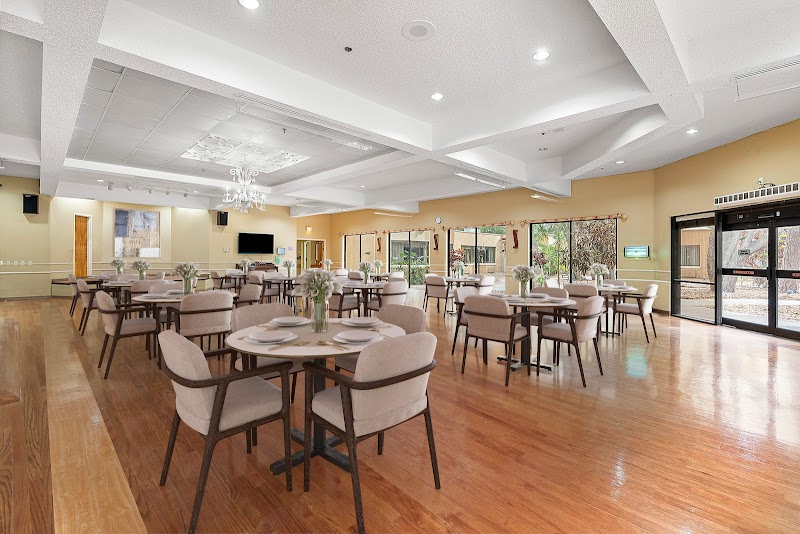
How is Kensington Gardens Rehab And Nursing Center Staffed?

CMS rates KENSINGTON GARDENS REHAB AND NURSING CENTER's staffing level at 3 out of 5 stars, which is average compared to other nursing homes. Staff turnover is 57%, which is 11 percentage points above the Florida average of 46%. High turnover can affect care consistency as new staff learn residents' individual needs.

What Have Inspectors Found at Kensington Gardens Rehab And Nursing Center?

State health inspectors documented 31 deficiencies at KENSINGTON GARDENS REHAB AND NURSING CENTER during 2022 to 2025. These included: 31 with potential for harm.
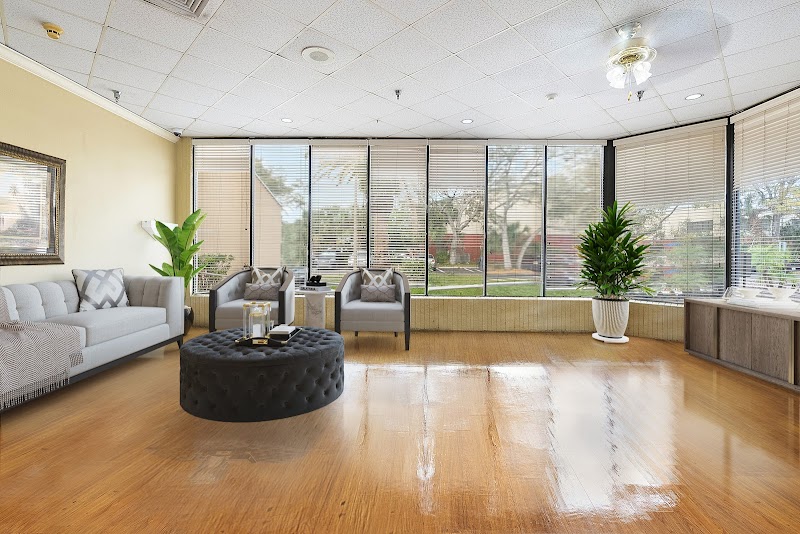
Who Owns and Operates Kensington Gardens Rehab And Nursing Center?

KENSINGTON GARDENS REHAB AND NURSING CENTER is owned by a for-profit company. For-profit facilities operate as businesses with obligations to shareholders or private owners. The facility is operated by ASTON HEALTH, a chain that manages multiple nursing homes. With 150 certified beds and approximately 133 residents (about 89% occupancy), it is a mid-sized facility located in CLEARWATER, Florida.
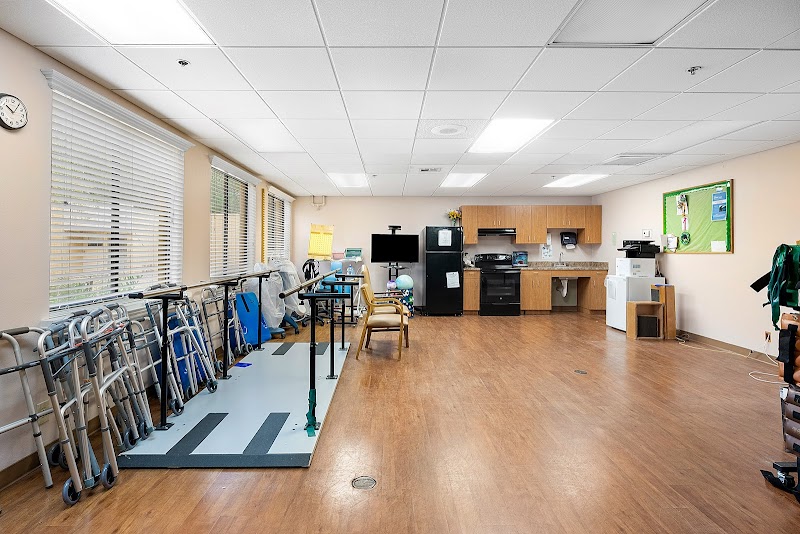
How Does Kensington Gardens Rehab And Nursing Center Compare to Other Florida Nursing Homes?

Compared to the 100 nursing homes in Florida, KENSINGTON GARDENS REHAB AND NURSING CENTER's overall rating (2 stars) is below the state average of 3.2, staff turnover (57%) is significantly higher than the state average of 46%, and health inspection rating (2 stars) is below the national benchmark.

What Should Families Ask When Visiting Kensington Gardens Rehab And Nursing Center?

Based on this facility's data, families visiting should ask: "How do you ensure continuity of care given staff turnover, and what is your staff retention strategy?" "Can I visit during a mealtime to observe dining assistance and food quality?" "How do you handle medical emergencies, and what is your hospital transfer rate?" "Can I speak with family members of current residents about their experience?" These questions are particularly relevant given the facility's high staff turnover rate.

Is Kensington Gardens Rehab And Nursing Center Safe?

Based on CMS inspection data, KENSINGTON GARDENS REHAB AND NURSING CENTER has a clean safety record: no substantiated abuse findings (meaning no confirmed cases of resident harm), no Immediate Jeopardy citations (the most serious violation level indicating risk of serious injury or death), and is not on the Special Focus Facility watch list (a federal program monitoring the lowest-performing 1% of nursing homes). The facility has a 2-star overall rating and ranks #100 of 100 nursing homes in Florida. While no facility is perfect, families should still ask about staff-to-resident ratios and recent inspection results during their visit.

Do Nurses at Kensington Gardens Rehab And Nursing Center Stick Around?

Staff turnover at KENSINGTON GARDENS REHAB AND NURSING CENTER is high. At 57%, the facility is 11 percentage points above the Florida average of 46%. High turnover means new staff may not know residents' individual needs, medications, or preferences. It can also be disorienting for residents, especially those with dementia who rely on familiar faces. Families should ask: What is causing the turnover? What retention programs are in place? How do you ensure care continuity during staff transitions?

Was Kensington Gardens Rehab And Nursing Center Ever Fined?

KENSINGTON GARDENS REHAB AND NURSING CENTER has been fined $18,070 across 2 penalty actions. This is below the Florida average of $33,260. While any fine indicates a compliance issue, fines under $50,000 are relatively common and typically reflect isolated problems that were subsequently corrected. Families should ask what specific issues led to these fines and confirm they've been resolved.

Is Kensington Gardens Rehab And Nursing Center on Any Federal Watch List?

KENSINGTON GARDENS REHAB AND NURSING CENTER is not on any federal watch list. The most significant is the Special Focus Facility (SFF) program, which identifies the bottom 1% of nursing homes nationally based on persistent, serious quality problems. Not being on this list means the facility has avoided the pattern of deficiencies that triggers enhanced federal oversight. This is a positive indicator, though families should still review the facility's inspection history directly.