OAKS OF CLEARWATER, THE
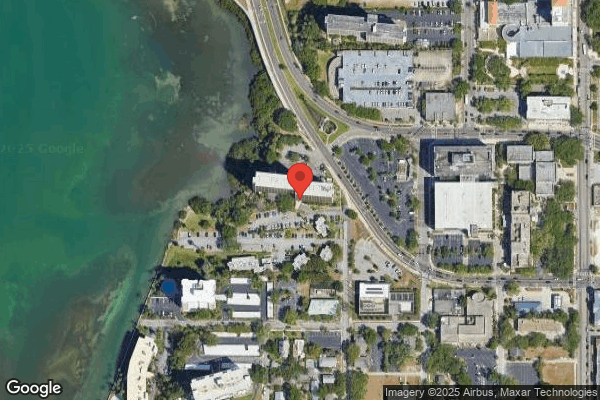
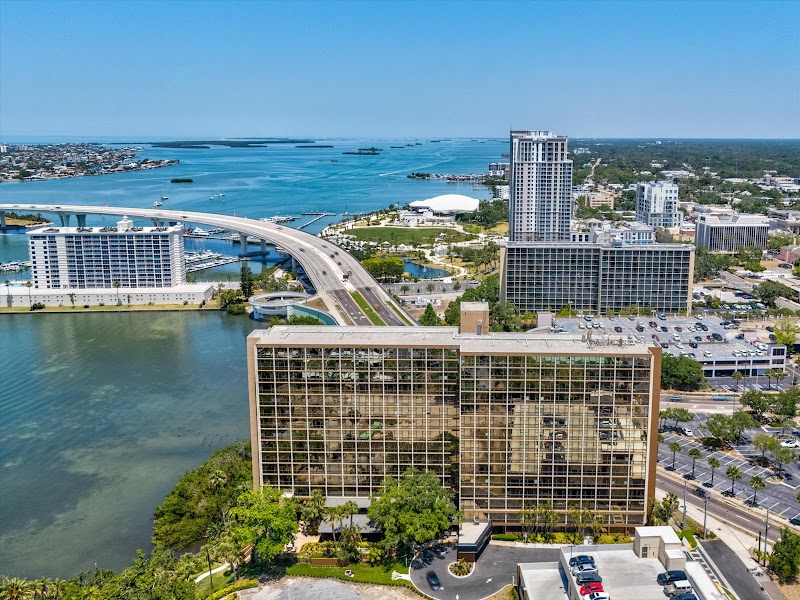
420 BAY AVE, CLEARWATER, FL 33756 (727) 445-4700
For profit - Corporation 60 Beds Independent Data: November 2025
Trust Grade
43/100
#538 of 690 in FL
Last Inspection: September 2023

Over 2 years since last inspection. Current conditions may differ from available data.

Overview

Oaks of Clearwater has a Trust Grade of D, indicating below-average quality and some concerning issues. They rank #538 out of 690 nursing homes in Florida, placing them in the bottom half of facilities in the state, and #39 out of 64 in Pinellas County, meaning only a handful of local options are better. While the facility is improving, going from 12 issues in 2023 to 2 in 2025, it still has a high staff turnover rate of 56% compared to the state average of 42%, which could affect the quality of care. Specific incidents include a failure to keep residents' medical information confidential, loose toilet rails posing a safety risk, and food in the kitchen being improperly labeled and dated, which raises concerns about food safety. Despite these weaknesses, the staffing rating is average at 3/5 stars, and there have been no critical or serious issues reported, suggesting some level of stability in care.

Trust Score
D
43/100
In Florida
#538/690
Bottom 23%
Safety Record
Low Risk
No red flags
Inspections
Getting Better
12 → 2 violations
Staff Stability
⚠ Watch
56% turnover. Above average. Higher turnover means staff may not know residents' routines.
Penalties
✓ Good
$7,409 in fines. Lower than most Florida facilities. Relatively clean record.
Skilled Nurses
⚠ Watch
Each resident gets only 26 minutes of Registered Nurse (RN) attention daily — below average for Florida. Fewer RN minutes means fewer trained eyes watching for problems.
Violations
⚠ Watch
27 deficiencies on record. Higher than average. Multiple issues found across inspections.
★★☆☆☆
2.0
Overall Rating
★★★☆☆
3.0
Staff Levels
★★★☆☆
3.0
Care Quality
★★☆☆☆
2.0
Inspection Score
Stable
2023: 12 issues
2025: 2 issues

The Good

  • Full Sprinkler Coverage · Fire safety systems throughout facility
  • No fines on record

Facility shows strength in fire safety.

The Bad

2-Star Overall Rating

Below Florida average (3.2)

Below average - review inspection findings carefully

Staff Turnover: 56%

10pts above Florida avg (46%)

Frequent staff changes - ask about care continuity

Federal Fines: $7,409

Below median ($33,413)

Minor penalties assessed

Staff turnover is elevated (56%)

8 points above Florida average of 48%

The Ugly 27 deficiencies on record

Jul 2025 1 deficiency
CONCERN (D) 📢 Someone Reported This

A family member, employee, or ombudsman was alarmed enough to file a formal complaint

Potential for Harm - no one hurt, but risky conditions existed

Grievances (Tag F0585)

Could have caused harm · This affected 1 resident

**NOTE- TERMS IN BRACKETS HAVE BEEN EDITED TO PROTECT CONFIDENTIALITY** Based on interviews and record review, the facility failed to thoroughly investigate a voiced grievance for one resident (#3) ou...

Read full inspector narrative →
**NOTE- TERMS IN BRACKETS HAVE BEEN EDITED TO PROTECT CONFIDENTIALITY** Based on interviews and record review, the facility failed to thoroughly investigate a voiced grievance for one resident (#3) out of four sampled residents. Findings included:On 07/24/2025 at 02:35 P. M., a phone interview was conducted with Resident #3's family member. She stated she was unable to speak with the Nursing Home Administrator (NHA), via phone call because she could not be reached. She stated she was able to communicate with the NHA through text messaging. She stated she had concerns about the care her family member was getting and she notified the NHA of her concerns. She stated the NHA was dismissive of her. She stated she never heard from the facility with what happened. Review of Resident #3's medical records revealed she was admitted to the facility on [DATE], with a discharge date of 07/16/2025 to another facility. Diagnoses for Resident #3 included: wedge compression fracture of vertebra, and depression. A review of the progress notes revealed the following: 6/19/2025 12:01 Communication with FamilyNote Text: : On this day writer spoke with [family member]. [Family member] stated that resident's former roommate was screaming and yelling in the background while resident was on the phone with her and provider . [Family member] stated she did not appreciate the other resident's behavior and requested facility to move the other resident from near [Resident #3's] room .An interview was conducted on 07/24/2025 at 01:11 P. M., with the Social Services Director. She stated any needs or wants of residents go through her department and she makes sure grievances are resolved in a timely manner. She stated there were no grievances documented, related to Resident #3 for the month of June. She stated if a concern is raised by a resident, family member, or staff member in relation to a resident, then a grievance needs to be filed. She stated this applies to the Administrator and the Director of Nursing, (DON) as well.A review of grievance logs for the month of June 2025, revealed no grievances were filed related to Resident #3.On 07/24/2025 at 02:00 P. M., an interview was conducted with the Nursing Home Administrator (NHA). She stated in the month of June, around the sixteenth, she spoke with Resident #3's family member. She stated she told the family member she would look into the concerns. She stated she did not file a grievance and had no documentation to support an investigation into the family's concerns. She stated in lots of cases a concern is not considered a grievance unless it happens more than once.On 07/24/2025 the NHA provided the Resident and Family Grievances, policy for review, with a last revision date of 4/21/25, The policy revealed the following: Policy: It is the policy of this facility to support each resident's and family member's right to voice grievances without discrimination, reprisal or fear of discrimination or reprisal. Definitions: Prompt efforts to resolve include facility acknowledgment of a complaint/grievance and actively working toward resolution of that complaint/grievance. Policy Explanation and Compliance Guidelines:1. (Name and Title) has been designated as the Grievance Official and can be reached at (list contact information).2. The Grievance Official is responsible for overseeing the grievance process; receiving and tracking grievances through to their conclusion; leading any necessary investigations by the facility; maintaining the confidentiality of all information associated with grievances; issuing written grievance decisions to the resident; and coordinating with state and federal agencies as necessary in light of specific allegations.4. A resident or family member may voice grievances with respect to care and treatment which has been furnished as well as that which has not been furnished, the behavior of staff and other residents, and other concerns regarding their LTC facility stay.8. Grievances may be voiced in the following forums: Verbal complaint to a staff member or Grievance Official. b. Written complaint to a staff member or Grievance Official. C. Written complaint to an outside party. d. Verbal complaint during resident or family council meetings. e. Via the company toll free Customer Service Line (if applicable).10. Procedure: e. The Grievance Official, or designee, will keep the resident appropriately apprised of progress towards resolution of the grievances. f. The facility will take appropriate action in accordance with State law if an alleged violation of resident's rights is confirmed by the facility or an outside entity, such as State Survey Agency, Quality Improvement Organization, or local law enforcement agency. g. In accordance with the resident's right to obtain a written decision regarding his or her grievance, the Grievance Official will issue a written decision on the grievance to the resident or representative at the conclusion of the investigation. The written decision will include at a i. The date the grievance was received. ii. The steps taken to investigate the grievance. iii. A summary of the pertinent findings or conclusions regarding the resident's concern (S). iv. A statement as to whether the grievance was confirmed or not confirmed. v. Any corrective action taken or to be taken by the facility as a result of the grievance. vi. The date the written decision was issued.
Apr 2025 1 deficiency
CONCERN (D) 📢 Someone Reported This

A family member, employee, or ombudsman was alarmed enough to file a formal complaint

Potential for Harm - no one hurt, but risky conditions existed

Investigate Abuse (Tag F0610)

Could have caused harm · This affected 1 resident

**NOTE- TERMS IN BRACKETS HAVE BEEN EDITED TO PROTECT CONFIDENTIALITY** Based on resident record review, resident and staff interviews, observations, and policy and procedure review, the facility did ...

Read full inspector narrative →
**NOTE- TERMS IN BRACKETS HAVE BEEN EDITED TO PROTECT CONFIDENTIALITY** Based on resident record review, resident and staff interviews, observations, and policy and procedure review, the facility did not ensure an injury of unknown origin was thoroughly investigated in a timely manner for one resident (#1) of three residents reviewed for alleged violations of abuse and mistreatment. Findings included: Review of the record for Resident #1 revealed Resident #1 was admitted to the facility on [DATE] with diagnoses of unspecified dementia, unspecified severity without behavioral disturbance, psychotic disturbance, mood disorder and anxiety; anxiety disorder; major depressive disorder; other specified persistent mood disorders; pain, unspecified; polyneuropathy; and unspecified mood affective disorder. Review of Resident #1's quarterly Minimum Data Set (MDS) assessment dated [DATE] revealed a Brief Interview for Mental Status score of 5 out of 15, indicating severe cognitive impairment. The assessment revealed Resident #1 required substantial/maximum assistance for toileting hygiene. A review of Resident #1's care plan revealed a Focus, Resident #1 is at risk for recurring skin tears and bruising due to fragile skin, initiated 9/13/23 and revised 4/29/24. Interventions included use caution during transfer to reduce risk for recurring injuries. During an observation and interview on 4/17/25 at 11:00 am., Resident #1 was observed lying down in bed covered in her blanket. She was observed with a bandage on her top right forehand above her right eye. She had a black and blue colored bruise about two to three inches underneath her right eye. Resident #1 had purple and black colored bruising on her right shoulder and purple colored bruising on the top of her right hand. Resident #1 stated the bruise on her face came from a fall she had when she tried to get out of bed. She stated she was not able to remember how she got the bruise on her right hand. Review of Resident #1's nursing notes dated 4/11/25 at 6:42 p.m. and authored by Staff C, Licensed Practical Nurse (LPN), revealed: Note Text: Writer was coming out of another resident's room and overheard the patient screaming and fighting with the patient (sic). Writer went in resident's room to assess what was going on and the nursing aids were trying to change the patient and the patient was resisting and telling them in Greek not to touch her and to call her son. She also reported her right hand was hurting. Patient was offered pain medication but the patient declined. NP (Nurse Practitioner) and Unit manager were notified of the incident and pending orders from NP. The nursing notes also revealed a late entry nursing note authored by Staff C, LPN, created on 4/18/25 at 11:31 a.m., with an effective date of 4/11/25 at 6:42 p.m. The note revealed: Late entry, April ,2024 (sic) at 1842 pm. Writer intervened as the nurse in charge upon assessing patient noticed slight discoloration of right hand, patient was also holding hand and saying she was in pain. Writer offered the patient Tylenol for pain management, however patient declined, writer then offered an ice pack, however patient refused and was upset and requested that this writer and nursing assistant leave the room. Writer and nursing assistant left the room as requested by patient. An interview was conducted with the Interim Director of Nursing (DON) and Interim Nursing Home Administrator (NHA), on 4/17/25 at 12:15 p.m. The DON stated she investigated the incident involving Resident #1, checked on the resident, and saw the physician ordered an x ray. The DON stated Resident #1 is alert and confused but does not like to be changed and when they put her in bed she complained of pain to her right hand. The DON stated she interviewed the nurse involved, but not the CNAs involved in the incident. She stated she should have interviewed the CNAs and she was waiting for them to get back to her, but they did not called her back. The NHA stated to the DON, I asked you to get a statement from the CNAs. The DON replied, I didn't get statements, they didn't get back to me. During the interview, the DON could not recall the CNAs names involved in the incident with Resident #1. The DON stated the nurse told her they were changing Resident #1, she had a push back, and she complained of pain in her right hand. The DON stated she didn't get the whole story and she could not determine if Resident #1 was injured or abused by the CNA and it is still an open investigation. An interview was conducted with Staff D, LPN Unit Manager (UM) on 4/17/25 at 1:09 p.m. Staff D, LPN UM, stated the event with Resident # 1 happened on a Friday night and she had a bruise from the incident, so he obtained an order for an x-ray. He stated he received a phone call around 6:30 p.m. or 6:45 p.m., on 4/11/25 from the 3-11 p.m. nurse, who told him, during care, Resident #1 was swatting at the CNAs and complained of pain on her hand. Staff D, LPN UM stated the CNA involved was Staff A, CNA and this occurred while she was trying to change the resident. He stated he texted the Director of Nursing (DON) following the incident to inform her. An interview was conducted with Staff C, LPN on 4/17/25 at 1:33 p.m. She stated she was assisting a patient in another room and then she was coming out of the other room she heard Resident #1 yelling get out leave me alone. She stated Staff A, Certified Nursing Assistant (CNA) and Staff B, CNA were trying to change Resident #1 and she was swatting at them. Staff C, LPN stated, I don't know what she hit or what happened to her hand. She kept screaming her hand her hand. Staff C, LPN stated her nursing note on 4/11/25 should have documented the patient was screaming and fighting with a CNA, not a patient. Staff C, LPN stated she talked to Staff A, CNA, but did not talk to Staff B, CNA about what occurred. The staff member stated she tried to talk to Resident #1, however, she was irate and yelling in Greek. She stated she reached out to the provider to obtain an order for an X ray. A phone interview was conducted with Staff B, CNA, on 1/17/25 at 2:20 p.m. Staff B, CNA stated she was in the shower area with another resident and the resident's family member, when the family member told her she was hearing screams and someone yelling stop, get away. She stated she went into Resident 1#'s room and observed Resident #1 lying in her bed and Staff A, CNA, was trying to change her. She stated Resident #1 was yelling, telling Staff A, CNA to get away, and was flapping her arms at her. She stated Staff A, CNA grabbed Resident #1's hand in a gentle way and Resident #1 was crying. Staff B, CNA stated she told Staff A, CNA, to leave the room. She stated Resident #1 kept saying Staff A, CNA hurt her hand as she continued to cry. Staff B, CNA stated nobody from the facility asked her to write a statement relating to the incident. A follow up interview was conducted with Staff C, LPN, on 4/17/25 at 4:24 p.m. She stated Resident #1 was telling them get out and when she entered the room, Resident #1 was crying and stated her hand was hurting. Staff C, LPN asked the resident what happened and the resident answered in Greek. Staff C, LPN asked Staff A, CNA, what happed and she stated she was trying to change Resident #1. Staff C, LPN asked Staff B, CNA about the incident and Staff B, CNA stated she was not sure if Resident #1 hurt her hand by swinging it or when they rolled the resident onto her side. Staff C, LPN informed Staff D, LPN Unit Manager of the incident. An interview was conducted with Staff E, MDS Coordinator, on 4/18/25 at 10:09 a.m. Staff E, MDS stated she saw the nursing note written by Staff C, LPN and contacted the Interim Administrator and the Interim DON on 4/12/25 in the morning. She stated she told then there was an issue and they need to look at the note in the chart for Resident #1. Review of an undated facility policy and procedure entitled Abuse, Neglect and Exploitation revealed the following: Policy: It is the policy of this facility to provide protections for the health, welfare and rights of each resident by developing and implementing written policies and procedures that prohibit and prevent abuse, neglect, exploitation and misappropriation of resident property. Definitions: Alleged Violation is a situation or occurrence that is observed or reported by staff, resident, relative, visitor or others but has not yet been investigated and, if verified, could be indication of noncompliance with the Federal requirements related to mistreatment, exploitation, neglect, or abuse, including injuries of unknown source, and misappropriation of resident property. V. Investigation of Alleged Abuse, Neglect, and Exploitation A. An immediate investigation is warranted when suspicion of abuse, neglect, or exploitation, is warranted when suspicion of abuse neglect or exploitation, or reports of abuse, neglect of exploitation occur. B. Written procedures for investigation include: 1. Identifying staff responsible for the investigation; . 3. Investigating different types of alleged violations; 4. Identifying and interviewing all involved persons, including the alleged victim, alleged perpetrator, witnesses, and others who might have knowledge of the allegations; 5. Focusing the investigation on determining if abuse, neglect, exploitation, and /or mistreatment has occurred, the extent, and cause; and 6. Providing complete and thorough documentation of the investigation.
Sept 2023 12 deficiencies
CONCERN (D)

Potential for Harm - no one hurt, but risky conditions existed

Resident Rights (Tag F0550)

Could have caused harm · This affected 1 resident

**NOTE- TERMS IN BRACKETS HAVE BEEN EDITED TO PROTECT CONFIDENTIALITY** Based on observation, record review and interview the facility failed to ensure one resident (#209) of six residents observed fo...

Read full inspector narrative →
**NOTE- TERMS IN BRACKETS HAVE BEEN EDITED TO PROTECT CONFIDENTIALITY** Based on observation, record review and interview the facility failed to ensure one resident (#209) of six residents observed for in-room dining and two residents (#4 and #26) of nine residents observed for communal dining received a dignified dining experience. Findings included: 1. An observation, on 09/18/23 at 4:43 p.m. showed Resident #209 sat in her wheelchair at a bedside table and stated, I am hungry. Resident #209's roommate was observed with a dinner tray eating as Resident #209 watched her roommate eat dinner. Resident #209 stated her tray always came late and on a different cart. Resident #209 stated she had been receiving her tray later, after her roommate was served, since being admitted to the facility three days ago. (Photographic Evidence Obtained) During an interview on 09/18/23 at 4:45 p.m. Staff A, Licensed Practical Nurse (LPN) stated the tray pass was a problem around here. Staff A, LPN stated food should be delivered to roommates together but that did not always happen because the trays came on different carts at different times. An observation on 09/18/23 at 5:01 p.m. showed Resident #209 received her dinner tray at 5:01 p.m. A review of Resident #209's admission Record showed Resident #209 was admitted to the facility on [DATE] with diagnoses of cellulitus of lower left leg, urinary tract infection, left hip pain and an unspecified open wound. A review of the Minimum Data Set (MDS), dated [DATE], showed in Section C - Cognitive Patterns a Brief Interview for Mental Status (BIMS) score of 15 (cognitively intact). Review of an active physician order, dated 09/15/23, showed, Regular diet, regular texture, thin consistency. 2. An observation on 09/19/23 at 11:58 a.m. showed Residents #22, #40, #26 and #4 were all seated together at a table in the dining room. Resident #22 and Resident #40 were observed with their lunch trays eating while Resident #26 and Resident #4 had no lunch tray. Resident #26 and Resident #4 were observed watching Resident #22 and #40 eat while they waited on lunch trays. An empty tray cart was sat in the dining room where all the lunch trays had been distributed from. At approximately 12:06 p.m. a second tray cart arrived in the dining room and Resident #26 and Resident #4 were then served their lunch trays. (Photographic Evidence Obtained) During an interview on 09/20/23 at 12:56 p.m. Staff B, Certified Nursing Assistant (CNA) stated staff served food trays off the tray carts based on availability. Staff B, CNA stated the kitchen puts the resident trays on the cart and we serve them as they come. Staff B, CNA stated there are times when residents are not served at the same time because that is how the kitchen sent the trays up. Staff B, CNA stated sometimes residents have to wait on their trays when others, at the same table or their roommates, would be served and already eating. During an interview on 09/20/23 at 1:05 p.m. Staff C, CNA stated the facility's policy was for all residents to be served per table or room together (at the same time). A review of the facility's policy, Dining Room Audits, revised date 01/2009, showed, Policy Statement Our facility audits food service department regularly to ensure that residents needs are met and that dining is a safe and pleasant experience for residents. The auditor will assess: d. If residents at each table are served together.
CONCERN (D)

Potential for Harm - no one hurt, but risky conditions existed

Assessment Accuracy (Tag F0641)

Could have caused harm · This affected 1 resident

**NOTE- TERMS IN BRACKETS HAVE BEEN EDITED TO PROTECT CONFIDENTIALITY** Based on record review and interview the facility failed to accurately assess a discharge on the Minimum Data Set (MDS) for one ...

Read full inspector narrative →
**NOTE- TERMS IN BRACKETS HAVE BEEN EDITED TO PROTECT CONFIDENTIALITY** Based on record review and interview the facility failed to accurately assess a discharge on the Minimum Data Set (MDS) for one resident (#56) of three residents reviewed for transfer and discharge. Findings included: A review of Resident #56's admission Record showed Resident #56 was admitted to the facility with diagnoses of Parkinson's Disease, dysphasia, pneumonitis and dysphonia. A review of the Discharge Return Not Anticipated MDS, dated [DATE], showed in Section A 2100 Discharge Status that Resident #56 was discharged to an Acute hospital. Review of a physician order, dated 07/19/23, showed, discharge to apartment in Assisted Living Facility. Review of a Plan of Care Note, dated 6/28/2023, showed, Care plan meeting held with IDT (interdisciplinary team), [spouses] they are both residents at facility, plan for residents to transition back to ALF (assisted living facility). Review of a Discharge summary, dated [DATE], showed, Resident discharged to upstairs apartment. Resident assisted by CNAs (certified nursing assistants). All personal effects given. Medications sent upstairs. During an interview on 09/20/23 at 10:40 a.m. Staff F, MDS Coordinator (MDSC) stated Resident #56 was discharged upstairs to an assisted living apartment on 07/20/23. Staff F, MDSC reviewed Resident #56's MDS Discharge Return Not Anticipated, dated 07/20/23. Staff F MDSC stated Section A 2100 showed Resident #56 was discharged to an acute hospital which was wrong. Staff F MDSC stated, Oh that is an error, it must be a computer glitch, as Resident #56 was discharged upstairs to the assisted living community. Staff F, MDSC was observed immediately modifying Resident #56's MDS Discharge Return Not Anticipated, dated 07/20/23, during the interview.
CONCERN (D)

Potential for Harm - no one hurt, but risky conditions existed

PASARR Coordination (Tag F0644)

Could have caused harm · This affected 1 resident

**NOTE- TERMS IN BRACKETS HAVE BEEN EDITED TO PROTECT CONFIDENTIALITY** 3. A review of Resident #18's admission Record revealed she was admitted to the facility on [DATE], with diagnoses to include ma...

Read full inspector narrative →
**NOTE- TERMS IN BRACKETS HAVE BEEN EDITED TO PROTECT CONFIDENTIALITY** 3. A review of Resident #18's admission Record revealed she was admitted to the facility on [DATE], with diagnoses to include major depressive disorder, unspecified dementia, unspecified severity, without behavioral disturbance, psychotic disturbance, mood disturbance and anxiety. A review of the PASARR Level I Screen, dated 6/30/21, Section I - Decision Making A. and B, revealed it was not completed to reflect Resident #18's mental illness. During an interview on 09/19/23 at 3:00 p.m. Director of Nursing (DON) stated that Residents #18, #30 and #45's PASARRs should have been updated to show the new diagnosis of serious mental illness after admission and submitted for a Level II. The DON stated the facility had never really had a process for PASARRs before besides just reviewing them upon admission, but the facility will now develop a PASARR process. A review of the policy title, Coordination-Pre-admission Screening and Resident Review, undated showed, 2. b. Referring all Level II residents with newly evident or possible serious mental disorder, intellectual disability, or a related condition for Level II resident review upon a significant change in status assessments. Based on record review and interview and facility failed to refer three residents (#18, #30 and #45) of four residents for a Level II Pre-admission Screening and Resident Review (PASARR) upon a significant change in status assessment. Findings included: 1. A review of Resident #30's admission Record showed Resident #30 was admitted to the facility on [DATE] with diagnoses of metabolic encephalopathy, neurocognitive disorder with Lewy Body Dementia, generalized anxiety disorder and major depressive disorder, single episode. Resident #30 was later diagnosed with schizoaffective disorder on 06/09/23. Review of Resident #30's Level I Pre-admission Screening and Resident Review (PASARR), dated 01/02/20 showed, Resident #30 had Lewy Body Dementia and was marked No diagnosis or suspicion of Serious Mental illness or intellectual disability indicated. There was no PASARR referral for a Level II PASARR upon new diagnosis of schizoaffective disorder on 06/09/23. 2. A review of Resident #45's admission Record showed Resident #45 was admitted to the facility on [DATE] with diagnoses of dysphagia, paralysis of vocal cords and larynx, and chronic atrial fibrillation. Resident #45 was later diagnosed with major depressive disorder, recurrent, mild on 08/16/21 and dementia, unspecified severity with agitation on 02/20/23. Review of Resident #45's Level I PASARR, dated 08/10/21, showed, Resident #45 had a psychotic disorder with multiple questions marked yes in Section II for decision making. There was no PASARR referral for a Level II PASRR upon new diagnosis of dementia, unspecified severity with agitation on 02/20/23.
CONCERN (D)

Potential for Harm - no one hurt, but risky conditions existed

Deficiency F0657 (Tag F0657)

Could have caused harm · This affected 1 resident

**NOTE- TERMS IN BRACKETS HAVE BEEN EDITED TO PROTECT CONFIDENTIALITY** Based on observation, record review and interview the facility failed to revise the person centered care plan to reflect the use...

Read full inspector narrative →
**NOTE- TERMS IN BRACKETS HAVE BEEN EDITED TO PROTECT CONFIDENTIALITY** Based on observation, record review and interview the facility failed to revise the person centered care plan to reflect the use of the word mama to communicate and identify the needs by one resident (#37) with communication limitations of thirty-two residents sampled. Findings included: On 9/18/2023 at 7:00 a.m. Resident #37 was observed laying down in bed dressed in her nightgown, with her bedside table next to her bed. Resident #37 was not able to communicate when she was asked questions. On 9/20/2023 at 3:45 p.m. Resident #37 was observed laying down in bed dressed in her nightgown, trying to express herself, but was unable to communicate her needs. A review of the admission Record revealed Resident #37 was admitted to the facility on [DATE], with diagnoses to include hemiplegia and hemiparesis following cerebral infarction affecting right dominant side, dysphagia following cerebral infarction, altered mental status, unspecified and adult failure to thrive. A review of the Minimum Data Set (MDS), dated [DATE], Section C - Cognitive Patterns showed a Brief Interview for Mental Status (BIMS) score of no score recorded in Section C0500. Further review of the MDS Section C100 - Cognitive Skills for Daily Decision Making revealed a score of 3 indicating Resident # 37 was severely impaired. A review of a care planned Focus, dated 4/13/2023, revealed Resident #37 had a communication problem r/t (related to) Expression Aphasia post Cerebral Vascular Accident, CVA. A review of the care plan goal was documented as staff would anticipate and meet needs of Resident #37. Interventions included to encourage resident to make needs known through nonverbal communication as able. Pointing at objects, nodding head, Observe for verbal and nonverbal s/s (signs/symptoms) of pain or discomfort i.e. facial expression, crying out, moaning, grimacing, restlessness, protective body. During an interview on 9/20/2023 at 9:00 am., Staff B, Certified Nursing Assistant (CNA) said when she was distributing breakfast trays to resident rooms, she overheard Resident #37 shouting out for her mama from her room. When she went to check on the resident, she said Resident #37 was lying in bed soaking wet from the night shift. Staff B said Resident # 37 was unable to communicate her needs, but she calls out for her mama and that's how she knows something is wrong. She stated if she was not a regular staff member, she wouldn't know the resident needed help when she calls out for her mama. During an interview on 9/20/2023 at 11:25 p.m. with Staff G, CNA said she's takes care of Resident #37 and she's able to understand what the resident wants most of the time, and especially when she uses the word mama. She said if she never worked with the resident before she would not know the resident needed something when she calls out for her mama. Staff G said she doesn't get the resident out of bed because she knows the resident doesn't like to get up. During an interview on 9/20/2023 at 2:45 p.m. the Assistant Director of Nursing/Unit Manager (ADON/UM) said Resident #37 calls out for her mama whenever she needs something. The ADON/UM said the word mama should be care planned because they use agency staff a lot and it would help them to identify Resident #37 has a need. A review of the facility policy, titled, Care Plan, Comprehensive Person- Centered, revised December 2016, showed: Policy Statement - A comprehensive, person-centered care plan that includes measurable objectives and timetables to meet the resident's physical, psychological and functional needs is developed and implemented for each resident . 8. The comprehensive, person - centered care plan will: b. Describe the services that are to be furnished to attain or maintain the resident's highest practicable physical, mental, and psychological well-being.
CONCERN (D)

Potential for Harm - no one hurt, but risky conditions existed

Deficiency F0676 (Tag F0676)

Could have caused harm · This affected 1 resident

**NOTE- TERMS IN BRACKETS HAVE BEEN EDITED TO PROTECT CONFIDENTIALITY** Based on observation, interview, and record review the facility failed to ensure accommodations were in place related to visual ...

Read full inspector narrative →
**NOTE- TERMS IN BRACKETS HAVE BEEN EDITED TO PROTECT CONFIDENTIALITY** Based on observation, interview, and record review the facility failed to ensure accommodations were in place related to visual impairment for one resident (#47) out of thirty-two sampled residents. Findings included: An observation was made on 9/19/23 at 4:59 p.m. of Resident #47 sitting in her wheelchair next to her bed. The resident's dinner tray was in front of her, and the drinks were open, but the resident said she didn't know what she was served. The resident also said she did not know where her drink was on the tray and wanted to be told where it was located, she said she was unable to see what was on her tray. Review of admission Record showed Resident #47 was admitted on [DATE] with diagnoses including unspecified glaucoma, and age-related physical debility. Review of Resident #47's quarterly Minimum Data Set (MDS,) dated 6/16/23, Section C - Cognitive Patterns, showed the resident had a Brief Interview for Mental Status (BIMS) score of 10, indicating she has moderately impaired cognition. Section B - Hearing, Speech and Vision showed the resident had impaired vision. Section G - Functional Status showed the resident needs set up help for meals. Review of Resident #47's Dehydration Risk Evaluation, dated 9/17/23, showed the resident was at risk for dehydration due to decreased oral intake, among other causes. Review of Resident #47's Quarterly Activities Review, dated 9/15/23, noted the resident is brought too [sic] activities but she never really participates minimal and she wants to go back to her room. Review of Resident #47's care plans showed a focus plan in place for impaired visual function related to Glaucoma with risk for additional decline, difficulty seeing large print, sees objects. The focus plan was initiated on 10/13/22. The actions/tasks listed were the following: -Take care with activities/care to provide for safety and promote independence. -Eye exam on 9/20/23. -Arrange a consultation with eye care practitioner as required. -Medications per orders. -Monitor/document/report PRN (as needed) any s/sx [signs/symptoms] of acute eye problems: Change in ability to perform ADLs [activities of daily living], decline in mobility, sudden visual loss, pupils dilated, gray or milks, c/o [complaints of] halos around lights, double vision, tunnel vision, blurred or hazy vision. -Tell the resident where you are placing their items. Be consistent. Review of physician orders showed an order in place for an eye exam follow-up appointment for Resident #47 due to legally blind/macular degeneration related to UNSPECIFIED GLAUCOMA The order was entered on 8/23/23. An observation was made on 9/18/23 at 2:07 p.m. of Resident #47 sitting in a chair beside her bed with a family member by her bedside. The resident stated she would like her family member to explain her concerns. The family member stated the resident has been losing vision for a while and the facility staff are not accommodating things for her. The family member said Resident #47 used to go to activities and now just sits in bed. The family member said the resident doesn't even know what she eats each meal. The family member said staff told her someone would go with the resident to help with bingo and other activities, but no one ever does. The family member said they don't feel like the resident is eating very good because she cannot see what she is eating, and staff do not tell her. An observation was made on 9/19/23 at 11:45 a.m. of the resident being assisted to the bathroom with an aide. At 12:05 the resident had returned to her chair located beside her bed and no staff members were present. Resident #47 was observed reaching to her left, leaning over, and feeling around on her bed. When asked what she was looking for, the resident said she couldn't find her oxygen tubing. She said it was taken off when she went to the bathroom, and she couldn't see where it was to put it back on. The nasal cannula was observed to be out of reach of the resident. The resident's call light was also out of her reach so she could not call for assistance. The resident said she didn't really like her lunch, but she didn't know what she was eating. The nutrition shake and lemonade were unopened on the tray, and the condiments for the meal, salsa and sour cream, were stacked up and unopened. When the resident was told she also had a piece of cake that looked good she stated, Oh, where is that. (Photographic Evidence Obtained) An observation was made on 9/20/23 at 12:00 p.m. of lunch being delivered to Resident #47. A staff member assisted the resident to her wheelchair and placed the food tray in front of her. She opened the resident's juice but did not tell the resident what was served for lunch or where items were placed on her tray. The staff member exited the room. At 12:02 p.m. the resident was observed using a spoon unsuccessfully trying to scoop her food. When asked if she knew what she had for lunch, the resident said she didn't know. She asked where her nutrition shake was and said she knew she needed to drink that first. The resident again began trying to use her spoon to scoop her food. The resident was unable to see that her lunch was a sandwich, and this was not explained to her. When told she had a sandwich, she said that it would have been nice to know she could have picked it up. When told she also had peaches on her tray she said Oh, where are those? The resident also asked if someone could get her a towel due to her not being able to see and spilling food on herself. She said she didn't want to get food on her clothes. When the resident finished eating and her tray was removed, her mashed potatoes and beans had not been touched and her sandwich bun was broken to pieces. (Photographic Evidence Obtained) An interview was conducted on 9/20/23 at 2:13 p.m. with Staff J, Certified Nursing Assistant (CNA.) Staff J, CNA said she knew Resident #47 well. Staff J, CNA said the resident is blind and had been needing more help in the last week or two. She added the resident is alert and oriented but occasionally goes to the wrong bed. Staff J, CNA said for eating, the resident is able to eat on her own, but does need help, cutting up her food, opening containers and setting up. Staff J, CNA said she tells the resident counterclockwise where things are, and the resident always asks what she is having. Staff J, CNA said the resident is able to use her call bell and if she can't find it, she will wait until someone comes in the room and ask them. Staff J, CNA said there are no other special accommodations in place related to Resident #47's visual impairment. She said the resident has anxiety and will panic sometimes. Staff J, CNA confirmed the resident is able to pick up a sandwich and eat it if she knew what it was. Staff J, CNA also said the resident will sometimes go to activities but will disturb others by asking what are we doing. An interview was conducted on 9/20/23 at 2:41 p.m. with the Assistant Director of Nursing/Unit Manager (ADON/UM.) The ADON/UM said Resident #47 does often feel around for things and ask for assistance. The ADON/UM said she tells the resident where things on her plate are like a clock. The ADON/UM said she needed to educate staff on using the clock method with the resident. The ADON/UM said Resident #47 had not been looked at for needing more assistance with eating or care. The ADON/UM said she wasn't aware the resident's visual impairment had advanced. The ADON/UM said she did go in the resident's room on 9/18/23 and the resident was feeling around and couldn't find her call light. The ADON/UM said the call light was out of reach from the resident. When asked if the resident had any accommodations for her blindness she said, Not that I know of. An interview was conducted on 9/20/23 at 6:20 p.m. with the Director of Nursing (DON.) The DON said staff did not notify her Resident #47's vision had gotten worse. The DON said the resident needed a change of condition and full assessment completed. The DON said they needed to do education with the staff. Review of a facility policy titled ,Quality of Life-Accommodation of Needs, reviewed August 2009, showed the following: Policy Statement: Our facility's environment and staff behaviors are directed toward assisting the resident in maintaining and or achieving independent functioning, dignity, and well-being. Policy and Interpretation and Implementation 1. The residents individual needs and preferences shall be accommodated to the extent possible, except when the health and safety of the individual or other individuals would be. 2. The residence individual needs and preferences, including the need for adaptive devices and modifications to the physical environment, shall be evaluated upon admission and reviewed on an ongoing basis . 4. In order to accommodate individual needs and preferences, staff attitudes and behaviors must be directed towards assisting the resident in maintaining independence, dignity, and well-being to the extent possible and in accordance with the resident's wishes. a. Staff shall interact with the resident in a way that accommodates the physical or sensory limitations of the resident, promotes communication, and maintains dignity.
CONCERN (D)

Potential for Harm - no one hurt, but risky conditions existed

ADL Care (Tag F0677)

Could have caused harm · This affected 1 resident

**NOTE- TERMS IN BRACKETS HAVE BEEN EDITED TO PROTECT CONFIDENTIALITY** Based on observation, record review and interview the facility failed to provide nail care related to trimming and cleaning fing...

Read full inspector narrative →
**NOTE- TERMS IN BRACKETS HAVE BEEN EDITED TO PROTECT CONFIDENTIALITY** Based on observation, record review and interview the facility failed to provide nail care related to trimming and cleaning fingernails for one resident (#7) of thirty-two residents. Finding included: On 09/18/2023 at 10:00 a.m. and 3:00 p.m. Resident #7 was observed lying down in bed dressed in a nightgown, hair disheveled, facial hair on his face and long fingernails. On 9/19/2023 and 9/20/2023 at 11:00 a.m. and 4:00 p.m. Resident #7 was observed lying down in his bed, hair disheveled, facial hair on his face and long fingernails. A review of Resident #7's admission Record revealed he was admitted to the facility on [DATE] with diagnoses to include but not limited to hepatic encephalopathy, unspecified macular degeneration, anxiety disorder, and depression. A review of the Minimum Data Set (MDS), dated [DATE], Section C- Cognitive Patterns showed a Brief Interview for Mental Status score of 13 indicating Resident #7 was cognitively intact. Further review of the MDS Section G- Functional Status revealed Resident #7 was totally dependent for personal hygiene with one-person physical assist. A review of the Activities of Daily Living (ADLs) care plan initial and revision date of 4/10/2023, revealed Resident #7 required staff assistance with ADLs and is at risk for decline and complications. Review of the care plan goals, initial date of 8/23/2023, revealed Resident #7 will have his care needs meet as evidenced by being clean, dressed and well-groomed daily through next review. A review of the care plan interventions, dated 4/10/2023, revealed to check Resident #7's nail length and trim and clean nails on bath days and as necessary, report any changes to nurse. During an interview on 9/19/2023 at 4:00 p.m. Resident #7 said he had not received his showers and he would like to have his face shaved and his nails cut. Resident #7 said he has asked staff to bring him a nail clipper so he can cut his nails himself, but staff has not answered his request. During an interview on 9/20/2023 at 5:00 p.m. Assistant Director of Nursing/Unit Manager (ADON/UM) said Resident # 7 nails are too long and staff should have trimmed Resident #7 nails and shaved him during ADL care. The (ADON/UM) said she would have to pay more attention to the residents when she does her walking rounds to make sure staff are providing ADL care to residents as care planned. A review of the facility policy titled, Care Planning - Interdisciplinary Team, revised September 2013, revealed: Policy Statement - Our facility's Care Planning/ Interdisciplinary Team is responsible for the development of an individualized comprehensive care plan for each resident. 2. The care plan is based on the resident's comprehensive assessment and is developed by a Care Planning/ Interdisciplinary Team which includes but is not necessarily limited to the following personnel: j. Nursing Assistant responsible for the resident's care: and k; Others as appropriate or necessary to meet the needs of the resident.
CONCERN (D)

Potential for Harm - no one hurt, but risky conditions existed

Respiratory Care (Tag F0695)

Could have caused harm · This affected 1 resident

**NOTE- TERMS IN BRACKETS HAVE BEEN EDITED TO PROTECT CONFIDENTIALITY** Based on observation, record review and interview the facility failed to ensure one resident (#41) of two residents reviewed for...

Read full inspector narrative →
**NOTE- TERMS IN BRACKETS HAVE BEEN EDITED TO PROTECT CONFIDENTIALITY** Based on observation, record review and interview the facility failed to ensure one resident (#41) of two residents reviewed for respiratory services was administered oxygen at the physician ordered flow rate. Findings included: An observation, on 09/18/23 at 10:35 a.m. showed Resident #41 was alone in her room sitting up in bed and looked distressed with a frown on her face. Resident #41 was observed being administered oxygen via a nasal cannula. During an immediate interview on 09/18/23 at 10:35 a.m. Resident #41 shook her head no (side to side) when asked if she was ok. Resident #41 shook her head yes (up and down) when asked if she was short of breath. Resident #41's oxygen concentrator was observed to be set for an oxygen flow rate of one liter per minute. (Photographic Evidence Obtained) During an interview on 09/18/23 at 10:37 a.m. Staff A, Licensed Practical Nurse (LPN) stated Resident #41 had COPD (chronic obstructive pulmonary disease) and when Resident #41 gets short of breath she gets anxious. Staff A, LPN immediately grabbed Resident #41's breathing treatment from the medication cart and went straight the Resident #41's room to administer Resident #41's breathing treatment. During an additional interview on 09/18/23 at 10:38 a.m. Staff A, LPN stated Resident #41 was ordered oxygen administration at a flow rate of two liters per minute and confirmed the one liters per minute flow rate Resident #41 was receiving was not correct. Staff A, LPN stated Resident #41should be on two liters per minute not one liter per minute. Review of Resident #41's admission Record showed Resident #41 was admitted to the facility on [DATE] with diagnoses of chronic obstructive pulmonary disease (COPD), respiratory failure unspecified with hypoxia and anxiety disorder. Review of an active verbal physician order, dated 11/09/22, showed, O2 (oxygen) at 2 liters per minute via nasal cannula frequency: continuous. The care plan, dated 01/04/23, showed Resident #41 had COPD with an intervention of oxygen per MD (medical doctor) orders. The Quarterly Minimum Data Set (MDS), dated [DATE], showed in Section O - Special Treatments that Resident #41 received oxygen therapy. During an interview on 09/20/23 at 8:53 a.m. Staff K Contracted Respiratory Therapist (CRT) stated Resident #41 had a ventilation problem. Staff K, CRT stated Resident #41's oxygen concentrator should be set to the physician order at all times. A review of the facility's policy titled, Oxygen Administration and Storage, revised date October 2010 showed, Preparation 1. Verify that there is a physician order for this procedure. Steps in the Procedure 8. Adjust the oxygen delivery device so that it is comfortable for the resident and the proper flow of oxygen is being administered.
CONCERN (D)

Potential for Harm - no one hurt, but risky conditions existed

Infection Control (Tag F0880)

Could have caused harm · This affected 1 resident

**NOTE- TERMS IN BRACKETS HAVE BEEN EDITED TO PROTECT CONFIDENTIALITY** Based on observation, interview, record review and policy review the facility failed to ensure proper infection control practice...

Read full inspector narrative →
**NOTE- TERMS IN BRACKETS HAVE BEEN EDITED TO PROTECT CONFIDENTIALITY** Based on observation, interview, record review and policy review the facility failed to ensure proper infection control practices were implemented for two (#42 and #209) out of two residents on isolation precautions out of a total of thirty-two residents sampled. Findings included: 1. An observation was made on 9/18/23 at 7:18 a.m. of a Contact Precautions sign on the door of Resident #42. There was no personal protective equipment (PPE) cart placed outside the door. On 9/18/23 at 8:35 a.m. an unknown staff member was observed in the resident's room without PPE. An observation was made on 9/18/23 at 4:25 p.m. of Staff I, Licensed Practical Nurse (LPN) standing at Resident #42's bedside with no PPE on. The Contact Precaution sign was still posted on the door. Upon exiting the room an interview was conducted with Staff I, LPN. Staff I, LPN confirmed there was no PPE cart outside the room and no PPE set up inside the room. When asked if staff were not wearing PPE to go in Resident #42's room he said, No not really. Staff I, LPN said Resident #42 had clostridium difficile colitis (c-diff,) but he doesn't think he has it anymore. Staff I, LPN said the facility hadn't gotten official word or orders to take him off precautions. A review of the admission Record showed Resident #42 was admitted to the facility on [DATE] with diagnoses to include enterocolitis due to clostridium difficile. A review of Resident #42's physician orders on 9/18/23 at 4:38 p.m. showed an active order for Contact Isolation Precautions with an order date of 9/17/23. A review of Resident #42's care plan showed a focus plan in place for Infection- C-diff. Initiated on 8/11/23. Interventions included ISOLATION PRECAUTIONS PER MD ORDERS, initiated on 9/8/23. An interview was conducted on 9/18/23 at 4:58 p.m. with the Assistant Director of Nursing/Unit Manager (ADON/UM). The ADON/UM said Resident #42 had come back from the hospital the previous day and was currently on isolation precautions. The ADON/UM was observed looking up the resident's orders. She then verified an active order for contact precautions was in place. The ADON/UM said there should have been a PPE cart placed outside the resident's room when he returned to the facility. The ADON/UM also said all staff and visitors should have been wearing PPE to go in the room. An interview was conducted on 9/18/23 at 5:30 p.m. with the Director of Nursing (DON.) The DON said Resident #42 is on precautions for c-diff and she didn't know why a PPE cart was not outside the door. She said she would speak to the nurse (Staff I, LPN) and see if he heard anything about the resident coming off precautions. When she was shown there was an active order in place for contact precautions she said, Oh. 2. An observation was made on 9/18/23 at 8:30 a.m. of Resident #209 sitting in a chair beside her bed. Resident #209 said she currently had MRSA (Methicillin-resistant Staphylococcus aureus) in her leg and arm and the facility doesn't have supplies to cover it. There was no contact precaution sign placed on the resident's door and no PPE cart outside the door. The resident was in a semi-private room with a roommate. An observation was made on 9/18/23 at 9:23 a.m. of Resident #209 sitting in the hall outside of her door. The resident had a gauze bandage on her left leg with discharge coming out from under the bandage and running down her leg. Review of the admission Record showed Resident #209 was admitted on [DATE] with admission diagnoses including cellulitis of left lower limb, unspecified open wound. Review of Resident #209's Brief Interview for Mental Status (BIMS) Evaluation, dated 9/19/23, showed the resident had a BIMS score of 15, indicating she was cognitively intact. Review of Wound Culture results showed Resident #209 had heavy growth of MRSA on the final report, dated 9/14/23. The results and fax cover sheet showed the results of the wound culture were faxed to the facility on 9/15/23 at 9:46 a.m. A review of Resident #209's baseline care plan, dated 9/15/23, showed the resident was admitted on IV (intravenous) antibiotics. The care plan also showed the resident had a wound on her left leg. An interview was conducted on 9/18/23 at 5:33 p.m. with Staff A, LPN. Staff A, LPN confirmed she was assigned as the nurse for Resident #209. When asked about Resident #209 having MRSA and not being on precautions she said generally they would use contact precautions, but the resident's wound is self-contained and she thinks they do it different here. Staff A, LPN said Resident #209 just sits in her wheelchair in her room. When asked about the resident being observed in the hall earlier that day she said that was the first time she had seen the resident out. Staff A, LPN then stated they don't have a contact precaution sign on the door because it is a HIPAA (Health Insurance Portability and Accountability Act) violation, and they don't use the signs in this facility. When told another resident had a precaution sign on their door she said, I don't know then. Staff A, LPN was observed going to the resident's physical chart and reviewing the wound culture results. She confirmed Resident #209 had a positive culture for MRSA in her wound. An interview was conducted with the DON on 9/18/23 at 5:30 p.m. When asked about Resident #209 not being on precautions while being treated for MRSA in her wound, she said they would need to put her on precautions. The DON said when the resident was admitted they didn't know the resident had MRSA because she came from the assisted living upstairs and the hospital records had to be requested. The DON said they did not get the resident's hospital records until the morning of 9/18/23. The DON was shown the faxed records were received on 9/15/23 at 9:47 a.m. and she said she didn't know, but she just found out about the MRSA earlier that day (on the morning of 9/18/23) When asked why the resident was still not on precautions at 5:30 p.m. when she found out that morning about the resident having MRSA in her wound, she said, It has just been busy with everything today. An observation was made on 9/18/23 at 6:20 p.m. of a maintenance worker going in and out of Resident #209's room. The contact precaution sign was on the door, but the maintenance worker did not have on any PPE. (Photographic Evidence Obtained) An observation was made on 9/20/23 at 2:05 p.m. of Staff I, LPN entering Resident #209's room without putting any PPE on. The precaution sign was on the door and the PPE cart was outside the room. Upon exiting the room Staff I, LPN confirmed he saw the contact precaution sign and said, I should have had a gown on and I didn't. An interview was conducted with the ADON/UM on 9/20/23 at 3:04 p.m. The ADON/UM confirmed the staff thought they did not need to wear a gown if they were not directly caring for the resident. She confirmed all staff should be wearing a gown any time they are entering a contact precaution room. Review of a facility policy titled, Infection Control-Standard and Transmission-Based Precautions, undated, showed the following: Intent: It is the policy of the facility to ensure that appropriate infection prevention and control measures are taken to prevent the spread of communicable disease and infections in accordance with State and Federal Regulations, and national guidelines. Transmission-based Precautions: . 6. All staff including environmental services staff are to comply with transmission-based precautions. 7. To designate a room for transmission-based precautions, a sign will be placed in the pocket caddy of the door and is yellow in color for all infections except c-diff. Staff will be notified of the type of transmission-based precautions a resident is placed on and the reason. Staff are notified during shift report. 8. An isolation caddy with personal protective equipment and other supplies will be placed at the entrance of the resident room. At a minimum, this caddy will include appropriate personal protective equipment and disinfecting wipes . 12. Contact precautions are implemented most often for residents who have an infection due to an epidemiologically important organism such as a multi-drug resident organism (MDRO.) a. Staff are to put on gowns and gloves upon room entry and remove gowns and gloves upon exit of resident room. 13. Residents with C. difficile infection will be placed on special contact precautions. a. Special contact precautions require the use of gowns and gloves upon entry to room, soap and water for hand hygiene after contact with the resident of their care environment. Gowns and gloves should be removed and discarded at room exit.
CONCERN (D)

Potential for Harm - no one hurt, but risky conditions existed

Deficiency F0919 (Tag F0919)

Could have caused harm · This affected 1 resident

**NOTE- TERMS IN BRACKETS HAVE BEEN EDITED TO PROTECT CONFIDENTIALITY** Based on observation, interviews, and policy review facility did not ensure the call bell system was accessible to eleven reside...

Read full inspector narrative →
**NOTE- TERMS IN BRACKETS HAVE BEEN EDITED TO PROTECT CONFIDENTIALITY** Based on observation, interviews, and policy review facility did not ensure the call bell system was accessible to eleven residents (#28, #47, #13, #16, #15, #41, #54, #40, #26, #5, #4) out of thirty-two residents sampled and did not ensure a call system was accessible at one toilet out of twenty-two toilets in resident rooms. Findings included: 1. An interview was conducted on 9/18/23 at 1:30 p.m. with Resident #28. The resident was sitting in a wheelchair on the left side of her bed. The resident said her call light was on the other side of the curtain by her roommate and she couldn't reach it when she needed to. She said she needed help previously and wasn't able to call and just had to wait for someone to come in. Resident #28's call light was observed to be past the curtain on the right side of her bed without a string. (Photographic Evidence Obtained) Review of the admission Record showed Resident #28 was admitted to the facility on [DATE]. Review of Resident #28's annual Minimum Data Set (MDS), dated [DATE], Section C - Cognitive Patterns, showed the resident had a Brief Interview for Mental Status (BIMS) score of 15, indicating she was cognitively intact. Section G - Functional Status showed the resident needed extensive assistance for bed mobility and transfers and limited one-person physical assist for walking in her room. 2. An observation was made on 9/19/23 at 11:45 a.m. of Resident #47 being assisted to the bathroom by an aide. At 12:05 p.m. the resident returned to her chair beside her bed and no staff members were present. Resident #47 was observed reaching to her left, leaning over, and feeling around on her bed. When asked what she was looking for, the resident said she couldn't find her oxygen tubing. She said it was taken off when she went to the bathroom, and she couldn't see where it was to put it back on. The nasal cannula was observed to be out of reach of the resident. The resident's call light was also out of her reach so she could not call for assistance. Review of the admission Record showed Resident #47 was admitted on [DATE] with diagnoses including chronic obstructive pulmonary disease, history of falling, unspecified glaucoma, and age-related physical debility. Review of Resident #47's quarterly MDS, dated [DATE], Section C - Cognitive Patterns showed the resident had a BIMS score of 10, indicating she has moderately impaired cognition. Section B - Hearing, Speech and Vision showed the resident had impaired vision. 3. An observation was made on 9/18/23 at 1:31 p.m. of Residents #13 and #16 in bed sleeping with both of their call lights hanging down the wall between their beds, out of reach for either one of the residents. Review of the admission Record showed Resident #13 was admitted on [DATE] with diagnoses including Parkinson's disease, transient cerebral ischemic attack, dementia, and muscle wasting and atrophy. Review of Resident #13's latest MDS, dated [DATE], Section C - Cognitive Patterns showed her BIMS score was 4, indicating severely impaired cognition. Section G - Functional Status showed the resident required one-person physical assist for bed mobility and two-person physical transfers. Review of the admission Record showed Resident #16 was admitted on [DATE] with diagnoses including dementia, and muscle wasting and atrophy. Review of Resident #16's latest MDS, dated [DATE], Section C - Cognitive Patterns showed her BIMS score was 11, indicating she had moderately impaired cognition. Section G - Functional Status showed the resident required one-person physical assist for bed mobility and transfers. 4. The bathroom of Residents #28, #47, #13, and #16 were observed to not have a call light pull cord in the bathroom next to the toilet on 9/18, 9/19, and 9/20/23. (Photographic Evidence Obtained) 5. An observation was made on 9/18/23 at 1:48 p.m. of Resident #15 in bed with her call light hanging down the wall on the other side of her table, out of her reach. (Photographic Evidence Obtained) Review of the admission Record showed Resident #15 was admitted on [DATE] with diagnoses including epilepsy, adult failure to thrive, major depressive disorder, dementia, and osteoarthritis. Review of Resident #15's latest MDS, dated [DATE], Section C - Cognitive Patterns showed her BIMS score was 5, indicating severely impaired cognition. Section G - Functional Status showed the resident required extensive assistance for bed mobility and transfers. 6. An observation was made on 9/18/23 at 1:48 p.m. of Resident #41 in bed with her call light on her bedside table, out of reach of the resident. (Photographic Evidence Obtained) Review of the admission Record showed Resident #41 was admitted on [DATE] with diagnoses including respiratory failure, chronic obstructive pulmonary disease (COPD,) anxiety disorder, dementia, and depression. Review of Resident #41's latest MDS, dated [DATE], Section C - Cognitive Patterns showed her BIMS score was 4, indicating severely impaired cognition. Section G - Functional Status showed the resident required one-person physical assist for bed mobility and transfers. 7. An interview was conducted on 9/19/23 at 2:30 p.m. with Resident #54. The resident was trying to help her roommate and needed assistance. Resident #54 said she didn't know where the call light was to pull it to get help. A follow-up interview was conducted on 9/20/23 at 4:46 p.m. with Resident #54. The resident said she figured out where the string was for the call light but had a hard time seeing it because it is white. The call light was observed to be a red string hanging down the wall out of reach of the resident's bed. The white string was to the light above the resident's bed. (Photographic Evidence Obtained) Review of admission Record showed Resident #54 was admitted on [DATE] with diagnoses including traumatic hemorrhage of the cerebrum, spinal stenosis, post concessional syndrome, and difficulty walking. Review of Resident #54's admission MDS, dated [DATE], Section C - Cognitive Patterns showed her BIMS score was 13, indicating she was cognitively intact. Section G - Functional Status, showed the resident required supervision and one-person physical assist for bed mobility and set up help for walking in room and transfers. 8. An observation was made on 9/18/23 at 1:14 p.m. of Resident #40, #26, #5, and #4 all in bed with call lights not in reach of the residents. All four residents share a room at the end of the hall, furthest from the nurses' station. Each of their call light strings was tied to a stuff animal and sitting on the tables between their beds. Review of the admission Record showed Resident #40 was admitted on [DATE] with diagnoses including muscle wasting and atrophy, Alzheimer's disorder, open angle glaucoma, dementia, and difficulty walking. Review of Resident #40's quarterly MDS, dated [DATE], Section C - Cognitive Patterns showed her BIMS score was unable to be obtained due to resident rarely/never being understood. Section G, Functional Status, showed the resident required two-person physical assist for bed mobility and transfers. Review of the admission record showed Resident #26 was admitted on [DATE] with diagnoses including muscle wasting and atrophy, syncope and collapse, dementia, psychotic disturbance, and difficulty walking. Review of Resident #26's latest MDS, dated [DATE], Section C - Cognitive Patterns showed her BIMS score was 5 indicating severely impaired cognition. Section G - Functional Status, showed the resident required two-person physical assist for bed mobility and transfers. Review of the admission Record showed Resident #5 was admitted on [DATE] with diagnoses including muscle wasting and atrophy, dementia, muscle weakness, and autonomic neuropathy. Review of Resident #5's latest MDS, dated [DATE], Section C - Cognitive Patterns showed her BIMS score was unable to be obtained due to resident rarely/never being understood. Section G - Functional Status showed the resident required two-person physical assist for bed mobility and transfers. Review of the admission Record showed Resident #4 was admitted on [DATE] with diagnoses including muscle wasting and atrophy, , Alzheimer's disease, weakness, major depressive disorder, and anxiety disorder. Review of Resident #4's latest MDS, dated [DATE], Section C - Cognitive Patterns showed her BIMS score was unable to be obtained due to resident rarely/never being understood. Section G - Functional Status, showed the resident required one-person physical assist for bed mobility and transfers. An interview was conducted on 9/20/23 at 6:07 p.m. with the Director of Nursing (DON.) The DON said staff are educated on ensuring call lights are in reach of residents. She said she had not heard complaints about not having call lights in reach. The DON confirmed there should be a call light pull cord in every resident bathroom. She said Resident's #40, #26, #5, and #4 all have dementia. The DON said she doesn't think they have the mental capacity to use a call light, but they would have to do an evaluation to see. She said she is not sure if the residents are able to use the call light strings tied to the stuffed animals. The DON said if residents can not pull the string for the call light, they would have to get a different method. A facility policy titled, Call Lights-Use of, approved February 2023, showed the following: Procedure: . 8. When providing care to residents be sure to position the call light conveniently for the resident to use. Tell the resident where the call light is and show him/her how to use the call light. 9. Orient all new residents to the call light at the bedside as well as the call light in the bathroom and in the shower rooms. Have the resident demonstrate the use of the call light to be sure he/she understands your instructions. 11. Be sure all call lights are placed on the bed at all times, never of the floor or bedside stand.
CONCERN (E)

Potential for Harm - no one hurt, but risky conditions existed

Deficiency F0583 (Tag F0583)

Could have caused harm · This affected multiple residents

Based on observation, interview, and record review, the facility failed to maintain confidentiality of Protected Health Information (PHI) related to a bulletin board located in one of one nurses' stat...

Read full inspector narrative →
Based on observation, interview, and record review, the facility failed to maintain confidentiality of Protected Health Information (PHI) related to a bulletin board located in one of one nurses' station for a census of 52 residents related to having Do Not Resuscitate (DNR), mobility, tube feeding, and dialysis status being visible and accessible to visitors, residents, and staff members. The information was displayed at the nurse's station and the East Wing hallway bulletin board. Findings included: An observation on 09/19/23 at 9:00 a.m., behind the nurses' station located between the east and west wing, revealed a cart that contained all of the resident charts that showed the resident's name, room number and status of Do Not Resuscitate (DNR) for twenty-eight residents. (Photographic Evidence Obtained) An additional observation on 09/19/23 at 9:00 a.m. revealed a bulletin board located on the East Wing hallway with a sign titled, 11-7 Get Up List and displayed two columns labeled as Dependent and Independent. This list showed resident room numbers, their first names and last names. In addition, a document titled, Master Diet Type 9/18/2023 was observed on the bulletin board and contained pages of information listing resident names with their room numbers, diet type, diet texture, fluid consistency, and additional directions (identifying tube feeds and dialysis status). (Photographic evidence obtained) During an interview on 09/20/23 at 3:52 p.m. Assistant Director of Nursing/Unit Manager (ADON/UM) stated the facility protects resident PHI by locking computer screens and turning papers with PHI upside down when not in use. ADON/UM confirmed information regarding a resident's DNR, mobility, dialysis and enteral feeding statuses is considered confidential. During an interview on 09/20/23 at 4:22 p.m. the Director of Nursing (DON) stated all staff receive Health Insurance Portability and Accountability Act (HIPAA) training at the beginning of their employment and confidentiality of PHI is emphasized. The DON confirmed a resident's DNR, mobility, dialysis and tube feeding status are PHI. Immediately following the interview, an observation was conducted with the DON of the cart with resident charts and of the bulletin board on the East Wing hallway with the 11-7 Get Up List and Master Diet Type 9/18/2023 document. The DON immediately removed the 11-7 Get Up List from the bulletin board. A review of a policy titled, Resident Respect, Dignity, and Confidentiality approved January 26, 2016, revealed: Confidentiality: Treat Resident information as confidential by all staff members and do not disclose without first obtaining permission from the resident/ responsible party. Procedures: 3. Staff will receive training on HIPAA and resident information confidentiality requirements. A review of facility policy titled, Staff Education, approved January 26, 2016, revealed: Orientation Process All employees of [facility Name] are trained in the initial orientation process with human resources covering a minimum but not limited to the following: M. HIPAA.
CONCERN (E)

Potential for Harm - no one hurt, but risky conditions existed

Safe Environment (Tag F0584)

Could have caused harm · This affected multiple residents

**NOTE- TERMS IN BRACKETS HAVE BEEN EDITED TO PROTECT CONFIDENTIALITY** 5. During a facility tour on 09/18/23 at 10:00 a.m. Resident room [ROOM NUMBER] was observed with loose toilet rails attached to...

Read full inspector narrative →
**NOTE- TERMS IN BRACKETS HAVE BEEN EDITED TO PROTECT CONFIDENTIALITY** 5. During a facility tour on 09/18/23 at 10:00 a.m. Resident room [ROOM NUMBER] was observed with loose toilet rails attached to the resident's toilet inside the bathroom. 6. During a facility tour on 09/18/23 at 10:15 a.m. Resident room [ROOM NUMBER] was observed with an extension cord with other electronics plugged into the cord on a resident's bed while the resident was resting in bed. During an interview on 09/20/23 at 4:47 p.m. the CSD confirmed managing both the facility's housekeeping and maintenance departments and that she was unaware the toilet grab bars in the bathroom of Resident room [ROOM NUMBER] were loose. She said it was a safety issue for the facility and the residents. The CSD said the maintenance worker was expected to make rounds in the facility and check to make sure things, like resident grab bars, ceiling tiles, etc., are in good functioning order. The CSD said residents should not have power cords in their bed because it was a safety issue. A review of the facility policy titled, Physical Environment, undated, revealed: It is the policy of the facility to provide care and services related to Physical Environment. A review of the facility policy titled, Resident Rooms, undated, revealed: It is the policy of the facility to provide areas large enough to comfortably accommodate the needs of the residents who usually occupy this space, in accordance to State and Federal regulations. 3. The facility will provide each resident with: d. Functional furniture appropriate to the resident's needs. A review of the facility policy, titled, Safe Environment, undated, revealed: It is the policy of the facility to provide a safe environment in accordance to State and Federal regulation. 1. The facility will be designed, constructed, equipped and maintained to protect the health and safety or residents, personnel, and the public. 2. An observation was made on 9/18/23 at 7:09 a.m. in Resident room [ROOM NUMBER] of a sheet spread on the floor just inside the doorway. The sheet was completely soaked with water. An unnamed staff member passed and said the air conditioning vent had been leaking there for a couple of days. On 9/18/23 at 7:17 a.m. the sheet on the floor had been replaced with a dry blanket and trash can to catch the water. On 9/20/23 at 11:51 a.m. maintenance was observed to be in Resident room [ROOM NUMBER] working on the air conditioning vent leak. The two residents in room [ROOM NUMBER] had just been served their lunch trays and were eating while maintenance was continuing to work. At this time the DON was in the room and she observed maintenance working while residents were eating lunch. She confirmed the work should have stopped when it was time for the residents to eat. (Photographic Evidence Obtained) 3. An observation was made on 9/18/23 at 7:11 a.m. of items including a bed, two chairs, two shelves, boxes, wheelchair, and a prosthetic leg piled in the hallway. On 9/18/23 at 8:22 a.m. those items were observed to be in Resident room [ROOM NUMBER]. On 9/19/23 while eating lunch, the resident in room [ROOM NUMBER] said he wished they would move the stuff out of his room, pointing to the shelves, boxes, and prosthetic leg piled on the bed across from him. (Photographic Evidence Obtained) 4. An observation was made on 9/18/23 at 1:16 p.m. in Resident room [ROOM NUMBER] of a hole in the wall with a water stain. The water stain has bio-growth on it. This hole and stain are just to the right as you walk in the resident's room. (Photographic Evidence Obtained) An interview was conducted on 9/20/23 at 4:58 p.m. with the CSD. She confirmed the vent in Resident room [ROOM NUMBER] had been leaking for four days and they were trying to figure out the problem. She said it should have never been set up with a sheet/blanket and can to catch the water. The CSD said it was brought to her attention that maintenance was working in the room while residents were eating. She said that should not have happened and she would be educating staff. Based on observation, record review and interview the facility failed to ensure a safe, clean and homelike environment for six resident rooms (#200, #202, #207, #212, #213, and #224) of 22 rooms in the facility. Findings included: 1. An observation on 09/18/23 at 3:34 p.m. of Resident room [ROOM NUMBER] revealed: (Photographic Evidence Obtained) - Multiple ceiling tiles throughout the room were separate or disconnected from the rest of the ceiling. - The air vent located near the door had dust build up in the vent. - Wallpaper was torn and missing around the air vent. - Ceiling tiles had bio growth that discolored areas of the tiles. - A white garbage bag with multiple gnats flying in and around the bag was located on the top of a clothing armoire. During an interview on 09/20/23 at 2:00 p.m. the Director of Nursing (DON) and Assistant Director of Nursing/Unit Manager (ADON/UM) observed the bag of gnats in Resident room [ROOM NUMBER]. ADON/UM looked at the bag of gnats and stated, .I hate bugs. The DON stated this bag of gnats would need to be disposed of and she would go get a garbage bag for proper disposal. ADON/UM stated someone must have left food or something in that bag and it must have been up there for a while. The DON was unaware of how long the bag had been stored on top of the armoire. During an interview on 09/20/23 at 5:08 p.m. the Central Service Director (CSD) stated housekeeping should be checking and cleaning high and low areas of resident rooms daily. The CSD stated housekeeping would also be responsible for dusting the air vents in resident rooms. The CSD toured Resident room [ROOM NUMBER] and stated, room [ROOM NUMBER] was not very pretty. The CSD stated the area around the air vent needed to be replaced, the tiles needed to be replaced and the area around the air vent would also need to be disinfected. The CSD stated room [ROOM NUMBER] would also need maintenance to look at why the ceiling was slipping and replace the defective tiles and fix the slipping issue. The CSD stated housekeeping would need to be dusting the vents and the wallpaper around the air vent would need to be replaced.
CONCERN (E)

Potential for Harm - no one hurt, but risky conditions existed

Food Safety (Tag F0812)

Could have caused harm · This affected multiple residents

Based on observation, record review and interview the facility failed to ensure food was labeled and dated when stored in the walk-in refrigerator, the walk-in refrigerator log was completed daily and...

Read full inspector narrative →
Based on observation, record review and interview the facility failed to ensure food was labeled and dated when stored in the walk-in refrigerator, the walk-in refrigerator log was completed daily and the dishwasher was functioning properly in accordance with professional standards for food service safety in one of one kitchen with the potential to affect 51 of census of 52 residents. Findings included: An observation on 09/18/23 7:00 a.m. revealed food items located in the kitchen's walk-in refrigerator were not labeled and dated. The food items not labeled or dated included: (Photographic Evidence Obtained) - metal container of white thick gravy - metal container of brown thick gravy - A bag of 10 eggs - A bag of six rolls - A bag of cut broccoli - A bag of approximately 12 hot dogs - A wrapped up cucumber - Two heads of lettuce. During an interview on 09/18/23 at 7:05 a.m. Staff D, Dining Room Manager (DRM) confirmed the food items were not labeled or dated. Staff D, DRM stated that all food should be labeled and dated before being stored in the walk-in refrigerator. An observation on 09/18/23 at 7:07 a.m. showed the walk-in refrigerator temperature monitoring log was not completed for 09/17/23. (Photographic Evidence Obtained) During an interview on 09/18/23 at 7:08 a.m. Staff D, DRM stated, The refrigerator temp (temperature) log should have been completed for yesterday, and confirmed the log was incomplete. An observation on 09/18/23 at 7:15 a.m. revealed steam rising up from the floor around the dishwasher. The hot water from the dishwasher was observed not draining down the designated hole below the dishwasher and was flooding the floor. The hot water was observed flooding the floor from the clogged designated drain and flowing down another drain located in front of the dishwasher. During an interview on 09/18/23 at 7:20 a.m. Staff E, Dietary Staff (DS) stated, It doesn't normally overflow, but maintenance continues to try to fix it. Staff E, DS was observed turning down the water flow to the dishwater with a water valve above the dishwasher on the wall. Staff E, DS stated he turned down the water flow to the dishwasher to help keep it from flooding the floor. A review of the facility's policy titled, Food Receiving and Storage, revised date July 2014, showed, 7. All foods stored in the refrigerator or freezer will be covered, labeled, and dated. 13c. Refrigerators must have a working thermometers and be monitored for temperatures according to state specific guidelines.
Sept 2021 5 deficiencies
CONCERN (D)

Potential for Harm - no one hurt, but risky conditions existed

Medication Errors (Tag F0758)

Could have caused harm · This affected 1 resident

**NOTE- TERMS IN BRACKETS HAVE BEEN EDITED TO PROTECT CONFIDENTIALITY** Based on observation, interview and record review, the facility failed to ensure behavioral monitoring related to psychotropic m...

Read full inspector narrative →
**NOTE- TERMS IN BRACKETS HAVE BEEN EDITED TO PROTECT CONFIDENTIALITY** Based on observation, interview and record review, the facility failed to ensure behavioral monitoring related to psychotropic medications was performed for one resident (#13) of five residents reviewed for unnecessary medications. Findings included: A record review for Resident #13 revealed an admission date of 01/08/2021 and diagnoses that included Bipolar Disorder, Dementia, Major Depressive Disorder and Anxiety as per the admission face sheet. The 5-Day Minimum Data Set (MDS) dated [DATE] showed; Section C, Brief Interview for Mental Status (BIMS) score of 10, indicating moderate cognitive impairment; Section I, diagnosis of Anxiety, Depression, Bipolar Disorder and Psychotic Disorder were all checked 'yes'; and Section N, antipsychotics, antianxiety and antidepressants were received during 7 of the past 7 days. Review of the Care Plan revealed a focus of: The Resident uses antipsychotic, anxiolytics, and antidepressant medications (initiated 01/20/2021), with interventions that included; administer psychotropic medications as ordered, monitor for side-effects and effectiveness Q [each] shift, monitor/document/report PRN [as needed] any adverse reactions of psychotropic medications , and monitor/record occurrence of target behavior symptoms A review of the Medication Administration Record (MAR) and the Physician Order Summary as of 09/08/2021 showed: - Olanzapine 5milligrams (mg) orally daily for bipolar disorder, with a start date of 06/19/2021 and an end date of 09/08/2021 - Olanzapine 2.5 mg orally daily for bipolar disorder, with a start date of 06/08/2021 - Trazadone 50mg orally daily for Depressive Disorder, with a start date of 08/19/2021 - Ativan 1mg orally twice daily for Anxiety, with a start date of 08/19/2021 - Ativan 0.5mg orally twice daily for Anxiety, with a start date of 08/19/2021 (representing 4 doses of Ativan daily) Further review of the MAR and the Treatment Administration Record (TAR) revealed no behavioral monitoring, or monitoring for medication side-effects, or effectiveness since the medication start dates. On 09/09/2021 at 12:03 P.M. an interview was conducted with Staff A, Licensed Practical Nurse (LPN), Unit Manager (UM), and the Director of Nursing (DON). The DON stated behavior monitoring should be documented on the TAR within the Electronic Medical Record (EMR). A review of the TAR by the UM revealed no documentation of behavior monitoring. Further review of the EMR by the UM showed behavior monitoring under the Certified Nursing Assistant (CNA) task list. The UM was unable to state where monitoring for medication side effects would be documented. A subsequent interview was conducted with the DON on 09/09/2021 at 12:14 P.M. She provided the CNA task list documentation of behavioral monitoring, which showed it was incomplete for all behaviors. The DON stated it was her expectation that behavioral monitoring was completed by the Nurse and not the CNAs. She also confirmed Resident #13 did not have any psychotropic medication side-effect monitoring, or consistent behavioral monitoring by the Licensed Nurse. At 09/09/2021 at 2:54 P.M. Resident #13 was observed lying in bed and appeared to be resting. The Resident was groomed with no odors noted. An interview was attempted; however, the Resident refused. A telephone interview with the Consultant Pharmacist was attempted on 09/10/2021 at 10:21 A.M. A voicemail was received, and a message stated the mailbox was full and unable to accept new messages. A review of a facility-provided policy titled Psychotropic Therapy, and dated January 2009 revealed: 1. Each resident receiving an antipsychotic drug for organic mental disorders is monitored for: -Episodes of behavioral symptoms being treated and/or manifestation(s) of the disordered process. -Adverse reactions and side effects -Appropriateness of drug selection and dosage
CONCERN (E)

Potential for Harm - no one hurt, but risky conditions existed

Transfer Notice (Tag F0623)

Could have caused harm · This affected multiple residents

**NOTE- TERMS IN BRACKETS HAVE BEEN EDITED TO PROTECT CONFIDENTIALITY** Based on record review, staff interview, and review of facility policy, the facility failed to provide the resident or represent...

Read full inspector narrative →
**NOTE- TERMS IN BRACKETS HAVE BEEN EDITED TO PROTECT CONFIDENTIALITY** Based on record review, staff interview, and review of facility policy, the facility failed to provide the resident or representative with detailed written notice of discharge and hospital transfers for two (#6, #35) of two residents reviewed for discharge. Findings included: 1. Review of the Electronic Medical Record (EMR) 'Face Sheet' revealed Resident #6 was originally admitted to the facility on [DATE]. Further review of the EMR Census Tab revealed Resident #6 was transferred to the hospital on [DATE]. Additional review of the EMR revealed a nurse progress note dated 08/29/21 at 07:39 a.m. documenting a telephone message left for Resident #6's spouse requesting a call back related to the transfer of Resident #6 to the hospital. Further review of the paper record revealed an Agency for Health Care Administration (AHCA) form 3120-0002 Revised May '01 partially completed on 8/29/21 with under Notice received by: [name of resident#6's spouse] at the signature space verbal consent given and the signature of the nurse. No additional evidence was present in the clinical record related to the provision of a written notice of transfer. 2. Review of the EMR 'Face Sheet' revealed Resident #35 was originally admitted to the facility on [DATE] and transferred to the hospital on [DATE]. Additional review of the EMR revealed a skilled nursing facility to hospital transfer form dated 07/31/21 at 3:08 p.m., the form documented the reason for the transfer of Resident #35 to the hospital. The form also documented a telephone notification of Resident #35's emergency contact. No additional evidence was present in the clinical record related to the provision of a written notice of transfer. On 09/09/2021 at 4:31 p.m. an interview with the Social Services Director (SSD) revealed she did not provide any written notifications other than to the ombudsman when a Resident transferred to the hospital. A subsequent interview was conducted on 09/09/2021 at 4:40 p.m. with the Nursing Home Administrator (NHA) and the Director of Nursing (DON). The NHA stated they were not sending paperwork in the mail, she stated nursing was sending some information with the resident to the hospital. The NHA confirmed that no documentation was present in the record for Residents #6 and #35 related to any written notifications for the transfers to the hospital. Review of a facility-provided policy titled 'Notice Requirements before Transfer/Discharge', dated 08/26/2021 documented: Intent: It is the policy of the facility to notify the resident and or their legal guardian of the before transfer and/or discharge according to state and federal regulations. Procedure: 1. Before the facility transfers a resident to a hospital ., the nursing facility must provide written information to the resident or resident representative that specifies: ., B. Notify the resident and, if known, a family member or the resident's representative (s) of the transfer or discharge and the reasons for the move in writing and in a language and manner they understand. Written Notice: 1. The notice will be in writing and will contain all information required by state and federal law, rules, or regulations applicable to Medicaid or Medicare cases.
CONCERN (E)

Potential for Harm - no one hurt, but risky conditions existed

Deficiency F0625 (Tag F0625)

Could have caused harm · This affected multiple residents

**NOTE- TERMS IN BRACKETS HAVE BEEN EDITED TO PROTECT CONFIDENTIALITY** Based on record review, staff interview, and review of facility policy, the facility failed to provide the resident or represent...

Read full inspector narrative →
**NOTE- TERMS IN BRACKETS HAVE BEEN EDITED TO PROTECT CONFIDENTIALITY** Based on record review, staff interview, and review of facility policy, the facility failed to provide the resident or representative documentation of the facility's bed hold policy for two (#6, #35) of two residents reviewed for discharge. Findings included: 1. Review of the Electronic Medical Record (EMR) 'Face Sheet' revealed Resident #6 was originally admitted to the facility on [DATE]. Further review of the EMR Census Tab revealed Resident #6 was transferred to the hospital on [DATE]. Additional review of the EMR revealed a nurse progress note dated 08/29/21 at 07:39 documenting a telephone message left for Resident #6's spouse requesting a call back related to the transfer of Resident #6 to the hospital. No additional evidence was present in the clinical record related to the provision of bed hold information. 2. Review of the EMR 'Face Sheet' revealed Resident #35 was originally admitted to the facility on [DATE] and transferred to the hospital on [DATE]. Additional review of the EMR revealed a skilled nursing facility to hospital transfer form dated 07/31/21 at 3:08 p.m., the form documented the reason for the transfer of Resident #35 to the hospital. The form also documented a telephone notification of Resident #35's emergency contact. No additional evidence was present in the clinical record related to the provision of bed hold information. On 09/09/2021 at 4:31 p.m. an interview with the Social Services Director (SSD) revealed that she did not provide any written notifications other than to the ombudsman when a Resident transferred to the hospital. A subsequent interview was conducted on 09/09/2021 at 4:40 p.m. with the Nursing Home Administrator (NHA) and the Director of Nursing (DON). The NHA stated they were not sending paperwork in the mail, she stated that nursing was sending some information with the resident to the hospital. The NHA confirmed that no documentation was present in the record for Residents #6 and #35 related to any notification of the bed hold policy. Review of a facility-provided policy titled 'Notice of Bed Hold Policy Before/Upon Transfer', dated 08/26/2021 documented: Intent: It is the policy of the facility to notify the resident and or their legal guardian of the Bed-Hold Policy according to state and federal regulations. Procedure: 1. Before the facility transfers a resident to a hospital ., the nursing facility must provide written information to the resident or resident representative that specifies: A. the duration of the State bed-hold policy, if any, during which the resident is permitted to return and resume residence in the nursing facility. B. the reserve bed payment policy in the State plan ., if any, and C. at the time of the transfer .the facility will provide to the resident and the resident representative written notice, which specifies the duration of the bed-hold policy.
CONCERN (E)

Potential for Harm - no one hurt, but risky conditions existed

Staffing Information (Tag F0732)

Could have caused harm · This affected multiple residents

Based on observation, interview and policy review, the facility failed to post Nursing Staffing information that included all the required elements on two of three days observed. Findings included: Po...

Read full inspector narrative →
Based on observation, interview and policy review, the facility failed to post Nursing Staffing information that included all the required elements on two of three days observed. Findings included: Posted Staffing Data was observed on 09/08/21 at 2:45 P.M. at the Nurses' Station of the facility. The posting was dated 09/08/21; numbers of staff by discipline and shift were posted however the column titled 'actual hours' was blank. Photographic evidence was obtained. Posted Staffing Data was observed on 09/09/21 at 09:21 A.M. at the Nurses' Station of the facility. The posting was dated 09/09/21; numbers of staff by discipline and shift were posted however the column titled 'actual hours' was blank. Photographic evidence was obtained. During an interview conducted with the Nursing Home Administrator (NHA) on 09/09/21 at 12:29 P.M., the NHA stated staffing numbers are completed by the Staffing Coordinator and posted daily. The posting was reviewed with the NHA, and she confirmed no data was entered or posted relating to actual hours worked. The NHA stated 'actual hours' were completed the following day and the forms were stored in the NHA's office. A policy was requested related to posting staffing information; however, the NHA stated the facility did not have a policy relating to posting staffing information.
CONCERN (E)

Potential for Harm - no one hurt, but risky conditions existed

Food Safety (Tag F0812)

Could have caused harm · This affected multiple residents

Based on observation, staff interview, and review of food and nutrition services documentation, the facility failed to hold cold Time/Temperature Control for Safety (TCS) food at 41 degrees Fahrenheit...

Read full inspector narrative →
Based on observation, staff interview, and review of food and nutrition services documentation, the facility failed to hold cold Time/Temperature Control for Safety (TCS) food at 41 degrees Fahrenheit (F) or below during refrigerated storage during 2 observations, hot food at 135 degrees F or above during holding on the steam table for the breakfast meal, and maintain four kitchen utensils in good condition. The findings included: 1. During the Initial Kitchen tour on 09/08/21 at 9:39 AM, the walk in refrigerator temperature was reading 46 degrees F on dial thermometer closest to the entrance of the refrigerator. The thermometer was not located in the warmest part of the refrigerator unit. Photographic evidence obtained. There was another dial thermometer further back in the walk in refrigerator on the same side that was reading 50 degrees F. Photographic evidence obtained. The refrigerator fans were operating at the time. There were no staff going into the walk in refrigerator at the time and the walk in was well stocked with food. The temperature log for the walk in refrigerator unit revealed that temperature taken earlier in the morning was 56 degrees F. Photographic evidence obtained. According to the Food & Dining Director, the temperature was taken at 7:00 AM. On a follow up visit to the kitchen, on 9/9/21 at 1:09 PM, the temperature of the walk in refrigerator thermometer close to the entrance read 46 degrees F. Photographic evidence obtained. There were no staff entering the walk in at the time. On 09/10/21 at 10:10 AM, the walk in refrigerator findings were discussed with the Food & Dining Director as well as the recent Pinellas County Health Department Inspection report for food safety conducted on 7/15/21. Although the inspection result on the report was satisfactory, one of the violations on the report , violation #3 indicated equipment unable to properly cold hold food. Observed walk in cooler holding food at 44F and higher. Photographic evidence obtained. The surveyor asked Food & Dining Director what was done about this and he said they've had the walk in refrigerator repaired three times since that inspection. The surveyor requested the walk in refrigerator service repair invoices to review and the facility policy on food storage. Review of the kitchen equipment service repair invoices revealed that none of the invoices included repair of the walk in refrigerator. Most recent invoice was for gas valve on 5/10/21 and 4/02/21 for the tilt skillet. On 09/10/21 at , the facility lead consultant dietitian stated that the facility did not have a policy on food storage. A few minutes later, he provide a food safety policy that was undated, but he said that it was the same date as the other policies provided, which were dated 1/26/2016. This policy documented: Purpose: To provide a safe environment for employees in the food service department. The [sic] provide food that is free from contamination thus risking the health and well being of residents and staff. To comply with DOH guidelines in the food service department. Procedure: . 5. Temperatures of food will be monitored . Photographic evidence obtained. 2. During a follow up visit to the kitchen on 9/9/21 at 7:16 AM, as the breakfast service began, the holding temperatures were taken of the hot food to be served to the nursing home residents on the steam table. The nursing home breakfast trays were already being served and the temperatures were taken with the facility's digital thermometer by the morning cook, Staff B. Initially, the pureed sausage was found to be 120 degrees F on the first reading. After the cook, Staff B stirred the pureed sausage and took another temperature and it was 127 degrees F. The pureed sausage is Time/Temperature Control for Safety (TCS) food and a modified consistency food, which means the food was subjected to multiple food processes before consumption by residents. The surveyor asked the cook, Staff B what the minimum hot holding temperature was and he said 133 degrees F. At 7:20 AM, the cook, Staff B said that the the pureed sausage was put on steam table about 30 minutes ago. The food temperature log indicated that the pureed sausage was 165 degrees F when it was put in the steam table. Photographic evidence obtained. He removed the pan of pureed sausage and put it in the steamer first, but the Prep Cook, Staff C said it would heat up faster on the stove top. The cook, Staff B took the pureed sausage out of the steamer and put the pan on the stove top. The surveyor asked the cook, Staff B what the reheating temperature should be be and he replied that is should be 150 degrees F, then he said 160 degrees F, and finally he said 165 degrees F. He checked the reheating temperature of the pureed sausage and it went up to 165 degrees F before he put it back on to the steam table. On 09/10/21 at 10:10 AM and 10:17 AM, these findings were discussed with the Food & Dining Director. He stated that his CDM in training conducted kitchen sanitation audits every Monday. If there are issues, they send reports to the appropriate staff to correct. The surveyor requested these audits for review. The weekly audits were reviewed from 7/5/21 through 9/6/21, and included the following items to inspect: refrigerator & freezer logs complete, equipment in good shape, and food temp logs in use & complete. These audits did not address whether the food holding or storage temperatures maintained at 41 degrees F or below or 135 degrees or above. Photographic evidence obtained. 1/26/2016 The facility policy on food temperatures, approval date of (prior to Phase 1 implementation of the revised nursing home regulations), documented the following: Procedure: 1. Hot foods should be maintained at a minimum of 135 degrees F. 2. Cold foods should be maintained at a maximum of 41 degrees F. 3. If hot food falls below 135 degrees F, option is to reheat food to 165 degrees F. Photographic evidence obtained. 3. During a follow up visit to the kitchen on 9/10/21 at 9:56 AM, there were there were some 3 spatulas hanging over the 3 compartment sink that had nicked edges on the food contact surface and was no longer easily cleanable. There was another spatula that appeared to be burnt or had a permanent brown stain on a portion of the food contact surface and was also not easily cleanable. Photographic evidence taken.
Feb 2020 8 deficiencies
CONCERN (D)

Potential for Harm - no one hurt, but risky conditions existed

Deficiency F0582 (Tag F0582)

Could have caused harm · This affected 1 resident

Based on record reviews and interview, the facility failed to provide timely and specific notifications to include the NOMNC (Notice of Medicare Non-coverage)/CMS (Centers for Medicare and Medicaid Se...

Read full inspector narrative →
Based on record reviews and interview, the facility failed to provide timely and specific notifications to include the NOMNC (Notice of Medicare Non-coverage)/CMS (Centers for Medicare and Medicaid Services) 10123 form to two residents (Resident #105 and #151) of three sampled residents who no longer qualified for Medicare Part A skilled services and had Medicare benefit days remaining. Findings included: A review of the notifications for Resident #105 revealed the facility issued the Skilled Nursing Facility Advance Beneficiary Notice (SNF ABN) Form CMS 10055 to Resident #105 on 01/20/2020 for skilled Occupational Therapy and Physical Therapy services end date of 01/23/2020. The facility did not issue the NOMNC CMS 10123 Form as required due to the fact that the resident remained in the facility after being discharged . A review of the notifications for Resident #151 revealed the facility issued the SNF ABN Form CMS 10055 to Resident #151 on 01/04/2020 for skilled Occupational Therapy and Physical Therapy services end date of 01/27/2020. The facility did not issue the NOMNC CMS 10123 Form as required due to the fact that the resident remained in the facility after being discharged . On 02/06/20 at 10:32 a.m., the Social Services Director (SSD) stated that when a resident remains in the facility after being discharged from Medicare Part A, she issues the SNF ABN form and when the resident leaves the facility after being discharged from Medicare Part A, she issues the NOMNC form. On 02/06/20 at 10:58 a.m., the surveyor reviewed the facility's Transfer and Discharge policy with the SSD. A review of a policy and procedure document supplied by the facility titled, Transfer and Discharge (initiated by facility), not dated revealed the following: Procedure: 6. When all medicare skilled covered services are ending, the facility must issue the Generic notice (CMS 10123) at least two days in advance of the service termination. When all insurance short term stay coverage is ending, the community must issue notice of medicare provider non-coverage, and the SNF-ABN if the resident is staying or the notice of medicare provider non-coverage if discharging. After the review of the policy, the SSD stated, Oh I didn't know that.
CONCERN (D)

Potential for Harm - no one hurt, but risky conditions existed

Comprehensive Care Plan (Tag F0656)

Could have caused harm · This affected 1 resident

**NOTE- TERMS IN BRACKETS HAVE BEEN EDITED TO PROTECT CONFIDENTIALITY** Based on observations, interview, and record review, the facility failed to ensure that a comprehensive person centered care pla...

Read full inspector narrative →
**NOTE- TERMS IN BRACKETS HAVE BEEN EDITED TO PROTECT CONFIDENTIALITY** Based on observations, interview, and record review, the facility failed to ensure that a comprehensive person centered care plan was developed and implemented for 1 of 30 (#46) sampled residents, related to the presence and use of hearing aids. Findings included: Observations of Resident #46 on 2/04/20 at 12:07 PM revealed the resident sitting in a chair in his room. The resident did not respond to attempts to communicate. Continued observations of the resident at this time revealed that he was not noted with hearing aids. Review of #46 care plan revealed no mention, no directives for the presence, use or refusal of hearing aids. Review of the Quarterly Minimum Data Set (MDS) dated [DATE] indicated hearing is adequate, Review of the physician orders revealed an order date of 12/17/9 and a start date of 12/18/19 that indicated the resident had a current order for Hearing aids please assist resident to insert in AM, remove and lock in med cart in PM. one time a day for hearing impairment and remove per schedule. Review of the current Treatment Administration Record (TAR) dated February 2020 revealed from February 1st 2020 to February 6th 2020 staff had documented that in the morning the resident had refused to put on the hearing aids, indicated by the number 2, or that the hearing aid was placed on the resident indicated by a check mark. For the evening, staff have indicated that the resident has refused as indicated by the number 2, check marks indicating the hearing aids were removed, and the number 5 indicating to Hold/See Progress Notes Review of Resident #46's progress notes from 12/1/19 to present revealed no entries related to the presence and use or refusal of a hearing aid. Observations of Resident #46 on 2/05/20 at 11:36 AM revealed the resident sitting up in a chair close to the door. An attempted was made to interview the resident however when talking in a regular tone the resident did not respond. An attempt was made to communicate with the resident with a loud tone and the resident responded with a raised tone and shouted what? I cant hear you. This surveyor motioned to her own ear and the resident responded in an agitated manner I don't want nothing in my ears! Observations of Resident #46, on 2/06/20 at 10:22 AM, revealed the resident ambulating down the hall after exiting his room with a robe and slippers on. The resident was observed to not be wearing any hearing aid Observations of the resident, on 2/06/20 at 1:32 PM, revealed the resident sitting in his room, the resident was noted not to be wearing any hearing aids. Observations of the resident, on 2/07/20 at 8:33 AM, revealed the resident sitting in his room, the resident was noted not to be wearing any hearing aids. An interview, on 2/07/20 at 8:39 AM, with Staff A, LPN revealed that she does not have any hearing aids in her medication cart, and is not aware of residents who need hearing aids placed by nursing. Inspection of the medication cart with Staff A revealed a white box located in the bottom draw of the medication cart with the Resident #46's last name and room number written on it in black marker. This surveyor asked Staff A what was in the box and she said that she did not know. At this surveyors directive Staff A opened the box and verbally responded Oh he does have hearing aids. Continued interview with Staff A, at this time, revealed that she had not been aware that the resident had hearing aids and had not offered the resident the use of the hearing aids. An interview, on 2/07/20 at 8:41 AM, with the Social Worker revealed that nursing was responsible for the resident's hearing aids unless the resident chooses to hold and use the hearing aids themselves. She reported that this resident refuses to use his hearing aids and that this information should be documented in the resident record when he refuses. The SW reviewed the care plan and the progress notes and reported that there should be documentation in the record, but there isn't. She reported that this resident gets up at his leisure, and gets dressed independently. The resident likes to sit in his room quietly, and will at times vocalize I don't want to be bothered. An interview with Staff A on 2/07/20, at 8:43 AM, revealed that she just checked the Treatment Administration Record (TAR) and the hearing aid is on it, that it was her mistake. An interview on 2/07/20, at 9:03 AM, with the Director of Nursing (DON), revealed that if the resident refuses the hearing aid that this information should be documented in the record. She confirmed that there are several entries in the TAR for the month of January and February that warranted a note in the progress notes. She reported that if the nurse was not aware of the presence of the residents hearing aid then she should have not documented on the TAR that the device was given. Review of the facility policy titled Care of Hearing Aid with a revised date of August 2002 revealed that The purpose for caring for a hearing aid is to maintain the resident's hearing at the highest attainable level. Continued review of the policy revealed that The following information should be recorded in the resident's medical record: 3. If the resident refused the procedure, the reason(s) why and the intervention taken.
CONCERN (D)

Potential for Harm - no one hurt, but risky conditions existed

Pressure Ulcer Prevention (Tag F0686)

Could have caused harm · This affected 1 resident

**NOTE- TERMS IN BRACKETS HAVE BEEN EDITED TO PROTECT CONFIDENTIALITY** Based on observations, interviews and record review the facility failed to perform the ordered monitoring of the skin, and the f...

Read full inspector narrative →
**NOTE- TERMS IN BRACKETS HAVE BEEN EDITED TO PROTECT CONFIDENTIALITY** Based on observations, interviews and record review the facility failed to perform the ordered monitoring of the skin, and the facility failed to accurately assess and provide the necessary treatment and services related to damage to the skin of one resident (Resident # 26), out of 29 sampled residents related to an acquired ustageable pressure ulcer. Resident # 26 developed a pressure ulcer to the left heel. Findings included: Resident # 26 was admitted to the facility on [DATE] with the primary diagnosis of a closed fracture to the left femur with routine healing, other pertinent diagnoses included but were not limited to dementia, weakness, repeated falls, and generalized anxiety disorder. A review of the active care plan for Resident #26 was done on 02/04/20 at 2:24 PM and revealed that Resident # 26 had a focus for the potential for pressure ulcer development related to immobility that was initiated on 06/20/18 and the goal for this focus area was that Resident # 26´s skin would remain intact, free of redness, blisters, or discoloration by/through the review date of 01/07/20, the interventions to achieve this goal were for the staff to follow facility policies/protocols for the prevention/treatment of skin breakdown, to monitor nutritional status, obtain and monitor lab/diagnostic work as ordered, report results to the MD and follow-up as indicated, and provide pressure-reducing device for the bed and chair, all were initiated on 06/20/18. A review of the minimum data set (MDS) for Resident # 26 documented a resident who was cognitively impaired and needed extensive assistance and the help of two staff members for bed mobility and transfers. Once transferred to the wheelchair Resident # 26 could and was observed during the survey enjoying self-propelling in the hallways. A review of the active physician orders revealed an order for weekly skin assessments to be done on Mondays, this order was dated 09/03/19, a review of the treatment record for November 2019, December 2019 revealed that none had been documented. A review of the nurse´s progress notes revealed that during the month of January on the 15th 2020 a nurse documented an open area on the left heel measuring 3x2 cm with red drainage and the application of a dressing, and then three weeks later on 02/03/20 the nurse documented an ulcer on the Resident´s left heel and that the physician had been called. The wound was to be evaluated by the would team three days later. An observation of Resident # 26 was made in the company of the DON. Resident # 26 was dressed and wearing socks, she was self-propelling in the hallway. The DON was asked about the missing skin assessments for this resident and she produced some shower sheets and acknowledged that the assessments had not been performed by the nurse, the DON stated that she had discovered the wound herself on 02/03/20. The DON then produced the wound assessment done by the nurse practitioner on 02/06/19, the wound was documented as an unstageable pressure ulcer consisting of 100% slough measuring 4x3 cm. A review of the Facility's policy and procedure entitled Prevention Protocols for Skin Breakdown n.d. listed under section 3 The licensed staff will complete weekly and as needed (PRN) skin checks. The weekly and PRN skin checks may identify changes in resident/patient status that could trigger a change in condition or care plan review.
CONCERN (D)

Potential for Harm - no one hurt, but risky conditions existed

Pharmacy Services (Tag F0755)

Could have caused harm · This affected 1 resident

Based on observations, interviews and record review the facility failed to ensure that their policy was followed when medication carts were left unlocked for 2 (split cart and west cart) of 3 medicati...

Read full inspector narrative →
Based on observations, interviews and record review the facility failed to ensure that their policy was followed when medication carts were left unlocked for 2 (split cart and west cart) of 3 medication carts. Findings included: Observations of an unlocked medication cart occurred on two different occasions during our survey. The first was at 9:30 on 02/04/20, the DON approached the surveyor who was waiting for the nurse to return to the cart. The DON was asked about the cart and the nurse who was using it. The nurse had left it unlocked. The DON locked the cart stating that it was the split cart so both nurses were using it, the DON said ¨the cart should not have been left unlocked¨. The second observation was at 09:11 AM on 02/07/20. The Social Service Director (SSD) was asked to step out of her office to attend to an unlocked west cart left unattended in the hallway by her office. The SSD said ¨that should never happen, this is nursing 101¨ as she locked the cart. A review of the facility´s policy entitled Policy; Specific Procedures for all Medications dated January 2009 and revised June 2012 documented under section 5: ¨Medication carts are always locked unless the nurse is facing it¨.
CONCERN (D)

Potential for Harm - no one hurt, but risky conditions existed

Drug Regimen Review (Tag F0756)

Could have caused harm · This affected 1 resident

Based on record review and interview the facility failed to follow up on recommendations made by the consultant pharmacist for 1 of 5 (#30) residents sampled for unnecessary medications. Findings incl...

Read full inspector narrative →
Based on record review and interview the facility failed to follow up on recommendations made by the consultant pharmacist for 1 of 5 (#30) residents sampled for unnecessary medications. Findings included: Review of the Resident #30's current medications revealed that she is on a drug regimen which includes the use of Olanzapine (Zyprexa) 2.5 milligrams one time a day for schizoaffective disorder. Review of the pharmacy review recommendations dated 10/26/19 revealed the following: -Olanzapine- This medication requires an AIMS evaluation as soon as medication is started and then every 6 months. please make sure evaluation is in the chart. Review of pharmacy review recommendations for 11/30/19 and 12/18/19 revealed that recommendations were made for the Abnormal Involuntary Movement Scale (AIMS) evaluation. Review of the electronic record revealed an AIMS scale dated 10/2/19 indicating that it was still in progress. All questions on the evaluation were noted to be blank. In an interview on 2/07/20 at 11:07 AM, the Director of Nursing (DON) revealed that she did receive the recommendation and that the AIMS assessment was opened, but not completed. Phone Interview on 2/07/20 at 11:15 AM with the Consultant Pharmacist revealed that she was aware that the AIMS evaluation was pending since November 11/27/19, and had made another recommendation, on 11/30/19 and 12/17/19, where she wrote a recommendation and had noted that the AIMS evaluation was started on 10/2/19 but not completed, She reported that for something like this she would speak to the DON, and that she had spoken to the DON in January verbally. She reported that her expectation is that for Olanzapine therapy an AIMS should be completed within 7 days of starting the medication. Review of the facility policy titled Consultant Pharmacist Provider Requirements with a date of January 2009 and a revised date of June 2012 revealed the following: -Timely communication to the responsible physician and the Facility, as required by the state regulations, of potential or actual problems/issues detected, recommendations for changes in medication therapy, and monitoring of medication therapy, and other findings/comments relating to medications therapy orders. -The timing of these recommendations should enable a response prior to the next drug regimen review.
CONCERN (D)

Potential for Harm - no one hurt, but risky conditions existed

Room Equipment (Tag F0908)

Could have caused harm · This affected 1 resident

Based on observation, interview, and record review, the facility failed to maintain all kitchen equipment in a clean and safe operating condition related to 5 of 6 (top left, top middle, top right, bo...

Read full inspector narrative →
Based on observation, interview, and record review, the facility failed to maintain all kitchen equipment in a clean and safe operating condition related to 5 of 6 (top left, top middle, top right, bottom left, bottom middle) burners and a large free standing fan. Findings included: Observations during the initial tour of the kitchen, on 2/04/20 at 10:21 AM, revealed that the kitchen housed a large free standing fan which was noted to be facing the dish machine. The fan was observed to have dust on the cage. The fan was not running at this time. The continued initial tour of the kitchen, on 2/04/20 at 10:29 AM, revealed that this kitchen housed a 6 burner stove. It was noted that 5 of the 6 burners had no pilot lights lit (top and bottom left, top and bottom middle and top right) Closer observations revealed that the top middle burner was completely disconnected, and a gas odor was noted. (Photographic evidence obtained). An interview at this time, with the Certified Dietary Manager (CDM), reported that the kitchen staff clean the stove every shift and that they must have disconnected the top middle burner and forgot to reconnect it. The CDM was noted to use a hand held lighter to re-light the pilot lights. The bottom middle burner would not re-light. He reported that he would need to call maintenance to fix it. Observations during the comprehensive tour of the kitchen, on 2/06/20 from 11:10 AM to 11:30 AM ,revealed that the large free standing fan was facing the dish machine area. It was noted that the fan was oscillating from dirty side to clean side. (left to right) The fan was noted with dust on the cage blowing into the dish machine area. A tour of the kitchen, on 2/6/20 at 11:27 AM, the 6 burner stove was observed with the front middle burner having no pilot light on, The CDM attempted to light the pilot with a hand held lighter, however the pilot could not be lit. An interview with the CDM, on 2/06/20 at 11:27 AM, revealed that the fan is on a monthly cleaning schedule. He reported that he will have staff take it outside to wash down. The CDM reported that the pilot lights were reported to maintenance and that maintenance came down and cleaned all the lines but the bottom middle pilot light still will not light. The CDM reported that maintenance has a call out to the vendor for repairs. Review of the undated facility policy titled Kitchen Equipment revealed that the facility Maintain all major kitchen equipment in good working condition by ensuring regularly scheduled and as-needed servicing.
CONCERN (E)

Potential for Harm - no one hurt, but risky conditions existed

Deficiency F0561 (Tag F0561)

Could have caused harm · This affected multiple residents

**NOTE- TERMS IN BRACKETS HAVE BEEN EDITED TO PROTECT CONFIDENTIALITY** 2. During an interview with Resident #33 on 02/04/20 at 10:15 AM, Resident #33 expressed her displeasure at having to schedule o...

Read full inspector narrative →
**NOTE- TERMS IN BRACKETS HAVE BEEN EDITED TO PROTECT CONFIDENTIALITY** 2. During an interview with Resident #33 on 02/04/20 at 10:15 AM, Resident #33 expressed her displeasure at having to schedule outings with the help of her daughter in lieu of participating in outings organized by the Facility. She stated that the Residents had been promised a holiday outing to go and see some Christmas lights that never happened, she stated ¨if you don´t have any family to take you places, you don´t go anywhere, the Facility told us that they were working on getting a bus or something to take the Residents places, but that they don´t have transportation now. Resident #33 stated that it gets boring to only go out on the balcony. Another interview the following day on 02/05/20 at 8:45 AM with Resident #12 revealed that she would enjoy going out of doors to get some fresh air when the weather is good but that she needs assistance and there is no one available to take her, she stated that the staff was very nice and that she didn´t want to make any trouble, so she just stays in her room. After review of the records on 02/06/20 for both Resident #12 and #33 the documentation reflected that they both had among their diagnoses major depressive disorder, their minimum data sets reflected Residents without any cognitive impairment, who needed the help of one person´s physical assistance in order for locomotion off of the unit, and both indicated that getting outside for fresh air when the weather permitted was an activity that they enjoyed. Based on record review and interview, the facility failed to offer or arrange outside activities for 8 (#12, #14, #24, #31, #32, #35, #41, and #33) of the 30 residents sampled, including but not limited to, going out of doors in the fresh air when weather permitted and making periodic shopping trips for those who would enjoy them. Findings included: 1. During a meeting of the Resident council on 02/06/20 01:53 PM Residents #12, 14, 24, 31, 32, 35, and 41 reported that they do not go out on outings, and that they have asked for outings but it has never happened. The group reported that they would like to go out shopping or to the dollar store. The group also reported that at least once a month that they would like to go out for a meal, but instead they order the food and bring it into the facility. Review of the Minimum Data Set (MDS) records for Residents #12, 14, 24, 31, 32, 35, and 41 revealed that each of them specified that when asked about their preferences going outside was at least somewhat important to them. Review of the Resident Council Meeting minutes dated September 19, 2019 revealed that Residents would like to go on an outing as soon as the weather cools a bit. They would like a lunch outing. Review of the Resident Council Meeting minutes dated October 17, 2019 revealed that An outing will be scheduled for coming months. Review of the Resident Council Meeting minutes dated November 21, 2019 revealed that Residents discussed where they would like to go for an outing. They all agree that they would like to go out to lunch but have to decide where they would like to go. Review of the Resident Council Meeting minutes dated December 26, 2019 revealed that Residents are still deciding where they would like to go to lunch or whether they would like to order in from various menus. Residents stated that they would decide before the next meeting. Review of the Resident Council Meeting minutes dated January 23, 2020 revealed that Residents would like to have Chinese food and/or pizza for lunch. Will arrange for this to be delivered for lunch Review of the Activity calendars from August 2019 to February 2020 revealed that for the 7 month period there were no scheduled community outings noted on the calendars. Interview on 2/06/20 at 2:11 PM with the Social Services revealed that she supervises the activity aide and creates the activity calendar. She reported that the facility does not do outings due to the budget. She added that it cost $150.00 for a trip to go anywhere (including Walmart), and that the residents can only go on bus outings if they are ambulatory. Additional interview of the Social Worker on 2/06/20 at 2:27 PM revealed that there is a wheelchair van that carries only one wheelchair, that it is used for medical appointments and that is for the entire building including the Assisted Living facility (ALF) and the Independent Living facility located on the same campus. She reported that the van is usually booked solid for the ALF residents. Interview on 2/06/20 at 2:31 PM with the Nursing Home Administrator revealed that he had no answer as to why the community outings are not happening, and that it was something that they will need to make happen. Review of the facility policy titled Activity Program dated January 26, 2016 revealed that 1. Activities will be scheduled on a regular basis to enrich the lives of residents. Activities will include, but not be limited to: Indoor and outdoor activities Community activities Review of the facility policy titled Regularly Scheduled Transportation with a review date of [DATE] revealed the following: 1. Regularly scheduled transportation is available. 2. The bus schedule will be posted publicly so that residents can see it. 3. Regularly Scheduled Transportation will go to: a. Banks b. Grocery stores c. Shopping Centers/malls d. Churches e. Medical appointments as scheduled Review of the facility policy titled Facility Vehicles with a review date of [DATE] revealed the following: 1. The facility will maintain the following vehicles: a. Wheelchair Van
CONCERN (E)

Potential for Harm - no one hurt, but risky conditions existed

Infection Control (Tag F0880)

Could have caused harm · This affected multiple residents

Based on policy/procedure review, interview and observations, the facility failed to clean the glucometer according to their procedure policy, and in a manner that follows professional standards of pr...

Read full inspector narrative →
Based on policy/procedure review, interview and observations, the facility failed to clean the glucometer according to their procedure policy, and in a manner that follows professional standards of practice as recommended by the Center for Disease Control and Prevention (CDC) after its use during one observation while performing the task of Medication Administration, the facility failed to follow standards of practice when each of the nurses working with 1 (East cart) of 3 medication carts returned medication packages to their cart after these containers touched surfaces in the resident rooms, and did not use appropriate hand hygiene during dining services for 2 (#13 and #40) of 30 sampled residents. Findings included: 1. An observation of the performance of blood glucose sampling was performed on 02/05/20 at 11:19 AM with Staff A, Licenced Practical Nurse (LPN) on the [NAME] cart. The observation revealed that Staff A, LPN used a hand wipe (photographic evidence obtained) to clean the meter after its use. Staff A, LPN wiped down the meter after its use using the wipe for approximately 20 seconds then discarded the wipe and then Staff A, LPN placed the meter on top of the medications cart to air dry. An interview with the DON on 02/05/20 at 11:30 AM revealed that the glucometers should be cleaned with the Sani-Cloth(2) disinfecting wipes in order to follow the manufacturer´s instructions. Review of the facility´s policy entitled Diabetic Management Plan n.d. Under section Routine- item 10. ¨A blood glucose meter should be assigned to an individual person and not shared. If this is not possible, .If shared, the blood glucose meter MUST be cleaned and disinfected between patients¨ The CDC's recommendation(2) for the cleaning of medical equipment directs the Long-Term Care Facility staff to follow the manufacturer's instructions. 2. During the administration of an inhaled medication on 02/06/20 at 8:52 AM, Staff A, LPN brought the medicine and its packaging into the resident's room, Staff A, LPN placed the packaging down on the roommate´s table, then moved it to a stool before opening it, dispensing the medication then returning the medication to the packaging and returning the package to the medication cart. During the evening medication pass at 5:06 PM, Staff B, RN brought eye drops contained in a plastic pill jar into the resident's room and placed it on the table while she washed her hands and donned gloves, she then opened the pill jar and dispensed the medication, Staff B, RN then returned the plastic pill jar to the medications cart. An interview with the DON on 02/07/20 at 12:05 PM during the facility task of infection control, the DON stated that a medication should be removed from its packaging prior to going into the resident room and then returned to the packaging before returning to the medications cart to minimize the chance of cross-contamination. (1) https://pdihc.com/wp-content/uploads/2018/08/SuperSaniClothProdInfo07168608.pdf (2) https://www.cdc.gov/infectioncontrol/guidelines/disinfection/index.html#rec7g 3. Observations of the main dining room on 2/04/20 at 12:11 PM revealed that Resident #13 and Resident #40 were both seated at the dining table by a window facing each other. Continued observation of the main dining room, on 2/04/20, at 12:21 PM, revealed a staff person was feeding Resident #40 and then assisted Resident #13 by feeding her some of her meal and then went back to feeding Resident #40. The staff person was not noted to wash or sanitize her hands in between assisting Residents #40 and #13. Continued observation of the meal revealed that this staff person continued to feed both residents their meals until 12:45 PM and only sanitized her hand with sanitizing wipes one time at 12:30 PM. An interview, on 2/04/20 at 12:46 PM, with Staff B, LPN revealed that she was supervising the dining room. She reported that staff are to wash hands prior to feeding and anytime you change between residents staff are to wash hands, as you never want to cross contaminate. Review of the facility policy titled Infection Control with a date of January 26, 2016 revealed that 1. Hands must be washed between any task which has the possibility of transferring bacteria from resident to resident
Understanding Severity Codes (click to expand)
Life-Threatening (Immediate Jeopardy)
J - Isolated K - Pattern L - Widespread
Actual Harm
G - Isolated H - Pattern I - Widespread
Potential for Harm
D - Isolated E - Pattern F - Widespread
No Harm (Minor)
A - Isolated B - Pattern C - Widespread

Questions to Ask on Your Visit

  • "Why is there high staff turnover? How do you retain staff?"
  • "Can I speak with families of current residents?"
  • "What's your RN coverage like on weekends and overnight?"

Our Honest Assessment

Strengths
  • • No major safety red flags. No abuse findings, life-threatening violations, or SFF status.
Concerns
  • • 27 deficiencies on record. Higher than average. Multiple issues found across inspections.
  • • Grade D (43/100). Below average facility with significant concerns.
  • • 56% turnover. Above average. Higher turnover means staff may not know residents' routines.
Bottom line: Trust Score of 43/100 indicates significant concerns. Thoroughly evaluate alternatives.

About This Facility

What is Oaks Of Clearwater, The's CMS Rating?

CMS assigns OAKS OF CLEARWATER, THE an overall rating of 2 out of 5 stars, which is considered below average nationally. Within Florida, this rating places the facility higher than 0% of the state's 100 nursing homes. A rating at this level reflects concerns identified through health inspections, staffing assessments, or quality measures that families should carefully consider.
How is Oaks Of Clearwater, The Staffed?

CMS rates OAKS OF CLEARWATER, THE's staffing level at 3 out of 5 stars, which is average compared to other nursing homes. Staff turnover is 56%, which is 10 percentage points above the Florida average of 46%. High turnover can affect care consistency as new staff learn residents' individual needs. RN turnover specifically is 80%, which is notably high. RNs provide skilled clinical oversight, so turnover in this role can affect medical care quality.

What Have Inspectors Found at Oaks Of Clearwater, The?

State health inspectors documented 27 deficiencies at OAKS OF CLEARWATER, THE during 2020 to 2025. These included: 27 with potential for harm.
Who Owns and Operates Oaks Of Clearwater, The?

OAKS OF CLEARWATER, THE is owned by a for-profit company. For-profit facilities operate as businesses with obligations to shareholders or private owners. The facility operates independently rather than as part of a larger chain. With 60 certified beds and approximately 47 residents (about 78% occupancy), it is a smaller facility located in CLEARWATER, Florida.
How Does Oaks Of Clearwater, The Compare to Other Florida Nursing Homes?

Compared to the 100 nursing homes in Florida, OAKS OF CLEARWATER, THE's overall rating (2 stars) is below the state average of 3.2, staff turnover (56%) is significantly higher than the state average of 46%, and health inspection rating (2 stars) is below the national benchmark.

What Should Families Ask When Visiting Oaks Of Clearwater, The?

Based on this facility's data, families visiting should ask: "How do you ensure continuity of care given staff turnover, and what is your staff retention strategy?" "Can I visit during a mealtime to observe dining assistance and food quality?" "How do you handle medical emergencies, and what is your hospital transfer rate?" "Can I speak with family members of current residents about their experience?" These questions are particularly relevant given the facility's high staff turnover rate.

Is Oaks Of Clearwater, The Safe?

Based on CMS inspection data, OAKS OF CLEARWATER, THE has a clean safety record: no substantiated abuse findings (meaning no confirmed cases of resident harm), no Immediate Jeopardy citations (the most serious violation level indicating risk of serious injury or death), and is not on the Special Focus Facility watch list (a federal program monitoring the lowest-performing 1% of nursing homes). The facility has a 2-star overall rating and ranks #100 of 100 nursing homes in Florida. While no facility is perfect, families should still ask about staff-to-resident ratios and recent inspection results during their visit.

Do Nurses at Oaks Of Clearwater, The Stick Around?

Staff turnover at OAKS OF CLEARWATER, THE is high. At 56%, the facility is 10 percentage points above the Florida average of 46%. Registered Nurse turnover is particularly concerning at 80%. RNs handle complex medical decisions and coordinate care — frequent RN changes can directly impact care quality. High turnover means new staff may not know residents' individual needs, medications, or preferences. It can also be disorienting for residents, especially those with dementia who rely on familiar faces. Families should ask: What is causing the turnover? What retention programs are in place? How do you ensure care continuity during staff transitions?

Was Oaks Of Clearwater, The Ever Fined?

OAKS OF CLEARWATER, THE has been fined $7,409 across 1 penalty action. This is below the Florida average of $33,153. While any fine indicates a compliance issue, fines under $50,000 are relatively common and typically reflect isolated problems that were subsequently corrected. Families should ask what specific issues led to these fines and confirm they've been resolved.

Is Oaks Of Clearwater, The on Any Federal Watch List?

OAKS OF CLEARWATER, THE is not on any federal watch list. The most significant is the Special Focus Facility (SFF) program, which identifies the bottom 1% of nursing homes nationally based on persistent, serious quality problems. Not being on this list means the facility has avoided the pattern of deficiencies that triggers enhanced federal oversight. This is a positive indicator, though families should still review the facility's inspection history directly.