CLERMONT HEALTH AND REHABILITATION CENTER

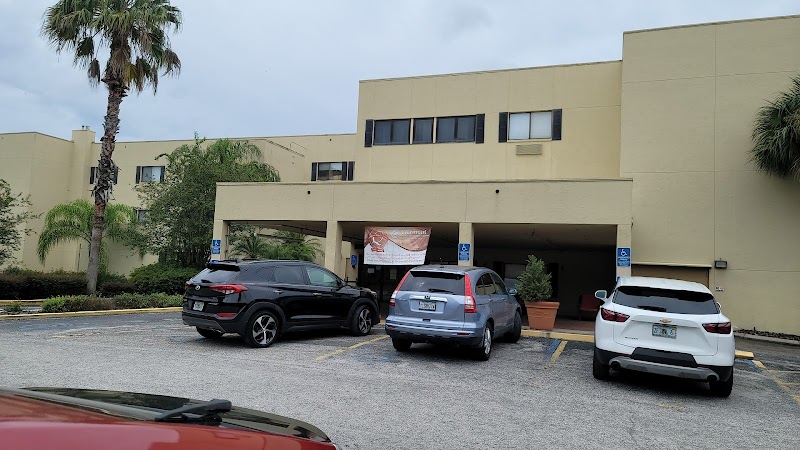
151 E MINNEHAHA AVE, CLERMONT, FL 34711 (352) 394-2188
Non profit - Corporation 182 Beds Independent Data: November 2025
Trust Grade
78/100
#194 of 690 in FL
Last Inspection: August 2025

Inspected within the last 6 months. Data reflects current conditions.

Overview

Clermont Health and Rehabilitation Center has a Trust Grade of B, which means it is considered a good choice for nursing care, indicating solid performance but with room for improvement. It ranks #194 out of 690 facilities in Florida, placing it in the top half, and #5 out of 17 in Lake County, meaning only four local options are rated higher. The facility is improving, as it reduced issues from six in 2024 to five in 2025. Staffing is strong, with a rating of 4 out of 5 stars and a turnover rate of 25%, well below the state average of 42%, which suggests that staff members are experienced and familiar with the residents. There have been no fines, which is a positive sign, and they have average RN coverage. However, there are some concerns. Recent inspections found that the facility failed to administer insulin as prescribed for four residents and did not ensure accurate medical records for two residents discharged from the facility. Additionally, there were instances where residents did not receive oxygen as ordered by their physician. While there are strengths in staffing and overall care, these specific incidents highlight areas needing attention to ensure the safety and well-being of residents.

Trust Score
B
78/100
In Florida
#194/690
Top 28%
Safety Record
Low Risk
No red flags
Inspections
Getting Better
6 → 5 violations
Staff Stability
✓ Good
25% annual turnover. Excellent stability, 23 points below Florida's 48% average. Staff who stay learn residents' needs.
Penalties
✓ Good
No fines on record. Clean compliance history, better than most Florida facilities.
Skilled Nurses
✓ Good
Each resident gets 42 minutes of Registered Nurse (RN) attention daily — more than average for Florida. RNs are trained to catch health problems early.
Violations
⚠ Watch
14 deficiencies on record. Higher than average. Multiple issues found across inspections.
★★★★☆
4.0
Overall Rating
★★★★☆
4.0
Staff Levels
★★★☆☆
3.0
Care Quality
★★★★☆
4.0
Inspection Score
Stable
2024: 6 issues
2025: 5 issues

The Good

  • 4-Star Staffing Rating · Above-average nurse staffing levels
  • Low Staff Turnover (25%) · Staff stability means consistent care
  • Full Sprinkler Coverage · Fire safety systems throughout facility
  • No fines on record
  • Staff turnover is low (25%)

    23 points below Florida average of 48%

Facility shows strength in staffing levels, staff retention, fire safety.

The Bad

No Significant Concerns Identified

This facility shows no red flags. Among Florida's 100 nursing homes, only 1% achieve this.

The Ugly 14 deficiencies on record

Aug 2025 5 deficiencies
CONCERN (D)

Potential for Harm - no one hurt, but risky conditions existed

Tube Feeding (Tag F0693)

Could have caused harm · This affected 1 resident

Based on observation, interview, and record review, the facility failed to ensure proper positioning while tube feeding for 1 of 2 residents reviewed for tube feeding (Resident #40).Findings include: ...

Read full inspector narrative →
Based on observation, interview, and record review, the facility failed to ensure proper positioning while tube feeding for 1 of 2 residents reviewed for tube feeding (Resident #40).Findings include: During an observation on 8/4/2025 at 9:19 AM, Resident #40 was lying in bed with the mattress flat and tube feeding pump running at 50 milliliters per hour. Resident #40 had her head on a pillow and the rest of her body was flat on the mattress. Review of Resident #40's physician order dated 7/30/2025 read, Enteral feed order every shift PEG [Percutaneous Endoscopic Gastrostomy] tube Feed: Glucerna 1.5 Cal [calorie] Continuous via tube to infuse at a rate of 50 ml/hr [milliliter/hour]. Total volume of 1100 ml infused in 22 Hours. Hang feed at 1900 [7:00 PM]. May turn off for care/services. Verify infusing Q [every] shift. Clear pump when total volume has infused. Review of Resident #40's physician order dated 6/11/2025 read, Elevate head of bed while feeding and medication is being administered every shift every shift for prevention. During an interview on 8/4/2025 at 9:25 AM, Staff A, Registered Nurse (RN), stated that Resident #40's head of bed should be at least up at a 30-degree angle while tube feeding. Review of Resident #40's care plan dated 6/3/2025 read, Focus: Tube feeding: The resident is receiving enteral nutrition. Interventions. Elevate HOB [head of bed] during administration of feeding or medication administration. During an interview on 8/5/2025 at 1:15 PM, when the policy and procedure on tube feeding was requested, the Director of Nursing stated they did not have a policy, just a standard for enteral feeding.
CONCERN (D)

Potential for Harm - no one hurt, but risky conditions existed

Drug Regimen Review (Tag F0756)

Could have caused harm · This affected 1 resident

Based on record review and interview, the facility failed to ensure the physician documented the rationale for disagreement with the pharmacist's recommendation for 1 of 5 residents reviewed for unnec...

Read full inspector narrative →
Based on record review and interview, the facility failed to ensure the physician documented the rationale for disagreement with the pharmacist's recommendation for 1 of 5 residents reviewed for unnecessary medications (Resident #58). Findings include: Review of Resident #58's pharmacy review titled Note to Attending Physician/Prescriber dated 6/12/2025 read, 1. Can PRN [as needed] Geri-Tussin DM [Dextromethorphan] be discontinued due to non-use? No. 2. Can PRN Loperamide be discontinued due to non-use? No. 3. Can PRN Meclizine be discontinued due to non-use? No. 4. Can PRN Midodrine be discontinued due to non-use? No. 5. Can PRN Tramadol be discontinued due to non-use? No. Physician/Prescriber response: Disagree. Provide Rationale [Blank]. The document was signed by the Medical Doctor #4. During an interview on 8/7/2025 at 8:34 AM, the Director of Nursing (DON) stated, I receive monthly pharmacy reviews and sometimes in between. For short stay residents, we send over a pharmacy review request, the pharmacist looks the medications over and sees if anything needs to be discontinued and we run that by the primary care doctor. We have monthly GDR [Gradual Dose Reductions] meetings. During an interview on 8/7/2025 at 9:14 AM, the Medical Doctor #4 stated, They usually bring all of the papers from the pharmacy at once, and sometimes I don't have time to assess all of the pharmacy notes. Usually, I write on the pharmacy paper whether I want to make a change or why I disagree. I don't always have time to write a disagreement because there just isn't time, but I try to do it.
CONCERN (D)

Potential for Harm - no one hurt, but risky conditions existed

Medical Records (Tag F0842)

Could have caused harm · This affected 1 resident

Based on record review and interview, the facility failed to ensure medical records were complete and accurate for antidiabetic medication administration for 1 of 8 residents reviewed for medication m...

Read full inspector narrative →
Based on record review and interview, the facility failed to ensure medical records were complete and accurate for antidiabetic medication administration for 1 of 8 residents reviewed for medication management (Resident #34).Findings include: Review of Resident #34's physician order dated 8/14/2024 read, Monitor BS [Blood Sugar] every 12 hours for PRN [as needed] glipizide two times a day for PRN glipizide, Administer is [Sic.] BS is greater than 180. Review of Resident #34's physician order dated 2/8/2025 read, Glipizide Oral Tablet 10 MG [milligram] (Glipizide), Give 1 tablet by mouth every 12 hours as needed for DM [Diabetes Mellitus], Give if blood sugar is greater than 180. Review of Resident #34's Medication Administration Record (MAR) for June 2025 for monitoring blood sugar showed blood sugar was documented as 223 at 8:00 AM, and 224 at 8:00 PM on 6/2/2025; 336 at 8:00 AM, and 247 at 8:00 PM on 6/3/2025; 310 at 8:00 AM on 6/7/2025; 203 at 8:00 AM on 6/8/2025; 260 at 8:00 PM on 6/9/2025; 238 at 8:00 AM, and 232 at 8:00 PM on 6/10/2025; 316 at 8:00 AM on 6/11/2025; 266 at 8:00 AM, and 223 at 8:00 PM on 6/13/2025; 194 at 8:00 AM on 6/15/2025; 192 at 8:00 AM on 6/17/2025; 238 at 8:00 AM on 6/18/2025; 220 at 8:00 AM on 6/20/2025; 185 at 8:00 AM on 6/23/2025; 291 at 8:00 AM, and 388 at 8:00 PM on 6/24/2025; and 225 at 8:00 AM on 6/30/2025. Review of Resident #34's MAR for June 2025 for administration of Glipizide Oral Tablet 10 MG showed no entries documented on 6/2/2025, 6/3/2025, 6/7/2025 (for administration of medication at 8:00 AM), 6/8/2025, 6/9/2025, 6/10/2025, 6/11/2025, 6/13/2025, 6/15/2025, 6/17/2025, 6/18/2025, 6/20/2025, 6/23/2025, 6/24/2025, and on 6/30/2025. Review of Resident #34's Medication Administration Record (MAR) for July 2025 for monitoring blood sugar showed blood sugar was documented as 194 at 8:00 PM on 7/3/2025; 189 at 8:00 AM, and 286 at 8:00 PM on 7/6/2025; 274 at 8:00 AM on 7/7/2025; 206 at 8:00 PM on 7/8/2025; 253 at 8:00 PM on 7/9/2025; 184 at 8:00 PM on 7/10/2025; 208 at 8:00 PM on 7/15/2025; 228 at 8:00 AM on 7/16/2025; 216 at 8:00 AM on 7/19/2025; 186 at 8:00 AM on 7/20/2025; 201 at 8:00 PM on 7/21/2025; 214 at 8:00 PM on 7/22/2025; 225 at 8:00 AM on 7/23/2025; 200 at 8:00 PM on 7/24/2025; 265 at 8:00 PM on 7/27/2025; 210 at 8:00 AM on 7/28/2025; and 183 at 8:00 AM on 7/30/2025. Review of Resident #34's MAR for July 2025 for administration of Glipizide Oral Tablet 10 MG showed no entries documented on 7/3/2025, 7/6/2025, 7/7/2025, 7/8/2025, 7/9/2025, 7/10/2025, 7/15/2025, 7/16/2025 (for administration of medication at 8:00 AM), 7/19/2025, 7/20/2025, 7/21/2025, 7/22/2025, 7/23/2025, 7/24/2025, 7/27/2025 (for administration of medication at 8:00 PM), 7/28/2025, and 7/30/2025. During an interview on 8/6/2025 at 10:39 AM, the Director of Nursing stated, Nursing documentation is expected to be accurate and should ask questions if they need an order to be clarified. During an interview on 8/6/2025 at 12:47 PM, Staff D, Registered Nurse (RN), stated, I always give her the Glipizide if it is more than 180. If she refuses, then I will call the daughters and tell them also. Maybe I am documenting it in the wrong area. During an interview on 8/7/2025 at 9:10 AM, the Medical Doctor #3 stated, [Resident #34's name] is very non complainant with her antidiabetic medication. She will often refuse and will absolutely not want insulin injections. The Glipizide orders have parameters as a request from the daughters. She is a very brittle diabetic and will bottom out easily, but she is very non-complainant. I do think the nurse give her the Glipizide as per the parameters when she allows them to. During an interview on 8/7/2025 at 9:14 AM, the Director of Nursing stated, In talking to nursing staff, I think there is some confusion as to where they think they are documenting they are giving the Glipizide since the PRN order has the medication and parameters listed and then you have the PRN medication also. I spoke to [Staff D, RN's name] and that was what she was explaining to me. During an interview on 8/7/2025 at 10:09 AM, Staff J, Licensed Practical Nurse (LPN), stated, Usually [Resident #34's name] will refuse her medication. If she does want to take the medication, I follow the parameters. I don't recall right now what happened those days. The doctor is aware she refuses frequently. Review of the facility policy and procedure titled Medication Administration with the last review date of 1/3/2025 read, Procedures. Documentation: 1. The individual who administers the medication dose, records the administration on the resident's MAR immediately following the medication being given. In no case should the individual who administered the medication report off-duty without first recording the administration of any medications. 5. When PRN medications are administered, the following documentation is provided: a. Date and time of administration, dose, route of administration (if other than oral), and if applicable, injection site.
CONCERN (D)

Potential for Harm - no one hurt, but risky conditions existed

Infection Control (Tag F0880)

Could have caused harm · This affected 1 resident

**NOTE- TERMS IN BRACKETS HAVE BEEN EDITED TO PROTECT CONFIDENTIALITY** Based on observation, interview, and record review, the facility failed to ensure a resident (Resident #192) was placed on conta...

Read full inspector narrative →
**NOTE- TERMS IN BRACKETS HAVE BEEN EDITED TO PROTECT CONFIDENTIALITY** Based on observation, interview, and record review, the facility failed to ensure a resident (Resident #192) was placed on contact precautions and failed to ensure staff used appropriate Personal Protective Equipment (PPE) and performed hand hygiene while providing care to the residents on contact precautions to prevent the possible spread of infection and communicable diseases. Findings include: During an interview on 8/5/2025 at 11:50 AM, Resident #192 stated, I have an infection. It's MRSA [Methicillin Resistant Staphylococcus aureus]. They [staff members] don't wear any gowns or anything when they help me. During an observation on 8/4/2025 at 11:50 AM, there was no contact isolation signage on the Resident #192'r room door. Review of Resident 192's nursing progress note dated 8/1/2025 read, Resident admitted to the facility via wheelchair. Female patient [AGE] years old with diagnosis of COPD [Chronic Obstructive Pulmonary Disease], asthma, respiratory failure, aortic stenosis. Resident on oxygen 2L [liters] via nasal cannula. Resident on fluids restriction 1500ml [milliliters]. Resident on IV [intravenous] antibiotic every 24 for MRSA, follow contact precaution for MRSA, her skin is intact, no complain [Sic.] of pain, will continue to monitor. Review of Resident #192's physician order dated 8/4/2025 read, Enhanced barrier precaution for IV therapy. Review of Resident #192's physician order dated 8/5/2025 read, Enhanced/contact barrier precaution for IV therapy. During an observation on 8/5/2025 at 7:40 AM, Staff K, Certified Nursing Assistant (CNA), entered Resident #192's room to deliver a meal. Staff K did not perform hand hygiene, did not don personal protective equipment. Staff K moved the overbed table, placed the meal tray and assisted the resident to sit up. Staff K exited the room. During an interview on 8/5/2025 at 9:05 AM, Staff K, CNA, stated, She is not on isolation for anything, so I don't need to use a gown. Review of Resident #192's care plan initiated on 8/1/2025 and revised on 8/4/2025 read, Focus: Infection: The resident has an infection MRSA, Blood infection and is receiving IV ABT [Antibiotics] via RUA [Right Upper Arm] PICC [Peripherally Inserted Central Catheter). Interventions. Contact Precautions. During an observation on 8/6/2025 at 7:08 AM, Staff I, Registered Nurse (RN), did not don PPE or perform hand hygiene. Staff I entered Resident #192's room. Staff I took vital signs. Staff I exited the room, returned to the medication cart, unlocked the medication cart, prepared medications, locked the medication cart, and entered Resident #192's room without donning PPE. Staff I administered oral medications and exited the room. Staff I obtained a dressing kit from the medication cart, and donned gloves without performing hand hygiene. Staff I did not don a gown. Staff I removed supplies from the dressing kit and donned sterile gloves over non-sterile gloves. Staff I placed a mask on the resident, but did not put a mask on. Staff I removed the old dressing and did not don sterile gloves. Staff I had the same gloves. Staff I cleaned the insertion site, placed a new transparent dressing on the site, doffed gloves without performing hand hygiene, and exited the room. Staff I went to the medication room, obtained a normal saline flush, entered Resident #192's room without donning PPE, removed the end cap on the needleless connector and flushed the line. Staff I exited the room and returned to the medication cart and began preparing medications for another resident without performing hand hygiene. During an interview on 8/6/2025 at 7:38 AM, Staff I, RN, stated, She [Resident #192] is on IV antibiotics for an MRSA infection. I should have gowned and gloved when I did the vitals and gave the meds [medications]. She [Resident #192] is on contact precautions. Review of the facility policy and procedure titled Barrier Precautions with the last review date of 1/3/2025 read, Policy: Standard Precautions are the minimum infection prevention steps to include. 2. Use of appropriate protective equipment (i.e., gloves) before patient contact. Contact precautions are used when the employee expects to be in direct or indirect contact with a patient and/or his or her environment including a person's room, or objects in contact with the person, that has an infection with an organism transmitted fecal- orally, such as Clostridium difficile, or wound and skin infections, or multi-drug resistant bacteria such as methicillin- resistant Staphylococcus aureus (MRSA). PPE required before entering a contact precaution designated room is always gloves and a gown.
CONCERN (E)

Potential for Harm - no one hurt, but risky conditions existed

Quality of Care (Tag F0684)

Could have caused harm · This affected multiple residents

Based on observation, interview, and record review, the facility failed to ensure insulin was administered as ordered by physician for 4 of 8 residents reviewed for unnecessary medications (Residents ...

Read full inspector narrative →
Based on observation, interview, and record review, the facility failed to ensure insulin was administered as ordered by physician for 4 of 8 residents reviewed for unnecessary medications (Residents #1, #183, #72, and #102), and failed to ensure hypotensive medication was administered as per the parameters ordered by physician for 1 of 8 residents reviewed (Resident #27). Findings include: 1) Review of Resident #1's physician order dated 2/24/2025 read, Insulin Glargine-yfgn Subcutaneous Solution 100 UNIT/ML [milliliters] (Insulin Glargine-yfgn), Inject 30 unit subcutaneously two times a day for DM [Diabetes Mellitus] Give in morning and HS [Hour of Sleep]. Review of Resident #1's Medication Administration Record (MAR) for May 2025 for administration of Insulin Glargine-yfgn showed code 11 (insulin not required) was documented on 5/3/2025 at 8:00 AM, 5/13/2025 at 8:00 AM, 5/17/2025 at 8:00 AM, 5/23/2025 at 8:00 AM, and 5/30/2025 at 8:00 AM, and code 5 (hold/see nurses notes) was documented on 5/9/2025 at 8:00 AM and 5/27/2025 at 8:00 AM. Review of Resident #1’s nursing progress notes for May 2025 showed no documentation related to holding insulin. Review of Resident #1’s MAR for June 2025 for administration of Insulin Glargine-yfgn showed code 5 was documented on 6/1/2025 at 8:00 AM and 6/6/2025 at 8:00 AM, and code 11 was documented on 6/10/2025 at 8:00 AM, on 6/13/2025 at 8:00 PM, 6/14/2025 at 8:00 AM, 6/24/2025 at 8:00 AM, and 6/28/2025 at 8:00 AM. Review of Resident #1’s nursing progress notes for June 2025 showed no documentation related to holding insulin. Review of Resident #1’s MAR for July 2025 for administration of Insulin Glargine-yfgn showed code 11 was documented on 7/1/2025 at 8:00 PM, 7/8/2025 at 8:00 AM and 8:00 PM, 7/12/2025 at 8:00 AM, 7/22/2025 at 8:00 AM, and 7/26/2025 at 8:00 AM. Review of Resident #1’s nursing progress notes for July 2025 showed no documentation related to holding insulin. During an interview on 8/6/2025 at 3:09 PM, Staff I, Licensed Practical Nurse (LPN), stated, The code 11 means insulin not required. I did not administer the insulin. It was not needed. It (the insulin) was outside the parameters to be given. I don't know if that has any parameters without looking. I did not administer the insulin. I didn't need to give it. I would not need to call the doctor and tell them it (insulin) was not given. During an interview on 8/6/2025 at 5:10 PM, Staff H, LPN, stated, “I did not give the insulin. It was outside the parameters. It [the chart code] means I did not administer it because it’s not required. If that’s what I documented, that’s what happened. I wouldn't need to call (a doctor) if there are parameters. During an interview on 8/6/2025 at 12:29 PM, the Director of Nursing (DON) stated, All staff should follow the orders for medication administration. They need to follow the doctor’s orders. The long-acting insulin does not have any order to hold the medication. 2) Review of Resident #183's physician order dated 2/24/2025 read, Insulin Glargine Subcutaneous Solution Pen-injector 100 UNIT/ML, Inject 32 unit subcutaneously every morning and at bedtime for DM. Review of Resident #183's MAR for May 2025 for administration of Insulin Glargine showed code 11 was documented on 5/3/2025 at 8:00 AM, 5/13/2025 at 8:00 AM, 5/17/2025 at 8:00 AM, 5/18/2025 at 8:00 AM, 5/23/2025 at 8:00 AM and 5/28/2025 at 8:00 AM. Review of Resident #183's MAR for June 2025 for administration of Insulin Glargine showed code 11 was documented on 6/10/2025 at 8:00 AM, 6/14/2025 at 8:00 AM, 6/24/2025 at 8:00 AM and 6/28/2025 at 8:00 AM. Review of Resident #183's MAR for July 2025 for administration of Insulin Glargine showed code 5 was documented on 7/2/2025 at 8:00 PM and 7/3/2025 at 8:00 AM, and code 11 was documented on 7/8/2025 at 8:00 AM, 7/12/2025 at 8:00 AM, 7/22/2025 at 8:00 AM and 7/26/2025 at 8:00 AM. Review of Resident #183’s nursing progress notes showed no documentation related to insulin administration. During an interview on 8/6/2025 at 3:09 PM, Staff F, LPN, stated, The code 11 means insulin not required. I did not administer the insulin to that resident [Resident #183]. It was not needed. I did not know that I should give it. During an interview on 8/7/2025 at 7:15 AM, Staff G, LPN, stated, I did not administer that insulin to him [Resident #183]. It was outside the parameters. Long-acting insulin doesn't have parameters. I didn't give the insulin. 3) Review of Resident #102’s physician order dated 5/7/2025 read, “Insulin Glargine-yfgn Subcutaneous Solution Pen-injector 100 UNIT/ML (Insulin Glargine-yfgn), Inject 24 unit subcutaneously at bedtime for DM.” Review of Resident #102’s MAR for June 2025 for administration of Insulin Glargine-yfgn at 8:00 PM showed code 9 (other/see progress notes) was documented on 6/7/2025, 6/14/2025, 6/21/2025, 6/22/2025, 6/28/2025, 6/29/2025, and 6/30/2025. Review of Resident #102’s progress note dated 6/7/2025 read, “BS [Blood Sugar]=143.” The progress note did not have any other information related to insulin administration. Review of Resident #102’s progress note dated 6/14/2025 read, “BS=143.” The progress note did not have any other information related to insulin administration. Review of Resident #102’s progress note dated 6/21/2025 read, “BS=139.” The progress note did not have any other information related to insulin administration. Review of Resident #102’s progress note dated 6/22/2025 read, “BS=137.” The progress note did not have any other information related to insulin administration. Review of Resident #102’s progress note dated 6/28/2025 read, “BS=158.” The progress note did not have any other information related to insulin administration. Review of Resident #102’s progress note dated 6/29/2025 read, “BS=111.” The progress note did not have any other information related to insulin administration. Review of Resident #102’s progress note dated 6/30/2025 read, “BS=167.” The progress note did not have any other information related to insulin administration. Review of Resident #102’s MAR for July 2025 for administration of Insulin Glargine-yfgn at 8:00 PM showed code 9 was documented on 7/4/2025, 7/9/2025, 7/11/2025, 7/13/2025, 7/18/2025, 7/19/2025, and 7/20/2025. Review of Resident #102’s progress note dated 7/4/2025 read, “BS=134.” The progress note did not have any other information related to insulin administration. Review of Resident #102’s progress note dated 7/11/2025 read, “BS=112.” The progress note did not have any other information related to insulin administration. Review of Resident #102’s progress note dated 7/18/2025 read, “BS=160.” The progress note did not have any other information related to insulin administration. Review of Resident #102’s progress note dated 7/20/2025 read, “BS=81.” The progress note did not have any other information related to insulin administration. Review of Resident #102’s medical record did not have a progress note for 7/13/2025 and 7/19/2025 regarding administration of Insulin Glargine-yfgn. During an interview on 8/6/2025 at 10:39 AM, the DON stated, “Normally you are not supposed to hold long-acting insulin.” During an interview on 8/6/2025 at 3:25 PM, Staff B, LPN, stated, It depends on the blood sugar number. If insulin is low, I know long-acting insulin is for maintenance, but I hold it using my nursing judgement.” During an interview on 8/7/2025 at 8:24 AM, Medical Doctor #1 stated, Long-acting insulin should not be held, but if the blood sugar is low, it can be at times. The nurses will usually call me and let me know when they do. [Resident #102's name] tends to have low blood sugar levels. 4) Review of Resident #27’s physician order dated 8/9/2024 read, “Blood pressure every shift for PRN [as needed] midodrine usage, give if systolic BP [Blood Pressure] is less than 110 every shift for PRN midodrine usage.” Review of Resident #27’s physician order dated 7/15/2024 read, “Midodrine HCl Oral Tablet 2.5 MG [milligram] (Midodrine HCl), Give 1 tablet by mouth every 8 hours as needed for hypotension, Give if SBP [Systolic Blood Pressure] less than 110.” Review of Resident #27’s MAR for June 2025 for blood pressure monitoring and Midodrine administration showed SBP documented as 93 on 6/2/2025 during day shift, 109 on 6/2/2025 during night shift, 102 on 6/7/2025 during night shift, 108 on 6/8/2025 during night shift, 102 on 6/10/2025 during day shift, 109 on 6/11/2025 during night shift, 96 on 6/12/2025 during day shift, and 100 on 6/16/2025 during night shift. Midodrine 2.5 MG was not administered as ordered Review of Resident #27’s MAR for July 2025 for blood pressure monitoring and Midodrine administration showed SBP documented as 106 on 7/4/2025 during day shift, 102 on 7/7/2025 during night shift, 93 on 7/8/2025 during day shift, 101 on 7/10/2025 during day shift, 108 on 7/10/2025 during evening shift, 106 on 7/11/2025 during day shift, 107 on 7/11/2025 during night shift, 109 on 7/12/2024 during day shift, 106 on 7/14/2025 during night shift, 97 on 7/16/2025 during night shift, 107 on 7/25/2025 during day shift, and 95 on 7/28/2025 during day shift. Midodrine 2.5 MG was not administered as ordered. Review of Resident #27’s MAR for August 2025 for blood pressure monitoring and Midodrine administration showed SBP documented as 90 on 8/1/2025 during night shift and 105 during 8/2/2025 at night shift. Midodrine 2.5 MG was not administered as ordered. Review of Resident #27’s physician order dated 5/20/2024 read, “Carvedilol Oral Tablet 3.125 MG (Carvedilol), Give 1 tablet by mouth every 12 hours for tachycardia.” Review of Resident #27’s MAR for June 2025 for administration of Carvedilol 3.125 MG at 8:00 AM showed code 5 was documented on 6/2/2025, 6/3/2025, 6/5/2025, 6/6/2025, 6/9/2025, 6/10/2025, 6/12/2025, 6/23/2025, 6/24/2025, 6/26/2025, and 6/29/2025. Review of Resident #27’s MAR for July 2025 for administration of Carvedilol 3.125 MG at 8:00 AM showed code 5 was documented on 7/3/2025, 7/4/2025, 7/7/2025, 7/8/2025, 7/10/2025, 7/11/2025, 7/14/2025, 7/15/2025, 7/17/2025, 7/18/2025, 7/21/2025, 7/24/2025, 7/25/2025, 7/27/2025, 7/28/2025, and 7/29/2025. Review of Resident #27’s MAR for August 2025 for administration of Carvedilol 3.125 MG at 8:00 AM showed code 5 was documented on 8/1/2025, and 8/5/2025. During an interview on 8/5/2025 at 1:16 PM, Staff C, LPN, stated, “When her [Resident #27’s] blood pressure is low, that is when I got to give her the midodrine to get it up. When the blood pressure is too low, we hold the Carvedilol. For the Midodrine, she gets it when the bottom blood pressure is lower than 60. Midodrine we really look more at the diastolic blood pressure. The facility did an in-service and told us what we were supposed to do regarding the blood pressure medication and what parameters to use to hold it. They instructed us during the in-service to only hold and recheck before I leave. Also, report to the next shift.” During an interview on 8/6/2025 at 1:45 PM, the DON stated, “I spoke to the nurse. It was the same nurse throughout. She was confused about the perfect blood pressure and what we spoke about in the in-service. I would expect staff to follow the providers’ parameters.” During an interview on 8/7/2025 at 10:09 AM, the Medical Doctor #3 stated, Nursing staff should follow the parameters and physician orders provided. [Resident #27’s name] has not had any medical concerns. 5) Review of Resident #72’a physician order dated 6/18/2025 read, Insulin Glargine Subcutaneous Solution 100 Unit/ML (Insulin Glargine), Inject 20 unit subcutaneously at bedtime for DM. Review of Resident #72’s MAR for June 2025 for administration of Insulin Glargine showed code 11 was documented on 6/26/2025 and on 6/27/2025 at 8:00 PM. Review of Resident #72’s MAR for July 2025 for administration of Insulin Glargine showed code 11 was documented on 7/3/2025, 7/11/2025, 7/15/2025, and 7/17/2025 at 8:00 PM. During an interview on 8/6/2025 at 10:30 AM, the Director of Nursing stated, Long-acting insulins should not be held unless the doctor gives an order to hold it. If the resident refuses and is adamant that they don't want it, the nurse should educate the resident. If they have been educated and continue to refuse, the nurse should notify the doctor of the refusal and document a note. During an interview on 8/7/2025 at 10:17 AM, the Medical Doctor #4 stated, Long-acting insulin should not be held. If long-acting insulin is held, the blood sugar can go high. I expect the nurses to give the long-acting insulin and not hold it. I looked at [Resident #72's name] blood sugars, and they have all been below 179, so I do not believe he has experienced any harm or consequences due to the insulin being held.
May 2024 6 deficiencies
CONCERN (D)

Potential for Harm - no one hurt, but risky conditions existed

Safe Environment (Tag F0584)

Could have caused harm · This affected 1 resident

Based on observation, interview, and record review, the facility failed to ensure residents had a safe and homelike environment in 2 of 3 residential units, 200 Unit and 300 Unit (Photographic evidenc...

Read full inspector narrative →
Based on observation, interview, and record review, the facility failed to ensure residents had a safe and homelike environment in 2 of 3 residential units, 200 Unit and 300 Unit (Photographic evidence obtained). Findings include: During an observation on 4/29/2024 at 9:31 AM, the rubber baseboard molding (a trim used to cover the bottom few inches of the wall) was separated from the wall on the right side of Resident #144's bed. During an observation on 4/29/2024 at 11:09 AM, the rubber transition floor strip (covers floor gaps where two-floor surfaces meet) from the hallway into Resident #78's room, had a quarter-size gap between broken pieces of the strip. During an interview on 4/29/2024 at 11:10 AM, the Maintenance Director stated, There are a lot of things needing repair on this floor. A resident could fall if we don't fix it [pointing to the rubber transition floor strip for Resident #78's room). Staff need to report these things when they see it. During an observation on 4/29/2024 at 11:27 AM, the rubber transition floor strip from the hallway into Residents #19 and #427's room had cracked areas of rubber separating from main floor strip. During an observation on 4/30/2024 at 7:45 AM, a piece of stone tile was lifted and broken on the windowsill beside of Resident #160's room. The right side of the resident's bed was resting against the wall with the windowsill and the broken piece of tile was aligned with the foot end of the resident's bed. During an interview on 4/30/2024 at 8:50 AM, the Maintenance Director stated, His [referring to Resident #160] bed needs to be moved. It is not supposed to be against that wall. It's not safe. During an interview on 5/1/2024 at 8:46 AM, Staff B, Registered Nurse, stated, The broken windowsill tile is considered a needed emergency repair because it is sharp and the resident's bed is against the window. He [Resident #160] likes to look out the window and often touches the window blinds and windowsill. During an observation on 5/1/2024 at 9:28 AM, there was a puddle of brown liquid on the floor in the resident hallway adjacent to the elevator on Level 2. Two residents were sitting in wheelchairs in the hallway near the spill. Staff C, Dietary Aide, stopped and looked down at the spill, continued pushing the food tray cart over the spill and then continued to walk to the elevators. During an interview on 5/1/2024 at 9:29 AM, Staff C, Dietary Aide, stated, I noticed the spill. I was going to tell someone when I got downstairs. I don't have a mop or anything to clean it. Spills should be addressed immediately so someone doesn't fall, that's why I was going to let someone know downstairs. During an interview on 5/1/2024 at 1:50 PM, the Assistant Administrator stated, It is everyone's responsibility to report safety concerns. The staff member who noticed the spill should have put up a yellow caution sign over the spill immediately and get a mop to clean it or get the housekeeper to help. They should not have left it (the spill) there. The expectation is that staff take care of the issue immediately such as the liquid spill. Or if maintenance is needed, staff need to contact maintenance immediately and put in a work request in the electronic system. Review of CMS Form 802- Matrix for Providers provided by the Administrator on 4/30/2024 showed that there were forty three current residents on the 300 Level (secured unit). The matrix showed thirty seven residents had a diagnosis of Alzheimer's/Dementia and nineteen residents had had a fall (including six with an injury and one with a major injury). During an interview on 5/1/2024 at 2:50 PM, the Administrator stated, We use the Physical Plant Resource Guide for staff recording and reporting work requests and safety issues. Review of the facility's Physical Plant Resource Guide, last reviewed on 1/5/2024, showed it read, II. Daily Guide . 2. Work Orders: Work orders are in duplicate form. Work orders should be available at each nurse station, at the dietary entrance, outside the maintenance shop and at the front desk. After picking up the grounds, conduct a set of rounds through the building, picking up work orders as you go. Work orders should be arranged by priority . If you are unable to complete a work order that day, communicate that to your Administrator . 3. TELS: The Equipment Lifecycle System. TELS is a web-based Senior Living building management system that helps reduce downtime, secure warranty fulfillment, increase compliance, track equipment and maintenance.
CONCERN (D)

Potential for Harm - no one hurt, but risky conditions existed

Incontinence Care (Tag F0690)

Could have caused harm · This affected 1 resident

**NOTE- TERMS IN BRACKETS HAVE BEEN EDITED TO PROTECT CONFIDENTIALITY** Based on observation, interview, and record review, the facility failed to ensure residents received appropriate urinary cathete...

Read full inspector narrative →
**NOTE- TERMS IN BRACKETS HAVE BEEN EDITED TO PROTECT CONFIDENTIALITY** Based on observation, interview, and record review, the facility failed to ensure residents received appropriate urinary catheter care, and failed to ensure urinary flow into the urinary catheter bag was maintained for 1 of 3 residents reviewed for incontinence care, Resident #165. Findings include: Review of Resident #165's admission record showed the resident was most recently admitted on [DATE] with the diagnoses including urinary tract infection, type 2 diabetes mellitus with unspecified complications, hydronephrosis and neuromuscular dysfunction of bladder. Review of Resident #165's physician order dated 3/18/2024 read, Suprapubic Catheter: Suprapubic catheter to drainage bag for DX [diagnosis] Neurogenic bladder, suprapubic catheter size #18F [French] with 30 cc [cubic centimeters] balloon. Observe Q [every] shift for observation. Review of Resident #165's care plan dated 3/4/2024 read, Focus: Suprapubic Catheter. The resident uses a suprapubic catheter with risk for infection and/or complications related to: Suprapubic #18/30 ml [milliliters], neurogenic bladder . Interventions . Keep catheter tubing free of kinks . keep drainage bag below level of bladder. During an observation on 4/29/2024 at 10:51 AM, Resident #165 was in bed, with the urinary catheter bag resting in a basin that had paper towels in it, and a large wet area on the paper towel. The urinary catheter tubing was looped and resting on the floor with amber colored urine going to the top of the tubing, unable to drain into the urinary catheter bag. During an observation on 4/30/2024 at 9:15 AM, Resident #165 was in bed, with the urinary catheter bag attached to the bed and resting in a basin. The catheter bag was sitting in approximately 100 ml of yellow fluid. During an observation on 5/1/2024 at 8:01 AM, Resident #165 was in bed, with his urinary catheter bag in a basin with approximately 100 ml of fluid in the basin. The urinary catheter bag was resting on the bottom of the basin in contact with the fluid. The urinary catheter tubing was looped with amber urine unable to drain into the urinary catheter bag and filled to the top of the tubing. During an interview on 5/1/2024 at 8:02 AM, Staff A, Registered Nurse (RN), confirmed Resident #165's urinary catheter tubing was looped and the urine was unable to drain into the urinary catheter bag and that there was liquid in the basin and the urinary catheter bag was in the liquid. During an observation on 5/1/2024 at 8:02 AM, Staff A, RN, donned personal protective equipment and raised Resident #165's catheter tubing above the level of the resident's bladder to drain the urine into the urinary catheter collection bag. Staff A let go of the tubing to drain additional urine into the catheter bag, again lifting the tubing above the resident's bladder. During an interview on 5/1/2024 at 8:03 AM, Staff A, RN, stated, I should not have lifted the catheter tubing up above his bladder to get it to empty. I should have moved the bag to make sure it wasn't kinked so the urine could flow properly. It was urine in the basin. During an observation on 5/1/2024 at 8:21 AM, the Director of Nursing (DON) unhooked Resident #165's urinary catheter drainage bag from the bed and lifted the bag above the level of the resident's bladder approximately 1 foot over the bed and the resident's body to visualize the bag and drainage device. During an interview on 5/1/2024 at 8:22 AM, the DON stated, I think that the clamp was not tightened properly and that let the urine leak out of the bag because there doesn't appear to be a leak in the bag itself. I should not have lifted the bag up in the air. During an interview on 5/2/2024 at 8:53 AM, the DON stated, We do not have a policy and procedure for catheter care. It is standard of practice to maintain the catheter and tubing below the level of the resident's bladder.
CONCERN (D)

Potential for Harm - no one hurt, but risky conditions existed

Food Safety (Tag F0812)

Could have caused harm · This affected 1 resident

Based on observation, interview, and record review, the facility failed to ensure foods were stored in a safe and sanitary manner in the main kitchen of the facility. Findings include: During an obser...

Read full inspector narrative →
Based on observation, interview, and record review, the facility failed to ensure foods were stored in a safe and sanitary manner in the main kitchen of the facility. Findings include: During an observation while conducting a tour of the main kitchen on 4/29/2024 at 9:30 AM, with the Certified Dietary Manager (CDM), there were two unlabeled and undated 2.5-gallon buckets of yellowish liquid on the second shelf of the main walk-in cooler, one 4-inch steam pan with a purple jelly like substance on the second shelf of the main walk-in cooler with no label to identify the contents and an expiration date of 4/23/2024, and one opened undated bag of plant-based chicken nugget on the third shelf of the walk-in cooler. During an interview on 4/29/2024 at 9:30 AM, the CDM confirmed the unlabeled and undated food items in the walk-in cooler, and stated, Everything in here should have a label and an expiration date sticker placed on it before storing it. Review of the facility policy and procedure titled Storage with an effective date of January 2023 and a review date of 1/5/2024, showed the policy read, Procedure . 8. Label all leftovers with recipe name, date, (month, day, and year) of storage and use by date. 9. Discard refrigerated leftovers after 72 hours.
CONCERN (D)

Potential for Harm - no one hurt, but risky conditions existed

Infection Control (Tag F0880)

Could have caused harm · This affected 1 resident

Based on observation, interview, and record review, the facility failed to ensure staff performed hand hygiene during medication administration and failed to ensure staff followed infection control st...

Read full inspector narrative →
Based on observation, interview, and record review, the facility failed to ensure staff performed hand hygiene during medication administration and failed to ensure staff followed infection control standards of practice for administration of subcutaneous medications to help prevent the possible transmission of infection and communicable diseases. Findings include: During an observation on 4/30/2024 at 8:05 AM, Staff B, Registered Nurse (RN), unlocked the medication cart and began preparing medication for Resident #118. Staff B did not perform hand hygiene. Staff B compared the individual medication packet to the physician's orders, poured the medications including Amlodipine 10 mg (milligram) tablet, Escitalopram 10 mg tablet, Buspirone 7.5 mg tablet, Carvedilol 3.125 mg tablet, Aspirin 81 mg Capsule, Iron 325 mg tablet, Vitamin B12 100 mcg (microgram) tablet, Vitamin D 125 mcg capsule, Raw Enzyme tablet, and Losartan 100 mg tablet into a single medication cup for oral administration, and returned each packet to the drawer. Without performing hand hygiene, Staff B locked the medication cart, entered Resident #118's room carrying the medication cup, and administered the oral medications to the resident. During an interview on 4/30/2024 at 8:07 AM, Staff B, RN, stated, I should have performed hand hygiene before administering the medications. I don't know why I didn't. During an observation of medication administration for Resident #106 on 5/1/2024 at 11:13 AM, Staff B, RN, administered an insulin injection into the resident's right abdomen without performing hand hygiene before donning gloves and without cleaning the skin with an alcohol wipe before medication administration. During an interview on 5/1/2024 at 11:14 AM, Staff B, RN, stated, I didn't use the alcohol wipe to clean the skin before I gave the medication. I didn't perform hand hygiene before I gave the medicine either. During an interview on 5/1/2024 at 11:22 AM, the Director of Nursing (DON) stated, Staff should be washing their hands before and after every patient, whether with soap and water or hand sanitizer. The nurses should perform hand hygiene just before and directly after administering the medications to the residents. Review of the facility policy and procedure titled Medication Administration Subcutaneous last reviewed on 1/5/2024 showed the policy read, Policy: To administer a parenteral medication via the subcutaneous route in a safe, accurate and effective manner. Equipment: Medication as ordered, Safety syringe and sterile safety needle of appropriate gauge, Antimicrobial agent for medication product (such as alcohol swab), Antimicrobial agent for resident's skin (such as alcohol swab), Antimicrobial agent for hand hygiene, Gloves. Procedures . 4. Perform hand hygiene . 7. Put on gloves . 9. Cleanse skin with antimicrobial agent, using circular motion from center of chosen site until an area about 3 inches in diameter has been prepared. Allow to dry . 15. Inject medication slowly . 17. Remove needle quickly at the same angle as insertion. 18. Swab the area with antimicrobial agent . 21. Remove gloves. 22. Perform hand hygiene. Review of the facility policy and procedure titled Hand Hygiene last reviewed on 1/5/2024, showed the policy read, Policy: The facility considers hand hygiene the primary means to prevent the spread of infections. Procedure . 2. Personnel shall follow the handwashing/hand hygiene guidelines to help prevent the spread of infections to other personnel, residents, and visitors . 8. The use of gloves does not replace handwashing/hand hygiene.
CONCERN (E)

Potential for Harm - no one hurt, but risky conditions existed

Assessment Accuracy (Tag F0641)

Could have caused harm · This affected multiple residents

**NOTE- TERMS IN BRACKETS HAVE BEEN EDITED TO PROTECT CONFIDENTIALITY** Based on record review and interview, the facility failed to ensure Minimum Data Set (MDS) was accurate for 2 of 3 residents rev...

Read full inspector narrative →
**NOTE- TERMS IN BRACKETS HAVE BEEN EDITED TO PROTECT CONFIDENTIALITY** Based on record review and interview, the facility failed to ensure Minimum Data Set (MDS) was accurate for 2 of 3 residents reviewed for discharge, Residents #174 and #175. Findings include: 1. Review of Resident #174's records showed the resident was discharged on 1/31/2024 to home. Review of Resident #174's Discharge Return Not Anticipated MDS dated [DATE] showed the resident was discharged to short-term general hospital. During an interview on 5/2/2024 at 12:00 PM, the MDS Director stated the documented discharge of Resident #174 to short term general hospital was incorrect and Resident #174's discharge should have been documented as to community. 2. Review of Resident #175's records showed the resident was discharged on 2/9/2024 to home. Review of Resident #175's Discharge Return Not Anticipated MDS dated [DATE] showed an unplanned type of discharge. During an interview on 5/2/2024 at 11:53 AM, the MDS Director stated Resident #175's MDS was incorrect under section A 310 G- type of discharge and should have been documented as a planned discharge.
CONCERN (E)

Potential for Harm - no one hurt, but risky conditions existed

Respiratory Care (Tag F0695)

Could have caused harm · This affected multiple residents

Based on observation, interview, and record review, the facility failed to ensure residents received oxygen as per physician order for 2 of 3 residents reviewed for respiratory care, Residents #139, a...

Read full inspector narrative →
Based on observation, interview, and record review, the facility failed to ensure residents received oxygen as per physician order for 2 of 3 residents reviewed for respiratory care, Residents #139, and #154. Findings include: 1. During an observation on 4/29/2024 at 11:01 AM, Resident #139 was in bed, receiving oxygen via nasal canula at 3 liters per minute (LPM). During an observation on 4/30/2024 at 9:53 AM, Resident #139 was in bed, receiving oxygen via nasal canula at 3 LPM. Review of Resident #139's physician orders showed the order dated 4/8/2024 for administration of oxygen at 2 LPM via nasal cannula as needed for shortness of breath. During an interview on 4/30/2024 at 9:55 AM, Resident #139 stated, The nurse turns my oxygen on and off for me. I do not adjust it. During an interview on 4/30/2024 at 10:00 AM, the Director of Nursing (DON) confirmed the oxygen concentrator was set at 3 LPM for Resident #139 and verified the physician order for Resident #139 to receive oxygen at 2 LPM. 2. During an observation on 4/29/2024 at 11:45 AM, Resident #154 was in bed, receiving oxygen via nasal cannula at 4 LPM. During an observation on 4/30/2024 at 9:58 AM, Resident #154 was in bed, receiving oxygen via nasal cannula at 4 LPM. Review of Resident #154's physician orders showed the order dated 4/25/2024 for administration of oxygen at 2 LPM via nasal cannula as needed for shortness of breath. During an interview on 4/30/2024 at 9:58 AM, Resident #154 stated, I don't know what level my oxygen should be on. I let the nurses handle that. I would not know how to change it if I needed to. During an interview on 4/30/2024 at 10:05 AM, the DON confirmed the oxygen concentrator was set at 4 LPM for Resident #154 and verified the physician order for Resident #154 to receive oxygen at 2 LPM. Review of the facility policy and procedure titled Oxygen Therapy with an effective date of November 2023 and a review date of 1/5/24 read, Policy: Oxygen is provided to residents based on physician's orders to supplement oxygen as needed per disease process. Procedure: 10 Verify physician order . 7. Apply device to the resident with appropriate liter flow.
Jan 2023 3 deficiencies
CONCERN (D)

Potential for Harm - no one hurt, but risky conditions existed

Medical Records (Tag F0842)

Could have caused harm · This affected 1 resident

**NOTE- TERMS IN BRACKETS HAVE BEEN EDITED TO PROTECT CONFIDENTIALITY** Based on observation, interview, and record review, the facility failed to maintain accurate and complete medical records for 1 ...

Read full inspector narrative →
**NOTE- TERMS IN BRACKETS HAVE BEEN EDITED TO PROTECT CONFIDENTIALITY** Based on observation, interview, and record review, the facility failed to maintain accurate and complete medical records for 1 of 3 sampled residents, Resident #32. Findings include: Review of the medical records for Resident #32 revealed the resident was admitted on [DATE] with the diagnoses including osteomyelitis of vertebra, sacral and sacrococcygeal region, immobility syndrome, unspecified severe protein calorie malnutrition, local infection of the skin and subcutaneous tissue, methicillin resistant staphylococcus aureus infections as the cause of disease classified elsewhere, chronic obstructive pulmonary disease, emphysema, pressure ulcer of sacral region, stage 4 pressure ulcer of left hip, other lack of coordination, dislocation of thoracic 12 lumbar 1 vertebra sequela, paraplegia, polyneuropathy, neuromuscular dysfunction, hyperlipidemia, anemia, other injury of unspecified body region, sepsis due to methicillin resistant staphylococcus aureus, obstructive and reflux uropathy, colostomy, resistance to multiple antibiotics, stage 4 pressure ulcer of left buttock, unstageable pressure ulcer of left heel, unstageable pressure ulcer of right heel, essential hypertension, presence of neurostimulator, and depression. During an observation on 1/3/2023 at 9:45 AM, Resident #32 had a midline on left arm with the dressing dated 12/27/2022. Review of Resident #32's physician order dated 12/13/2022 reads, Change IV [intravenous] dressing every 7 days as well as PRN [as needed] for soiling and/or dislodgement every evening shift every 7 day(s). Review of Resident #32's physician order dated 1/2/2023 reads, Cleanse wound to the sacrum with NS [normal saline] pat dry and apply AquaCell Ag Cover with ABD [abdominal] pads and tape in place. Three times daily, one time a day every Mon, Wed, Fri. Review of Resident #32's Medication Administration Record (MAR) for December 2022 revealed staff initials as completing the dressing change on 12/14/2022, 12/21/022 and 12/28/2022. Review of Resident #32's MAR for December 2022 and January 2023 reads, Cleanse wound to the sacrum with NS pat dry and apply AquaCell Ag Cover with ABD pads and tape in place. Three times daily, every day shift every Mon, Wed, Fri. The MAR revealed staff initials as completing the wound care on 12/21/2022, 12/23/2022, 12/26/2022, 12/18/2022, 12/30/2022, 1/4/2023 only. During an interview on 1/5/2023 at 1:55 PM, the DON stated, It was an error of data input. It should say weekly not daily. During an interview on 1/6/2023 at 8:30 AM, the Director of Nursing (DON) stated she spoke to both staff members involved, and the staff stated she noted the dressing was dated 12/27/2022 and checked off on 12/28/2022 that it had been done already even though she did not do the dressing change herself. During an interview on 1/6/2023 at 10:30 AM, the DON stated staff were expected to accurately document and only document when they performed the task. Review of the facility policy and procedure titled Documentation revised on 1/5/22 reads, Policy . 2. Documentation should be accurate, complete, chronological, and objective, legible and timely.
CONCERN (D)

Potential for Harm - no one hurt, but risky conditions existed

Infection Control (Tag F0880)

Could have caused harm · This affected 1 resident

**NOTE- TERMS IN BRACKETS HAVE BEEN EDITED TO PROTECT CONFIDENTIALITY** 2. Review of the medical records for Resident #32 revealed the resident was admitted on [DATE] with the diagnoses including oste...

Read full inspector narrative →
**NOTE- TERMS IN BRACKETS HAVE BEEN EDITED TO PROTECT CONFIDENTIALITY** 2. Review of the medical records for Resident #32 revealed the resident was admitted on [DATE] with the diagnoses including osteomyelitis of vertebra, sacral and sacrococcygeal region, immobility syndrome, unspecified severe protein calorie malnutrition, local infection of the skin and subcutaneous tissue, methicillin resistant staphylococcus aureus infections as the cause of disease classified elsewhere, chronic obstructive pulmonary disease, emphysema, pressure ulcer of sacral region, stage 4 pressure ulcer of left hip, other lack of coordination, dislocation of thoracic 12 lumbar 1 vertebra sequela, paraplegia, polyneuropathy, neuromuscular dysfunction, hyperlipidemia, anemia, other injury of unspecified body region, sepsis due to methicillin resistant staphylococcus aureus, obstructive and reflux uropathy, colostomy, resistance to multiple antibiotics, stage 4 pressure ulcer of left buttock, unstageable pressure ulcer of left heel, unstageable pressure ulcer of right heel, essential hypertension, presence of neurostimulator, and depression. Review of Resident #32's physician order dated 1/5/2023 reads, Cleanse right lateral lower leg wound with NSS [normal saline solution], pat dry, apply santyl cover with ABD [abdominal]/gauze, secure with roll and tape every day shift. Review of Resident #32's physician order dated 1/5/2023 reads, Cleanse right ankle NSS, pat dry, apply santyl, cover with ABD, secure with roll gauze and tape every day shift. On 1/5/2023 at approximately 10:10 AM, during an observation of Resident #32 receiving wound care from Staff B, RN, and Staff C, Licensed Practical Nurse (LPN), Staff B placed a towel under Resident #32's feet. Staff B removed the soiled wound dressing from Resident #32's right foot and placed the resident's right foot with the wound back on the towel. Staff C elevated Resident #32's right foot and Staff B cleansed the wound. Once the wound was cleansed, Staff C placed the resident's right foot down on the soiled towel. Staff B stated to Staff C to hold the resident's right foot up and not to place it on the towel. Staff B applied the clean wound dressing to the resident's right foot without re-cleansing the wound. During an interview on 1/5/2023 at 10:45 AM, Staff B, RN, stated that Resident #32's foot should not have been placed down on the towel after the wound had been cleansed. During an interview on 1/5/2023 at 1:50 PM, the DON stated, Nurses are expected to follow infection control practices. Review of the facility policy and procedure titled Infection Prevention and Control Program dated May 2020 reads, Procedure . d. Prevention of Infection and Communicable Disease. Staff, volunteers, visitor, those individuals providing services under contractual bases and resident education is done to focus on risk of infection and practices to decrease risk. Policies, procedures and aseptic practices are followed by personnel in performing procedures. Based on observation, interview, and record review, the facility failed to maintain an infection prevention and control program to help prevent the possible development and transmission of communicable diseases and infections during medication administration for 1 of 2 residents receiving intravenous (IV) medications, Resident #36, and during wound care dressing change for 1 of 2 residents, Resident #32. Findings include: 1. Review of the medical records for Resident #36 revealed the resident was admitted on [DATE] with diagnoses including asthma, diabetes, dementia, paranoid schizophrenia, noninfective colitis and anxiety. Review of Resident #36's physician order dated 12/29/2022 noted Ertapenem 1 gram IV daily for 10 days. During an observation on 1/4/2023 at 3:00 PM, Staff A, Registered Nurse (RN), proceeded to administer Ertapenem 1 gram to Resident #36. Staff A connected and flushed with normal saline to the resident's IV catheter without scrubbing the needleless connector on the resident's catheter with an antiseptic wipe. Staff A connected the medication IV line to Resident #36 without scrubbing the needleless connector on the resident's catheter. During an interview on 1/4/2023 at 3:10 PM, Staff A, RN, stated, I should have scrubbed the resident's needleless connector of the IV catheter for 30 seconds. No, I did not. During an interview on 1/4/2023 at 3:55 PM, the Director of Nursing (DON), stated her expectation for the nurses was to follow infection control standards and do the right thing. Review of the facility policy and procedure titled Administration of IV Fluids and Medications. Setting Up a Primary Infusion (Hydration or Medication) reads, Procedure . 8. Scrub needleless connector on resident's catheter with antiseptic wipe.
CONCERN (E)

Potential for Harm - no one hurt, but risky conditions existed

Food Safety (Tag F0812)

Could have caused harm · This affected multiple residents

Based on observation, interview, and record review, the facility failed to ensure foods in the refrigerator/freezer were covered, dated, labeled, and shelved to allow circulation, failed to ensure the...

Read full inspector narrative →
Based on observation, interview, and record review, the facility failed to ensure foods in the refrigerator/freezer were covered, dated, labeled, and shelved to allow circulation, failed to ensure the equipment was in good condition, and failed to ensure the kitchen and food service equipment were clean. Findings include: On 1/3/2023 at 8:46 AM, during a tour of four nourishment rooms including C-1, C-2, C-3, and post-acute areas with the Registered Dietician (RD), there were outdated or undated open products of juices, milk, nutritional drinks, and thickened water (Photographic evidence obtained). On 1/3/2023 at 9:16 AM, during an initial tour of the refrigerator, freezer and stock-room located in the kitchen with the RD, the following were observed: 1. a buildup of what appeared to be food particles and spills in the microwave, 2. dust and grease build up under the stove hood vent and on the light covers, 3. open boxes of raw cookie dough with open flaps exposing food items and a buildup of ice on the back wall and floor in the freezer, 4. food items with no use by date or identifier labels in the walk-in cooler, 5. an opened container of jelly with no opened date and a label reading refrigerate after opening in the dry storage area, and a large plastic scoop stored in the sugar storage bin, 6. a dark, moist, and slimy substance surrounding the door of the ice machine, and 7. dirty rags stored on the bottom shelve in the pot and pan sink area (Photographic evidence obtained). During an interview on 1/3/2023 at 9:30 AM, the RD stated that all dirty clothes should be in a sani-bucket and not stored or placed on a shelf or table, and all foods should be labeled and dated in the refrigerators, coolers, and stock room. The RD verified the food items that were outdated or expired in 4 of 4 nourishment rooms. During an interview on 1/4/2023 at 7:19 AM, the Dietary Manager (DM) confirmed that all foods in the freezer and/or cooler should be closed properly to ensure the safety and protection of the food items and a use-by-date should be on the items according to the policy for first-in, first out in the kitchen and nourishment rooms. The DM stated that the opened jar of jelly should have been in the cooler as labeled, the scoops should not be stored in the food bins, and all vents, walls, and equipment including the ice machine should be cleaned according to policy. Review of the facility policy and procedure titled Storage dated January 201 reads, Procedure . 6. Store baking ingredients and cereal in original containers or plastic containers with lids. a. Never store scoops in ingredient bins or ice machines. Always place in separate container . Refrigerator Storage: 1. Store perishable foods in refrigerator and/or foods marked Keep Refrigerated by the manufacturer. Review of the facility policy and procedure titled Sanitation dated September 2021 reads, Procedure . The Food and Nutrition Services team maintains clean and sanitary kitchen facilities and equipment. Walls, floors, ceilings, and equipment and utensils are clean and/or sanitized and in good, working order . 20. Maintain clean and sanitary kitchen facilities and equipment by following cleaning instruction procedures and Nutritional Services Cleaning Schedule. Review of the facility policy and procedure titled Nourishment Rooms/Pantries dated February 2022 reads, Procedure: 1 . c. Items will be discarded after 72 hours of storage (perishable), 30 days (non-perishables) or per expiration date . 3. Food and Nutrition Services and the Nursing departments will inspect food items daily to meet above standards and discard any expired foods. Review of Daily/Weekly Kitchen Sanitation Checklist revised on 11/4/20 reads, Main Kitchen . walk-ins- nothing on floor or above red line on top shelves, floor clean, door clean, + all food labeled and dated. No scoops stored in ingredients bins, ice machine or any other food container. Ice machine clean regular as scheduled . Microwave and toasters clean in and out. Hoods/vents cleaned and free of grease build-up . Sanitizer buckets in use and filled with clean sanitizing water.
Understanding Severity Codes (click to expand)
Life-Threatening (Immediate Jeopardy)
J - Isolated K - Pattern L - Widespread
Actual Harm
G - Isolated H - Pattern I - Widespread
Potential for Harm
D - Isolated E - Pattern F - Widespread
No Harm (Minor)
A - Isolated B - Pattern C - Widespread

Questions to Ask on Your Visit

  • "Can I speak with families of current residents?"
  • "What's your RN coverage like on weekends and overnight?"

Our Honest Assessment

Strengths
  • • No major safety red flags. No abuse findings, life-threatening violations, or SFF status.
  • • No fines on record. Clean compliance history, better than most Florida facilities.
  • • 25% annual turnover. Excellent stability, 23 points below Florida's 48% average. Staff who stay learn residents' needs.
Concerns
  • • 14 deficiencies on record. Higher than average. Multiple issues found across inspections.
Bottom line: Generally positive indicators. Standard due diligence and a personal visit recommended.

About This Facility

What is Clermont Center's CMS Rating?

CMS assigns CLERMONT HEALTH AND REHABILITATION CENTER an overall rating of 4 out of 5 stars, which is considered above average nationally. Within Florida, this rating places the facility higher than 99% of the state's 100 nursing homes. This rating reflects solid performance across the metrics CMS uses to evaluate nursing home quality.
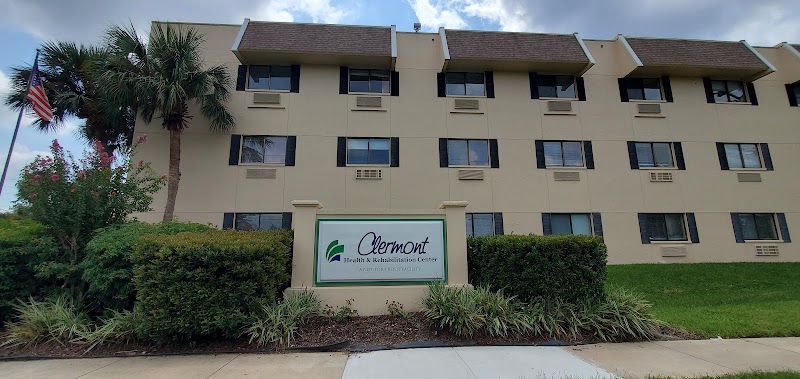
How is Clermont Center Staffed?

CMS rates CLERMONT HEALTH AND REHABILITATION CENTER's staffing level at 4 out of 5 stars, which is above average compared to other nursing homes. Staff turnover is 25%, compared to the Florida average of 46%. This relatively stable workforce can support continuity of care.

What Have Inspectors Found at Clermont Center?

State health inspectors documented 14 deficiencies at CLERMONT HEALTH AND REHABILITATION CENTER during 2023 to 2025. These included: 14 with potential for harm.
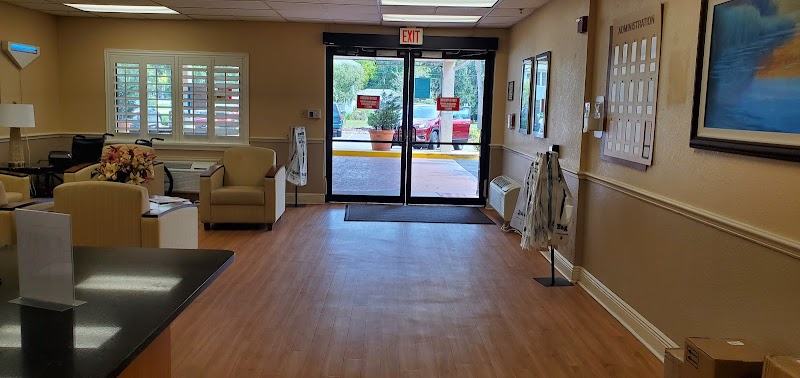
Who Owns and Operates Clermont Center?

CLERMONT HEALTH AND REHABILITATION CENTER is owned by a non-profit organization. Non-profit facilities reinvest revenue into operations rather than distributing to shareholders. The facility operates independently rather than as part of a larger chain. With 182 certified beds and approximately 171 residents (about 94% occupancy), it is a mid-sized facility located in CLERMONT, Florida.
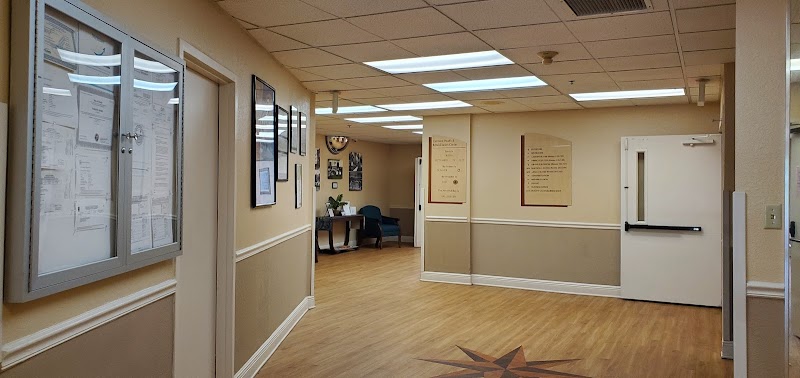
How Does Clermont Center Compare to Other Florida Nursing Homes?

Compared to the 100 nursing homes in Florida, CLERMONT HEALTH AND REHABILITATION CENTER's overall rating (4 stars) is above the state average of 3.2, staff turnover (25%) is significantly lower than the state average of 46%, and health inspection rating (4 stars) is above the national benchmark.

What Should Families Ask When Visiting Clermont Center?

Based on this facility's data, families visiting should ask: "Can I visit during a mealtime to observe dining assistance and food quality?" "How do you handle medical emergencies, and what is your hospital transfer rate?" "Can I speak with family members of current residents about their experience?"

Is Clermont Center Safe?

Based on CMS inspection data, CLERMONT HEALTH AND REHABILITATION CENTER has a clean safety record: no substantiated abuse findings (meaning no confirmed cases of resident harm), no Immediate Jeopardy citations (the most serious violation level indicating risk of serious injury or death), and is not on the Special Focus Facility watch list (a federal program monitoring the lowest-performing 1% of nursing homes). The facility has a 4-star overall rating and ranks #1 of 100 nursing homes in Florida. While no facility is perfect, families should still ask about staff-to-resident ratios and recent inspection results during their visit.

Do Nurses at Clermont Center Stick Around?

Staff at CLERMONT HEALTH AND REHABILITATION CENTER tend to stick around. With a turnover rate of 25%, the facility is 21 percentage points below the Florida average of 46%. Low turnover is a positive sign. It means caregivers have time to learn each resident's needs, medications, and personal preferences. Consistent staff also notice subtle changes in a resident's condition more quickly. Registered Nurse turnover is also low at 22%, meaning experienced RNs are available to handle complex medical needs.

Was Clermont Center Ever Fined?

CLERMONT HEALTH AND REHABILITATION CENTER has no federal fines on record. CMS issues fines when nursing homes fail to meet care standards or don't correct problems found during inspections. The absence of fines suggests the facility has either maintained compliance or corrected any issues before penalties were assessed. This is a positive indicator, though families should still review recent inspection reports for the full picture.

Is Clermont Center on Any Federal Watch List?

CLERMONT HEALTH AND REHABILITATION CENTER is not on any federal watch list. The most significant is the Special Focus Facility (SFF) program, which identifies the bottom 1% of nursing homes nationally based on persistent, serious quality problems. Not being on this list means the facility has avoided the pattern of deficiencies that triggers enhanced federal oversight. This is a positive indicator, though families should still review the facility's inspection history directly.